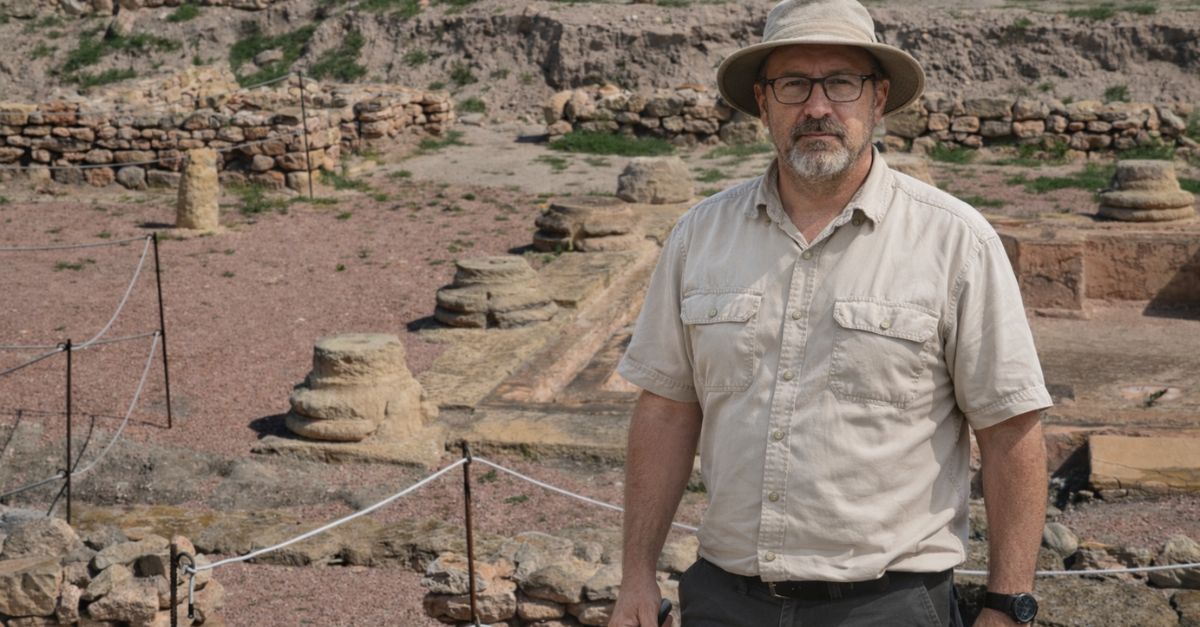
Archaeologists just discovered a swimming pool so vast that even by modern standards it would impress. What's amazing about this place is that it was carved into the earth nearly 2,000 years ago, its walls adorned with intricate mosaics that once shimmered beneath the Mediterranean sun. This massive discovery happened at La Alcudia, near the Spanish city of Elche, after eight years of painstaking excavation work that concluded in 2025. The discovery of the Eastern Baths complex has rewritten the understanding of Roman luxury in Iberia, revealing a bathing facility that rivals anything found in Rome itself.
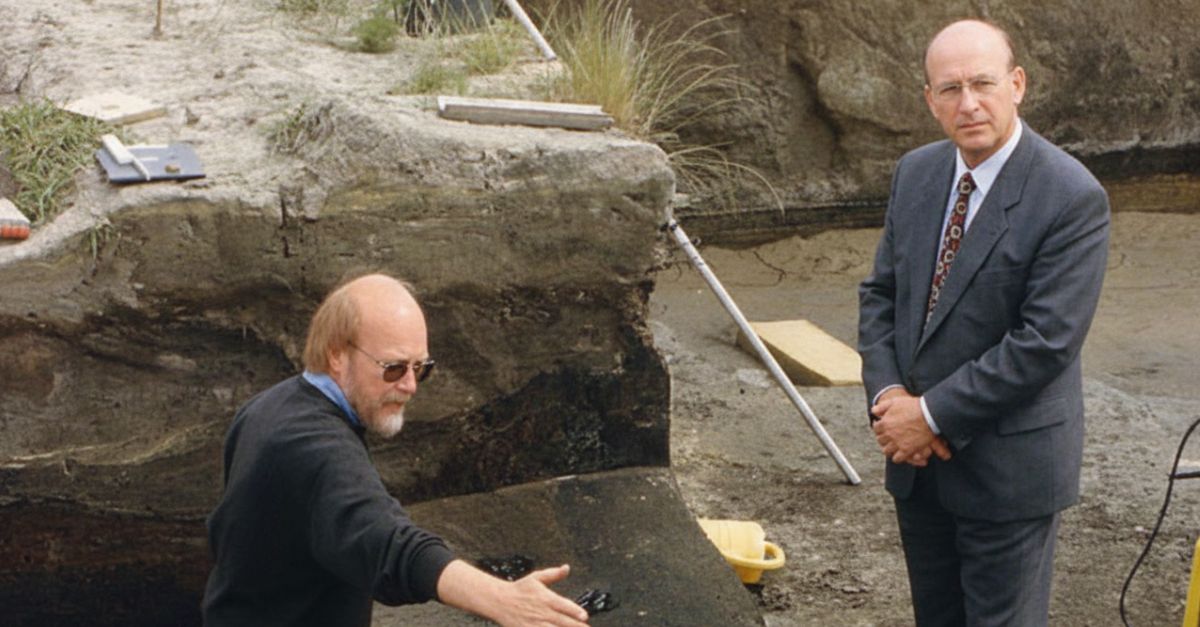
The story begins in northern Germany, at the open-air marshlands of Schoningen site, where wooden spears, butchered horse remains, and quiet layers of sediment have long hinted at deep time. What changed everything was not a new artifact, but a molecular echo pulled from damp soil. Horse DNA, nearly 200,000 years old, survived where theory said it should not. That single recovery from the site quietly rewrote assumptions about preservation and the limits of ancient genetics. It also set the stage for challenges that stretch far beyond one site, because once a boundary falls, science must learn how to walk carefully on the other side and emerge victorious.
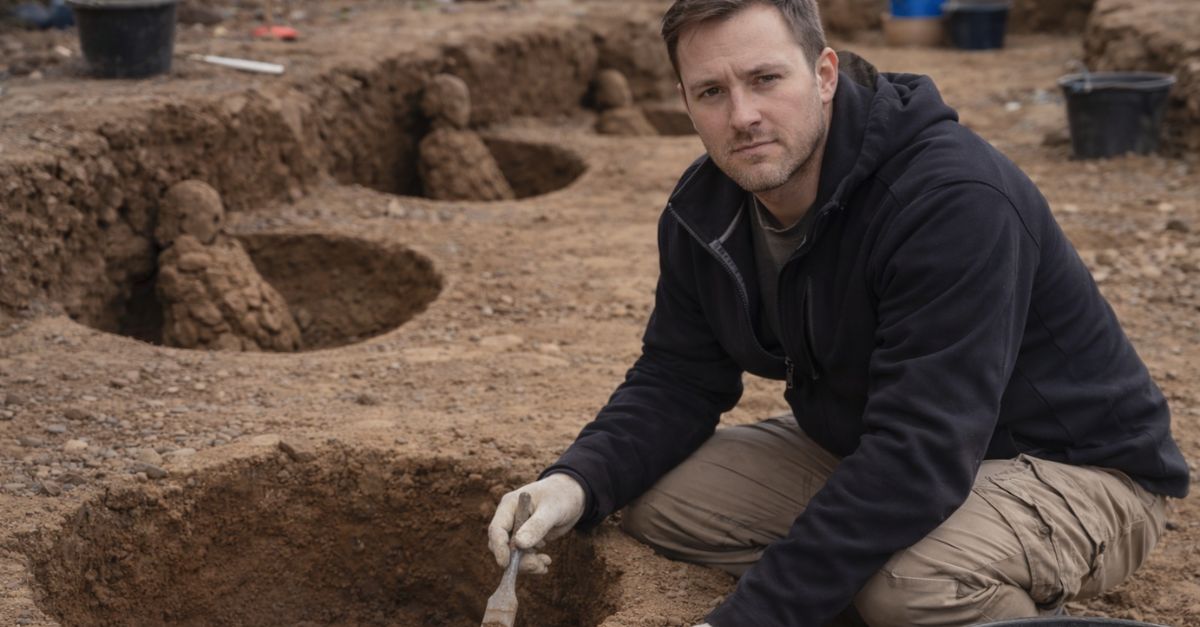
During preventive excavations at the Josephine Baker school in Dijon, on the site of the former Cordeliers convent garden, archaeologists uncovered Iron Age graves dating to the La Tene period (450–25 BCE) of Celtic Gaul. The space also had one artifact indicating 300–200 BCE. 13 individuals had been buried in a seated upright position at the base of circular pits. The discovery immediately set the site apart from typical late Gallic funerary practices, where cremation or horizontal burial dominated. As the soil was cleared layer by layer, the unusual posture of the dead suggested a carefully planned ritual rather than an improvised response to death. It prompted researchers to rethink how some Gallic communities expressed identity. The excavation was followed by an initial archaeological evaluation, which began with mechanical stripping of the overlying garden and convent layers to bring out the secrets from the past. It was subsurface anomalies arranged in a straight line. Once digging started, archaeologists realized that the pits formed a north–south alignment stretching roughly 3.3 feet. Each grave measured close to one meter in diameter. Within them, the deceased leaned against the eastern wall, facing west, with bent legs and arms resting close to the torso. The repeated positioning of each burial was obvious. Rather than a random collection of graves, the site appeared organized. This means that they followed shared rules governing how the bodies were placed after their community members passed away.

The heavy iron doors groaned open in October 2025, exposing darkness that had remained undisturbed since 1971. Inside Vrindavan's Banke Bihari temple treasury, flashlight beams held by the team caught the glint of one gold bar, three silver bars, and some scattered uncut gemstones resting in aged containers. Temple priests stood witness as court-appointed surveyors descended into chambers that three generations of devotees had never seen or even imagined entering. What emerged wasn't just an inventory of precious metals—it was physical evidence of centuries-old devotional wealth, accumulated through faith and offerings, suddenly thrust into modern legal disputes over ownership and rightful stewardship.

New York City feels like a place built for big, attention-grabbing creatures. Yet below the traffic and concrete, a small European ant species has carved out a surprising stronghold. Lasius emarginatus, identified in the city in 2011, has become a significant part of the local urban ecosystem. Known informally as the “ManhattAnt”, it thrives in places most animals avoid, including subway-adjacent spaces, utility corridors, sidewalk cracks, and building foundations. Its presence reveals how adaptable certain species can be and how urban environments unintentionally create new ecological niches.

Visitors often imagine the Eiffel Tower as an immovable silhouette, unchanged through the shifting seasons. Yet on the city’s hottest days, the structure behaves in a way that defies those assumptions. Subtle movements ripple through its iron framework to reveal a quiet dialogue between the monument and the intense Parisian sun. These changes invite a deeper look into how heat interacts with metal, which hints that even a landmark of this scale doesn’t stand entirely still. Instead, it adapts to the environment in ways that most observers never notice. It shifts just enough to show that nature always leaves its mark.

Mount Everest dominates geography books and trivia nights as Earth's tallest mountain, standing at an impressive 29,032 feet above sea level. That number gets drilled into our heads from elementary school onwards, cementing Everest's reputation as the undisputed king of peaks. The reality behind mountain measurement tells a more complicated and frankly more interesting story, though. When you measure from the actual base to the summit instead of arbitrarily using sea level as your starting point, Hawaii's Mauna Kea becomes the real champion at over 33,000 feet tall. This reveals how much our measurement standards shape the facts we accept as absolute truth.

Along the coastline of northern France, the town of Eu sits above cliffs that have steadily eroded under centuries of wind and waves. Beneath this land lie the remains of an ancient fortified Gallic settlement dating to roughly the late Iron Age, around 2,000 years ago. Archaeological interest in this site stretches back centuries, but in recent years, accelerating coastal erosion has placed much of it in immediate danger. Large sections of the cliff have collapsed into the English Channel, which has taken layers of history with them. To prevent total loss, French heritage authorities organized emergency rescue excavations. They brought in professional archaeologists and university students to recover and document what remained before further erosion destroyed the site entirely. As excavation began, researchers carefully worked through successive soil layers that reflected centuries of occupation. Stone ramparts, foundations of dwellings, pottery fragments, and tools emerged to confirm the site’s long-term use as a fortified settlement. These rescue digs were conducted rapidly but systematically, with each find mapped and preserved. In some areas, archaeologists could see where earlier layers had already fallen into the sea. It was within this threatened context, while investigating one of the excavation zones near the cliff edge, that students uncovered a small earthenware pot deliberately placed in the ground.
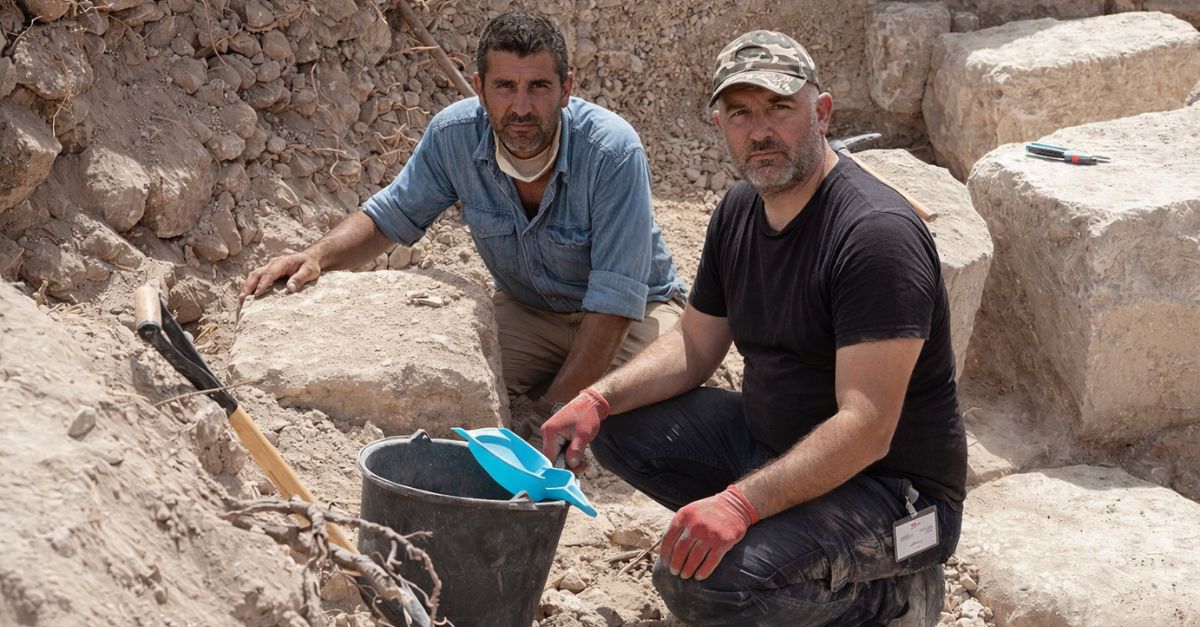
Beneath the cobblestones of Via Santa Croce in modern Trento, archaeologists have uncovered something remarkable—a sprawling Early Iron Age cemetery that rewrites what we know about life in this Alpine valley before Rome ever showed up. This isn't just a handful of graves. We're talking about a major necropolis, a city of the dead that served a thriving community roughly 2,800 years ago. The discovery turns Trento from a Roman footnote into a place with deep, complex roots reaching back to the first millennium BCE. Every burial tells a story about social structure, trade networks, ritual practices, and daily existence in a world that left no written records. The finds are spectacular: bronze fibulae still clasping decomposed fabric, ceramic vessels that once held food for the journey beyond, iron weapons corroded but recognizable, and jewelry that speaks to vanity and status even across millennia.

Hundreds of naturally mummified bodies buried in wooden boat-shaped coffins have been emerging from China's Tarim Basin since the 1990s. Their tall stature and cattle‑centric culture convinced researchers for decades that these Bronze Age people were Indo‑European migrants. Scholars believed they had traveled from the western steppes or Central Asian oases to introduce farming practices to this remote desert region around 2,000 BCE. A comprehensive genomic analysis published in Nature in 2021 has completely overturned that century-old theory. An international team extracted and sequenced DNA from thirteen of the oldest mummies dating between 2,100 and 1,700 BCE, discovering something nobody expected—these weren't foreigners at all but direct descendants of an ancient population that had lived in the area since the Ice Age ended.

Desert stories tend to sound exaggerated, yet camel eyes bring real science to scenes people imagine from old adventure films. Sand blitzes the air like flying grit, wind stings your cheeks, and light bounces off dunes with a sharp glare. A camel moves through that chaos with adaptations that effectively mitigate the environmental intensity. Three eyelids, double rows of long lashes, and a protective membrane give these animals the tools needed to keep vision steady in conditions that would have most people squinting within seconds.
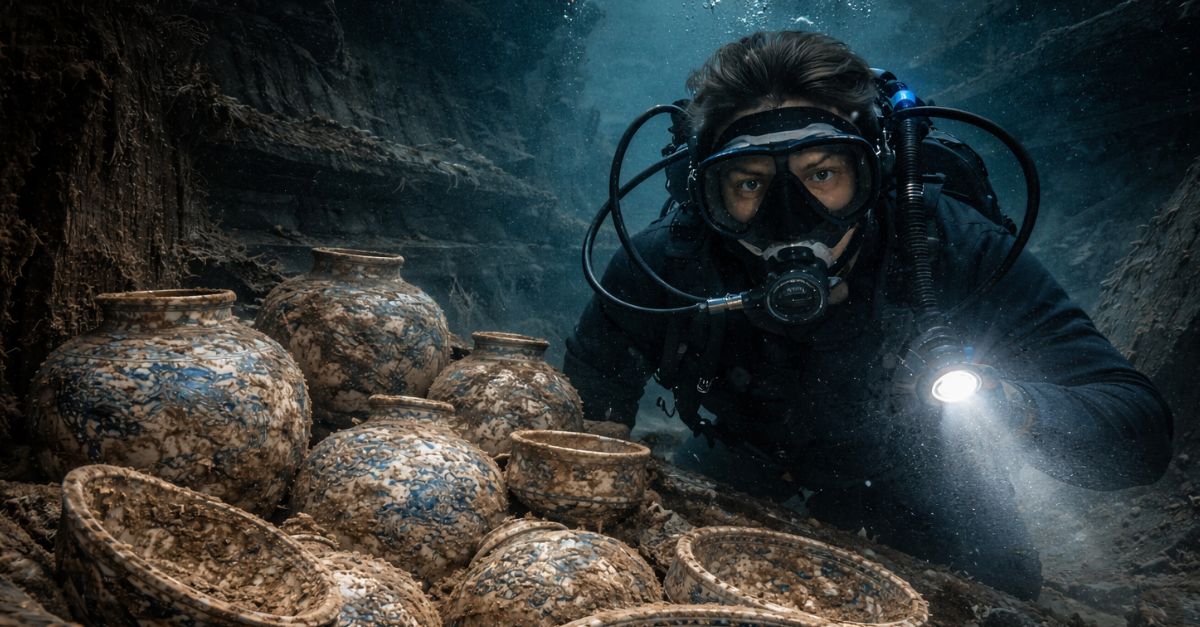
Off the coast of Shanghai, near Hengsha, archaeologists recovered Yangtze No. 2, a wooden trading vessel that sank around 150 years ago. River silt sealed the ship for generations. Inside lay Jingdezhen porcelain intended for everyday markets. The find matters for its ordinariness.

If you like humaverse you may also consider subscribing to these newsletters:
