For centuries, Egypt’s pyramids have guarded their secrets. Now, modern technology is uncovering what ancient eyes once knew. When researchers scanned the Pyramid of Khafre using a technique called muon tomography, the results were astonishing. Beneath layers of solid limestone, they detected strange density shifts—possible clues to hidden chambers. These findings have sparked new curiosity about a monument that has towered over the desert for more than four millennia. With each technological breakthrough, the pyramid seems to offer another whisper from the past, urging researchers to look deeper.
The Science Behind Muon Scanning
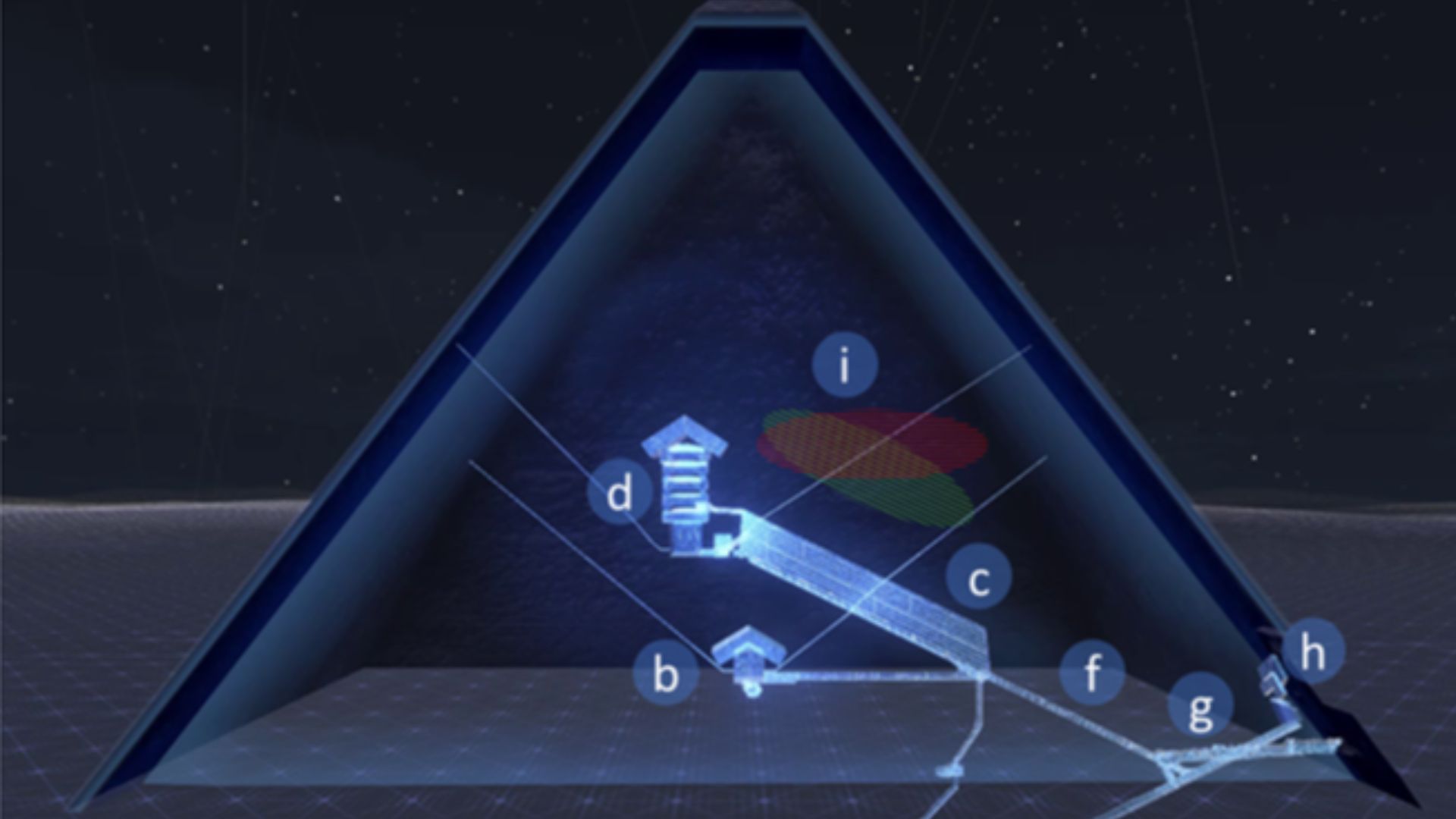
Muon tomography sounds complex, but it’s actually based on a simple idea. Cosmic rays from space constantly bombard Earth, creating tiny particles called muons. And even though muons can pass through stone, their behavior still shifts depending on what they encounter. By tracking how muons move through a structure, scientists can create detailed density maps without drilling or digging. In this case, detectors placed around the Pyramid of Khafre captured millions of muons over several months. The data revealed unusual “light spots,” suggesting less-dense areas within the massive structure. These anomalies appeared in zones where no known passageways or chambers exist. For archaeologists, that is like finding a whisper of something extraordinary hidden behind ancient walls.
Muon scanning has been used before on the Pyramid of Khufu, where it famously revealed a massive hidden void in 2017. That discovery proved the method’s power—and encouraged researchers to apply it to Khafre’s pyramid next. What makes this new scan particularly exciting is that Khafre’s pyramid is far less explored internally than Khufu’s. Its internal layout is simpler, with only a few known chambers and corridors, meaning any anomaly stands out dramatically. Another advantage of muon scanning is that it bypasses the risks associated with excavation. The pyramids are fragile in ways not visible from the outside. Exploring blindly could damage ancient structures or unsettle stones that have remained stable for thousands of years. Muon tomography offers a safe alternative—one that can reveal secrets without touching a single block.
Could These Voids Be Secret Chambers?
That’s the question sparking excitement across the archaeological world. The anomalies might represent hidden corridors, sealed burial chambers, or construction gaps left by ancient builders. Each possibility tells a different story about how the pyramid was designed. If these are actual chambers, they could contain objects or inscriptions that provide new insights into Egypt’s Old Kingdom. Even if they are structural voids, learning their purpose might reshape what we know about ancient construction methods. After all, the Pyramid of Khafre stands as the second-largest pyramid at Giza, built more than 4,000 years ago for Pharaoh Khafre, the ruler often linked to the Great Sphinx.
Some historians believe the pyramid may have been modified during construction, adjusting internal spaces as plans evolved. This wasn’t unusual—Egyptian builders often adapted their designs as work progressed. A hidden corridor could reflect one such abandoned idea. Others speculate that the voids might be relieving spaces intended to lower pressure on the chambers below. Such engineering tricks appear in other ancient structures, and discovering them here could highlight just how advanced Old Kingdom architects were. There’s also a more intriguing possibility: undiscovered funerary rooms. Although Khafre’s burial chamber has been found, no mummy was ever recovered. If additional chambers exist, they could help explain what happened to the pharaoh’s remains—or even reveal whether the pyramid was used differently than previously thought.
What Comes Next For The Research
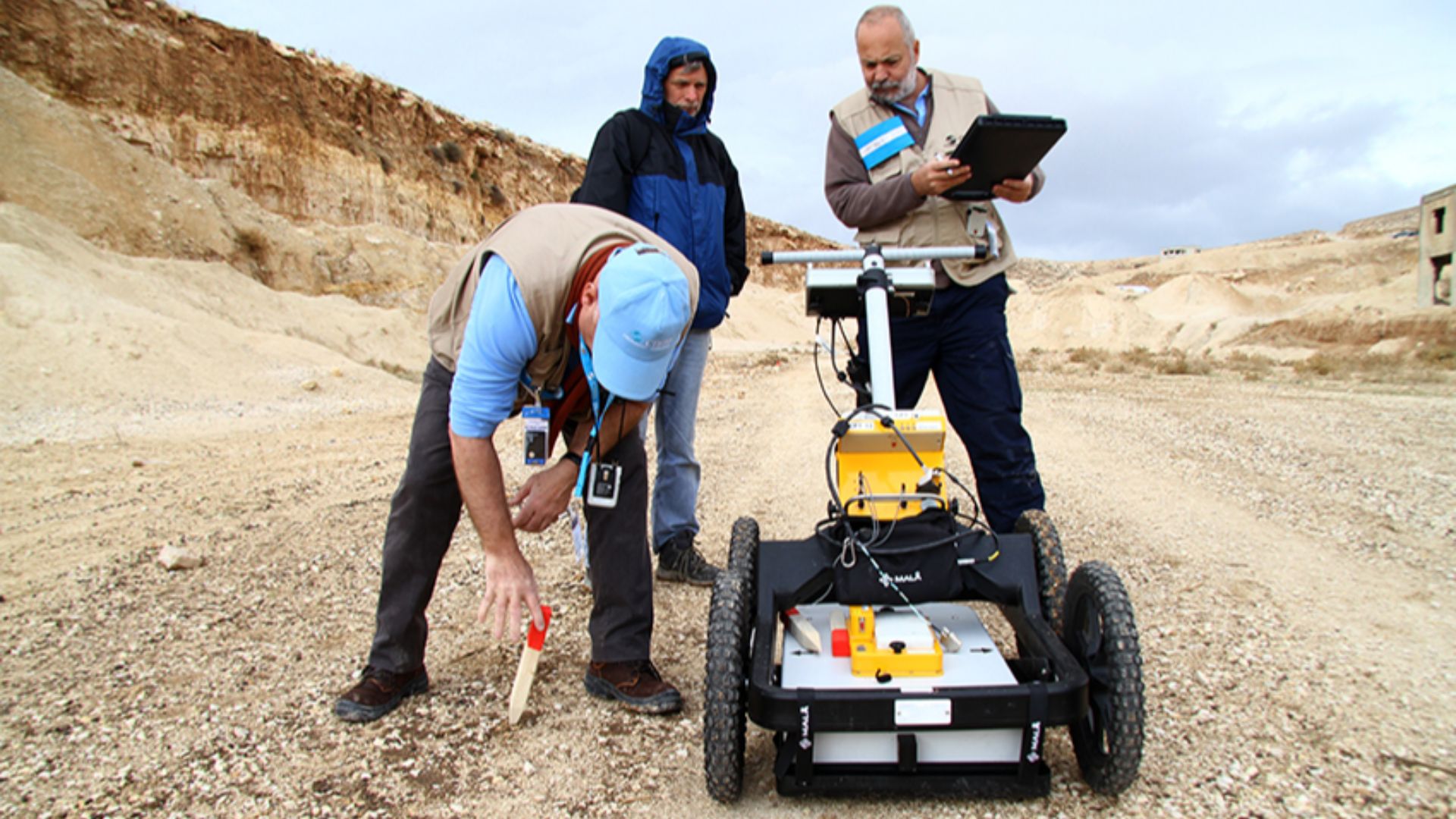
The findings are just the beginning. Teams plan to combine muon imaging with radar and 3D modeling to confirm the exact shape and size of these voids. However, no one is rushing to physically explore them yet, as preservation remains a top priority, and noninvasive tools continue to be the preferred approach. As more data emerges, scientists hope to reveal whether these densities mark undiscovered chambers or clever ancient engineering tricks. Either way, the Pyramid of Khafre is reminding the world that even after thousands of years, it still holds stories untold, waiting for the right technology to bring them to light.
 The Official CTBTO Photostream, Wikimedia Commons