Explore how history’s most powerful rulers turned personal grudges into public vengeance, using armies, prisons, censorship, and government agencies to punish rivals, critics, and anyone who dared openly challenge them.

Saturday Night Live has been making America laugh for decades—but there’s more than one chilling reason why some believe the show is cursed.
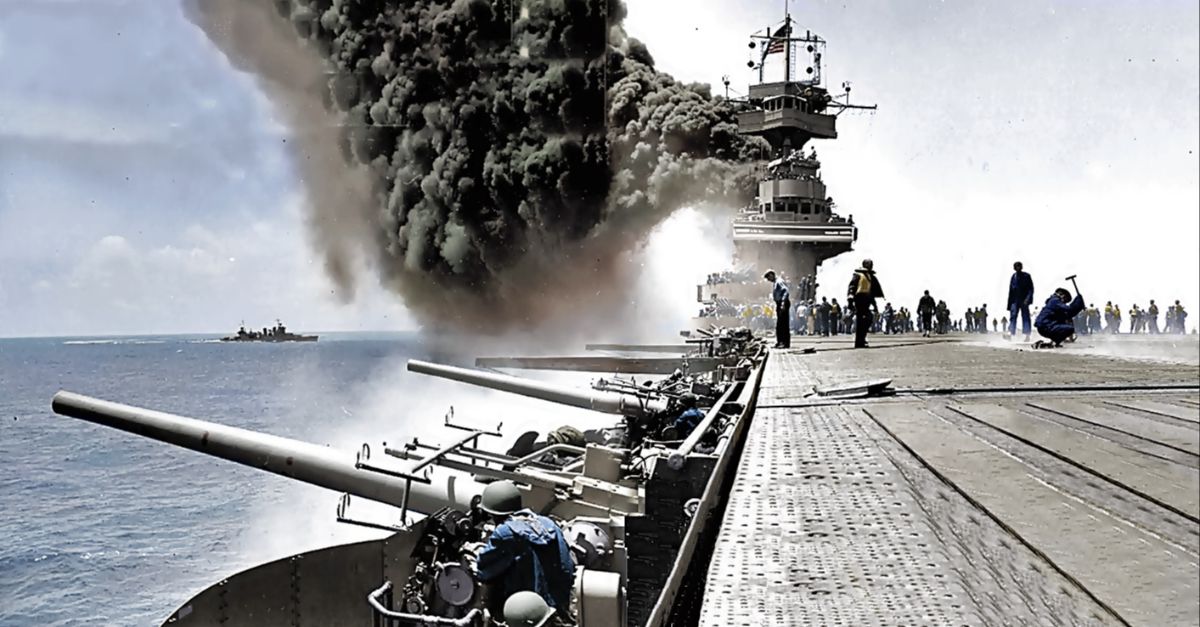
While Japan’s surprise strike against Pearl Harbor gets loads of attention, there is another WWII battle that was clearly just as dramatic. The Battle of Midway pitted America against Japan once again. The stakes were incredibly high, as this was a kind of grudge match. The Japanese wanted to continue in their campaign against America. For America, they needed to hold their ground in the volatile South Pacific and get some sweet revenge for what had happened at Pearl Harbor.
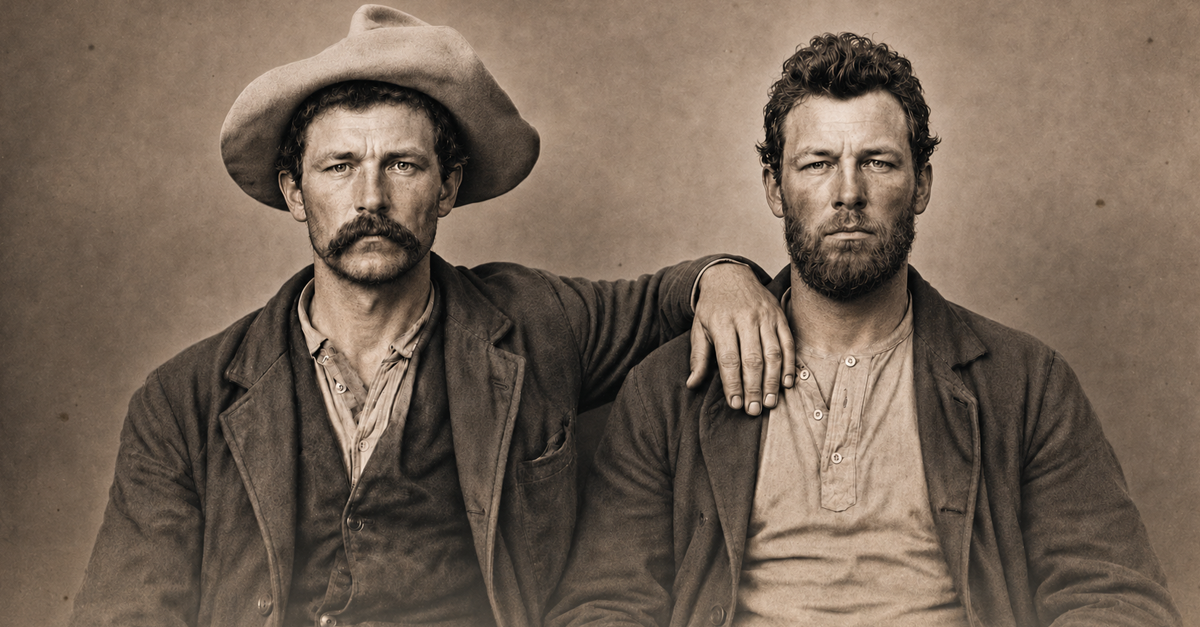
Discover how Kentucky grifters Philip Arnold and John Slack planted a fake diamond field, deceiving Tiffany, wealthy investors, and mining experts in America’s notorious Great Diamond Hoax of 1872 scandal.

Mary Toft fooled Georgian England by claiming she gave birth to rabbits. Discover how the bizarre 1726 hoax deceived royal doctors, captivated the court, and humiliated Britain’s medical establishment forever.
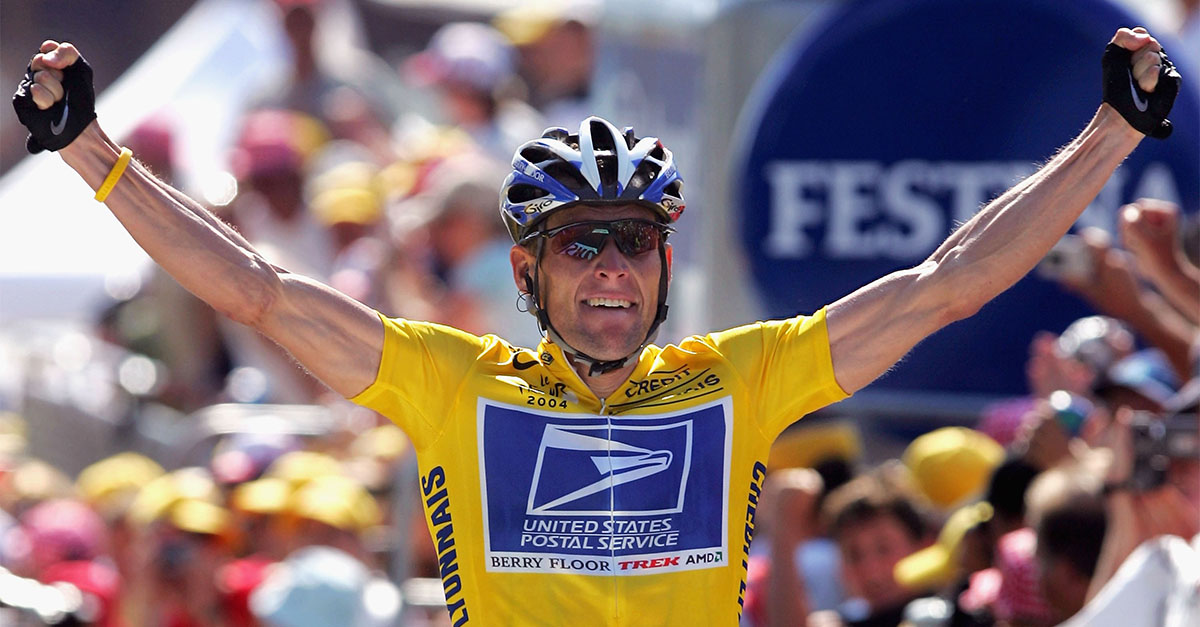
Sports has its heroes, villains, winners, losers, and cheaters. It also has Lance Armstrong, who is all of those rolled into one. Thanks to him, sports have never been the same.
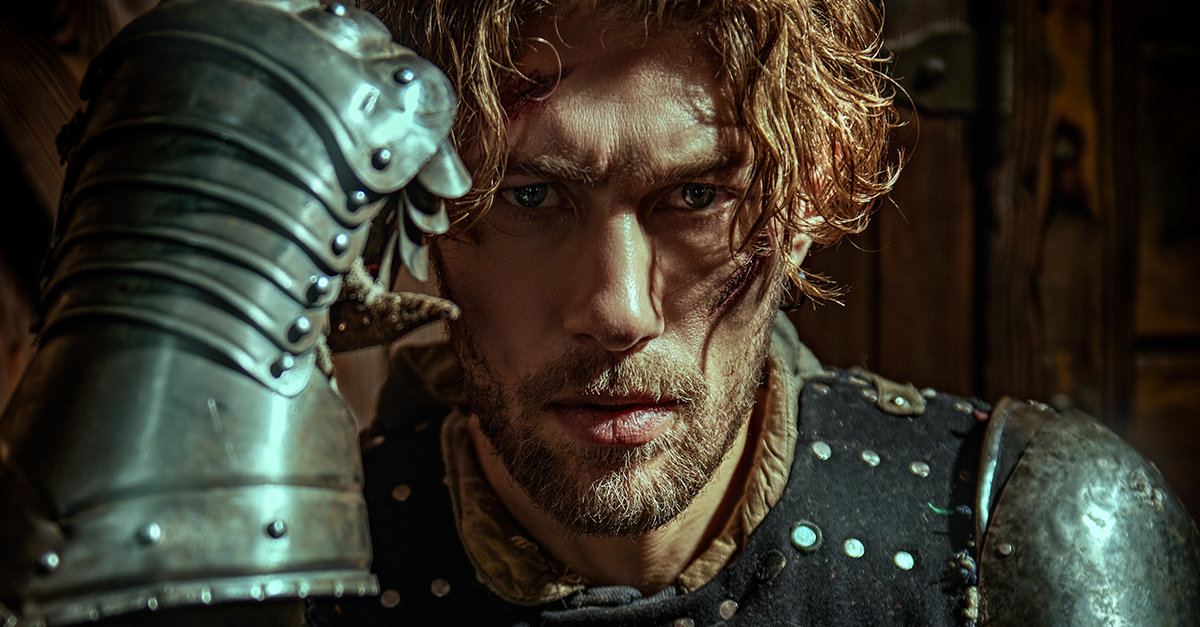
The life of a knight was undeniably desirable in the Middle Ages and afforded the lucky selected an existence much cushier than that of a common peasant—though there were certainly downsides, as well.
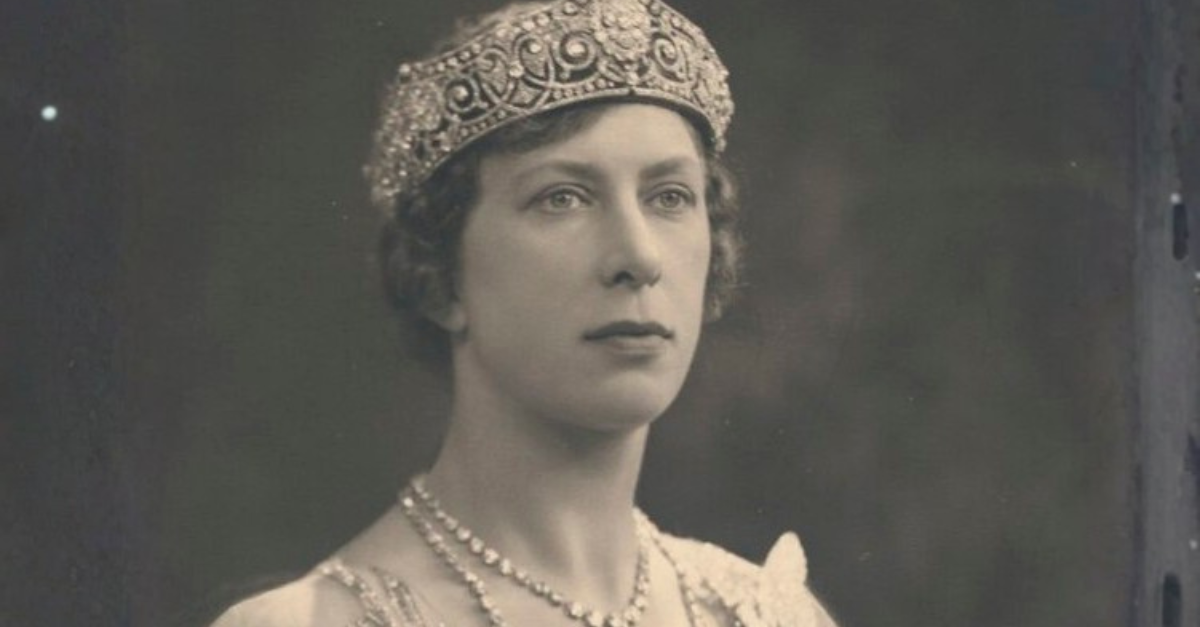
Mary, Princess Royal stands out in British royal history for one almost-unheard-of reason: she never became a scandal headline. No affairs, no explosive feuds, no jaw-dropping controversies—just a lifetime spent quietly using her status to uplift people who had far less. But that doesn't mean her story is boring. While others in the palace made the papers for all the wrong reasons, Mary turned privilege into purpose, becoming living proof that compassion and solidarity can exist even behind the thickest palace walls.
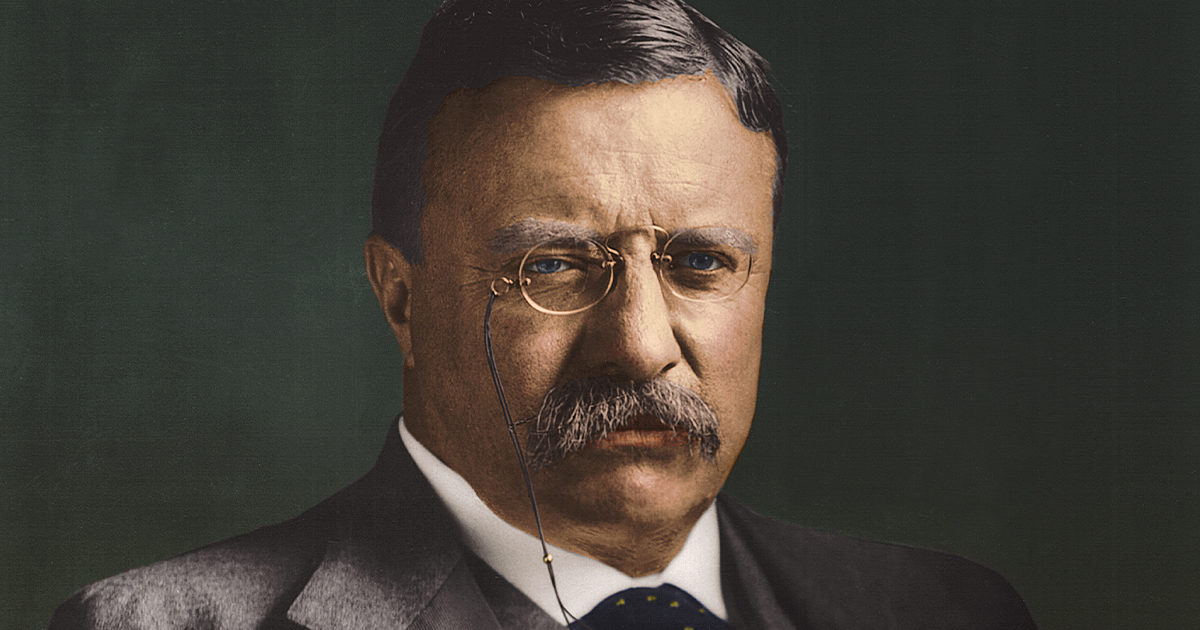
In the long list of America’s presidents, four became so popular as to become memorialized on Mount Rushmore, but only one of them practically carried the nation into the 20th century. Theodore Roosevelt didn’t have an easy life, but each hardship he endured turned him into a stronger man and leader, who became renowned for the sheer force of his will as he overcame any obstacle—until he couldn’t fight anymore.

If you like humaverse you may also consider subscribing to these newsletters:
