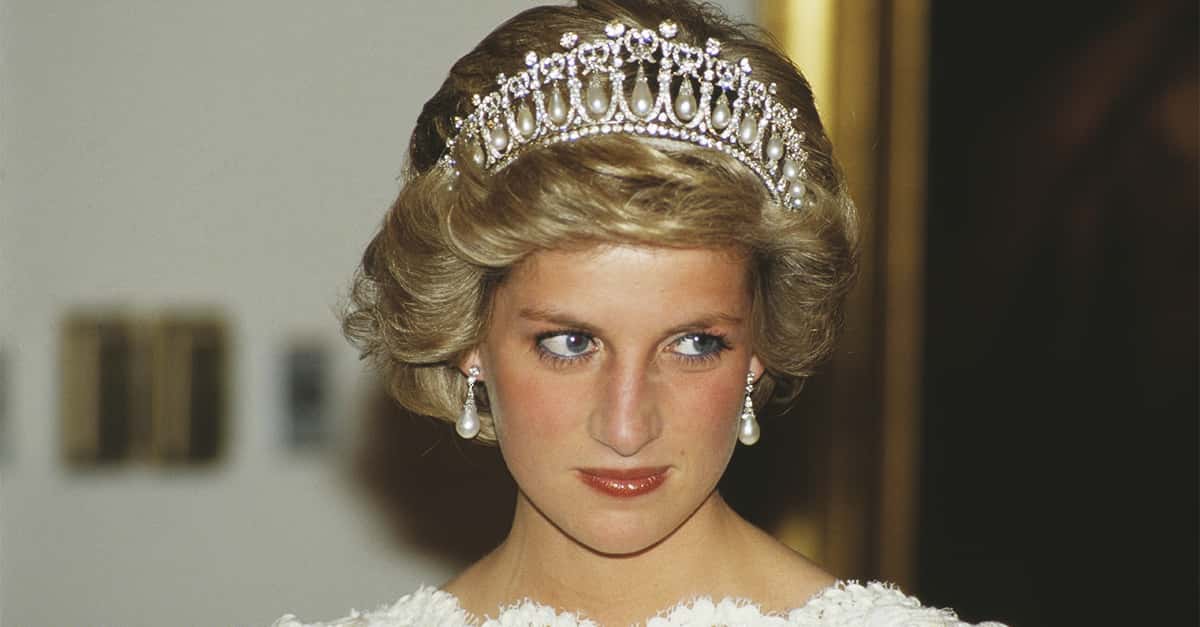
Diana, Princess of Wales captivated the world when she married into the House of Windsor. Unfortunately, she couldn’t get the same unconditional love or attention from her husband nor her in-laws. From there, she was sucked into a whirlwind of struggle and scandal that ended with her untimely death. But, as we’ll see, that’s just one part of it—and the real story of Princess Diana is so much more tragic than people know.
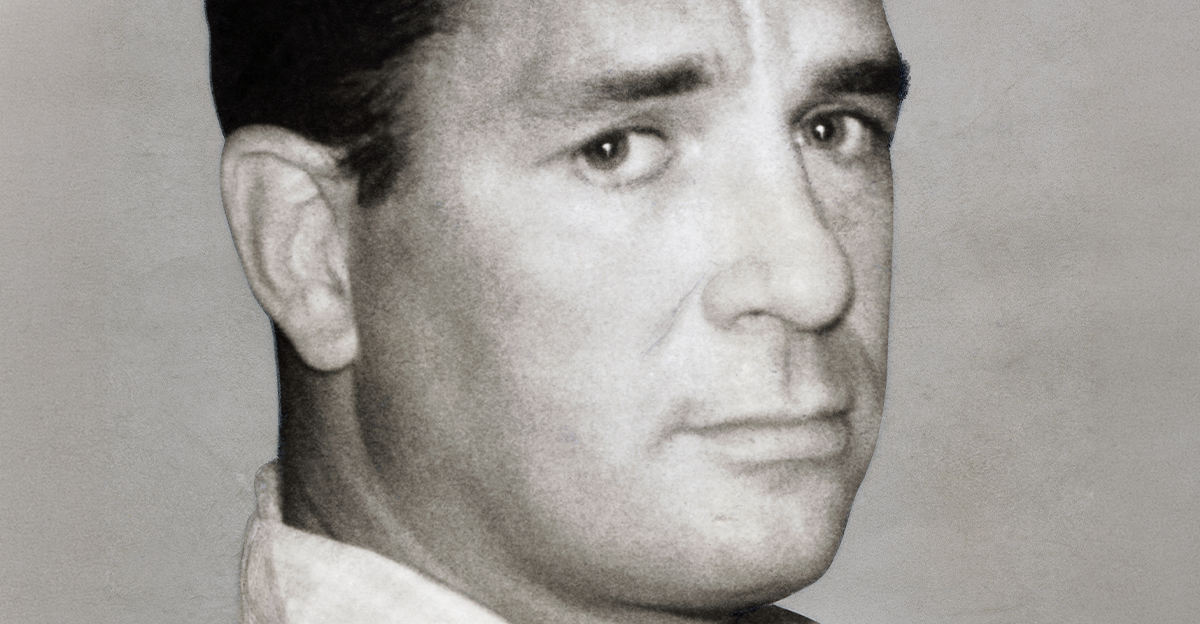
Jack Kerouac’s life changed forever when he published his bestselling novel; it launched him into unprecedented fame and turned him into a household name. Even today, people still recognize “Jack Kerouac”, yet the man that Kerouac appeared as thanks to his novels differed greatly from the man he truly was. Hidden beyond his famous persona, the author lived a complex life that often contradicted itself and ended in both tragedy and controversy.
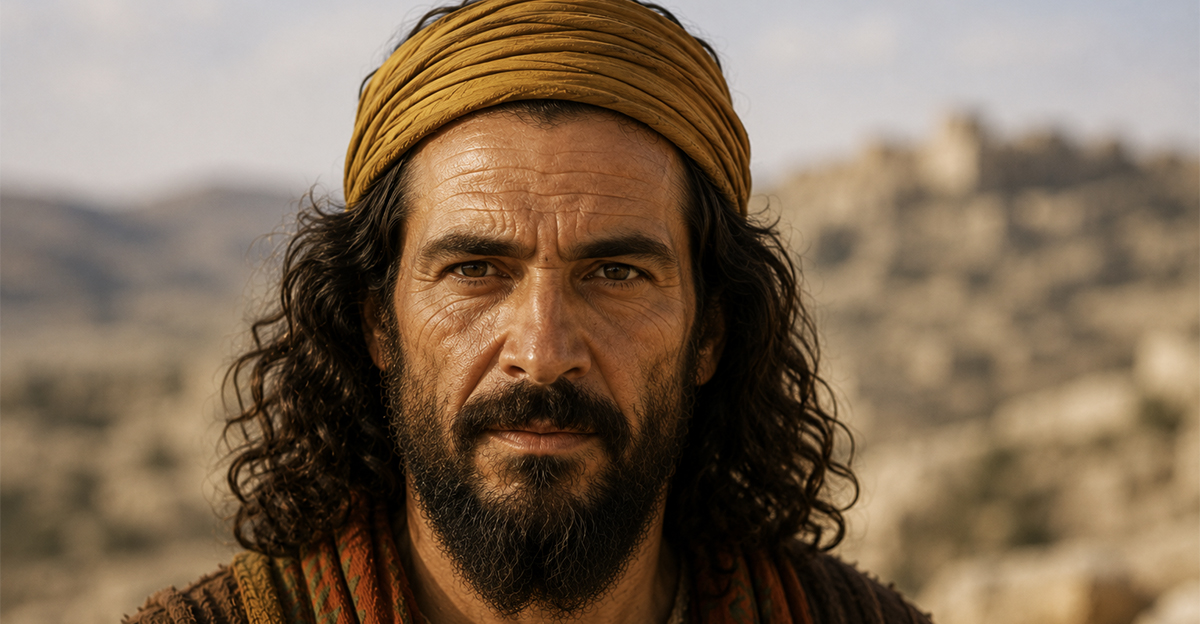
The Bible describes Barabbas as the prisoner released by Pilate while Jesus was condemned to crucifixion. Then the extraordinary happened: Barabbas disappeared.

Today, a zipper feels so ordinary that most people barely notice one unless it jams. The basic idea took generations of experimentation before manufacturers could make a sliding fastener that was reliable, affordable, and easy to sew into everyday products. Its history shows that inventing something is not the same as convincing millions of people to trust it.

Most monarchs inherit a crown, marry into a royal family, or take power after a major political upheaval. A remarkable group of real people chose another route and simply announced that they were emperors, kings, or princes. Some became beloved eccentrics, while others used their new titles to reinforce very real political power.

History is full of inventions that appeared to fail because the underlying idea was flawed. In many cases, the real problems were expensive components, weak infrastructure, awkward interfaces, or consumers who had not yet developed a reason to change their habits. Years later, remarkably similar concepts returned after the surrounding technology had finally caught up.
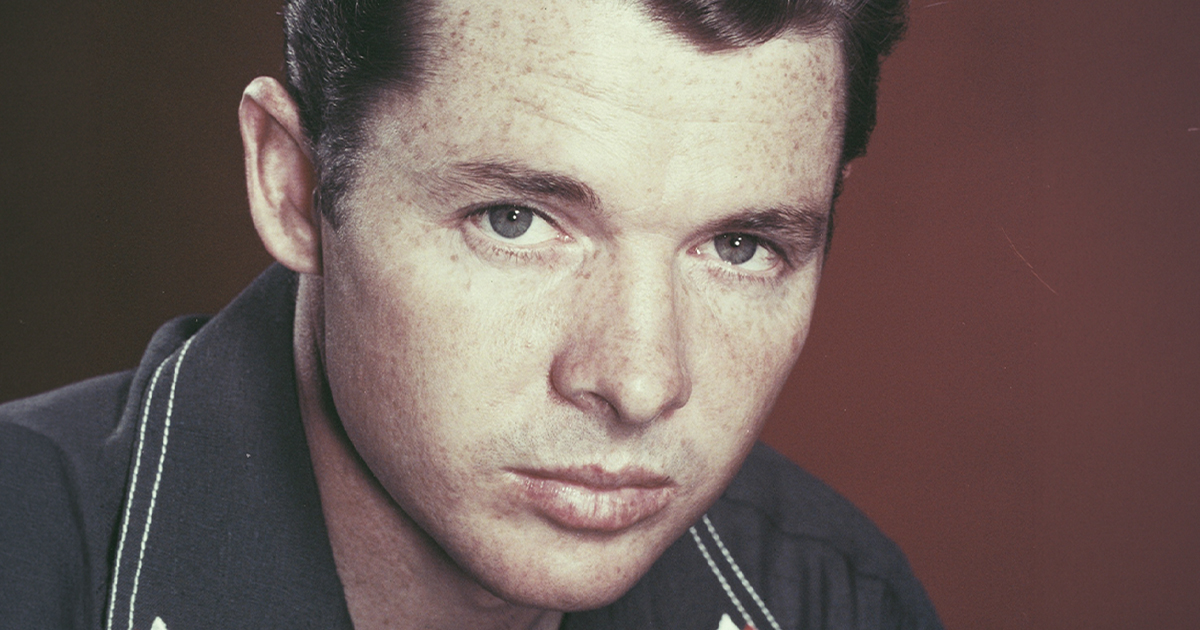
Audie Murphy was, on the surface, the pinnacle of an all-American life: after becoming the most decorated enlisted man in US Army history and a WWII hero, he went on to hit it big in Hollywood in a classic rags-to-riches tale. But all that came at a devastating cost to his mental health. Though he would meet a grisly and premature end, Murphy stuck around long enough to become the perfect case study for the under-discussed consequences of modern warfare on the soul of man.
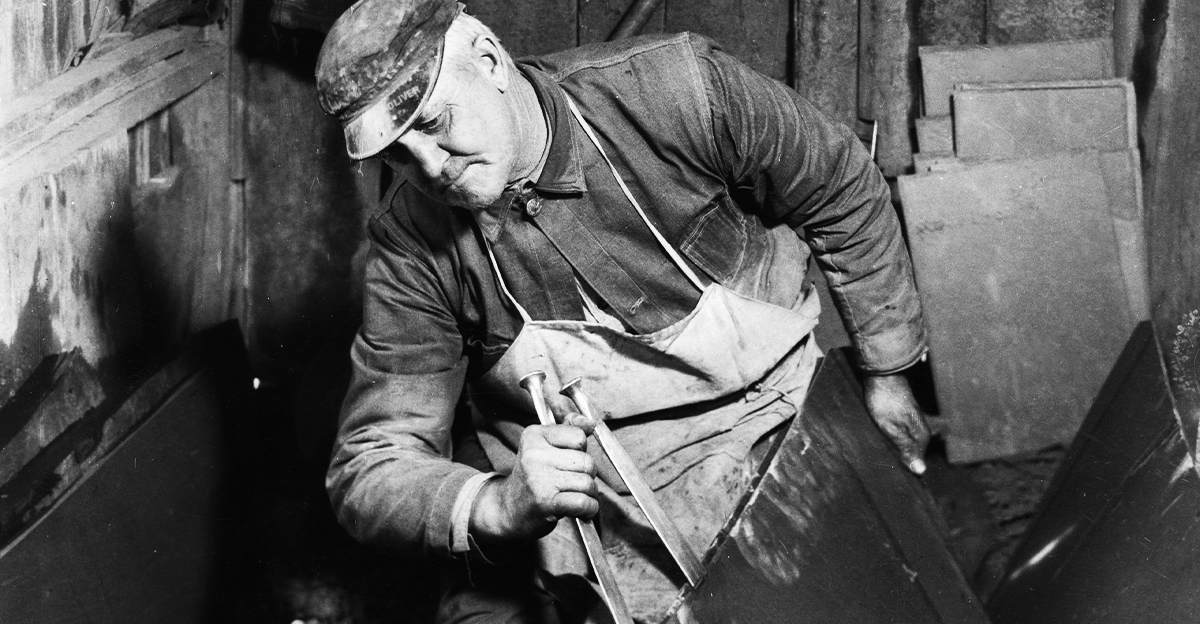
Many historical jobs and job titles remain hidden inside everyday surnames whose original meanings most people have forgotten.

Most people use the word “silhouette” without thinking twice about where it came from. Yet the term traces back to Étienne de Silhouette, an eighteenth-century French official who briefly controlled the finances of King Louis XV. His political career lasted only months, but his surname eventually became one of the most recognizable words in the English language.

If you like humaverse you may also consider subscribing to these newsletters:
