
The Queen of Sheba was famous across the ancient world, but the mystery of who she was still hasn't been solved.
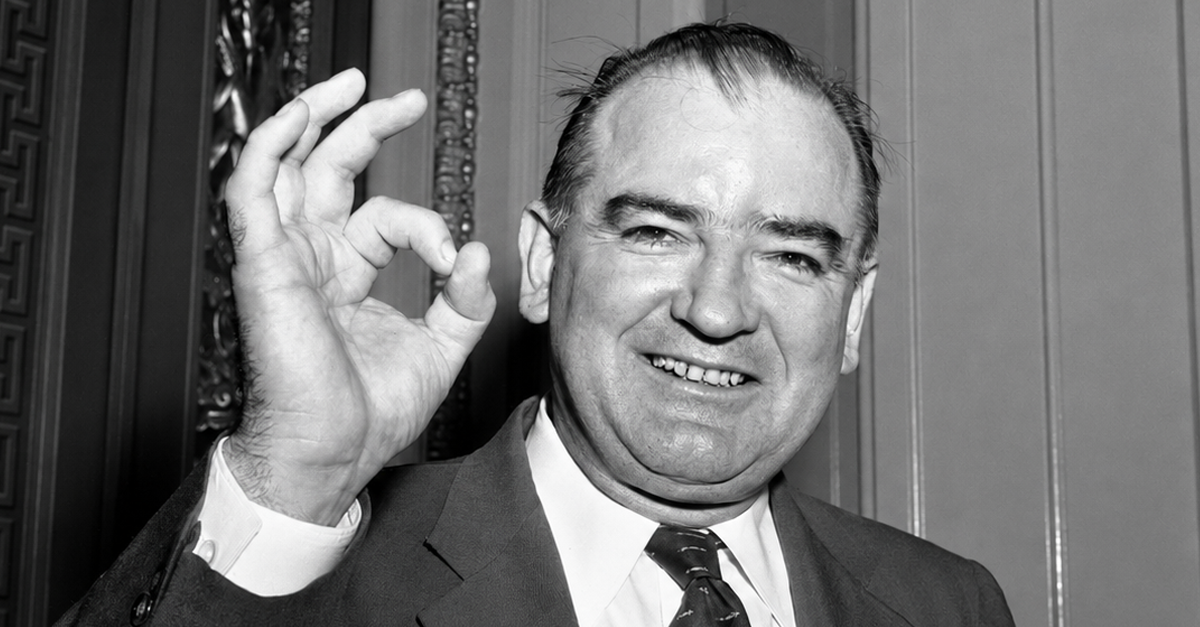
From Ponzi schemes to McCarthyism and gerrymandering, discover the real scandals, betrayals, crimes, and controversies that turned ordinary surnames into infamous words still used around the world even today.
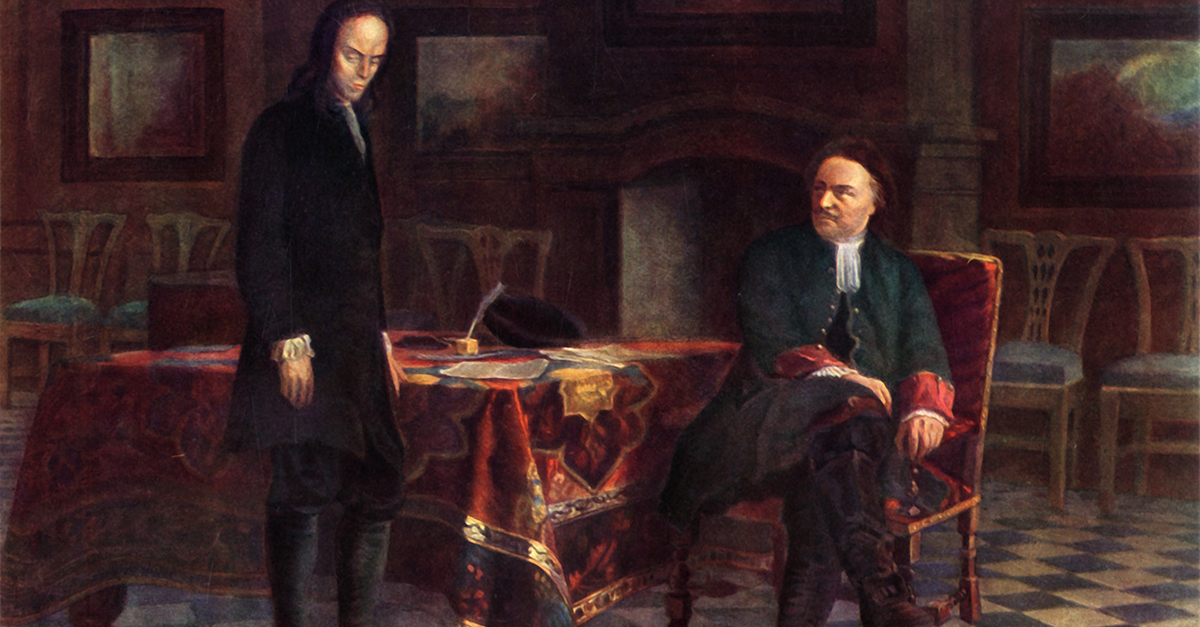
The Romanov family ruled Russia for centuries, during times of great upheaval. And while their most infamous group was their last, it wasn’t just Princess Anastasia and her family who saw shame, blood, and tragedy. In fact, for the Romanovs, scandalous personal lives and brutal ends were something of an ancestral curse.
Henry VII was consumed for most of his life with personal problems and domestic politics, but he sought personal glory in military victories.
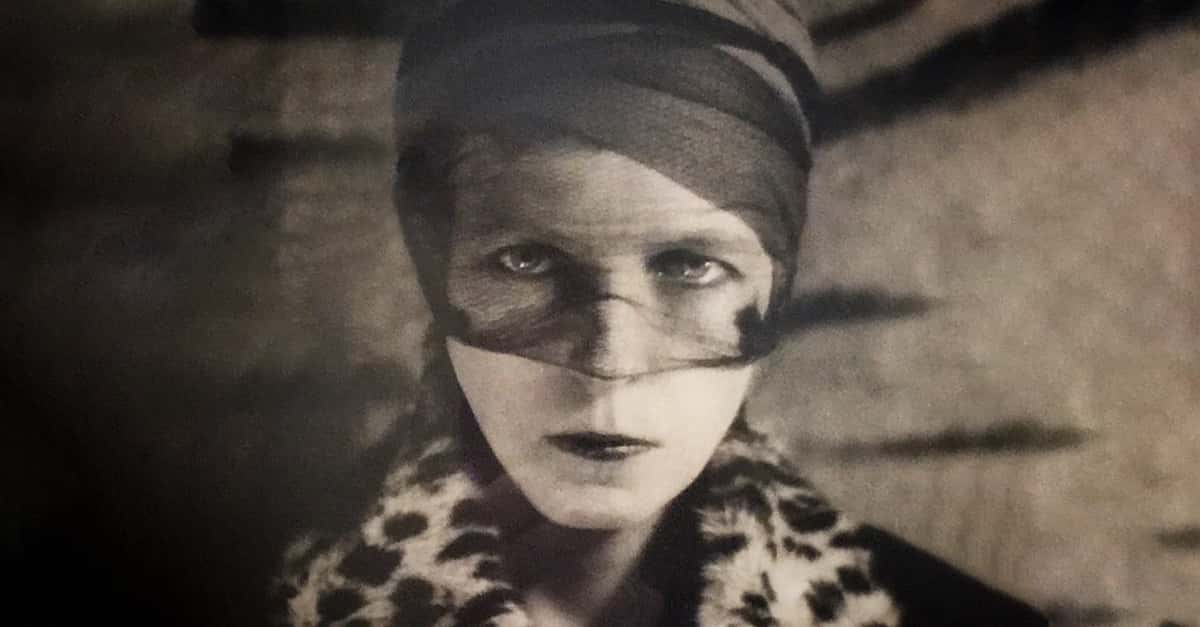
A dazzling beauty, heiress to one of England’s greatest fortunes, and the toast of European society—Nancy Cunard was one of the queens of the Jazz Age, and she had a massive rebellious streak to boot. Yet for all her charmed beginnings, Cunard’s end was one of the most devastating in history.
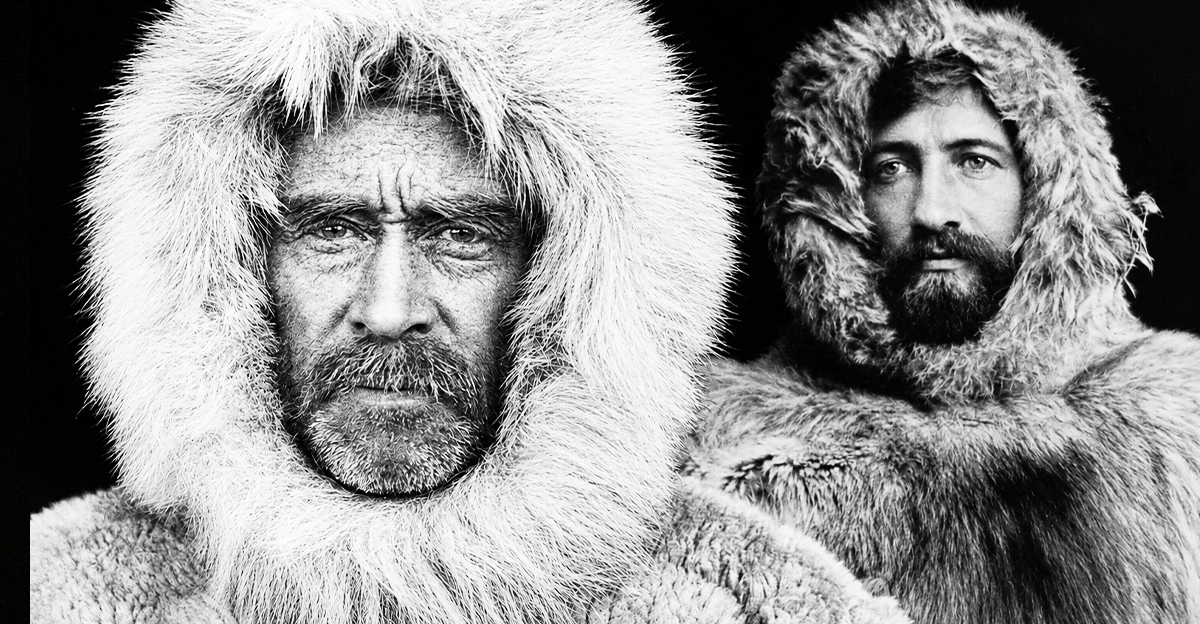
Two American explorers insisted they were the first to reach the North Pole in a mystery that remains unresolved more than a century later.
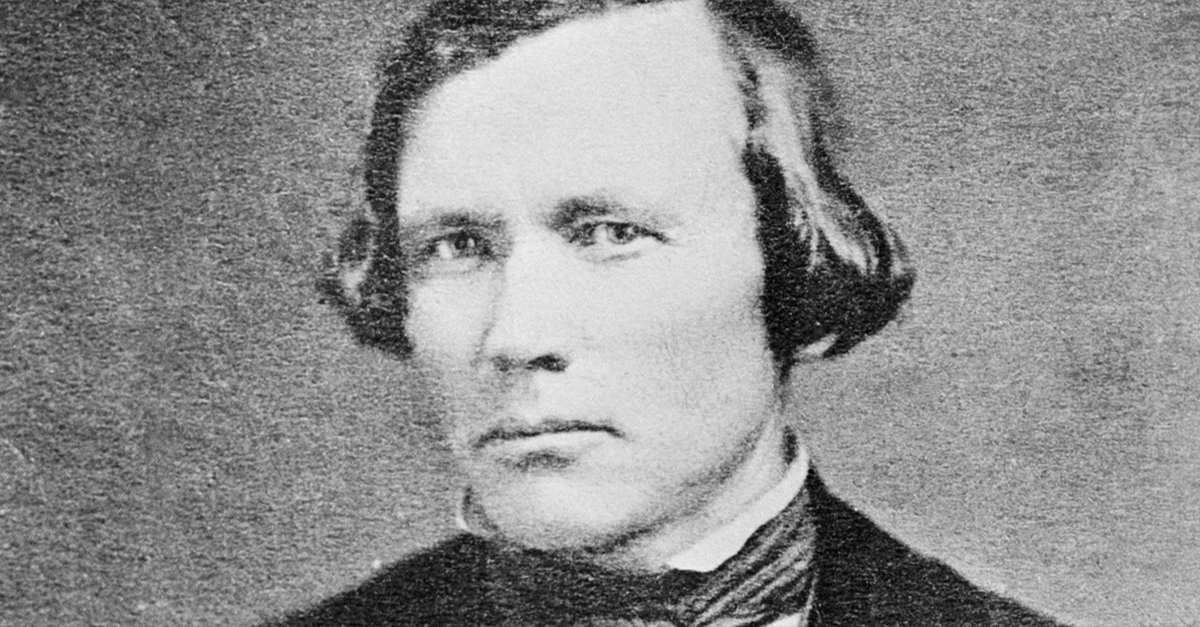
Kit Carson was the American frontiersman whose epic adventures in the wilderness inspired thousands of settlers to follow in his footsteps. From run-ins with grizzly bears to brutal, blood-soaked encounters with Natives, Carson’s exploits made him one of the first true American folk heroes. Or villains.
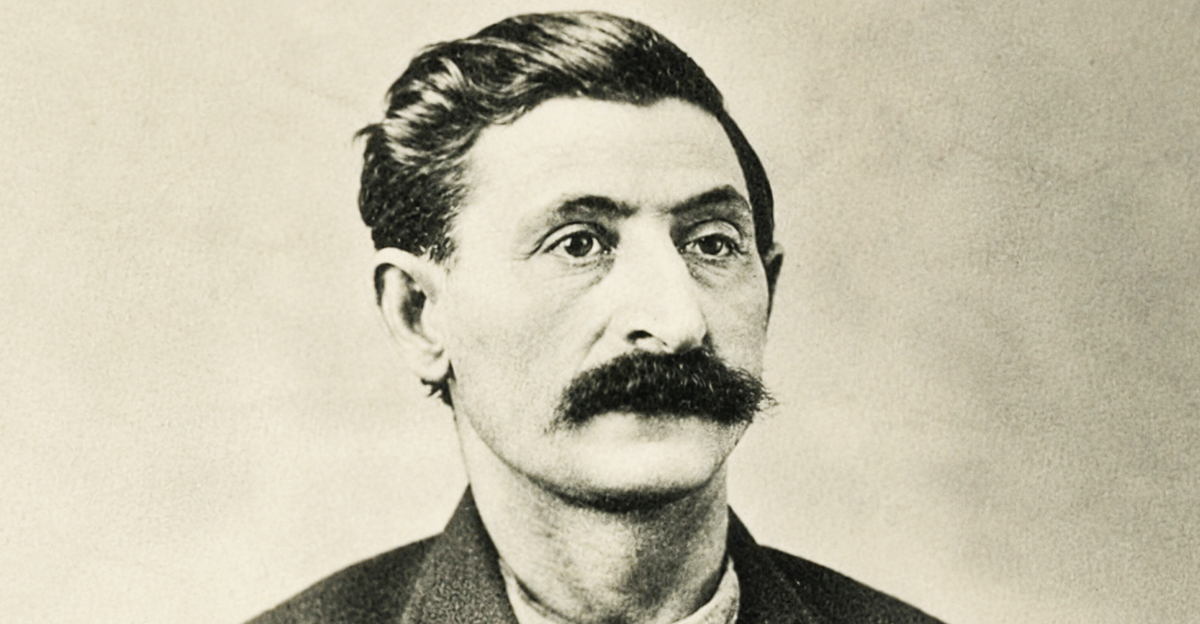
Big Nose George blazed a trail of terror across the Wild West, but he met a brutal end.
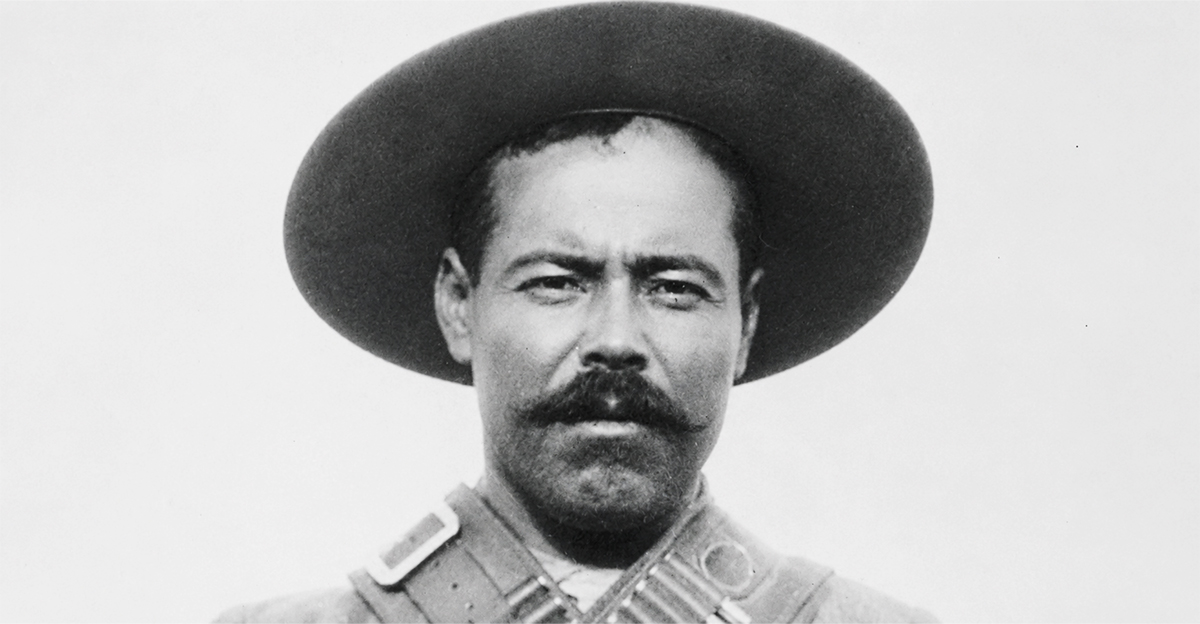
Pancho Villa was infamous for his raid into the United States, but it was his former allies who turned out to be his most dangerous enemies.

If you like humaverse you may also consider subscribing to these newsletters:
