 Ahmad Faiz Mustafa, Wikimedia Commons
In the waters of the Arctic and North Atlantic, a remarkable creature glides silently through the darkness. The Greenland shark (Somniosus microcephalus) isn't just another marine predator; it's a living time capsule, with some individuals having been born before the United States even existed as a nation. These sharks provide long-term biological data because individuals can survive across multiple centuries, allowing scientists to study changes in Arctic marine conditions over exceptionally long time spans.
The oldest Greenland shark discovered by scientists was estimated to be nearly 400 years old, though the actual range could be between 272 and 512 years based on radiocarbon dating techniques. That means this ancient swimmer was already mature when America declared independence in 1776. Such longevity, which earns this fish the title of "world's longest-lived vertebrate," stems from their exceptionally slow growth and metabolism. Unlike other sharks whose ages can be determined by counting growth rings in their vertebrae (similar to tree rings), Greenland sharks have soft cartilage that doesn't form these telltale bands.
Julius Nielsen of the University of Copenhagen led many modern expeditions studying these giants. The eye-lens radiocarbon dating method works because lens proteins stop exchanging carbon after a shark pup forms in the womb, effectively preserving a time stamp of when the shark was born. This method is considered the most accurate available for aging Greenland sharks because it relies on stable, non-regenerating tissue.
Life In Slow Motion
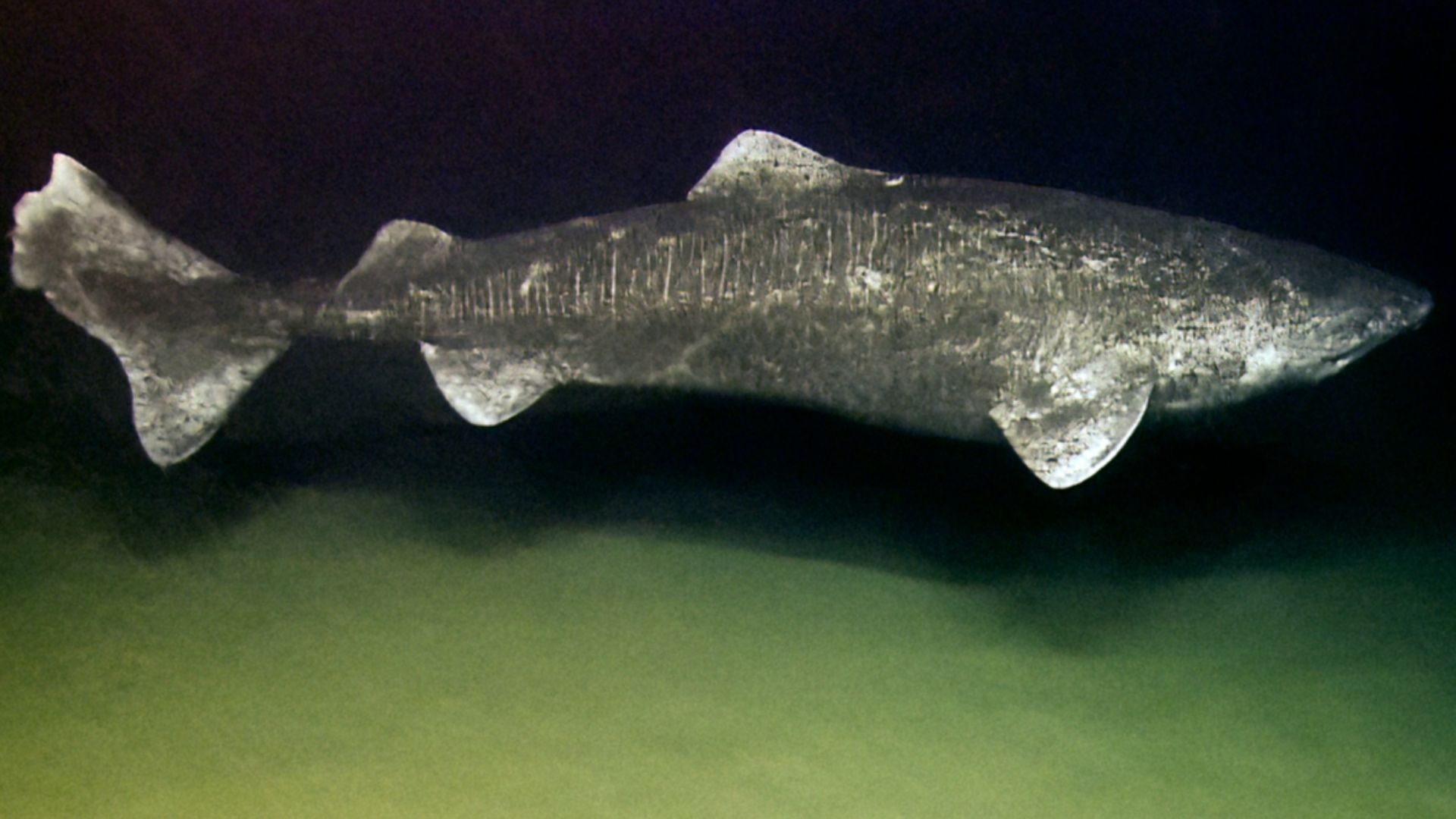
The secret to their extraordinary lifespan lies in their glacial pace of existence. These sharks are the personification of “slow and steady wins the race”. Greenland sharks move at the astonishingly slow speed of just 0.76 miles per hour—and even when "sprinting," they only reach about 1.9 miles per hour. This lethargic pace is part of their survival strategy. With such slow metabolisms, they conserve tremendous amounts of energy.
Their oxygen consumption ranks among the lowest ever recorded for fish of their size. This slow metabolism may reduce cellular damage over time and help them survive long periods between meals. Interestingly, a 280-pound Greenland shark might even survive daily on fewer calories than contained in a single cheeseburger, allowing them to stretch a single large meal over months. Scientists believe that this ultra-slow metabolism is an adaptation to the deep, cold waters in which they inhabit. Such sharks can dive as deep as 2,200 meters (7,200 feet) and are the only shark species that can withstand the frigid Arctic Ocean year-round.
 NOAA Okeanos Explorer Program, Wikimedia Commons
A Century And A Half To Grow Up
Perhaps most astonishing is their delayed maturity. Female Greenland sharks don't reach reproductive maturity until they're about 150 years old, when they grow to approximately 4 meters (13 feet) in length. This means that many of the sharks swimming in our oceans today won't be able to reproduce until the year 2100 or beyond. Despite their massive size (they can reach up to 23 feet long and weigh 1.5 tons) and their fearsome appearance, Greenland sharks pose virtually no threat to humans. This isn't due to their temperament but rather their habitat; they swim in waters so cold that humans simply can't survive there.
Unique Biological Traits And Rare Behaviors
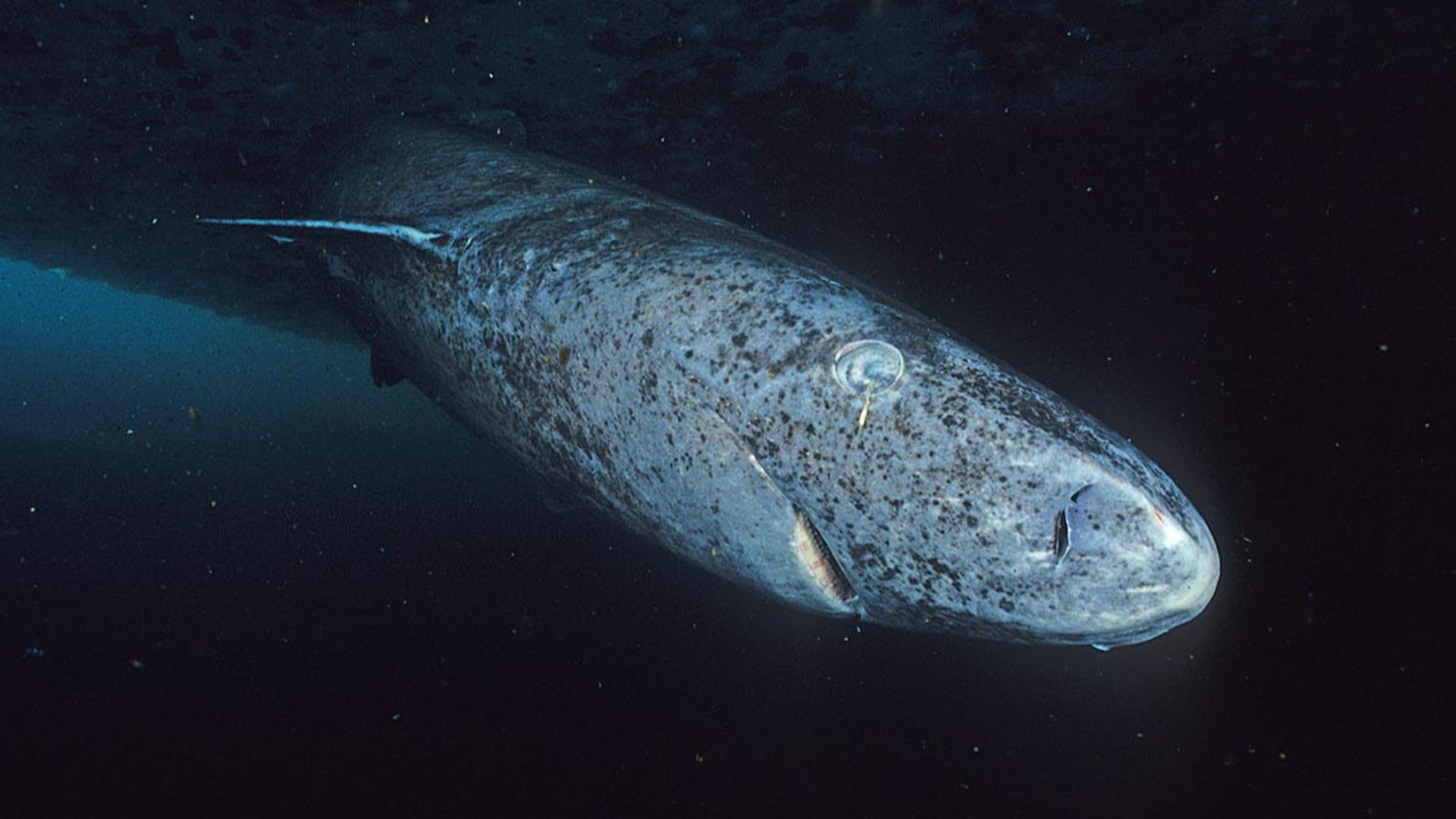
Greenland sharks have meat that contains very high levels of compounds such as TMAO, which makes the flesh unsafe to eat in its fresh state. In places like Iceland, the meat is traditionally fermented and dried for months to reduce these chemicals before it can be consumed. Many Greenland sharks are also found hosting a parasitic copepod on their eyes, a small organism that attaches to the cornea and can cause noticeable damage to their vision.
Even with limited eyesight, these sharks have no trouble locating food because they rely mainly on their highly developed sense of smell. For the ones that were dissected, stomach contents show that they feed on animals and marine mammals, and they sometimes ingest the remains of land animals that may enter the ocean after dying as well. Such findings conclude that these shark behaves as both a predator and a scavenger to play a significant ecological role in the deep and cold waters of the Arctic.
 Hemming1952, Wikimedia Commons