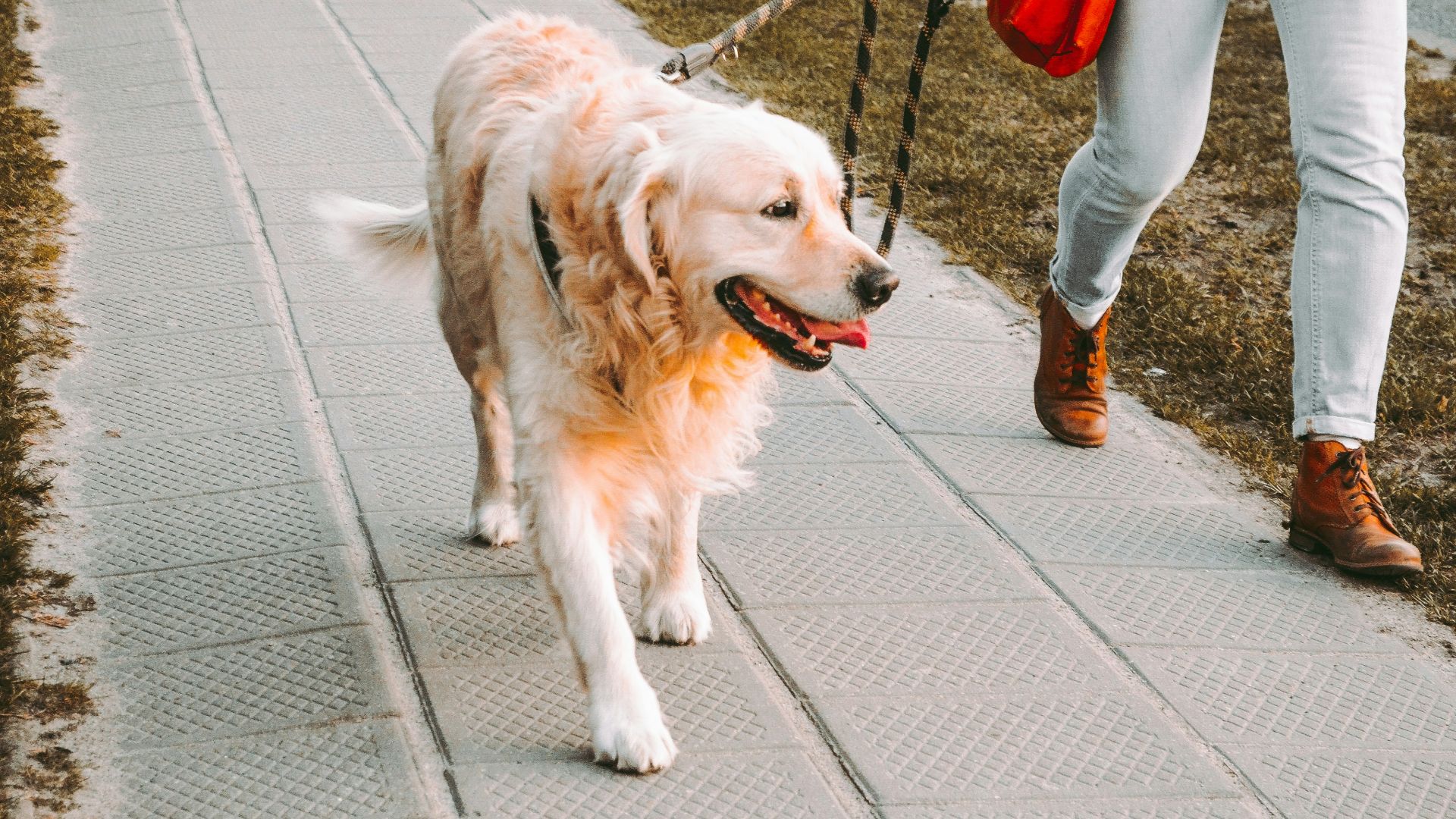

Dogs inspire an enormous amount of curiosity about how they interpret the world, and their vision remains one of the most misunderstood areas of canine science. The common belief that dogs see only in black and white comes from early 20th-century assumptions that lacked experimental support. Decades of modern research in ophthalmology and animal behavior now show something far more interesting. Dogs have dichromatic vision, which means their eyes contain two types of color-detecting cells instead of the three found in human eyes. As a result, dogs recognize a spectrum dominated by blues and yellows while reds and greens appear muted or grayish. Understanding this difference offers a clearer sense of how your pets see the world.
Why Dogs See Color Differently From Humans
Dogs see color differently because their retinas contain two cone types rather than the three cone types humans typically possess. Science shows that these cones allow dogs to detect wavelengths associated with blues and yellows while leaving them unable to distinguish reds and greens. The absence of the long-wavelength cone means dogs view red objects as brownish or gray, creating a color palette far more limited than human vision but still significantly richer than black-and-white sight. Researchers have also documented that dogs process motion more efficiently than color, which helps explain their quick reactions to moving objects in low-light conditions.
They evolved this dichromatic vision through their history as crepuscular hunters, active at dawn and dusk when color cues matter far less than detecting movement and contrast. Their eyes adapted to prioritize survival tasks such as spotting prey in dim environments rather than identifying colorful distinctions. This evolutionary background helps clarify why dogs excel in detecting fast movement across a field but cannot perceive the vibrancy of a red toy. Humans sometimes misinterpret canine behavior because people expect dogs to use color cues the same way humans do, yet their visual system centers on brightness, motion, and blue-yellow contrasts instead.
How Dogs Use Their Blue And Yellow Vision In Daily Life
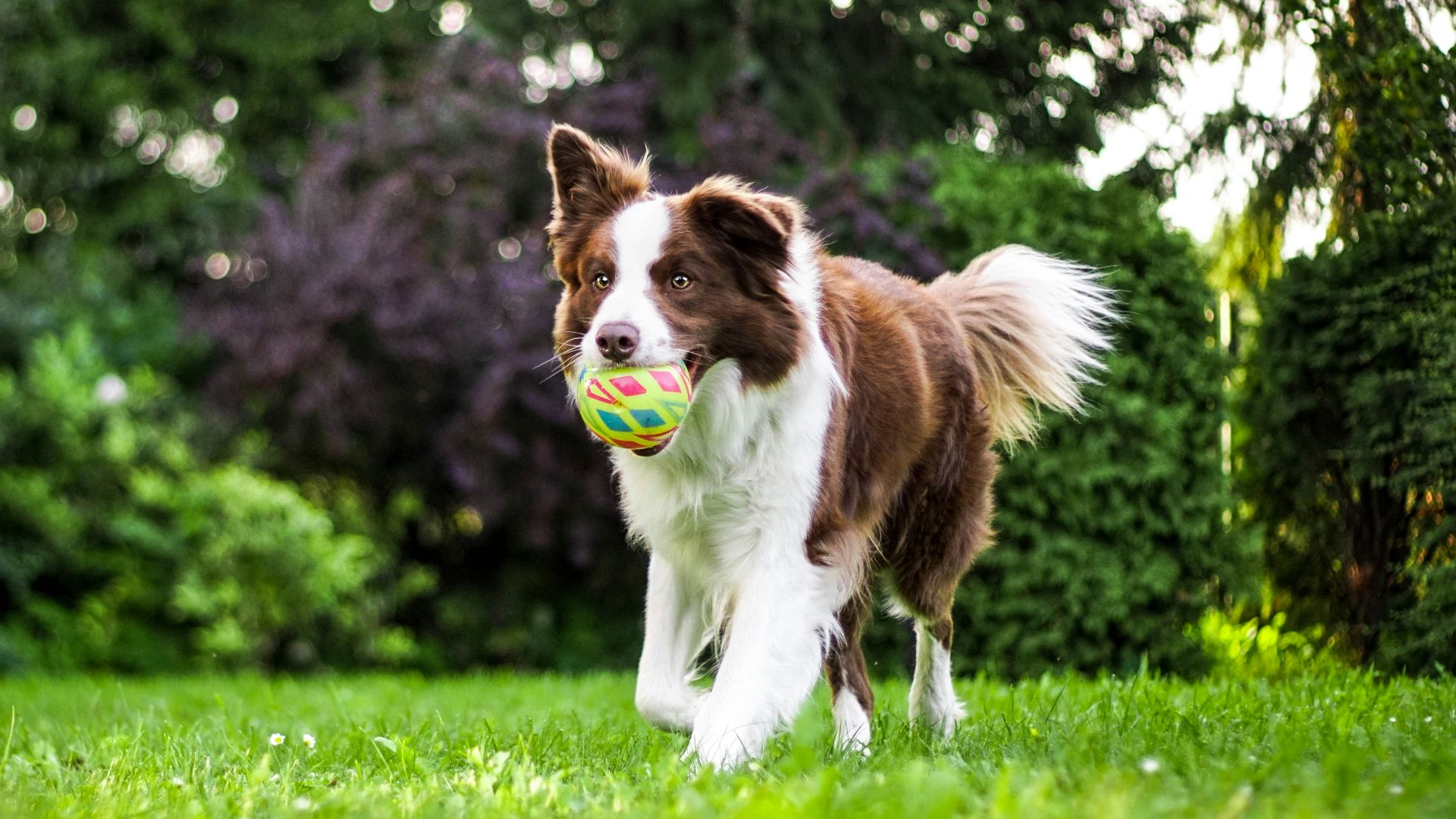
Dogs rely heavily on the colors they can see. Toys, training tools, and agility equipment often appear more distinct when manufactured in these colors, which explains why many canine-focused brands choose them. A red ball thrown across a green lawn blends into a similar shade for a dog, which makes retrieval slower. In contrast, a blue or yellow ball creates a sharp contrast that helps dogs track movement, locate objects more quickly, and stay focused during activities that involve speed or precision. This practical knowledge shapes better training and play choices for many American pet owners.
Everyday scenarios highlight how dogs lean on contrast and motion more than color complexity. A dog navigating a house depends on brightness differences rather than hue variations, which allows it to move confidently even in dim rooms. Outside, the blue sky and reflective surfaces create visual landmarks that dogs detect more reliably than red flowers or autumn foliage. Their ability to notice slight movements in distant objects remains one of their strongest visual tools and complements their enhanced senses of smell and hearing. When owners understand these capabilities, they interact more effectively with their pets.
How Color Vision Shapes A Dog’s Safety And Outdoor Awareness
A dog’s limited color range affects how it notices objects and potential hazards outside the home. Because reds and greens appear as muted tones, dogs depend more on contrast, brightness, and motion to gather information. Their eyes perform well in dim conditions, reflecting early hunting adaptations. Dogs combine these visual strengths with powerful senses of smell and hearing to maintain orientation, follow familiar routes, and detect activity at a distance. When owners understand these sensory priorities, they support safer outings and reduce confusion created by color cues that dogs cannot interpret accurately.
Safety improves when environments provide clear visual separation between important features. Red bikes or markers may blend into the surroundings, but any movement or high contrast draws a dog’s attention quickly. Veterinarians note that consistent lighting and defined edges help dogs judge steps and obstacles more reliably. These adjustments matter during walks and daily routines, especially for aging dogs whose vision may decline. When people consider how dogs actually see, animals move with greater confidence and reduced stress, strengthening trust and communication within the dog–human bond in meaningful, lasting ways.