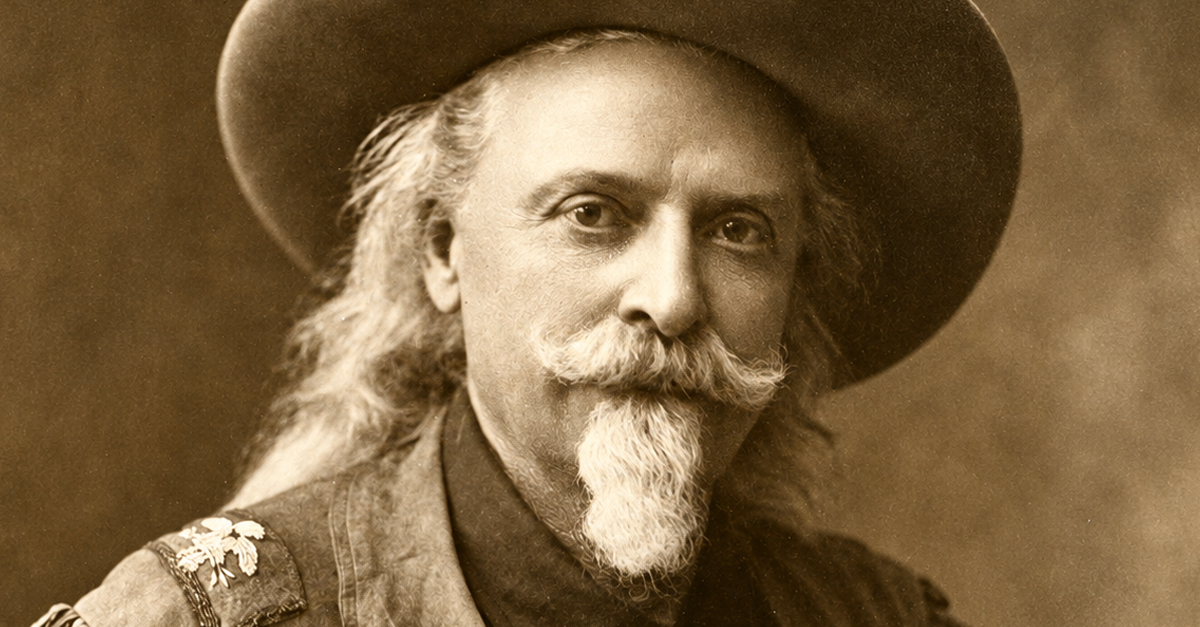
Famous historical figures built carefully crafted public images around exaggerated adventures, invented identities, and disputed achievements. Later evidence exposed the truth behind some of history’s most enduring personal legends forever.
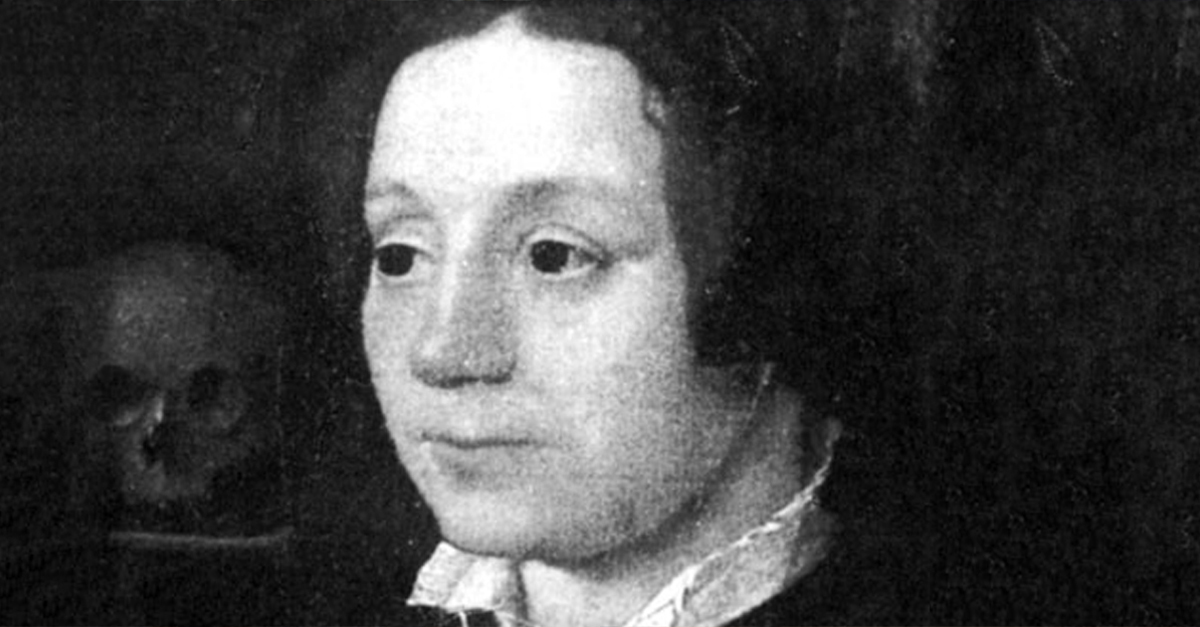
Queen Elizabeth I trusted very few people, but she trusted her lady-in-waiting Kat Ashley with her life. From devastating lows to royal highs, Kat Ashley was with Elizabeth through it all, and she watched more secrets unfold behind the throne than anyone else at court. One in particular could have ruined Elizabeth, and nearly cost Kat her life.
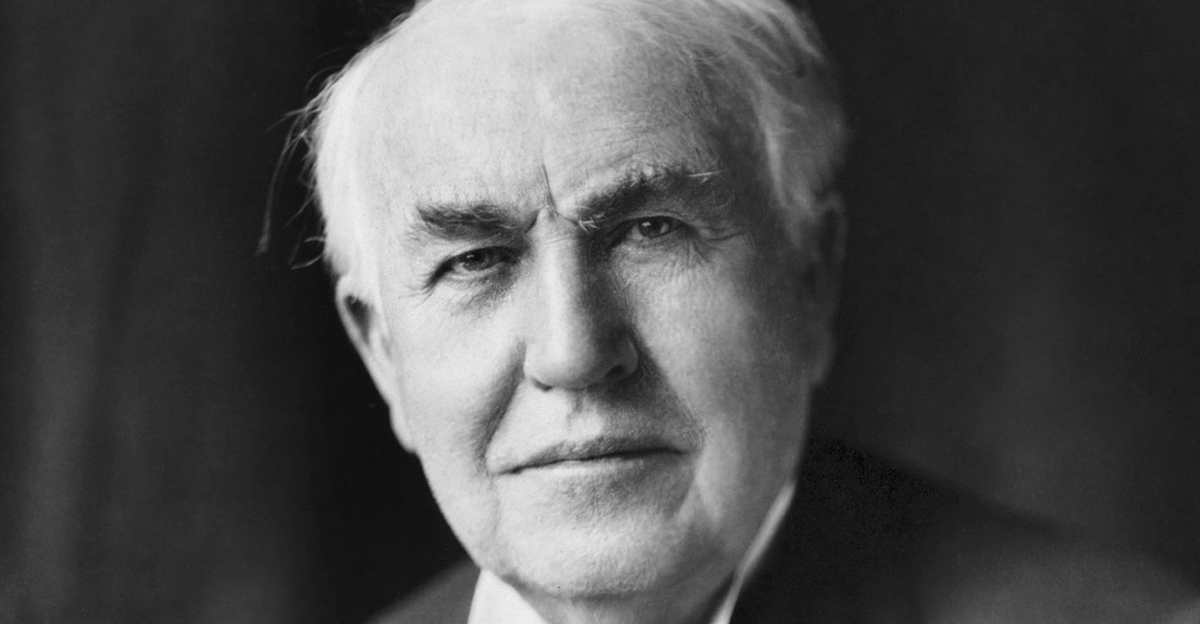
From disastrous investments to professional feuds and moral catastrophes, these geniuses discovered that one terrible decision can do remarkable damage to an otherwise extraordinary legacy.
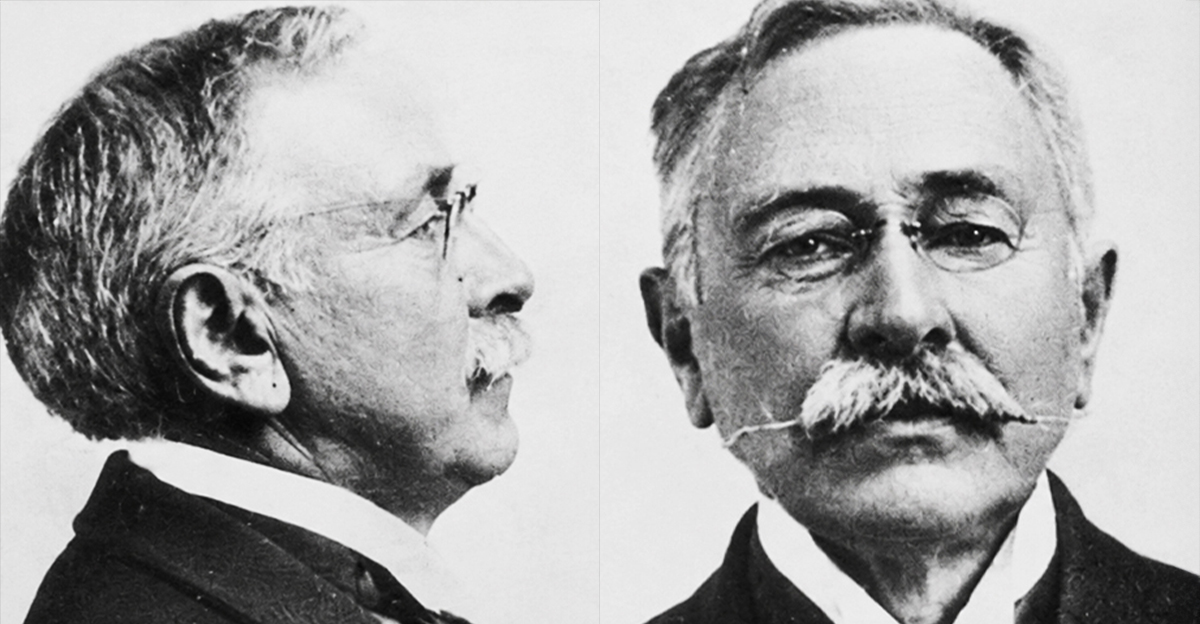
History can change when somebody asks one deceptively simple question: Who are you?

Discover the real people behind famous brand names, from Adidas and Barbie to Mercedes and Wendy’s, and learn how founders, inventors, and family members became household names worldwide through history.
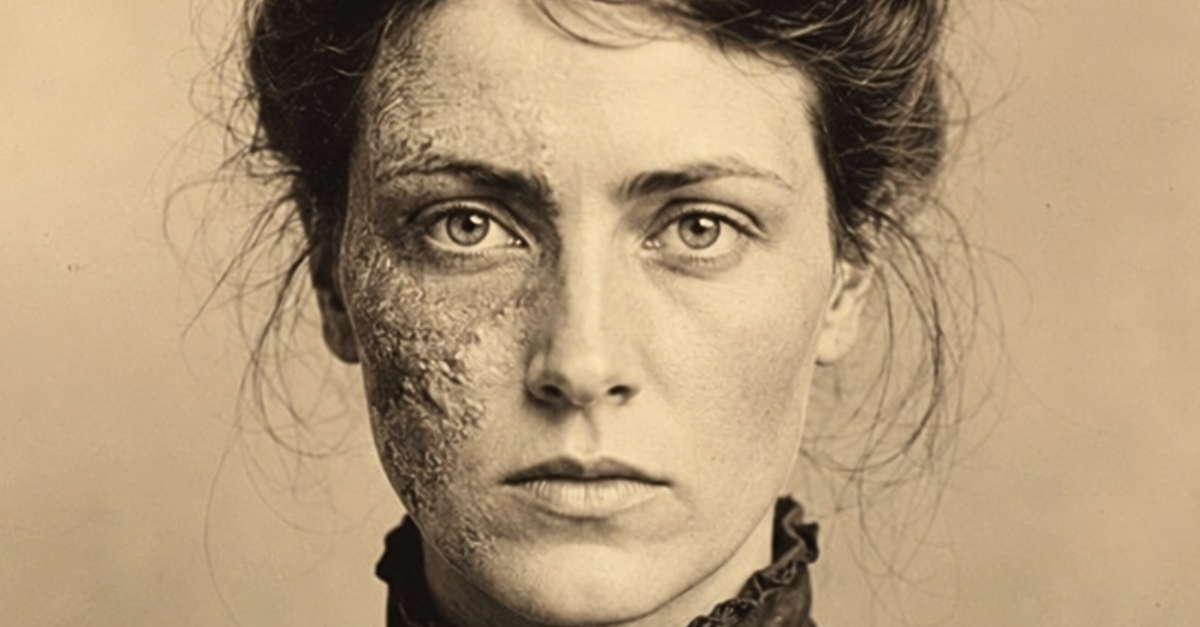
Many objects that once signaled wealth, taste, or modern living also exposed households to poison, fire, radiation, electric shock, and mechanical injury. Their histories reveal how quickly attractive new conveniences entered the home, and how slowly manufacturers and regulators learned to make them safe.
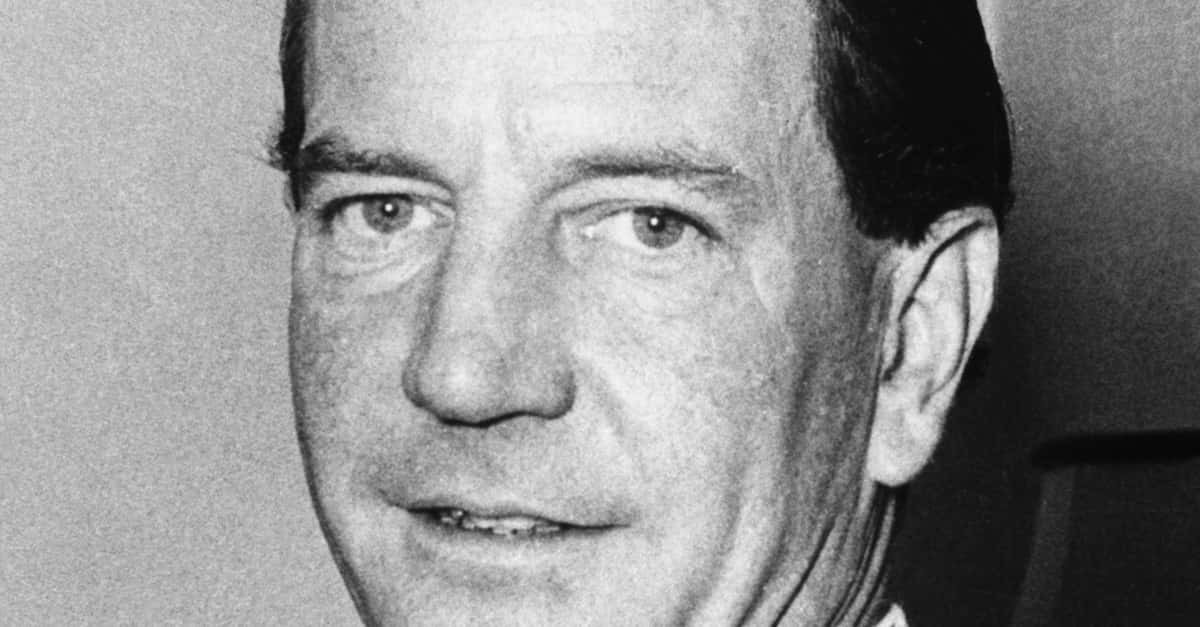
Kim Philby spent his entire life looking over his shoulder. After the Soviets recruited him as a young man, he managed to work his way up through the ranks to the highest levels of British Intelligence—all while feeding information to his handlers back in Moscow. Secrets, lies, and paranoia followed him everywhere he went, until his double life finally caught up to him. It sounds like a movie, but it was all real.

History harbors a surprising number of coincidences that seem almost impossible to believe.

Mary Bateman, the Yorkshire Witch, convinced crowds that a hen laid eggs predicting Christ’s return. Discover how her bizarre 1806 hoax exploited superstition and concealed a darker criminal career.

If you like humaverse you may also consider subscribing to these newsletters:
