"Survival of the fittest" has become one of the most misunderstood phrases in science. Walk into any gym and you'll see it plastered on motivational posters next to images of muscular athletes. Corporate boardrooms use it to justify cutthroat competition. Social media influencers twist it to promote dominance and aggression as keys to success.
The phrase has been weaponized to support everything from harsh business practices to questionable social policies. But here's the thing: most people who quote Darwin have never actually read what he meant. The real definition might surprise you and completely change how you view success, competition, and what it truly takes to thrive. Let's set the record straight.
The Real Meaning Of “Fittest” Is Suitability
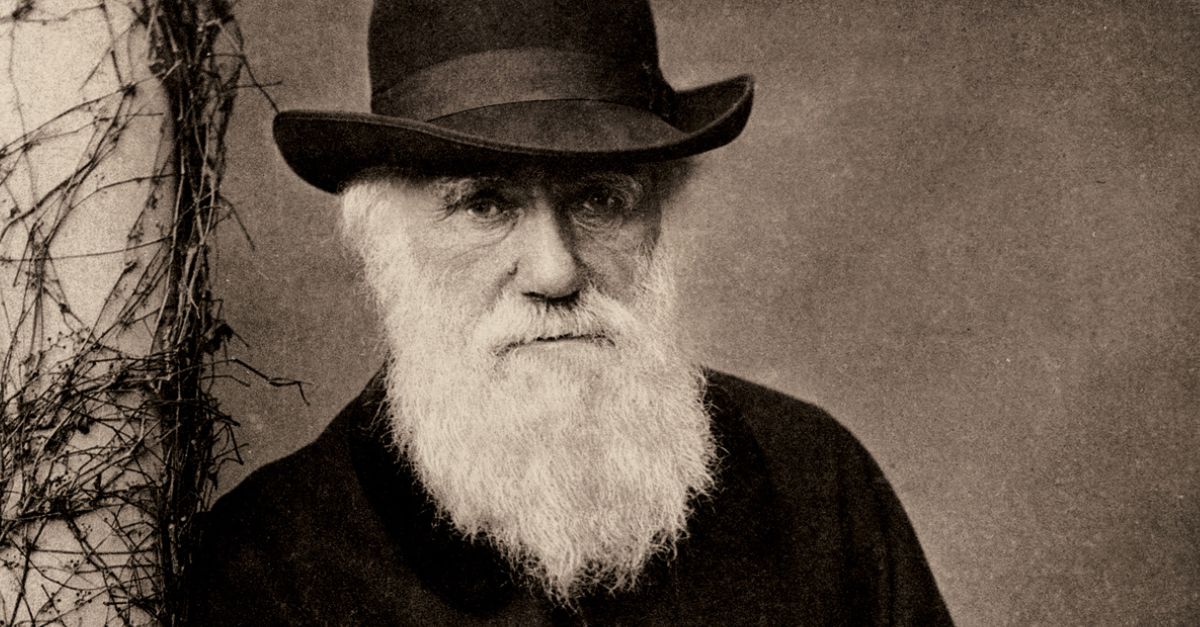
His use of “fittest” centered on suitability—how well a species’ traits matched the demands of its surroundings. He examined patterns showing that small advantages, such as better camouflage or more efficient reproduction, often made a greater difference than size or strength.
The concept reflected observed outcomes: species with traits that aligned naturally with local pressures were more likely to leave descendants, while poorly matched species struggled even if they appeared physically powerful.
The peppered moth shows this perfectly. When factories started pumping out soot during the Industrial Revolution, tree bark turned black across England's forests. Light-colored moths suddenly stood out against the darkened trees, making them easy meals for hungry birds. Their darker relatives blended right in and avoided getting eaten.
Within a few generations, the dark variety became dominant simply because it matched its new backdrop. It wasn't about being stronger or faster—just better suited to survive in a world covered in industrial grime. This shift makes Darwin’s point unmistakable: survival favors alignment with conditions, not domination.
And once you recognize this biological truth, the historical record amplifies it even further.
 Charles J. Sharp, Wikimedia Commons
History And Nature Make The Case
History consistently favors leaders who read shifting conditions with precision. Alexander the Great stands out because he adjusted his strategy based on terrain, timing, and the strengths of those he faced. His campaigns moved through deserts, plains, and mountain regions, and each setting demanded a different approach. Instead of forcing one rigid style of warfare, he altered formations, adjusted pacing, and reworked battle plans as circumstances changed, allowing his army to outmaneuver opponents who relied solely on size or force.
During the Battle of Gaugamela in 331 BCE, Persia deployed scythed chariots meant to slice through infantry lines. Instead of holding a rigid stance, Alexander adjusted his troop placement, opened lanes for the chariots to pass harmlessly through, and then struck where the enemy least expected it.
Nature mirrors this pattern with equal clarity. Many species use behavior as their first line of adjustment, long before physical evolution sets in. Crows thrive in cities because they observe human routines well and even drop nuts into traffic so car tires crack them open.
When conditions change suddenly, survival depends on small advantages. A slightly thicker coat helps animals tolerate colder nights. A broader diet lets species switch foods when supplies drop. Faster reproduction helps populations recover after harsh seasons. These details often determine which species stick around.
With that clarity, the broader lesson becomes easy to see.
 Placido Costanzi, Wikimedia Commons
Societies That Adjusted Early Left The Longest Footprints
Archaeological evidence shows that the groups who endured weren’t the ones with the most power. For example, Coastal societies in ancient Asia moved settlements inland as sea levels rose to leave behind layered shoreline ruins that map their retreat step by step.
Likewise, farmers in early Mesopotamia rotated drought-resistant crops during dry decades to reveal a pattern of small, deliberate changes rather than sudden collapse. Even ancient traders rewrote their routes when political borders tightened, turning mountain passes and river corridors into new economic lifelines.
These discoveries reveal something far more practical than the old image of Darwin’s theory of “survival of the fittest” suggests: long-term success follows those who adjust early, not those who wait for conditions to return to comfort. Strength leaves monuments, but adaptability leaves footprints stretching across centuries.
 Diego Delso, Wikimedia Commons