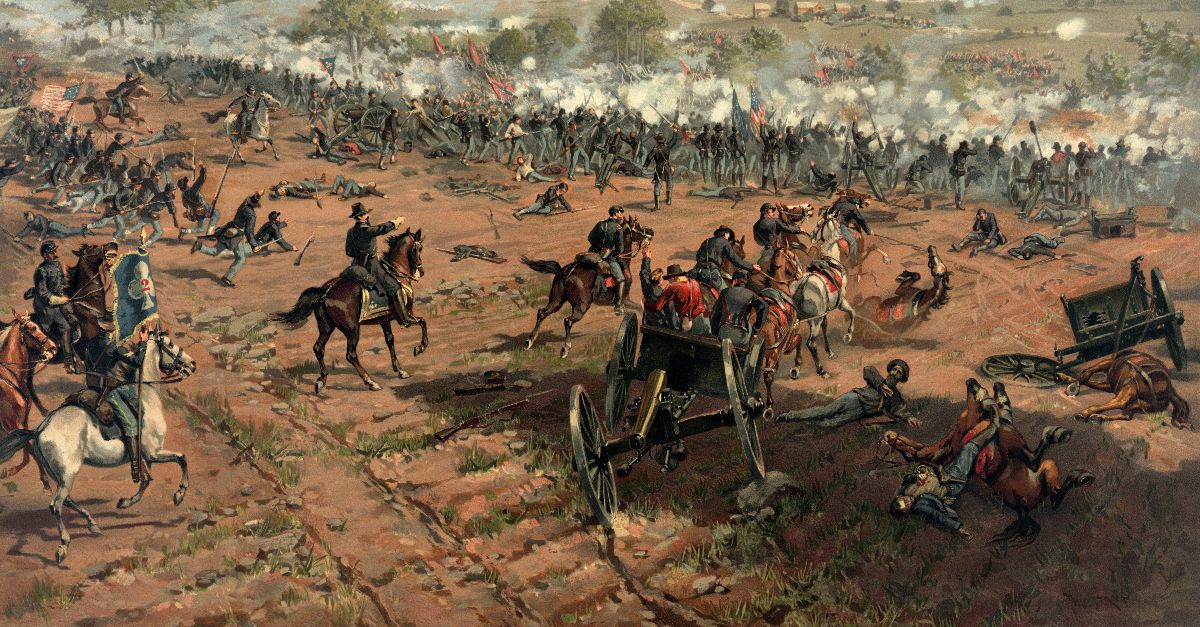
At the height of America’s conflict pitting brother against brother, Union forces were grasping for a foothold to push back against the Confederate Army, especially as General Robert E Lee’s reputation grew. However, a battle was about to commence—the Battle of Gettysburg. It would turn the tide of the conflict and, as is widely believed, ultimately lead to a Union victory...but at a staggering cost.
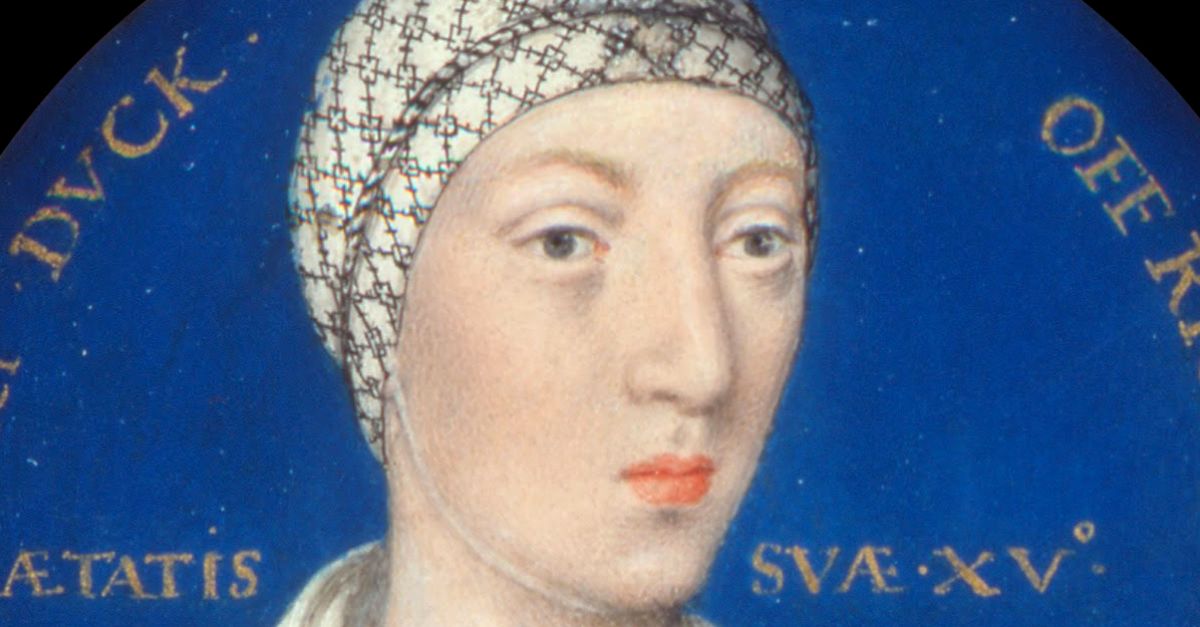
Henry FitzRoy was the only son Henry VIII ever truly loved—and the one he could never crown. Illegitimate, his father nevertheless showered him with titles and groomed him for greatness. He seemed destined to wear at least one crown until fate snatched it away.

History's greatest circus performers risked everything to amaze audiences—and many paid a heartbreaking price.

Nobody likes a breakup. Whether we’re the dumpee or the dumper, a romantic split means hours of crying, days of despondence, and entire seasons of Vanderpump Rules (No? Just me?). We can lose friends, pets, and that really nice slow cooker our ex’s mom bought us for Christmas. In a word: It sucks. But does your worst breakup suck as much as these historically horrific splits? I do not think so.

No one was spared from Edward Longshanks' brutal temper—but his revenge against Simon de Montfort was horrifying, even for him.
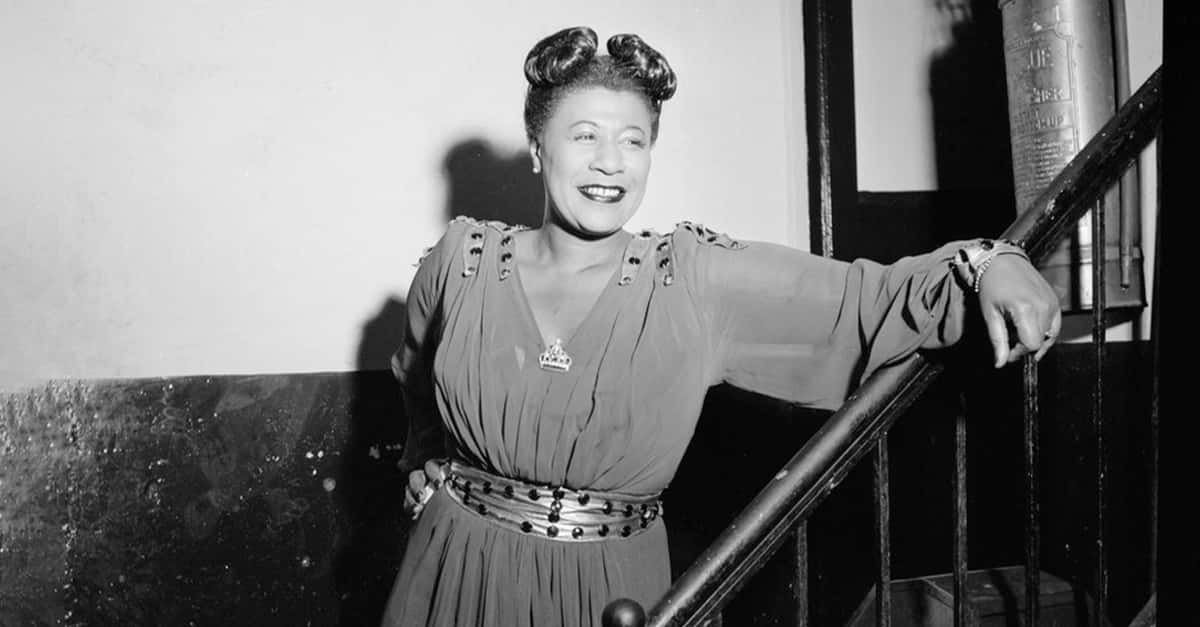
Ella Fitzgerald realized the potential of the human voice as a musical instrument--but few people know her dark history.

Exiled from the industry at the height of her fame, Ingrid Bergman was the victim of vicious gossip—but few know her even darker history.
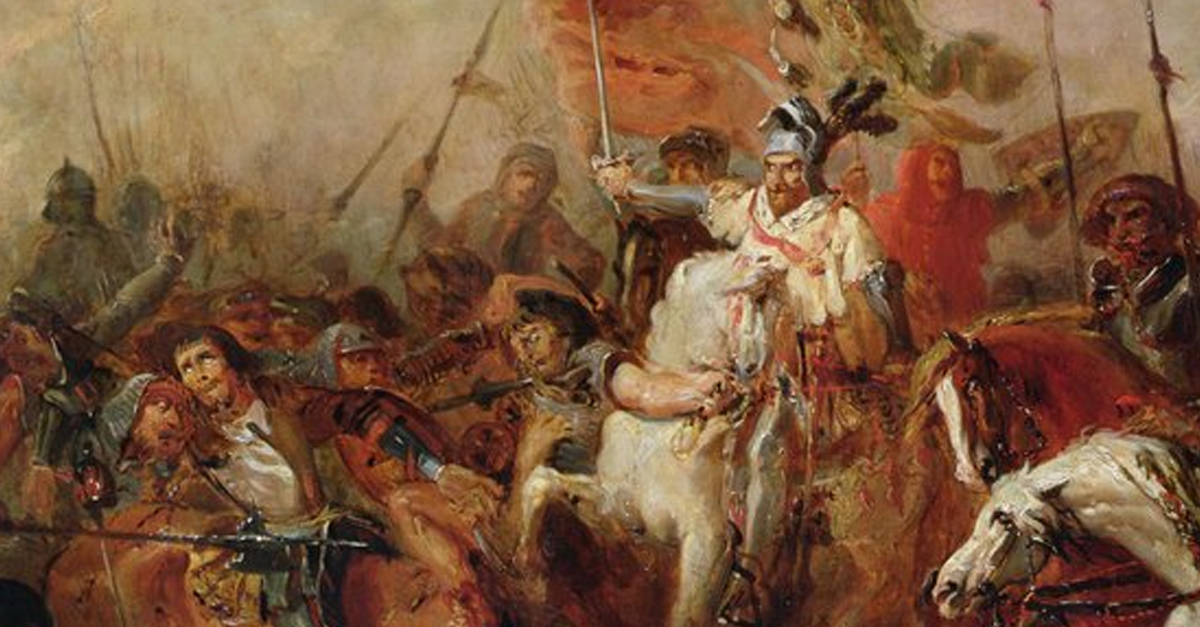
The Battle of Hastings marked the beginning of the Norman Conquest in England, a seismic shift in the history of Britain, to the balance of forces in medieval Western Europe, and, indeed, in the trajectory of the planet. One of the most mythologized conflicts in the UK, it had humble origins with an affable monarch who left behind a crisis.

The Jason Bourne Movies Turned Government Conspiracies Into Blockbuster Gold—But Behind The Scenes Was Pure Chaos

If you like humaverse you may also consider subscribing to these newsletters:
