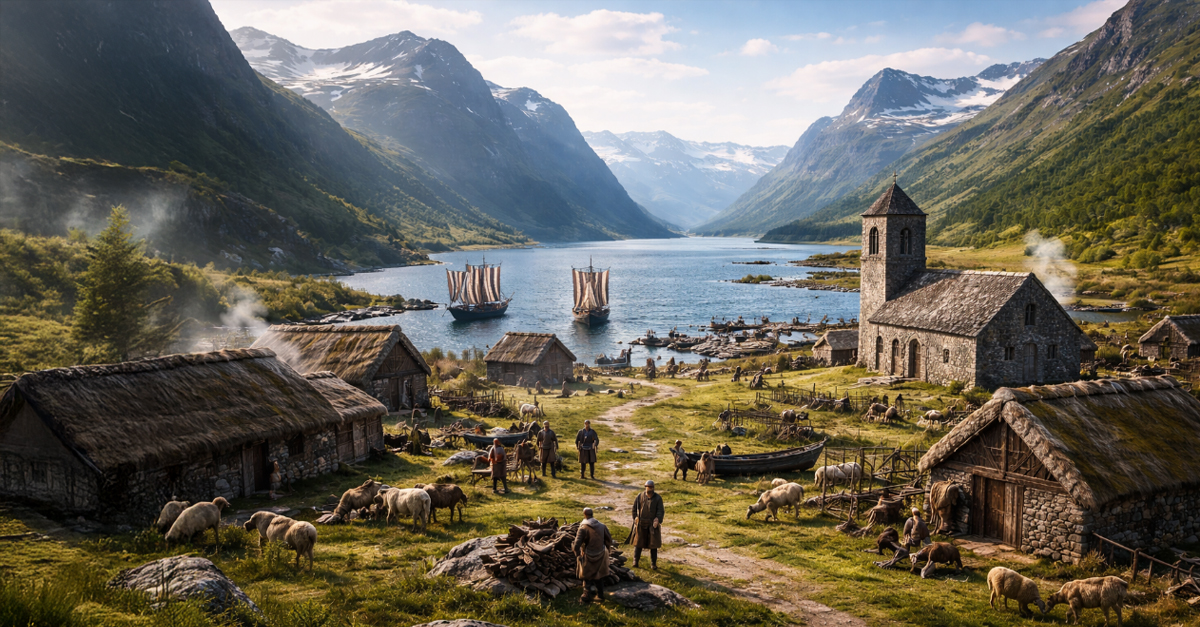
The Vikings built colonies in Greenland in the Middle Ages, but they disappeared in the 1400s, leaving behind a few ruins and a lot of question marks.
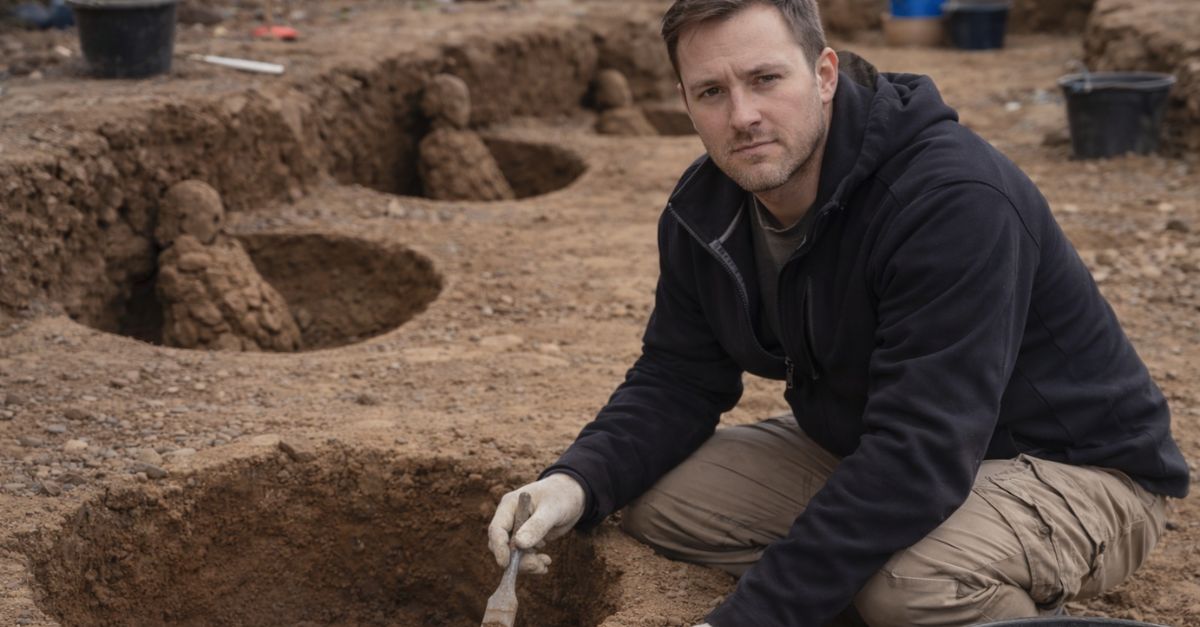
During preventive excavations at the Josephine Baker school in Dijon, on the site of the former Cordeliers convent garden, archaeologists uncovered Iron Age graves dating to the La Tene period (450–25 BCE) of Celtic Gaul. The space also had one artifact indicating 300–200 BCE. 13 individuals had been buried in a seated upright position at the base of circular pits. The discovery immediately set the site apart from typical late Gallic funerary practices, where cremation or horizontal burial dominated. As the soil was cleared layer by layer, the unusual posture of the dead suggested a carefully planned ritual rather than an improvised response to death. It prompted researchers to rethink how some Gallic communities expressed identity. The excavation was followed by an initial archaeological evaluation, which began with mechanical stripping of the overlying garden and convent layers to bring out the secrets from the past. It was subsurface anomalies arranged in a straight line. Once digging started, archaeologists realized that the pits formed a north–south alignment stretching roughly 3.3 feet. Each grave measured close to one meter in diameter. Within them, the deceased leaned against the eastern wall, facing west, with bent legs and arms resting close to the torso. The repeated positioning of each burial was obvious. Rather than a random collection of graves, the site appeared organized. This means that they followed shared rules governing how the bodies were placed after their community members passed away.

Visitors often imagine the Eiffel Tower as an immovable silhouette, unchanged through the shifting seasons. Yet on the city’s hottest days, the structure behaves in a way that defies those assumptions. Subtle movements ripple through its iron framework to reveal a quiet dialogue between the monument and the intense Parisian sun. These changes invite a deeper look into how heat interacts with metal, which hints that even a landmark of this scale doesn’t stand entirely still. Instead, it adapts to the environment in ways that most observers never notice. It shifts just enough to show that nature always leaves its mark.

Along the coastline of northern France, the town of Eu sits above cliffs that have steadily eroded under centuries of wind and waves. Beneath this land lie the remains of an ancient fortified Gallic settlement dating to roughly the late Iron Age, around 2,000 years ago. Archaeological interest in this site stretches back centuries, but in recent years, accelerating coastal erosion has placed much of it in immediate danger. Large sections of the cliff have collapsed into the English Channel, which has taken layers of history with them. To prevent total loss, French heritage authorities organized emergency rescue excavations. They brought in professional archaeologists and university students to recover and document what remained before further erosion destroyed the site entirely. As excavation began, researchers carefully worked through successive soil layers that reflected centuries of occupation. Stone ramparts, foundations of dwellings, pottery fragments, and tools emerged to confirm the site’s long-term use as a fortified settlement. These rescue digs were conducted rapidly but systematically, with each find mapped and preserved. In some areas, archaeologists could see where earlier layers had already fallen into the sea. It was within this threatened context, while investigating one of the excavation zones near the cliff edge, that students uncovered a small earthenware pot deliberately placed in the ground.
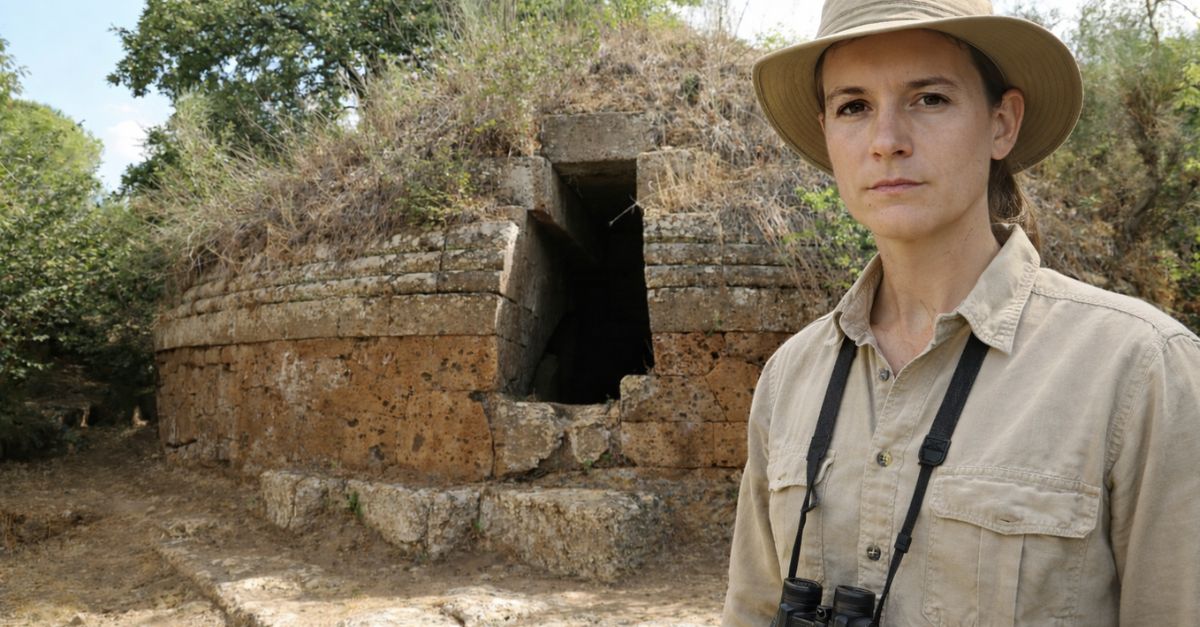
Long before Rome claimed authority over the Italian peninsula, the Etruscans shaped a culture grounded in ritual practice and visual expression. Their cities prospered through trade and craft, yet much of what remains comes from how they approached death. Burial was not treated as a separation. Instead, it marked continuity shaped through architecture and imagery. Archaeologists have documented rare painted chambers in Cerveteri’s necropolis where pigments survive in protected spaces sealed by earth layers for centuries. Color still clings to its walls, preserved beneath layers of earth that sealed the space for centuries. Such survival remains uncommon, especially at a site where most decoration has faded beyond recognition. This article examines the Etruscan world surrounding the discovery, describes the painted chamber in detail, and explains why it matters. Each section builds toward a clearer understanding of belief, memory, and how ancient Italians imagined life beyond death.

On a map, Antarctica reads like the final frontier, a place where the rules of the natural world work a little differently. The idea that an entire continent covered in ice qualifies as a desert doesn’t match how we use the word in everyday life. Most people imagine deserts as sun-bleached dunes and shimmering heat, not a frozen expanse stretching farther than the eye can measure. Yet scientists have a different definition, and once you hear it, the icy area starts to make more sense. It helps to think less about sand and more about scarcity, because dryness defines a desert far more than temperature ever could.
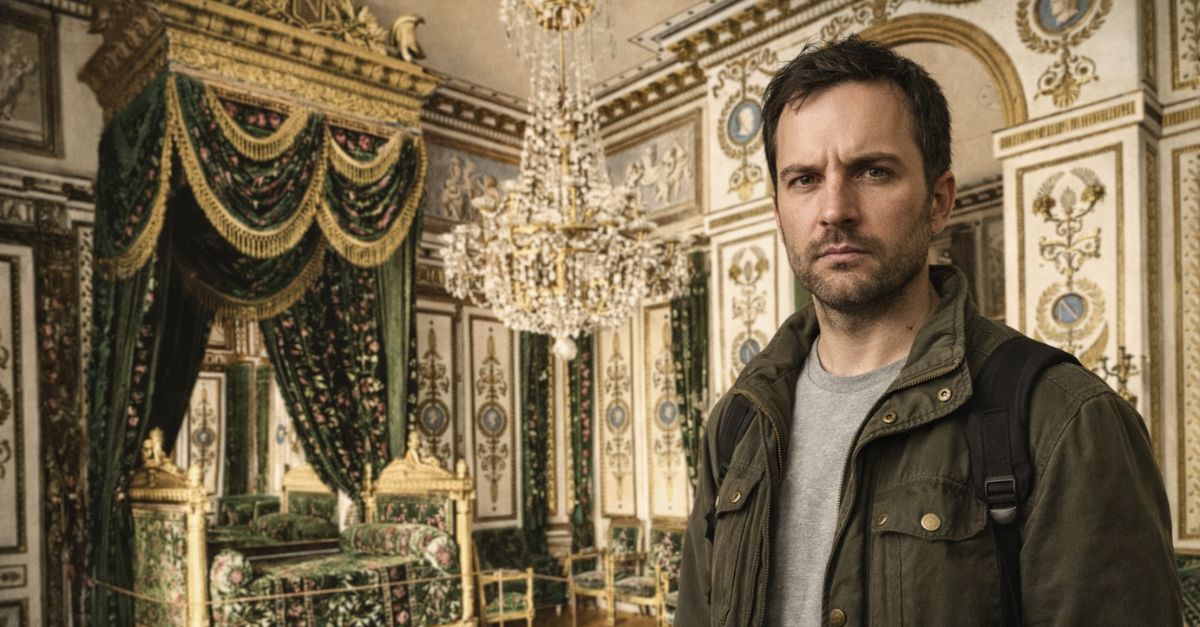
Royal bedchambers served as stages for both intimacy and intrigue throughout history. Within these walls, dynasties began, conspiracies formed, and rulers faced their mortality. Each room preserves the solitude of absolute power.
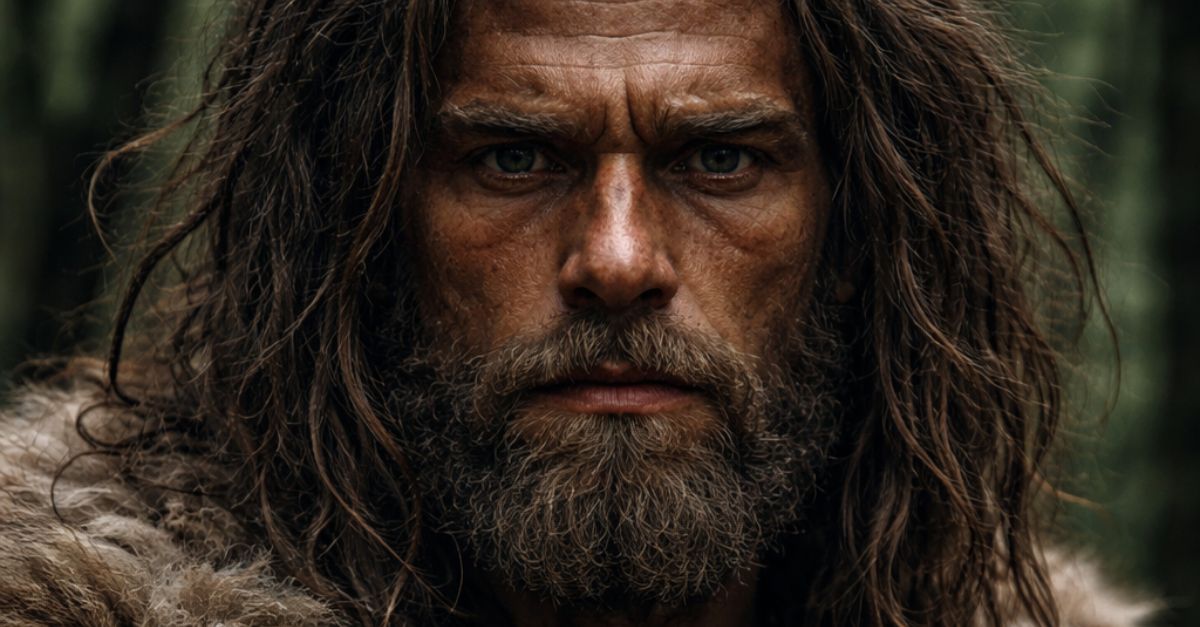
A few scattered bones beneath the Moroccan desert stunned scientists and forced history books to catch up. The face looked familiar, but the brain told another story about who we are and where we truly began.
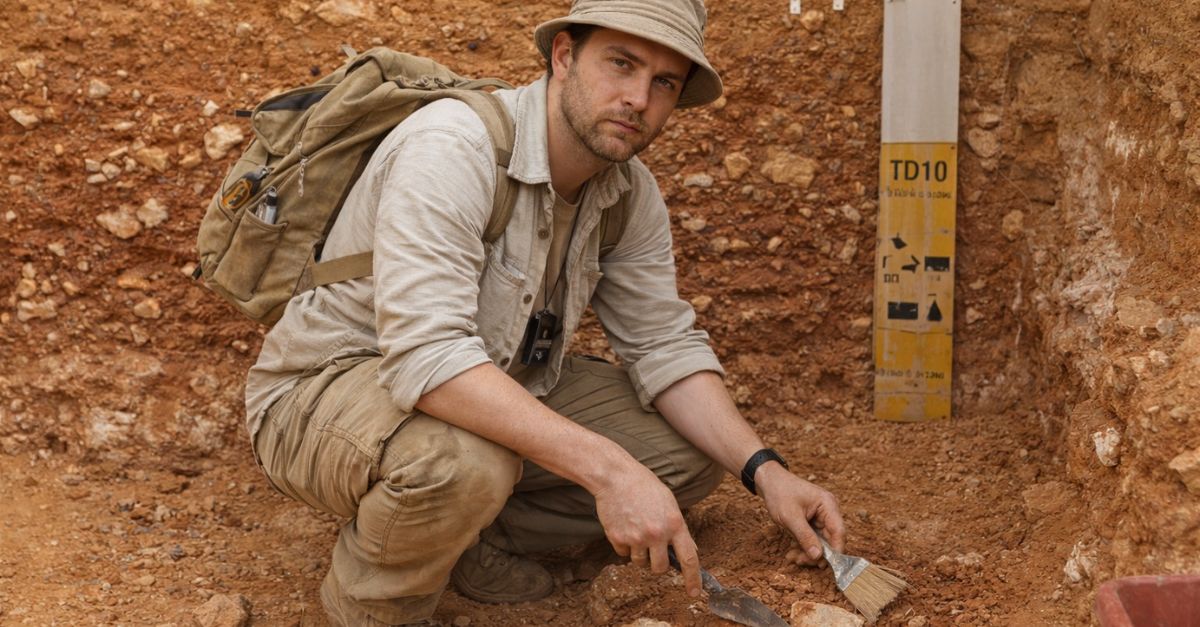
Thirty years after the first discovery that changed everything we knew about early Europeans, the researchers at Spain's Atapuerca sites are back in the same dirt—and they're finding more. During the 47th excavation campaign in summer 2025, teams working at the Gran Dolina cave complex punched through layers of ancient sediment and fossilized hyena droppings. Finally, they reached the legendary TD6 level once again. Ten new Homo antecessor fossils emerged from what researchers call the Estrato Aurora, the Aurora Layer, pushing the total collection to an unprecedented 170 human remains from this unique species that lived 850,000 years ago. The discoveries came from just scratching the surface of an archaeological goldmine that researchers believe still holds countless secrets about humanity's earliest chapters in Western Europe, a period when survival meant competing directly with massive carnivores for shelter and food.
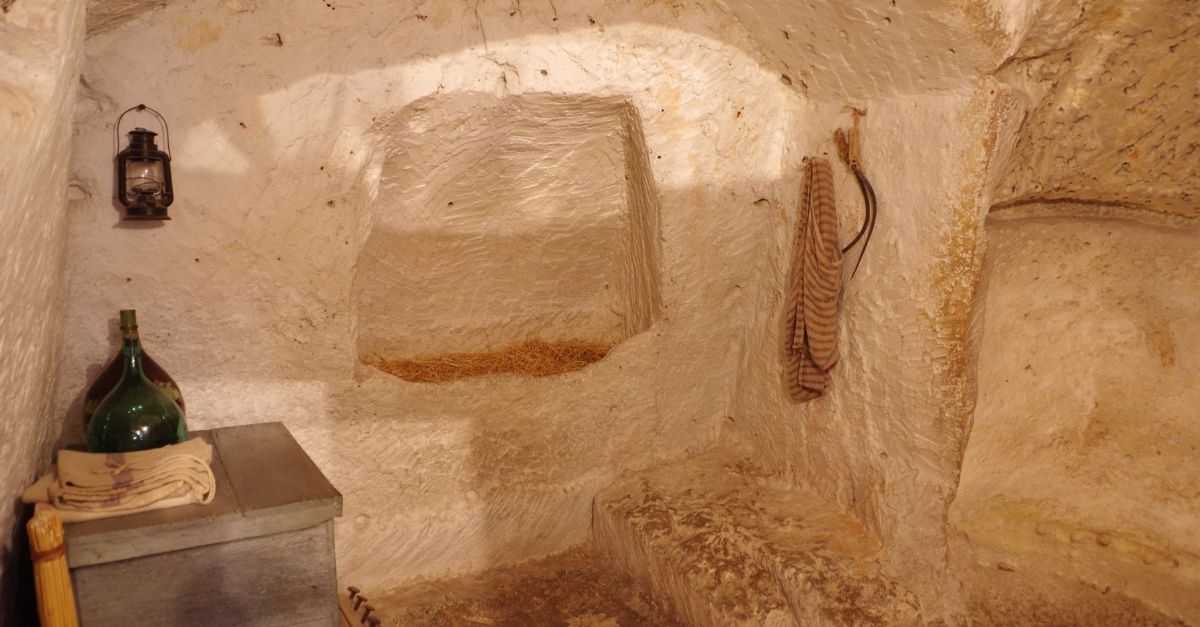
The stone walls of Matera do not whisper history—they press it into the air. The scent of damp limestone still clings to cave ceilings carved thousands of years ago, while narrow passages funnel light exactly where ancient families needed it most. Long before electricity or plumbing, people here shaped homes directly into rock faces to create a settlement that never stopped evolving. Archaeological research over the last several decades has revealed that Matera's cave dwellings, known as the Sassi, are among the longest continuously inhabited regions on Earth. These findings challenge old assumptions about early human life, showing adaptability and social structure that lasted from the Paleolithic era through modern times.
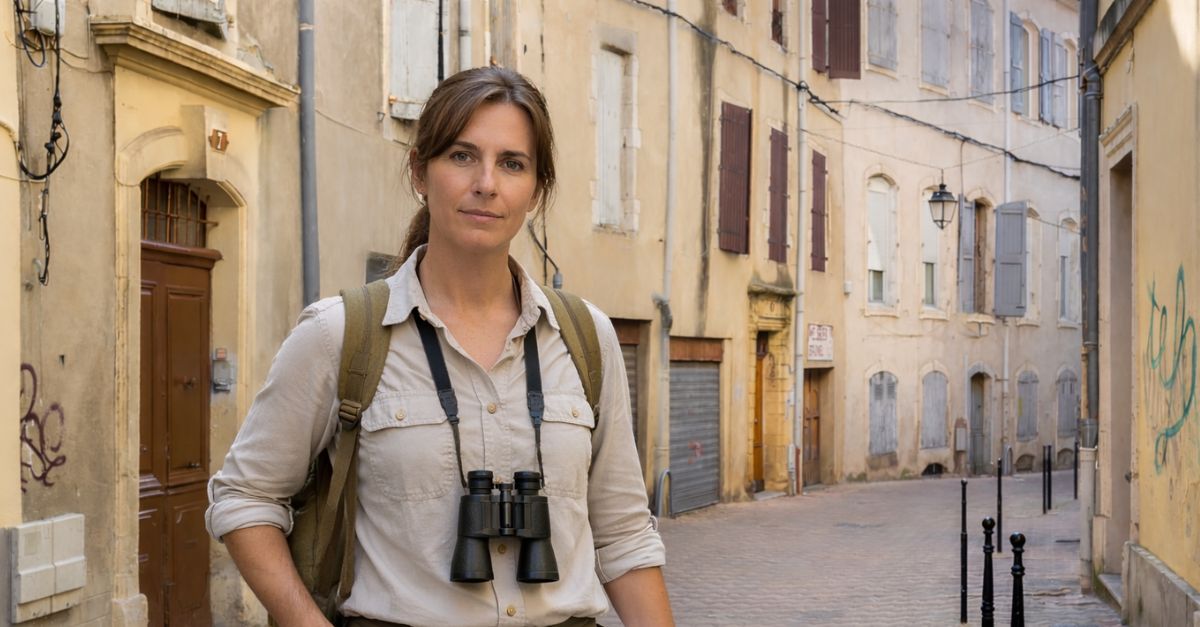
The hillside above Ales has long been part of the town’s everyday backdrop, its pale stone and quiet slopes merging into the southern French scenery without demanding attention. Yet beneath that calm surface lay structures preserved because the hillside remained largely undisturbed for centuries. When excavation began ahead of modern development, nothing immediately dramatic came forth. Instead, the soil gave way slowly to deliberate carving directly into the limestone slope. With each careful layer removed, the hill revealed signs of planned domestic life rather than casual or temporary use, holding onto the traces of people who understood how to settle into stone.
Abydos has drawn pharaohs and pilgrims for millennia as Egypt's holiest burial ground, where proximity to Osiris promised divine favor in the afterlife. Excavators recently broke through sealed chambers, revealing sophisticated mudbrick vaults and decorative plasterwork depicting the goddesses Isis and Nephthys as eternal guardians. The building techniques speak to royal commissioning, yet every cartouche and inscription identifying the occupant lies damaged and illegible. Their disappearance transforms an already significant find into an archaeological puzzle that challenges researchers to identify the tomb's owner through architectural clues, artistic styles, and contextual evidence rather than convenient labels written in stone.

If you like humaverse you may also consider subscribing to these newsletters:
