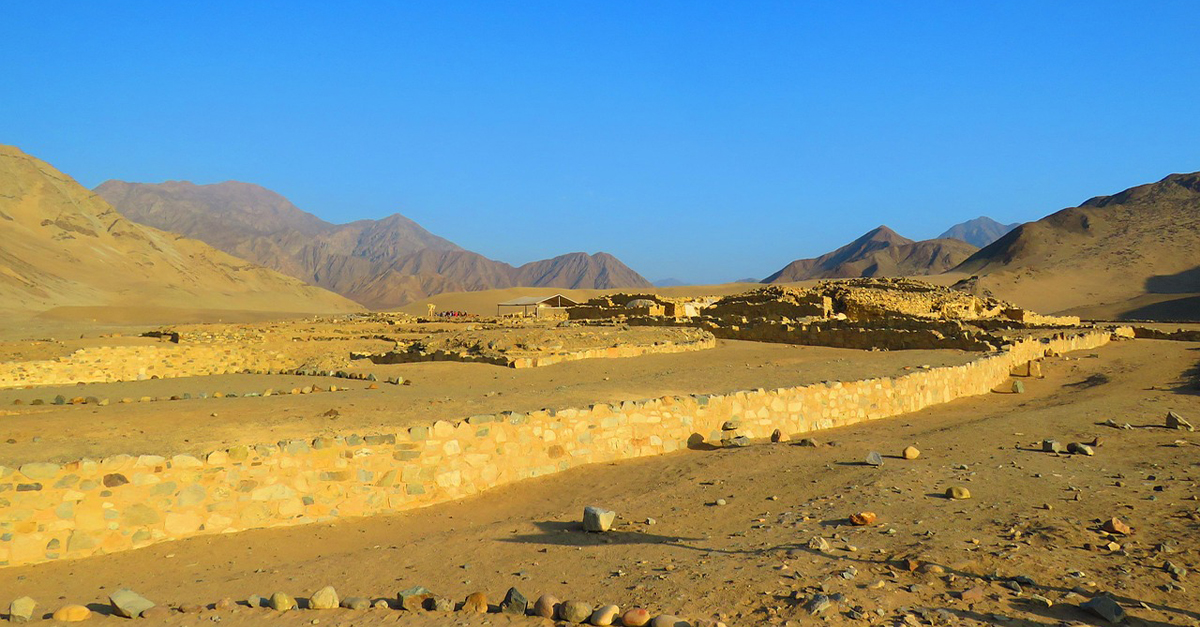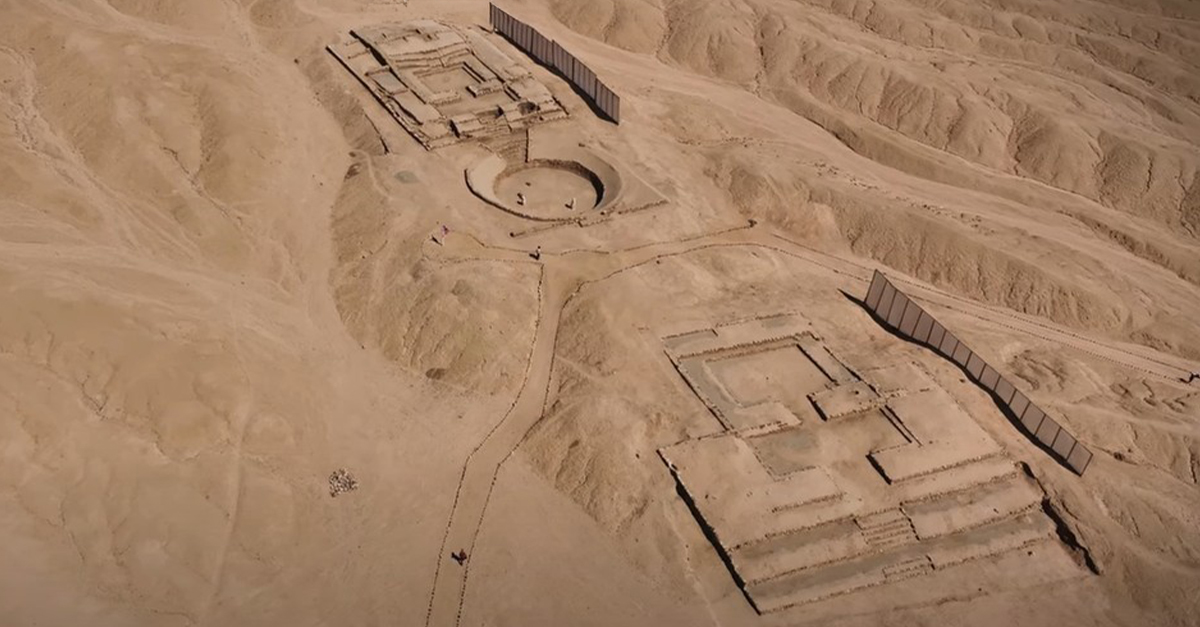
Archaeologists have unveiled Peñico, an ancient lost city in Peru’s northern Barranca province. Located about 120 miles north of Lima at almost 2,000 feet elevation, Peñico is finally revealed after eight years of excavation. It was a thriving Andean city between 1800 and 1500 BC.
Extension Of An Earlier Culture
Peñico rose to prominence in the immediate aftermath of the decline of one of the Americas’ oldest civilizations: the Caral people. The Caral and Peñico were directly related. Anthropologists surmise that the city grew as Caral’s populace migrated or adapted due to environmental pressures like climate change.
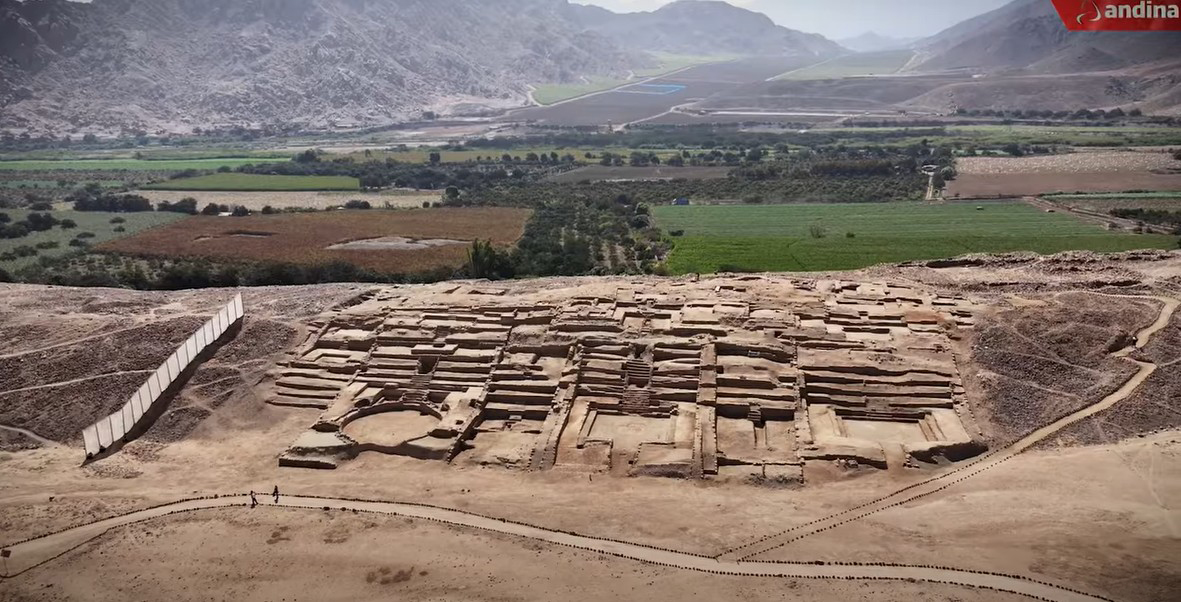 Peñico confirms interconnection system between former Peruvians, Agencia de Noticias Andina, YouTube
Secure Location And Trade Network
Situated high up on a plateau that dominates its surroundings, Peñico’s location gave its people natural protection against floods and landslides, always a threat in the steep Andean terrain. The city’s position made it a linchpin of trade and interaction between the peoples of the Pacific coast, highlands, Andes, and Amazon, garnering it the nickname “City of Social Integration” from researchers.
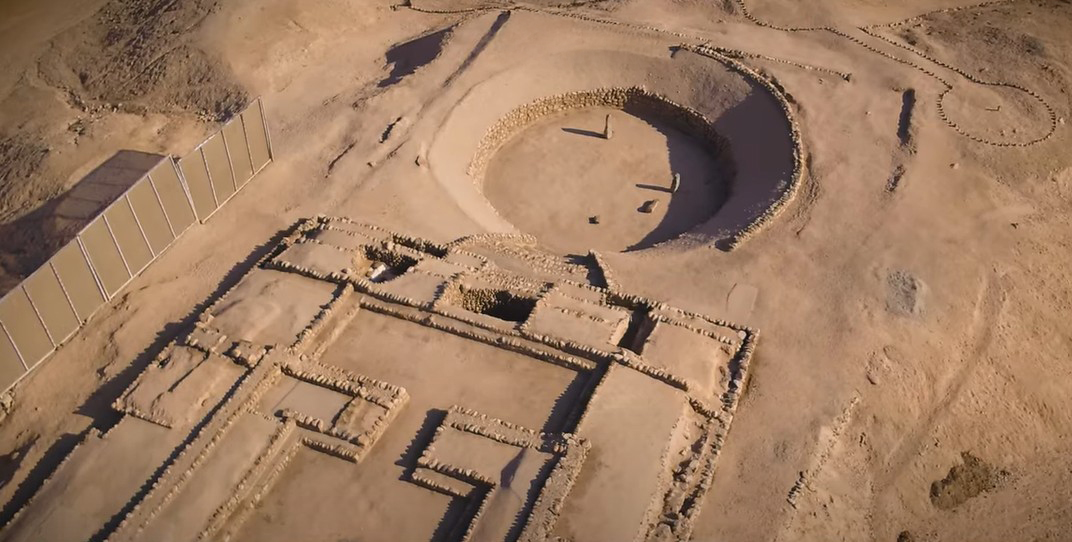 Peñico confirms interconnection system between former Peruvians, Agencia de Noticias Andina, YouTube
Structures See The Light Of Day At Peñico
Archaeologists have thus far uncovered 18 separate structures, including residential buildings, temples, and an amazing circular plaza. The site’s layout and architecture are highly indicative of an organized urban center laid out for civic and ceremonial activities.
Ceremonial Reliefs And The Shell Trumpet
The walls of one ceremonial building are highly decorated with sculptural reliefs showing images of the pututu, a conch shell trumpet that was used extensively in rituals. These symbols are a great testimonial to the extent of Peñico’s spiritual and communicative dimensions.
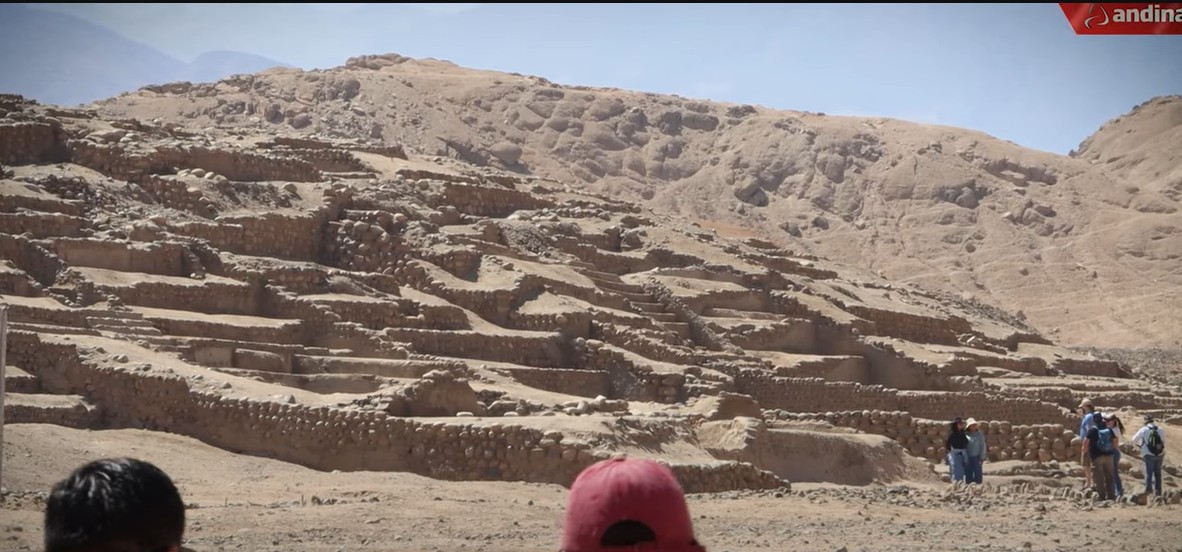 Peñico confirms interconnection system between former Peruvians, Agencia de Noticias Andina, YouTube
Artifacts Reflect Cultural Life
Researchers also dug up thousands of fascinating artifacts: clay figurines, ceremonial tools, tools like hammers, and wonderful necklaces with beads and seashells. These finds showcase the craftsmanship of the people, their ceremonial complexity, and some of the goings-on of daily life in a bustling late Neolithic center of regional trade.
Hematite Trade And Symbolic Pigment
Hematite, the iron oxide used to produce a vivid red pigment, is thought to have been a key trade commodity for Peñico. The mineral’s important role in Andean cosmology suggest that the city carried out a key role in both practical trade and ritual coloration.
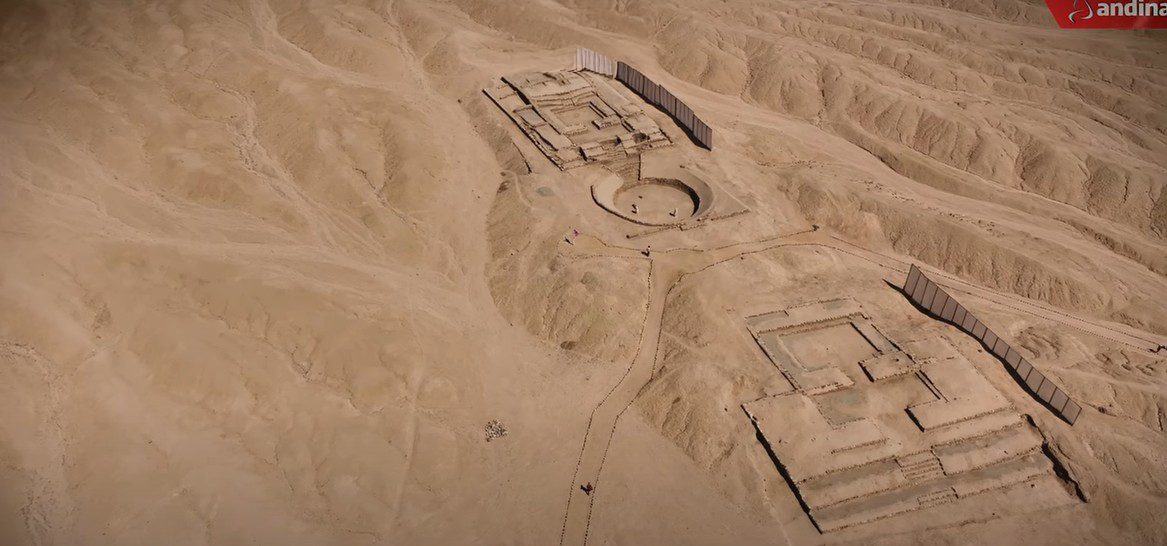 Peñico confirms interconnection system between former Peruvians, Agencia de Noticias Andina, YouTube
Cultural Revival And Access For A Curious Public
Peñico is now open to the public under Peru’s Caral Archaeological Zone. Educational exhibits and digital reconstructions have been established, and the site’s official opening featured a traditional Andean festival called "Peñico Raymi". This festival celebrates local heritage and the all-encompassing power of the sun.
Deep Meaning For Peru And Andean History
Peñico fills in a massive gap in our comprehension of pre-Inca Andean history, and shows how societies changed and adapted after Caral’s decline. As a cultural and trading hub , Peñico gives us fresh insight into urban change, social networks, and ceremonial customs amid the richness of early Andean civilization.
You May Also Like:
The Rediscovery Of The Lost Zapotec City Of Guiengola
Astonishing Facts About The Diary That Unlocked The Riddle Of The Pyramids
The Hopewell Mounds reveal the mysteries of an ancient civilization in Ohio.