
Rocky Shore Mystery
Once abundant along New England shores, the sea mink vanished while fashionable fur coats adorned European and American elites. Its story spans millennia of adaptation and mere decades of destruction.

Prehistoric Origins
Around 5,000 years ago, as glaciers retreated and sea levels rose, the sea mink evolved to exploit newly formed coastal niches. Archaeological evidence suggests these mustelids rapidly adapted to marine environments after the last Ice Age, developing specialized traits for coastal living.
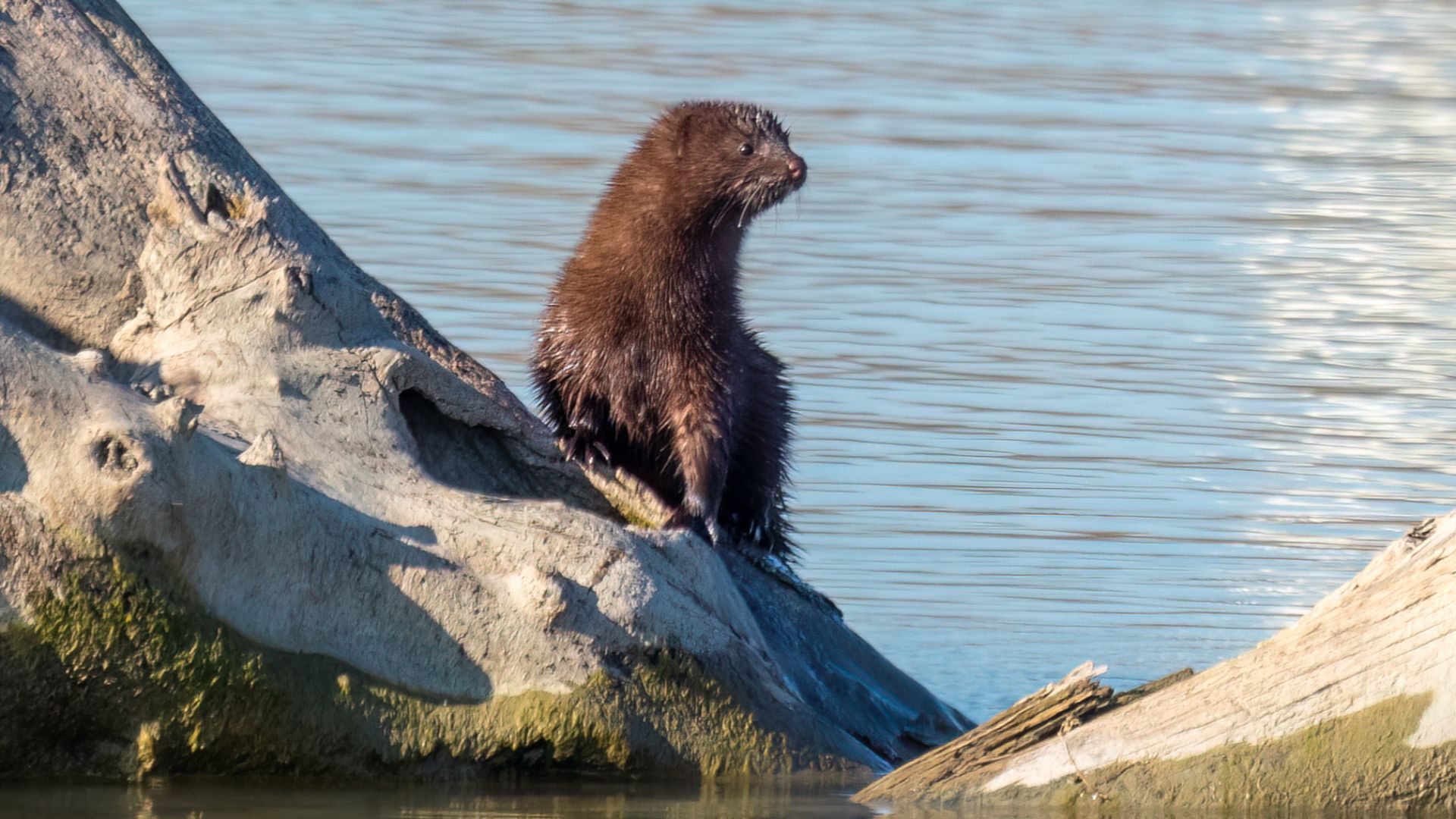 Rhododendrites, Wikimedia Commons
Scientific Discovery
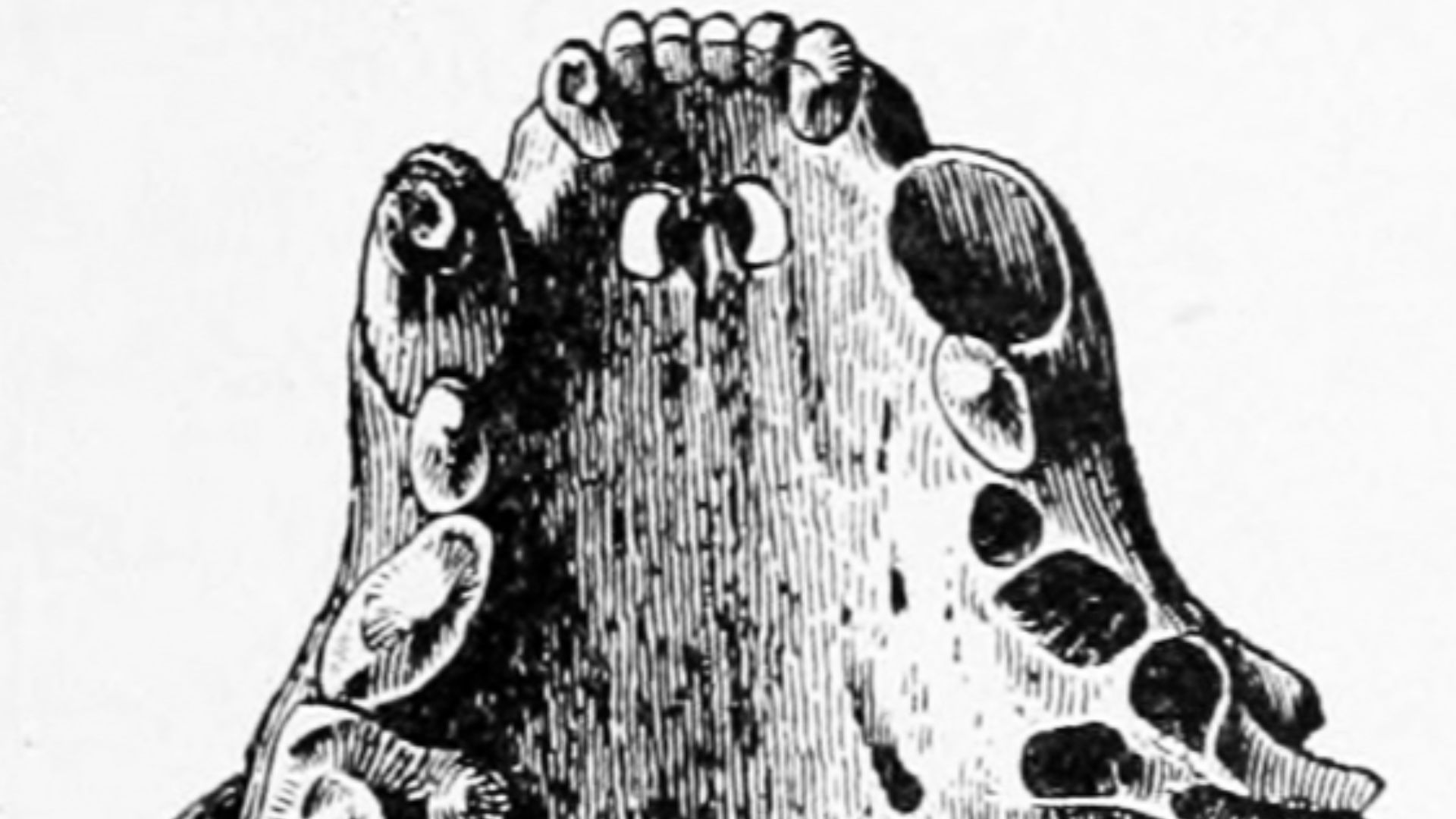
Daniel Webster Prentiss first scientifically described the sea mink in 1903. He based his description on skull fragments from Native American shell middens in New England. The specimen he designated as the type consisted of a maxilla, parts of the nasal bone, and a palate with well-preserved teeth.
 N. Currier (Firm), Wikimedia Commons
Taxonomic Classification
Debate has surrounded the classification of sea minks since their scientific discovery. Initially named Lutreola macrodon by Prentiss, taxonomic revisions in 2021 placed it in the genus Neogale alongside the American mink. "Macrodon" translates to "large teeth," highlighting its most distinctive feature.
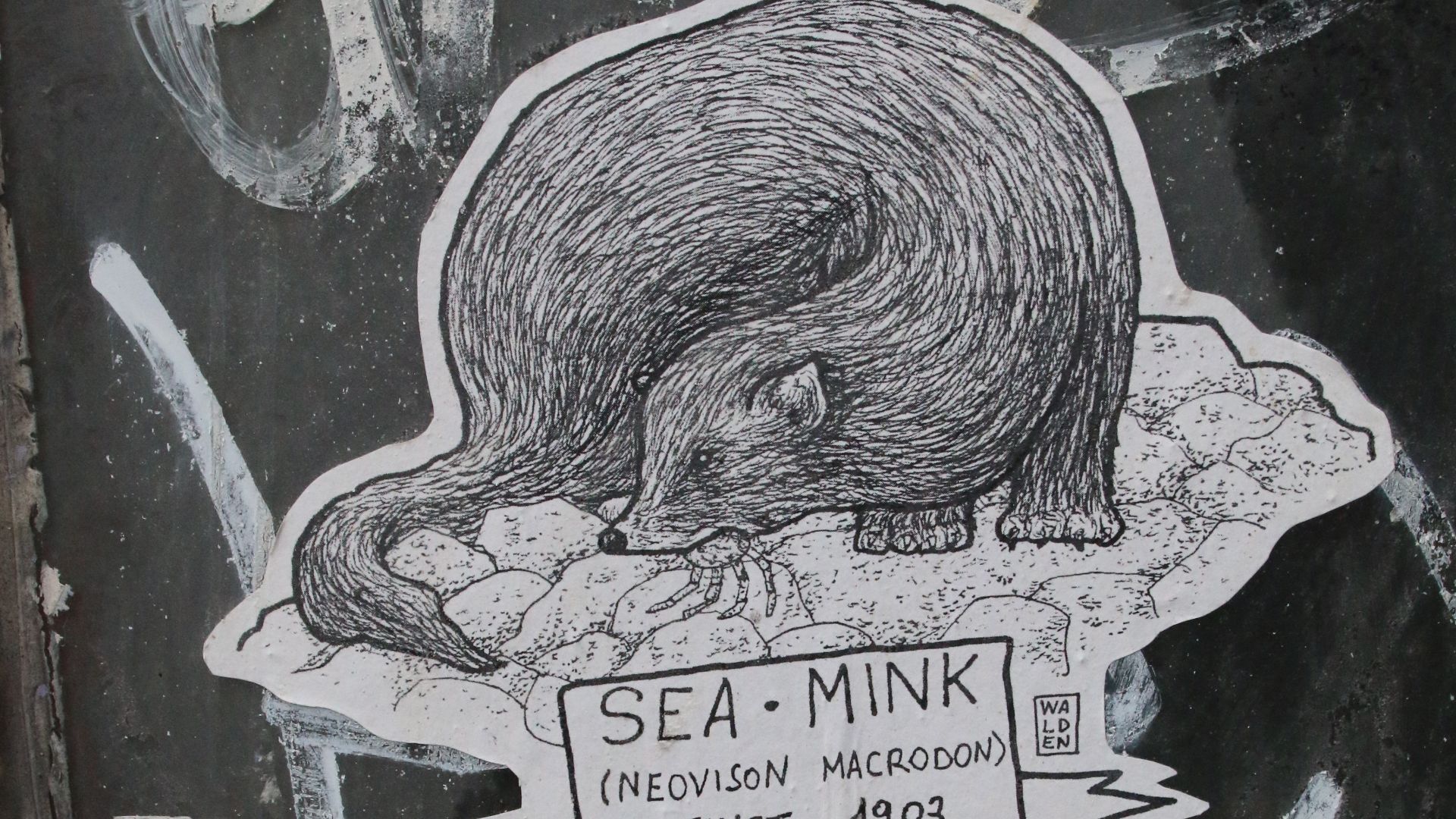
Species Debate
Was the sea mink truly a different species or merely a large subspecies of the American mink? This question has divided scientists for over a century. Some researchers, like Frederic Brewster Loomis in 1911, argued the differences were too minute to warrant separate species status.
 Waldon Fawcett, Wikimedia Commons
Geographic Range
The sea mink's precise distribution remains a topic of contention among researchers. Most evidence places them along the Atlantic coast from Massachusetts to Nova Scotia, particularly in the Gulf of Maine. Some accounts suggest they may have reached Newfoundland, but this remains unconfirmed with no direct evidence.
 Dirk Ingo Franke, Wikimedia Commons
Physical Dimensions
Significantly larger than its inland relative, the sea mink is estimated to have measured approximately 75 to 82 centimeters in length, about 50% larger than the American mink. Males outgrew females. The longest estimated specimen reached 82.6 centimeters, with a tail measuring about 25.4 centimeters.
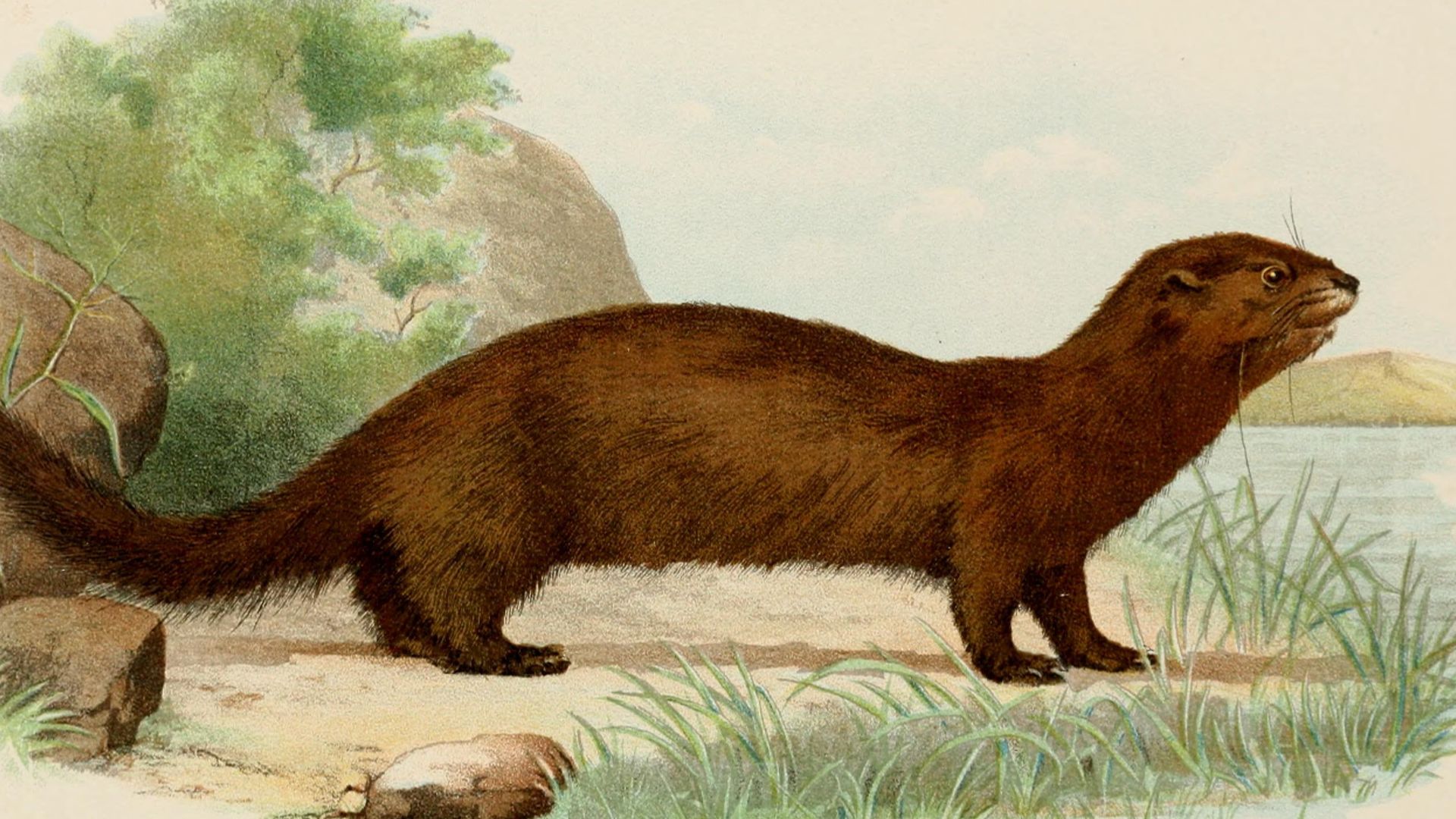 Internet Archive Book Images, Wikimedia Commons
Distinctive Features
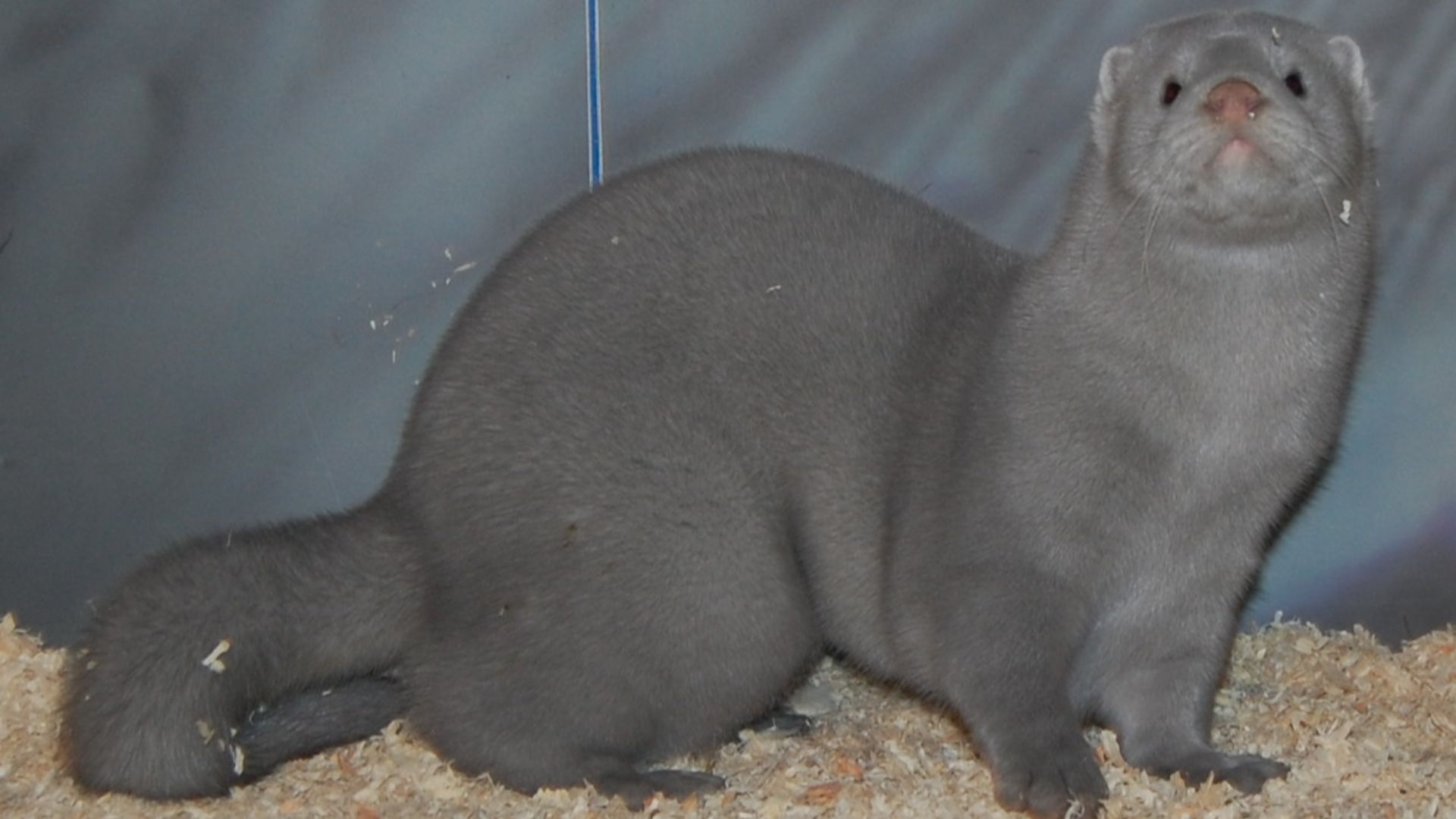
The coarse, reddish-brown fur of the sea mink stood in stark contrast to the softer, darker coat of the American mink. Their flatter, broader bodies resembled a greyhound in shape and gait according to early descriptions, earning them the name "fisher" among fur traders.
Dental Characteristics
Wider carnassial teeth with blunter cutting edges distinguished the sea mink dentally from its American cousin. These adaptations enabled it to crush hard-shelled marine prey like crustaceans and mollusks found in intertidal zones. A 2007 study by Rebecca Sealfon confirmed statistically significant differences in dental morphology.
 Prentiss, Daniel Webster, Wikimedia Commons

History's most fascinating stories and darkest secrets, delivered to your inbox daily.
Habitat Preferences
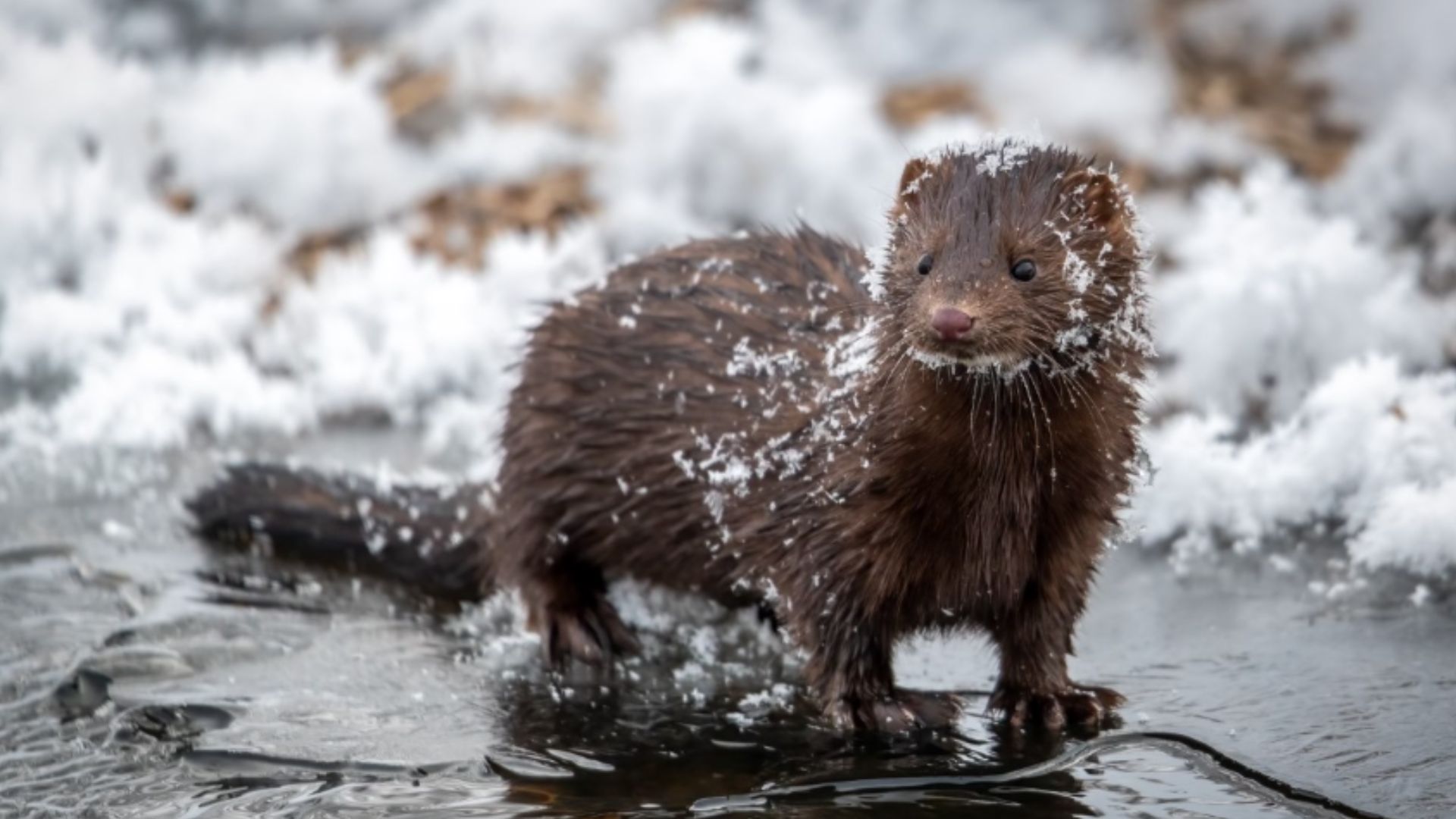
Rocky coastlines, offshore islands, and crevices between boulders provided perfect den sites for these semi-aquatic predators. Unlike truly marine mammals, sea minks remained tied to the shore but spent considerable time hunting in cold ocean waters. The isolated nature of their island habitats likely contributed to their rapid evolution.
 Colin Canterbury/USFWS, Wikimedia Commons
Territorial Behavior
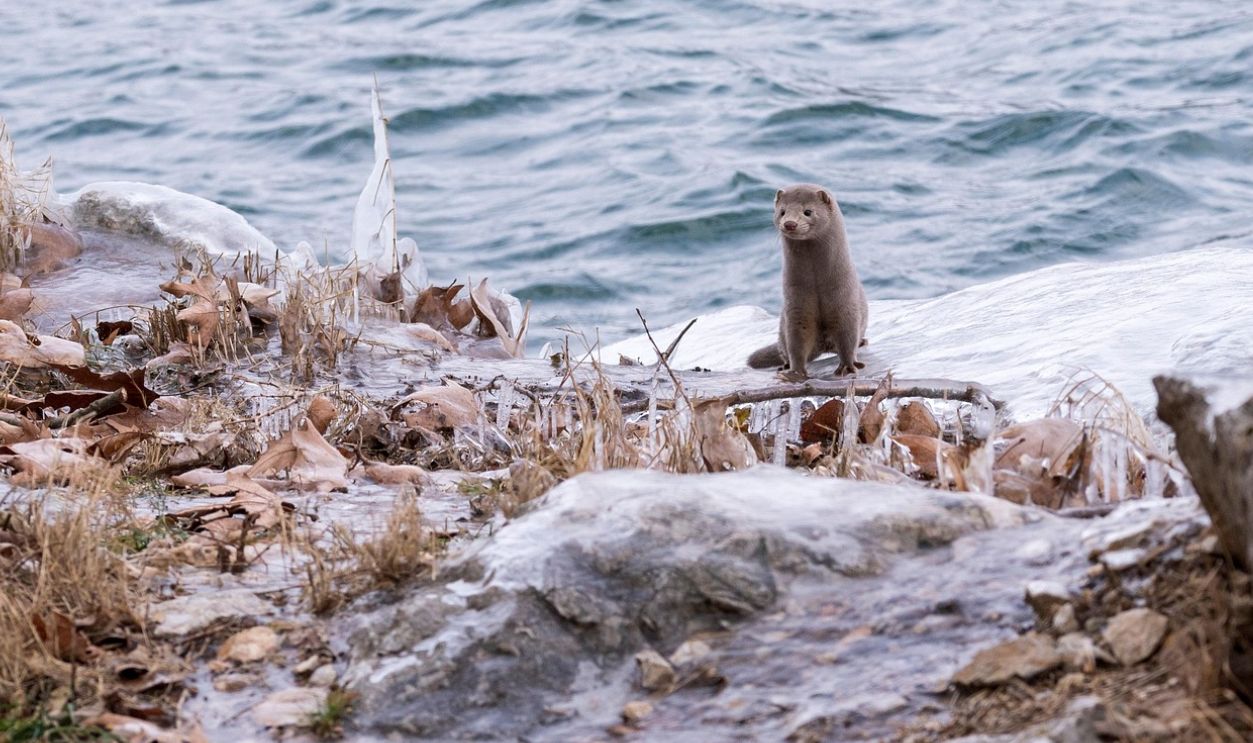
Despite being adapted to coastal environments, sea minks maintained the territorial, solitary nature characteristic of mustelids. Males displayed aggression toward each other, particularly during mating season or territorial disputes. Historical accounts describe how they marked shoreline territories with scent markings from certain glands.
Diet Composition
What did sea minks eat? Their specialized dentition reveals the answer. Unlike American minks, sea minks possessed teeth adapted for crushing hard shells of marine invertebrates. Fish remains found in excavated den sites confirm their piscivorous habits.
Hunting Techniques
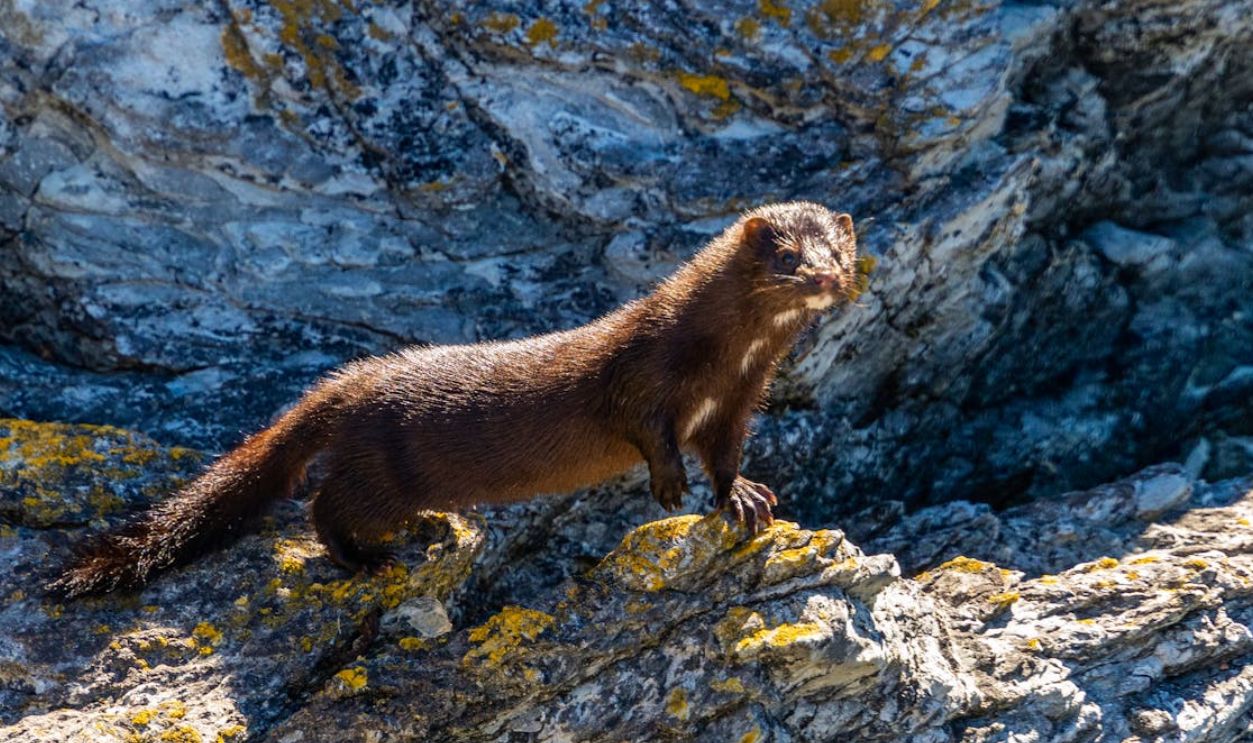
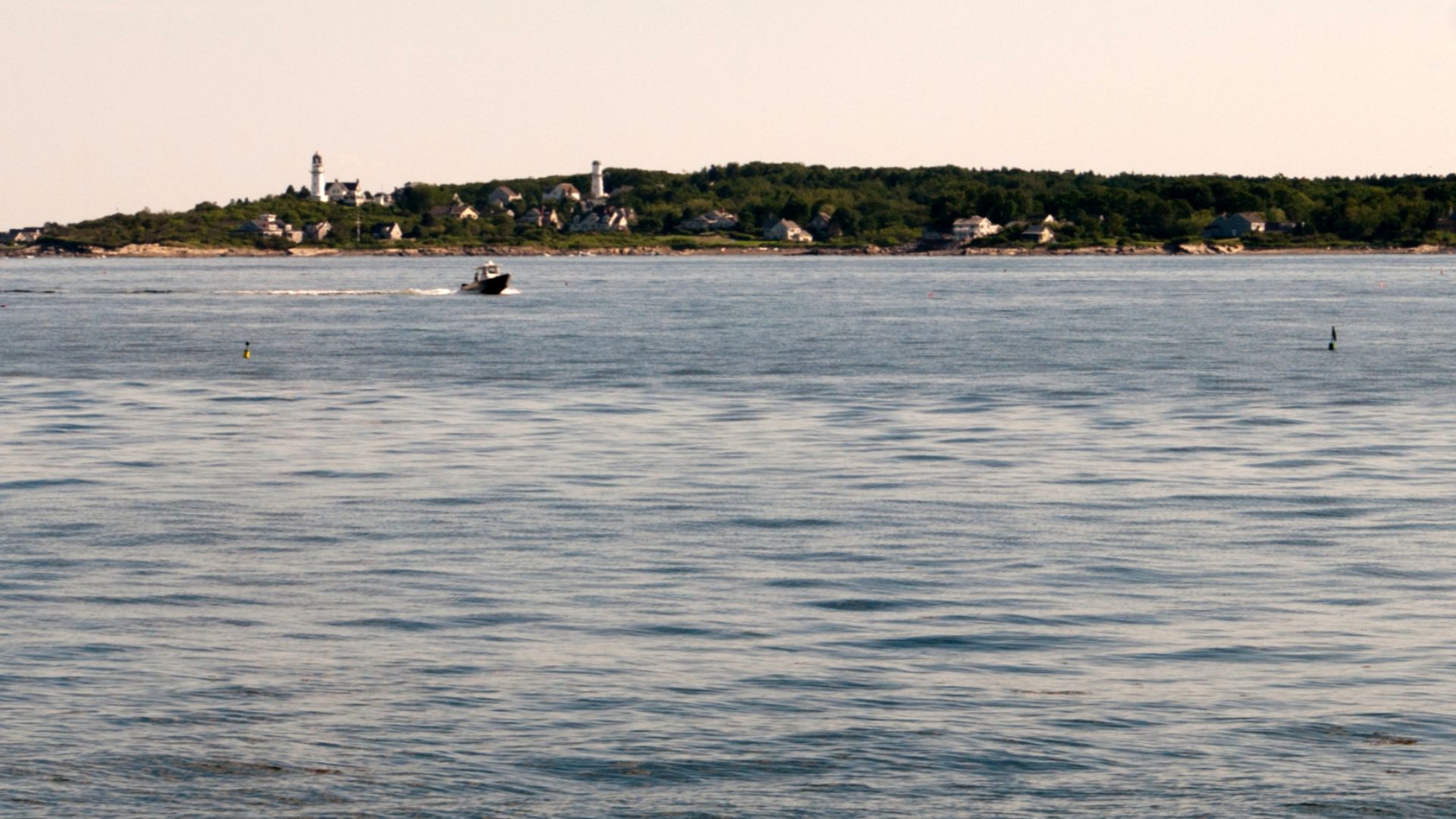
The waters of the Gulf of Maine posed no obstacle to these specialized hunters. Sea minks dove lithely through ocean waters, pursuing fish, clams, oysters, and lobsters despite likely having poor underwater vision. Their unique dental adaptations allowed them to process hard-shelled prey efficiently.
 Dirk Ingo Franke, Wikimedia Commons
Mating Patterns
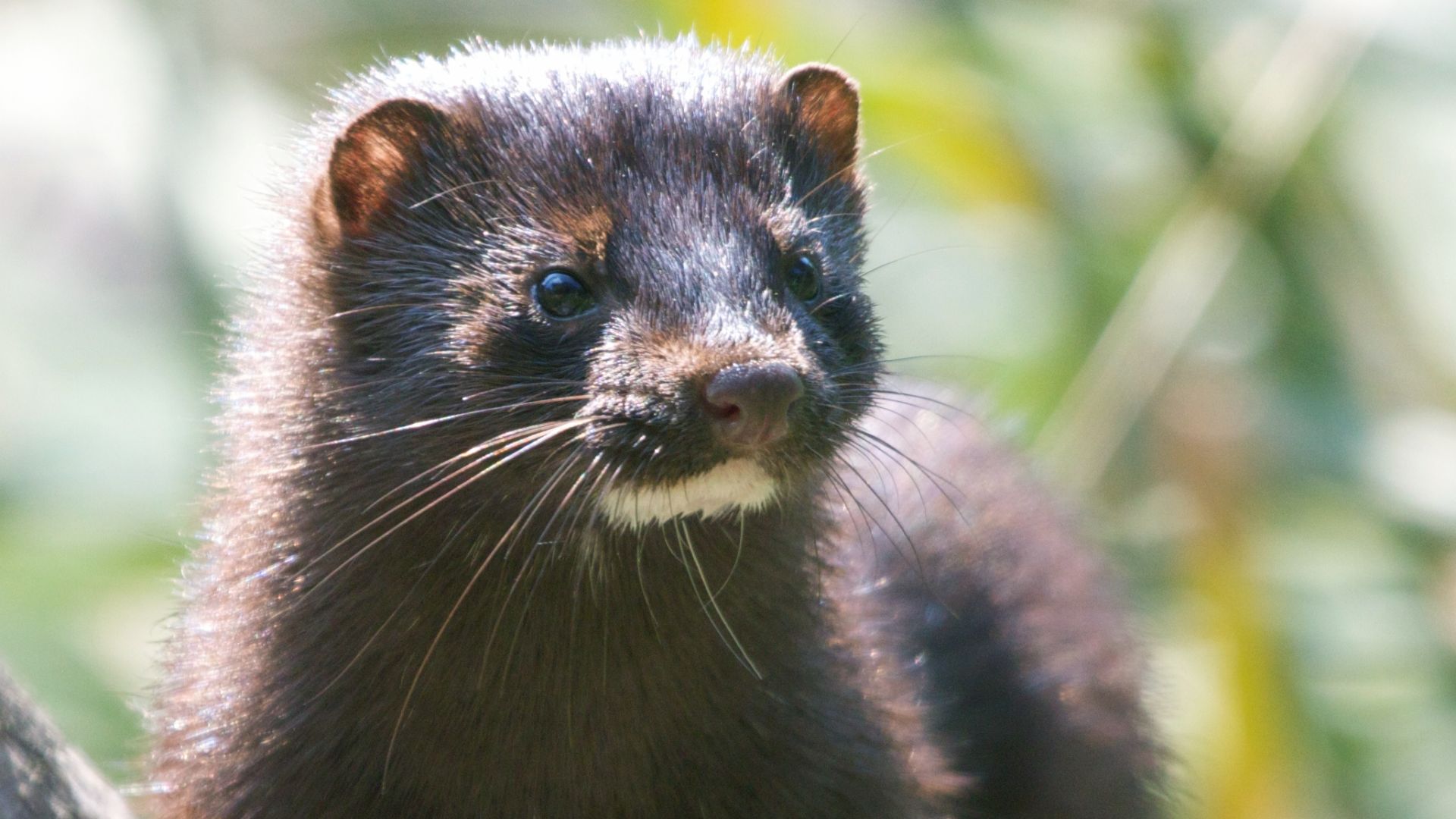
April to May marked breeding season for sea minks, when males would search aggressively for receptive females. Both genders exhibited polygynandrous mating behavior, often having multiple partners. Following a gestation period of approximately 40–75 days, females gave birth to blind, hairless pups.
 Mink_in_the_park.jpg: qmnonic derivative work: Mariomassone (talk), Wikimedia Commons
Archaeological Evidence
Shell middens along Maine's coast have yielded the only known sea mink remains. The calcium carbonate from shells neutralizes acidic soil, preserving organic material that would otherwise decompose. Most sea mink bones predate European contact, with specimens dating back 5,000 years providing insight into the species' long history.
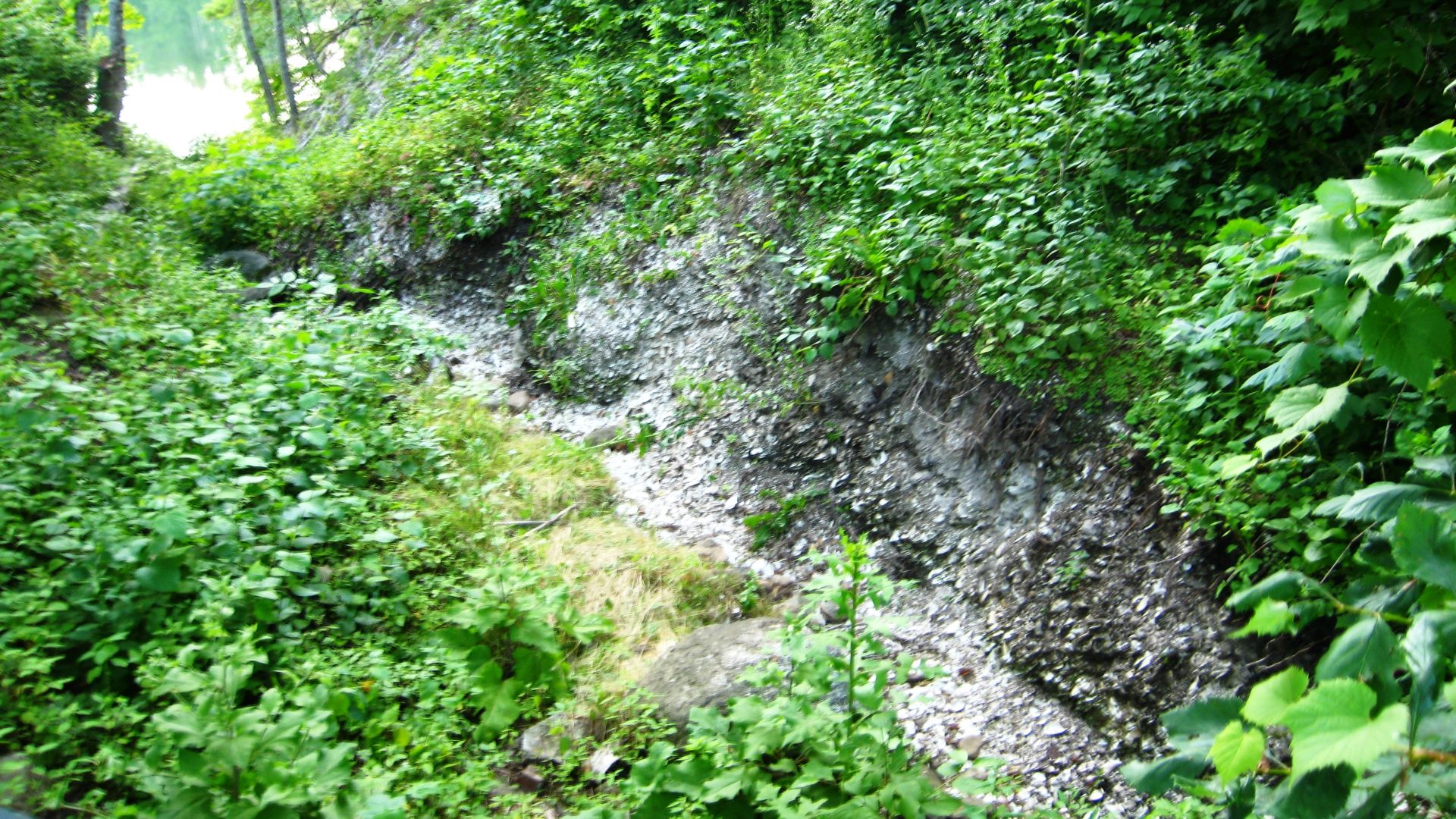 Photo by and ©2007 Dustin M. Ramsey (Kralizec!), Wikimedia Commons
Wabanaki Connections
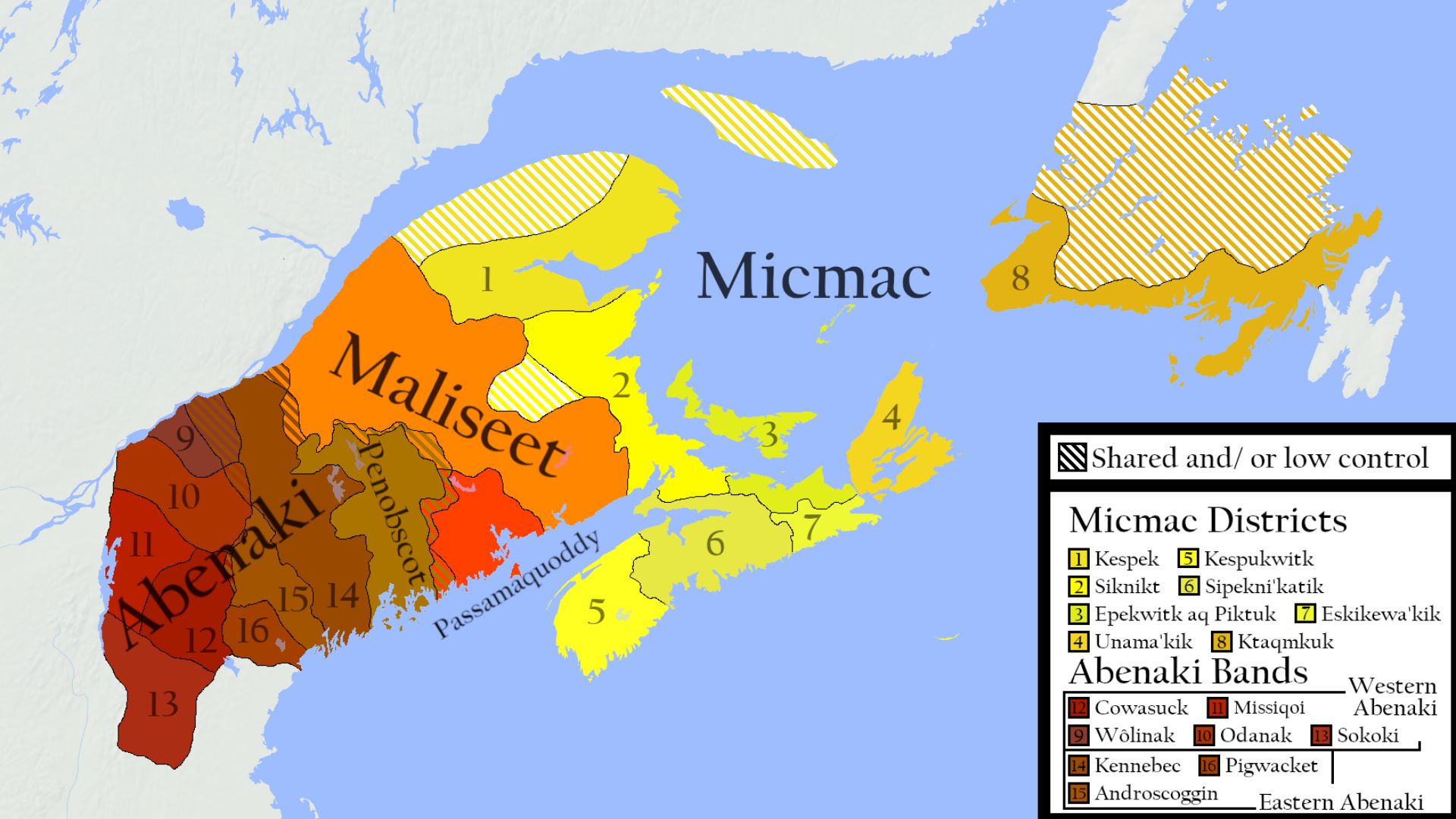
The ancestors of today's Wabanaki people—including Penobscot, Passamaquoddy, Mi'kmaq, and Maliseet tribes—hunted sea minks sustainably for millennia. They called the animal "mousebeysoo" in Abenaki, meaning "wet thing," reflecting its aquatic nature. In Passamaquoddy, it was known as "supeqi-ciyahkehsuwok" or “saltwater mink”.
Indigenous Knowledge
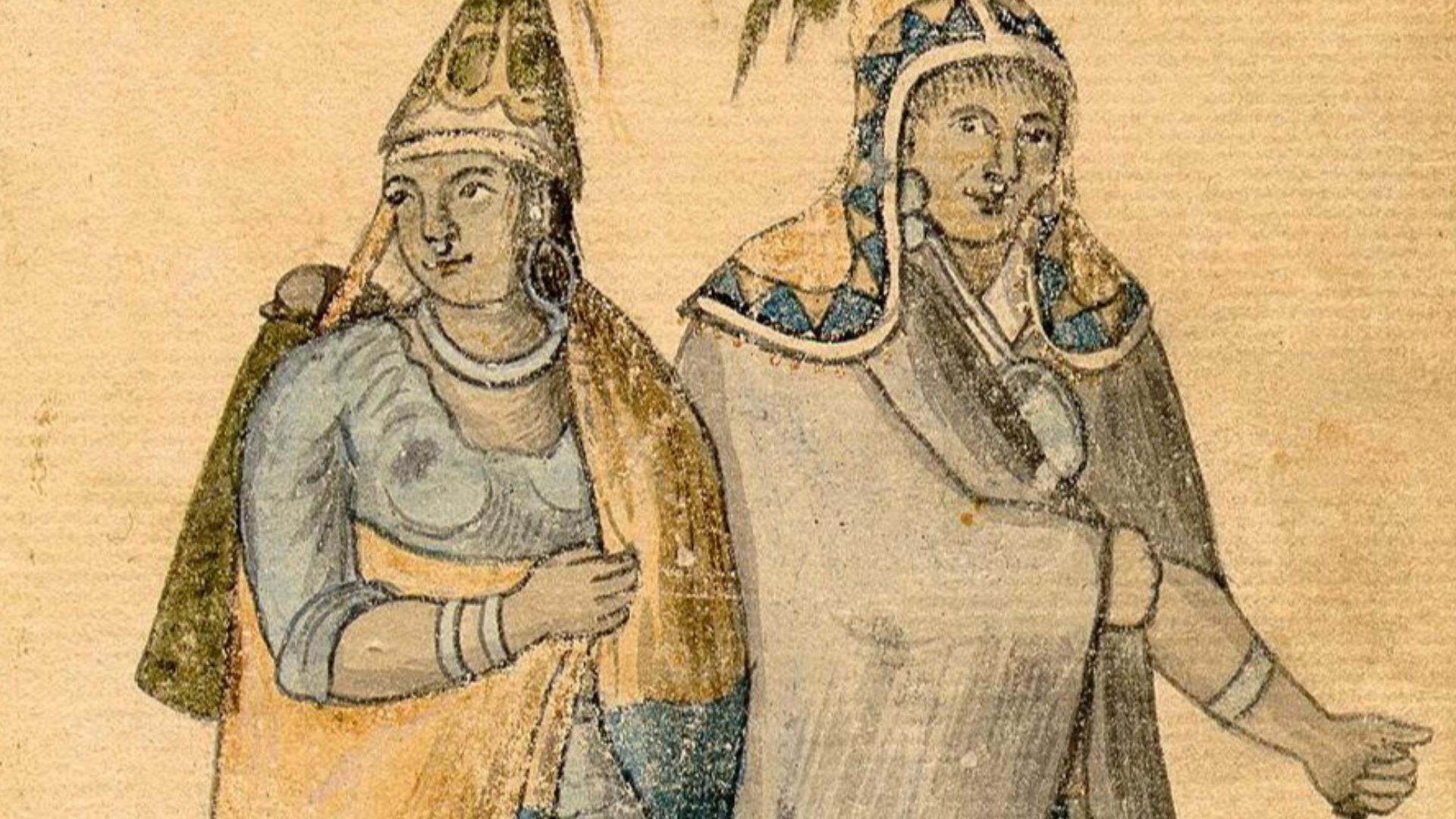
Sea mink bones found at ceremonial burial sites suggest they held cultural significance beyond mere subsistence for coastal Native Americans. Archaeological studies reveal that Indigenous harvesting practices remained sustainable for thousands of years, never threatening the survival of the species.
 Unknown authorUnknown author, Wikimedia Commons
European Contact
Sir Humphrey Gilbert likely provided the first European description of sea minks in the late 1500s, describing them as "a fish like a greyhound" due to their body shape and marine habits. European settlers quickly recognized the commercial potential of these large, distinctive mustelids.
 Unknown authorUnknown author, Wikimedia Commons
Fur Trade Demand
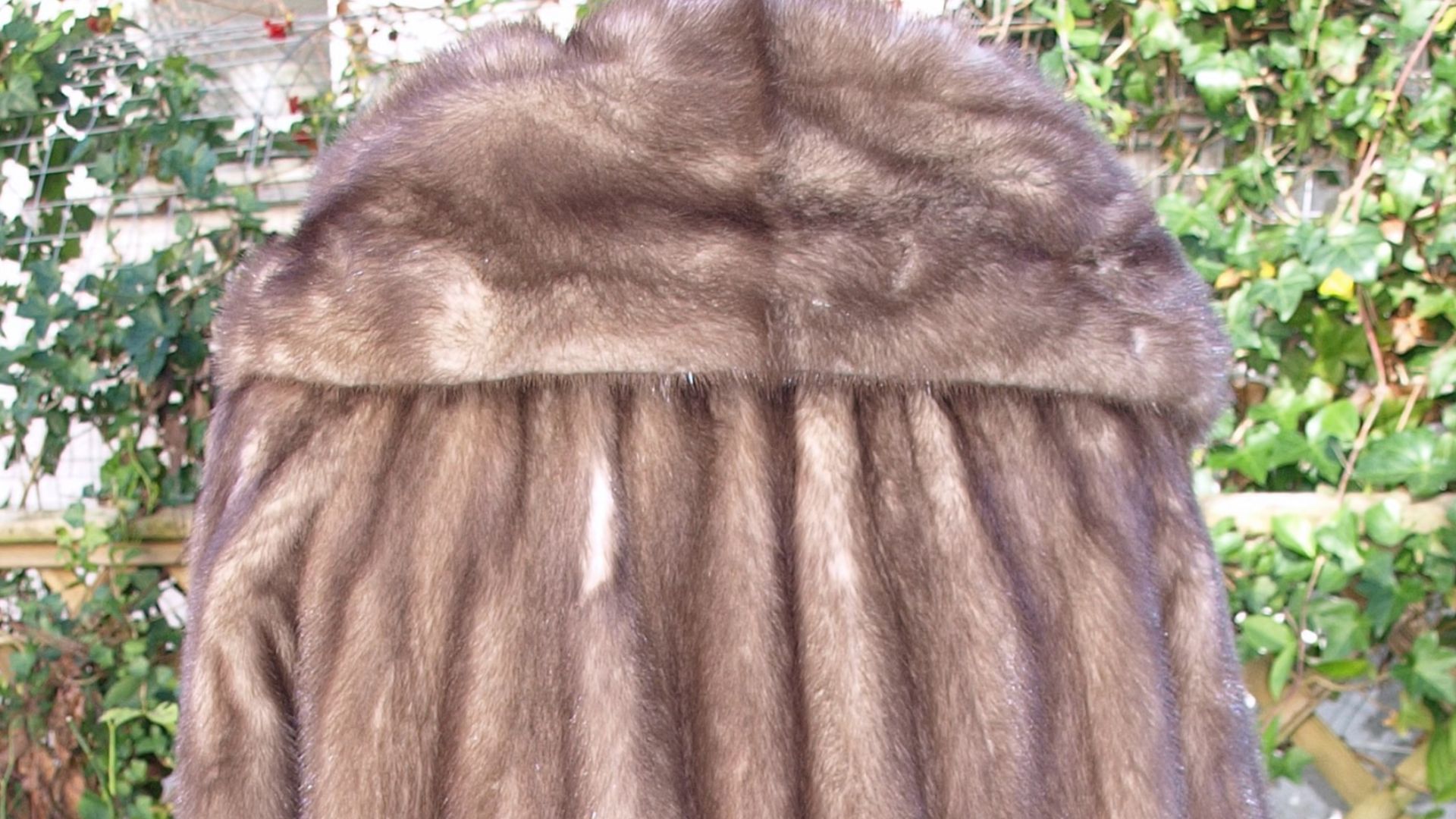
During the 1800s, mink fur coats became fashionable in both European and American markets, dramatically increasing demand. A single coat required between 60 and 200 individual minks, but the sea minks' larger size meant fewer pelts per garment. This efficiency made sea mink fur particularly valuable to traders.
 Libricool (talk) 10:23, 12 October 2010 (UTC), Wikimedia Commons
Hunting Methods
Sea mink hunting methods differed significantly from conventional trapping used for American mink. Hunters located sea mink dens in rocky coastal areas using specially trained dogs. If minks retreated into crevices, hunters excavated them using shovels and crowbars.
 Juha Kamarainen, Wikimedia Commons
Population Decline
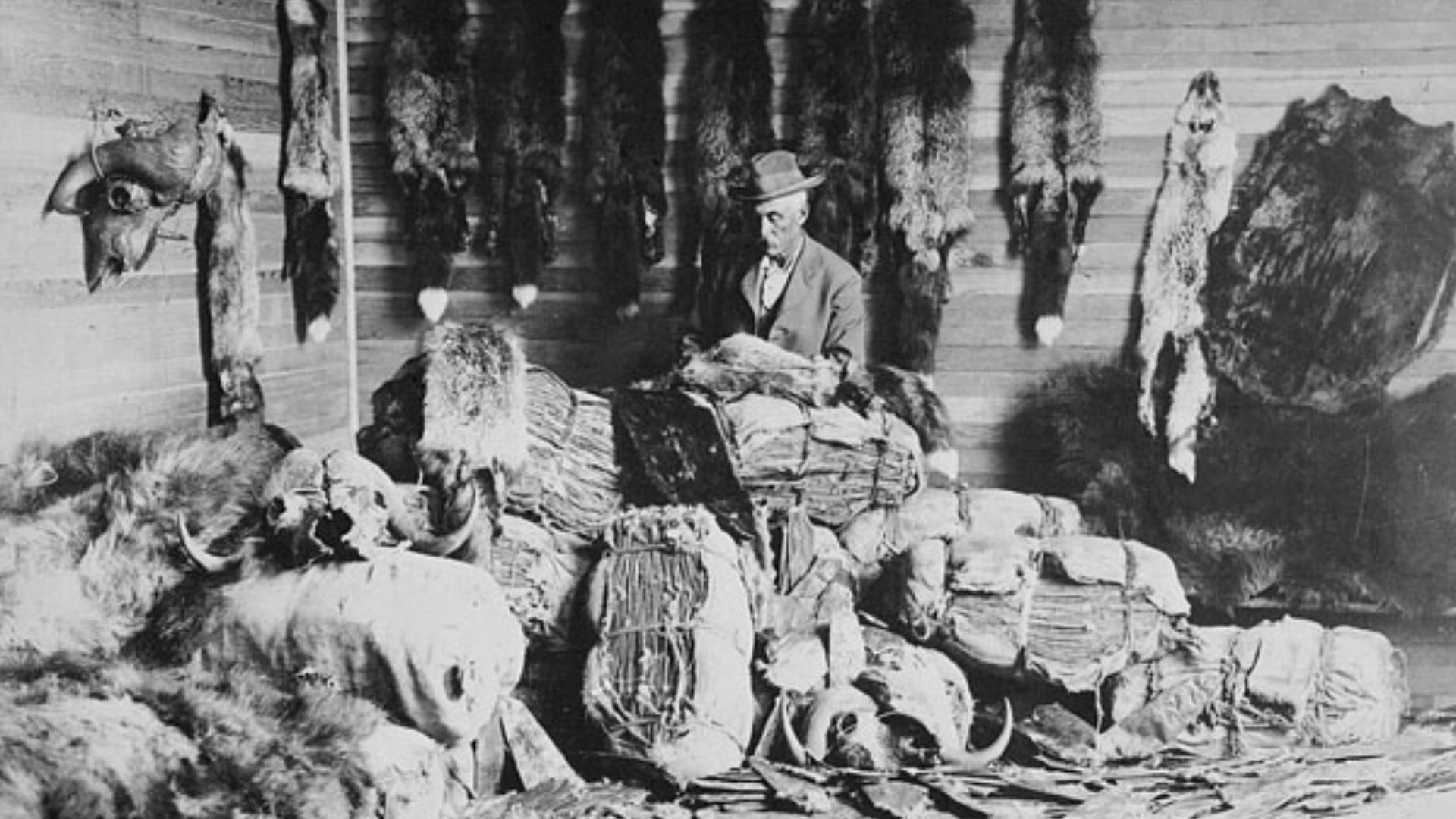
By the 1860s, sea mink populations had plummeted. The species' limited range, specialized habitat requirements, and relatively low reproductive rate made it particularly vulnerable to intensive hunting pressure. Maine fur trader Manly Hardy noted in 1903 that these were noticeably smaller than the “great sea mink”.
Extinction Timeline
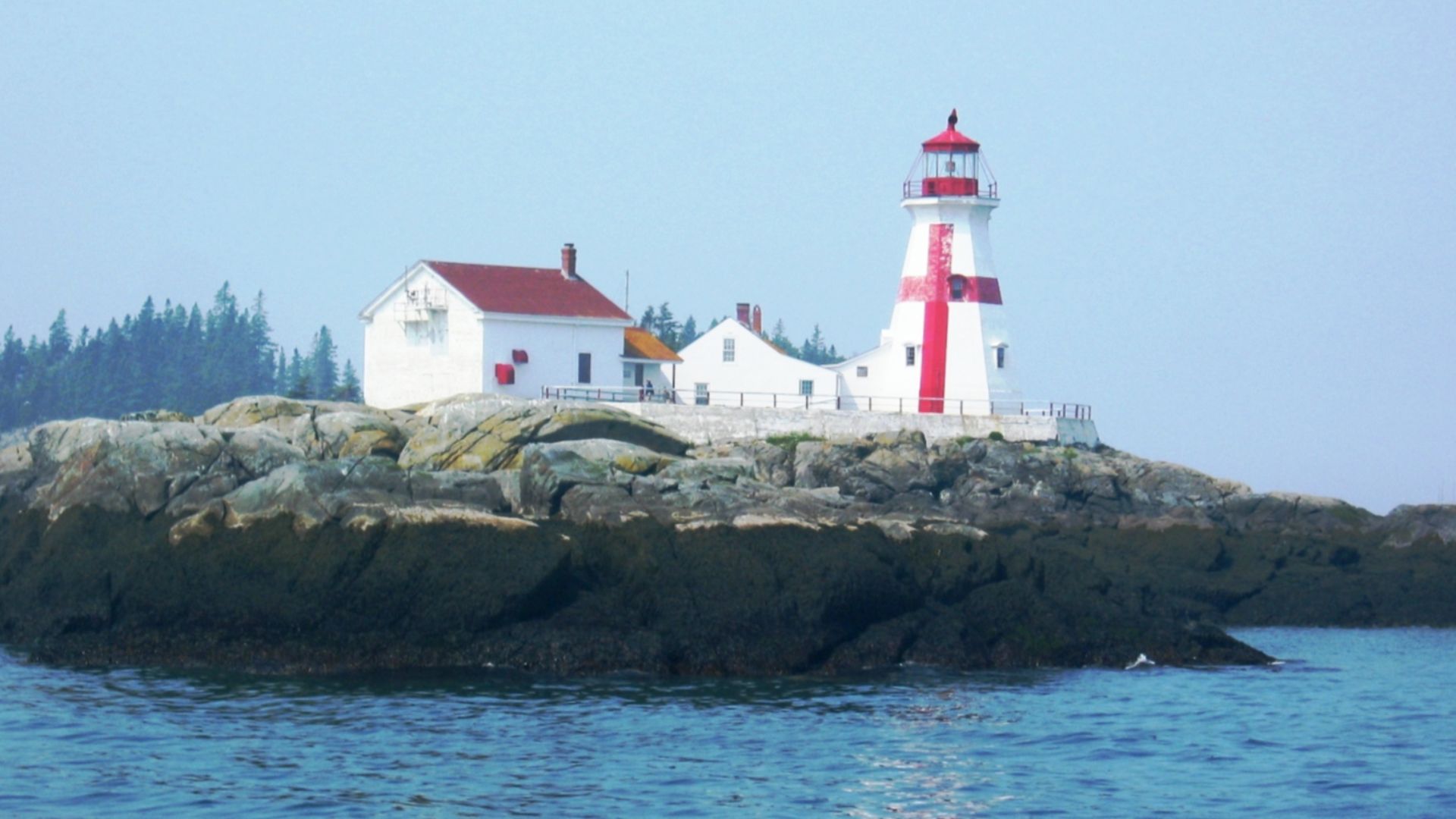
The sea mink's final disappearance remains somewhat ambiguous, with estimates placing extinction between 1860 and 1920. Most researchers agree that the species was seldom seen after 1860. The last documented kills occurred in Maine in 1880 near Jonesport and on Campobello Island, New Brunswick, in 1894.
 Skeezix1000, Wikimedia Commons
Final Specimens
No complete sea mink specimens exist in museum collections, only fragmentary remains recovered from archaeological sites. A mounted specimen nicknamed "Ty," purchased from a private owner in 2018 for $500, was once thought to represent an authentic sea mink, but genetics confirm it as an American mink.
 Gwen and James Anderson, Wikimedia Commons
Ecological Impact
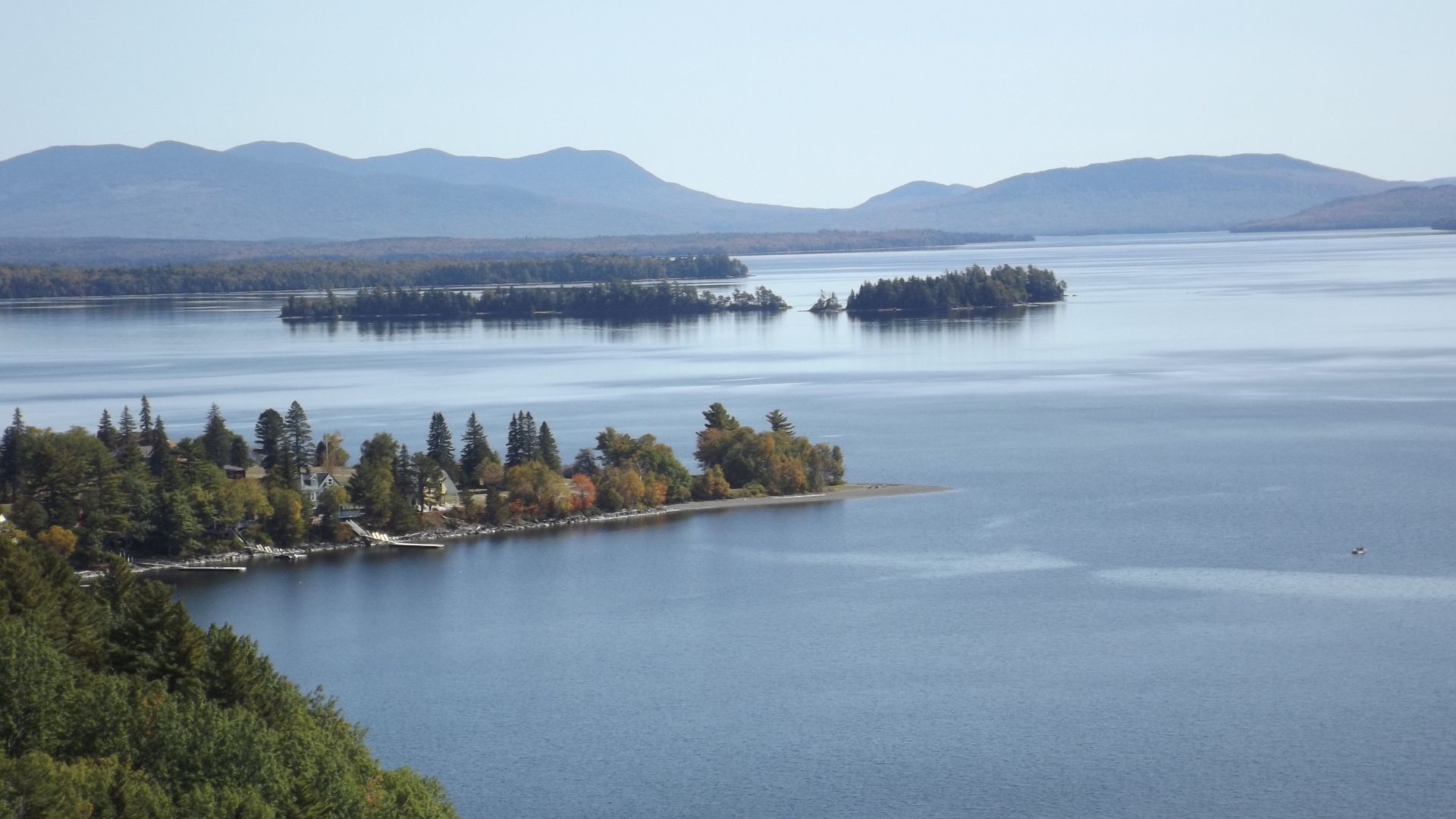
The sea mink's extinction created ripple effects through coastal ecosystems that scientists are still working to understand. As a significant coastal predator and possibly the apex predator on many Maine islands, its disappearance likely allowed prey populations to increase unchecked.
 J. Passepartout, Wikimedia Commons
Modern Research
Current scientific investigations aim to unravel the sea mink's mysterious life and extinction through innovative approaches. Teams supported by the National Science Foundation combine ancient DNA analysis, isotopic studies of diet, measurements of bone and tooth morphology, examination of historical documents, and contemporary ecological knowledge.