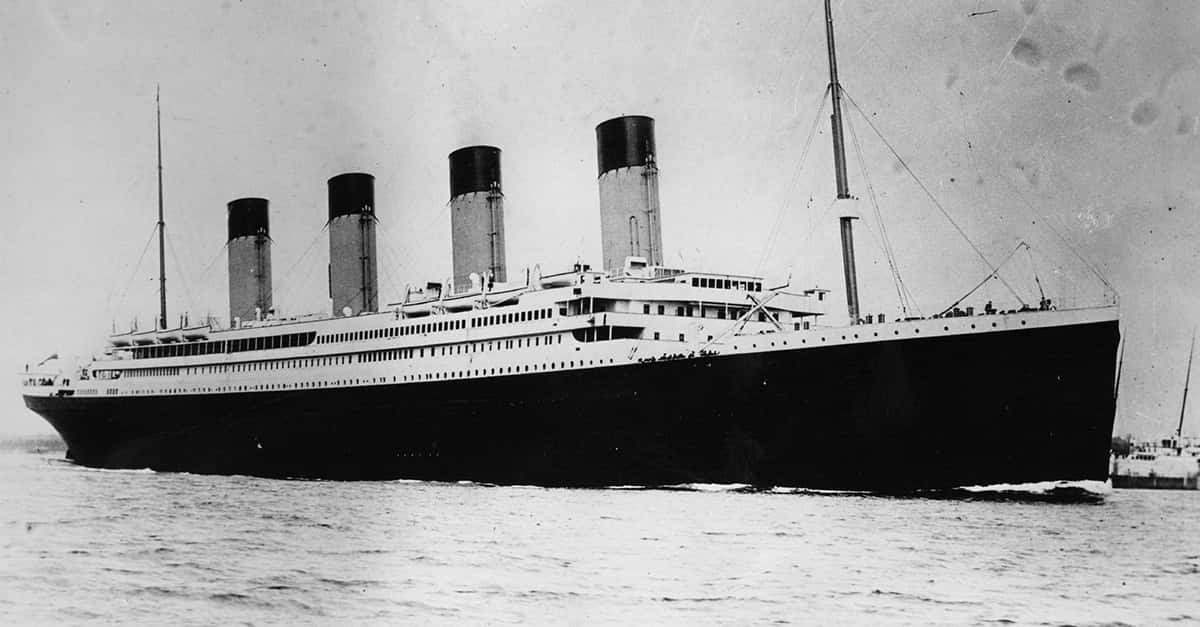
On April 10, 1912, the Titanic set sail as the largest and supposedly safest ship ever built. Four days later, one iceberg turned its maiden voyage into history’s most infamous maritime disaster.
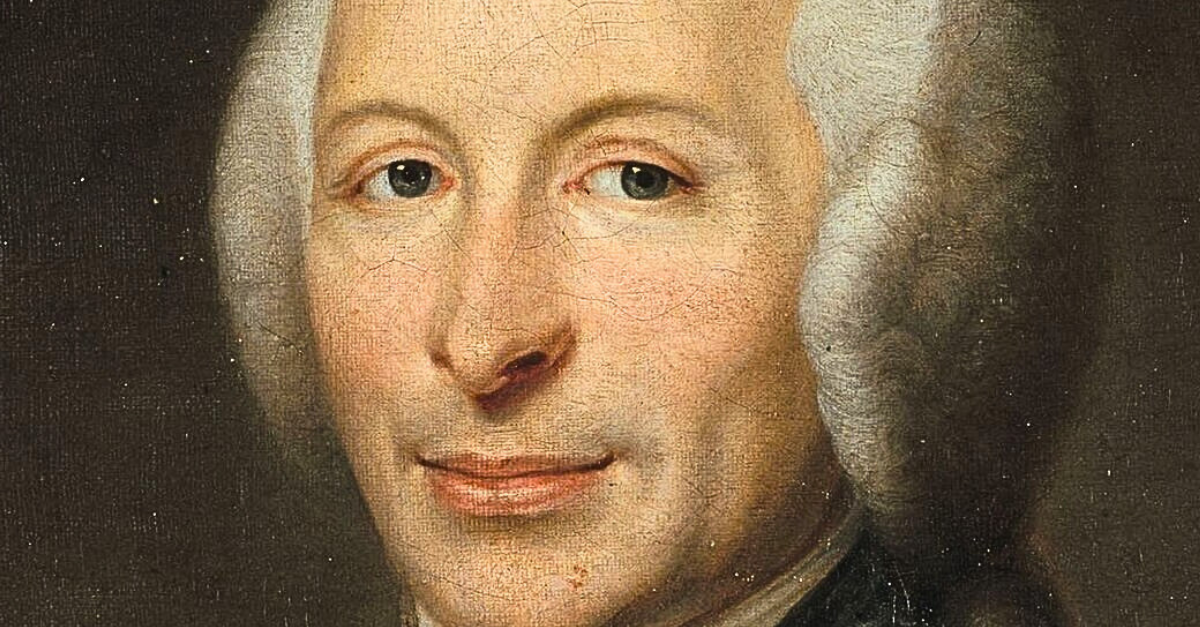
Some people became ordinary words because they invented something, while others were immortalized through ridicule, military catastrophe, political protest, scientific controversy, or a lunch order whose true story is still debated. Long after the people disappeared, their names kept turning up in conversations spoken by people who often have no idea they are talking about a real person.
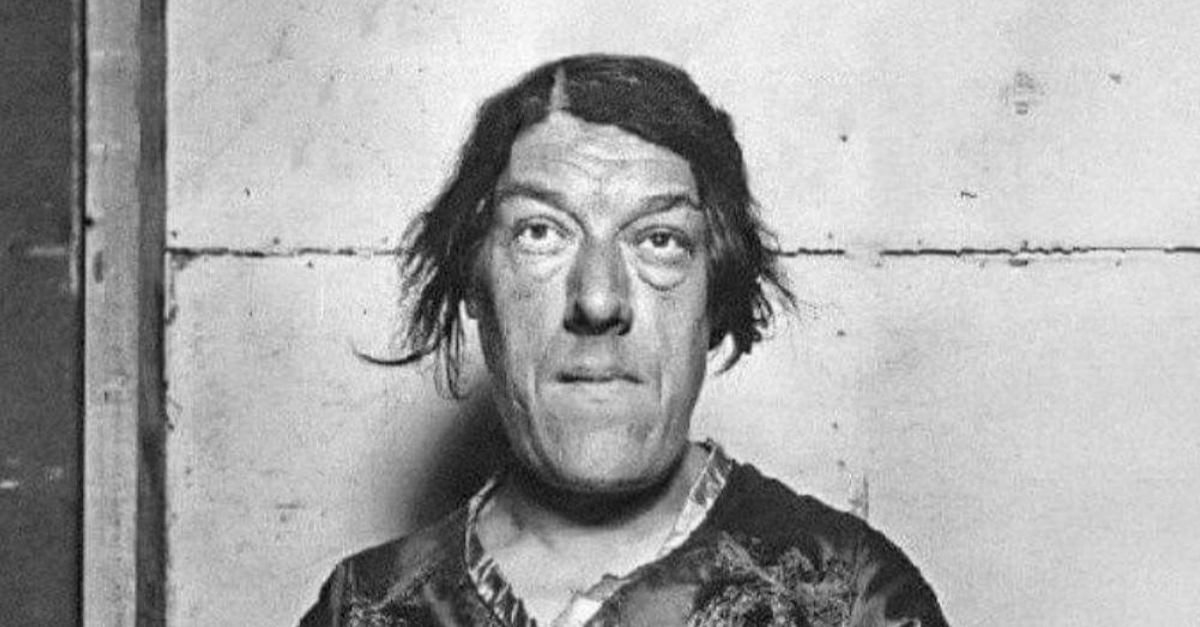
Across the 18th, 19th, and early 20th centuries, unusual bodies, disabilities, racial identities, and even human remains were openly marketed as entertainment to crowds who treated real people like museum exhibits. Behind the posters were individuals who worked, married, raised families, fought for freedom, and sometimes spent their entire lives trying to regain control of identities that promoters had sold to strangers.

Catherine wasn't called “The Great” for nothing. Though she was one of the most enlightened women in the world, behind closed doors was a very different story. In the end, Catherine earned her title through blood, lust, and ultimate betrayal—and her scandalous rise and legendary fall is one for the ages. Learn more about one of history’s most ruthless empresses.

Some people escaped shipwrecks, plane crashes, collapsed mines, shark attacks, and other catastrophes, then discovered that millions of strangers suddenly wanted a piece of their story. For these survivors, returning to ordinary life often meant learning how to live with cameras, questions, myths, expectations, and a public identity built around the worst day they had ever experienced.
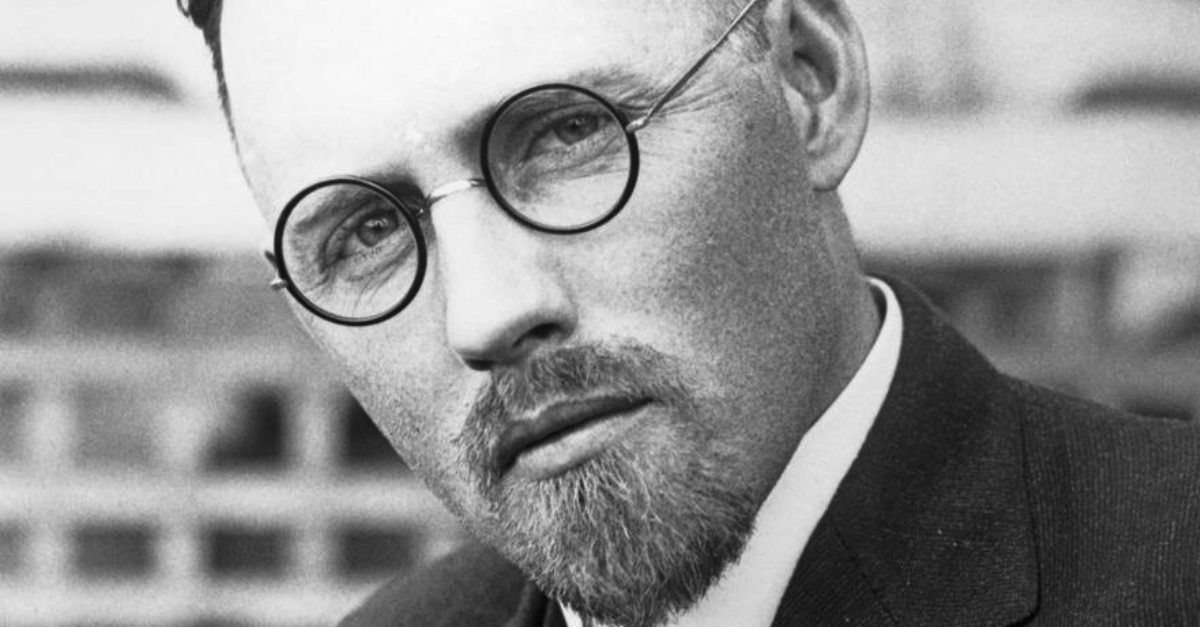
Before modern drug regulation, self-appointed healers and legitimate physicians alike could build fortunes around miracle pills, electrical gadgets, secret formulas, and supposed cures that had never survived serious scientific testing. Some were eventually exposed by experiments, journalists, medical boards, and federal law, but not before America's age of medical quackery made several of them rich and famous.
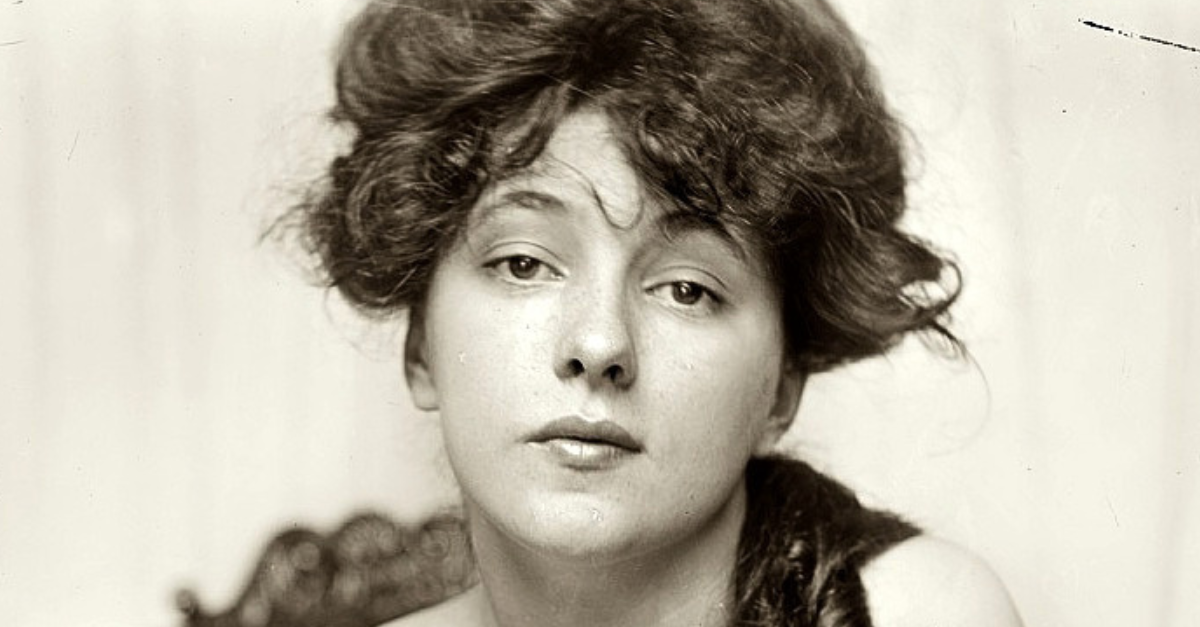
Long before television, social media, and 24-hour news, competitive newspapers discovered that murder, scandal, disaster, celebrity, and mystery could keep readers buying fresh editions for weeks or even years. These stories reveal how the modern media frenzy was already taking shape while the printing press was still its most powerful weapon.
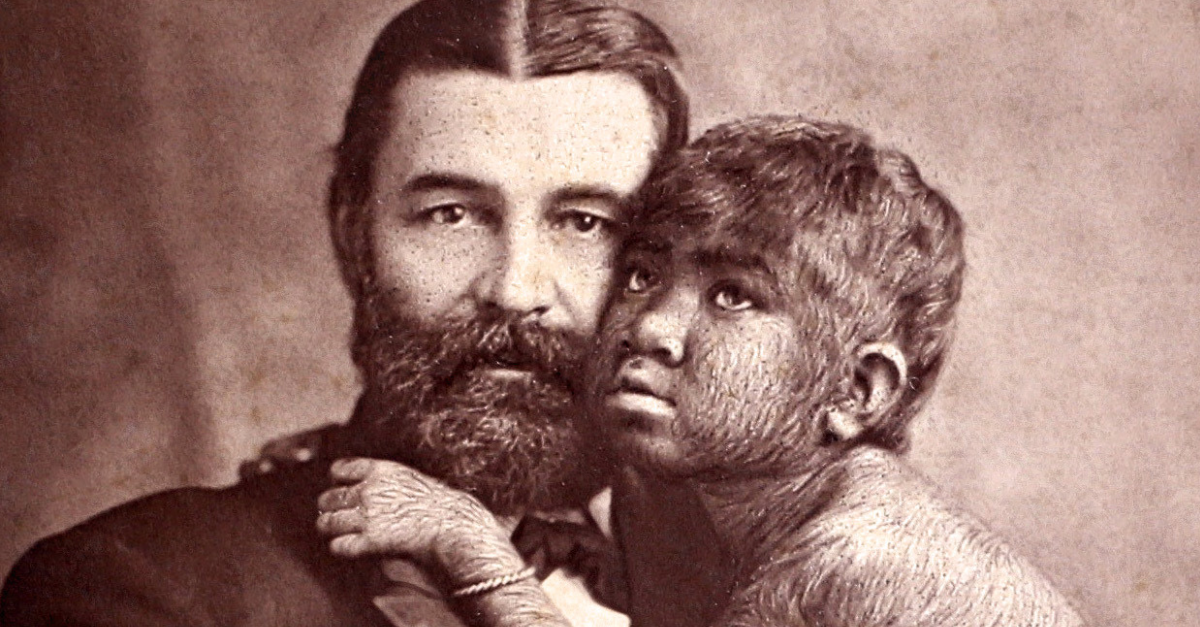
For generations, people with unusual bodies, racial identities, disabilities, or medical conditions were marketed as attractions while promoters, scientists, newspapers, and museums constructed fantasies around them. Behind those labels were real people whose stories were often more complicated, accomplished, and troubling than the spectacles built around them.
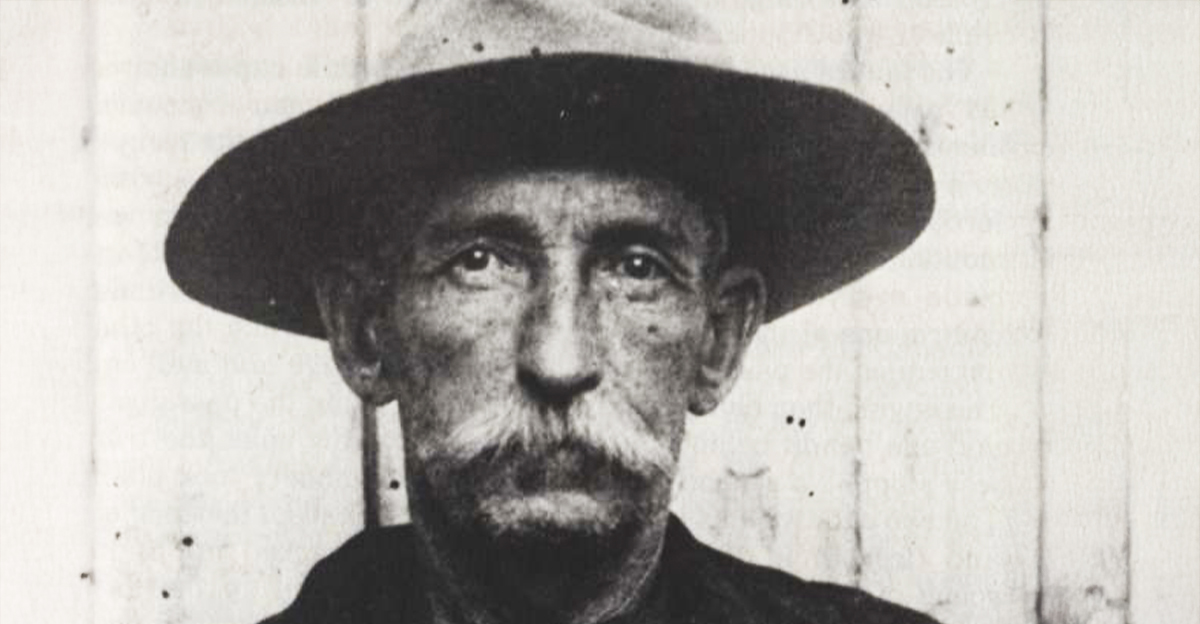
Bill Miner was know as The Gentleman Bandit, and one of the very last of the Wild West outlaws.

If you like humaverse you may also consider subscribing to these newsletters:
