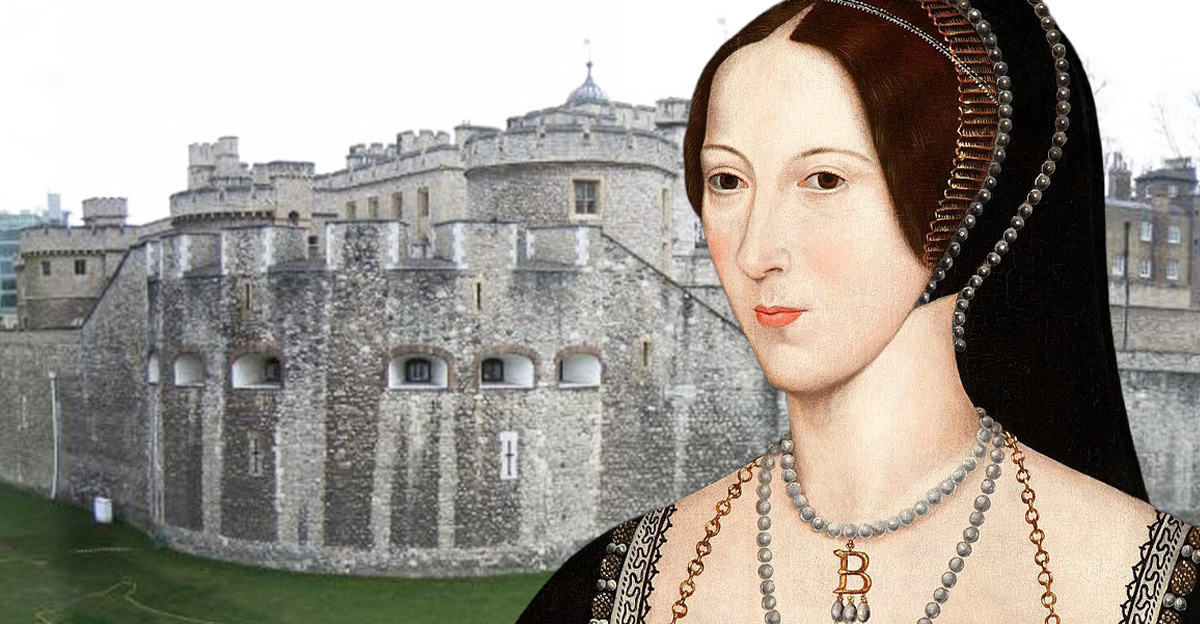
Plenty of famous landmarks promise apparitions, phantom footsteps, and unexplained voices after dark. But at some places, the documented history is disturbing enough without anything supernatural at all.
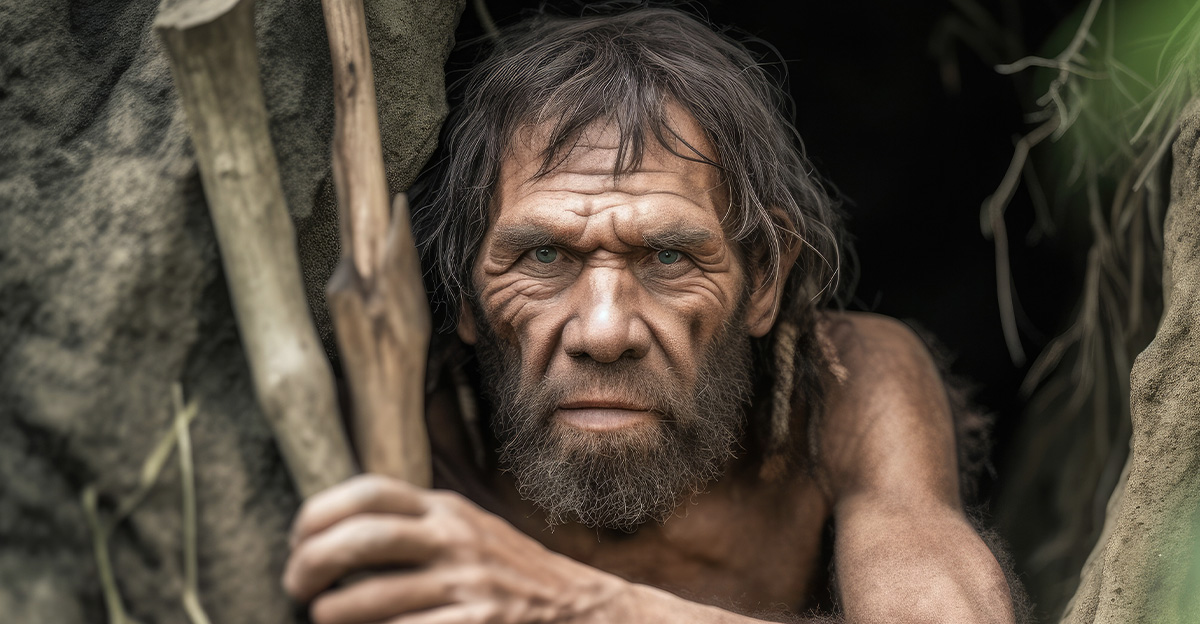
After Neanderthals and modern humans interbred, some of that inherited DNA survived for tens of thousands of generations and still affects traits in people today. The strangest part is where it turns up.
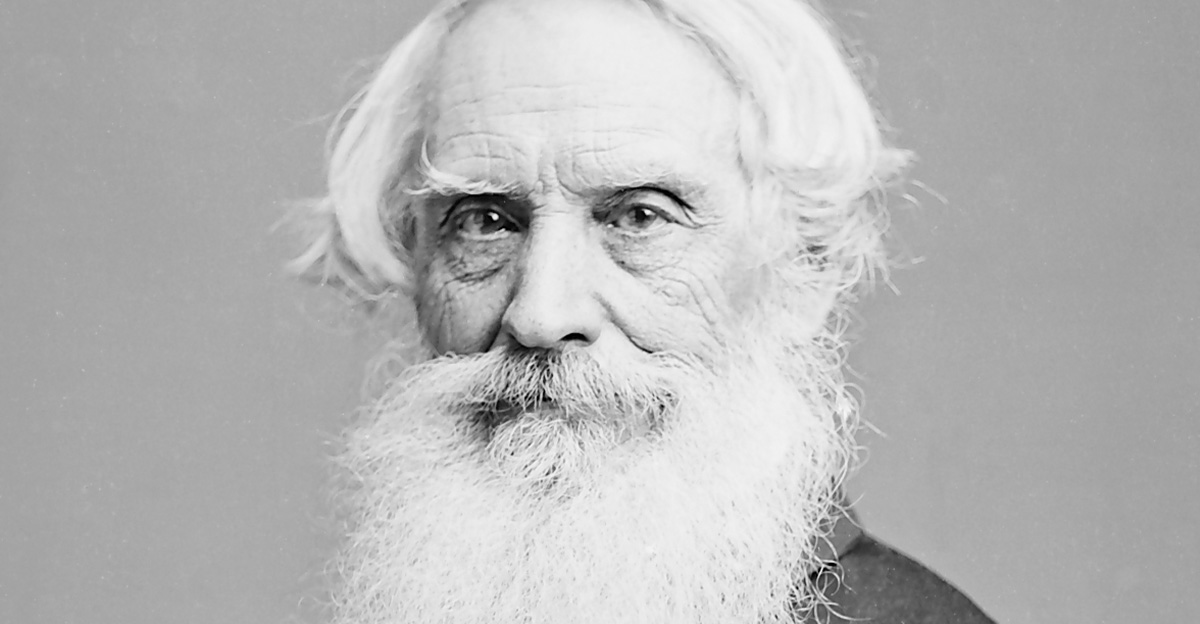
Some people leave behind monuments. Others leave behind something much stranger: a word people use every day without realizing it was once somebody's name.
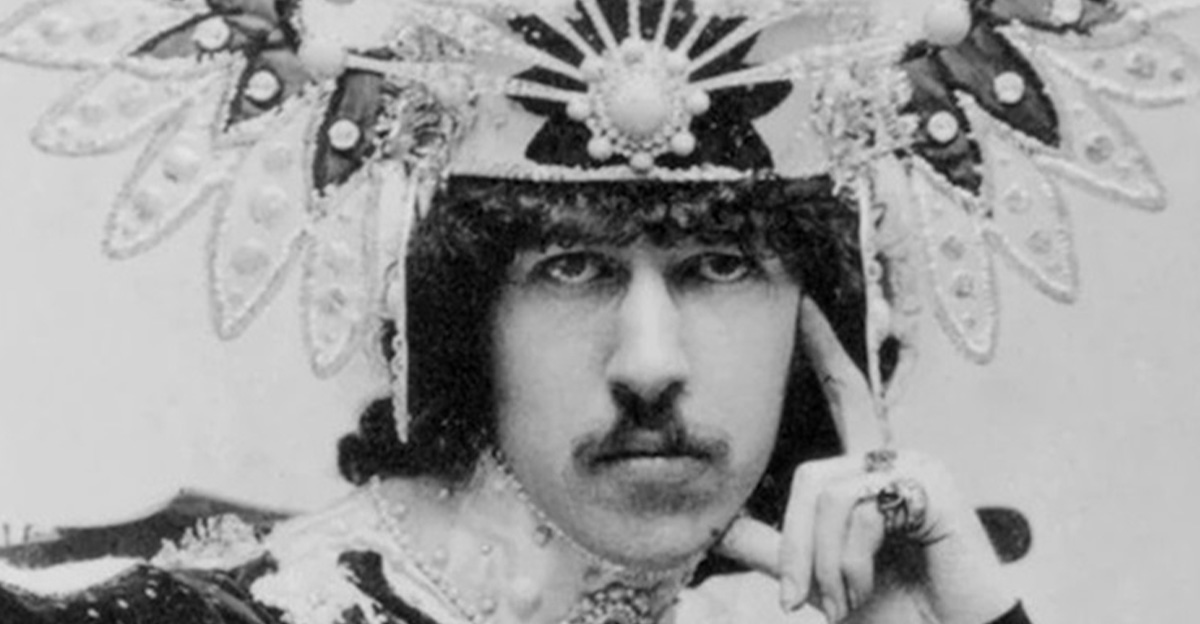
Aristocrats were supposed to preserve the family name, obey rigid social codes, and avoid embarrassing the people who came after them. These ones spectacularly refused.
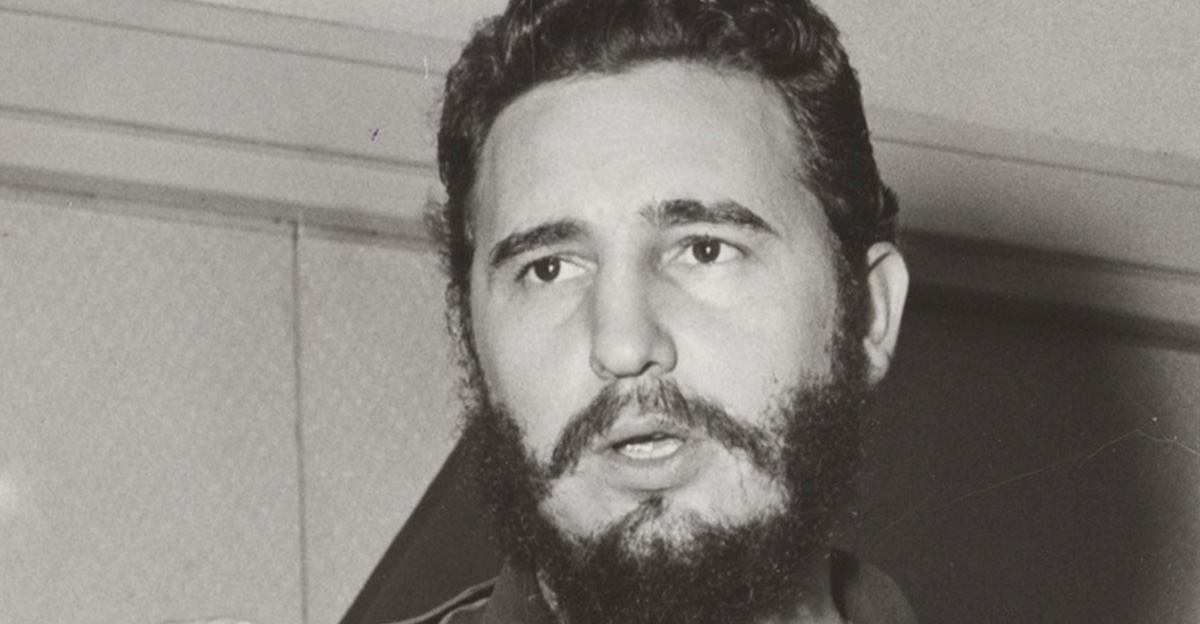
Sometimes an invasion goes catastrophically wrong, somebody ignores a warning, engineers miss a tiny detail, or a government confidently solves one problem by creating a much bigger one. The mistake may take seconds. Cleaning up the consequences can take generations.
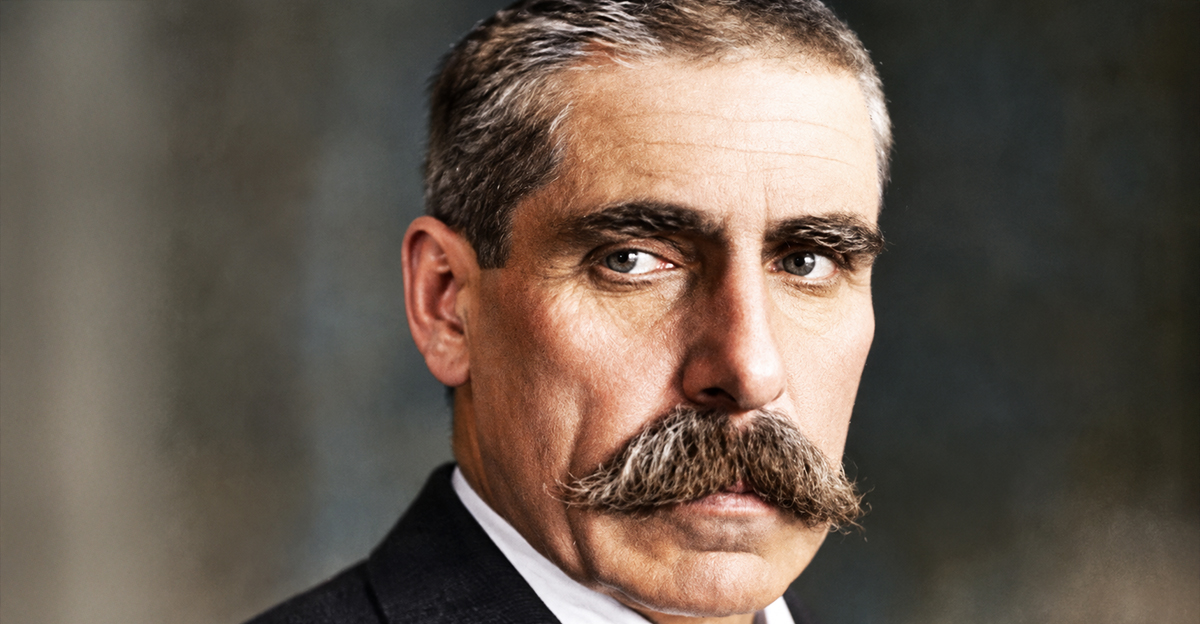
History's worst decisions were often made by smart people with limited technology and knowledge dealing with problems that desperately needed solutions.
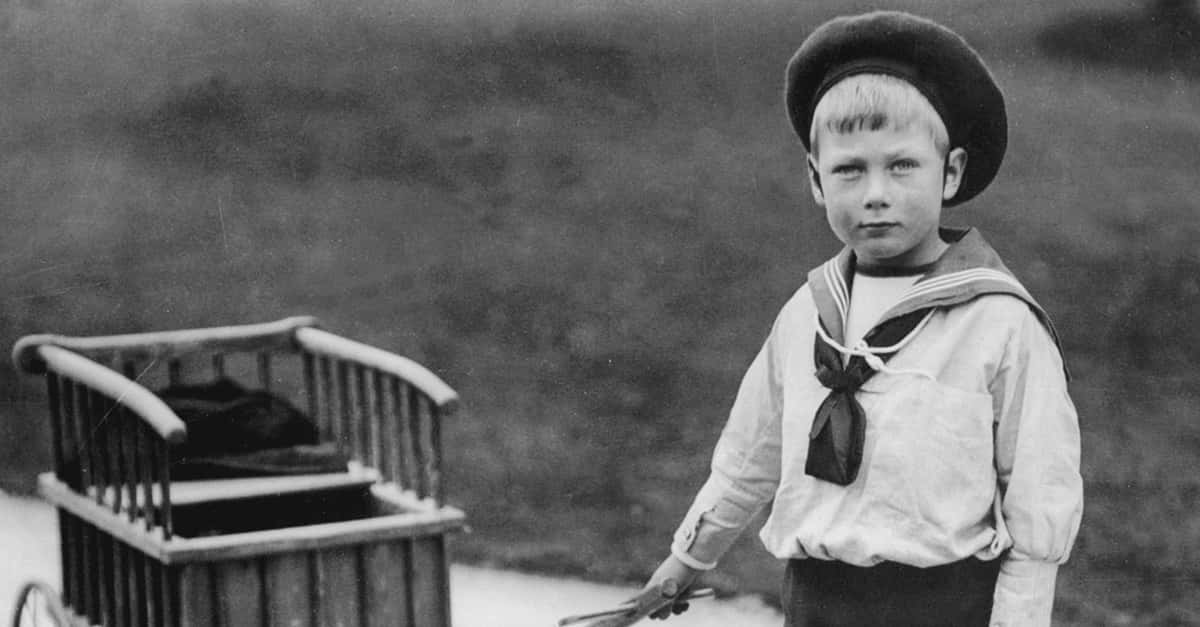
The tragically short life of Prince John of the United Kingdom is one steeped in controversy. After he passed from a secret illness hidden from the public’s view, the mysteries of his life ignited years of speculation and suspicion. So, what was the truth about this "Lost Prince," and who is to blame for his dark fate?
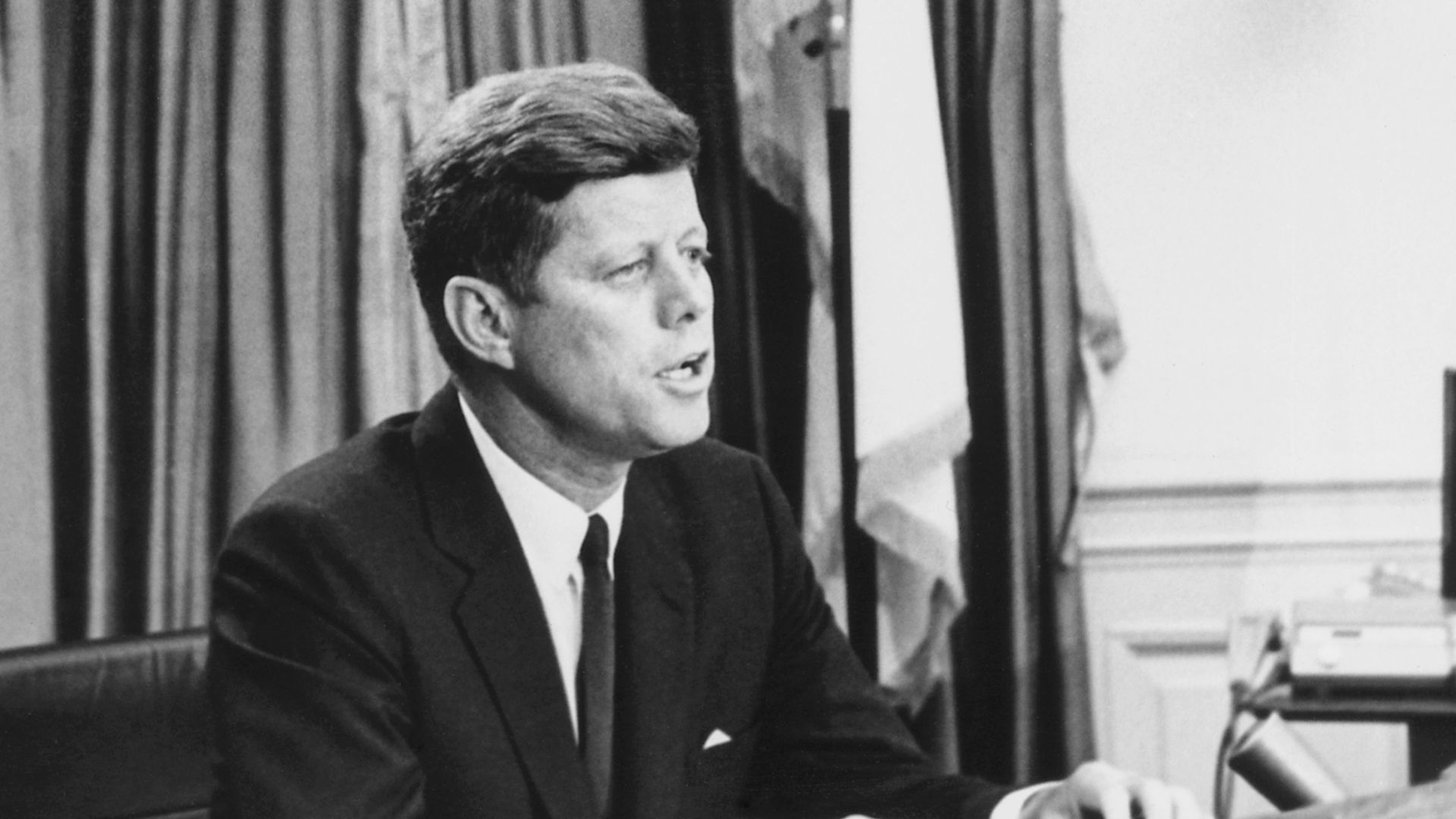
Many of history's biggest events were accompanied by uncanny coincidences.
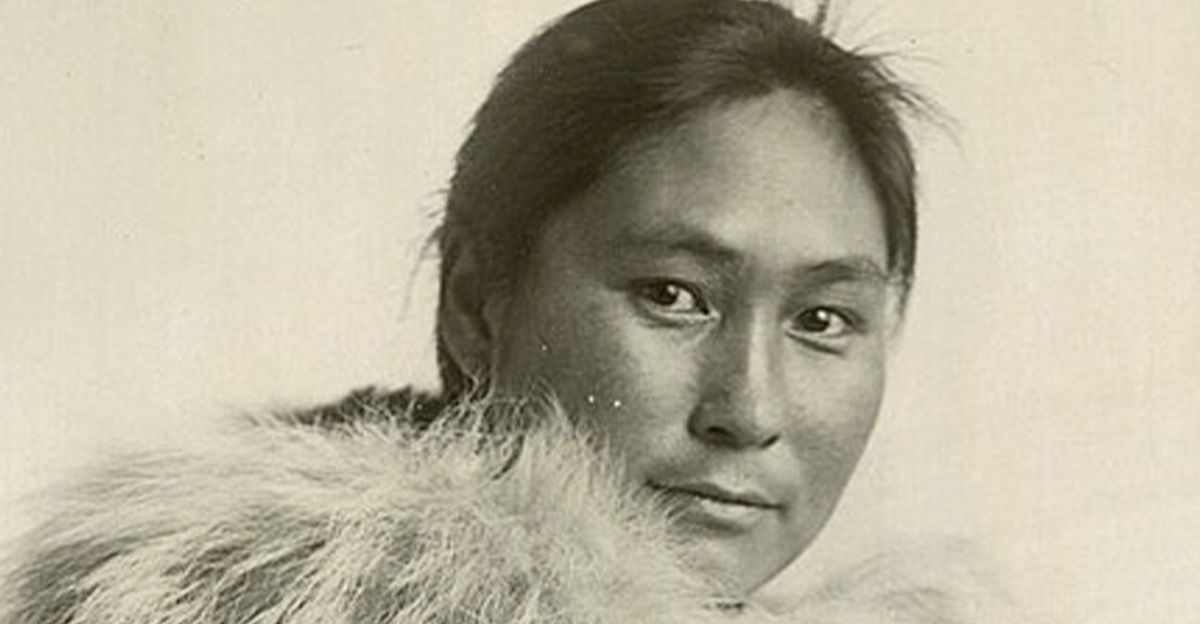
Being rescued was supposed to be the end of the story. For these survivors, it became the beginning of interviews, legends, difficult memories, and a public identity built around disaster.
If you like humaverse you may also consider subscribing to these newsletters: