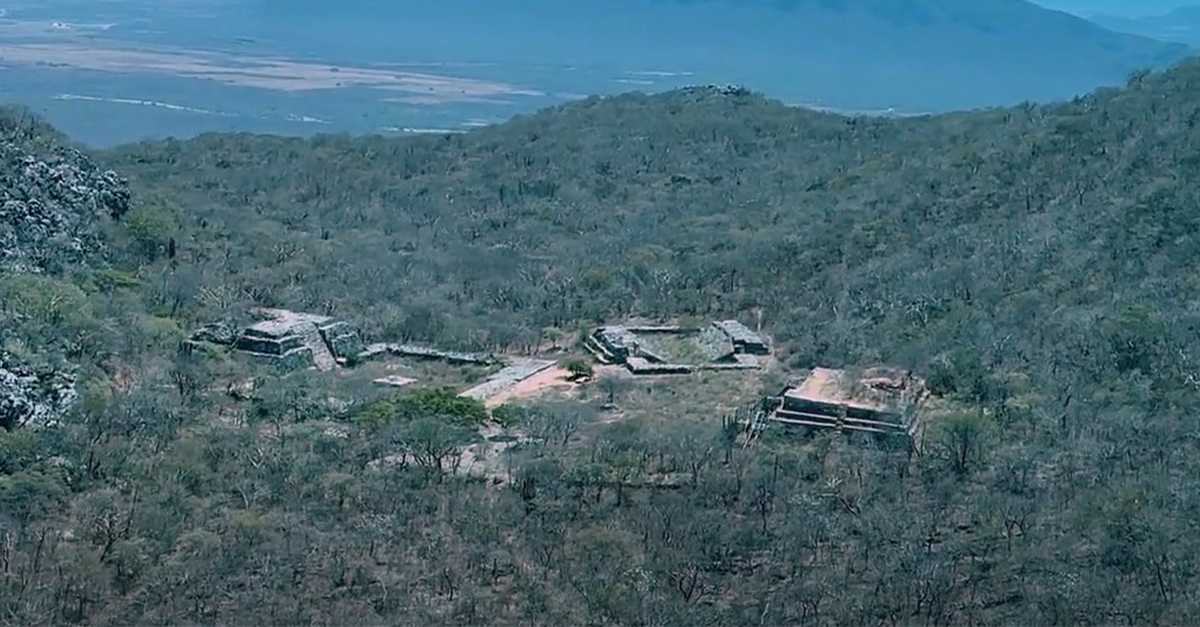
In early 2025, archaeologists used 3D laser imaging technology (LiDAR) to explore below the thick forest canopy of the jungle of southern Oaxaca. There they made an amazing discovery. What was thought to be a modest Zapotec fortress at Guiengola has now been fully revealed as a vast fortress city of more than a thousand structures, plazas, ball courts, and temples of a thriving 15th-century Mesoamerican society.
From Fortress To City
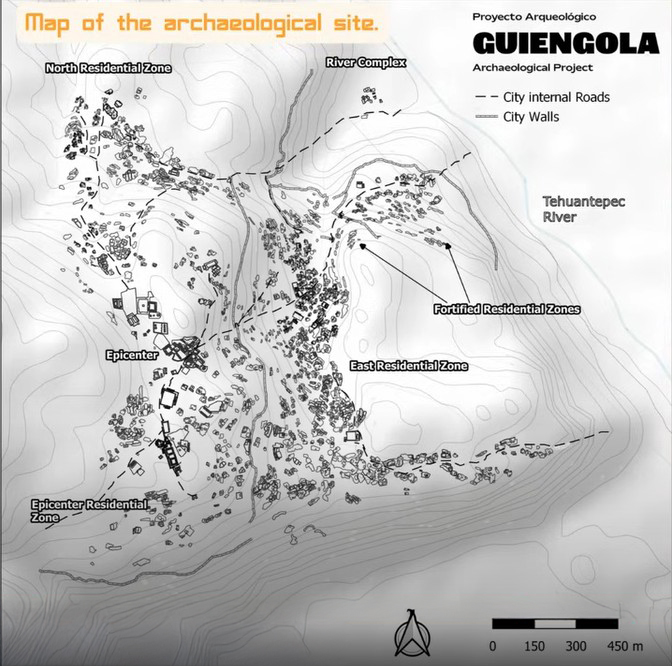
Guiengola was always considered to be a small military outpost on the eastern approaches to the Zapotec frontier. But LiDAR mapping from 2018—2023 did away with that notion, showing remains of a fortified city sprawling over 360 hectares. The site contains 1,173 structures, only a fraction of which have been properly surveyed. There is a network of more than four kilometers of defensive walls, roads, and neighborhoods.
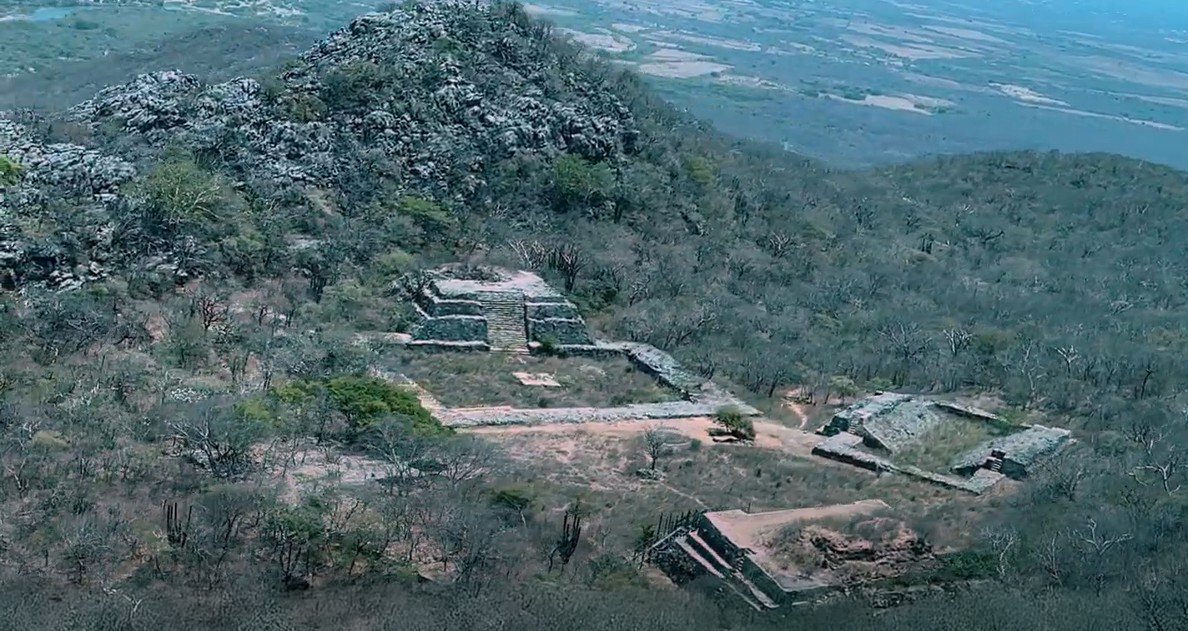 Sobrevuelo en zona arqueológica de Guiengola en Oaxaca, Andrés Manuel López Obrador, YouTube
Incredible Urban Planning
The LiDAR-generated maps charted ruins, but also showed a well-designed urban street network with separate ceremonial precincts, homes, and common areas. This layout reveals two plazas, pyramids, a palace complex, ball courts, and even a possible space for astronomical viewing. All of these are signs of a sophisticated social organization.
A Time Warp To The Pre-Columbian World
Guiengola was largely abandoned by the time of the Spanish conquest; unlike many other ancient sites, it didn’t go through a continuous cycle of reoccupation or colonial destruction. That means it’s in a state of preservation that will allow researchers a very clear window into 15th-century Zapotec life, including government, ceremonial customs, and urban design.
Resistance To Aztec Interference
Historical accounts suggest Guiengola had a major role in fighting back against Aztec incursions. Its placement and visible defensive structures reinforce narratives of Zapotec resilience. The site seems to have been a regional defensive and administrative stronghold.
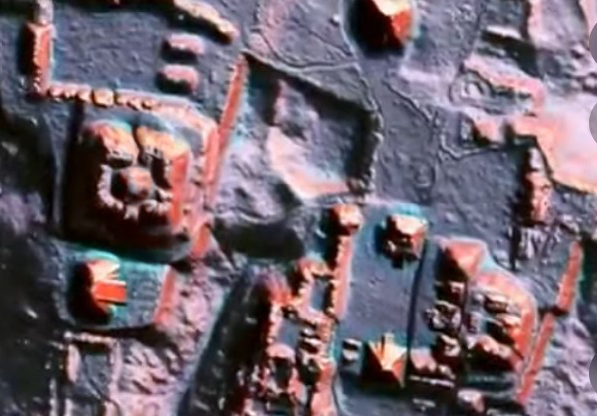 Lost Zapotec City REVEALED After 500 Years!, RiddleMeThis Mysteries, YouTube
Technology Advances Mesoamerican Archaeology
The discovery of Guiengola is a mark of LiDAR’s incredible power to aid archaeological exploration. In a matter of a few hours, researchers mapped out a vast city previously hidden for centuries. It was quickly able to navigate the daunting terrain and tangled jungle vegetation to return a whole civilization into the clear light of day.
Ground Surveys And Preservation: The Real Work Begins
Excavations have commenced in order to follow up the LiDAR findings, date architectural features, and understand daily life at the site. Documentation of building methods, social layout, and ritual use is also underway, with additional efforts dedicated to safeguarding Guiengola's incredible heritage.
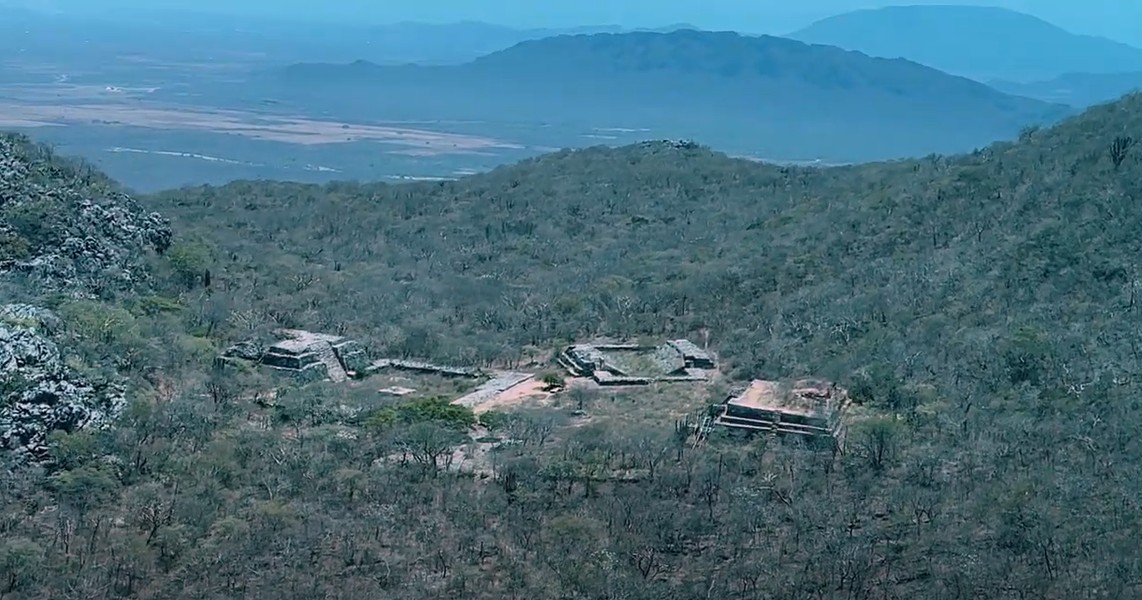 Sobrevuelo en zona arqueológica de Guiengola en Oaxaca, Andrés Manuel López Obrador, YouTube
The Zapotec Civilization: Proud Legacy Regained
Other than Guiengola, earlier Zapotec centers like Monte Albán played important roles in Mesoamerican history. The rediscovery of this lost city grows our knowledge of how Zapotec society developed, with its emphasis on regional networks, architectural skill, and the ability to endure against outside aggression.
You May Also Like:
Mysterious Facts About The Mayan Civilization
Decadent Facts About The Inca Empire