Land Of Giants
Something truly enormous had been sleeping under the Patagonian landscape for 100 million years. Nobody knew it was there. Then one afternoon, a farmhand looked down, and the biggest discovery in paleontological history began by accident.
Patagonia's Ancient World
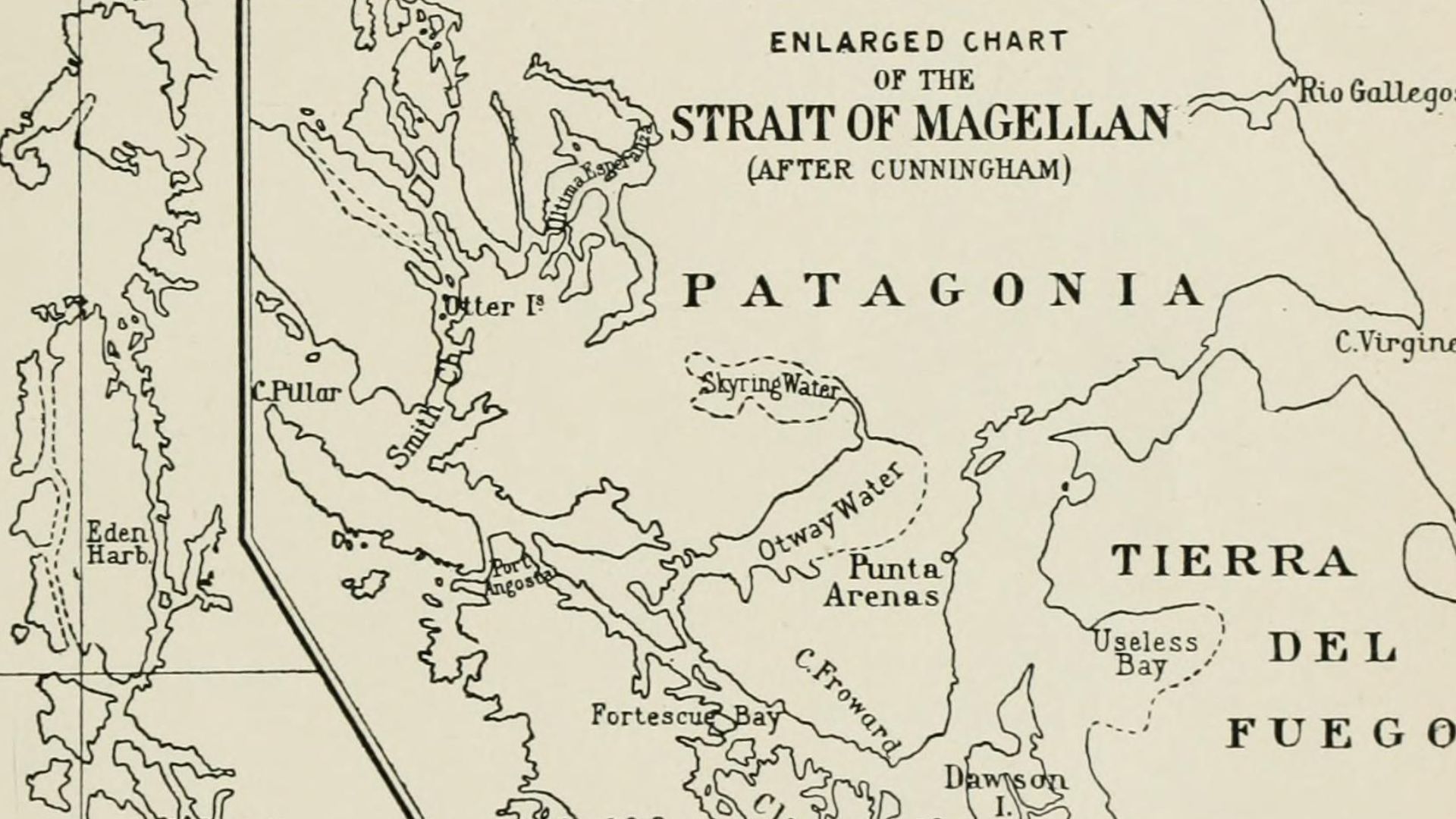
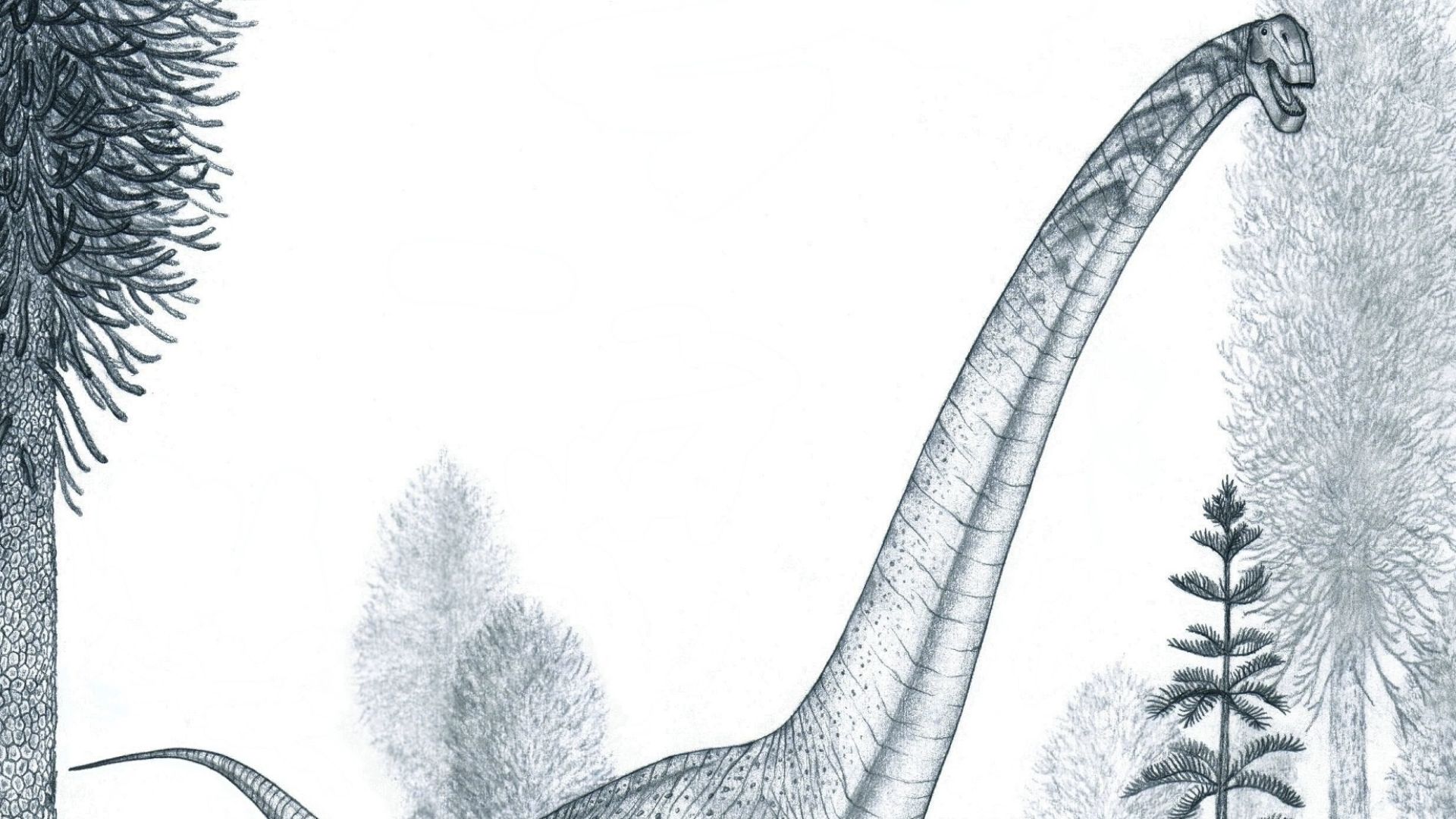
Over 100 million years ago, Patagonia wasn't the windswept, arid landscape it is today. It was a lush, humid floodplain blanketed in coniferous forests, fed by slow-moving rivers. This warm, vegetation-rich environment made it a paradise for massive plant-eaters, setting the stage for giants.
 Internet Archive Book Images, Wikimedia Commons
Rise Of Titanosaurs
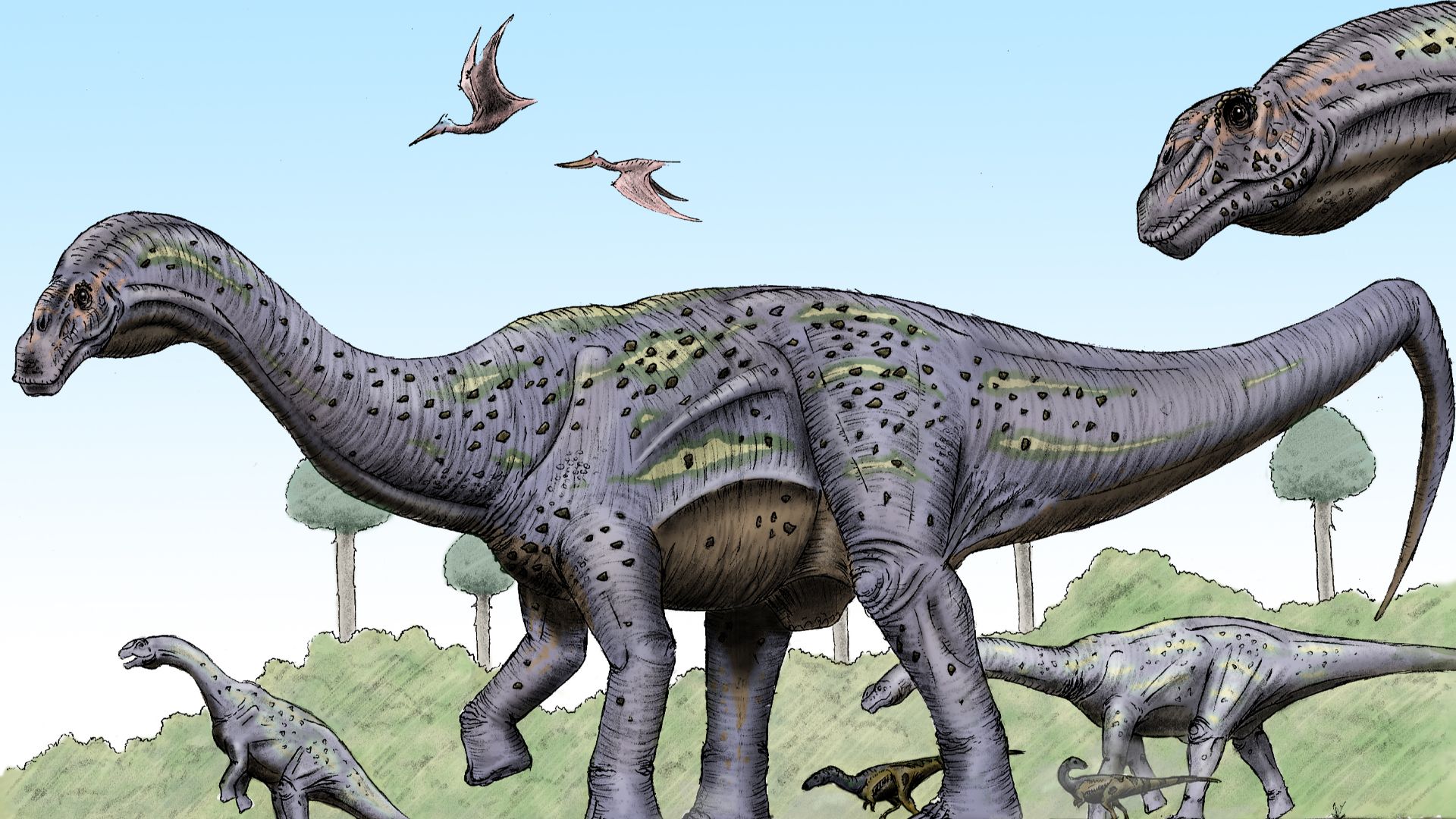
What made titanosaurs extraordinary wasn't just their size; it was their skeleton. Hollow, air-filled bones kept their enormous frames from collapsing under their own weight. This group dominated every continent during the Cretaceous, but nowhere did they grow as spectacularly large as in Patagonia, Argentina's southernmost region.
 Ezequielvera, Wikimedia Commons
A Shepherd Spots Something
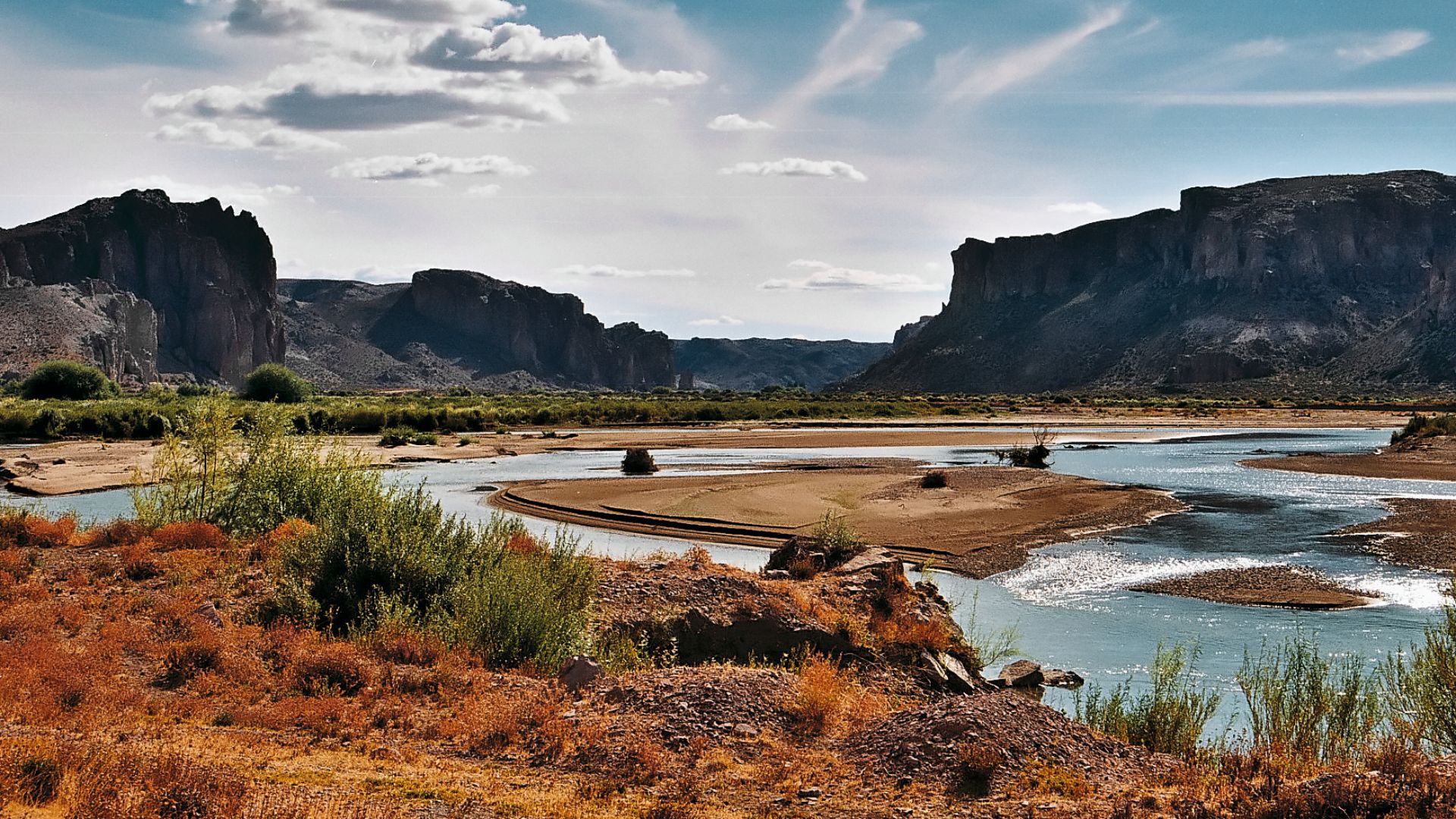
In 2010, a farmhand named Aurelio Hernández was tending sheep on the remote La Flecha ranch in Chubut Province, roughly 250 km west of Trelew, when he noticed something unusual on the ground. He had no idea he'd just stumbled upon the most significant paleontological discovery of the century.
 Lisandro Moises, Wikimedia Commons
The Bone Sticking Out
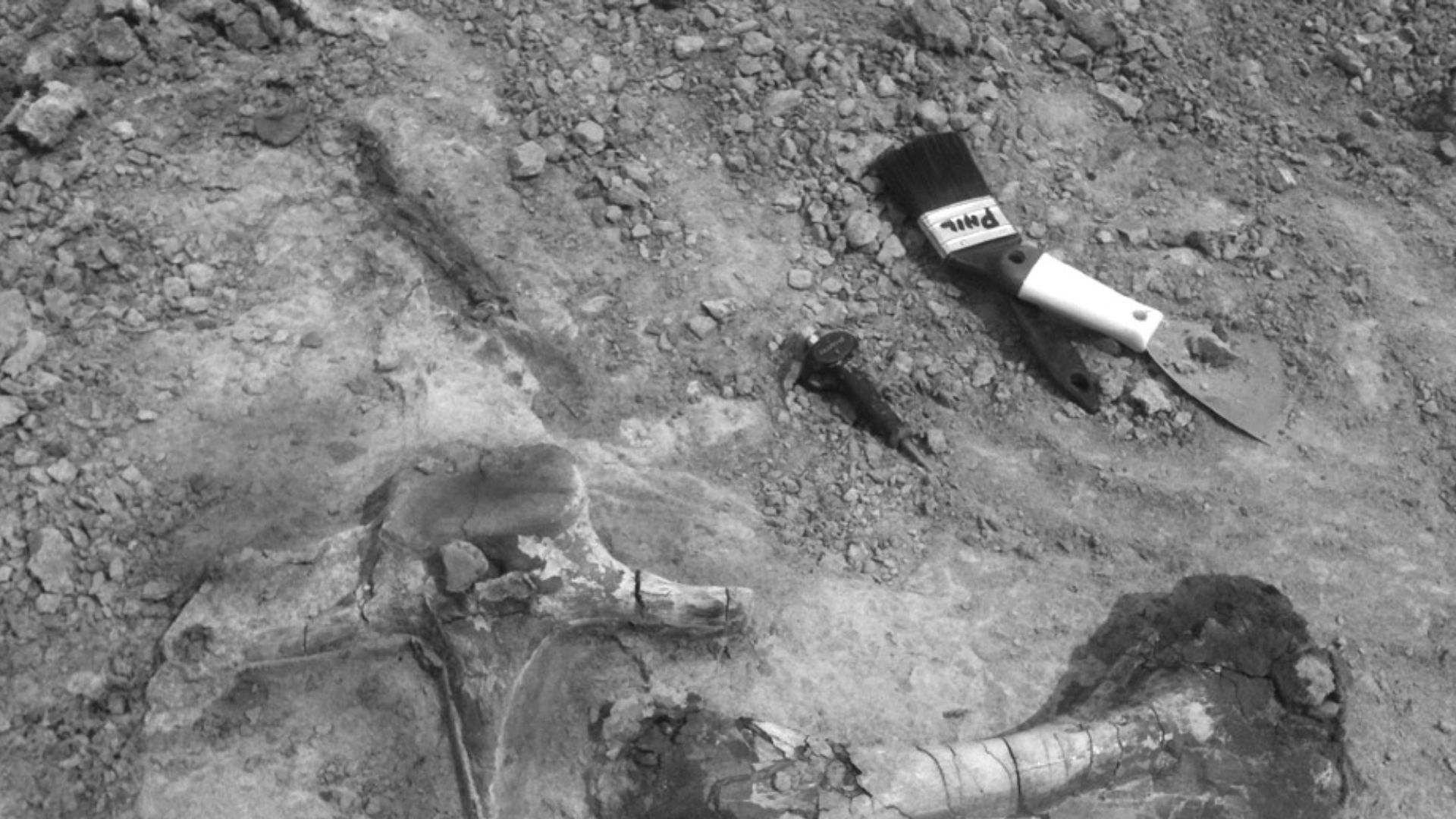
It was the tip of a femur, barely visible through the desert rock but enormous. Hernandez reported it to the Museo Paleontologico Egidio Feruglio. When scientists arrived and saw the scale of what was protruding, they immediately knew this was no ordinary find. Digging hadn't even started yet.
 Stuart Plotkin, Wikimedia Commons
Museum Gets The Call
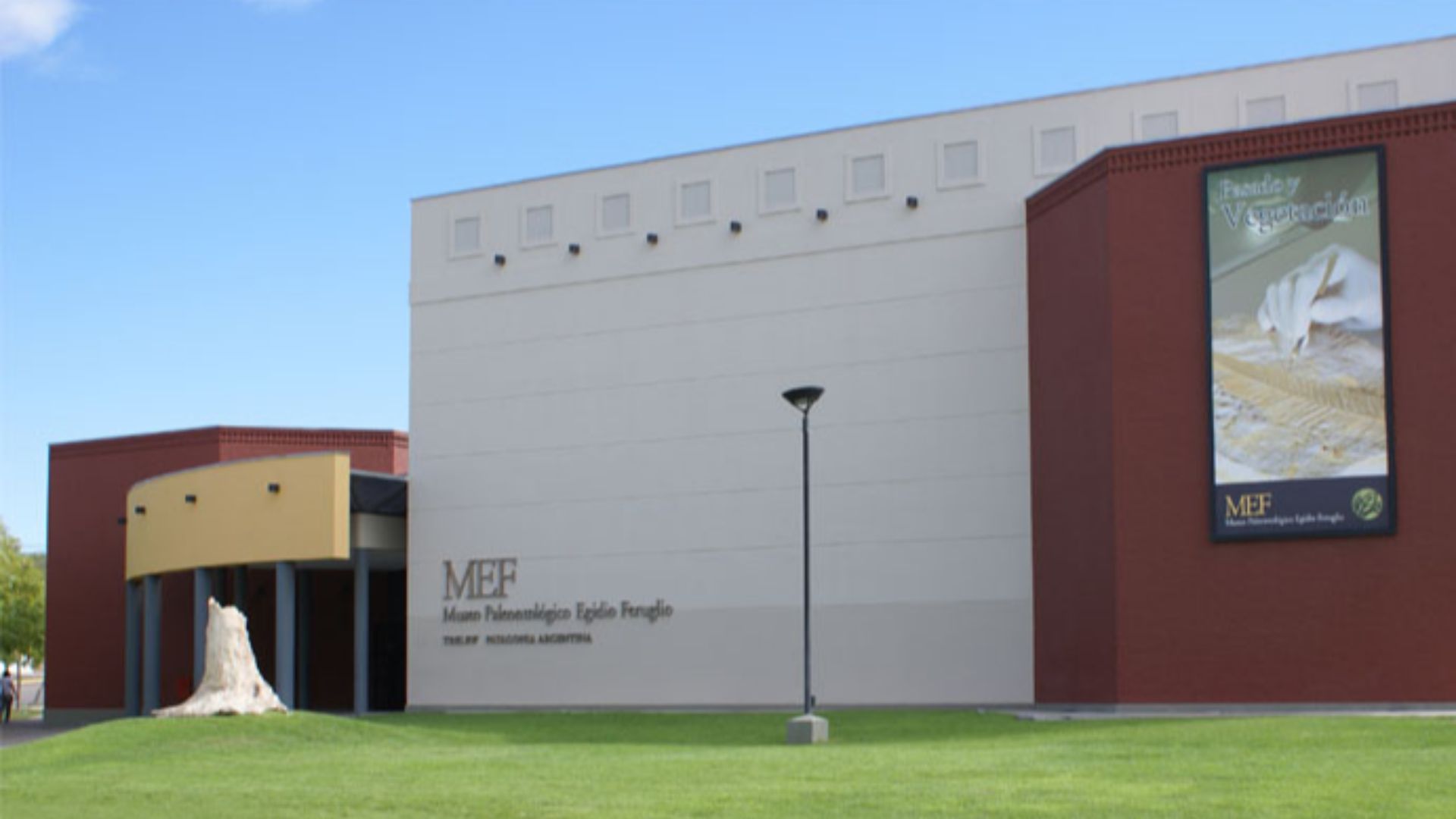
The Museo Paleontologico Egidio Feruglio in Trelew dispatched a team led by paleontologists Jose Luis Carballido and Diego Pol. Pol had earned his PhD through a joint program between Columbia University and the American Museum of Natural History.
 Pedrochubut, Wikimedia Commons
Excavation Kicks Off
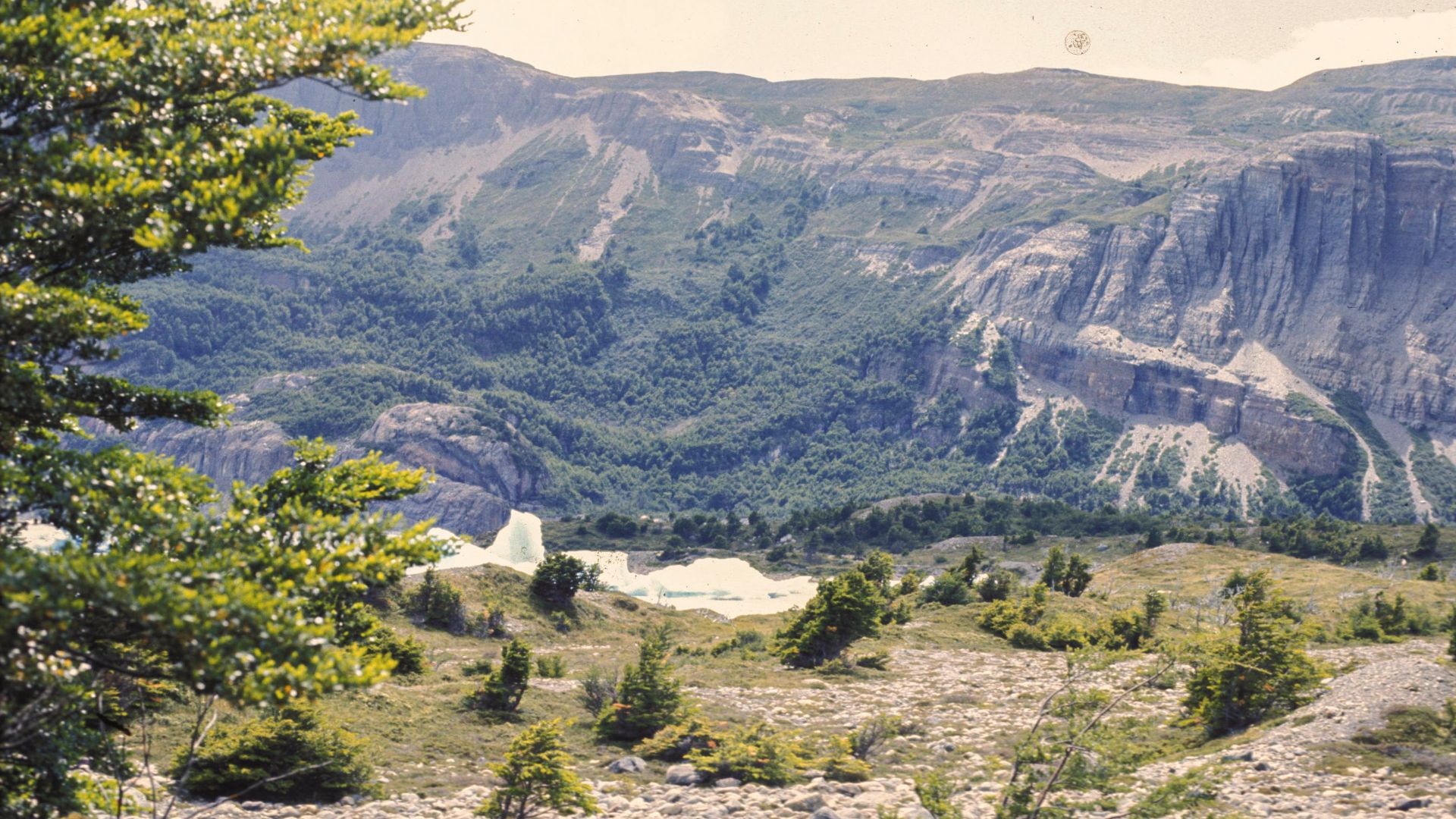
Extracting fossils from Patagonia's remote desert terrain was brutally logistical. The site was difficult to access, requiring equipment to be hauled across rough, roadless land. Despite the challenge, the team committed to a multi-year excavation, one that would ultimately span several field seasons before they fully understood what they had.
 Hannes Grobe, Wikimedia Commons
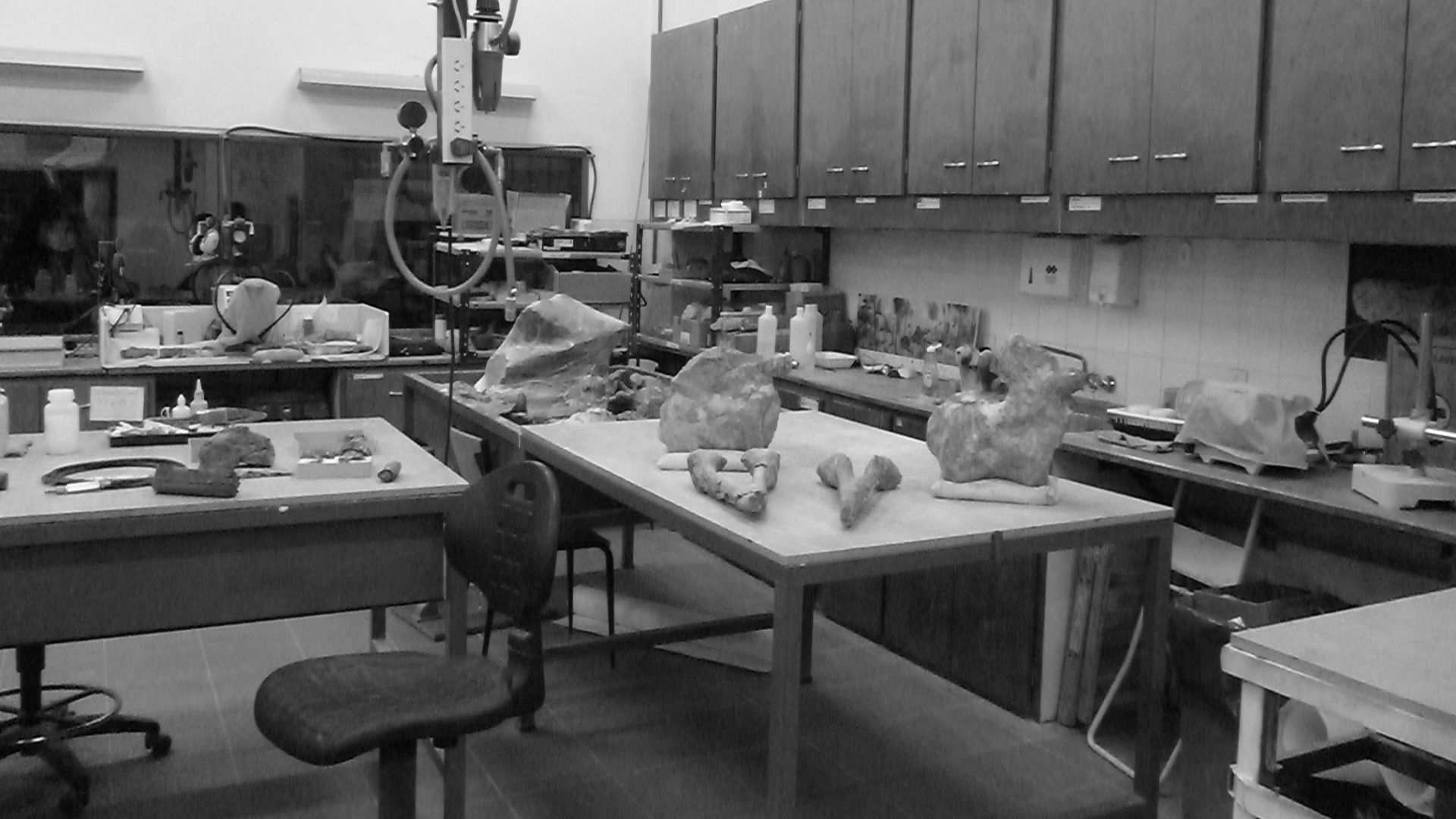
150 Bones Unearthed
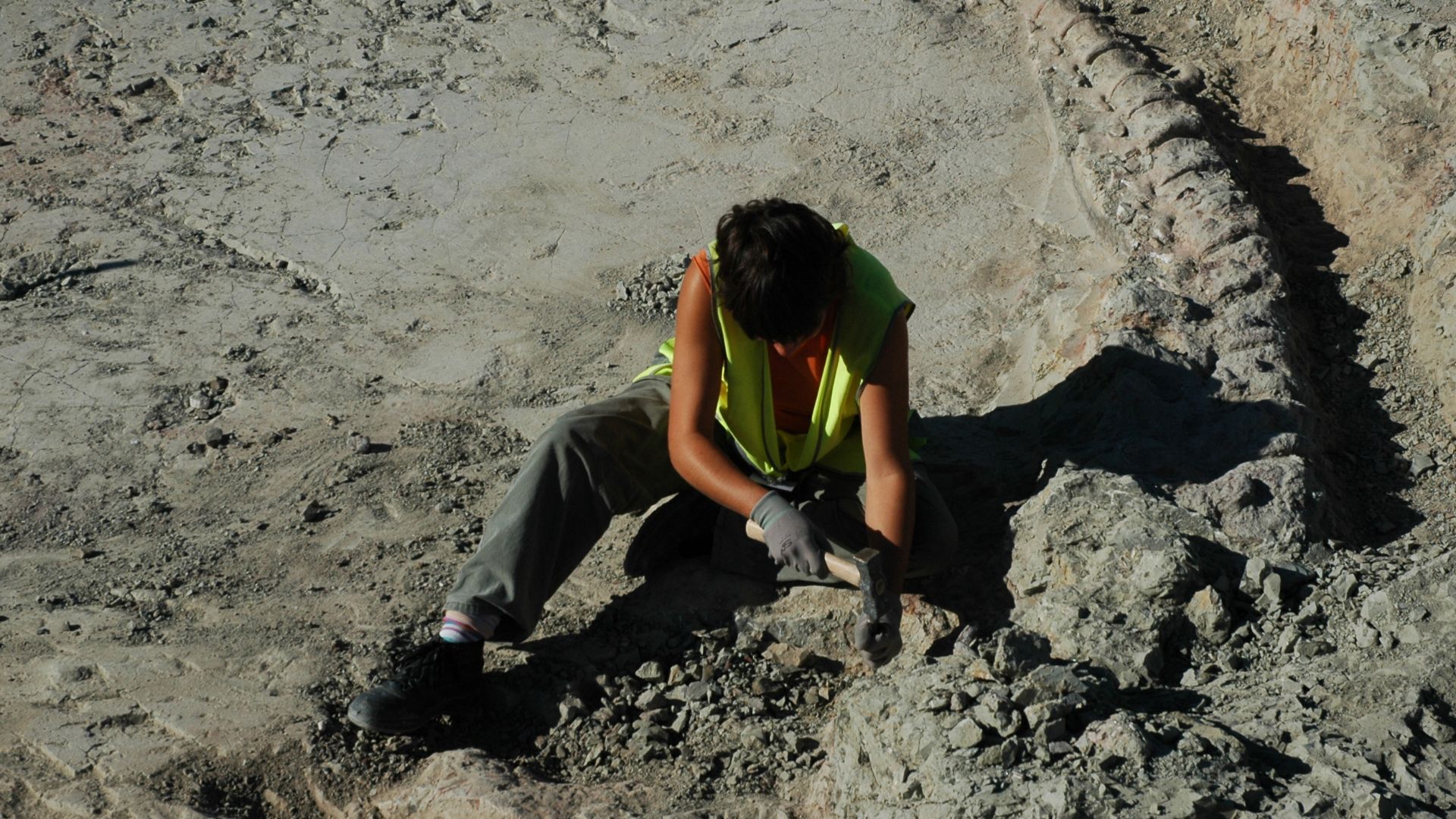
By the time excavation wrapped, the team had recovered over 150 fossilized bones, an extraordinary number for any titanosaur. These came from at least six individual dinosaurs, all the same species, buried in fine-grained sandstone.
 Gastón Cuello, Wikimedia Commons
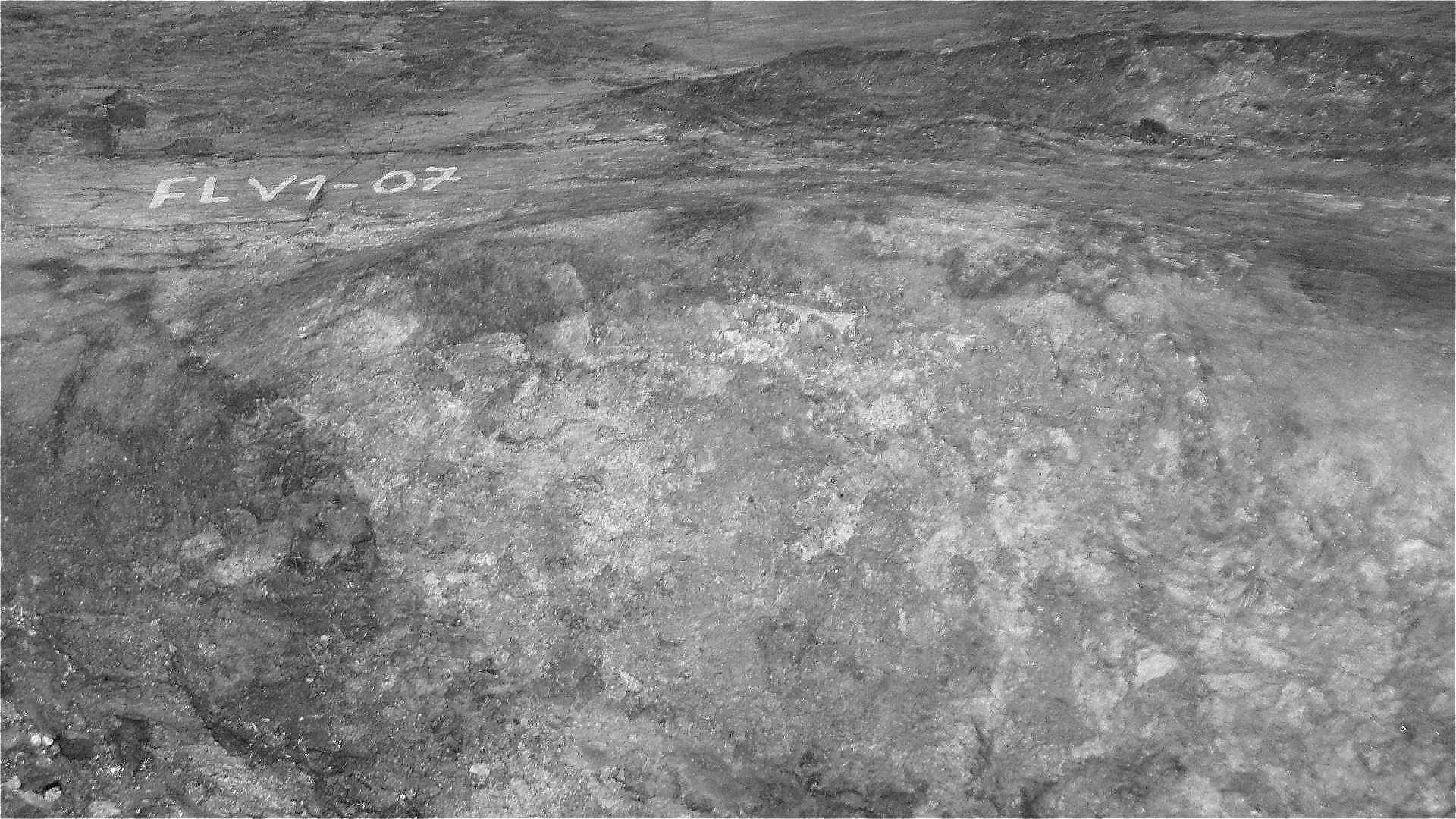
The Record Femur
Among all the bones, one stopped everyone cold. It was a femur measuring 2.38 meters, nearly 8 feet long, longer than most adult humans are tall. A now-iconic photograph from the dig shows a team member lying beside it, utterly dwarfed.
 Gastón Cuello, Wikimedia Commons

History's most fascinating stories and darkest secrets, delivered to your inbox daily.
Six Individuals Found
Finding six specimens of the same species at one site was scientifically invaluable. It meant researchers weren't extrapolating size from a single skeleton; they had multiple individuals to cross-reference. This gave their eventual size estimates far more credibility than previous record holders like Argentinosaurus.
 UNED Universidad Nacional de Educación a Distancia, Wikimedia Commons
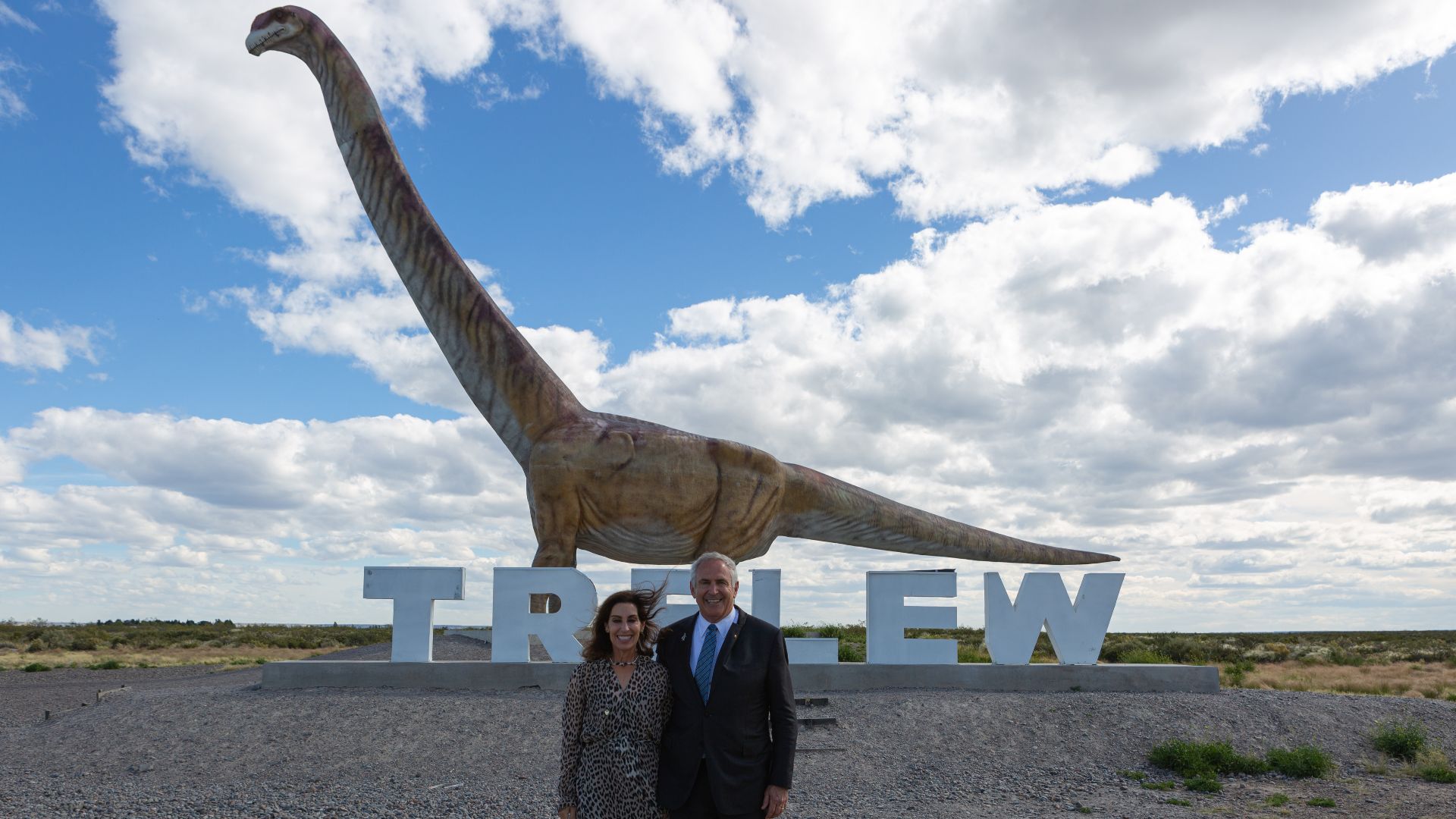
Still Not Fully Grown
Here's the jaw-dropping part. The specimen used for size estimates was a juvenile. Bone analysis confirmed it hadn't reached full skeletal maturity at the time of death. "This animal had not stopped growing," Diego Pol told reporters. Which means the true maximum size of Patagotitan mayorum remains, technically, unknown.
 Embajada de EEUU en Argentina, Wikimedia Commons
Built To Be Massive
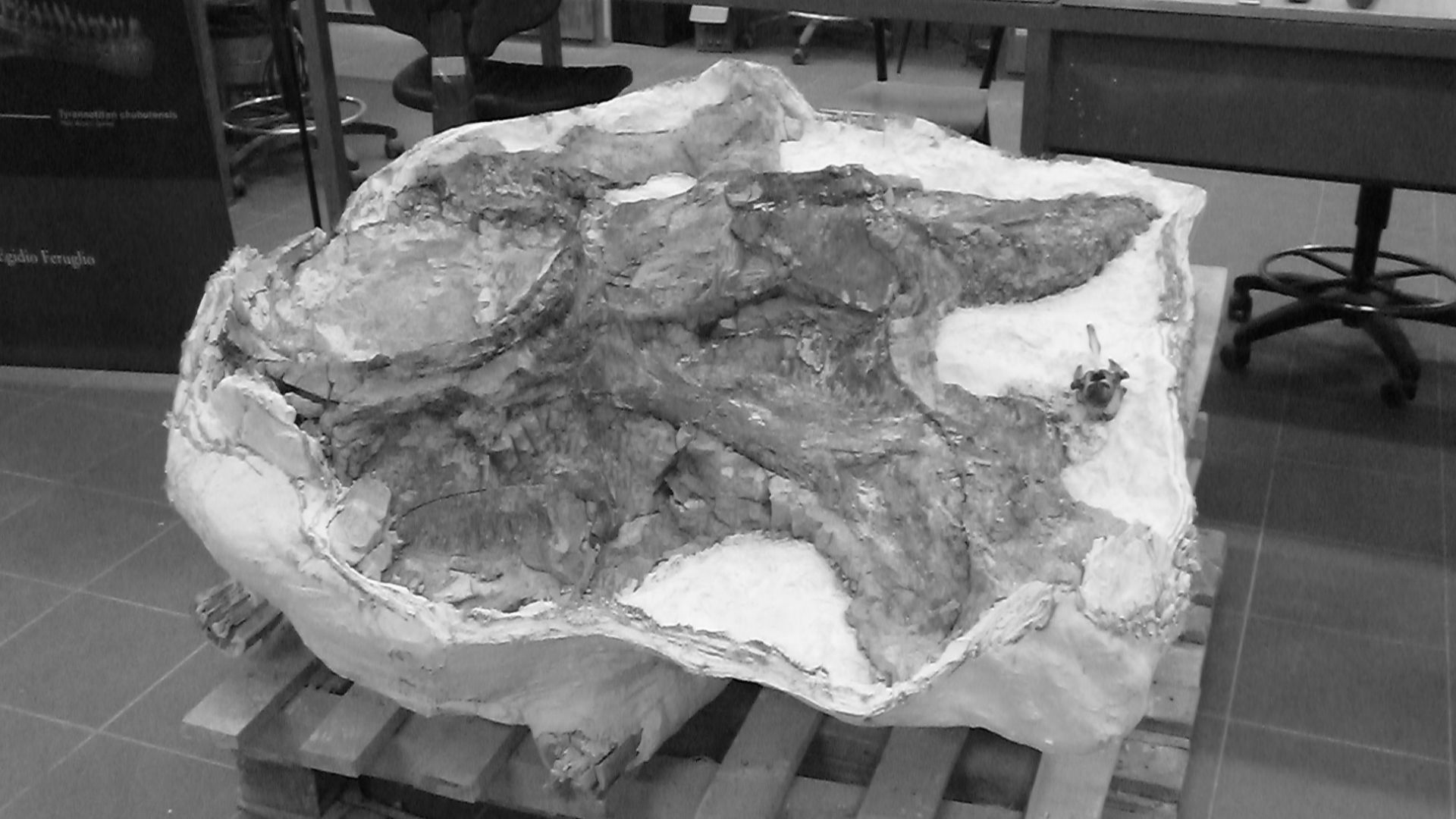
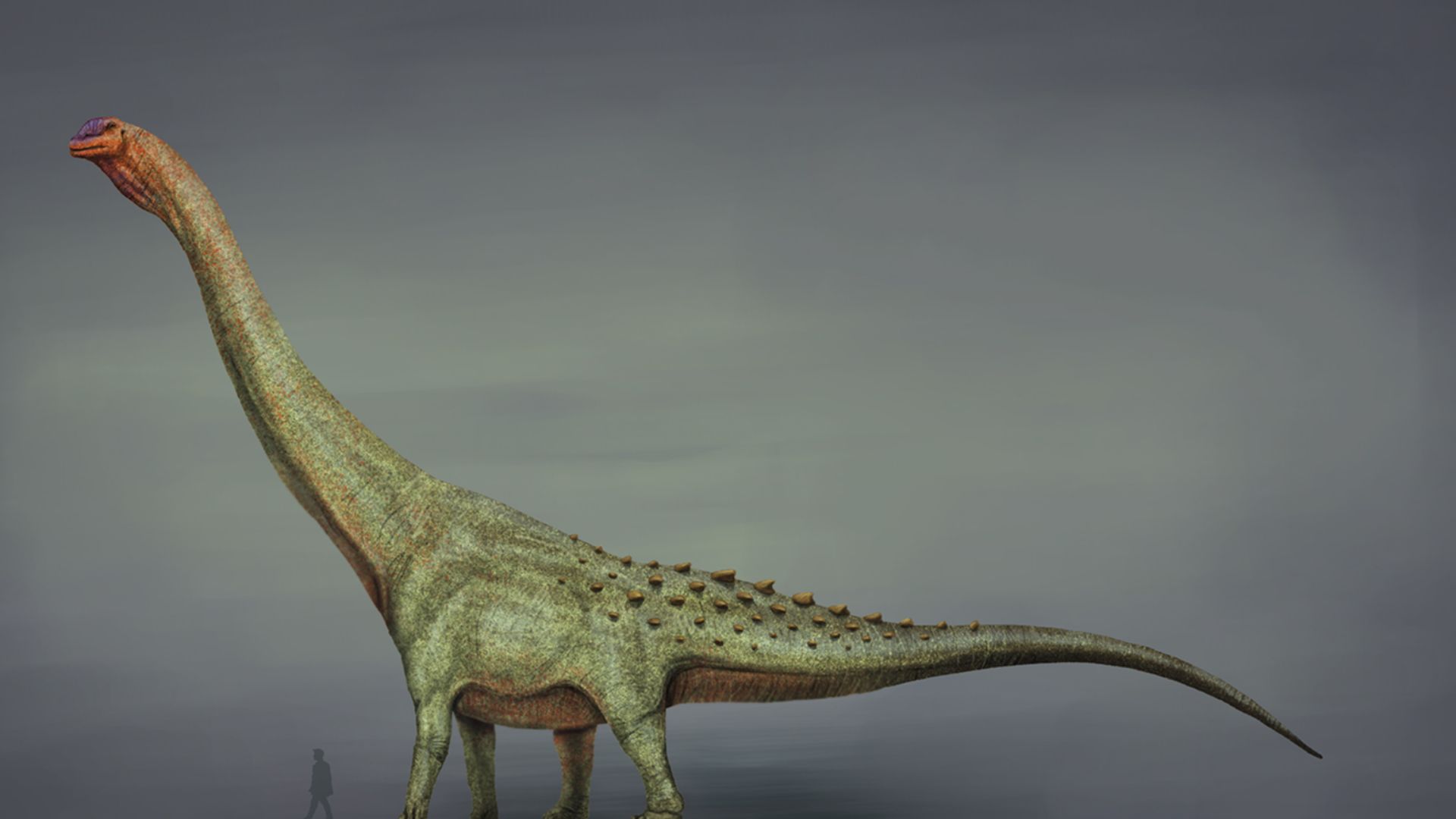
Patagotitan's skeleton was architecturally engineered for extreme weight. Its vertebrae featured a unique hyposphene-hypantrum articulation system between a specific pair of bones near the shoulder blade, a structural reinforcement found in no other sauropod. Its legs were thick, column-like, and wide-set, functioning essentially as living load-bearing pillars.
 Gastón Cuello, Wikimedia Commons
Forests, Floods, Food
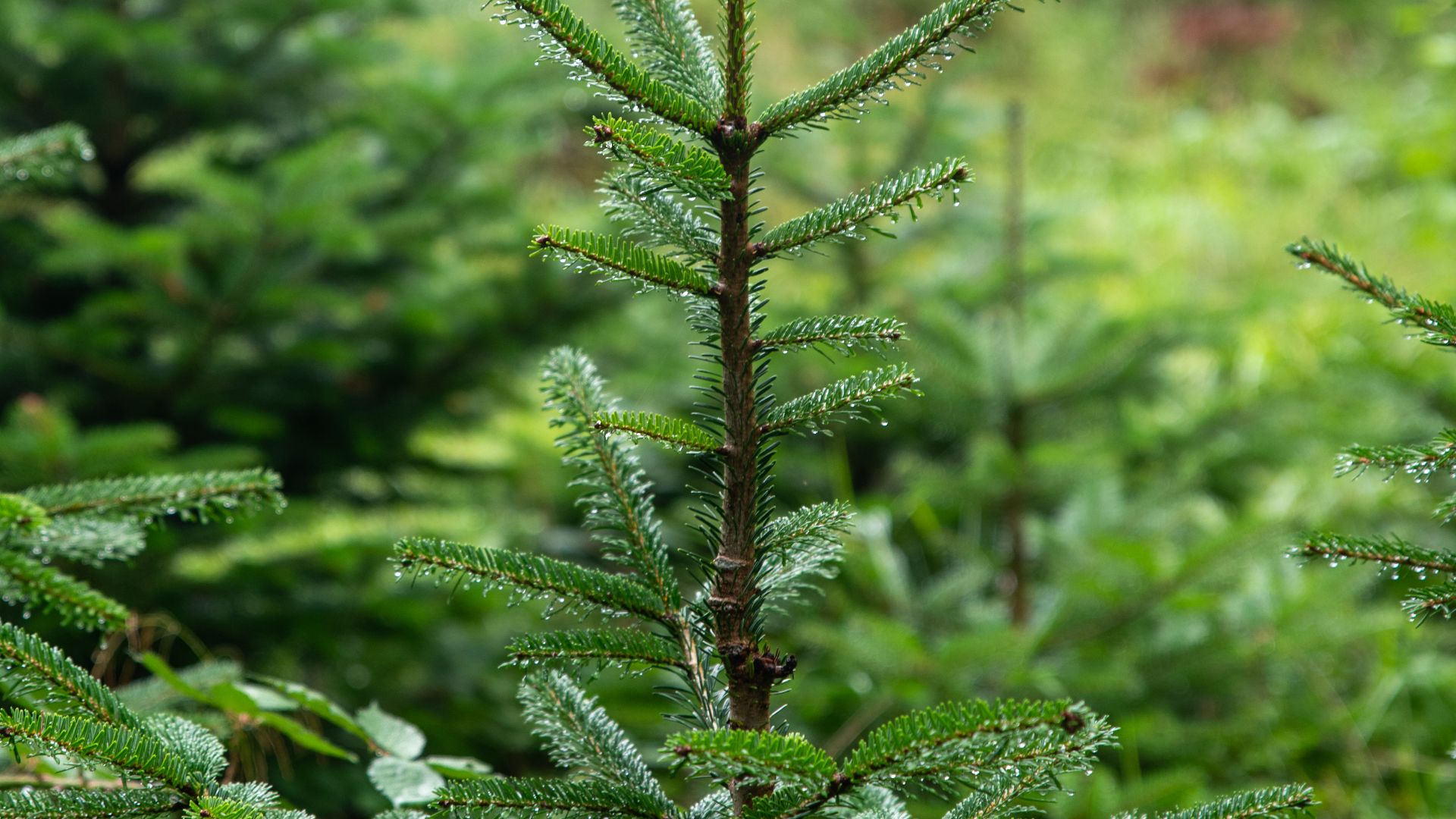
This species was a herbivore that never chewed. It stripped coniferous trees and ferns whole, swallowing vegetation entirely and relying on a complex digestive system to break it down, similar to how modern elephants process food. Its extraordinary neck length meant it could access treetop foliage completely out of reach.
Herds And Predators
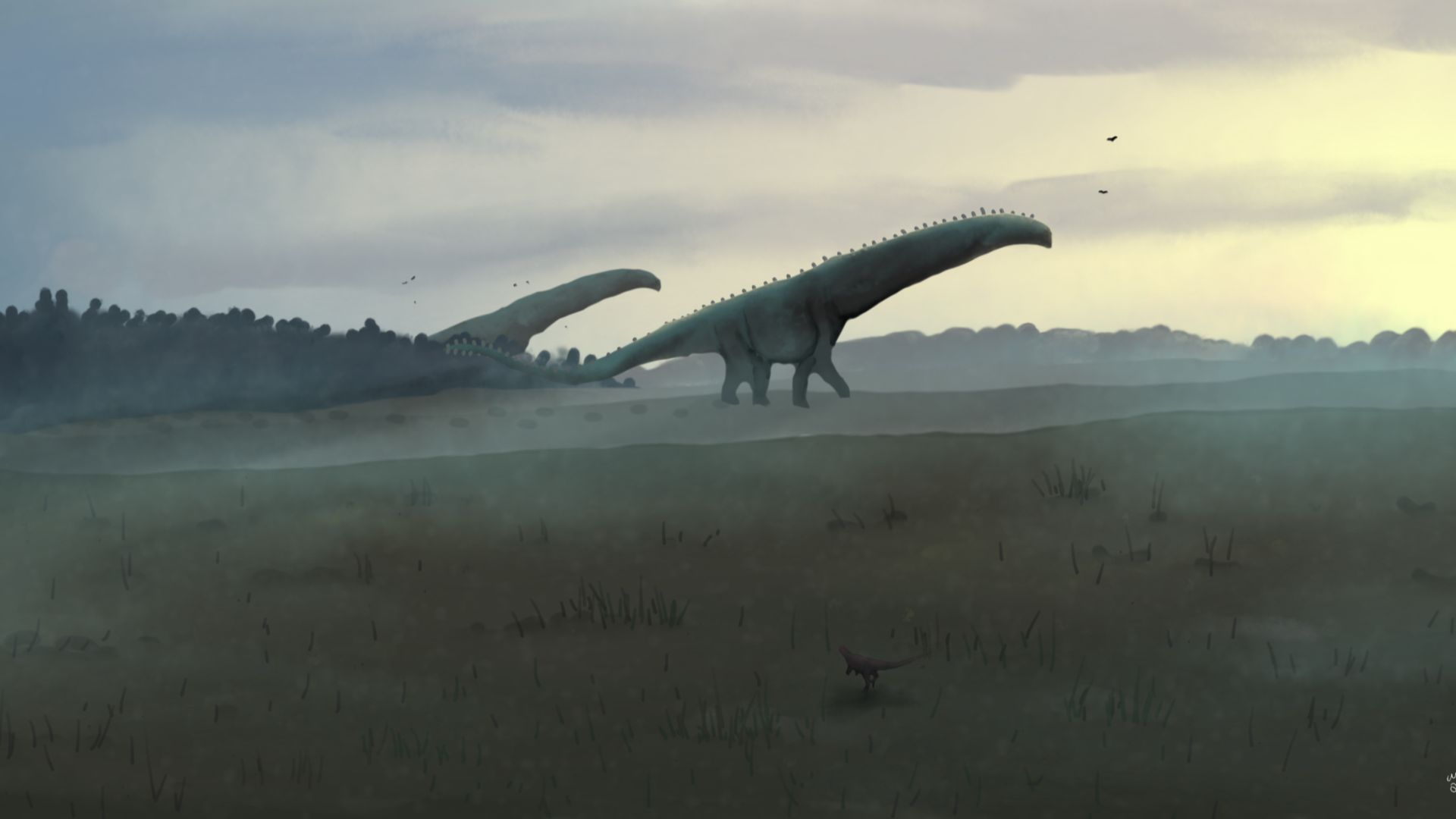
Six individuals buried at one site strongly suggest Patagotitan moved in herds. This was a survival strategy. The Patagonian Cretaceous was also home to Tyrannotitan and other large theropods. But at 70 tons, a fully grown Patagotitan was effectively predator-proof.
Argentinosaurus Steps Aside
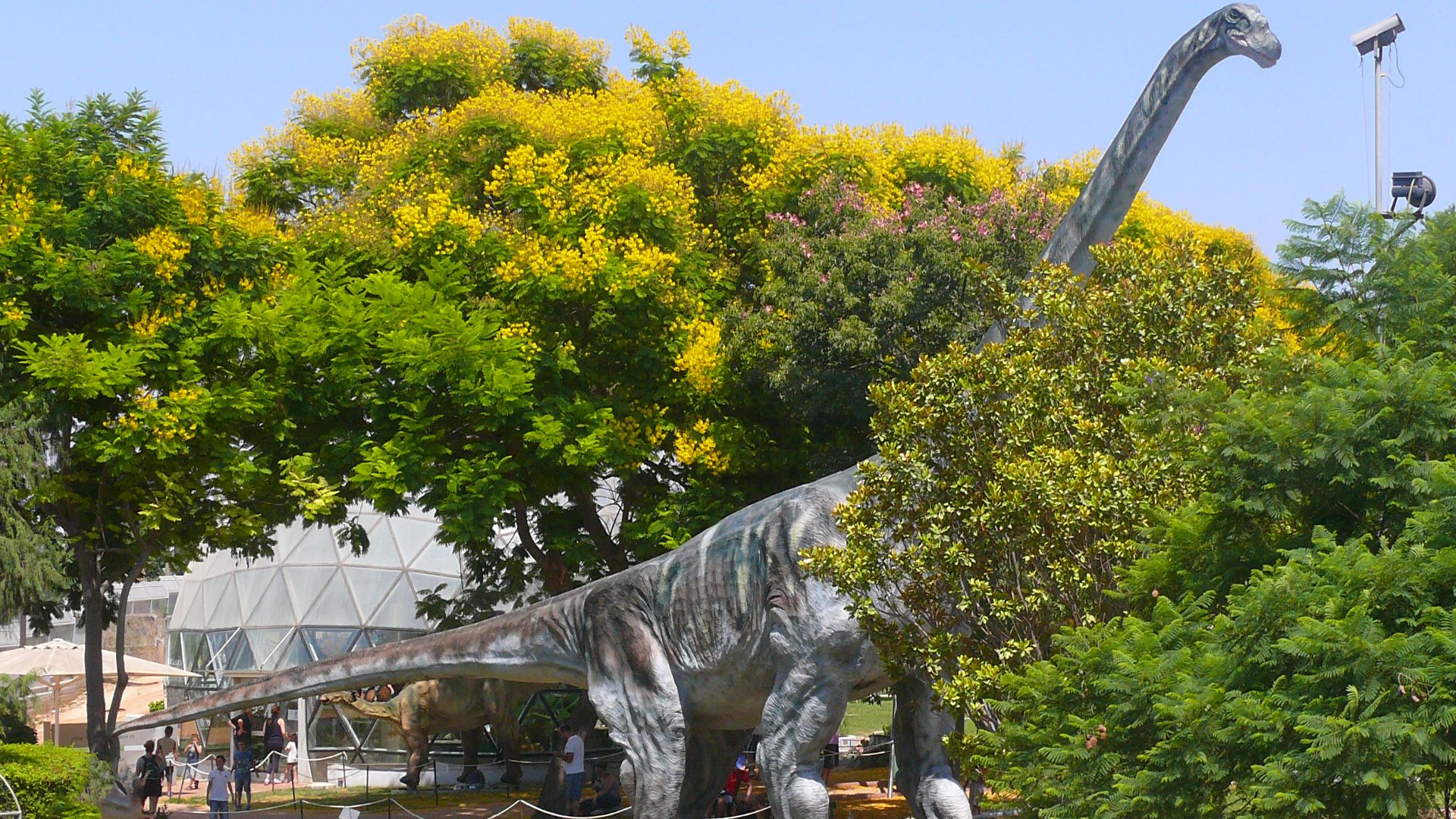
Since 1993, Argentinosaurus had held the title of largest land animal ever known from just 13 bones. With a dorsal vertebrae column measuring 3.67 metres and multiple individuals to study, the new challenger had far stronger scientific evidence behind its claim.
 MathKnight and Zachi Evenor, Wikimedia Commons
The Naming Ceremony
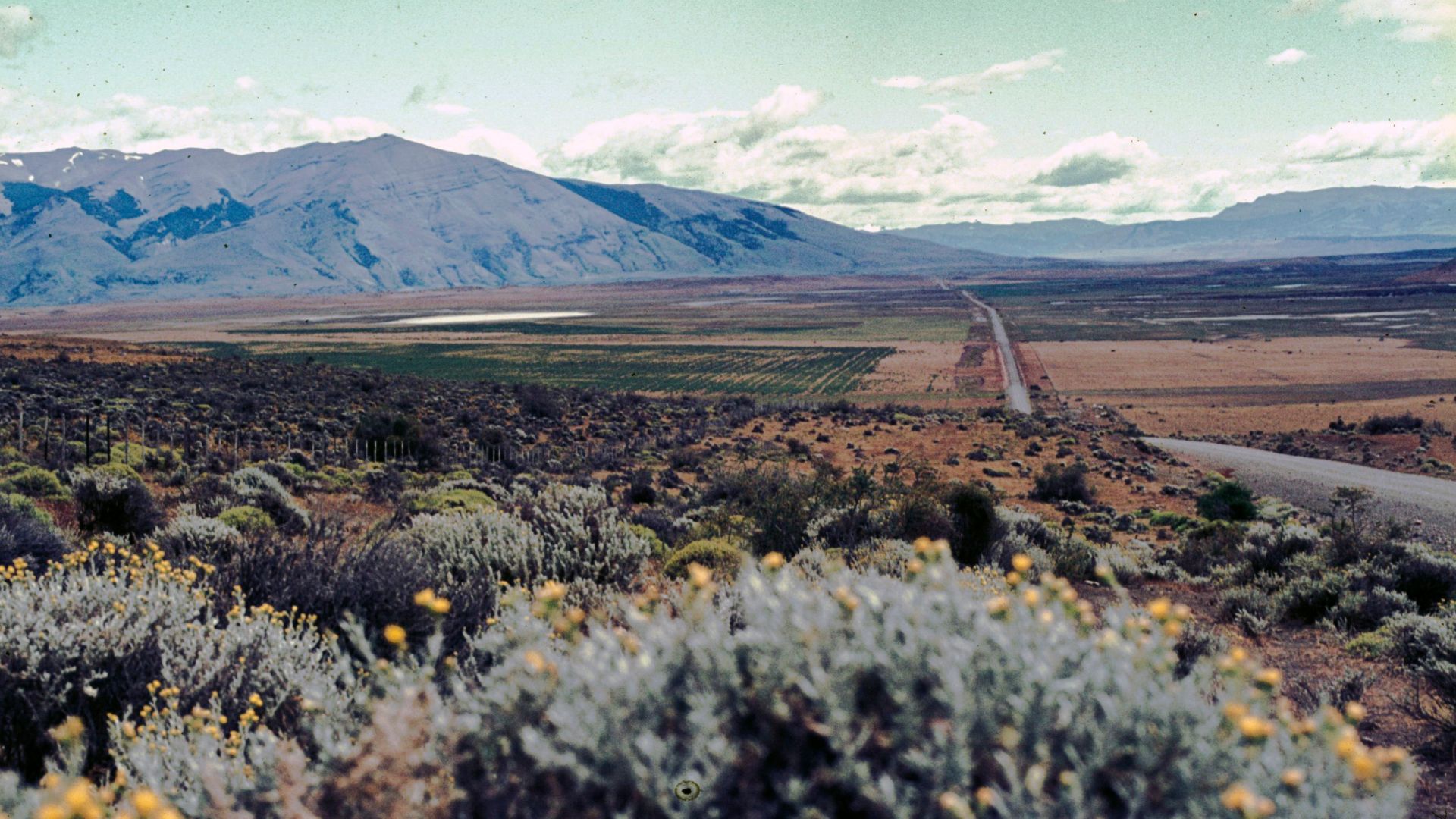
In August 2017, the species was formally named in the Proceedings of the Royal Society B. Every part of the name carries meaning: "Patago" for Patagonia, "titan" for its size and strength, and "mayorum" honoring the Mayo family on whose ranch the fossils were found.
 Hannes Grobe, Wikimedia Commons
Too Big To House
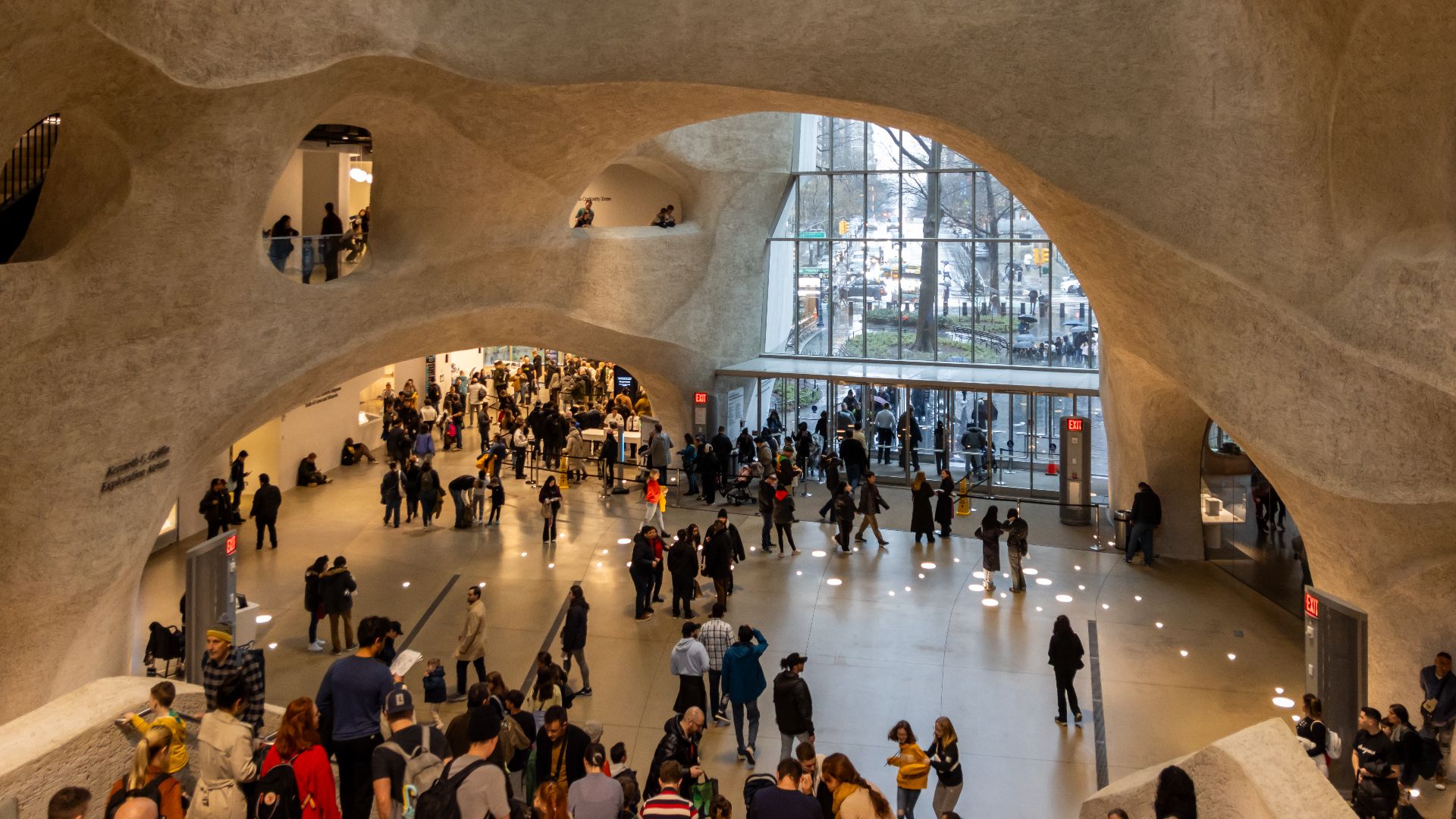
When a fiberglass cast was sent to the American Museum of Natural History in New York, curators ran into an immediate problem: it was too long for the room. At 122 feet, the mounted skeleton had to extend its neck out through the doorway into the elevator bay just to fit.

New York Goes Wild
The AMNH display, which opened in January 2016 before the species was even officially named, became an instant phenomenon. Its skull jutting into the elevator lobby became, as curator John Flynn put it, "probably one of the world's great selfie spots”.
 Photograph by Mike Peel (www.mikepeel.net)., Wikimedia Commons
How Big, Exactly?
Initial estimates placed Patagotitan at 37 metres and 69–77 tonnes. By 2019, palaeontologist Gregory Paul revised length down to 31 metres and weight to 50–55 tonnes using volumetric models. Some researchers maintain Argentinosaurus was still larger overall.
 Tim Sheerman-Chase, Wikimedia Commons
Patagonia's Fossil Belt
Patagotitan is far from Patagonia's only giant. The region has produced Argentinosaurus, Dreadnoughtus, Futalognkosaurus, and Puertasaurus. Researchers believe a unique combination of Cretaceous-era ecology, geography, and evolutionary pressure created conditions exclusive to Patagonia that allowed one titanosaur lineage to repeatedly, independently push the boundaries of terrestrial body size.
 Nima Sassani, Wikimedia Commons
More Giants Coming?
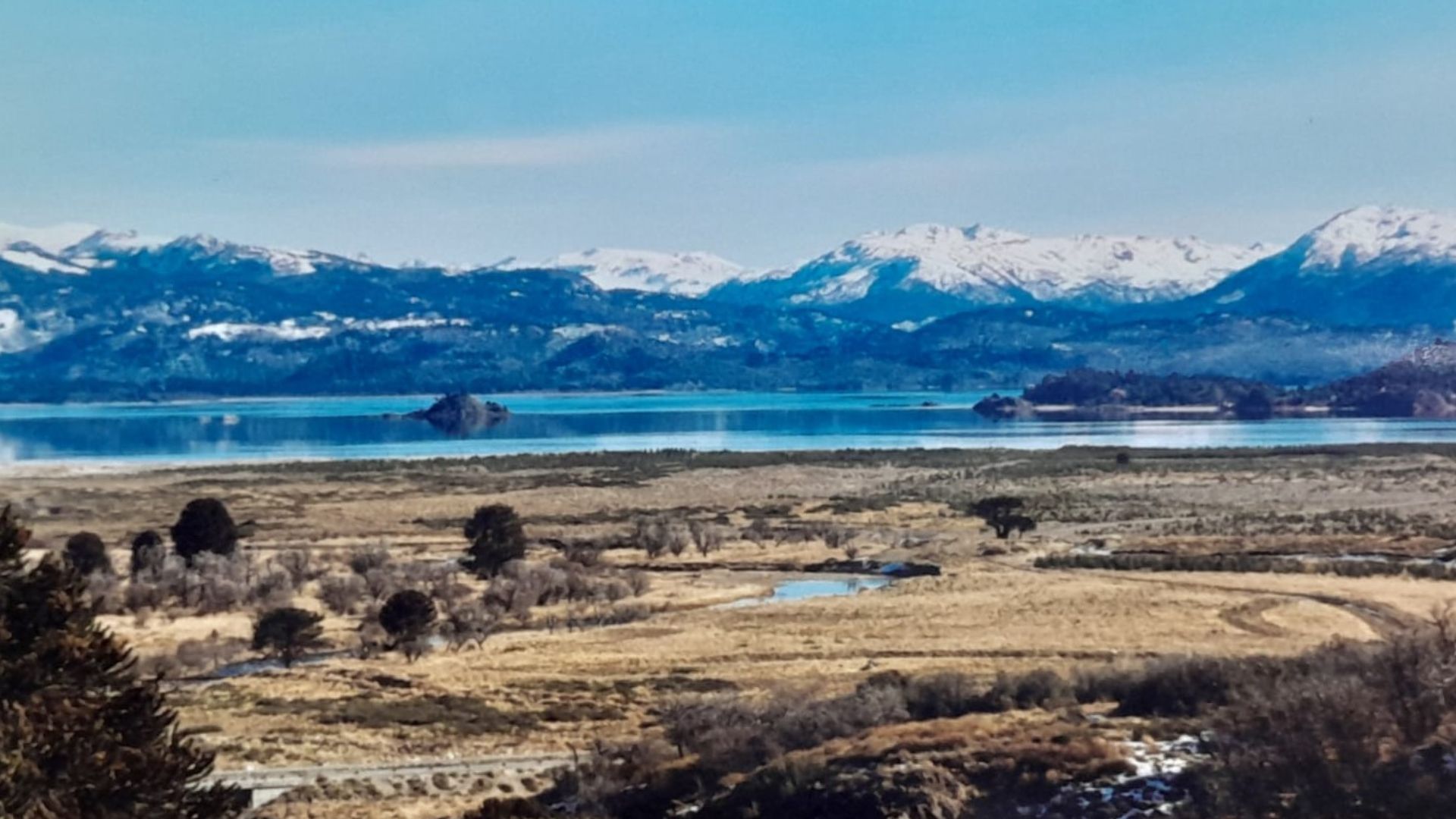
In 2021, an unnamed titanosaur was reported from Neuquen Province potentially larger than Patagotitan, with bones dating to 98 million years ago. Excavation is ongoing. "We expect to find much more of the skeleton in future field trips," lead researcher Alejandro Otero told Live Science.
 LALOCADELSANMARTIN, Wikimedia Commons
The Size Limit Question
Could anything have been bigger? Carballido believes Patagotitan was operating near the absolute physical ceiling for land animals. Beyond a certain mass, bones simply cannot bear the load and hearts cannot pump blood efficiently across such vast bodies.
 Mariol Lanzas, Wikimedia Commons
Eggs Surprisingly Small
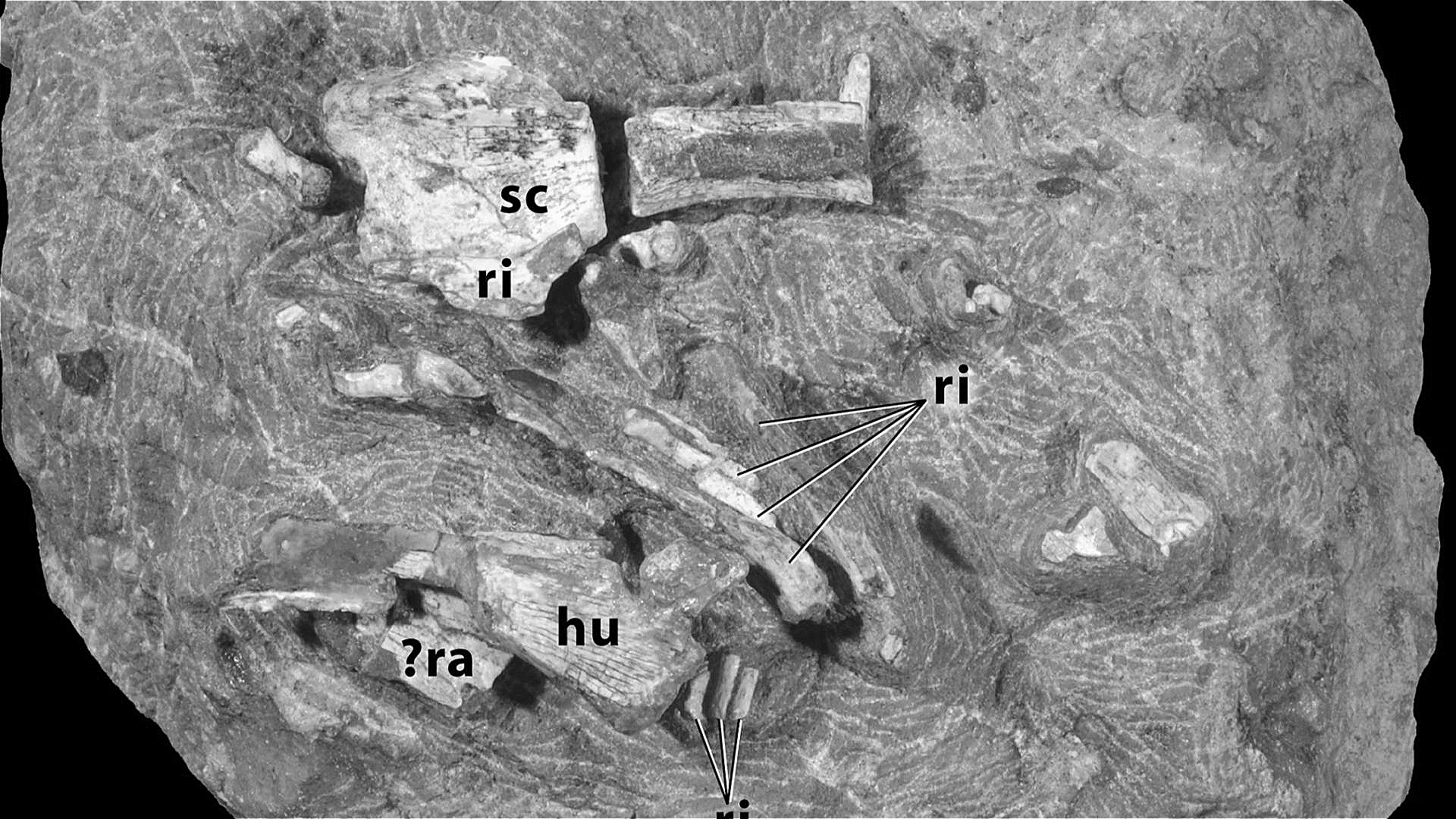
For an animal this colossal, reproduction started remarkably humbly. Fossilised titanosaur nesting sites discovered in Argentina revealed eggs buried in clustered ground nests, each roughly the size of a rugby ball. A creature weighing 70 tons began life small enough to hold in two hands.
 Jeffrey A. Wilson, Dhananjay M. Mohabey, Shanan E. Peters, Jason J. Head, Wikimedia Commons
Attenborough Took Notice
In January 2016, the BBC broadcast a full documentary Attenborough and the Giant Dinosaur presented by Sir David Attenborough himself, following the excavation and reconstruction of the La Flecha fossils over two years. It brought Patagotitan to a global television audience before the species even had an official name.
 John Cairns, Wikimedia Commons
The Legacy Keeps Growing
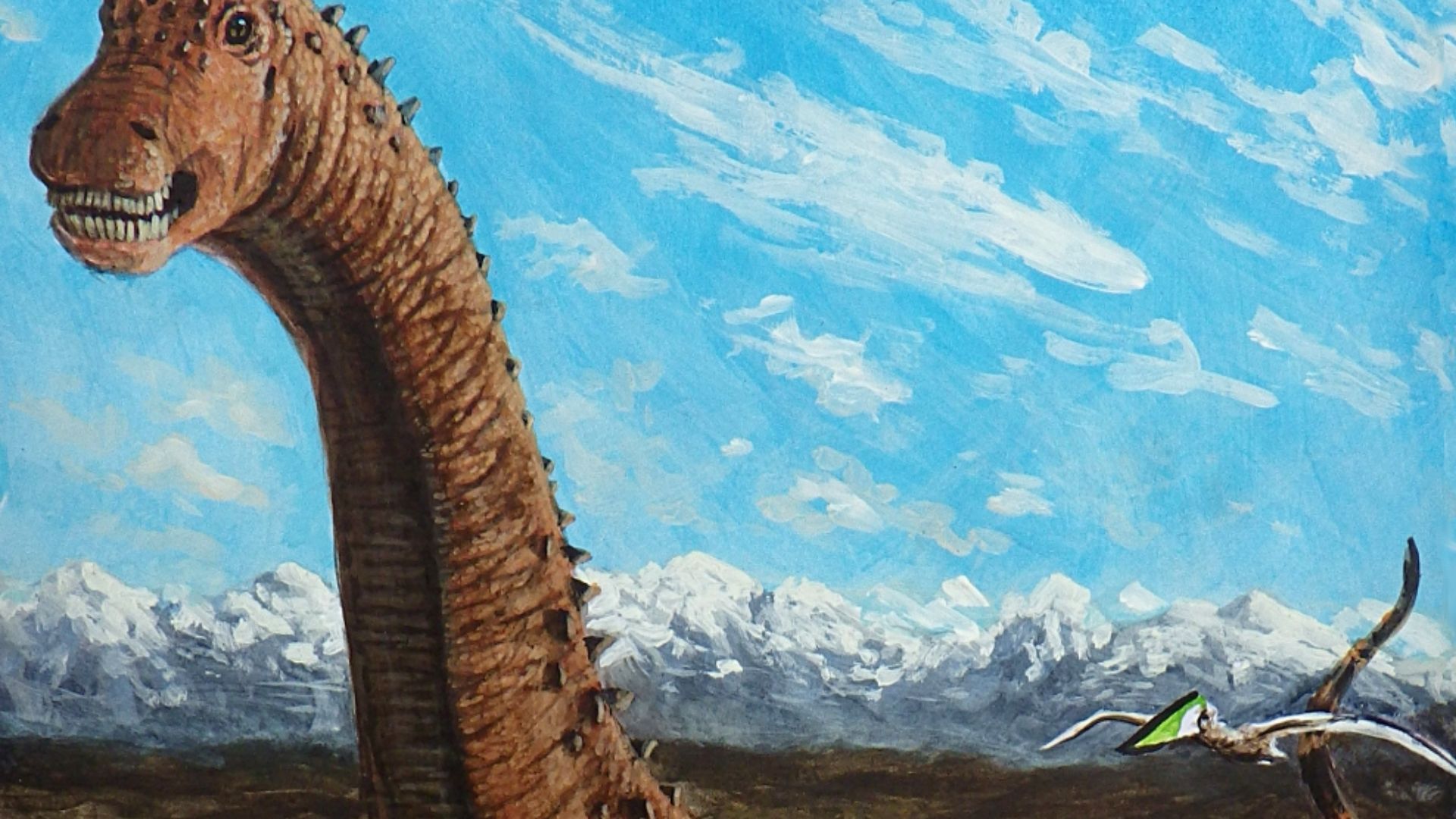
Patagotitan mayorum permanently shifted how paleontology frames its biggest question—how large can life actually get on land? Every new titanosaur fragment pulled from Patagonian rock reopens that conversation. A shepherd glancing at a bone in the desert in 2010 didn't just find a dinosaur.
 Alexander Thomas Lovegrove, Wikimedia Commons