Faith Under the Microscope
Religion shapes culture, law, and identity across centuries. Yet many defining moments remain uncomfortable to examine. Who chose sacred texts? Why did traditions divide? How did politics influence belief? This exploration revisits pivotal turning points through historical evidence. Read closely and consider how the past still informs faith today.
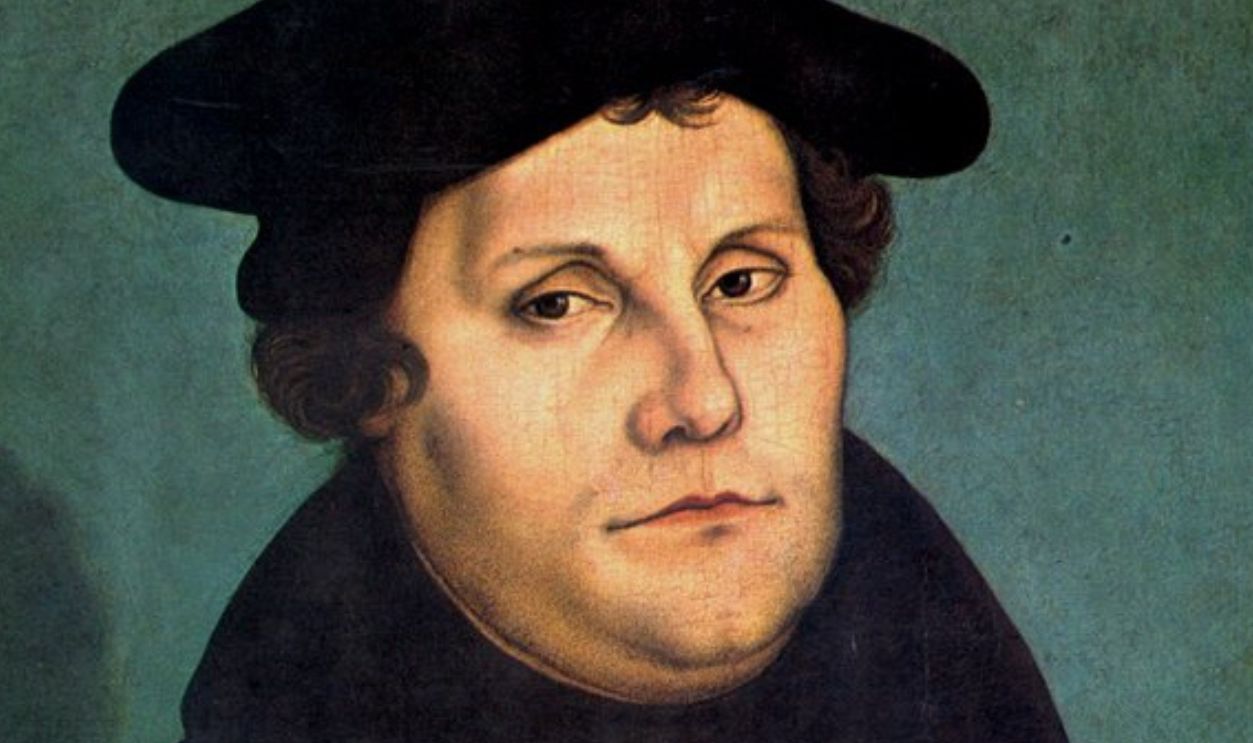 Lucas Cranach the Elder, Wikimedia Commons
Who Decided What Went Into the Bible?
Ever wondered who picked the books inside the Bible? Early Christian communities circulated dozens of texts, yet agreement came slowly. During the fourth century, councils such as Carthage listed writings considered authoritative. Politics, theology, and regional practice all shaped decisions, leaving many gospels outside the final collection.
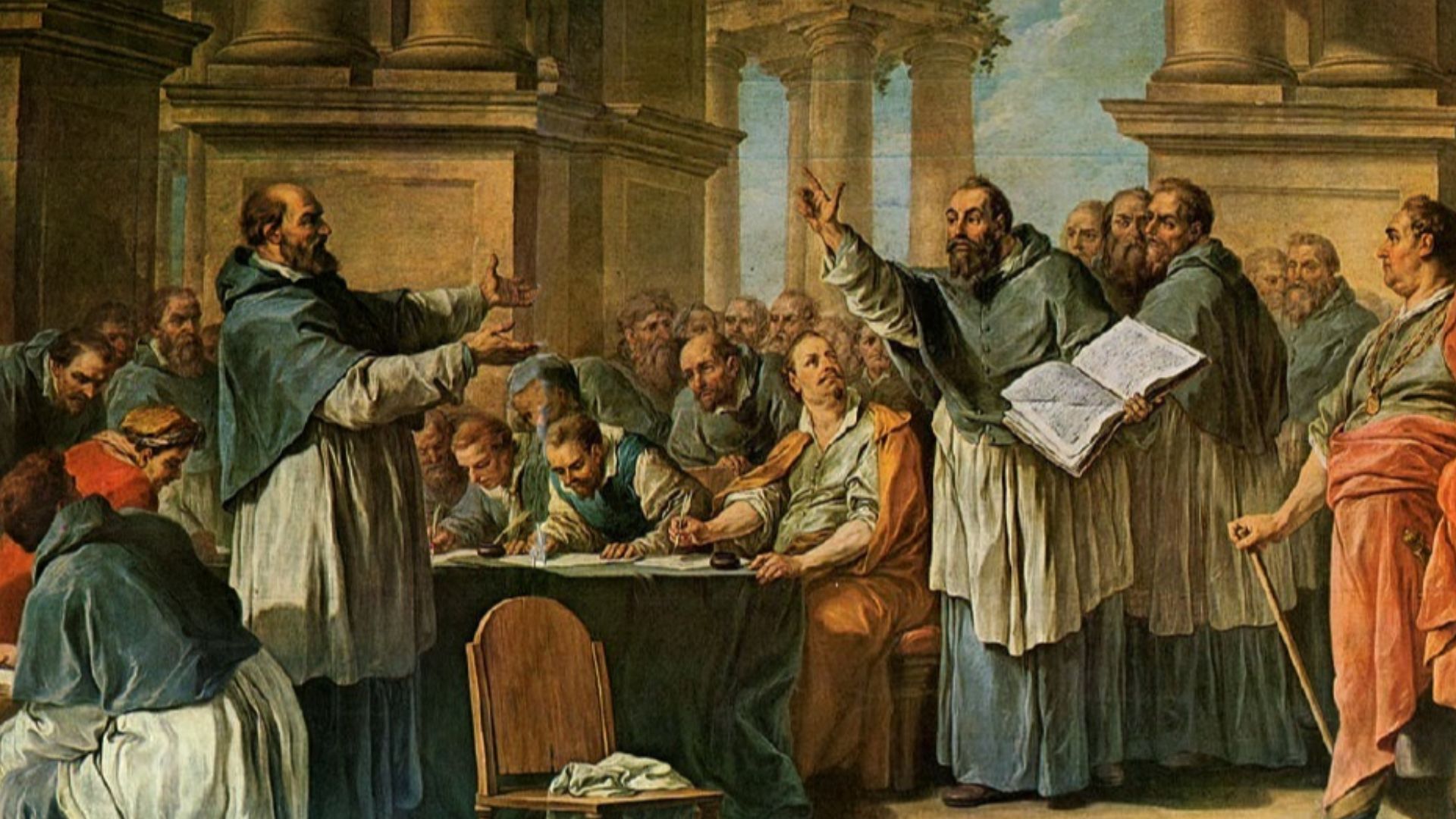 Charles-Andre van Loo, Wikimedia Commons
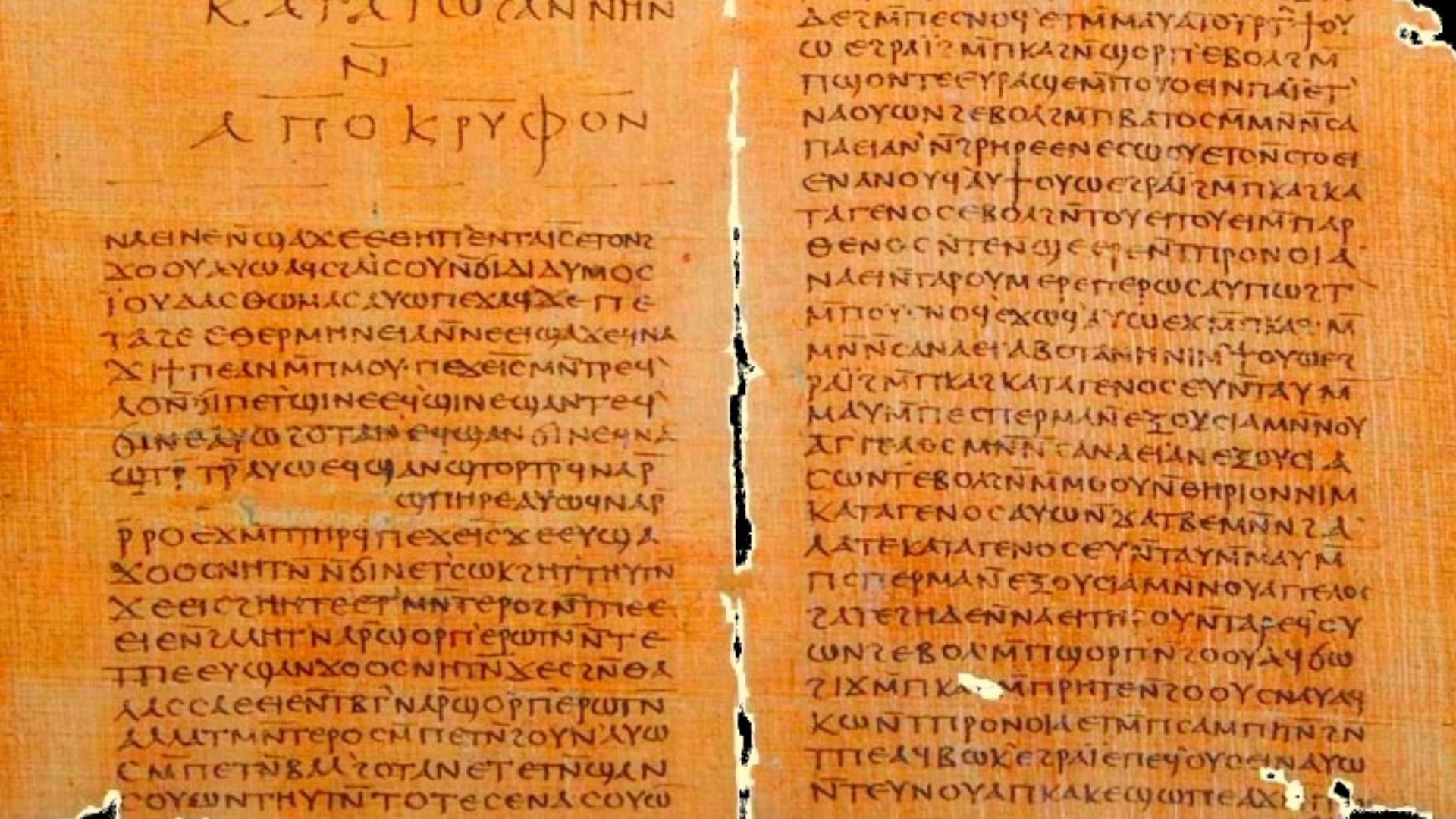
What Happened to the “Lost Gospels”?
In 1945, Egyptian farmers uncovered codices near Nag Hammadi. Scholars later identified texts such as the Gospel of Thomas by dating them to the second century. Linguistic analysis suggests diverse theological currents circulated widely. Consequently, early Christianity appears less uniform than later orthodoxy implied.
 Unknown authorUnknown author, Wikimedia Commons
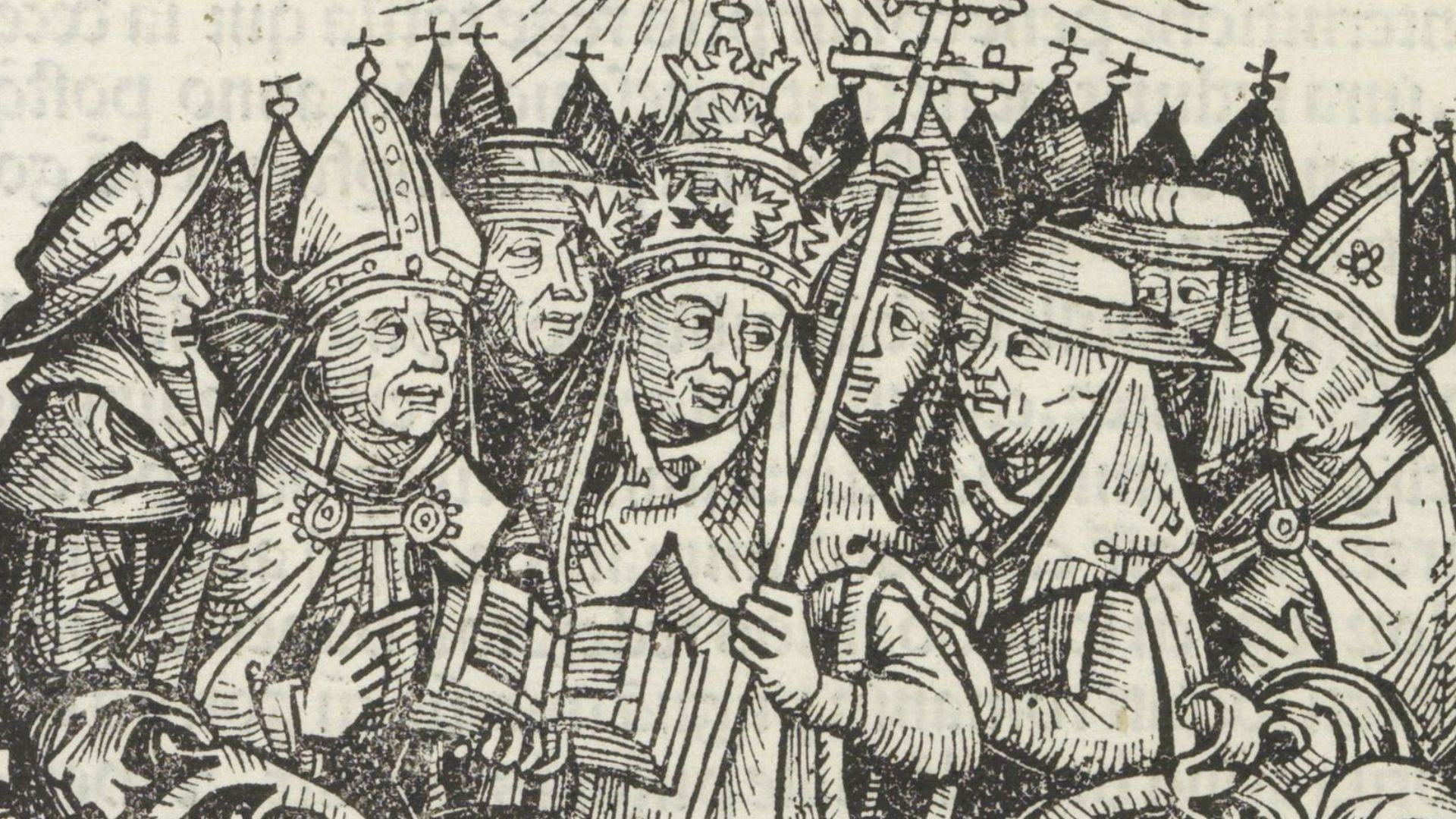
Why Did Christianity Split Into Catholic and Orthodox?
Picture two power centers staring each other down. Rome emphasized papal authority, whereas Constantinople defended conciliar leadership. Cultural language gaps deepened suspicion, and disputes over the nature of the Holy Trinity intensified debate. By 1054, mutual excommunications formalized a rupture that had been building for centuries.
 Rijksmuseum, Wikimedia Commons
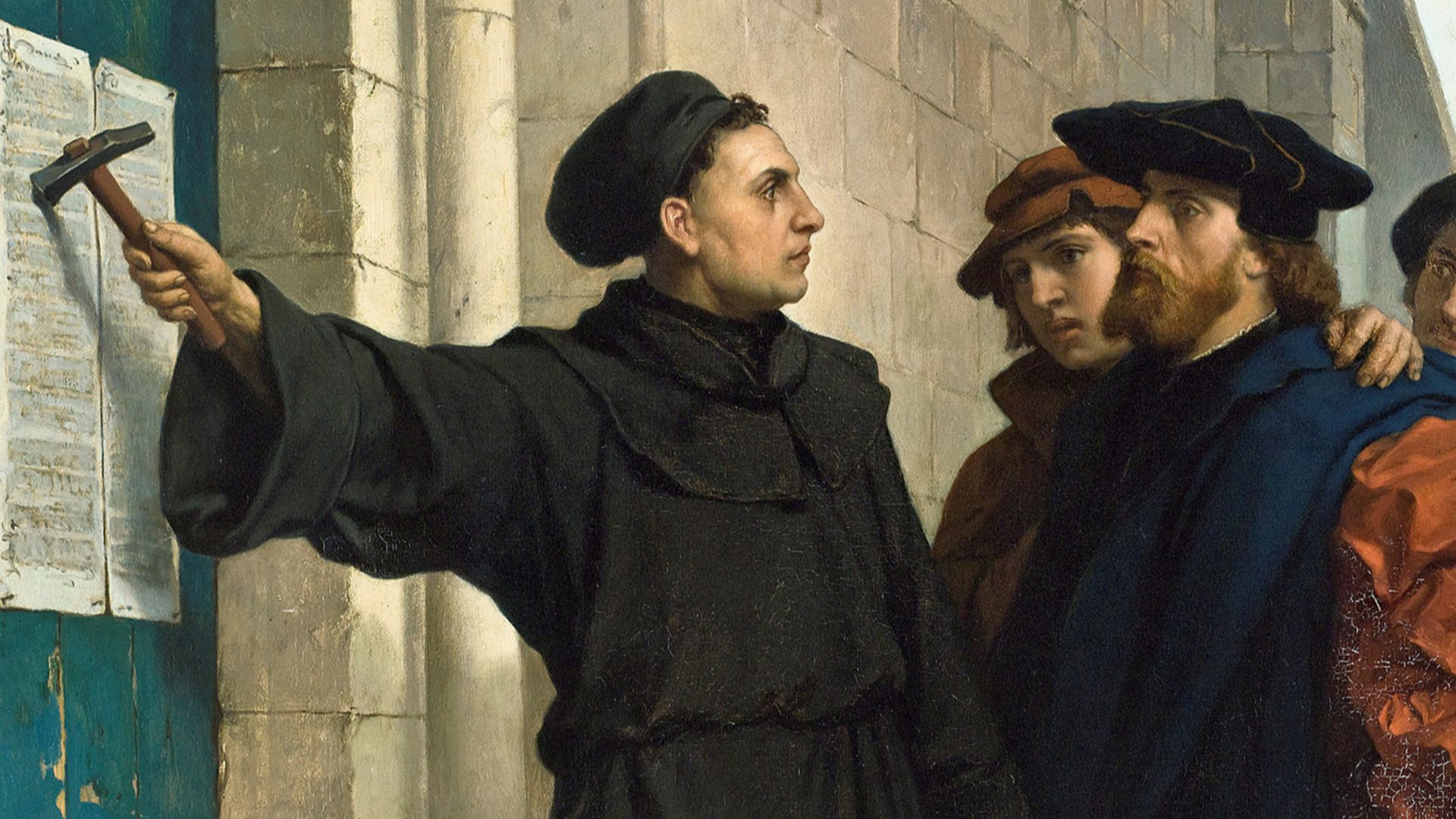
What Sparked the Protestant Reformation?
In 1517, Martin Luther circulated the ninety-five theses criticizing indulgence practices. Printing technology accelerated their spread across German territories. Meanwhile, political rulers saw an opportunity in challenging papal taxation. The movement soon expanded beyond reform, resulting in competing theological texts and prolonged European conflict.
 Ferdinand Pauwels, Wikimedia Commons
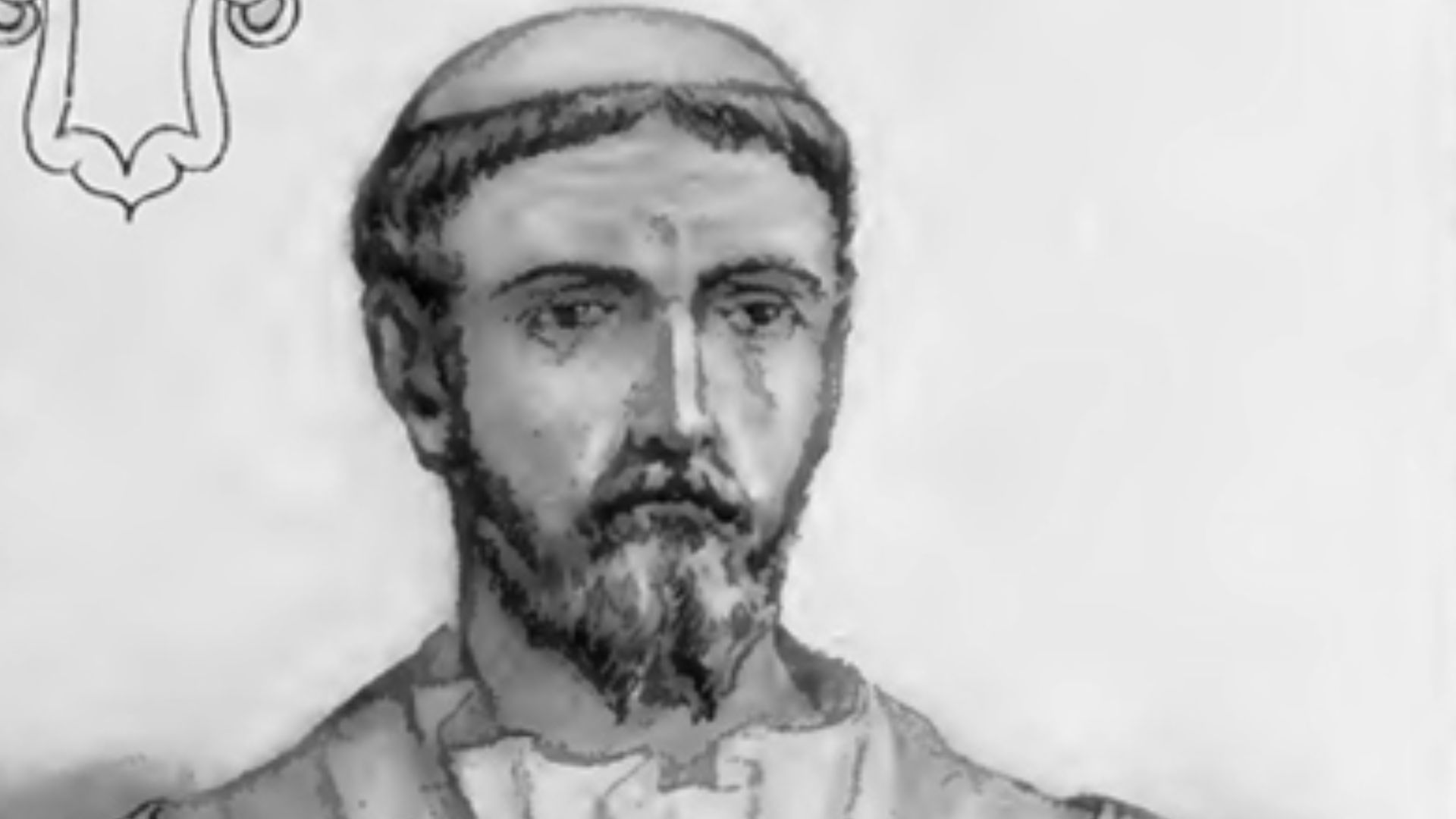
Why Were the Crusades Launched?
Holy war rarely arrives without paperwork. By 1095, Pope Urban II urged armed pilgrimage to reclaim Jerusalem. Promises of spiritual merit attracted knights seeking land and status. Yet commercial routes and regional rivalries mattered, too, proving piety often traveled beside ambition.
 Artaud de Montor (1772–1849), Wikimedia Commons
How Did the Inquisition Operate?
Interrogation replaced public trial. Beginning in the 12th century, papal authorities appointed inquisitors to investigate heresy. Written records preserved testimony with meticulous detail. Confession carried weight; denial invited further questioning. Over time, regional tribunals such as Spain’s developed distinct procedures and penalties.
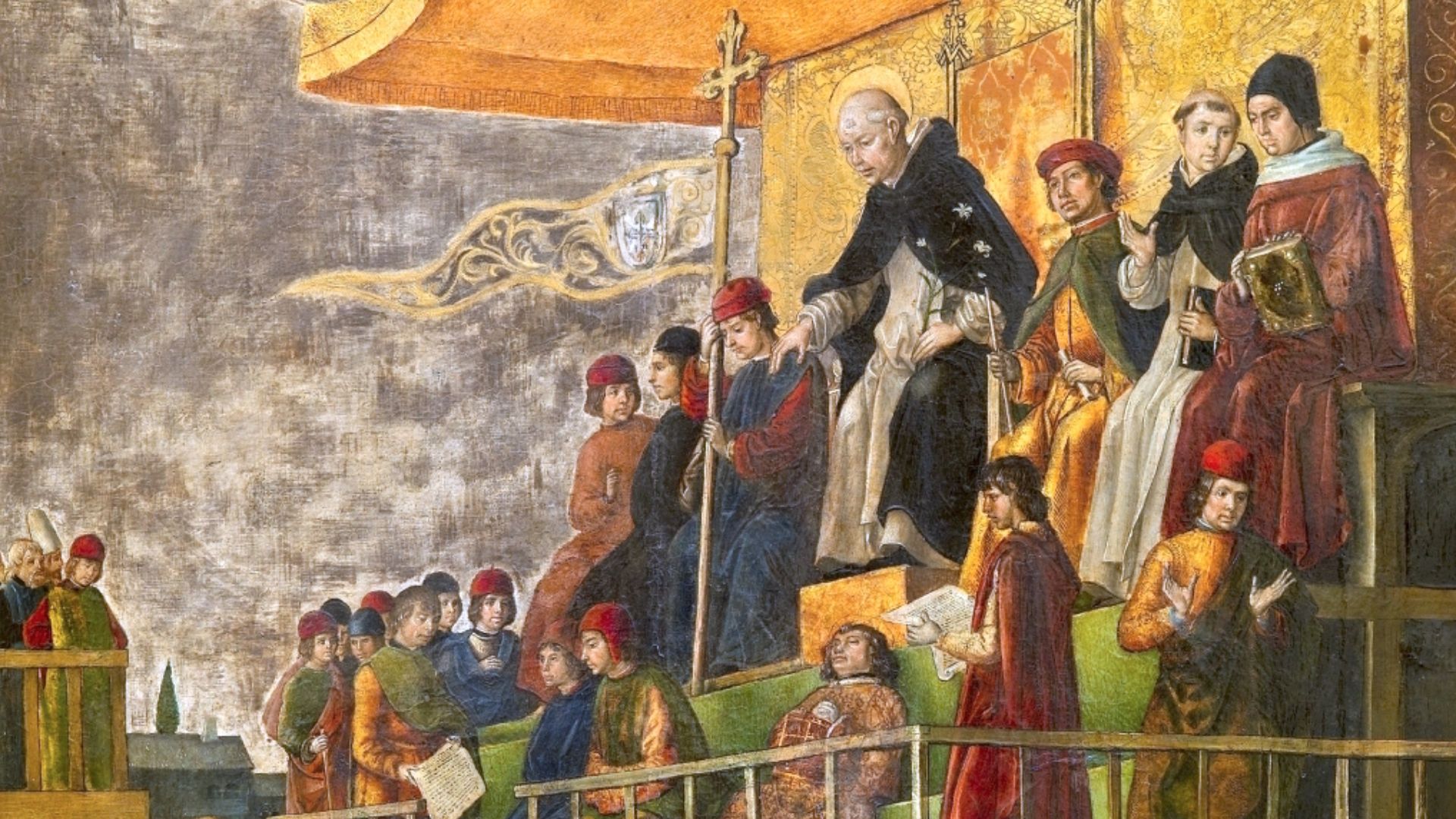 Pedro Berruguete, Wikimedia Commons
Why Was Galileo Tried by the Church?
Seventeenth-century Europe still pictured Earth at the center of the universe. Telescopes, however, revealed unsettling details. Galileo’s observations supported heliocentrism, echoing Copernicus. Church officials initially tolerated discussion, yet Galileo's 1632 publication of Dialogue Concerning the Two Chief World Systems escalated tensions.
Eventually for Gallileo, house arrest replaced open debate, marking a painful chapter in intellectual history.
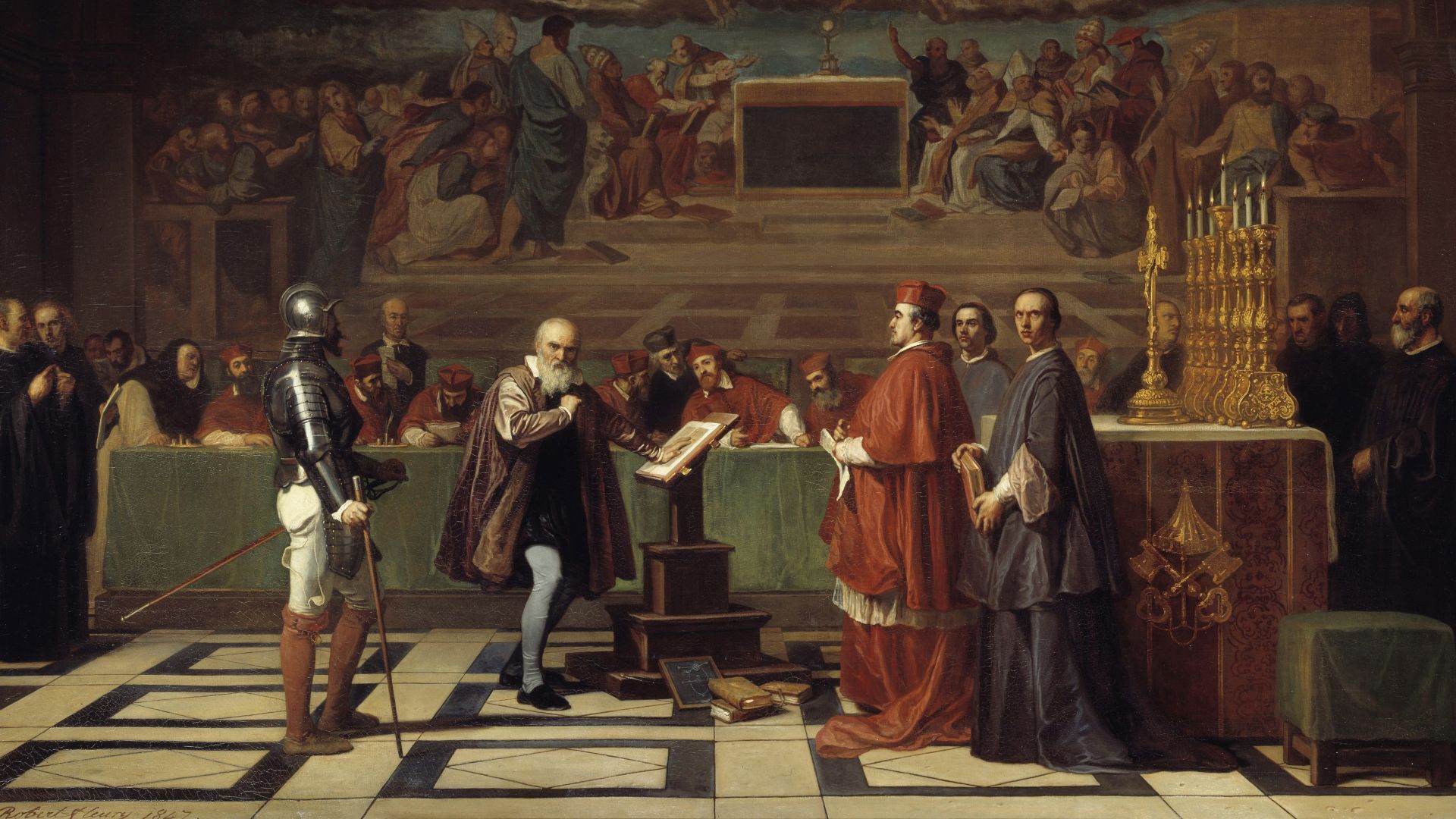 Joseph-Nicolas Robert-Fleury, Wikimedia Commons
What Happened During the Witch Hunts?
Fear moved faster than evidence. Between the fifteenth and seventeenth centuries, thousands faced accusations of witchcraft across Europe. Confessions often followed torture, and local courts relied on spectral testimony, ie: the testimony of people who claimed to experience divine visions.
Communities fractured as suspicion spread, leaving scars that lasted generations.
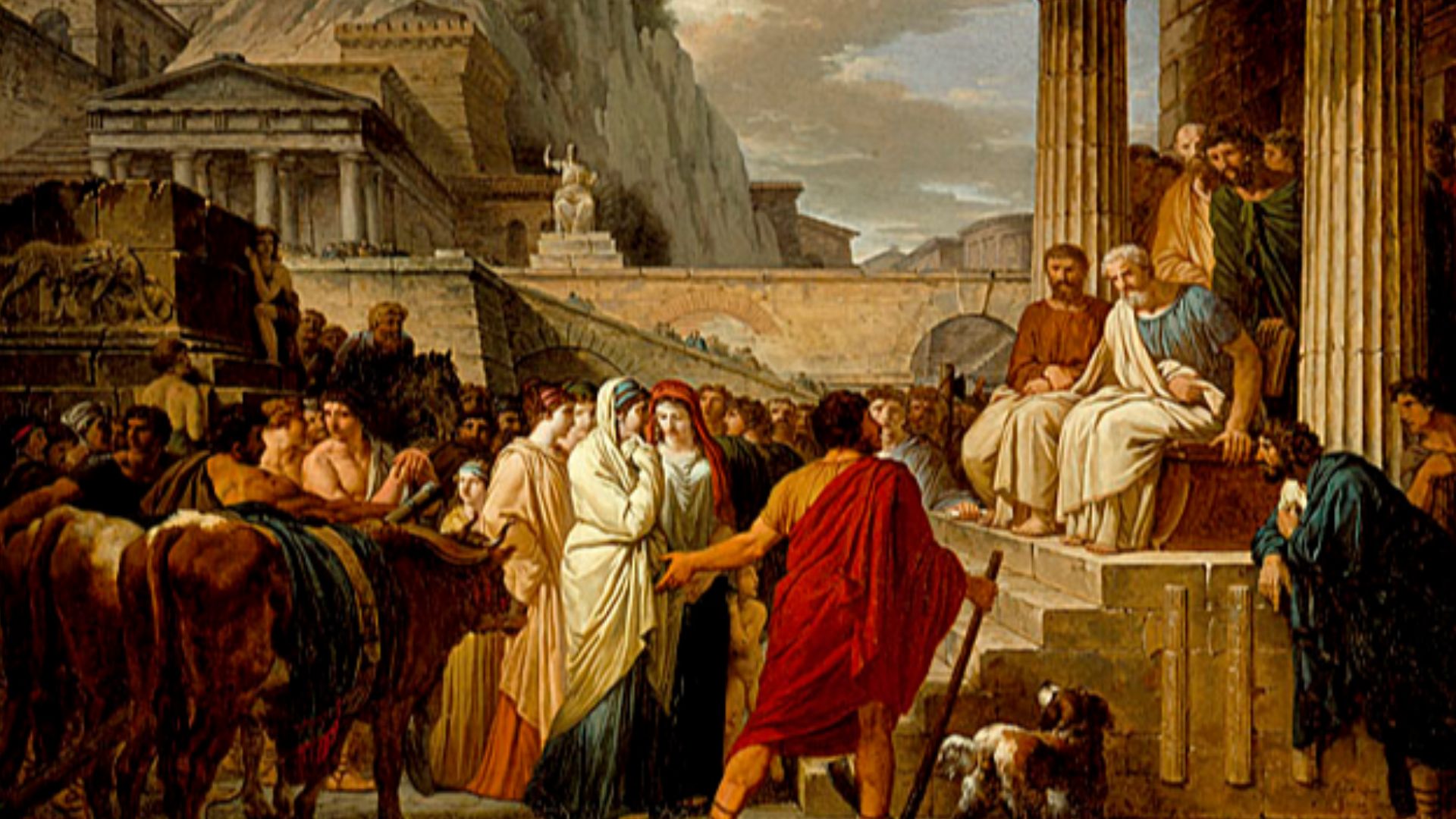 Jean-Pierre Saint-Ours, Wikimedia Commons

History's most fascinating stories and darkest secrets, delivered to your inbox daily.
How Did Religion Shape the Transatlantic Slave Trade?
Scripture can comfort; it can also justify harm. During the Atlantic slave trade, some European theologians cited biblical passages to defend enslavement. Others, however, condemned the practice on moral grounds. Religious language, therefore, shaped both oppression and abolitionist resistance in equal measure.
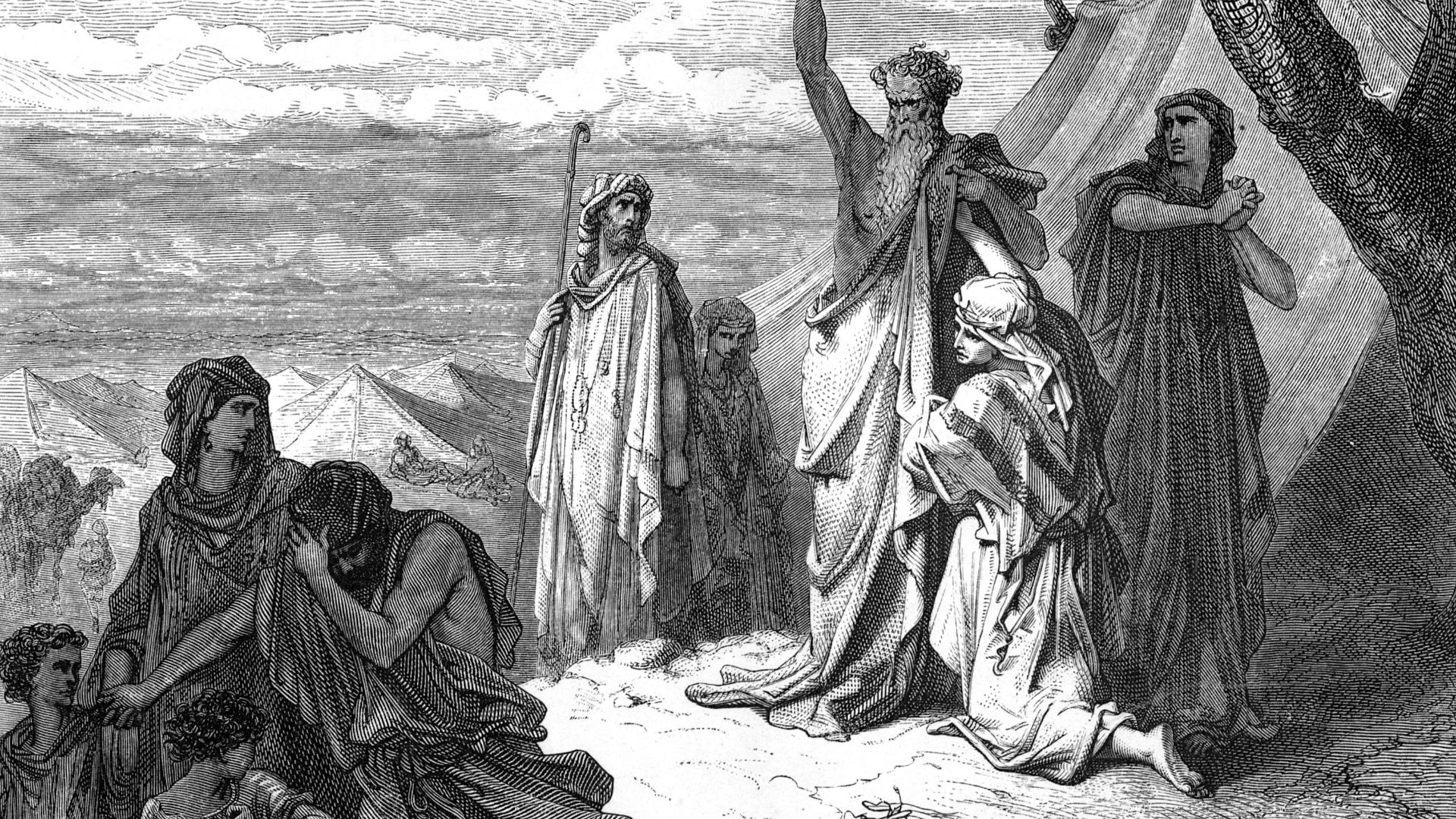 Gustave Dore, Wikimedia Commons
Why Did Islam Split Into Sunni and Shia?
Leadership disputes rarely stay small. After the death of Prophet Muhammad in 632, disagreement emerged over the rightful succession. Some supported Abu Bakr through community consensus, whereas others favored Ali, a close relative. Over time, political alignment hardened into theological distinction, giving rise to Sunni and Shia traditions.
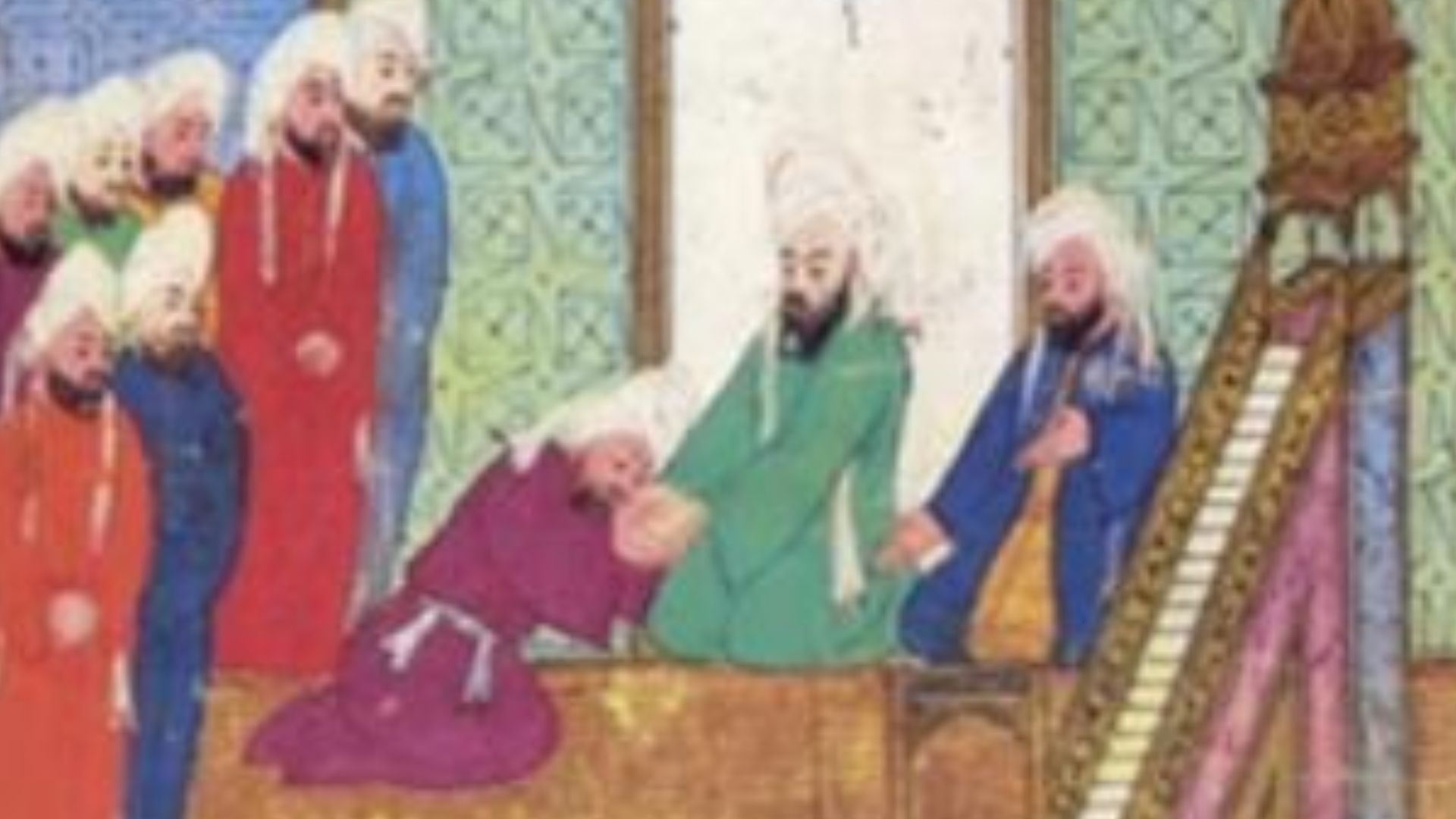 Creator:Lutfi Abdullah, Wikimedia Commons
How Was the Quran Compiled?
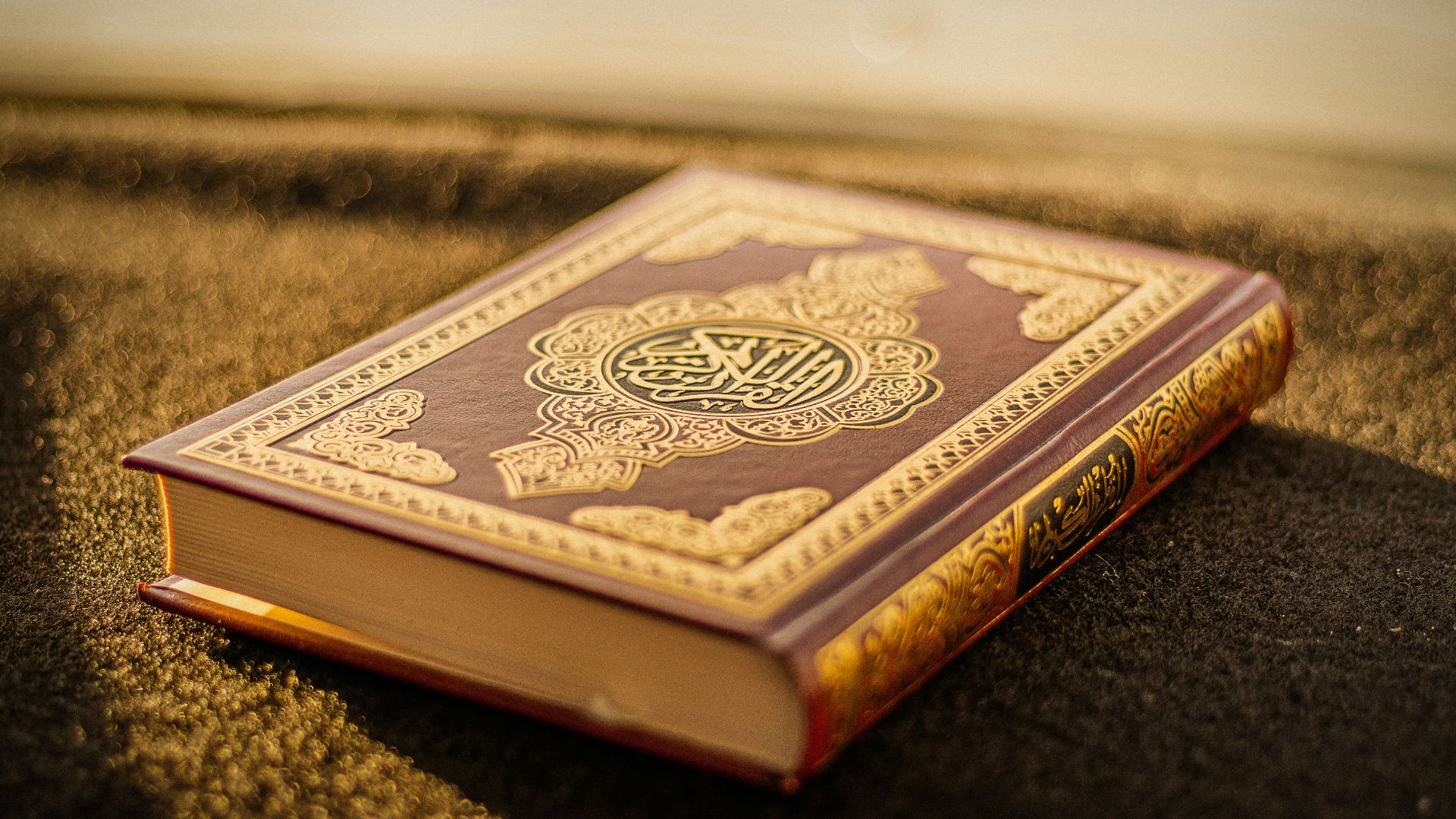
After Muhammad’s death, verses were preserved in memory and scattered materials. Concern grew during early military campaigns as reciters were lost in battle. Consequently, Caliph Abu Bakr ordered a compilation. Later, Uthman standardized the text to prevent regional variation, distributing authorized copies across expanding territories.
Why Were Some Early Islamic Sects Suppressed?
Religious disagreement often hides political stakes. During the Umayyad and Abbasid periods, groups such as the Kharijites challenged the ruling authority. Their theology justified rebellion against unjust leaders. Suppression followed, since stability mattered to caliphs seeking control over rapidly growing and diverse populations.
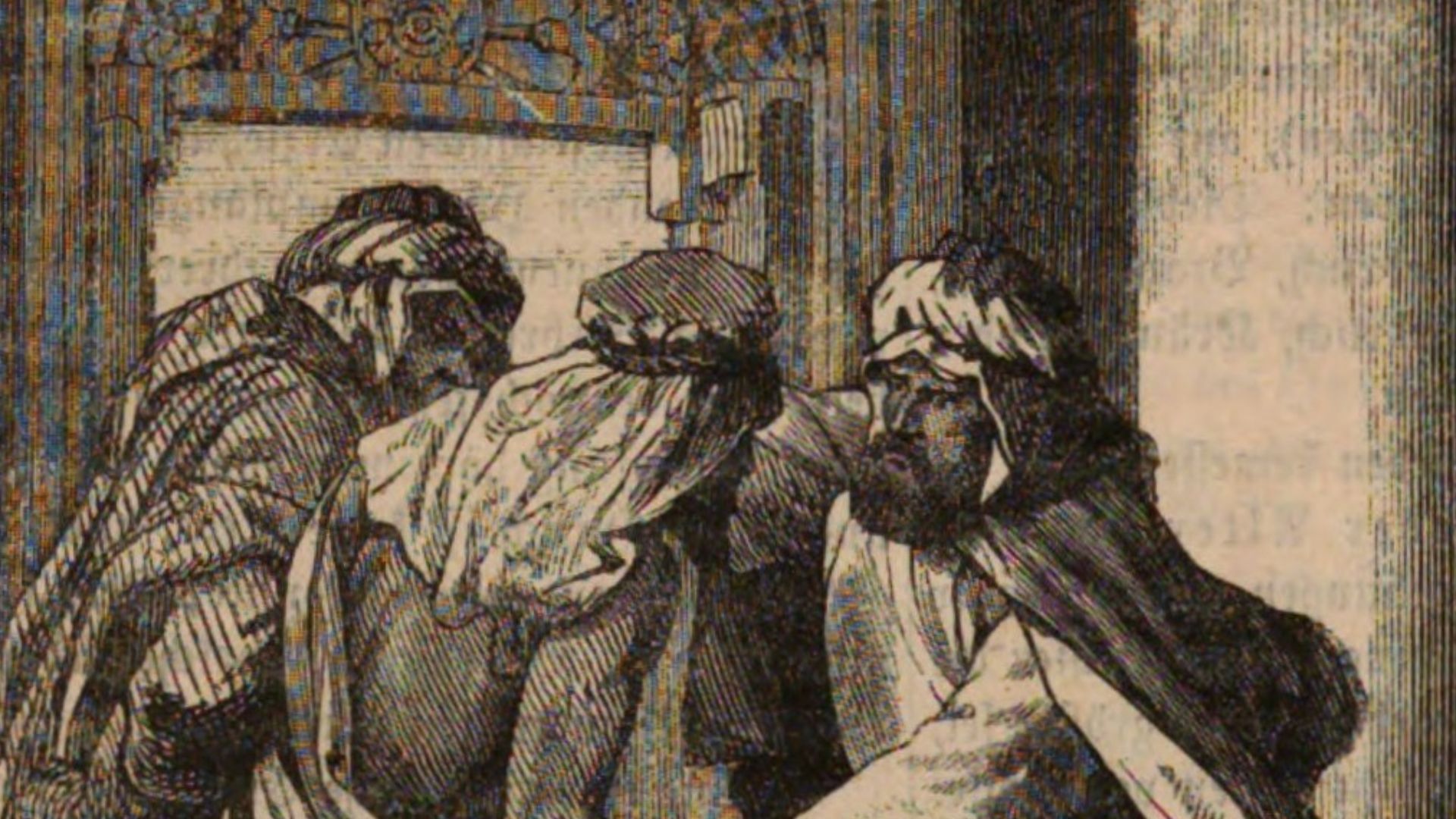 Vinzenz Katzler, Wikimedia Commons
What Was the Historical Buddha Actually Teaching?
Early Buddhist texts describe a teacher focused on suffering and its cessation. Rather than metaphysical speculation, emphasis fell on practical discipline. The Four Noble Truths outlined a diagnosis; the Eightfold Path prescribed treatment. Over centuries, later traditions expanded cosmology and devotional elements.
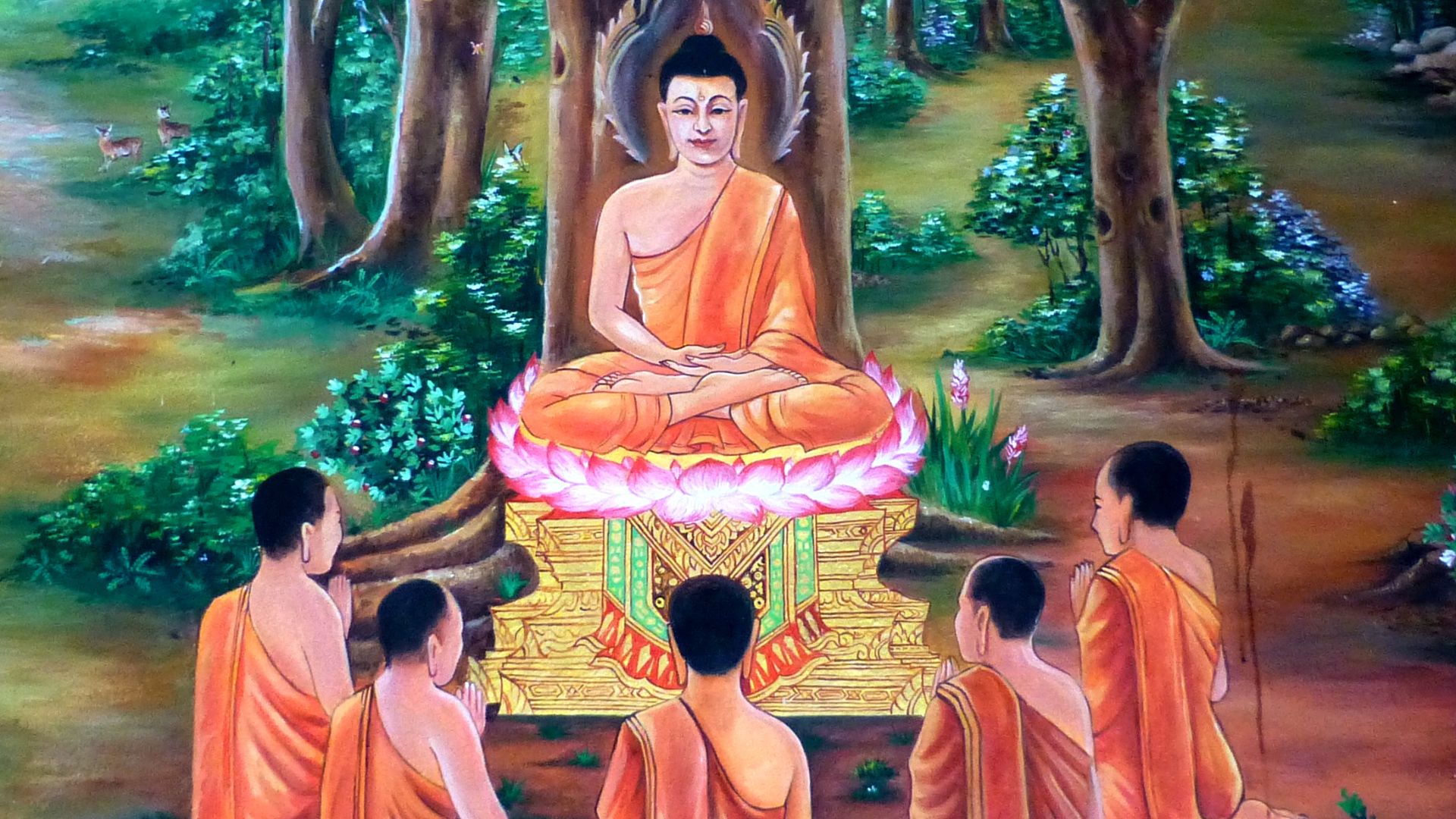 Photo Dharma from Sadao, Thailand, Wikimedia Commons
Why Did Buddhism Decline in India?
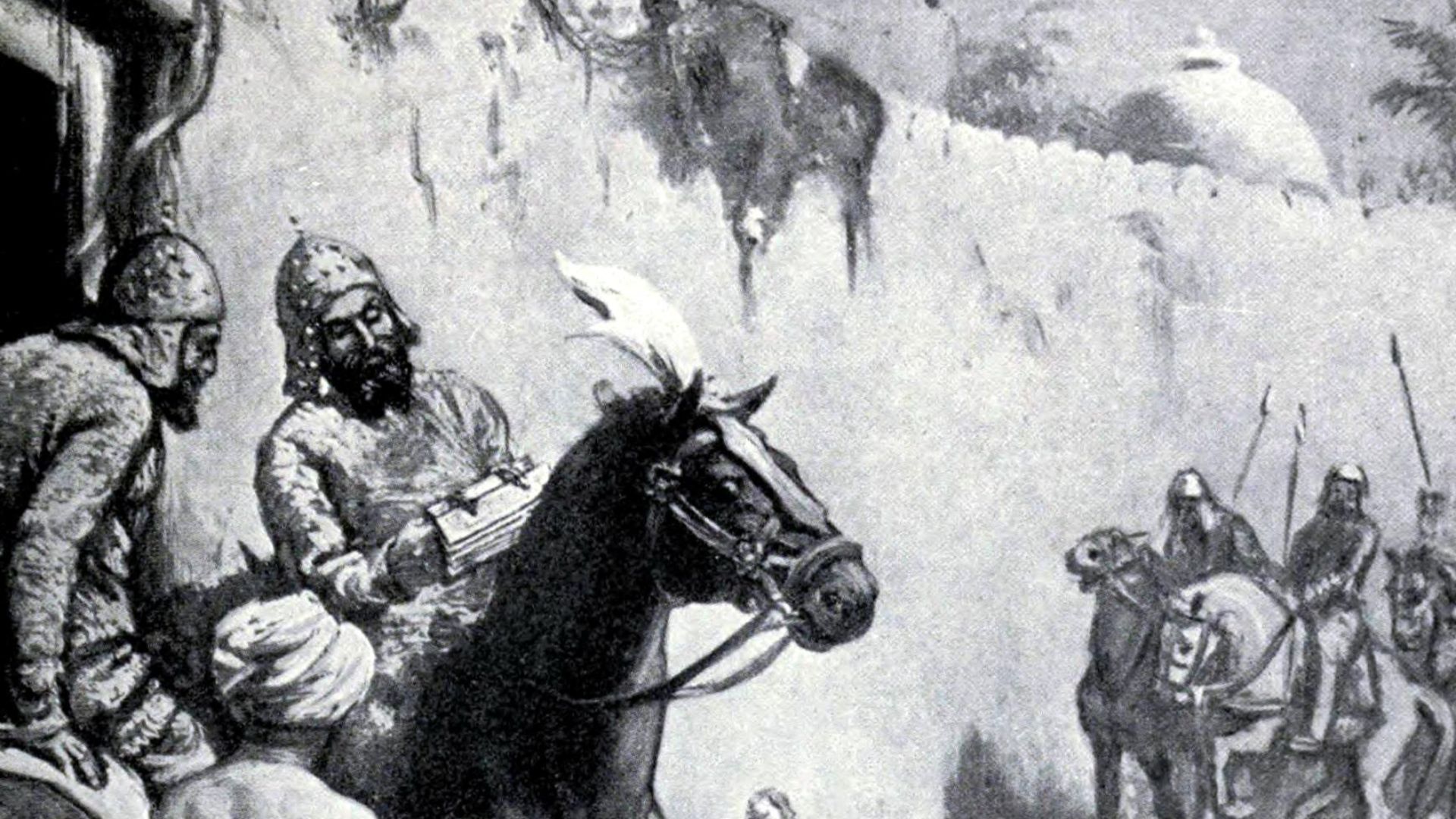
Ideas travel, but they also compete. By the first millennium, Hindu philosophical schools absorbed or debated many Buddhist insights. Royal patronage gradually shifted toward temple-based traditions. In addition, invasions disrupted monastic universities, leaving communities fragmented and resources diminished.
 Margaret Dovaston, Wikimedia Commons
How Did Hinduism Develop Without a Founder?
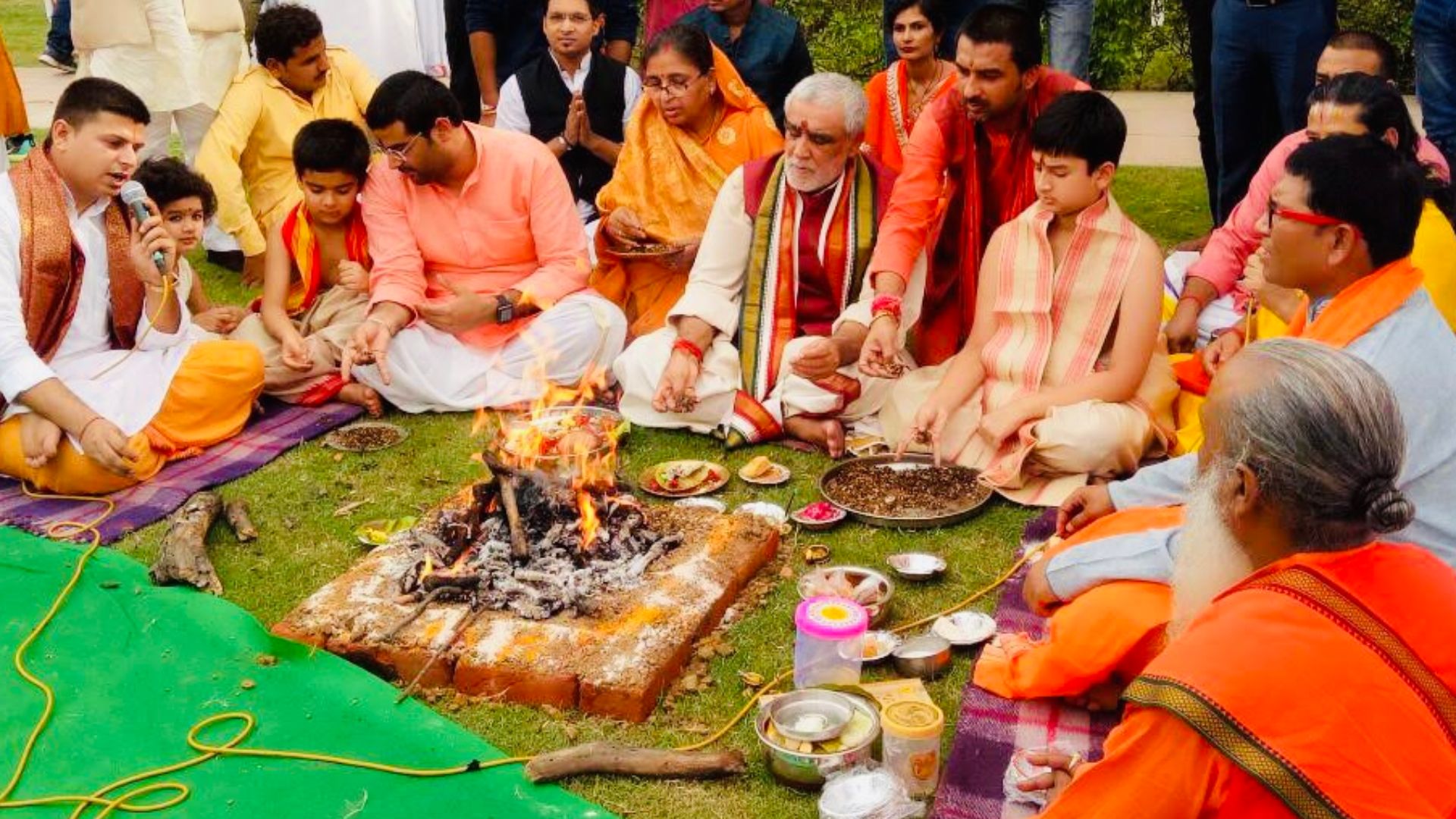
Unlike religions tied to a single prophet, Hindu traditions evolved across centuries. Vedic ritual practices gradually blended with philosophical reflections found in the Upanishads. Later devotional movements reshaped worship again. Continuity rests in shared texts and concepts, even as practices vary widely.
 Atishaychoubey, Wikimedia Commons
What Was the Role of Caste in Religious Practice?
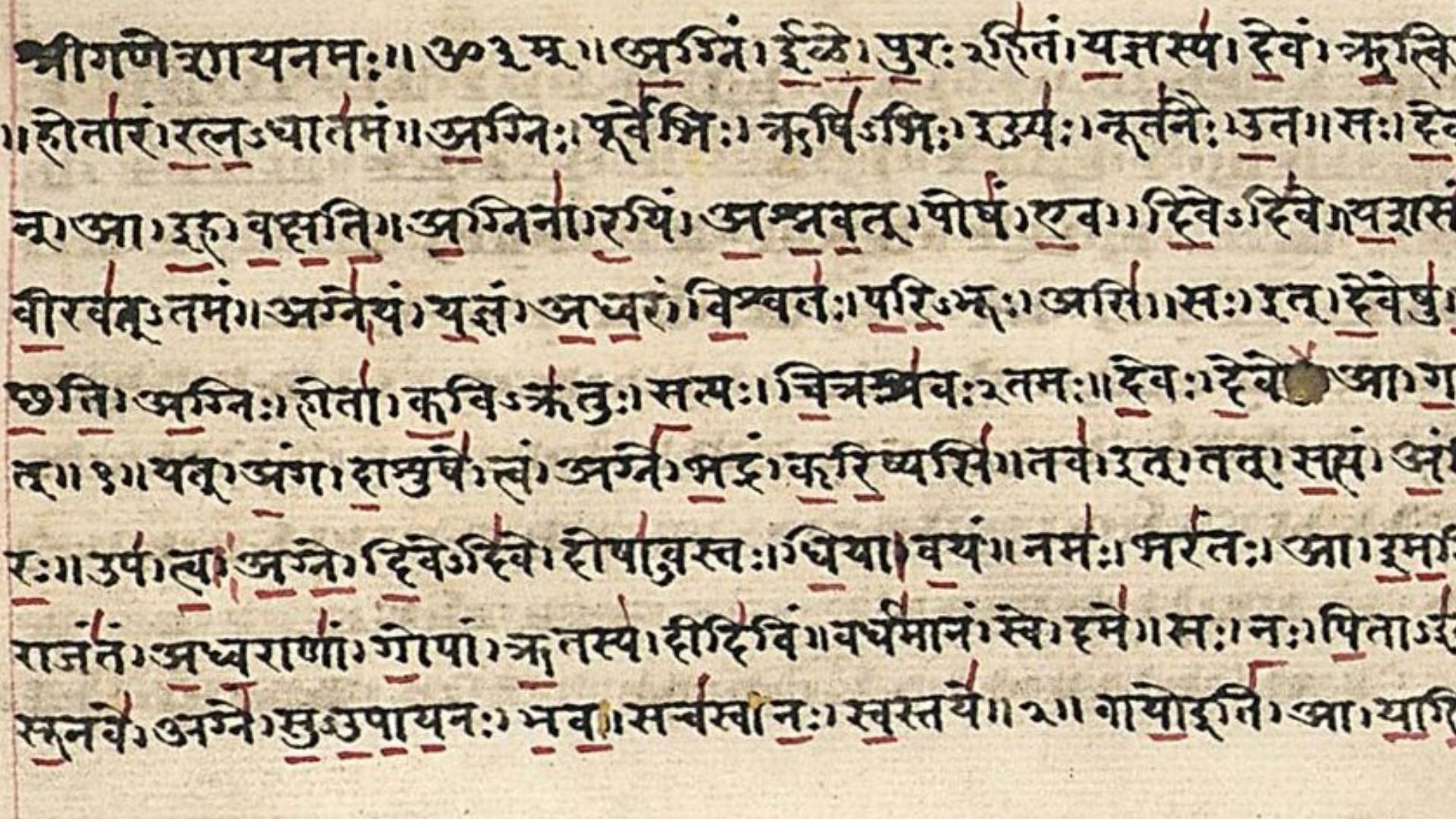
Ancient texts reference reference general social categories later formalized into varna classifications. Over time, occupational groups crystallized into jati communities with localized rules. Religious duties often aligned with status. Reformers in the nineteenth and twentieth centuries challenged hierarchy through reinterpretation and activism.
 Unknown authorUnknown author, Wikimedia Commons
How Did Judaism Survive After the Temple’s Destruction?
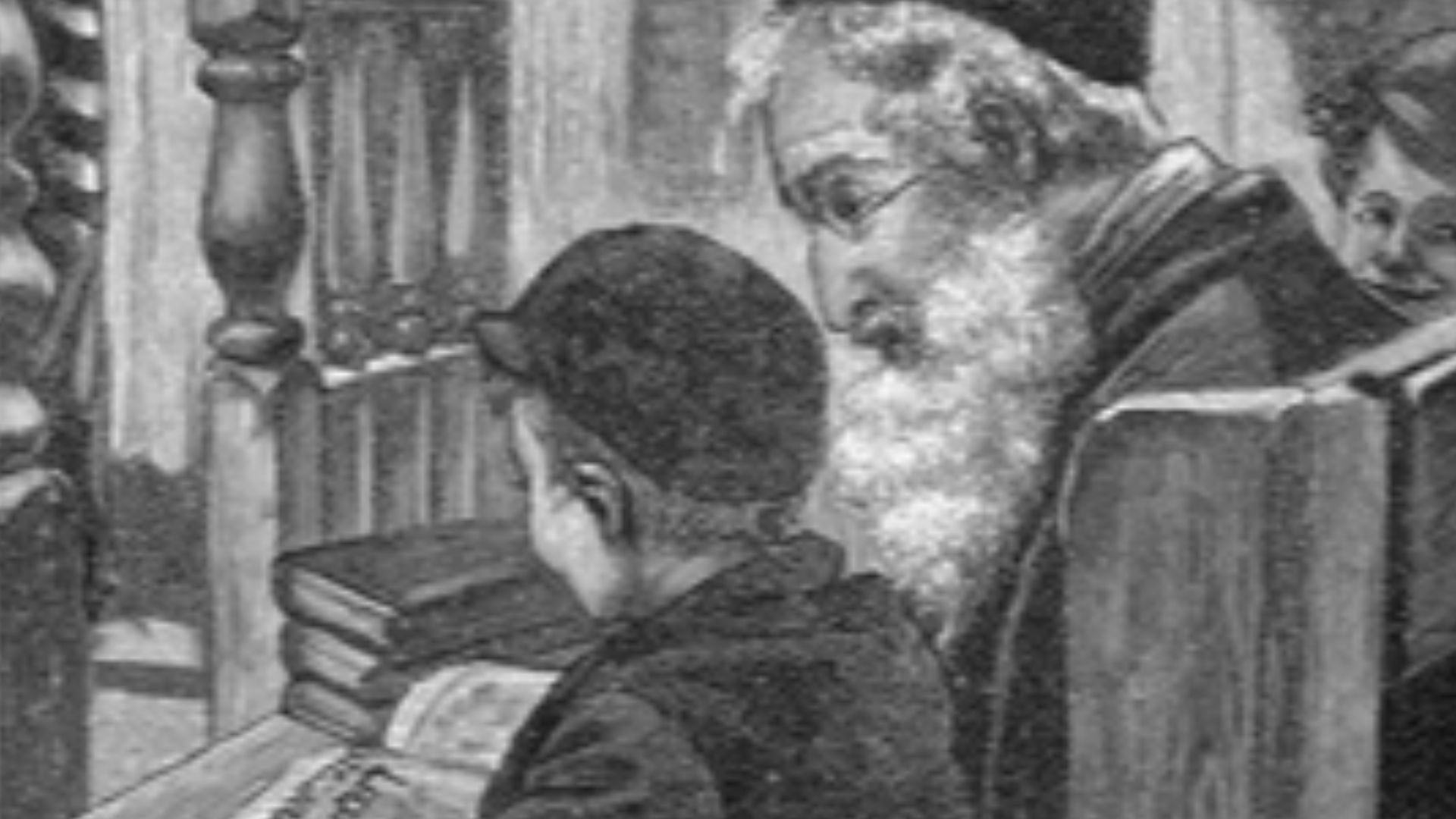
In 70 CE, Roman forces destroyed Jerusalem’s Second Temple. Sacrificial worship suddenly became impossible. Rabbinic leaders responded by centering study, prayer, and communal law. Text replaced altar; synagogue replaced sanctuary. Through adaptation, Jewish identity endured dispersion and centuries of upheaval.
 Ellen Gertrude Cohen, Wikimedia Commons
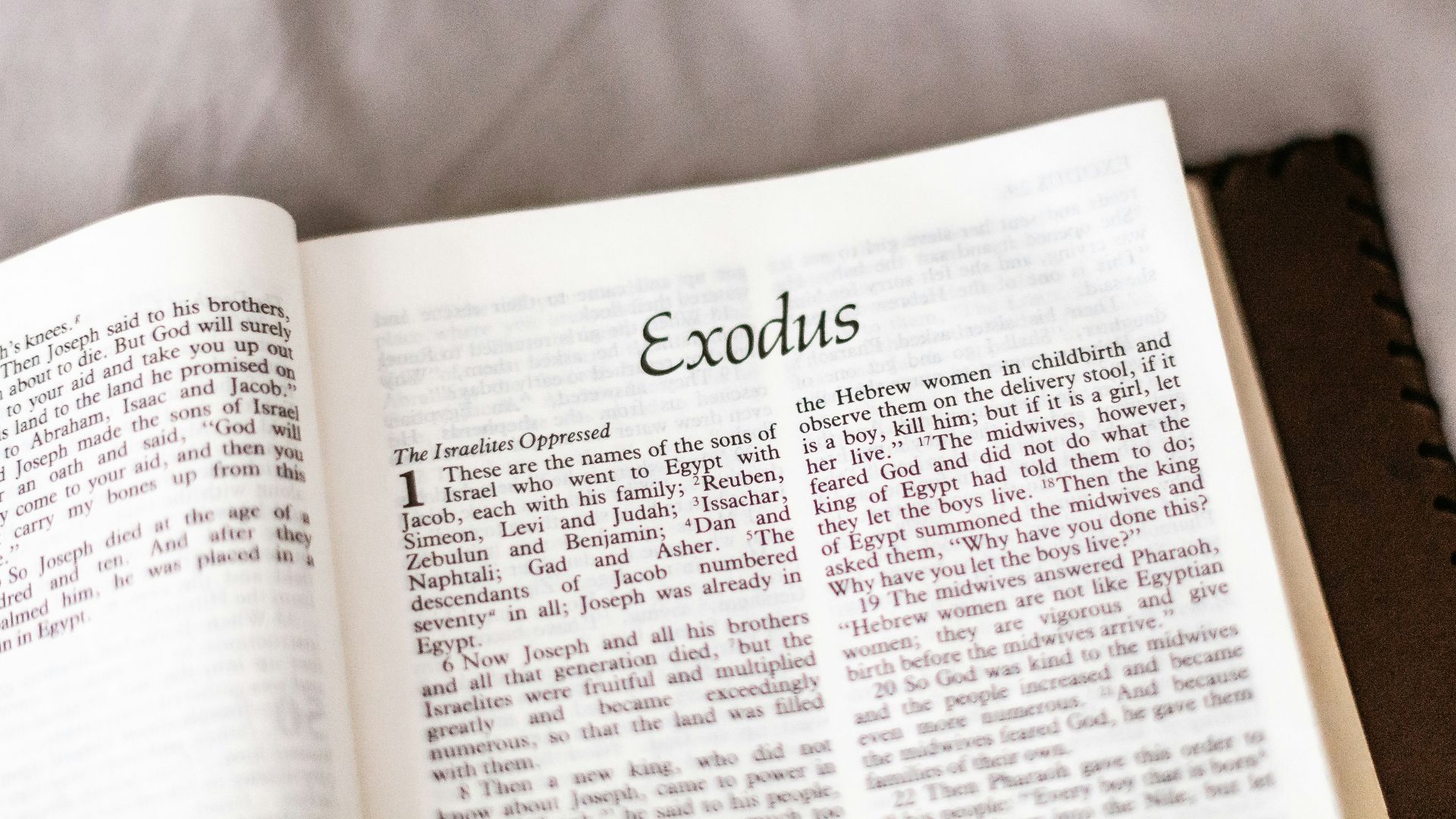
What Is the Historical Evidence for the Exodus?
The biblical narrative describes a mass departure from Egypt. Archaeological surveys, however, reveal limited direct evidence of large-scale migration. Egyptian records remain silent. Scholars, therefore, debate chronology and symbolism, examining settlement patterns in Canaan for indirect clues.
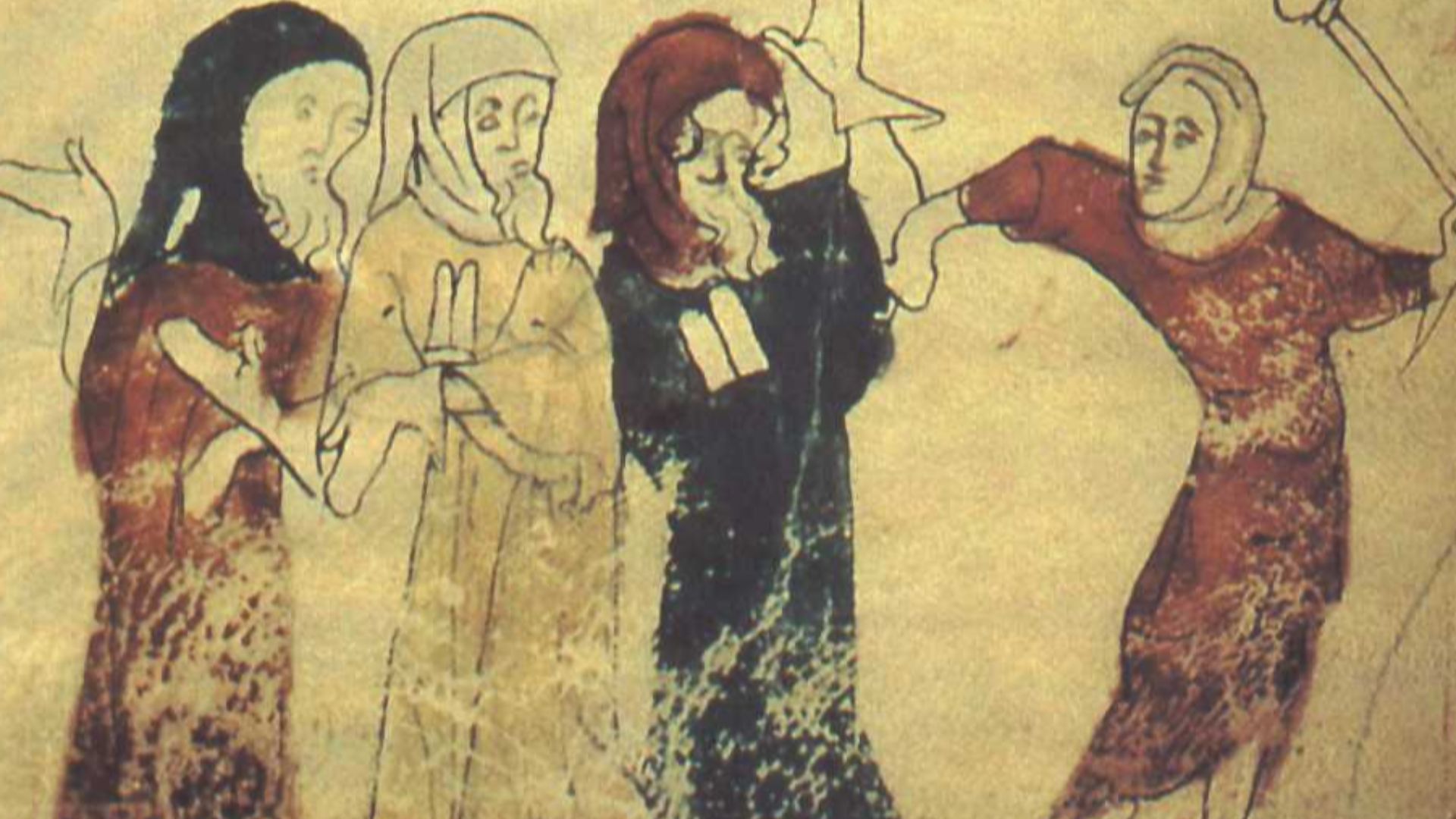
Why Were Jews Expelled From So Many European Kingdoms?
Medieval rulers often borrowed money, a profession common to Jewish diaspora. As anyone borrowing money tends to, when things go wrong, they blamed lenders. Across England, France, and Spain, expulsions followed economic strain and religious hostility. Accusations of ritual crimes inflamed public fear. Confiscated property conveniently enriched the crown, and a minority group like the Jews are always the easiest target.
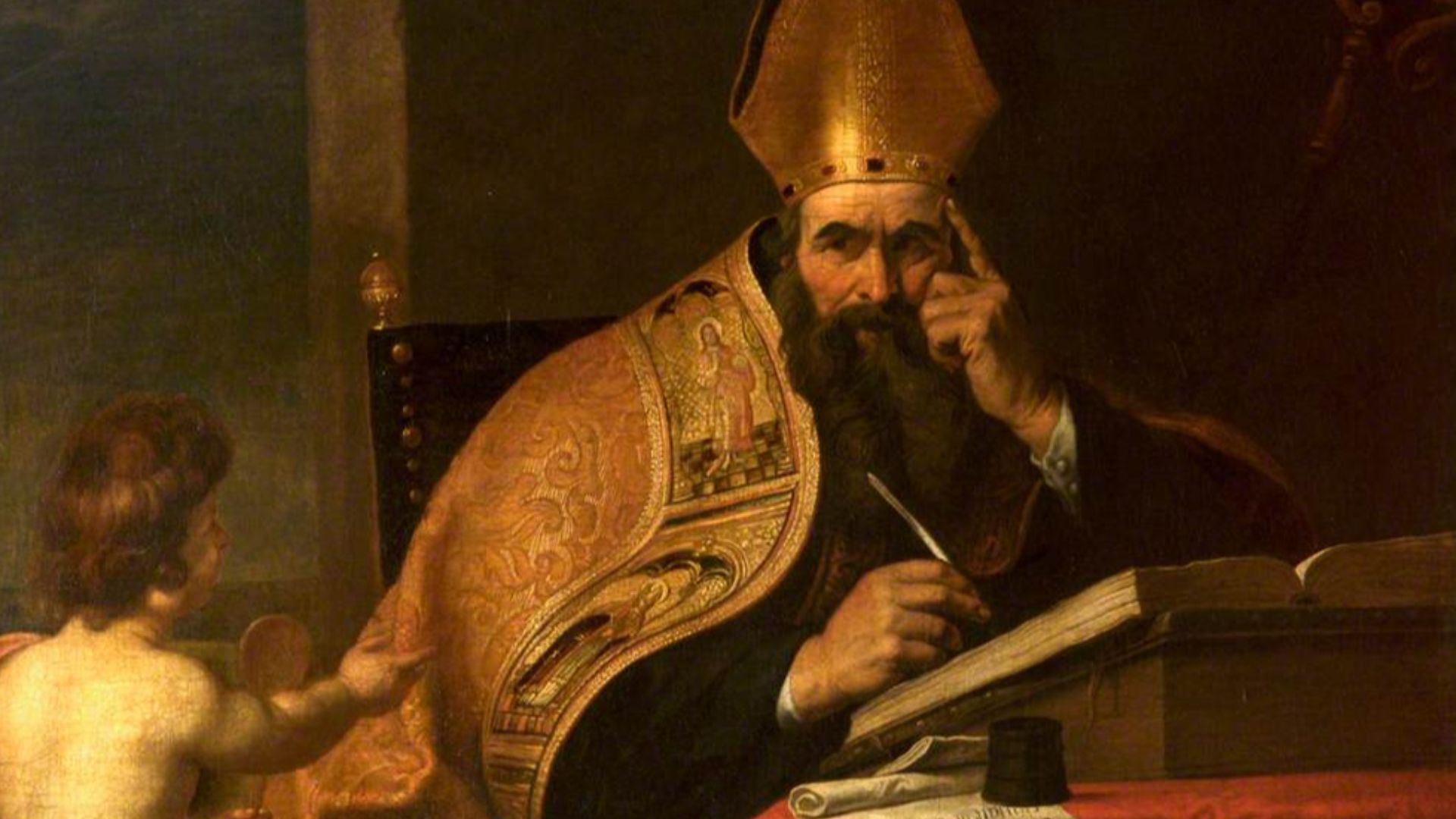
How Did Religious Texts Justify or Challenge War?
Ancient communities rarely separated faith from survival. Hebrew scriptures recount divinely sanctioned battles, while later Christian thinkers developed principles of just war. Islamic jurisprudence articulated conditions for armed struggle. Across centuries, believers wrestled with conscience, attempting to reconcile violence with moral restraint.
 Attributed to Gerard Seghers, Wikimedia Commons
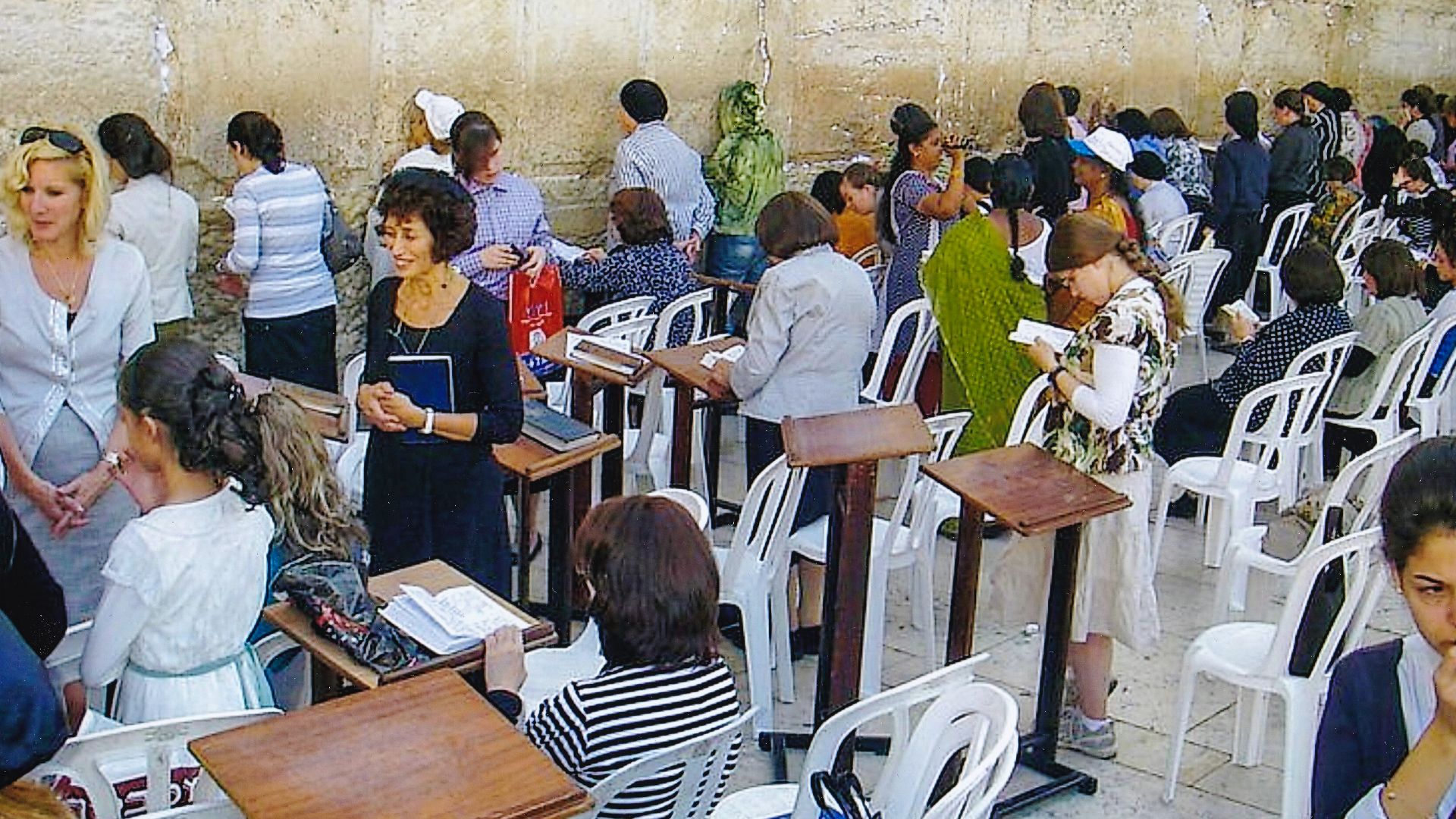
Why Were Women’s Roles Limited in Many Religious Institutions?
Authority often reflects culture more than revelation. Across Christian, Jewish, Islamic, and Hindu communities, leadership roles gradually narrowed around male interpreters of scripture. Interpretive traditions reinforced hierarchy. Yet reform movements repeatedly reopened debate by proving exclusion was historically constructed rather than universally fixed.
 Peter van der Sluijs, Wikimedia Commons
How Did Colonialism Reshape Indigenous Religions?
Colonial expansion rarely moved alone. Missionaries traveled with merchants and military officers across the Americas, Africa, and Asia. Conversion was often aligned with imperial policy. Sacred ceremonies faced bans or forced reinterpretation. Even so, local communities protected ancestral beliefs by weaving them into Christian practice in subtle, resilient ways.
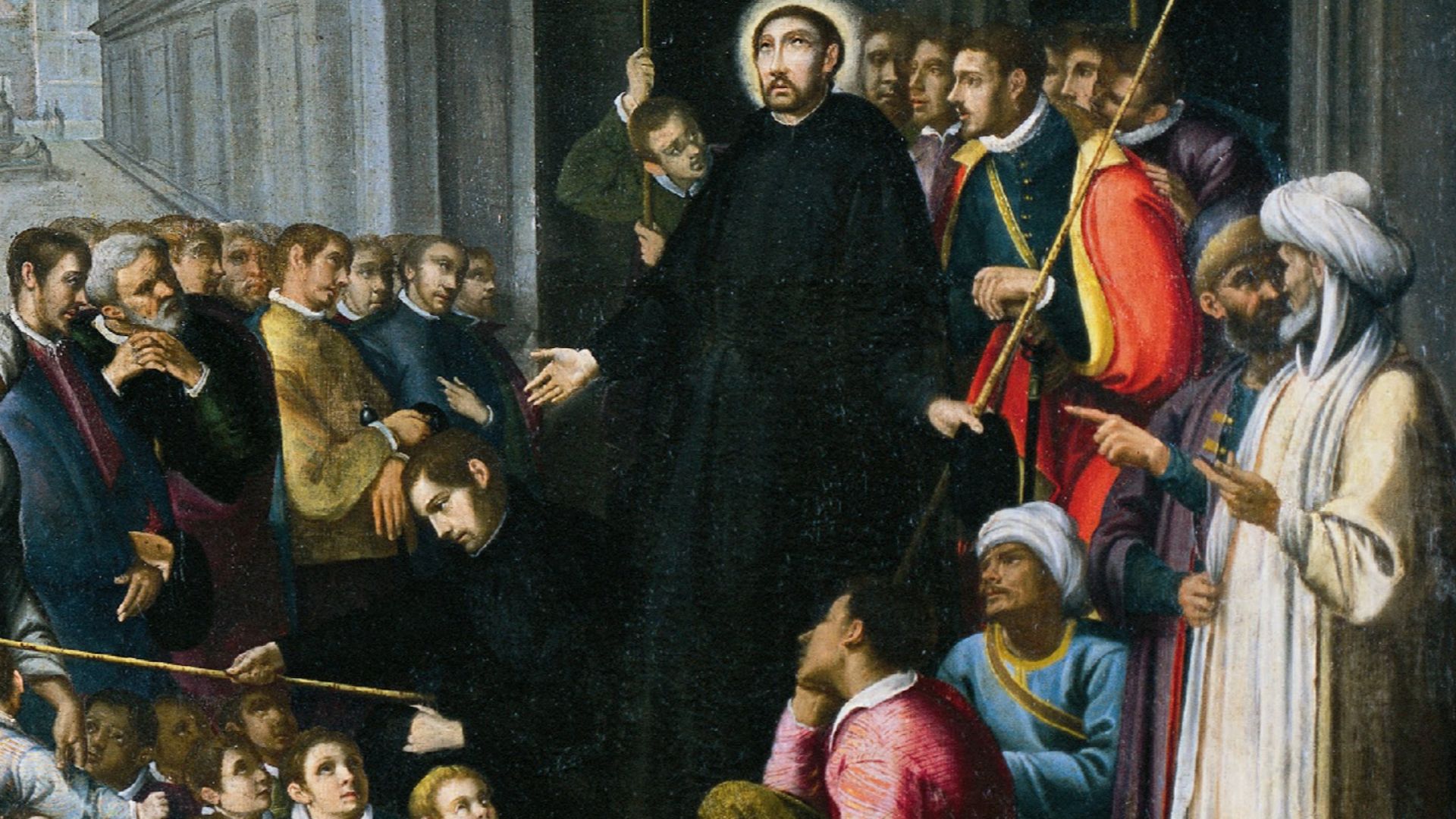 Andre Reinoso, Wikimedia Commons
What Happened to the Knights Templar?
Power invites suspicion. By the early fourteenth century, the Templars controlled vast financial networks across Europe. King Philip IV of France, heavily indebted, accused them of heresy. Arrests followed in 1307, and papal dissolution soon sealed their fate amid political maneuvering.
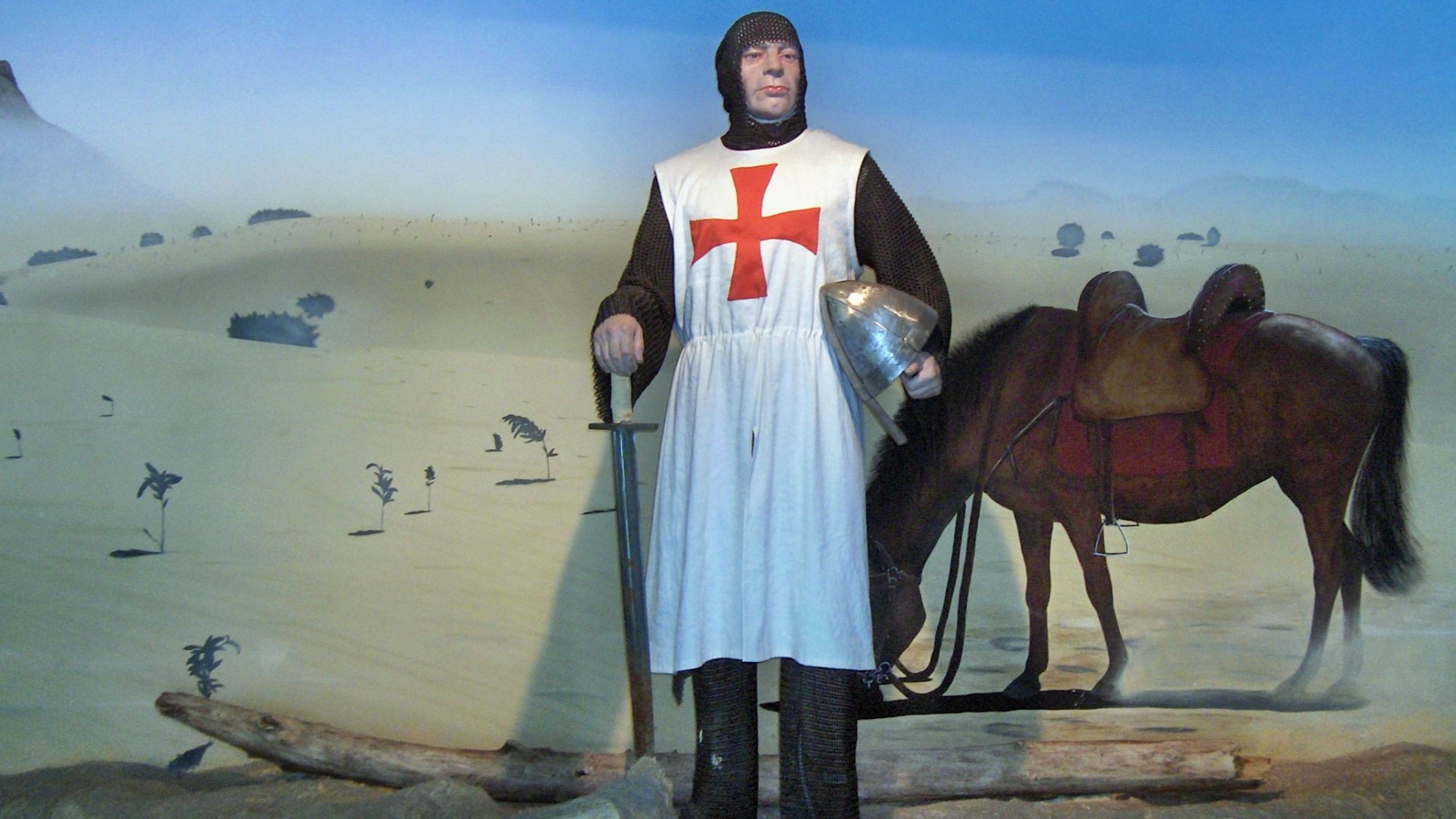
How Did Religious Reform Movements Challenge Authority?
New movements rarely begin quietly. In the nineteenth century, figures such as Bahá’u’lláh of Iran, founder of the Baháʼí Faith, proposed fresh interpretations that unsettled established clergy. Sikh Gurus earlier redefined community and discipline within a turbulent Mughal context. Reformers questioned inherited authority, inviting both devotion and resistance.
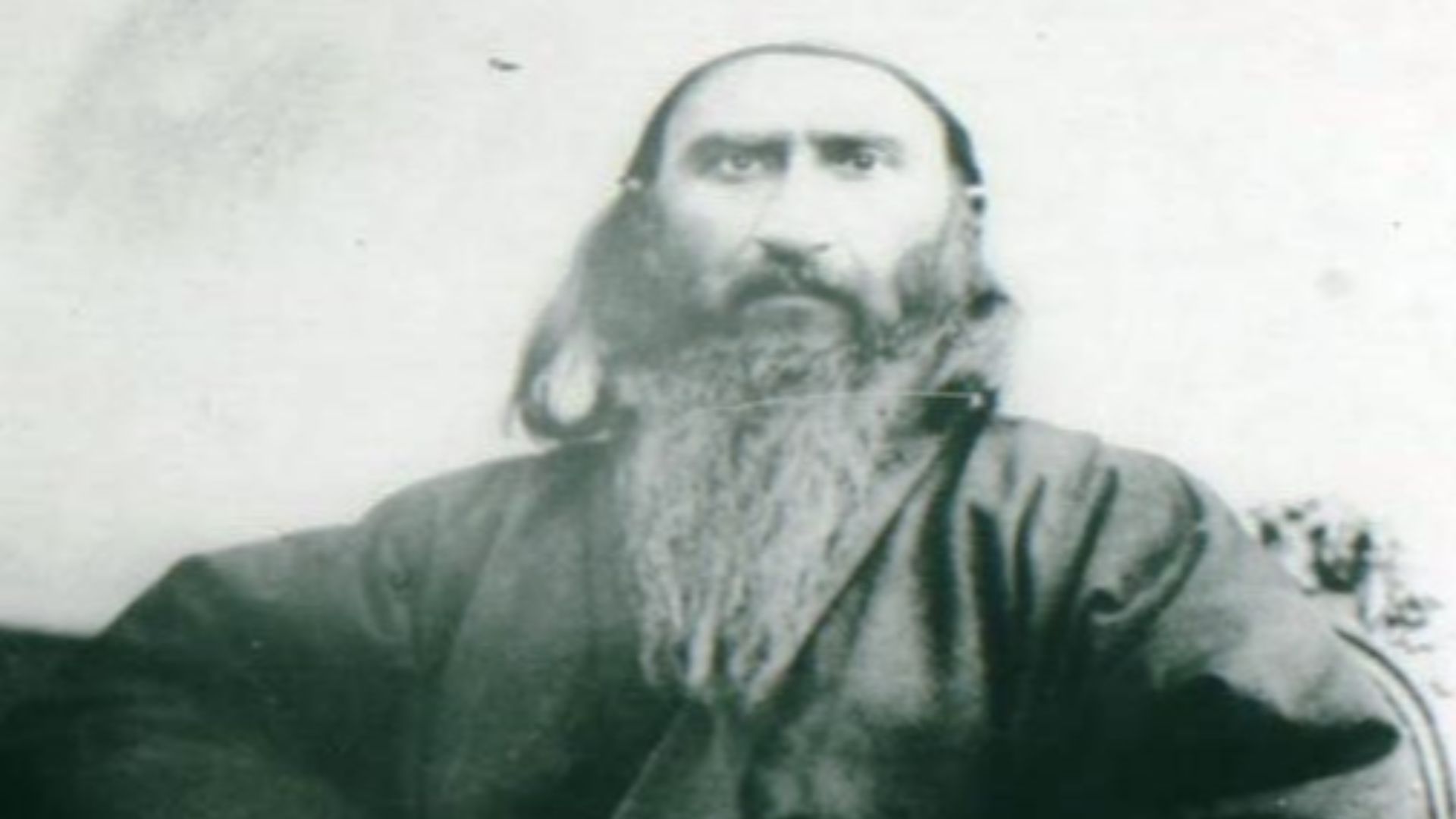 Unknown authorUnknown author, Wikimedia Commons
How Has Science Repeatedly Clashed With Religious Authority?
Discovery can feel destabilizing. Darwin’s theory of evolution unsettled literal readings of Genesis, while modern genetics and reproductive technologies continue to raise ethical debate. Institutions respond cautiously because beliefs anchor identity. Tension persists whenever empirical claims appear to threaten sacred narratives.
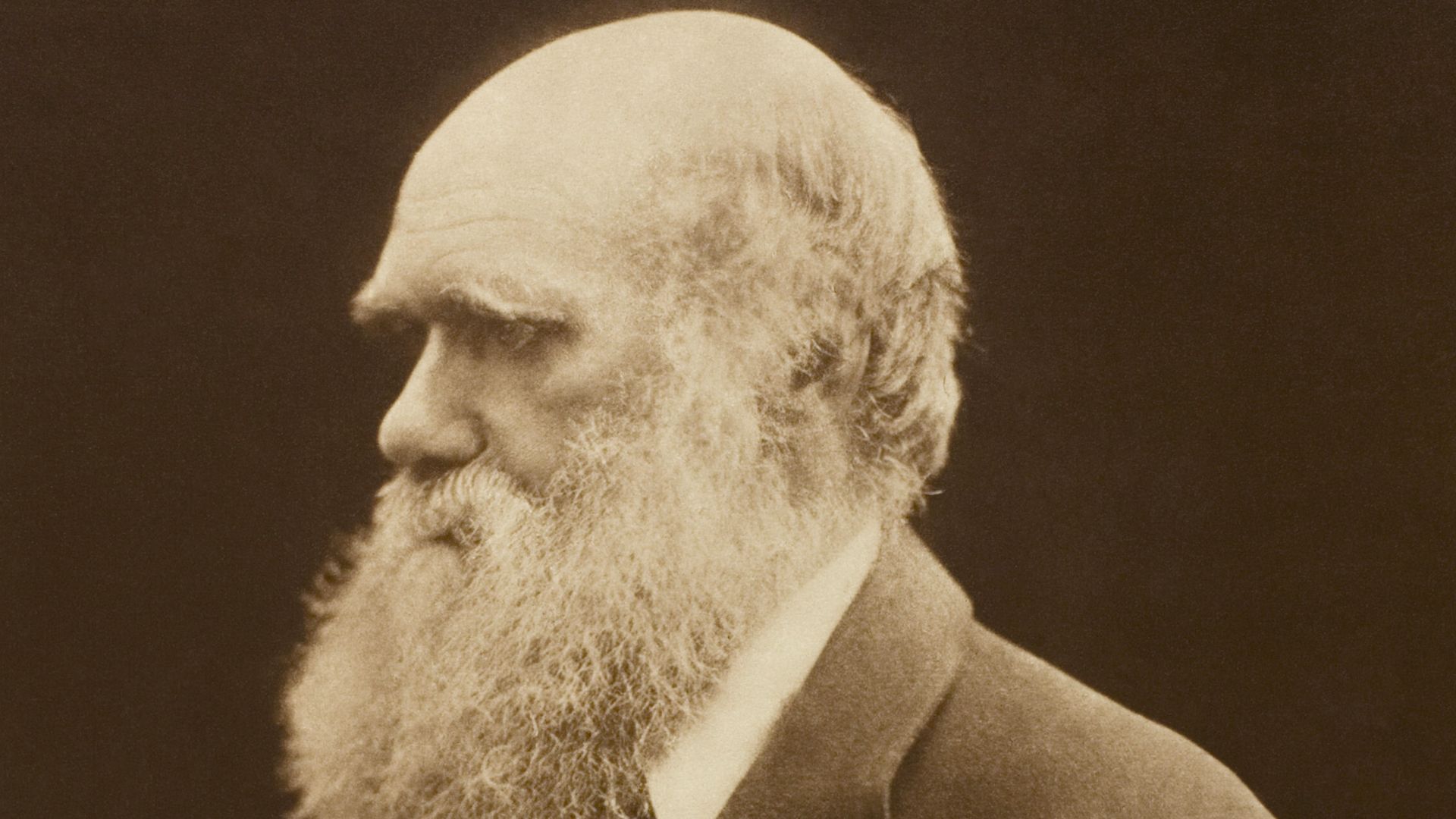 Julia Margaret Cameron / Adam Cuerden, Wikimedia Commons