

Low-Glycemic Loaves That Actually Exist
Eating bread, the most delicious of foods, can quickly send glucose skyrocketing if you aren't careful. But luckily, certain loaves feature ingredients that slow digestion remarkably well. Fiber, fermentation, alternative flours—these elements transform simple carbs into steadier fuel for your body that won't spike your blood sugar.
 8pCarlos Morocho, Pexels, Modified
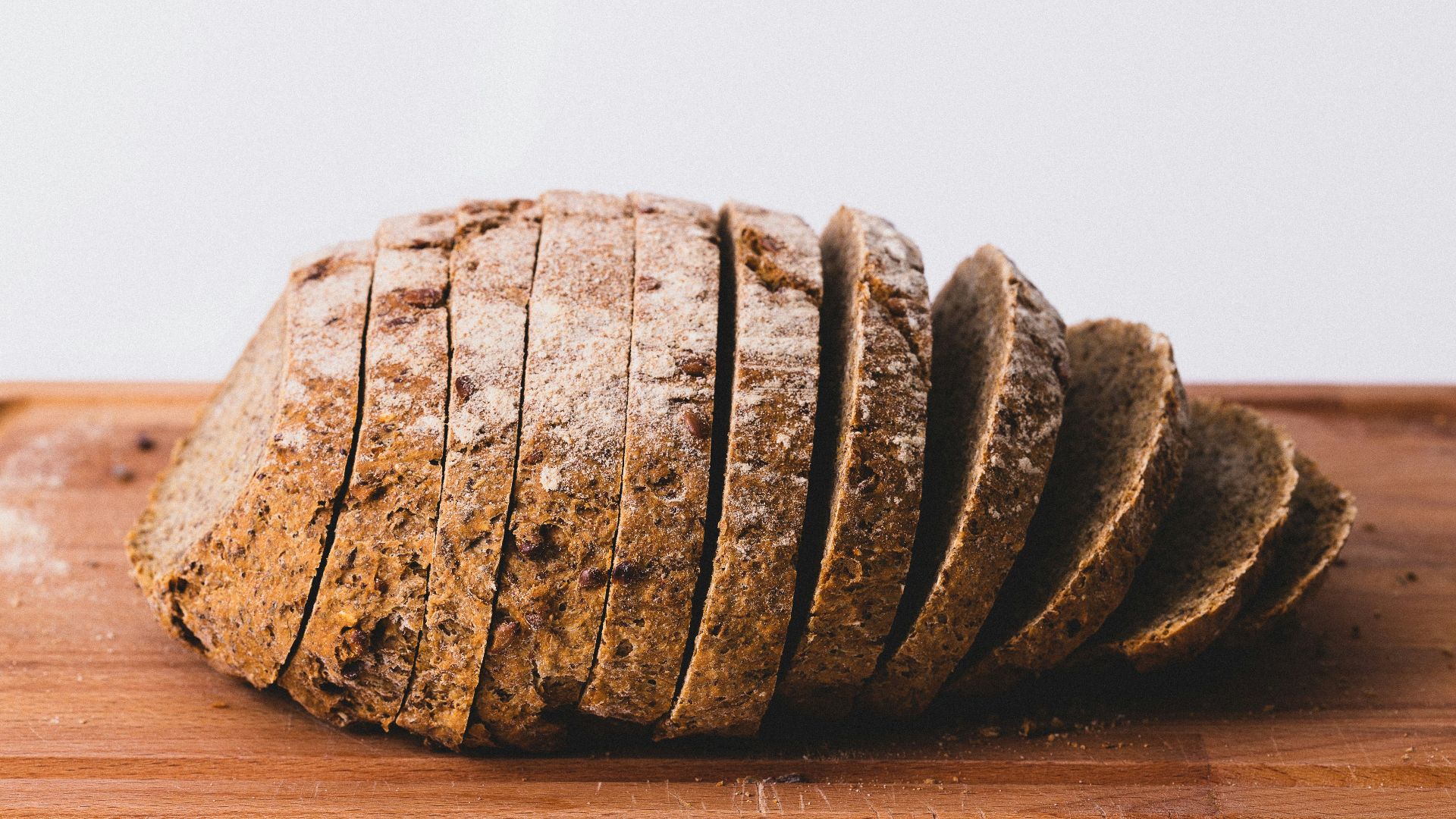
100% Whole Wheat Bread
True whole wheat includes bran, germ, and endosperm intact. That complete grain structure slows glucose absorption significantly compared to refined white flour. Authentic versions provide over three grams of fiber per slice, which improves insulin sensitivity. Glycemic index ratings typically fall between 51 and 71—substantially lower than white bread's rapid spike.
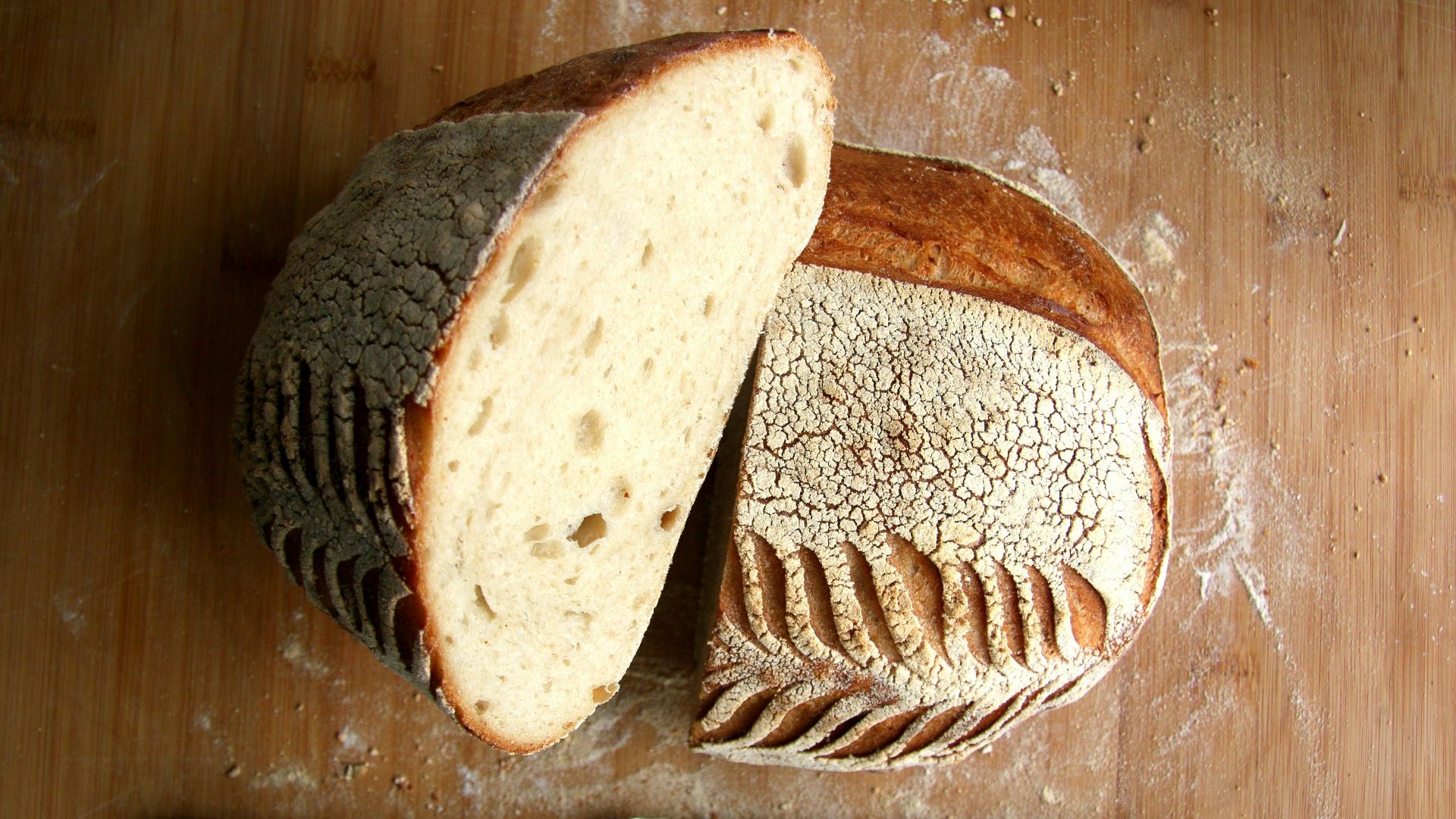
Sourdough Bread
Lactic acid bacteria work magic during sourdough's natural fermentation. These microorganisms break down starches before you even take a bite. The resulting acids lower the glycemic index to around 48-54 in authentic versions. Your body digests these fermented carbohydrates more slowly.
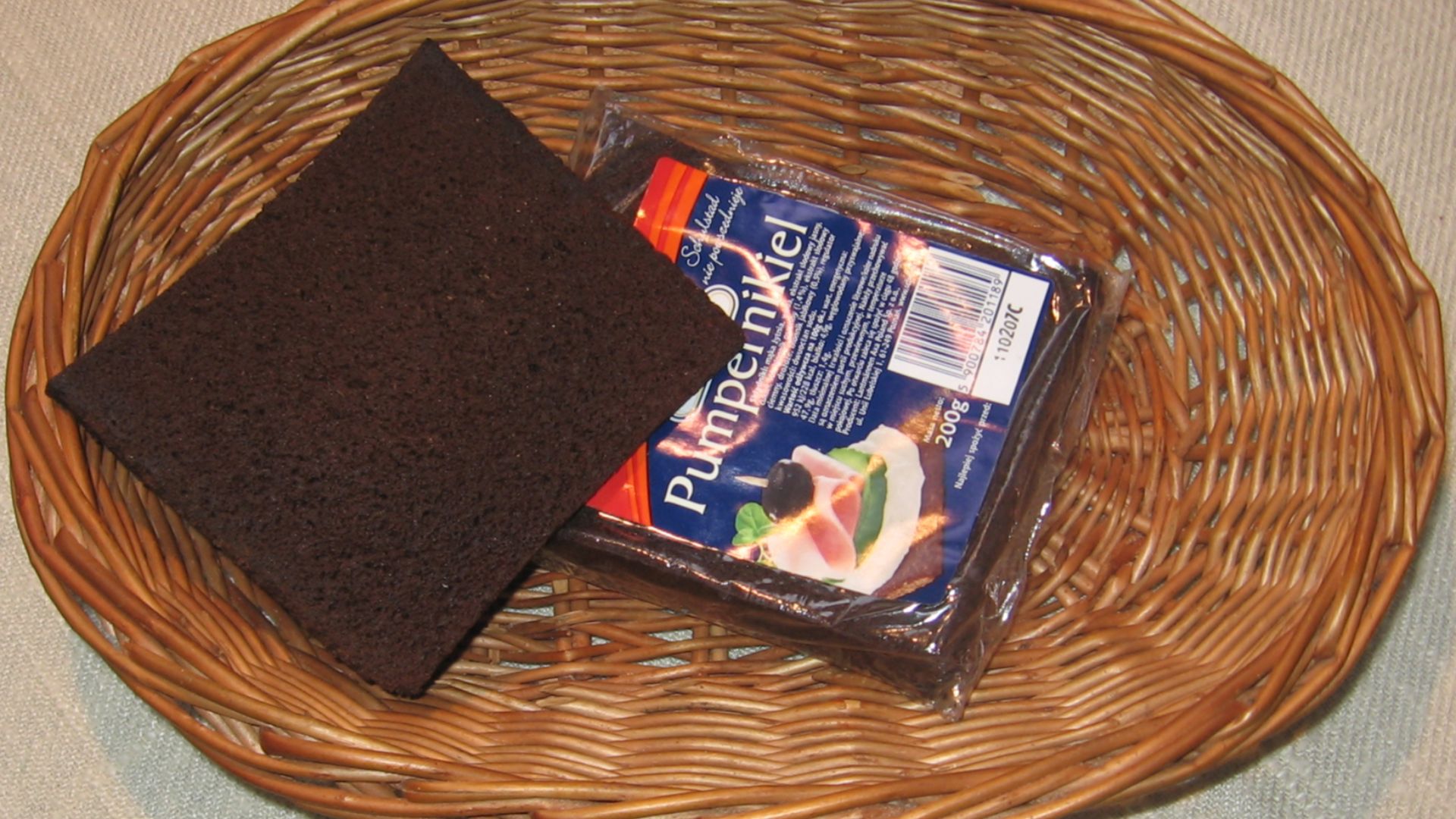
Pumpernickel Bread
Authentic pumpernickel requires patience—up to 24 hours of slow baking. Coarse rye kernels and a dense structure deliver glycemic index ratings of 41-56. That exceptionally low range comes from the high fiber content, which slows digestion considerably. Dark color develops naturally during extended baking rather than from added dyes.
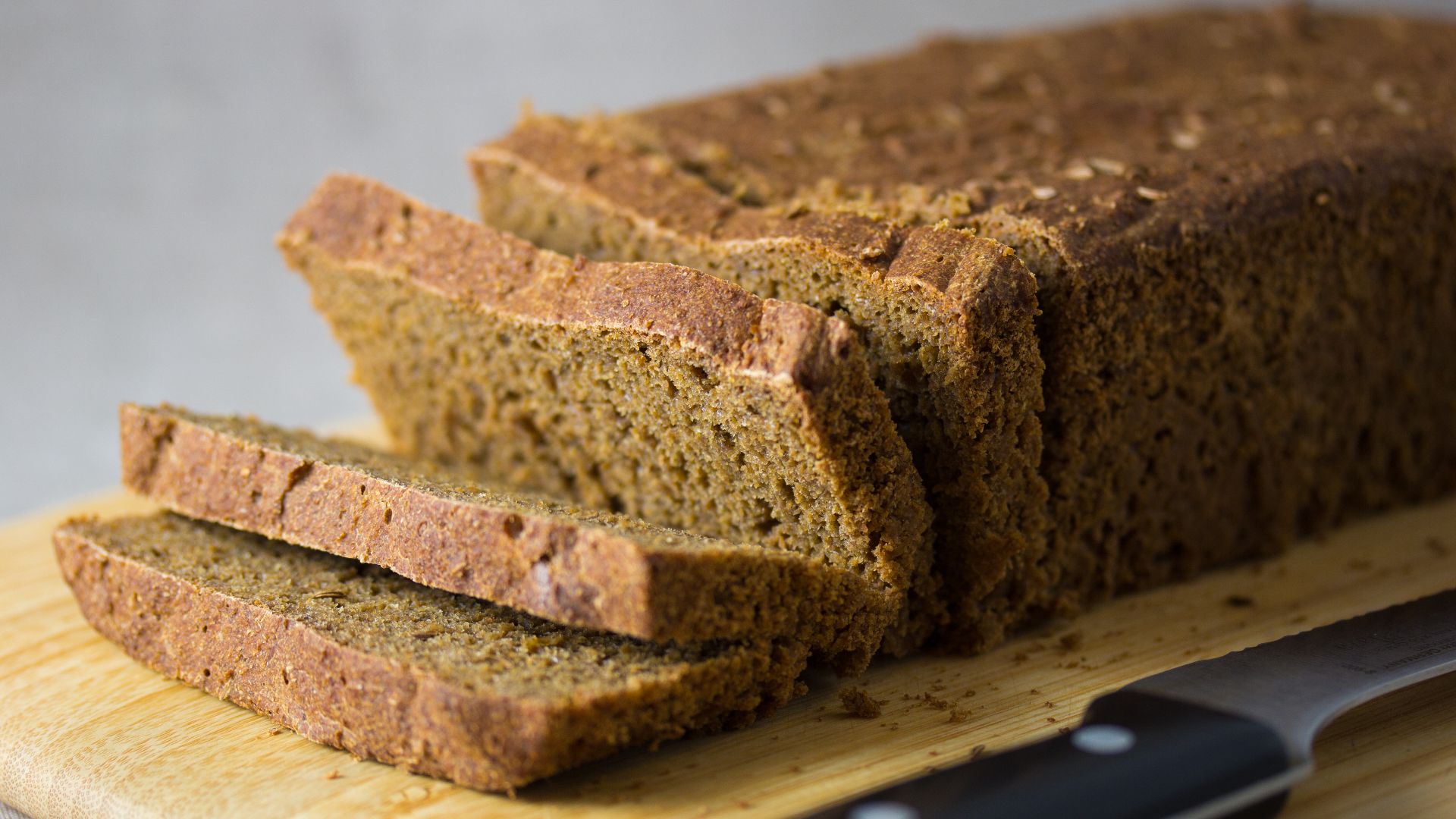
Rye Bread
Rye contains pentosans, soluble fibers that form gels in your digestive tract. These gels trap carbohydrates, slowing their absorption substantially. Whole-grain rye versions score between 48 and 68 on glycemic index scales, with sourdough rye achieving even lower ratings. Northern Europeans have relied on rye's hearty nutrition for centuries.
 Veganbaking.net from USA, Wikimedia Commons
Ezekiel Bread (Sprouted Grain)
Sprouting transforms grains before milling. This ancient technique reduces starch content while dramatically increasing nutrient bioavailability. Ezekiel bread contains no flour whatsoever, just sprouted whole grains plus legumes. Glycemic index drops to an impressive 35-36, among the lowest ratings for any bread.
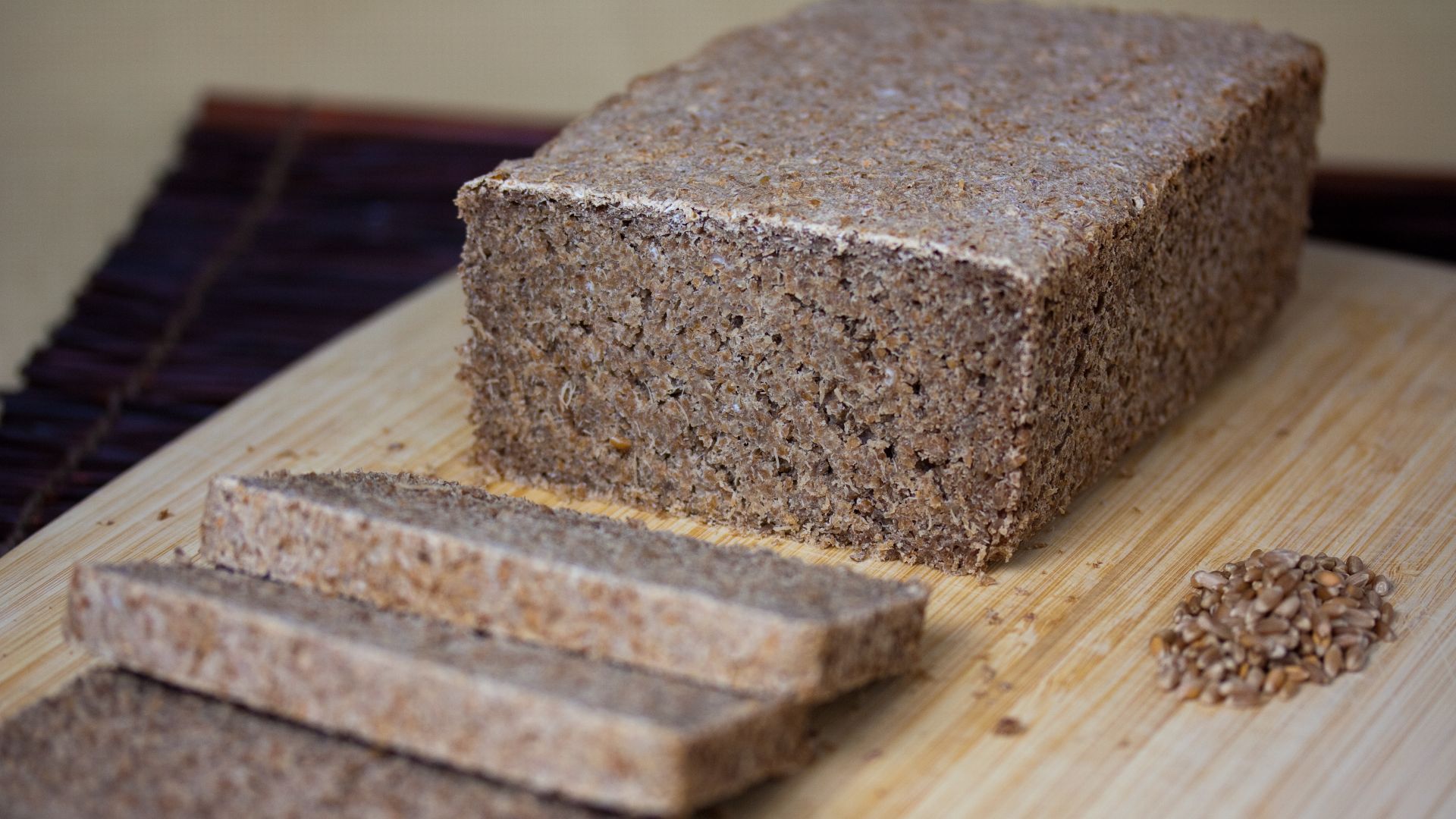 Veganbaking.net from USA, Wikimedia Commons
Flaxseed Bread
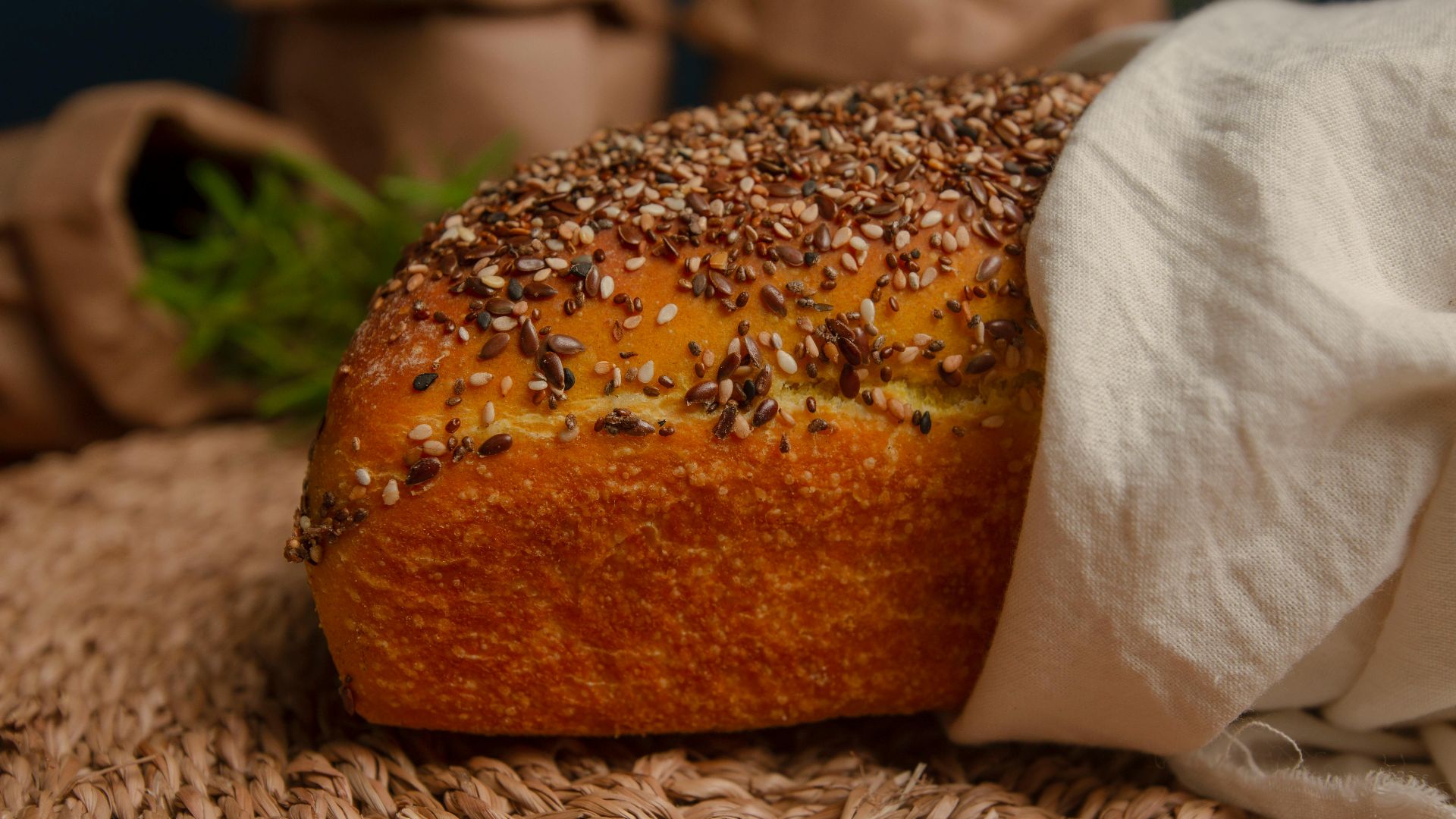
The ground flaxseed brings omega-3 fatty acids and soluble fiber to bread formulations. Glycemic index often falls between 30 and 50 in flax-heavy recipes. Those healthy fats, along with increased protein content, blunt any remaining carbohydrate effects significantly. Single slices can pack more ALA omega-3s than many fish servings.
Almond Flour Bread
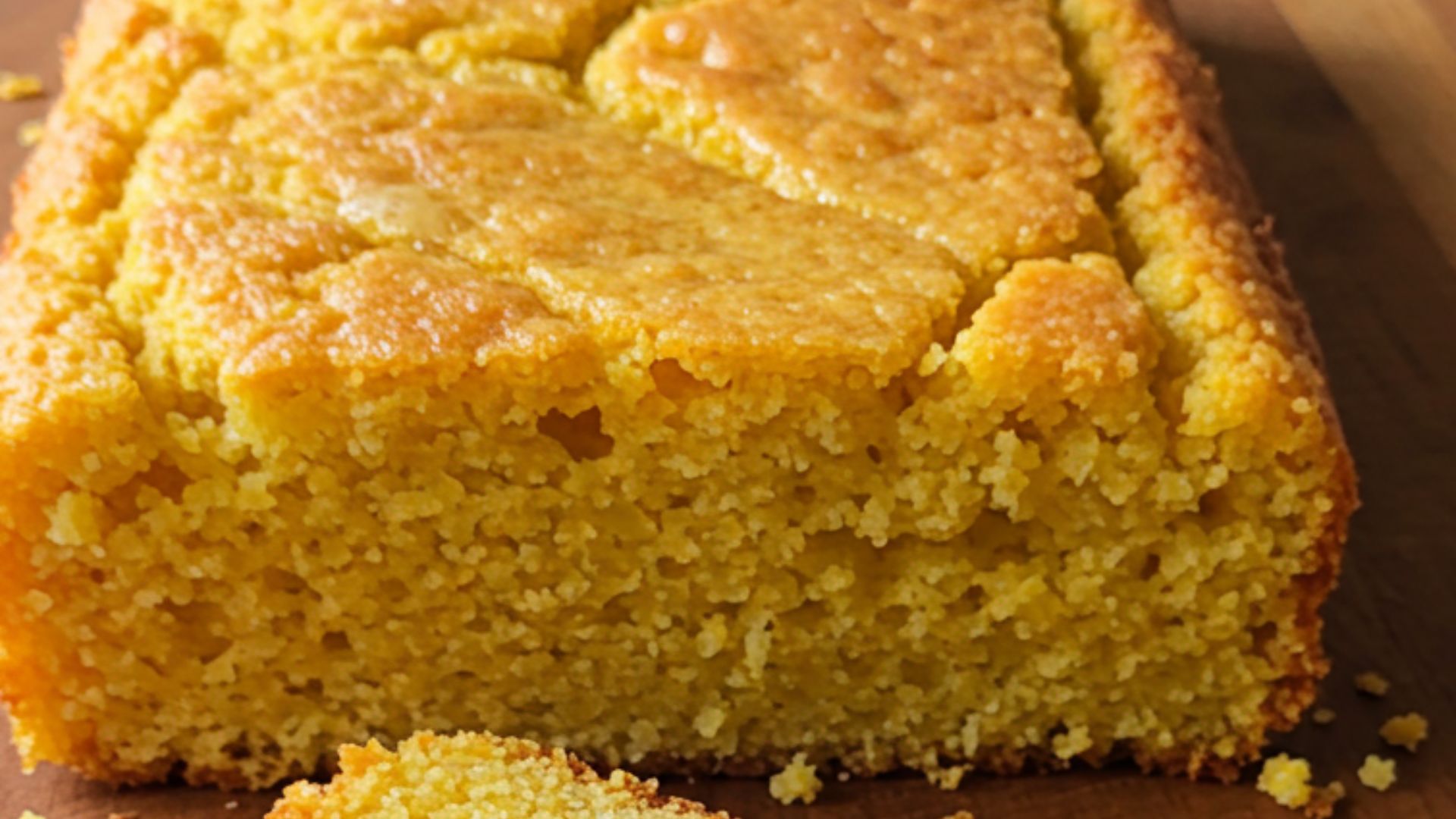
Almonds replace grain entirely in these formulations. Net carbohydrates drop to 2-5 grams per slice; negligible impact on blood glucose. High protein, healthy fats, and fiber from ground almonds prevent rapid sugar rises completely. Keto dieters favor almond flour bread for tasting indulgent while maintaining nutritional ketosis.
Oat Bread
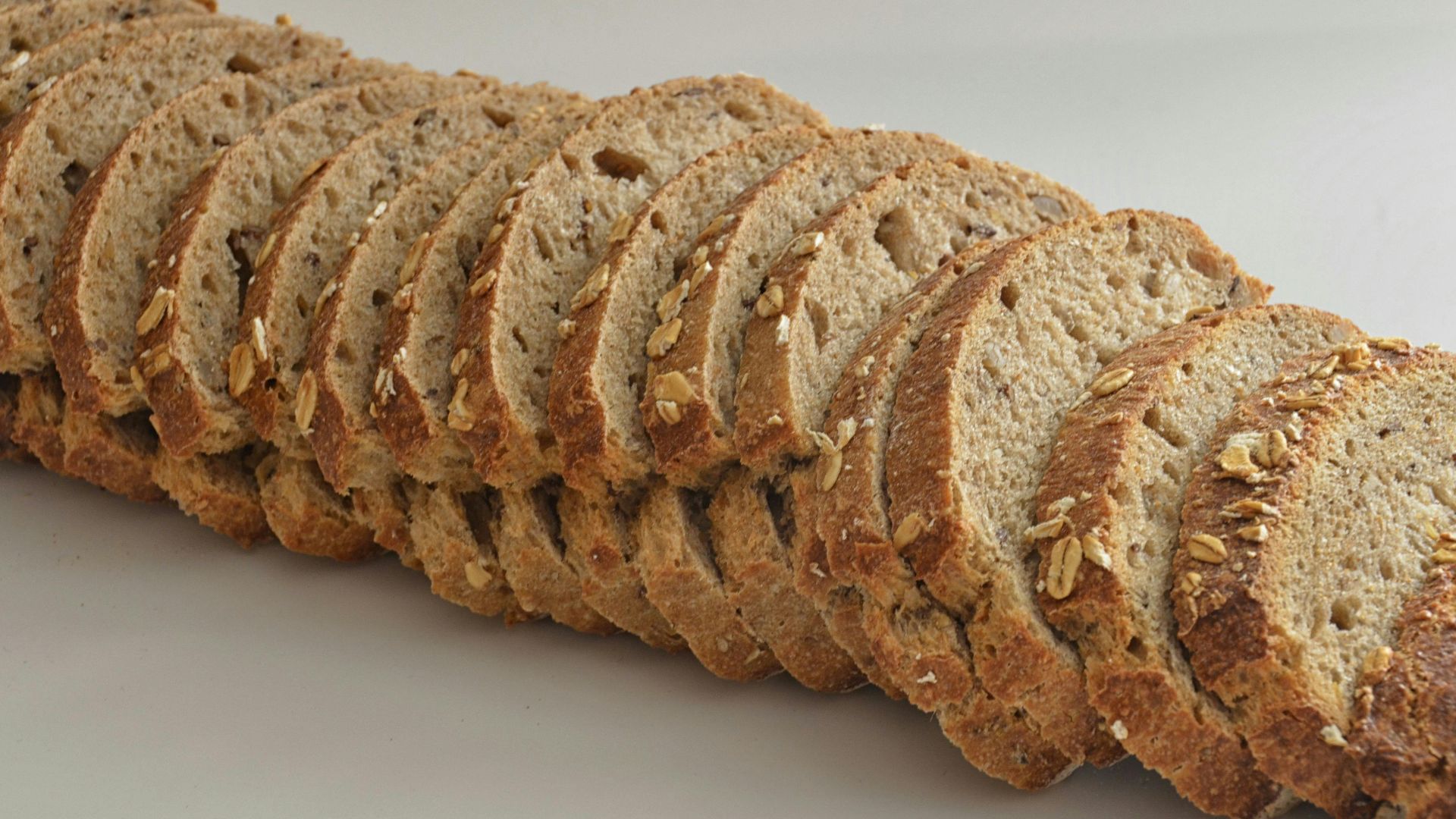
Beta-glucan, a soluble fiber, distinguishes oats from other grains. This specific fiber forms thick gels during digestion, trapping carbohydrates for gradual release. Oat-heavy versions achieve low-to-moderate glycemic index ratings. Beta-glucans improve insulin response while stabilizing glucose levels more effectively than insoluble wheat fiber.

History's most fascinating stories and darkest secrets, delivered to your inbox daily.
Barley Bread
Whole barley delivers one of the lowest glycemic index values among grains. Coarse barley bread can score as low as 34—exceptional for any grain-based product. Beta-glucan content matches oats, while kernel structure slows digestion dramatically. Ancient Egyptians and Romans prized barley as a dietary staple.
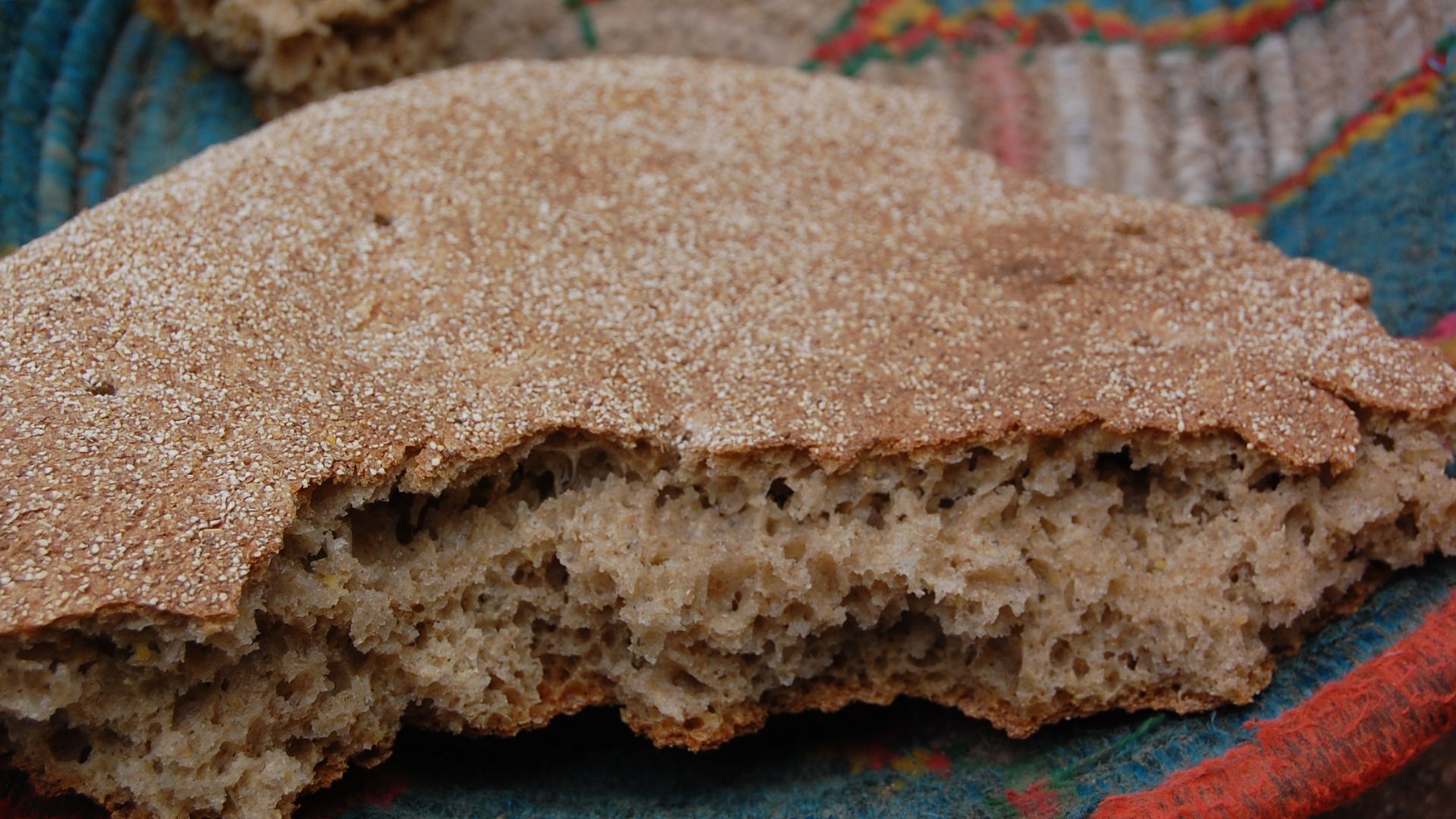
Chickpea Flour Bread
Chickpeas bring legume power to bread-making. Protein and resistant starch "encapsulate" starches, limiting rapid digestion considerably. Glycemic index ranges from 55 to 67 in blends, dropping lower with higher chickpea proportions. Indian cuisine has used besan (chickpea flour) for flatbreads like socca for centuries.
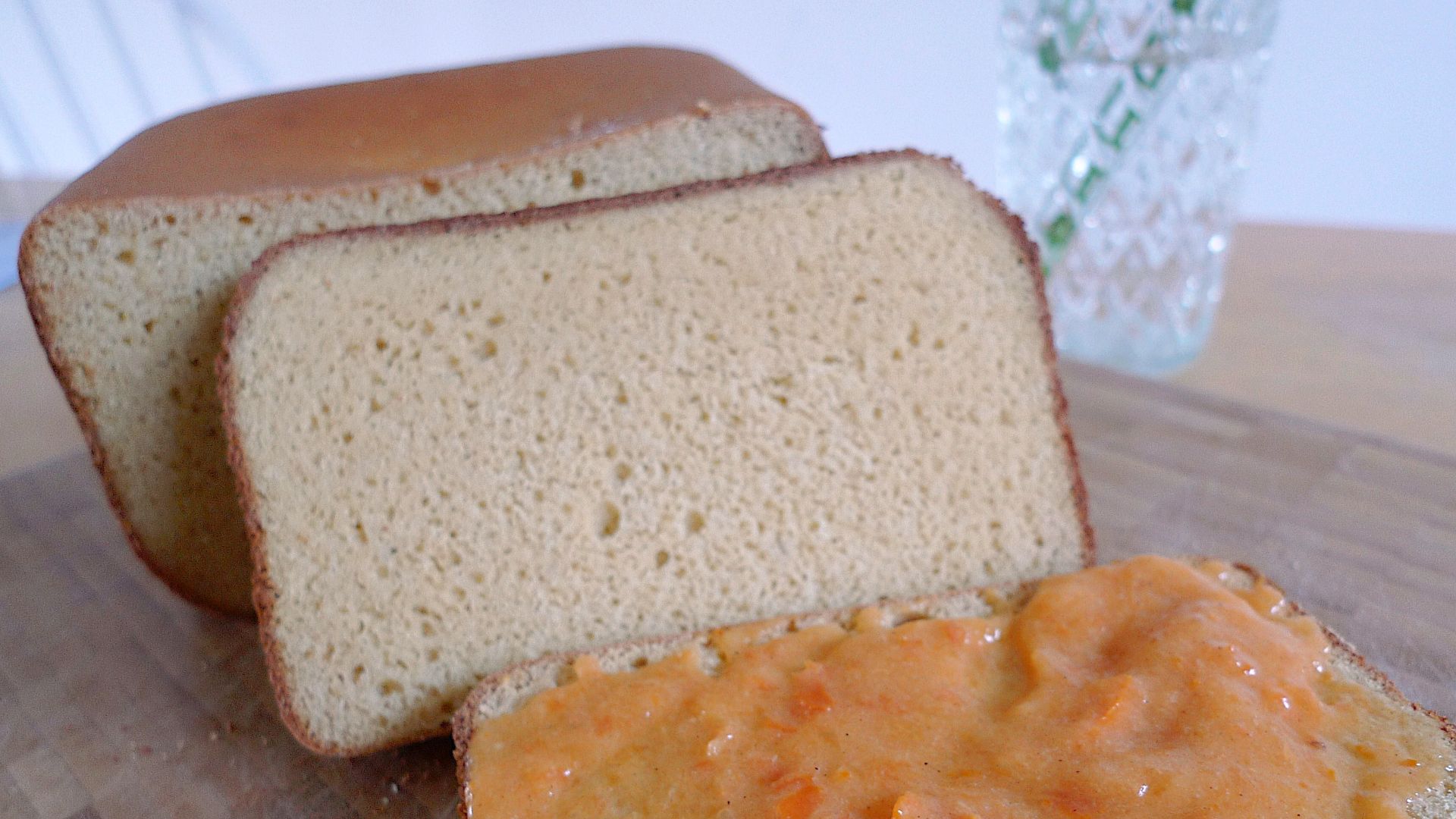
Coconut Flour Bread
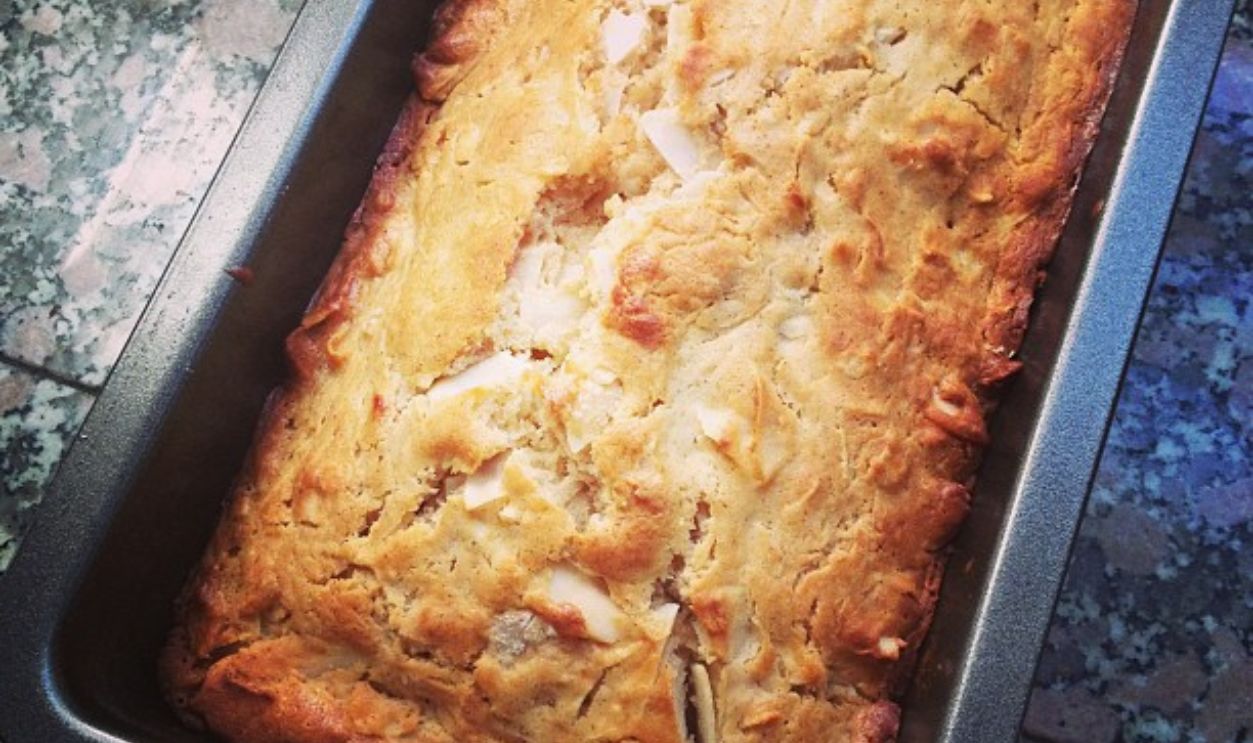
Coconut flour comes from dried coconut meat after oil extraction. Exceptionally high in dietary fiber—up to 45 grams per 100 grams in pure form. This fiber slows carbohydrate absorption dramatically, and it results in a glycemic index of around 45-51. Science confirm increasing coconut flour in baked goods correlates with lower glycemic response.
 Neil Conway, Wikimedia Commons
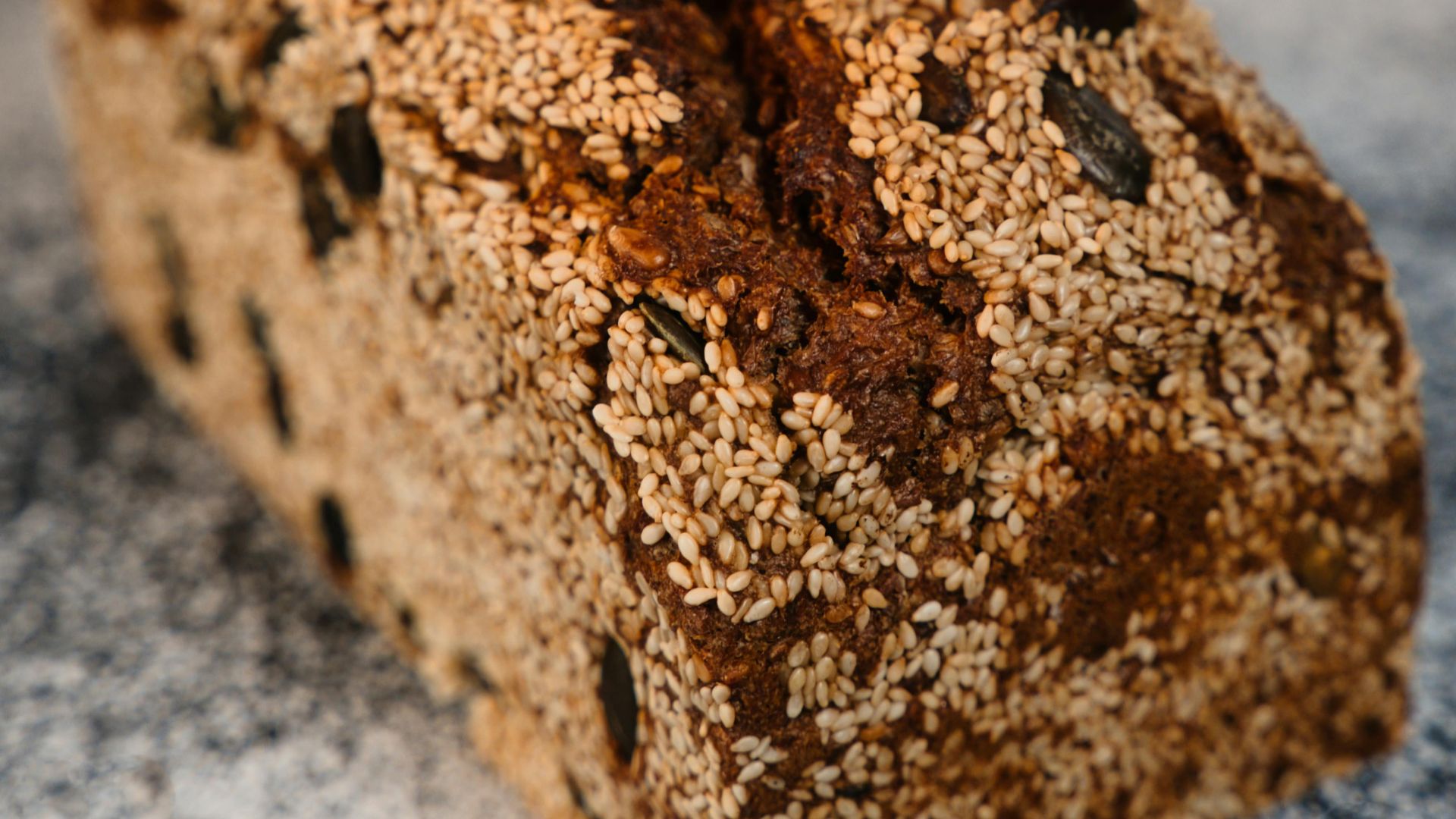
Seeded Multigrain Bread
Multiple whole grains combine with seeds like flax, chia, and sunflower. This combination provides high fiber and healthy fats that slow digestion considerably. The glycemic index of whole-grain versions often ranges from 39 to 55. Seeds add protein and fats that blunt carbohydrate absorption.
Spelt Bread
Spelt is an ancient wheat relative cultivated since Biblical times. Whole-grain spelt retains more fiber and nutrients than modern wheat. Glycemic index hovers around 54 in whole-grain versions. The grain's less-processed nature helps avoid sharp spikes while providing a similar texture.
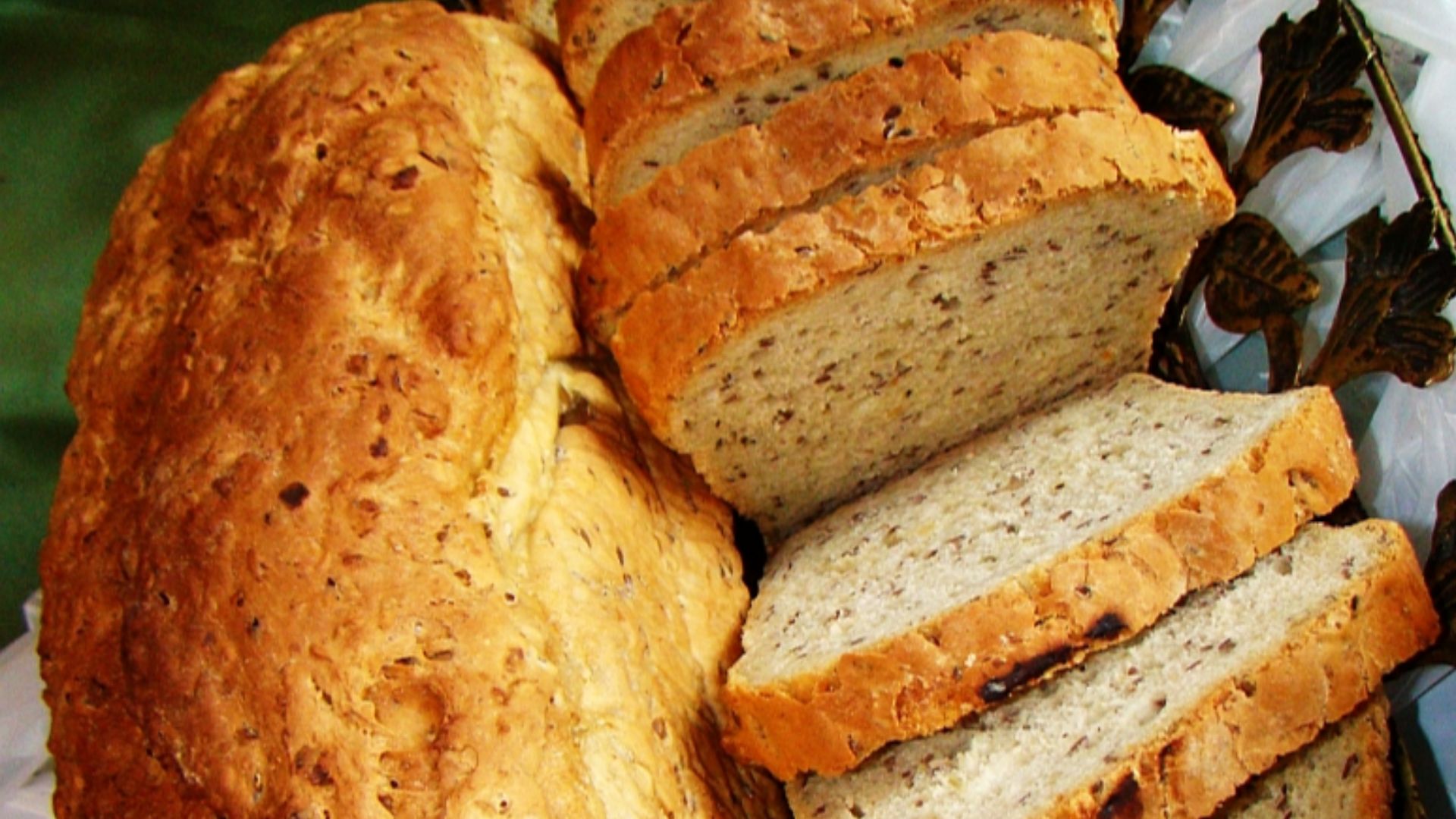
Buckwheat Bread
Despite its name, Buckwheat, it isn't related to wheat; it's actually a seed from a flowering plant. High in resistant starch and fiber, it significantly improves glycemic control. Glycemic index sits around 50 for groats, with bread versions often lower due to added fiber.
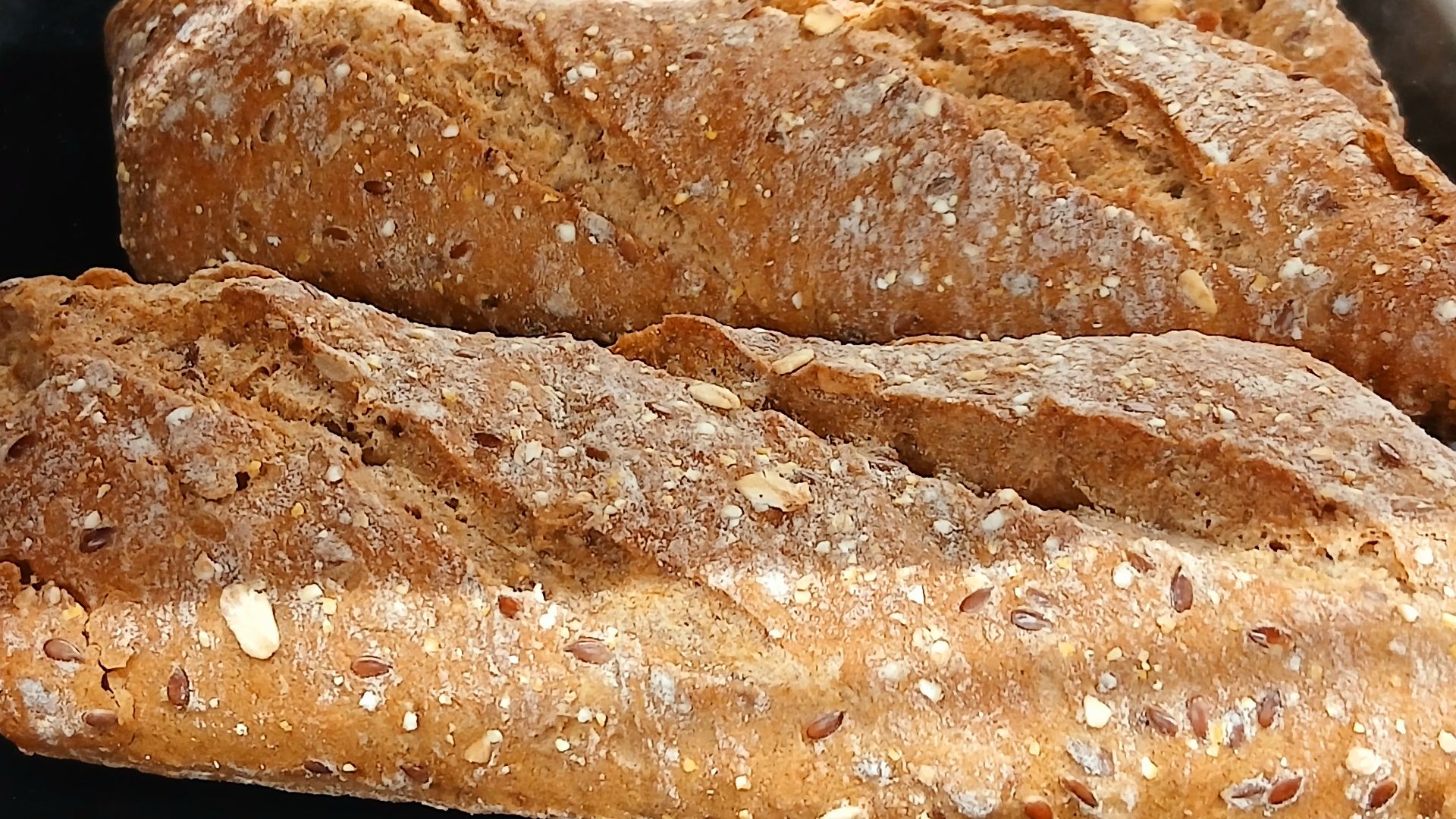 Sentimentalna, Wikimedia Commons
Black Bean Bread
This bean type was domesticated over 7,000 years ago in Central America. Their flour or puree replaces grain flour in these formulations. Black beans have a glycemic index of around 30. High protein, fiber, and resistant starch "encapsulate" carbohydrates, dramatically slow digestion, and prevent rapid blood sugar rises.
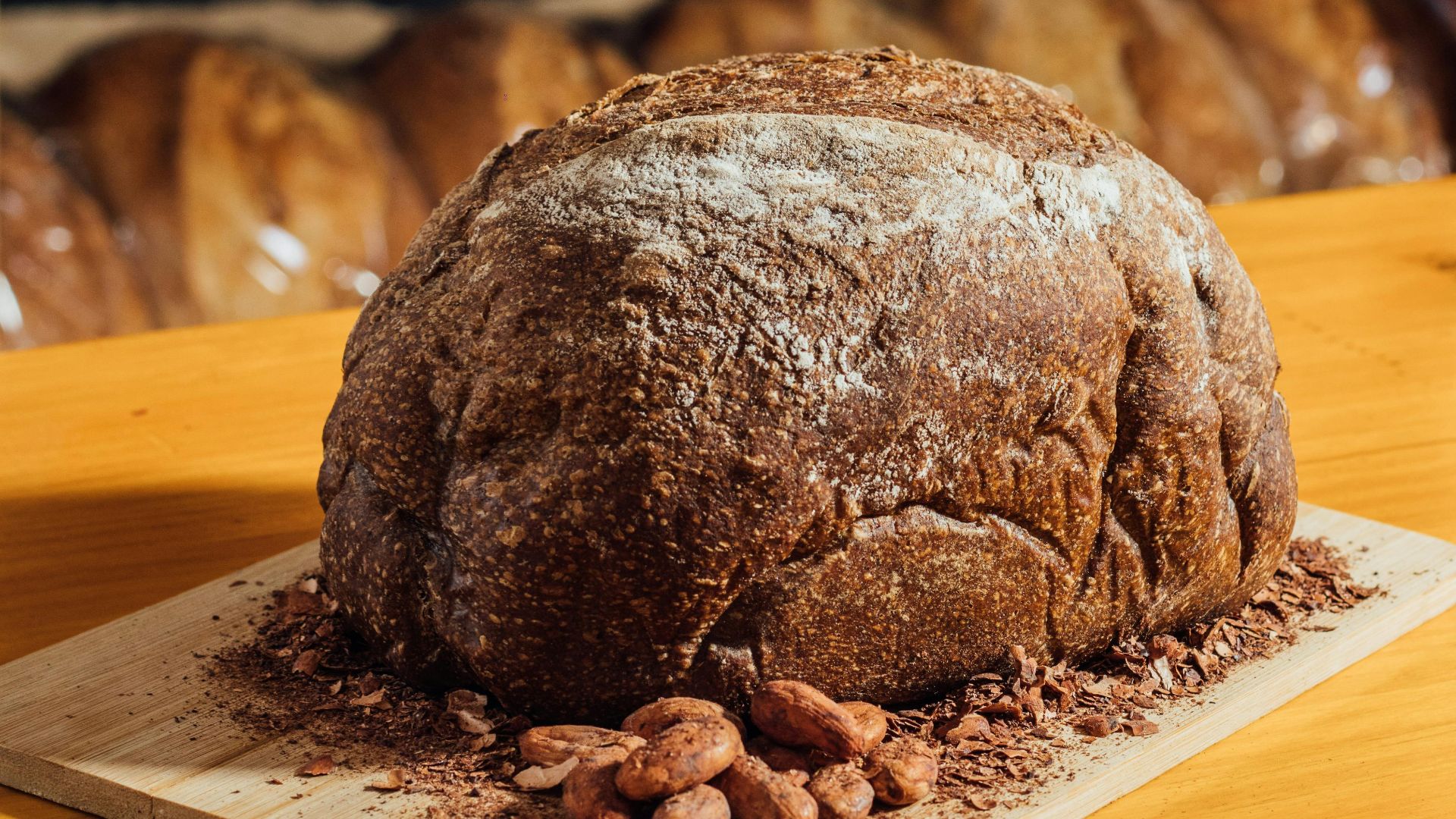
Lentil Bread
Lentils rank among the fastest-cooking legumes—no soaking required. Their flour creates breads with a very low glycemic index between 21 and 30. The legume provides resistant starch and soluble fiber that delay carbohydrate absorption considerably. Flourless or high-lentil versions promote satiety while supporting blood sugar control in diabetes-friendly recipes.
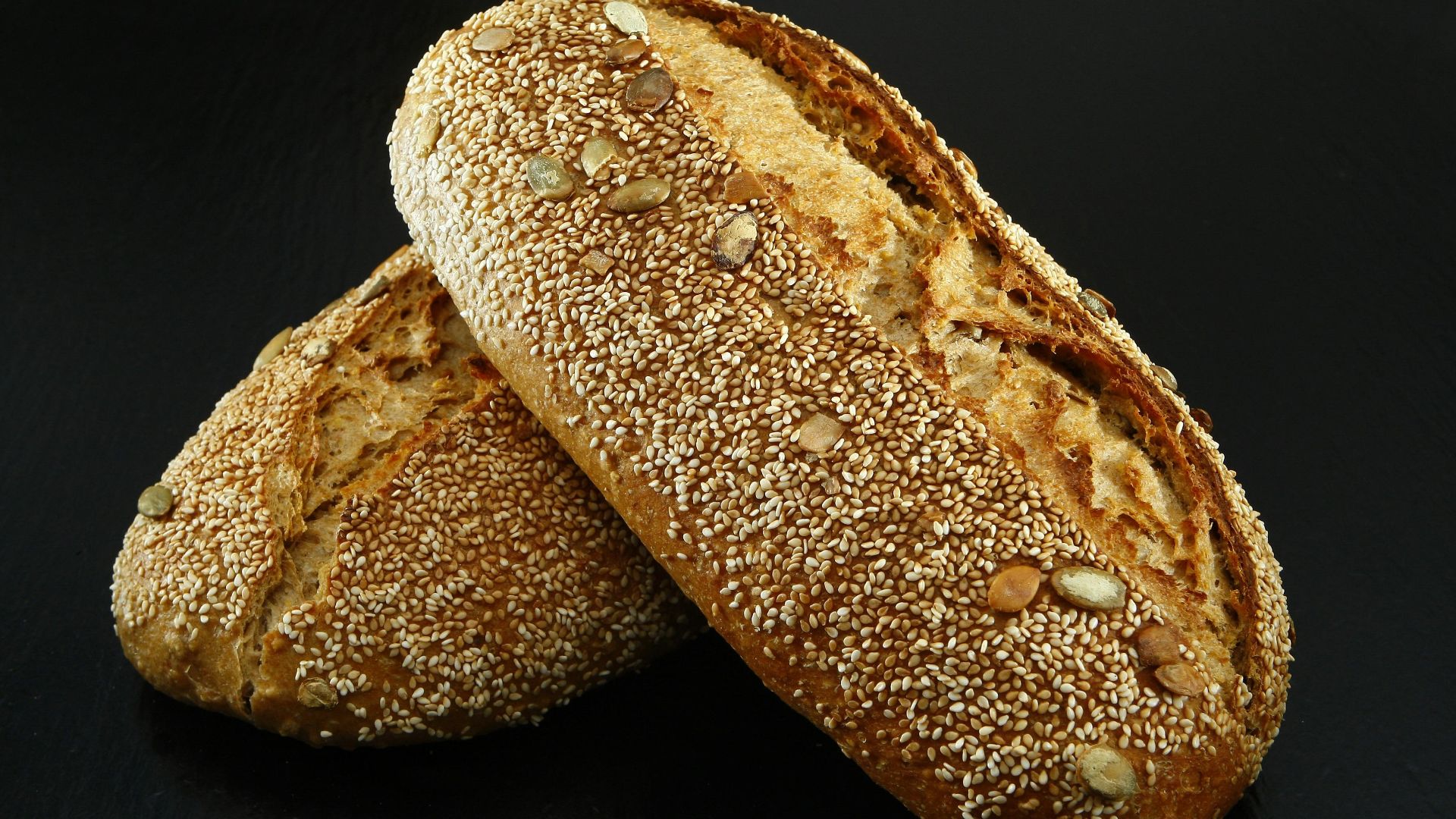
Chia Seed Bread
Aztec warriors called chia seeds "running food" because small amounts sustained them for long distances. These seeds form a gel in the gut when mixed into dough. That gel slows carbohydrate digestion and keeps the glycemic index very low. They add significant fiber—up to 10 grams per tablespoon—which blunts glucose response.
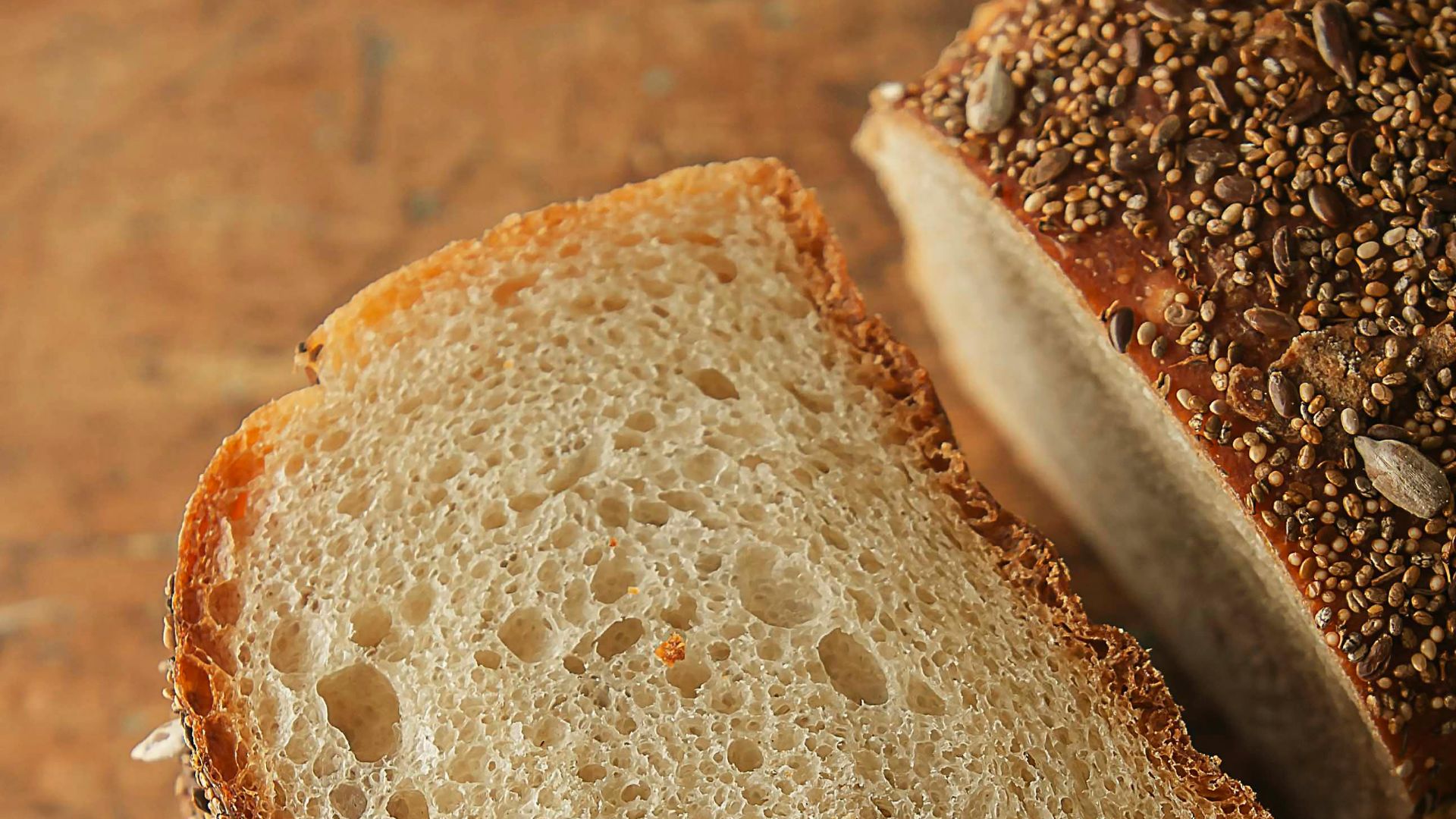
Hemp Seed Bread
These seeds come from industrial hemp, not marijuana, and they’re a rich source of protein, healthy fats, and fiber while remaining low in digestible carbohydrates. As a complete plant protein containing all essential amino acids, hemp helps support balanced meals and steadier glucose levels throughout the day.
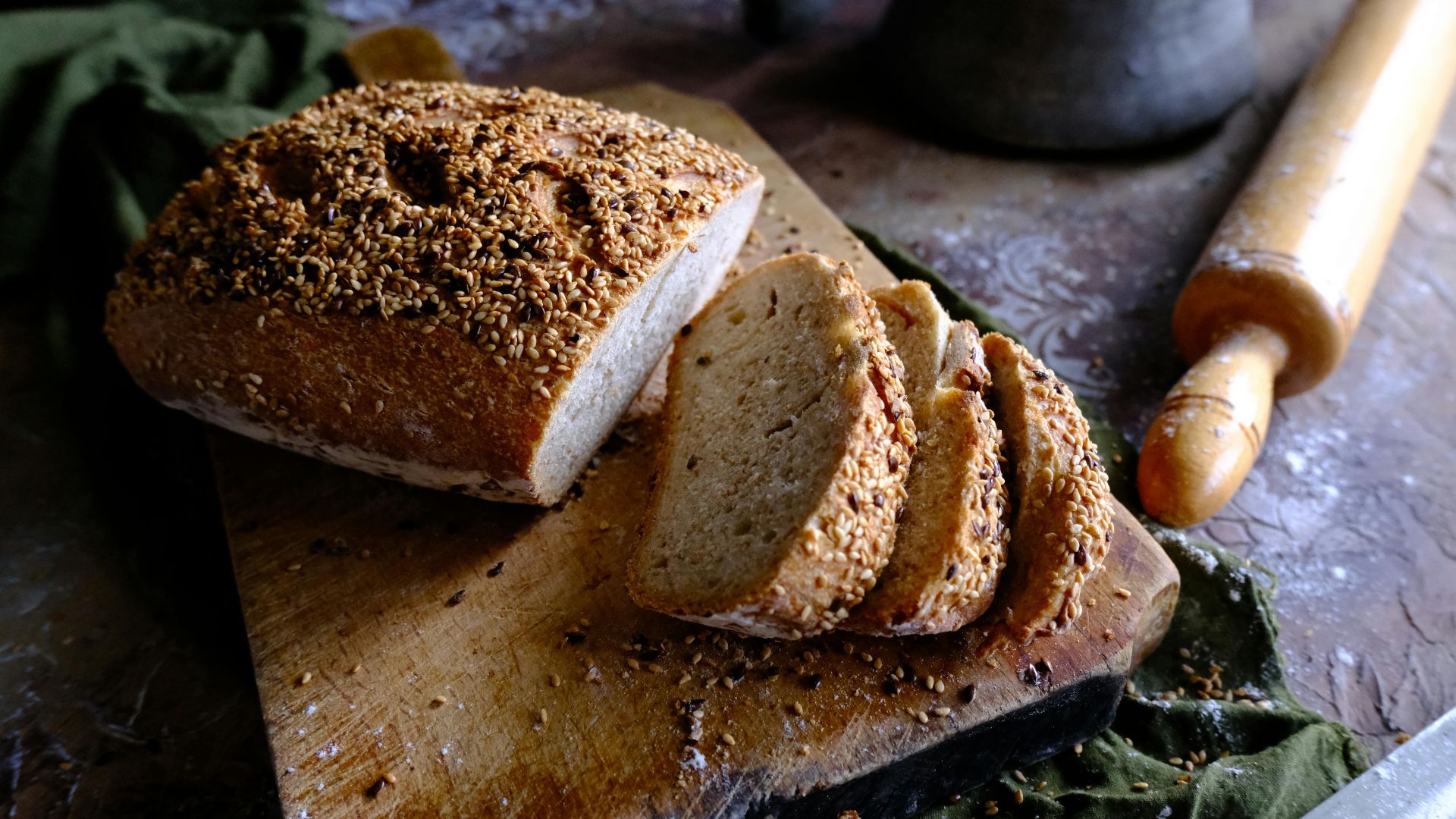
Psyllium Husk Bread
Psyllium comes from plantain-like herb seeds. Almost pure soluble fiber; it absorbs water and forms a gel that traps carbohydrates. This creates low-carbohydrate, high-fiber breads with a negligible glycemic index. Psyllium dramatically increases fiber to 10 grams or more per slice, slowing digestion to near-zero blood sugar impact.
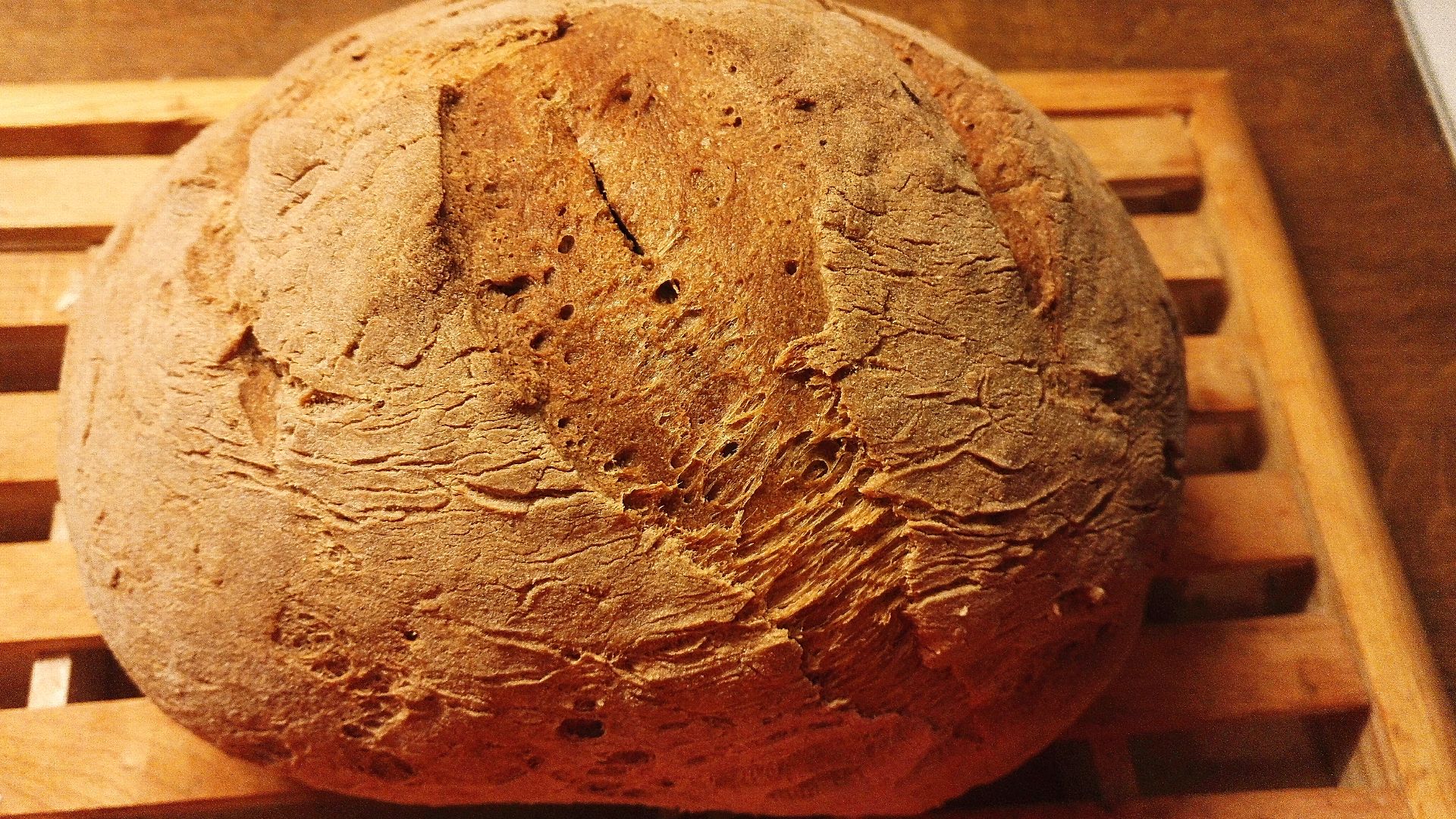
Keto Bread (Egg & Cheese-Based)
Virtually zero net carbohydrates and a minute glycemic index mean little to no blood sugar rise. High protein and fats from eggs stabilize energy completely. Some recipes bake up so fluffy they resemble savory meringues you can toast—cheesy clouds with superior glucose management.
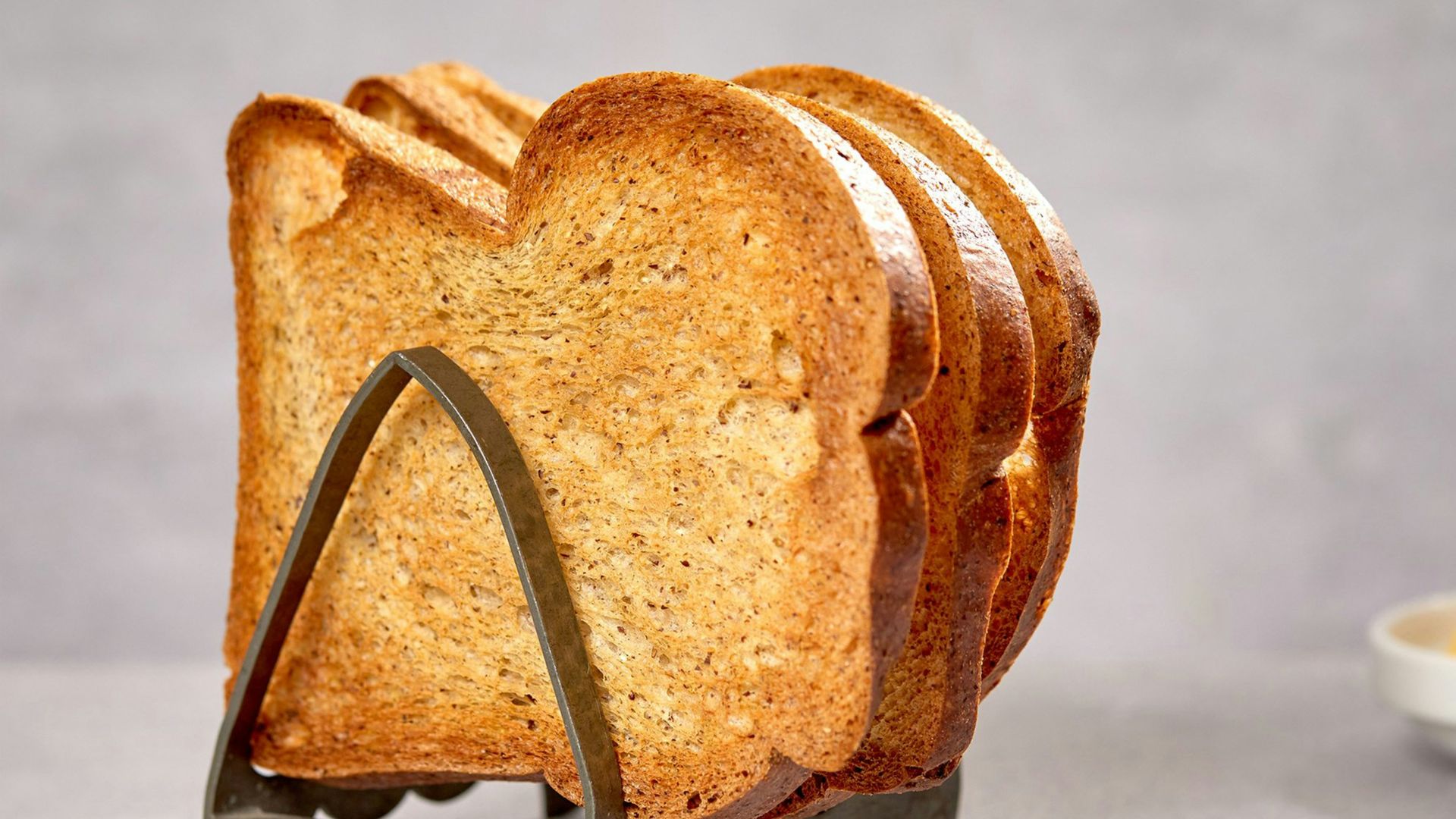
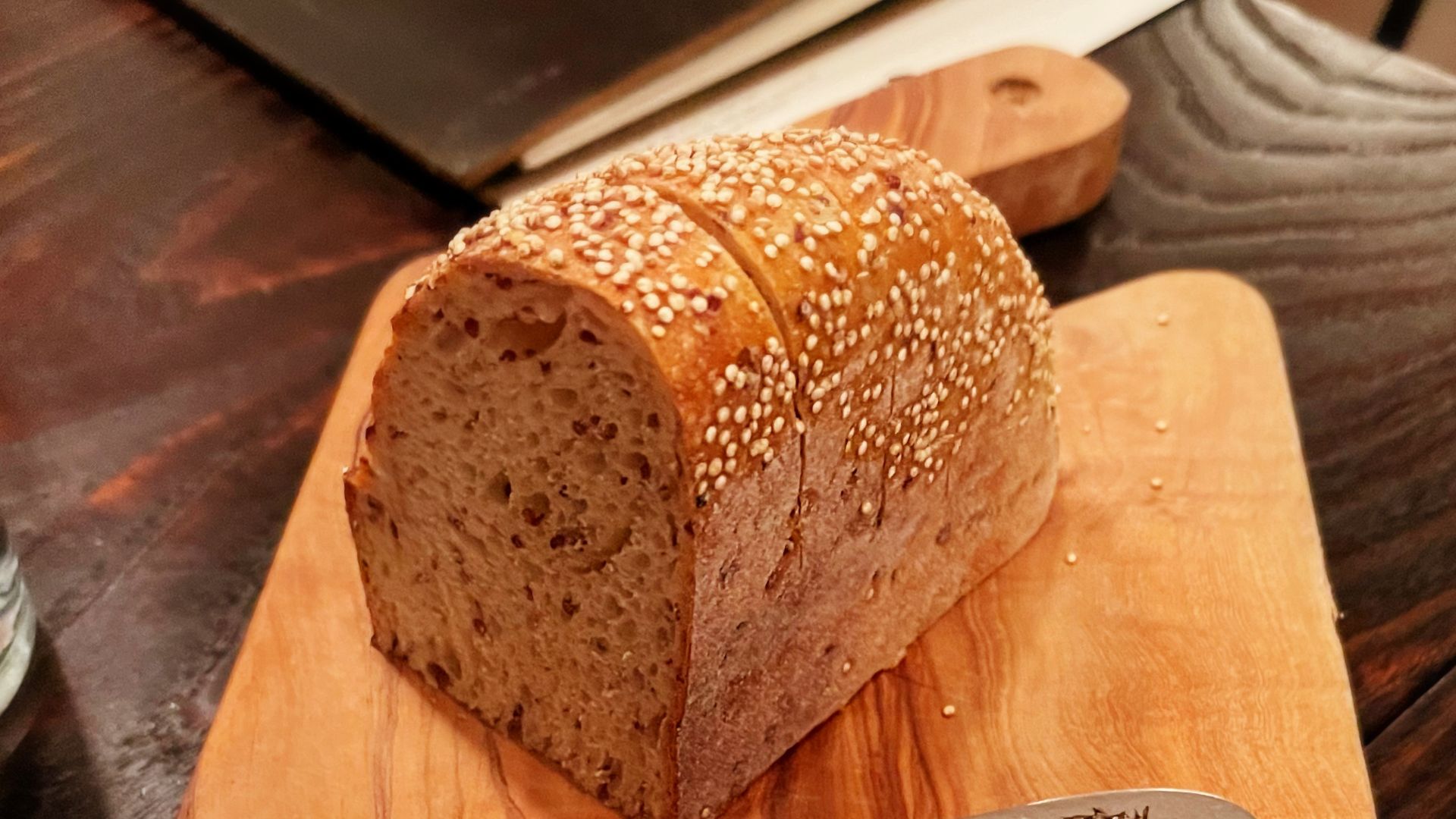
Quinoa Bread
Ancient Incas called quinoa the "mother grain" for its exceptional nutrient density. Technically, a seed related to spinach and beets, it provides complete protein with a balanced amino acid profile. Glycemic index ranges from 40 to 53 in tested formulations, with some quinoa-supplemented breads scoring around 42.
Green Banana Flour Bread
Unripe green bananas, harvested before ripening, produce this unique flour. Rich in resistant starch—up to 70-80% in flour form—it acts like fiber, resisting digestion. The glycemic index remains very low, often below 50, in fortified breads.
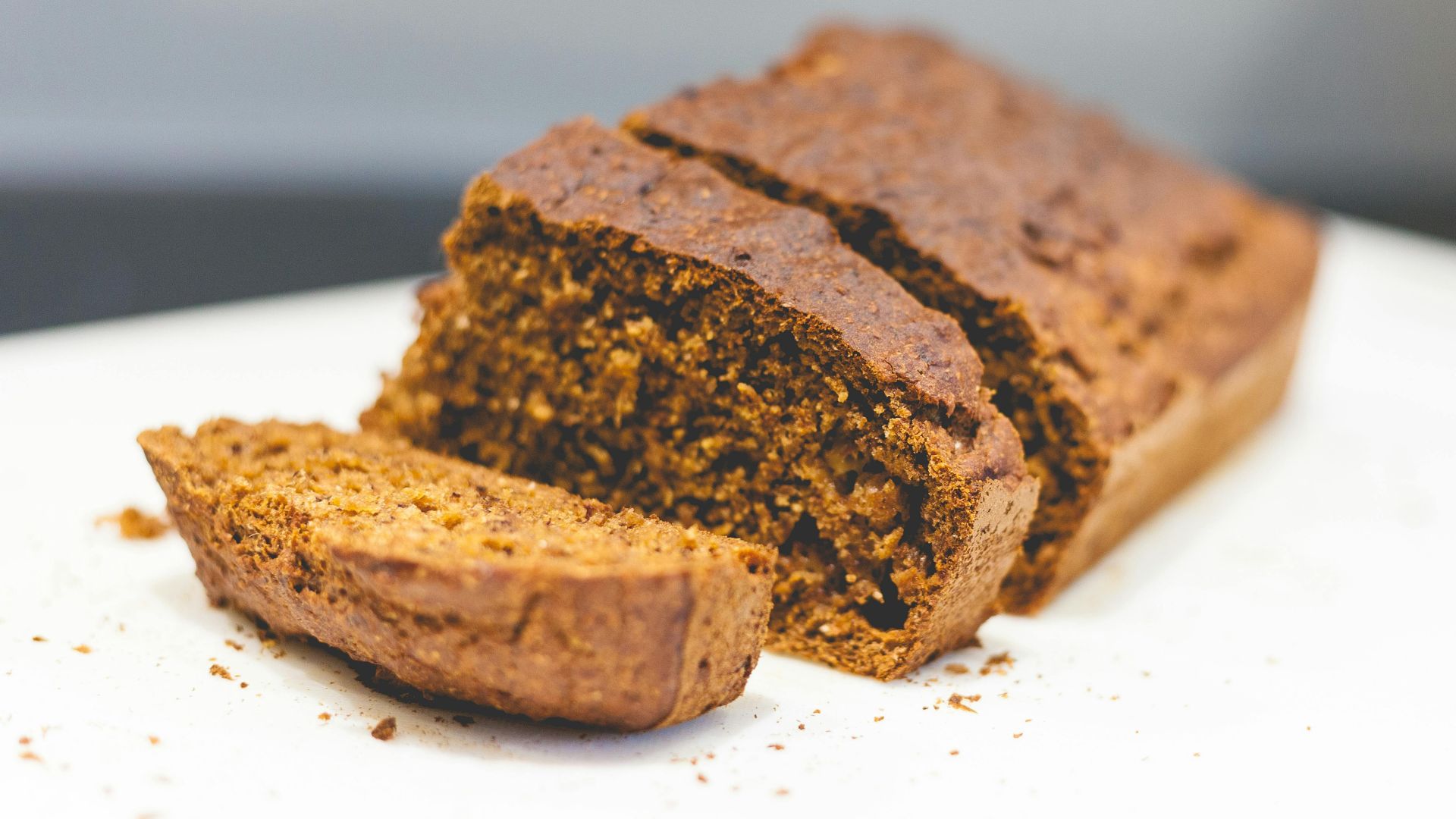
Lupin Flour Bread
Modern flour from these legumes has an extremely low glycemic index of 11-15. Protein content reaches up to 40% with high fiber and minimal digestible carbohydrates. Adding this flour to bread significantly reduces the overall glycemic index by slowing carbohydrate absorption and improving insulin response.
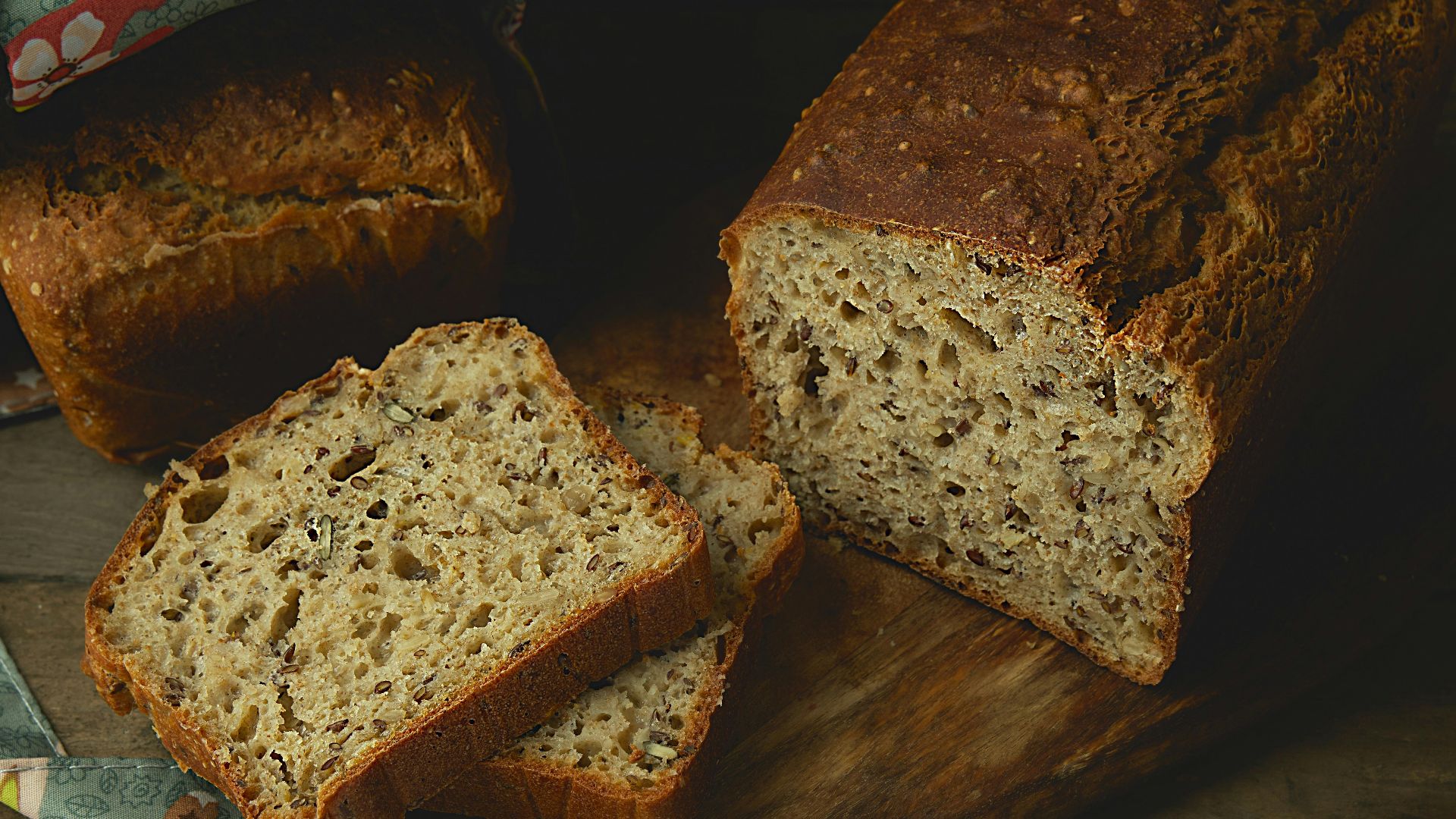
Walnut Bread
Looking like tiny brains, walnuts earned the nickname "brain food" in ancient times. These nuts add healthy fats, protein, and fiber with very low carbohydrates—glycemic index around 15. High polyunsaturated fats, including omega-3s, help stabilize glucose considerably.
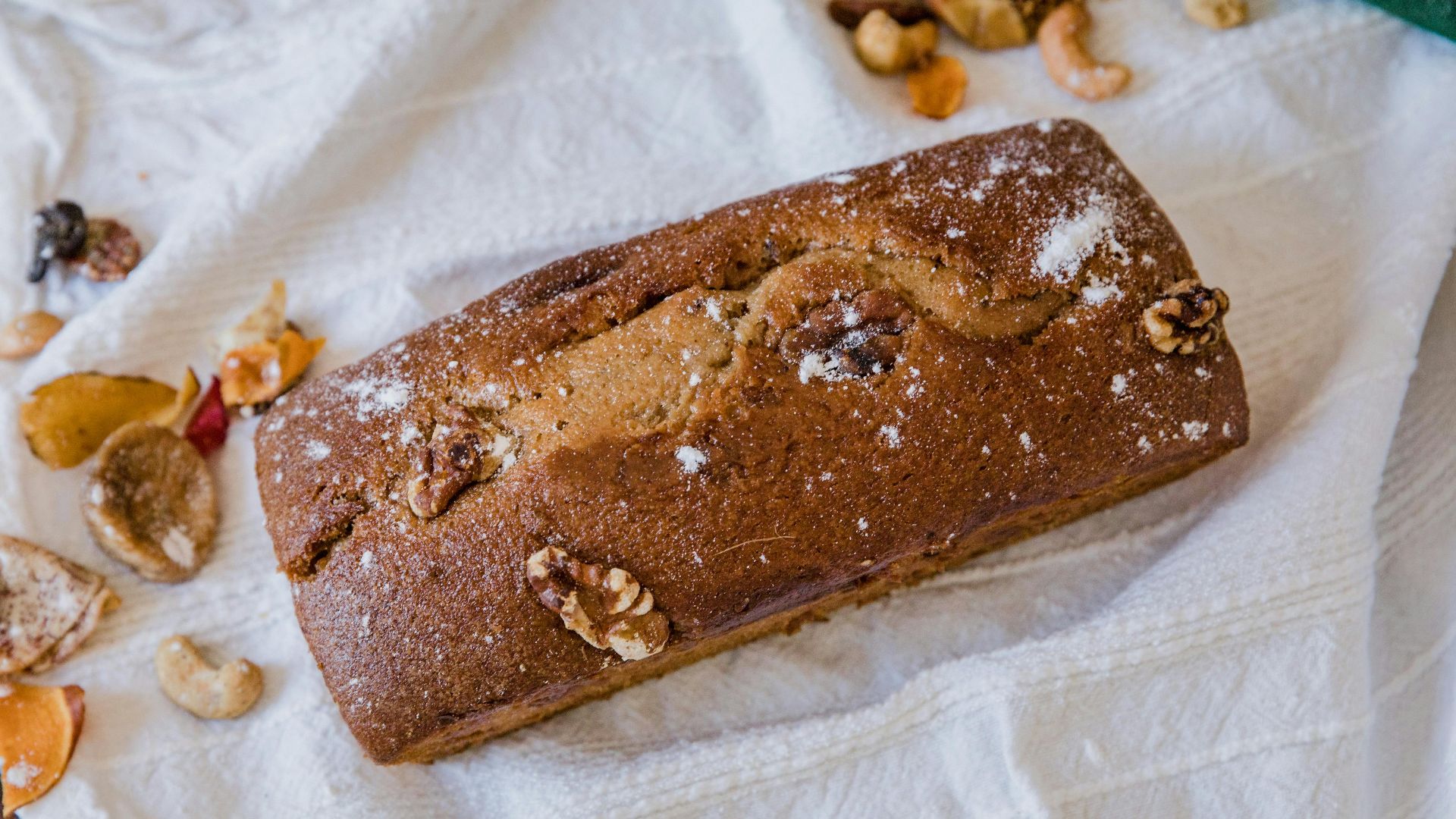
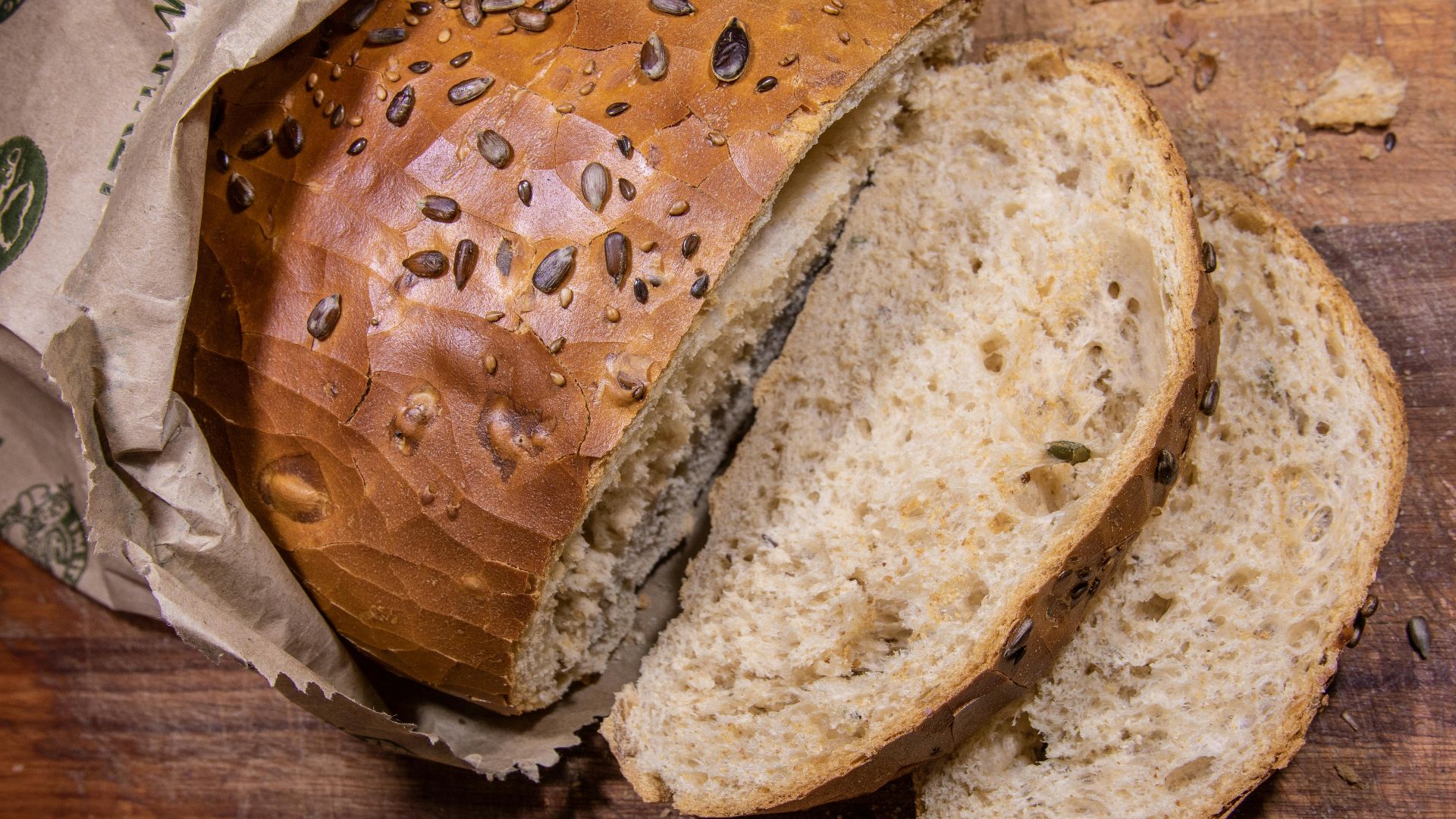
Sunflower Seed Bread
Sunflower plants literally track the sun during growth through heliotropism. Seeds from these plants provide the 3 important nutrients: protein, healthy fats, and fiber, with low glycemic impact. Seed-heavy versions achieve a moderate-to-low glycemic index around 55-57. The high unsaturated fats and fiber present slow carbohydrate digestion.










_(8588157220).jpg)