
Along the coastline of northern France, the town of Eu sits above cliffs that have steadily eroded under centuries of wind and waves. Beneath this land lie the remains of an ancient fortified Gallic settlement dating to roughly the late Iron Age, around 2,000 years ago. Archaeological interest in this site stretches back centuries, but in recent years, accelerating coastal erosion due to global warming has placed much of it in immediate danger. Large sections of the cliff have collapsed into the English Channel, which has taken layers of history with them. To prevent total loss, French heritage authorities organized emergency rescue excavations. They brought in professional archaeologists and university students to recover and document what remained before further erosion destroyed the site entirely.
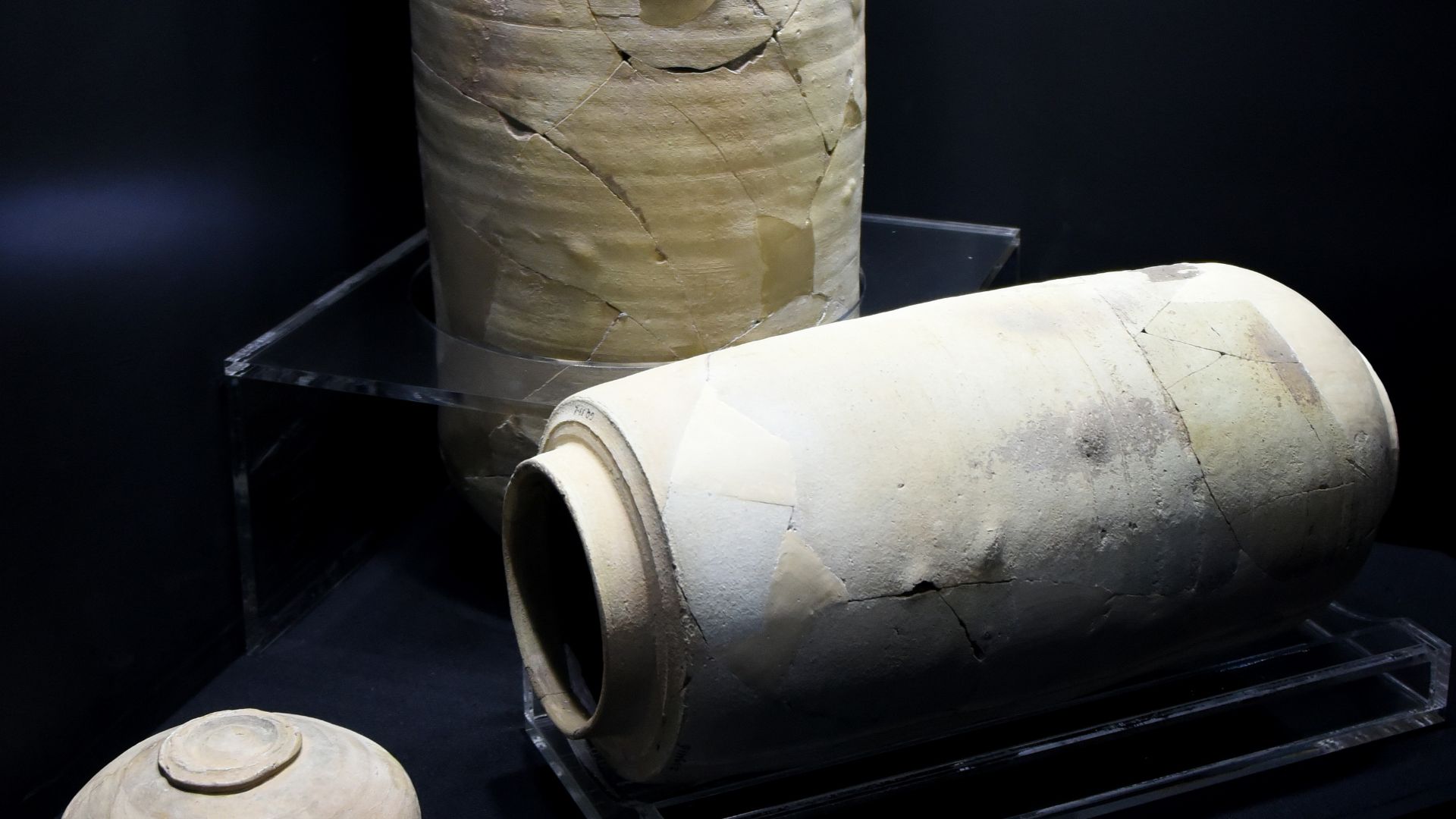
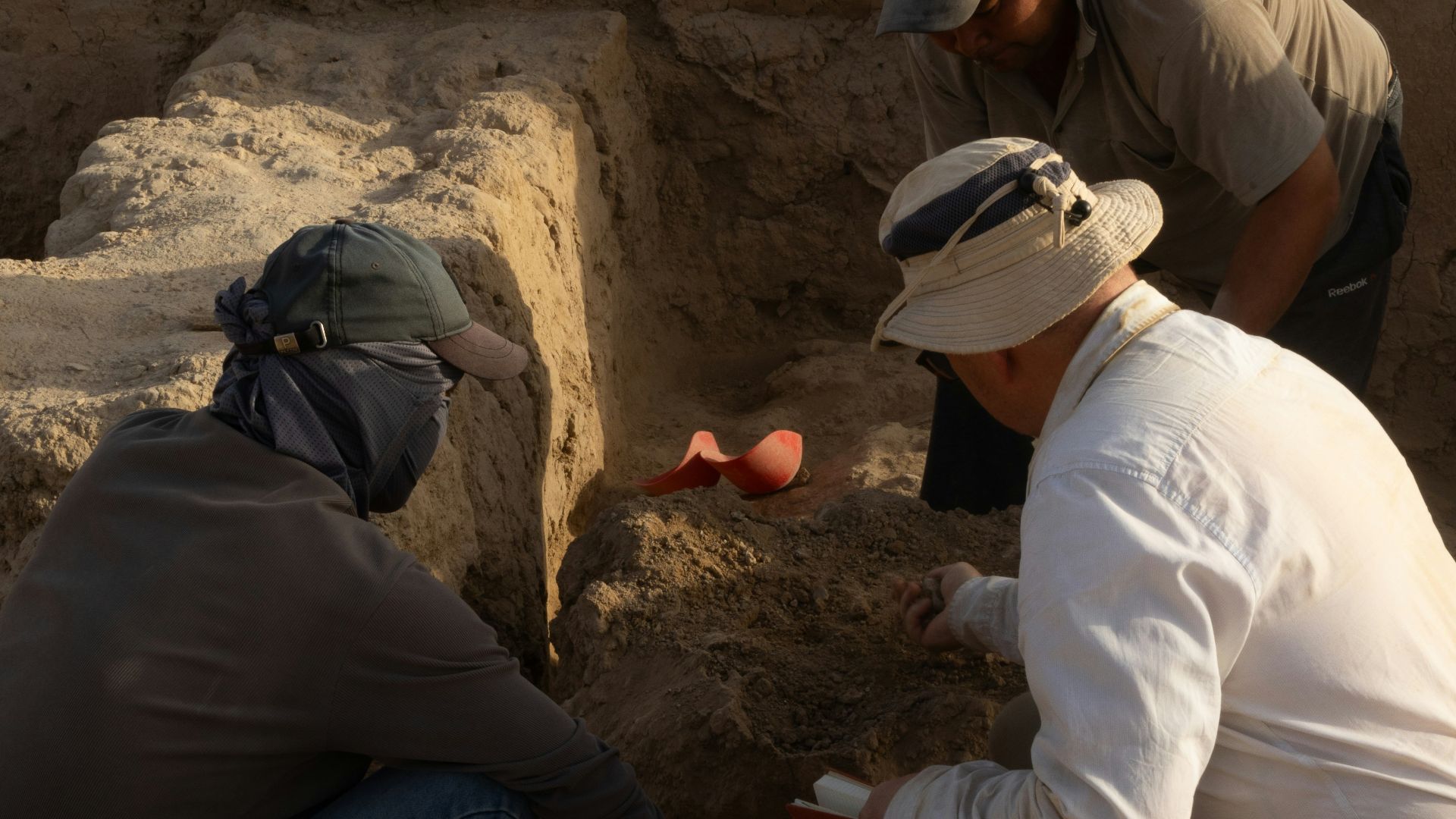
As excavation began, researchers carefully worked through successive soil layers that reflected centuries of occupation. Stone ramparts, foundations of dwellings, pottery fragments, and tools emerged to confirm the site’s long-term use as a fortified settlement. These rescue digs were conducted rapidly but systematically, with each find mapped and preserved. In some areas, archaeologists could see where earlier layers had already fallen into the sea. It was within this threatened context, while investigating one of the excavation zones near the cliff edge, that students uncovered a small earthenware pot deliberately placed in the ground.
A Time Capsule Placed In The 19th Century
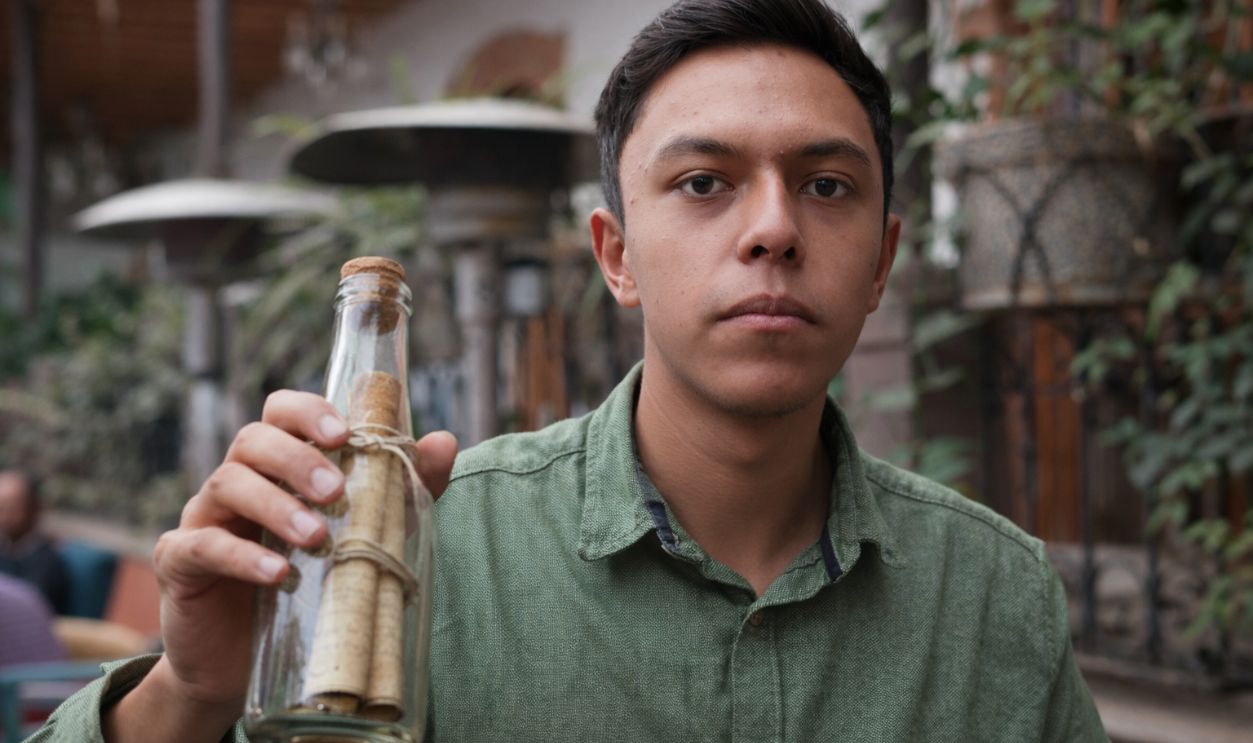
When the clay pot was opened, archaeologists discovered a glass bottle carefully sealed inside. Within the bottle was a tightly rolled handwritten note that had survived remarkably well despite spending 200 years underground. The message was dated January 1825 and signed by P J Feret, who identified himself as a native of Dieppe and a member of several scholarly societies. Feret wrote that he had conducted excavations at the same site, which he described as extensive and rich in historical remains. His note served as a record of his archaeological work and his presence at the location during the early 19th century.
At the time he carried out his excavations, archaeology had not yet developed into a formal scientific discipline. Early researchers often worked independently, driven by personal interest and curiosity about ancient civilizations. Documentation standards varied widely, and many discoveries were poorly recorded or lost to history. By placing his message in a bottle and protecting it inside a pot, Feret created a durable record intended to survive long after his own work ended. Unlike journals or local publications that could be misplaced, this physical message remained hidden yet preserved within the earth itself. The message also offered rare insight into the personal identity of an early excavator, including his hometown and scholarly affiliations. It added a human dimension to what might otherwise have remained an anonymous historical effort.
 Osama Shukir Muhammed Amin FRCP(Glasg), Wikimedia Commons
Rediscovery In The Face Of Coastal Erosion
After discovering Feret’s bottle, archaeologists carefully removed it from the soil and transferred it to conservation specialists. The glass container and the paper inside were stabilized under controlled conditions to prevent further deterioration. High-resolution photographs and digital scans were created to preserve the text for future study. Researchers then compared Feret’s 1825 observations with present-day site maps. This comparison revealed that parts of the settlement he once explored had since eroded away completely. While countless artifacts and structures have been lost to the sea, the same geological processes exposed the buried pot that might otherwise have remained hidden indefinitely.
A Historical Link Across Two Centuries
Feret’s note was never meant to remain hidden forever; it was designed to be found by someone in the future who would continue studying the same land. Its rediscovery created a direct connection between early 19th-century exploration and 21st-century rescue archaeology. Few archaeological sites offer such a tangible link between past researchers and modern scholars working in the same physical space. The find also emphasizes the long-standing recognition of the site’s historical value. The ancient Gallic settlement may one day disappear entirely beneath the waves, but Feret’s message has now been secured in museum collections and digital archives for the future generations to discover and build a connection with them.
 Aleksander Stypczynski, Unsplash