 Joanbanjo, Wikimedia Commons, Modified
Archaeologists just discovered a swimming pool so vast that even by modern standards it would impress. What's amazing about this place is that it was carved into the earth nearly 2,000 years ago, its walls adorned with intricate mosaics that once shimmered beneath the Mediterranean sun. This massive discovery happened at La Alcudia, near the Spanish city of Elche, after eight years of painstaking excavation work that concluded in 2025. The discovery of the Eastern Baths complex has rewritten the understanding of Roman luxury in Iberia, revealing a bathing facility that rivals anything found in Rome itself.
Engineering Marvel In The Heart Of Ancient Iberia
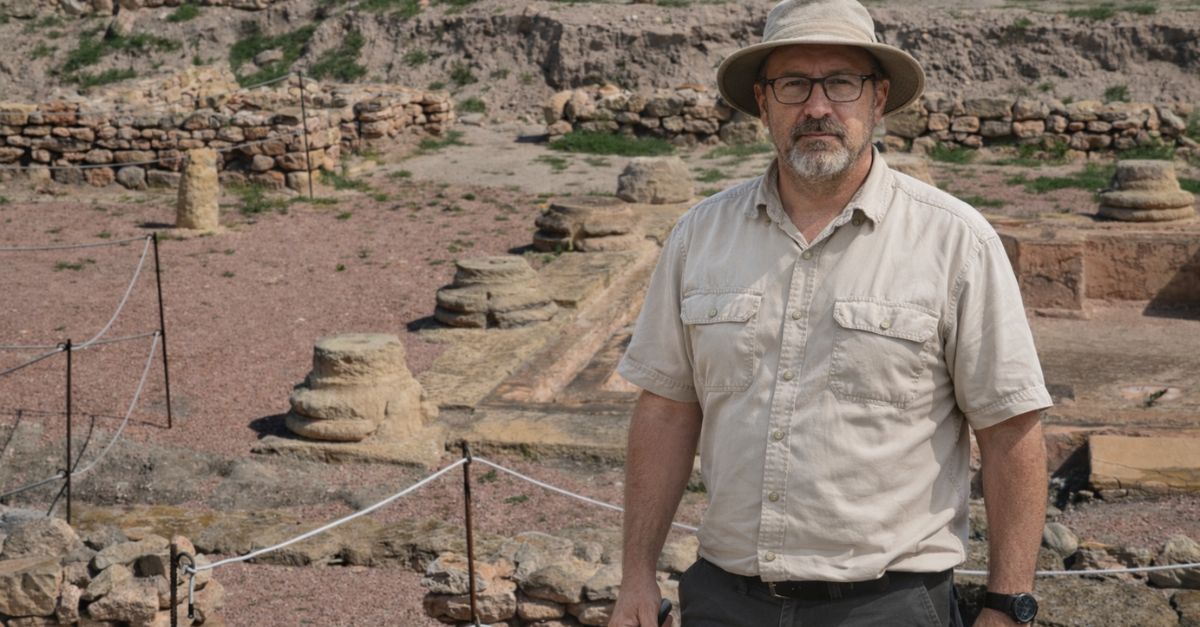
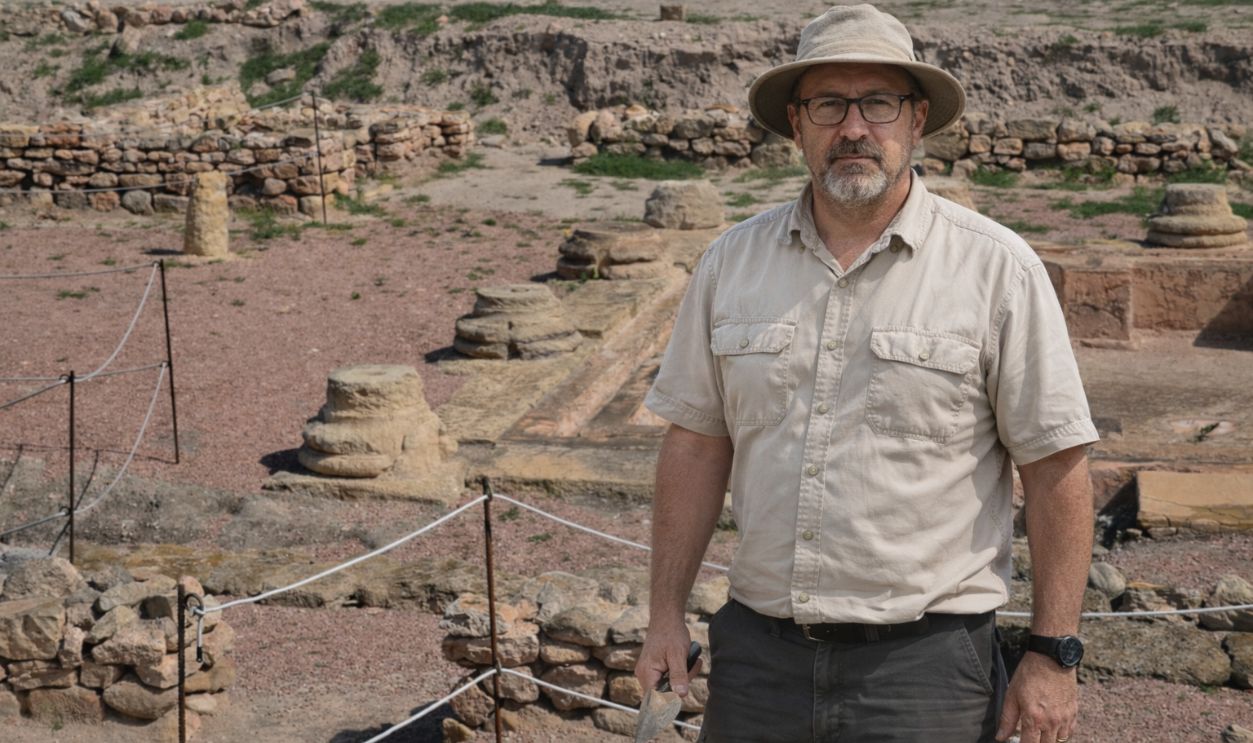
The site tells the story of Iulia Ilici Augusta, a Roman colony that rose to prominence in what is now the province of Alicante. Founded in two distinct phases during the second half of the first century BC, the settlement began as a vision of Julius Caesar himself, decreed before his assassination in 44 BC. Emperor Augustus later completed the project by granting land to war veterans as a reward for their service to Rome. The sheer scale of the complex spans almost 14,000 square feet. The Eastern Baths were a social institution, a symbol of Roman civilization brought to the edges of the empire. Professor Jaime Molina Vidal from the University of Alicante led the excavation team through this monumental project that began in 2017.
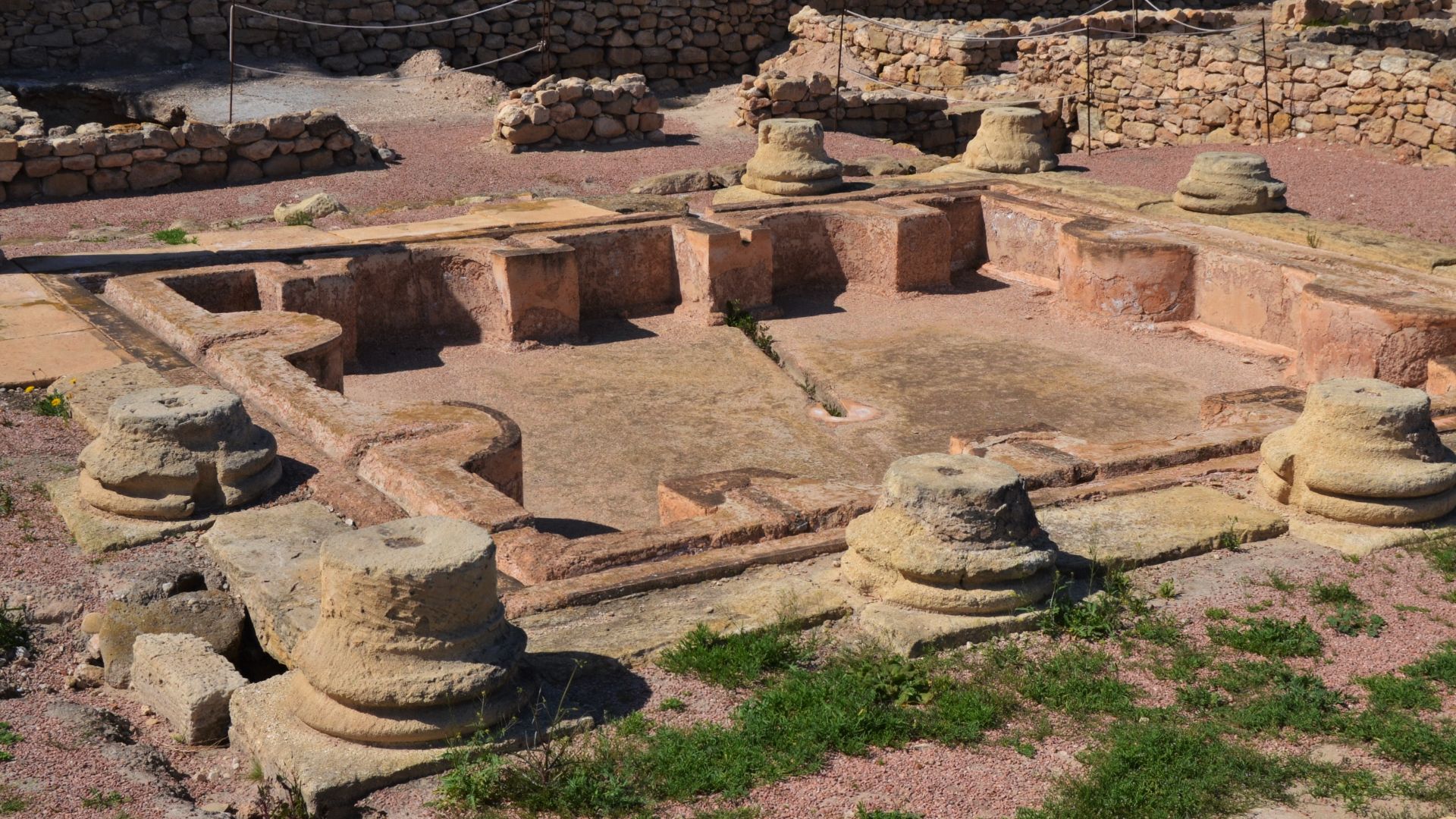
At the heart of the complex lies the natatio, the crown jewel that has captured the attention of archaeologists worldwide. Measuring approximately 22 by 31 feet—precisely matching the Roman measurements—this swimming pool plunges nearly 5 feet deep, which makes it one of the largest Roman pools ever documented on the Iberian Peninsula. Located within the frigidarium, or cold room, the natatio would have offered bathers a refreshing plunge after the heat of the caldarium. The precision of its construction speaks to the advanced hydraulic engineering the Romans had mastered. They created a watertight basin that has survived millennia.
Mosaics That Whisper Stories Of Prosperity
The excavation revealed two spectacular floor decorations that showcase the artistic sophistication of second-century Roman craftsmanship. One mosaic cleverly imitates marble paneling, a trompe-l'oeil effect that would have given the illusion of expensive stone to those who walked across it. The other is even more elaborate. It is made from vegetal motifs that include delicate acanthus leaves and scrolling vines that seem to dance across the ancient floor. The richness of the mosaics reflected the wealth and cultural aspirations of Ilici during its peak in the second century AD. Cities across the Roman Empire competed to display their prosperity through public buildings, and bath complexes served as particularly visible markers of civilization. Like the empire that built them, the Eastern Baths experienced a gradual decline during the third and fourth centuries AD as economic pressures and political instability took their toll. Eventually, somewhere between the fifth and sixth centuries, the last bathers departed.
Further Excavations In The Area
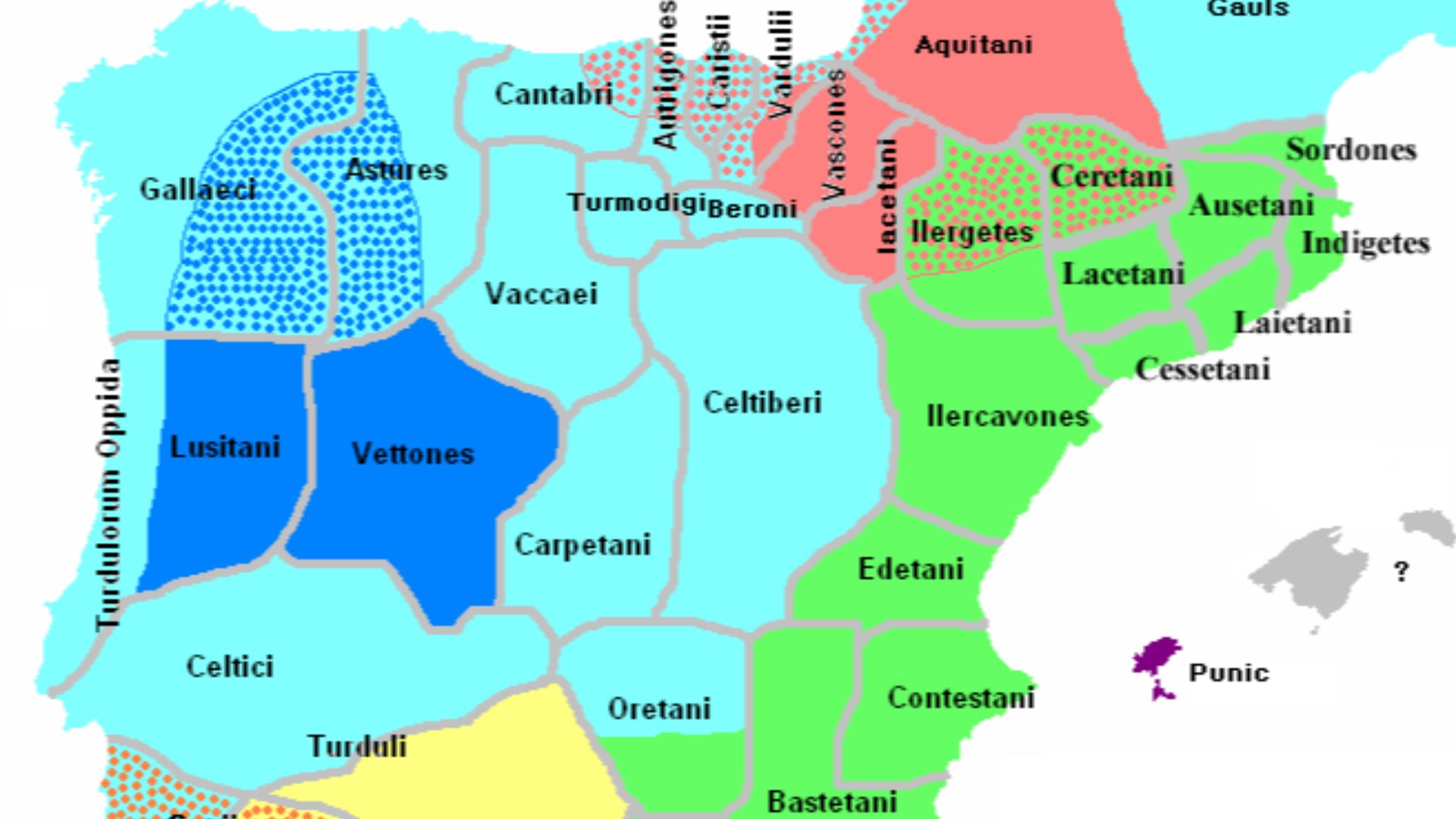
But what makes this excavation particularly fascinating is what the archaeologists discovered beneath the Roman layers. As they dug deeper, the team unearthed an entire Iberian neighborhood dating back to the third century BC. It reveals that this site had been a thriving urban center long before Julius Caesar ever decreed its Roman colonization. The discovery points add another chapter to Ilici's already rich narrative. Professor Uroz from the University of Alicante has called this "the first metropolis, the first major Iberian city of Contestania, and the oldest. There is no older one of this magnitude."
It was a 180-foot stretch of ancient street, complete with drainage systems, paved surfaces, and building entrances that allow researchers to reconstruct how people moved through this city across different eras. These streets witnessed the footsteps of Iberian merchants and Visigothic inhabitants—each civilization leaving its mark on the same pathways. The road network provides crucial evidence for understanding how Ilici evolved from its Iberian origins through its Roman peak and into late antiquity. The level of sophistication has never been seen before at any site across Rome.