Cashing In On The Strange Side Of History
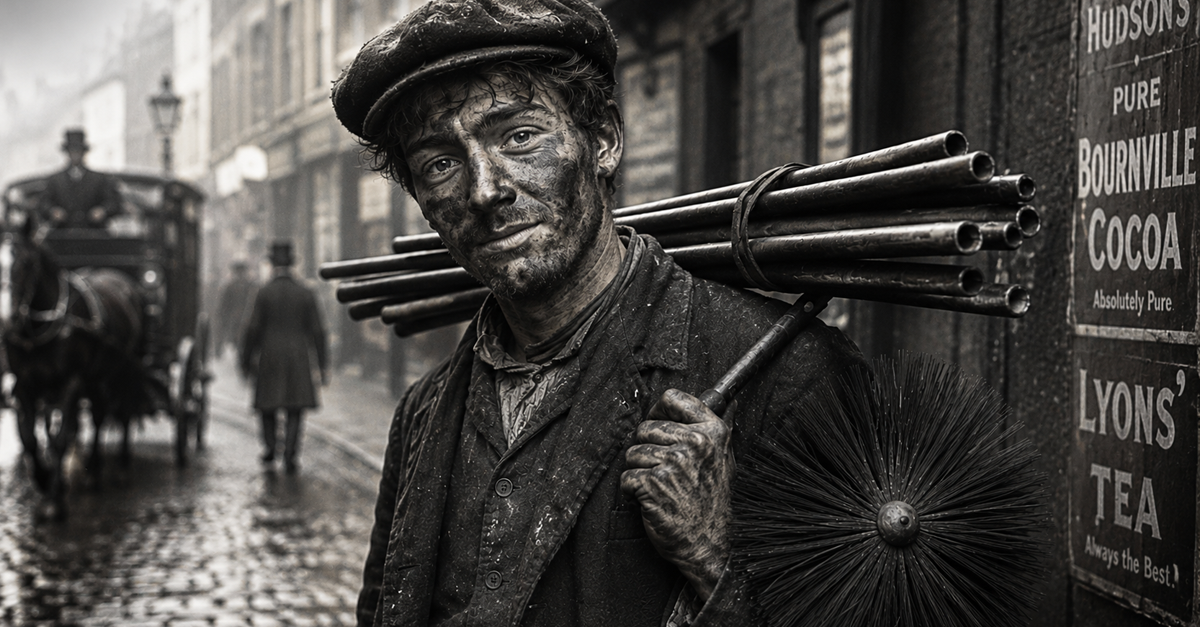
People have always found ways to make a living, even when the job sounded awful, risky, or completely bizarre. Before modern sanitation, medicine, alarm clocks, and public services, someone had to do the dirty work. These strange old money-makers prove that “genius idea” and “terrible job” have often been the same thing.
People Got Paid To Eat Sins
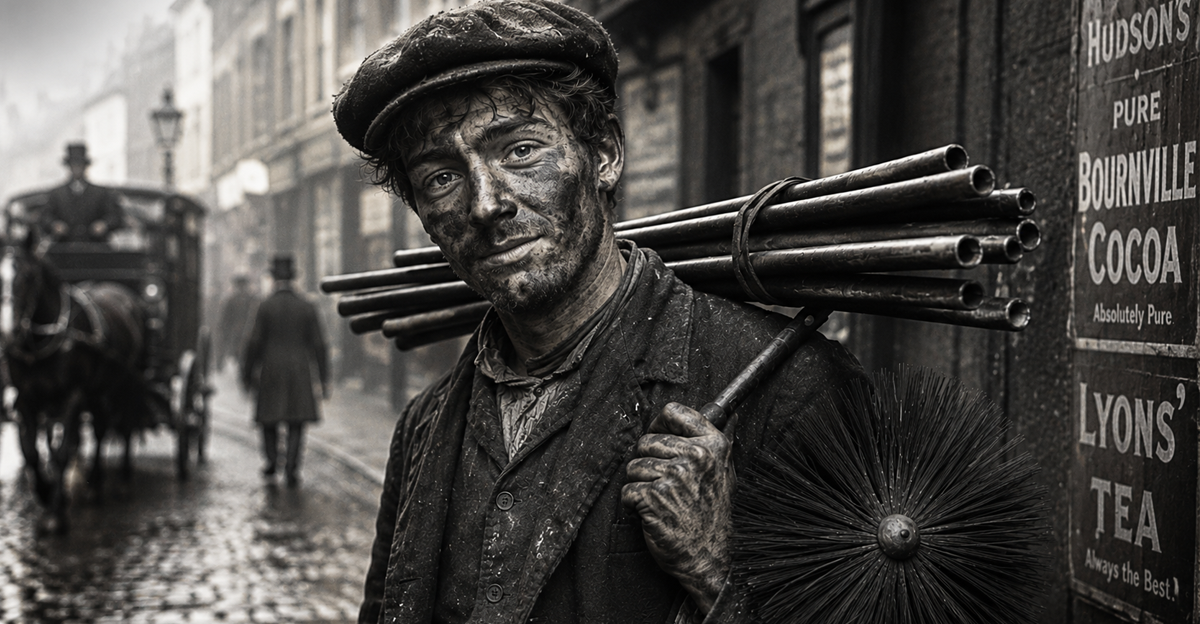
In parts of Britain and Wales, some families hired sin-eaters after a death. The sin-eater would eat bread or drink near the body, symbolically taking on the dead person’s sins. It was spiritual outsourcing, and the pay was usually small for a job with a very heavy reputation.
Gong Farmers Cleaned The Unthinkable
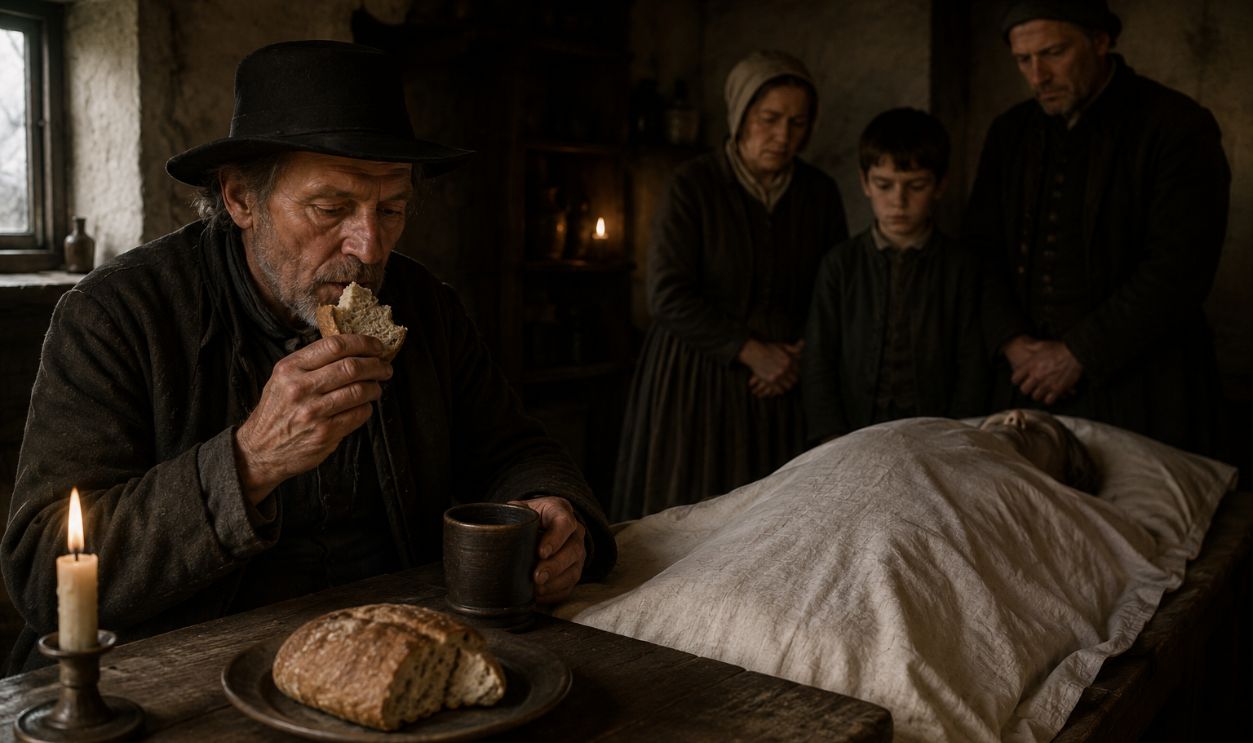
Tudor England had no modern sewer system, so gong farmers emptied cesspits and privies by hand. They usually worked at night because the job was so foul and disruptive. It was dirty and dangerous work, but it could pay better than ordinary labor.
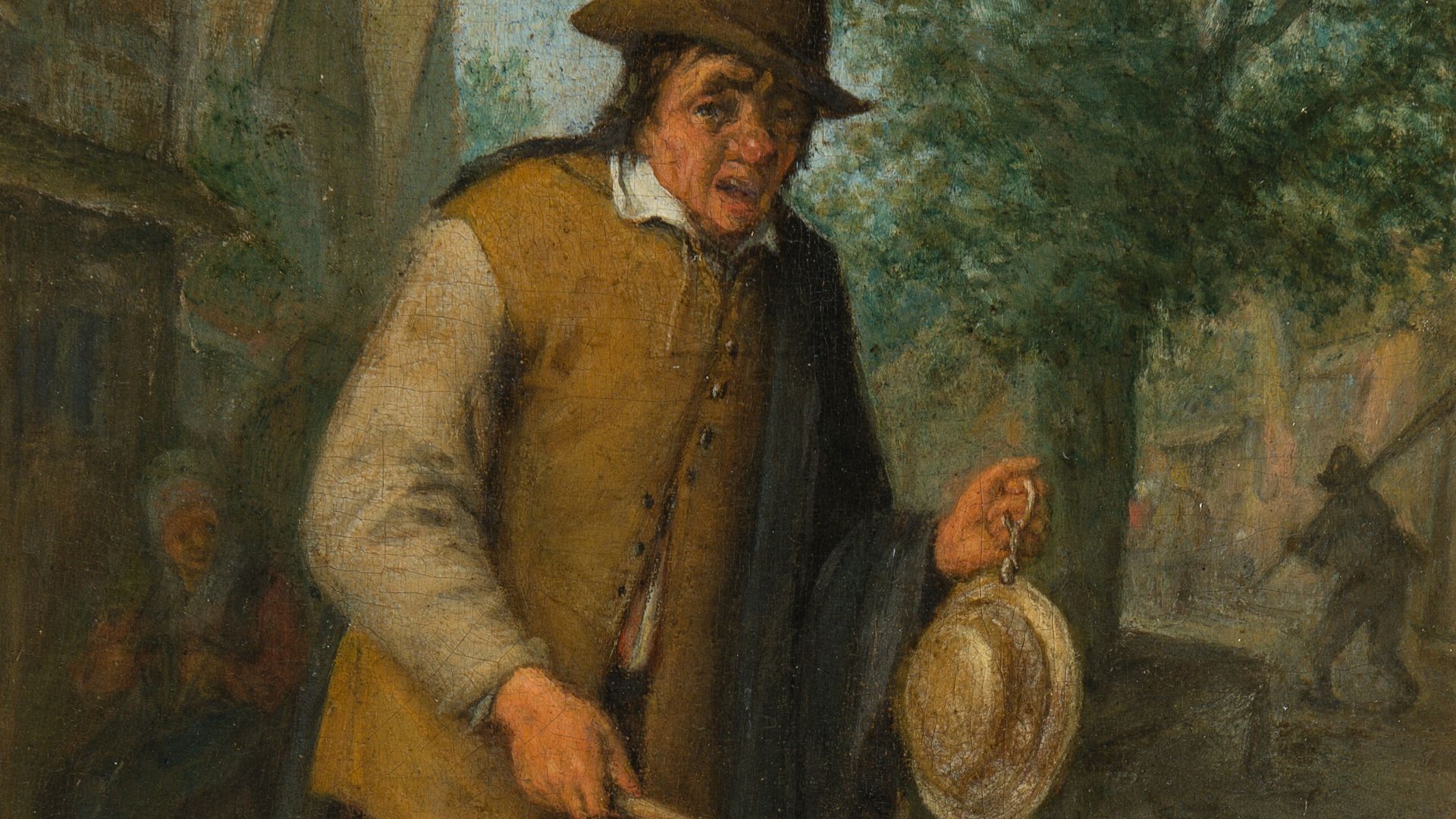 Adriaen van Ostade, Wikimedia Commons
Pure Finders Sold Dog Waste
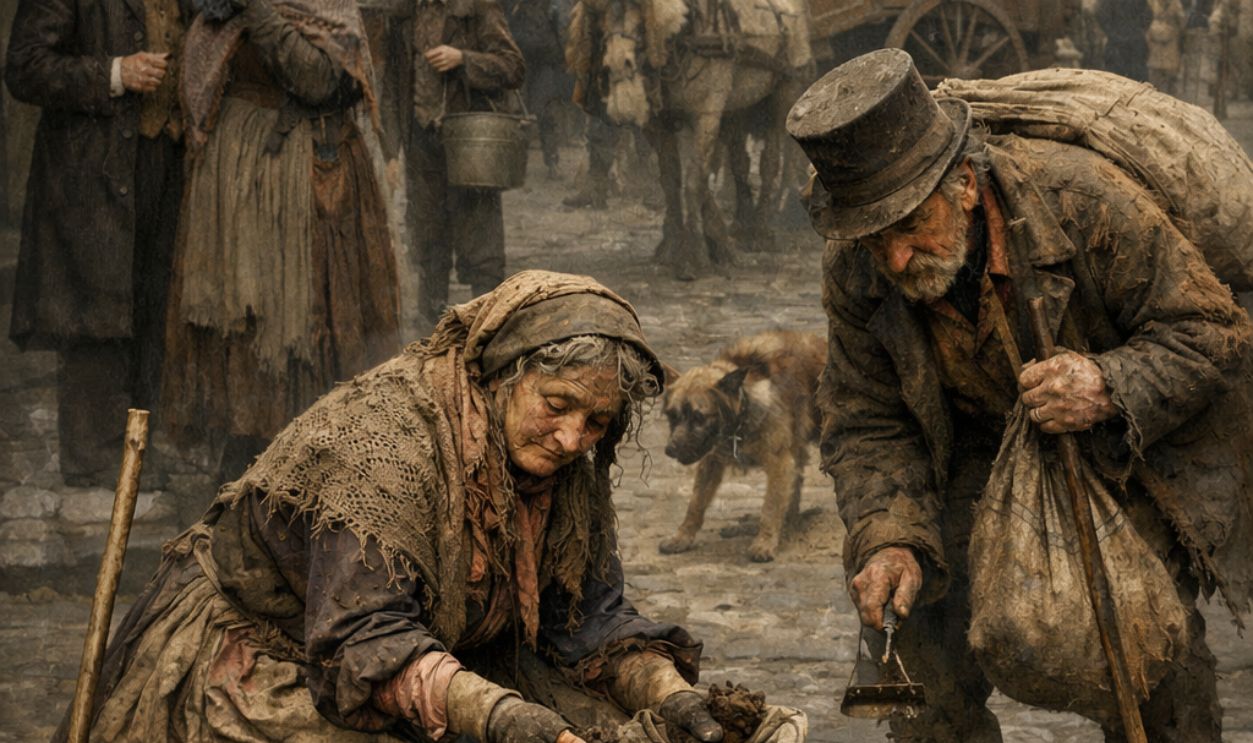
Victorian London had people called pure finders who collected dog droppings from the streets. Tanneries used the material in leather processing, especially for softening hides. It was disgusting, but in a city full of horses, dogs, and poverty, even waste had a market.

History's most fascinating stories and darkest secrets, delivered to your inbox daily.
Leech Collectors Fed Medical Fashion
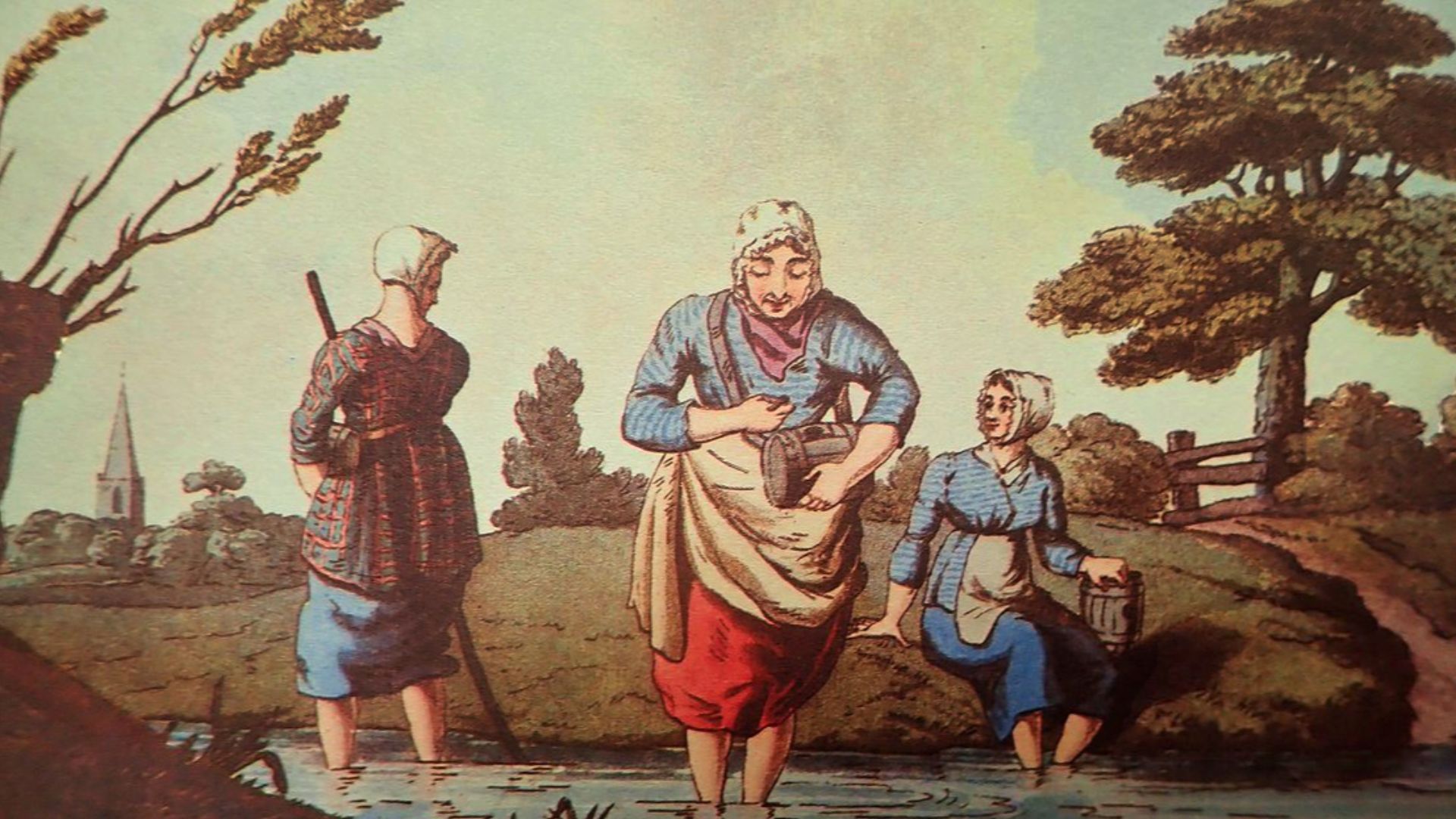
In the 18th and 19th centuries, doctors used leeches for bloodletting. Collectors gathered medicinal leeches from marshes and ponds, sometimes by letting them attach to animals or even their own legs. The demand became enormous, which made this unpleasant job surprisingly useful.
 Jim Griffin , Wikimedia Commons
Resurrection Men Sold The Dead
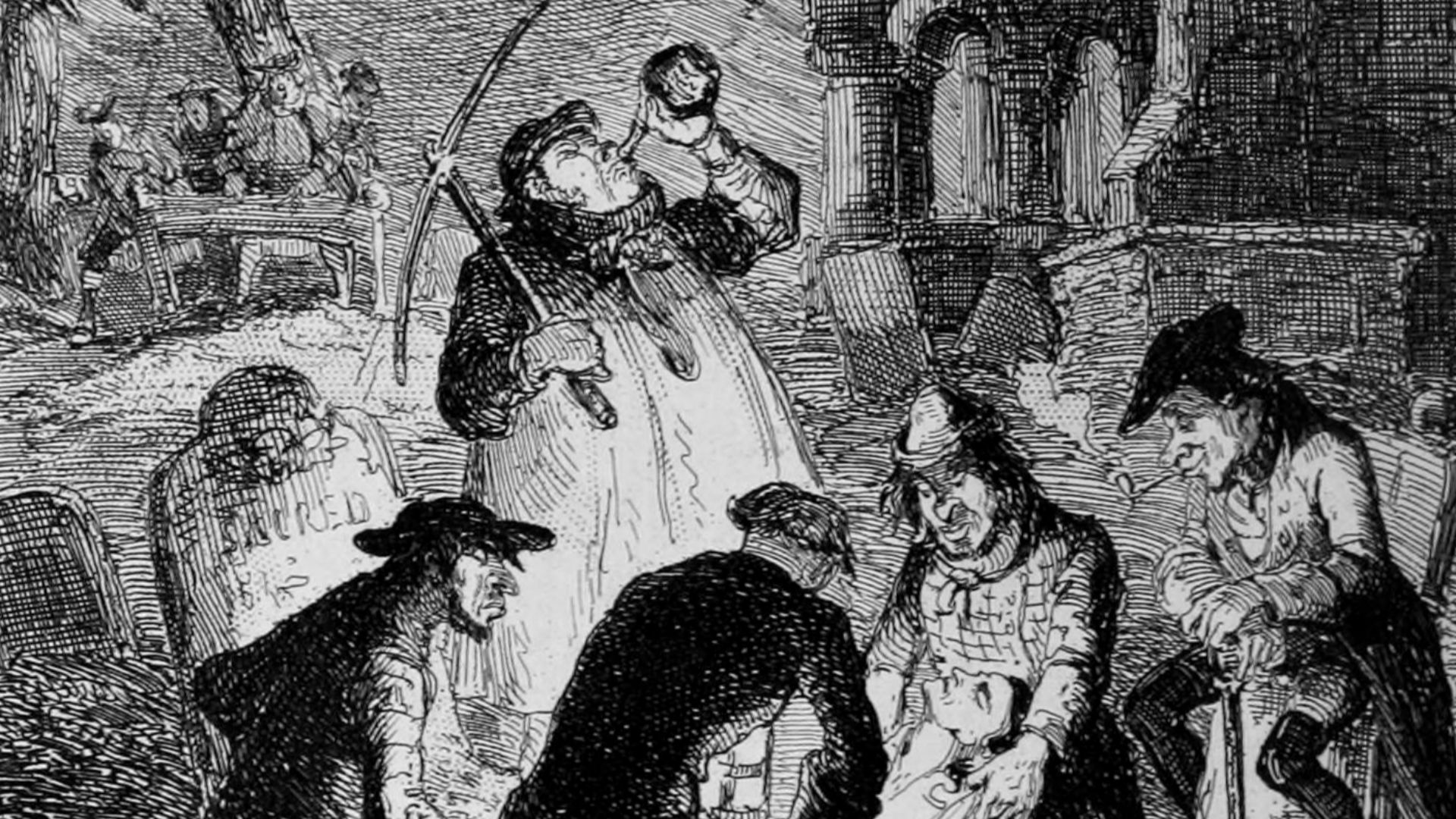
In late 18th- and early 19th-century Britain, medical schools needed bodies for anatomy lessons. Resurrection men stole fresh corpses from graves and sold them to surgeons. The trade was feared, illegal, and profitable enough to inspire locked grave cages called mortsafes.
 Hablot Knight Browne, Wikimedia Commons
Knocker-Uppers Were Human Alarm Clocks
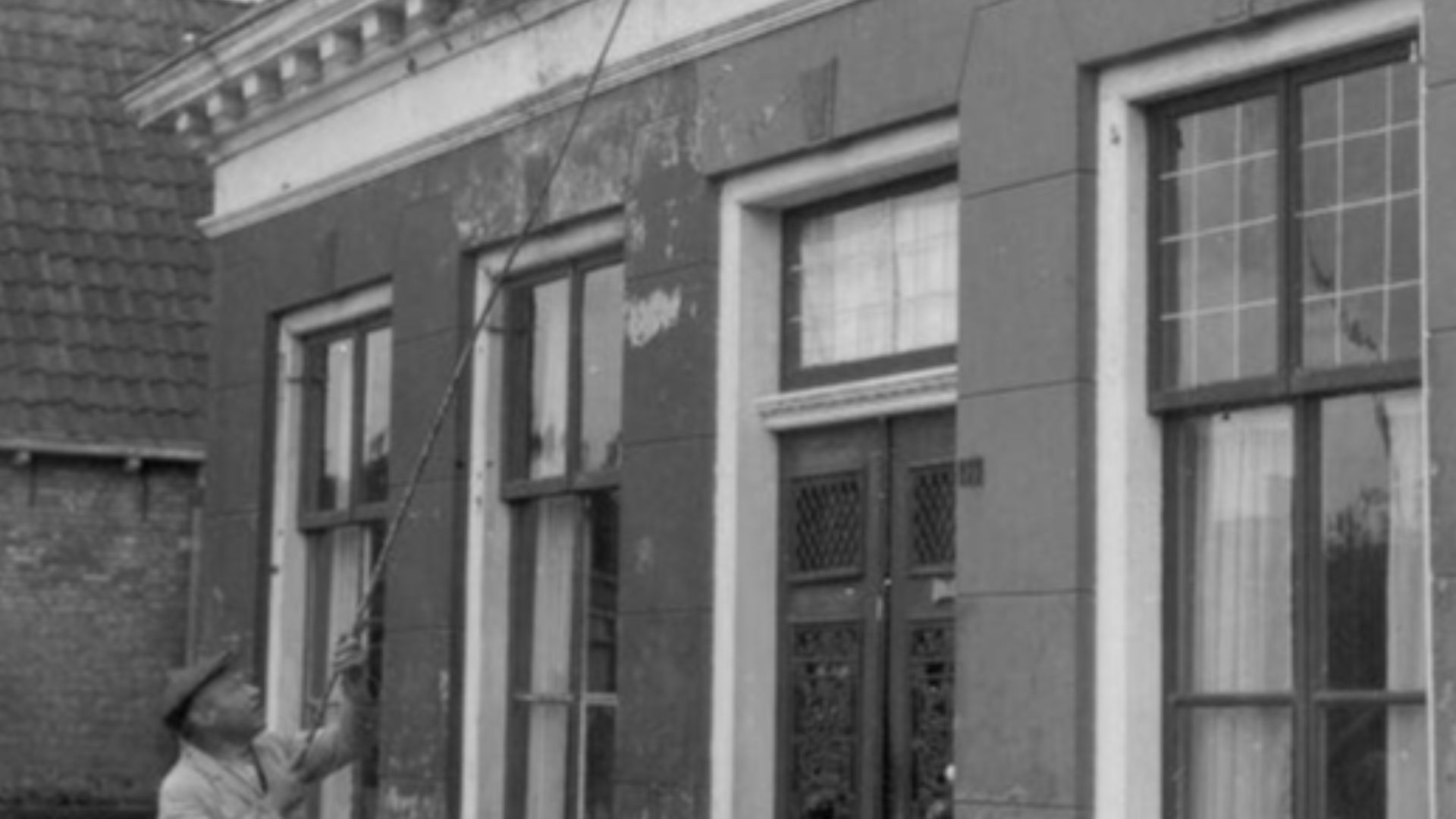
Before cheap alarm clocks, industrial workers sometimes paid knocker-uppers to wake them. These workers tapped on doors or upper windows with sticks, poles, or even pea-shooters. It sounds funny now, but being late to a factory shift could cost someone real money.
 Nationaal Archief (flickr.com), Wikimedia Commons
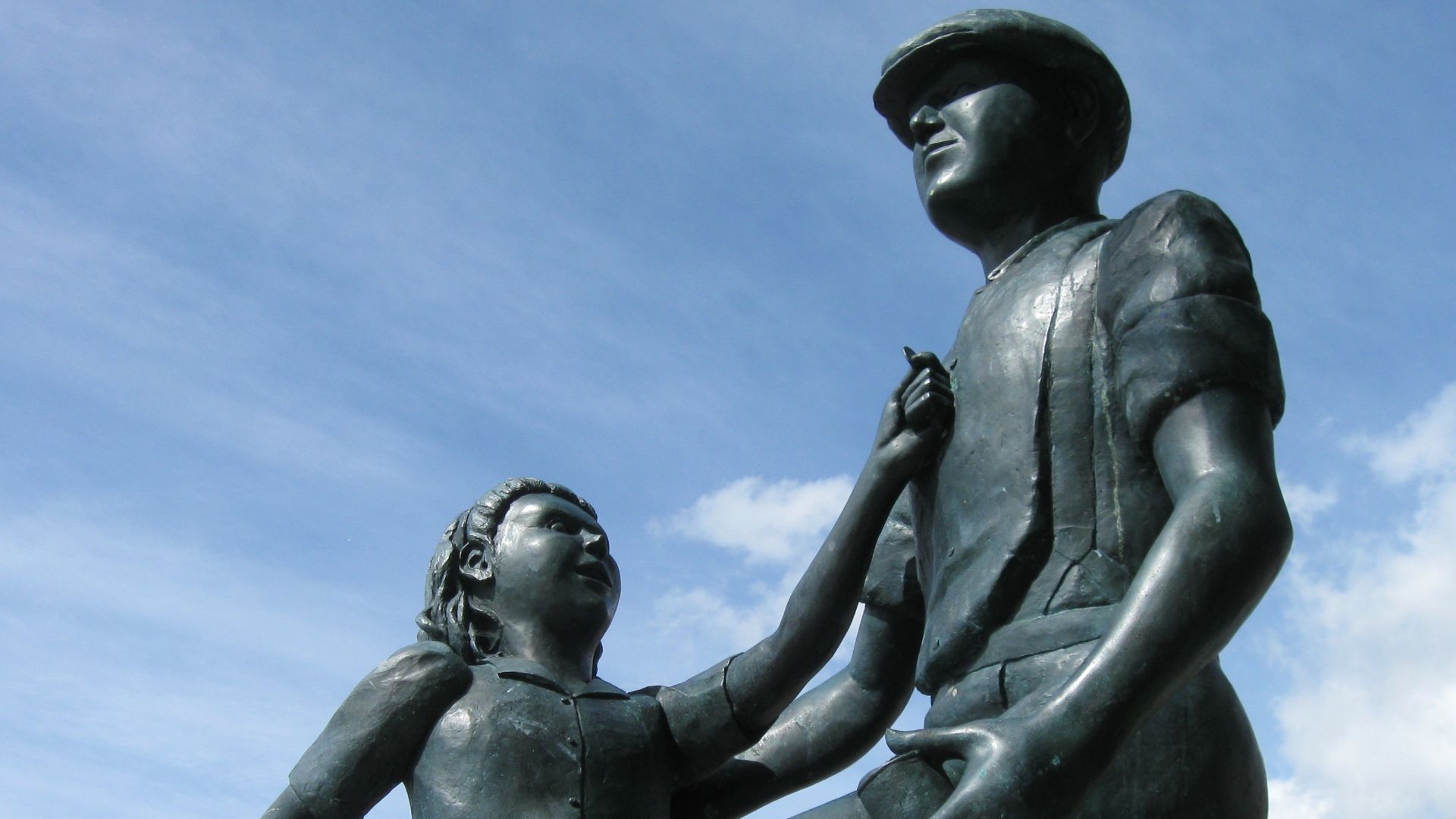
Mudlarks Searched River Mud For Treasure
Poor Londoners once combed the Thames foreshore for anything they could sell. Mudlarks looked for coal, rope, bones, metal, and lost objects in dangerous tidal mud. What is now a heritage hobby began as survival work for people with few choices.
 Katherine Weikert, Wikimedia Commons
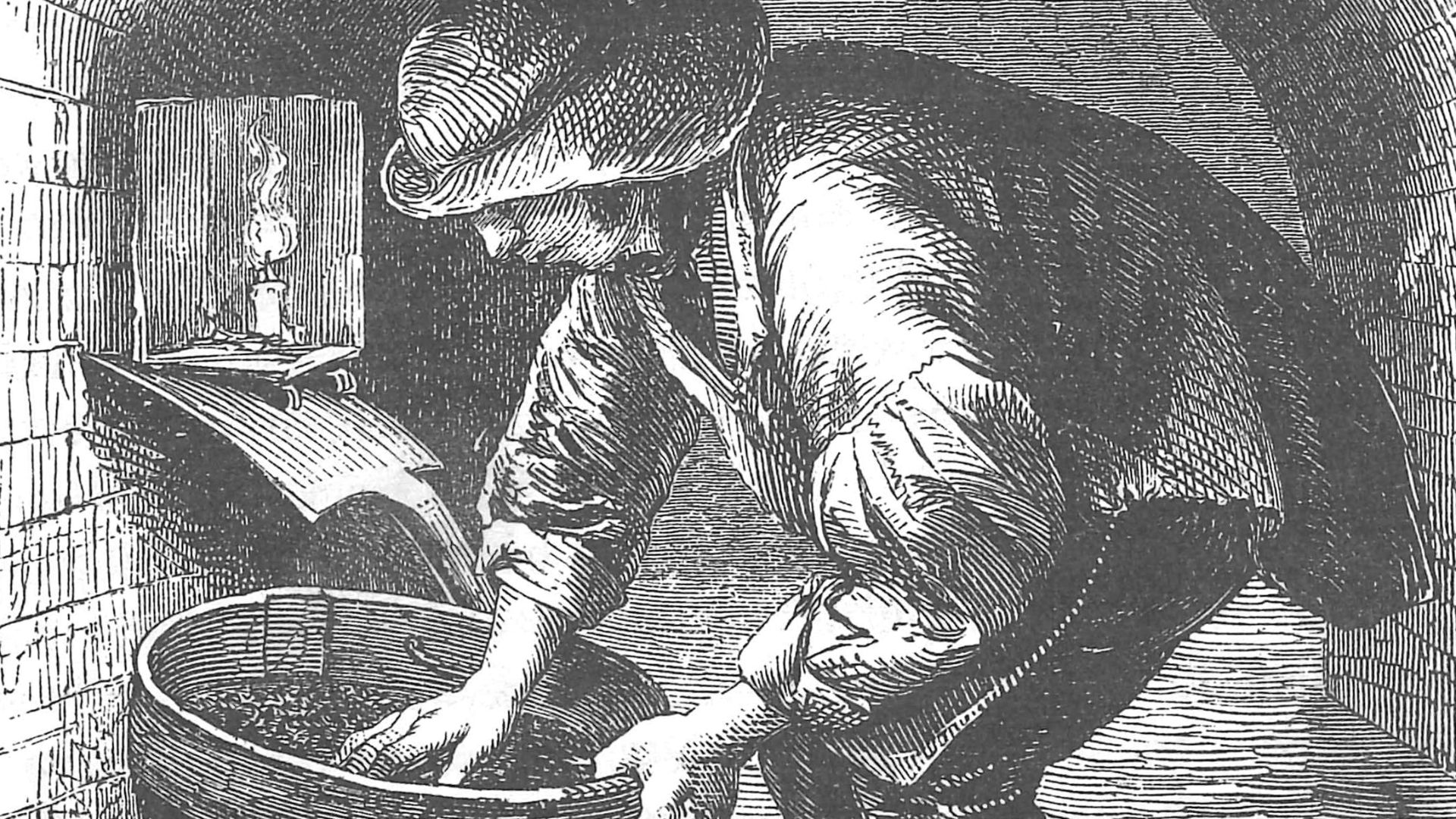
Toshers Hunted Sewers For Valuables
Some Victorians went even lower than the riverbank. Toshers searched London’s sewers for coins, metal scraps, and other saleable finds. The work was hazardous, illegal in some periods, and proof that desperation could turn any hidden corner into a workplace.
 Unknown authorUnknown author, Wikimedia Commons
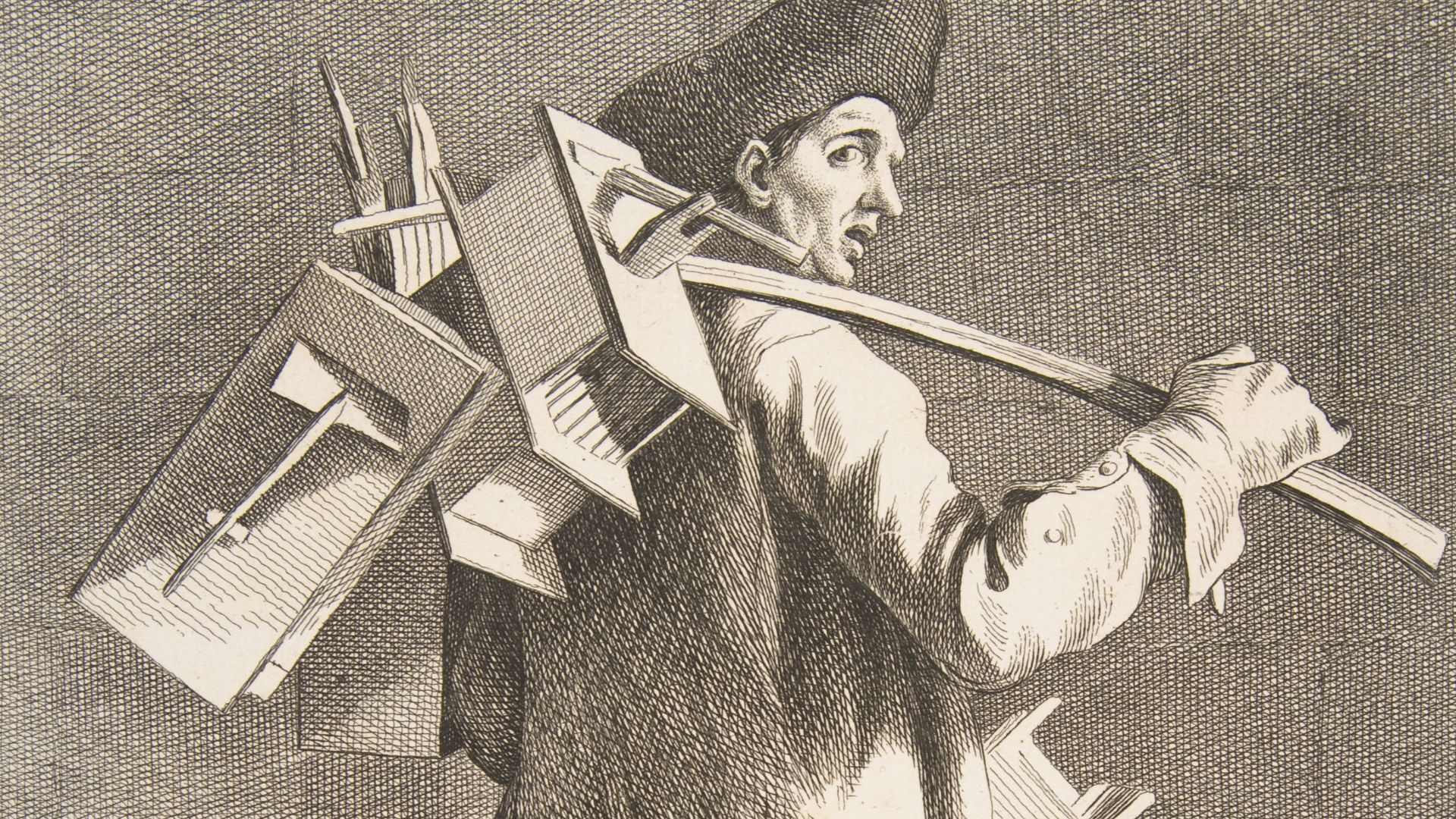
Rat Catchers Turned Vermin Into Income
Rat catchers were paid to control infestations in crowded cities. Some used dogs, ferrets, traps, and showmanship to build reputations. The famous Victorian rat catcher Jack Black even bred unusual rats and helped popularize fancy rats as pets.
 Anne Claude Philippe, Comte de Caylus / After Edme Bouchardon / Francois Joullain, Wikimedia Commons
History's most fascinating stories and darkest secrets, delivered to your inbox daily.
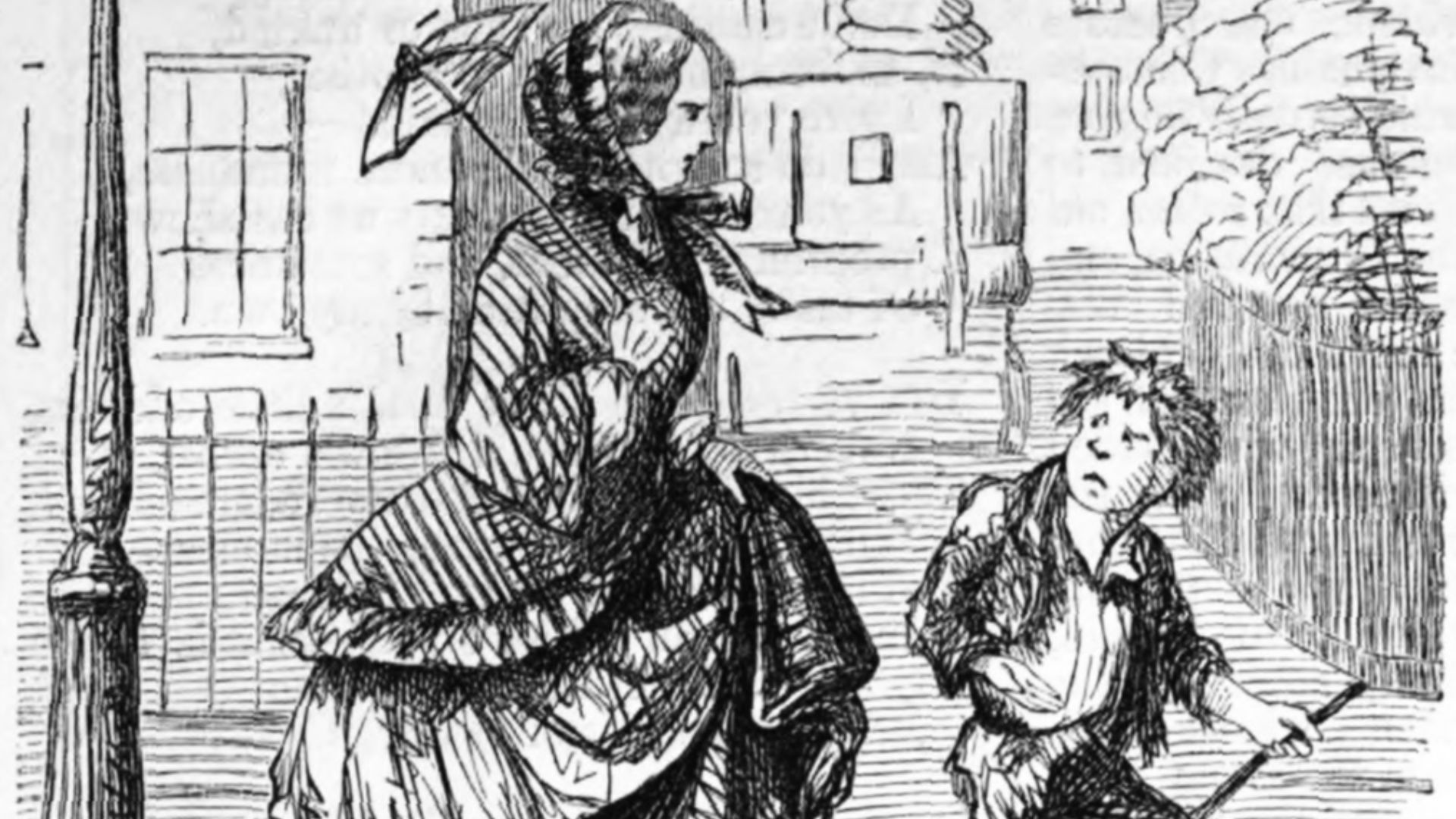
Crossing Sweepers Sold Clean Steps
In 19th-century London, crossing sweepers cleared paths through filthy streets for pedestrians. Horse-drawn traffic left roads muddy and messy, so wealthier passersby might tip someone for a cleaner crossing. It was informal work, but it turned a broom into a business.
 Punch magazine, Wikimedia Commons
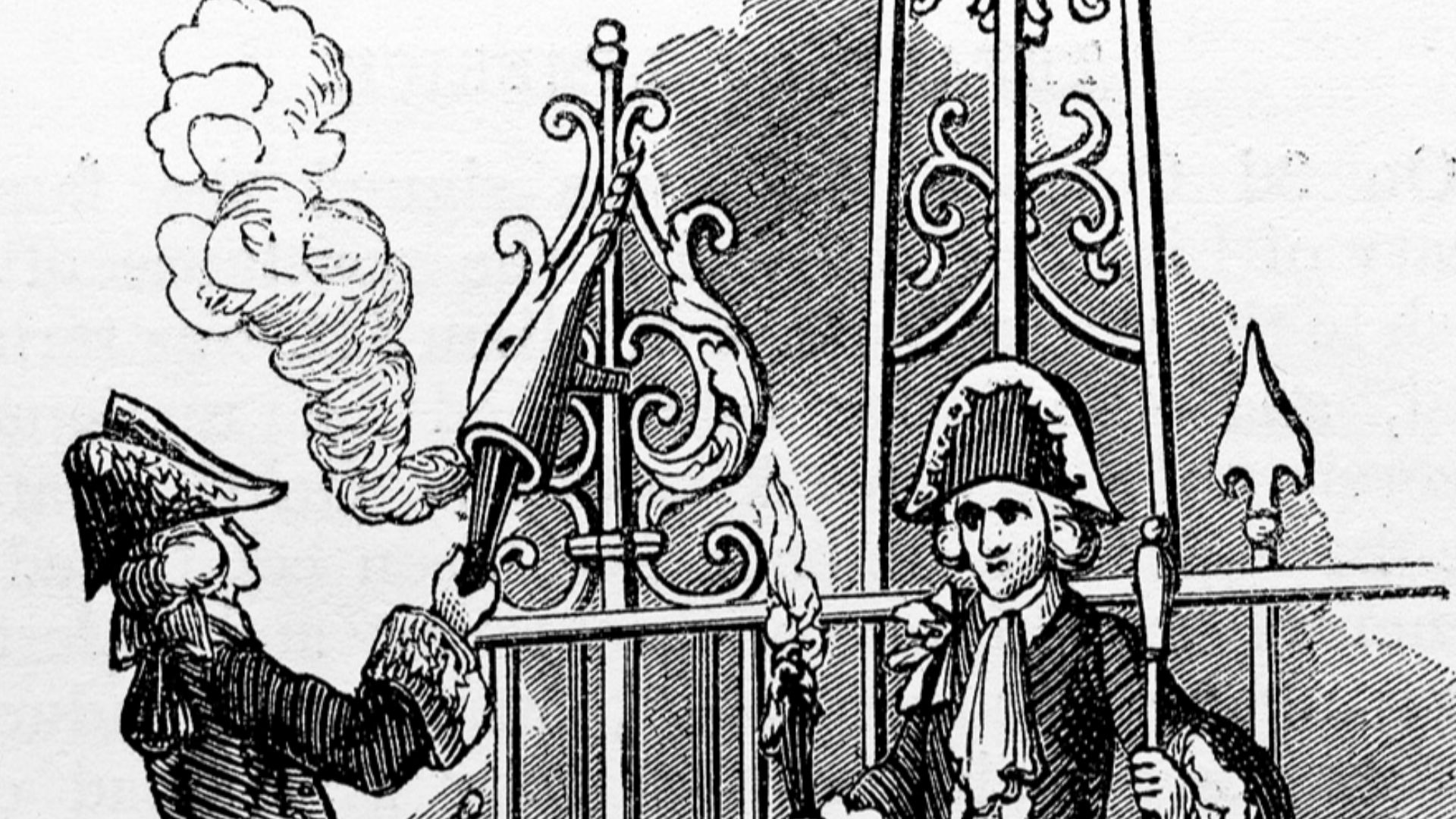
Link Boys Lit The Night
Before widespread street lighting, people could hire link boys to guide them through dark streets with torches. The fee was small, but the service was practical in cities where darkness could be dangerous. Some link boys helped honest travelers, while others had a sketchier reputation.
 unknown engraver, Wikimedia Commons
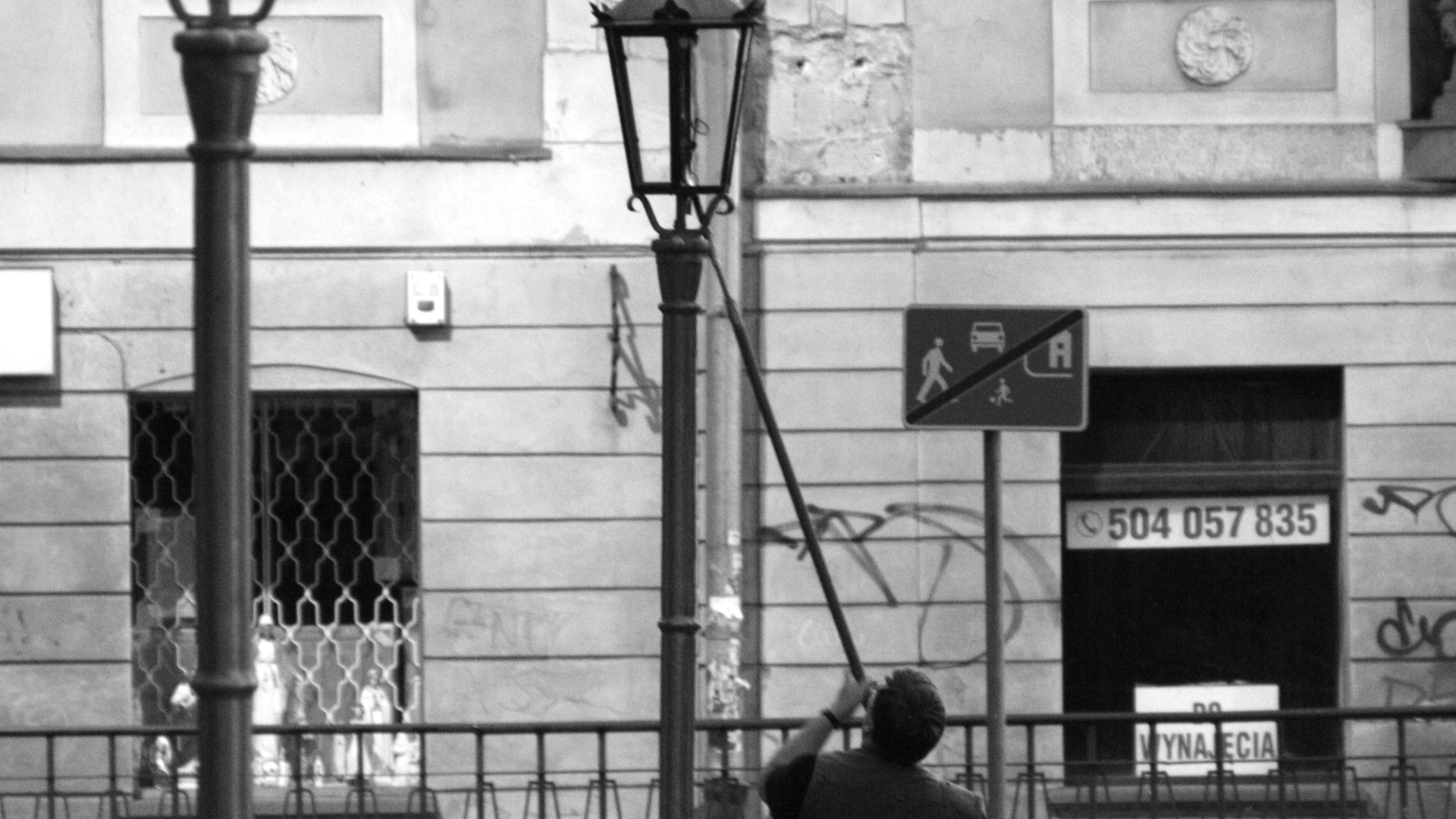
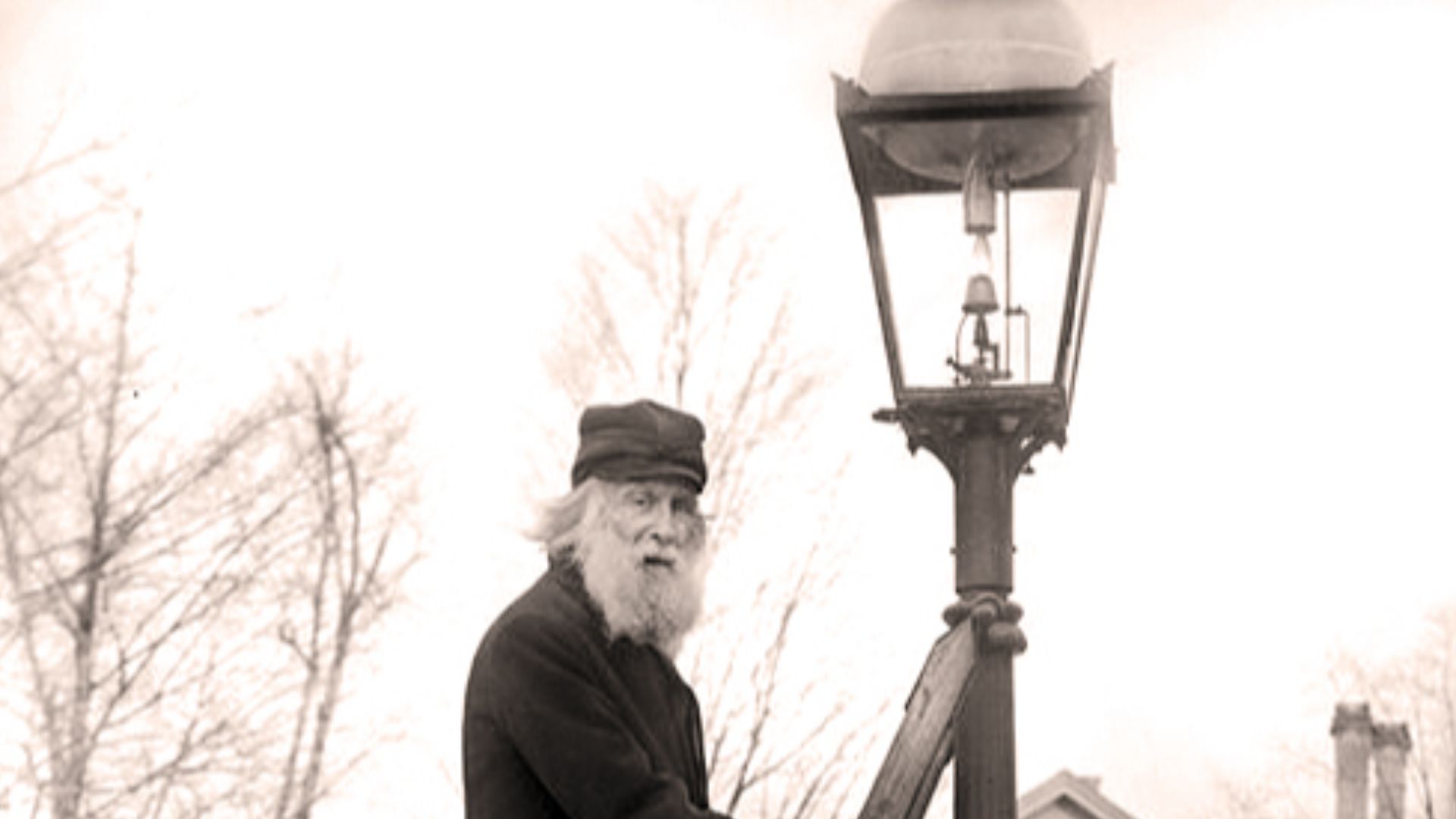
Lamplighters Made Cities Glow
Lamplighters were paid to light, extinguish, and maintain street lamps. They walked regular routes at dusk and dawn, keeping public lighting working before automation took over. It was a practical job that disappeared as technology advanced.
 Klearchos Kapoutsis from Santorini, Greece, Wikimedia Commons
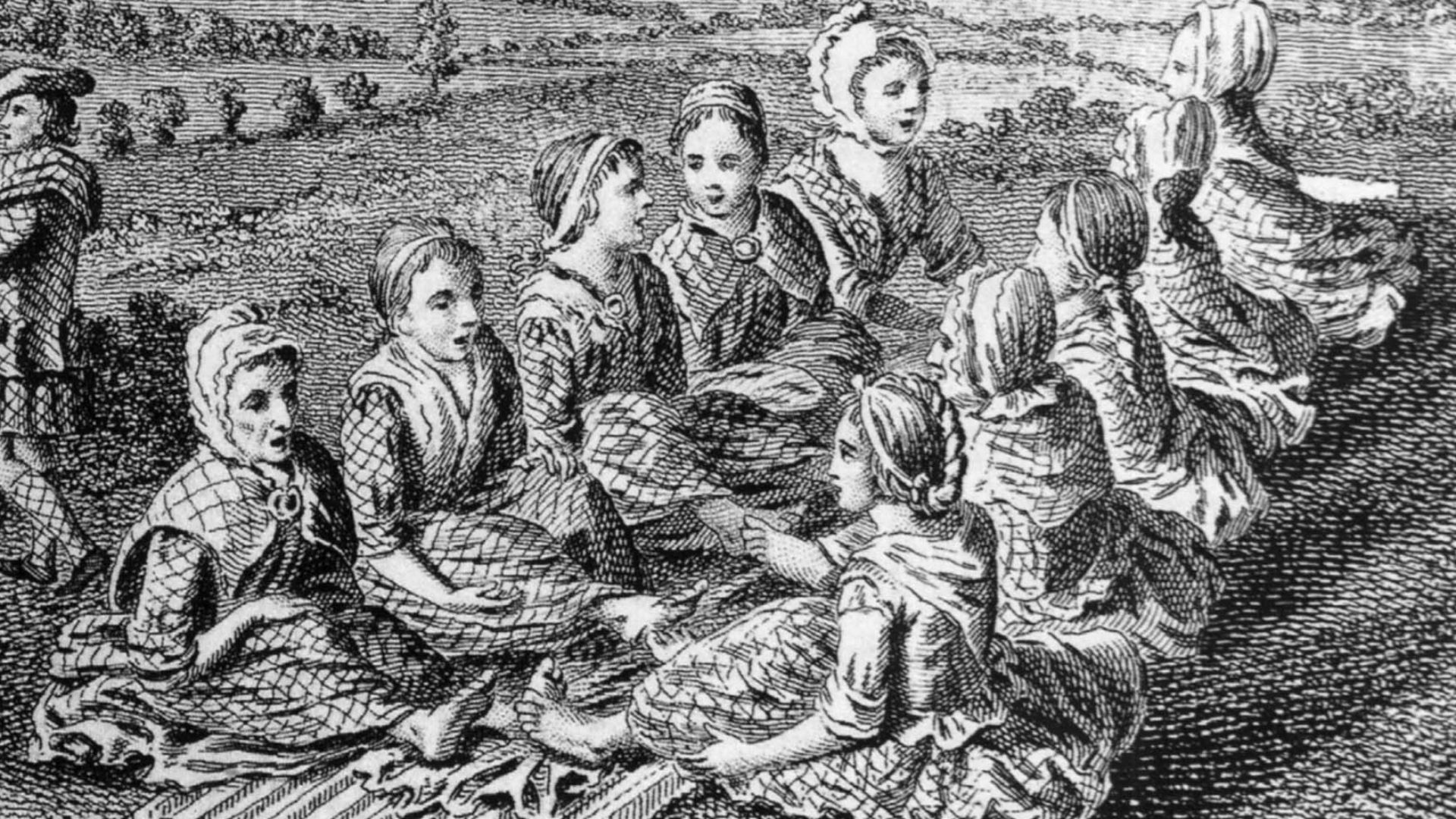
Fullers Cleaned Cloth With Urine
In ancient and medieval textile work, fullers cleaned and thickened wool cloth. One of the traditional materials used in the process was stale urine, valued for its ammonia. The job was smelly, but cloth production was essential and profitable.
 Unknown authorUnknown author, Wikimedia Commons
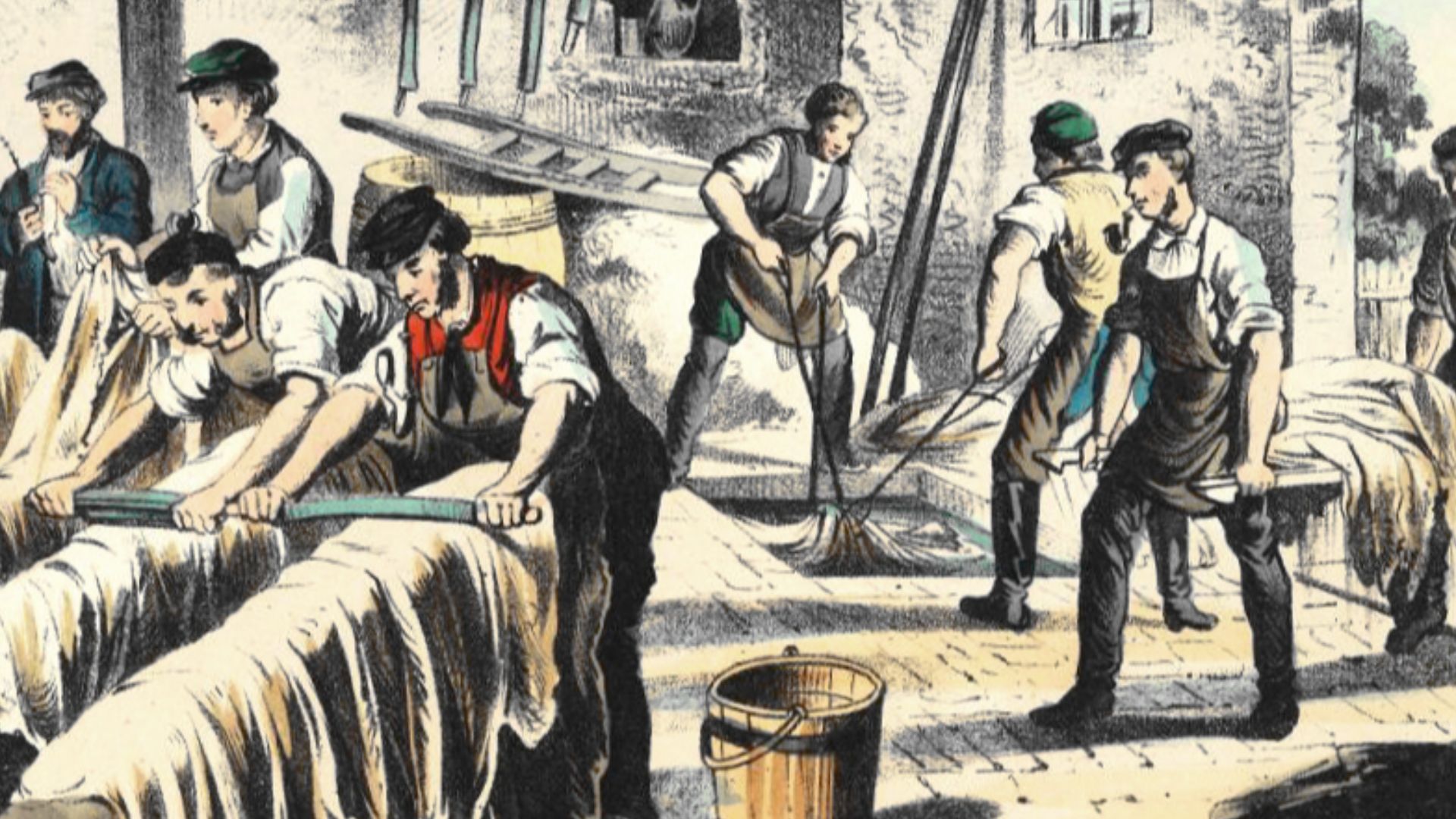
Tanners Worked In A World Of Stink
Leather-making often required soaking, scraping, fermenting, and treating animal hides. Tanners used unpleasant materials, including lime, urine, dung, and rotting matter. Their work smelled terrible, but leather was vital for shoes, belts, armor, books, and countless everyday goods.
 Anonymous artist, Wikimedia Commons
Saltpeter Men Collected Nasty Ingredients
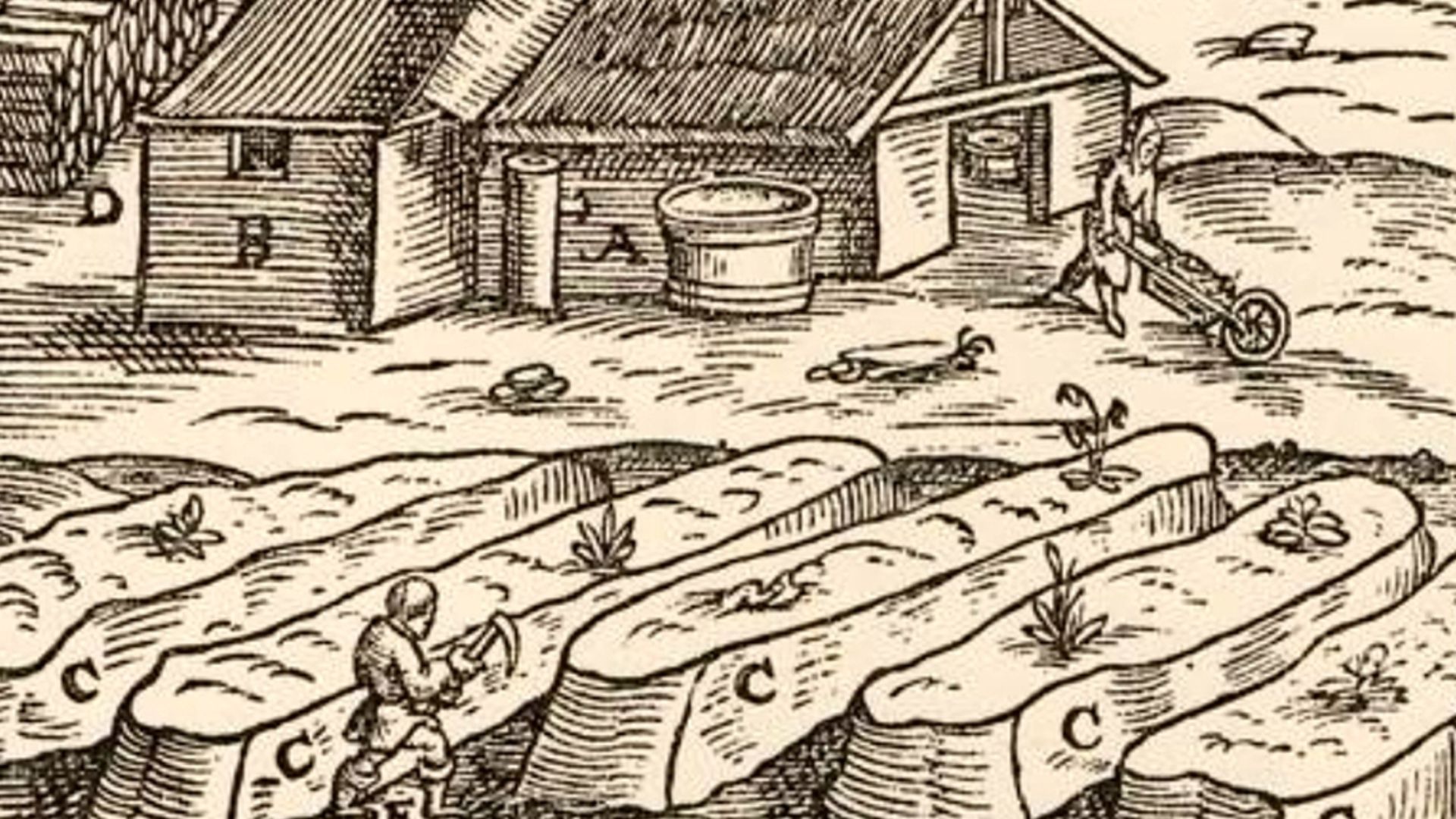
Gunpowder required saltpeter, and early modern governments wanted steady supplies. In England, saltpeter men searched stables, dovecotes, cellars, and soil rich in nitrogenous waste. Their job connected household filth directly to warfare.
History's most fascinating stories and darkest secrets, delivered to your inbox daily.
Professional Mourners Sold Grief
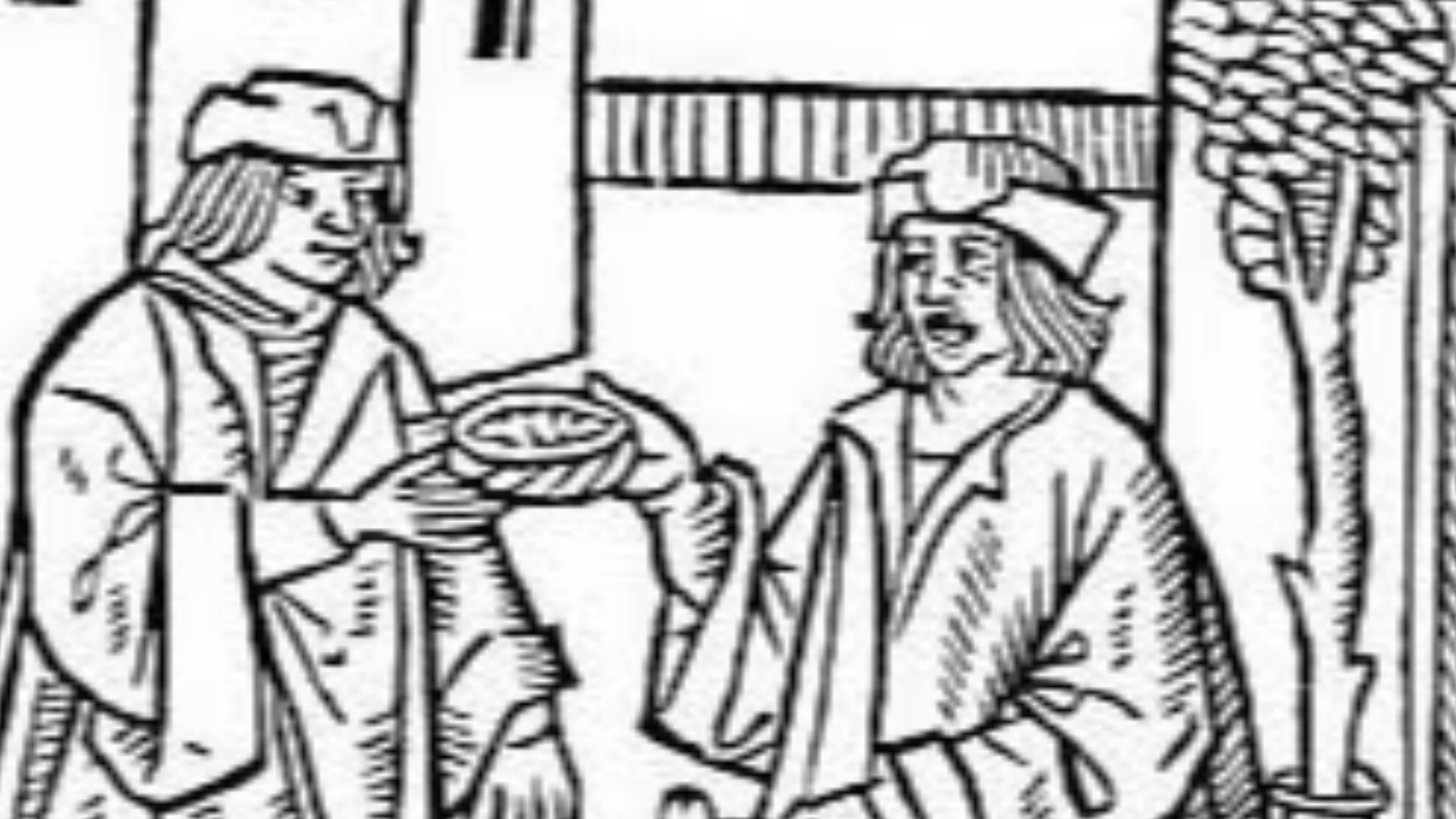
Ancient Egyptian funerals sometimes included professional mourners who performed public grief. These women wailed, gestured, and helped turn mourning into a visible ritual. In some cultures, grief was not only personal, it was a paid performance.
 Franckgerardin, Wikimedia Commons
Court Jesters Made Risky Money
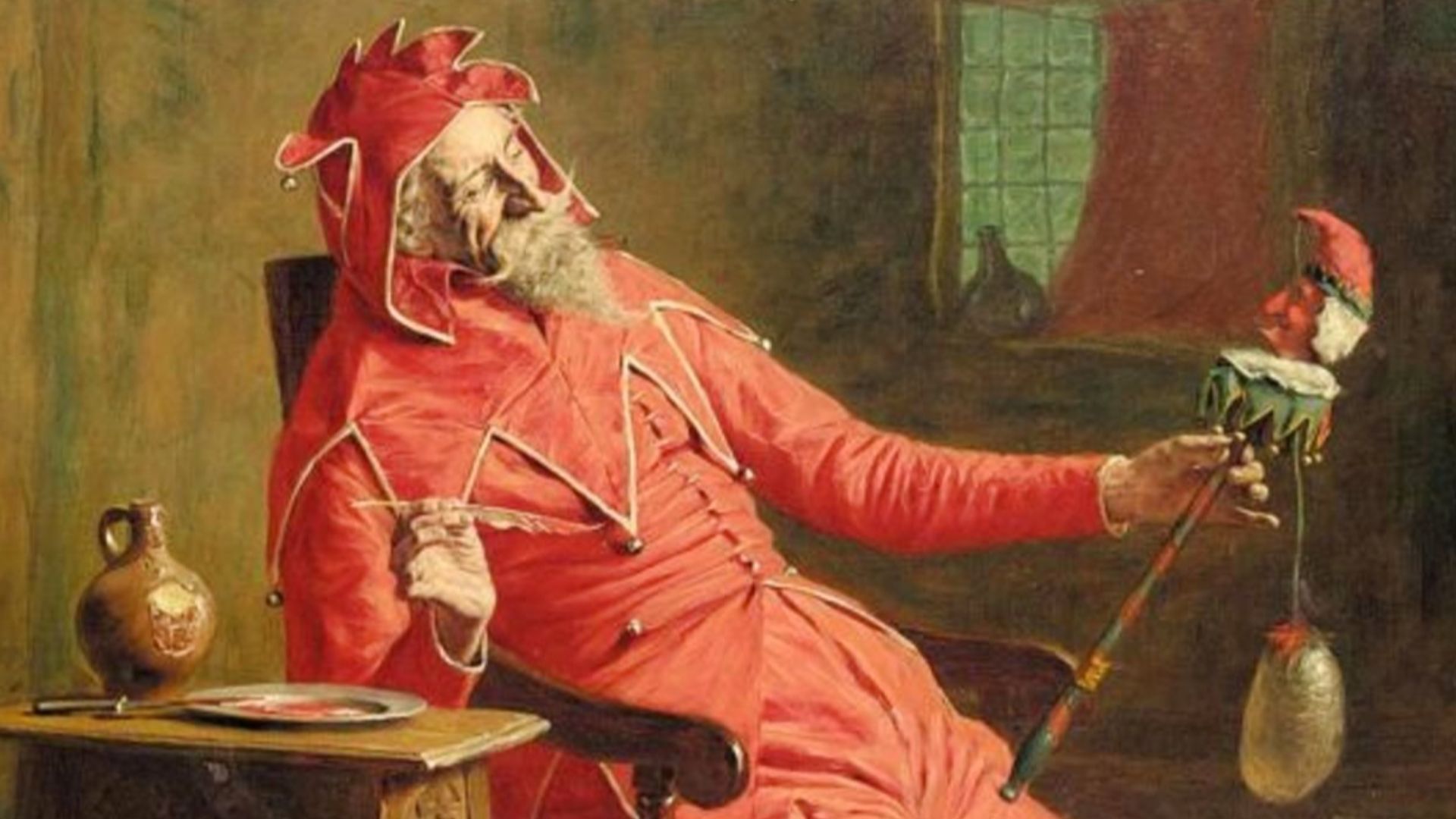
Jesters entertained rulers with jokes, music, tricks, and sharp commentary. A successful jester could earn food, lodging, gifts, and influence. The danger was obvious, because making powerful people laugh sometimes meant insulting them just enough.
 John Watson Nicol, Wikimedia Commons
Chimney Sweeps Crawled Into Danger
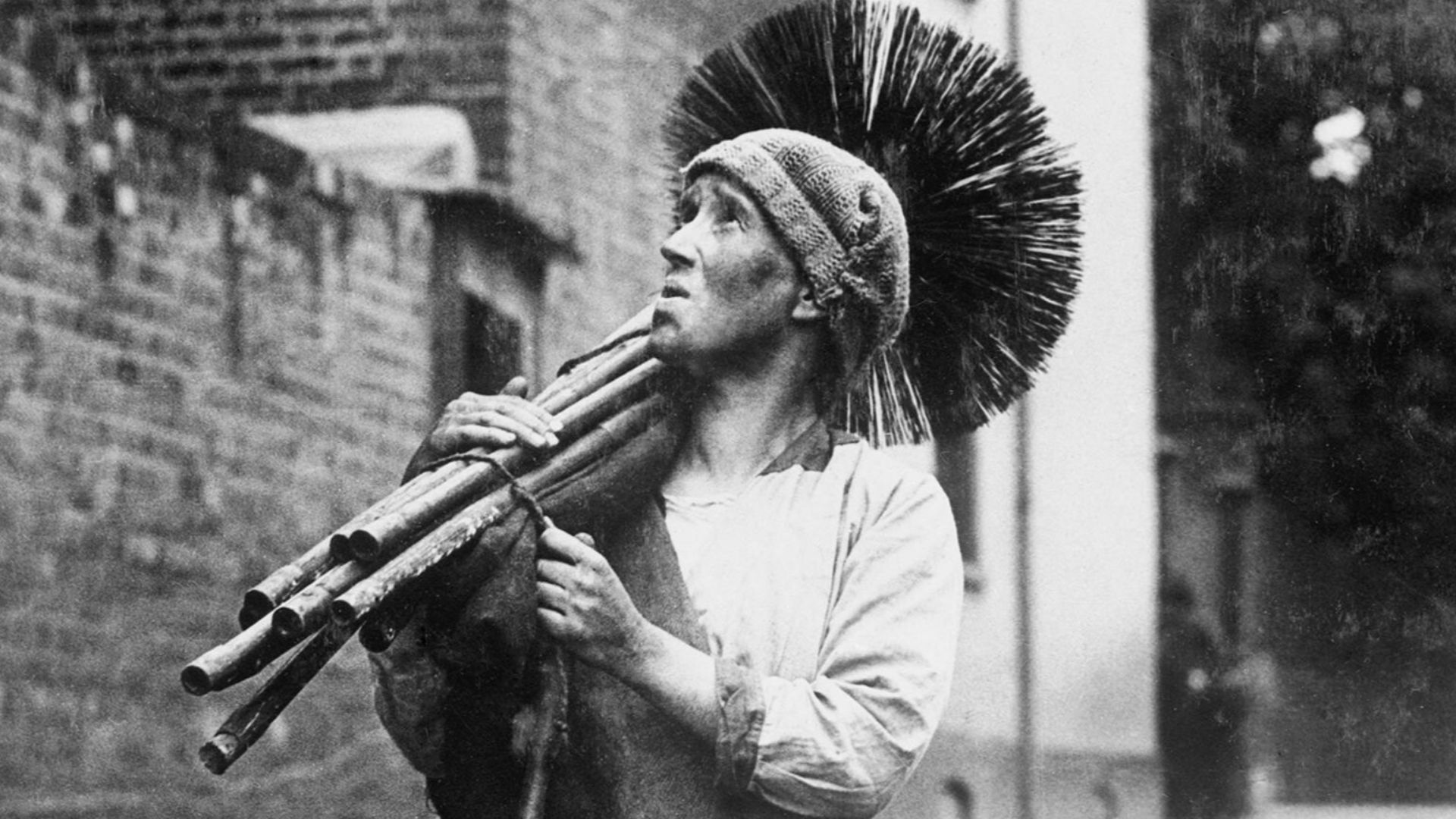
Before modern equipment, chimney sweeping often involved small boys climbing narrow flues. The work exposed them to soot, falls, suffocation, burns, and disease. It was one of history’s bleakest examples of poverty turning children into tools.
 Horace Nicholls, Wikimedia Commons
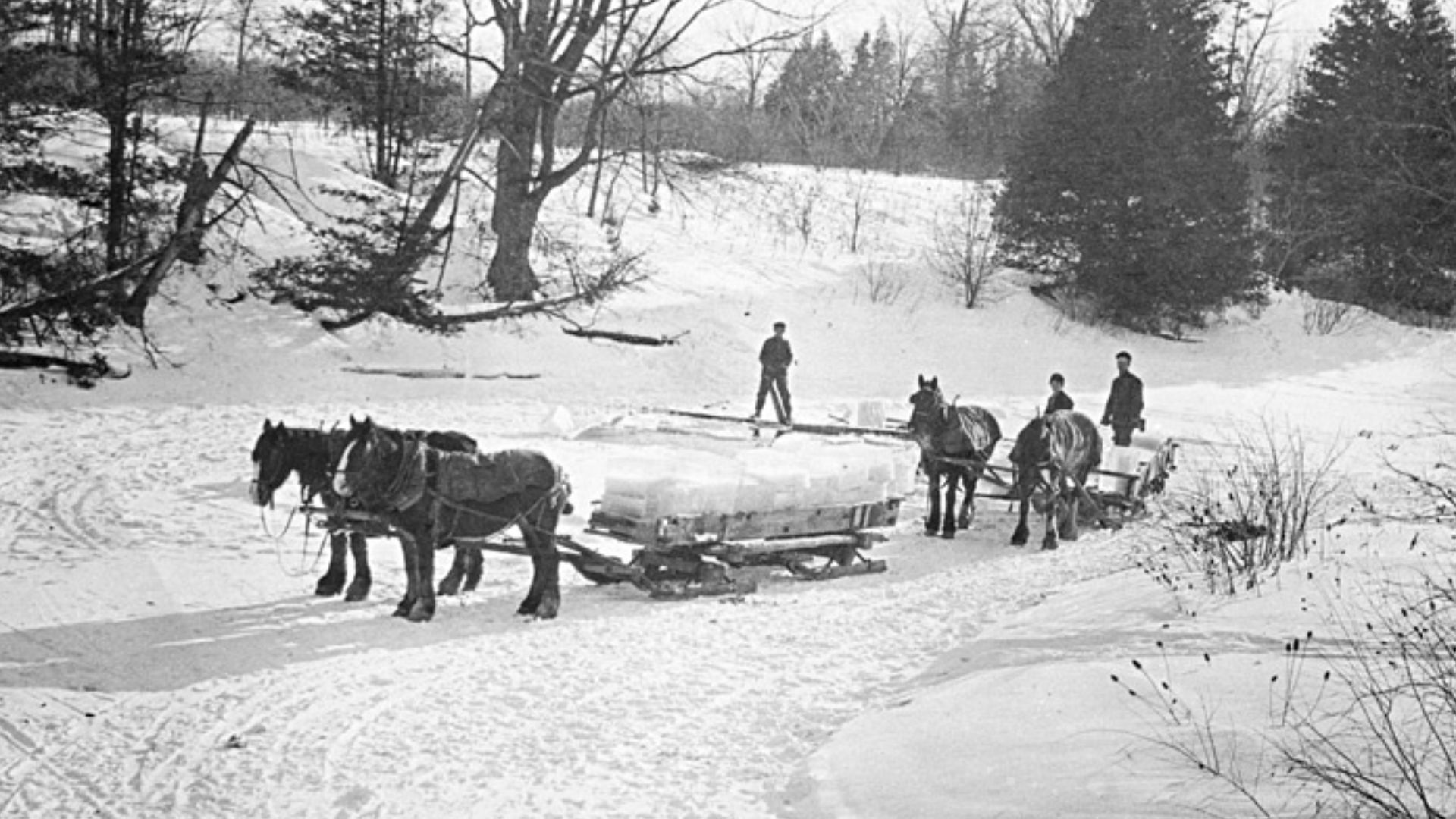
Ice Cutters Sold Winter In Summer
Before mechanical refrigeration, workers harvested blocks of ice from frozen lakes and rivers. The ice was stored in insulated ice houses and later sold for cooling food and drinks. It was seasonal, physical work that helped make summer refrigeration possible.
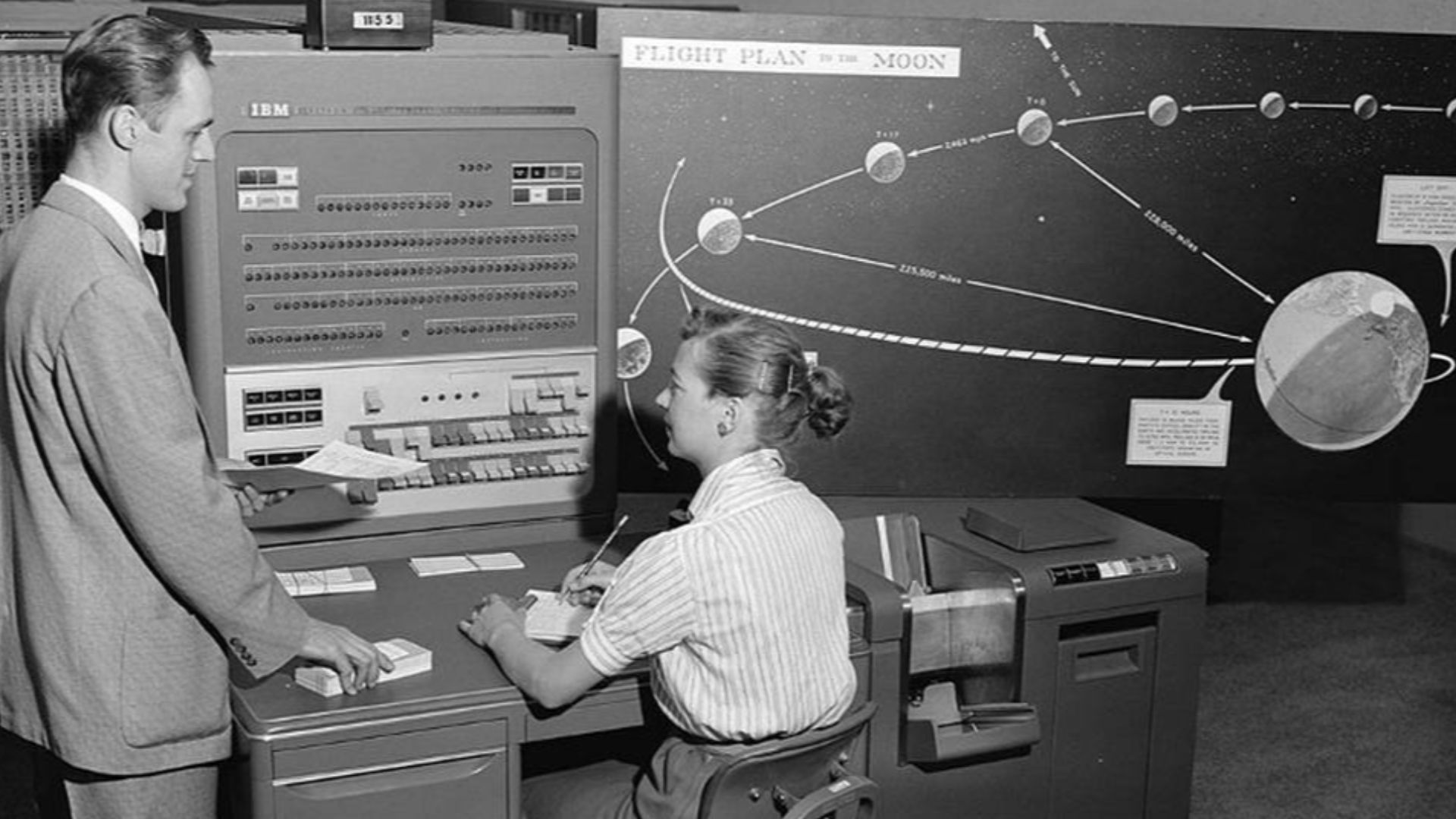
Human Computers Did The Math
Before electronic computers became dominant, “computer” could mean a person who performed calculations. At NASA and its predecessor organizations, many women worked as human computers on aeronautics and space problems. It was strange only by modern wording, because the job was intellectually demanding and historically important.
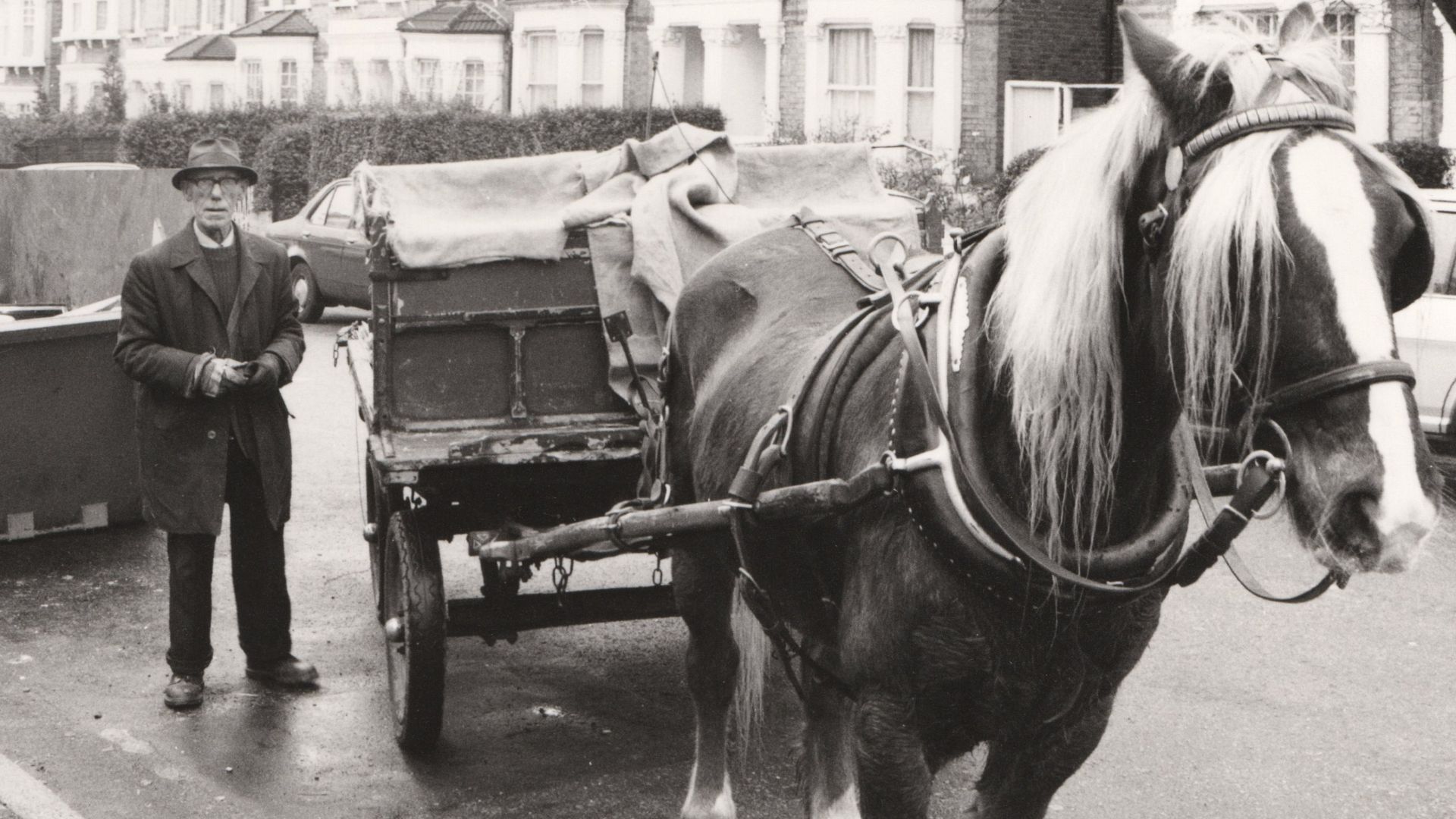
Rag-And-Bone Men Bought Household Scraps
Rag-and-bone men collected old cloth, bones, metal, and other castoffs for resale. Their work turned household junk into raw material for recycling and manufacturing. Long before modern recycling programs, poverty and profit kept discarded goods moving.
History's most fascinating stories and darkest secrets, delivered to your inbox daily.
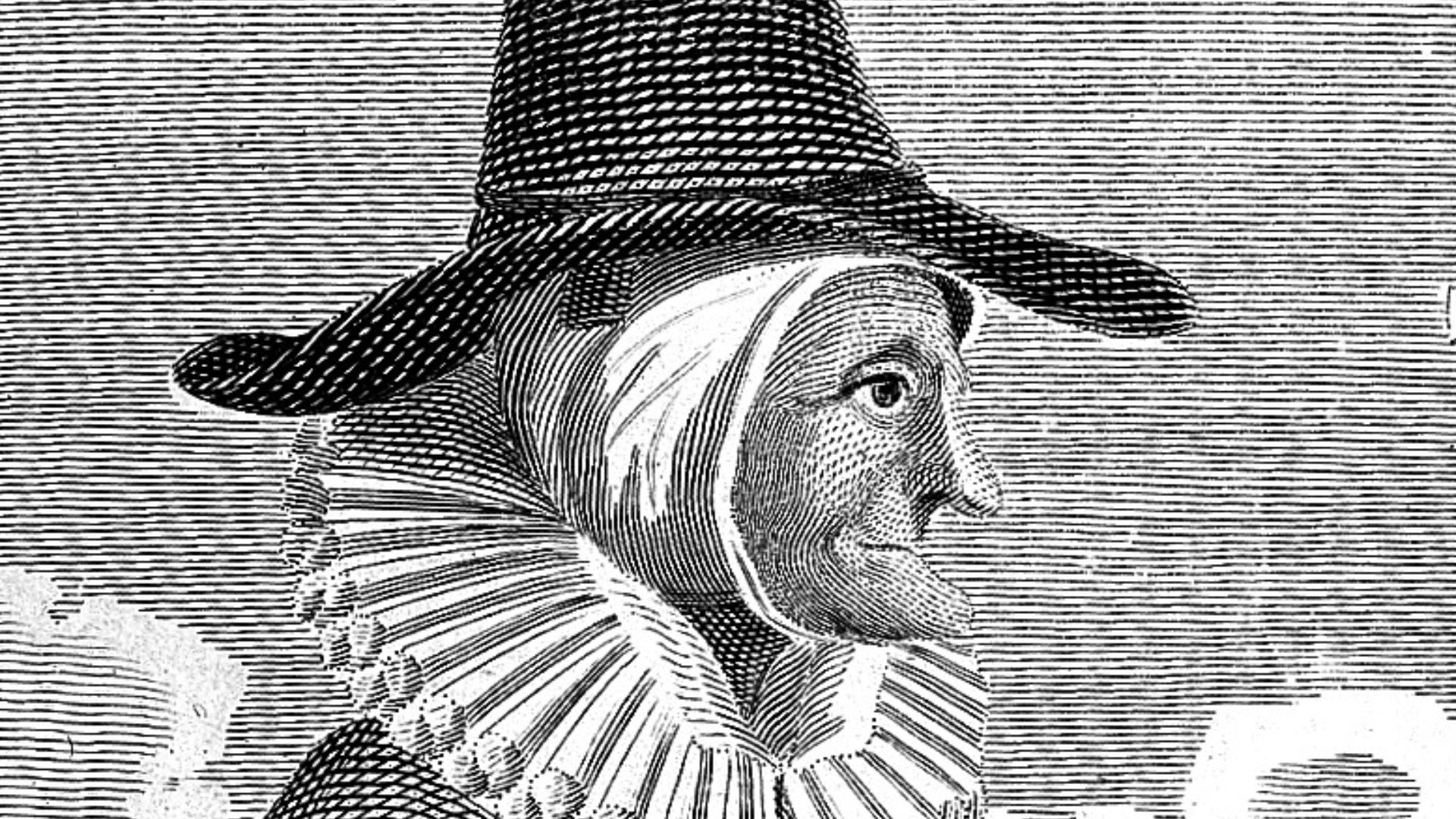
Alewives Brewed For A Living
In medieval and early modern communities, many women brewed ale for household sale. Brewing could bring income, but it also brought scrutiny when ale quality, pricing, or public behavior became controversial. A home-based side hustle could quickly become a regulated trade.
 David Loggan, Wikimedia Commons
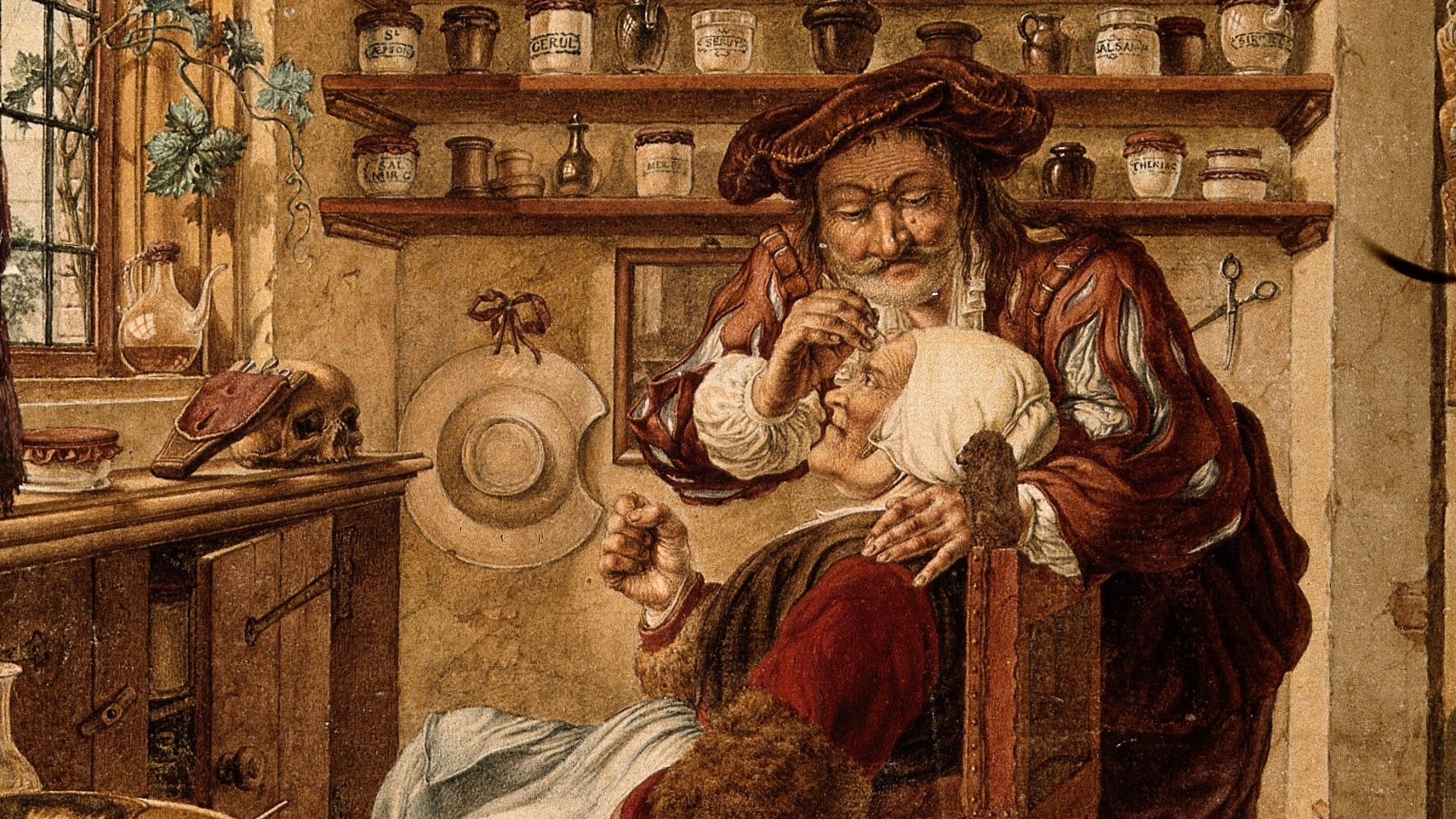
Barber-Surgeons Mixed Grooming And Gore
Barber-surgeons did far more than cut hair. In medieval and early modern Europe, some performed bloodletting, tooth-pulling, wound care, and minor surgery. The red-and-white barber pole still echoes that messy overlap between grooming and medicine.
 Mike Rosoft, Wikimedia Commons
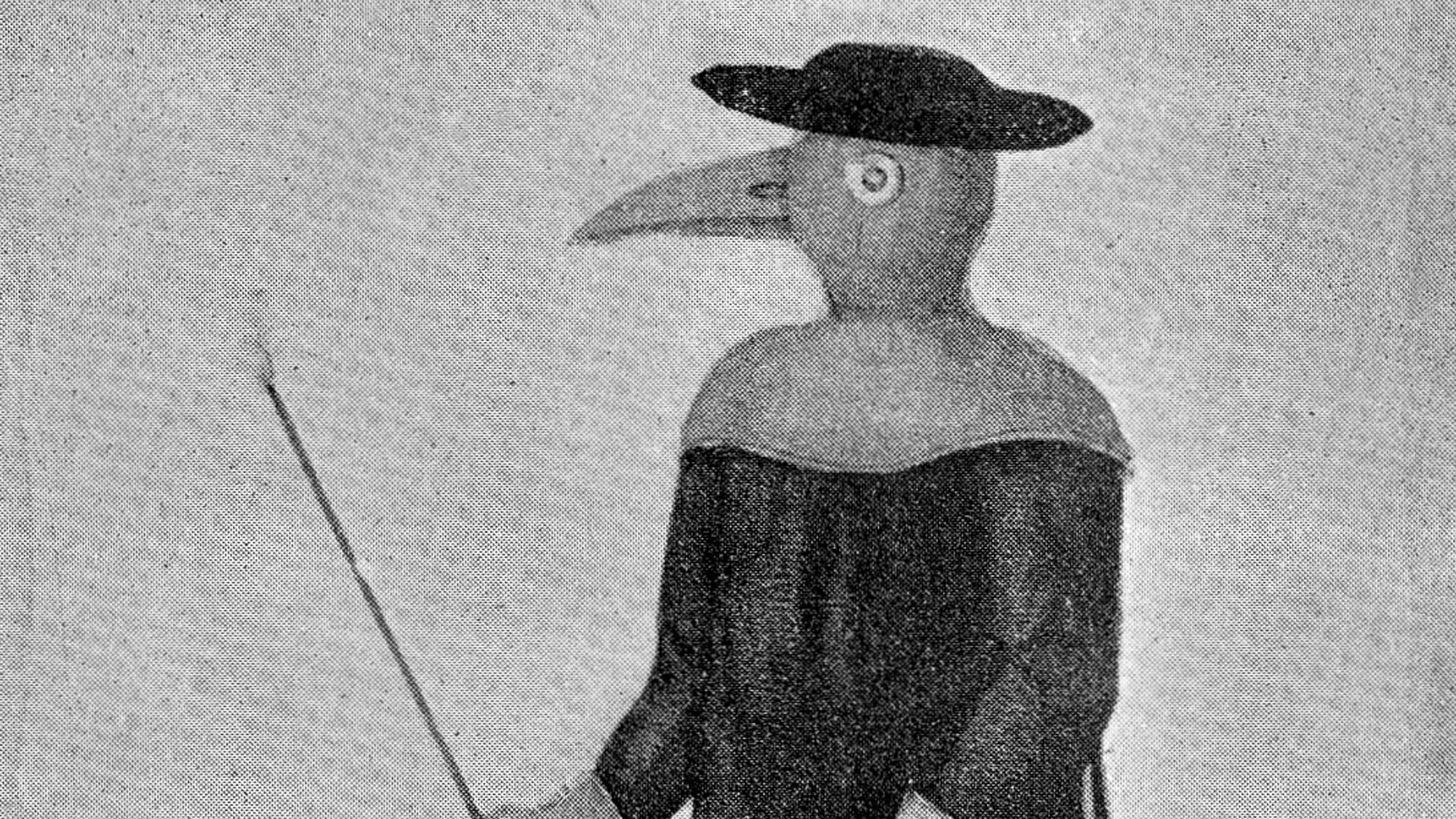
Plague Doctors Sold Fear And Hope
During outbreaks, some towns hired plague doctors to treat or record victims. Their famous beaked masks came later, but the job itself was real and frightening. These doctors worked where others fled, although their treatments were often limited by the medicine of the time.
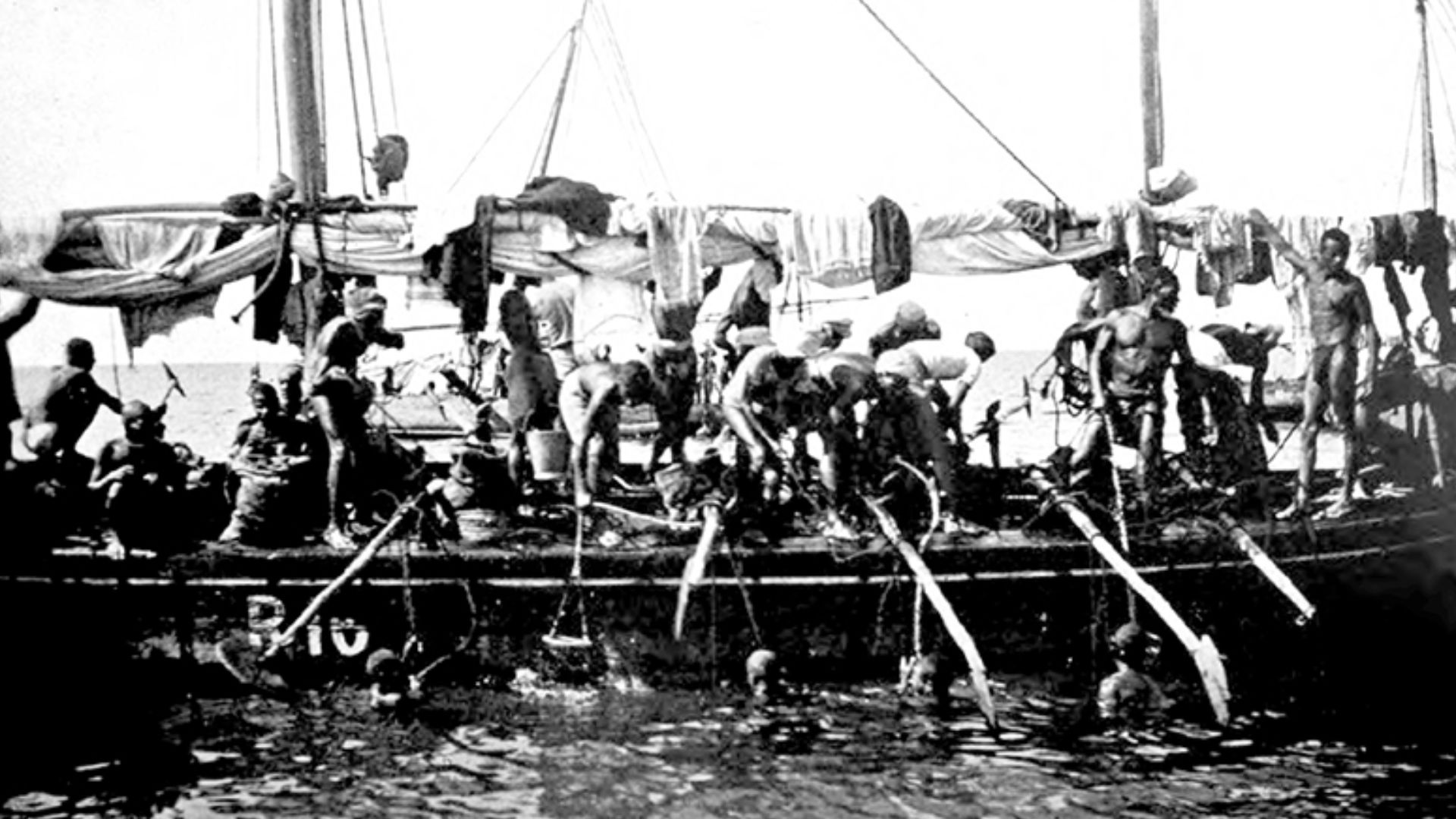
Pearl Divers Risked Their Lives For Luxury
Pearl diving was dangerous work in places such as the Persian Gulf, Indian Ocean, and Pacific. Divers held their breath, descended repeatedly, and faced drowning, exhaustion, and marine hazards. The reward was a natural luxury item prized by elites.
 George Frederick Kunz, Wikimedia Commons
Some Weird Jobs Were Secretly Smart
Many of these jobs look bizarre because modern life hides the systems that replaced them. Sewers, clocks, refrigeration, street lighting, sanitation, and medical regulation all made old trades vanish. The people doing the work were not always odd, but the economies around them certainly were.
 Jim Griffin, Wikimedia Commons
You May Also Like:
The Weirdest Rules People Once Followed At Work
Ancient Foods That Were Once Totally Normal—But Would Be Hard to Stomach Today
The Strangest Jobs That Disappeared With Modern Technology
Sources: 1, 2, 3, 4, 5, 6, 7, 8, 9, 10, 11, 12, 13, 14, 15, 16