Think Your Workplace Has Some Strange Rules? They're Nothing Compared To How Things Used To Be
Work has always come with rules. Some make sense, like showing up on time or not stealing your coworker’s lunch. Others? Not so much. Across history, workers have been told how to dress, speak, sit, smile, and even use the bathroom. These strange workplace rules prove that “professionalism” has had some very weird moments.
No Talking On The Factory Floor
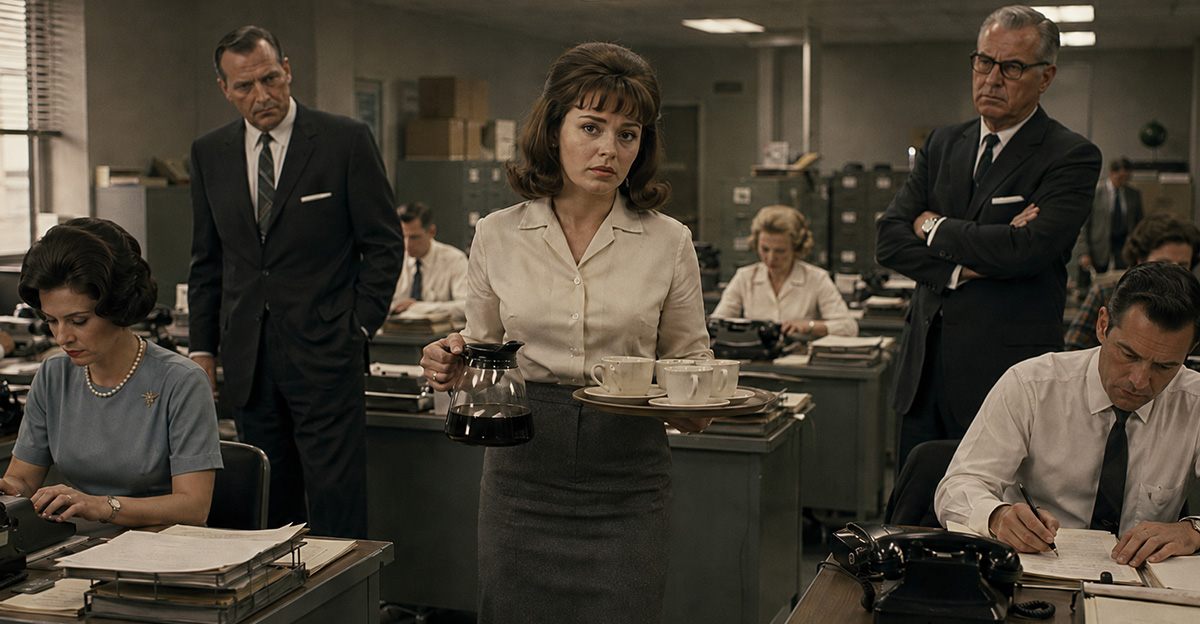
In many old factories, workers were expected to stay silent for hours. Bosses thought conversation slowed people down, caused mistakes, or encouraged rebellion. Imagine sewing, packing, or assembling parts all day while pretending your coworkers were furniture. It was efficient, maybe—but it also sounds like the world’s saddest group project.
Office Workers Needed Permission To Sit
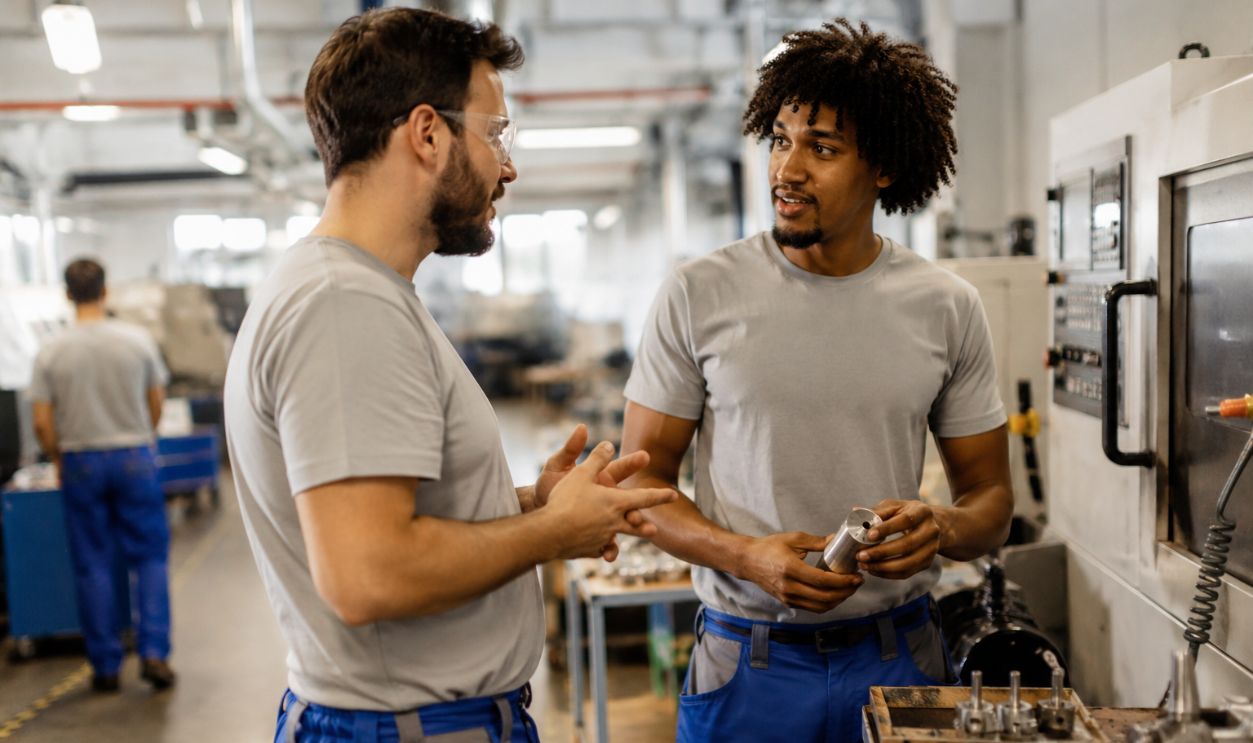
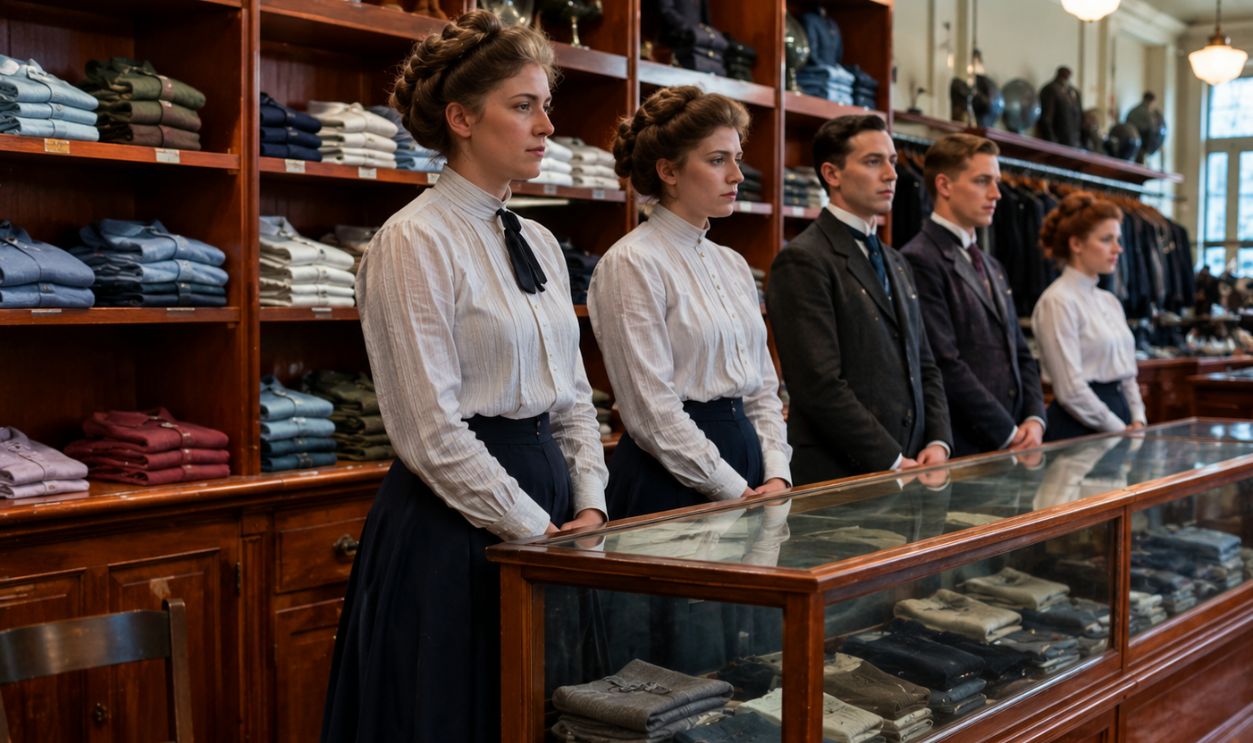
Some workers, especially store clerks and factory employees, were not allowed to sit during shifts. Standing was seen as more alert, more respectful, and more “productive.” Never mind sore feet or exhaustion. A chair was treated less like furniture and more like a dangerous gateway to laziness.
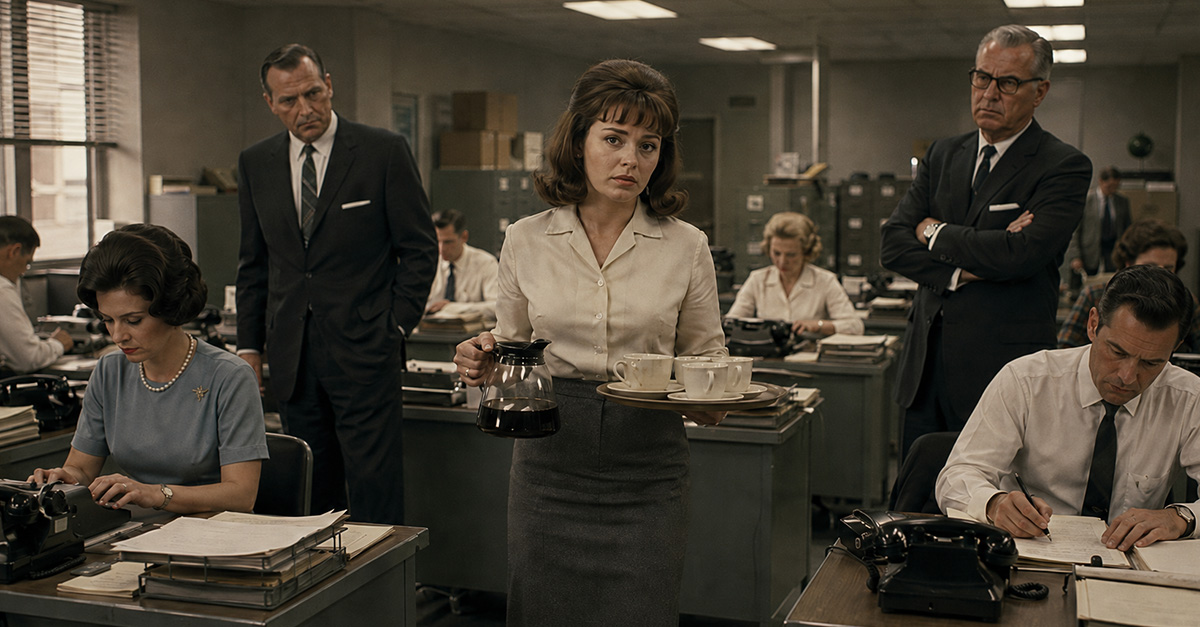
Secretaries Had To Make Coffee
In many offices, women hired for clerical work were also expected to make coffee, tidy rooms, and handle little personal chores for male bosses. None of this was usually in the job description. It was just assumed. Somehow, “professional skills” often meant typing 90 words per minute and remembering everyone’s cream-and-sugar order.

Lunch Breaks Could Be Timed To The Minute
Some workplaces treated lunch like a military operation. Workers had strict bells, whistles, or clocks telling them when to stop eating and when to get back. A few minutes late could mean lost pay or a scolding. Nothing says “enjoy your sandwich” like chewing under the pressure of industrial discipline.

Employees Were Banned From Whistling
Whistling was once banned in some offices, factories, and shops because managers thought it was distracting or rude. In certain workplaces, it was also linked to superstition, bad luck, or sailors’ habits. Either way, one cheerful tune could turn you into the office troublemaker. Productivity, apparently, required emotional silence.

Dress Codes Included Hats
There was a time when office workers were expected to wear hats as part of respectable public dress. Men wore them commuting and entering business spaces, while women had their own strict standards for “proper” headwear. Today, forgetting your hat is normal. Back then, it could make you look careless or unserious.

Teachers Could Not Date Publicly
Female teachers in some places faced strict morality rules. They could be banned from dating openly, visiting certain public places, or keeping late hours. Their private lives were treated like school property. The idea was that teachers had to model perfect behavior, even when they were just trying to have dinner with someone.

Bank Workers Had To Look Trustworthy
Old banking jobs often came with rigid grooming and clothing expectations. Workers were supposed to look serious, conservative, and trustworthy at all times. Loud colors, flashy jewelry, or unusual hairstyles could be discouraged. The logic was simple: if you handled money, you had to dress like you had never made a joke.


History's most fascinating stories and darkest secrets, delivered to your inbox daily.
Bathroom Breaks Were Controlled
Some factories and call centers became notorious for controlling bathroom breaks. Workers had to ask permission, follow strict schedules, or track every minute away from their station. It turned a basic human need into a workplace negotiation. Few rules say “we do not trust you” quite like timed restroom access.

Employees Could Be Fired For Smoking—Or Not Smoking
Workplace smoking rules have changed dramatically. In some eras, smoking was so normal that nonsmokers looked unusual during breaks. In others, employees were punished for smoking on company time or near customers. Either way, bosses had opinions. The cigarette break has gone from social ritual to workplace controversy.
 AI25.Studio AI GENERATIVE, Pexels
No Personal Phone Calls
Before smartphones, offices often had strict rules about using company phones. Personal calls were frowned upon, timed, or banned outright. Calling home was treated like stealing company resources. Of course, those same workplaces often expected employees to stay late for free. Funny how “company time” only worked one way.

Department Store Workers Had To Smile
Retail workers, especially women in department stores, were expected to look pleasant no matter what. A tired face could be seen as poor service. Smiling became part of the uniform, right beside polished shoes and neat hair. The customer may not always have been right, but employees still had to grin like they were.

Factory Workers Could Not Leave Their Station
In some industrial jobs, workers were expected to stay at their machine or station unless officially relieved. Walking away could slow the whole line, so movement was tightly controlled. It made production smoother, but it also made workers feel trapped. The machine got flexibility. The human being did not.

Typists Had Posture Rules
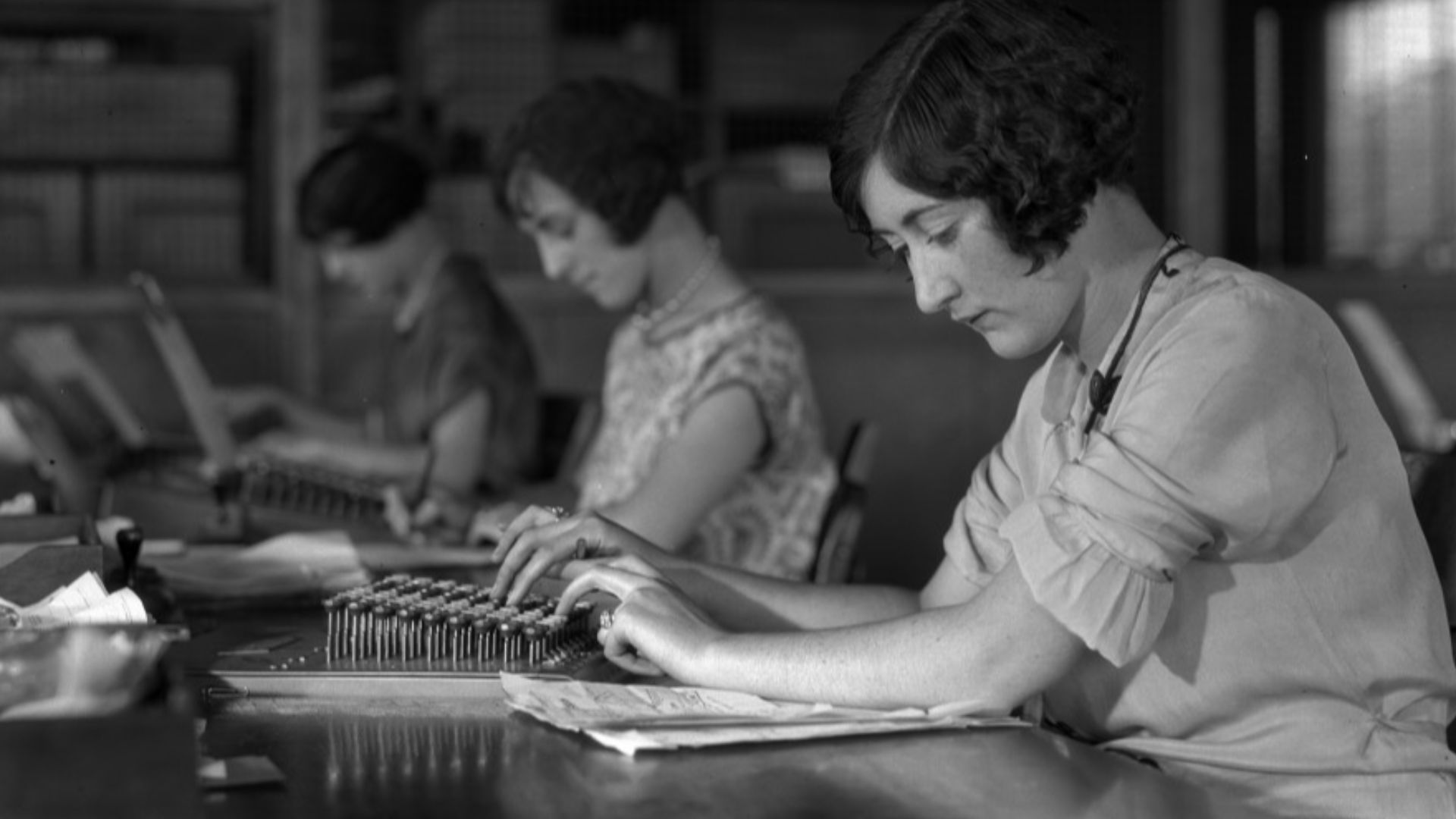
Secretarial schools and offices often taught strict typing posture. Sit upright. Feet flat. Wrists lifted. Eyes forward. It was partly practical, but it could also become obsessive. A typist was not just expected to produce clean pages. She had to look neat, calm, and perfectly arranged while doing it.
 George Eastman House, Wikimedia Commons
No Eating At Your Desk
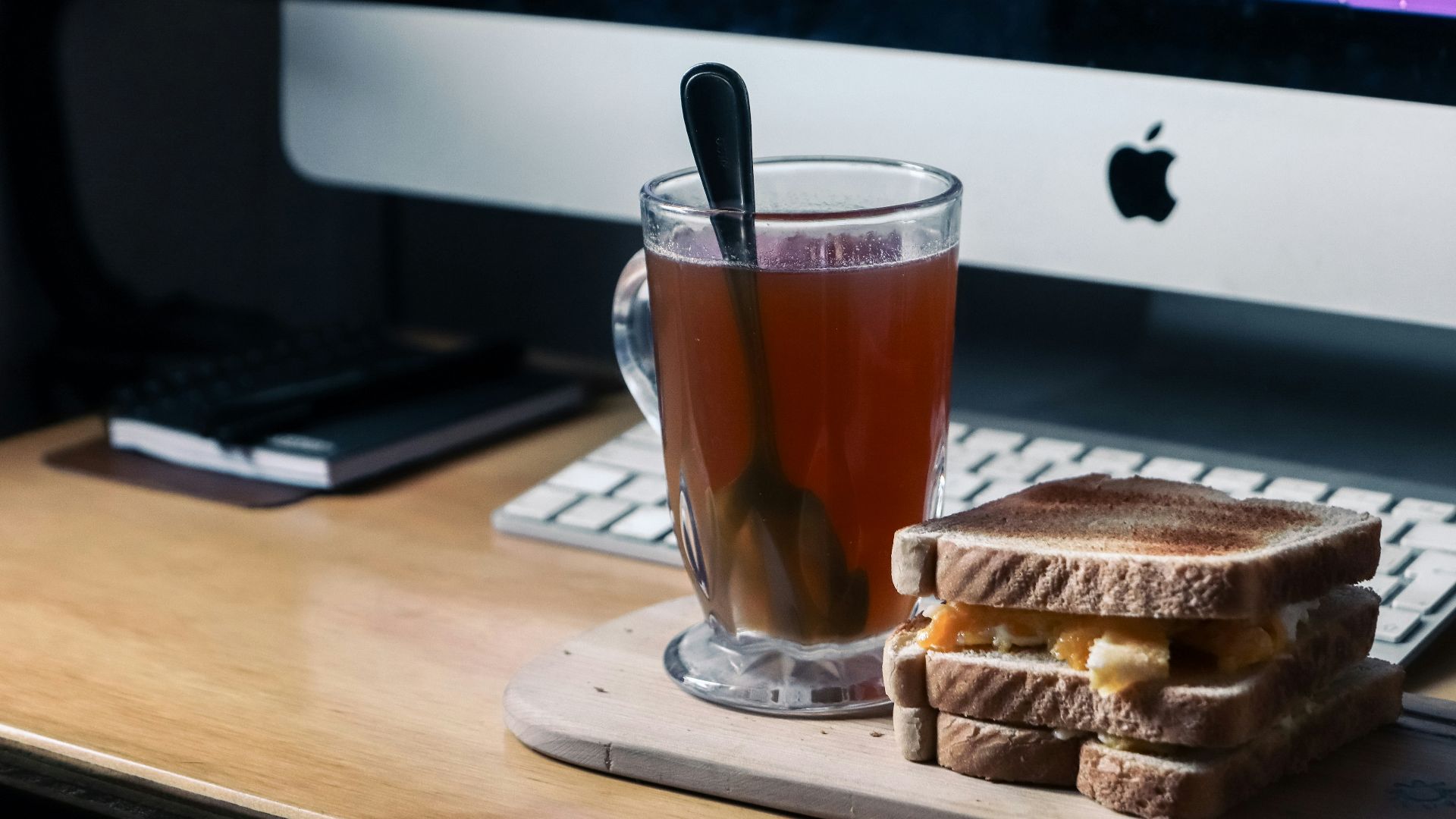
Some offices banned food at desks to protect paperwork, equipment, and appearances. Crumbs were unprofessional. Coffee stains were tragic. A sandwich near a typewriter might as well have been a live grenade. Today, desk lunches are common, but earlier bosses often wanted workspaces to look as spotless as showrooms.
Workers Had To Sing Company Songs
Some companies encouraged—or pressured—employees to sing company songs, chants, or slogans. The goal was loyalty, energy, and team spirit. The result was sometimes deeply awkward. Nothing builds morale like standing beside your coworkers on a Monday morning, singing about sales targets while everyone avoids eye contact.

Hair Length Could Cost You A Job
In the mid-20th century, many employers treated hair length as a serious workplace issue. Men with long hair could be considered rebellious or unreliable. Women with “too modern” hairstyles might be judged as unprofessional. Hair was not just hair. It was apparently a full résumé printed directly on your head.
 SaiKrishna Saketh Yellapragada, Unsplash
Office Romance Was Forbidden
Some workplaces had strict bans on office romance, even between coworkers with no power imbalance. Employers worried about gossip, distraction, and scandal. In practice, people still fell in love, because humans remain annoyingly human. The rule simply pushed relationships into secret lunches, coded phone calls, and suspiciously frequent trips to the supply room.

Workers Had To Use Formal Titles
In many offices, first names were considered too casual. Employees used “Mr.,” “Mrs.,” or “Miss,” even with people they saw every day. A boss might know your entire life story and still call you “Miss Thompson.” It created distance, hierarchy, and the feeling that everyone was trapped inside a business letter.

Employees Could Not Join Unions
Some companies created rules against union membership or punished workers who organized. They claimed unions caused trouble, but workers usually wanted basic things: safer conditions, fair pay, and reasonable hours. The rule was less about workplace harmony and more about control. Bosses loved teamwork—until workers teamed up with each other.

No Reading On The Job
In many jobs, reading anything unrelated to work was banned. A newspaper, magazine, or book could get a worker scolded, even during slow periods. Managers worried that reading looked idle. This was especially strange in workplaces where there was genuinely nothing to do. Being bored was acceptable. Looking less bored was not.
Uniforms Had To Be Perfect
Uniform rules could be incredibly strict. Shoes polished, buttons fastened, hair tidy, apron clean, badge straight. In hotels, restaurants, and shops, a tiny mistake could bring a warning. The idea was to create a flawless public image. The reality was workers panicking over lint like it was a career-ending disaster.

Employees Needed Approval To Leave Early
Leaving early for illness, family emergencies, or appointments often required permission from a supervisor. That may sound normal, but in some workplaces, approval could be humiliating or difficult to get. Workers had to explain personal problems to managers who might not care. A fever was bad. Getting past the boss was worse.
 AI25.Studio AI GENERATIVE, Pexels
Personal Lives Were Company Business
Some employers once monitored workers’ behavior outside the workplace. Drinking, dating, clothing, church attendance, or public reputation could affect employment, especially for teachers, nurses, and clerks. The job did not end when the shift did. Your boss might not be at your dinner table, but somehow, their rules were.

The Strange Legacy Of Workplace Rules
Many old workplace rules seem ridiculous now, but they reveal something serious. Employers often used “professionalism” to control workers’ bodies, time, personalities, and private lives. Some rules improved safety or order, but many were about power. Today’s workplaces are not perfect, but at least most of us can sit, talk, and whistle without starting a scandal.

You May Also Like:
Showy Facts About Ed Sullivan, The Hollywood Starmaker
Dark Facts About Thomas Cromwell, Henry VIII’s Notorious Right-Hand Man