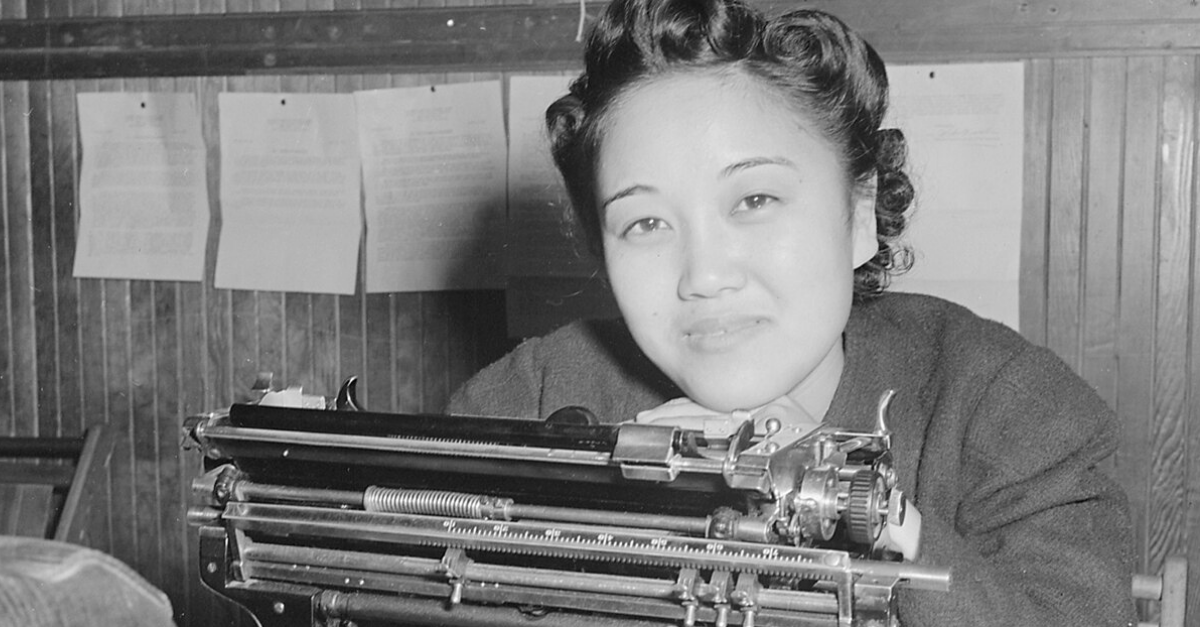
Careers That Sound Completely Made Up Today
Every generation has jobs that seem perfectly normal at the time and completely bizarre a few decades later. Technology has a habit of making entire professions vanish almost overnight. Some of these jobs employed thousands of people, while others were so oddly specific that it's amazing they existed at all. Here are some of the strangest careers that quietly disappeared as technology marched on.
 U.S. National Archives and Records Administration, Wikimedia Commons
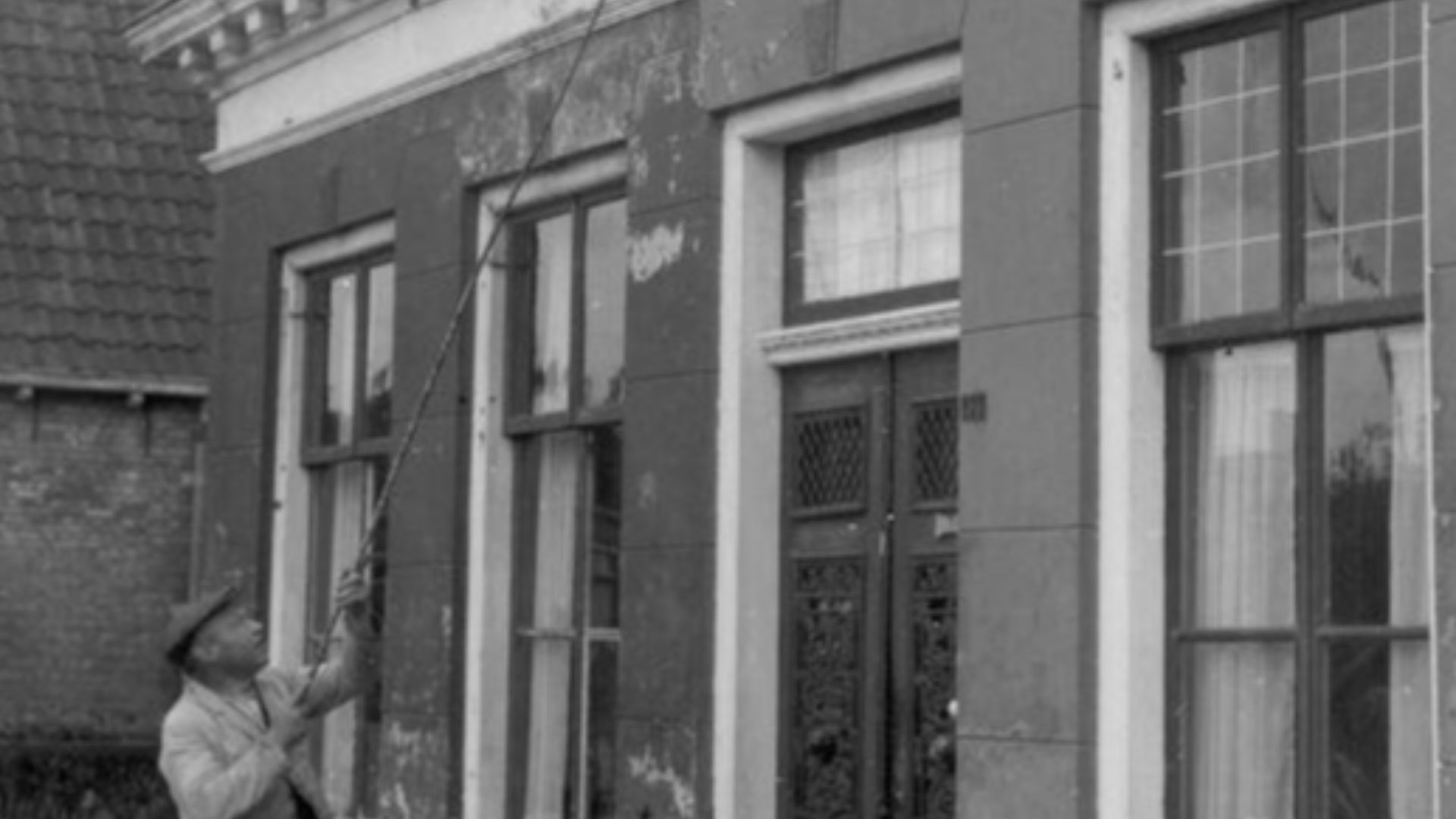
Knocker-Up
Before alarm clocks became cheap and reliable, people actually paid someone to wake them up. Known as knocker-ups, these workers walked through neighborhoods before sunrise, tapping on customers' windows with long sticks until they got out of bed. It sounds like something from a comedy sketch, but it was a real profession in Britain for many years.
 Nationaal Archief (flickr.com), Wikimedia Commons
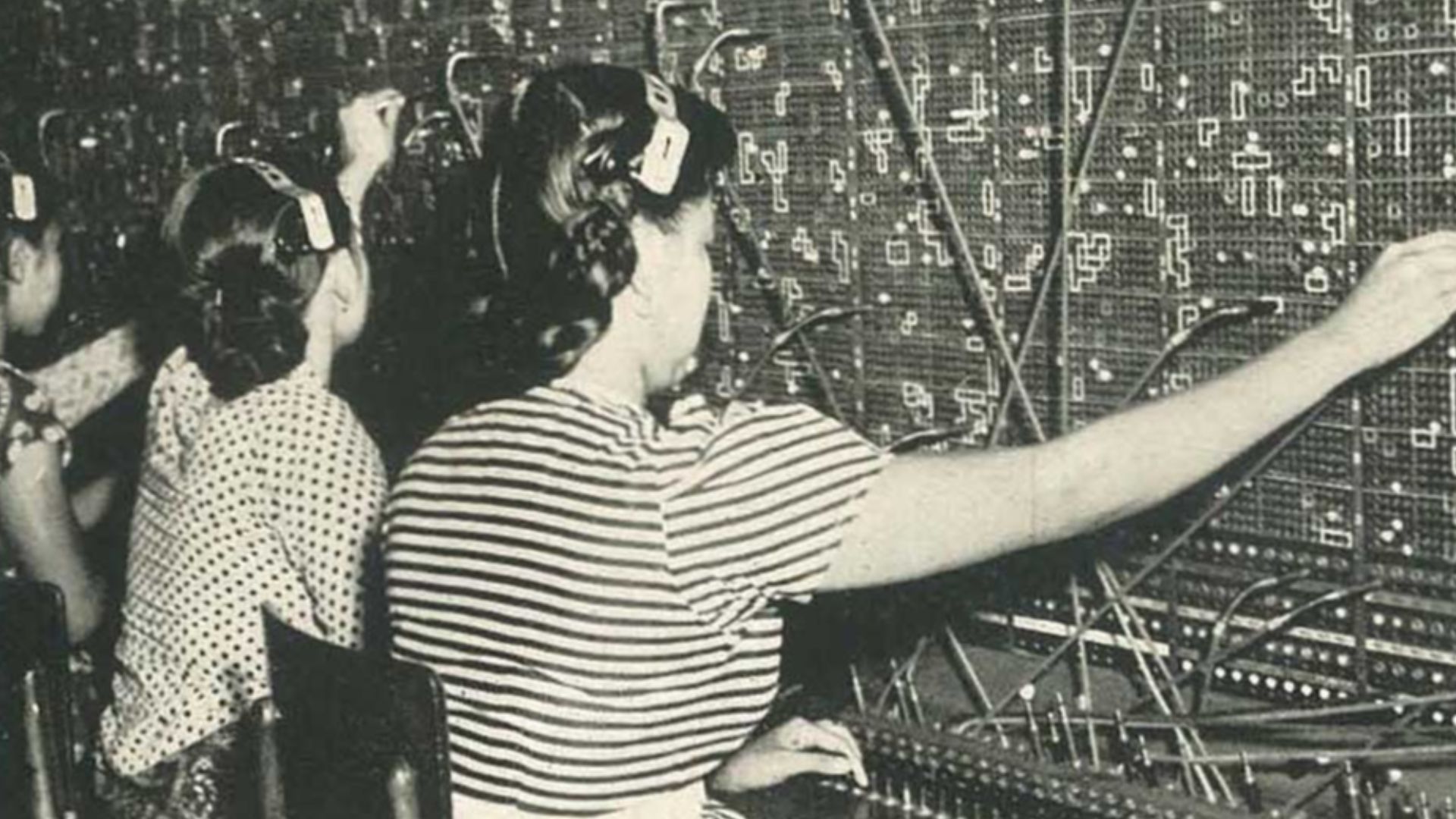
Switchboard Operator
Making a phone call used to require help from another person. Switchboard operators sat in front of massive boards filled with wires and manually connected callers to one another. Once automatic dialing systems arrived, one of the most common telecommunications jobs quickly faded away.
 Credited in file title, Wikimedia Commons
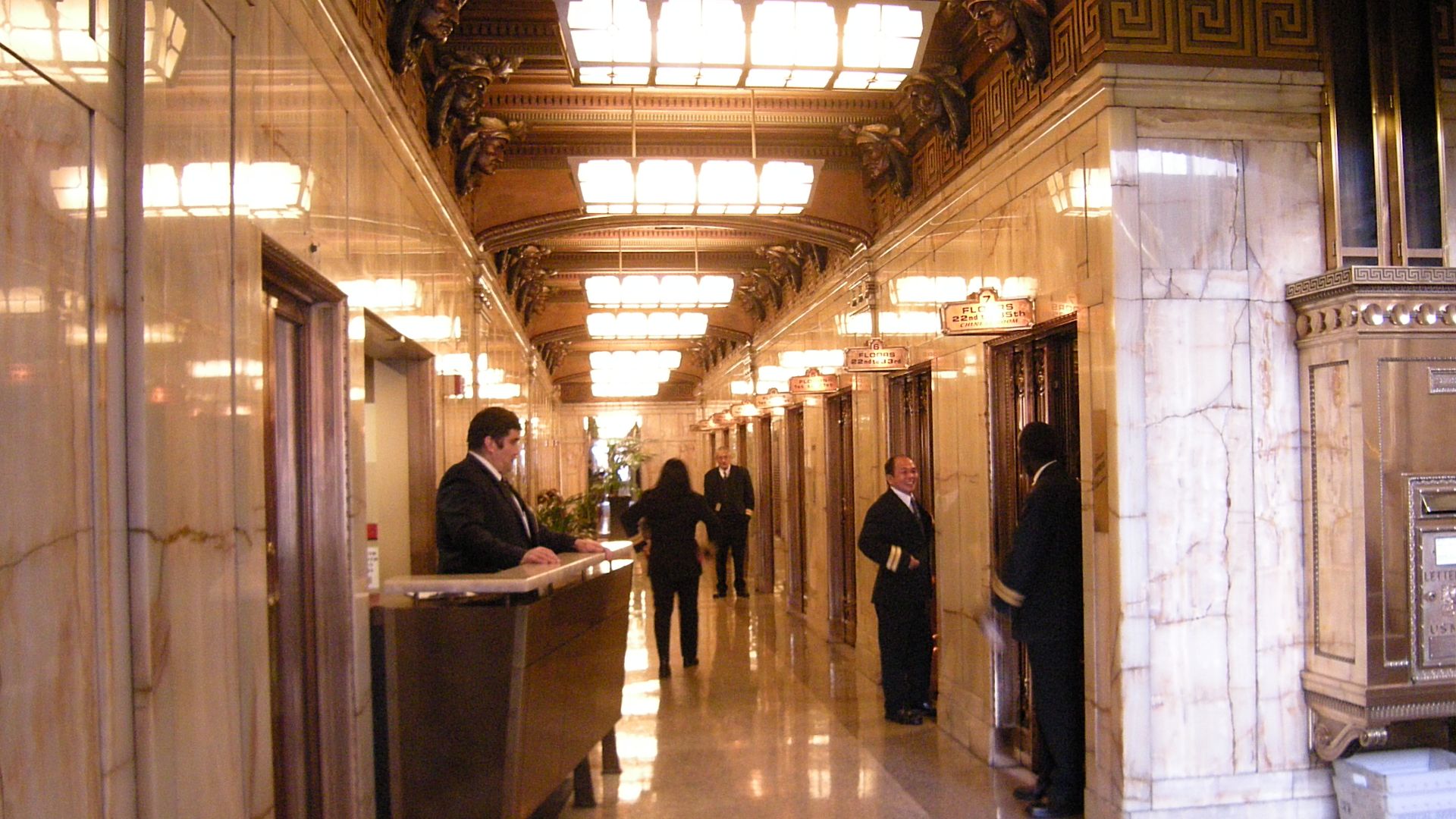
Elevator Operator
Getting into an elevator once meant trusting a human operator to get you safely to the correct floor. Early elevators weren't nearly as automated as they are today, and controlling them required skill and attention. As elevator technology improved, operators became unnecessary in most buildings.
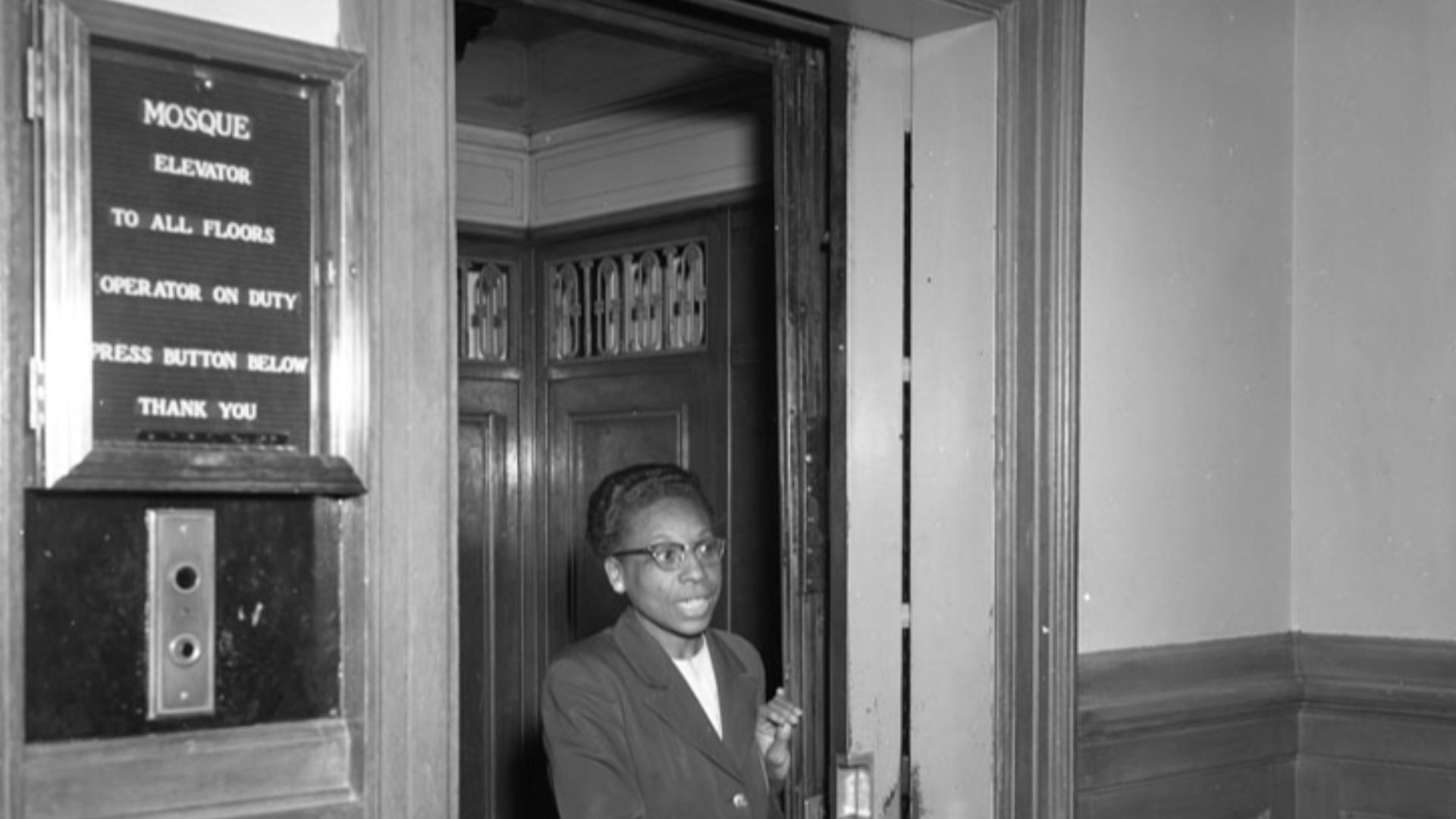 The Library of Virginia from USA, Wikimedia Commons
Lamplighter
Long before cities glowed with electric lights, lamplighters had the daily task of walking streets and lighting gas lamps by hand. They returned the next morning to extinguish them again. The arrival of electric streetlights turned this once-essential job into a piece of history.
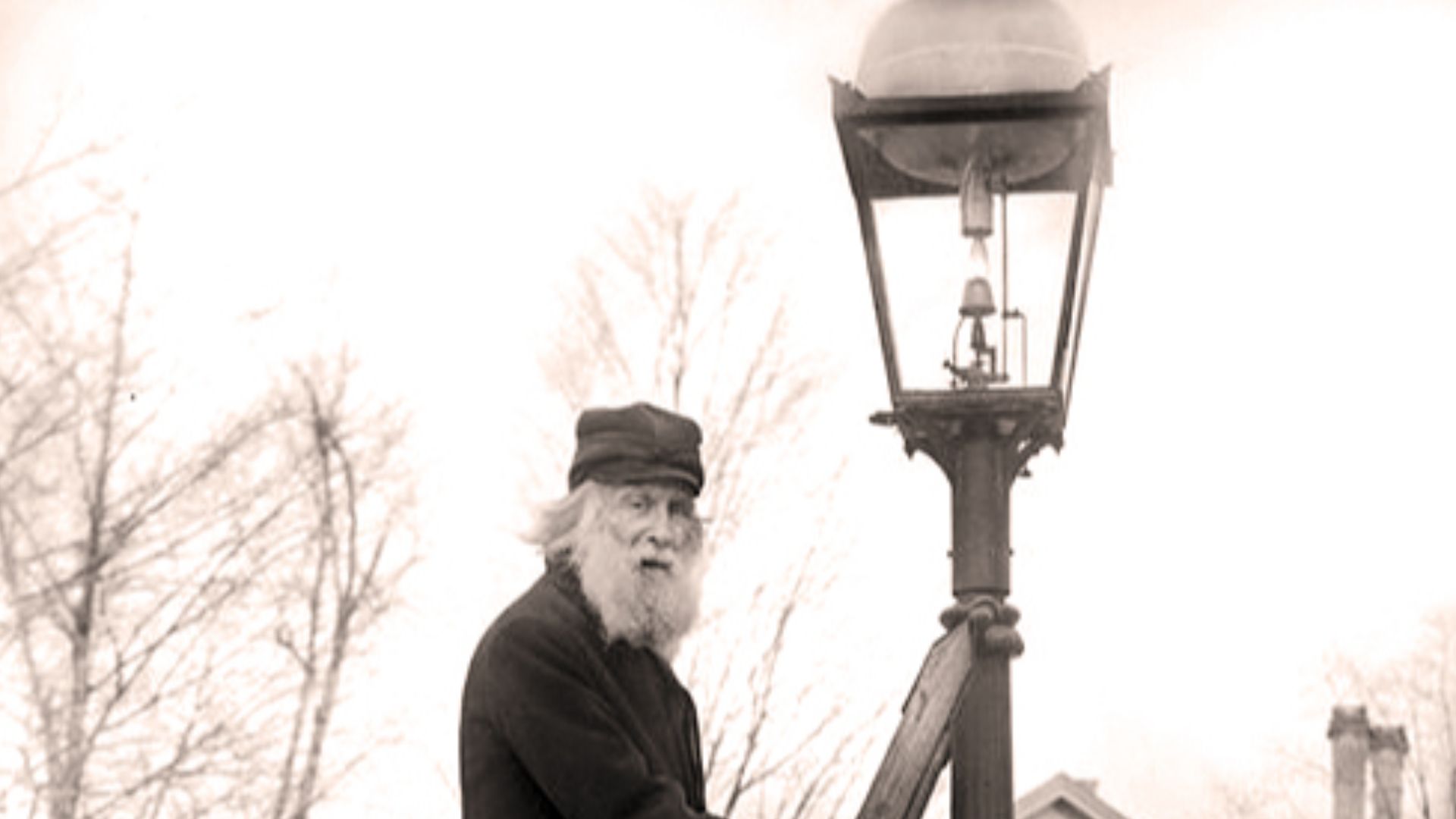 Jim Griffin, Wikimedia Commons
Pinsetter
Imagine working behind a bowling lane all day, resetting pins after every roll. That was the reality for pinsetters before automated machines took over. The job was often filled by young workers and could be physically demanding in cramped spaces.
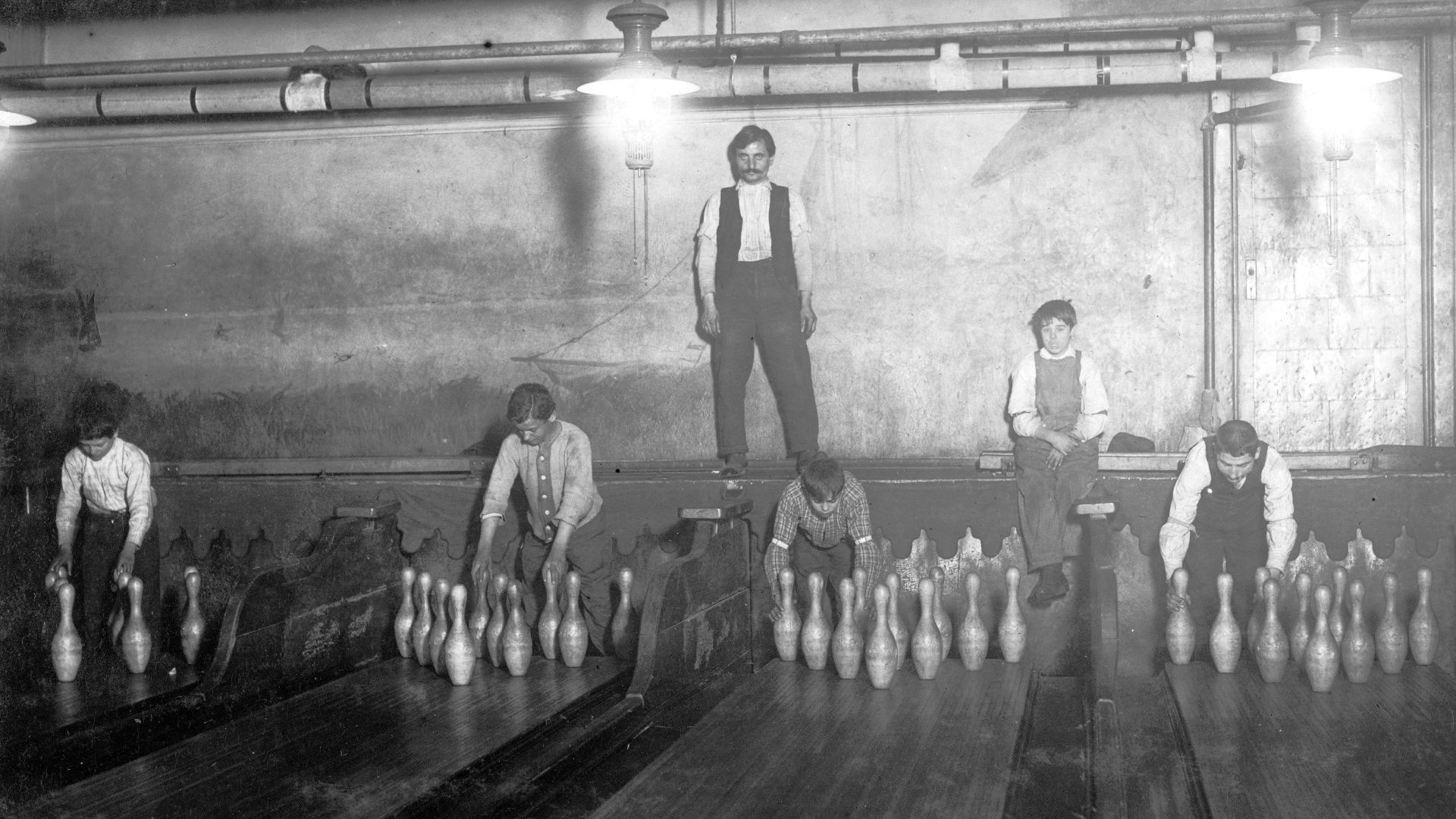 Lewis Wickes Hine, 1874-1940, photographer., Wikimedia Commons
Telegraph Operator
There was a time when sending a message across the country required a telegraph operator and a knowledge of Morse code. These workers handled everything from breaking news to personal messages. Telephones and later digital communications eventually made the profession obsolete.
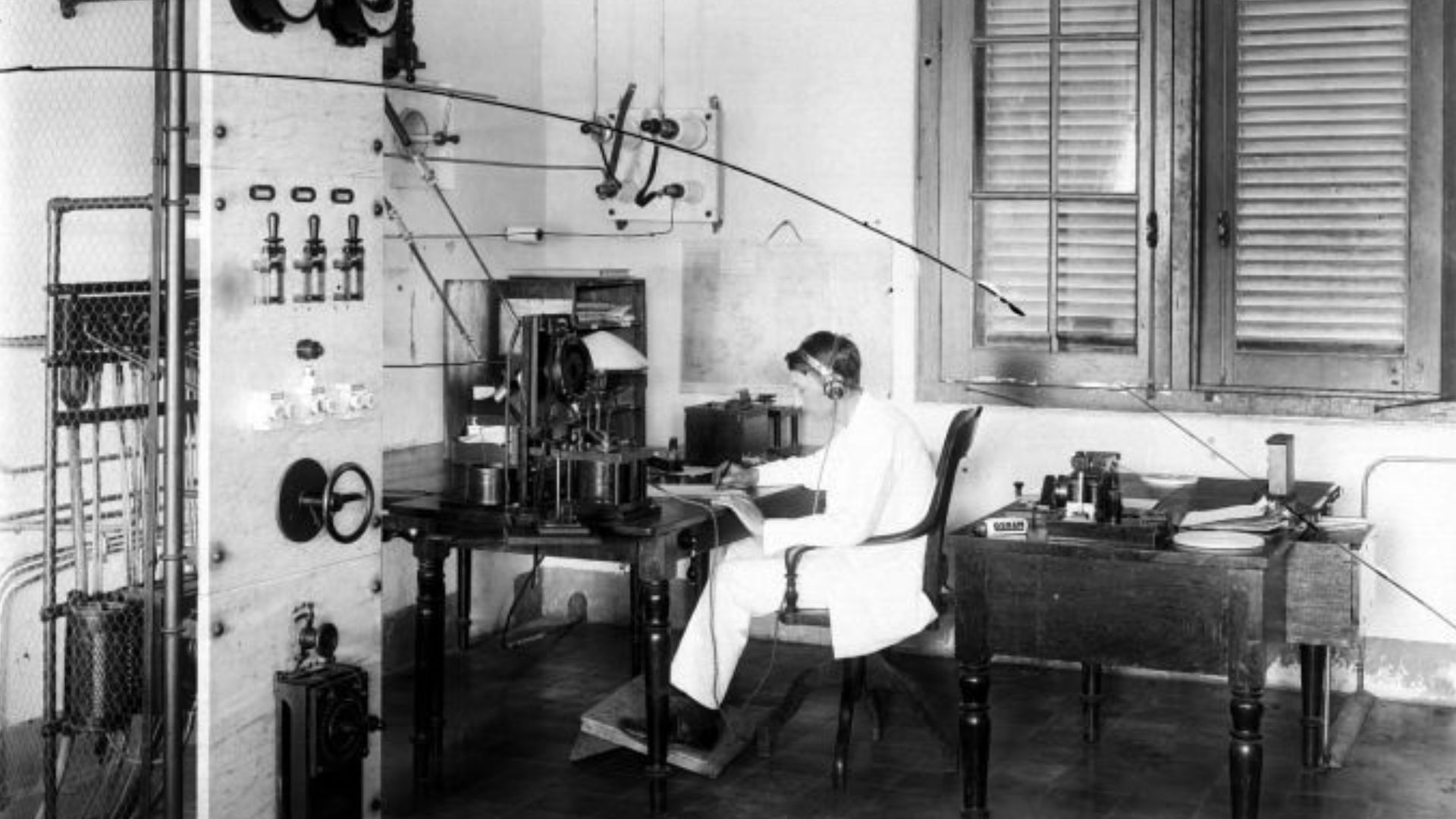 Unknown authorUnknown author, Wikimedia Commons
Human Computer
Before computers became machines, the word "computer" referred to people. Human computers spent their days solving complex mathematical problems for governments, scientists, and businesses. Some even played important roles in early space exploration programs before electronic computers took over.
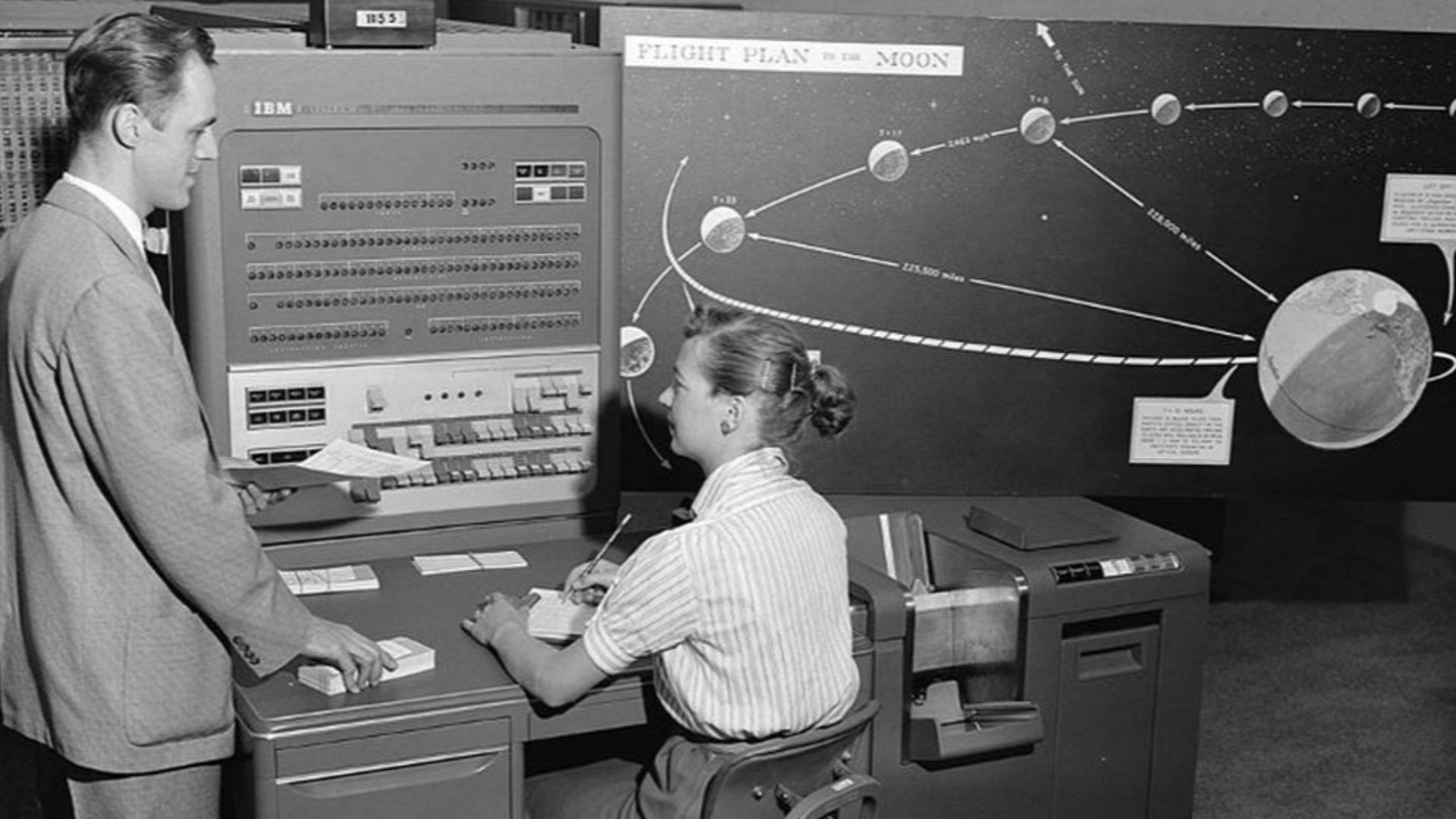
Keypunch Operator
Early computers didn't use keyboards the way we do today. Information had to be entered onto punch cards, and keypunch operators specialized in creating them. Once modern data-entry systems emerged, punch cards became museum pieces.
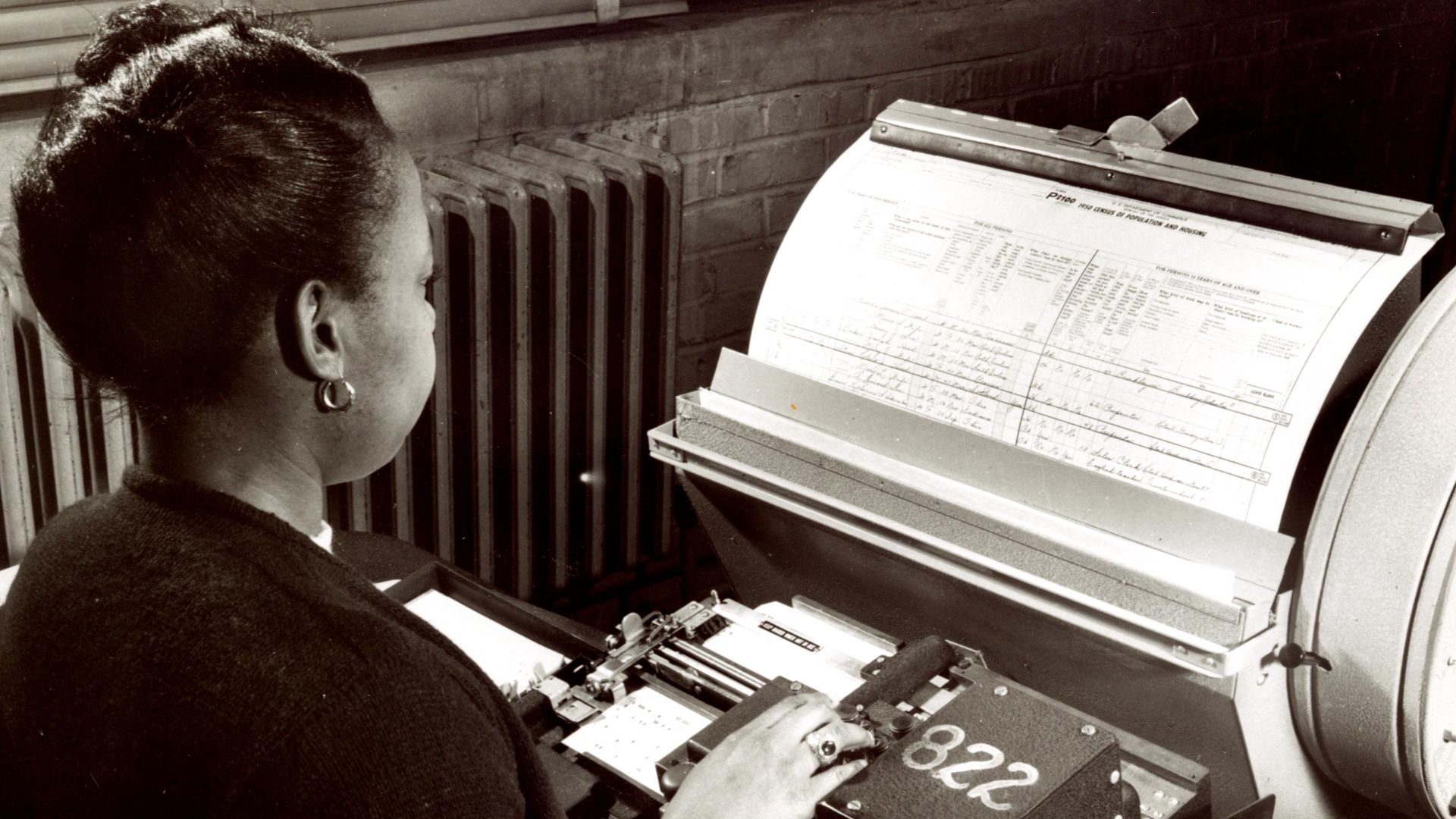 U.S. Census Bureau employees, Wikimedia Commons
Ice Cutter
Before refrigerators became common, ice didn't magically appear in your freezer. Workers cut huge blocks of ice from frozen lakes and rivers during the winter and stored them for use throughout the year. Refrigeration technology eventually wiped out the industry.
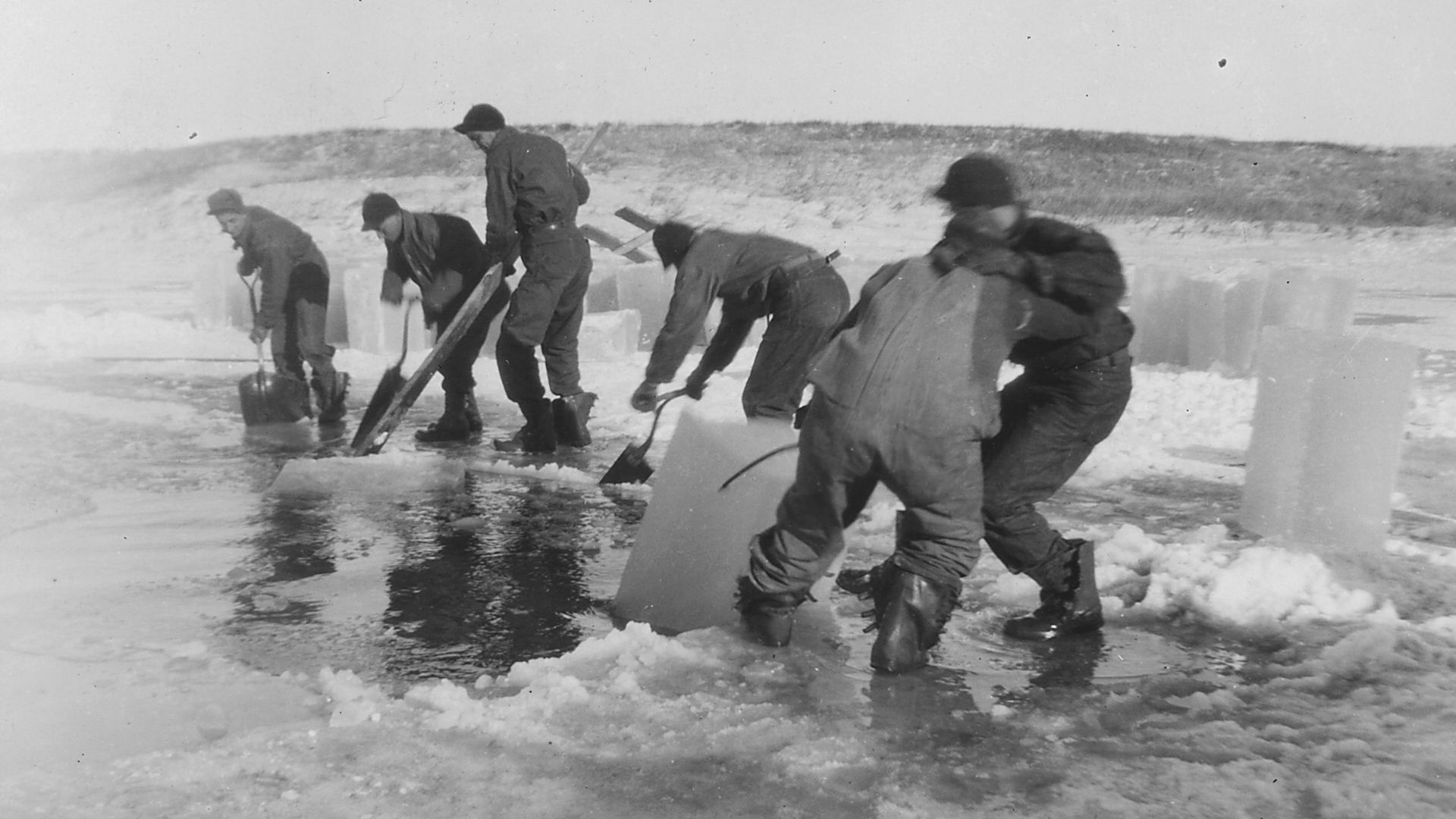 Unknown authorUnknown author or not provided, Wikimedia Commons
Ice Deliveryman
After the ice was harvested, somebody had to bring it to homes and businesses. Ice deliverymen hauled heavy blocks door to door and were familiar faces in many communities. Refrigerators made regular ice deliveries largely unnecessary.
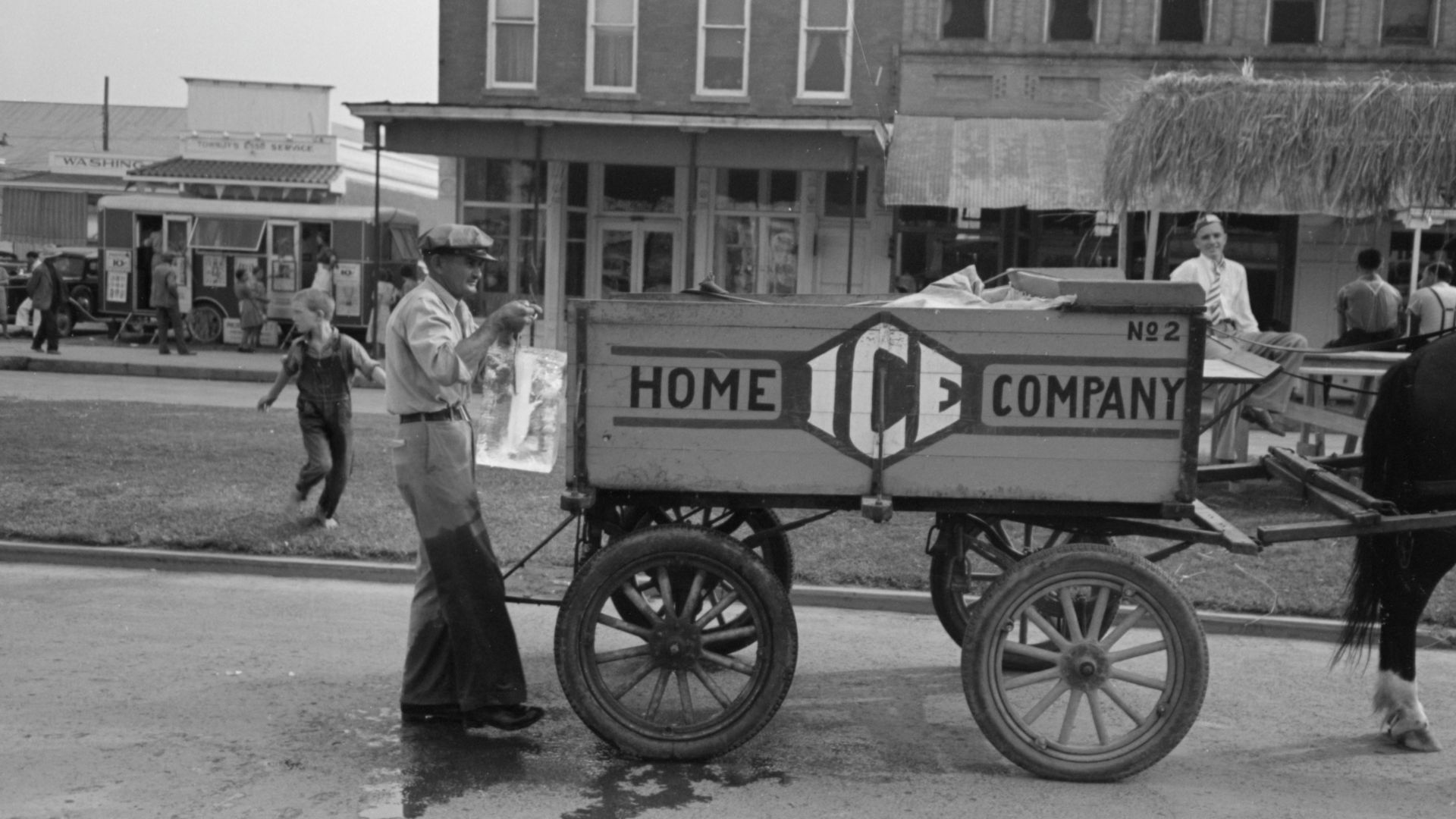 Russell Lee, Wikimedia Commons
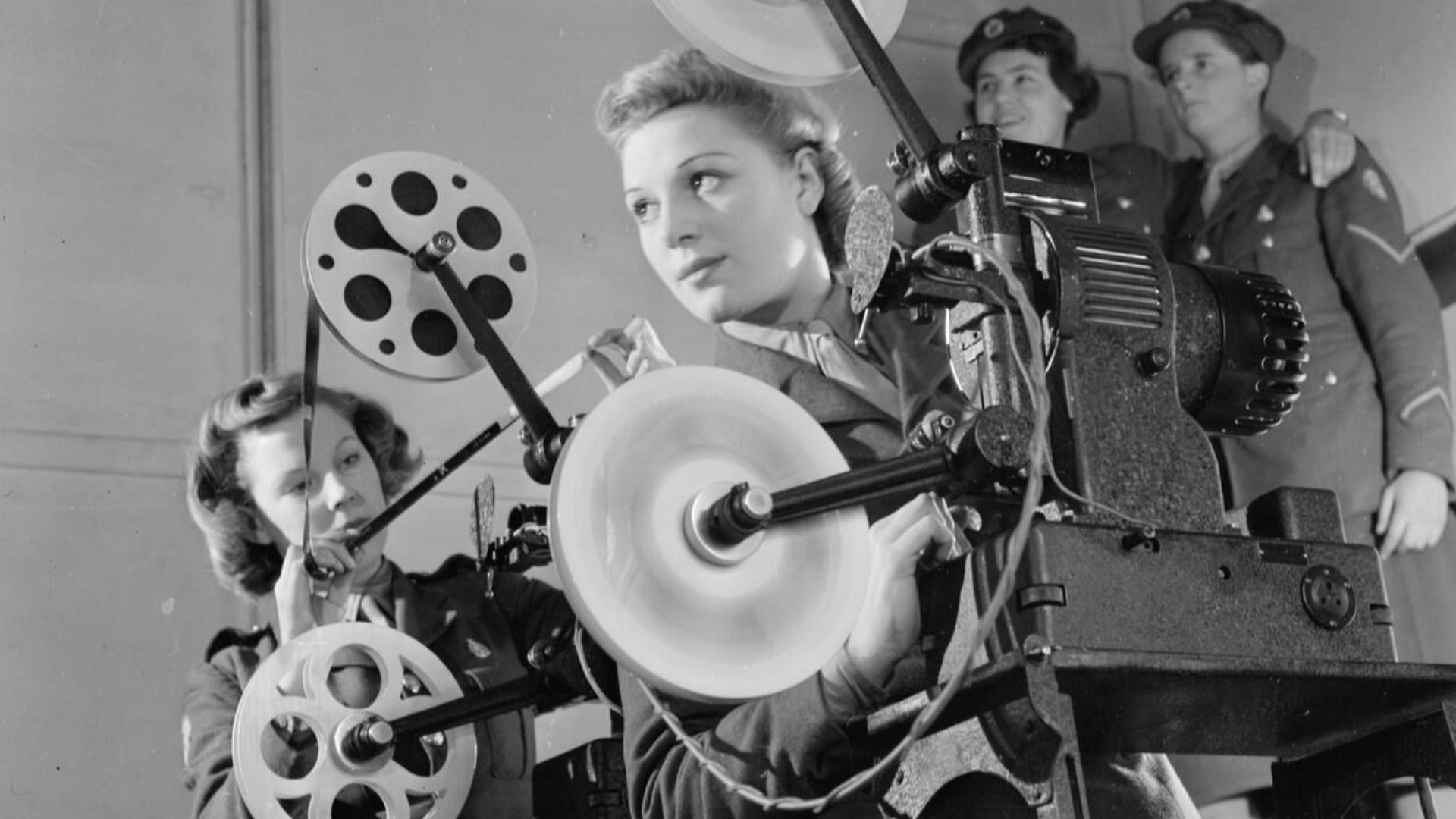
Film Projectionist
Watching a movie once required someone behind the scenes carefully managing reels of film. Projectionists loaded, monitored, and switched reels during screenings to keep everything running smoothly. Digital cinema technology dramatically reduced the need for those specialized skills.
 Ministry of Information Photo Division Photographer, Wikimedia Commons
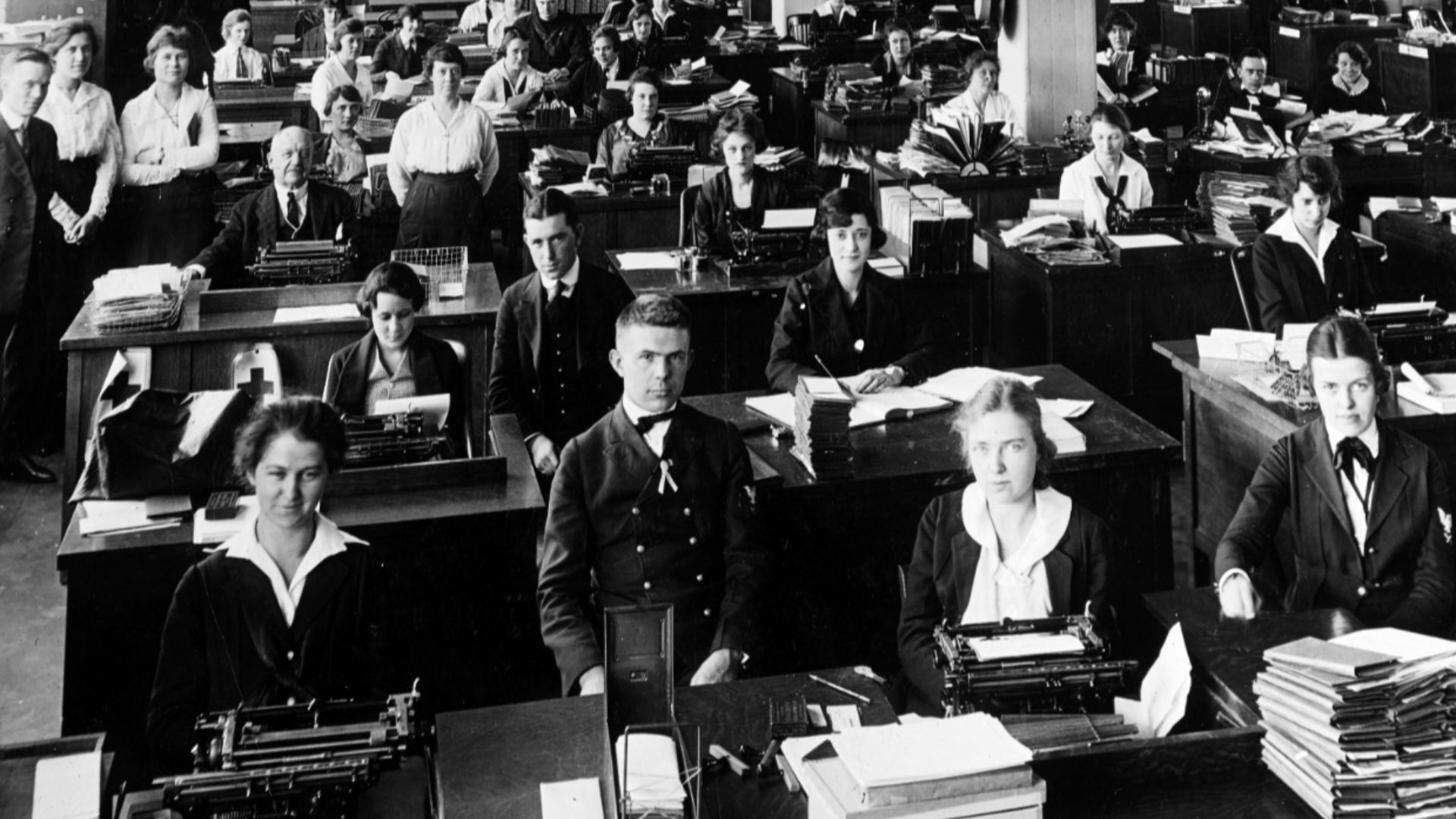
Typing Pool Worker
Many large offices once had entire rooms filled with professional typists. Executives and managers would hand over handwritten notes, and typists would turn them into polished documents. Personal computers and word processing software changed everything.
 AnalyticalHistoricalHobbyist, Wikimedia Commons
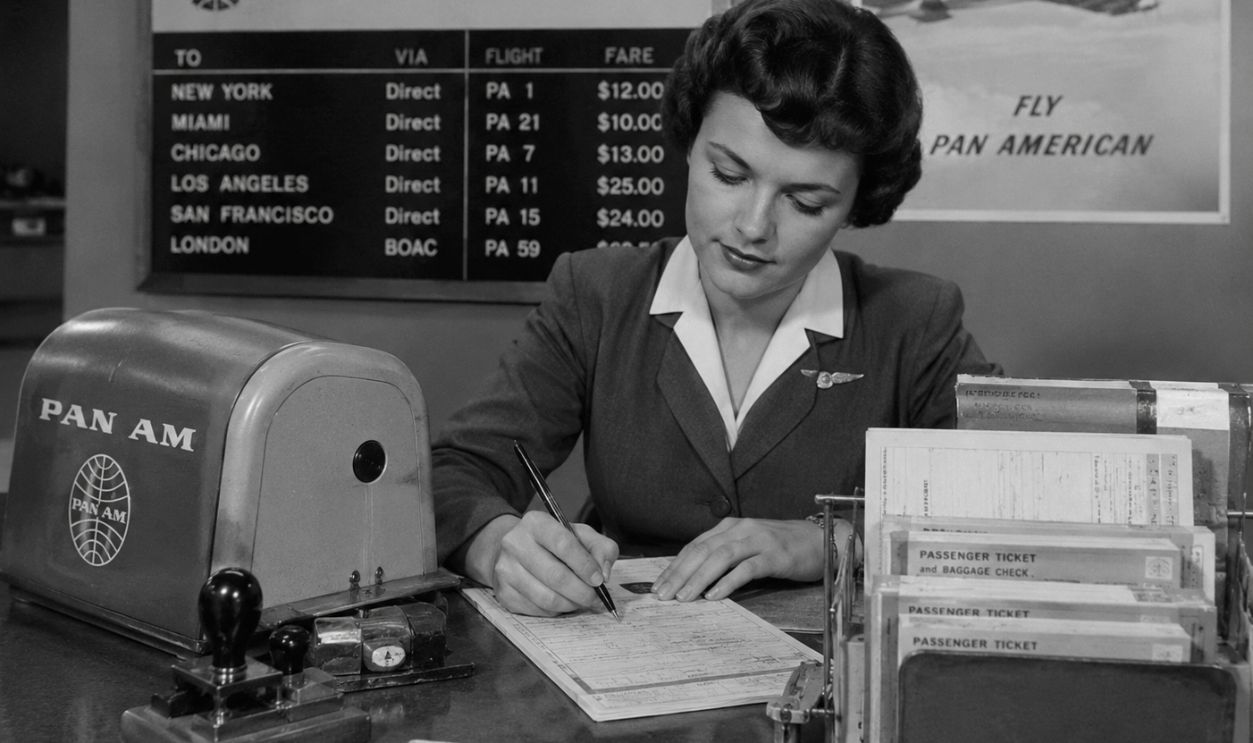
Airline Ticket Writer
Booking a flight used to be a much more hands-on process. Travel agency employees manually prepared tickets and handled reservations using specialized systems. Online booking websites eventually allowed travelers to do much of that work themselves.
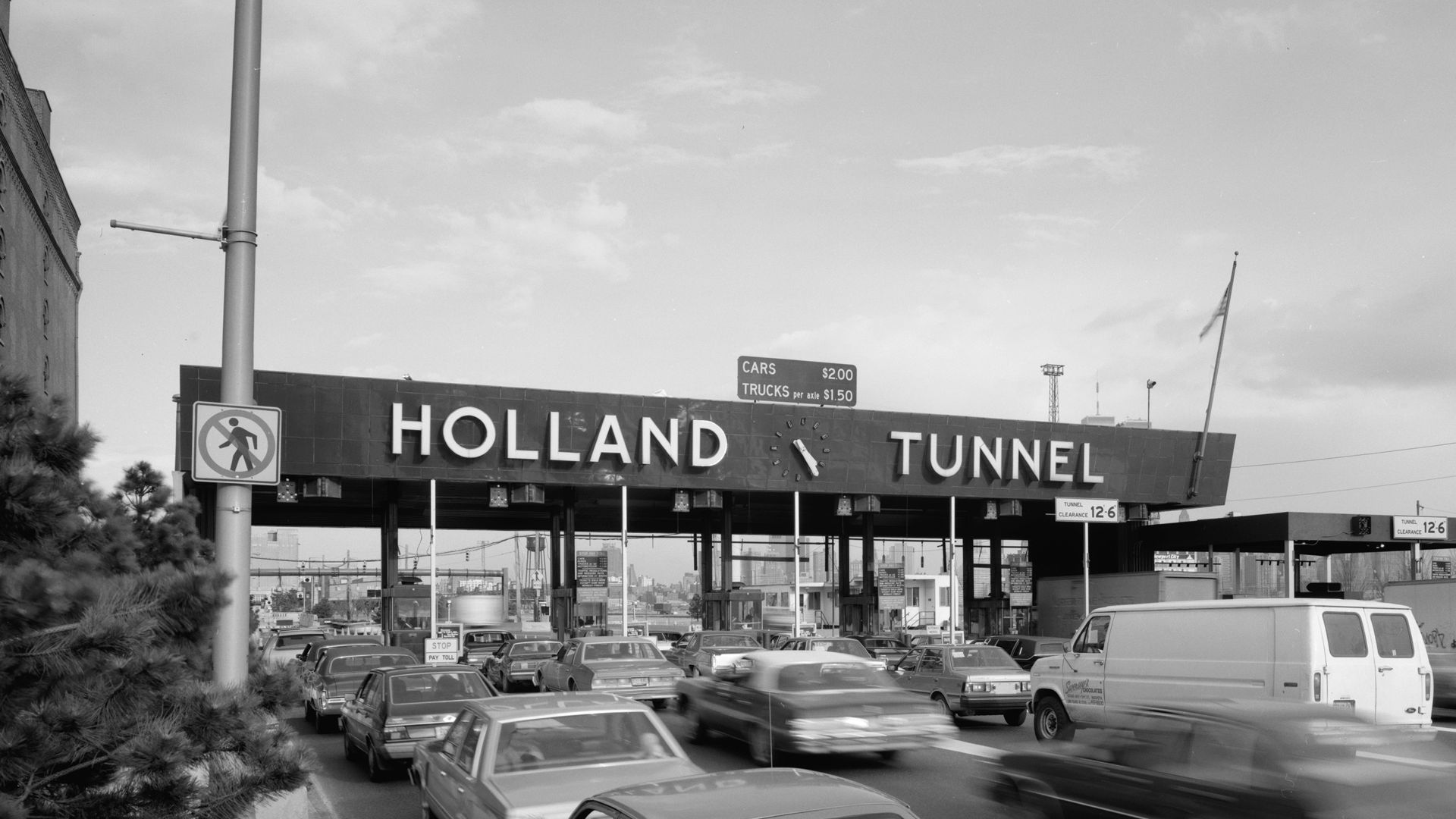
Toll Booth Collector
For decades, highway tolls depended on workers sitting in booths collecting cash from drivers. Electronic toll readers and automated payment systems gradually reduced the need for human collectors. Many modern toll roads don't even require drivers to stop anymore.
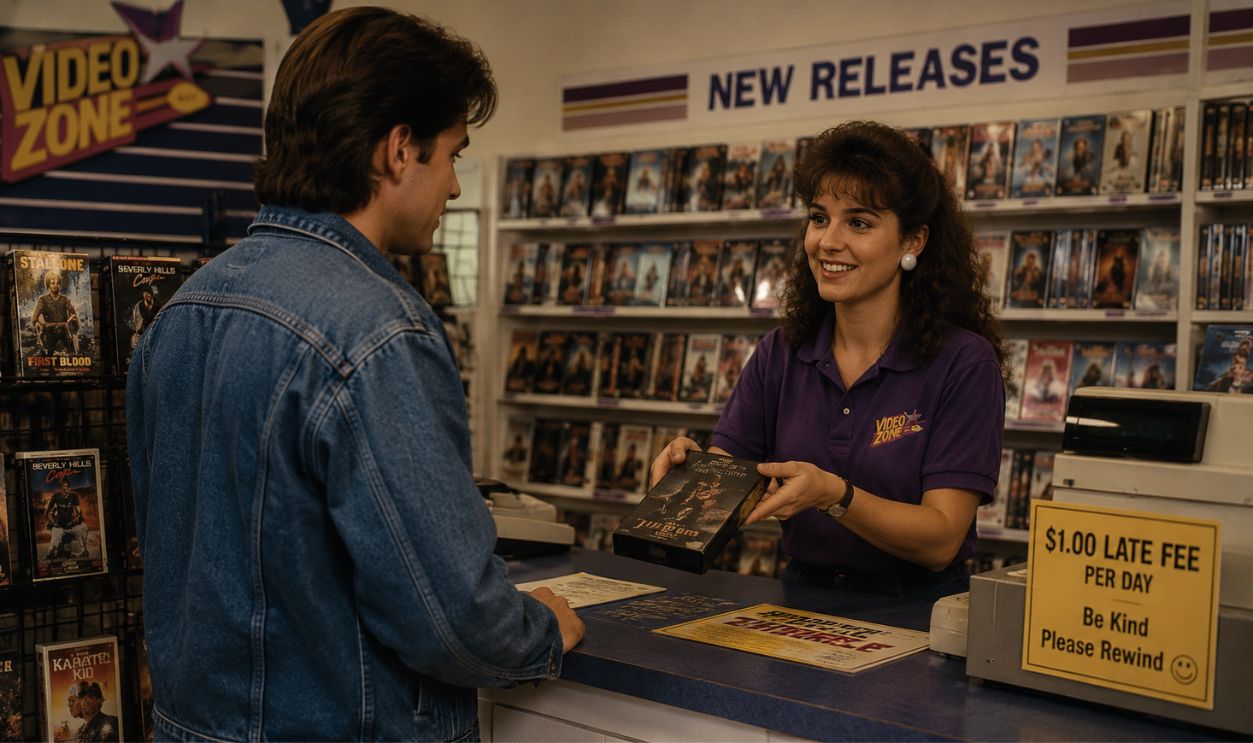
Video Rental Clerk
There was a time when a Friday night movie often started with a trip to a video rental store. Clerks organized shelves, checked out movies, and helped customers pick something to watch. Streaming services turned one of the most familiar retail jobs of the 1980s and 1990s into a rarity.
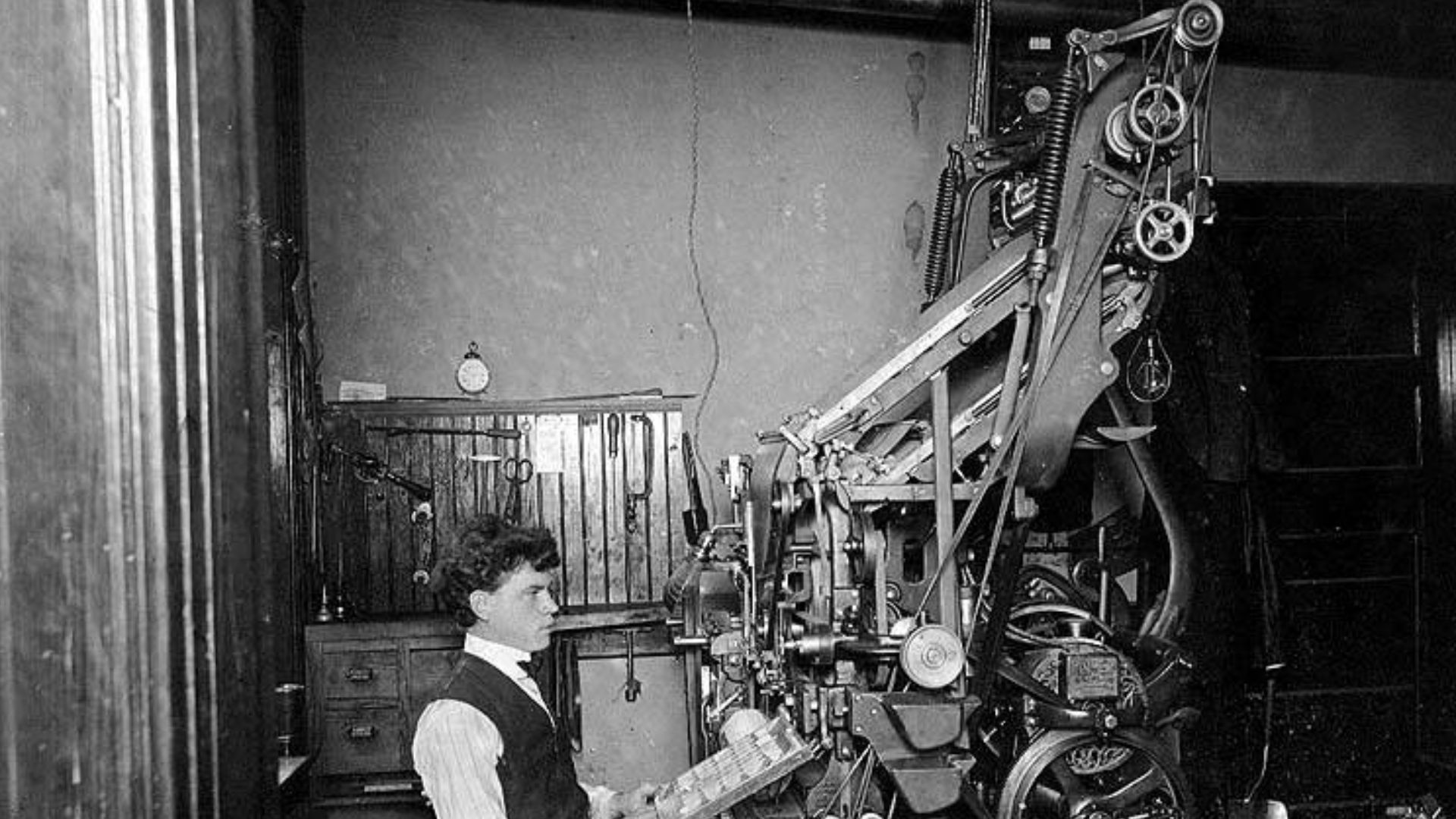
Linotype Operator
Newspapers once relied on linotype operators to create entire lines of metal type for printing presses. The work required training, precision, and a lot of patience. Computerized publishing eventually made the process much faster and far less labor-intensive.
 Unknown authorUnknown author, Wikimedia Commons
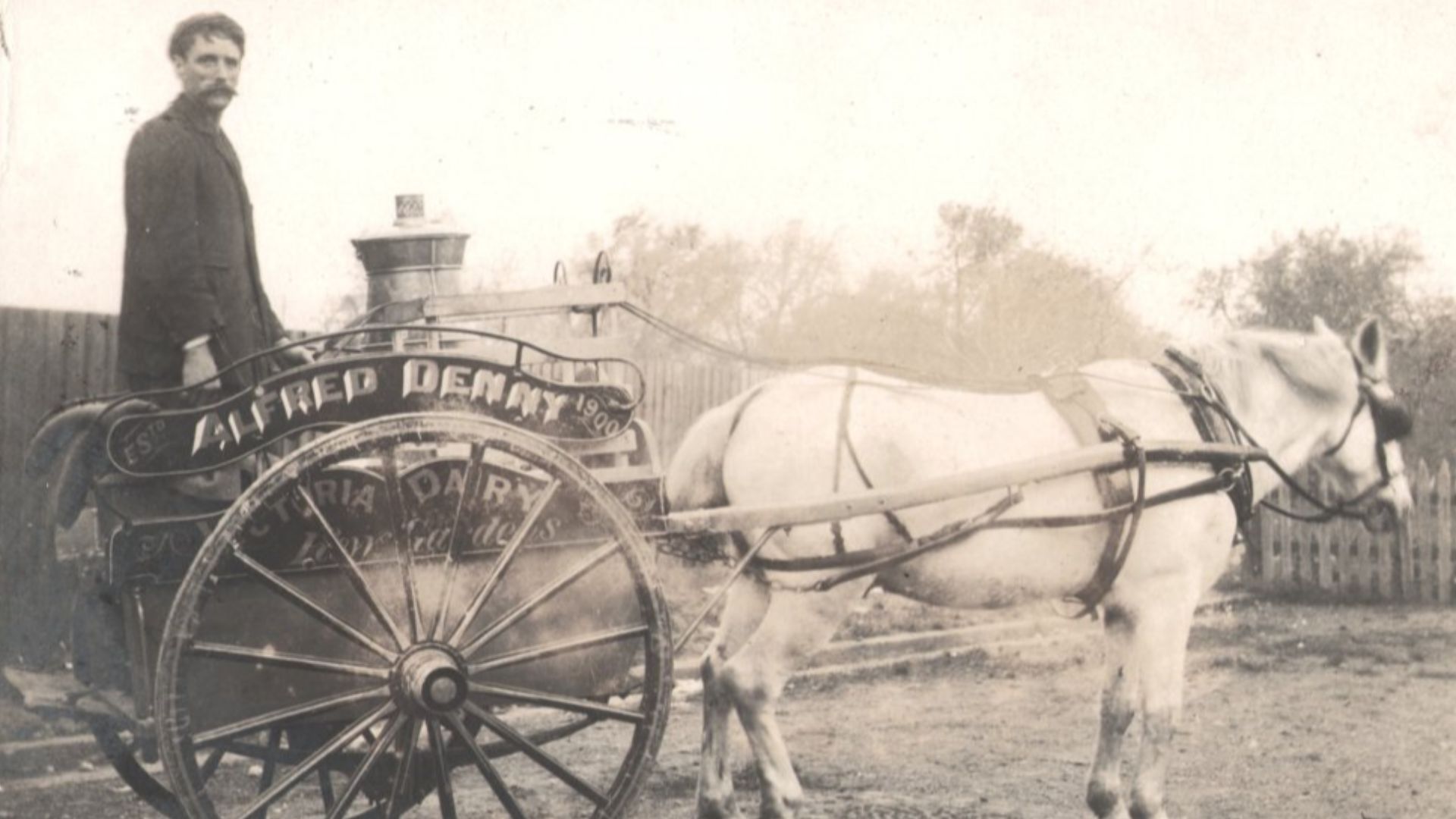
Milkman
Having fresh milk delivered right to your doorstep was once completely normal. Milkmen followed regular routes and often knew their customers by name. Better refrigeration and the growth of supermarkets made daily milk deliveries far less common.
 whatsthatpicture from Hanwell, London, UK, Wikimedia Commons
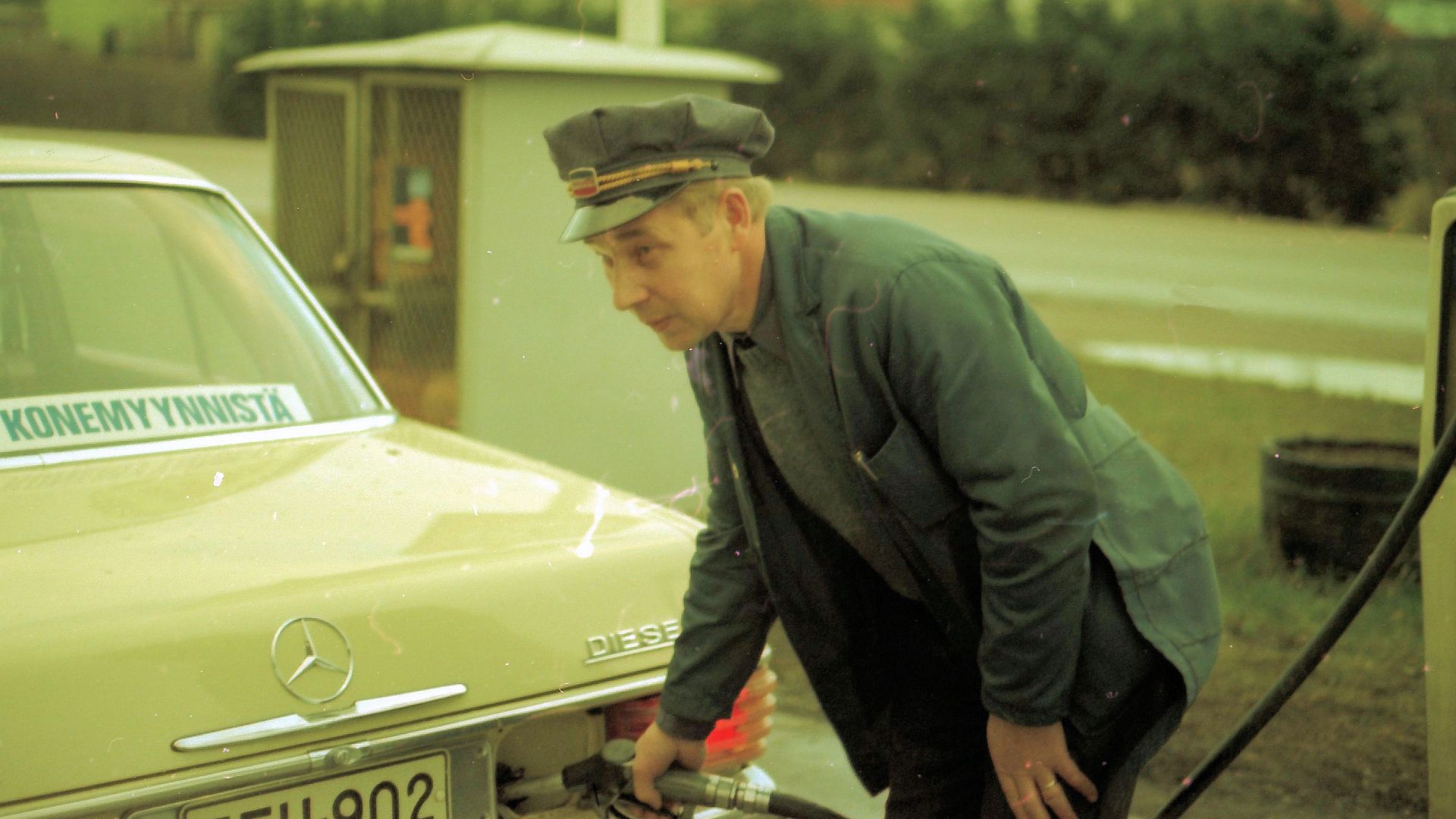
Full-Service Gas Station Attendant
Years ago, pulling into a gas station often meant staying in your car while an attendant pumped your gas, checked your oil, and cleaned your windshield. Self-service stations became popular because they lowered costs and sped things up. Today, full-service stations are much harder to find.
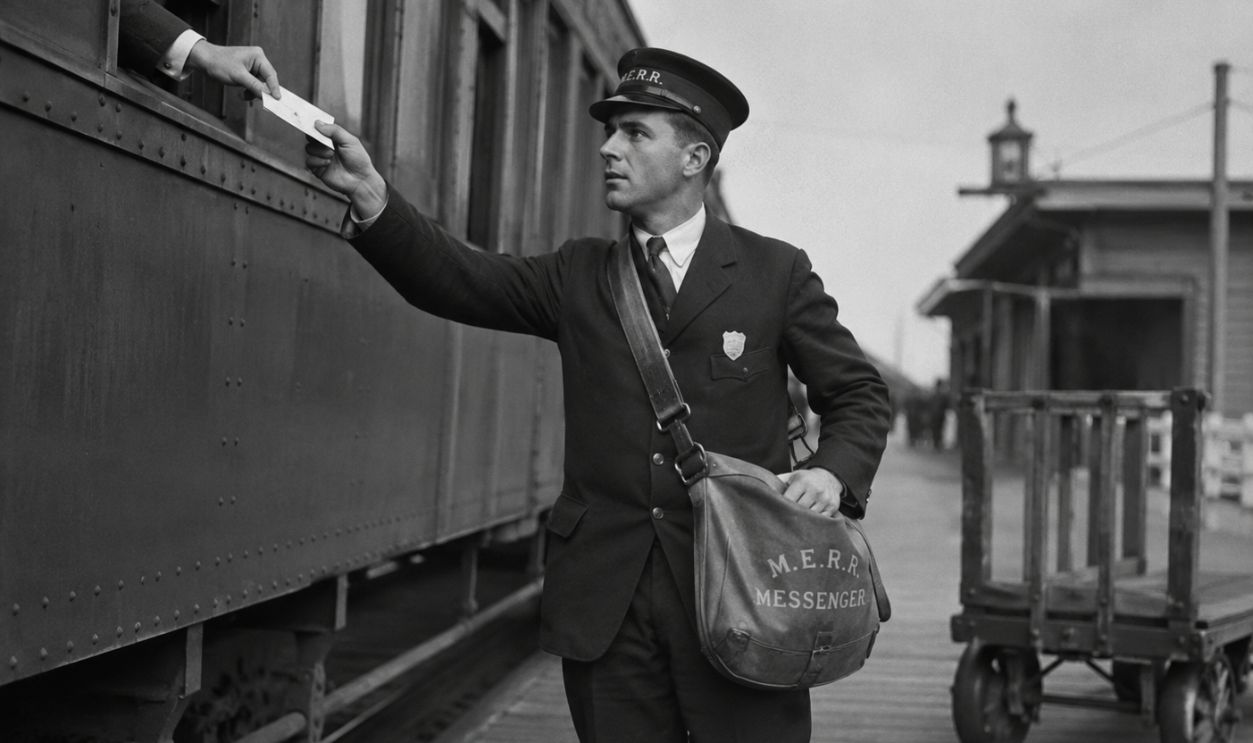
Railway Messenger
Railroads once employed workers whose main job was physically carrying important messages between stations and offices. Before modern communication systems, that was one of the fastest ways to move information. Advances in telecommunications made the position unnecessary.
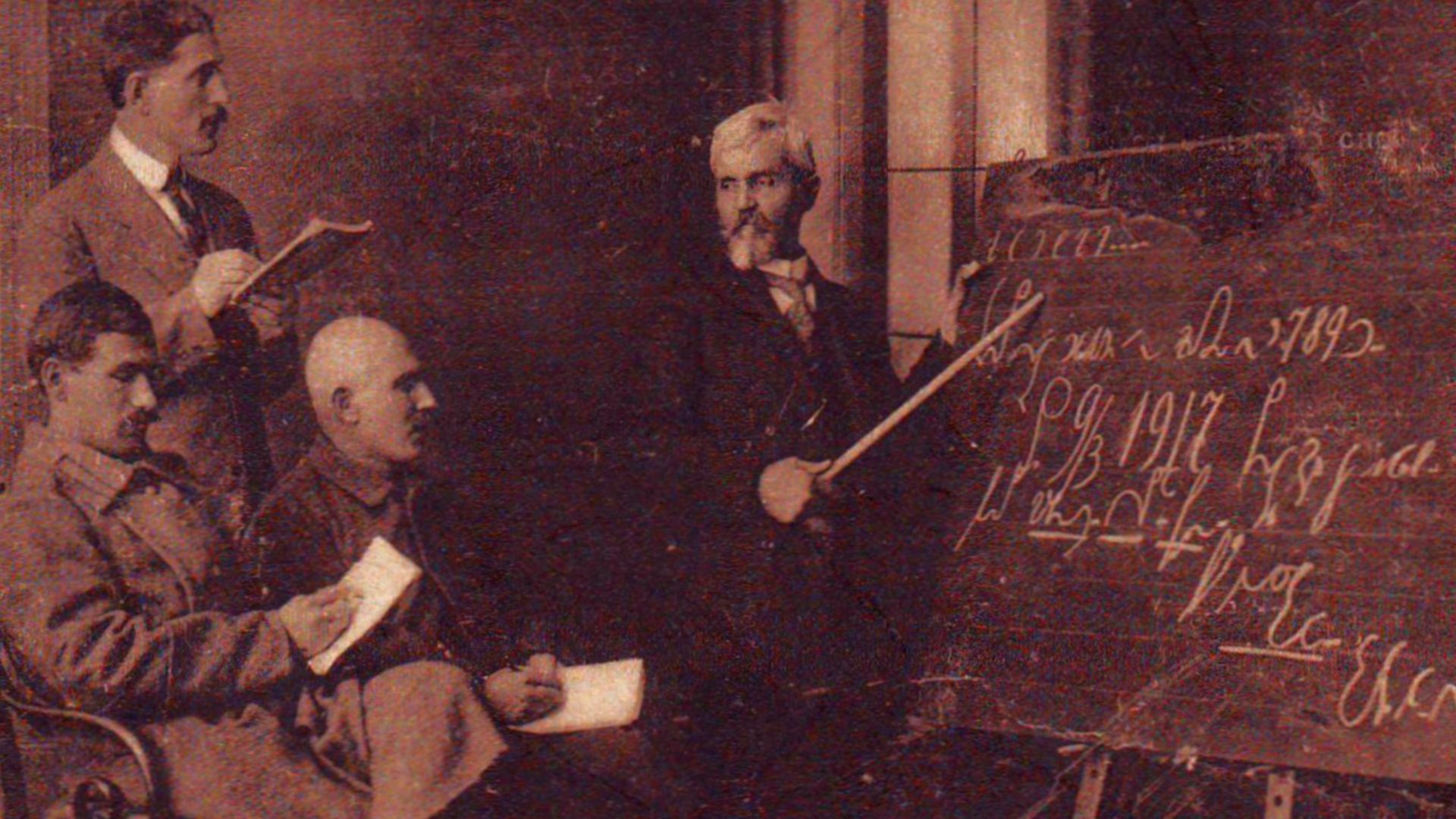
Stenographer
Before smartphones and digital recorders, stenographers were experts at recording spoken words using shorthand. Businesses, courts, and government offices relied heavily on their skills. Recording technology and transcription software greatly reduced demand for the profession.
 Ivan Karastoyanov, Wikimedia Commons
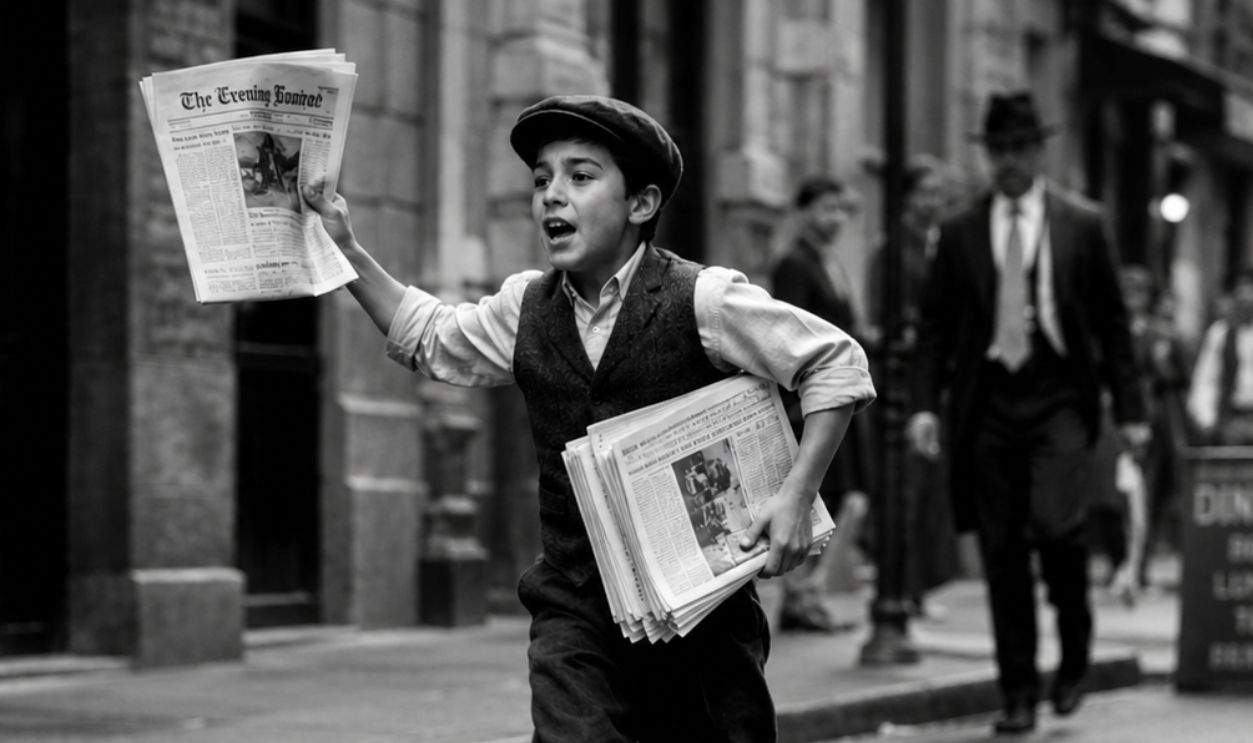
Newspaper Copy Runner
Newsrooms used to be busy places filled with paper, photographs, and handwritten edits moving from desk to desk. Copy runners were responsible for physically transporting those materials around the office. Computers and digital networks eliminated the need for most of that legwork.
Directory Assistance Operator
Before the internet, many people called directory assistance when they needed a phone number. Operators searched through massive databases and provided information to callers. Search engines, smartphones, and digital contact lists eventually took over that role.
What Jobs Will Be Next?
Looking back, many of these careers seemed permanent when they were at their peak. Few elevator operators, switchboard workers, or video rental clerks probably expected their professions to become historical curiosities. Their stories are a reminder that technology doesn't just create new jobs. Sometimes it quietly erases old ones, leaving future generations wondering how those careers ever existed in the first place.
You May Also Like: