Ancient Dishes That Defy Modern Tastes
Think modern food trends are strange? Ancient diners happily feasted on fermented fish guts, stuffed dormice, blood-based broths, and fattened snails without a second thought. From Roman feasts to Aztec staples, these once-common foods would leave many modern eaters stunned. They offer a fascinating glimpse into how dramatically human tastes have changed over time.

Rotten Fish Sauce Ruled Rome
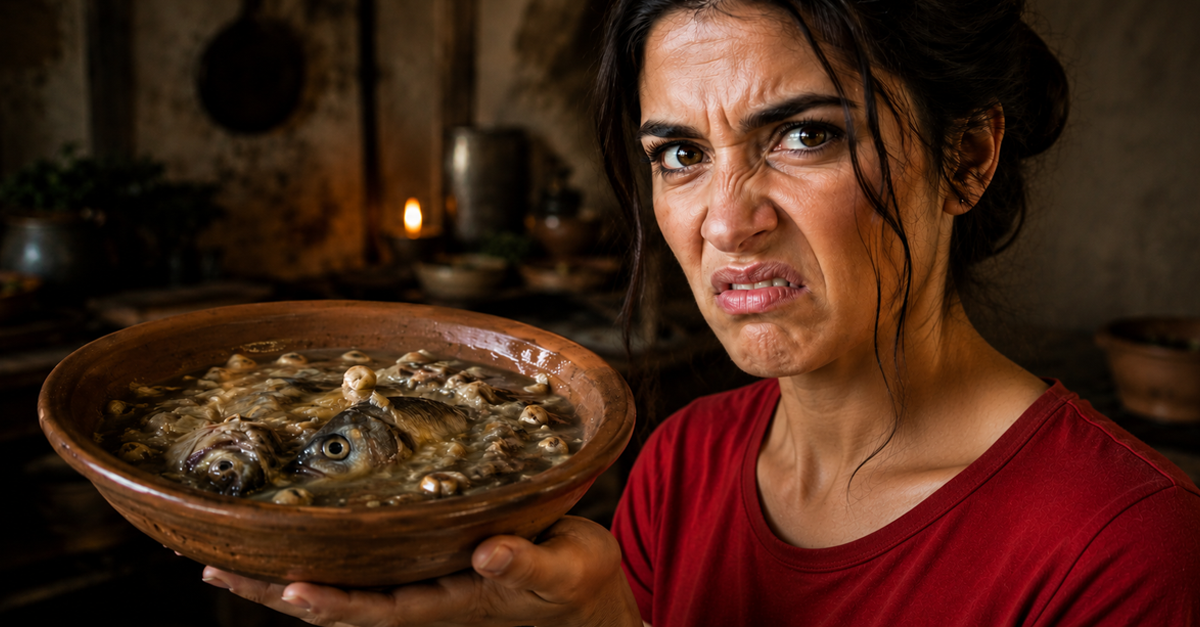
Garum was one of ancient Rome’s favorite condiments, and it turned up in recipes across the empire. It was made by fermenting fish, fish guts, and salt until the mixture turned into a powerful savory sauce. To Roman diners, garum added depth and prestige, but many modern noses would meet the vat before they ever reached the table.
Dormice Were Dinner Party Snacks
Wealthy Romans did not always stop at pork, fish, or poultry when planning a memorable meal. Edible dormice were fattened in special containers called gliraria before being cooked and served. The ancient Roman cookbook associated with Apicius even preserves a recipe for stuffed dormouse, which tells us this was no joke dish.

Flamingo Was A Fancy Bird
Ancient Roman elites sometimes treated exotic birds as luxury food. Flamingo appears in Roman culinary sources, and Pliny the Elder famously connected flamingo tongue with the gourmet reputation of Apicius. Today, the thought of serving a bright pink wading bird would feel less like fine dining and more like a conservation scandal.
Sow’s Womb Was Haute Cuisine
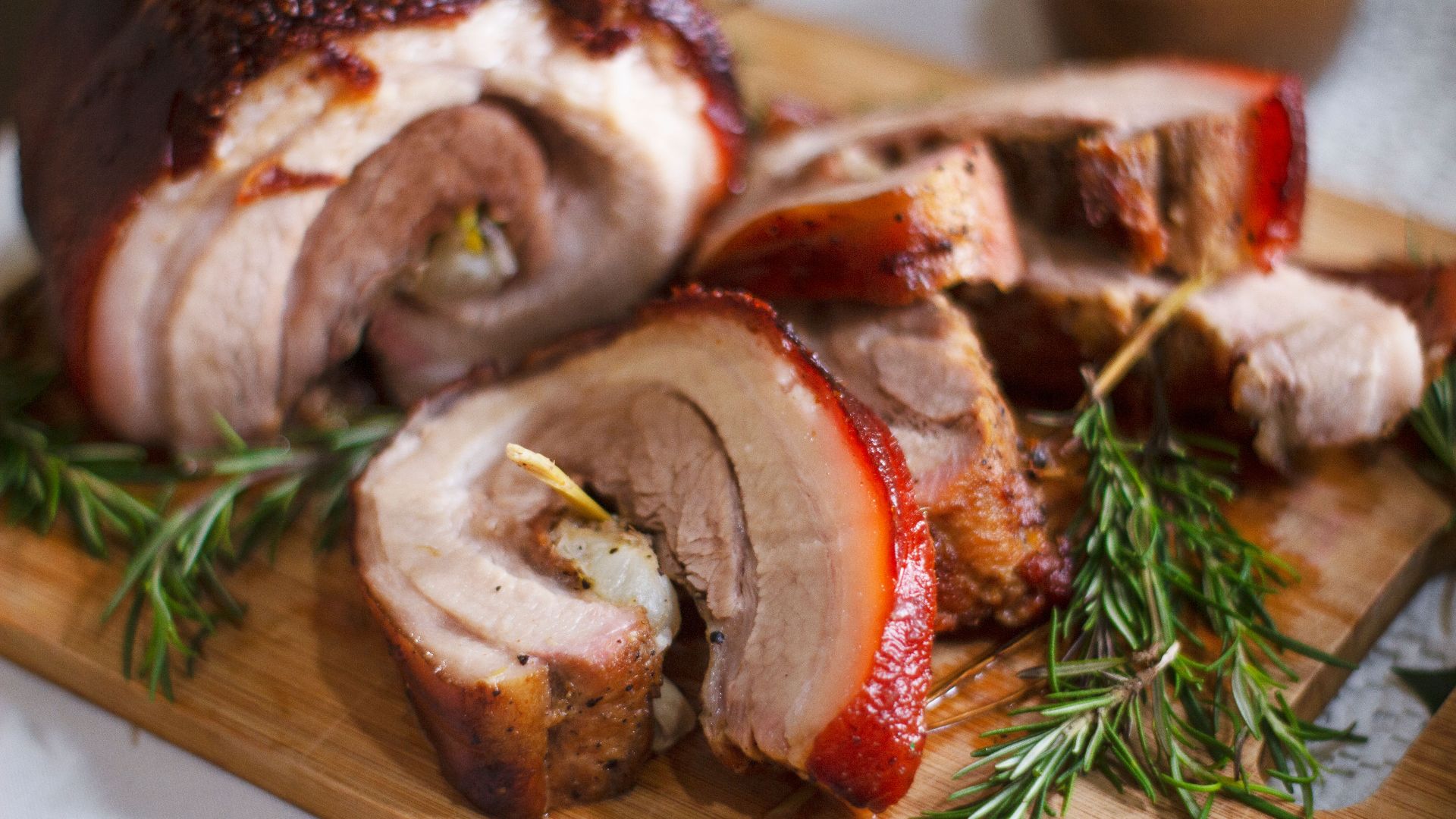
Roman cookbooks were not shy about using animal parts that many modern diners avoid. Apicius includes recipes for sow’s womb prepared with seasonings, wine, and garum. For Romans who prized richness and novelty, this was refined cooking rather than shock value.
Milk-Fed Snails Got Special Treatment
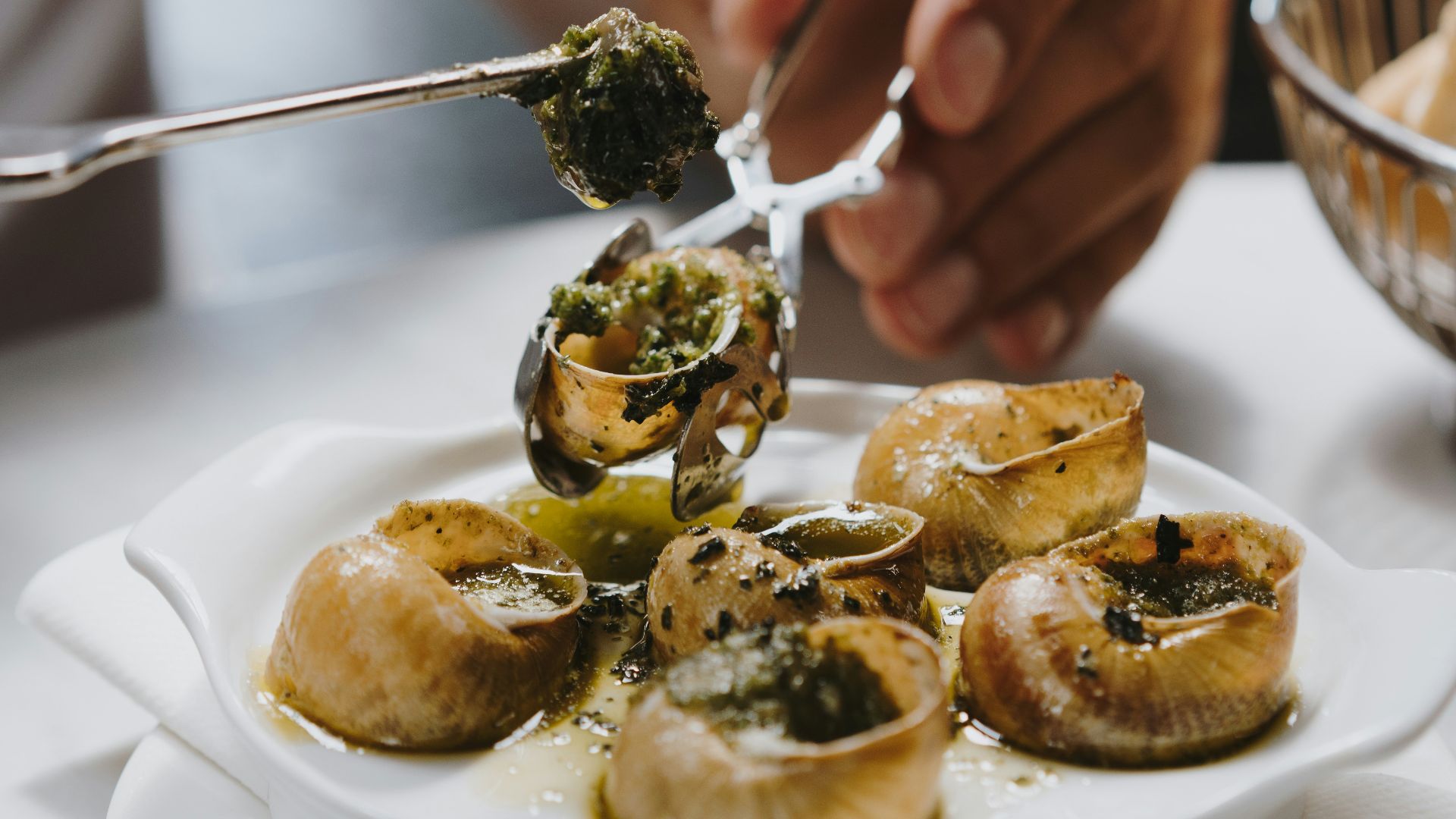
Romans ate snails, but elite cooks could take the idea much further. They fed snails with milk, cleaned them carefully, and fried them once they became too fat to withdraw into their shells. Escargot still exists today, but the milk-fattening routine gives the ancient version a very different texture of weird.
Spartan Black Broth Had A Reputation
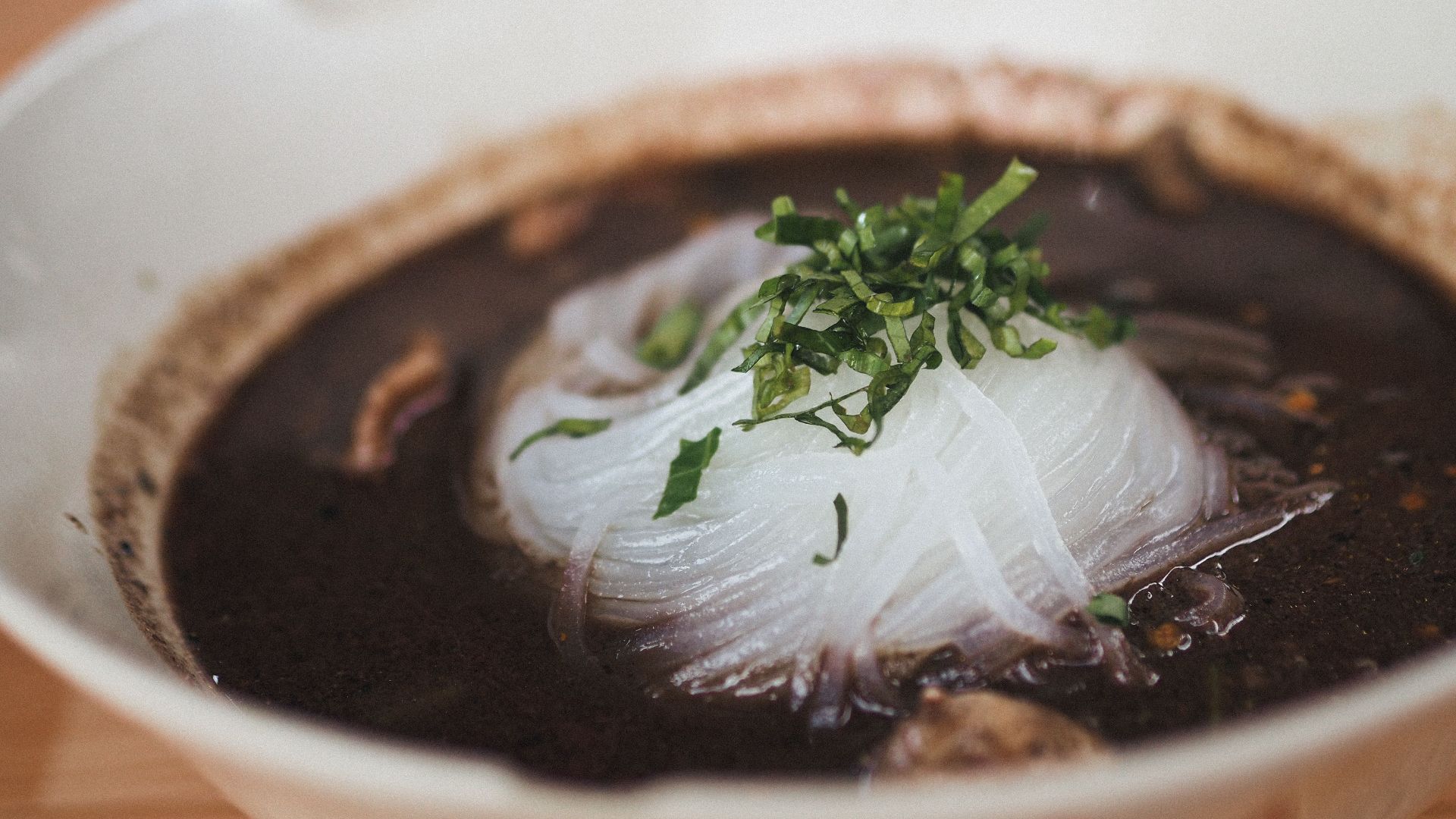
Sparta’s famous black broth was associated with the hard discipline of its warrior society. Ancient sources describe it as a meat broth made with pork, blood, vinegar, and salt. Other Greeks mocked it, and the joke practically writes itself for anyone who has ever stared down a bowl of blood soup.
Cicadas Were Seasonal Treats
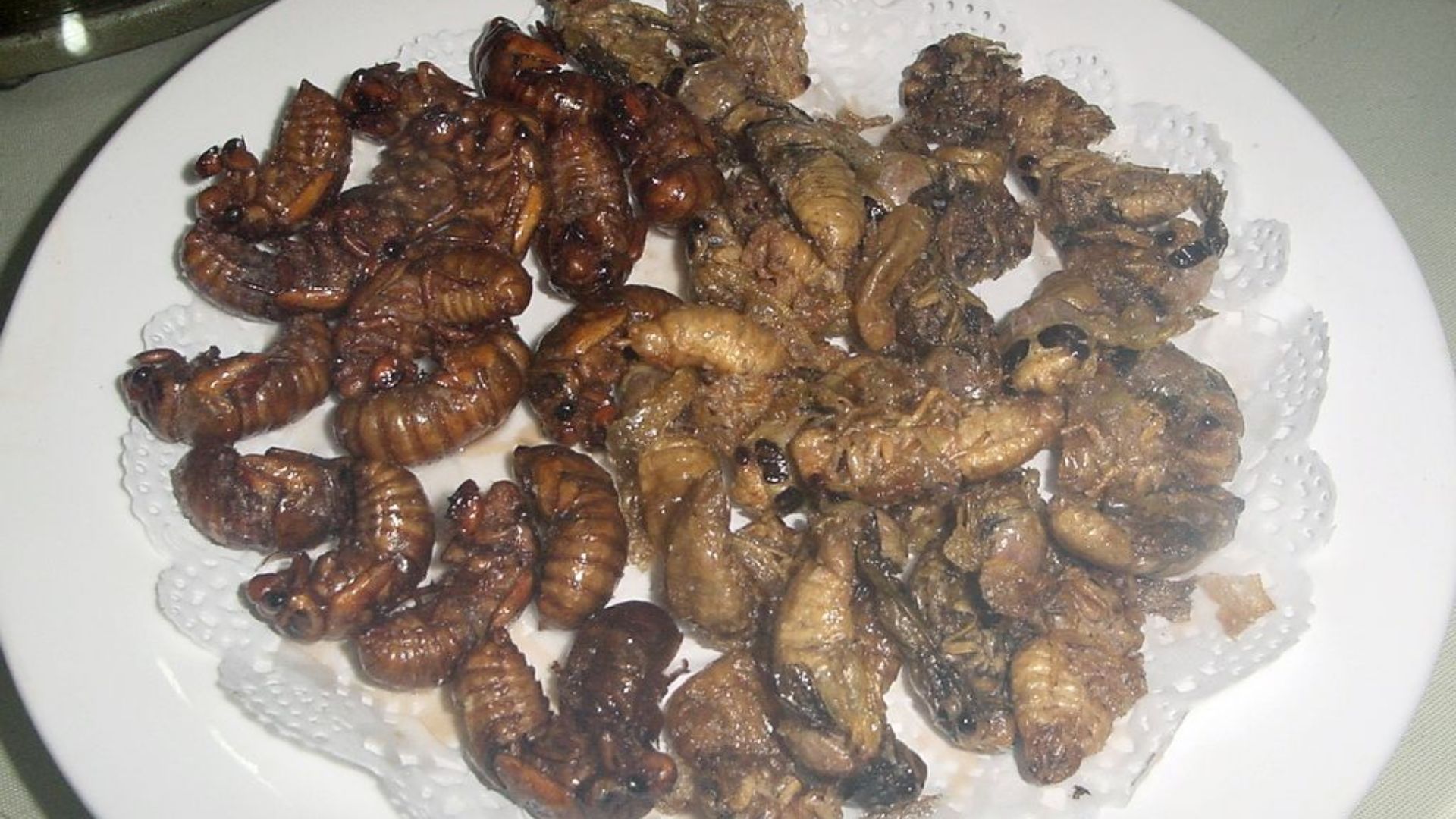
Ancient Greek writers knew cicadas as more than noisy summer insects. Aristotle discussed which cicadas were tastier at different stages, including the difference between males and females. That kind of foodie precision sounds adventurous until the appetizer starts buzzing in your imagination.
Mesopotamian Beer Was More Like Porridge
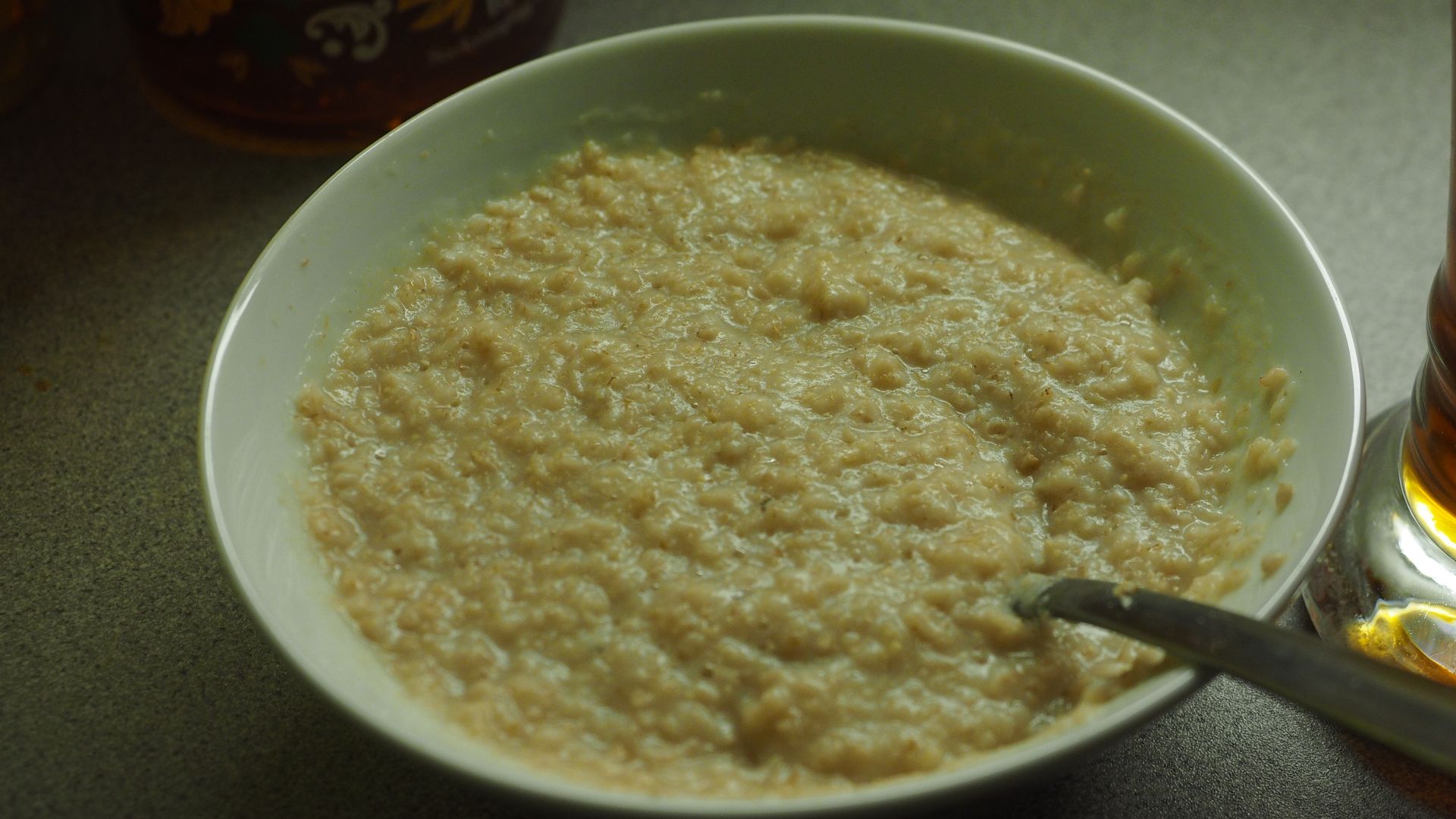
Beer was a staple in ancient Mesopotamia, not just a party drink. Evidence from texts, archaeology, and residue studies shows that beer was deeply woven into daily life and rations. It could be thick, grainy, and cloudy, which makes it sound closer to a fermented meal than a crisp modern lager.
Egyptian Bread Came With Grit
Bread was central to ancient Egyptian life, but it was not always gentle on the teeth. Grinding grain with stone tools and working in a sandy environment meant grit could end up in the flour. Over time, that gritty bread contributed to serious tooth wear, which is one reason ancient dental remains can tell such a vivid food story.
 Eslam Mohammed Abdelmaksoud, Pexels
Tomb Cheese Was Not For Snacking
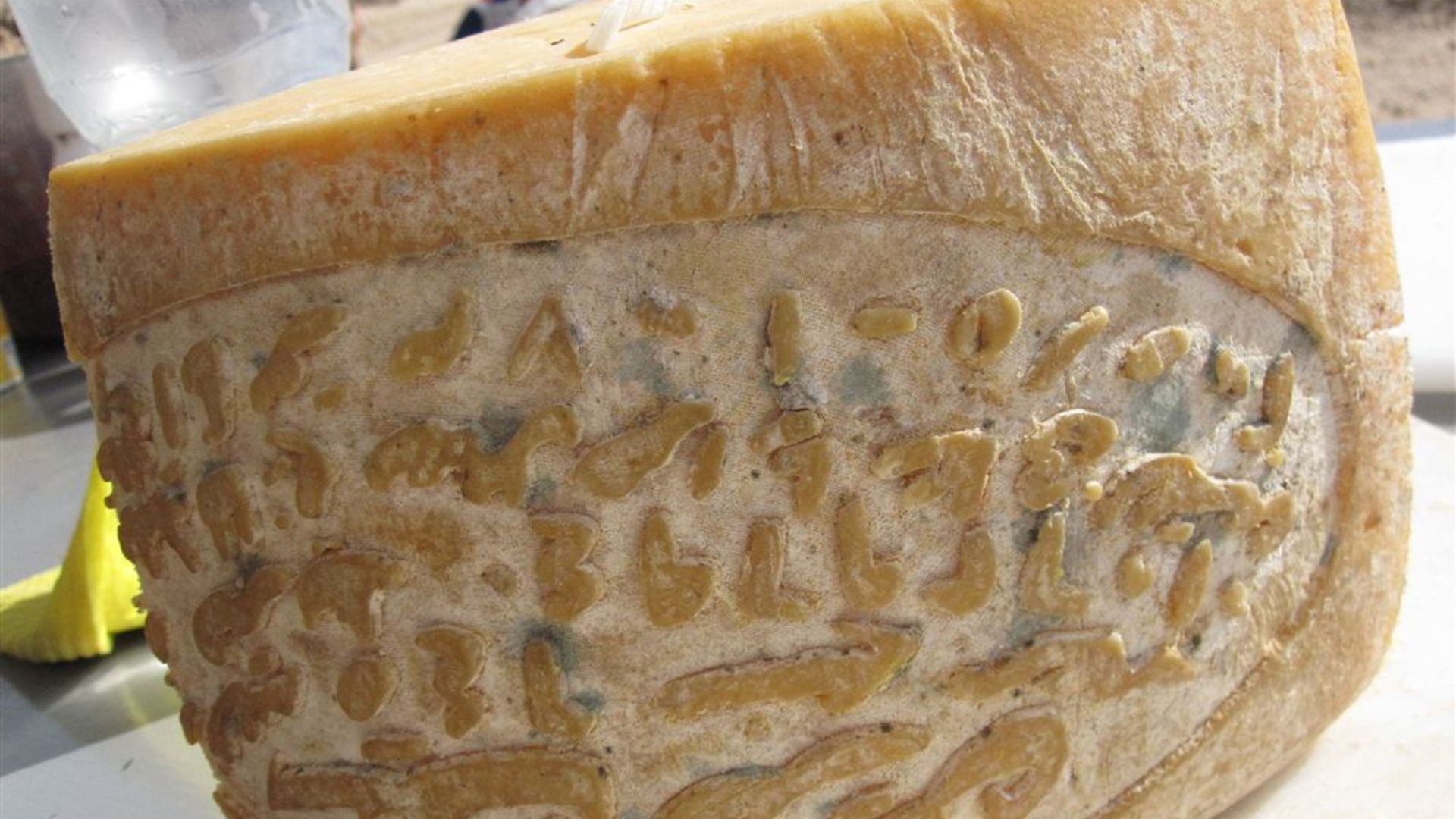
Archaeologists found a 3,200-year-old solid white substance in an Egyptian tomb and identified it as ancient cheese. Chemical analysis also detected signs linked to Brucella bacteria, which can cause brucellosis. Cheese itself is not strange, but tomb-aged pathogen-adjacent cheese is a hard pass.
 Tour d'Afrique, Wikimedia Commons
Mummified Meat Went To The Afterlife
Ancient Egyptians prepared food offerings for the dead, and some were remarkably elaborate. Tombs could contain wrapped and preserved meats, including ducks and joints of meat. The point was not casual snacking, but provisioning the deceased for eternity, which makes the menu both touching and unsettling.
Aztec Algae Was A Protein Staple
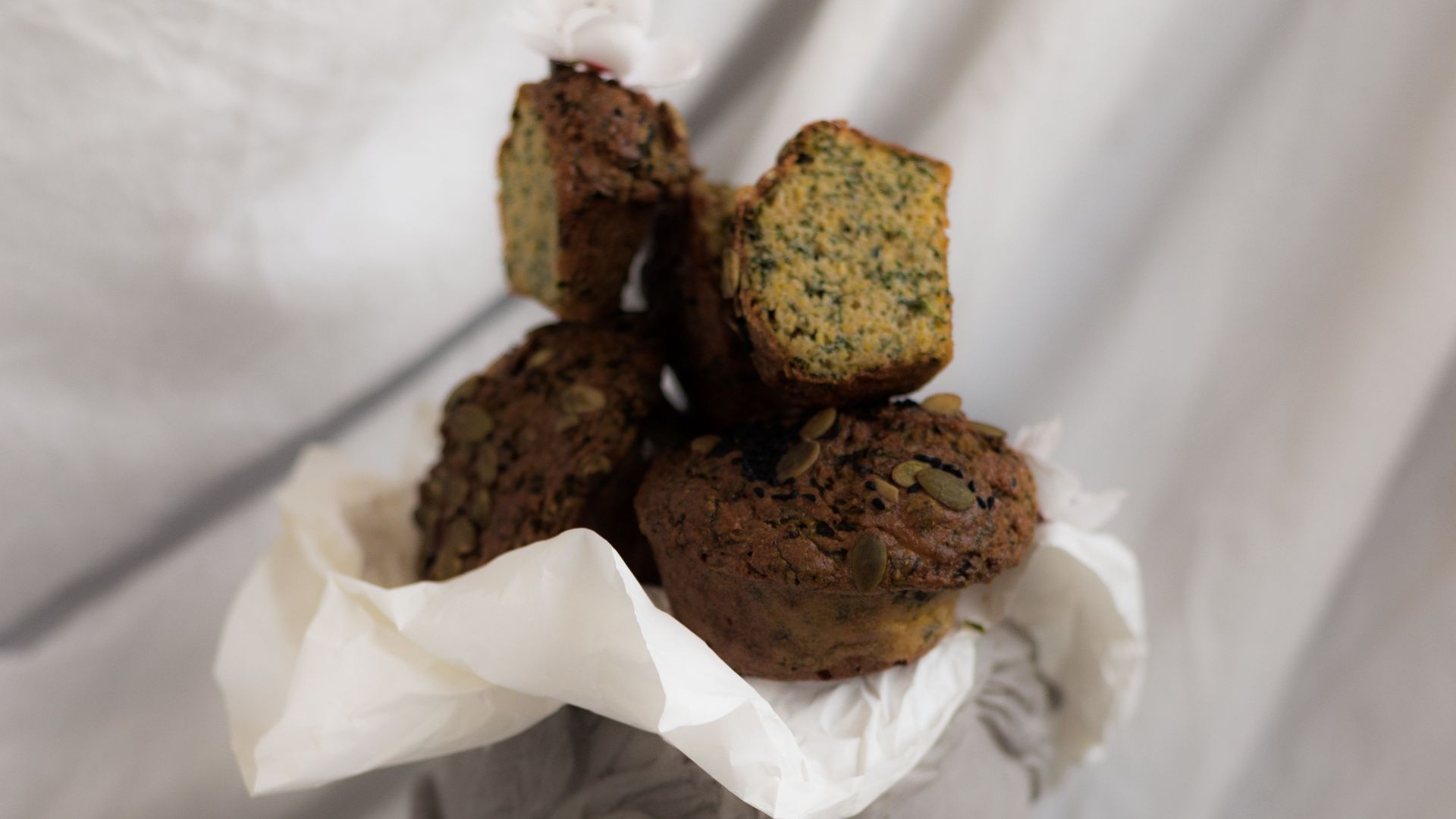
In central Mexico, people harvested blue-green algae from Lake Texcoco and called it tecuitlatl. Spanish chroniclers described it being dried and eaten with foods such as tortillas or roasted corn. Modern spirulina fans may recognize the ingredient, but ancient algae cakes still sound like a brave lunch.
Grasshoppers Were Everyday Protein
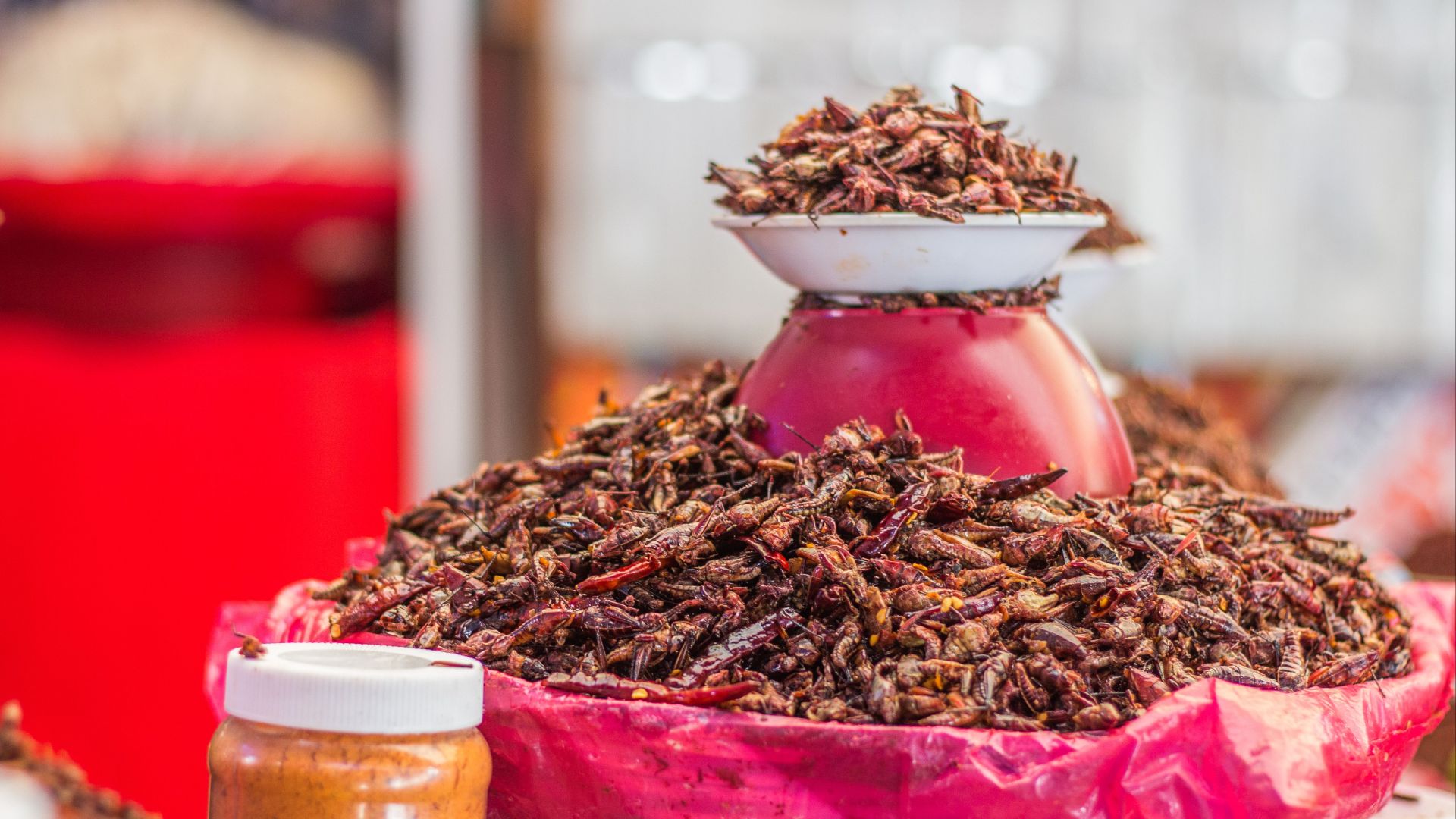
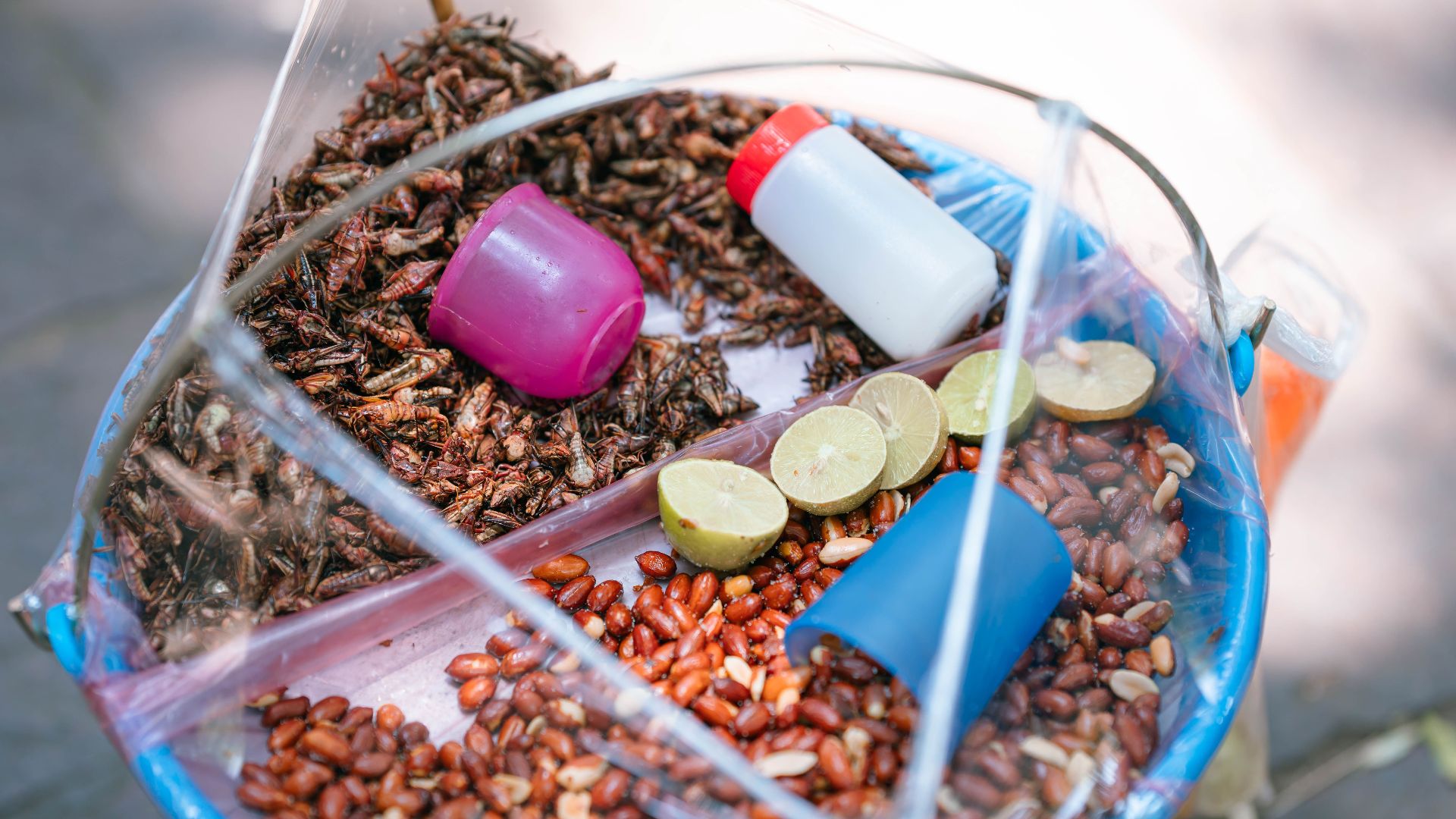
Chapulines, or edible grasshoppers, have deep roots in Mexican food traditions. They were eaten in parts of Mexico long before European livestock transformed local diets. Toasted with chiles, lime, or salt, they remain popular today, but many outsiders still need courage before taking the first crunch.
Ant Larvae Were Tiny Treasures
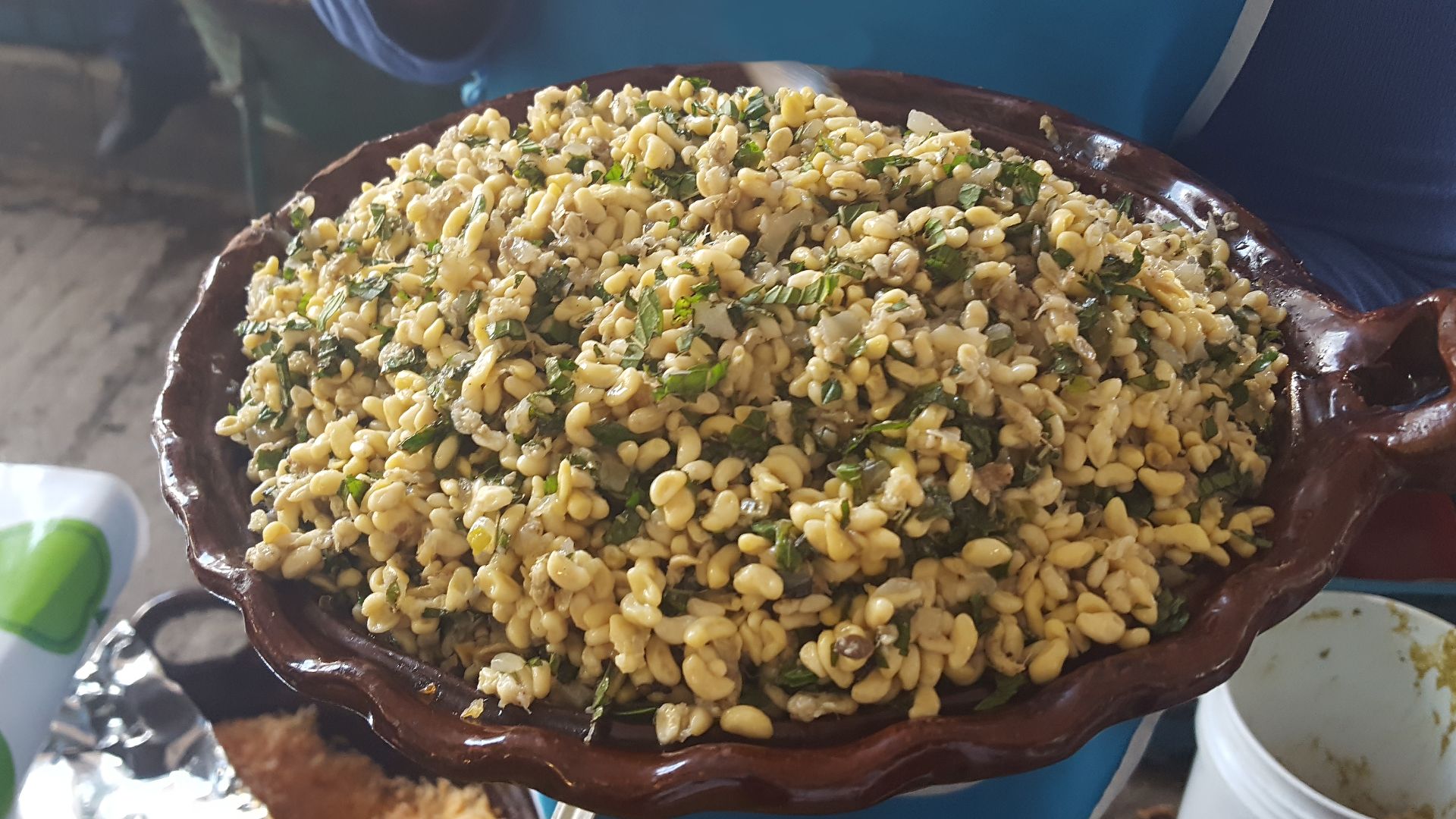
Escamoles are edible ant larvae from Mexico, sometimes nicknamed Mexican caviar. They were part of Indigenous food traditions and are still treated as a delicacy in some regions. Their mild flavor may surprise modern diners, but the phrase “ant larvae taco” still does a lot of psychological damage.
Chinese Fermented Black Beans Packed A Punch
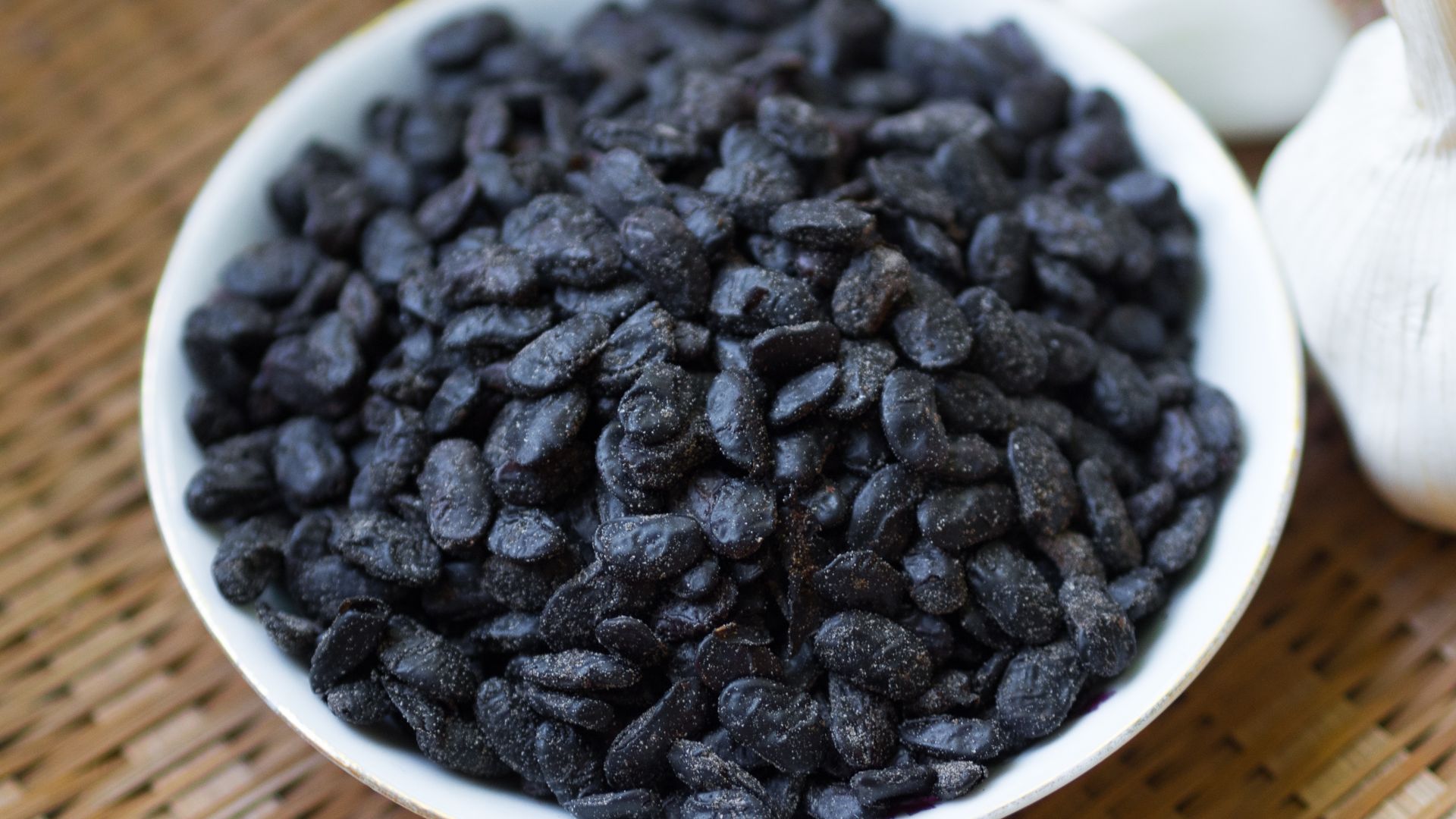
Douchi, fermented black soybeans, are among the oldest known soy foods. Archaeologists found preserved examples in a Chinese tomb dated to 165 BC. Their salty, funky flavor still powers many dishes today, but eating beans preserved by mold and time can sound alarming before the first bite.
Ancient Fish Sauces Were Everywhere
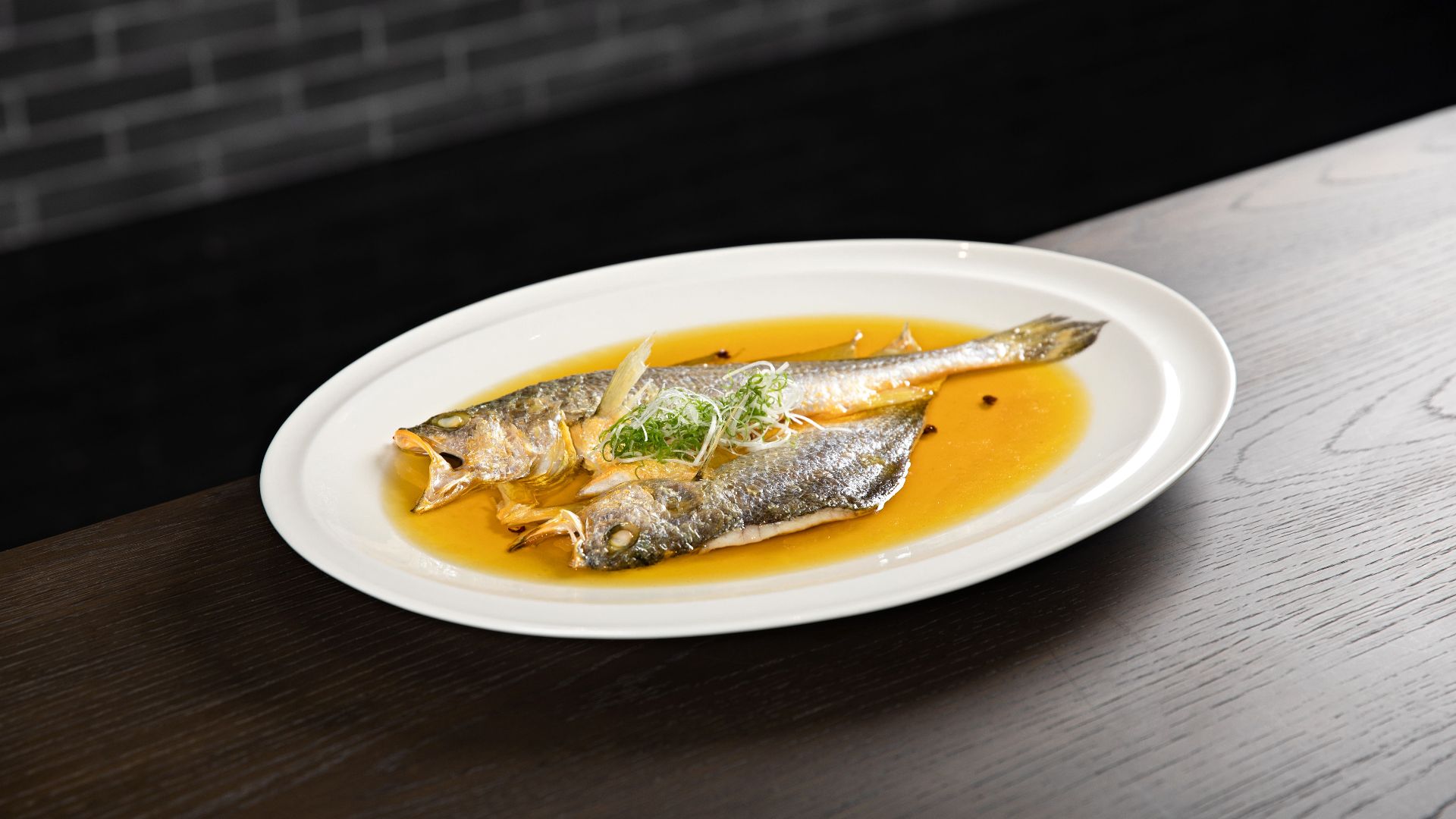
Rome was not the only ancient culture to love fermented fish. Across the ancient Mediterranean and beyond, salted fish products helped preserve seafood and turn it into seasoning. The appeal was practical and delicious, but the production process involved smells that modern apartment neighbors would not forgive.

Roman Banquets Loved Surprise
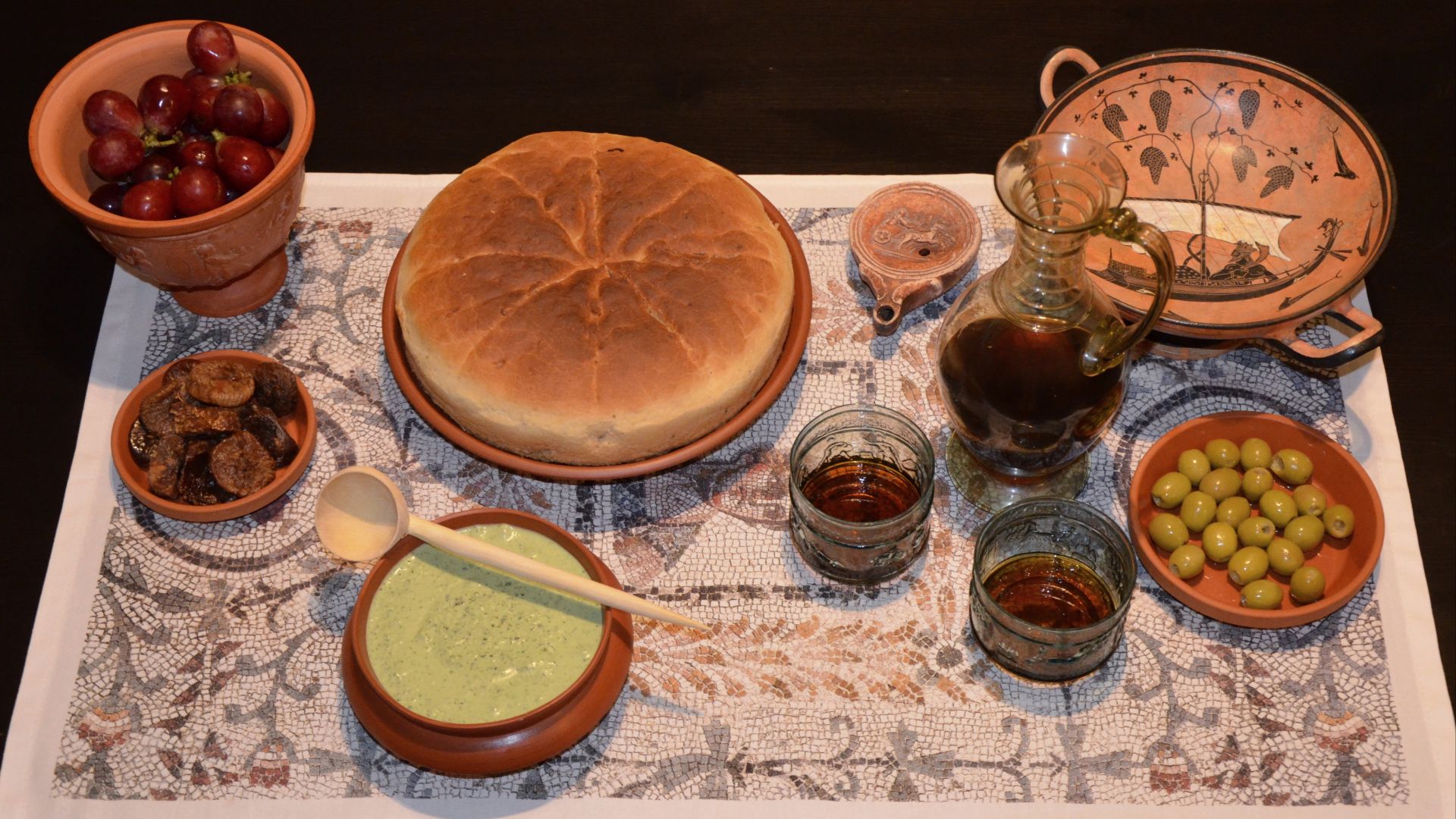
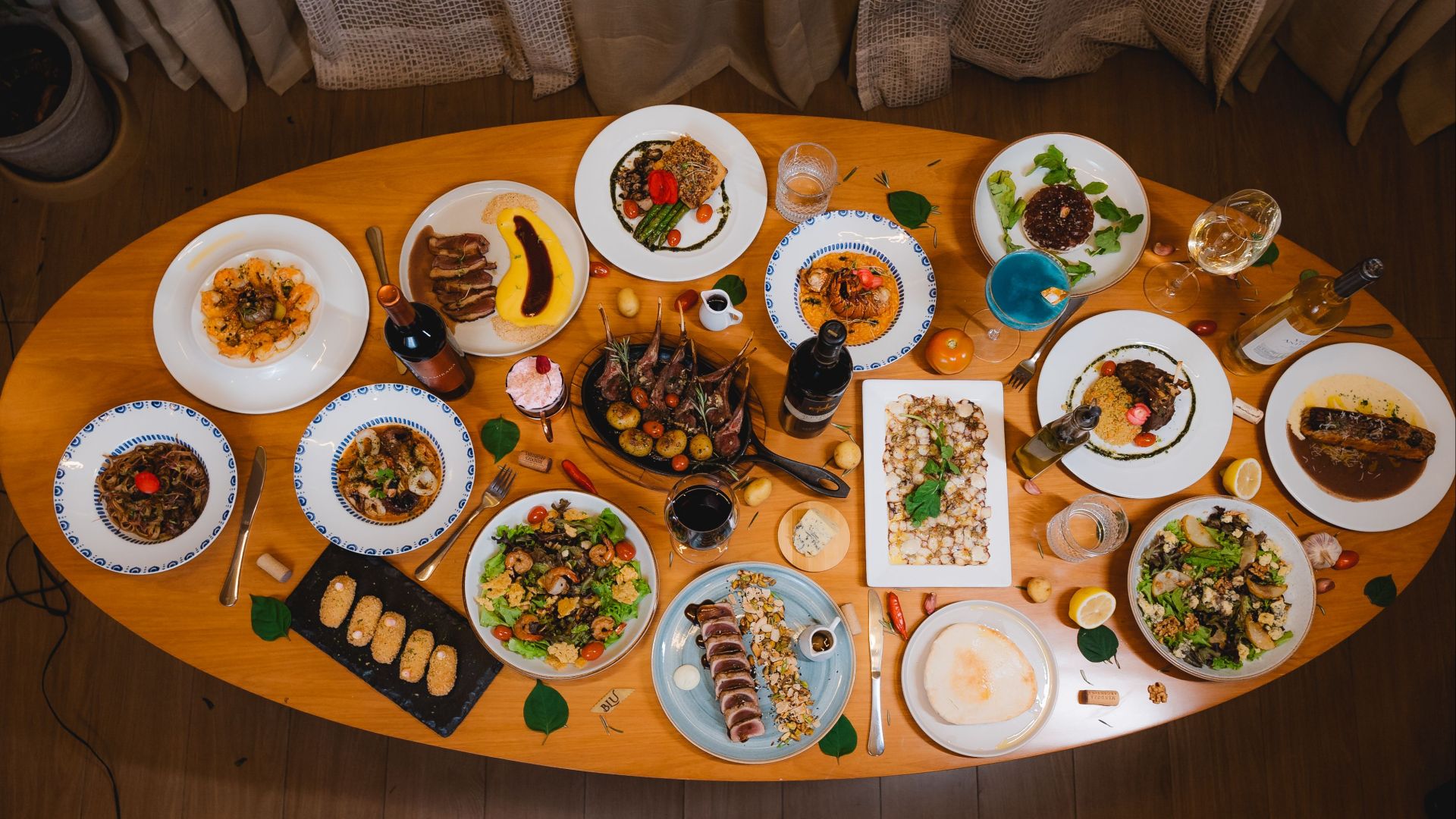
Roman elite dining was about taste, status, and performance. Banquets could feature shellfish, eggs, poultry, sauces, and carefully staged courses. The strangest foods were not random dares, because they signaled wealth, reach, and a host’s ability to serve something guests would remember.
 Carole Raddato from FRANKFURT, Germany, Wikimedia Commons
Stuffed Animals Were A Roman Specialty
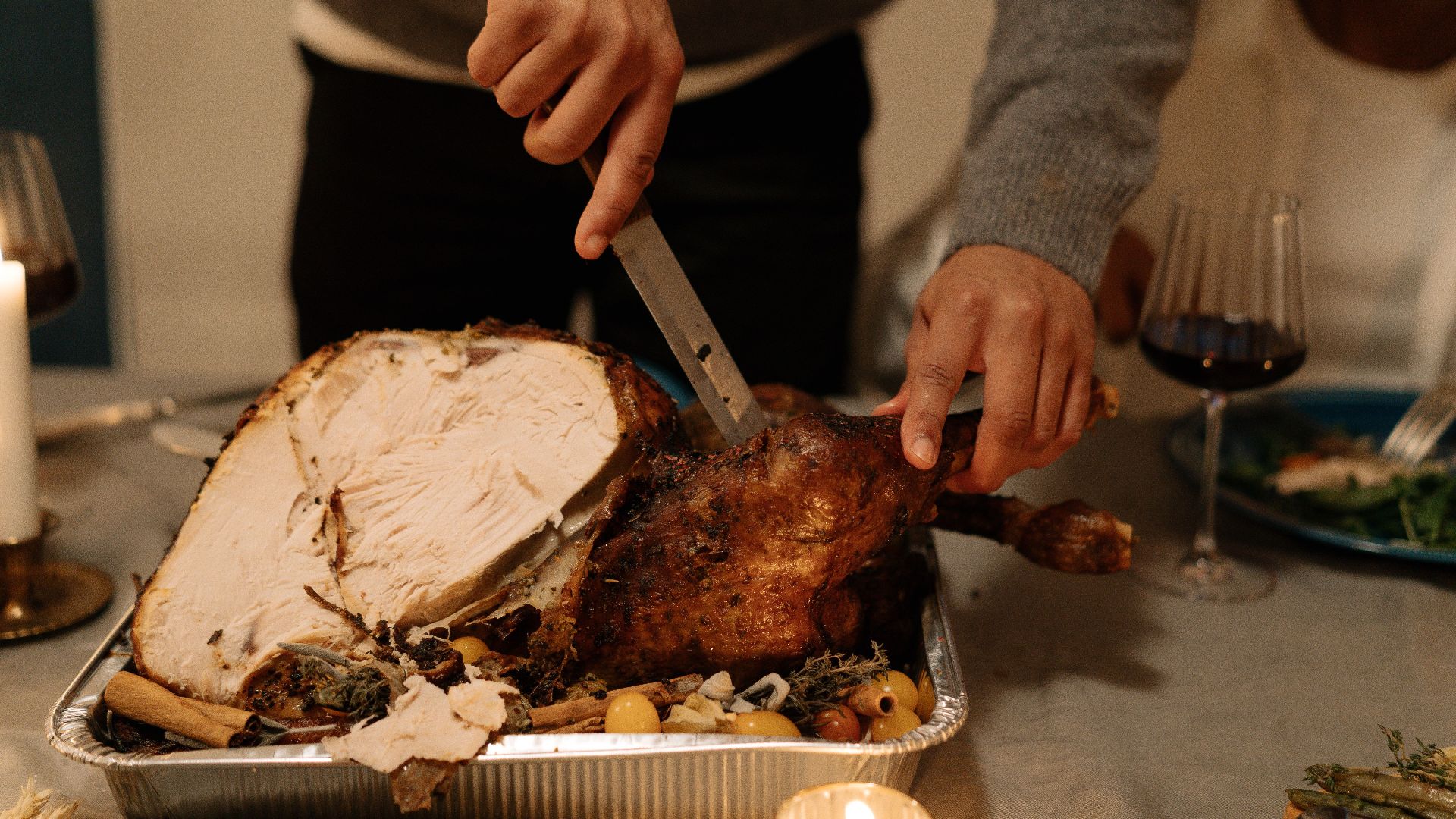
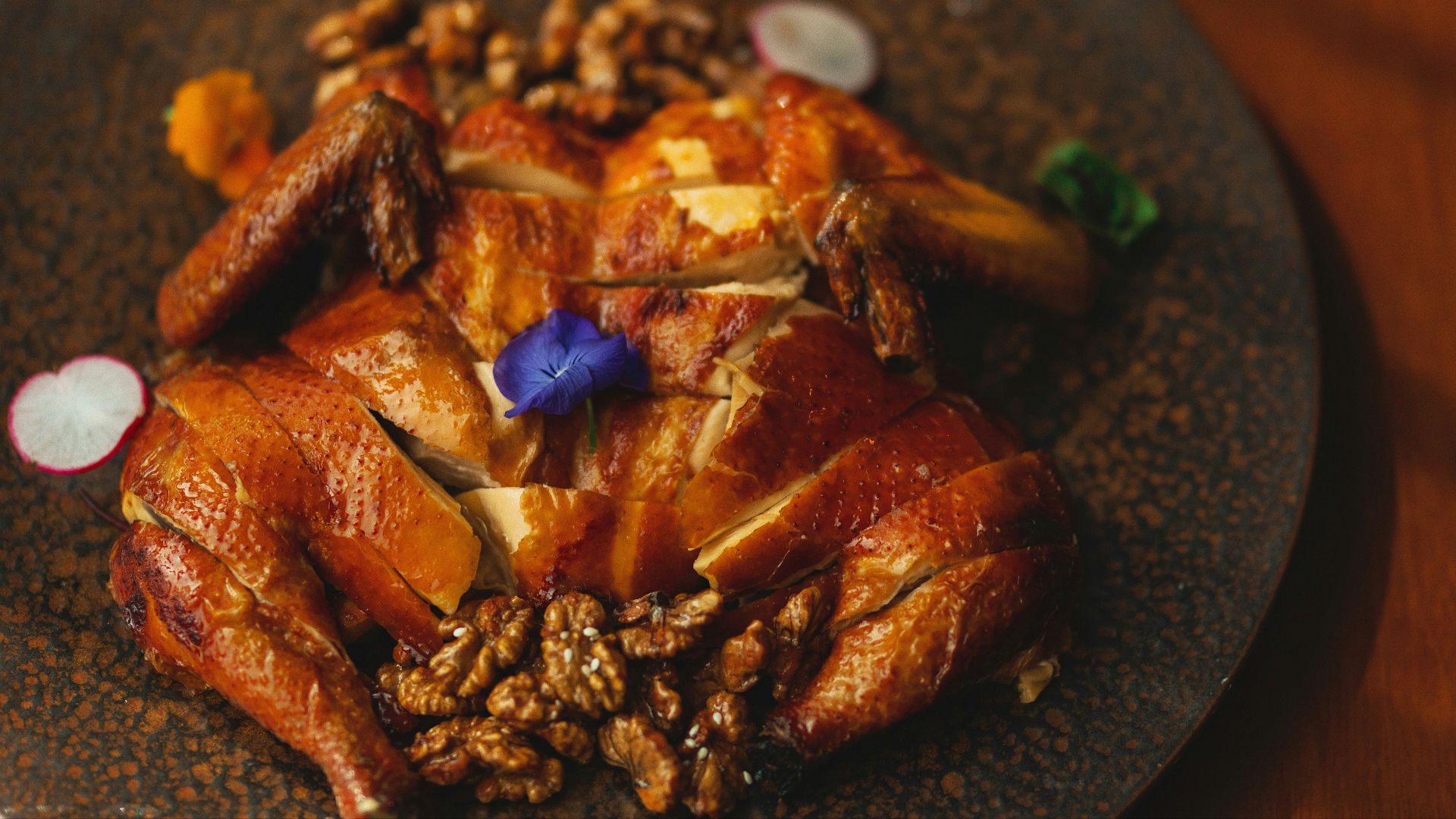
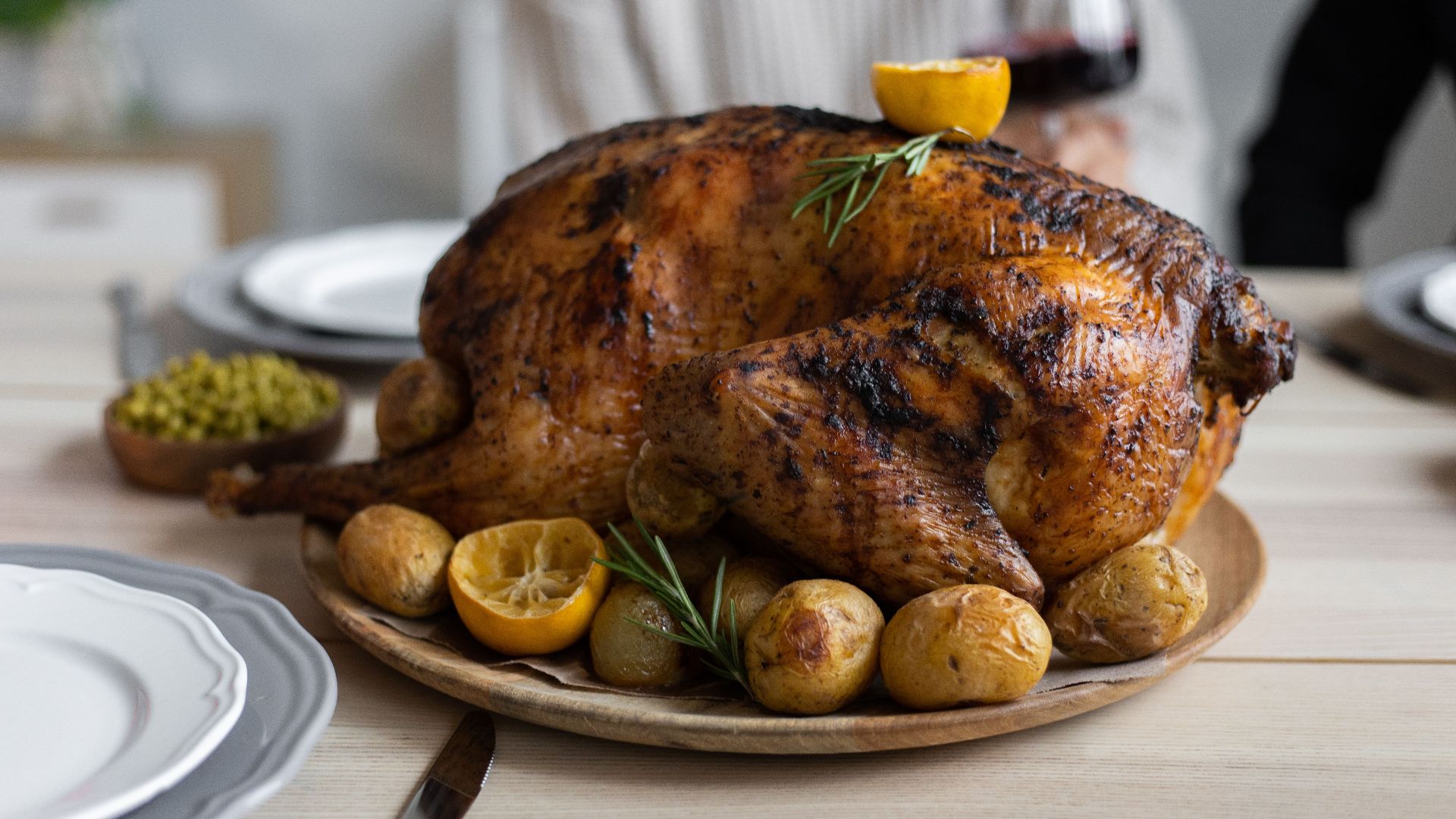
Apicius preserves recipes that show Roman cooks loved stuffing, saucing, and layering flavors. Dormice, poultry, and other meats could be filled with mixtures of meat, herbs, nuts, and spices. The technique feels familiar, but the choice of animal could turn a normal dinner party into a conversation nobody escapes.
Fish Guts Had Umami Power
Garum sounds disgusting until you remember how many beloved modern condiments rely on fermentation. Anchovy sauces, Worcestershire sauce, and fish sauce all use controlled funk to create deep savory flavor. The Roman version was normal because it solved the same culinary problem that modern cooks still chase.
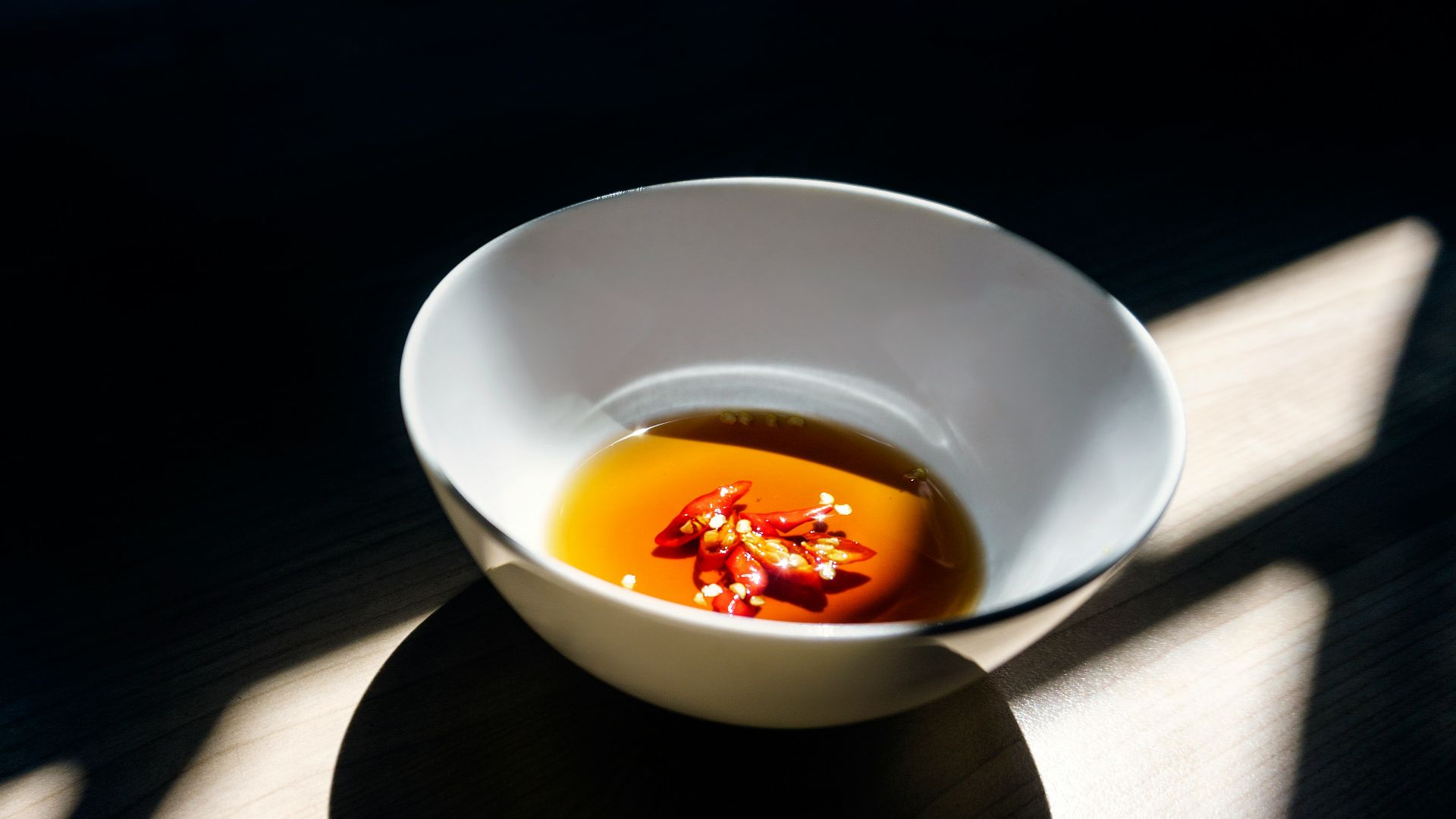
Blood Was Food, Not Waste
Ancient cooks often used far more of an animal than many modern shoppers do. Spartan black broth fits into a wider pattern of turning blood, organs, and tougher cuts into meals. That thrift made sense in a world without industrial refrigeration, but it can still startle diners raised on neatly wrapped cuts.
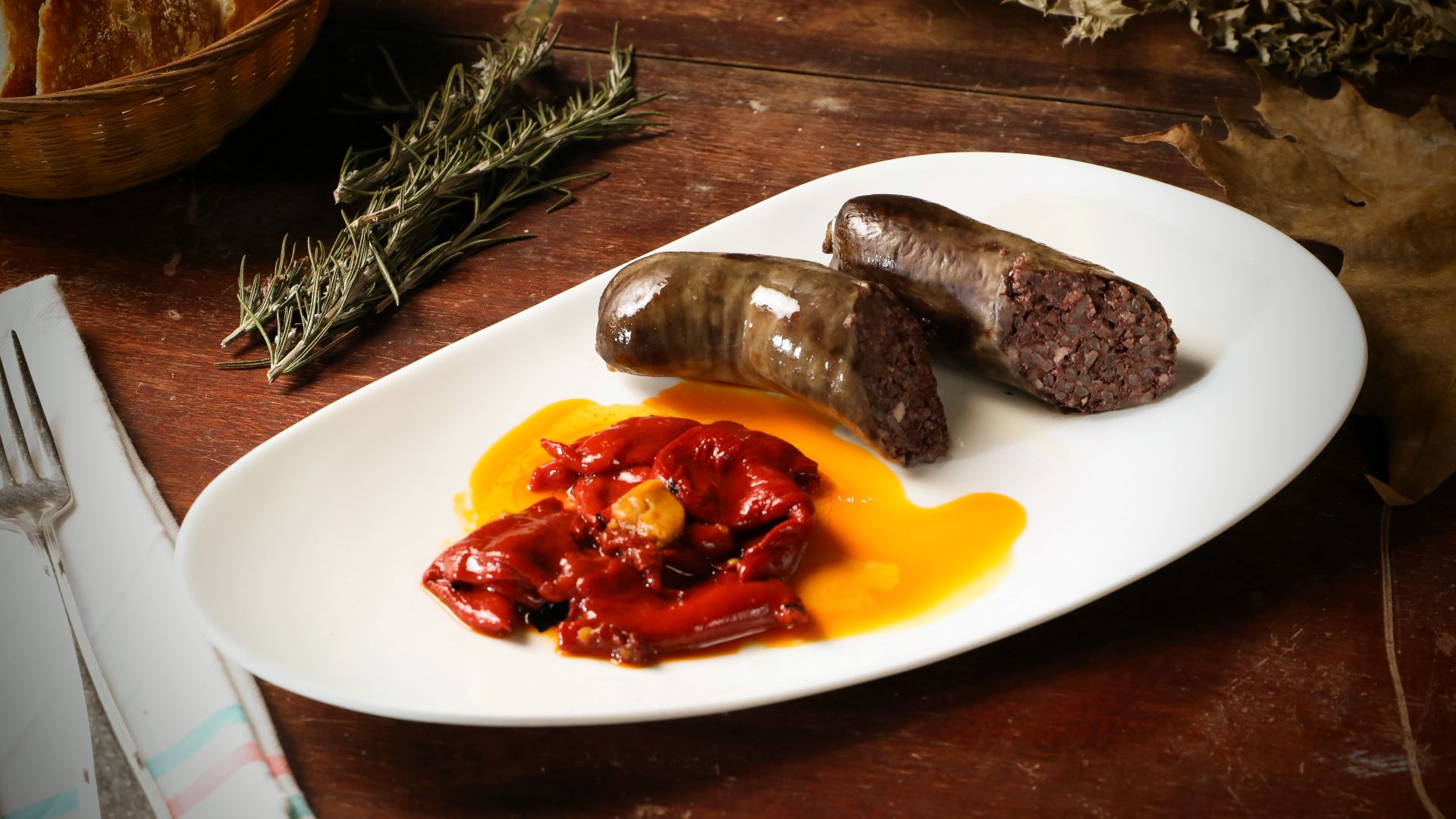 Jose Antonio Otegui Auzmendi, Pexels
Bugs Were Not A Last Resort
Edible insects were not merely famine food in many ancient and traditional foodways. Chapulines, cicadas, and other insects supplied protein, seasonal flavor, and crunch. Modern disgust often says more about culture than nutrition, because many insect foods are carefully collected and prepared.
Fermentation Made Risk Useful
Many foods on this list depended on fermentation, drying, salting, or preservation. Those methods helped ancient people store calories, intensify flavor, and reduce waste. The same processes can create extraordinary foods, but they also produce smells and textures that challenge modern expectations.
 PROJETO CAFE GATO-MOURISCO, Unsplash
Luxury Often Meant Unfamiliar
Ancient elites frequently valued foods that were rare, labor-intensive, or imported. A flamingo, a fattened dormouse, or a carefully raised snail could communicate status before anyone tasted it. The plate became a social message, even when the message now reads as deeply uncomfortable.
Ordinary People Ate The Practical Stuff
Not every ancient meal was a strange banquet centerpiece. Most people depended on bread, beer, porridge, legumes, fish, vegetables, and whatever local foods were affordable. The hard-to-stomach dishes survive in stories partly because unusual elite foods were more likely to be written down.
The Past Had A Different Palate
Ancient foods can seem bizarre, but they came from real needs, real tastes, and real social worlds. What feels gross today may have been normal, nutritious, expensive, or even glamorous in its own time. That is what makes food history so revealing, because the dinner table shows how much human culture can change.
You May Also Like:
39 Foods With Misleading Names—And What They Actually Are
Do You Remember These Discontinued Fast Food Items?
Sources: 1, 2, 3, 4, 5, 6, 7, 8, 9, 10, 11, 12, 13, 14, 15, 16, 17, 18, 19