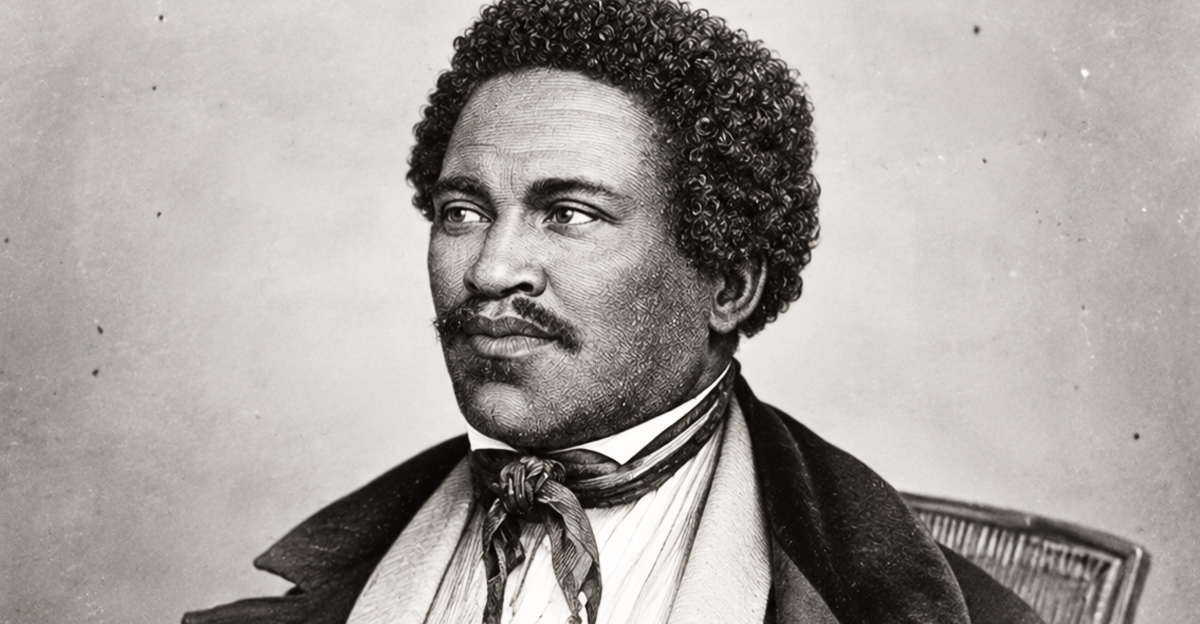
Henry “Box” Brown escaped slavery using a plan so dangerous that almost any mistake could have been fatal. In 1849, Brown squeezed himself into a wooden shipping crate in Richmond, Virginia, and had accomplices send him hundreds of miles north. Twenty-six agonizing hours later, the box was opened in Philadelphia, and Brown stepped out a free man.
He Was Born Enslaved
Brown was born enslaved in Louisa County, Virginia, around 1815 or 1816. As a teenager, he was sent to Richmond, where he eventually became a skilled worker in a tobacco factory. Although enslaved, Brown earned additional money through his labor and managed to establish a household away from his enslaver.
He Built A Family
Around 1836, Brown married an enslaved woman named Nancy, who belonged to a different enslaver. They had three children and lived together in a rented Richmond house. Brown even made payments intended to help protect his family from being sold. But under slavery, none of those arrangements could guarantee that his family would remain together.
They Were Sold Away
In August 1848, Nancy's enslaver sold her and their three children. Nancy was also pregnant at the time. Brown watched helplessly as his family was taken away to North Carolina. After mourning their loss, he decided he would escape rather than continue living under an institution that could destroy his family without his consent.
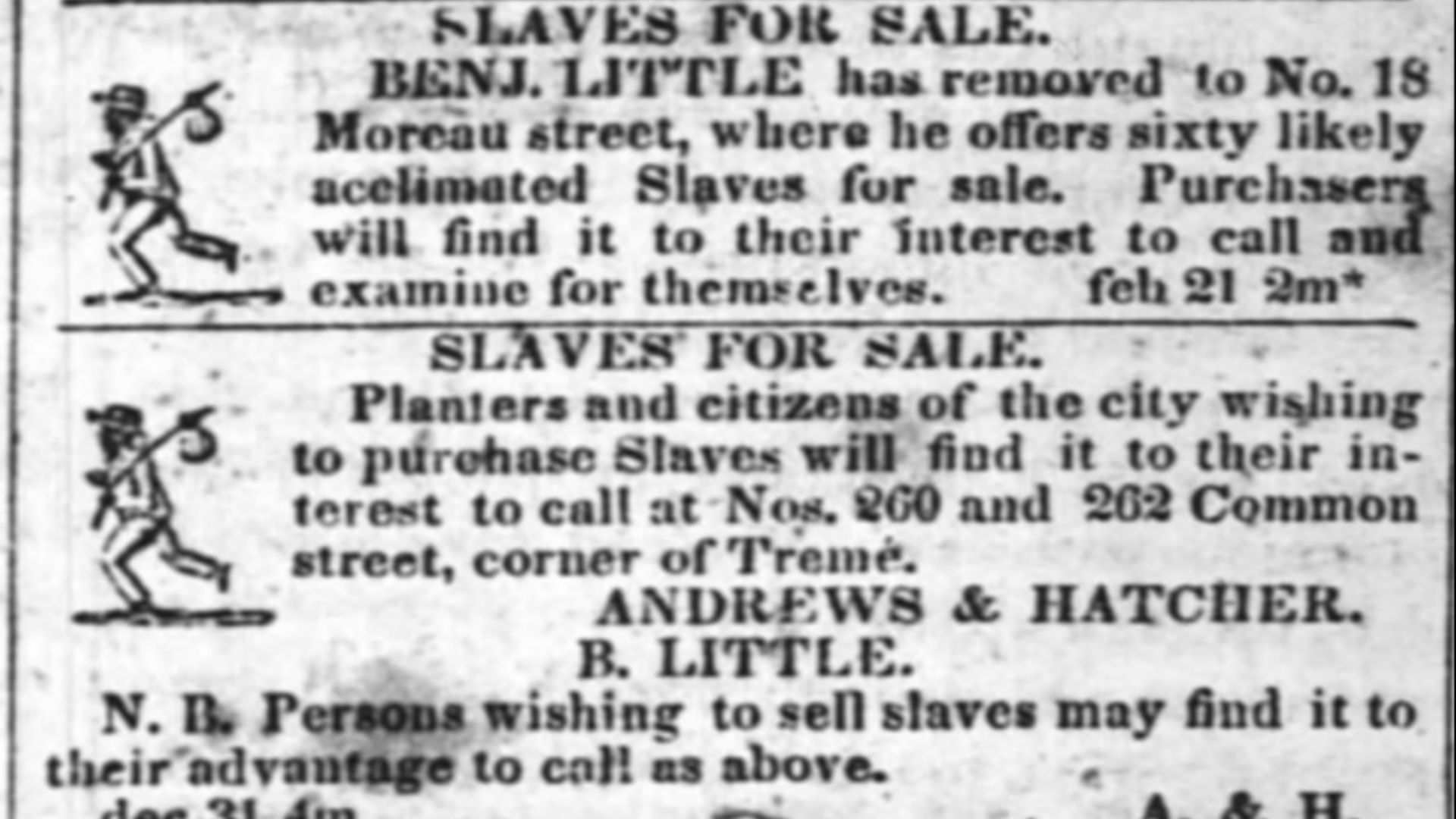 Staff of the Daily Picayune and its advertisers, Wikimedia Commons
He Had A Wild Plan
Brown enlisted James Caesar Anthony Smith, a free Black man who sang with him in a church choir, and Samuel Alexander Smith, a white shoemaker. Eventually, the men settled on an extraordinary idea. Instead of secretly walking or riding north, Brown would become a piece of freight and be shipped to abolitionists in Philadelphia.

History's most fascinating stories and darkest secrets, delivered to your inbox daily.
The Box Was Tiny
On March 23, 1849, Brown climbed into a wooden crate measuring approximately three feet long, two-and-a-half feet deep and two feet wide. The box was closed and labeled as ordinary goods before beginning its journey through the commercial transportation system. There was scarcely enough room inside for Brown to move.
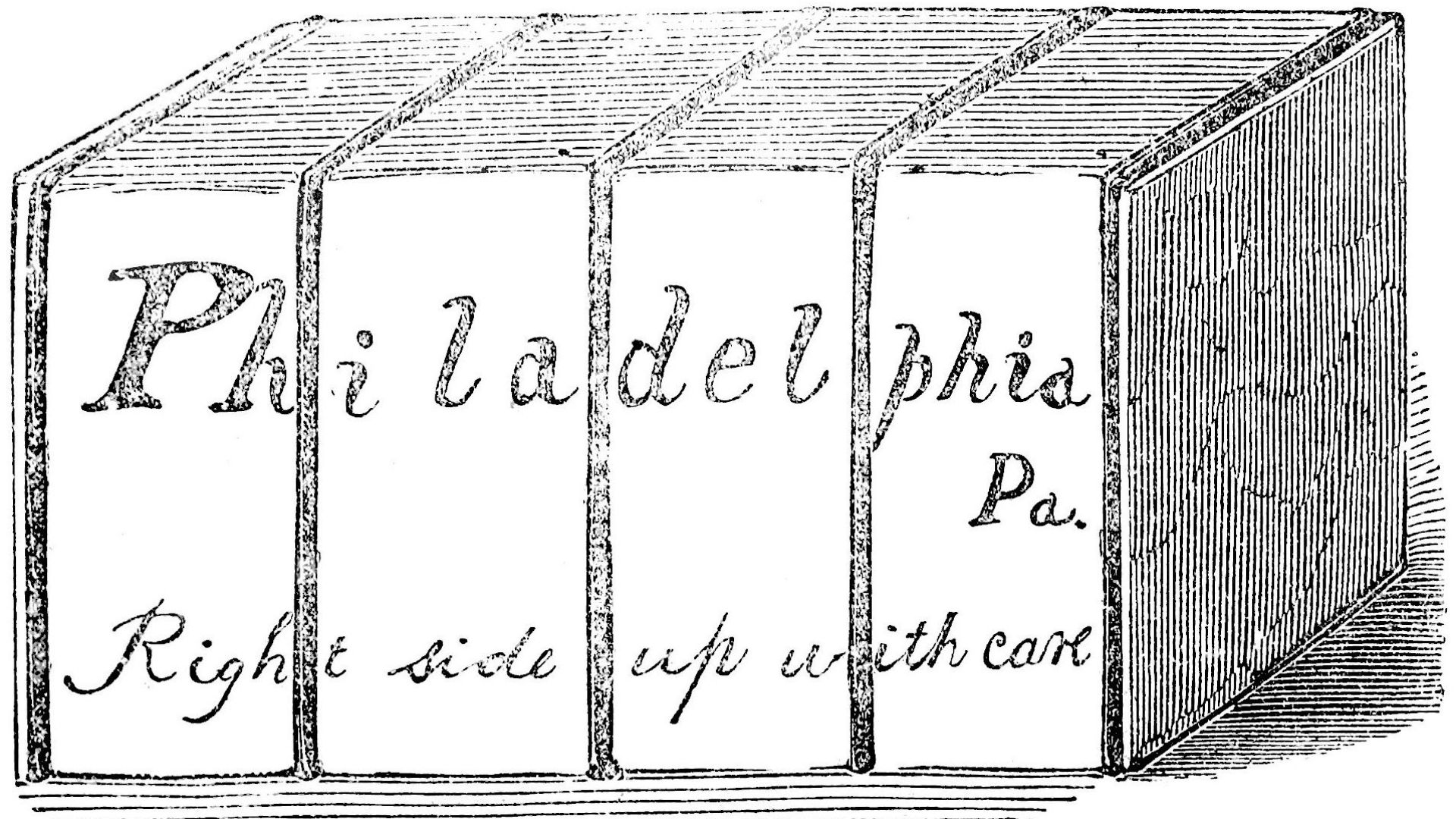 Henry Box Brown with Charles Stearns, Wikimedia Commons
Everything Nearly Went Wrong
The box traveled by combinations of wagon, railroad, steamboat and ferry. Despite instructions concerning its orientation, handlers repeatedly turned it over. During one terrifying portion of the trip, Brown was left upside down for hours as blood rushed toward his head. He later recalled feeling as though his eyes might burst from their sockets.
The Box Finally Opened
Early on March 24, the package reached the Pennsylvania Anti-Slavery Society in Philadelphia. After approximately 26 hours inside, Brown emerged alive. He reportedly greeted the abolitionists who received him with a hymn of thanksgiving. Brown later described the moment in almost biblical terms, writing that he felt as though he had been resurrected.
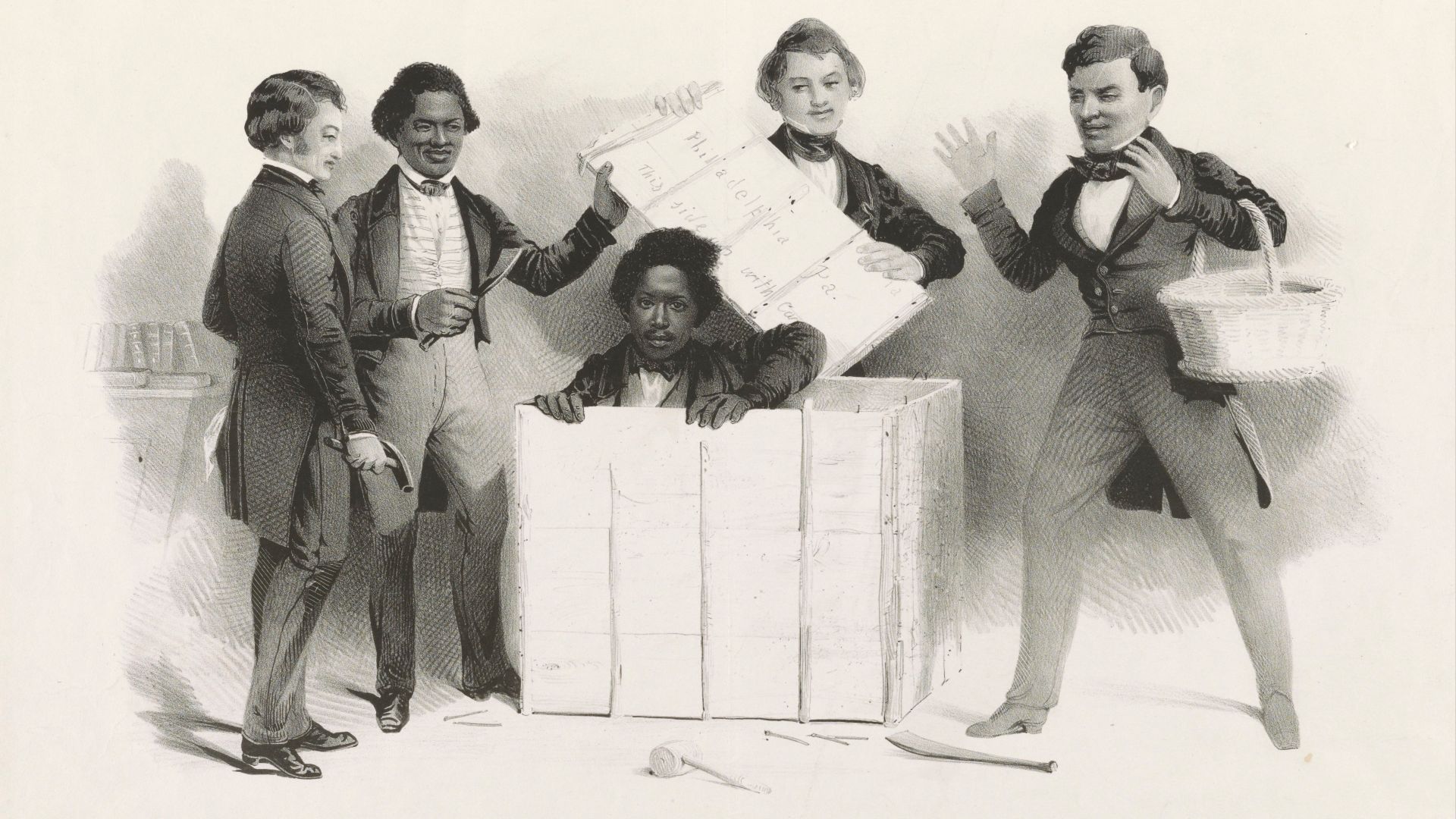 Samuel W. Rowse, Wikimedia Commons
Freedom Made Him Famous
Brown didn't disappear into anonymity. He adopted “Box” as part of his name and became an abolitionist lecturer, telling audiences about slavery and his extraordinary escape. His story appeared in the 1849 Narrative of Henry Box Brown, and he used a large moving panorama called Henry Box Brown's Mirror of Slavery to illustrate slavery for audiences.
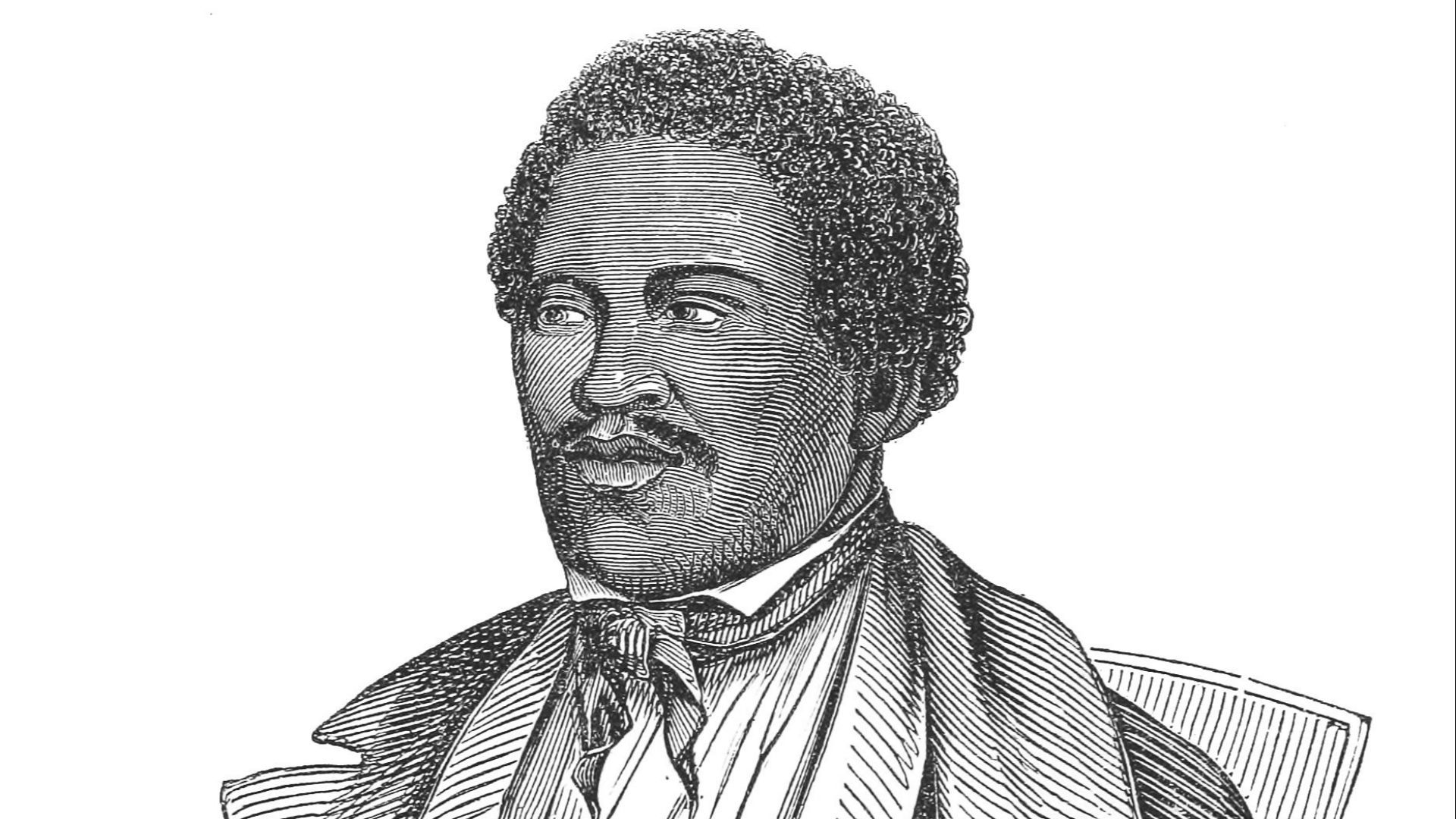 Henry Box Brown, Charles Stearns, Wikimedia Commons
His Story Kept Changing
The Fugitive Slave Act of 1850 made Brown vulnerable to capture even in free states, so he left for Britain. There he continued lecturing but increasingly developed into a professional entertainer, performing as a mesmerist and magician. He returned to the United States in 1875 with his second wife and daughter and continued performing. Brown passed away in Toronto in 1897.
Brown's wooden box understandably became the defining image of his life. But the extraordinary escape makes more sense when viewed alongside what came before it. Brown had already experienced the sale of his wife and children and understood that remaining where he was offered no security. Faced with that reality, spending 26 hours sealed inside a crate became a risk worth taking.
You May Also Like:
Frederick Douglass’ Journey To Freedom
43 Unsettling Facts About the Antebellum South