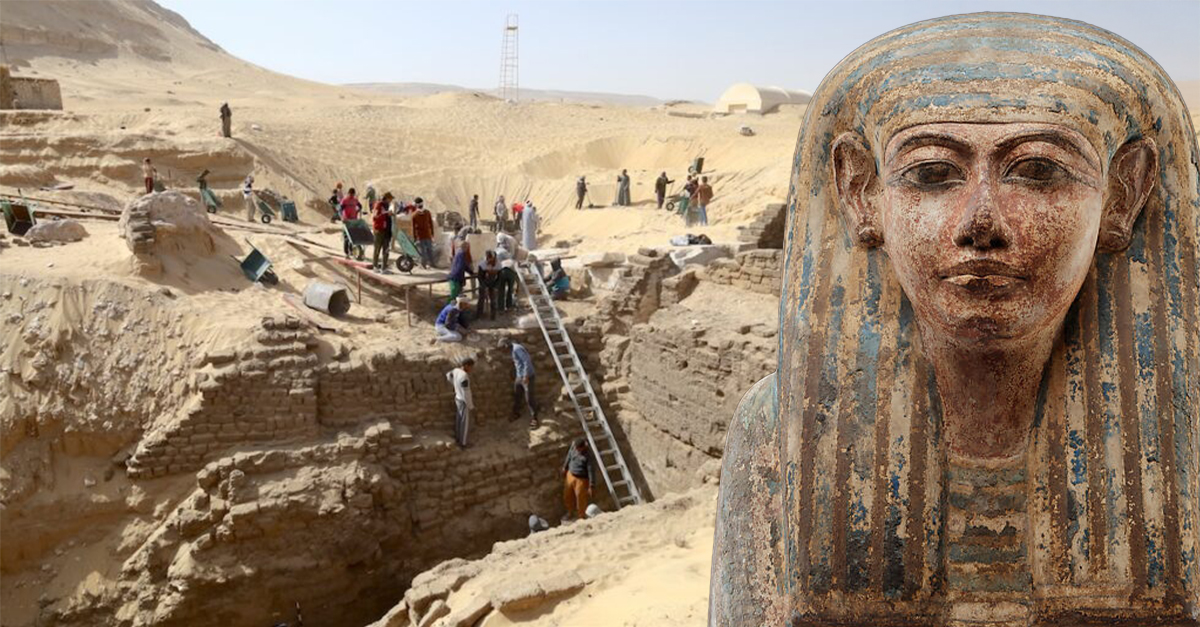
The Man Who Unlocked Egypt’s Silence
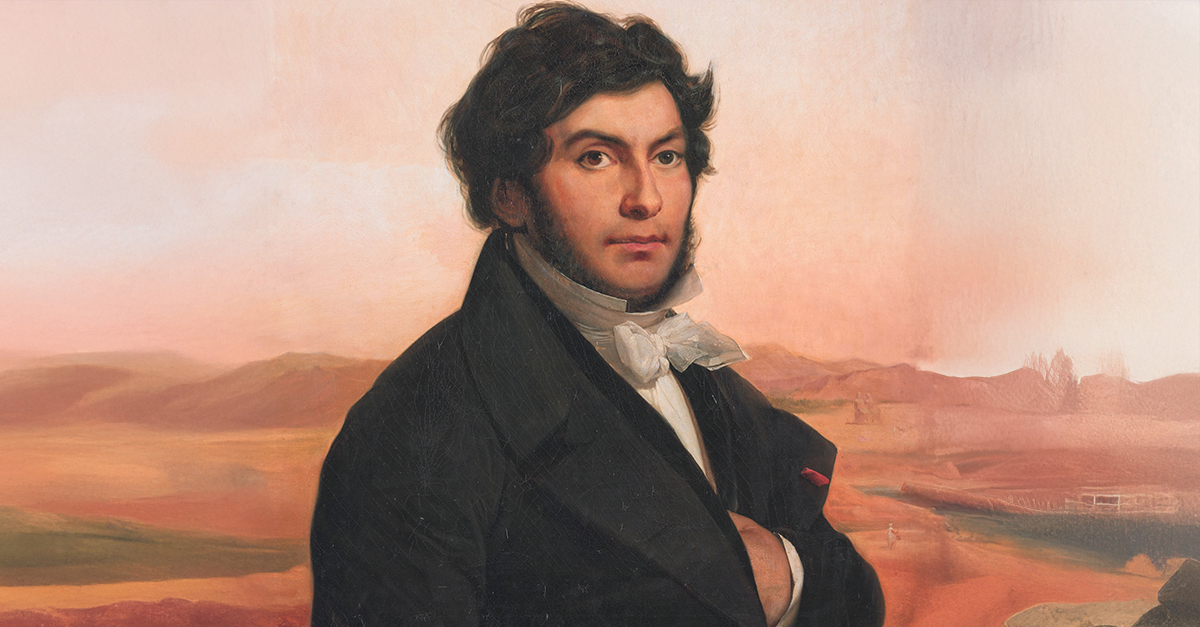
Jean-François Champollion, born in 1790 in Figeac, France, was the scholar who finally decoded ancient Egyptian hieroglyphs. His work at last transformed the mysterious “picture writing” into a readable language. His life was cut tragically short, but his talent, determination, and breakthroughs set in place the foundations of modern Egyptology, giving voice to a lost civilization.
A Prodigy In Figeac
Champollion grew up in a modest family of book-sellers in Figeac. Surrounded on all sides by piles of books from an early age, he showed linguistic talent that grew incredibly fast. By age 12 he already had a grasp of several classical and oriental languages. This early interest was the root of what would later support his decipherment work.
 Benjamin Smith, Wikimedia Commons
Mastering Languages At A Young Age
By adolescence, Champollion had acquired Latin, Greek, Hebrew, Syriac, Arabic and more. His all-consuming interest in ancient languages and scripts marked him as a formidable prodigy. This linguistic foundation would become key to his decoding Egyptian hieroglyphs years later.
 Ricardo Liberato, Wikimedia Commons
Early Ideas On Egyptian Language
As a teenager, Champollion theorized that Coptic, the language of Egyptian Christians, was a descendant of ancient Egyptian. Although this idea had its flaws, it at least worked as a starting point: he proposed that the lost language might still survive in the form of this Christian era language.

Academic Appointment In Grenoble
At just 19, Champollion was named professor of history at the Lycée in Grenoble (1809–1816). Long before decipherment, his academic promise and brain power was recognized formally. This early academic post gave him credibility and a platform from which to launch into more challenging explorations.

The Rosetta Stone Was A Beacon In The Darkness
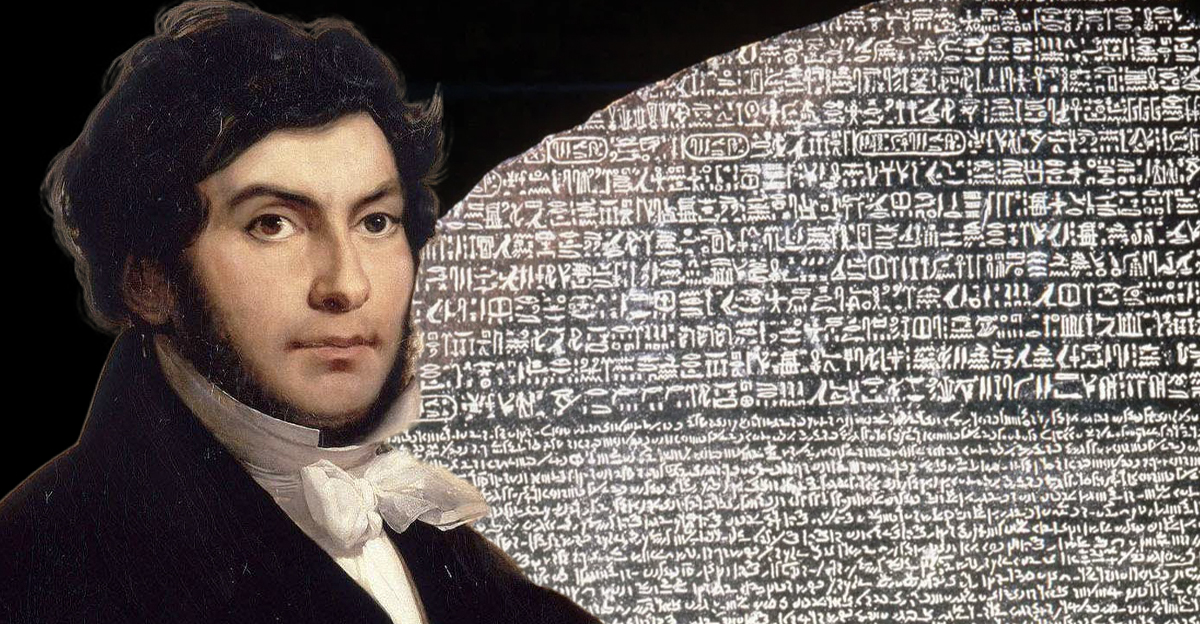
Discovered by French soldiers in 1799 during Napoleon’s Egyptian campaign, the Rosetta Stone featured the same text carved in three different scripts: hieroglyphic, demotic, and Greek. Scholars quickly understood its potential as a linguistic key, but to actually decipher the writing was a prize that still had eluded language supersleuths for two decades.

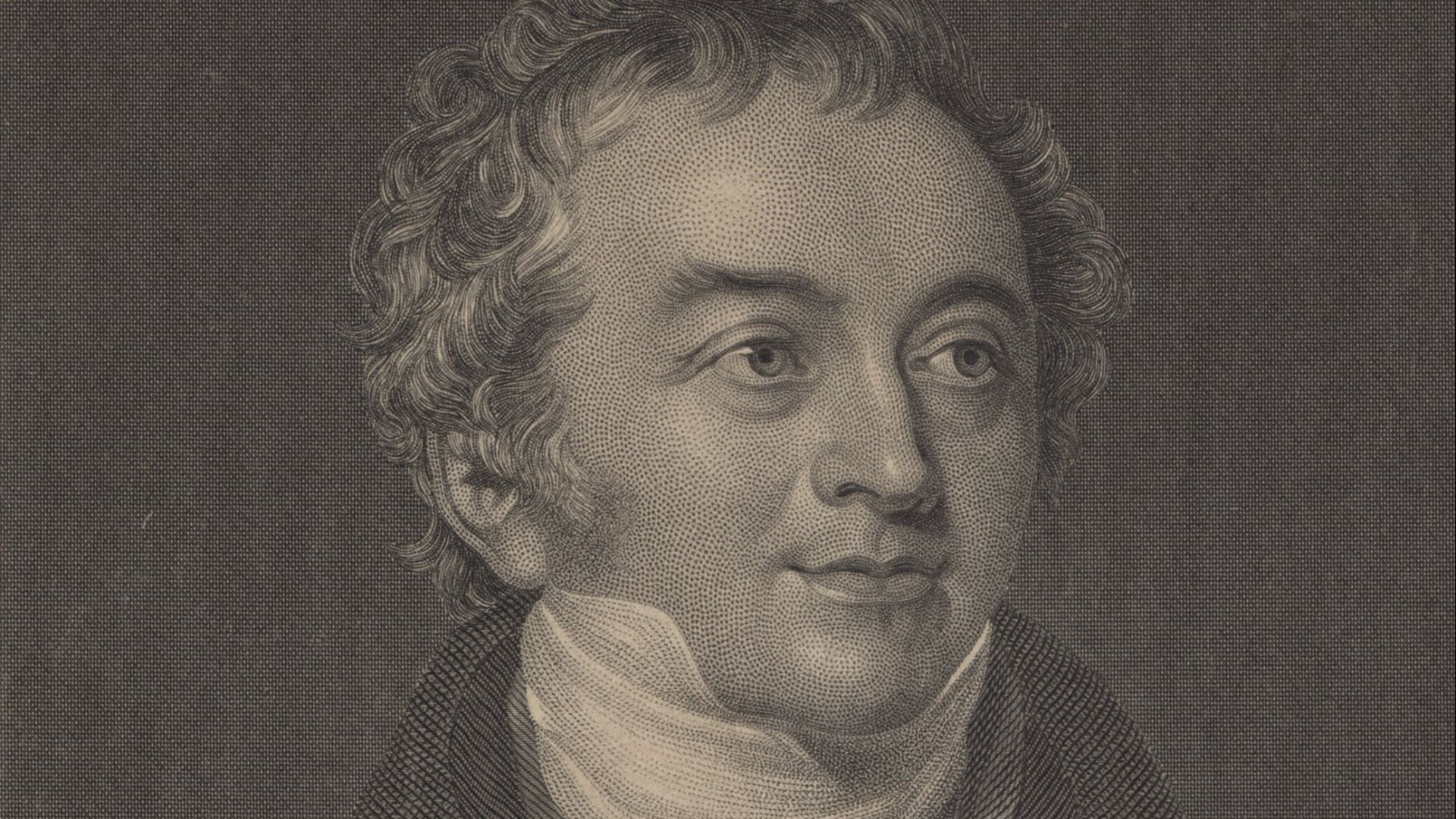
Early Work By Others: Thomas Young
Before Champollion’s breakthrough, researchers like Thomas Young had already started to identify alphabetic characters for royal names in the demotic and hieroglyphic scripts. Young’s work set a lot of important groundwork but he didn’t crack the full system.
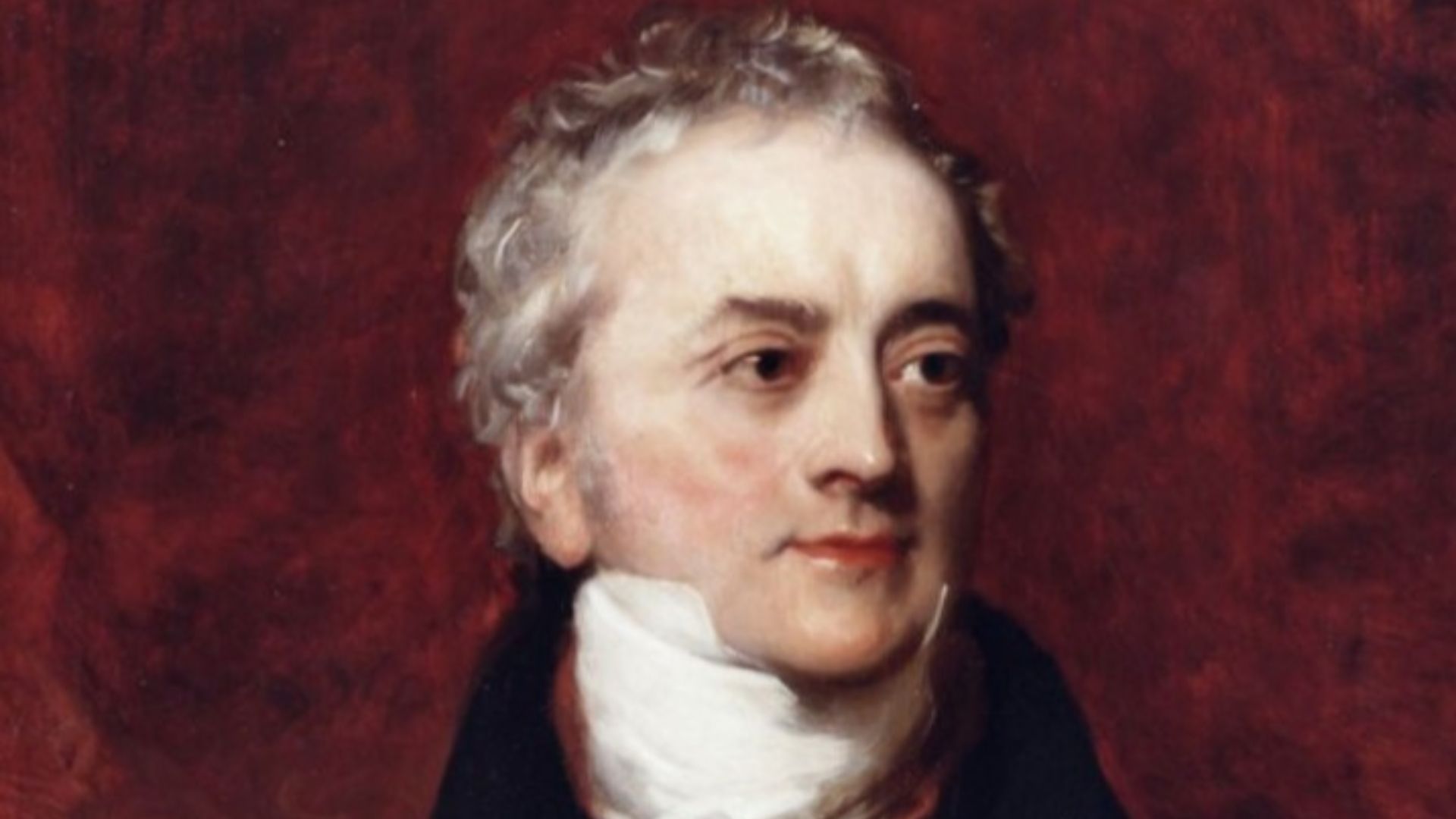 Henry Perronet Briggs, Wikimedia Commons
Champollion’s Return To The Puzzle
Unlike other people who saw only parts of the Rosetta code, Champollion returned to the Rosetta texts with a fresh perspective. He suspected the writing system combined phonetic, syllabic, and ideographic (symbolic) signs, a more complicated structure than previously thought.
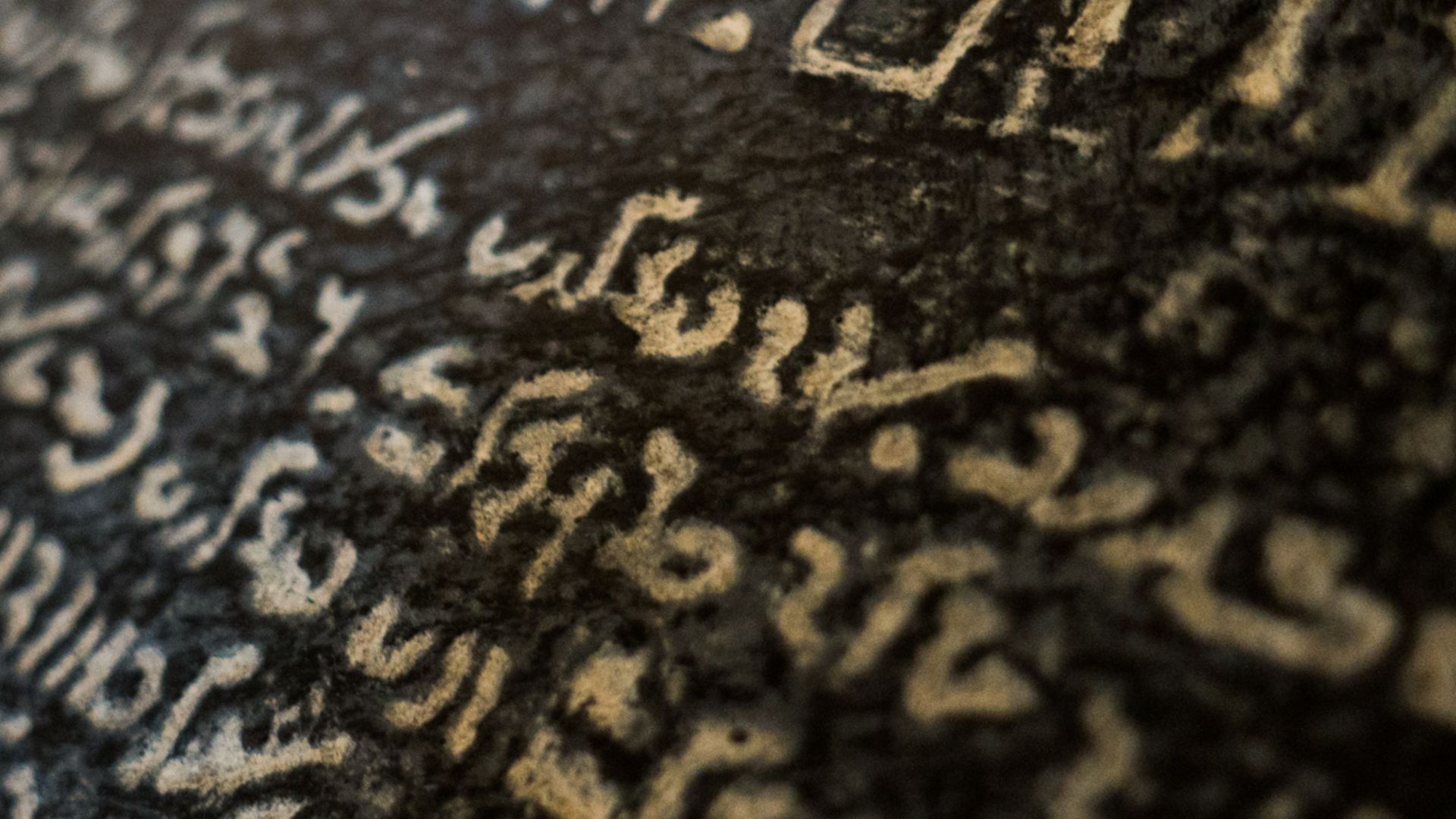 Paul Hudson from United Kingdom, Wikimedia Commons
Epiphany: Recognizing Sounds In Hieroglyphs
On 14 September 1822, after comparing hieroglyphs with Coptic language patterns and cross-referencing the inscriptions, Champollion was thunderstruck to realize that certain hieroglyphs held phonetic (sound) value not just symbolic meaning. This was a major breakthrough in the laborious process.
 Jean-François Champollion, Wikimedia Commons

History's most fascinating stories and darkest secrets, delivered to your inbox daily.
“Je Tiens Mon Affaire!”
The story goes that after he made his amazing discovery, Champollion burst into his brother’s office shouting, “Je tiens mon affaire!” (“I’ve got it!”), then immediately collapsed in a state of euphoria, where he reportedly remained unconscious for days. It was a dramatic moment that goes to show the emotional weight of his discovery and the incredible strain he was under.
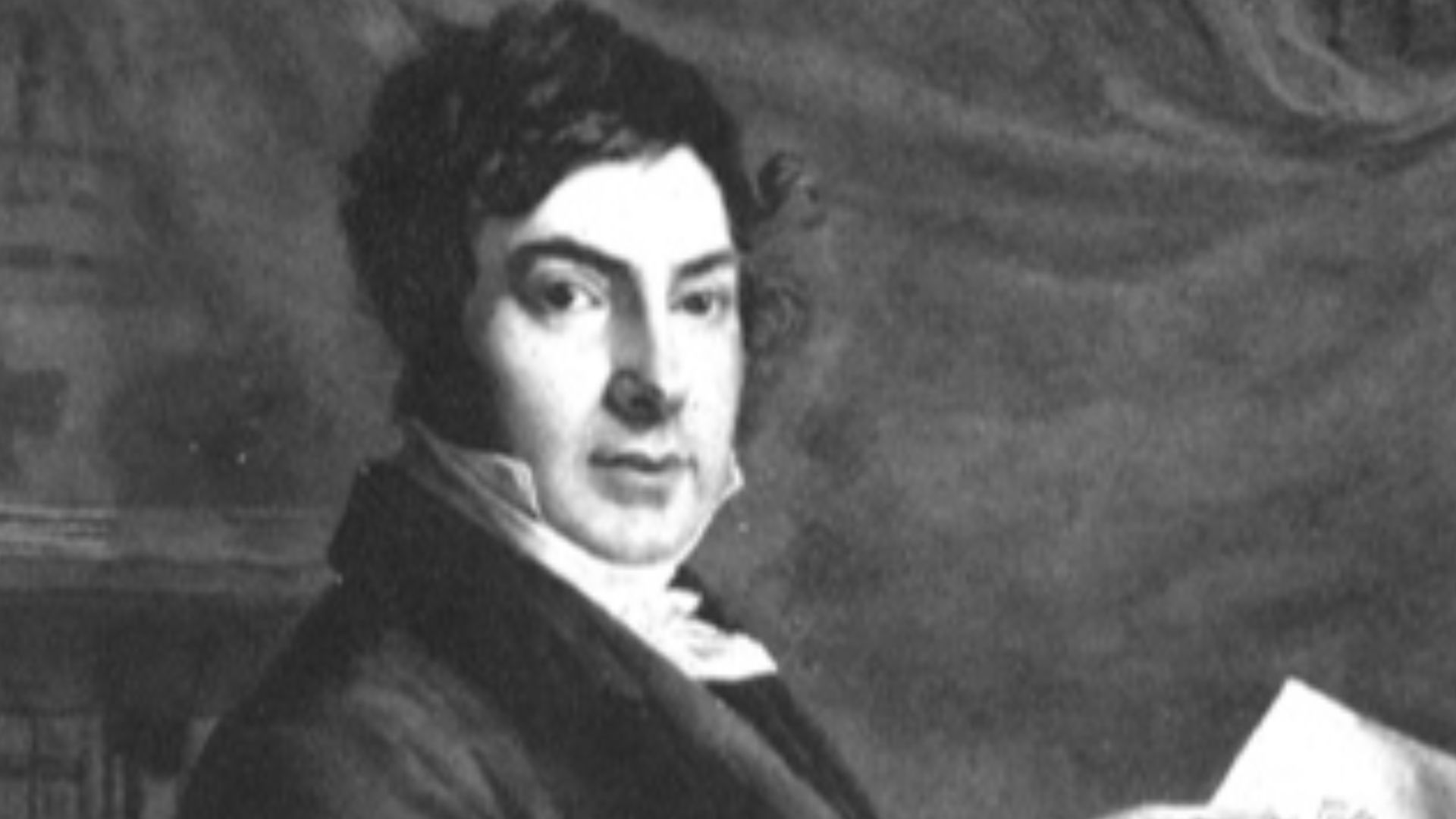 Marcus Cyron, Wikimedia Commons
Public Announcement
On 27 September 1822, almost 23 years after the stone’s discovery, Champollion presented his decipherment to the Académie des Inscriptions et Belles-Lettres in Paris. His presentation convinced all those present that hieroglyphs recorded real spoken language, and not just decorative or symbolic imagery.

Showing What It All Meant
Champollion showed that some hieroglyphs represented sounds (alphabetic or phonetic), while others represented ideas or determinatives. This was a system that was a mix of different writing principles. This insight allowed scholars to read names, dates, religious texts, and more with great accuracy.
 Ruth Hartnup, Wikimedia Commons
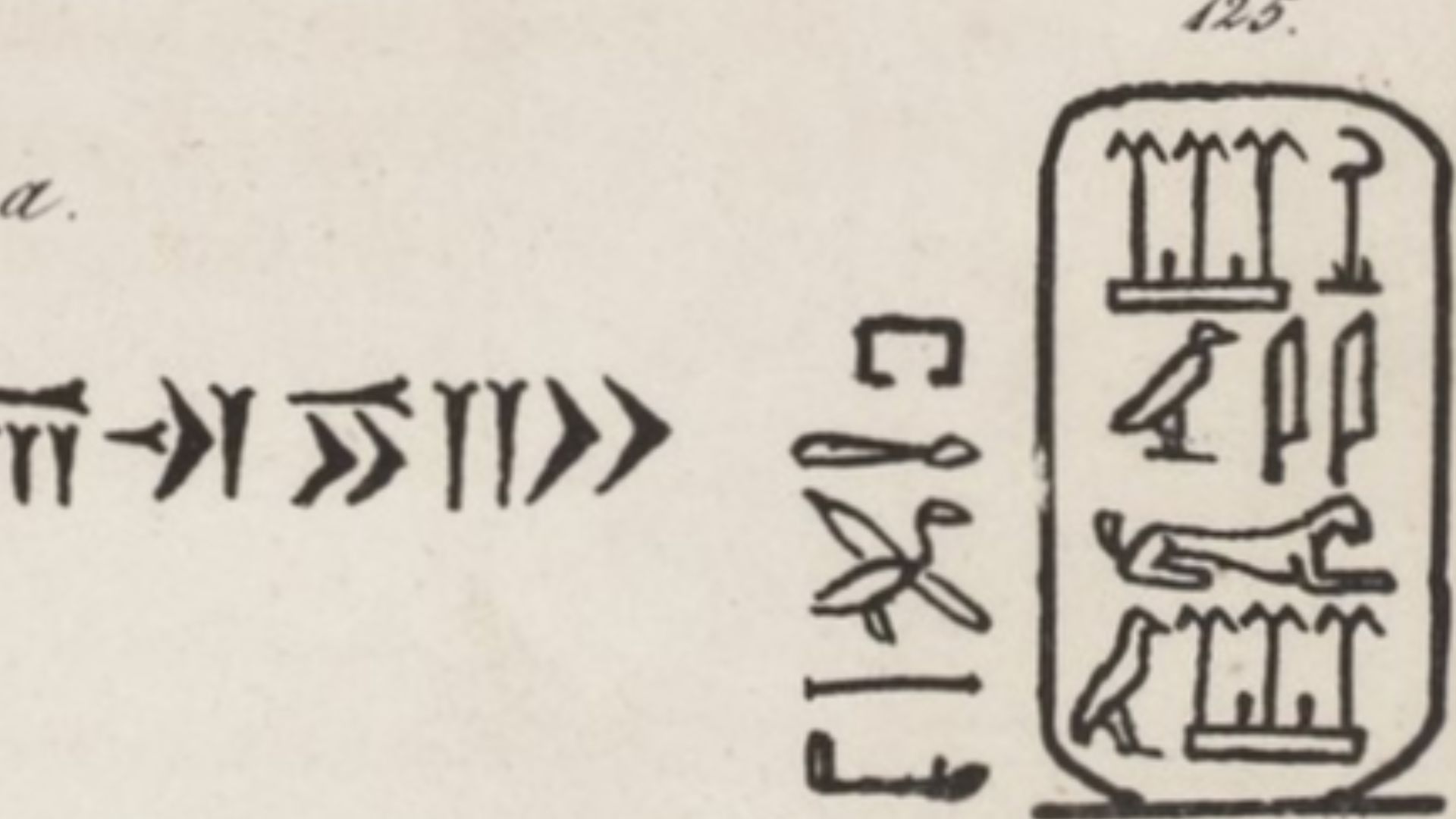
Pharaoh Names Revealed
Using his system, Champollion pinpointed royal names like “Ptolemy,” “Ramses,” and “Thutmose” in cartouches (name stamps) on various monuments. These were some of the first pharaonic names ever correctly read in two millennia. It was a breakthrough with incredible implications for chronology and history.
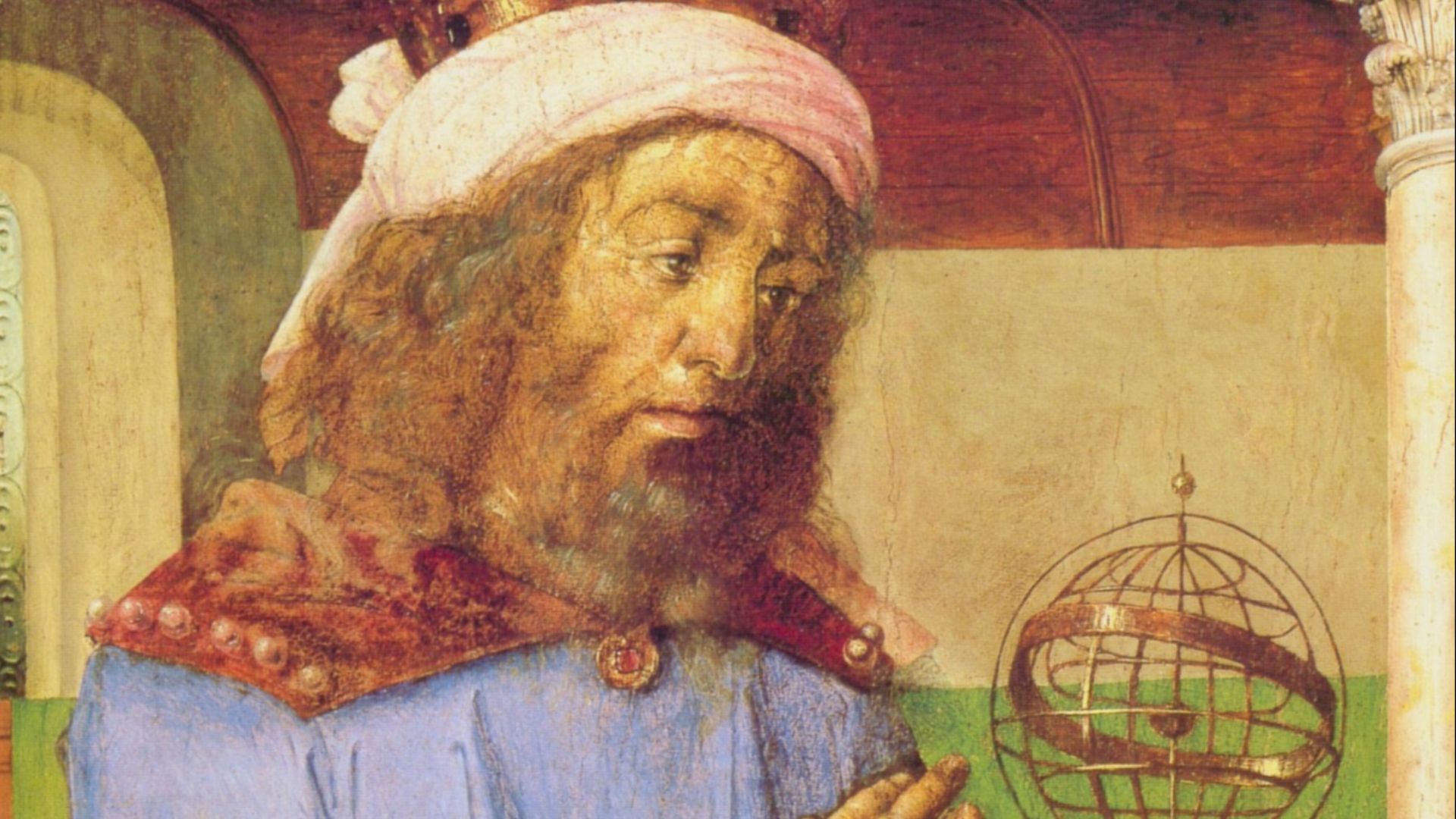 Justus van Gent, Wikimedia Commons
Publication Of The System
In 1824, Champollion published the system he had deciphered, a book-length work presenting his decipherment method, classifications of signs, and translations. This work formed the technical basis of our modern understanding of hieroglyphics.
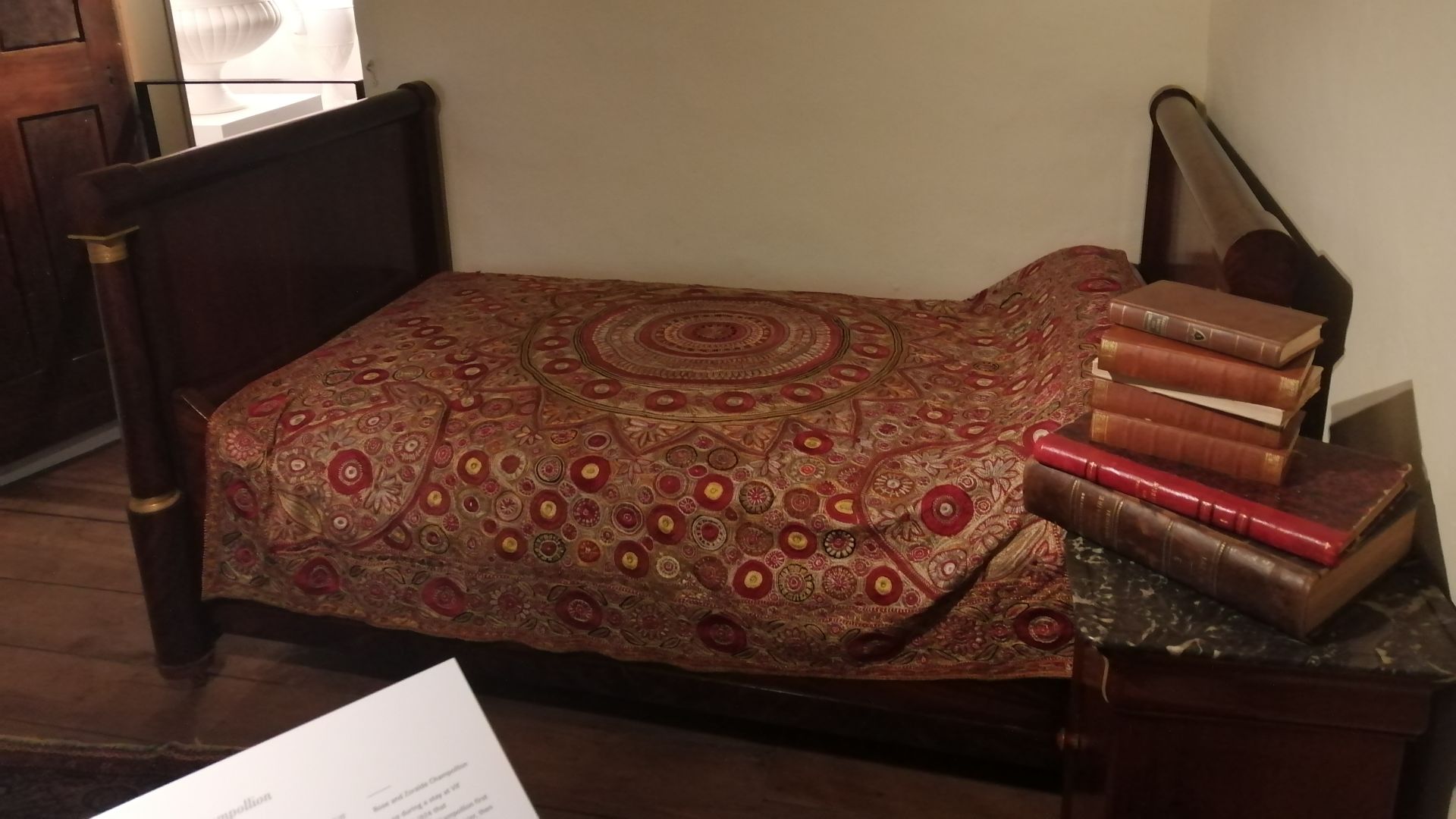 Julien Peytard, Wikimedia Commons
Expedition To Egypt
Determined to test his theories on original monuments, Champollion led an expedition to Egypt in 1828–1829. While there he studied tombs, temples, inscriptions, poring over the real contexts of the writing he had decoded. The trip was physically and mentally demanding but it was absolutely necessary for confirmation of his work.
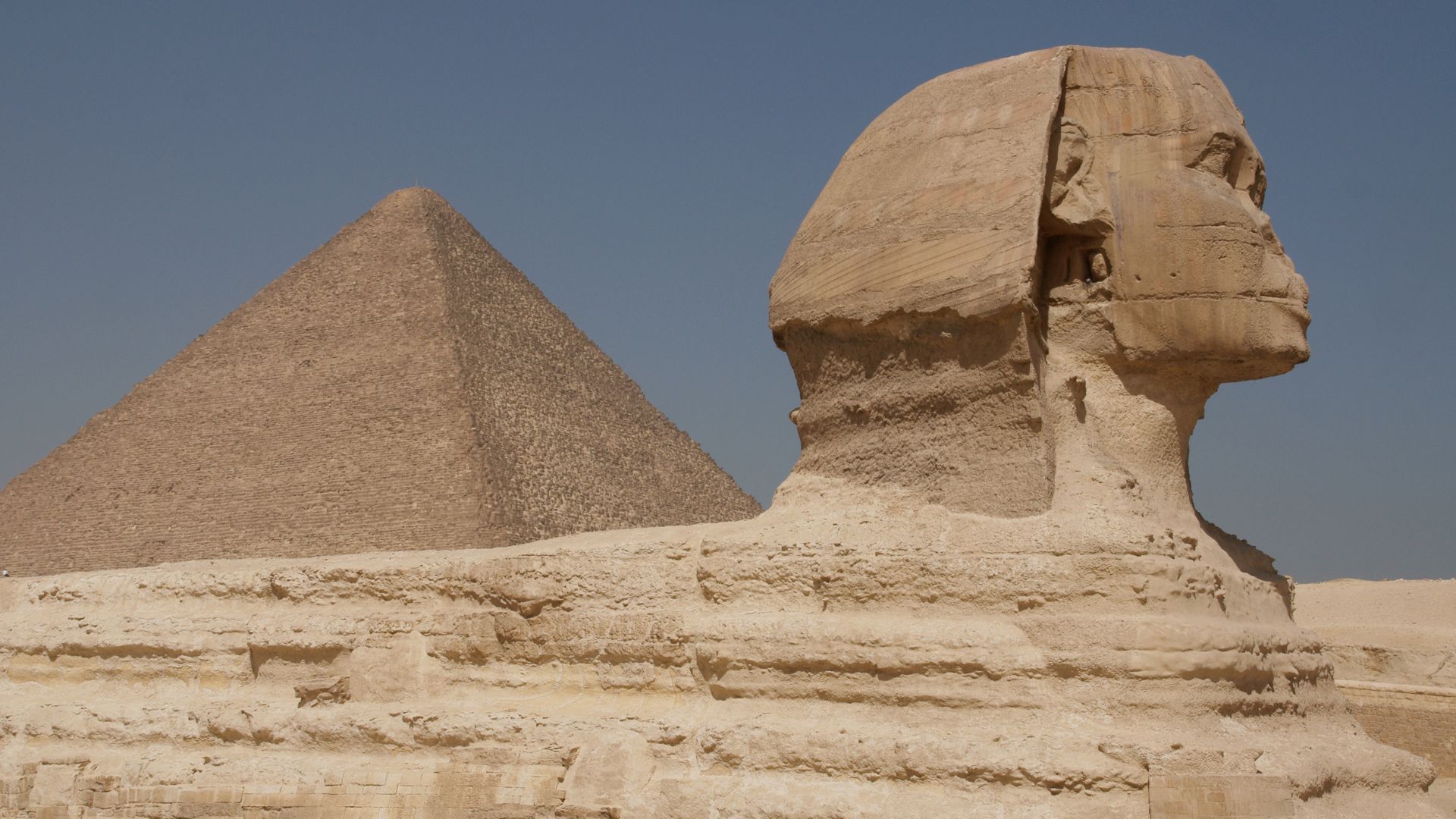
Chair Of Egyptology At Collège de France (1831)
In recognition of his astonishing breakthrough, Champollion was appointed to a newly created chair of Egyptian history and archaeology at the Collège de France in 1831. It was a historic first, and institutional acknowledgement that Egyptology was now a scholarly discipline with systematic foundations.

Hard Work And Declining Health
The hardships of travelling, climate, and overwork in Egypt all took a toll on Champollion’s health. By the time he returned to Paris, Champollion was in bad shape. He gave only a handful of lectures before he became so sick that he was forced to withdraw from teaching.
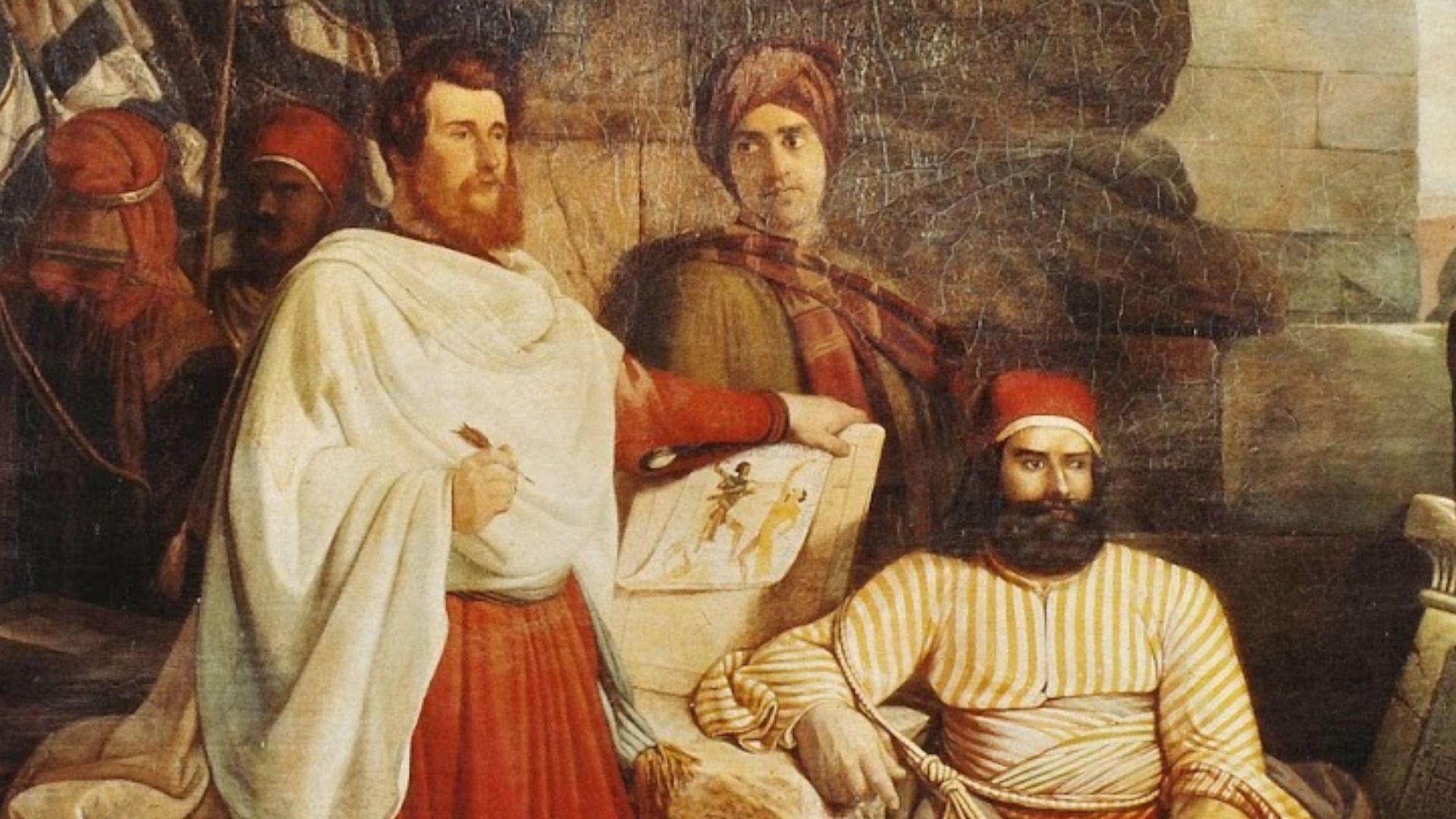 Giusppe Angelelli, Wikimedia Commons
He Was Gone At Age 41
On 4 March 1832, Jean-François Champollion succumbed to his ailments in Paris at only 41 years old. Contemporary records attribute his death to an “apoplectic attack”, which seems most likely to indicate a stroke. He was buried at Père Lachaise Cemetery, under a simple obelisk his wife had built.
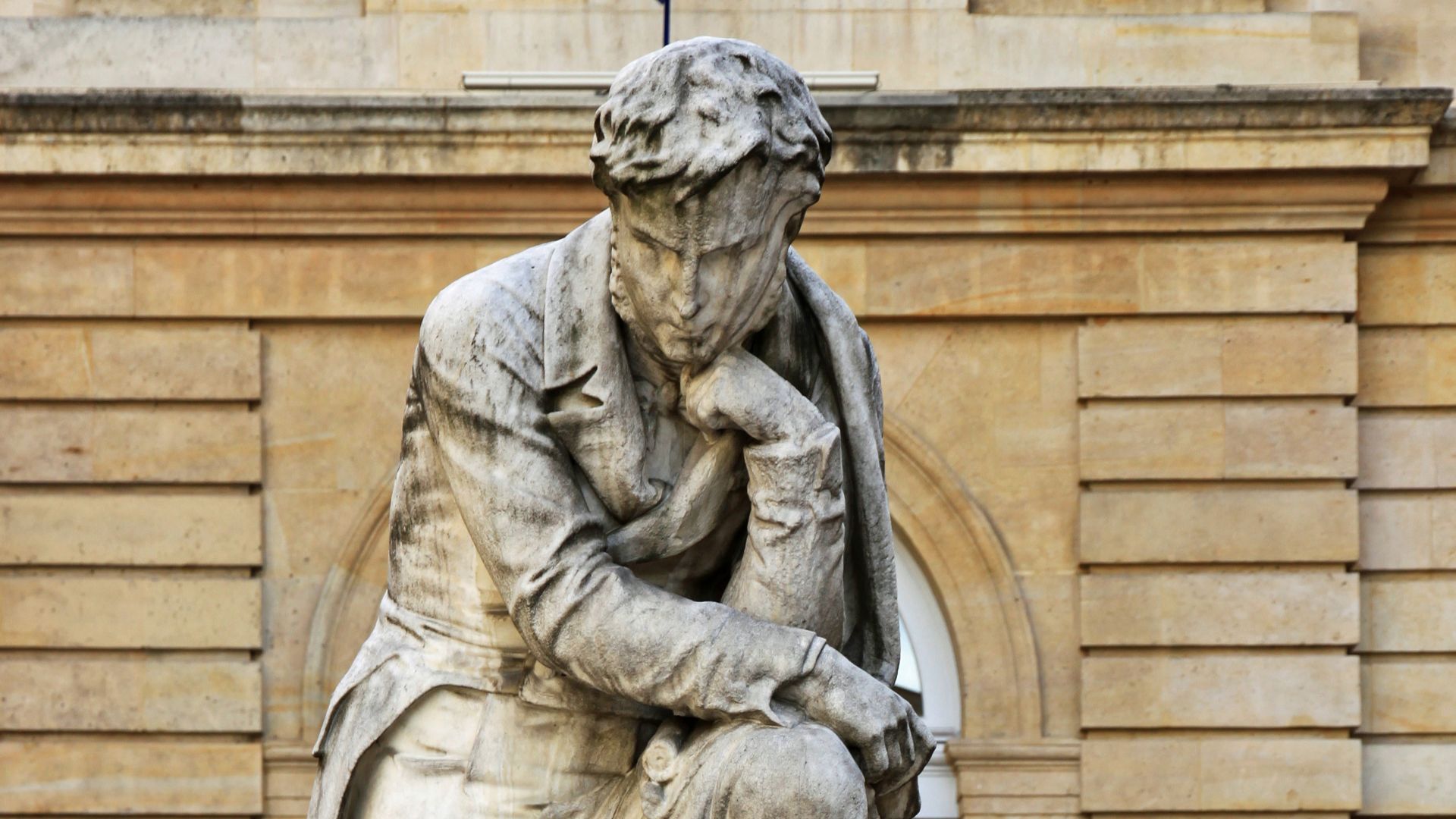 NonOmnisMoriar, Wikimedia Commons
Theories And Speculation About His Early Demise
Though the stroke remains the official cause, later biographers have delved into the circumstances of his earlier Egyptian journey. The extreme stress of his work, long-term exposure to harsh climates, and exhausting work may all have contributed. Some modern writers speculate that his health was weakened by repeated illness or overwork rather than one sudden event.

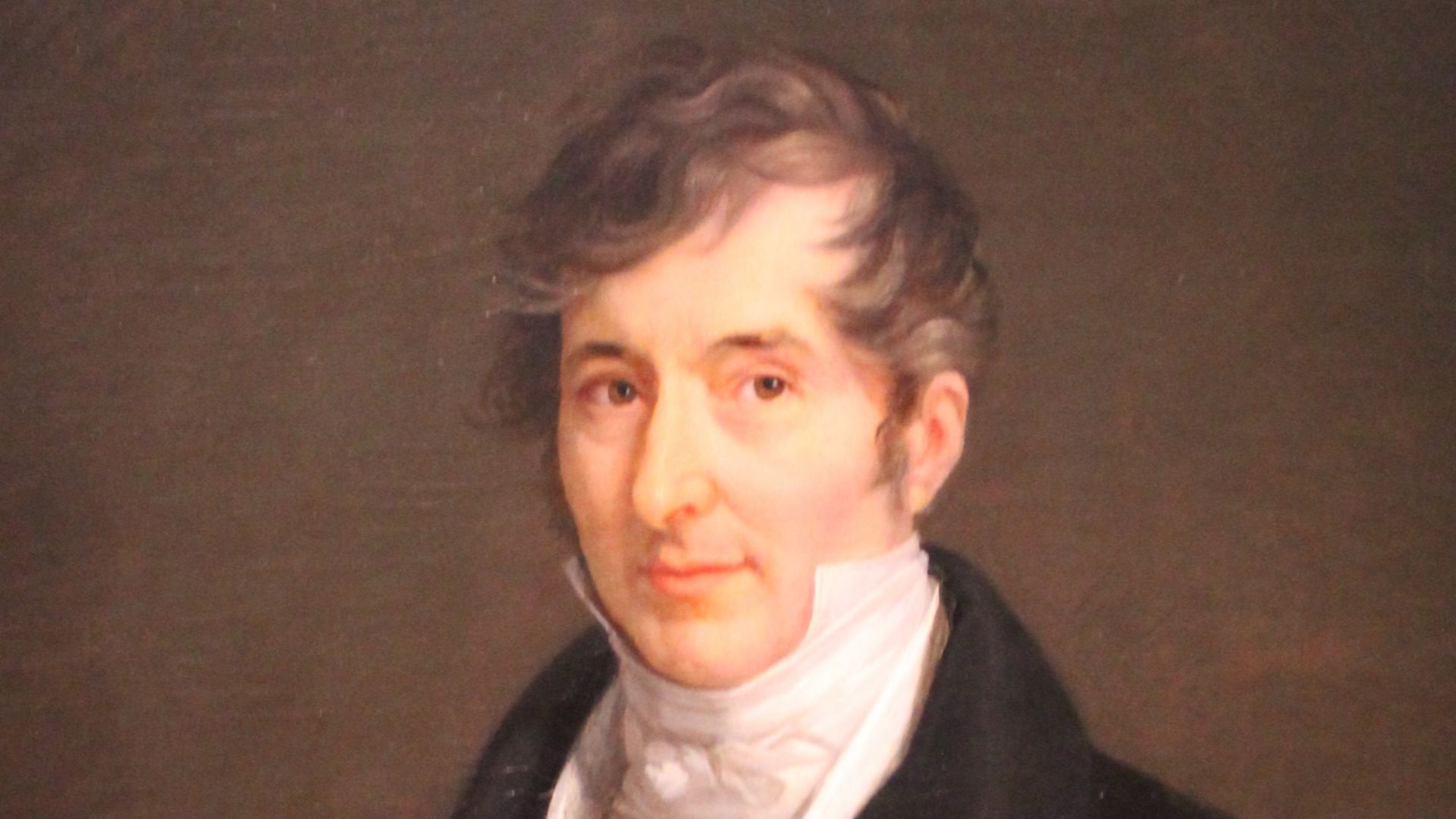
His Ideas Became The Standard
After his death, his unfinished grammar and dictionary of Ancient Egyptian, were published under his brother’s supervision in 1838. The first works of their kind, they solidified his decipherment method and allowed future scholars to build further on his foundation.
 René Hourdry, Wikimedia Commons
Controversy And Credit: Young vs. Champollion
Not everyone immediately accepted Champollion’s claims. Some people argued that he borrowed too heavily from Thomas Young’s earlier work. The debate fueled national rivalry and long-winded squabbles over intellectual ownership. Still, the method Champollion presented proved in the end to be far more comprehensive.
 After Thomas Lawrence, Wikimedia Commons
Why Champollion’s System Worked
Unlike previous approaches that saw hieroglyphs as purely symbolic, Champollion recognized their hybrid nature: phonetic + ideographic. His systemic insight suddenly enabled consistent translation across inscriptions, monuments, tombs, and papyri with a systematized clarity that no prior scholar had ever yet attained.
 Jean-François Champollion / Charles Étienne Pierre Motte, Wikimedia Commons
Making The Science Of Egyptology
With his decipherment and scholarly works, Champollion created what we now call “Egyptology.” His work brought Ancient Egypt from the realm of myth and exoticism into being the serious academic field that it is today: accessible, researched, documented, and respected.
Understanding Ancient Civilization
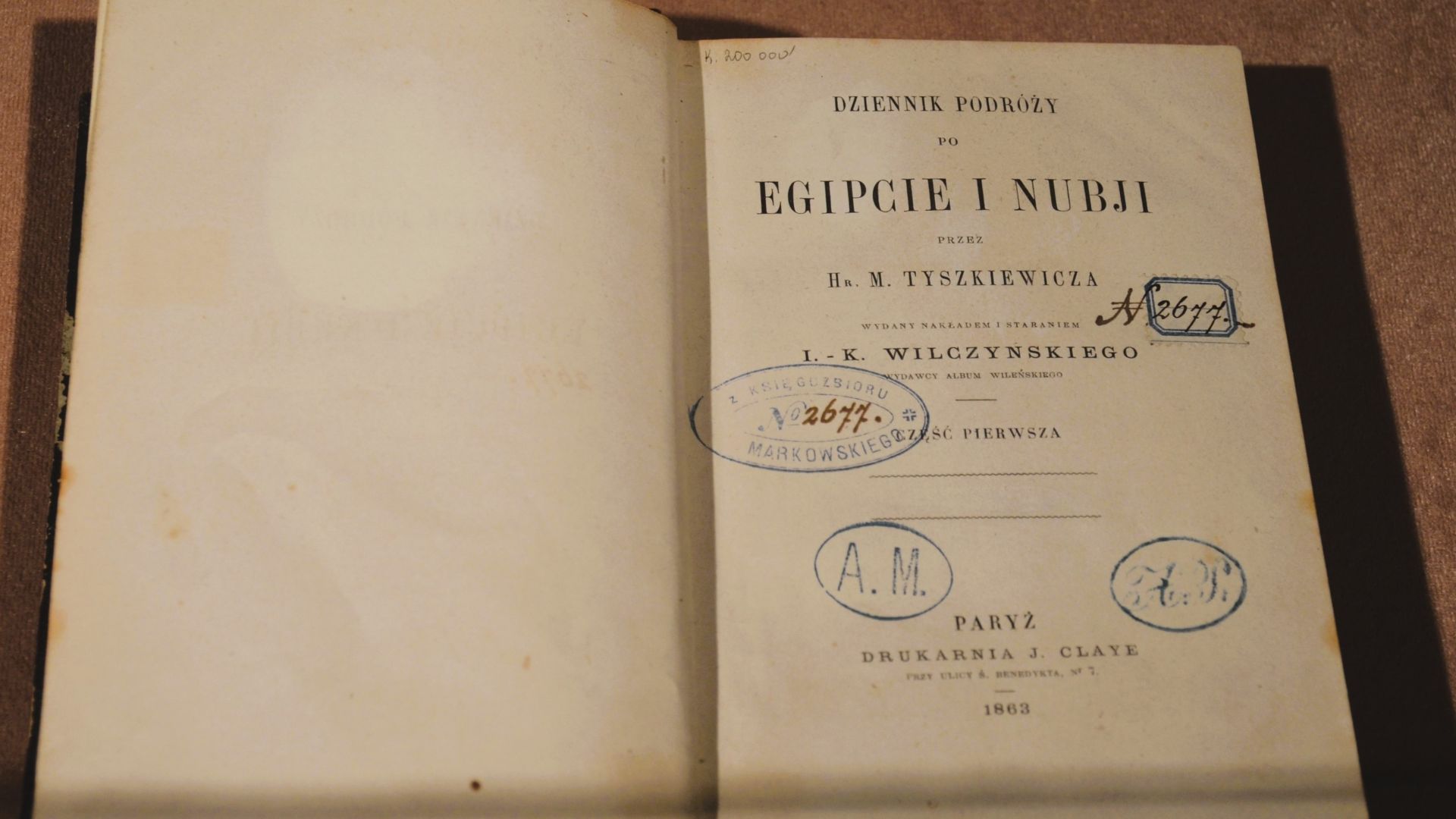
Because of Champollion, modern historians now have direct access to ancient Egypt’s religious texts, governmental decrees, funerary inscriptions, and literature, which lets us understand daily life, rituals, beliefs, and history with literal words from the past. Monuments went from being aesthetic artifacts to now readable records.
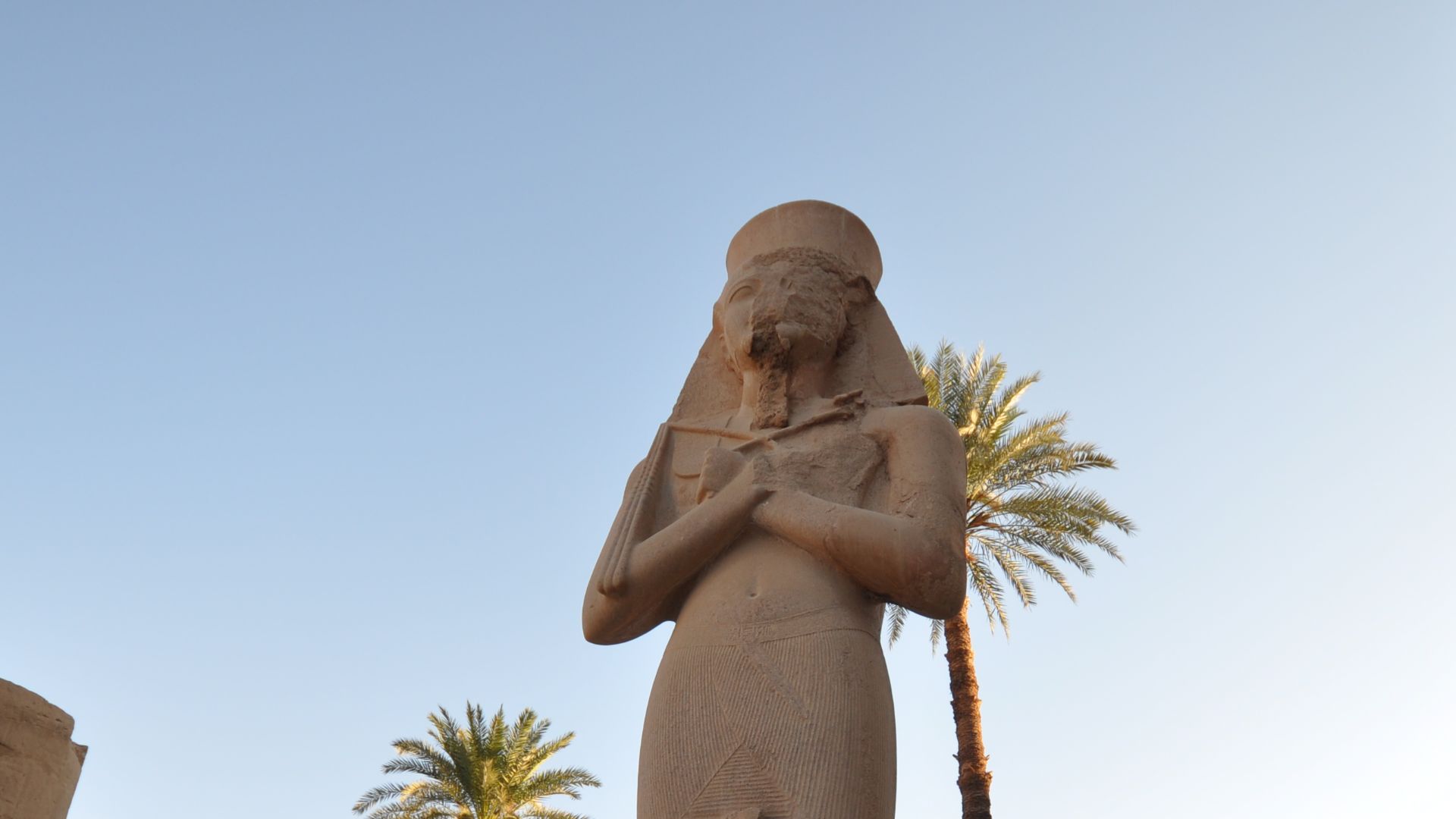 Jorge Láscar from Melbourne, Australia, Wikimedia Commons
One Man’s Legend Written In Stone
Though he passed away far too young, Champollion’s decipherment is one of history’s most important linguistic breakthroughs. His methods still govern the reading of hieroglyphs worldwide. All the countless studies of temples, mummies, tomb inscriptions, or papyri today have Champollion to thank for his foundational work.
 Julien Peytard, Wikimedia Commons
You May Also Like:
Monumental Facts About Ancient Egypt