When “Maybe Don’t” Wasn’t An Option
Most bad ideas die because someone runs out of money. These people had the opposite problem. With fortunes, investors, or enormous reputations behind them, they could keep pushing questionable schemes long after an ordinary person would have been forced to admit defeat.
 Original author unknow; colored by Ivar van Wooning
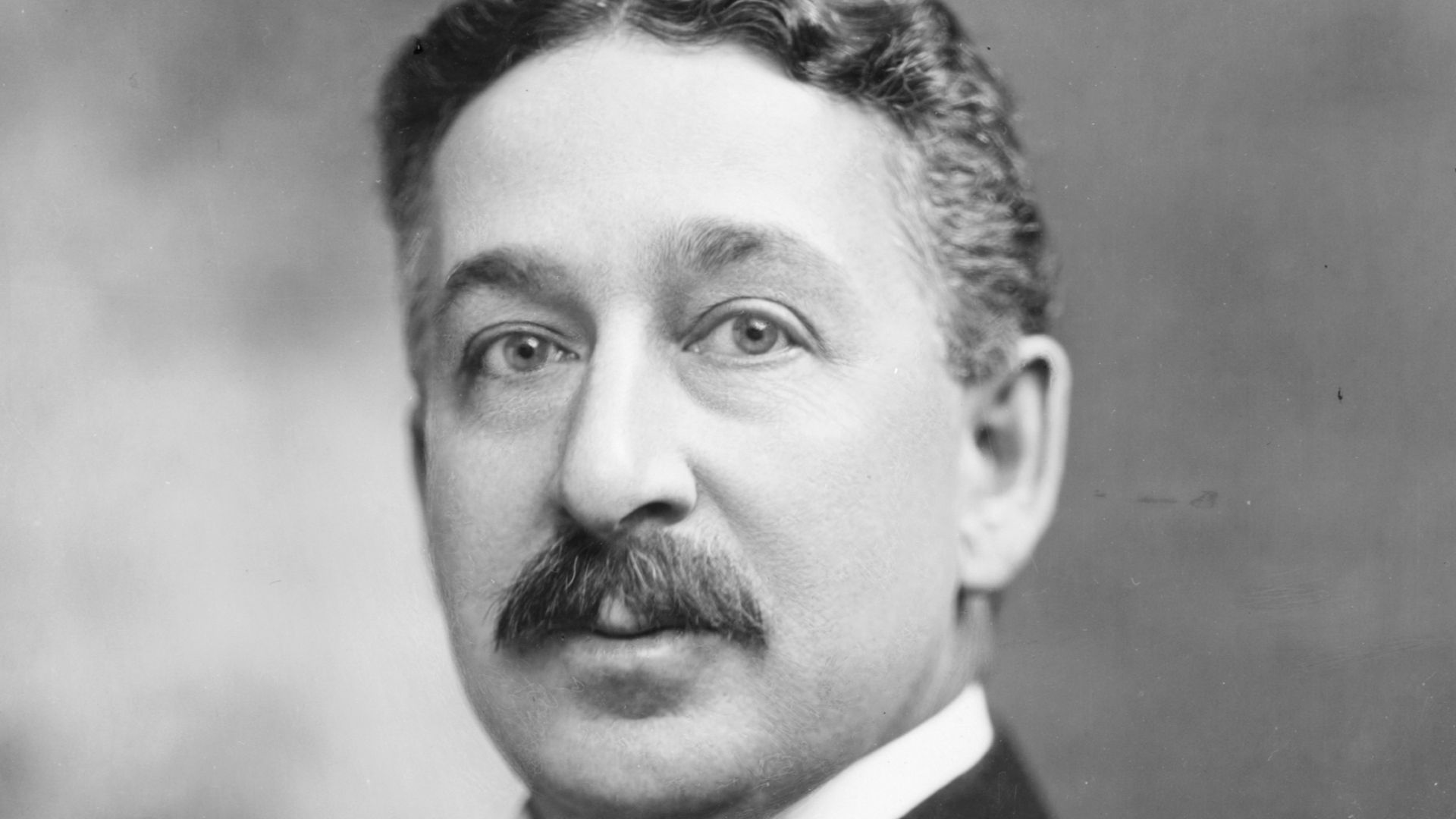
King Camp Gillette — The Giant Utopian Metropolis
King Camp Gillette made his fortune convincing men to throw away razor blades. He then turned his attention to redesigning civilization. In his 1894 book The Human Drift, Gillette proposed concentrating much of the American population into an enormous planned metropolis near Niagara Falls, where hydroelectric power could support a vast cooperative society. His envisioned “Metropolis” could eventually accommodate tens of millions of people in an intricately organized urban system. Smithsonian notes that Gillette imagined a city of roughly 60 million residents. Unsurprisingly, America kept its existing cities instead.
 Benjamin Joseph Falk, Wikimedia Commons
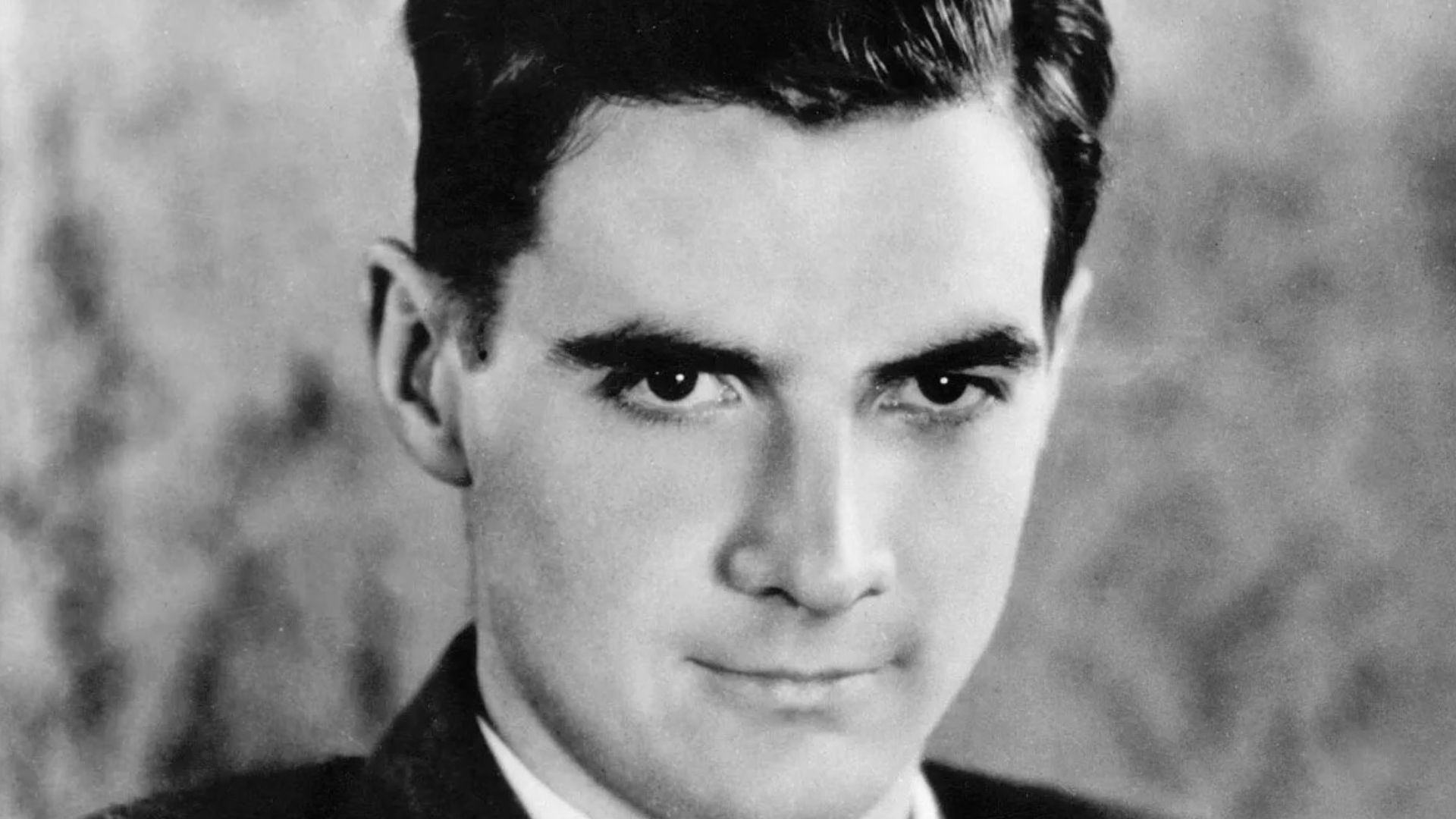
Howard Hughes — The Spruce Goose
During World War II, Howard Hughes helped develop an enormous wooden flying boat intended to carry troops and equipment safely across the Atlantic, away from German submarines. The H-4 Hercules eventually became one of the largest aircraft ever constructed, but delays meant it wasn't completed until after the war that had inspired it was already over. On November 2, 1947, Hughes piloted it on its first and only flight, lifting just above the water for less than a mile. Hughes hated the nickname “Spruce Goose,” but even he couldn't make the gigantic aircraft into a practical transportation business. He nevertheless kept it maintained in flight-ready condition for the rest of his life.
 AnonymousUnknown author, Wikimedia Commons
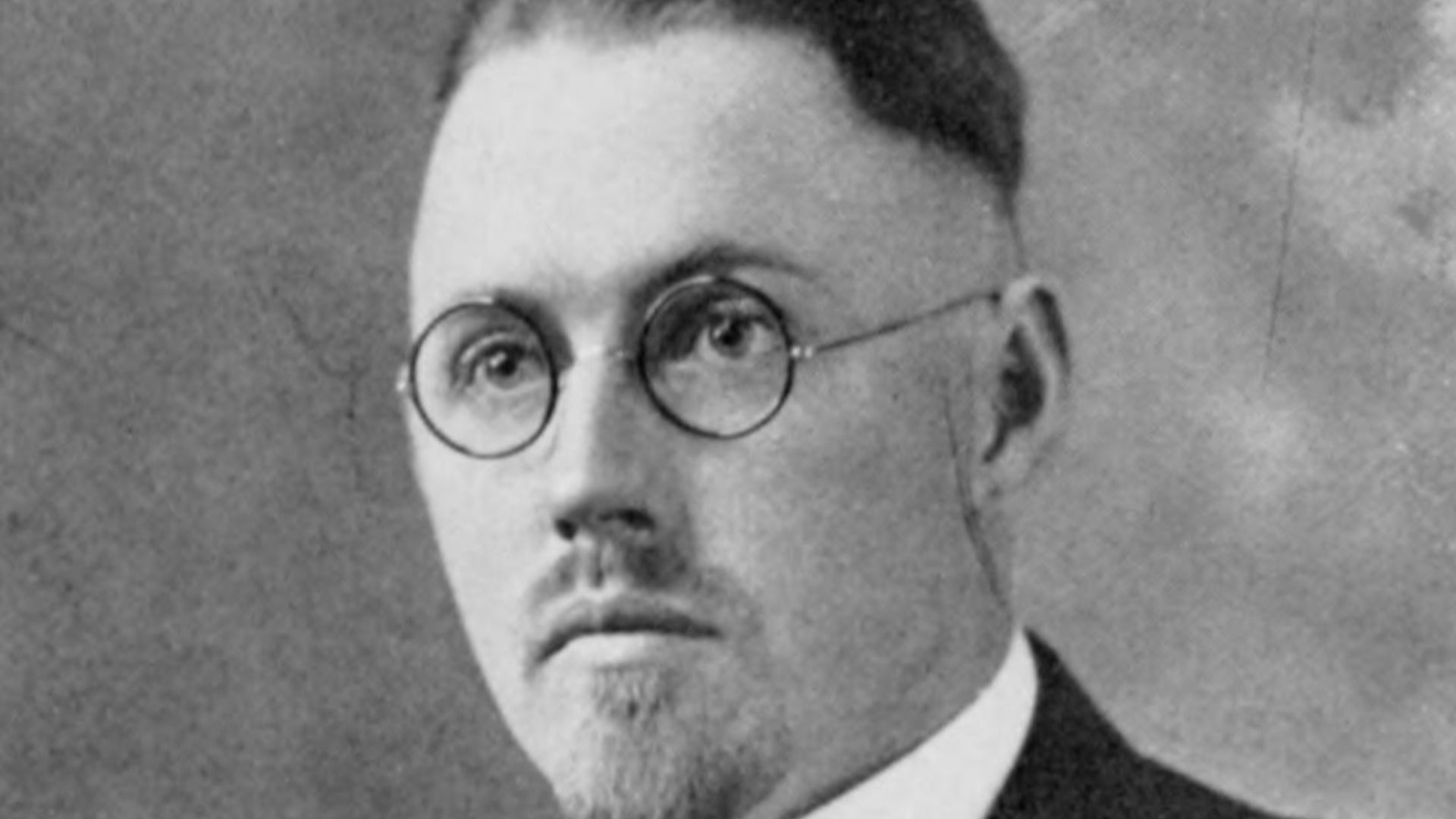
John R Brinkley — Goat-Gland Surgery
John R Brinkley proved that a terrible medical idea can become enormously profitable if promoted aggressively enough. Beginning in the early 20th century, he became famous for implanting goat testicular tissue into men while claiming the procedure could restore carnal potency and cure assorted health problems. Patients came, money poured in, and Brinkley built hospitals and powerful radio stations that advertised his supposed treatments to enormous audiences. Medical authorities considered him a dangerous quack, and mounting scrutiny, revoked credentials, lawsuits, and financial problems eventually destroyed his empire. Few business plans have ever depended quite so heavily on convincing men that goat glands were the answer.
 Unknown authorUnknown author, Wikimedia Commons
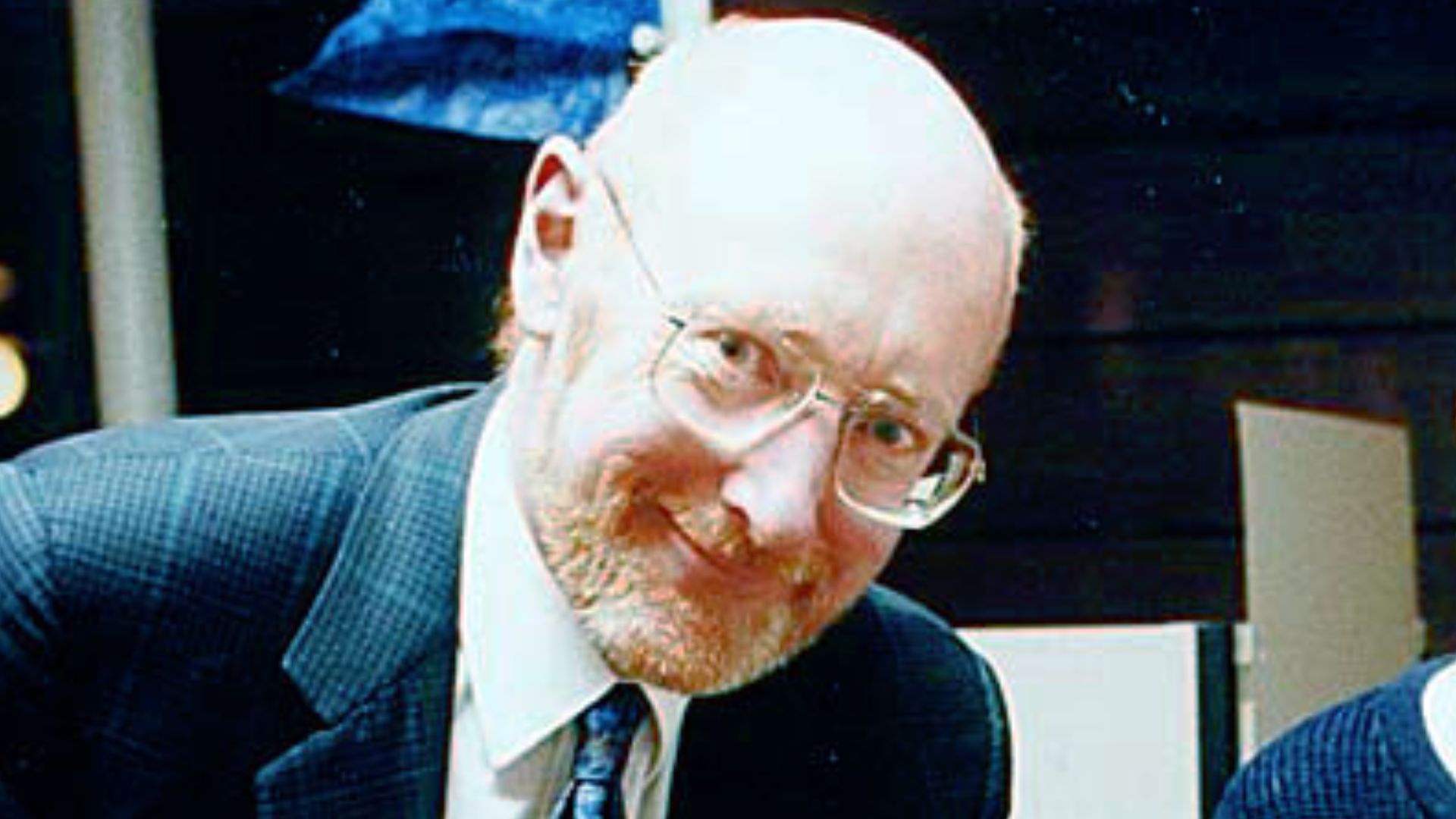
Sir Clive Sinclair — The Sinclair C5
Sir Clive Sinclair had made his reputation with affordable electronics when he decided personal transportation needed the same treatment. His answer was the Sinclair C5, a tiny battery-powered three-wheeler launched in Britain in 1985. Drivers sat extremely low to the road, exposed to the weather and uncomfortably close to the bumpers of ordinary cars. Sinclair imagined commuters quietly gliding to work in them. Consumers mostly imagined being flattened by a truck. Sales disappointed badly, production stopped, and the C5 became one of Britain's most famous technology flops.
 Victor Korniyenko, Wikimedia Commons
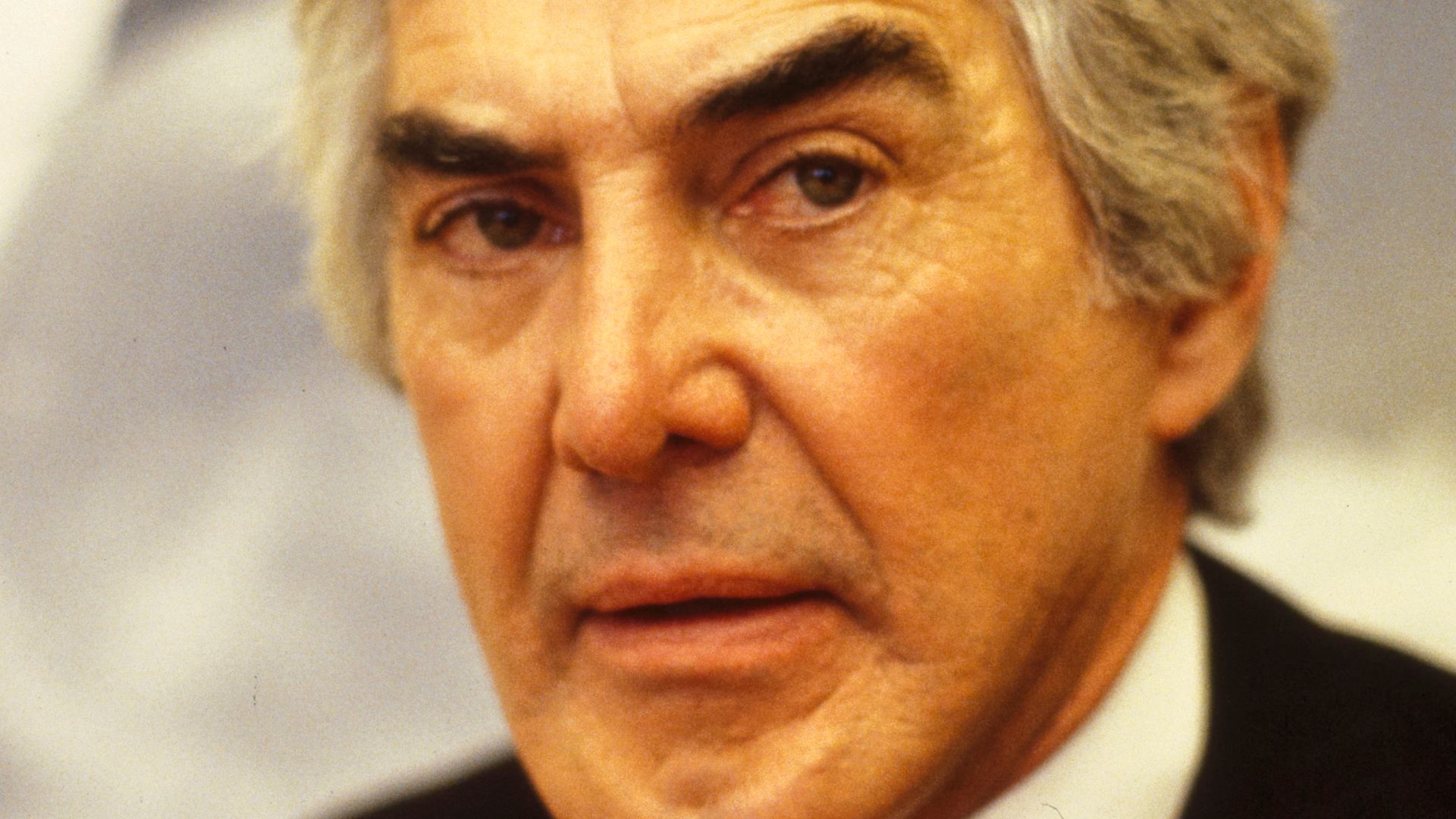
John DeLorean — The DeLorean Motor Company
John DeLorean left a spectacular career at General Motors believing he could build the sports car establishment Detroit wouldn't. The DMC-12 certainly looked futuristic, with stainless-steel bodywork and gullwing doors, but the finished car cost around $26,000, produced only about 130 horsepower, and developed a reputation for uneven build quality. Sales couldn't support the huge investment behind the Northern Ireland factory, and DeLorean Motor Company went bankrupt in 1982. The car later became immortal through Back to the Future, which was wonderful for its legacy but several years too late to save the company.
 Bernard Gotfryd, Wikimedia Commons
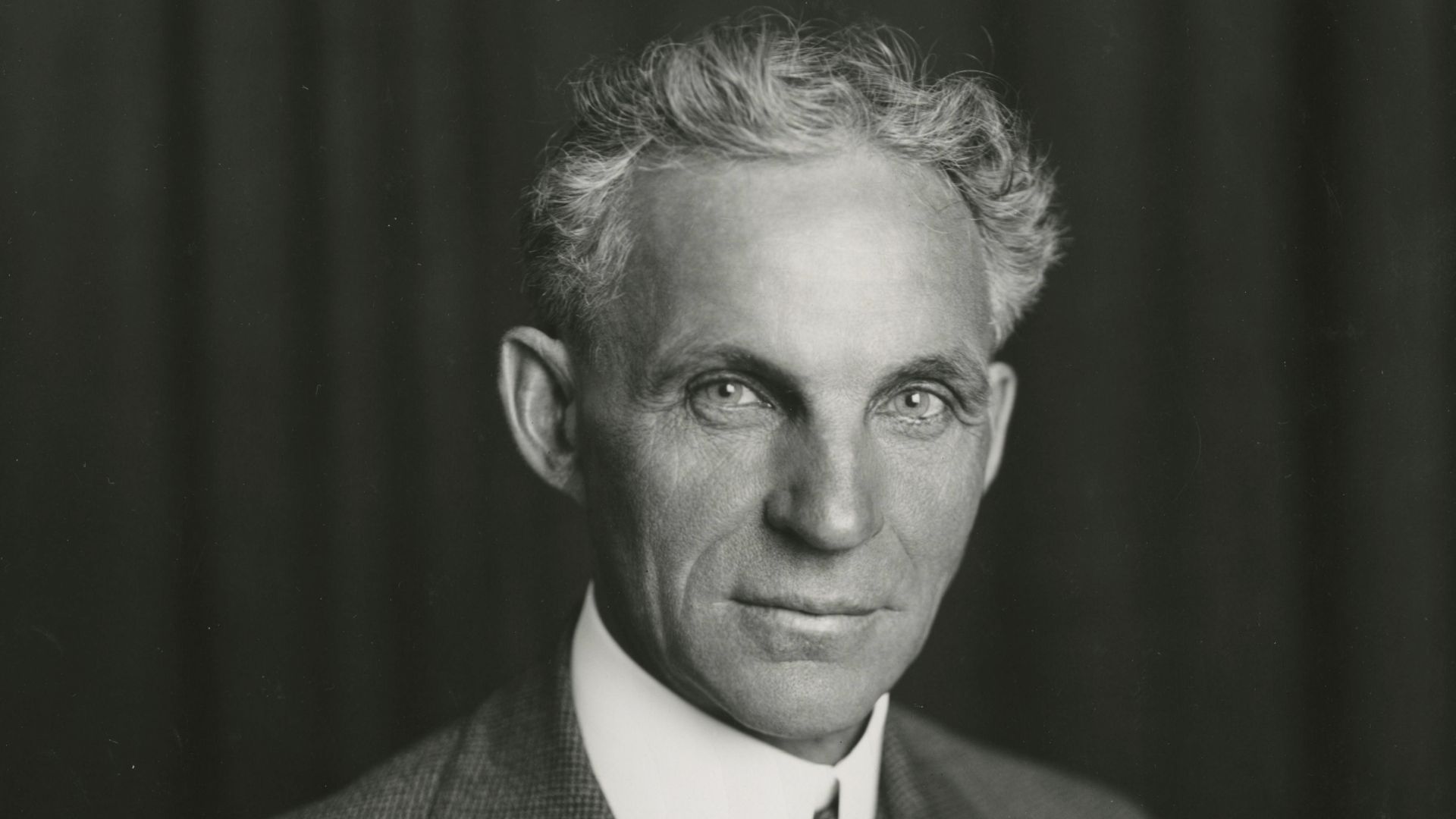
Henry Ford — Fordlândia
Henry Ford wanted a reliable supply of rubber for his automobiles, so he went considerably further than simply buying a plantation. In the late 1920s, Ford's company created Fordlândia deep in the Brazilian Amazon, complete with American-style housing and an effort to impose Ford-approved routines on local workers. The problem was that building a Midwestern company town in the rainforest didn't make its agriculture or social rules sensible. Rubber trees suffered badly, workers resisted the paternalistic restrictions, and the enormously ambitious experiment never supplied Ford with the rubber empire he'd imagined.
 Ford Motor Company. Photographic Department, Wikimedia Commons
Henry Ford — The Muscle Shoals Industrial Utopia
Fordlândia wasn't Henry Ford's only attempt to reshape an entire region. In the early 1920s, Ford offered to lease the federal government's unfinished industrial and hydroelectric facilities at Muscle Shoals, Alabama, including Wilson Dam. His vision went far beyond operating a power plant. Ford imagined the region becoming an enormous industrial center driven by cheap hydroelectric power, with factories and communities spreading across the Tennessee River Valley. The proposal ignited a long political battle over public resources and private ownership. Congress never gave Ford the deal he wanted, and he finally withdrew the offer in 1924. Years later, the federal government created the Tennessee Valley Authority instead.
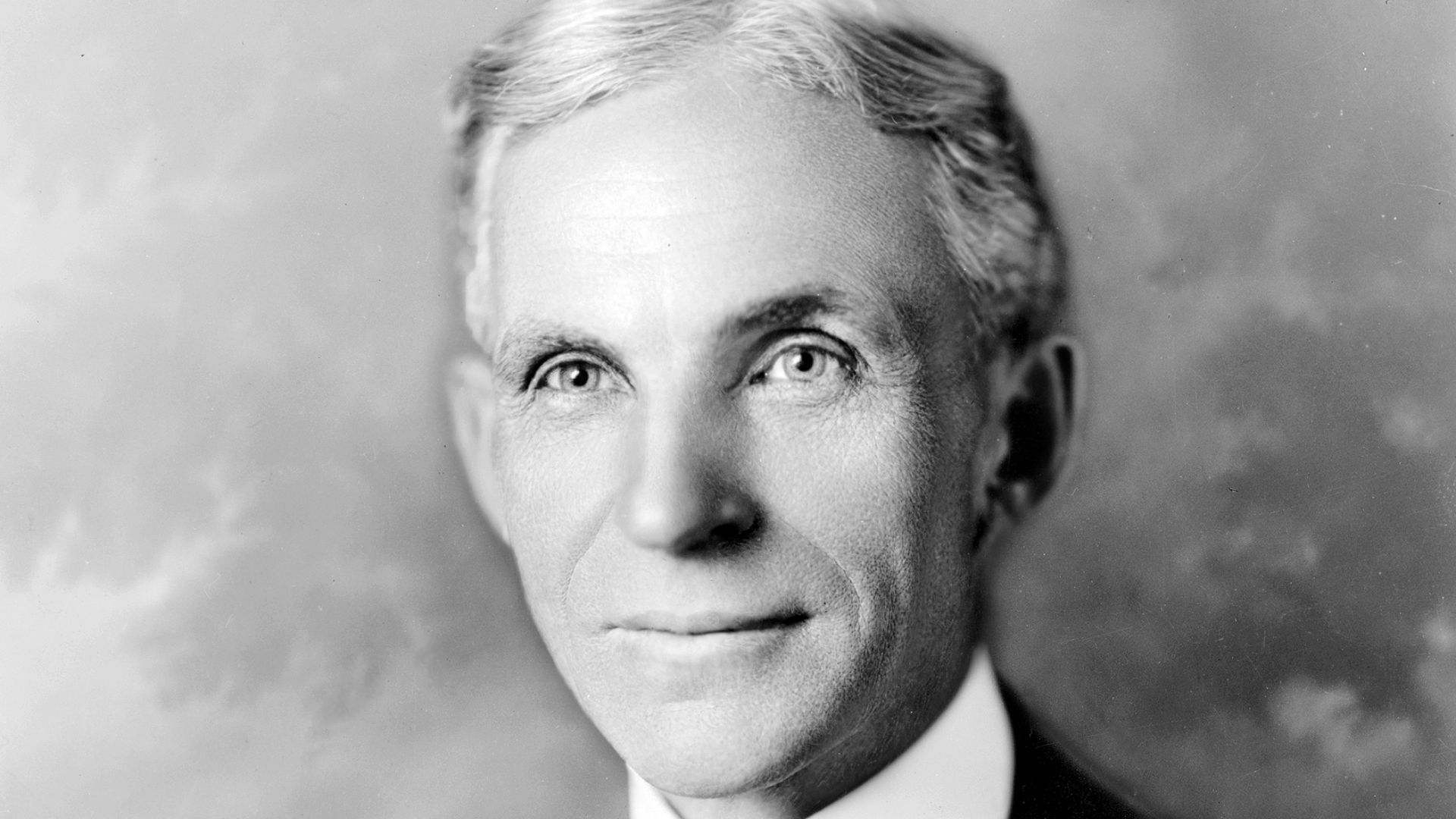 Fred Hartsook, Wikimedia Commons
Richard Branson — Virgin Cola
Richard Branson had already proven that the Virgin name could work in music and aviation, so apparently the next logical target was Coca-Cola. Virgin Cola launched in 1994 with Branson's usual enthusiasm and publicity stunts, including driving a tank through New York's Times Square. The company even secured meaningful early distribution, but challenging Coke and Pepsi required far more than a recognizable logo and a charismatic billionaire. Virgin Cola's American market share reportedly peaked around just 0.5%, and the product gradually disappeared. Branson later admitted that the dream of overthrowing Coke had gone very differently than planned.
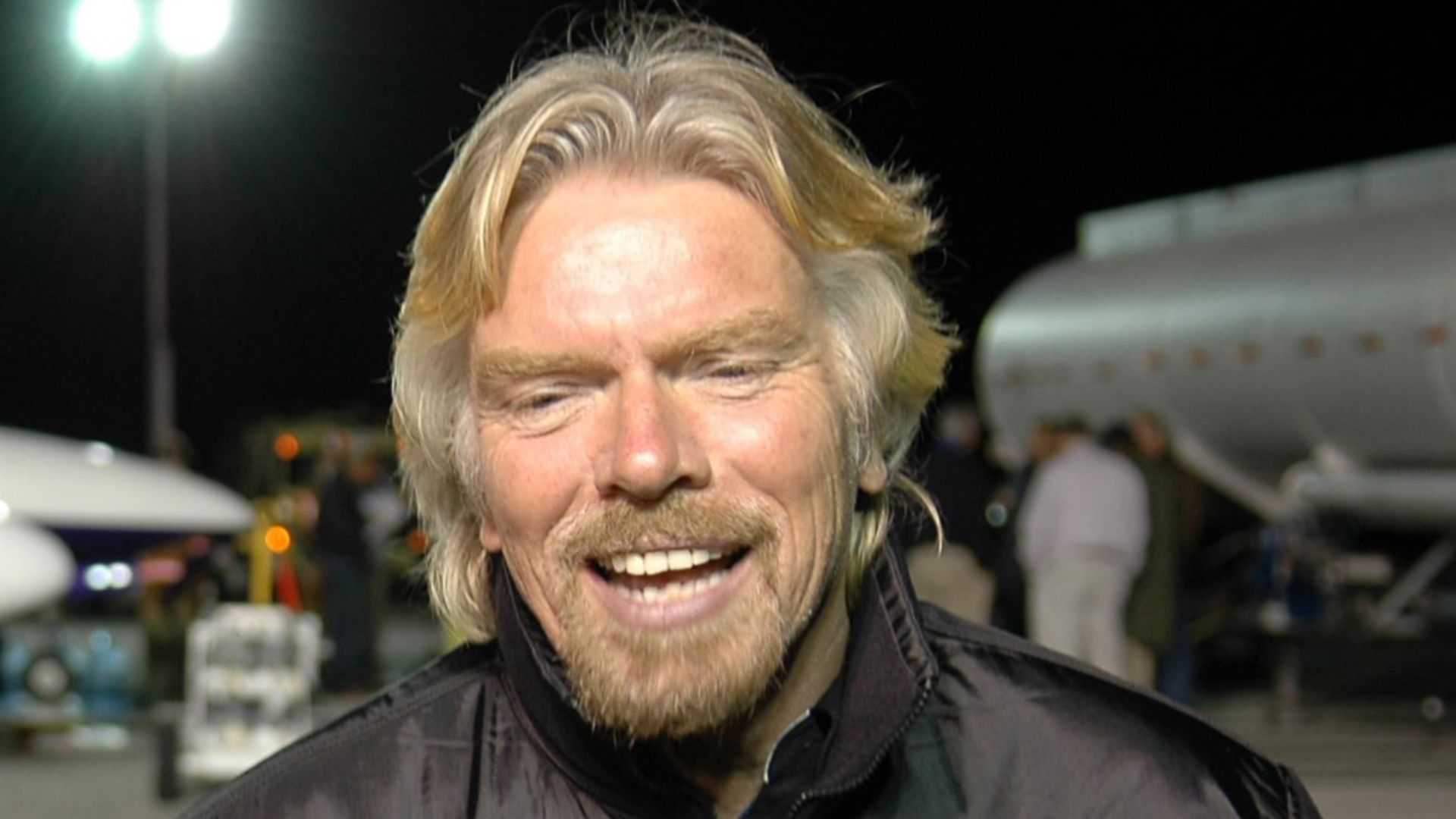 Kim Shiflett, Wikimedia Commons
Richard Branson — Virgin Brides
Virgin Cola at least made sense as a mass-market product. Virgin Brides required Richard Branson to convince people that the rebellious Virgin brand was exactly what they wanted associated with traditional wedding shopping. The bridal chain launched in 1996, with Branson promoting it by shaving off his beard, applying blue eye shadow, and posing in a wedding dress. The publicity was memorable. The business wasn't. Its last store closed in 2007, and even Branson later joked that perhaps there simply weren't enough “virgin brides” around.
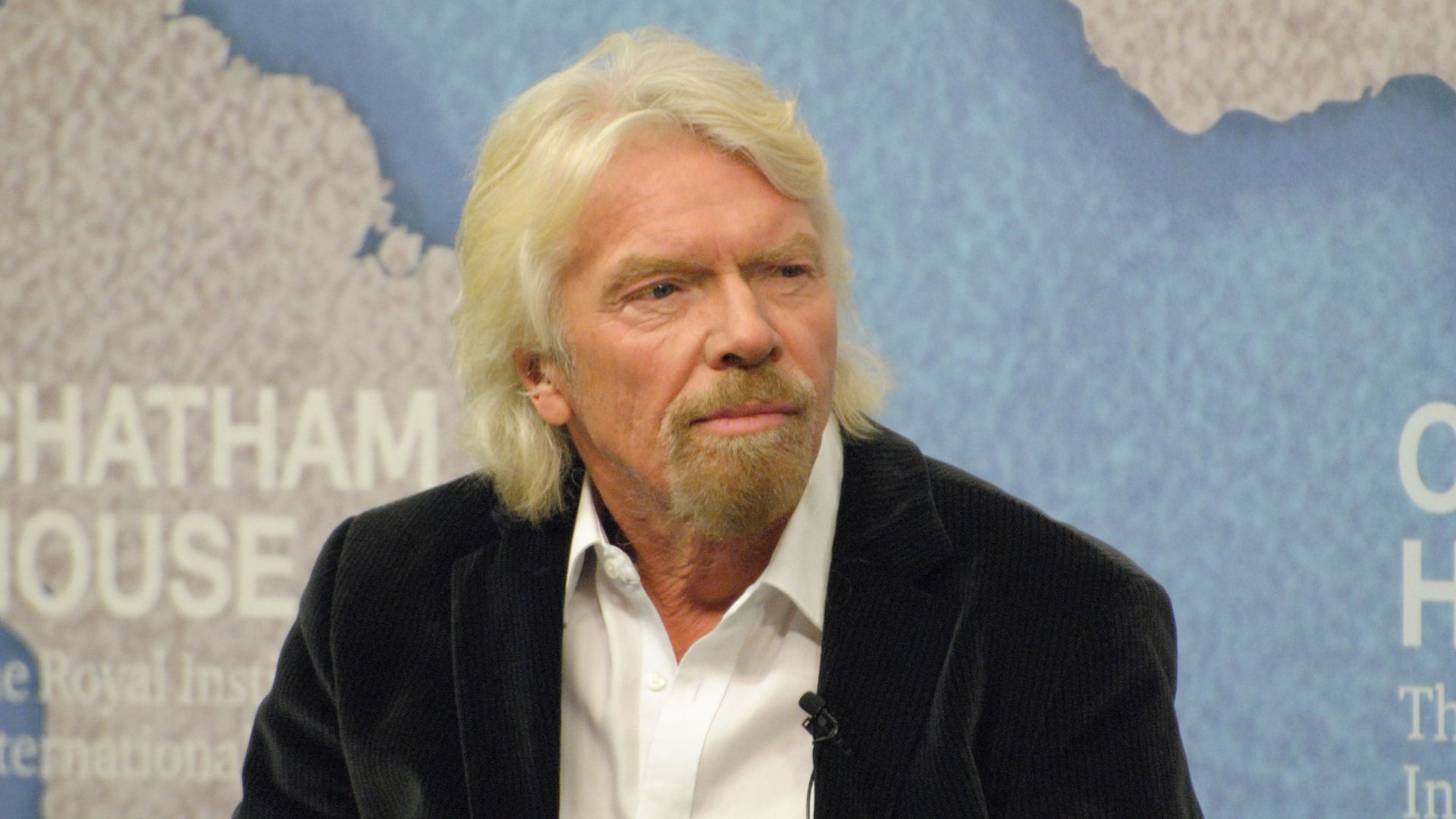 Chatham House, Wikimedia Commons
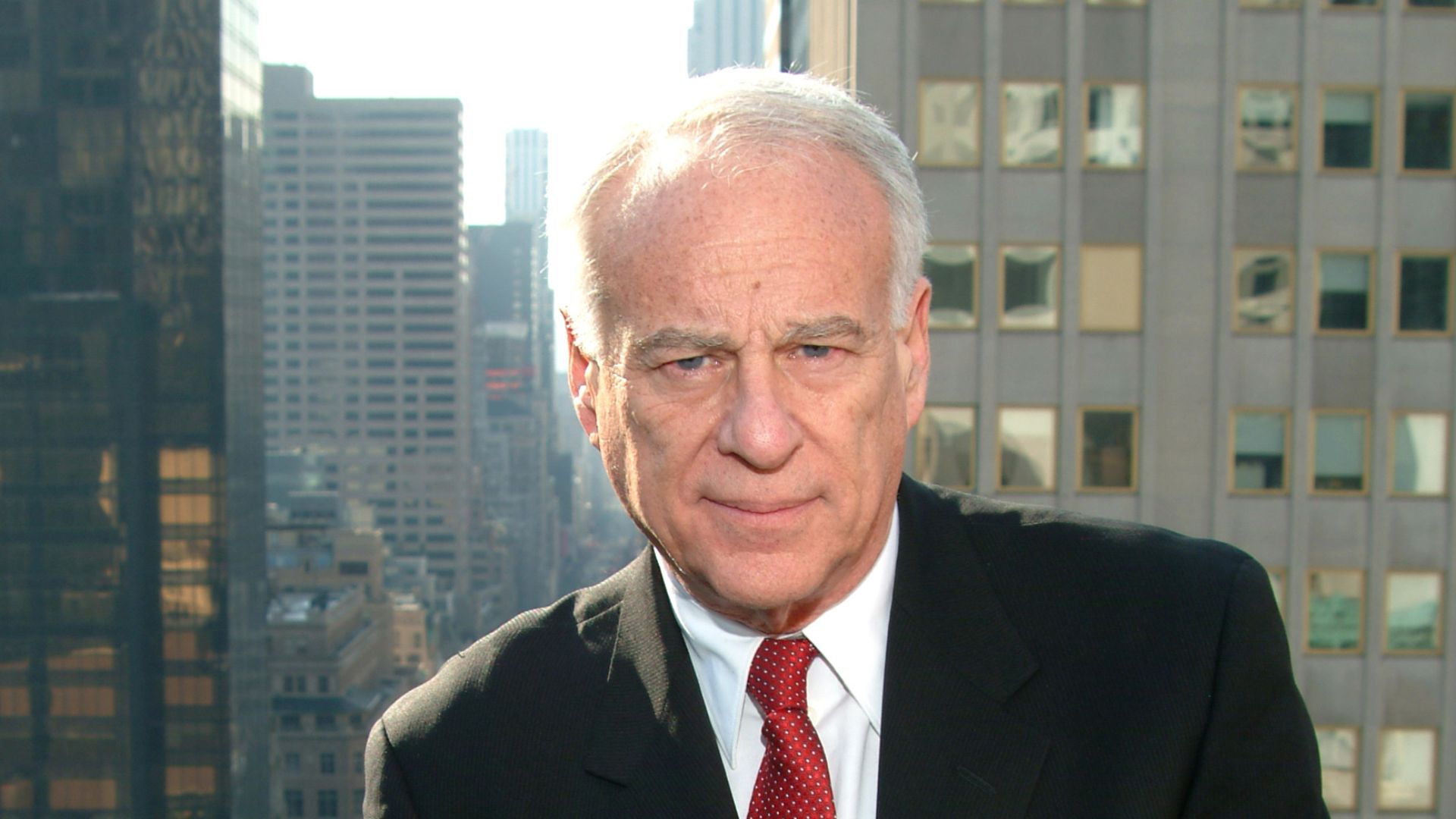
Malcolm Bricklin — The Bricklin SV-1
Malcolm Bricklin wanted to sell a sports car built around safety, which wasn't the easiest sales pitch in the 1970s. The Bricklin SV-1 nevertheless looked fantastic, with dramatic gullwing doors, bold colors, heavy bumpers, and a steel safety structure. Unfortunately, those enormous powered doors could malfunction, production costs rose rapidly, and quality-control problems plagued the inexperienced New Brunswick factory. The car began around $7,900 and climbed toward $10,000 before production collapsed. Only 2,897 were sold before the company went bankrupt.
Malcolm Bricklin — Bringing The Yugo To America
Most people would consider one failed car company sufficient. Malcolm Bricklin saw Yugoslavia's aging Zastava automobile and instead thought, “America needs this". The Yugo arrived in the United States in 1985 as an unbelievably cheap new car, initially costing around $4,000 and selling strongly because practically nothing else could compete on price. Unfortunately, its reputation for reliability and quality soon became catastrophic. Yugo jokes became their own comedy genre, and Yugo America went bankrupt in 1989. Bricklin, remarkably, continued pursuing automotive ventures afterward.
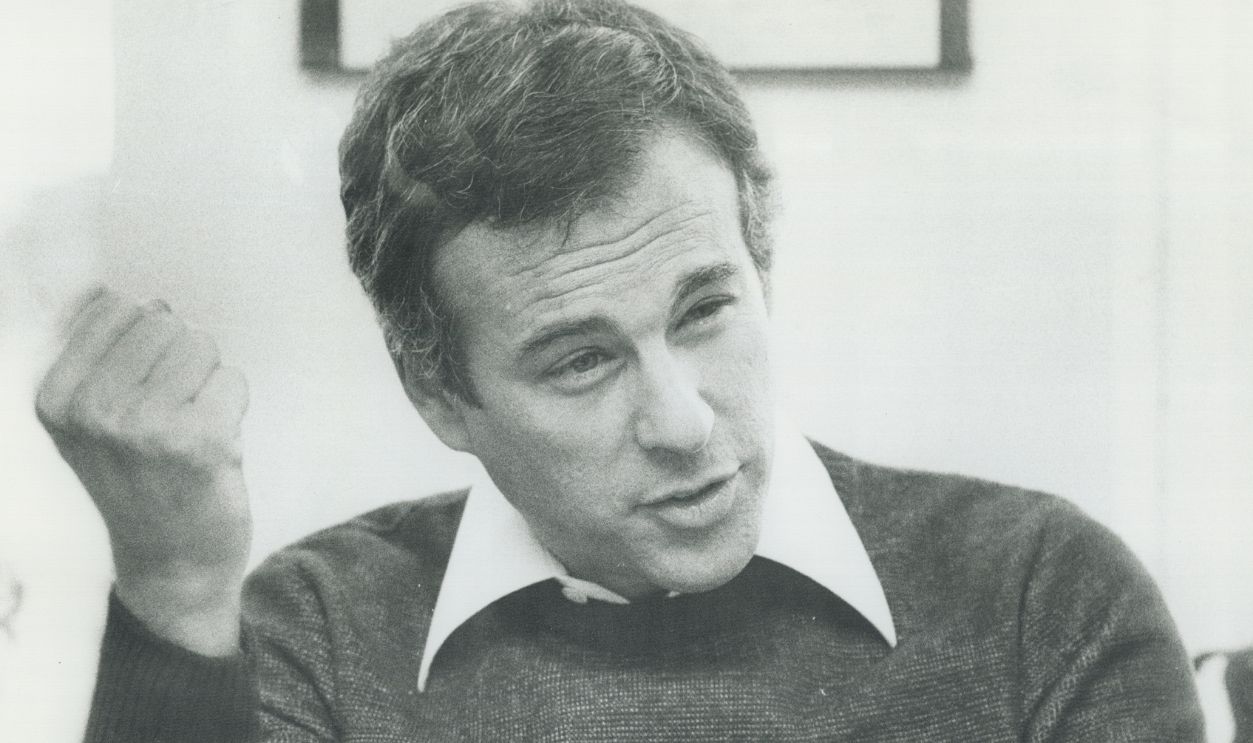
George Pullman — Pullman, Illinois
George Pullman didn't merely build railroad cars. He decided he could build the ideal community for the people who manufactured them. Beginning in the 1880s, his company town south of Chicago provided attractive homes, landscaped streets, shops, and carefully controlled surroundings, with the Pullman Company owning the buildings and collecting the rents. Then the Panic of 1893 hit. Pullman reduced jobs and wages but wouldn't reduce rents accordingly, helping provoke the massive Pullman Strike of 1894. What had been presented as enlightened industrial paternalism suddenly looked a lot more like an employer controlling both your paycheck and your landlord.
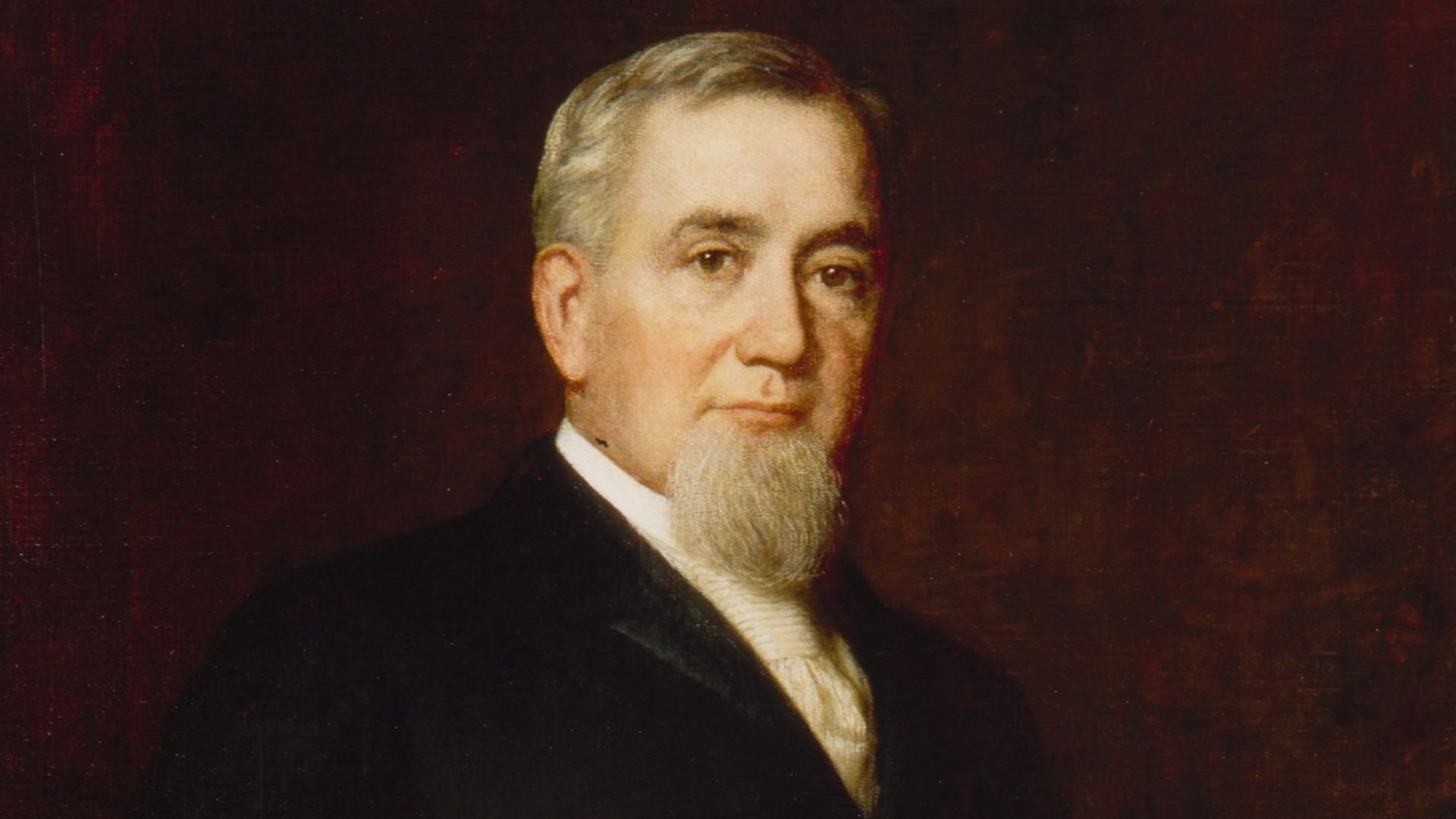 Eastman Johnson, Wikimedia Commons
PT Barnum — The Jerome Clock Company Disaster
PT Barnum knew exactly how to sell spectacles, but that didn't mean every investment he touched turned into gold. During the 1850s, Barnum became deeply involved with the Jerome Clock Company while promoting the development of East Bridgeport, Connecticut. The arrangement ended disastrously when the clock company failed amid debt and questionable financial dealings. Barnum found himself responsible for obligations that helped wipe out much of his fortune. The world's greatest promoter had to lecture and return to entertainment to rebuild himself, proving that even Barnum could occasionally be the one left holding the ticket.
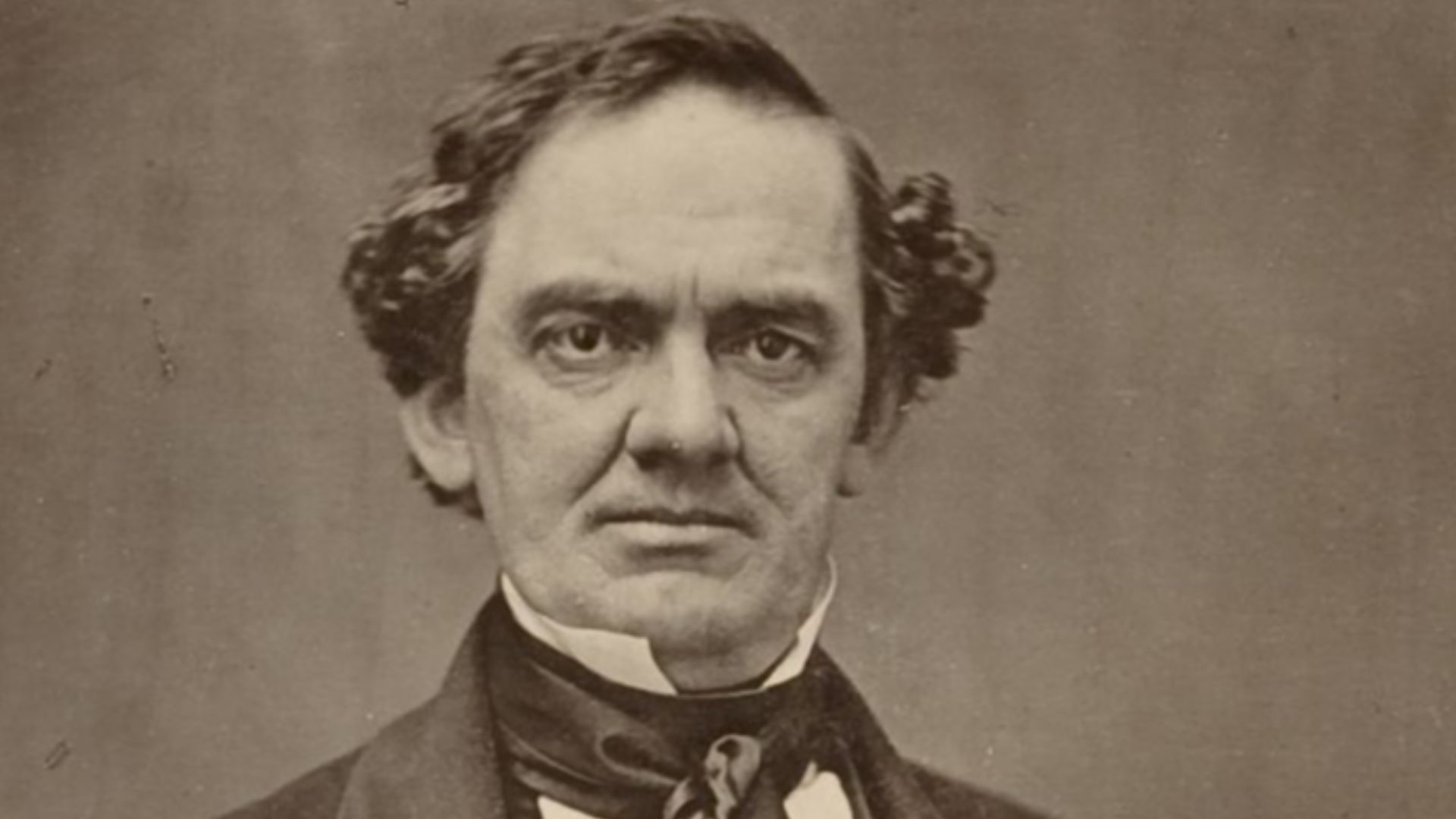 unattributed, Wikimedia Commons
Daniel K Ludwig — The Jari Project
Shipping billionaire Daniel K Ludwig decided the Amazon needed a gigantic industrial development, and he was prepared to spend accordingly. Beginning in the late 1960s, the Jari Project eventually included tree plantations, pulp production, agriculture, roads, airstrips, a railway, a deep-water port, housing, a hospital, and even enormous industrial equipment transported into the rainforest. Ludwig poured more than $1 billion into the venture. Some imported machinery proved poorly suited to the environment, while logistics and agriculture created endless headaches. In 1982, the aging billionaire finally gave up control of what TIME called a “billion-dollar dream".
 Consul General of Brazil (New York, NY)., Wikimedia Commons
Thomas Edison — The Magnetic Ore-Separation Plant
Thomas Edison was so confident that low-grade iron deposits could become profitable that he spent much of the 1890s designing an elaborate ore-milling operation in New Jersey. Giant crushers pulverized rock before magnetic separators pulled iron particles from the material, and Edison poured years of effort into improving the machinery. Technically, parts of the system worked. Economically, it was a disaster. Better-quality ore from the Mesabi Range became cheap and plentiful, leaving Edison's complicated process trying to solve a problem the market had already solved more easily. The National Park Service simply describes the ore-milling project as one that “ultimately failed".
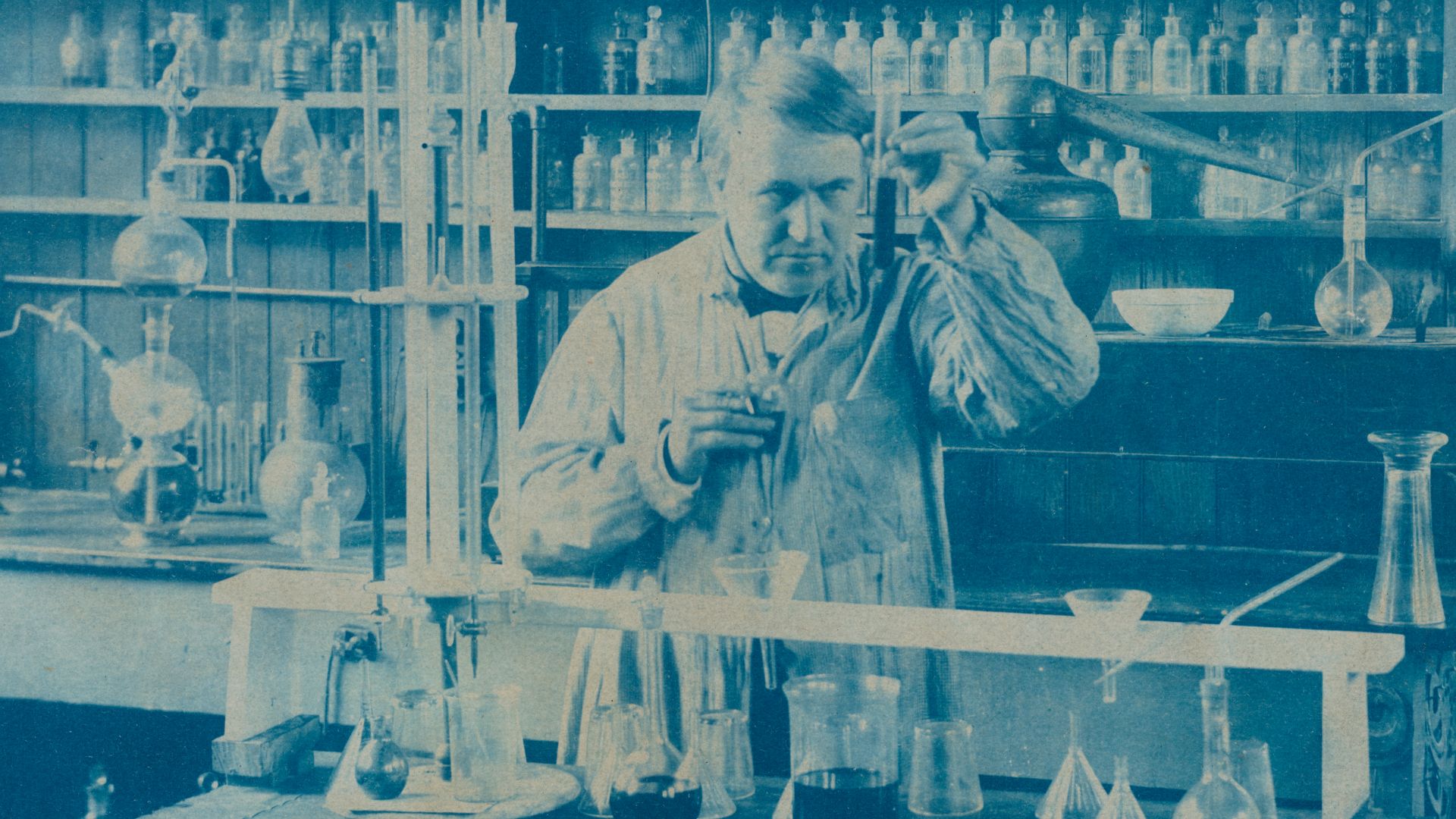 William Kennedy Dickson, Wikimedia Commons
Samuel Insull — The Utility Empire Built On Leverage
Samuel Insull turned himself from Thomas Edison's former secretary into one of America's dominant utility magnates. His empire used layers of holding companies to control electricity and transportation businesses, allowing relatively small amounts of equity to command much larger networks of assets. While values rose, the arrangement looked ingenious. Then the Great Depression arrived. Falling revenues and collapsing securities exposed how dangerously leveraged the structure had become, and Insull's empire disintegrated. A man once regarded as one of America's great industrial builders lost his fortune and became a symbol of the financial excesses that preceded the crash.
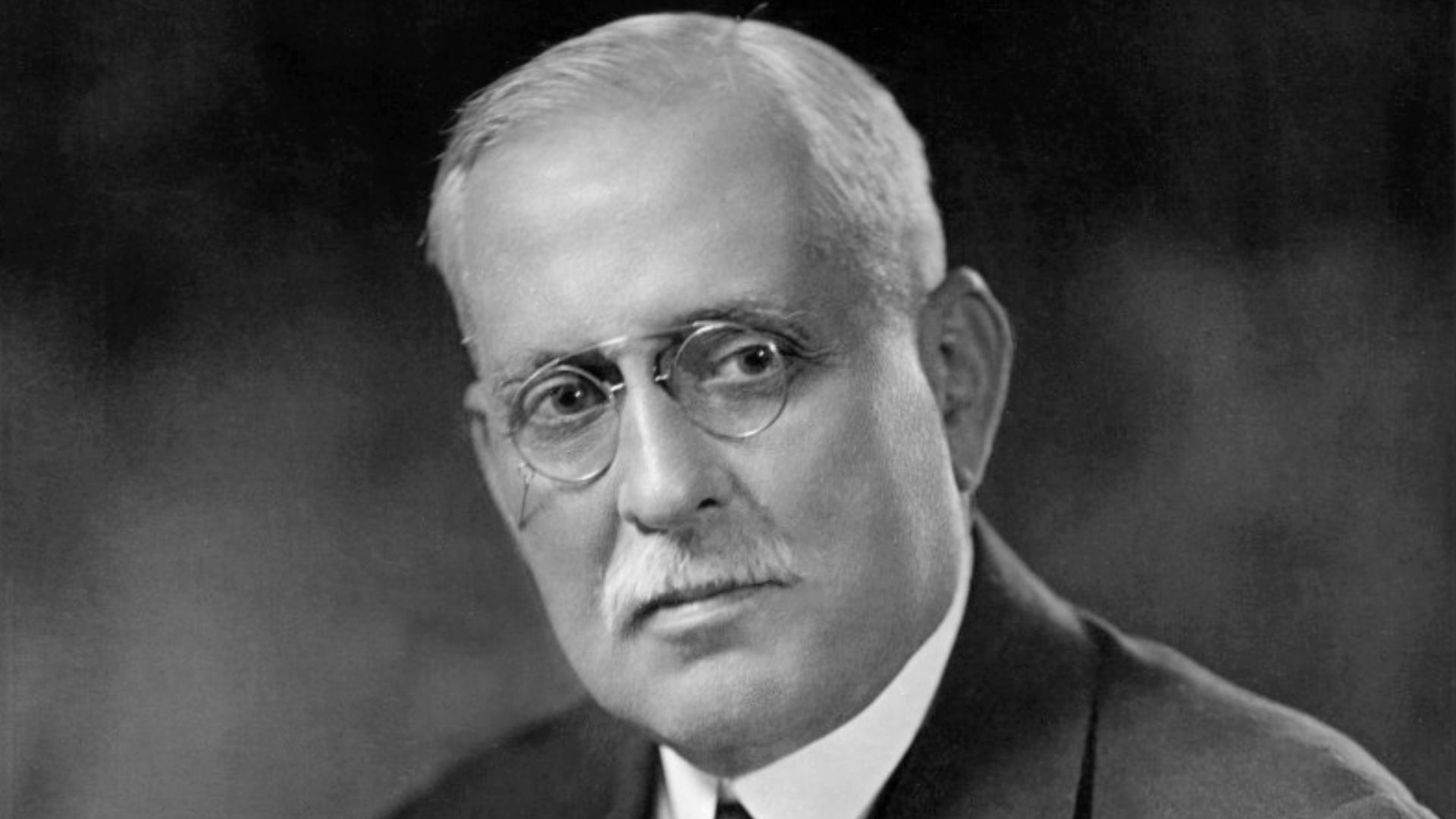 William L. Koehne Studio, Chicago, Wikimedia Commons
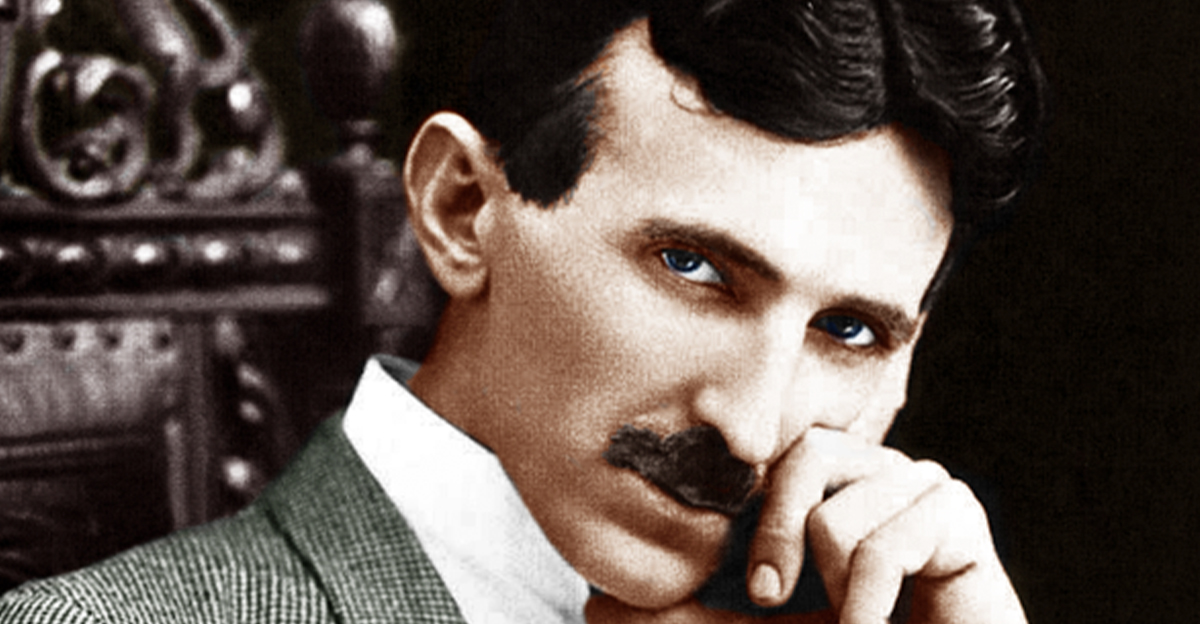
Nikola Tesla — Wardenclyffe Tower
Nikola Tesla had already changed the electrical world when he became obsessed with an even grander ambition: sending messages and electrical power around the planet without wires. J.P. Morgan provided $150,000 for a wireless communications project on Long Island, but Tesla's actual ambitions were much larger and much more expensive. Construction of the 187-foot Wardenclyffe Tower began, only for money to run out as Guglielmo Marconi demonstrated successful transatlantic wireless communication. Morgan wouldn't provide the additional funds Tesla needed. Wardenclyffe never fulfilled Tesla's vision, and the tower was eventually demolished for scrap in 1917.
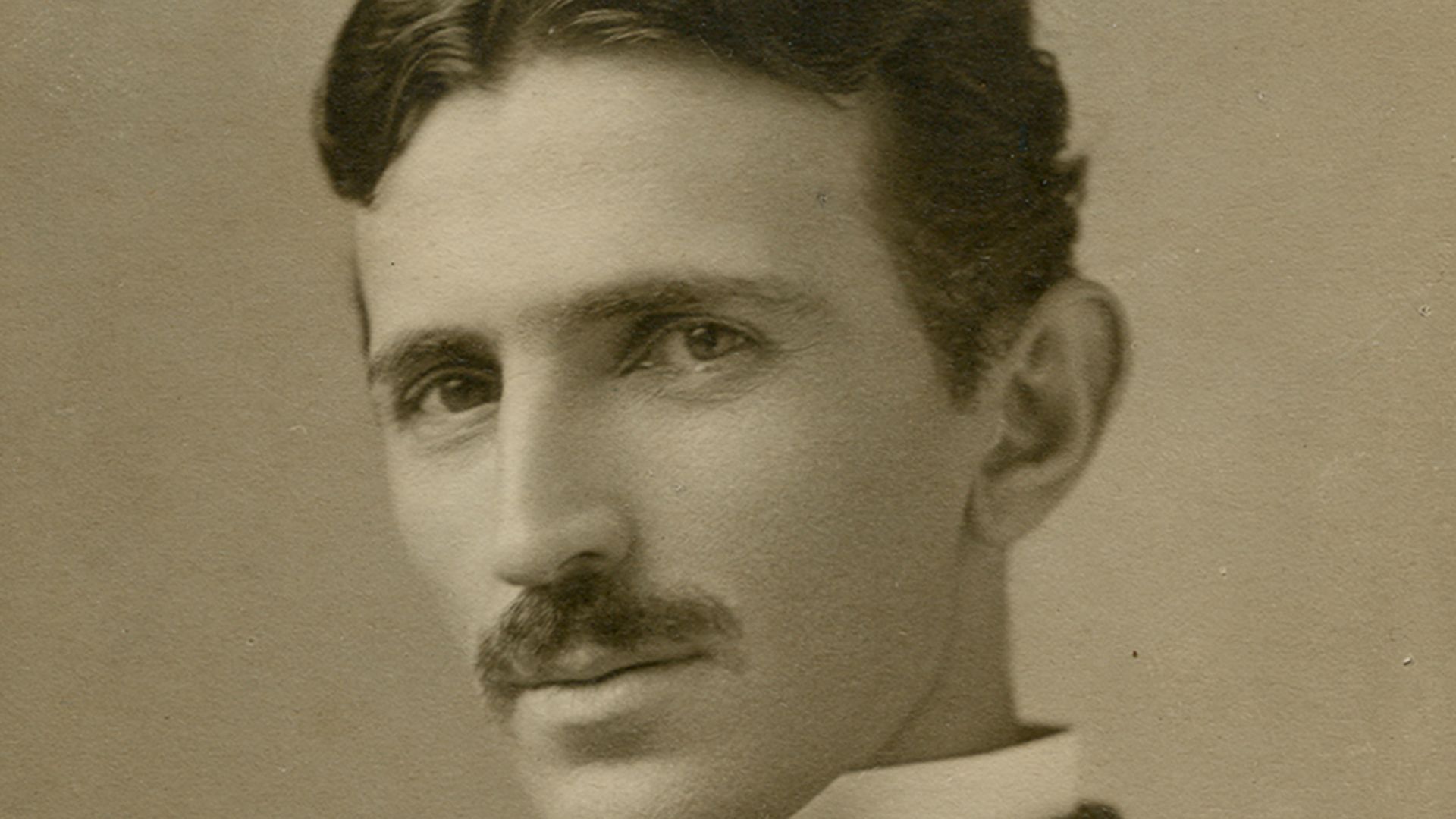 The Nikola Tesla Museum, Wikimedia Commons
Charles Bedaux — The Bedaux Canadian Expedition
Charles Bedaux had made a fortune as a management consultant before deciding what he really needed was a spectacular wilderness expedition. In 1934, he set out to cross a huge stretch of northern British Columbia with Citroën half-track vehicles, dozens of horses, staff, supplies, and a film crew documenting the adventure. It was expedition planning on a millionaire's scale. Unfortunately, northern wilderness didn't care. Vehicles bogged down or broke, trails proved inadequate, rivers and terrain slowed progress, and the party eventually abandoned its attempt. Bedaux succeeded in creating a wonderfully cinematic adventure. He just didn't succeed in getting where he planned to go.
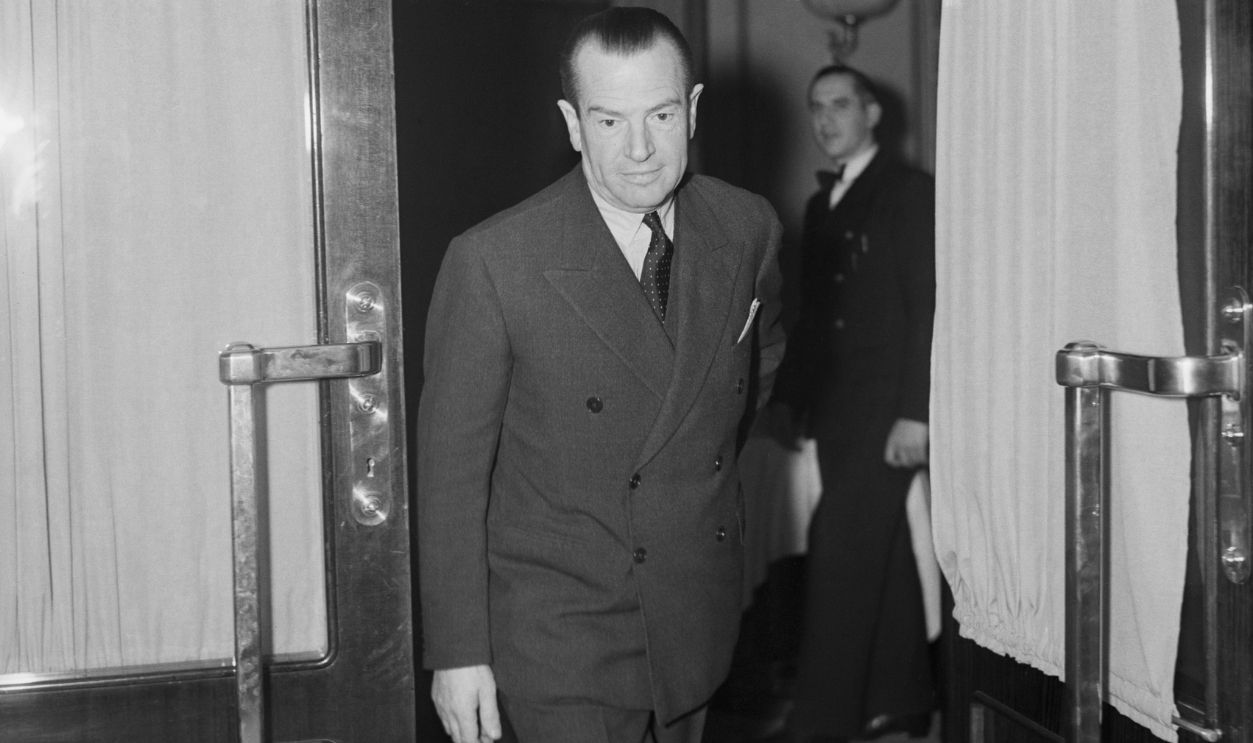
William Kissam Vanderbilt II — The Long Island Motor Parkway
William Kissam Vanderbilt II loved automobiles at a time when American roads seemed determined to punish anyone who owned one. His answer was the Long Island Motor Parkway, a privately financed road constructed specifically for automobiles beginning in the early 20th century. It was astonishingly advanced, using limited access, bridges, and grade separation long before those features became normal. The problem was that governments eventually began constructing much better public highways that motorists didn't need to pay Vanderbilt to use. What had looked like the future became increasingly unnecessary. The road closed in 1938, although many of its design ideas eventually became standard.
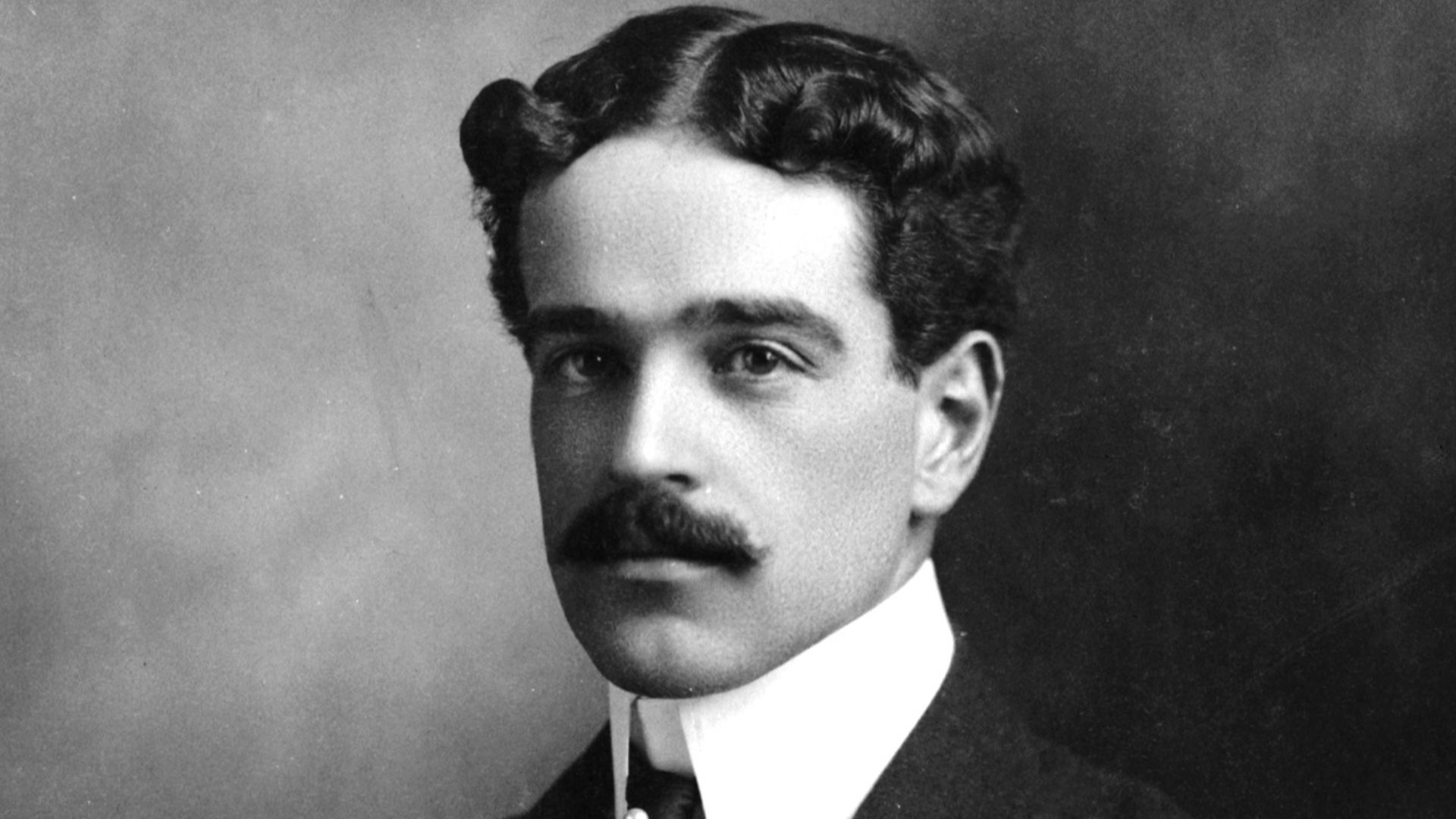 Theodore C. Marceau, Wikimedia Commons
William Lear — The Lear Fan
William Lear had already given the world the Learjet when he decided conventional aircraft construction could be radically improved. The Lear Fan used lightweight composite materials and two engines that drove a single rear-mounted propeller, producing a sleek aircraft that looked decades ahead of its time. Lear died before the project could be completed, but his widow and engineering team continued pursuing his vision. Development became enormously expensive, while technical and certification difficulties prevented the airplane from entering commercial production. The Lear Fan ended as an aviation curiosity rather than the revolution its creator envisioned.
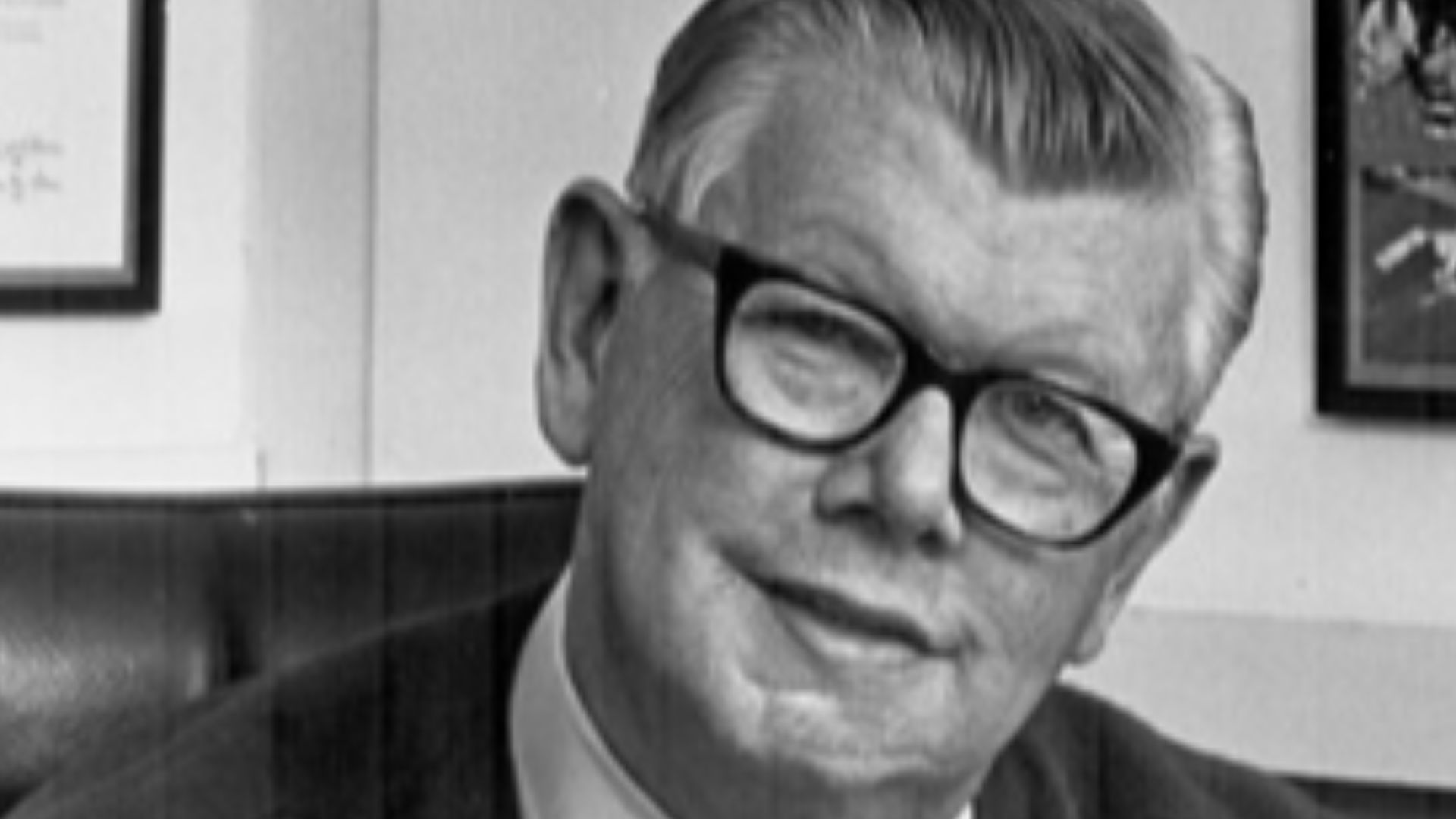 Unknown authorUnknown author, Wikimedia Commons
Mark Twain — The Paige Typesetter
Mark Twain was a brilliant writer and an absolutely dangerous man to hand an investment opportunity. He became fascinated with James Paige's mechanical typesetter, an extraordinarily complicated machine designed to automate the labor of composing type for printing. Twain poured enormous amounts of money into developing and perfecting it, convinced that the machine would revolutionize publishing and make him even richer. Instead, Ottmar Mergenthaler's simpler Linotype machine reached the market and proved far more practical. Twain's Paige investment consumed a huge portion of his wealth and contributed to the financial collapse that eventually forced him into bankruptcy.
![Title: Samuel Langhorne Clemens, aka Mark Twain, head-and-shoulders portrait, facing front] / Abdullah Frères Phot
Abstract/medium: 1 photographic print on carte de visite mount.](https://www.factinate.com/storage/app/media/factinate/2026/8/28/178790750195da0a2f7aba36927939567fb7978b116f37365c.jpg) Abdullah frères, Wikimedia Commons
Abdullah frères, Wikimedia Commons
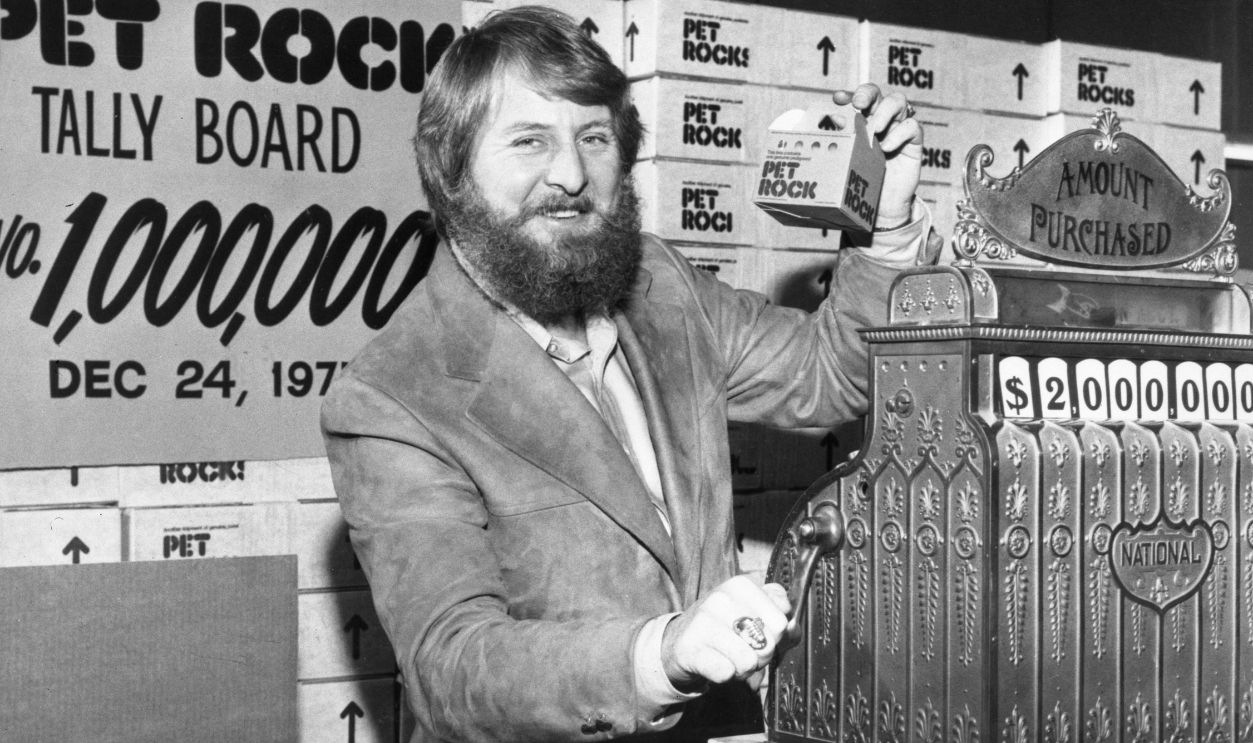
Gary Dahl — Trying To Invent Another Pet Rock
Gary Dahl accidentally discovered one of history's greatest novelty products when he began selling ordinary stones in cardboard carrying cases as Pet Rocks in 1975. The joke became a cultural sensation and briefly made Dahl a millionaire. Unfortunately, once you've become rich selling rocks, every subsequent novelty idea has an impossible act to follow. Dahl tried other products, including the Original Sand Breeding Kit, which essentially invited customers to reproduce sand. Shockingly, lightning did not strike twice. The Pet Rock remained the kind of absurd once-in-a-lifetime success that couldn't simply be manufactured again.
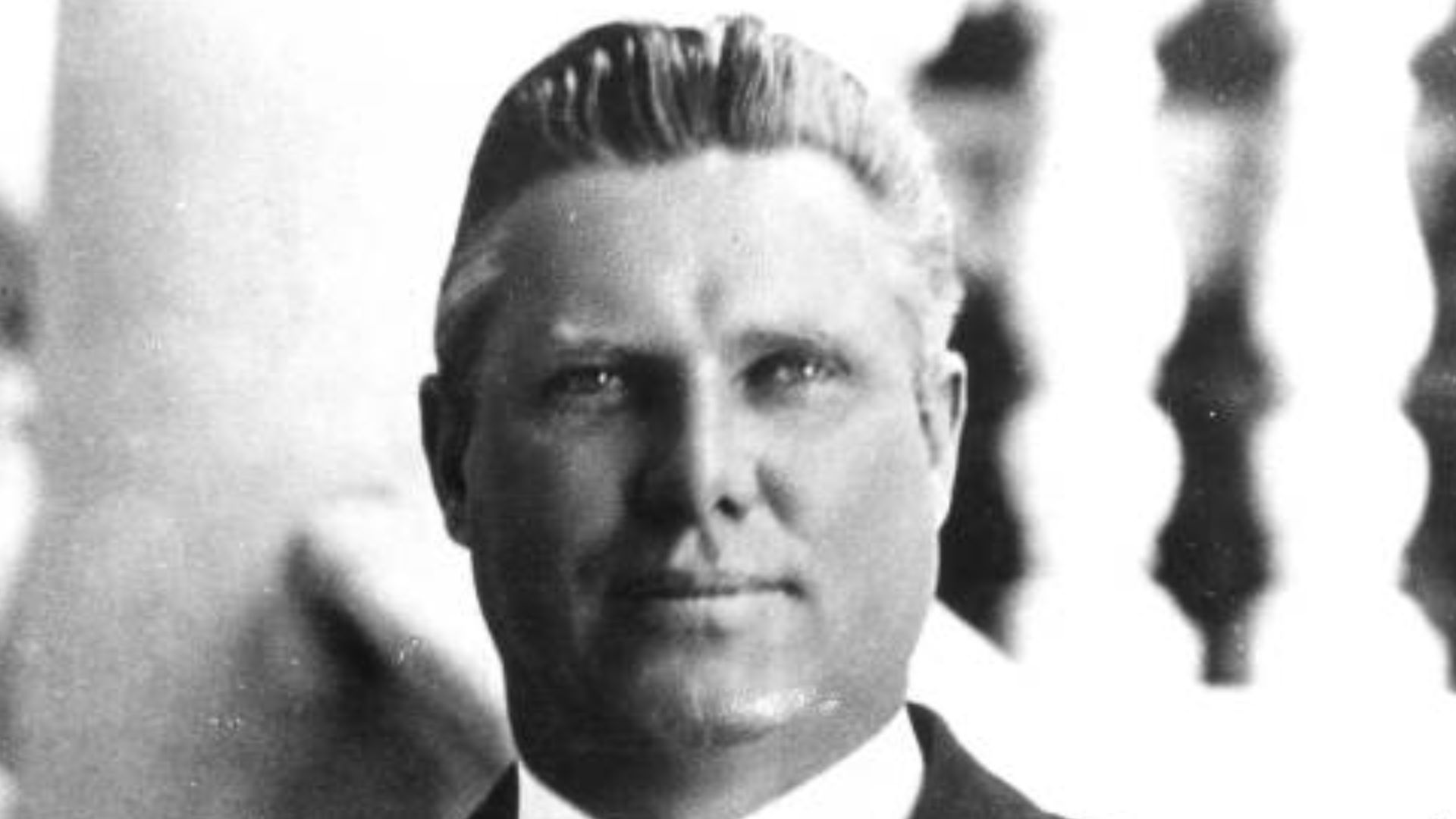
George Merrick — Coral Gables Became Too Big For Its Own Dream
George Merrick wasn't satisfied with developing another Florida subdivision. Beginning in the 1920s, he envisioned Coral Gables as an enormous Mediterranean-inspired planned city filled with distinctive architecture, boulevards, landscaping, hotels, and themed residential villages inspired by places around the world. During Florida's booming real-estate market, the ambition seemed almost reasonable. Then the boom collapsed. Hurricanes, tightening credit, and the crumbling Florida property market wrecked Merrick's finances before his larger plans could be completed. Coral Gables survived and prospered, but Merrick himself lost control of the dream he'd spent years expanding.
William Randolph Hearst — The Castle Projects That Never Seemed Finished
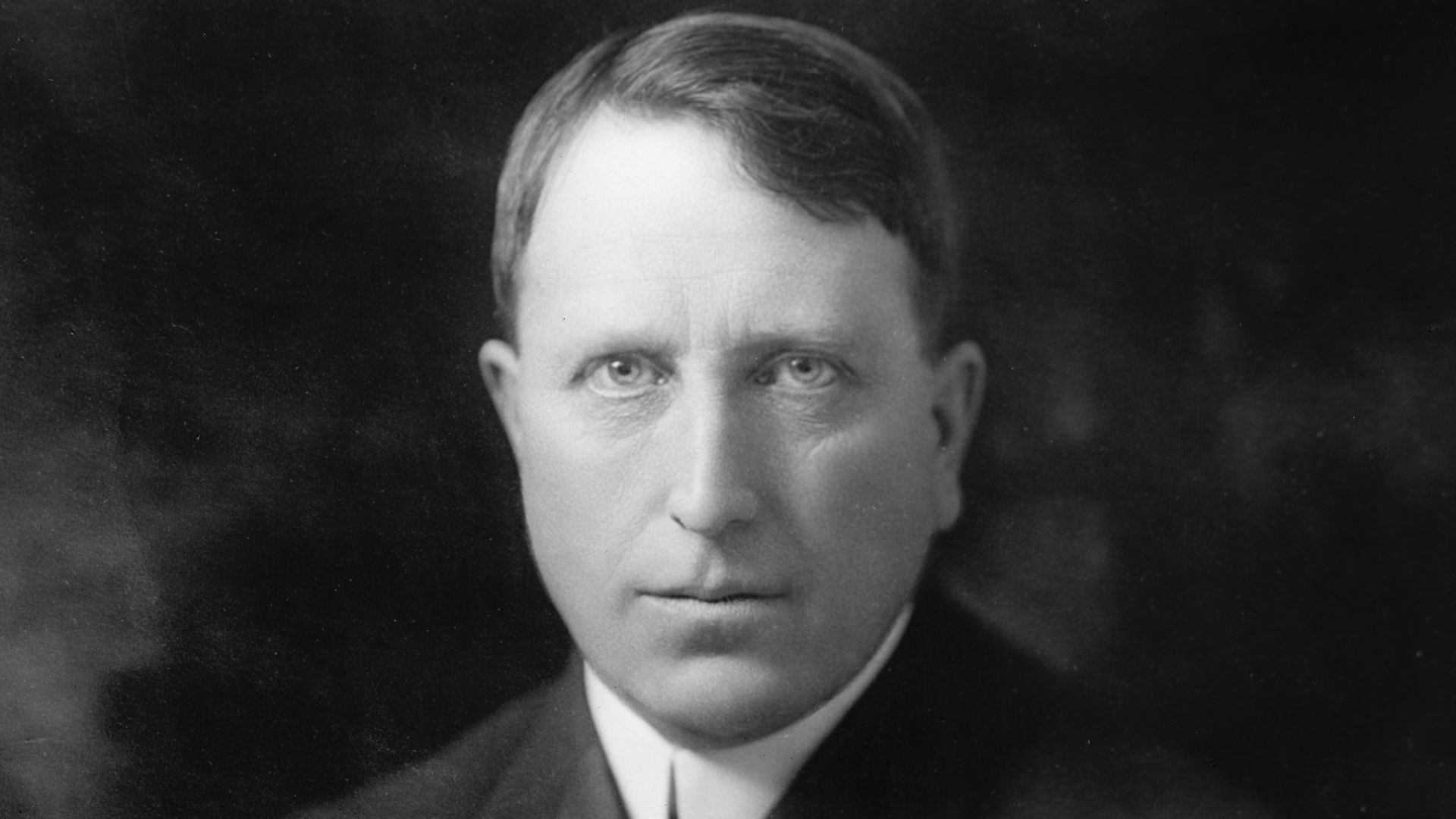
Hearst's taste for enormous properties deserves its own entry because buying a castle was apparently only the beginning. At San Simeon, architect Julia Morgan spent decades helping Hearst transform a California hilltop into the sprawling estate now known as Hearst Castle. In Wales, Hearst purchased the medieval St Donat's Castle and poured money into renovations there as well. He accumulated architecture the way other people collect postcards, and projects could continue evolving because Hearst always wanted something added, moved, enlarged, or imported. Once his financial crisis arrived, these magnificent never-ending projects became symbols of exactly why even an enormous fortune eventually needed limits.
 Harris & Ewing, photographer, Wikimedia Commons
William Randolph Hearst — Spending Like The Money Could Never End
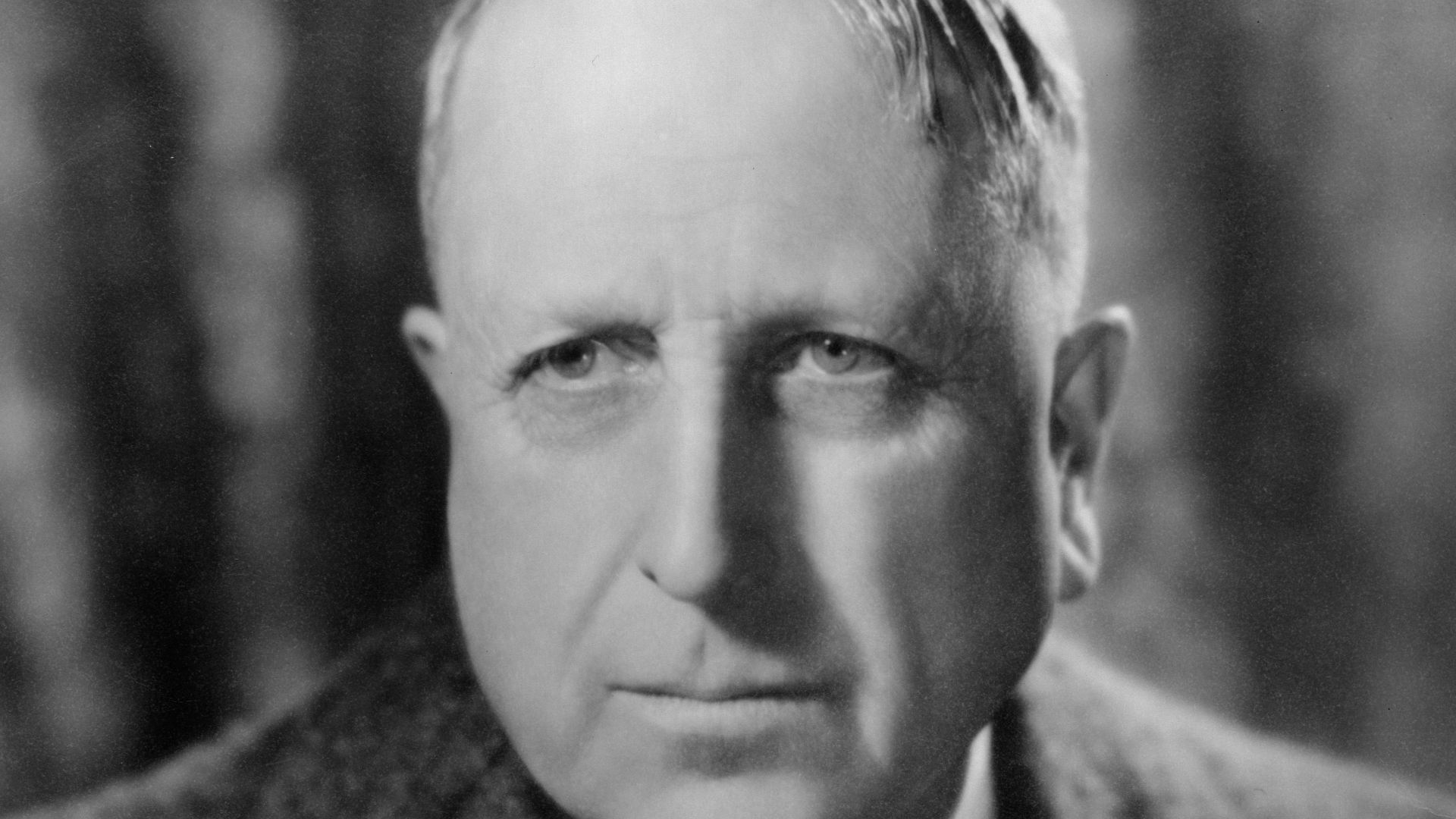
William Randolph Hearst didn't simply enjoy being rich. He approached spending as though he were personally attempting to exhaust the world's supply of expensive objects. He acquired newspapers, artwork, antiques, estates, furniture, tapestries, entire architectural elements, and seemingly anything else that caught his attention. His publishing empire generated enormous revenue, but by the late 1930s, debt and falling income forced a financial restructuring. Outside managers stepped in, assets were sold, and Hearst had to accept something almost unimaginable for him: a budget.
 James Manatt, Hollywood, Wikimedia Commons
You May Also Like:
Eccentric Public Figures Who Were Treated Like Jokes Until Their Stories Took A Dark Turn
Real Historical Impostors Who Fooled High Society For An Astonishingly Long Time