Fake It Till You Make It
Long before fake profiles and doctored images, ambitious impostors were already reinventing themselves with nothing more than confidence, costumes, and an absolutely staggering commitment to lying. Some talked their way into mansions and royal courts. Others claimed entire thrones. And a few pulled off deceptions so ridiculous that the strangest part isn't what they claimed, but how many people believed them.
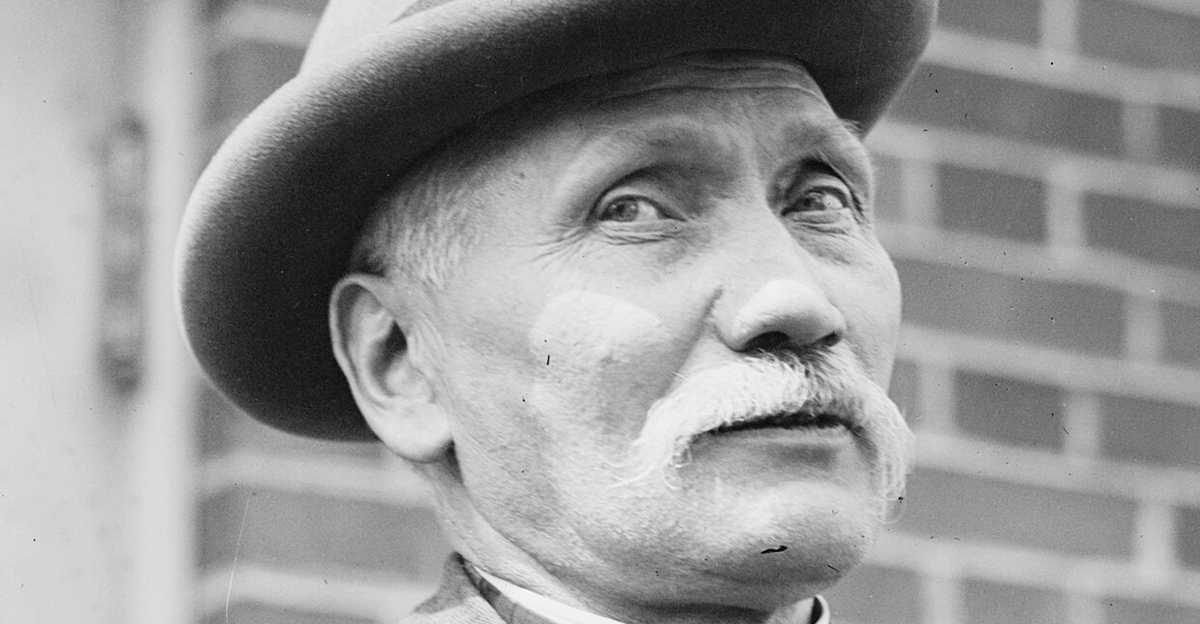 Bain News Service, Wikimedia Commons
Cassie Chadwick
Cassie Chadwick managed to convince people that she was the illegitimate daughter of one of the richest men on Earth. Born Elizabeth Bigley in Canada, Chadwick eventually settled in Cleveland and married a wealthy physician. Around the turn of the 20th century, she began quietly spreading the story that industrialist Andrew Carnegie was her father. She even produced forged securities supposedly bearing Carnegie's signature.
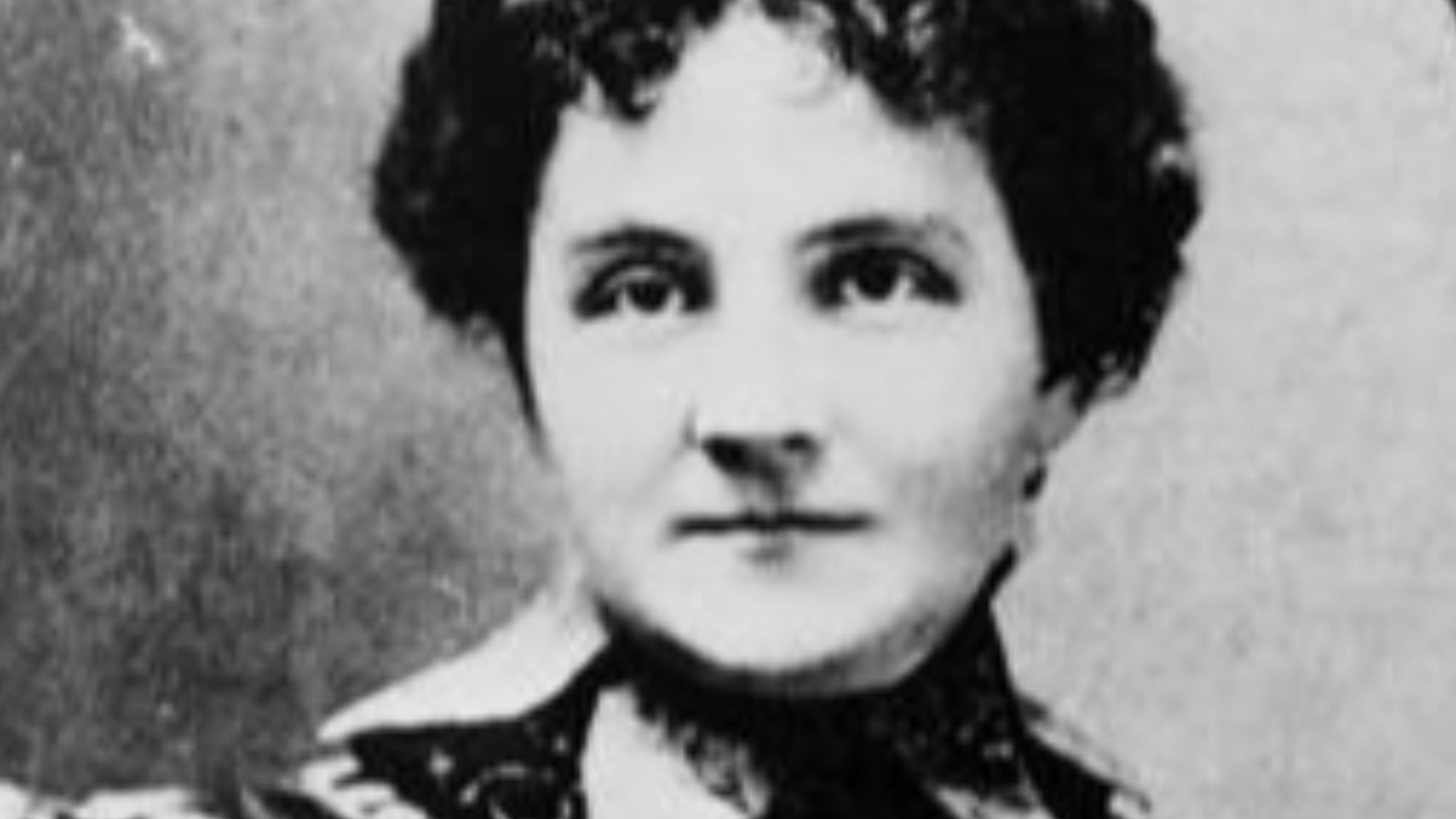 Unknown photographer, Wikimedia Commons
Cassie Chadwick
Bankers apparently found the possibility of Carnegie money irresistible. Chadwick borrowed enormous sums based on her supposed inheritance, reportedly receiving loans on unusually favorable terms. The fantasy finally collapsed in 1904 when creditors came calling and Carnegie himself denied knowing her. She was convicted of fraud and perished in prison in 1907.
 Unknown authorUnknown author, Wikimedia Commons
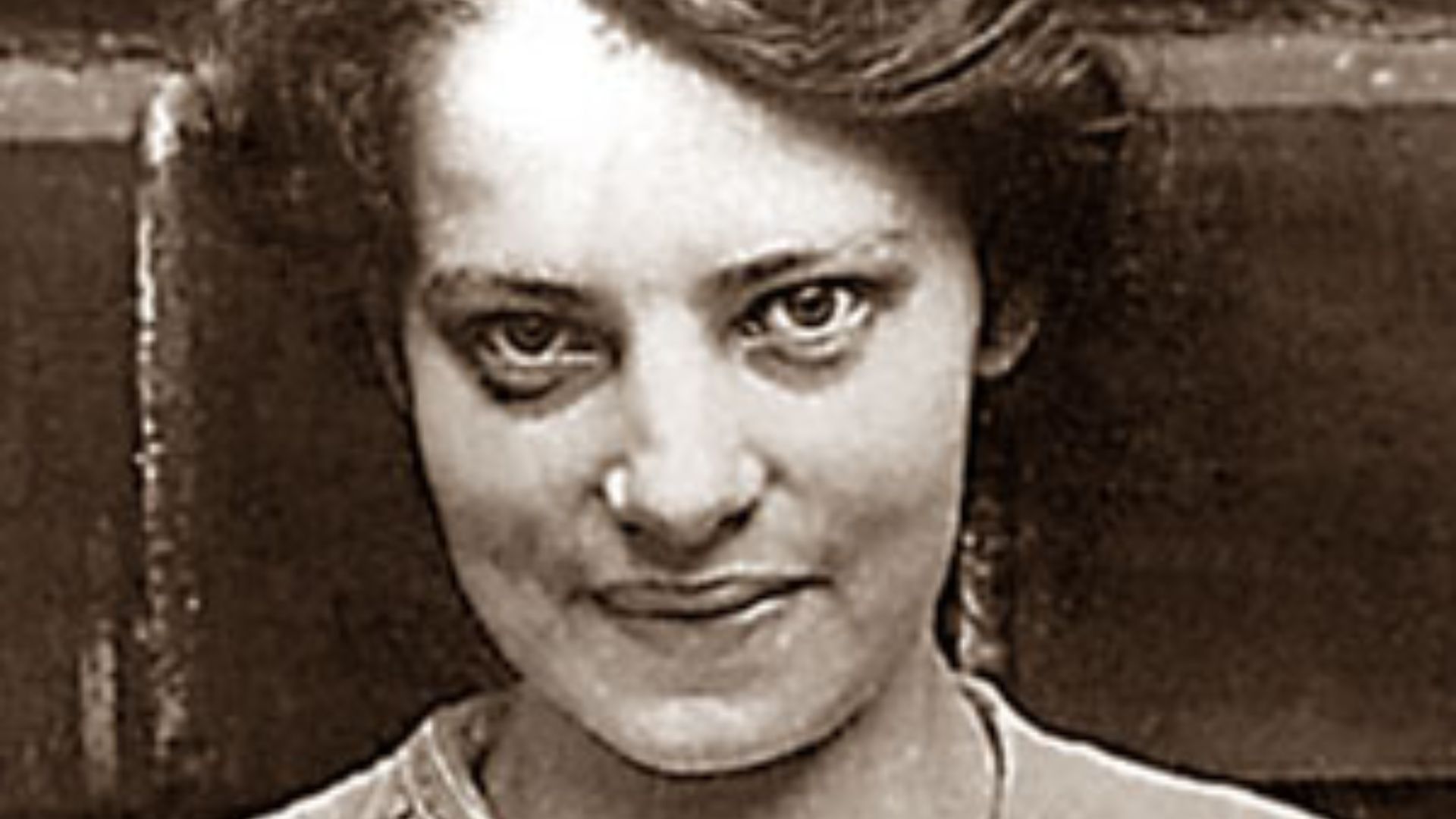
Anna Anderson
When Russia's imperial family was slain in 1918, rumors quickly spread that Grand Duchess Anastasia had somehow escaped. Then Anna Anderson appeared. After being institutionalized in Berlin following a suicide attempt in 1920, Anderson eventually claimed she was Anastasia. Some surviving Romanov relatives rejected her, but other supporters became convinced. Her physical resemblance and apparent knowledge of details surrounding the family helped keep the argument alive for decades.
 Unknown authorUnknown author, Wikimedia Commons
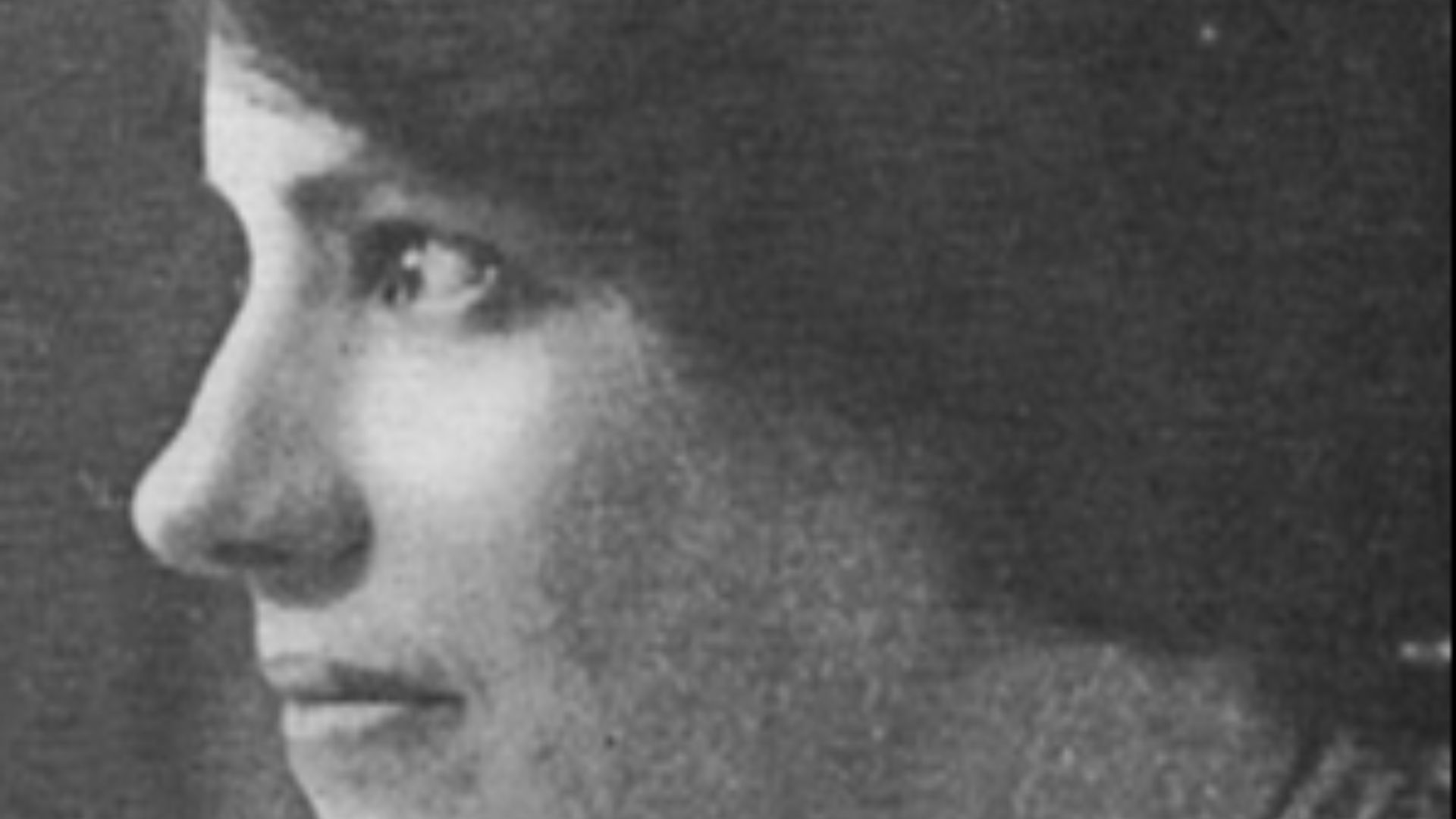
Anna Anderson
Anderson fought unsuccessfully for official recognition and maintained her identity until her passing in 1984. DNA testing later provided compelling evidence that she wasn't Anastasia and instead supported her identification as Franziska Schanzkowska, a Polish factory worker. Few impostor stories have survived quite so long after the alleged impostor herself was gone.
 Unknown authorUnknown author, Wikimedia Commons
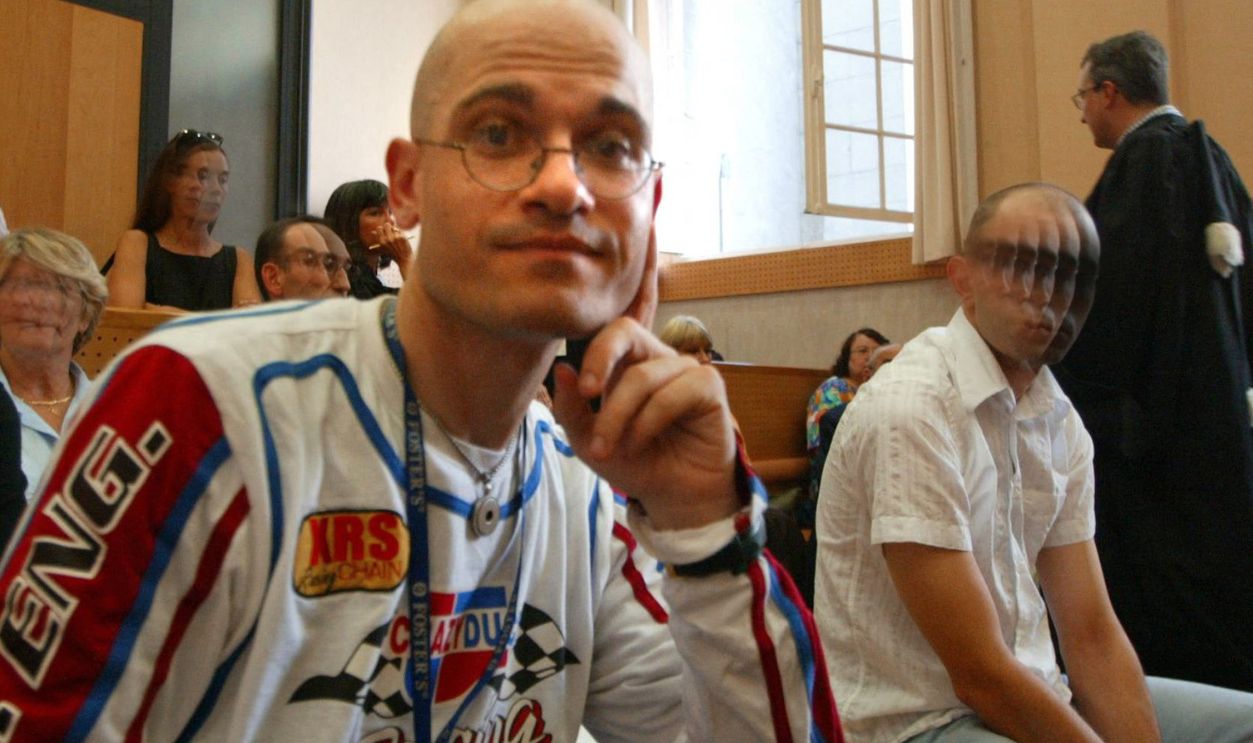
Frederic Bourdin
Frederic Bourdin's deception sounds like something a screenwriter would be told to make more believable. In 1997, the Frenchman convinced authorities that he was Nicholas Barclay, a Texas teenager who'd disappeared three years earlier. However, there were some fairly noticeable problems.
 JEAN-LOUIS DUZERT, Getty Images
Frederic Bourdin
Bourdin was several years older, had a French accent, and didn't even have the same eye color as Nicholas. Yet he concocted explanations for the differences and was flown to Texas, where members of the Barclay family accepted him into their home. Eventually, a private investigator became suspicious, and fingerprints exposed Bourdin's true identity.
 Screenshot from The Imposter, Raw Films / A&E IndieFilms (2012)
Princess Caraboo
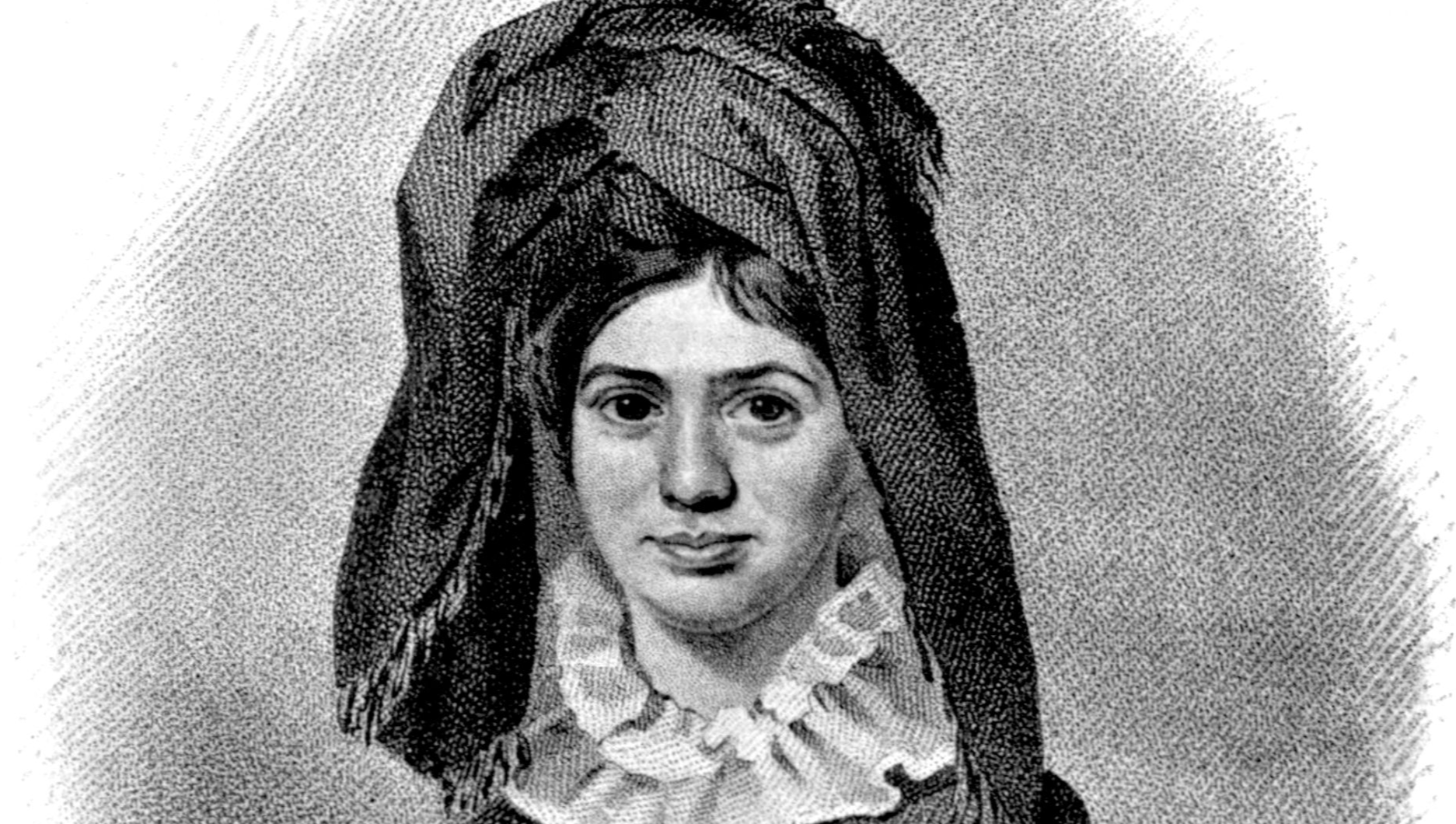
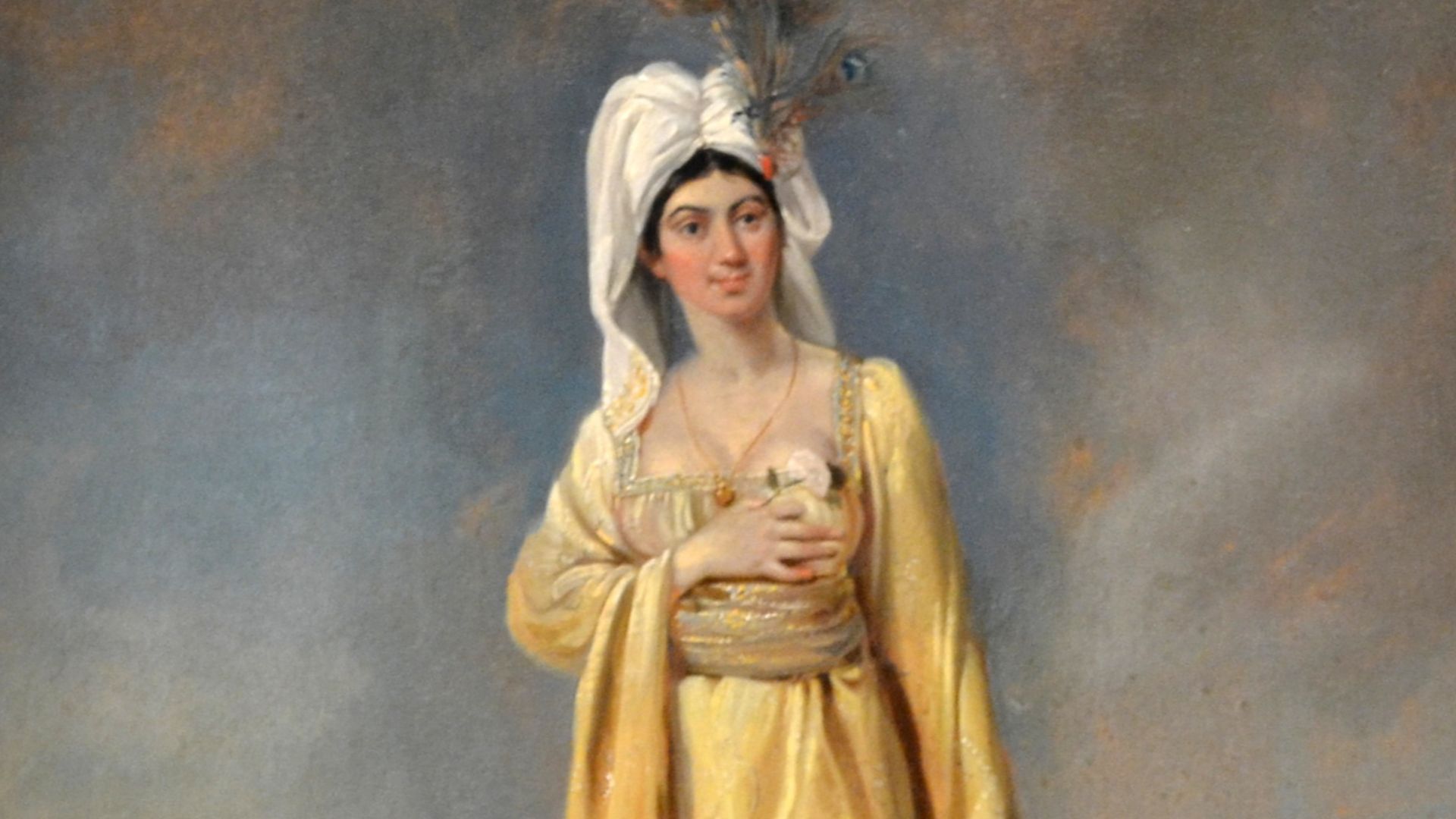
In 1817, a strangely dressed woman appeared in the English countryside speaking an unknown language. Locals couldn't understand her, but they eventually decided they had someone extremely important on their hands. The woman became known as Princess Caraboo of Javasu, an exotic royal supposedly stranded far from home. She entertained British society with her unusual customs and mysterious language, and her story became a sensation.
 Nathan Cooper Branwhite, engraver, Wikimedia Commons
Princess Caraboo
Unfortunately, there was no Princess Caraboo. There wasn't even a Javasu. She was Mary Willcocks, an Englishwoman from Devon who had created an elaborate character and fooled local gentry for months. Her adventure ended after someone who recognized her revealed the truth.
 Edward Bird, Wikimedia Commons
Perkin Warbeck
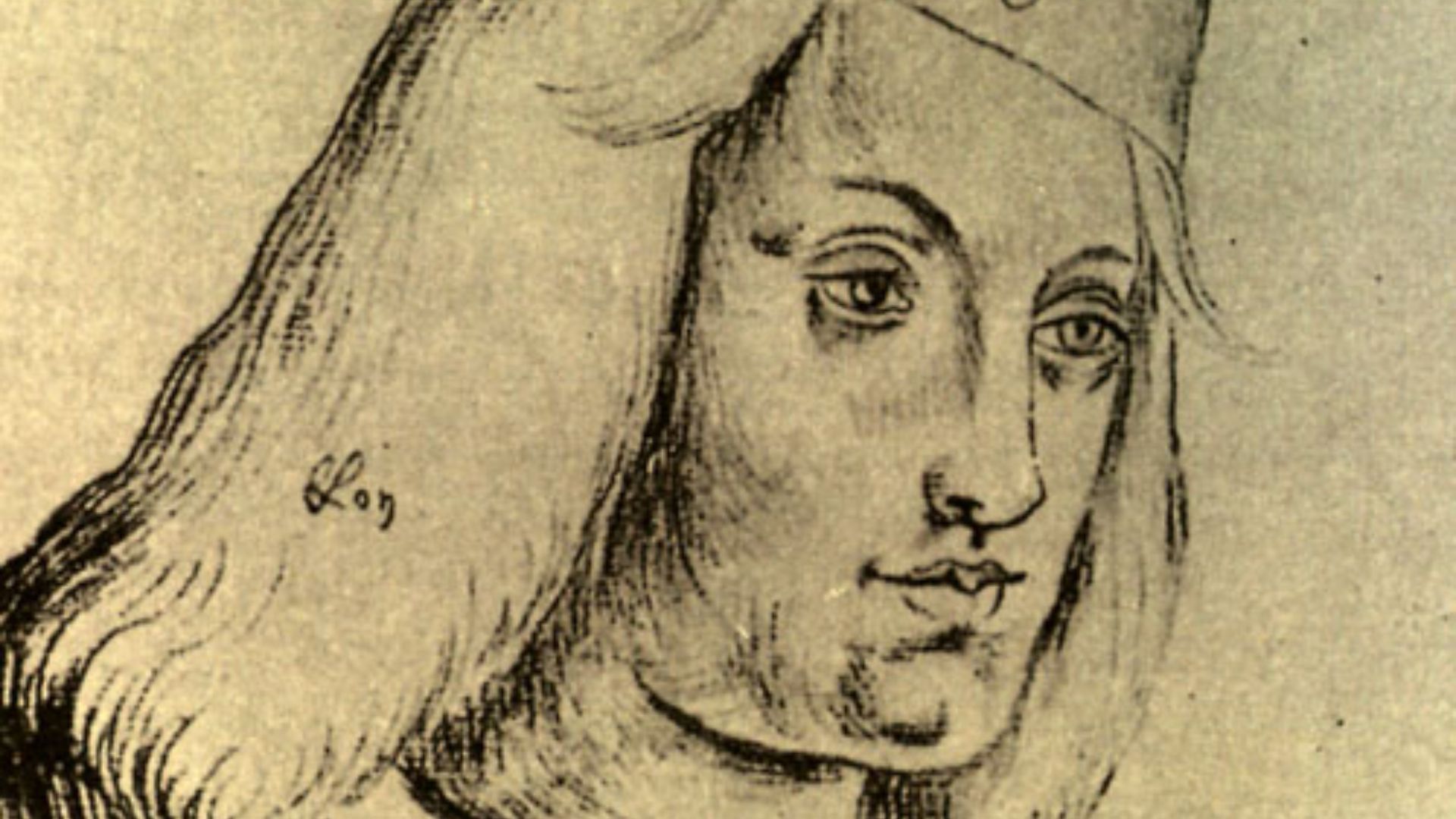
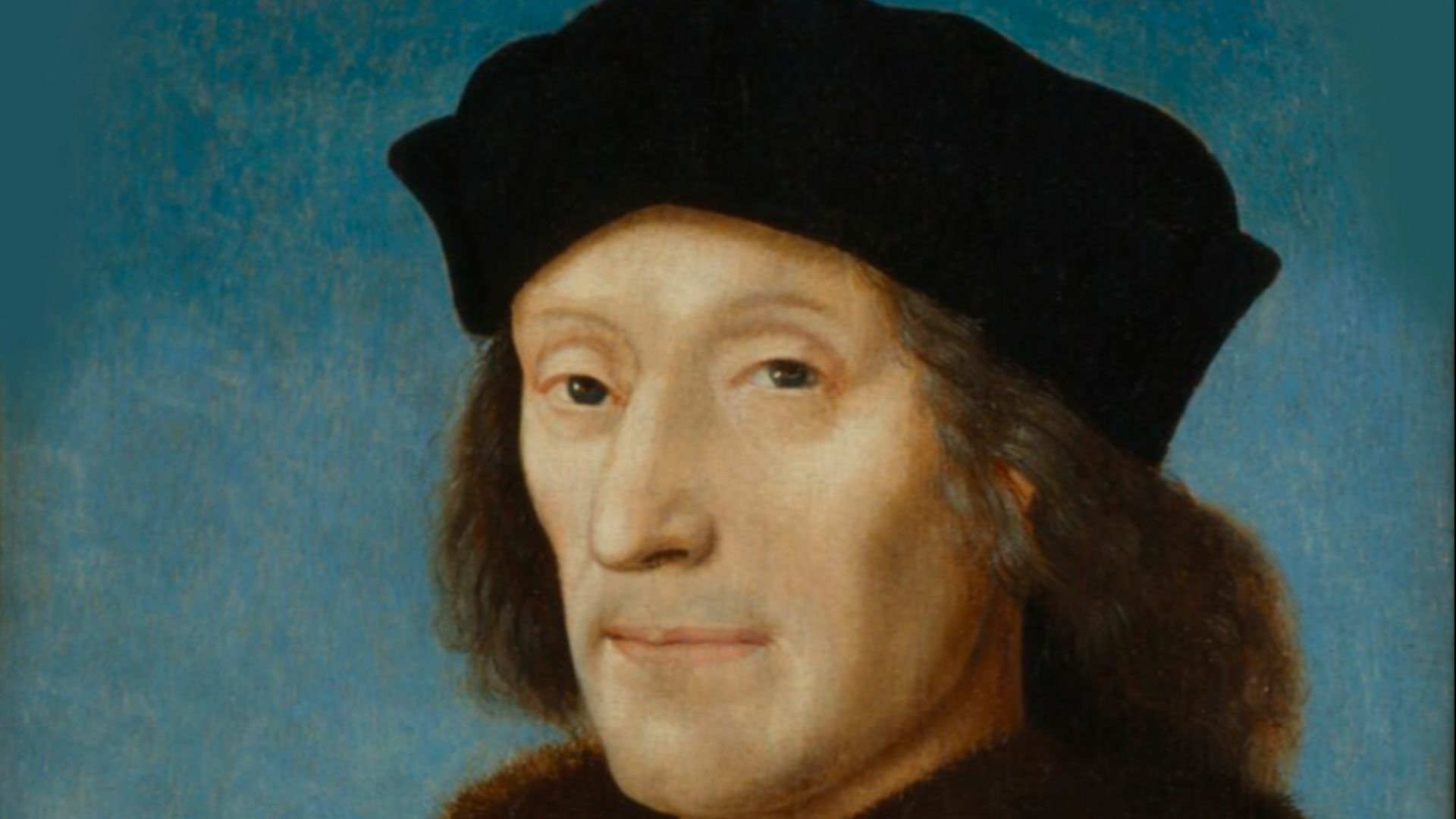
Perkin Warbeck didn't aim for free dinners or a wealthy marriage. He aimed for England. During the reign of Henry VII, Warbeck claimed to be Richard, Duke of York, one of the famous Princes in the Tower and therefore a legitimate heir to the English throne. His claim was enormously dangerous because Henry VII's Tudor dynasty was still relatively new.
 Jacques Le Boucq, Wikimedia Commons
Perkin Warbeck
Even more impressively, Warbeck gained support from powerful European figures and was treated as royalty in several courts. His campaign lasted for years before he was finally captured. Warbeck eventually confessed that he wasn't a missing prince at all. Henry initially spared him, but after further trouble and an attempted escape, Warbeck was executed in 1499.
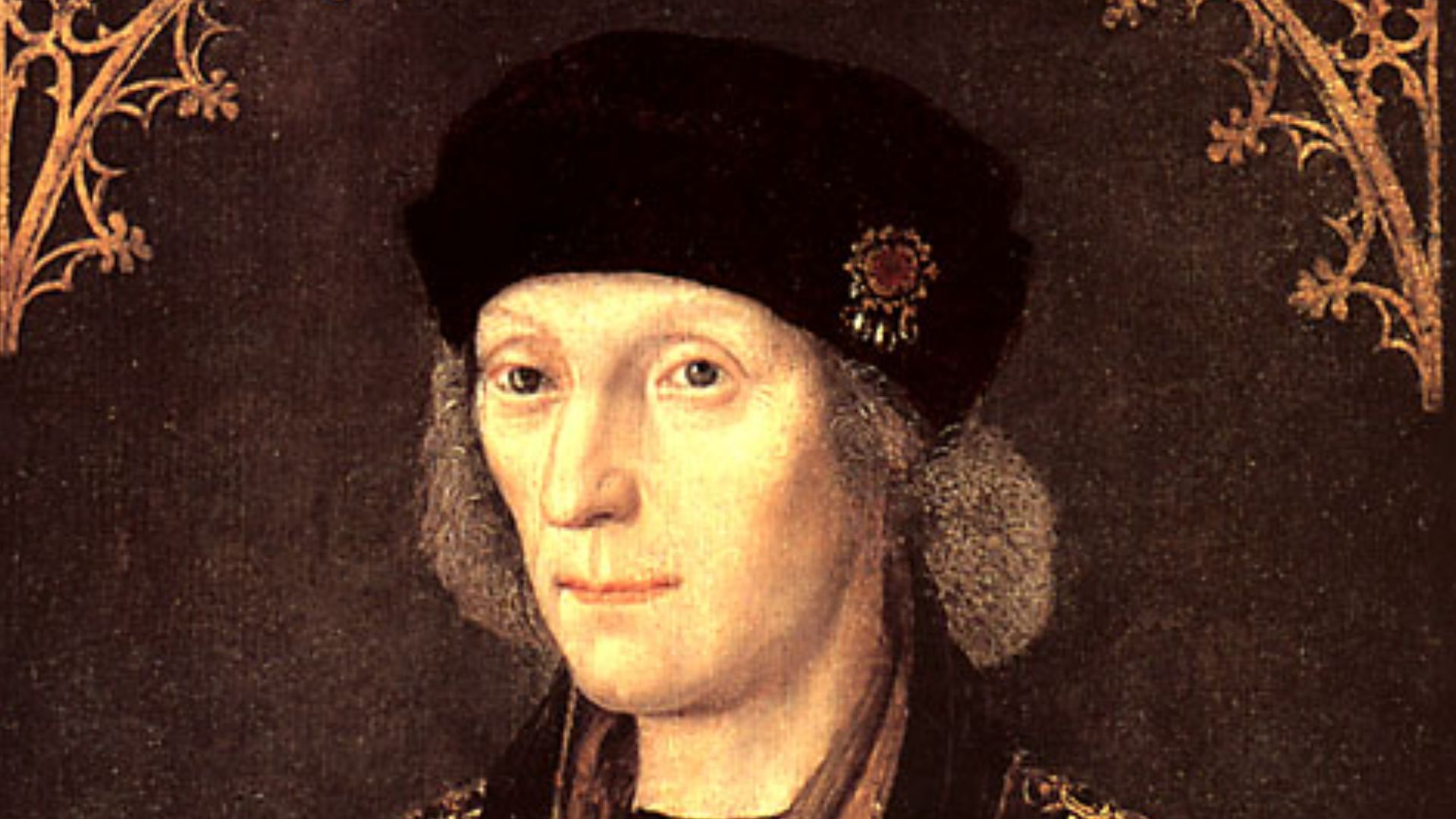
Lambert Simnel
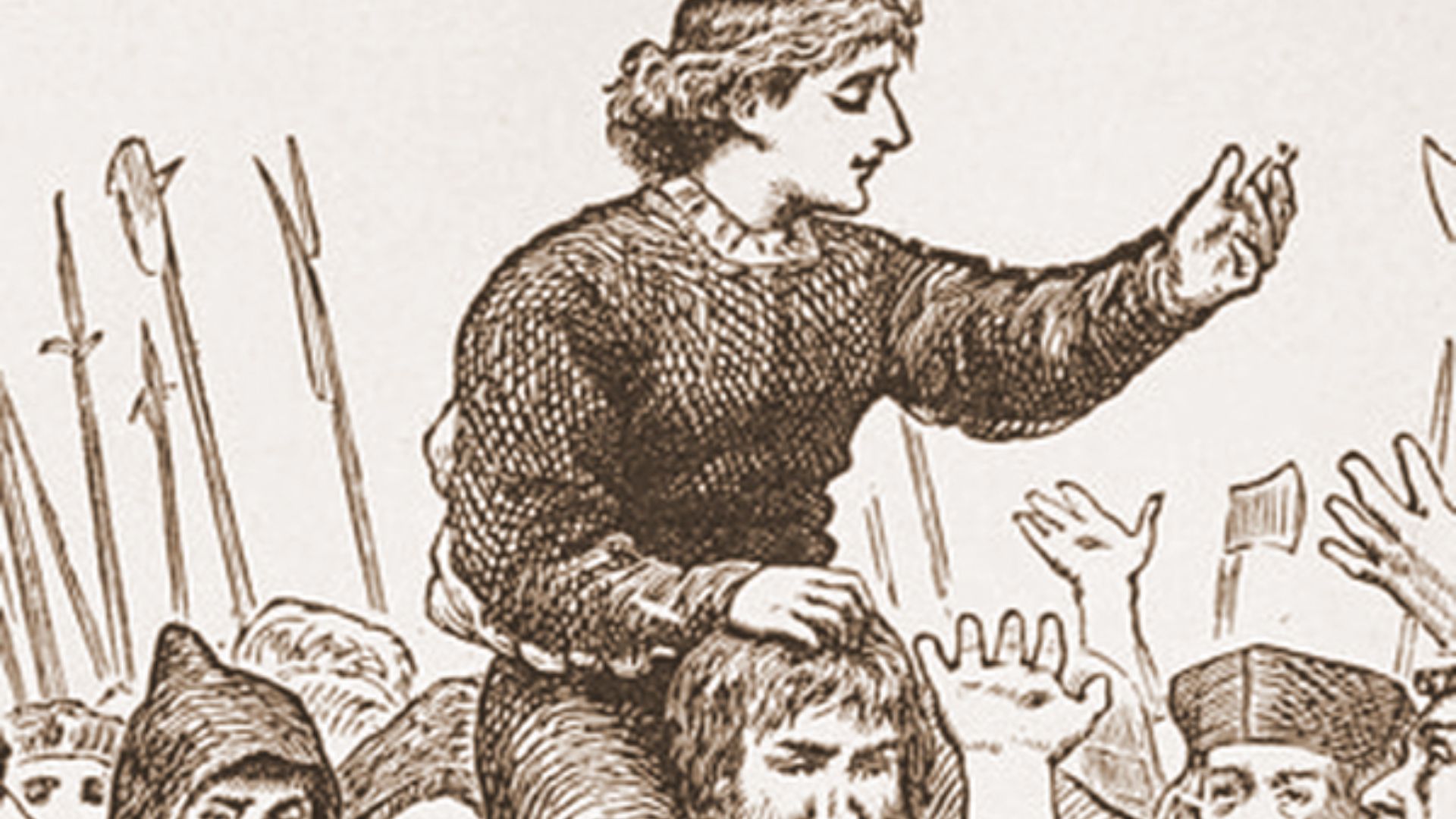
A few years before Warbeck came along, Henry VII had already dealt with another boy claiming royal blood. Lambert Simnel was probably the son of an ordinary tradesman, but Simnel eventually posed as Edward, Earl of Warwick, and his supporters took the whole thing remarkably far. He was proclaimed king in Dublin in 1487, and an army invaded England on his behalf.
 Wikimedia Commons, Wikimedia Commons
Lambert Simnel
After the rebels were defeated at the Battle of Stoke Field, Henry VII did something surprisingly merciful. Recognizing that the boy had largely been a pawn, he spared Simnel and gave him work in the royal household. Imagine pretending to be king and ending up working for the actual one.
 unbekannter zeitgenössischer Maler / unknown contemporary painter, Wikimedia Commons
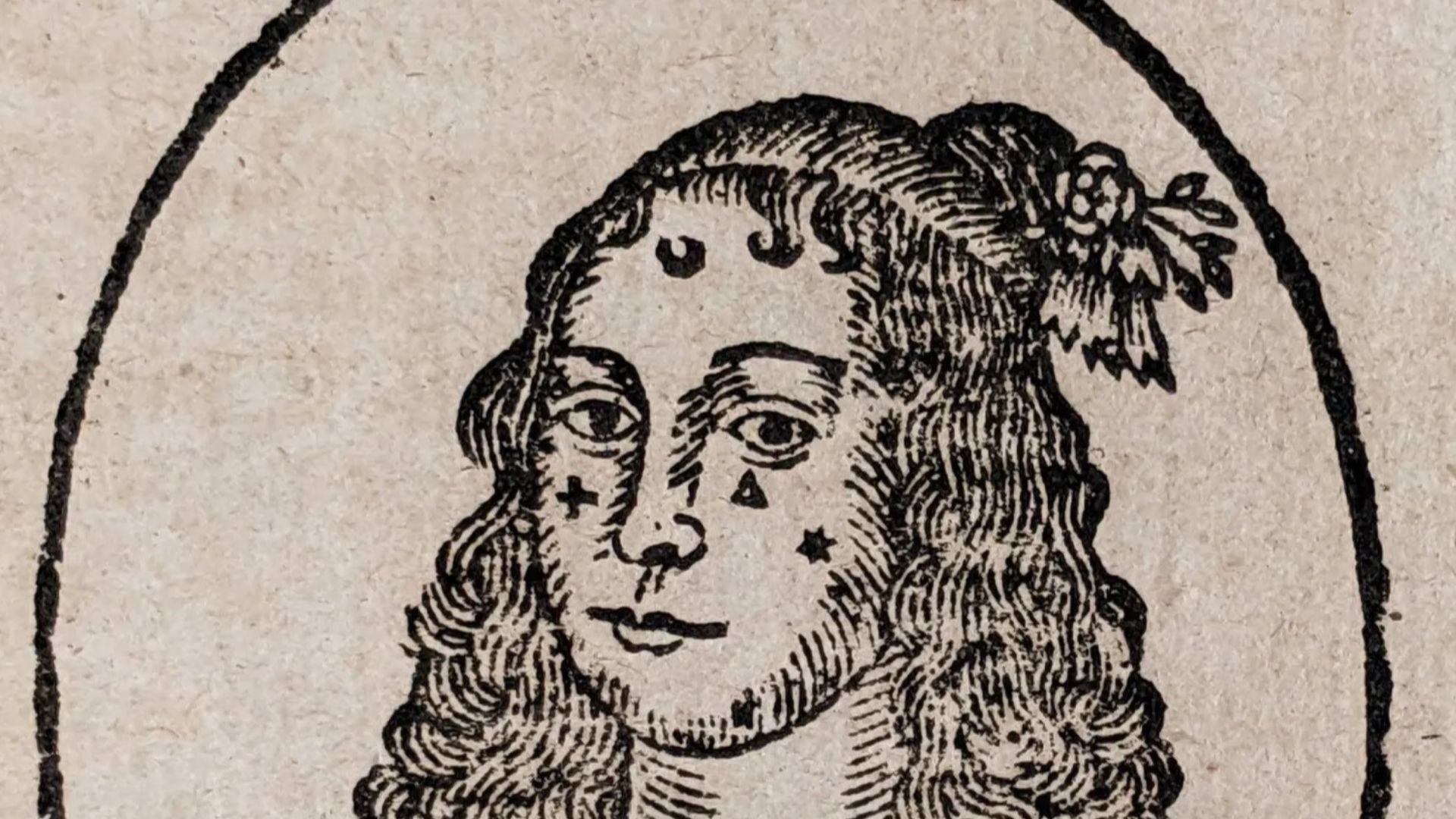
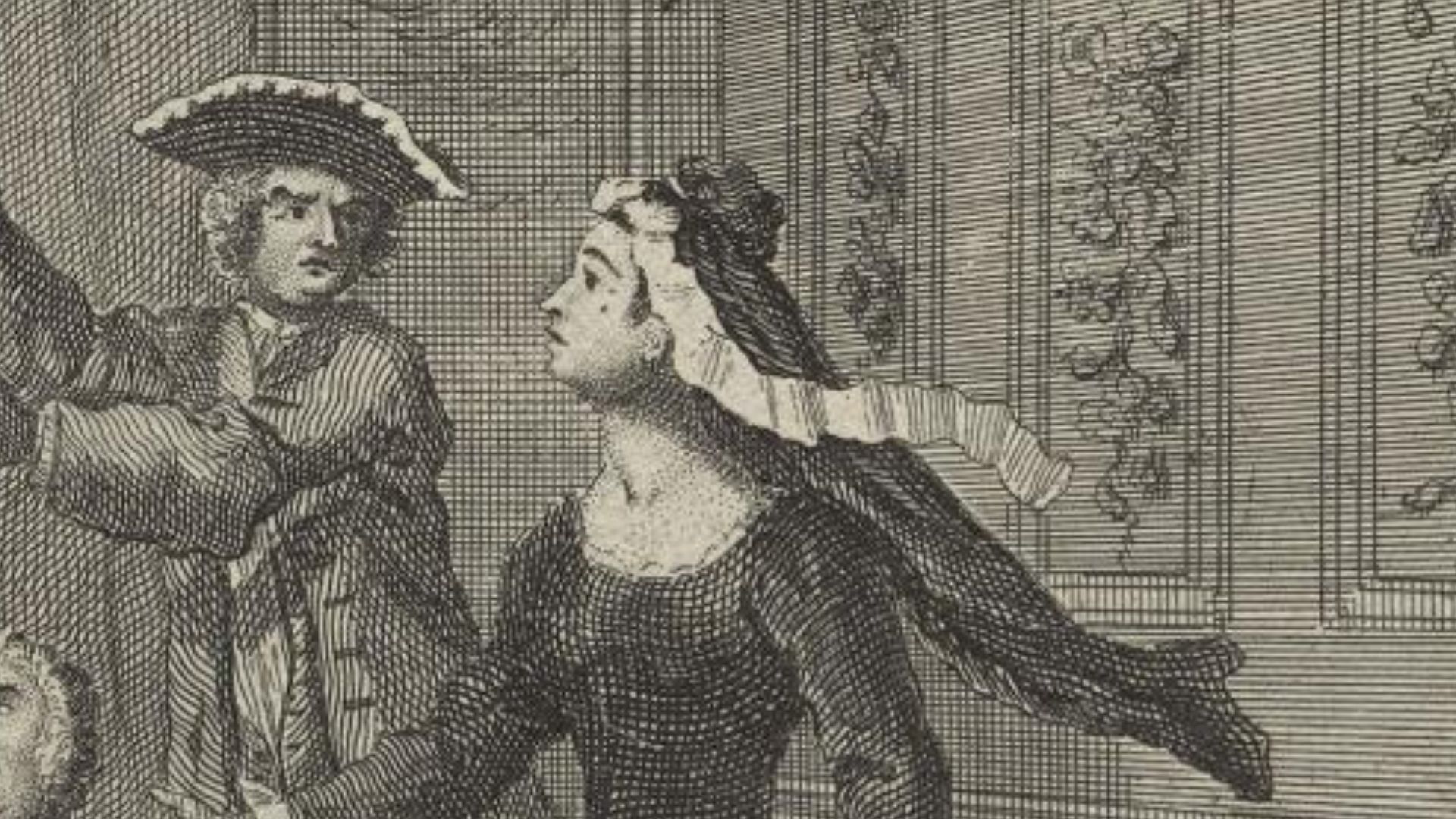
Mary Carleton
Restoration England loved scandal, and Mary Carleton gave it plenty. Born Mary Moders in relatively modest circumstances, she became famous after presenting herself as an aristocratic German woman. Her invented background helped her enter respectable society and marry men who believed they were getting a wealthy, well-connected bride.
 Unknown authorUnknown author, Wikimedia Commons
Mary Carleton
When doubts emerged, Carleton's case became a public sensation. Pamphlets were written about the so-called "German Princess," and she became one of the most notorious personalities in 17th-century London. Her frauds didn't stop there. Carleton continued using aliases and marriage schemes before eventually being transported to Jamaica. After returning to England illegally and resuming illicit activity, she was executed in 1673.
 James Basire, Wikimedia Commons
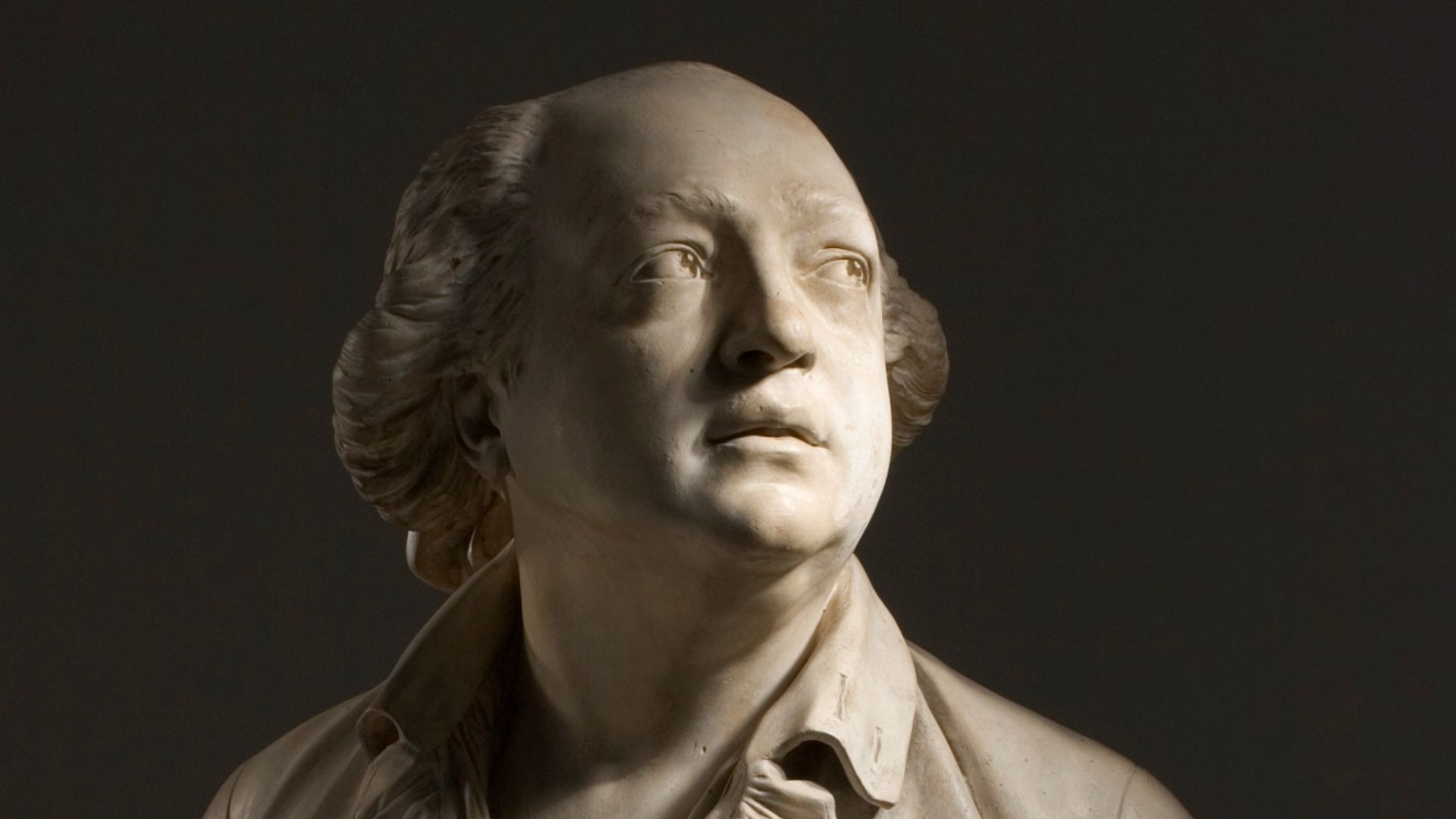
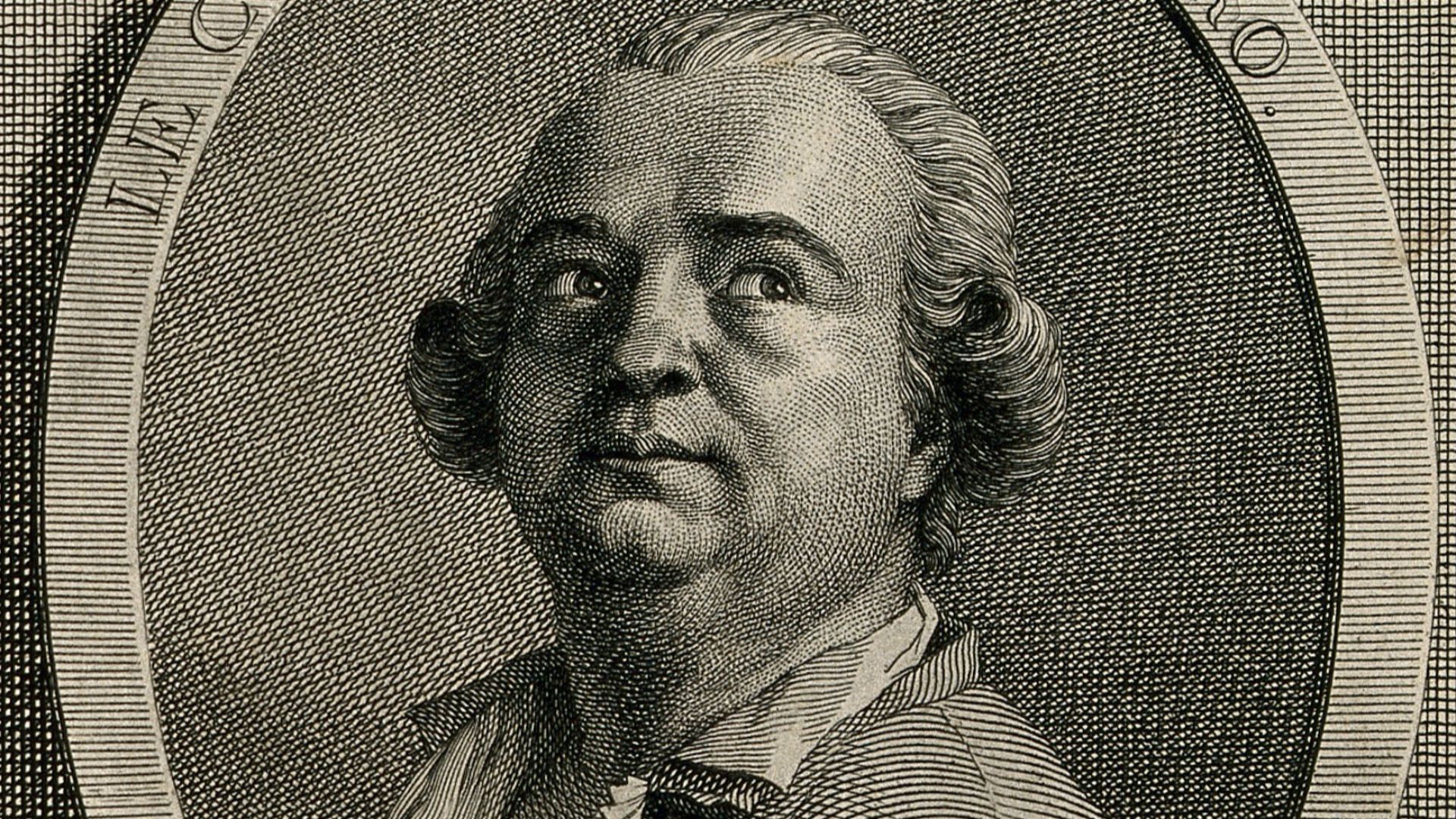
Count Alessandro Di Cagliostro
Giuseppe Balsamo discovered something useful about 18th-century Europe: apparently, calling yourself a count made almost everything sound more convincing. Under the name Count Alessandro di Cagliostro, he traveled through European high society presenting himself as an exotic aristocrat, occultist, healer, alchemist, and mystic.
 Jean-Antoine Houdon (France, Paris, 1741-1828), Wikimedia Commons
Count Alessandro Di Cagliostro
Cagliostro mixed with members of Europe's elite and became associated with royal courts while promoting supposed supernatural abilities. He was eventually dragged into the infamous Affair of the Diamond Necklace in France. Although acquitted of involvement, the scandal damaged his reputation. Later apprehended by the Roman Inquisition, Cagliostro spent his final years imprisoned.
 Christophe Guérin, Wikimedia Commons
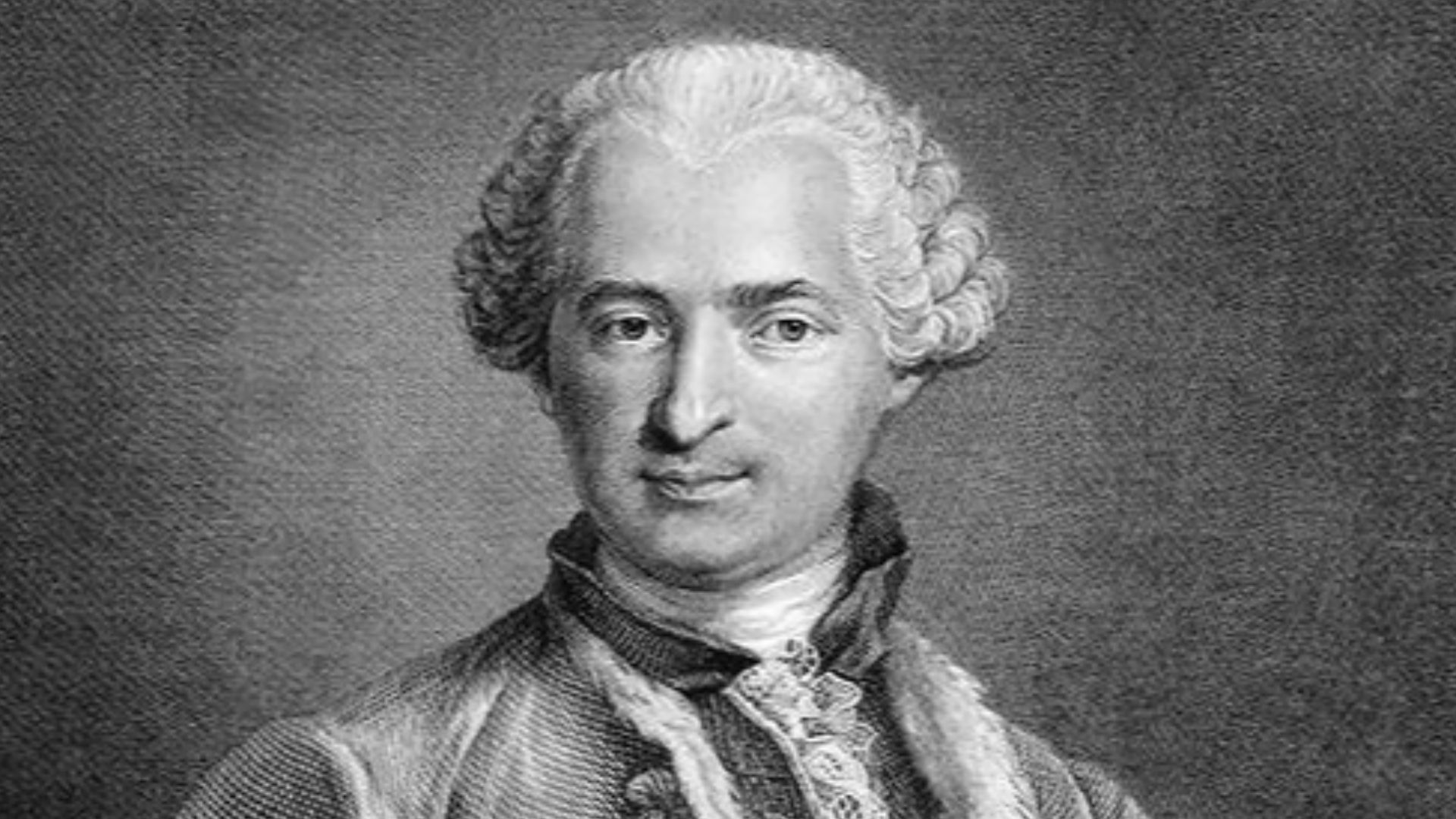
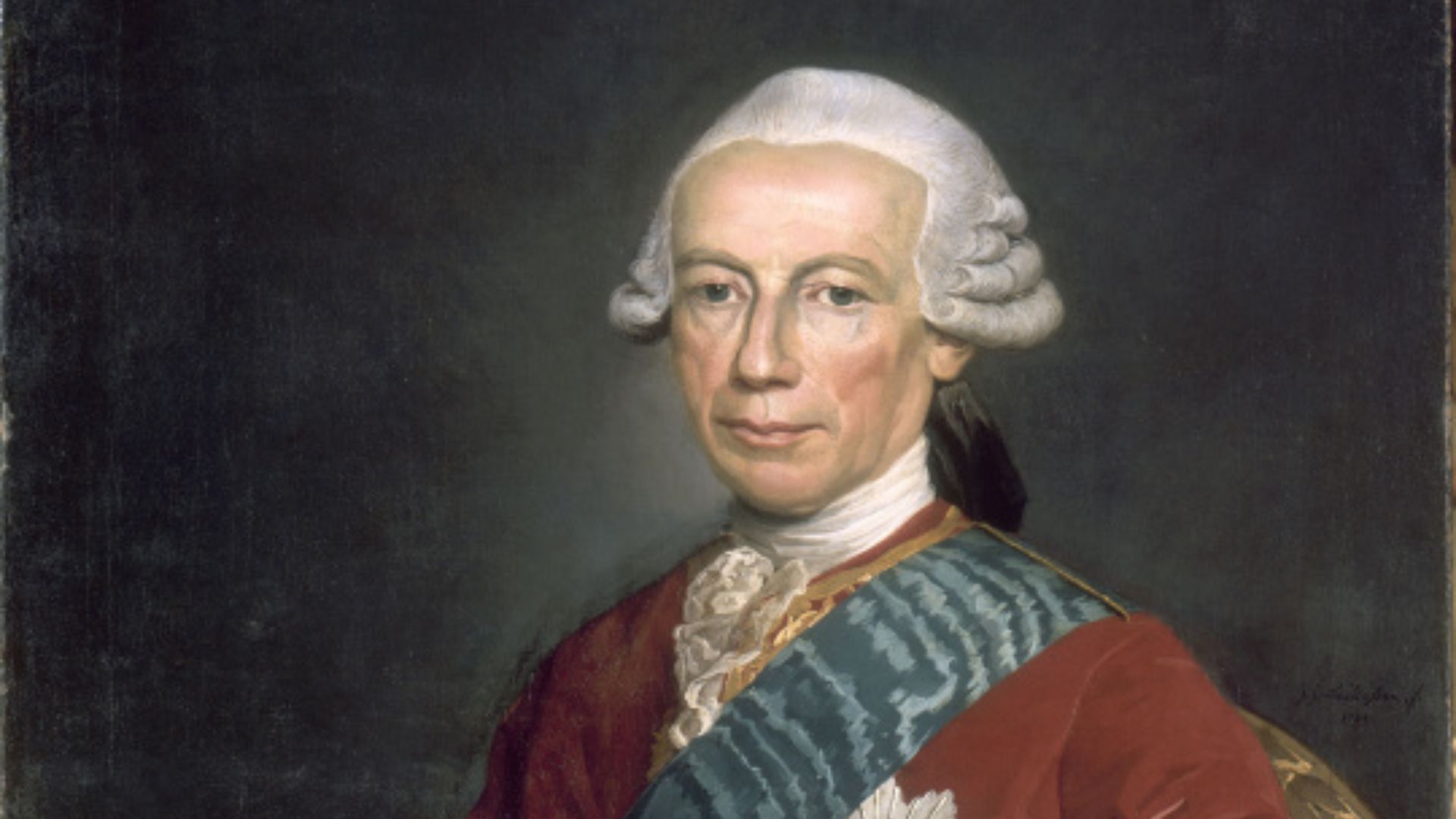
Count Of St Germain
The Count of St Germain may be the ultimate example of what happens when a mysterious man refuses to explain himself and everyone else fills in the blanks. He appeared in 18th-century European high society as a wealthy, sophisticated adventurer with an uncertain past. He was accomplished in music, languages, chemistry, and other subjects, and his origins remained stubbornly unclear.
 Nicolas Thomas, Wikimedia Commons
Count Of St Germain
Then the stories became increasingly strange. Rumors credited him with enormous wealth, secret knowledge, alchemical powers, and even extraordinary longevity. Unlike straightforward fraudsters, St Germain remains difficult to categorize. His real name and origins are still uncertain, and many supernatural claims about him were probably inventions made by others. Still, his carefully cultivated mystery helped turn an obscure adventurer into one of Europe's most legendary supposed noblemen.
 Jean-Joseph Taillasson, Wikimedia Commons
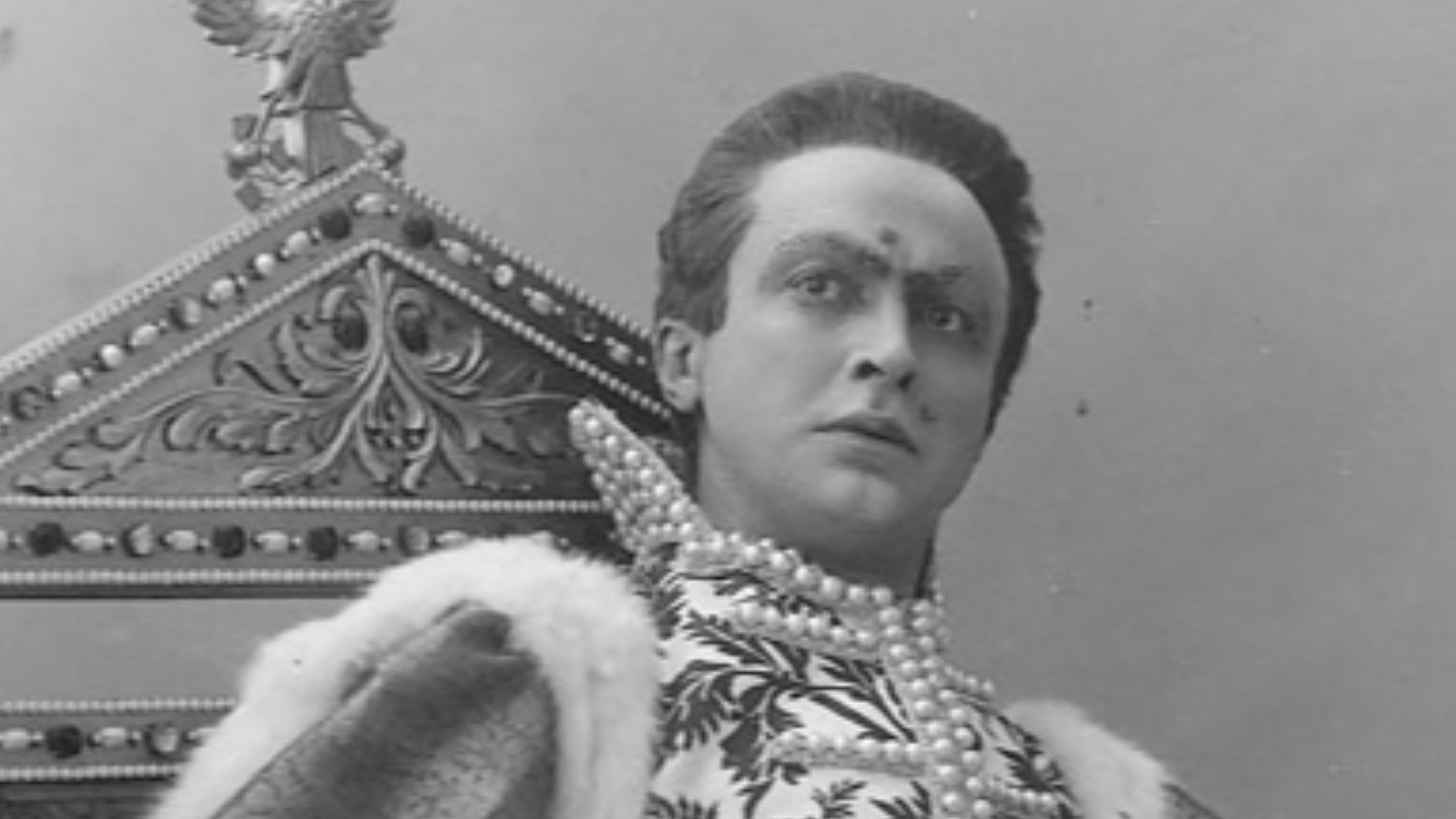
False Dmitry I
In the early 17th century, Russia was experiencing the chaotic period known as the Time of Troubles. Into that instability walked a man claiming to be Dmitry Ivanovich, the supposedly deceased son of Ivan the Terrible. The real Dmitry had perished as a child in 1591, but rumors that he'd survived created the perfect opportunity for an ambitious pretender.
 Lev Leonidov, Wikimedia Commons
False Dmitry I
False Dmitry I gained powerful supporters, marched into Russia, and somehow pulled off the ultimate impostor fantasy: he became tsar. He was crowned in 1605 and ruled for nearly a year. Opposition eventually exploded into revolt, and False Dmitry met his end in 1606. Most impostors are happy to get invited to dinner. This one actually got the crown.
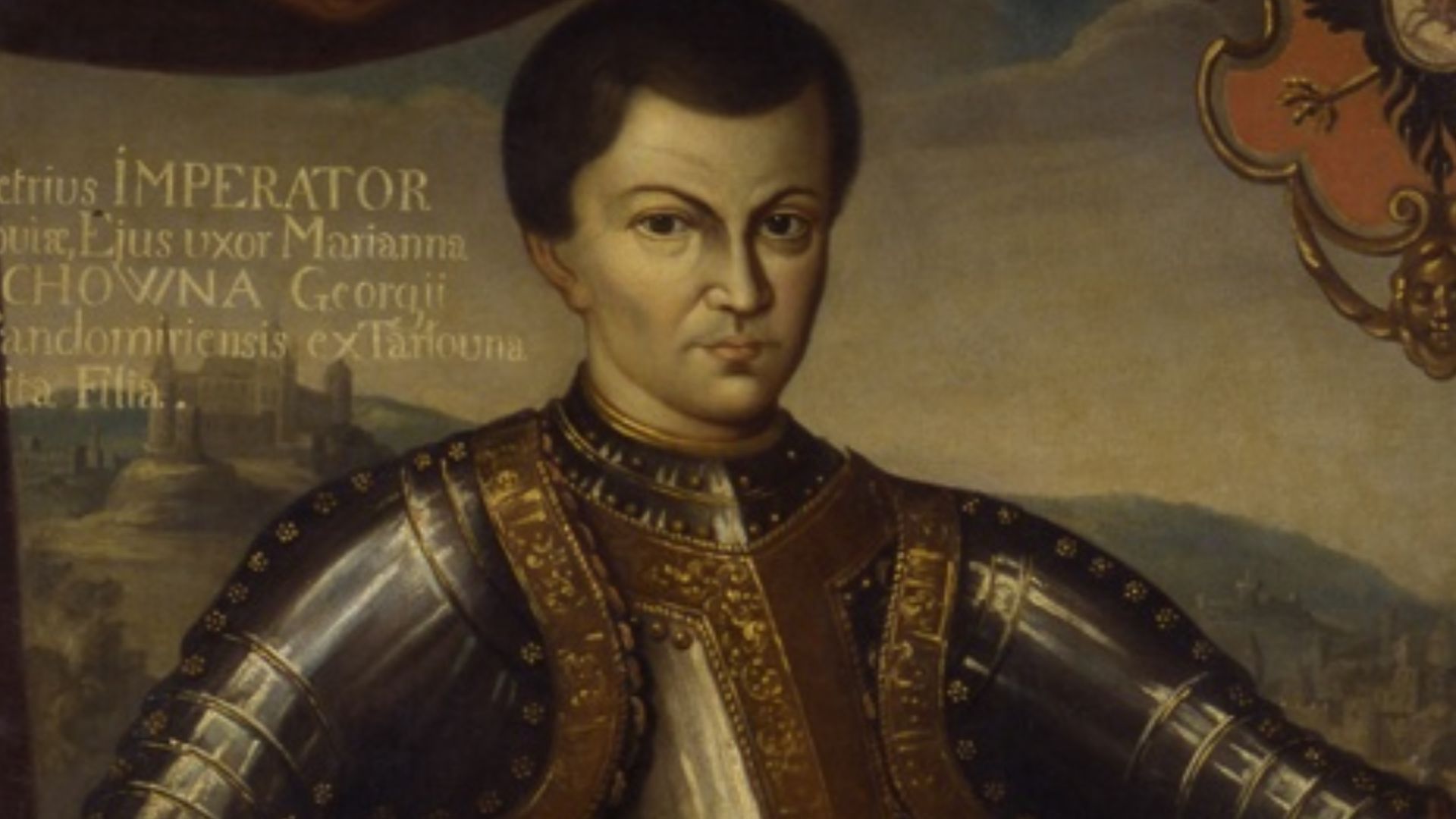 Unknown authorUnknown author, Wikimedia Commons
False Dmitry II
You might assume that watching one False Dmitry get violently slain would discourage anyone from trying the same trick. Apparently not. Soon after False Dmitry I's demise, another man appeared claiming to be the exact same supposedly miraculous survivor. False Dmitry II insisted that he'd escaped the uprising that took out his predecessor.
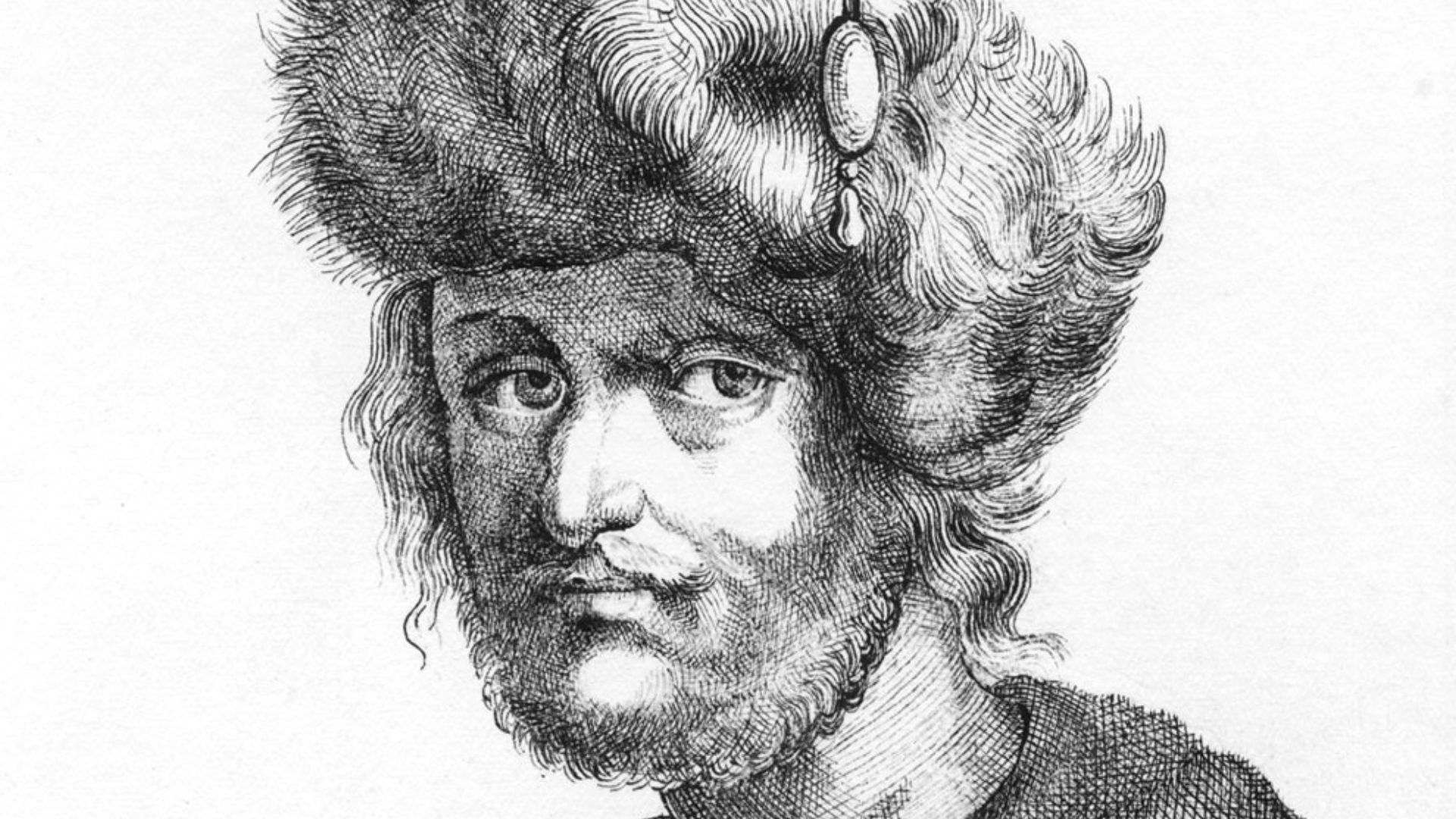 Attributed to Jérôme David / Alessandro Varotari, Wikimedia Commons
False Dmitry II
The claim was astonishing, but Russia's political chaos gave him room to build a substantial following. He established a rival court at Tushino near Moscow and gained enough military and political support to become a serious threat. Even Marina Mniszech, the widow of False Dmitry I, reportedly recognized the second pretender as her supposedly surviving husband. Whether anyone genuinely believed this is another question entirely. False Dmitry II was eventually slain in 1610.
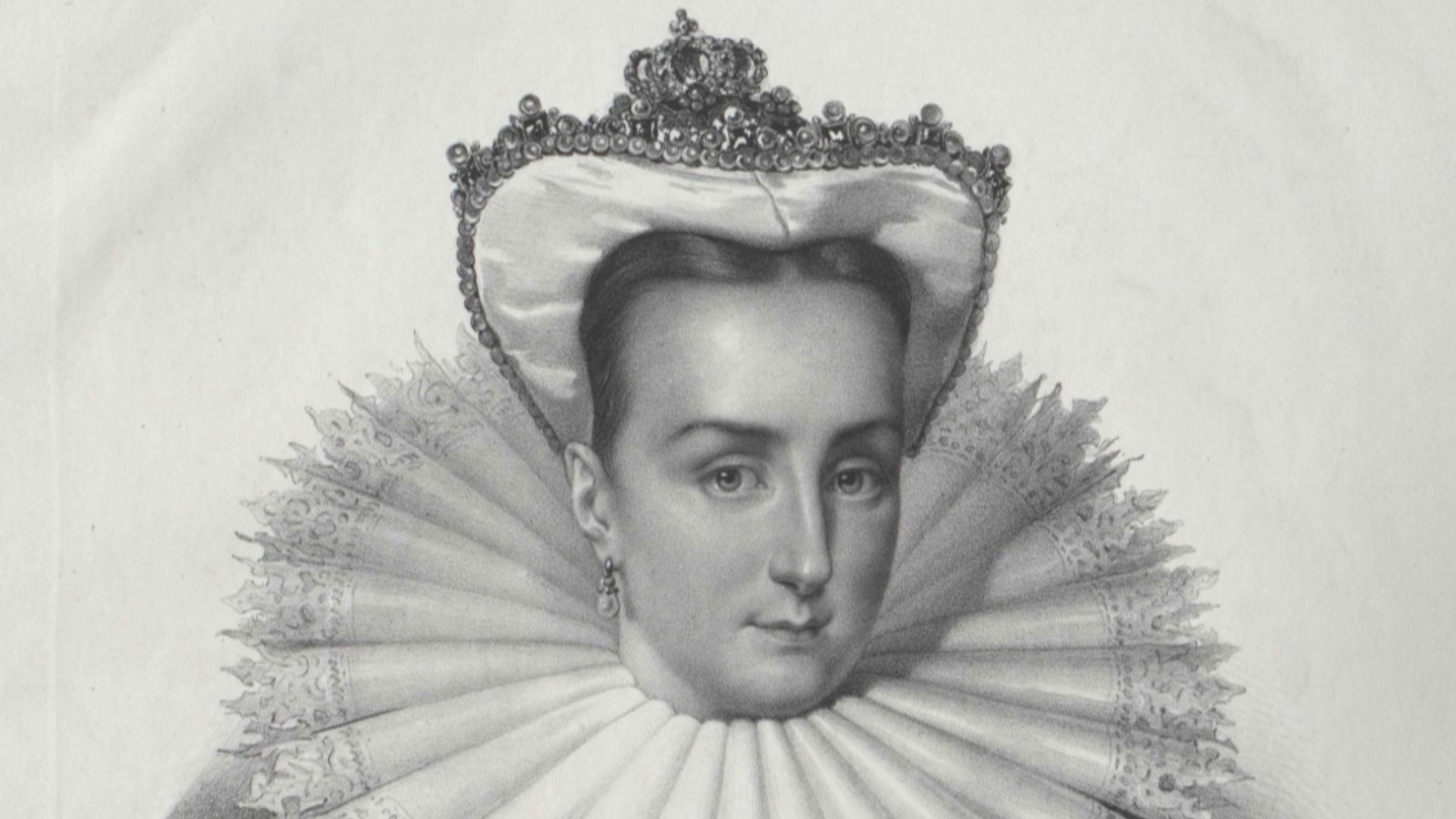 Jean-François Villain / Antoine Maurin / Antoni Oleszczyński, Wikimedia Commons
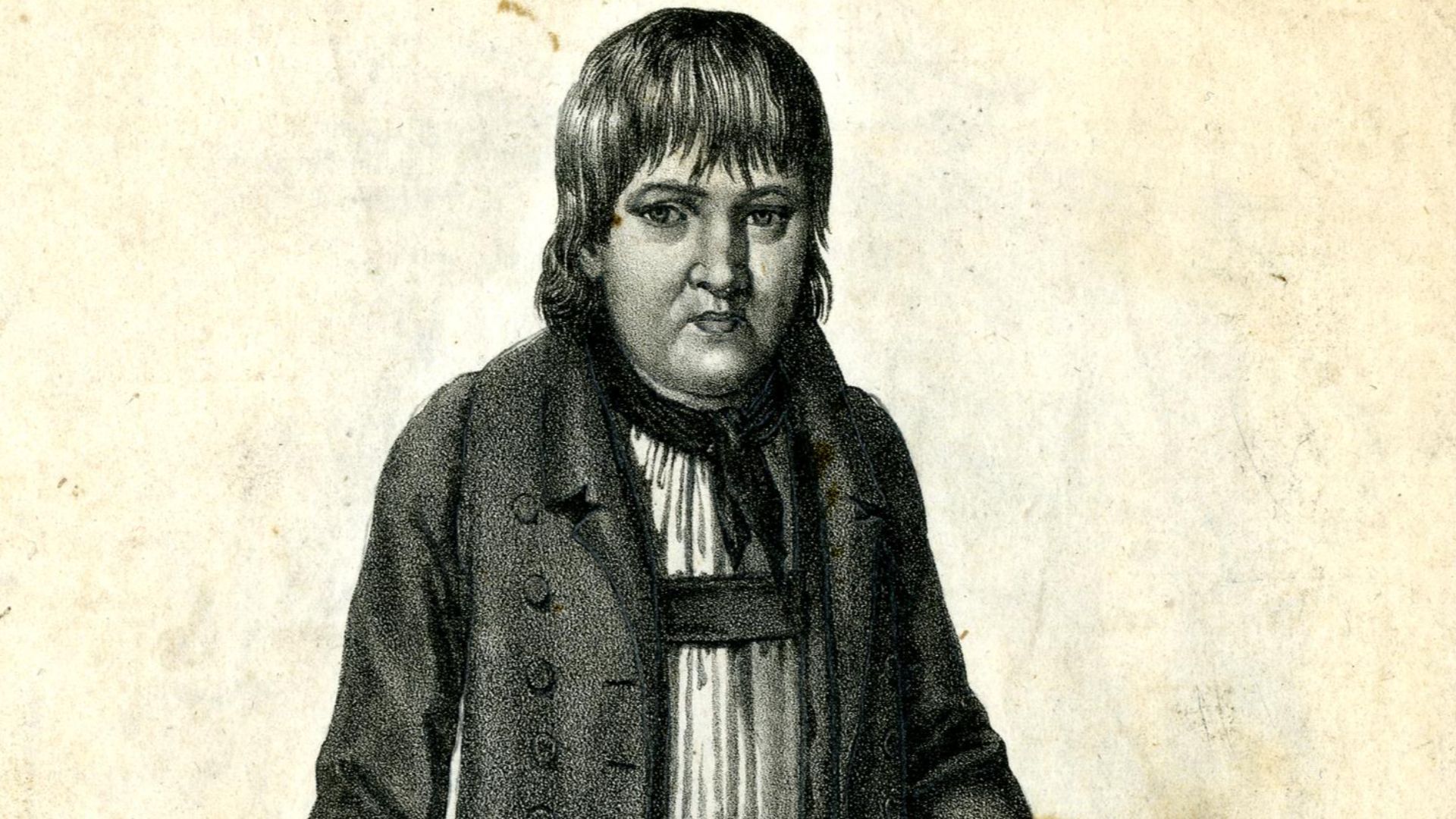
Kaspar Hauser
When Kaspar Hauser appeared in Nuremberg in 1828, he seemed to have dropped into society from nowhere. The teenage boy claimed he'd spent most of his life confined in a tiny dark space with almost no human interaction. His strange behavior and mysterious background fascinated Europe, and theories soon developed that he might secretly be a kidnapped prince.
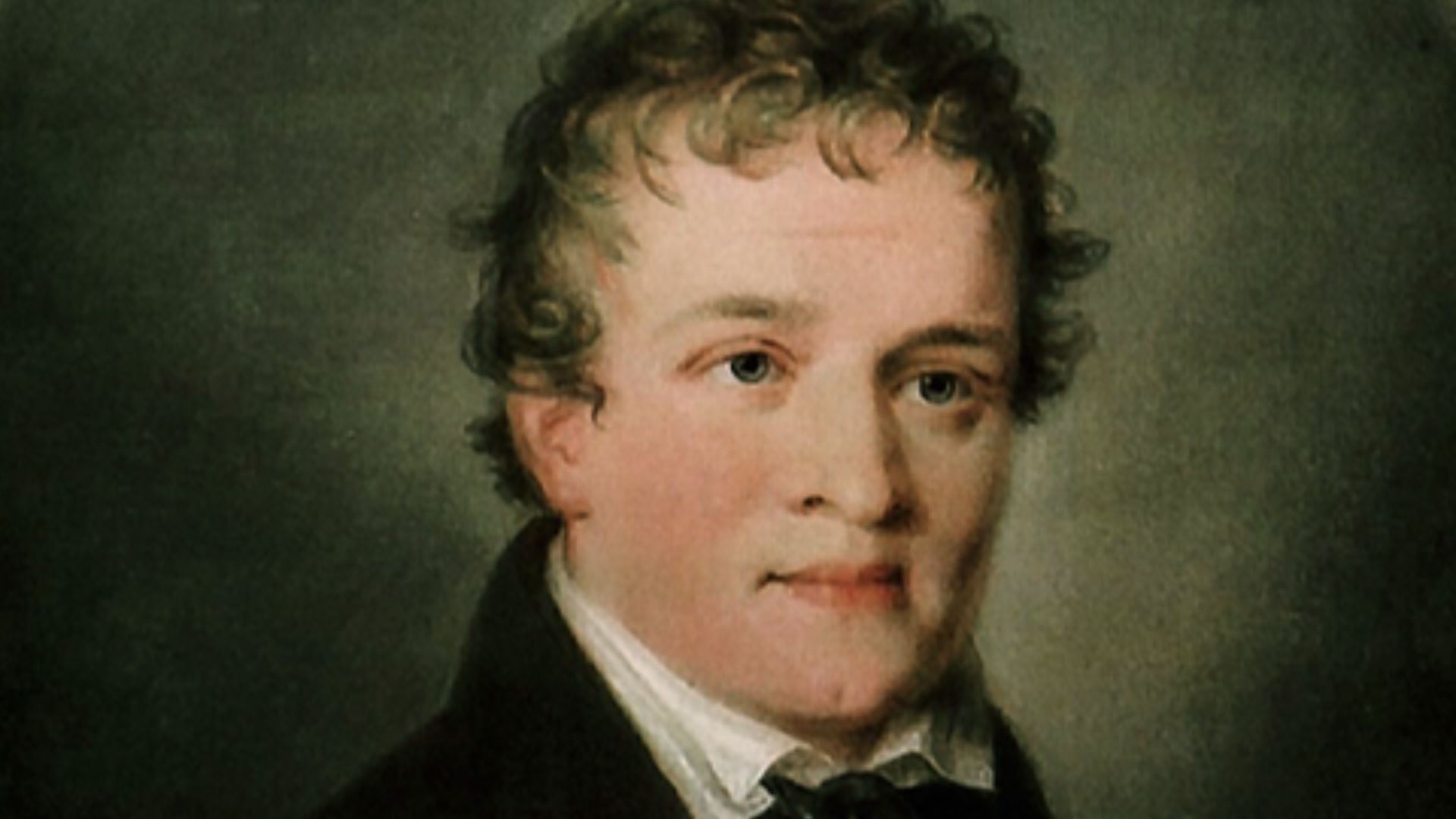 Johann Friedrich Carl Kreul, Wikimedia Commons
Kaspar Hauser
Hauser attracted aristocratic patrons and became an international curiosity. But inconsistencies fueled suspicions that he was fabricating at least part of his story. Then things became even stranger. Hauser suffered mysterious injuries and ultimately succumbed to a stab wound in 1833 that he claimed had been inflicted by an attacker. Some contemporaries suspected he'd wounded himself. The royal theory survived for generations, but a 2024 genetic study ruled out the idea that Hauser belonged to the House of Baden.
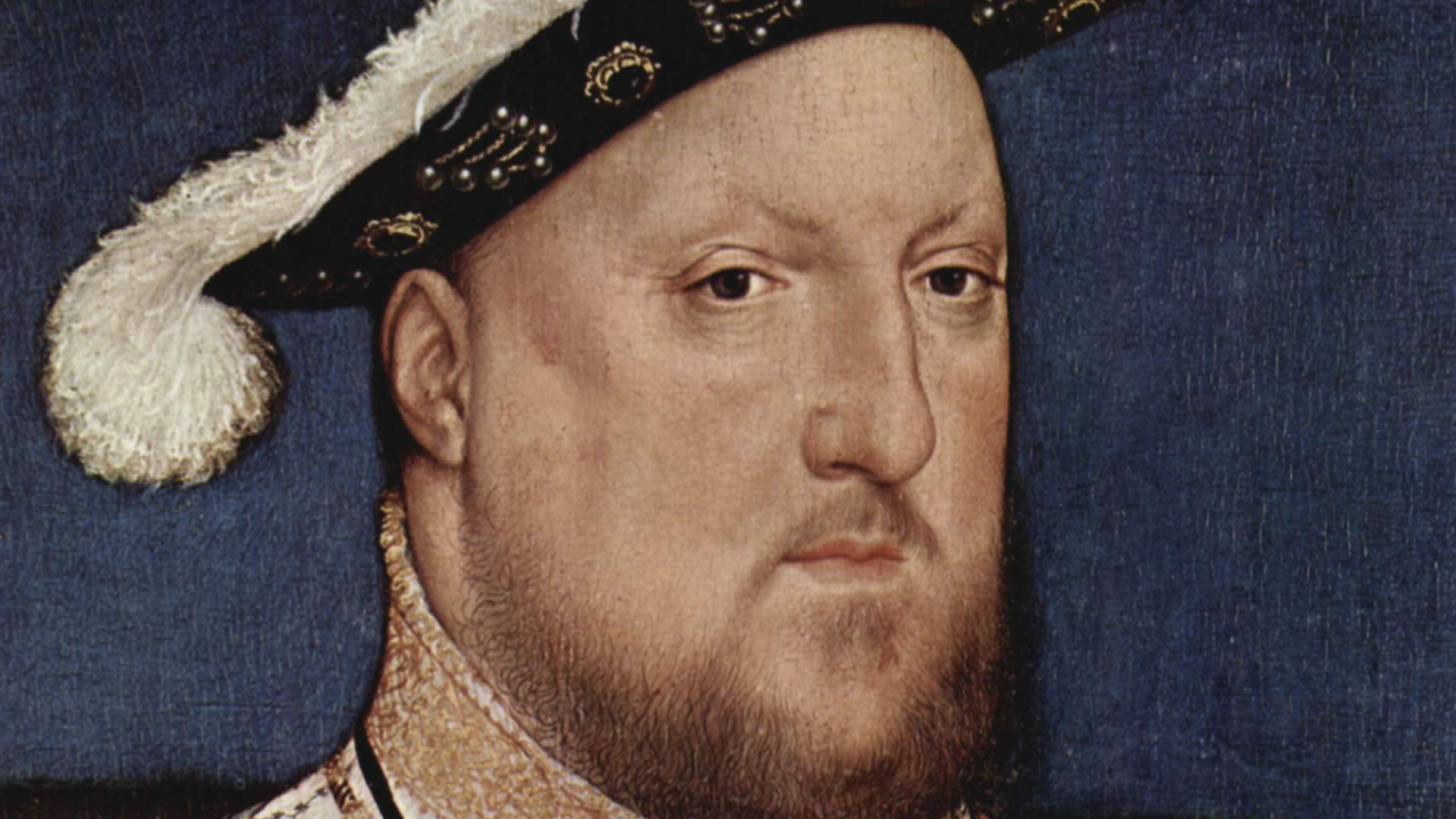
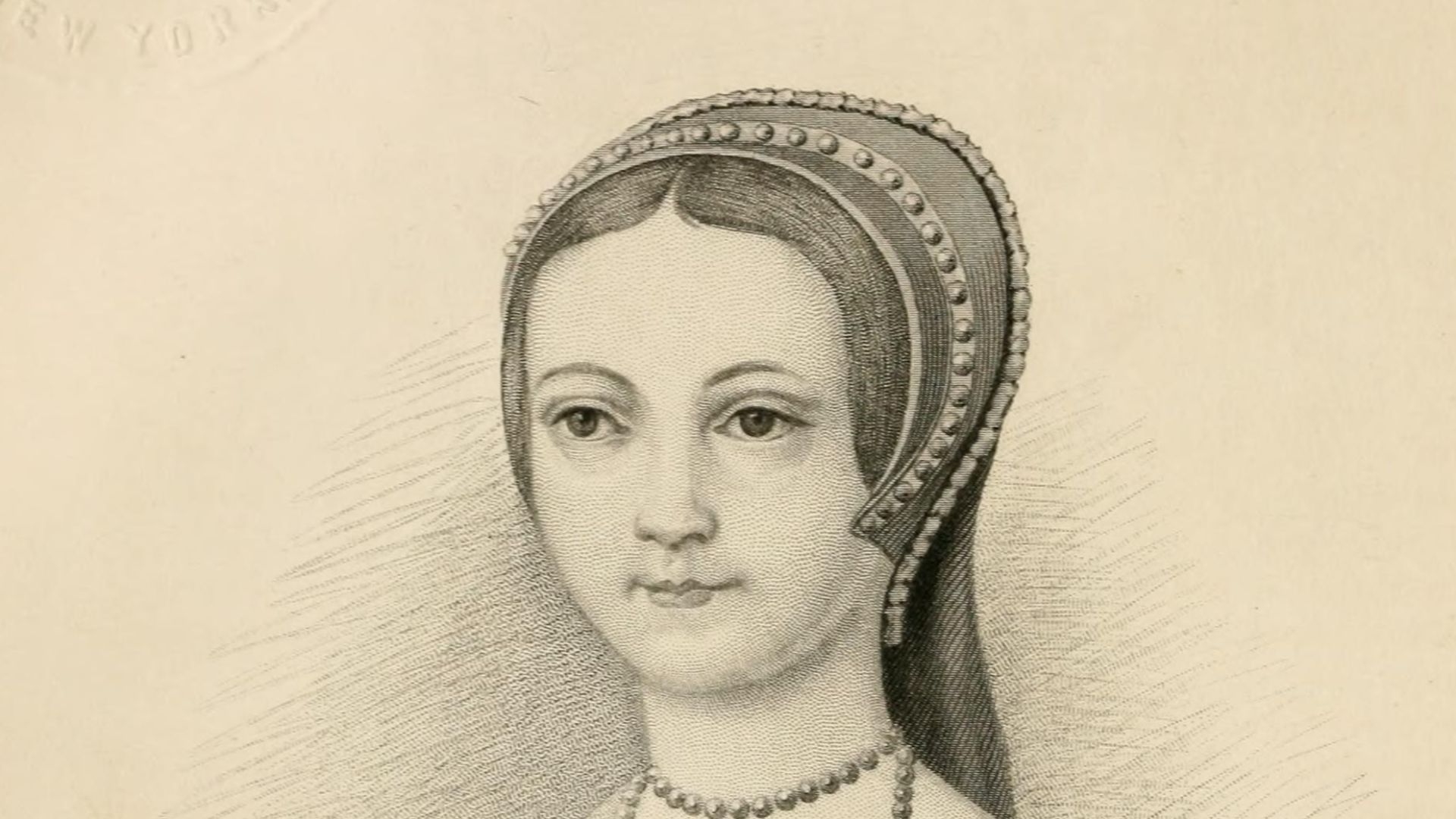
Mary Baynton
Mary Baynton chose a particularly risky person to impersonate: the daughter of Henry VIII. Around the 1530s, Baynton appeared in Boston, Lincolnshire, and claimed that she was Princess Mary, the daughter of Henry VIII and Catherine of Aragon. The timing made the claim particularly sensitive. The real Mary had fallen dramatically out of favor after Henry's break with Rome and his marriage to Anne Boleyn, and England was experiencing enormous religious and political tension.
 Hans Holbein the Younger, Wikimedia Commons
Mary Baynton
Authorities investigated Baynton, but rather than discovering some elaborate conspiracy, they apparently concluded that she was mentally unstable. Remarkably, she seems to have escaped the gruesome punishment that Tudor England could hand out to people who challenged royal authority.
 Internet Archive Book Images, Wikimedia Commons
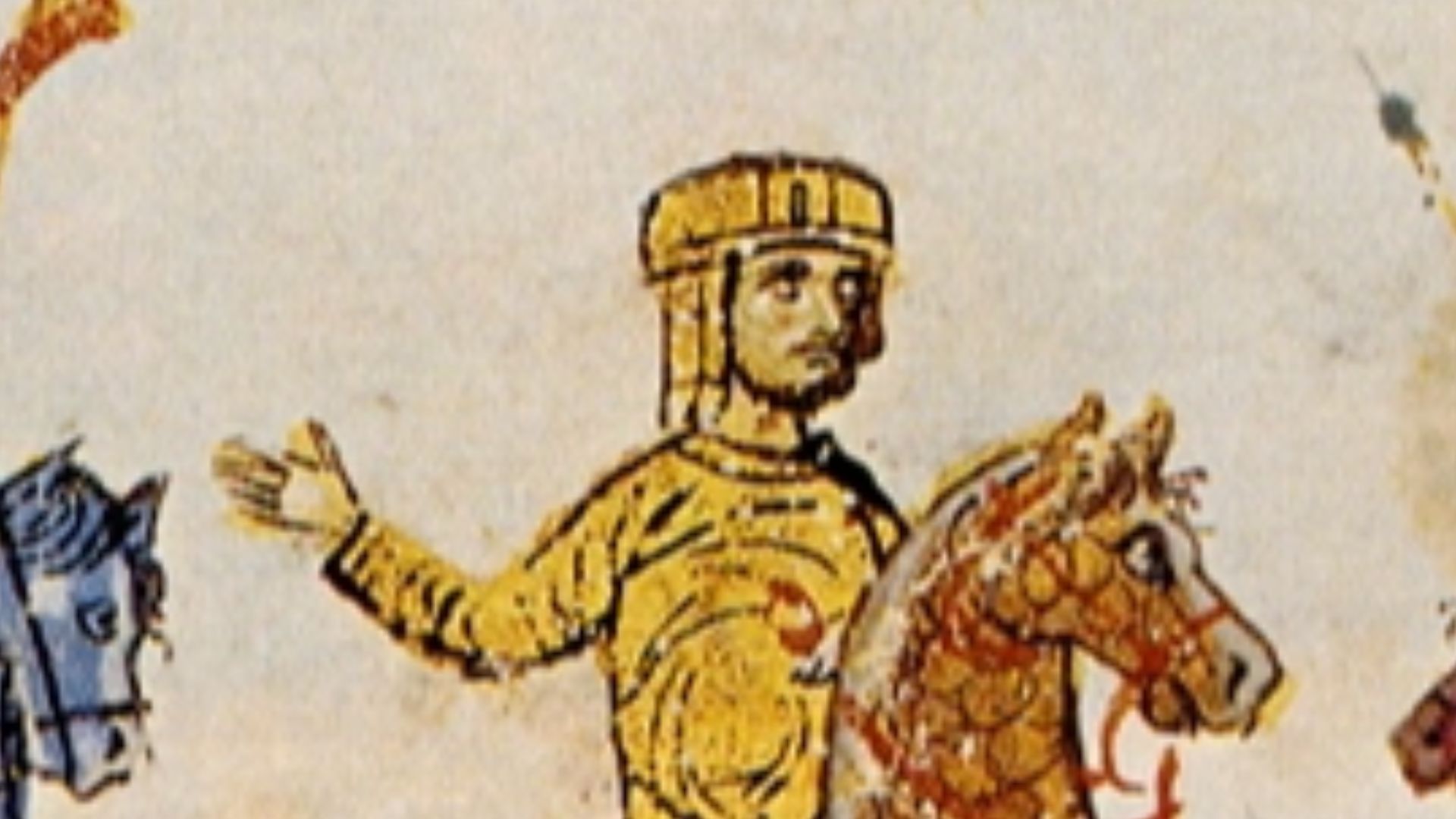
Thomas The Slav
Thomas the Slav belongs on this list with an important historical asterisk. In the early ninth century, Thomas led an enormous rebellion against Byzantine Emperor Michael II. Later Byzantine accounts claimed that Thomas pretended to be Constantine VI, an emperor who had been deposed and blinded years earlier. It's a wonderfully dramatic impostor story, but modern historians aren't convinced it actually happened.
 from the Middle Ages, unknown, Wikimedia Commons
Thomas The Slav
The surviving sources are complicated, politically charged, and sometimes contradictory, and scholars have argued that the supposed impersonation may have been a later invention. What isn't disputed is that Thomas built a formidable rebellion, was crowned emperor by his followers, and laid siege to Constantinople before being defeated and executed in 823. So was he really an impostor? Possibly. But in this case, history itself may be the unreliable narrator.
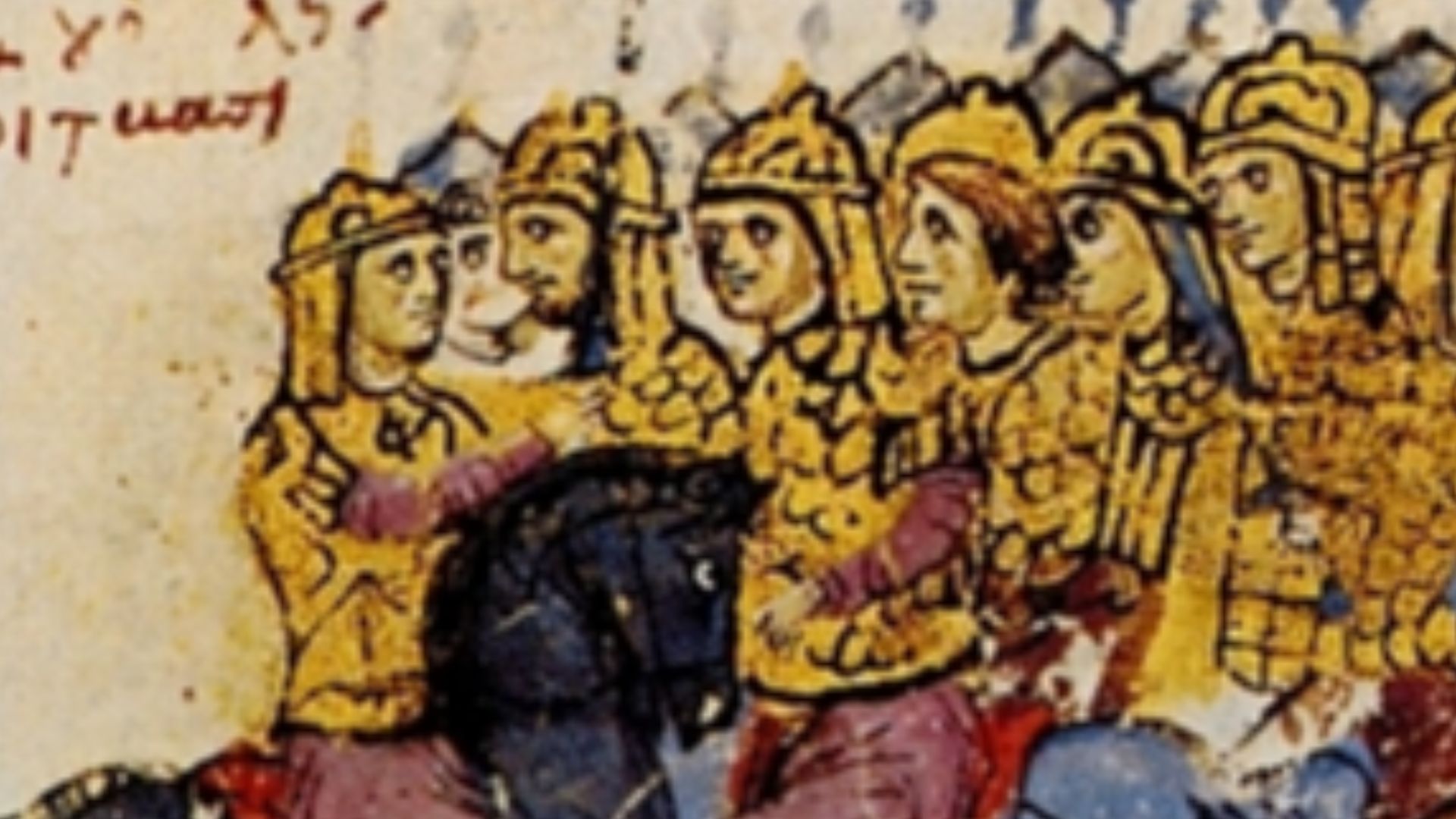 original uploader: User:Alexandar.R., extracted images: User:Cplakidas, Wikimedia Commons
Count Alexander Of Montenegro
Count Alexander of Montenegro, also known as Şehzade Yahya, spent decades promoting one extremely useful claim: that he was secretly an Ottoman prince. Alexander claimed to be a son of Sultan Murad III and said he'd escaped the deadly dynastic politics surrounding the Ottoman throne. He later traveled through Europe seeking support for campaigns against the empire he claimed should have been his.
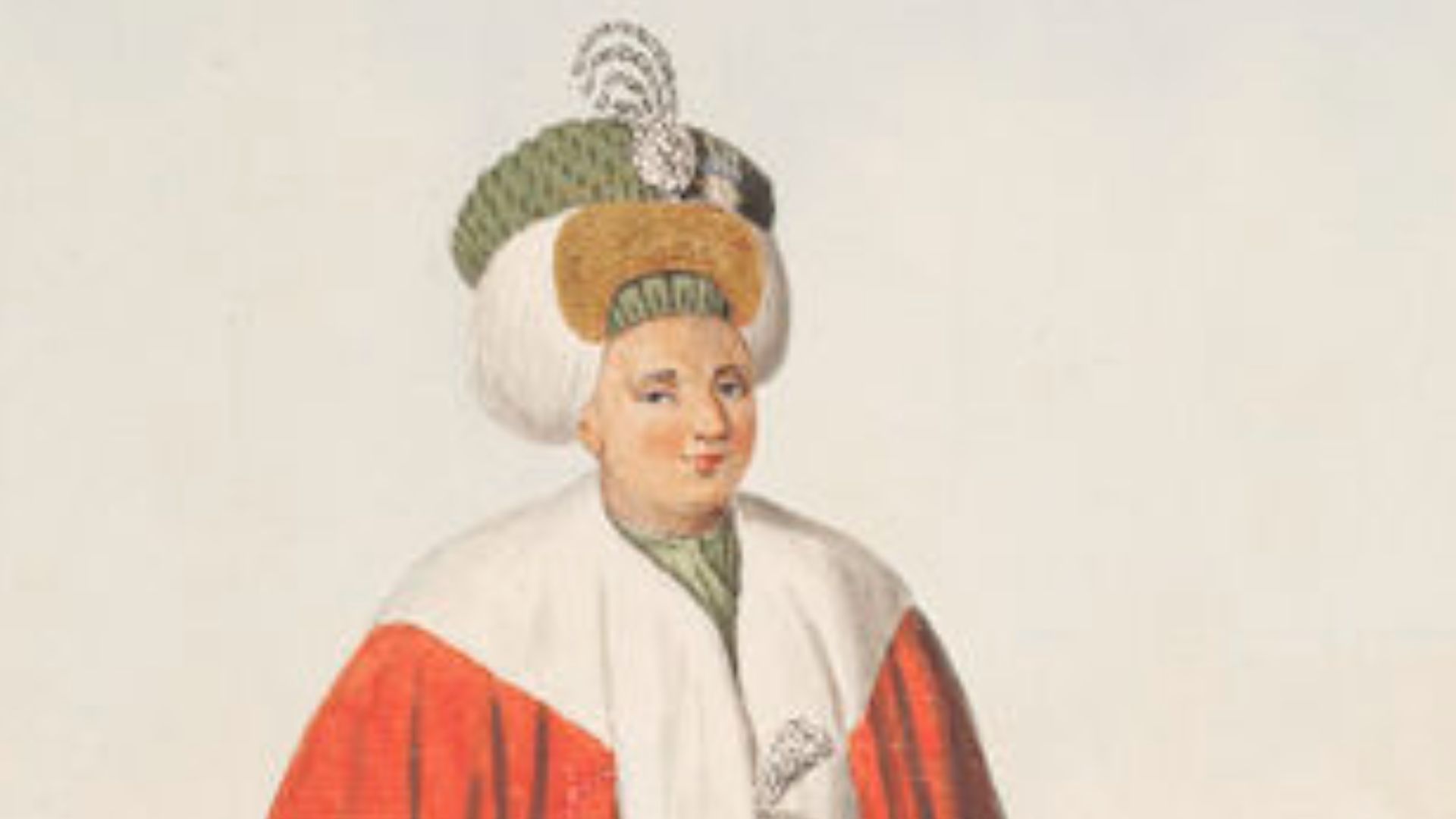 anonymous Greek artist, ca. 1809, Wikimedia Commons
Count Alexander Of Montenegro
The royal identity gave him access to European rulers, diplomats, and combat figures who saw obvious political value in a potential Ottoman pretender. His supposed ancestry has long been treated skeptically, and he is generally remembered as a self-proclaimed pretender rather than a forgotten Ottoman prince. Still, he managed to carry his claimed identity across European political circles for decades.
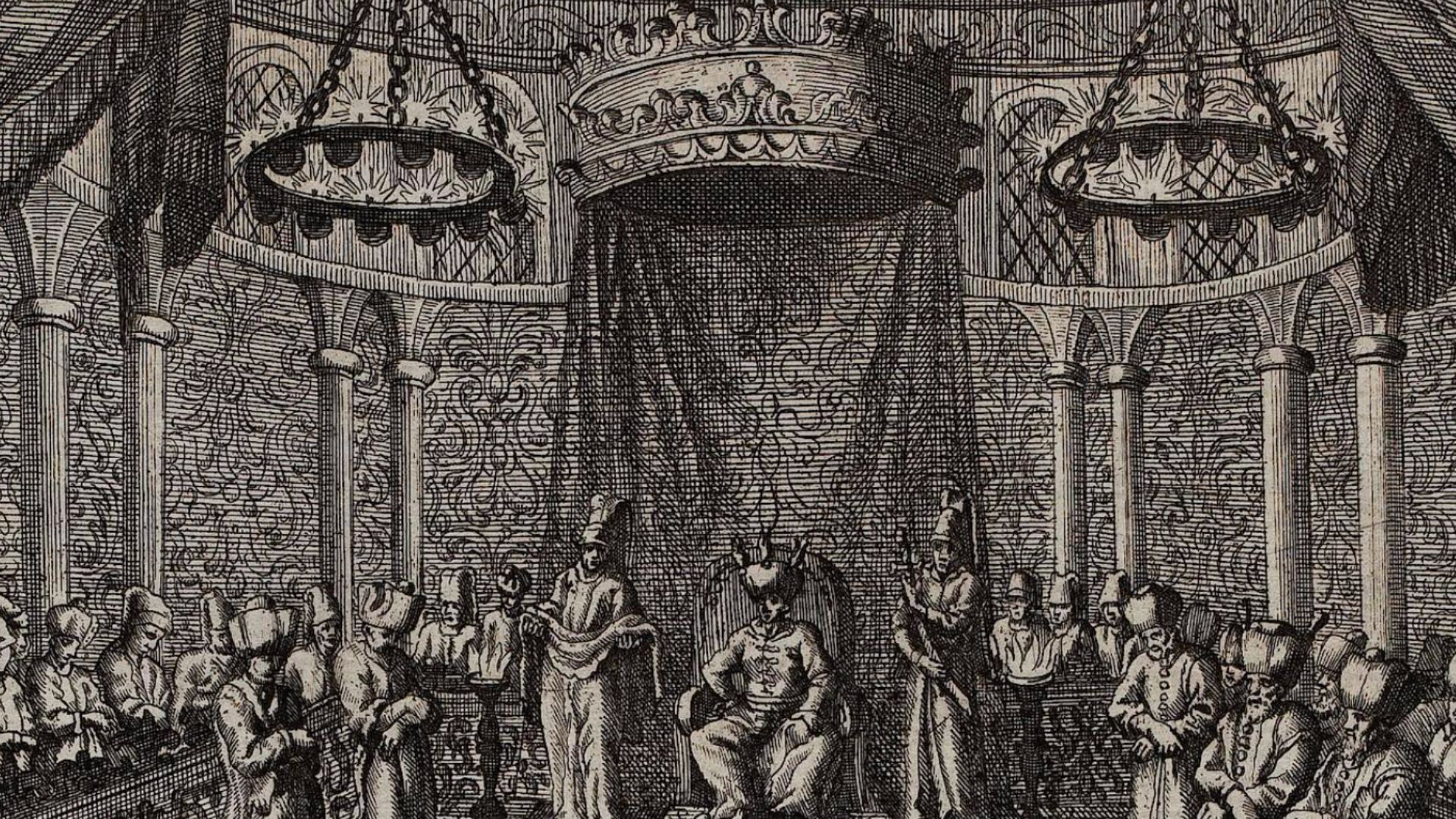 Paul Rycaut (?), Wikimedia Commons
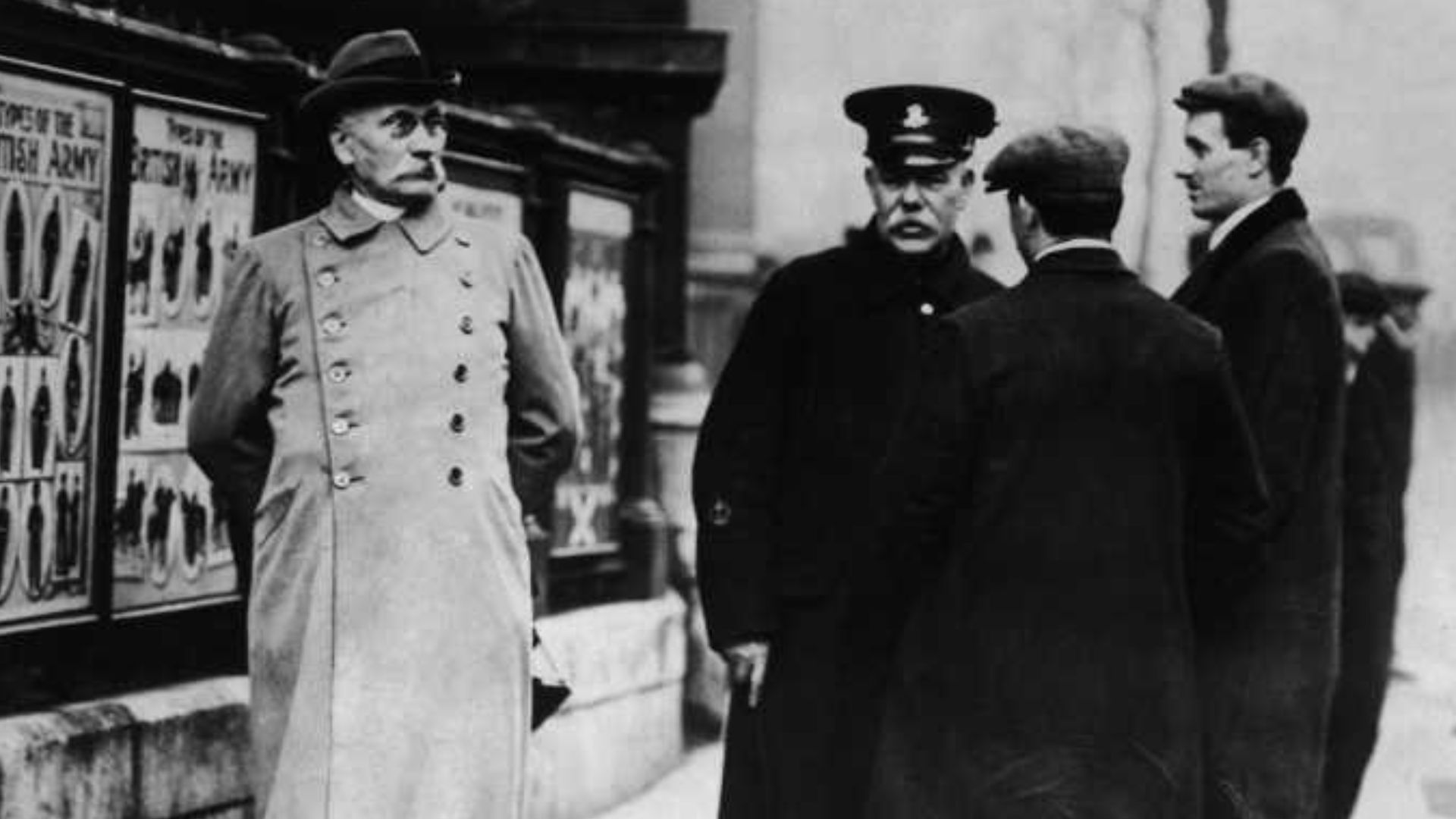
Friedrich Wilhelm Voigt
Friedrich Wilhelm Voigt proved just how much authority a uniform could command. In 1906, the German ex-convict purchased pieces of a military captain's uniform, put them on, and simply started acting like an officer. It worked spectacularly. Voigt stopped soldiers in Berlin and ordered them to follow him. The soldiers obeyed. He then led his accidental squad to the town hall in Köpenick, placed officials under arrest, and seized thousands of marks from the municipal treasury.
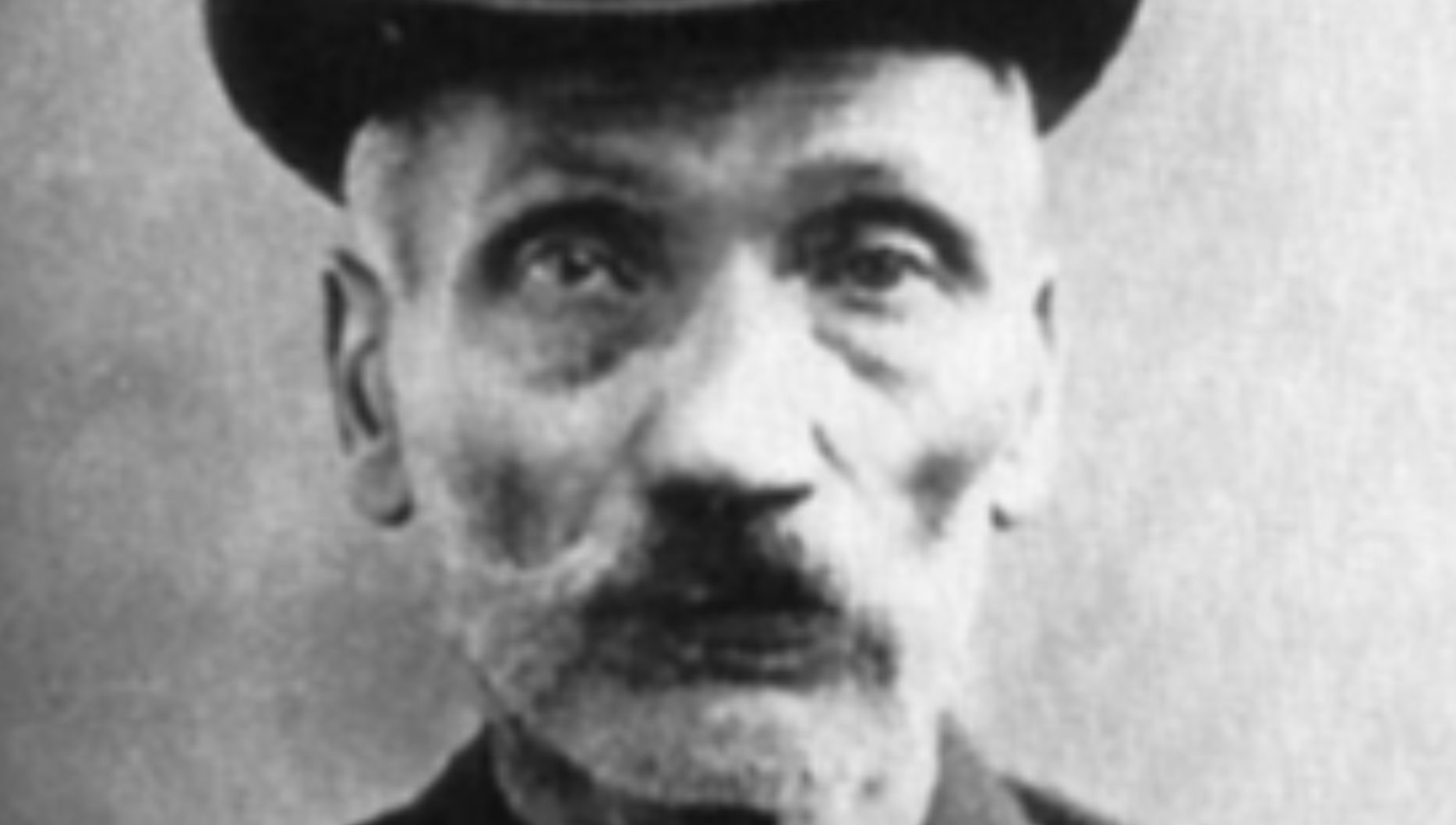 Government of Prussia, Wikimedia Commons
Friedrich Wilhelm Voigt
The entire operation succeeded largely because nobody wanted to question a man dressed as a Prussian captain. Voigt was apprehended but became a folk hero, and Kaiser Wilhelm II eventually pardoned him. His story became famous as the tale of the "Captain of Köpenick," a perfect demonstration of how far confidence and the right outfit can get you.
 Unknown authorUnknown author, Wikimedia Commons
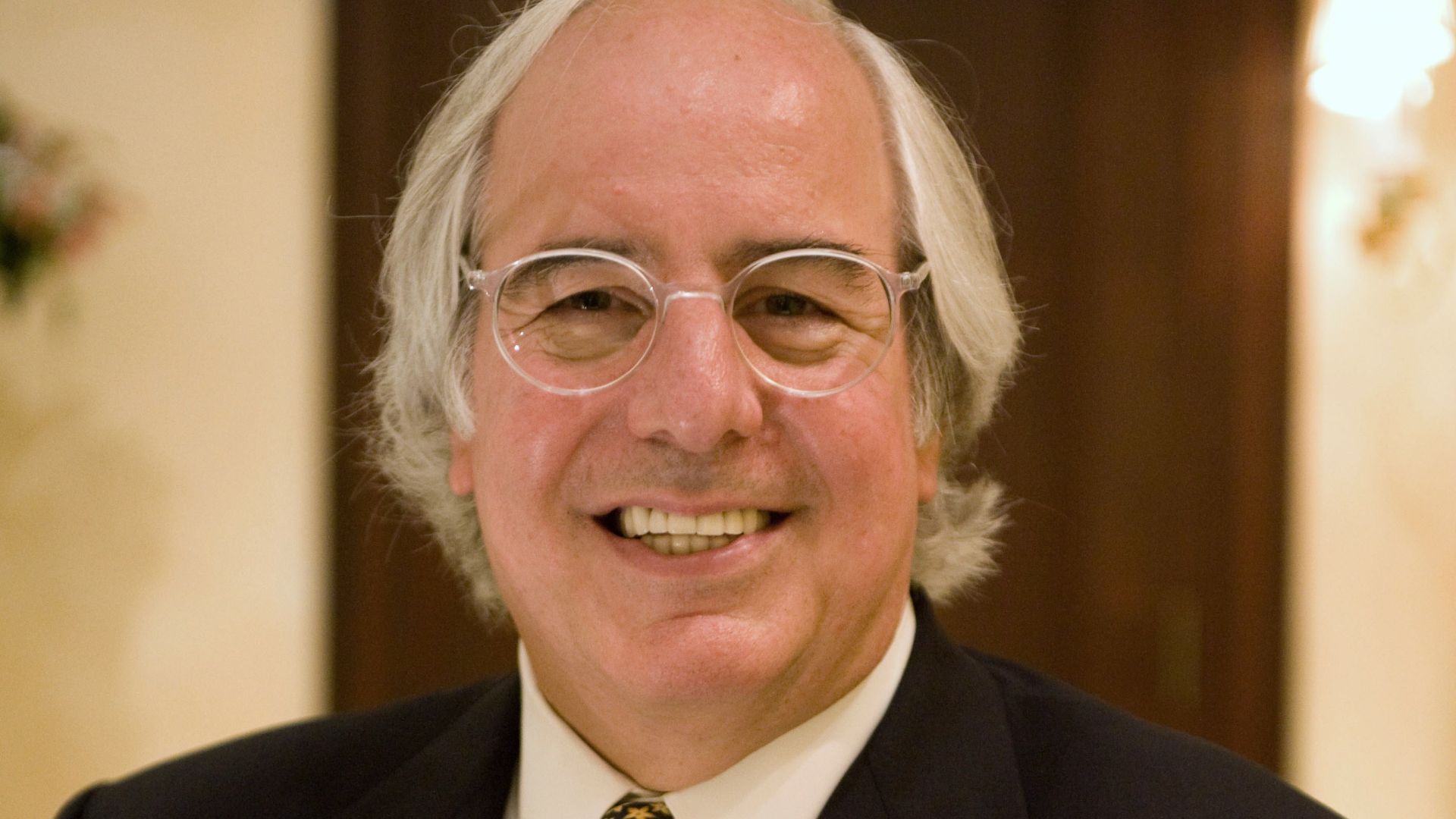
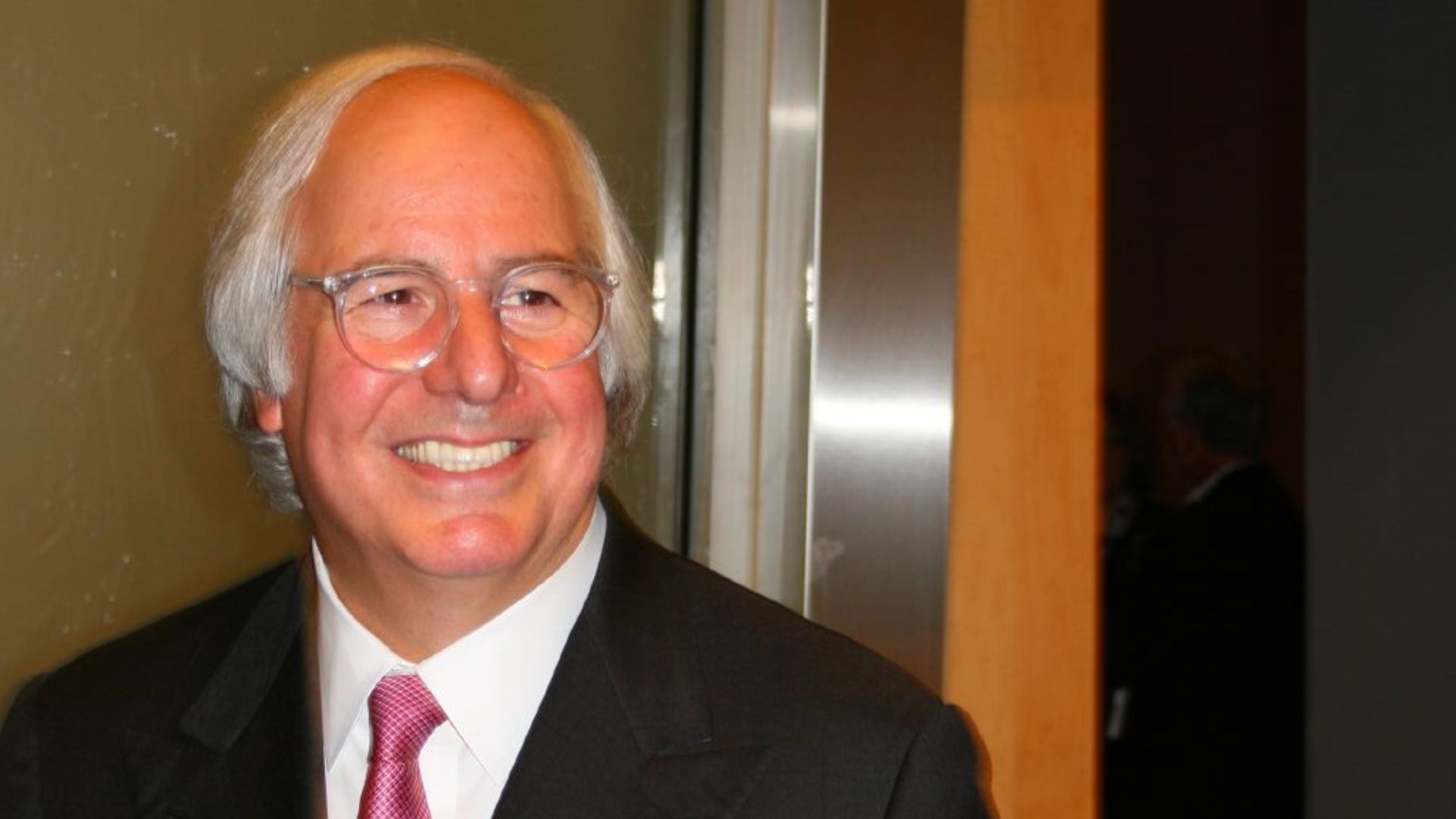
Frank Abagnale Jr
Frank Abagnale Jr might have pulled off his greatest deception long after his supposed underworld career ended. According to the famous version of his story, Abagnale spent his youth impersonating airline pilots, doctors, and lawyers while forging enormous numbers of checks. His autobiography inspired the blockbuster film Catch Me If You Can.There's just one major problem: substantial portions of that story have since been challenged.
 Abagnale & Associates (Work for Hire), Wikimedia Commons
Frank Abagnale Jr
Investigations have found that some of Abagnale's most spectacular adventures appear unsupported or impossible, and records indicate he was incarcerated during periods when he later claimed to have been roaming the world committing glamorous cons. Abagnale really did commit fraud and use false identities. But the globe-trotting super-conman image appears to contain major embellishments. Which means the man famous for fooling everyone may have fooled millions of people about just how good he was at fooling everyone. That's almost too perfect.
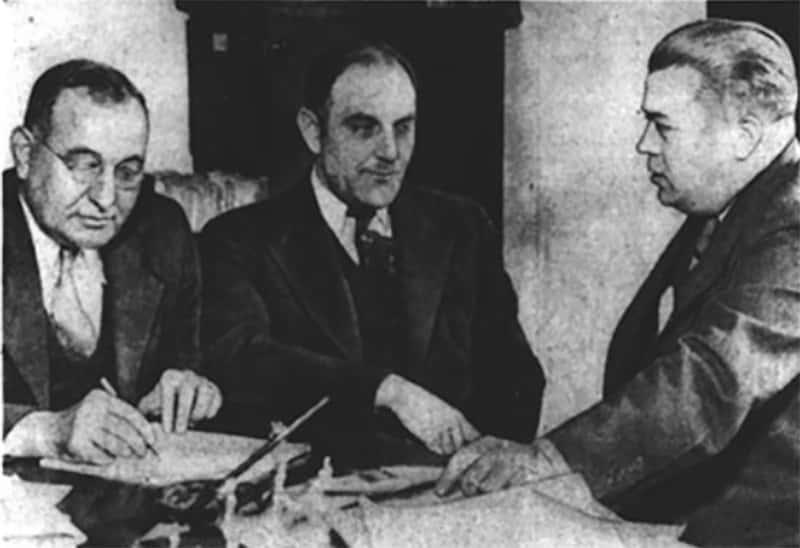
Victor Lustig
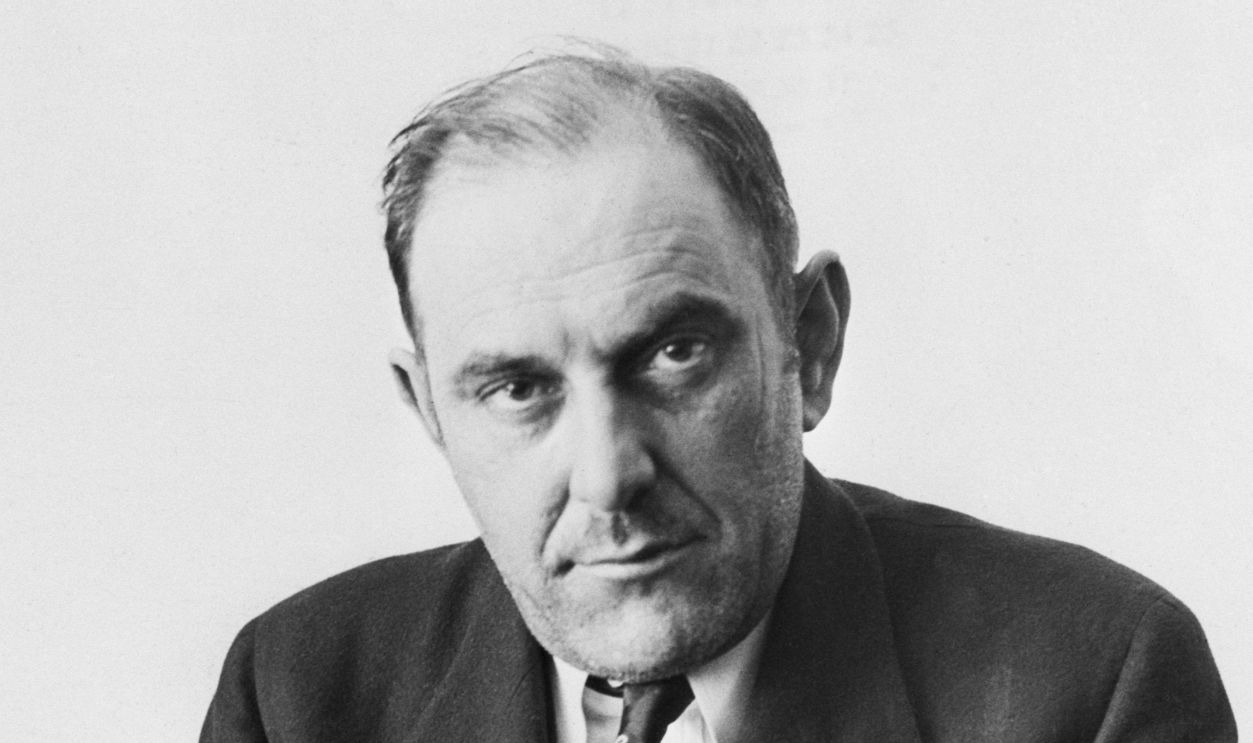
Victor Lustig's most famous con was so ridiculous that you'd assume nobody could possibly fall for it: He sold the Eiffel Tower. In 1925, Lustig posed as a French government official and invited scrap-metal dealers to a confidential meeting. He claimed that maintaining the Eiffel Tower had become too expensive and the government intended to quietly sell it for scrap.
Victor Lustig
Dealer André Poisson believed him and handed over money. Lustig promptly disappeared. Then, incredibly, Lustig returned to Paris and tried the scheme again. The fake count went on to become one of America's most notorious confidence men and counterfeiters. Authorities eventually caught him, and he was sent to Alcatraz.
 Unknown author, Wikimedia Commons
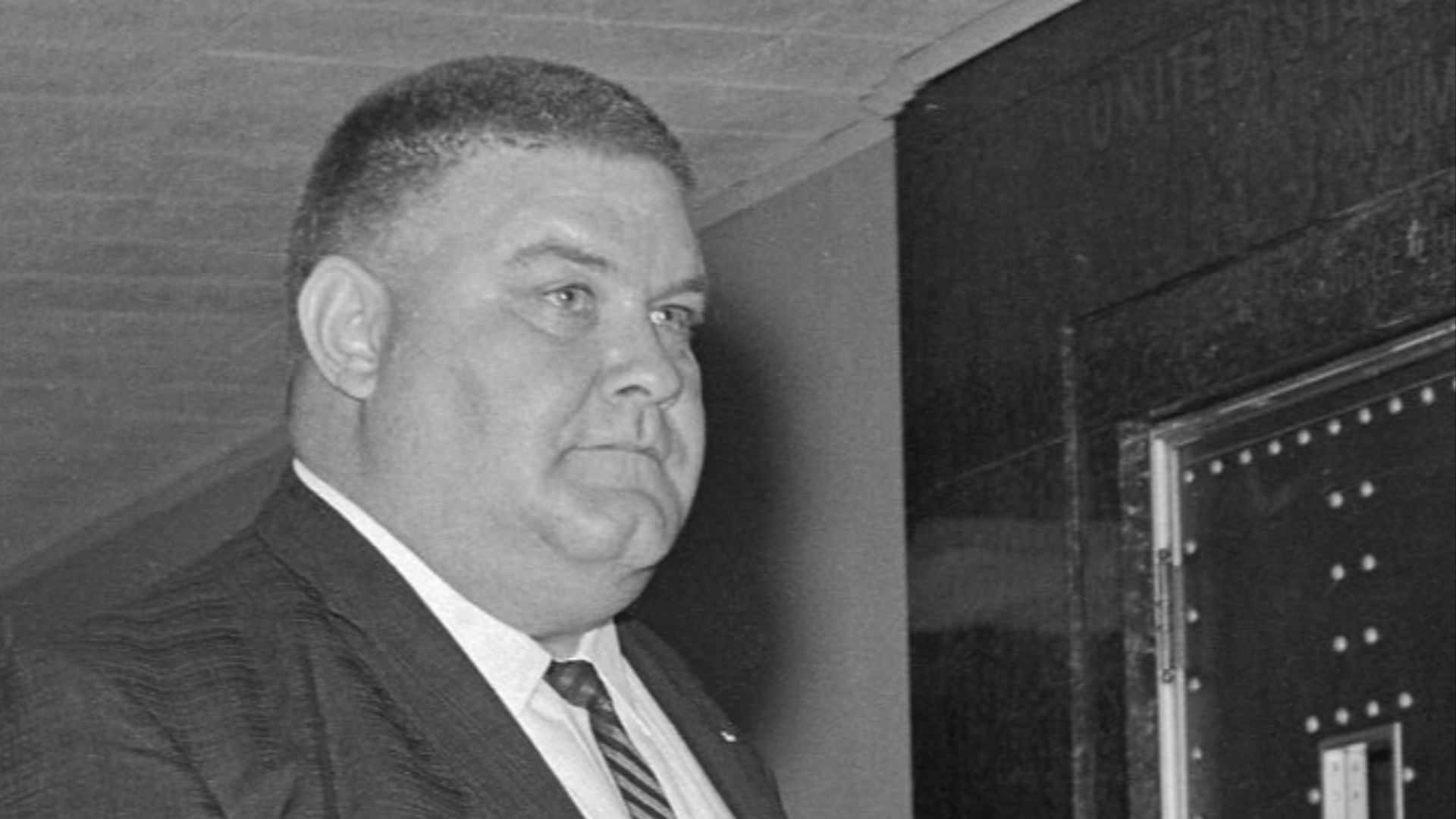
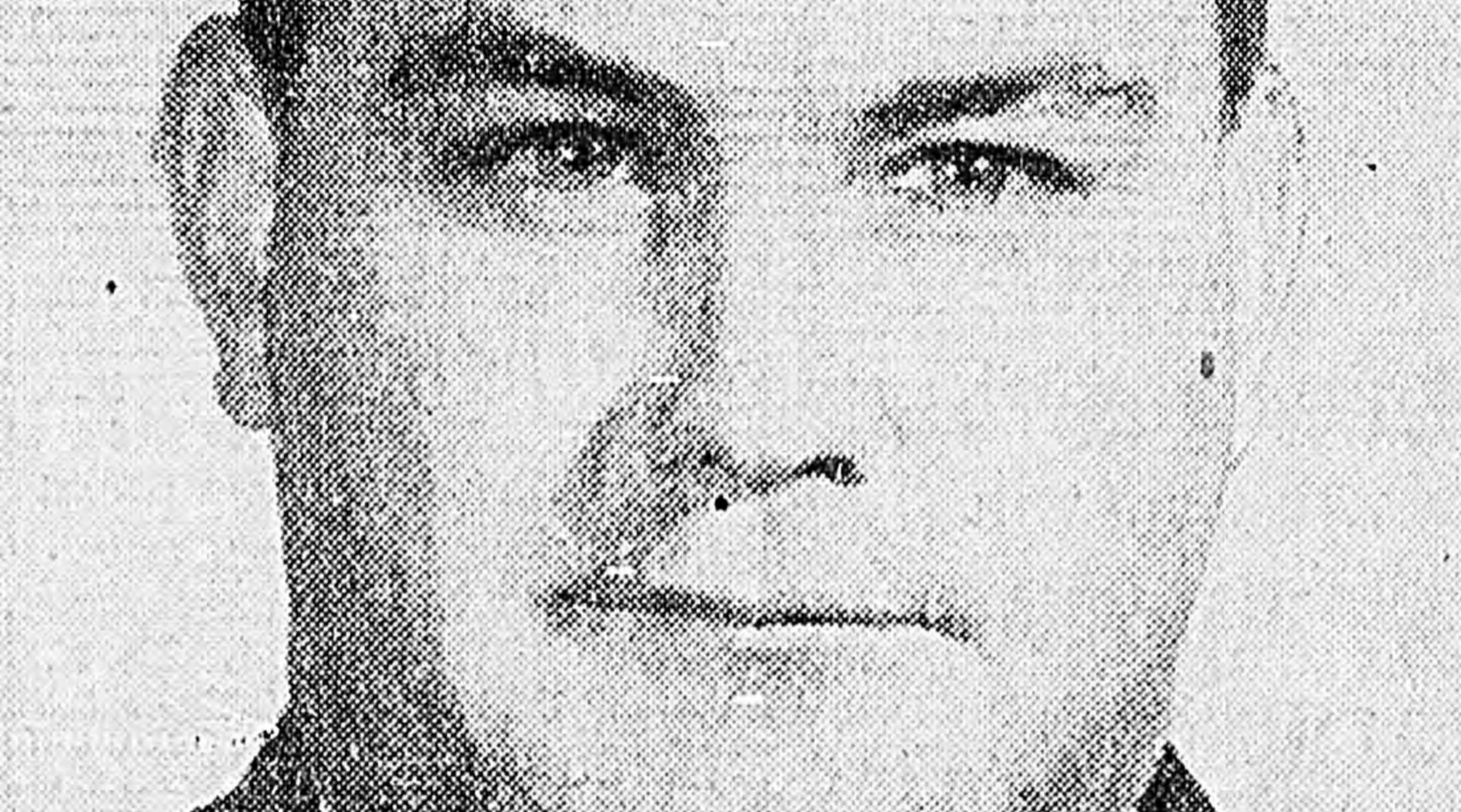
Ferdinand Waldo Demara
Ferdinand Waldo Demara wasn't called "The Great Impostor" for nothing. Throughout his life, Demara assumed an extraordinary assortment of professional identities, but his most astonishing performance came during the Korean War when he assumed the identity of Canadian naval doctor Joseph Cyr and served aboard HMCS Cayuga. There was one slight problem: Demara wasn't a doctor.
 Unknown authorUnknown author, Wikimedia Commons
Ferdinand Waldo Demara
When wounded sailors required treatment, Demara reportedly relied on medical textbooks and the assistance of trained personnel to get through procedures. His deception was eventually exposed after publicity surrounding his apparent accomplishments reached the real doctor's family.
 Unknown authorUnknown author, Wikimedia Commons
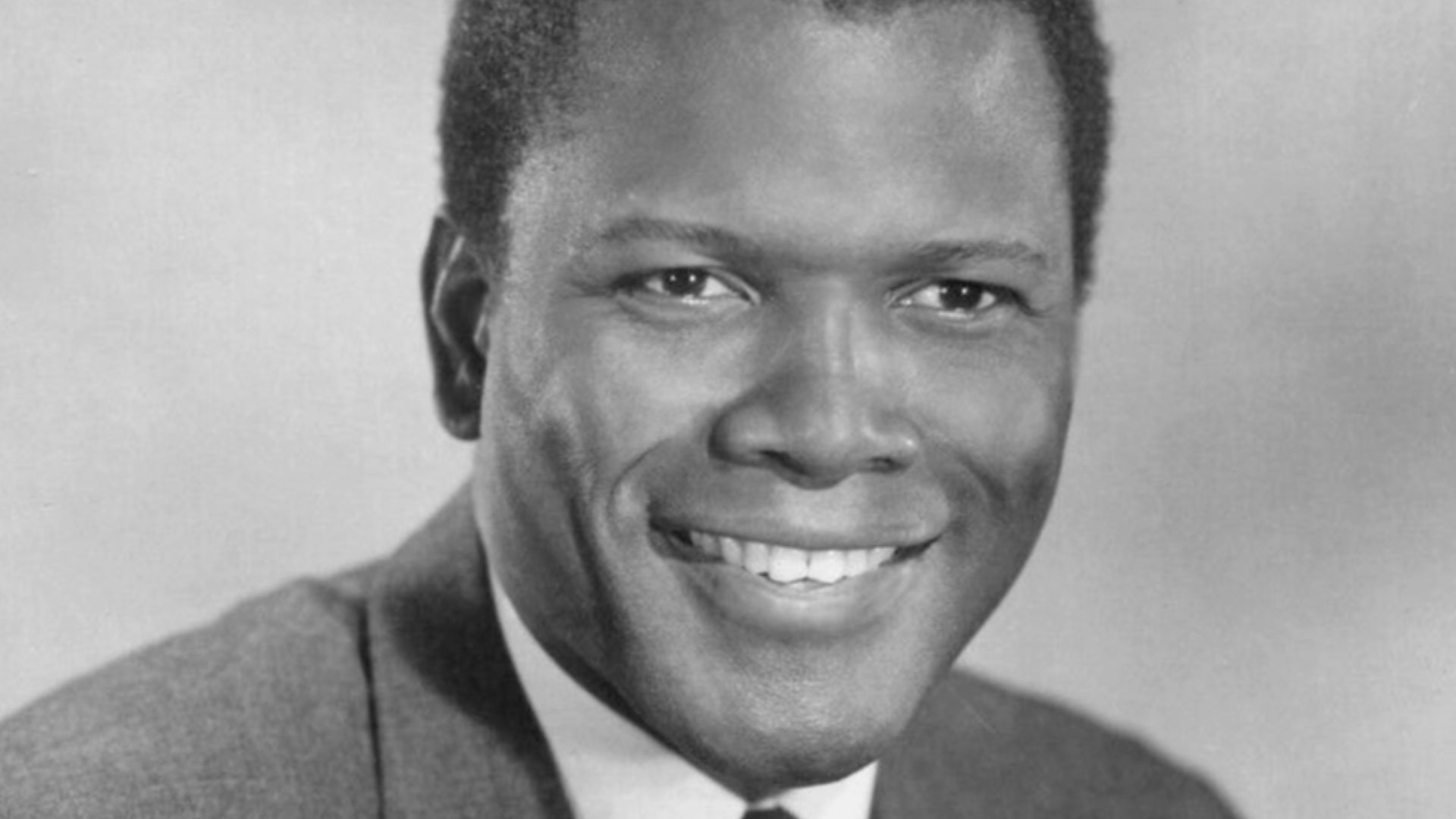
David Hampton
In 1980s New York, David Hampton discovered that a famous last name could open some very expensive doors. Hampton began posing as the son of celebrated actor Sidney Poitier. The identity helped him gain entry to exclusive places and convince wealthy New Yorkers to provide food, money, and accommodation. His victims reportedly included prominent figures in Manhattan's cultural and social circles.
 Unknown photographer, Wikimedia Commons
David Hampton
Hampton's combination of charm, confidence, and celebrity name-dropping repeatedly convinced people that he belonged among them. Eventually, the deception unraveled and Hampton was apprehended. But the story didn't disappear. Playwright John Guare transformed the bizarre episode into Six Degrees of Separation, which later became a film starring Will Smith. Hampton's fake connection to Hollywood ultimately gave him a very real place in pop culture.
 Gage Skidmore from Peoria, AZ, United States of America, Wikimedia Commons
You May Also Like:
Crooked Facts About Modern-Day Swindlers
Scheming Facts About Charles Ponzi