A Fortune With A Bizarre Catch
When wealthy Toronto lawyer Charles Vance Millar died in 1926, he left most of his estate to an unidentified woman. The winner would be whichever Toronto mother gave birth to the greatest number of children during the next ten years. That extraordinary offer sparked a contest remembered as the Great Stork Derby.
 Toronto Star Archives, Getty Images
The Man Behind The Derby
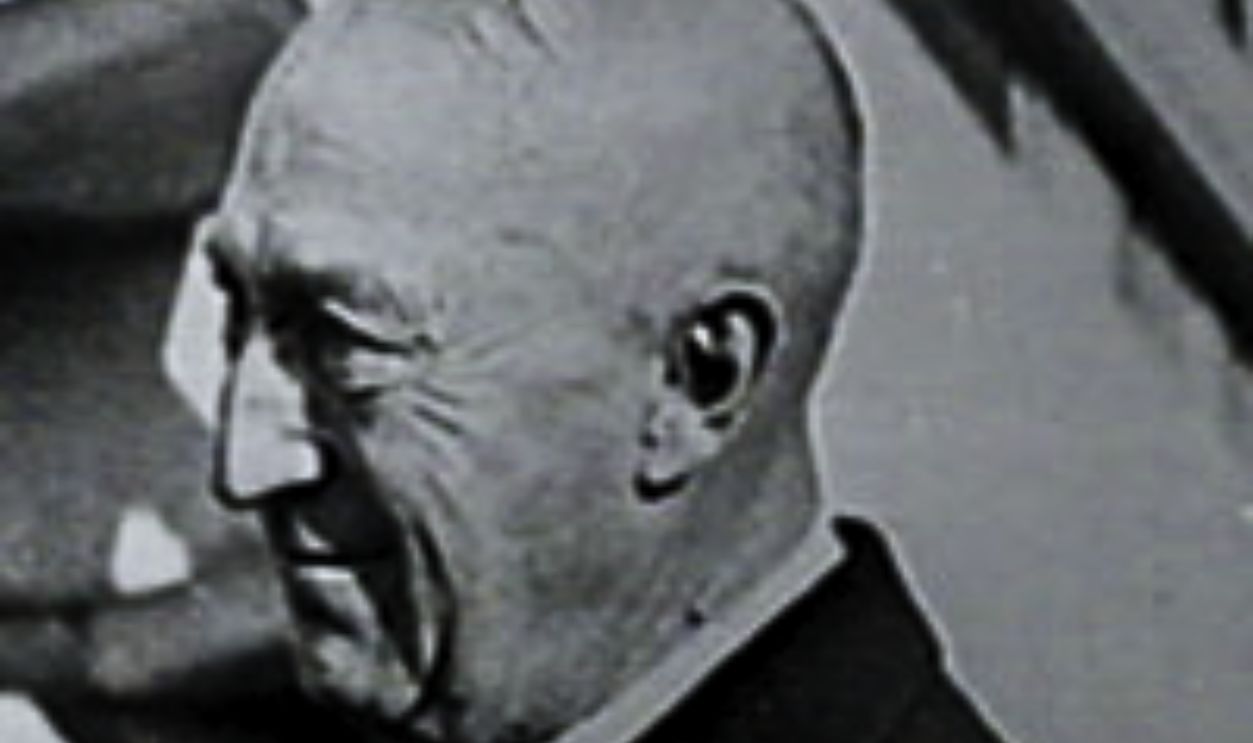
Millar was born in Aylmer, Ontario, on June 28, 1854. He became a successful lawyer, businessman, investor, and racehorse owner. By the time of his death, he had accumulated substantial assets in breweries, real estate, transportation, and other ventures.
 Unknown authorUnknown author, Wikimedia Commons
Toronto’s Famous Practical Joker
The prosperous bachelor also acquired a reputation for practical jokes. According to accounts of his life, he enjoyed testing how people behaved when temptation suddenly appeared. His final will turned that mischievous instinct into a very public spectacle.

He Had No Immediate Heirs
Millar never married and had no children of his own. He stated in his will that he had no dependents or close relatives whom he was obliged to support. That freedom allowed him to distribute his property in ways that most lawyers would never recommend.

An Uncommon And Capricious Will
Millar openly called his will “necessarily uncommon and capricious.” He said the property demonstrated his foolishness in accumulating more wealth than he had needed during his lifetime. The document then proved just how unconventional he could be.
 Screenshot from The Stork Derby, Muse Entertainment Enterprises (2002)
Ministers Faced A Moral Test
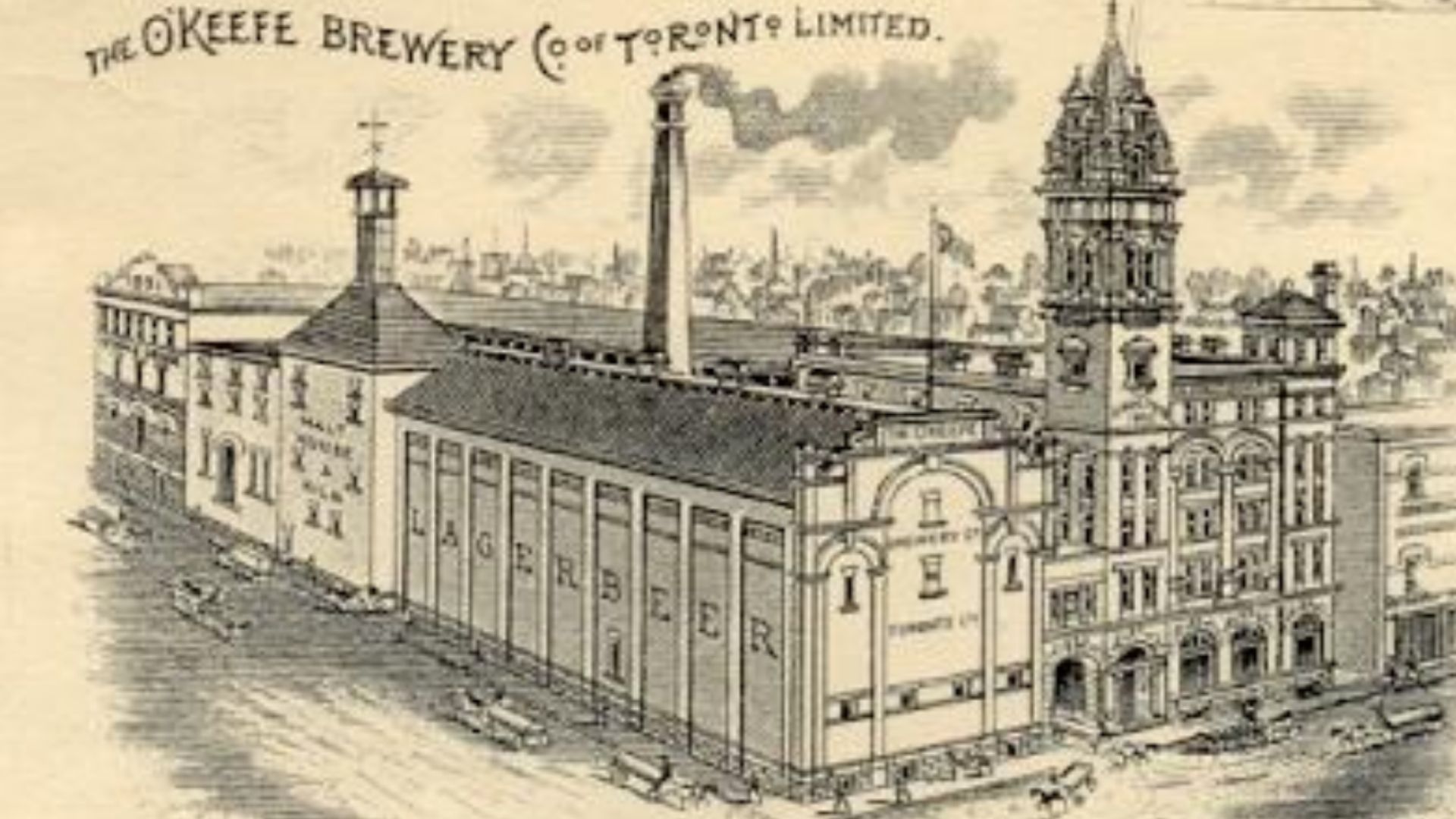
One provision awarded shares in the O’Keefe brewery to Protestant ministers and temperance supporters. Accepting the shares meant potentially benefiting from the alcohol business they publicly opposed. Millar appeared to enjoy placing respectable people in uncomfortable positions.
 Unknown artist, Wikimedia Commons
Rivals In A Jamaican House
Another clause granted three Toronto lawyers joint ownership of Millar’s vacation property in Jamaica. The men reportedly disliked one another, making shared ownership especially awkward. As with the brewery shares, the arrangement placed personal principles and relationships under pressure.

Horse Racing Opponents Got Shares
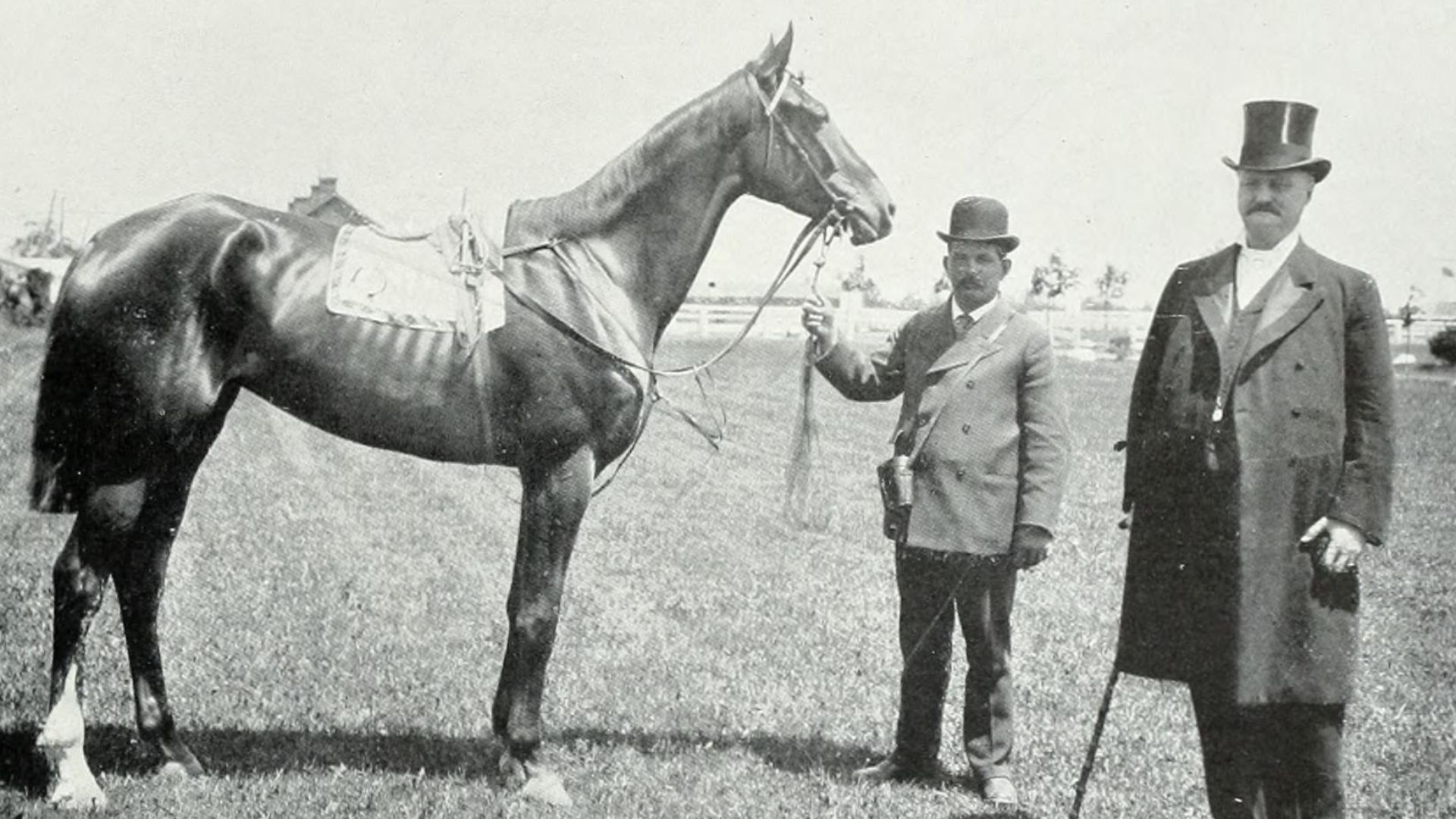
Millar also left Ontario Jockey Club shares to people known for opposing horse racing. The gift confronted its recipients with a choice between their stated beliefs and a possible financial benefit. Yet even this provision looked ordinary beside the final clause.
 Internet Archive Book Images, Wikimedia Commons
The Tenth Clause Changed Everything
Millar instructed his executors to hold the remainder of his estate for ten years after his death. They would then convert it into cash and award it to the Toronto mother who had produced the most children during that period. If several women tied, the money would be divided among them.
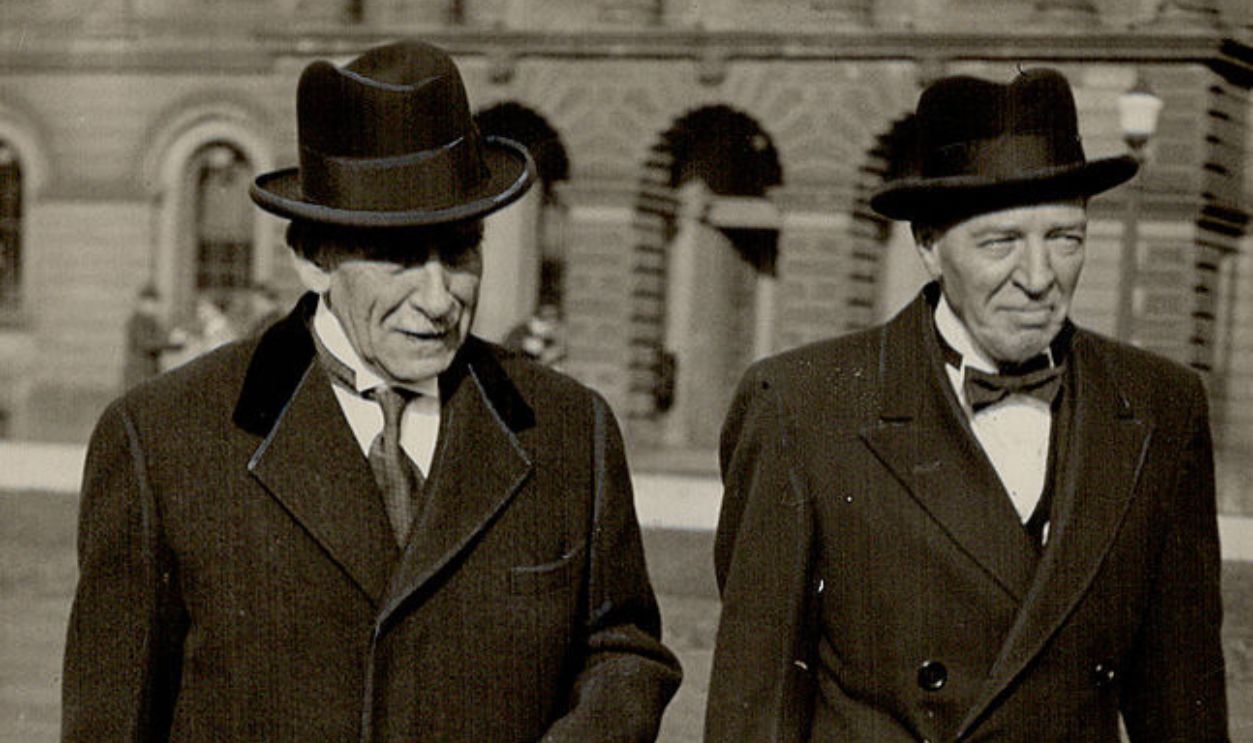 Toronto Star Archives, Getty Images

History's most fascinating stories and darkest secrets, delivered to your inbox daily.
The Clock Started On Halloween
Millar died suddenly in Toronto on October 31, 1926, at the age of 72. His death began the ten-year period specified in the will. Eligible births therefore had to occur in Toronto between October 31, 1926, and October 31, 1936.
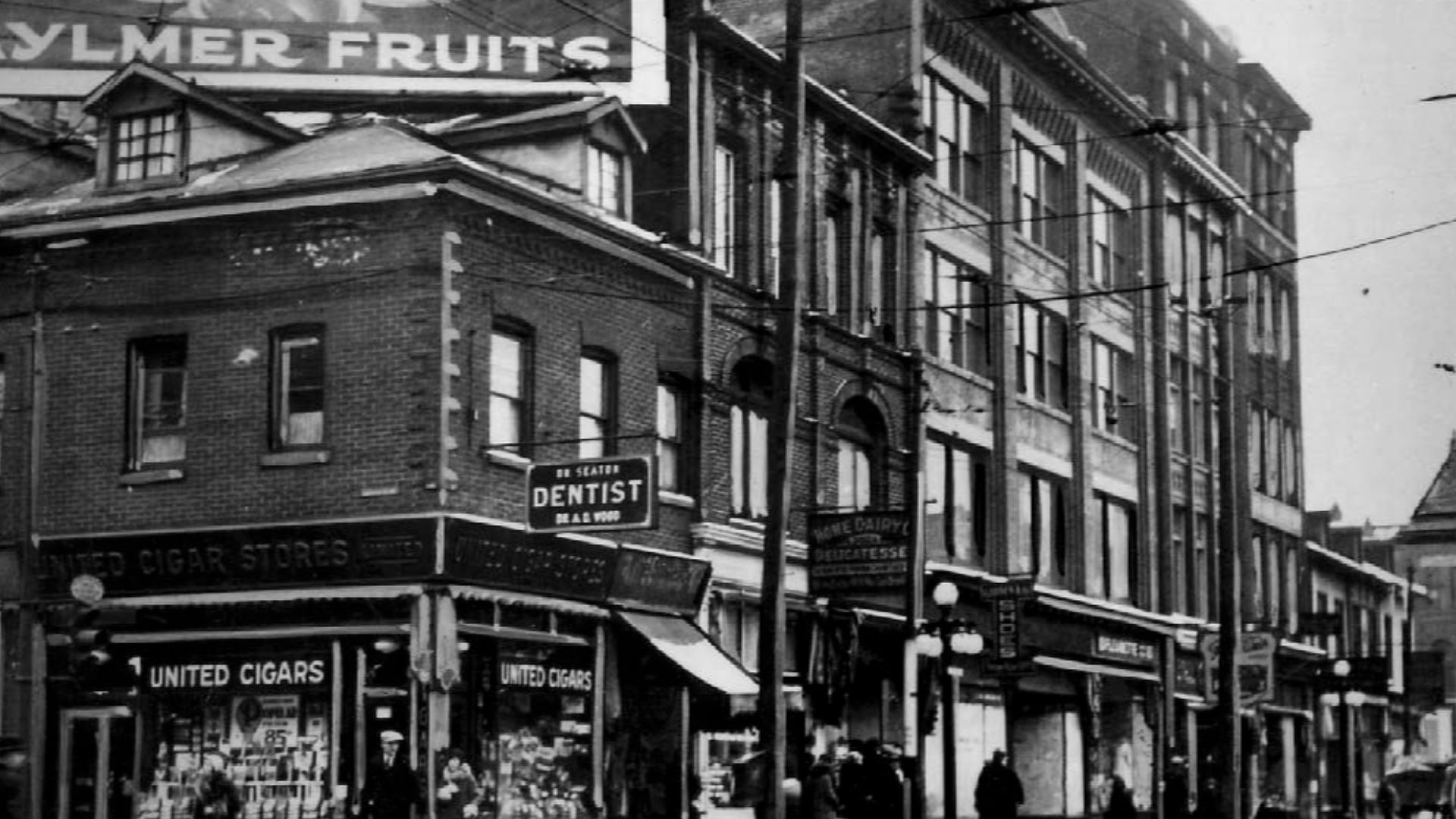 William James, Wikimedia Commons
Many Expected Another Will
Some of Millar’s associates initially suspected that the document was a hoax. They believed a newer and more conventional will might eventually surface. None did, and the unusual document passed through probate in December 1926.
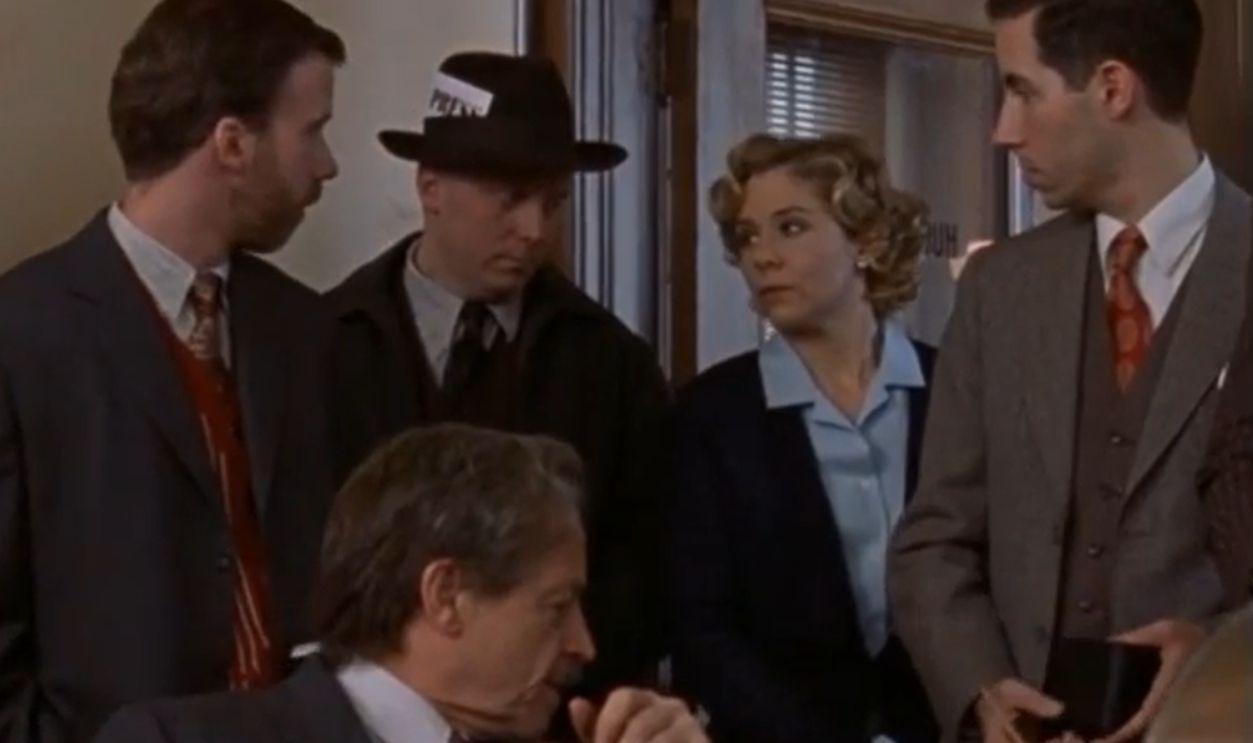 Screenshot from The Stork Derby, Muse Entertainment Enterprises (2002)
The Contest Began Quietly
Despite its sensational premise, the baby clause did not immediately dominate Toronto’s newspapers. Most potential contestants were ordinary women raising families rather than people who had formally entered an organized competition. The public spectacle developed gradually as journalists identified possible leaders.
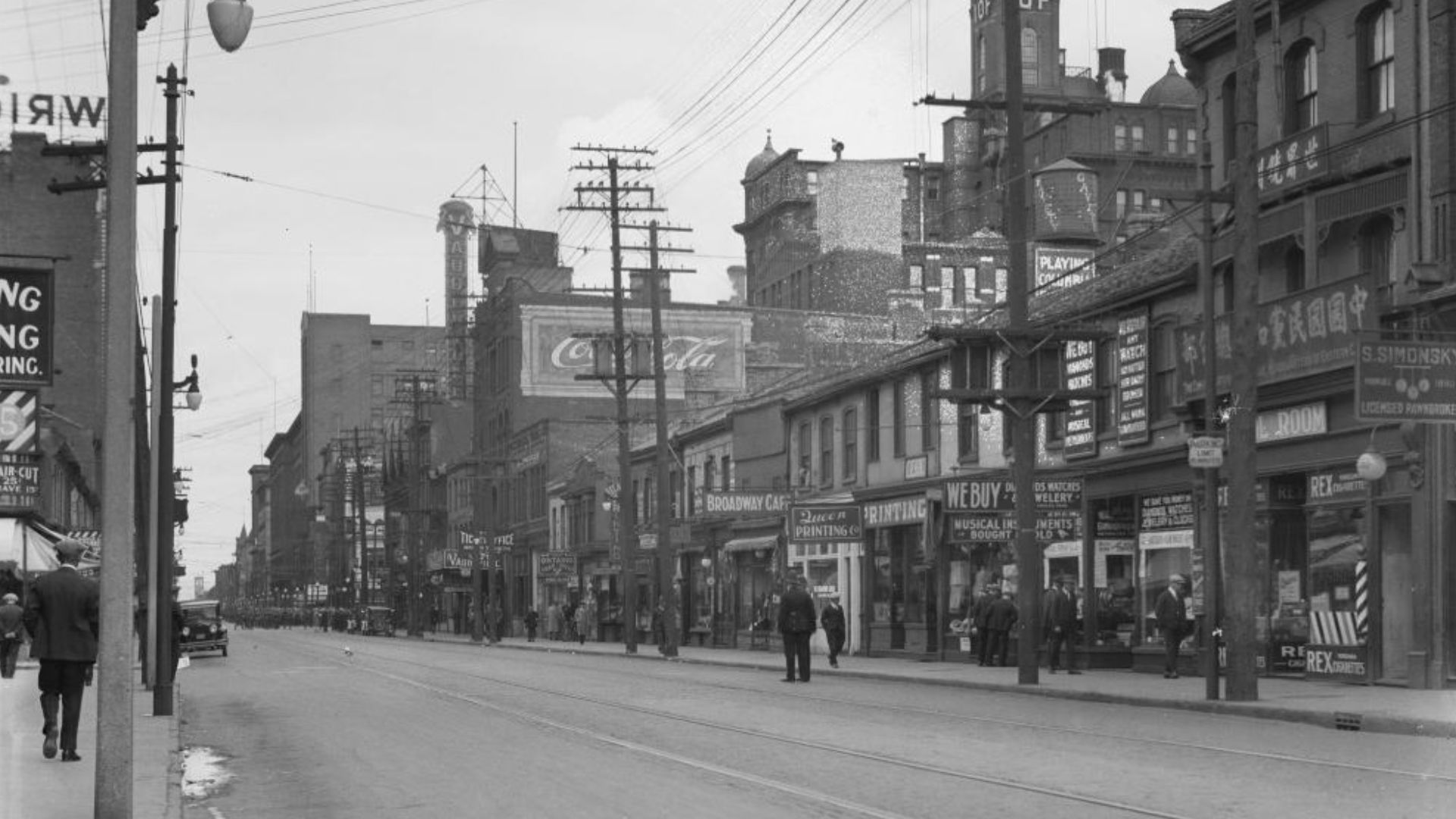 William James, Wikimedia Commons
The Depression Raised The Stakes
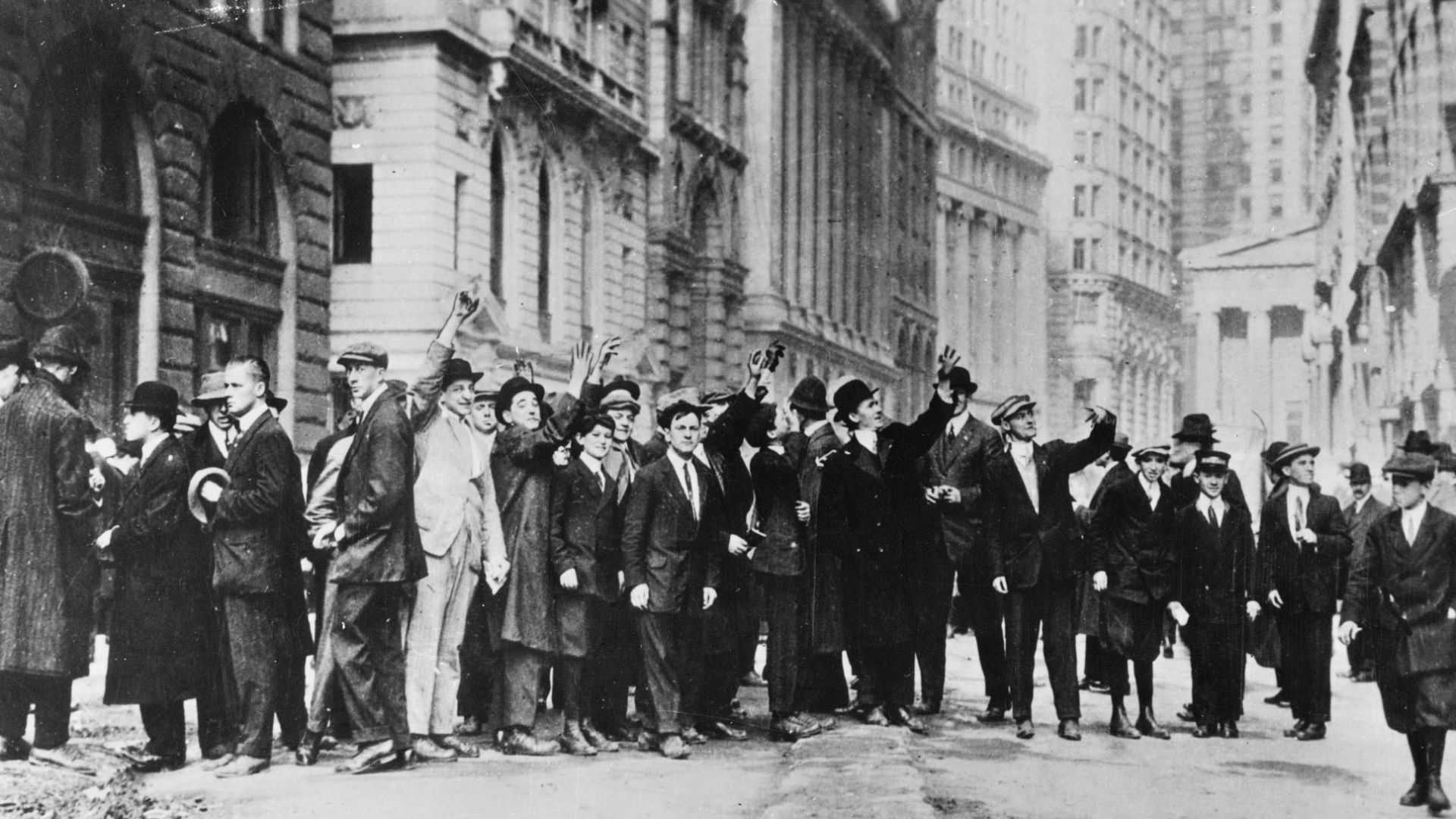
The Wall Street crash of 1929 helped trigger an economic crisis that struck Canada especially hard. Unemployment, poverty, and insecurity made Millar’s growing estate enormously attractive to struggling households. What might have seemed like an absurd joke in 1926 represented possible salvation a few years later.
 Associated Press, Wikimedia Commons
Newspapers Discovered A Sensation
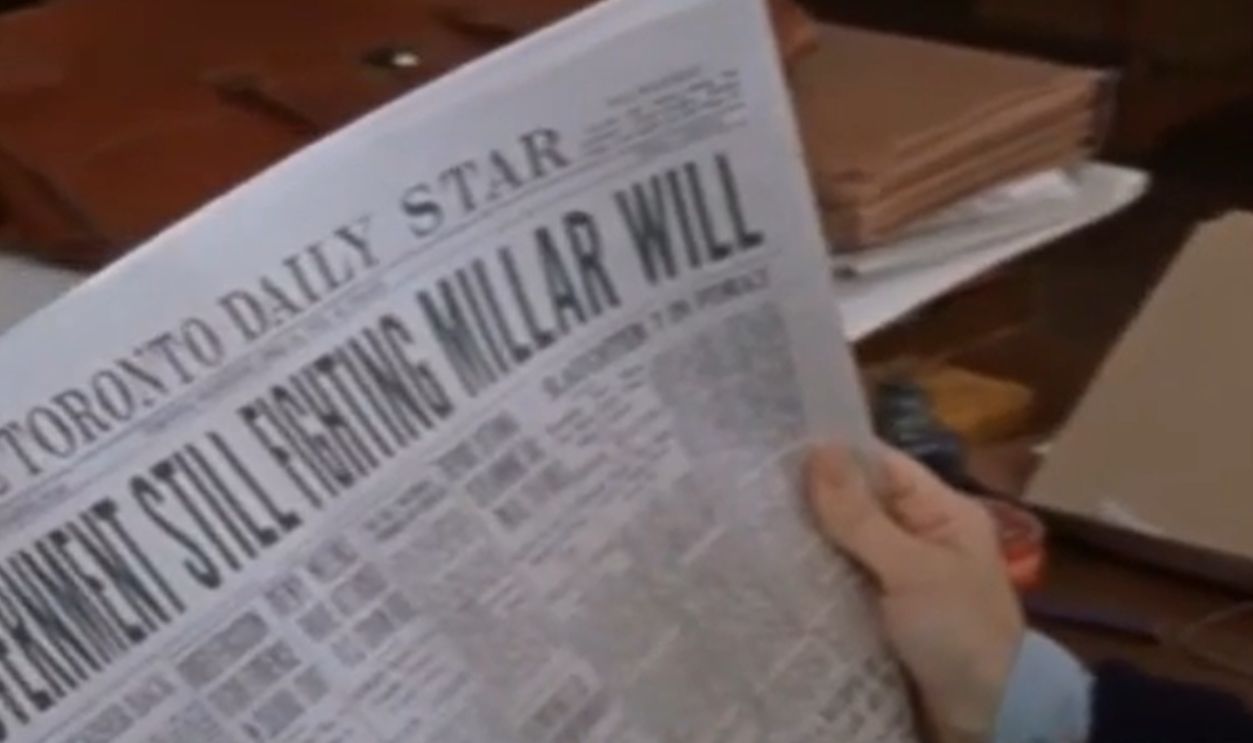
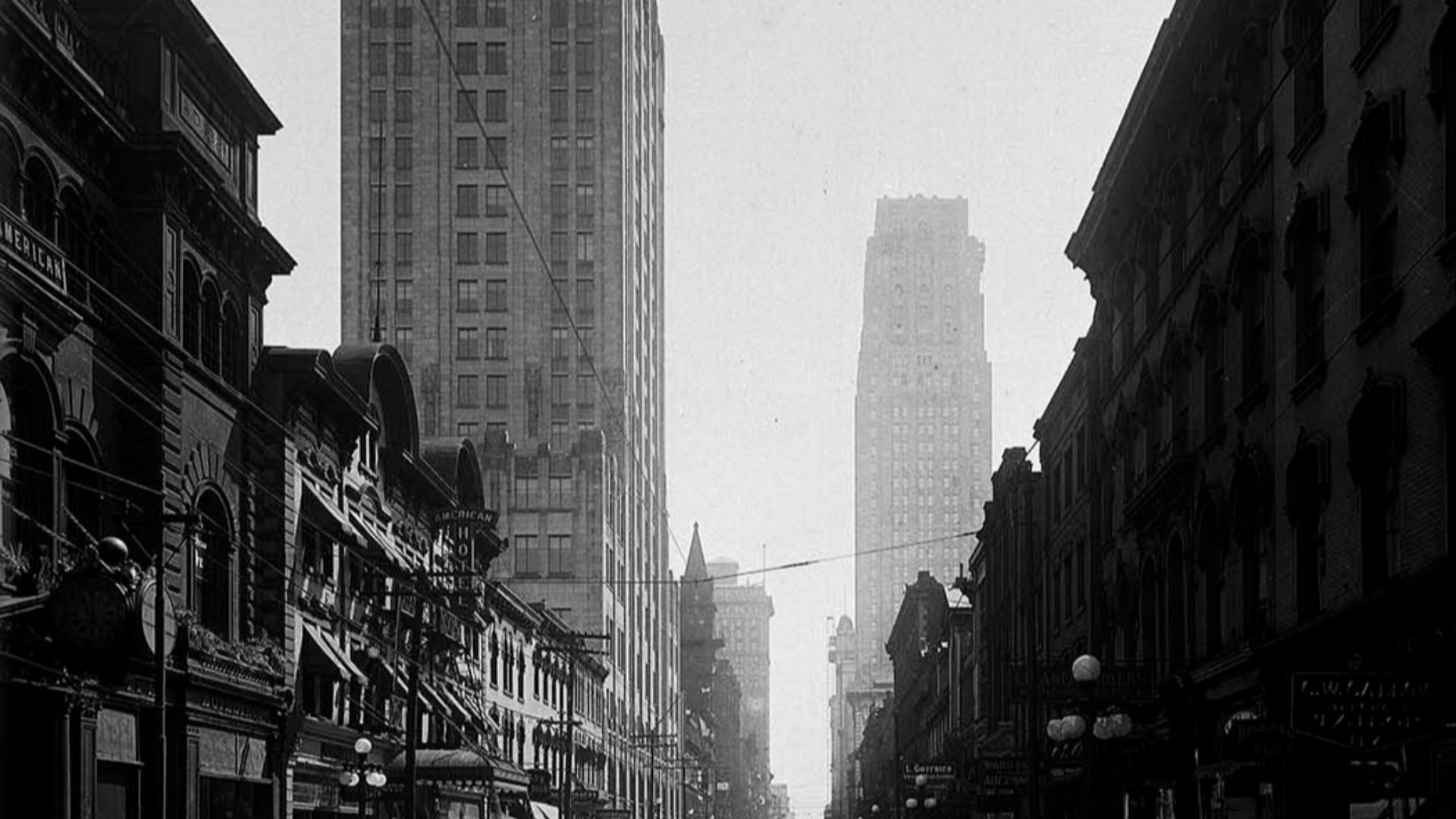
Local coverage of leading mothers began appearing more frequently around 1930. The Toronto Daily Star and the Toronto Evening Telegram competed for readers by pursuing contenders and investigating their families. Newspapers elsewhere in Canada and the United States soon joined the chase.
Grace Bagnato Entered The Spotlight
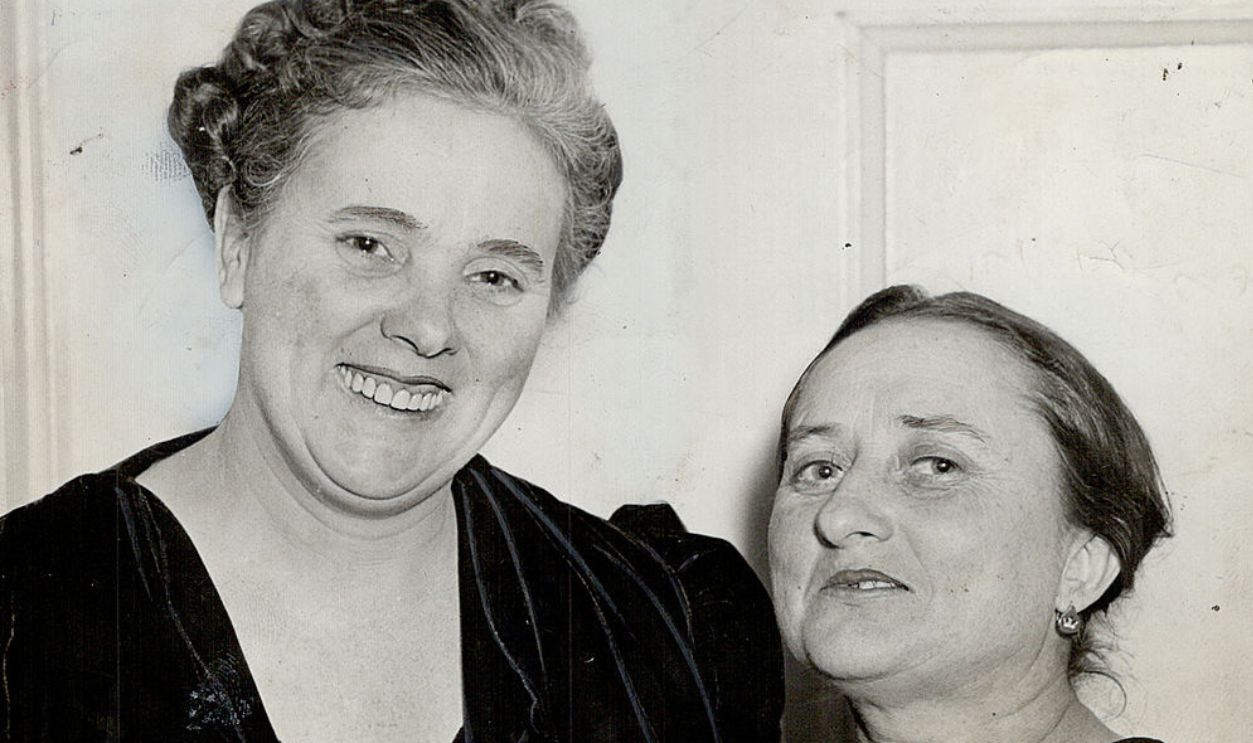
Much of the early attention focused on Grace Bagnato, a Toronto woman of Italian heritage. Reports in 1930 said she had given birth to 20 children in total, although only some had survived and qualified for the Derby period. Her prominence exposed the prejudice faced by immigrant families in interwar Toronto.
 Toronto Star Archives, Getty Images
Florence Brown Challenged Her
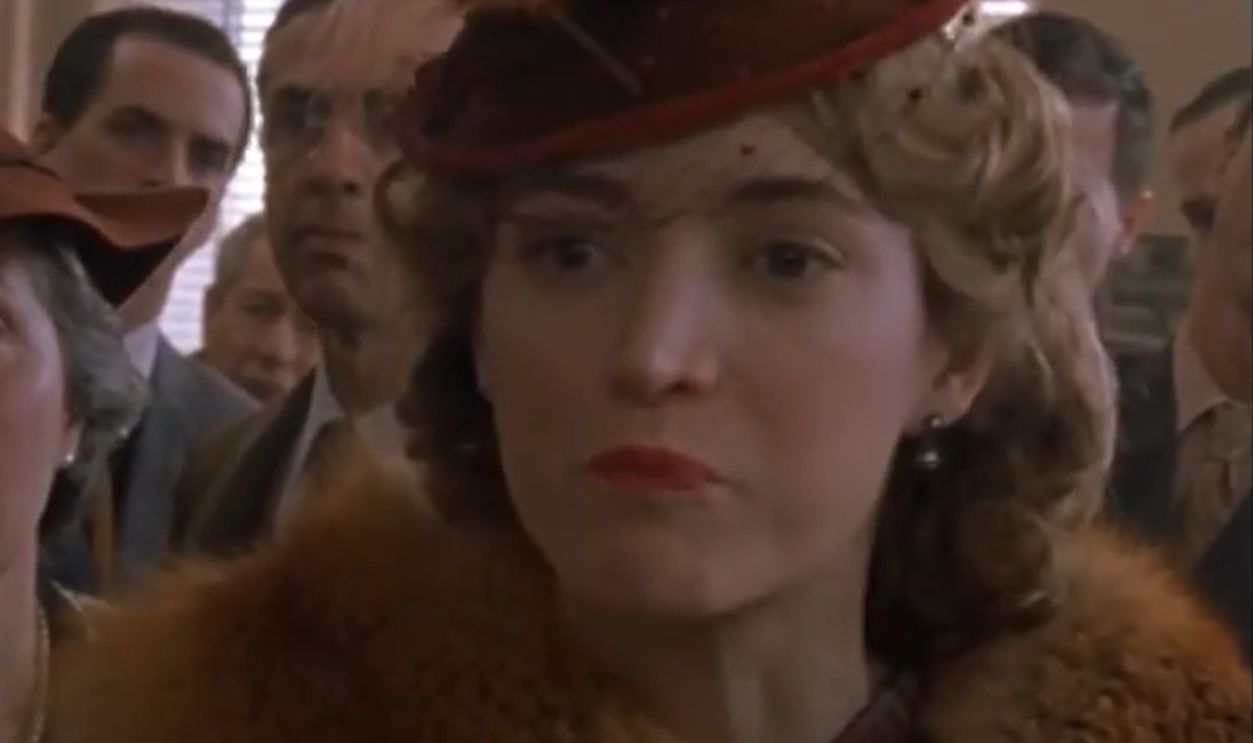
Florence Brown also attracted attention after claiming that she had given birth to 26 children, with six arriving after Millar’s death. Newspapers portrayed Brown and Bagnato as rivals. The coverage often mixed the contest with inflammatory arguments about immigration and Canadian identity.
 Screenshot from The Stork Derby, Muse Entertainment Enterprises (2002)
The Government Tried To Intervene
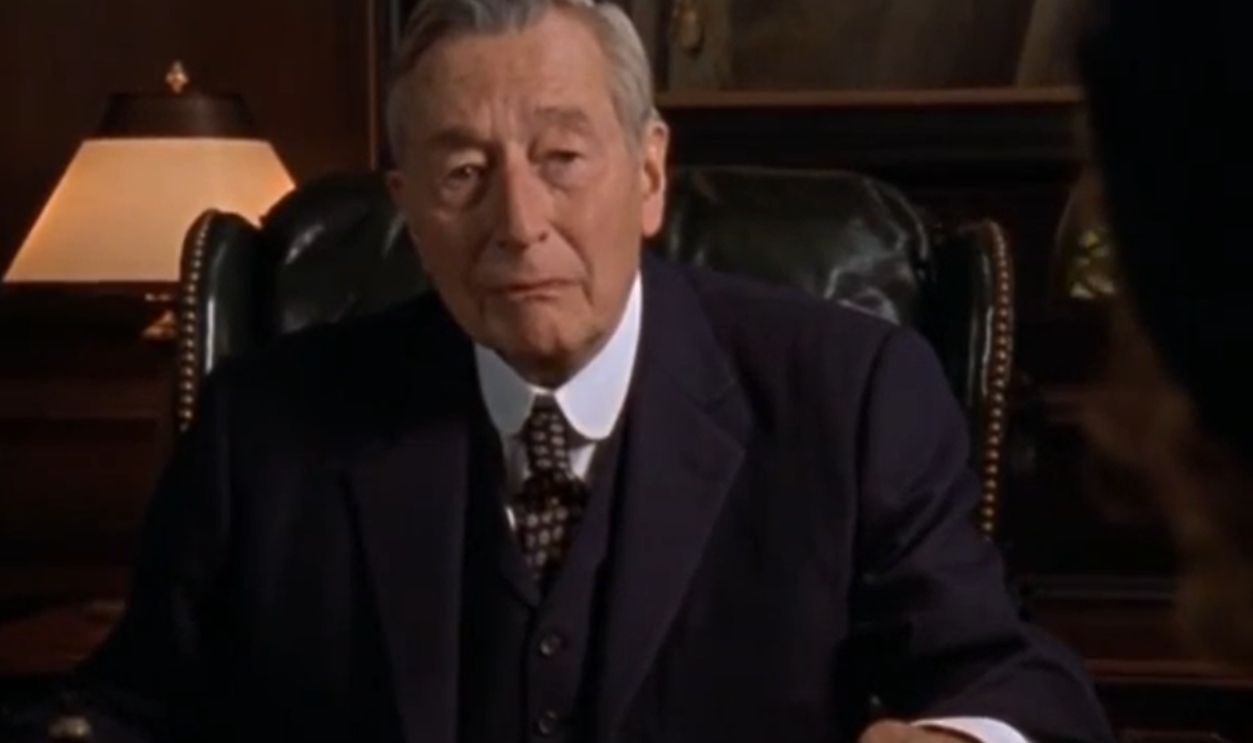
In 1932, Ontario’s legislature considered a bill that would redirect the unclaimed portion of Millar’s estate to the University of Toronto. Supporters argued that intervention was justified on public-policy grounds. Public opposition helped force the government to withdraw the proposal.
 Screenshot from The Stork Derby, Muse Entertainment Enterprises (2002)
The Field Kept Changing
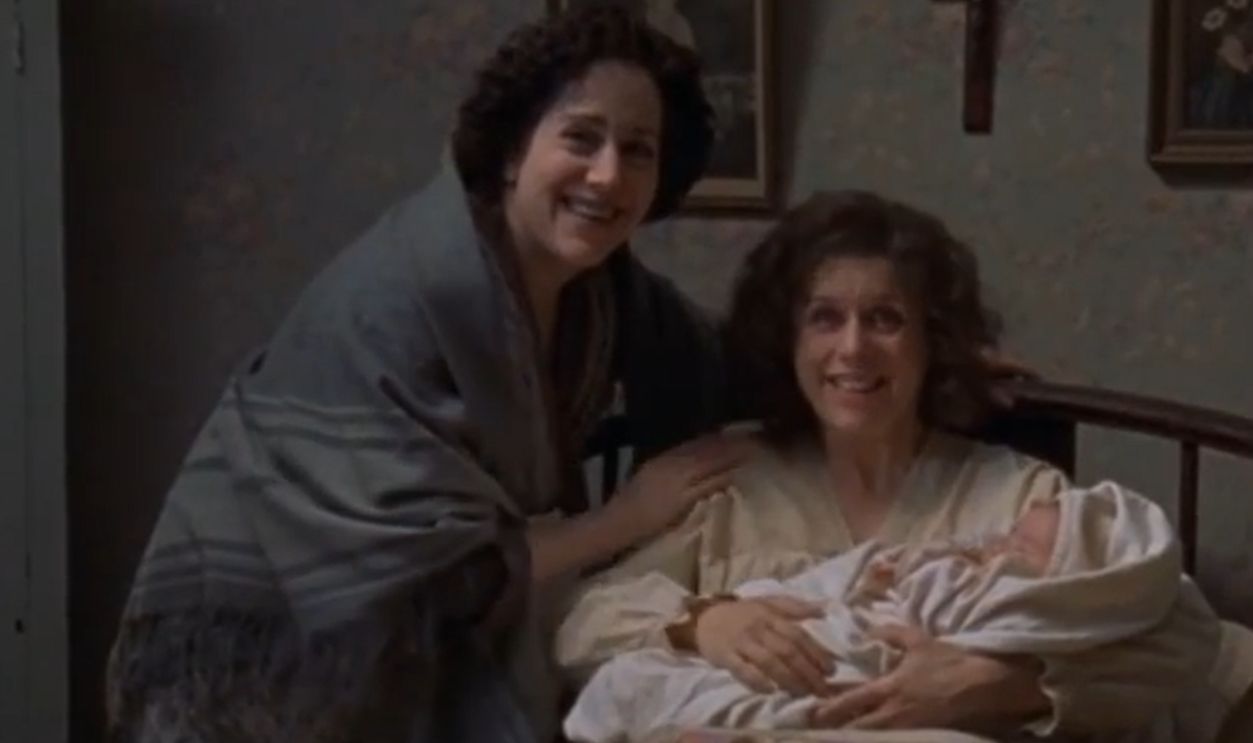
New contenders appeared as the deadline approached, while others slipped out of the running. Some families contacted the press after hearing about the prize, but reporters actively located other possible winners. Several women avoided publicity or used assumed names because the attention could become intrusive.
 Screenshot from The Stork Derby, Muse Entertainment Enterprises (2002)
Publicity Came At A Price
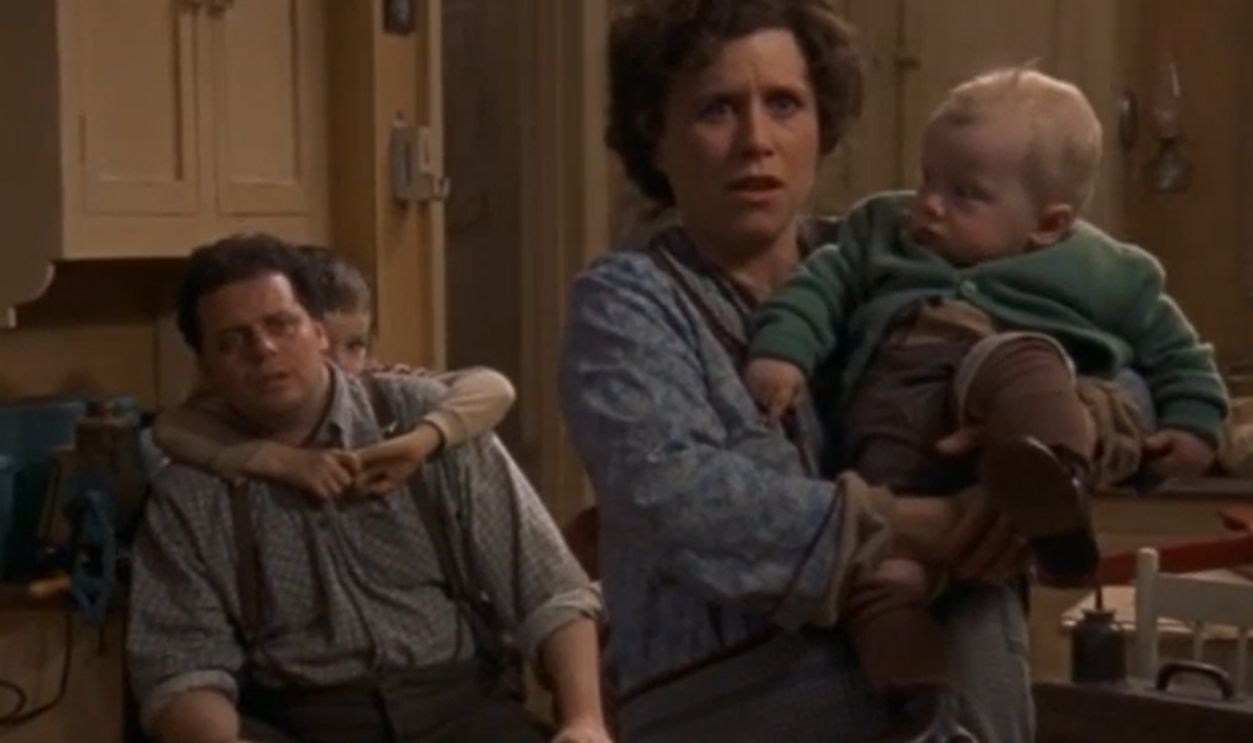
A few contestants obtained advertising or photography opportunities from their sudden fame. They also endured unwanted visitors, invasive reporting, threats, and attempts to influence their claims. Private experiences involving pregnancy, childbirth, and infant loss became material for newspaper competition.
 Screenshot from The Stork Derby, Muse Entertainment Enterprises (2002)
The Rules Were Dangerously Vague
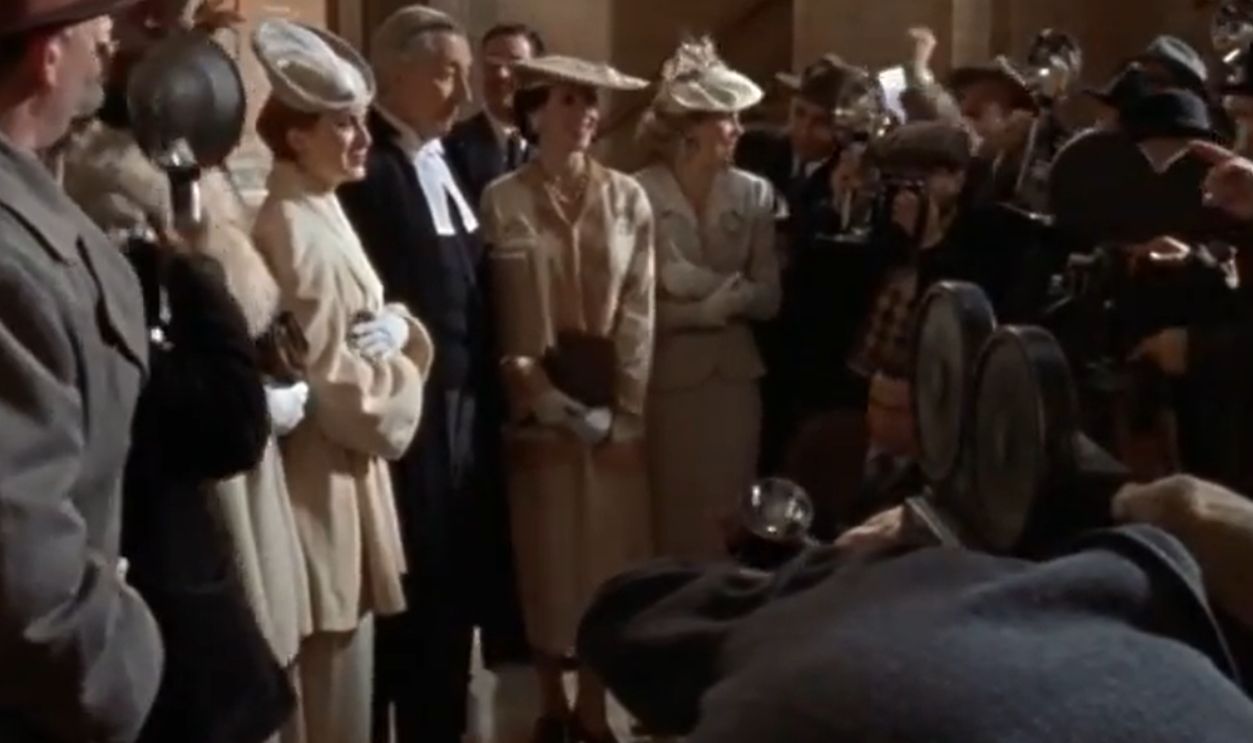
Millar required births to be shown through registrations made under Ontario’s Vital Statistics Act. However, his will did not clearly explain whether stillborn children or children born outside marriage should count. Those omissions ensured that the final standings would be decided by lawyers and judges.
 Screenshot from The Stork Derby, Muse Entertainment Enterprises (2002)
The Mothers Bore The Burden
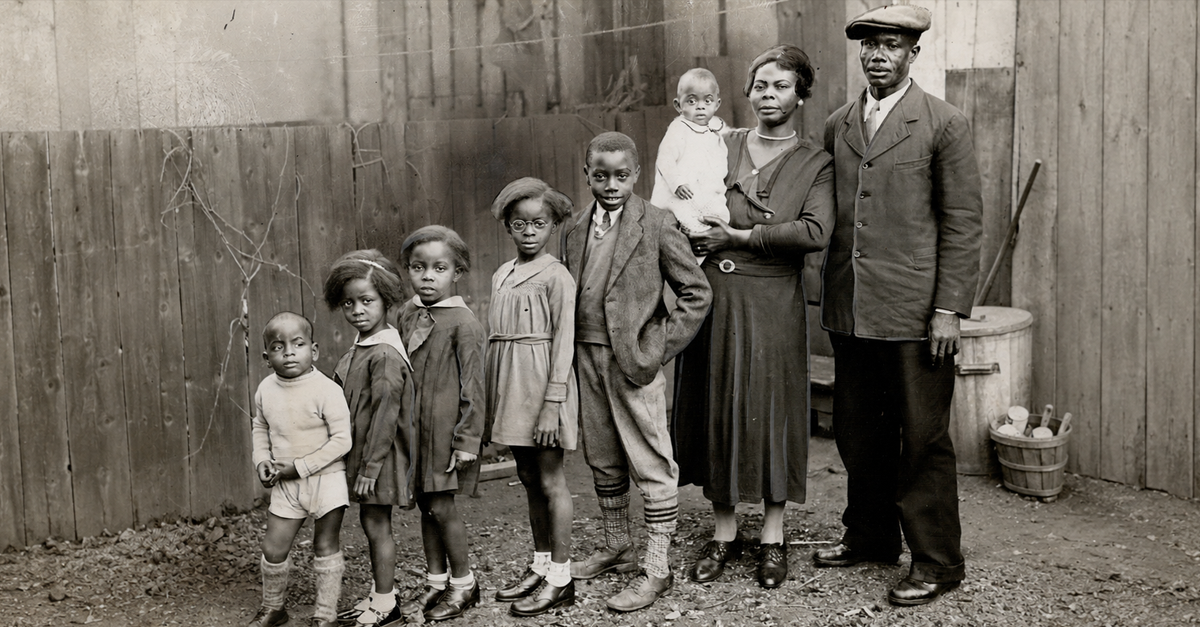
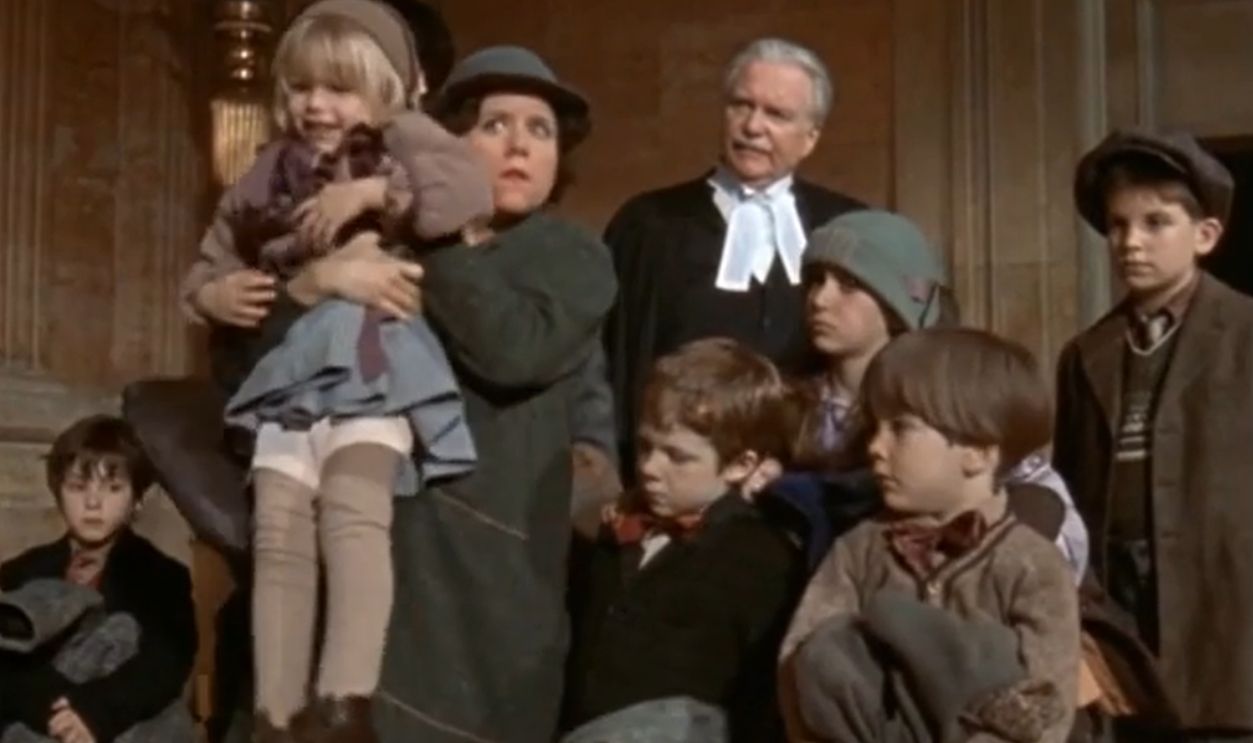
The Derby was frequently presented as light entertainment, but repeated pregnancies could impose a severe physical cost. Contemporary reports described contestants undergoing operations, hospitalization, and blood transfusions. Families were also trying to feed and house numerous children during the worst economic crisis of their generation.
 Screenshot from The Stork Derby, Muse Entertainment Enterprises (2002)
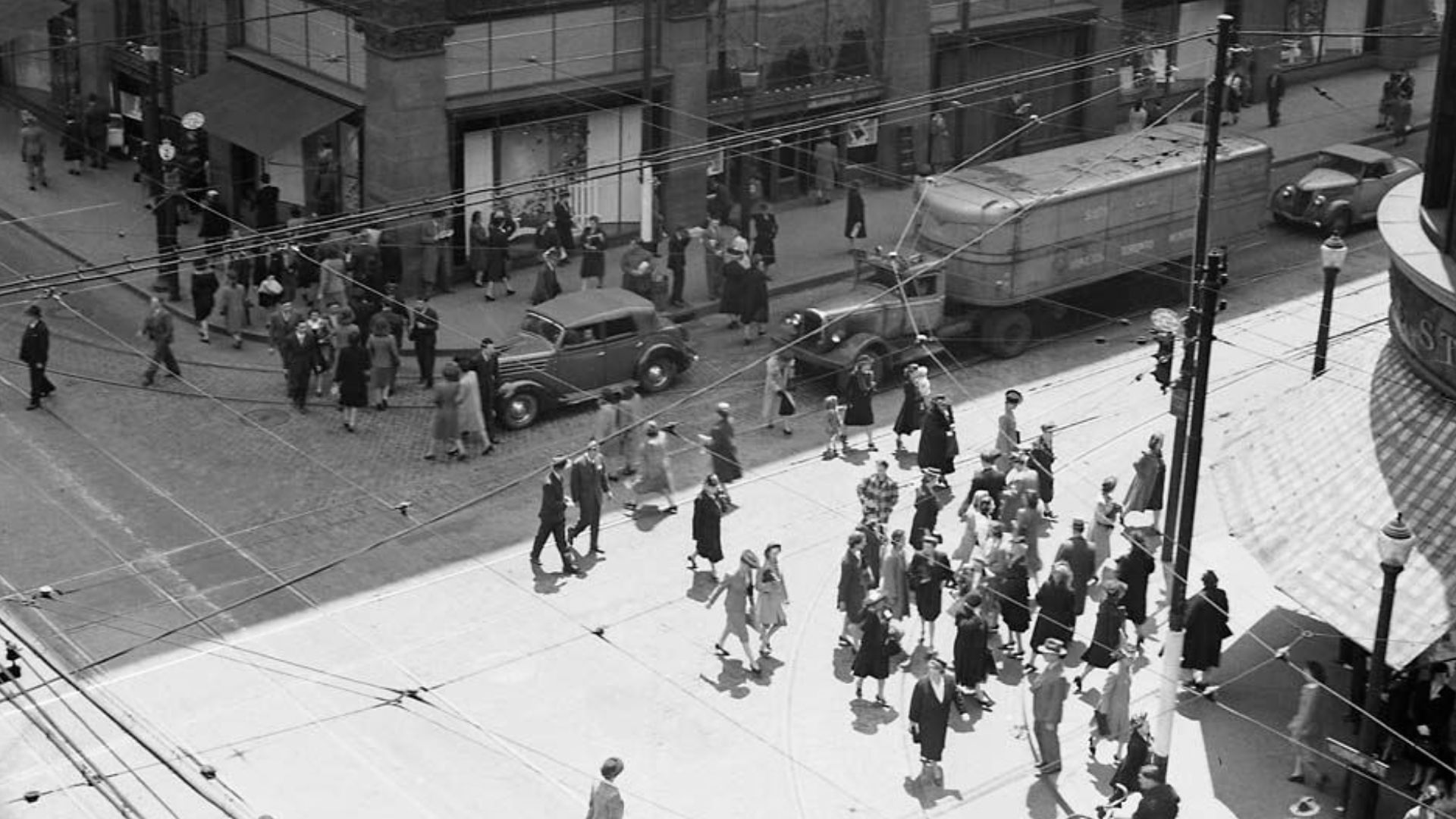
Toronto Watched The Finish
Public interest intensified as the October 31, 1936, deadline approached. Newspapers speculated about surprise contestants and the possibility that twins or triplets might alter the standings. Ontario Premier Mitchell Hepburn condemned the Derby as a revolting public exhibition.
Relatives Challenged The Will
Distant relatives of Millar attempted to have the controversial bequest invalidated. They argued, among other things, that the clause violated public policy by encouraging births outside marriage. Canadian courts rejected the effort to overturn the will.
 Charles Aylett, Wikimedia Commons
The Supreme Court Settled Its Legality
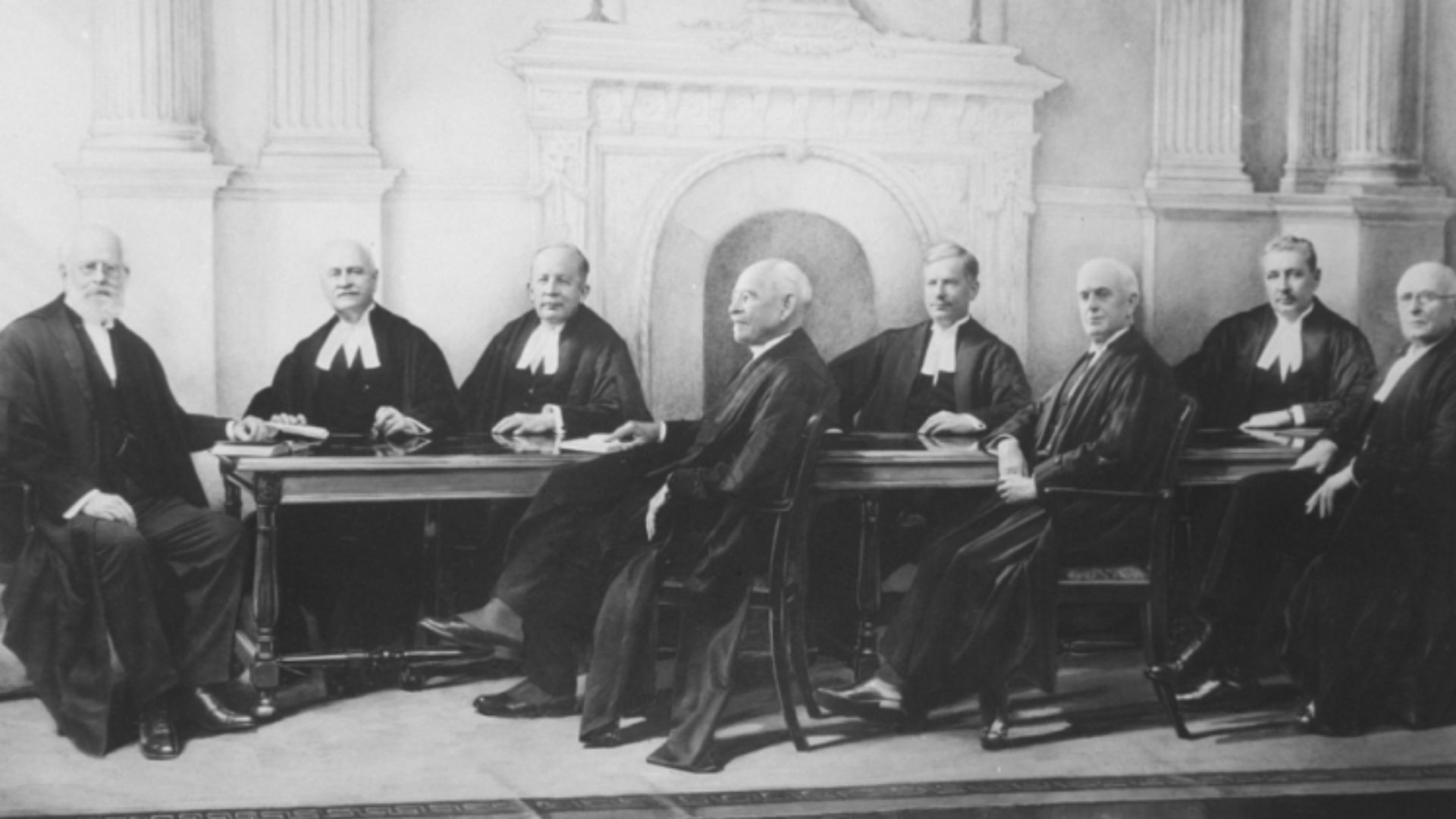
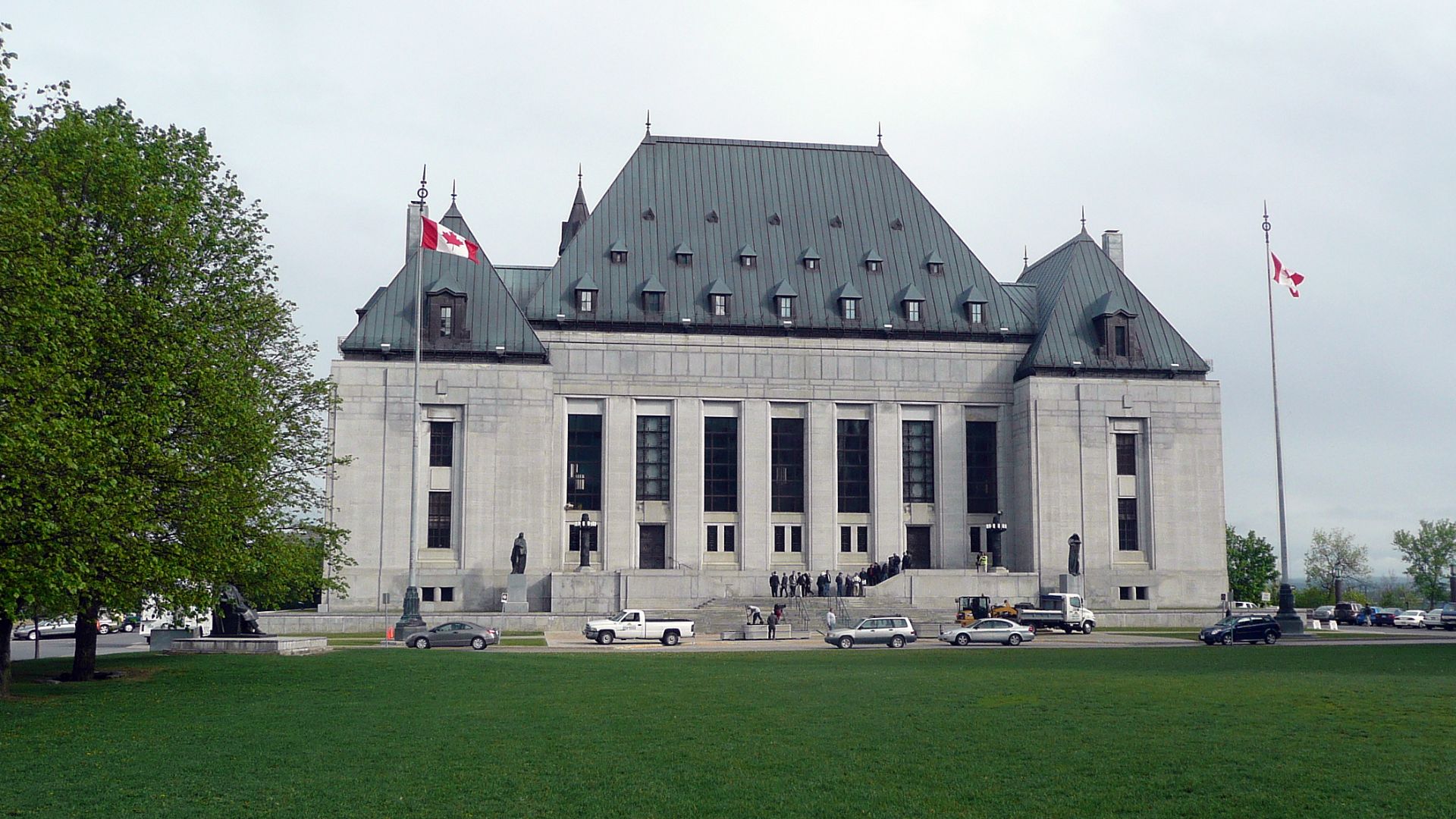
The dispute reached the Supreme Court of Canada in 1937. On December 22, the court upheld the validity of Millar’s gift and rejected the public-policy challenge. Its interpretation nevertheless restricted which children could be included in the count.
 Reading Tom from Reading, UK, Wikimedia Commons
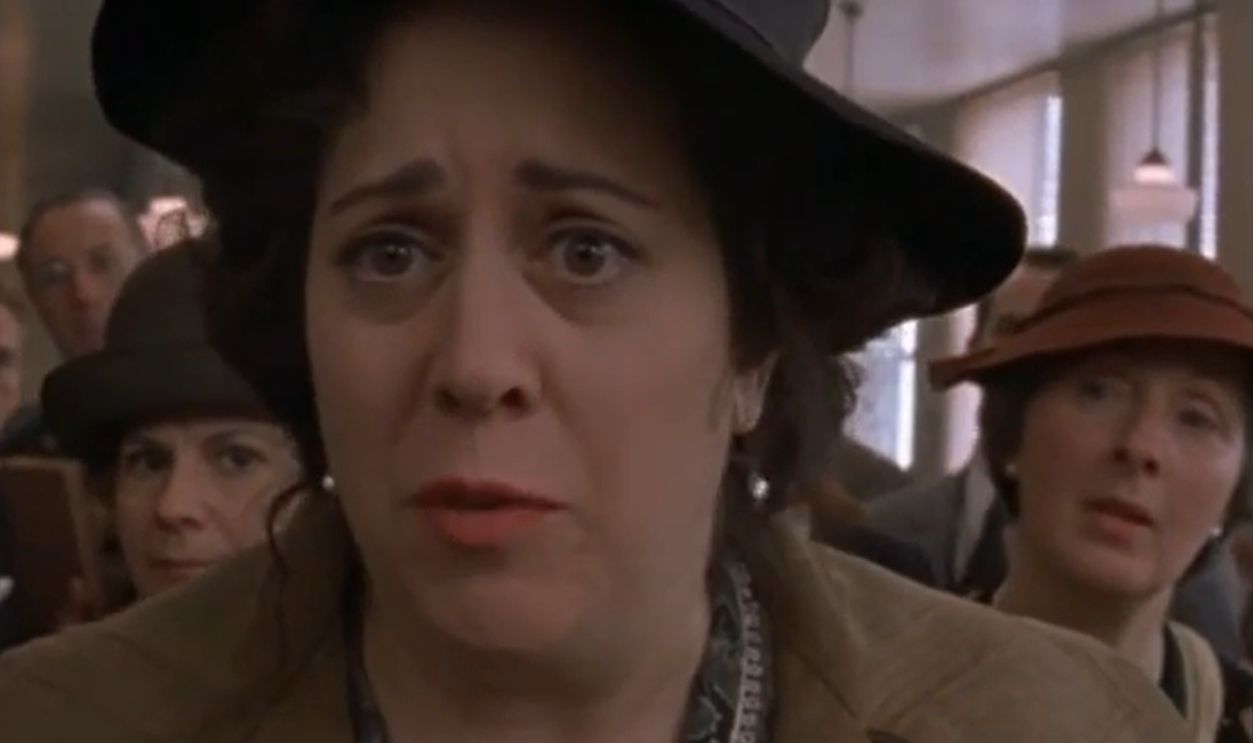
Six Women Reached The Final Stage
By February 1938, the litigation had reduced the field to six serious claimants. Grace Bagnato was excluded because two of the children included in her claim had not been properly registered. Pauline Mae Clarke and Lillian Kenny also faced disqualification because some of their claimed children did not satisfy the court’s requirements concerning marriage, registration, and live births.
 Screenshot from The Stork Derby, Muse Entertainment Enterprises (2002)
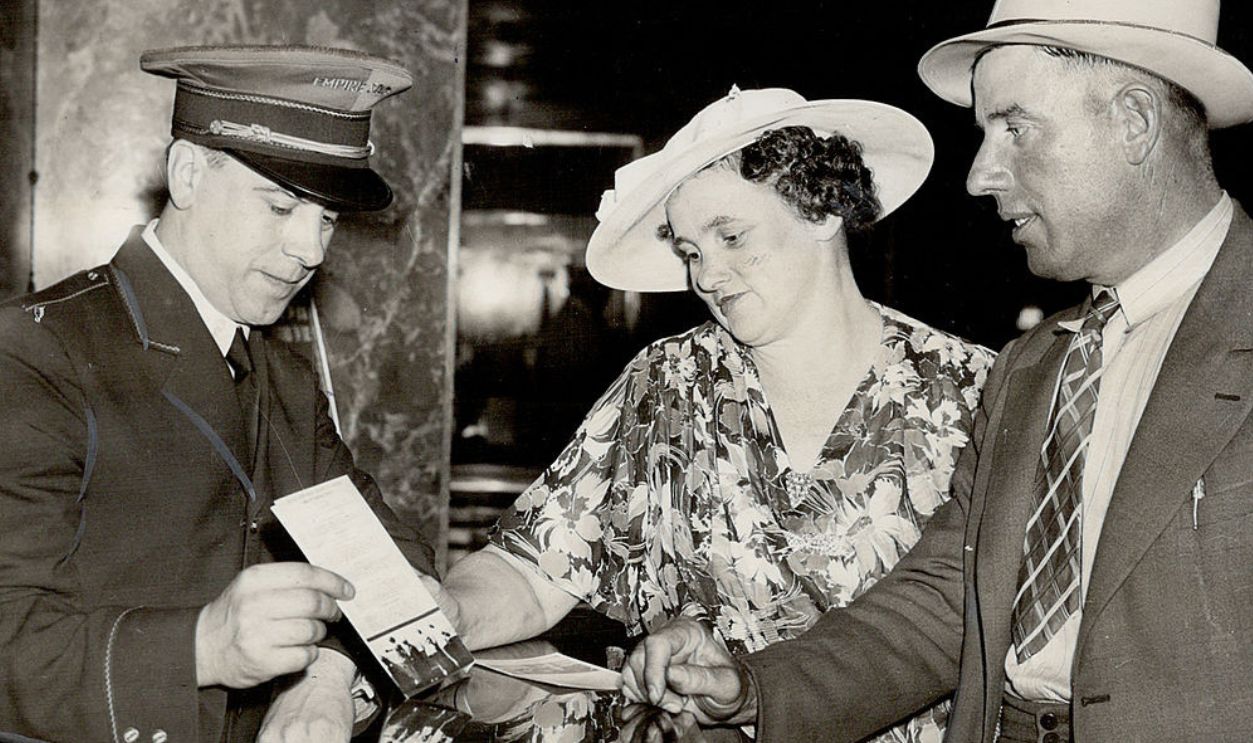
Four Mothers Shared The Fortune
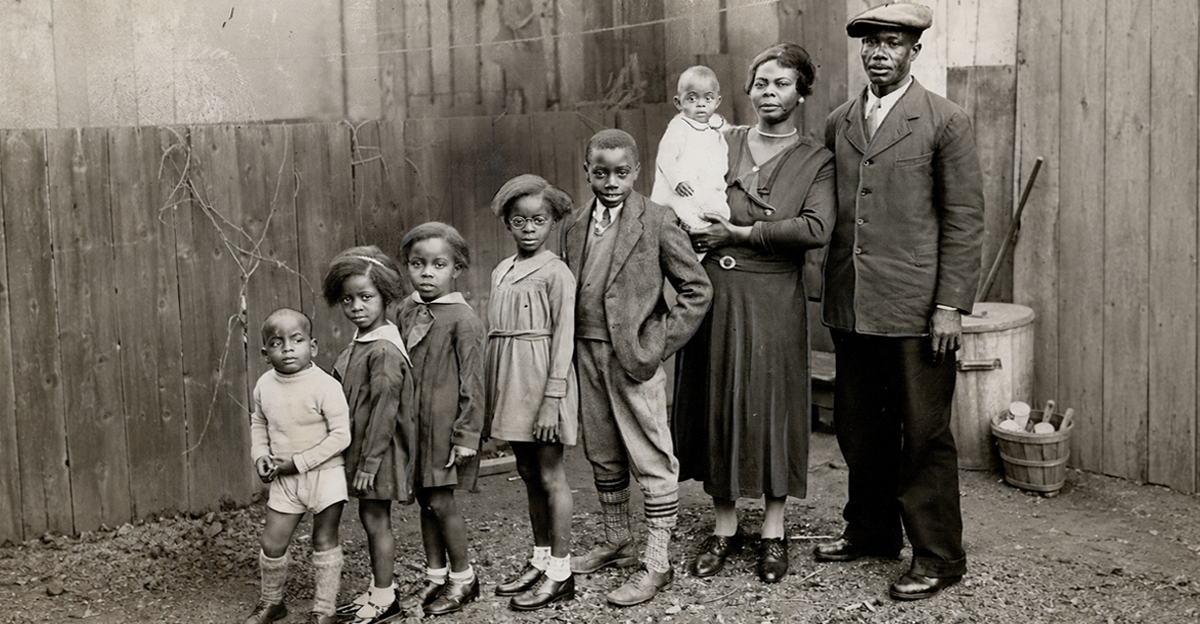
Annie Katherine Smith, Kathleen Ellen Nagle, Lucy Alice Timleck, and Isabel Mary MacLean emerged as the official winners. Each had given birth to nine qualifying children during the ten-year period. The four women reportedly received approximately $110,000 apiece, an extraordinary sum during the late 1930s. Clarke and the Kenny family later received smaller out-of-court settlements after pursuing further claims.
 Toronto Star Archives, Getty Images
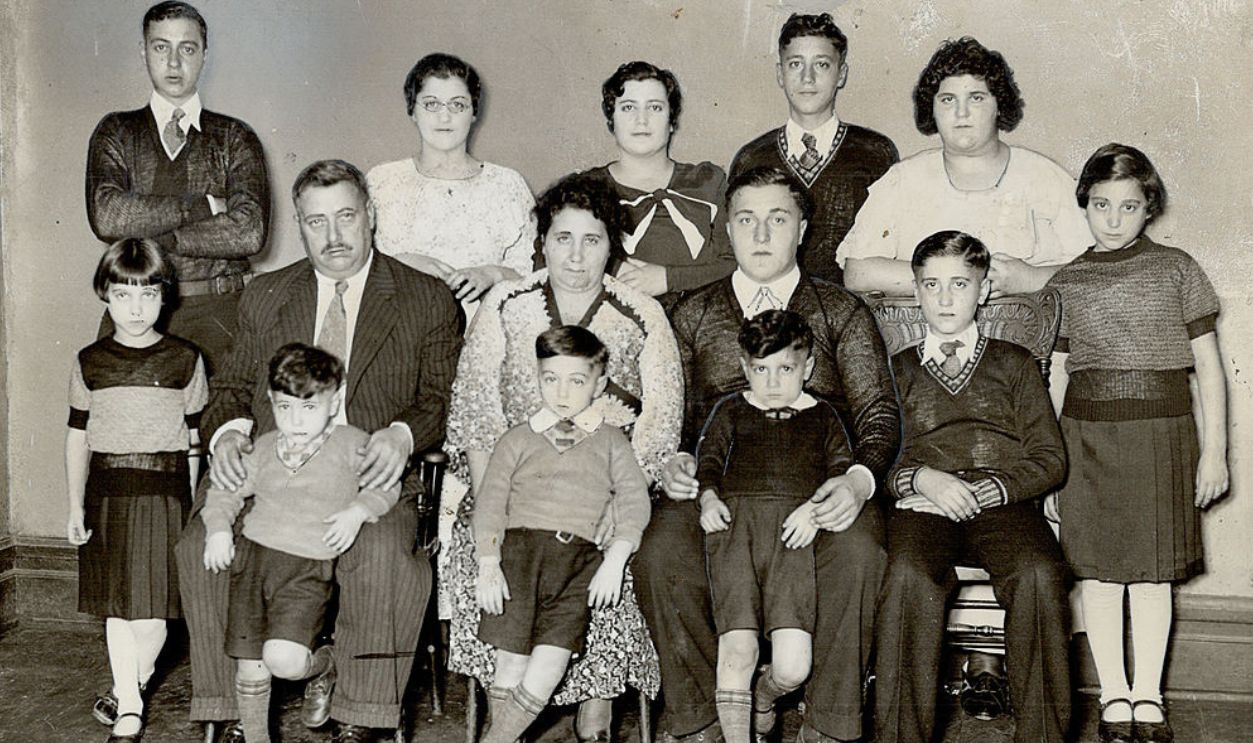
Millar’s Joke Became A Darker Legacy
Millar’s bizarre bequest transformed several families’ finances, but the money came after years of legal battles and relentless public scrutiny. Women’s pregnancies, marriages, and private losses became entertainment for newspapers and curious readers. The Great Stork Derby remains a revealing story about poverty, prejudice, reproductive politics, and sensational journalism in Depression-era Toronto.
 Toronto Star Archives, Getty Images
You May Also Like:
How Sir Arthur Conan Doyle Fell For The Cottingley Fairies Hoax
The Coney Island Incubator Babies Were Put On Display, But The Spectacle Actually Saved Lives