
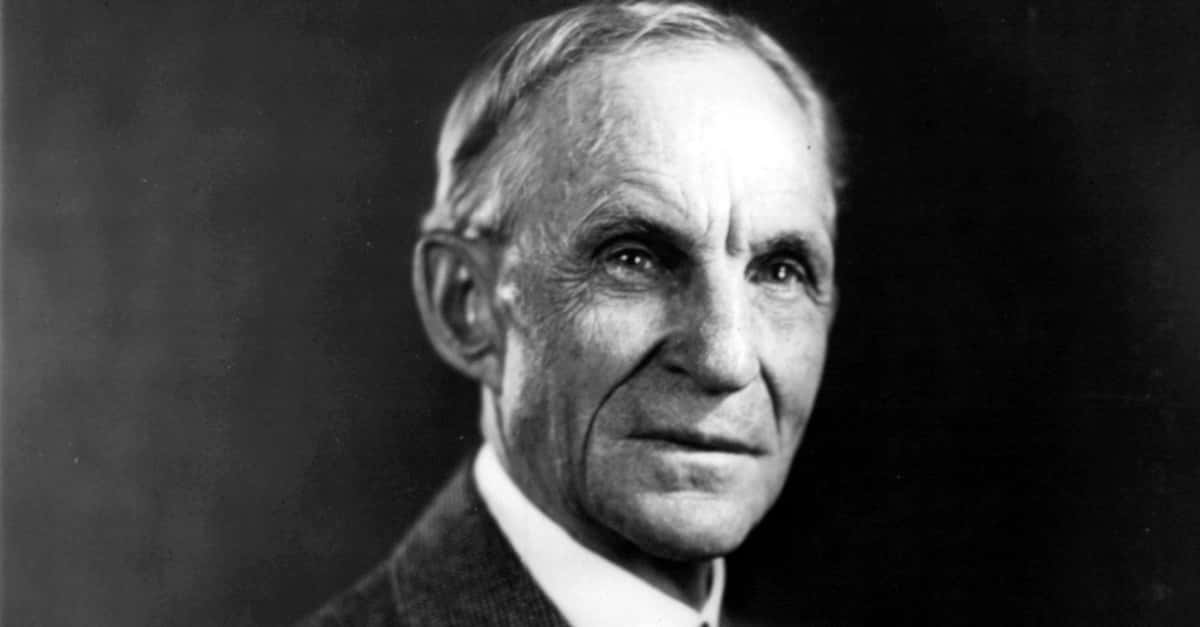
In Ford We Trust
During his years revolutionizing the automotive industry, Henry Ford became a symbol of American work ethic and ingenuity. But underneath his polished image are rusted out insides: Vindictive and demanding, Ford terrorized those within his own company, played controlling and vicious inheritance games with his family—and took one horrific belief to his grave.

1. He Never Went To High School
Henry Ford’s young life wasn’t what you’d imagine. Born in 1863 on a Michigan farm, Ford went to a one-room school, Springwells Middle School, until eighth grade. After that, he never even attended high school, though he did later take a bookkeeping course.
It wouldn’t matter: By the time he was 12, two things had already changed his life.
 Unknown Author, Wikimedia Commons
2. He Had A Specific Genius
Just before Ford left his one-room school for good, his father gave him a life-changing gift. It was a pocket watch, and Ford immediately became entranced by the inner workings of the machine. By the time he was 15, he could dismantle and reassemble the piece practically with his eyes closed, showing a facility with machinery he would nurture into greatness.
That year, he also had his first brush with destiny.
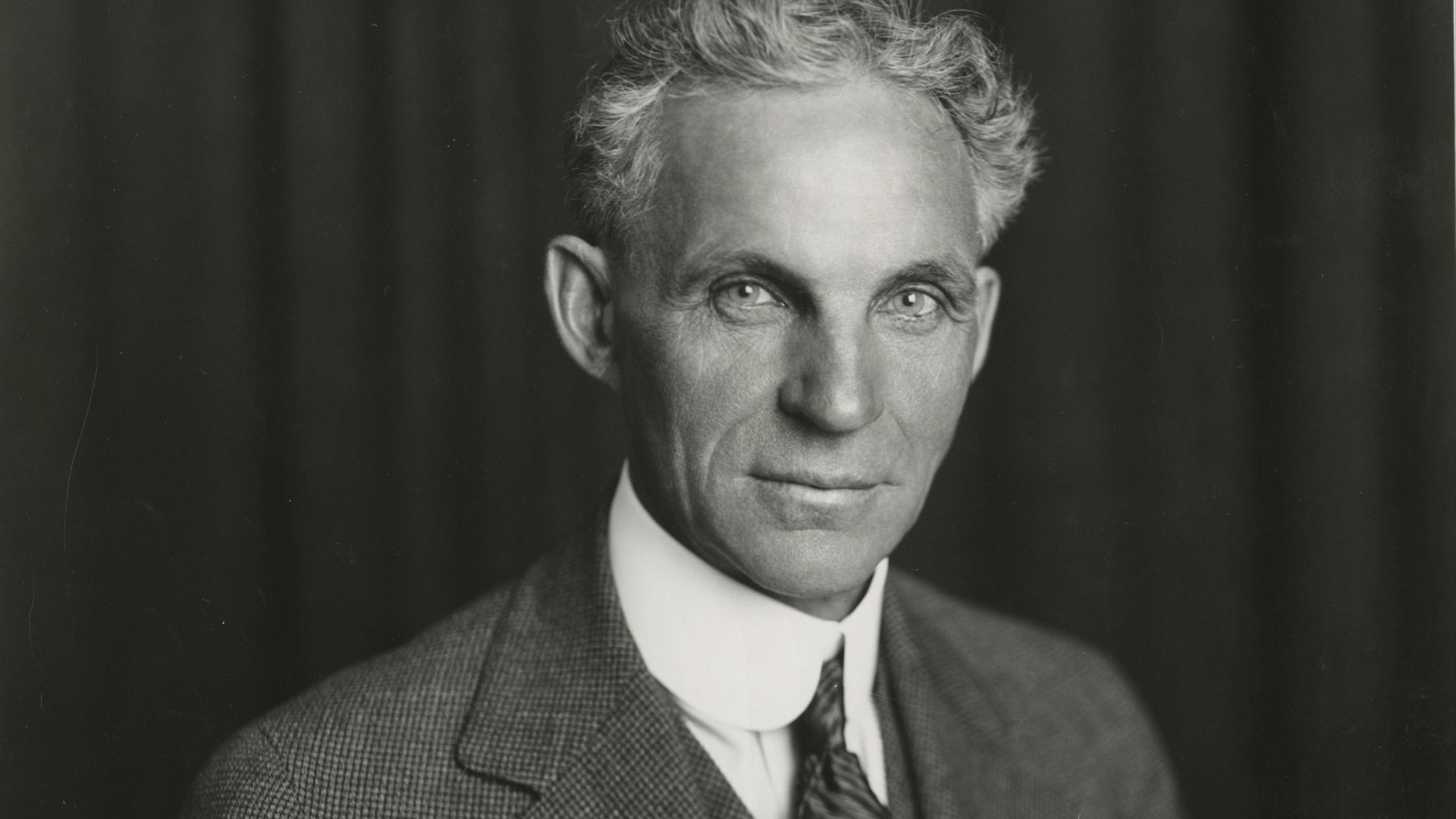 Ford Motor Company. Photographic Department, Wikimedia Commons
3. He Had An Obsession
In 1875, also at age 12, Ford saw a Nichols and Shepard road engine operating, which was, as Ford said, "the first automobile other than horse-drawn that I had ever seen". It sparked a burgeoning interest in the future of automobiles—a future that Ford would have a direct hand in.
First, however, Ford would have to go through tragedy.
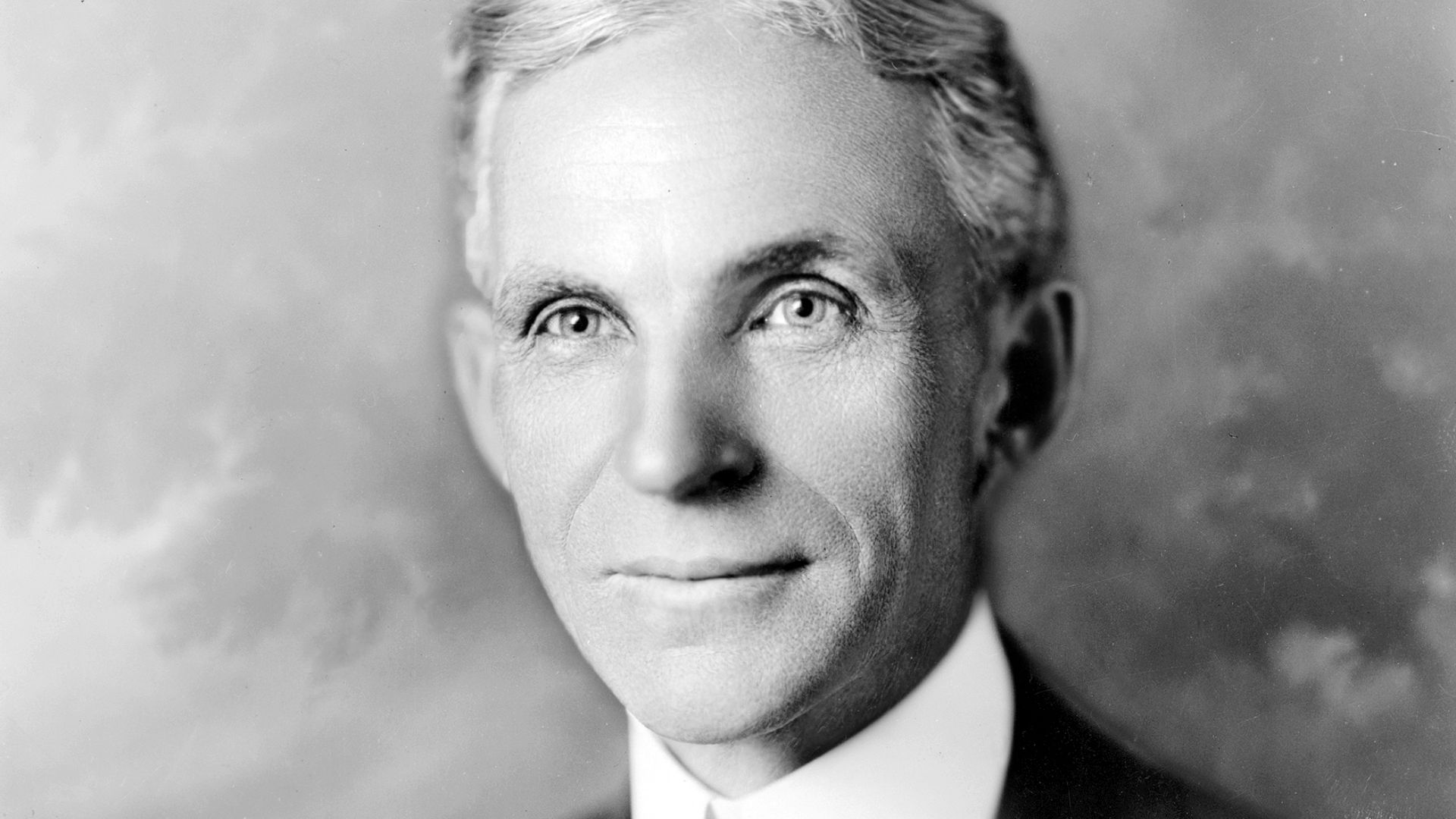 Hartsook, photographer., Wikimedia Commons
4. His Mother’s Passing Crushed Him
In 1876, the year after these soon-to-be momentous events, Ford’s mother passed. Her loss devastated him, but this wasn’t the only consequence. It also pushed his father to begin talking to Ford about taking over the family farm when the time came, a responsibility Ford balked at. As he put it, "I never had any particular love for the farm—it was the mother on the farm I loved".
Instead, Ford pursued a now famous path.
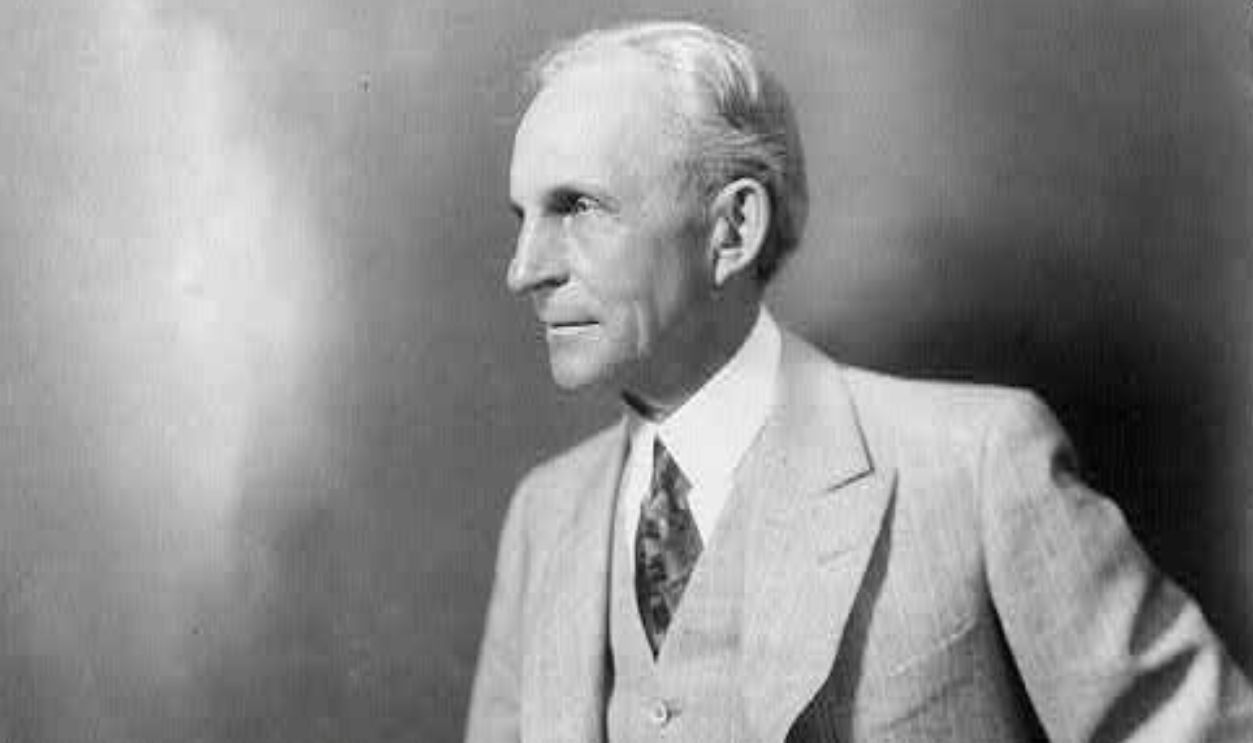 Caption card tracings: BI; Shelf., Wikimedia Commons
5. He Built His Own Car
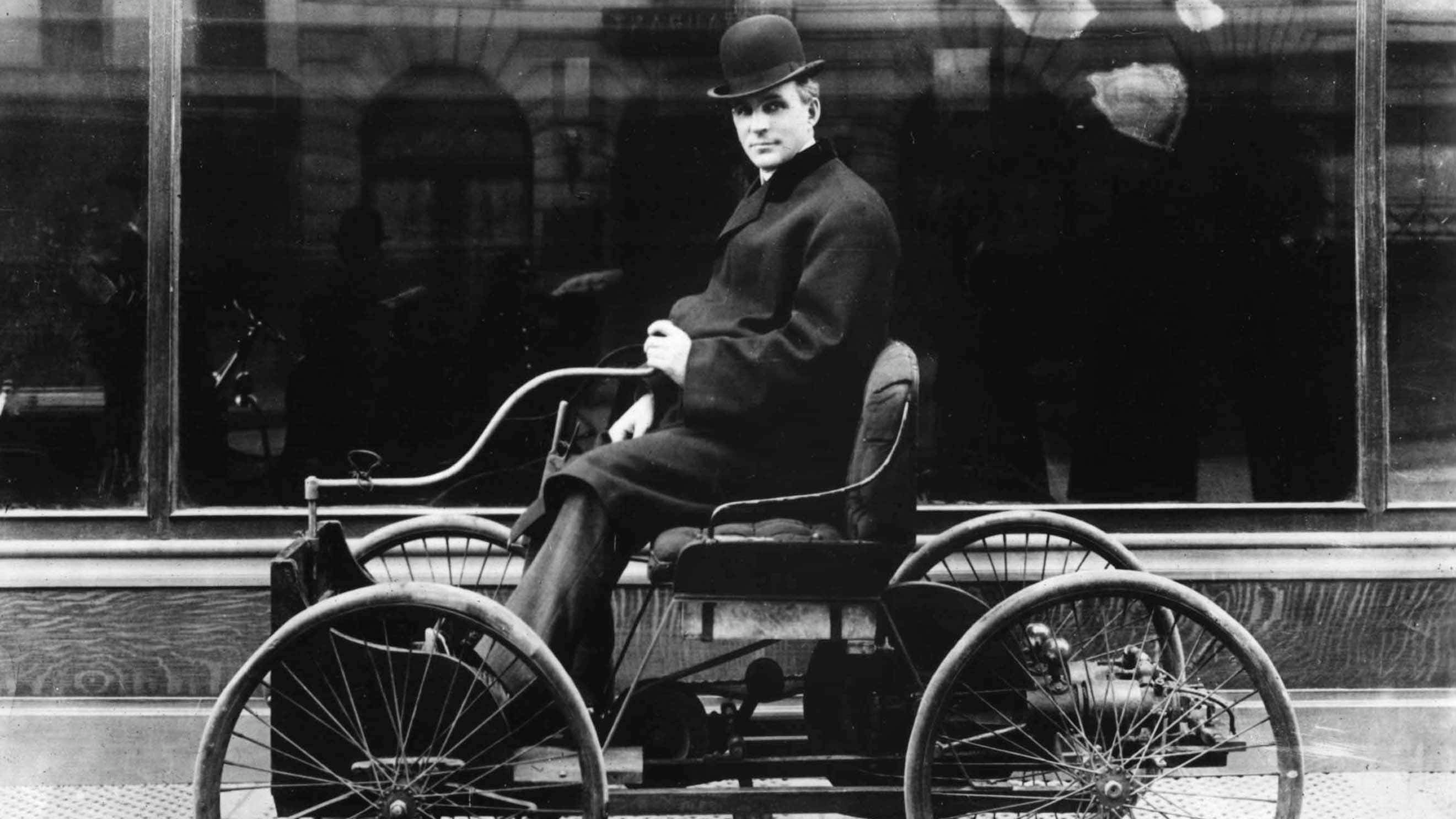
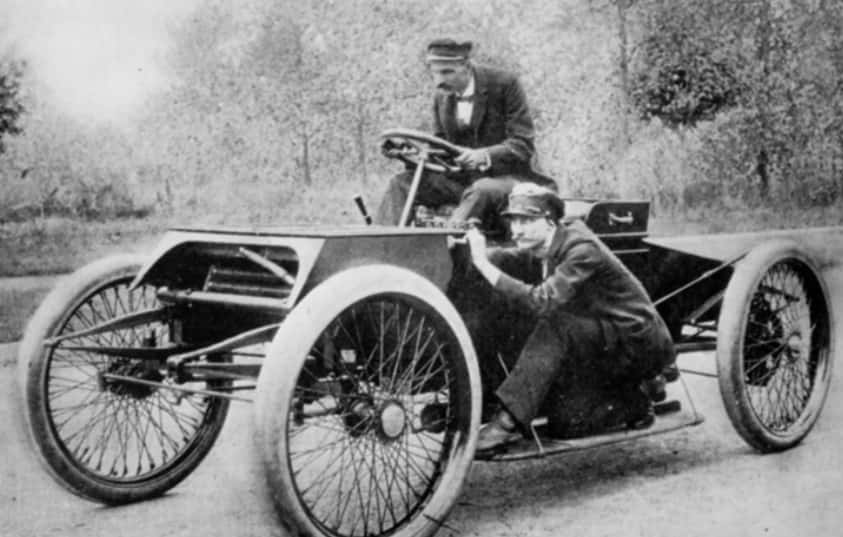
In 1879, Ford left his small Michigan town to work as an apprentice machinist in Detroit. Over the next years, while still working intermittently on the family farm, he began operating and then building steam engines, various other engines, and finally, in 1892, his first motor car in his home workshop.
By this point, however, he wasn’t doing it alone.
6. He Married A Strong Woman
In April of 1888, Henry Ford married Clara Bryant, and his new wife was no pushover. A feminist and a suffragist, Clara was sometimes with him during his experiments in automobiles, and was by his side when he performed the first test of a gasoline engine on Christmas Eve of 1891 for his custom car.
In 1893, Clara gave birth to the couple’s only child, son Edsel. It wasn’t long after that Ford took an enormous risk.

7. He Took A Huge Risk
Since 1891, Ford had been working for the Edison Illuminating company of Detroit, and had even met Thomas Edison himself. But in 1899, shortly after finishing another custom automobile in his home garage, Ford resigned from Edison’s company, struck out on his own, and founded the Detroit Automobile Company.
But this was no overnight success. There were problems from the start.

8. He Refused To Fold
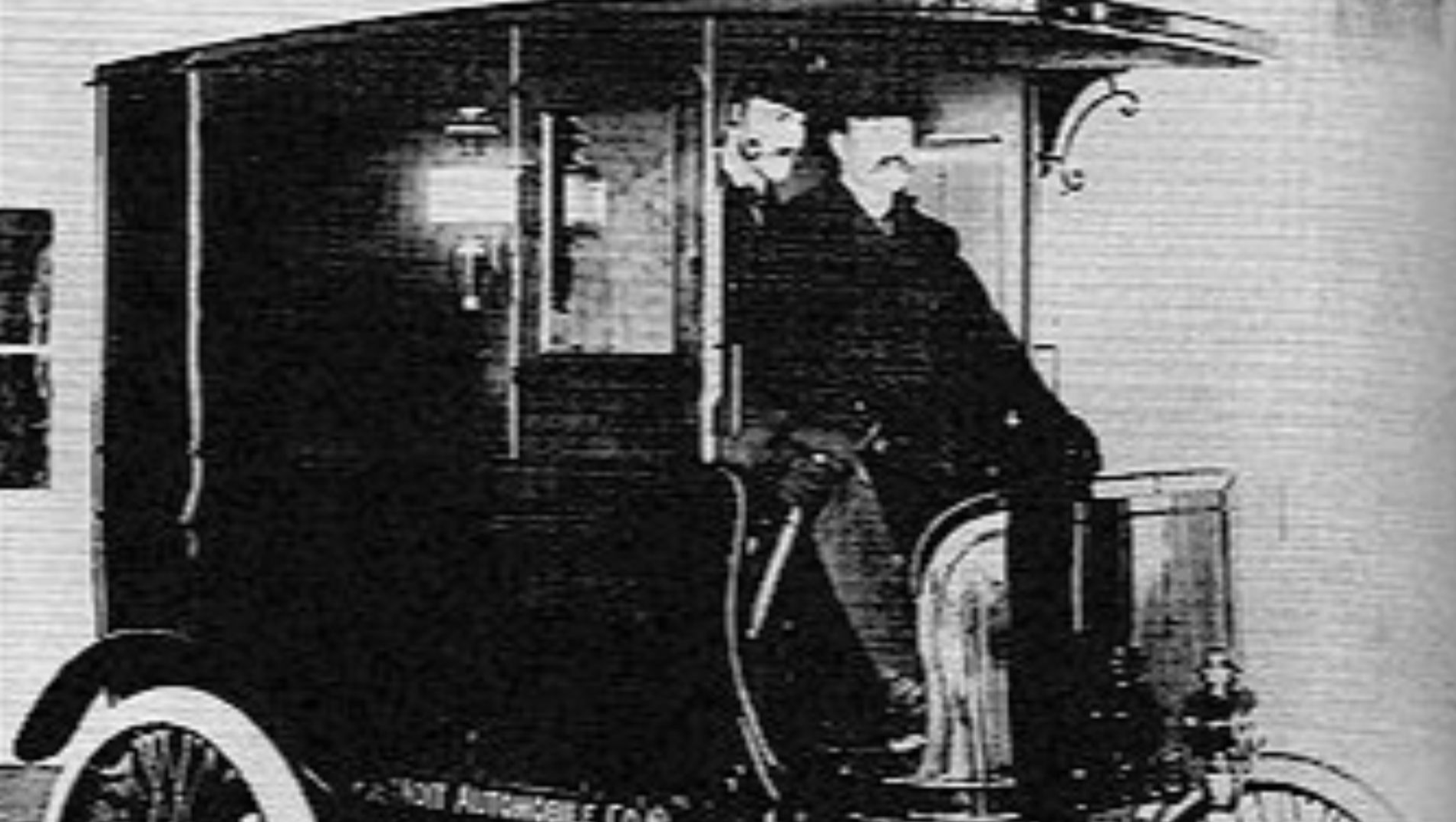
The Detroit Automobile Company struggled to produce high quality cars in the price range Ford wanted, and the company folded in 1901. Here, Ford revealed his true colors. Chronically unwilling to give up, Ford soon set up the Henry Ford Company instead with a group of shareholders, taking on the role of Chief Engineer.
Still, some of Ford's problems weren’t just the usual business growing pains. Some of the problems were Henry Ford himself.
 Unknown authorUnknown author, Wikimedia Commons

History's most fascinating stories and darkest secrets, delivered to your inbox daily.
9. He Quit His Own Company
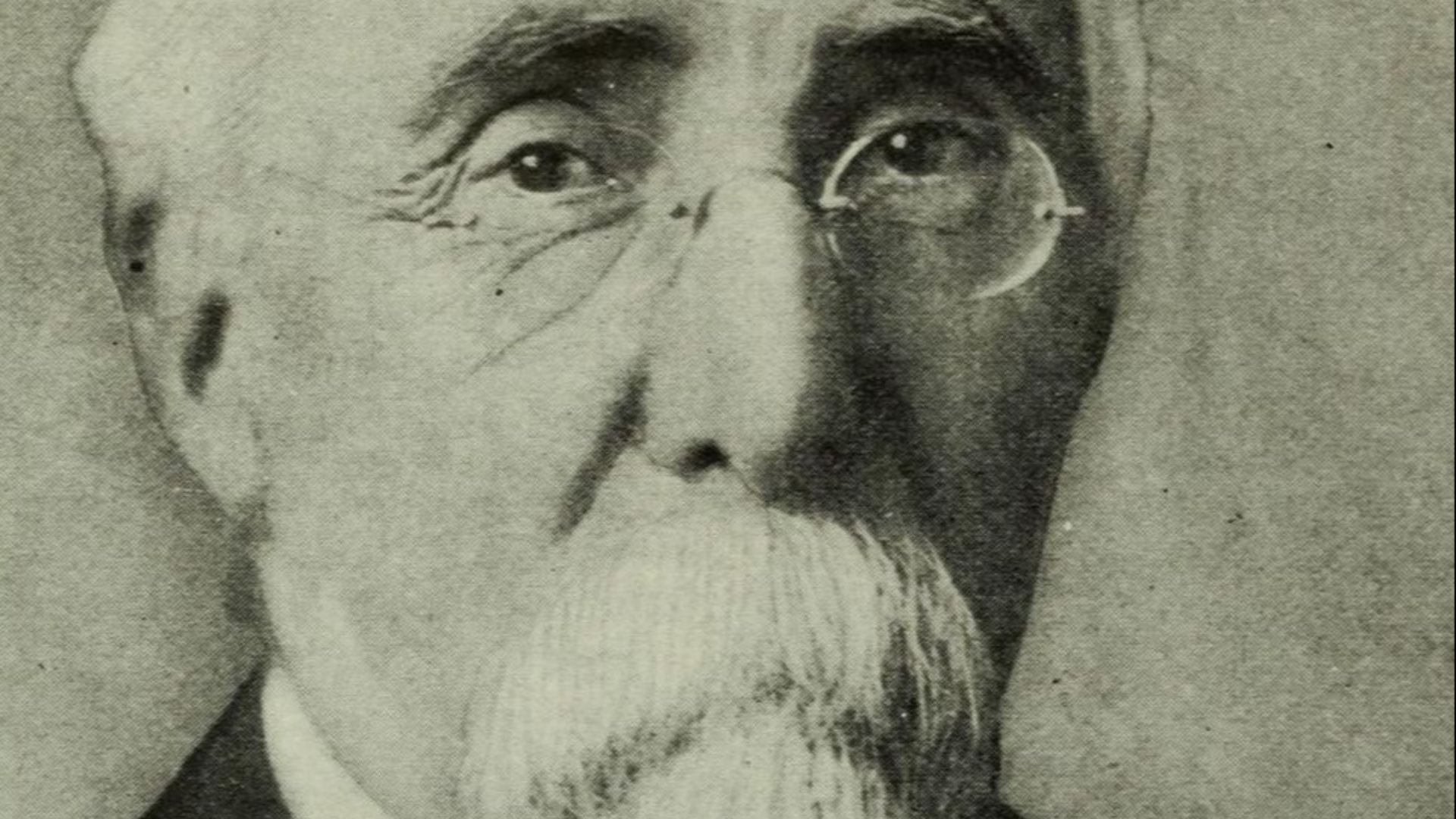
The Henry Ford Company also struggled, and in 1902 its stockholders brought in machinist Henry M Leland as a consultant to discuss liquidating their assets. Although Leland actually recommended reorganizing the company instead of dissolving it, it was all too much for Ford’s ego, and he left the company he’d given his name to. It was a big mistake.
 Unknown authorUnknown author, Wikimedia Commons
10. He Failed At Business
In his role as consultant, Leland had actually provided the company with some good advice Ford should have listened to—namely, to make a new kind of car powered by the single-cylinder engine Leland had designed for Oldsmobile. To Ford’s likely chagrin, the outfit ended up flourishing without him…now under the name “Cadillac”.
Ford, for his part, was on to the next thing. But everywhere he went, his temper followed.
 Unknown Author, Wikimedia Commons
11. He Couldn’t Be Trusted
In the summer of 1903, Ford had gathered together a rag-tag group of investors, including John and Horace Dodge, to form the Ford Motor Company. But by then, even Ford’s business partners viewed him as something of a liability. To avoid Ford’s “volatility,” they actually made another investor, John S Gray, president of the company rather than Ford.
Still, Ford needed some outlet for his restless spirit. He got one.
 Clarence Monroe Burton, Wikimedia Commons
12. He Was A Speed Demon
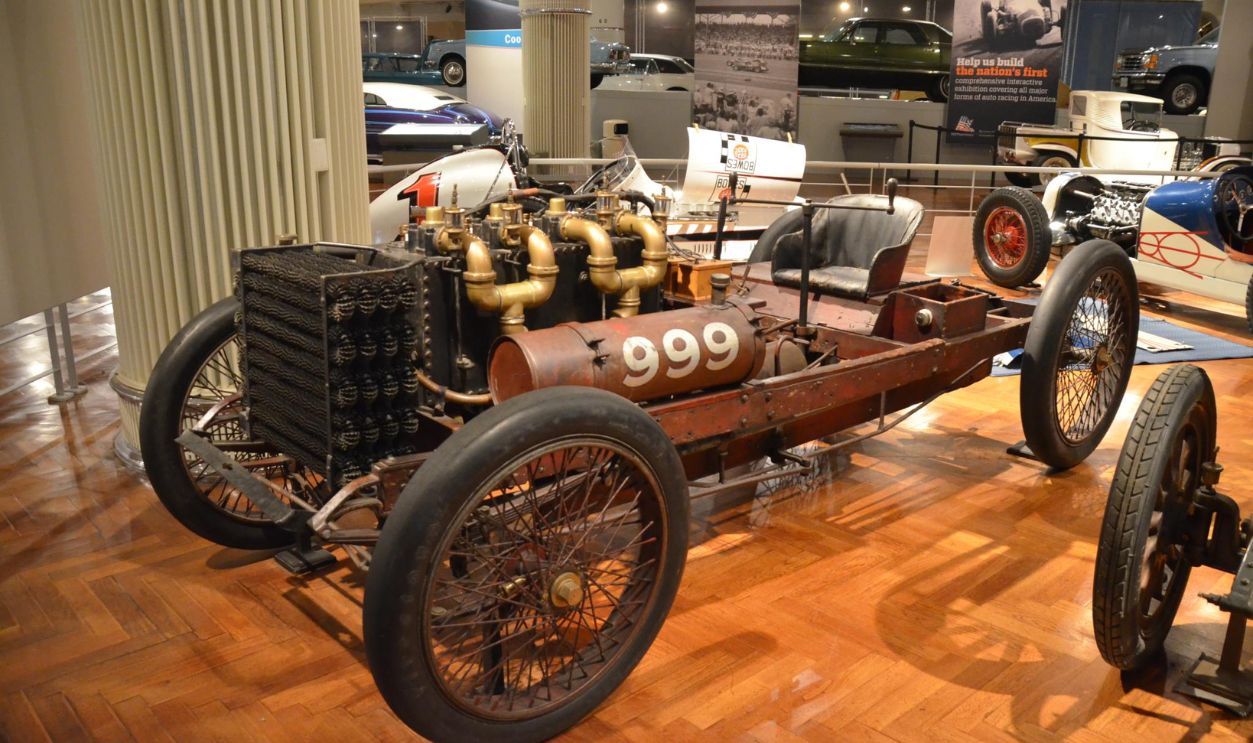
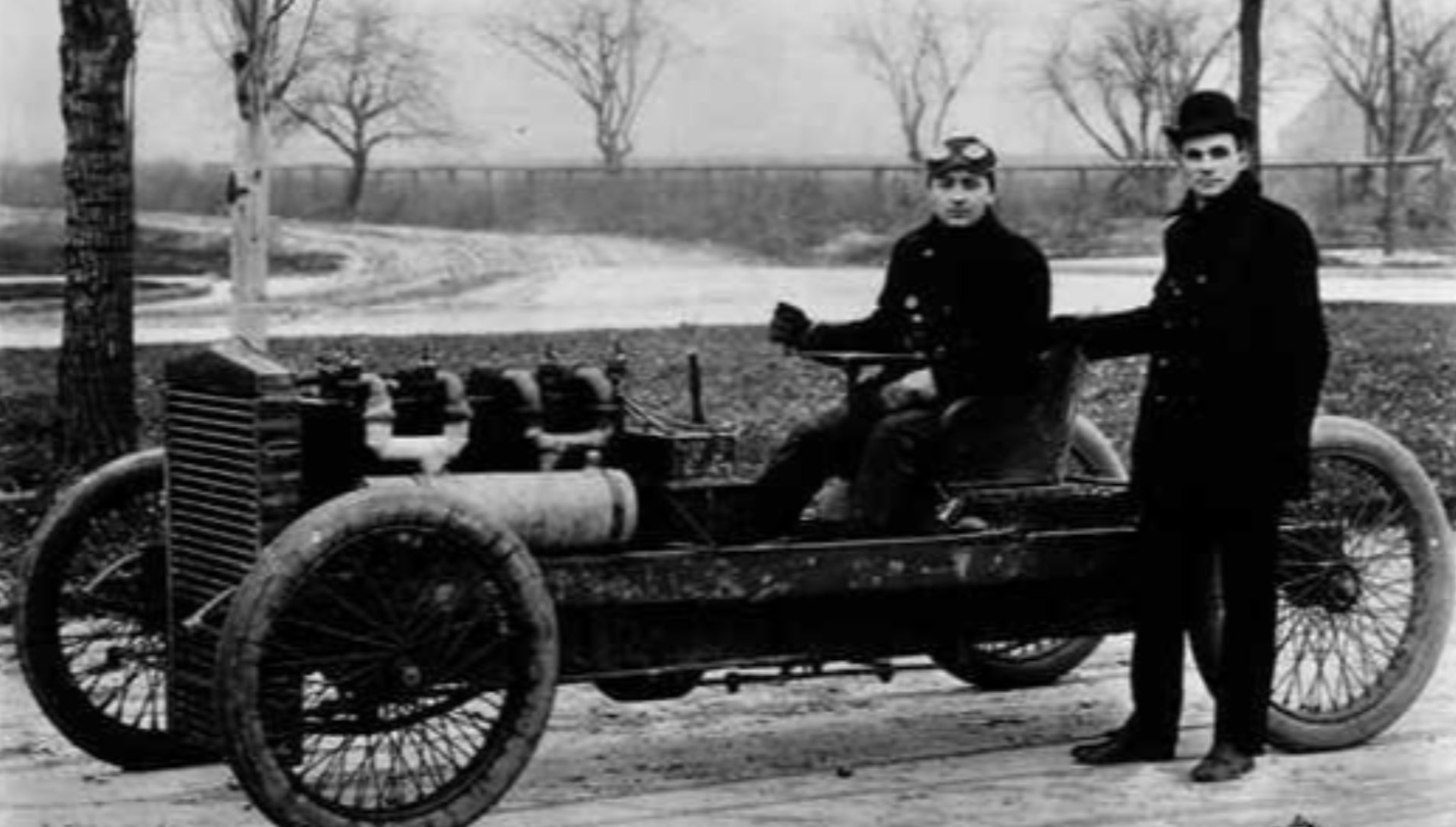
Although he would later shy away from the courage needed for innovation, during these years Henry Ford was a certified daredevil. He once demonstrated a new car, what was to be the Ford 999, over the ice of Lake St Clair, driving one mile in 39.4 seconds and setting a new land speed record. As it happened, this was exactly what his company needed.
 Joe Ross, CC BY-SA 2.0, Wikimedia Commons
13. He Got A Spokesperson
After hearing about the land speed feat, race car driver and Ford fan Barney Oldfield presented himself as a kind of spokesman for the car. He soon drove the 999 all around America, upping the name recognition of the Ford company in the process.
Everything was finally lining up for Henry Ford, and the dominos were about to fall.
14. He Made A Famous Car
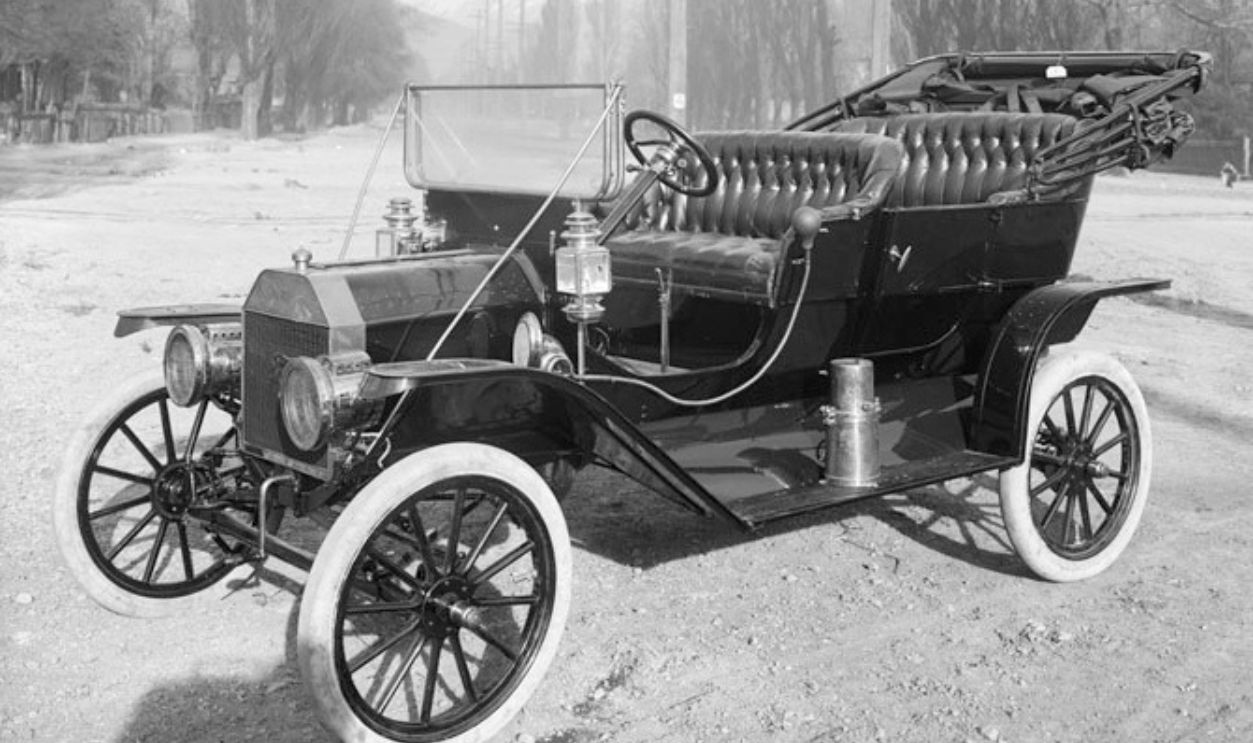
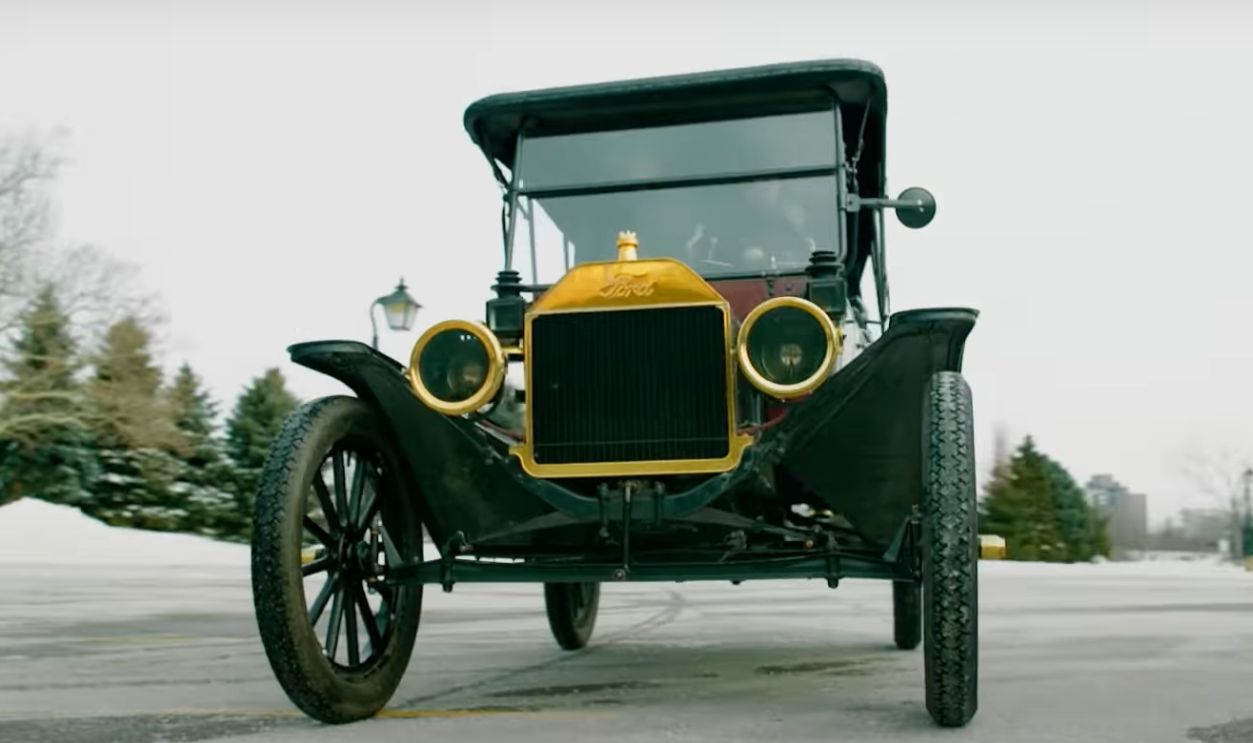
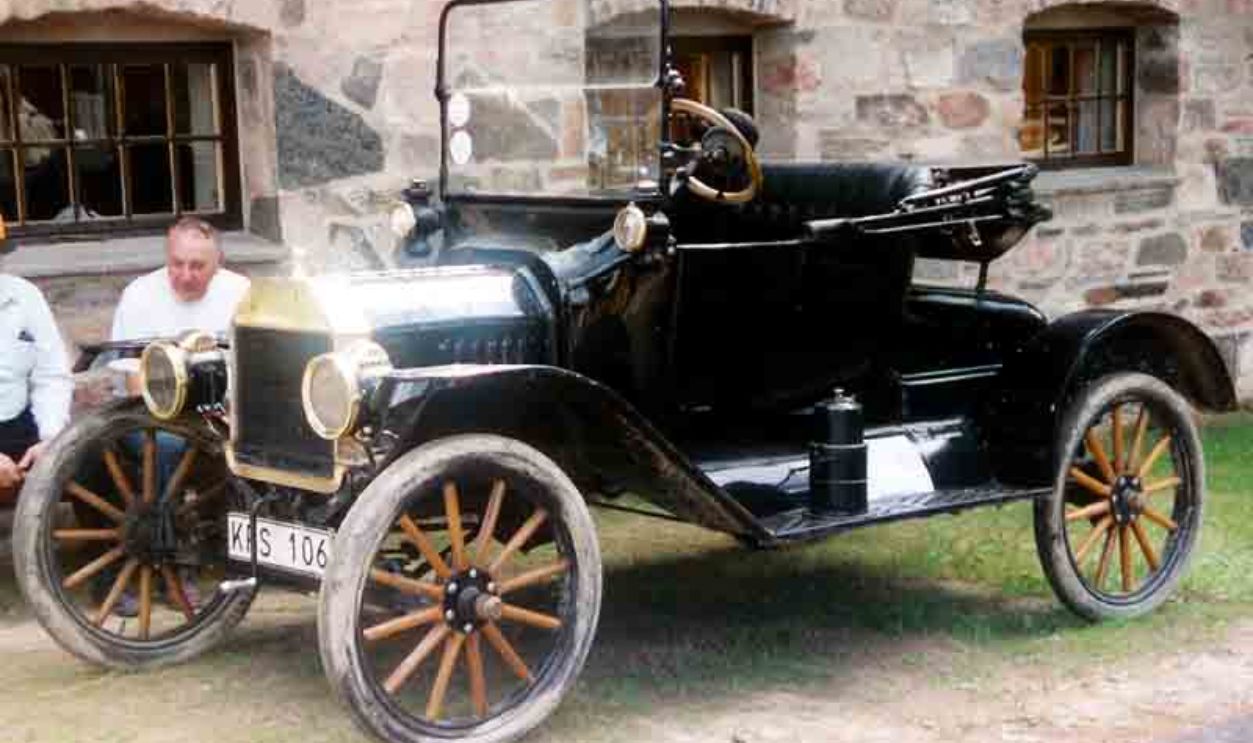
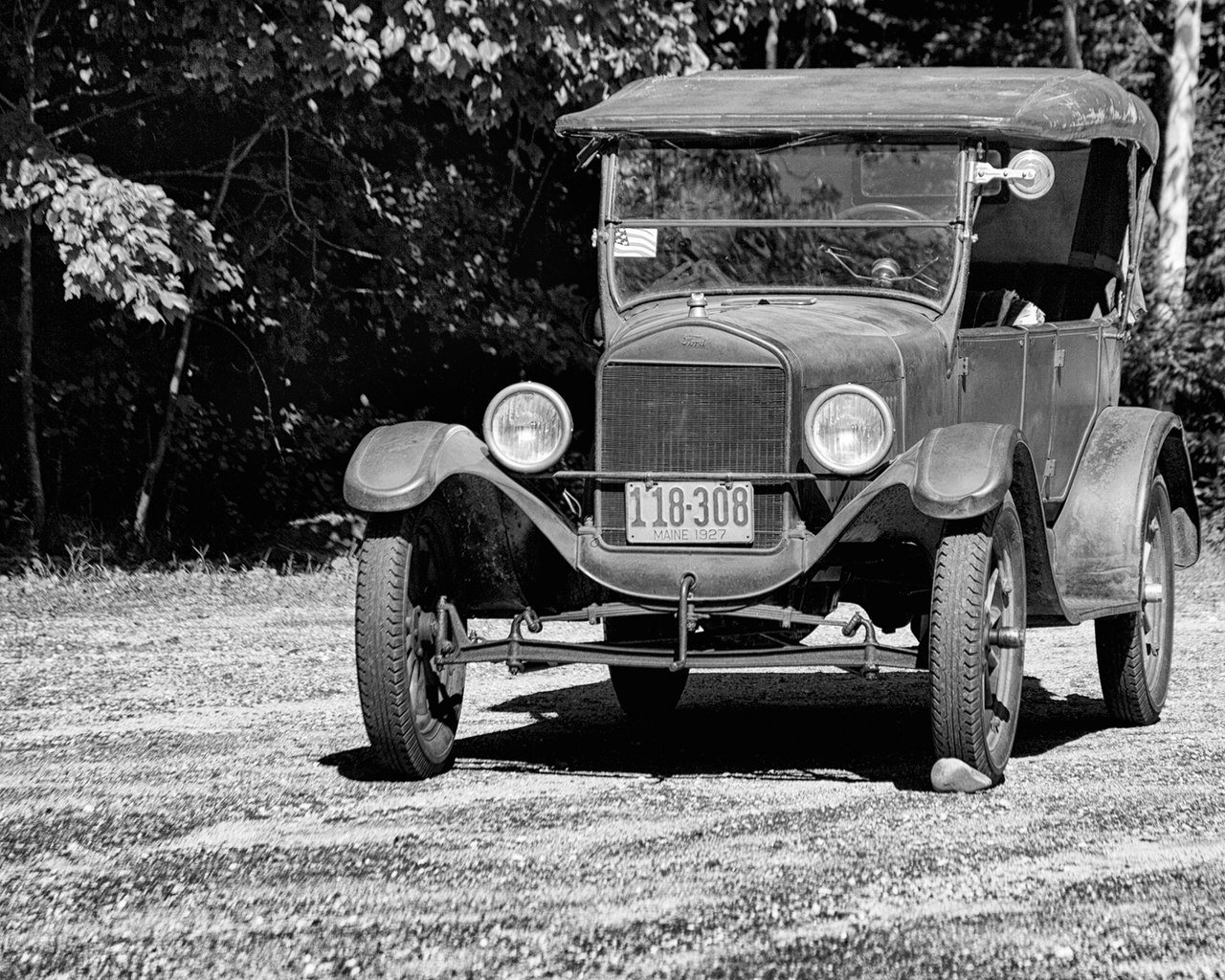
In 1908, Ford put out his famous Model T—and he finally got everything perfect. For years, he had been looking for a way to make a reliable car that was inexpensive to produce and thus accessible to most Americans, not to mention easy to operate. With the Model T, he finally had his dream vehicle. The effect was almost immediate.
15. There Was Model T Mania
With the Model T priced at just $825 a pop (about $29,000 today) in 1908, customers began flocking to the automobile, and it took only 10 years for half of all cars in the US to be Model Ts. It was so ubiquitous that Ford’s choice to put the steering wheel on the left—not a guarantee at the time—became the blueprint for the American car.
But the Model T would never have become an icon without Ford’s cunning.
16. He Was Ruthless
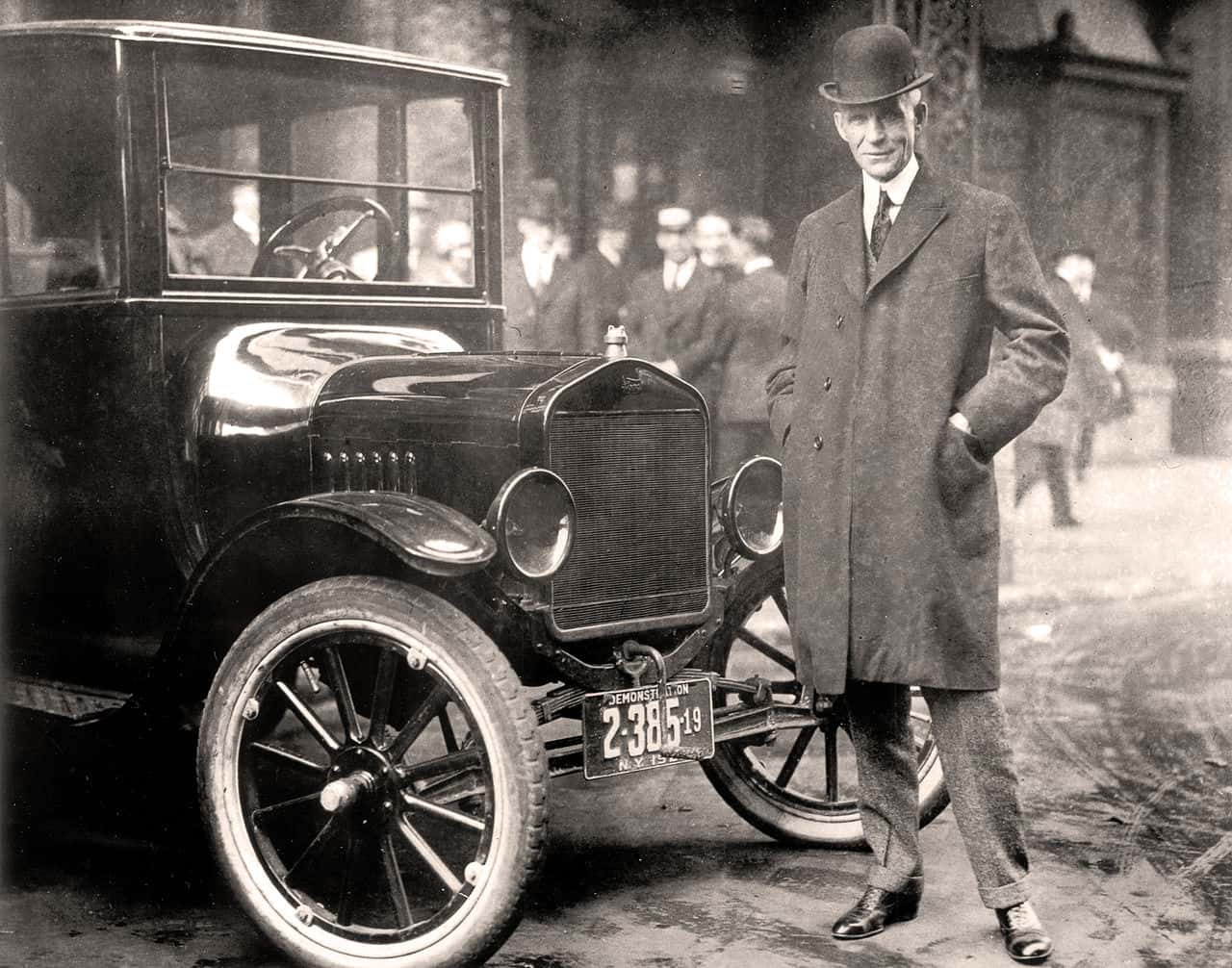
After several years of failing companies, Ford knew he had to sell the Model T to the public for all it was worth. His tactics were relentless. The manufacturer had an enormous publicity machine based in Detroit, which ensured that all of the city’s newspapers carried ads and stories about the Model T.
This kind of publicity was a tactic Ford would later use to devastating effect, but it wasn’t his only claim to fame during these years.
 Harry Shipler, Wikimedia Commons
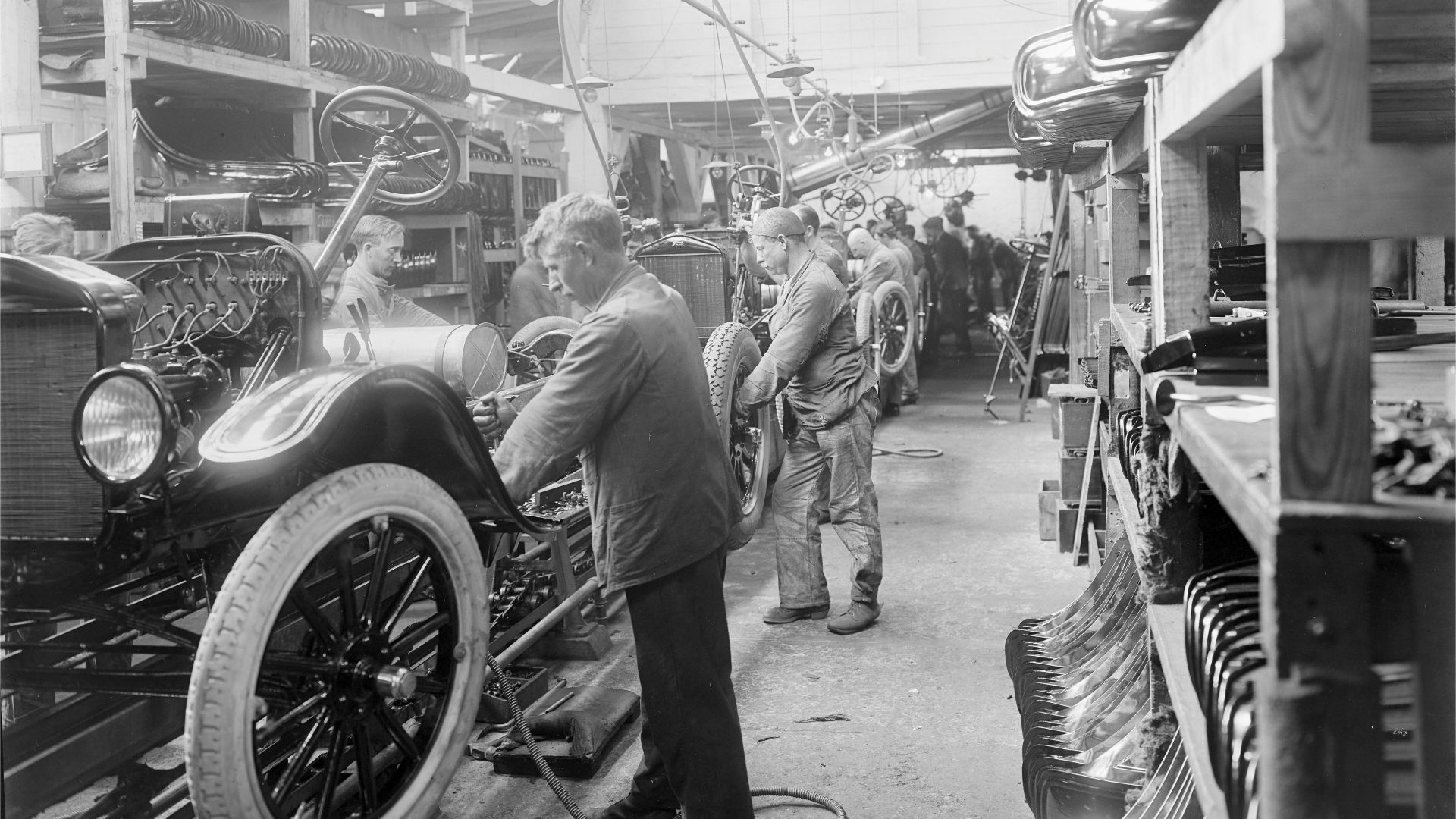
17. He Introduced The Assembly Line
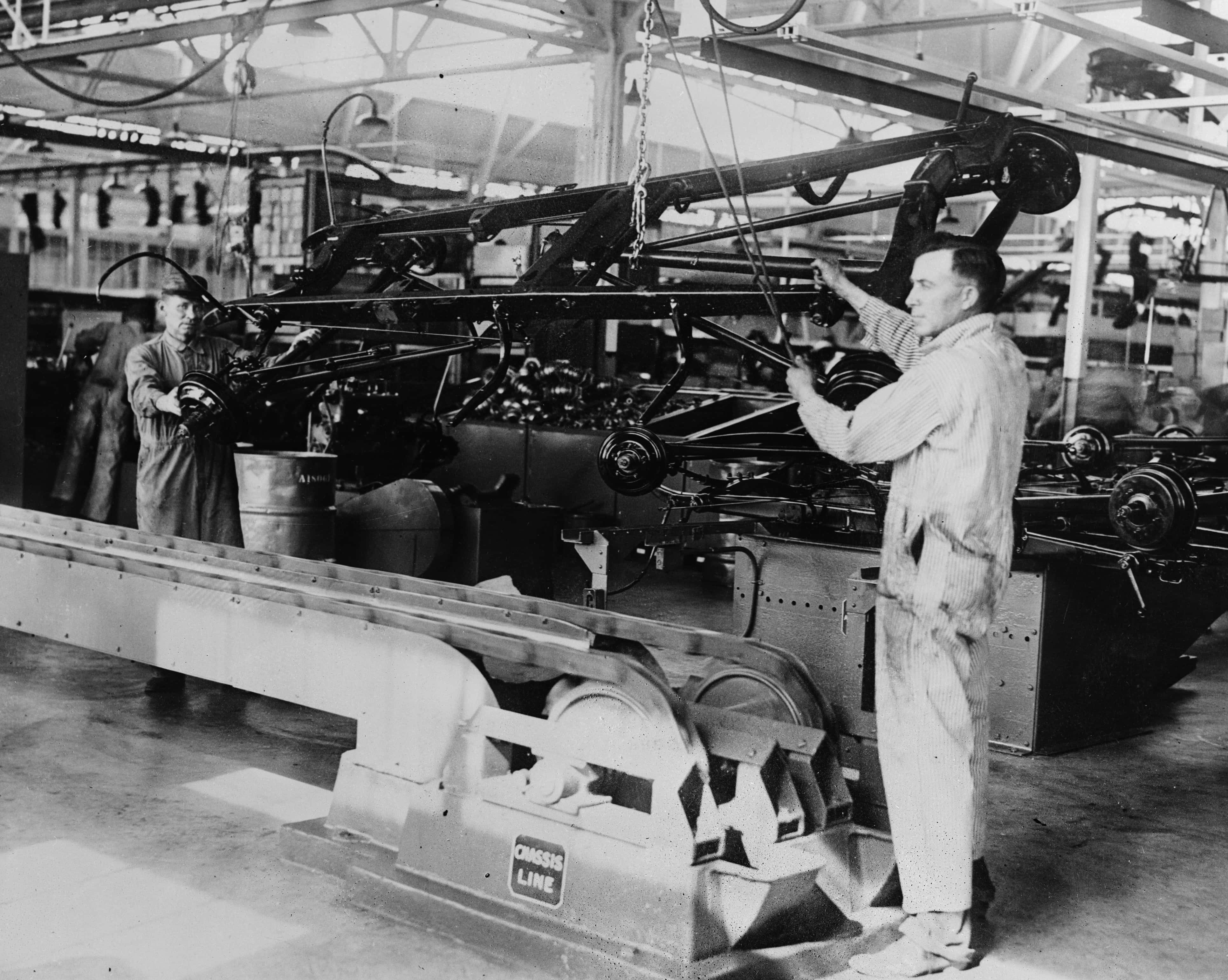
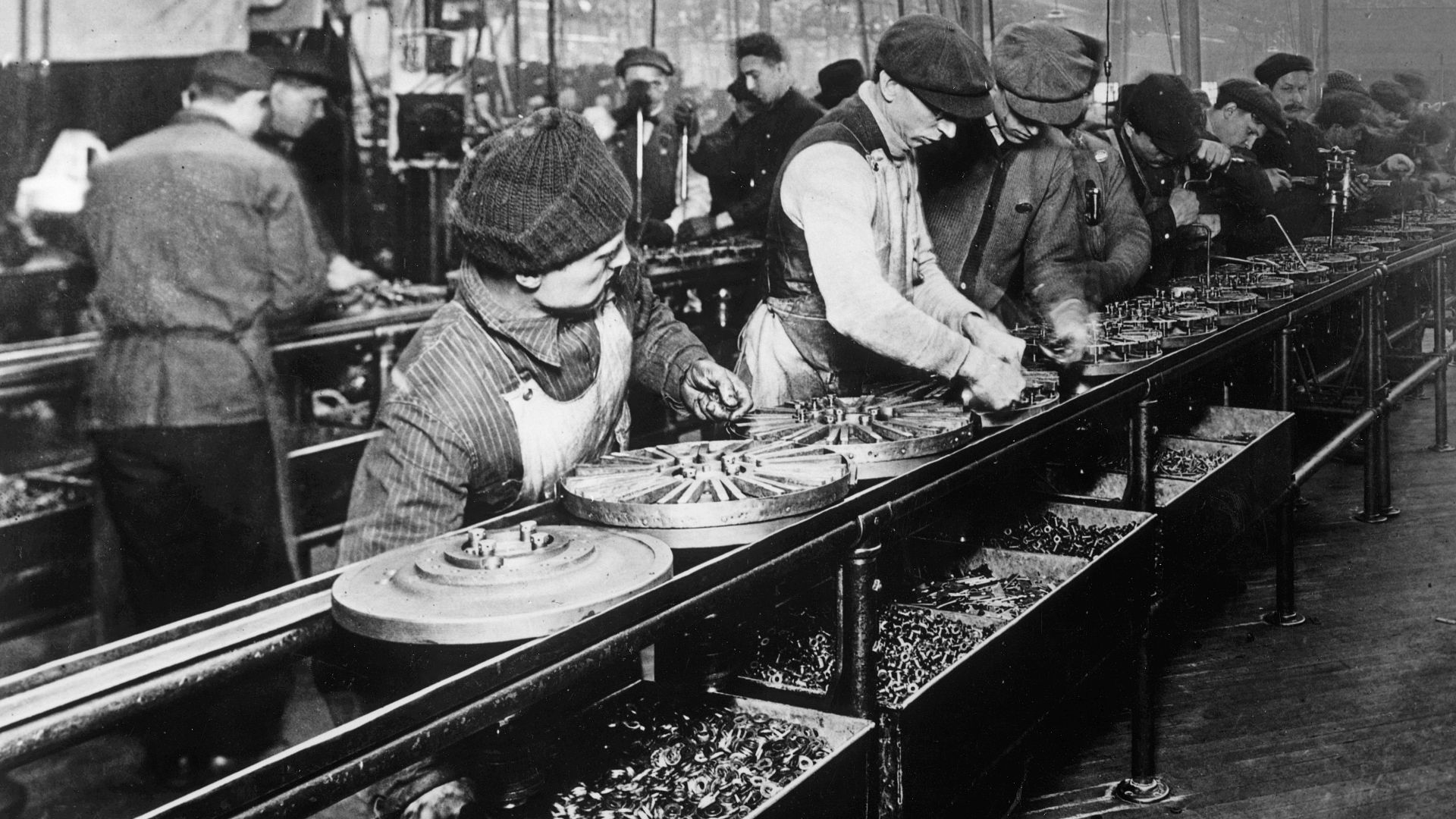
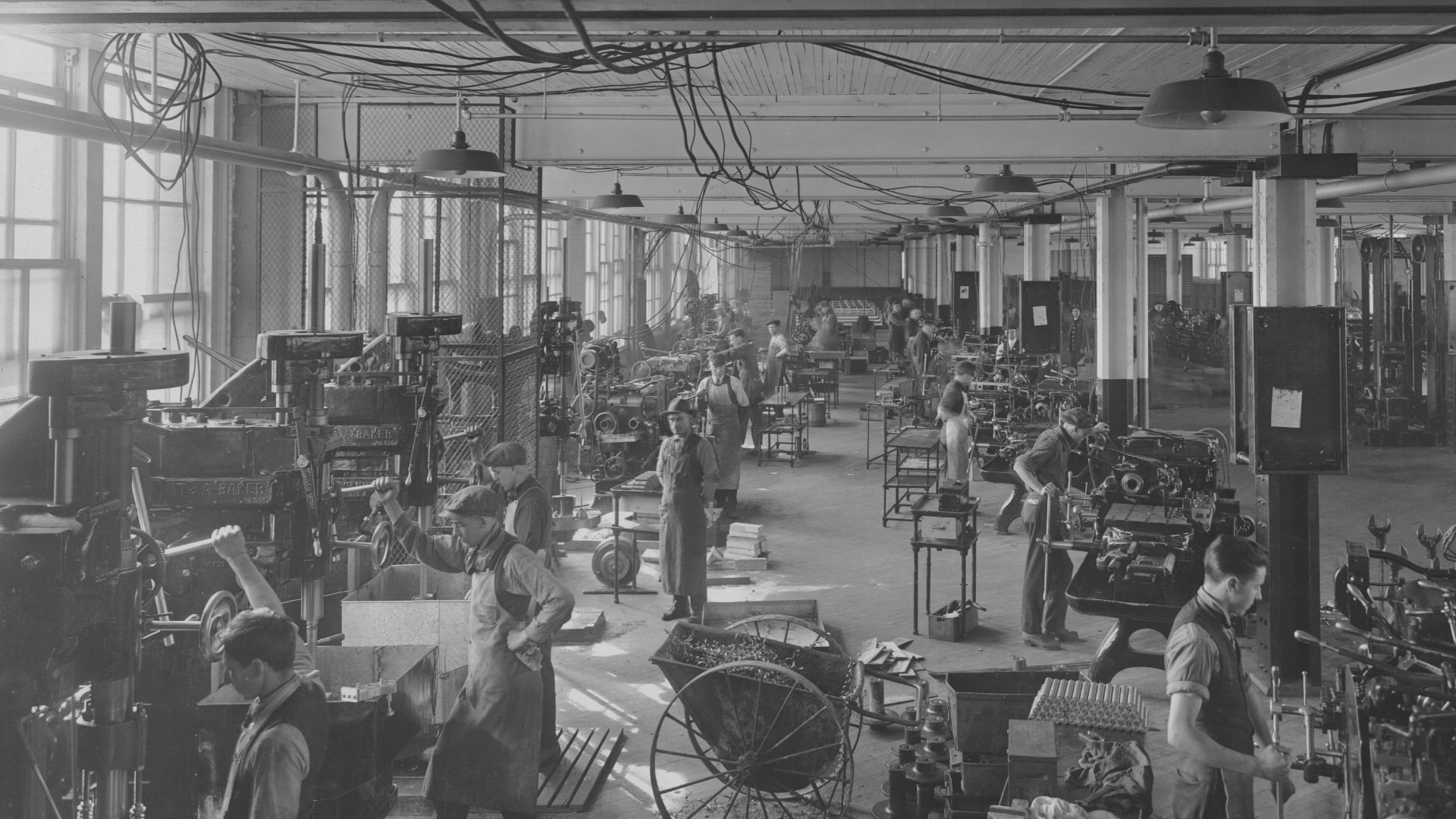
In 1913, with sales of the Model T increasing every year, Ford set up his plants with an “assembly line” workflow. Maybe even more than the Model T, this became the secret to the Ford company’s success, as it made production skyrocket and further allowed for not only the affordability but also the availability of the Model T.
Only, there’s something many forget about Ford’s assembly line.
18. He Took Credit For Others’ Work
Although Henry Ford’s assembly line idea is now seen as one of his best innovations, research into Ford’s methods indicates that both the idea and its implementation came from Ford’s employees, not Ford himself. In this case, Ford got most of the glory, but he did very little of the work.
Moreover, the assembly line didn’t always provide the freedom you’d think it would.

19. His Cars Had One Big Limitation
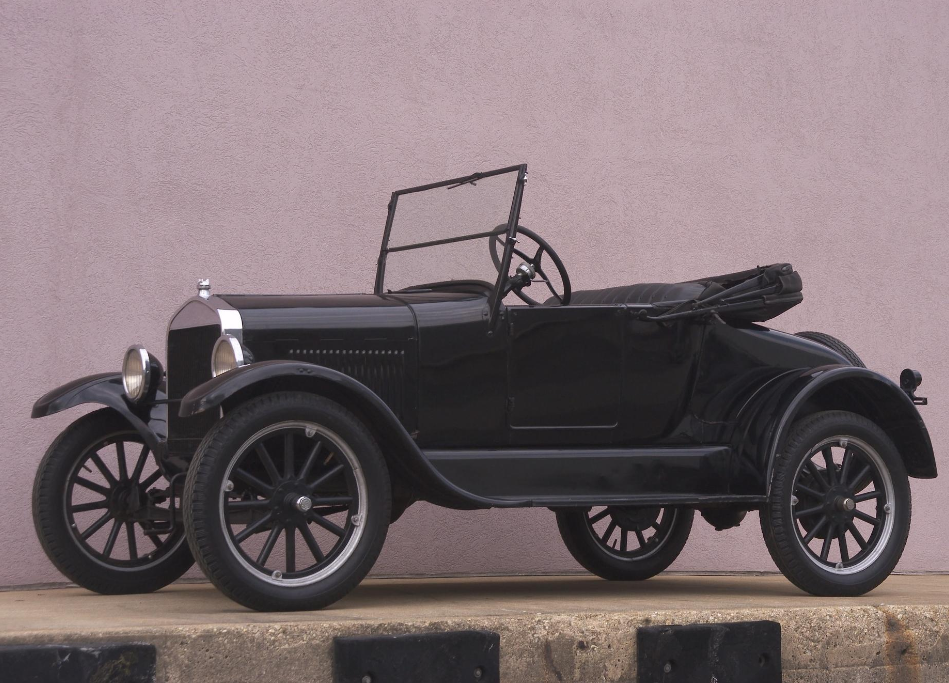
Before Ford’s assembly line, Model Ts were available in a number of colors, including red. Afterward, they only came in conservative black, as assembly line work necessitated black paint’s quicker drying time. Even so, Ford was unapologetic: as he once wryly wrote, “Any customer can have a car painted any color that he wants so long as it is black”.
In some arenas, though, he was still just as daring as ever.
 National Museum of American History, Flickr
20. He Invented The Five-Day Work Week
Although Ford may not have had much to do with the assembly line, he was a maverick in creating modern working conditions. Determined to prevent turnover of employees and hold on to talent, Ford instituted a factory environment where the workers were paid well and had “only” a five-day work week, which was extremely novel for the time.
For Ford, it was just good business…and when it came to his business, he certainly didn’t have a bleeding heart.
 Driving a Ford Model T Is a Lot Harder Than You'd Think! We Tried It by Bloomberg Originals
21. He Controlled His Employees
Ford also offered profit-sharing to his employees, but on one disturbing condition. They had to lead their lives in ways that Ford and the company’s “Social Department” approved of. This meant no heavy drinking or gambling, and the company also looked down on fathers who abandoned their families. But that wasn’t all.
 Unknown authorUnknown author, Wikimedia Commons
22. He Was Big Brother
Ford didn’t just post these good behavior tenets up on a bulletin board and call it a day; the Social Department had 50 investigators and staff who would actively look into employees’ lives. If they found out that an employee failed to meet these standards, the worker’s bank account and stability at Ford’s company would suffer.
Though Ford would later openly regret these practices, his tendency to play God didn’t end there.
 Peter Elfelt, Wikimedia Commons
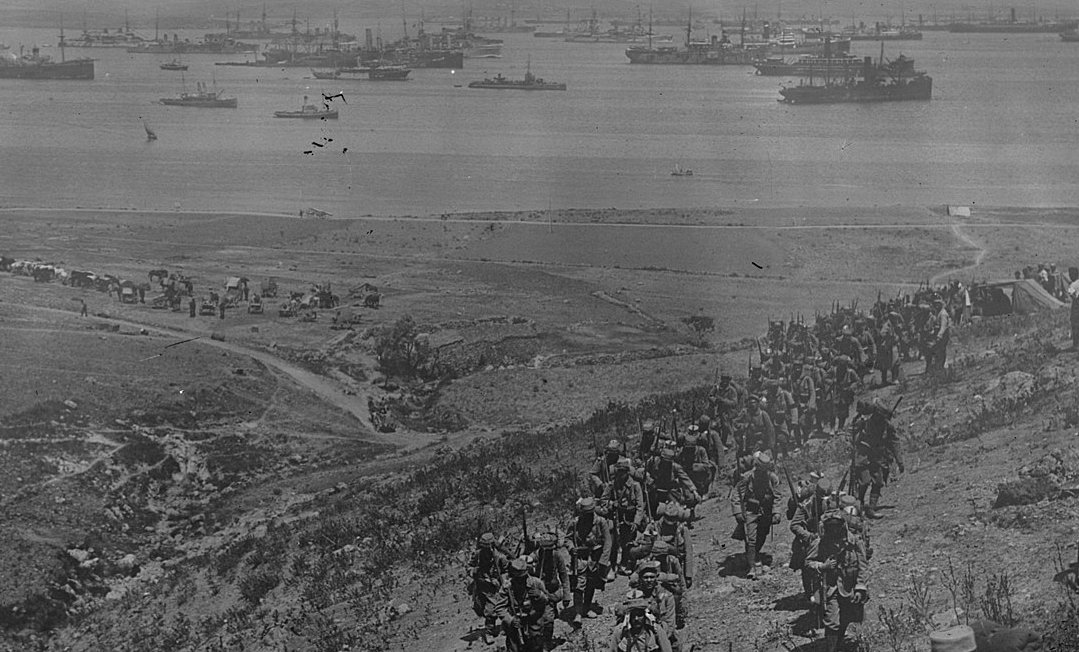
23. He Opposed WWI
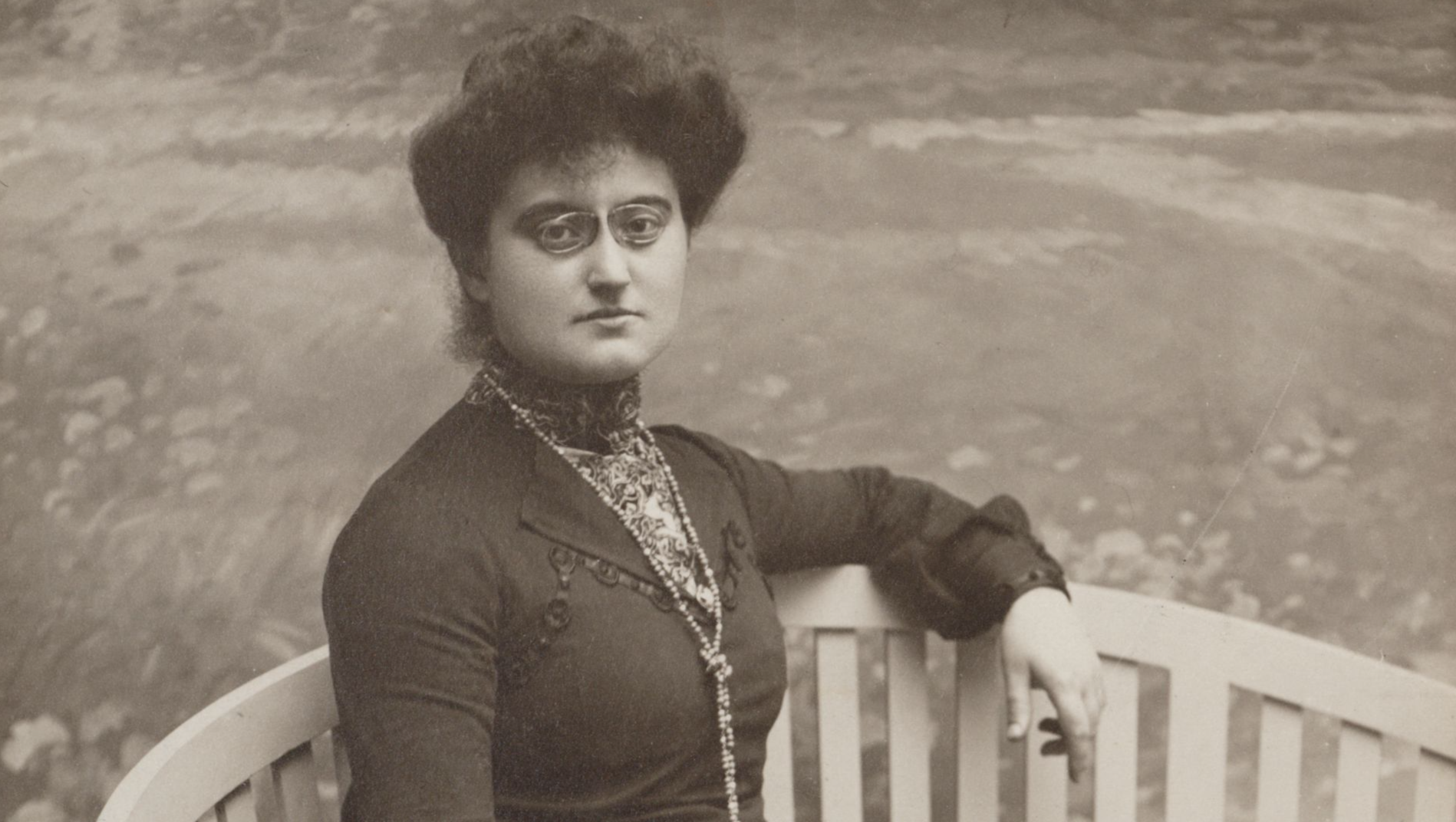
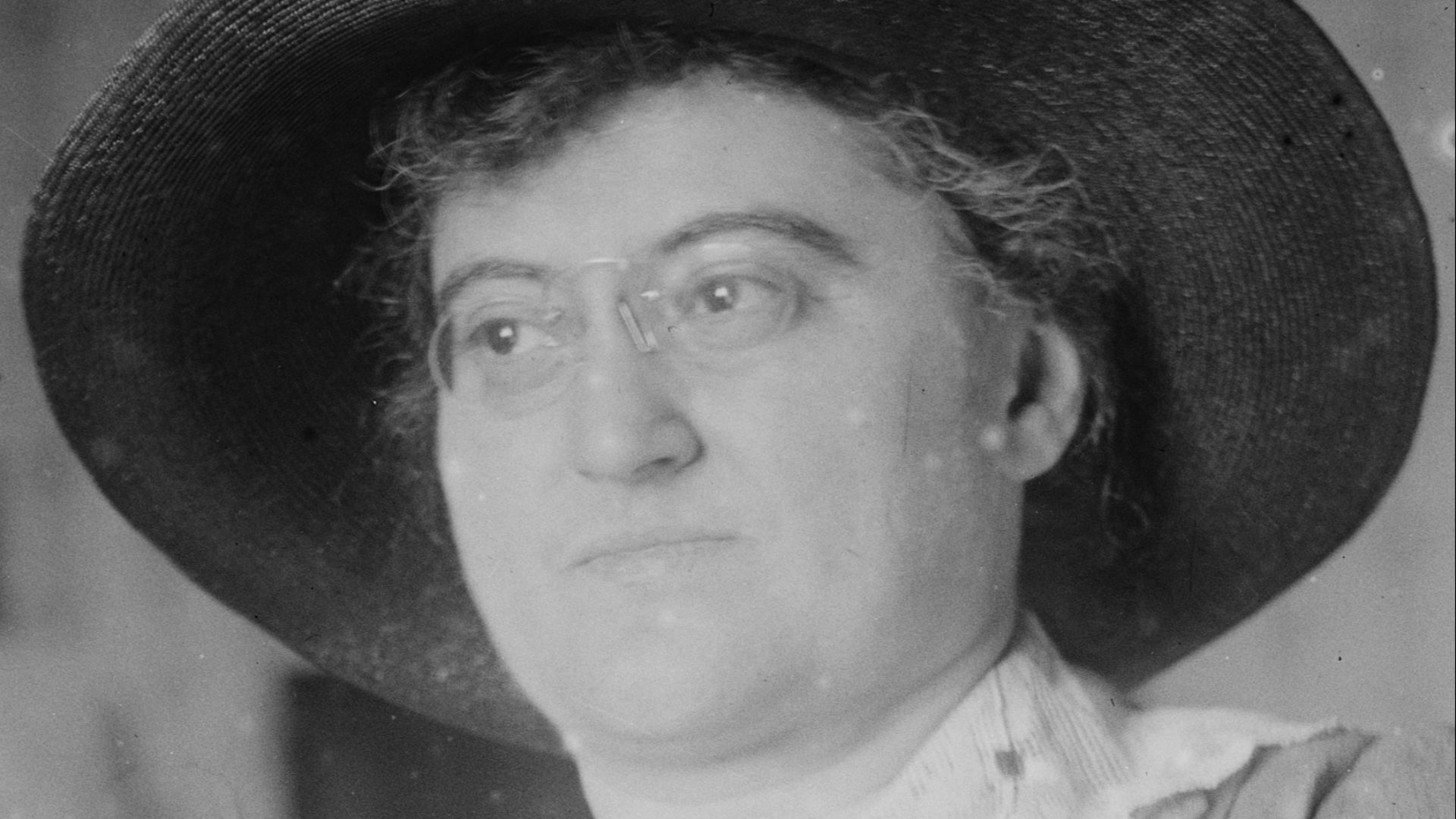
When WWI broke out, Ford had a surprising reaction. Far from jumping on the profits a conflict could bring, Ford was a staunch pacifist, especially since he believed that wars ultimately lost companies money, especially smaller companies. He loudly criticized anyone in support of the conflict, and became friendly with pacifist Rosika Schwimmer.
But these high ideals led to his most mortifying incident.
 Ernest Brooks, Wikimedia Commons
24. He Thought He Was The Key To Peace
Around 1915, Schwimmer told Ford that she had correspondence from European powers seeking a resolution to the conflict, and, based on this intelligence, the pair began to assemble a peace mission. Their plan was nothing less than to sail to Europe and get the powers, willing and unwilling alike, to hold a conference that would end WWI.
It was a lofty goal, but Ford had even bigger plans.
 Lackner, Vienna., Wikimedia Commons
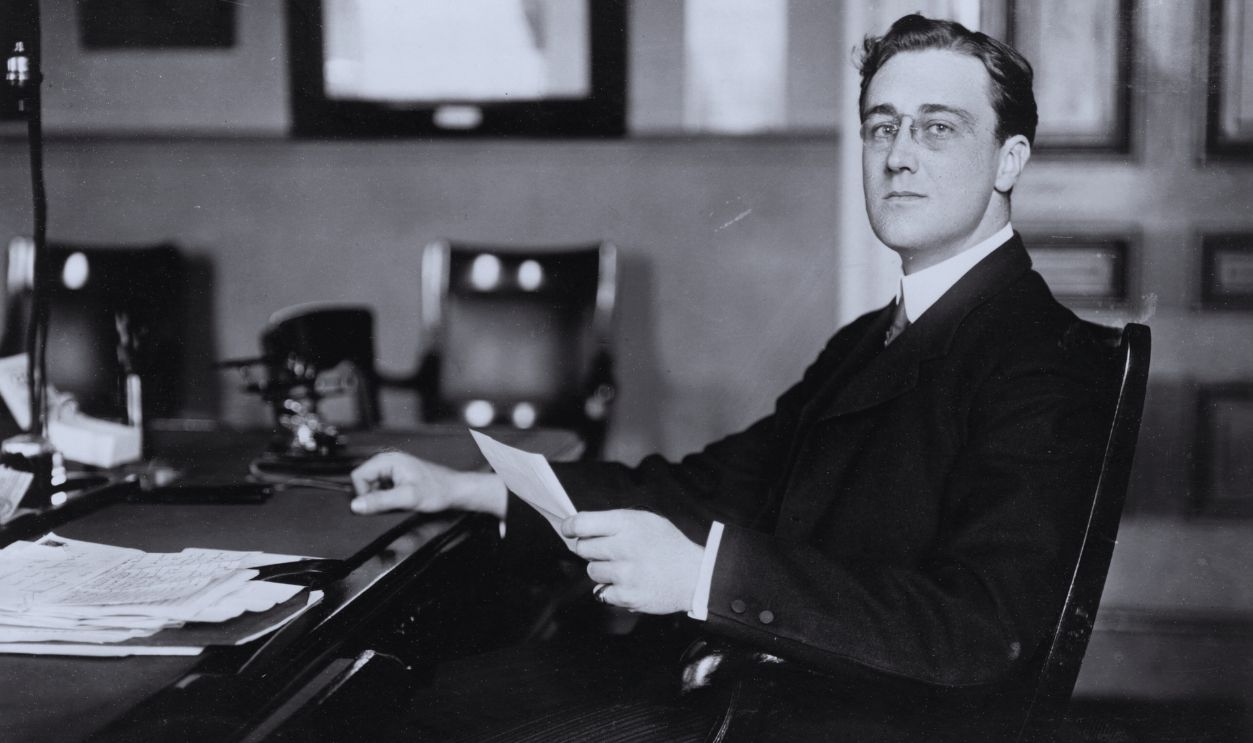
25. The President Snubbed Him
In the course of his preparations for the mission, Ford met with President Woodrow Wilson and asked him to officially commission the journey. The president’s response infuriated him. When Wilson, sure the mission would never work, declined to do so, Ford sniped to a fellow pacifist that the president was “a small man”. Still, it hardly slowed him down.
26. The Media Ridiculed Him
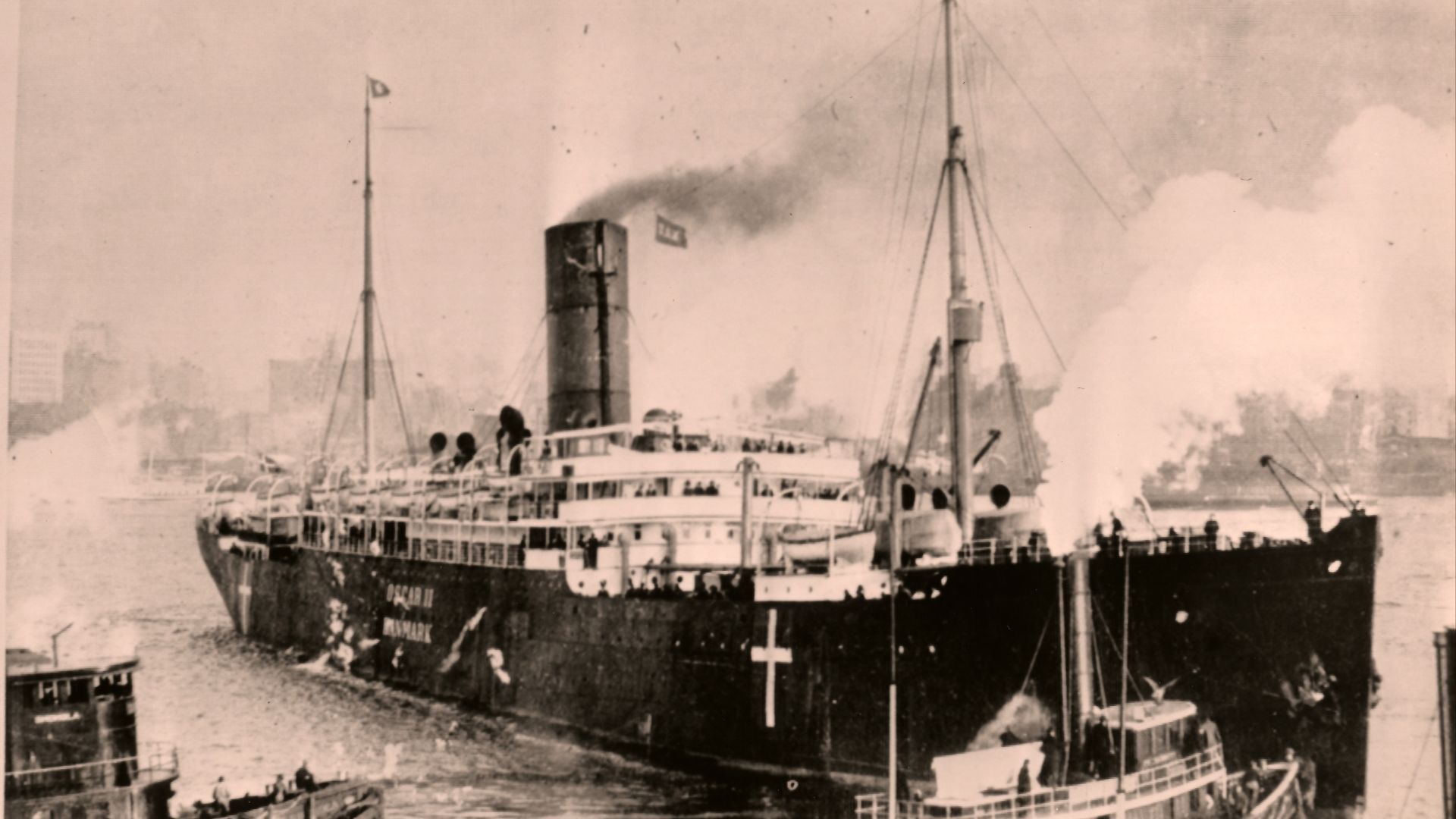
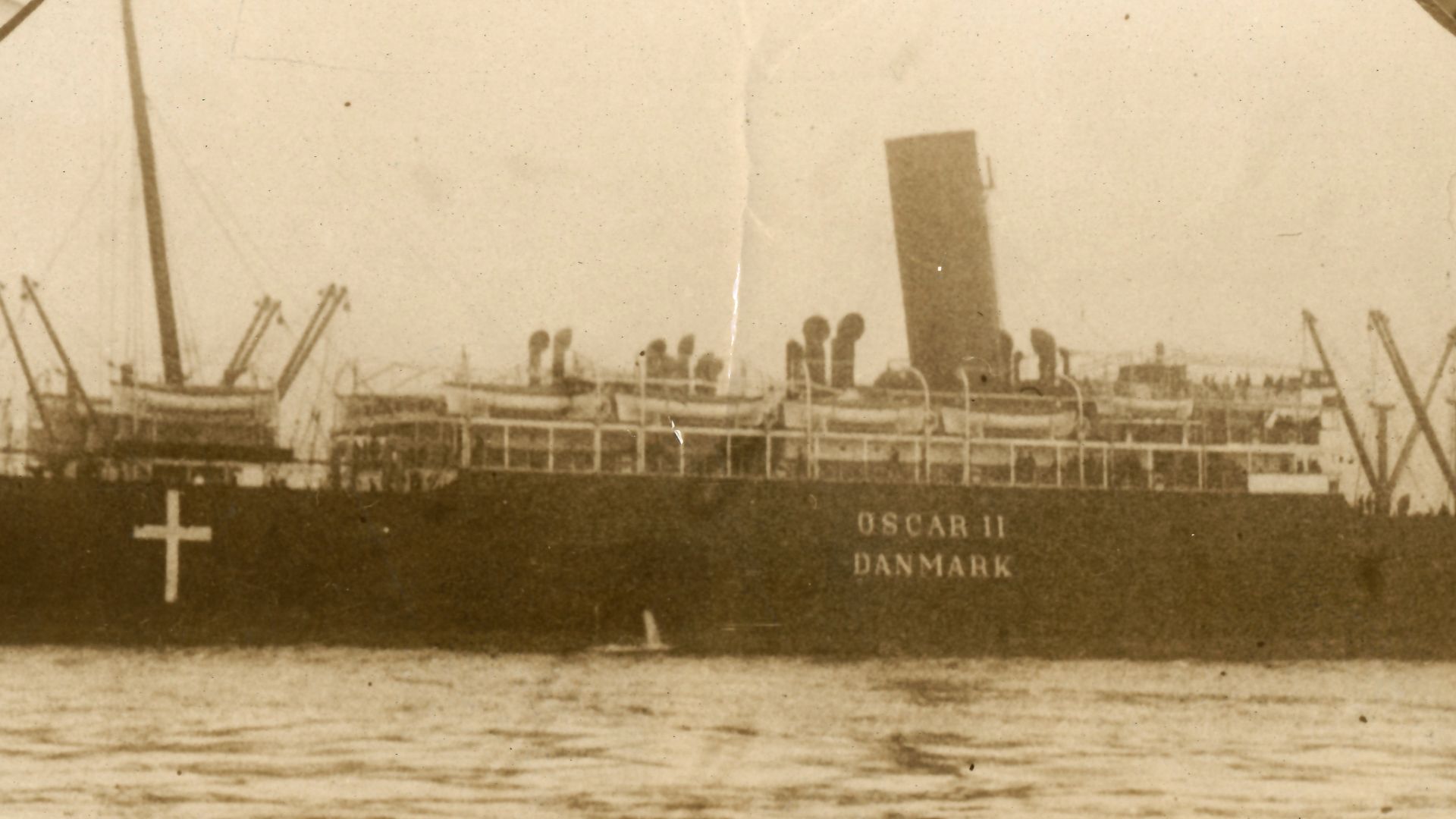
In December of 1915, Ford and a group of pacifists set sail on the Oscar II from Hoboken, New Jersey, headed for Oslo, Norway. It was a disaster from the very start: The media had long been mocking the journey in the papers, and just before the ship left, someone put a cage containing two squirrels on the gangplank with a sign reading “To the Good Ship Nutty”. Well, that was just the beginning.
 Unknown authorUnknown author, Wikimedia Commons
27. He Fell Severely Ill
The departure of the Oscar II, which the media was now snidely calling “The Peace Ship” or “The Ship of Fools,” was bad enough. The journey was ten times worse. Infighting broke out between various pacifist factions, and an influenza outbreak ended the life of one person and affected many more. This included Ford himself, who spent much of the journey ill in his cabin, where reporters once barged in to confirm or deny rumors he was dead.
When the “Peace Ship” finally arrived in Norway, the damage was done.
 Unknown authorUnknown author, Wikimedia Commons
28. It All Fell Apart
Ill and disillusioned by the time they got to Oslo—a city that was also unsupportive of the ship’s goals—Ford suffered another blow when it became clear that Rosika Schwimmer’s supposed correspondence with pacifist European powers was all a lie. In fact, almost no one was willing to meet and discuss peace.
After days hiding away in his hotel, Ford finally made a ruthless decision.
 George Grantham Bain Collection (Library of Congress), Wikimedia Commons
29. He Abandoned His Mission
Five days after arriving in Norway, even the great Henry Ford could take no more. Cutting his losses, he abandoned the mission altogether after less than a week, returning to America with his tail between his legs. Indeed, when the US entered WWI in 1917, Ford—though still anti-war—became one of the biggest suppliers of its weapons.
It wasn’t the only change during this period.
30. He Refused To Go Quietly
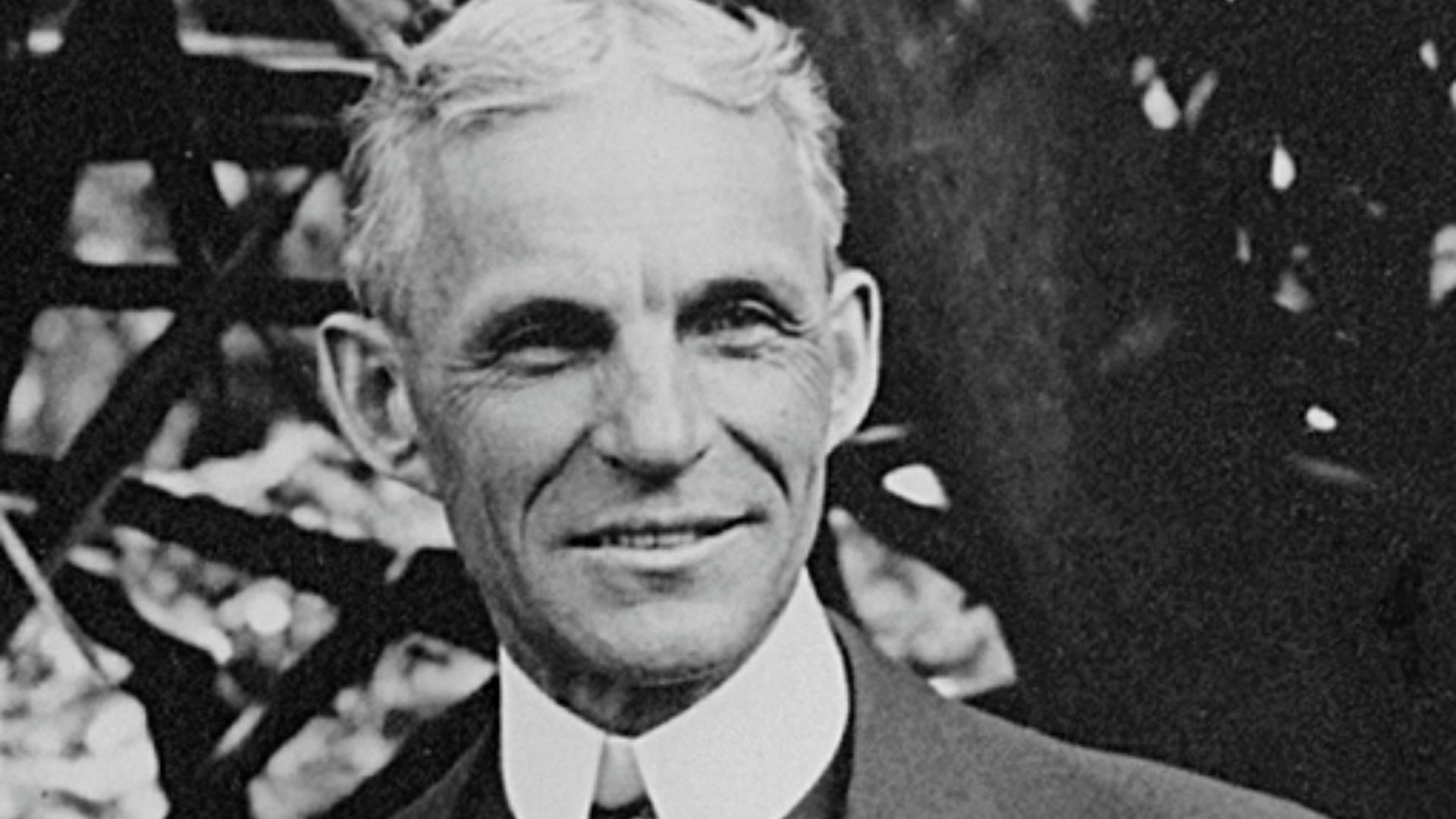
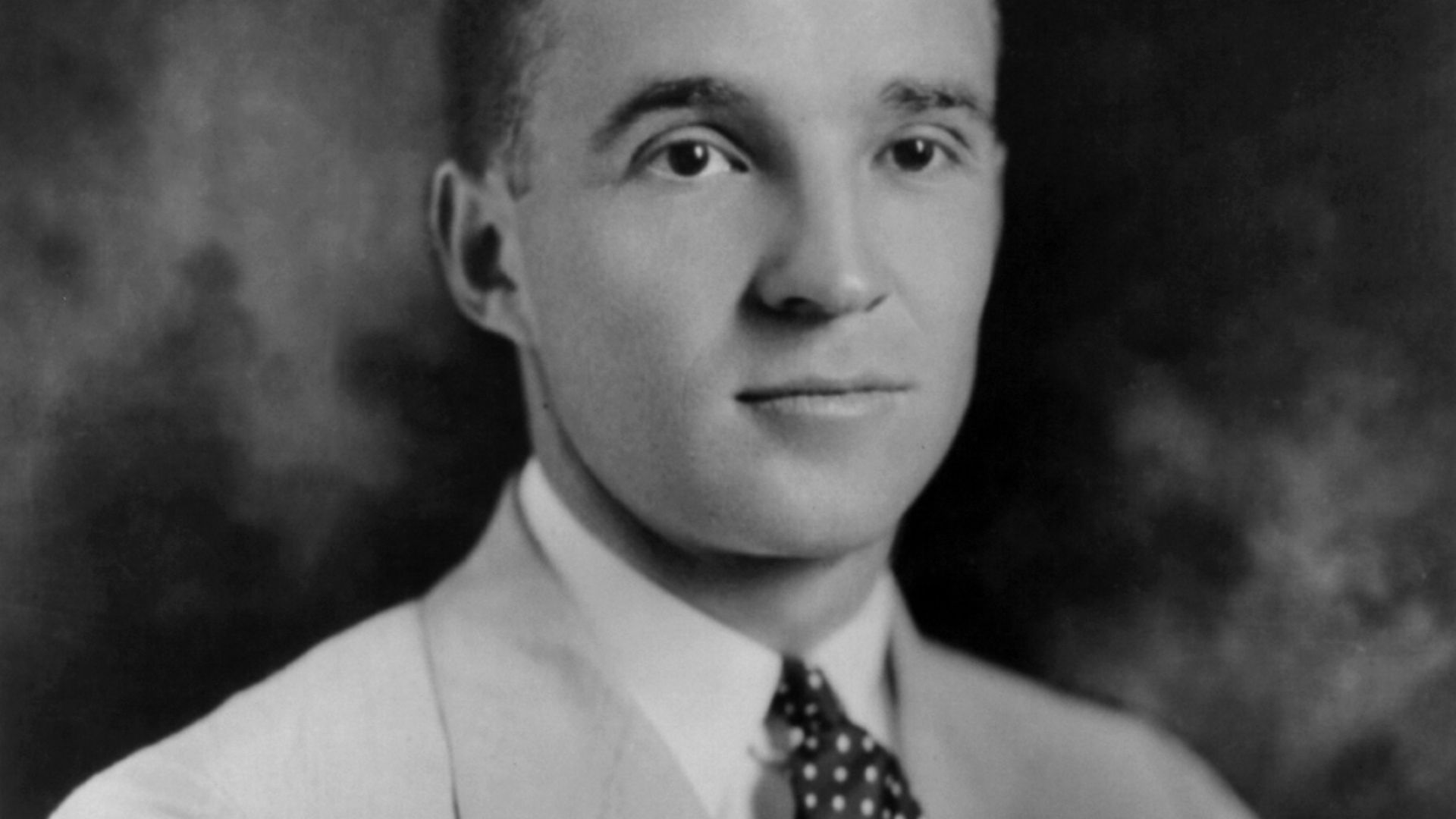
In 1918, Ford was in his mid-50s when he decided to hand over Ford Motor Company to his son Edsel Ford. But this wasn’t what it looked like. Henry had passed the torch in name, yes, but he kept the power of veto and would frequently reverse Edsel’s decisions.
In other words, he hadn’t really given up the company. He certainly hadn’t given up his thirst for power.
 Frank Moore Studio, Wikimedia Commons
31. He Wanted Everything For Himself
By now, the Model T had made a lot of people a lot of money…and that’s exactly what Henry Ford didn’t want. While he had needed a large group of investors to found Ford Motors, as the 1920s approached Ford got irritated that he had to share so many of his profits with the people who had supported him from the very beginning. So he came up with a shameless plot.
 Lglswe, CC BY-SA 3.0, Wikimedia Commons
32. He Created A New Company
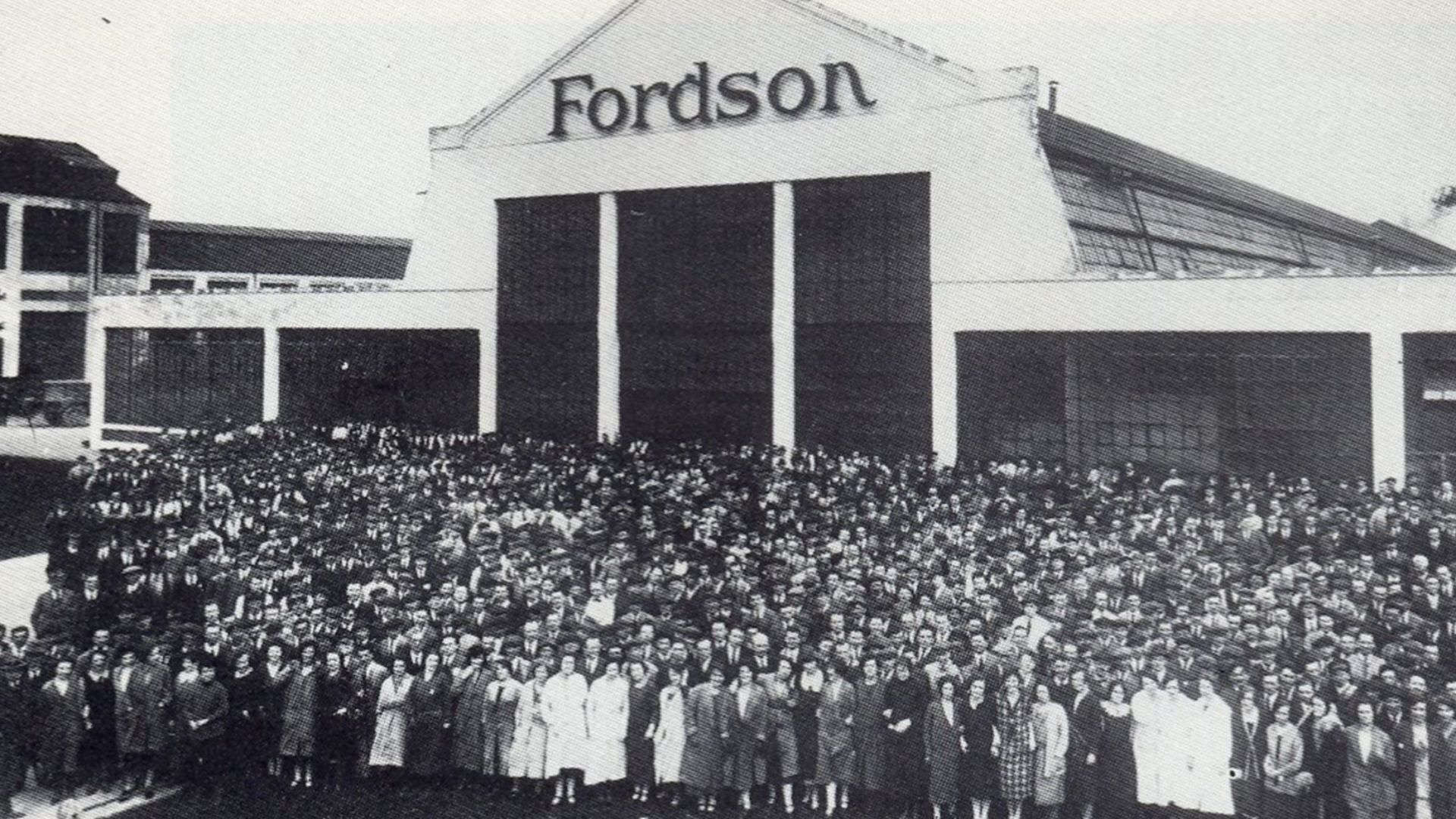
Henry’s “transfer” of “power” to his son Edsel was also an opportunity for the older Ford to wrest back his company from the stockholders. With Edsel there, Ford flashily started the company “Henry Ford and Son,” then let it be known he was going to take his best employees to the new outfit. But this was a bald-faced lie.
33. He Tricked His Oldest Supporters
Ford had created “Henry Ford and Son” purely to get his remaining stockholders in a panic about the Ford Motor Company, betting that they would sell their shares in the original company back to him—at a reduced price, of course. Well, he bet right.
It worked like a charm, and soon Henry and Edsel had bought back all the shares, and now owned the Ford Motor Company all by themselves. Even then, it wasn’t enough for Ford: He needed more payback.
 Acme Newspicture (Agence de presse). Agence photographique (commanditaire), Wikimedia Commons
34. He Got Revenge On An Old Enemy
Ford had apparently never gotten over Henry Leland taking over his first Ford company and turning it into Cadillac. In 1922, he purchased Leland’s new Lincoln Motor Co, and while Leland and his son Wilfred were supposed to stay on to manage it, Ford had no qualms about expelling them soon after the sale went through.
Yet when Ford wasn’t causing drama with other families, he was going through it with his own.
 Unknown authorUnknown author or not provided, Wikimedia Commons
35. He Feared Change
Despite Ford’s pioneering work, he had one major flaw. He was, at heart, extremely conservative about his cars. Although other car companies like GM were now producing multiple kinds of cars in a “price ladder” model, Ford was determined to just produce the Model T over and over again, had no interest in tweaking a car’s looks, and had even less interest in the luxury car market. But not even his own family agreed with him.
 Paul VanDerWerf, CC BY 2.0, Wikimedia Commons
36. His Son Pushed Him
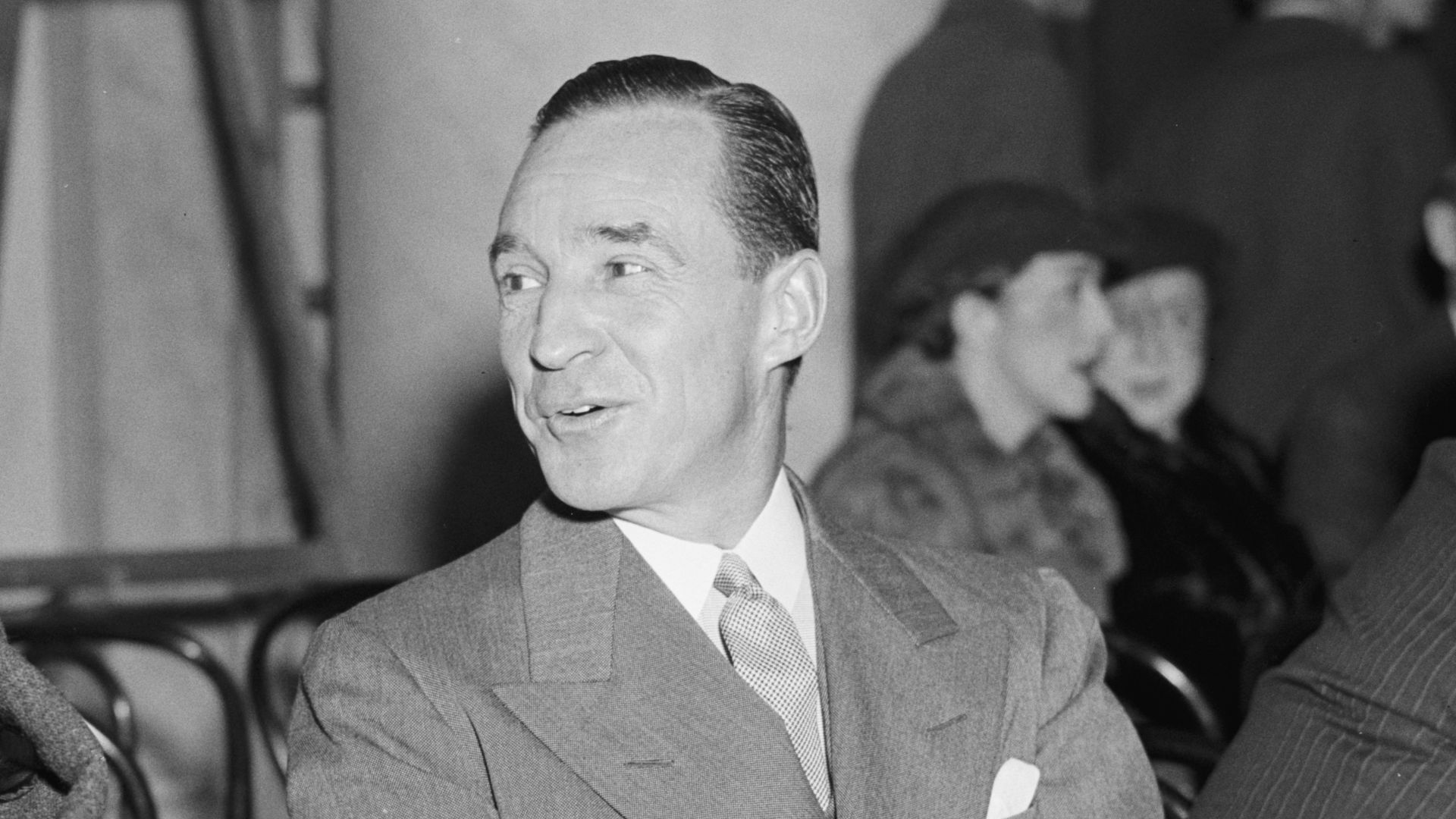
Ford’s son Edsel may have been second fiddle to his father, but he had grown up tinkering with cars and he was wild about the luxury market. When he came on as president—at least in name—of the Ford Motor Company, Edsel began badgering his father to produce a different model for once in the company’s history.
In response, all he got was stony silence from Henry. It led to near disaster.
 Harris & Ewing, photographer, Wikimedia Commons
37. His Company Floundered
By the mid-1920s, Ford had to face an unsettling reality. Model T sales were in decline, and his competitor GM was on the rise. So, finally giving into the very thing his son had been begging him to do for years, Henry began work on the next generation of Ford, the Model A. He even let his son design the bodywork and other more aesthetic concerns while he focused on the nuts and bolts.
It introduced the next era at Ford, with annual models as the new norm. But that didn’t mean Henry Ford was a changed man.
 Calreyn88, CC BY-SA 4.0, Wikimedia Commons
38. He Was Dragged Into Modernity
Despite this concession to Edsel, Henry was still firmly in the driver’s seat at Ford, and refused to make other much needed changes to his cars or company model. He hated the idea of consumers financing one of his cars, and delayed allowing instalment payments until the 1930s. Likewise, he fought against now-ubiquitous features like hydraulic brakes and all-metal roofs for years.
Soon enough, Ford’s stubbornness was threatening to destroy everything he’d built.
 National Photo Company Collection, Wikimedia Commons
39. He Despised Unions
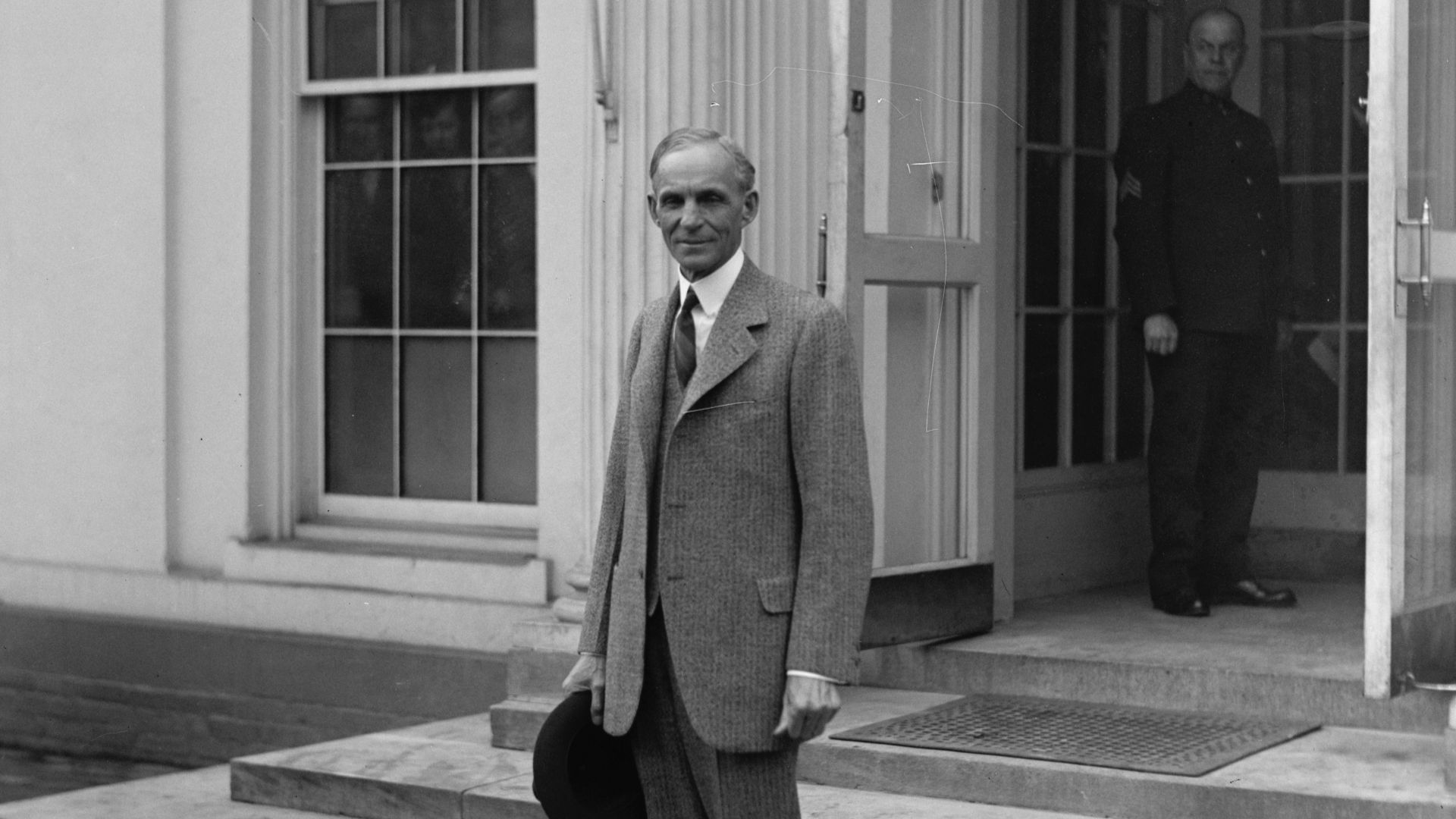
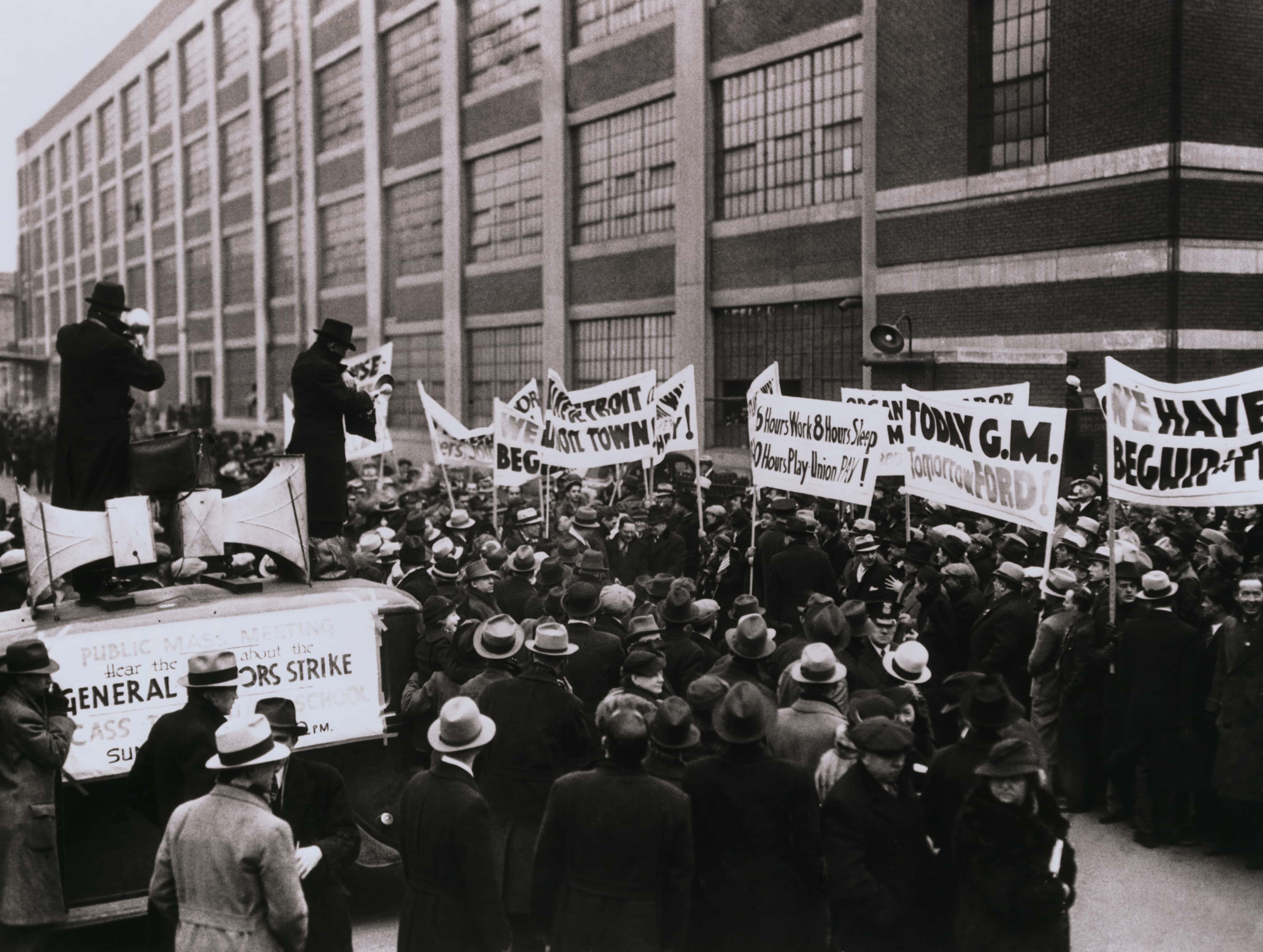
By the late 1930s and early 1940s, labor unions were popping up all over America, including in Ford’s factories. Henry was, unsurprisingly, viciously against unions, and even as the aggression and disruptions to his assembly lines mounted, he vetoed any attempts by Edsel or others to make a collective bargaining agreement.
It came down to a nail-biting deadline.
40. He Was Ready To Blow It All Up
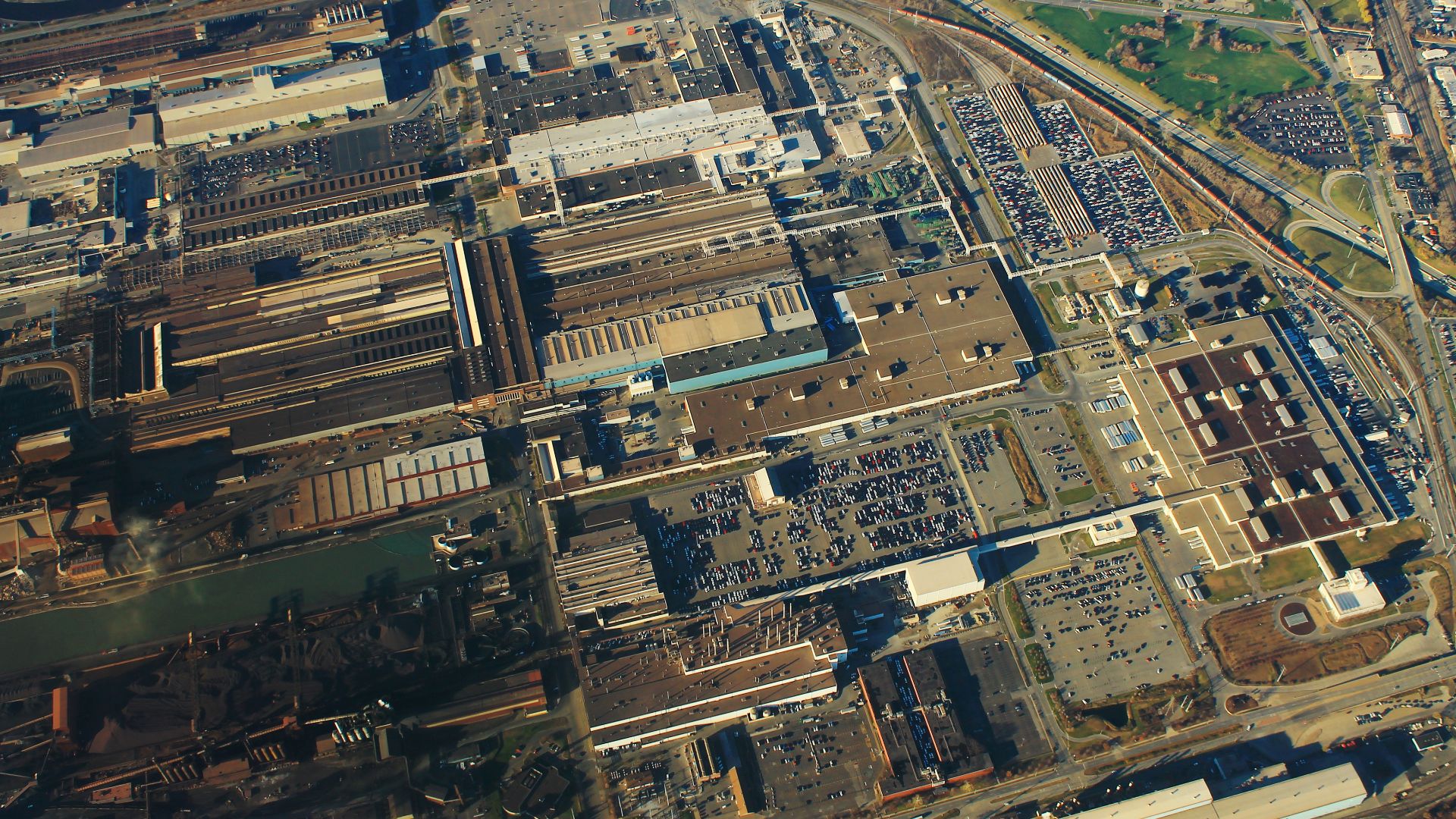
In April 1941, the United Automobile Workers union orchestrated a sit-down strike on Ford’s enormous and important River Rouge Plant. If Ford couldn’t reach a deal, his company could very well collapse—but, stubborn as ever, Ford was ready to cut off his nose to spite his face, and planned to refuse all mediation with the union.
Until, that is, someone surprising stepped in.
 formulanone, Wikimedia Commons
41. His Wife Forced His Hand
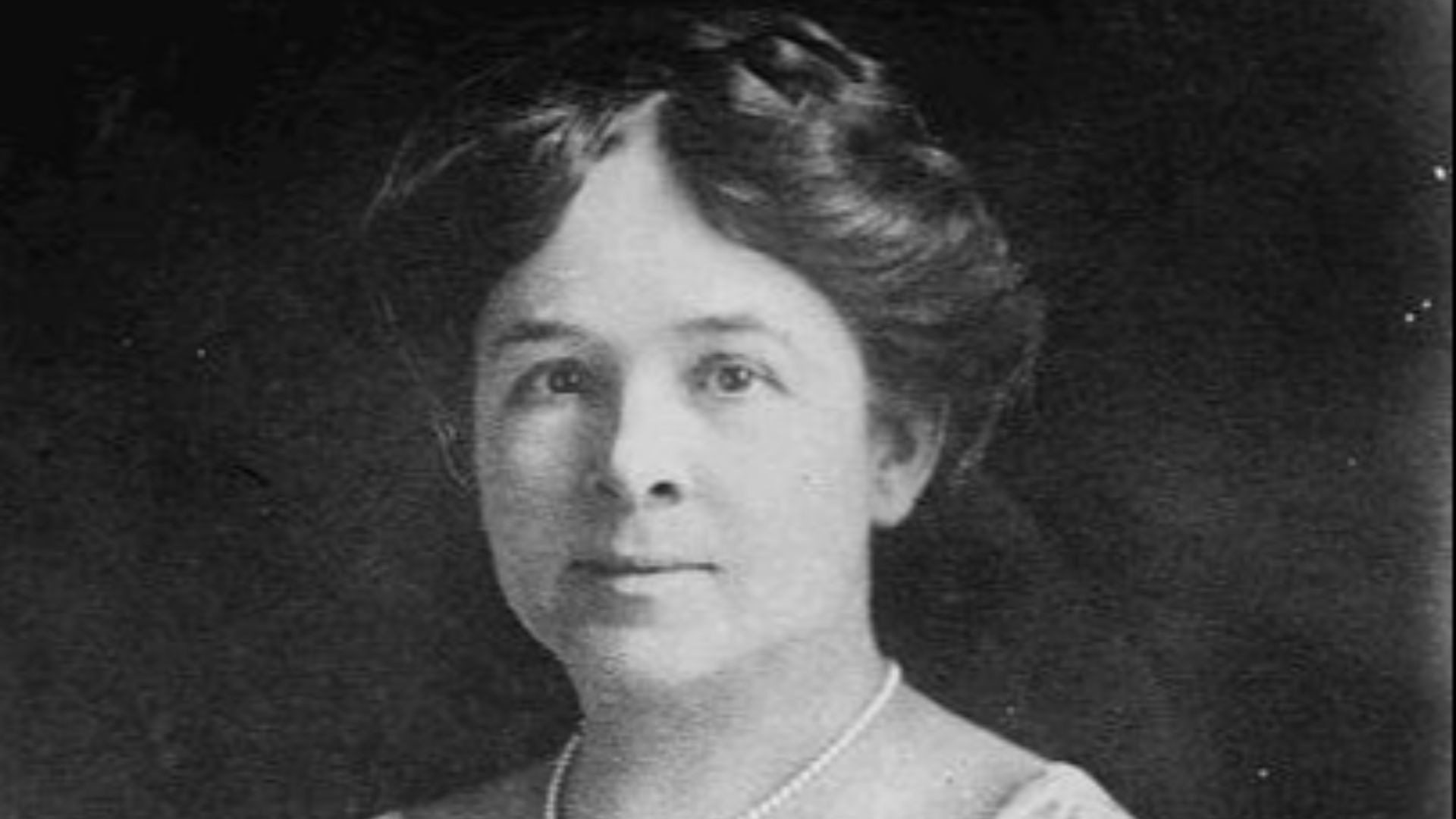
In the face of the River Rouge sit-down, Ford got a chilling ultimatum from his wife. Clara, rightfully fed up with Ford’s refusal to go with the tide of modernity, told him she would up and leave him if he destroyed the company rather than cooperate with the union. She could see (as everyone could see) that it wasn’t worth the chaos it would cause.
At long last, Ford relented. But it was getting harder and harder for him to make the right decisions, and tragedy would only muddle him further.
 Bain News Service, Wikimedia Commons
42. He Lost His Only Child
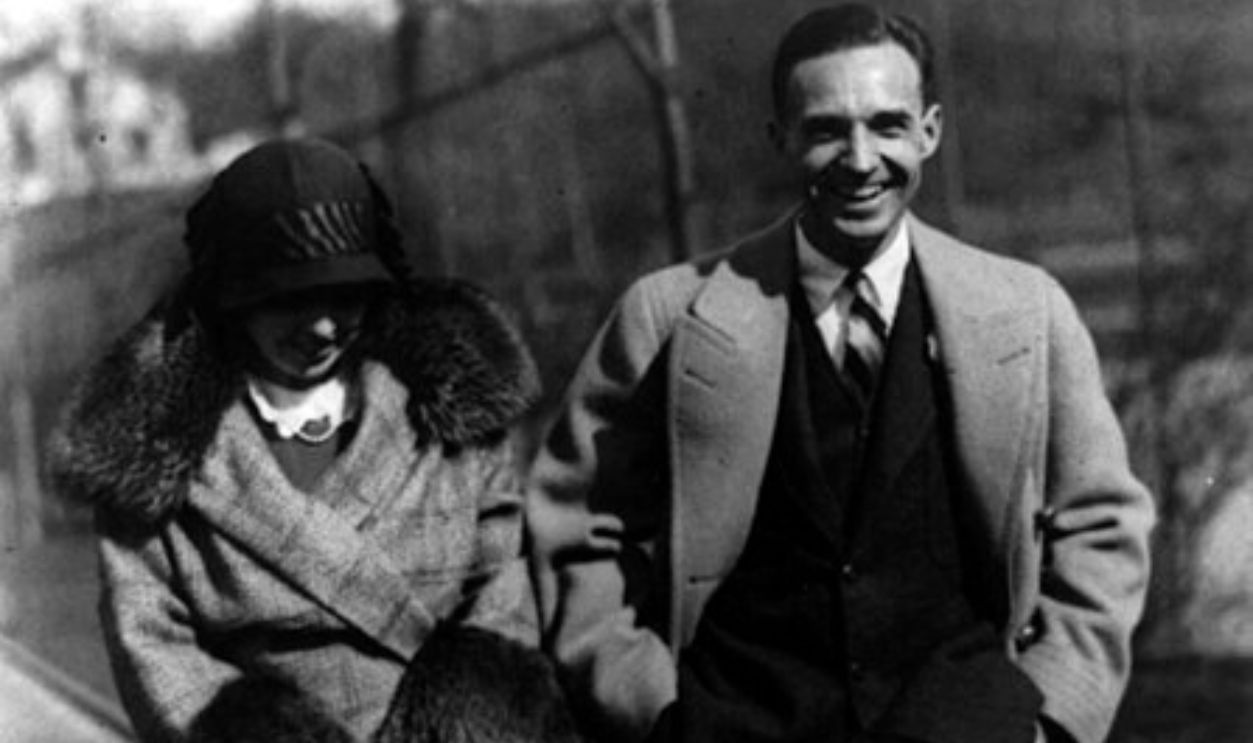
In 1943, the Ford family suffered an enormous blow. Edsel Ford, who was only 49 at the time, perished of stomach cancer, leaving behind a wife and four children. More than that, Henry Ford had now lost his heir—even if he had never been willing to cede power to that heir.
Yet this wasn’t just a personal tragedy. It was also a company crisis.
 Underwood & Underwood, Wikimedia Commons
43. He Was Declining Fast
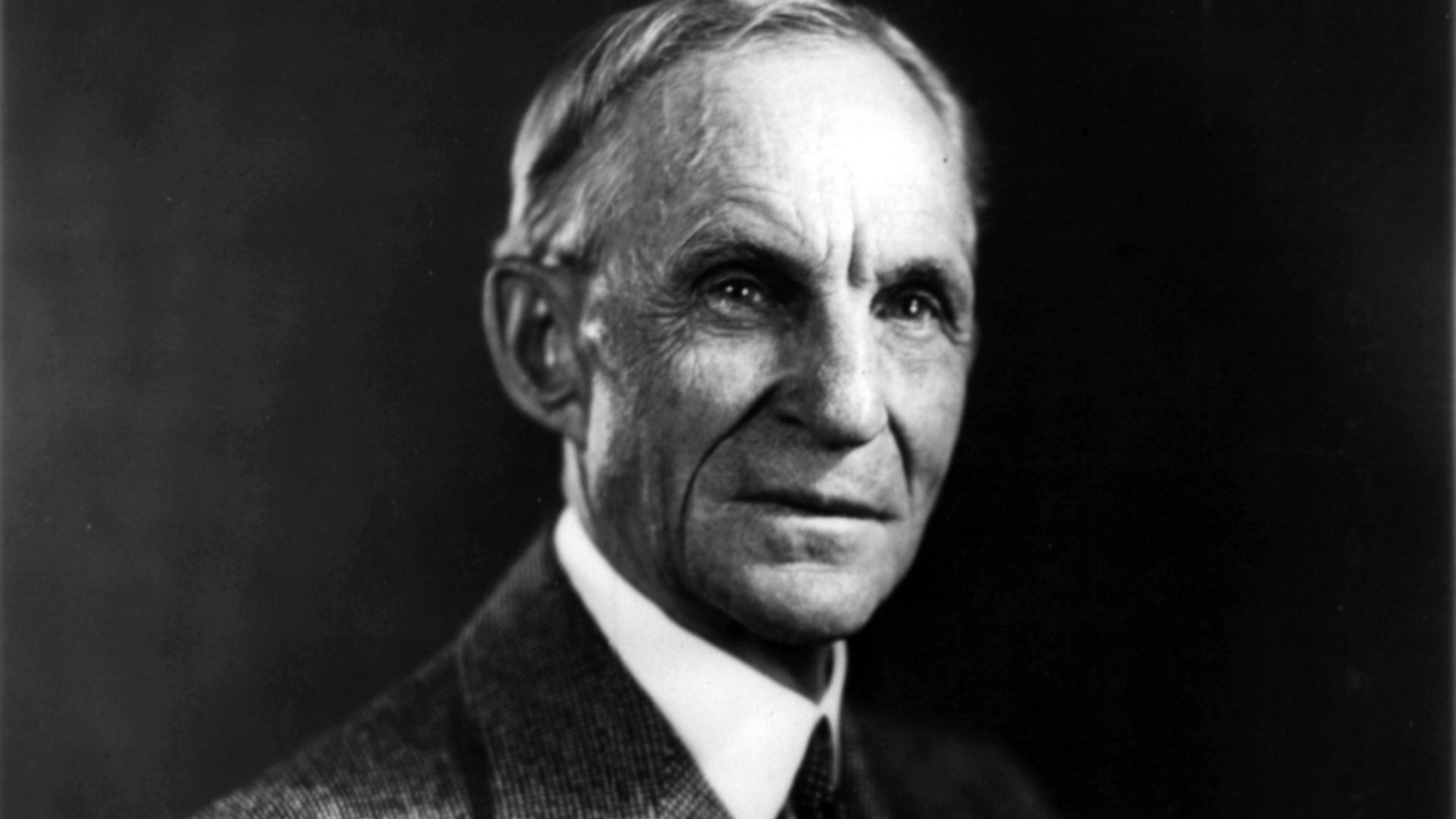
In the late 1930s, Ford had suffered from a series of strokes, and although he was determined to act as if nothing at all had changed, those around him could tell that everything had changed. He was no longer mentally sharp, what faculties were left to him were fading, and the job of running the company—which he still insisted on doing—was becoming too much.
In response, the senior executives at Ford Motors, including top engineer Charles Sorensen, began truly pulling the strings. Or, they thought they did.
 Unknown authorUnknown author, Wikimedia Commons
44. He Was Still Petty
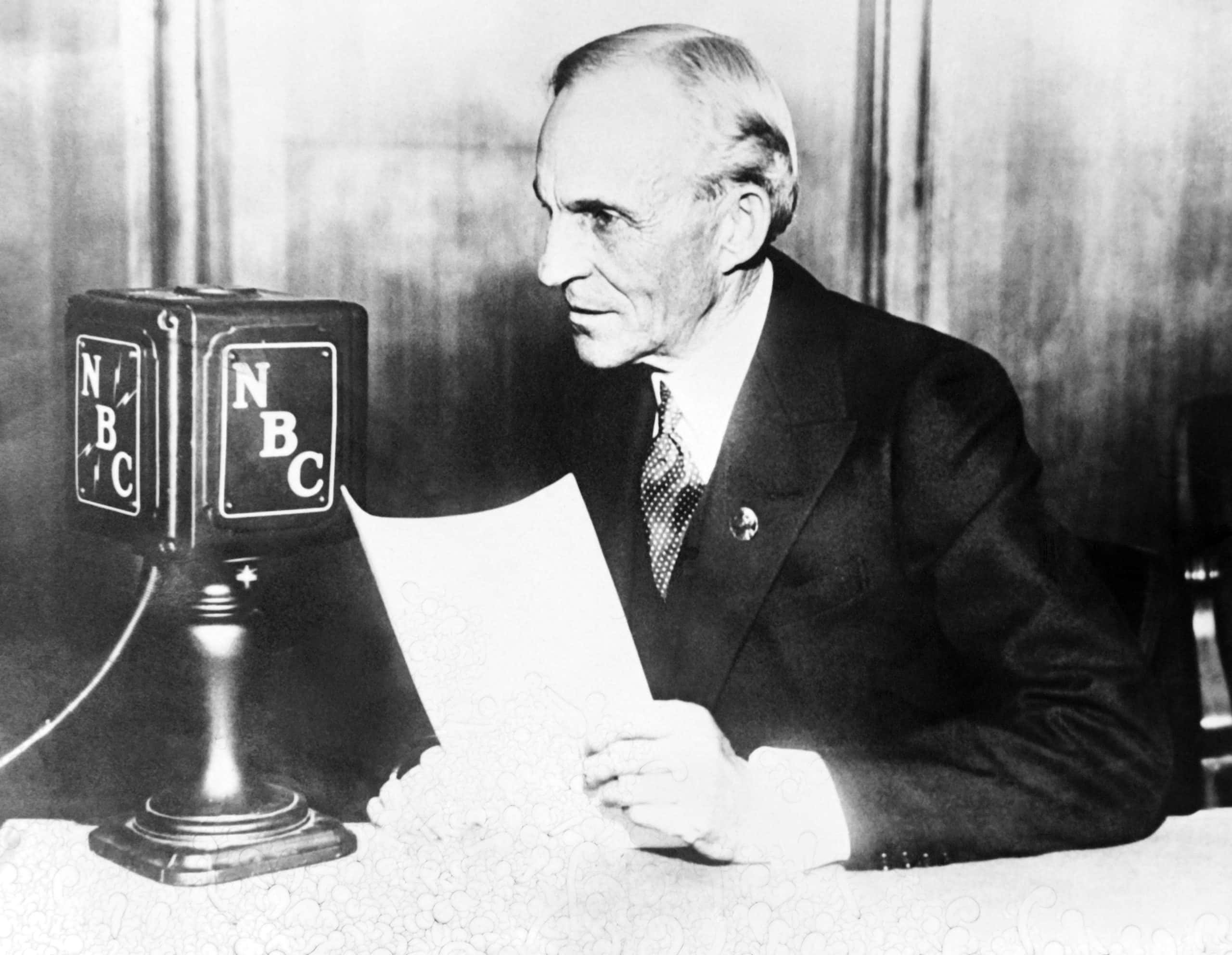
In 1944, Ford got one last revenge. Although debilitated, Ford’s desire for total control never left him, and after becoming jealous of the publicity Sorensen was receiving, Henry had Sorensen forced out so he could once more reign unopposed at Ford Motors.
It was also a message to everyone else—don’t cross me, no matter how unfit I am. But this was very dangerous ground.
45. The White House Kept An Eye On Him
By this time, the United States had entered WWII and Ford, though still against the conflict, had many factories supporting the effort. As such, Washington was watching Henry Ford’s declining capabilities and company infighting in alarm, and even had discussion about whether or not to instigate a coup at Ford Motors.
In the end, it was Ford’s own family who brought him down.

46. His Family Turned On Him
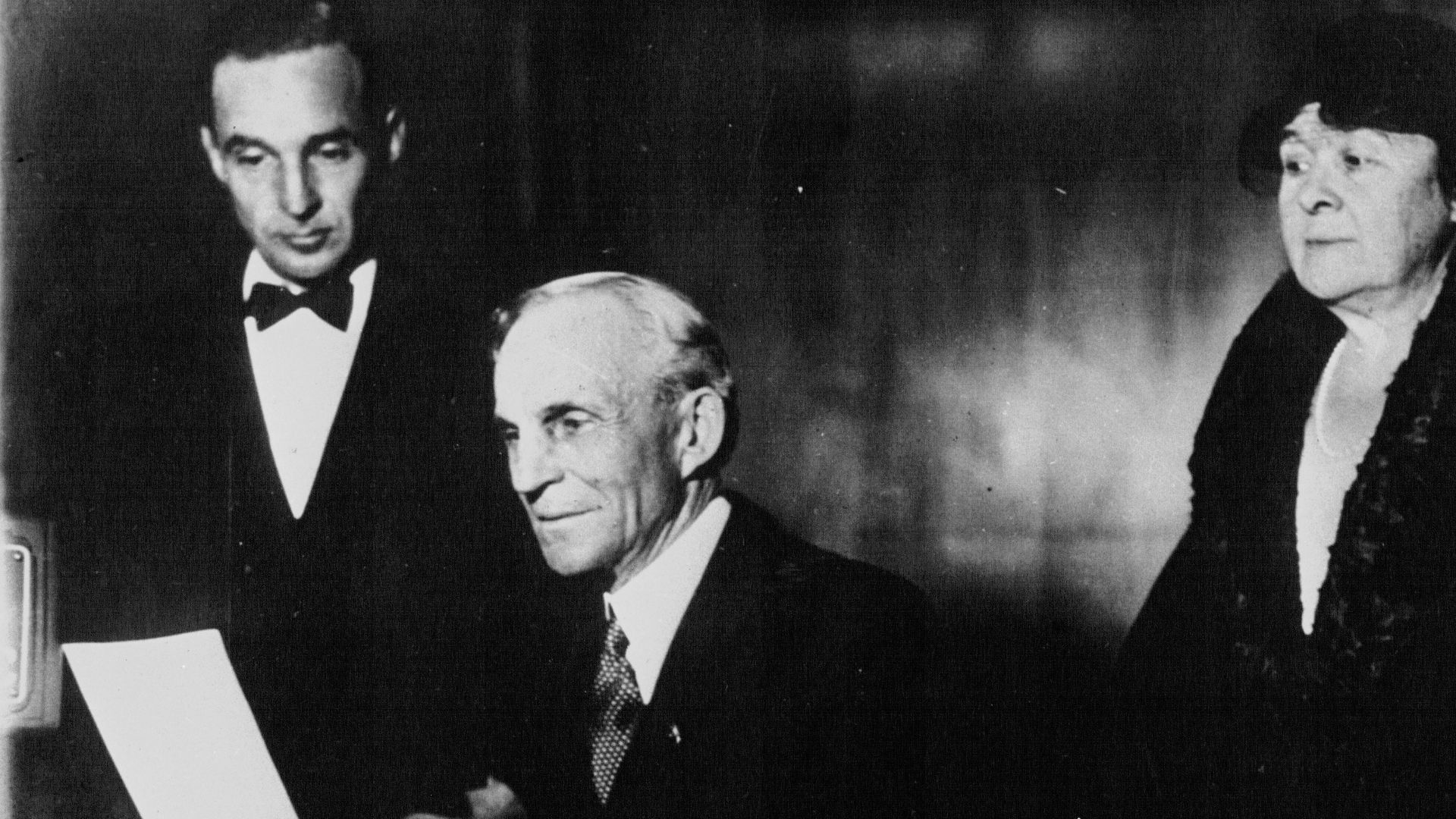
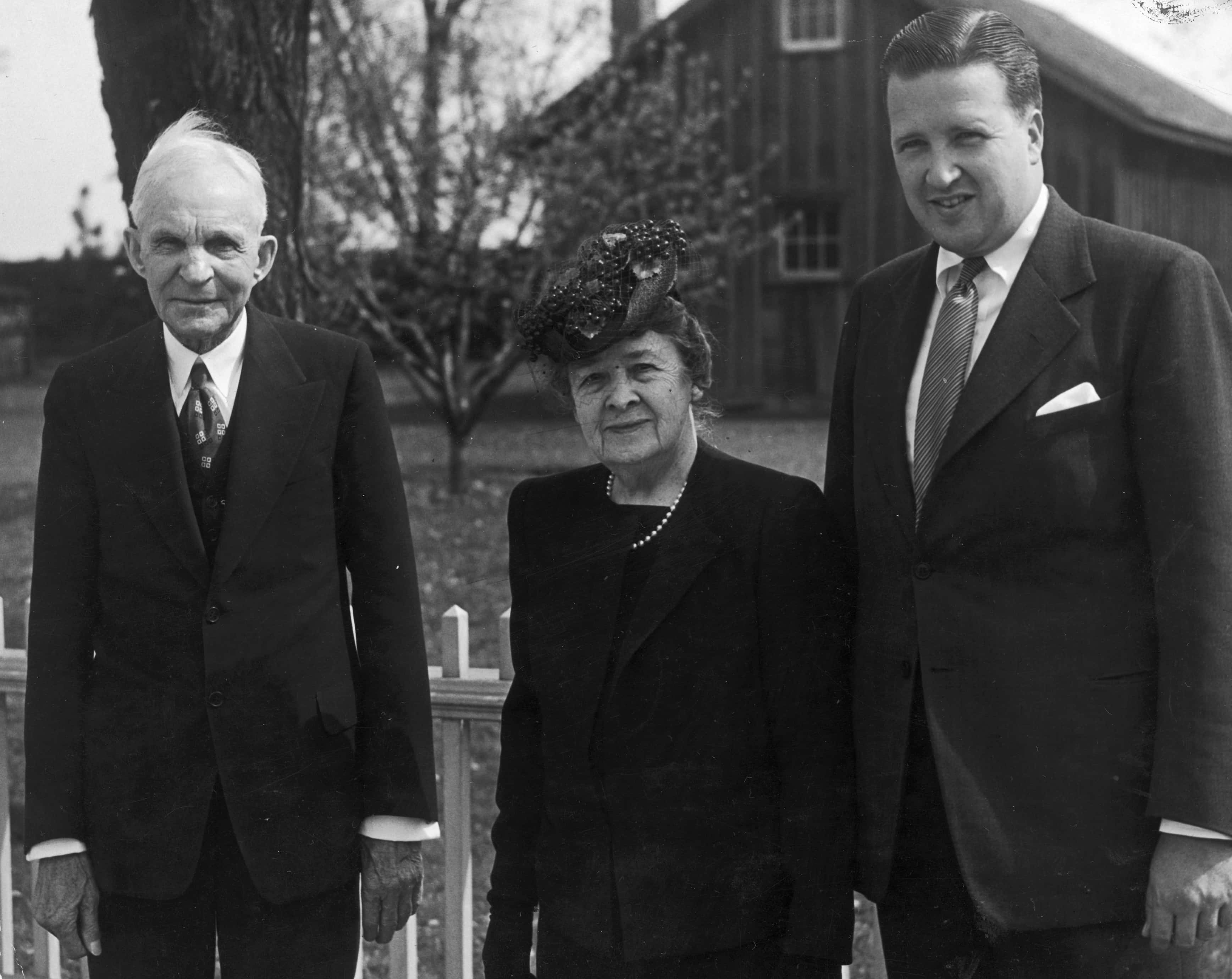
In 1945, with the now utterly mismanaged Ford Motor Company on the verge of actual bankruptcy, Ford’s family dealt him a cold betrayal. His wife Clara and Edsel’s widow Eleanor cornered the 82-year-old man and insisted he transfer power to Edsel’s son, Henry Ford II. If he didn’t, Clara and Eleanor threatened to sell off all their (majority) Ford stock, a move that would have unraveled the family control of the company.
At long last, a furious but defeated Henry Ford truly handed over the reins of Ford Motors to his grandson. It wasn’t a moment too soon.
47. America Mourned Him
Just two years after retiring for good, Henry Ford perished from a cerebral hemorrhage at the age of 83, just four days before his 59th wedding anniversary with Clara. His public viewing brought thousands of people to pay their respects, and he was mourned across the country as an American hero of industry.
But, even beyond his Succession-esque management style, there was a black, black mark on Ford’s reputation.

48. He Held Horrific Beliefs
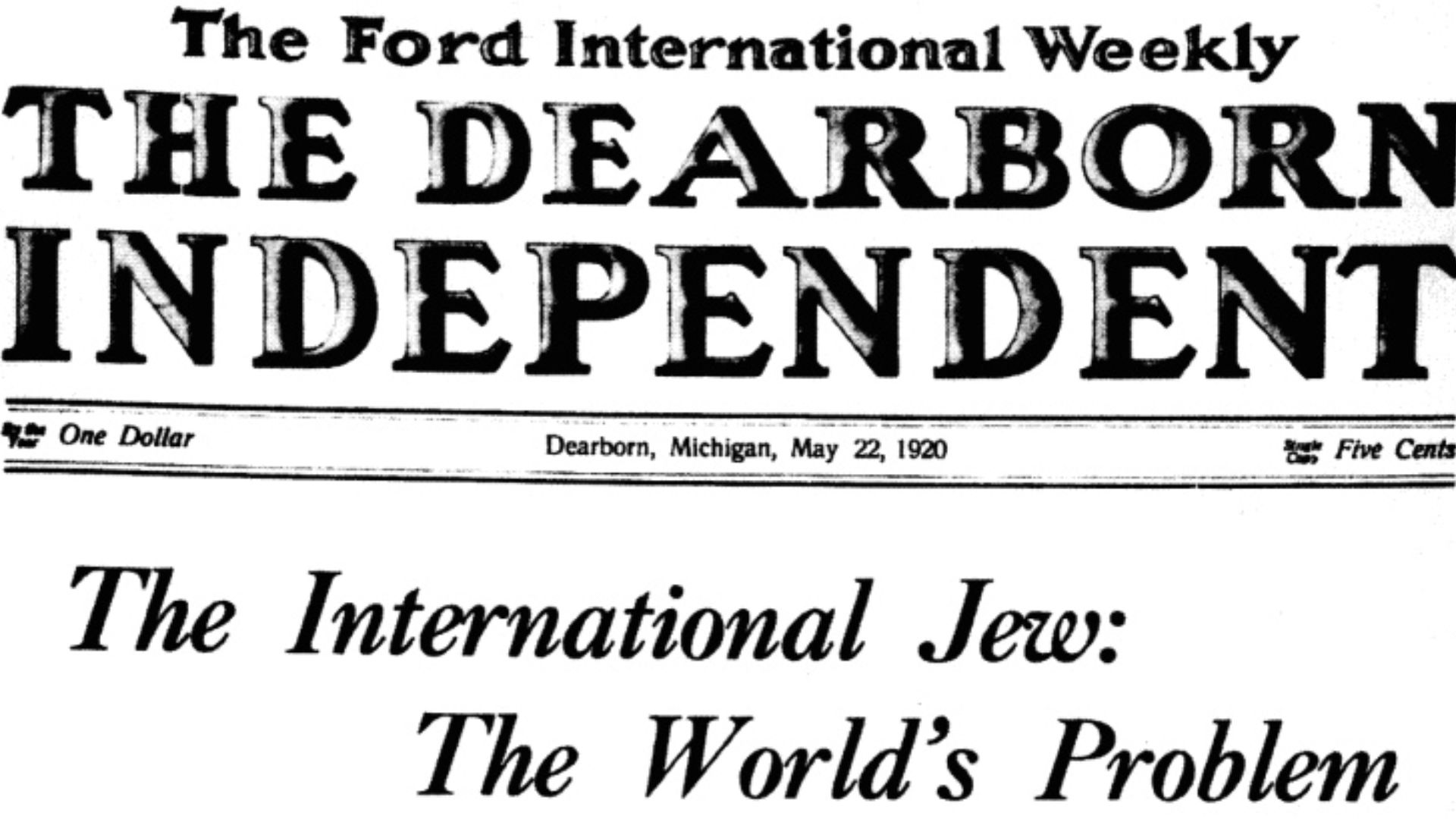
Since the outbreak of WWI, Ford indulged in and obsessed over conspiracy theories about Jews. In 1918, he even bought his hometown newspaper The Dearborn Independent to expound his anti-Semitic beliefs, and his vitriol only increased as the years went on and WWII fomented.
Ford would later claim he didn’t write these articles and wasn’t even fully aware of what the Independent printed…but his personal life tells a much different story.
 The Dearborn Independent, Wikimedia Commons
49. He Had A Disturbing Admirer
Throughout the rise of the Third Reich in WWII, Ford was in contact with several Nazi sympathizers, including Siegfried Wagner, son of composer Richard Wagner, and he gave money to certain members of Reich-affiliated organizations. Most chilling of all, Hitler himself kept a portrait of Ford in his office, once telling the Detroit News, “I regard Henry Ford as my inspiration”.
Yet some say Henry Ford got his just deserts.
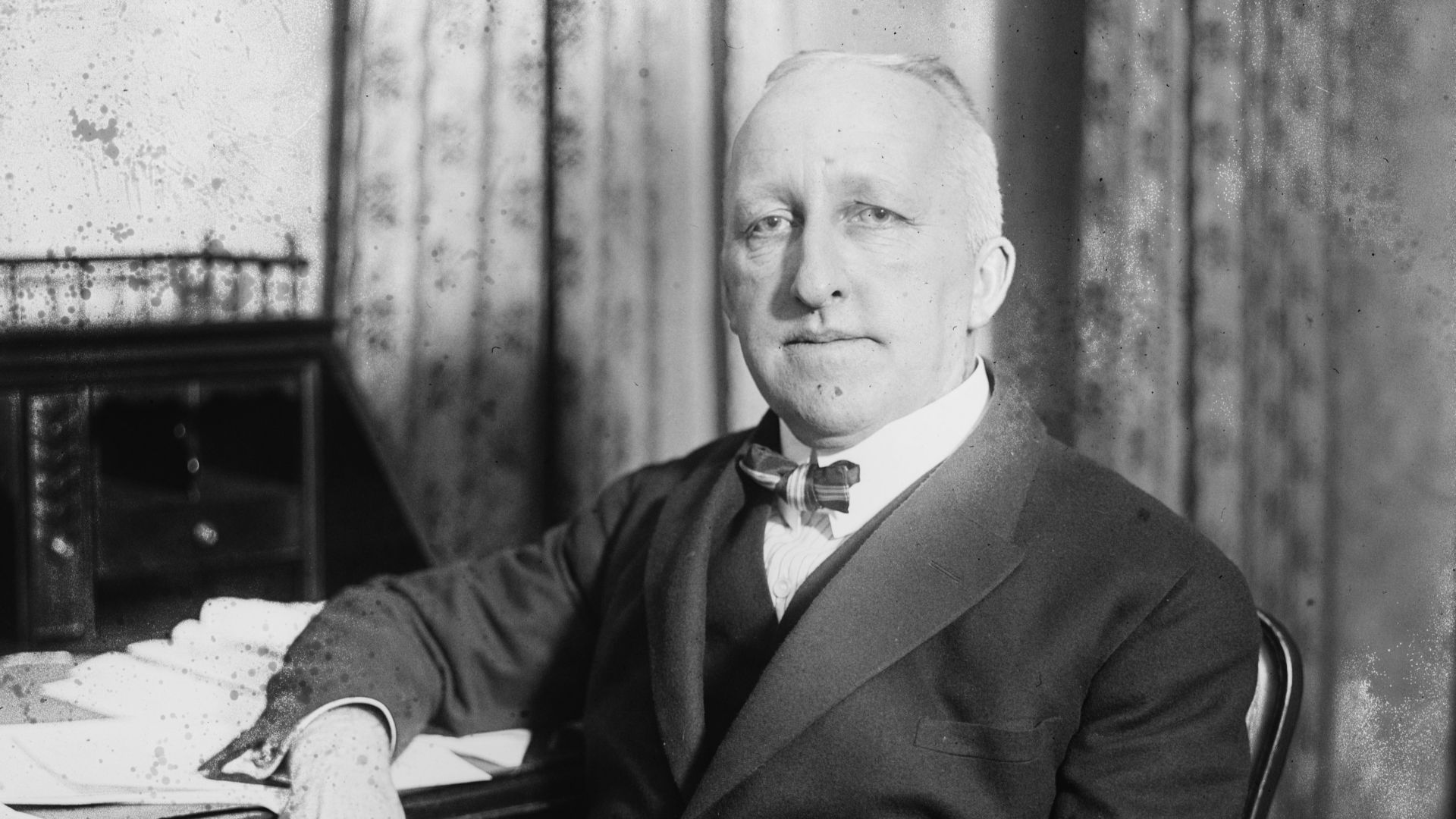 Bain News Service, publisher, Wikimedia Commons
50. Karma Came For Him
After the fall of the Third Reich, when Ford was a wizened old man, his hatred fatally backfired. According to biographer Robert Lacey, in the 1940s Ford saw a newsreel coming out of liberated Germany and displaying the horrors of the concentration camps, and he “was confronted with the atrocities which finally and unanswerably laid bare the bestiality of the prejudice to which he contributed”.
In the wake of this realization, Ford reportedly collapsed from yet another stroke, “his last and most serious,” dying soon after.
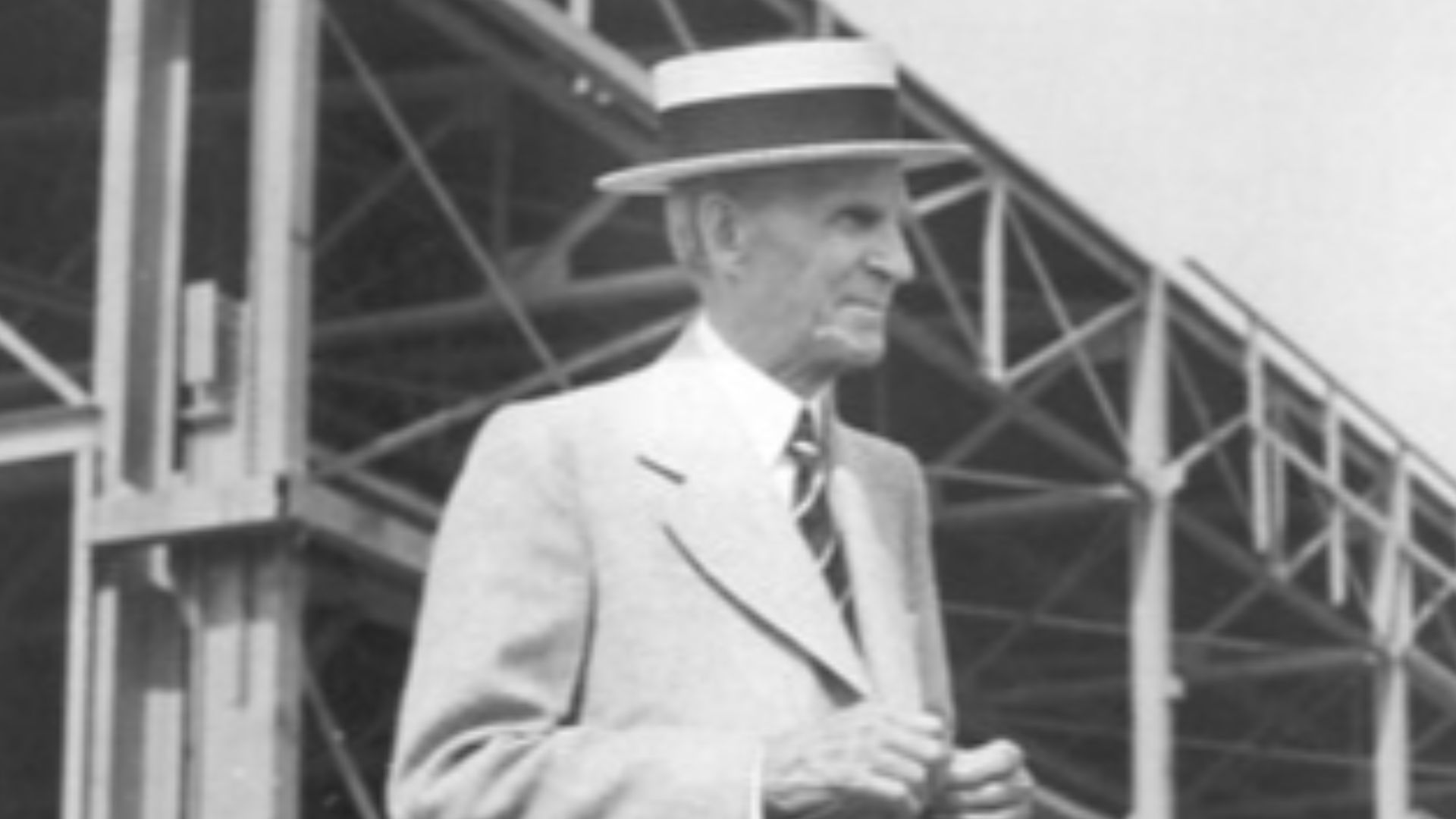 The Henry Ford, Wikimedia Commons
51. He Has A Dark Legacy
Henry Ford rose from a meagerly-educated farm boy to a captain of industry, changing the very fabric of American life in the process. If his obsessions and controlling habits drove his family to the brink, his factories nonetheless boomed, churning out new ways of moving in the world. Yet for all this, his patriotic image is marred by stains that will never lift, no matter the dark justice of his bitter end.
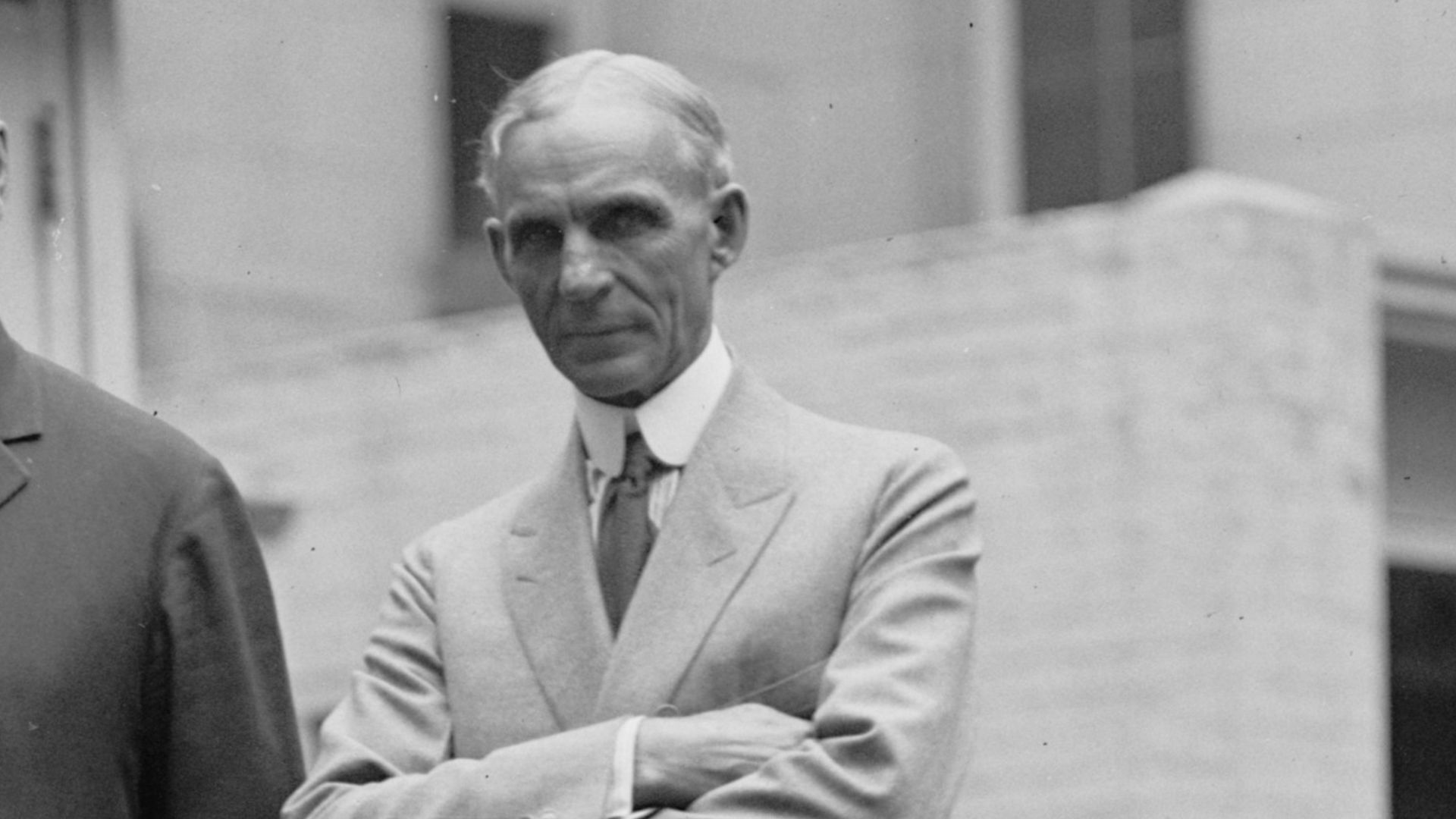 National Photo Company Collection, Wikimedia Commons
You May Also Like:
The Railroad Baron Who Shocked The World
The Man Who Built The Vanderbilts










.jpg)

