When The Punchline Stopped Being Funny
Celebrity culture has always loved an easy target. Behave strangely, struggle in public, wear the wrong thing, say something uncomfortable, and suddenly you're entertainment instead of a person. Sometimes the jokes age badly. Sometimes they become horrifying almost overnight. These famous figures were mocked and written off as disasters, only for tragedy to reveal that something much more serious had been happening all along.
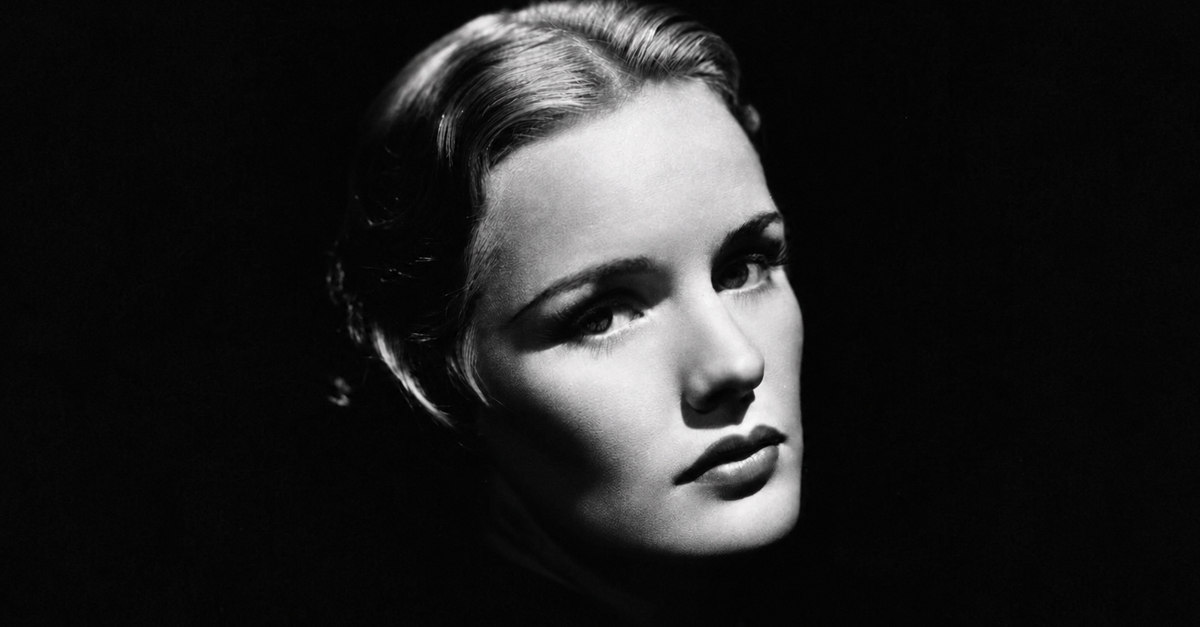
Frances Farmer Was Hollywood’s Favorite “Crazy Actress”
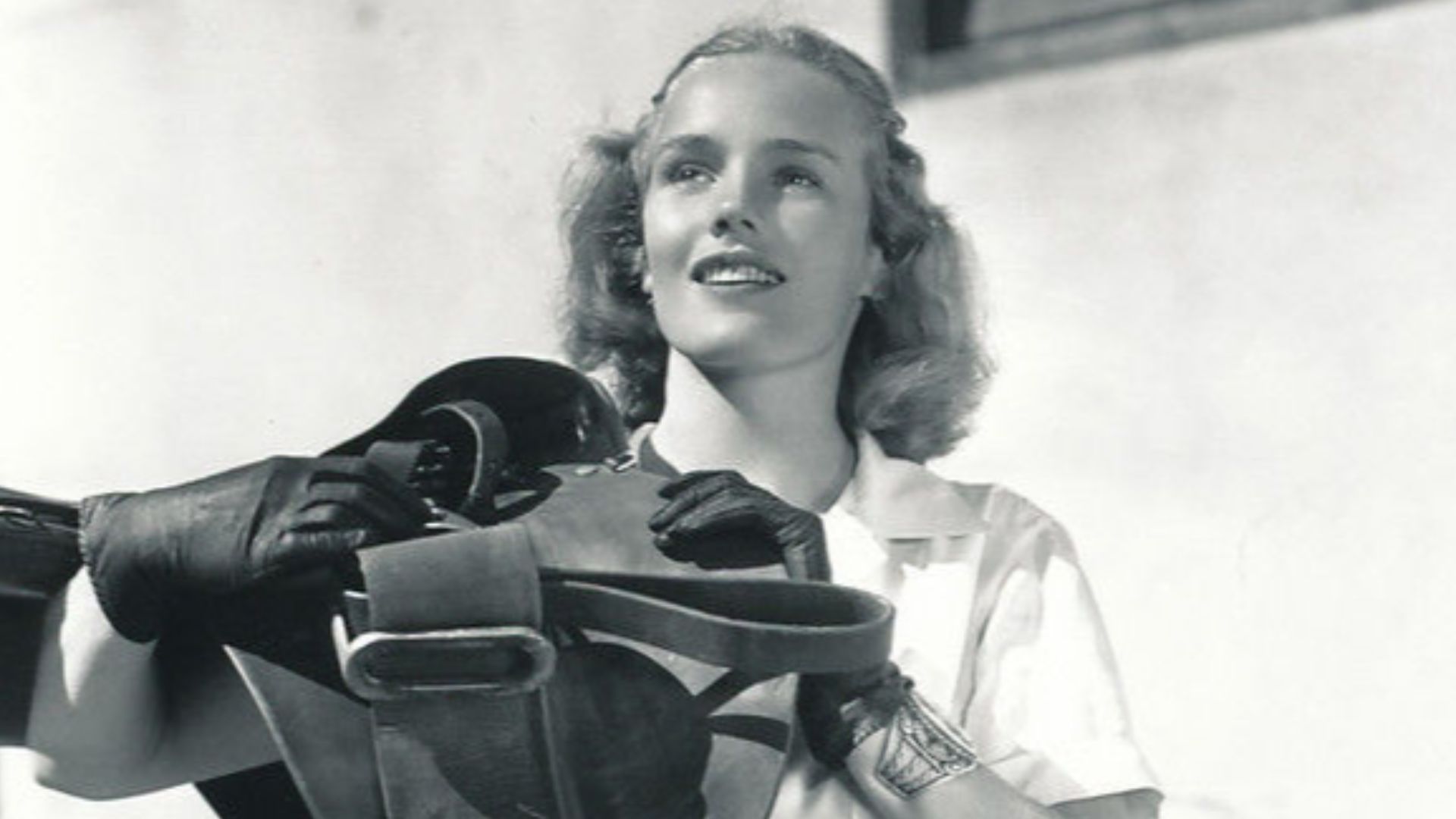
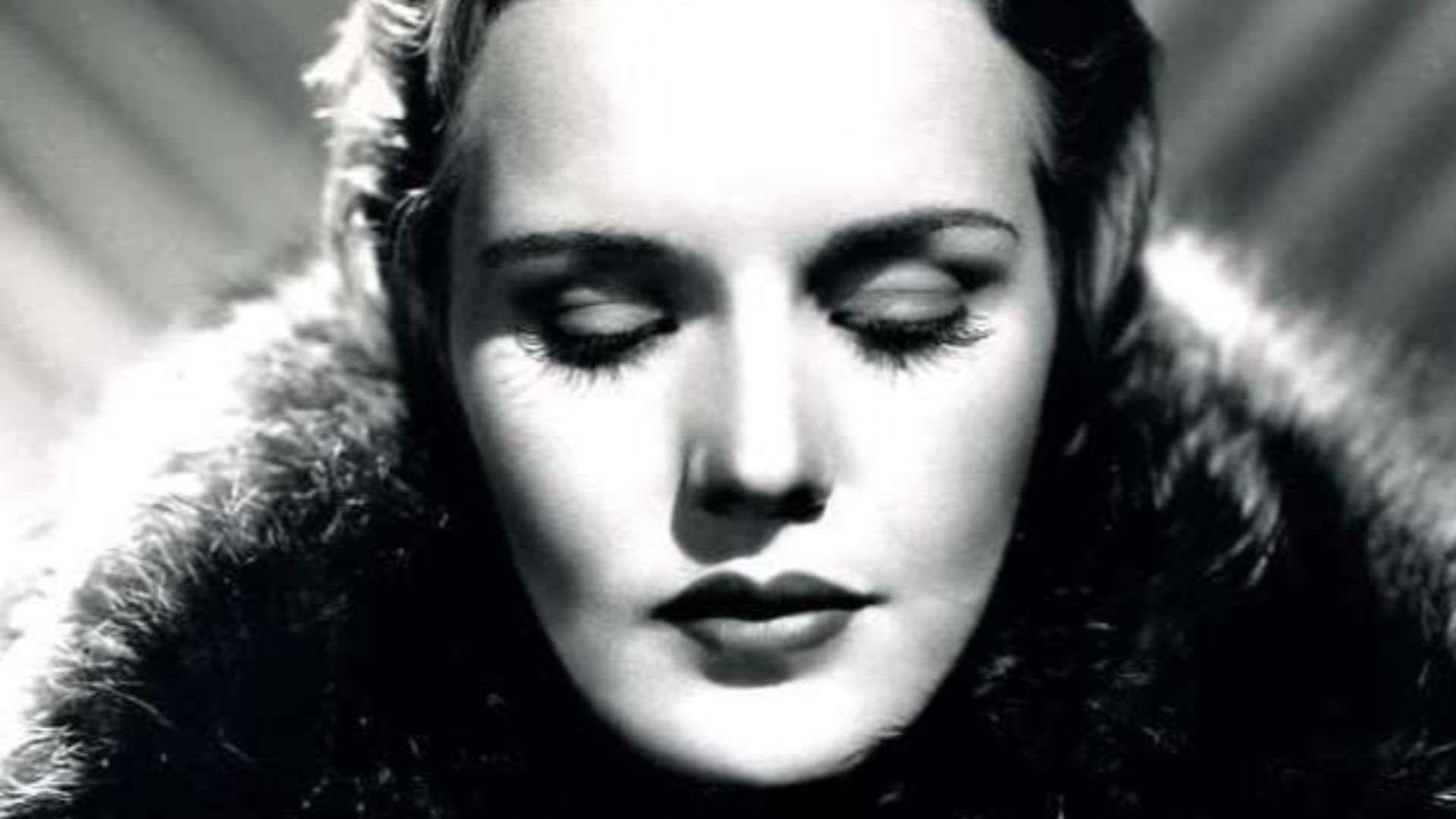
Frances Farmer entered Hollywood in the 1930s with talent, beauty, intelligence, and very little interest in behaving exactly as studios expected. Her clashes with authority and increasingly erratic behavior eventually became far more famous than her movies. Arrests and courtroom incidents provided sensational headlines, and Farmer was frequently depicted as the unstable actress who had ruined her own career. By 1944, she had been declared legally insane and institutionalized.
Frances Farmer (Cont’d)
Farmer spent years moving through psychiatric institutions and received treatments that included electroconvulsive therapy. Later books and films claimed she had been subjected to a lobotomy, but historians have found little reliable evidence that the famous operation actually occurred. The reality doesn't need embellishment. Farmer lost much of her career, autonomy, and public identity amid addiction, psychiatric illness, family conflict, and institutionalization. She eventually returned to television but never regained her early Hollywood trajectory. She passed on in 1970 at 57. The caricature of “crazy Frances Farmer” had swallowed the actress almost completely.
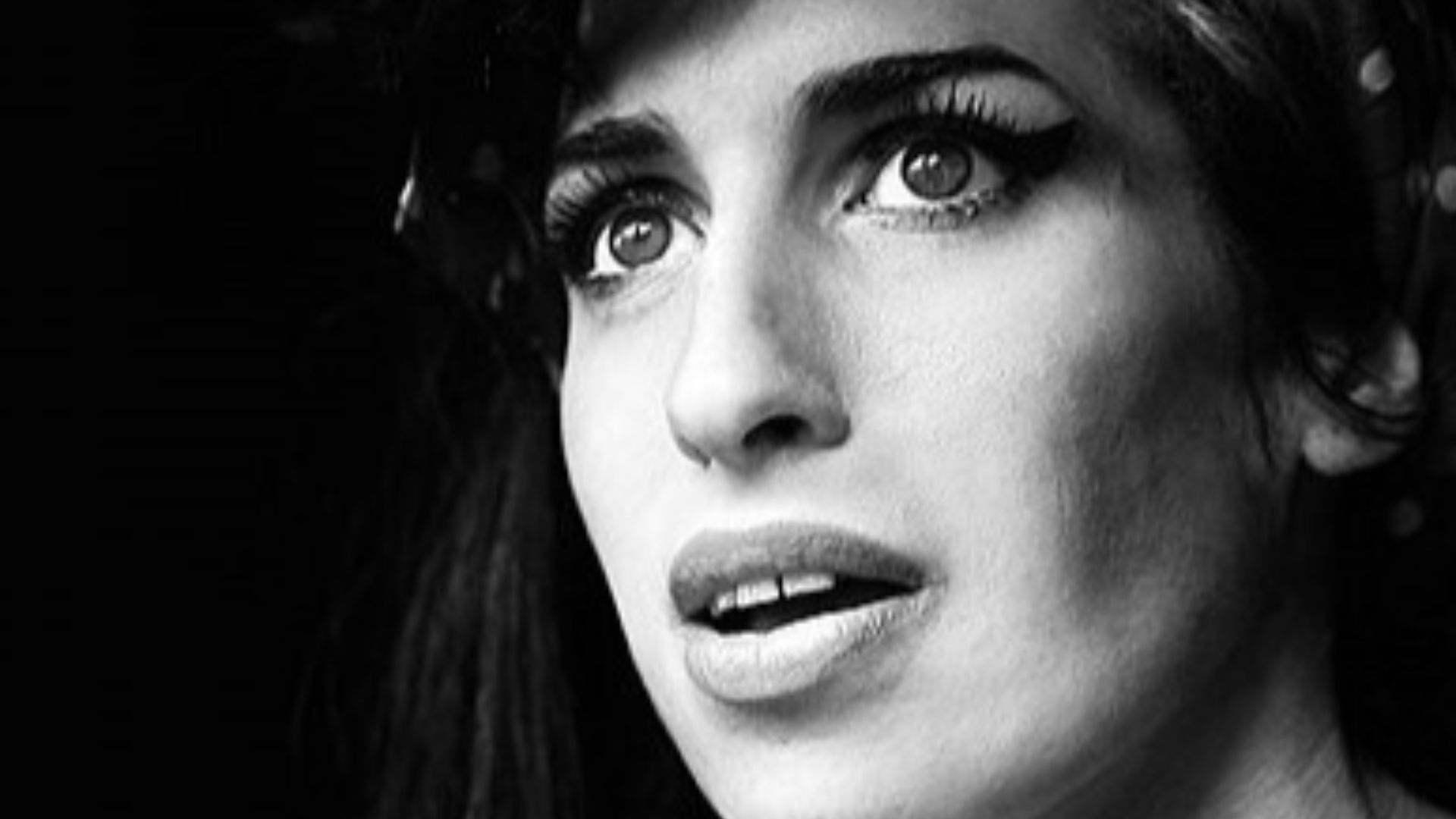
Amy Winehouse Became A Walking Punchline
Amy Winehouse had one of the most distinctive voices of her generation, but eventually her music became secondary to photographs of her drinking, fighting, stumbling, or looking painfully thin. Her beehive, missing teeth, relationships, and addiction became material for comedians, Halloween costumes, gossip sites, and television monologues. The more visibly unwell Winehouse became, the more valuable the pictures seemed to become. Years later, retrospectives would acknowledge just how casually the public had turned a person's deterioration into spectator entertainment.

Amy Winehouse (Cont’d)
On July 23, 2011, Winehouse was found lifeless at her London home. She was only 27. An inquest ultimately determined that she succumbed to alcohol poisoning. Suddenly, the drunken clips that had generated jokes didn't seem quite so entertaining. Tributes poured in, critics revisited her remarkable talent, and audiences began confronting an uncomfortable reality: many of the warning signs had been happening in public for years. The tragedy wasn't hidden. People had simply learned to laugh at it.
 eddievanderwalt, Wikimedia Commons
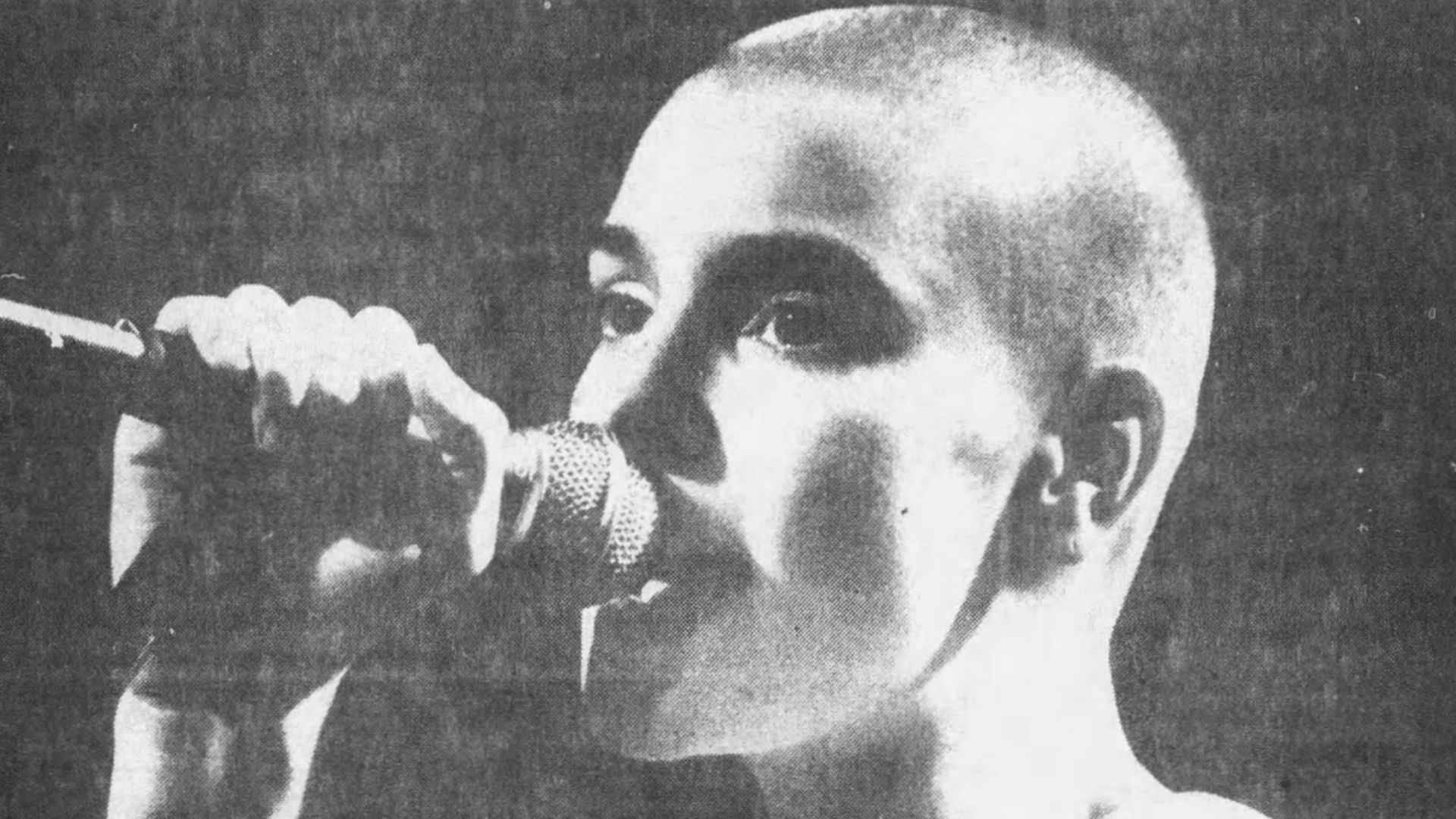
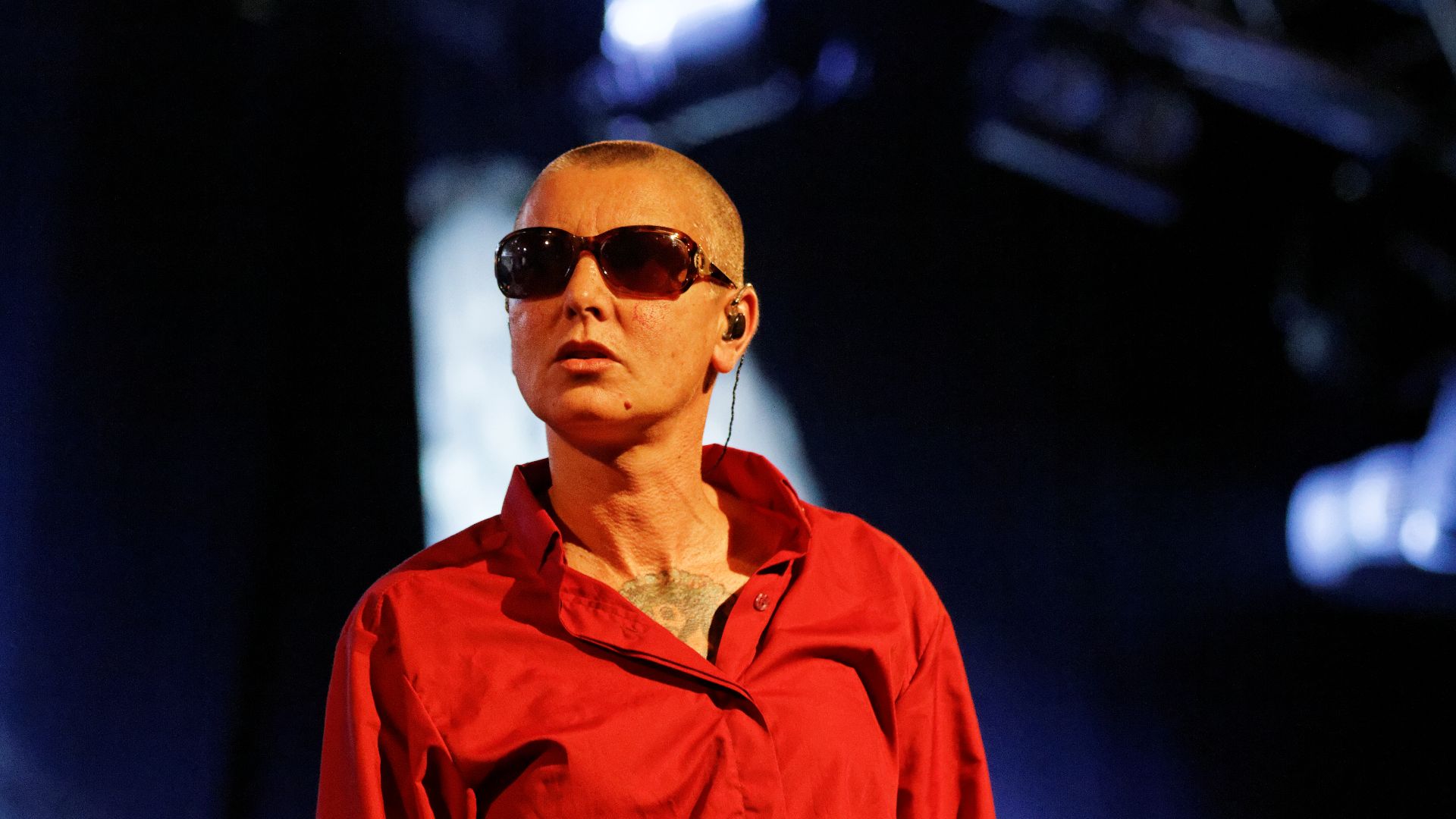
Sinéad O’Connor Was Treated Like She Had Lost Her Mind
In 1992, Sinéad O'Connor performed Bob Marley's “War” on Saturday Night Live, looked directly into the camera, tore up a photograph of Pope John Paul II, and urged viewers to “fight the real enemy". The backlash was immediate and vicious. She was condemned across the entertainment industry, and two weeks later she faced loud boos at a Bob Dylan tribute concert at Madison Square Garden. To many viewers, O'Connor seemed to have destroyed her own career with an inexplicable stunt.
 Globe photo/Dave Shea, Wikimedia Commons
Sinead O’Connor (Cont’d)
O'Connor repeatedly explained that her protest concerned child exploitation and the Catholic Church, connecting it to horrors she'd experienced during childhood. At the time, her explanation attracted far less attention than the torn photograph. In the years that followed, enormous clerical scandals emerged in Ireland, the United States, and elsewhere, dramatically changing how her protest was remembered. O'Connor's later life included public struggles with mental health and devastating personal loss, including the loss of her 17-year-old son Shane in 2022. She passed on the following year at 56. The woman dismissed as outrageous in 1992 increasingly came to look less like a provocateur and more like someone screaming about something others weren't ready to hear.
 Thesupermat, Wikimedia Commons
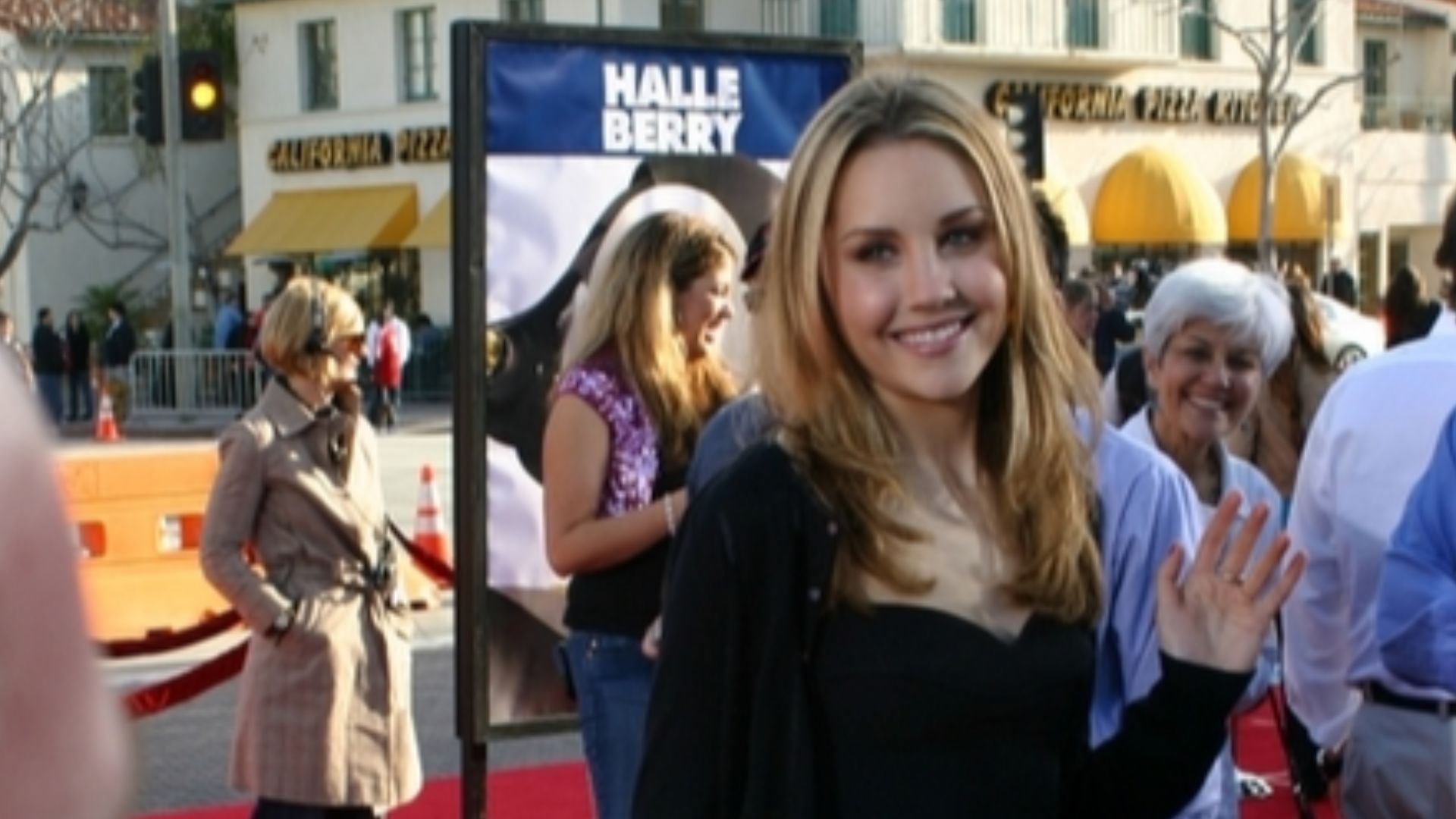
Amanda Bynes Went From Comedy Star To Internet Spectacle
Amanda Bynes had spent her childhood being intentionally funny. By 2013, people were laughing for a very different reason. After stepping away from acting, Bynes began posting increasingly erratic messages and photographs online. Her changing appearance, unusual statements, arrests, and fights with tabloids generated constant entertainment coverage. Headlines competed to document each new episode as though viewers were following a bizarre reality series. Some commentators were already warning that the spectacle looked less like celebrity gossip and more like the public documentation of a serious personal crisis.
 The Heart Truth, Wikimedia Commons
Amanda Bynes (Cont’d)
Bynes' situation escalated in 2013 after an incident involving a small fire in a residential driveway. She was hospitalized and eventually placed under a conservatorship overseen by her mother. Suddenly, the bizarre tweets and paparazzi photos had a very different context. Bynes later spoke openly about substance misuse and the difficulties surrounding her years away from acting. Her conservatorship was terminated in 2022 after nearly nine years. She survived the darkest chapter of the story, but the way her crisis was consumed as entertainment remains an uncomfortable piece of 2010s celebrity culture.
 Shay Sowden, Wikimedia Commons
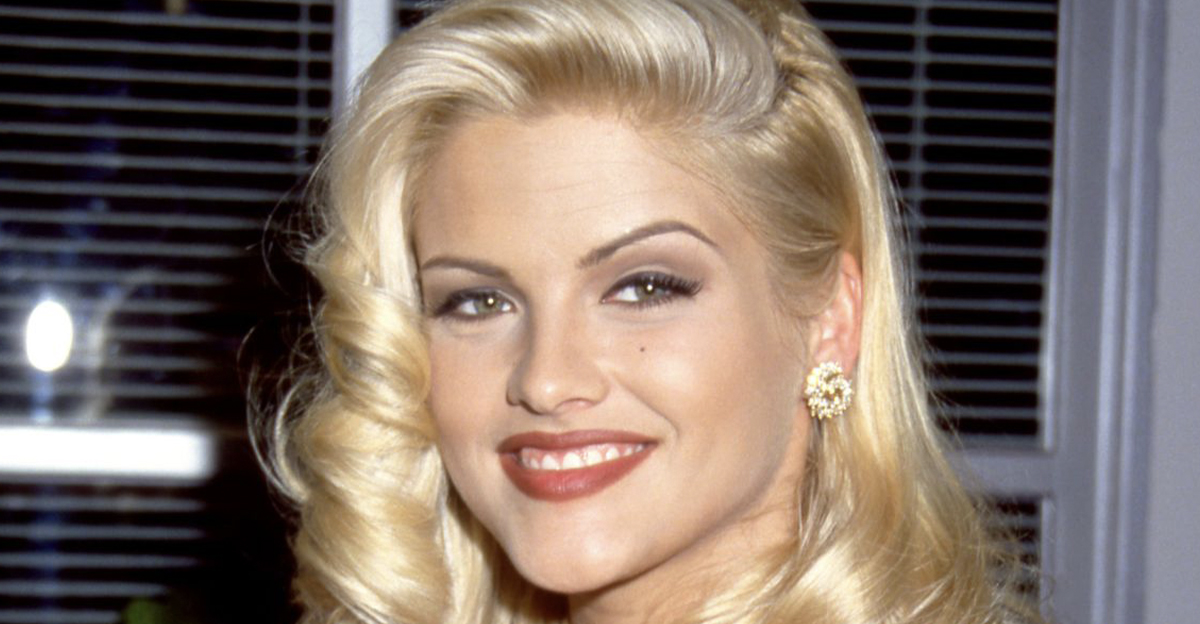
Anna Nicole Smith Was Treated Like A Cartoon Character
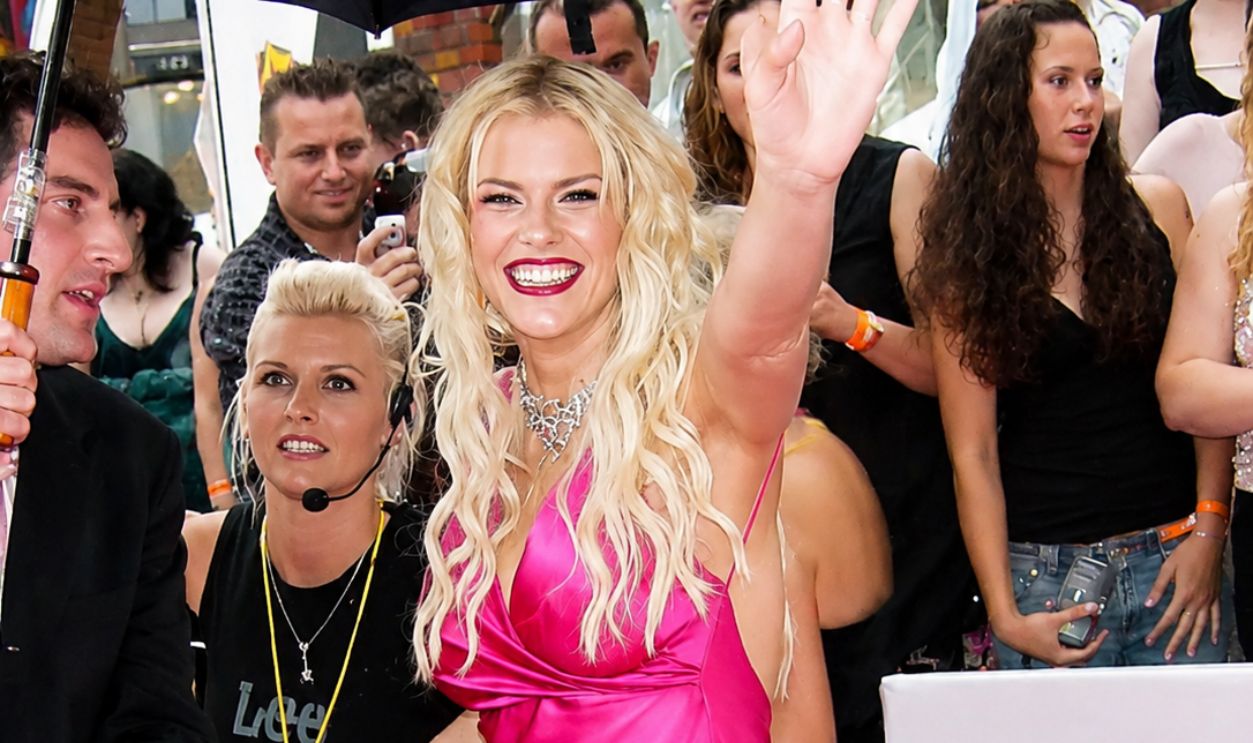
Anna Nicole Smith seemed almost designed for tabloid television. She was glamorous, chaotic, funny, outrageous, and frequently appeared to be completely unpredictable. Her marriage to 89-year-old billionaire J. Howard Marshall when she was 26 turned her into a national punchline, and the court battle over his estate kept her there. Her reality series The Anna Nicole Show pushed the image even further, presenting Smith's confusion and eccentric behavior as entertainment. Whatever was happening behind the scenes, audiences were encouraged to watch because Anna Nicole was supposedly hilarious.
 doggiesrule04, Wikimedia Commons
Anna Nicole Smith (Cont’d)
In September 2006, Smith gave birth to her daughter Dannielynn in the Bahamas. Three days later, her 20-year-old son Daniel perished while visiting her in the hospital. His demise was caused by an accidental combination of medications, including methadone. Five months later, on February 8, 2007, Smith herself perished of an accidental prescription OD at age 39. Her passing became one of the biggest media stories in America, generating an enormous wave of coverage about a woman the same media had spent years presenting as a circus act.
 Toby Forage, Wikimedia Commons
Whitney Houston’s Pain Became A Catchphrase
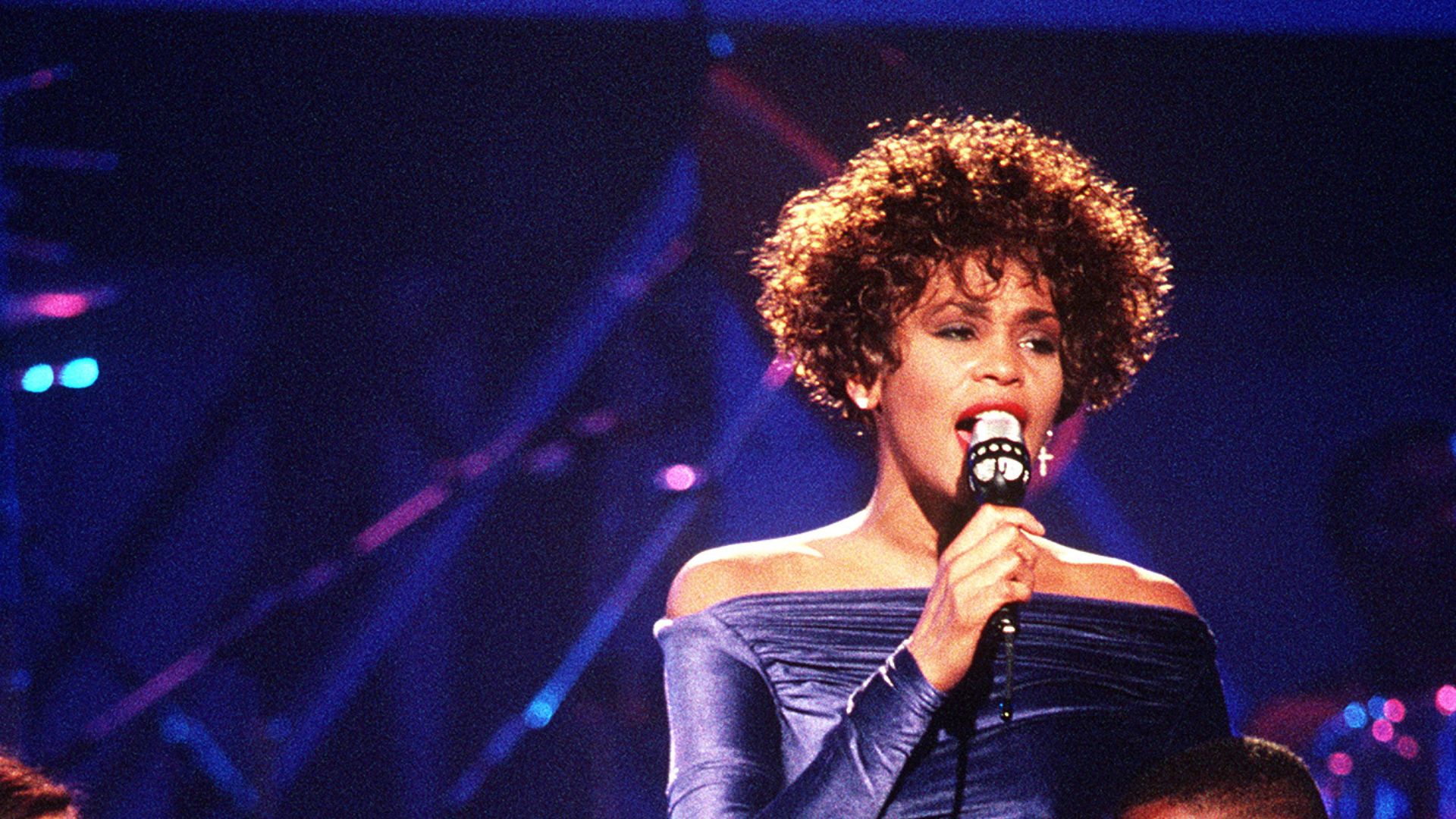
Few celebrity interviews have been recycled quite like Whitney Houston's 2002 conversation with Diane Sawyer. When asked about substance use, Houston indignantly rejected the suggestion that she used crack cocaine, producing the instantly famous phrase “crack is whack". The interview was parodied endlessly. Houston's increasingly thin appearance, turbulent marriage to Bobby Brown, erratic television appearances, and vocal decline all became part of the joke. A performer once celebrated for one of the greatest voices in pop was increasingly treated as a cautionary meme.
 PH2 Mark Kettenhofen, Wikimedia Commons
Whitney Houston (Cont’d)
Houston met her end in a bathtub at the Beverly Hilton on February 11, 2012. The coroner ruled her passing an accidental drowning, with heart disease and substance use contributing. The reaction was immediate. A woman who had increasingly been reduced to punchlines was suddenly discussed in terms of her monumental talent and long struggle with addiction. The Los Angeles Times noted the abrupt shift, describing Houston as a pop culture punchline who was almost instantly restored to beloved-icon status.
 Asterio Tecson, Wikimedia Commons
Britney Spears Became Everyone’s Favorite Meltdown
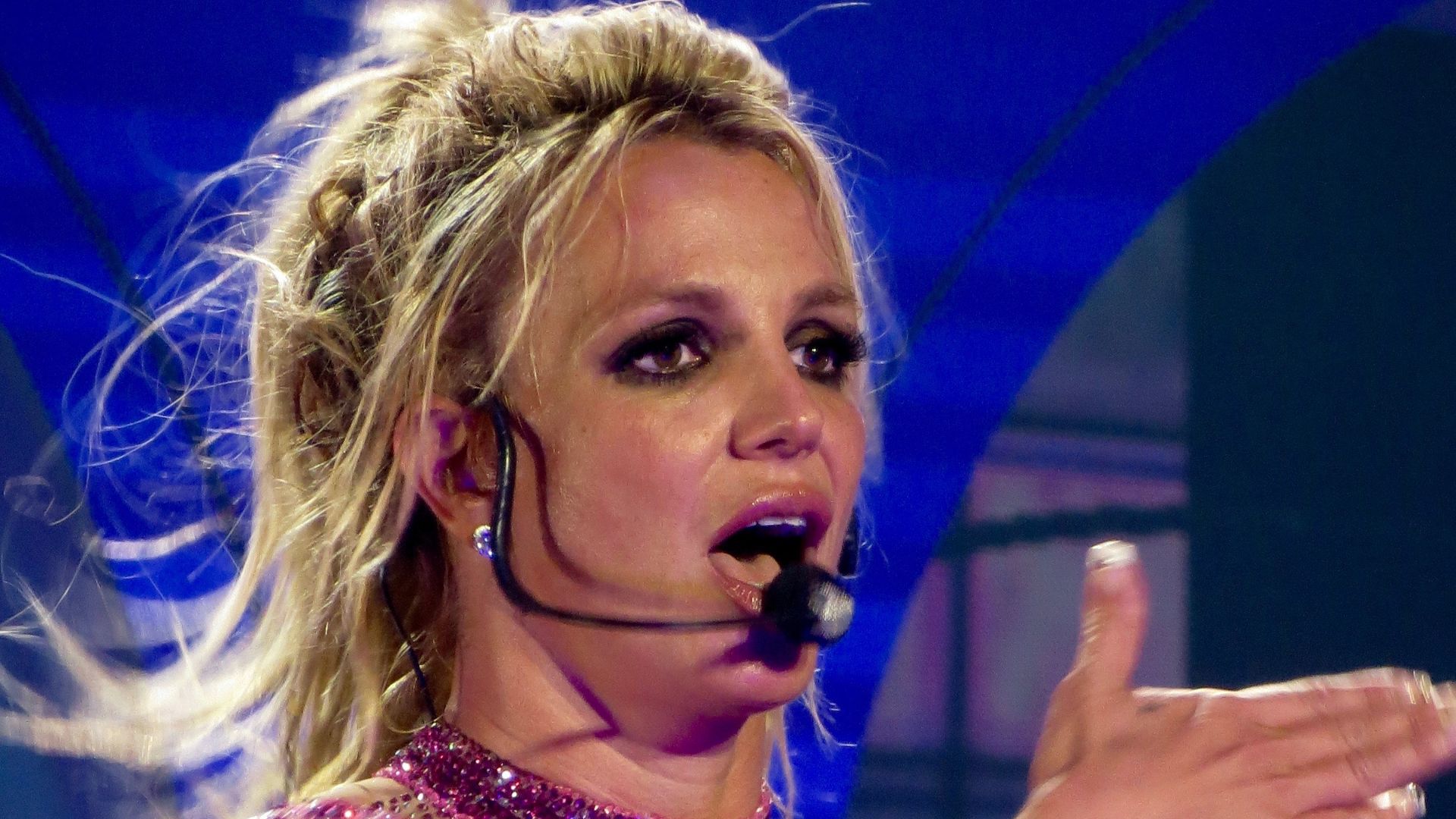
By 2007, Britney Spears wasn't being covered like a person in distress. She was being covered like an ongoing reality show. Her divorce, custody battle, nights out, rehab visits, and decision to shave her head became international entertainment. Paparazzi followed her practically everywhere, while photographs of her worst moments became tabloid gold. Even years later, “Britney 2007” remained a punchline about having a bad year. Looking back, the footage is considerably less funny. It shows a young woman seemingly unraveling while photographers surrounded her and kept shooting.
 marcen27 from Glasgow, UK, Wikimedia Commons
Britney Spears (Cont’d)
In 2008, Spears was placed under a court-ordered conservatorship that ultimately lasted nearly 14 years. Her father, Jamie Spears, became one of the people with extensive authority over her personal and financial affairs, even as Britney continued recording albums, touring, judging The X Factor, and performing a lucrative Las Vegas residency. The #FreeBritney movement eventually forced a much more uncomfortable conversation about the woman people had spent years laughing at. The conservatorship was finally terminated in November 2021.
 marcen27 from Glasgow, UK, Wikimedia Commons
Monica Lewinsky Became A National Joke At 24
Monica Lewinsky didn't need to behave eccentrically to become one of the biggest punchlines of the 1990s. Once her relationship with President Bill Clinton became public, practically every late-night comedian in America seemed to have material ready. Her weight, appearance, sexuality, intelligence, and private life were mocked relentlessly. Researchers later found that Jay Leno alone targeted Lewinsky in hundreds of jokes. She was 24 years old when the scandal exploded and, because of court restrictions surrounding the investigation, had limited ability to publicly defend herself.
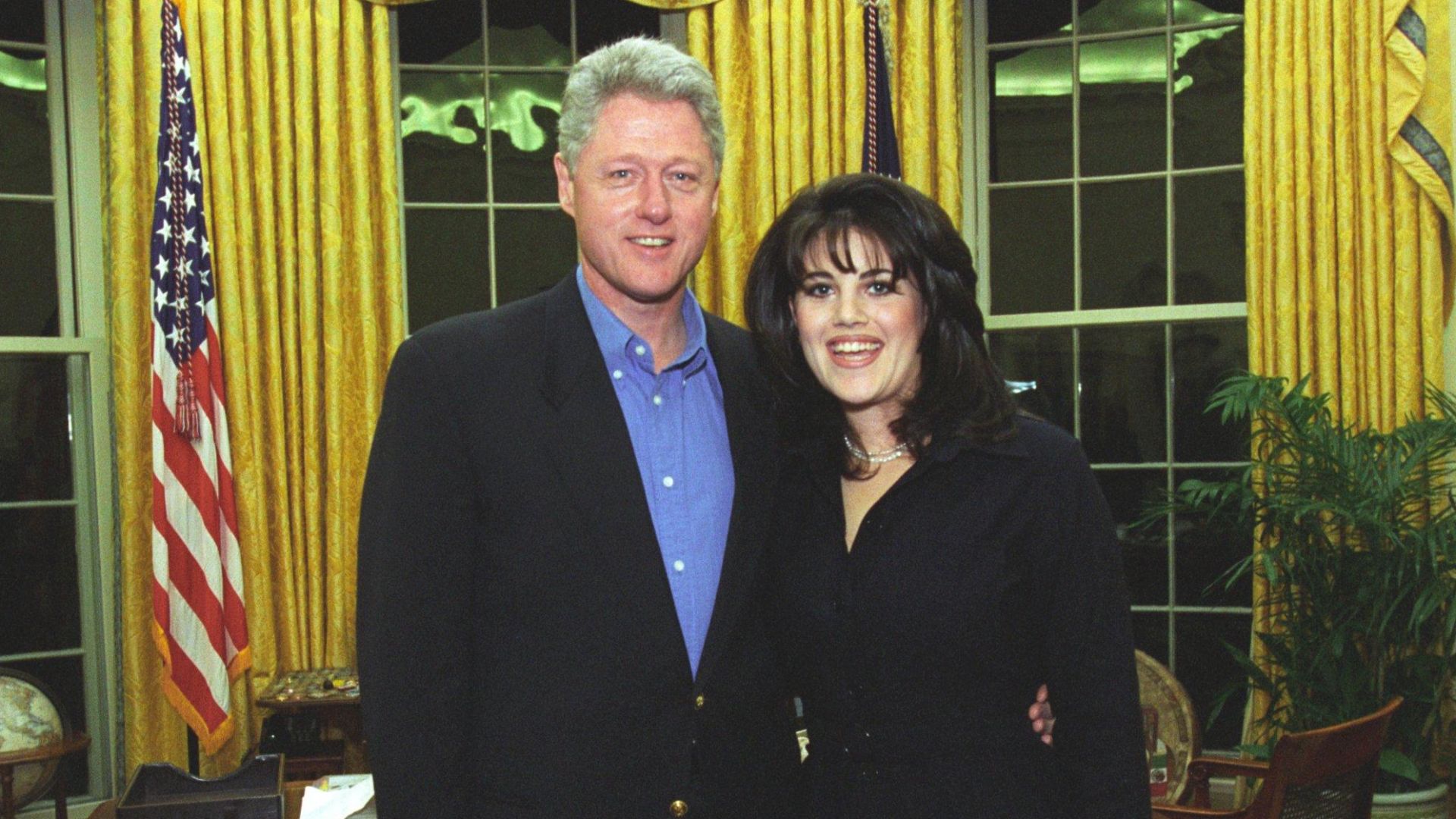 Clinton White House, Wikimedia Commons
Monica Lewinsky (Cont’d)
Lewinsky eventually described the experience as an overwhelming campaign of humiliation that followed her for years and affected her ability to find work or live normally. She withdrew substantially from public life before returning as an advocate against cyberbullying and public shaming. What once passed as harmless late-night comedy has since become one of the clearest early examples of how mass humiliation can consume a person's identity. Lewinsky survived it, but the darker story was just how much pain an entire culture had been willing to package as a joke.
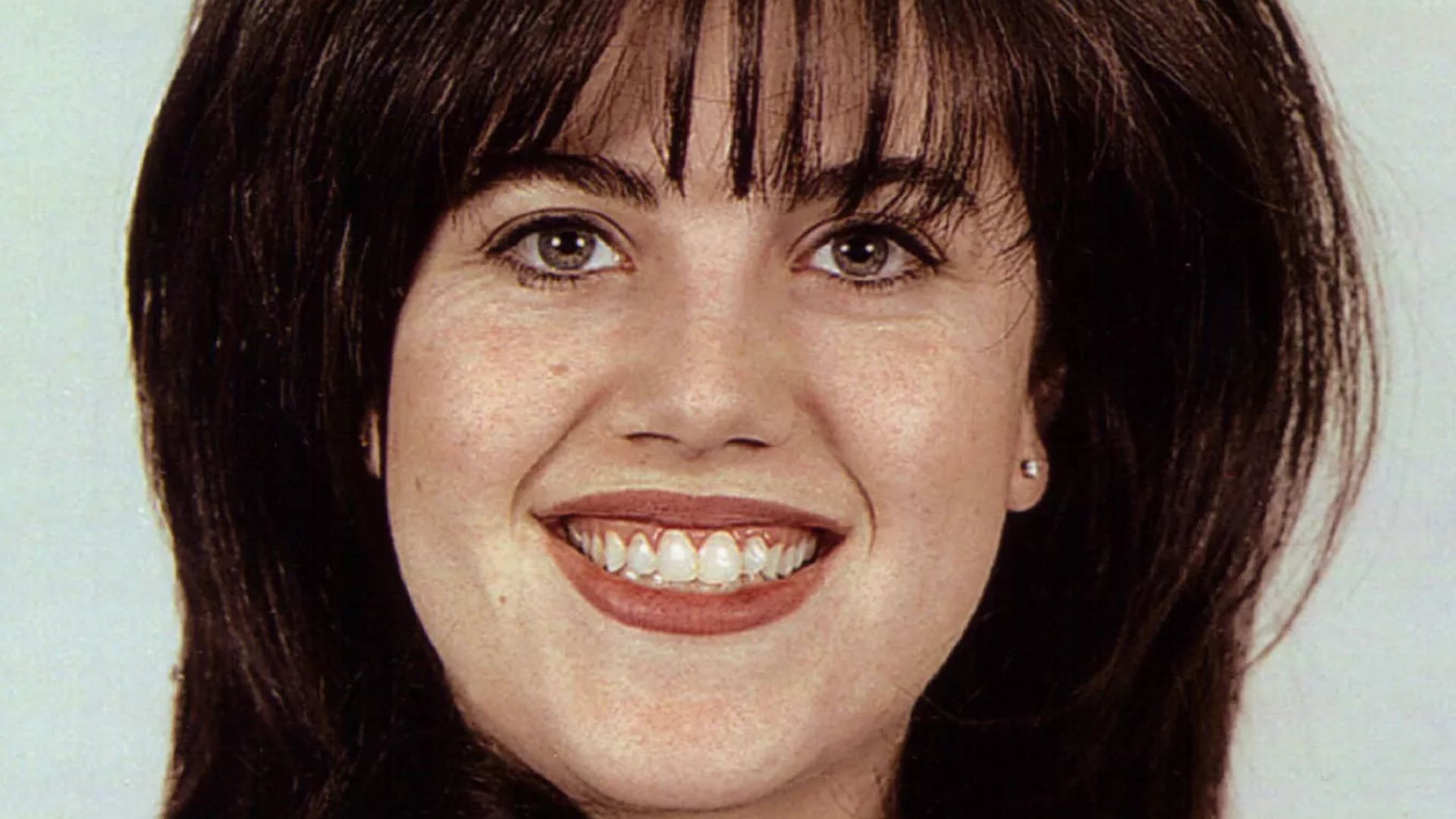 Helene C. Stikkel, Wikimedia Commons
Michael Jackson Became “Wacko Jacko”
By the late 1980s, Michael Jackson's eccentricities were almost as famous as his music. Stories about oxygen chambers, exotic pets, cosmetic surgery, Neverland Ranch, masks, and strange spending habits created an alternative celebrity persona that tabloids famously summarized as “Wacko Jacko". Even serious newspapers wrote about whether Jackson's bizarre image had eclipsed his talent. His appearance and behavior became an international running gag long before the much more serious allegations involving children came to dominate his public image.
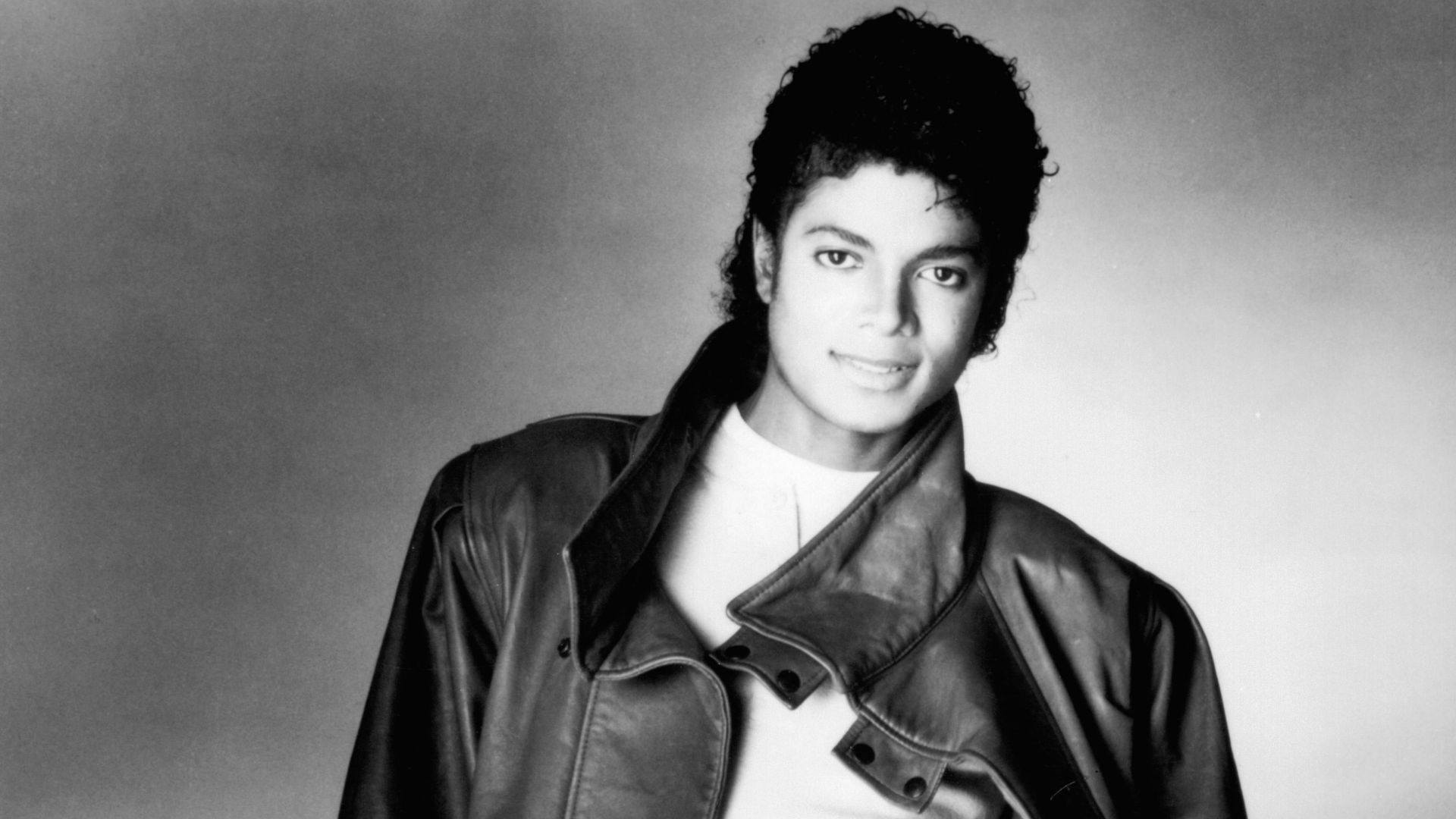 Matthew Rolston; Distributed by Epic Records, Wikimedia Commons
Michael Jackson (Cont’d)
Jackson passed on June 25, 2009, after receiving the anesthetic propofol and other medications while preparing for his planned This Is It concerts. His physician Conrad Murray was later convicted of involuntary manslaughter. Jackson's passing triggered an enormous reconsideration of a life that had been treated as bizarre entertainment for decades, including questions about his dependence on doctors, medications, crushing fame, and childhood under his demanding father. None of that erases or resolves the serious allegations surrounding Jackson, but his passing made one thing impossible to ignore: beneath the tabloid caricature was an intensely complicated and troubled human being.
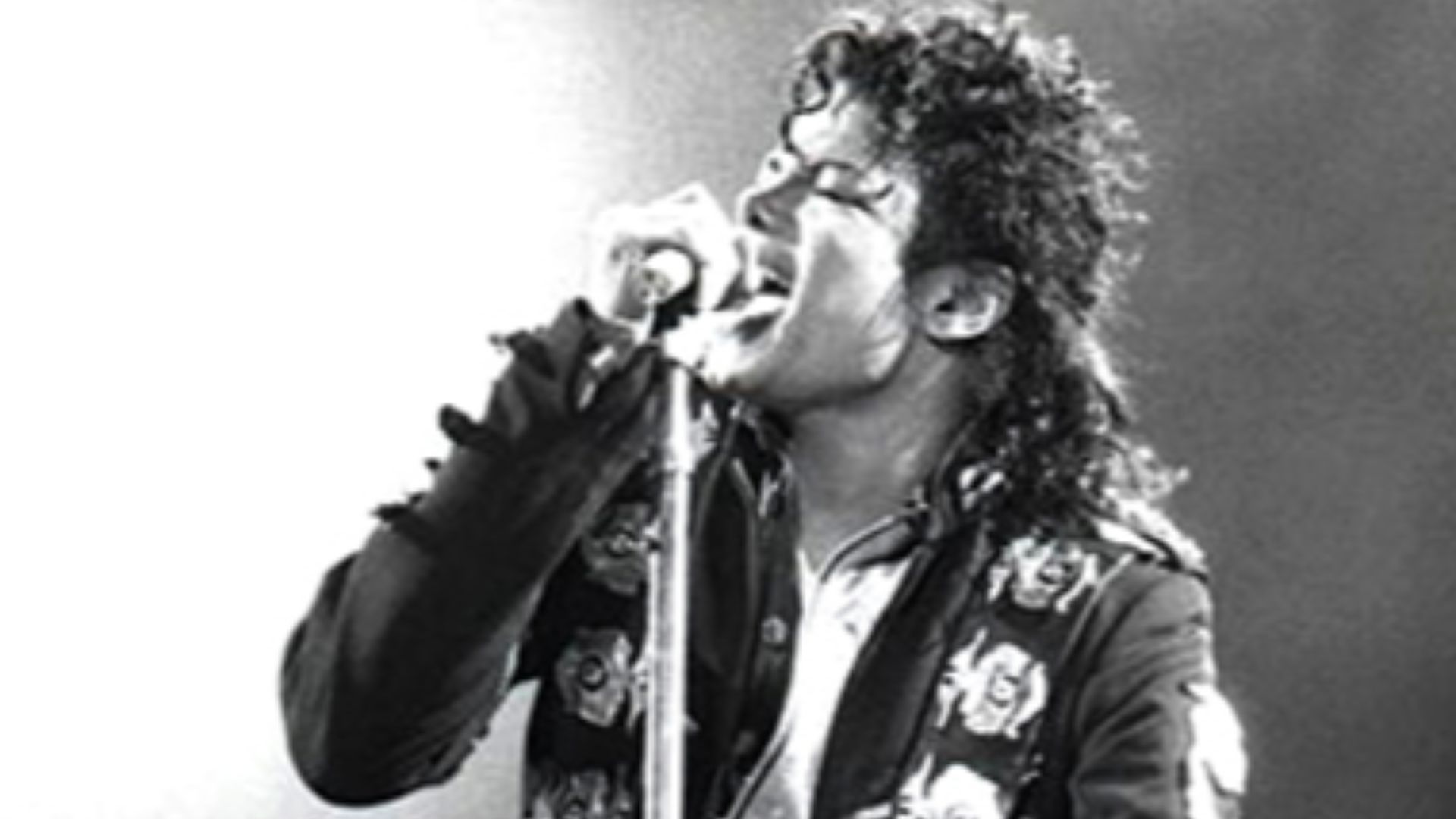 Zoran Veselinovic, Wikimedia Commons
Margot Kidder’s Breakdown Became Headline Entertainment
Margot Kidder had been one of Hollywood's most recognizable actresses after playing Lois Lane opposite Christopher Reeve in the Superman films. By the 1990s, however, financial problems, career struggles, and increasingly erratic behavior had replaced superhero premieres in the headlines. Then Kidder disappeared in Los Angeles in April 1996. When police found her three days later, she was frightened, dirty, missing dental work, and hiding in bushes. She had only 40 cents.
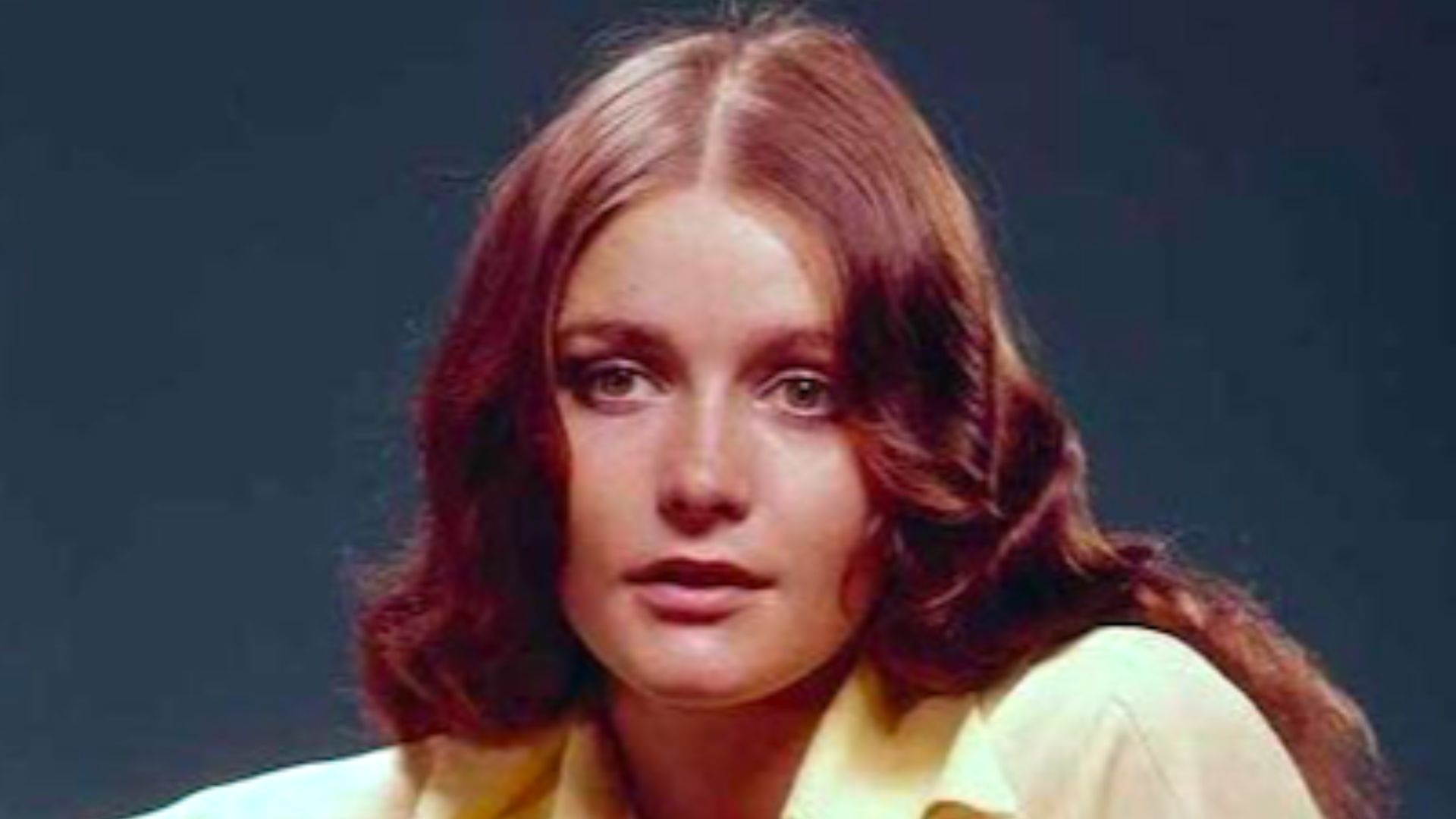 Peters & Carroll, Wikimedia Commons
Margot Kidder (Cont’d)
Kidder was hospitalized and later spoke openly about living with bipolar disorder. Instead of immediately backing away, tabloid reporters pursued her even while she was recovering, following her to remote places and gathering around relatives' homes. Kidder later returned to acting and became an advocate for mental-health awareness. Her 1996 breakdown had looked bizarre when stripped of context. Once the context became known, it looked considerably more like a psychiatric emergency being consumed as celebrity entertainment.
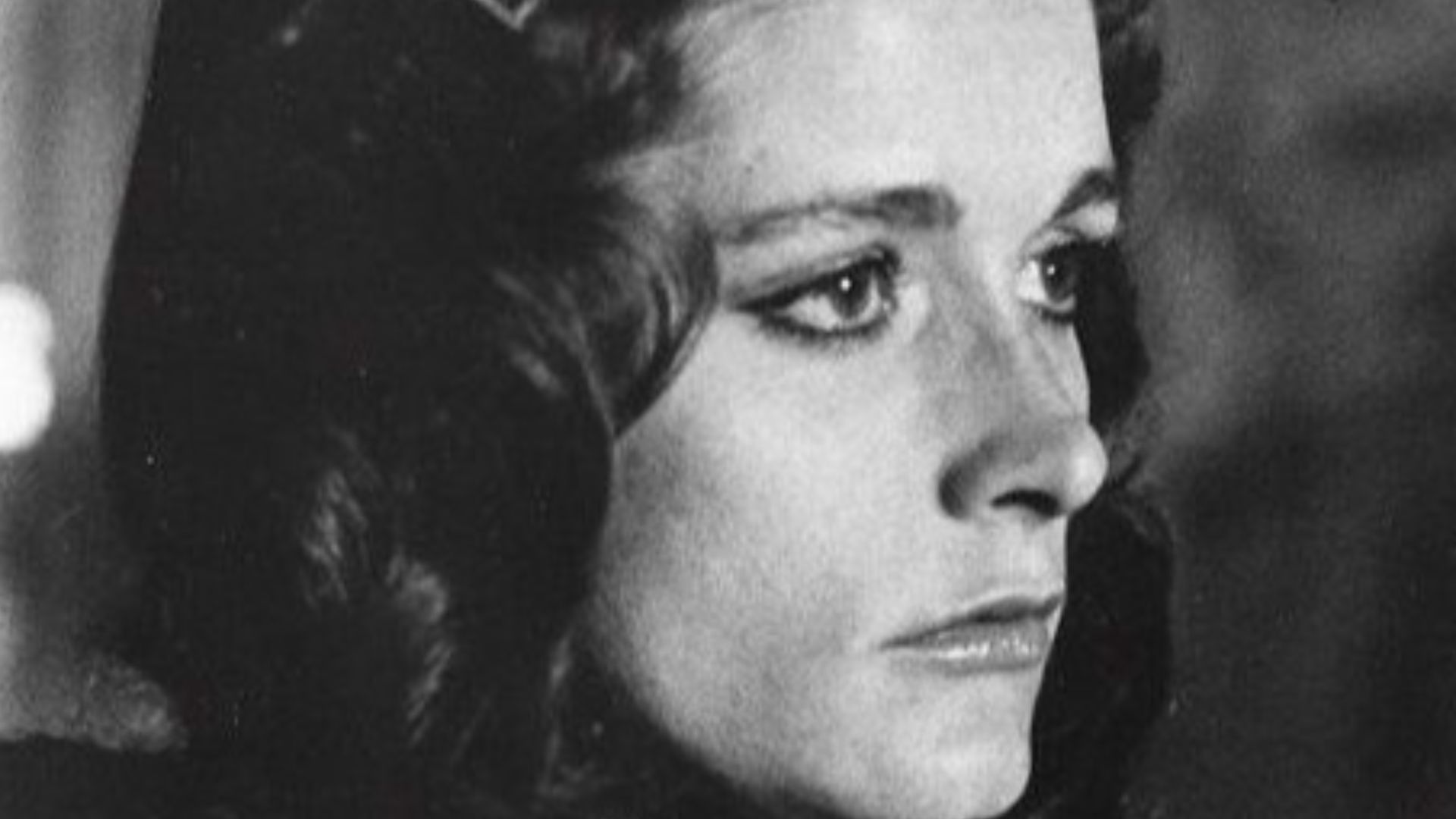 Unknown authorUnknown author, Wikimedia Commons
Gary Coleman Could Never Escape His Own Catchphrase
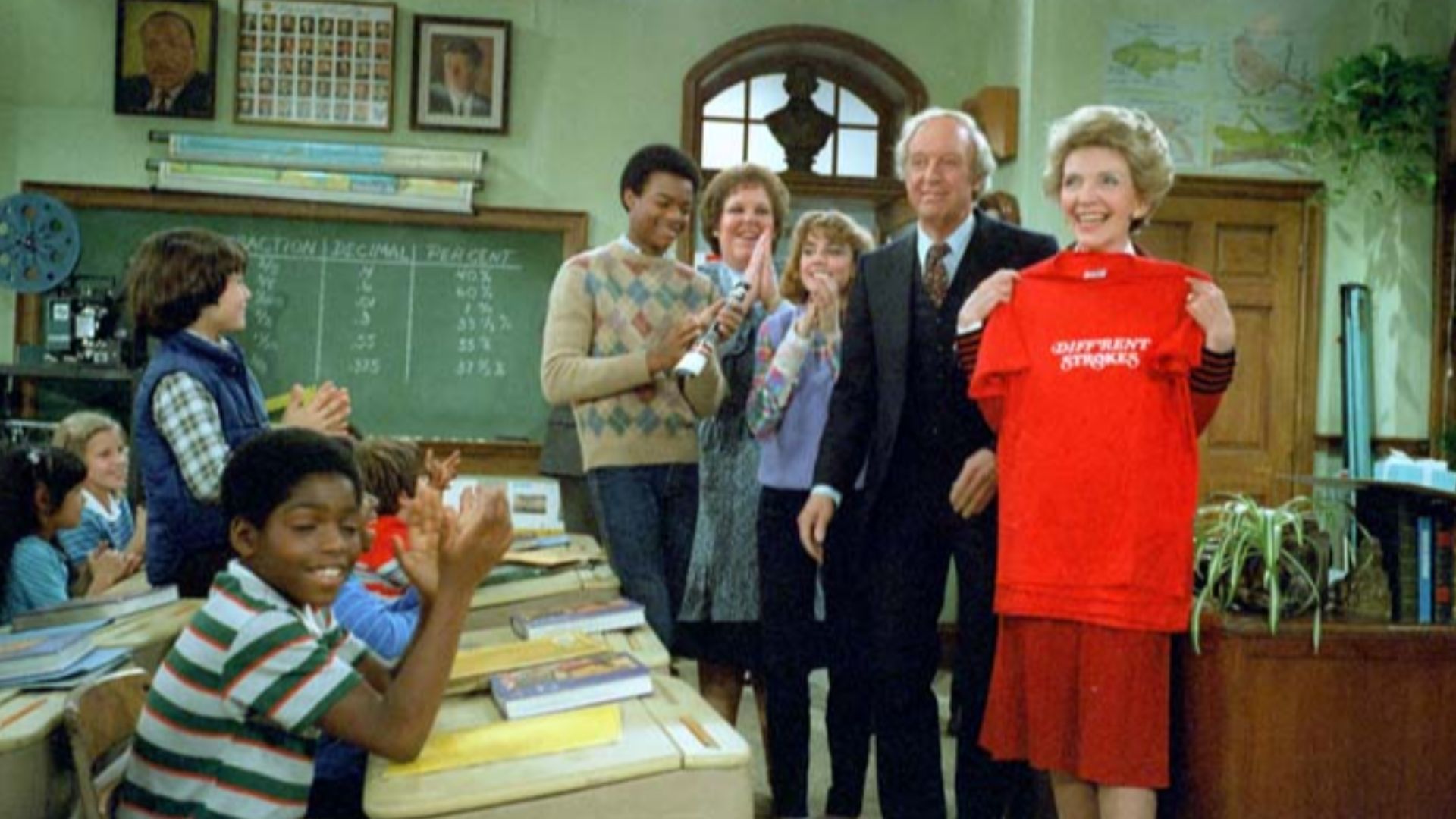
Gary Coleman became one of television's biggest child stars as Arnold Jackson on Diff'rent Strokes. His line “Whatchu talkin' 'bout, Willis?” followed him for the rest of his life, even when he desperately wanted to be seen as something other than the adorable child he'd played on television. As an adult, Coleman's employment problems, temper, financial troubles, courtroom incidents, and willingness to take odd jobs became easy material for comedians and tabloids. At one point, his status as a faded child star was itself essentially the joke.
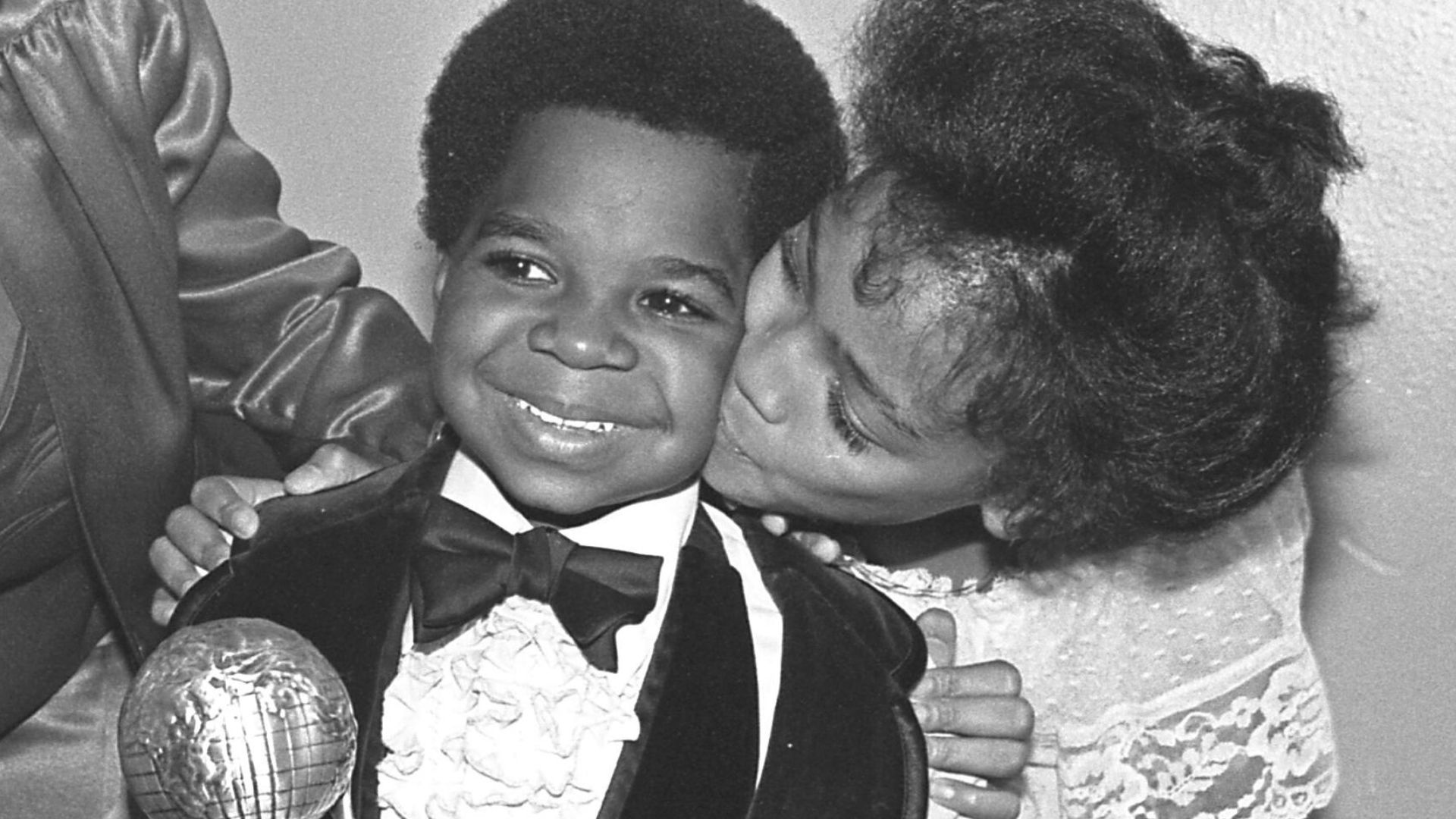 Marianna Diamos, Los Angeles Times, Wikimedia Commons
Gary Coleman (Cont’d)
Coleman had once been among the highest-paid child performers in television history. In adulthood, he sued his parents and a former business manager, accusing them of taking money he'd earned as a child. A judge ultimately awarded him more than $1 million after ruling that his parents and manager had wrongfully profited while managing his career. Coleman nevertheless filed for bankruptcy in 1999. He passed on in 2010 at only 42 after suffering an intracranial hemorrhage. The former sitcom punchline had spent much of adulthood dealing with the consequences of becoming valuable before he was old enough to control the money.
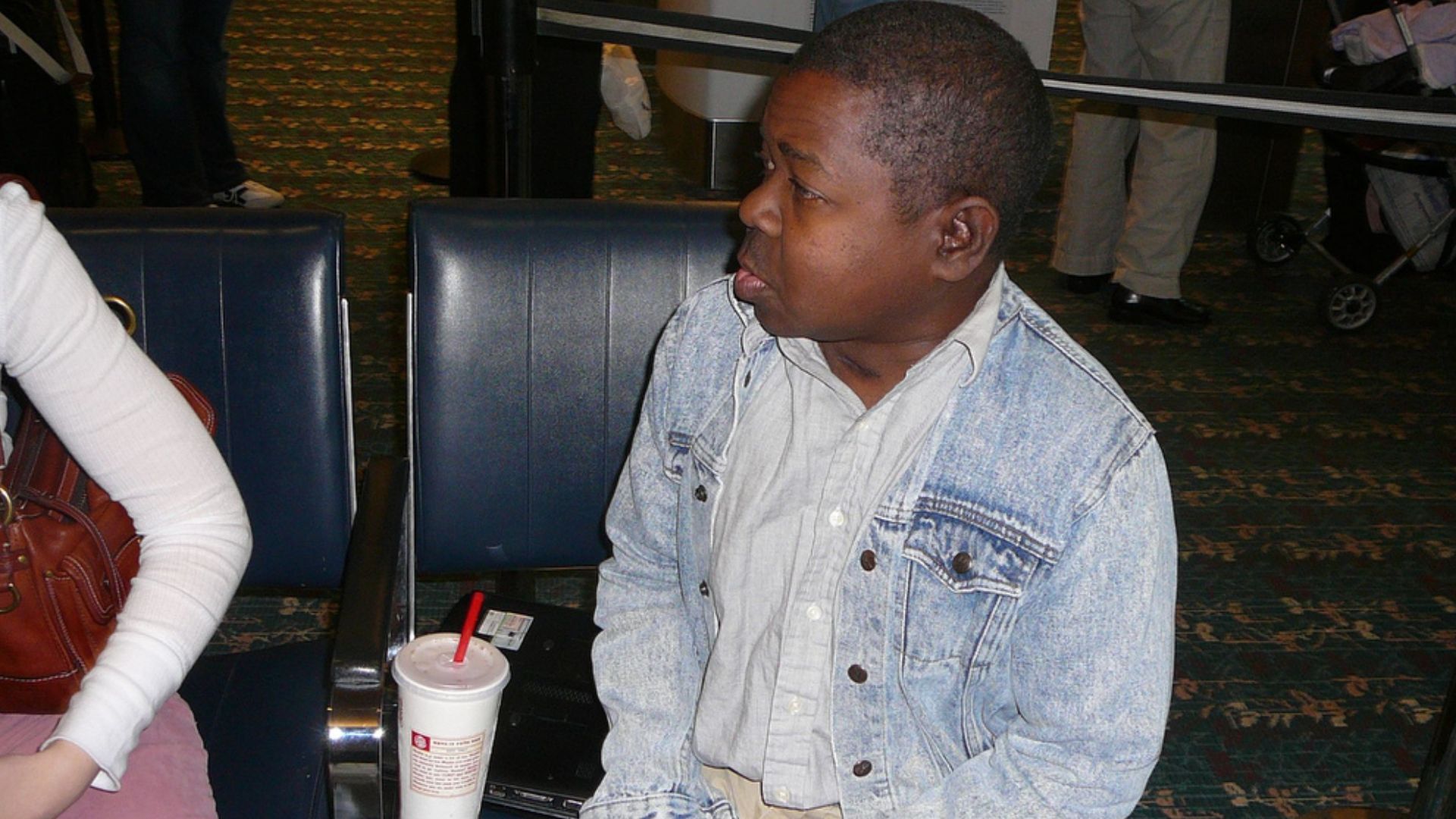 Aaron Fulkerson, Wikimedia Commons
Dana Plato Became The Ultimate “Former Child Star” Joke
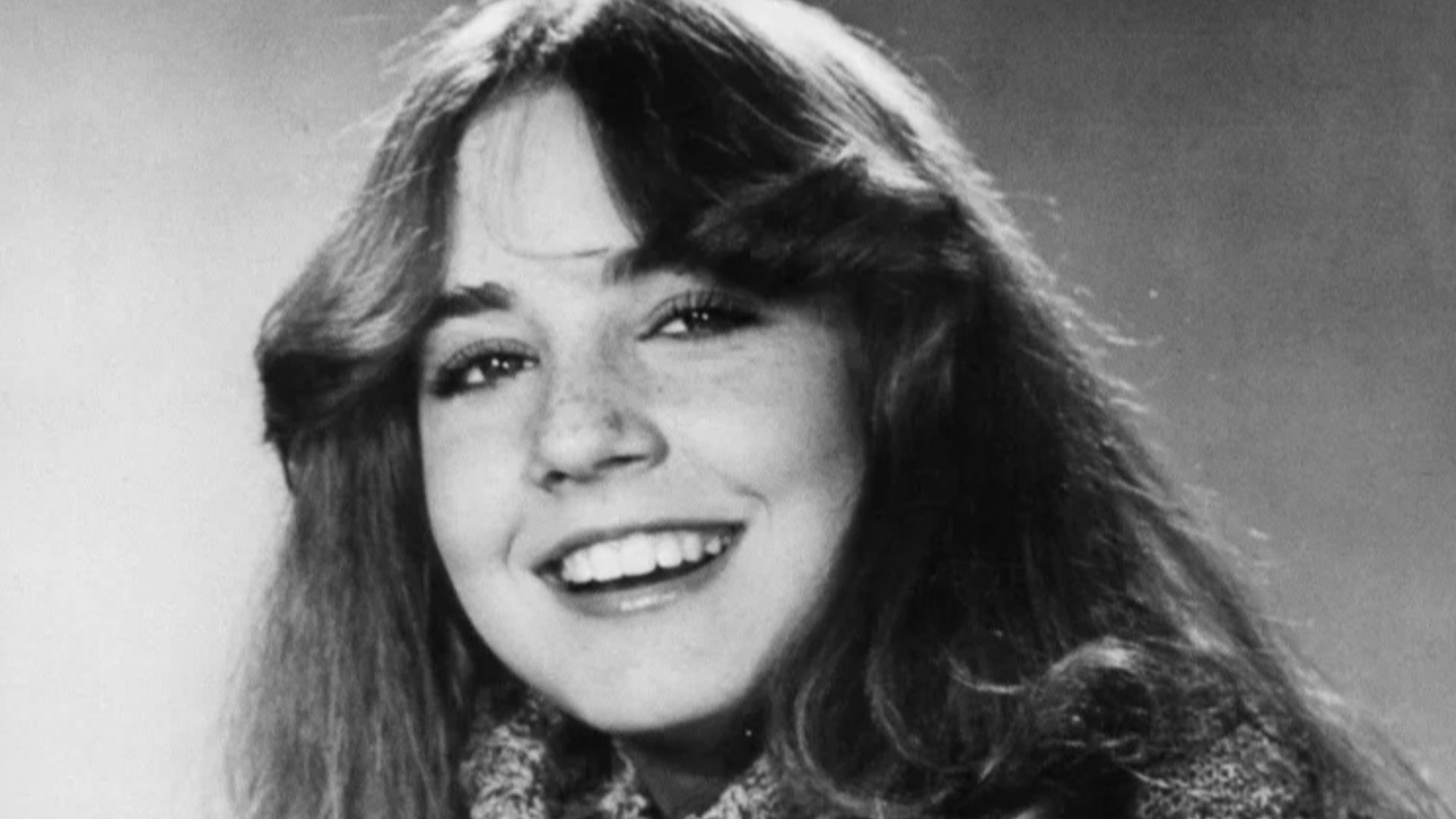
Dana Plato played Kimberly Drummond on Diff'rent Strokes, but after leaving the series she struggled to establish a stable adult career. Arrests, financial problems, substance use, and low-budget acting work gradually replaced her wholesome television image. By the 1990s, Plato was often discussed less as an actress than as another example of a child star who had gone off the rails.
 Ronald Reagan Presidential Library, Wikimedia Commons
Dana Plato (Cont’d)
On May 7, 1999, Plato appeared on Howard Stern's radio show and spoke about her life, including accusations that she was still using substances. Some callers mocked or berated her. The following day, Plato took a combination of medications while visiting her fiancé's family in Oklahoma. She met her end at 34. Although initial reports described an accidental OD, the medical examiner later determined she took her own life. The troubled-child-star story that had been treated as entertainment suddenly had an ending nobody could laugh away.
 Unknown authorUnknown author, courtesy of Michael Ochs Archives, Wikimedia Commons
Corey Haim Became A Symbol Of The Washed-Up Teen Idol
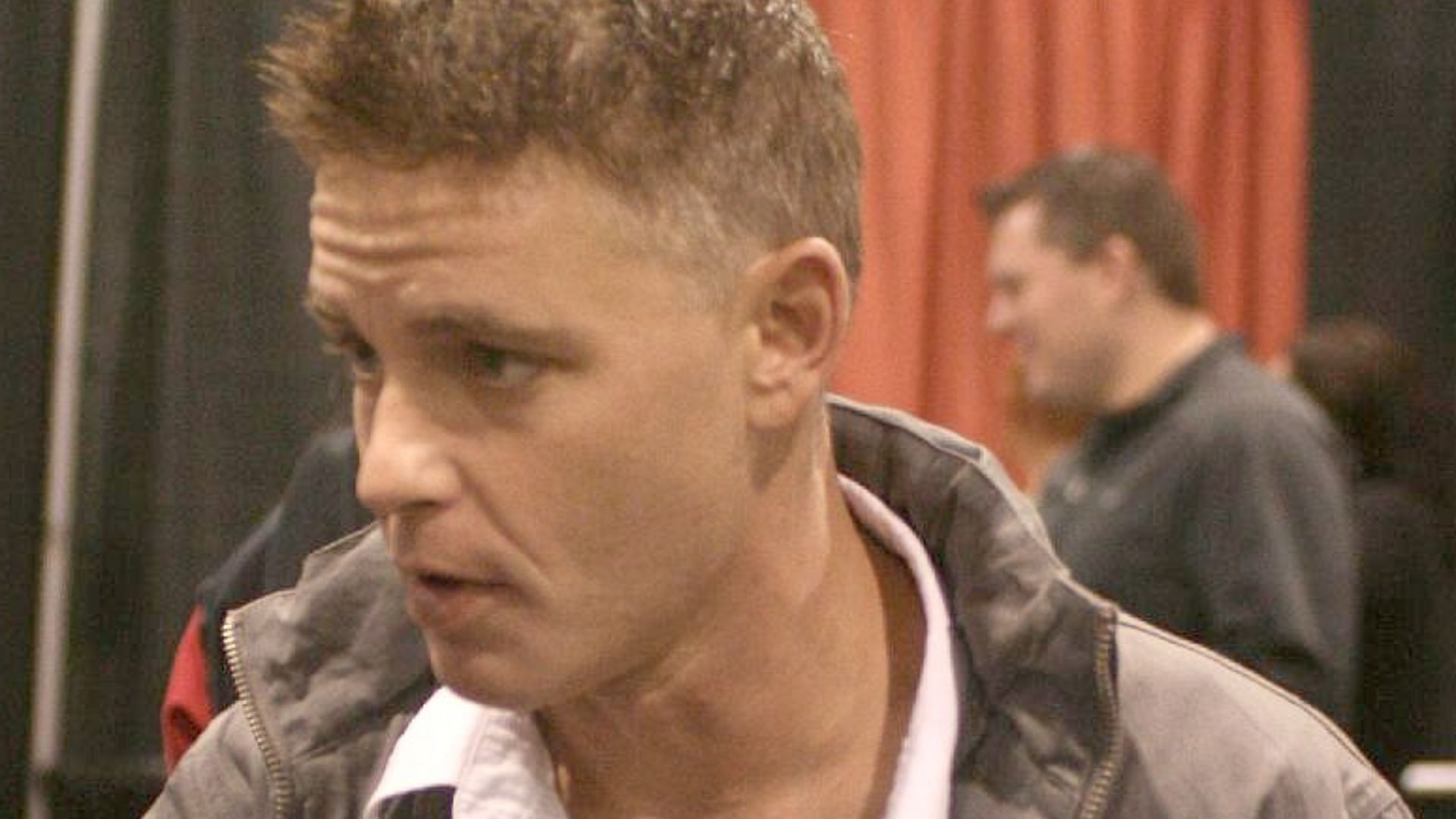
In the 1980s, Corey Haim was one of Hollywood's biggest young stars. Alongside Corey Feldman, he became part of the “Two Coreys,” starring in films including The Lost Boys and License to Drive. As the hit movies disappeared, stories about Haim's substance problems took over. By adulthood, his attempts at comebacks and reality television often came packaged with jokes about being a former teen idol who couldn't get his life together.
 Bree from USA, Wikimedia Commons
Corey Haim (Cont’d)
When Haim passed in March 2010 at only 38, early speculation immediately centered on illicit substances. That reaction alone showed how completely his public identity had become attached to addiction. The autopsy revealed something different. Haim succumbed primarily to pneumonia, with an enlarged heart and narrowed blood vessels also contributing. Substances found in his system weren't considered responsible for his end. Years of being treated as a predictable Hollywood substance casualty meant many people had effectively written his ending before the medical examiner had.
 Bree from Worcester, MA, USA, Wikimedia Commons
Tiny Tim Seemed Too Strange To Be Real
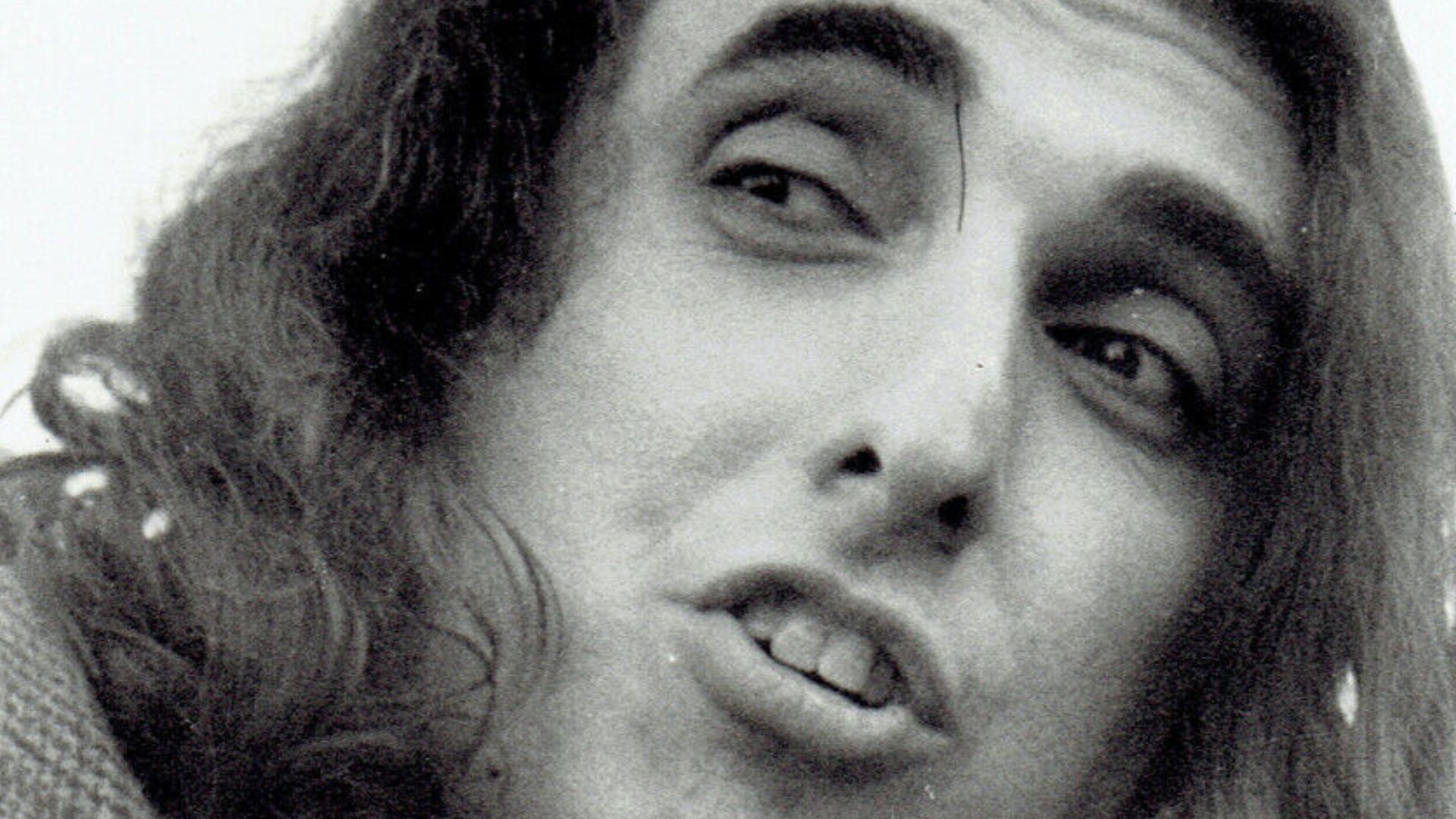
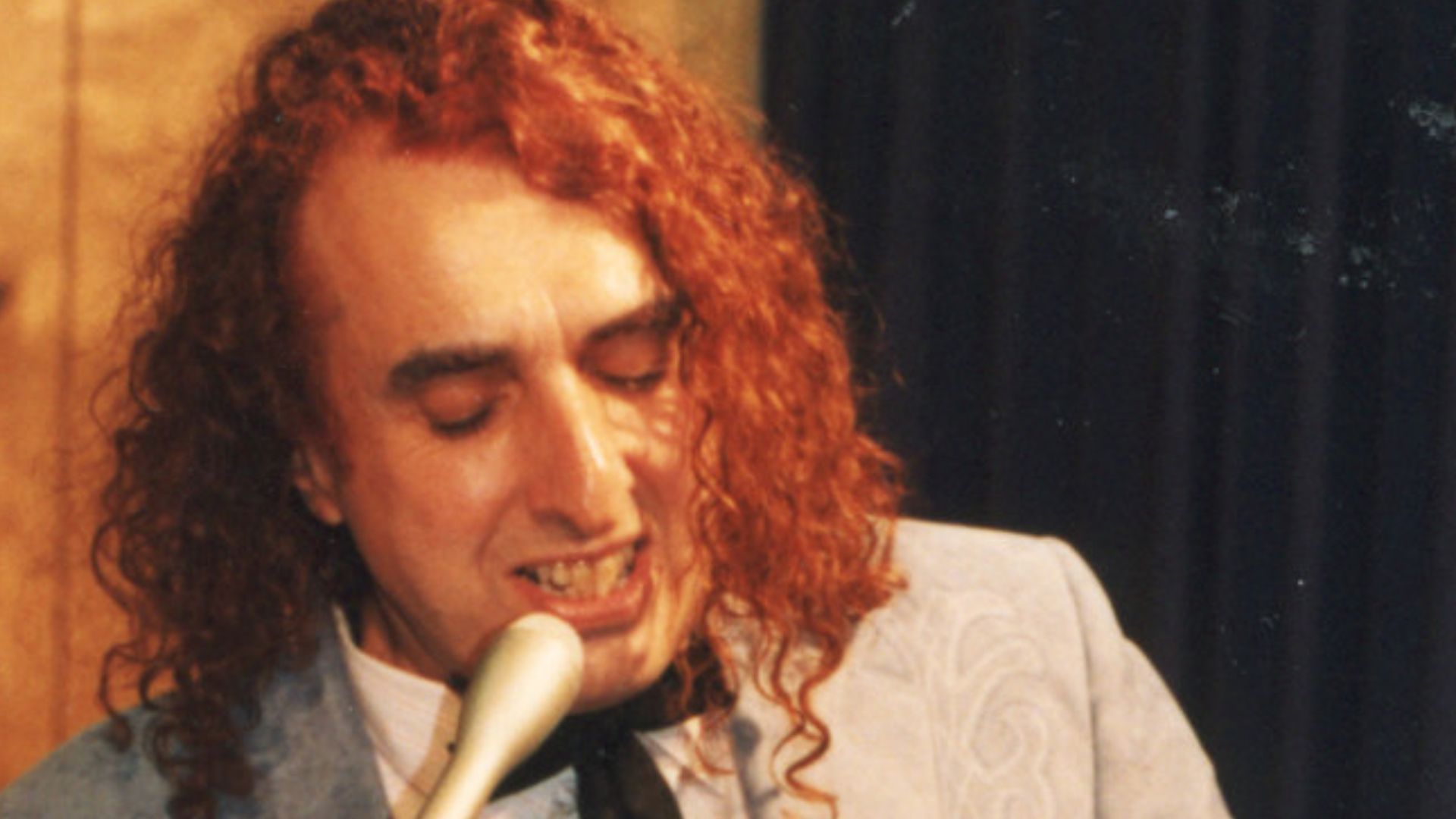
Herbert Khaury, better known as Tiny Tim, arrived on American television with long hair, a ukulele, an impossibly high falsetto, and a performance style that seemed to come from another planet. His recording of “Tiptoe Through the Tulips” made him famous, while his 1969 wedding to Miss Vicki on The Tonight Show drew an audience of roughly 40 million people. Tiny Tim was a celebrity, but he was also widely treated as a novelty act. Much of the audience seemed unsure whether they were supposed to admire him or simply laugh.
 Herman Laesker, Trenton Times, Wikimedia Commons
Tiny Tim (Cont’d)
In September 1996, Tiny Tim suffered a heart attack while performing at a ukulele festival. Doctors warned him about the seriousness of his condition, but he continued performing. Two months later, he collapsed after singing “Tiptoe Through the Tulips” at a benefit in Minneapolis. He drew his last breath later that night. His wife said the last thing he heard was applause. The eccentric singer who spent decades being treated like a living punchline had effectively perished doing the one thing audiences had always expected him to do.
 Christina Lynn Johnson (MagnetLoft) , Wikimedia Commons
Andy Kaufman Made People Assume Everything Was A Joke
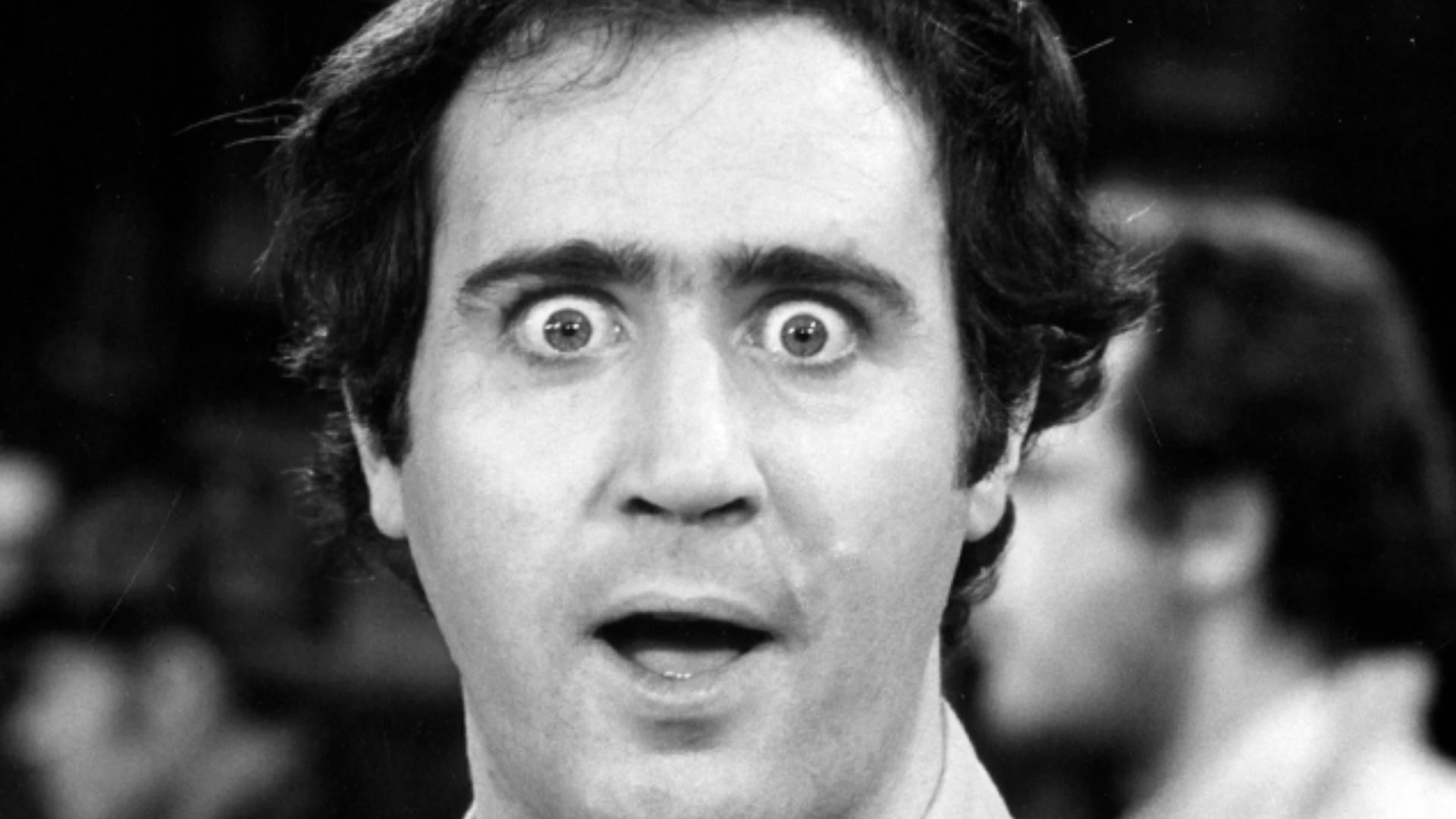
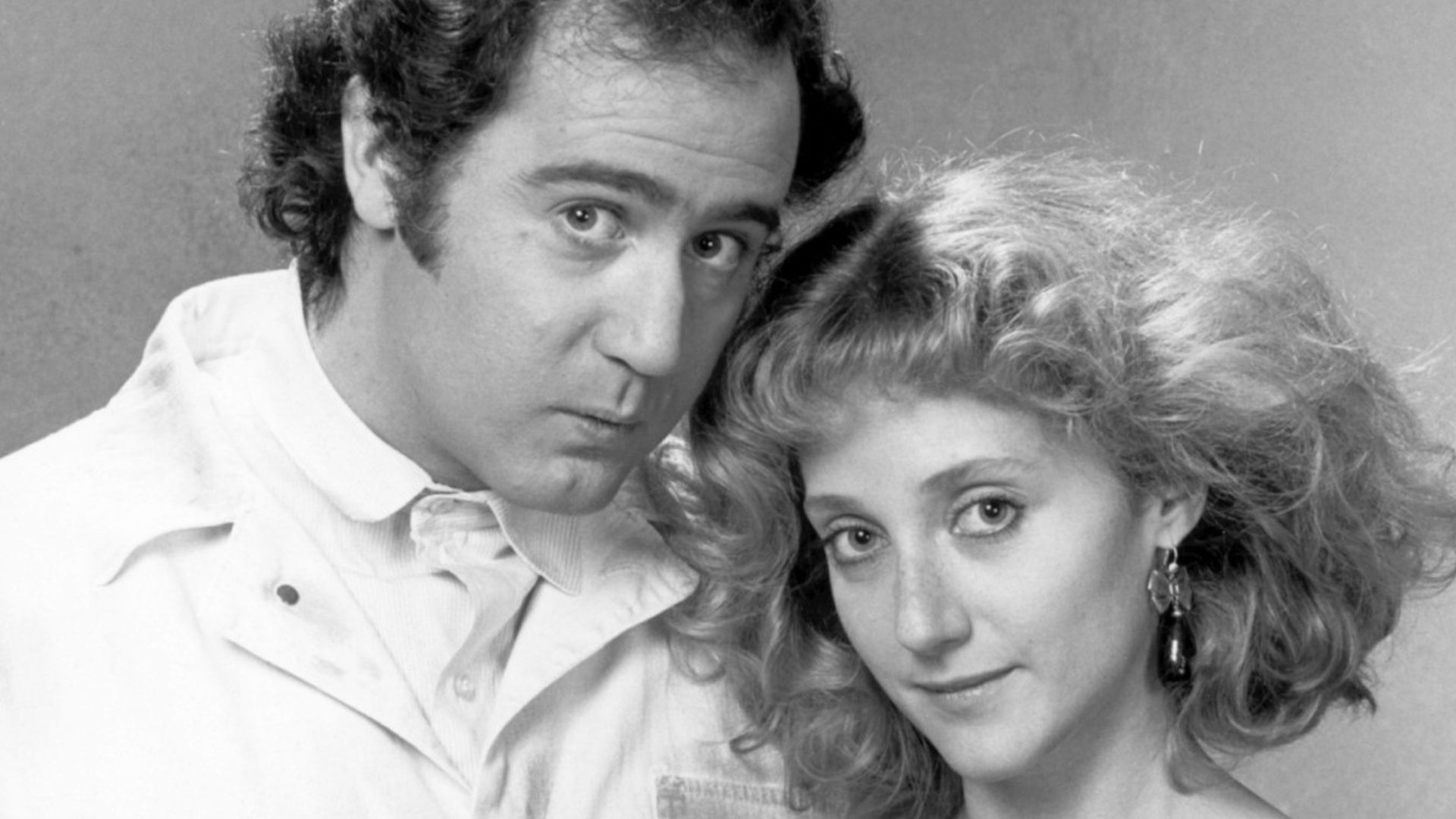
Andy Kaufman spent his career deliberately destroying the line between performance and reality. He wrestled women, feuded with professional wrestler Jerry Lawler, created the repulsive lounge singer Tony Clifton, and staged events designed to make audiences wonder whether they were watching comedy or a genuine disaster. His behavior became so frustrating that Saturday Night Live viewers actually voted him off the show in 1982.
Andy Kaufman (Cont’d)
Kaufman was diagnosed with a rare form of lung cancer in 1983 despite being a nonsmoker. Because he'd spent years staging elaborate hoaxes, some friends and fans initially suspected that the illness itself might be another stunt. Kaufman met his end on May 16, 1984, at only 35. Even afterward, rumors persisted that he'd faked his demise. A year later, an Andy Kaufman memorial event featuring Tony Clifton drew people partly because they wondered whether Kaufman might suddenly appear. He'd spent so long convincing the world not to believe him that even death couldn't immediately convince everyone.
Marilyn Monroe Was Expected To Stay The “Dumb Blonde”
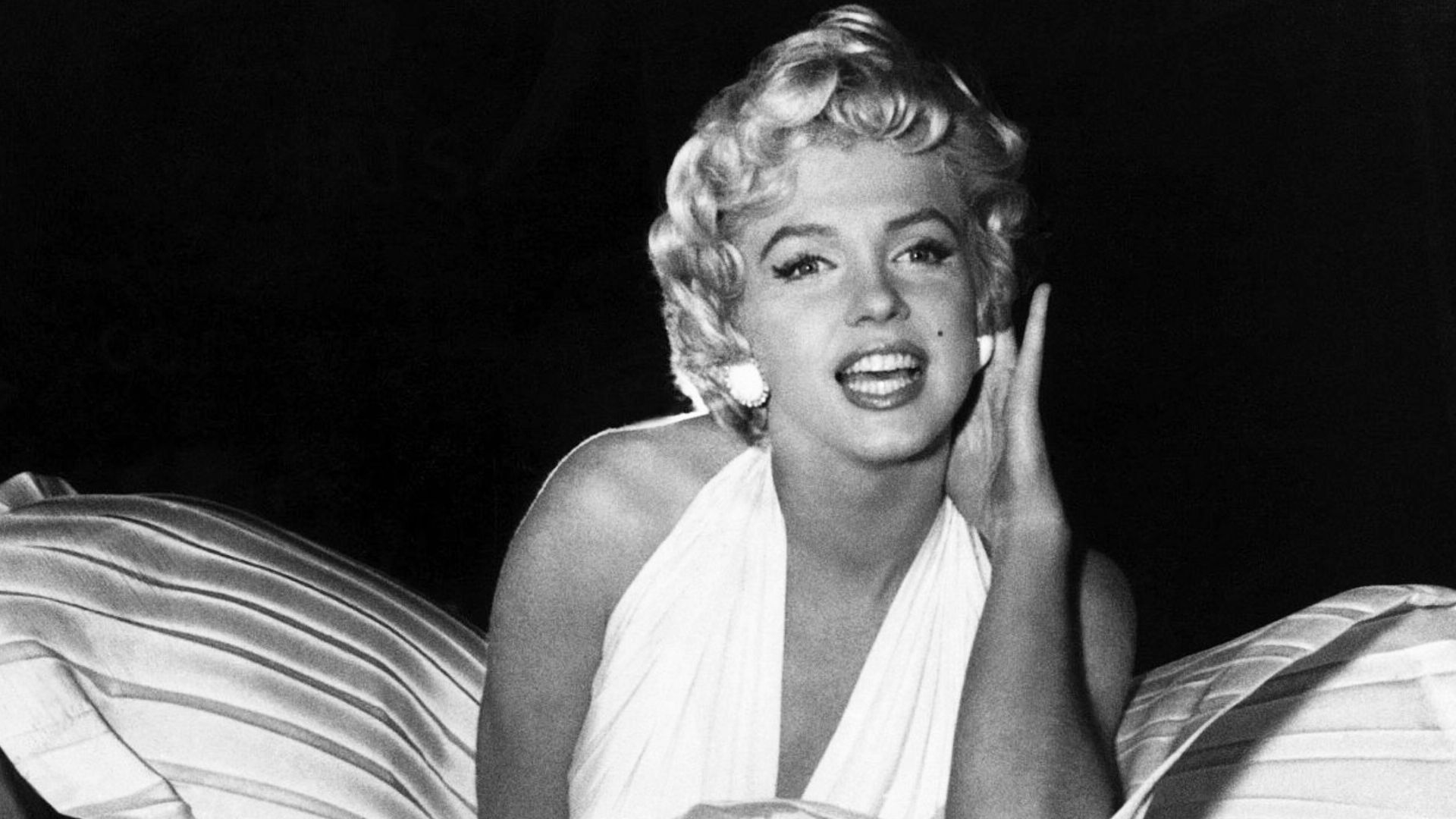
Marilyn Monroe was one of the biggest stars on Earth, but the character Hollywood wanted from her wasn't particularly complicated. She was sexy, breathy, scattered, and supposedly not too bright. Monroe herself wanted considerably more. She studied acting seriously, formed her own production company, fought studios over contracts, and sought more demanding roles. Yet the ditzy-blonde image that helped make her famous also made it difficult for audiences and executives to take her ambitions seriously.
Marilyn Monroe (Cont’d)
Behind the glamorous persona, Monroe experienced severe insomnia, anxiety, troubled relationships, and increasing dependence on prescription medication. She was also labeled difficult as missed work and lateness disrupted productions. On August 5, 1962, she was found lifeless at age 36 from ingesting too many barbiturates, with authorities ruling that she had probably done so on purpose. In one of her final interviews, Monroe reportedly made a painfully revealing request about how she wanted to be remembered: she didn't want to be made into a joke.
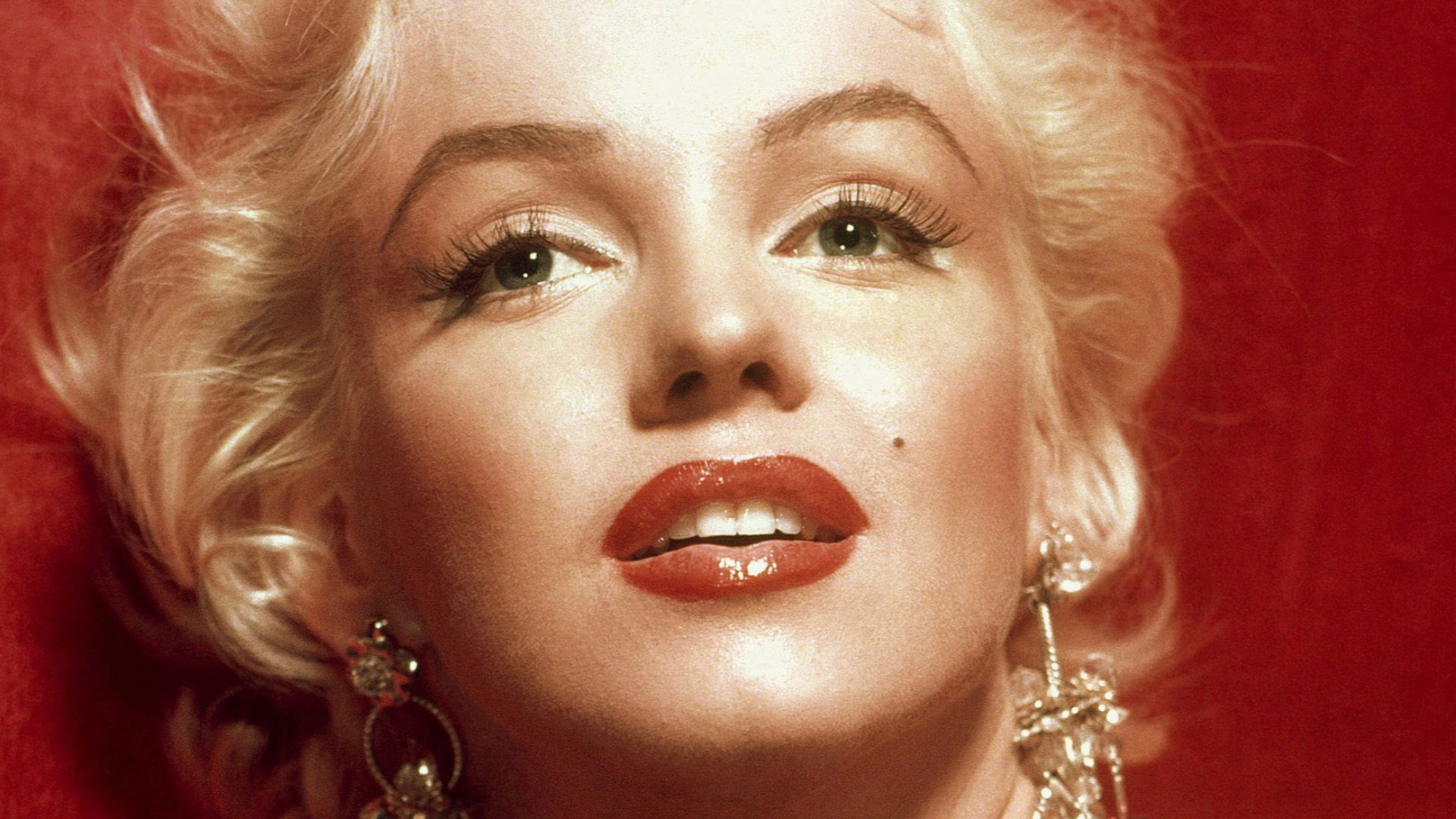
Lindsay Lohan’s Court Dates Became Entertainment
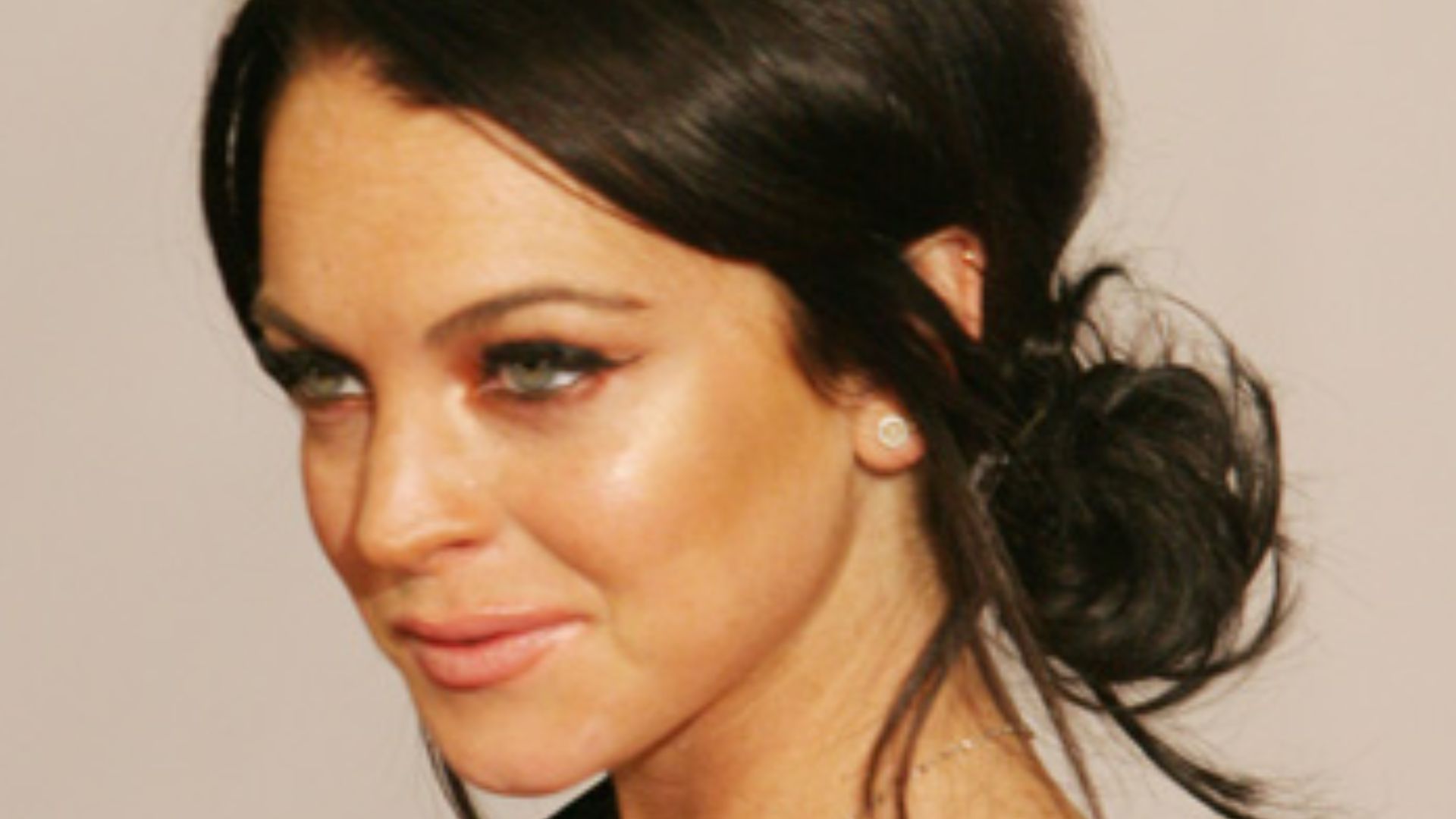
By the late 2000s, Lindsay Lohan's judicial problems had essentially become a serialized television program. Every probation violation, failed substance test, missed court appearance, rehab stay, nightclub visit, and paparazzi photograph generated another round of jokes. Camera crews crowded courthouses while entertainment shows analyzed everything from her facial expressions to messages written on her fingernails. The talented teenager from The Parent Trap and Mean Girls had been transformed into “Lindsay Lohan, disaster celebrity".
 Jennifer 8. Lee, Wikimedia Commons
Lindsay Lohan (Cont’d)
Lohan was barely into her twenties when some of the worst episodes occurred. She was navigating addiction, a famously turbulent family life, enormous professional pressure, and a media ecosystem that could make money every time she failed. Unlike several people on this list, Lohan's story ultimately took a more hopeful turn. She moved overseas, stepped away from the relentless Hollywood nightlife cycle, married, became a mother, and gradually returned to acting. The tragedy here wasn't a permanent ending, but how close the culture seemed to expecting one.
 Rafael Amado Deras, Wikimedia Commons
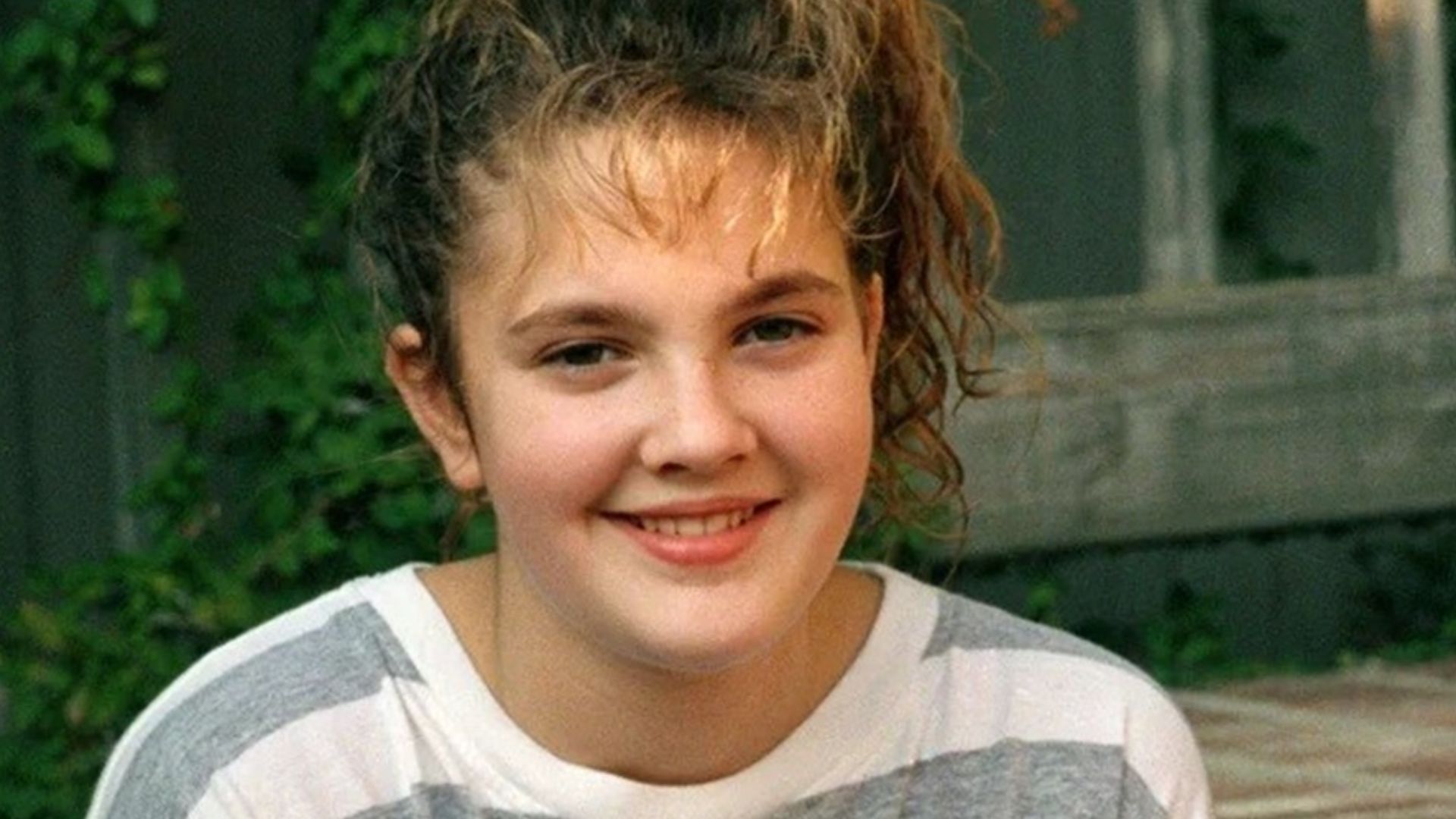
Drew Barrymore Was A Has-Been By 14
Drew Barrymore became internationally famous at seven through E.T. the Extra-Terrestrial. Within only a few years, the adorable child star had become a regular fixture at adult parties and nightclubs. She began drinking extremely young, used illicit substances, entered rehab, and attempted to take her own life. By 13, she was placed in an institution. By 14, she was legally emancipated from her mother. Hollywood's reaction wasn't exactly sympathetic. Barrymore later recalled going to auditions and having casting directors laugh at her because she'd already acquired the reputation of an unemployable disaster.
 Associated Press, Wikimedia Commons
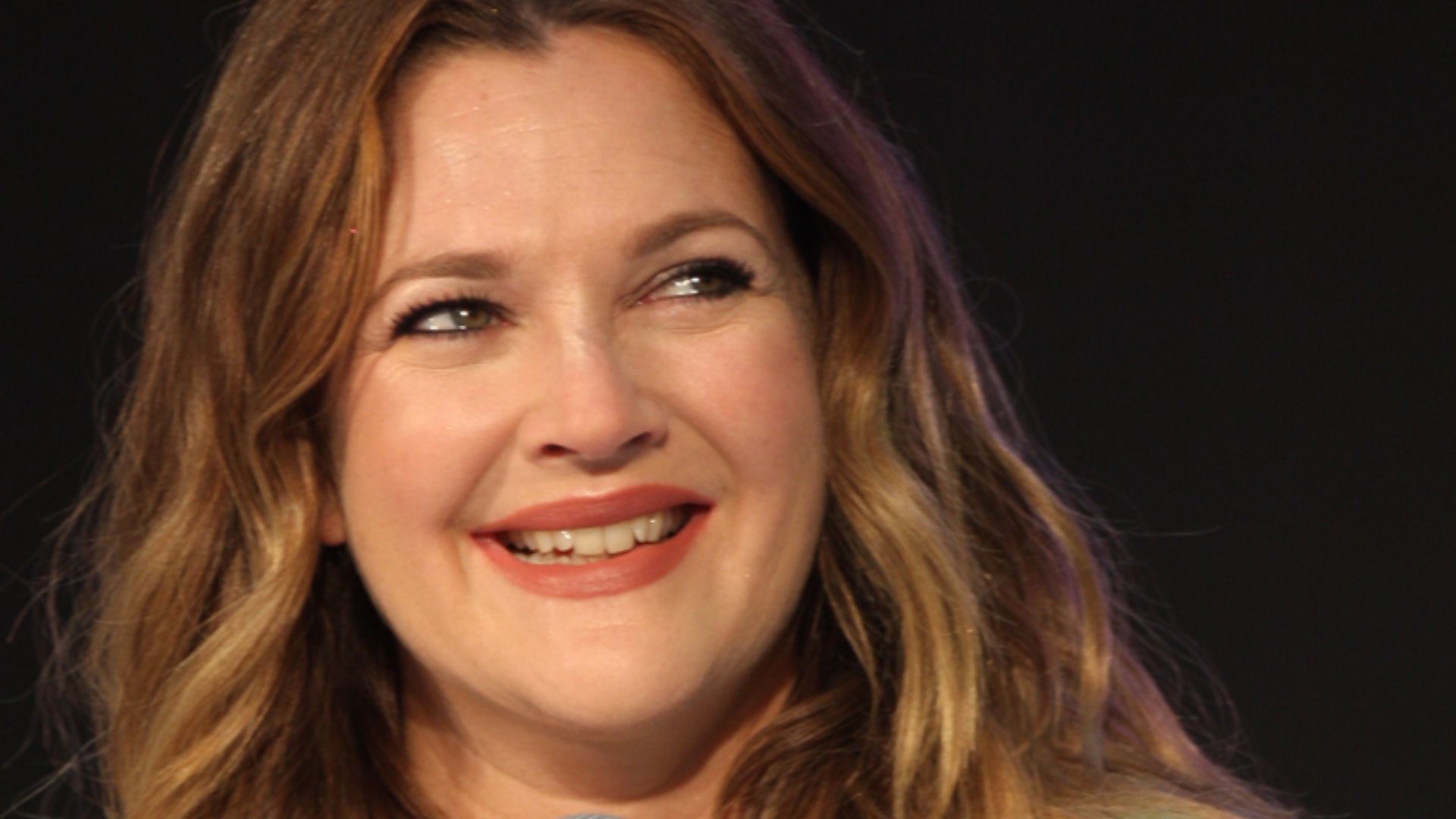
Drew Barrymore (Cont’d)
Barrymore eventually rebuilt her career, first leaning into a rebellious image and then establishing herself as an actress, producer, director, and television host. Her recovery makes her an unusual entry on this list because the dark turn came before the comeback rather than at the end. Looking backward, though, the timeline is startling. A girl famous enough to be invited onto late-night television was dealing with addiction and institutionalization before she'd even reached high school. The “wild child” story sounded funny until you remembered the wild child was literally a child.
 Eva Rinaldi, Wikimedia Commons
Demi Lovato’s Struggles Were Easy Material For The Internet
Demi Lovato was unusually open about addiction, eating disorders, rehab, and mental health struggles, but openness didn't prevent those subjects from becoming jokes. Relapses and canceled appearances became gossip stories, while social media could be brutal about Lovato's changing appearance and behavior. Because the singer repeatedly returned to work, it was easy for outsiders to treat each crisis as another chapter in celebrity drama.
 Ralph Arvesen, Wikimedia Commons
Demi Lovato (Cont’d)
On July 24, 2018, Lovato was hospitalized after a substance OD at their Los Angeles home. The OD was serious enough that Lovato later said they suffered three strokes and a heart attack and had lasting health effects. Public reaction quickly changed from celebrity gossip to genuine alarm. The episode also sparked wider discussion about addiction and relapse, including criticism of the tendency to treat substance-use disorders as moral failures or entertainment until someone is suddenly fighting for their life.
 Justin Higuchi from Los Angeles, CA, USA, Wikimedia Commons
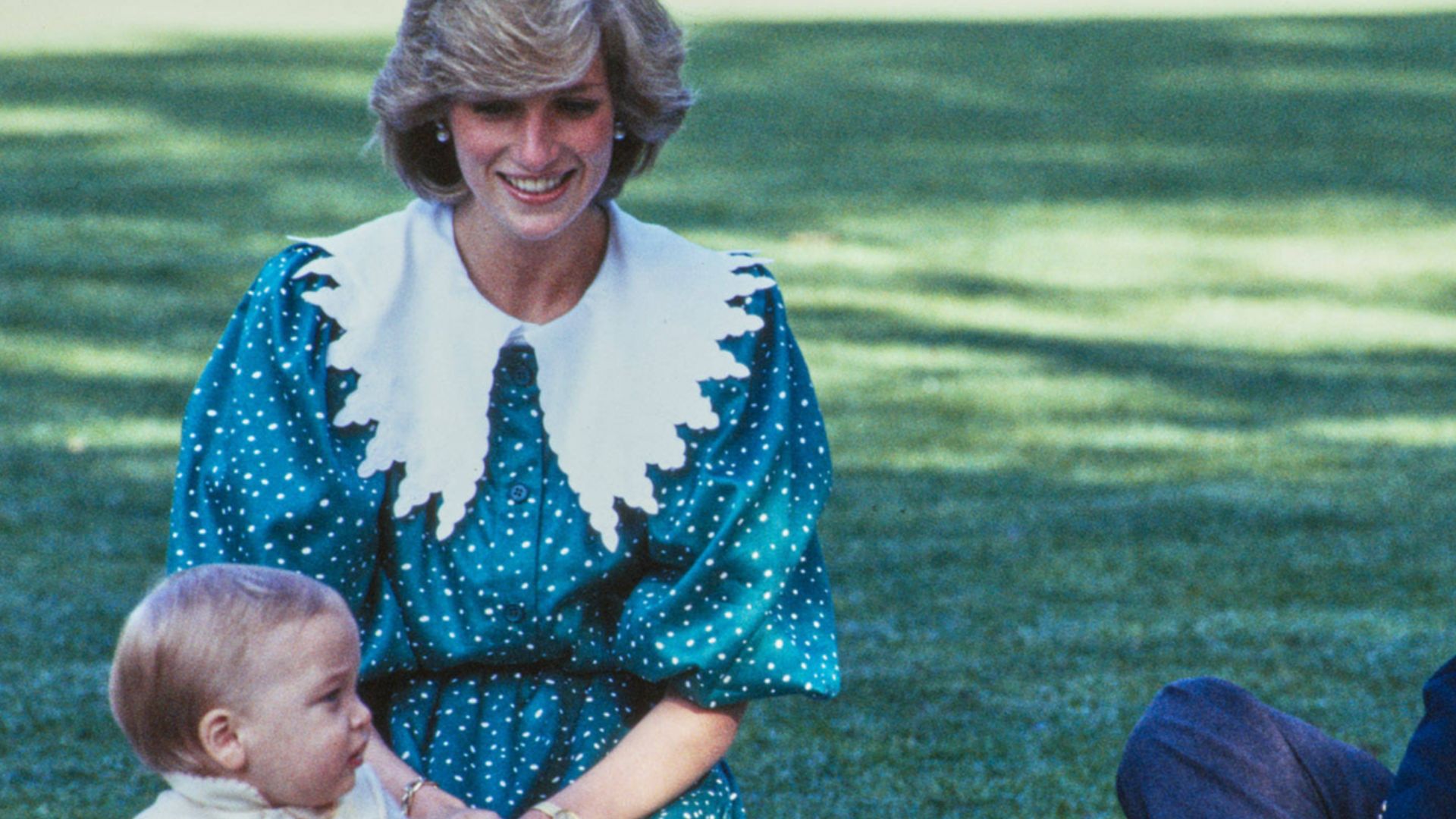
Princess Diana Was Called Dramatic And Unstable
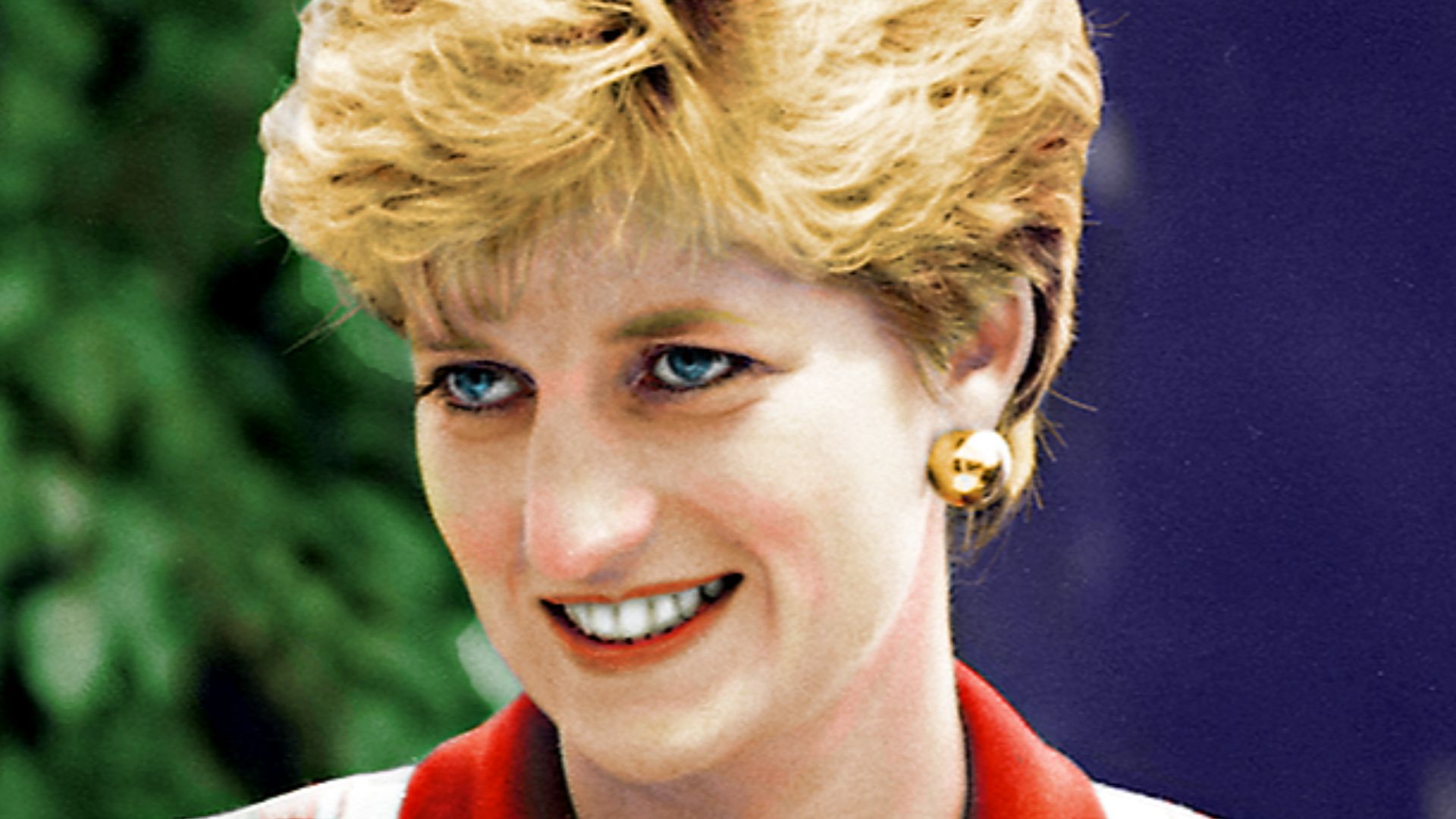
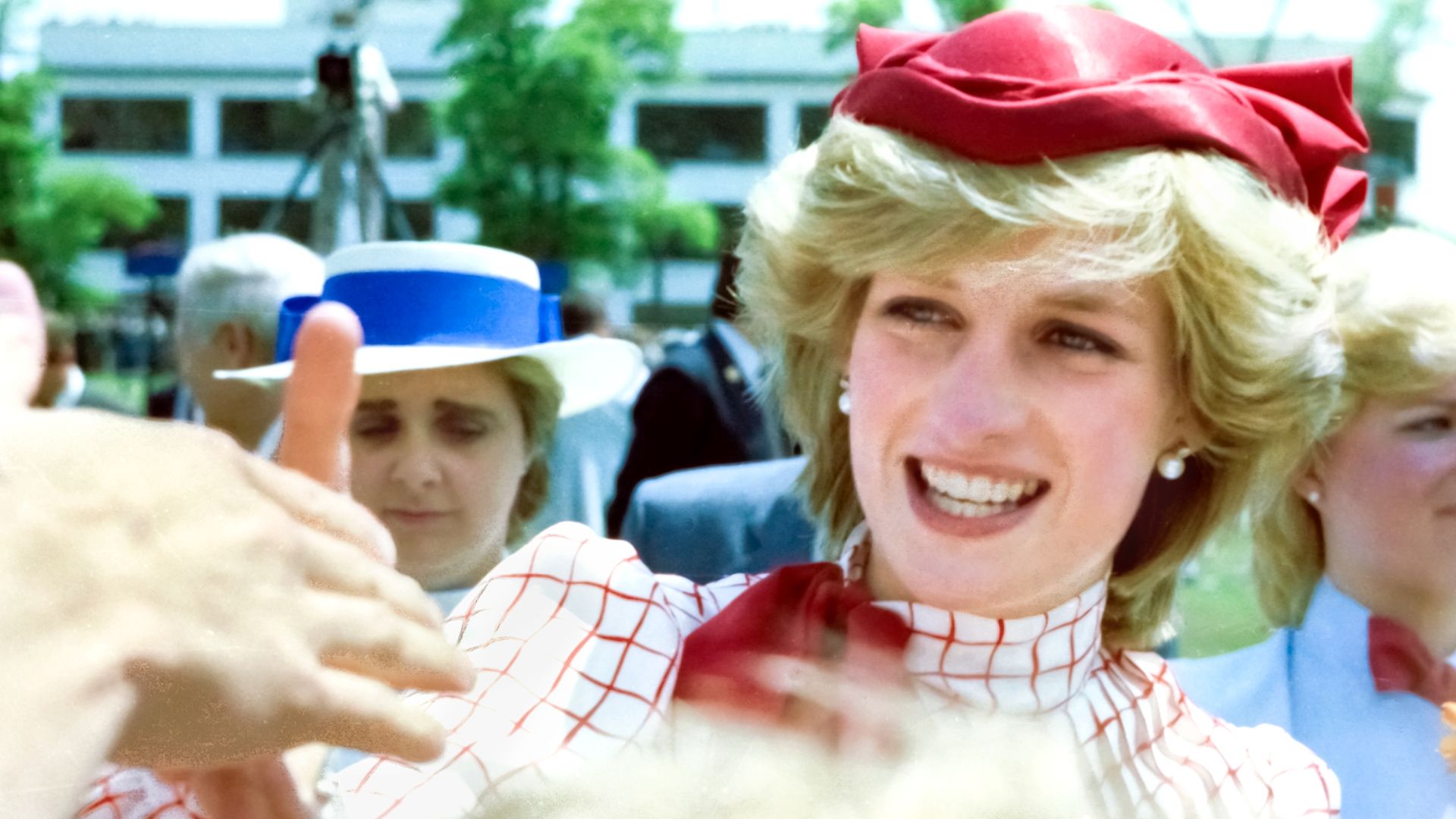
Princess Diana wasn't an eccentric entertainer, but she became one of the world's most scrutinized public personalities. Her emotional openness, difficult marriage, bulimia, relationships, therapy, and clashes with the royal establishment were relentlessly dissected. Even paparazzi who pursued her developed mocking language for her distress. Some photographers reportedly referred to her tearful confrontations with them as “loon attacks,” transforming her attempts to escape intrusive attention into another amusing part of the Diana story.
 John MacIntyre. MjolnirPants, Wikimedia Commons
Princess Diana (Cont’d)
On August 31, 1997, Diana perished following a high-speed car crash in Paris while photographers were pursuing the vehicle. A later British inquest concluded that she had been unlawfully slain through the grossly negligent driving of chauffeur Henri Paul and the pursuing paparazzi. Her passing triggered enormous public anger over tabloid culture and photographic harassment. The same press ecosystem that had treated Diana's frustration with photographers as another piece of celebrity theater suddenly found itself confronting the catastrophic endpoint of that relationship.
 Russ Quinlan, Wikimedia Commons
Paula Yates Made Chaos Part Of Her Image
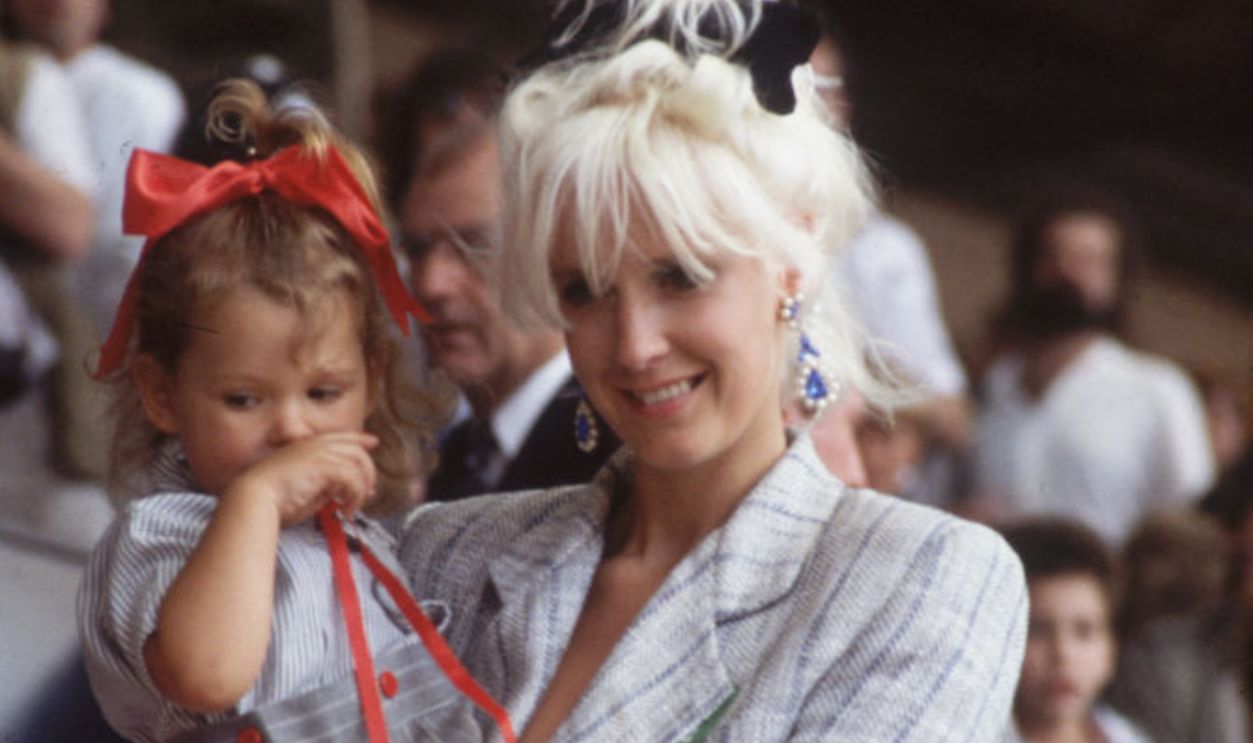
British television presenter Paula Yates was loud, flirtatious, unconventional, and completely comfortable attracting attention. Her relationships with Boomtown Rats singer Bob Geldof and INXS frontman Michael Hutchence guaranteed tabloid interest, but her increasingly chaotic personal life became as important to newspapers as her work. When Yates left Geldof for Hutchence, the story exploded into years of sensational coverage.
Paula Yates (Cont’d)
Hutchence was found lifeless in a Sydney hotel room in 1997. Yates was devastated. Soon afterward, a paternity test revealed that the man she'd believed was her biological father wasn't, adding another destabilizing hit. On September 17, 2000, Yates succumbed to an accidental OD at 41 while her four-year-old daughter was in the house. Even journalists who had participated in covering her life later questioned whether relentless celebrity notoriety had contributed to her downfall. The eccentric woman who'd spent years feeding the tabloids had eventually become consumed by the same machine.
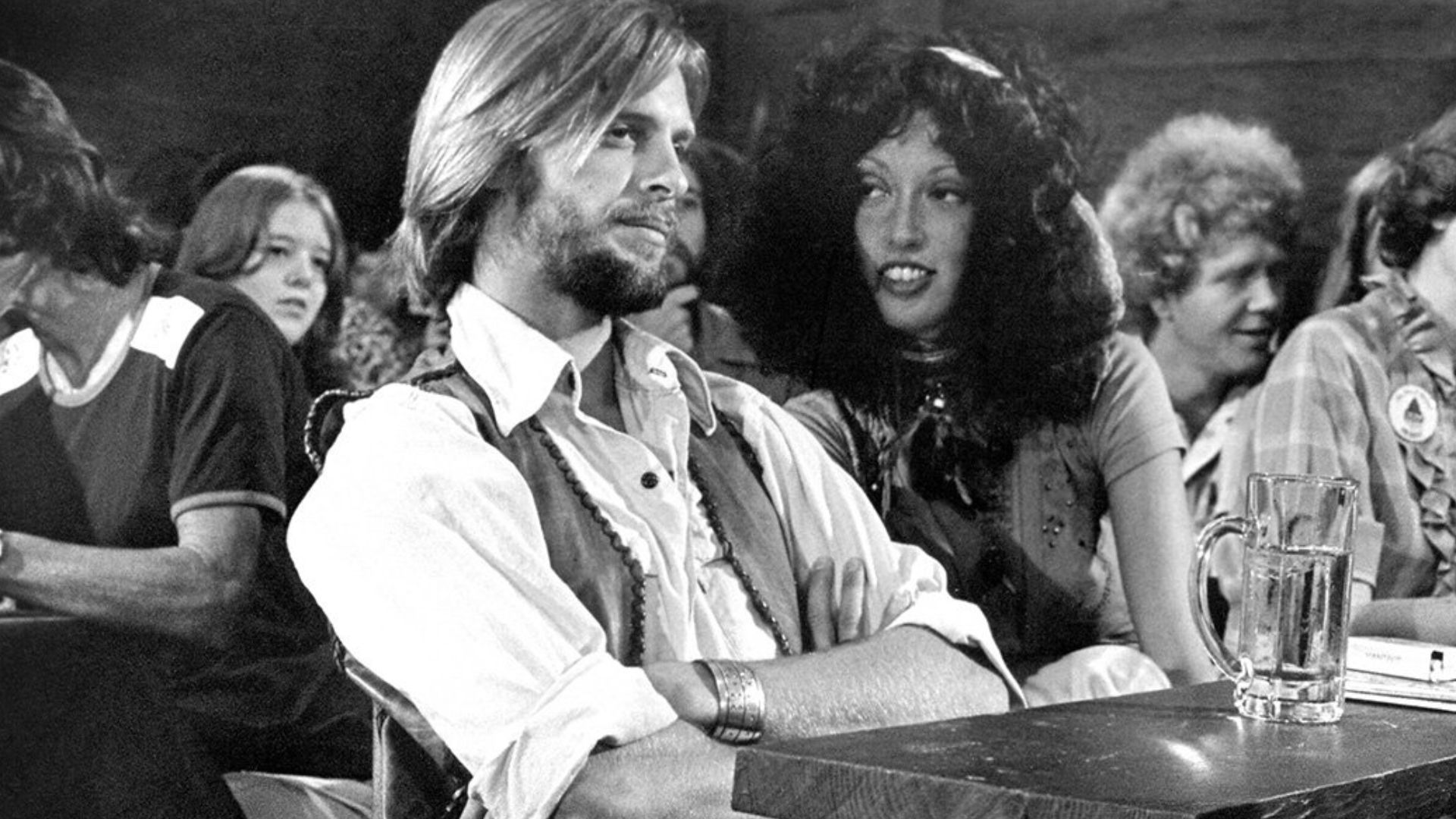
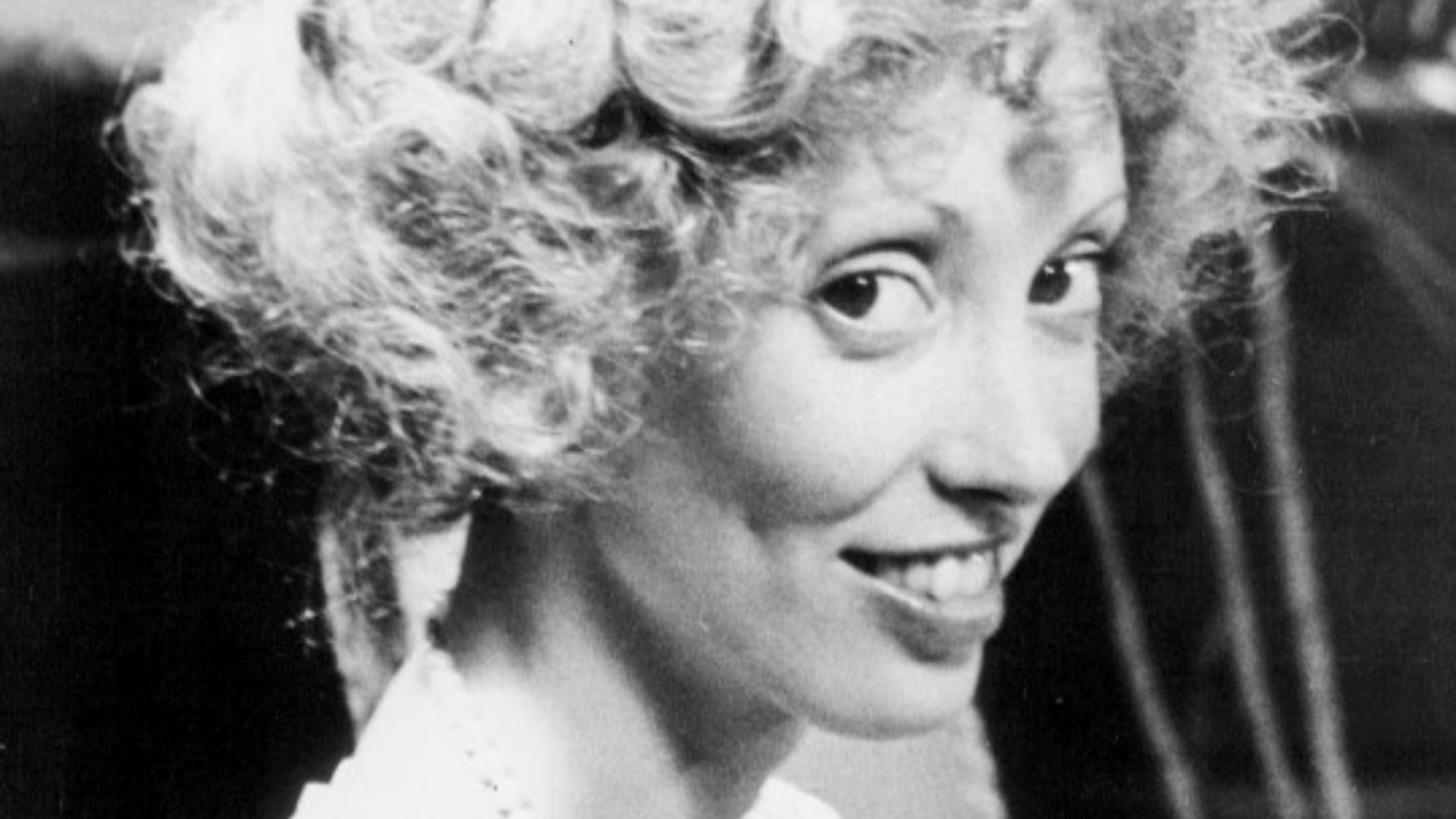
Shelley Duvall Became “That Strange Woman From The Shining”
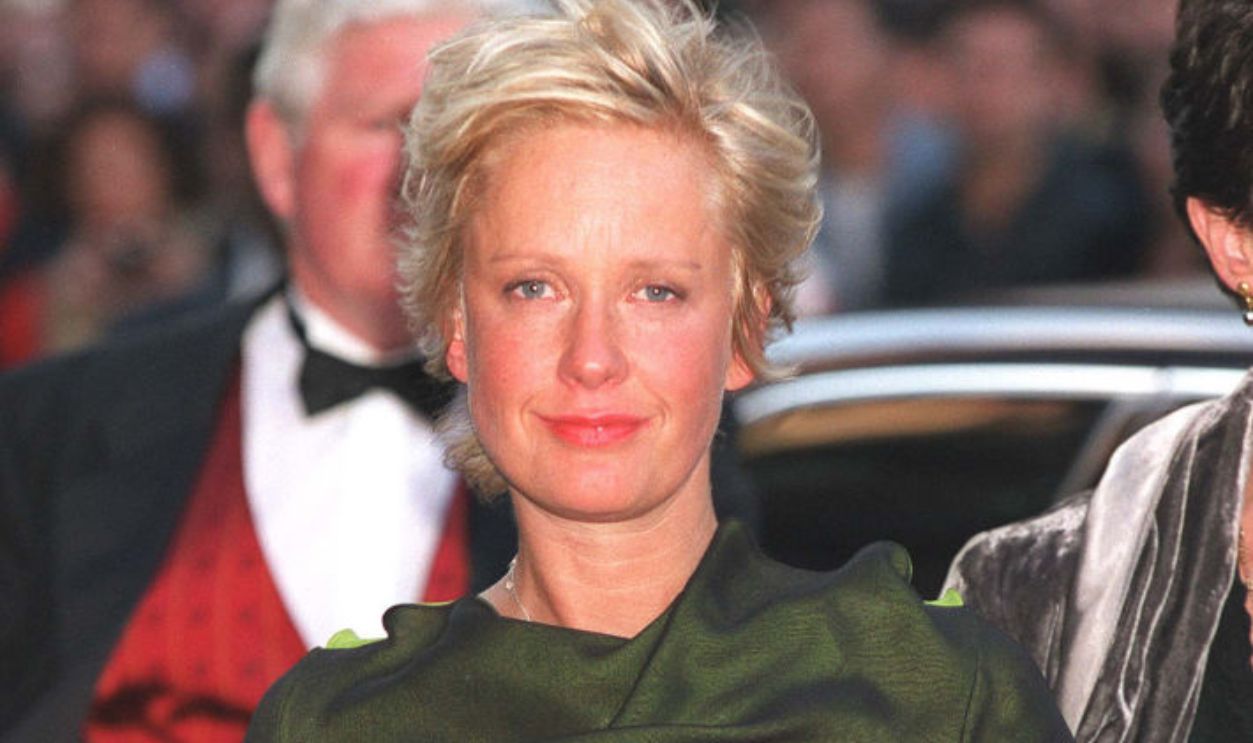
Shelley Duvall had once been one of America's most distinctive actresses, appearing in Nashville, 3 Women, Popeye, and The Shining. After largely disappearing from Hollywood, she became the subject of years of speculation about what had happened to her. Then, in 2016, Dr. Phil aired an interview in which Duvall appeared confused and made statements suggesting serious psychological distress.
 Unknown authorUnknown author, Wikimedia Commons
Shelley Duvall (Cont’d)
The interview immediately drew criticism from people who felt Duvall's condition was being exploited for ratings. Stanley Kubrick's daughter Vivian called the program a form of lurid entertainment, while others argued that someone apparently in crisis needed private assistance rather than a television audience. Duvall later said she'd learned what kind of person Dr. Phil was “the hard way". She eventually returned to acting in a small role before dying in 2024 at age 75. Her late-life story became a particularly uncomfortable example of what happens when the culture encounters a vulnerable former celebrity and reaches for a camera before asking whether it should.
 PBS-Public Broadcasting System, Wikimedia Commons
The Joke Usually Looks Different In Retrospect
Not everyone here was blameless, and not every tragedy was caused by the media. Addiction, illness, family conflict, personal choices, exploitation, and simple bad luck all played different roles in these stories. But the pattern is difficult to ignore. Public distress is easy to call “eccentric” when you're watching from a distance. A strange interview becomes a meme. A breakdown becomes a photograph. Someone's worst night becomes everybody else's entertainment. Then something irreversible happens, and suddenly everyone remembers the person underneath the punchline.
 Tucker, Robert John, 1948-2023, Wikimedia Commons
You May Also Like:
Sensitive Facts About Tiny Tim, History’s Most Eccentric Singer
Easy Facts About Shelley Duvall, The Eccentric Actress
Hidden Facts About Will Hay, Comedy's True Eccentric
Sources: 1, 2, 3, 4, 5, 6, 7, 8, 9, 10, 11, 12, 13, 14, 15, 16