These Things Feel Completely Normal Until You Leave The US
Most Americans don't think twice about small talk with strangers, giant drinks, or driving somewhere that's technically walkable. Leave the country, though, and those ordinary habits can suddenly look surprisingly unusual.
Putting Ice In Almost Every Cold Drink
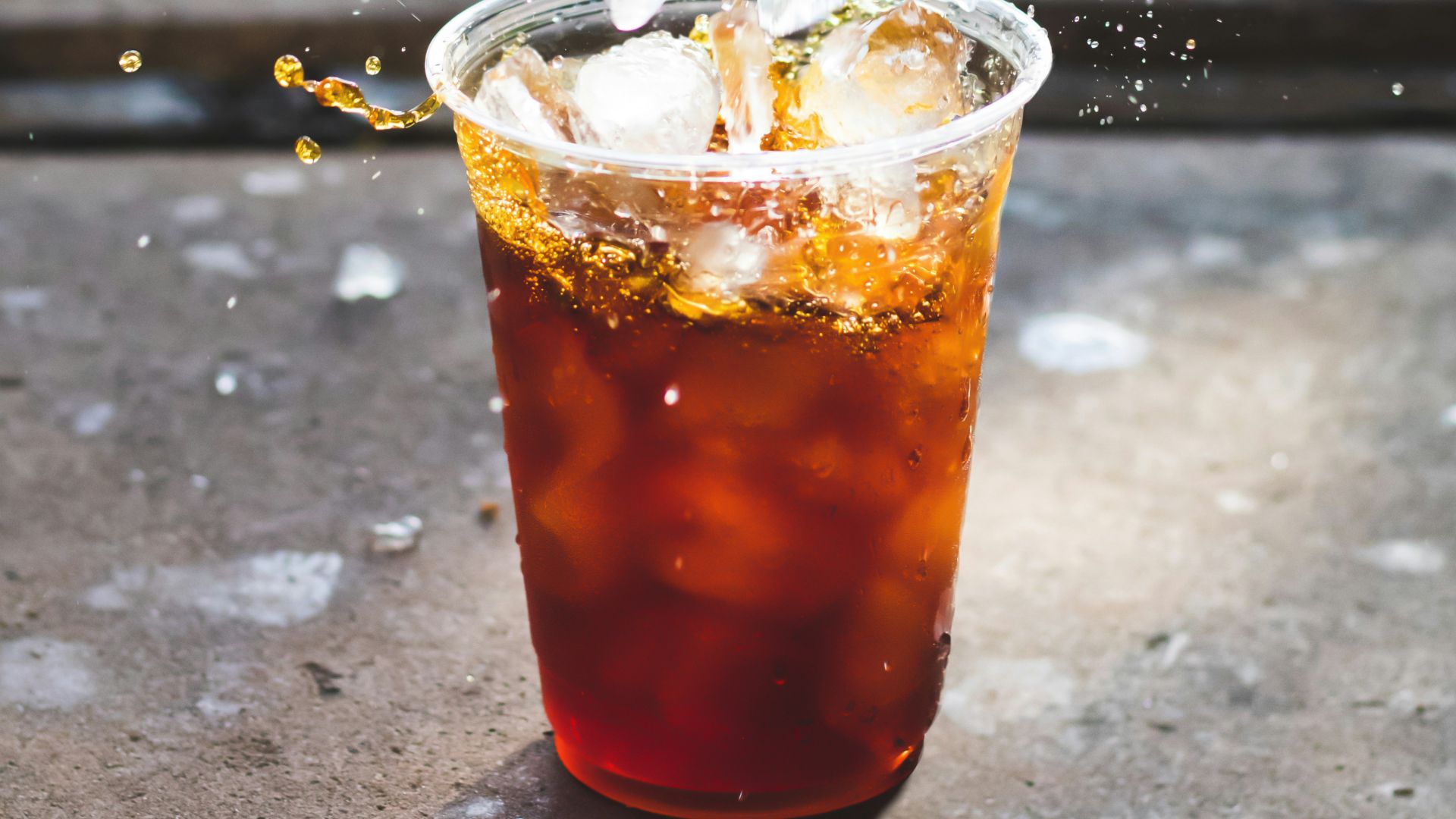
Americans are famously enthusiastic about ice. Soft drinks, water, iced tea, coffee, and even drinks that are already chilled often arrive packed with cubes. In many countries, especially in parts of Europe, a cold drink may come with little or no ice unless you specifically ask for it. Americans barely notice the difference until they're staring at a room-temperature soda wondering where half the glass went.
Wearing Baseball Caps Indoors
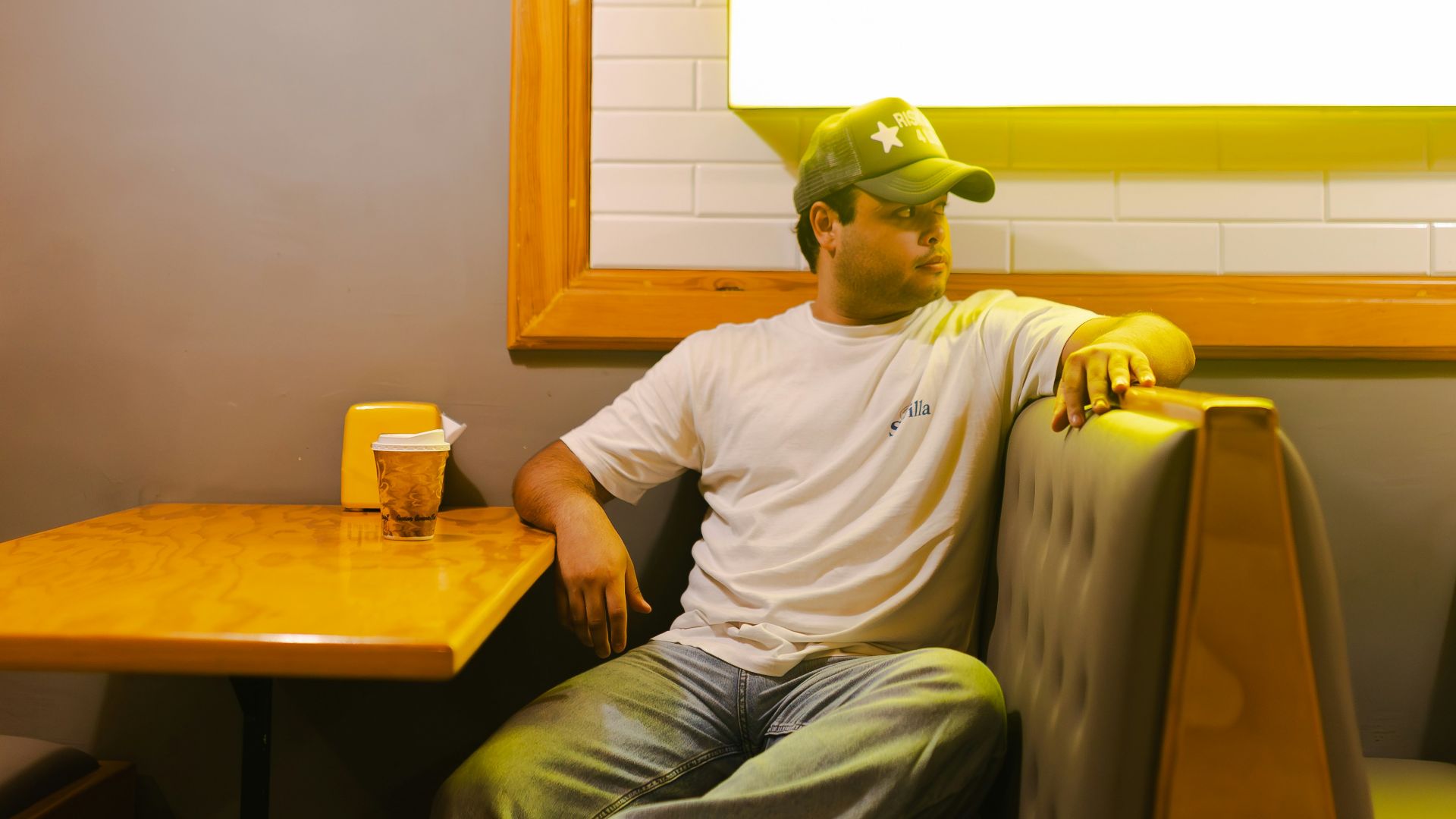
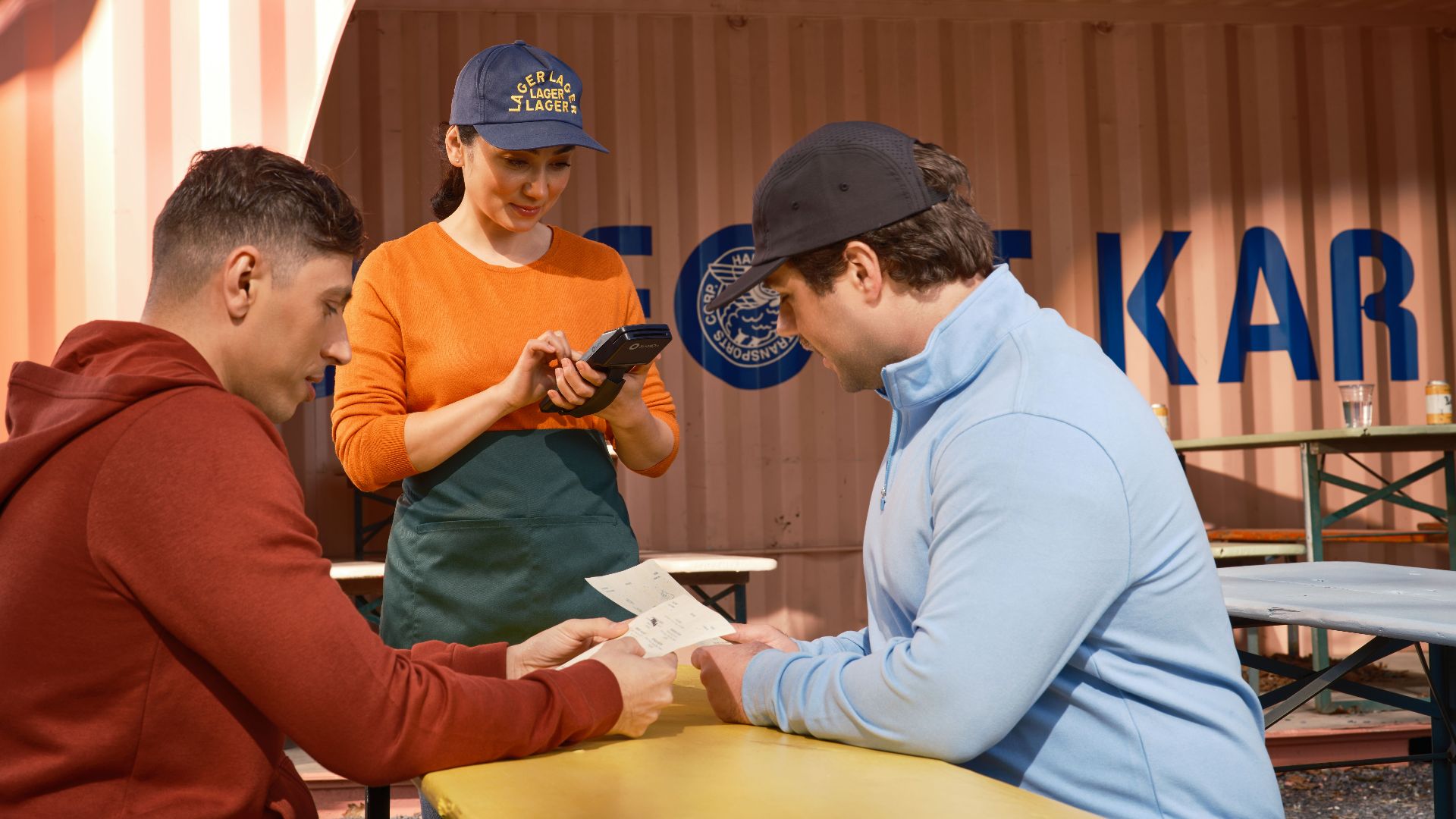
Americans wear baseball caps almost everywhere, including restaurants, airports, classrooms, shopping centers, and sometimes offices. In cultures where hats are traditionally removed indoors, this can look unusually casual or even impolite. In the U.S., though, a baseball cap often functions less like outdoor gear and more like an ordinary piece of clothing.
Taking Coffee Everywhere
Reusable tumblers and disposable coffee cups are practically accessories in the United States. People carry coffee into cars, offices, stores, classrooms, airports, and meetings. In many countries, coffee is more likely to be consumed while sitting in a café or during a deliberate break. American coffee culture often treats caffeine as something that should remain physically attached to you for most of the morning.

Eating On The Go
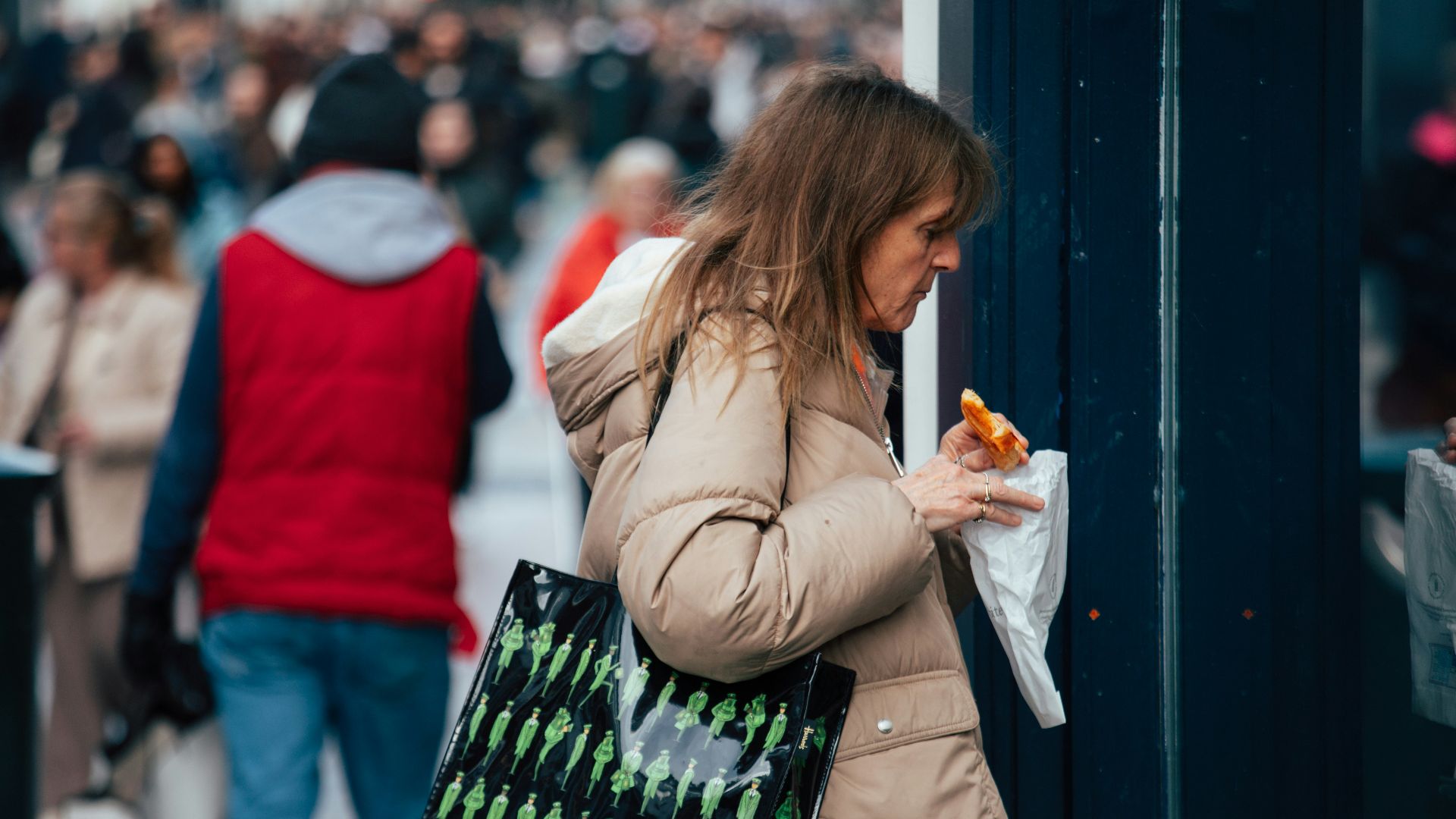
Americans frequently eat while driving, walking, commuting, sitting at a desk, or rushing between appointments. Coffee comes in travel cups, breakfast becomes a sandwich, and lunch may happen in front of a computer. In cultures where meals are more deliberately social and seated, the sight of someone eating an entire breakfast while walking down the street can feel oddly hurried.
 atelierbyvineeth ..., Unsplash
Driving Distances Other People Would Walk
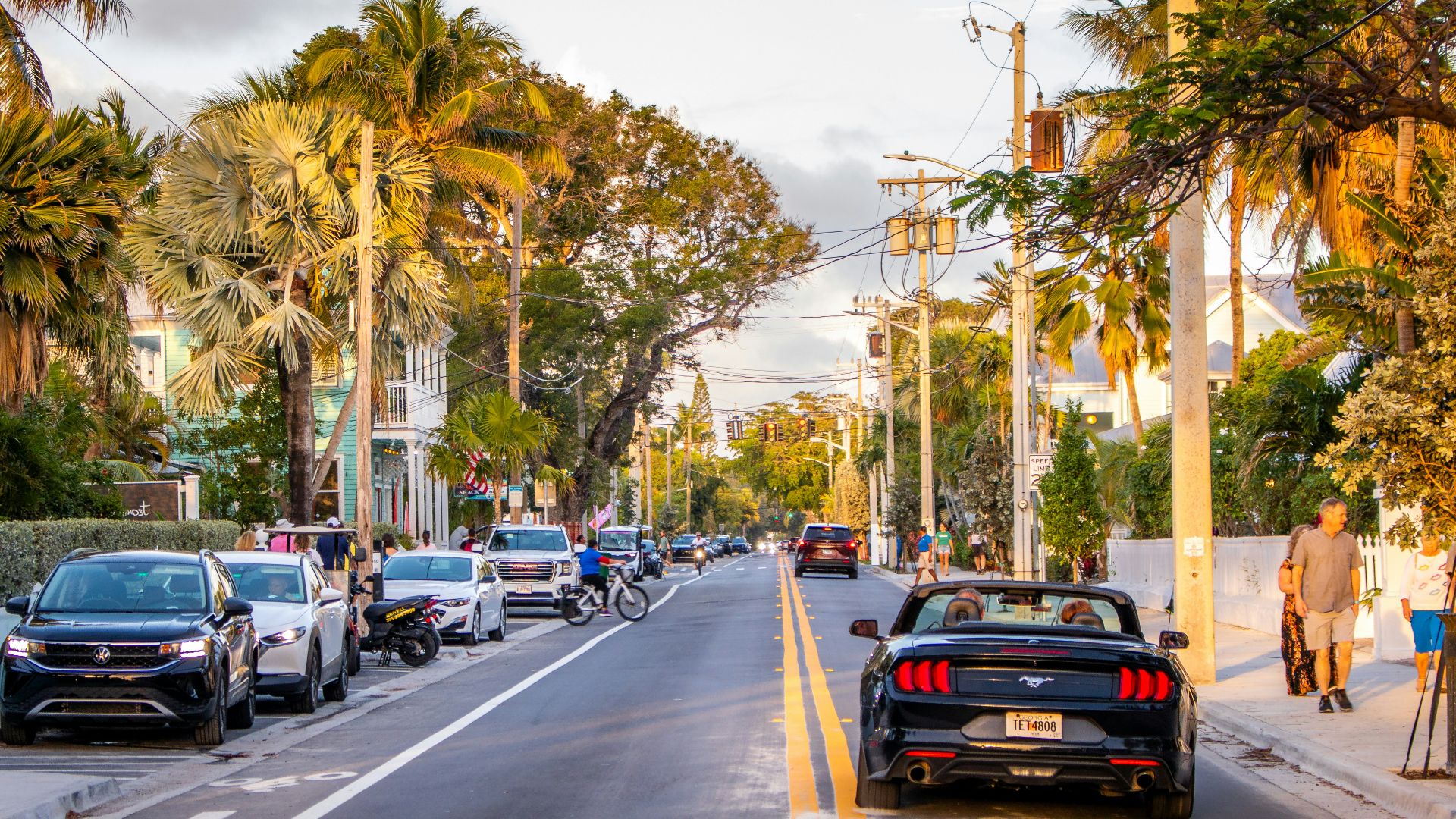
A trip that's technically walkable can still become a car journey in much of the United States. Part of this is habit, but urban design matters enormously. Wide roads, limited sidewalks, sprawling parking lots, and destinations separated by large distances make driving practical even for short errands. Visitors from pedestrian-oriented cities can be amazed to discover that something "right nearby" still requires getting into a car.
Talking To Complete Strangers
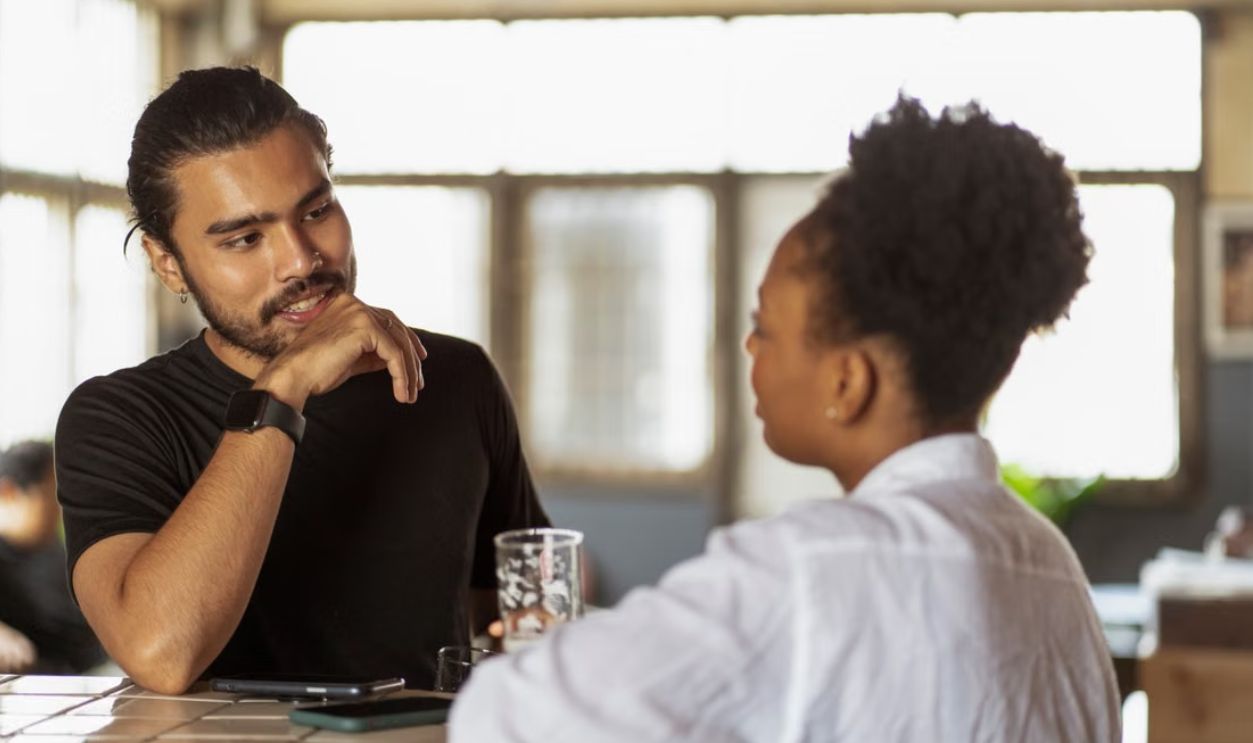
Americans often strike up conversations with people they don't know in elevators, grocery lines, airports, waiting rooms, or beside them at a bar. "Where are you from?" can appear within minutes. In cultures where public interactions are more reserved, this can feel startlingly intimate. Americans often see it as friendliness rather than intrusion, which means they may not even realize they're doing something unusual.
Using Garbage Disposals In The Kitchen Sink
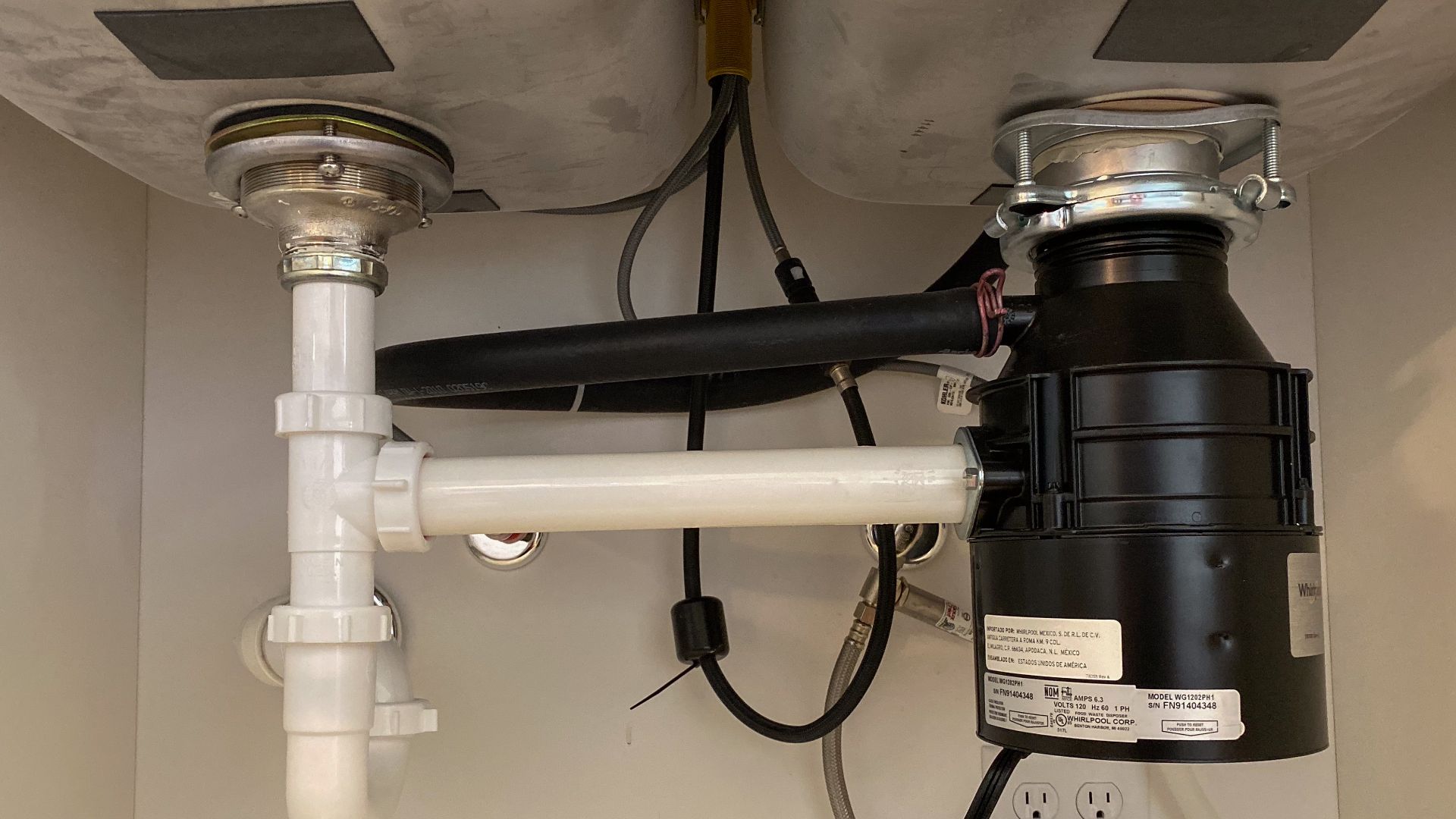
Many American kitchens have a motorized garbage disposal beneath the sink that grinds small food scraps so they can pass through plumbing. Visitors from countries where the devices are uncommon can find the concept somewhere between fascinating and alarming. Americans raised with one may think nothing of pushing leftover food toward a spinning machine hidden below the drain.
 Tony Webster, Wikimedia Commons
Expecting Free Refills
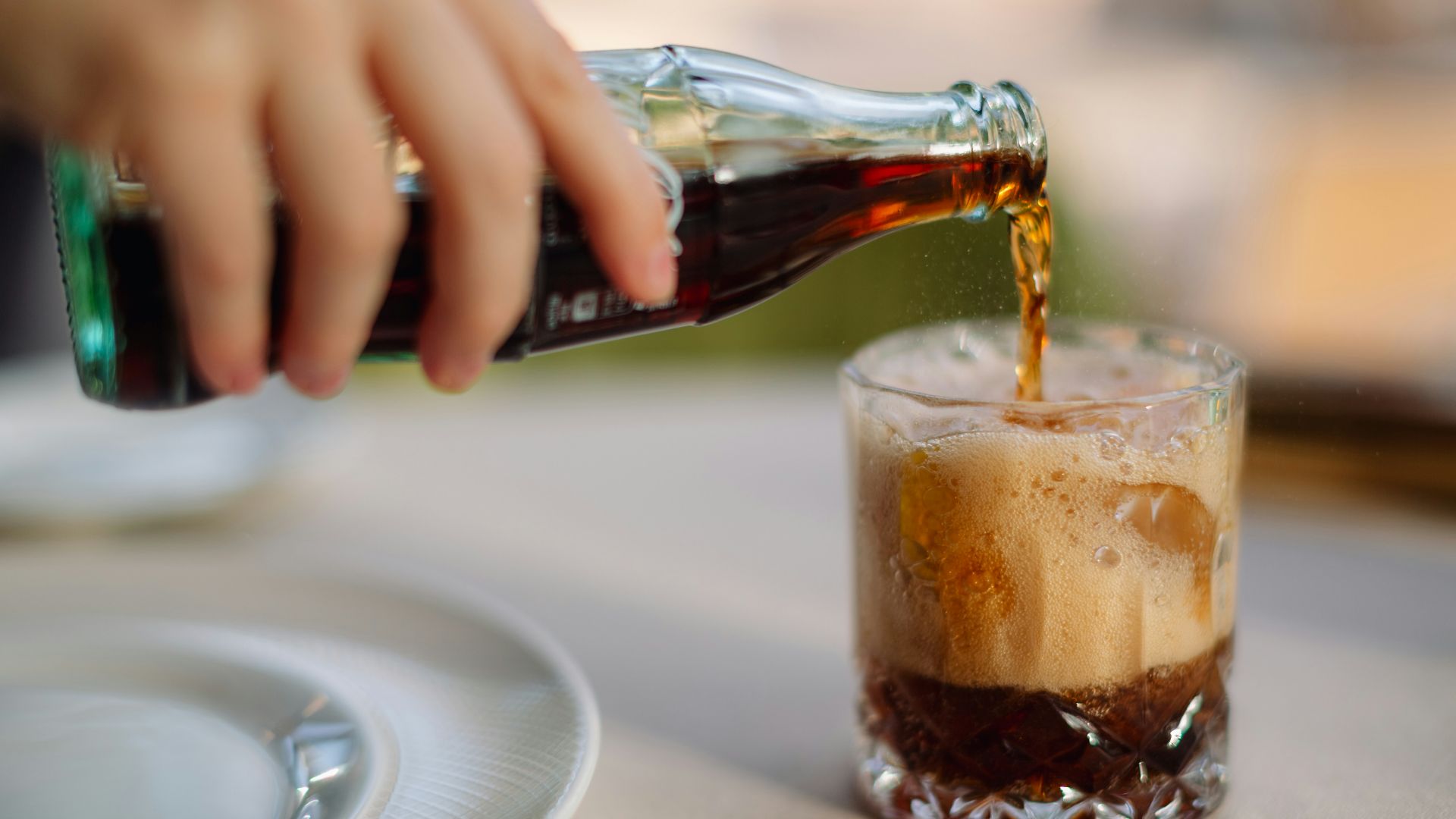
Unlimited refills on soda, coffee, and sometimes iced tea are so common in American casual restaurants that people often assume they'll be included. In much of the world, ordering another drink means paying for another drink. The first time an American finishes a cola abroad and waits expectantly for someone to refill it, the cultural difference becomes obvious very quickly.

History's most fascinating stories and darkest secrets, delivered to your inbox daily.
Tipping For Almost Everything
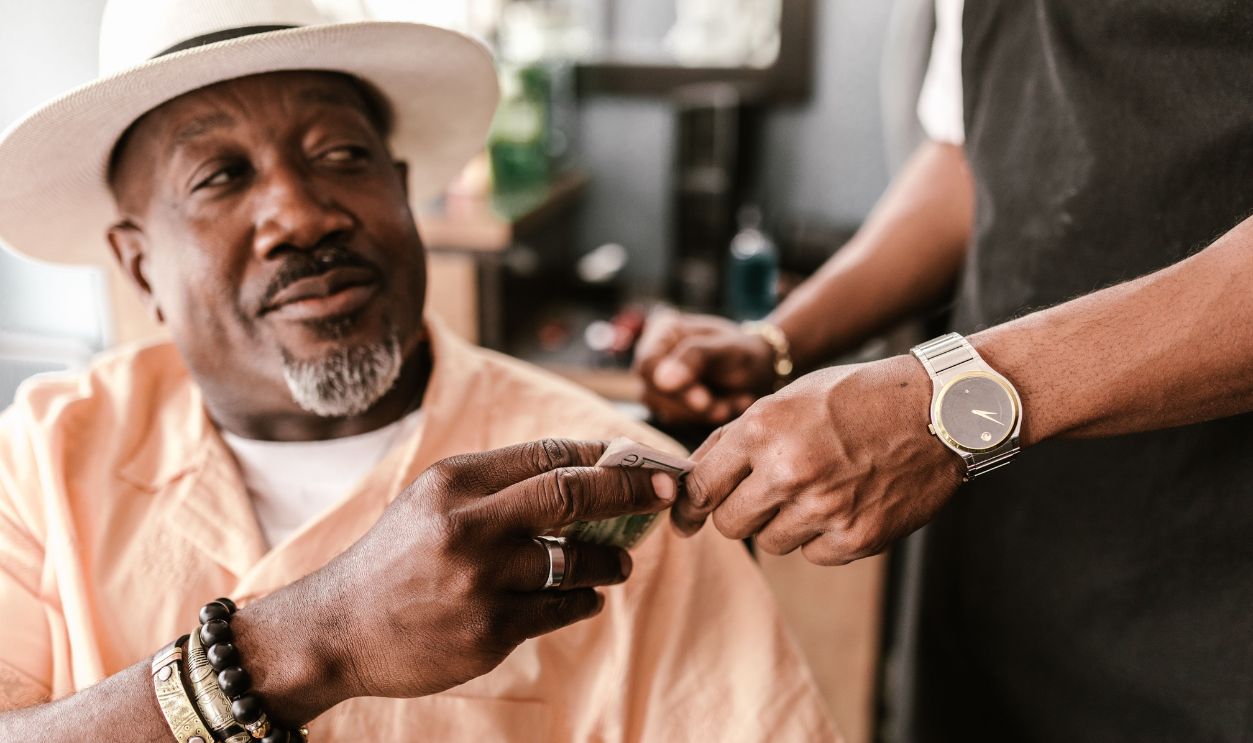
Tipping is common in many countries, but the American system is unusually broad and socially important. Restaurant servers, bartenders, hairstylists, taxi drivers, delivery workers, hotel staff, and others may all expect tips, and the percentage can be substantial. Visitors are often surprised by how much mental arithmetic goes into an ordinary meal, while Americans abroad sometimes tip generously in places where it's unnecessary or even awkward.
Asking "How Are You?" Without Expecting A Full Answer
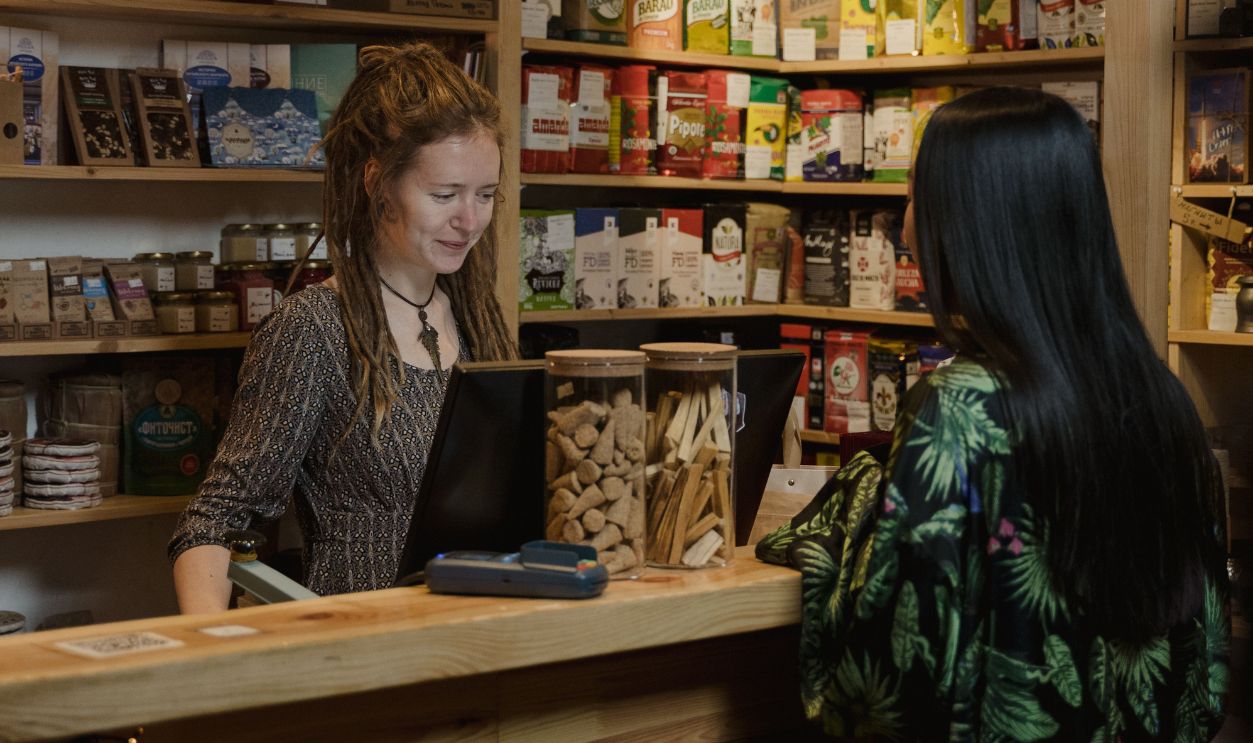
"How are you?" functions almost like "hello" in American English. The expected reply is often some version of "good" or "fine," even if the speaker's day has been terrible. Visitors sometimes find this confusing because the question sounds genuinely personal. An American cashier can ask how you're doing, scan your groceries, and move on before there's remotely enough time for an honest answer.
Smiling At People You Don't Know
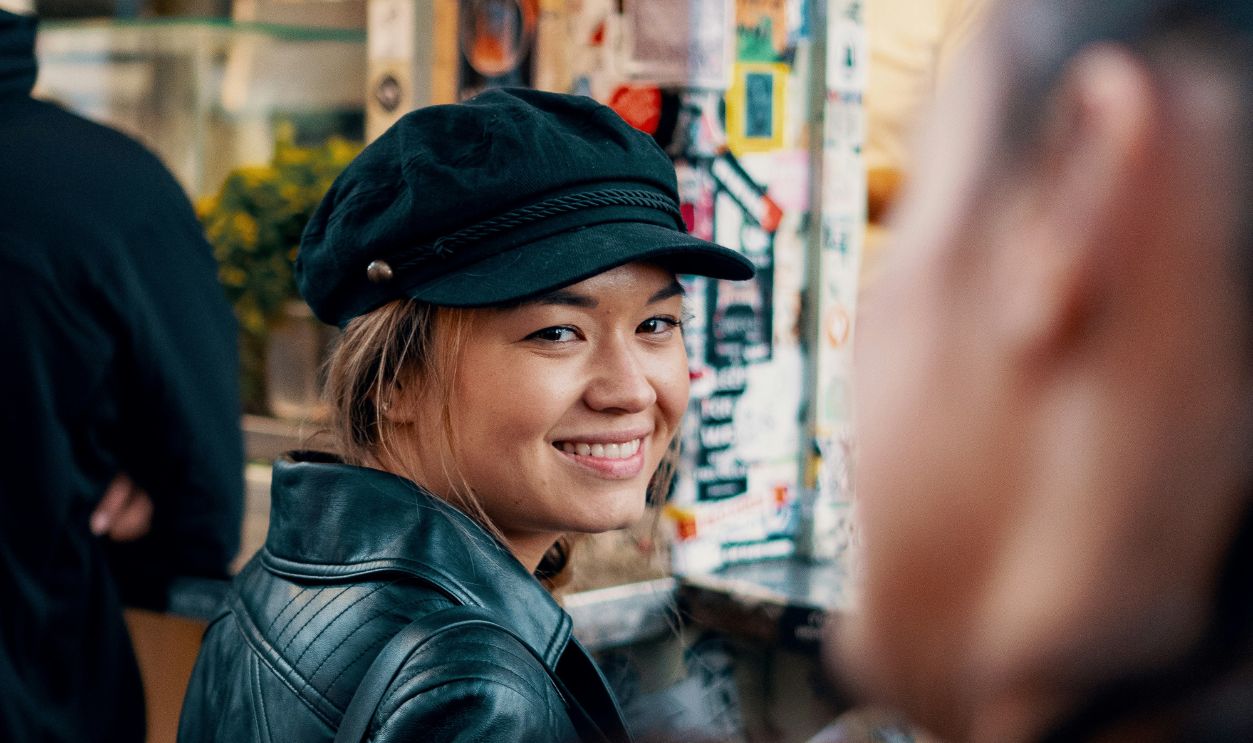
Casual smiling is another behavior Americans often don't think about. People may smile at strangers while passing on sidewalks, entering elevators, or making brief eye contact in stores. In some places, that level of smiling can seem overly familiar, artificial, or even suspicious. An American may think they're simply being polite while the other person is wondering whether they know each other.
Wearing Athletic Clothes Without Exercising
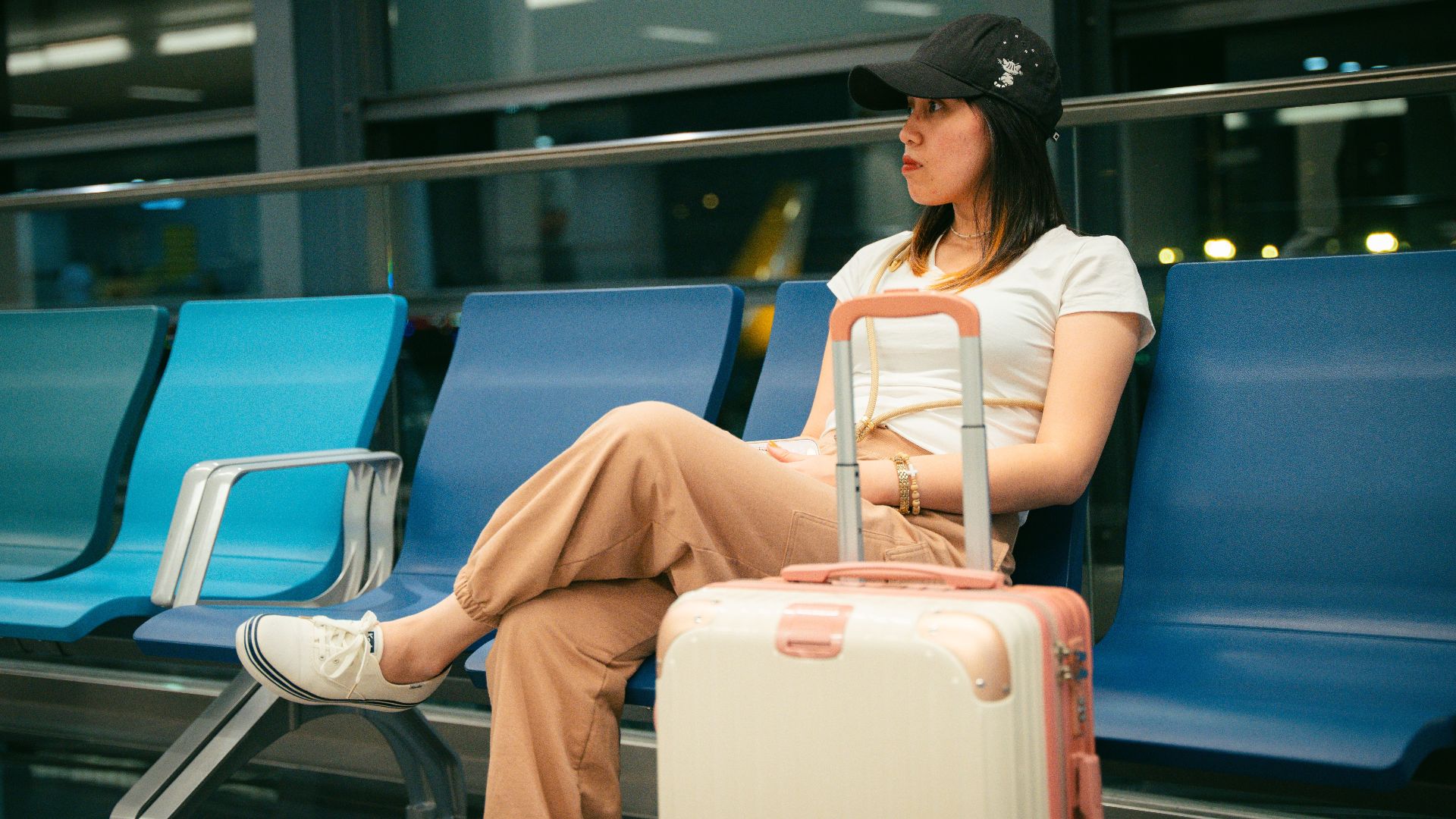
Leggings, sweatpants, sneakers, baseball caps, hoodies, and gym clothes are perfectly ordinary outfits for shopping, traveling, attending class, or grabbing lunch in the United States. In countries where people tend to dress more formally in public, visitors may wonder why half the population appears to be on the way to a workout. Often nobody has any intention of exercising whatsoever.
Ordering Enormous Drinks
American fountain drinks can be surprisingly large, especially in convenience stores and fast-food restaurants. A "medium" may resemble a large elsewhere, while the biggest sizes can look genuinely absurd to first-time visitors. Americans generally don't think much about it because large cups have been normalized for decades, but travelers returning from abroad often notice the scale immediately.

Driving Everywhere Individually
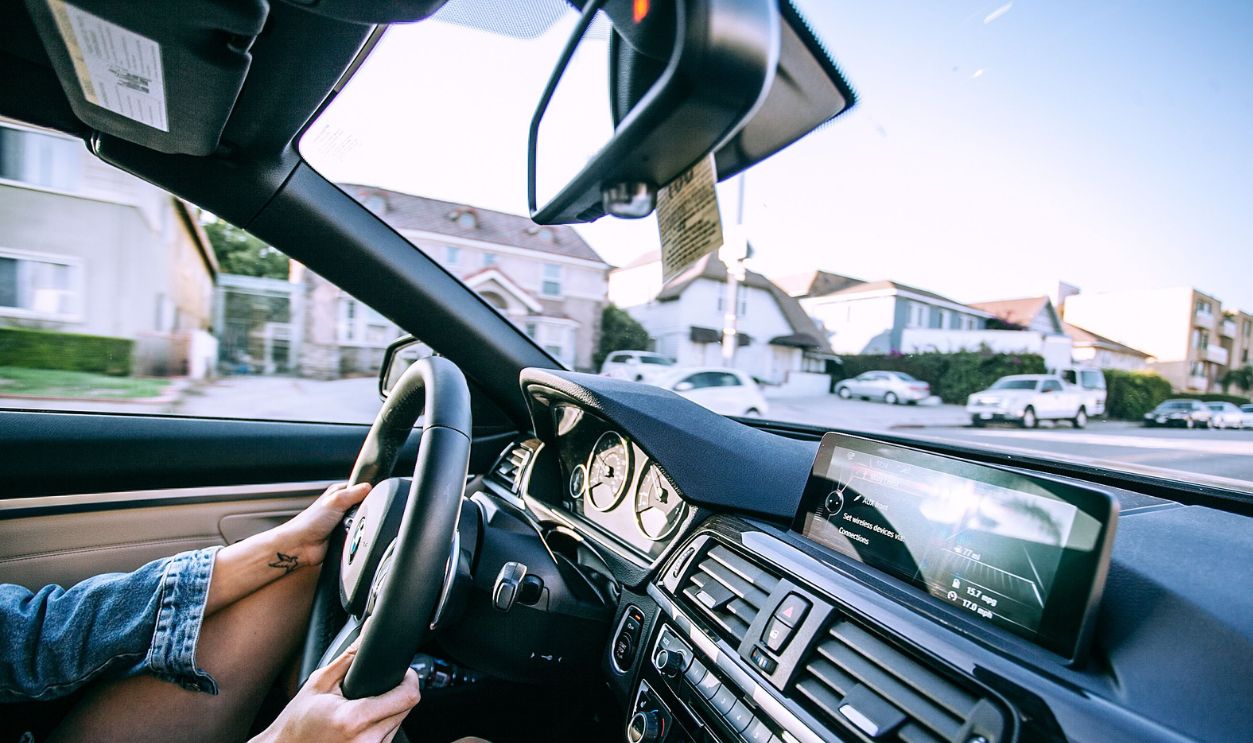
American households commonly own multiple vehicles, and individual family members may drive separately even when going in roughly the same direction. That's less common in places with stronger public transportation or denser cities. The result is a culture where driving isn't merely transportation. It's often treated as a basic part of personal independence.
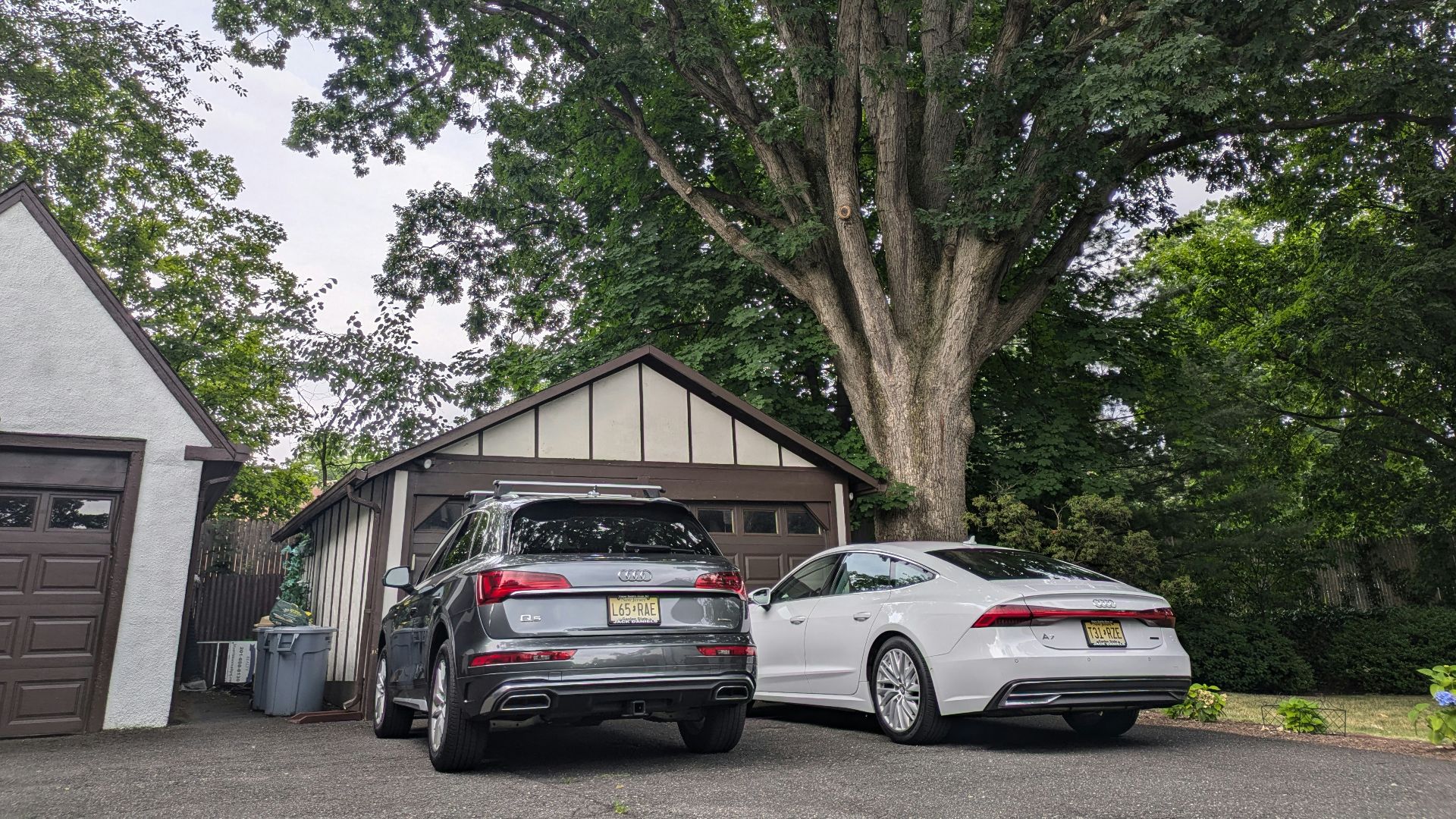
Treating A 30-Minute Drive As "Close"
American ideas about distance can be hilarious to visitors. Someone will describe a restaurant as "just down the road" and then reveal that it's 25 minutes away by car. In large metropolitan areas or rural regions, an hour-long drive may barely register as a serious trip. People from denser countries can have very different definitions of what counts as nearby.
Taking Leftovers Home From Restaurants
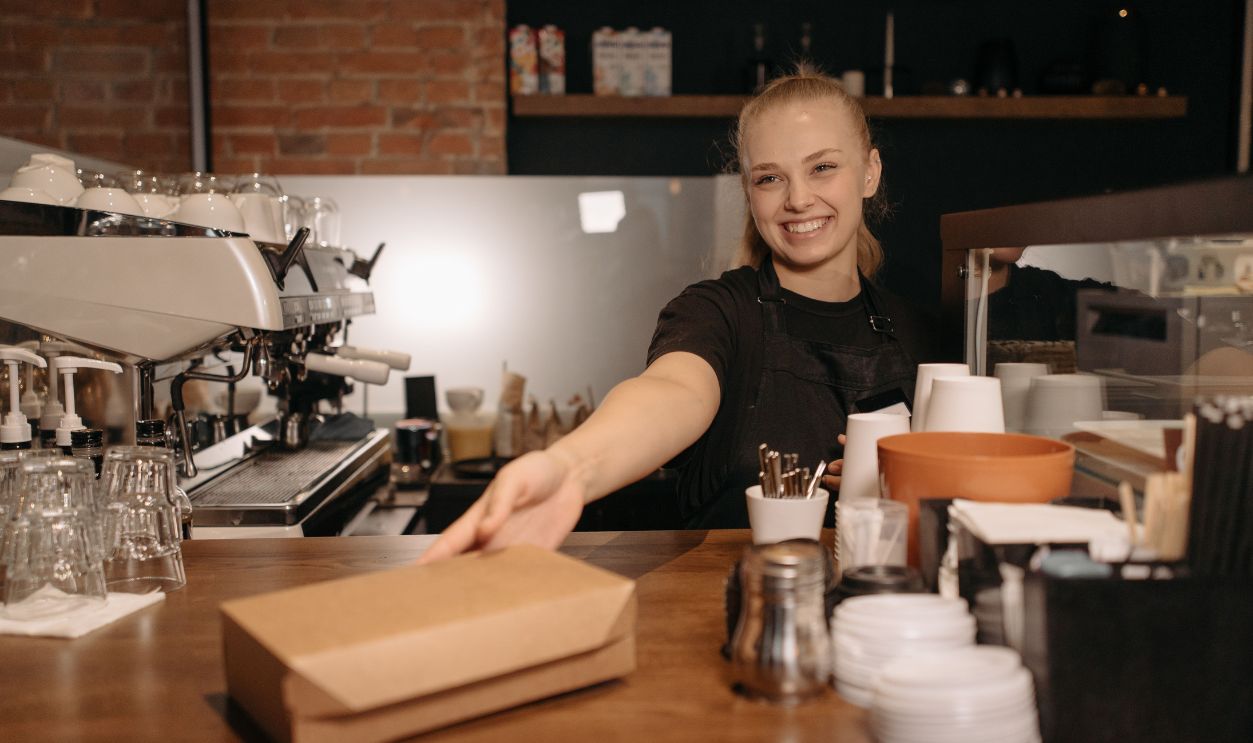
Asking for a container to take unfinished food home is completely routine in the United States. Large restaurant portions make the practice especially common. In some cultures, taking leftovers home has historically been less customary or can feel awkward in more formal restaurants. Americans often see it as practical rather than embarrassing. You already paid for the food, so why wouldn't you eat the rest tomorrow?
Expecting Tap Water Automatically At Restaurants
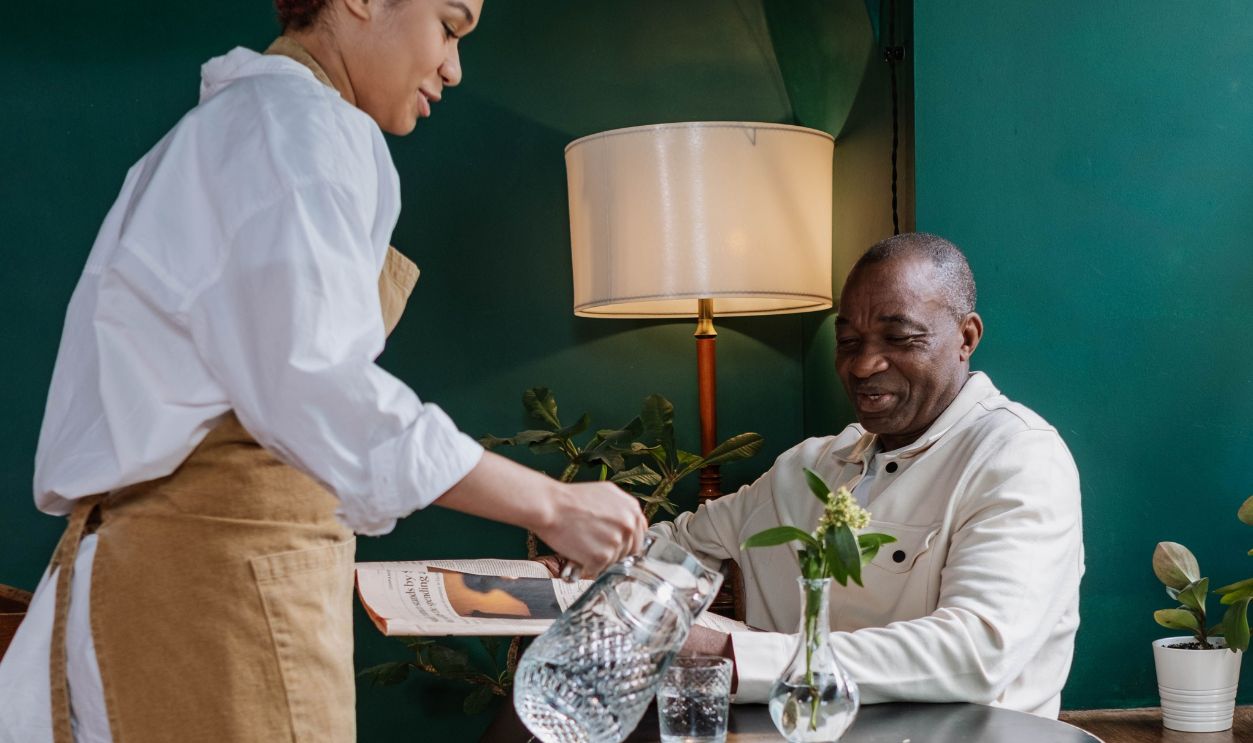
In many American restaurants, a server brings a large glass of tap water almost immediately and keeps refilling it for free. Travelers sometimes discover that elsewhere water must be ordered, bottled water may be the default, and it can appear on the bill. Americans who are accustomed to endless free ice water can find paying for a small bottle surprisingly irritating.
Eating Dinner Surprisingly Early
Compared with countries such as Spain, Italy, or Argentina, Americans can eat dinner remarkably early. Restaurants may become busy around 5:30 or 6 p.m., and families with children sometimes eat even earlier. In places where dinner routinely begins at 8, 9, or 10 p.m., American dining hours can seem closer to late afternoon than evening.
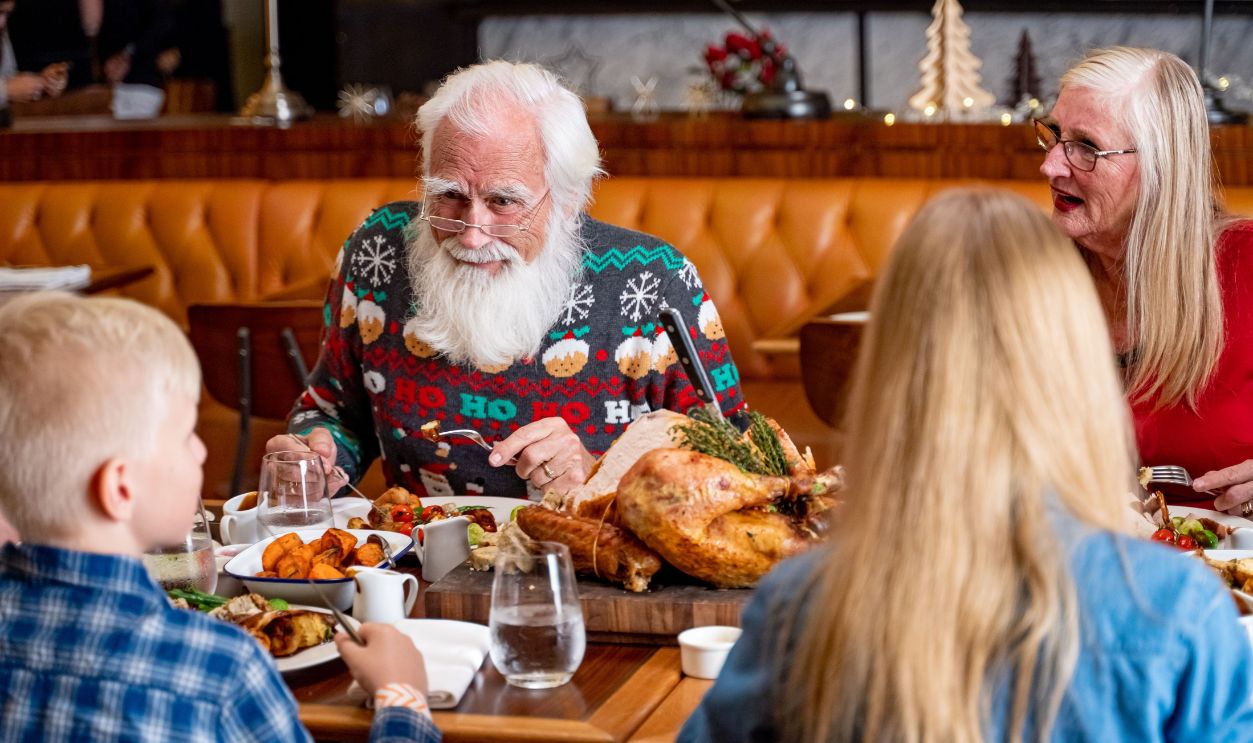
Customizing Restaurant Orders Heavily
"No onions, dressing on the side, extra pickles, substitute fries for salad, sauce separate, and can you make that without cheese?" Customized ordering is exceptionally common in American restaurants. Many establishments are designed around substitutions and modifications. In cultures where dishes are treated more as the chef's finished creation, extensive changes can seem demanding or bizarre.
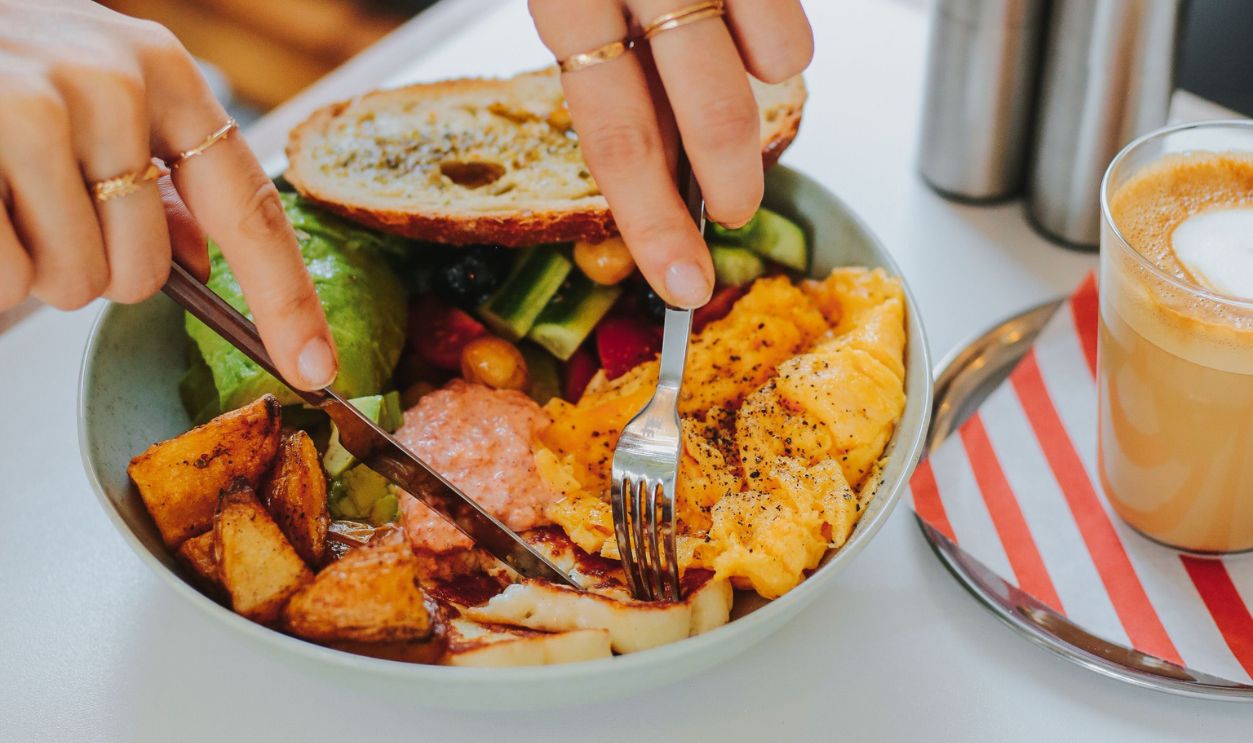
Cutting Food With A Fork And Then Switching Hands
Traditional American table manners developed a distinctive knife-and-fork style sometimes called the "zigzag" method. A diner holds the fork in the left hand while cutting, then places the knife down and transfers the fork to the right hand to eat. Continental European etiquette usually keeps the fork in the left hand throughout. Most Americans don't consciously think about the difference until someone points it out.
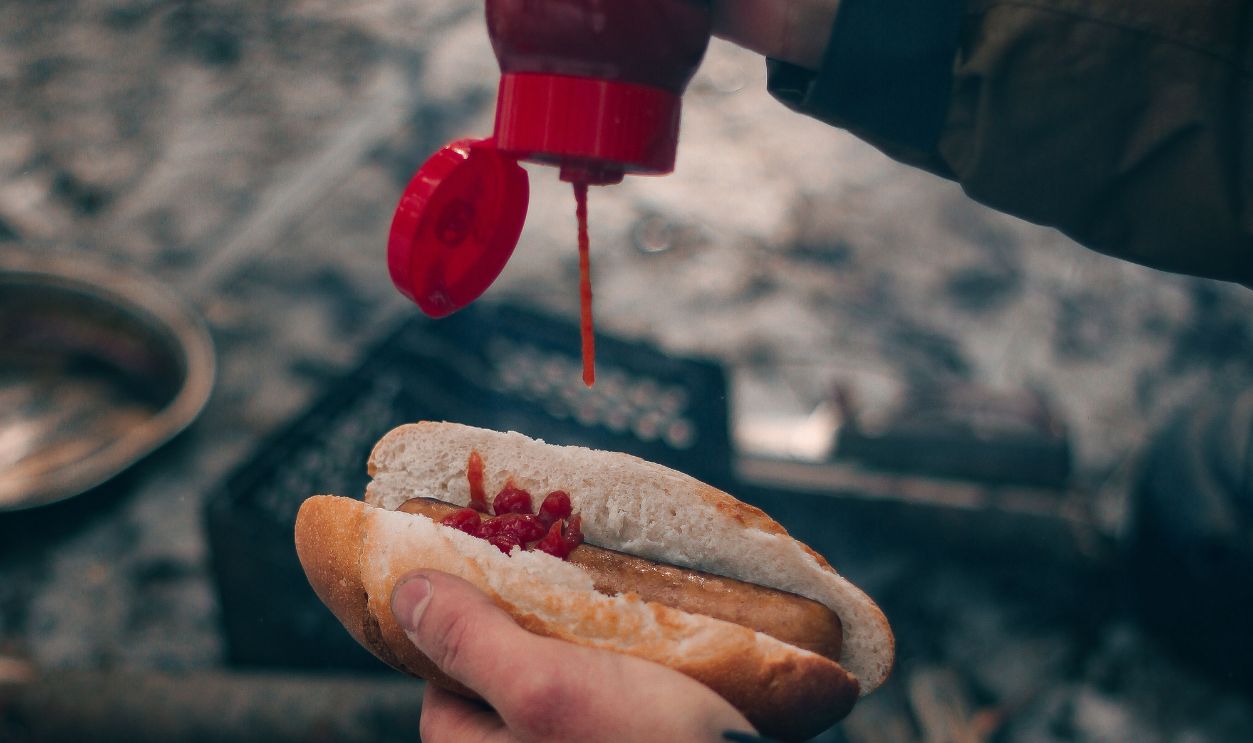
Putting Ketchup On A Surprising Number Of Foods
Burgers and fries aren't the end of it. Ketchup can appear with eggs, meatloaf, hash browns, hot dogs, and other foods depending on the household and region. The condiment isn't uniquely American, but its sheer ubiquity in casual American eating can surprise visitors from cultures with stricter ideas about what sauces belong with particular dishes.
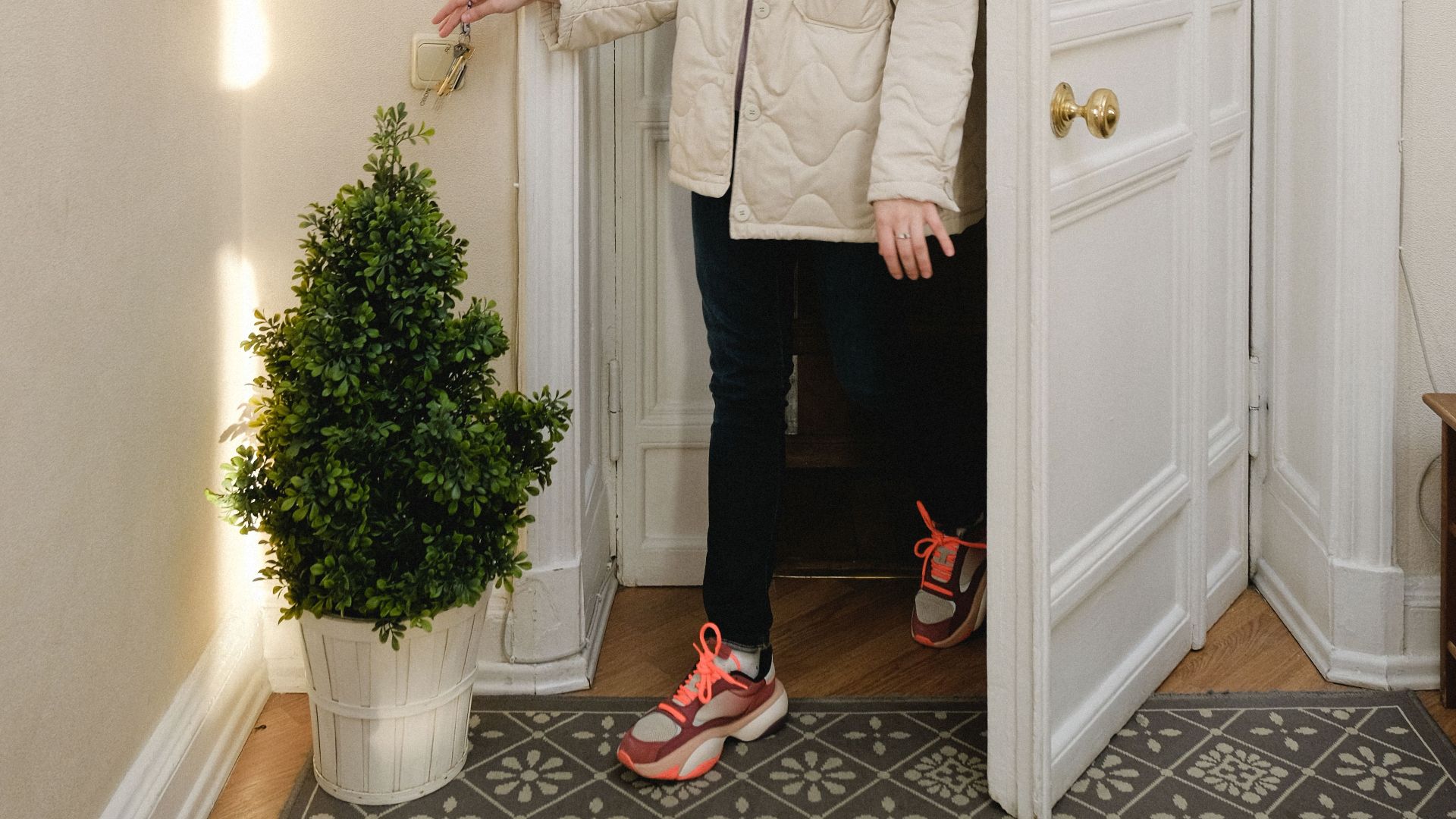
Wearing Shoes Inside The House
This one varies greatly by household, region, climate, and family background, but enough Americans wear outdoor shoes indoors that visitors regularly notice it. In Canada, Scandinavia, Japan, and many other places, taking shoes off immediately at the door is often automatic. Americans from shoe-on households may not realize how shocking it looks to someone watching them walk across a carpet in the same shoes they wore through a parking lot.
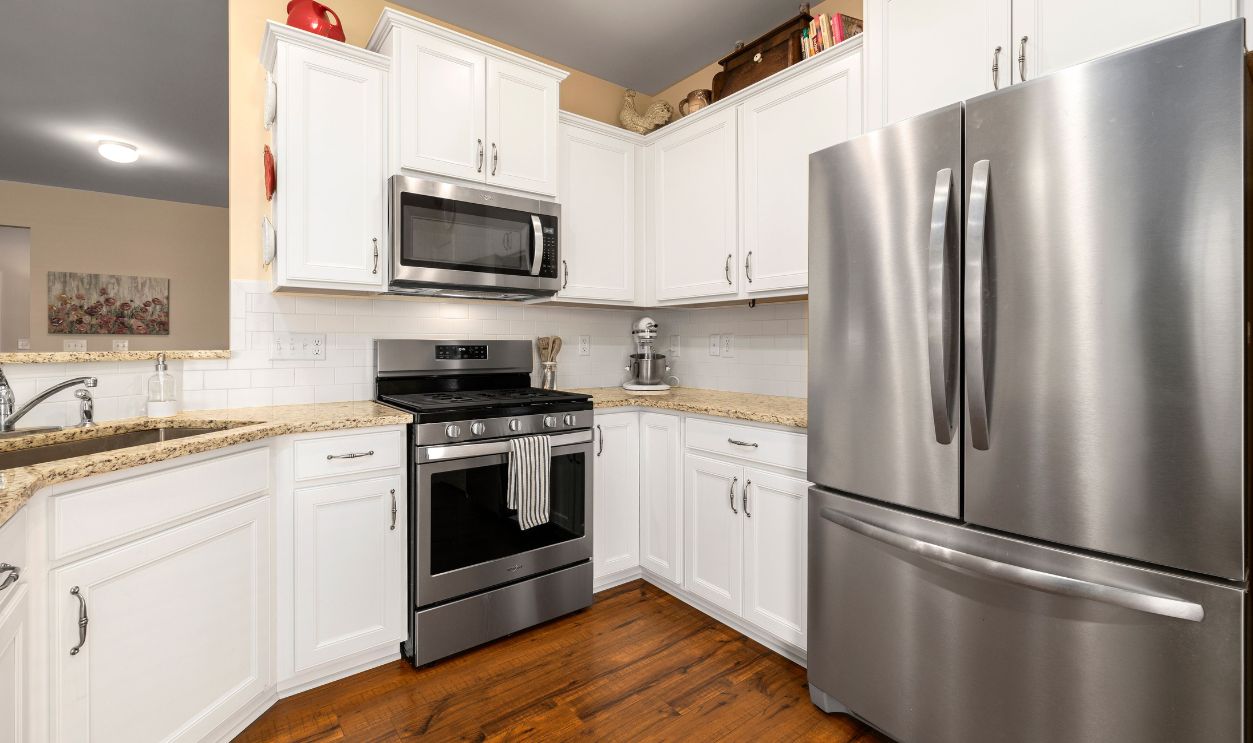
Having Enormous Refrigerators
American refrigerators tend to be large, particularly in suburban homes. Double doors, ice makers, water dispensers, freezer drawers, and enough interior space for a week's worth of groceries are commonplace. In countries where people shop more frequently or kitchens are smaller, American refrigerators can look less like appliances and more like walk-in storage lockers.
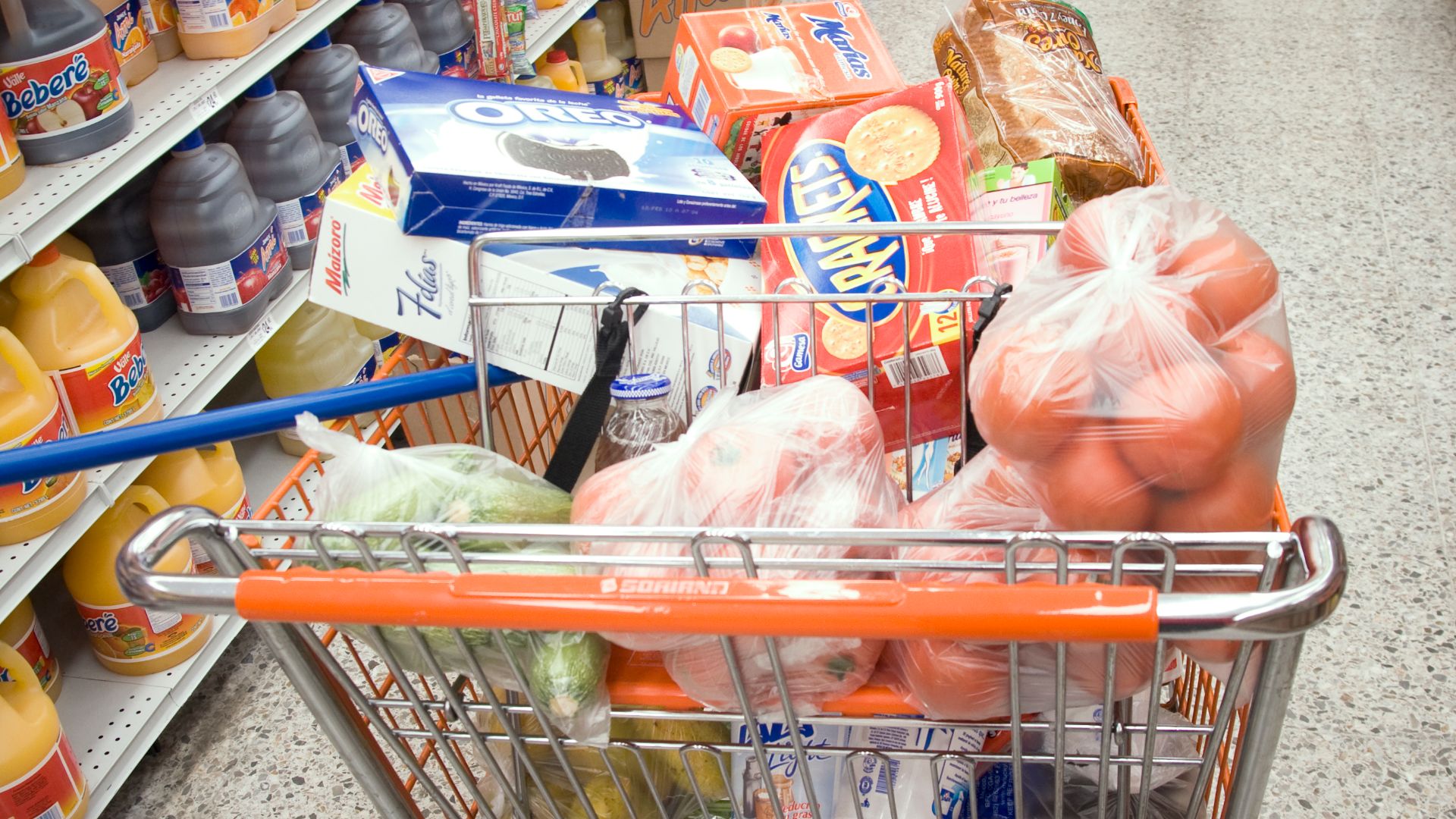
Buying Groceries In Huge Quantities
Warehouse stores turned bulk buying into an American art form. Families may purchase dozens of rolls of toilet paper, giant containers of snacks, enormous cereal boxes, and enough paper towels to survive a minor siege. Larger homes, bigger vehicles, suburban lifestyles, and abundant storage space all make this practical in a way that would be difficult in many compact urban households abroad.
 sari dennise from México, D.F., México, Wikimedia Commons
Expecting Stores To Be Open Very Late
Americans are accustomed to being able to buy groceries, medicine, fast food, or household items well into the evening, and historically many businesses operated around the clock. Hours have become somewhat shorter in recent years, but the expectation remains. Travelers can be caught off guard when shops abroad close earlier, shut completely on Sundays, or disappear for an afternoon break.

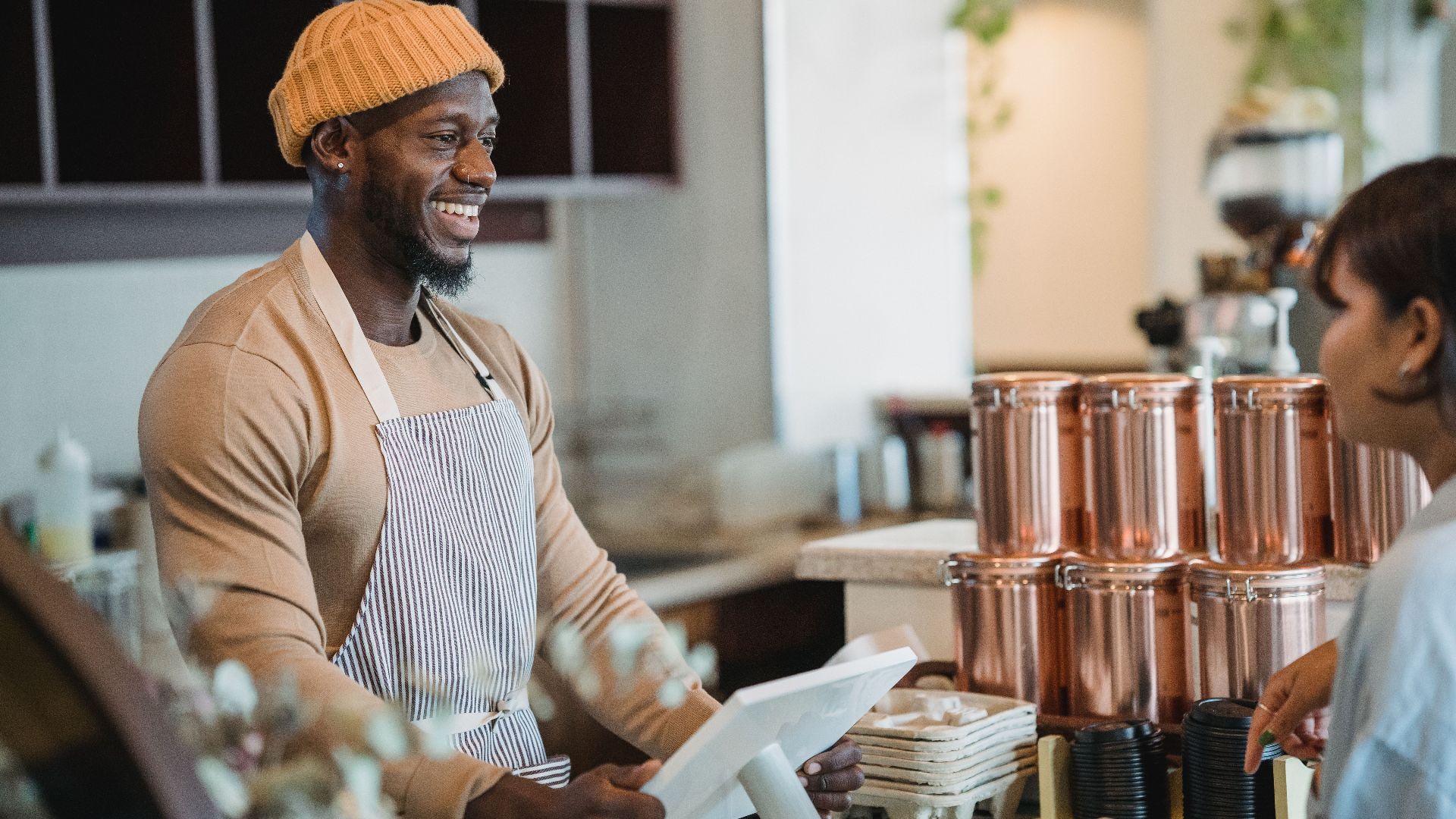
Treating Customer Service As A Performance
American service culture often emphasizes friendliness, introductions, check-ins, upbeat greetings, and phrases such as "my pleasure." Servers may tell customers their names, retail staff may approach shoppers proactively, and employees are frequently expected to appear cheerful. Visitors sometimes interpret this as fake, while Americans encountering quieter service abroad can mistakenly assume the employee is being rude.
Putting The American Flag Almost Everywhere
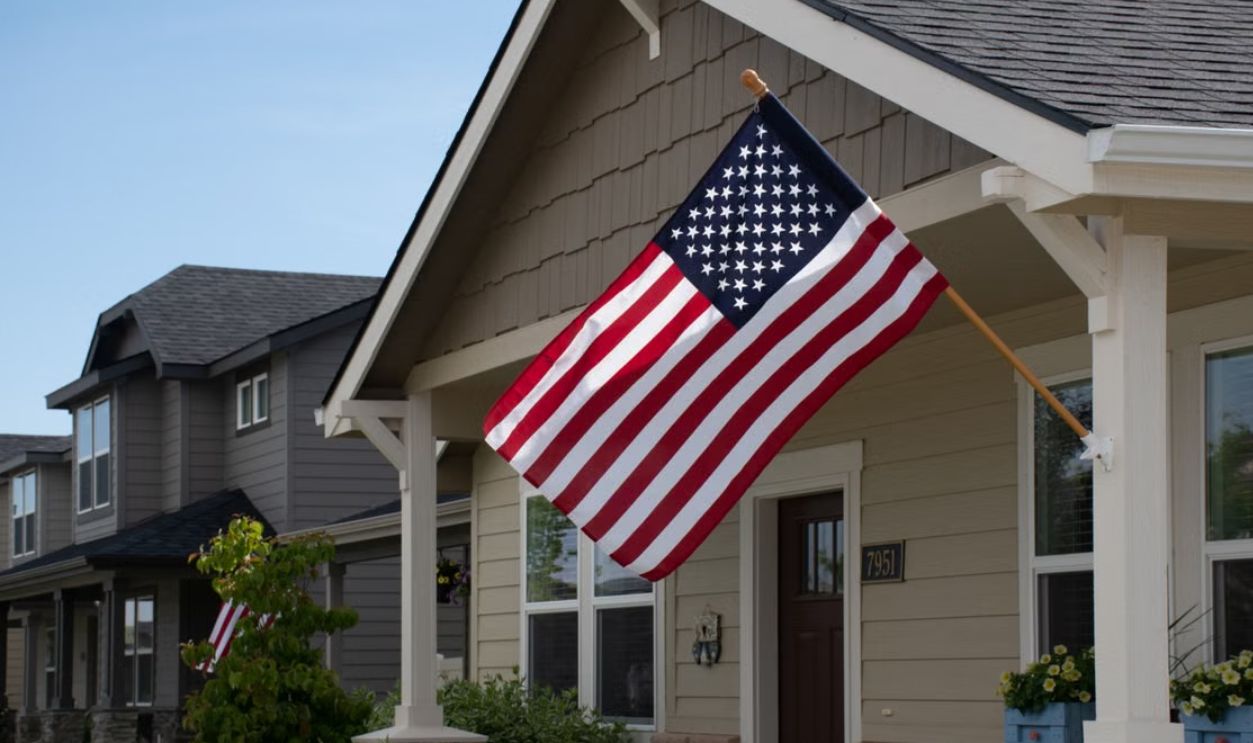
Flags appear outside homes, businesses, schools, gas stations, car dealerships, campgrounds, restaurants, construction sites, and government buildings. Other countries certainly display national flags, but casual everyday flag visibility in the United States is unusually high. Americans often barely notice them because they're part of the ordinary visual landscape.
Putting Flags On Clothing Too
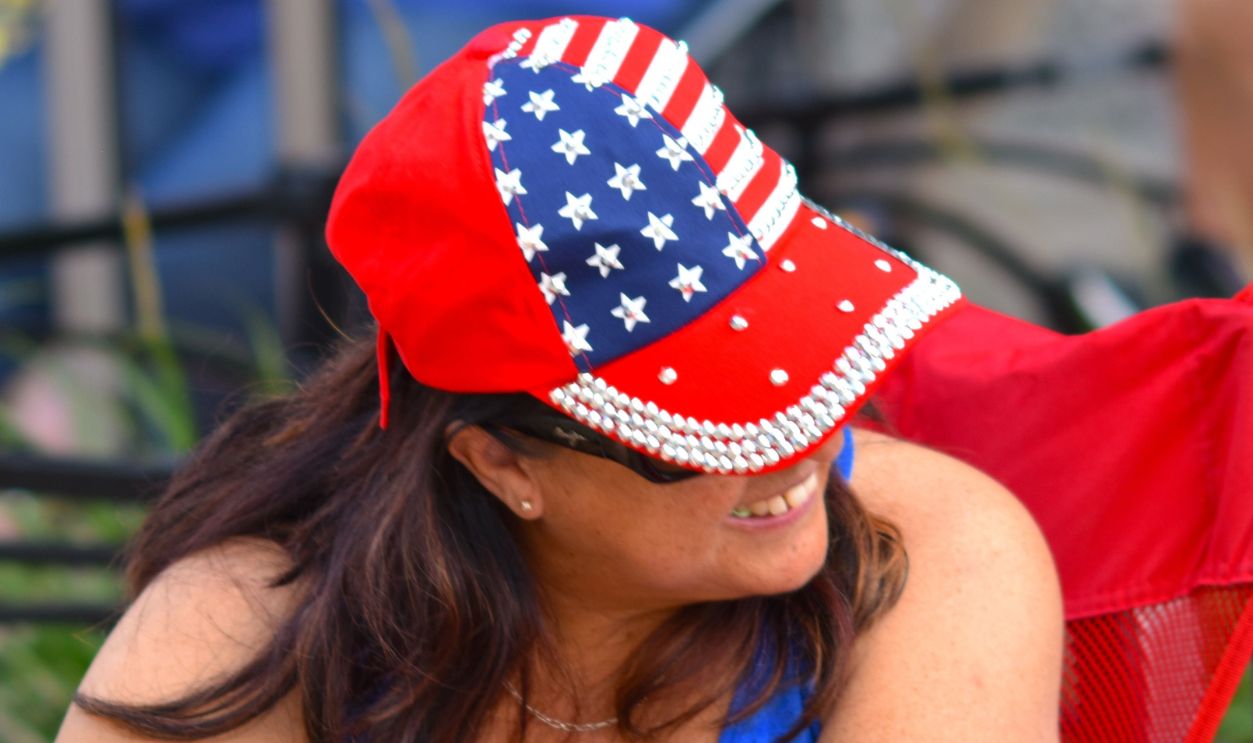
The national flag doesn't stay on poles. American flag designs appear on shirts, hats, swimsuits, socks, coolers, lawn chairs, vehicle decals, and countless other objects. In some countries, national symbols are treated with greater formality, making casual flag-themed clothing seem unusual. In the United States, it can simply be another summer outfit.
Asking What Someone Does For Work Almost Immediately
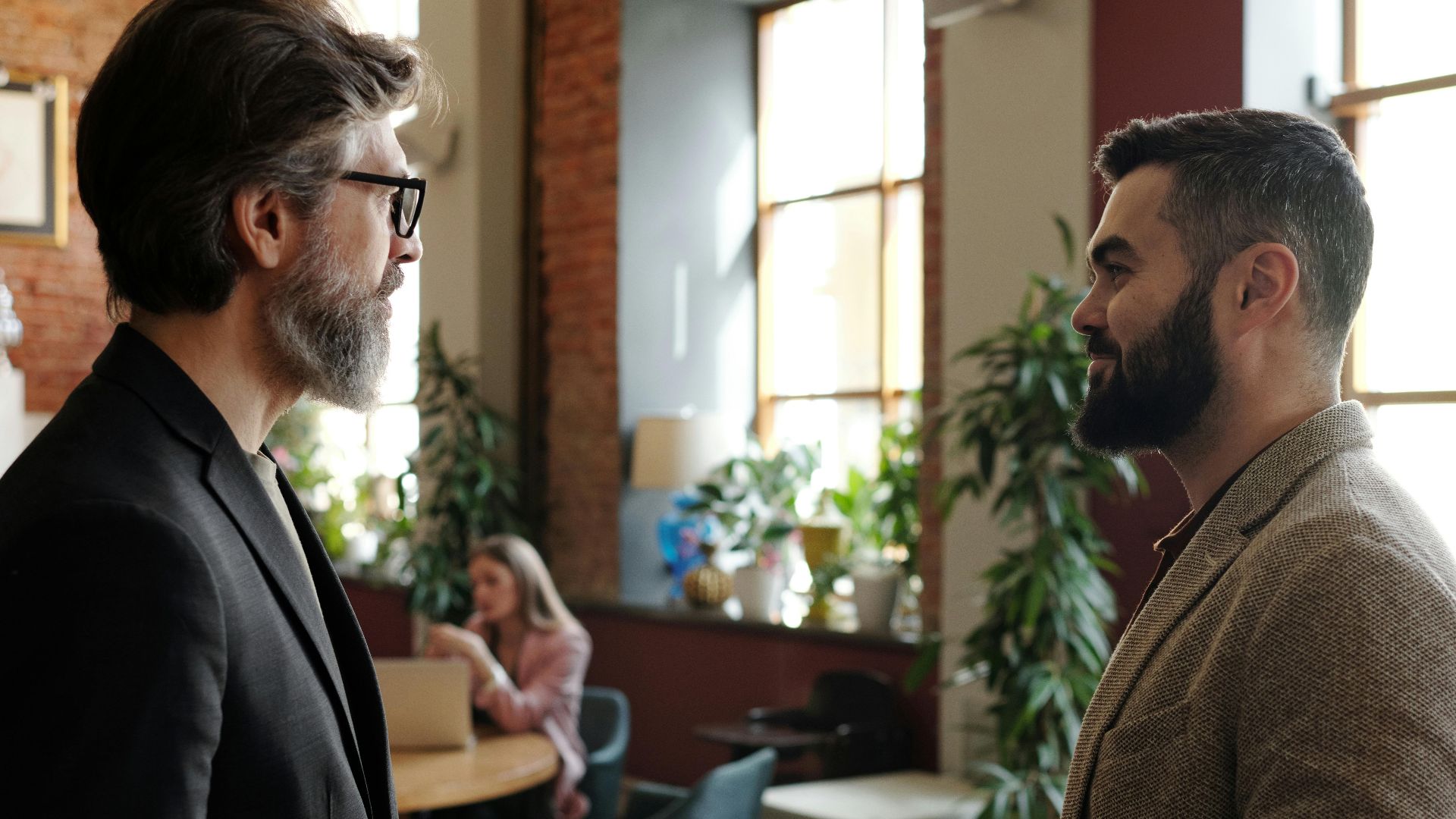
In American small talk, "What do you do?" usually means "What do you do for a living?" and it's one of the most common questions when meeting someone new. That can seem oddly career-focused in cultures where employment is considered a more private topic or where social identity isn't tied as closely to occupation. Americans often ask without realizing how quickly they've turned a casual conversation into a résumé summary.
Using First Names Very Quickly
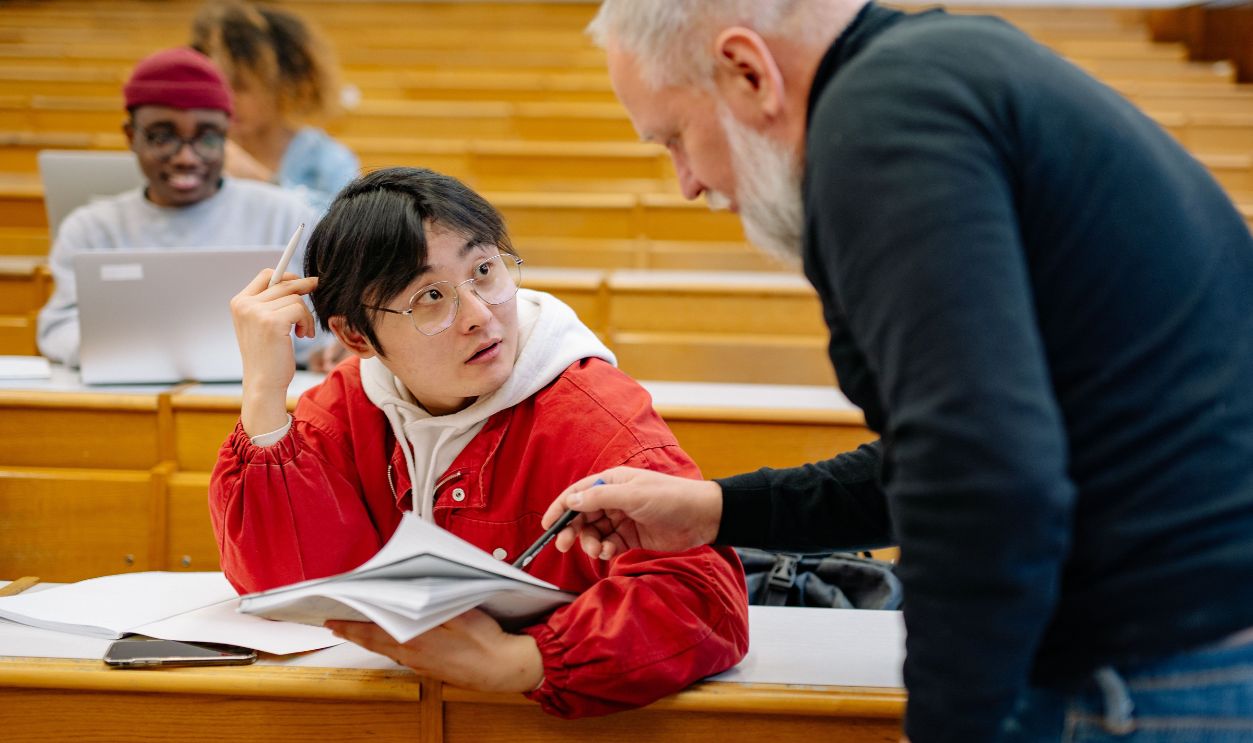
Professors, bosses, older acquaintances, customers, and new colleagues are often addressed by first name much sooner in the United States than they would be in more formal cultures. Titles still matter in certain professions and regions, but American social life generally leans informal. Visitors accustomed to surnames and honorifics can find it surprisingly intimate.
You May Also Like:
Everyday Habits That Would Have Shocked Americans 100 Years Ago
Stores Every American Mall Used To Have—And What Happened To Them
Historical Trends That Spread Faster Than You Would Think Possible Before The Age Of Mass Media