
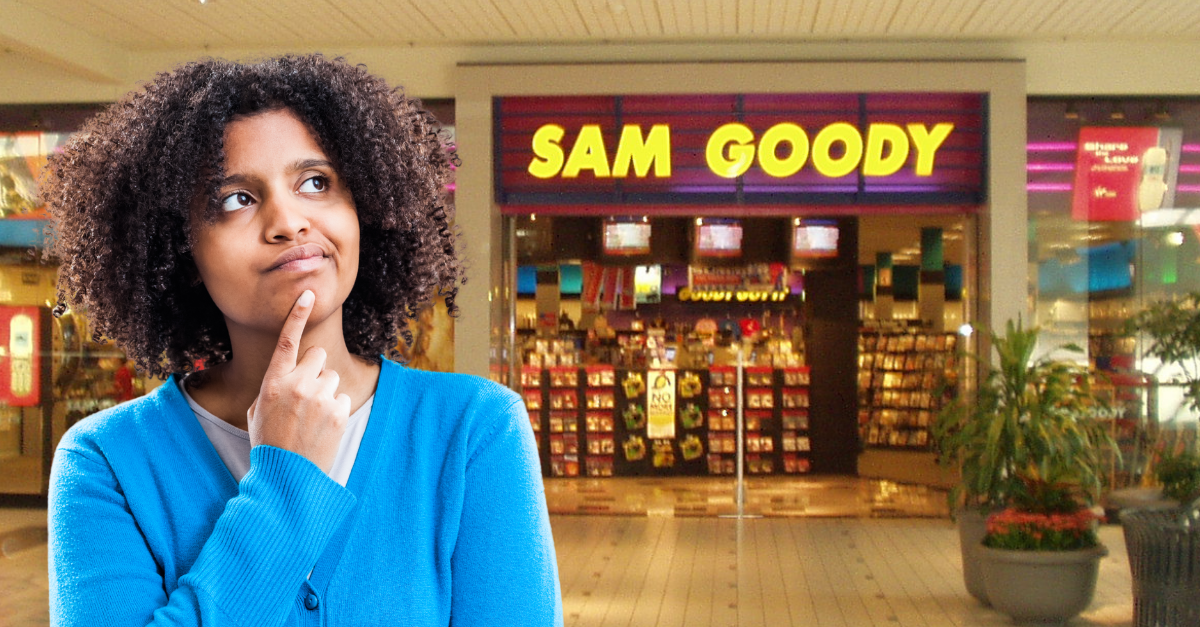
Welcome To The Mall, Population: Your Entire Childhood
For decades, American malls had a remarkably familiar cast: bookstores, music shops, toy stores, electronics counters, and enough teen-clothing chains to outfit a high school. Those names did not all disappear the same way. Some liquidated, some were acquired, and others were simply renamed. Here is what happened to 21 once-familiar mall fixtures.
 Punkrawker4783, Wikimedia Commons
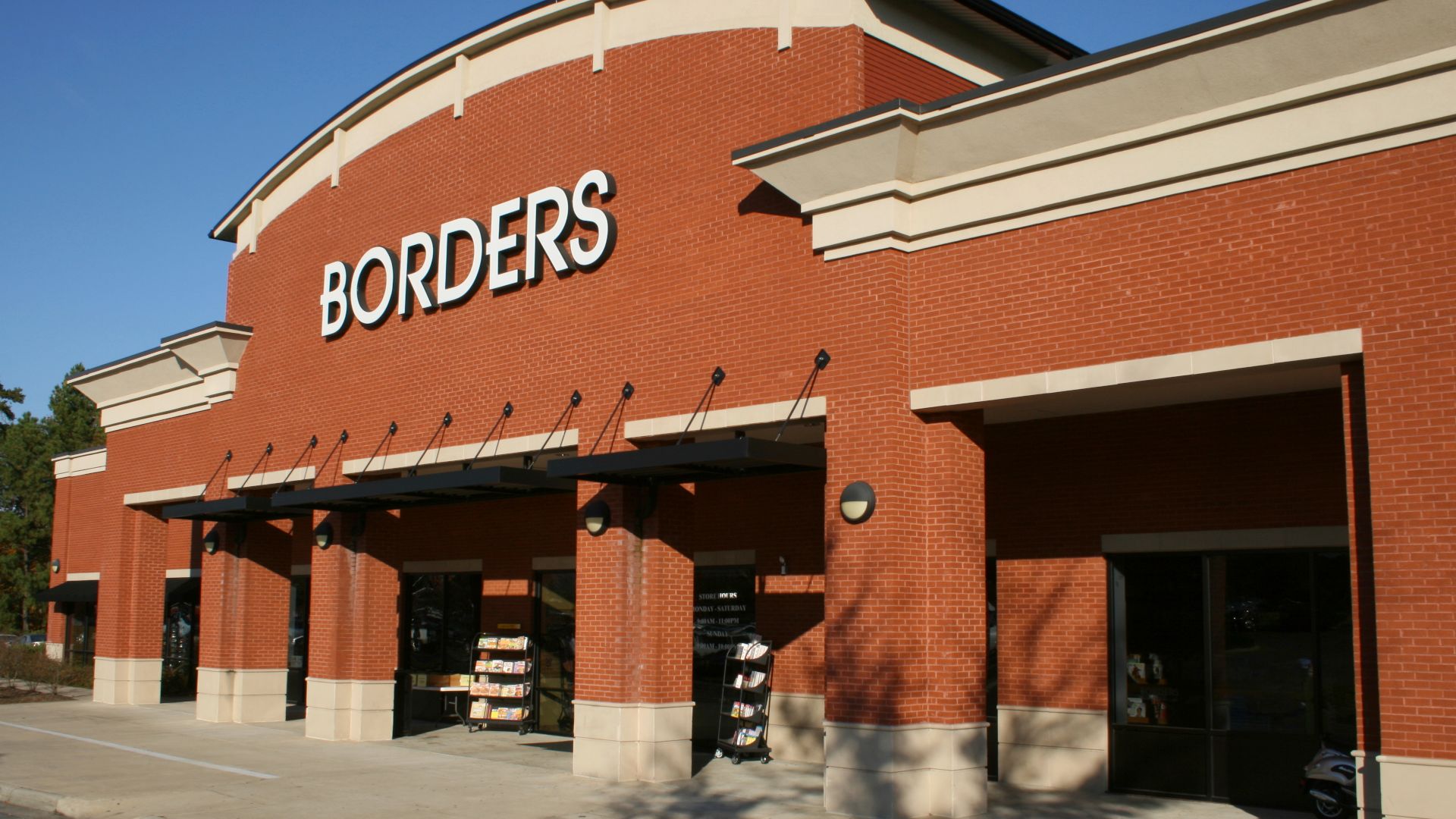
Borders
Borders became one of America’s dominant bookstore superstore chains but struggled as online bookselling and e-books changed the market. It filed for Chapter 11 in February 2011. By July, after a buyer failed to emerge, Borders moved to liquidate its remaining 399 stores, ending a roughly 40-year run.
 Ildar Sagdejev (Specious), Wikimedia Commons
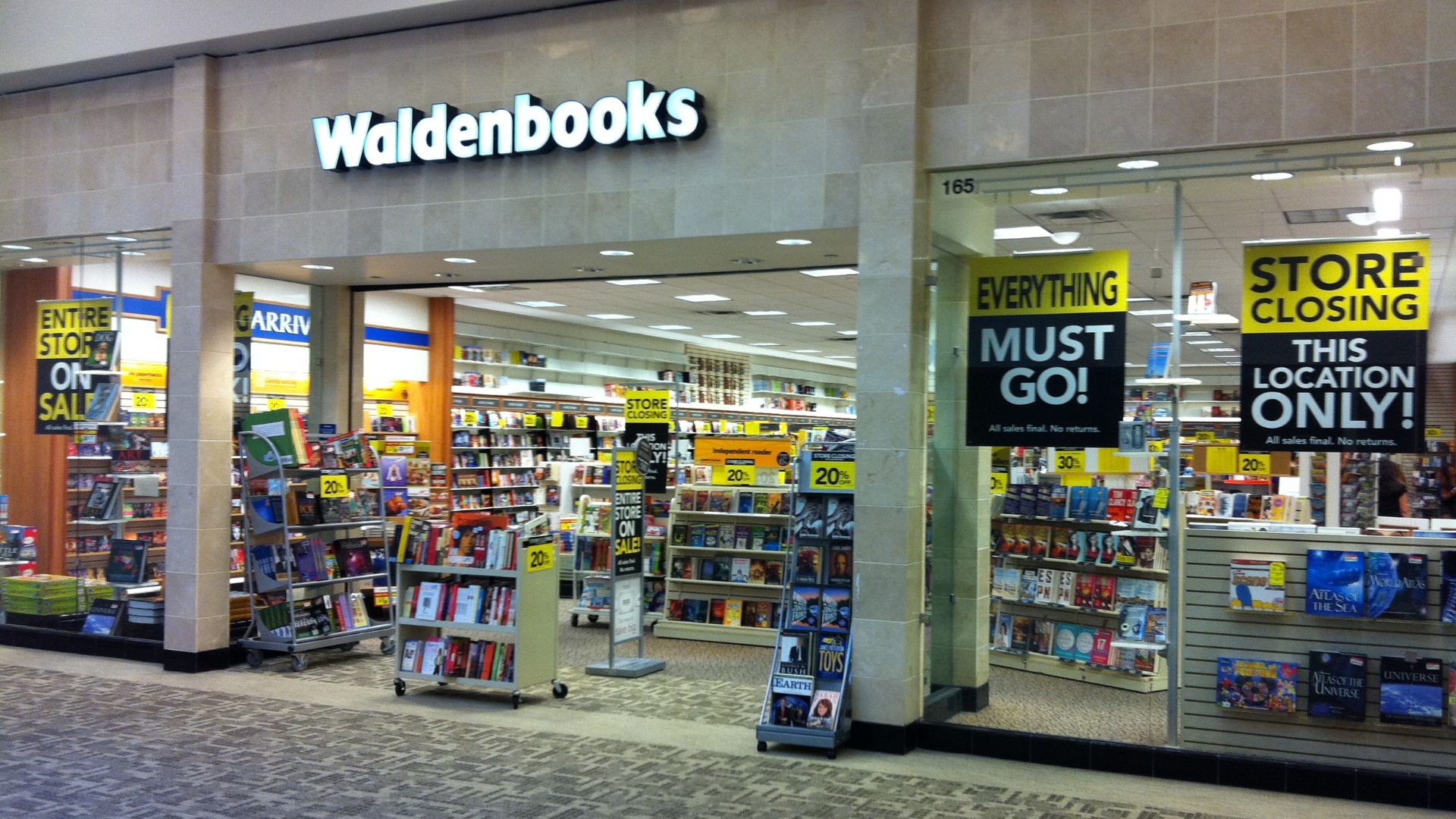
Waldenbooks
Waldenbooks was the smaller, mall-friendly bookstore inside Borders Group. Borders had already been shrinking the chain before its own collapse. When Borders entered liquidation in 2011, the remaining Waldenbooks locations went with it, taking the familiar small-format mall bookstore along.
 Mike Kalasnik, Wikimedia Commons
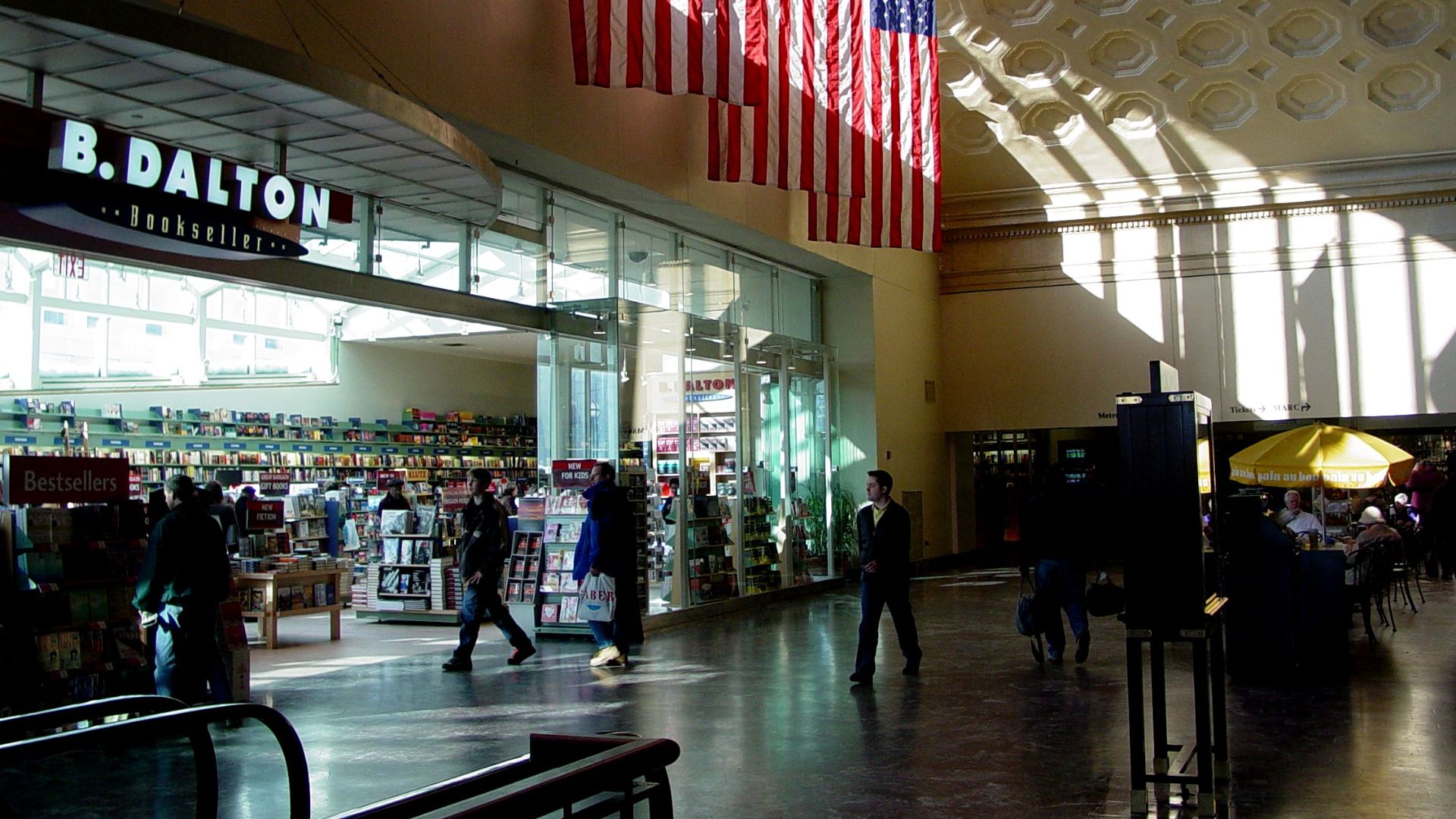
B. Dalton
B. Dalton was Barnes & Noble’s longtime mall bookstore chain and a direct Waldenbooks rival. By late 2009, only 50 stores remained. Barnes & Noble closed them as it concentrated on its larger namesake bookstores, ending a chain that had been built largely around regional malls.
 Ben Schumin, Wikimedia Commons
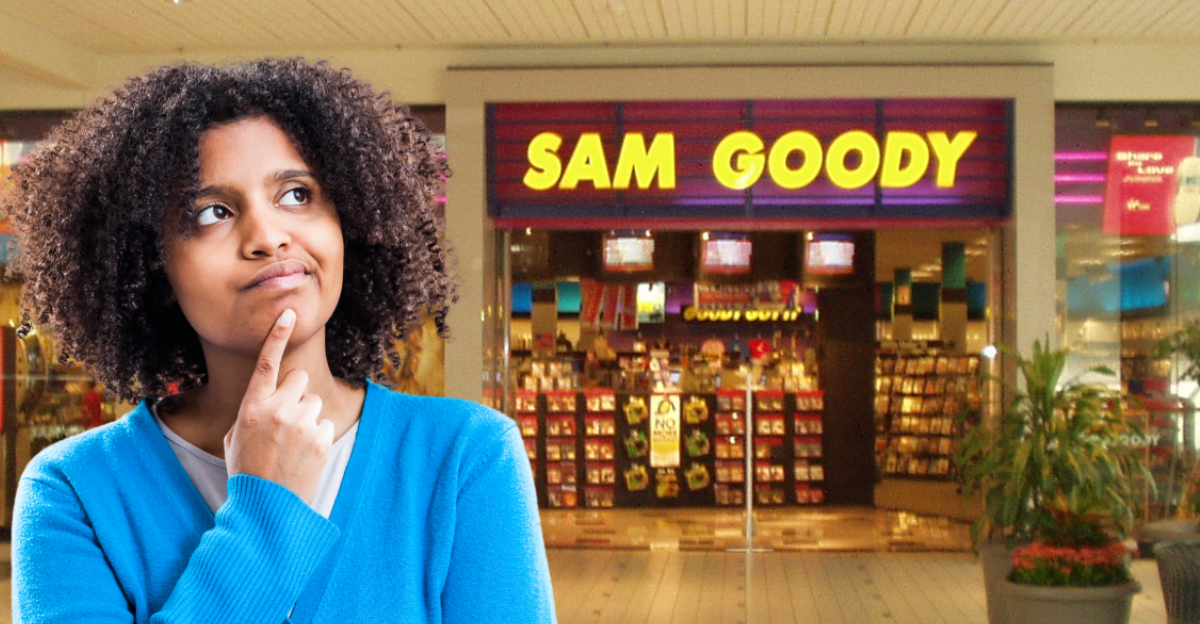
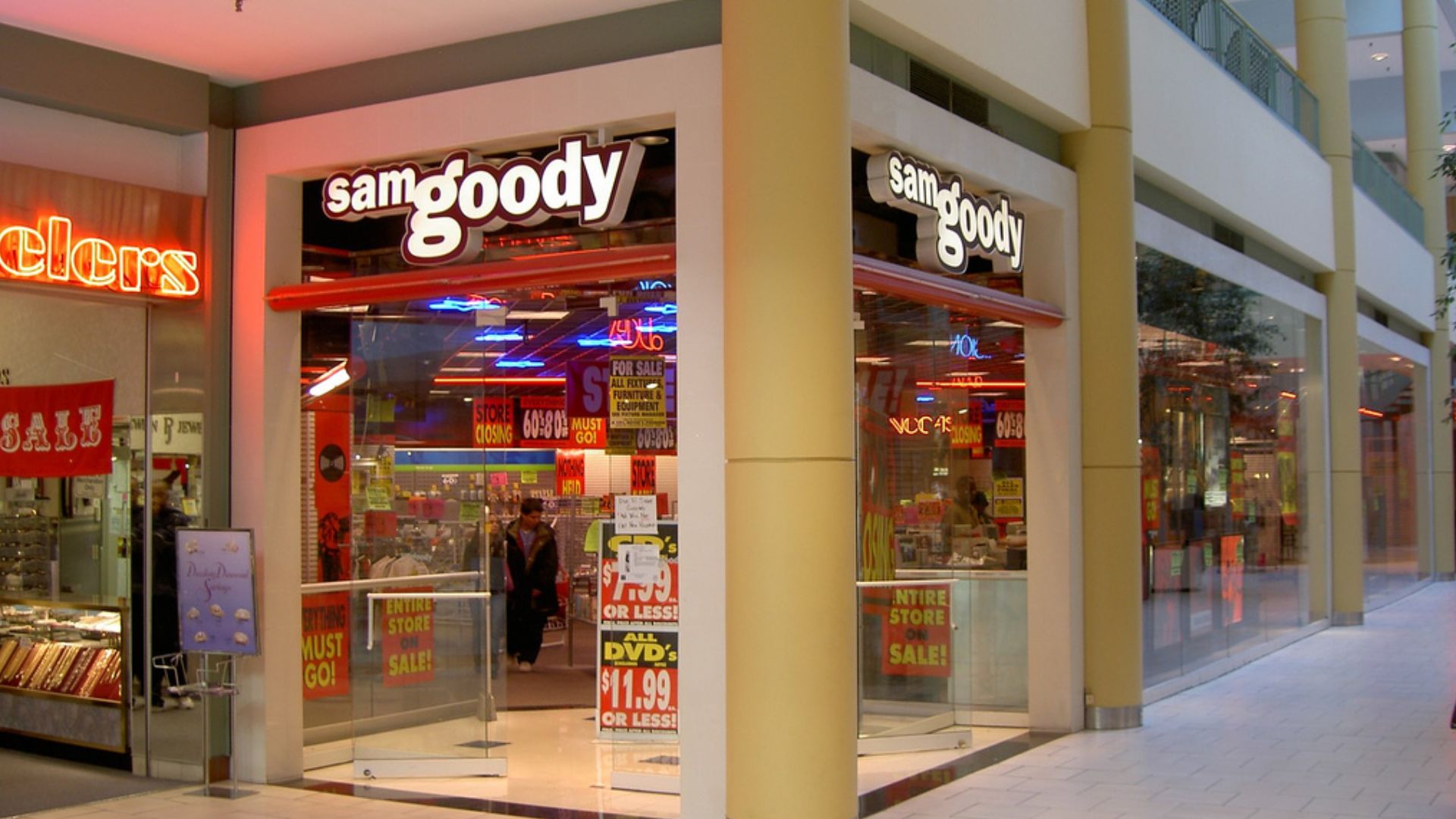
Sam Goody
Sam Goody was a go-to mall stop for CDs and other music. Parent company Musicland went through bankruptcy in 2006, and Trans World Entertainment bought many surviving stores. Most Sam Goody locations were later converted to FYE, effectively wiping out the brand’s once-large national mall presence.
 Adam Lautenbach, Wikimedia Commons
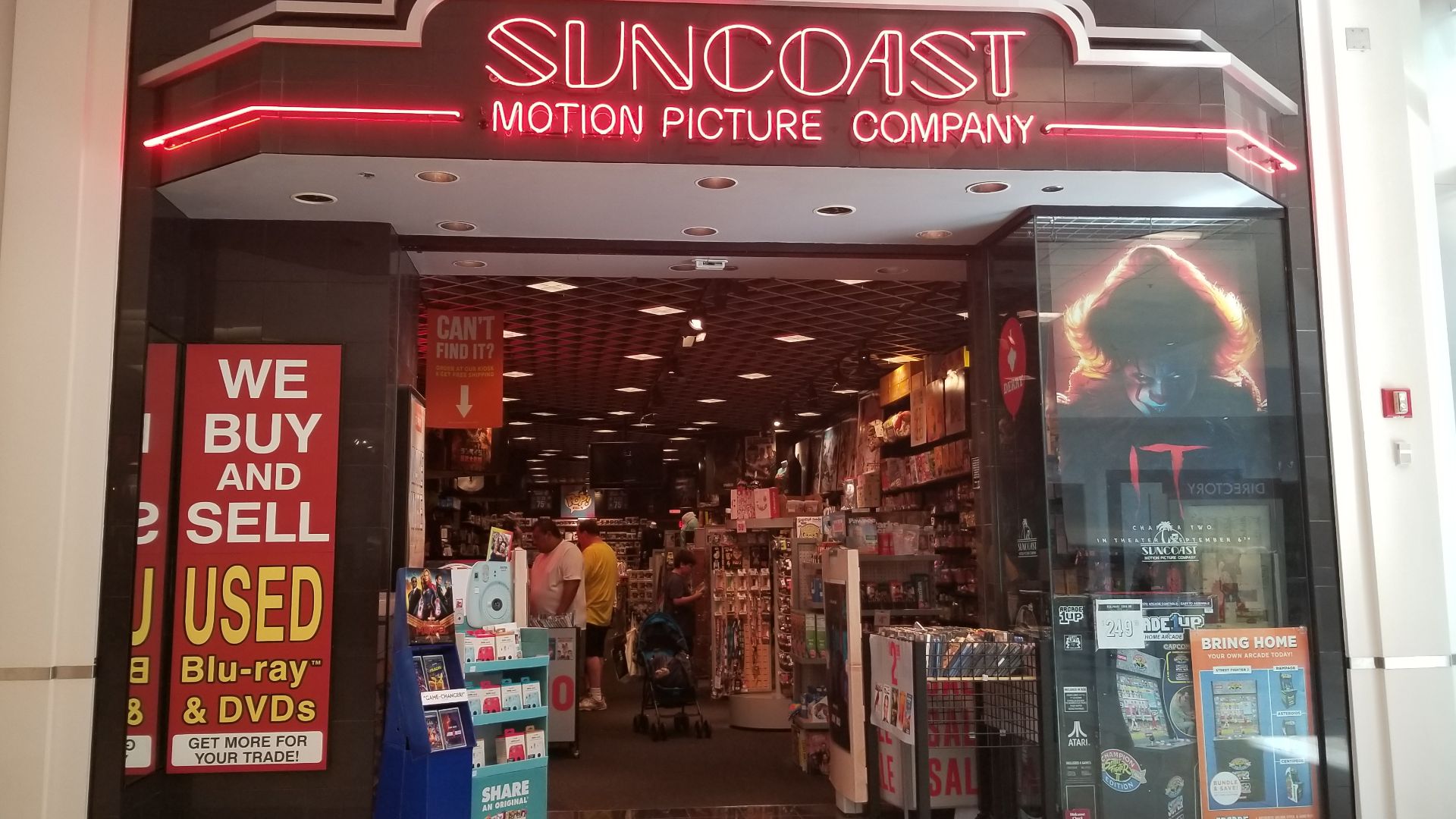
Suncoast
Suncoast specialized in movies and television on VHS and DVD. It was also part of Musicland’s 2006 bankruptcy. Trans World kept Suncoast as a separate video-focused division after the acquisition, but its national footprint shrank dramatically from the hundreds of locations it once operated.
 MikeKalasnik, Wikimedia Commons
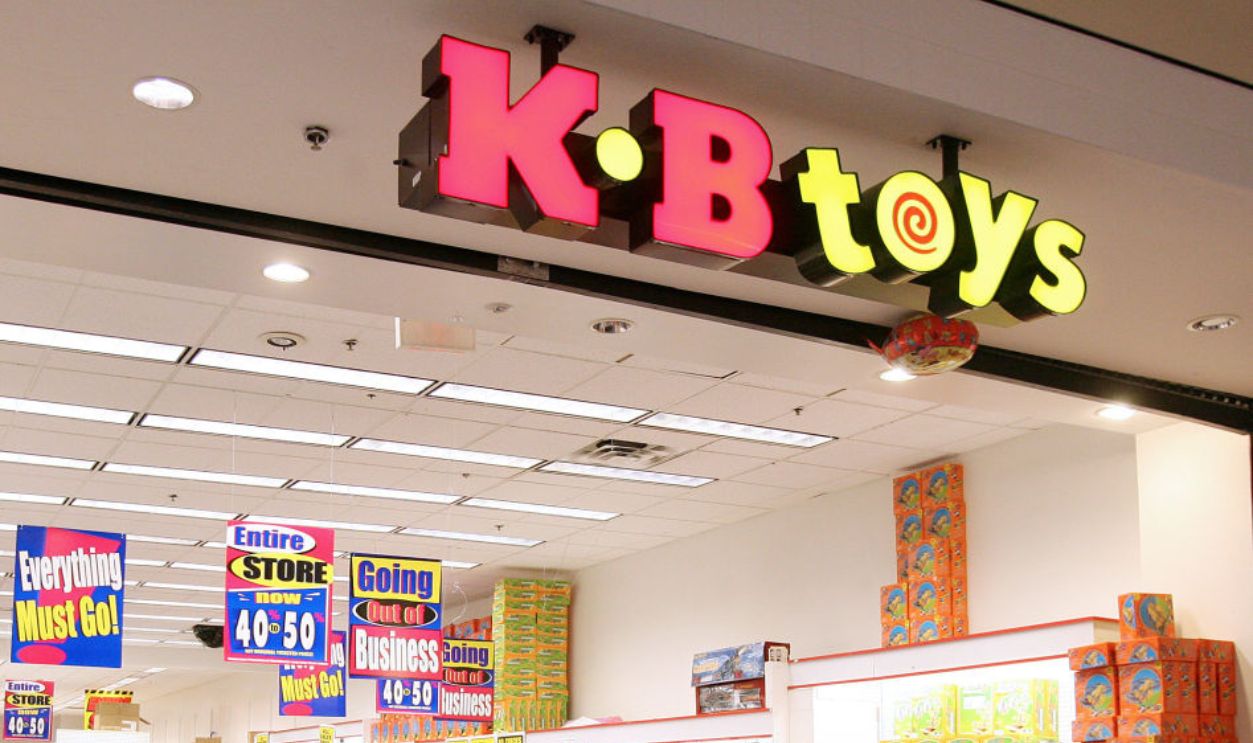
KB Toys
KB Toys packed action figures, dolls, games, and seasonal crazes into small mall storefronts. The company filed for bankruptcy for a second time in December 2008 as holiday sales weakened. It moved into liquidation and began shutting its remaining stores, turning the holiday season into a chain-wide going-out-of-business sale.
 MediaNews Group/Boston Herald, Getty Images
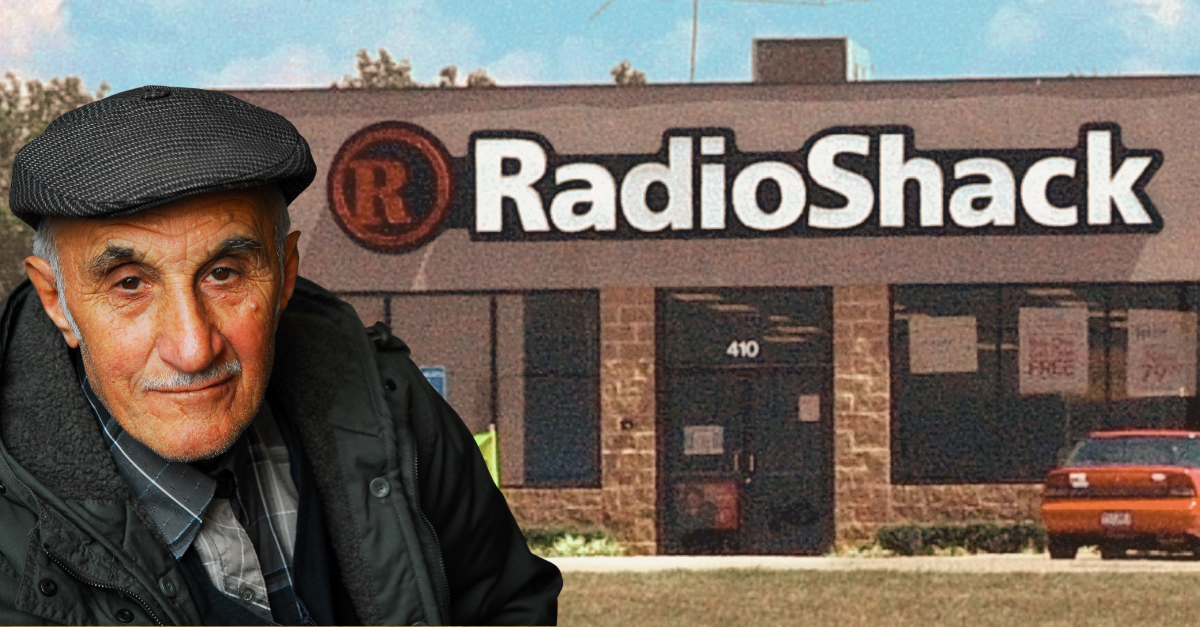
RadioShack
RadioShack sold batteries, cables, adapters, radios, and electronics parts long before such items were easy to order online. After years of losses and no quarterly profit since 2011, it filed for Chapter 11 in 2015, planning to sell up to 2,400 stores and close the rest of roughly 4,000 U.S. locations.
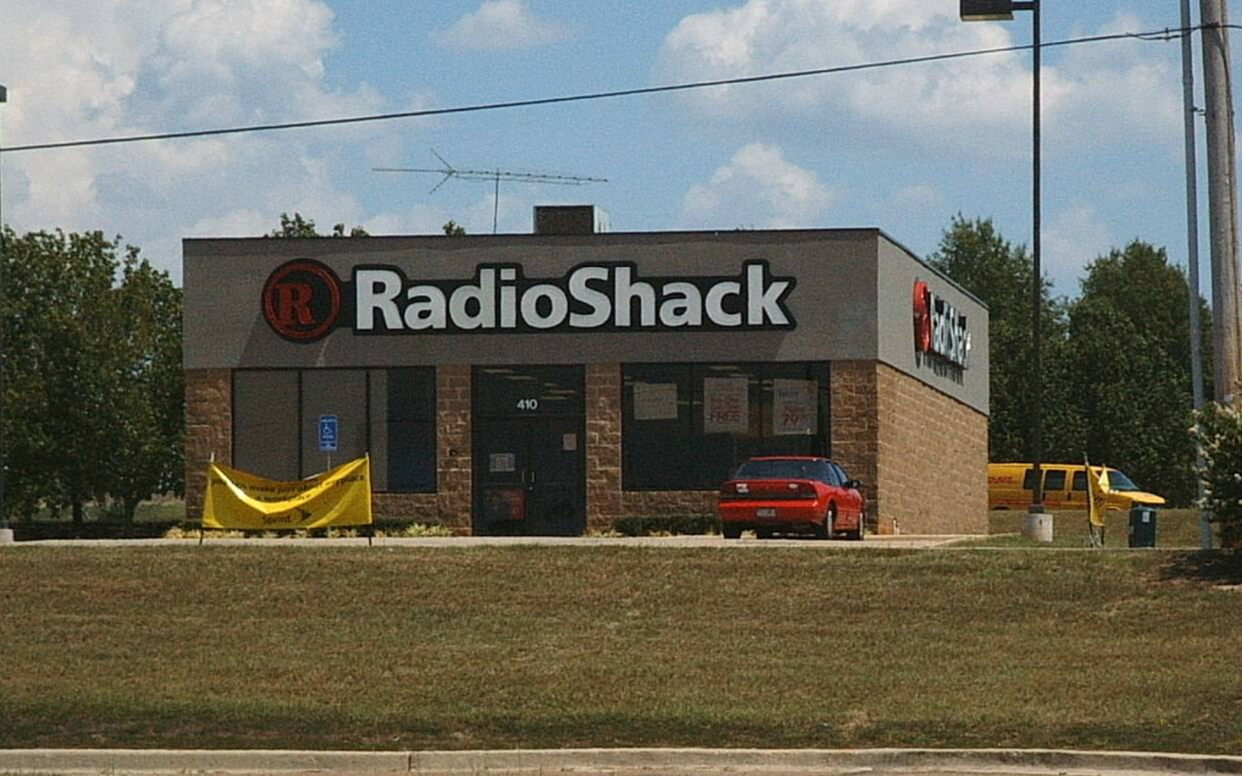 en:user:freakofnurture, Wikimedia Commons
The Limited
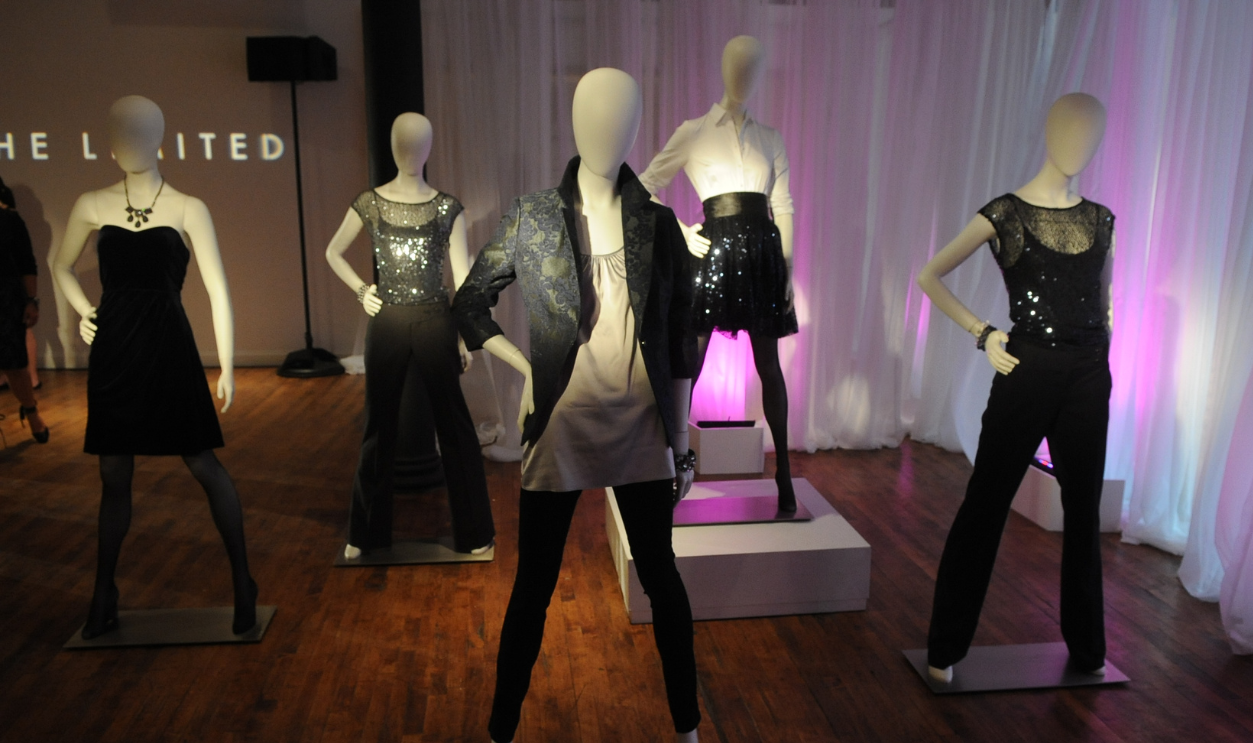
The Limited helped define mall fashion for women and once operated more than 750 stores. Changing shopping habits and rising competition hurt the chain. In January 2017, it shut all 250 remaining physical stores nationwide, although the company initially said the brand would continue online.

History's most fascinating stories and darkest secrets, delivered to your inbox daily.
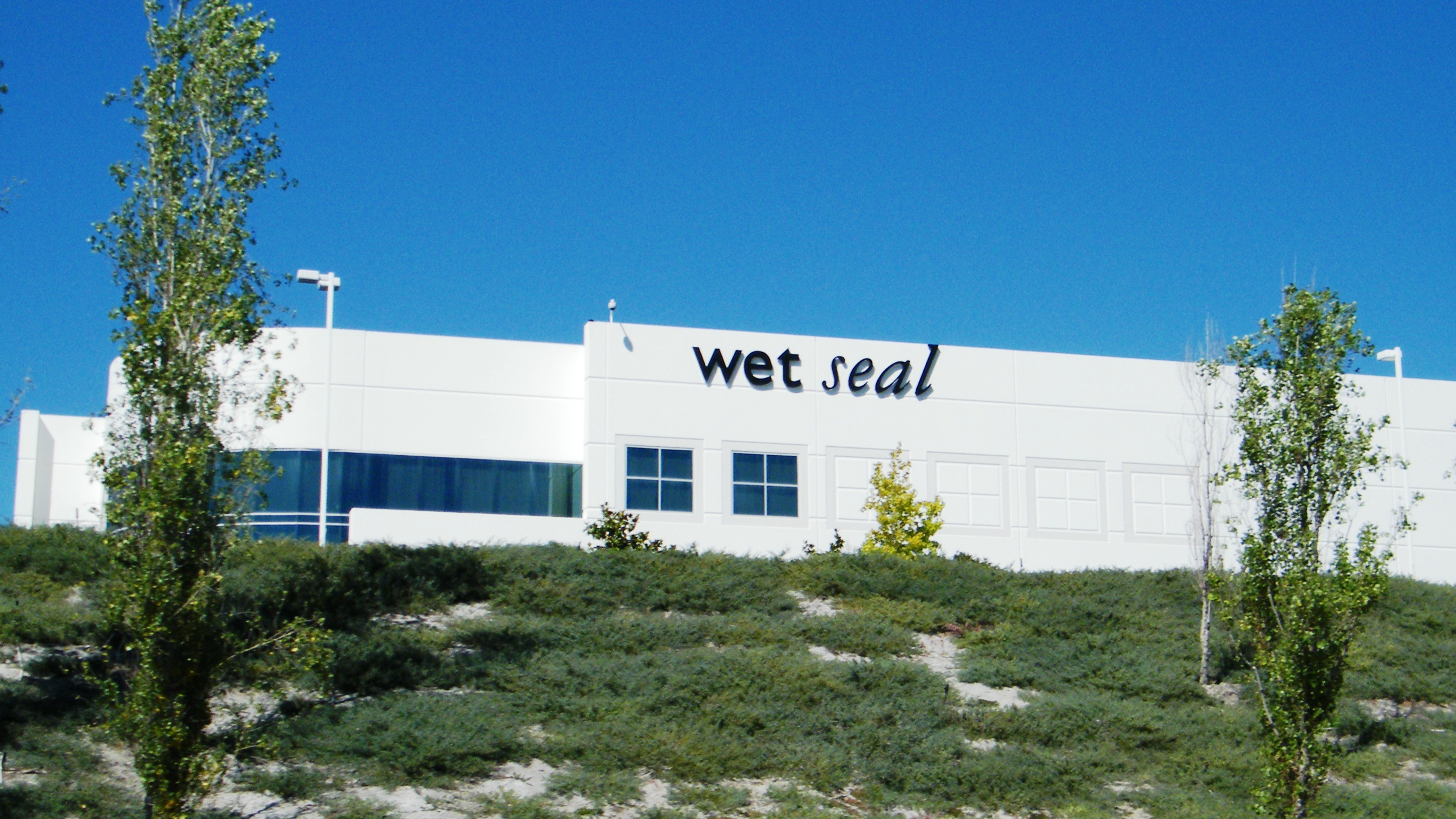
Wet Seal
Wet Seal was a teen and young-women’s fashion staple that struggled against newer competitors. After an earlier bankruptcy and attempted turnaround, the chain announced in 2017 that it would close all of its roughly 170 remaining stores, ending its physical retail comeback.
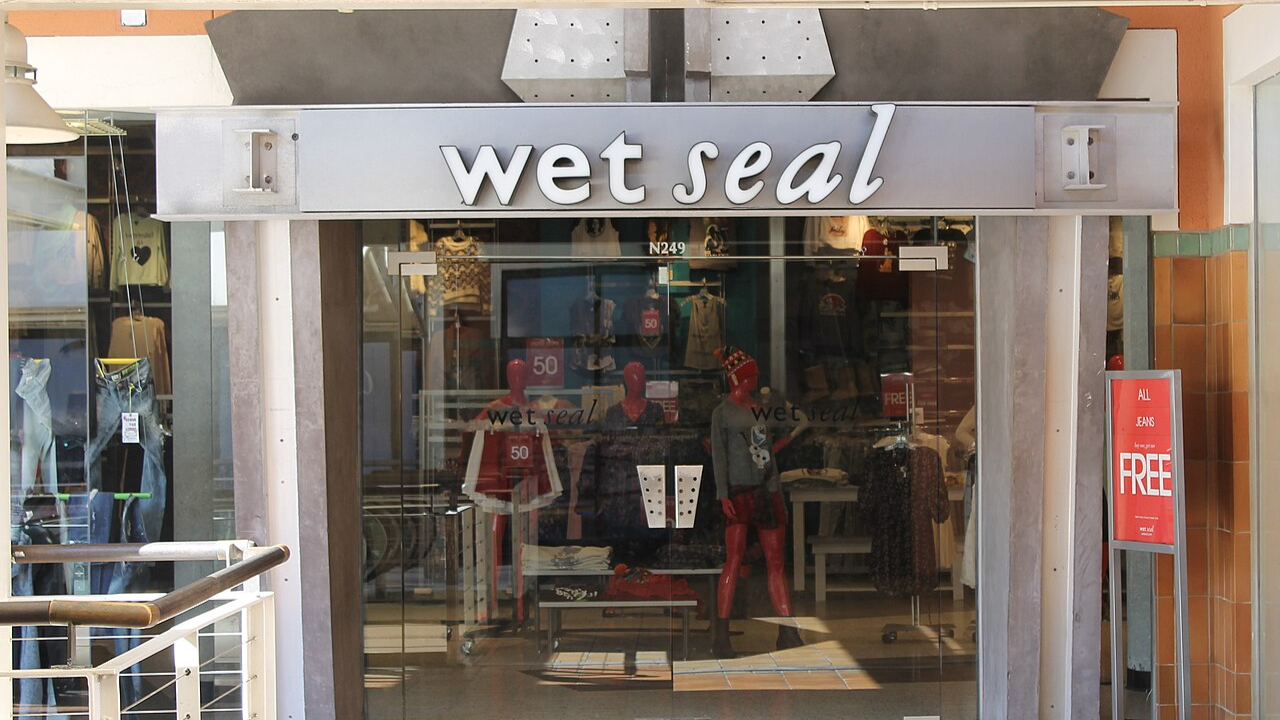 Phillip Pessar, CC BY 2.0, Wikimedia Commons
dELiA*s
dELiA*s built its identity through catalogs before expanding into malls. The teen retailer struggled with weak sales for years. In December 2014, after failing to find a buyer, it filed for Chapter 11, arranged liquidation sales, and prepared to close its 92 stores.
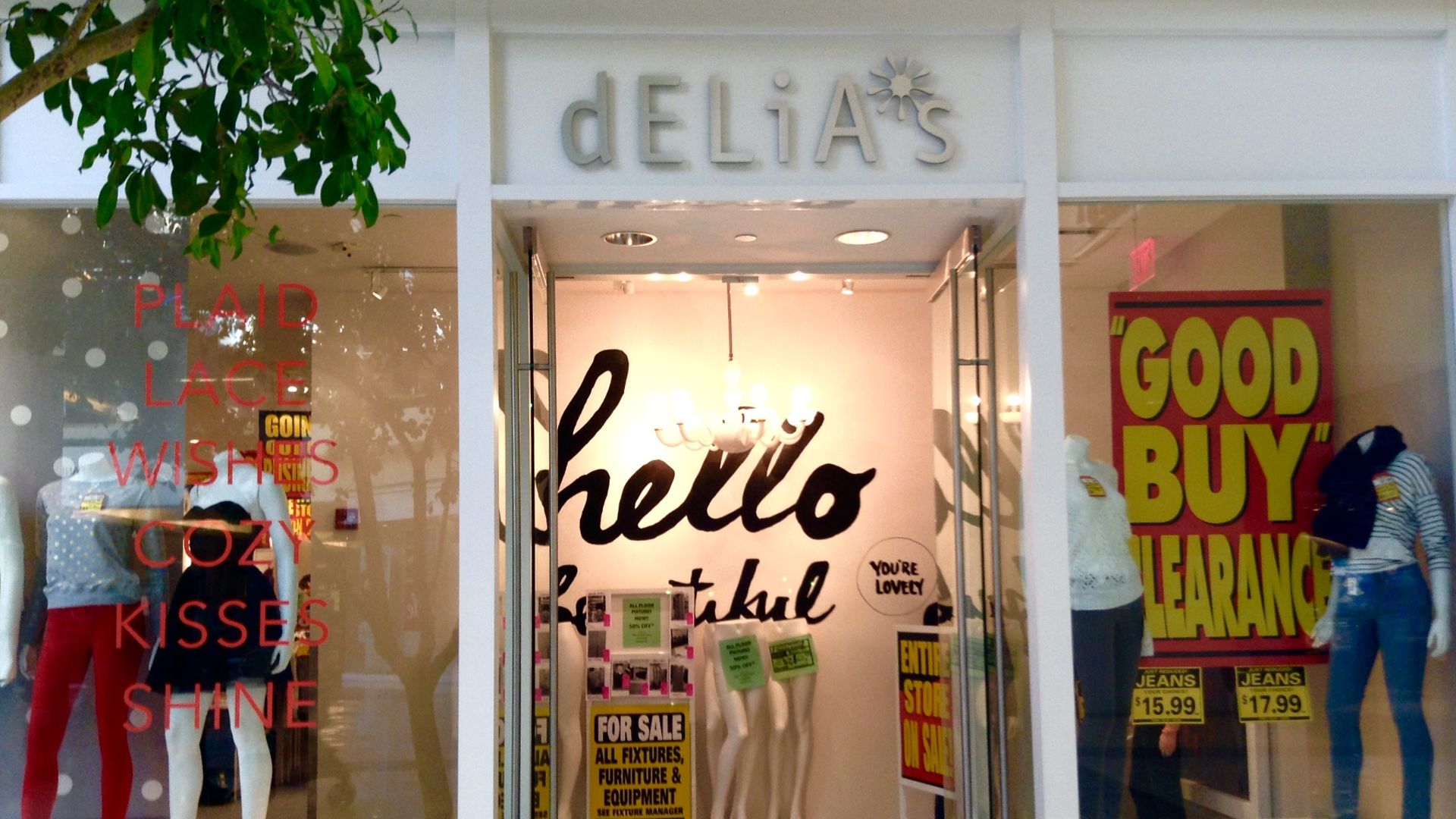 Mike Mozart from Funny YouTube, USA, Wikimedia Commons
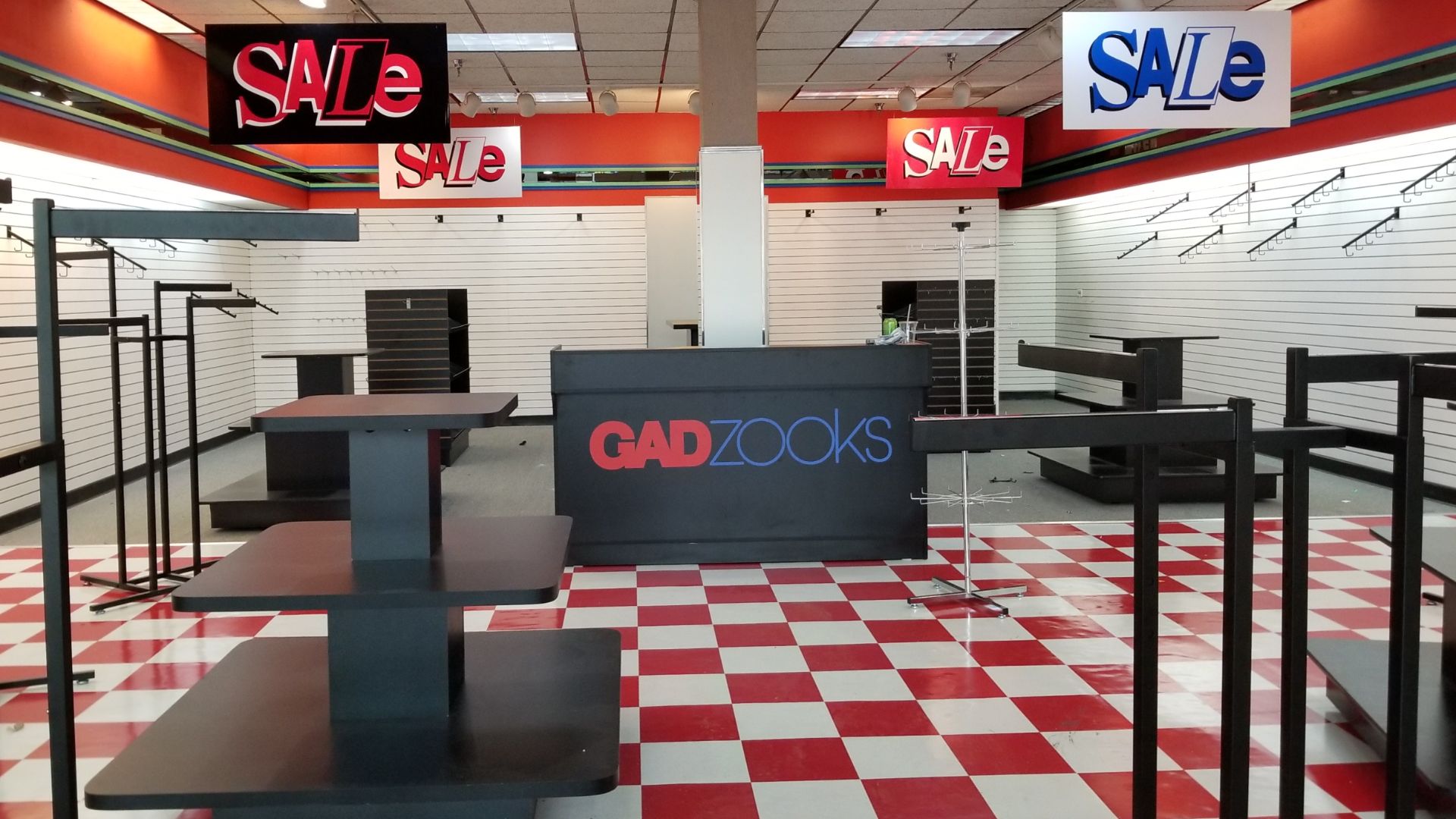
Gadzooks
Gadzooks grew into a large mall apparel chain aimed at young shoppers before falling into bankruptcy. Forever 21 bought most of its operating assets in 2005, including 150 of Gadzooks’ 243 stores. Many locations were later converted, and the old name disappeared.
 MikeKalasnik, Wikimedia Commons
Contempo Casuals
Contempo Casuals had 239 stores when Wet Seal agreed to buy the trend-driven women’s chain in 1995. The locations survived longer than the name. By 2001, the remaining stores had been converted into Wet Seal or Arden B. locations, so the company survived longer than its famous sign did.
 Coolcaesar, CC BY-SA 3.0, Wikimedia Commons
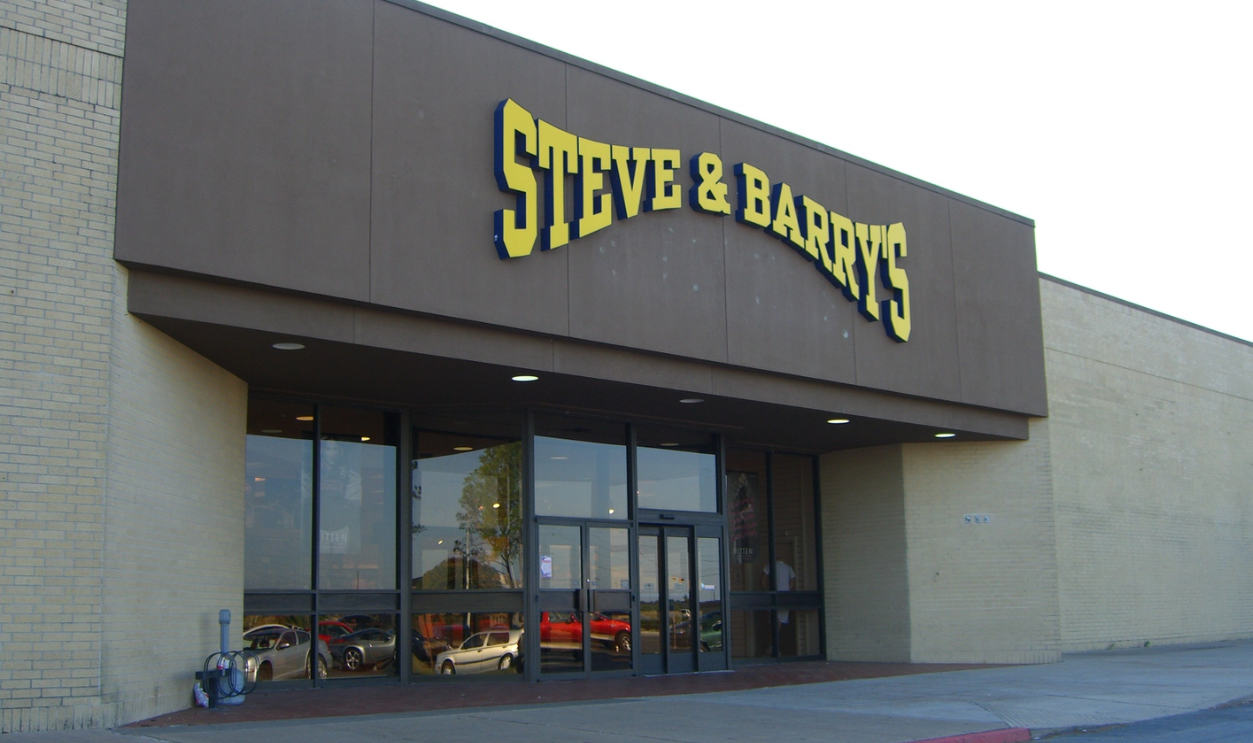
Steve & Barry’s
Steve & Barry’s became known for ultra-low-priced clothing and celebrity lines while expanding rapidly. It filed for Chapter 11 in July 2008 after growing to 276 locations in 39 states and was sold, but the rescue did not hold. By November, the new owners had abandoned the turnaround and moved to liquidate the remaining stores.
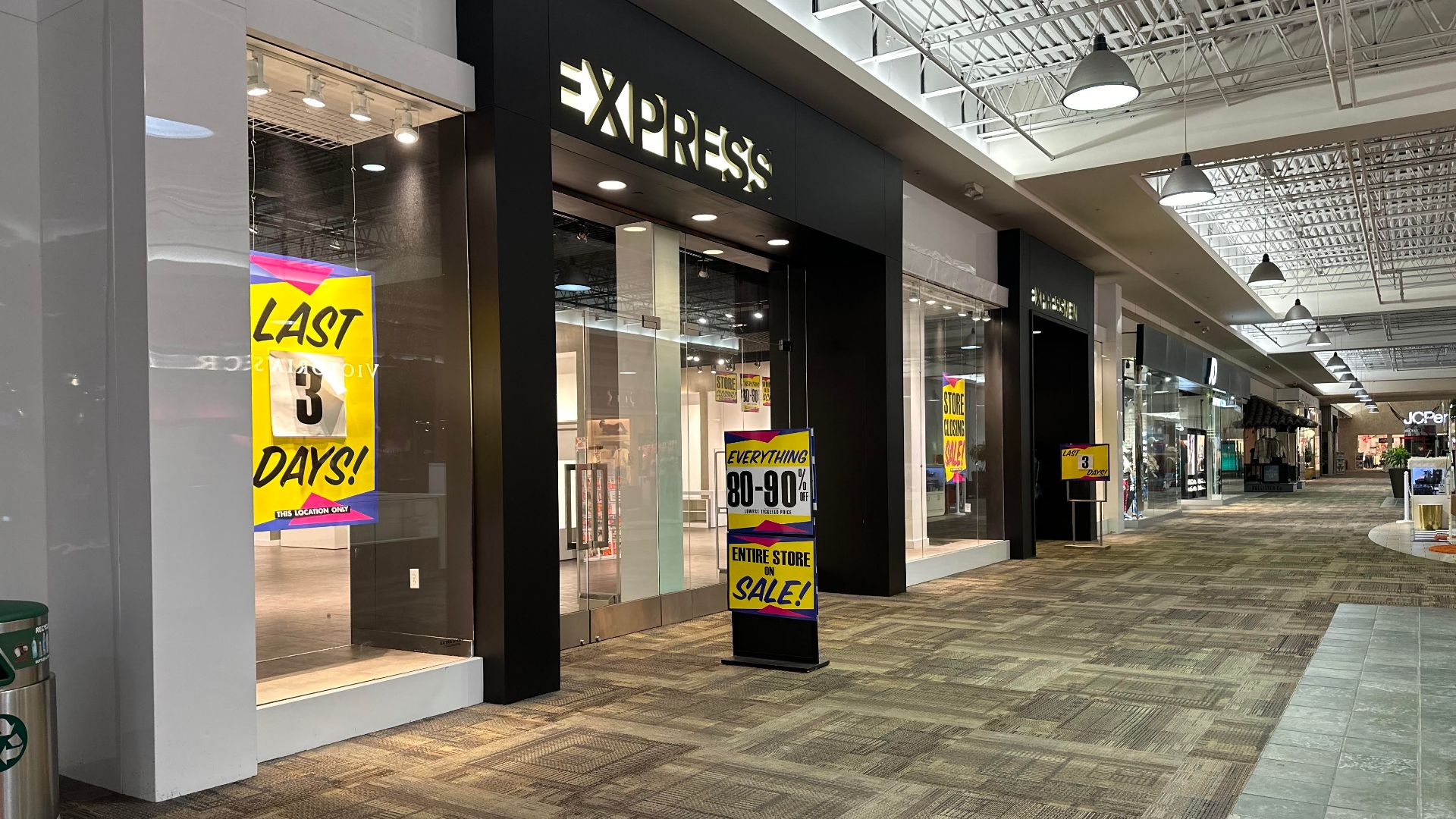
Structure
Structure vanished through a corporate makeover rather than liquidation. The Limited decided in 2001 to fold the struggling men’s chain back into Express, where Structure had originally begun as a men’s department in 1987. Structure stores became Express Men, removing the old name from mall directories.
 Larry Hachucka, Wikimedia Commons
Merry-Go-Round
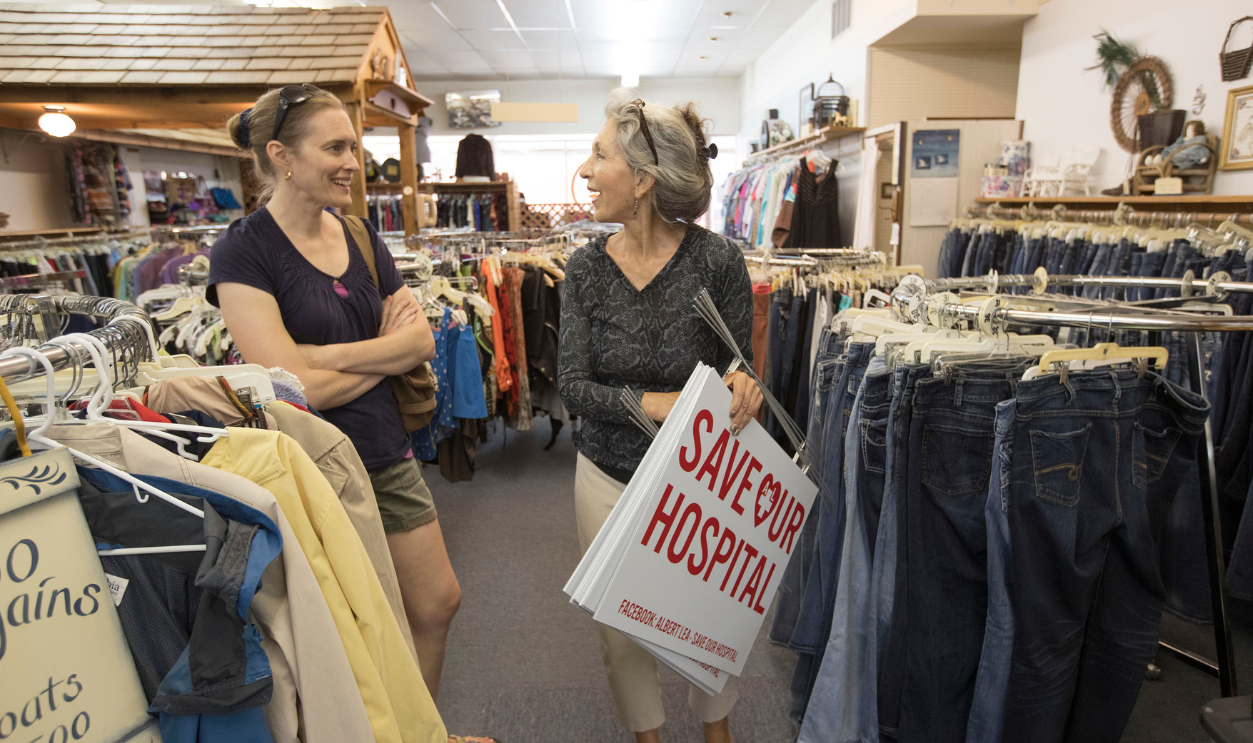
Merry-Go-Round expanded aggressively on youth fashion and reached hundreds of mall locations. It filed for Chapter 11 in 1994, but years of restructuring and store reductions failed to restore the business. In February 1996, the company announced liquidation, leaving more than 500 stores to be sold or closed.
 Star Tribune via Getty Images, Getty Images
Chess King
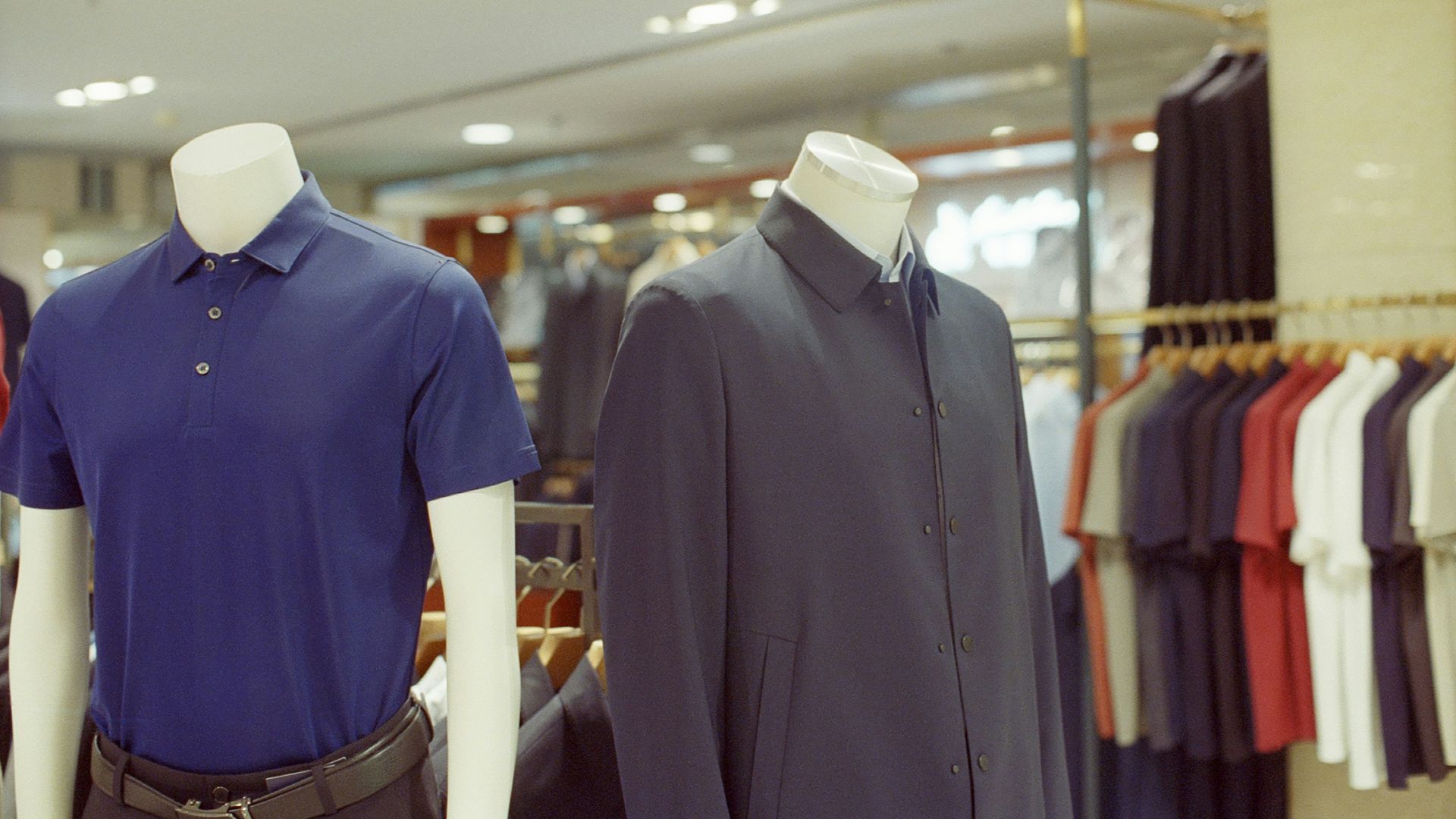
Chess King sold trend-conscious men’s clothing and became a familiar 1980s mall name. Merry-Go-Round bought the 476-store chain in 1993, then ran into serious financial trouble itself. In 1995, the bankrupt parent announced it would eliminate Chess King and close 375 stores.
Thom McAn
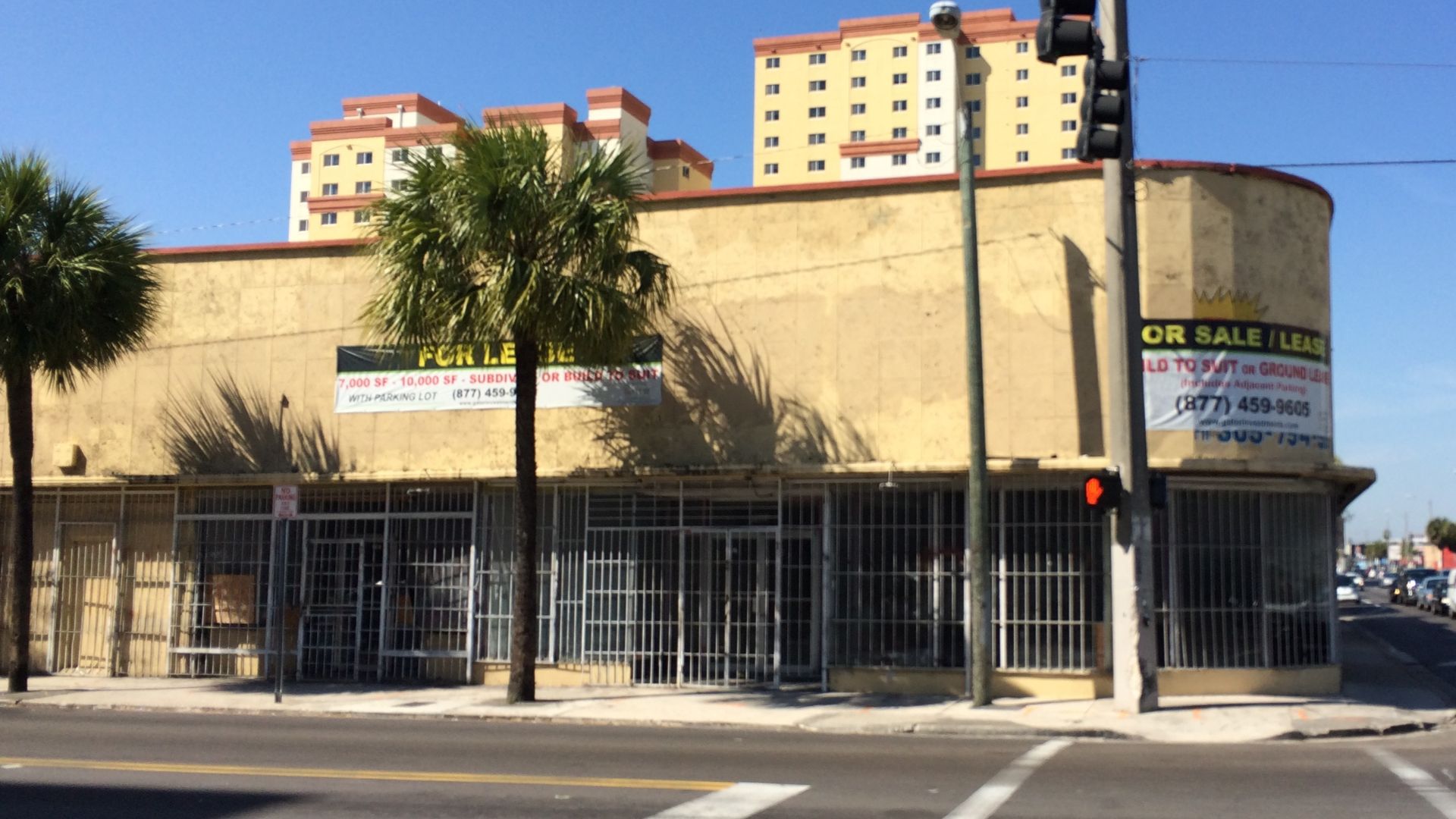
Thom McAn spent decades selling affordable footwear and became closely tied to suburban malls. By the 1990s, sales had weakened. Parent company Melville announced in 1996 that remaining stores would either close or convert to Footaction by mid-1997; fewer than 300 remained at the time.
 Phillip Pessar from Miami, USA, Wikimedia Commons
Kinney Shoes
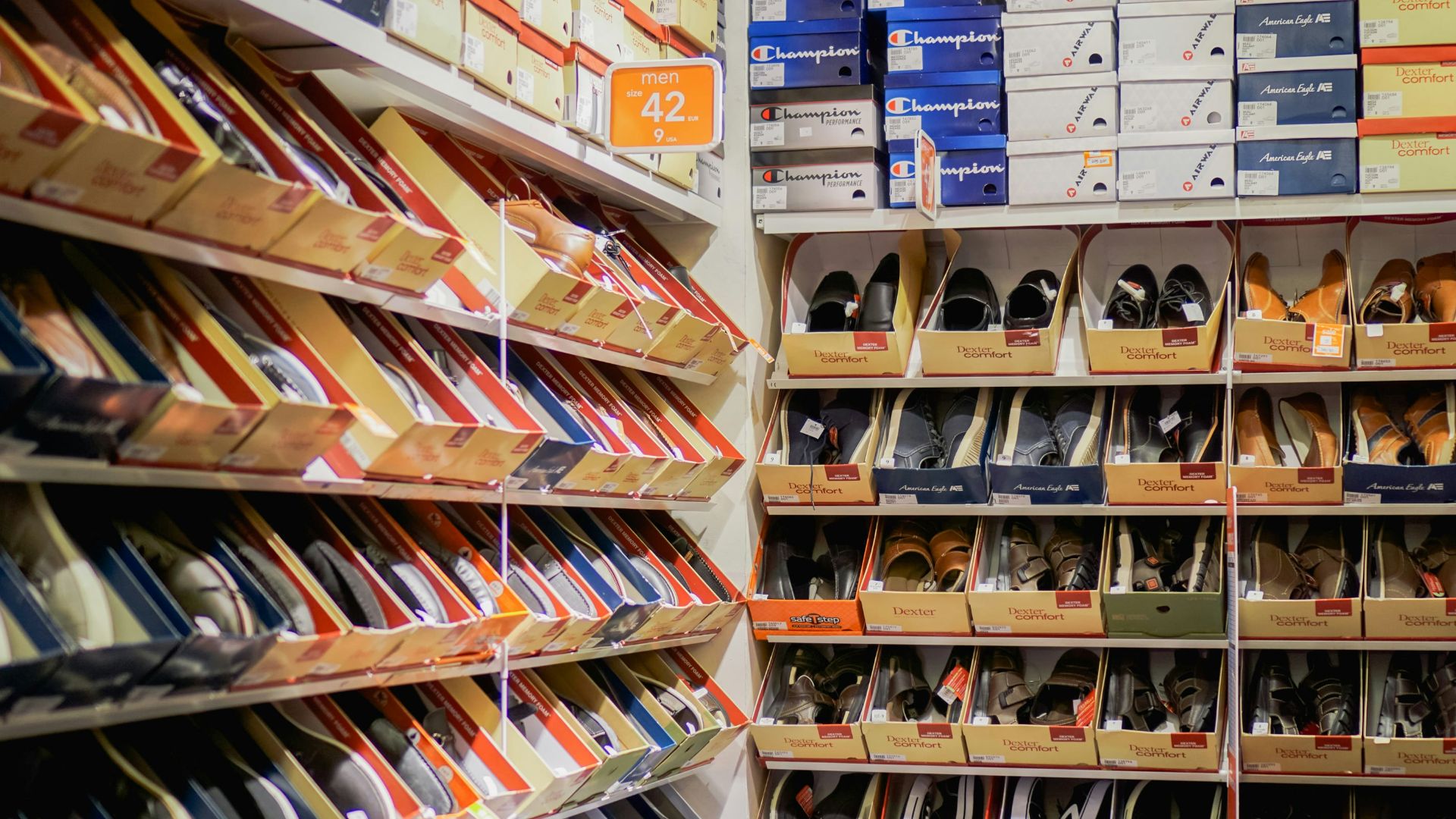
Kinney Shoes was another major family-footwear chain. Its owner, formerly Woolworth, increasingly focused on athletic retail. In 1998, Venator Group said it would close 467 Kinney stores and 103 Footquarters locations while concentrating on athletic chains such as Foot Locker and Champs.
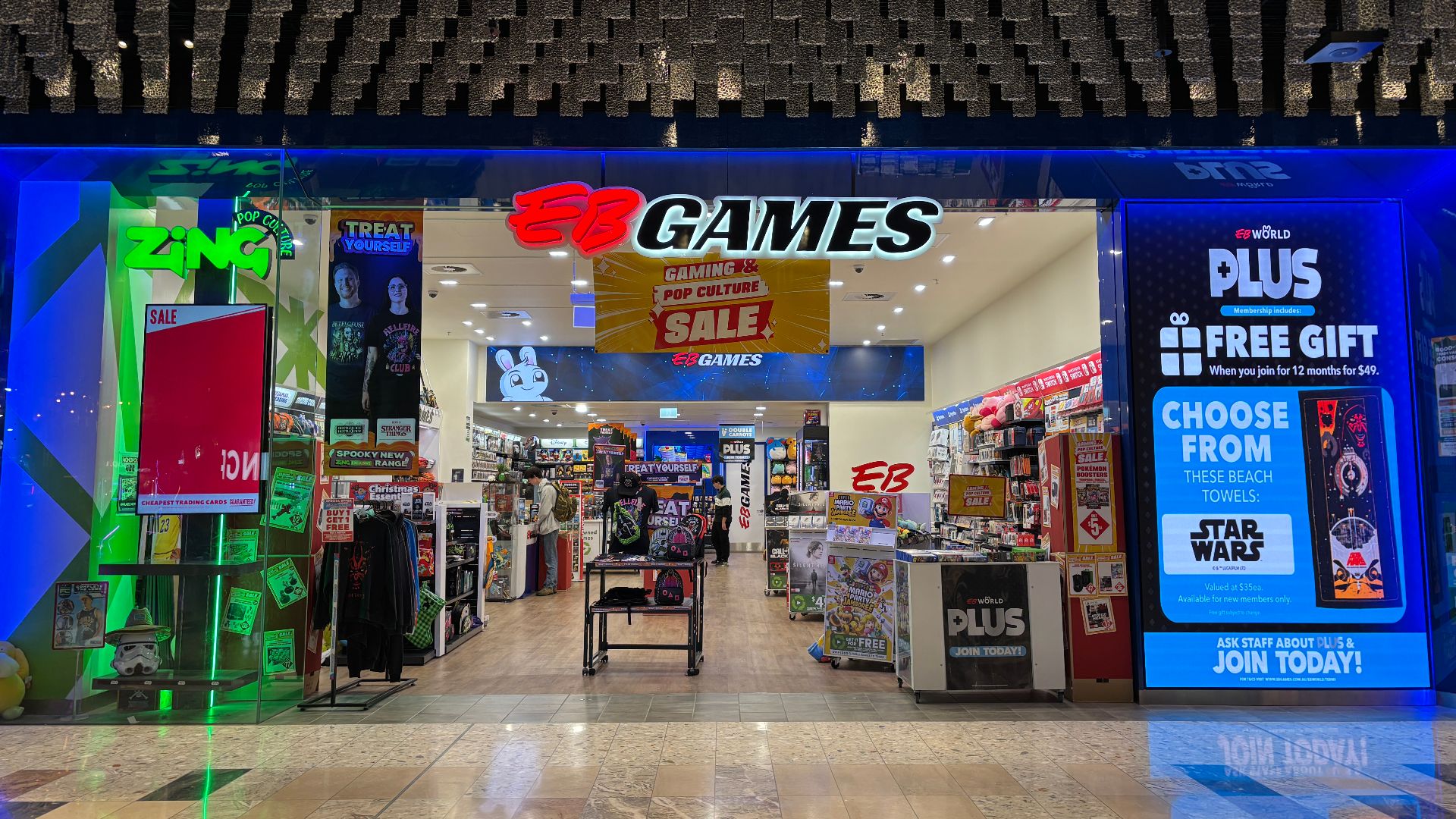
Electronics Boutique
Electronics Boutique, often branded EB Games, was a familiar stop for console games and accessories. Its disappearance came through consolidation: GameStop and Electronics Boutique completed their merger in October 2005, creating a much larger game retailer, and many former EB locations ultimately carried the GameStop name.
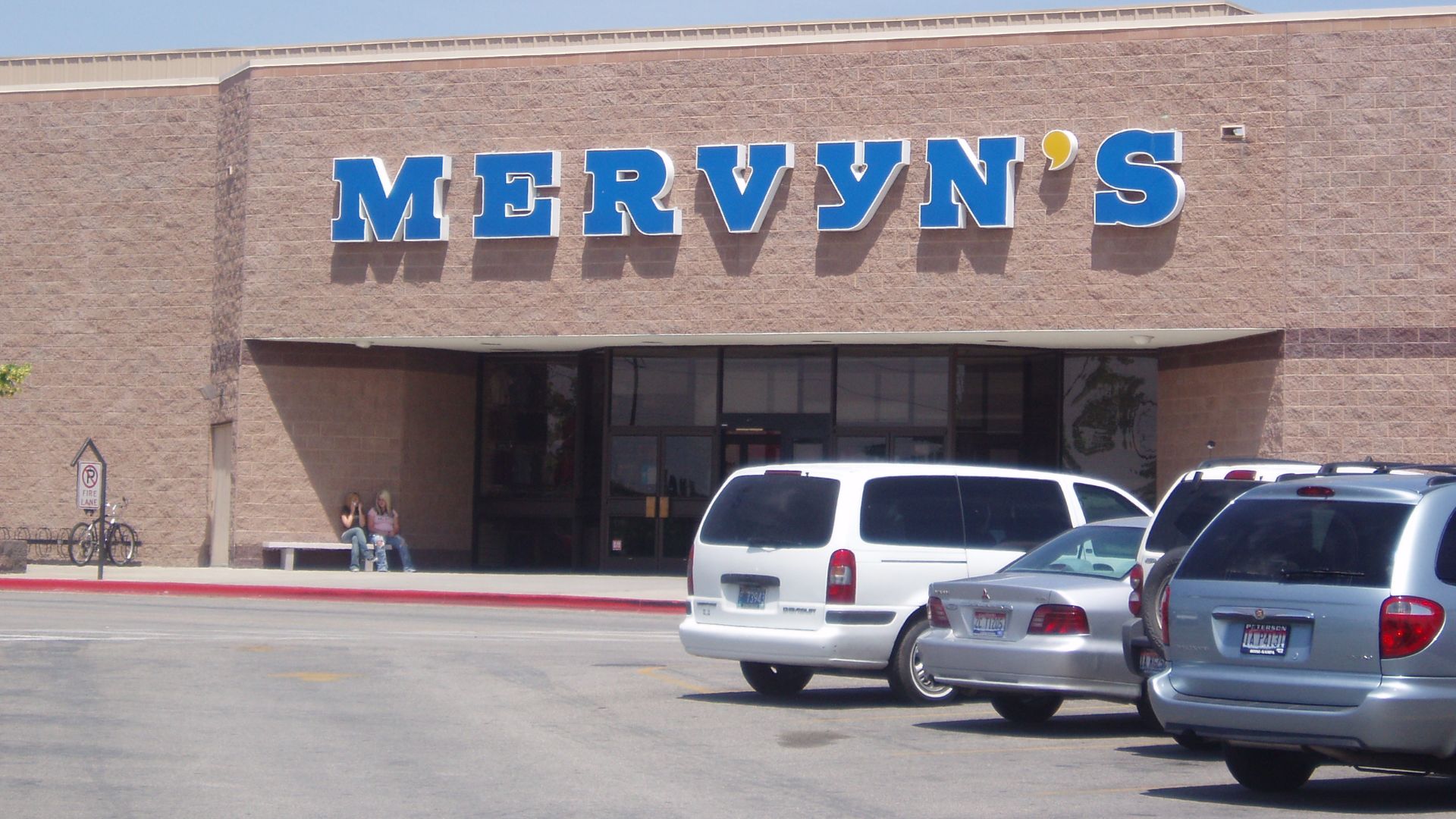
Mervyn’s
Mervyn’s anchored many Western malls for decades. The chain filed for Chapter 11 in July 2008 with 175 stores still operating and initially hoped to reorganize. Months later, it announced liquidation sales at all 149 remaining stores.
 Caldorwards4 at English Wikipedia, Wikimedia Commons
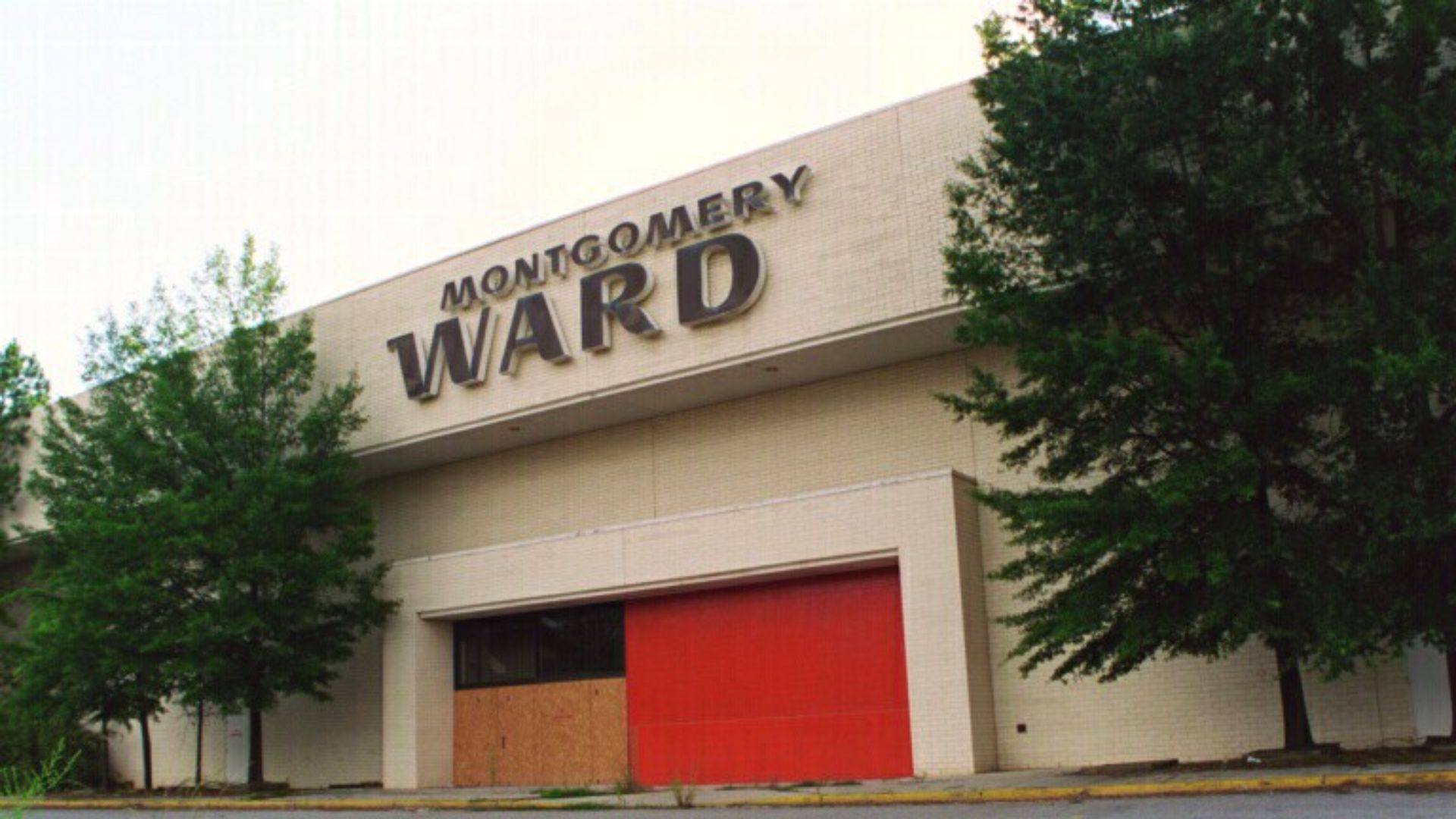
Montgomery Ward
Montgomery Ward predated the mall era but became an anchor at many shopping centers. After an earlier bankruptcy, it still struggled to recover. In December 2000, the company announced that all 250 stores and 10 distribution centers would close, ending 128 years of retail operations.
 The original uploader was Caldorwards4 at English Wikipedia., Wikimedia Commons
You May Also Like:
American Businesses That Look Completely Different Than They Did 30 Years Ago
Everyday American traditions that began as marketing campaigns—and somehow became permanent.











_(2).jpg)

