Daily Life Has Changed More Than We Realize
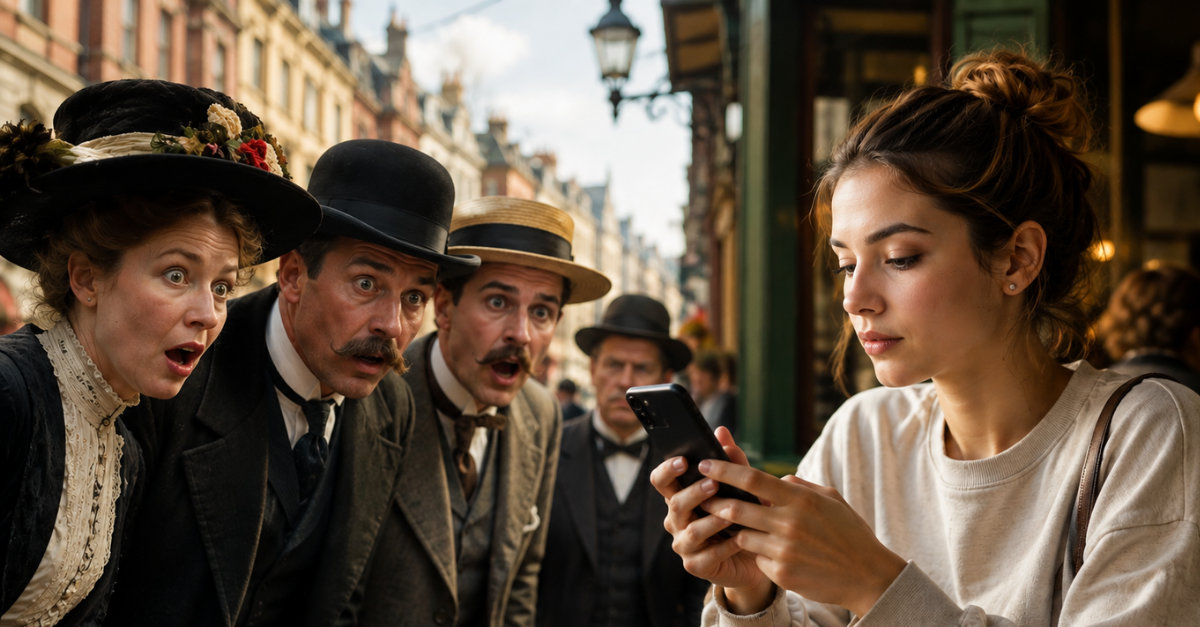
If someone from 1926 suddenly appeared in modern America, they'd recognize plenty of familiar sights, but everyday routines would leave them absolutely stunned. From the way we communicate and shop to how we eat, work, and travel, ordinary habits have changed dramatically over the past century. Many of these changes happened gradually, making them feel perfectly normal today, even though they would have seemed unbelievable—or even improper—to Americans living just 100 years ago.
Carrying A Powerful Computer In Your Pocket
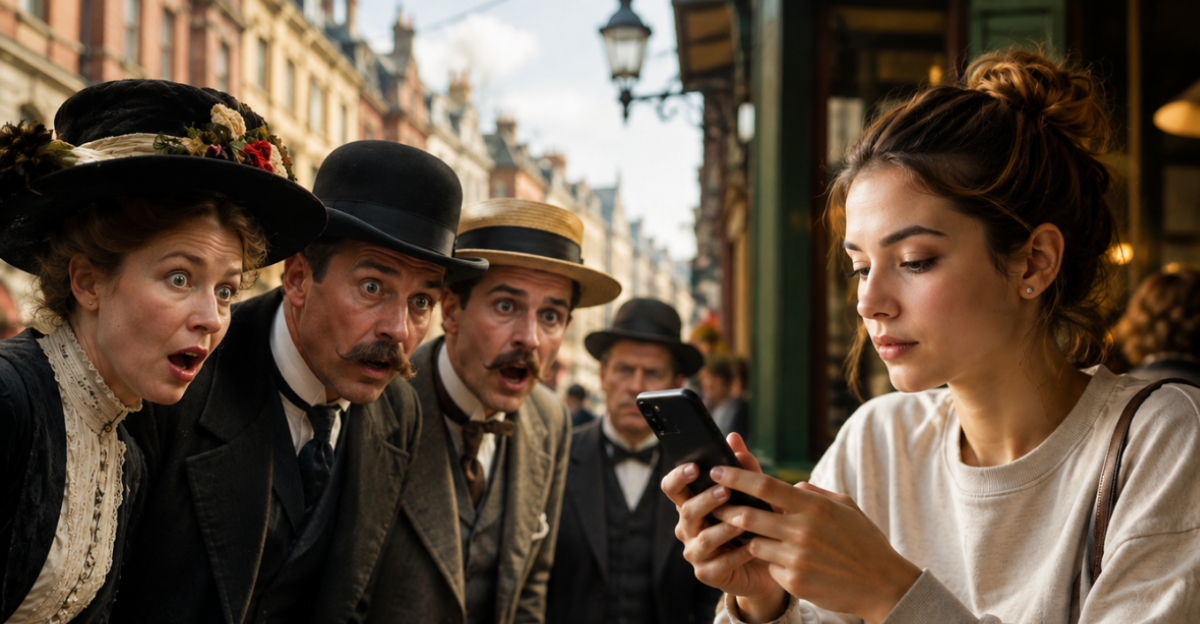
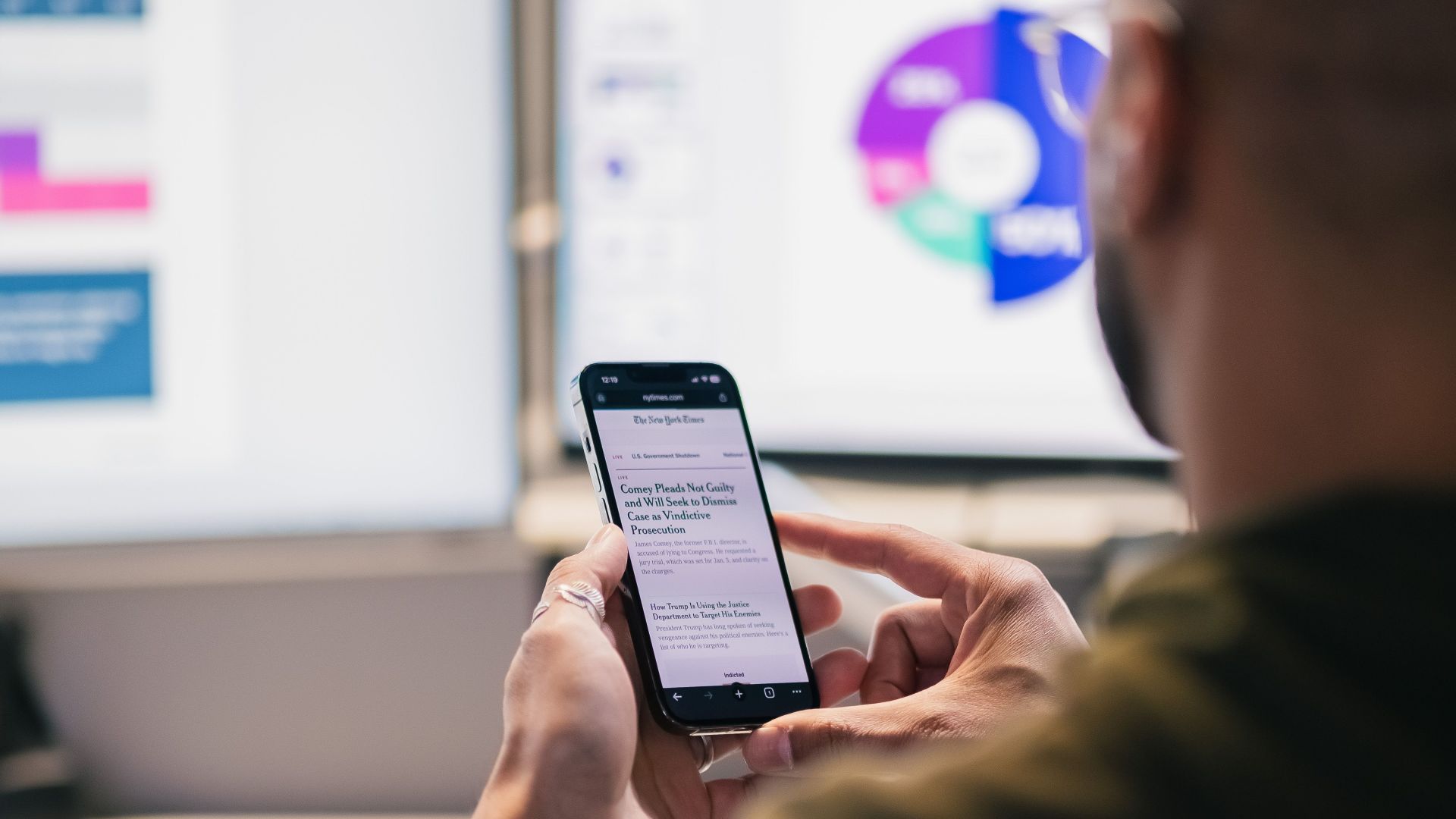
A smartphone combines a telephone, camera, map, library, television, newspaper, and bank into a device small enough to fit in a pocket. In 1926, simply making a long-distance phone call was still considered a novelty for many households, making today's constant connectivity almost unimaginable.
Looking Up Any Fact Within Seconds
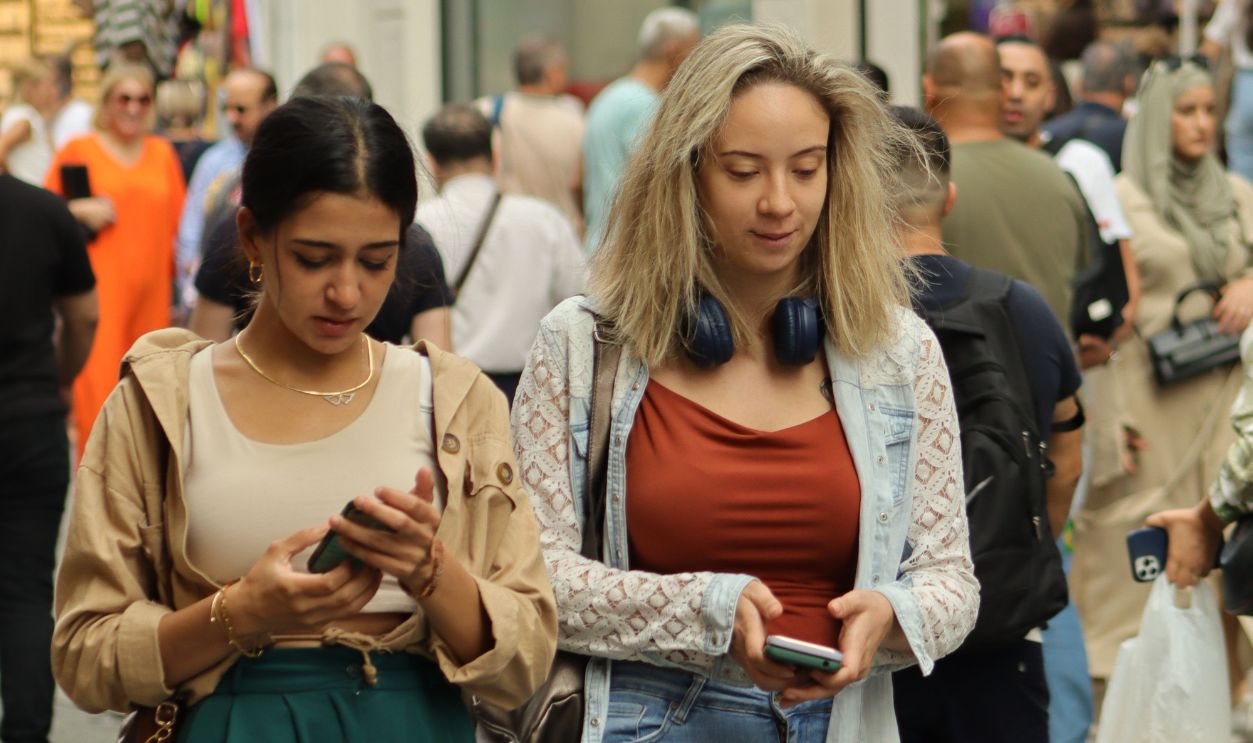
Instead of visiting libraries or searching through encyclopedias, most people now answer questions instantly using the internet. Americans in the 1920s relied heavily on newspapers, books, and radio broadcasts for information, so instant worldwide knowledge would have seemed almost magical.
Paying Without Cash
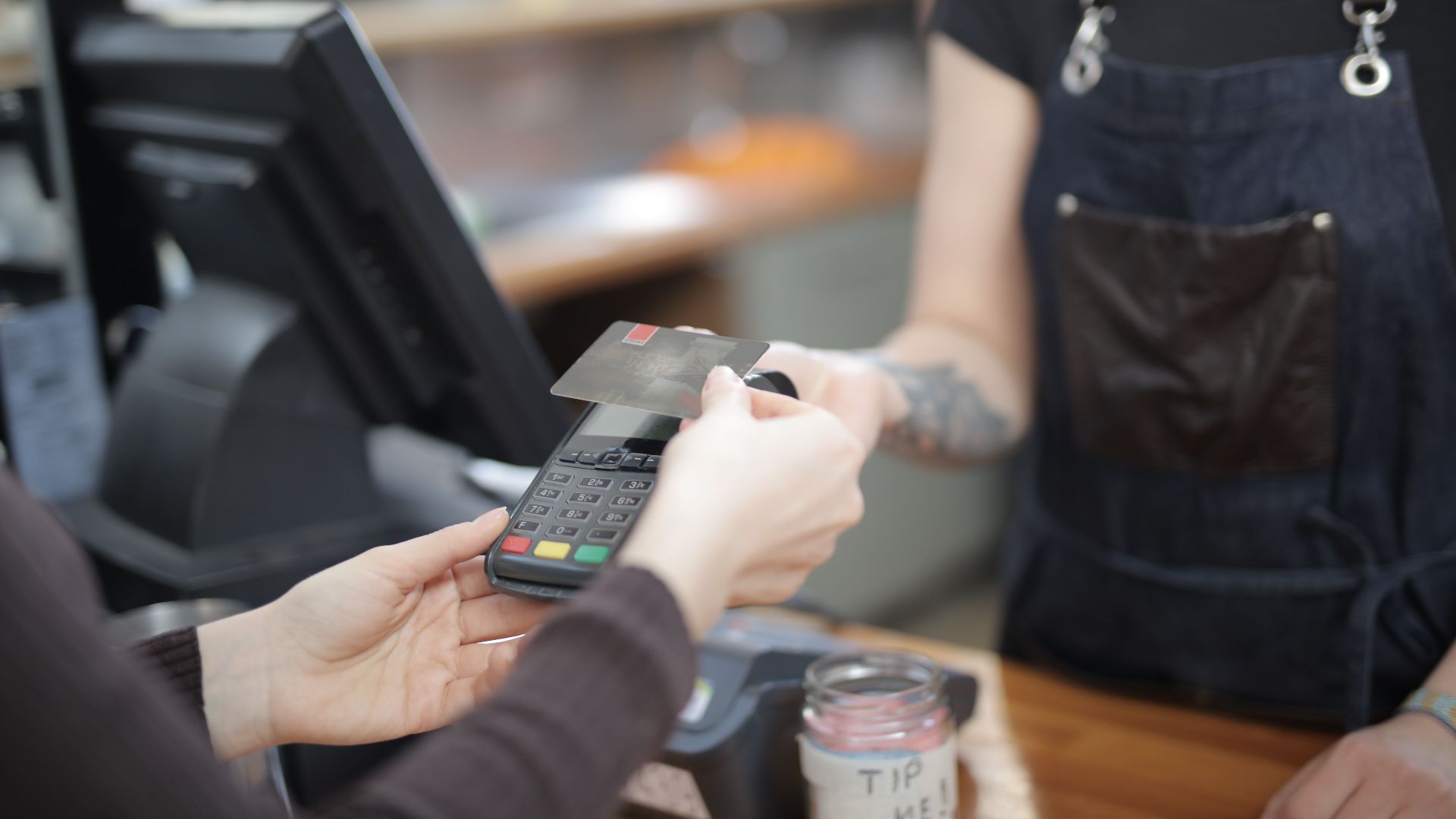
Millions of purchases are now completed by tapping a credit card, smartphone, or smartwatch. In 1926, cash remained the dominant form of payment, and the idea of buying groceries without handing over physical money would have been difficult to comprehend.
Ordering Dinner Without Talking To Anyone
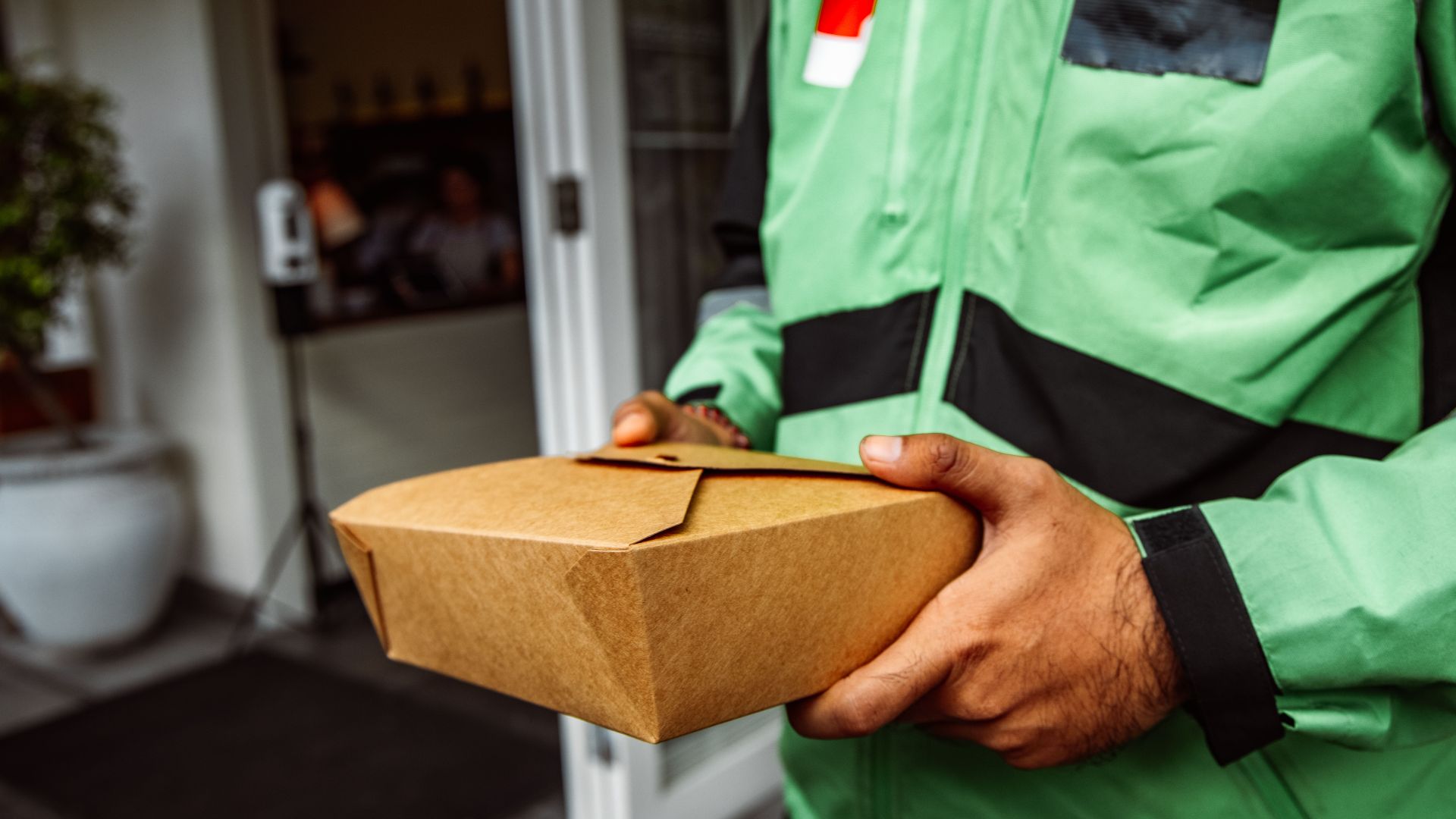
Food delivery now often requires nothing more than a few taps on an app. While home delivery existed in limited forms a century ago, having hundreds of restaurants instantly available without making a phone call—or speaking to another person—would have seemed extraordinary.
Working From Your Living Room
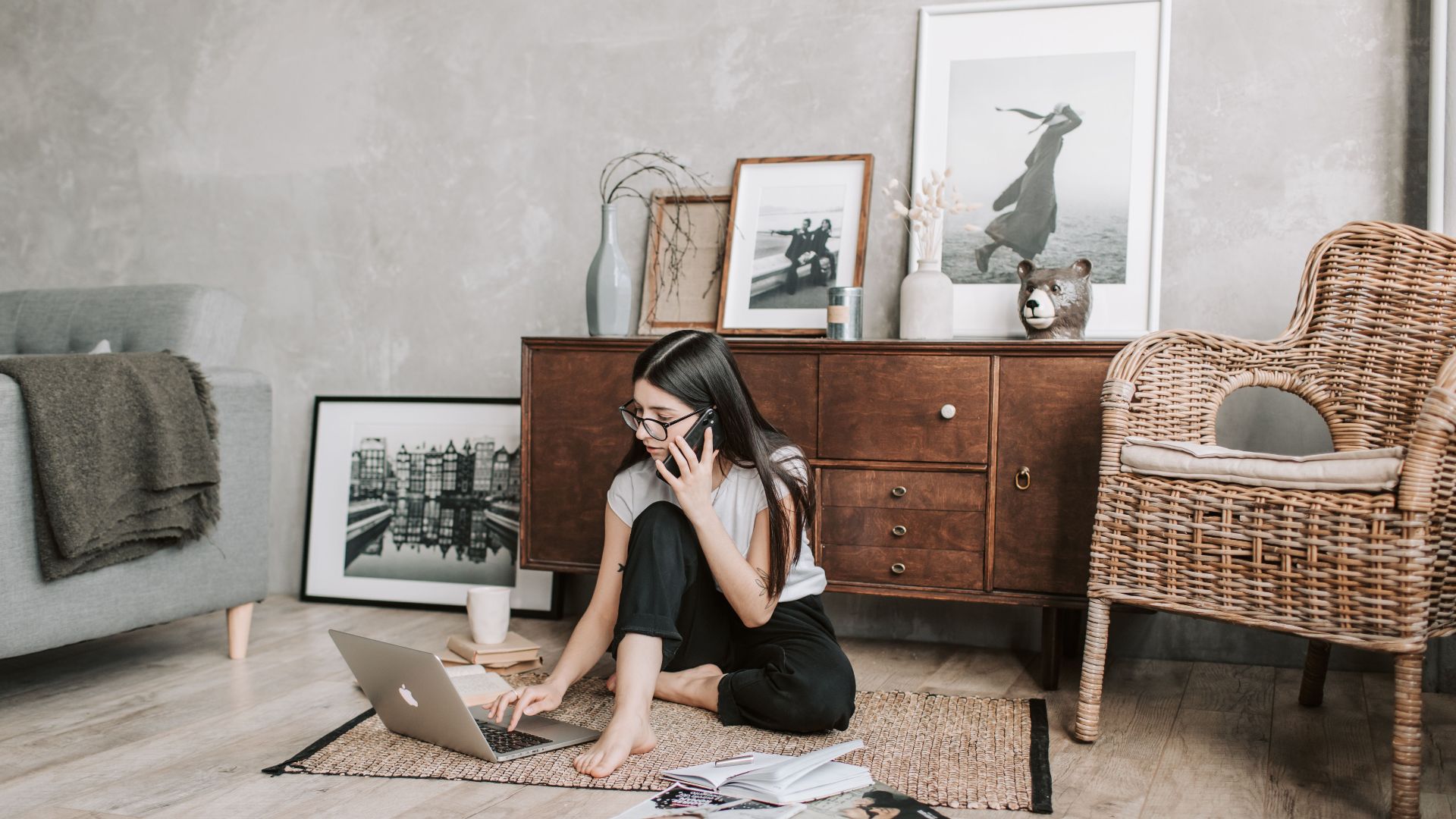
Remote work became commonplace for many occupations, especially after the COVID-19 pandemic accelerated its adoption. Americans in 1926 generally associated work with factories, offices, farms, or stores, making the idea of millions earning a living from home highly unusual.
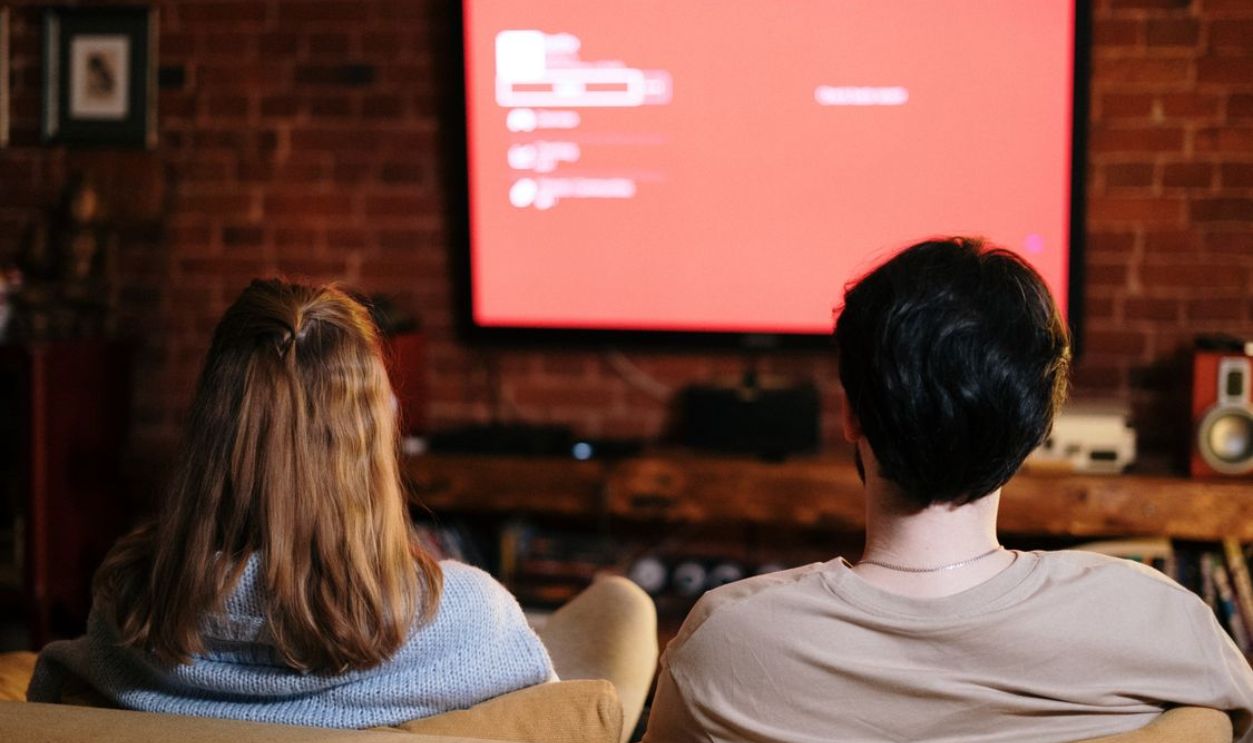
Watching Whatever You Want Whenever You Want
Streaming services allow viewers to watch entire television series or movies on demand. A century ago, radio was still becoming a household fixture, and television broadcasting had not yet entered American living rooms.
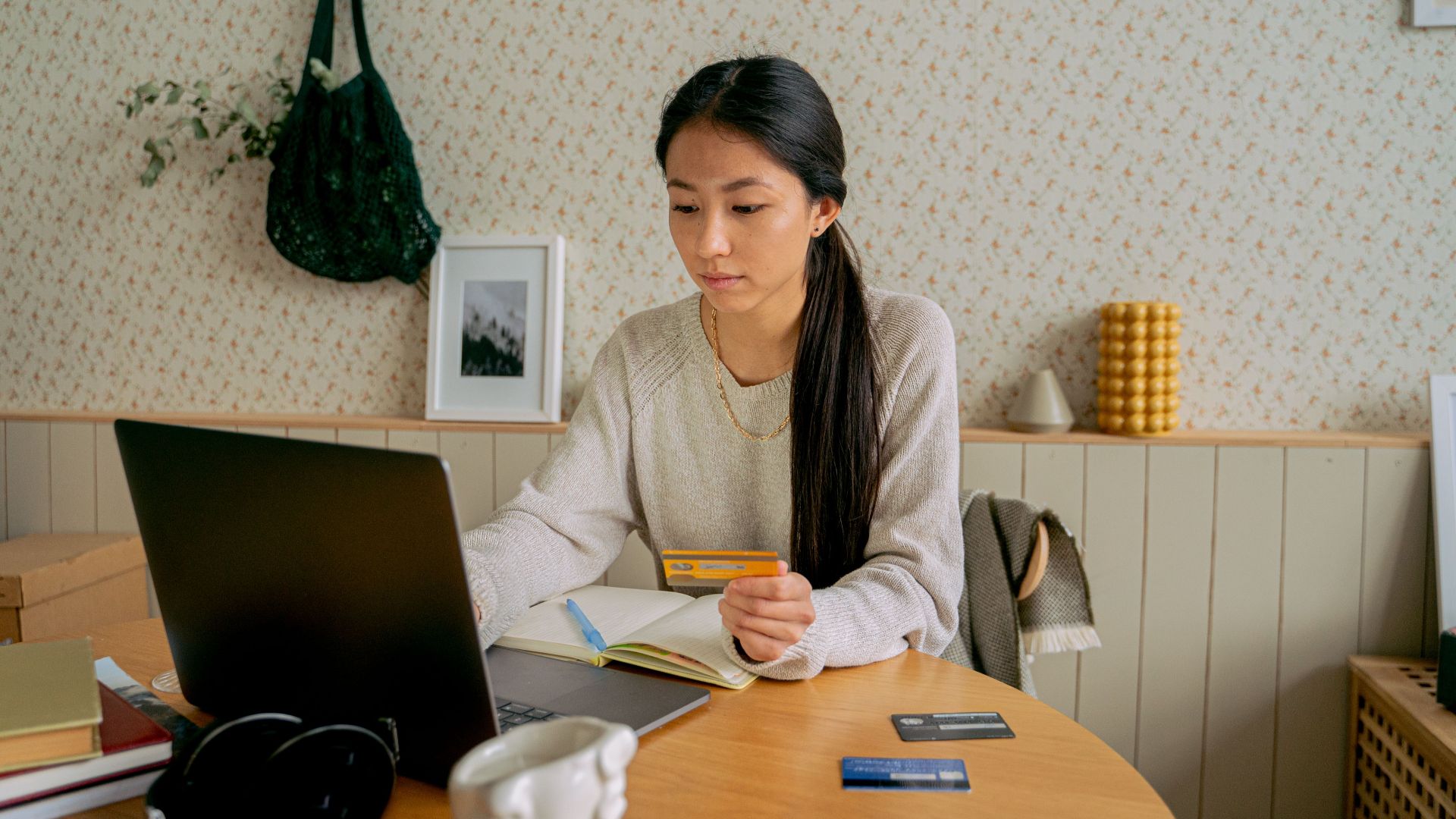
Shopping Without Visiting A Store
Online shopping has turned homes into storefronts where nearly anything can arrive within days—or even hours. Most Americans in 1926 still depended on local merchants or mail-order catalogs, making today's convenience almost unbelievable.
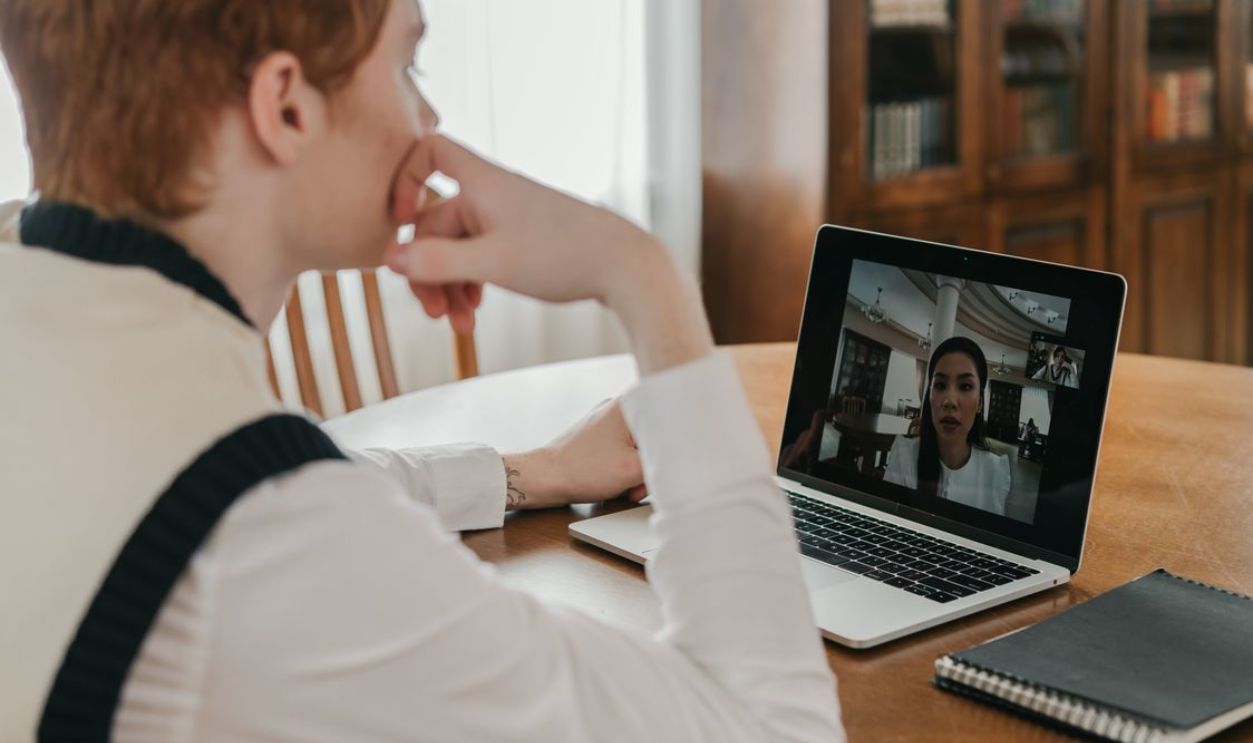
Talking Face-To-Face Across Continents
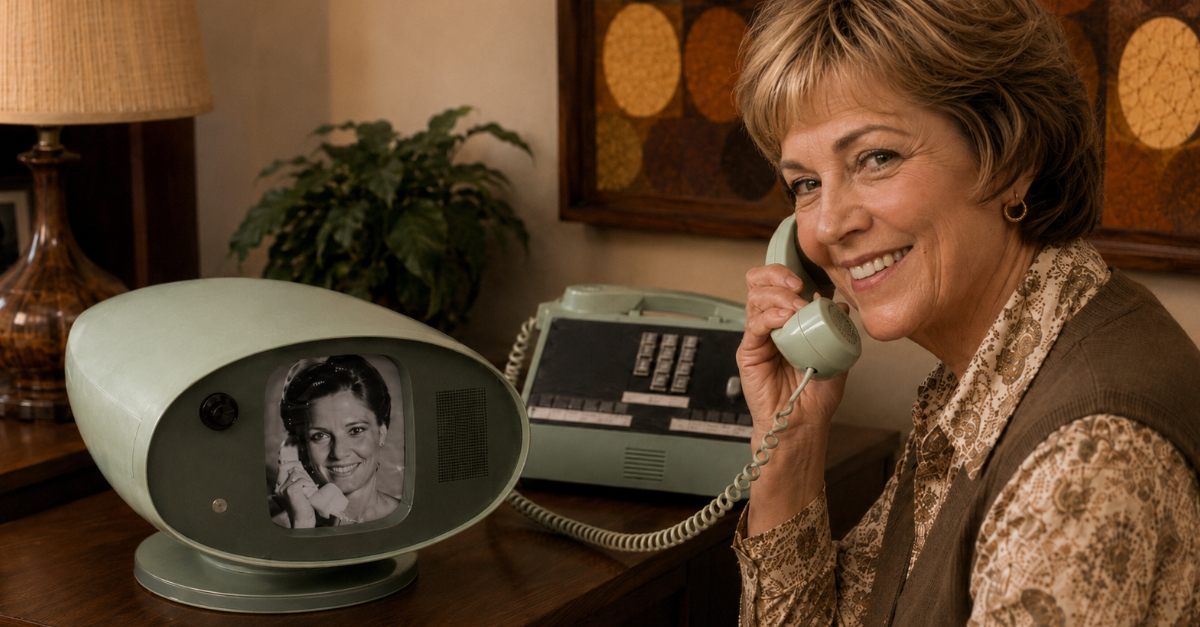
Video calls allow families, coworkers, and friends to see each other instantly from opposite sides of the globe. Although long-distance telephone service existed in the 1920s, live video communication was firmly in the realm of science fiction.

History's most fascinating stories and darkest secrets, delivered to your inbox daily.
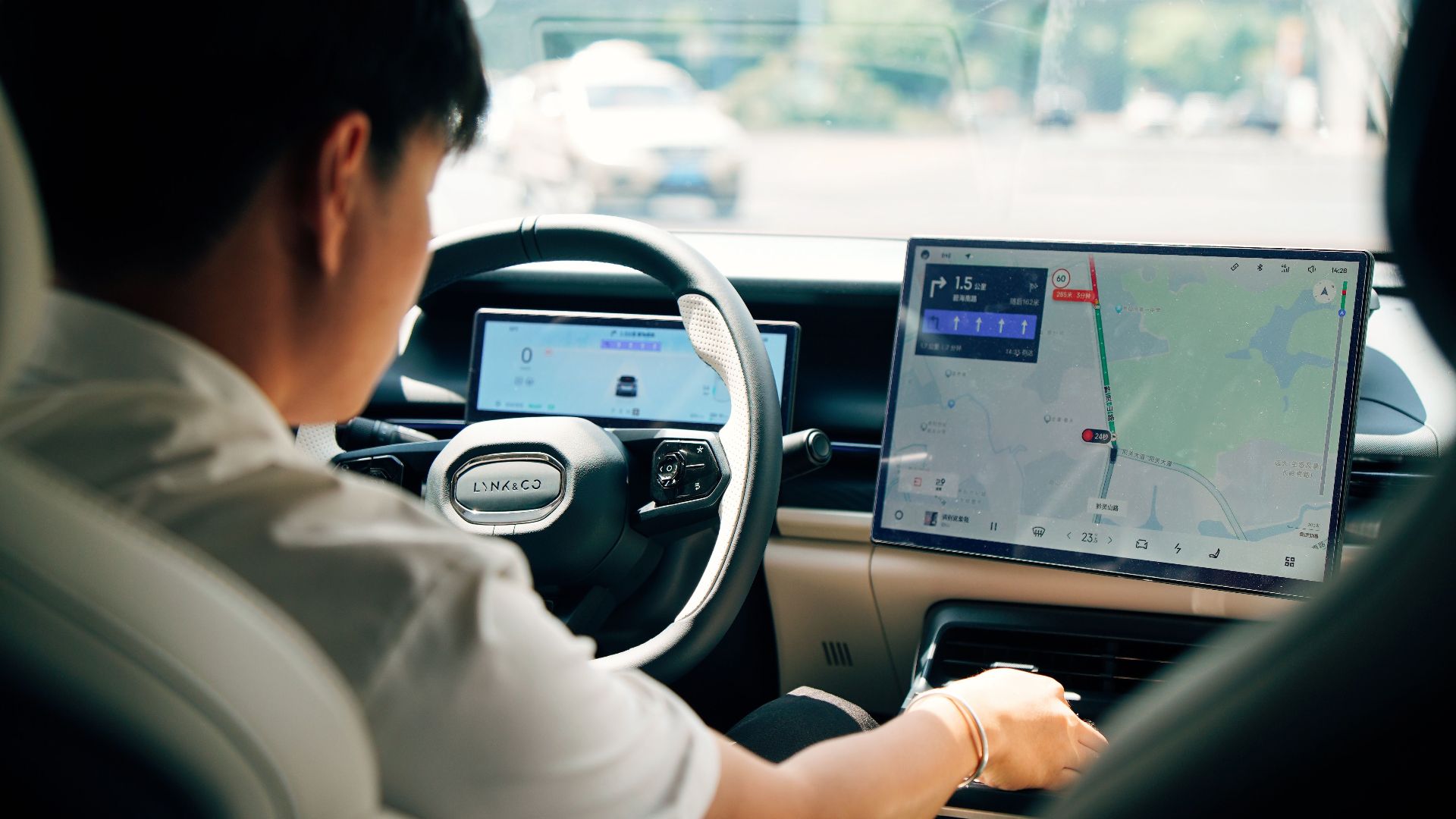
Trusting GPS More Than Paper Maps
Many people now travel without memorizing directions or unfolding road maps. Satellite navigation automatically guides drivers and pedestrians, replacing skills that earlier generations depended on every day.
Refrigerating Nearly Everything
Modern refrigerators allow households to safely store fresh food for days or weeks. While refrigerators existed in the 1920s, many American families still relied on iceboxes, making today's large, frost-free appliances an enormous leap forward.

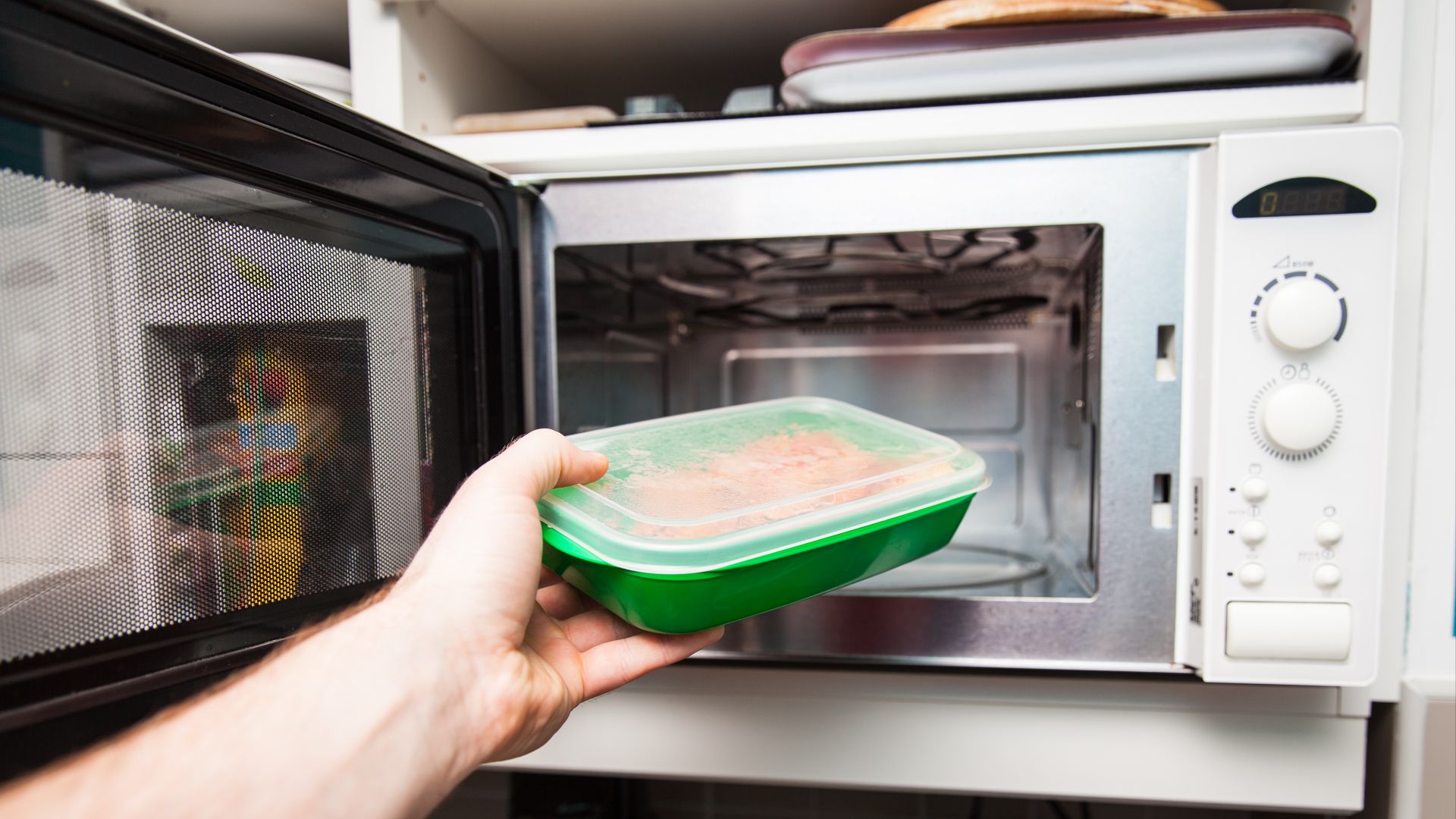
Heating Meals In Minutes
Microwave ovens have become one of the most common kitchen appliances in America. Preparing leftovers in under two minutes would have amazed people who expected meals to be reheated on stoves or in conventional ovens.
 Trausti Evans, Wikimedia Commons
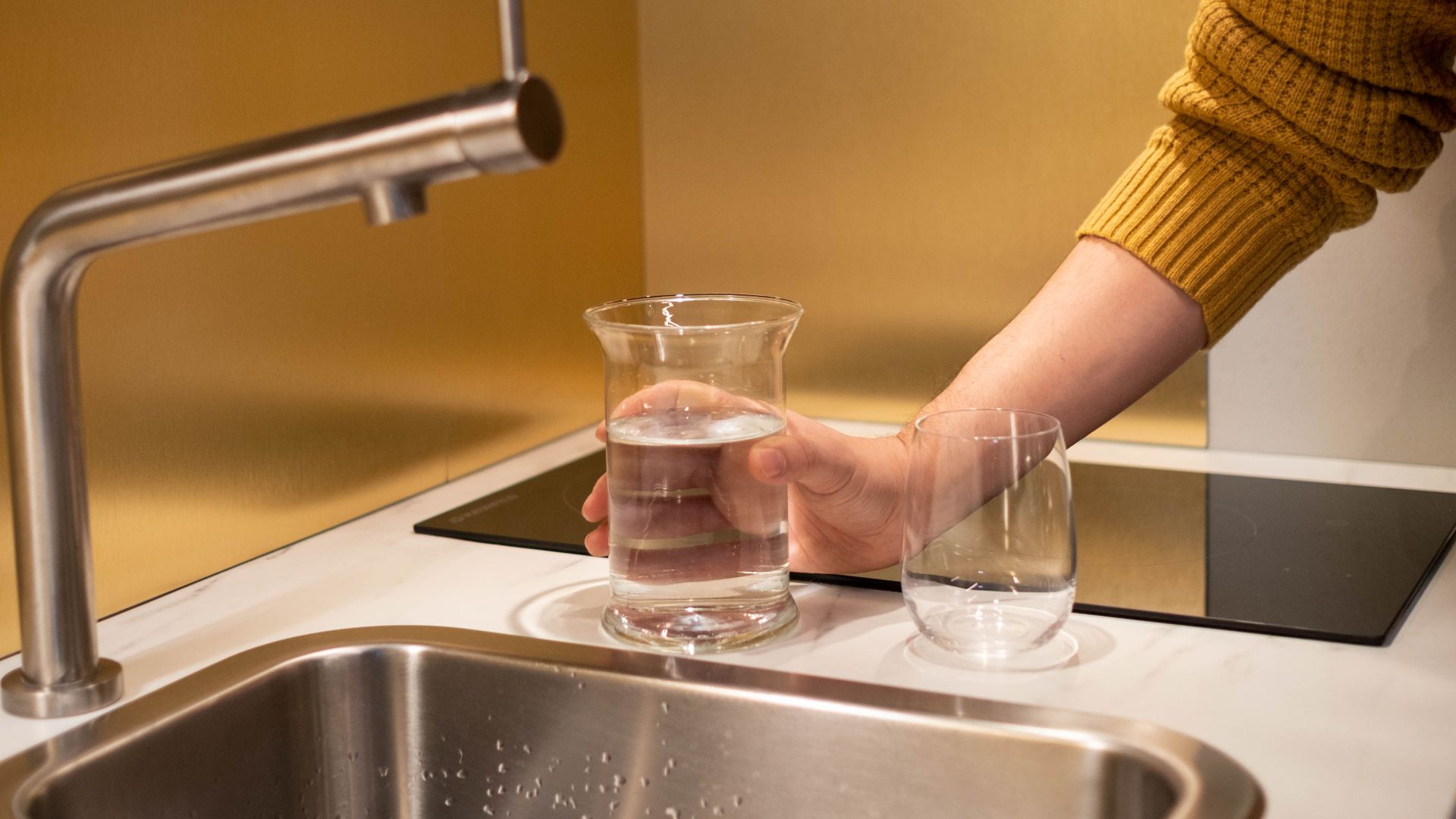
Expecting Safe Drinking Water From Every Faucet
Turning on a tap without worrying about water quality is now an everyday expectation in much of the United States. A century ago, sanitation systems varied widely, and expanding water treatment dramatically reduced diseases spread through contaminated water.
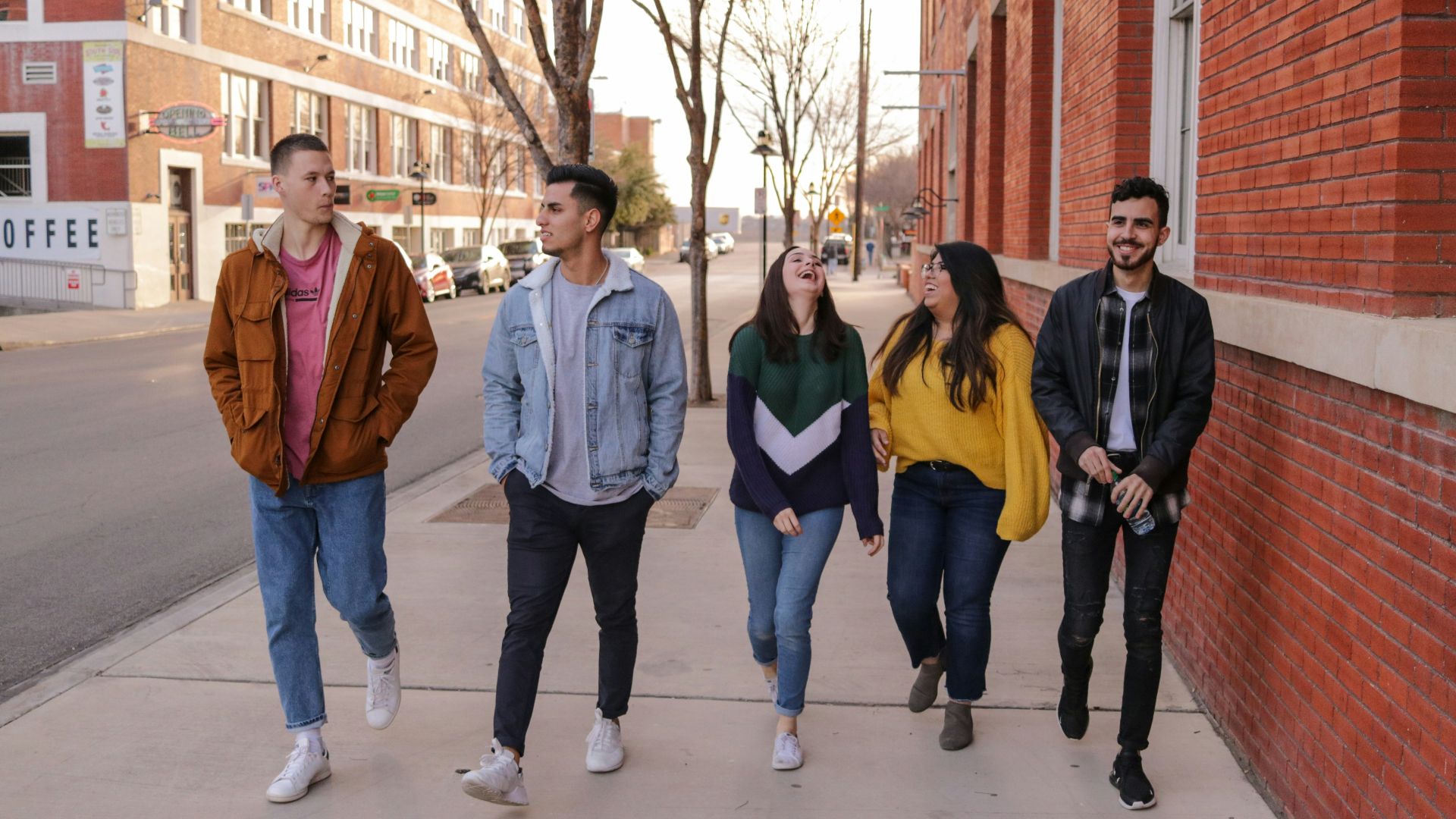
Wearing Athletic Clothes Everywhere
Yoga pants, running shoes, hoodies, and athletic wear have become everyday fashion. Americans in the 1920s generally dressed far more formally in public, even for routine errands, making today's casual clothing seem surprisingly relaxed.
Driving Almost Everywhere
The automobile transformed American life during the 1920s, but many communities still revolved around walking, streetcars, or railroads. Today's dependence on personal vehicles for even short trips would have surprised many people from that era.

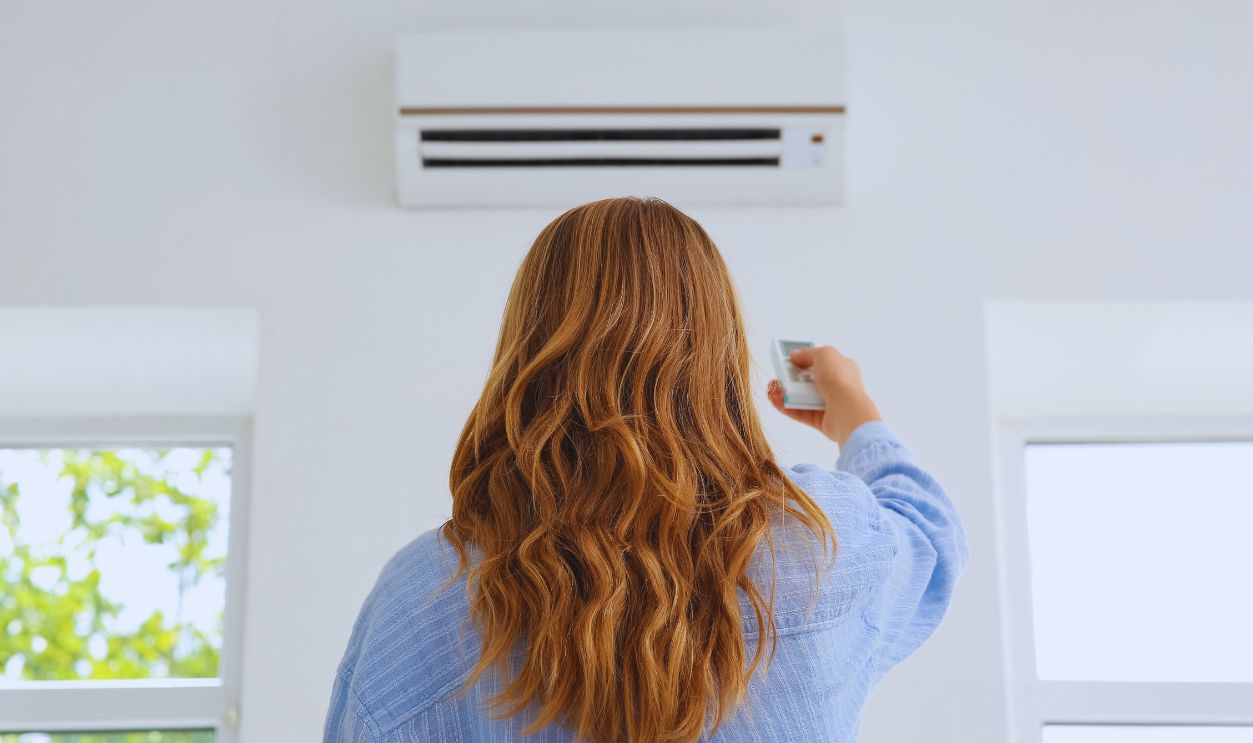
Having Air Conditioning As A Normal Expectation
Modern homes, offices, stores, and cars are routinely air conditioned. Although mechanical cooling existed in industrial settings, widespread residential air conditioning would not become common until decades later.
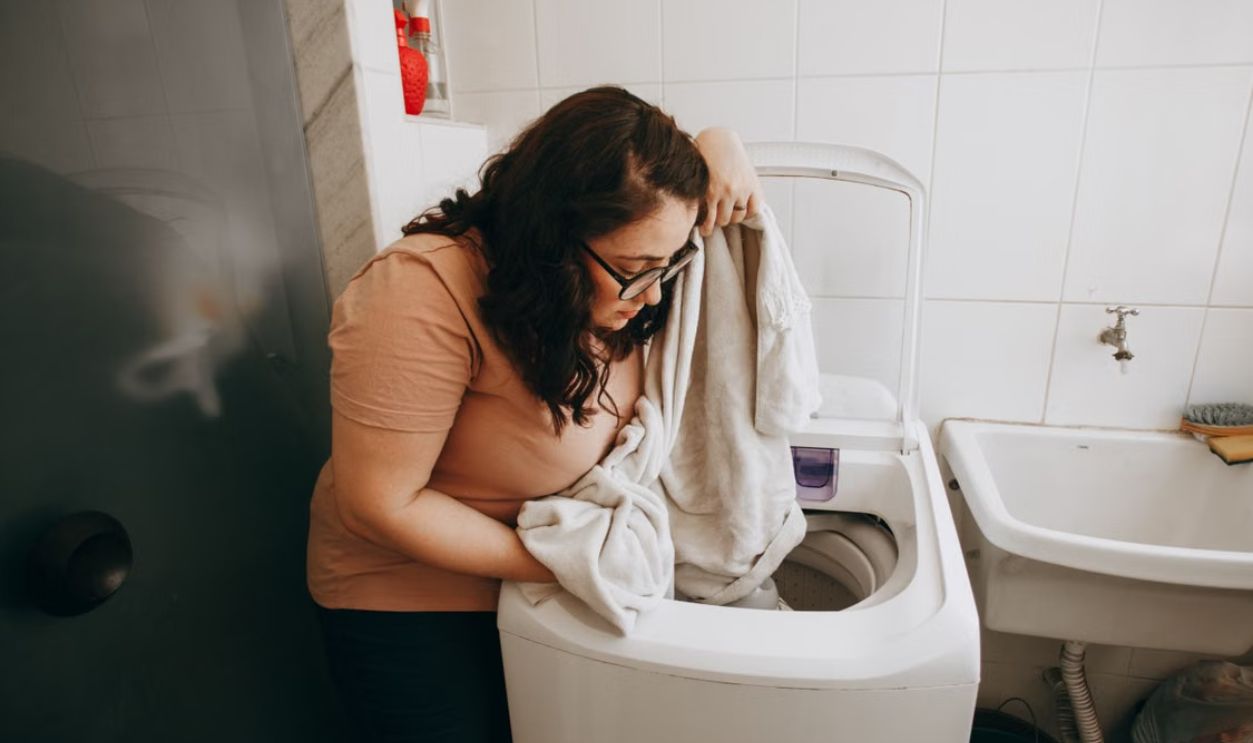
Washing Clothes With Almost No Effort
Fully automatic washing machines and dryers have replaced the physically demanding laundry routines of earlier generations. What once consumed much of an entire day can now often be completed with little more than pressing a few buttons.
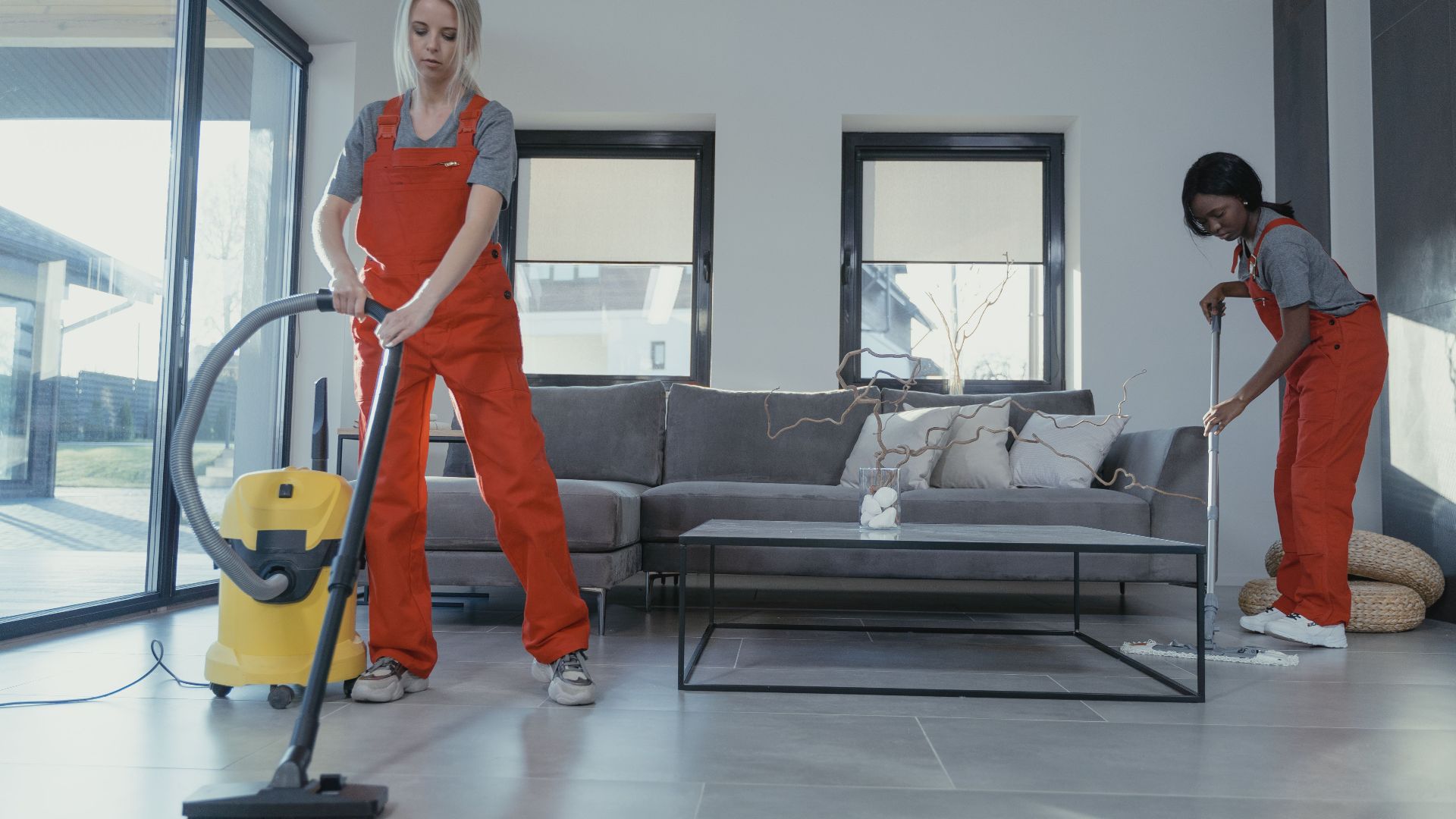
Vacuuming Instead Of Sweeping Rugs
Vacuum cleaners dramatically reduced the labor involved in cleaning carpets and floors. While early vacuum cleaners existed in the 1920s, widespread ownership grew later, making today's lightweight cordless models especially remarkable.
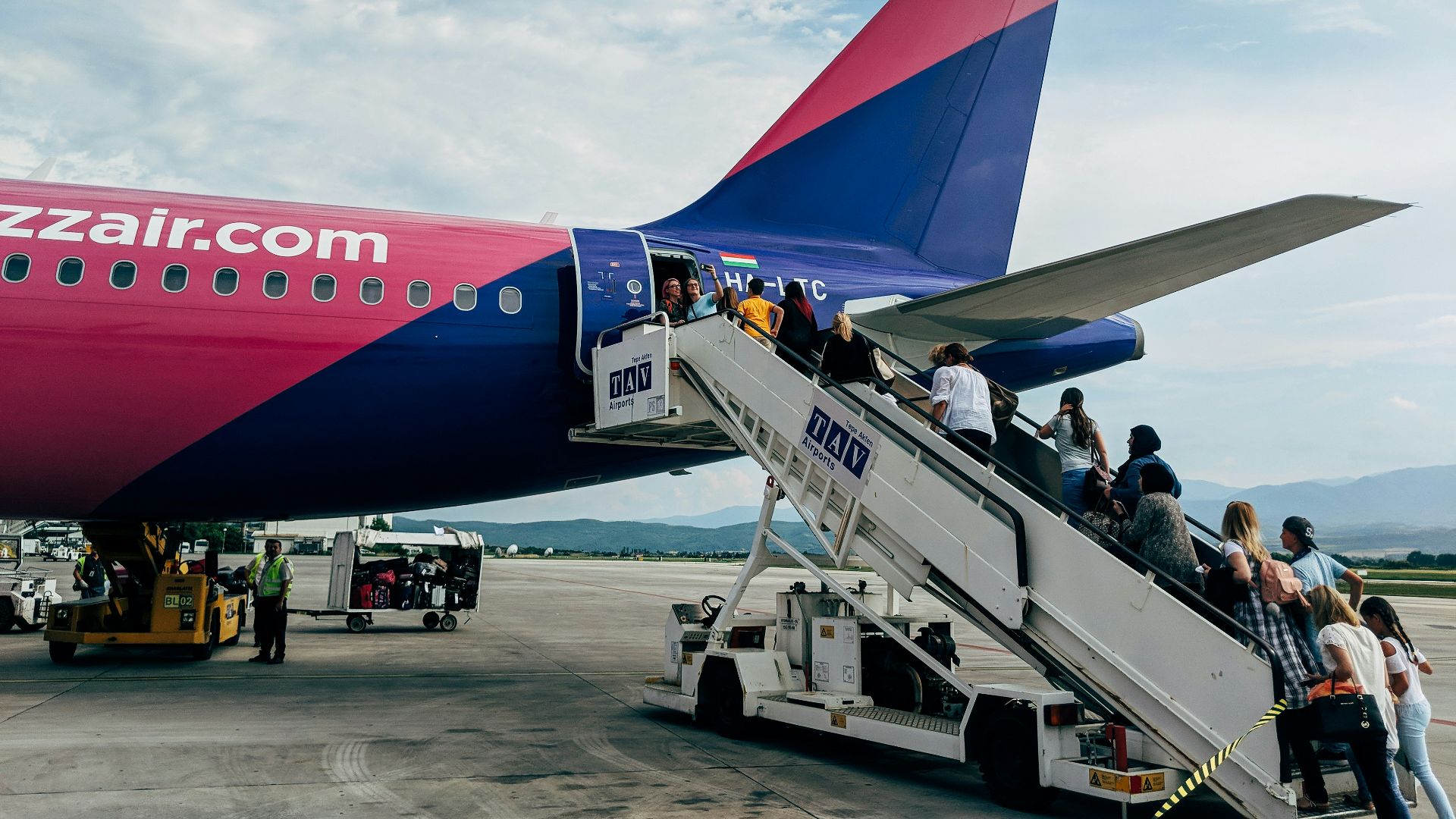
Flying Across The Country In Hours
Commercial aviation has made cross-country travel routine. In 1926, air travel remained expensive, limited, and adventurous, so millions of ordinary people flying for vacations or business would have seemed astonishing.
Buying Fresh Produce Year-Round
Modern transportation and refrigeration allow supermarkets to stock fruits and vegetables regardless of season. Many Americans a century ago expected diets to change significantly throughout the year based on local harvests.

Sharing Everyday Life Online
People now routinely post photos of meals, vacations, pets, and family moments for friends—or strangers—to see. The idea of voluntarily broadcasting daily life to hundreds of people would have seemed deeply unusual in 1926.

Women Building Careers Across Every Profession
Although women entered many professions during the early twentieth century, career opportunities expanded dramatically over the following decades. Today, women commonly serve as executives, physicians, engineers, military leaders, judges, astronauts, and elected officials.

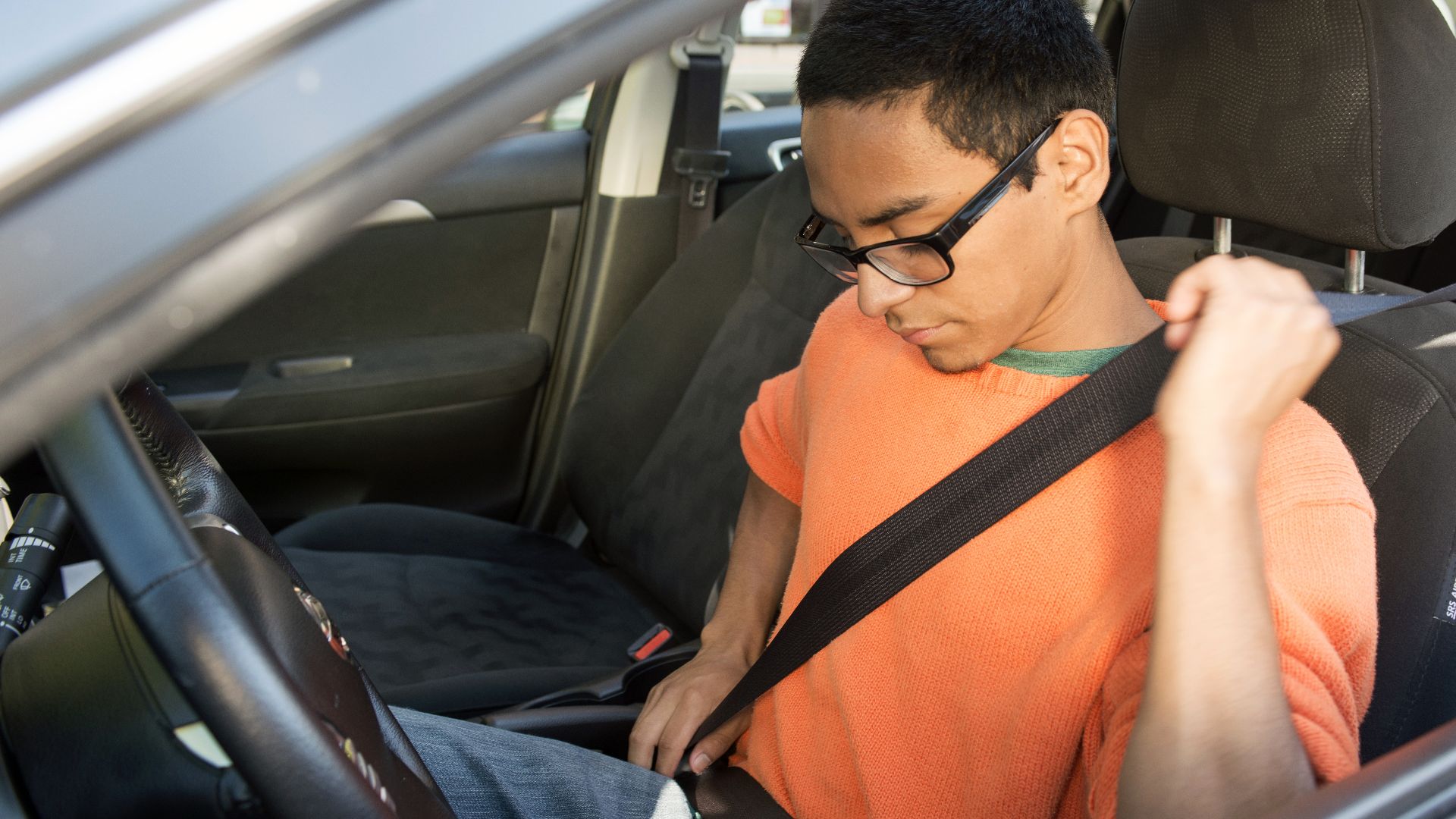
Wearing Seat Belts Automatically
Buckling a seat belt has become second nature for most Americans because of decades of safety research and state laws. Automobiles in the 1920s lacked modern restraint systems entirely, making this habit unfamiliar.
Expecting Instant Medical Advice
Patients can now schedule virtual appointments, refill prescriptions electronically, and communicate with doctors online. Americans a century ago generally expected every medical consultation to require an in-person visit.

Living In A Constantly Connected World
Perhaps the biggest shock wouldn't be one invention but the expectation of constant connection. Phones, smart watches, wireless internet, digital banking, streaming entertainment, online shopping, and instant communication have blended into everyday life, creating routines that would have seemed almost unimaginable to Americans living just 100 years ago.

You May Also Like:
The Nightmare Of Balloonfest ‘86
Disco Demolition Night Was Seriously Disturbing