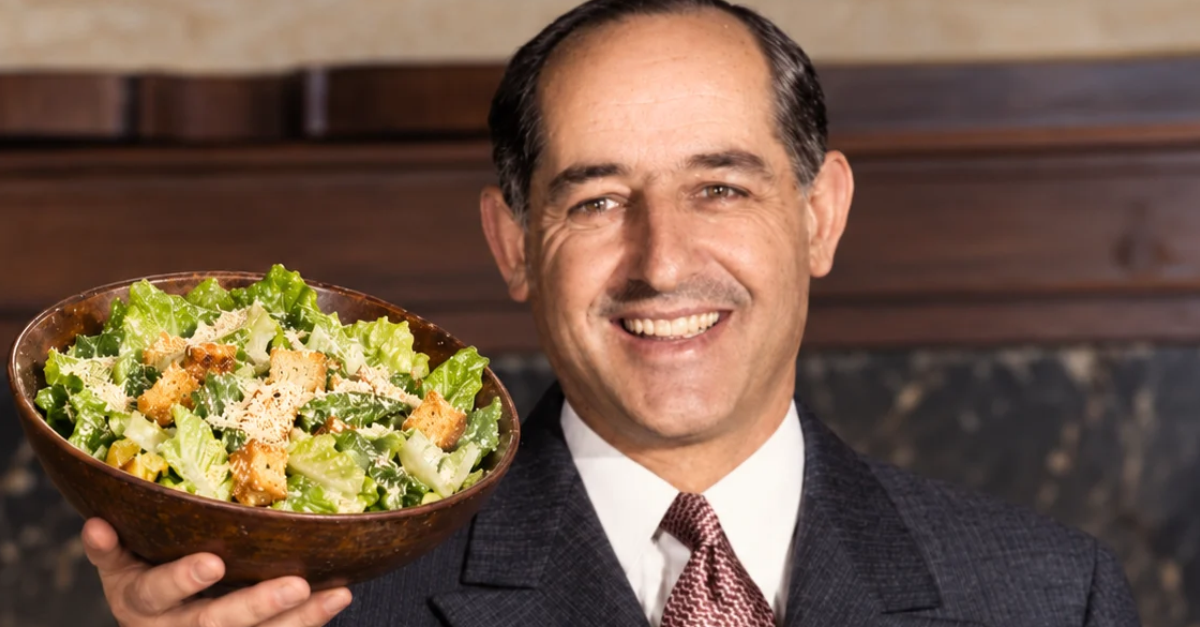
Your Menu Is Full Of People
Some of the most ordinary words in the kitchen have surprisingly human origins. Look closely at familiar menus and grocery shelves, and you start finding real people hiding in plain sight.
Sandwich Was An Earl Before It Was Lunch
John Montagu, 4th Earl of Sandwich, was an 18th-century British politician who served several terms as First Lord of the Admiralty. Food placed between bread obviously existed long before him, but the English word “sandwich” became associated with Montagu's title during his lifetime. By 1762, the term was already appearing in English usage.
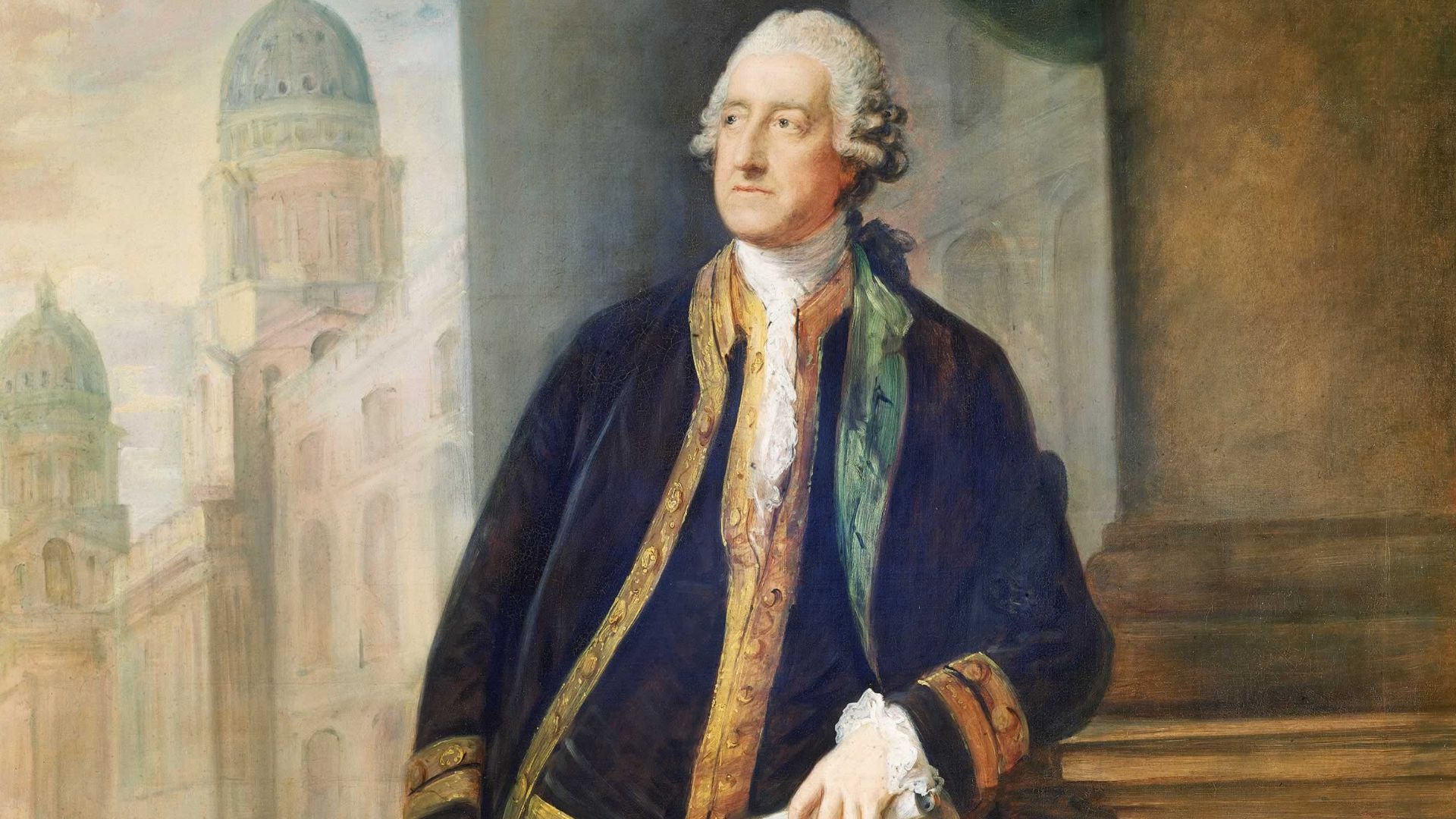 Thomas Gainsborough, Wikimedia Commons
The Gambling Story May Have Smeared Him
The familiar legend says Montagu refused to leave a gambling table and ordered meat between bread so he could keep playing. Royal Museums Greenwich considers that story poorly founded and argues that the hardworking politician may instead have eaten this way during long hours at his Admiralty desk. His political enemies helped leave him with a reputation considerably worse than modern historians think he deserved.
His Title Escaped The Aristocracy
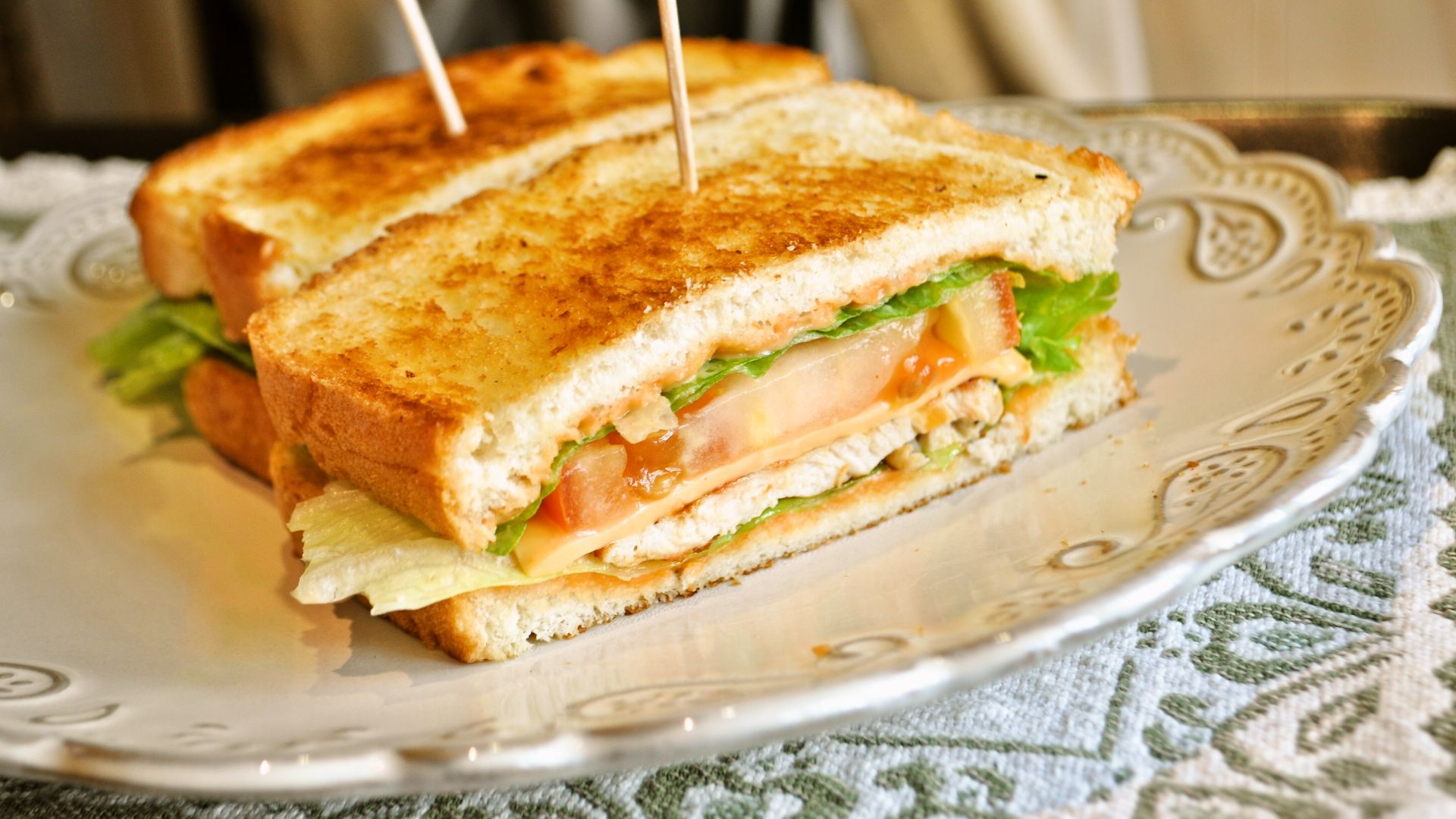
Within decades, “sandwich” no longer needed any connection to Montagu himself. It became the ordinary name for an entire category of food and eventually generated terms ranging from club sandwich to sandwich board. Montagu's title also appeared on maps after Captain James Cook named the Hawaiian Islands the Sandwich Islands in his honor, but food ultimately proved the more durable namesake.
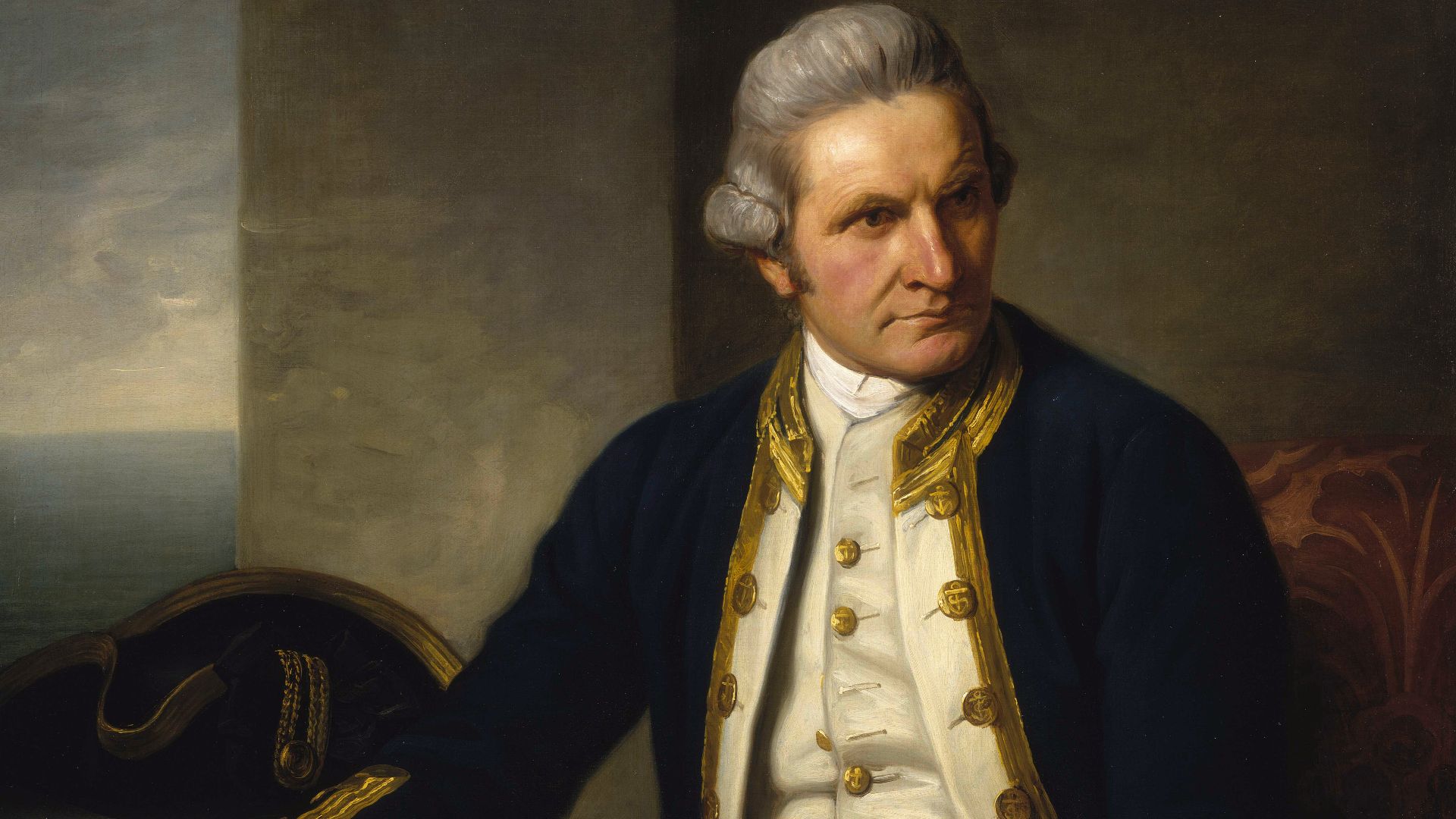 Nathaniel Dance-Holland, Wikimedia Commons

History's most fascinating stories and darkest secrets, delivered to your inbox daily.
Nacho Was Actually A Man's Nickname
“Nacho” was the nickname of Ignacio Anaya, a restaurant worker in Piedras Negras, Mexico. In Spanish-speaking communities, Nacho is a familiar diminutive of Ignacio rather than a word originally describing tortilla chips. Anaya's nickname eventually became attached to one of the most recognizable snack foods in North America.
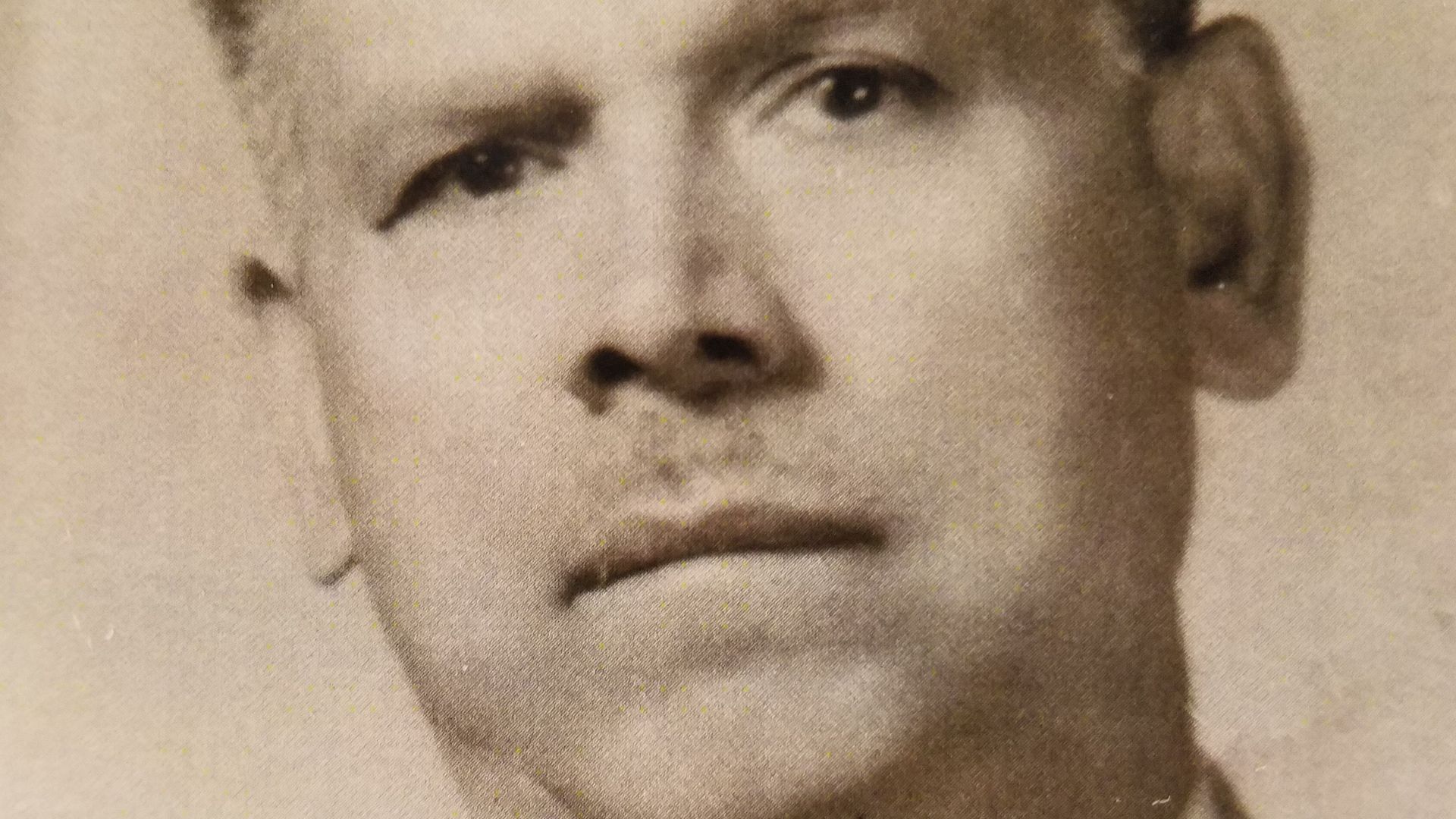
Ignacio Had To Improvise Dinner
In 1943, a group of American military wives crossed from Eagle Pass, Texas, into Piedras Negras and stopped at the Victory Club. With the cook unavailable, Anaya assembled tortilla pieces with cheese and sliced jalapeños and served the creation himself. He called them “Nachos Especiales,” meaning essentially Nacho's specials.
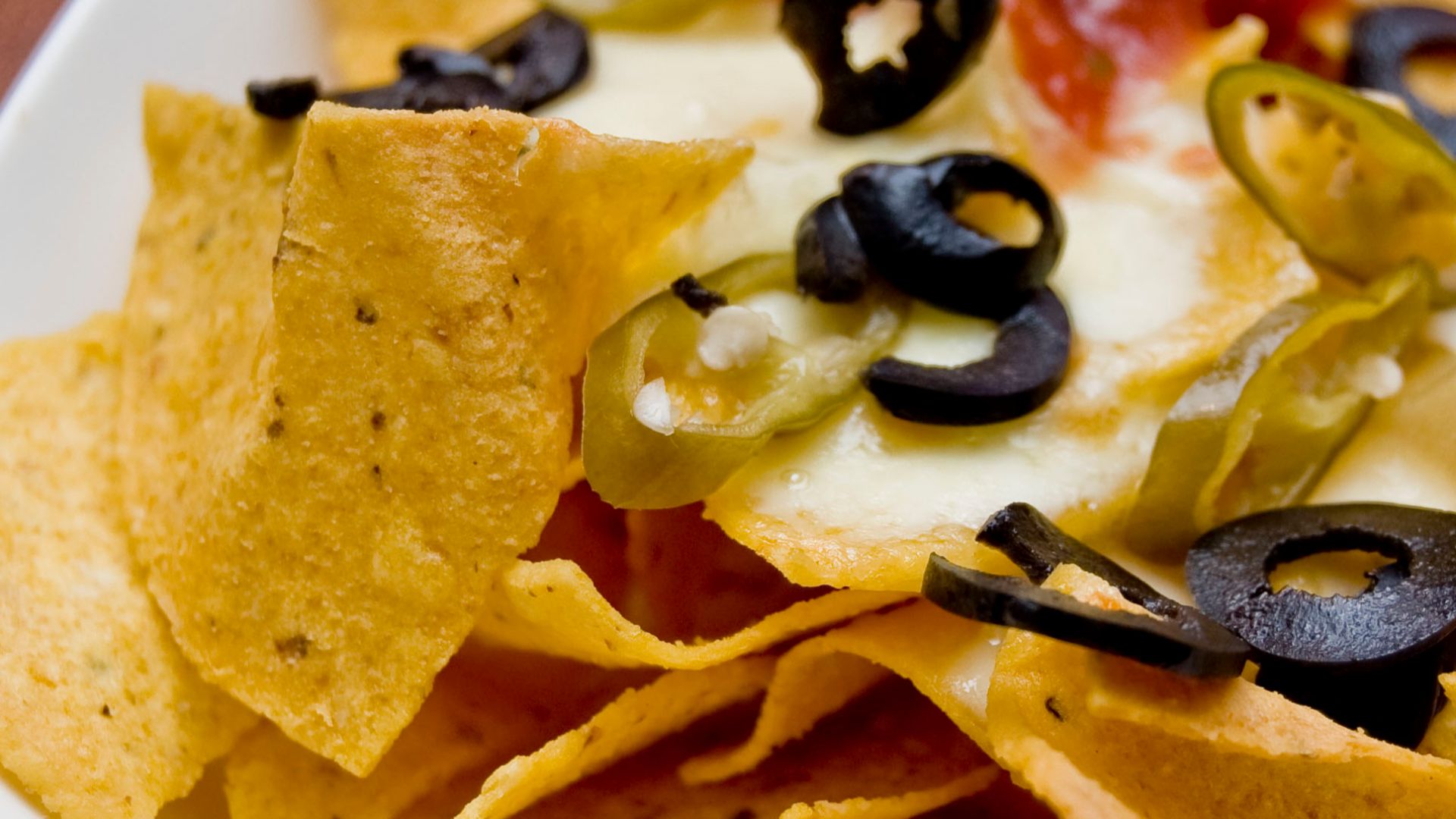 chee.hong from Kuala Lumpur, Malaysia, Wikimedia Commons
Stadium Nachos Came Much Later
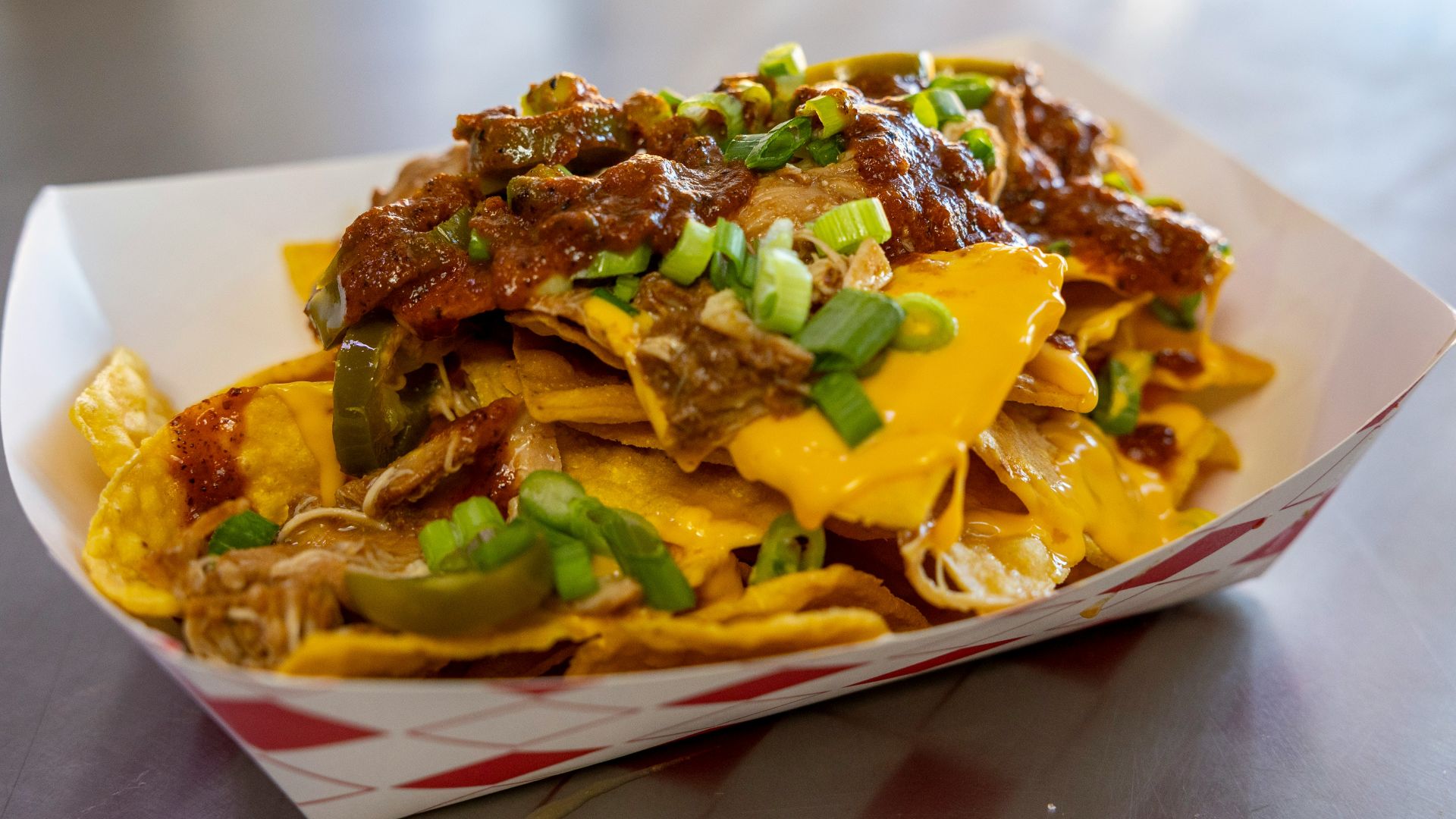
Anaya's creation spread through Texas restaurants, but the familiar concession-stand version developed decades afterward. Frank Liberto introduced an easily dispensed cheese sauce at a Texas Rangers game in 1976, helping make nachos practical for stadium service. Anaya died in 1975, shortly before the food bearing his nickname became a fixture of American sports venues.
Caesar Salad Has Nothing To Do With Rome
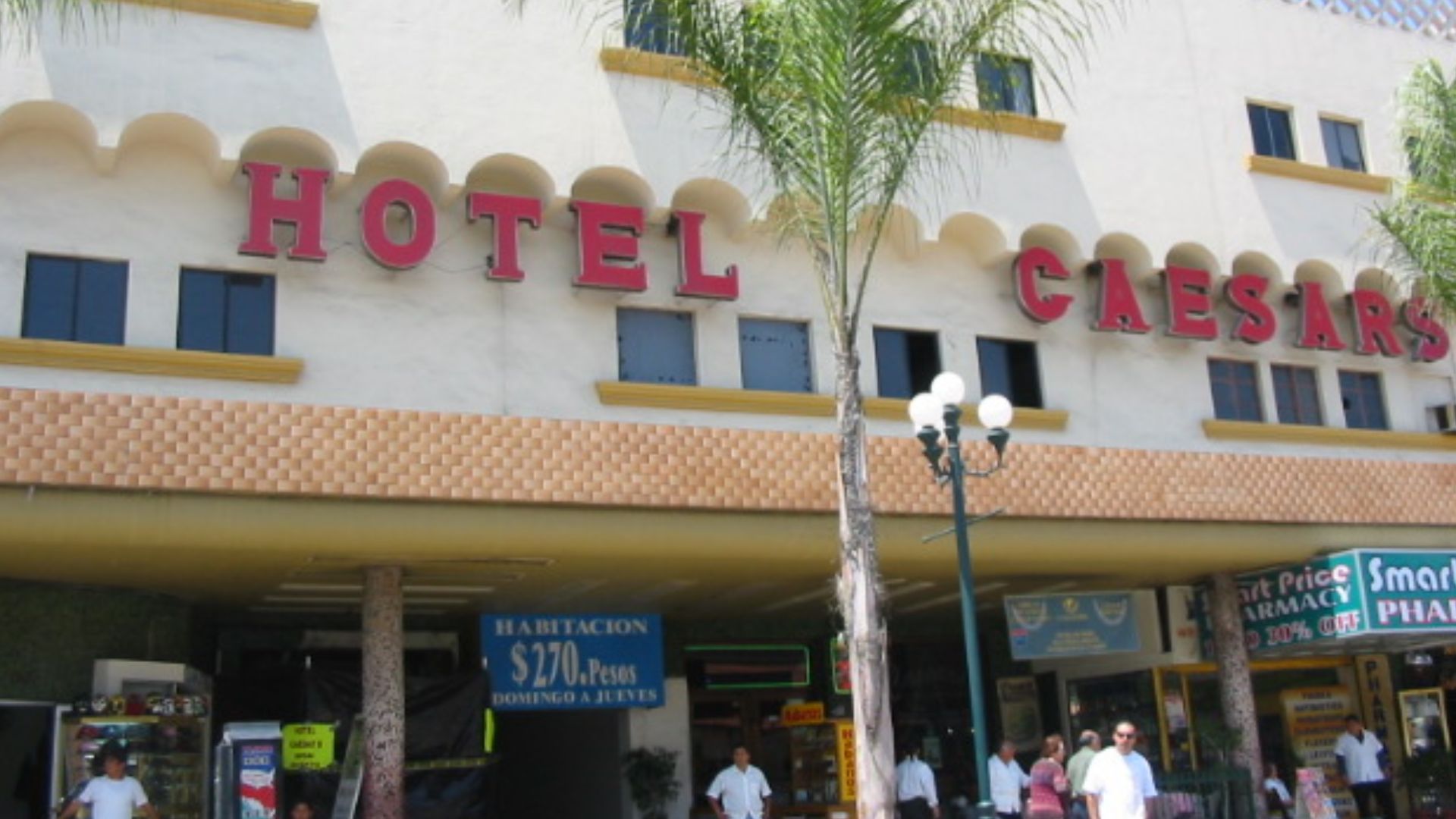
The Caesar in Caesar salad was not Julius Caesar. The name is generally associated with Caesar Cardini, an Italian immigrant restaurateur who operated businesses in Mexico and Southern California. Cardini's Tijuana restaurant became famous for the salad during the 1920s.
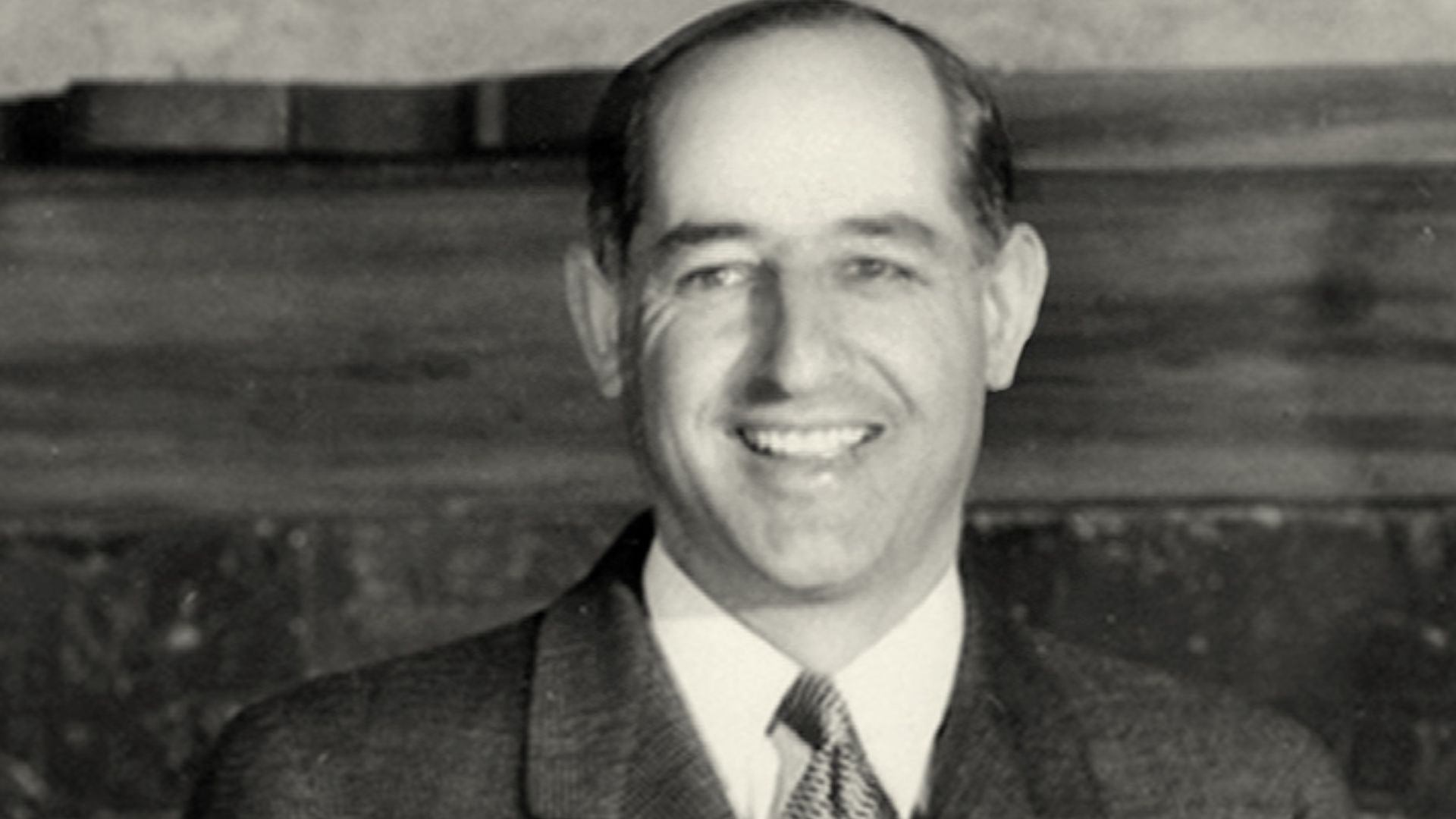 Unknown authorUnknown author, Wikimedia Commons
Prohibition Helped Send Diners To Caesar
Cardini lived in the United States but operated a restaurant across the Mexican border, where American customers could eat and drink during Prohibition. The generally accepted story places the creation of his salad in Tijuana around 1924, although competing origin claims have survived. Whatever the precise sequence, Cardini's restaurant became inseparable from the dish.
 FateClub at English Wikipedia, Wikimedia Commons
Even The Anchovies Started An Argument
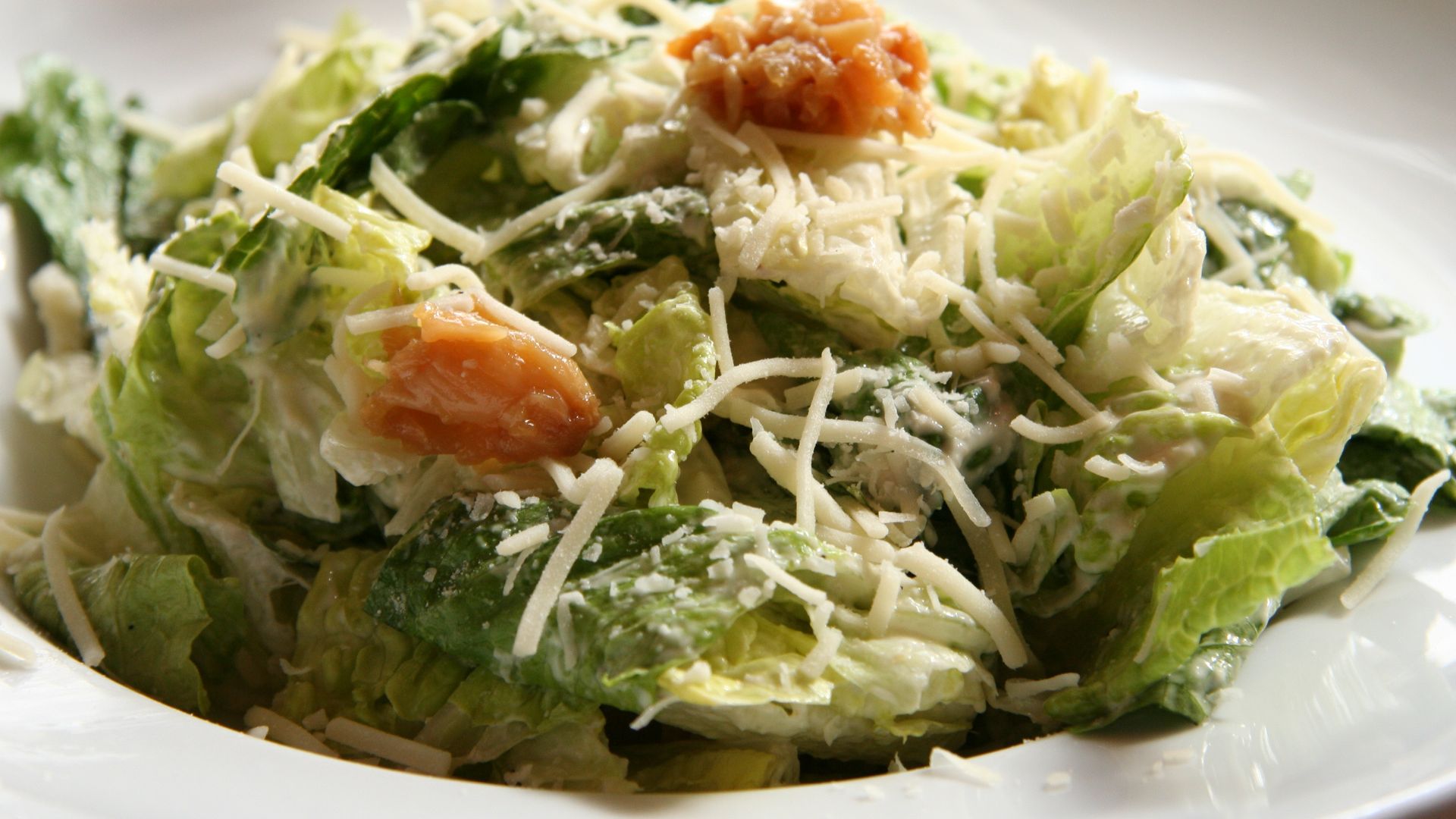
Cardini's daughter Rosa insisted that her father's original Caesar salad did not contain whole anchovies. Worcestershire sauce supplied a subtler anchovy flavor, while later versions turned actual anchovies into a standard ingredient. Rosa spent much of her life defending her father's recipe and eventually ran the family salad-dressing business.
 Geoff Peters from Vancouver, BC, Canada, Wikimedia Commons
History's most fascinating stories and darkest secrets, delivered to your inbox daily.
Graham Crackers Came From A Preacher
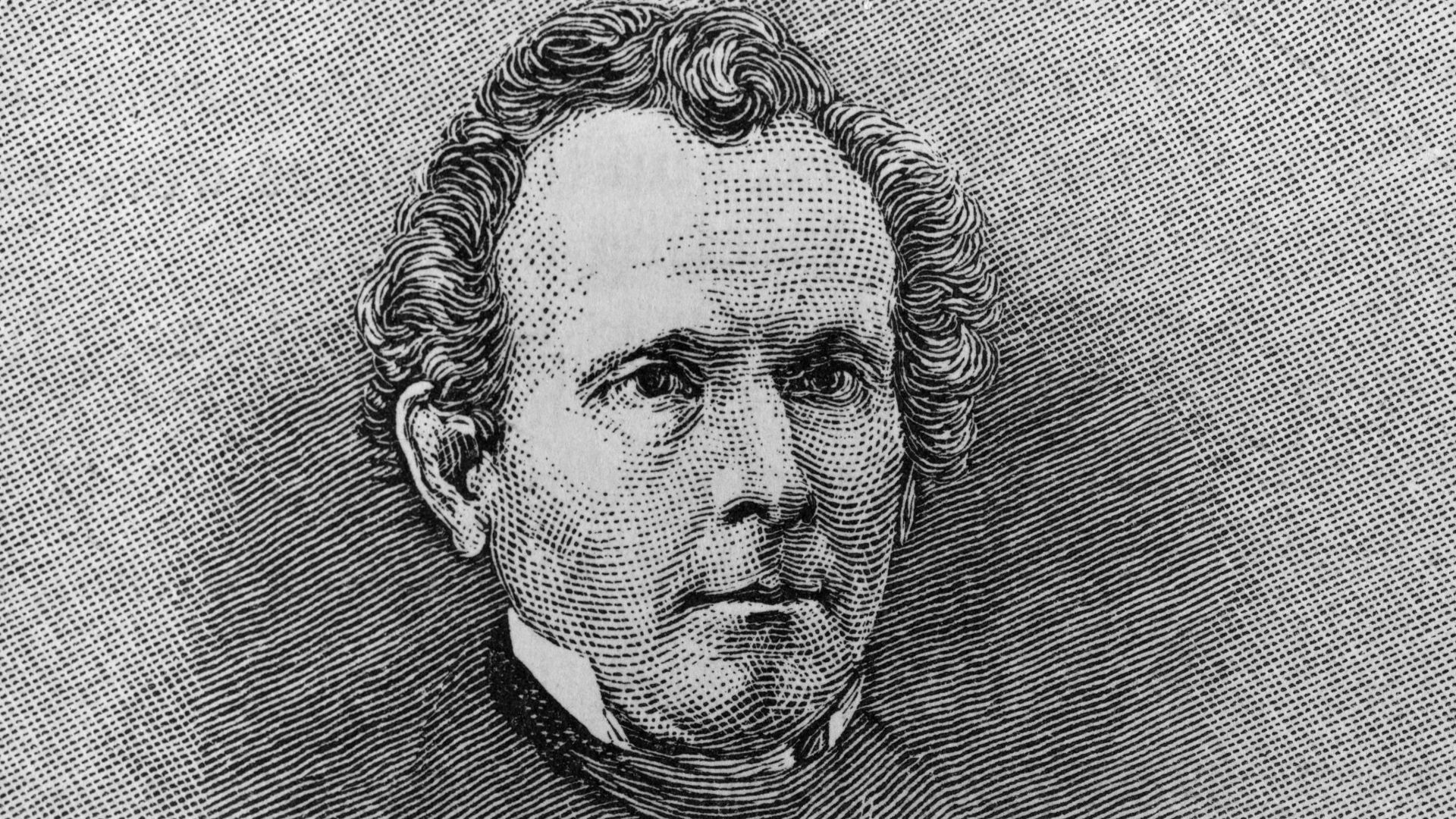
Sylvester Graham was a Presbyterian minister and dietary reformer who became one of America's best-known health advocates during the 1830s. He promoted vegetarian eating and whole-grain foods as part of a larger program of physical and moral discipline. Graham flour and the cracker associated with it carried his surname into American kitchens.
 Miscellaneous Items in High Demand, PPOC, Library of Congress, Wikimedia Commons
Graham Wanted Food To Be Boring
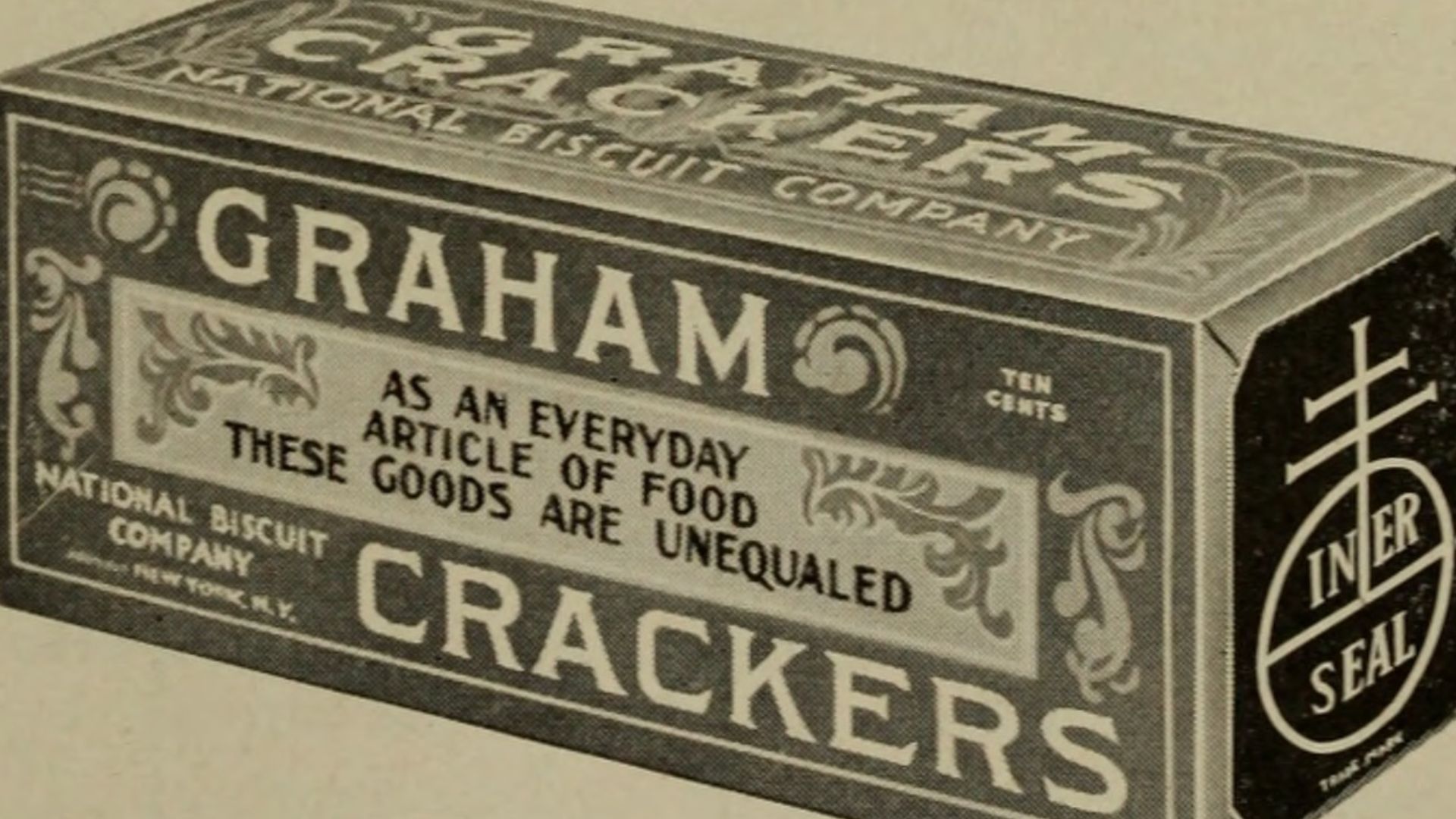
Graham distrusted heavily seasoned foods, refined flour, meat, and rich meals. He believed bland whole-grain foods could improve health while also restraining impulses he considered morally dangerous. The early Graham-style cracker was therefore a far plainer whole-wheat food than the sweet supermarket version familiar today.
 Internet Archive Book Images, Wikimedia Commons
S'Mores Would Have Horrified Him
Modern graham crackers frequently contain sugar and flavorings that bear little resemblance to Graham's austere dietary philosophy. They also became a crucial part of the s'more, surrounded by melted chocolate and marshmallow. A food associated with a man who preached restraint eventually became the foundation of one of America's most indulgent campfire treats.
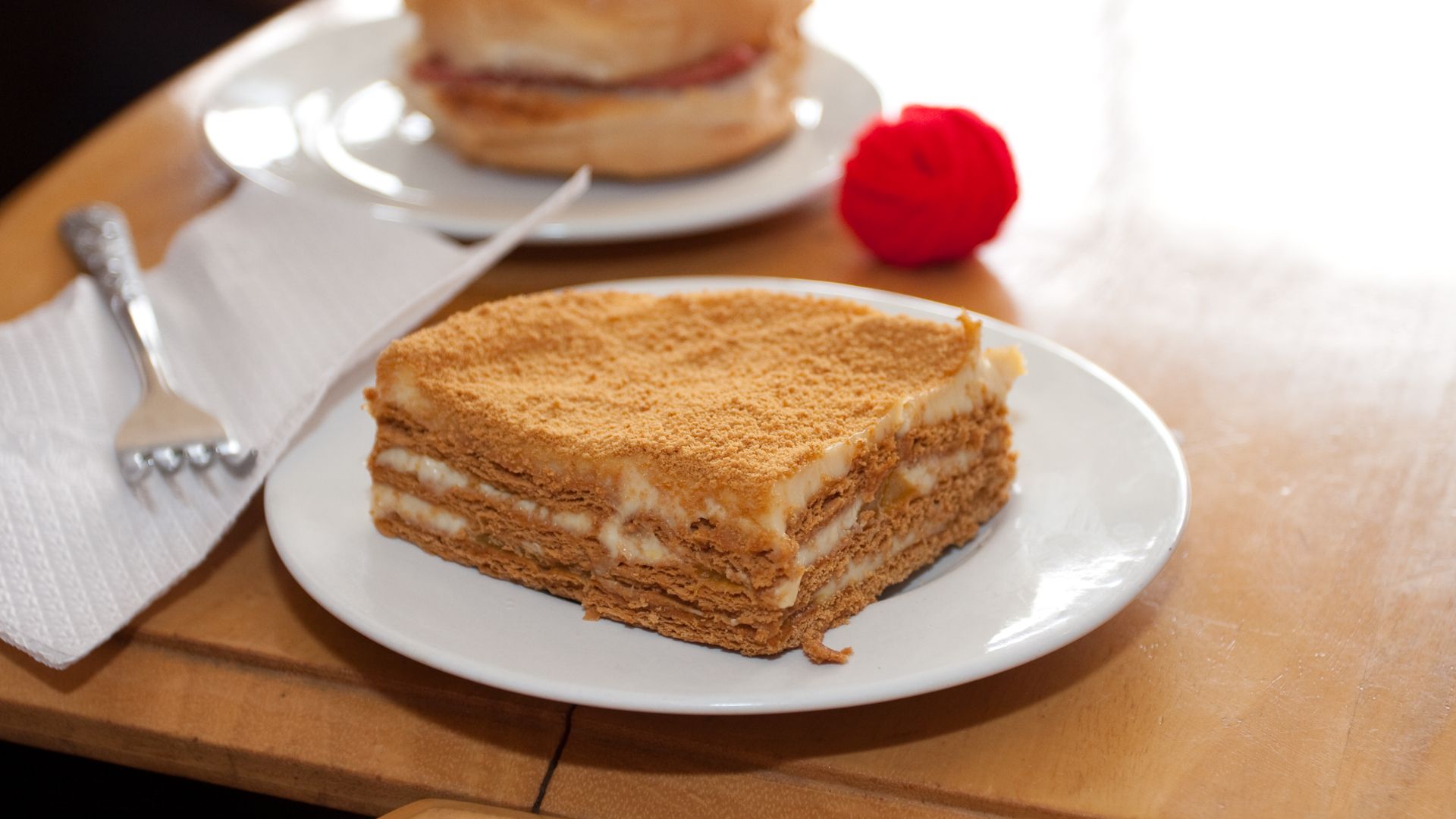
Salisbury Steak Was Named After A Doctor
James Henry Salisbury was a 19th-century American physician rather than a restaurateur or steakhouse owner. He spent years developing theories about diet and digestion and became convinced that minced beef was especially easy for the body to process. The dish later called Salisbury steak preserved his surname long after most of his medical ideas faded.
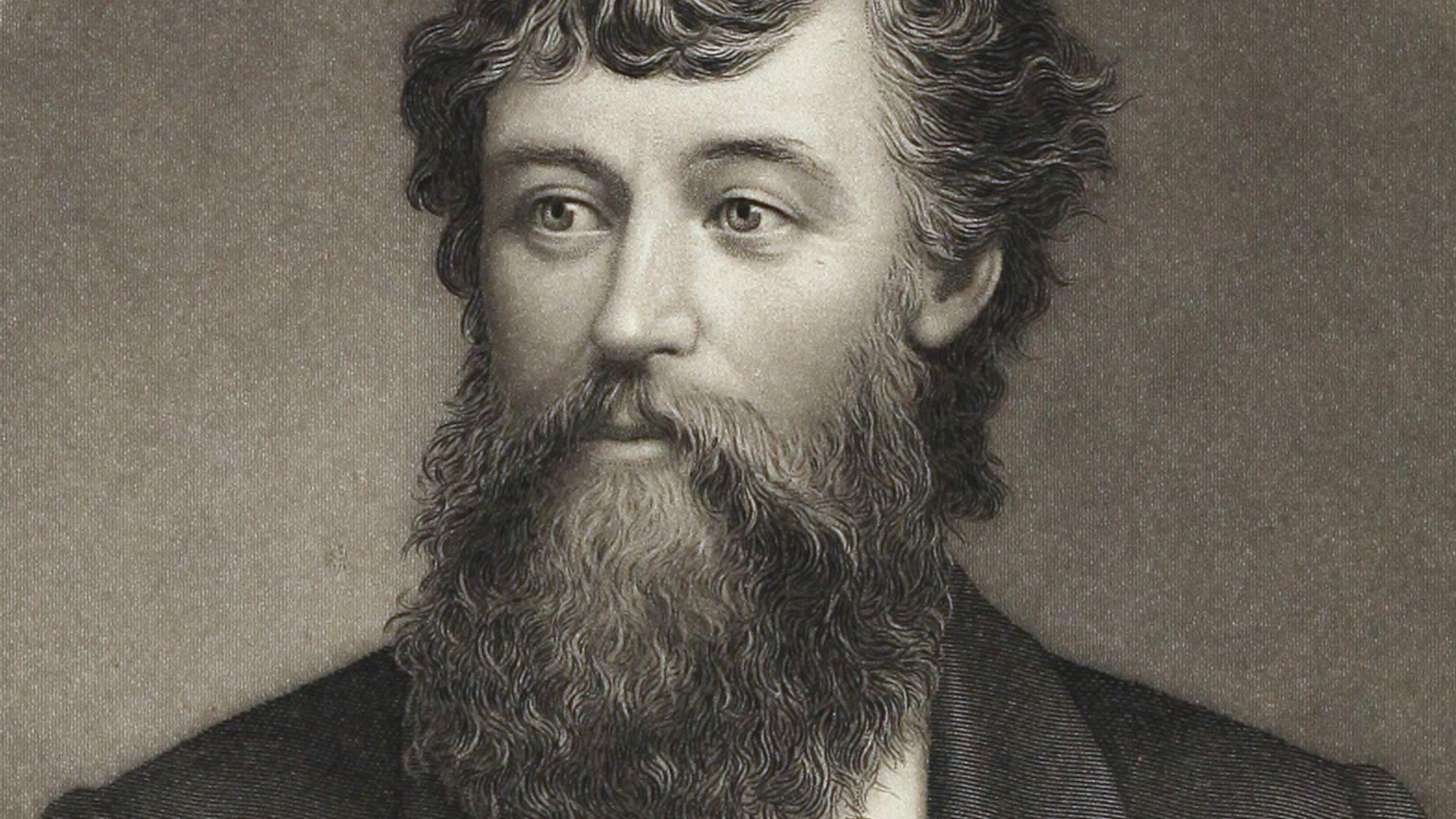 Samuel Sartain, Wikimedia Commons
He Tested His Meat Diet During The Civil War
Salisbury treated soldiers suffering from digestive illness during the American Civil War and advocated diets centered heavily on chopped beef. His 1888 book described a preparation he called “muscle pulp of beef,” which sounds considerably less appetizing than Salisbury steak. He believed the minced meat could nourish patients without producing the digestive problems he blamed on other foods.
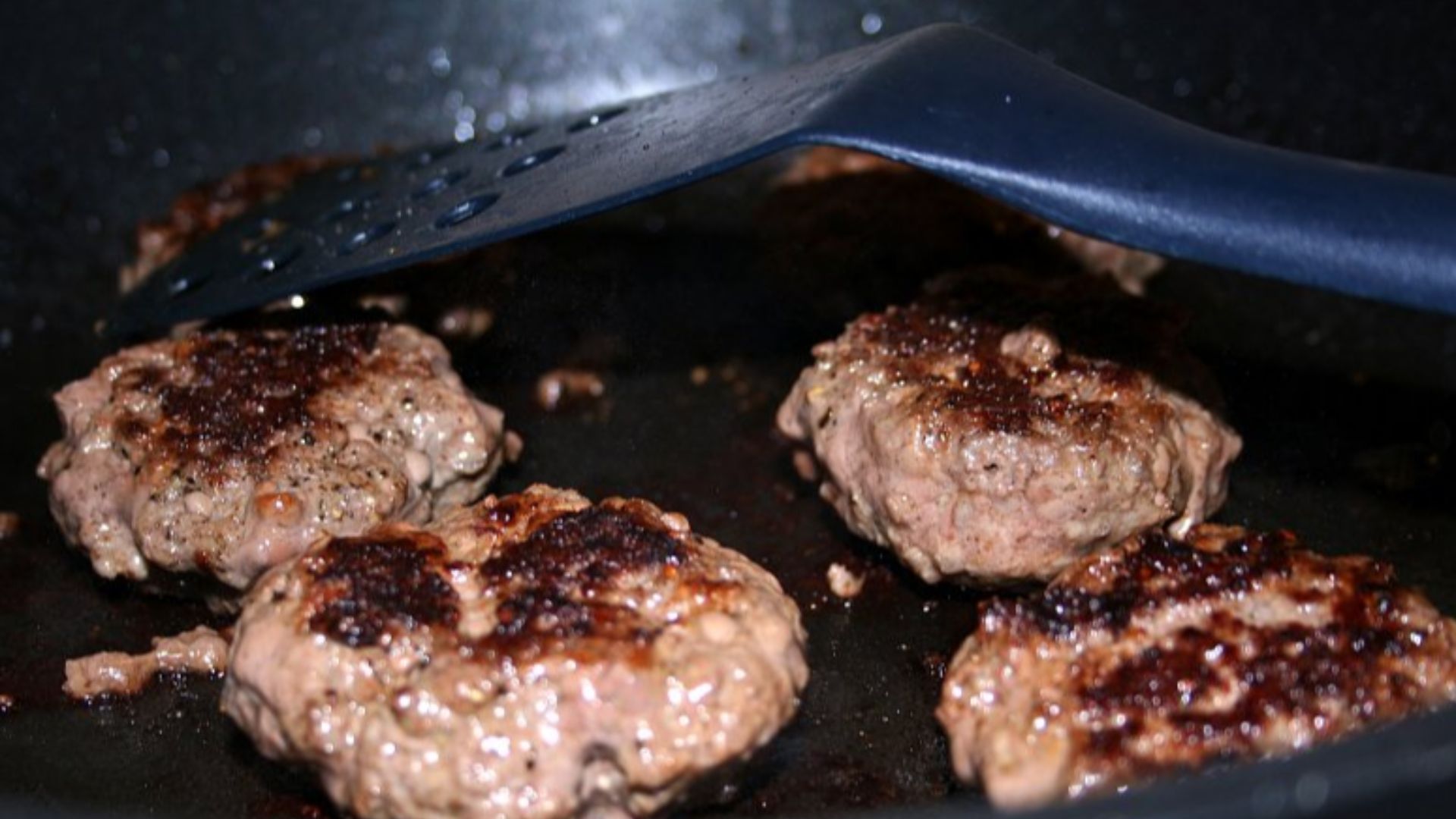 User Bengt B on sv.wikipedia, Wikimedia Commons
His Health Food Became A TV Dinner
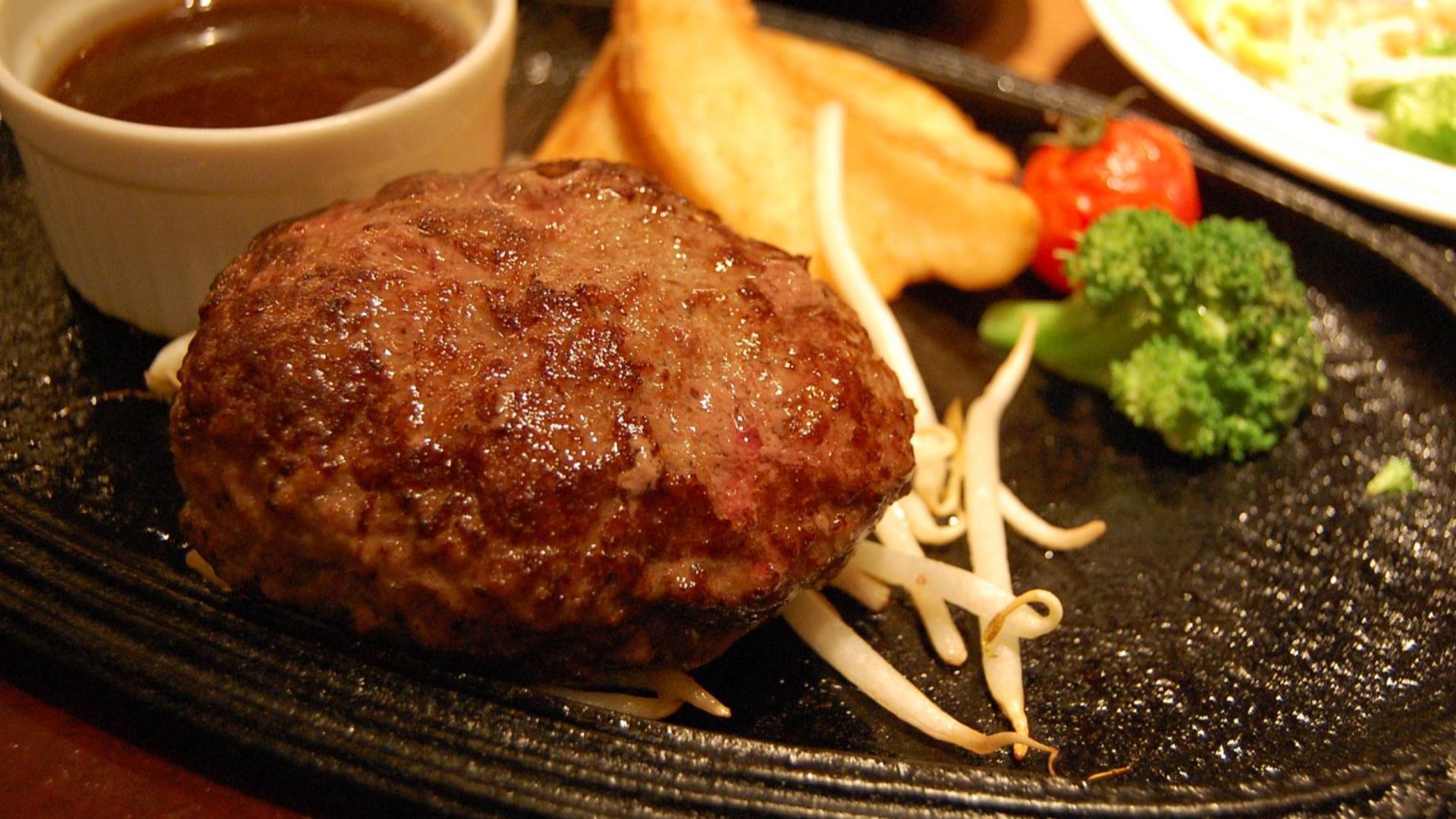
Salisbury's dietary theories became fashionable for a time, although many of his conclusions would not survive modern nutritional scrutiny. The chopped beef dish did survive and eventually became associated with gravy, packaged meals, cafeterias, and frozen dinners. What began as a doctor's restrictive health regimen became classic American comfort food.
History's most fascinating stories and darkest secrets, delivered to your inbox daily.
Granny Smith Really Was A Granny Smith
The green apple's namesake was Maria Ann Smith, an English-born orchardist who settled near Sydney, Australia. She was known locally as “Granny” Smith and worked with fruit trees on her family's property. The Dictionary of Sydney credits her with developing the apple variety that still carries her nickname.
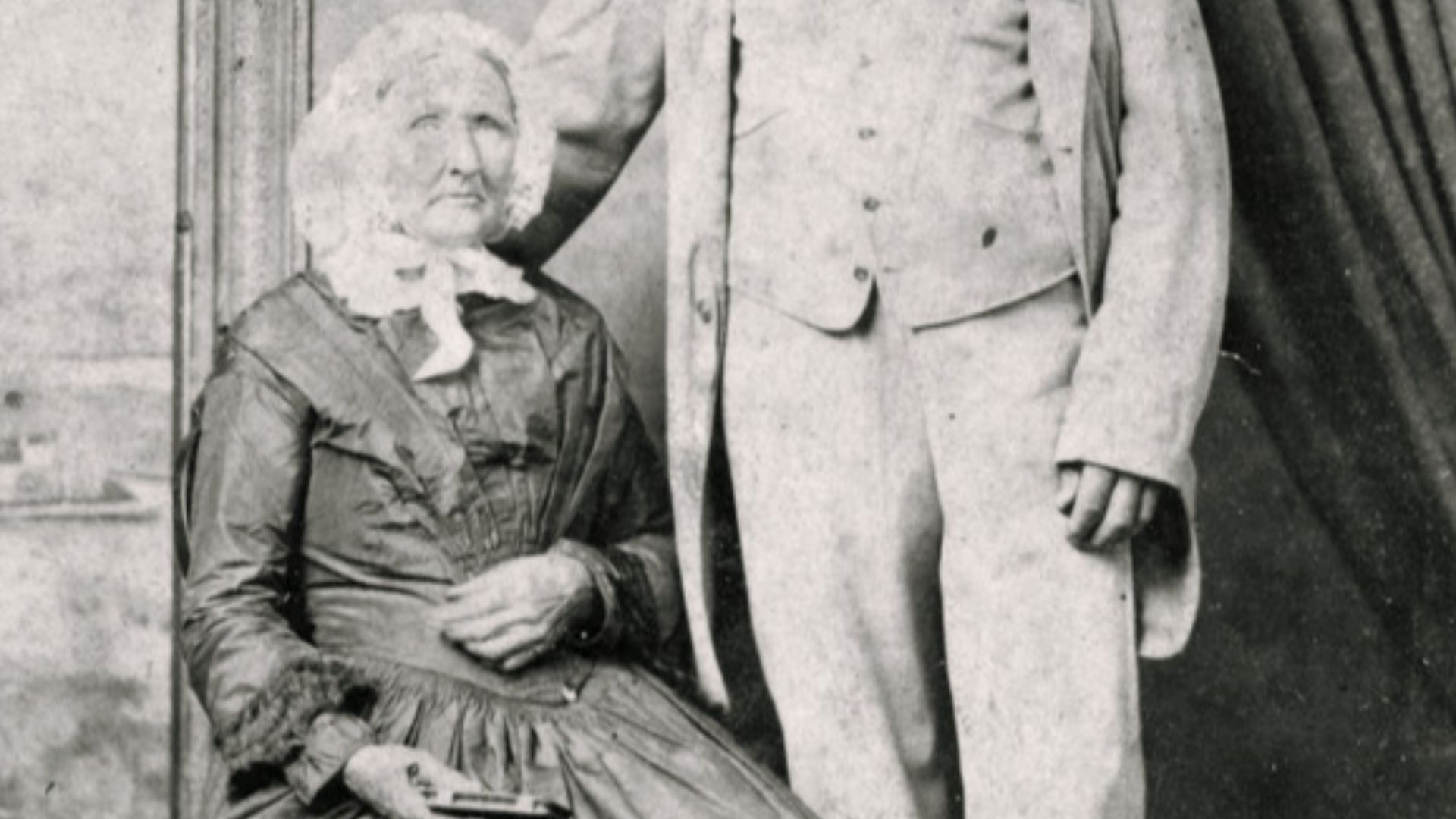 Unknown authorUnknown author, Wikimedia Commons
The Famous Apple Began As A Chance Seedling
Smith propagated the variety from a chance seedling in Eastwood in 1868. She recognized the fruit's useful qualities and continued cultivating it, while other orchardists later helped develop and distribute the apple. Its combination of firm flesh, bright green skin, and sharp-sweet flavor eventually made it internationally successful.
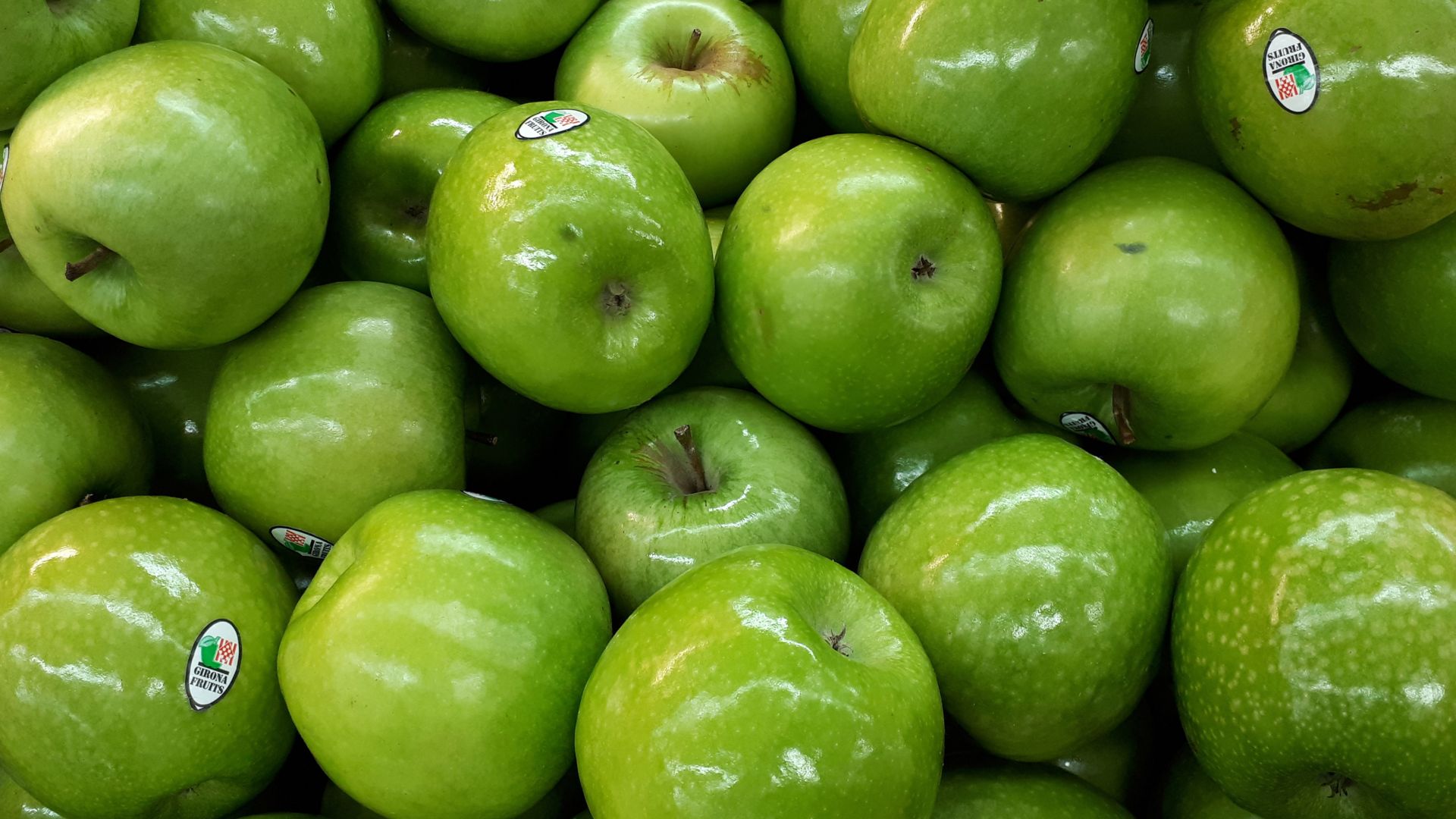
Granny Never Saw How Famous She Became
Maria Ann Smith died in 1870, only about two years after the apple is recorded as originating on her property. Large-scale cultivation and international recognition came later. Eastwood still celebrates her through the Granny Smith Festival, while millions of
 Flickr user Andrew Beeston : https://www.flickr.com/photos/ants88, Wikimedia Commons
Boysenberry Was A Man Before It Was A Berry
Rudolph Boysen was a California horticulturist and later Anaheim's park superintendent. During the 1920s, he experimented with berry plants and produced the unusual hybrid that eventually became associated with him. Boysen himself never turned the experiment into a major commercial crop.
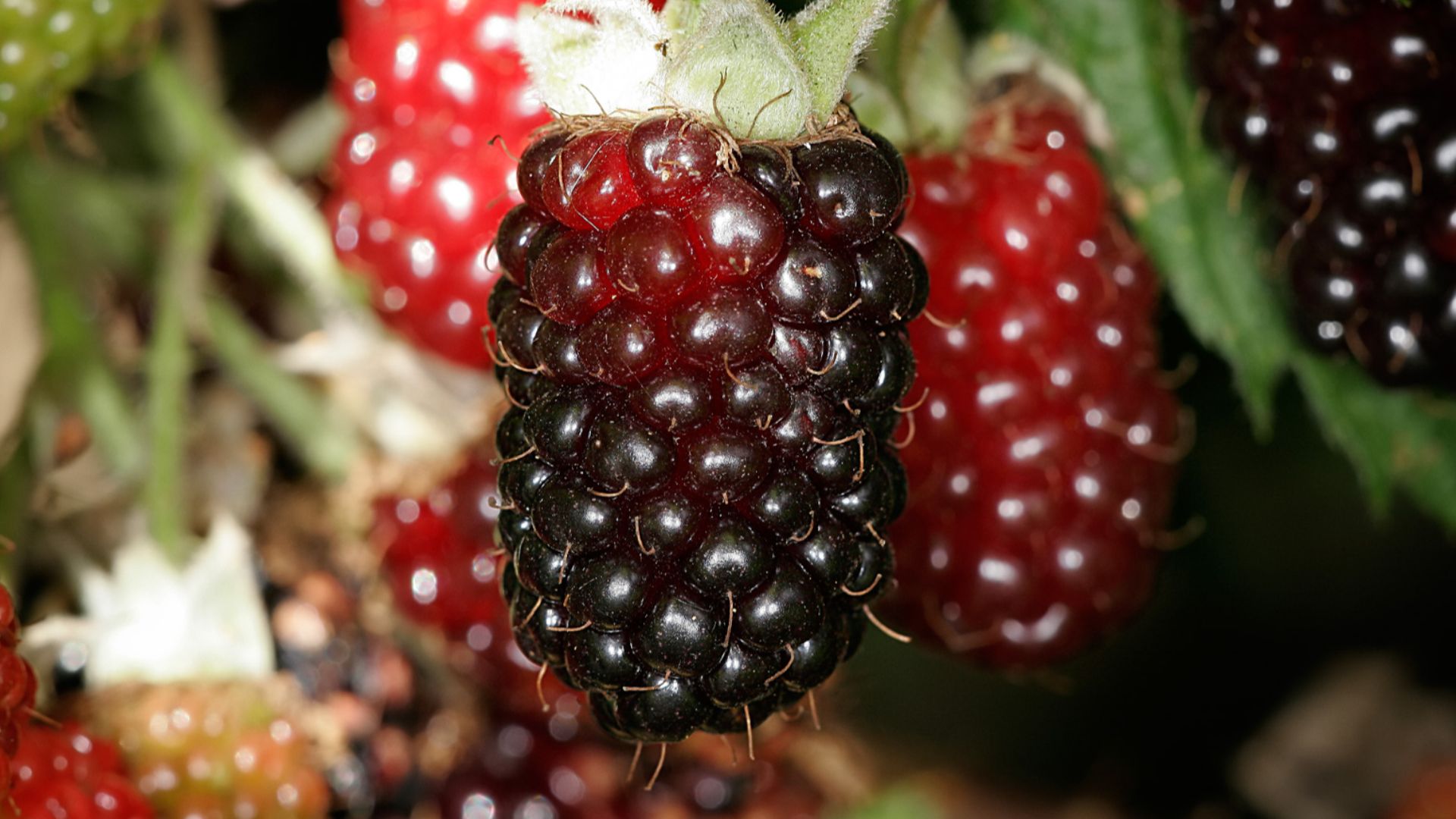 BetacommandBot, Wikimedia Commons
Walter Knott Rescued Boysen's Forgotten Vines
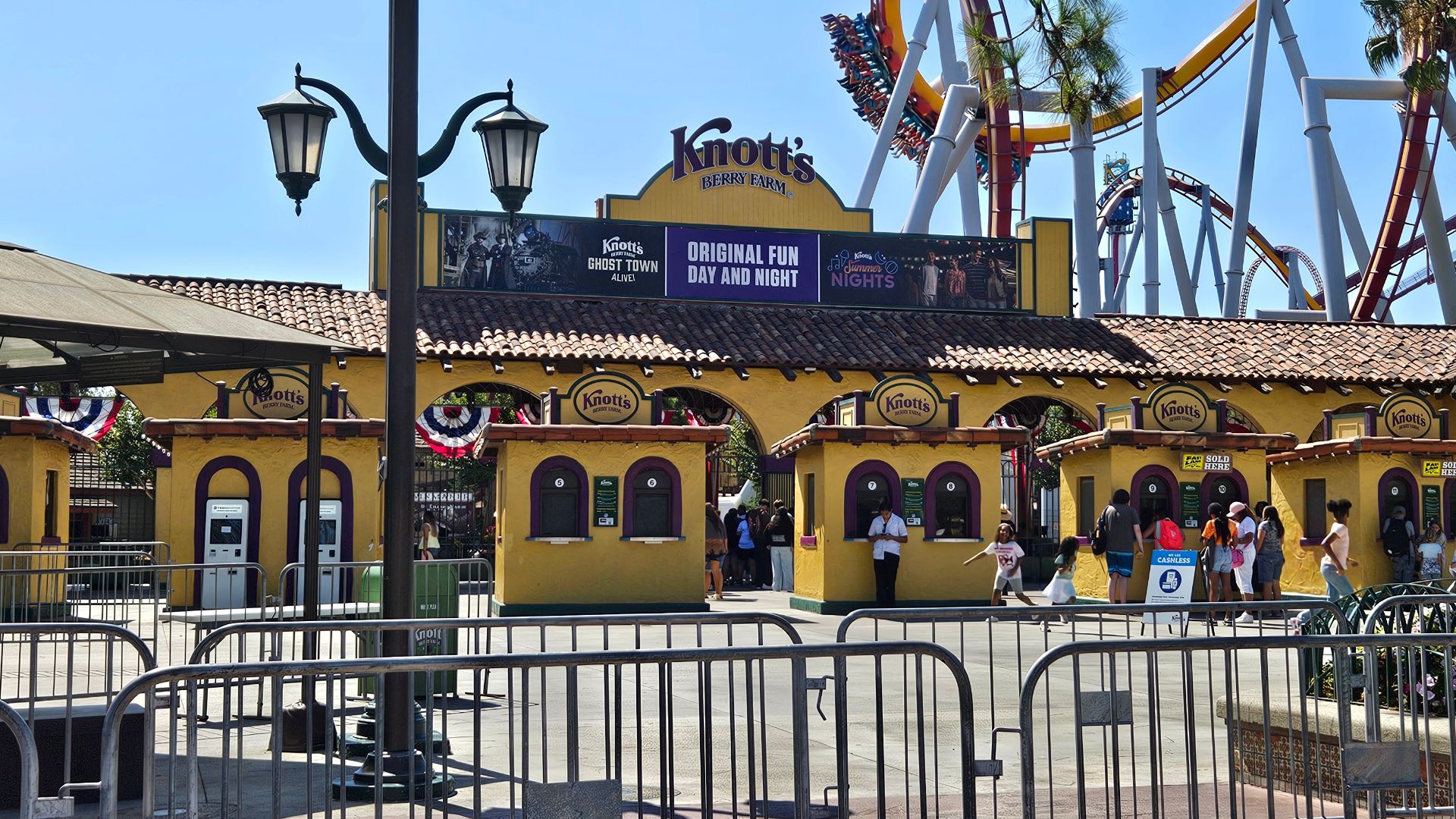
Years later, agricultural researcher George Darrow heard reports of Boysen's unusual berry and enlisted farmer Walter Knott to help locate it. They tracked Boysen down and found surviving plants from his abandoned experiments. Knott transplanted and cultivated the weakened vines until they began producing successfully again.
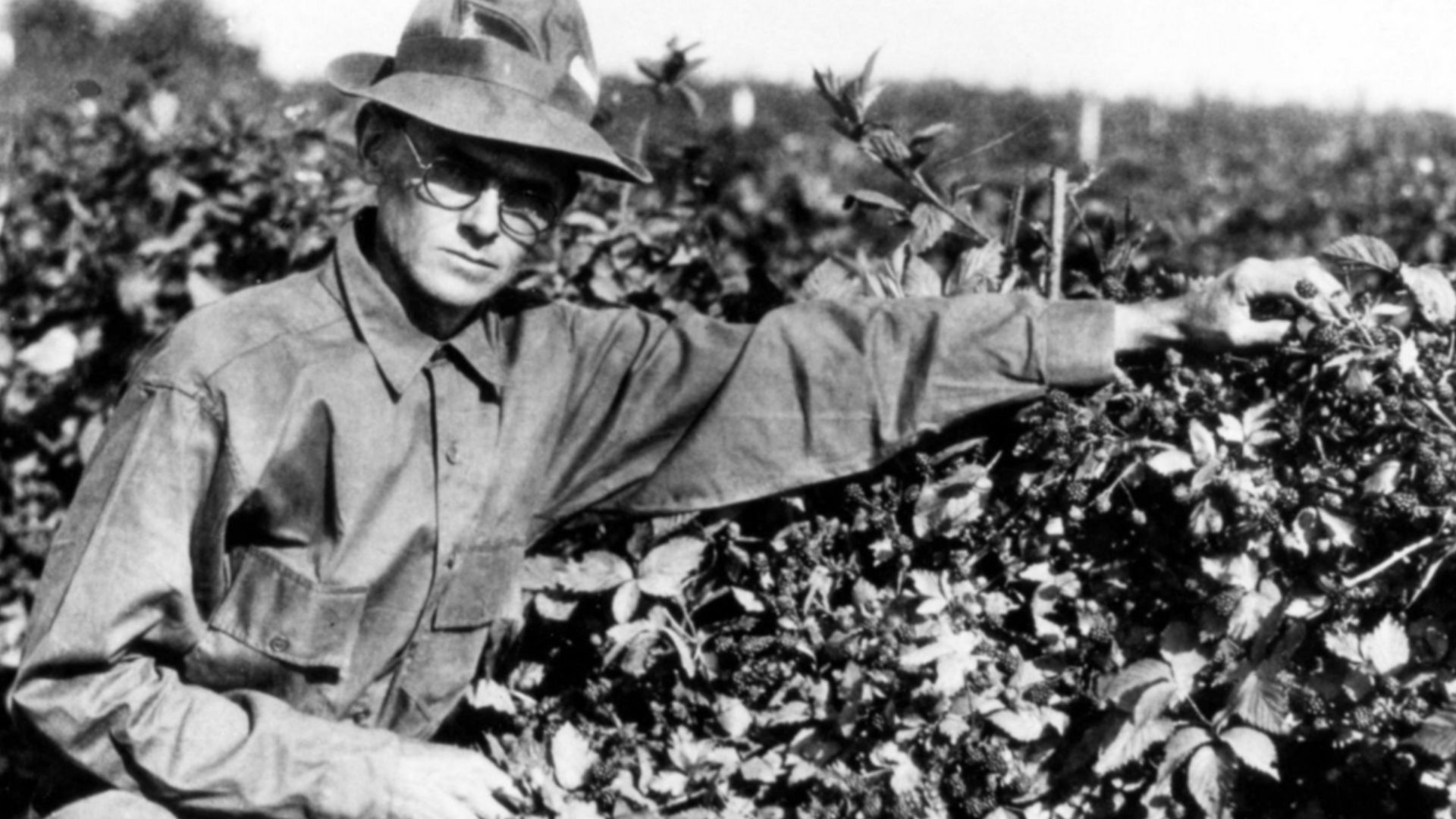 Author unknown; Photo courtesy Orange County Archives, Wikimedia Commons
Knott Put Boysen's Name On The Fruit
When the revived fruit became commercially viable, Walter Knott named it the boysenberry after Rudolph Boysen. Knott's family sold the berries, preserves, and pies, helping build the roadside business that ultimately evolved into Knott's Berry Farm. Boysen's experimental plant became famous largely because another farmer made sure its creator's surname went with it.
 OliviaRigby, Wikimedia Commons
History's most fascinating stories and darkest secrets, delivered to your inbox daily.
Melba Was An Opera Star Before She Was Dessert
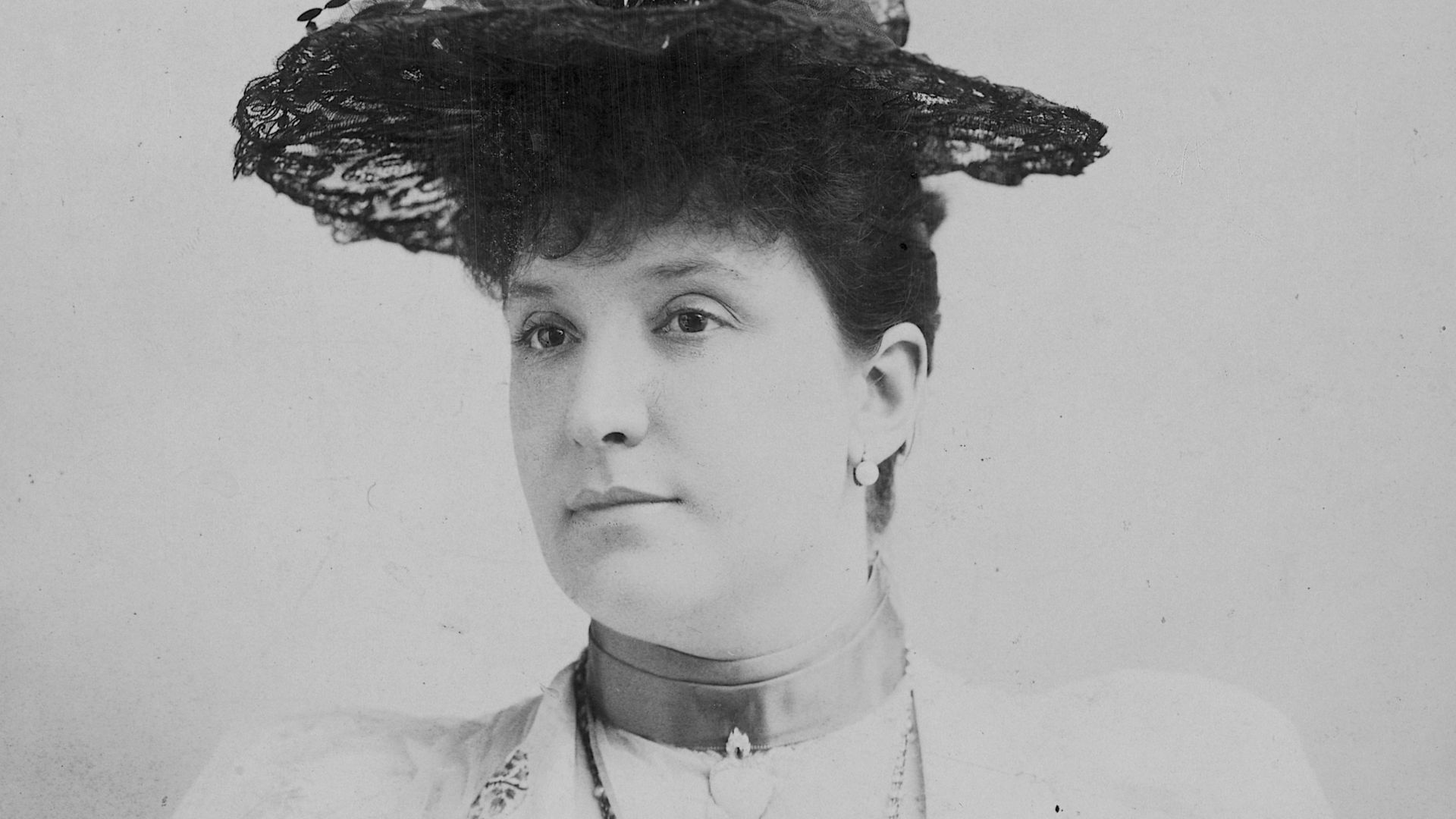
Nellie Melba was the stage name of Australian soprano Helen Porter Mitchell, one of the great international opera celebrities of her era. She chose “Melba” as a tribute to her hometown of Melbourne. Her celebrity was so enormous that chef Auguste Escoffier turned that stage name into culinary vocabulary.
 Numa Blanc Fils (photographic studio), Wikimedia Commons
Escoffier Put Melba On A Peach
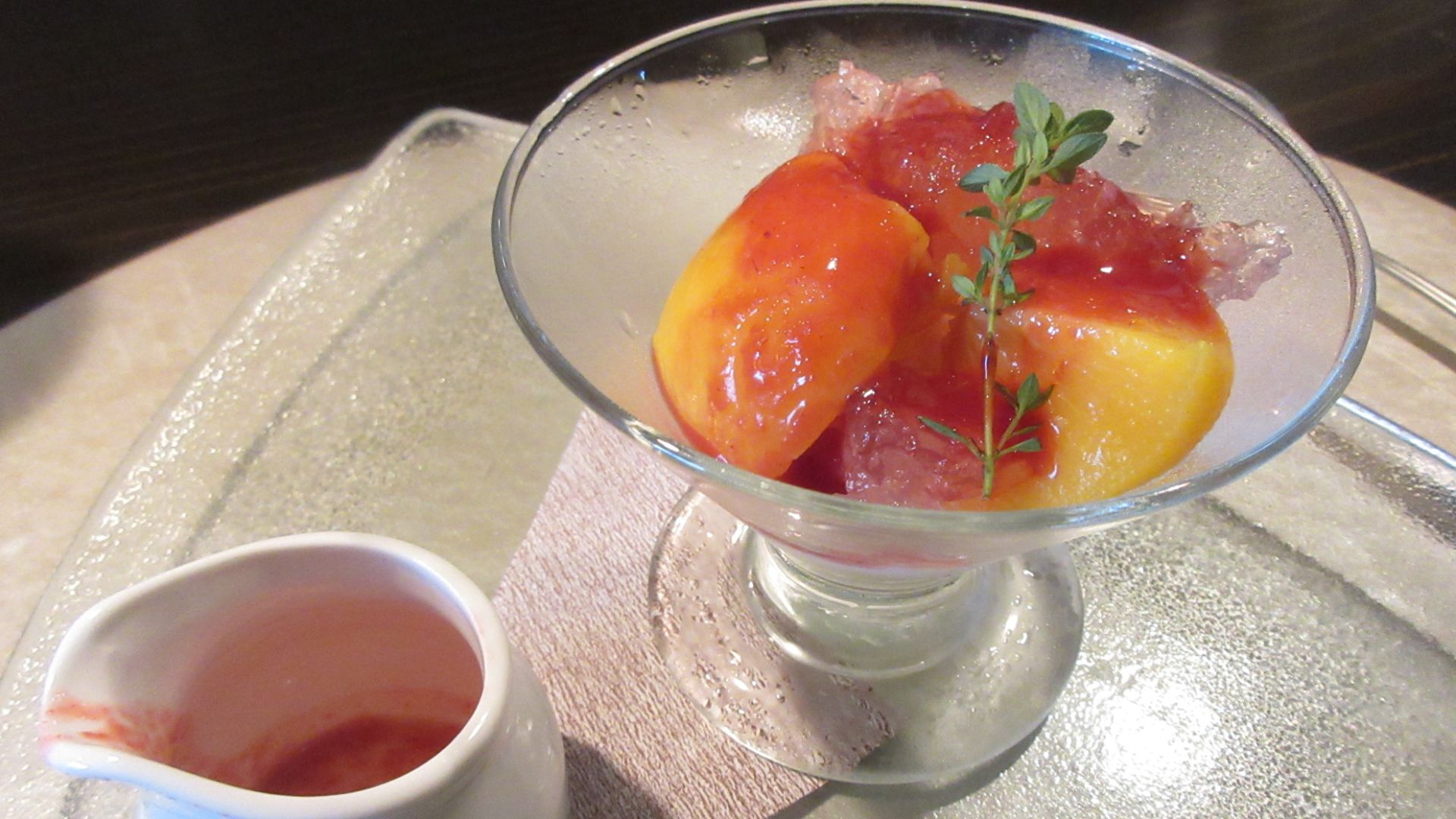
While Melba was performing in London, Escoffier created an elaborate peach-and-ice-cream dessert in her honor. The dish evolved into Peach Melba, traditionally combining peaches, vanilla ice cream, and sweetened raspberry purée. Its exact creation date has produced competing accounts, but its connection to the singer is firmly established.
 Unknown authorUnknown author, Wikimedia Commons
One Singer Ended Up With Several Foods
Peach Melba was not the only food associated with the soprano. Melba toast, the familiar thin crisp bread, was also named for her, and the Melba name appeared on sauces and other preparations. The singer's adopted stage name therefore traveled from Melbourne to opera houses and finally into culinary language.
 Evelyn-rose, Wikimedia Commons
Pavlova Was A Ballerina Before It Was Dessert
Anna Pavlova was a celebrated Russian ballerina who toured Australia and New Zealand in 1926. Her performances made such an impression that cooks began attaching her name to desserts. The familiar pavlova is now a large meringue-based dessert traditionally served with cream and fruit.
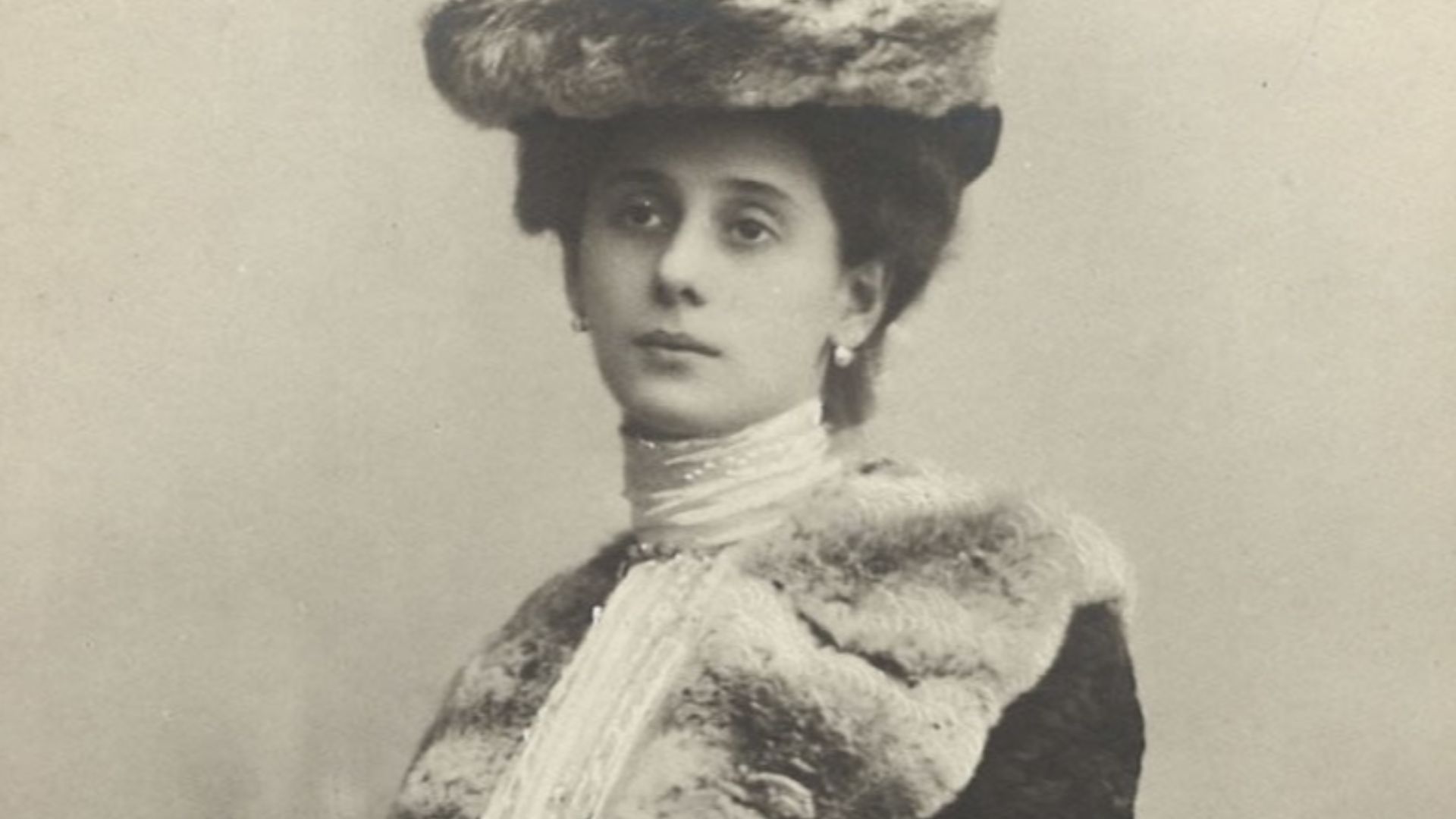
Two Countries Still Argue Over Pavlova
Australia and New Zealand have both claimed the dessert as part of their culinary heritage. The disagreement is complicated because numerous earlier meringue desserts existed and recipes using Pavlova's name did not all describe the same thing. What is not seriously disputed is that the food's name honors Anna Pavlova herself.
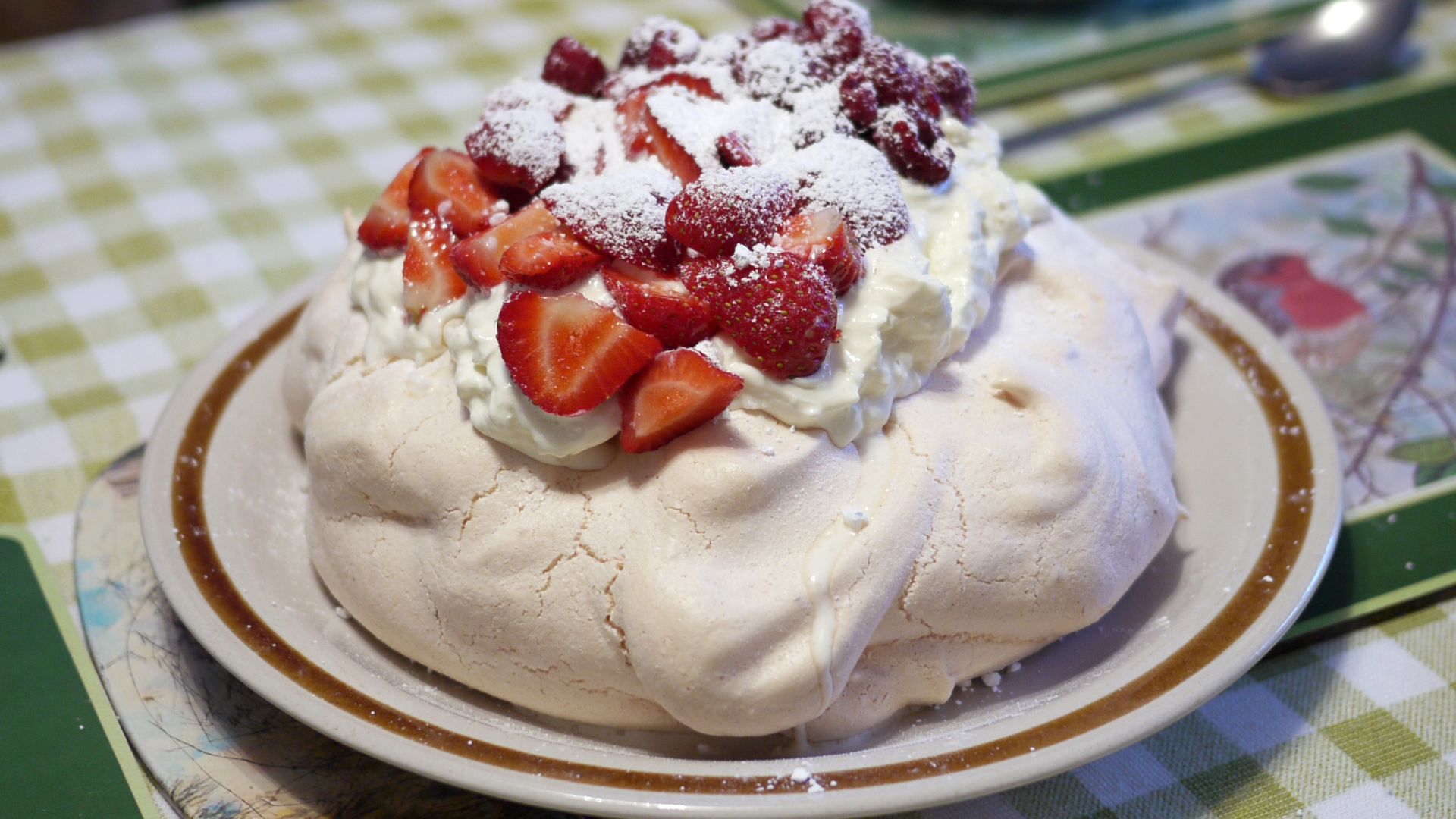 brett jordan, Wikimedia Commons
An Early Pavlova Wasn't Even The Same Dessert
Food historian Helen Leach found that an Australian recipe from 1926 used the name “pavlova” for a layered jelly rather than today's meringue cake. The first known recipe for a pavlova resembling the modern dessert appeared in New Zealand in 1929. Pavlova's surname had therefore become a fashionable food name before cooks had even settled on exactly what a pavlova was.
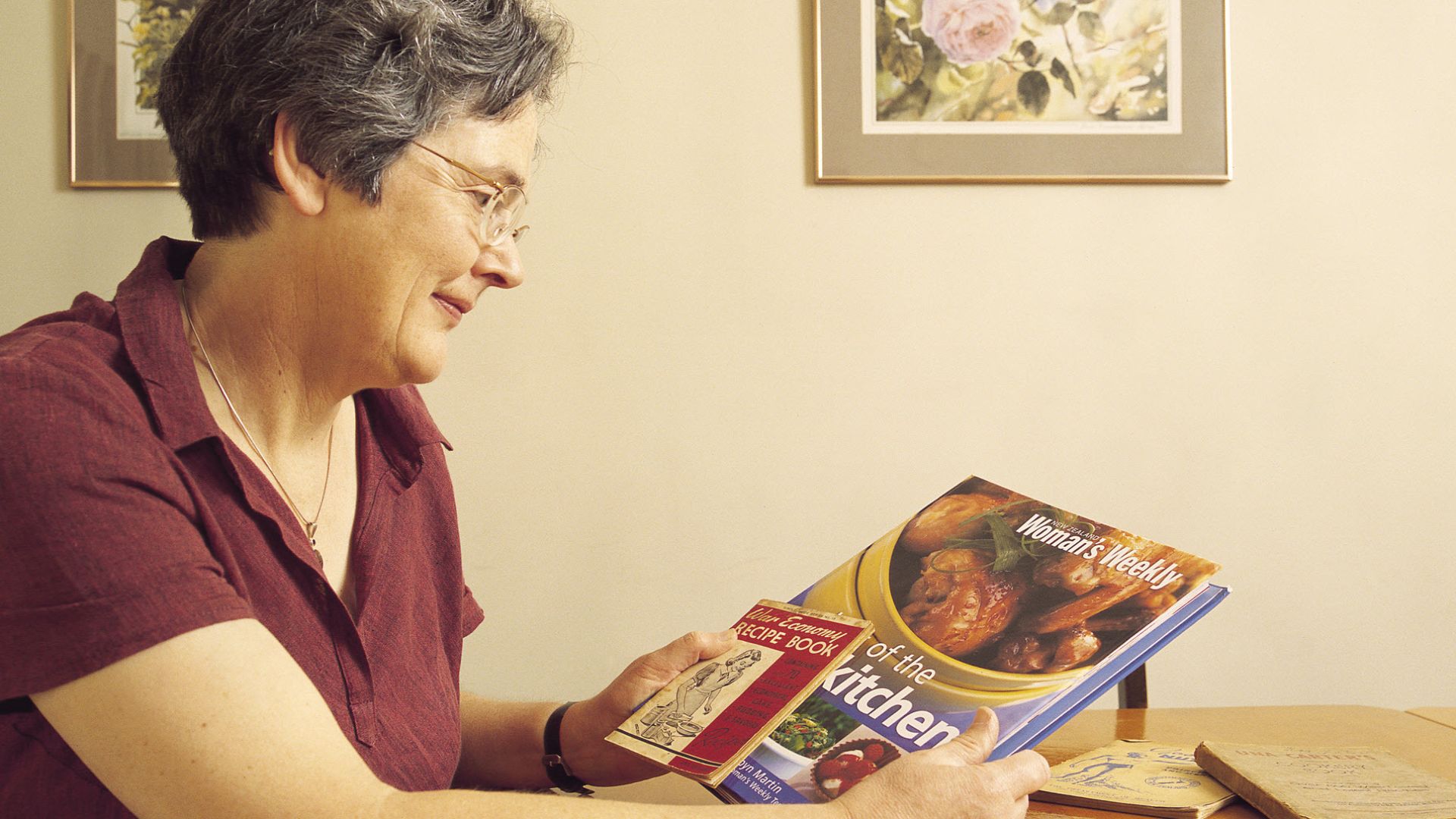 Alan Dove, University of Otago, Wikimedia Commons
History's most fascinating stories and darkest secrets, delivered to your inbox daily.
Cobb Salad Was Bob Cobb's Salad
Robert “Bob” Cobb was a restaurateur who ran Hollywood's famous Brown Derby restaurants. He worked in almost every aspect of the business and became well known among the actors, producers, and other entertainment figures who regularly ate there. The chopped salad carrying his surname emerged at the Derby during the 1930s.
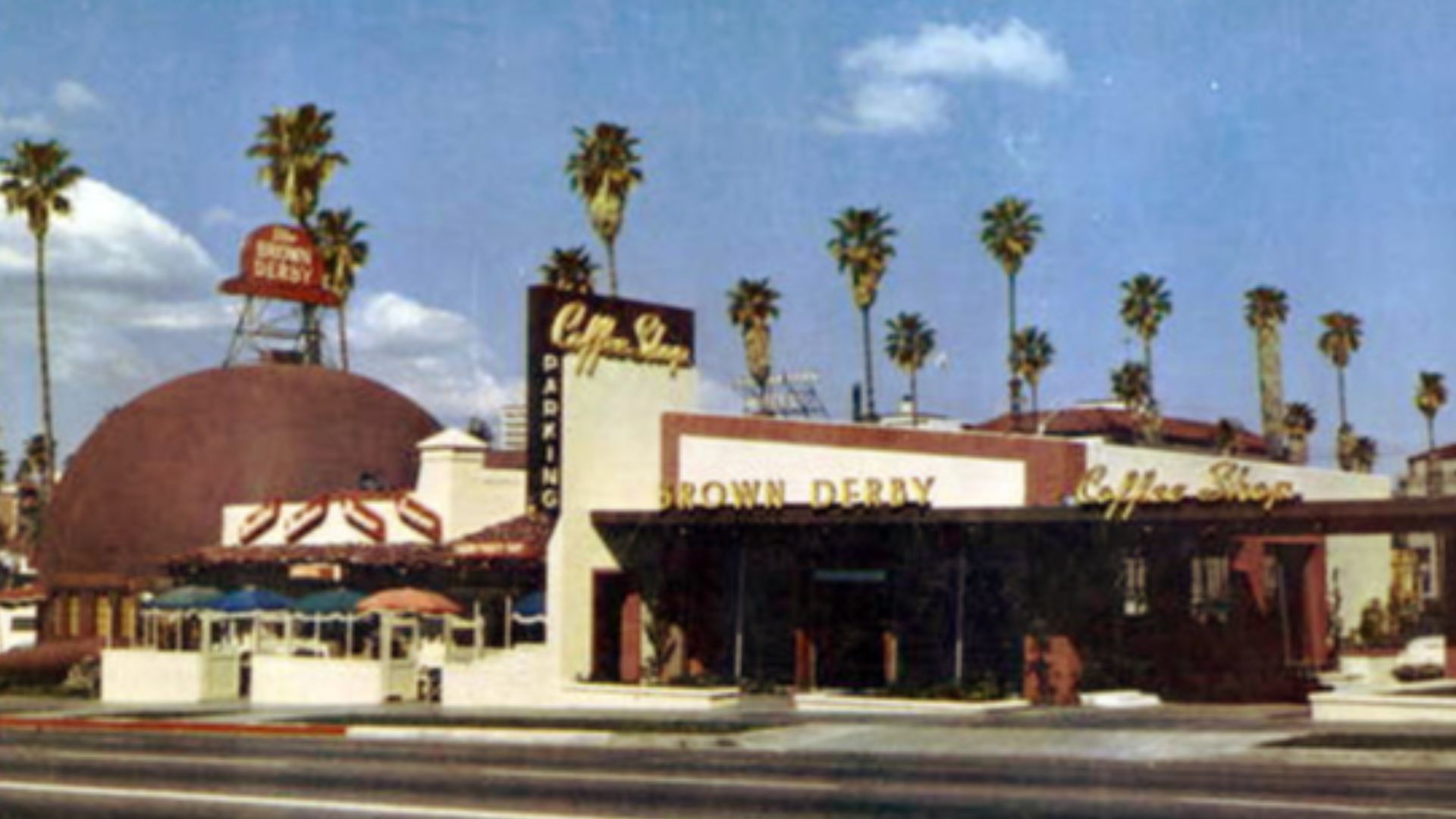 Mike Roberts Uploaded by We hope at en.wikipedia, Wikimedia Commons
The Famous Salad Started With What Was Around
One version preserved by Cobb's daughter says her father assembled the salad from ingredients he had been saving in the restaurant kitchen. Theater impresario Sid Grauman tried it and later returned asking for “Cobb's” salad. The combination came to include greens, chicken, bacon, avocado, tomatoes, eggs, and Roquefort cheese.
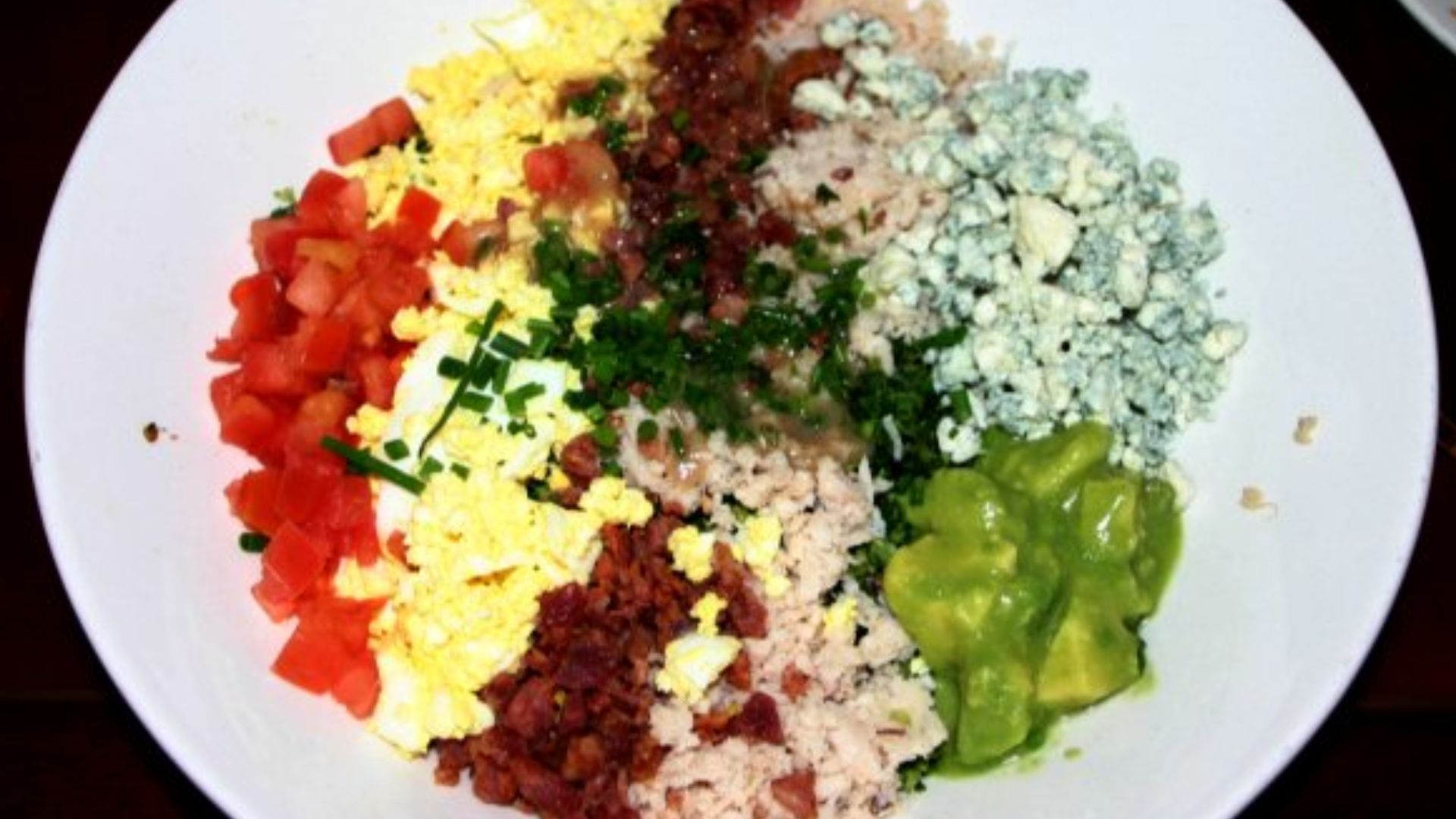 Elizabeth from Lansing, MI, USA, Wikimedia Commons
The Restaurant Vanished But Cobb Stayed On Menus
The original Brown Derby restaurants eventually disappeared, but Cobb salad became a generic menu staple far beyond Hollywood. Restaurants routinely alter its meat, cheese, greens, and dressing while continuing to use Cobb's surname. Robert Cobb's dining empire is now mostly Hollywood history, yet people still order his name for lunch without giving the man behind it a thought
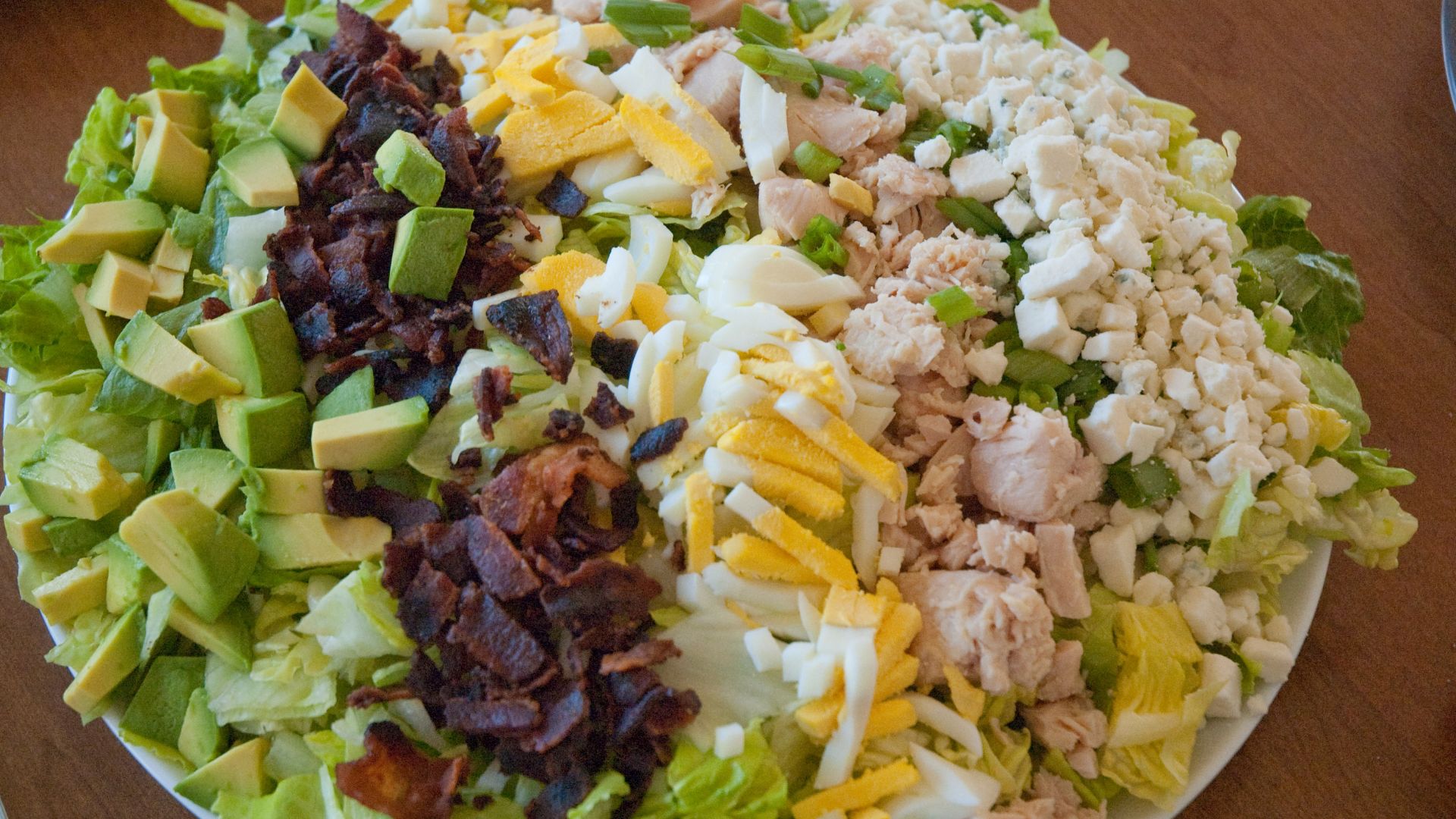 Jodimichelle, Wikimedia Commons
You May Also Like:
People’s everyday diets in the Middle Ages were stranger—and tastier—than we ever realized.
Foods You Didn't Realize Were Invented In America
Everyday Foods That Only Became Popular Because Of WWII
Sources: 1, 2, 3, 4, 5, 6, 7, 8, 9, 10, 11, 12, 13, 14, 15, 16, 17, 18, 19, 20, 21, 22, 23, 24, 25, 26, 27, 28, 29, 30, 31, 32, 33, 34, 35, 36