
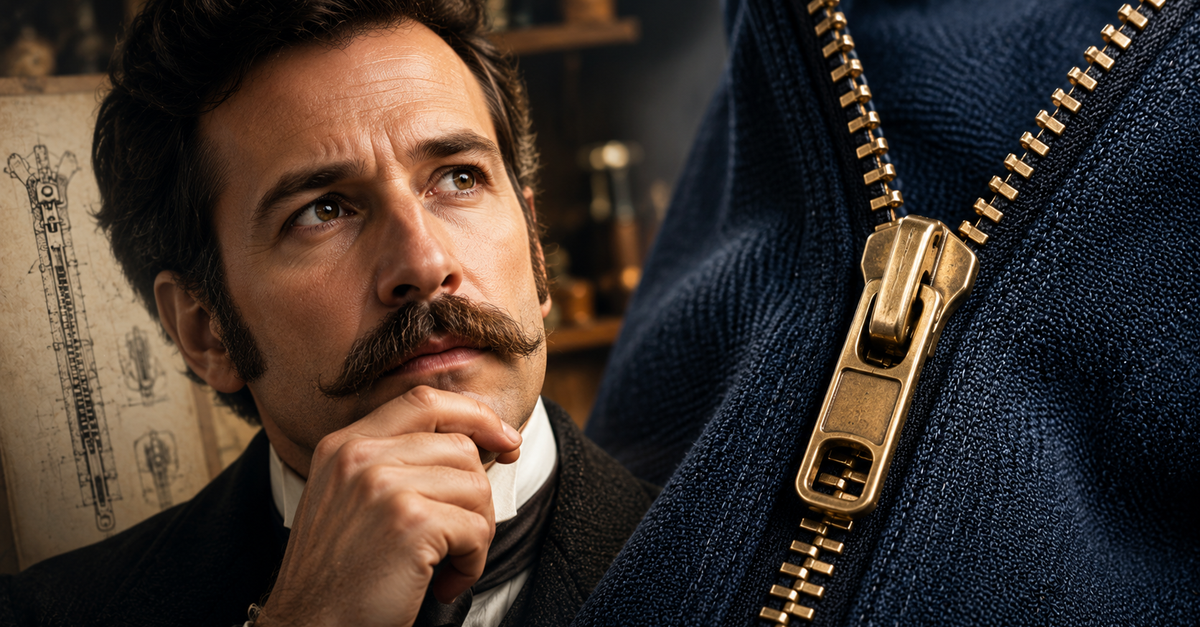
The Zipper Was A Surprisingly Slow Revolution
Today, a zipper feels so ordinary that most people barely notice one unless it jams. The basic idea took generations of experimentation before manufacturers could make a sliding fastener that was reliable, affordable, and easy to sew into everyday products. Its history shows that inventing something is not the same as convincing millions of people to trust it. Factinate Ltd
The Story Started Before The Civil War
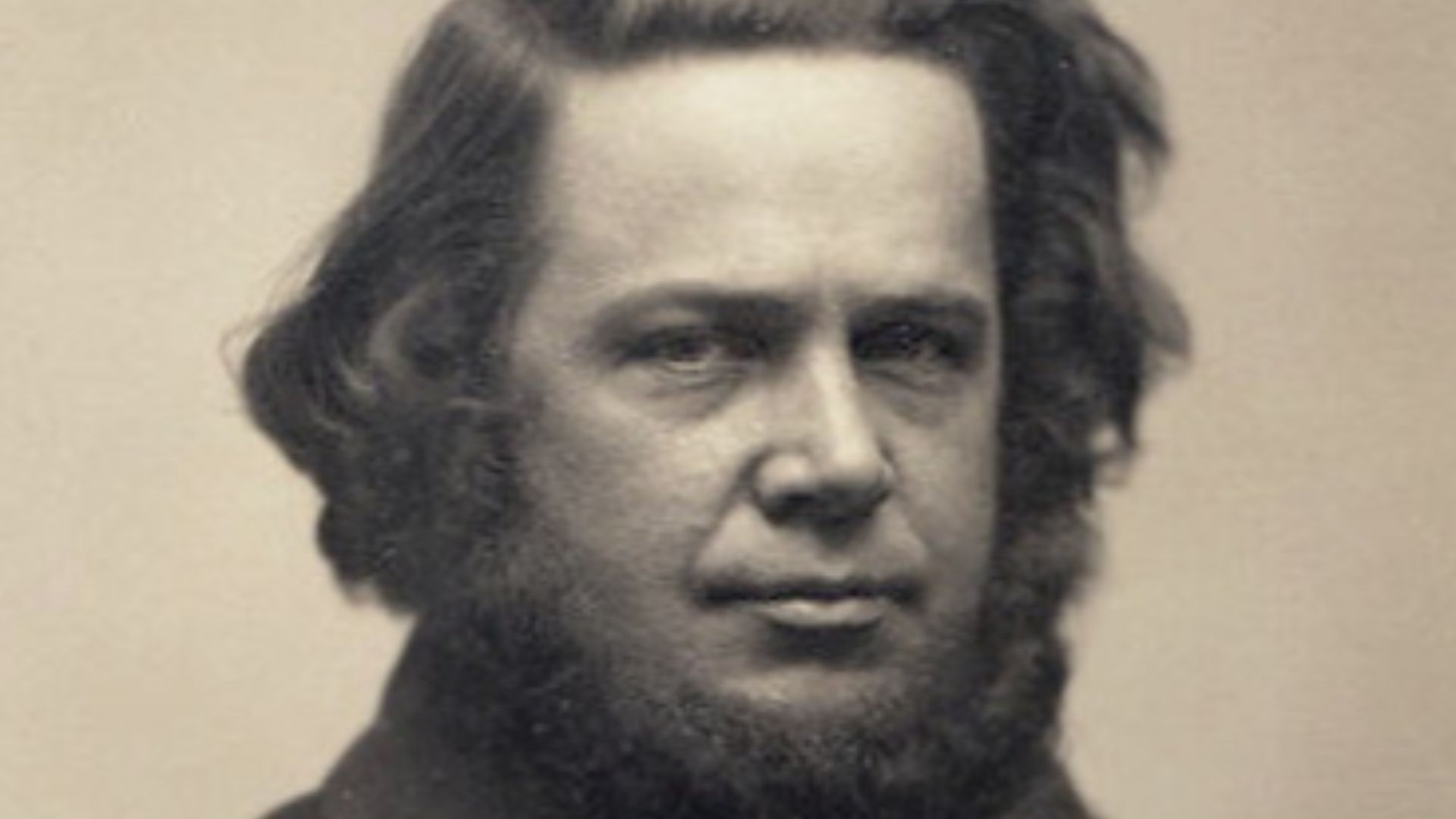
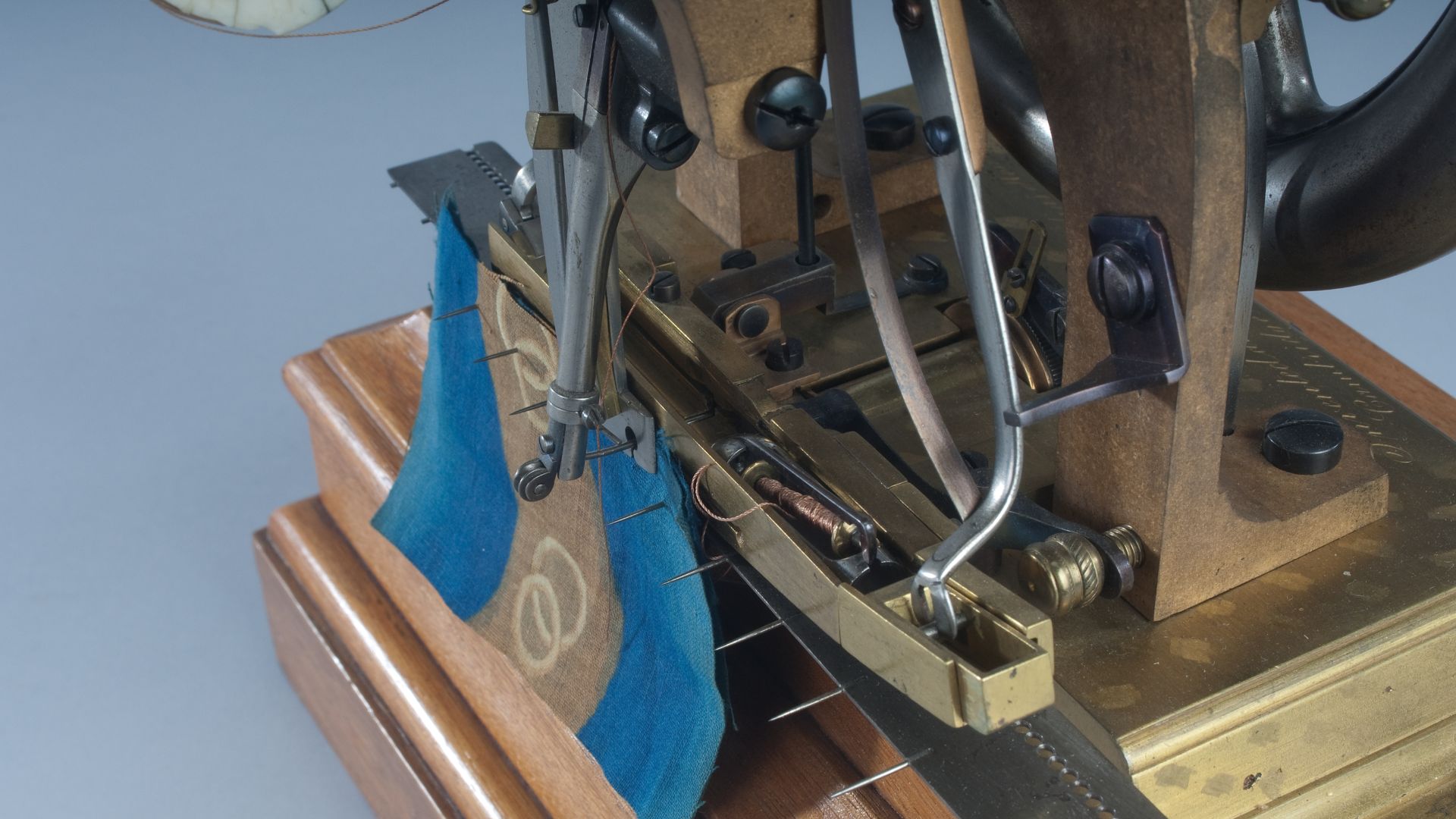
One early ancestor appeared in 1851, when sewing-machine pioneer Elias Howe patented an “Automatic Continuous Clothing Closure.” Howe’s device used connected clasps rather than the interlocking teeth of a modern zipper. It never became a successful commercial product, leaving the basic problem of a practical sliding closure unsolved.
Buttons Were Difficult Competition To Beat
Clothing makers already had familiar ways to fasten garments, including buttons, hooks, and laces. A new closure therefore needed to offer more than novelty if manufacturers were going to change established production methods. That practical reality would repeatedly frustrate zipper inventors during the decades that followed.
 Unknown author, Wikimedia Commons
Whitcomb Judson Tried Again In The 1890s
Chicago inventor Whitcomb L. Judson developed a device designed to engage or disengage a series of clasps with one continuous movement. His 1893 patent specifically described it as useful for shoes, while also suggesting applications such as belts and bags. The central idea of operating many fasteners with one moving guide was an important step toward the zipper.
 Unknown author, Wikimedia Commons
Judson Wanted To Make Shoes Easier
Judson’s patent explained that fastening individual clasps by hand was tedious. His sliding guide was intended to join or release those clasps as it moved along the shoe. That concept sounds familiar today, but the actual mechanism was considerably more complicated than the zipper sitting on a modern jacket.
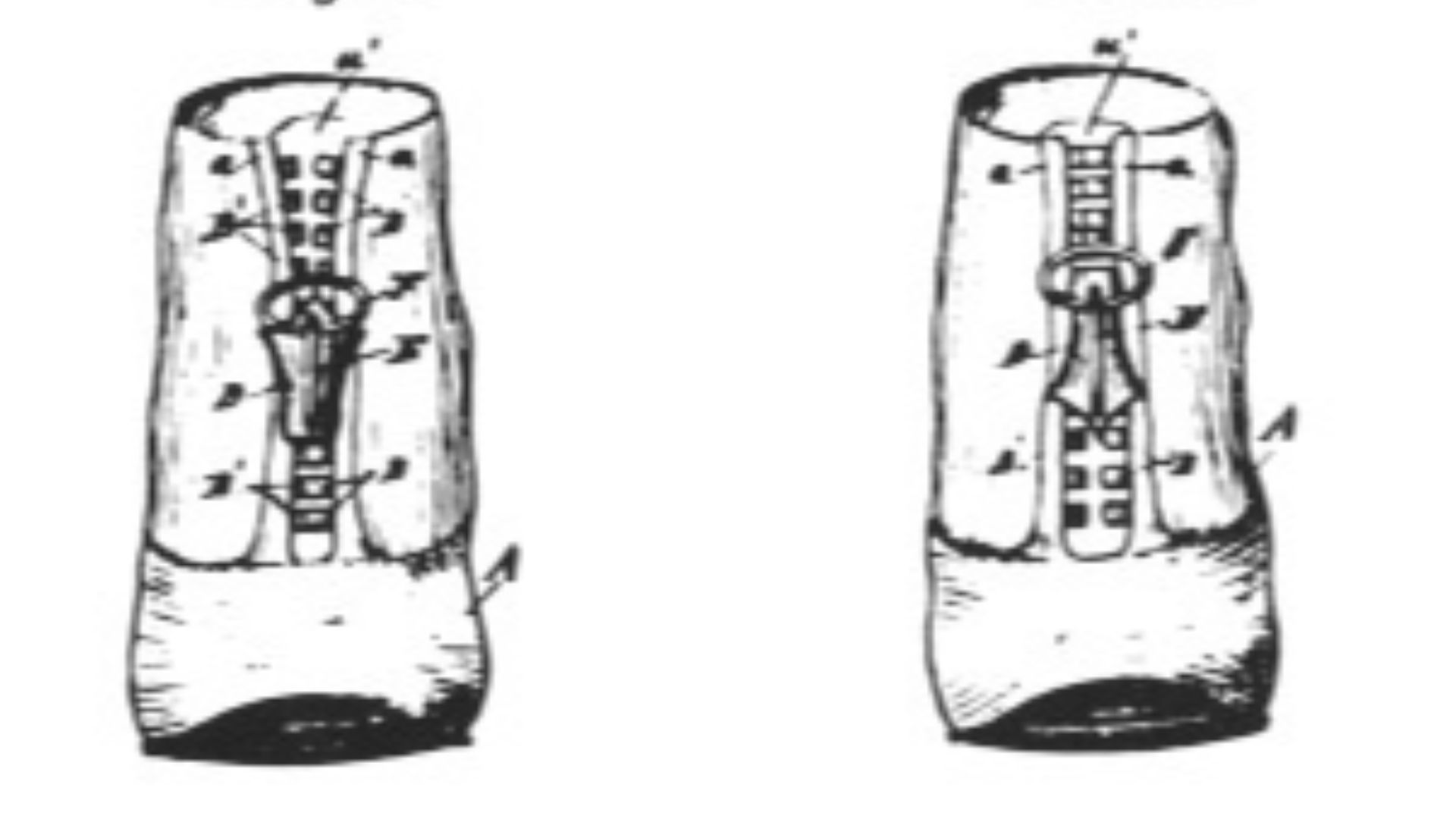 United States Patent Office, Wikimedia Commons
The Clasp Locker Reached A World’s Fair
Judson’s fastener was shown publicly at Chicago’s World’s Columbian Exposition in 1893. He also became involved with businessman Lewis Walker in an effort to manufacture and commercialize the technology. Even a high-profile debut, however, did not turn the clasp locker into an everyday success.
 vxla from Chicago, US, Wikimedia Commons
The Early Version Had Real Problems
Judson’s system relied on hooks and eyes rather than the compact interlocking teeth familiar today. Contemporary histories describe the early devices as bulky, expensive, and prone to opening unexpectedly or damaging fabric. Those weaknesses were especially serious for something consumers were supposed to trust to keep clothing securely closed.
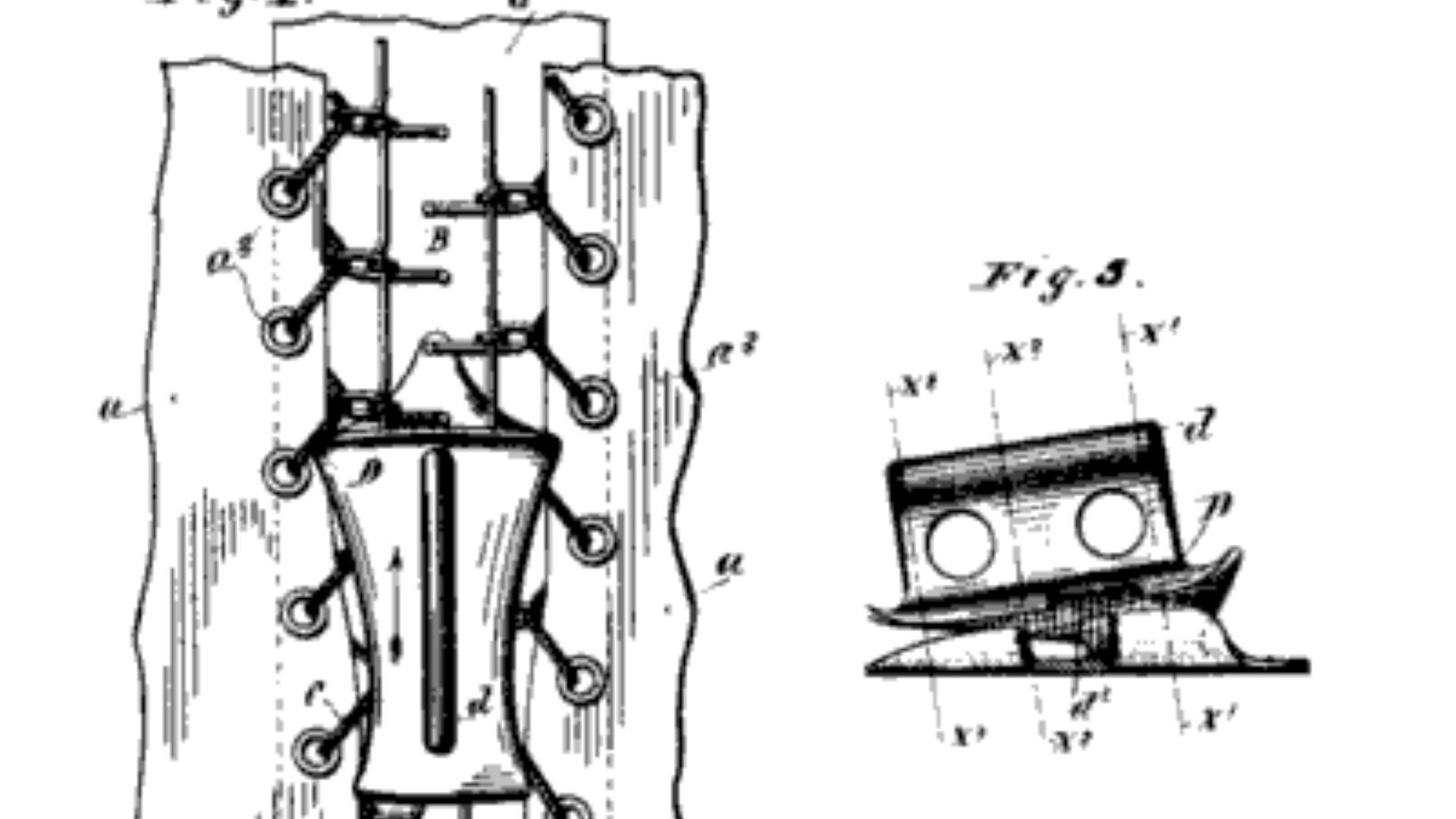 United States Patent Office, Wikimedia Commons
Manufacturing Was Another Major Obstacle
A clever mechanism was only part of the challenge. Manufacturers also needed an efficient way to attach many fastening elements accurately to fabric tape. By around 1905, machinery made that process more practical, but the resulting fasteners were still considered too insecure and cumbersome for widespread clothing use.
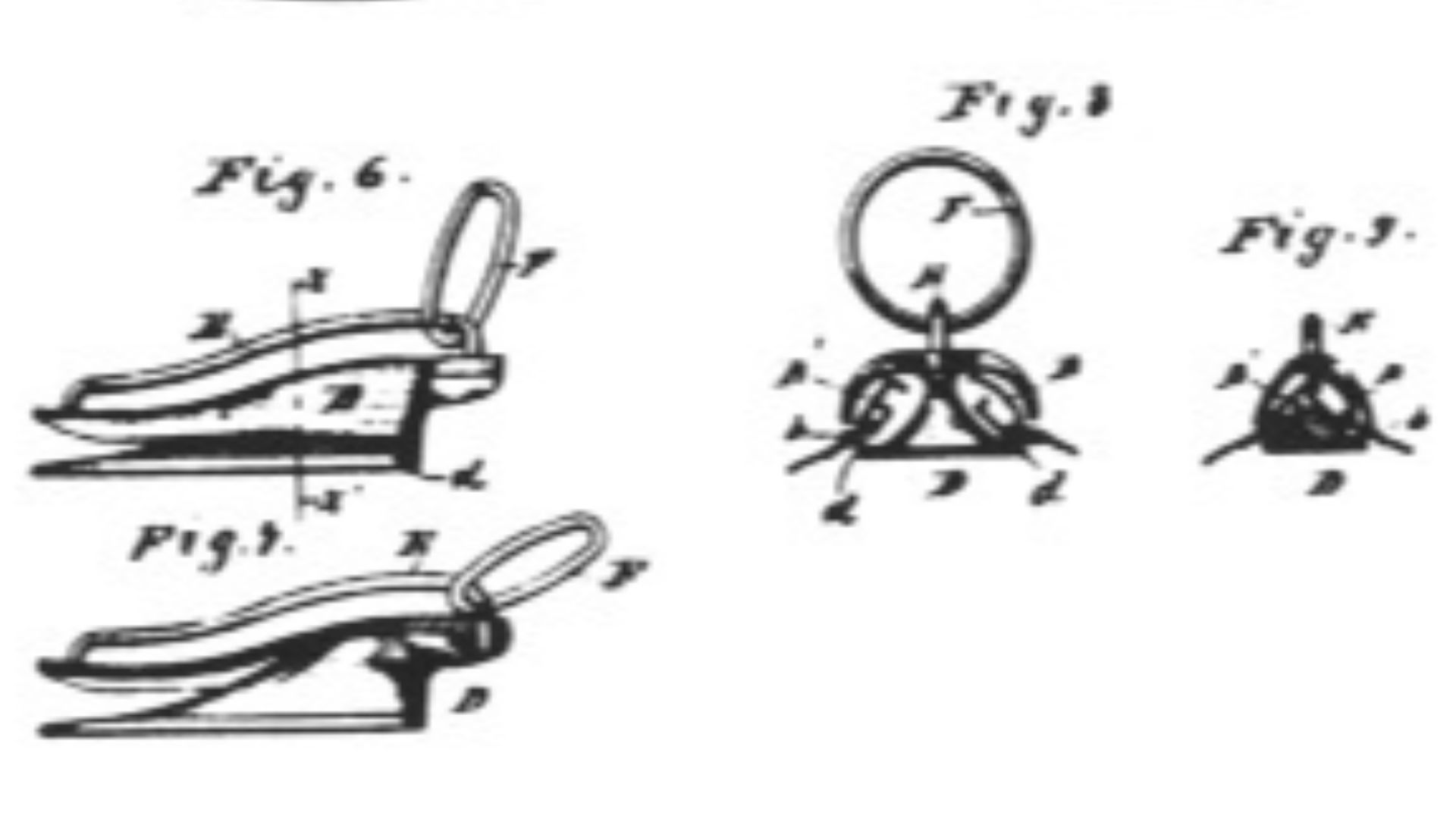 United States Patent Office, Wikimedia Commons
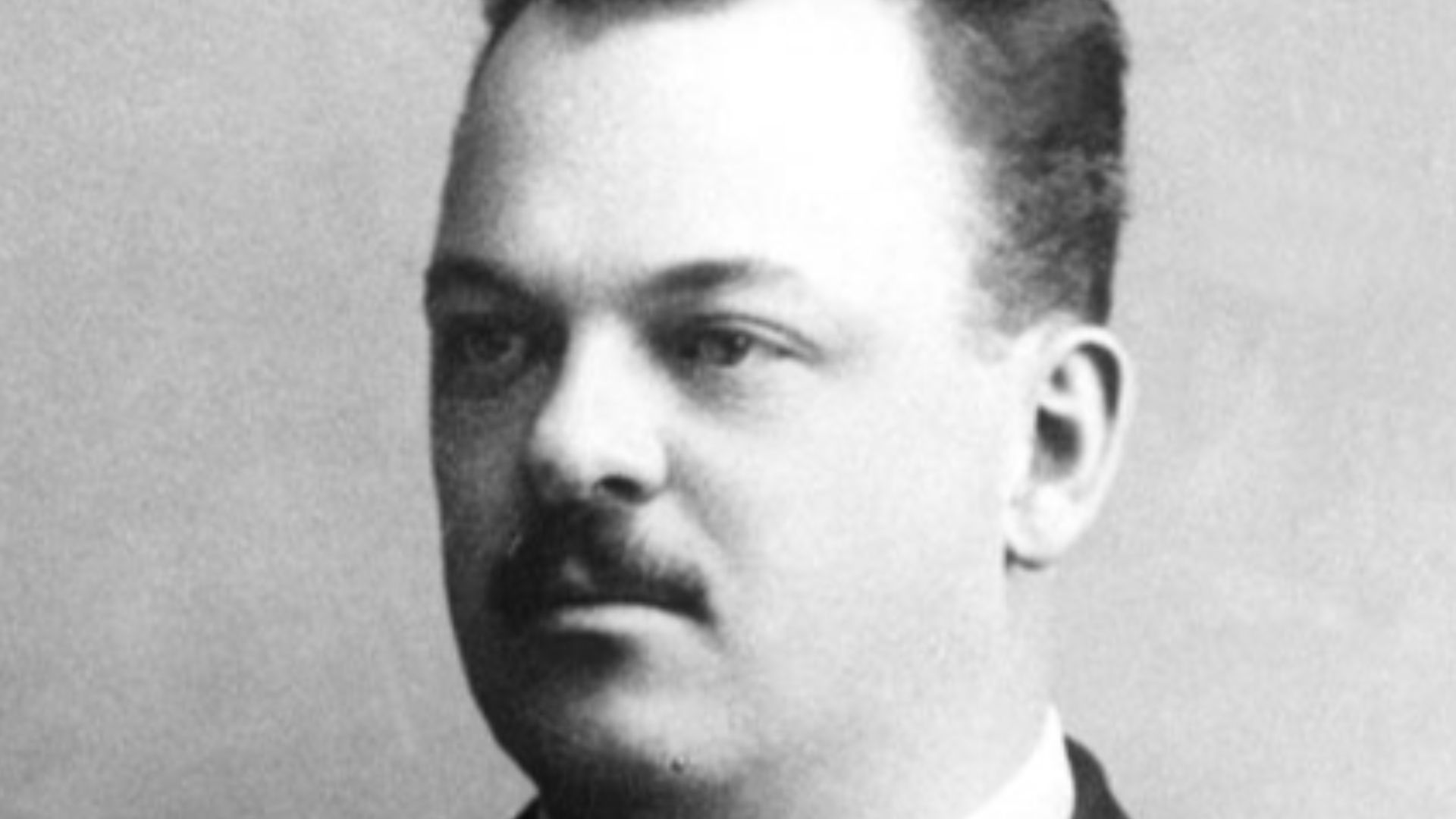
Gideon Sundback Inherited An Unfinished Idea
Swedish American engineer Gideon Sundback worked for the company developing the fastener technology. Instead of accepting the hook-and-eye arrangement, he continued redesigning the mechanism. His work would transform an unreliable curiosity into something much closer to the zipper people recognize today.
 Unknown author, Wikimedia Commons

History's most fascinating stories and darkest secrets, delivered to your inbox daily.
More Teeth Made A Major Difference
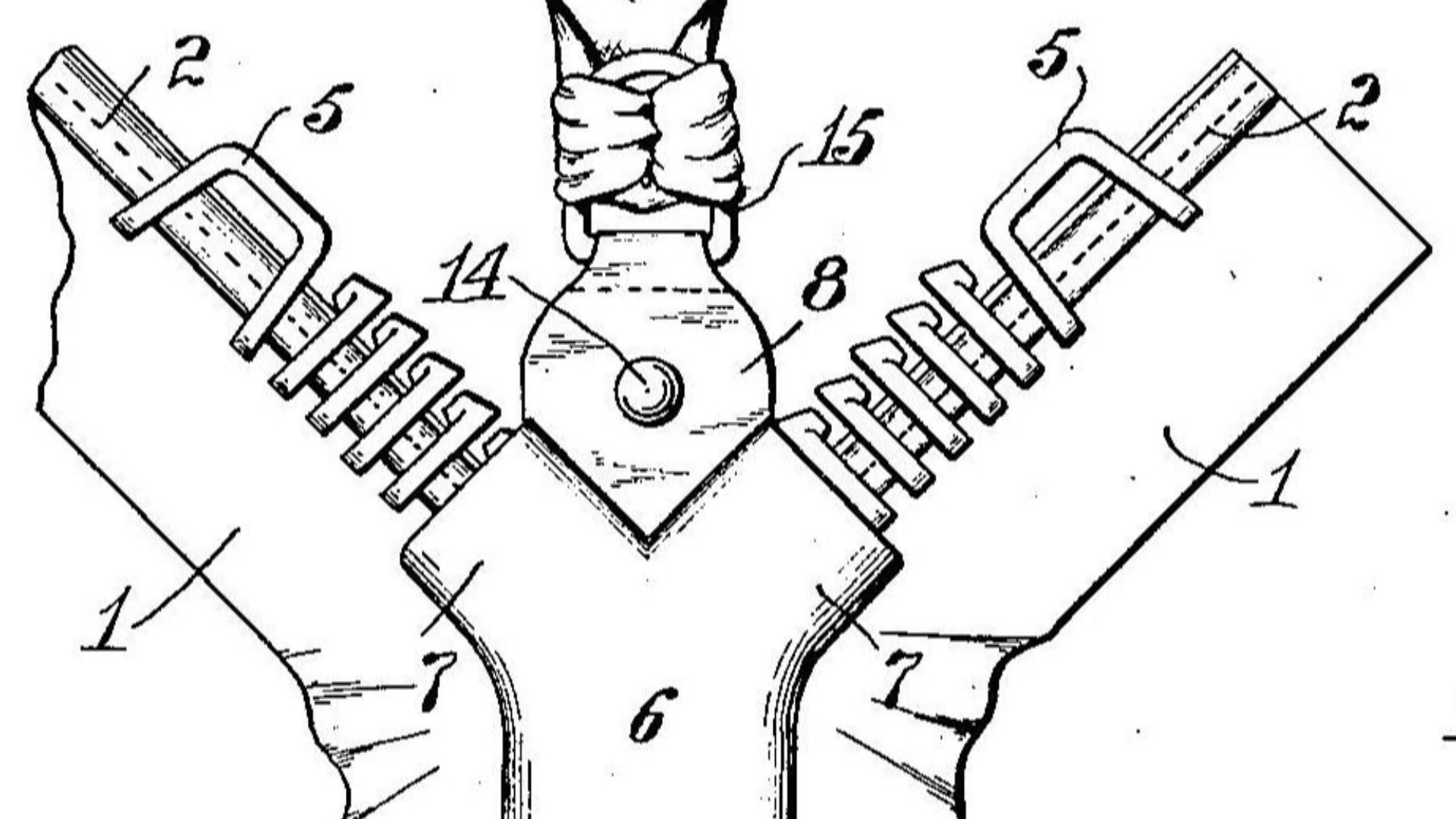
Sundback developed a system with closely spaced fastening elements arranged in two opposing rows. A slider guided the elements together so they could interlock securely, eliminating the need for separate hooks on one side and eyes on the other. That simpler geometry made the closure both more compact and more dependable.
 Gideon Sundbäck, Wikimedia Commons
The Modern Zipper Finally Took Shape
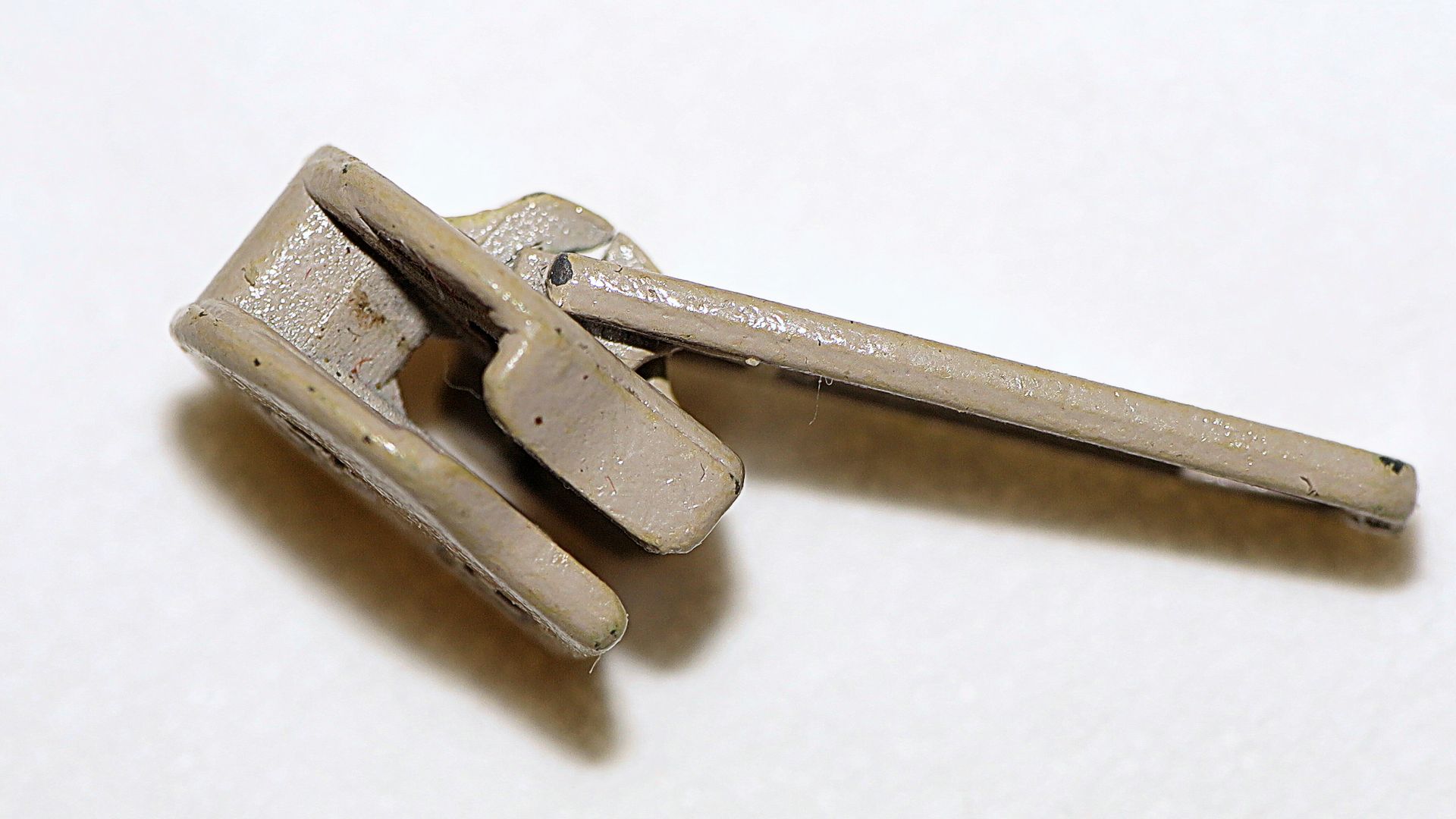
By 1913, Sundback had developed the design that historians commonly recognize as the modern zipper. The Smithsonian describes his later “Hookless Number 2” design as using interlocking metal teeth. The crucial improvement was no longer merely a clever way to move hooks but a fundamentally better fastening system.
 Rolf Dietrich Brecher from Germany, Wikimedia Commons
A Patent Locked In The Breakthrough
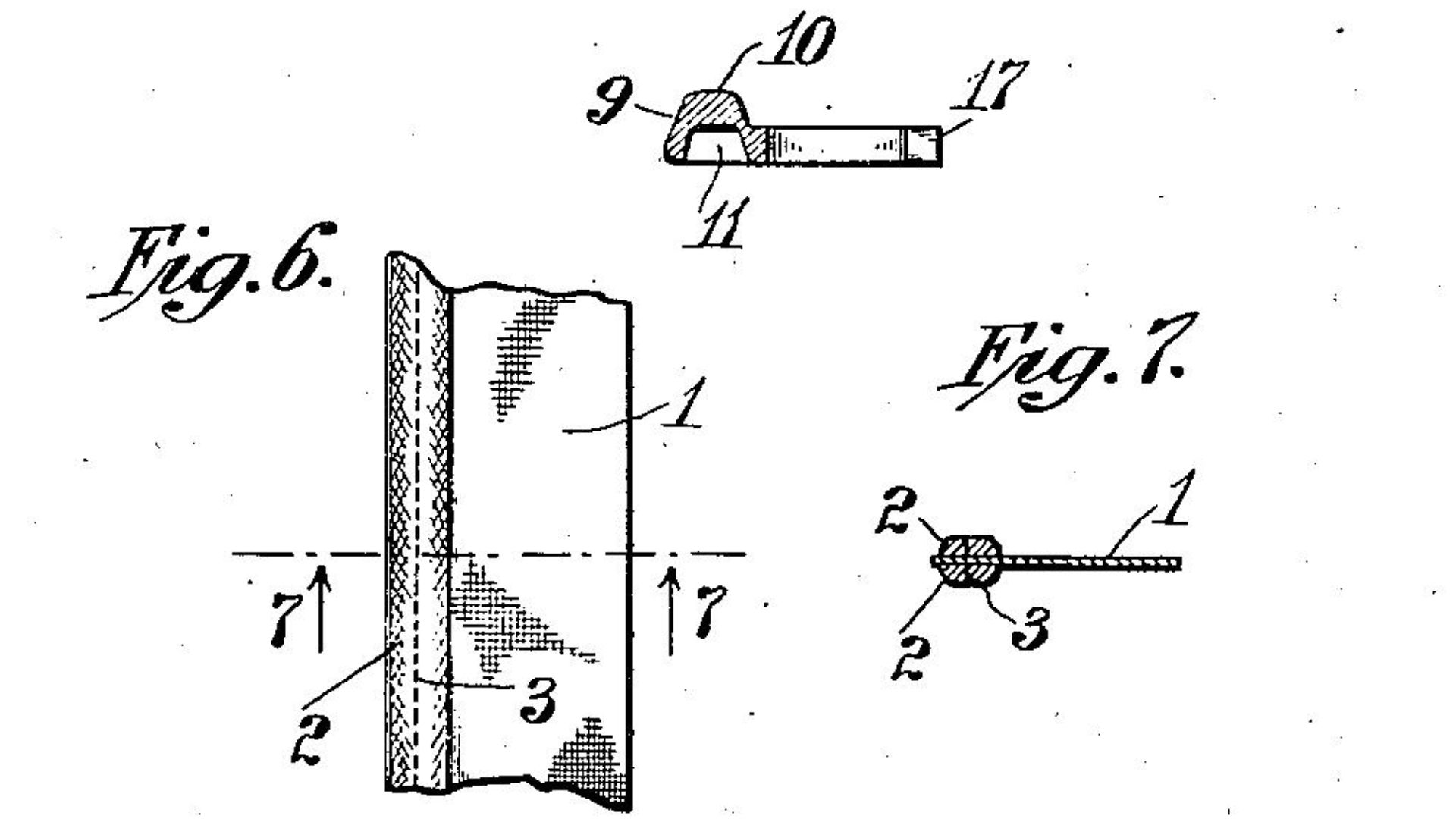
Sundback received U.S. Patent 1,219,881 for his “Separable Fastener” on March 20, 1917. The design used rows of interlocking elements controlled by a permanently attached slider. More than six decades after Howe’s early patent, the essential mechanical structure of the modern zipper had arrived.
 Gideon Sundbäck, Wikimedia Commons
Better Engineering Still Did Not Guarantee Success
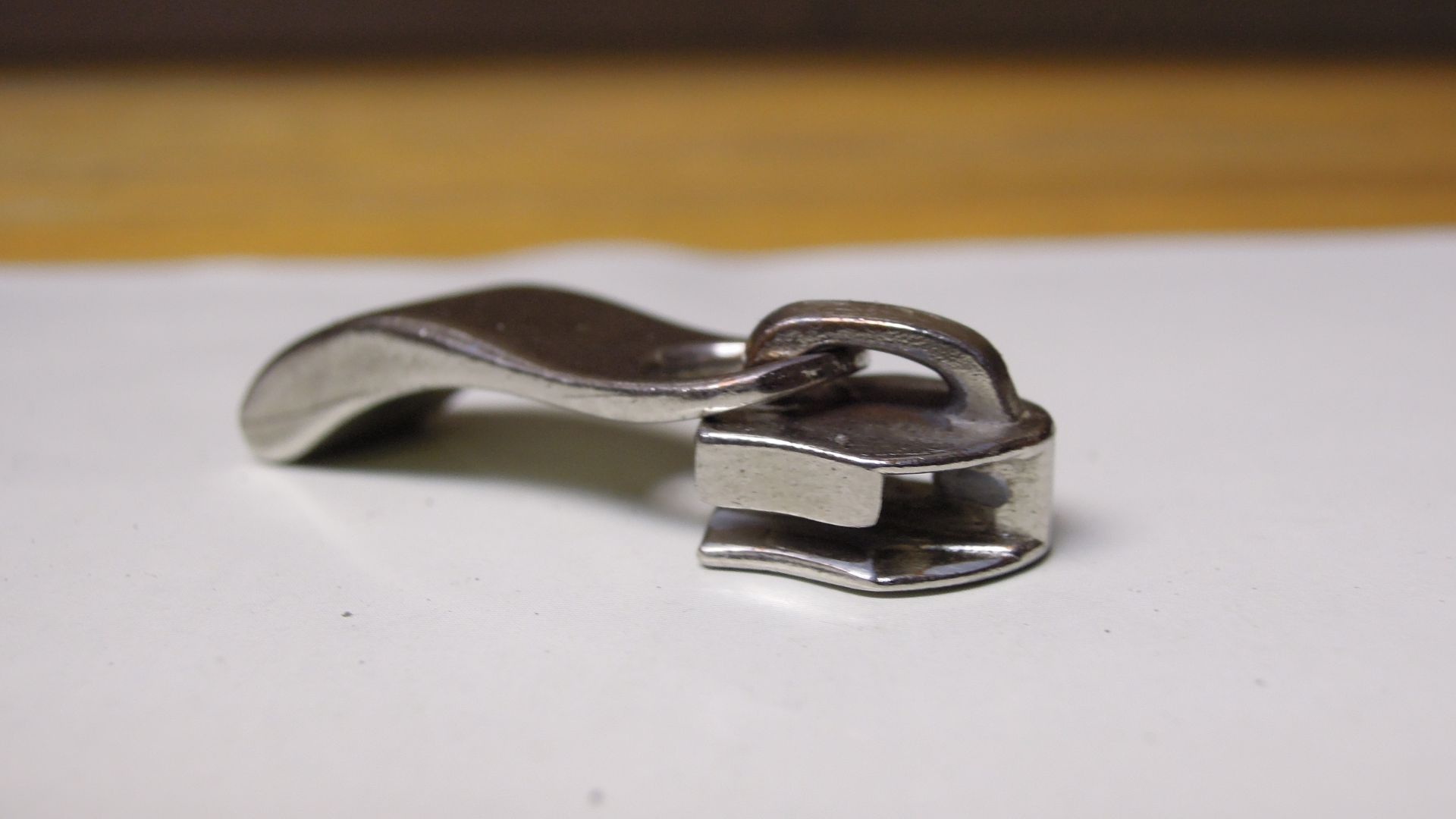
The improved fastener solved important mechanical problems, but clothing companies did not immediately rush to adopt it. Established fashion habits, manufacturing costs, and doubts about reliability continued to slow acceptance. The zipper had become much more useful before it became truly trusted.
 Oto Zapletal, Wikimedia Commons
Wartime Demand Gave It A Chance
World War I provided one of the first significant markets for the improved fastener. In early 1918, zippered money belts were sold to soldiers and sailors, with roughly 24,000 purchased during the wartime period described by historian Robert Friedel. Military-related applications later included flying suits and life vests, putting the technology in situations where practicality mattered more than fashion tradition.
 Biswarup Ganguly, Wikimedia Commons
Military Use Was Valuable Advertising
Wartime applications exposed thousands of people to a closure they might otherwise never have encountered. The war did not immediately make zippers standard civilian clothing, especially after military demand fell with the armistice. It did give the strange new device a record of useful service outside the inventor’s workshop.
 Biswarup Ganguly, Wikimedia Commons
Tobacco Pouches Became An Unexpected Showcase
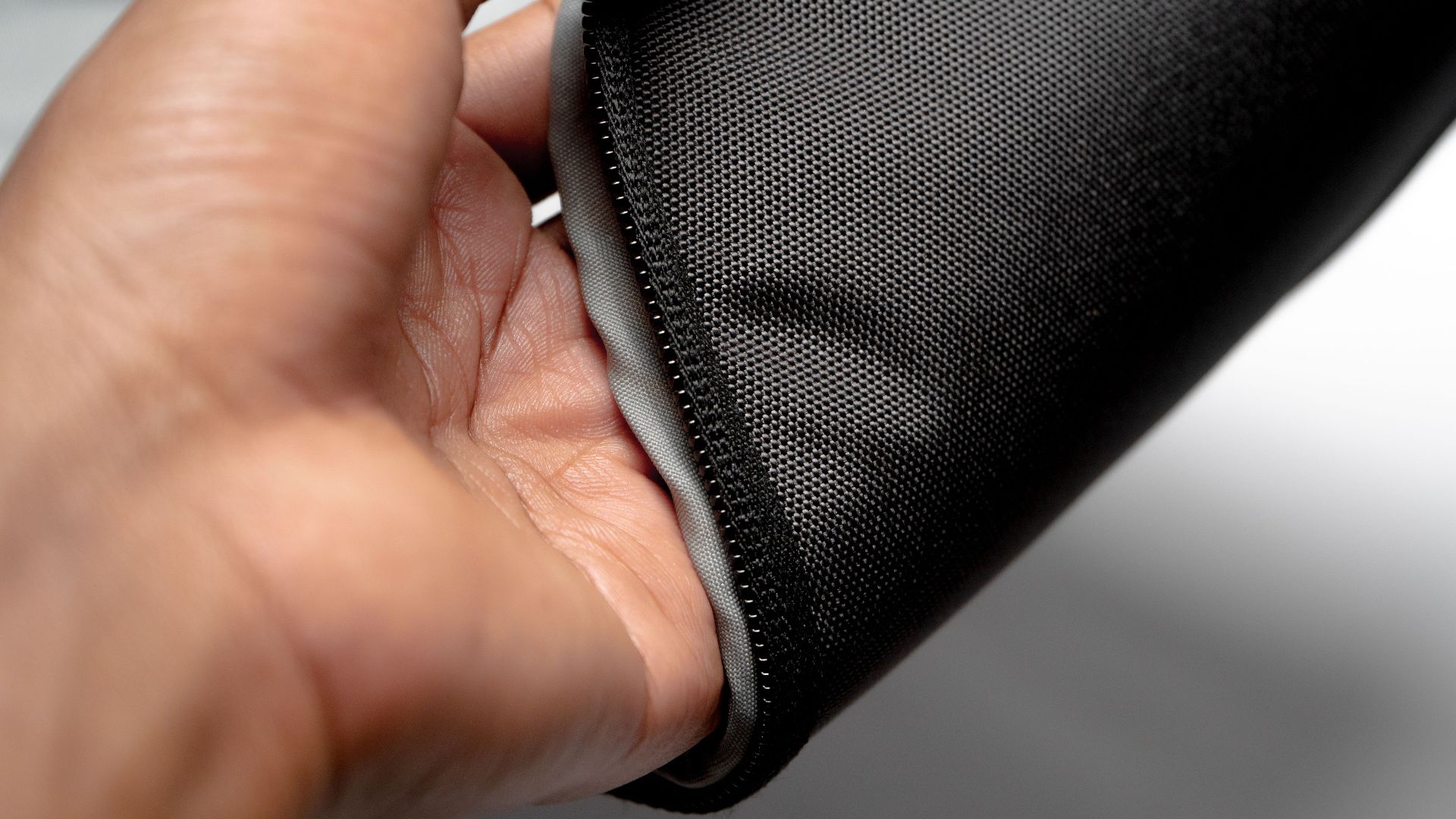
During the following years, tobacco pouches became one of the fastener’s most important civilian uses. Bags and pouches posed fewer fashion obstacles than suits or dresses, allowing manufacturers to demonstrate that the closure could work repeatedly in ordinary life. Boots and tobacco pouches consequently became two defining early markets for the zipper.
Rubber Boots Gave The Zipper Its Name
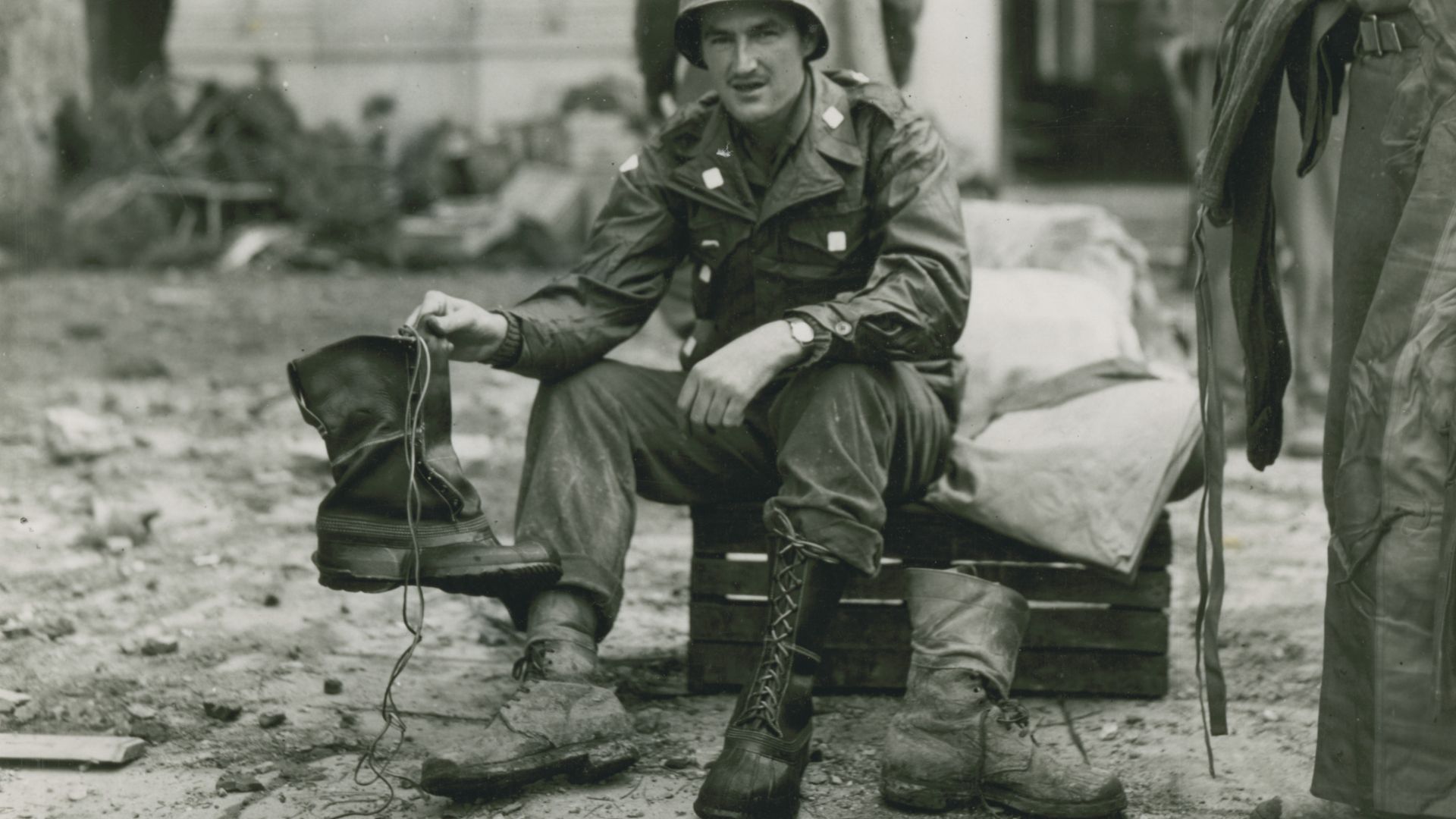
In 1923, B.F. Goodrich used Sundback’s fastener on rubber boots. The company began using the word “zipper,” a name associated with the quick “zip” of the mechanism in operation. The memorable term proved far more appealing than technical descriptions such as “separable fastener.”
 Signal Corps Archive from Ireland and United States, Wikimedia Commons
A Better Name Helped But Did Not Solve Everything
By the 1920s, the device finally had the name that would become universal in American English. Yet most zippers still appeared on products such as boots, pouches, and bags rather than ordinary adult clothing. The technology had become marketable before it became fashionable.

Clothing Manufacturers Still Needed Convincing
Traditional garments had been designed around buttons and other established closures for generations. Changing to zippers required alterations in manufacturing while also asking customers to accept a mechanism that had once been associated with unreliable early versions. Adoption therefore depended on building confidence in both the engineering and the appearance of the product.
Work Clothes Offered An Easier Opening
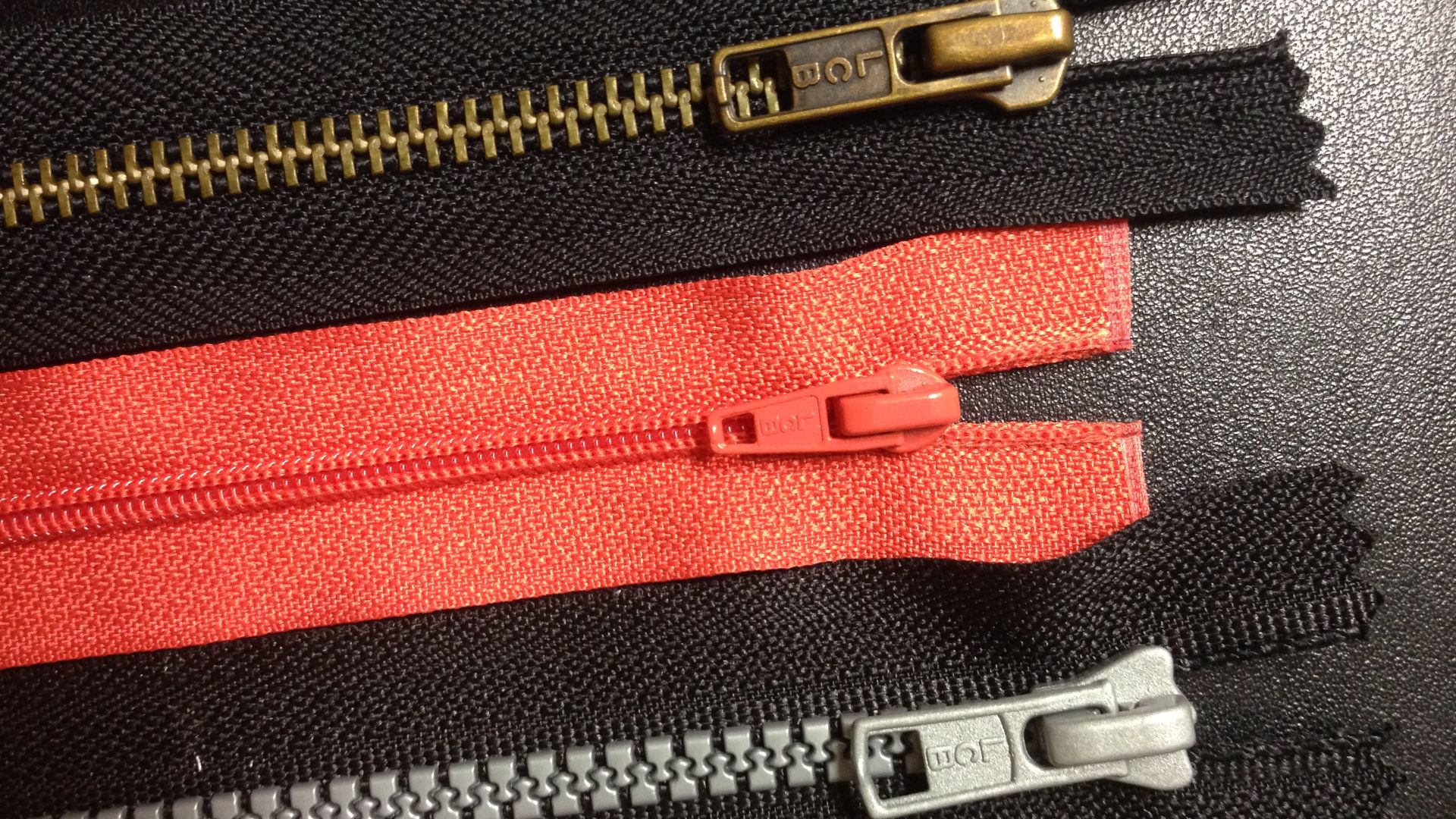
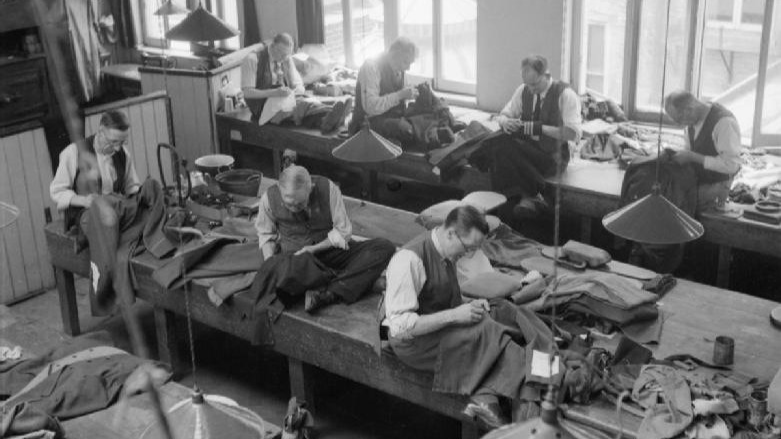
Practical clothing proved more receptive than formal fashion. Overalls and other work garments were less constrained by tailoring traditions, making convenience an especially persuasive selling point. These applications helped move the zipper another step away from novelty and toward normal everyday hardware.
 Ministry of Information, Wikimedia Commons
Children Became Part Of The Sales Pitch
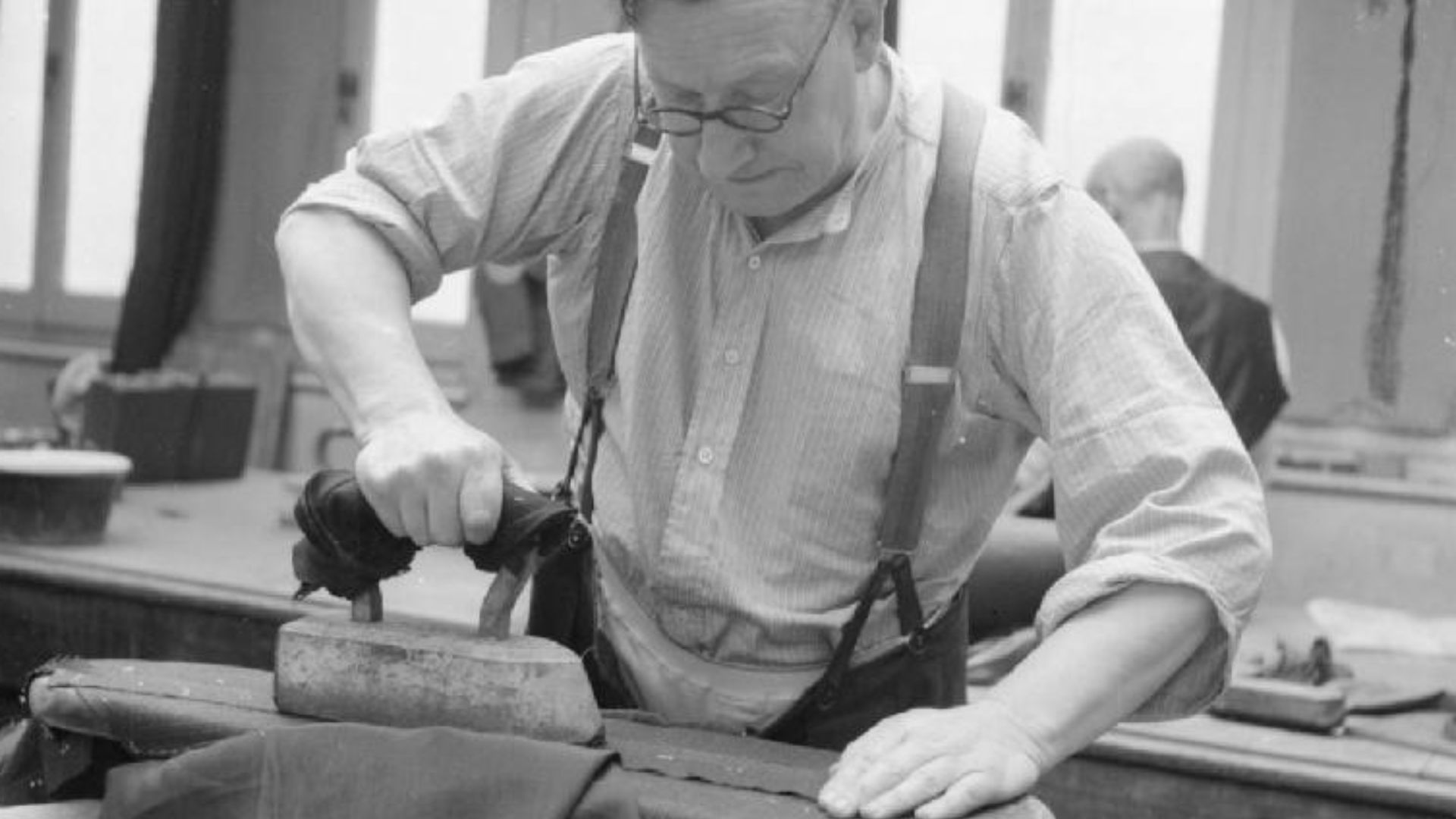
Zipper manufacturers aggressively promoted children’s clothing during the early 1930s. Advertisers emphasized that a child could operate a zipper more easily than a row of buttons and could therefore dress with greater independence. The campaign reframed the zipper as a tool that could make daily routines simpler.
 Ministry of Information Photo Division Photographer, Wikimedia Commons
The Campaign Even Targeted Parents
Department-store promotions in 1933 and 1934 included a film called Bye-Bye Buttons. According to a history published by Invention & Technology, manufacturers even enlisted child-development arguments to persuade parents that zippered clothing encouraged independence. The marketing was ambitious because zippered garments could still cost considerably more than buttoned alternatives.
 Ministry of Information Photo Division Photographer, Wikimedia Commons
Reliability Finally Became A Selling Point
By the later 1930s, men had encountered zippers on products ranging from overshoes to outdoor clothing. Improvements including automatic-locking sliders made the closure less likely to move when the wearer did not want it to. Reliability, rather than novelty alone, was becoming one of the zipper’s strongest arguments.
Men’s Trousers Changed The Equation
Men’s clothing manufacturers increasingly adopted zipper flies during the late 1930s. Historical industry figures cited by Invention & Technology indicate that about 6 percent of summer suits had zippers in 1936, rising to about 20 percent by 1938. Once mainstream tailoring embraced the closure, the zipper became much harder to dismiss as a specialty gadget.
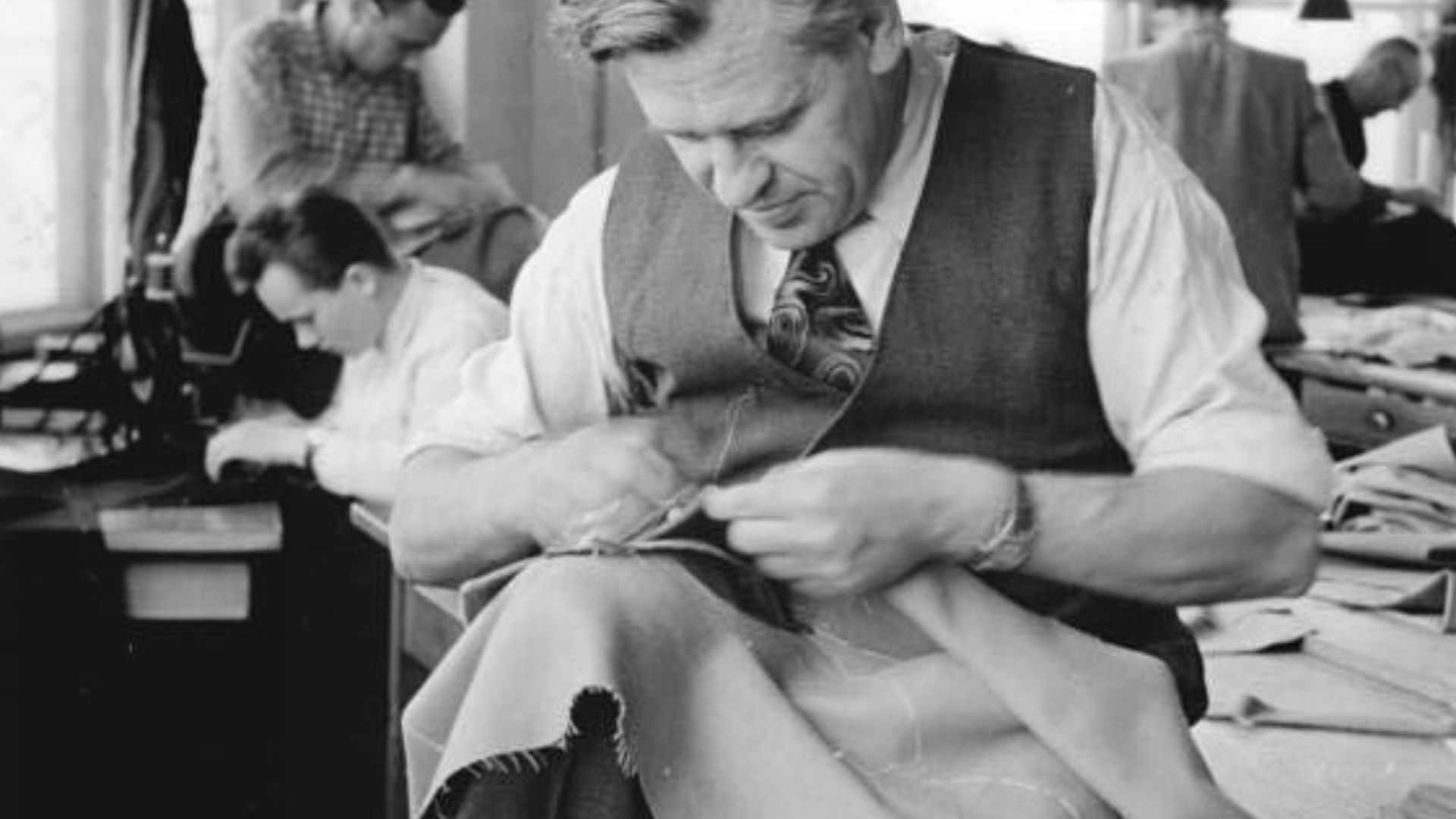
Fashion Designers Turned Hardware Into Decoration
Designers also began treating the zipper as something worth showing rather than hiding. Elsa Schiaparelli used conspicuous colored zippers in her mid-1930s fashions, while other designers experimented with the fastener creatively. A mechanical device once considered too crude for clothing was becoming part of clothing’s visual language.
 Unknown author, Wikimedia Commons
Women’s Fashion Helped Normalize It
By 1937, changing fashion preferences toward slimmer and cleaner lines made the smaller, increasingly reliable zipper especially attractive. Fashion coverage and designer adoption helped move it from experimental garments into broader use. The same feature that once looked industrial could now help produce the smooth silhouette designers wanted.
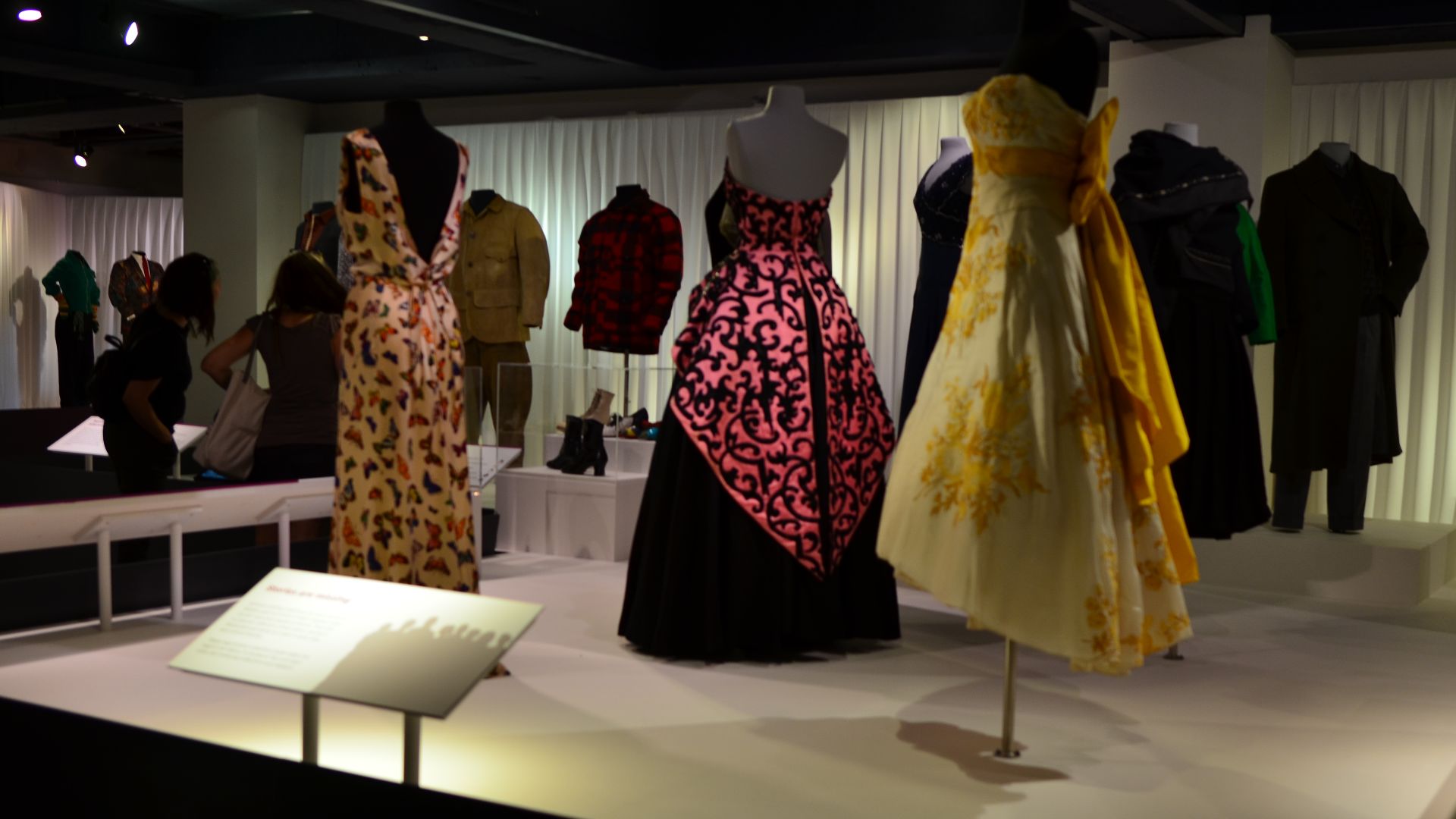
Mass Production Made Trust Easier To Maintain
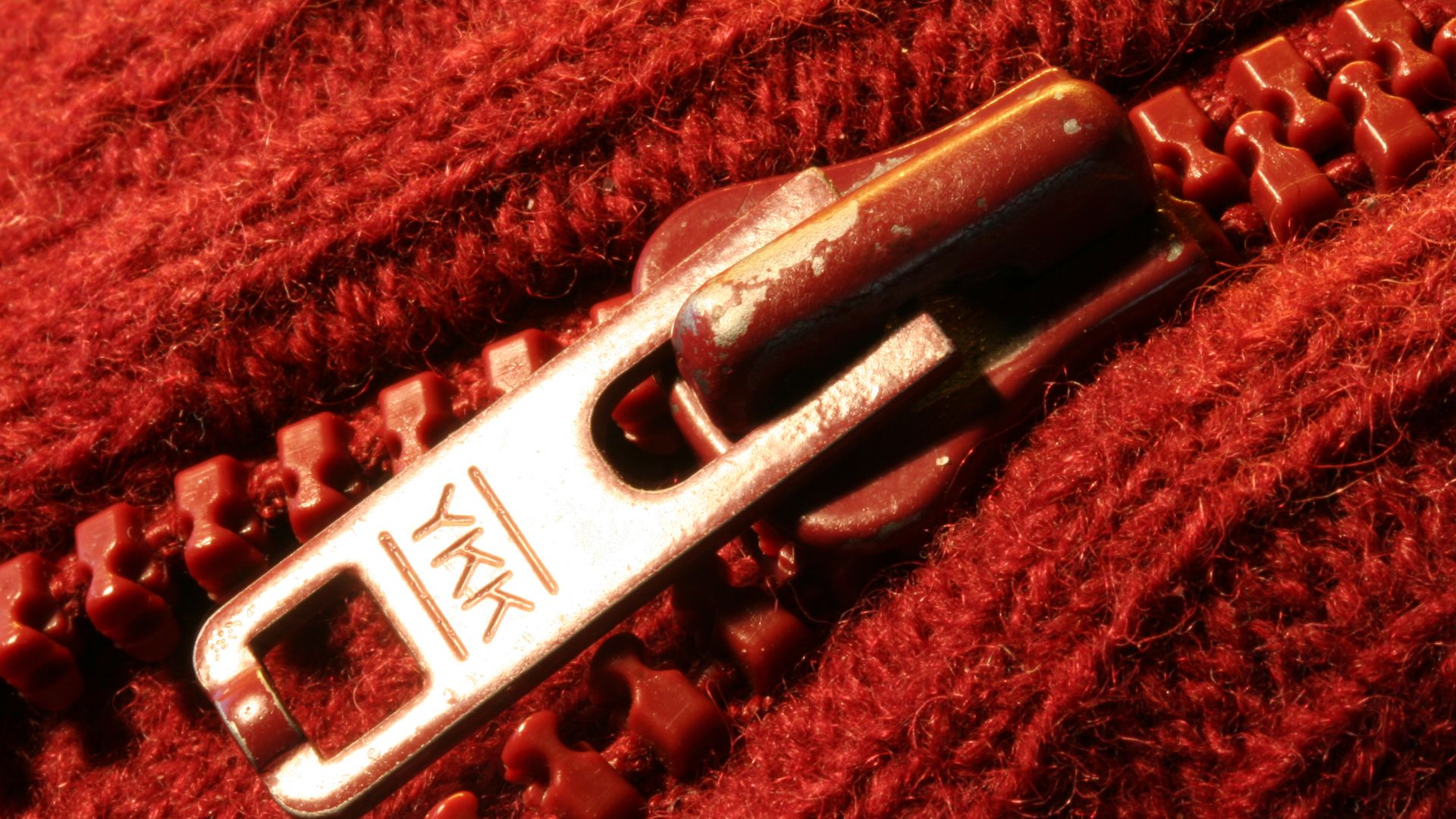
Once consumers expected zippers to work consistently, manufacturers had strong incentives to improve machinery, materials, and quality control. Tadao Yoshida founded the business that eventually became YKK in Japan in 1934, and the company later developed increasingly sophisticated manufacturing equipment. Large-scale, repeatable production helped turn a once-temperamental invention into standardized hardware.
 Kitanippon Shimbun, Wikimedia Commons
The Long Delay Was Really The Point
The zipper’s history stretches from Howe’s 1851 closure concept through Judson’s 1890s clasp locker, Sundback’s 1910s redesign, and widespread clothing adoption in the 1930s. Each stage solved a different problem involving mechanics, manufacturing, cost, marketing, or consumer confidence. The zipper became ordinary only after decades of work made it dependable enough that people could finally stop thinking about it.
 Cornischong at lb.wikipedia, Wikimedia Commons
You May Also Like:
The Weirdest Rules People Once Followed At Work
The Discovery Of A Bronze Age Blade Workshop In Southern Israel
Resilient Facts About Ellen Burstyn, The Actor Who Worked With The Devil










