Their Names Became Something Much Worse
Most people hope their name will be remembered. These people probably would have preferred everyone forgot theirs. From spectacular frauds to political betrayal and censorship crusades, their scandals became so notorious that their actual names turned into words people still use today.
Ponzi Promised Incredible Returns
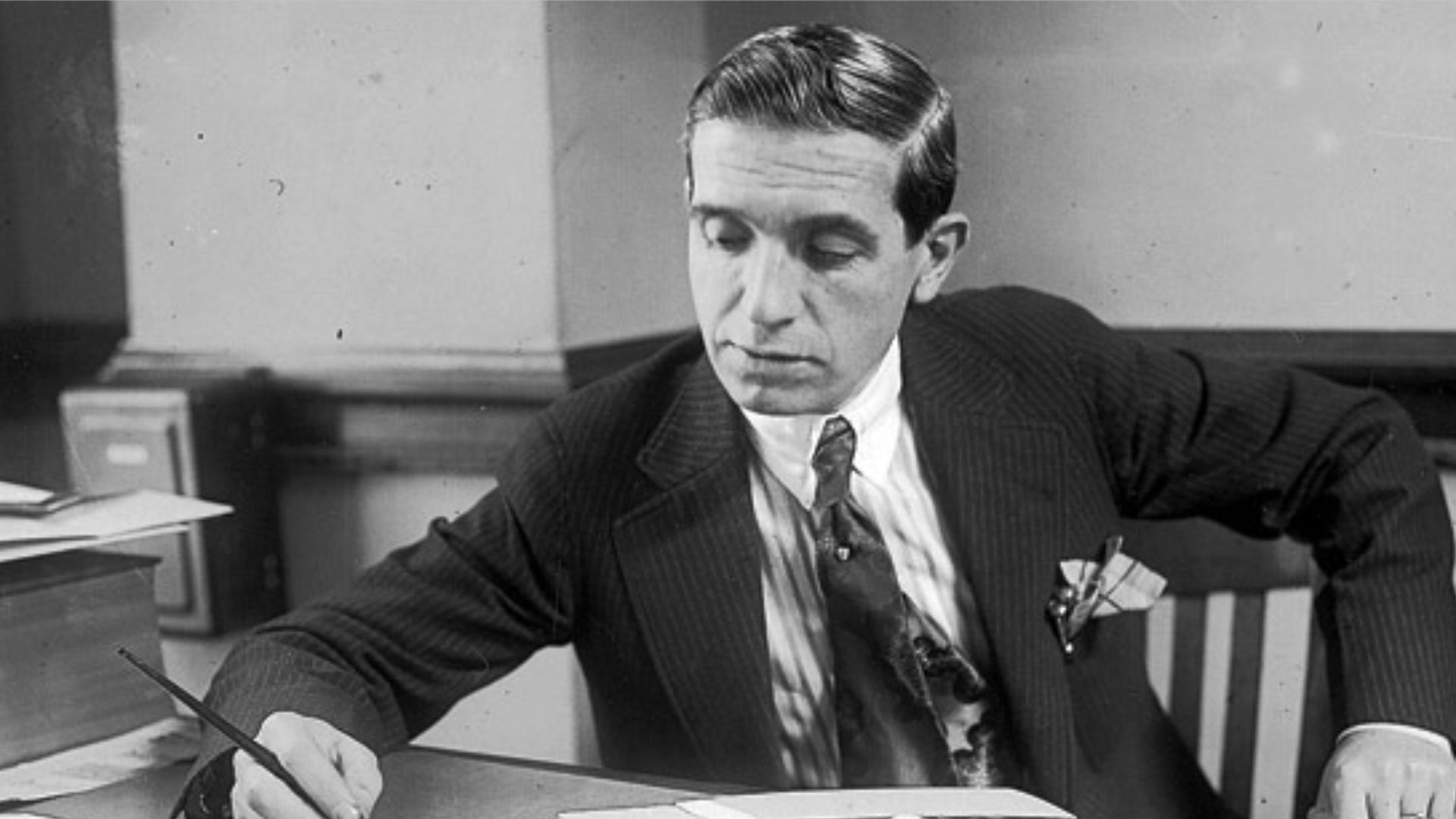
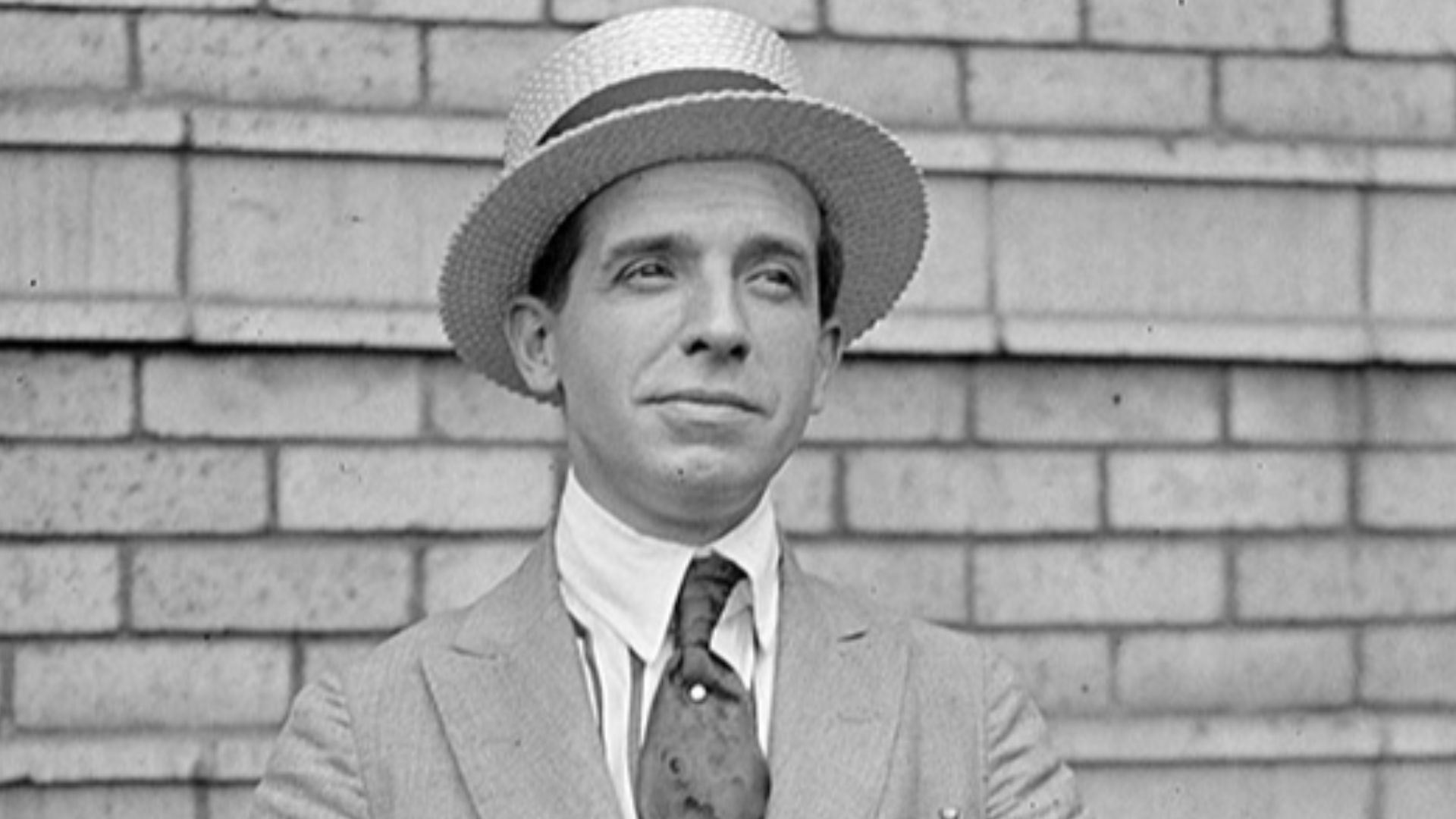
In 1920, Charles Ponzi promised investors a staggering 50 percent return in just 45 days. He claimed the profits came from trading international postal reply coupons. In reality, money from new investors was being used to pay earlier ones.
 Boston Library (NYT); en.wikipedia.org, Wikimedia Commons
His Name Became A Financial Warning
Ponzi's operation collapsed spectacularly after attracting tens of thousands of investors. He had not invented this type of fraud, but his version became the most famous. Today, any investment scam that depends on new money to pay earlier investors can be called a "Ponzi scheme."
 The original uploader was Mgreason at English Wikipedia., Wikimedia Commons
Quisling Sided With An Invading Army
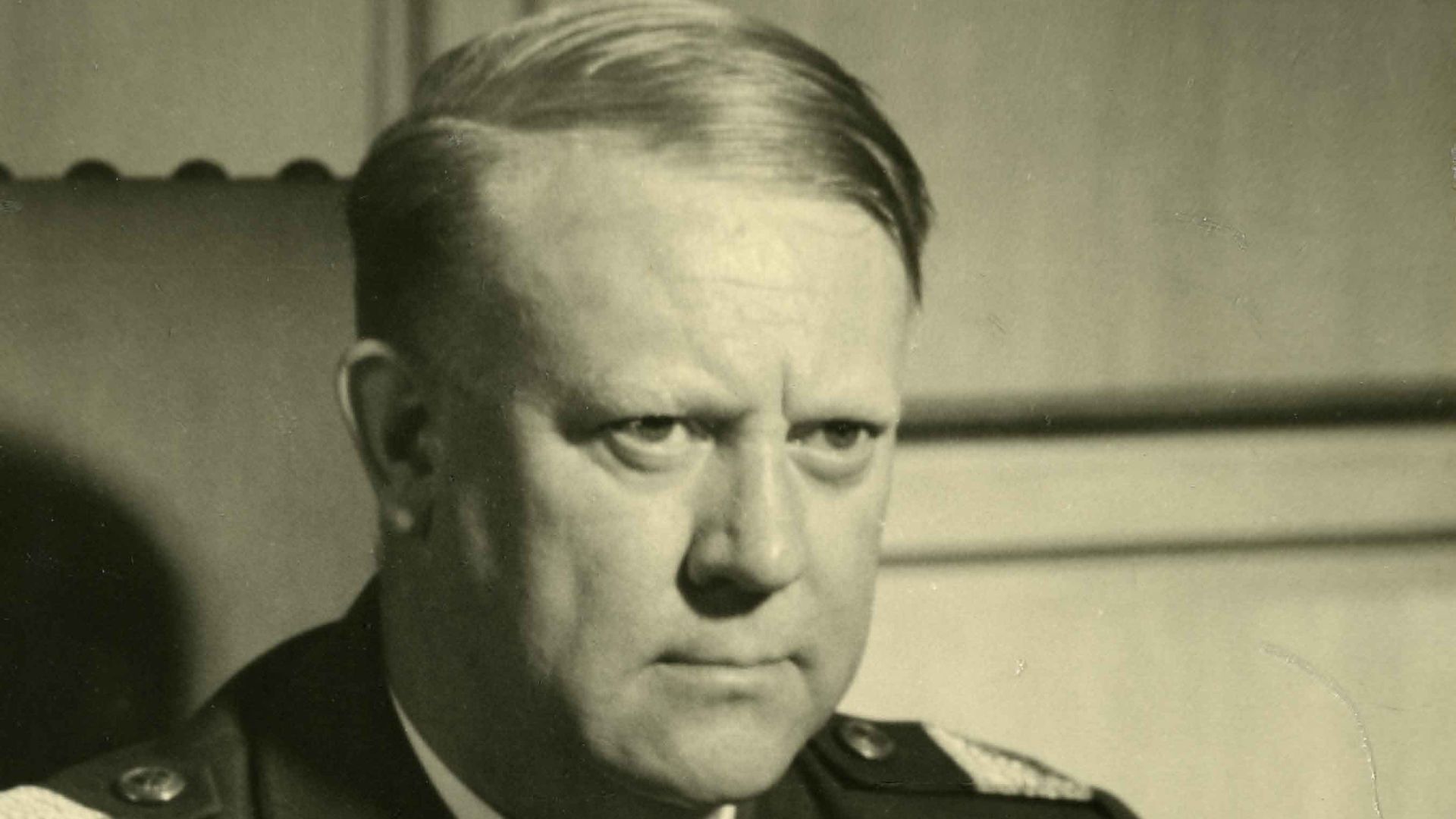
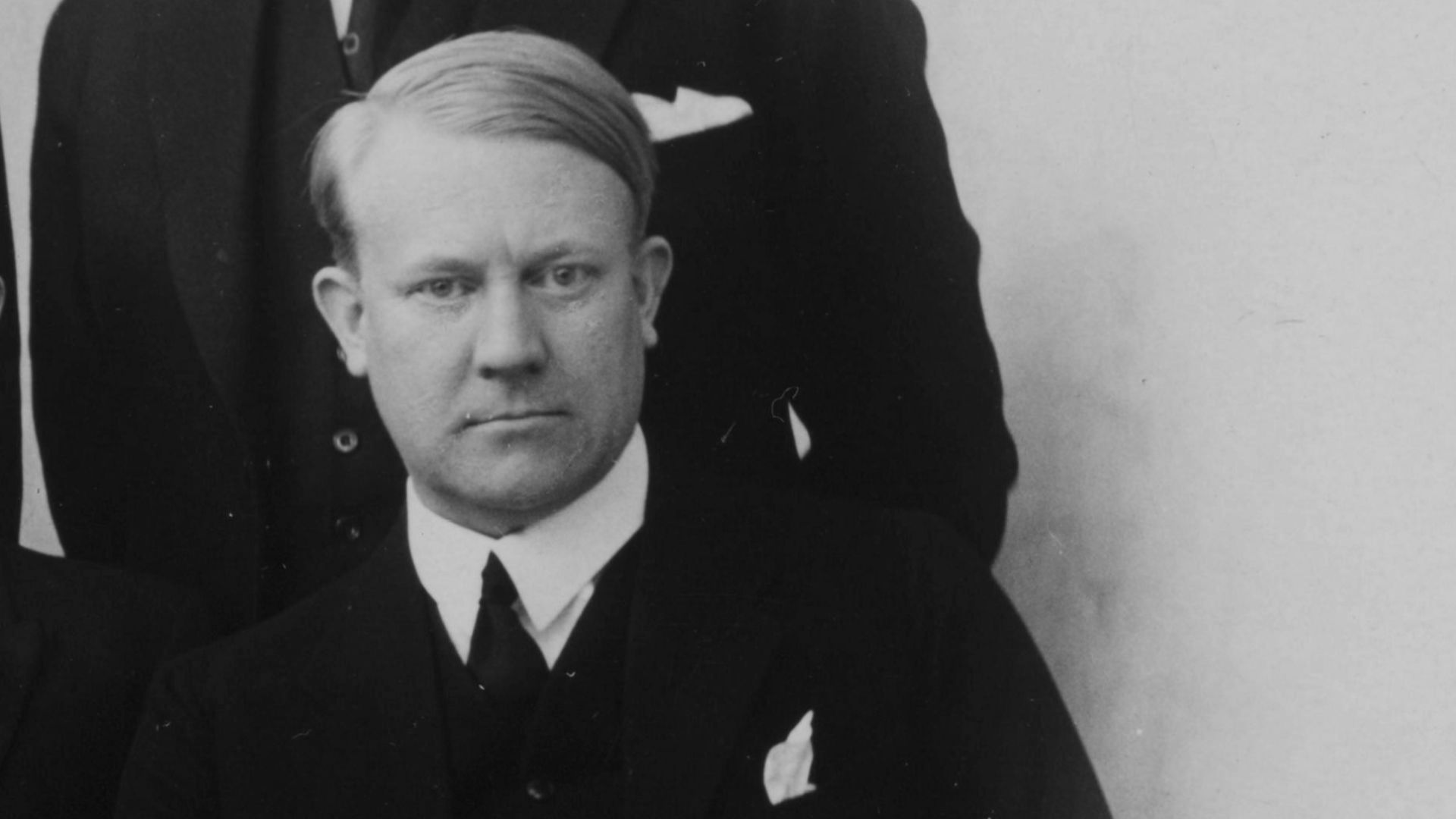
When Germany invaded Norway in April 1940, politician Vidkun Quisling urged Norwegians not to resist. He announced his own government and later headed a collaborationist regime under German occupation. After the war, Norway convicted him of high treason.
 Riksarkivet (National Archives of Norway), Wikimedia Commons

History's most fascinating stories and darkest secrets, delivered to your inbox daily.
Quisling Became Another Word For Traitor
Quisling's reputation collapsed so quickly that his surname became an insult while the war was still underway. British newspapers and politicians began using "Quisling" for collaborators and traitors. The word survives today for someone who betrays their country or assists an enemy.
 Unknown photographer, Wikimedia Commons
Benedict Arnold Had Been An American Hero
Benedict Arnold fought effectively for the American Revolution before turning against the cause. In 1780, he secretly plotted with the British to surrender the strategically important defenses at West Point. The plan was exposed, and Arnold fled to the British side.
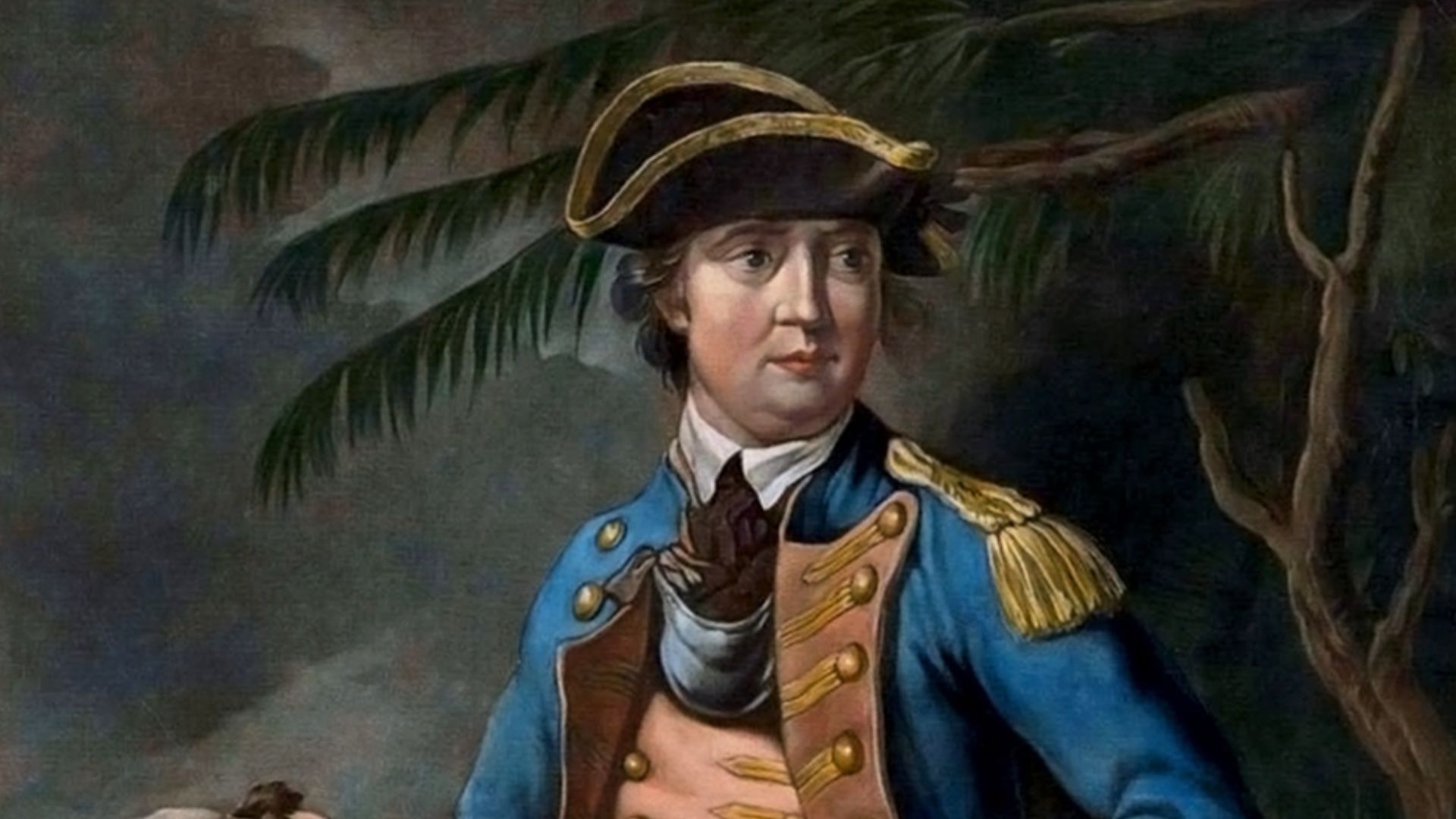 Thomas Hart, Wikimedia Commons
His Whole Name Became An Insult
Arnold's betrayal overshadowed everything he had previously accomplished. In American English, calling someone a "Benedict Arnold" still means accusing them of being a traitor. Few historical figures have had their entire name transformed so completely into an insult.
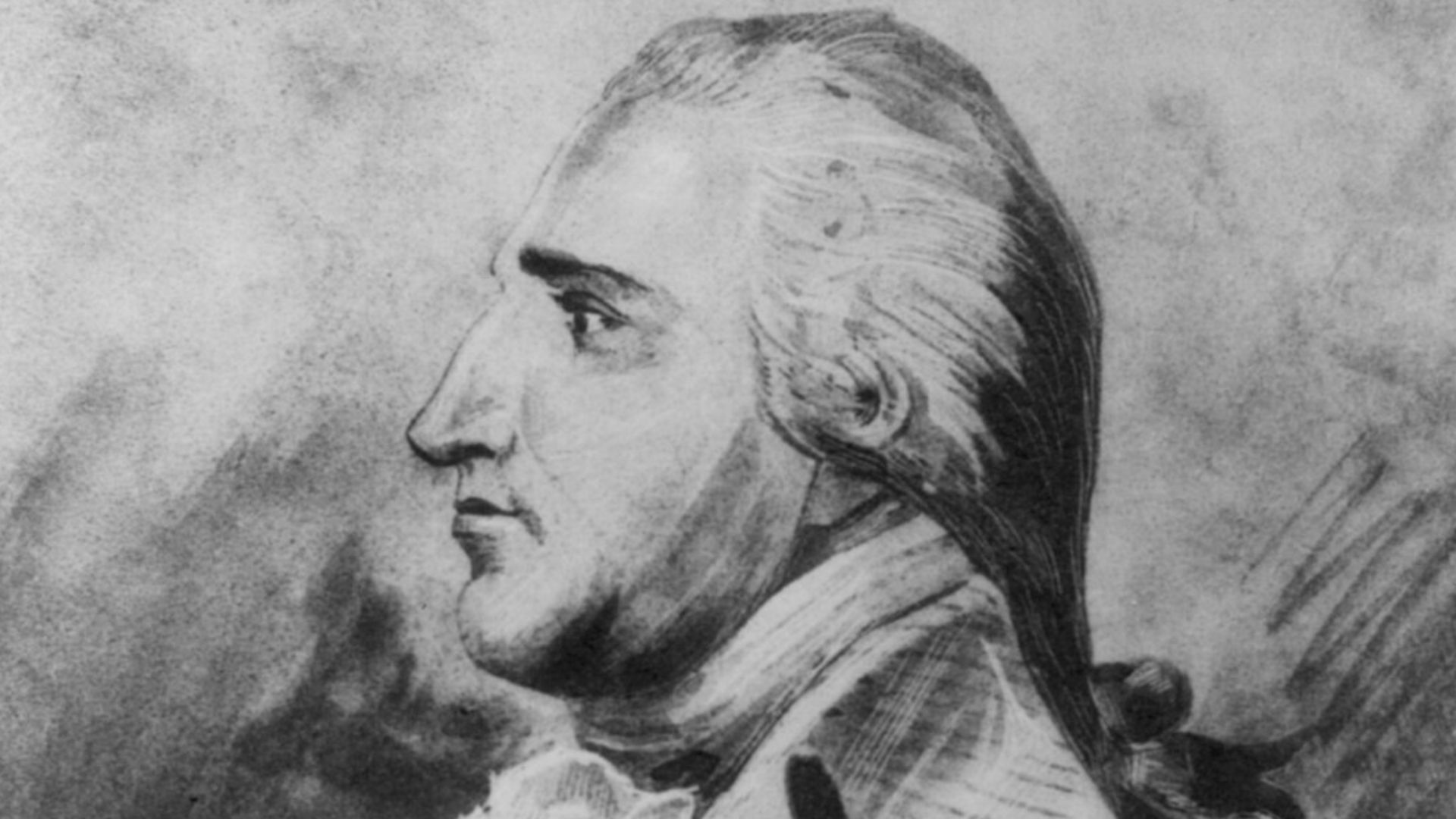 Miscellaneous Items in High Demand, PPOC, Library of Congress, Wikimedia Commons
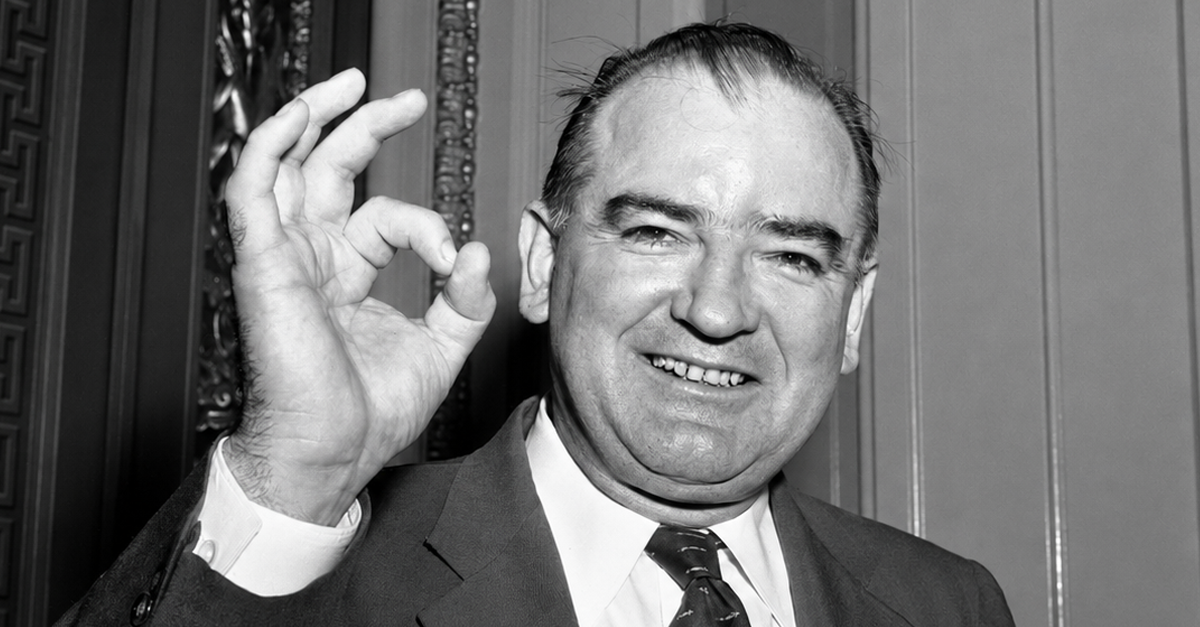
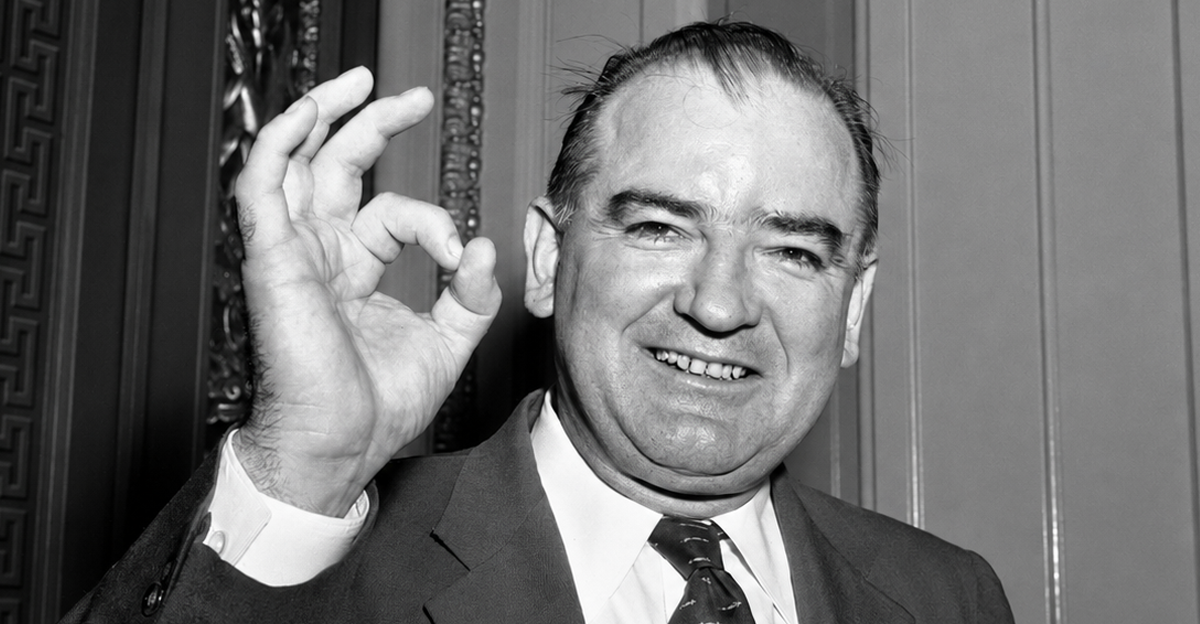
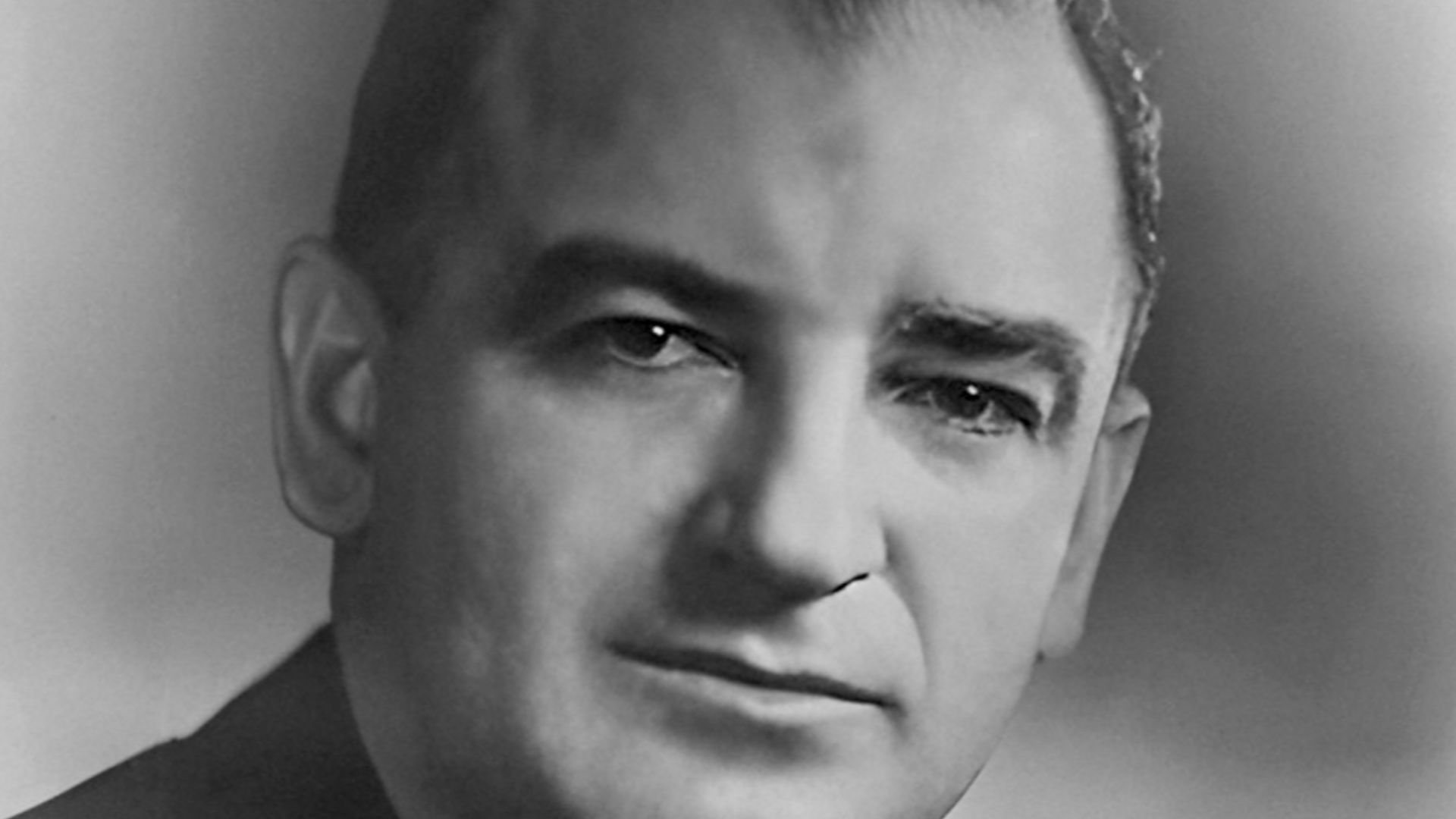
McCarthy Made Accusations His Brand
Senator Joseph McCarthy shot to national prominence in 1950 by claiming Communists had infiltrated the U.S. government. His investigations and accusations dominated American politics for years. The televised Army-McCarthy hearings helped turn public opinion against him in 1954.
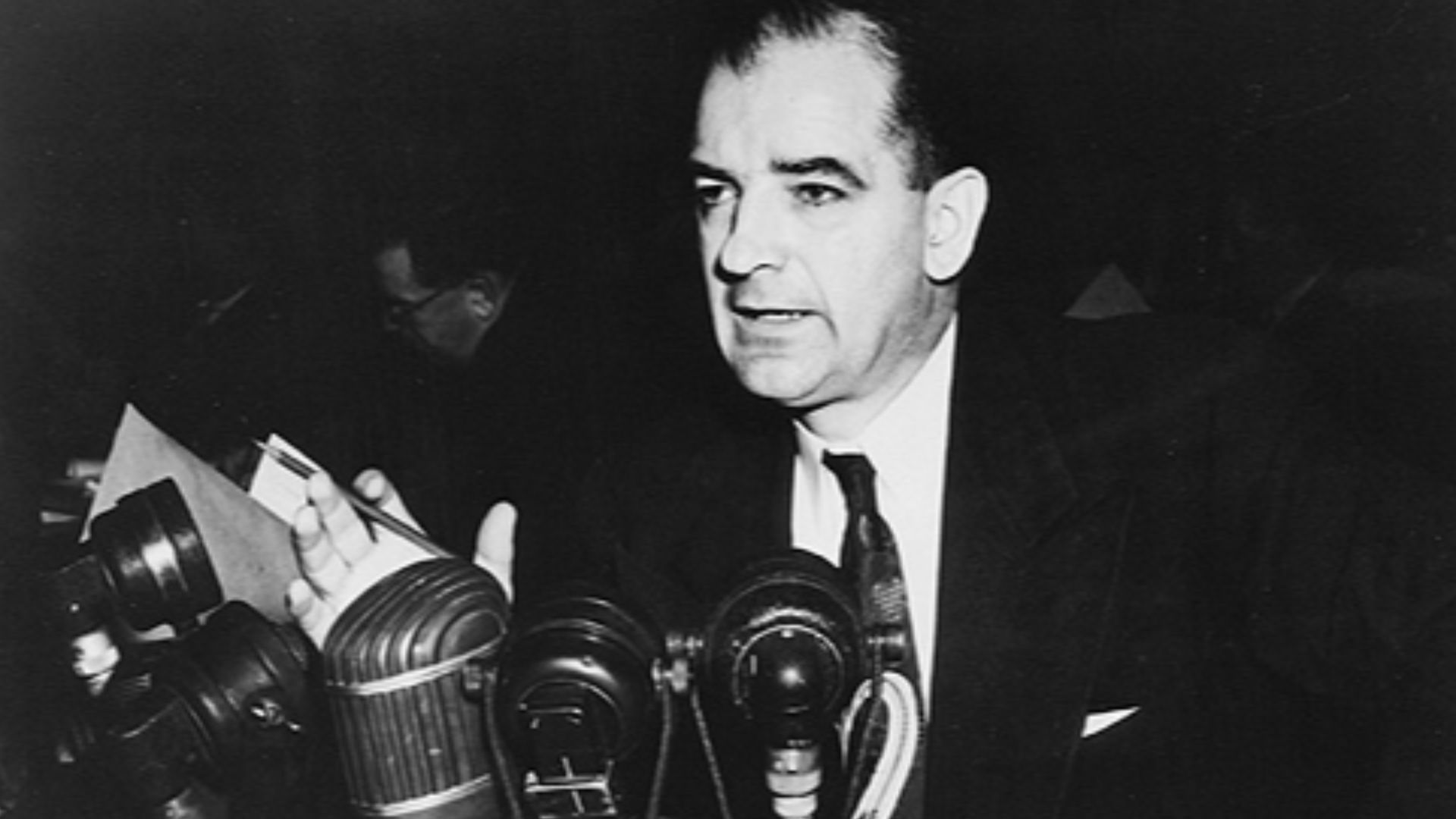
McCarthyism Appeared Almost Immediately
Cartoonist Herbert Block coined "McCarthyism" in March 1950, only weeks after McCarthy became nationally famous. The term came to describe reckless political accusations and attacks made with little supporting evidence. McCarthy had turned himself into a political vocabulary word before his career had even collapsed.
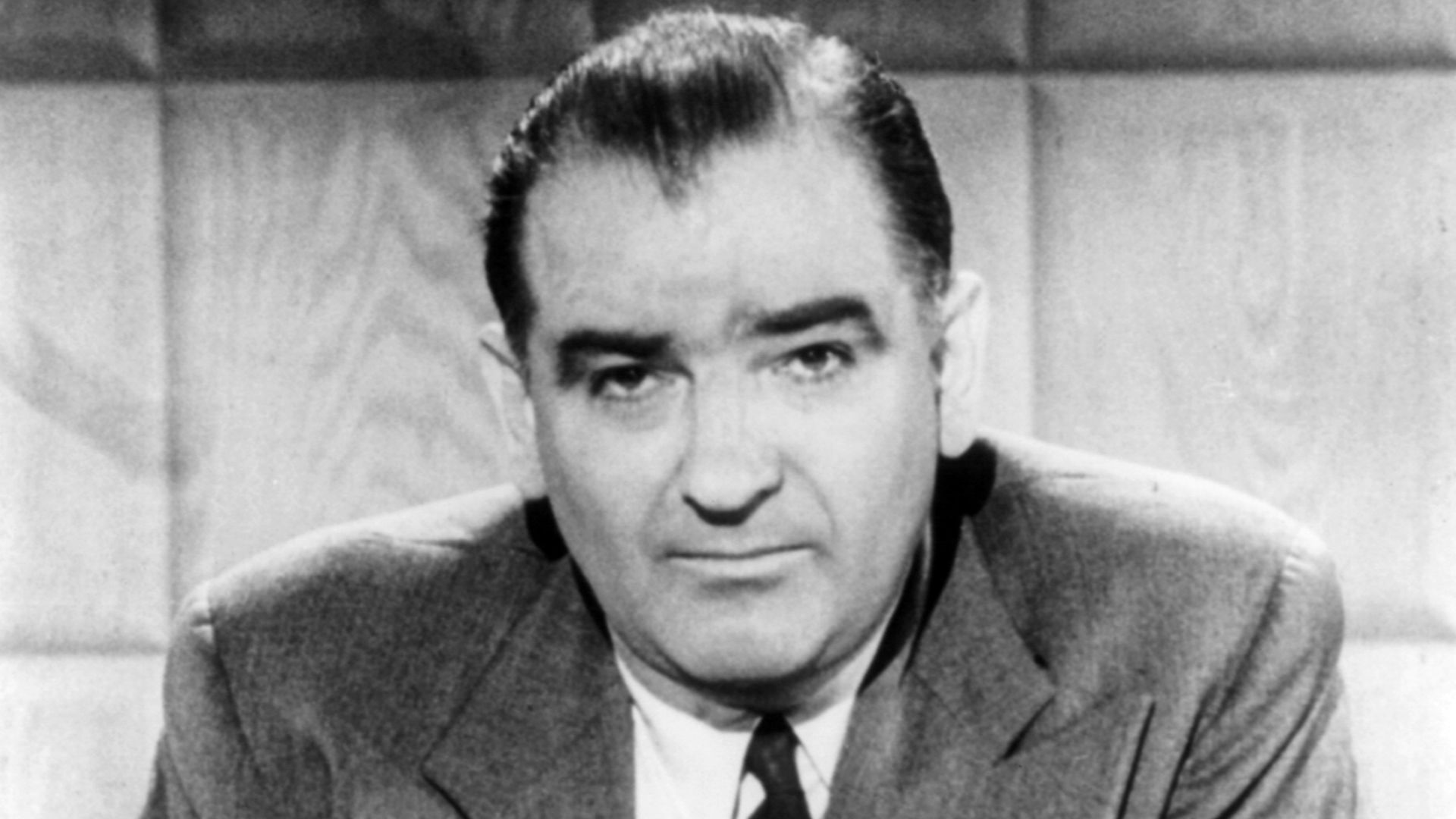 United Press, Wikimedia Commons
Gerry Approved A Very Strange Map
Massachusetts governor Elbridge Gerry signed a controversial redistricting bill in 1812. His political allies had drawn districts designed to improve their party's chances in elections. One oddly shaped district soon attracted ridicule.
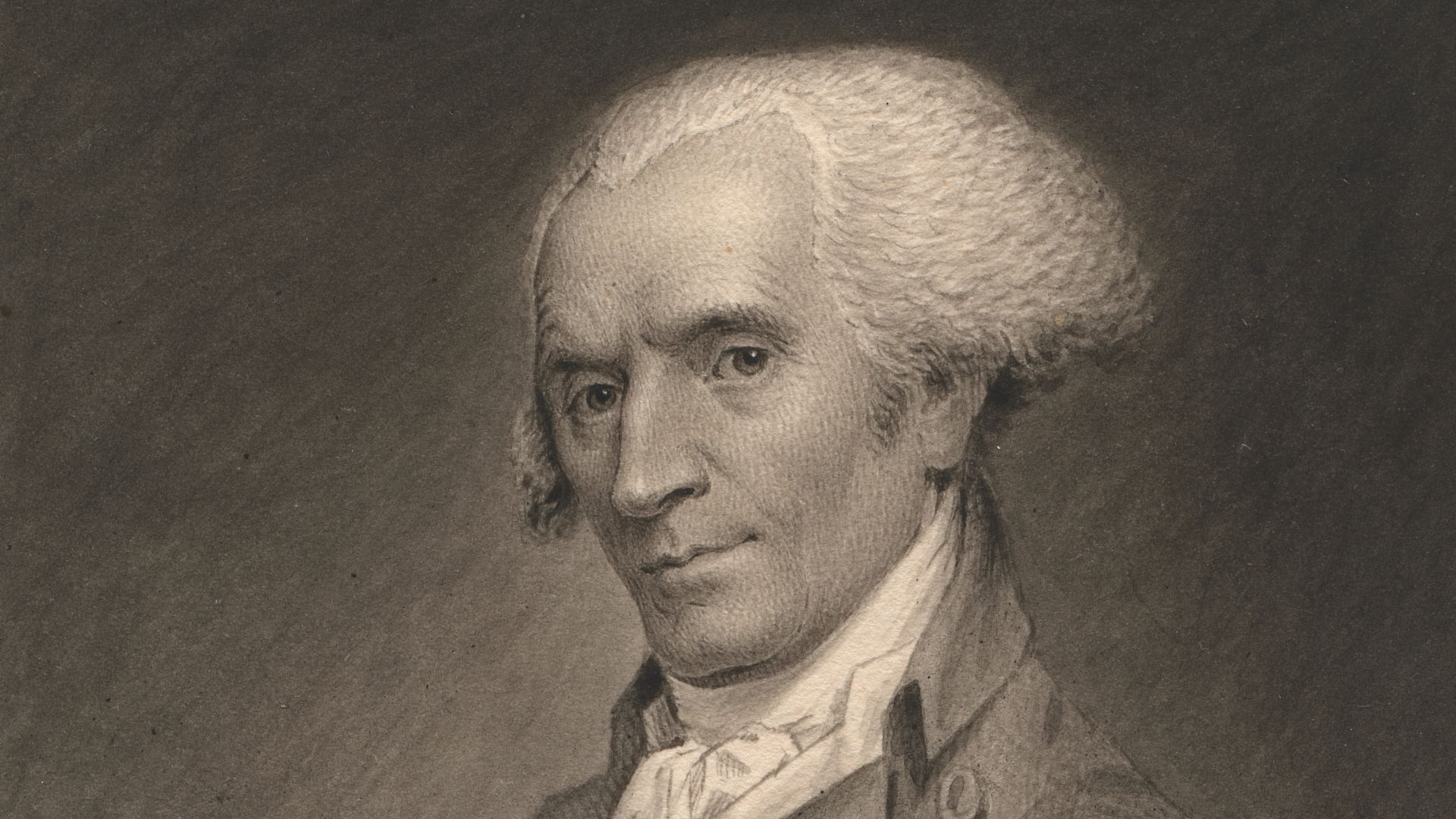 James Barton Longacre, Wikimedia Commons
History's most fascinating stories and darkest secrets, delivered to your inbox daily.
A Salamander Created Gerrymandering
Critics thought the district looked like a salamander and combined that word with Gerry's surname. "Gerrymander" appeared in a Boston newspaper that same year. More than two centuries later, the term still describes manipulating electoral boundaries for political advantage.
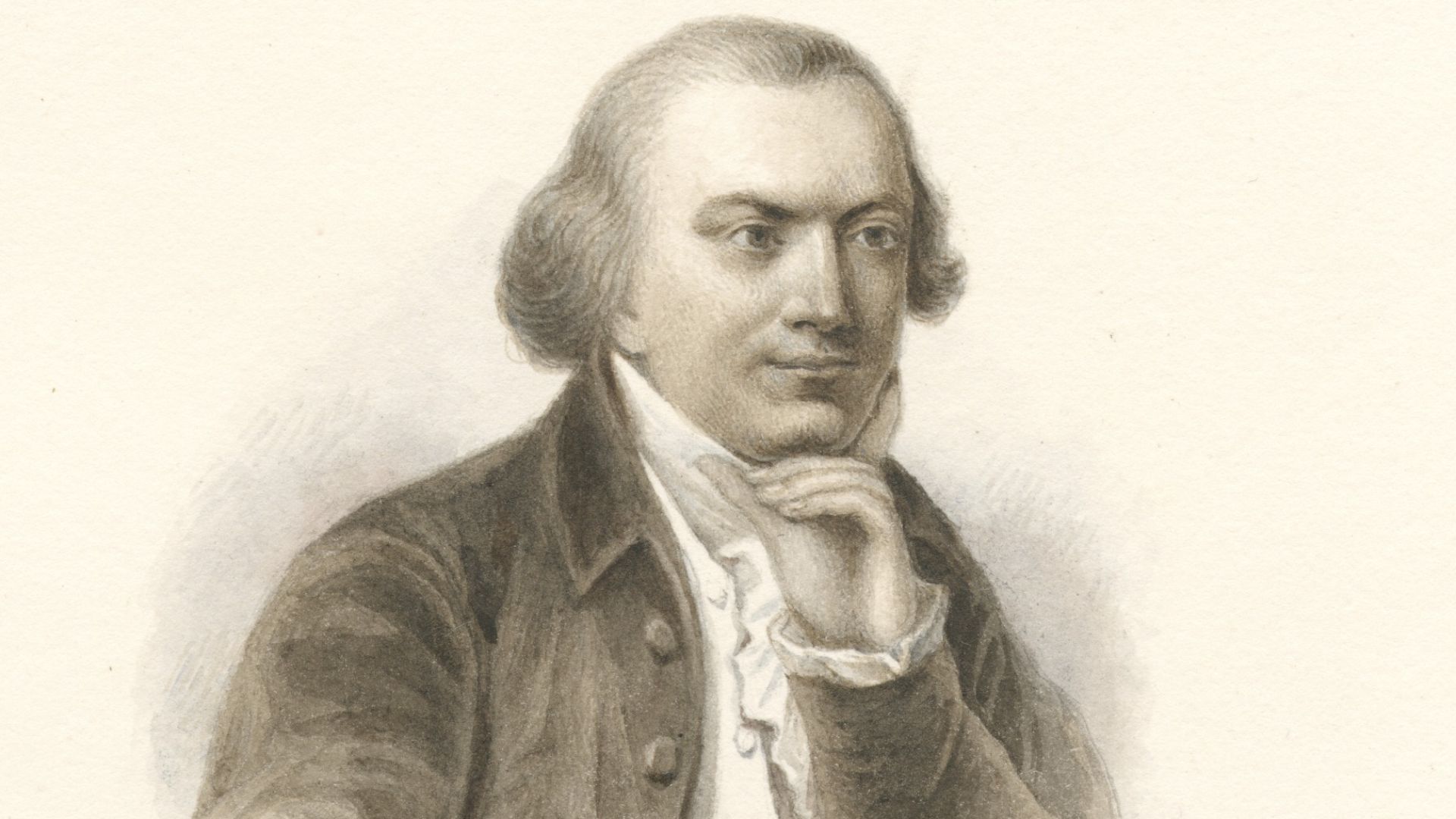 Scan by NYPL, Wikimedia Commons
Bork Lost A Bitter Political Fight
President Ronald Reagan nominated Robert Bork to the U.S. Supreme Court in 1987. His judicial views triggered an unusually fierce confirmation battle. The Senate ultimately rejected his nomination by a vote of 58 to 42.
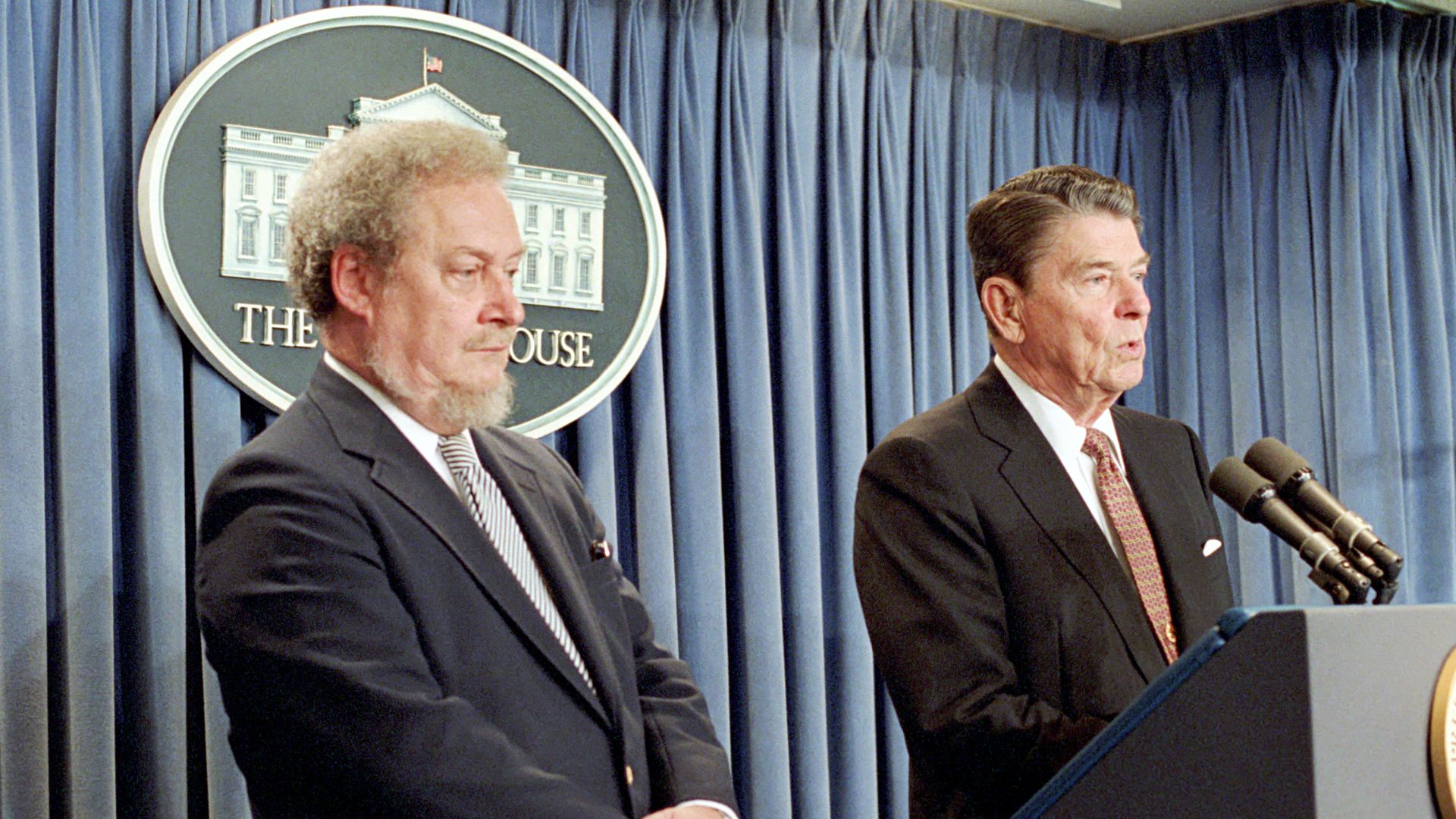 President (1981-1989 : Reagan). White House Photographic Office. 1981-1989, Wikimedia Commons
Then Bork Became A Verb
The fight was so memorable that "bork" entered American political language. Merriam-Webster defines it as attacking or defeating a nominee through an organized campaign of harsh public criticism. Whether that description fairly captures Bork's treatment remains debated, but the verb stuck.
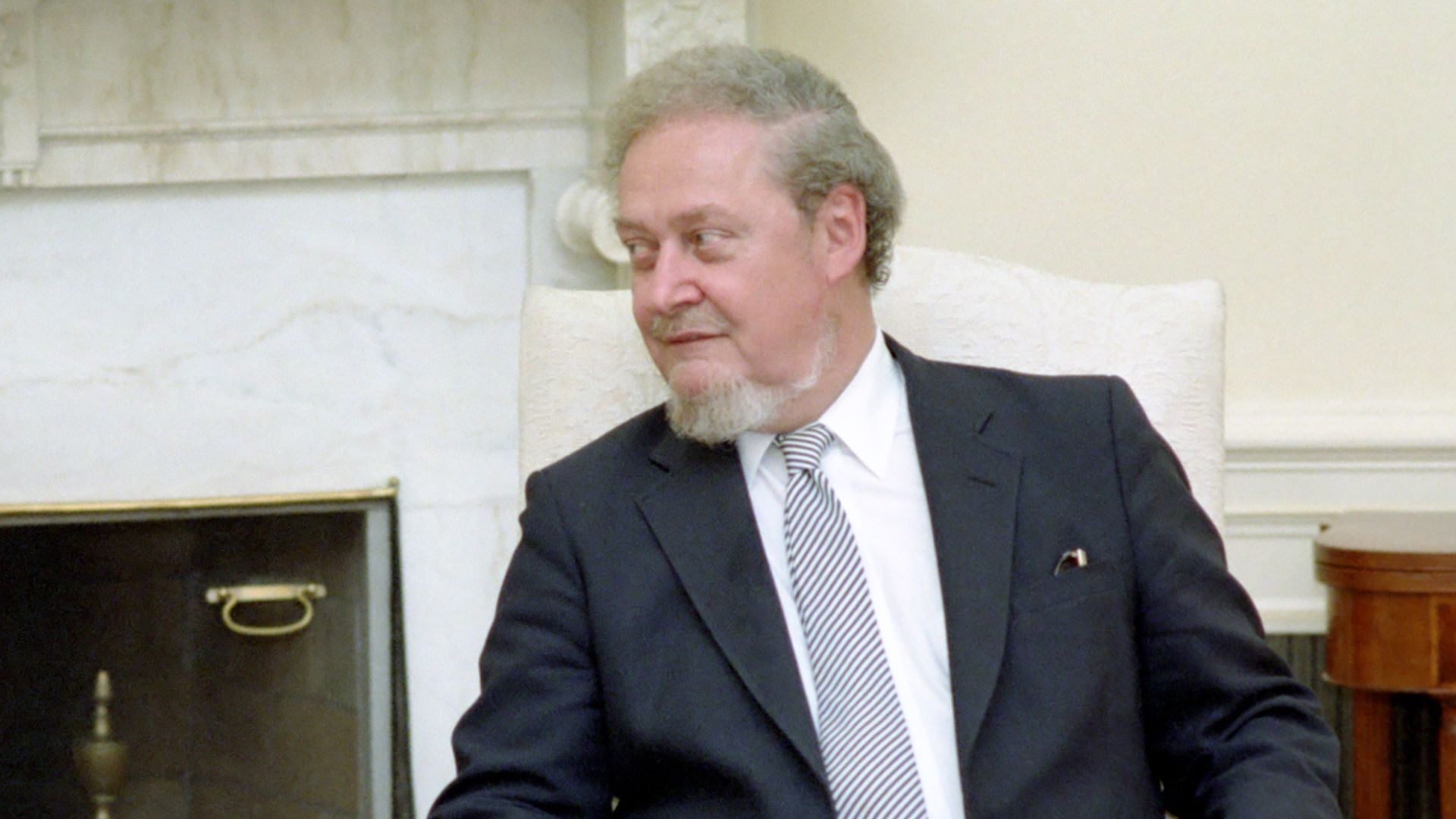 President (1981-1989 : Reagan). White House Photographic Office. 1981-1989, Wikimedia Commons
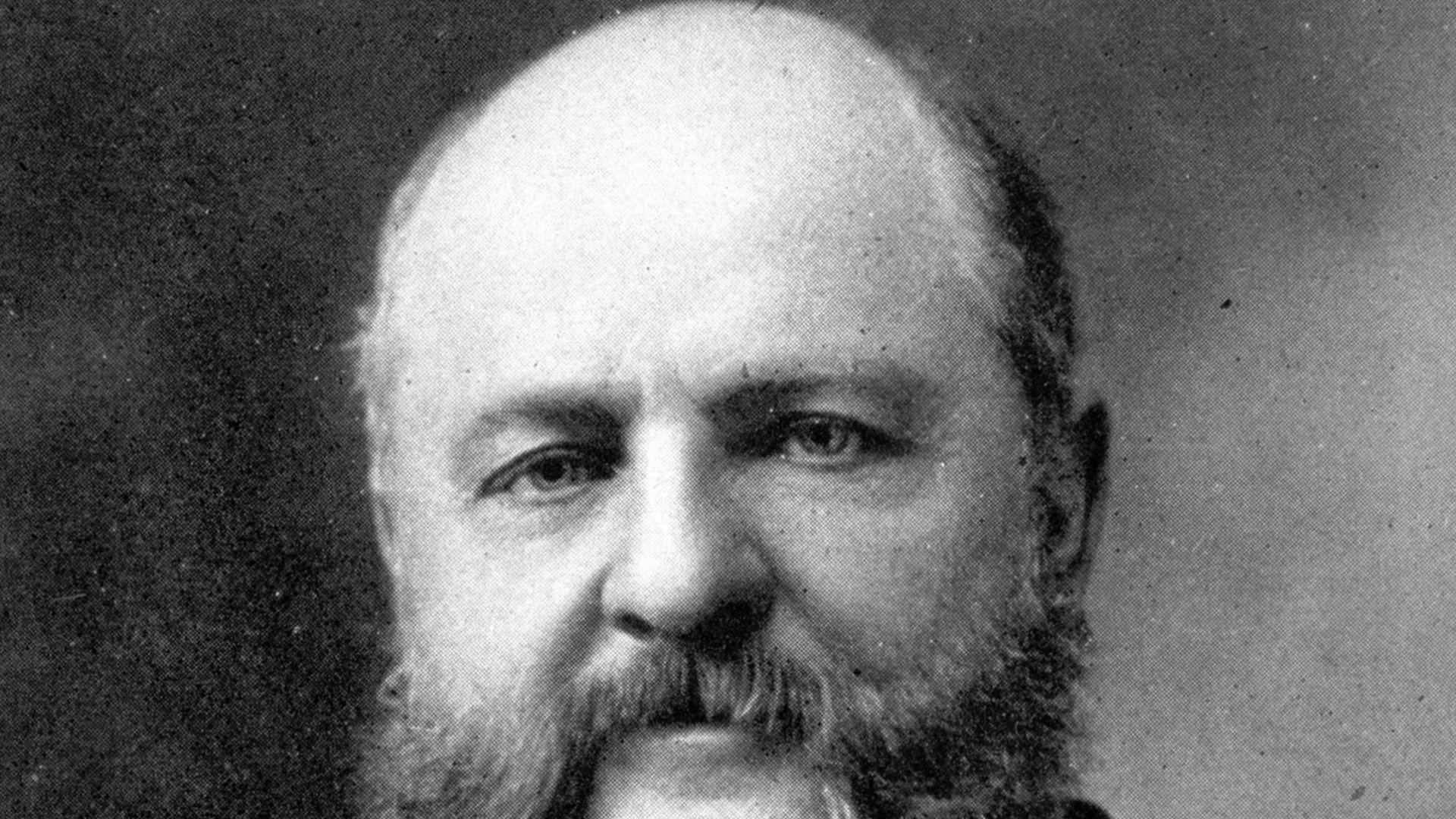
Comstock Wanted To Police Morality
Anthony Comstock devoted his career to fighting material he considered obscene or immoral. His lobbying helped produce the federal Comstock Act of 1873, which restricted certain materials from being sent through the mail. The law even covered information relating to contraception.
 Photographer unknown; author of book Charles Gallaudet Trumbull, Wikimedia Commons
Critics Invented Comstockery
Comstock's aggressive censorship campaigns generated plenty of enemies. By the early 1900s, critics were using "Comstockery" for excessive moral censorship and attempts to suppress supposedly improper material. His surname became shorthand for exactly the behavior his opponents hated.
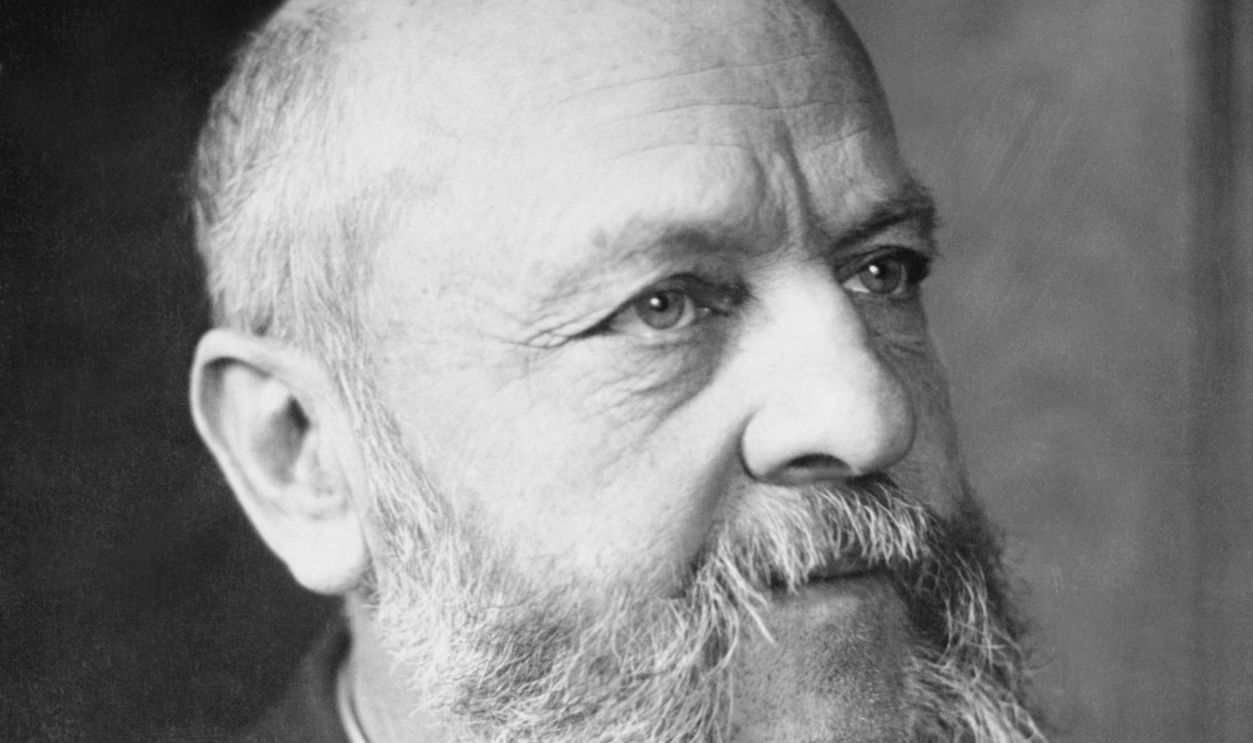
Bowdler Cleaned Up Shakespeare
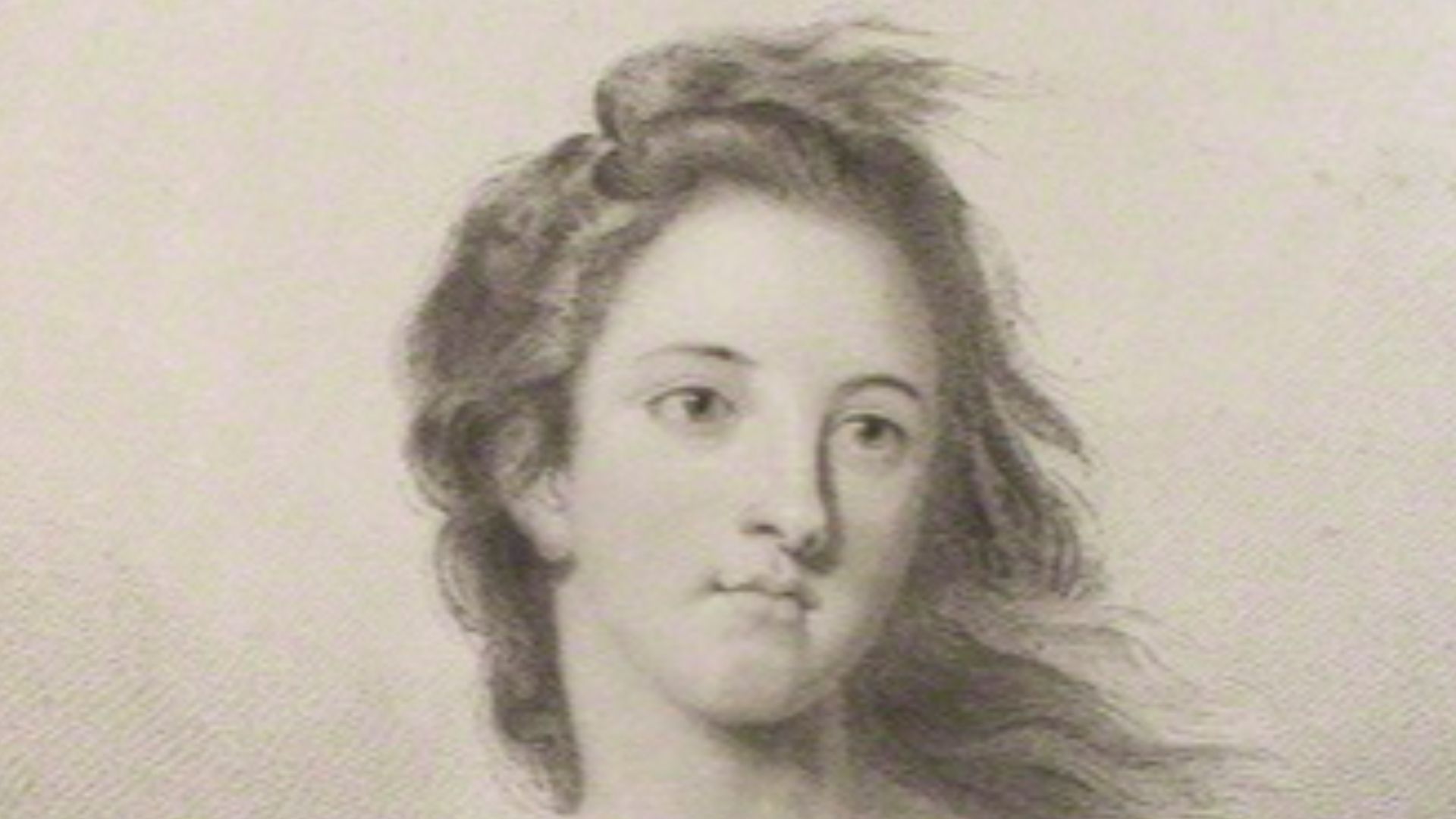
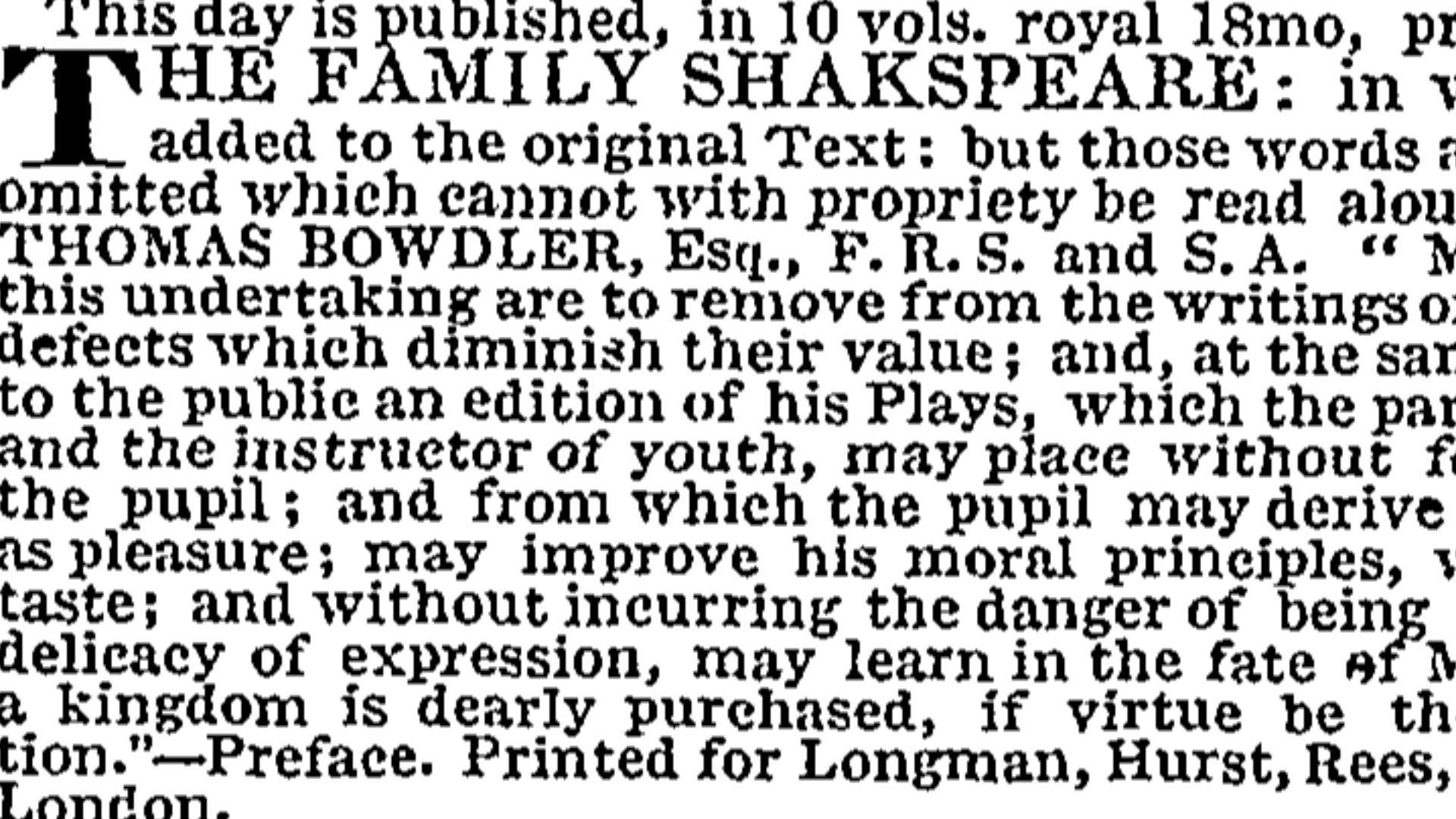
Thomas Bowdler became famous for The Family Shakespeare, which removed passages considered unsuitable for respectable households. An expanded edition appeared under his name in 1818. Later scholarship showed that his sister Henrietta had played a major role in the project as well.
 Robert Mitchell Meadows / Thomas Lawrence, Wikimedia Commons
History's most fascinating stories and darkest secrets, delivered to your inbox daily.
Bowdlerize Became A Literary Insult
Within a year of Bowdler's death in 1825, people were already using "bowdlerize." The verb means removing supposedly offensive material from a text, often in a way critics consider excessive. Bowdler's attempt to make Shakespeare safer instead made his surname synonymous with censorship.
 Unknown authorUnknown author, Wikimedia Commons
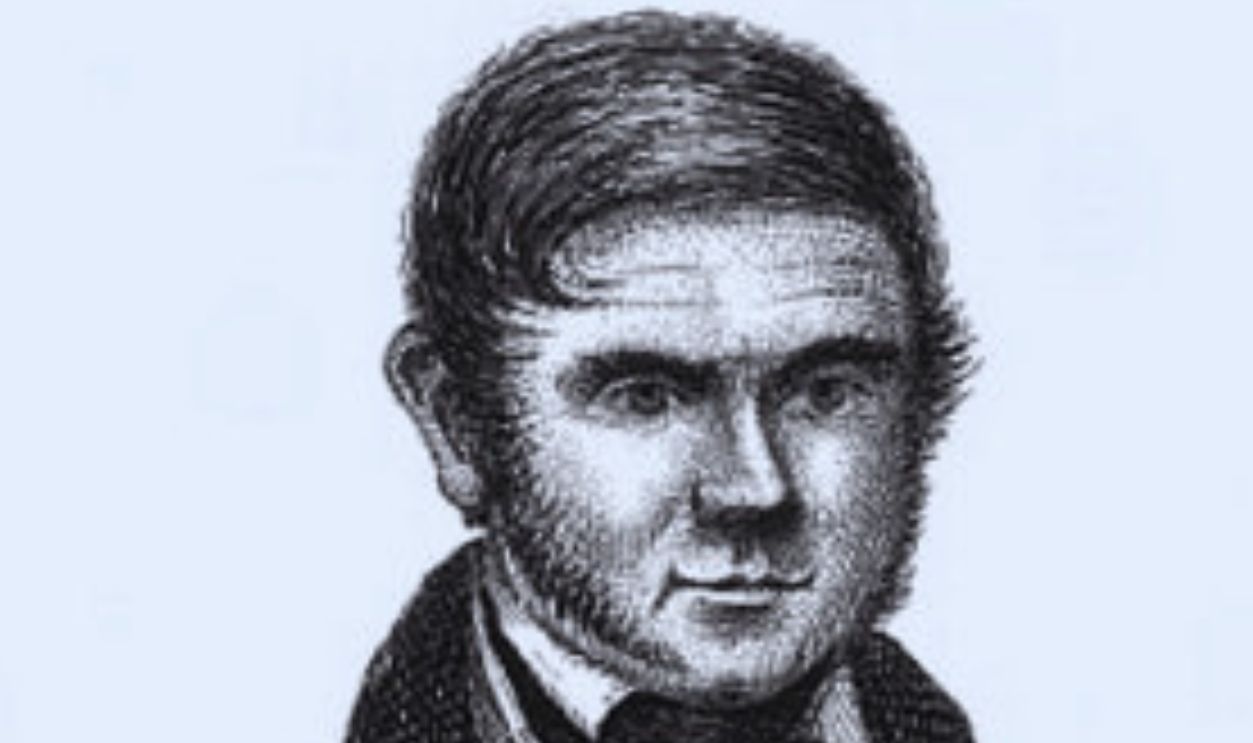
Burke And Hare Sold Their Victims
William Burke and William Hare discovered a gruesome way to profit from Edinburgh's demand for bodies for anatomical study. Between 1827 and 1828, they murdered at least 16 people and sold the remains to anatomist Robert Knox. Hare testified against Burke, who was executed in 1829.
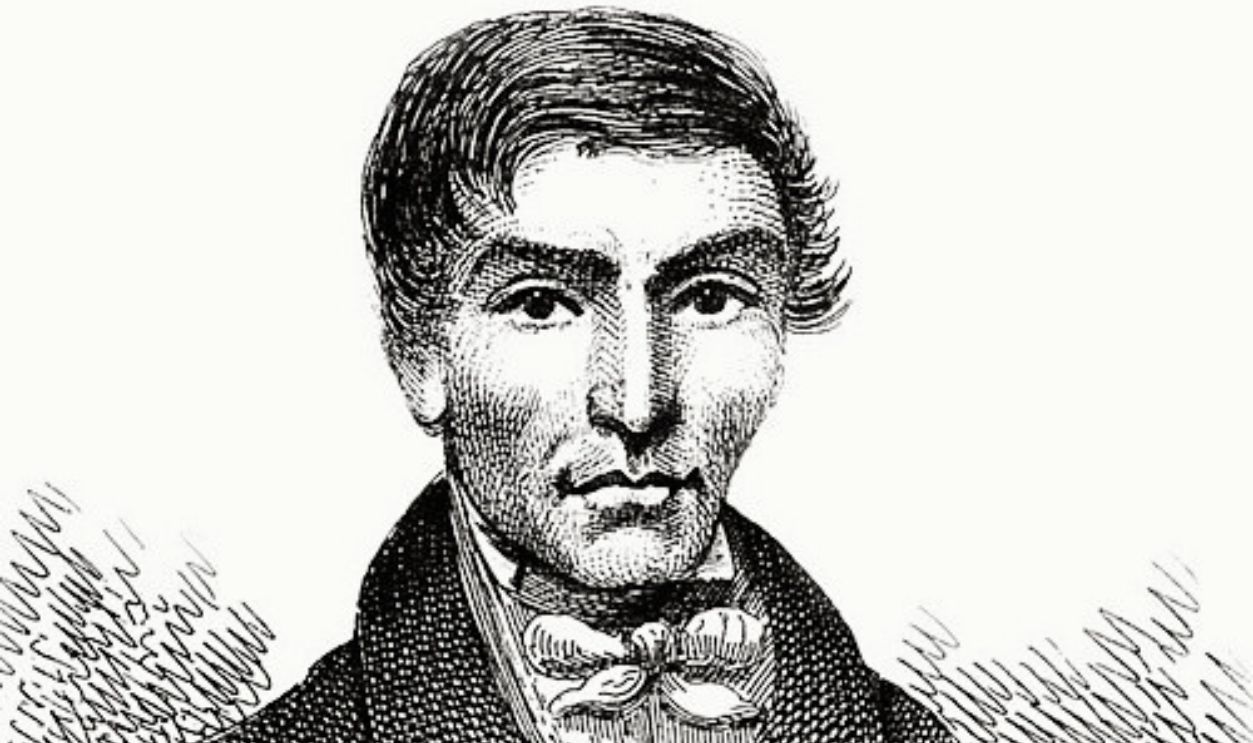
Burke Became A Verb
The murders were notorious enough to change the English language. "Burke" first referred to suffocating someone in the manner associated with the crimes. It later broadened to mean quietly suppressing, avoiding, or covering something up.
 See page for author, Wikimedia Commons
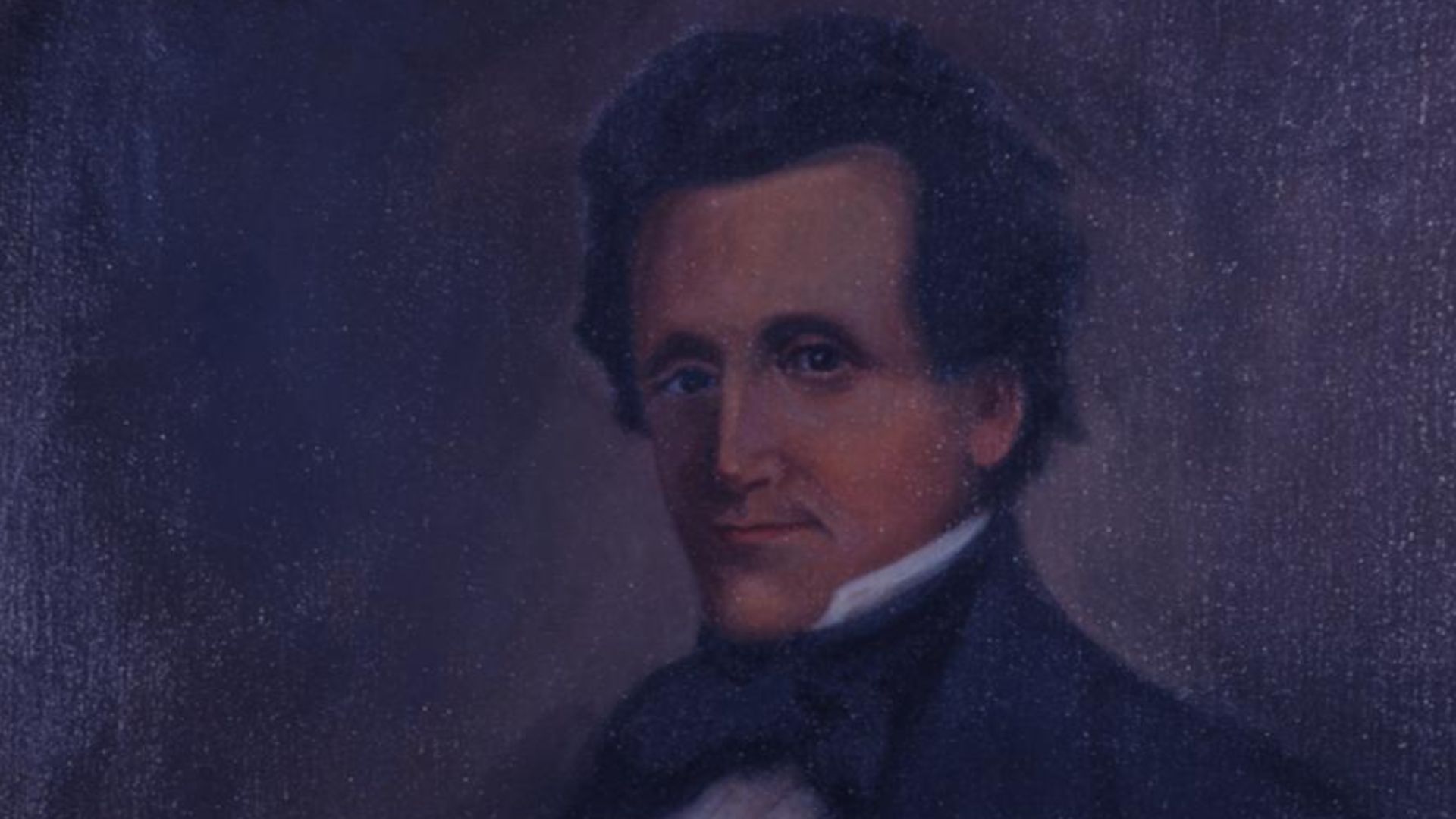
Lynch Law Came Before Lynching
The origins of "lynch law" are disputed, but the term is often connected to Virginia militia colonel Charles Lynch during the American Revolution. Lynch and his associates punished suspected Loyalists outside the normal court system. Those punishments generally involved whipping rather than execution.
 Mississippi Department of Archives and History, Wikimedia Commons
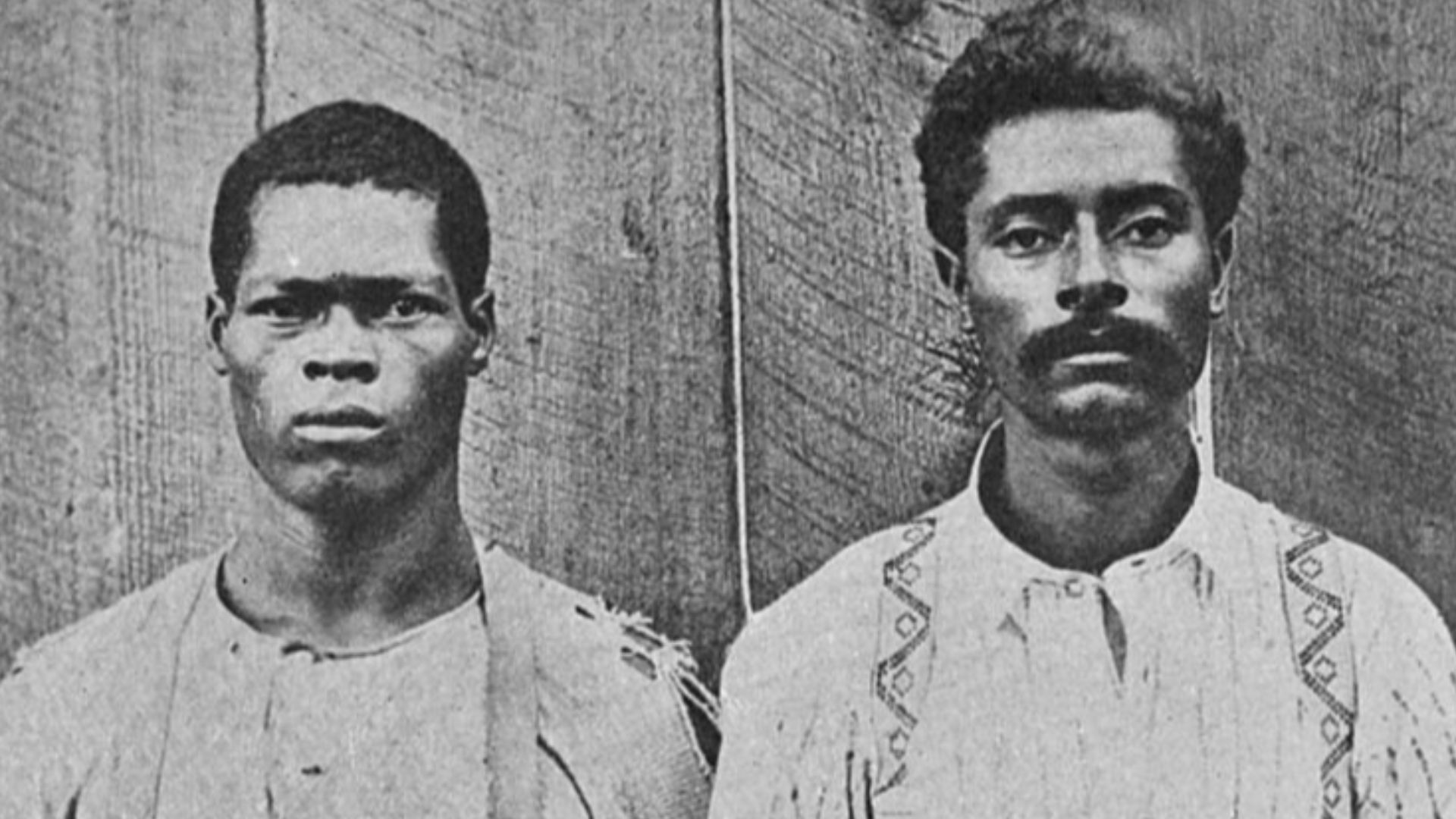
The Word Became Far Darker
Over time, "lynching" acquired a much more horrifying meaning. After the Civil War, mob lynching became a major weapon of racial terror against Black Americans, particularly in the South. Today, the word refers to an unlawful killing carried out by a mob.
 Unknown authorUnknown author, Wikimedia Commons
De Sade Was Scandalous Even In His Lifetime
French aristocrat Donatien Alphonse François de Sade became infamous for allegations of cruelty, extreme behavior, and controversial writings. He spent long periods imprisoned or confined. His works connected violence, domination, and pleasure in ways that shocked generations of readers.
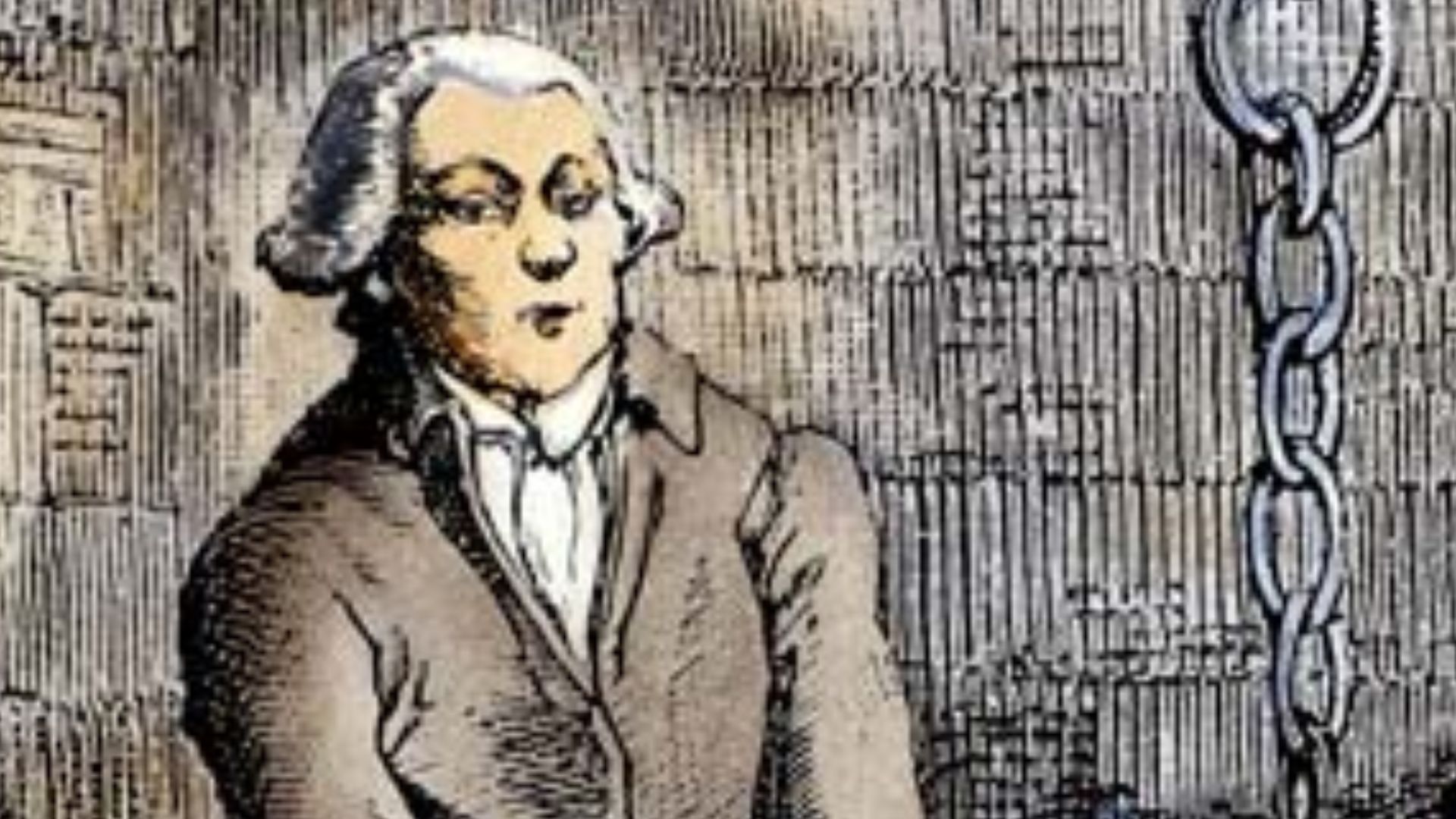 Unknown authorUnknown author, Wikimedia Commons
History's most fascinating stories and darkest secrets, delivered to your inbox daily.
Sadism Made His Reputation Permanent
Sade died in 1814, but his surname soon escaped biography entirely. "Sadism" came to describe pleasure associated with inflicting pain or humiliation and later broadened to describe extreme cruelty. His title, the Marquis de Sade, became far less famous than the word created from his name.
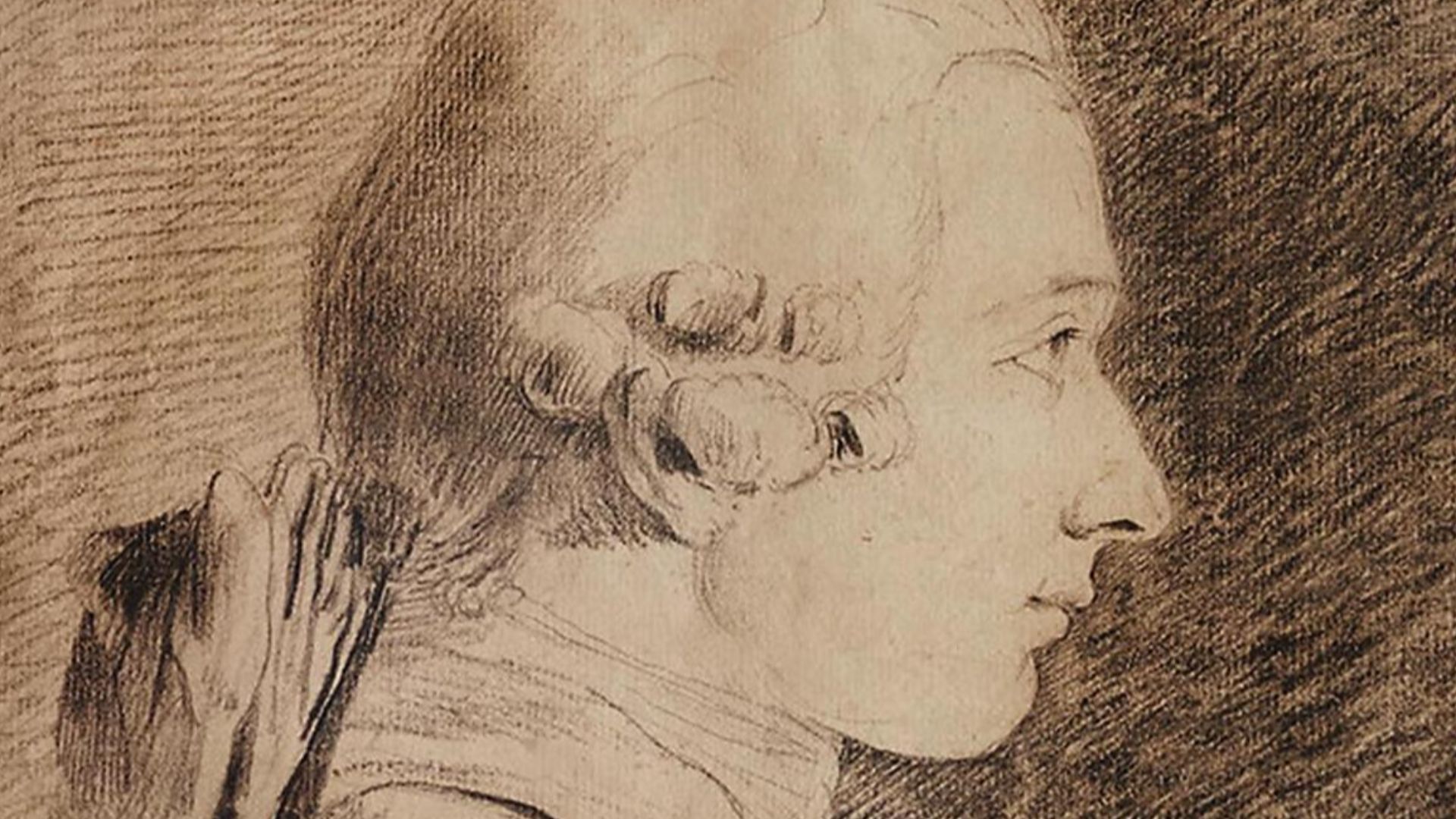 Charles-Amedee-Philippe van Loo, Wikimedia Commons
Casanova Lived Up To His Legend
Giacomo Casanova lived an unusually eventful life filled with travel, gambling, imprisonment, escape, writing, and numerous romances. His enormous memoir helped preserve the details of those adventures. Yet one part of his reputation eventually swallowed almost everything else.
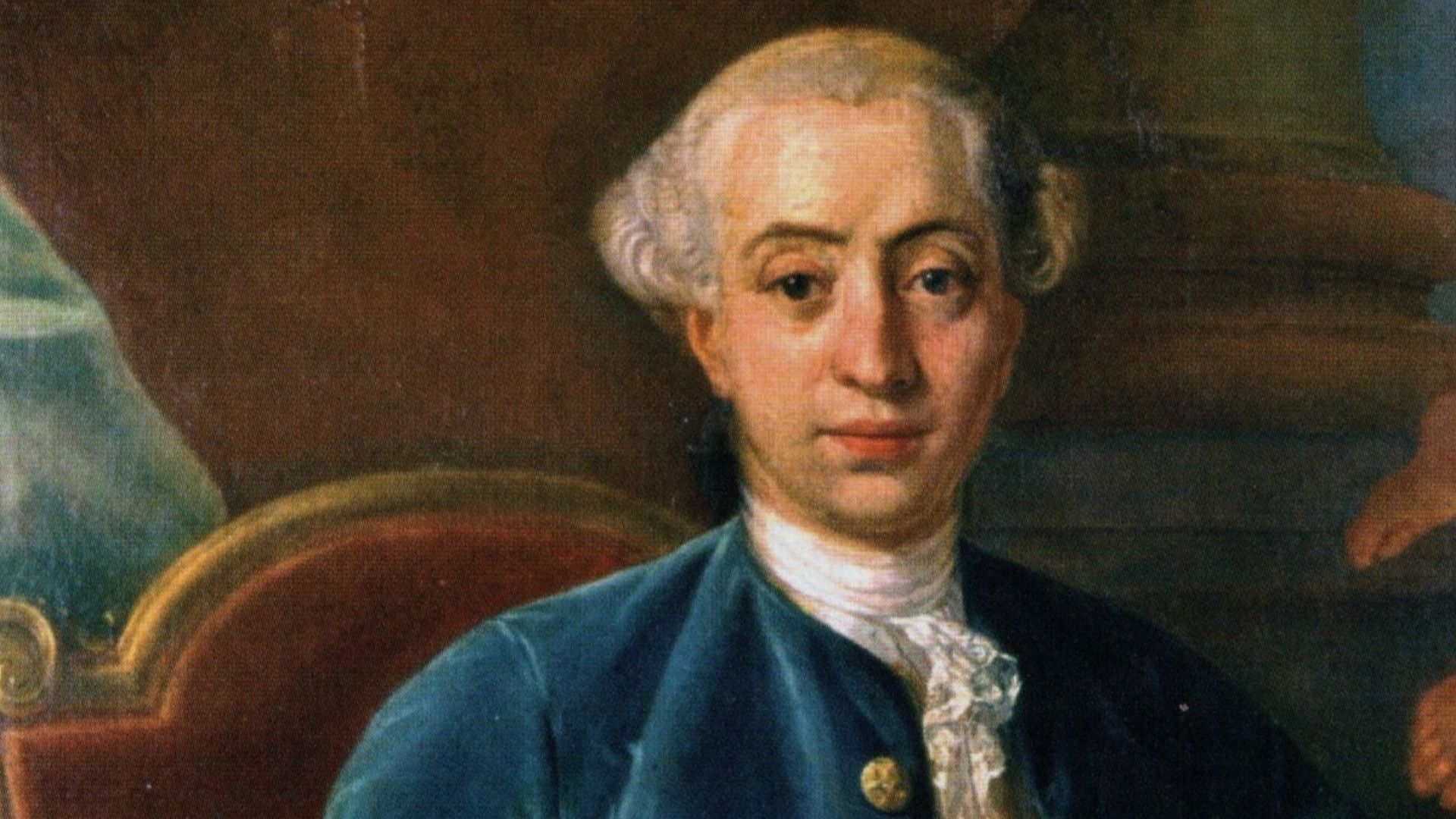 Attributed to Francesco Narici, Wikimedia Commons
Casanova Became The Generic Seducer
By the 19th century, "Casanova" was being used for men known for pursuing numerous romantic partners. The word remains instantly recognizable today. Casanova was a writer, traveler, musician, and adventurer, but history reduced his name to the part of his life people found most scandalous.
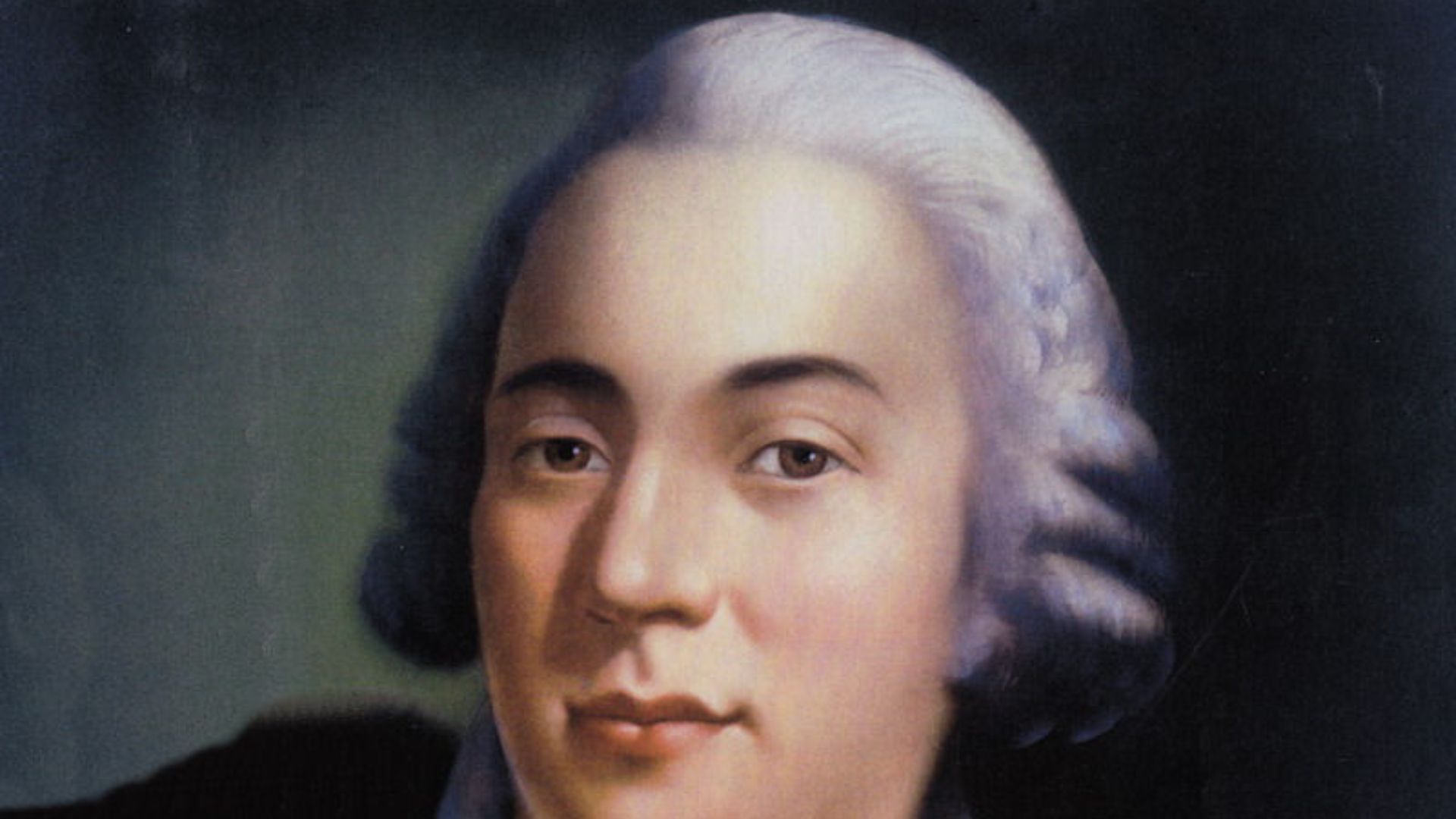 Kelly Galbraith, Wikimedia Commons
Boycott Was Frozen Out
Charles Boycott was an English estate agent working in Ireland during the land conflicts of 1880. After refusing demands for lower rents and attempting to evict tenants, he became the target of organized social and economic isolation. Workers quit, local businesses avoided him, and neighbors refused to cooperate.
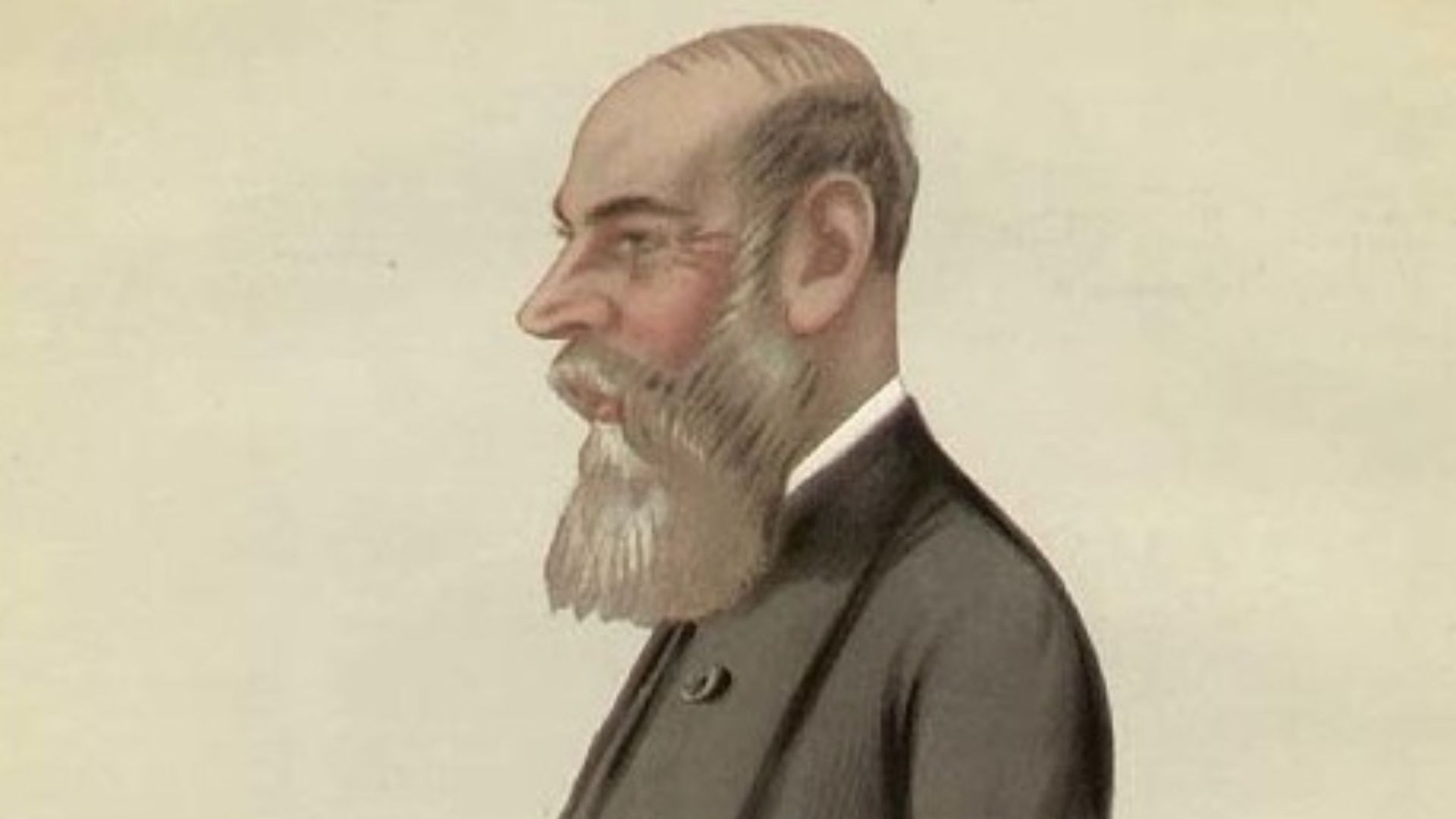 Leslie Ward, Wikimedia Commons
His Name Became The Protest
The tactic became famous almost immediately. "Boycott" came to mean collectively refusing to deal with a person, company, or organization in order to pressure it or express disapproval. Charles Boycott did not invent the strategy, but being its most famous target made his name permanent.
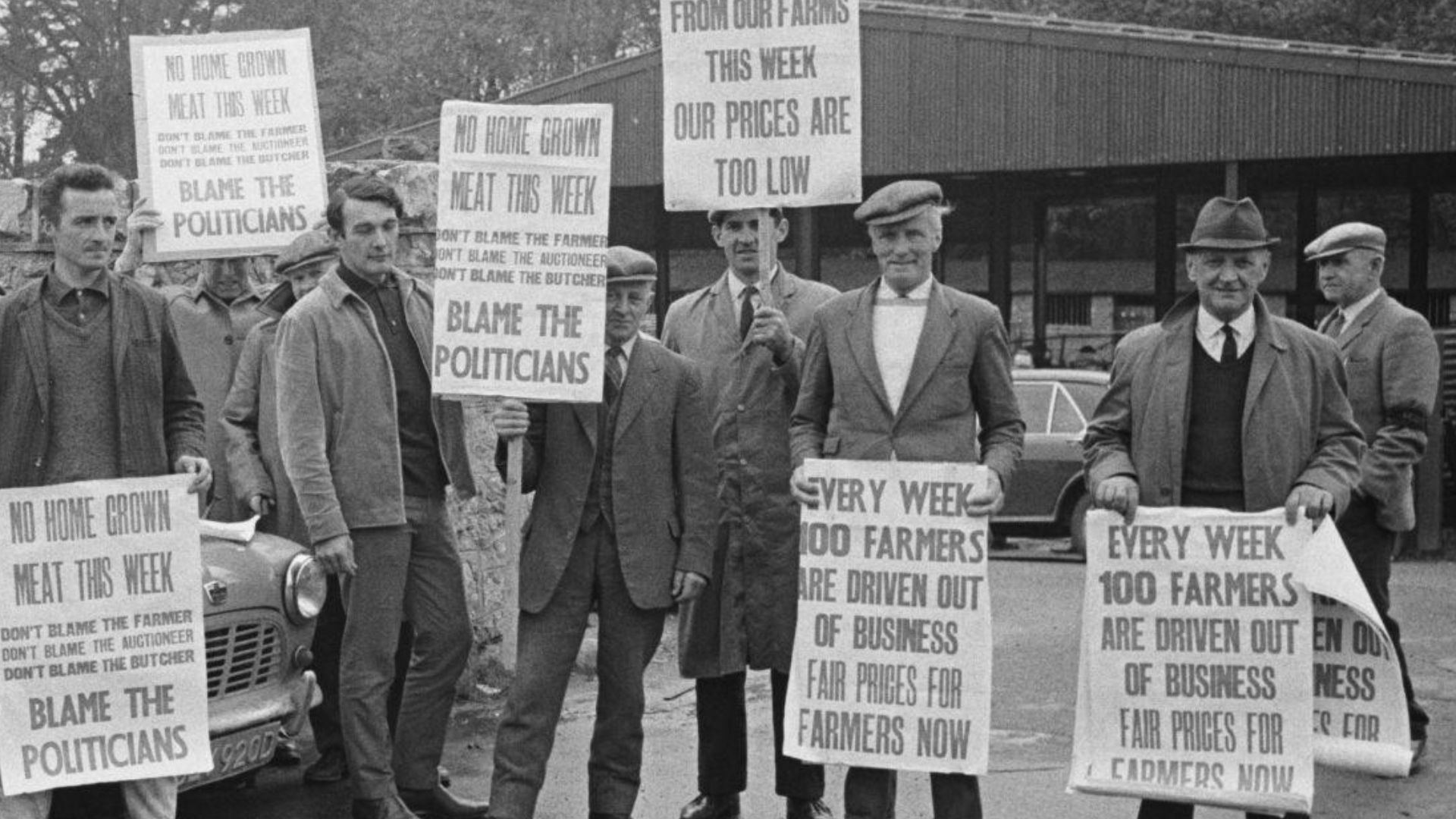 Geoff Charles, Wikimedia Commons
The Scandal Was Stronger Than The Person
Some of these people were criminals, some were political figures, and a few simply ended up on the wrong side of history. What connects them is stranger than fame: their reputations became so powerful that language absorbed their names. Centuries later, people still say Ponzi, boycott, gerrymander, and Casanova without necessarily realizing they are talking about real people.
 U.S. Government, Wikimedia Commons
You May Also Like:
Historical Geniuses Who Were Complete Disasters Outside Their Field
Brand Names Nobody Realizes Were Actually Named After Real People
How Mary Toft Convinced England’s Greatest Doctors That She Had Given Birth To Rabbits
Sources: 1, 2, 3, 4, 5, 6, 7, 8, 9, 10, 11, 12, 13, 14, 15, 16, 17, 18, 19, 20, 21, 22, 23, 24