An Impossible Claim Gripped England
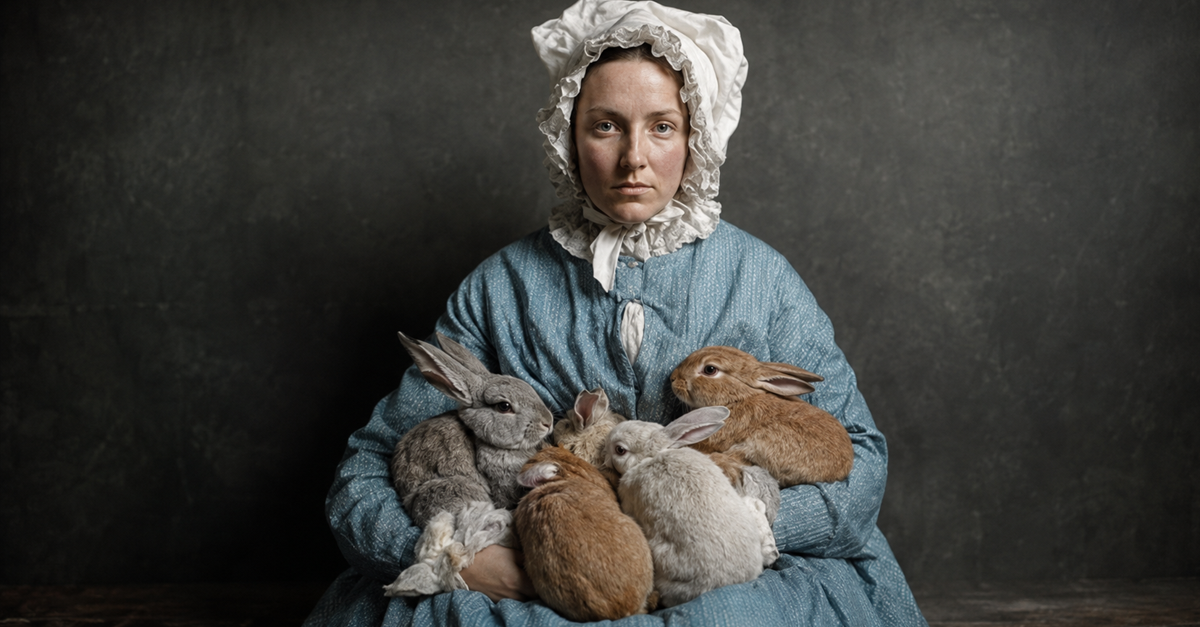
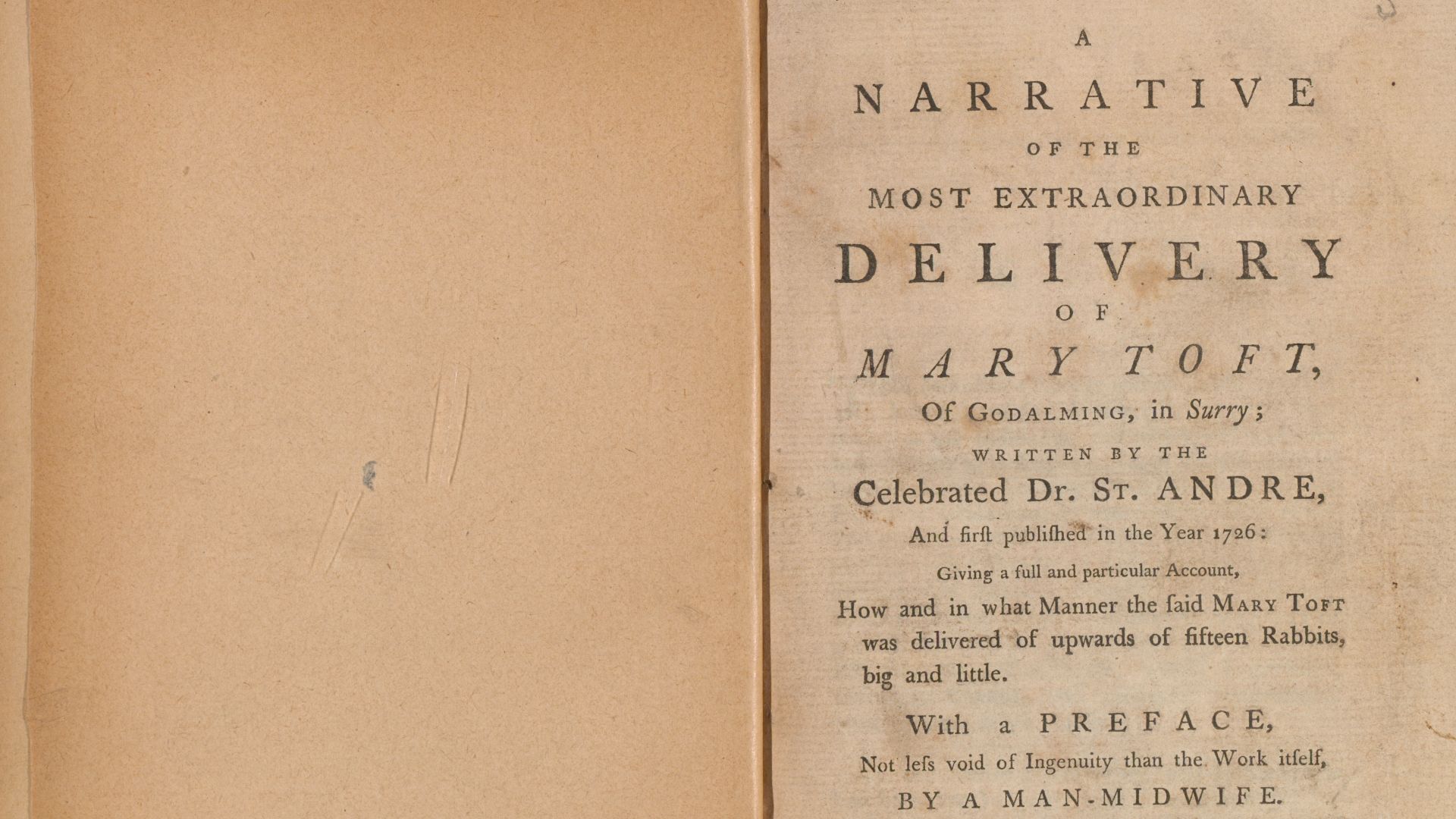
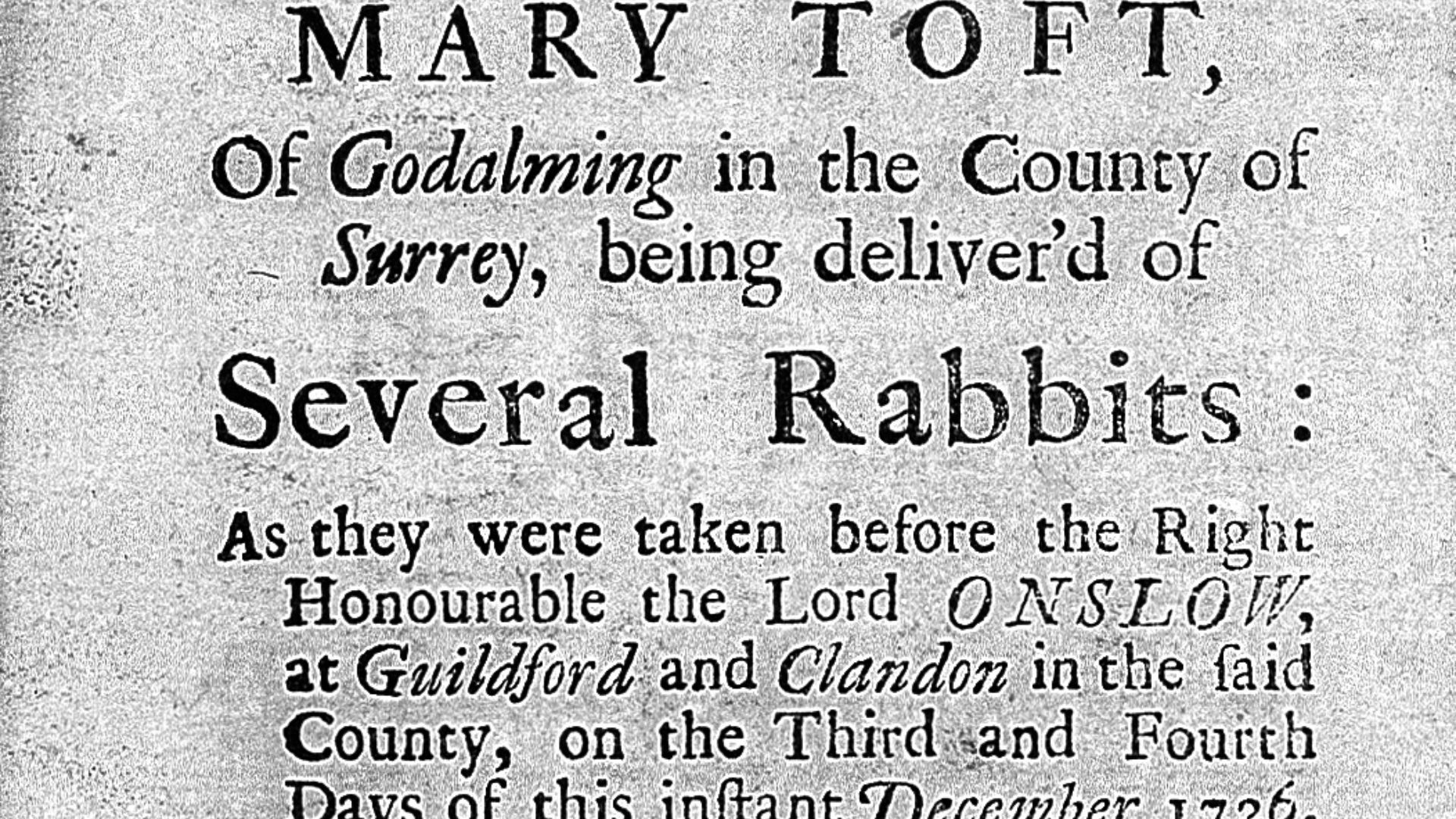
In 1726, Mary Toft stunned England by claiming she had given birth to rabbits. When the bizarre hoax finally collapsed, several prominent doctors were left looking remarkably gullible. The scandal captivated the royal court, humiliated the medical establishment, and made Toft one of Georgian England’s most notorious figures.
Mary Came From A Poor Family
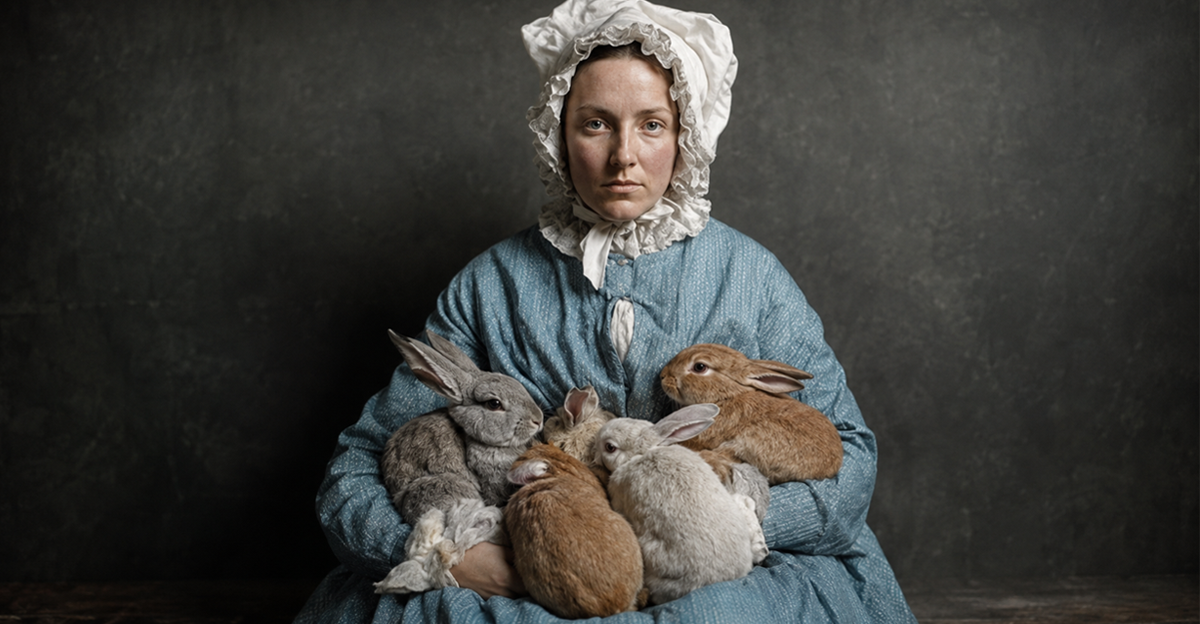
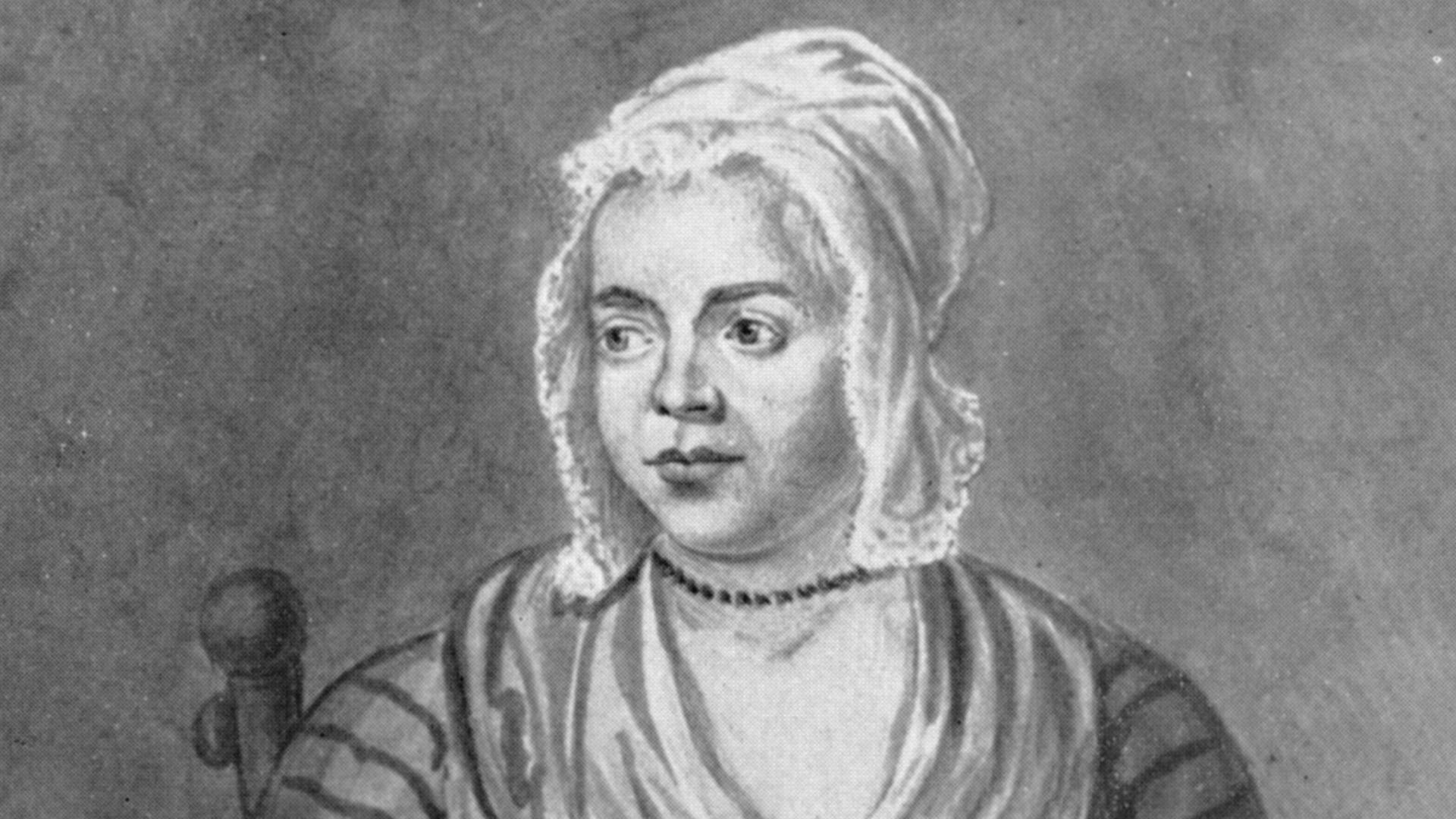
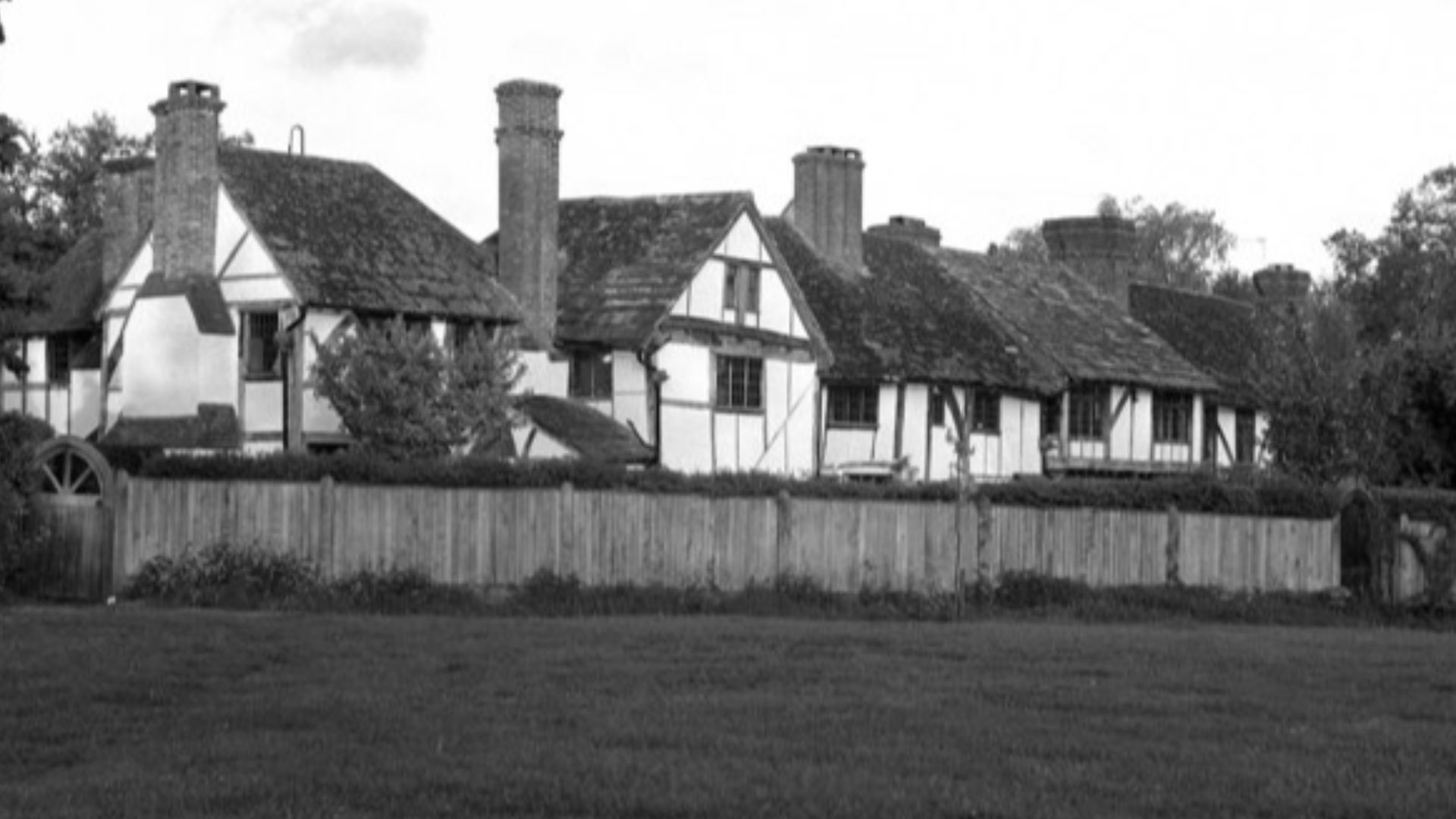
Born Mary Denyer in 1703, she grew up in a laboring family in Godalming. She married journeyman cloth worker Joshua Toft in 1720, when both were still teenagers. By 1726, Mary had children and performed exhausting seasonal agricultural work to supplement the household’s meagre income.
 John Laguerre, Wikimedia Commons
Pregnancy Did Not Stop The Work
Mary became pregnant again in 1726, but poverty offered little opportunity for rest. Her surviving confession describes working in a hop garden while suffering bleeding and severe pain. She also recalled that other laborers covered her work during their dinner break so she would not lose a penny.
Mary Suffered A Miscarriage
In August 1726, Mary apparently miscarried after experiencing a prolonged period of bleeding. Her descriptions suggest that she expelled genuine biological material associated with the failed pregnancy. This traumatic event appears to have provided the physical and emotional starting point for the deception that followed.
Something Strange Appeared
On September 27, Mary experienced another episode of intense pain at home. Neighbor Mary Gill and Mary’s mother-in-law, Ann Toft, reportedly saw her expel strange pieces of animal tissue. Unable to identify the material, the women sent it to Guildford surgeon John Howard.
The Local Surgeon Was Skeptical
Howard initially refused to believe that the specimens had emerged from a woman. He visited Mary, examined her, and found nothing extraordinary at first. After returning during another attack, however, he personally removed animal parts from her body and became increasingly convinced.
The Deliveries Became More Bizarre
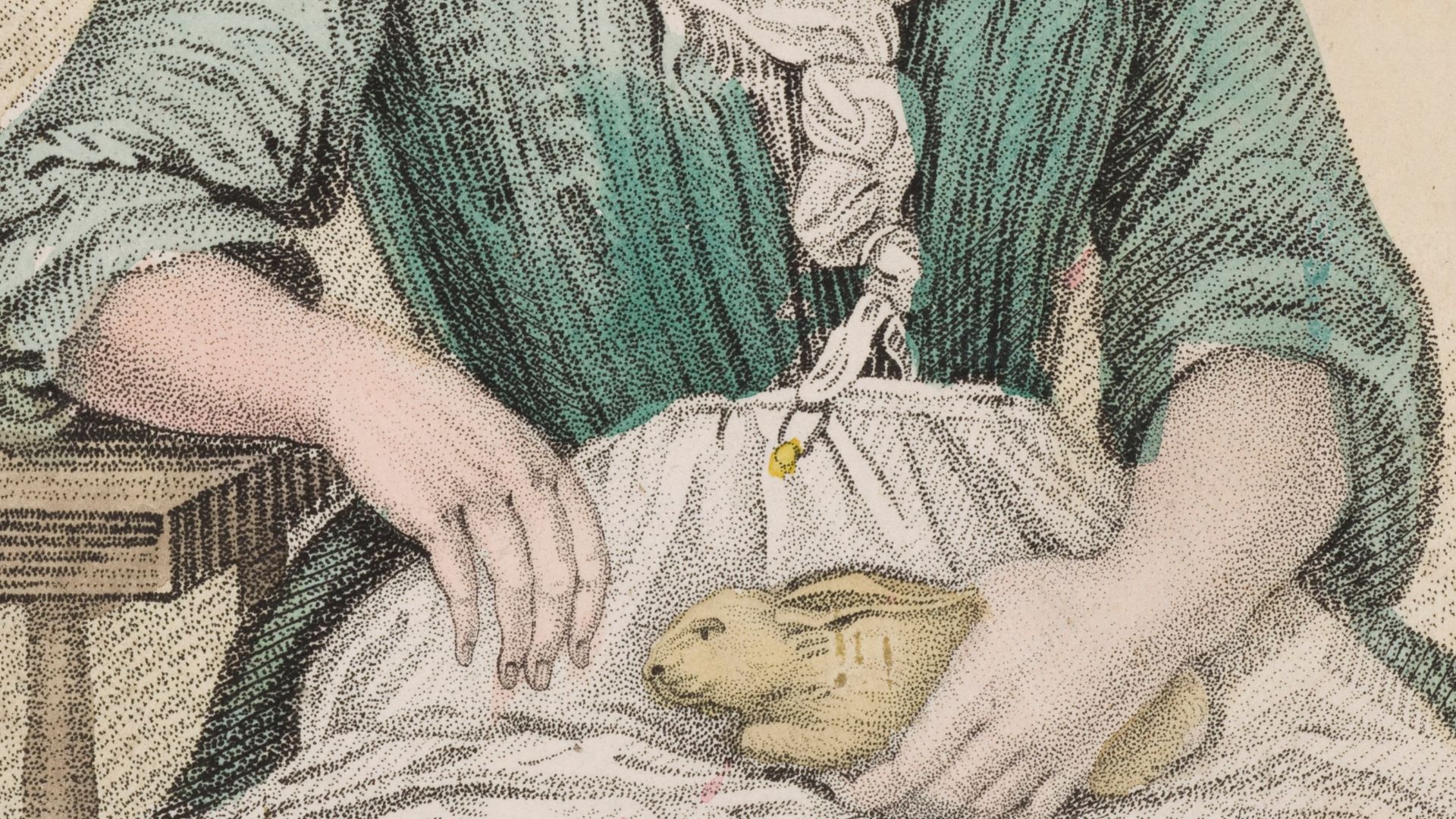
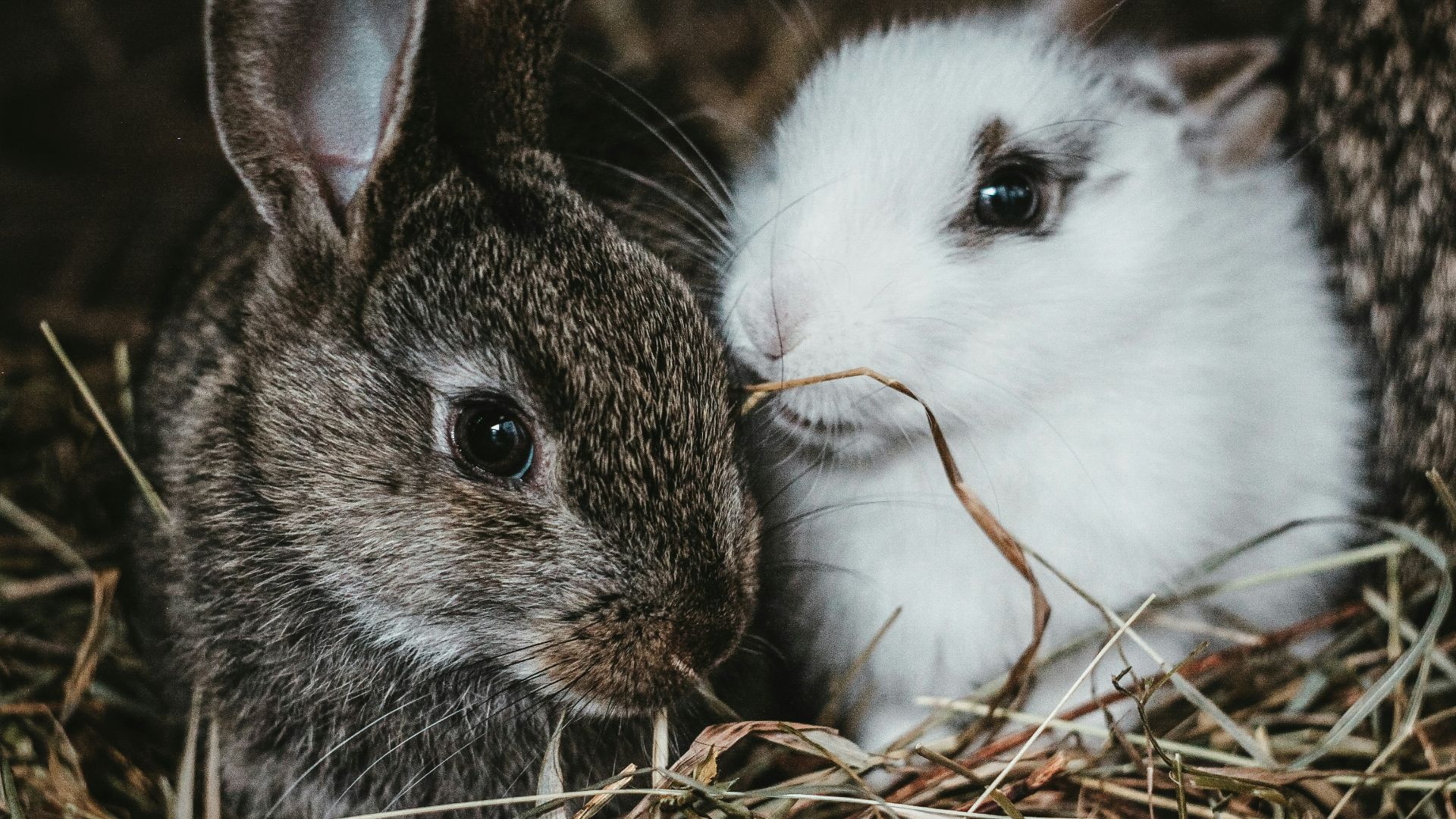
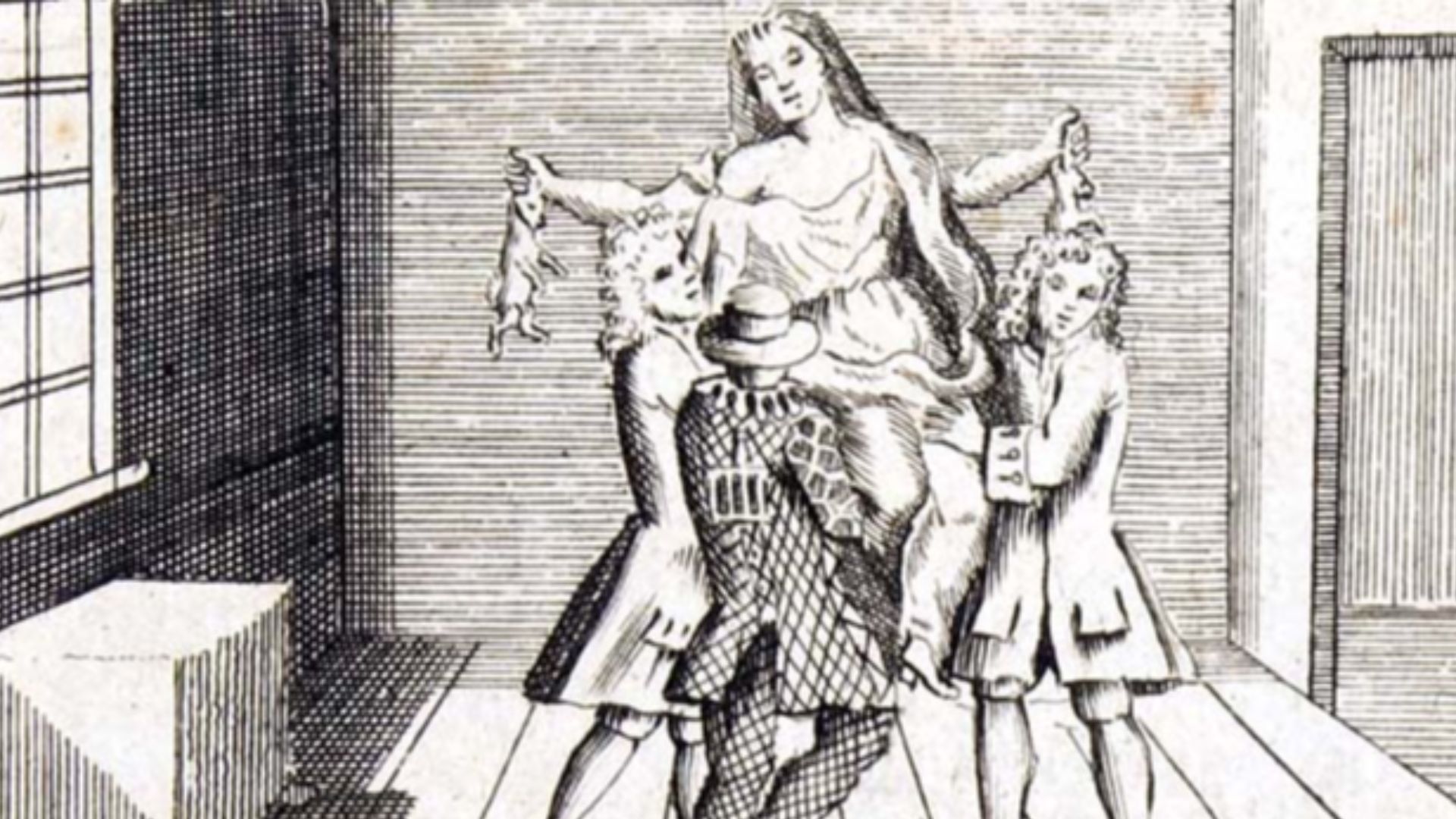
Howard subsequently reported receiving pieces resembling parts of rabbits, cats, and other animals. On one remarkable occasion, Mary supposedly produced nine young rabbits. Howard preserved specimens and documented the alleged deliveries as evidence of an unprecedented medical phenomenon.
Mary Moved To Guildford
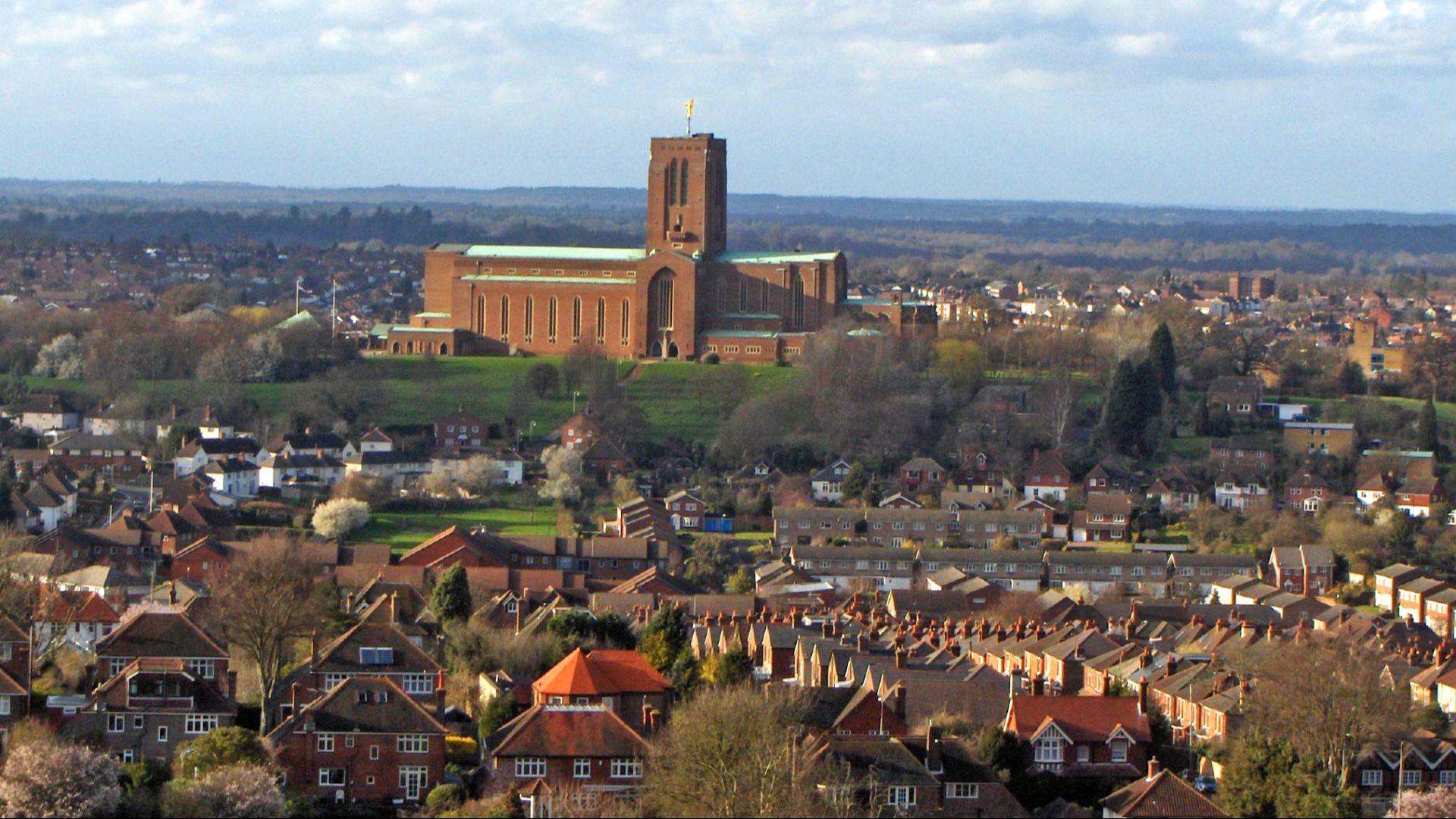
As local interest intensified, Howard moved Mary from Godalming to Guildford, where he could supervise her more closely. He rented a room for her and arranged for a nurse to attend her. Mary later said she agreed to move because she hoped Howard could relieve her considerable pain.
 Himar Santana Hernández, Wikimedia Commons
News Escaped Into The Wider World
Howard wrote to influential figures about the inexplicable case developing under his care. Reports reached London and began appearing in newspapers during October and November. The combination of childbirth, animals, and apparent eyewitness evidence made the story irresistible.

History's most fascinating stories and darkest secrets, delivered to your inbox daily.
The King Wanted Answers
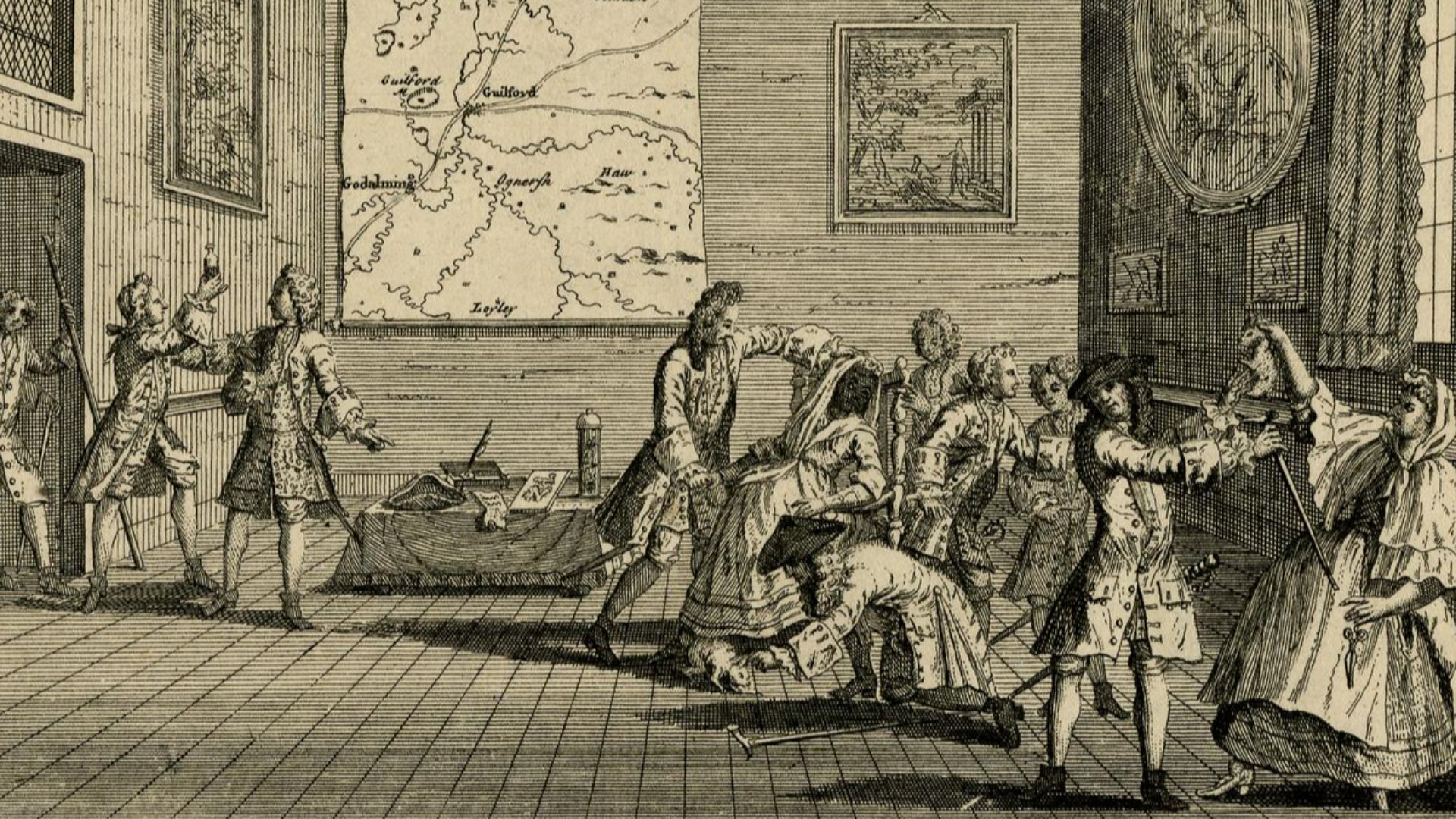
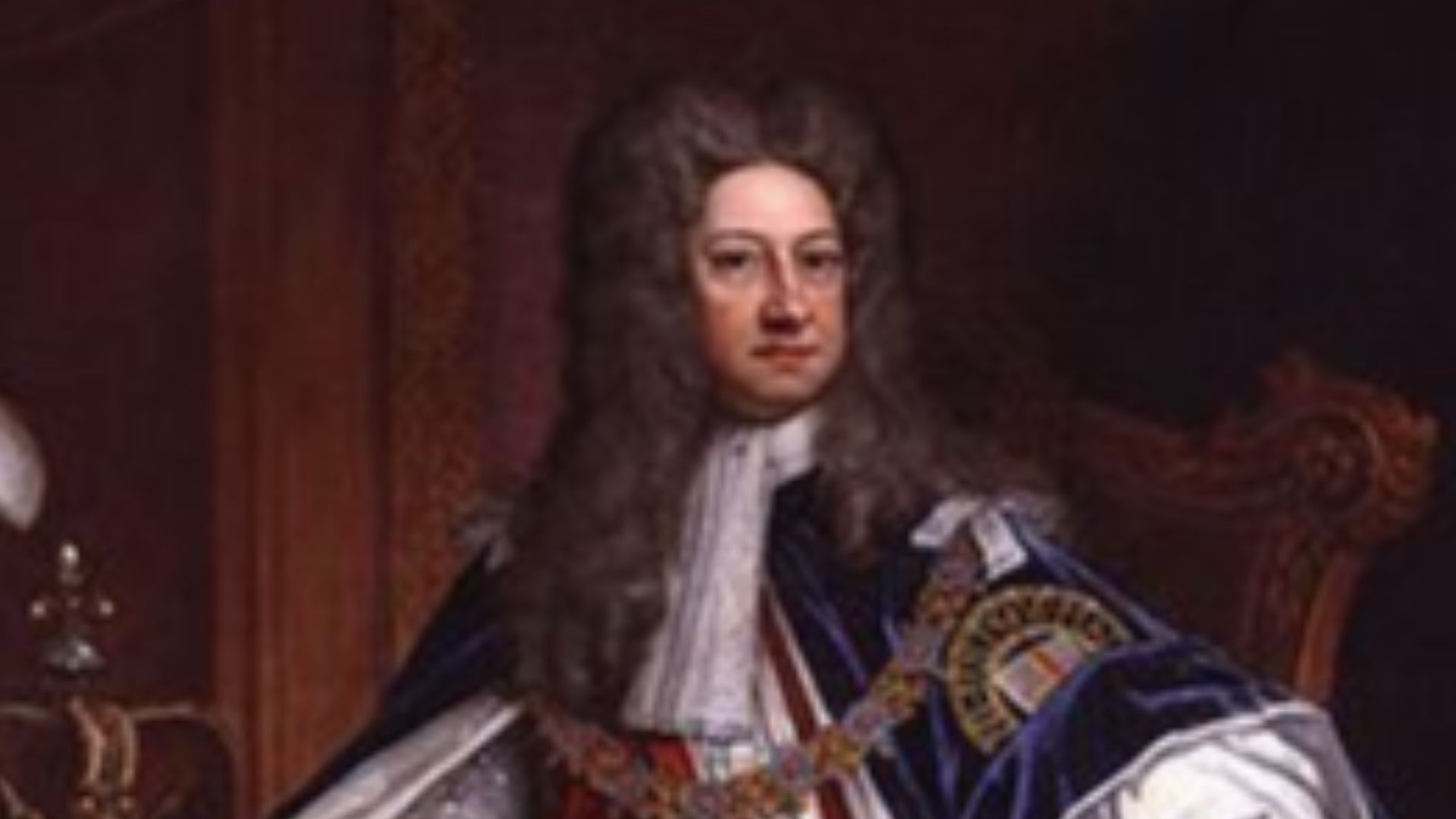
The reports attracted the attention of King George I and members of the royal court. The king sent Nathaniel St. André, a Swiss-born surgeon attached to the royal household, to investigate. Samuel Molyneux, secretary to the Prince of Wales, accompanied him to Guildford.
St. André Witnessed A Delivery
St. André and Molyneux arrived at Howard’s house on November 15. They were told that Mary was suffering labor pains and preparing to deliver another rabbit. During their visit, St. André removed rabbit parts while Molyneux observed the proceedings.
The Evidence Undermined The Miracle
The rabbits themselves contained clues that they had lived outside a human body. Examinations suggested that at least some had breathed air and consumed ordinary food. Their different sizes and stages of development also conflicted with the idea that Mary had conceived them together.
An Old Belief Made It Plausible
Some educated people still accepted the theory of maternal imagination. According to this belief, a pregnant woman’s powerful cravings, fears, or visual experiences could alter her unborn child. Mary claimed that she had chased, dreamed about, and intensely desired rabbits while pregnant.
St. André Backed The Story
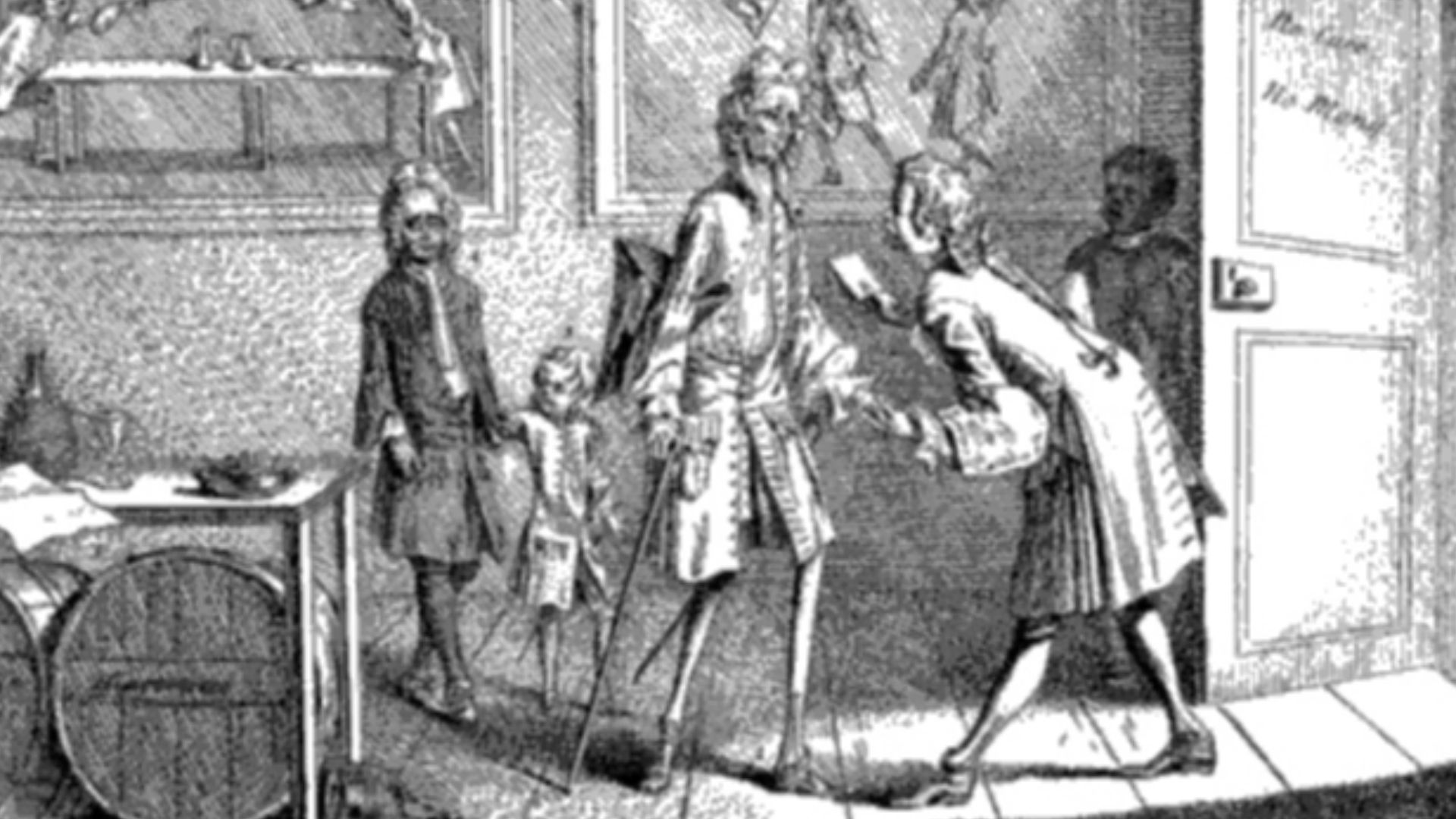
Rather than treating the contradictory evidence as proof of fraud, St. André constructed explanations for it. He suggested that rabbit embryos might have developed inside Mary’s reproductive system and emerged in pieces because of contractions. He returned to London with specimens and defended the case before the royal family.
 Unknown authorUnknown author, Wikimedia Commons
Another Royal Surgeon Had Doubts
King George also sent surgeon Cyriacus Ahlers to examine Mary. Ahlers became suspicious of both the deliveries and Howard’s management of the case. He concealed some of his doubts until he could take specimens back to London for closer examination.
 Godfrey Kneller, Wikimedia Commons
Rabbit Food Exposed A Problem
Ahlers reportedly found corn, hay, and straw inside material from one rabbit’s digestive tract. Such food could not have entered an animal supposedly developing inside Mary. On November 21, he informed the king that he suspected an organized fraud.
Manningham Joined The Investigation
Sir Richard Manningham, an eminent physician and man-midwife, was brought into the case as doubts multiplied. During an examination, he removed an object that he thought resembled a pig’s bladder. Its smell and appearance made him suspicious, although he initially avoided making a public accusation.
London Became The Final Test
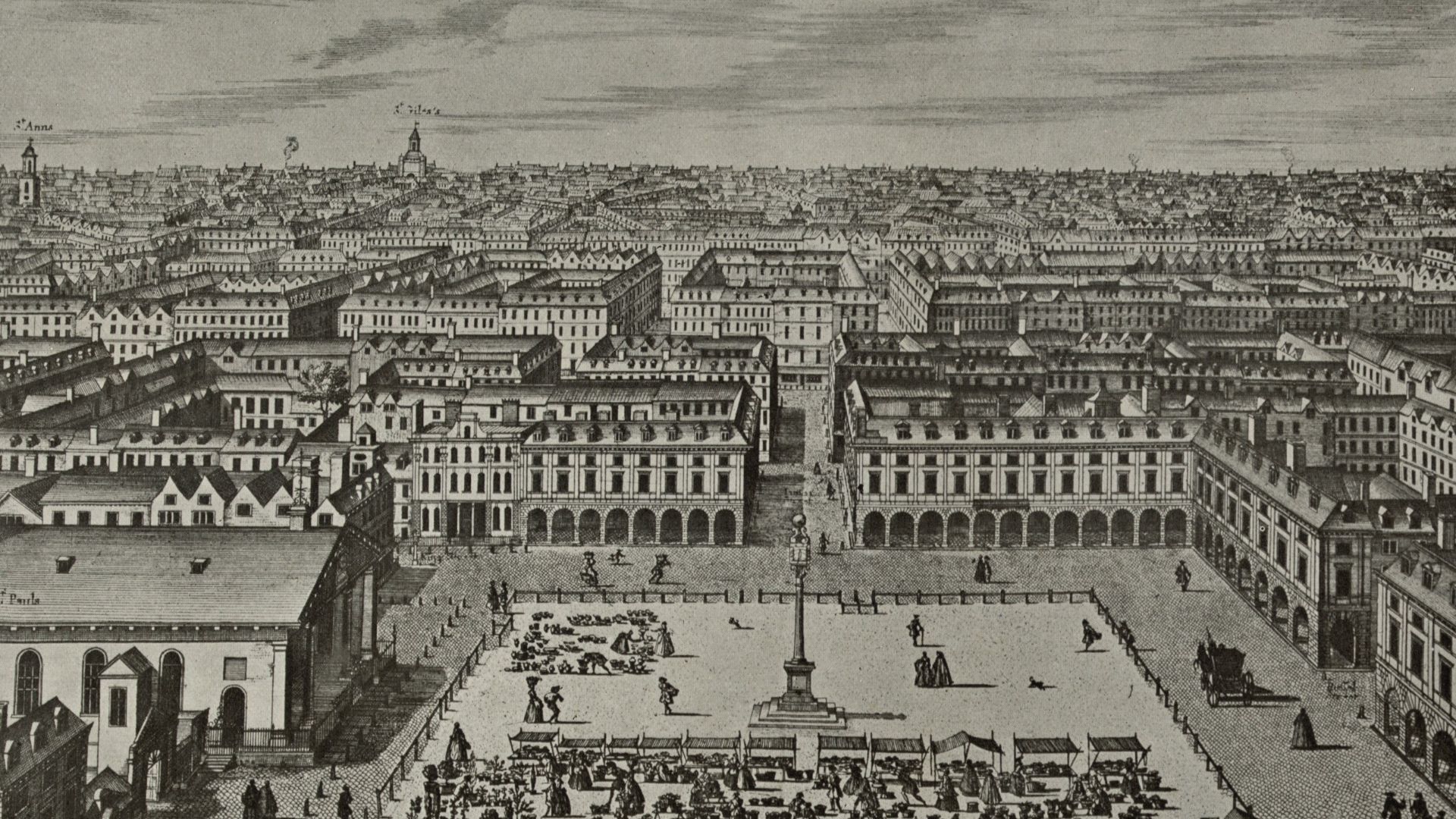
On November 29, Mary was taken to Lacey’s Bagnio, a bathhouse in Leicester Fields, London. Moving her placed her within easy reach of royal physicians, surgeons, magistrates, and curious members of the elite. It also separated her from the familiar people and surroundings that had helped sustain the alleged deliveries.
 Nicholls, Sutton, engraver, Wikimedia Commons
The Examinations Were Relentless
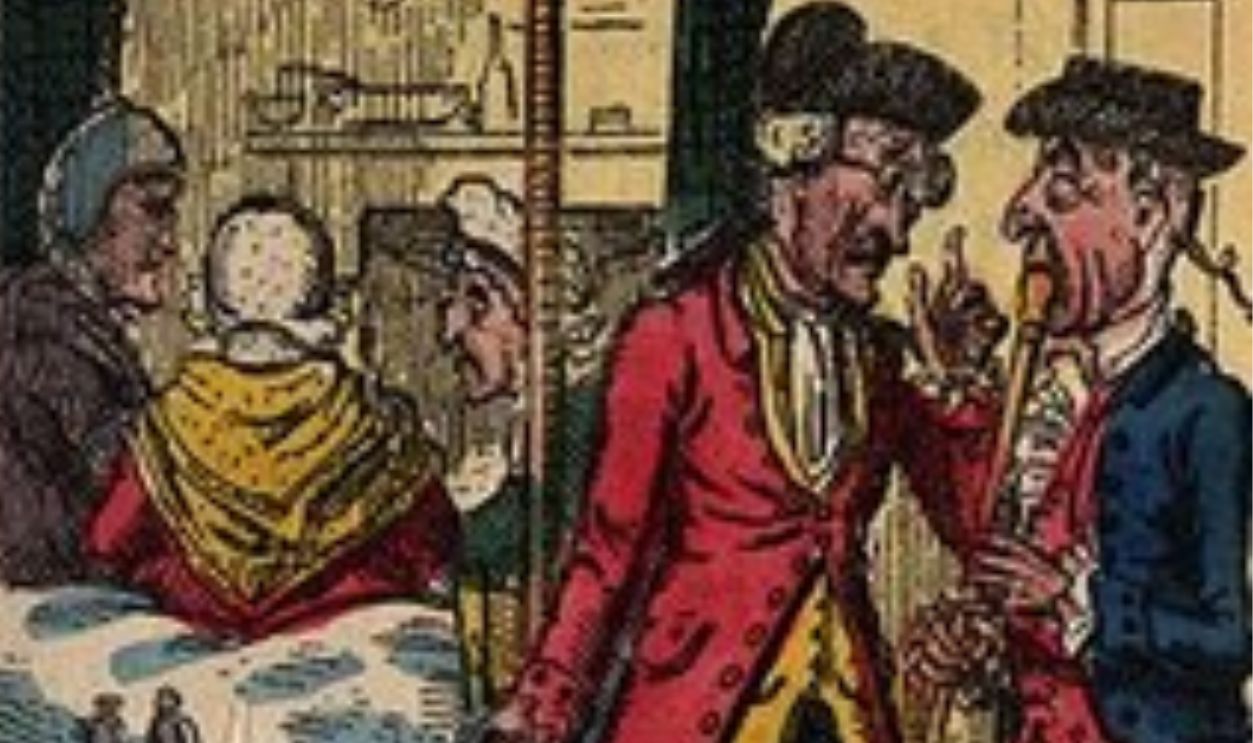
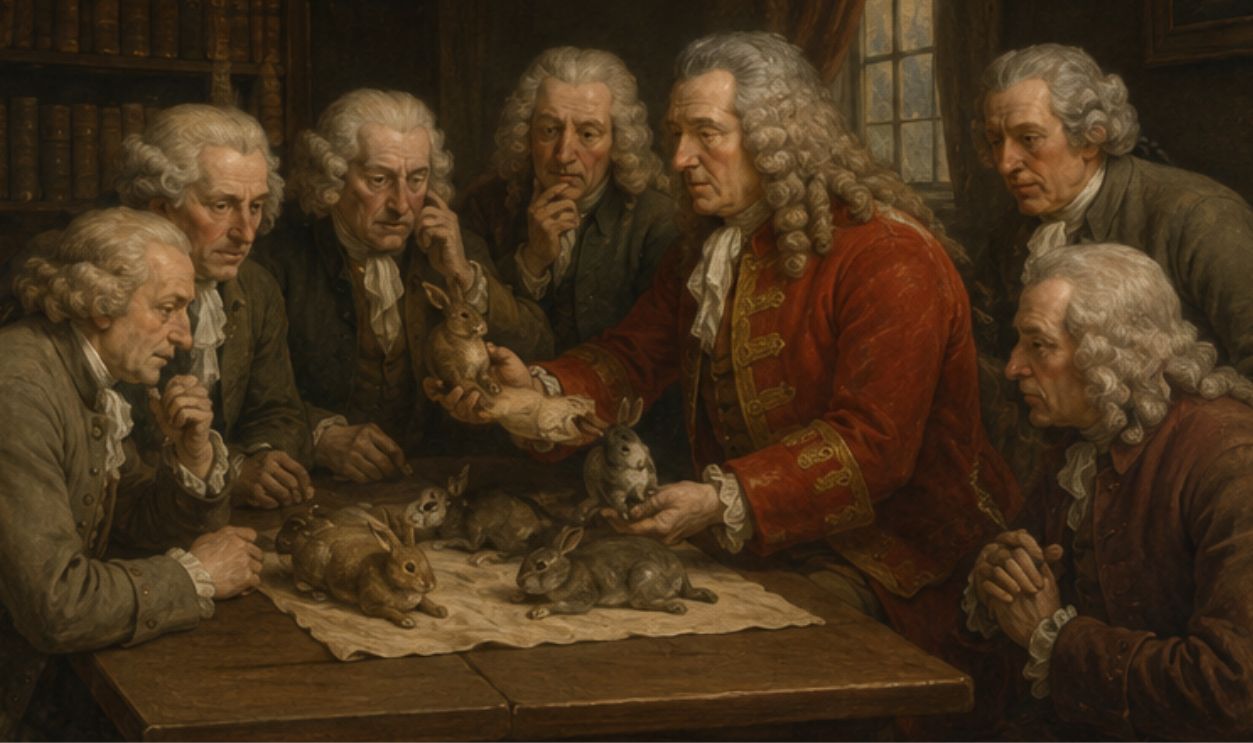
Mary was watched, questioned, and repeatedly subjected to intimate examinations by male medical practitioners. At times, numerous doctors gathered around her while she complained of contractions and internal pain. Modern historian Karen Harvey argues that the surviving records reveal a physically distressing experience that older comic accounts often obscured.
 Unknown authorUnknown author, Wikimedia Commons
The Rabbits Suddenly Stopped
Under close observation in London, Mary failed to produce another rabbit. Doctors continued waiting as her pains appeared and disappeared without a delivery. The silence made the earlier succession of animal parts increasingly difficult to explain.
A Porter Revealed The Supply Line
On December 4, a porter named Thomas Howard was caught attempting to obtain a small rabbit. He said Mary’s sister-in-law, Margaret Toft, had asked him to bring one into Mary’s room. Margaret claimed that the rabbit was intended as food, but the discovery gave investigators the practical link they needed.
Mary Finally Confessed
Mary initially denied participating in a fraud despite prolonged questioning. After Manningham threatened a painful surgical investigation, she confessed on December 7. She admitted that animal parts had been inserted into her body so they could later be extracted as supposed births.
Her Story Kept Changing
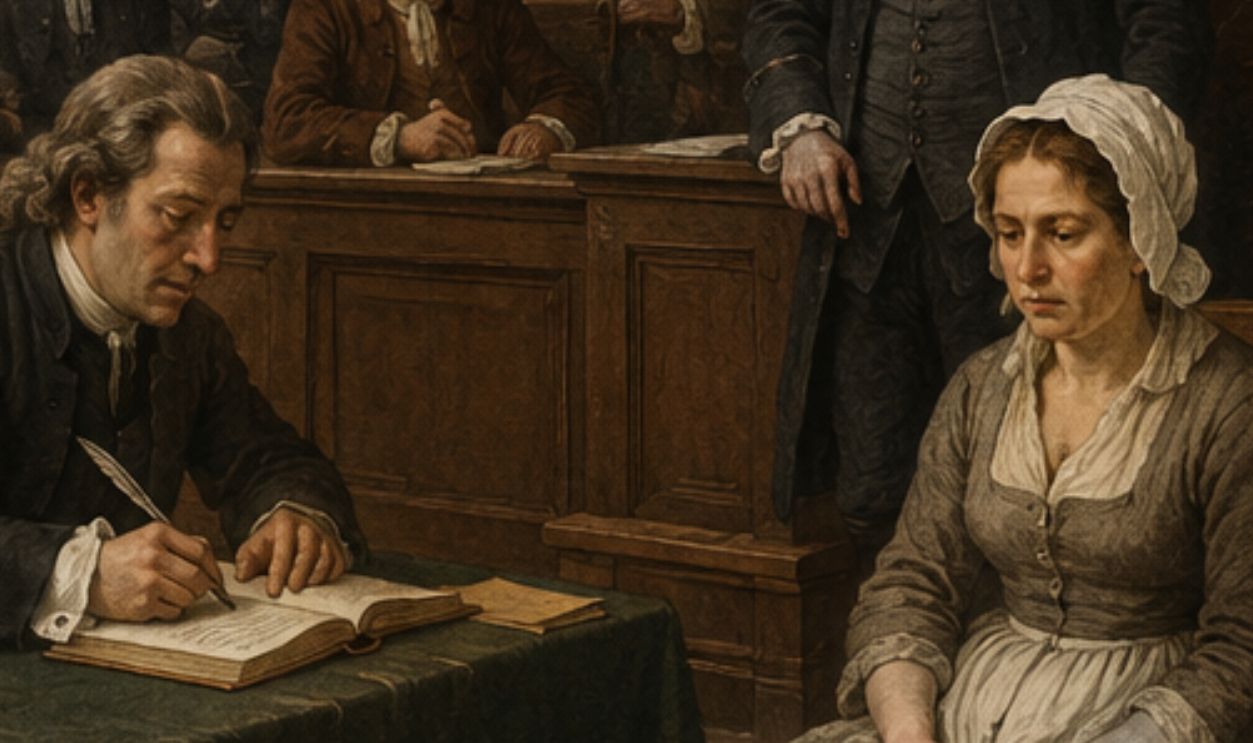
James Douglas recorded three confessions from Mary on December 7, 8, and 12. Across these accounts, she variously implicated a mysterious travelling woman, her mother-in-law, and other participants. The contradictions make it impossible to determine confidently who conceived the scheme or how much control Mary exercised over it.
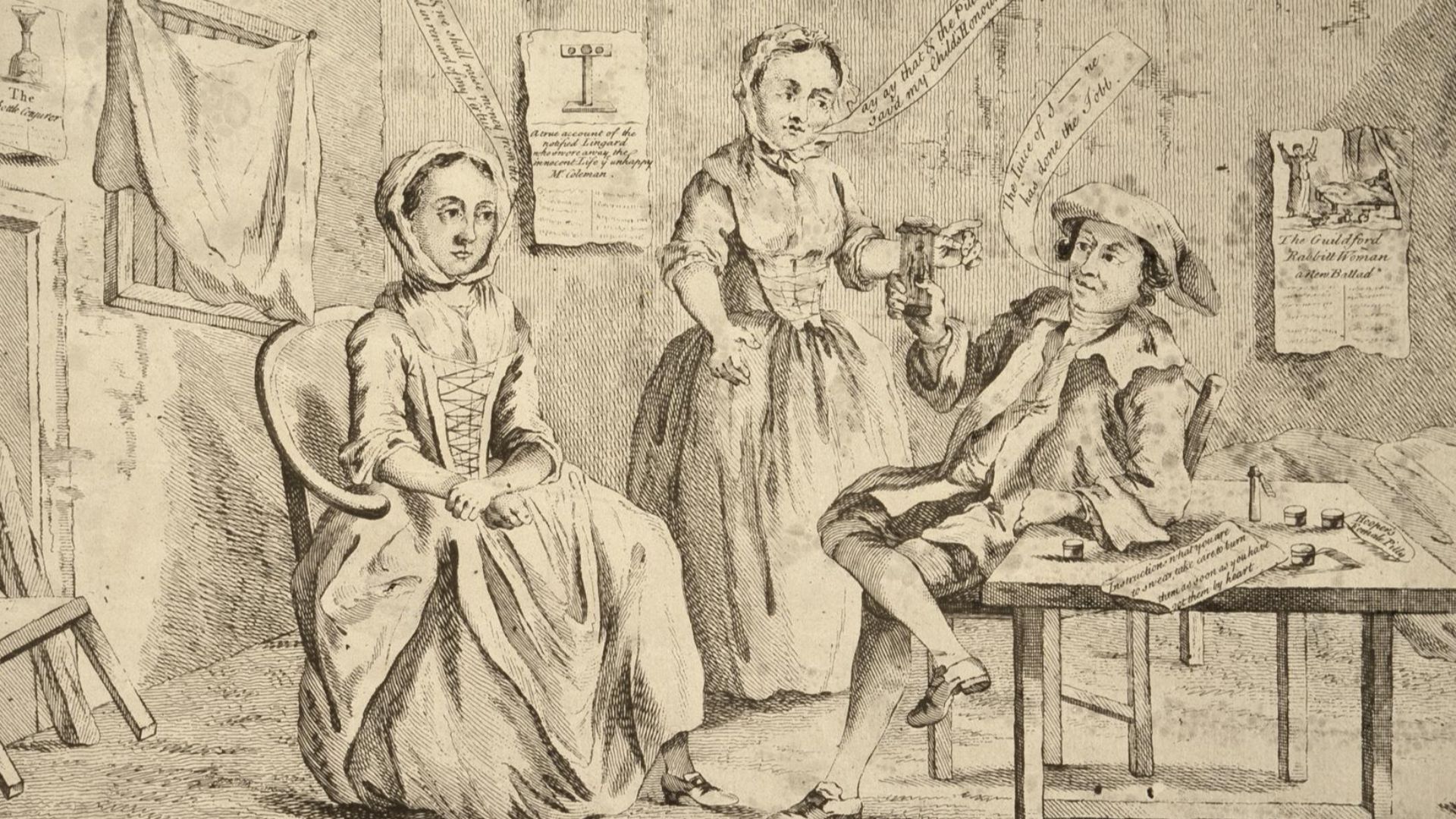
Prison Brought More Humiliation
Authorities sent Mary to Tothill Fields Bridewell, a London prison, and described her as a notorious cheat and impostor. Crowds reportedly came to see the infamous rabbit woman while she remained confined. Prosecutors struggled to identify an appropriate charge, and she was eventually released without a trial in April 1727.
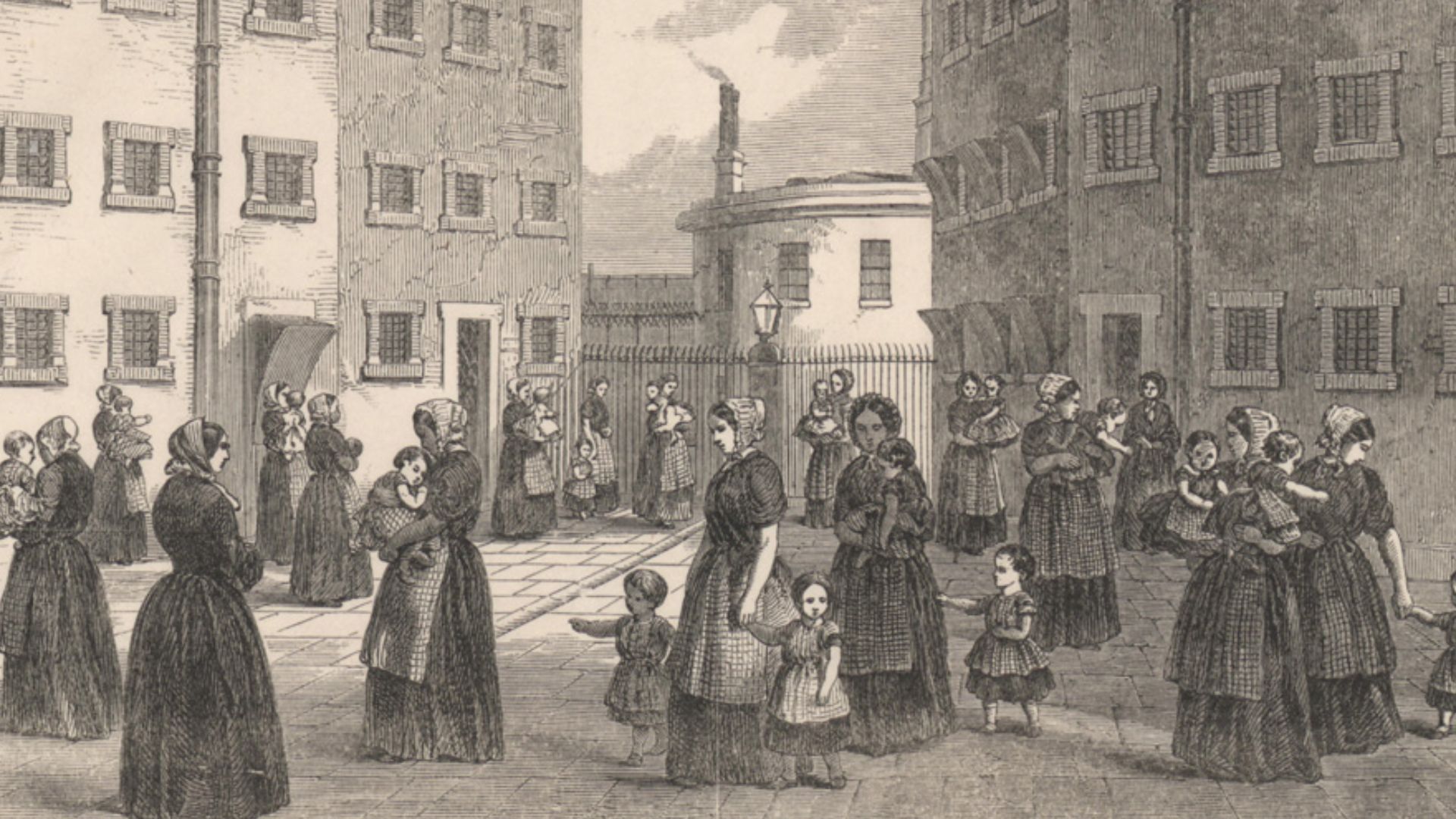 Unknown authorUnknown author, Wikimedia Commons
Satirists Tore Into The Doctors
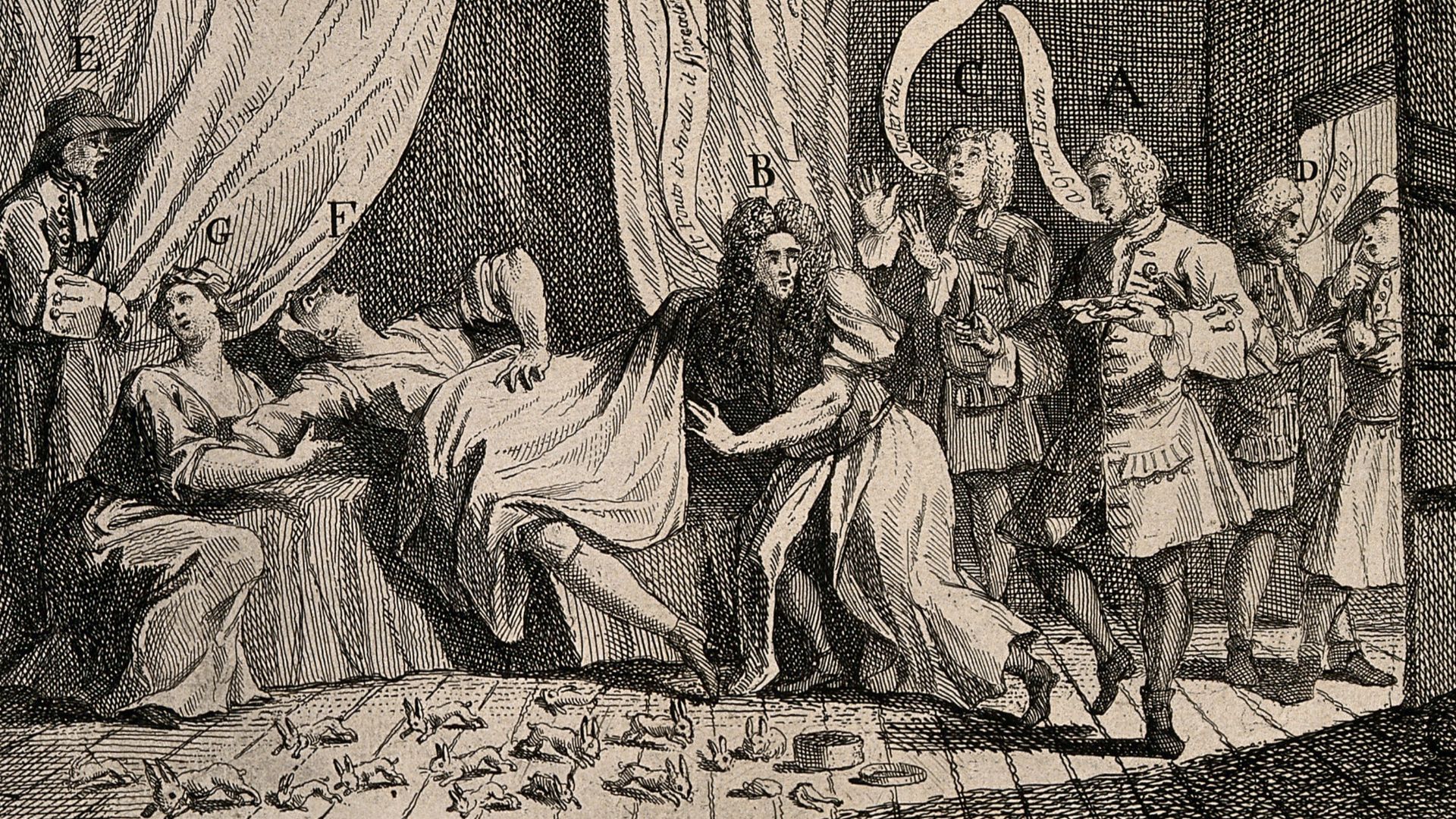
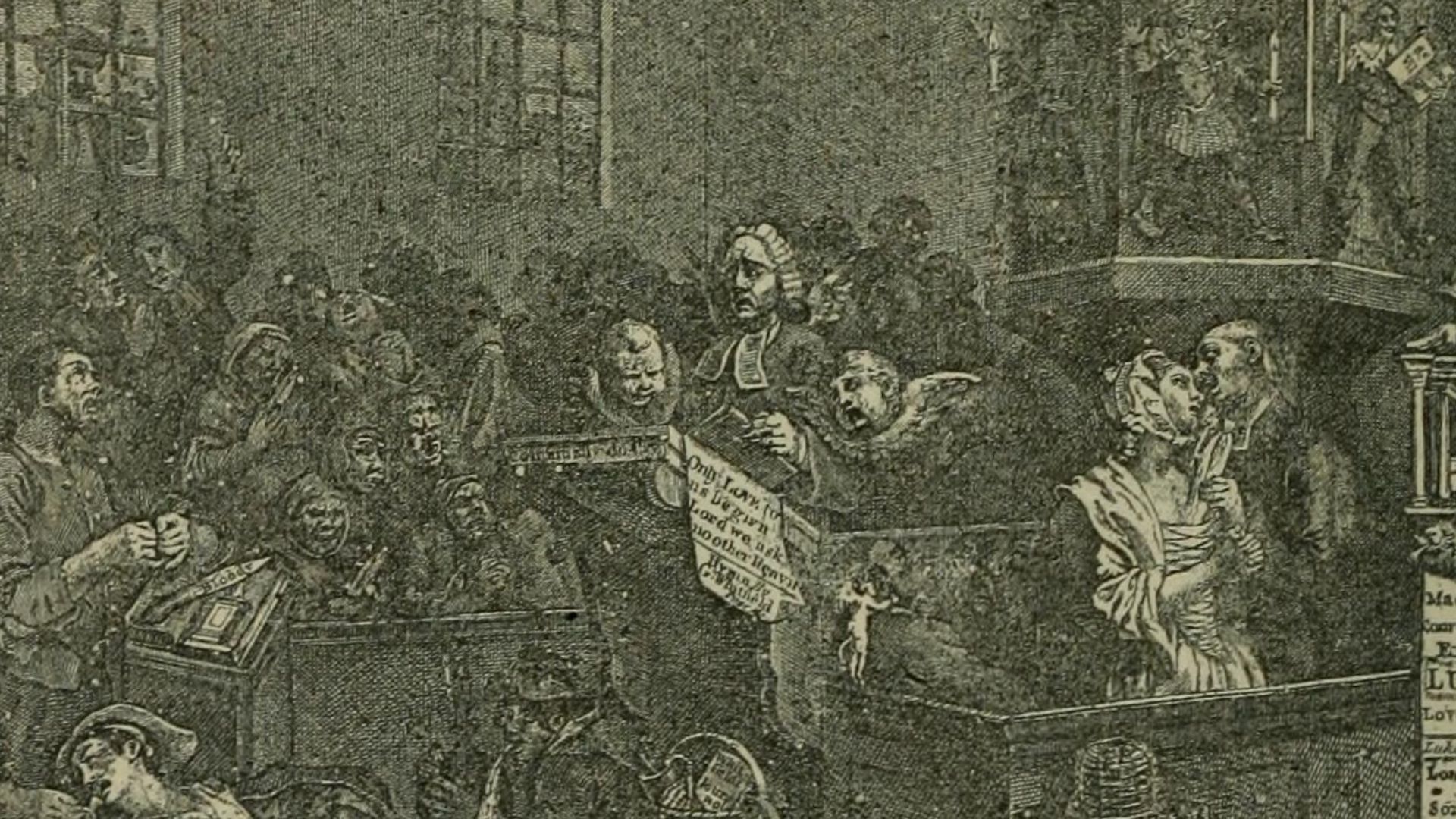
The exposure unleashed a flood of poems, pamphlets, theatrical jokes, and obscene caricatures. William Hogarth’s print Cunicularii, Or The Wise Men Of Godliman In Consultation showed Mary surrounded by ridiculous medical investigators. The sharpest jokes targeted learned men whose confidence and ambition had helped the deception flourish.
 Internet Archive Book Images, Wikimedia Commons
Reputations Paid The Price
Manningham and Douglas published accounts that emphasized their doubts and their roles in uncovering the fraud. Howard faced allegations of involvement, but the case against him was dropped and he continued practicing. St. André suffered the greatest reputational damage because he had publicly committed himself to the impossible births.
 unknown, published in Hunterian, 1726, Wikimedia Commons
The Joke Concealed A Darker Story
Mary returned to Surrey and largely disappeared from public attention, although she briefly encountered the law again in 1740 for receiving stolen goods. She died in 1763, and a parish record remembered her as the “Impostress Rabbitt.” Her story remains more than an absurd medical anecdote because it reveals how poverty, reproductive trauma, fashionable theories, professional rivalry, and unequal power combined to turn one woman’s body into a national spectacle.
 Dr Neil Clifton, Wikimedia Commons
You May Also Like:
The Coney Island Incubator Babies Were Put On Display, But The Spectacle Actually Saved Lives
How Sir Arthur Conan Doyle Fell For The Cottingley Fairies Hoax
How The Yorkshire Witch Convinced Britain That A Chicken Laid Prophetic Eggs