Being Brilliant Doesn't Make You Right
History's greatest minds could see possibilities that everyone else missed. Unfortunately, that same confidence sometimes convinced them they couldn't possibly be wrong. From disastrous investments to professional feuds and moral catastrophes, these geniuses discovered that one terrible decision can do remarkable damage to an otherwise extraordinary legacy.
 Louis Bachrach, Bachrach Studios, restored by Michel Vuijlsteke, Wikimedia Commons
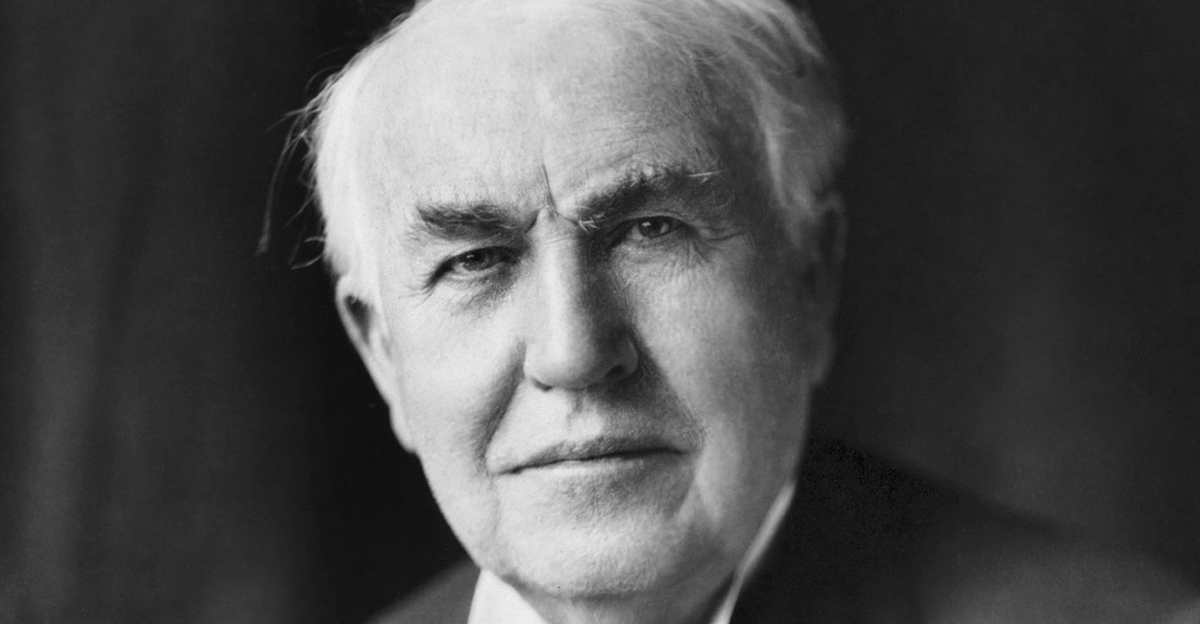
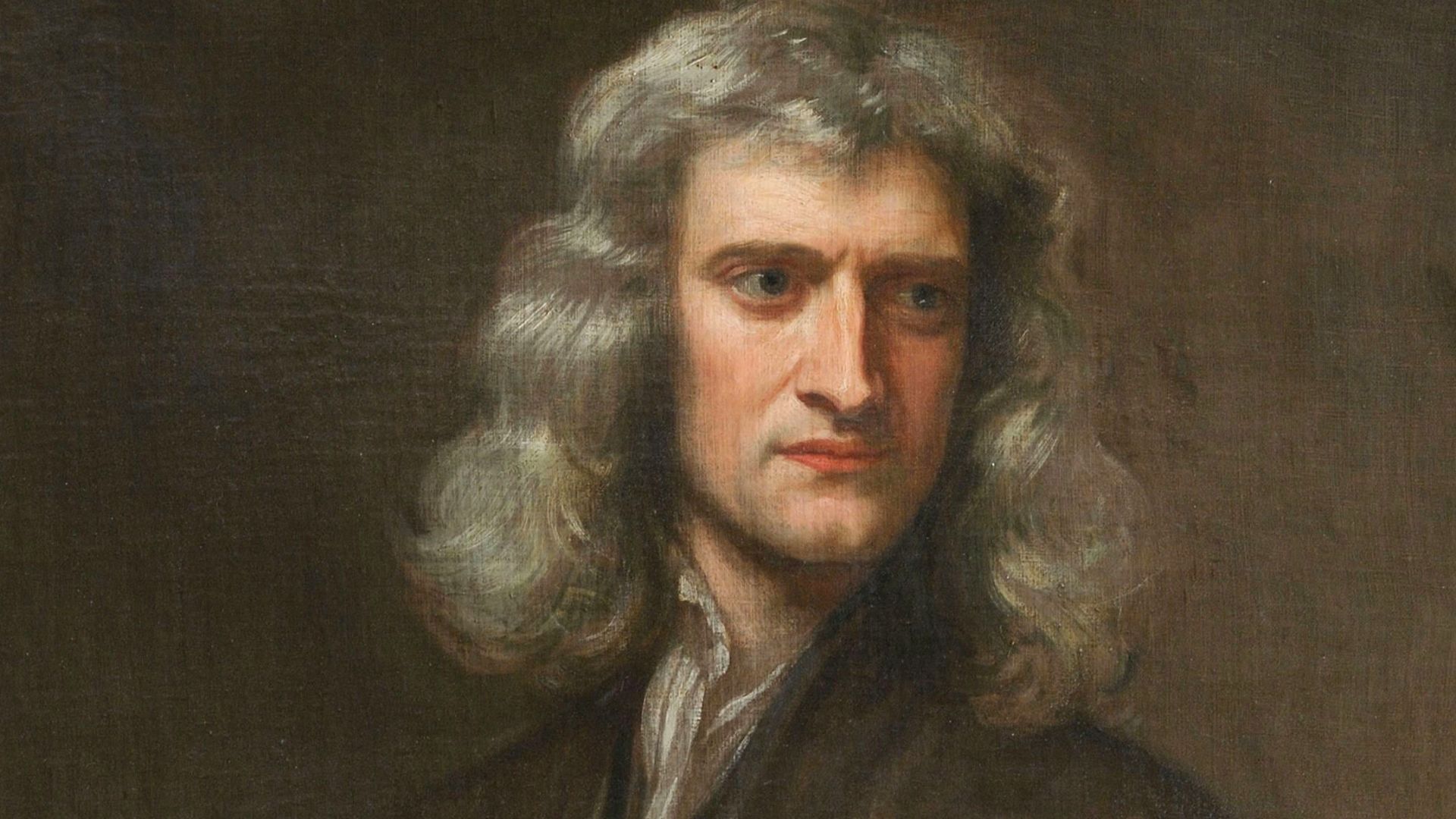
Isaac Newton Lost A Fortune In The South Sea Bubble
Isaac Newton could describe the motion of planets, but apparently the stock market was harder. He initially invested in the South Sea Company, sold his shares for a healthy profit, then watched prices continue climbing and jumped back in near the height of the speculative frenzy. When the bubble collapsed in 1720, Newton reportedly lost around £20,000, an enormous fortune at the time. He later supposedly remarked that he could calculate the movements of heavenly bodies, but not the madness of people.
 Godfrey Kneller, Wikimedia Commons
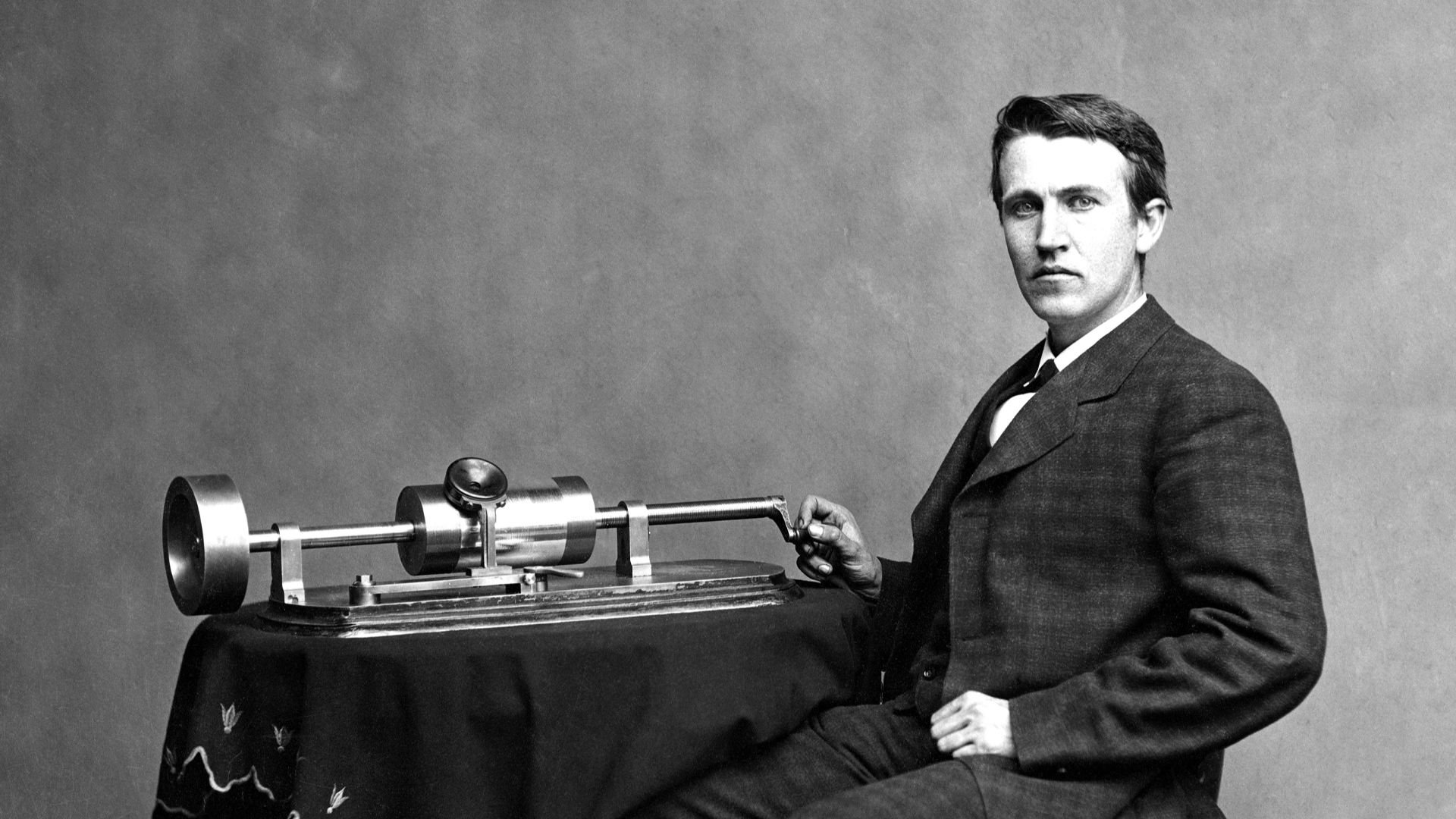
Thomas Edison Refused To Give Up On Direct Current
Thomas Edison helped make electric lighting practical, but his commitment to direct current put him on the losing side of the famous War of the Currents. George Westinghouse and Nikola Tesla backed alternating current, which could transmit electricity much more efficiently over long distances. Rather than quietly concede, Edison participated in a vicious campaign portraying AC as lethally dangerous, including public demonstrations involving electrocuted animals. AC ultimately became the dominant system, while the campaign left an ugly mark on Edison's reputation.
 Levin C. Handy (per http://hdl.loc.gov/loc.pnp/cwpbh.04326), Wikimedia Commons
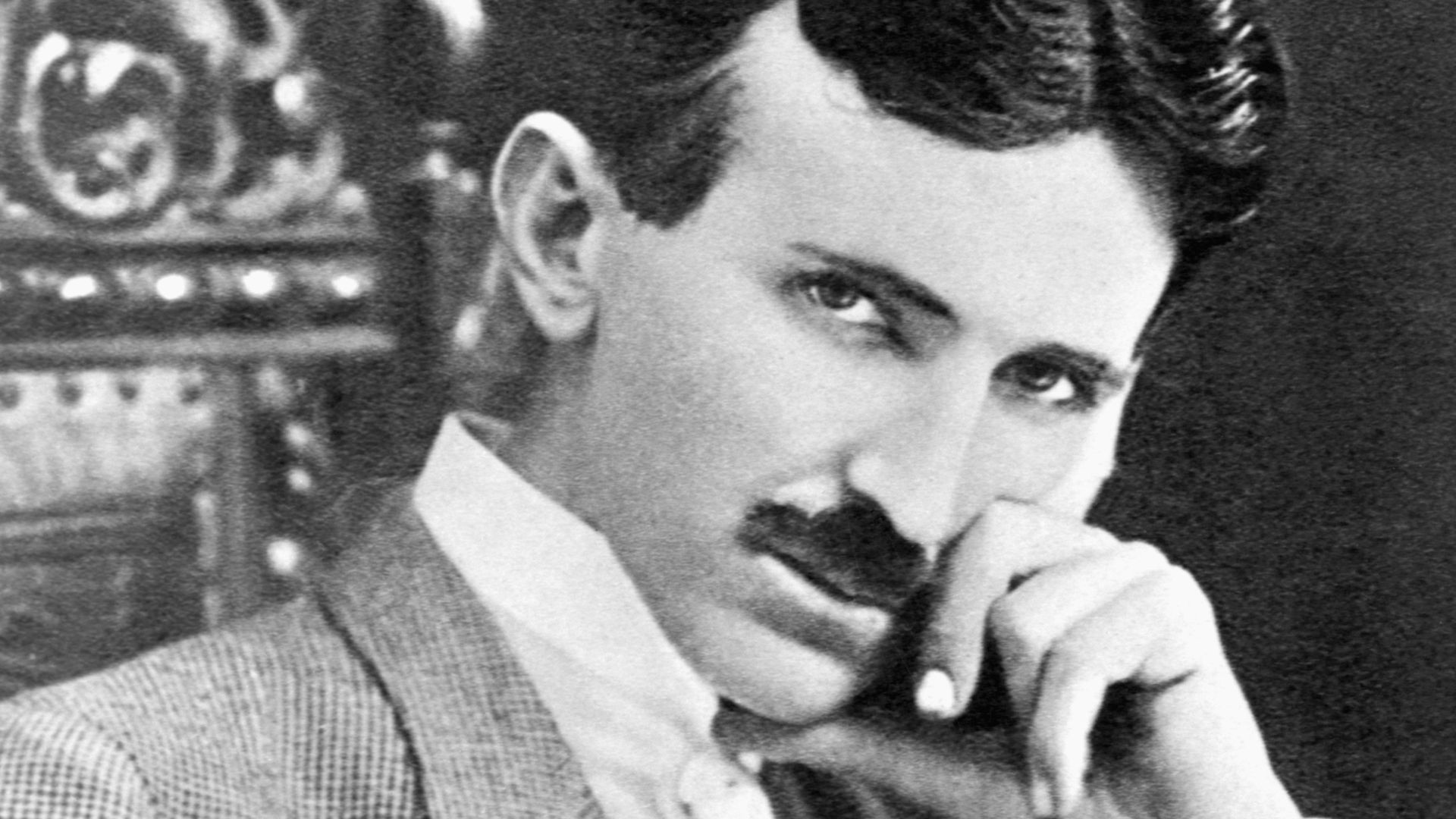
Nikola Tesla Let Wardenclyffe Grow Beyond Reality
Nikola Tesla's alternating-current innovations helped transform modern life, but Wardenclyffe showed what happened when his imagination outran his finances. J.P. Morgan supplied $150,000 for what he understood to be a wireless communications system, while Tesla envisioned something far grander that could transmit information and electrical power around the world. Costs climbed, competing wireless technology advanced, and Morgan refused to keep funding the expanding project. Tesla ran out of money, Wardenclyffe never fulfilled its purpose, and the tower was eventually demolished.
 Unknown authorUnknown author, Wikimedia Commons
Mark Twain Couldn't Stop Betting On The Paige Typesetter
Mark Twain was brilliant with words and remarkably bad at knowing when to abandon an investment. He became obsessed with James Paige's complicated mechanical typesetter, convinced it would revolutionize printing and produce a fortune. Twain reportedly poured more than $300,000 into the machine while the simpler and more practical Linotype overtook it commercially. His failed investments, especially the Paige machine, helped push him into bankruptcy and forced the famous author to rebuild his finances through an exhausting international lecture tour.
![A portrait of the American writer Mark Twain taken by A. F. Bradley in New York, 1907.[1][2][3]](https://www.factinate.com/storage/app/media/factinate/2026/9/2/17883153342f75a91060651e37fd777eecc74bb7102c7a2034.jpg) A.F. Bradley, New York, Wikimedia Commons
A.F. Bradley, New York, Wikimedia Commons
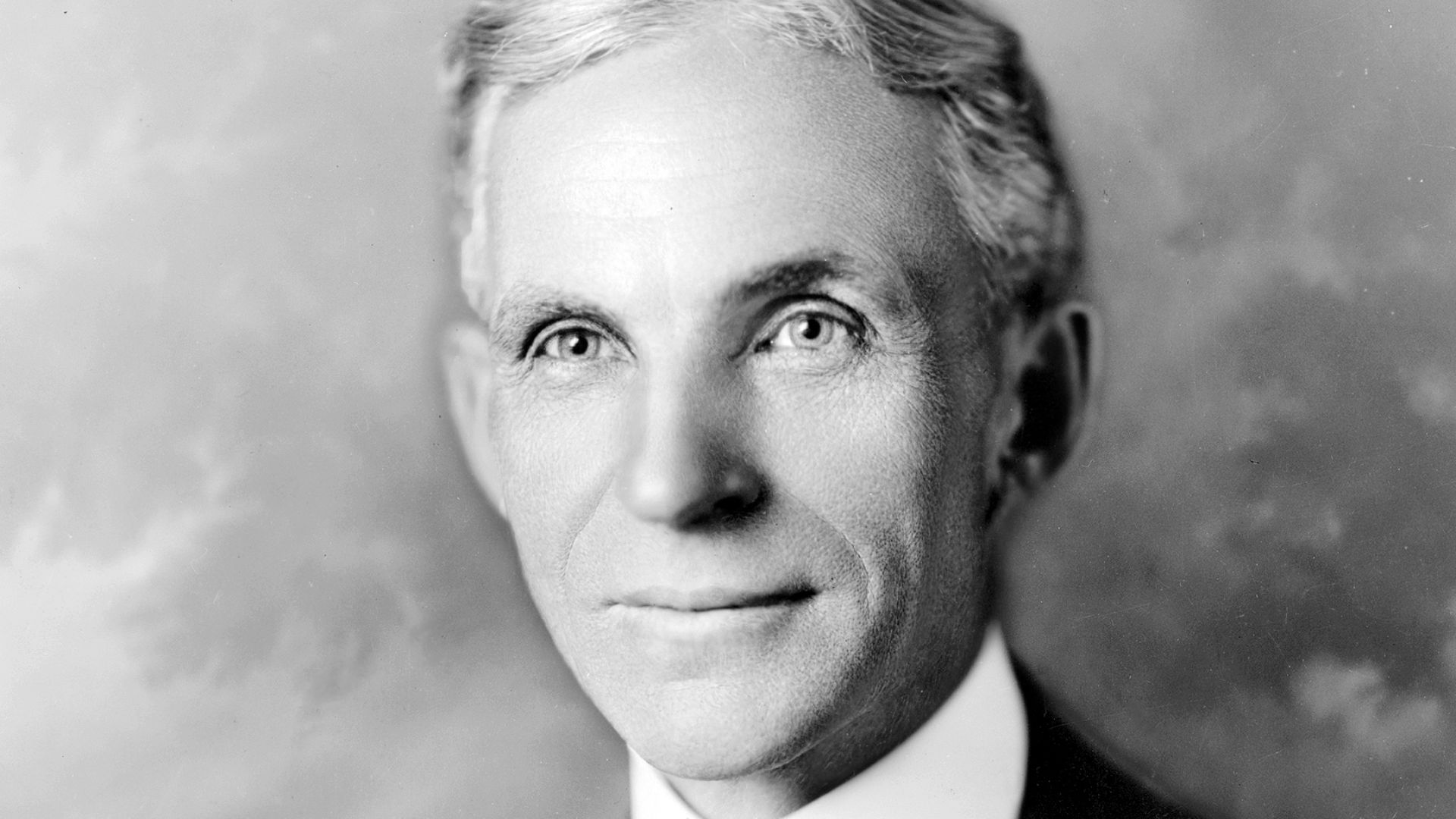
Henry Ford Tried To Rebuild America In The Amazon
Henry Ford revolutionized industrial production, then apparently assumed those skills could also conquer tropical agriculture and cultural differences. His company established Fordlândia in the Brazilian Amazon to produce rubber, complete with American-style housing, cafeterias, schedules, dietary rules, and social expectations. Workers rebelled against some of the restrictions, while poorly planned plantations suffered from pests and disease. Ford eventually abandoned the project after spending millions on a town that never became the rubber-producing utopia he'd imagined.
 Fred Hartsook, Wikimedia Commons
Steve Jobs Got Pushed Out Of His Own Company
Steve Jobs could inspire people to build extraordinary products, but early in his career he could also make working with him incredibly difficult. After the Macintosh launched, disappointing sales and internal disputes intensified tensions between Jobs and Apple CEO John Sculley. Jobs attempted to regain control, but Apple's board backed Sculley, stripping Jobs of managerial responsibilities in 1985. He soon resigned from the company he'd co-founded. Jobs eventually returned and led one of the greatest corporate comebacks ever, but it took more than a decade for him to get that second chance.
 Matthew Yohe (talk), Wikimedia Commons
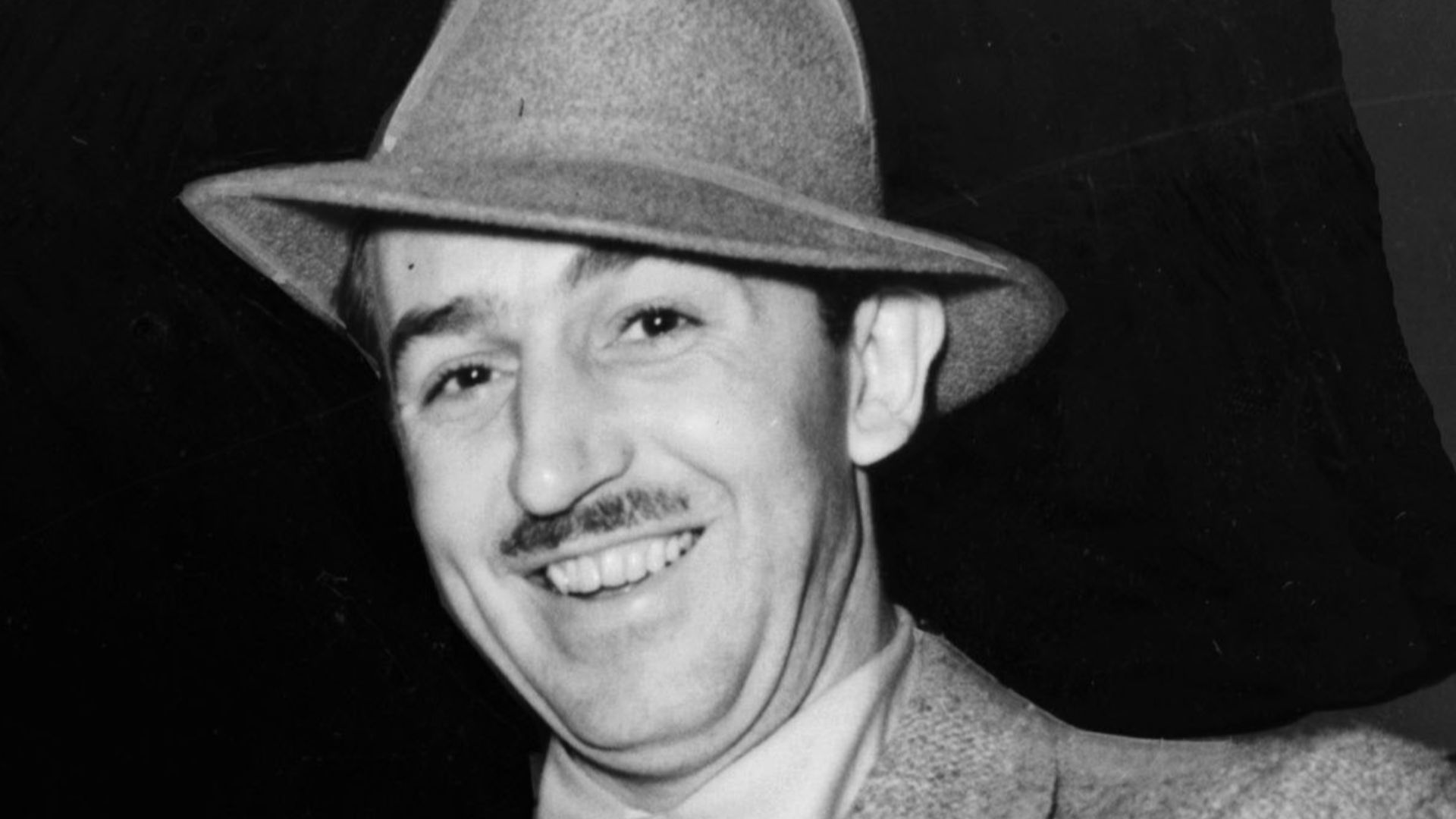
Walt Disney Repeatedly Gambled More Than He Could Afford
Walt Disney's willingness to bet everything produced some remarkable successes, but it nearly destroyed him more than once. His early Laugh-O-Gram studio went bankrupt, and later feature films required enormous expenditures at a time when animation remained commercially uncertain. Even after Snow White became a sensation, expensive films, World War II, labor problems, and lost foreign markets left Disney's company millions of dollars in debt by the late 1940s. Cinderella helped rescue the studio in 1950, but Disney's greatest strength, his willingness to pursue enormous ideas, repeatedly brought his business frighteningly close to disaster.
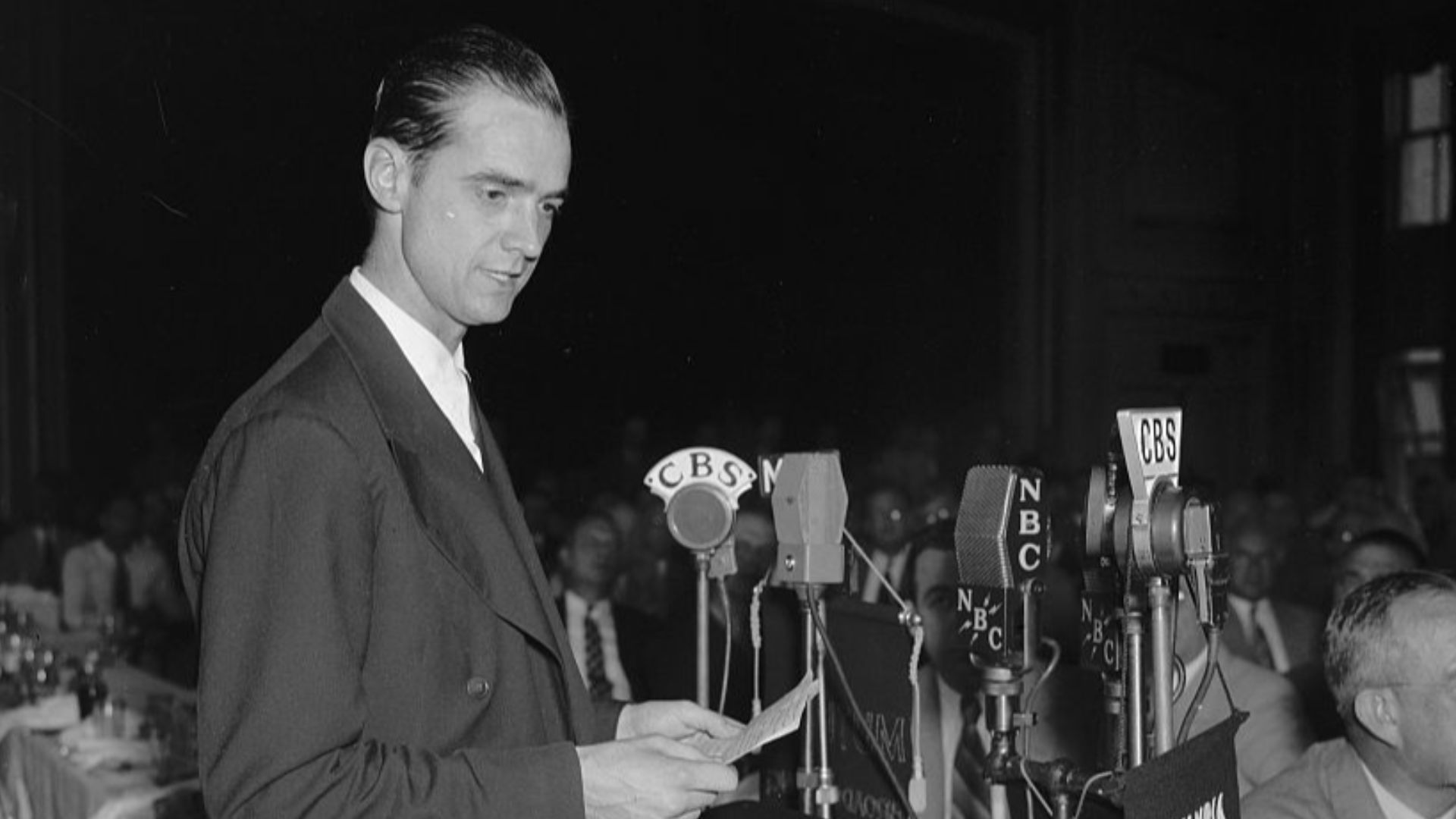
Howard Hughes Could Never Decide Something Was Good Enough
Howard Hughes combined legitimate engineering ability with an increasingly destructive obsession with controlling every detail. His enormous H-4 Hercules flying boat became a perfect example. Hughes' perfectionism and continual redesigns helped stretch development so long that World War II ended before the aircraft was ready. It finally flew briefly in 1947 and never flew again. Later in Hughes' life, the same need for control combined with worsening isolation and compulsive behavior, leaving portions of his sprawling business empire increasingly difficult to manage.
 Harris & Ewing, photographer, Wikimedia Commons
Alexander Graham Bell Nearly Missed How Big The Telephone Could Become
Alexander Graham Bell unquestionably recognized that transmitting speech electrically was important, so the popular claim that he simply thought the telephone was useless goes too far. What he initially failed to appreciate was just how enormous its commercial possibilities would become. Bell remained deeply interested in teaching the deaf and scientific experimentation, while his backers were often more focused on turning his invention into a business. The lesson isn't that Bell rejected his own telephone. It's that even its inventor needed other people to recognize just how completely it might transform everyday communication.
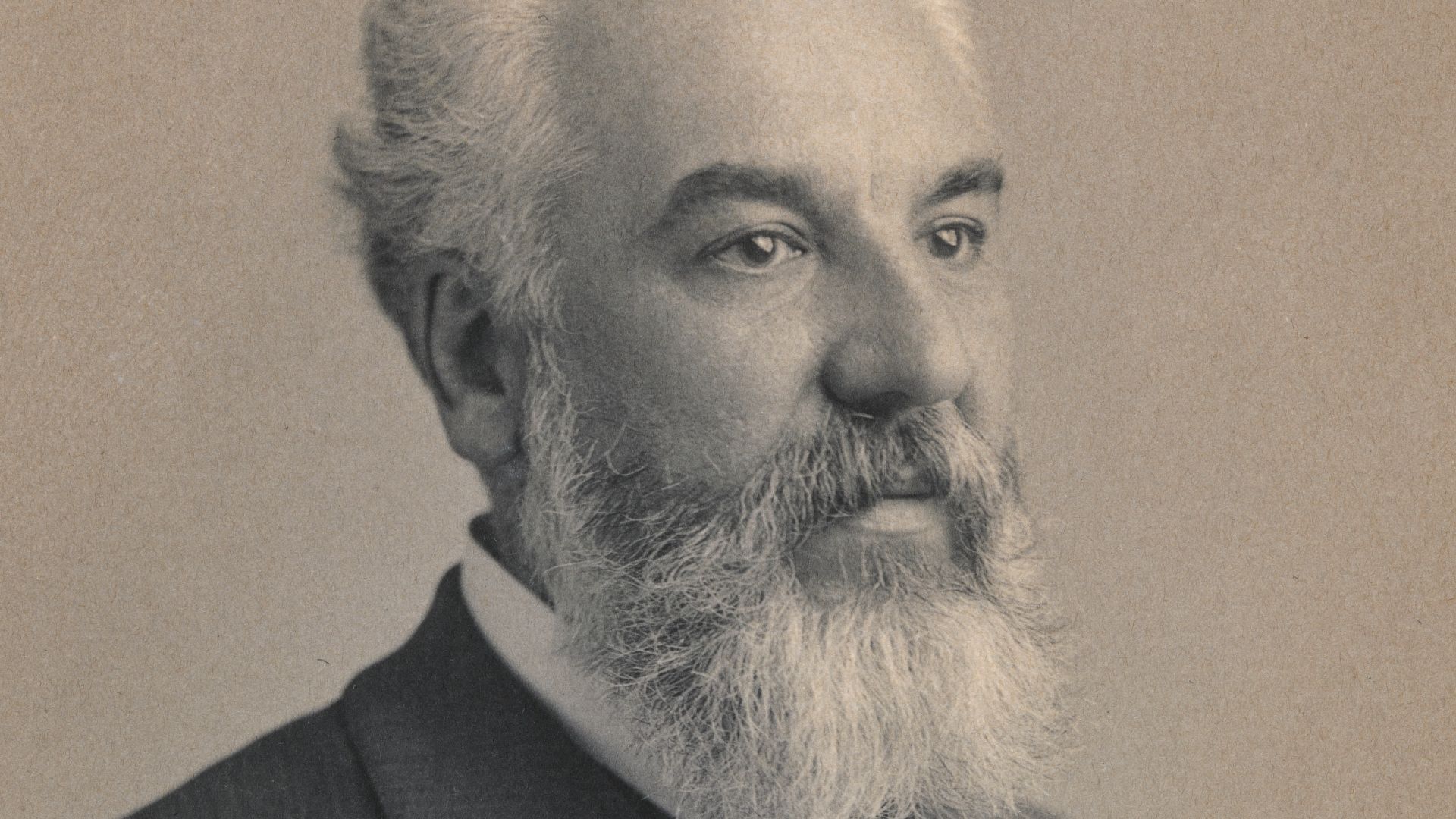 Unknown authorUnknown author, Wikimedia Commons
George Eastman Built A Business Model Too Successful To Abandon
George Eastman personally can't be blamed for Kodak missing the digital revolution, since he died in 1932, decades before digital photography became commercially important. Still, the company he created became extraordinarily dependent on a profitable formula: sell cameras, then keep customers buying film and processing supplies. That model worked so spectacularly that Kodak later struggled to move aggressively toward technologies that threatened it. Ironically, a Kodak engineer developed one of the earliest digital cameras in 1975. Eastman's achievement wasn't a personal mistake, but the empire built around it eventually became its own trap.
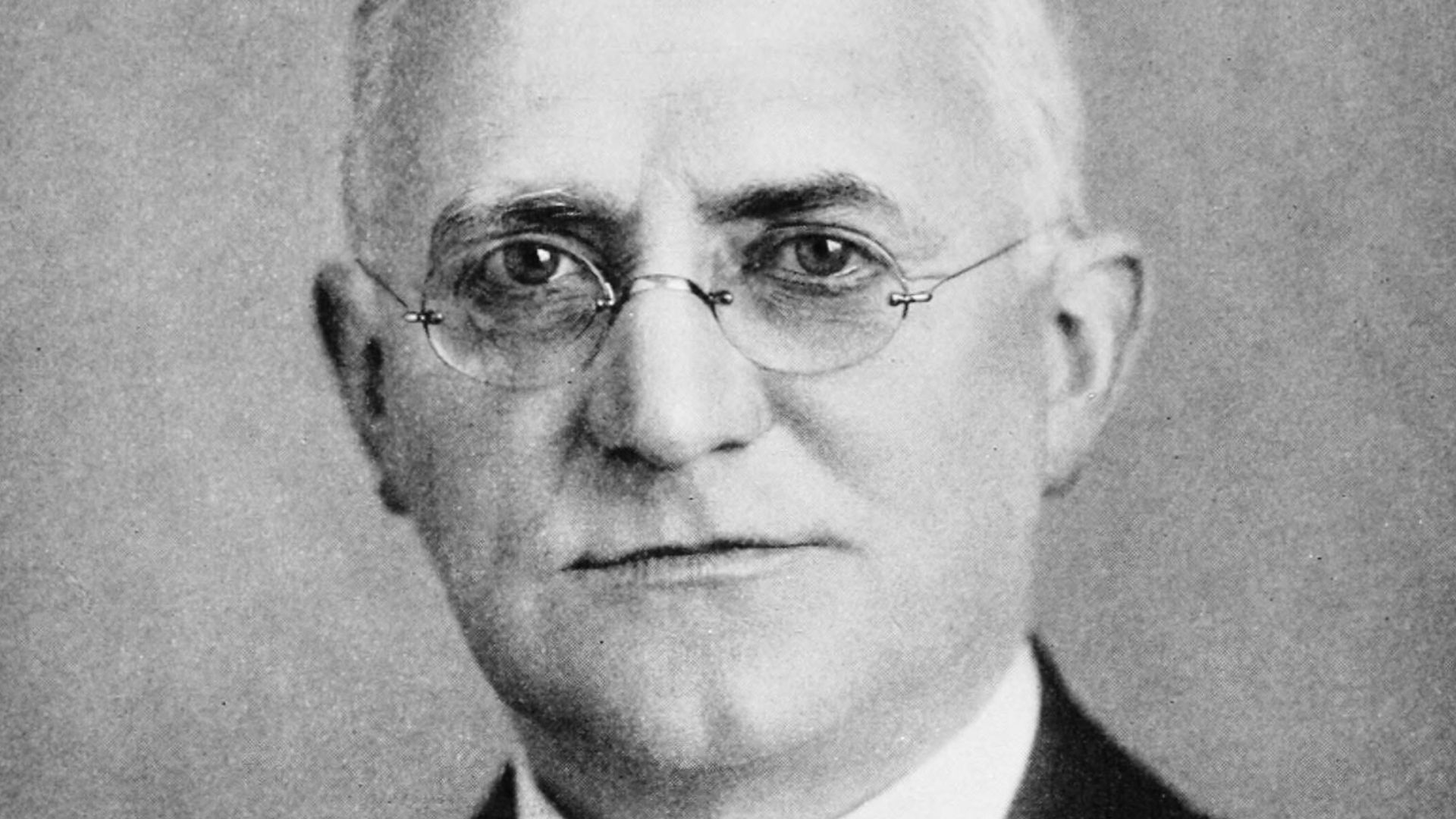 Published by B. C. Forbes Publishing Company, New York, 1917, Wikimedia Commons
Edwin Land Refused To Give Up On Polavision
Edwin Land turned Polaroid into one of America's most innovative companies by trusting his instincts, which made it difficult when those instincts failed. His Polavision system, introduced in 1977, promised instant home movies without conventional film processing. Unfortunately, the images were comparatively dark, the cartridges recorded only a few minutes, there was no sound, and videotape was already offering consumers something far more flexible. Polaroid discontinued Polavision within a couple of years and reportedly took a massive write-off. Land's reputation inside the company never completely recovered.
![Title: Edwin H. Land, founder, Polaroid Corp. in 1937; developed lenses and 1-step photography; with new polaroid
Creator(s): Gotfryd, Bernard, photographer
Date Created/Published: [1971]
Medium: 1 photograph : color transparency ; 35mm (slide format)
Rep](https://www.factinate.com/storage/app/media/factinate/2026/9/2/17883157613b40c19c1b5571642fdf630c23a9f19649ce745b.jpg) Gotfryd, Bernard, photographer, Wikimedia Commons
Gotfryd, Bernard, photographer, Wikimedia Commons
Samuel Morse Let Bigotry Become Part Of His Legacy
Samuel Morse helped transform long-distance communication through the electromagnetic telegraph and the code that still bears his name. He also spent part of his career publishing aggressively anti-Catholic and anti-immigrant political writing, and he later defended slavery. Morse even ran unsuccessfully for mayor of New York as a nativist candidate. His technological achievements remain enormous, but his political writings make it impossible to present him simply as a heroic inventor without confronting ideas that were deeply intolerant even by the standards of many contemporaries.
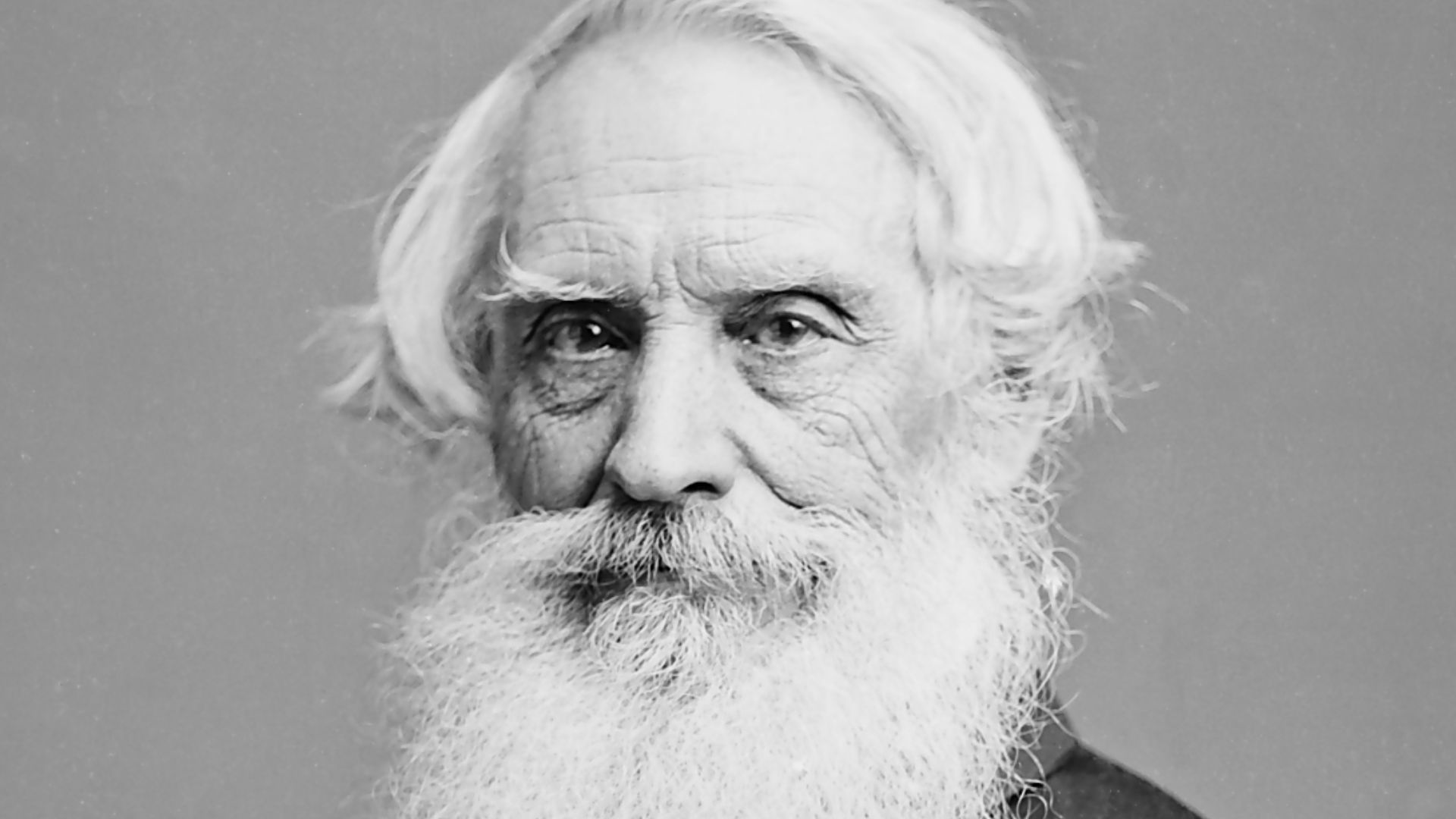 Mathew Benjamin Brady, Wikimedia Commons
Robert Fulton Spent Years Pitching Weapons Nobody Wanted
Robert Fulton became famous for making commercially practical steamboat transportation work, but before that success he devoted enormous energy to naval weapons. He designed the Nautilus, an early submarine, and promoted mines and other underwater explosives to European governments. France showed interest, then lost enthusiasm. Britain also experimented with his ideas without adopting them on the scale Fulton hoped. His concepts were remarkably forward-looking, but he repeatedly overestimated how ready governments were to gamble their navies on experimental technology.
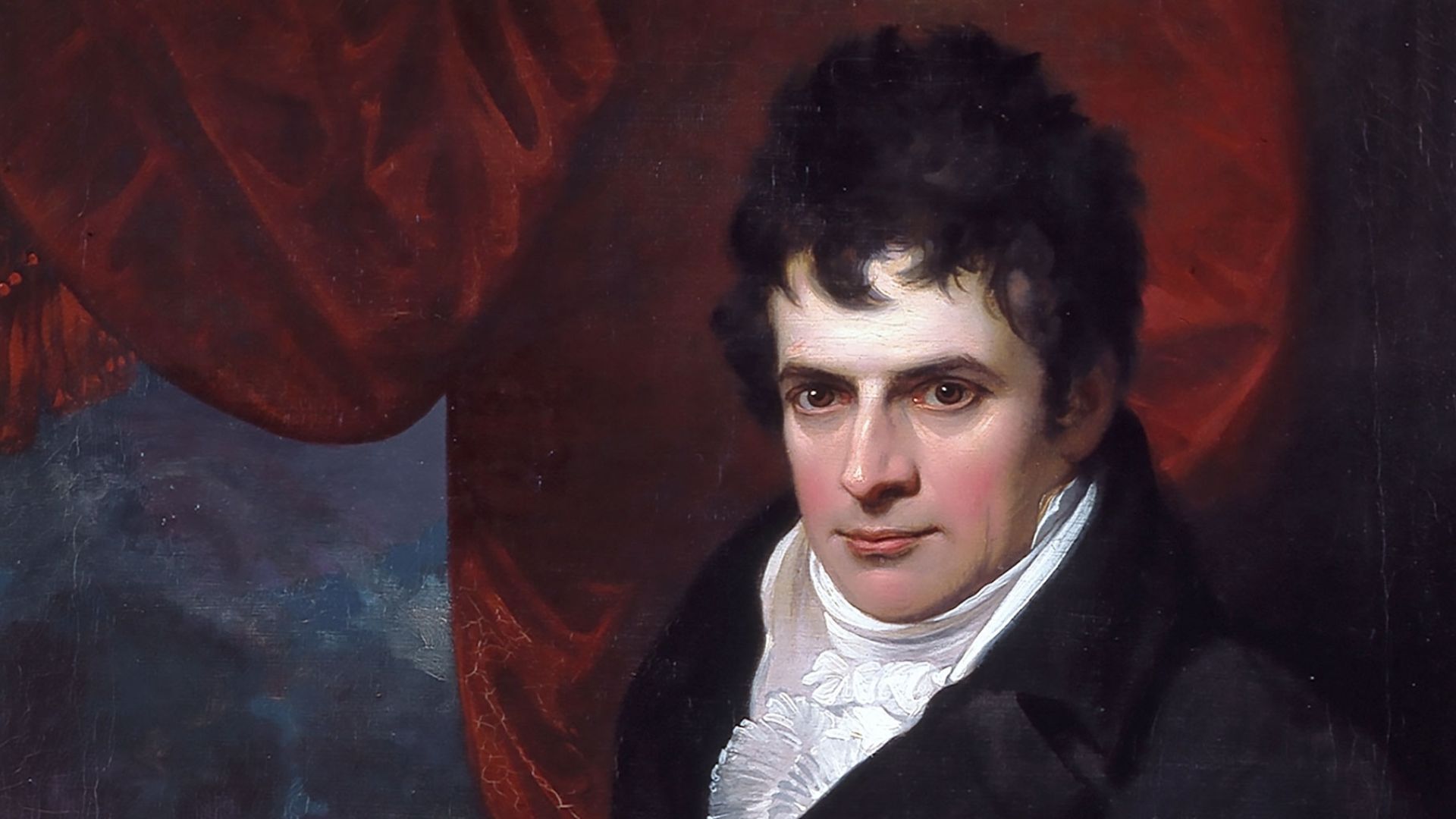
Christopher Wren Designed A London That Couldn't Actually Be Built
After the Great Fire of London in 1666, Christopher Wren saw an extraordinary opportunity to redesign the city with broad avenues, monumental spaces, and a more orderly street plan. Architecturally, it was impressive. Practically, it collided with the inconvenient fact that thousands of individual property owners wanted their land back. Rebuilding London quickly required respecting existing plots rather than waiting through years of disputes and compulsory purchases. Wren's grand plan went nowhere, although he still transformed the city through St Paul's Cathedral and dozens of rebuilt churches.
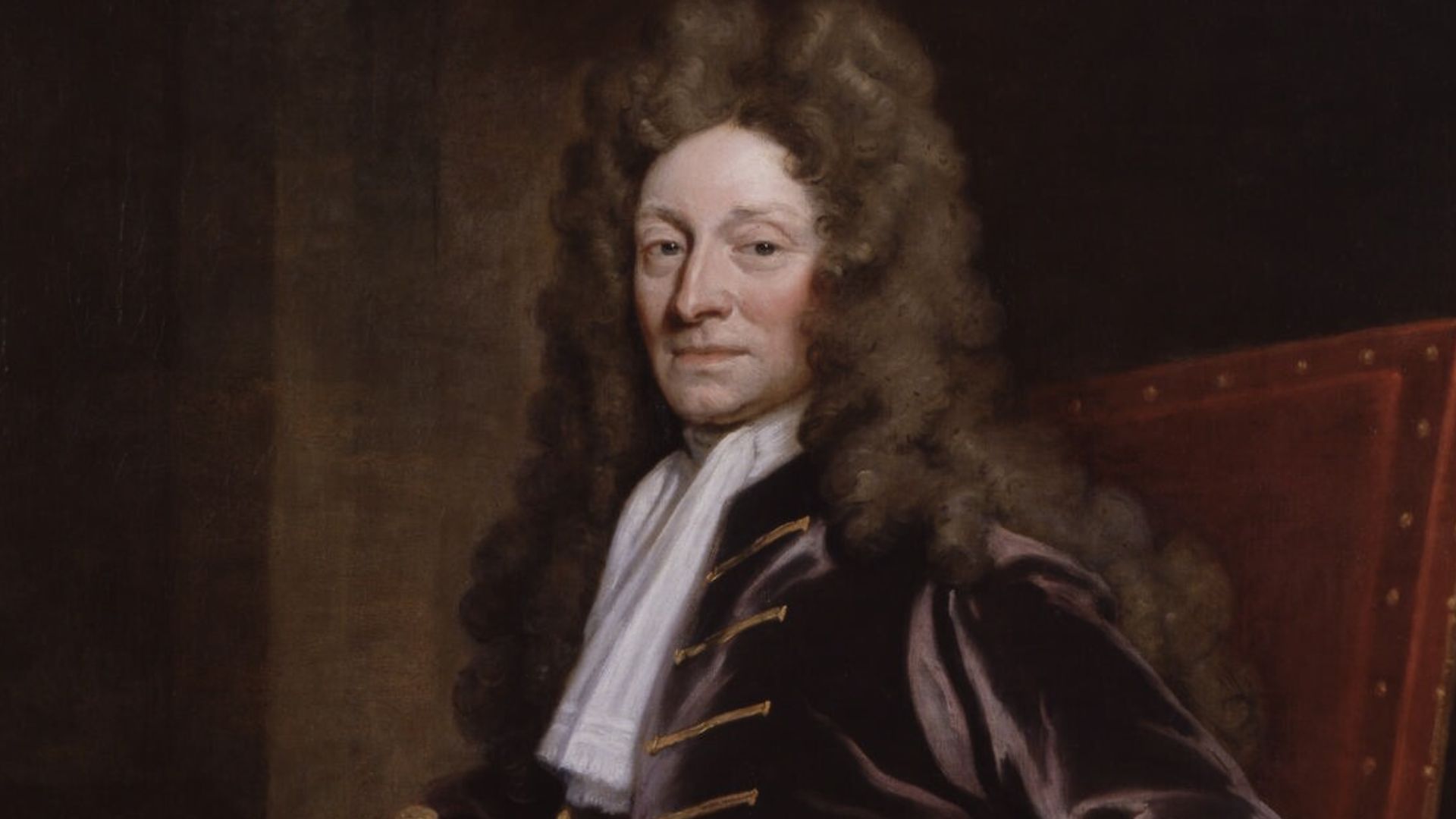 Godfrey Kneller, Wikimedia Commons
Leonardo Da Vinci Couldn't Stop Starting Something New
Leonardo da Vinci might be history's ultimate example of curiosity becoming a productivity problem. He bounced among painting, anatomy, engineering, architecture, mechanics, military technology, and countless private investigations, leaving numerous commissions unfinished. His gigantic Sforza horse never reached the bronze stage, and his Battle of Anghiari mural was abandoned. Only a relatively small number of paintings are securely attributed to him today. Leonardo's endless curiosity created his astonishing notebooks, but it also meant some of his most ambitious ideas never became more than brilliant beginnings.
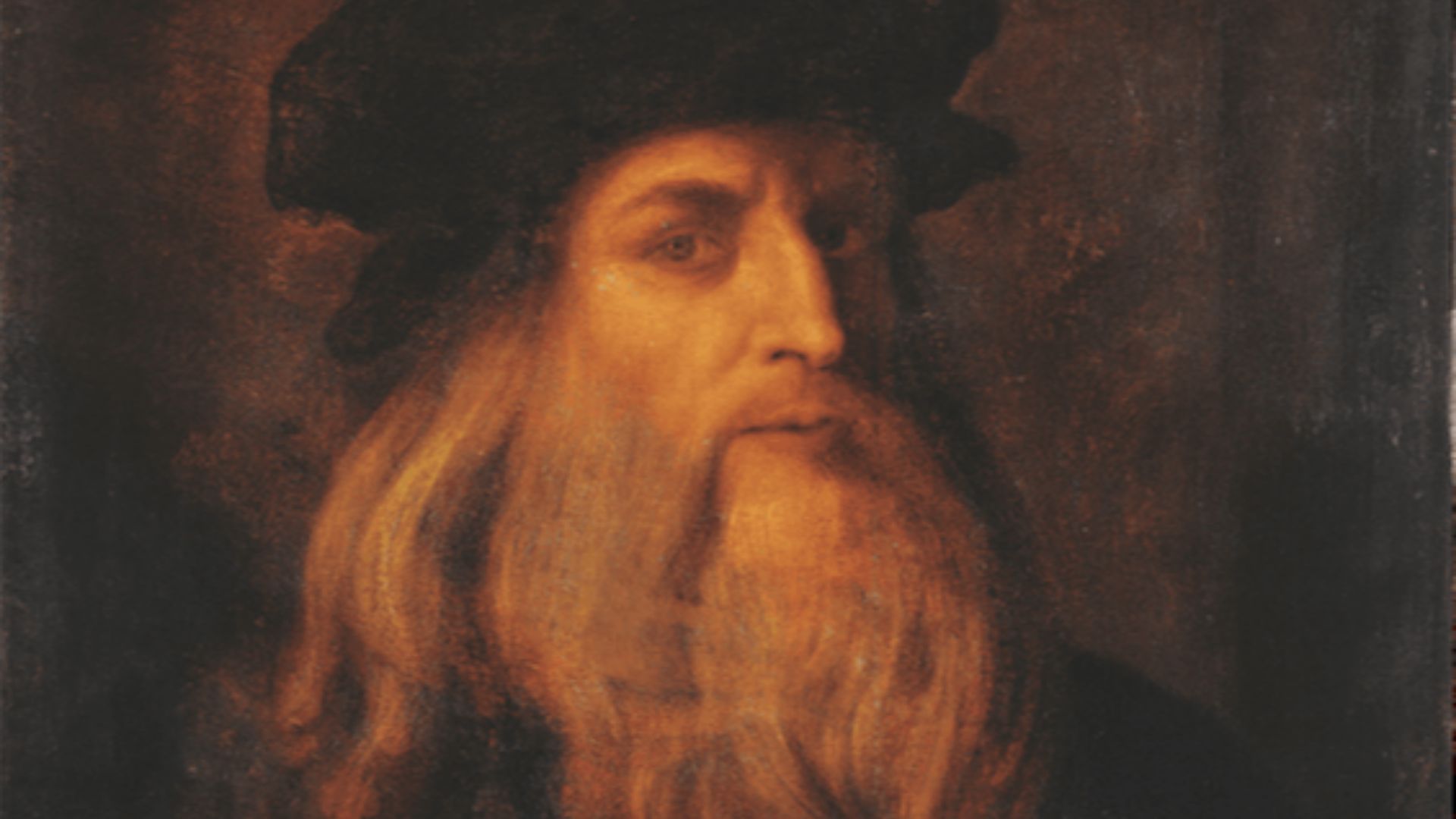 Formerly attributed to Leonardo da Vinci, Wikimedia Commons
Michelangelo Nearly Let His Temper Cost Him His Masterpieces
Michelangelo possessed extraordinary confidence, and dealing with equally confident popes did not always go smoothly. His relationship with Pope Julius II became especially explosive during plans for the pope's enormous tomb. Michelangelo became furious over delays and financing problems and actually fled Rome, forcing a tense reconciliation before work resumed. The tomb itself was repeatedly reduced and redesigned over decades. Michelangelo's stubbornness helped protect his artistic independence, but it also created feuds that repeatedly threatened the commissions now responsible for much of his fame.
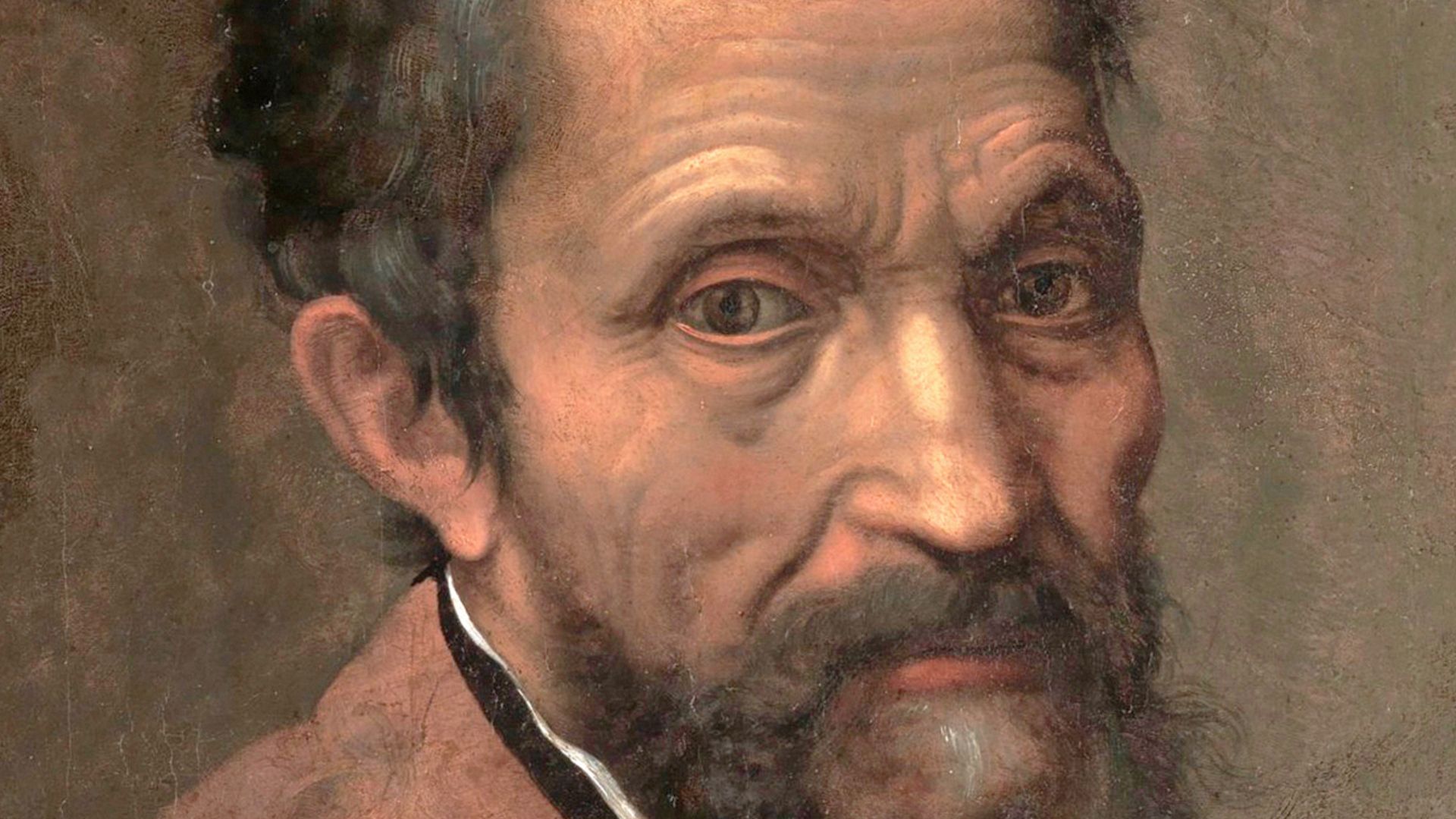 Attributed to Daniele da Volterra, Wikimedia Commons
Galileo Made A Dangerous Argument Even More Personal
Galileo's support for heliocentrism placed him in a politically and religiously dangerous argument, but his personality didn't make the situation easier. Pope Urban VIII allowed him to discuss competing cosmological systems provided he treated heliocentrism as a hypothesis. Galileo's Dialogue Concerning the Two Chief World Systems clearly favored the Copernican position, while the character defending traditional arguments, Simplicio, was made to look foolish. Some contemporaries believed the pope himself was being mocked. Galileo's science wasn't the mistake, but turning an already dangerous dispute into something that powerful people could interpret personally helped end with his trial and house arrest.
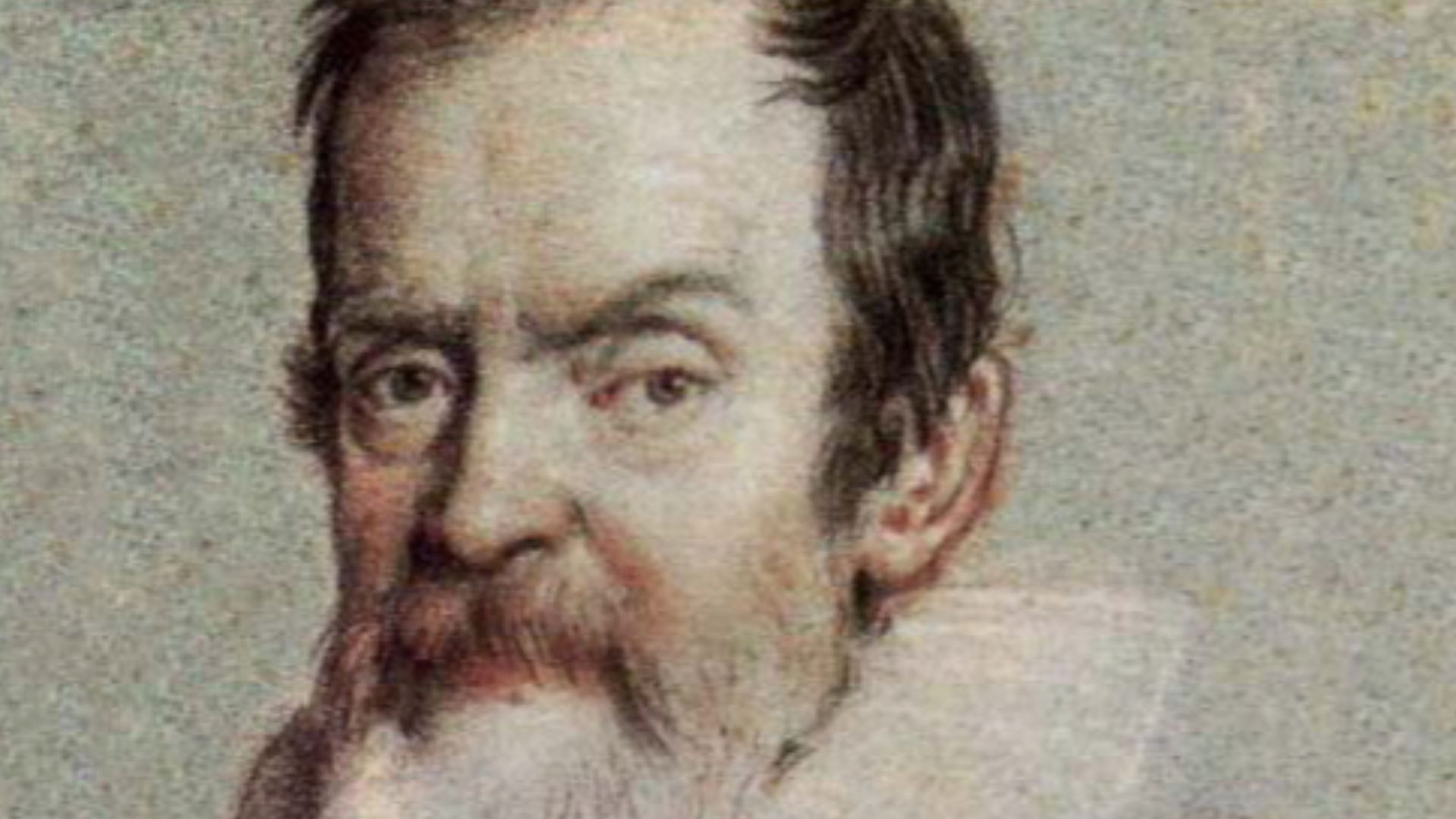 Ottavio Leoni, Wikimedia Commons
Tycho Brahe Guarded His Data Like Treasure
Tycho Brahe accumulated astronomical observations of unprecedented precision, making his records extraordinarily valuable. He was also protective of them, and Johannes Kepler had difficulty gaining unrestricted access while working with him in Prague. Brahe died unexpectedly in 1601, after which Kepler obtained the observations he needed to analyze Mars. Those measurements ultimately helped produce Kepler's laws of planetary motion. Brahe's instinct to control the data preserved his position during his lifetime, but freer collaboration might have allowed the two extraordinary astronomers to reach their breakthroughs together.
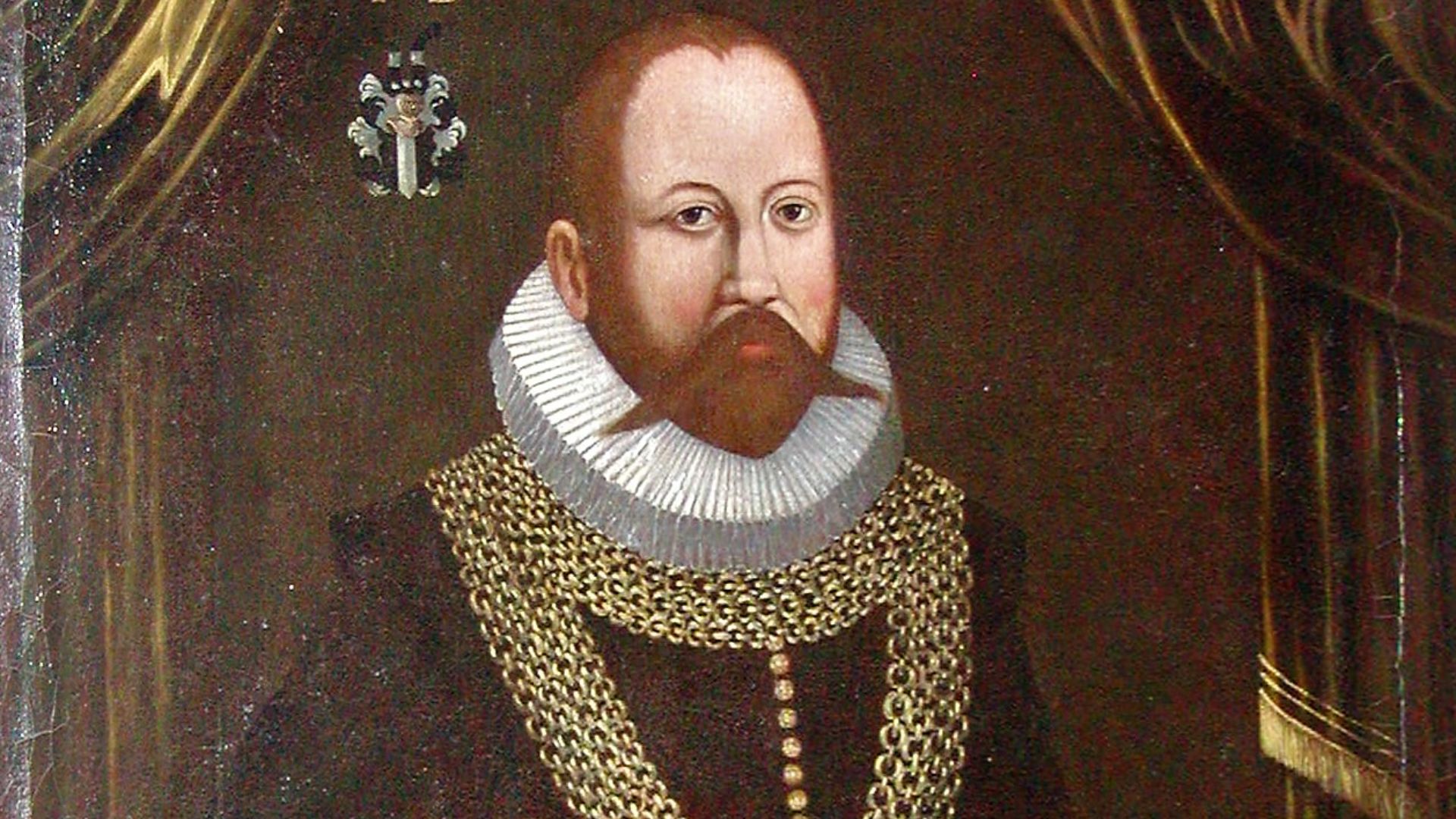 Unknown artistUnknown artist, Wikimedia Commons
Johannes Kepler Kept Searching For Cosmic Mysticism
Johannes Kepler discovered that planets travel in elliptical orbits and established mathematical laws that transformed astronomy. Getting there, however, involved years spent pursuing ideas that modern scientists would consider hopeless. Kepler believed deeply that the structure of the universe reflected hidden geometrical and divine harmonies, and he tried to explain planetary spacing using nested Platonic solids. The model failed, but Kepler kept testing his ideas against Tycho Brahe's observations until the evidence forced him toward ellipses. His mystical thinking sometimes delayed him, but remarkably, his willingness to abandon beautiful ideas when the numbers disagreed was also what ultimately made him great.
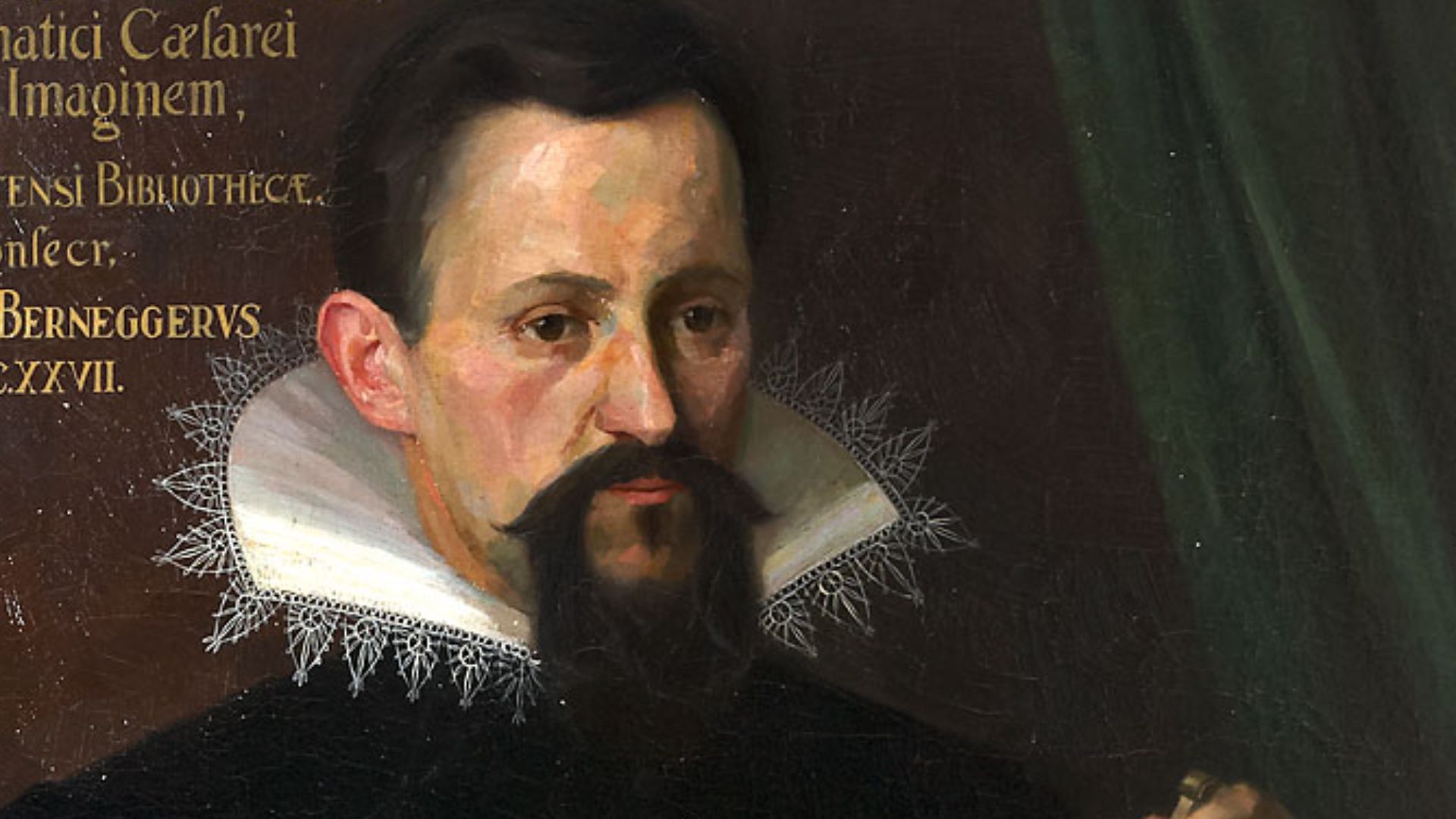 August Köhler [1], Wikimedia Commons
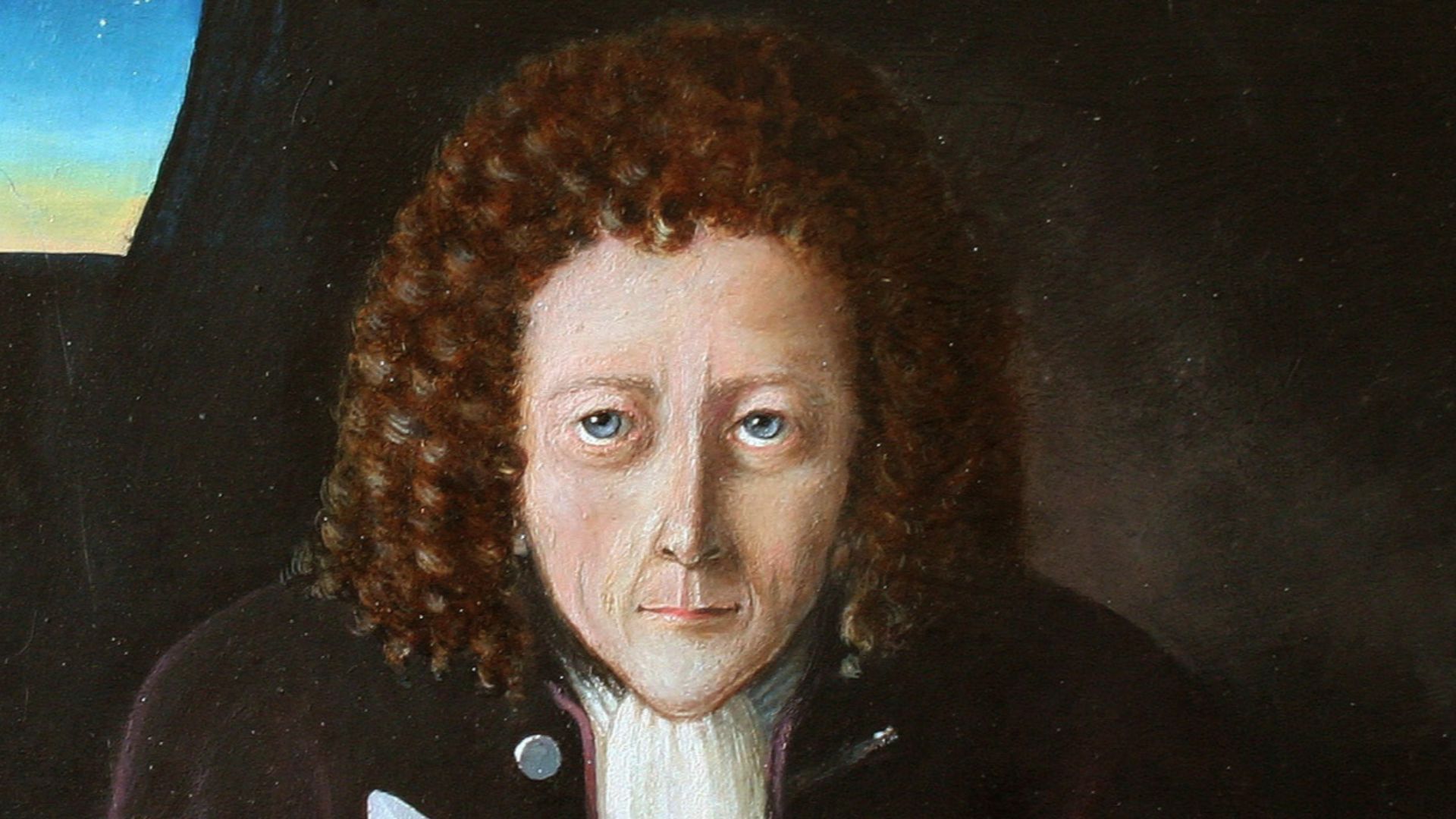
Robert Hooke Let His Feud With Newton Consume Too Much Oxygen
Robert Hooke was astonishingly versatile. He made major contributions to microscopy, physics, astronomy, architecture, and instrumentation, and his Micrographia became one of the landmark scientific books of the 17th century. Unfortunately, his disputes with Isaac Newton over optics and gravitational ideas grew increasingly bitter. Newton was hardly innocent, but he eventually became the more powerful figure and Hooke's reputation faded badly after his passing. The feud didn't erase Hooke's work, but generations learned far more about Newton while one of his most talented rivals became strangely obscure.
Humphry Davy Struggled When His Assistant Became The Star
Humphry Davy was already one of Britain's most celebrated chemists when he hired the young Michael Faraday as an assistant. Faraday eventually emerged as a scientific giant in his own right, and their relationship became increasingly strained. Davy criticized some of Faraday's work and has long been accused of attempting to obstruct his election to the Royal Society, although historians debate how much of his behavior was driven by jealousy rather than scientific disagreement. Either way, Davy's later relationship with his former protégé added an unfortunate coda to a brilliant career. Helping discover Faraday should have been an uncomplicated triumph.
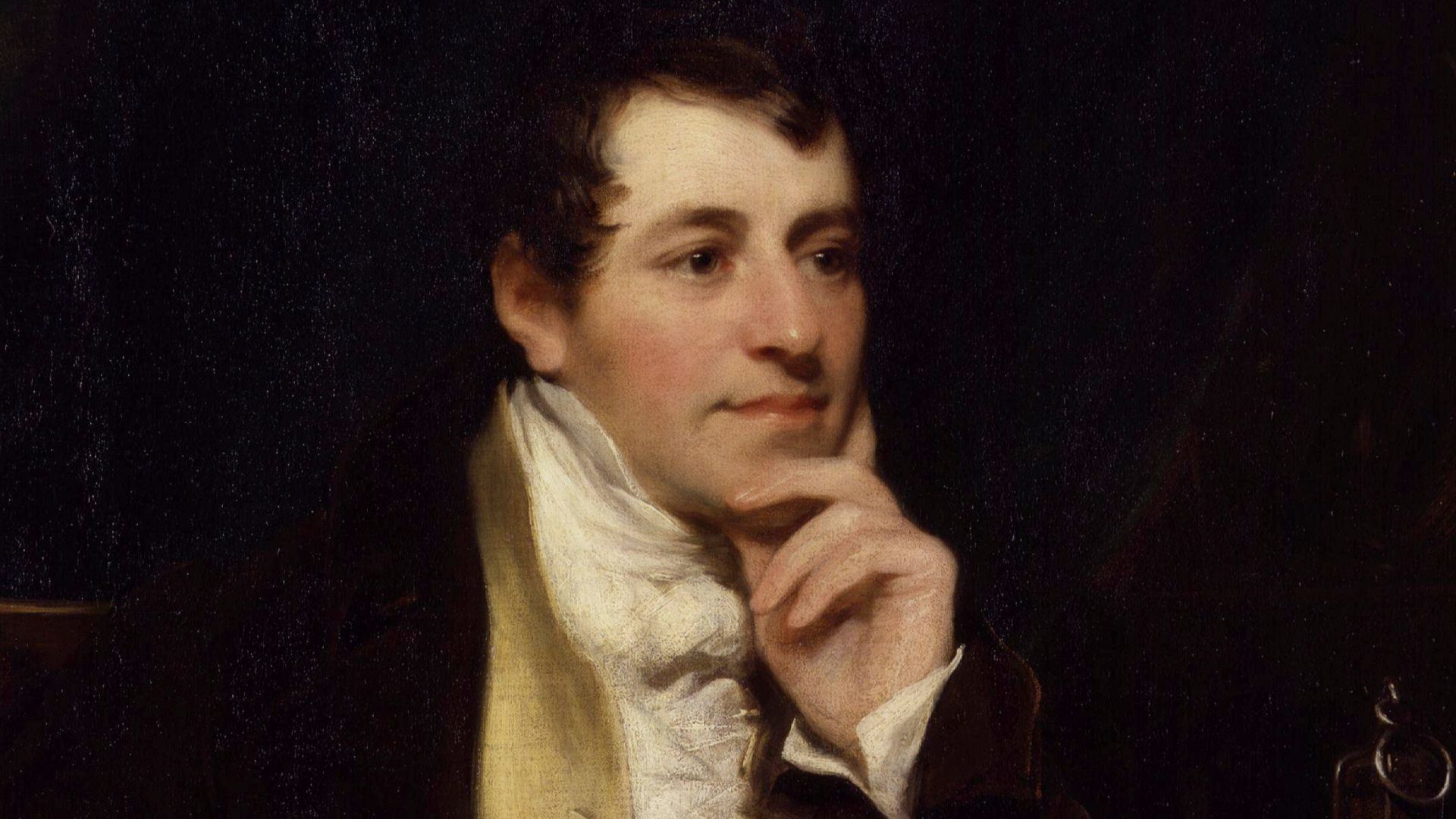 Thomas Phillips, Wikimedia Commons
James Watt Protected His Patents A Little Too Successfully
James Watt's improved steam engines were revolutionary, and his partnership with Matthew Boulton turned those inventions into an enormously successful business. Watt was understandably determined to protect his intellectual property and aggressively enforced patents against competing engine makers. Critics have long argued that those broad protections discouraged other inventors from improving steam-engine design until important patents expired around 1800. The historical debate is more complicated than saying Watt personally stopped the Industrial Revolution, but his defensive business strategy shows how quickly an inventor can shift from disrupting an industry to protecting himself from the next disruption.
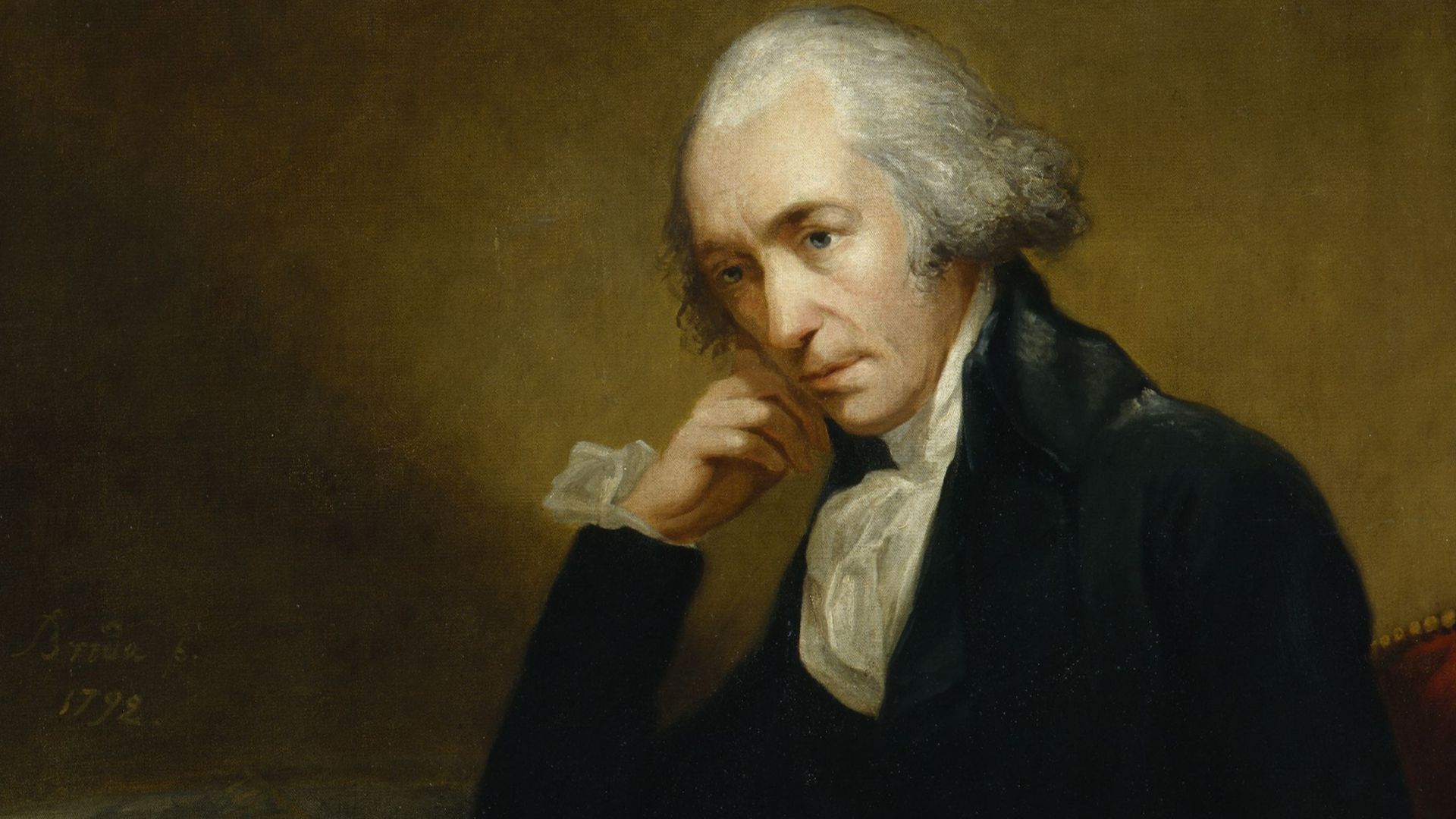 Carl Frederik von Breda, Wikimedia Commons
Fritz Haber Used His Genius To Invent A New Kind Of Horror
Few scientists have left a legacy as contradictory as Fritz Haber. His method of synthesizing ammonia made industrial fertilizer possible on a vast scale and helped support billions of lives. During World War I, however, Haber enthusiastically turned chemistry toward warfare and helped organize Germany's first large-scale chlorine gas attack at Ypres in 1915. His wife, chemist Clara Immerwahr, fiercely opposed his weapons work and died by suicide shortly afterward. Haber won the Nobel Prize for ammonia synthesis, but his role in chemical warfare permanently ensured that one of humanity's most useful scientific achievements would share his biography with one of its ugliest.
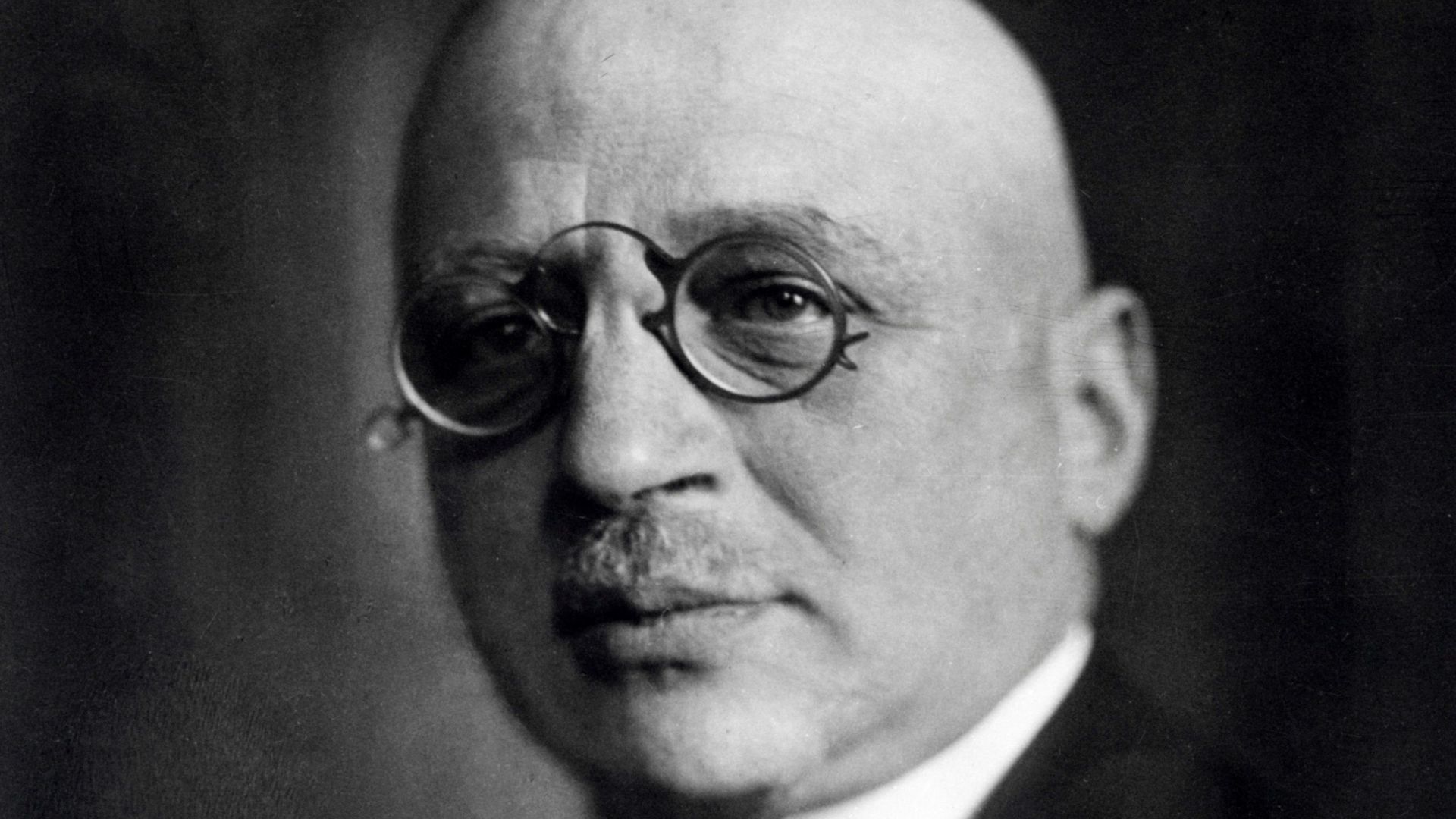 Unknown authorUnknown author, Wikimedia Commons
Wernher Von Braun Chose Rockets No Matter Who Paid For Them
Wernher von Braun dreamed of space travel, but Third Reich Germany gave him the resources to turn rocketry into reality. He joined the Reich and became technical director of the program that produced the V-2 ballistic missile. Production relied heavily on prisoners at the Mittelbau-Dora concentration camp complex, where thousands died from starvation, disease, abuse, and brutal working conditions. After the war, the United States brought von Braun into its rocket program, and he eventually helped develop the Saturn V that sent astronauts to the Moon. The achievement was immense, but so was the moral cost of the path that brought him there.
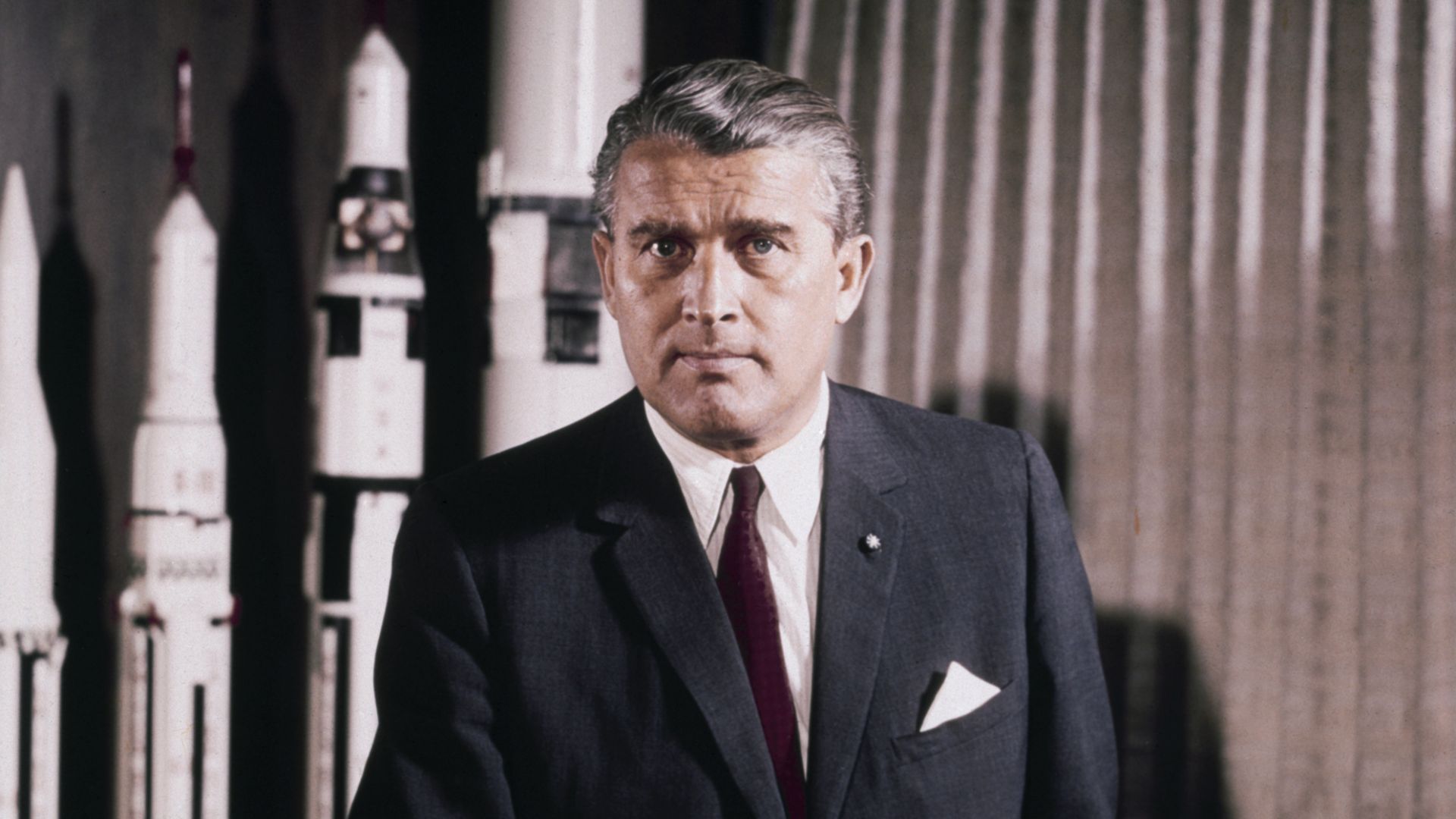
J Robert Oppenheimer Misjudged How Washington Would Use His Past
J Robert Oppenheimer navigated politically left-wing circles during the 1930s and had relationships with people connected to the Communist Party. Those associations didn't prevent him from leading Los Alamos during World War II, but they became devastating ammunition once enemies such as Atomic Energy Commission chairman Lewis Strauss turned against him. During his 1954 security hearing, earlier associations, inconsistencies in his accounts, and opposition to aspects of nuclear policy were used to portray him as a security risk. His clearance was revoked despite no finding that he'd been disloyal. In 2022, the Department of Energy formally vacated that decision, describing the original process as flawed and unfair.
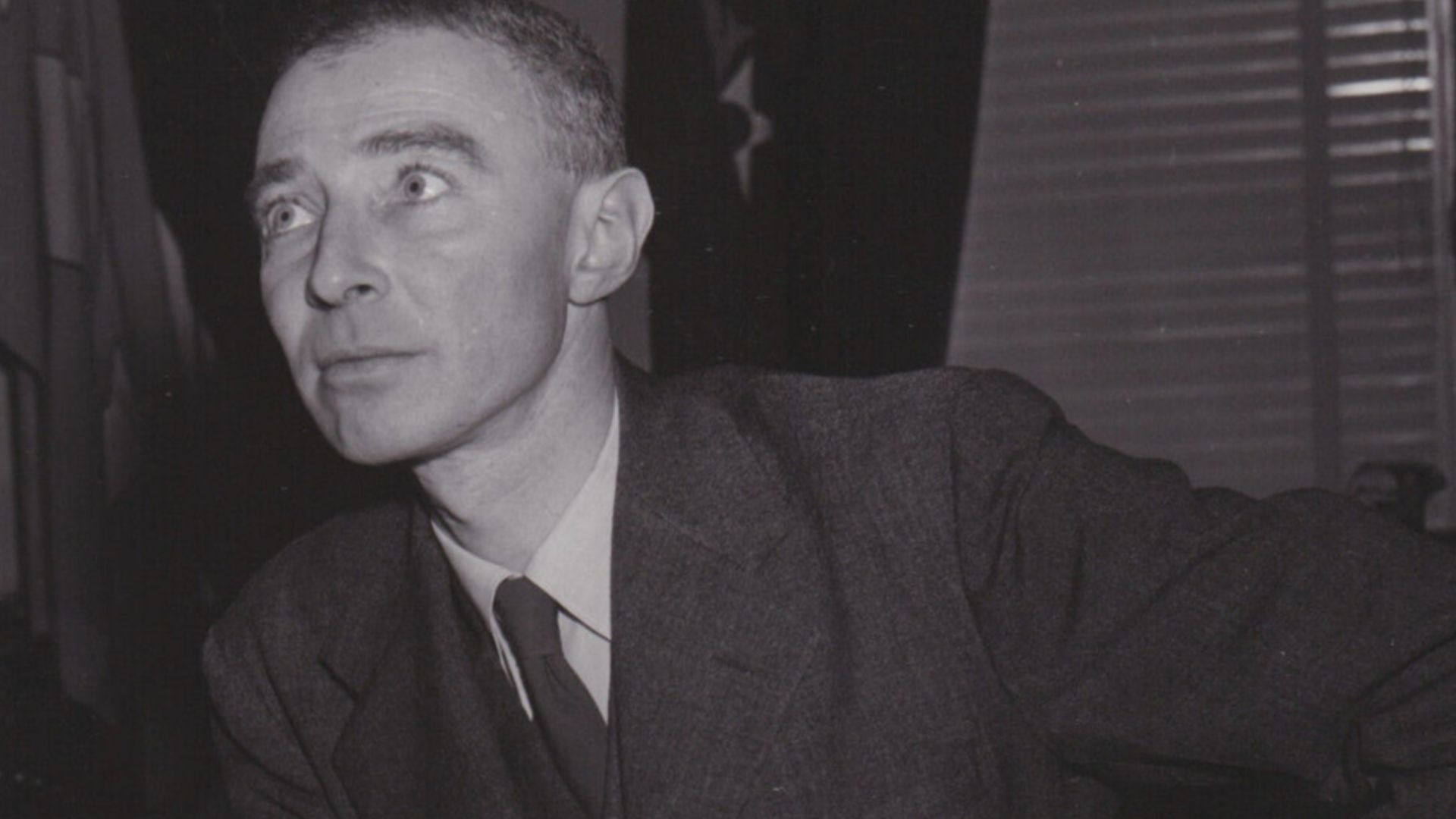 Harris & Ewing, Wikimedia Commons
You May Also Like:
Real Historical Impostors Who Fooled High Society For An Astonishingly Long Time
Eccentric Millionaires Whose Money Allowed Their Worst Ideas To Go Way Too Far
The Weirdest Ways People Made Money In The Past—Were They Genius Ideas Or Just Bizarre?