
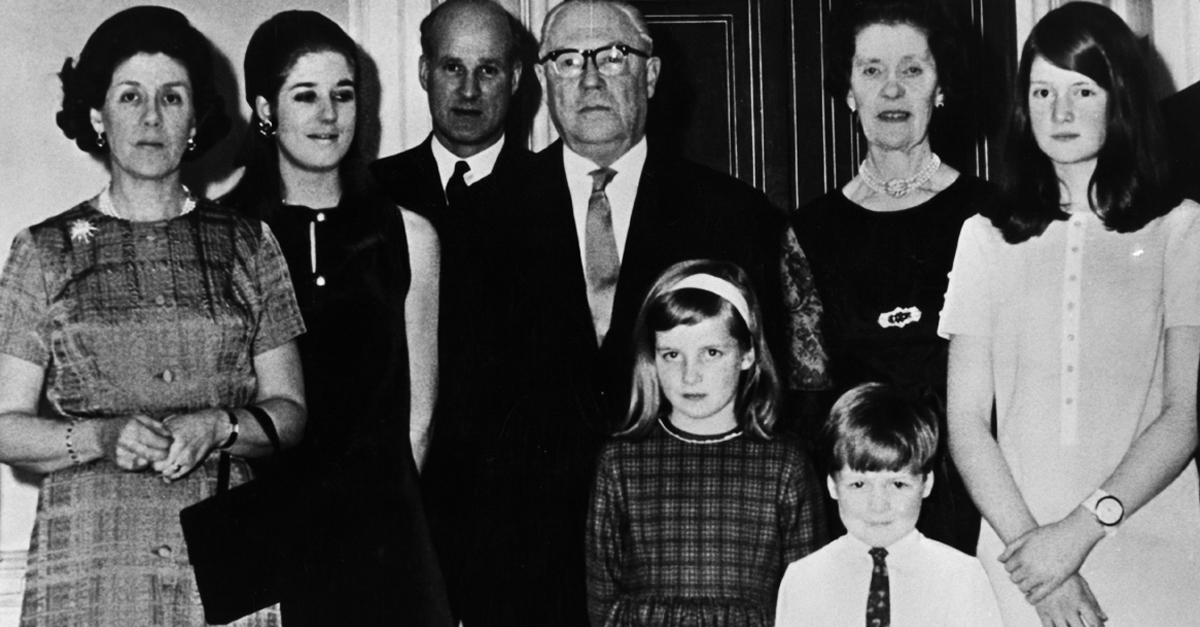
The Spencer Family Curse
After Princess Diana’s tragic death, the Spencer family became synonymous with 20th century catastrophe. Only, this was nothing new. Diana’s ancestral House of Spencer—which produced dukes, It Girls, and prime ministers alike—has long been mired in misfortune, going back practically as far as their roots can reach.
From Princess Diana’s namesake Lady Diana Russell to Winston Churchill all the way up to Diana herself, inheriting the Spencer name also means inheriting woe.
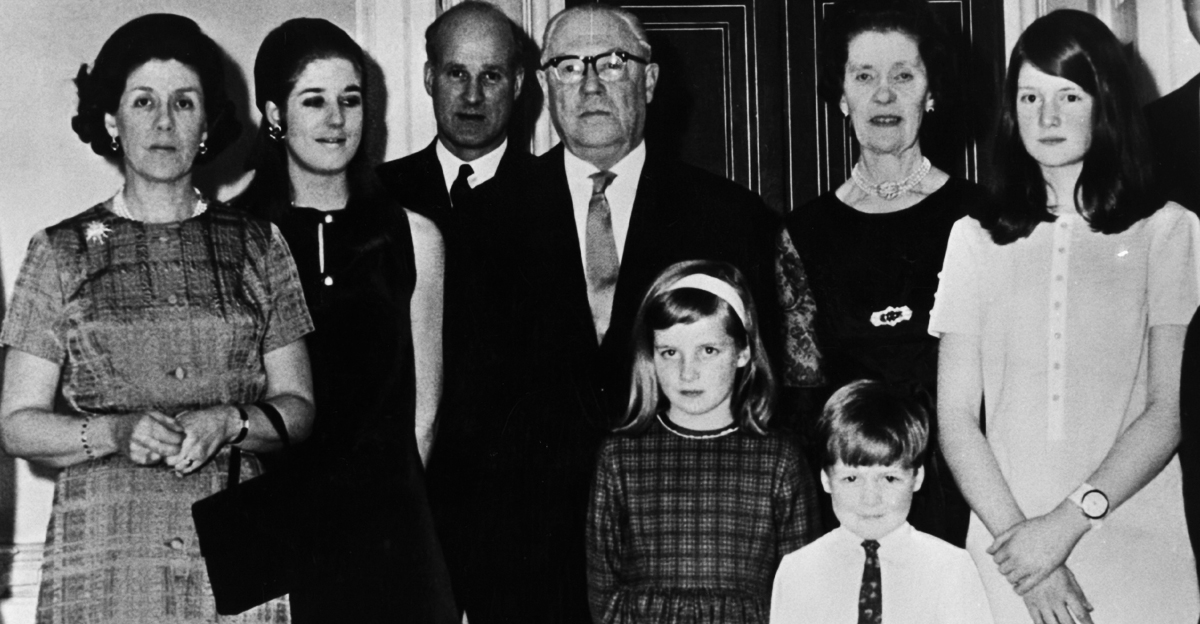
1. The Original Diana
Hundreds of years before Princess Diana was born, her tragic life had an eerie blueprint in her namesake Lady Diana Russell. Like so many in the Spencer line, Lady Diana was born into privilege: her mother Anne Spencer was the daughter of the eminently powerful Sarah Churchill, Duchess of Marlborough and the closest confidant of Queen Anne.
As the baby of the family, Lady Diana was very much the favorite Spencer child. It just didn’t help her in the slightest.
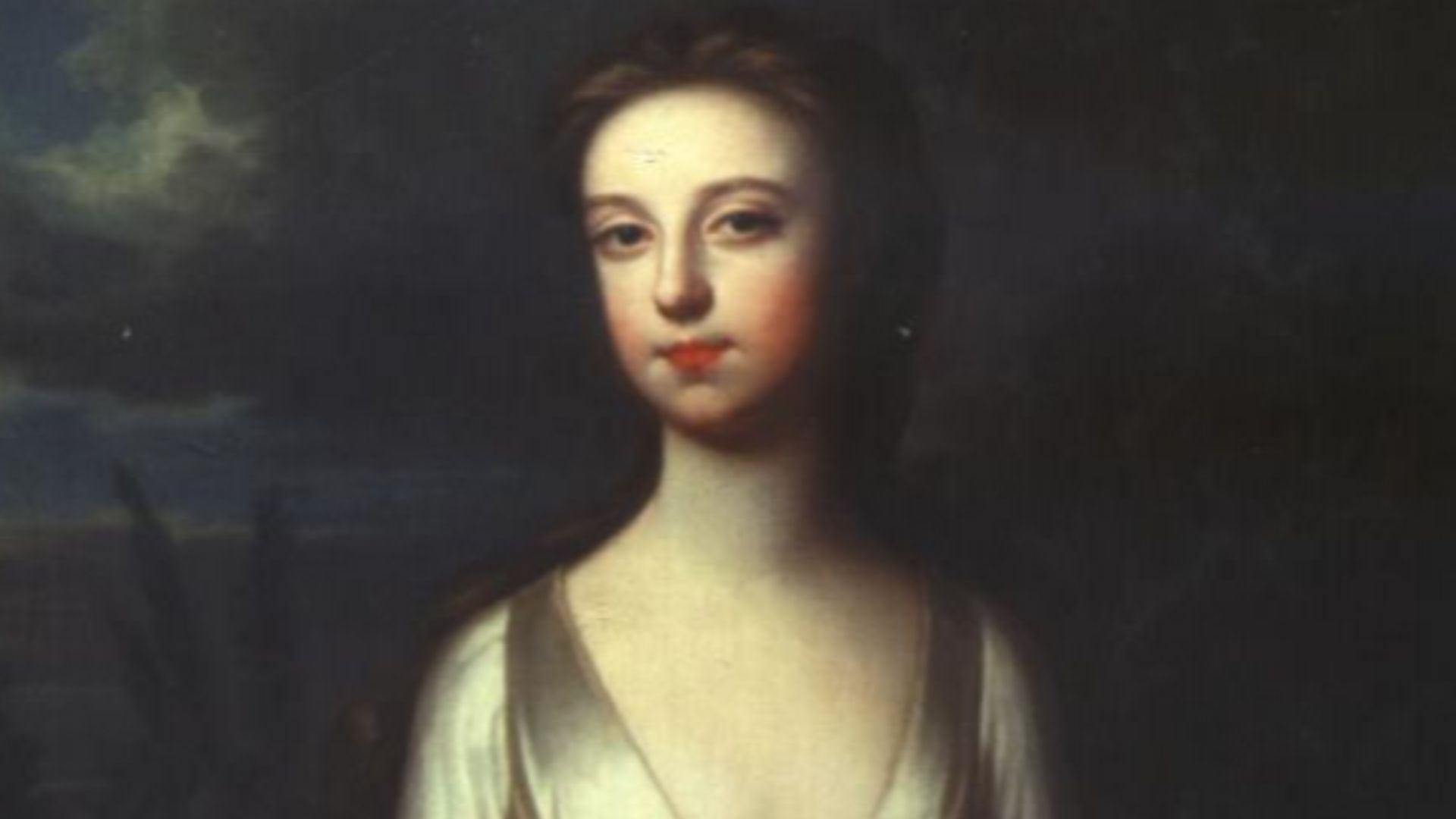 Charles Jervas, Wikimedia Commons
2. She Lost Her Mother Young
When Diana was just six years old, her mother died at the tragically young age of 33. Though her father quickly remarried and tried to give his line more heirs, it was a short-lived endeavor: Almost six years to the day of her mother’s passing, Diana’s father also perished.
Now an orphan, the little Spencer turned to the only person she had left.
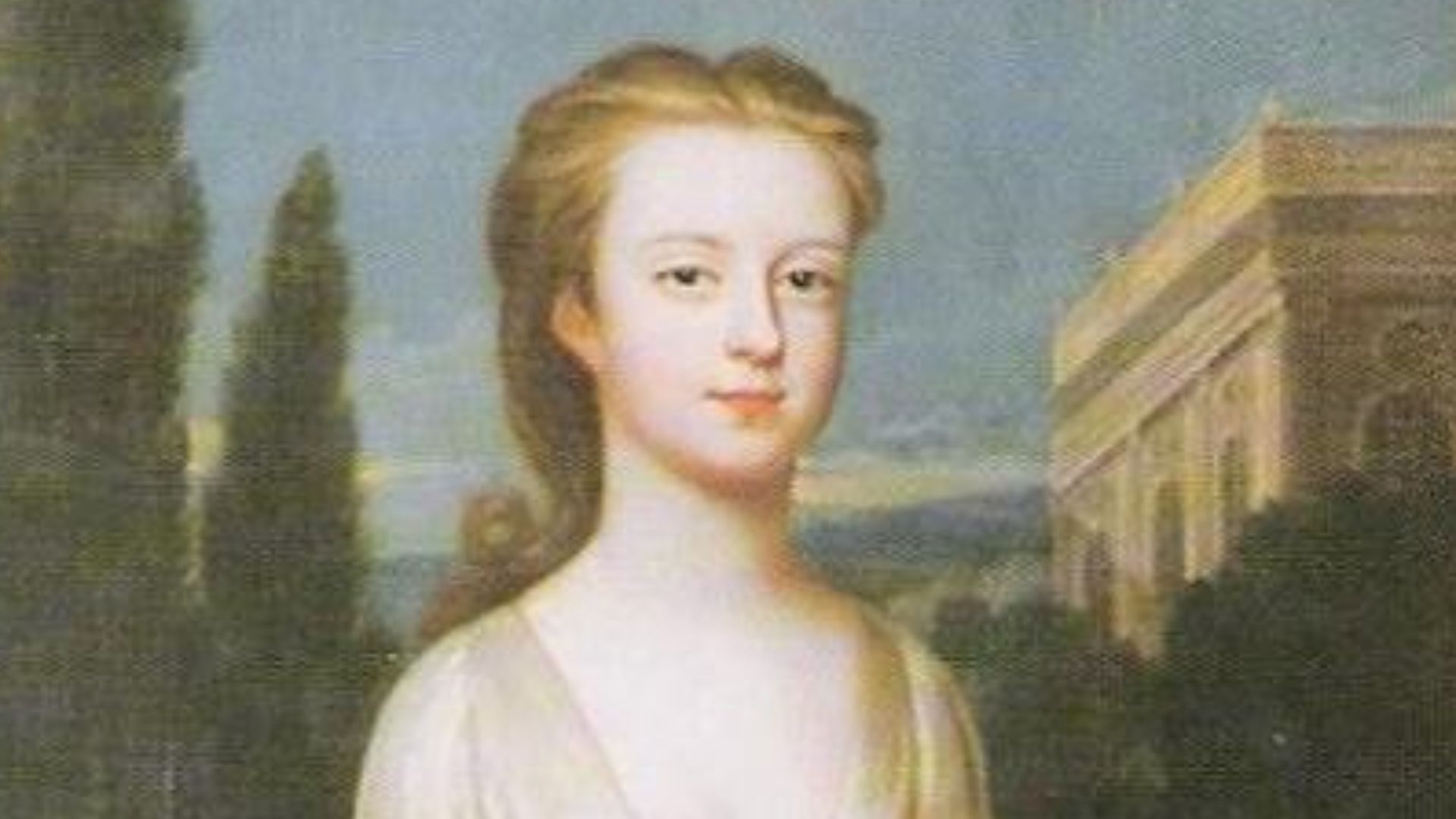 Maria Verelst, Wikimedia Commons
3. She Was A Great Beauty
Diana’s maternal grandmother Sarah Churchill swooped in and took responsibility for the girl, and under her grandmother’s tutelage Diana grew into an elegant, well-connected lady. She also grew into a famous beauty. Like the future princess Diana, she was tall, blonde, and had open, loving features.
Also like Princess Diana, these good looks sometimes brought trouble to her door.
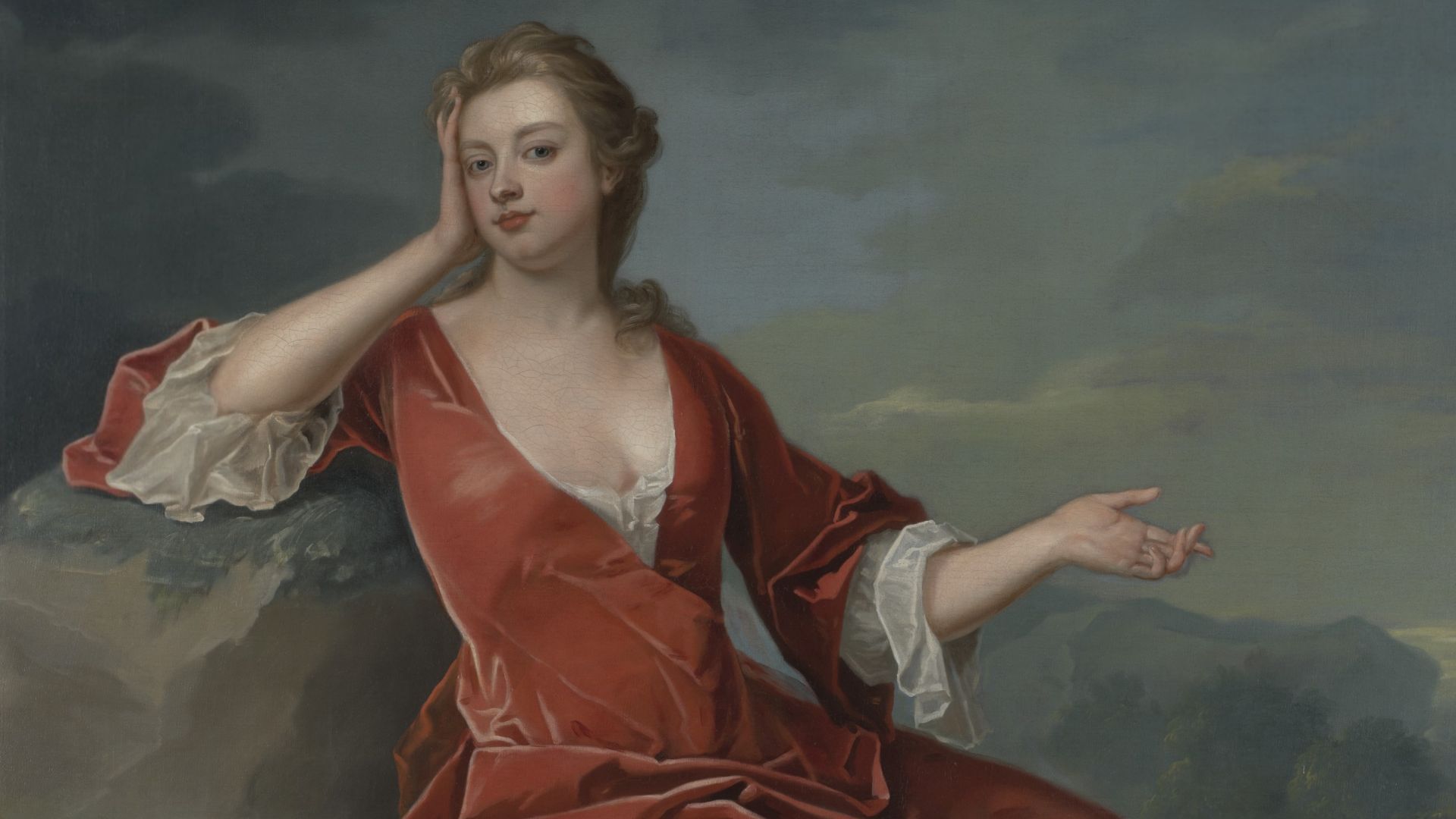 Charles Jervas, Wikimedia Commons
4. She Almost Lost Her Looks
As Lady Diana grew more beautiful and her family wealth continued to accrue, suitors began lining up to ask for her hand in marriage. But her grandmother, who tightly controlled access to the girl, turned down potential groom after potential groom while looking for someone who she thought could match her granddaughter’s potential. Only, she almost waited too long.
When Diana caught a bout of scrofula, which produces unpleasant lymph node lesions, Sarah was horrified at the thought the girl would lose so much of her marriage market currency. In fact, she paid top dollar to have a surgeon “fix” Diana’s beauty and help her still catch the biggest suitor possible. It very nearly worked.
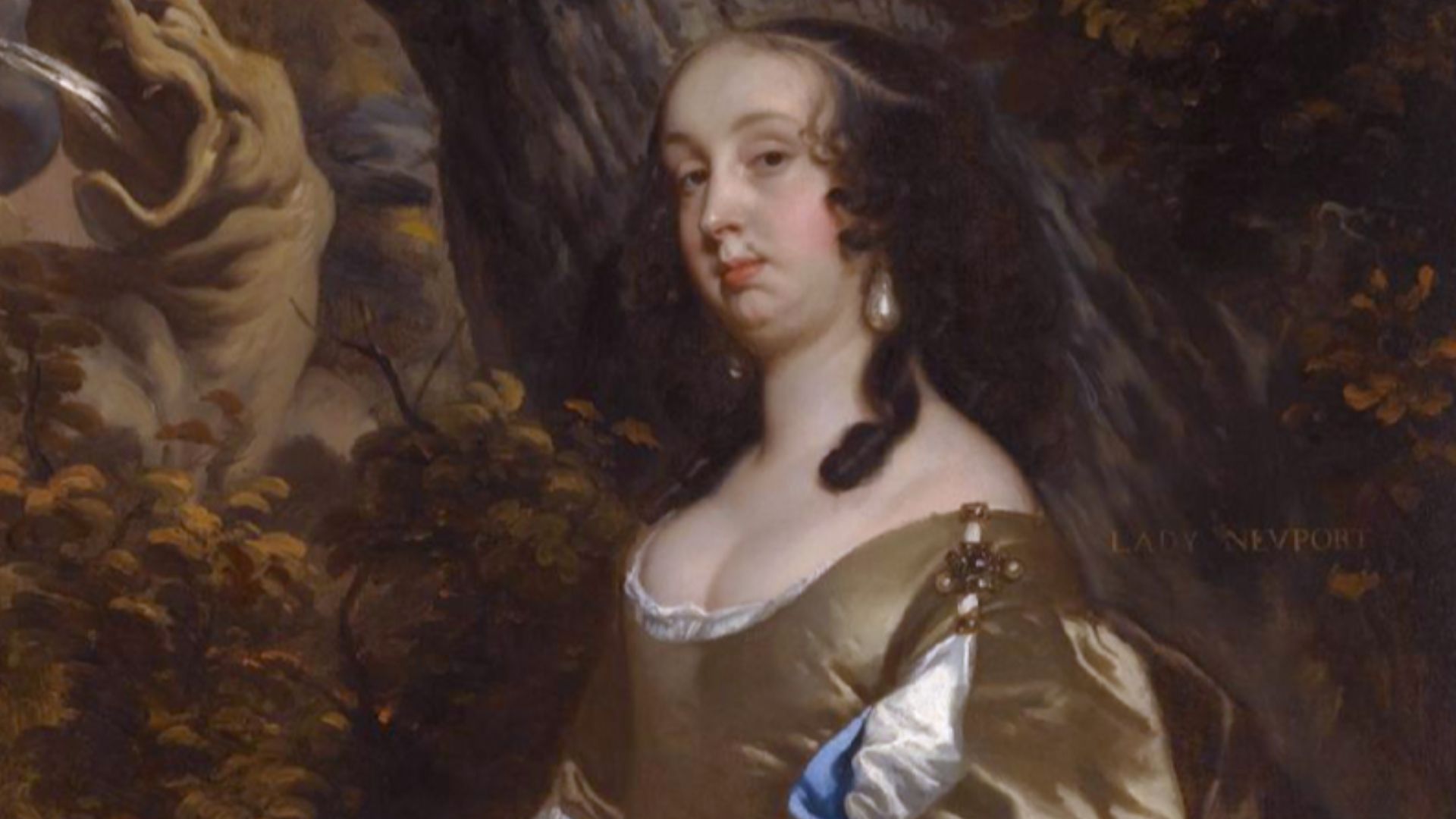
5. She Was Almost A Royal
Lady Diana quite nearly married a Prince of Wales, just like her descendant. She and her grandmother began serious marriage negotiations with Frederick, the eldest son of then-current ruler King George II. Yet although Sarah Churchill posted up a massive dowry to entice Frederick—he was something of a rogue and had massive gambling debts—Prime Minister Robert Walpole quashed the union in favor of trying to marry Frederick off to a continental noble and better help Great Britain’s influence in Europe.
This was when Lady Diana made a bizarre choice.
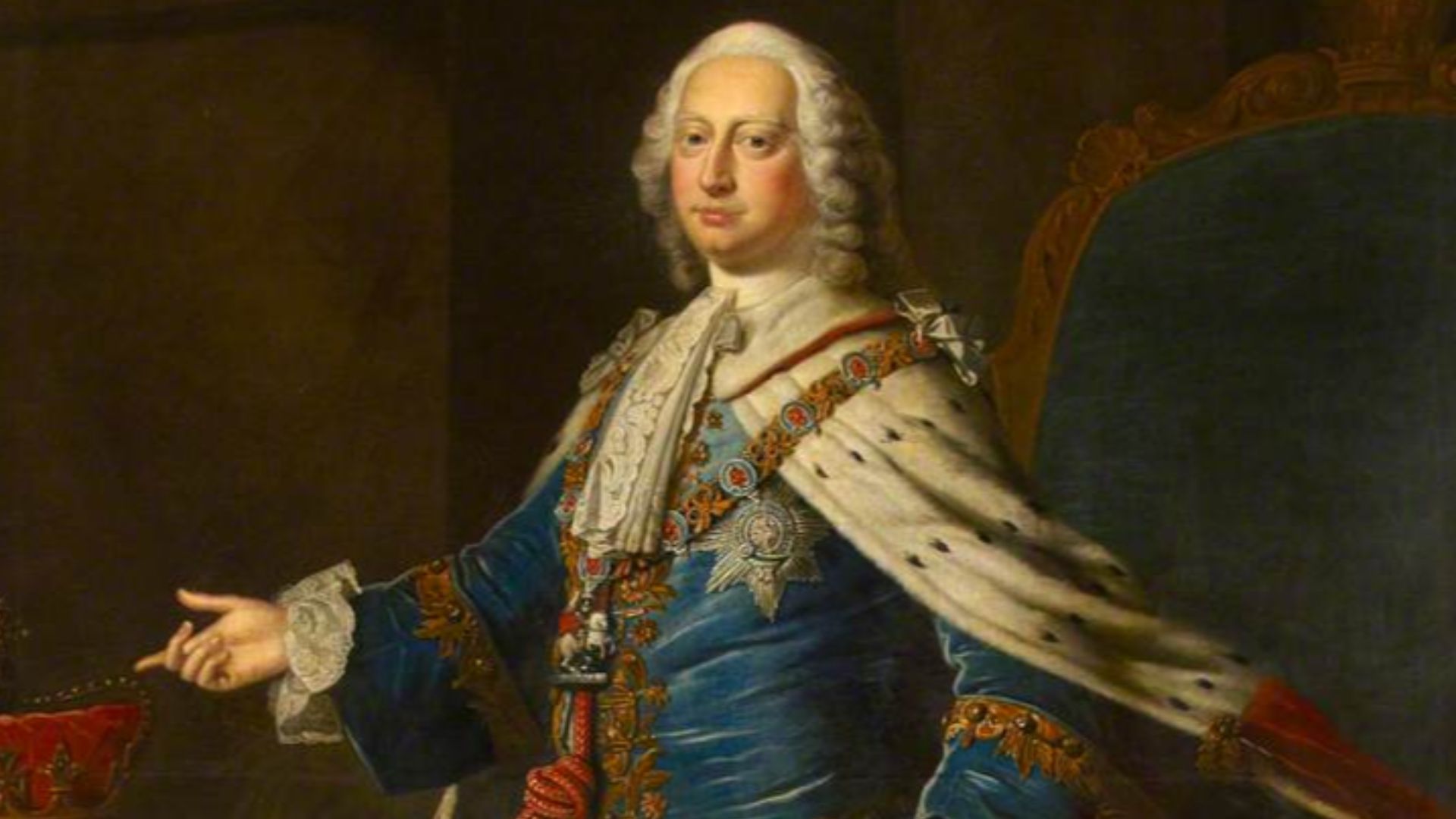 Thomas Hudson, Wikimedia Commons
6. She Made A Strange Marriage
Soon after losing Frederick, Sarah Churchill brokered a quick, and this time successful, marriage deal with the 21-year-old Lord John Russell. If his name doesn’t sound familiar, that’s because he was nowhere near the eminence of a Prince of Wales. Indeed, Russell was only the second son of the Duke of Bedford—though Sarah could now send her granddaughter into matrimony with a fraction of the dowry Frederick would have received.
Unfortunately, this inauspicious beginning only got worse.
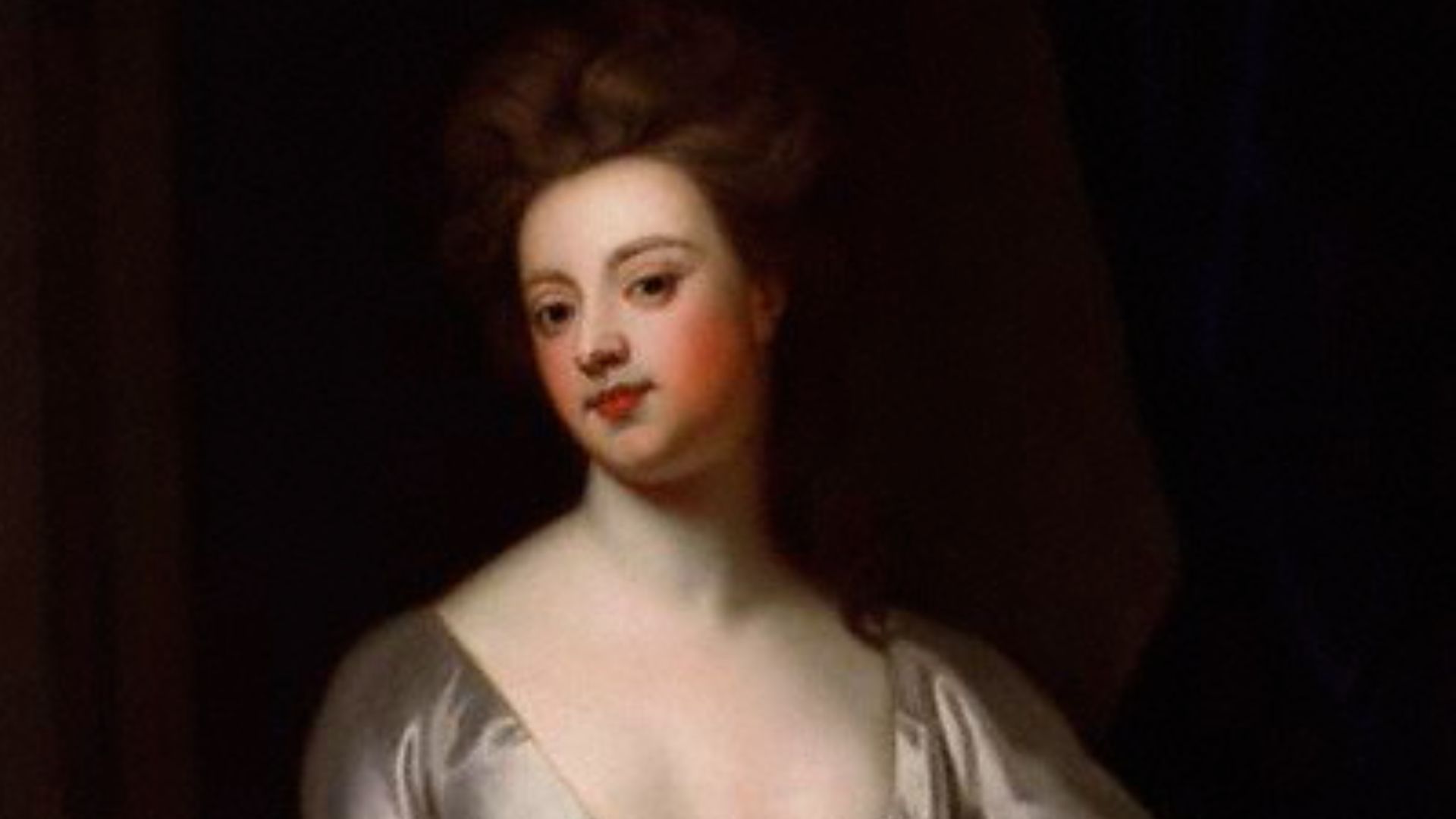 After Godfrey Kneller, Wikimedia Commons
7. She Had a Horrible Accident
The new Lady Diana Russell performed her wifely duties and proved extremely fertile, falling pregnant near instantaneously. But this was the last bit of good news she’d have for a while. In 1732, while heavily pregnant, Diana got into a carriage accident and was thrown from the vehicle, entering into premature labor just after.
As usual for the Spencers, the next events were harrowing. They were also utterly bizarre.
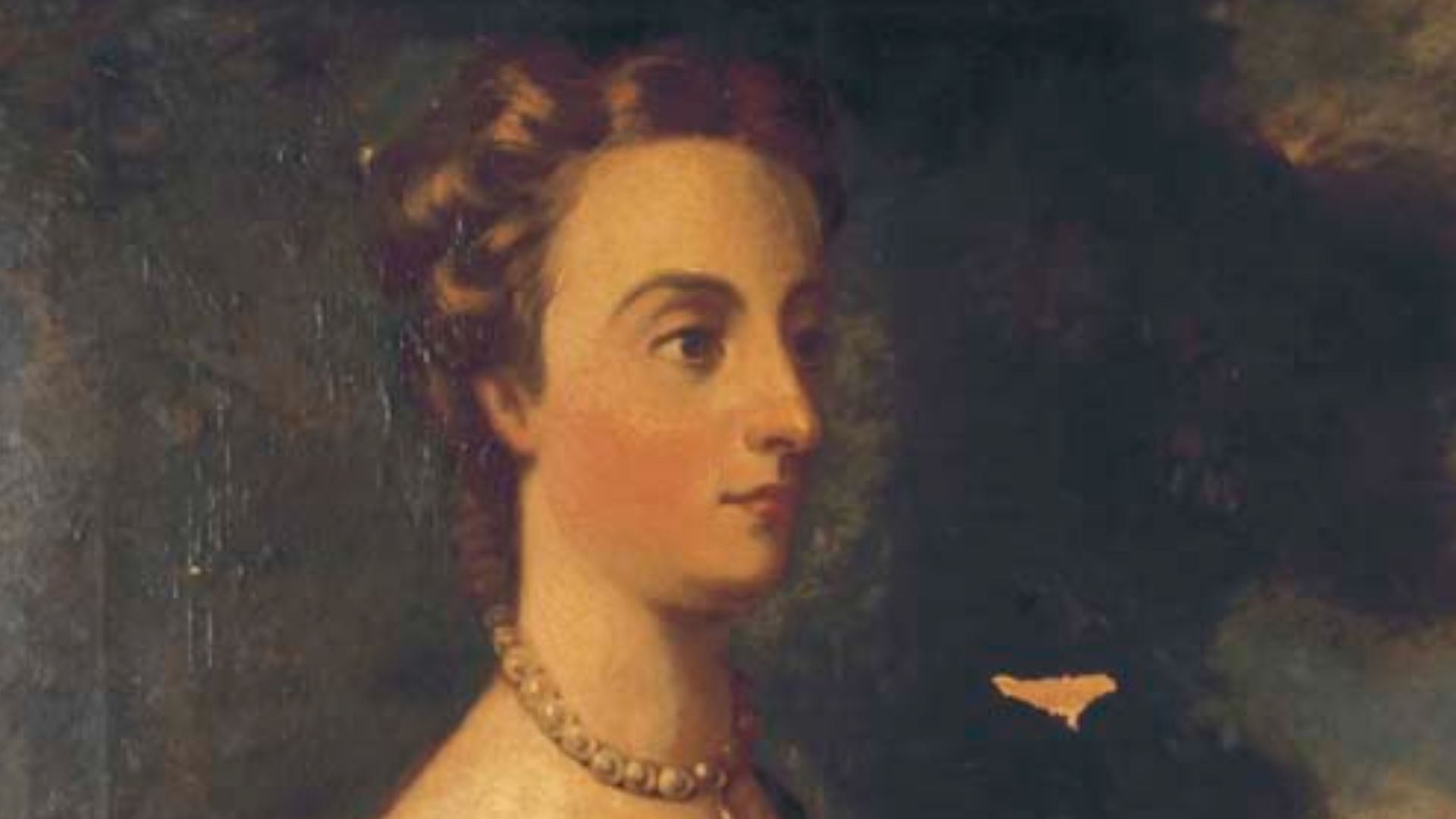 Thomas Hudson, Wikimedia Commons
8. She Lost Her Son
Diana’s baby, a boy she named John, was born sickly and weak and barely lived past his baptism. However, Diana’s minders were so convinced she wouldn’t be able to handle the news of her son’s death, they actually planned to cover up the baby’s passing and instead replace him with a different, healthy baby until “she was strong enough to hear the truth and be told it was only a pretender”.
The plan never came to fruition, but neither did any relief for Diana.
9. Her Husband Scorned Her
Over the next years, Diana suffered multiple miscarriages, and her husband, believing his wife was the problem in giving him an heir, grew increasingly distant and disdainful of her. Though he still visited her bed to ensure a son would be born to him, he was all but absent from the rest of her life. Not that she had long to live.

10. She Died Young
In the spring of 1735, Diana began to experience sickness in the mornings and assumed that she was finally pregnant with her third child. She was very wrong. Before long, doctors diagnosed her with a virulent bout of tuberculosis, and by that September, the 25-year-old perished.
As the public would for Princess Diana centuries later, mourners crowded around her coffin as she made her way to her final resting place in Buckinghamshire. But for all that Lady Diana Russell represented the tragedy of the Spencer family, its next member epitomized its scandal.

11. The Spencer It Girl
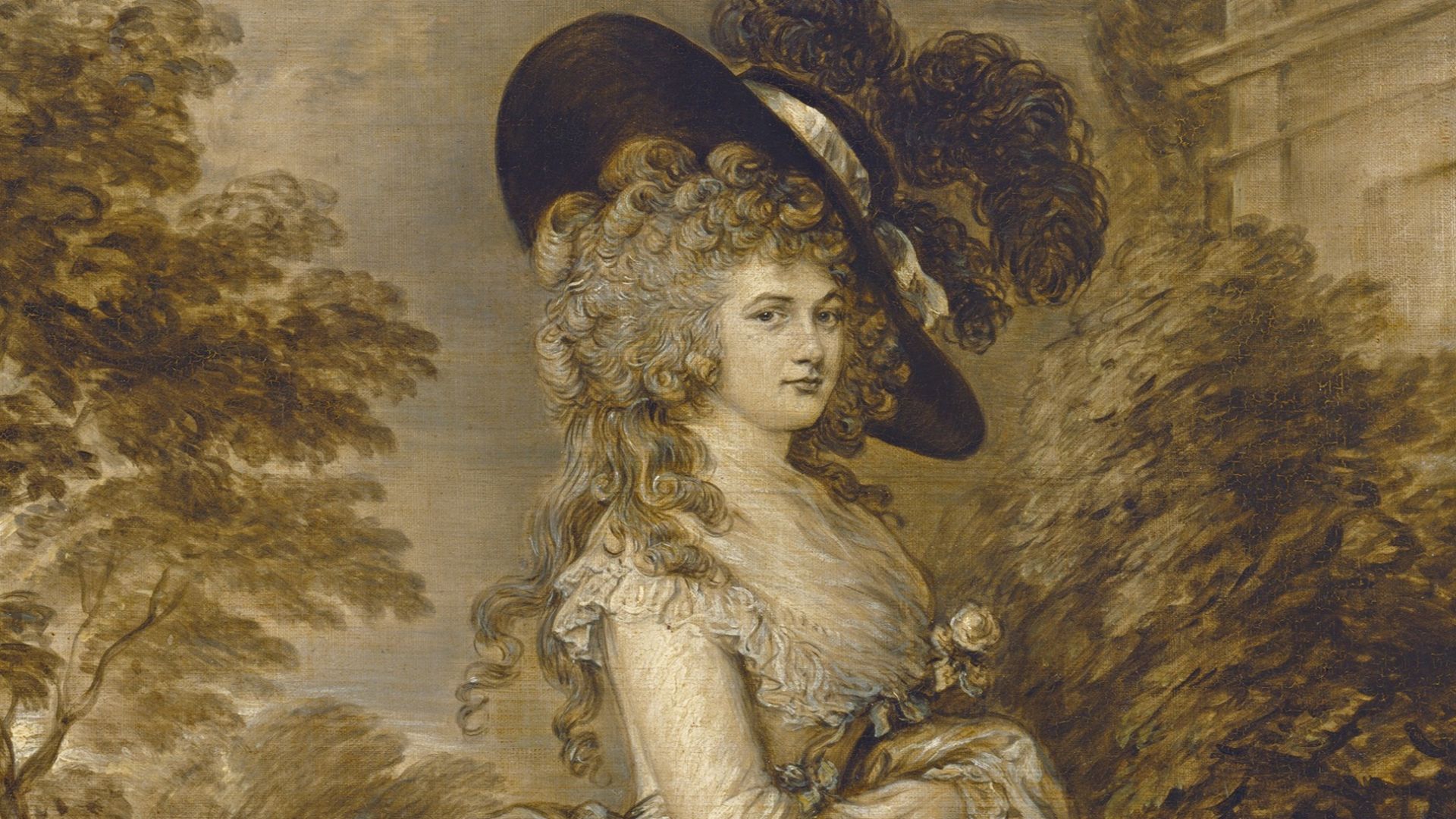
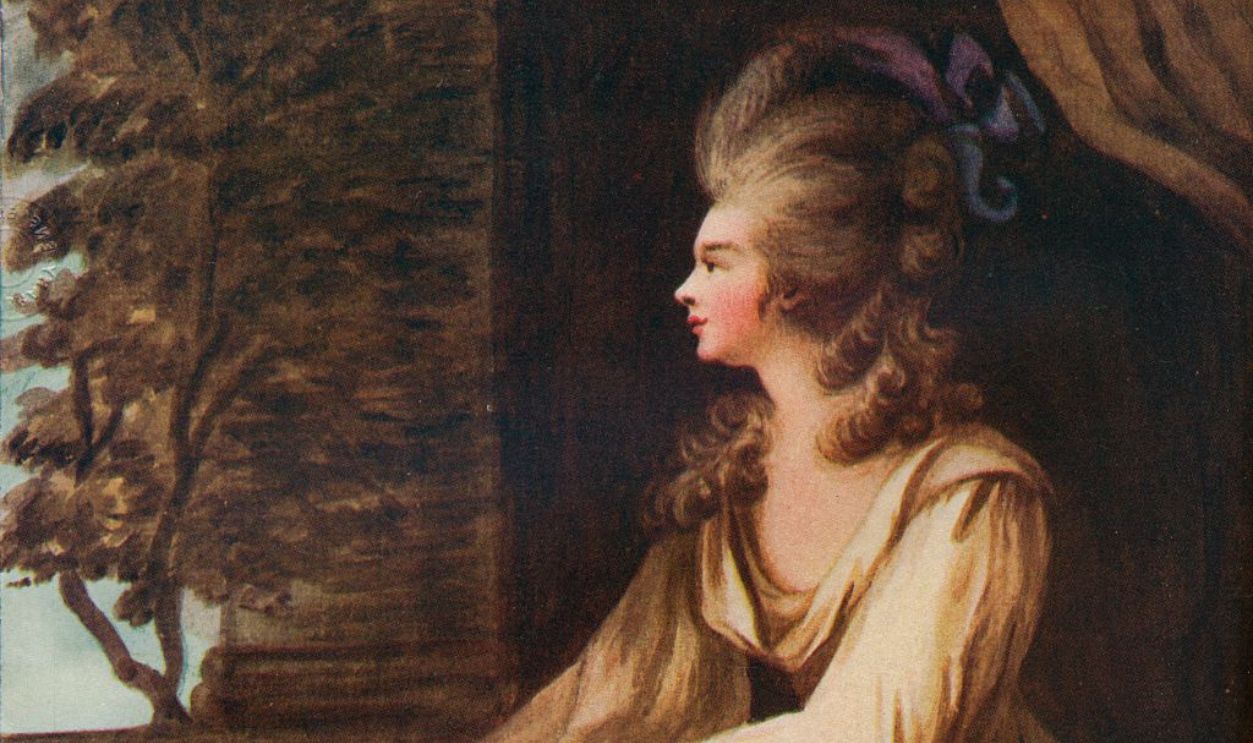
Georgiana Cavendish was the It Girl of the 18th Century—but as a member of the House of Spencer, her life was equal parts charmed and cursed. Born in 1757, two decades after Lady Diana Russell perished, Georgiana’s father was the Viscount Spencer, and her childhood and early adolescence were full of pampering and innocence. All that would end very quickly.
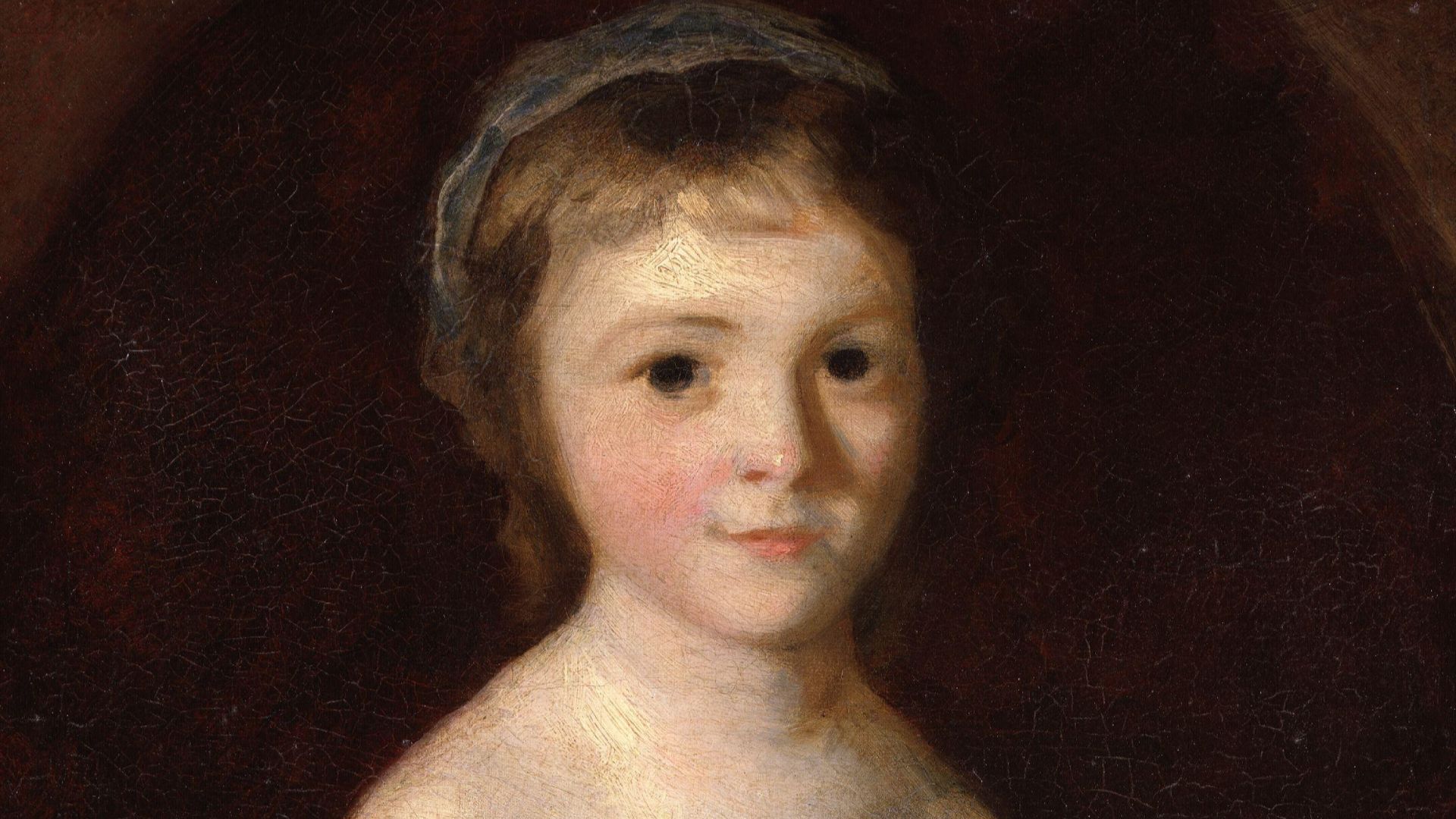 Joshua Reynolds, Wikimedia Commons
12. She Thought She Had A True Romance
When she was still a teenager, Georgiana fell for the 25-year-old William Cavendish, the fabulously wealthy fifth Duke of Devonshire. With Georgiana’s emotions in the mix and William’s money on the line, her parents readily agreed to a marriage between the two, having them tie the knot on Georgiana’s 17th birthday.
If Georgiana now expected to enter her happily ever after, those illusions were snapped away in mere moments.
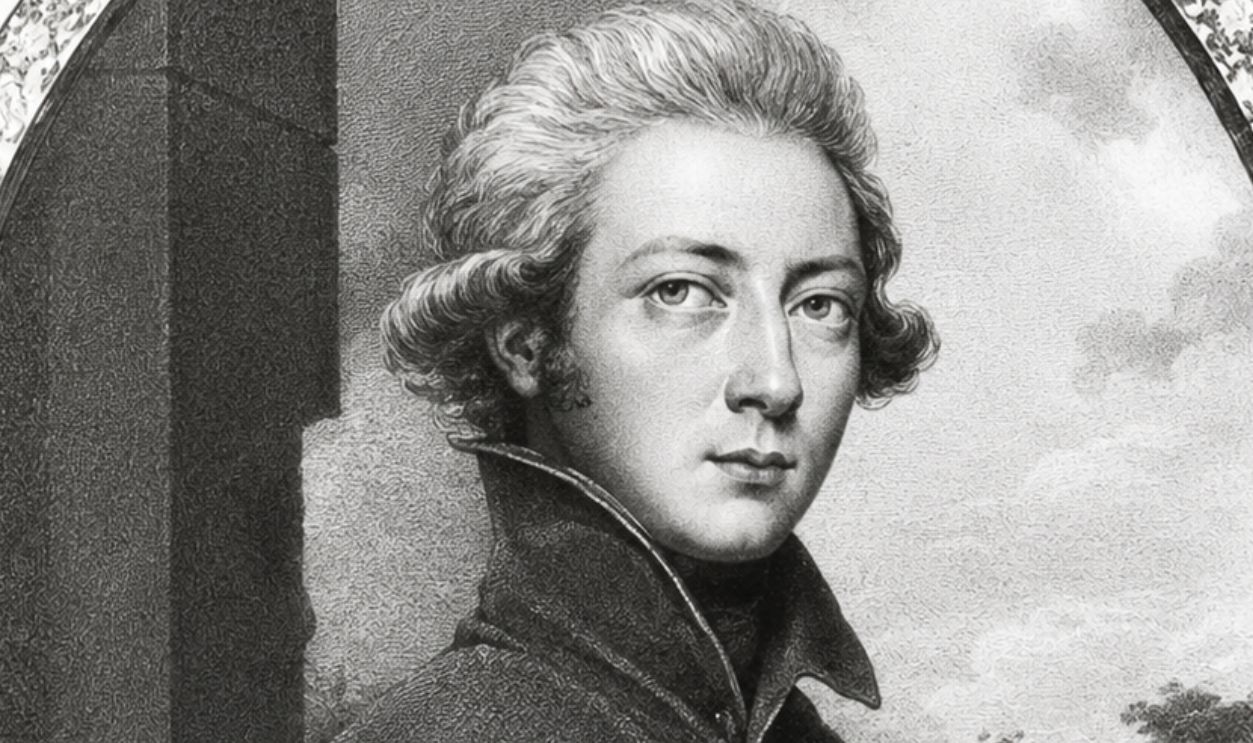 Internet Archive identifier: gri_33125008086361, Wikimedia Commons, Enhanced
13. He Used Her
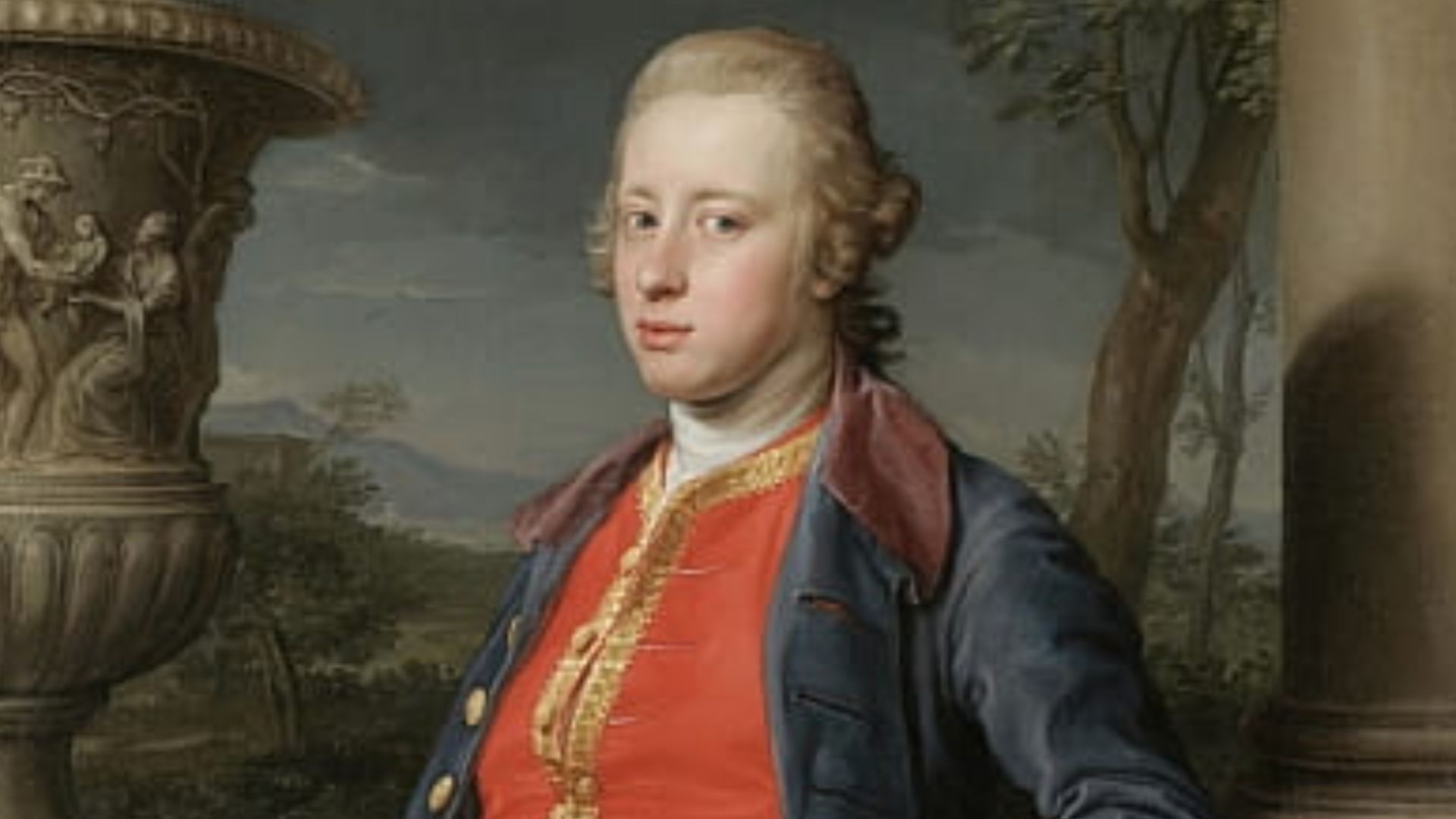
Georgiana found out that while she had married the Duke for (teenage) love, he had only married her for her social standing and ability to be molded into his perfect bride. In fact, he was already enamored with another woman, Charlotte Spencer (no relation), and the pair shared an illegitimate daughter, Charlotte Williams.
To prove just how detached he was, three days after their wedding the Duke went on a debauched adventure, and when Georgiana desperately tried to connect with him, attempting to share his interests or make conversation, he refused to engage. Confused and lonely, Georgiana acted out in increasingly disturbing ways.
 Pompeo Batoni, Wikimedia Commons
14. She Went Wild
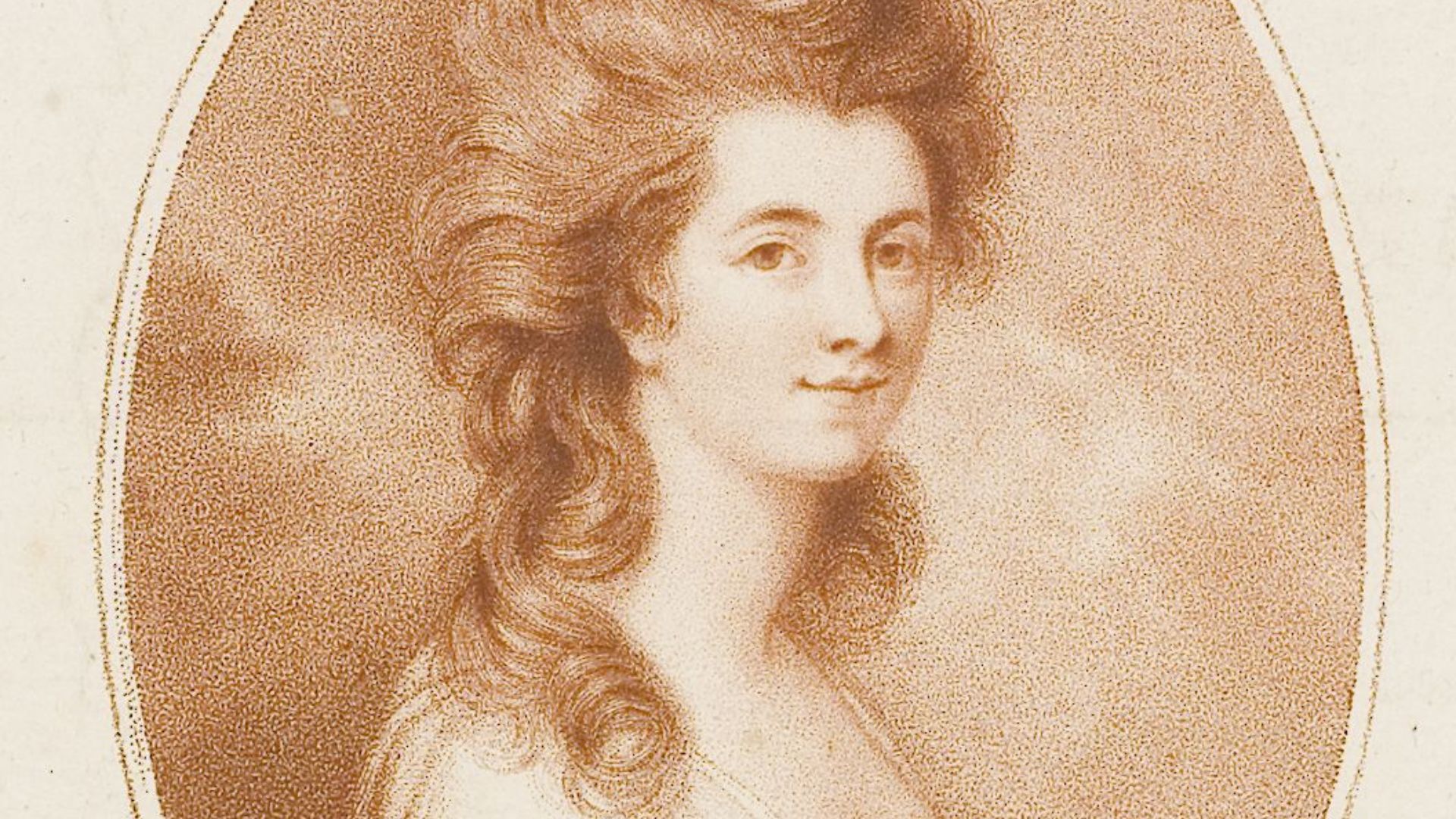
Georgiana’s first response to her cold husband was to distract and decorate herself. She soon became the leading fashion doll of the day, often wearing massive ostrich feathers in her hats and sparking trends wherever she went. In 1777, she even scandalized the entire city of London when she wore a barely-there slip out in public.
It wasn’t all fashion moments, either; she also took up politics and writing, supporting and raising money for the Whig party and publishing poems and a novel, The Sylph. None of it made her home situation better.
15. Her Mental Health Broke
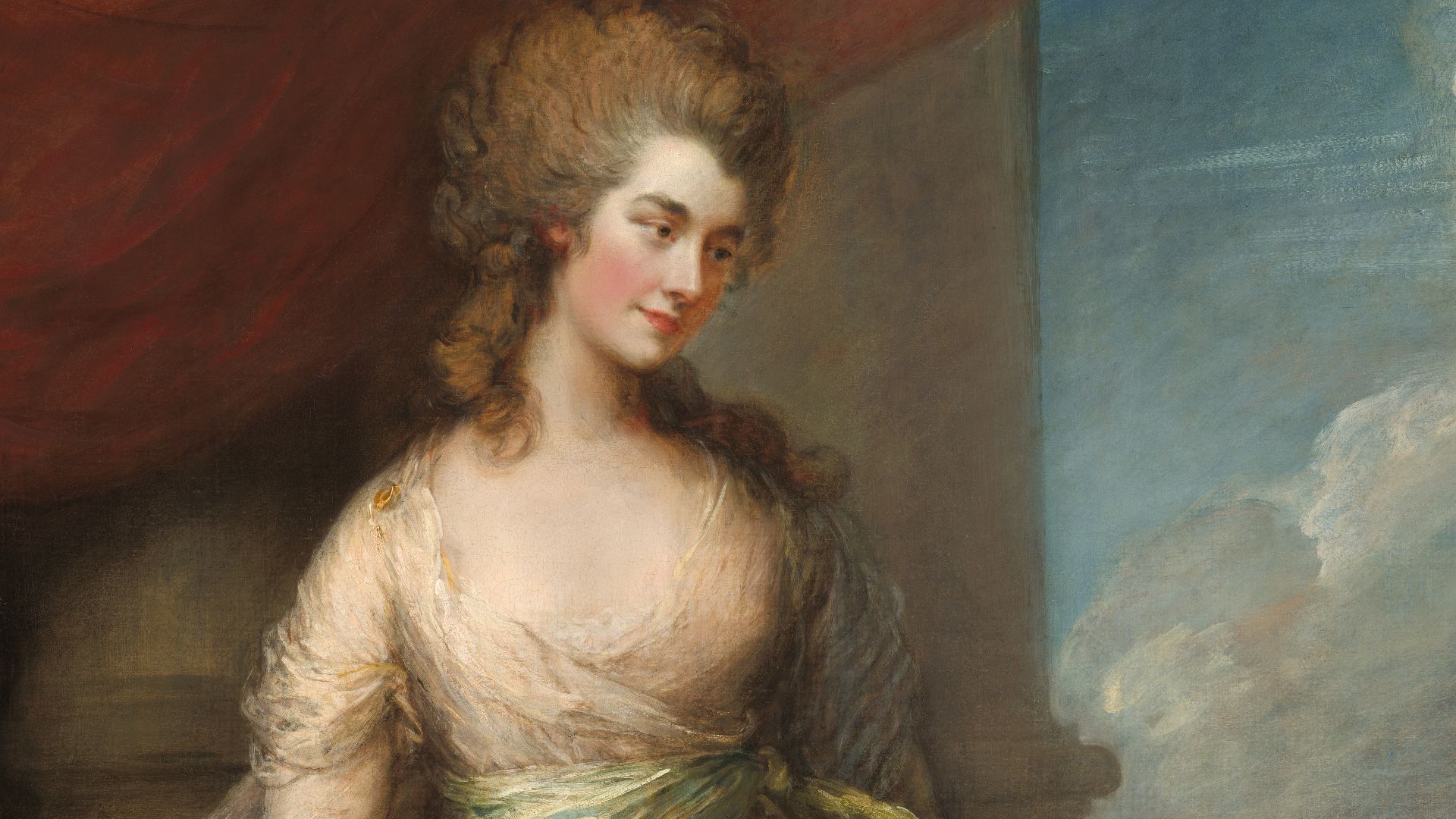
When nothing worked to distract her from her misery, Georgiana soon spent her days numbing her pain with alcohol and gambling, and her behavior turned erratic. As one of her connections related, the Duchess would “divert” herself for days on end before completely vanishing into her home and refusing to see anyone. In the mornings, she’d also have “hysteric fits” before gambling herself deeper into debt at night. This had painful consequences.
 Thomas Gainsborough, Wikimedia Commons
16. She Lost Multiple Children
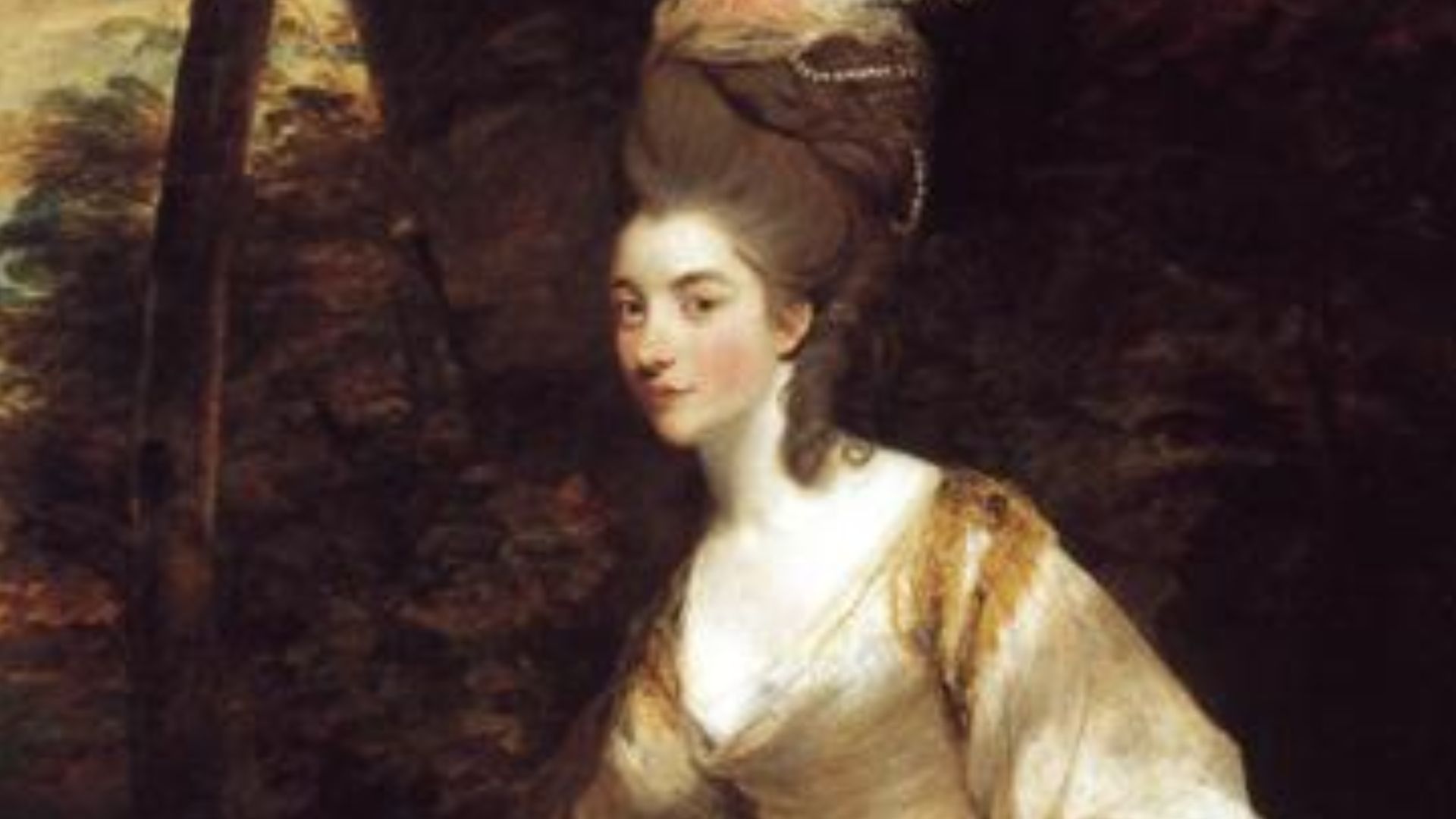
Although Georgiana put on a brave, innocent face for her parents during this time, writing to her mother about how much she loved the Duke and how she was attending church regularly, nothing could have been further from the truth. In fact, her debauched life was doing such damage, she suffered numerous miscarriages in these years, angering the Duke with her inability to give him an heir—and his anger made him cruel.
 Joshua Reynolds, Wikimedia Commons
17. He Forced Her To Raise His Illegitimate Daughter
Years into the marriage, the Cavendishes still had no children, and Georgiana had already had to be bailed out of hundreds of thousands of dollars of debt. This was when the Duke dropped a bombshell: His mistress Charlotte Spencer had died, and he was bringing his lovechild, Charlotte Williams, to live with them.
Georgiana, perhaps surprisingly, embraced the new member of the family wholeheartedly. It was the Duke’s next cruel move she couldn’t abide by.
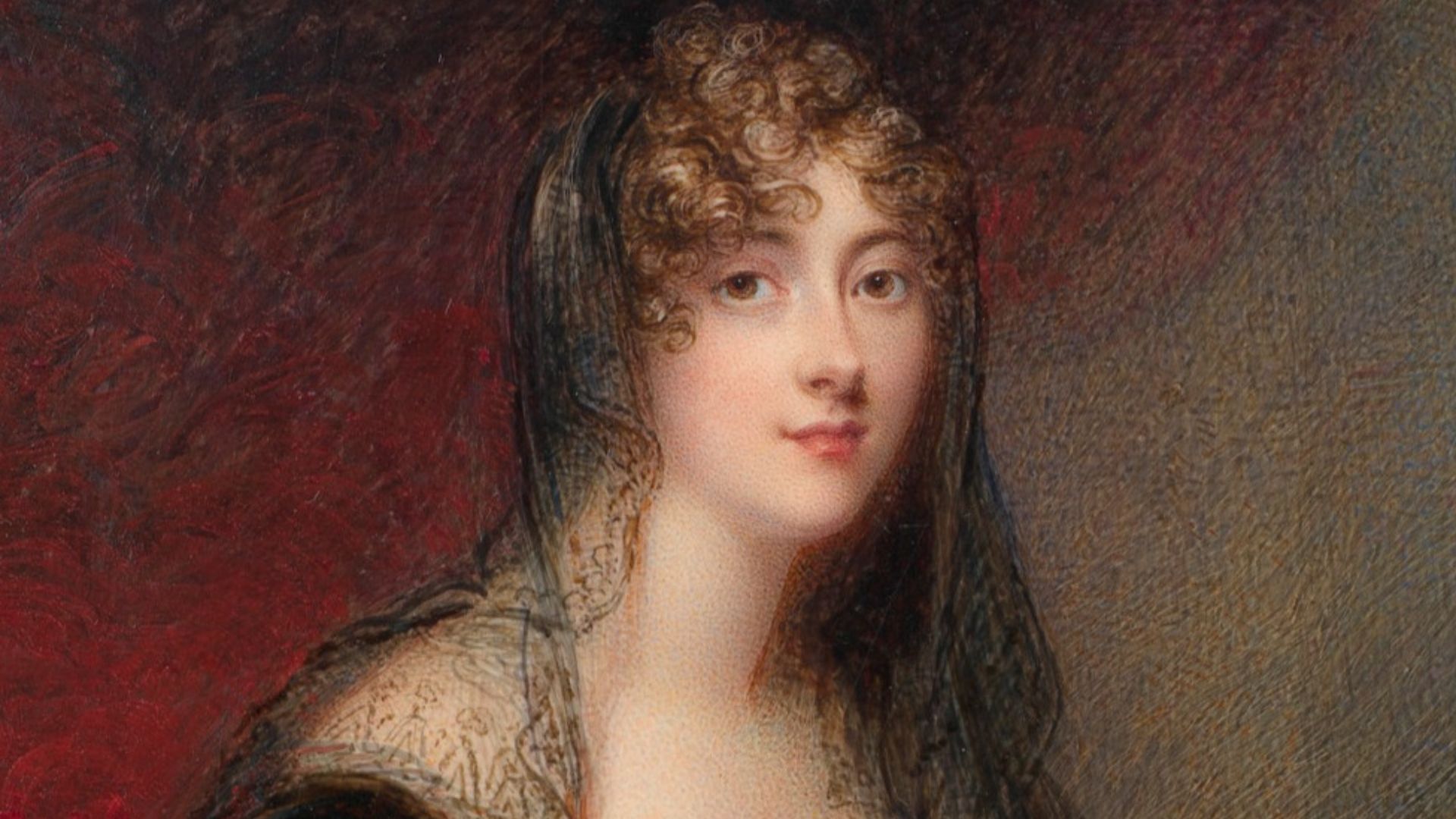
18. Her Best Friend Betrayed Her
In 1782, Georgiana became fast friends with Lady Elizabeth “Bess” Foster, and Georgiana invited Bess to come and stay with her and the Duke. Unfortunately, Georgiana’s instincts were skewed: Her uninterested (at least in her) husband quickly started an affair with Bess, all but right in front of Georgiana.
To make matters worse, Georgiana never even broke off her friendship with Bess—she was far too lonely for that. At least that was about to change.
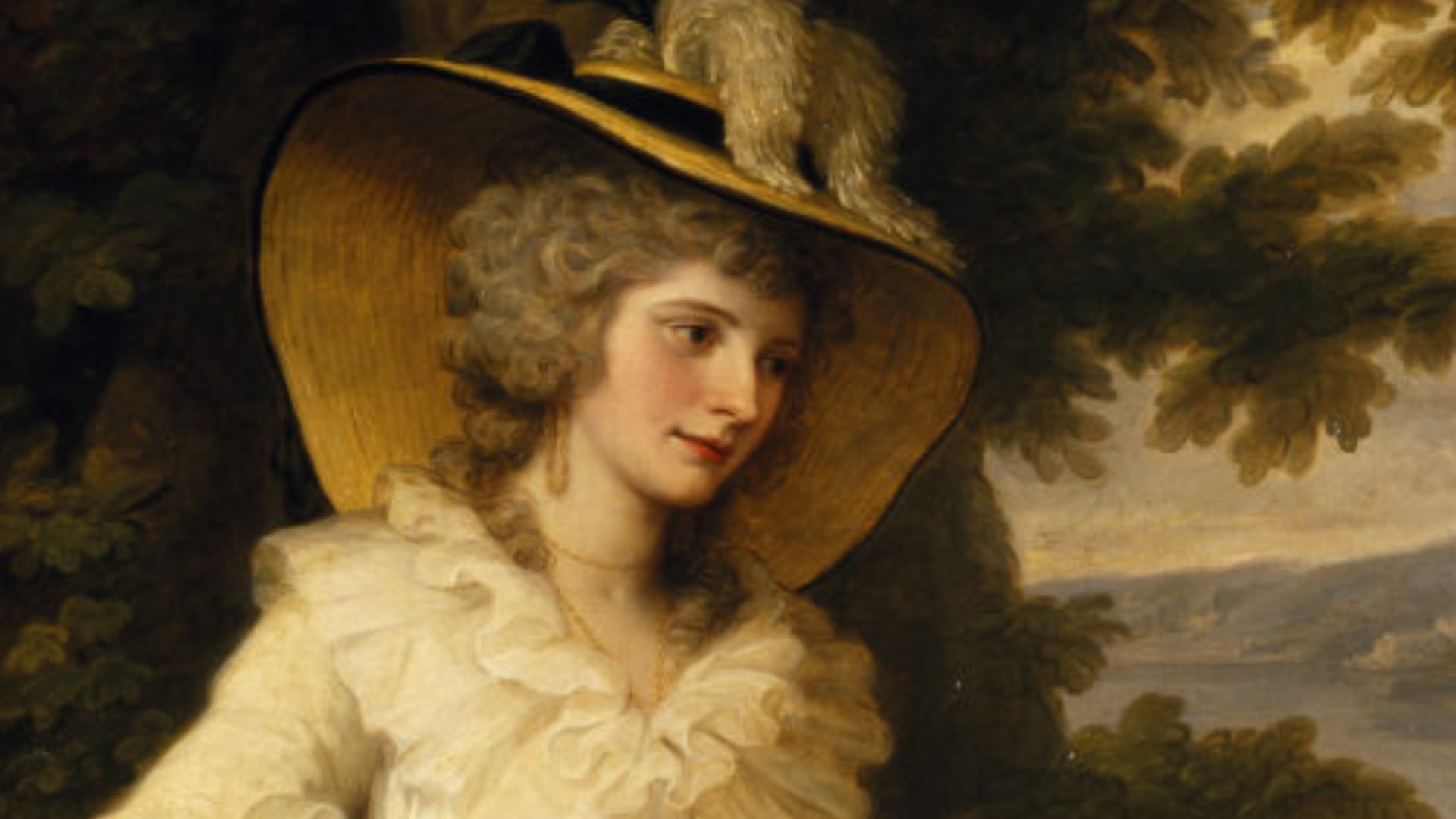 Angelica Kauffmann, Wikimedia Commons
19. She Had A Rebellion
In 1783, Georgiana at last gave birth to her first child, also named Georgiana, then a little girl named Harriet, and finally in 1790 a male heir in William George Spencer Cavendish. But instead of throwing herself into motherhood, Georgiana, her duty finally done, threw herself at another man—the Whig politician Charles Grey. Their affair was anything but a fling.
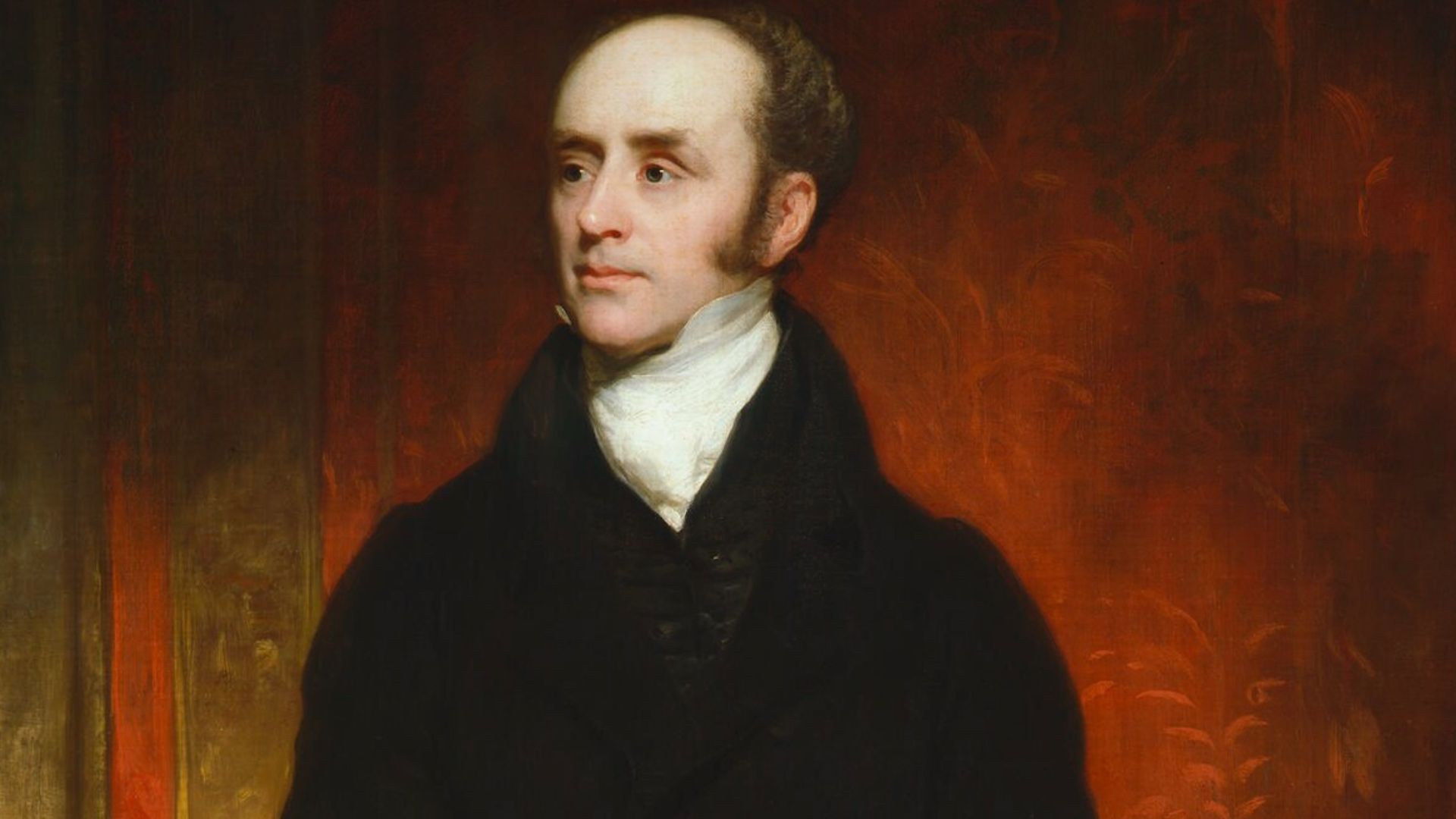 Attributed to Thomas Phillips, Wikimedia Commons
20. Her Lover Got Her Pregnant
In 1791, Georgiana became pregnant again, and the Duke was most certainly not the father. Yet while Georgiana had raised his love child like her own, the Duke was unwilling to give his wife the same courtesy: he insisted she give up the child, Eliza, to Grey’s parents, and soon banished Georgiana out of his sight to France.
Her next years were a sad, slow decline before a terrifyingly rapid end.
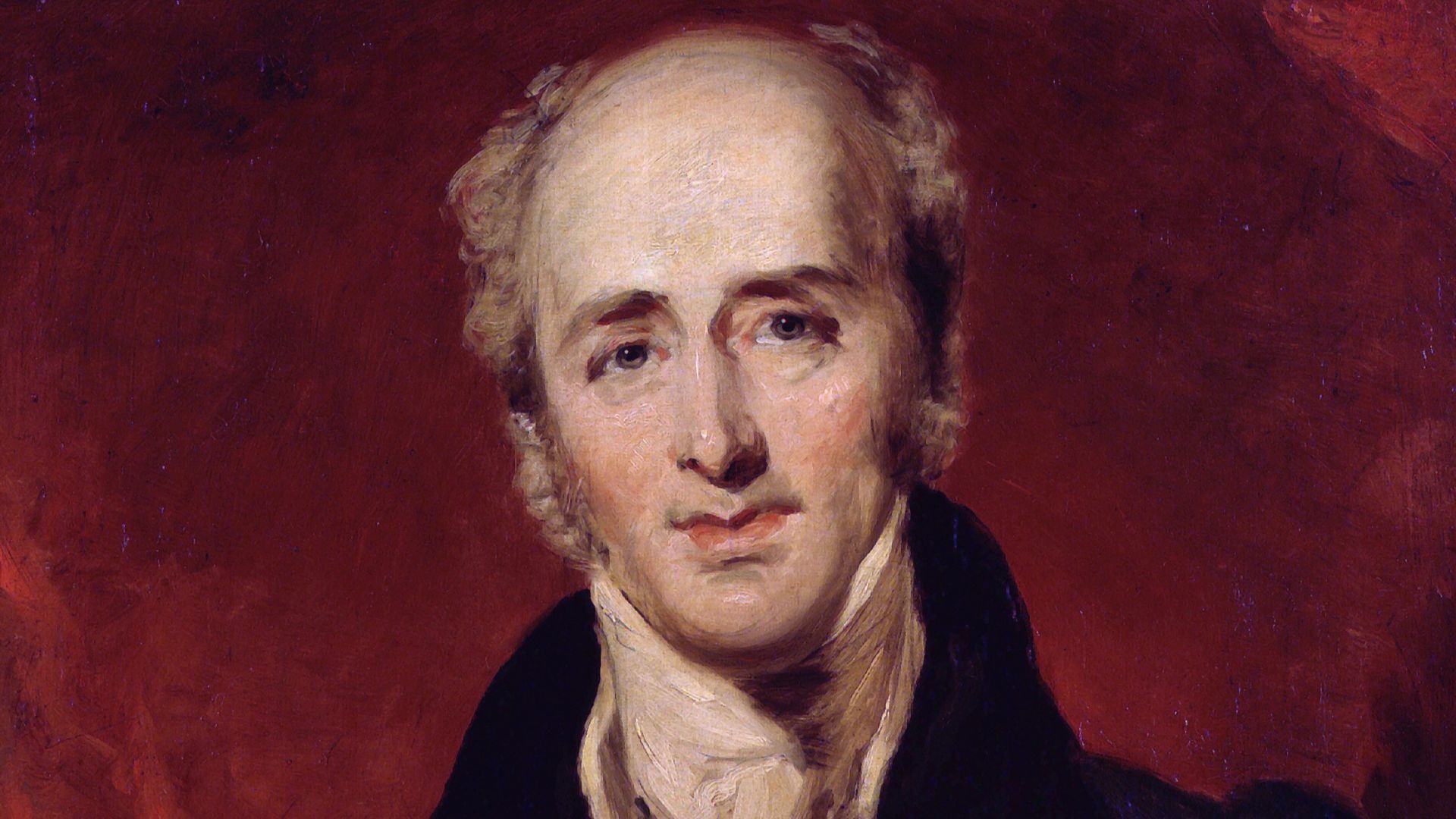 After Thomas Lawrence, Wikimedia Commons
21. She Died Impoverished
Although Georgiana eventually returned to England, leaving many of her hard-partying ways behind her when she did, she never could kick gambling. At the age of 48, she was still deeply in debt when she developed an abscess on her liver. The ailment took her quickly, if painfully, leaving her children—and, surprisingly, the Duke himself—in mourning.
But if Georgina set the template for the miserable Spencer marriage, the next bride and groom blasted right through it.
 Gainsborough Dupont / After Thomas Gainsborough, Wikimedia Commons
22. The Naughty Duke of Marlborough
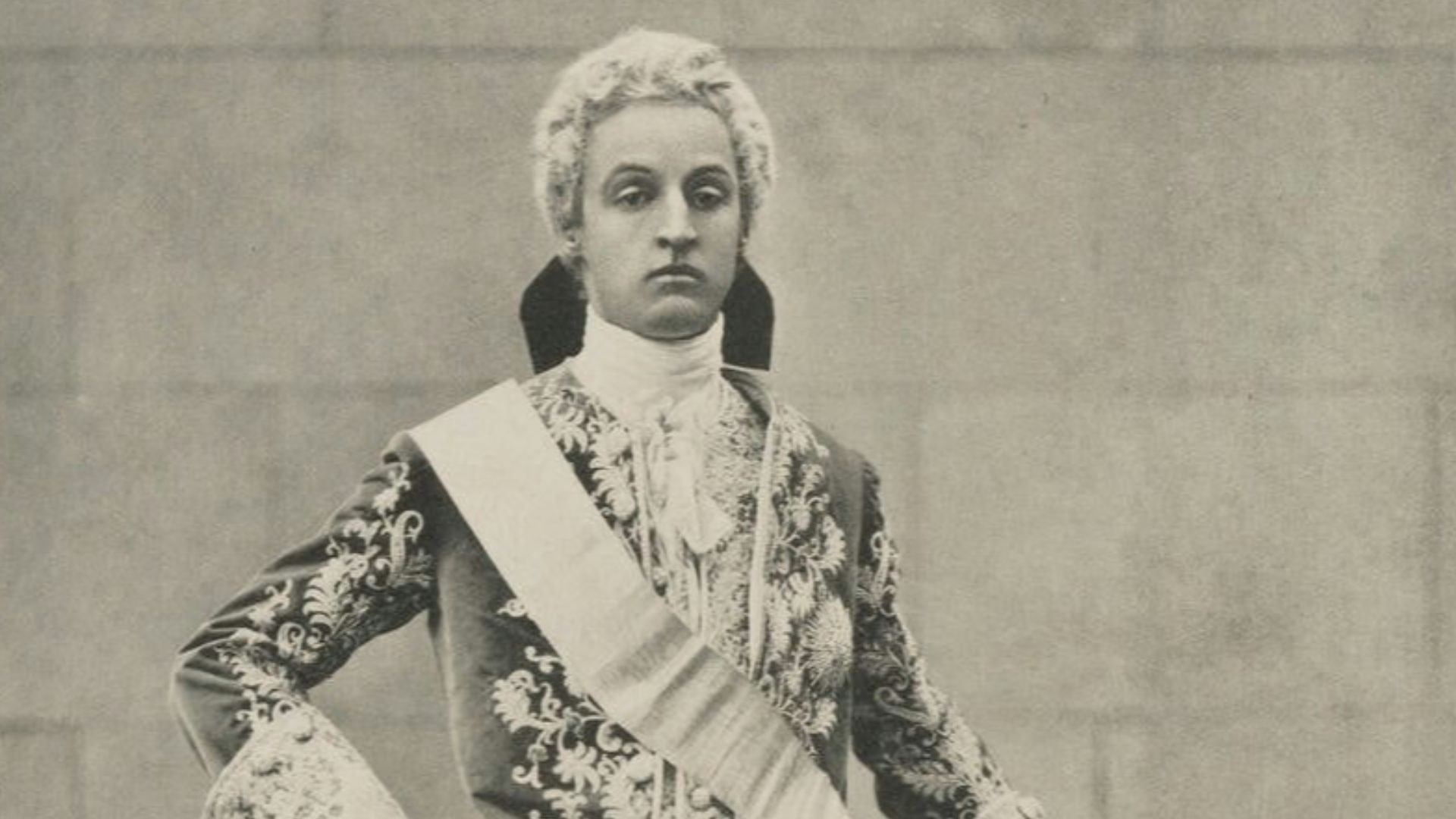
The Dukes of Marlborough, descending from Sarah Churchill, have always been the center of the House of Spencer, but there is one who might be most infamous of all: Charles Spencer-Churchill, the 9th Duke. Born in 1871 with nine generations of Spencer men behind him, Charles was the catch of the 19th century. That said, there was also one huge problem with him.
 Alexander Bassano / Walker & Boutall, Wikimedia Commons
23. He Wasn’t Born Into Wealth
In the years since Sarah Churchill and Lady Diana Russell’s massive wealth, the Spencers’ coffers had been slowly dwindling, thanks in part to members like Georgiana Cavendish who gambled it away. As a result, when Charles Spencer-Churchill came of age, he also inherited a crumbling ancestral home of Blenheim and little more than cobwebs in his treasury.
Luckily for the Spencers, there was one beautiful solution.
24. He Looked For A Wealthy Bride
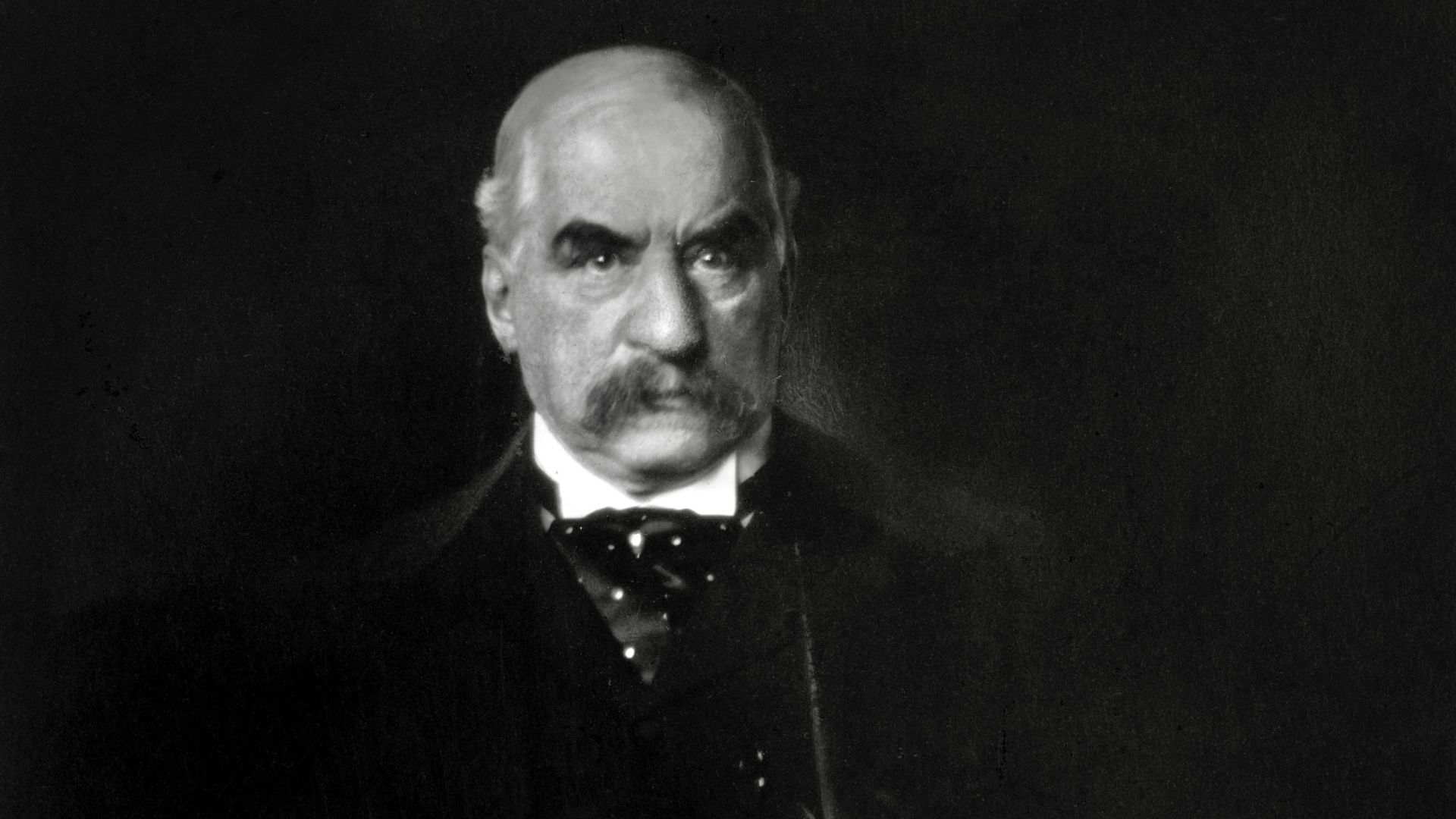
While European nobility like the Dukes of Marlborough were cash-poor and title-rich, the opposite was true of the Robber Baron industrialists in the burgeoning powerhouse of America. Throughout the late 19th and early 20th century, these industrialists sent their daughters—called “dollar princesses”—over to Europe with bursting dowries in exchange for a noble title. And this is where Charles Spencer-Churchill’s trouble all began.
 Edward Steichen, Wikimedia Commons
25. She Didn’t Want Him
In 1895, Charles married Consuelo Vanderbilt, the strikingly beautiful daughter of the American Vanderbilt dynasty. It looked like a fairy tale on the outside, but the inside was as rotten as Snow White’s apple: Consuelo was set against the match, and her ambitious mother had quite literally locked in her room until she complied with walking down the aisle—though she did so while openly crying. The groom’s side wasn’t much better.
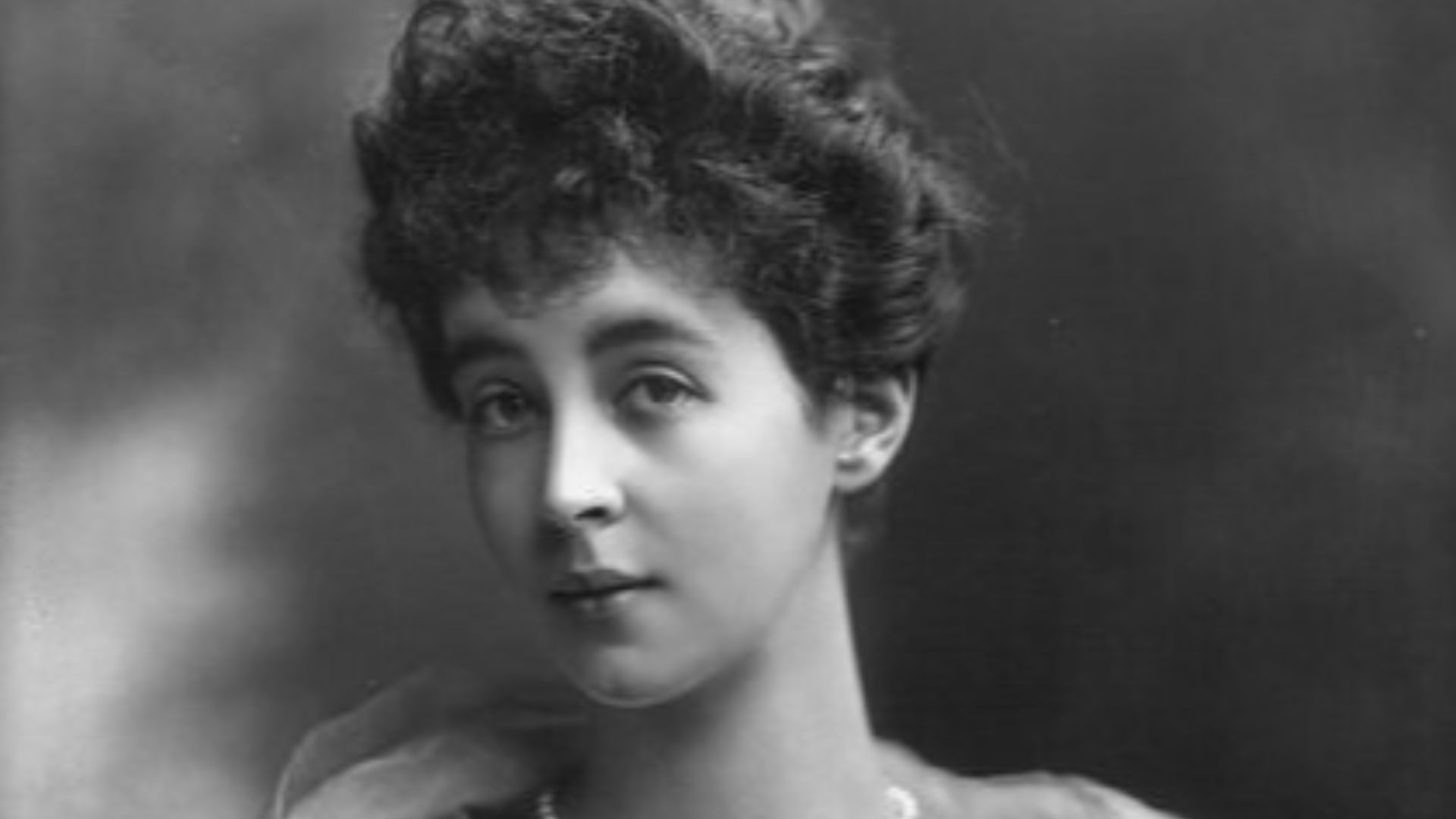 Lafayette L2115a, Wikimedia Commons
26. He Was Cold Toward Her
The Duke, meanwhile, had only money on his mind when he wed Consuelo, and was actually already in love with someone else. And not only did he not bother hiding it, he had devious reasons for tying the knot—but more on that later. Stuck in a loveless marriage, Charles and his new bride grimly performed their duties, and Consuelo—much luckier than Spencer women like Lady Diana Russell and Georgiana Cavendish—soon gave birth to two sons, John and Ivor. In fact, it was Consuelo who partly popularized the phrase “the heir and the spare,” referring to her sons as such.
It was nowhere near enough to keep them together.
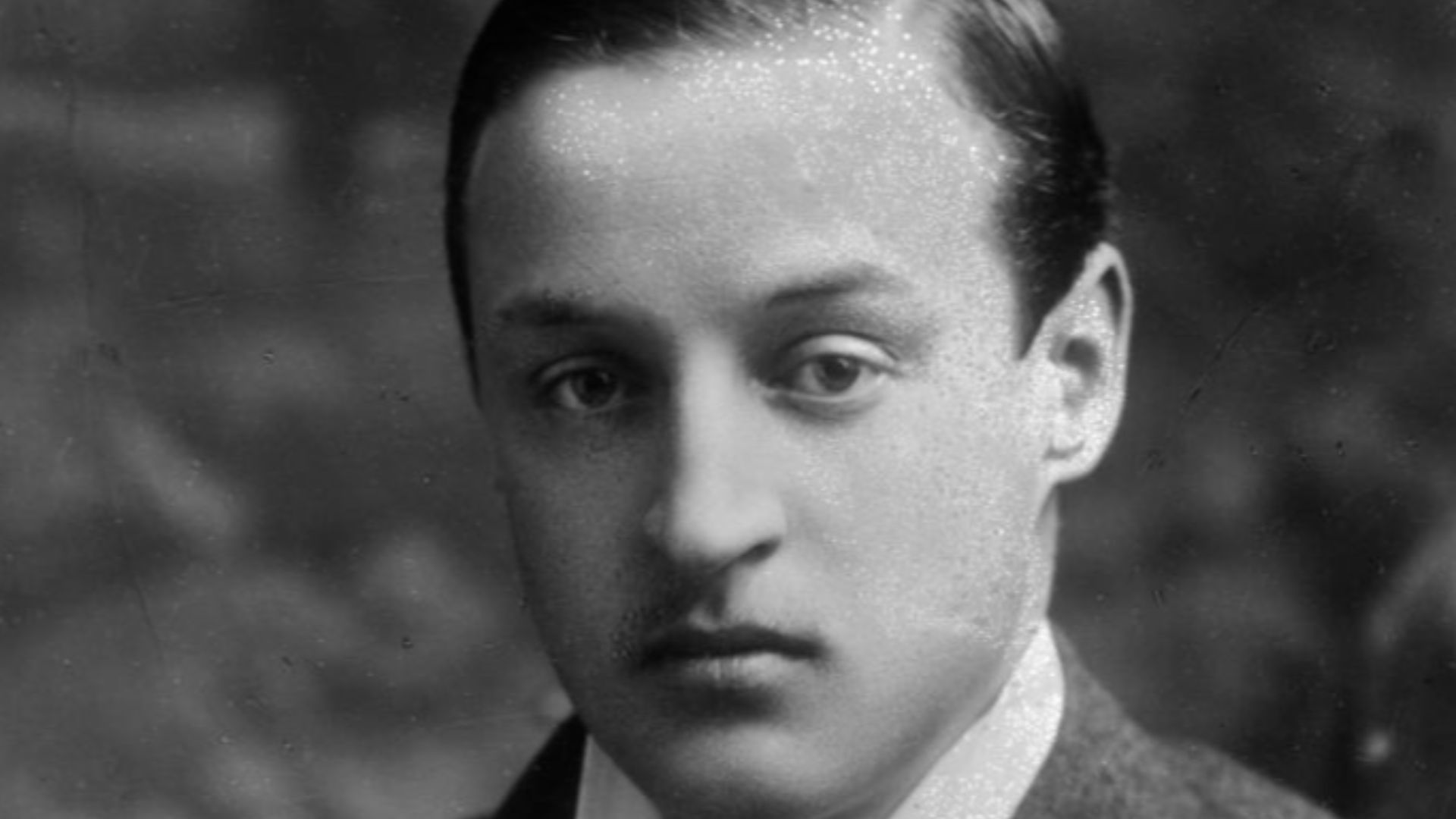 William van der Weyde, Wikimedia Commons
27. His Marriage Was In Shambles
Throughout the next years, both Charles and Consuelo were unfaithful to each other. Conseulo took up with an old flame, Winthrop Rutherfurd—a man who was often rumored to be the real father of her second son—as well as with multiple of the Duke’s cousins. Charles, for his part, fell into a torrid affair with Consuelo’s beautiful friend Gladys Deacon, another American socialite.
It all led to a shocking and as-yet new development for the Spencer family.
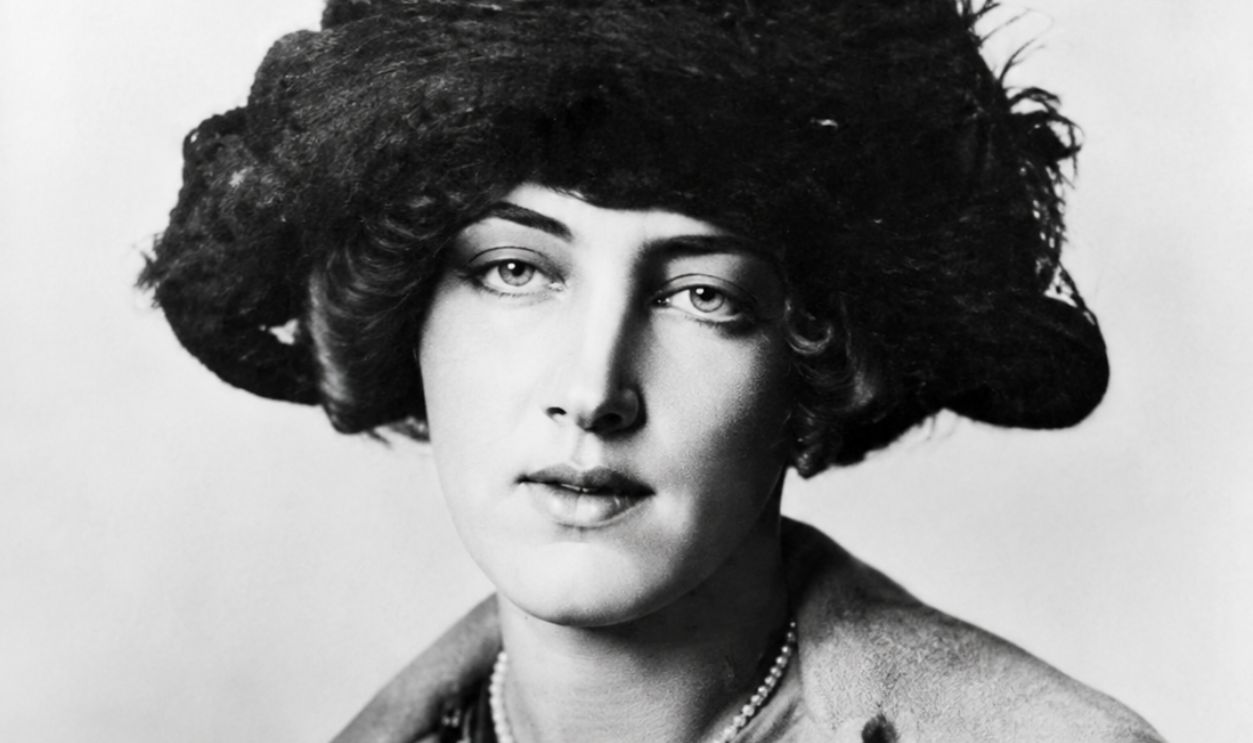 englischer Photographer, Wikimedia Commons, Enhanced
28. He Shocked Society
In 1906, the Duke and his Duchess announced their separation and, after years of legal battles, officially divorced in 1921. This stunned society; divorce was simply not an acceptable thing in the Duke of Marlborough’s circles, though it would hardly be the last headline-making split in the Spencer family history. It was hardly the 9th Duke of Marlborough’s last scandal, either.
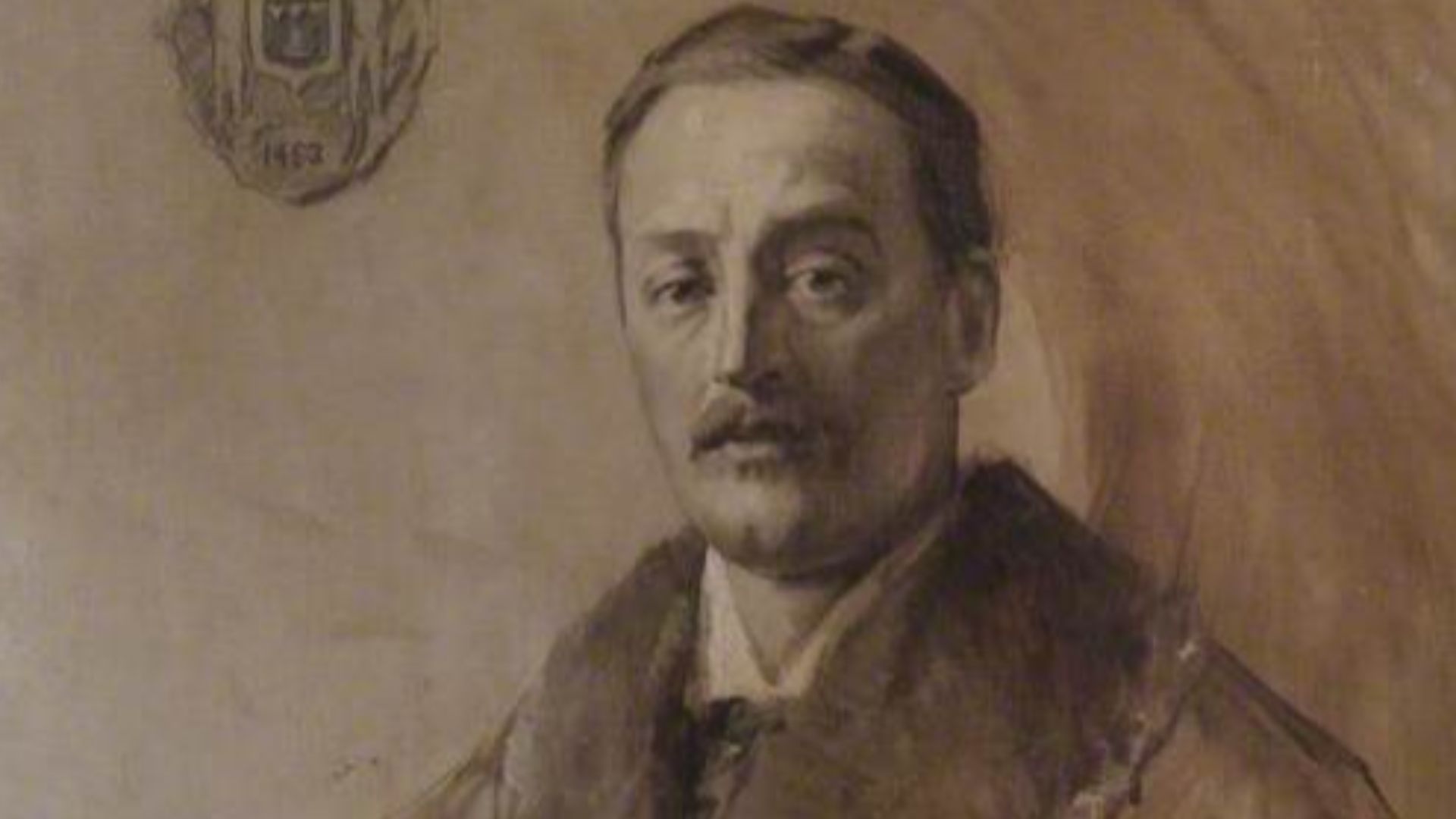 Philip Tennyson Cole (1862–1939), Wikimedia Commons
29. He Married His Mistress
As it happened, Charles’s illicit relationship with socialite Gladys Deacon proved good enough for the long haul, and they lived together in Blenheim all throughout his separation and lengthy divorce. When that divorce finally went through, Charles quickly made Gladys his second wife, likely hoping that this time, this marriage would be more successful than his last. It wasn’t.
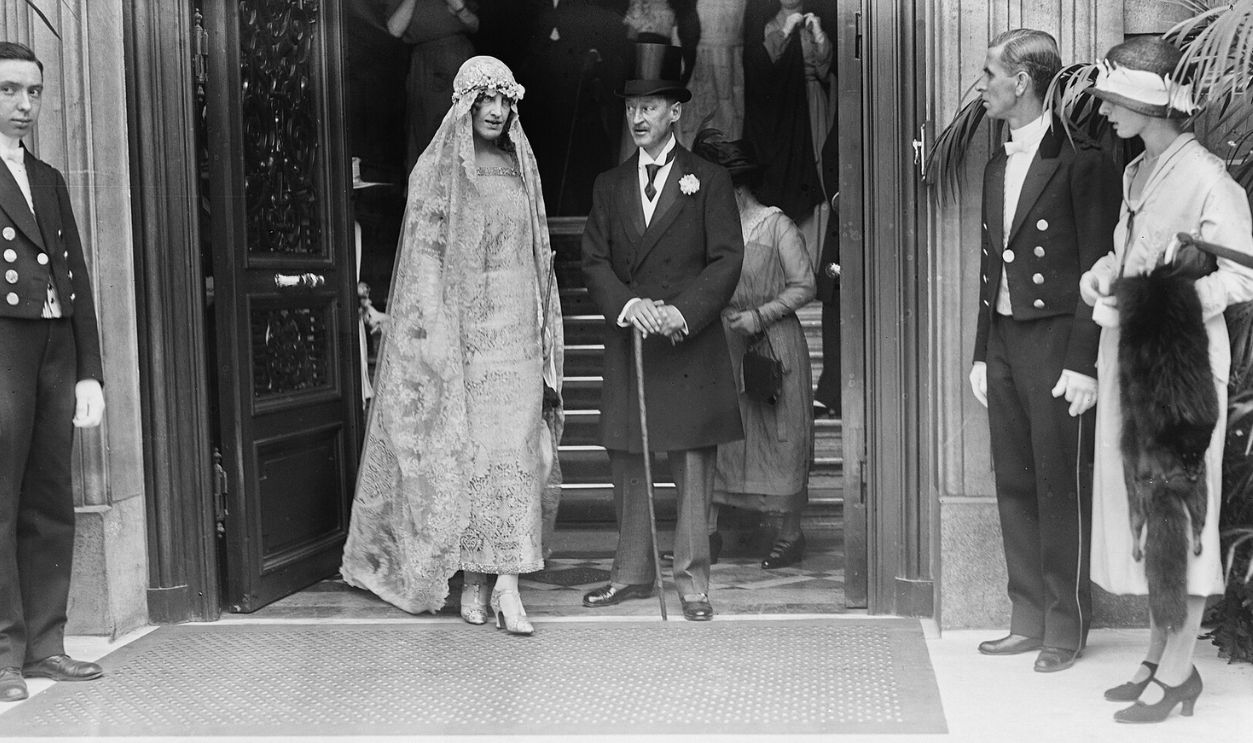
30. His Second Marriage Was Just As Doomed
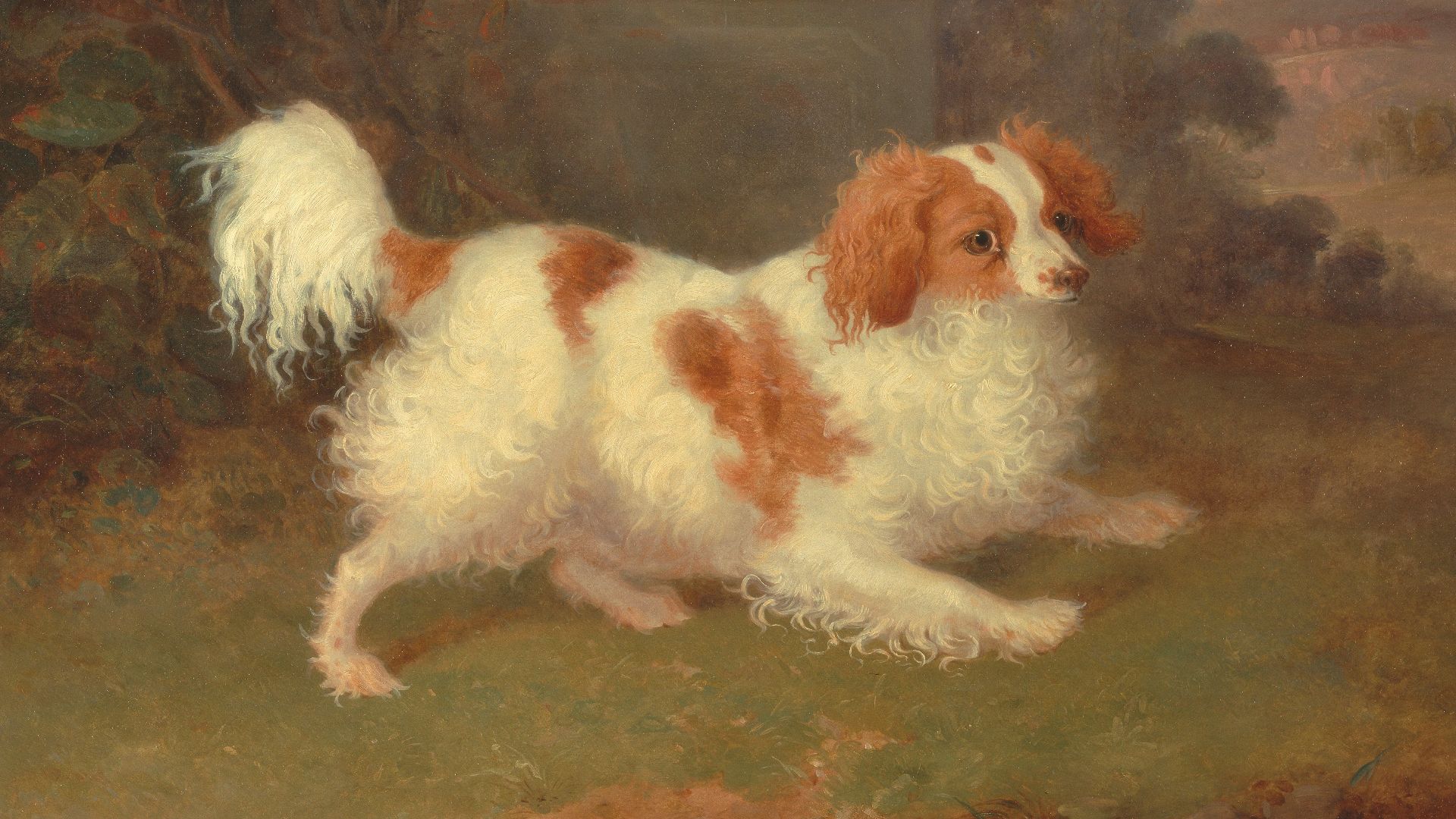
Although Charles and Gladys had many good years, their married ones didn’t count for many of them. Gladys could be somewhat erratic, even eccentric, and once insisted that images of her beautiful blue-green eyes be painted on the Blenheim’s ceiling. She later became deeply obsessed with breeding Blenheim spaniels, an endeavor her husband hated.
Soon, they were as broken as Charles and Consuelo had ever been, with Gladys even reportedly keeping a revolver by her bedside to keep her husband out. Eventually, the Duke had her evicted from Blenheim—but he didn’t live long enough to enjoy his freedom.
 William Webb (1775 - 1845) – Artist (British) Details on Google Art Project, Wikimedia Commons
31. He Met A Sudden End
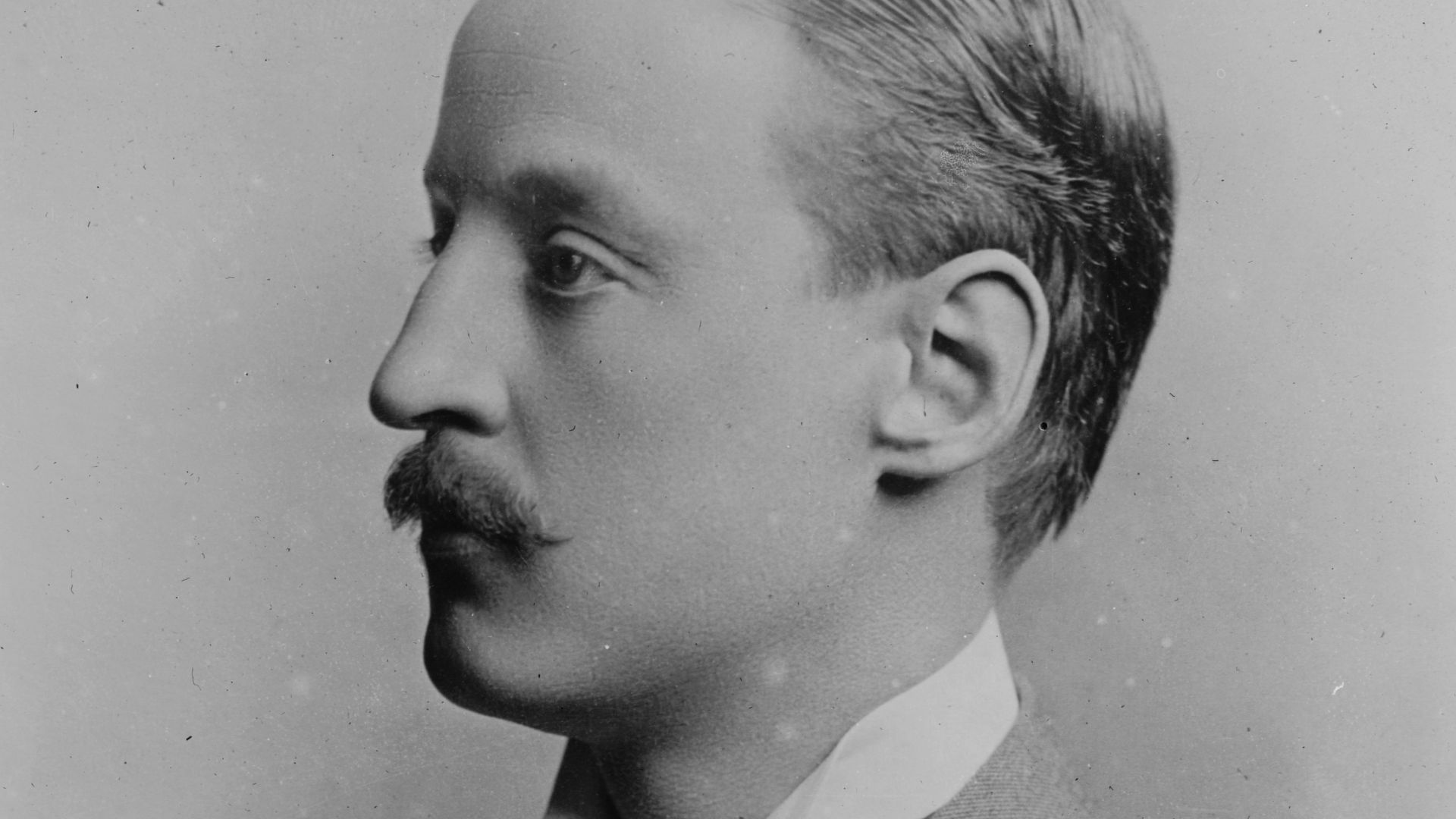
The Spencers, as we’ve seen already, were often not long-lived, and the same was true of the 9th Duke of Marlborough. On June 30, 1934, Charles was still technically married to Gladys Deacon when he died from a cancer he had only been made aware of a month before.
His cousin, fellow Spencer family member Winston Churchill, wrote his obituary in the times—but Winston would have his own Spencer battles to fight, quite literally.
 Bain News Service, publisher, Wikimedia Commons
32. The Spencer Bulldog
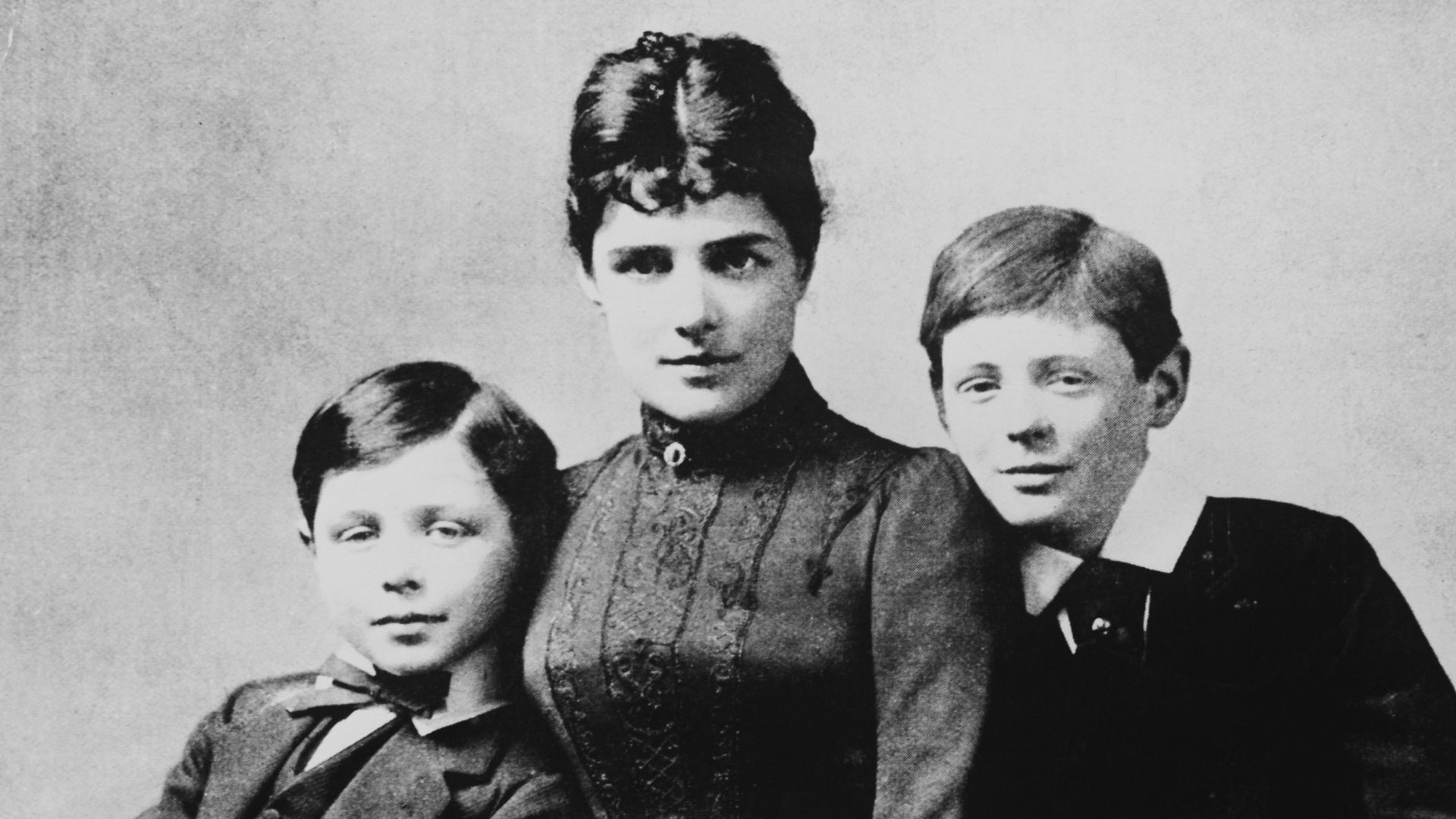
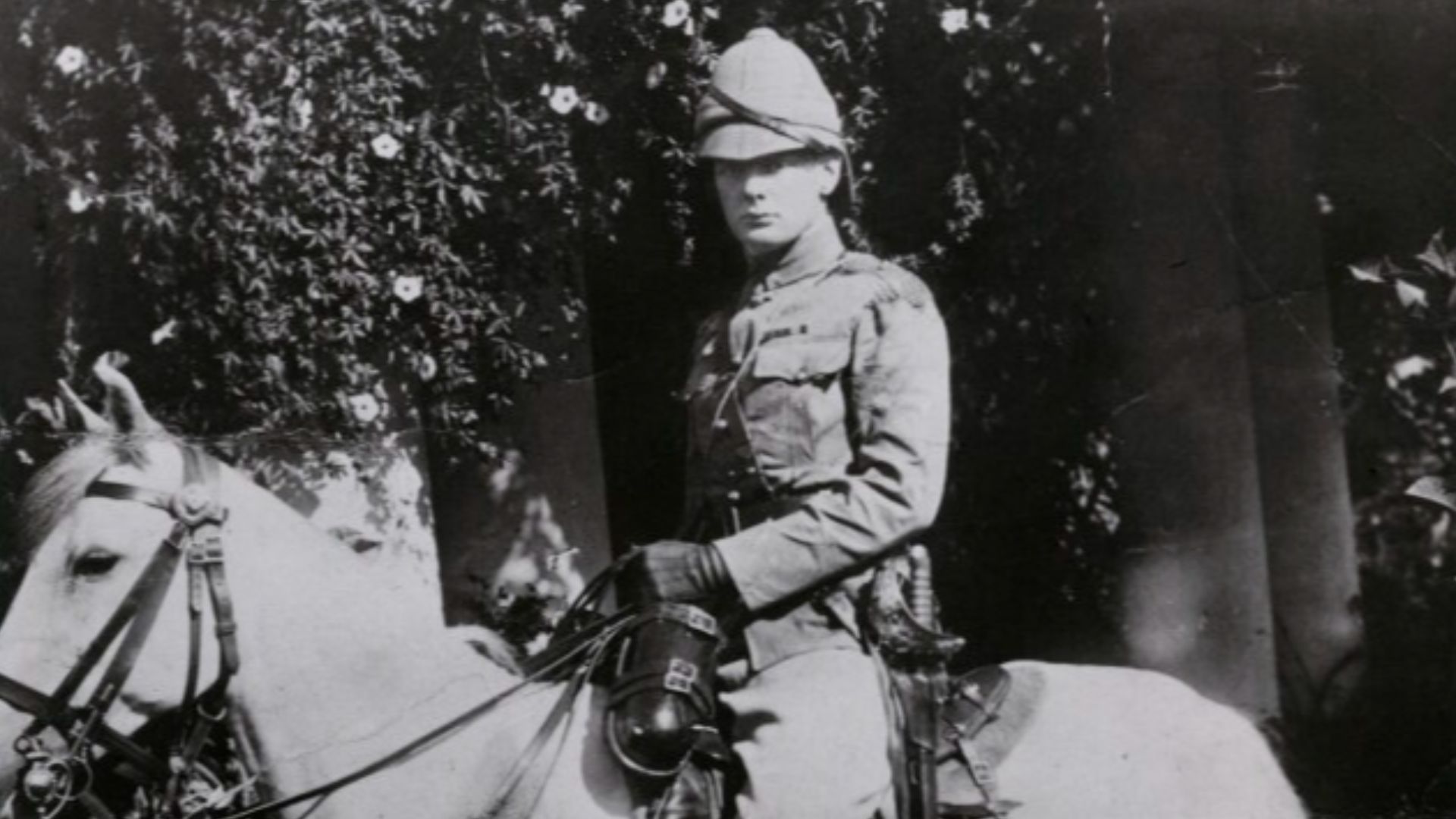
Although taking only the last name Churchill, Winston was certainly a Spencer to the core, not the least because of his dysfunctional upbringing. His father Randolph was a politician while his mother Jennie was, like Consuelo Vanderbilt, a celebrated American socialite.
Nonetheless, their high profile marriage was a bust in every other way but public interest; the pair were chilly at best toward each other and were rarely in the same room together, let alone with Winston. But this never seemed to slow Winston down.
 Unknown authorUnknown author, Wikimedia Commons
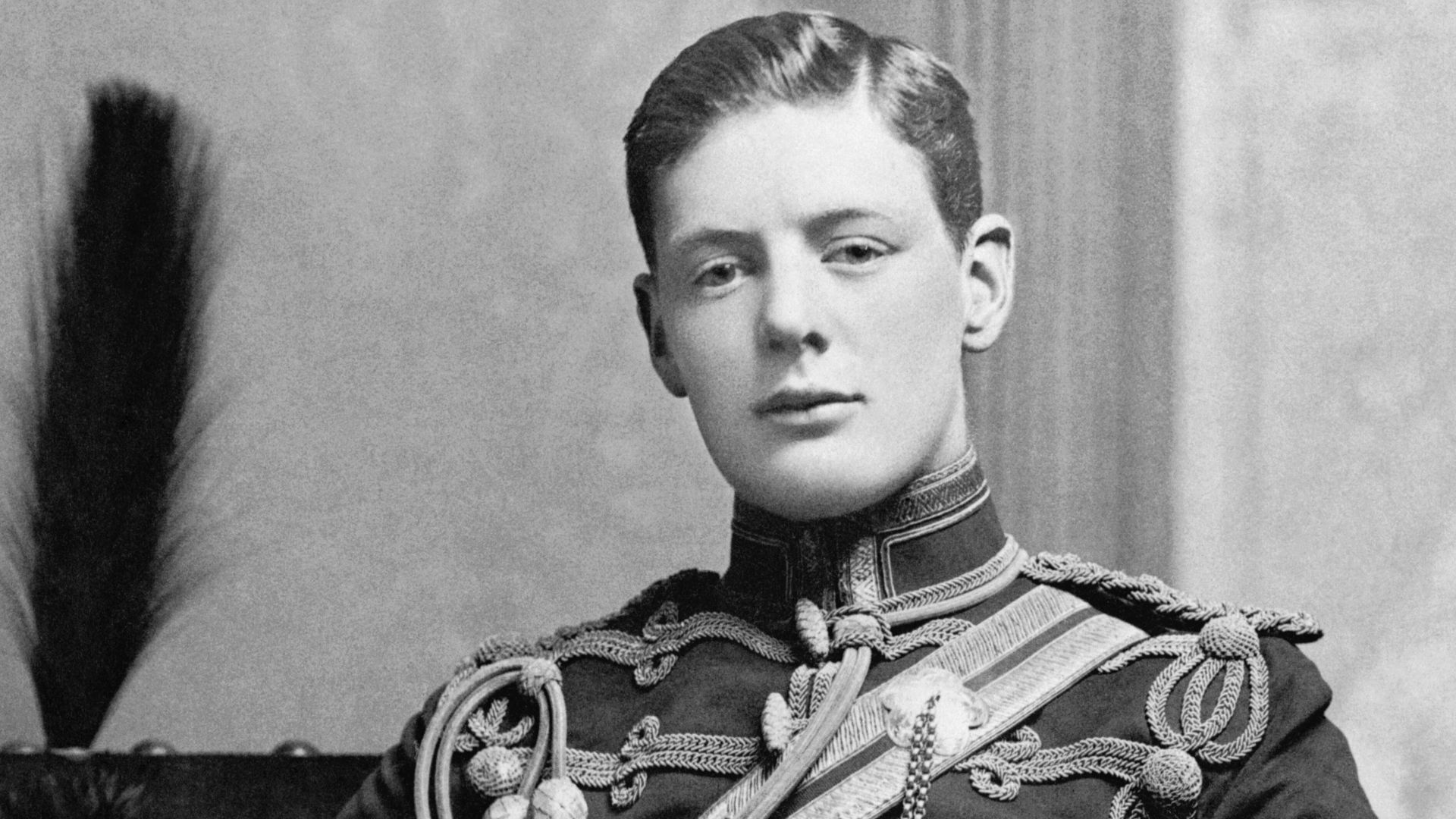
33. He Was Captured
Churchill entered the army as a young man, purposefully putting himself on the front lines and writing about his experiences. In 1899, he was in South Africa at the onset of the Second Boer War when he was suddenly captured by the Boers and made a POW. They transferred England’s prodigal son to a camp, where he might have spent a miserable stretch. But that simply wasn’t Winston.
 Unknown authorUnknown author, Wikimedia Commons
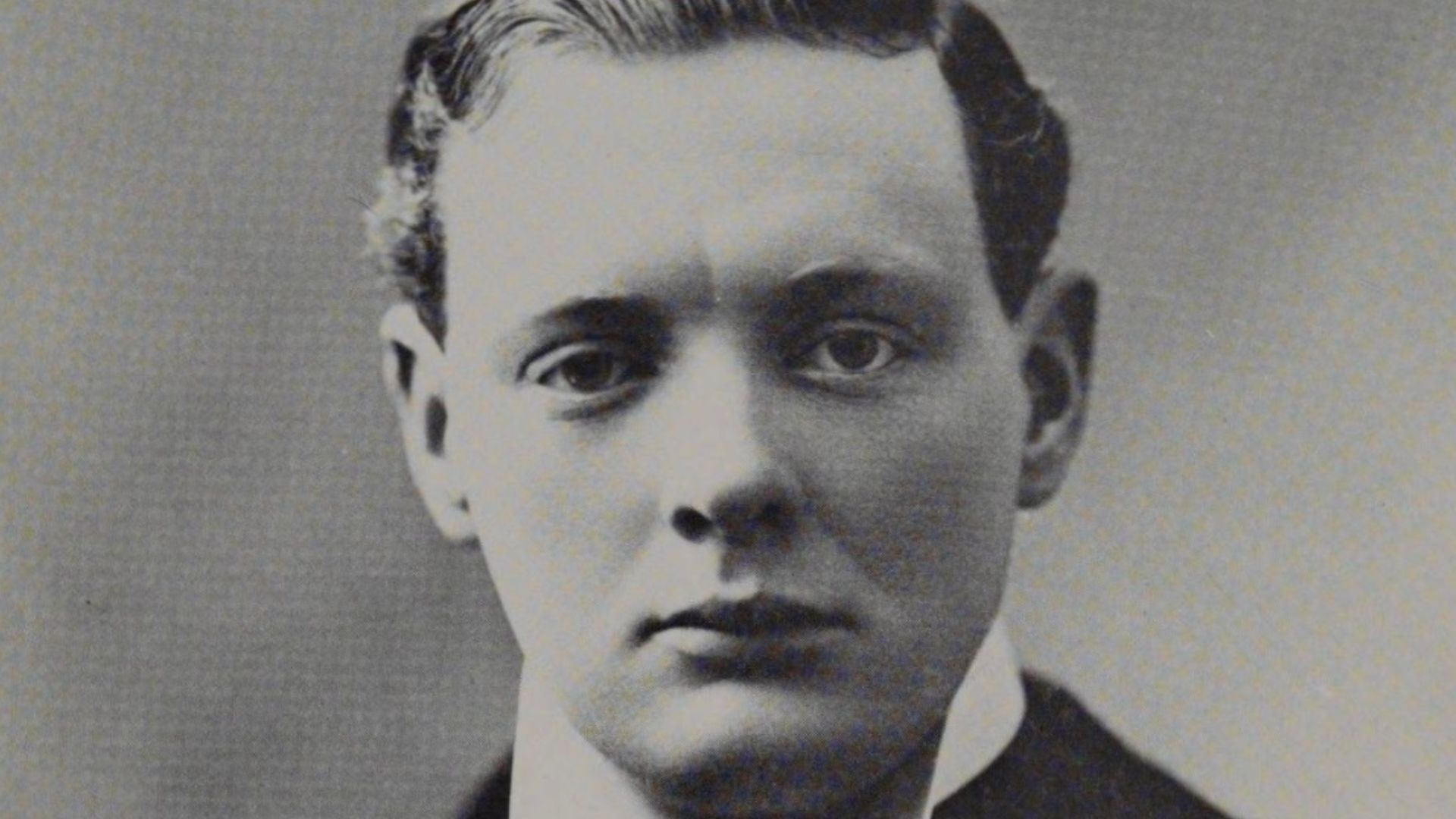
34. He Escaped From Prison
Although Churchill ended up in the camp for some grueling months, he wasn’t about to wait around for someone to come and save him. Instead, taking matters into his own hands, he climbed over a wall and escaped in the middle of the night. He spent the next days creeping toward safety, stowing himself in freight trains and mines to hide from the Boers.
Eventually, and with much publicity, he made it to the Portuguese-held East Africa. It was the beginning of his legend.
 Winston S. Churchill, Wikimedia Commons
35. He Was A Prodigy
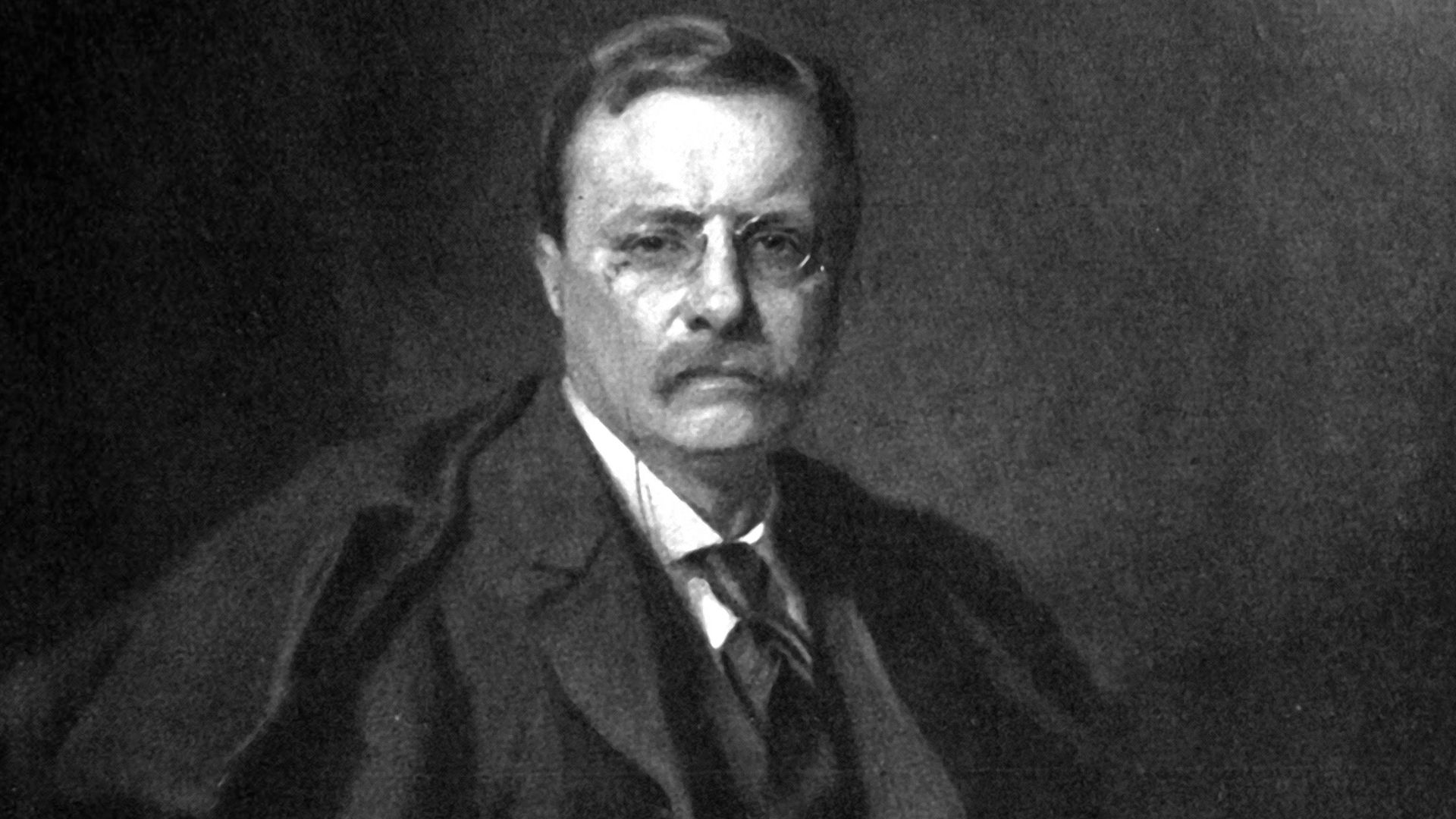
Partly off the goodwill his daring escape stirred up, Churchill won a seat in Parliament at the age of just 25. His new celebrity soon extended far beyond politics, and when he travelled to America, he met Mark Twain and Theodore Roosevelt, at the time Vice President.
That said, Roosevelt and Churchill despised each other almost on sight, largely because they were too alike, and Roosevelt would go on to claim that Churchill had a “lack of sobriety, lack of permanent principle, and inordinate thirst for that cheap form of admiration”. He wasn’t necessarily wrong.
 Philip de László, Wikimedia Commons
36. He Back-Stabbed His Party
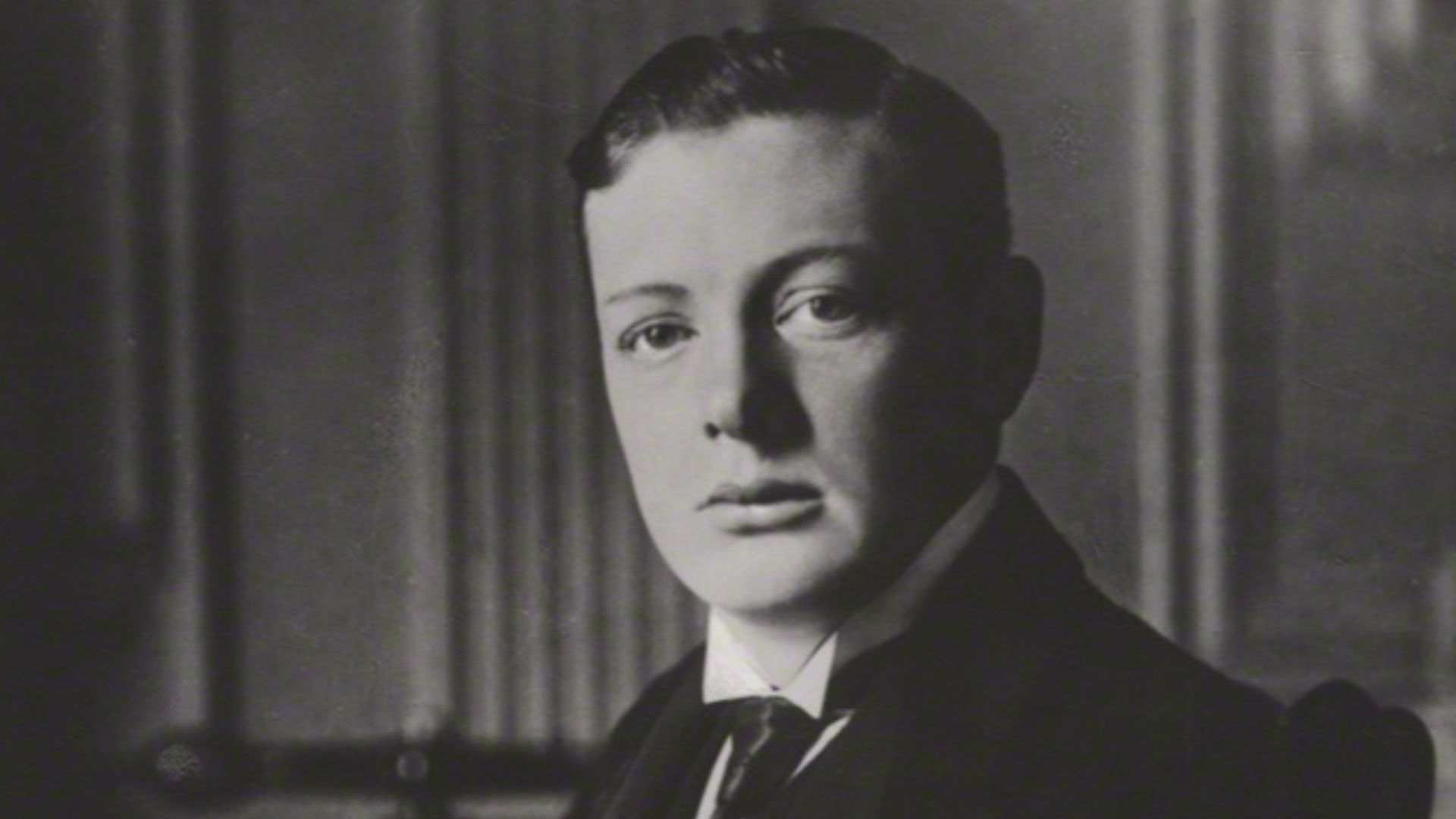
Over the years, Churchill’s more liberal tendencies alienated him from his conservative party to such an extent that it seemed he would never get a Cabinet seat. For the ambitious Churchill, this couldn’t be borne, and in May 1904, he infamously “crossed the floor” to the Liberals, who were also not-so-coincidentally rising in the polls.
Nonetheless, it was definitely the right choice. The Liberals won the 1906 election in a landslide, and in 1908 Prime Minister Herbert Asquith gave the 33-year-old Churchill his long-sought Cabinet appointment. Yet all the while, something dark was stirring in Winston.
 Unknown authorUnknown author, Wikimedia Commons
37. He Was His Own Worst Enemy
Churchill experienced periods of deep depression, what he called “the black dog,” from a young age. He would even avoid standing on the edge of platforms because “A second’s action would end everything”. When gripped with the black dog, he would spend most of his time in bed, avoiding food and drink for months until, finally, he could see “all the colors come back into the picture”.
Soon, though, Churchill had more to worry about than himself.
 Unknown photographer, Wikimedia Commons
38. The Love Of His Life Was Just As Scandalous
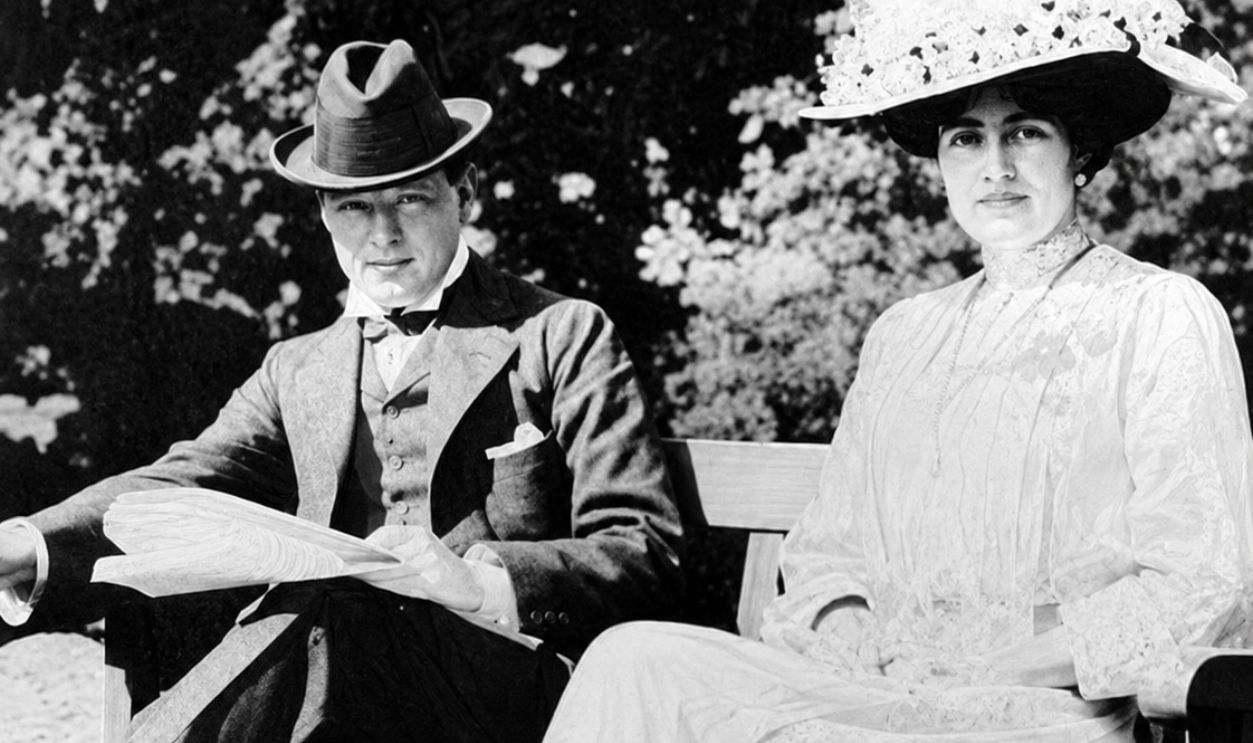
In 1908, Winston sat beside a distant acquaintance of his, Clementine Hozier, at a dinner party, and was soon in love with the beautiful aristocratic woman. After all, they had a lot in common. Like Winston, Clementine had also suffered from a fraught upbringing. Her parents were firmly estranged and constantly unfaithful, and she was even the rumored love child of another man.
Five months later, Churchill knew he had to have her, and proposed. But this was hardly the beginning of a fairy tale.
39. He Never Got Over His Daughter’s Death
Though Churchill’s work often took him away from his family, he and Clementine went on to have five children, including their second youngest Marigold. But in 1921, when Churchill had climbed the ranks after WWI to Secretary of State for the Colonies, Marigold was ripped away from them by a bout of sepsis—the tragic loss of a child now being a hallmark of the Spencer family.
Churchill and Clementine were inconsolable, and his daughter’s passing reportedly haunted Churchill for the rest of his life. Yet this wasn’t rock bottom.
 Unknown authorUnknown author, Wikimedia Commons
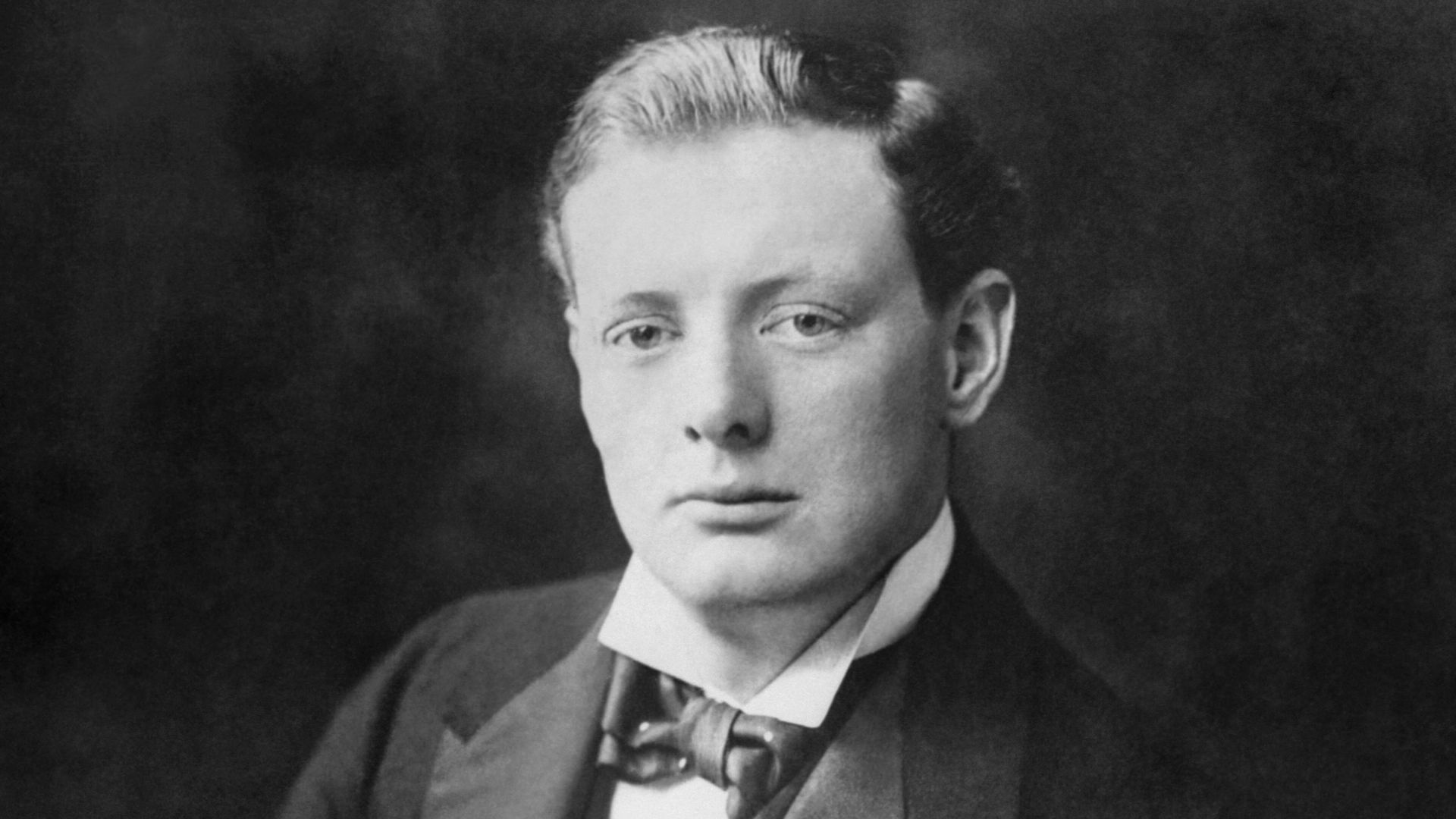
40. He Had A Fall From Grace
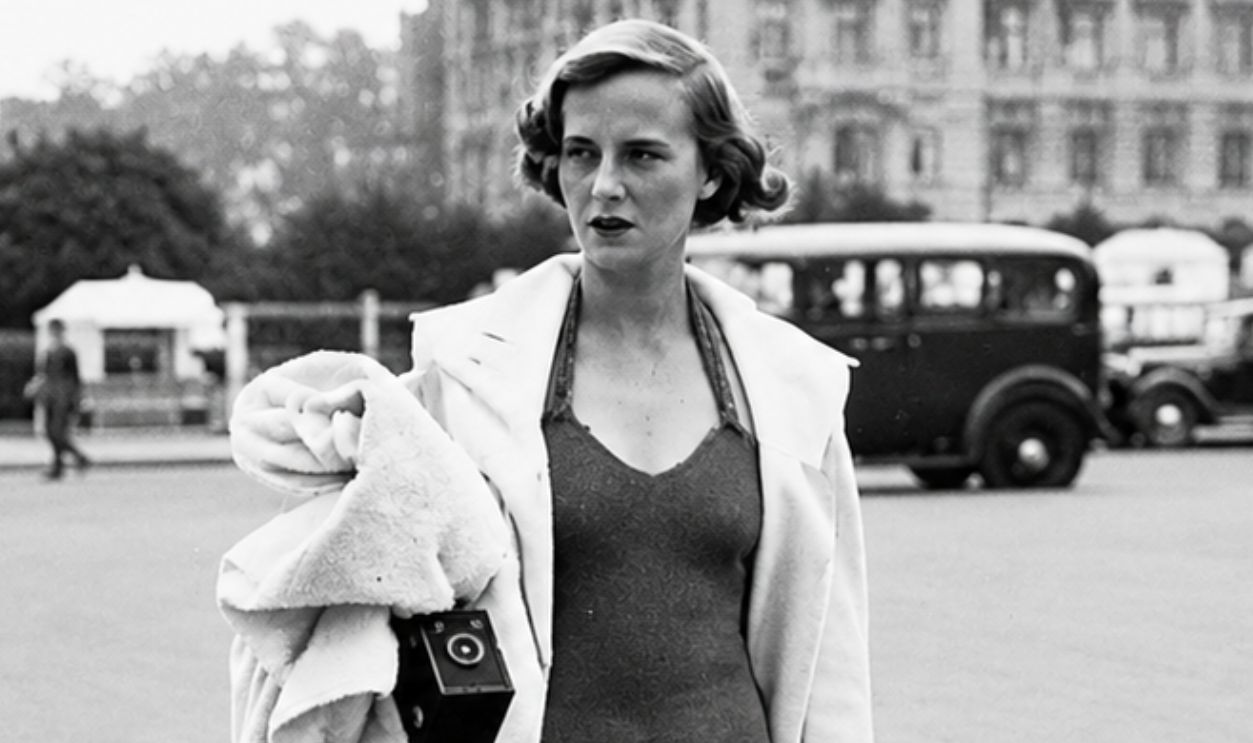
The late 1920s and early 1930s were an enormously fallow period for Churchill. Not only was he out of favor with his party, the 30s marked the most fraught point of his marriage with Clementine. Around this time, some reported he had an affair with socialite Doris Castlerosse, while Clementine also may have gone on a yacht trip with her rumored lover Lord Moyne.
Then came the kick while he was down. In 1931, the 57-year-old was crossing a street in New York City when a car ran into him, giving him a head wound and nearly unbearable nerve pain. This series of events triggered his worst enemy.
 https://themitfordsociety.wordpress.com/, Wikimedia Commons, Enhanced
41. His Health Plummeted
Churchill’s accident and career woes sent him back into the clutches of his “black dog,” and he coped with the depression by drinking more. His health suffered for it, and after a trip to Germany he caught paratyphoid fever and had to spend two weeks recovering in a sanatorium, only to then develop a hemorrhaging ulcer.
But one of history’s most violent events was about to drag him back into the light.
 Not mentioned in the source (but possibly W. B. Edwards), Wikimedia Commons
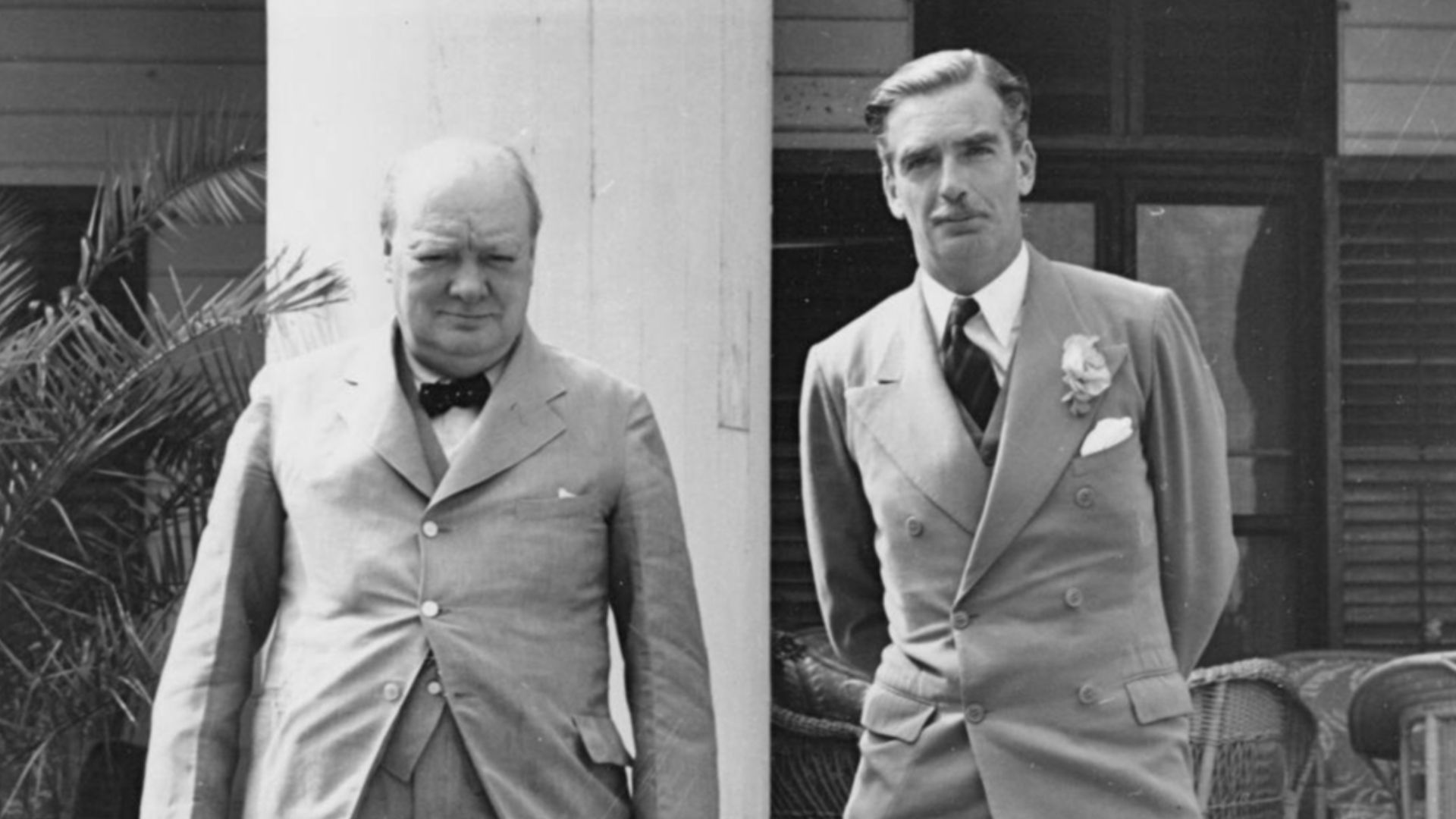
42. He Predicted WWII
As the Third Reich rose in Germany, Churchill was one of the only people to understand the danger early on, urging Britain to up its military and air force spending. So when Prime Minister Neville Chamberlain appeased the Reich’s desire for expansion in the 1938 Munich Pact, Churchill decried the move, to boos, in the House of Commons, calling it “a total and unmitigated defeat” and sneering that, “You were given the choice between war and dishonor; you chose dishonor and will have war”.
When it finally became clear to England that Germany was coming for them, all of Churchill’s warnings were vindicated. It was just almost too late.
 Unknown, dedicated to the Bettmann Archive, Wikimedia Commons
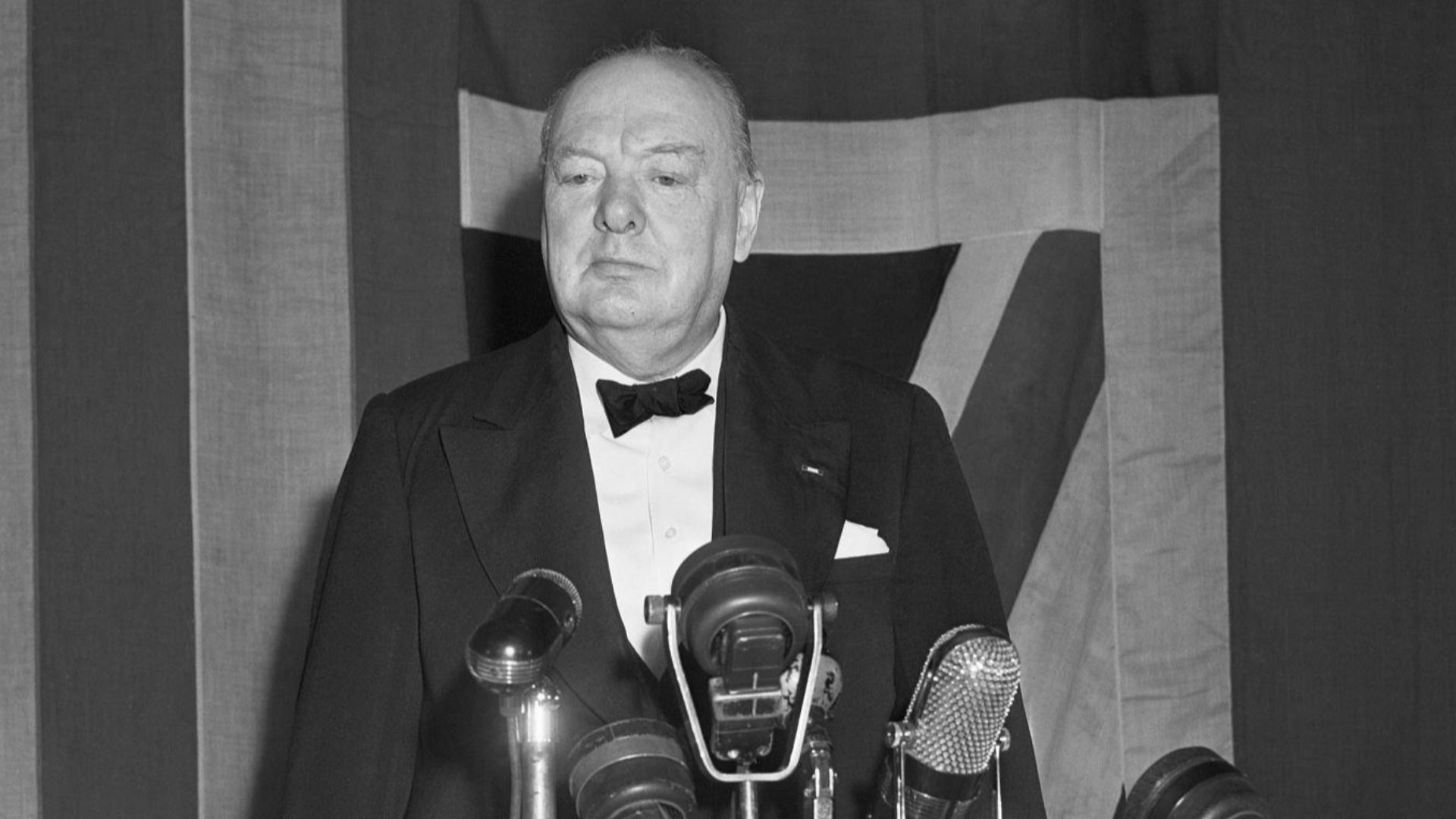
43. He Met His Destiny
With the Third Reich at their doorstep, Britain quickly made Churchill Prime Minister. Churchill was more than ready: he believed his whole life was “a preparation for this hour and this trial,” and his speeches from this time began igniting the government and the nation, drawing them ever more to his side. In his first speech as Prime Minister, he boomed, “I have nothing to offer but blood, toil, tears and sweat,” and went on to deliver phrases like “we shall fight on the beaches” and “never in the field of human conflict was so much owed by so many to so few”.
But his undying commitment would take a toll.
 Walter Stoneman, Wikimedia Commons
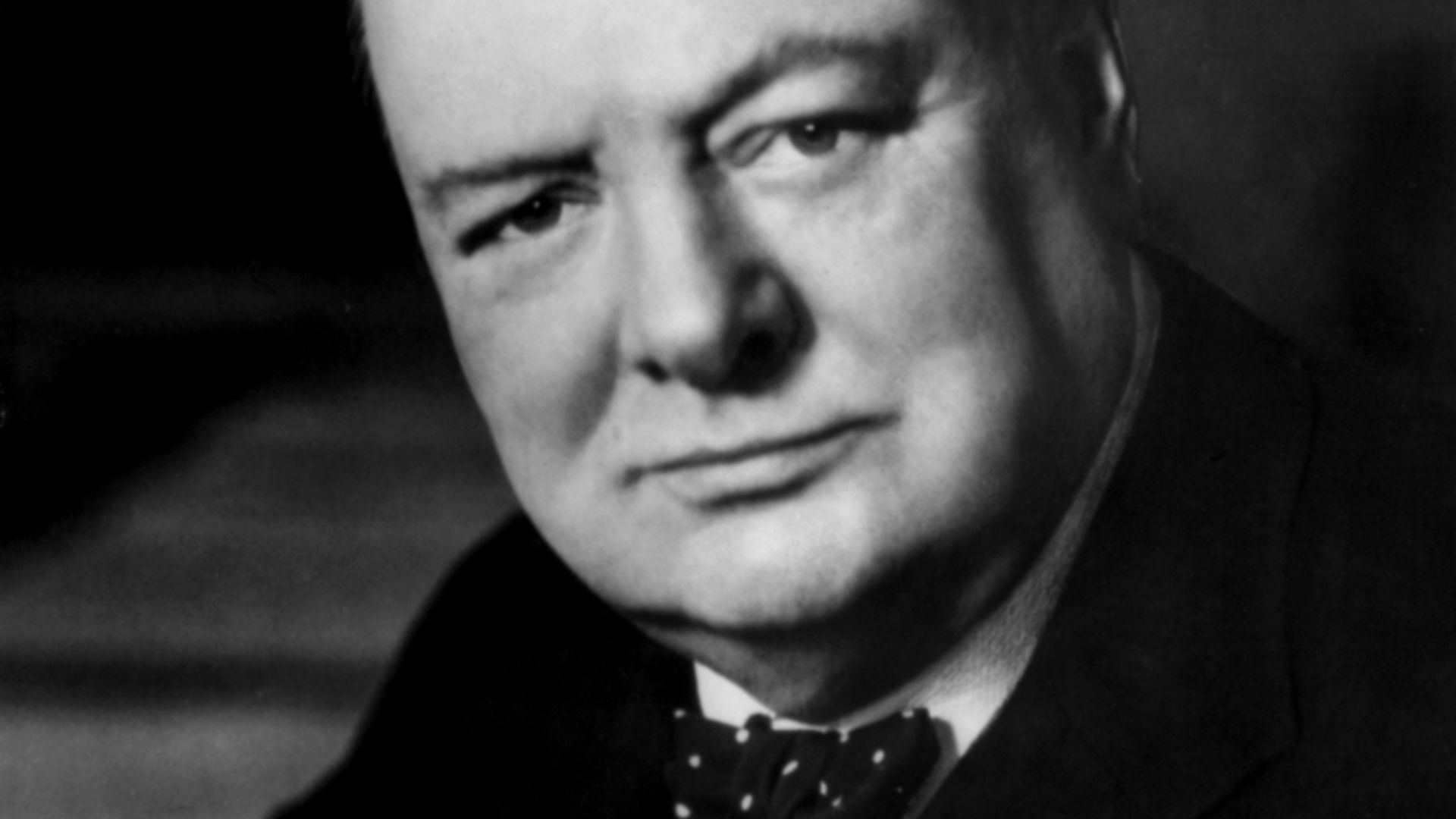
44. He Suffered From Addiction
If there was one thing Churchill couldn’t abide by during this time, it was a return of the black dog. To keep his depression at bay and stay active during these years, Churchill often relied on amphetamines during the day and barbiturates at night to put him to sleep.
There is even some evidence that Churchill was not merely depressed, but rather suffered from bi-polar disorder. He would often stay up late into the night, and was constantly talking; as Franklin Roosevelt put it, “He has a thousand ideas a day, four of which are good”. Yet Churchill had no time to focus on his personal struggles.
 United Nations Information Office, New York, Wikimedia Commons
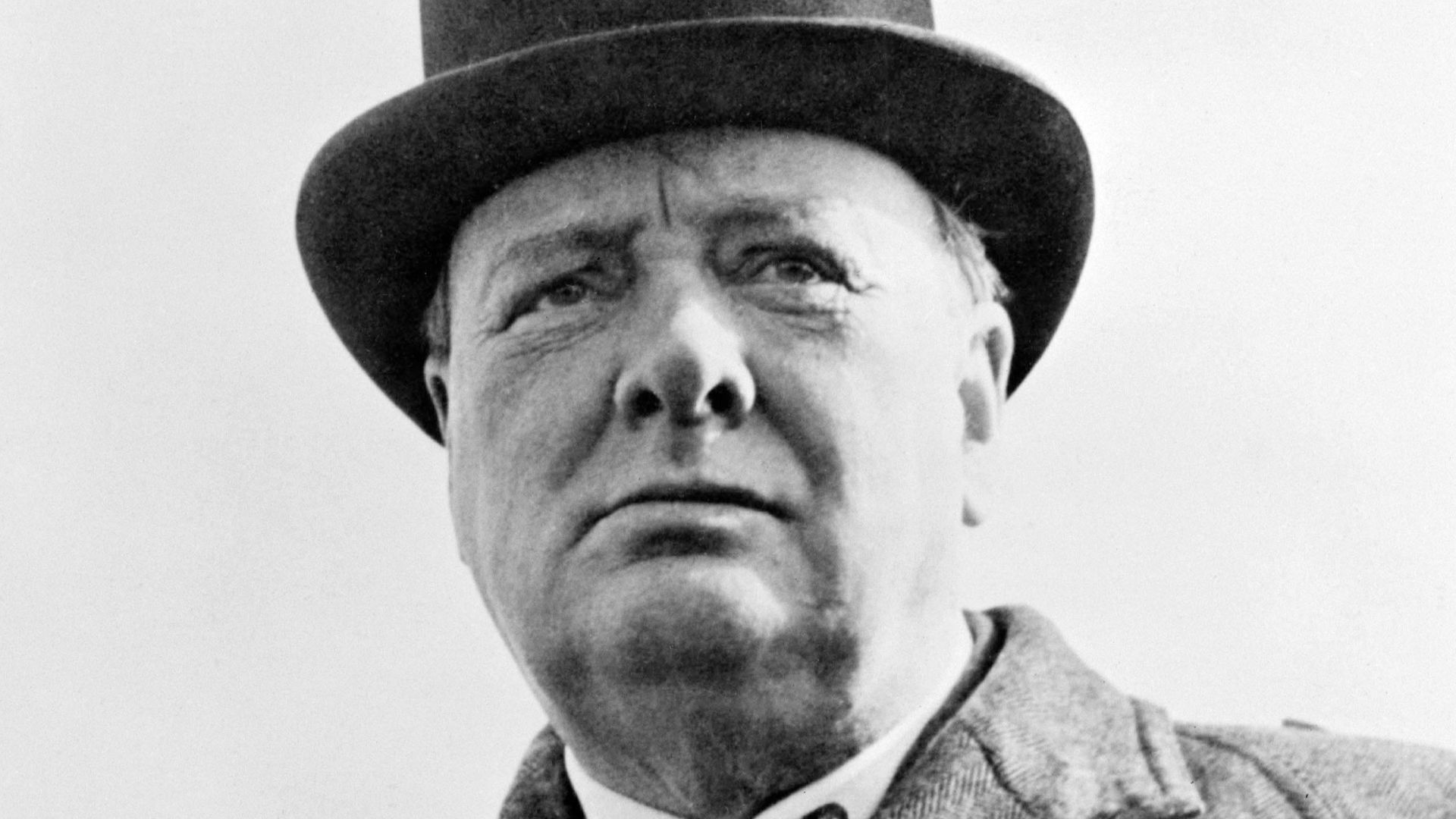
45. Victory Nearly Killed Him
Over the next years, Churchill navigated terrifying waters, enduring the Blitz on his homeland and the American reluctance to enter the conflict. He pushed until there was nothing more to give: In 1942, he suffered a heart attack, and 1943—ignoring all his doctor’s warnings—he was nearly felled by a bout of pneumonia that forced him into bed for a month.
Nonetheless, the results were undeniable, and Churchill was heavily responsible for pulling Europe back from the brink and triumphing over the Third Reich. But the end of WWII was also the beginning of his decline.
 Yousuf Karsh, Wikimedia Commons
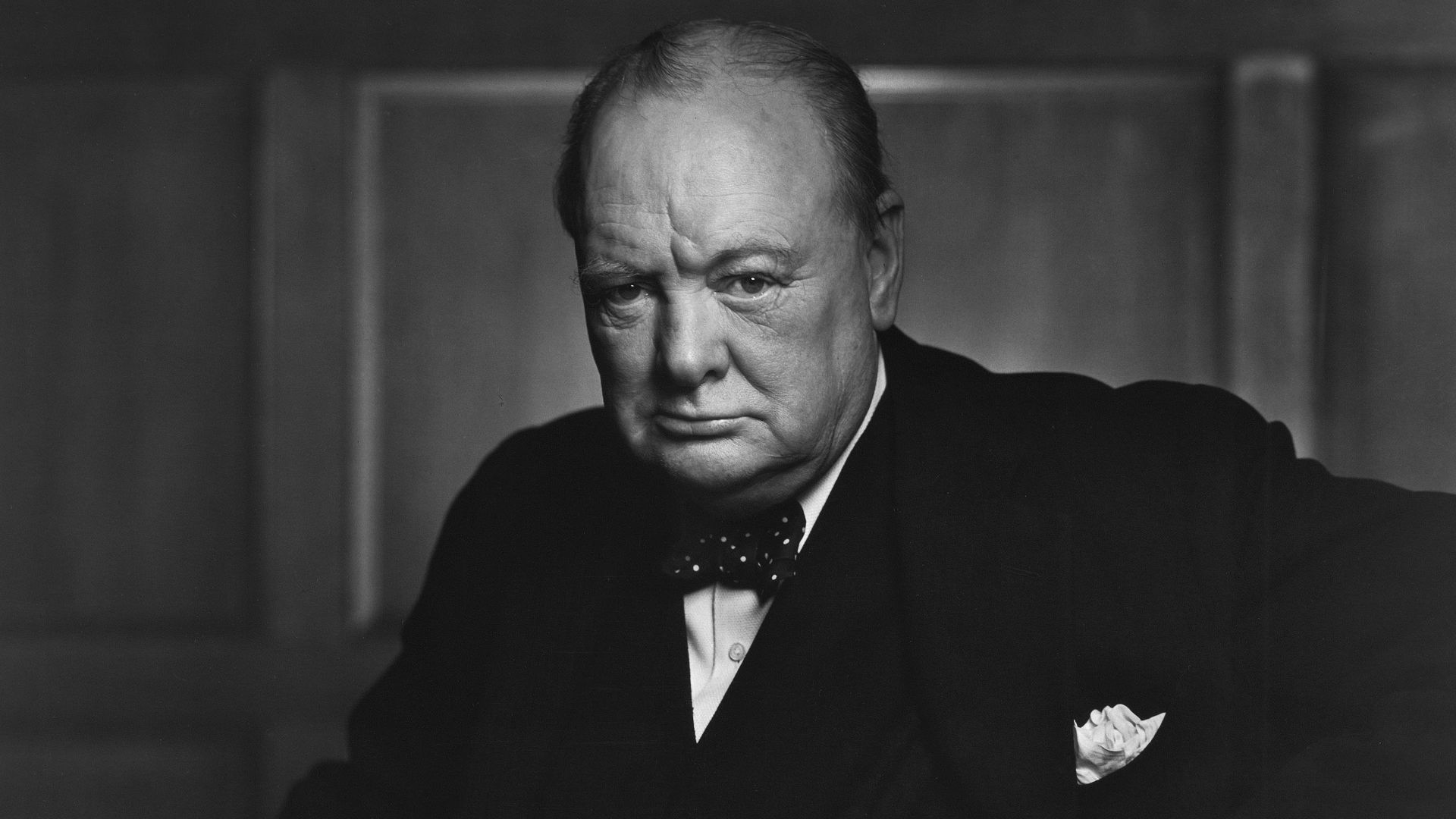
46. His Post-War Career Was Precarious
In 1945, just after WWII, the victorious Churchill sought re-election and failed; the public just couldn’t see him as a peace-time politician. Although he became Prime Minister again in 1951, at the age of 77, by then he had already suffered a number of minor strokes, and in 1953 he experienced a massive one that the government had to hush up while he recuperated.
In the end, though, Churchill couldn’t help but go out with a whimper, not a bang.
 Unknown author., Wikimedia Commons
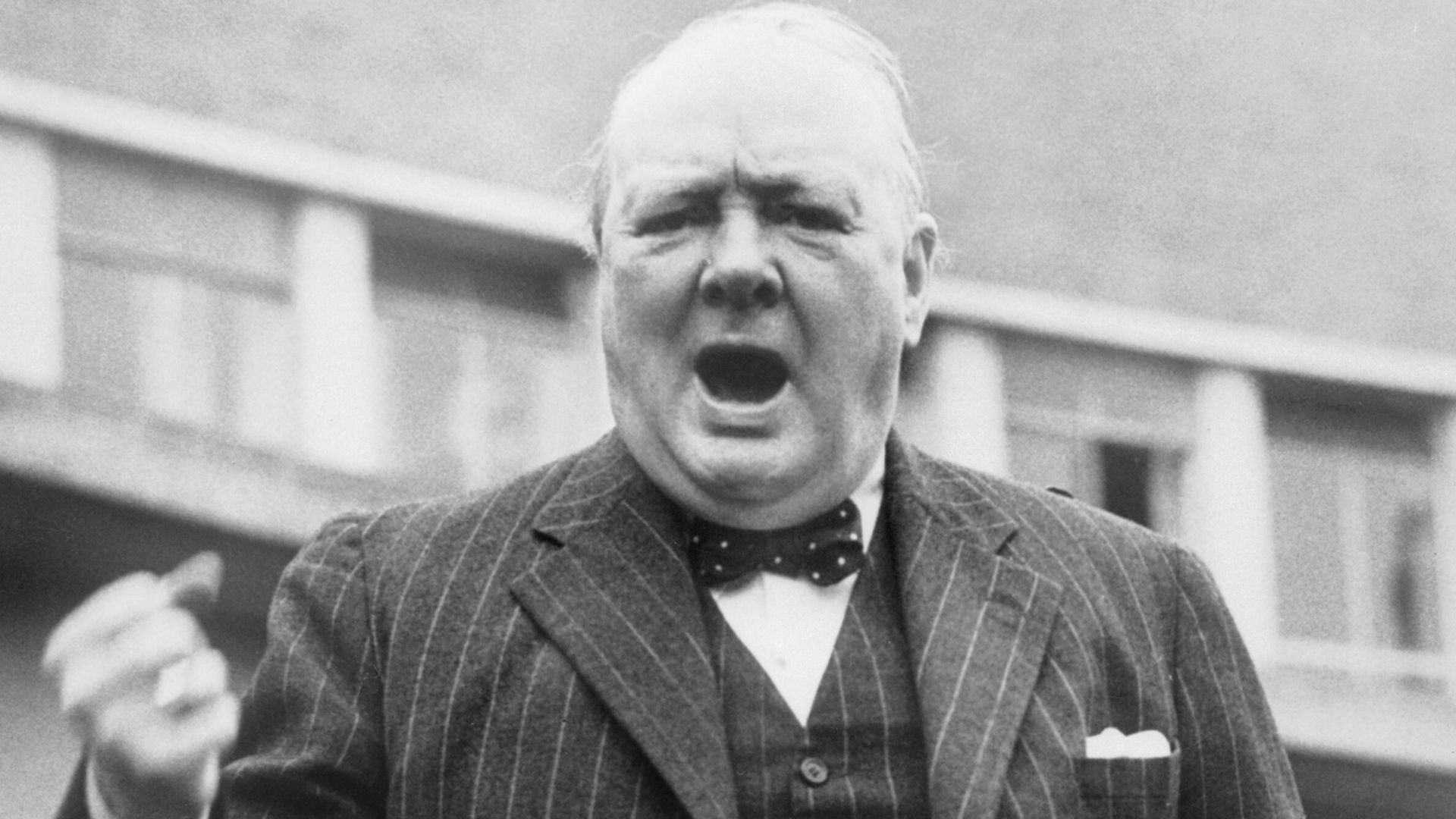
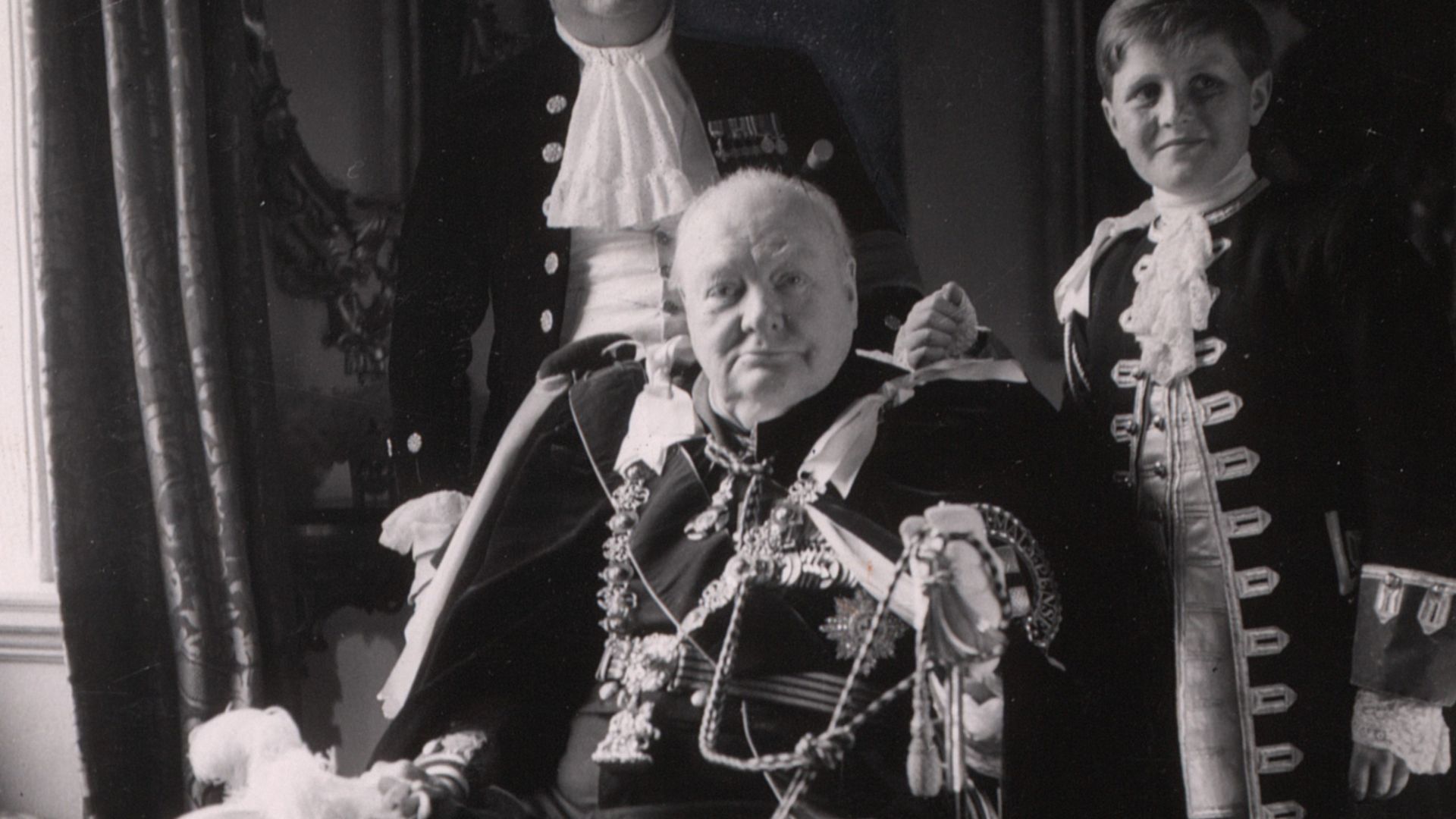
47. He Couldn’t Let It Go
Churchill stayed on for another two years as Prime Minister and then served as an MP for almost another decade after that, completely unable to make himself step down. By the end, a broken hip and a generally ailing body kept him from even attending the House of Commons, but still he didn’t let go. When he finally, fully retired at the end of 1964 at the age of 90, his body finally, fully gave out: in January of 1965, just months later, he suffered a fatal stroke.
But four years before his death, perhaps the most tragic Spencer was born.
 Toni Frissell, Wikimedia Commons
48. The Spencers’ Princess
Once you comb through her family tree, it becomes clear that Princess Diana’s tragedies weren’t just personal, they were deep-rooted, and some of the coincidences between Diana’s struggles and those of her ancestors are enough to give goosebumps.
For one, as always with the Spencers, her misfortune began with the previous generation. Just before Diana was born, her parents had lost her older brother, and when she came into the world it was to a still-mourning family. The dynamic would only sour from there.
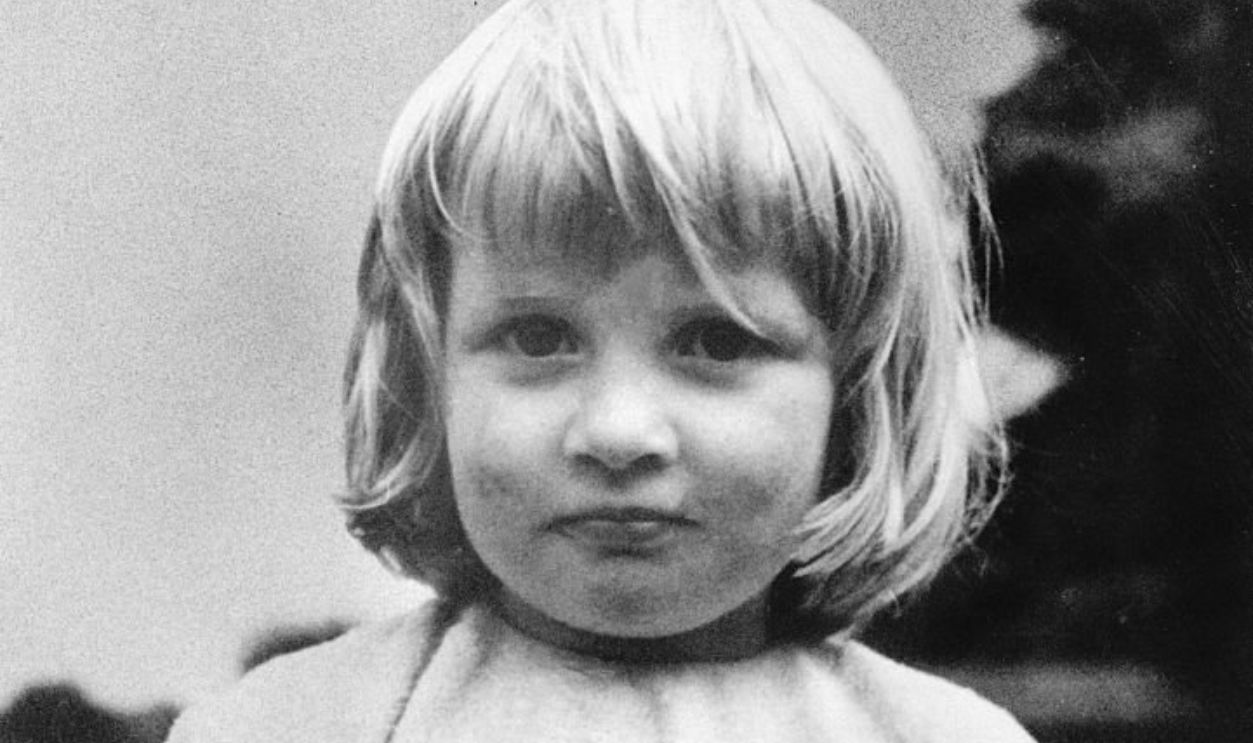
49. Her Parents Had A Bitter Divorce
Even when Diana got a younger brother, Charles, not long after, her parents still couldn’t heal. Her lonely childhood, like so many Spencers, was marked first by their fights, then by their infidelities, and finally by their acrimonious divorce. Her father John even took her mother to court for custody of 7-year-old Diana and her siblings, emerging victorious after Frances’s own mother testified against her.
But this wasn’t the only way Diana followed in her ancestors’ footsteps.
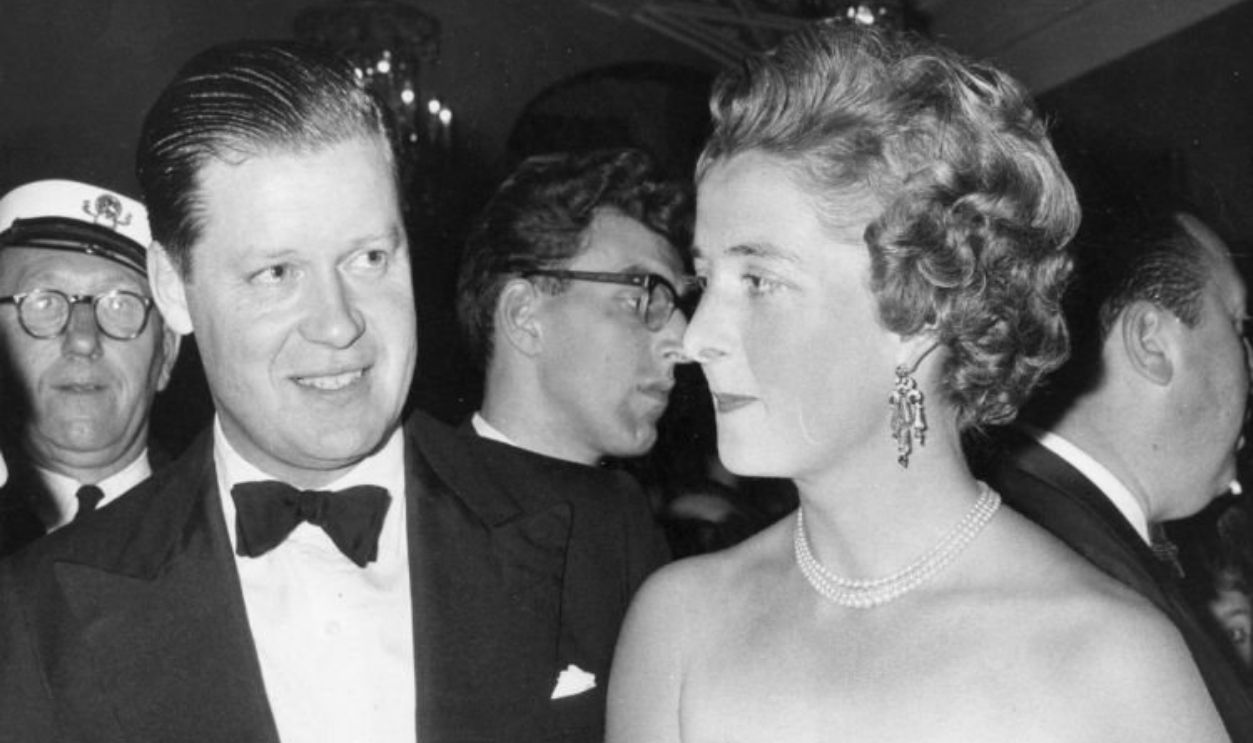 Evening Standard, Getty Images
50. She Thought She Won A Fairy Tale
Like Georgiana Cavendish, Diana entered into a union she wasn’t ready for with a man she thought she loved. When Charles, Prince of Wales began courting her, Diana had stars in her eyes. When he asked her to marry him, she said yes in a fairy tale haze that lasted all the way up to her massive, public wedding in 1981.
But, also like Georgiana, it didn’t take her long to realize she had made the wrong choice.
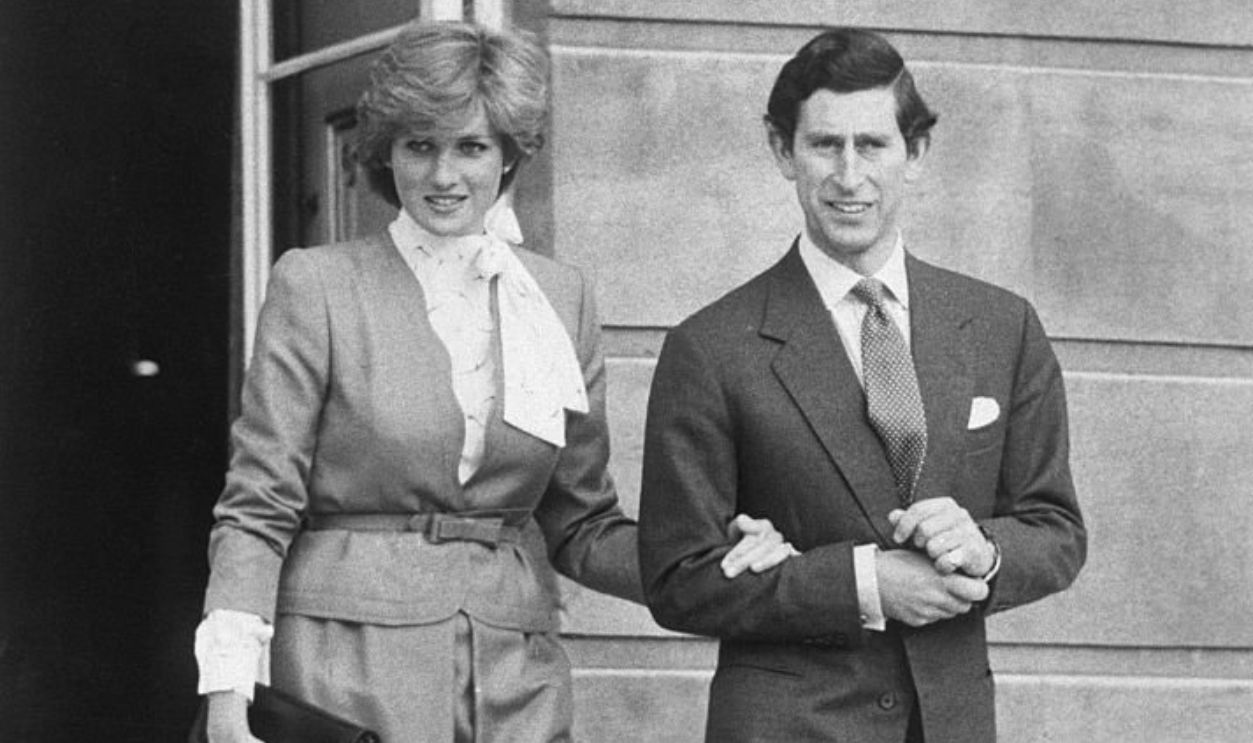
51. Her Husband Didn’t Love Her
Diana soon found out that Charles was in love with another woman, Camilla Parker Bowles, and that he was uninterested at best in his new, much-younger, and naive bride. Over the next months living with Charles, Diana overheard intimate phone calls the illicit pair made, and became so obsessed with Camilla that she reportedly dreamed of her constantly.
Nonetheless, Charles showed some interest, and soon after the wedding Diana was pregnant with their first child. This was when the Spencer curse really hit.
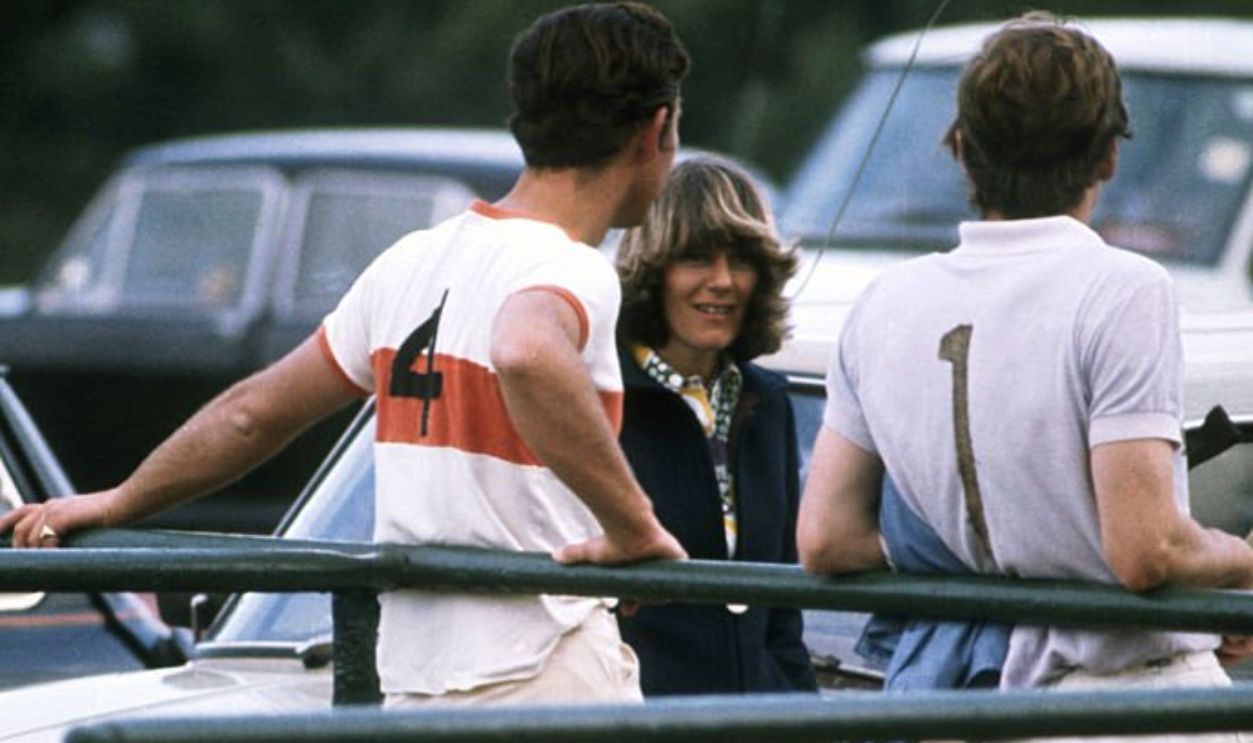
52. She Had A Terrifying “Accident”
In an echo of her namesake Lady Diana Russell’s tragic carriage accident, a few months into her pregnancy Diana suffered a fall down the stairs. However, there was one chilling difference between their spills. Diana later confessed that she had done it on purpose after an argument with Charles. Indeed, Diana’s mental health had been spiraling for some time in the marriage, and her well-known binging and purging especially ramped up during this period.
Diana was crying out for help, but Charles wouldn’t, or couldn’t, listen.
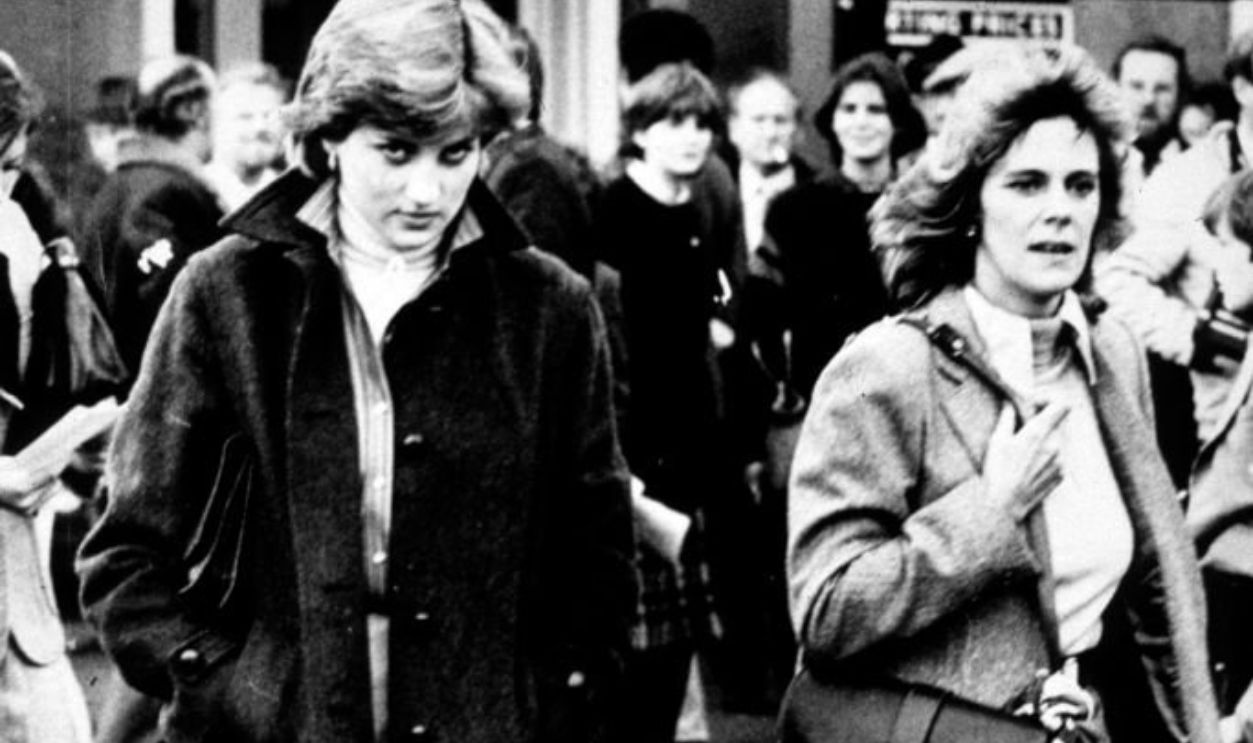 Express Newspapers, Getty Images
53. She Looked Outside Her Marriage
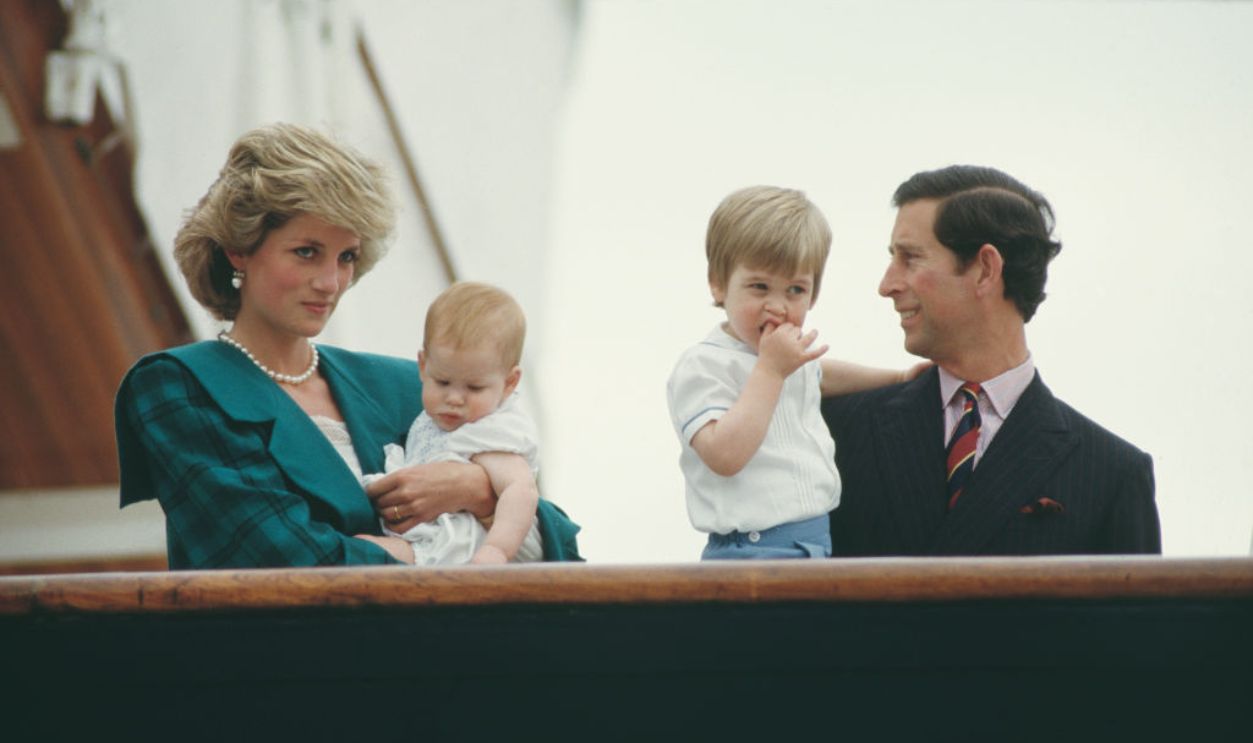
Diana eventually gave birth to two healthy sons, William and Harry—”the heir and the spare,” as Spencer-in-law Consuelo Vanderbilt would have put it—but her marriage kept failing all the same. Both Diana and Charles were unfaithful to one another during this time, and she compensated for her loveless marriage by throwing herself into her public duties, becoming beloved as the People’s Princess in particular for her AIDS activism.
Yet however put-together Diana looked to the public, she was crumbling inside.
 Princess Diana Archive, Getty Images
54. She Had A Very Public Split
The early 1990s were disastrous for the royal marriage, and after Diana spoke out about her struggles within the Firm in Diana: Her True Story, she and Charles shocked the public, just as Consuelo and the Duke of Marlborough had, by announcing their separation.
It could have been the beginning of a healing process. It only made things worse.
55. The World Couldn’t Take Their Eyes Off Her
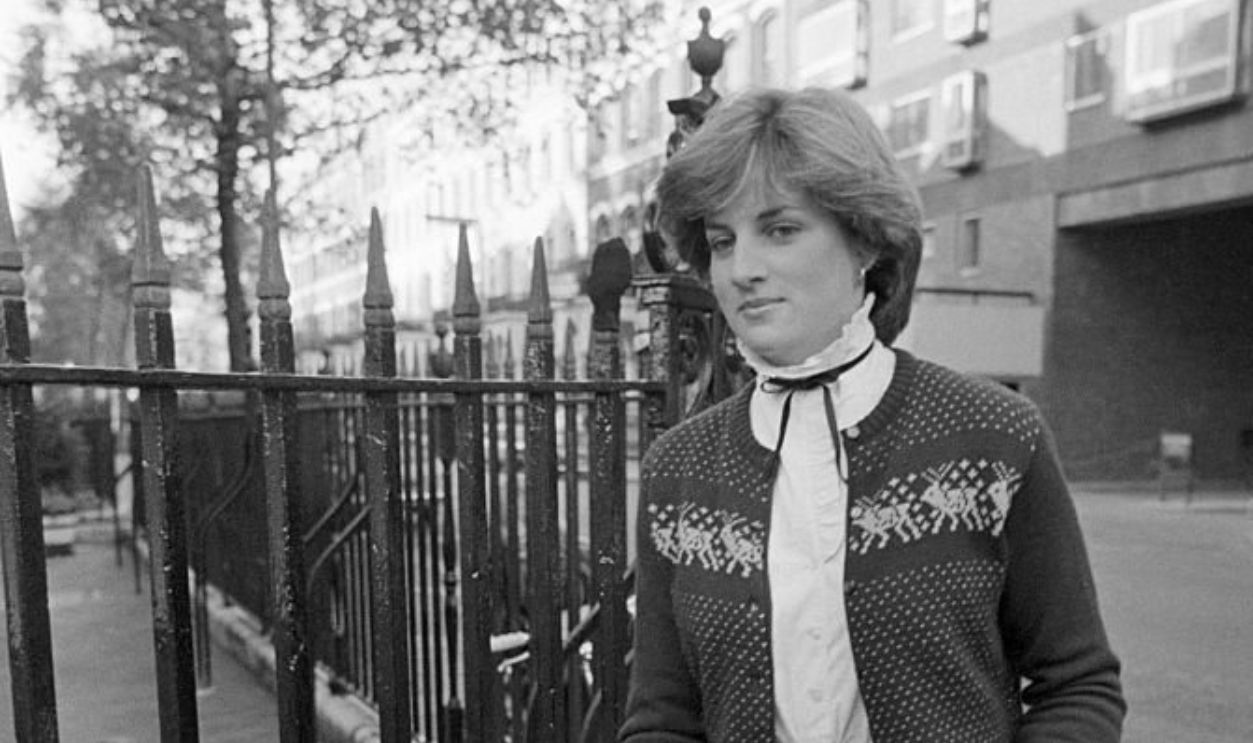
The press went wild for the royal drama, and every move Diana made was watched and endlessly interpreted. So when she went on to give a tell-all interview to Martin Bashir, the whole world gasped when she notoriously commented about her relationship, "Well, there were three of us in this marriage, so it was a bit crowded”.
Eventually, Charles and Diana came to the conclusion everyone had already reached: their situation was unsalvageable.
56. She Snapped At Prince Philip
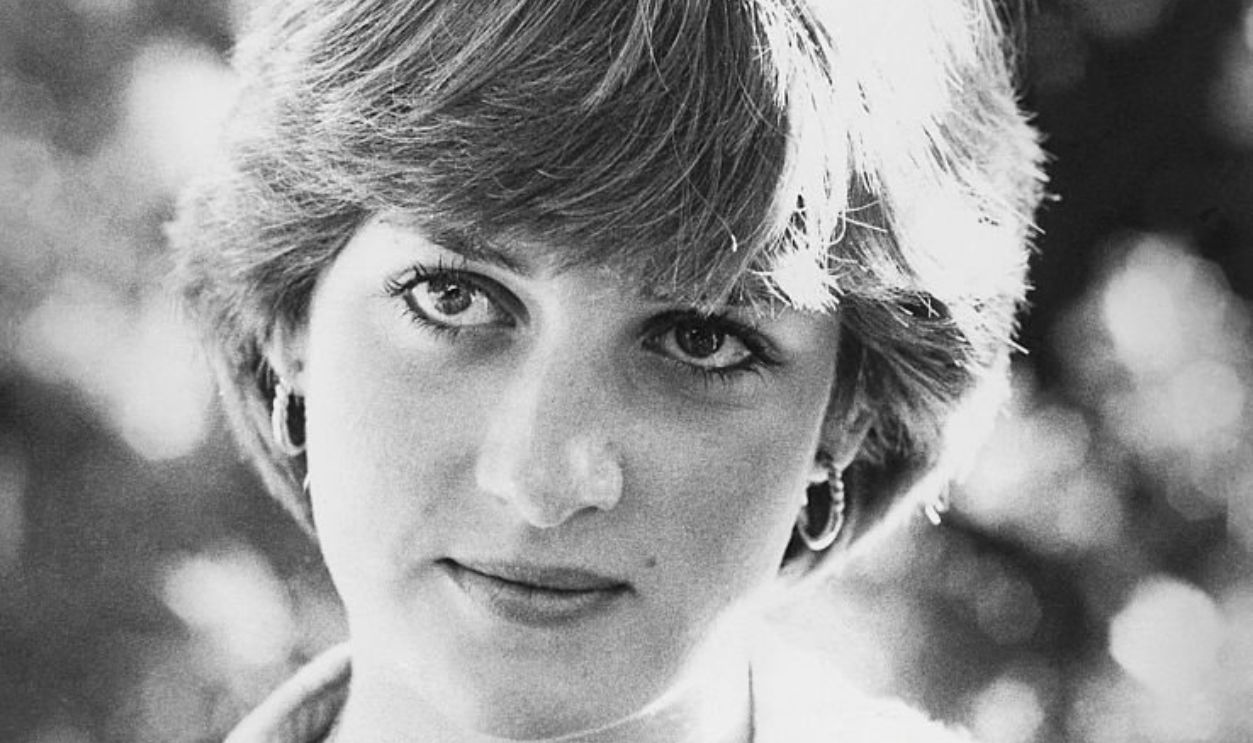
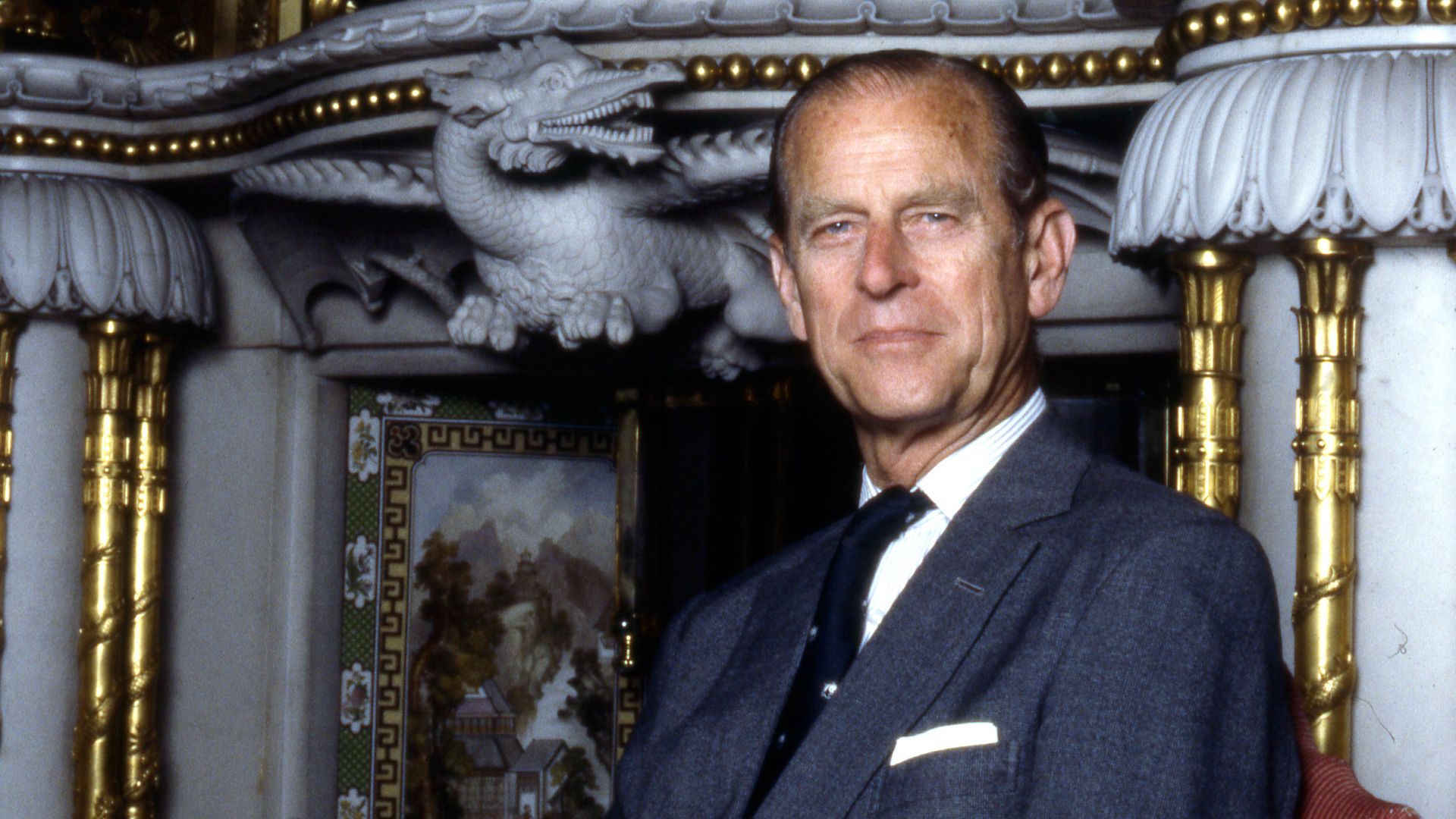
In 1995, Queen Elizabeth formally asked Diana and Charles to divorce, and they complied…though not without spatting over if Diana could keep her title as Her Royal Highness. Diana wanted to maintain it; Charles insisted she drop it. When Charles’s father Prince Philip—whose family had only relatively recently become nobility—backed his son up, Diana snapped, “My title is a lot older than yours, Philip.” She was, after all, a descendant of the House of Spencer.
Though Diana lost out on the right to use the title in the end, she forged ahead with her new life. After all, she thought she had all the time in the world.
 Allan warren, Wikimedia Commons
57. Her Love Life Was A Heat Score
After dating heart surgeon Hasnat Khan for two years, Diana met and began seeing Dodi Al-Fayed, the son of wealthy Egyptian businessman Mohamed Al-Fayed, in 1997. When the press found out while they were vacationing in France, they hounded the burgeoning couple incessantly, forcing Diana to take increasingly risky maneuvers to avoid the paparazzi. It wasn’t enough.
One night on August 30, 1997, Diana and Dodi were leaving dinner at the Paris Ritz when photographers on motorcycles found them. As usual, Diana’s driver Henri Paul began to speed to get away from them—but nothing else about this night was ordinary.
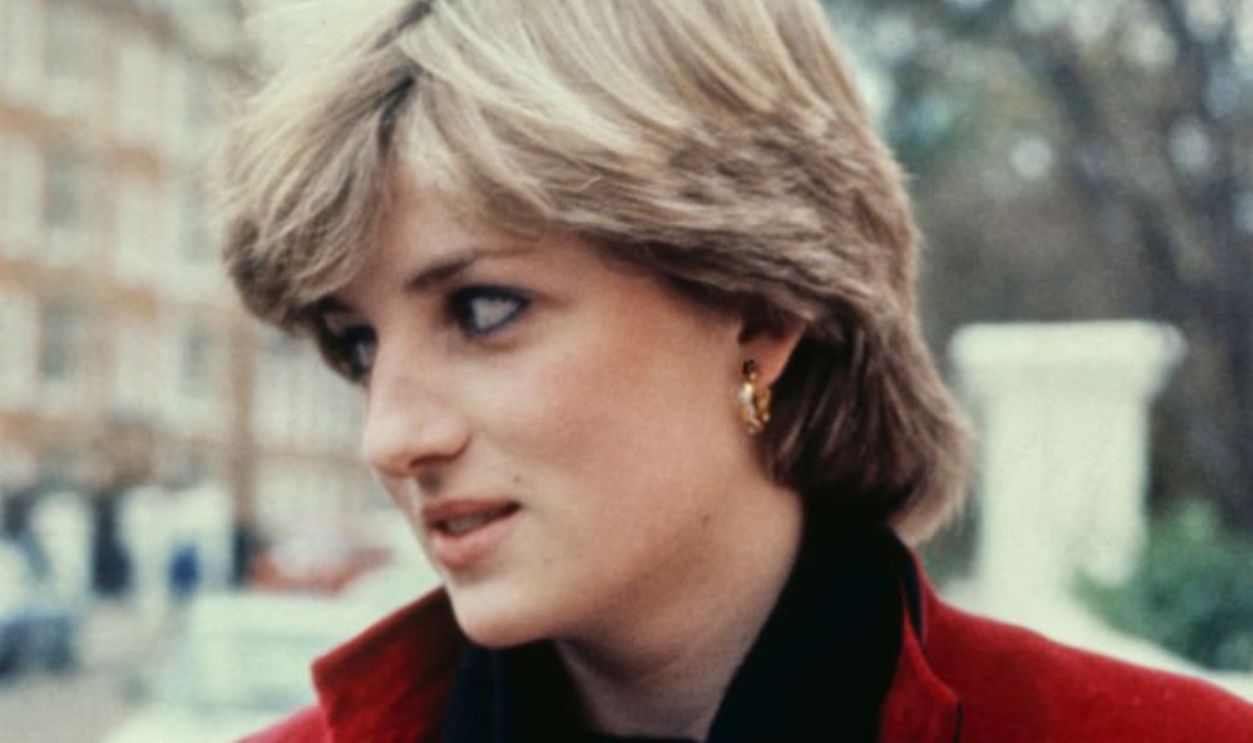
58. She Got Into A Fateful Crash
Just after midnight on August 31, Diana’s car approached the Pont de l’Alma tunnel, pursued by paparazzi, before losing control inside and crashing. Ambulances rushed to the scene to find Diana conscious but only able to say “Oh my God” over and over. Though they thought she might at first make it, she quickly went into cardiac arrest and died hours later, alongside her lover Dodi and her driver Henri.
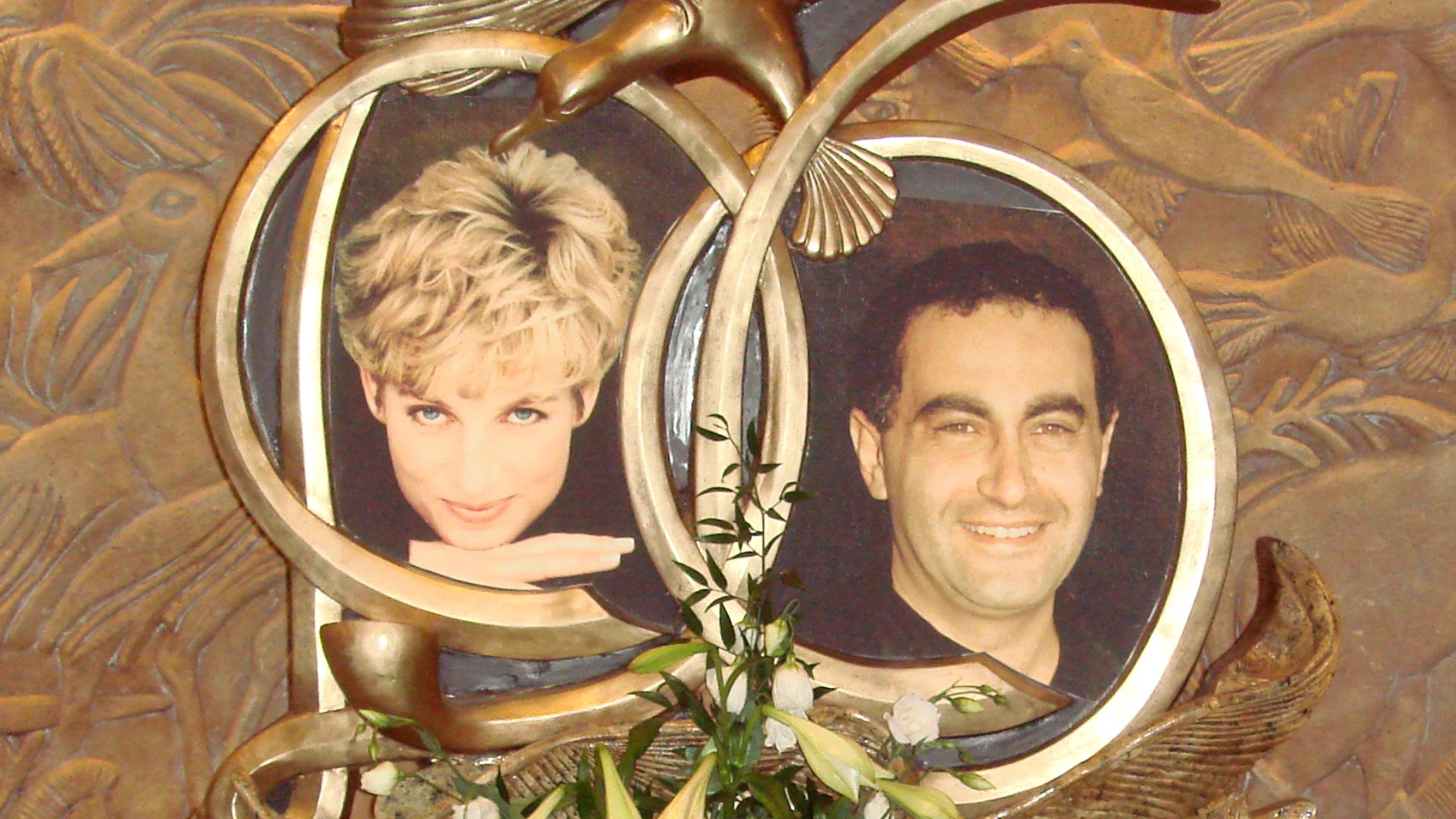 Bobak Ha'Eri, Wikimedia Commons
59. Her Sons Struggled To Be Brave
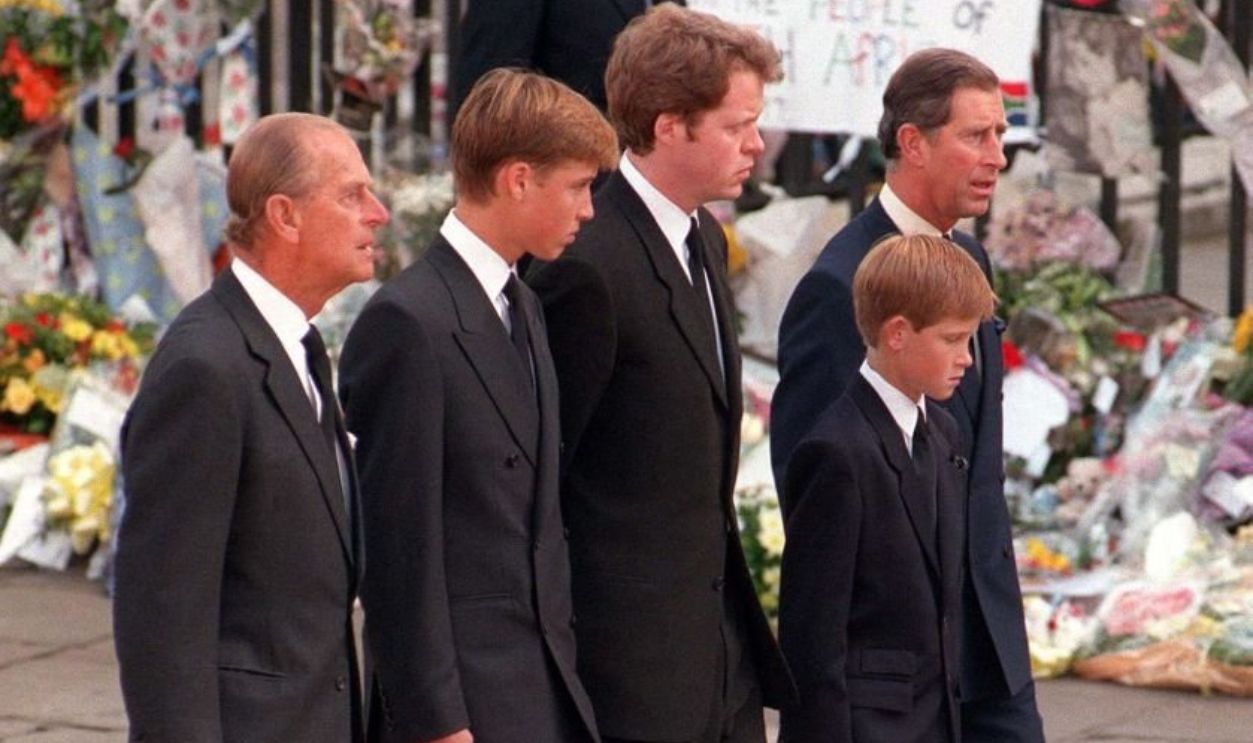
Diana’s two young sons William and Harry were stunned at her death, and were still reeling at her funeral when it came time to walk behind their mother’s bier. It was their grandfather Prince Philip who convinced them to do it with a heartbreaking comment. He reportedly said, “If you don’t walk, I think you’ll regret it later. If I walk, will you walk with me?”
It was a compassionate and heartbreaking moment. Sadly, there were some Spencer ancestors who never received that show of kindness from their loved ones—and one of the darkest examples brings us back to the story of Consuelo Vanderbilt.
 Adam Butler - PA Images, Getty Images
60. Their Marriage Was Awful
Remember Charles Spencer-Churchill? The Spencer born into a period when British noble families were struggling to hold on to their titles and fortunes? Well, in 1895, he married the wealthy socialite Consuelo Vanderbilt—but he made his motivations clear from the start. Their wedding seemed like a fairy tale, but it turned into a horror story before Consuelo could catch her breath. On their honeymoon, Charles told Consuelo that he had only married her to “save Blenheim”.
As salt in the wound, the press also knew exactly how things stood, with one publication’s cartoon heralding “The Duke’s Return from the Land of Dollars” and depicting Charles sailing Consuelo back to Britain on top of heaps of money. No wonder it ended poorly.
You May Also Like:
Scandalous Facts About The House Of Grimaldi, The Messiest Royal Family
Reckless Facts About The Vanderbilts, The Family That Lost It All
Mad Facts About The House Of Hanover, The Most Toxic Royal Family In History
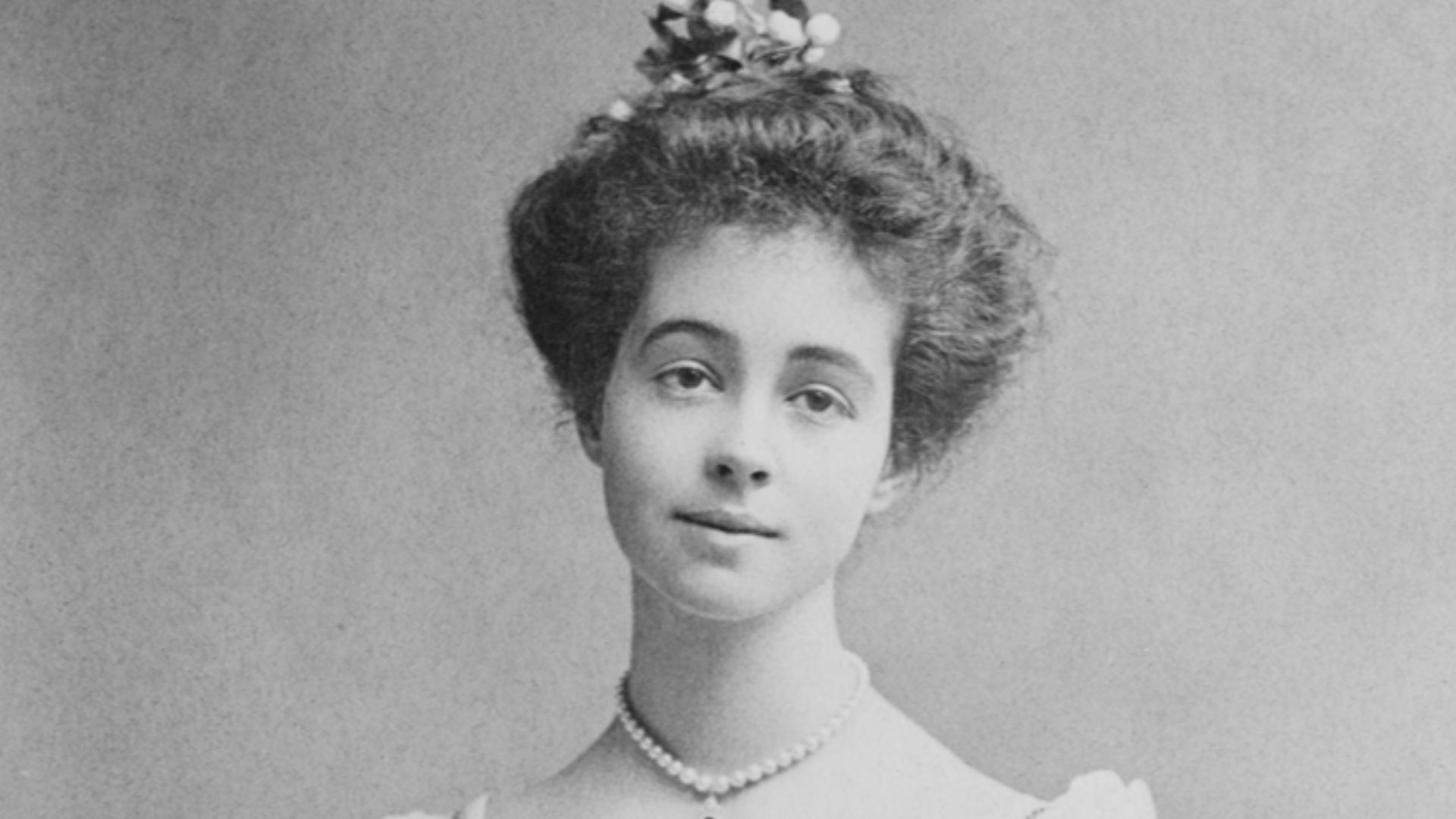 USA Library of Congress Bain collection, Wikimedia Commons









.jpg)

_-_btv1b530679126.jpg)
_with_fianc%C3%A9e_Clementine_Hozier_(1885-1977)_shortly_before_their_marriage_in_1908.jpg)
