
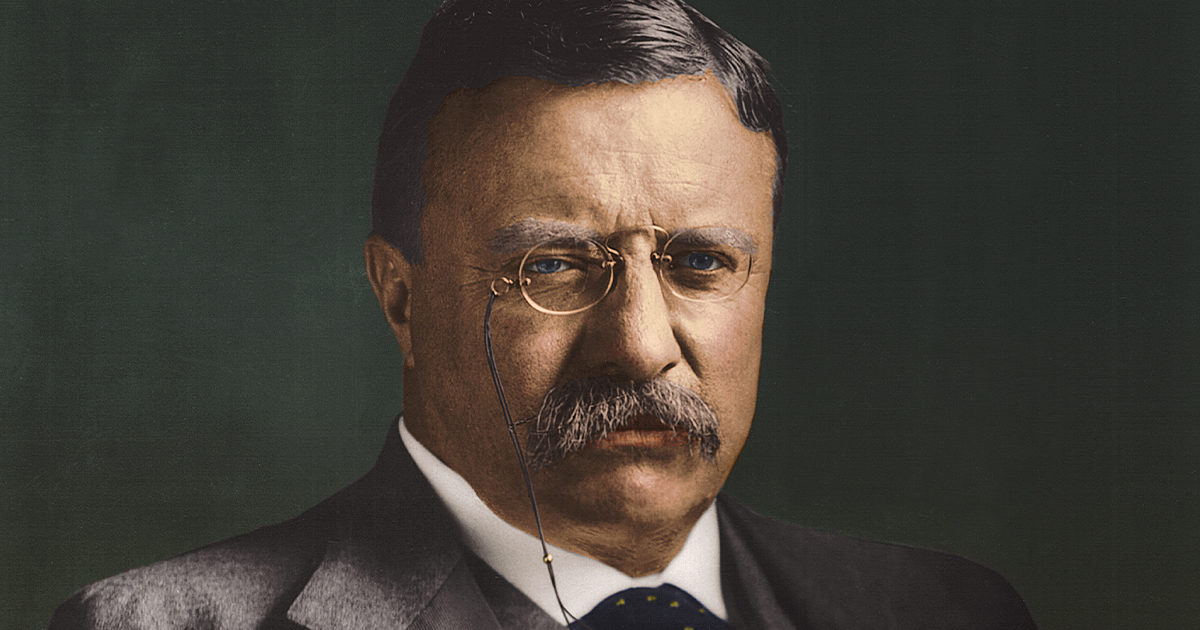
Not Without A Fight
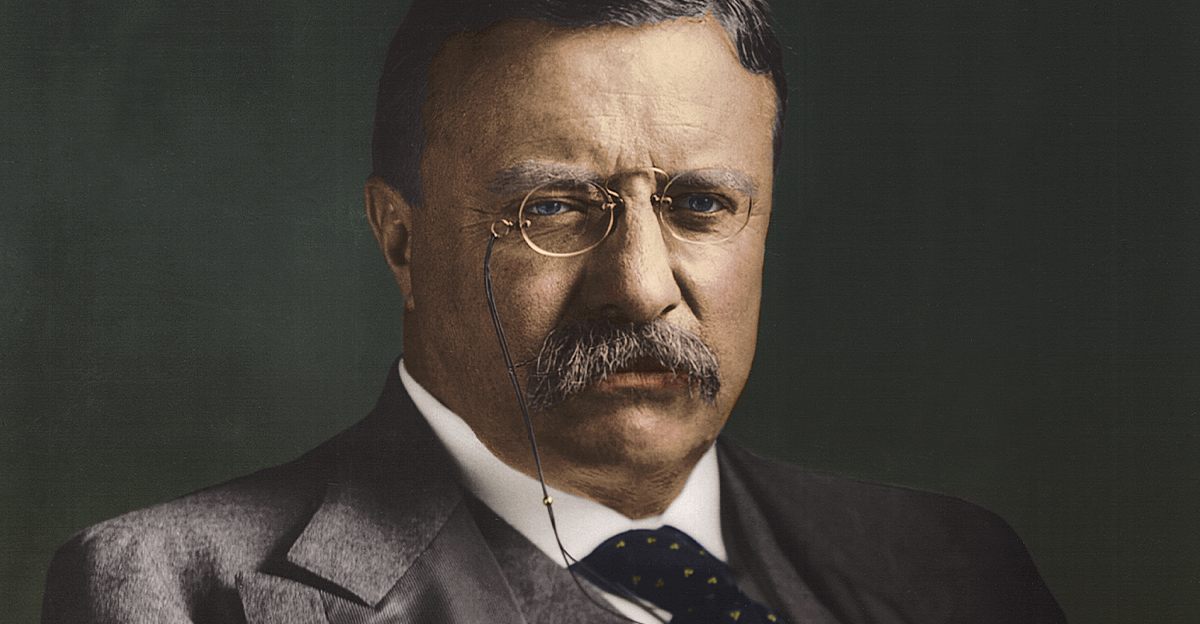
In the long list of America’s presidents, four became so popular as to become memorialized on Mount Rushmore, but only one of them practically carried the nation into the 20th century. Theodore Roosevelt didn’t have an easy life, but each hardship he endured turned him into a stronger man and leader, who became renowned for the sheer force of his will as he overcame any obstacle—until he couldn’t fight anymore.
 Stock Montage / Contributor, Getty Images
1. He Was Sickly
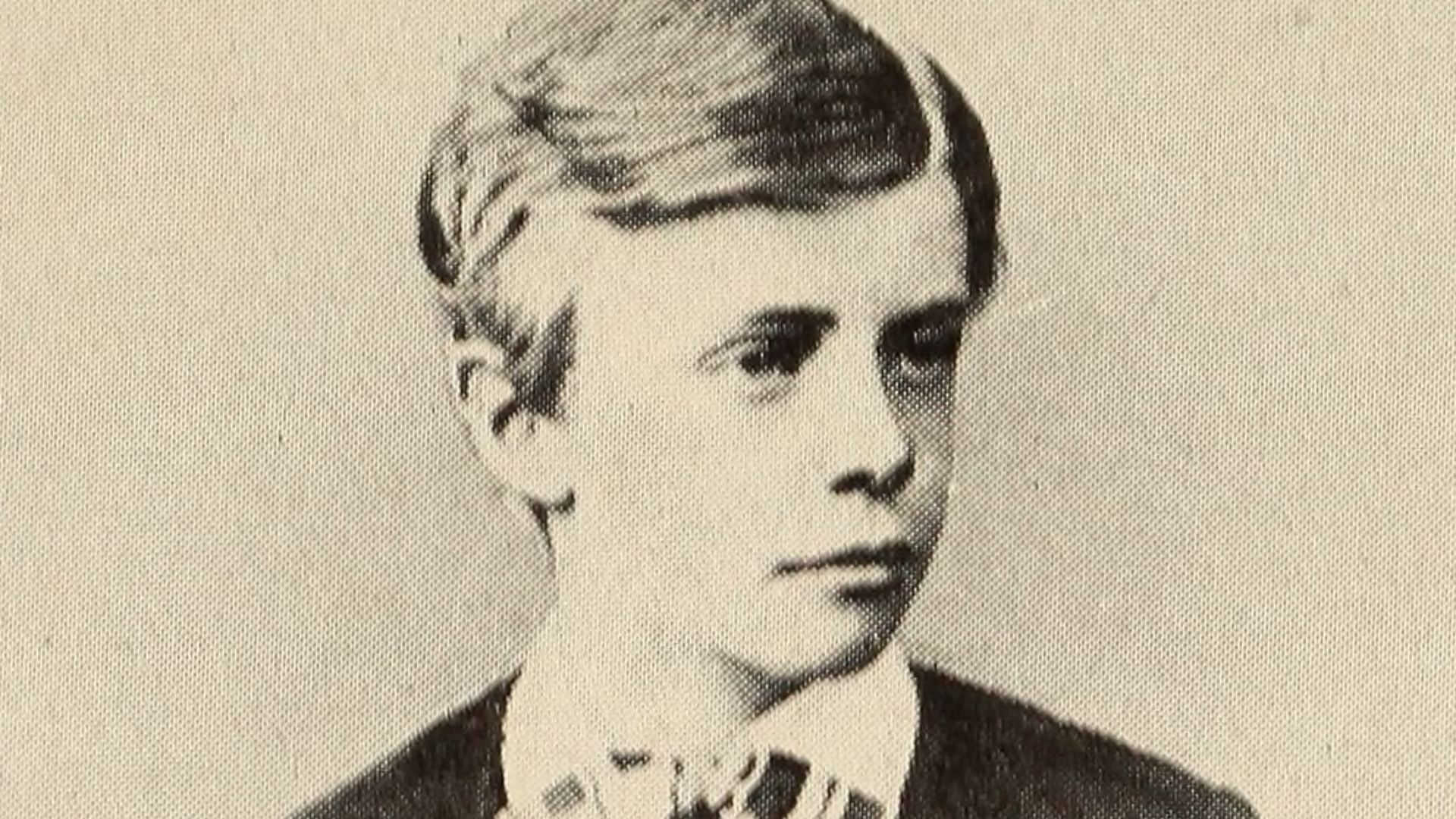
While Theodore Roosevelt eventually became a popular president due to his ambition and tenacity, he earned even more admiration as a person through his unshakeable strength and fortitude—but this wasn’t clear from the start. Born in 1858, he almost immediately began struggling with medical issues, including constant bouts of asthma that threatened to strike him down long before his time.
Anyone else may have given in to these afflictions—but not Teddy.
 Unknown photographer, Wikimedia Commons
2. He Took It Home With Him
Although Teddy had such intense health conditions, most wouldn’t know it from just looking at him, as he never let his issues get in the way of living his life to the fullest—even as a child. Ever the troublemaker, he once visited the market when he was seven years old and saw the body of a seal, finding it endlessly fascinating. Somehow, he managed to procure the animal’s head, which he used to start his own “Roosevelt Museum of Natural History”.
Obviously, he had a zest for learning—but not in every subject.
 Unknown photographer, Wikimedia Commons
3. He Was Homeschooled
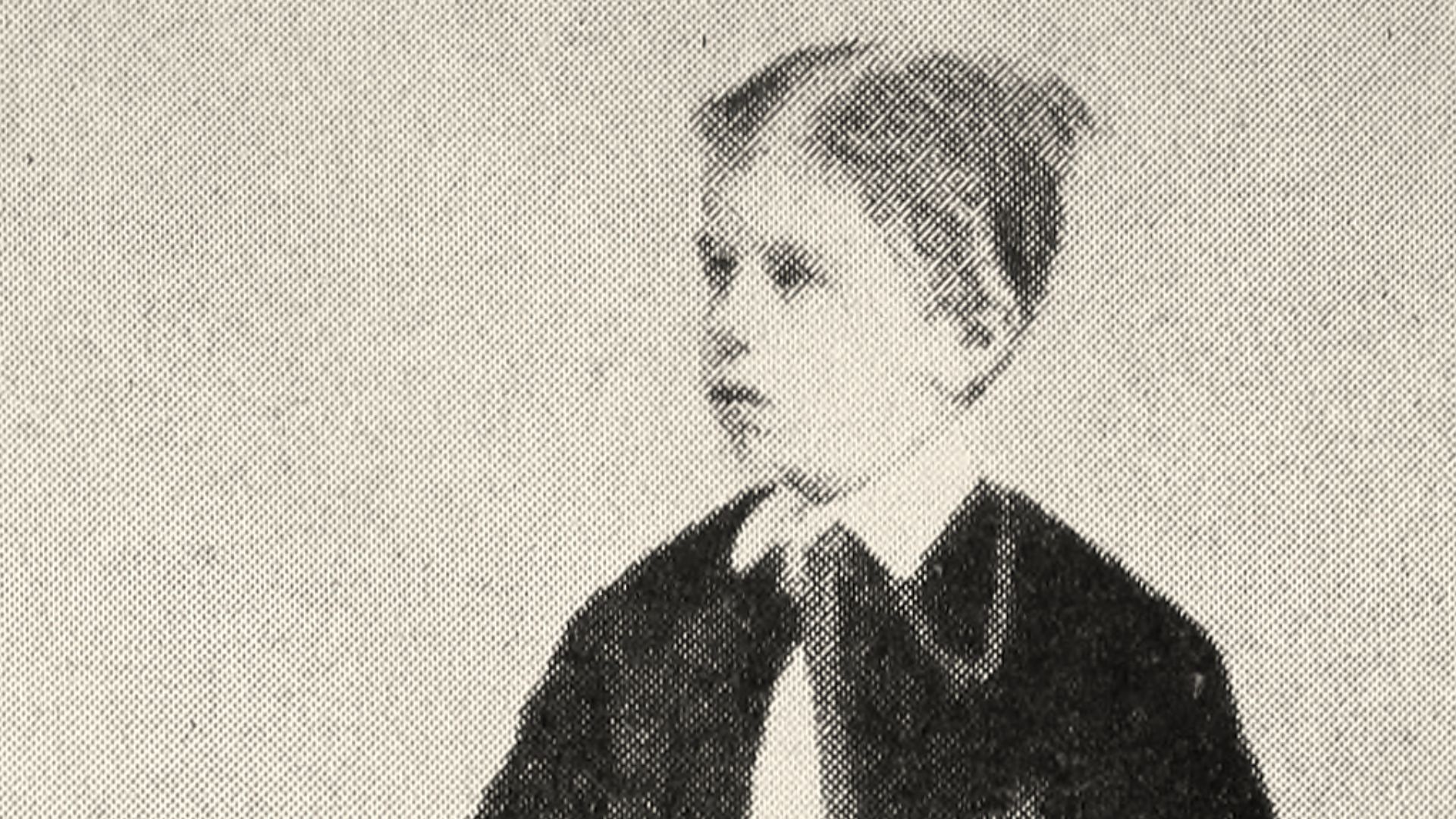
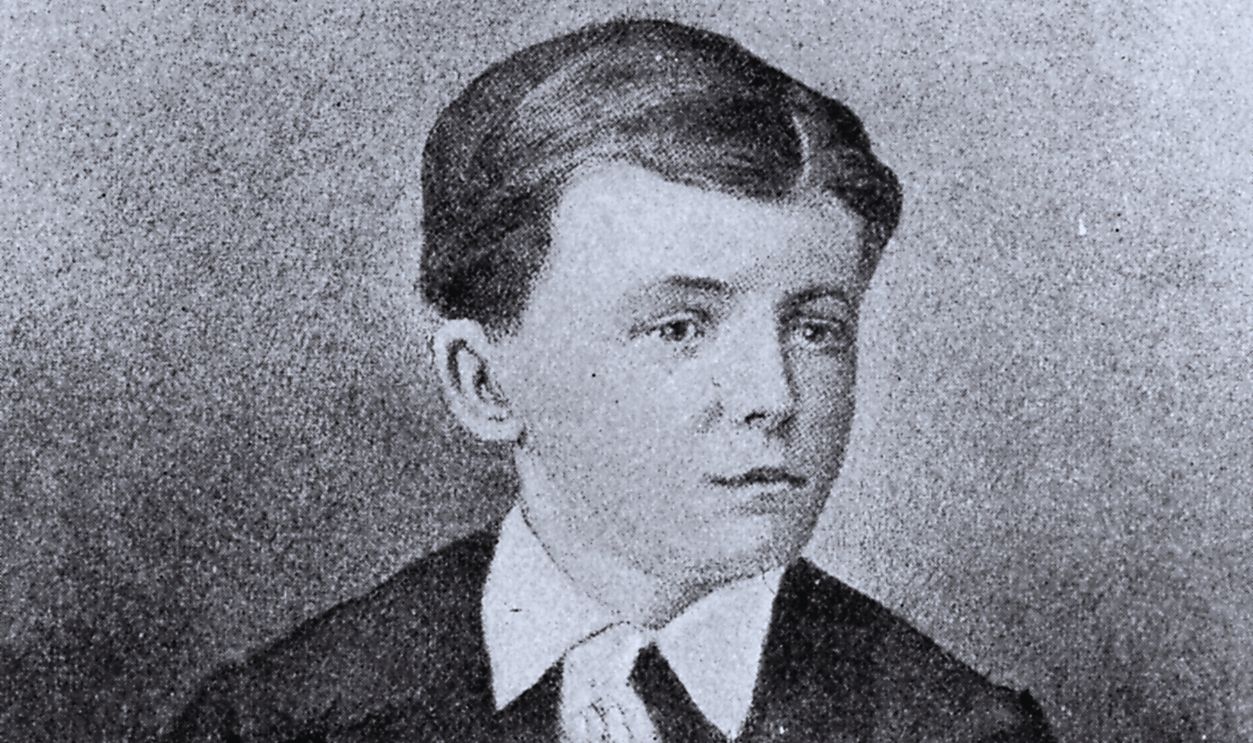
Being so sickly as a child, his parents were constantly worried about his welfare and wanted to keep an eye on him as much as possible. As he got a bit older, this meant they would choose to homeschool him rather than send him off, but it didn’t matter much to him. While he was eager to learn subjects like biology and history, and clearly excelled in those areas, he didn’t do so well in others like math.
Nonetheless, he took this love for education with him as he grew older—and even found a few new passions.
 Smith Collection/Gado, Getty Images
4. He Continued His Studies
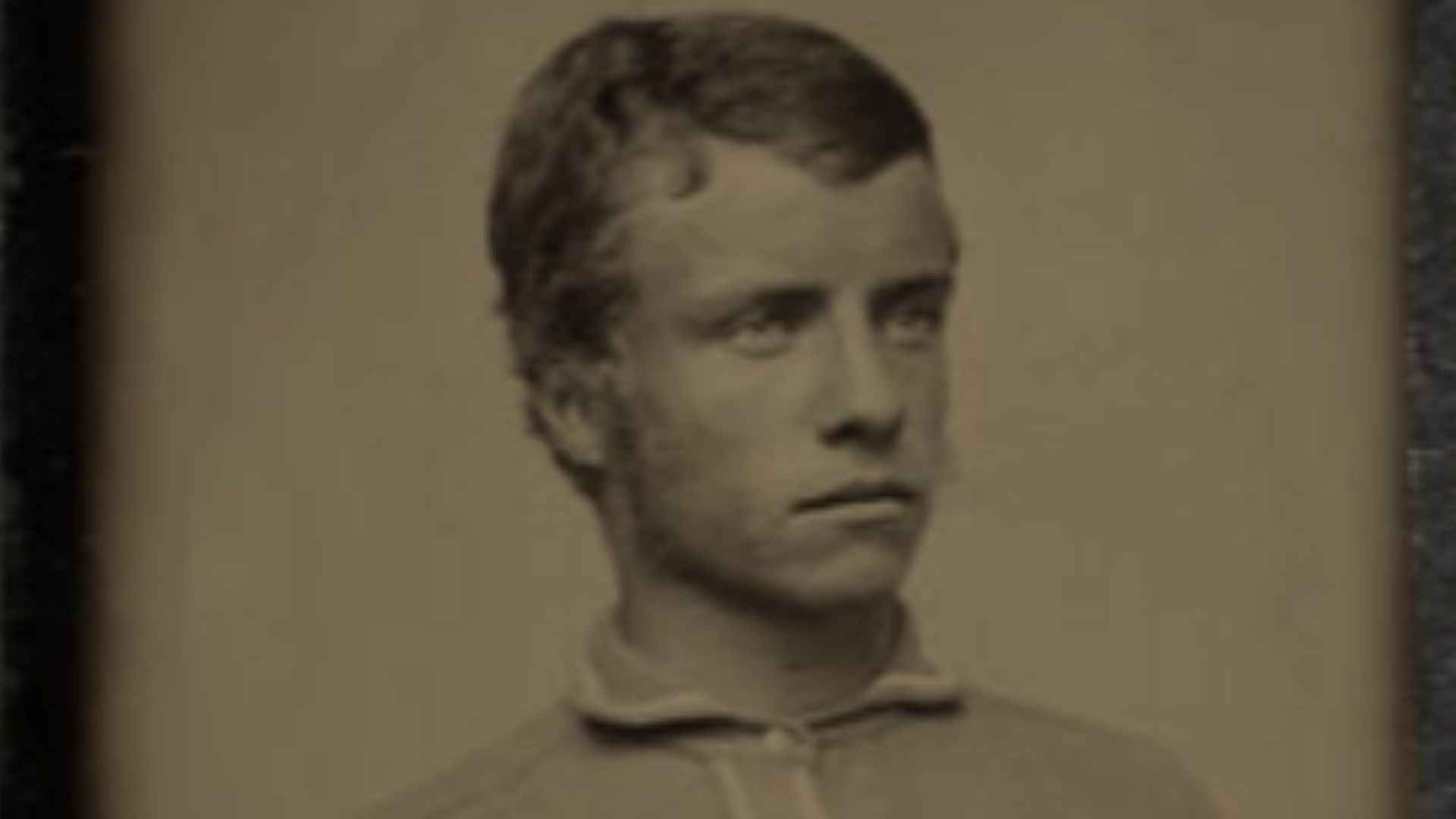
Teddy’s passion for learning carried him past his early schooling and on to Harvard University in 1876, where he continued to pursue the subjects that interested him most. While he found a love for both science and philosophy, he truly set himself apart by publishing several papers on ornithology and becoming an esteemed naturalist.
Sadly, he was about to learn about another difficult concept—and it was one of life’s most unfair truths.
 Unknown authorUnknown author, Wikimedia Commons
5. He Lost Someone
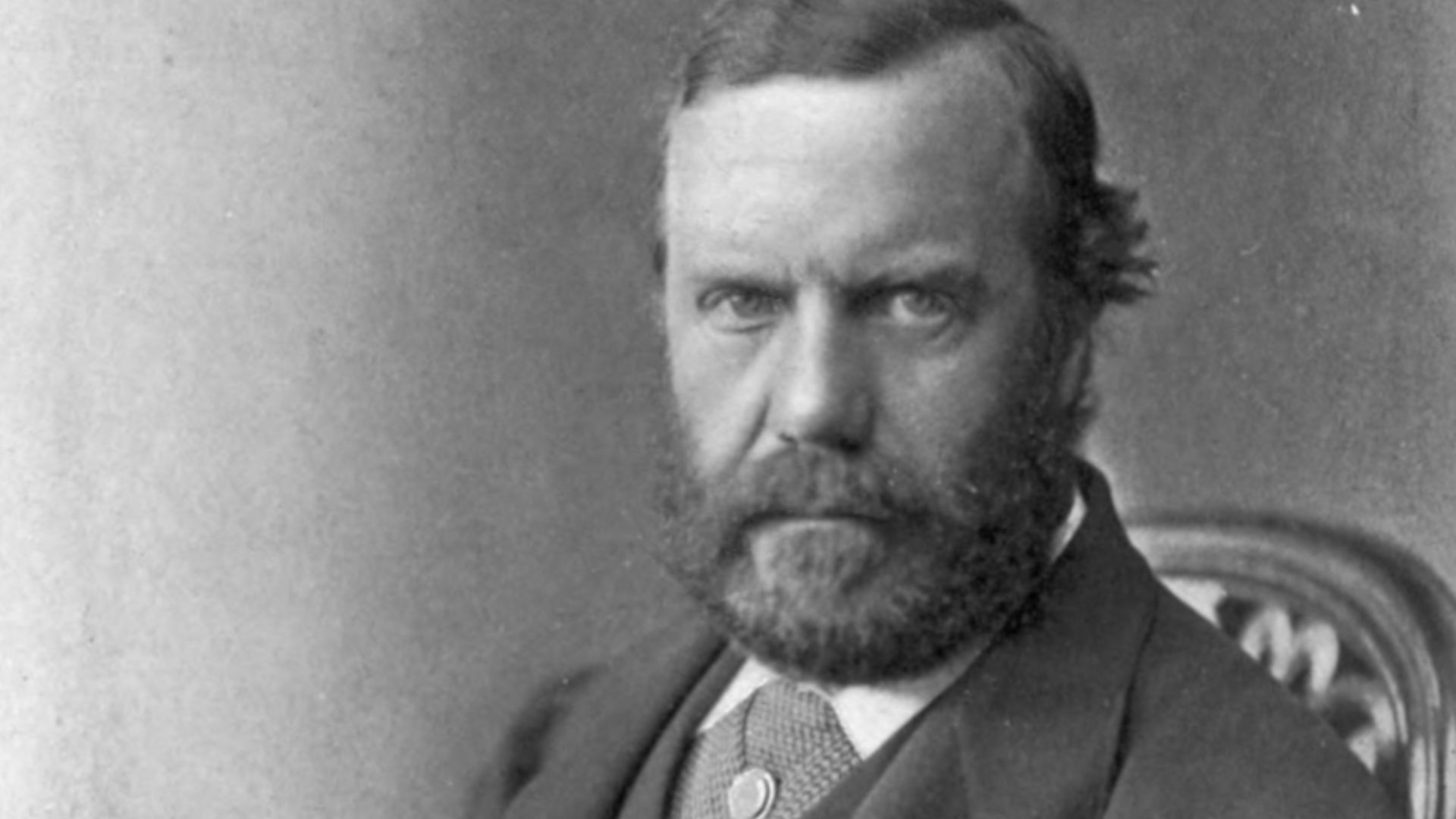
While Teddy was at university, something terrible happened back home that instantly made it more difficult to focus on his studies. His father had been struggling with a hidden illness, and before Teddy could even say goodbye, the senior Roosevelt perished in 1878. Inconsolable, Teddy could hardly face this loss, with the only silver lining being that his father made sure Teddy would want for nothing—leaving him an inheritance of $60,000.
With his finances taken care of, he was free to chase any dream he wanted—even one that no one expected.
 Unknown photographer, Wikimedia Commons
6. He Wasn’t Like The Others
Possibly inspired by the legacy left behind by his father, who was a member of the Republican Party in life, Teddy decided that his future lay in politics—but this wasn’t a popular opinion at the time. When it came to others at Harvard with similar backgrounds, none of them wanted to touch the political sphere with a ten-foot pole. However, Teddy was different, and he regularly attended meetings at Morton Hall to learn more.
Meanwhile, he wouldn’t let these ambitions get in the way of his personal life—especially after meeting her.
 Unknown photographer, Wikimedia Commons
7. She Left A Mark
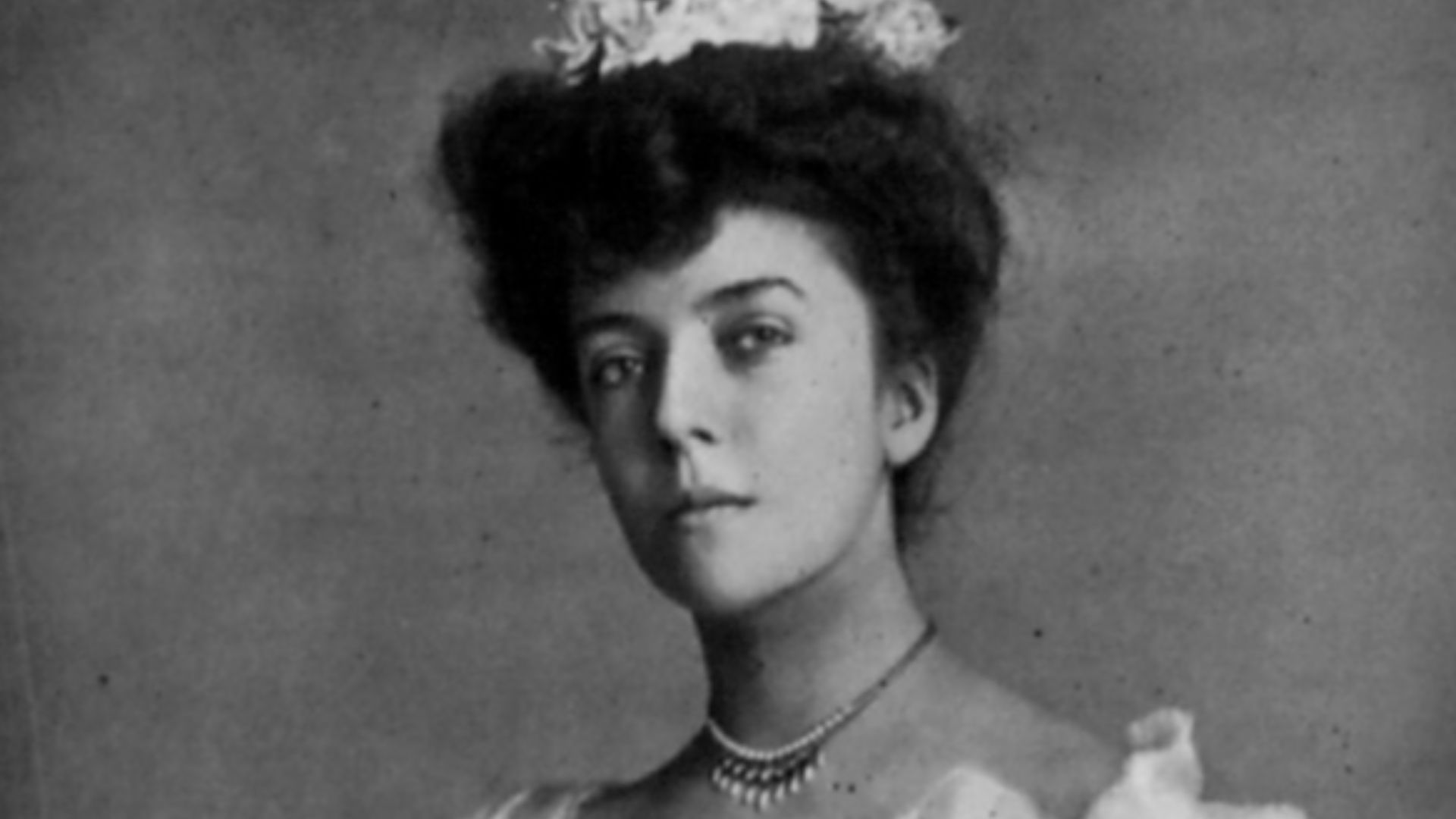
Attending an institution as prestigious as Harvard, Teddy had the opportunity to make countless important connections—but not just professionally. Visiting the home of his classmate, Richard Saltonstall, Teddy met a woman named Alice Hathaway Lee, Richard’s cousin. Teddy was immediately lovestruck, and he later wrote, “As long as I live, I shall never forget how sweetly she looked, and how prettily she greeted me”.
As she quickly discovered about him, though, Teddy wasn’t just all talk.
 Frances Benjamin Johnston, Wikimedia Commons
8. She Was Hesitant
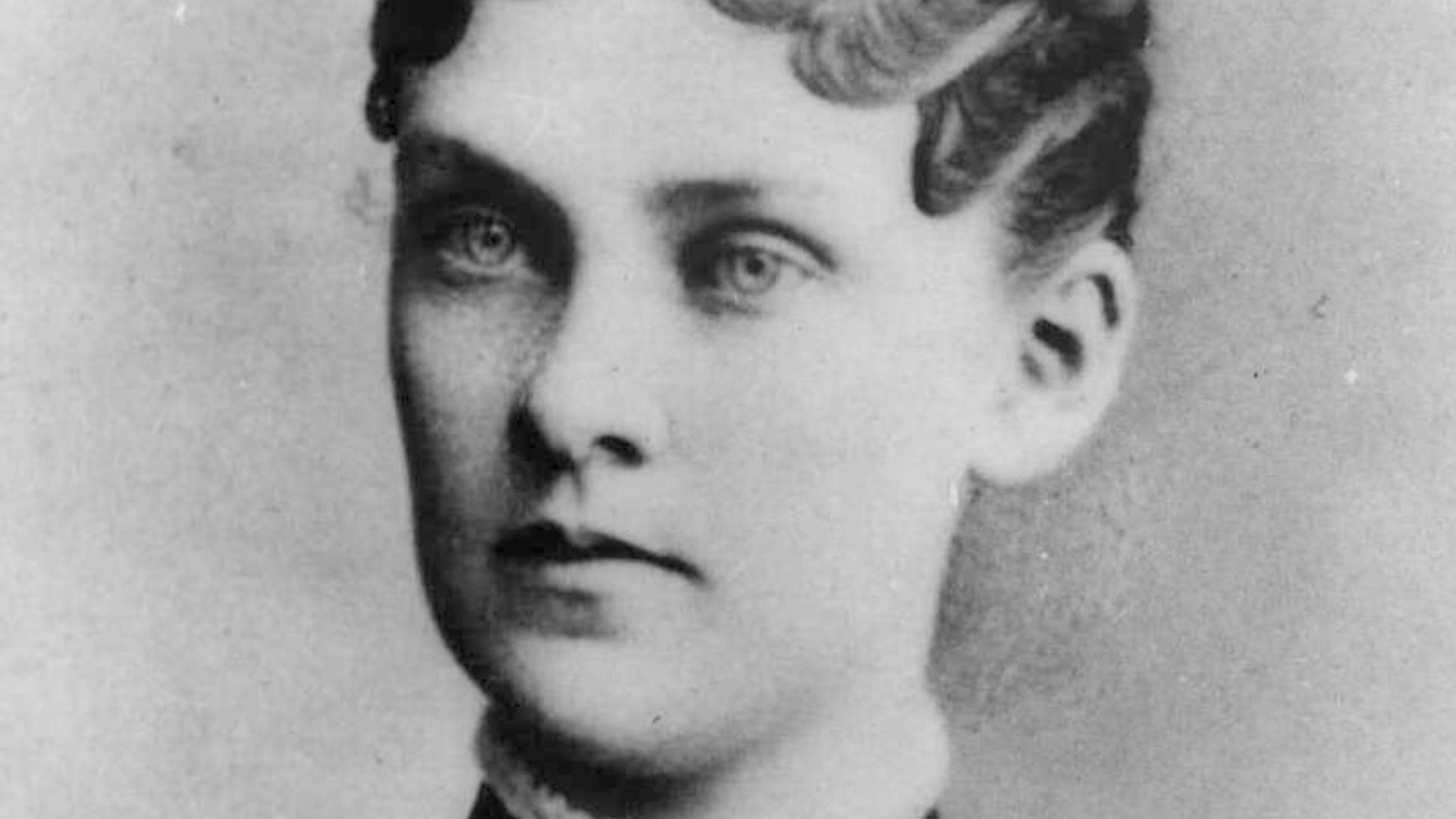
From the moment he saw Alice, Teddy knew she was the one he wanted to spend the rest of his life with—but she was less convinced. While she found him intriguing, he was also unlike any other man she had met, so when he proposed to her in 1879, she didn’t say yes right away. In fact, she took about eight months to think it over before agreeing, after which they married the next fall and even welcomed their daughter, Alice, four years later.
However, he would soon discover just how much crueler life could be.
 Unknown photographer, Wikimedia Commons

History's most fascinating stories and darkest secrets, delivered to your inbox daily.
9. He Lost Them Both
The birth of his daughter should have been one of the happiest moments of Teddy’s life, but only two days later, a tragedy befell him that would leave him changed forever. Within the same day, on February 14, 1884, Teddy’s wife and his mother both perished from separate medical emergencies, leaving him utterly devastated. Believing he was in no shape to care for his newborn daughter, he left her with his sister for about three years.
At the same time, he had also been juggling the new responsibilities of his career.
10. He Cleaned It Up
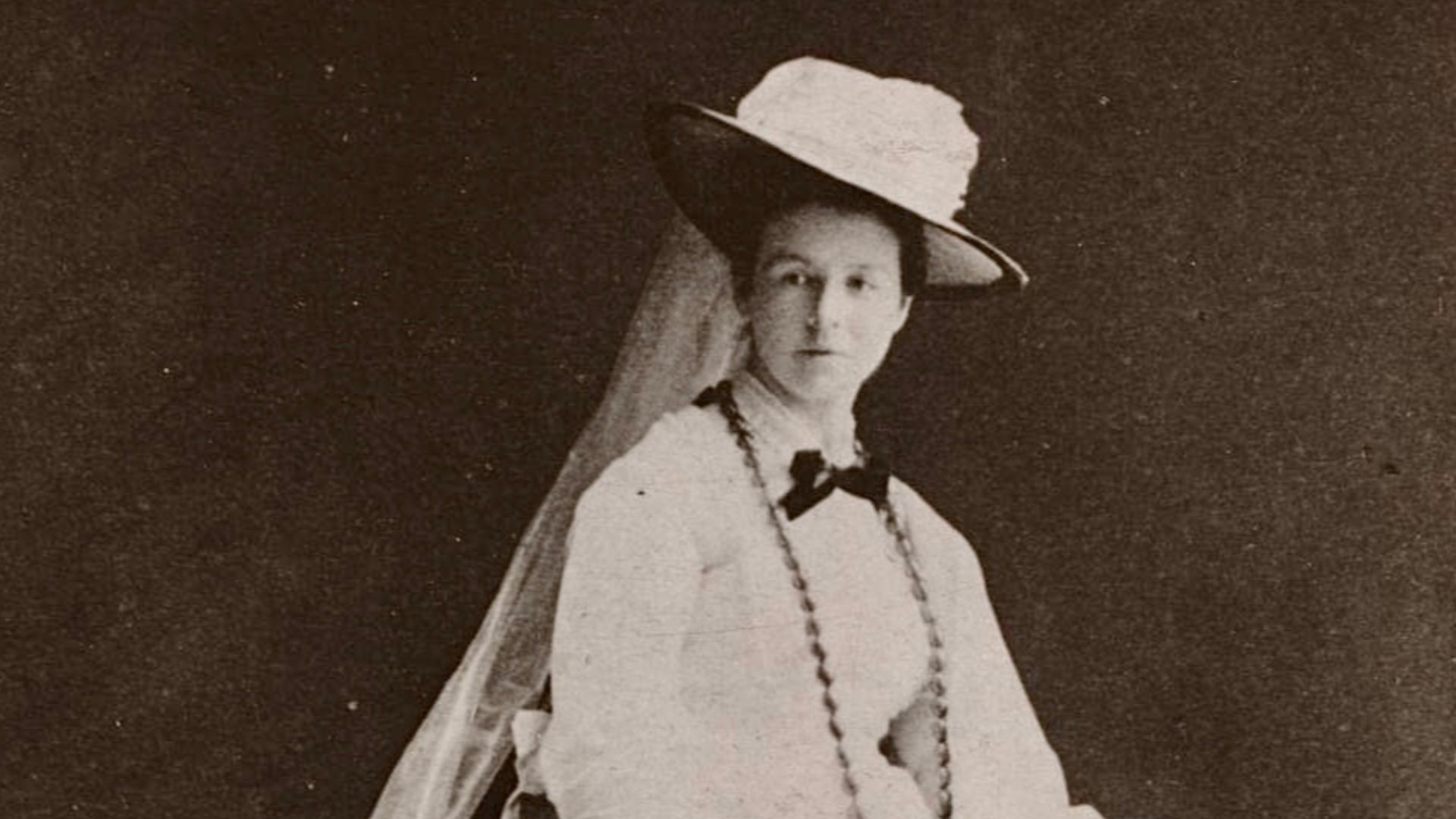
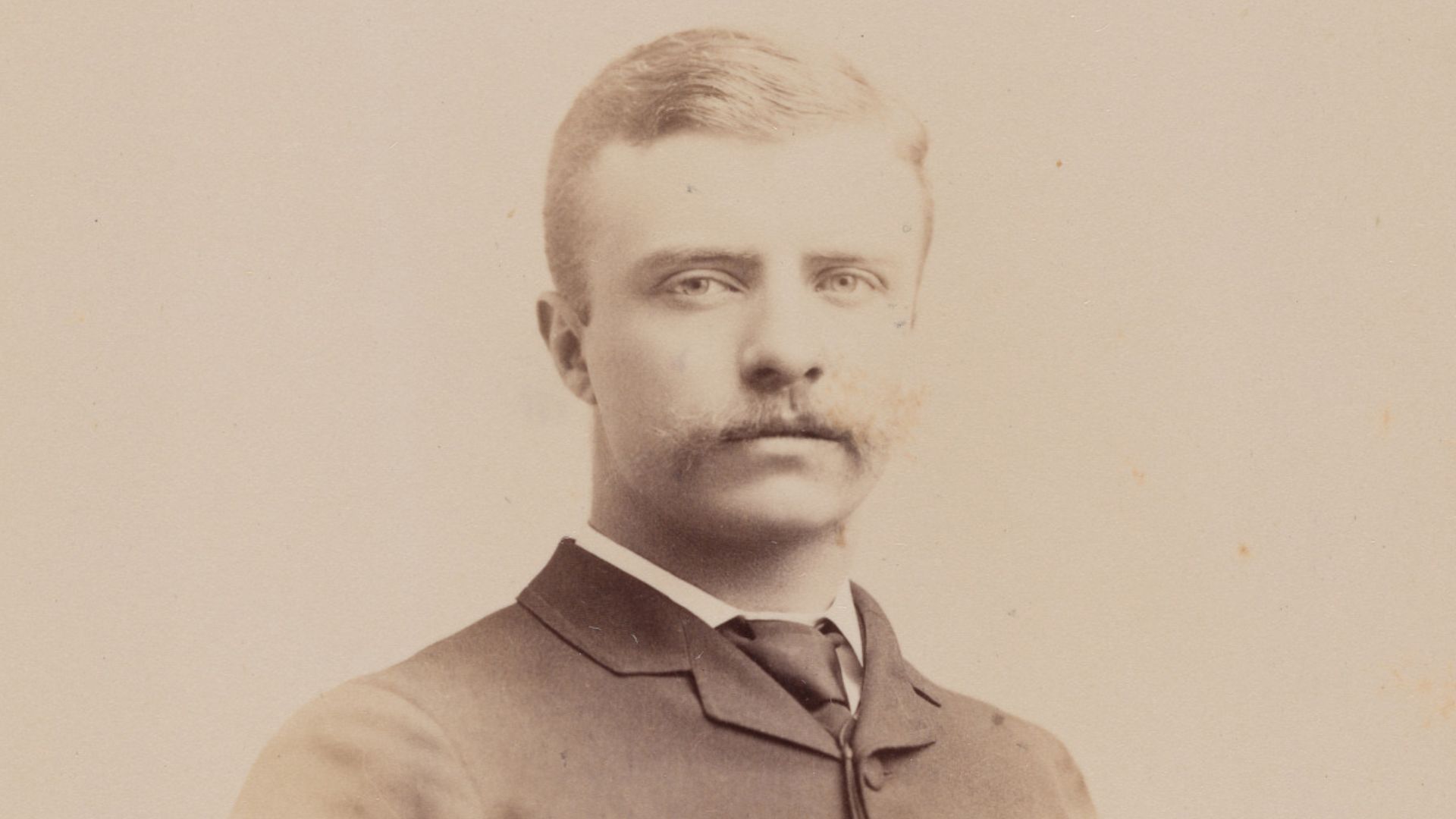
Having made progress in his political endeavors, Teddy managed to win the election for the New York State Assembly in 1881, and while he was relatively new on the scene—everyone would soon know his name. Before long, he earned a prominent reputation through working to expose the corruption he found in Albany.
Thankfully, before experiencing all the tragedy in store, he had already found another passion to throw himself into.
 Unknown authorUnknown author, Wikimedia Commons
11. He Found A New Dream
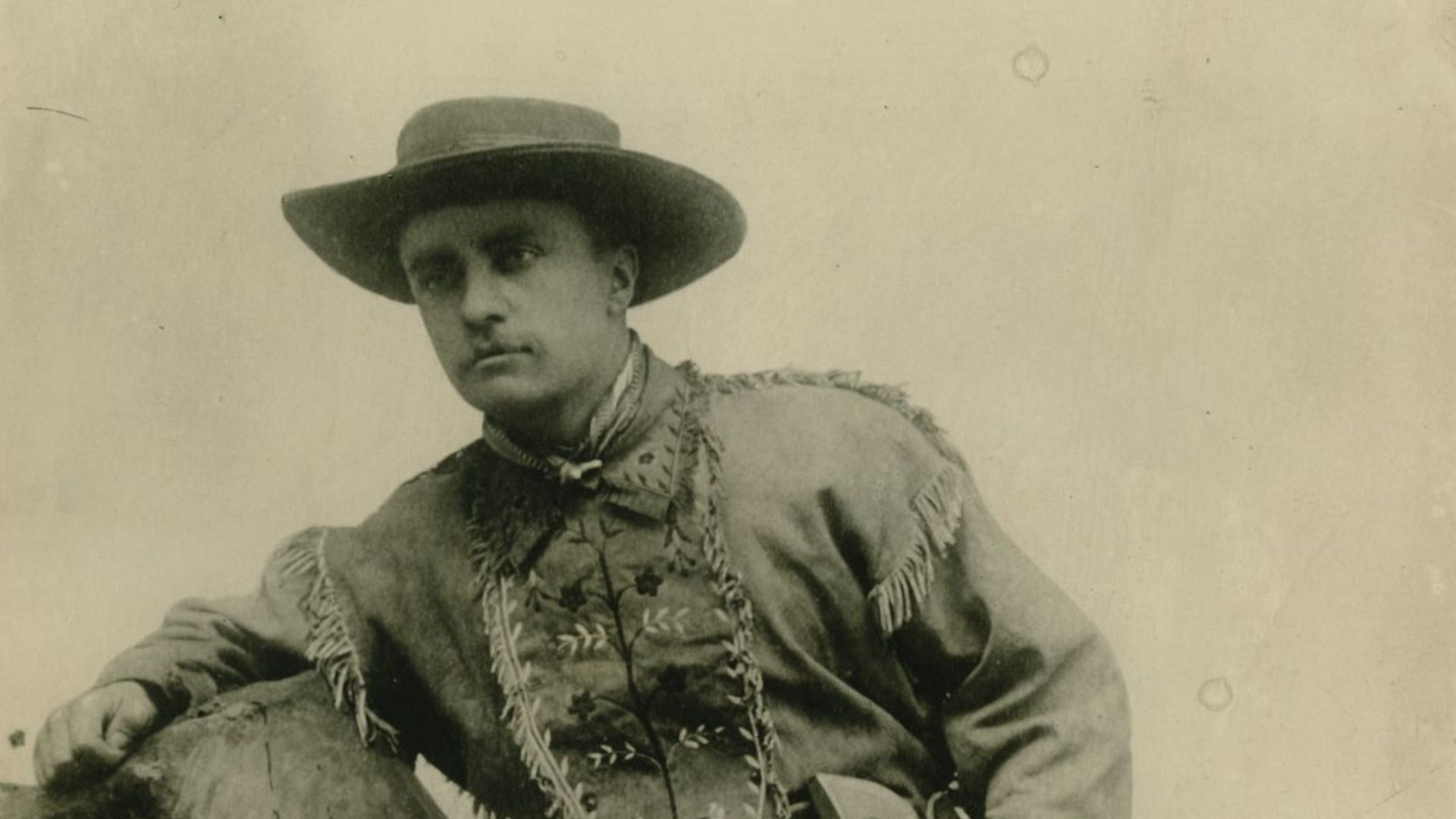
Already having a love of nature from early on in his life, Teddy was always on the lookout to experience the outdoors in brand new ways—and where better than North Dakota? Traveling to the area in 1883, he immersed himself in Western culture and realized he wanted nothing more than to be a cattle rancher.
This was way more than a passing hobby, and he even considered a major career change.
 Unknown authorUnknown author, Wikimedia Commons
12. He Learned The Ropes
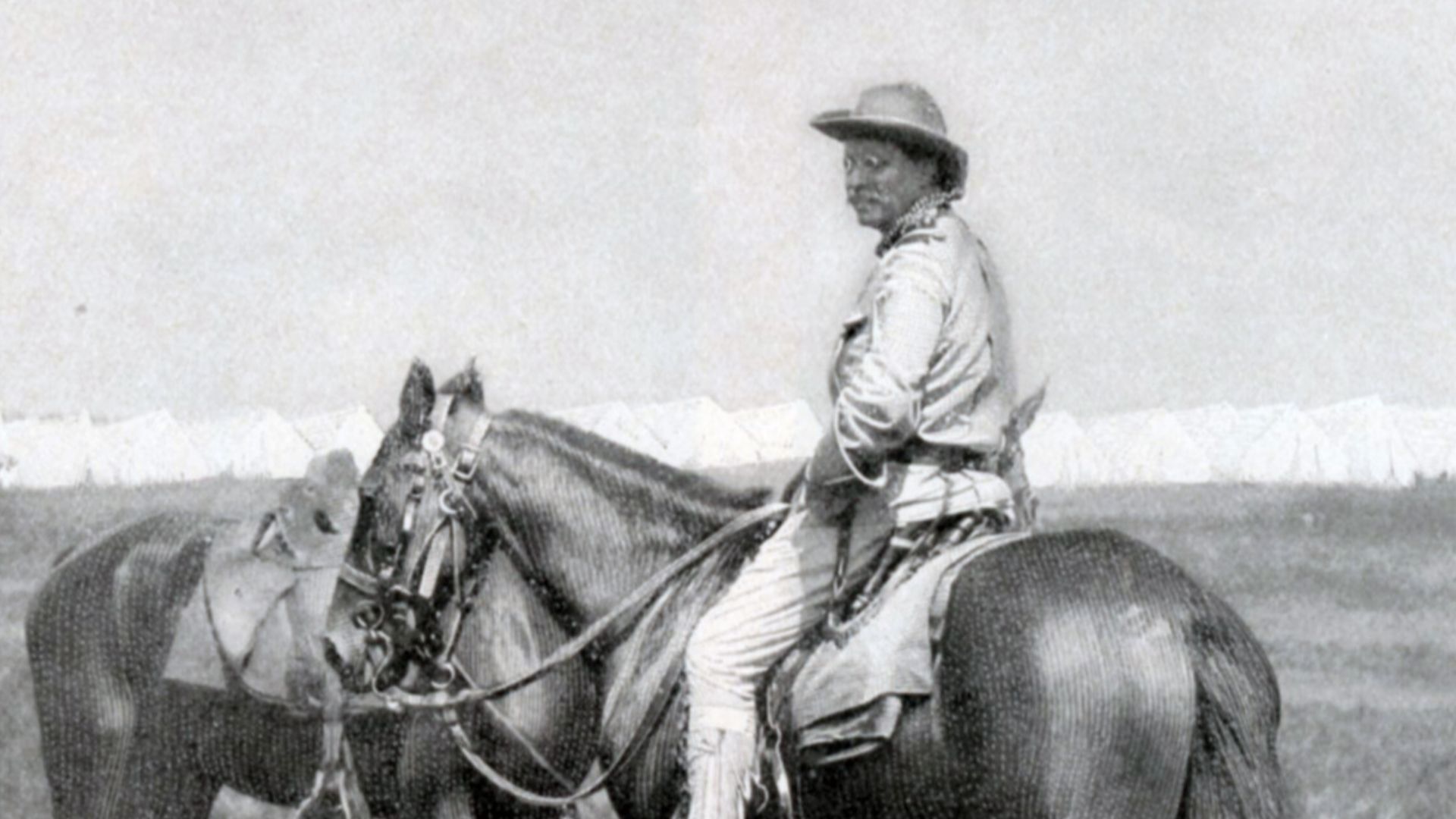
Reeling from the horrific losses he suffered in 1884, Teddy threw himself into his dream of being a cowboy, even building what he named Elkhorn Ranch in North Dakota. Of course, he had much to understand about the lifestyle, but he was a fast learner and was riding and roping with the best of them before long.
This especially helped him to cope with his grief—though not as much as an old friend of his did.
 Jacobs, New York, Wikimedia Commons
13. They Were Sweethearts
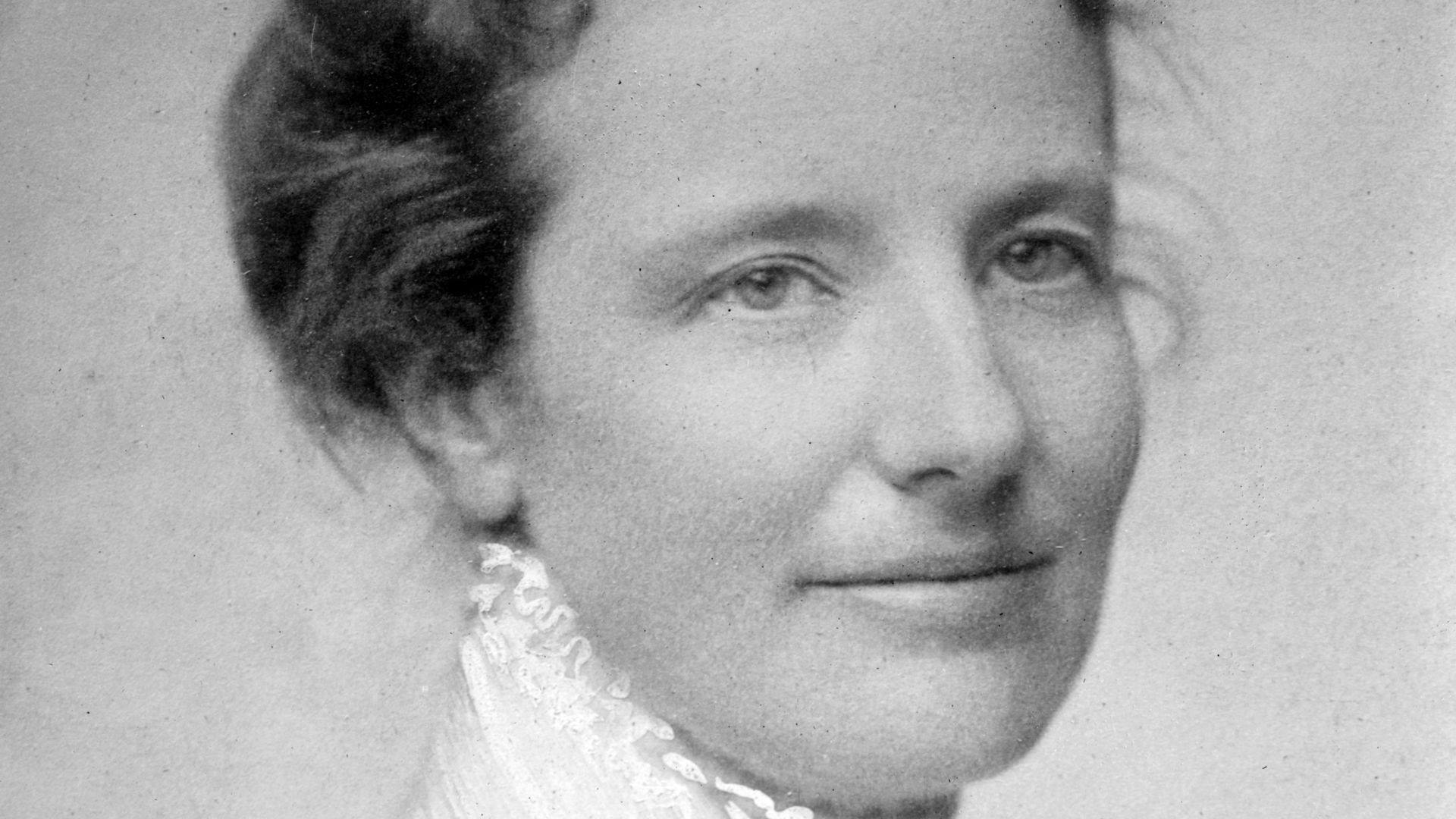
Even before Teddy met his wife, Alice, he had already experienced a fairly dramatic love life, mostly centered on his childhood sweetheart, Edith Carow. The two had spent much of their early lives together, as their families were already quite close, and it didn’t take much time for them to fall in love. Unfortunately, while the issue remains unclear, a serious disagreement resulted in them losing contact for years.
This goodbye wouldn’t be forever—though timing wasn’t on their side.
 Bain News Service, publisher, Wikimedia Commons
14. They Made Up
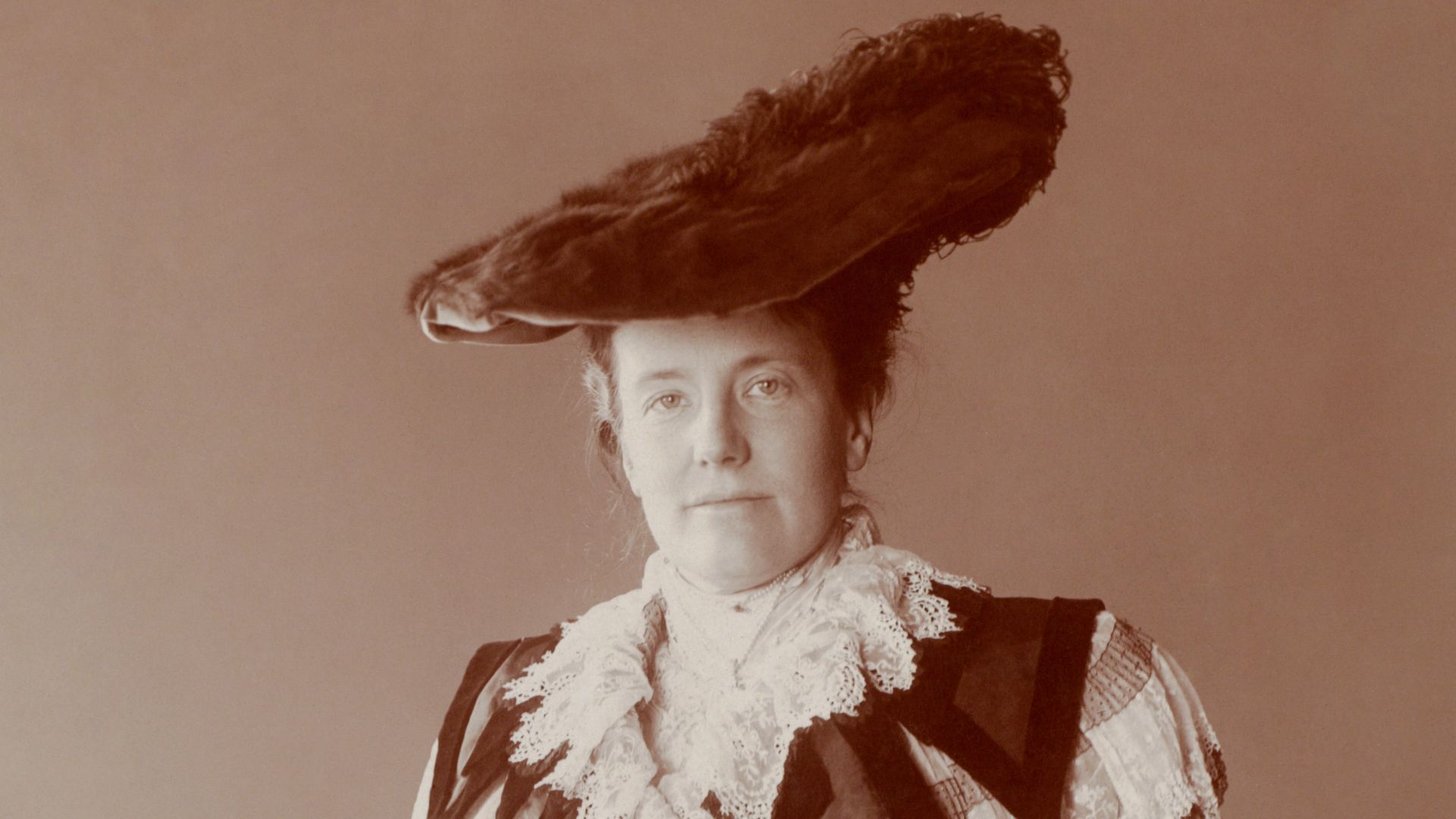
Whatever the problem between Teddy and Edith had been, it was water under the bridge by 1879, when they decided to bury the hatchet. Still, one thing stood in the way of them picking up exactly where they left off—Teddy was already married to Alice. Edith hadn’t let go of her feelings for him, so while she was intentional about staying close with Teddy, she practically treated Alice like she didn't exist.
Even later on, he couldn’t bring himself to admit how he truly felt.
 Frances Benjamin Johnston / Adam Cuerden, Wikimedia Commons
15. He Avoided Her
Considering Edith so close a friend, Teddy likely could think of no other people he wanted comfort from after losing both his mother and wife—but this was impossible. Taking their history into account, he knew there was a good chance he would fall in love with Edith all over again, which he believed would be disrespecting the memory of his late wife.
Still, he couldn’t keep his feelings under wraps forever.
 Unknown authorUnknown author, Wikimedia Commons
16. They Tied The Knot
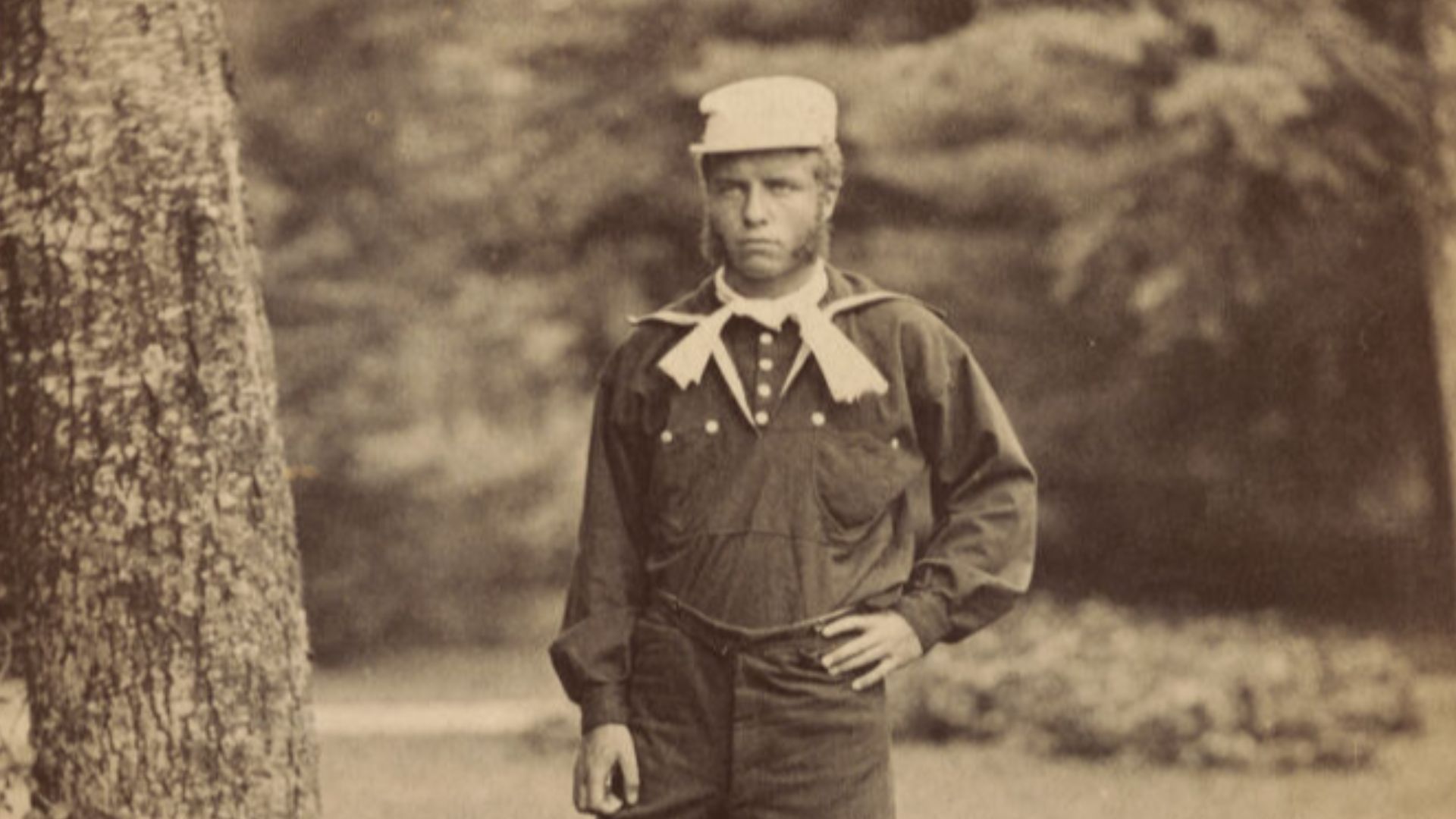
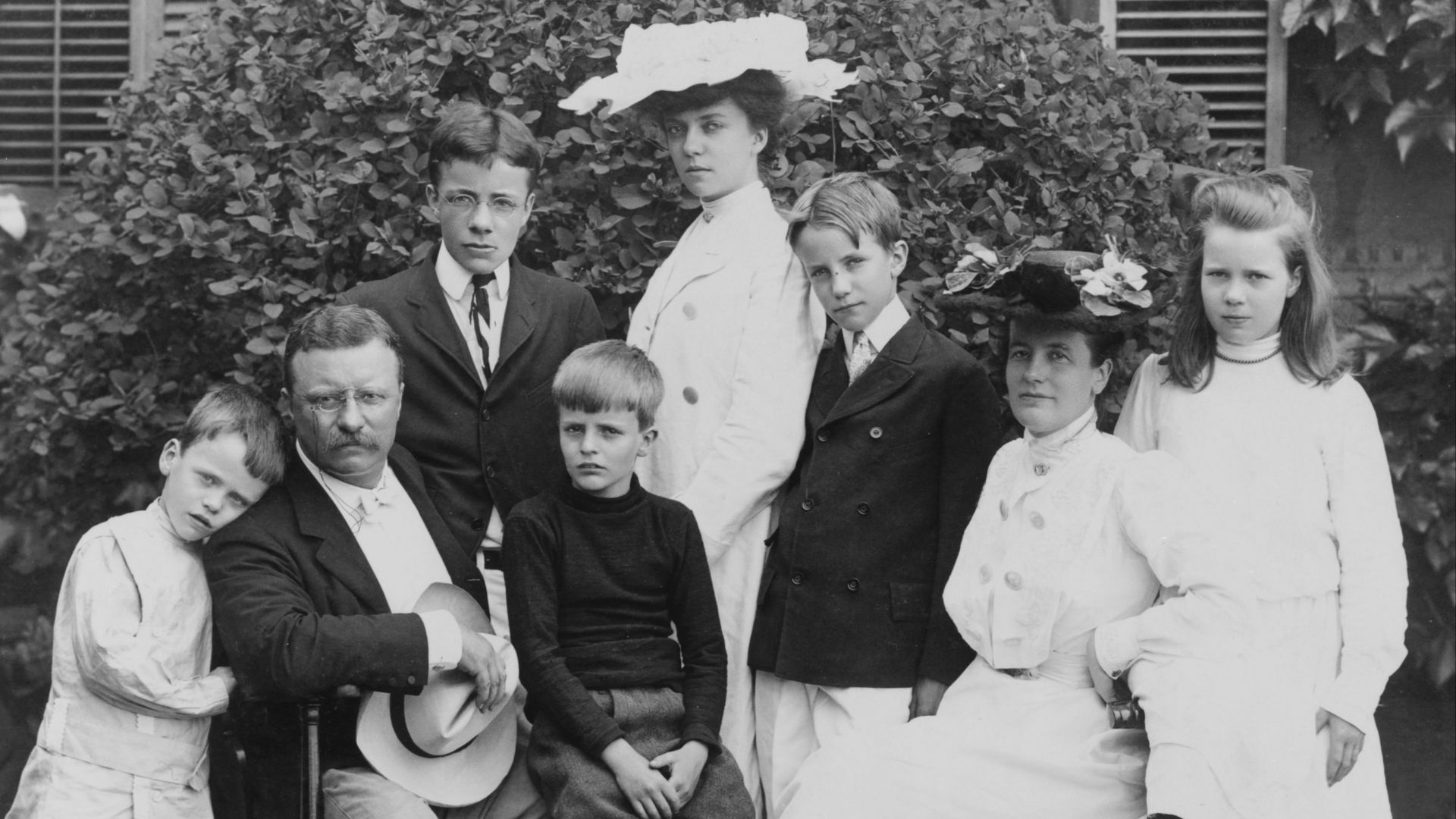
Scared of how he might feel if he saw Edith again, Teddy did his best to stay away from her—but this would only work for so long. Without even trying, he ran into her once again while visiting his sister’s home in New York, and as it turned out, he was right. Proposing to her within months of reuniting, Teddy became engaged to Edith, eventually marrying her in 1886 and going on to welcome four children of their own.
Meanwhile, he was already moving up in the world—and had some changes in mind.
 Unknown authorUnknown author, Wikimedia Commons
17. He Wanted Them Stronger
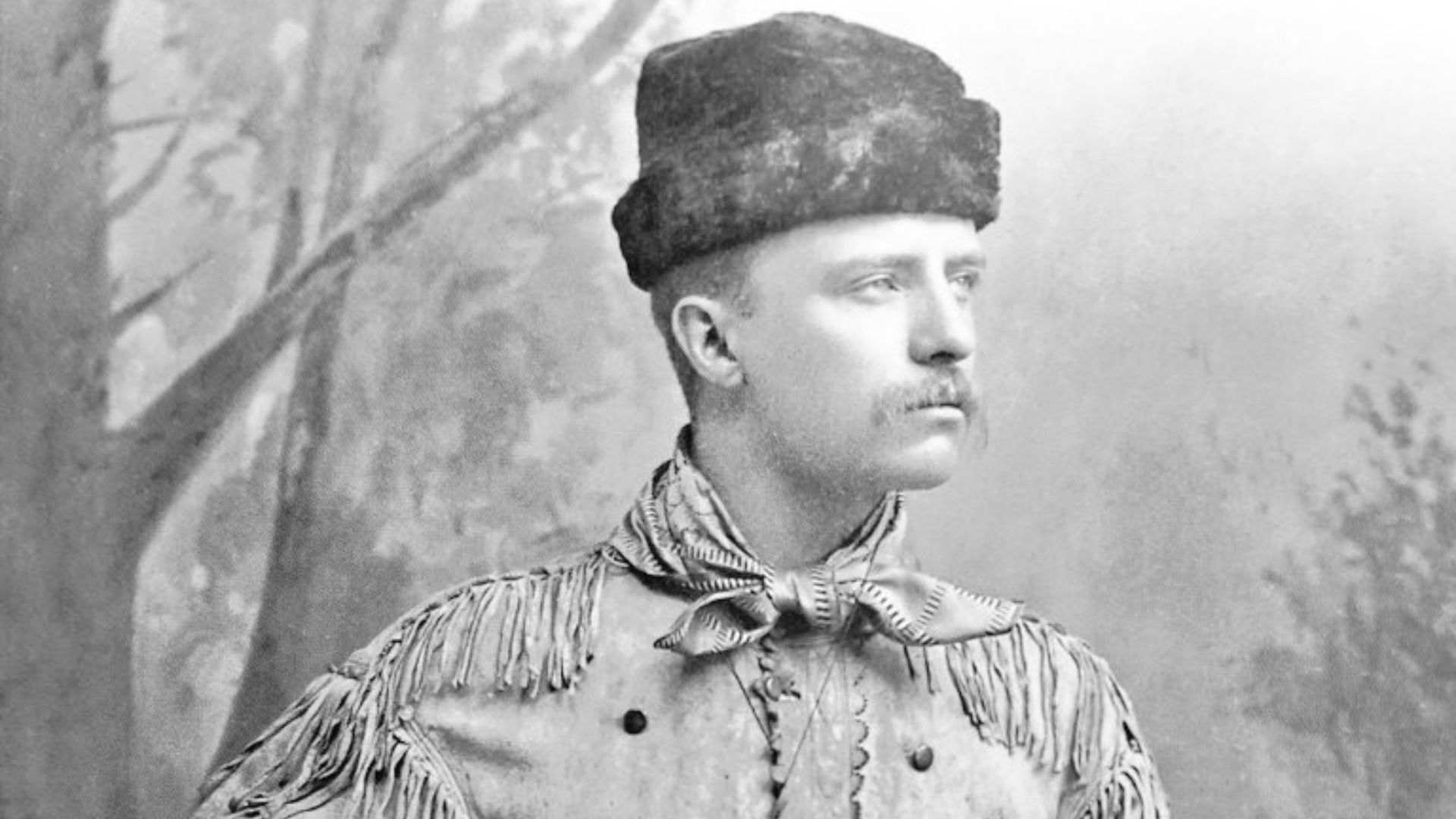
Teddy had already proven that he was a man who could get things done in the political sphere, so when President William McKinley was looking for a new Assistant Secretary of the Navy, one name stood out. Taking the position in 1897, Teddy immediately began shaking things up by fighting especially for an increase in battleship construction, all in the hopes of fortifying the US Navy.
Regardless, he was still the same troublemaker he had always been.
 en:George Grantham Bain, Wikimedia Commons
18. He Took Charge
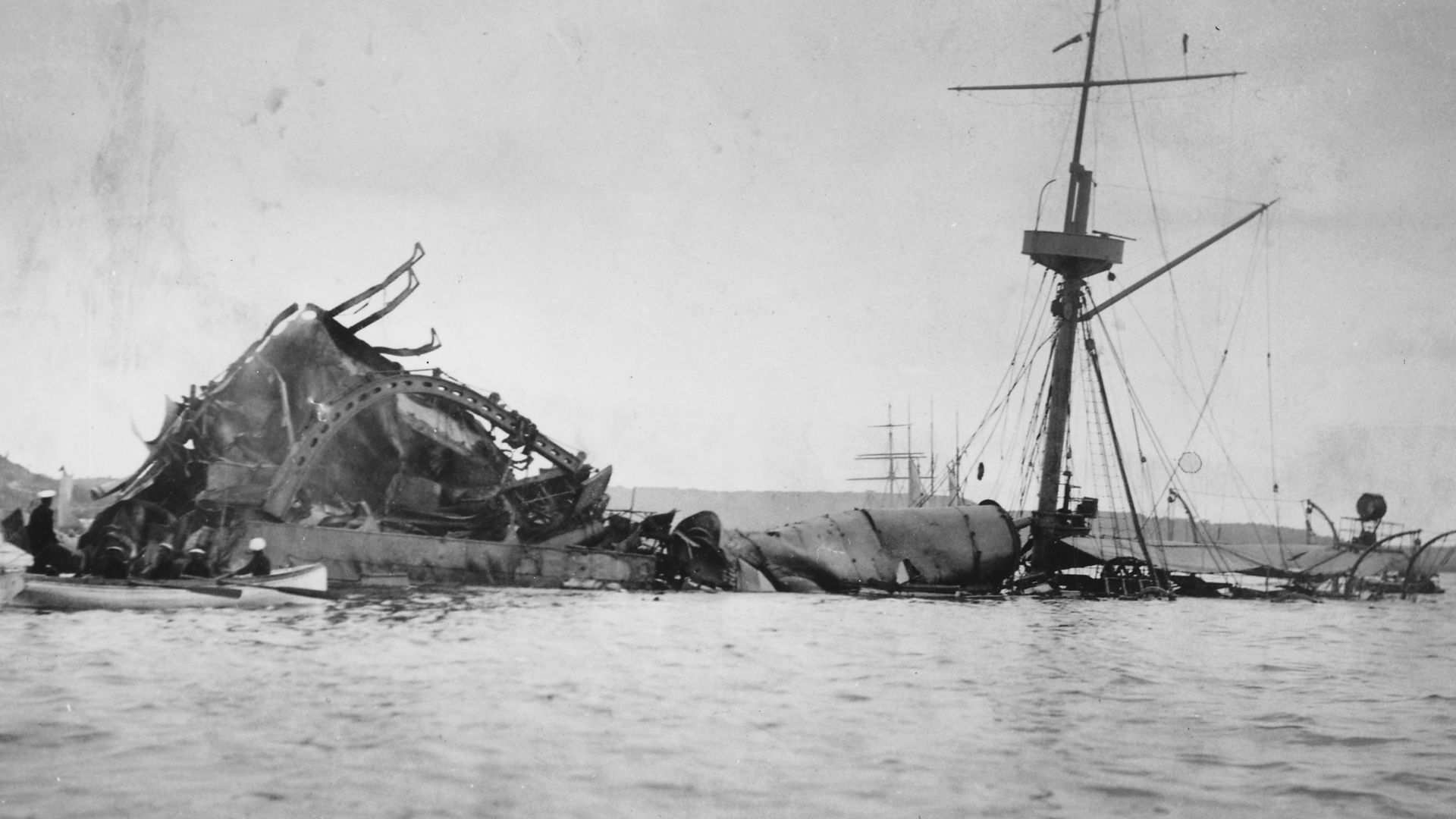
Teddy devoted his efforts to strengthening the US Navy, likely foreseeing that this would be necessary soon enough. America was at odds with Spain, so when the USS Maine mysteriously exploded in early 1898, he knew exactly where to point his finger. President McKinley wanted to talk his way out of this, but Teddy disagreed wholeheartedly and instead ordered many of America’s naval vessels to ready themselves for a conflict.
Of course, just as he was hitting his stride, he realized he was needed elsewhere.
 Unknown authorUnknown author or not provided, Wikimedia Commons
19. He Gave His Notice
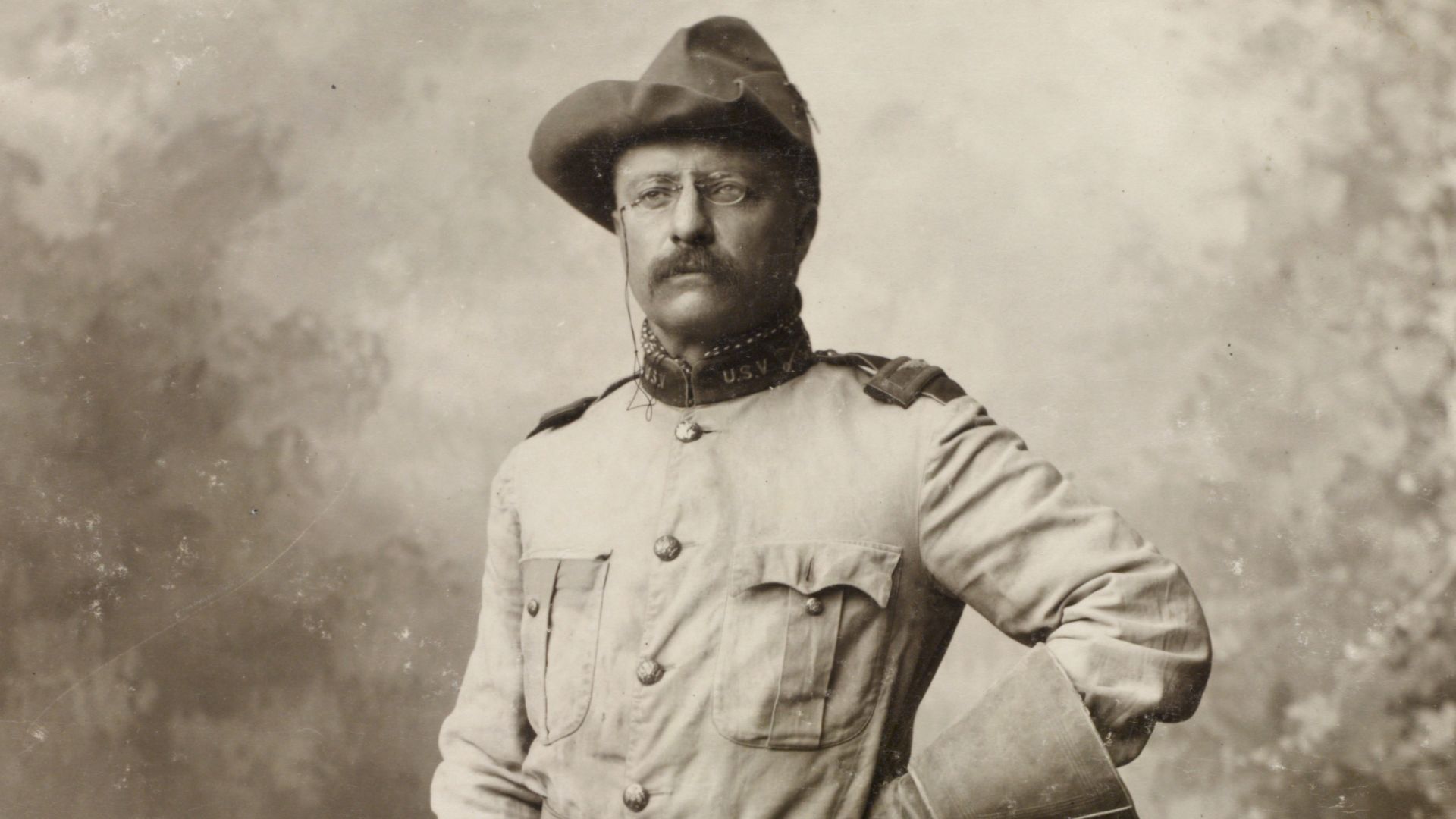
It seemed like Teddy had a good head on his shoulders, and his suspicions of a new conflict were soon confirmed as Spain and America went head-to-head in 1898. Even though he was right, he realized he no longer wanted his position and instead established the First Volunteer Cavalry Regiment in America to fight in the conflict himself.
However, he was also on his way to bigger and better things.
 George G. Rockwood, Wikimedia Commons
20. He Agreed To Run
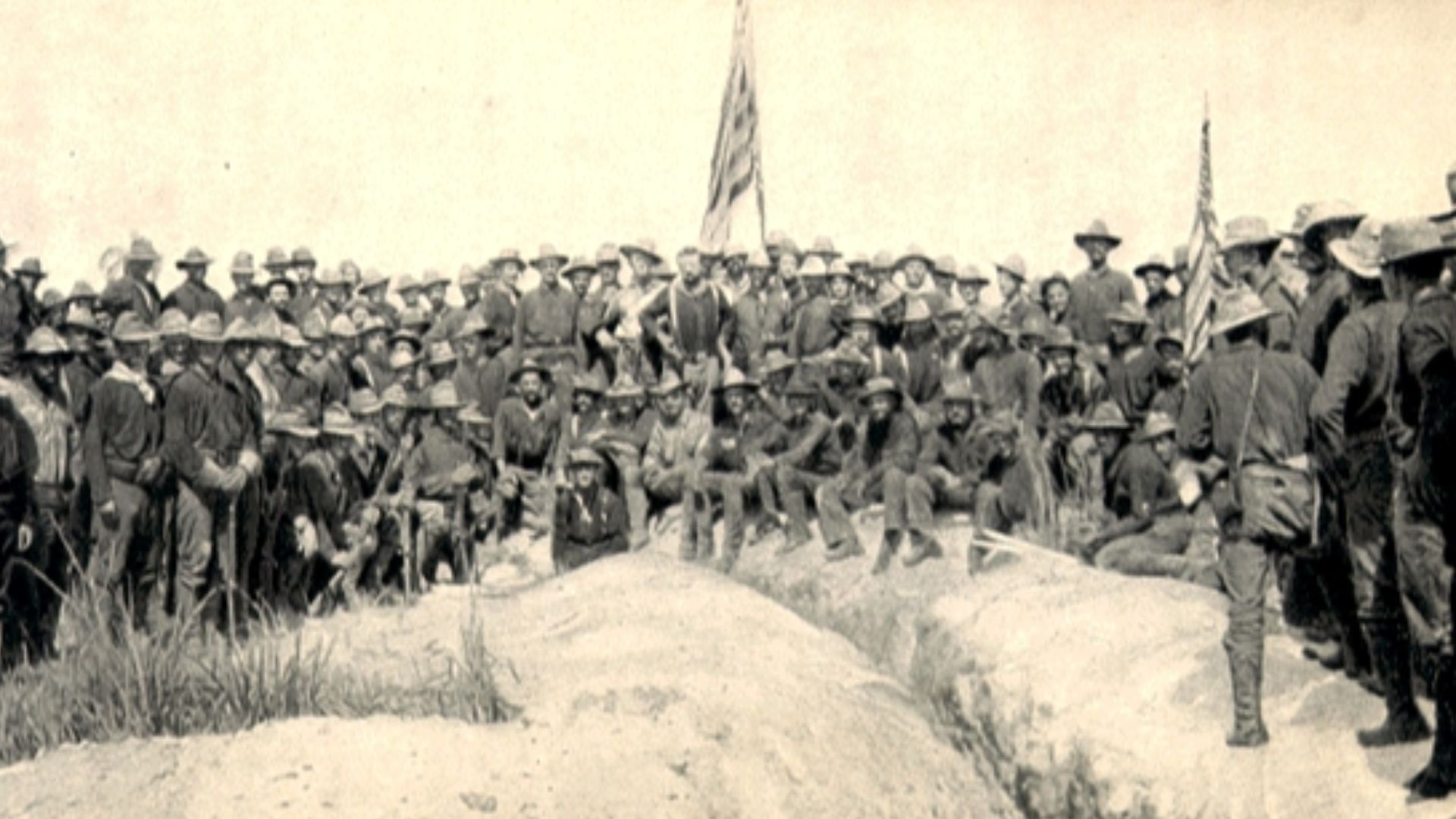
Leading his regiment against Spain, Teddy developed another stunning reputation for his service, which only helped him climb the ladder higher. Following his service in the conflict, he ran for Governor of New York, but it wouldn’t be such an easy win. While his record was impressive, it only helped him so much, and when he eventually won the election, it was just by 1%.
This allowed him to gain much more experience than before—some of which would be especially helpful later on.
 Harper's Weekly, Wikimedia Commons
21. He Learned A Lot
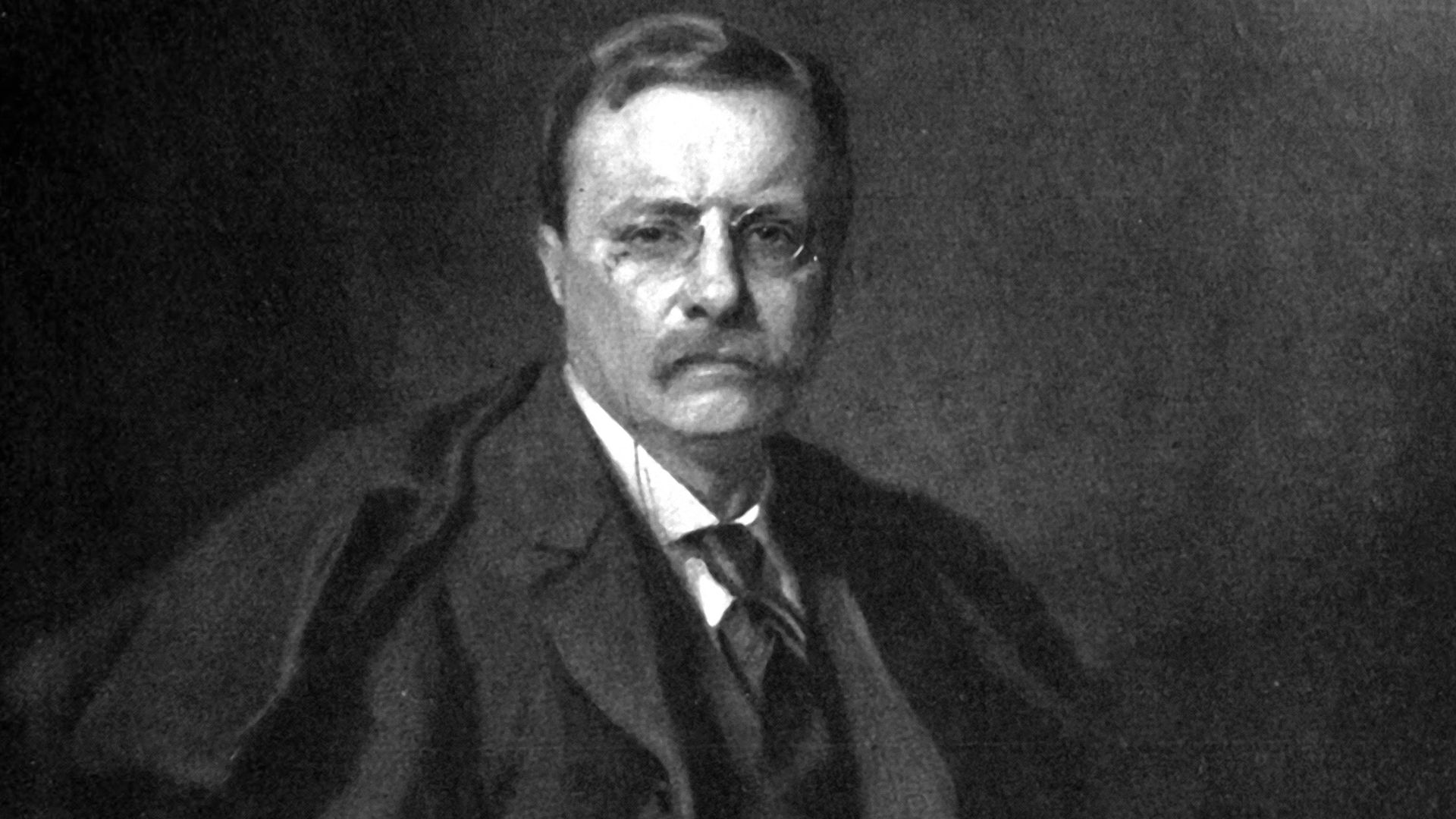
Teddy had already demonstrated how far he was willing to go in fighting for what he believed in, so now that he was the Governor, there was about to be a major shift. Focusing on protecting those in poverty and tackling the many problems that come with capitalism, Teddy’s run as governor was simply a taste of what he would later be like as president.
Still, he knew when it was time to slow down and step back.
 Philip de László, Wikimedia Commons
22. He Told Them No
Having impressed countless in the Republican Party, Teddy suddenly had a new opportunity in his lap when William McKinley’s vice president, Garret Hobart, perished in 1899. Many, like Senator Henry Lodge, pushed Teddy to throw his hat in the ring as Hobart’s replacement. However, while he was no less ambitious than before, he adamantly refused even the idea of this nomination.
That could have been the end of this story—but his enemies had something up their sleeves.
 Frances Benjamin Johnston, Wikimedia Commons
23. He Wanted Him Out
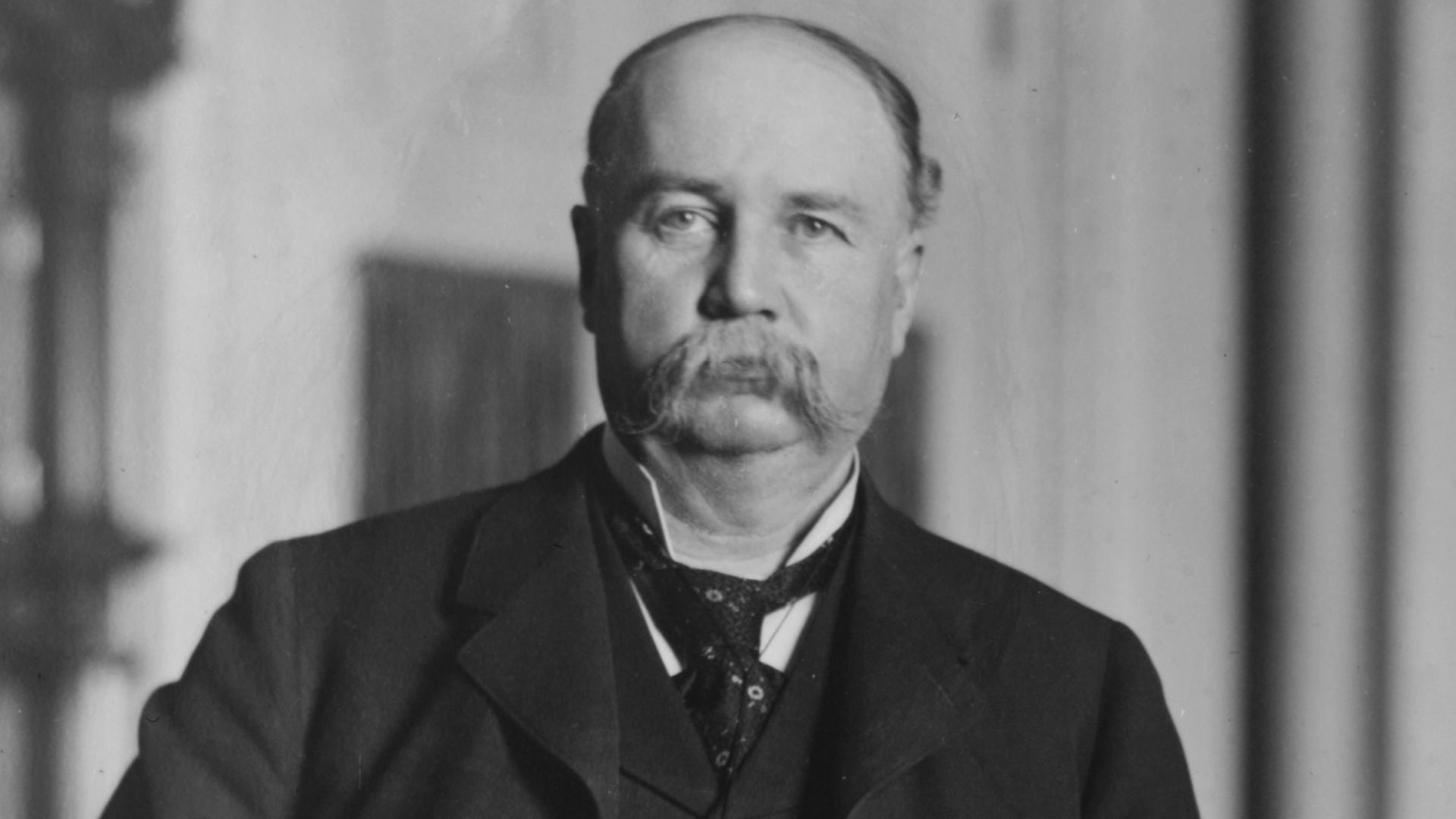
Ever since he became governor, Teddy had rubbed several other politicians the wrong way, including Thomas C Platt—who wanted nothing more than to get rid of him. Believing the post of Vice President would get him out of the way, Platt made a deal with Teddy, who stated that the only way he would take the nomination was if the Republican National Convention offered it to him directly.
Believing he had a pretty good chance at avoiding such an outcome, he was in for a rude awakening.
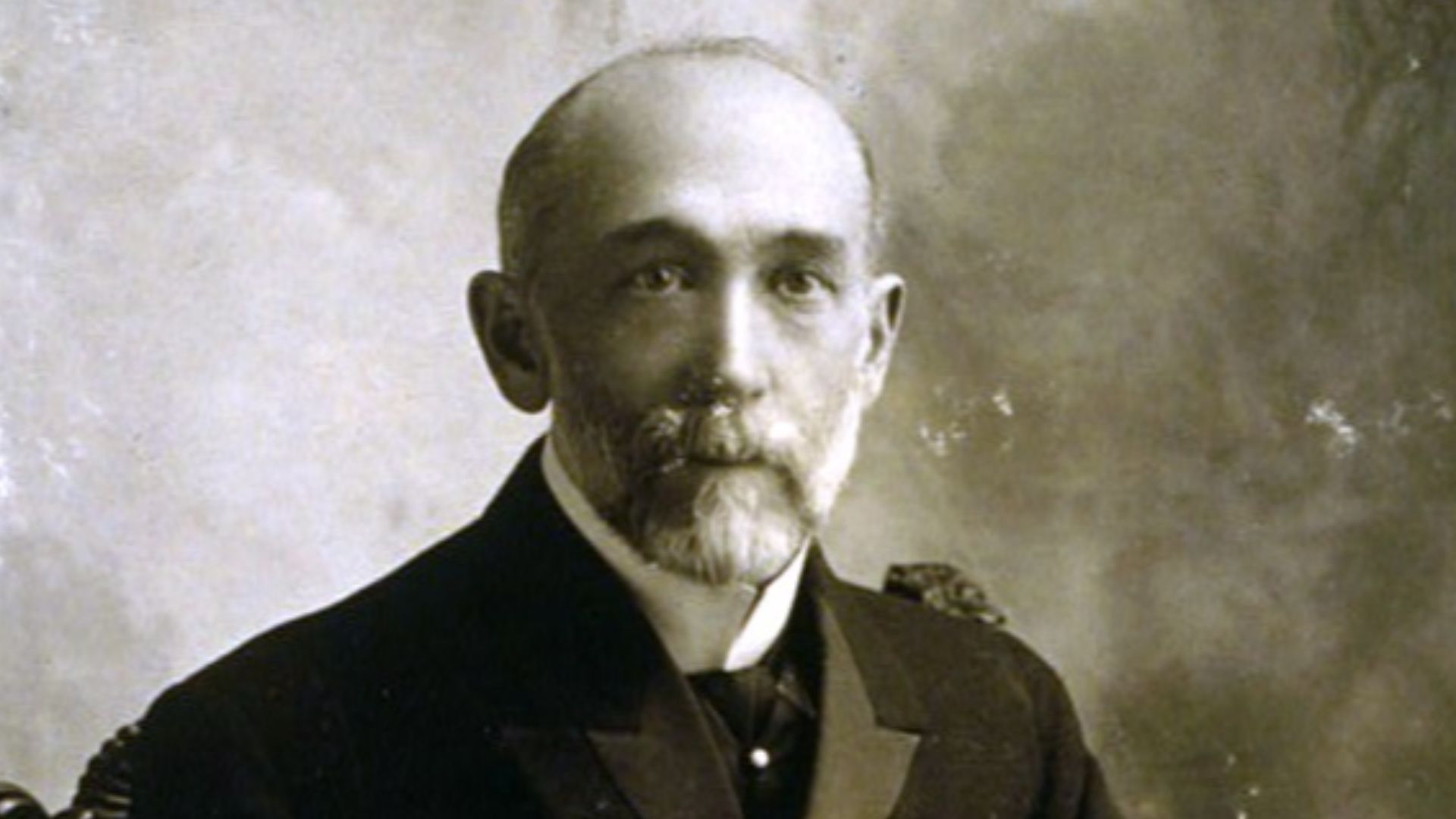
24. He Was The Only Choice
Teddy may have wanted nothing to do with the office of Vice President, but as he quickly discovered, not everything would turn out how he planned. After his enemies found a way to get him on the Republican ticket in 1900, he had no choice but to live up to his word as the convention unanimously nominated him.
He had achieved what many believed was the perfect job for him—but he soon realized why it wasn’t.
 C.Frey & Co, Wikimedia Commons
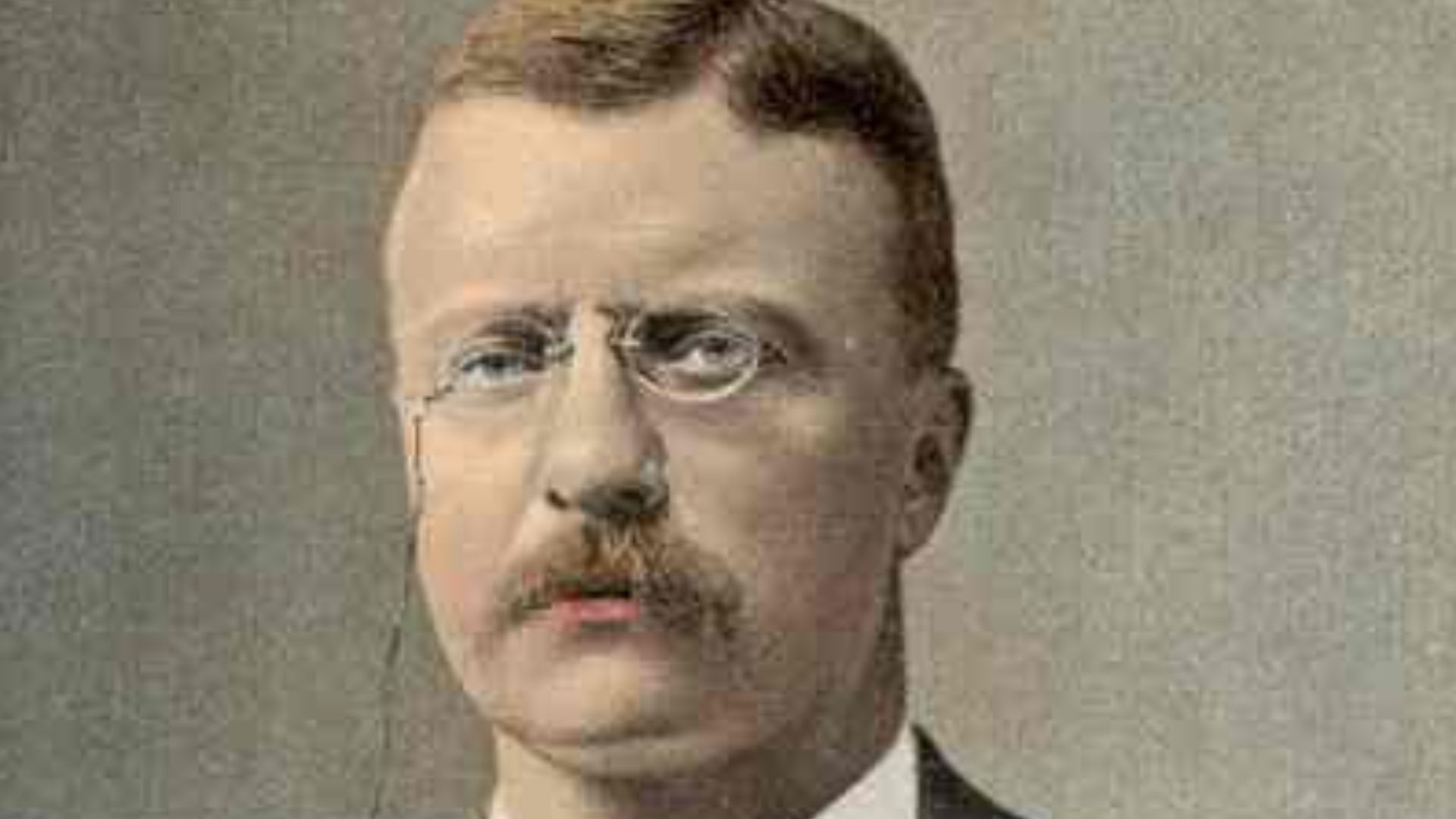
25. He Wasn’t A Right Fit
Teddy’s ruthless determination to get results was what many believed would make him such an amazing leader, but at the same time, it was exactly why he knew he would make a poor Vice President. After officially taking the position, he realized he had no real power to make changes, and this only made him grow more bitter.
Luckily, he would be moving up before long—though not in the way he wanted.
 B.J. Falk (1853-1925), Wikimedia Commons
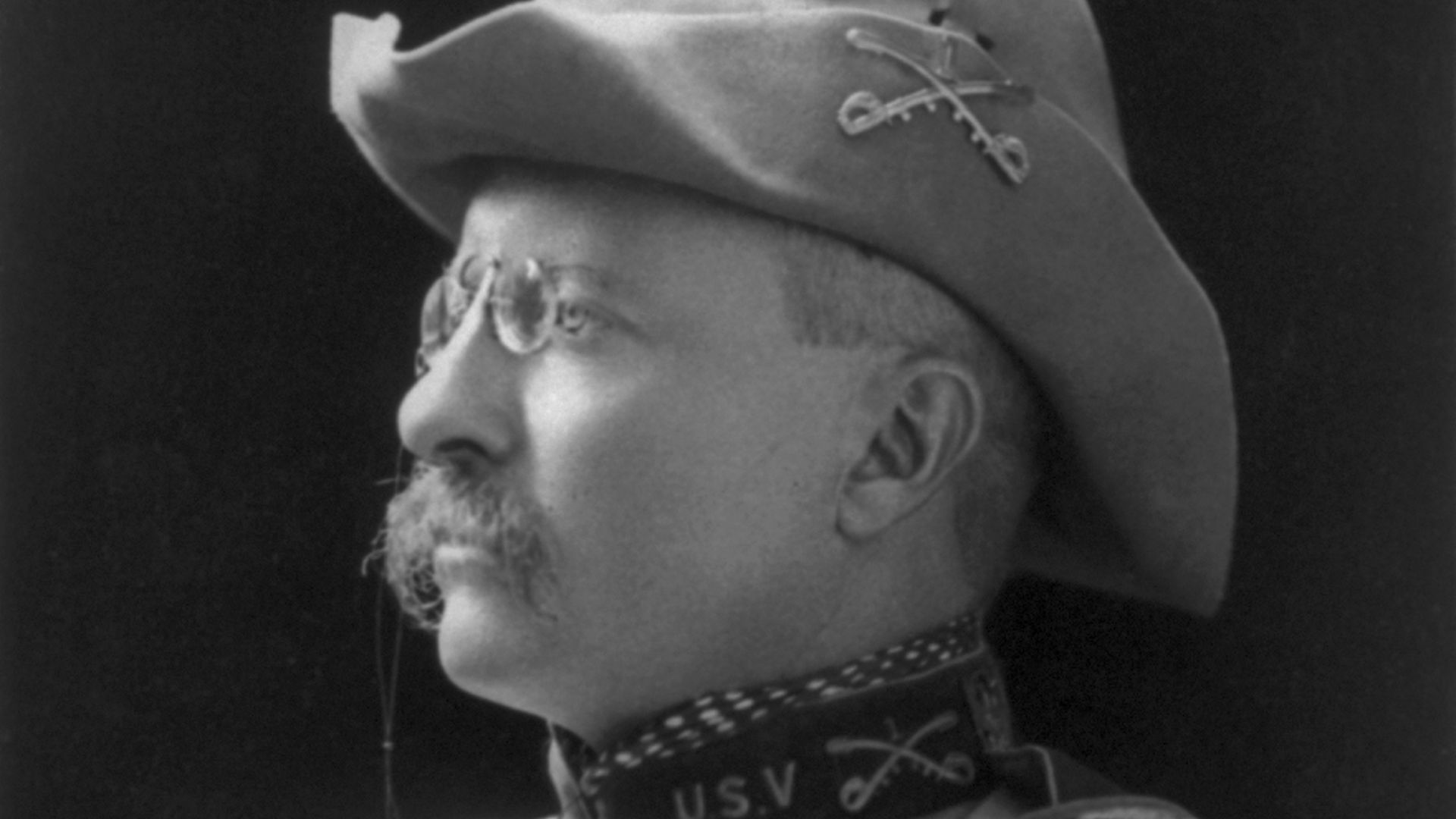
26. He Was On Vacation
Although being vice president left Teddy with little to do, he could at least use that to his advantage and take a bit of time off—even if the timing couldn’t have been worse. While on vacation in Vermont in 1901, he received the shocking news that someone had shot President McKinley. Rushing to McKinley’s side in Buffalo, Teddy only stayed until he could make sure the president was on the mend, at which point he went back to Vermont.
He didn’t realize how bad the situation was—but he was about to get a new job.
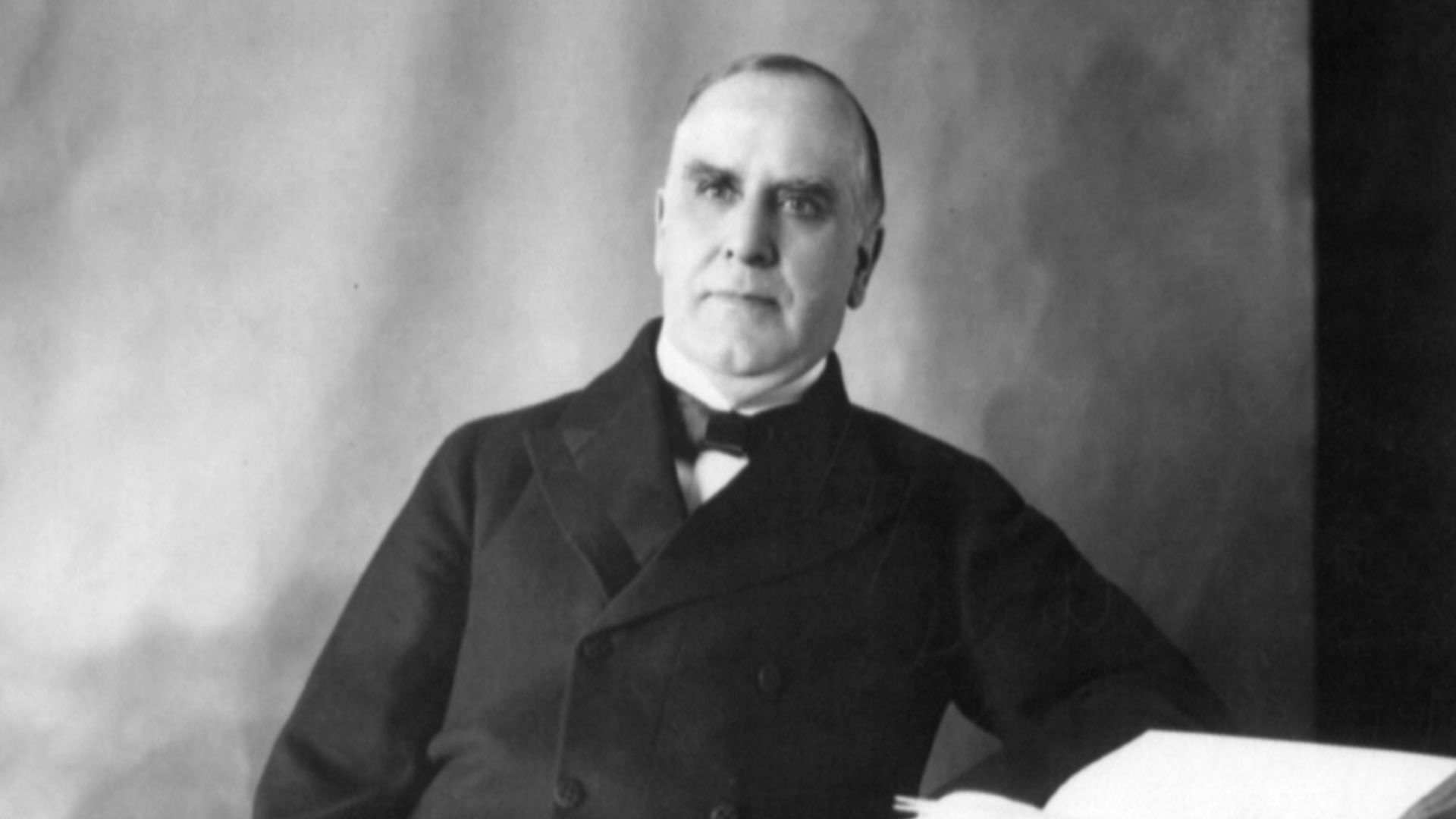
27. He Took Over
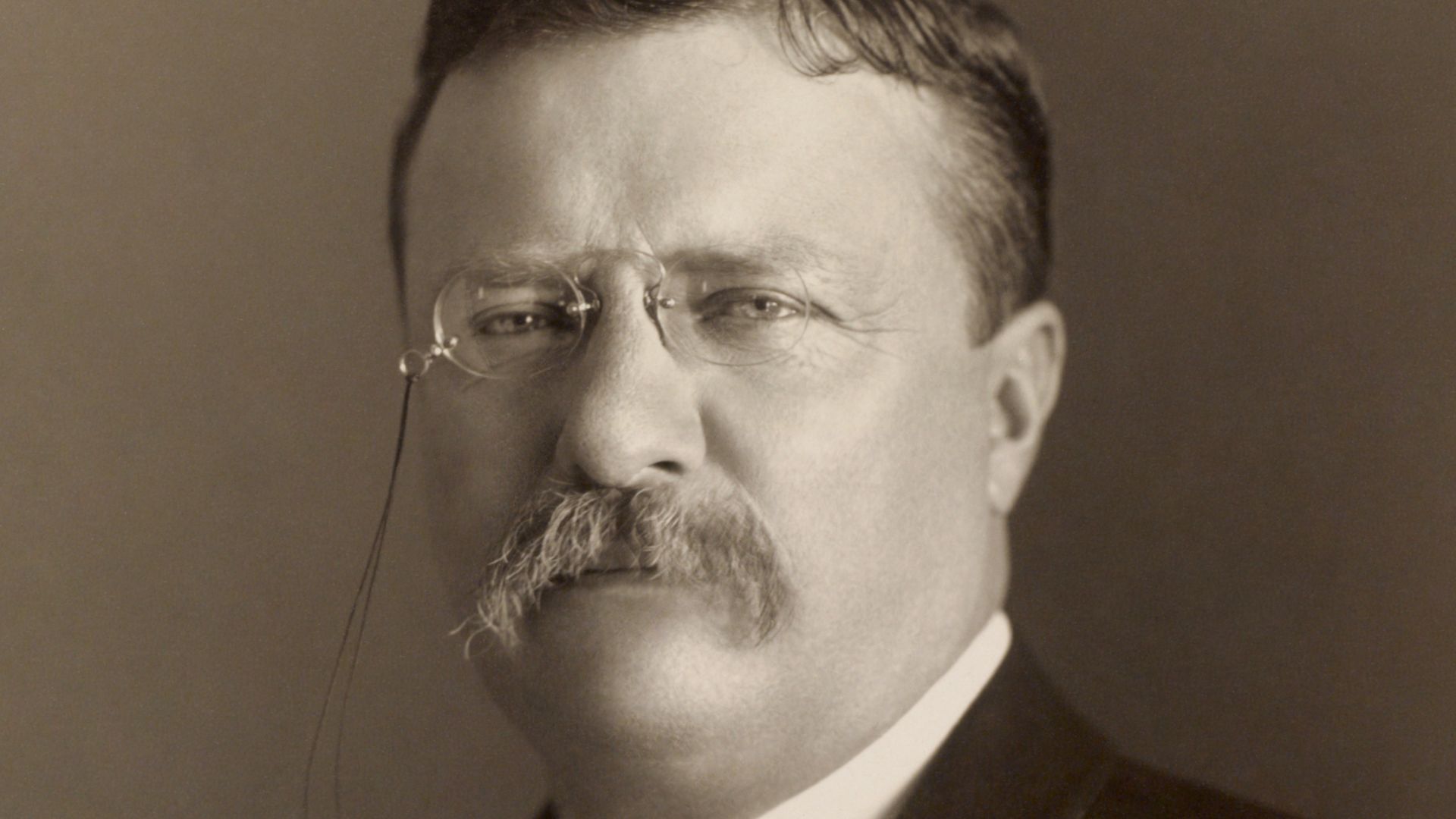
Teddy returned to his vacation, but he barely had time to unpack before he had to leave once again—and this time there was no mistaking the truth. President McKinley had perished, so after hearing word of this, he rushed back to Buffalo and gave up his position to be sworn in as President of the United States.
While he had many accomplishments during his term, he always went back to one of his greatest loves.
 Adam Cuerden, Wikimedia Commons
28. He Loved Nature
Teddy’s childhood love of the outdoors transformed into an intense desire to protect the natural world around him, which drove a lot of what he did as President. Devoting his resources to that goal, he made great strides in conserving America’s land and wildlife, such as creating five National Parks and the United States Forest Service.
While he was clearly doing great work, he knew he couldn’t do it forever.
 Vulturesong, Wikimedia Commons
29. He Made A Promise
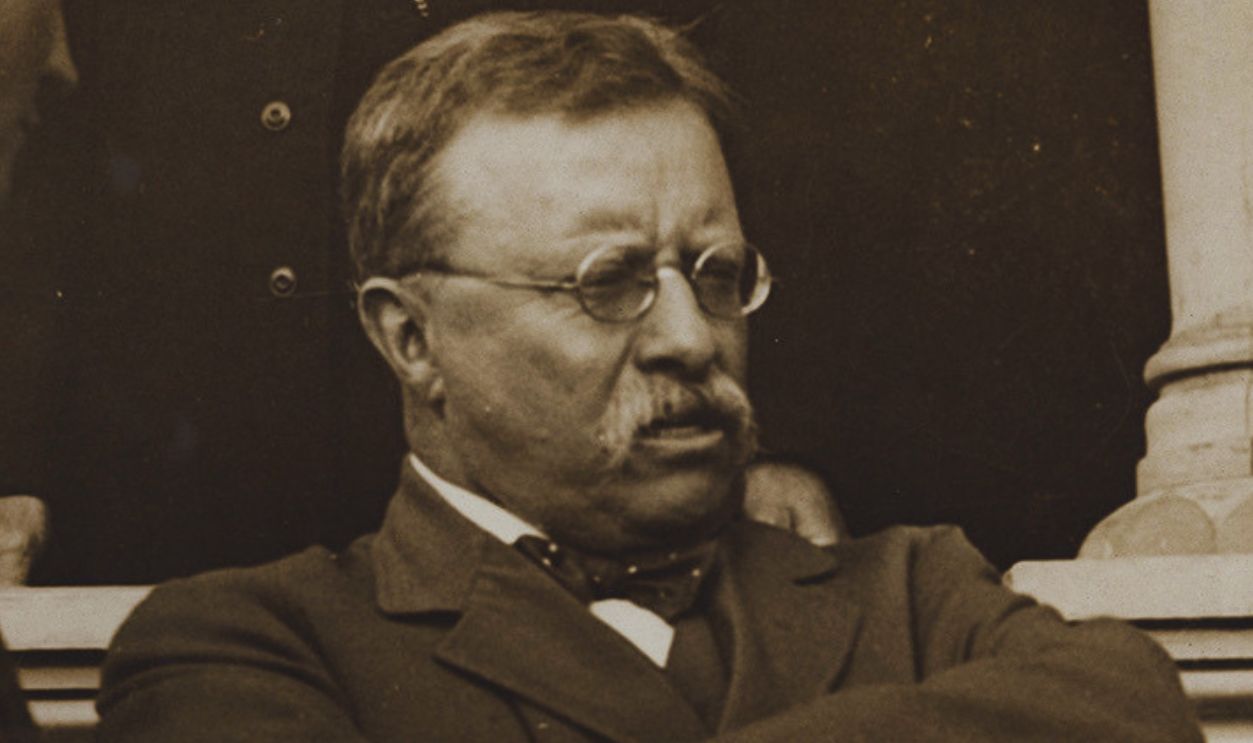
Enjoying all the power to make changes that came with the office of President, a second term seemed like an obvious choice for Teddy—but he didn’t see it that way. It wasn’t difficult for him to win the 1904 election, but by that point, he had made up his mind about his future in politics. Just before his inauguration, he announced that, while he was happy to serve a second time, it would be his last.
However, while this would be his last term, that didn’t mean he was phoning it in.
 SMU Central University Libraries, Wikimedia Commons
30. He Kept The Peace
Another great quality often attributed to Teddy was his management of foreign affairs, with one specific event earning him international praise—and a pretty substantial award. During the hostilities between Russia and Japan in the early 1900s, both nations chose him to act as referee during their peace conference. He agreed and performed his duty so well that he became the first of just four US presidents to receive the Nobel Peace Prize.
Of course, he was a man of his word—even when it went against what he wanted.
 Miscellaneous Items in High Demand, PPOC, Library of Congress, Wikimedia Commons
31. He Went Through With It
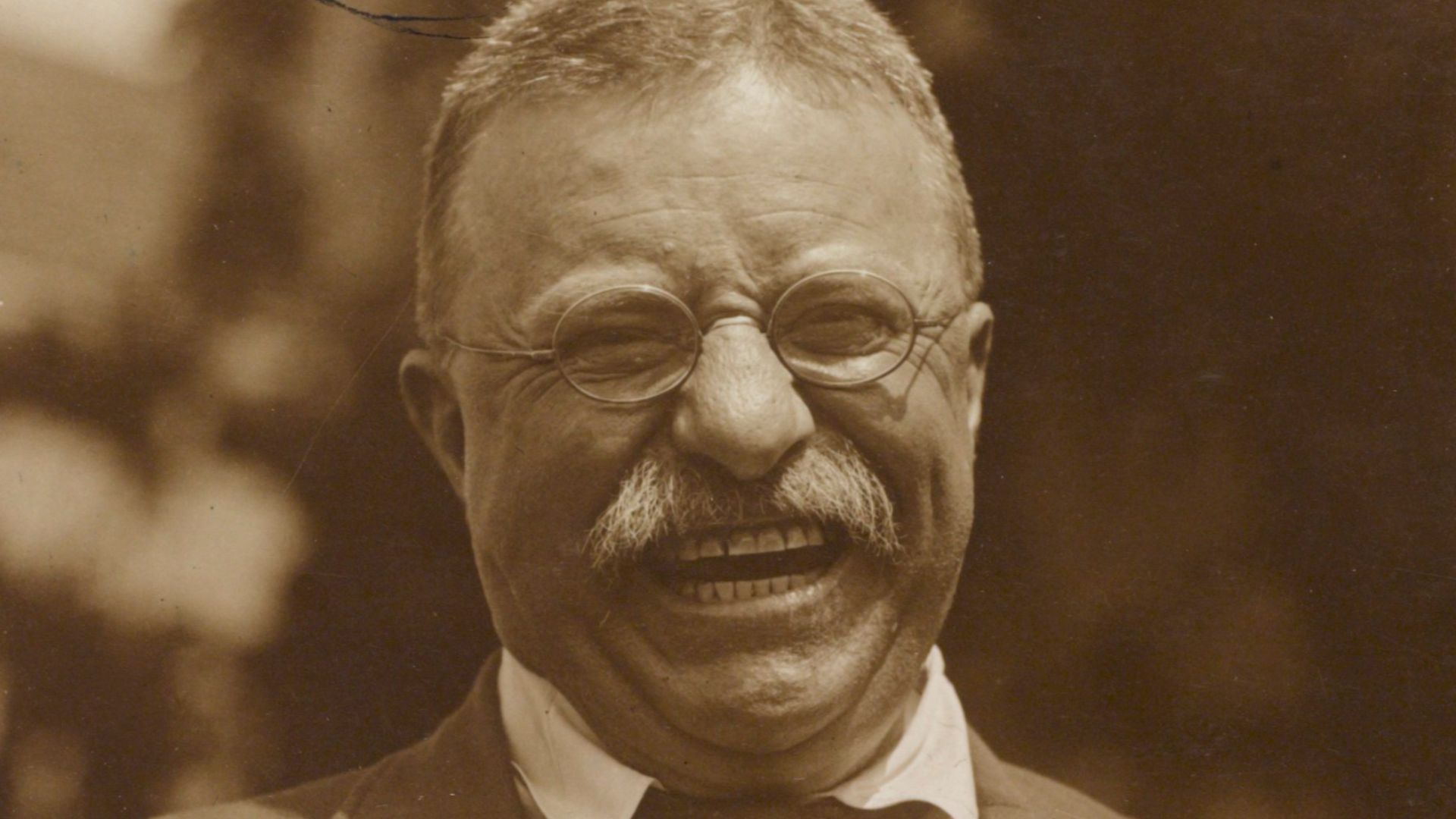
Even though Teddy remained dedicated to his job throughout his second term, he had already sworn he wouldn’t run for a third, and as the 1908 election drew nearer, he remained true to his word. It wasn’t that he had grown tired or bored of the job, more so that he believed sticking to two terms was how the presidency would avoid becoming a dictatorship.
While he couldn’t officially appoint the next president—he still had someone in mind.
 Unknown authorUnknown author, Wikimedia Commons
32. He Chose His Successor
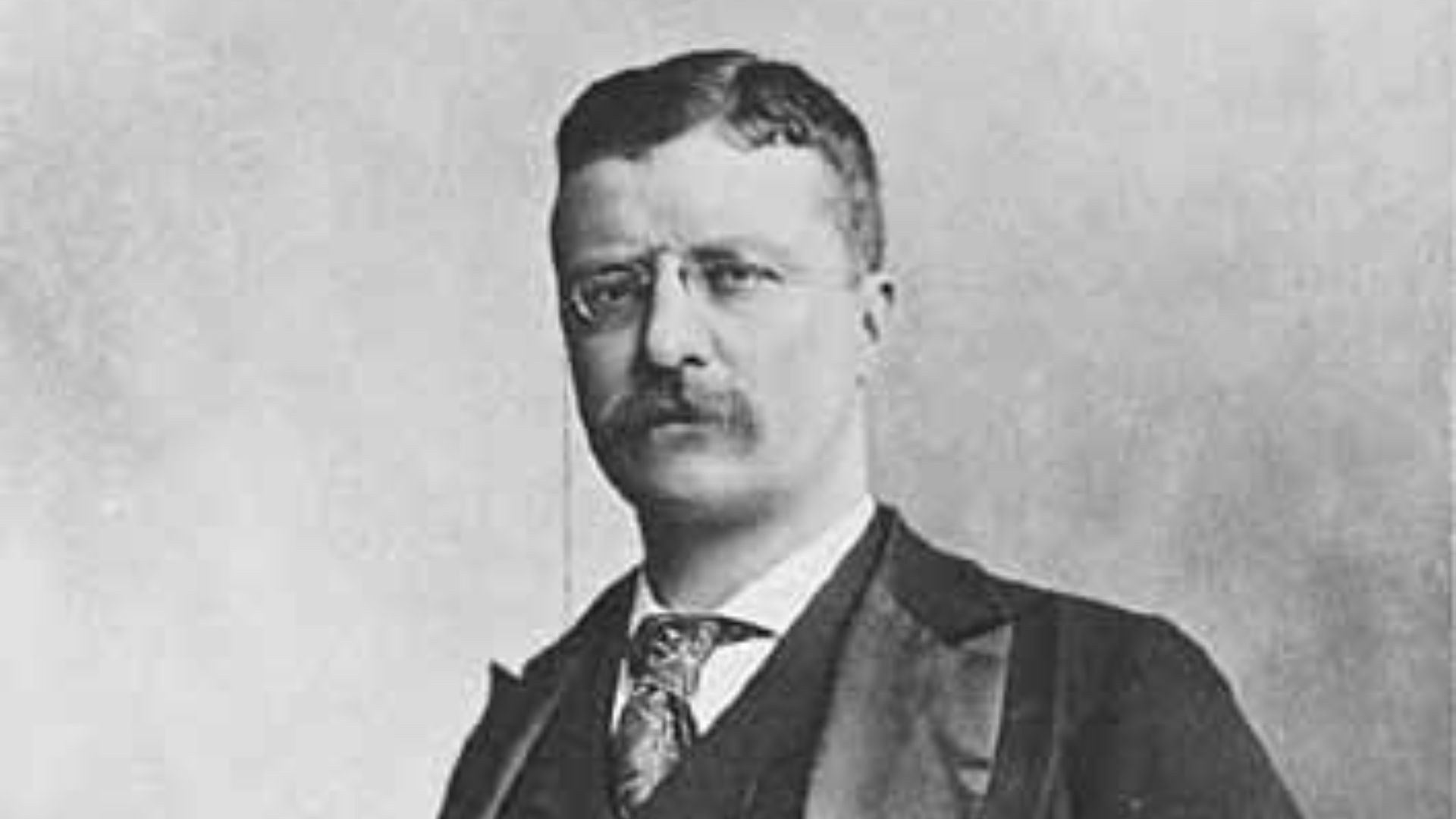
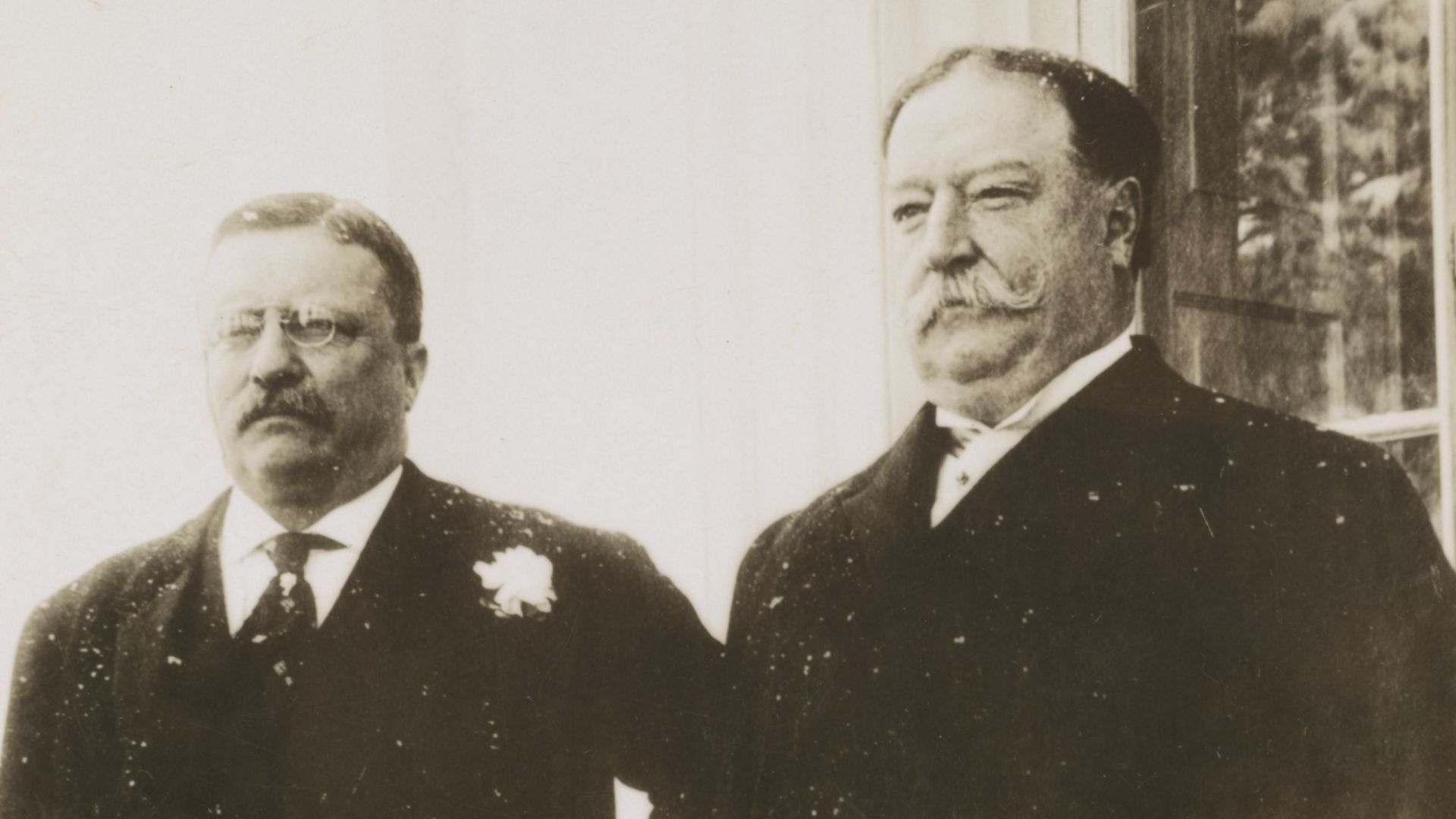
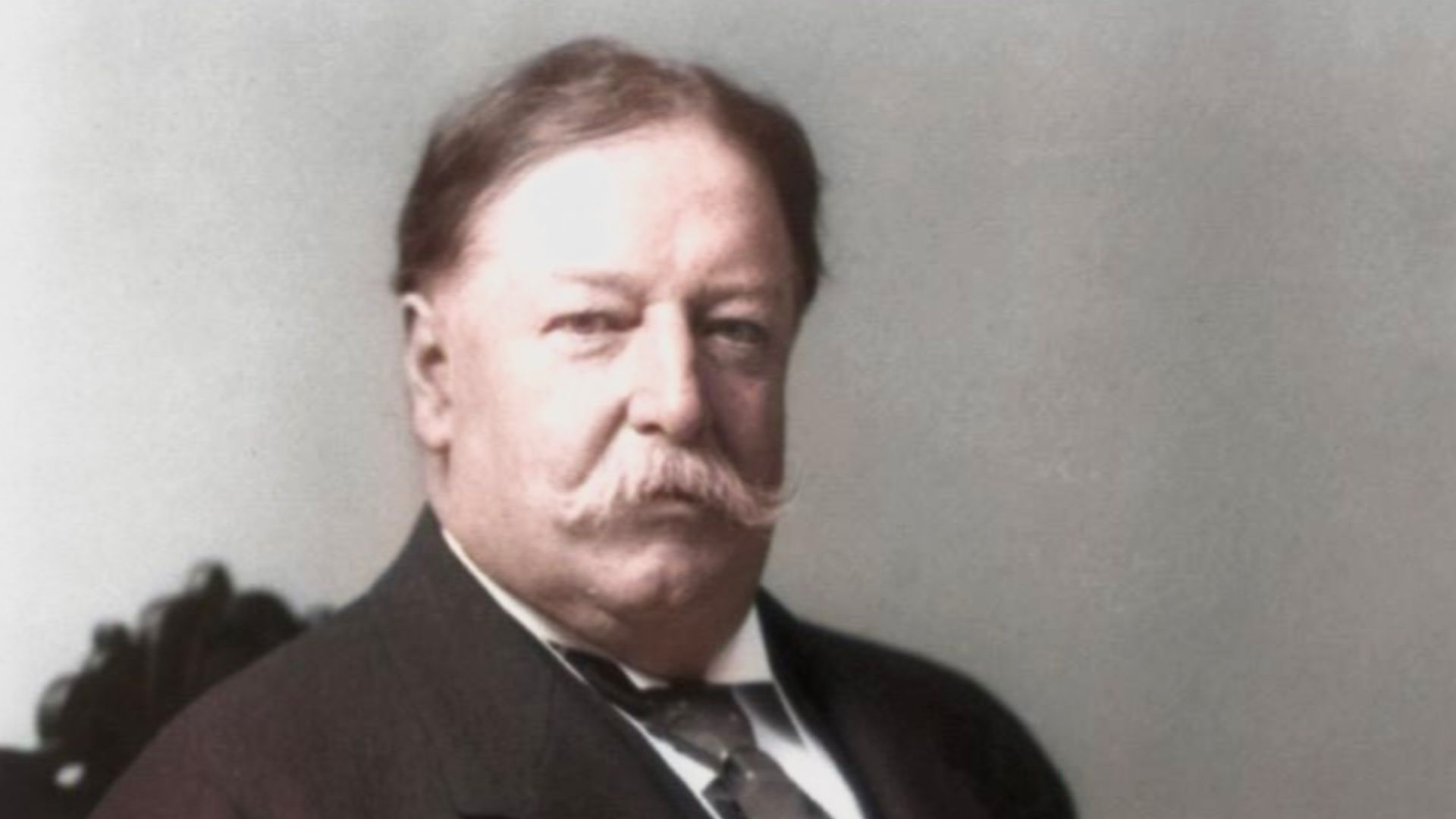
Although there were several candidates whom Teddy believed would make a good president after him, there was always some drawback with each one—except for one man. Not only had William Taft served on the US Cabinet, but he was also a long-time friend of Teddy’s and had always been one of his most vocal supporters. With Teddy’s endorsement, Taft easily won the Republican nomination and subsequently the 1908 election.
Free from his presidential duties, Teddy could finally focus on reaching even greater heights.
 Brown Brothers (New York, N.Y.), photographer, Wikimedia Commons
33. He Went On A Trip
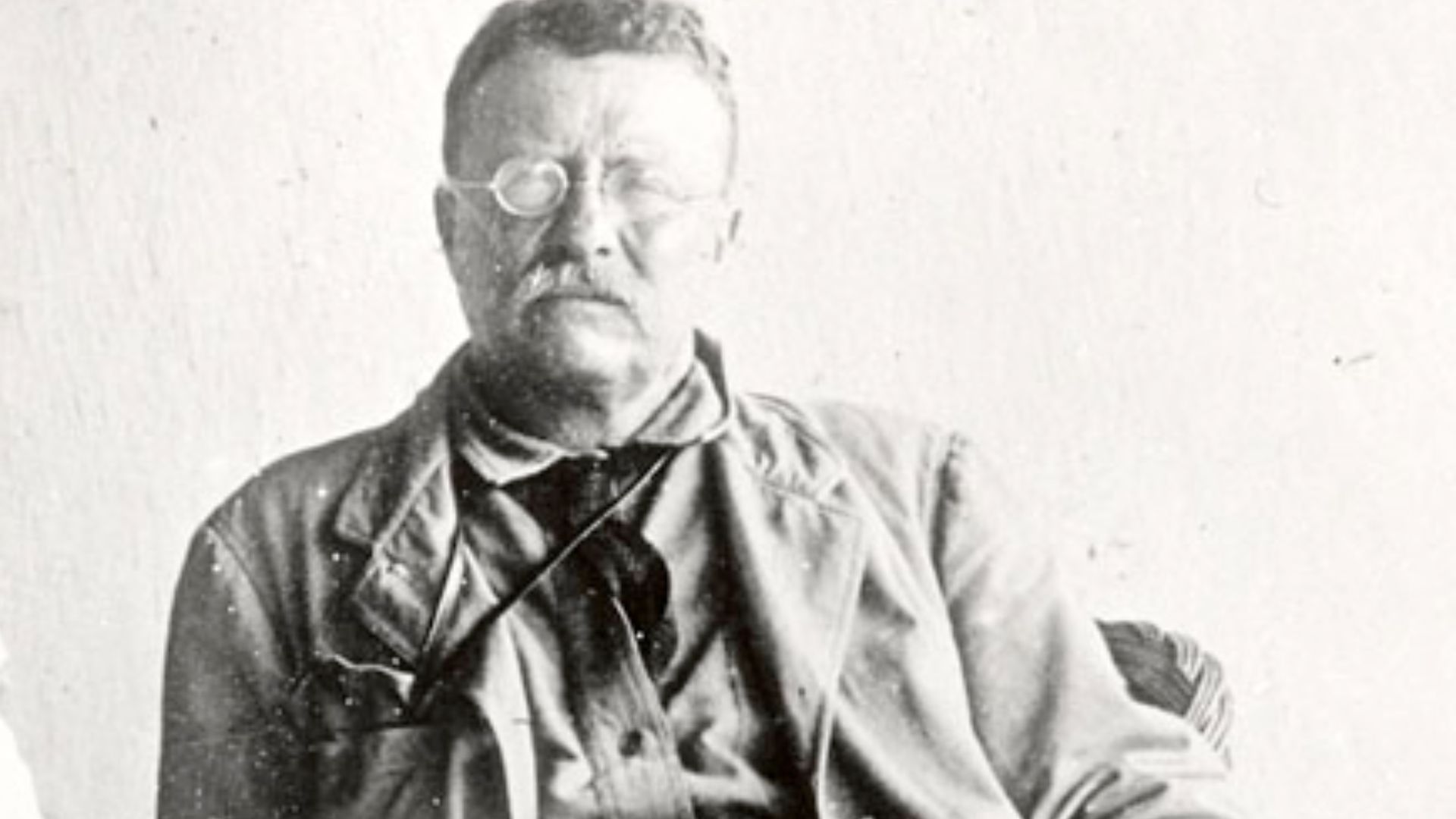
Going all the way back to his early interest in zoology, Teddy chose to use all his newfound free time to embark on an unprecedented adventure for him. Leaving the US in March 1909, he led the Smithsonian-Roosevelt African Expedition to tropical Africa, where they searched for creatures to bring back as exhibits for the American Museum of Natural History and the Smithsonian Institution.
Of course, this wasn’t the only daring feat he set his sights on.
 Smithsonian Institution Archives, Wikimedia Commons
34. He Took To The Skies
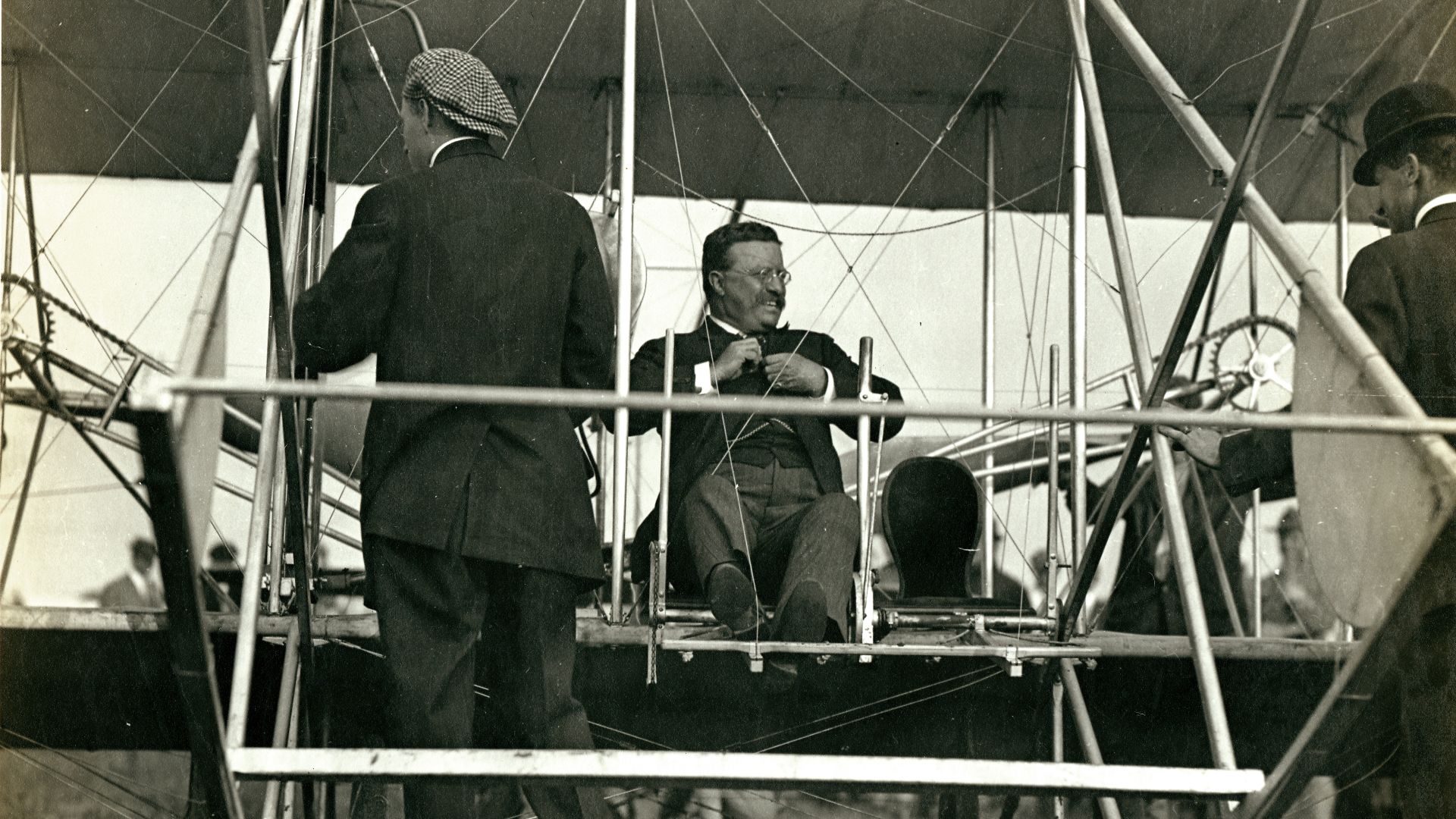
Teddy wouldn’t return from his expedition until the following year, but rather than take an extra-long break, it was only a matter of months before he was off on another adventure. This time, he decided to conquer the air itself as he flew up in an aircraft designed by the Wright brothers themselves. Soaring through the skies for about four minutes, he was the first US President to fly in a plane.
Unfortunately, his post-presidency career wouldn’t be as care-free as he might have liked.
 David M. Boyd, Wikimedia Commons
35. He Wasn’t What He Wanted
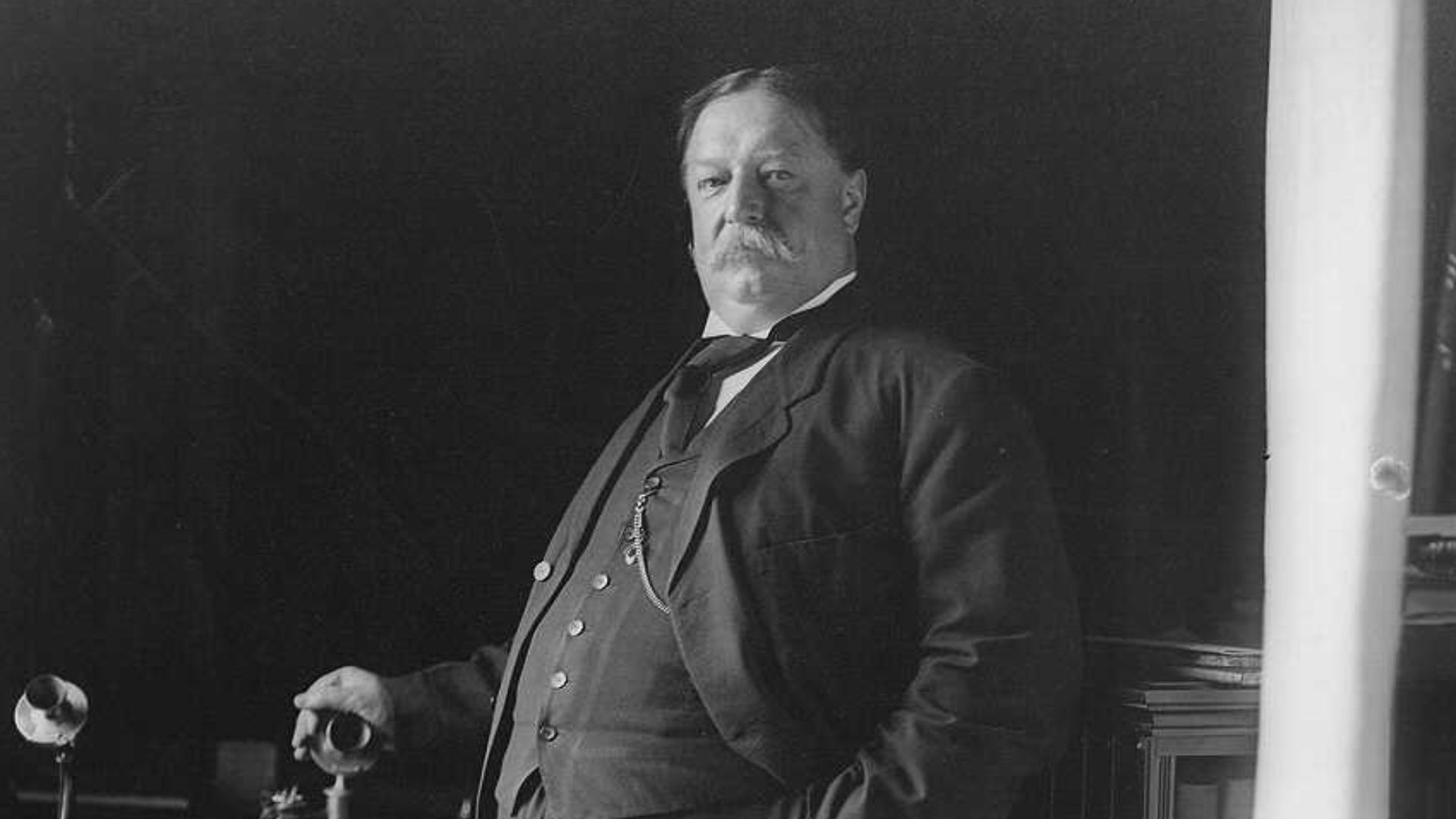
Having always seen eye to eye with Taft, Teddy envisioned that he would be essentially another President Roosevelt—but he was sorely mistaken. It started when Taft credited his success to his own half-brother, along with the former president, which Teddy found infuriating, but it got worse. Before long, Taft began to disagree with Teddy more and more, trusting his own judgment instead of his predecessor’s.
Never truly being able to rest, Teddy realized he had found his next great purpose in life.
 no photographer credit, Wikimedia Commons
36. He Wanted To Swoop In
Feeling like Taft was failing as his replacement, Teddy decided to go back on his previous sentiments and run for president again—but he would have to win the Republican nomination first. In his mind, he believed the party was on its way to destruction with Taft in the lead, and only he had the power to save it. However, the rest of the party didn’t agree, and they instead chose Taft as their nominee for the 1912 election.
Things weren’t working out how he wanted, so Teddy took matters into his own hands.
 Samuele Wikipediano 1348, Wikimedia Commons
37. He Made Something New
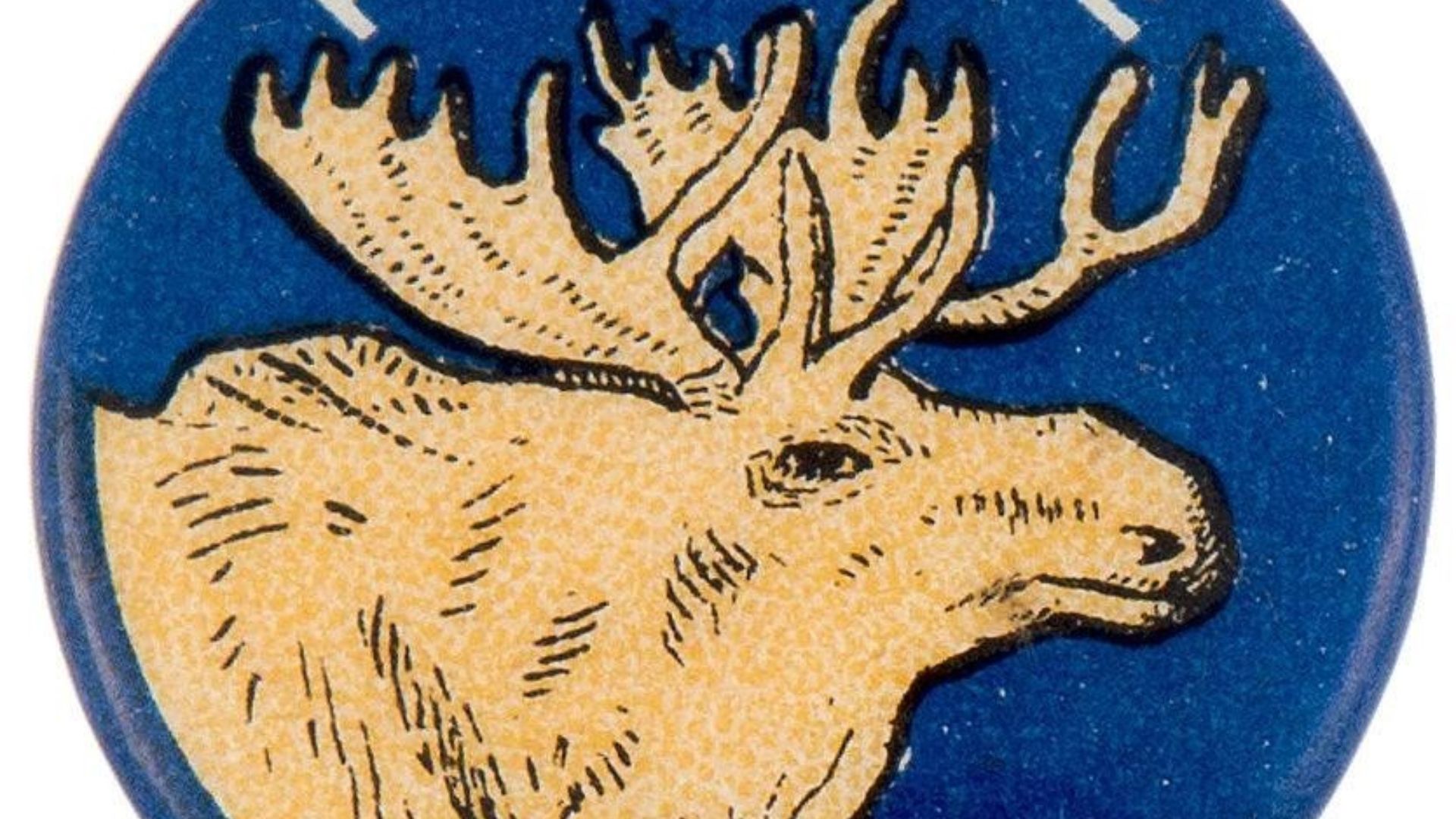
Having found no success in his party, Teddy had to accept that he was on his own—but he wouldn’t let that get in the way of his ambition. Determined to fight in the presidential race till the very end, he left the Republican Party for another—though he wasn’t about to join the Democratic Party either. Instead, he created his own, which he called the Progressive Party, gathering members who thought much more like him.
Teddy had faced danger countless times before—but nothing like what was about to happen.
 AnonymousUnknown author, Wikimedia Commons
38. He Was Following Orders
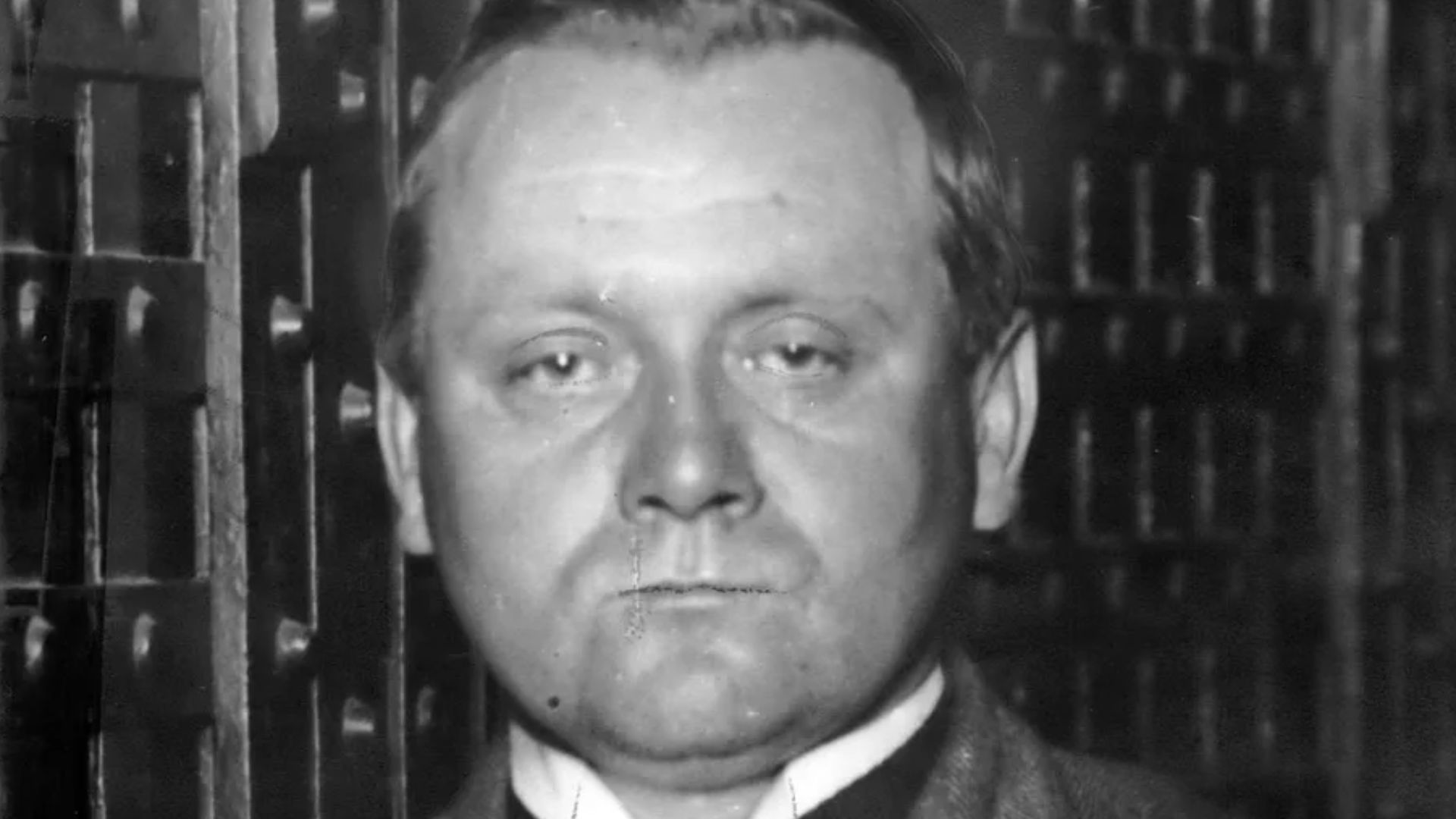
With his hat in the ring for the presidency again, Teddy began his campaign leading up to the election and traveled all over to meet prospective voters—one of whom had something nefarious in store. While visiting Milwaukee, Teddy was about to give a speech when a man named John Schrank walked up and shot the former president. As Schrank later revealed, he only did so because the alleged ghost of President McKinley had commanded him to.
Shockingly, Teddy wasn’t quite ready to leave yet.
39. He Wanted To Stay
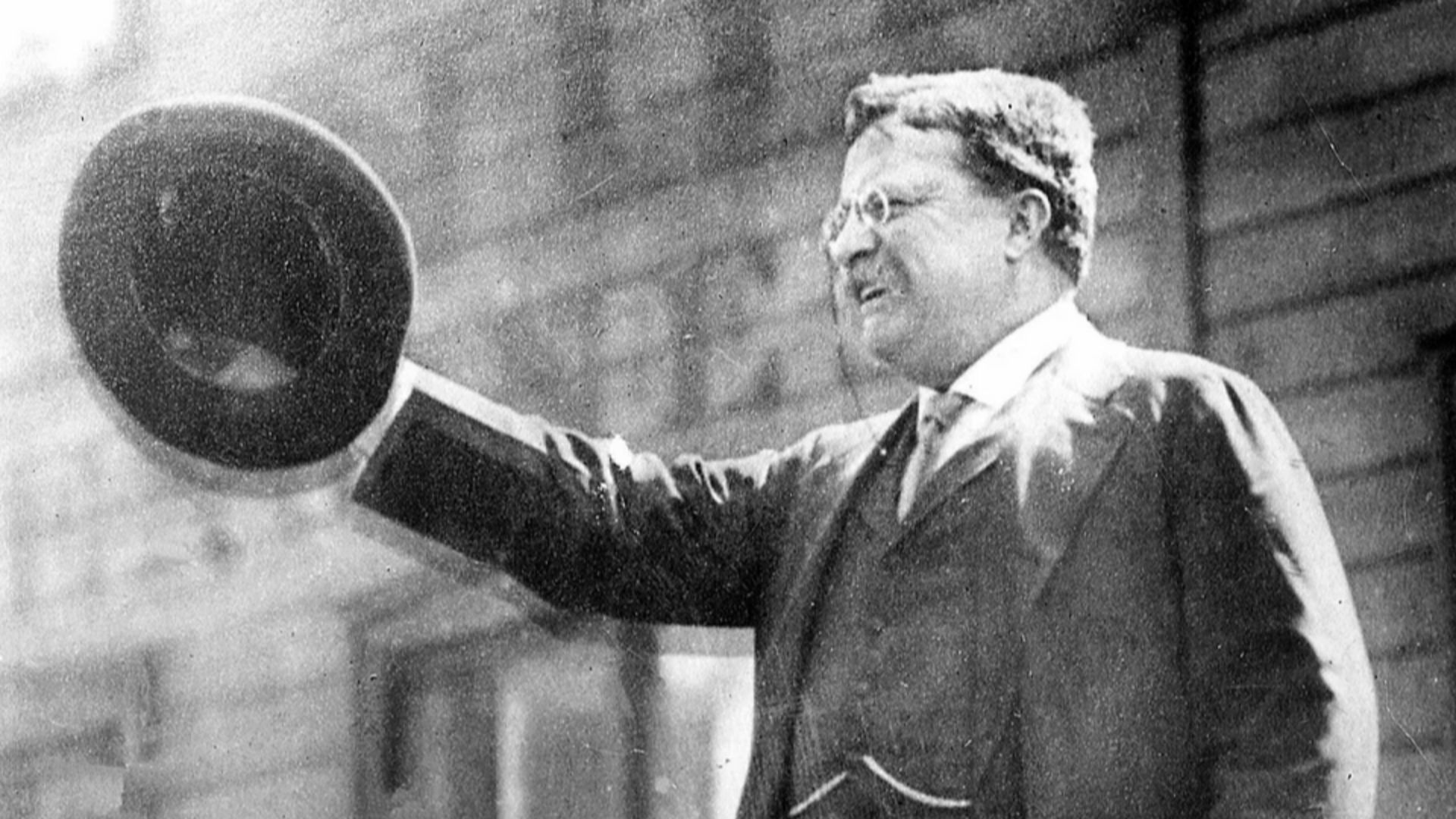
Teddy had no shortage of experience with injuries, whether sustaining them or witnessing them, so he had a pretty good idea of how bad his own was. Although the crowds around could see him bleeding profusely, he knew he had a bit of time before his situation became more dire, so—despite all objections—he proceeded with his 90-minute speech.
Even once he did go to the hospital, they couldn’t fix him completely.
 Unknown authorUnknown author, Wikimedia Commons
40. They Didn’t Remove It
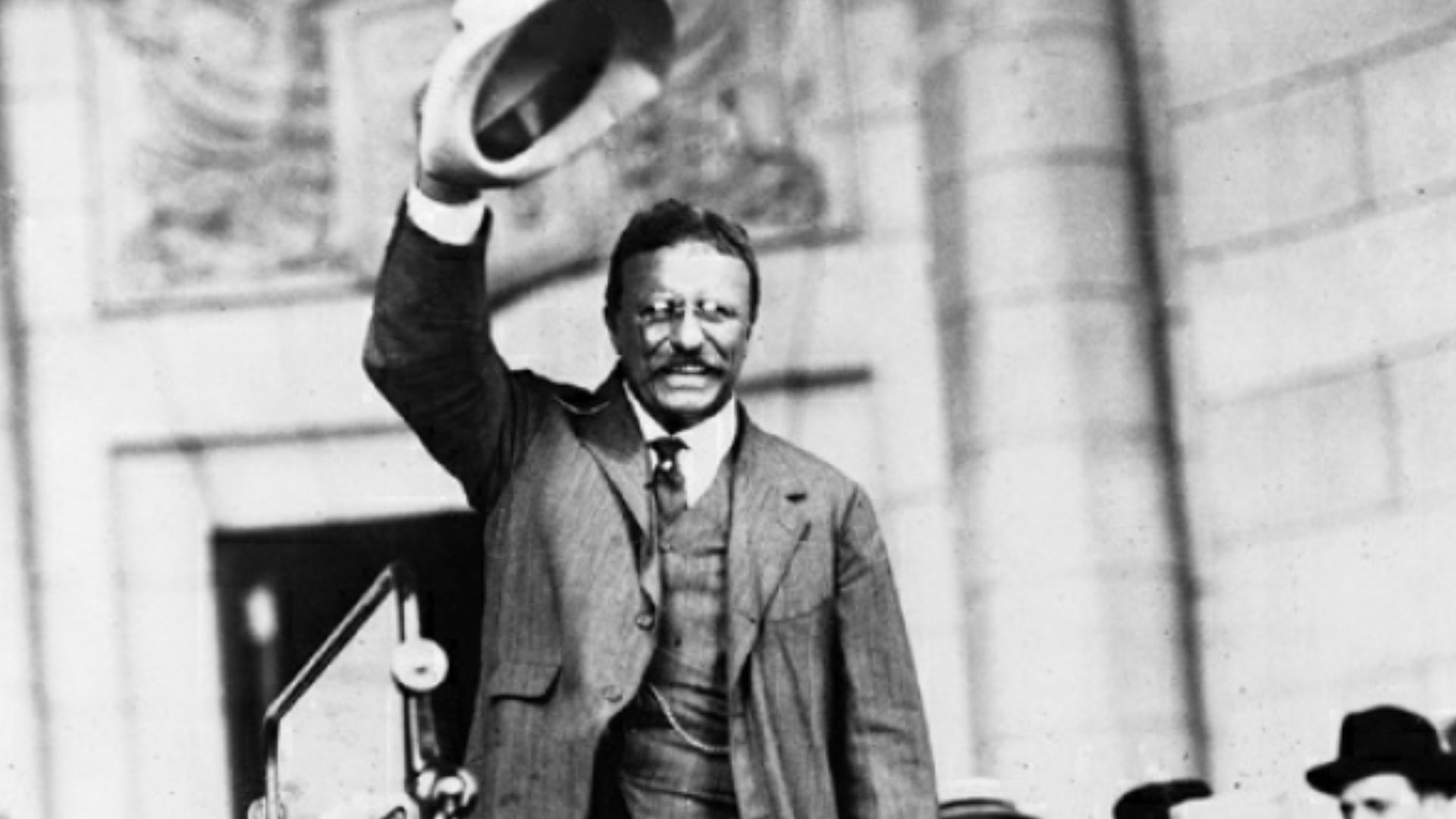
After he had said everything he had to say and made quite the impression, Teddy finally visited the hospital, but his recovery wasn’t so simple. After patching him up and getting him on the mend, the bullet was still inside his chest, as the doctors believed it would be far more risky to try taking it out. Teddy would have the bullet inside him till the end of his days, though when asked if it affected his health, he once replied that he was “fit as a bull moose”.
It would have been understandable for anyone to slow down after such an event—but not Teddy.
 Unknown authorUnknown author, Wikimedia Commons
41. They Changed Their Course
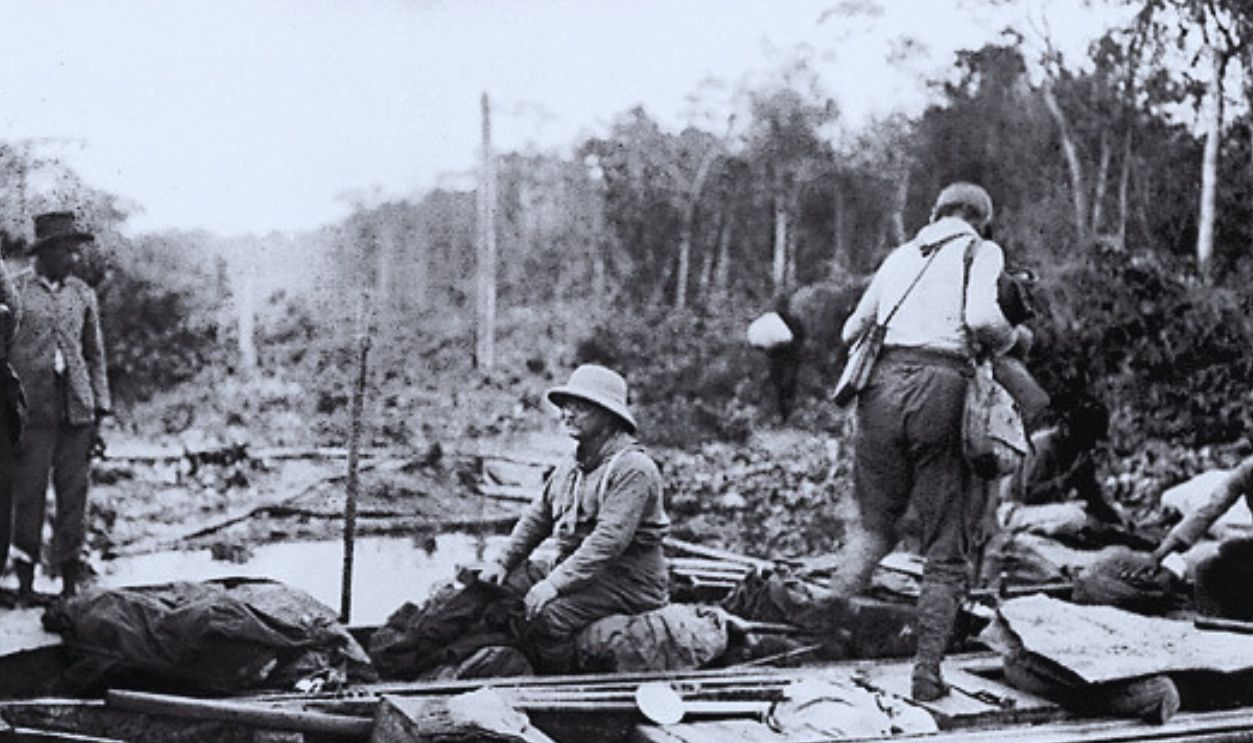
After about six years of planning and preparation, Teddy embarked on another international expedition, but this time into South America with his friend, John Augustine Zahm—and his own son, Kermit Roosevelt. What started out as another trip to bring back more exotic specimens became a whole new adventure once they arrived, instead shifting their focus to explore how the River Duvida connected to the Amazon River.
Unfortunately, this wouldn’t go as smoothly as his earlier journeys.
42. He Had An Injury
Teddy and the rest of the men in his party seemed to be making good progress, but they all knew that one mishap could ruin the whole expedition—which nearly happened if not for him. While their canoes sat tied up on the riverbank, the waters grew more treacherous and nearly dashed them upon the rocks. Ever the man of action, Teddy dropped into the water to settle them, suffering a wound to his leg in the process.
Teddy had overcome numerous injuries and illnesses in his life—but this one was different.
43. He Told Them To Go
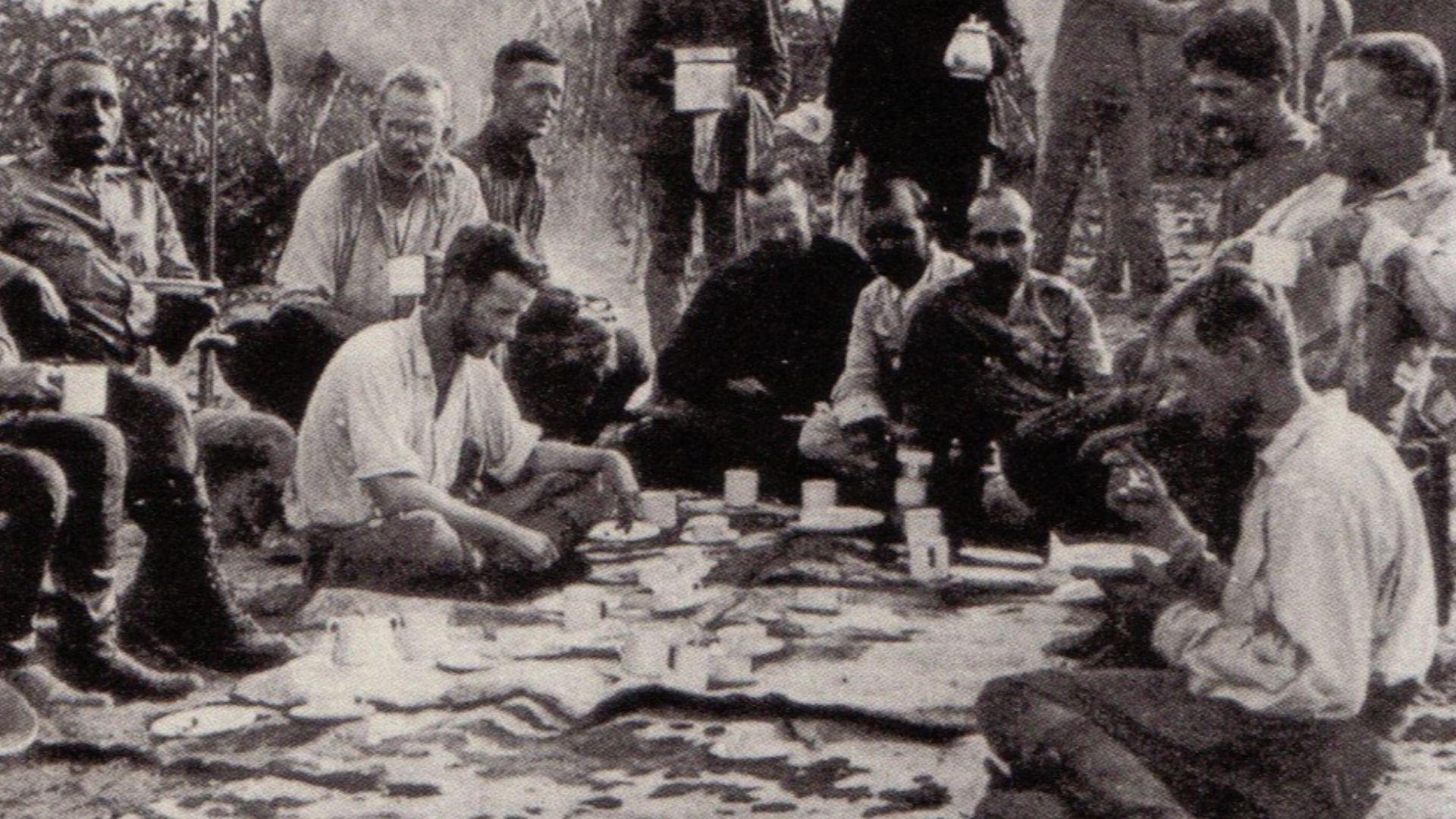
While the leg injury itself wasn’t so bad, the group obviously didn’t have access to the necessary medicine to help him, so it only grew worse. Weeks passed as he fell ill with tropical fever, robbing him of his mental faculties and strength to walk, to the point where he begged them to go on without him. He planned to take his own life rather than have his party waste supplies on him, but thankfully, Kermit managed to talk him out of it.
He wouldn’t meet his end just yet—but the irreparable damage was already done.
![TITLE: Theodore Roosevelt and Kermit Roosevelt with others in Africa
CALL NUMBER: PRES FILE - Roosevelt, Theodore--In Africa [P&P]
REPRODUCTION NUMBER: LC-USZ62-106033 (b&w film copy neg.)
MEDIUM: 1 photographic print.
CREATED/PUBLISHED: c1910.
NOTES: Originally from
J140309 U.S. Copyright Office.
SUBJECTS:
Roosevelt, Theodore,--1858-1919--Journeys--Africa.
Roosevelt, Kermit,--1889-1943--Journeys--Africa.
FORMAT: Photographic prints 1910.
DIGITAL ID: (b&w film copy neg.) cph 3c06033 hdl.loc.gov/loc.pnp/cph.3c06033
CONTROL #: 92519591](https://www.factinate.com/storage/app/media/factinate/2026/4/13/1776070066f8fedf5207f2996021f977c28d4ec74355c6618b.jpg) Scott Kraft from USA, Wikimedia Commons
Scott Kraft from USA, Wikimedia Commons
44. He Made It Home
Treating Teddy as best they could, the rest of the men in his expedition were able to help him survive the trip, though he was certainly worse for wear. Once he reunited with his family in New York, they saw how much of a physical toll he had suffered, and continued to see it for the rest of his life as he dealt with frequent bouts of leg inflammation and malaria.
Of course, an even more difficult period was on the horizon—one that would affect the world at large.
 American Press Association, copyright claimant, Wikimedia Commons
45. He Was Still Vocal
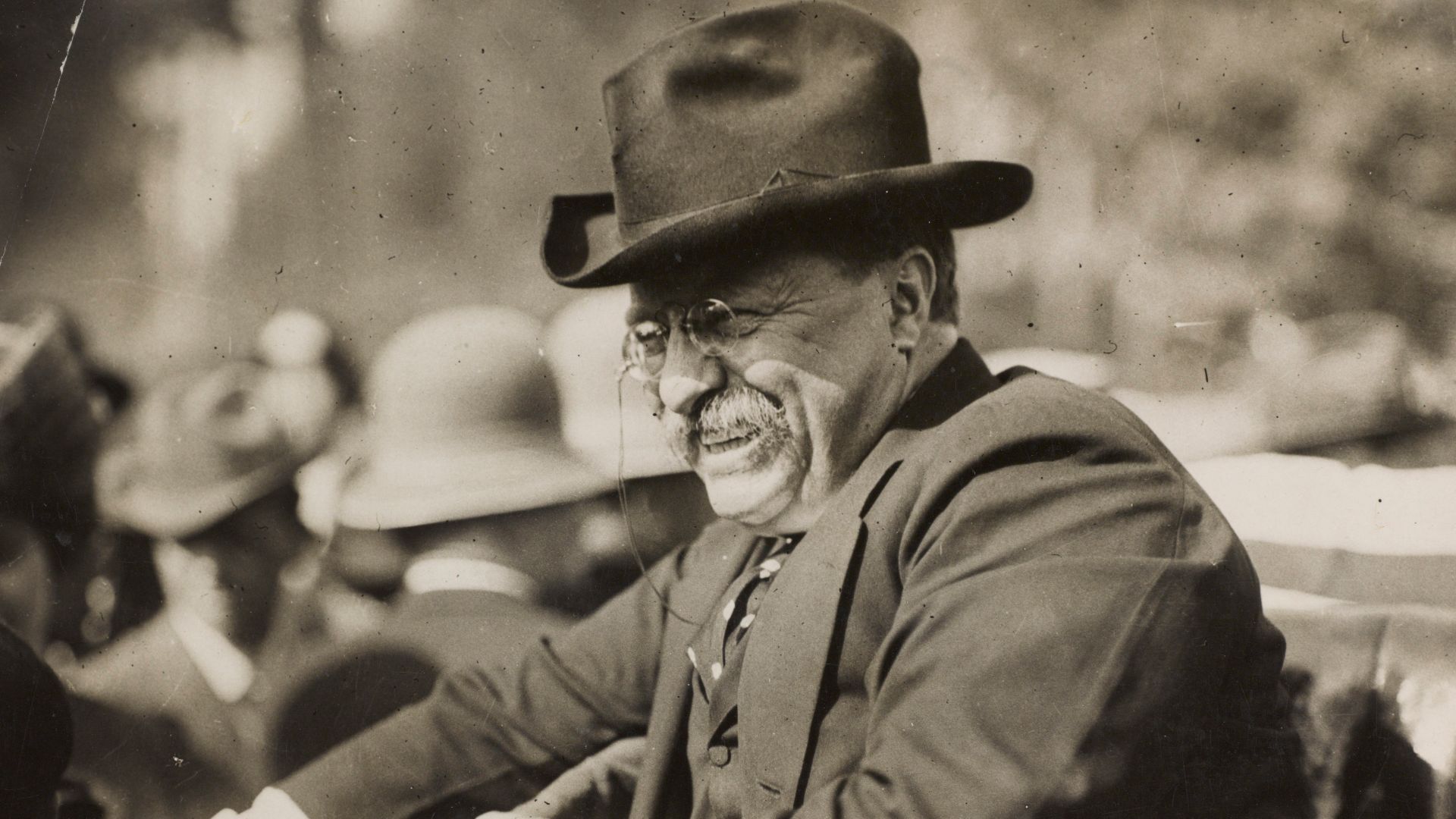
Needless to say, Teddy hadn’t won the 1912 election and instead had to concede victory to President Woodrow Wilson, but he wasn’t about to abandon politics altogether. This was especially the case with the outbreak of WWI, during which he strongly voiced his support for the Allies—even before the US joined.
While he would have liked nothing more than to do his part, life hadn’t finished dishing out disappointment.
![Title: T.R. [Theodore Roosevelt]
Abstract/medium: 1 negative : glass ; 5 x 7 in. or smaller.](https://www.factinate.com/storage/app/media/factinate/2026/4/13/1776070733c2c53d66948214258a26ca9ca845d7ac0c17f8e7.R) Bain News Service, publisher, Wikimedia Commons
Bain News Service, publisher, Wikimedia Commons
46. He Wanted To Help
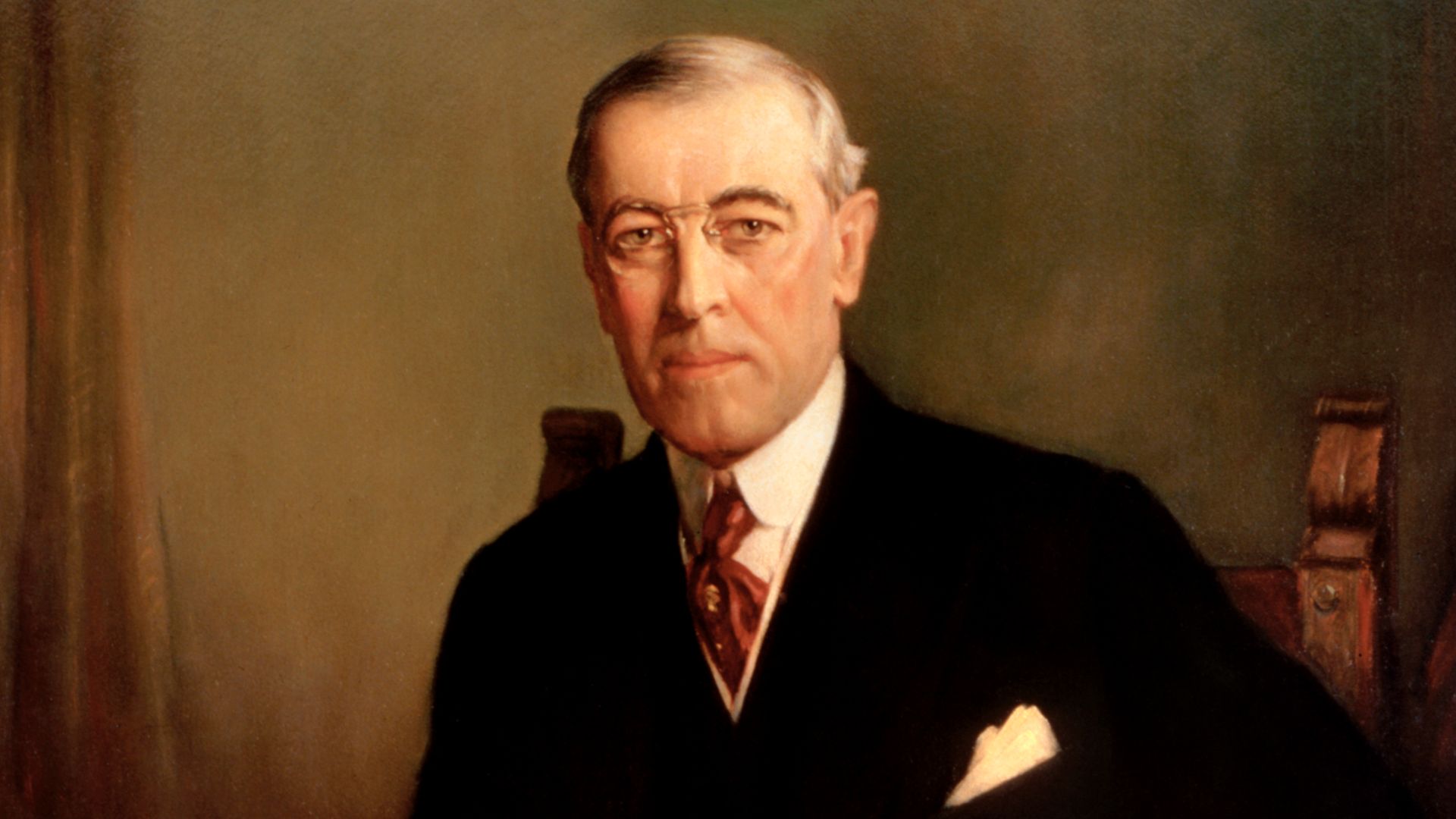
Being such a staunch supporter of the Allies, Teddy was at odds with President Wilson, who was adamant about the US staying neutral in WWI. However, this stance didn’t last forever, and once America joined the conflict in 1917, Teddy saw his chance to get involved. Offering to lead a volunteer division into France, Teddy initially received permission from Congress, but President Wilson ultimately vetoed the idea—something Teddy would never get over.
Sadly, this was only the first of his heartbreaks during this period—and by far the least damaging.
 Frank Graham Cootes, Wikimedia Commons
47. He Was Inconsolable
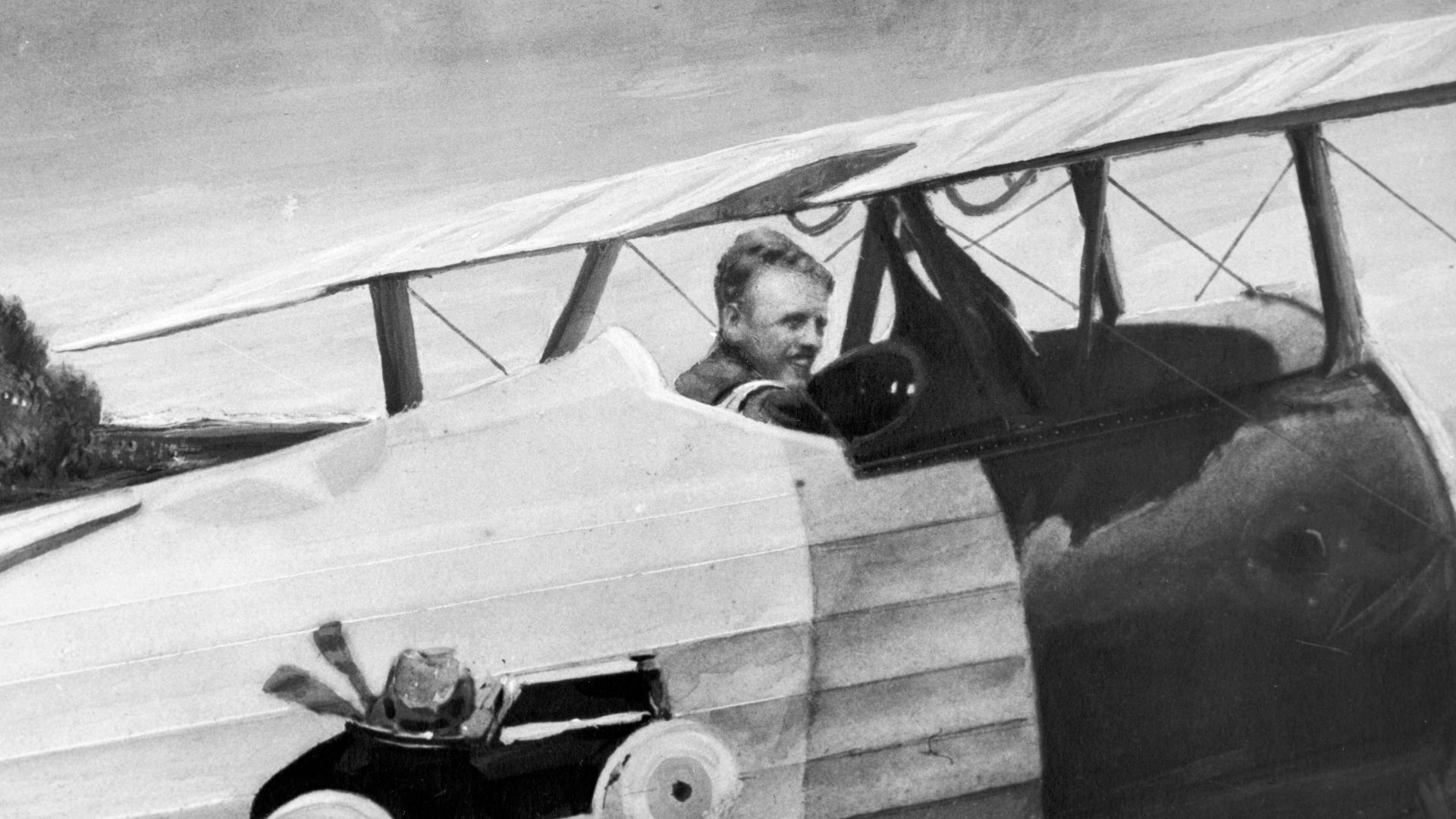
Wanting to serve his country himself in WWI, he was over the moon to learn that each of his sons had enlisted—but this pride only lasted so long. Only 20 years old, his son, Quentin, joined the Air Force, but in July 1918, he was flying over Germany when the enemy shot his plane down, and he lost his life. Despite being no stranger to grief, Teddy simply couldn’t cope with this loss, and it affected him for the rest of his life.
Things would only get worse from here on out—and it wasn’t a secret.
 uncredited photographer, Wikimedia Commons
48. He Was On The Decline
Teddy never truly removed himself from the public eye and tried his best to remain active in the political sphere, but it soon became clear that he couldn’t go on. With the loss of his son and the lingering complications from his tropical fever, his health quickly deteriorated until he required long-term hospitalization.
It was only a matter of time before he reached the end of his story—something he may not have even realized.
![Title: T.R. [Theodore Roosevelt]
Abstract/medium: 1 negative : glass ; 5 x 7 in. or smaller.](https://www.factinate.com/storage/app/media/factinate/2026/4/13/1776071262c2c53d66948214258a26ca9ca845d7ac0c17f8e7.R) Bain News Service, publisher, Wikimedia Commons
Bain News Service, publisher, Wikimedia Commons
49. He Went To Sleep
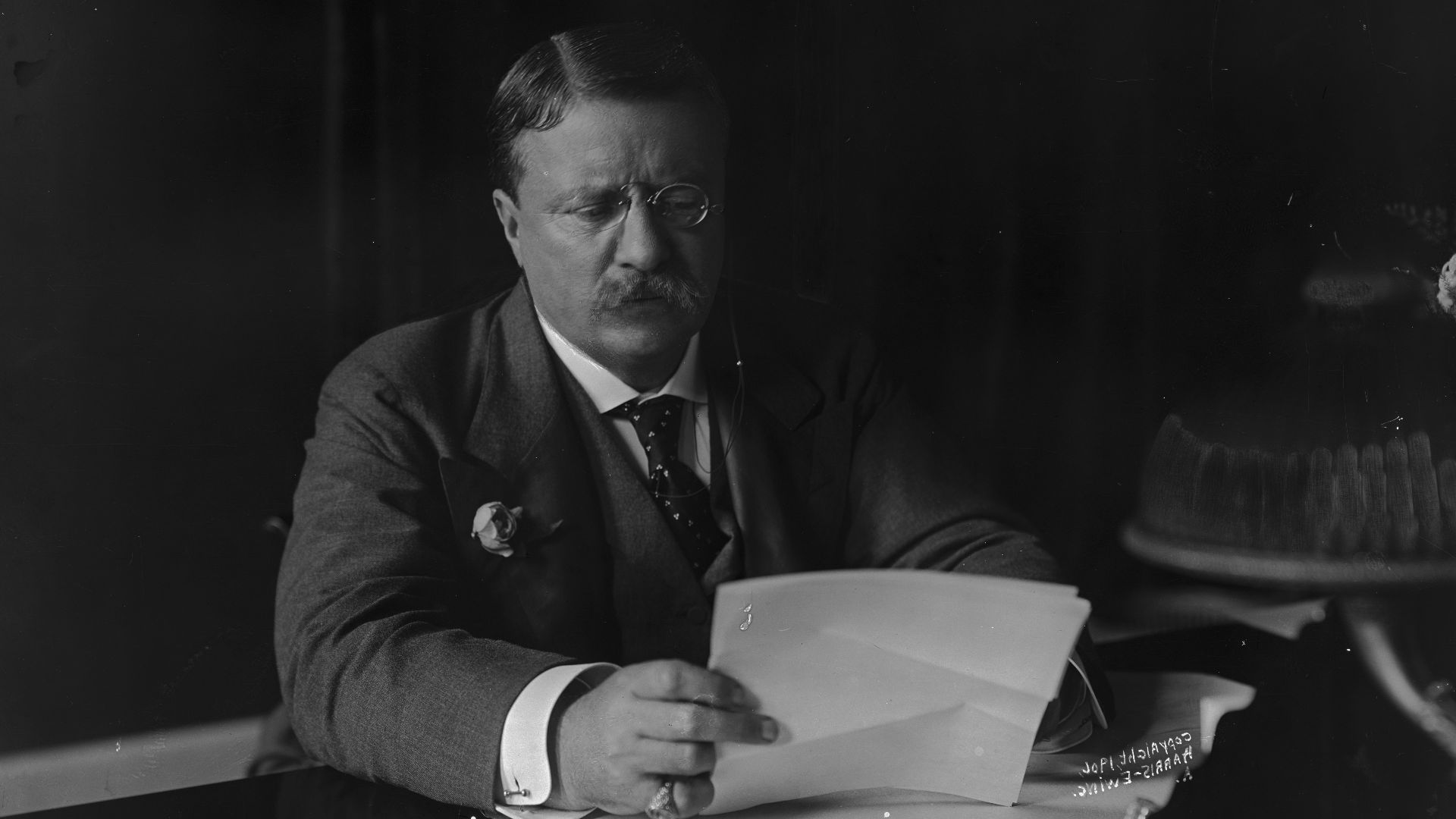
Although Teddy would make it out of the hospital and return home, his condition hadn’t improved much, and he required regular medical attention. This all culminated on one night, when he visited the doctor to treat the breathing issues he was experiencing, after which he returned home and went to bed. He never woke up, having passed from a pulmonary embolism in the early hours of the morning.
Nonetheless, he had made his mark on history—even to the opposition.
 Harris & Ewing, photographer, Wikimedia Commons
50. He Gave Him Respect
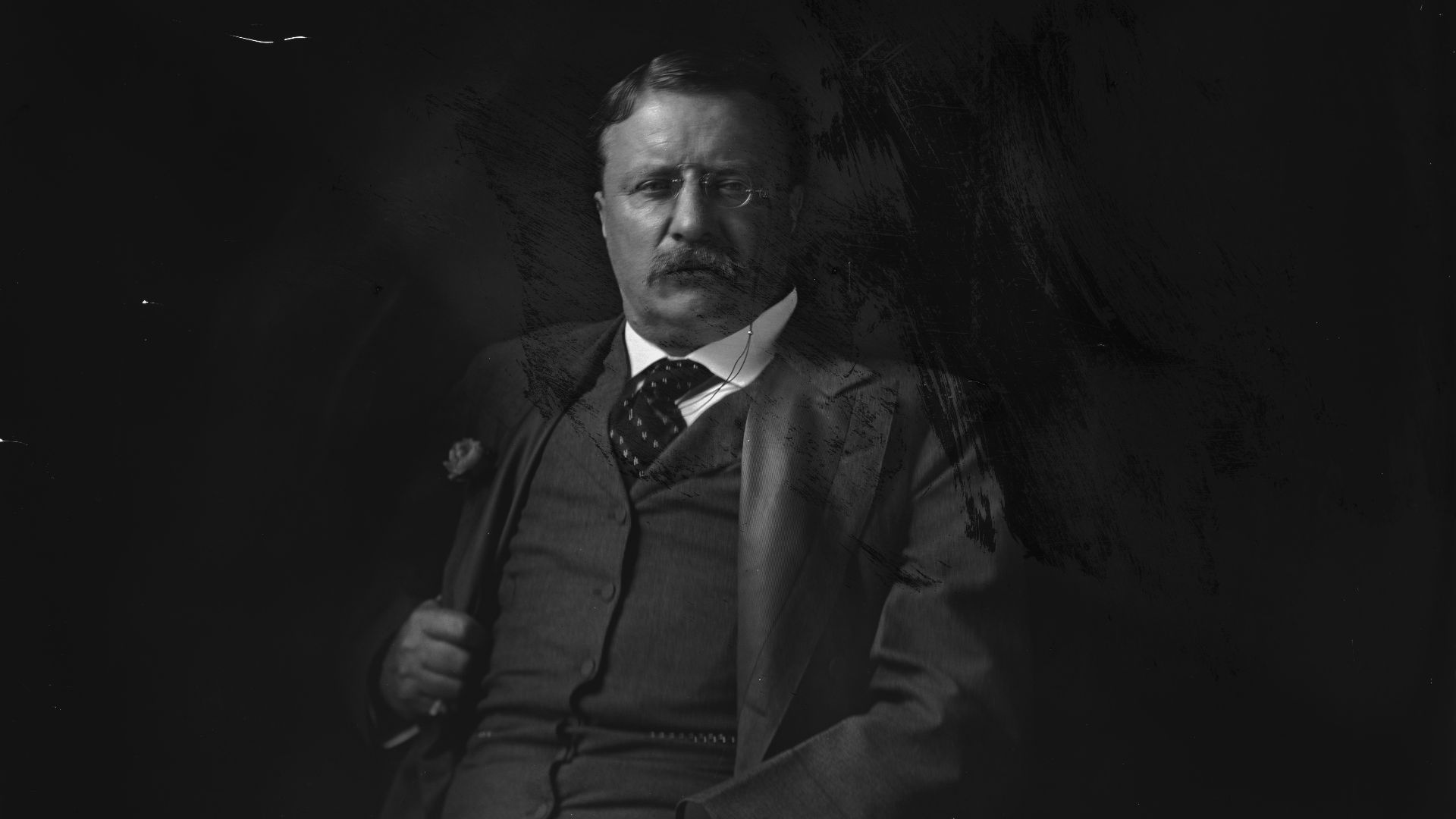
There’s no denying that Theodore Roosevelt was a force to be reckoned with, and even though he made no shortage of enemies, none could deny that he was a warrior to his last breath. Upon hearing of the former president’s passing, even Wilson’s vice president, Thomas R Marshall, said it couldn’t have happened any other way, stating, “For if he had been awake, there would have been a fight”.
 Harris & Ewing, photographer, Wikimedia Commons
You May Also Like:
Rebellious Facts About Alice Roosevelt, The Ruthless First Daughter
Esteemed Facts About Franklin Delano Roosevelt, The Hero Of The Great Depression
42 Steely Facts About Eleanor Roosevelt, The Reluctant First Lady









.jpg%20)
