The Startling Truth
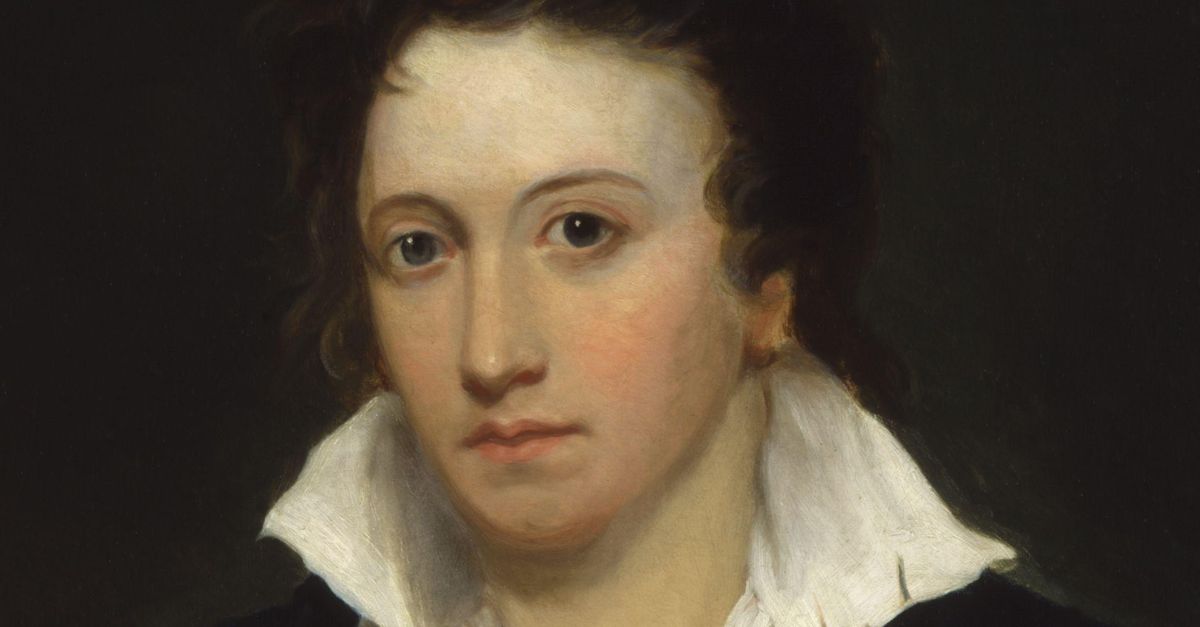
These days, Percy Shelley is remembered as a pillar of English Romanticism, the kind of “great poet” teenagers learn about in high school then promptly forget. But a slightly closer look at his life reveals something far more unhinged: a man so deeply obsessed with his own beliefs, brilliance, and desire that his life reads less like literary history and more like a cautionary tale.
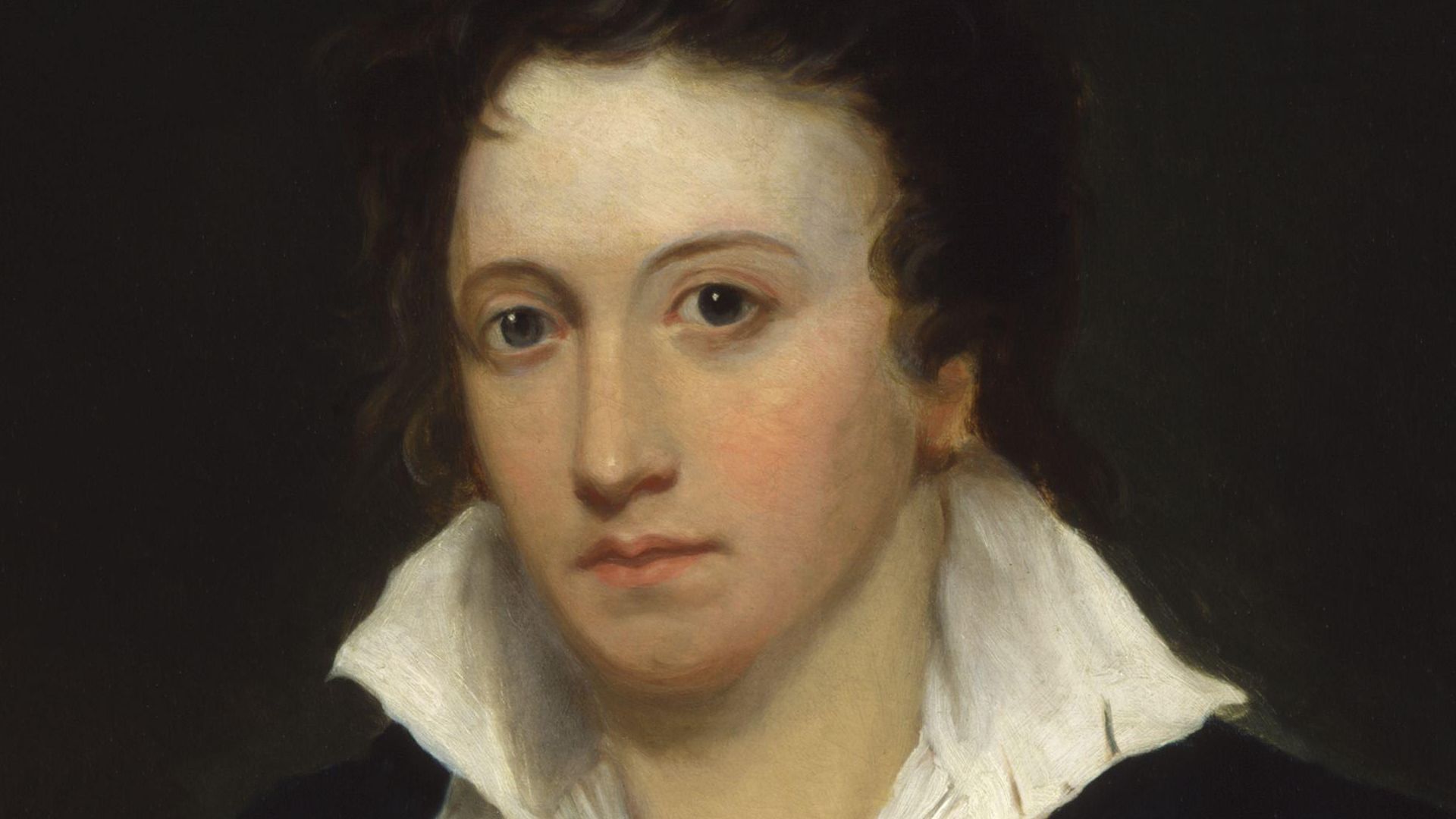 After Amelia Curran, Wikimedia Commons
1. He Was Born With A Silver Spoon
Born in 1792 in Sussex, England, Percy Bysshe Shelley didn’t want for anything in his childhood. His mother, Elizabeth Pilfold, came from a family with a successful business, but it was his father who brought in the real prestige. Sir Timothy Shelley was not only the son of a baronet but also a member of parliament. That meant that, as the first son of six children, his son Percy stood to inherit a pretty penny and a position in government in his adulthood.
Even so, being rich proved not to be his only stroke of childhood luck…
2. He Showed Himself Early
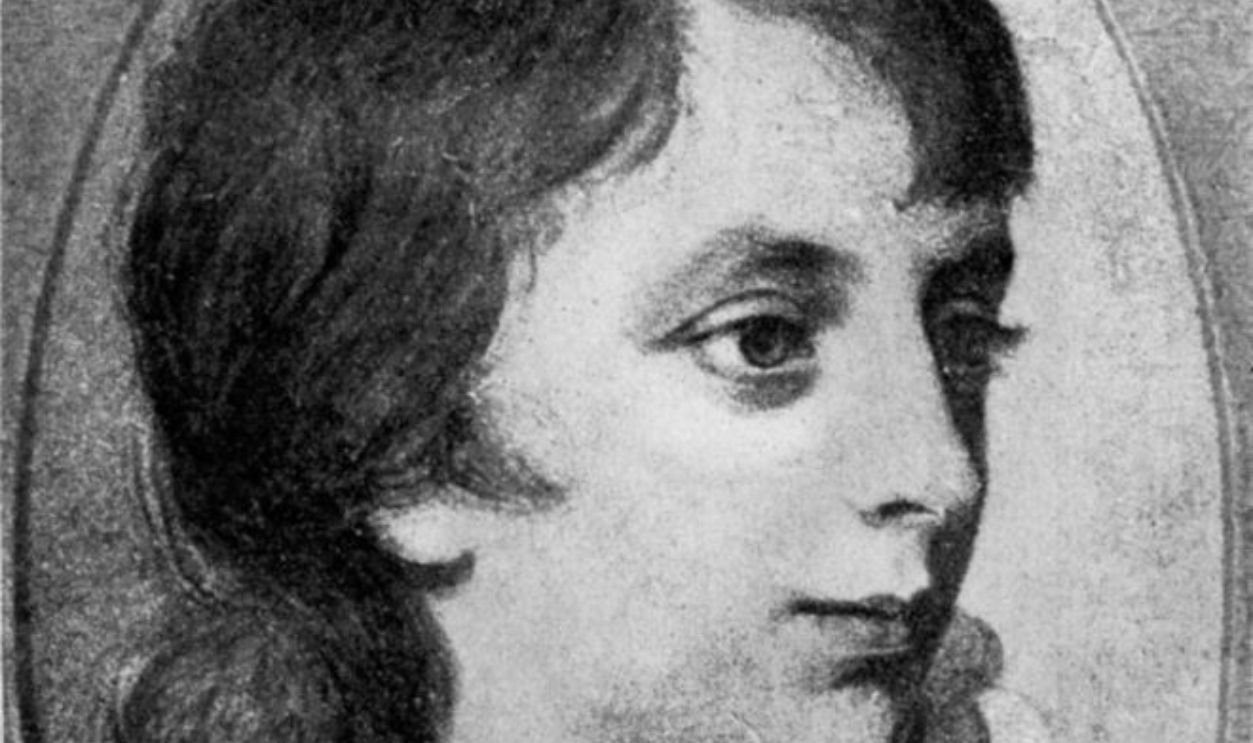
Percy enjoyed good times as he grew up. He went to the very best schools, and onlookers lauded his giftedness with education. Reportedly, he boasted an exceptional memory and was particularly good with picking up languages.
Unfortunately for him, though, he started showing some other, far less pleasing, “interests” early on.
3. He Loved The Dark
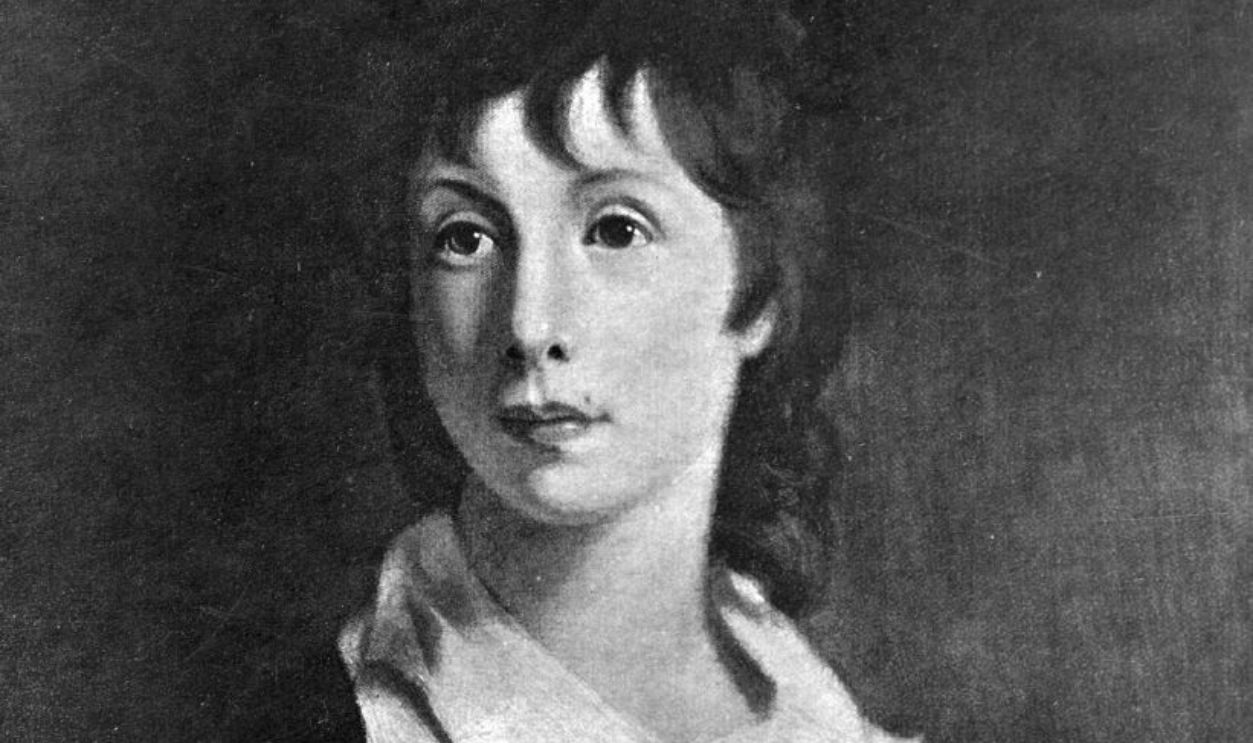
Unlike many children his age, Percy Shelley showed a real love for all things dark and spooky. He didn’t just tell the occasional ghost story, he also fully enjoyed nighttime strolls and even made his sisters put on ghoulish outfits and conduct ceremonies with him around fires. Perhaps that explains another, pretty sad part of Percy’s childhood story…
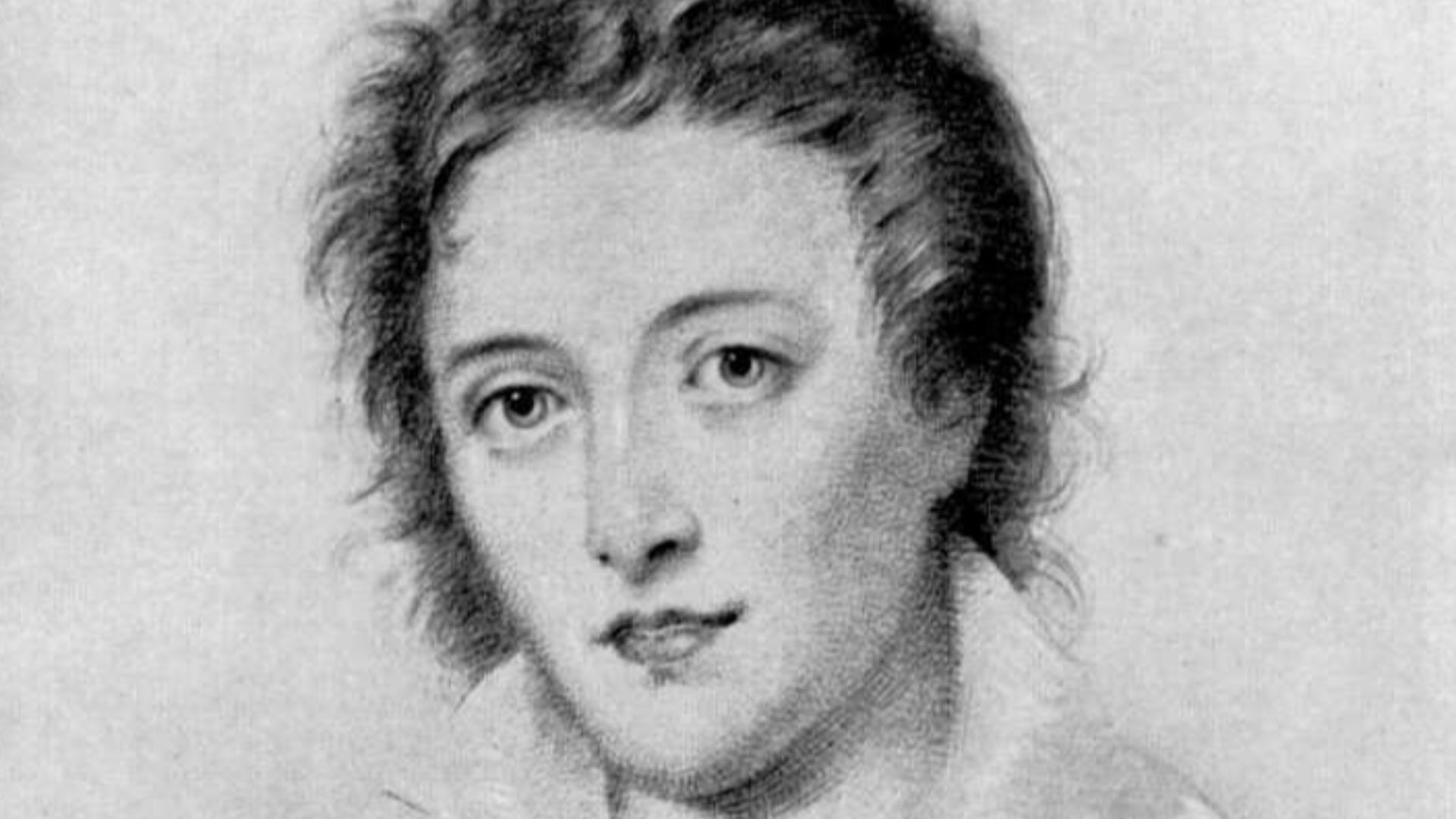 Amelia Curran, Wikimedia Commons

History's most fascinating stories and darkest secrets, delivered to your inbox daily.
4. They Picked On Him
Percy stood out like a sore thumb. Other children picked on him ruthlessly, so much so that he developed a habit of throwing seriously violent tantrums. Reportedly, he picked up some other unusual habits around that time too, including sleep walking and terrible nightmares. All that aside, though, his intelligence preceded him. And in 1804, he went off to a ritzy boarding school—a time he ultimately grew to look back on with pure hatred.
 Screenshot from Mary Shelley, IFC Films(2017)
5. They Couldn’t Stand Him
Percy went off to the famed Eton College, a boarding school for boys, at the age of 12. As might be expected, he didn’t fare any better with the kids there. His differences seemingly struck the other kids as unwarranted pride, and they banded together to target him. Things got so bad that his volatile episodes earned him the nickname “Mad Shelley”. Considering the other things he got up to at the time, though, the nickname seems stunningly well placed.
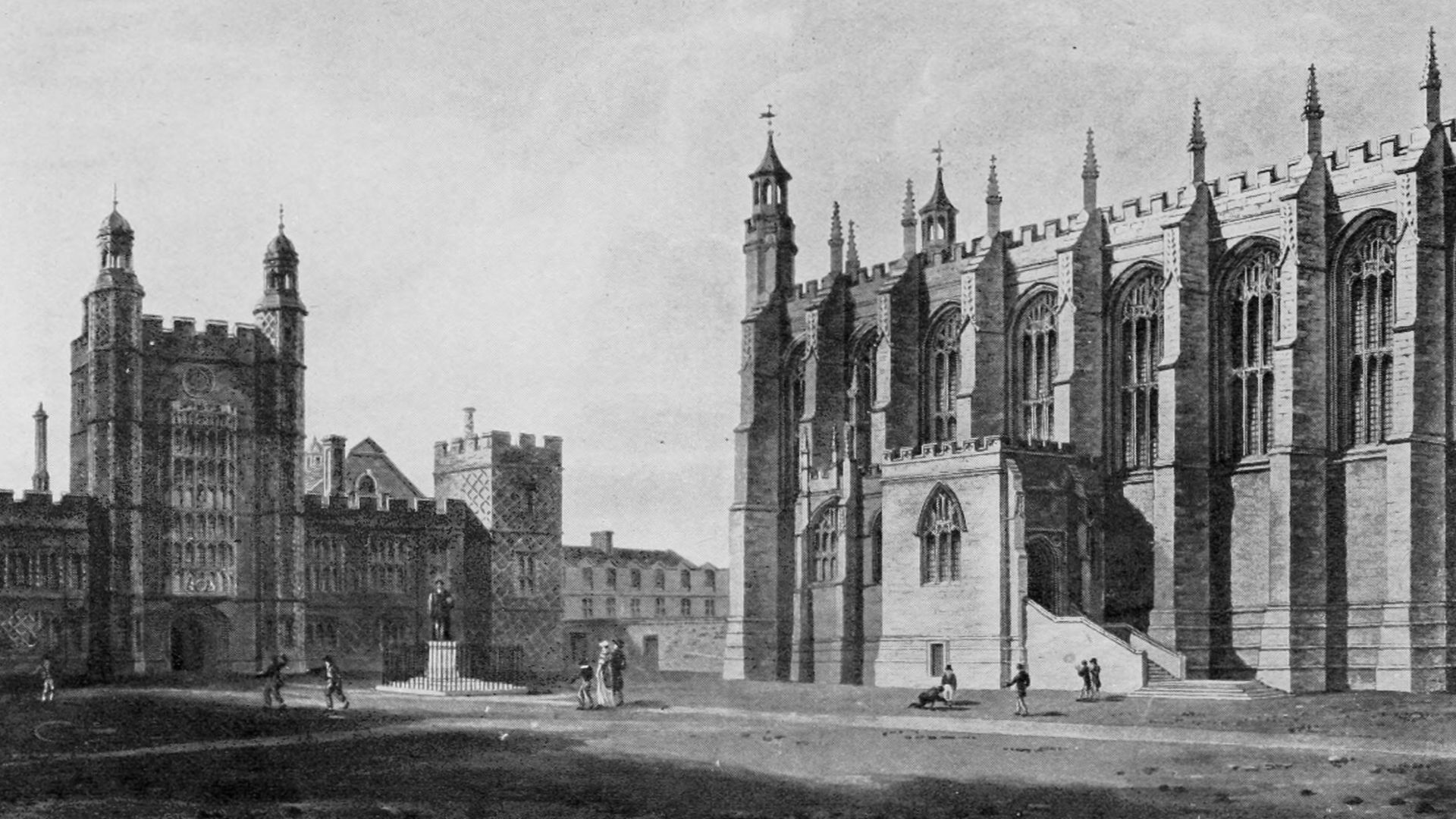 Francis Aidan Gasquet Etching by F. Buckler, Wikimedia Commons
6. He Escalated
During his time at Eton, Percy’s obsession with all things bizarre and unusual only intensified. Granted, he very notably showed a quite scholarly interest and giftedness in literature, philosophy, and science. But on the flip side of that, he deepened his interest in the occult, sometimes taking things to very concerning extremes…
 Screenshot from Mary Shelley, IFC Films(2017)
7. He Experimented
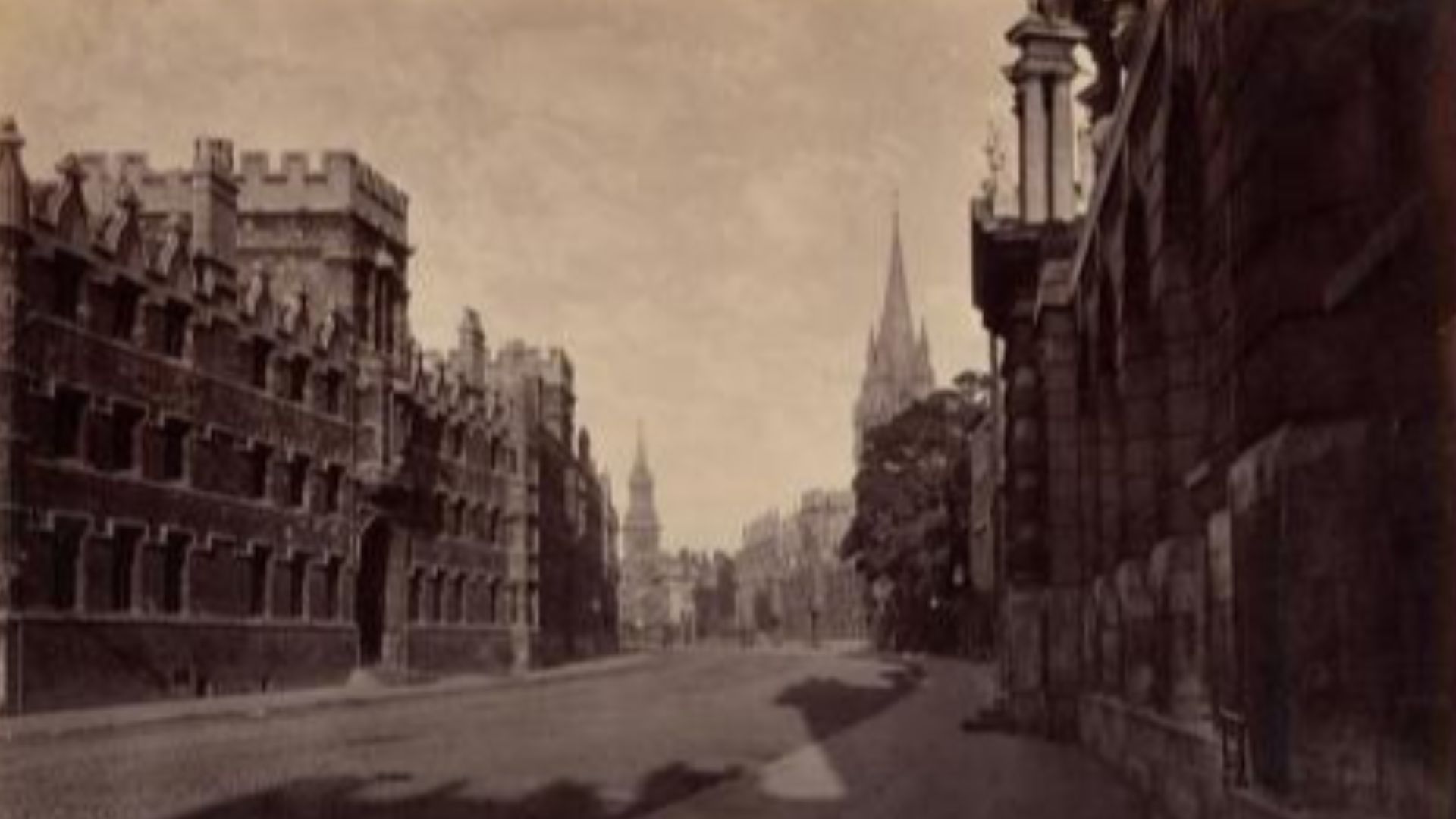
Percy Shelley used his penchant for science to play tricks like delivering an electric shock to one of his teachers. But in much more peculiar events, he often tried to raise spirits. Once, people even found him out at night, completely surrounded by flames and supposedly trying to contact the devil himself. So as you might guess, he graduated from Eton with quite the reputation.
But then he went on to University College, Oxford, where he somehow figured out how to outdo all his prior antics.
 George Washington Wilson, Wikimedia Commons
8. He Got Weirder
Now 18, Percy became even more entrenched in his eccentricity and less concerned with what anyone thought. He barely went to his classes. Instead, he read almost obsessively (up to 16 hours a day!), consumed inordinate amounts of bread, and occasionally conducted science experiments in his room. But as people often do at university, Percy finally found his tribe at Oxford. And in this case, it came in the form of a man who seemed to completely validate all the most outlandish aspects of Percy’s being…
9. He Made An Unusual Ally
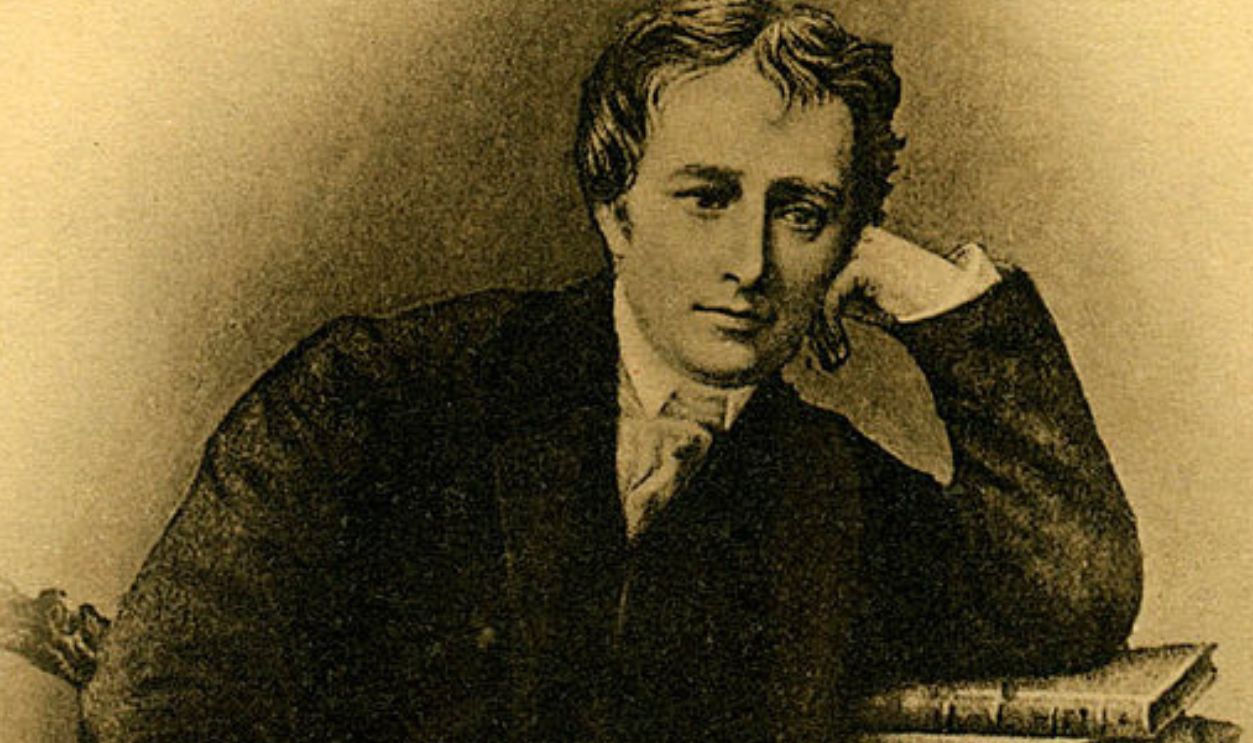
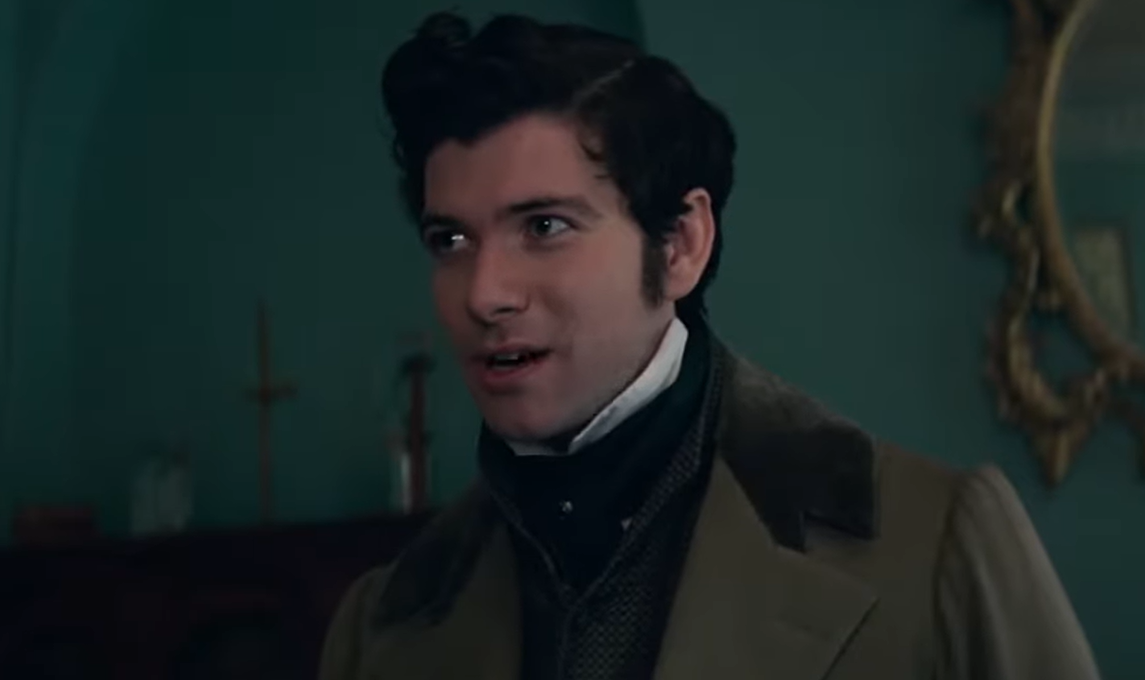
Though he didn’t fit in with most people, Percy Shelley made quick friends with another student, Thomas Jefferson Hogg. And as it turns out, the two had a lot in common—particularly when it came to their more taboo reliefs. They were both radically against the Christianity that still played a huge role in their local government at the time…and they weren’t quiet about it either.
 Screenshot from Mary Shelley, IFC Films(2017)
History's most fascinating stories and darkest secrets, delivered to your inbox daily.
10. He Spoke Out
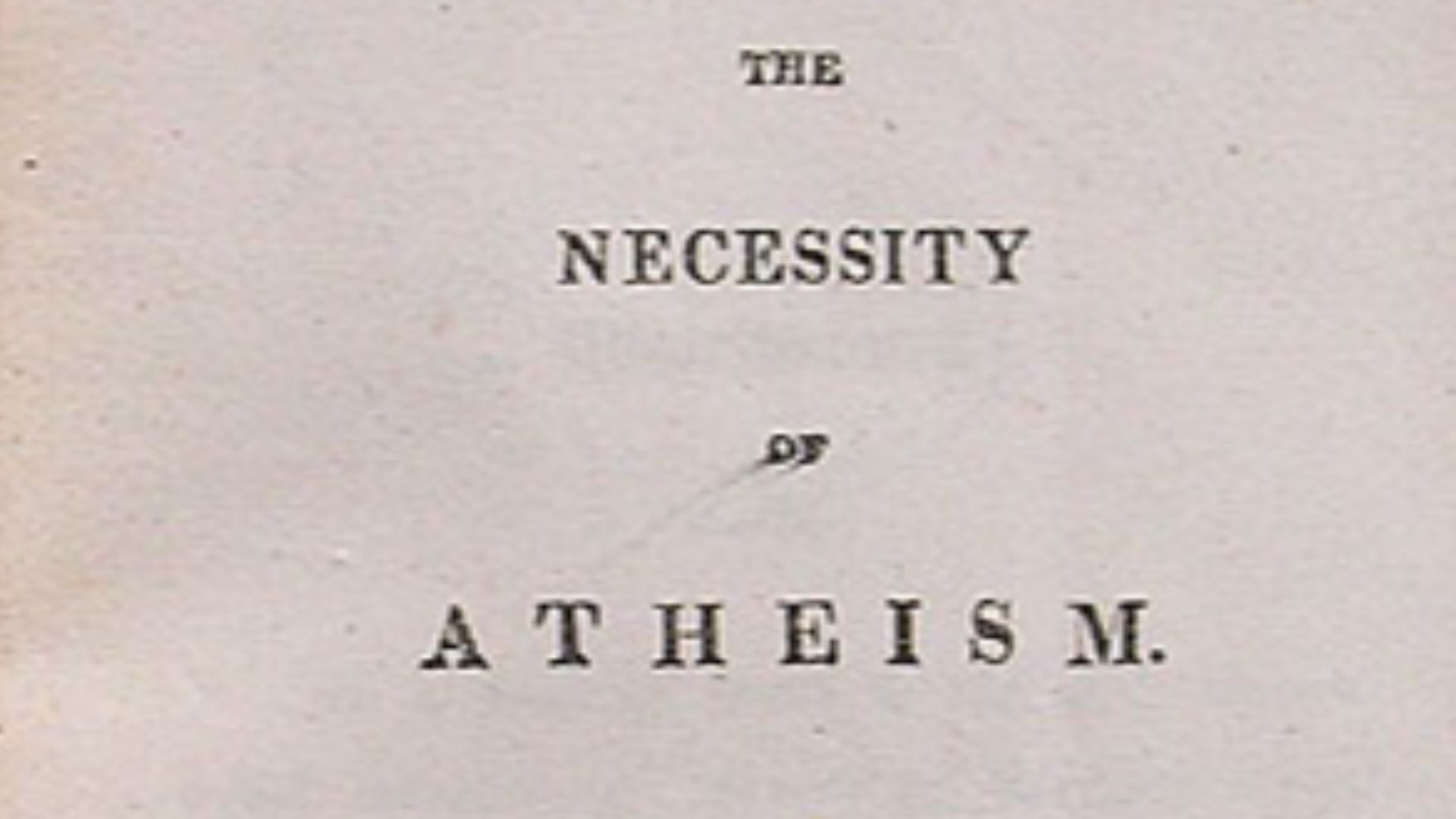
By that time, Percy already worked well with a pen. In fact, he’d actually published his first book in his last year in boarding school. Now, with his new bestie Hogg, he got up to some more political writing. Together, they published several poems and pamphlets, including the now infamous Posthumous Fragments of Margaret Nicholson, The Necessity of Atheism.
Not sure if you know much about England in the 1800s, but to make a long story short, that did not go over well.
 Percy Bysshe Shelley, Wikimedia Commons
11. They Gave Him The Boot
Percy and Hogg didn’t just write their treaties against the church, they went the extra mile and sent them directly to several bishops and college heads at Oxford. When they called him in to account for his actions, he refused to speak a word as to whether or not he actually wrote it. As a result, the school officially expelled him and Hogg in 1811.
As you might imagine, that didn’t go over too well with the man footing the bill…
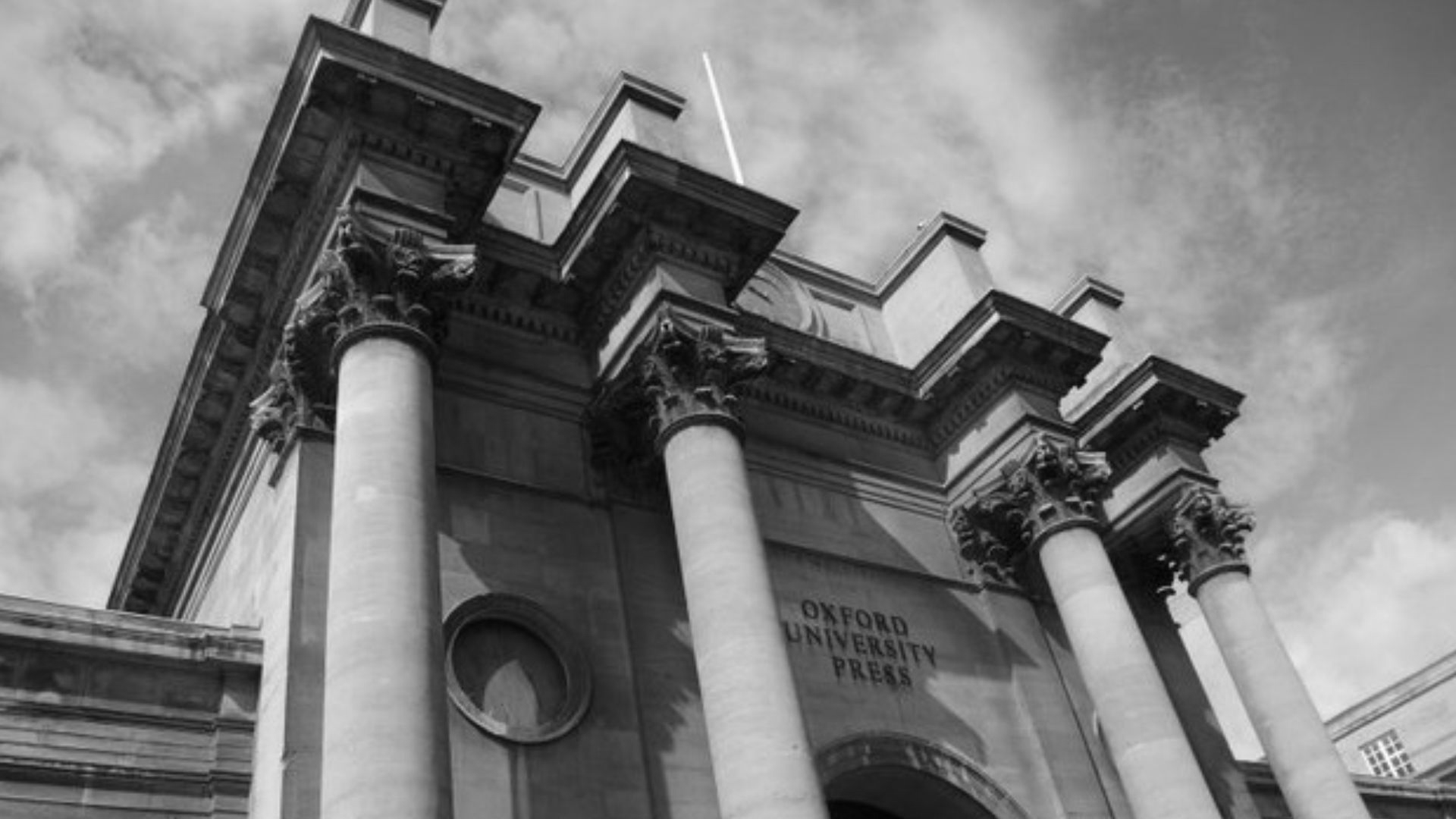 Fractal Angel, Wikimedia Commons
12. They Fell Out
When he found out about the expulsion, Percy’s father demanded he move back home and finish up his studies with private tutors. Percy, however, staunchly refused. Their relationship went sour, starting to put his access to his father’s wealth in jeopardy.
Even so, that proved not to be the only thing Percy got up to around that time that made his father’s blood boil.
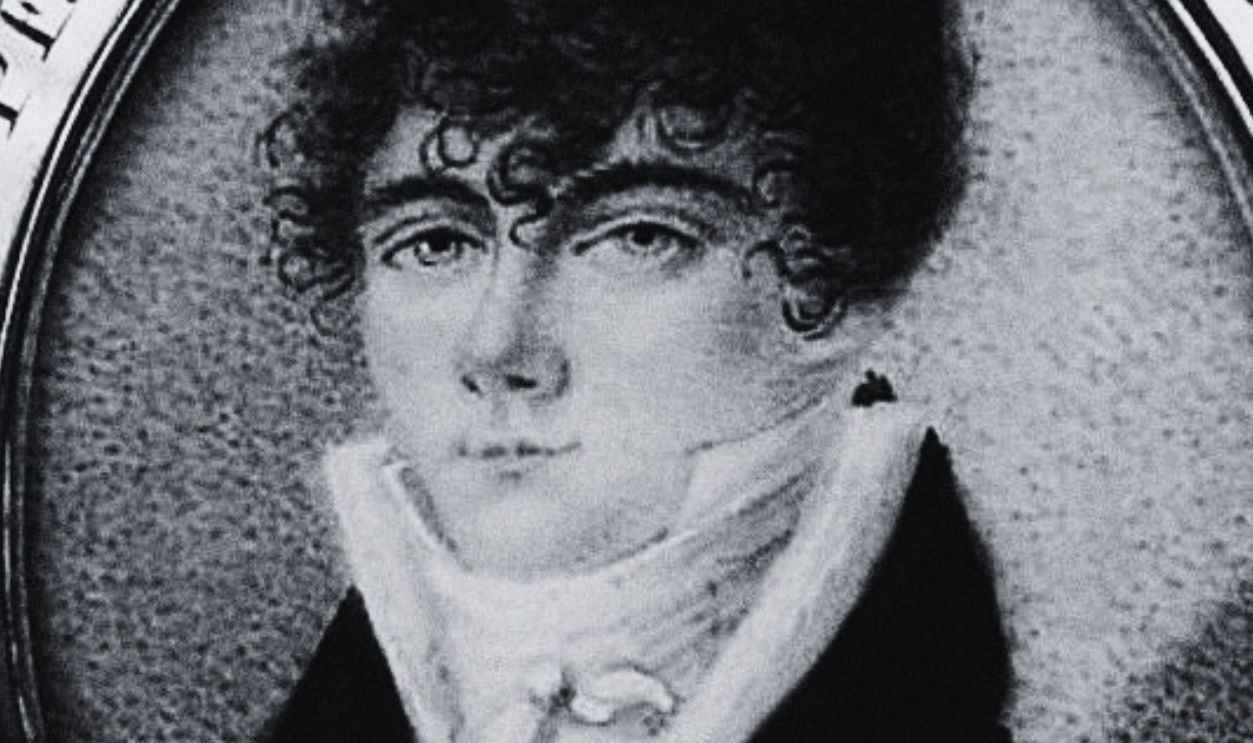
13. He Liked Them Young
During his first year at Oxford, Percy Shelley met and quickly fell in love with one of his sister’s classmates, a 15-year-old girl named Harriet Westbrook. During the tumultuous time of difficulty at school and with his father, Harriet seemed to be just the thing he needed to soothe his mind and the deathly disease he claimed to have. On the flip side of things, though, his effect on Harriet appeared far less benign.
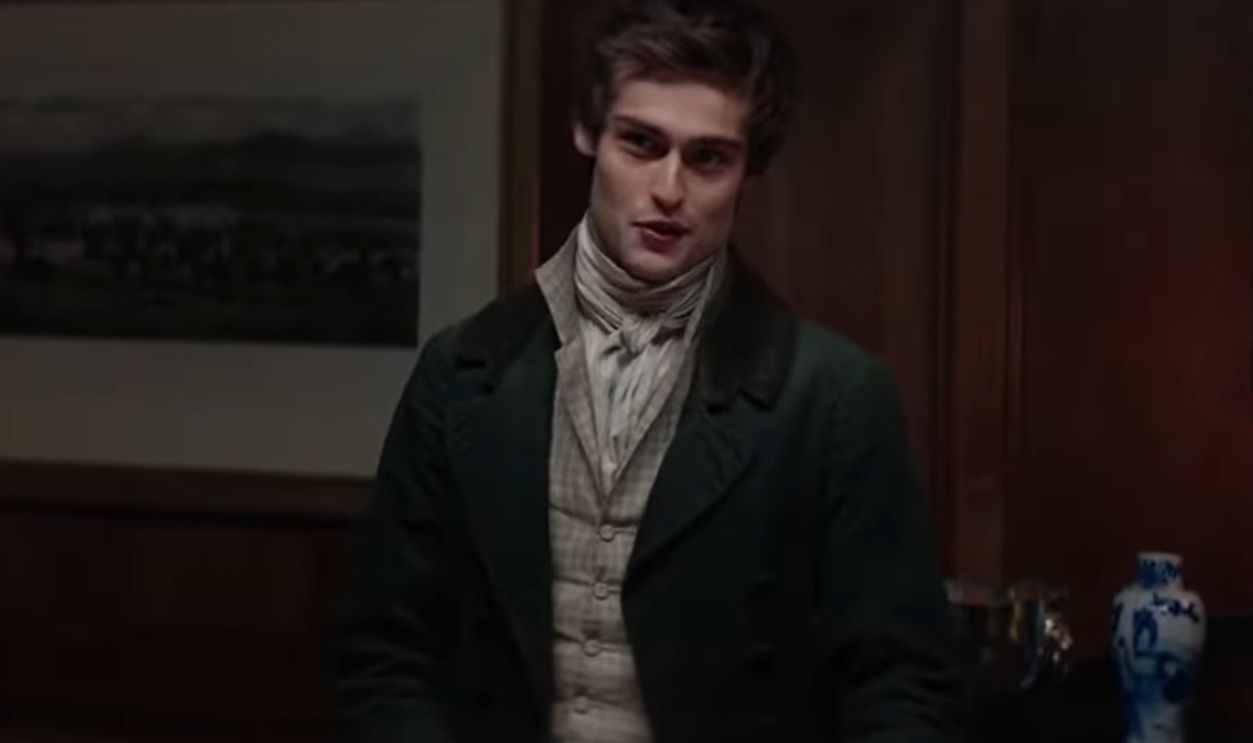 Screenshot from Mary Shelley, IFC Films(2017)
14. He Changed Her Mind
Seemingly quite the talker, Percy filled Harriet’s head up with his “unique” ideas about politics and religion. In short, he considered the current systems of government and church to be unnecessarily oppressive, and thought it all a tool for keeping people from the personal freedoms they deserved. Harriet bought into his ideas so hard that her entire life turned upside down.
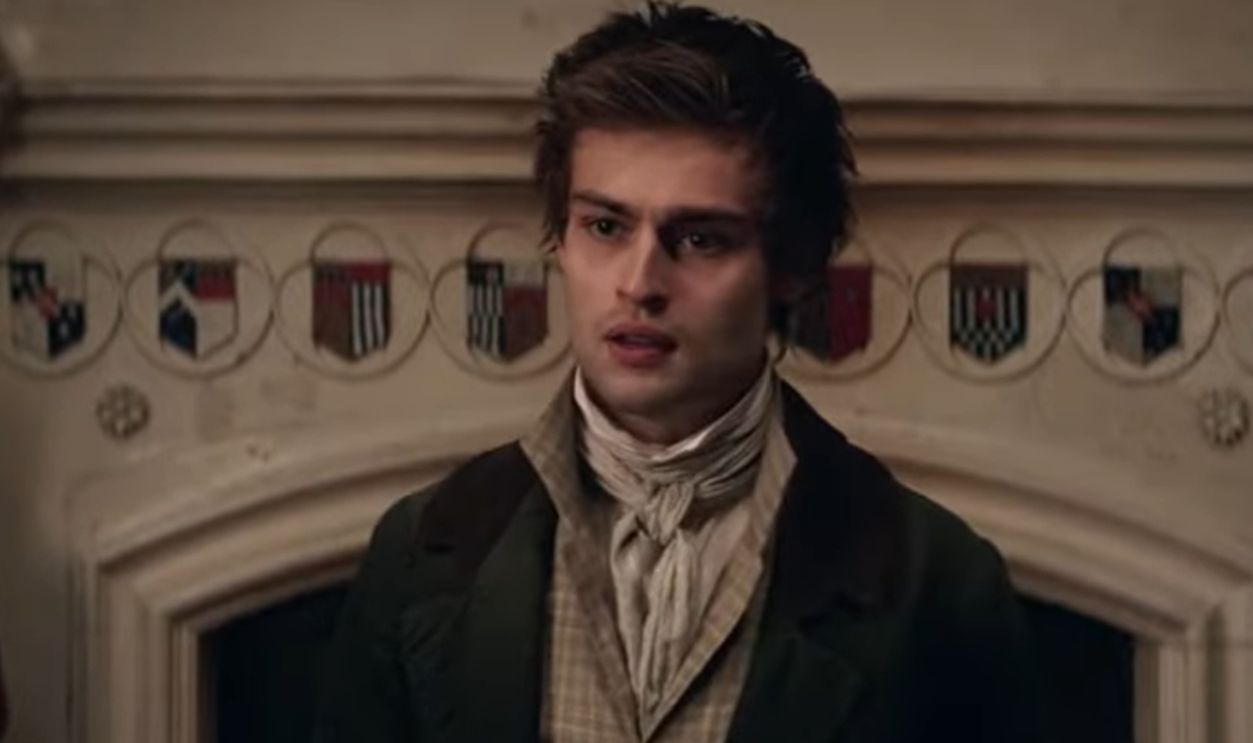 Screenshot from Mary Shelley, IFC Films(2017)
15. She Lost Everything
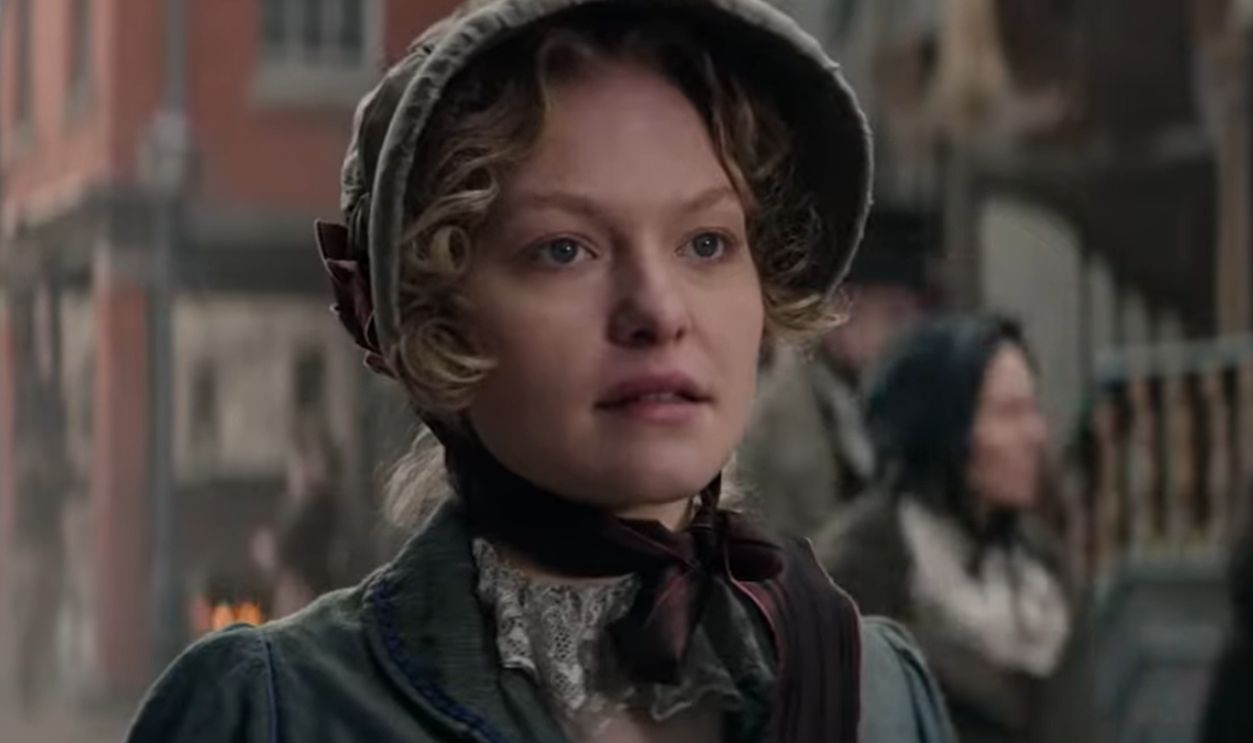
Over time, Harriet started to look at the rules governing her own life with much disdain. In her case, her father and boarding school laid down the law. But after consorting with Percy, she started to rebel. Ultimately, she rebelled so much that her school kicked her out, and many of the girls her own age distanced themselves from her.
Before long, Harriet seemed to find herself in circumstances so dire that she all out begged Percy to protect her. His response came as a shock.
 Screenshot from Mary Shelley, IFC Films(2017)
History's most fascinating stories and darkest secrets, delivered to your inbox daily.
16. They Ran Off
By his own admission, Percy Shelley didn’t believe in the whole idea of marriage. Instead, he believed in free love—that people should be able to be with each other as they wished and when they wished, without a government contract or church insisting they keep to only each other. But in the summer of 1811, Percy and Harriet ran off to Edinburgh, Scotland, and officially tied the knot. The fall out was enormous.
![Collection: A. D. White Architectural Photographs, Cornell University Library
Accession Number: 15/5/3090.01247
Title: Edinburgh Castle from the Grass Market
Photographer: George Washington Wilson (Scottish, 1823-1893)
Building Date: ca. 1500-ca. 1599
Photograph date: ca. 1865-ca. 1885
Location: Europe: United Kingdom; Edinburgh
Materials: albumen print
Image: 7 5/8 x 11 1/2 in.; 19.3675 x 29.21 cm
Provenance: Gift of Andrew Dickson White
Persistent URI: [1]
There are no known U.S. copyright restrictions on this image. The digital file is owned by the Cornell University Library which is making it freely available with the request that, when possible, the Library be credited as its source.
We had some help with the geocoding from Web Services by Yahoo!](https://www.factinate.com/storage/app/media/factinate/2026/4/15/1776235460204c520017e47c540929e203a27b3481e1d102fd.jpg) George Washington Wilson, Wikimedia Commons
George Washington Wilson, Wikimedia Commons
17. They Got Cut Off
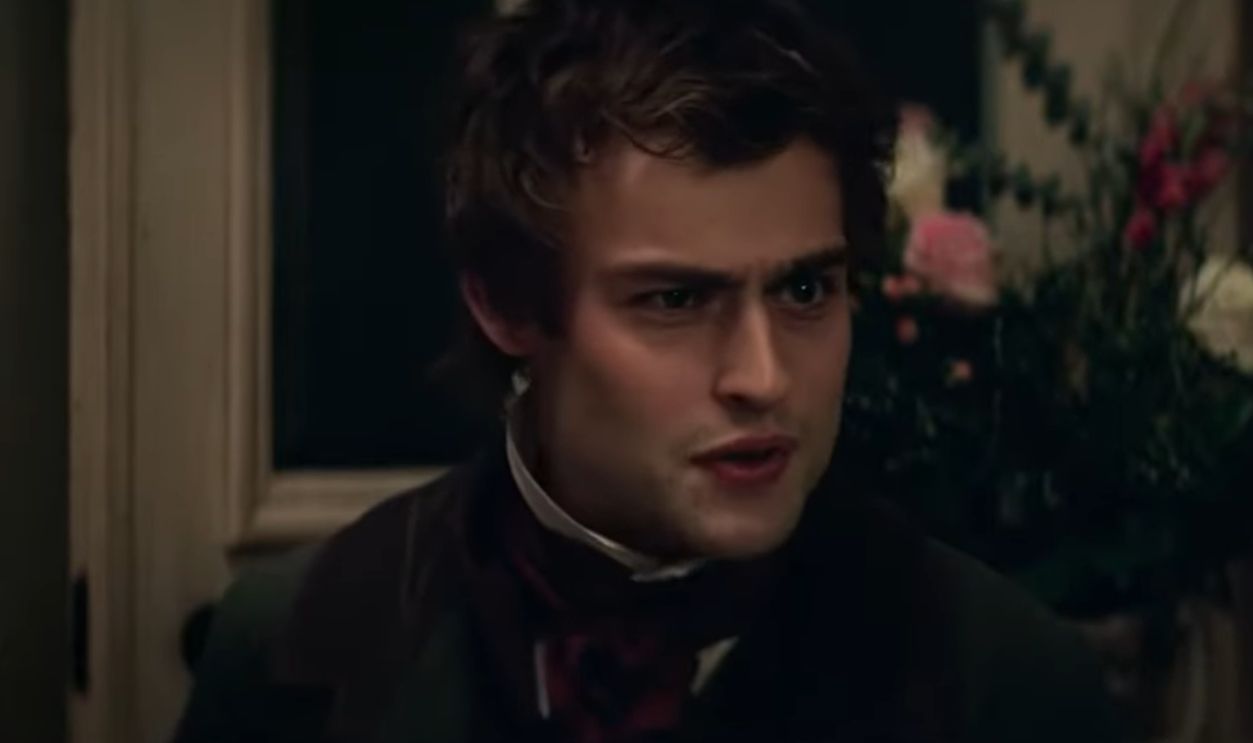
Upon hearing the news of the marriage, both of their parents cut them off financially. Harriet’s father likely didn’t take too kindly to his daughter being taken in marriage without his permission, and Percy’s father simply thought Harriet and her entire family beneath his. As such, the newlyweds started their life with just about no money, struggling to keep a roof over their heads.
Ultimately, it proved just the unfortunately chaotic start to what turned into a truly chaotic marriage.
 Screenshot from Mary Shelley, IFC Films(2017)
18. Things Got Weird
Percy’s marriage to Harriet never resembled anything like a traditional marriage. For one, they pretty consistently lived in groups. It started with Hogg, who came to live with them shortly after the marriage. And while that may not seem all that weird on the surface, things really took a turn when Percy left Harriet behind to attempt to smooth things over with his father…
 Screenshot from Mary Shelley, IFC Films(2017)
19. They Got Messy
Upon Percy’s return, he found that Harriet’s sister, Eliza, also moved in. According to Harriet, she did so because Hogg tried to make a romantic move on her in Percy’s absence. But that wasn’t the weird part. Percy actually didn’t seem to care, as the four carried on living together in something like that might’ve resembled familial bliss, if not for all their other issues.
 Screenshot from Mary Shelley, IFC Films(2017)
20. He Wouldn’t Be Quiet
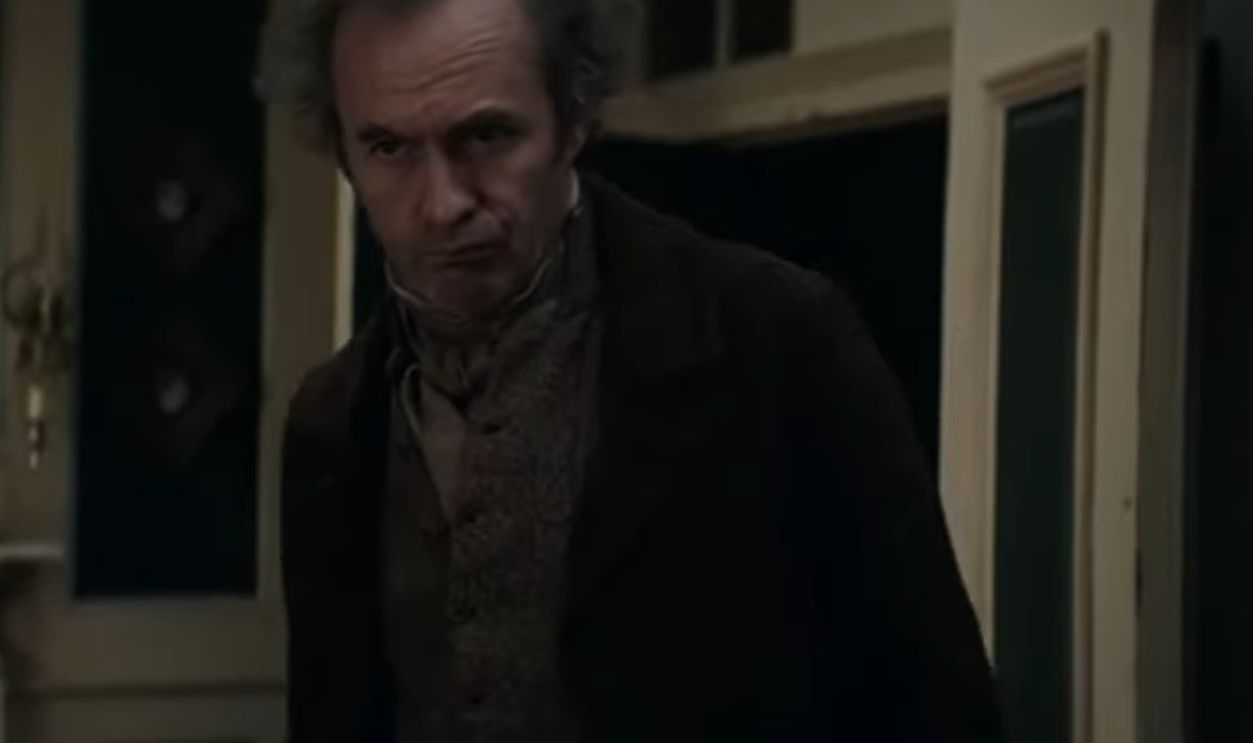
Now living in Ireland, Percy Shelley and the “family” continued to face struggles, possibly related to his continued political writing. Nevertheless, he made several important connections during these years, including a correspondence with one of his idols, a philosopher named William Godwin. But his weird behavior at home, including more science experiments and even playing with pistols, started really messing with the locals.
 Screenshot from Mary Shelley, IFC Films(2017)
21. They Didn’t Like Him
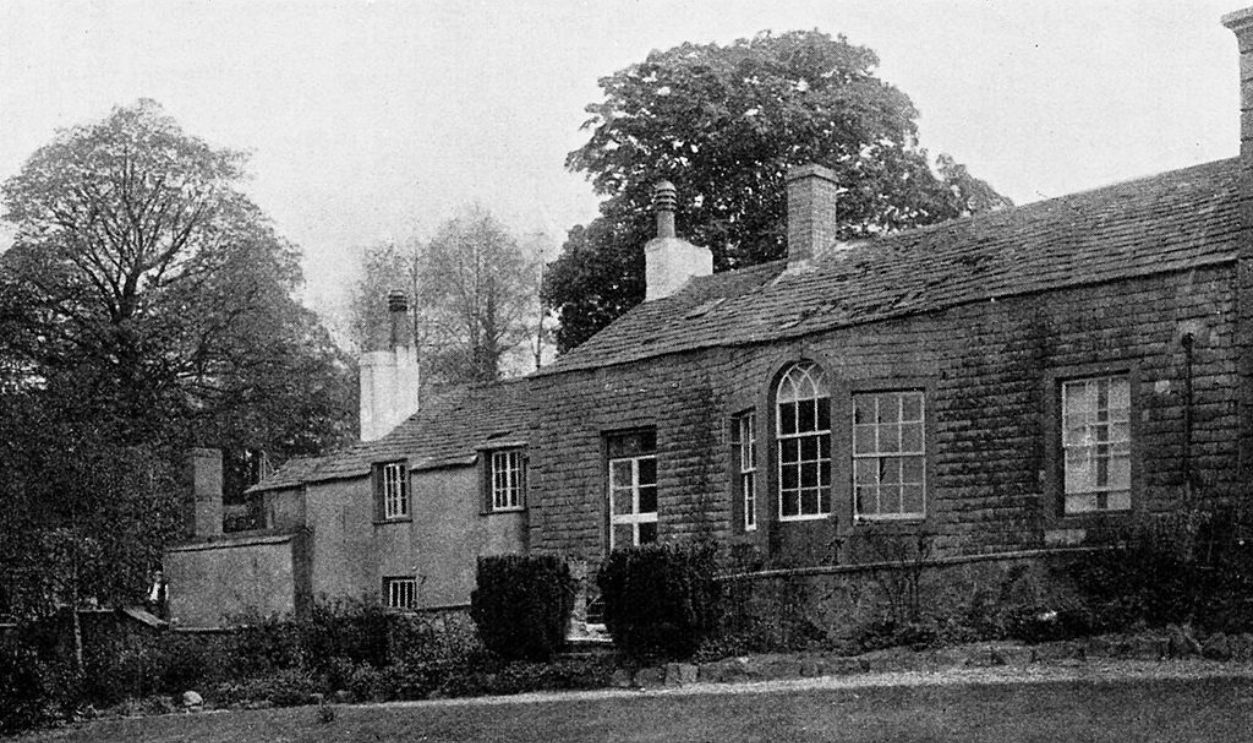
Percy’s landlord and neighbors started to complain about their very unusual neighbor. And while that doesn’t seem too serious, Percy claimed that greatly escalated more than once. By his own account, people attacked him multiple times during this period.
Now, it’s not unusual for a political maverick to come under fire, but the details on what really happened really depends on whose version of the story you believe.
History's most fascinating stories and darkest secrets, delivered to your inbox daily.
22. He Made It Up (Maybe)
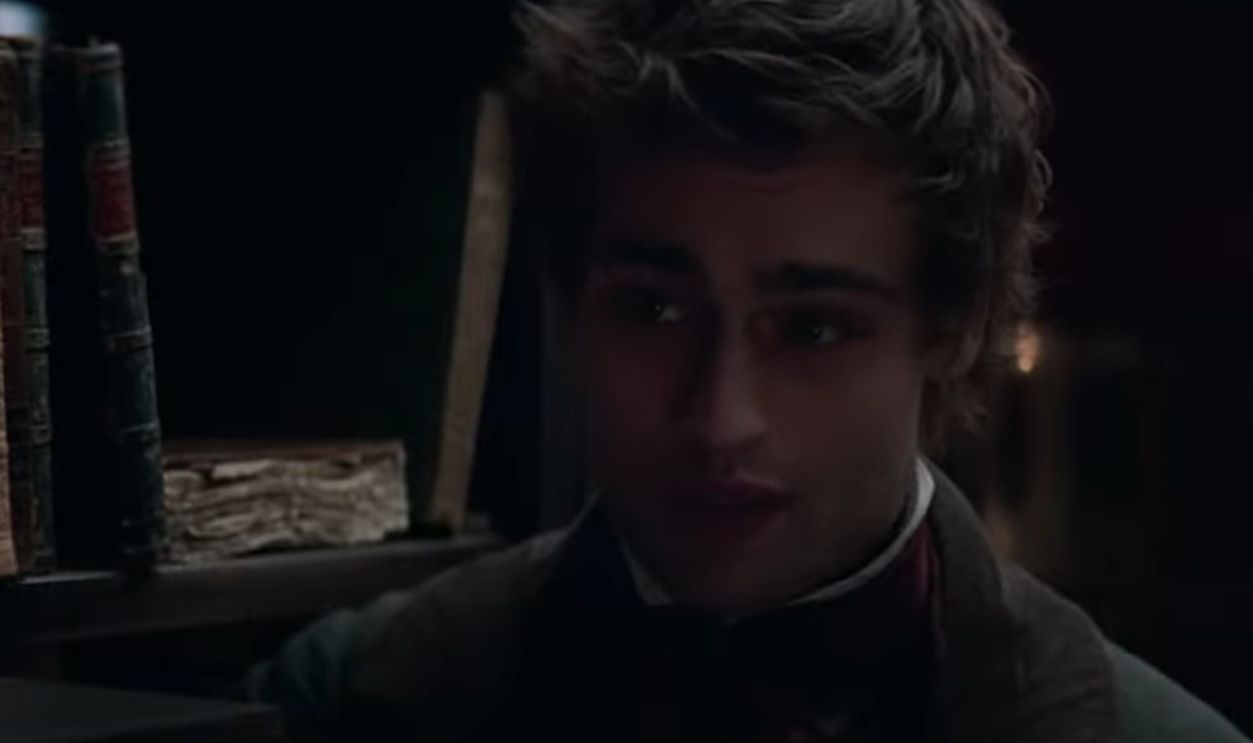
From childhood, multiple reports seemed to allude to Percy’s inclination for hallucinations. The details around them are fuzzy, but it seems he literally just imagined people antagonizing and attacking him more than once. In one particular case, though, his “hallucinations” might’ve been a bit more intentional.
 Screenshot from Mary Shelley, IFC Films(2017)
23. He Escaped
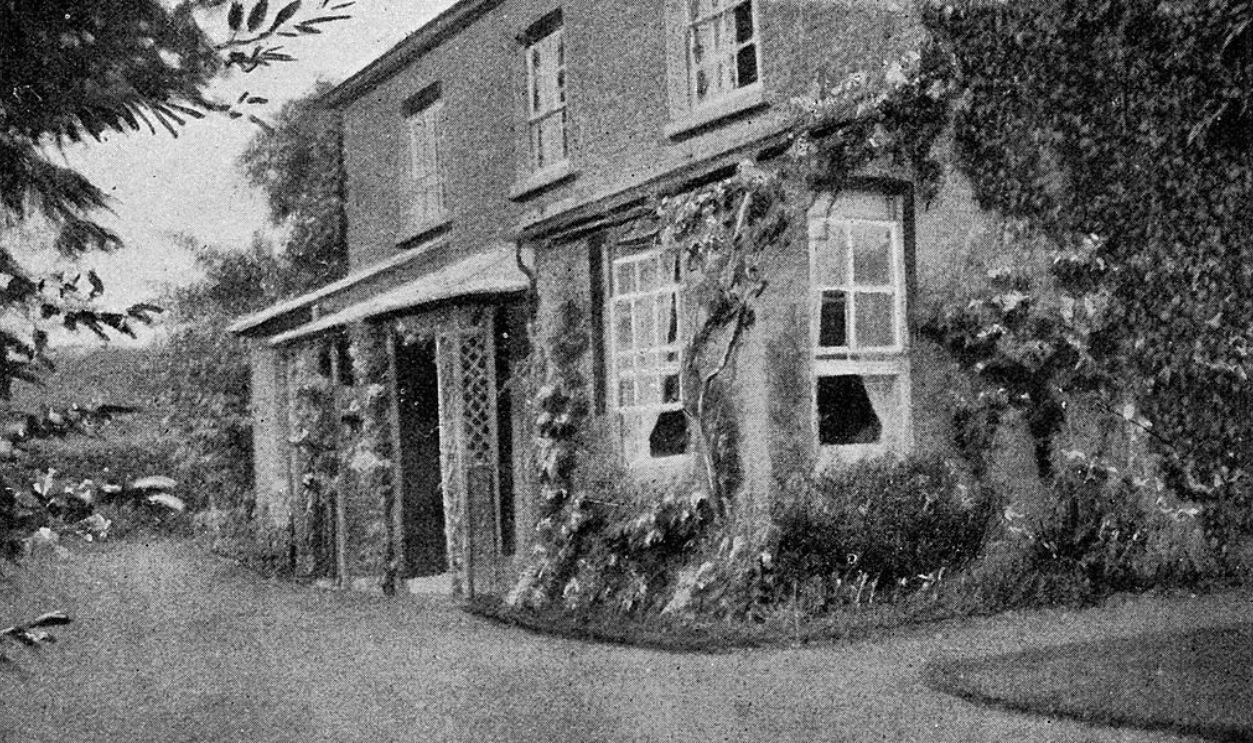
One particular attack came at just the right time. In 1813, Percy Shelley claimed someone attacked him in his own house, inciting him to take off with his family all the way back home to England. Other accounts claimed he made the whole thing up just to get out of issues with unpaid debts and political rivals. Either way, he settled back in London in June 1813, and before long, another huge life change marked a serious shift in his romantic attentions.
24. He Didn’t Care
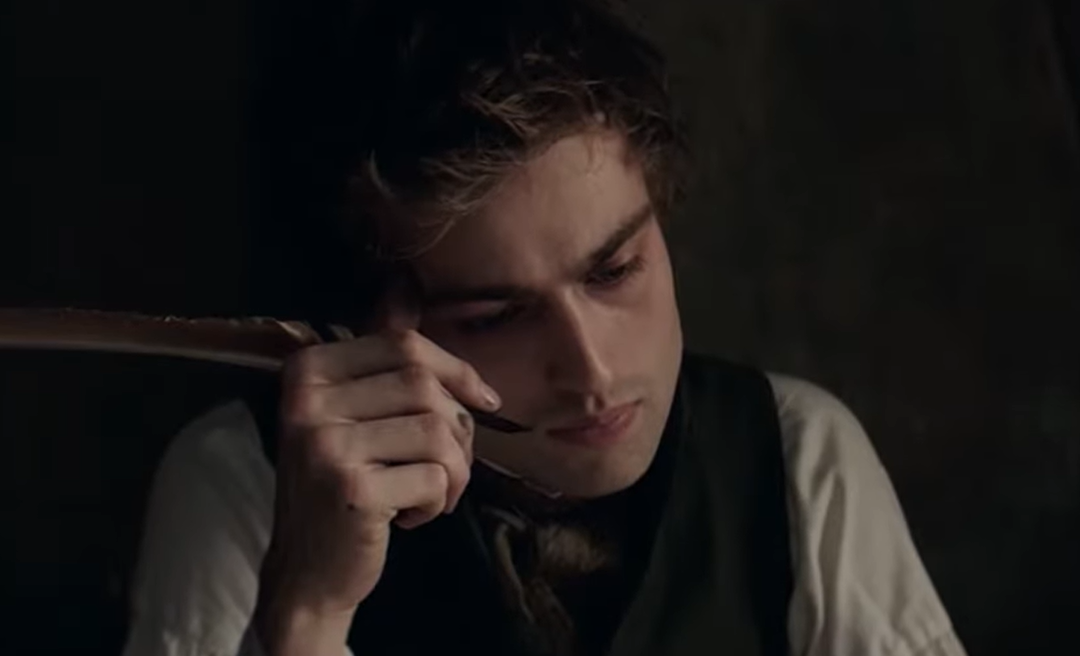
In June of that same year, Harriet birthed their first child, a daughter named Eliza Ianthe Shelley. Rather than bring the couple together, their daughter’s birth became the final nail in the coffin of their marriage. Percy further distanced himself from Harriet, even to go so far as to move in with another woman for a while.
By 1814, he’d not only officially started living a life mostly separate from Harriet, but he’d also very resolutely set his romantic interest elsewhere…
 Screenshot from Mary Shelley, IFC Films(2017)
25. He Moved On
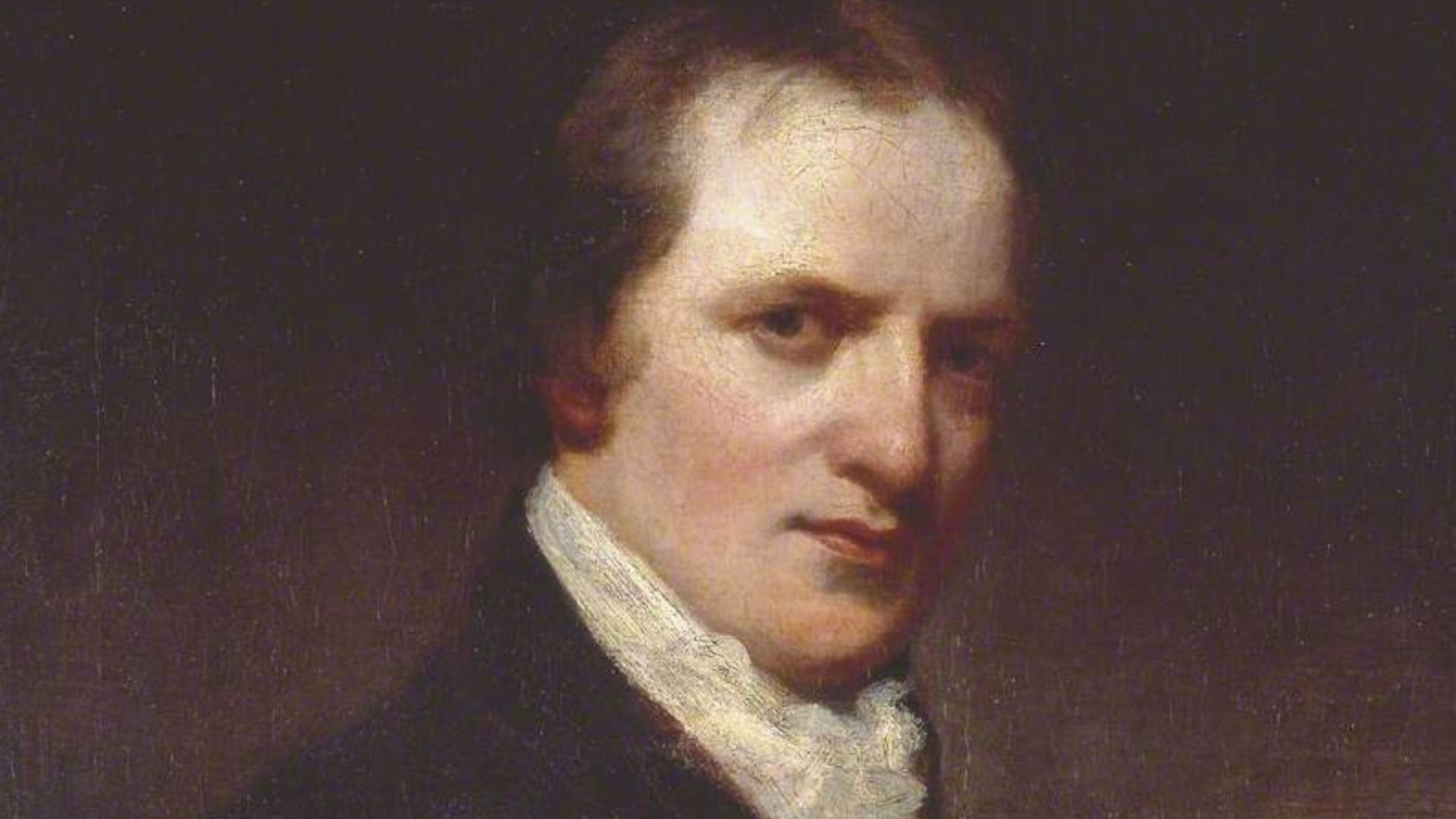
Remember William Godwin? The philosopher Percy Shelley had started a correspondence with a few years prior? Well, in May 1814, he started visiting him in person. It got to the point where he went to see him daily, no doubt indulging in their similarly taboo beliefs on religion and politics. But Percy harbored a far less “educational” reason for his frequent visits…
 John Westbrooke Chandler, Wikimedia Commons
26. He Fell Again
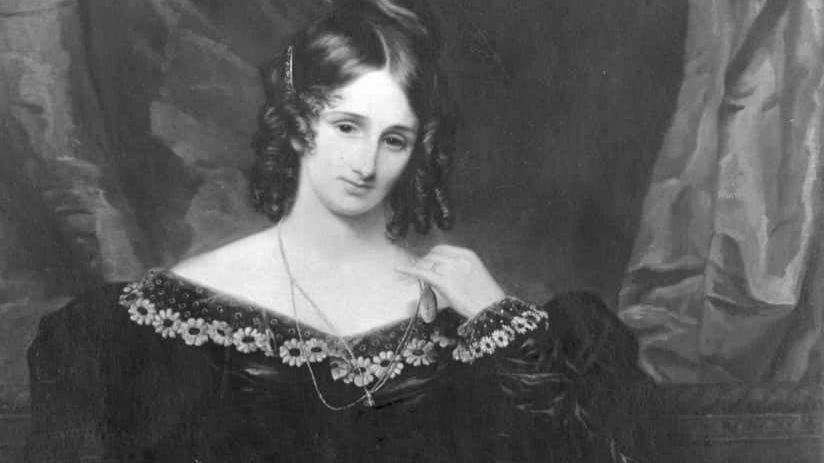
Before long, Percy found himself once again in the throes of romantic obsession. This time, he fell for Godwin’s daughter, 16-year-old Mary Shelley. Despite Percy being five years her senior, Mary allegedly fell for him too. The uniquely educated daughter of her philosopher father and feminist mother, Mary Wollstonecraft, she thought about the world in an unorthodox way that appealed to Percy.
As such, the two found romance in some pretty unlikely places.
27. They Liked It Dark
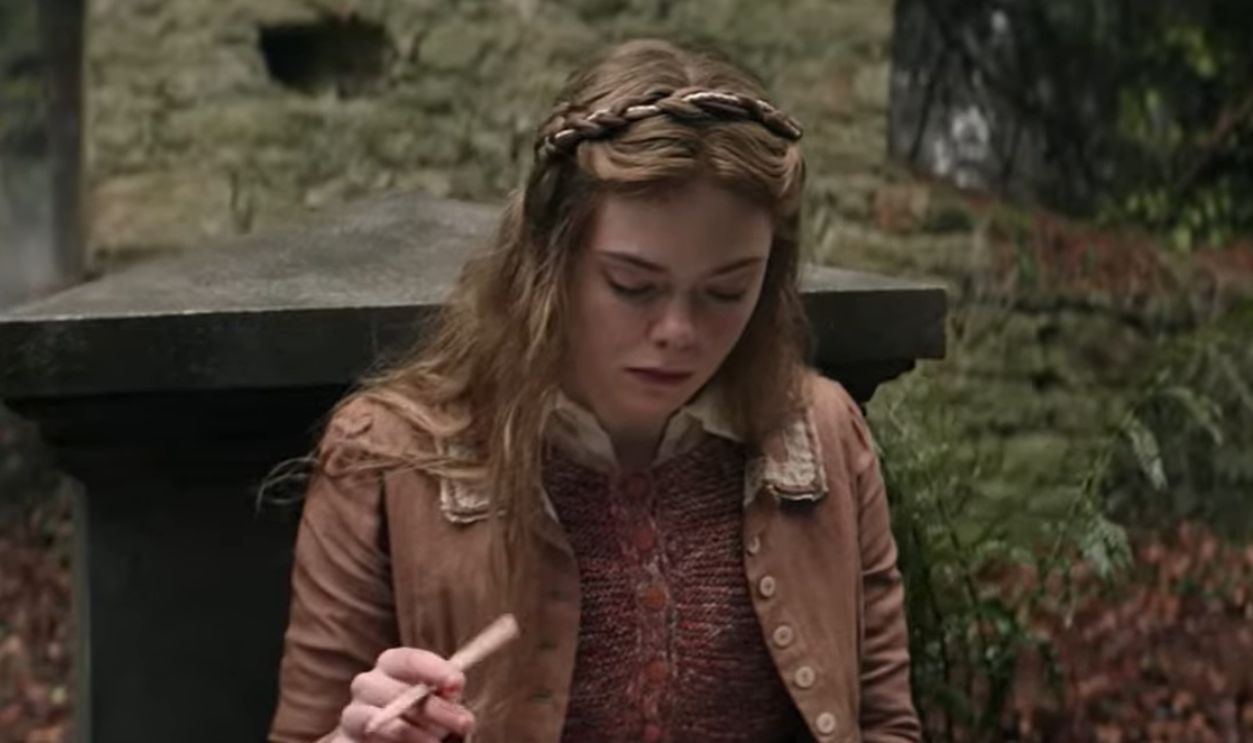
Reportedly, Mary always showed a keen affinity for what others might consider macabre. She particularly enjoyed spending time in the cemetery where her mother laid. So once she started seeing Percy, secretly, they spent lots of time together walking in the cemetery. And on a night that went down in literary history, the two supposedly got down to business in the most unusual of spots.
 Screenshot from Mary Shelley, IFC Films(2017)
History's most fascinating stories and darkest secrets, delivered to your inbox daily.
28. They Got Busy In A Graveyard
On June 26, 1814, Mary reportedly confessed her love to Percy at her mother’s gravestone. According to multiple reports (and Percy’s journal entries), Percy responded in kind, and the two went on to immediately consummate their love—on top of her mother’s gravestone. To each his own, I suppose.
Now “together” in their own minds, Perc returned to her father to make things official. As with Harriet’s father not nearly long enough before, it did not go well.
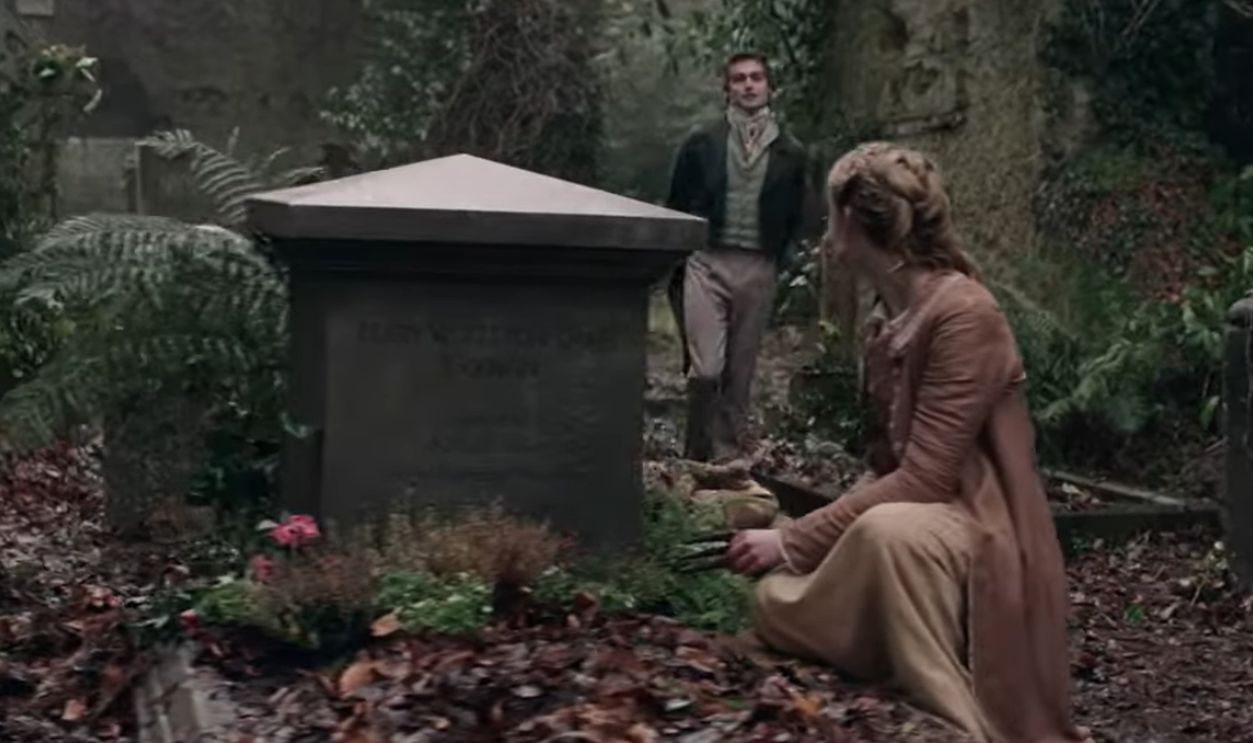 Screenshot from Mary Shelley, IFC Films(2017)
29. He Tossed Him Out
Until that point, Percy and Godwin technically agreed on their ideals of “free love”. But when Percy told him that he wanted to permanently leave his wife (and baby!) to live with Mary in “free love,” Godwin became furious. He kicked Percy out of his house and refused to let him see Mary again. Things only escalated from there.
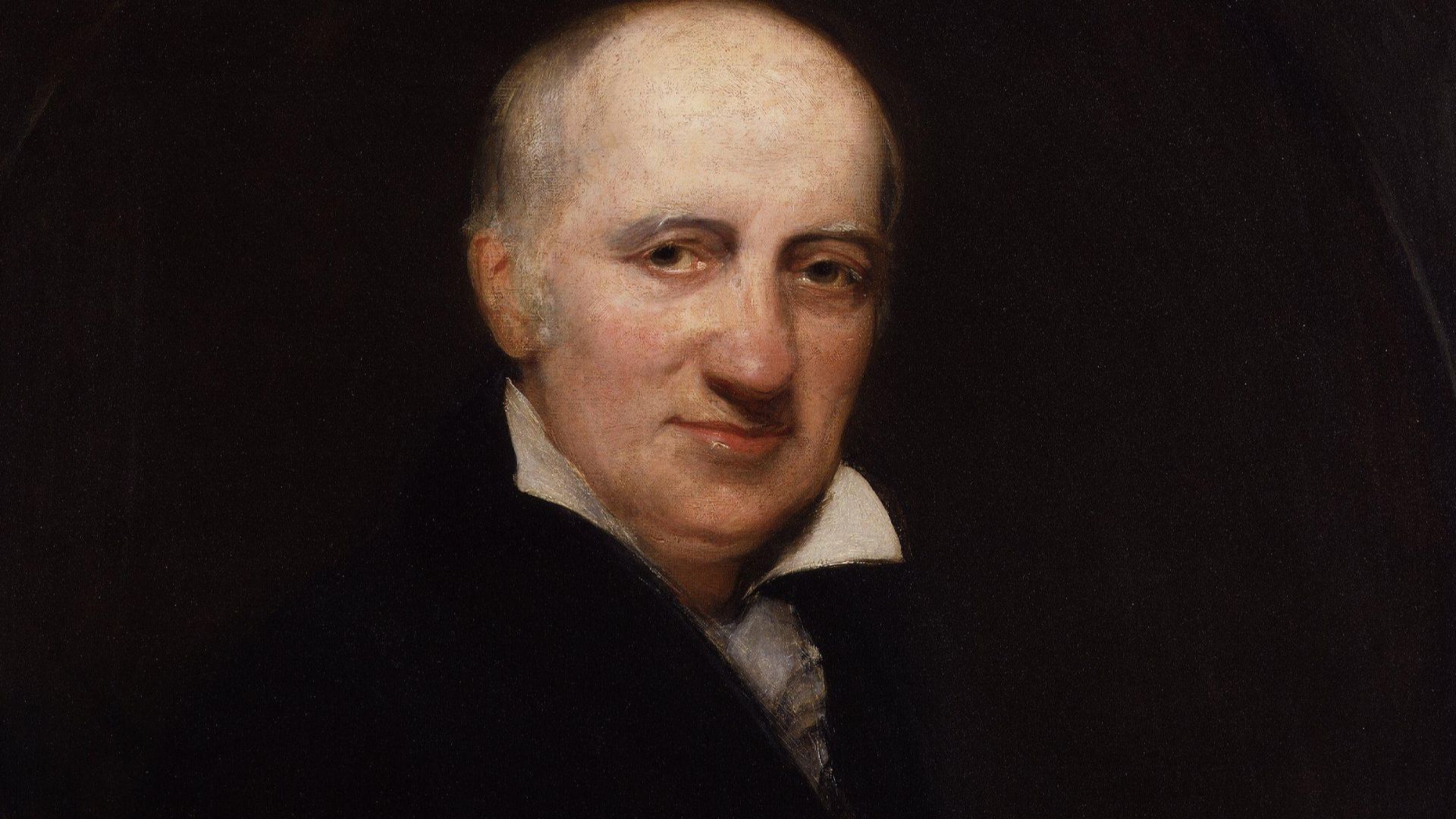 Henry William Pickersgill, Wikimedia Commons
30. He Refused To Accept It
Percy Shelley responded with everything but acquiescence. Not only did he reportedly try to take his own life, but he also threatened to take Mary’s life as well if Godwin insisted on keeping them apart. Luckily, he didn’t actually do either, but before long, Harriet got in on the fray—but with a much more heartbreaking approach.
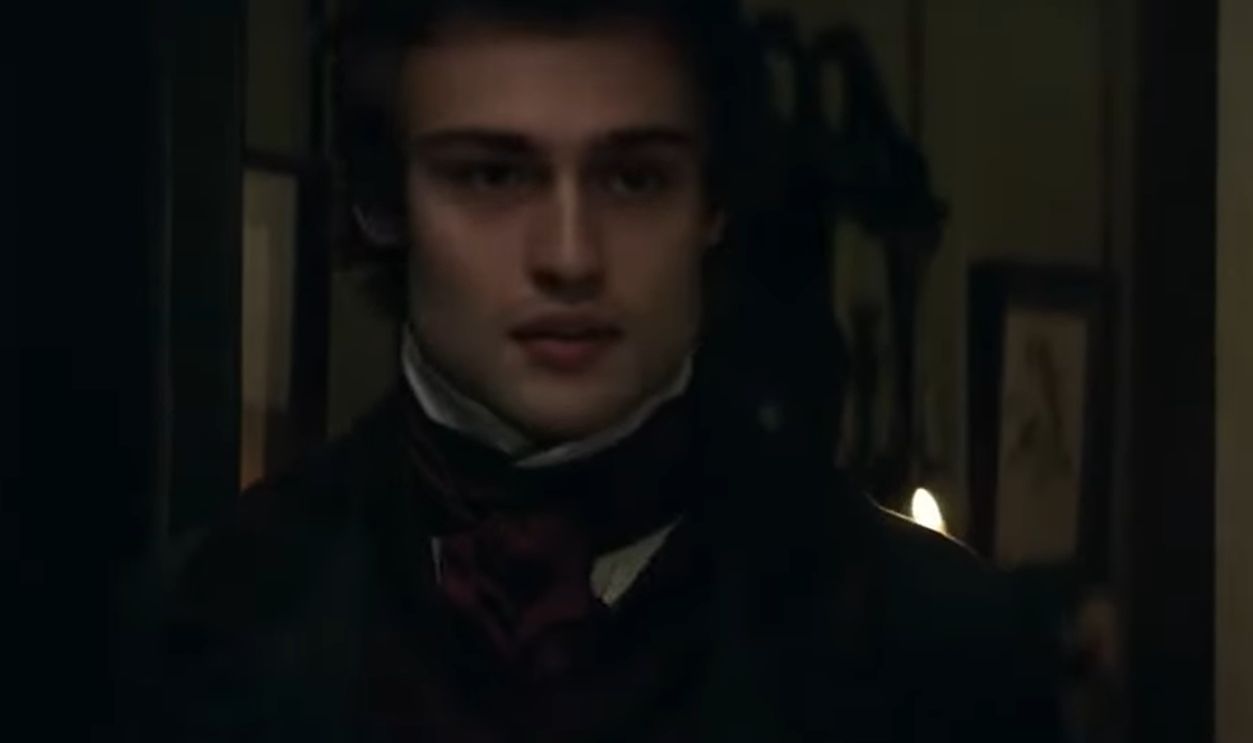 Screenshot from Mary Shelley, IFC Films(2017)
31. She Begged
When she finally caught wind of the entire situation, Percy’s wife Harriet took it upon herself to go talk to Mary—who was notably close to her own age. Harriet begged Mary to stop her romance with Percy, and to leave them be. Perhaps she realized his infatuation with Mary meant more than his other dalliances. Unfortunately for her, though, her begging fell on deaf ears.
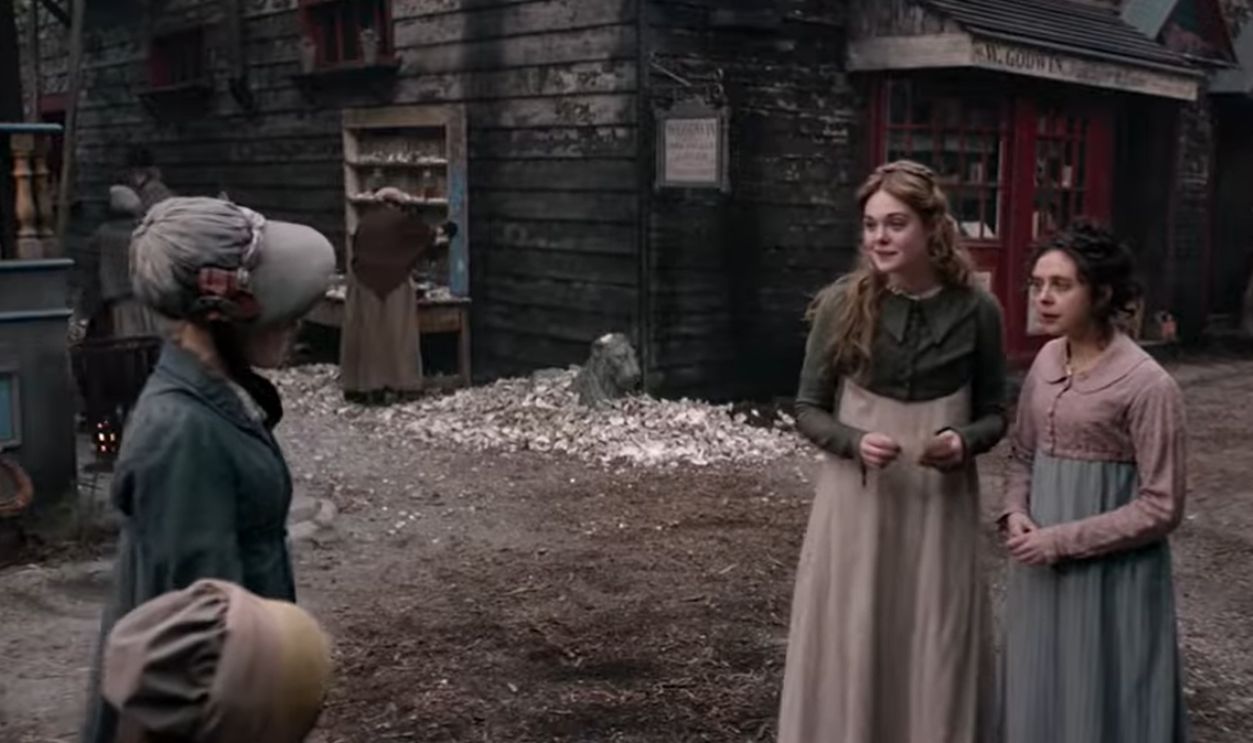 Screenshot from Mary Shelley, IFC Films(2017)
32. They Eloped
Just about a month after their declaration of love in the cemetery, Percy Shelley and Mary escaped to Europe together, along with Mary’s stepsister Claire. Mary’s father cut them off financially, and the little group made their way across France and through Switzerland, struggling to make ends meet. Eventually, they had no choice but to go back to England.
There, Percy discovered that though his love for Mary burned fast and bright, it clearly couldn’t keep them warm forever.
 Screenshot from Mary Shelley, IFC Films(2017)
33.She Hated It
By their return to England, Mary’s entire existence seemed shrouded in depression. To make matters worse, she became pregnant, only to find out that Harriet finally birthed an heir for Percy that November. And though the passing of Percy’s grandfather brought an inheritance and some financial relief, Percy’s relationship with Mary went left fast—and with his own encouragement.
 Screenshot from Mary Shelley, IFC Films(2017)
History's most fascinating stories and darkest secrets, delivered to your inbox daily.
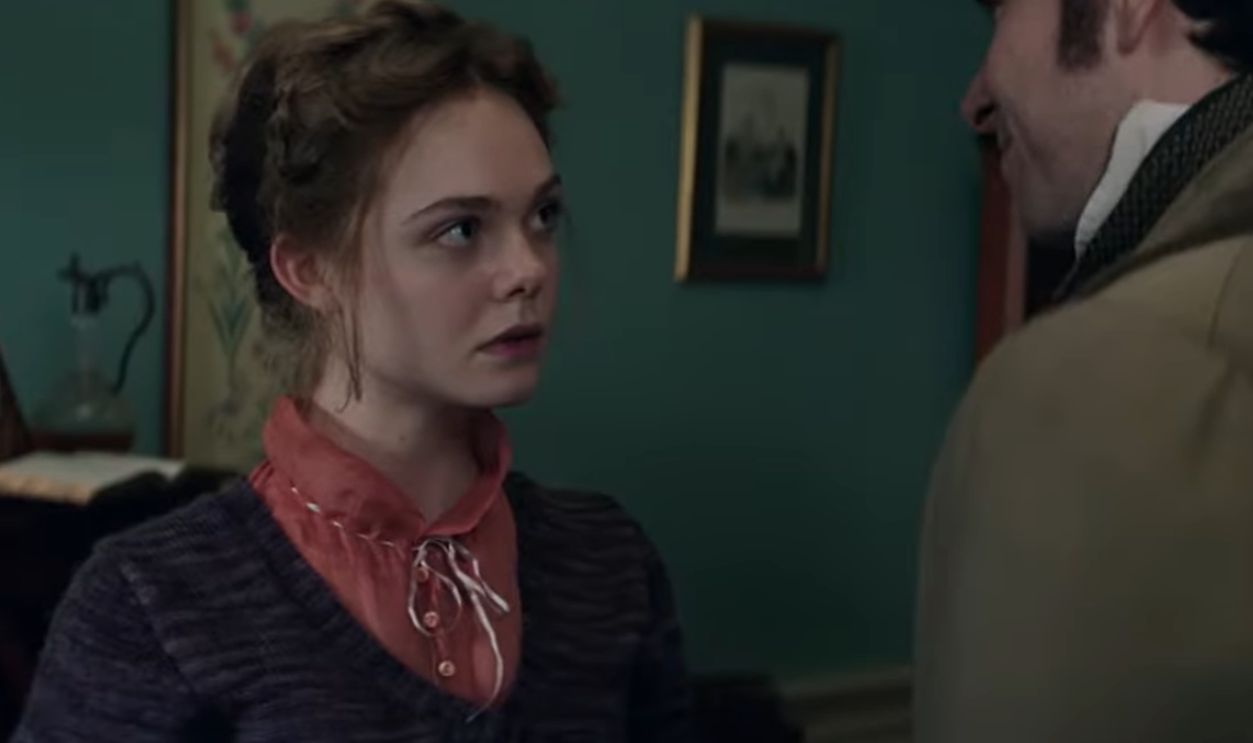
34. They Took Turns
After Percy Shelley and Mary lost their first baby, they took to some…interesting…methods of dealing with their grief. Percy reportedly began an intimate relationship with Claire—yes, Mary’s stepsister, who still lived with them. Even stranger, though, he encouraged Mary to begin such a relationship with his best friend, Hogg…who also still lived with them. But, as seems par with the course for Percy, things grew stranger.
 Screenshot from Mary Shelley, IFC Films(2017)
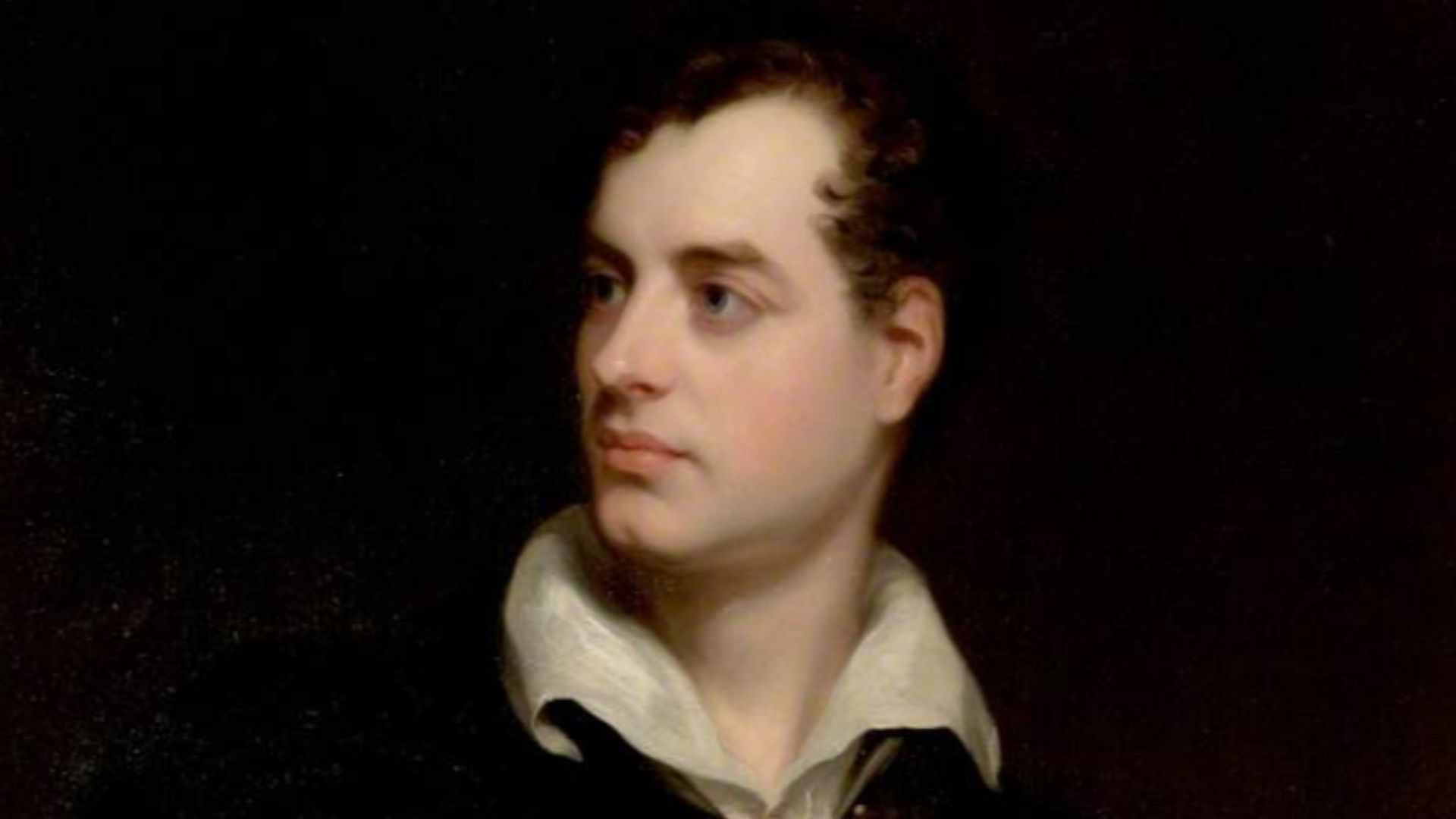
35. They Got Caught Up
Over the next few years, Percy Shelley and his “family”, so to speak, mixed themselves in with Lord Byron—yes, that Lord Byron—famed British poet of the romantic area. On one hand, their involvement included lots of talk of philosophy and literature, and Shelley penned some of his well-known poems like “Hymn to Intellectual Beauty” during their time together. On the other hand, things also got kinda creepy.
 Thomas Phillips, Wikimedia Commons
36. They Saw Things
During this time, both Percy Shelley and Mary reportedly suffered from hallucinations. In one notable moment, Percy suffered from a panic attack while Byron recited the poem “Christabel”. And interestingly enough, Mary reportedly had a nightmare the night before that led to her own great contribution to literature, Frankenstein. All that aside, though, Percy’s friendship with Byron hit a real snag when he got some shocking news…
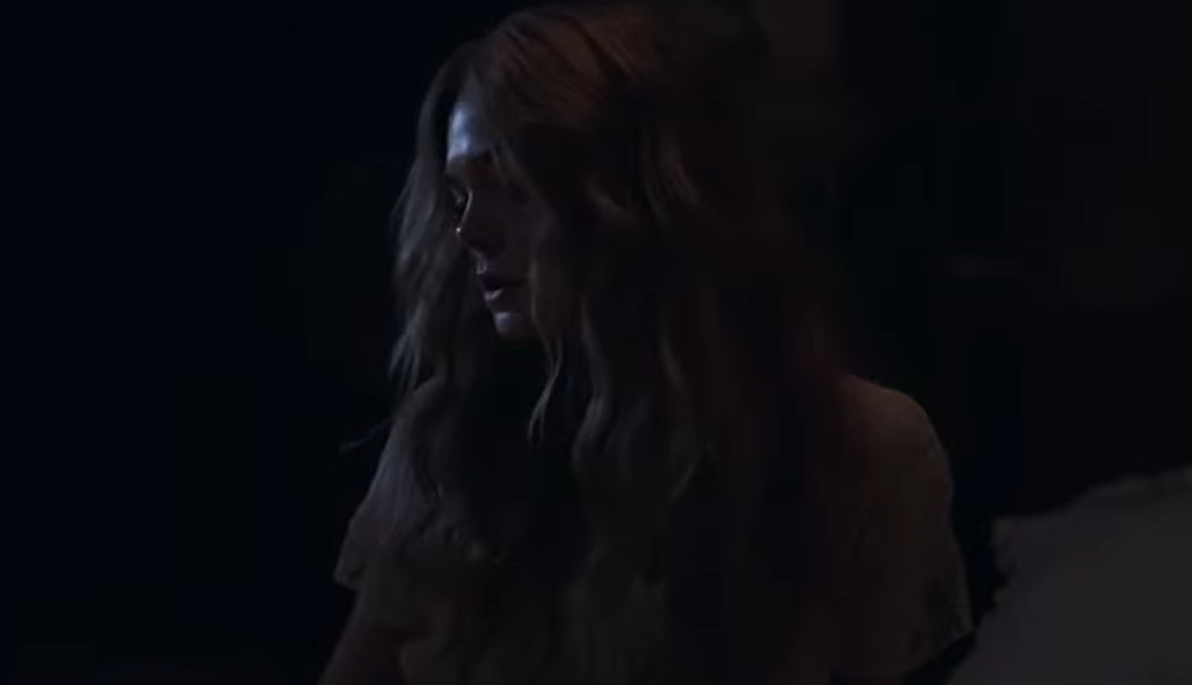 Screenshot from Mary Shelley, IFC Films(2017)
37. He Didn’t Like To Share
Percy’s fondness of Byron started to deteriorate when they discovered he’d not only been intimate with Claire, but that she also carried his baby. Not too long after that, the Shelleys ended their side quest with Byron and returned to England. Unfortunately for them, an unexpected tragedy awaited them there.
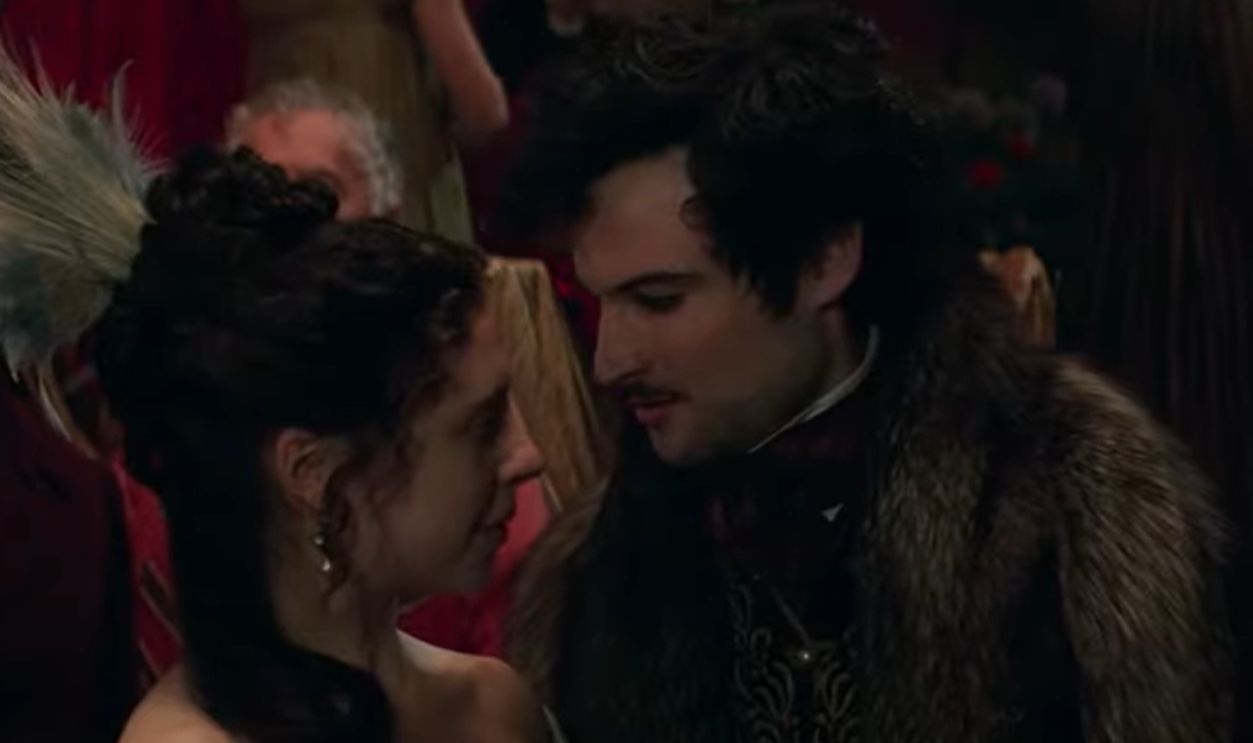 Screenshot from Mary Shelley, IFC Films(2017)
38. Things Fell Apart
Back in England, Percy Shelley received news that Mary’s other stepsister, Fanny, had taken her own life. Percy grieved deeply. He supposedly thought she’d done it on account of her unrequited love for him. Only a few months later, though, another unexpected loss pushed Percy’s grief to new depths.
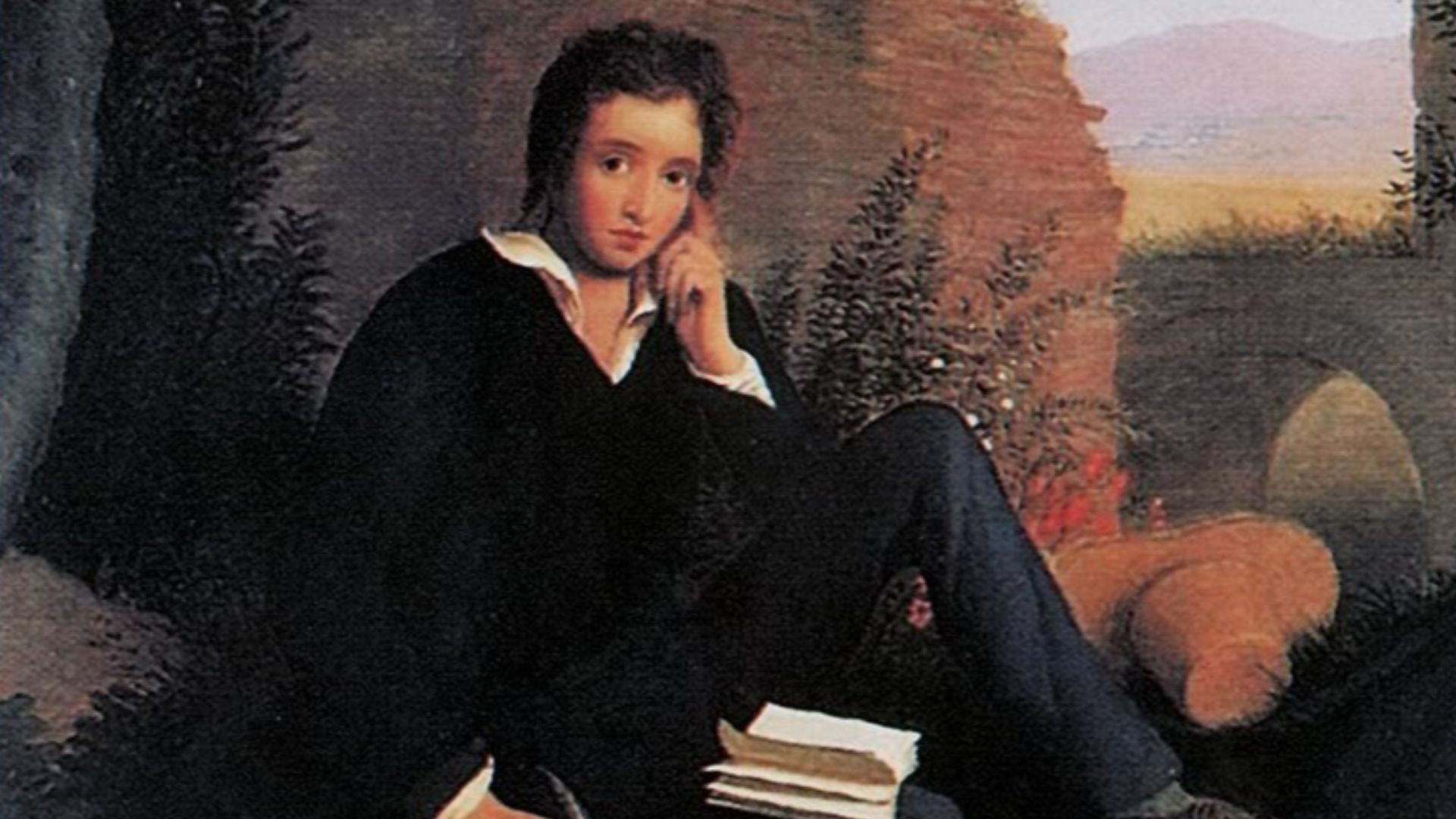 Unknown authorUnknown author, Wikimedia Commons
39. She Gave Up
In December 1816, Percy received news that his estranged wife Harriet had also taken her own life, drowning herself in a lake. In her final letter to Percy, she requested he take care of their son, and leave their daughter with her sister. Now, I’d imagine Percy grieved over this, and Mary reportedly felt very guilty over it. But before the month ended, he officially married Mary—though not for the reasons you might think.
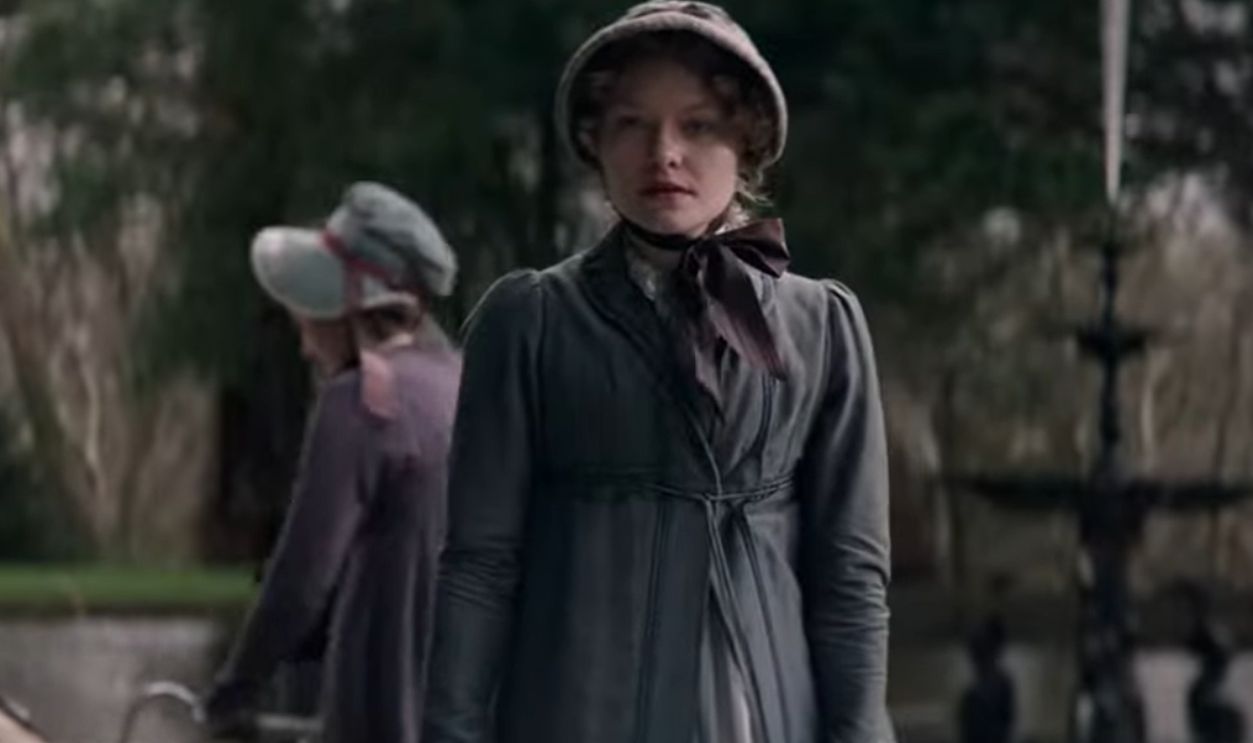 Screenshot from Mary Shelley, IFC Films(2017)
History's most fascinating stories and darkest secrets, delivered to your inbox daily.
40. He Tried
For all intents and purposes, Percy Shelley didn’t believe in the institution of marriage. And tying the knot with Mary didn’t change that. Allegedly, he only married her to try to use the marriage to secure custody of he and Harriet’s children. In the end, though, courts refused him custody for abandoning Harriet and his children in the first place. Things didn’t get much better after that.
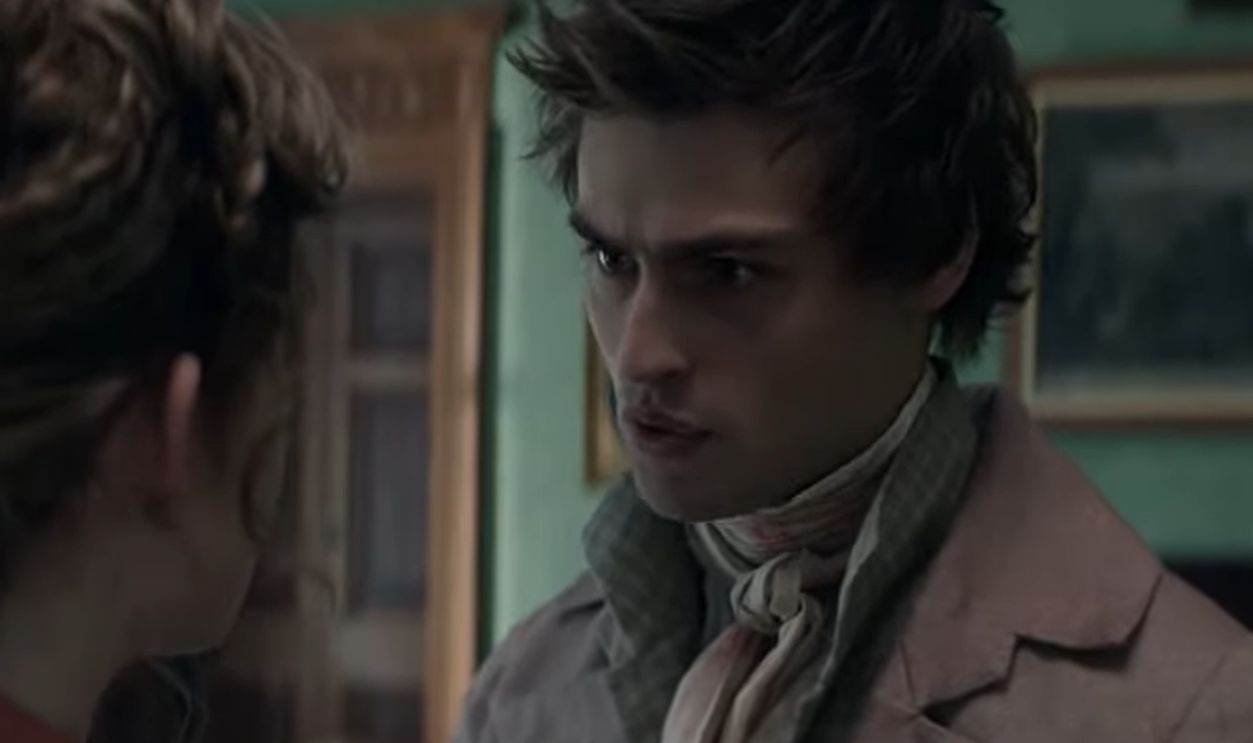 Screenshot from Mary Shelley, IFC Films(2017)
41. He Ran From England
By 1818, Percy had enough of what he called England’s “civil and religious tyranny”. Between mounting debts, legal threats, and his ever-growing reputation as a radical menace, he packed up Mary, Claire, and the children and fled to Italy. Officially, it was for his chronic lung problems. Unofficially, it was yet another dramatic escape from the problems snapping at his heels.
But even as he tried to avoid the consequences of his own actions, he did absolutely nothing to keep new issues from popping up in their place.
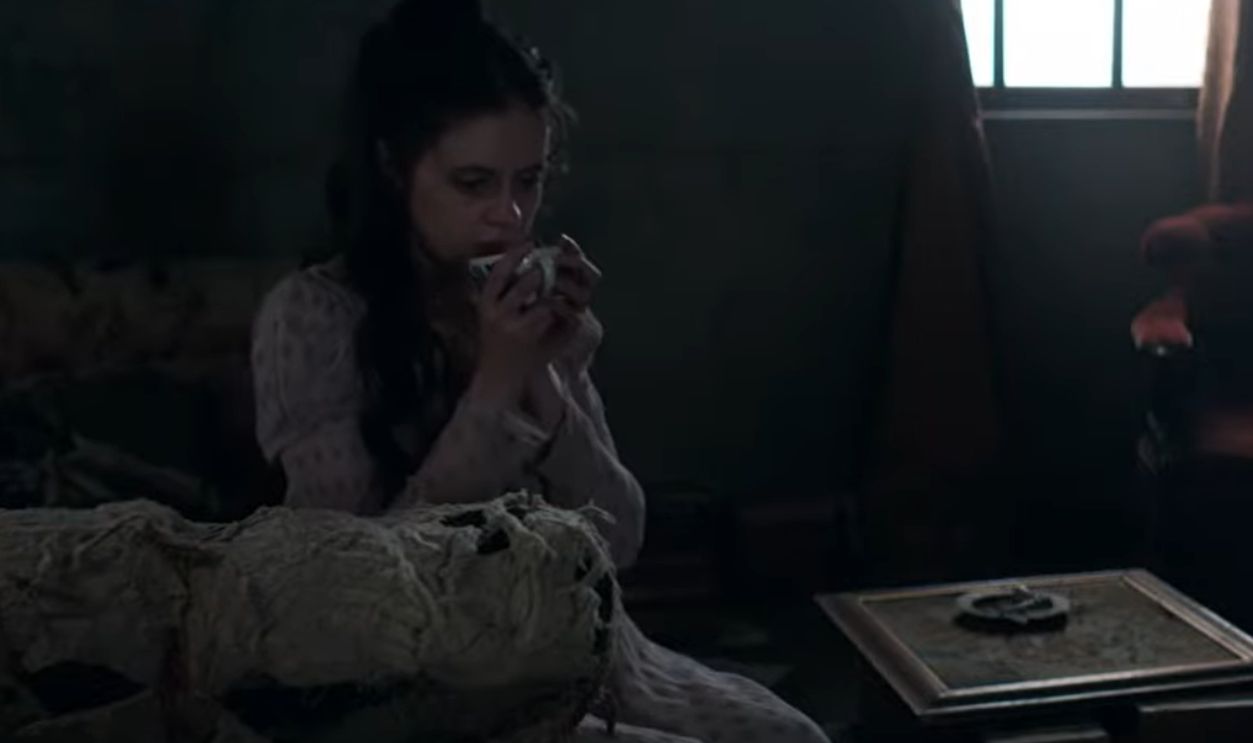 Screenshot from Mary Shelley, IFC Films(2017)
42. He Left Chaos In His Wake
In Italy, Percy and Mary lost another child, Clara. This time, it wasn’t just Mary that fell into the pits of despair. Percy struggled too, reportedly even on the verge of taking his own life. Then, out of seemingly nowhere, another scandal came along to take one final swipe at him.
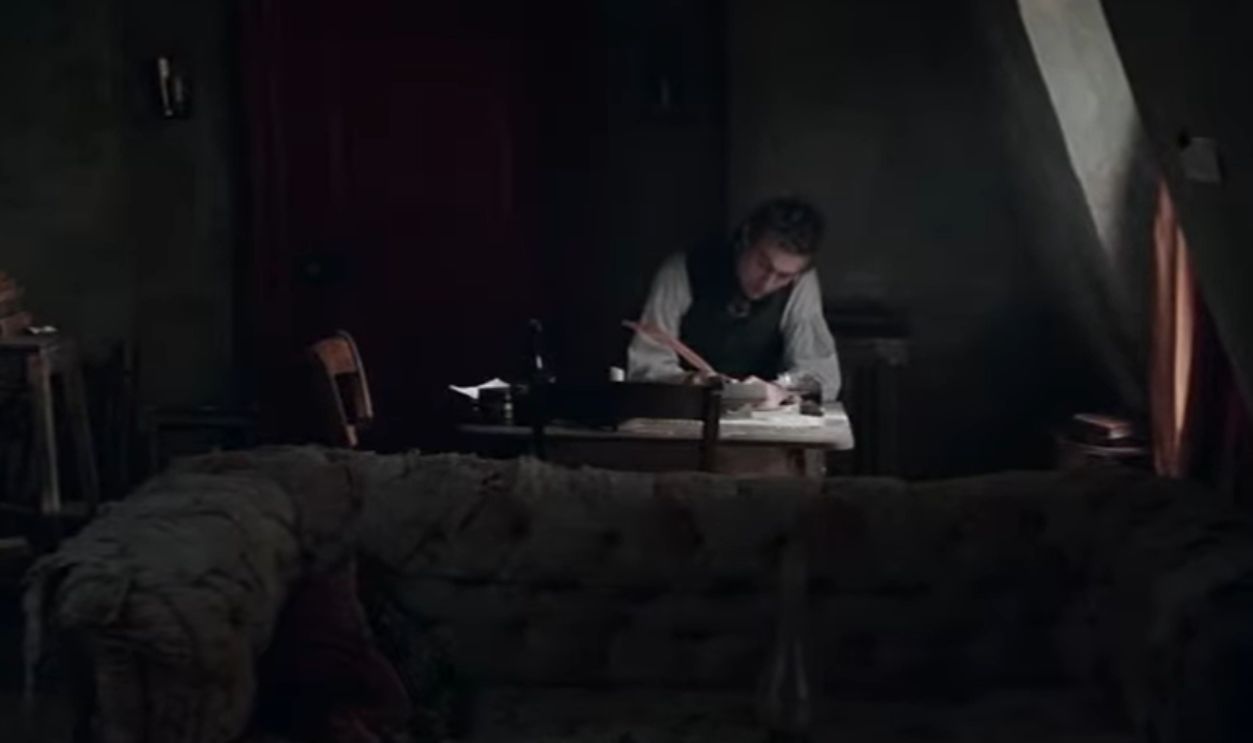 Screenshot from Mary Shelley, IFC Films(2017)
43. He Had A Mystery Child
In 1819, Percy Shelley registered a mysterious baby girl—Elena Adelaide Shelley—claiming to be her father while falsely listing Mary as the mother. To this day, no one knows whose child she really was. And as he always did, he left her behind when he moved again. She passed just a year later.
For all the chaos and suffering in his personal life, though, he kept one part of his life vital and blooming…
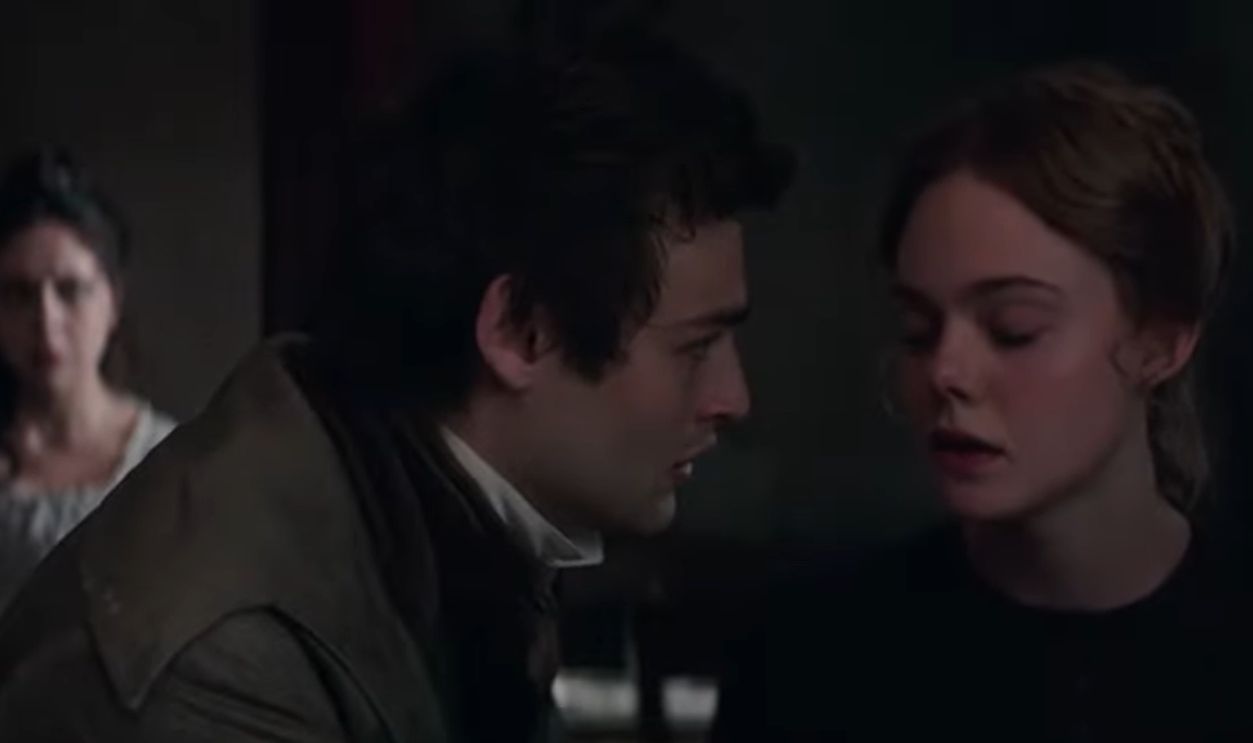 Screenshot from Mary Shelley, IFC Films(2017)
44. He Never Stopped Writing
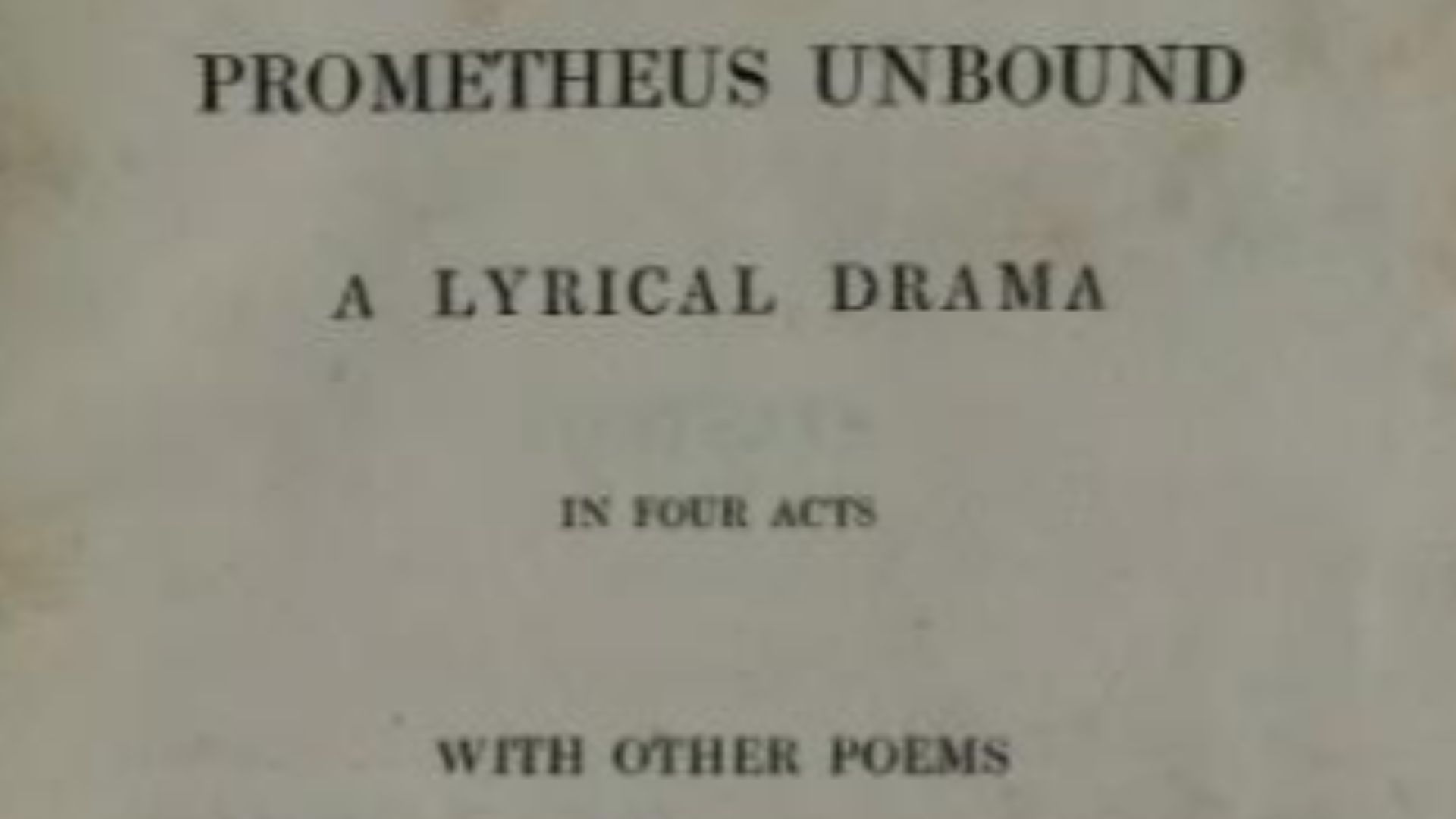
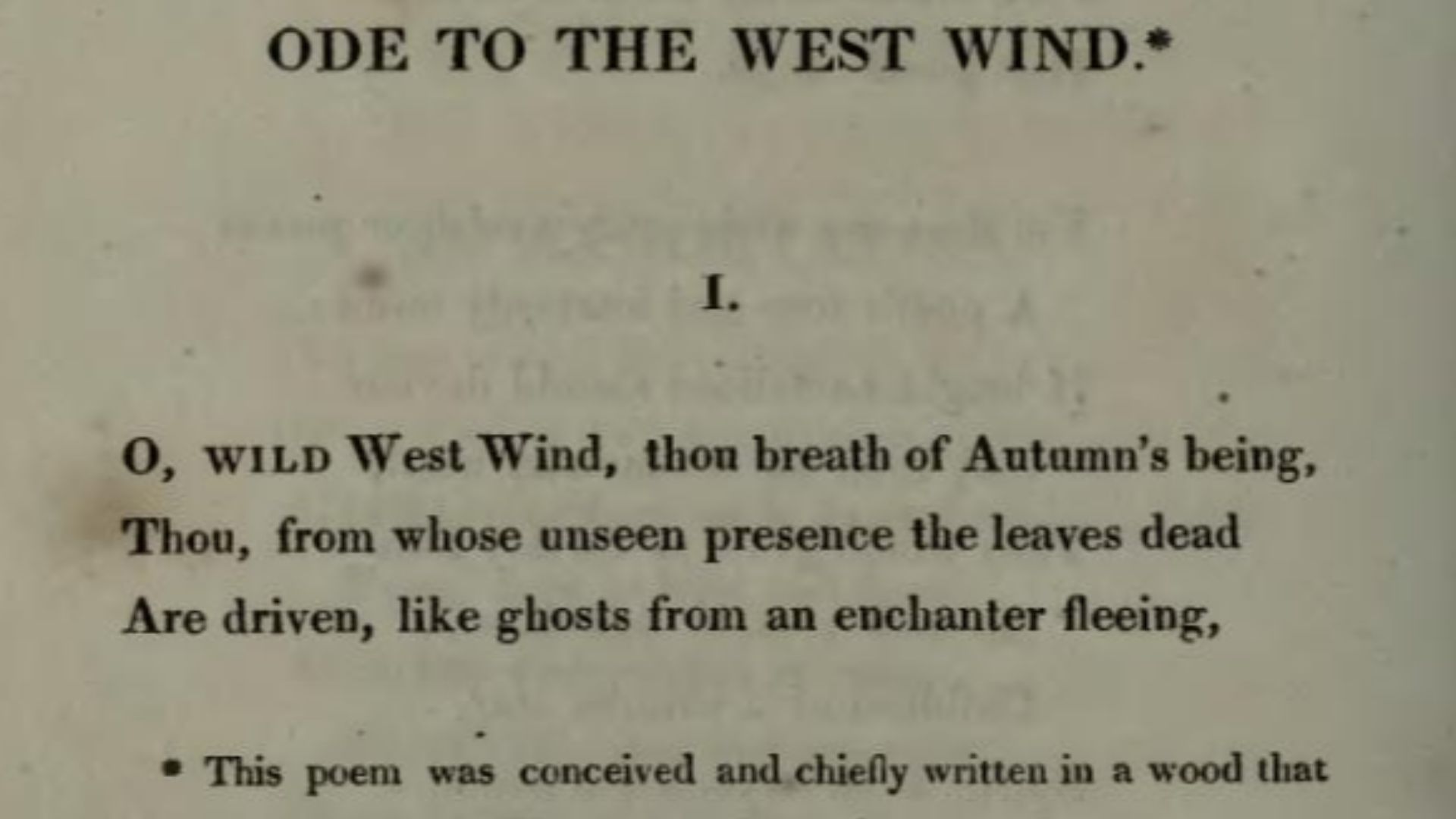
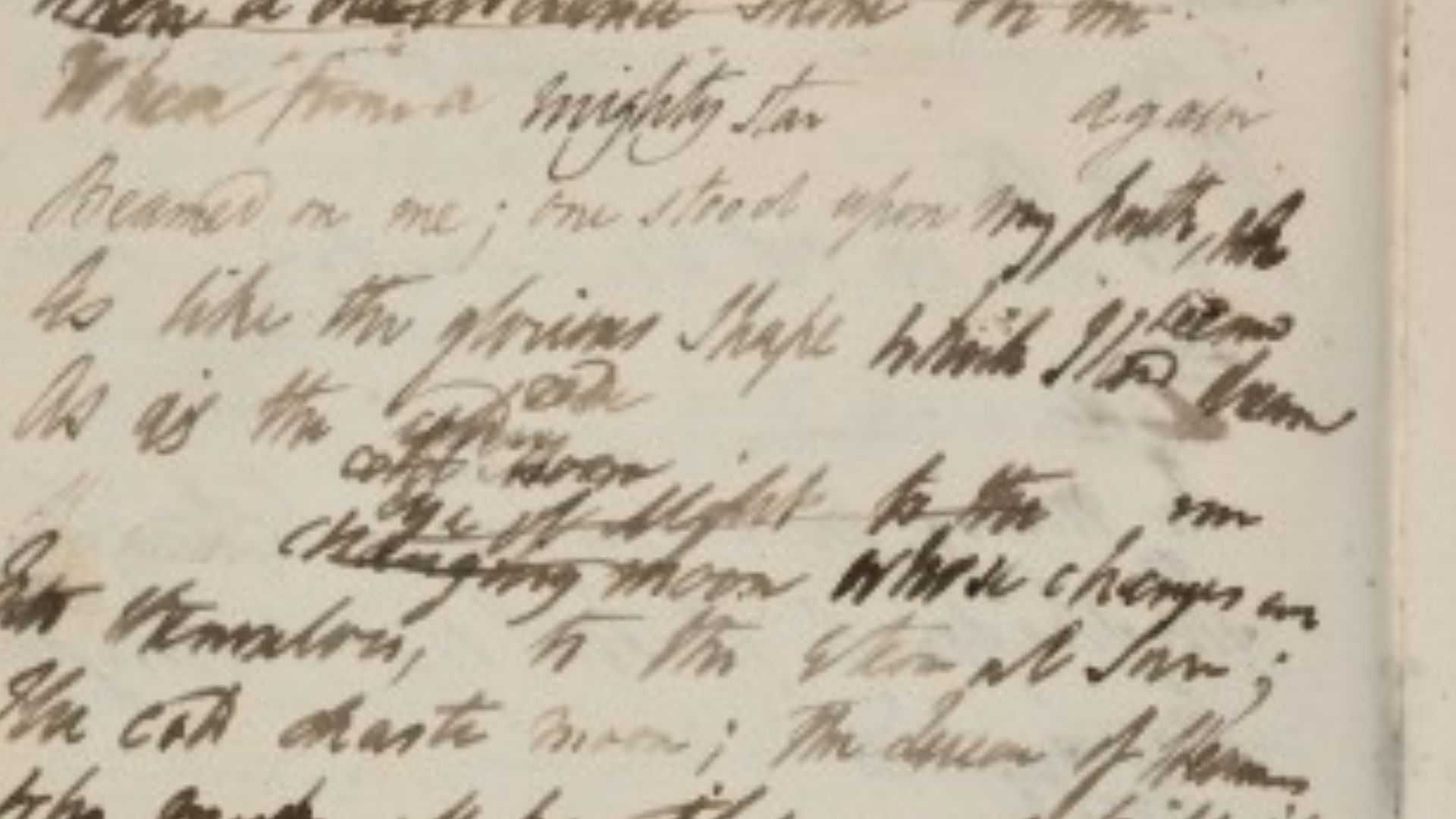
Despite the tragedy chasing him from Venice to Naples to Rome, Percy’s pen burned hotter than ever. In Italy he hammered out Prometheus Unbound and The Cenci. He even wrote one of his greatest sonnets, “Ode to the West Wind”.
And yet none of it landed the way Percy probably hoped.
 Carl savich, Wikimedia Commons
45. No One Heard Him Then
While “Ode to the West Wind” now towers in the canon of British literature, his contemporaries barely blinked. Percy’s major works either weren’t published in his lifetime or sold few copies. Recognition came decades after his death, when later generations finally caught up to his vision.
Maybe that explains the way Percy Shelley seemed completely insatiable when it came to romance.
 Carl savich, Wikimedia Commons
History's most fascinating stories and darkest secrets, delivered to your inbox daily.
46. He Couldn’t Stop Wanting More
In 1819, Mary gave birth to another son, Percy Florence. But Percy’s romantic restlessness didn’t slow. He wrote love poems to another woman, Sophia Stacey. Later, he grew intensely attached to still another woman, Jane Williams. And without pretense, he even corresponded passionately with Emilia Viviani, a teenage girl confined to a convent, inspiring Epipsychidion.
But, finally, after decades of chaos, the tragedy that followed him finally caught up.
 Carl savich, Wikimedia Commons
47. He Took To The Sea
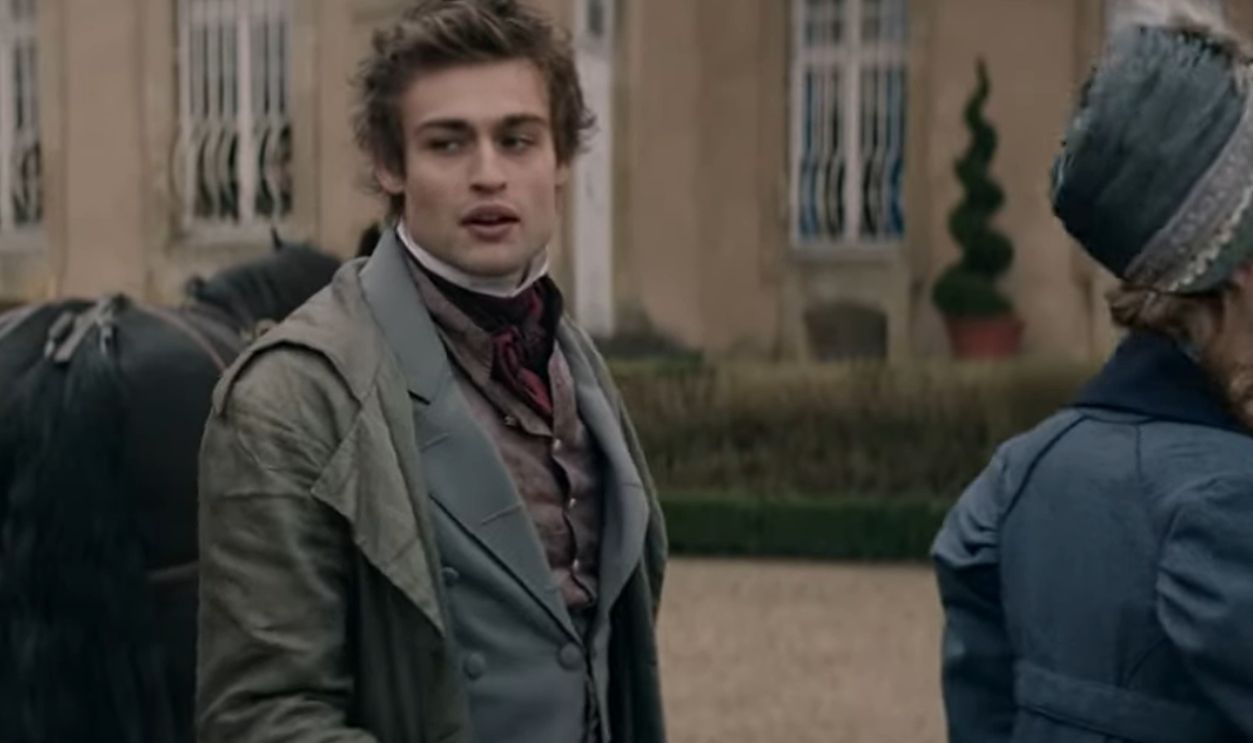
In July 1822, Percy Shelley sailed from Livorno in his newly built boat, the Don Juan, after meeting with Lord Byron and Leigh Hunt about launching a radical new journal. Before long, a violent storm rolled in. Tragically, Percy and all those sailing with him didn’t make it back alive. But, in a fashion as dramatic as his entire life, that wasn’t quite the end of the story.
 Screenshot from Mary Shelley, IFC Films(2017)
48. The Sea Gave Him Back
Ten days later, his body washed ashore near Viareggio, bloated and barely recognizable. His friend and fellow writer, Edward Trelawny, identified him by his clothing and a copy of Keats’s Lamia found in his pocket. He and his friends cremated Percy on the beach in a scene fit for one of his own poems.
But as he lay burning, something vital refused to deteriorate.
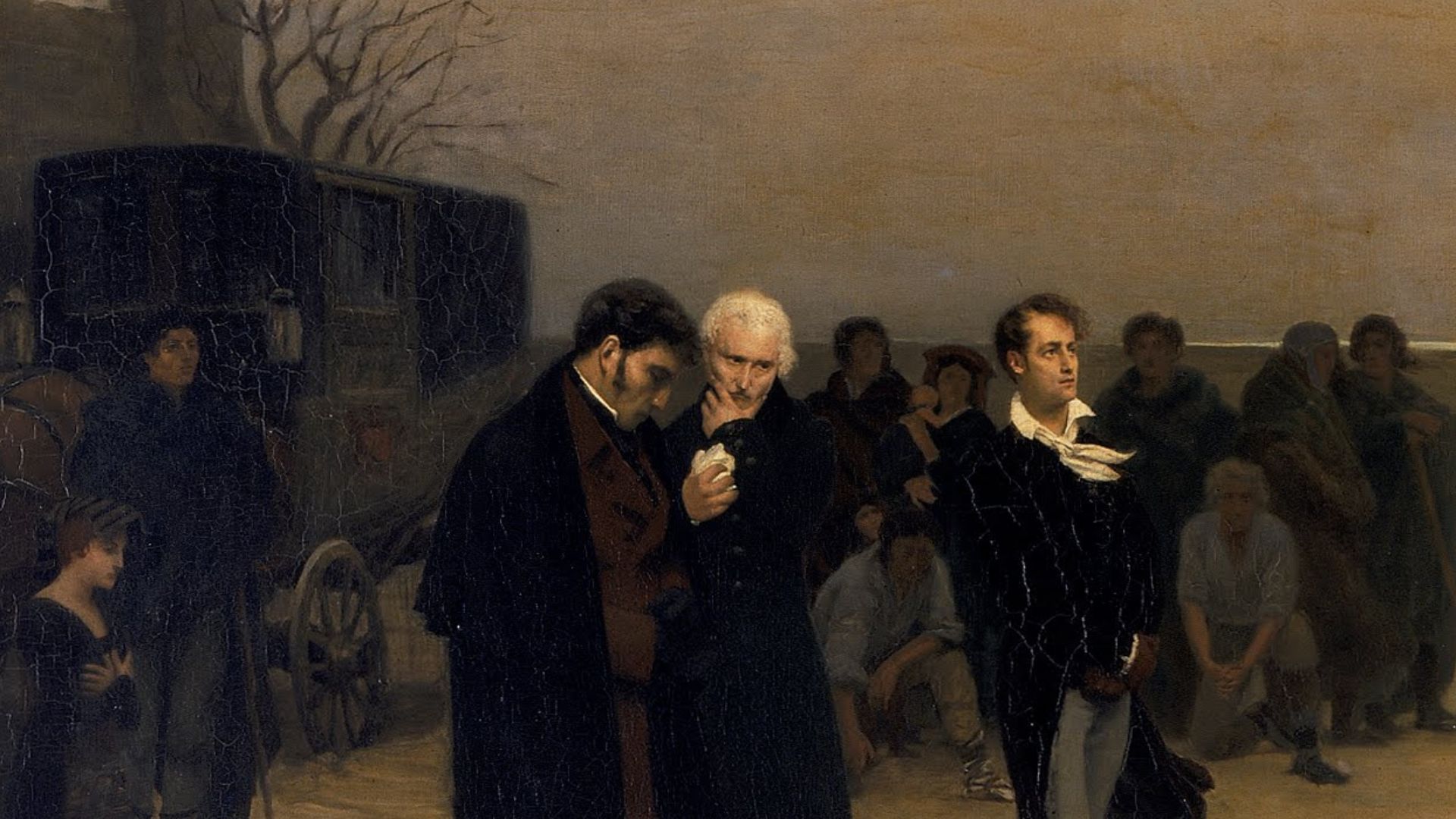 Louis Édouard Fournier, Wikimedia Commons
49. His Heart Wouldn’t Burn
His heart (or at least what was believed to be his heart) refused to burn. Whether calcified from illness or simply stubborn in death as he was in life, it would not turn to ash. Trelawny retrieved it from the fire, and passed it on to Hunt, who made one more questionable decision with it before Percy could finally be laid to rest.
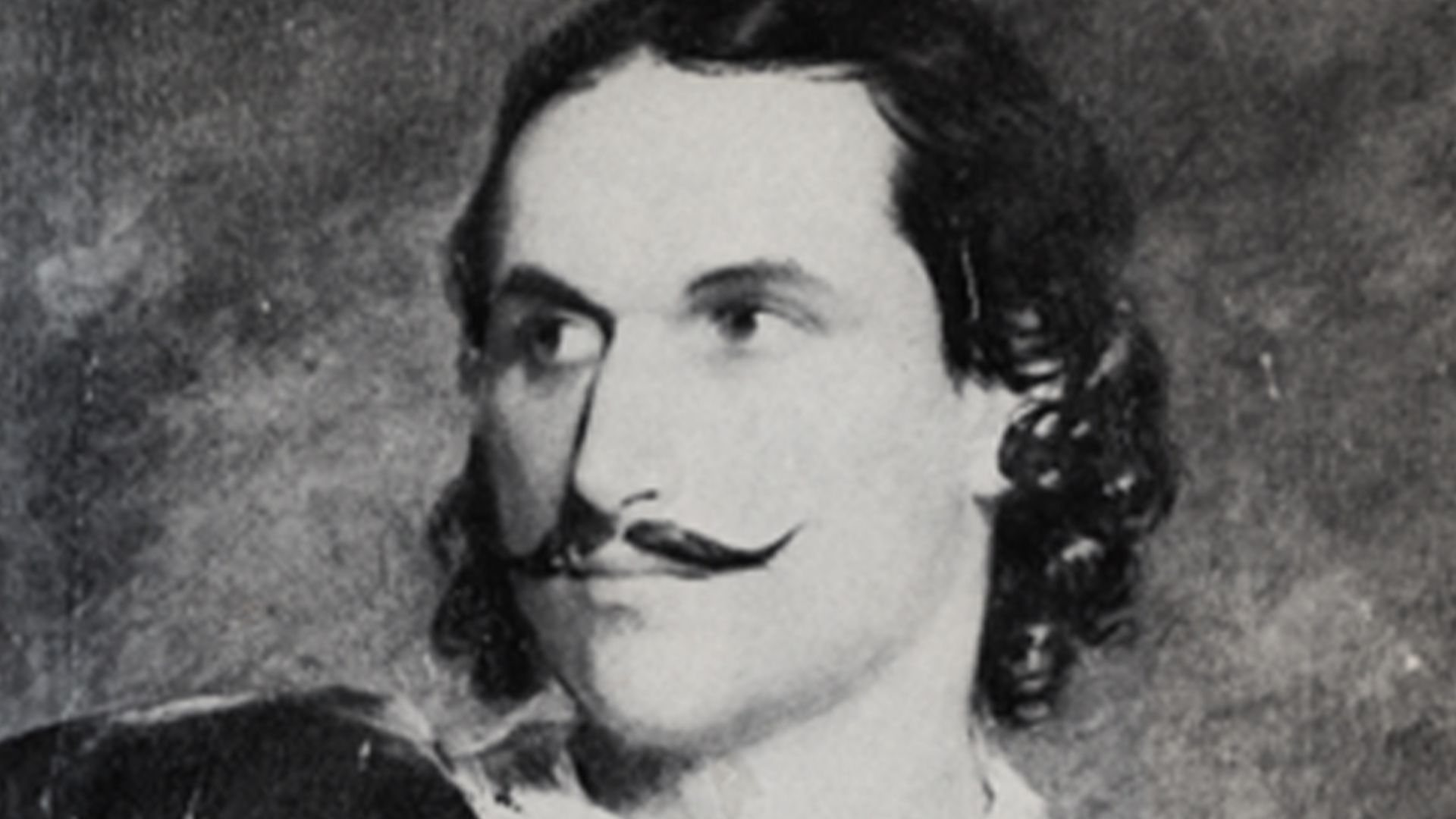 British Museum, Wikimedia Commons
50. She Never Got His Heart
Hunt seemingly wanted to keep Percy's heart to himself. He put it in wine to preserve it, and allegedly all out refused to surrender it to Mary. Ultimately, though, he gave in to familial wishes, and they buried the heart in a cemetery.
And in the end, Percy Bysshe Shelley left the world in the same way he lived in it: dramatic, controversial, and impossible to fully consume.
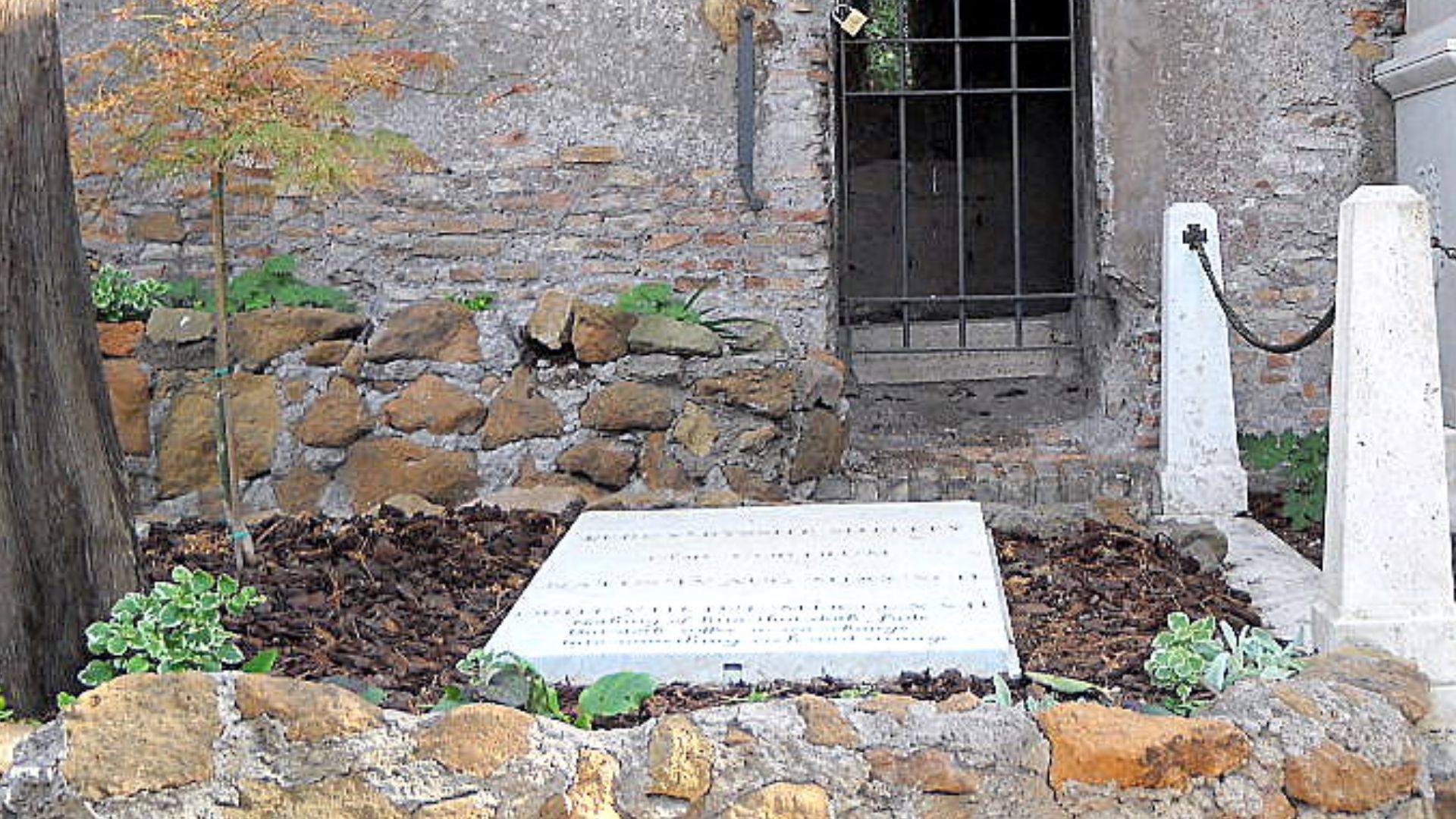
You May Also Like
Scandalous Facts About Walt Whitman, The Indulgent Poet
Passionate Facts About Lord Alfred Douglas, The Problematic Poet