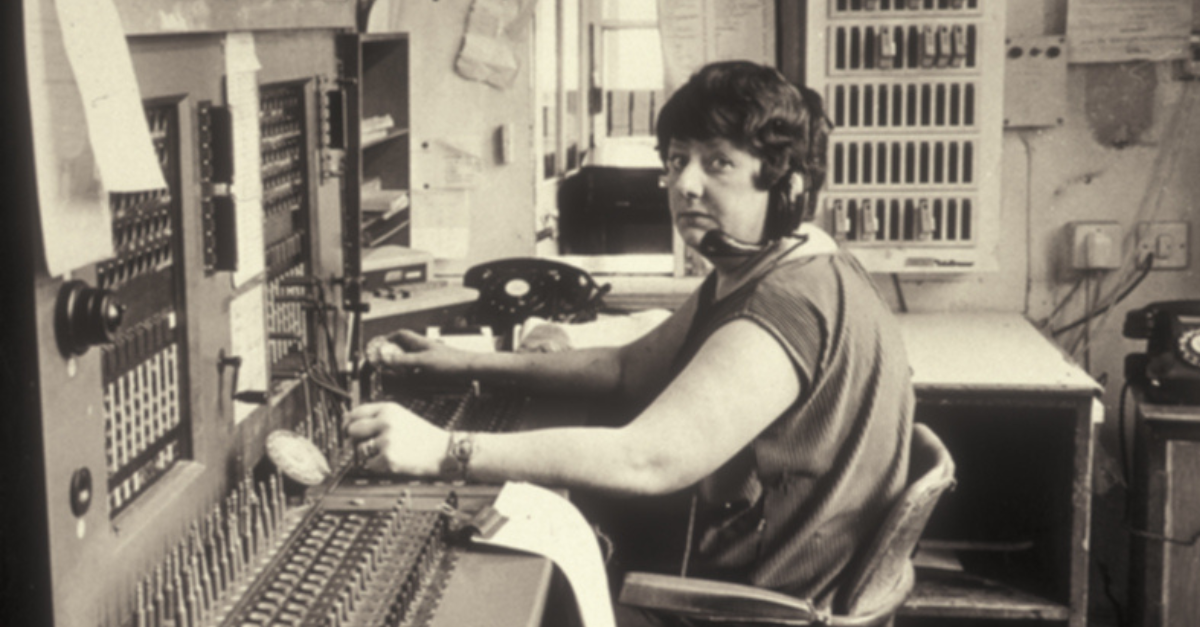
When “Do It Yourself” Meant Something DifferentOrdinary life once involved handing routine tasks to somebody behind a counter, inside a booth, or on a telephone line. Technology did not erase all those jobs, but it...

Before The Tutorial Was A Click AwayThe paper trail behind older products is surprisingly thick. Museum collections preserve manuals, operating cards, recipe books, and use-and-care pamphlets for everything from telephones and sewing machines to computers...

History loves a clean bad guy, but real lives are rarely that cooperative. Propaganda, hostile chroniclers, courtroom prejudice, and later pop culture have all turned complicated people into stock villains. Sometimes later evidence cleared them; sometimes historians simply found that the familiar version was much too tidy.
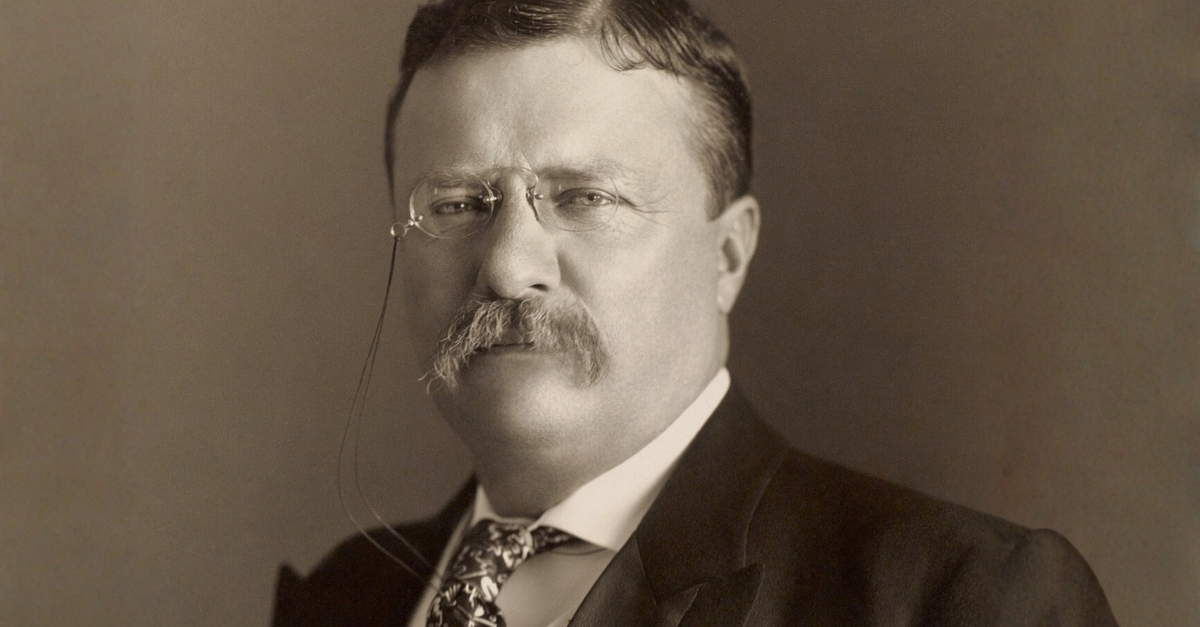
History textbooks love clean silhouettes: the explorer, founder, liberator, inventor, saint. But archives and newer scholarship have made many famous reputations harder to summarize. Sometimes darker facts were minimized; other times, research restored achievements or beliefs that the popular version simply left out.

Waiting used to be built into ordinary life. Information traveled on paper, entertainment followed schedules, photos hid inside undeveloped film, and even getting online could occupy the household telephone. These experiences did not disappear overnight, but for Americans born in the late 1990s or later, many were already becoming optional during childhood.
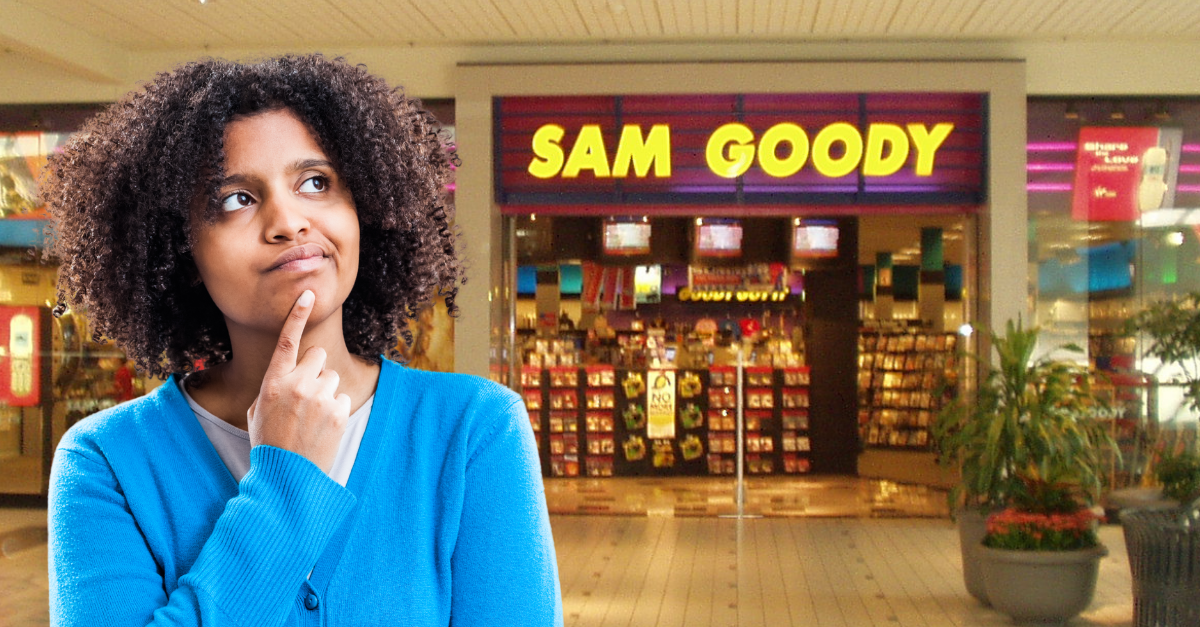
Welcome To The Mall, Population: Your Entire ChildhoodFor decades, American malls had a remarkably familiar cast: bookstores, music shops, toy stores, electronics counters, and enough teen-clothing chains to outfit a high school. Those names did...
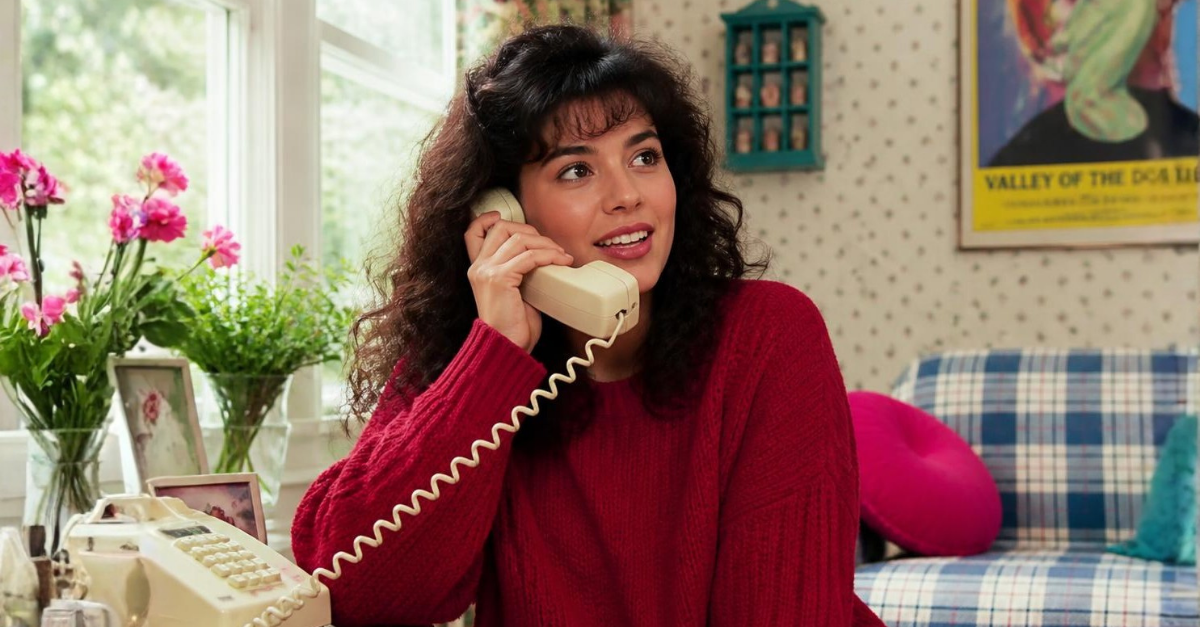
The 1990s home was crowded with single-purpose technology. One object answered the phone, another stored numbers, another played movies, and another held road-trip directions. Those jobs did not vanish; phones, broadband, flat screens, streaming, and digital storage absorbed them. The result is a surprising amount of once-normal household clutter that now looks like museum material.
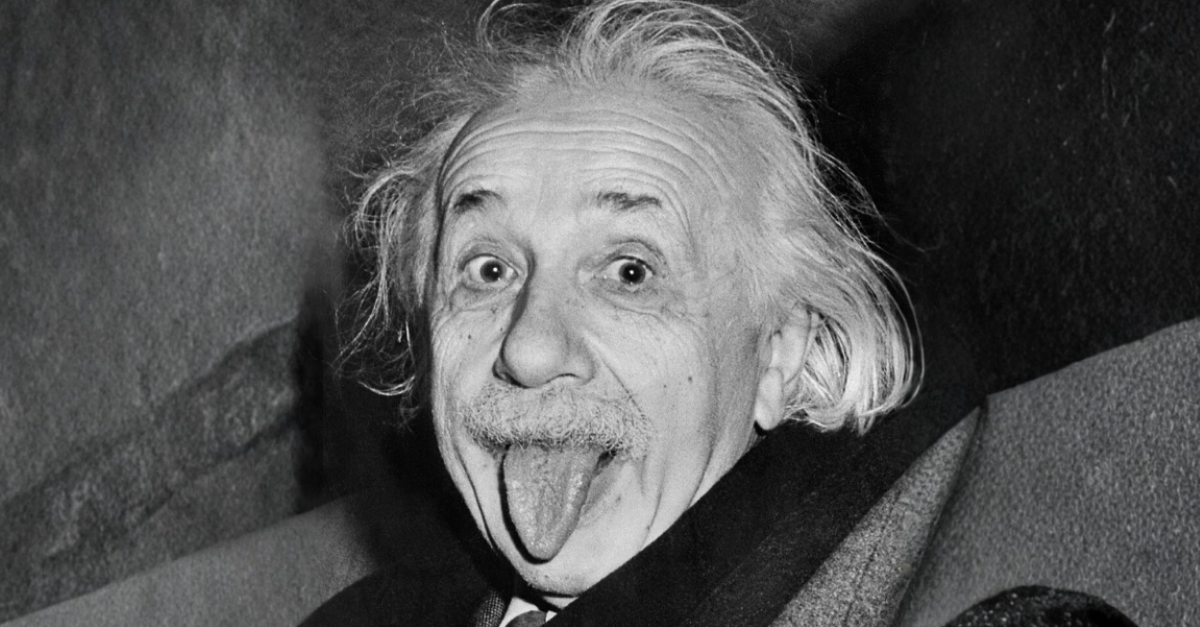
The Textbook Version Was CleanerScience classes tend to turn complicated people into neat labels: Newton discovered gravity, Darwin explained evolution, Curie studied radioactivity. Their actual biographies were far less orderly. Behind those famous names were...
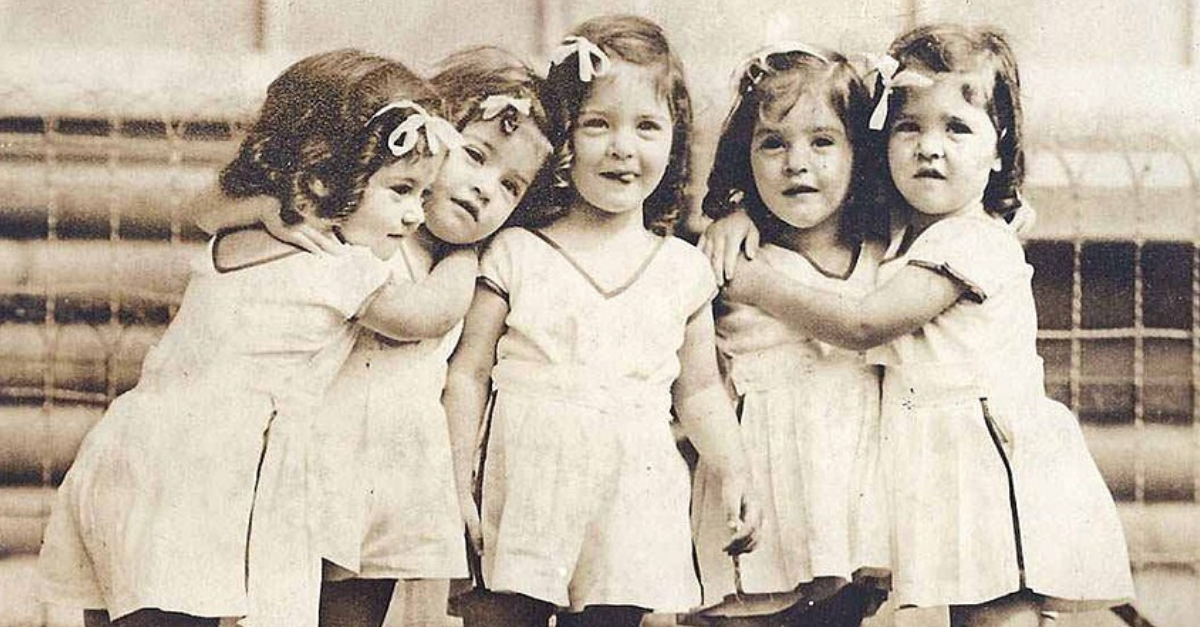
In May 1934, five identical girls born in rural Ontario became an international sensation. Yvonne, Annette, Cécile, Émilie, and Marie Dionne were celebrated as “miracle” babies, but their childhood became one of Canada’s most troubling stories about fame, money, and failed protection.

If you like humaverse you may also consider subscribing to these newsletters:
