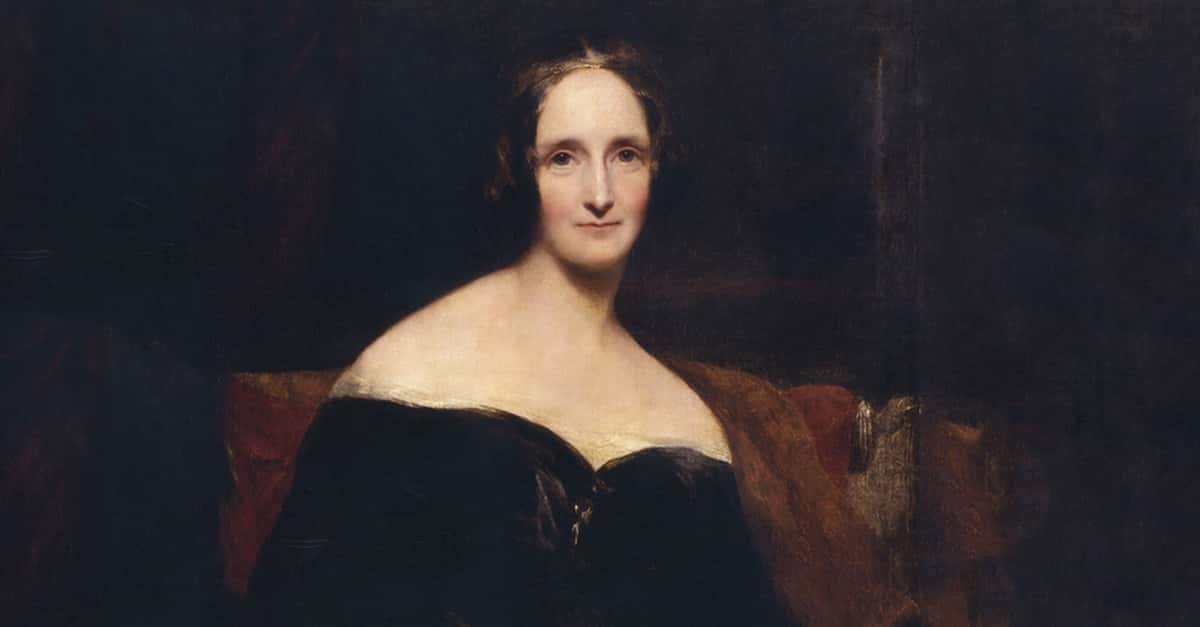
Mary Shelley: A Monstrous Life
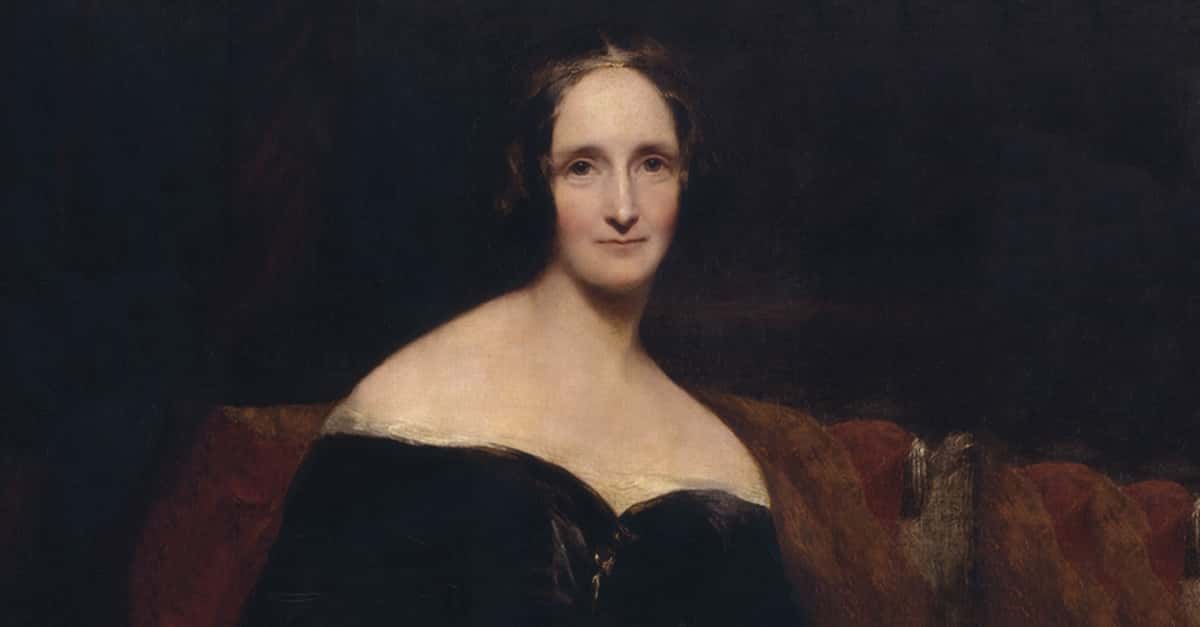
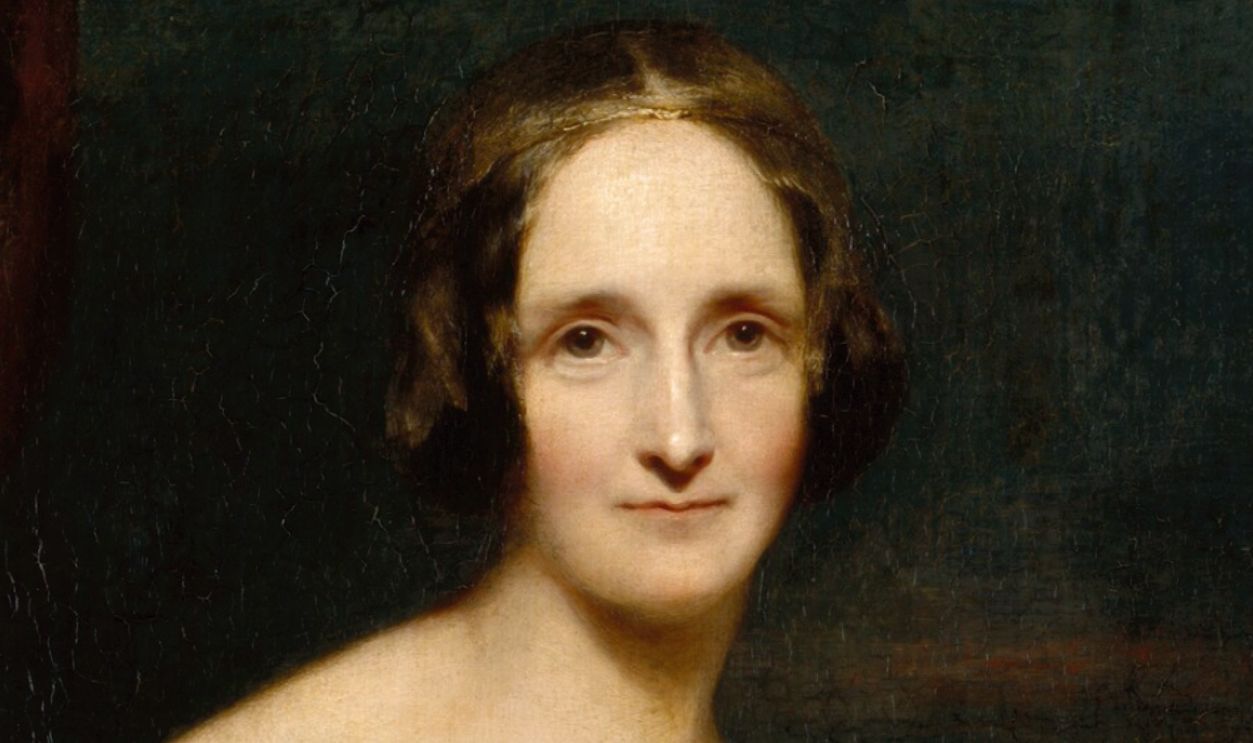
Best known today as the creator of Frankenstein and its unforgettable monster, Mary Shelley’s private tragedies rivaled anything in her Gothic fiction. From her teenage rebellion to her tormented marriage and all the way up to the final, dark twist of her life, Shelley’s story has a dark magnetism you can’t look away from…even when you want to.
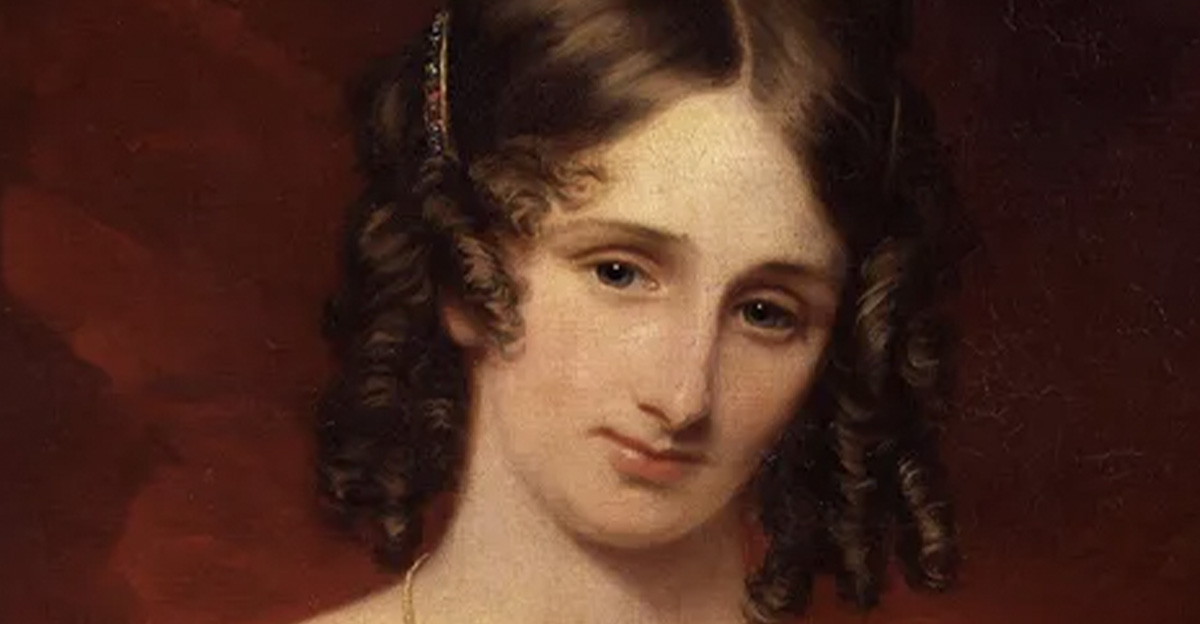
1. Her Parents Were Rebels
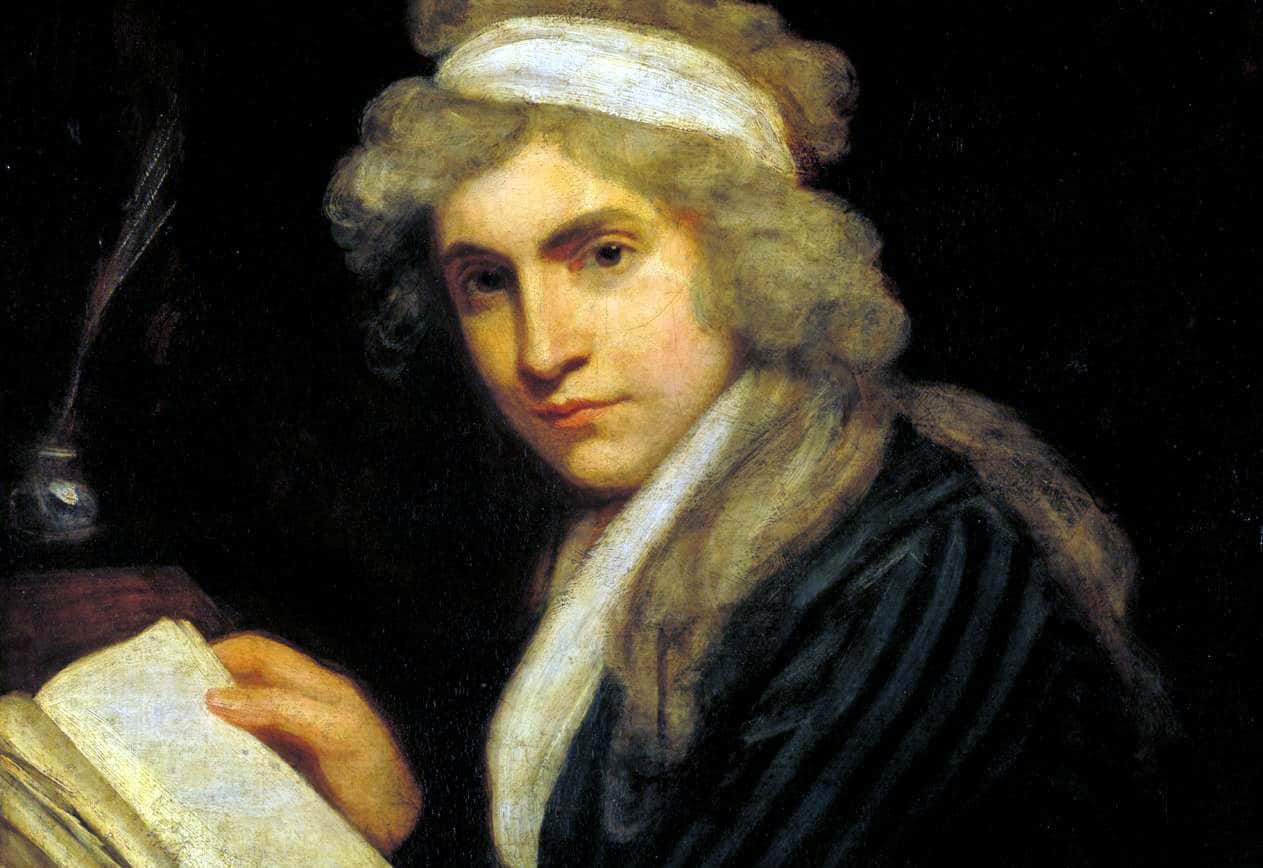
Mary Shelley’s birth was stained with blood and scandal. Born in 1797 in London, her parents were the married political radicals Mary Wollstonecraft and William Godwin—indeed, little Mary was Wollstonecraft’s second child, and her first, Fanny Imlay, was born out of wedlock.
Nonetheless, Godwin was deeply in love with Wollstonecraft, uninterested in convention, and perfectly happy to raise both Fanny and Mary alongside his wife. But fate had other plans.
2. She Lost Her Mother In More Ways Than One
Not long after Mary was born, she experienced her first and most consequential tragedy. Wollstonecraft contracted a postpartum fever and perished, leaving William Godwin as a single father of two girls. But then it got much worse. A year later, Godwin published Wollstonecraft’s memoirs in sincere tribute to her, and was naively shocked when Wollstonecraft’s discussion of her illegitimate child enraged the public and destroyed her posthumous reputation.
Before she could even walk or talk, then, Mary was a magnet for scandal. As she grew up, this only became clearer.
3. She Was Bold
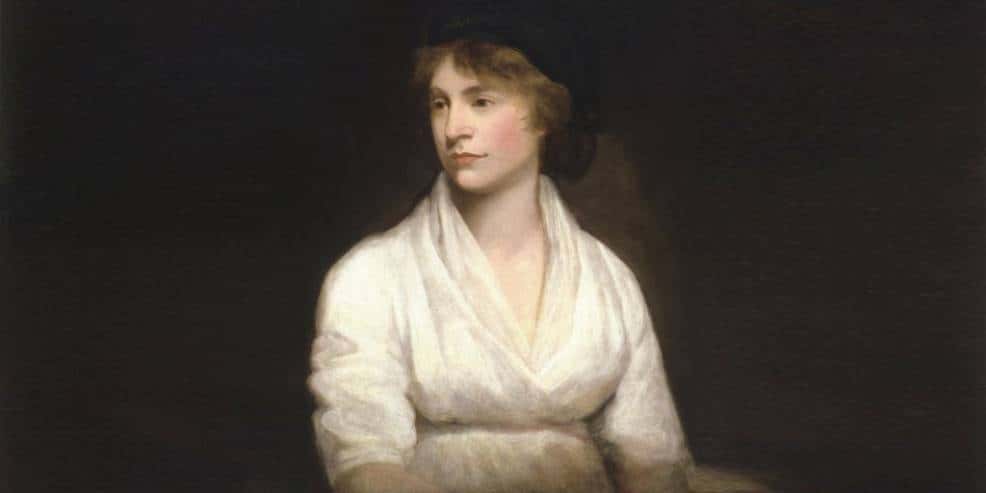
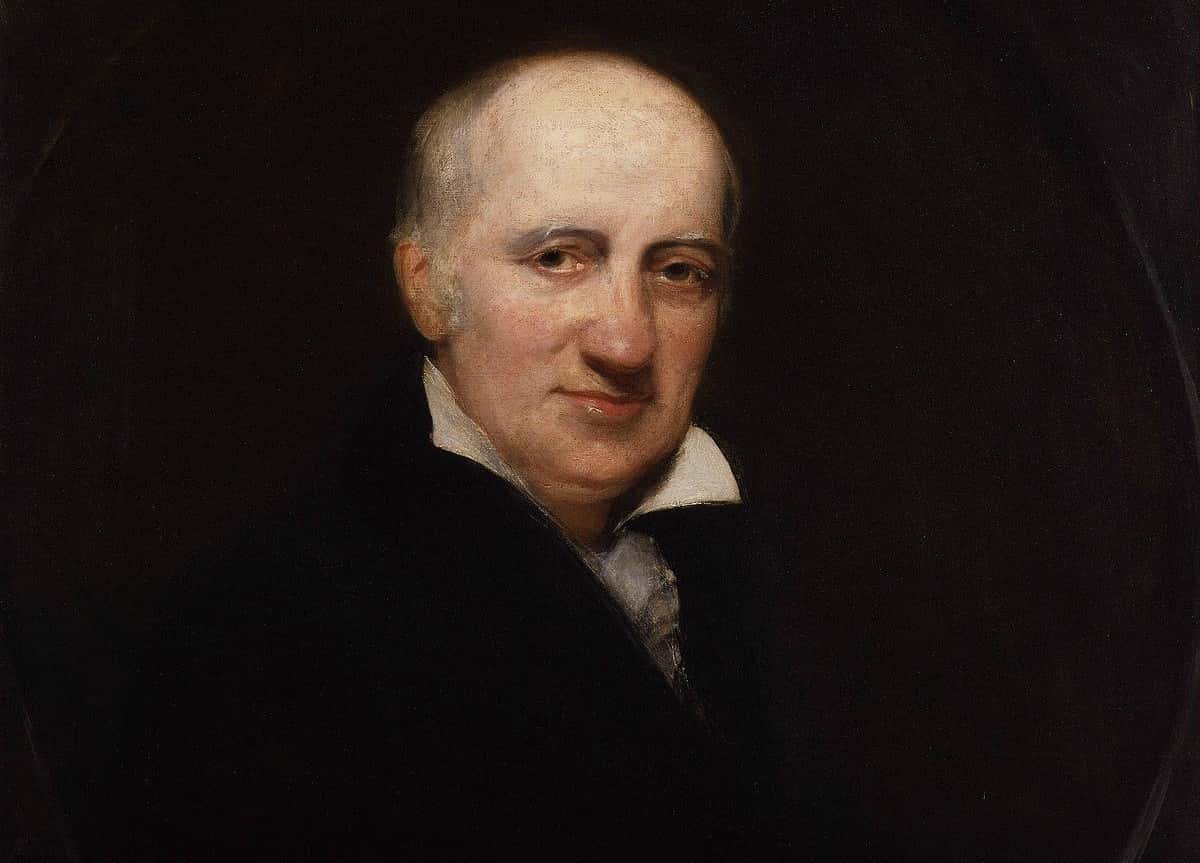
Mary’s mother had been an intense supporter of women’s education, and Godwin partly followed through on her beliefs by raising Mary amidst an intellectual atmosphere—he counted poet Samuel Taylor Coleridge and US Vice President Araon Burr among his friends—and encouraging her to think for herself. By 15, Godwin described Mary as “singularly bold, somewhat imperious, and active of mind”.
That boldness was about to get her in a lot of trouble.
4. She Hated Her Stepmother
When Mary and her sister Fanny were still children, Godwin, short on cash and desperate for help in the household, married Mary Jane Clairmont. Clairmont also had two young children of her own, Charles and Claire, and Godwin was ultimately overjoyed with his choice. Unfortunately, no one else was.
Even Godwin’s peers found his second wife moody and argumentative, and while Mary became friends with little Claire Clairmont, she unabashedly despised her new stepmother. It’s no wonder, then, that she rebelled so violently.
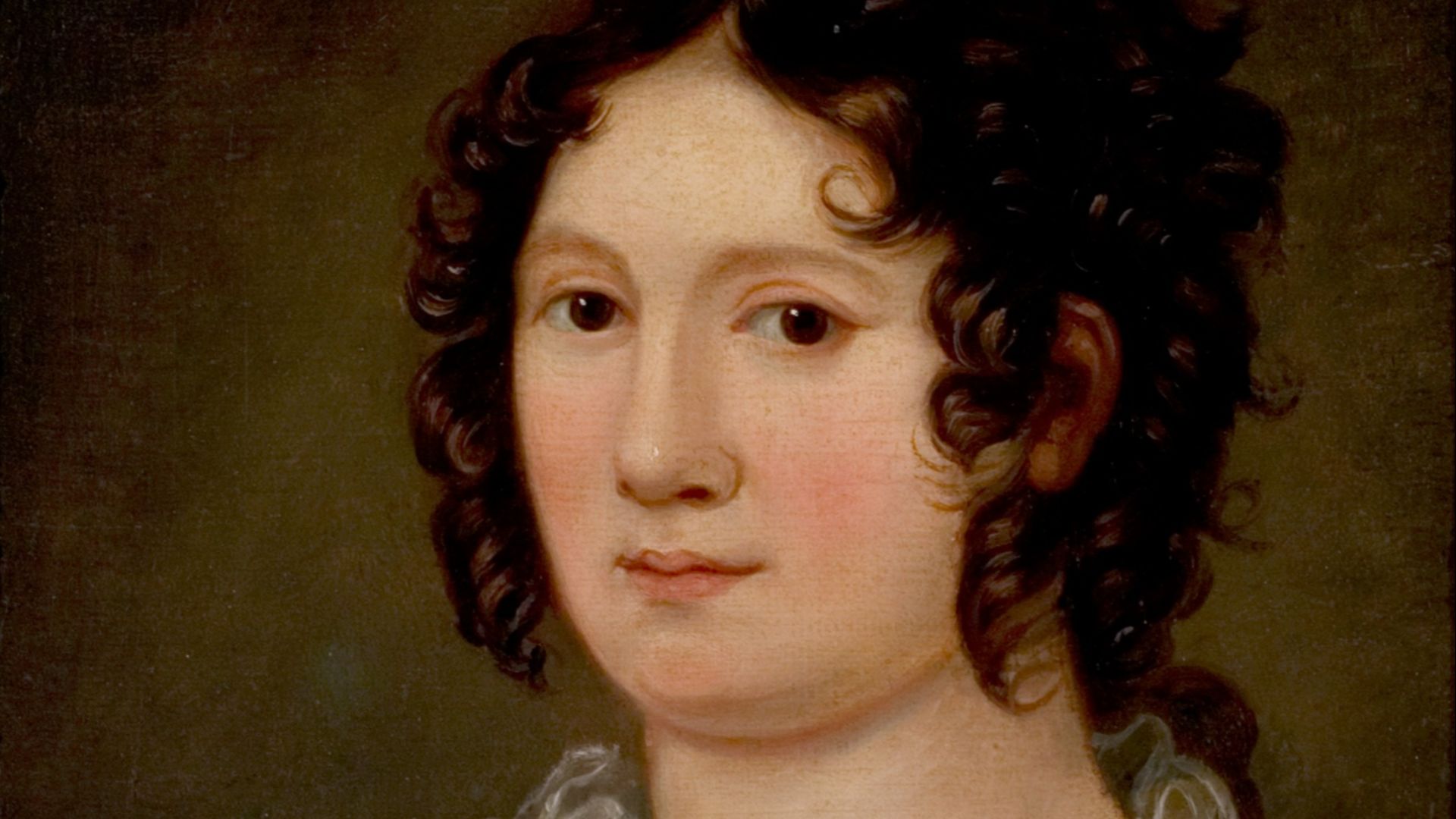 Amelia Curran, Wikimedia Commons
5. She Met A Young Poet
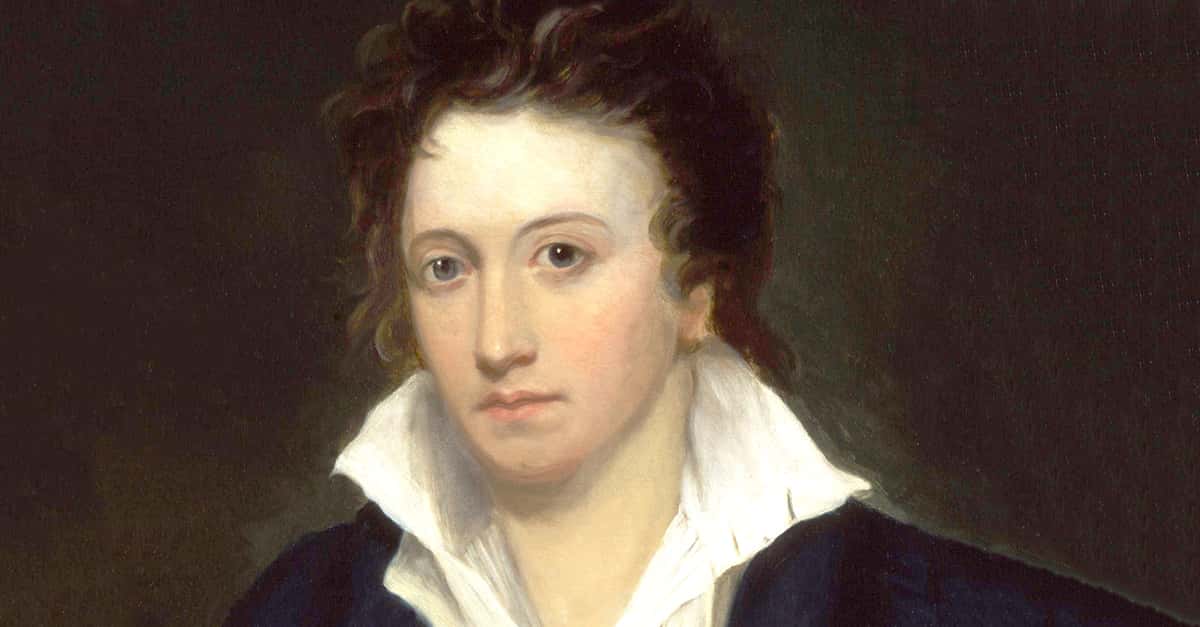
Sometime around 1814, when Mary was 16 years old, the young aristocrat Percy Bysshe Shelley came into her life. Shelley idolized Godwin’s radical writings, and initially hung around to soak up his expertise. It wasn’t long, however, before Shelley began idolizing Godwin’s young daughter Mary, too.
But Percy Shelley had more than one red flag.
6. She Liked Bad Boys
At the time that Mary met Percy, he was unhappily married to Harriet Westbrook, had a young daughter named Ianthe, and had already entertained several extra-marital infatuations (and likely more than infatuations). So, while regretting ever starting his “rash & heartless union with Harriet,” the 21-year-old Shelley began actively pursuing the teenage Mary. It brought disastrous results.

7. She Had Secret Graveyard Meetings
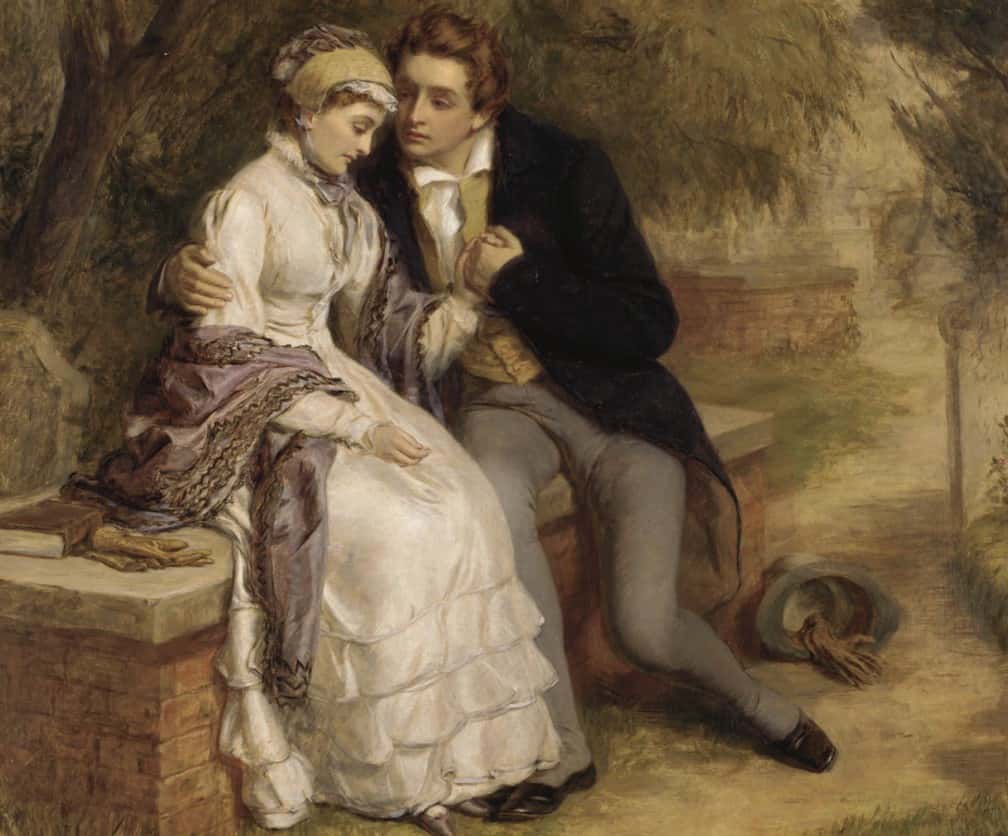
Mary was likewise obsessed with Percy, describing his “wild, intellectual, unearthly looks,” and it wasn’t long before they were meeting in secret. Their choice of rendezvous was chilling. Famously, they opted to have their meetings at her mother Mary Wollstonecraft’s grave, and soon Percy was declaring his “ardent passion” for Mary there.
It triggered a series of events they could never take back.
8. She Gave Into Her Passion
On the day or the day after Percy declared his feelings, Mary followed in her mother’s avant garde footsteps and slept with him. This was rash enough for a proper young woman of the time, but they may have also consummated their love next to her mother’s grave.
Mary, however, believed her father understood the unfair strictures put on women and that he would respect her choices. She’d never been so wrong.

History's most fascinating stories and darkest secrets, delivered to your inbox daily.
9. Her Father Berated Her
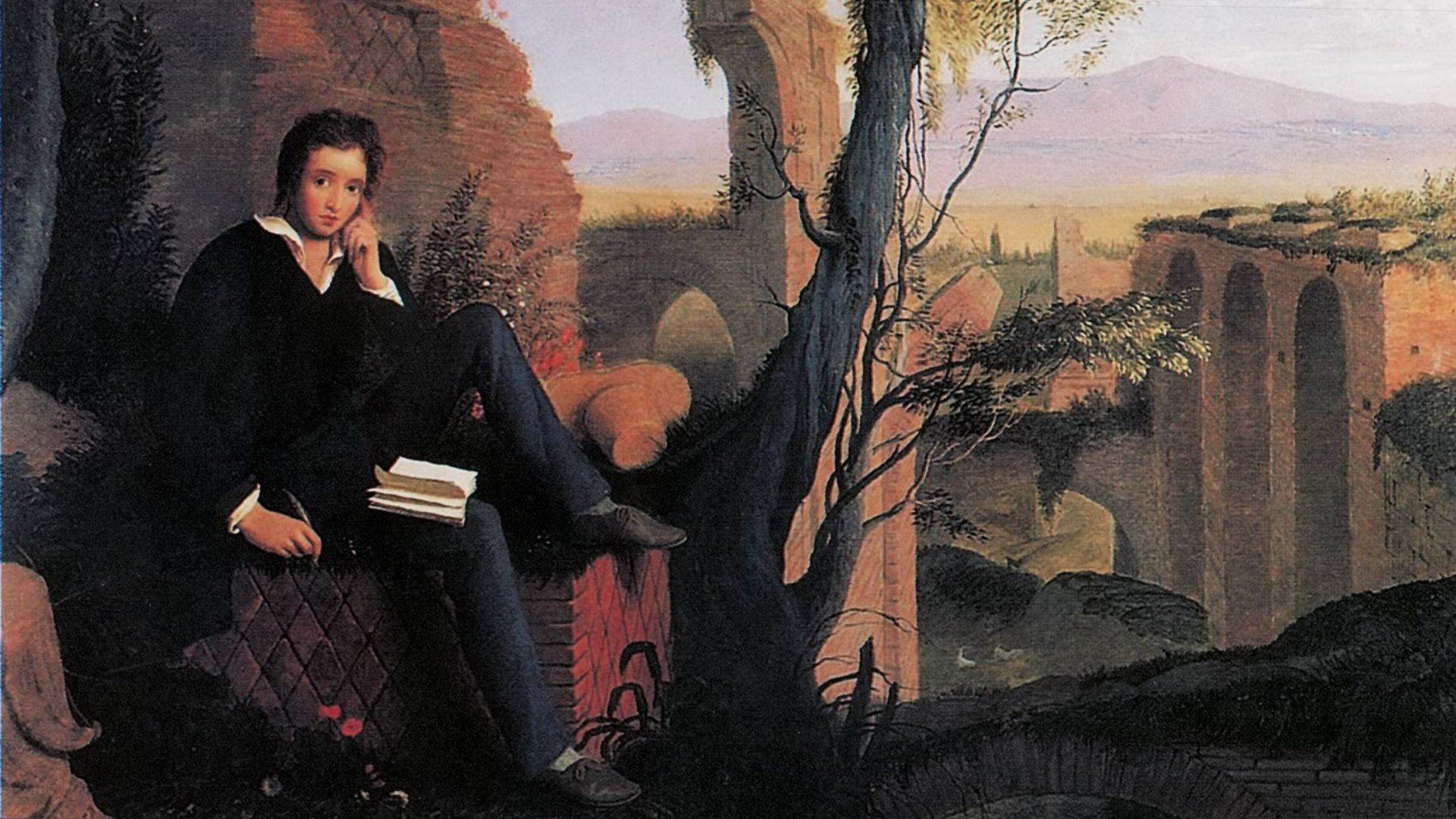
When Mary’s father William Godwin discovered his daughter’s entanglement with Percy Shelley, he was furious. More than that, he actively tried to keep them from each other and to restore Mary’s “spotless fame,” much to Mary’s confusion. After all, she thought her father would approve of the radical Shelley—not understanding that in recent years, Godwin had retracted many of his most radical beliefs.
Then again, Godwin had another reason, and it was pure spite.
 Joseph Severn, Wikimedia Commons
10. Her Lover Betrayed Her Family
Mary’s family was deep in debt when Percy Shelley came along, but the young man had been promising her father that he would sweep all their money troubles away. Right around the time Mary and Percy fell in with each other, Godwin made an infuriating discovery. Percy, having been virtually cut off from his family, was in no position to actually clear the debts and was no longer intending to do so.
Feeling lied to, Godwin was in no mood to countenance his daughter’s romance with Percy. But he would have to.
11. She Was A Runaway
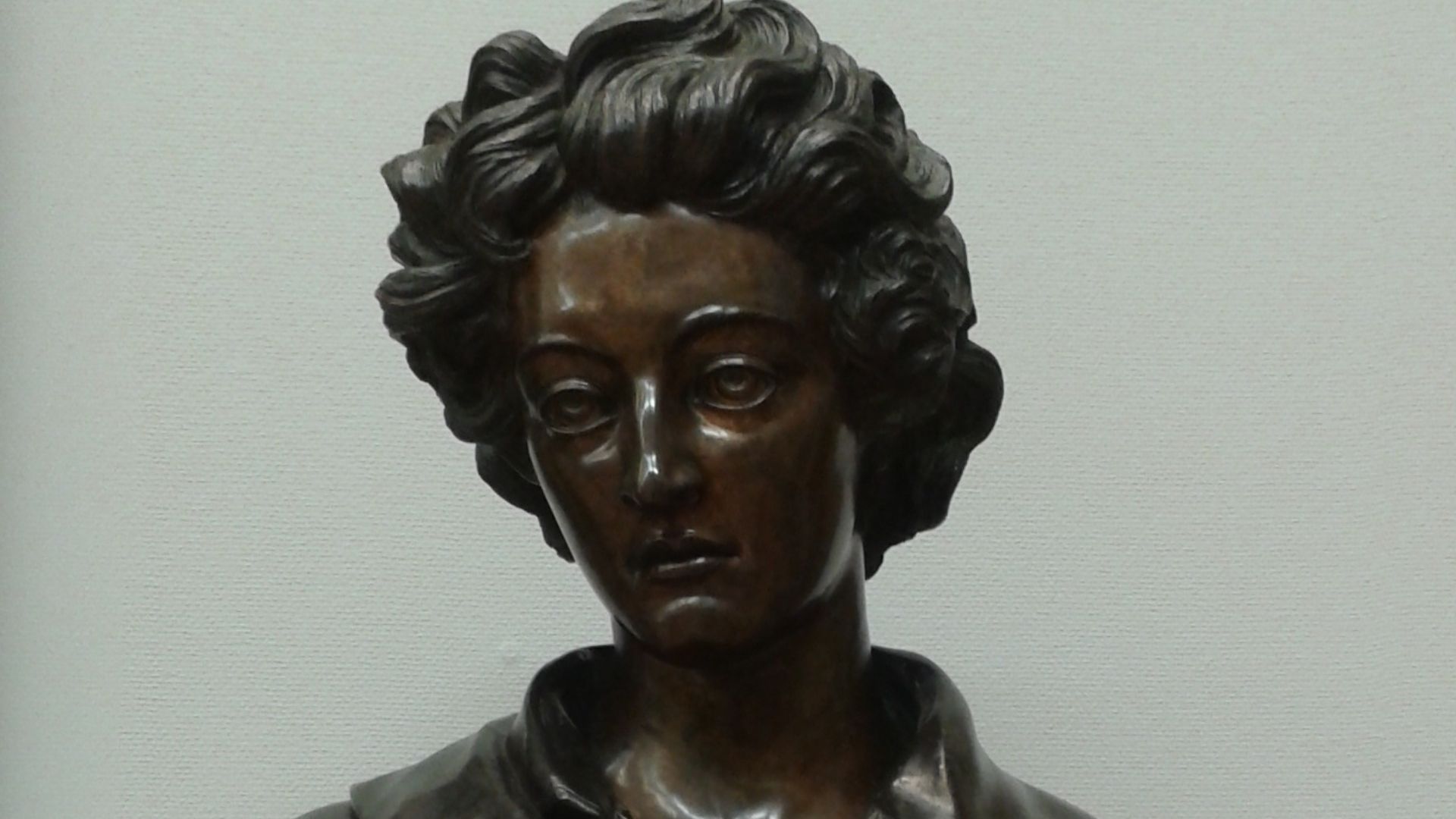
Less than a month after declaring their love for each other, Percy and Mary ran away to France in July of 1814, taking along her stepsister Claire Clairmont in the process. It was a harrowing journey: Her stepmother chased them to Calais, where they convinced her to turn back and let them go, and they proceeded to go through France on foot, witnessing the horrors of the War of the Sixth Coalition that had just ravaged the country…until their money ran out.
When Mary returned home, it was a catastrophe.

12. She Was In Trouble
The three runaways arrived back in England in September—but Mary wasn’t the same as before. At some point just before or during the trip, she had fallen pregnant with Percy’s child. Unsure of how to proceed, especially since Percy was still married to Harriet, she went to her father for safe harbor. What she got was a rude awakening.
 LeonnieFolrec, Wikimedia Commons
13. Her Father Refused Her
To Mary’s surprise and dismay—she still thought her father was the radical he once was—William Godwin wanted nothing to do with Mary or her “situation”. Instead, he turned his pregnant daughter away from his door, and she and Percy were forced to move in with Claire Clairmont in lodgings in town.
In some ways, though, it was idyllic. The three maintained a curriculum of reading and writing, and Shelley’s artistic friends often dropped in. In other ways, it was a nightmare.
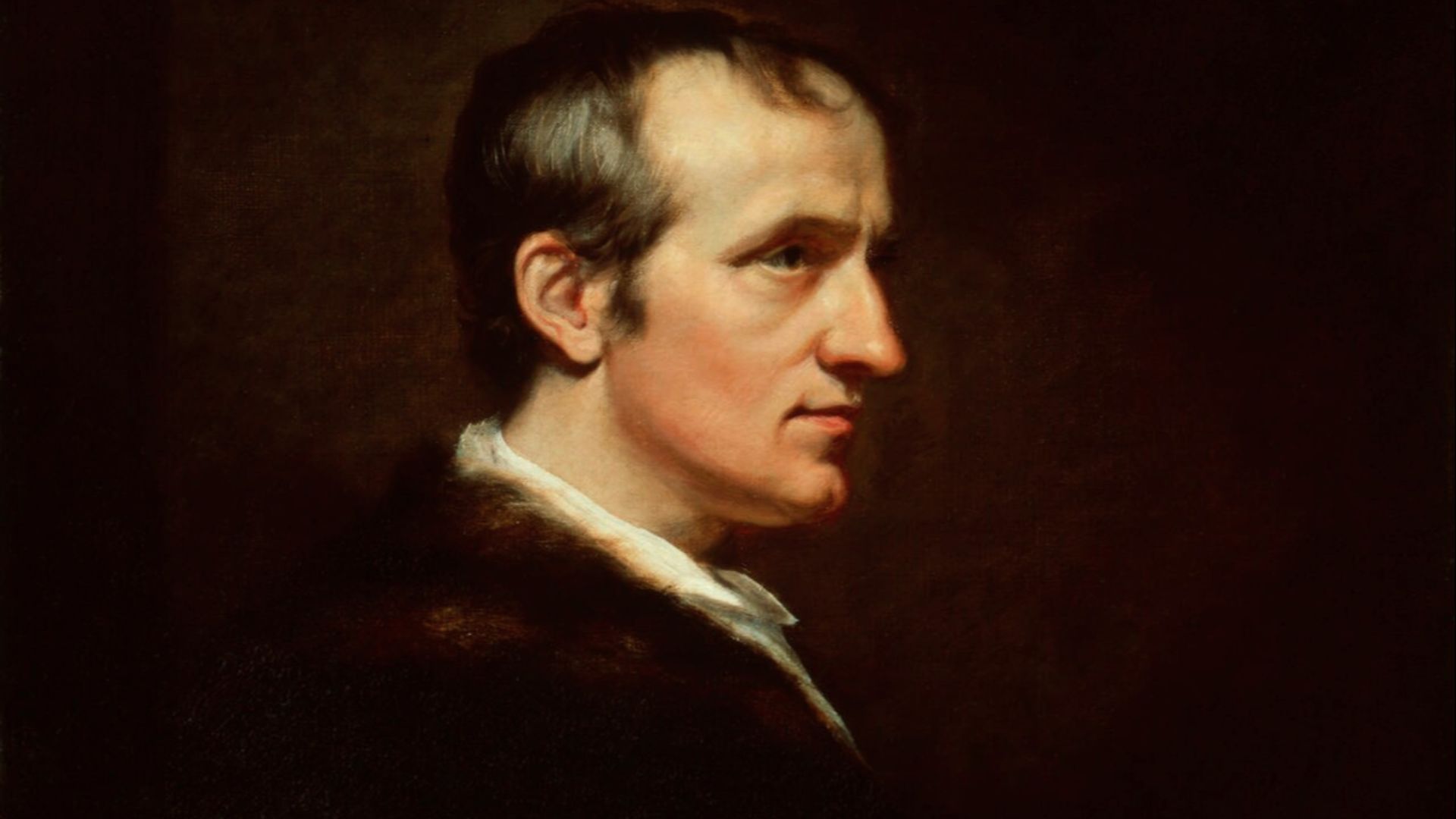 James Northcote, Wikimedia Commons
14. She Lived In Poverty
Mary and Percy were by now truly penniless, and the romance they had only months ago was already falling off the bloom. Mary was heavily pregnant and often ill, but Percy was nonetheless forced to flee their house to other lodgings each time creditors came around in an attempt to dodge their debts.
These separations pained both of them, but being together presented further problems.
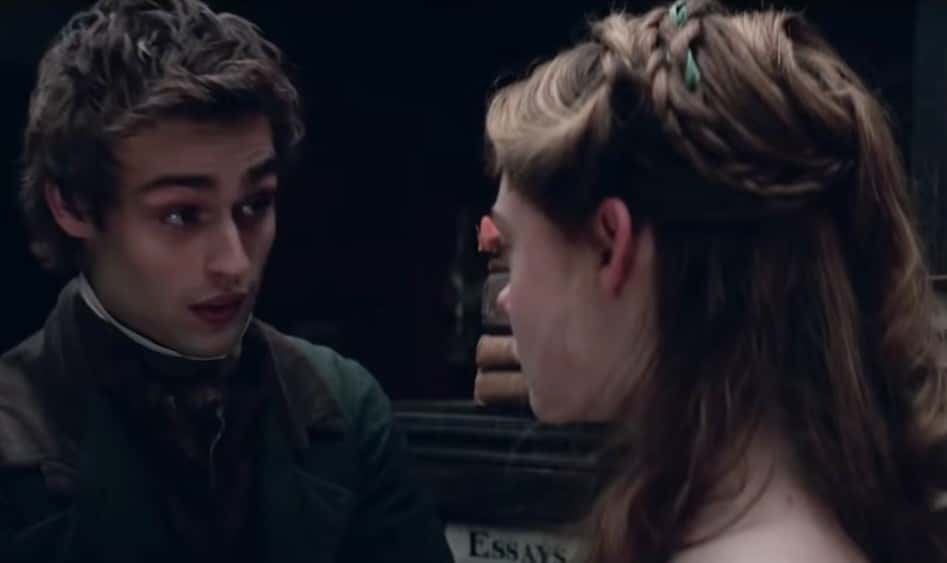
15. Her Lover Had A Wandering Eye
Around this time, Mary learned exactly who her lover was, and the answer wasn’t always comforting: A proponent of free love, Percy almost certainly began an affair with Mary’s stepsister Claire Clairmont. Moreover, although Mary too believed in free love in theory, she found herself jealous and despondent in practice, with no real eyes for anyone but Percy. Worse was on the way.
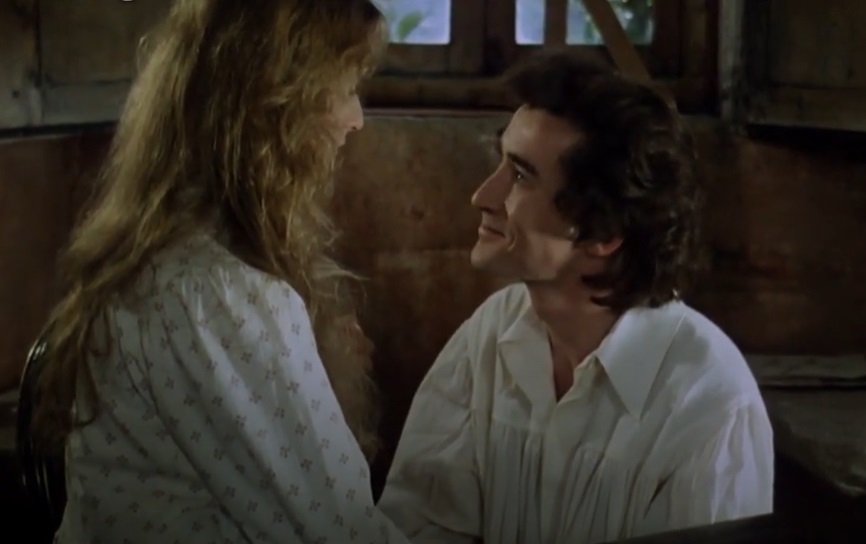 TVE, Rowing with the Wind (1988)
16. She Had Another Rival For His Attention
In late 1814, still reeling from Percy’s increasing infatuation with Claire and his frequent outings with her, a still-pregnant Mary also got news that Percy’s wife, Harriet, had given birth to his son, Charles. Percy was overjoyed at the tidings that he now had a son and heir, while Mary sunk further into moodiness.
It made what was to come that much harder to bear.
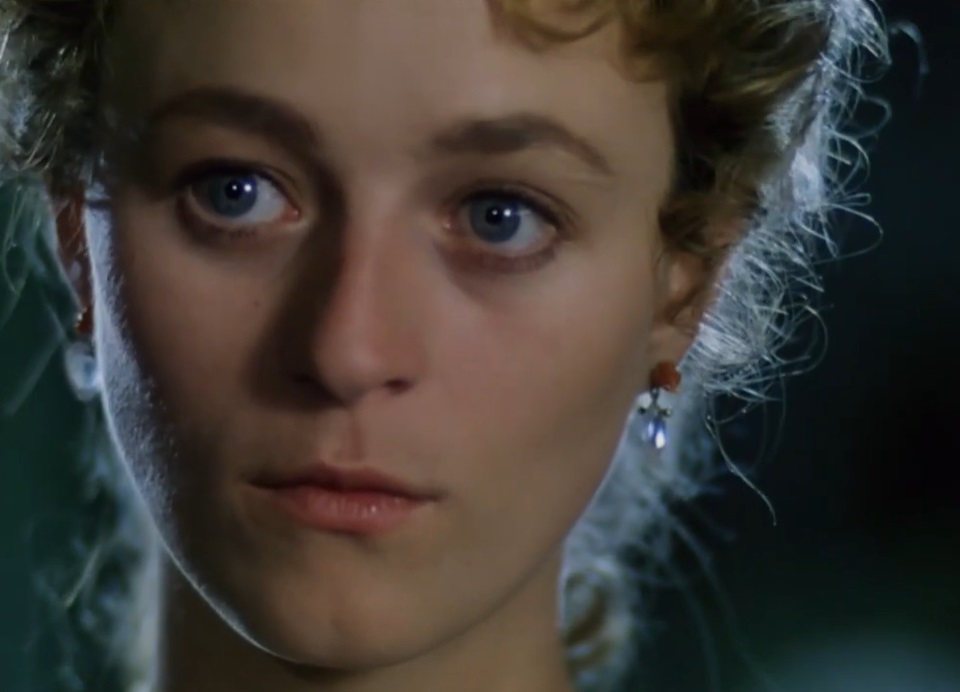 TVE, Rowing with the Wind (1988)
17. She Lost Her Little Girl
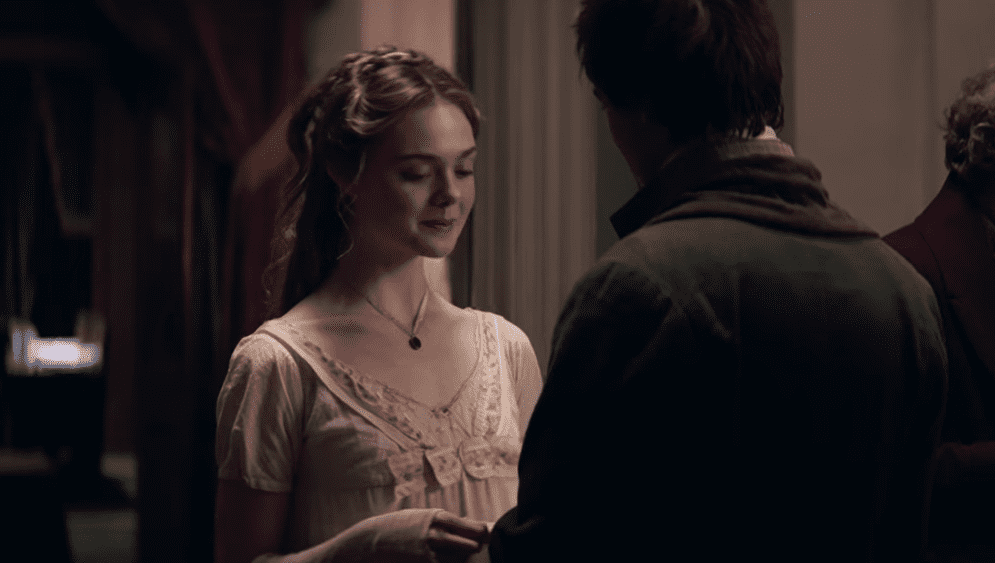
On February 22, 1815, Mary went into labor two months prematurely, giving birth to a sickly baby girl. No one expected the child to live, but when the end came it was gut-wrenching all the same. In a letter, Mary described how “I awoke in the night to give it suck it appeared to be sleeping so quietly that I would not awake it. It was dead then, but we did not find that out till morning”.
It was almost too much for Mary to bear.
18. She Had Hallucinations
Mary’s grief over losing her baby was immense, and her moodiness tipped over into acute depression. Yet that wasn’t the most haunting part. In the depths of her mourning, she also now had visions of the baby, taunting her from beyond the grave—and they were not the last macabre visions to trail the family.
Yet, for once, brighter days were ahead.
19. She Tried Again
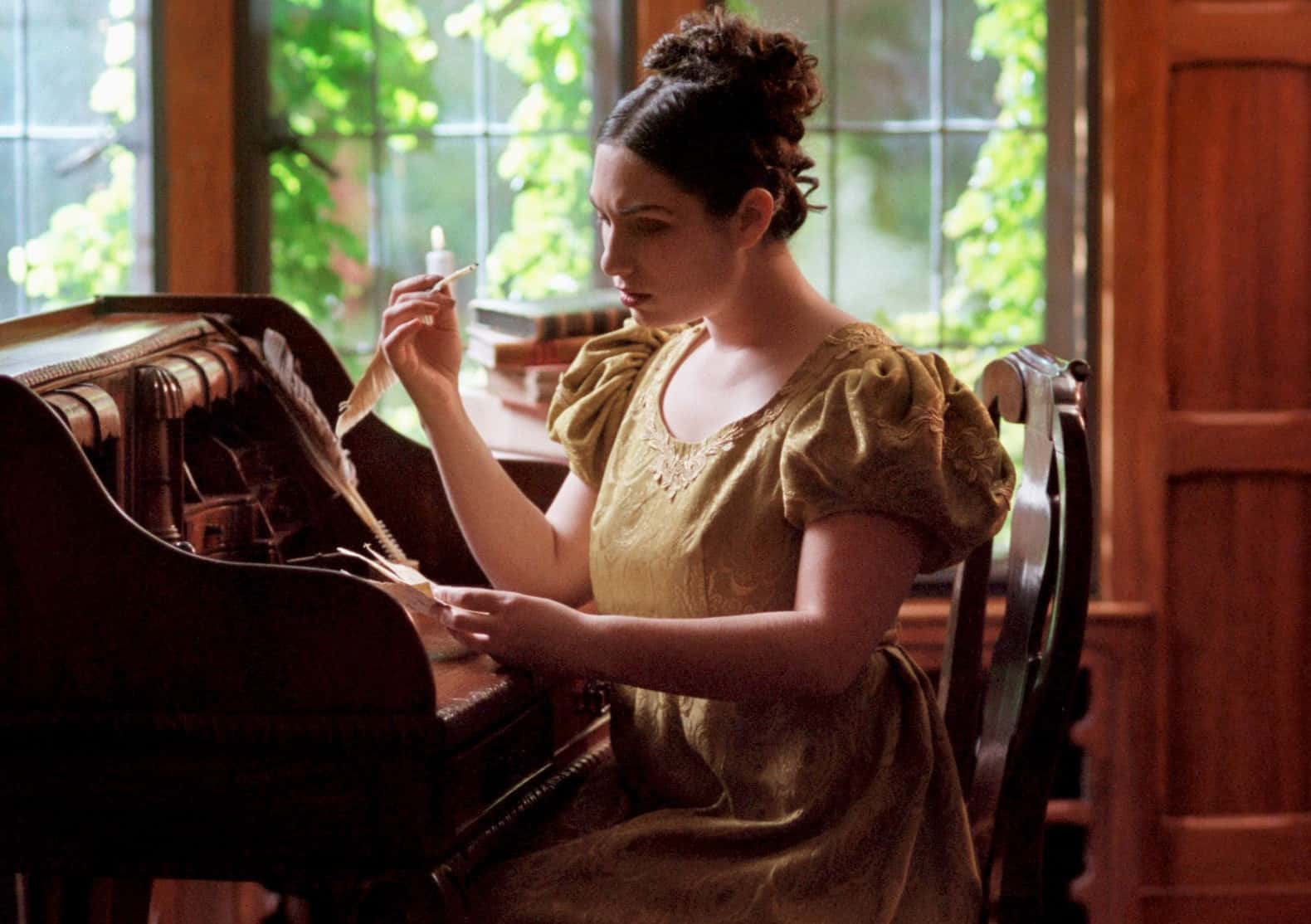
Soon after her baby’s passing, Mary had conceived again, and by the summer she was largely recovered. After the demise of Percy’s grandfather, which gave him some inheritance, the couple’s finances recovered too, and when Mary gave birth to a healthy baby boy she called William in January of 1816, their happiness seemed secured.
For a little while, it was. In fact, Mary was about to enter the most famous period of her life.
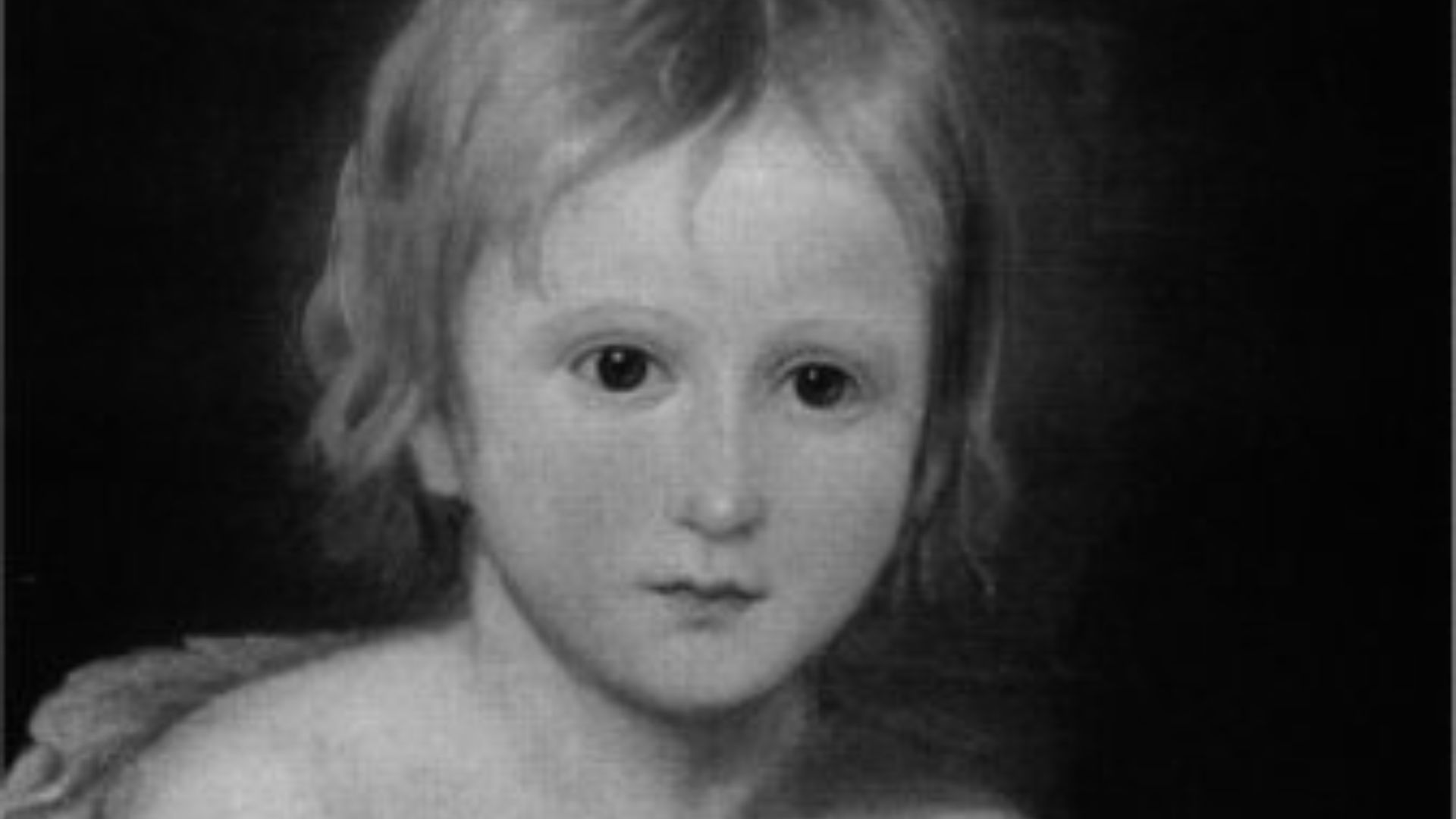 Amelia Curran, Wikimedia Commons
20. She Went On A Famous Getaway
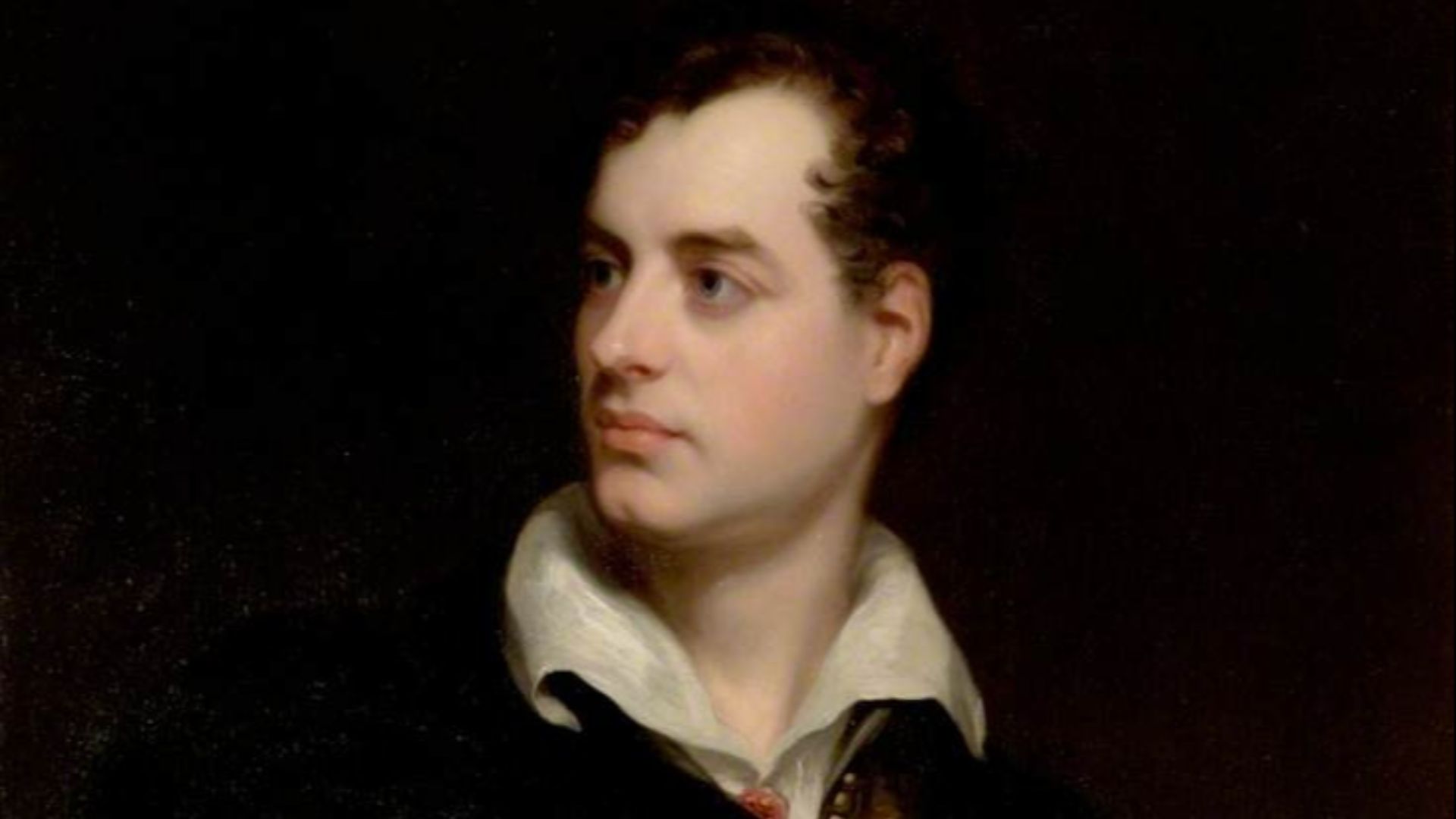
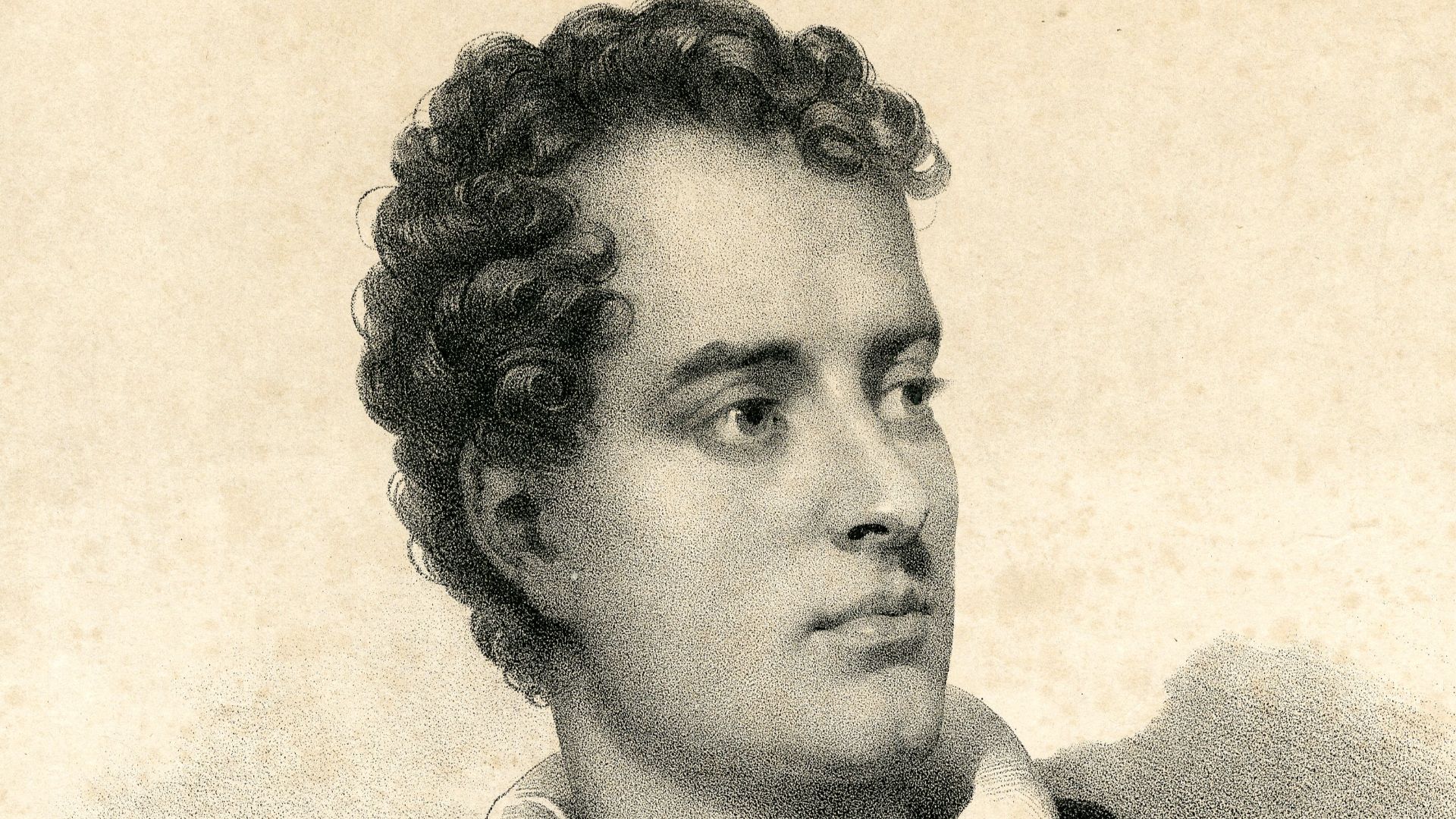
In May of 1816, Mary and Percy traveled with their son to Lake Geneva to spend the summer with Lord Byron. Claire Clairmont again came with them; she had begun an affair with Byron and was currently pregnant with his child.
In this typically scandalous atmosphere, the group took up in the Villa Diodati—and made history.
 Thomas Phillips, Wikimedia Commons
21. She Came Up With A “Ghost Story”
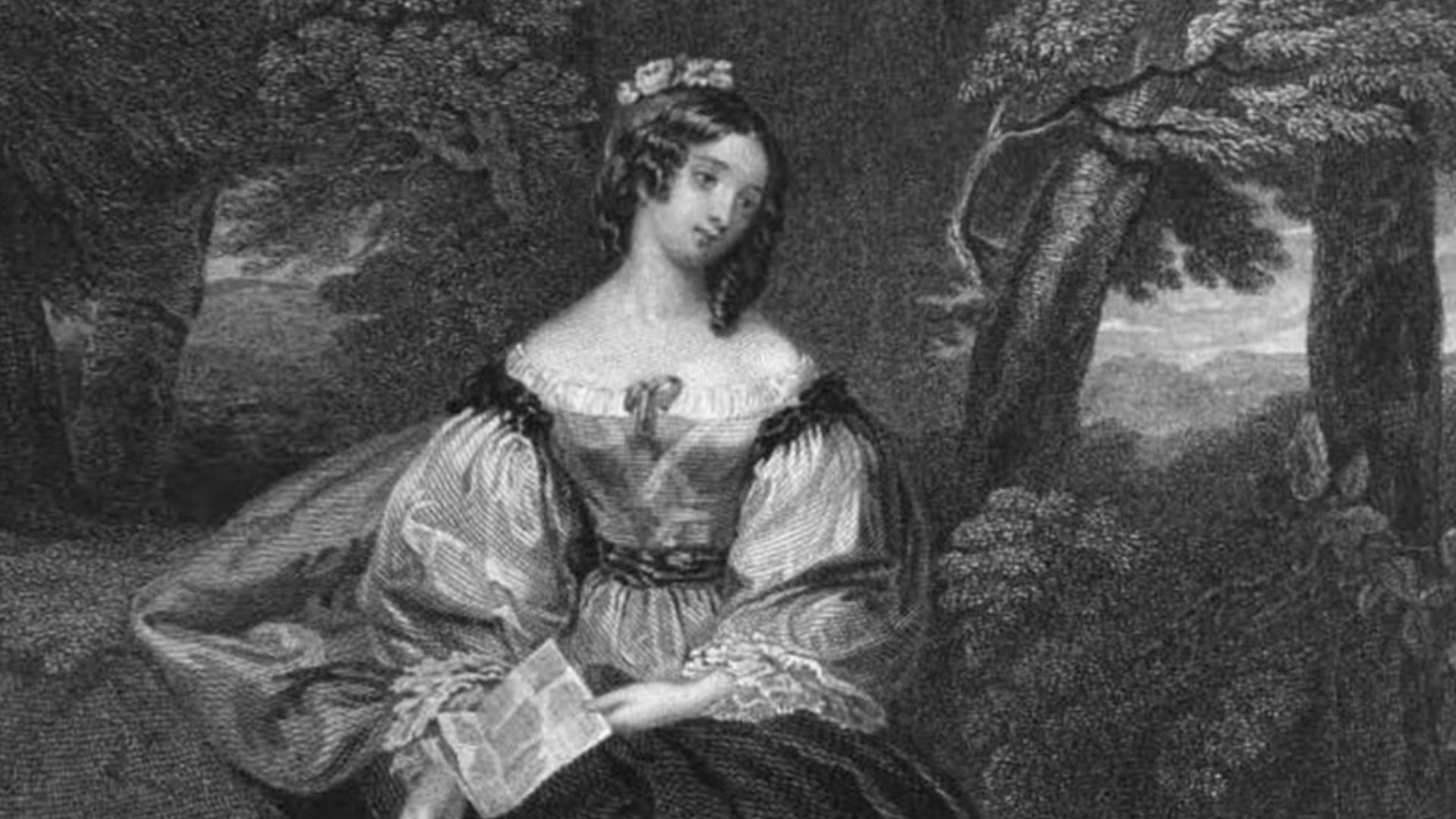
During the “wet, ungenial summer” where “incessant rain” kept them inside the house for days, the members of the literary group began a project where they would each write a ghost story. Mary, who struggled for days to come up with inspiration, soon struck on an immortal idea: She would write a ghost story about a re-animated corpse. It grew into something much more than that.
 Painted by Louisa Sharpe and engraved by Charles Heath, Wikimedia Commons
22. She Wrote A Work Of Genius
Out of the Villa Diodati, Mary began work on what was to become Frankenstein; or, The Modern Prometheus. Although she originally intended it as a short story, it grew over the next years and months to become novel length, and she published it in 1818 when she was in her early 20s. Even then, Mary knew Frankenstein’s import, and described that summer as “when I first stepped out from childhood into life”.
But this adult period brought just as much destruction as creation.
 w:Theodor von Holst, Wikimedia Commons
23. Her Sister Met A Brutal End
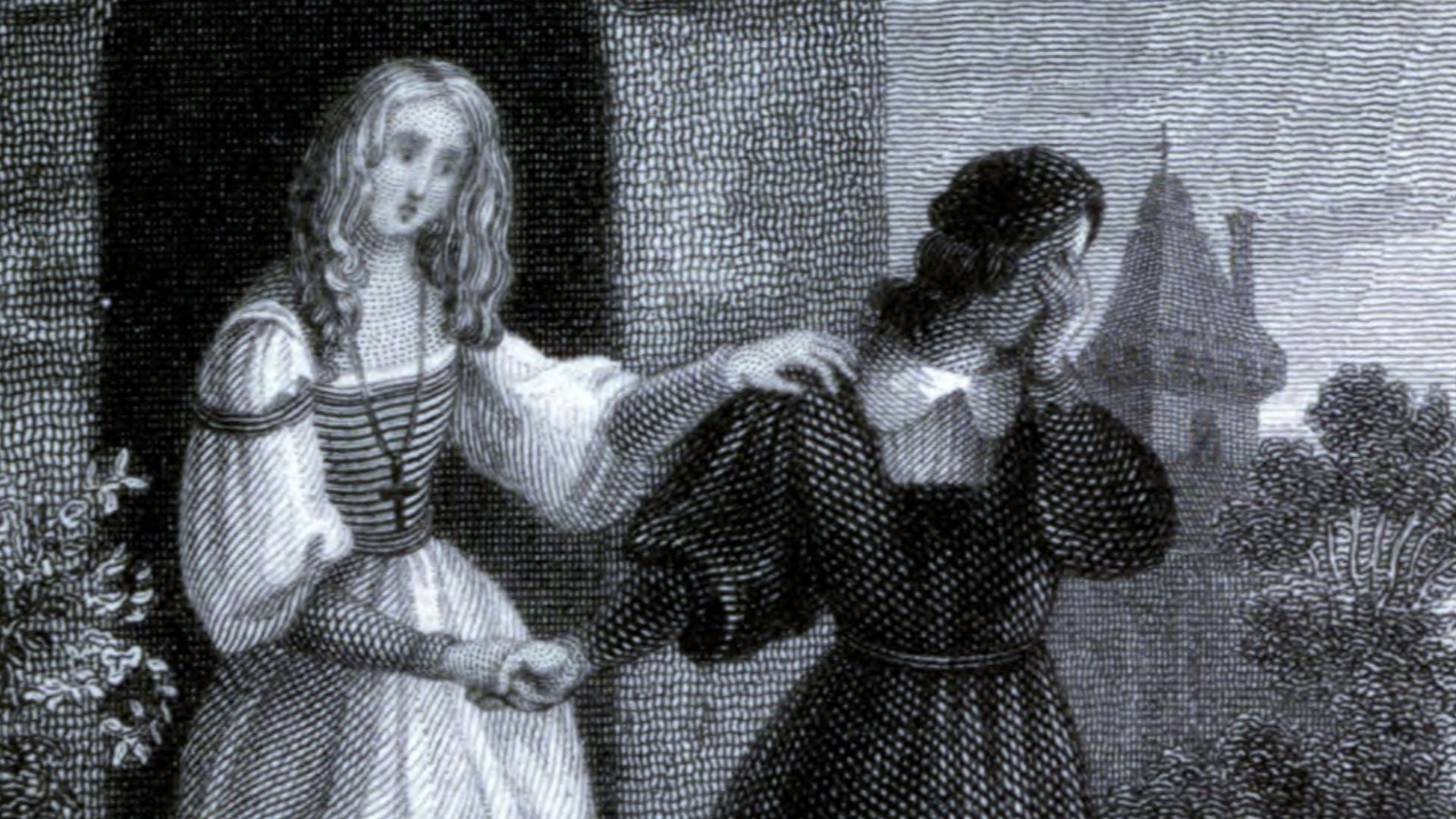
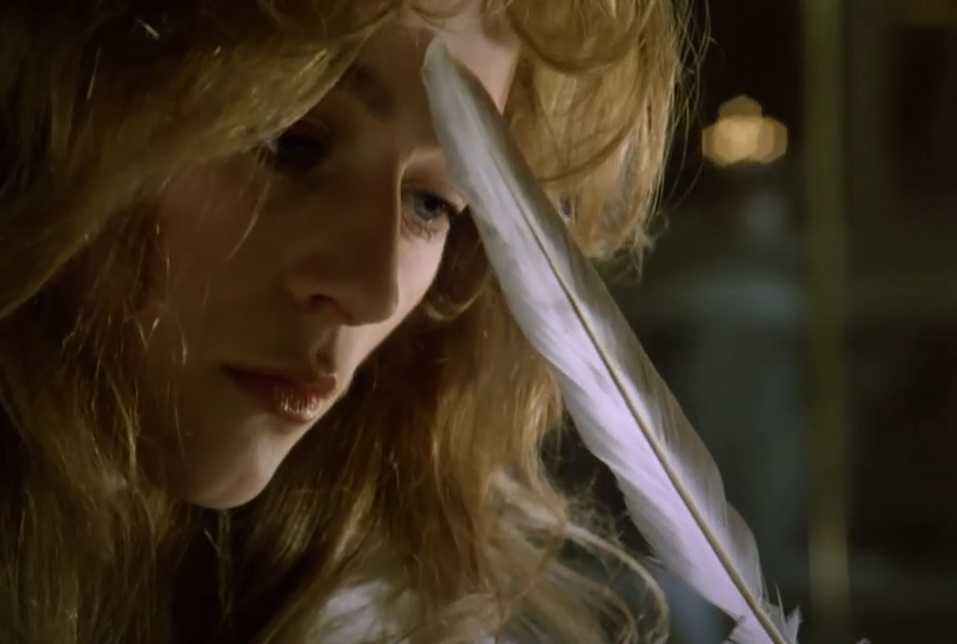
When Mary, Percy, and Claire returned to England, dark tidings greeted them. Mary’s half-sister Fanny Imlay had been writing her increasingly alarming letters while they were traveling, talking about her “unhappy life,” and the one they received on October 9, 1816 pushed Percy to search frantically for her, to no avail.
When morning dawned, the truth came out: On October 10, Fanny Imlay’s lifeless body was found in an inn; she had left a note and taken an overdose of the sedative laudanum. But this was just the first blow.
 TVE, Rowing with the Wind (1988)
24. Tragedy Hit Her Once More
On December 10, exactly two months after Fanny Imlay’s passing, Percy got his own horrific news. His wife Harriet, who thought she had just been abandoned by her new lover, had drowned herself in the Serpentine in Hyde Park, London. She too left a note, asking Percy to take care of their son Charles while leaving their daughter with her family.
Still, the storms kept battering them.
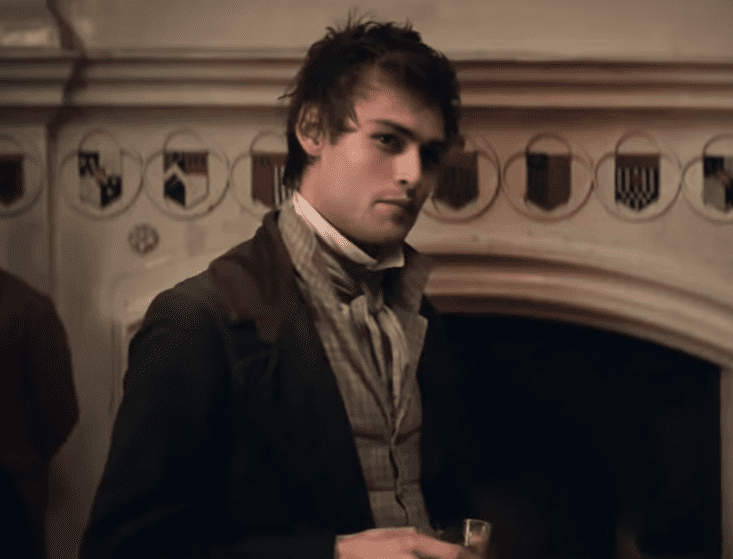
25. She Married Under Duress
Despite Harriet’s wishes, her family blocked Percy’s attempts to get custody of either of his children. It pushed Percy and Mary into a huge step. Under the advice of his lawyers, they married in December of 1816, hoping to present a united front to the courts despite the fact that Percy was firmly against marriage as an institution.
It was a move that reconciled Mary with her father William Godwin, but it solved very little else.
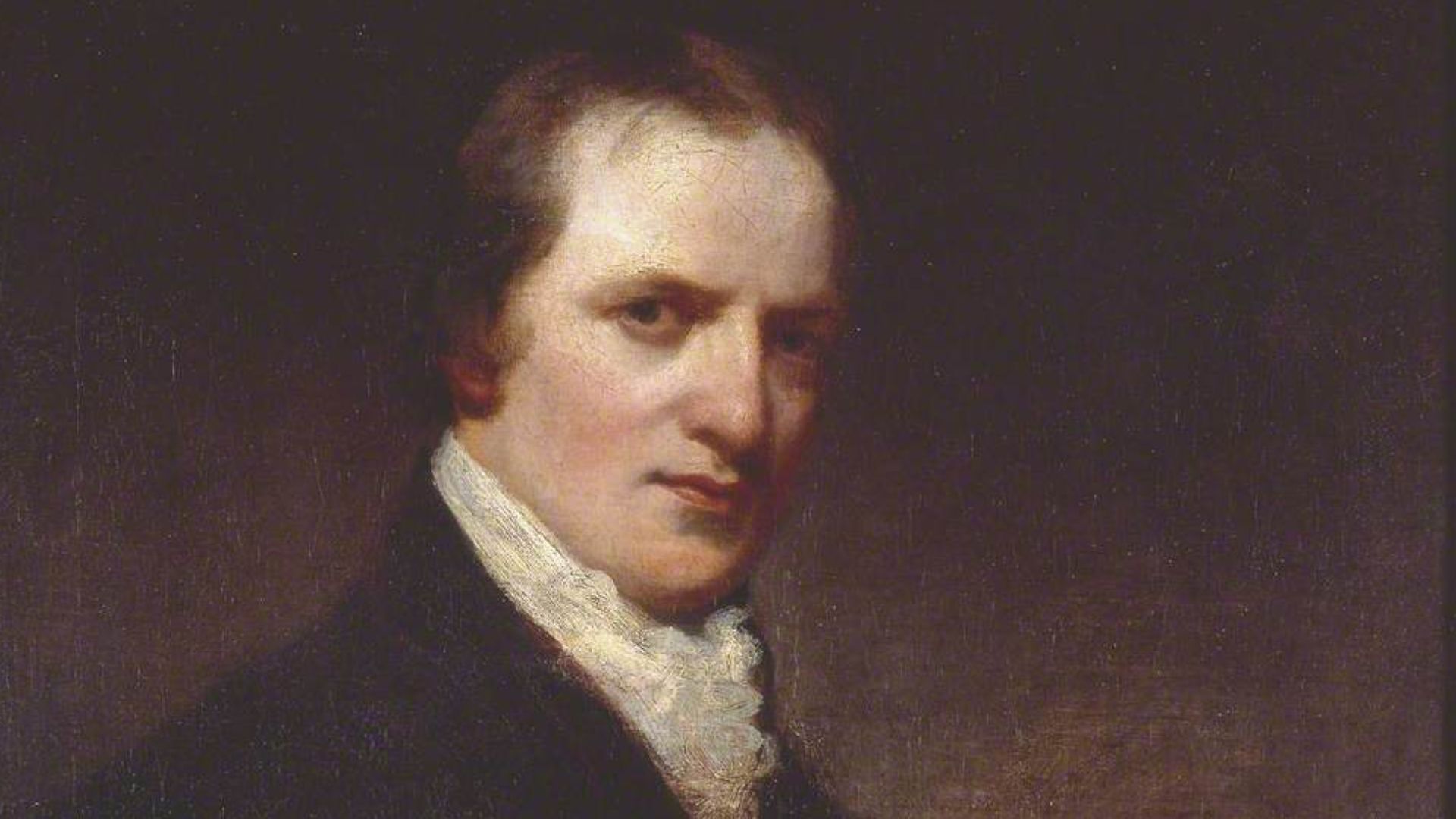 John Westbrooke Chandler, Wikimedia Commons
26. Her Husband Lost His Children
The next years of Mary and Percy Shelley’s life were wracked with uncertainty and disappointment. Percy, whose radical views and scandalous personal life made him an unfit parent in the eyes of the law, never won custody of his children, and they were later placed in a clergyman’s home.
Moreover, although Claire soon gave birth to Lord Byron’s daughter Allegra and Mary to a girl named Clara, their own domestic situation was far from edenic.
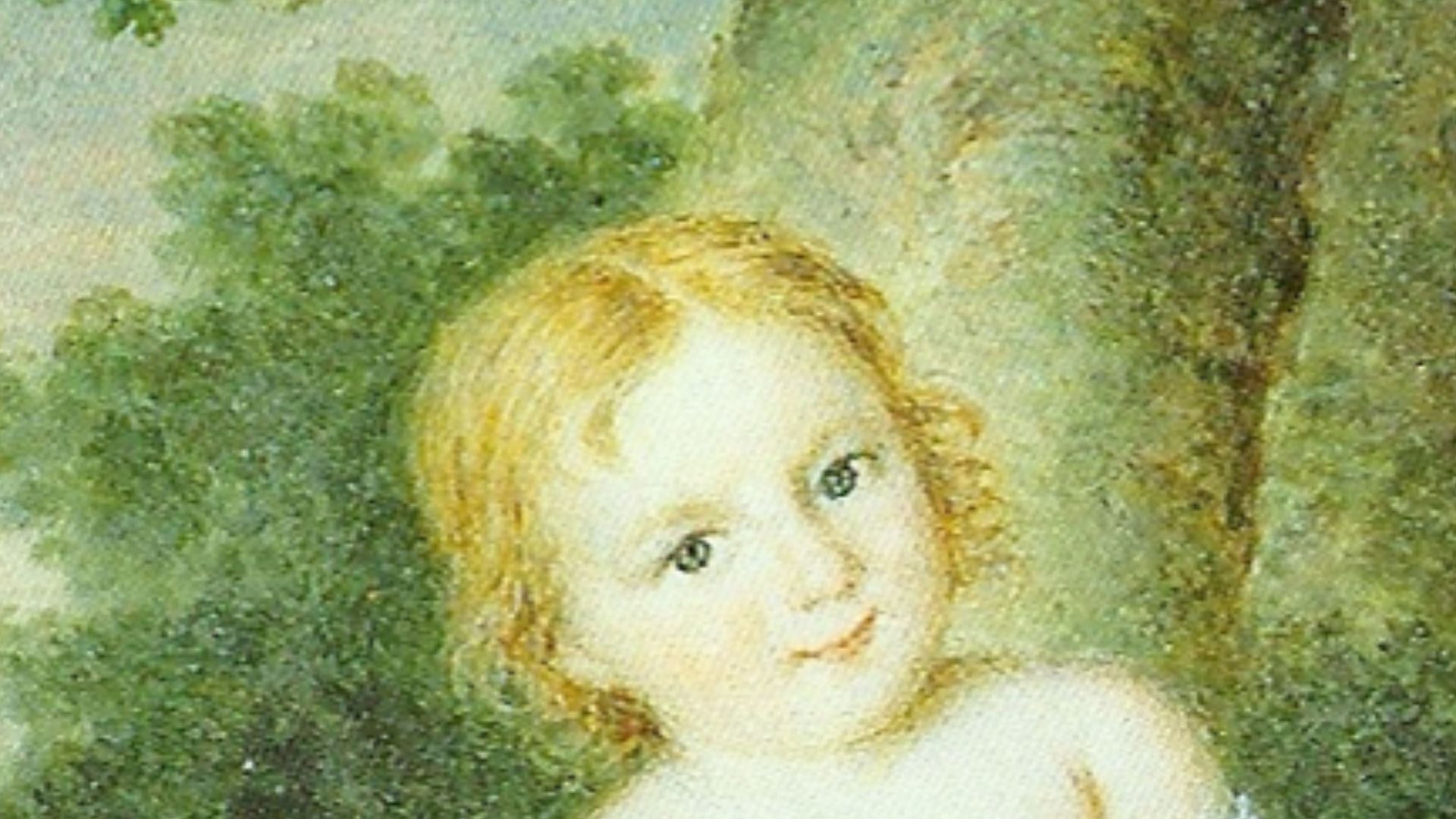 Unknown authorUnknown author, Wikimedia Commons
27. Her Home Life Was In Shambles
In truth, the Shelley household was wracked with resentment and jealousy. Mary was often irritated by both Claire and her baby Allegra’s presence, and this only increased when Percy continued to go off on romantic jaunts with her stepsister. The house was also largely absent of money; around this time, Percy was arrested in London for two days over his debts. Finally, to top it all off, Percy suffered from chronic lung issues that were only getting worse.
By 1818, the same year Mary published Frankenstein, they were ready for a permanent change. It would only bring tragedy after tragedy.
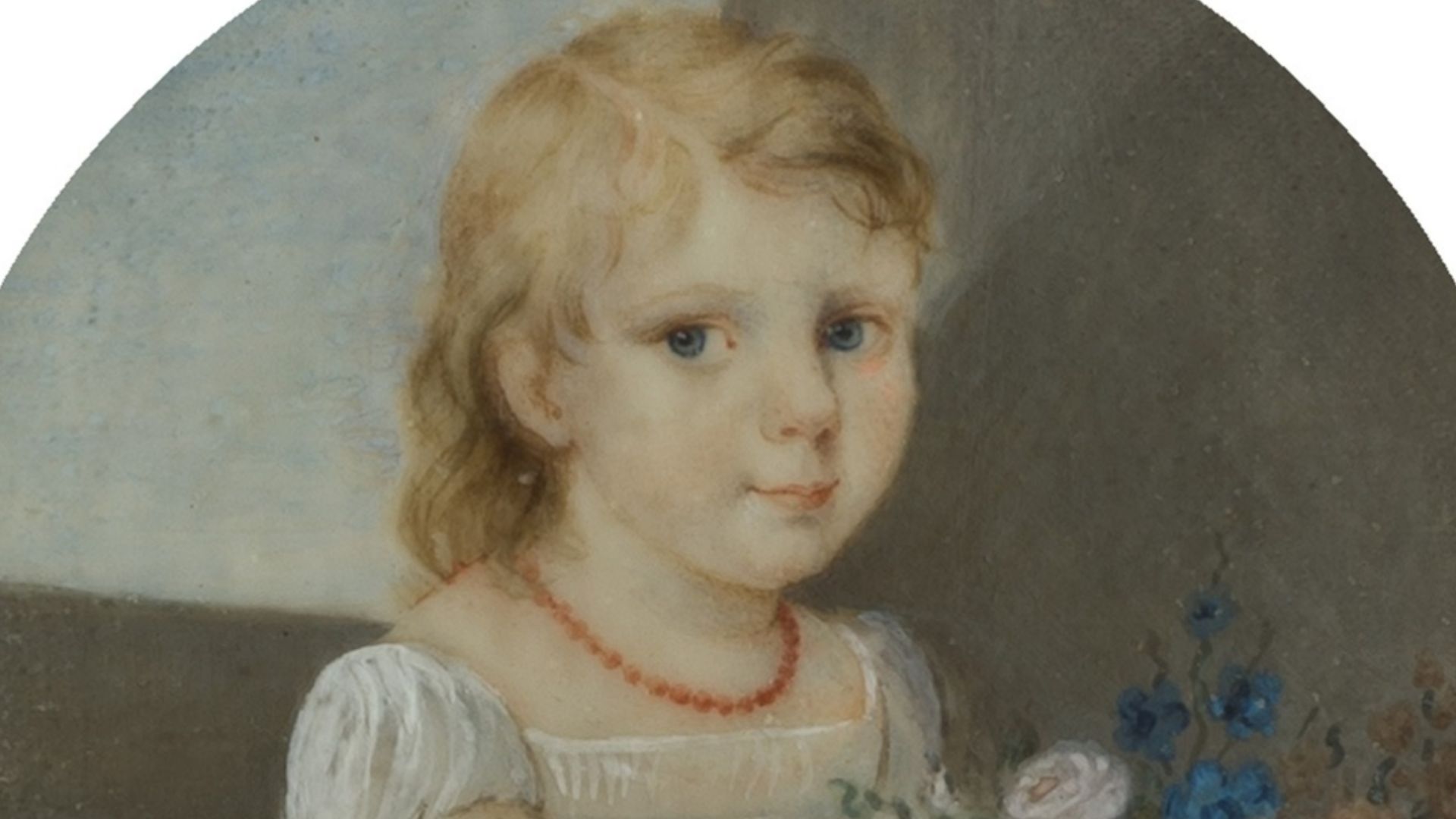
28. They Escaped England Again
In March of 1818, the Shelleys—and Claire Clairmont, of course—moved to Italy without any intention of coming back. Although a change of scenery could hardly change their dynamic, it was nonetheless, at first, exactly the paradise they were seeking. Mary and Percy moved around with a motley group of friends and nursed their creative ambitions with a steady output of writing.
Within months, though, the illusion was shattered.
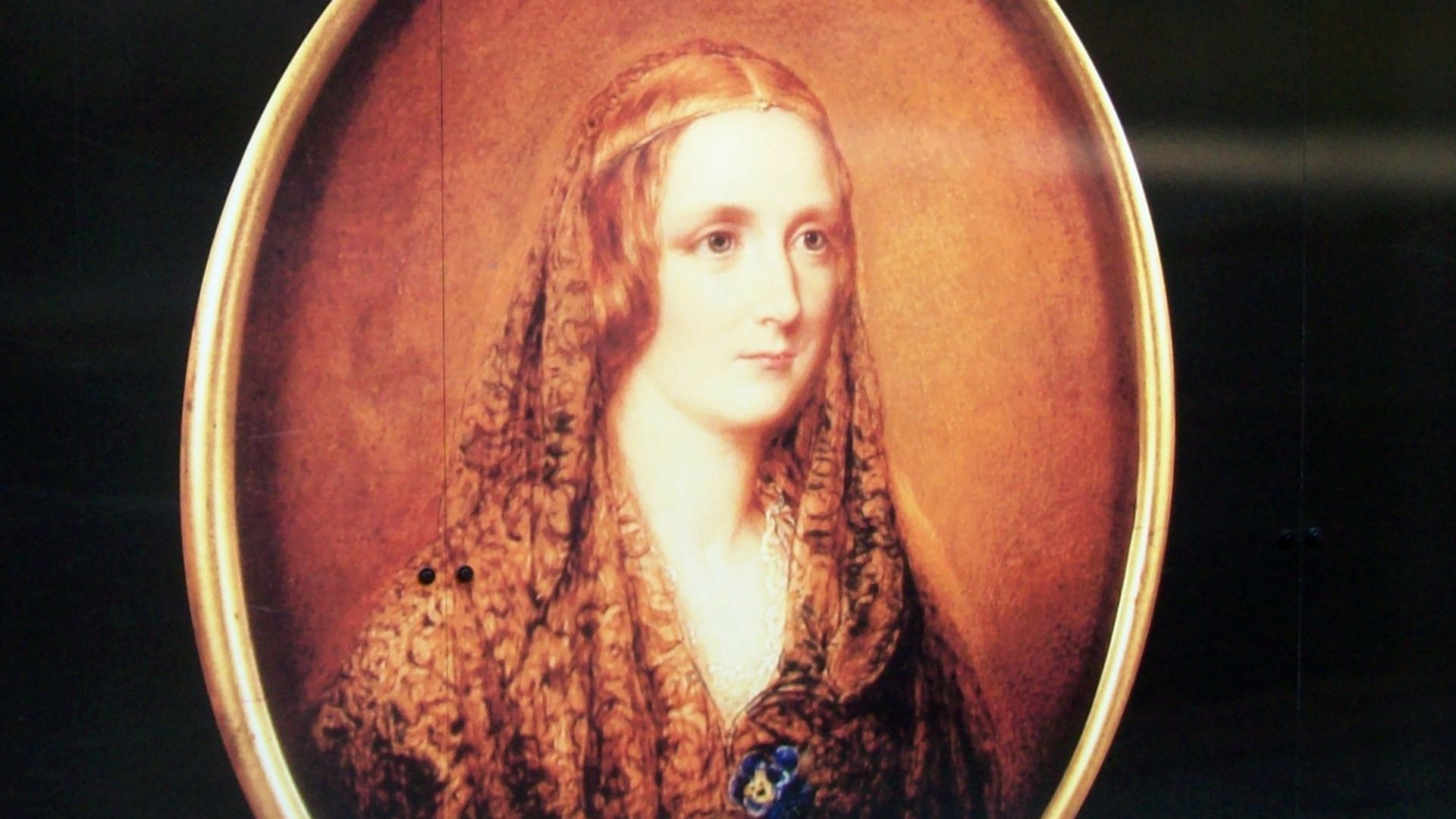 summonedbyfells, Wikimedia Commons
29. She Grieved Her Infant Daughter
While traveling through Italy in September, Mary’s infant daughter Clara fell seriously ill on the journey, and perished in Venice on the 24th of the month. It sent shockwaves through the family. Mary, who had grown up without a mother and only wanted to protect her children, fell into another intense period of depression. She would get no reprieve.
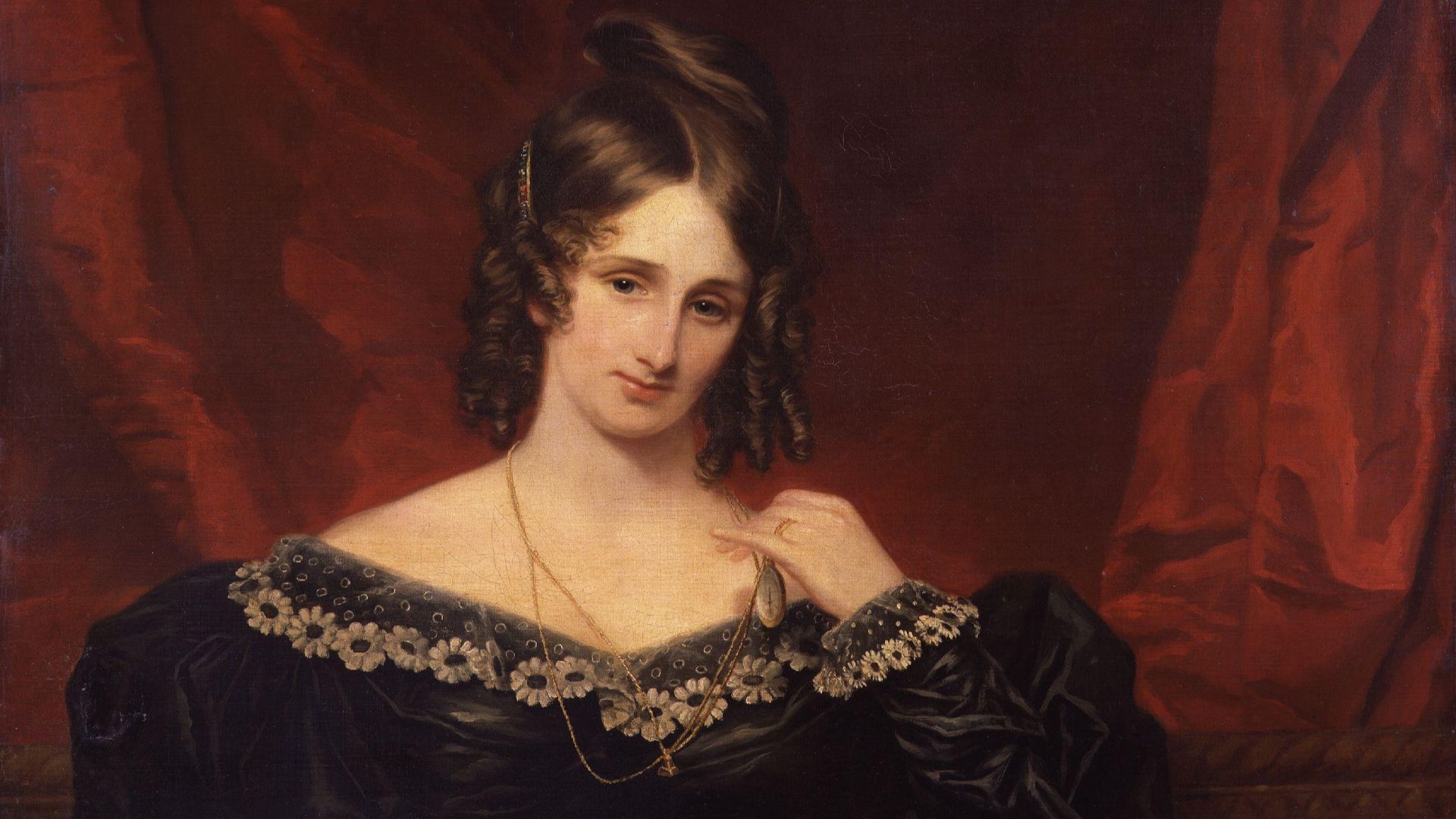 Samuel John Stump, Wikimedia Commons
30. She Lost Two Children In A Year
In the summer of 1819, the Shelleys went to Rome and endured yet another tragedy. This time, it was Mary’s only surviving son William, who likely contracted malaria in the infamously disease-ridden city and perished that June. At this, Mary’s misery was complete; she wrote about the agony of “what it is to lose two only and lovely children in one year—to watch their dying moments—and then at last to be left childless and forever miserable".
In the fog of her grief, her marriage couldn’t help but suffer.
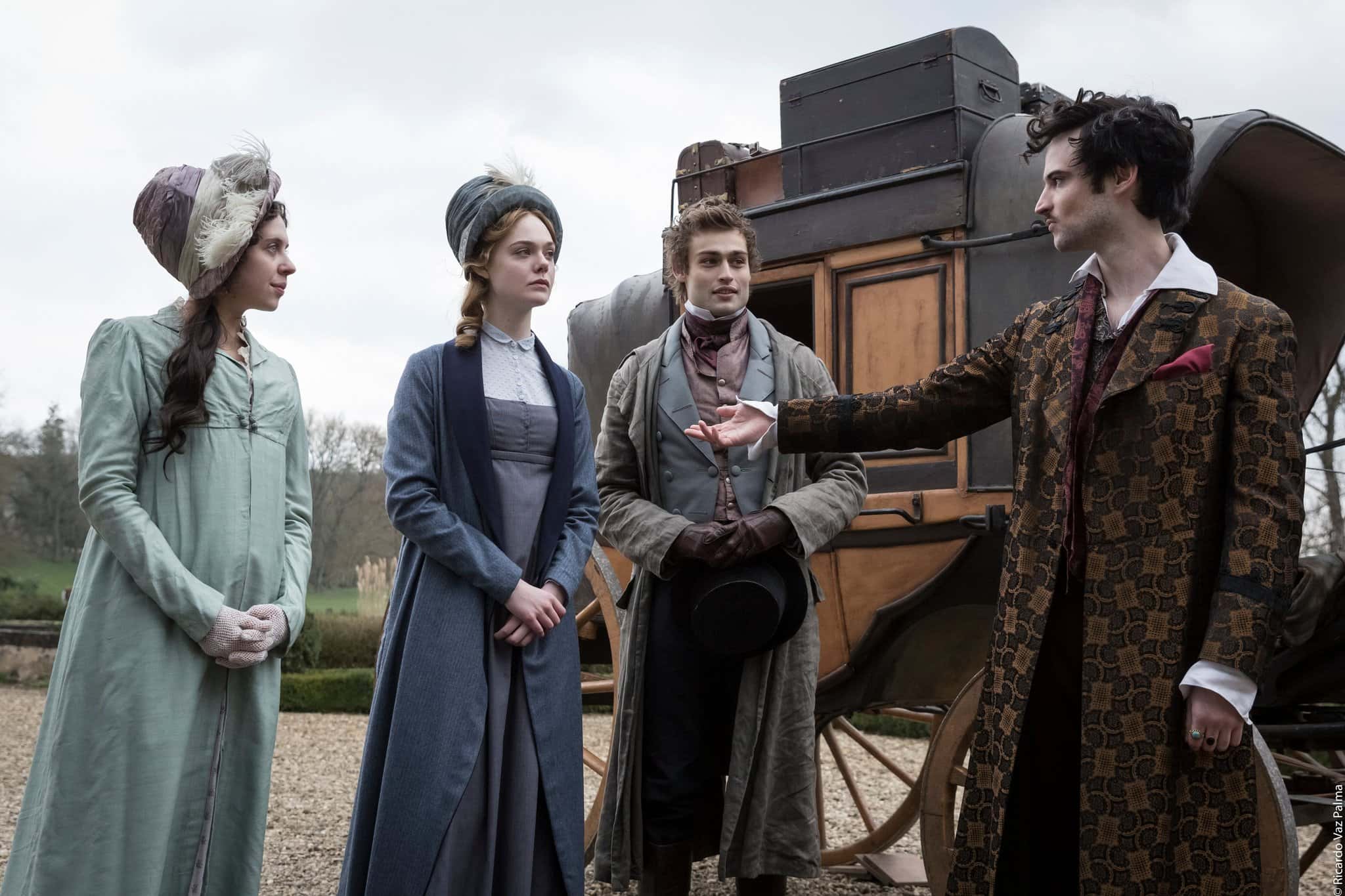
31. She Fell Into A World Of Her Own
During this period, Mary became increasingly alienated from Percy, who would later write a poem lamenting, “My dearest Mary, wherefore hast thou gone, / And left me in this dreary world alone?” Mary, for her part, couldn’t help feeling bitter that they had gone to Italy for Percy’s health and ended up losing two children in the process.
There were only two things that seemed to help her, and neither of them were her husband: The birth of her son Percy Florence in November of 1819, and her writing, as she took solace in beginning her Gothic novella Matihlda after William’s passing. In fact, her husband only brought her more pain.
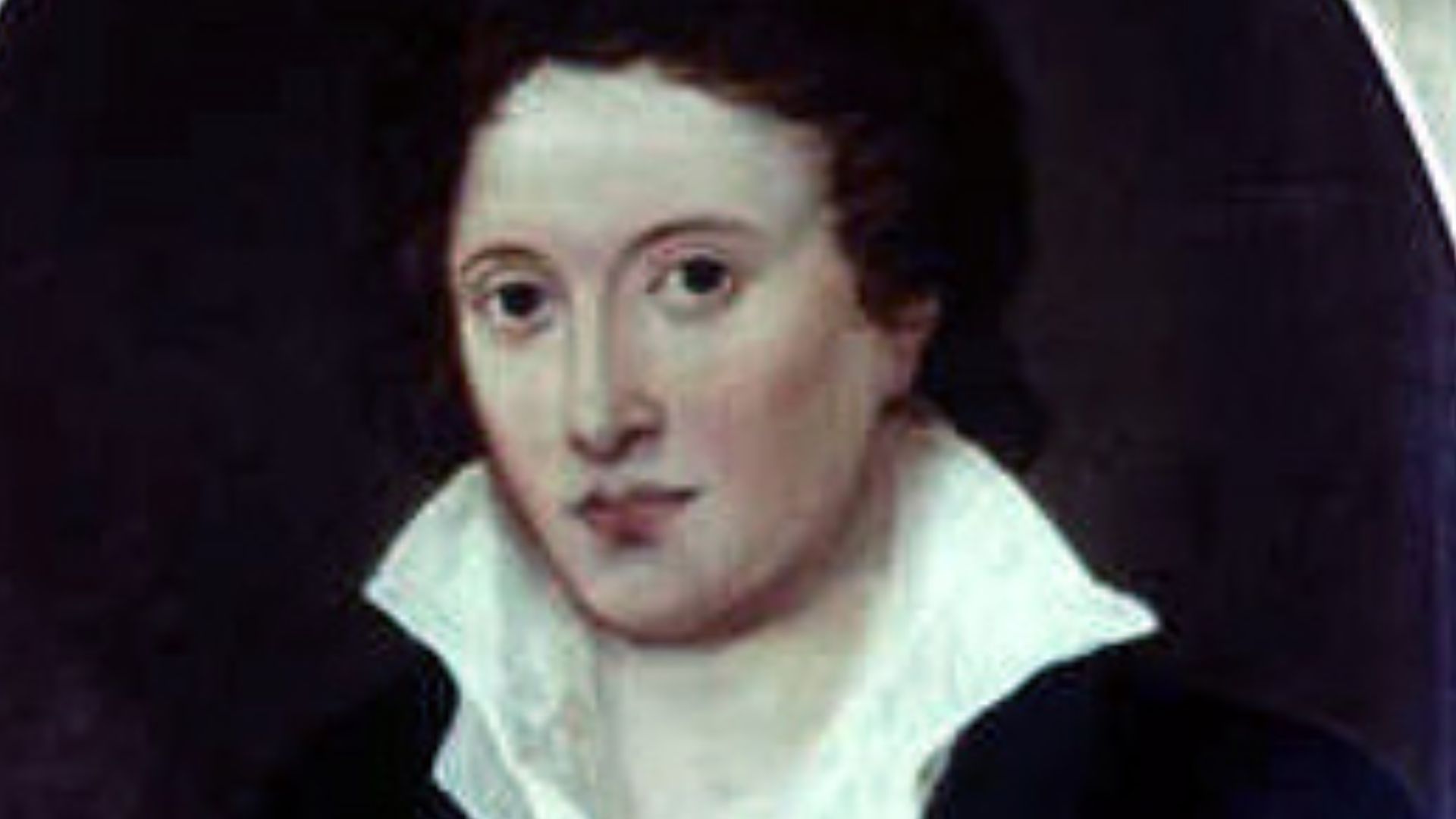 Amelia Curran, Wikimedia Commons
32. Former Servants Made A Scandalous Accusation
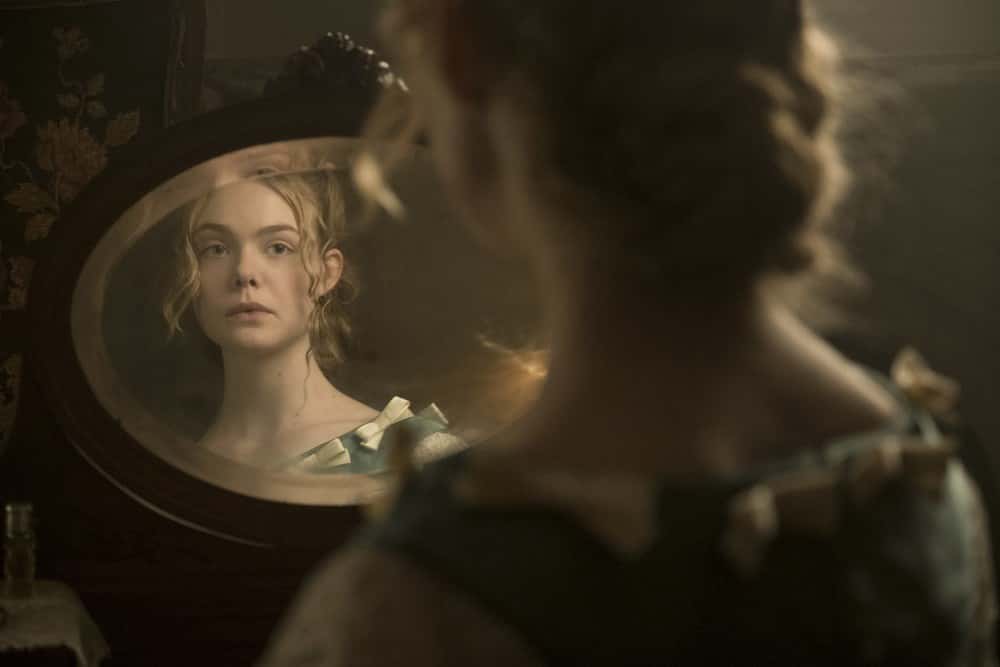
In 1820, Mary’s family was rocked by a stunning revelation. Paolo and Elise Foggi, former servants of the Shelleys, confessed that in February 1819, while living in Naples months ago, Percy had registered the birth of a child, Elena Shelley, as his own. More than that, Percy also falsely claimed that Mary was the mother.
In the wake of these allegations, rumors swirled.
33. There Was A Mystery Baby
Historians have speculated for years about Elena’s parentage and Percy’s secretive act, suggesting that the baby was his love child with the servant Elise Foggi, or that it was another child of Lord Byron. Some even claim Percy had wrong-headedly adopted a girl to “cheer” Mary up in her depression—but the accusing Foggis had a more disturbing theory.
 Jean-Baptiste Mauzaisse, Wikimedia Commons
34. She Didn’t Want To Know The Truth
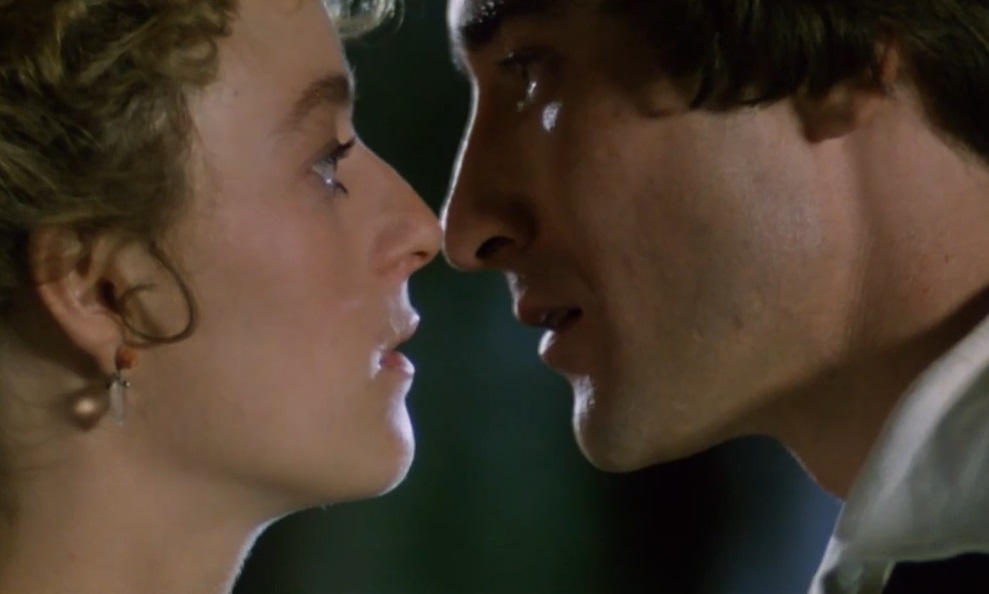
When the Foggis came forward with the information, they claimed the baby was Claire Clairmont’s love child with Percy. If true, this likely would have shattered Mary, but she was adamant she would have known if Claire was pregnant. The trouble is, historians don’t believe Mary would have necessarily been aware.
In the end, baby Elena perished in a poor suburb of Naples in June of 1820, and this mystery remains unsolved. Italy, meanwhile, kept on being a nightmare.
 TVE, Rowing with the Wind (1988)
35. They Found New Roommates
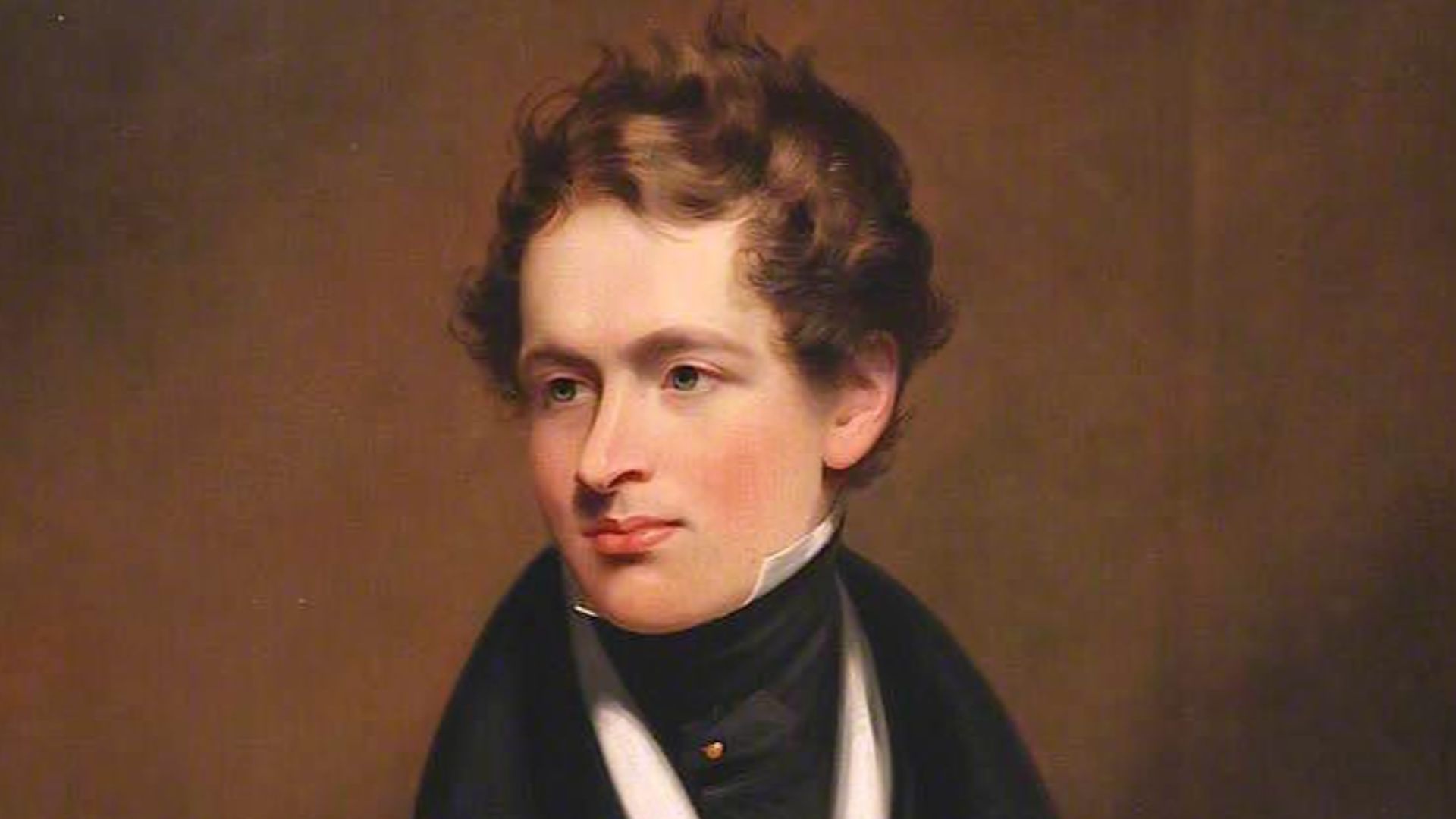
By 1822, Mary was pregnant again and living in the Italian hamlet of San Terenzo in the Villa Magni with Percy and Claire, as usual. However, added to their group were another scandalous couple, Edward and Jane Williams. Jane had fled her marriage to a naval officer to be with Edward, and they were now presenting themselves in Italy as a married unit.
For Mary, it would not be a happy time.
 George Clint, Wikimedia Commons
36. Her Husband Had A Crush
One reason for Mary’s discomfort at the Villa Magni was her husband’s ardor for their housemate Jane Williams, despite her unavailability. Jane’s beauty, housewifely demeanor, and skill with music were intensely alluring to Percy, especially in comparison to Mary, who was now ravaged by all the tragedies Italy had laid at her feet.
Soon, Percy’s feelings were out of control.
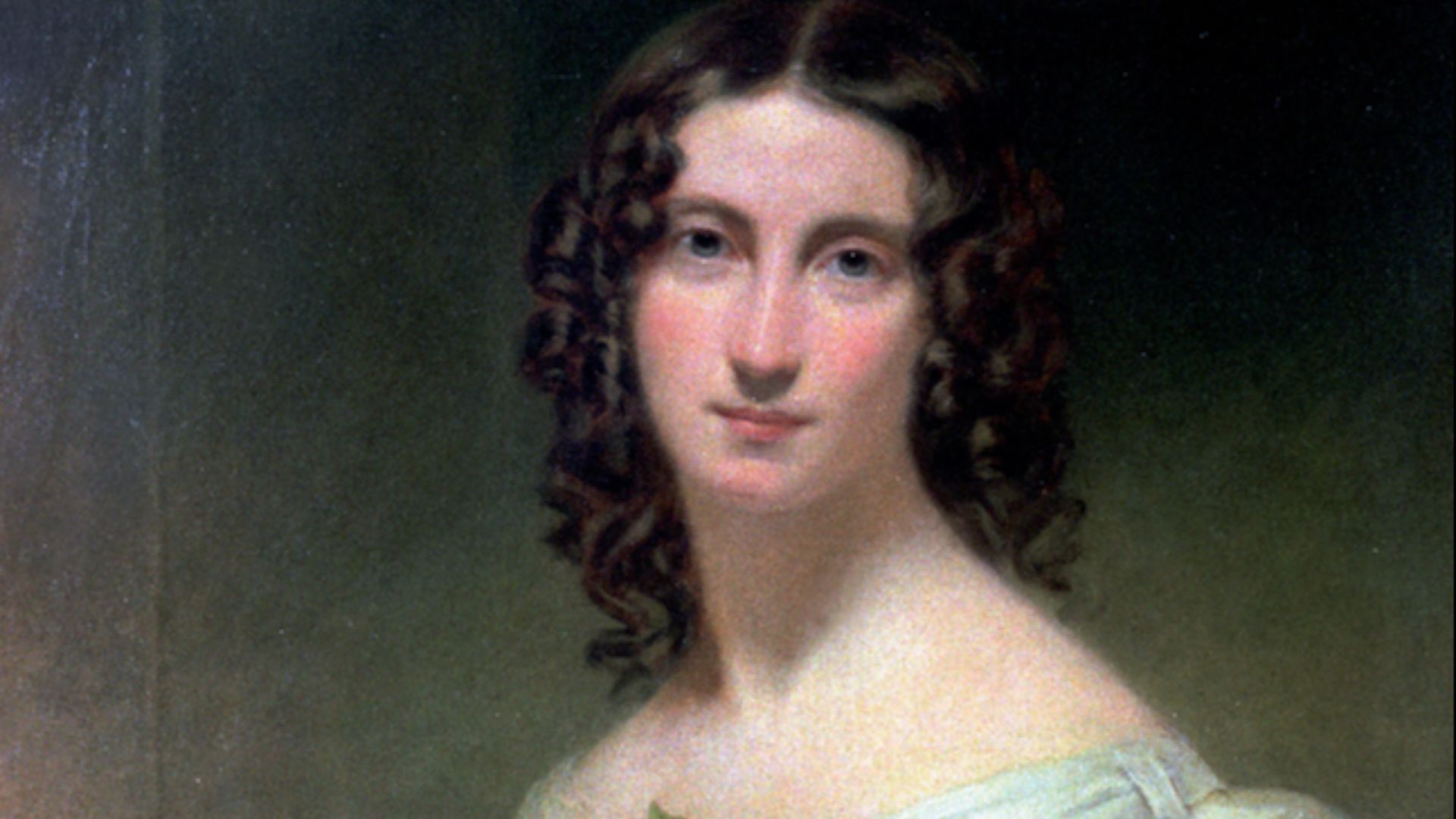 George Clint, Wikimedia Commons
37. Their Household Was Tense
Percy had long had a pattern of writing poetry for the various women he was infatuated with, and he duly began writing verse for Jane. However, he was on dangerous ground in their small house, and would sometimes show only Edward his poems about Jane, or else show the verse to both of them as a couple. Meanwhile, he often tried to hide these interactions entirely from the pregnant Mary.
It didn’t stop yet more tragedy.
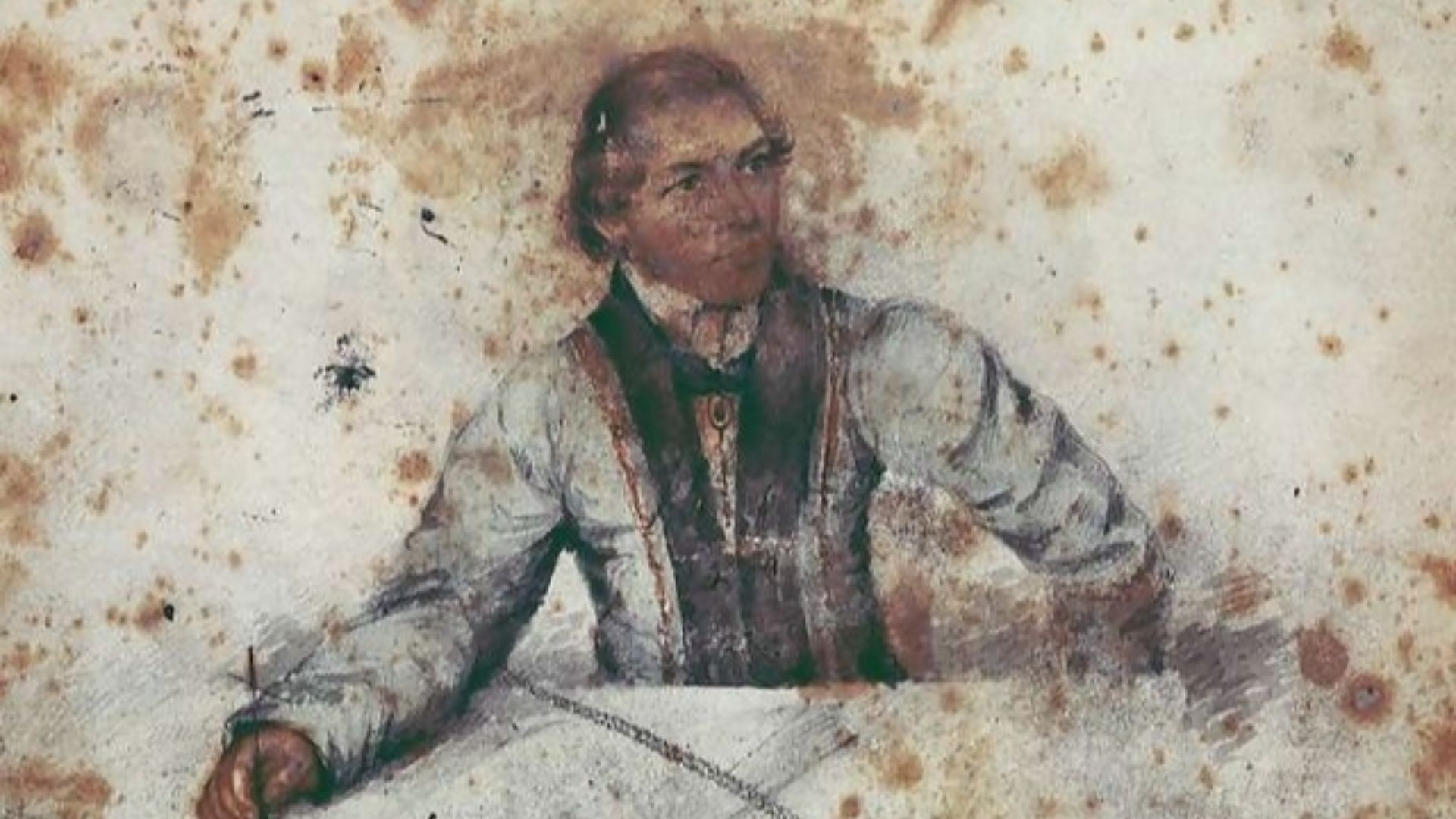 self portrait, Wikimedia Commons
38. She Nearly Bled Out
Mary spent most of these days understandably irritated and uncomfortable, later naming the Villa Magni as a dungeon. That June, it got much darker. She miscarried her child, and in the process lost immense amounts of blood and nearly died. It was her husband’s quick thinking that saved her: Percy put her in an ice bath to stymie the flow before the doctor came.
But this heroism couldn’t save their relationship.
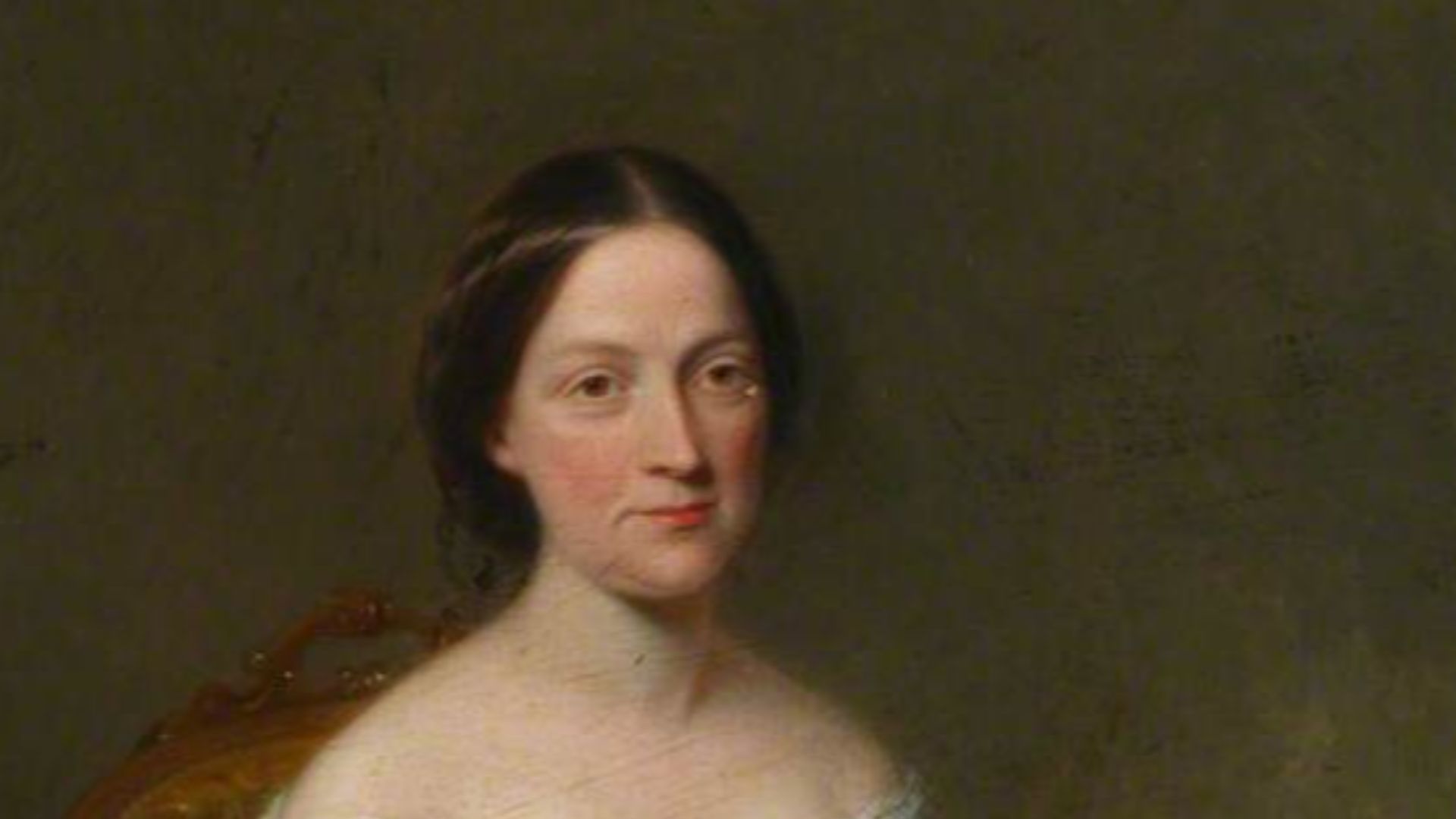 Richard Rothwell, Wikimedia Commons
39. Her Marriage Was Failing
After the demise of their son William, Mary had written of Percy, "We have now lived five years together; and if all the events of the five years were blotted out, I might be happy". Percy now felt the same, writing just two days after the miscarriage that he and Mary no longer had anything in common, that he wished both the past and the future were obliterated, and that he’d be quite happy with just Jane Williams and her guitar.
This melancholy air soon turned terrifying.
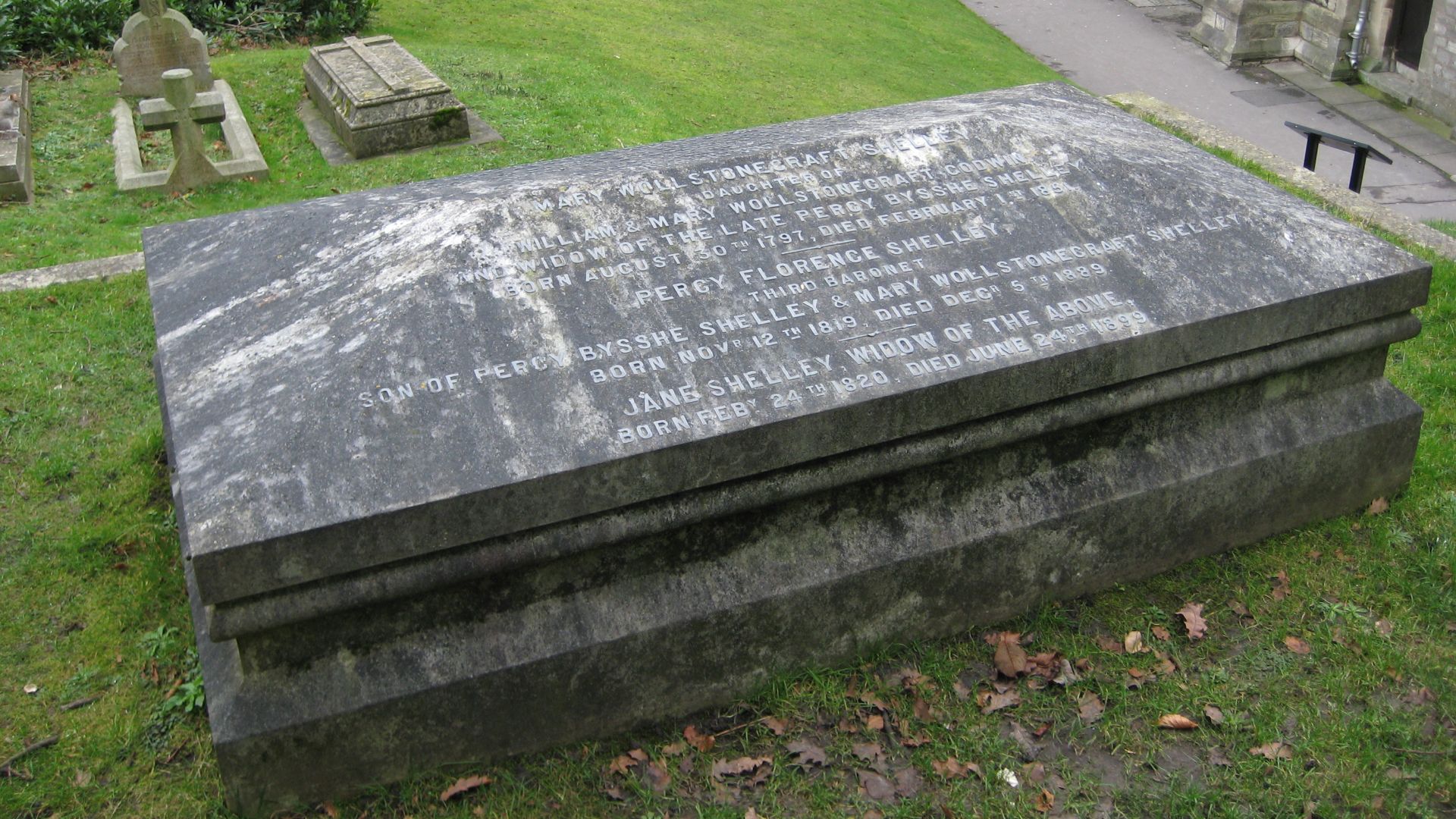 Original uploader was LordHarris at en.wikipedia, Wikimedia Commons
40. Her Husband Wasn’t Well
Although Mary’s mental health was on the brink, so too was her husband’s: During this period, Percy wrote to a friend asking for prussic acid, potentially to harm himself. The next week, the poet—who had long suffered from hallucinations, including the persistent delusion that strangers were attacking him—woke up screaming after a nightmare where Edward and Jane Williams were zombies and he was strangling Mary.
To anyone who knew the group, the end seemed near. But no one could have predicted just how close, or how vicious it would be.
 Bill Nicholls , Wikimedia Commons
41. She Lost Him At Sea
On the first of July, Percy and Edward went out on their new sailboat to trundle down the coast and visit Lord Byron and their friend Leigh Hunt. They never made it back: On July 8, they were most likely overtaken by bad weather, and 10 days after the storm, the bodies of Percy Shelley and Edward Williams, badly decomposed, washed up on the shore. It was the end of an era.
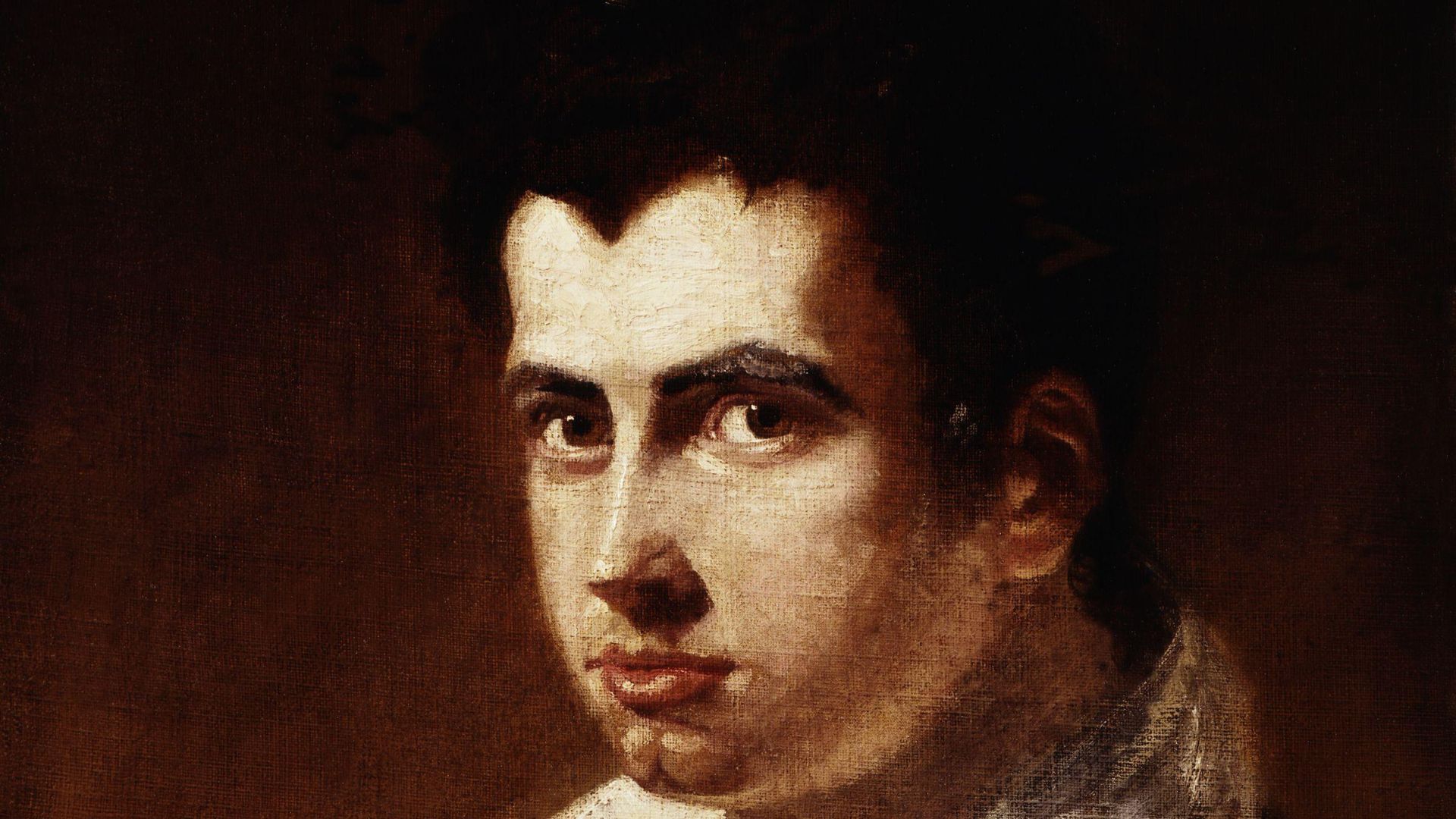 Benjamin Robert Haydon (died 1846), Wikimedia Commons
42. She Said Goodbye
Mary Shelley, who had waited in agony with Jane Williams for over a week, was beside herself at the confirmation of her husband’s passing, but took solace in ritual. They cremated their husbands’ bodies on consecutive days on the beach near Viareggio, and Percy’s ashes were buried in the Protestant Cemetery of Rome.
From then on, Mary only had one thing to live for.
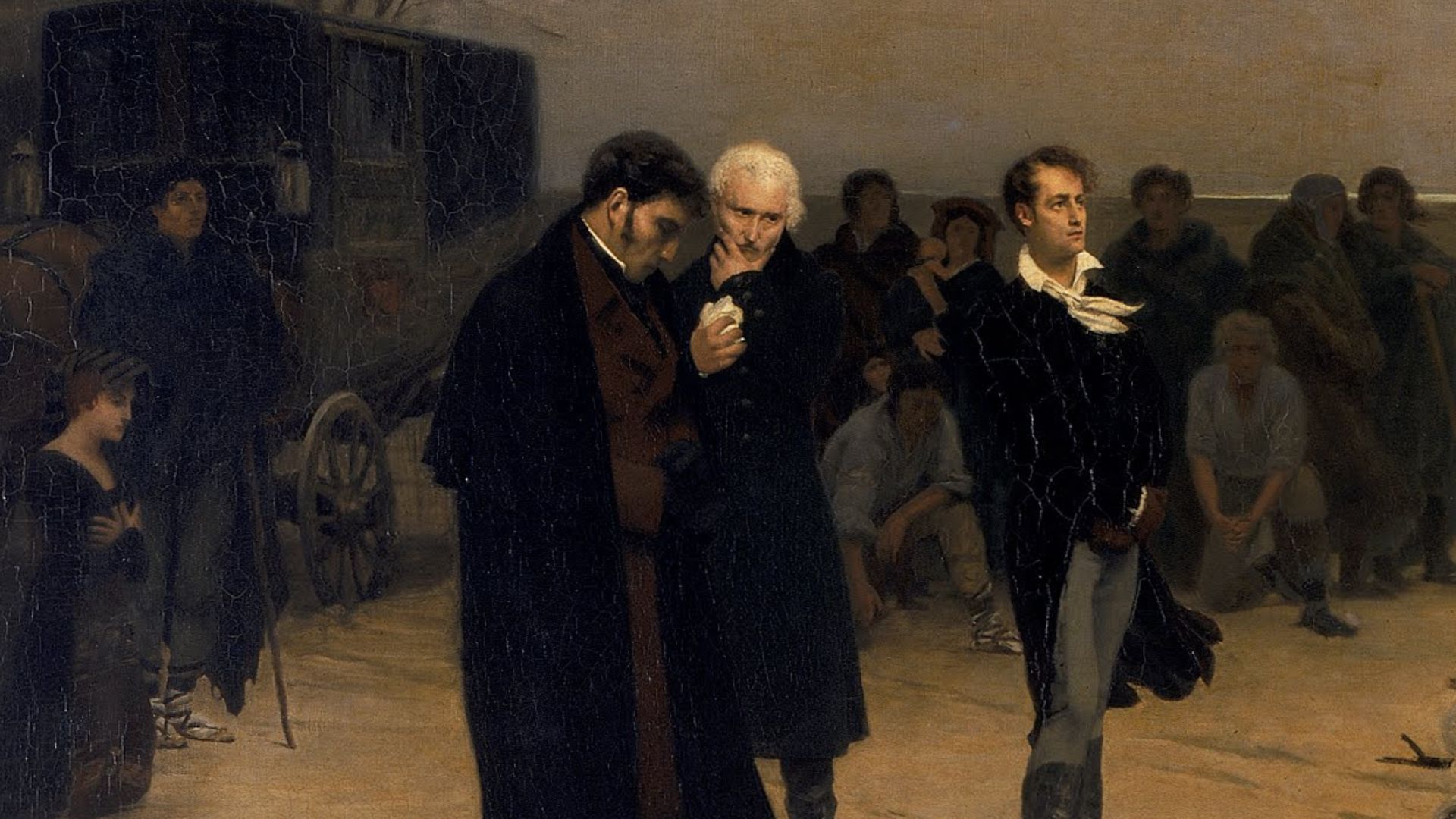 Louis Édouard Fournier, Wikimedia Commons
43. She Was Devoted To Her Son
The next years of Mary’s life were devoted to her son Percy Florence Shelley, and she endured whatever cost it took to keep him happy and alive. She eventually moved back to England and began a humble life with her father and stepmother—rejecting all but meager support from the Shelley family, since accepting more money meant ceding control of her son’s care to them. When it came time for him to go to school, Mary even relocated herself to the grounds so he could be a day student and avoid boarding fees.
Yet she couldn’t live for her son alone.
 Carlo Pellegrini, Wikimedia Commons
44. She Was An Outcast
During these years, Mary keenly felt her isolation from society, as many “respectable” people still looked at her marriage to Percy Shelley as a scandal. Nonetheless, she spent her time writing, helping support her father, and editing Shelley’s works so she could continue his legacy—even as Shelley’s family strictly forbid a biography on the poet. Still, it was Mary’s friends who hurt her the most.
 Jeremy Bolwell , Wikimedia Commons
45. She Nursed Feelings For Her Friend
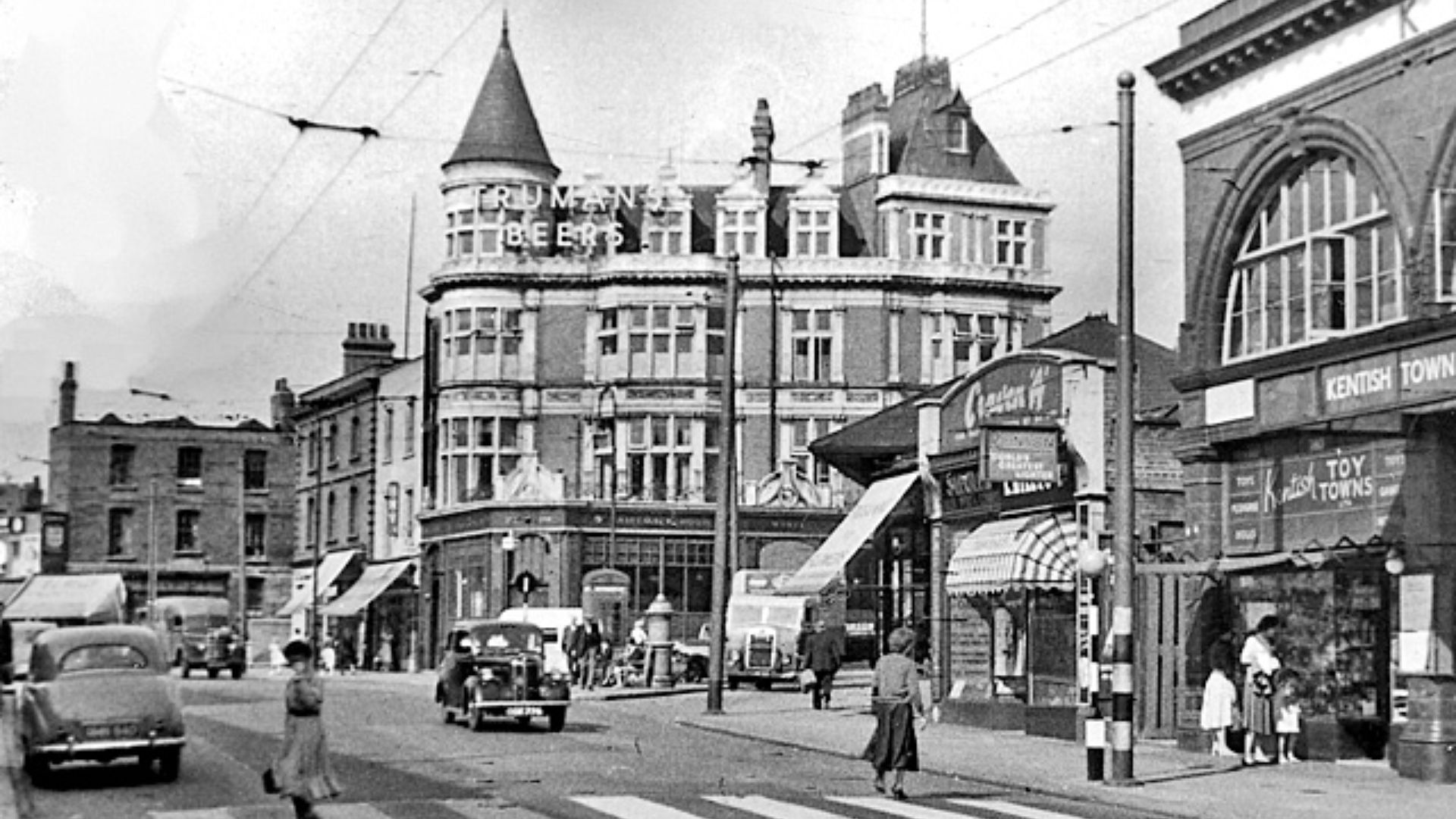
Percy’s infatuation with Jane Williams may have been doubly difficult for Mary, as her biographer Muriel Spark noted that Mary herself was “a little in love” with Jane. Accordingly, Mary moved in the summer of 1824 to Kentish Town in north London for the express purpose of being near her dear friend. Jane repaid this devotion with betrayal.
 Ben Brooksbank, Wikimedia Commons
46. Her Friend Scorned Her
Soon after moving close to Jane, Mary came to a heartbreaking realization. Jane Williams was nowhere near the angel she thought she was, and their relationship was damaged when Mary found out that Jane had been claiming Percy preferred her to his own wife, since Mary was so deficient as a spouse.
Yet other men didn’t seem to agree with Percy.
47. Men Fell Over Themselves For Her
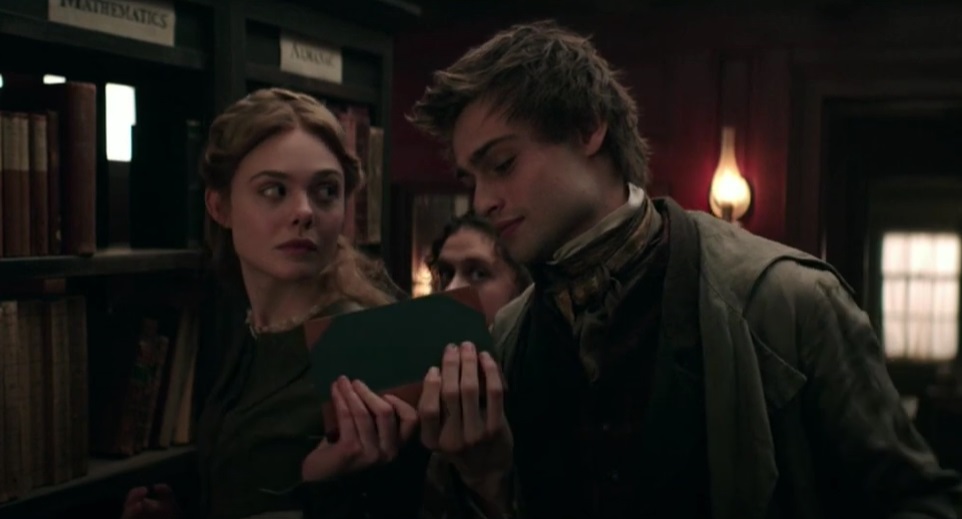
Even in her reduced circumstances, Mary Shelley was much admired during this time, and the American actor John Howard Payne fell so in love with her that he asked her to marry him. Mary’s reply was brutal: She told him that after marrying one genius, she would only marry another. Payne, however, took it in stride and merely tried (and failed) to get his friend, “genius” writer Washington Irving, to propose instead. But it was a losing battle.
 Unknown authorUnknown author, Wikimedia Commons
48. She Was Disappointed In Love
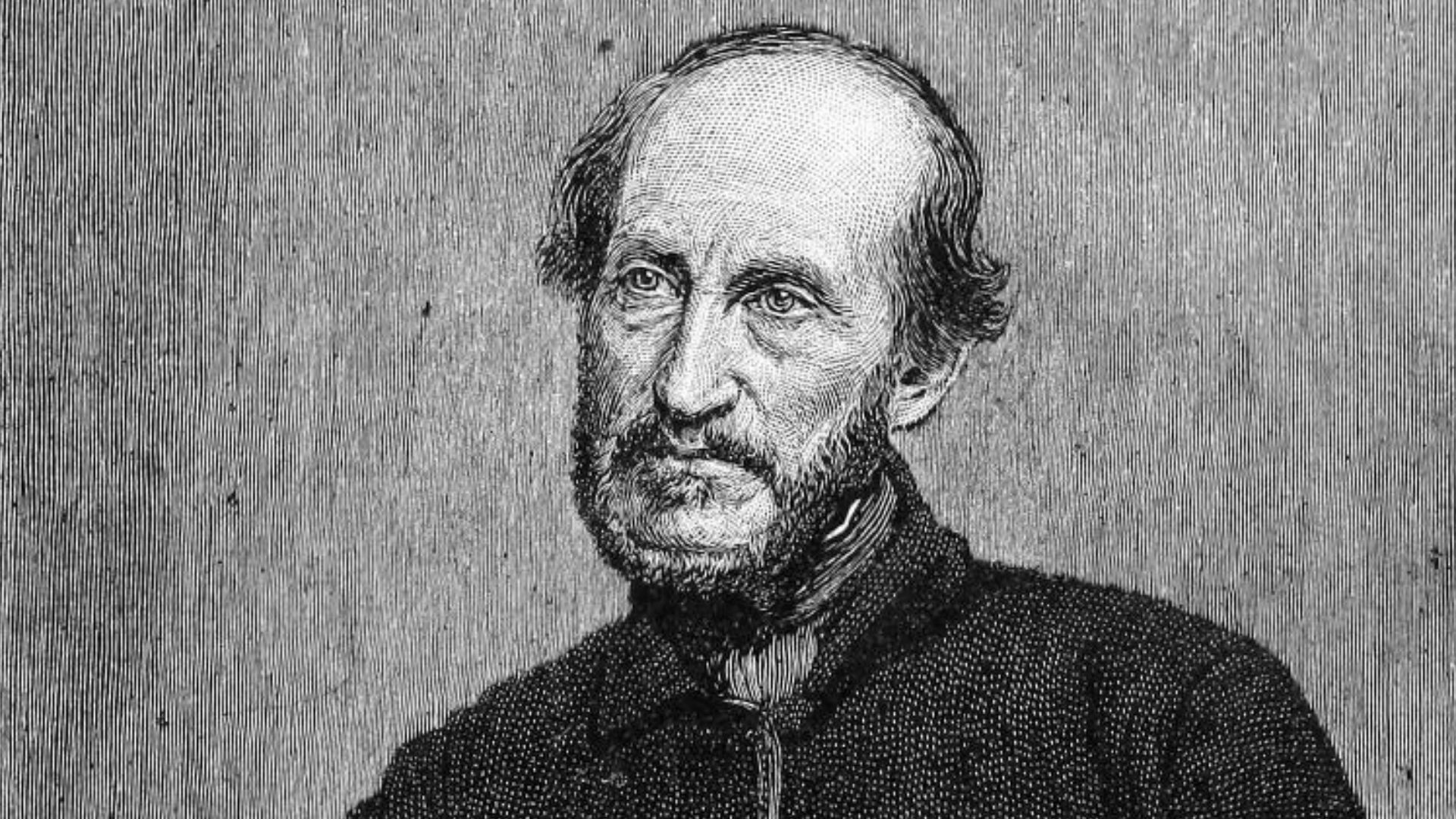
Even amidst her husband’s many affairs, Mary could never force herself to do more than flirt with other men while married to Percy, and the same was true after his demise. Although many men professed their love for her, she often turned them away or only joked about marriage. The one man she did appear to truly care for, radical politician Aubrey Beauclerk, seems to have let her down by marrying someone else—twice.
Then, at the final reckoning, Mary Shelley was denied even a peaceful end.
 Frederick Sargent, Wikimedia Commons
49. She Met An Agonizing End
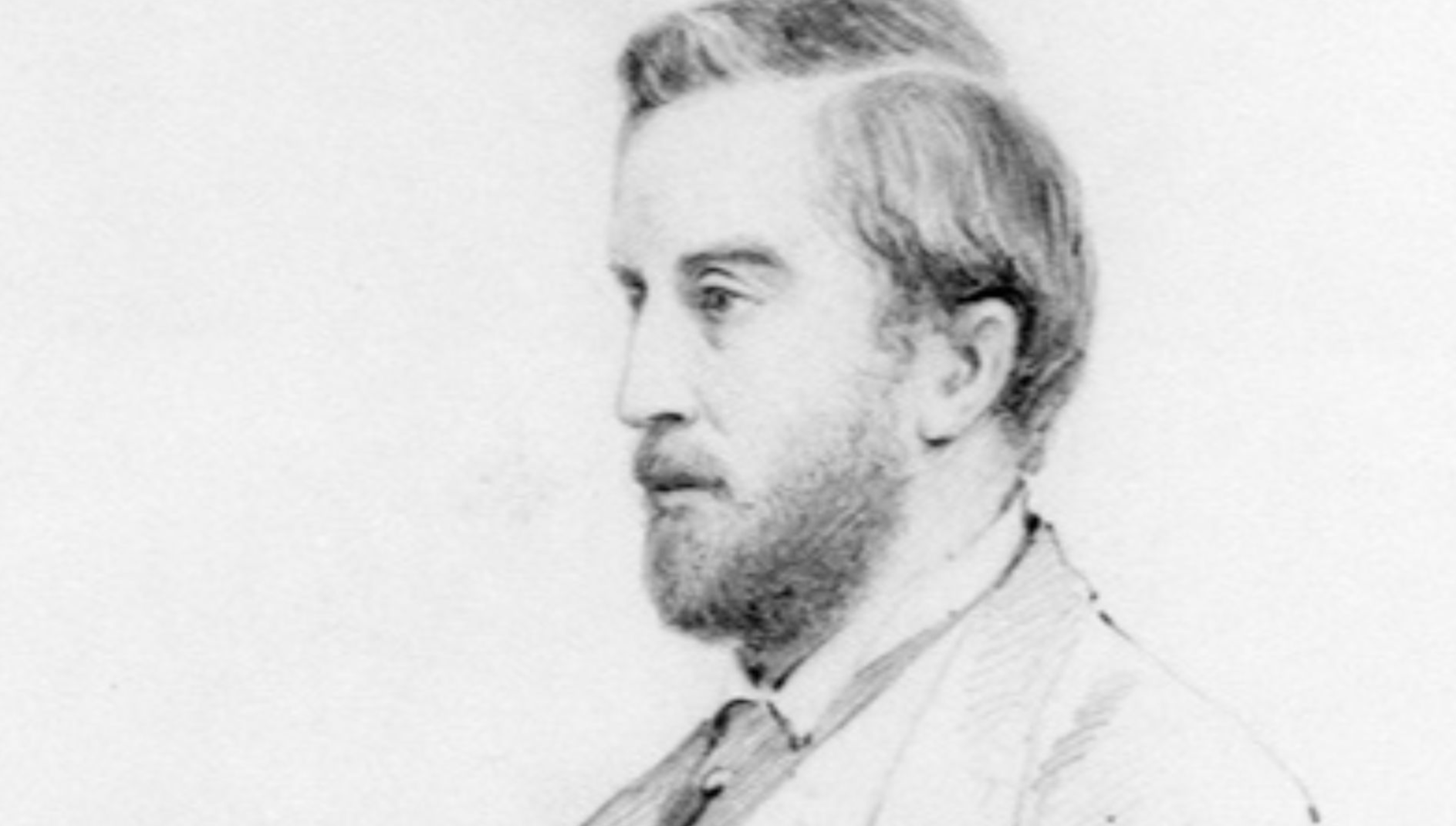
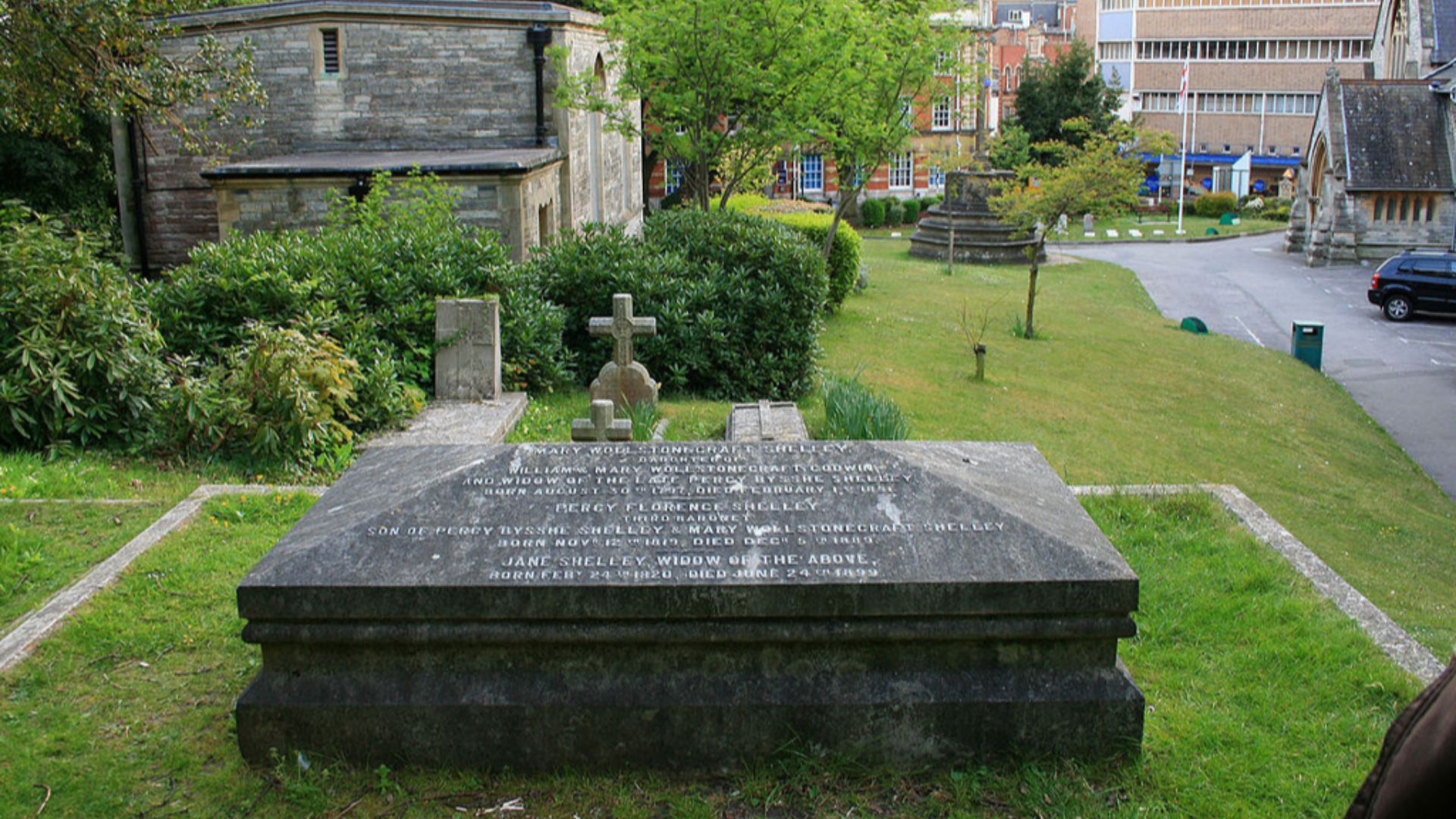
From 1839 onward, Mary suffered from mysterious and horrific symptoms. She began getting headaches, and would also experience temporary paralysis in different parts of her body, all complaints that prevented her from reading or writing at times. Eventually, her doctor came to believe she had a brain tumor, and in 1851, at the age of 53, she passed.
But she left a big secret behind.
 David Lally , Wikimedia Commons
50. She Had A Macabre Collection
On the year anniversary of Mary’s passing, her remaining family opened up her box-desk. What they found was as heartbreaking as it was disturbing. Inside were locks of her dead children’s hair, a notebook and writings from her late husband—and, most unsettling of all, the remains of Percy Shelley’s heart.
Mary Shelley, Gothic to her core, could never let go of her tragedies.
 Richard Rothwell, Wikimedia Commons
You May Also Like:
Claire Clairmont Was History's Most Infamous Ex-Girlfriend
Lord Byron Really Was “Mad, Bad, And Dangerous To Know”