He Found The Crack In Everything
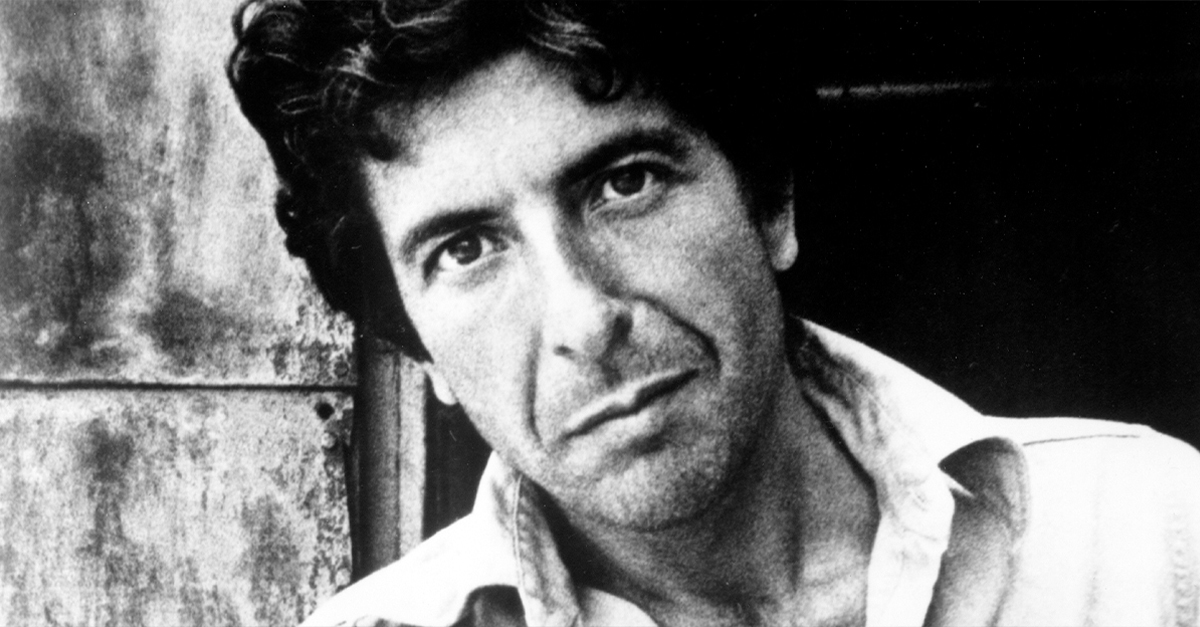
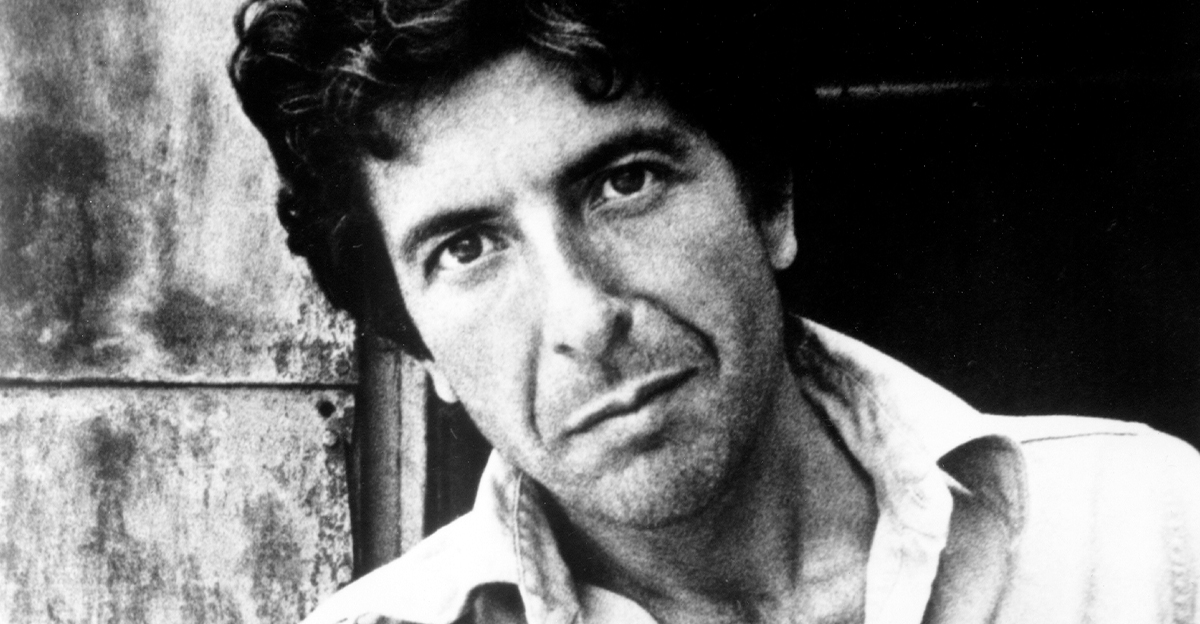
Leonard Cohen was much like one of his own poems: seductive, haunting, and almost impossible to pin down. Beneath his famous fedora and tidy suits lurked a gravelly-voiced chaotic genius: a trust-fund “starving artist,” a womanizing Zen monk, and a perfectionist folk singer who almost lost his mind writing the world-conquering “Hallelujah”.
The truth of his life was stranger and far more tumultuous than any lyric he ever penned.
 Michael Ochs Archives, Getty Images
1. His Troubles Started Early
Many great artists have troubled childhoods, right? Leonard Cohen fits the cliché—but don’t take his word for it. Born September 21, 1934, in the well-to-do Montreal neighborhood of Westmount, he grew up in a prominent Jewish family with deep community ties. Cohen later claimed his upbringing was “very decent,” with none of the childhood wounds others seemed to carry.
The tragedy he faced when he was just a kid makes you wonder: Was Cohen just messing with us, in his trademark enigmatic style?
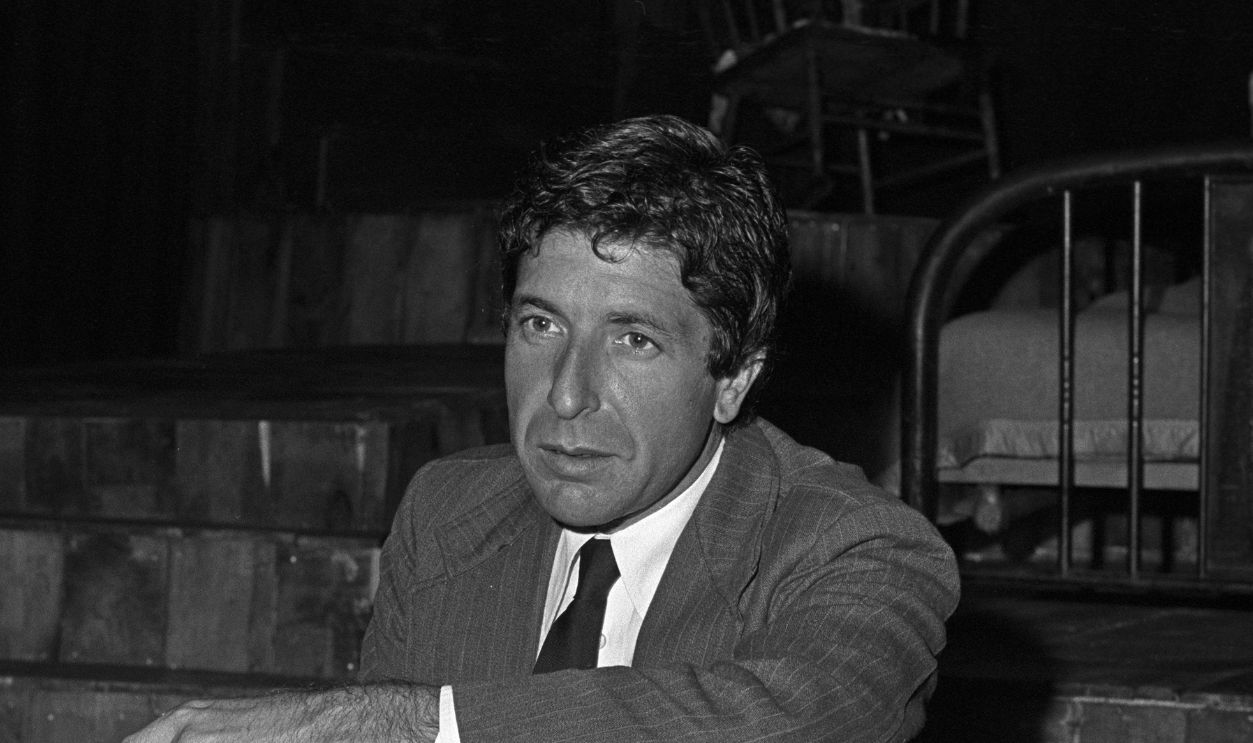 Fairchild Archive, Getty Images
2. He Wasn’t Always So Smooth
Leonard would grow into the kind of man who made women swoon, but he definitely didn’t start out that way. As one biographer put it, he was a “fat little kid no one liked”. He may not have had friends, but he did have a chauffeur and a governess. Still, all of the comforts in the world couldn’t prepare him for the shock of his father’s sudden passing when he was just nine.
Young Leonard’s response? Let’s just say it was anything but typical.
3. He Held A Secret Ceremony
As one thing in Leonard’s life was lost, another was discovered. After watching his father’s casket descend into the frozen Montreal ground, the nine-year-old found a way to grieve. He took a bowtie from his father’s closet, cut it open, slipped in a farewell note, and buried it in the backyard. He later said it was the first thing he had ever written.
The bow tie would become a key moment in his origin story—an early hint of how he’d spend his life turning grief into beauty with words.
4. He Unlocked Special Powers
“Hypnotic” is a word often used to describe Cohen—and perhaps that talent showed up earlier than anyone realized. When he was 13, he found a book about hypnotism, and quickly discovered he had a knack for it. After practicing on pets, he decided to try his skills on the family housekeeper. He asked her to sit on the sofa and told her to relax.
It went very wrong (or right) depending on who you ask…
5. He Was Mesmerizing
The Cohen family housekeeper may have come to regret being such a good sport. Speaking slowly and softly, young Leonard successfully put her into a trance—and told her to undress. To his astonishment, she did. Years later, Cohen would call the first sight of an undressed woman a “holy vision,” but something else happened that day.
At just 13, he had discovered a strange power: With just his voice and a few carefully chosen words, he could move people in ways he barely understood.
 Michael Ochs Archive, Getty Images
6. He Was A Country Boy
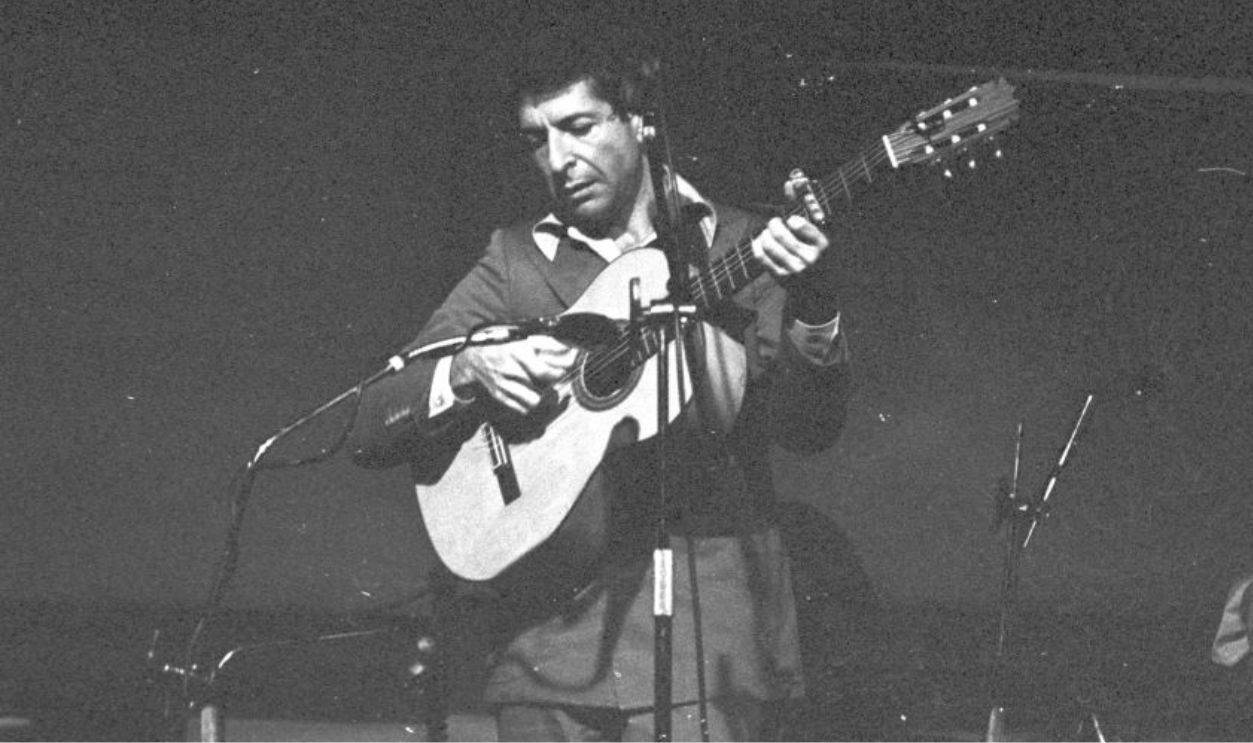
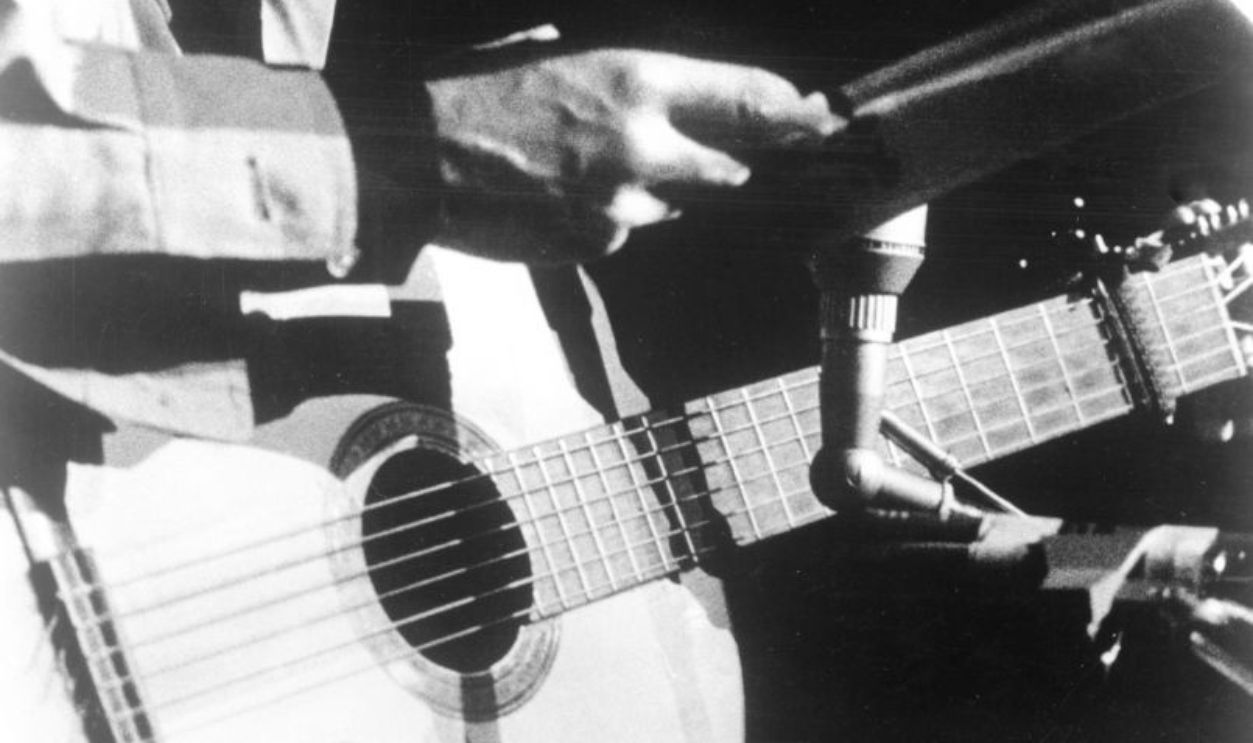
At 15, Leonard Cohen started playing the guitar. By 19, he was in a country band with some friends called the Buckskin Boys. They played square dances at church halls, wearing fringe jackets and fake ponytails. Cohen adored poetry, but his raging hormones had other plans. As he later admitted, “...with these little songs I wrote, I could impress myself and others—including girls”.
 Michael Ochs Archives, Getty Images
7. He Was A Boy Wonder
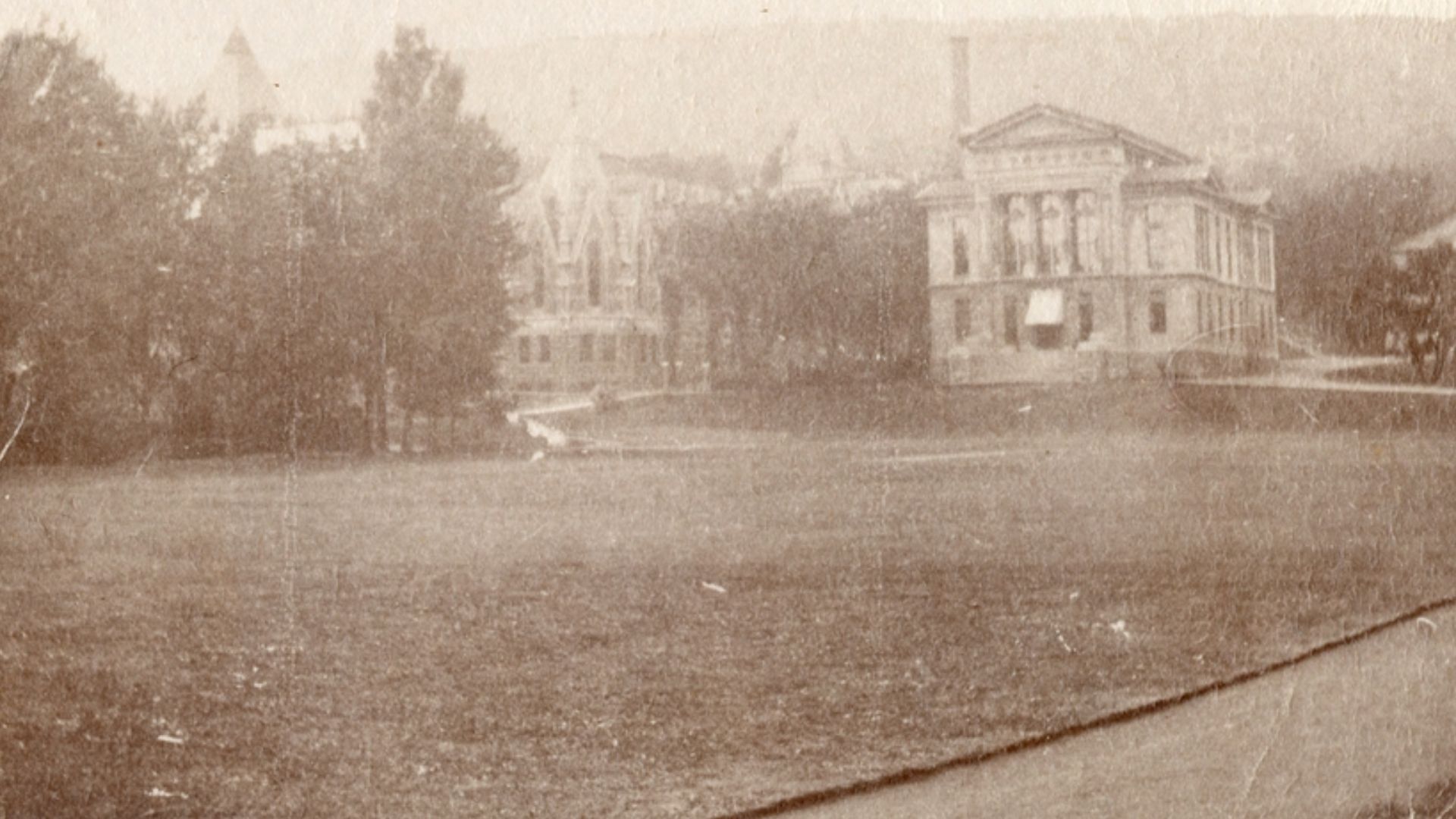
It’s not surprising that Cohen attended “Canada’s Harvard,” aka McGill University, but it is a little amusing to imagine the solemn poet as a fraternity bro at Zeta Beta Tau. While at McGill, poet Irving Layton spotted Cohen’s talent and took him under his wing. By 22, Cohen had published his first book, Let Us Compare Mythologies, which he dedicated to his late father.
One publication called it a “brilliant beginning”. Decades later, Cohen joked, “There are some really good poems in that little book; it’s been downhill ever since”. In some ways, he wasn’t wrong.
 Edwin Lester Brittain, Wikimedia Commons
8. He Had A Plan
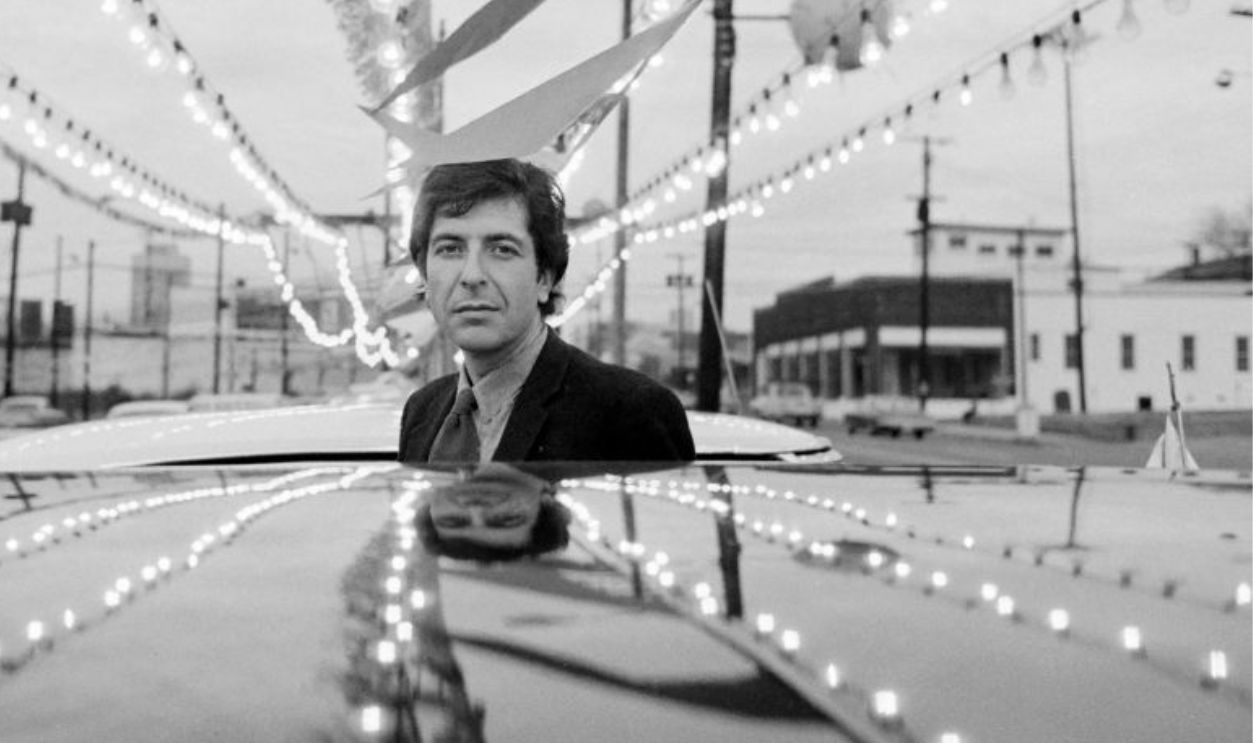
It would be years before Leonard Cohen wrote the lyric “First we take Manhattan,” but in 1956, fresh out of McGill University, that’s exactly what he did. His family could take comfort in the fact that he had enrolled in graduate studies at Columbia University, but that was just a cover. Cohen’s real plan was to go to New York and become a serious writer.
Within months, he was swept up in the city’s wild energy—for better or for worse.

History's most fascinating stories and darkest secrets, delivered to your inbox daily.
9. He Bit Off More Than He Could Chew
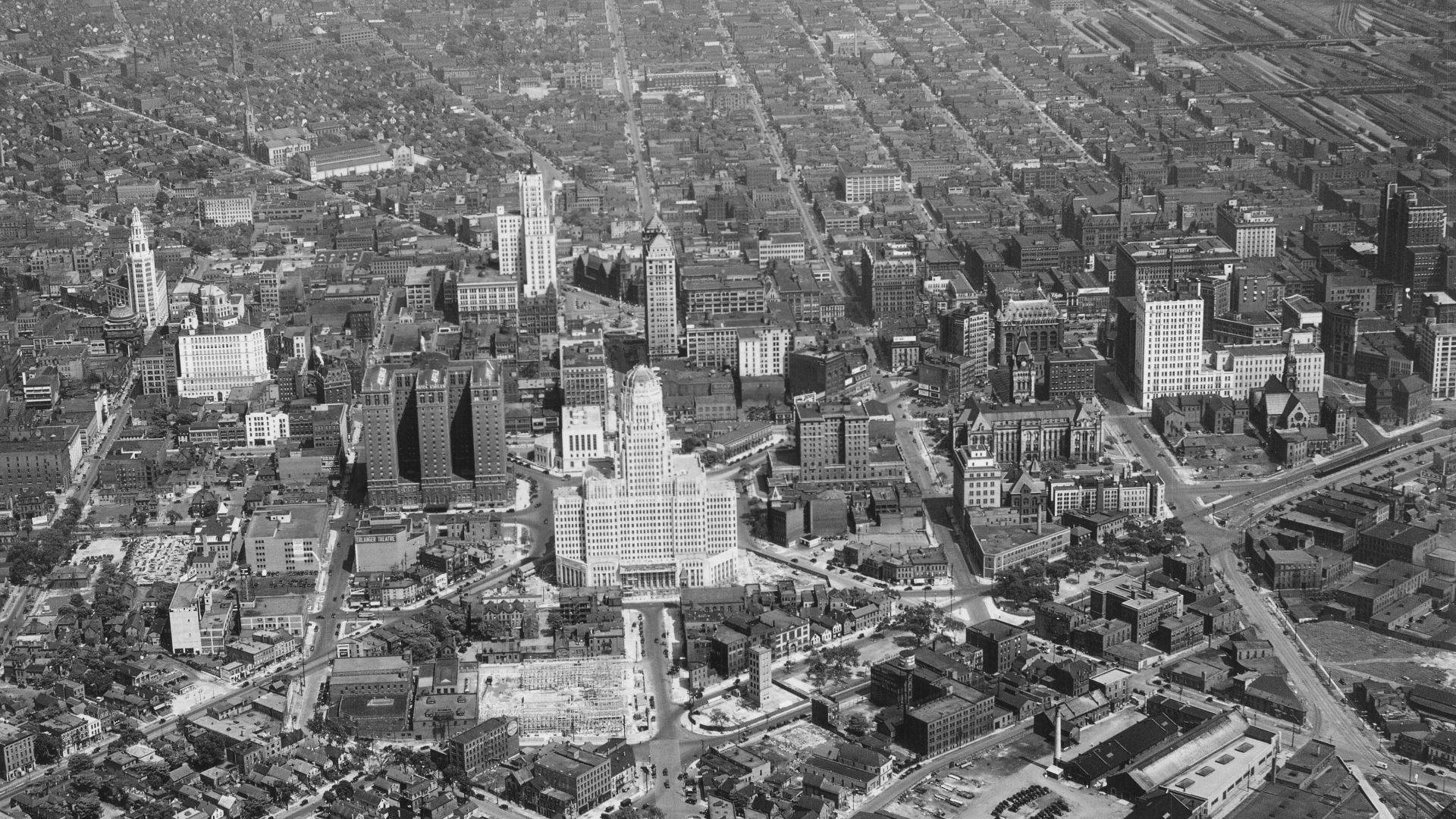
When Cohen hit New York, he was like a kid in a candy store—especially when it came to romance. Before long, he was juggling three women at once: a nurse, a childcare worker, and a fellow student. What could be better than being young, wealthy, and in love (x3) while chasing your writerly dreams in the Big Apple?
Too bad amid all of the glitter and excitement, Cohen’s first real darkness was already closing in.
 Unknown authorUnknown author or not provided, Wikimedia Commons
10. He Needed A Therapist
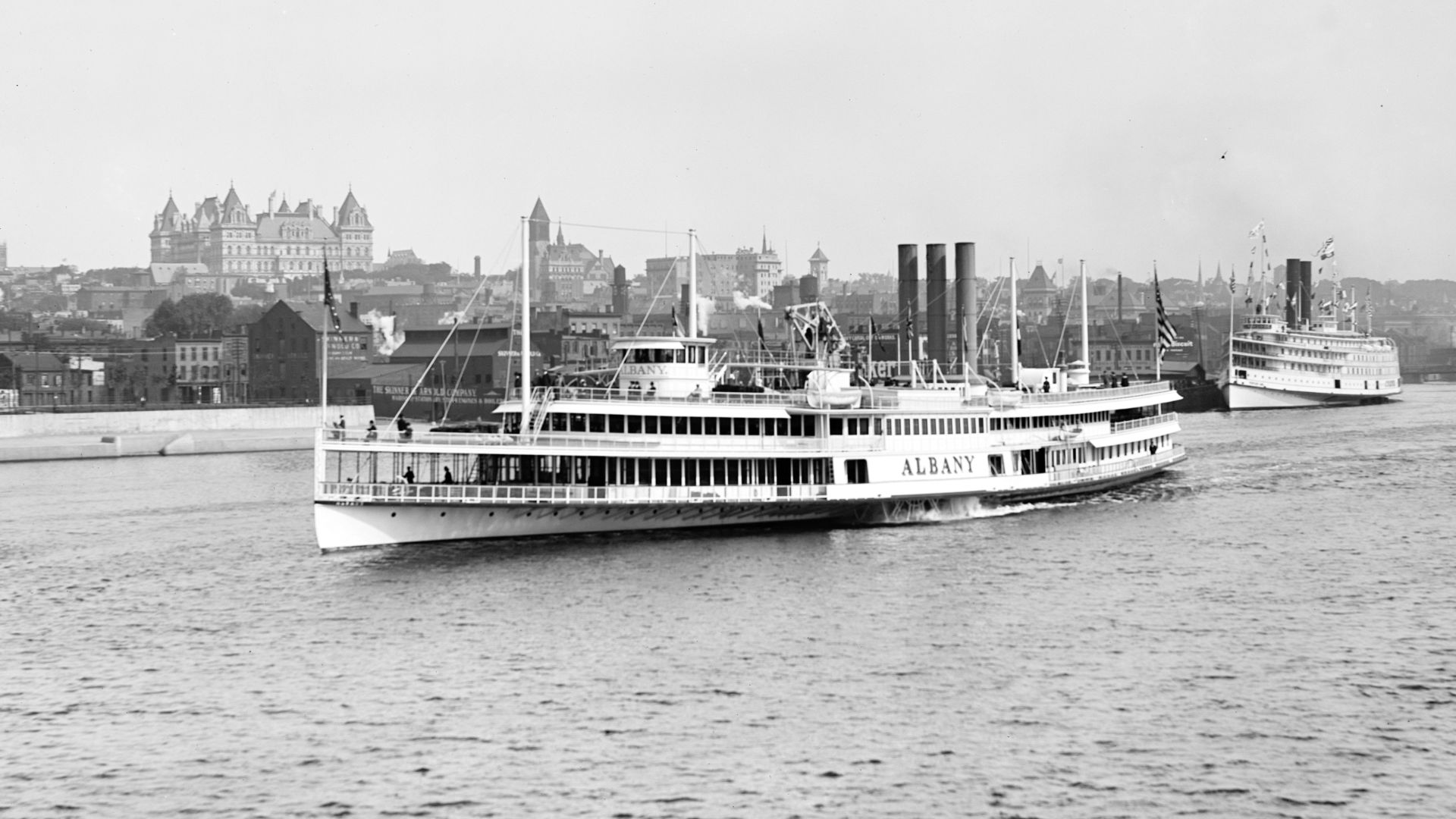
While studying at Columbia, Cohen faced his first serious depression. In those days, his mother's remedy for a dark mood was simple: shave—you’ll feel better. In New York, things ran even deeper. Staring out his window at the Hudson River, he wrote a poem called “The Shaving Ritual”. Little did the future “Godfather of Gloom” know that the darkness was just getting warmed up.
 Detroit Publishing Company, Wikimedia Commons
11. He Was Running Down A Dream (In Style)
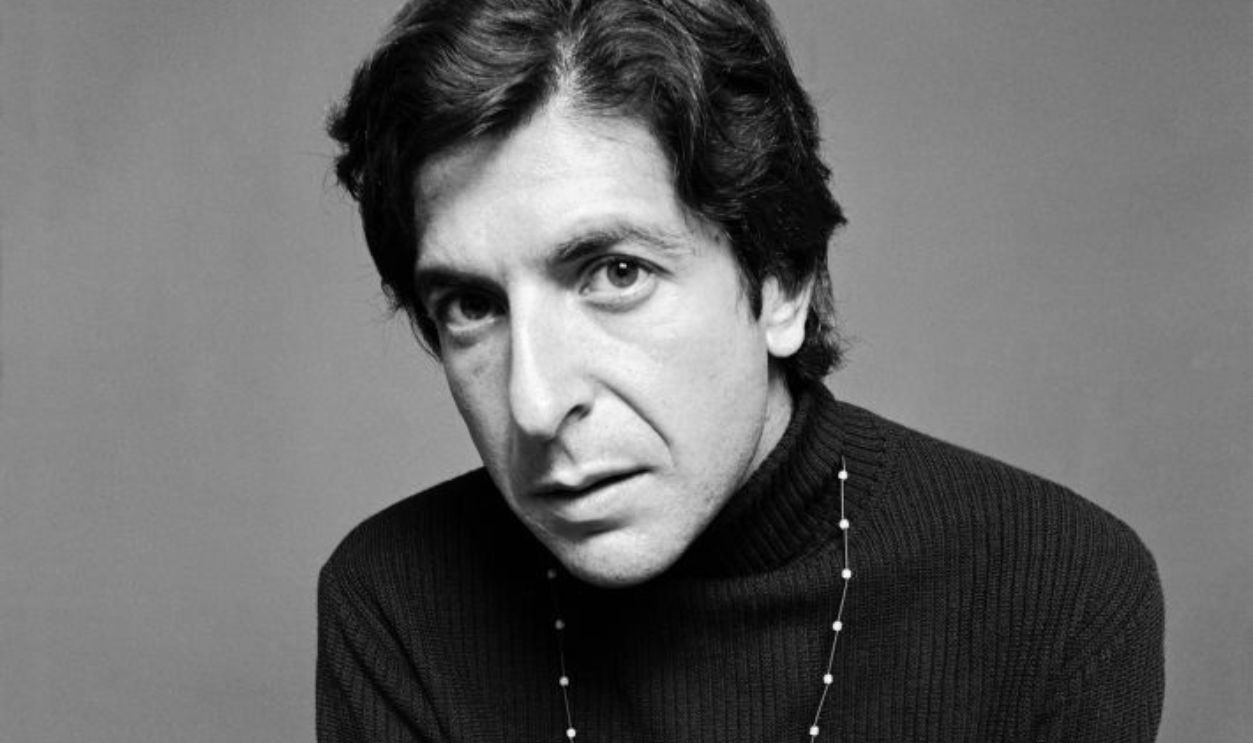
Of his time at Columbia, Leonard Cohen later said it was “passion without flesh, love without climax”. After only a year, he returned to Montreal. Then, in 1960, he received a grant from the Canada Council for the Arts and headed to London. His first purchases say a lot about him: an Olivetti typewriter and a soon-to-be-famous blue Burberry raincoat.
He’d need it for London’s endless rain—at least until a chance encounter changed everything.
12. He Was Grinding
The 25-year-old Burberry-wearing poet had locked himself in a damp British garret (well, a boarding house), with a goal of three pages a day, determined to become a serious writer. It was the classic starving-artist fantasy except Cohen wasn’t starving, and London’s gray skies were starting to wear thin.
It all went out the window after Cohen complimented a bank teller on his remarkable tan. When he learned the teller had just been in Greece, Cohen booked a flight almost immediately.
 Gijsbert Hanekroot, Getty Images
13. He Stumbled Into Paradise
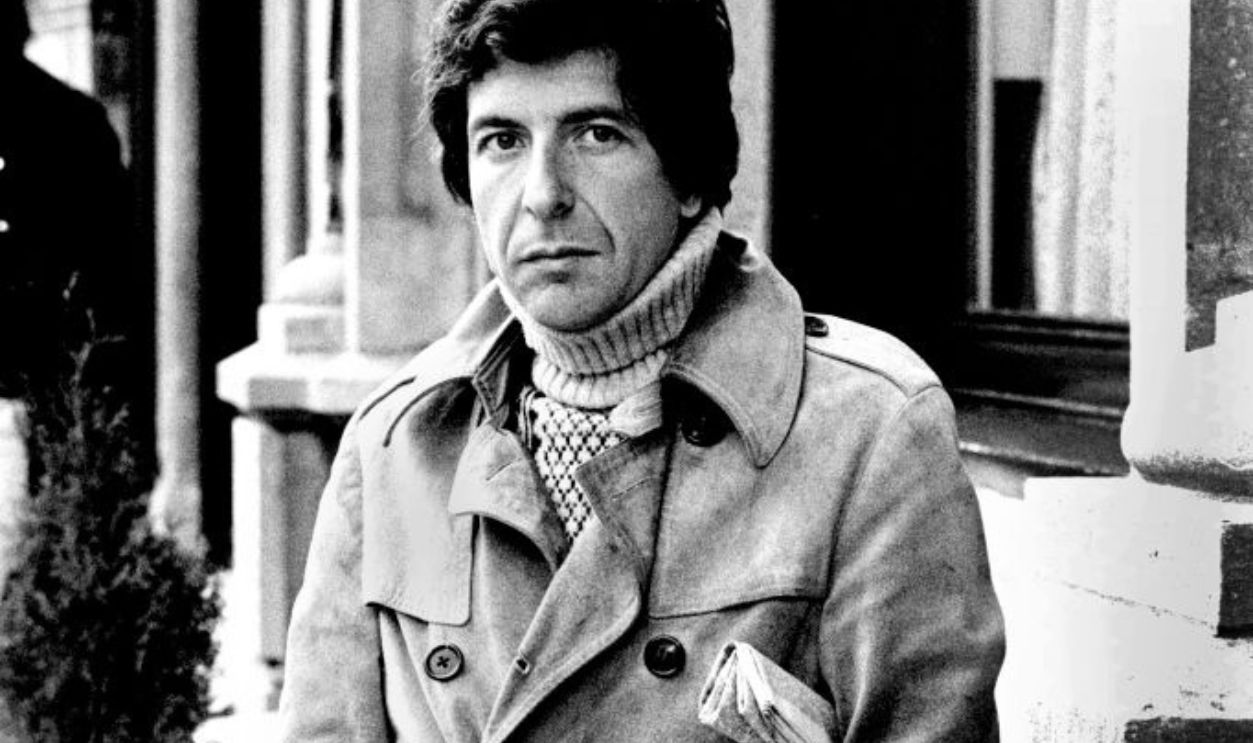
When Leonard Cohen stepped off a ferry onto the tiny Greek island of Hydra, it was like he had wandered into another universe. The harbor glittered in the sun, whitewashed houses dotted the hills, and the cafés were full of artists from around the world. For the sad poet who had drifted there from dreary London by way of snow-covered Montreal, it was heaven—but Hydra would soon change Cohen’s life in ways he never imagined.

14. He Worked Hard…
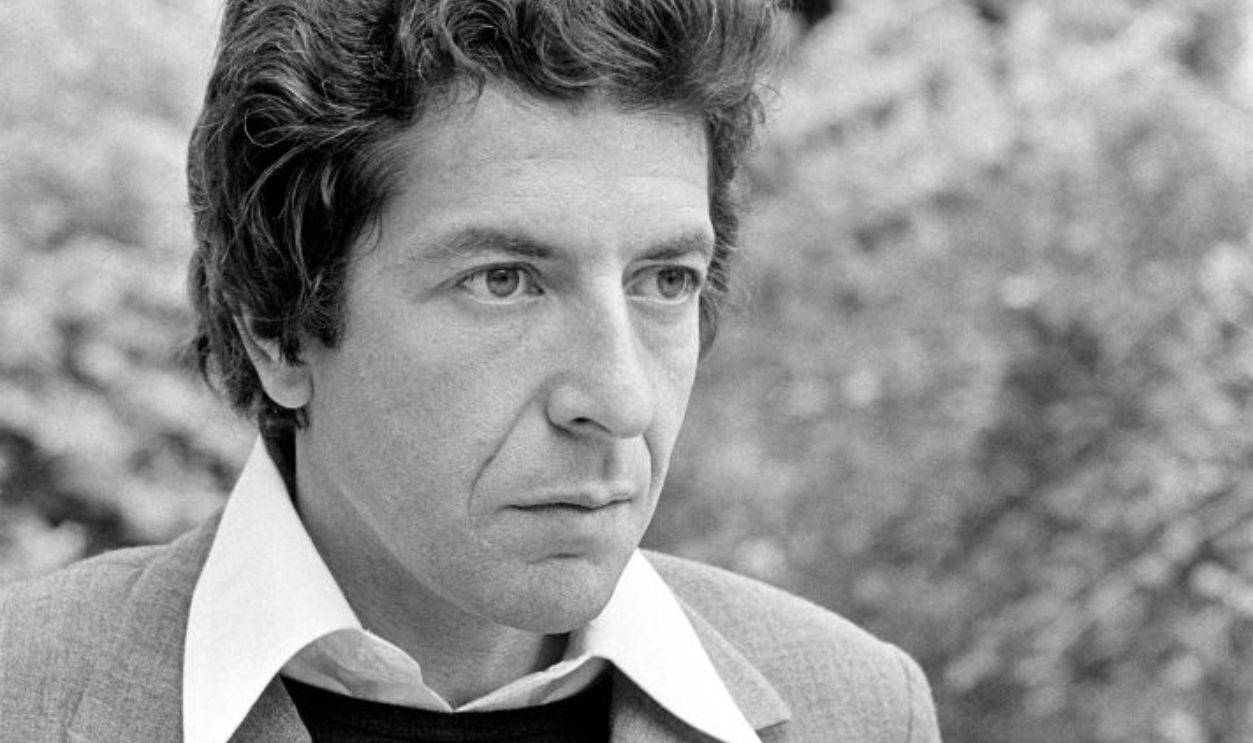
Despite the idyllic surroundings, Cohen found his groove on Hydra. With no electricity, no phone, and barely any running water, the only distractions were the mules braying in the car-free laneways. Cohen would go to sleep at 3 am, wake up at 6 am, and then write for hours. Afterward, he’d swim in the sea, eat at a harbor café, and then grab a nap before happy hour.
Of course, that type of schedule takes a certain…energy.
15. He Played Even Harder
Life on Hydra may have been low-tech, but it wasn’t short on chemical inspiration. Leonard developed a fondness for Maxiton (a form of speed) and Mandrax, a sedative to help take the edge off afterward. He also experimented with acid, hash, and opium. As Leonard Cohen later recalled, “I took trip after trip, sitting on my terrace in Greece, waiting to see God”.
Soon enough, Leonard would be the one making an appearance—bathed in almost holy light.
16. He Found His Angel
Leonard loved women—full stop. It didn’t matter if they were single, married, or pushing a stroller. Enter: the famous Marianne Ihlen. One day, in a local shop on Hydra, she looked up to see Cohen poised in a doorway with the sunshine beaming behind him. He invited her to join him and his comrades. Marianne later said he radiated an “enormous compassion for me and my child”.
In that moment, the striking Norwegian beauty stepped into Leonard’s orbit—and neither of their lives would ever be the same.
17. He Played Musical Beds
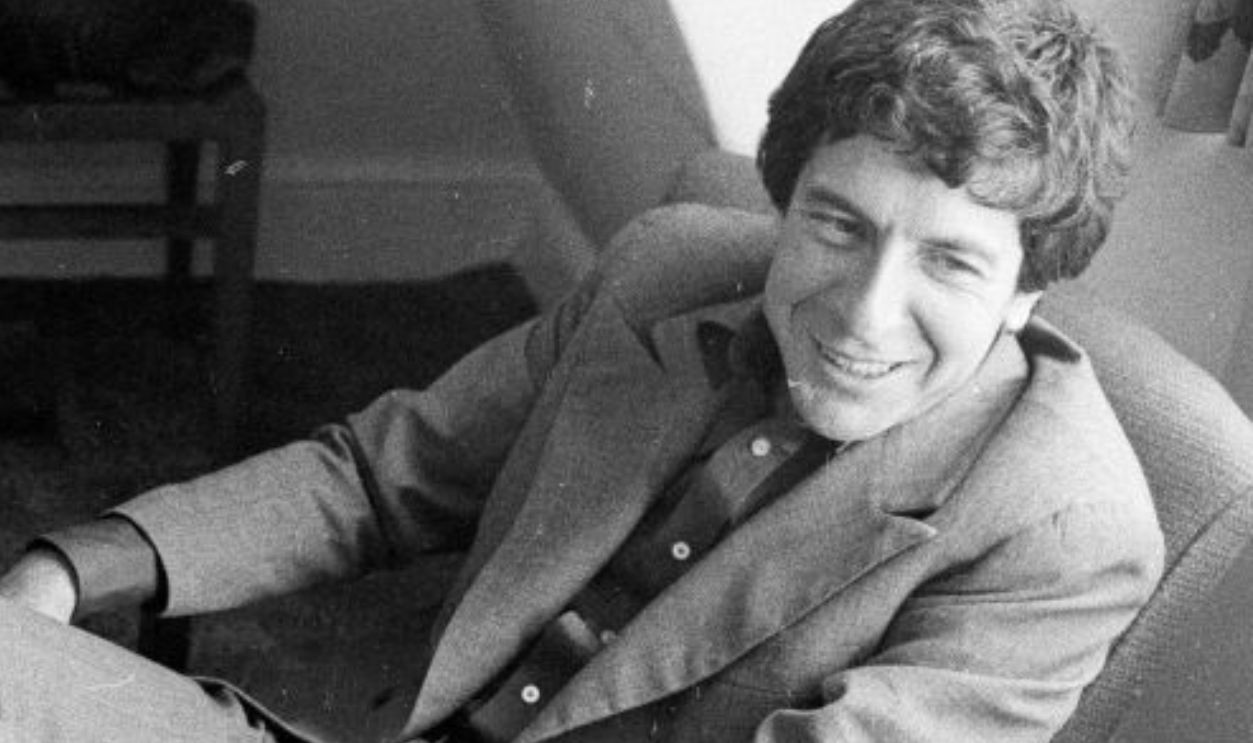
Even though Leonard was living on Hydra in the early 1960s, pre-Summer of Love and widespread birth control, the island’s bohemian crowd was famously, um, free-spirited. Leonard Cohen quickly earned a reputation. At one painfully awkward dinner, Cohen arrived with Marianne, only to discover that he had already slept with two of the women sitting at the table.
Marianne was starting to realize exactly what kind of man she had fallen for.
18. He Had To Tread Carefully
Marianne Ihlen hadn’t come to Hydra looking for love. And she 100% wasn’t looking for another tormented author. Her husband, writer Axel Jensen, had abandoned her for another woman when their son was just four months old, leaving Marianne stranded and heartbroken on the island. When fate placed Cohen on that sunlit threshold—everything changed.
Before long, they were living together—an instant happy family. But whenever love started to settle in, Cohen had a habit of drifting away.
19. His Heart Was Restless
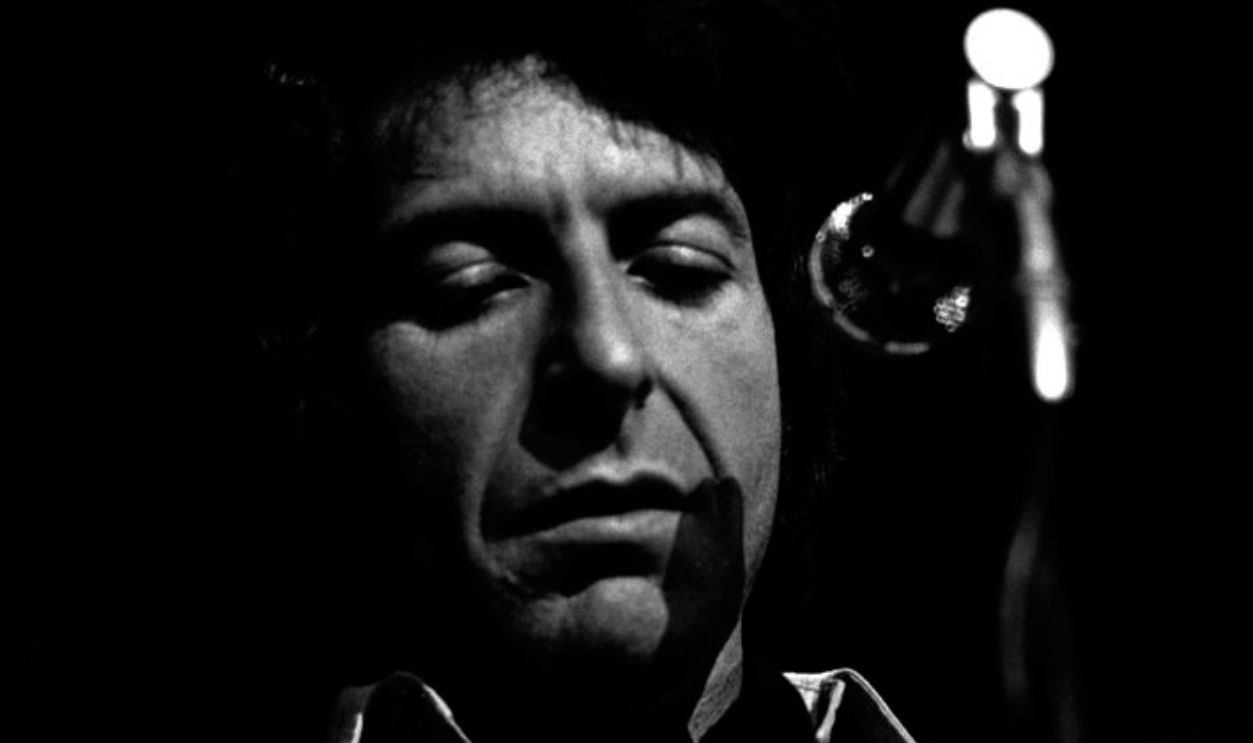
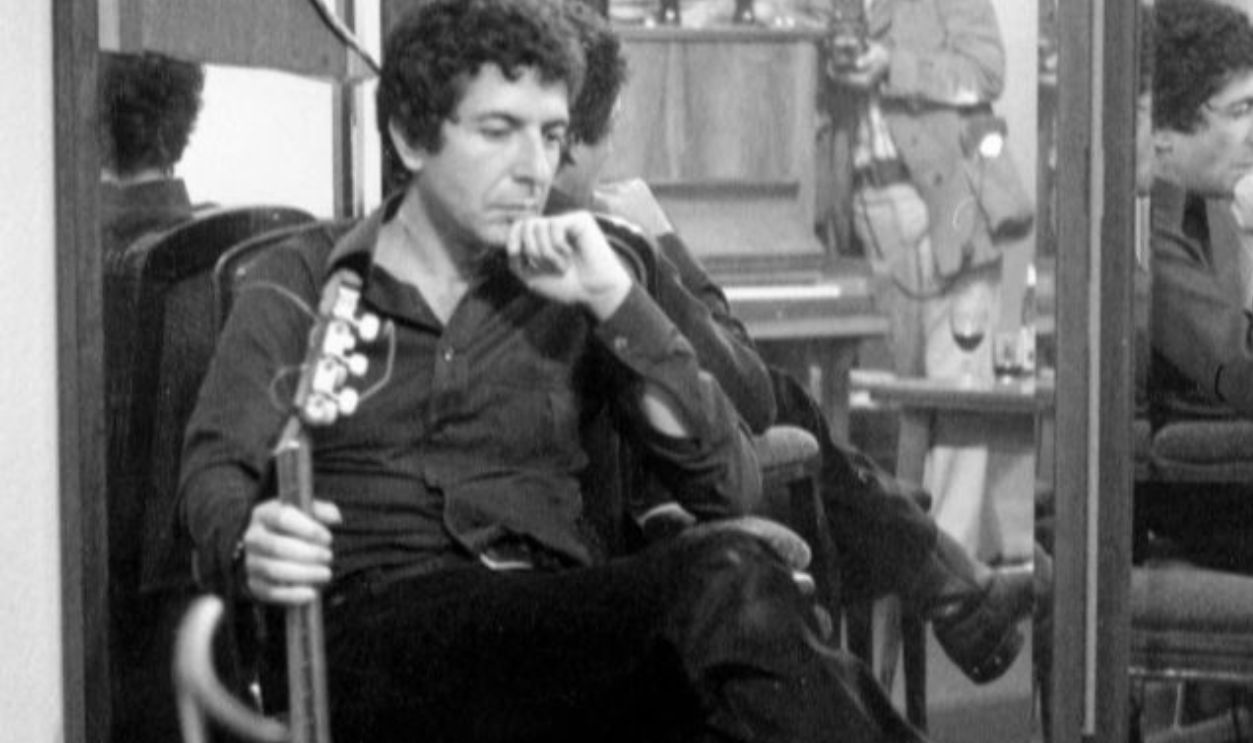
Marianne and Leonard made quite a pair. She was the striking blonde muse, and he was the guitar-strumming poet with simmering magnetism. Much to Marianne’s frustration, women were always circling Leonard Cohen. According to legend, one distraught admirer even threw herself into the harbor as Cohen boarded a ferry for the mainland.
“All the girls were panting for him,” Marianne later recalled. “I would dare go as far as to say that I was on the verge of [offing] myself due to it”.
 Hans-Jurgen Dibbert - K & K, Getty Images
20. She Would Do Anything For Him
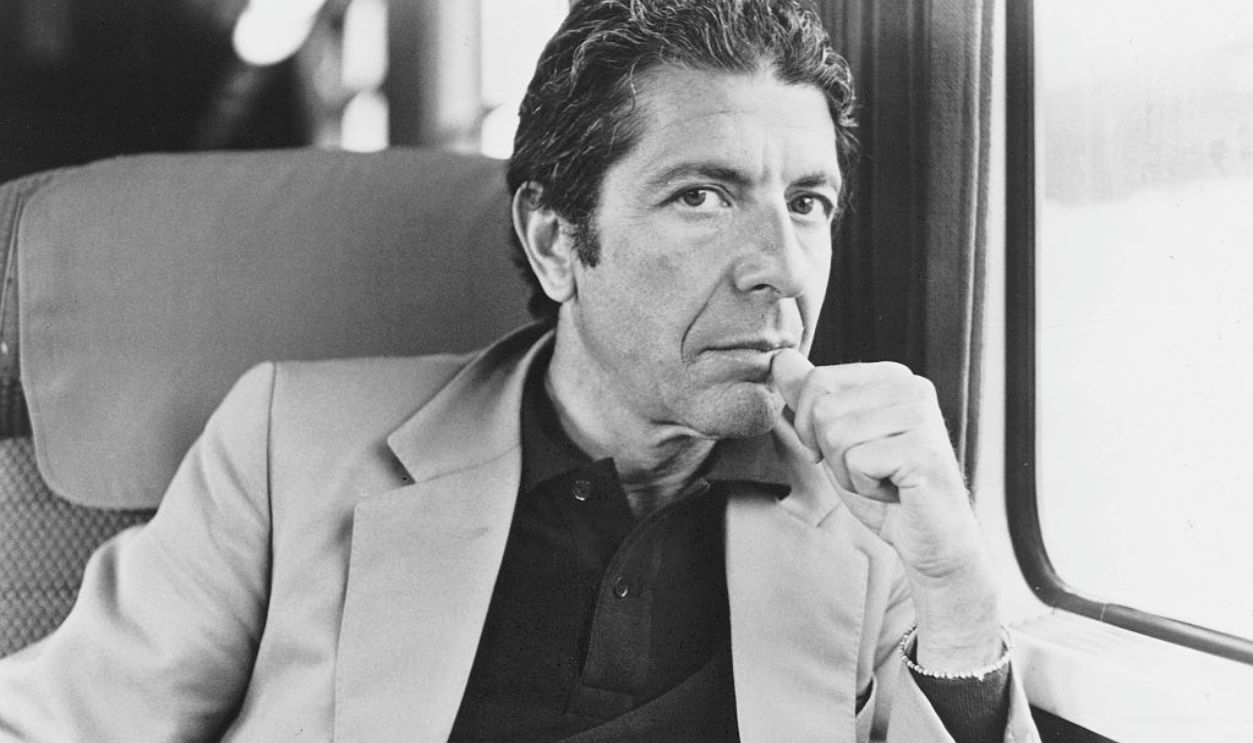
Knowing that several “understudies” were waiting for Leonard’s spotlight pushed Marianne into a painful place. During their time together, she became pregnant several times. But Cohen had made it clear that he didn’t want more children, and Marianne didn’t want to tie him down. So quietly and painfully, she chose not to have them.
 ullstein bild Dtl., Getty Images
21. He Said So Long…For Now
Neither Leonard nor Marianne was entirely innocent. Over the years, both had affairs, and they fought just as passionately as they loved. Even paradise on Hydra couldn’t hold them together. After eight years, their relationship slowly fell apart like “falling ashes” as Leonard later described it. But the house, the island, and Marianne herself remained part of his world.
Even after “So Long, Marianne,” she remained a muse and a memory he could never fully leave behind.
22. He Reurrected His Inner Buckskin Boy
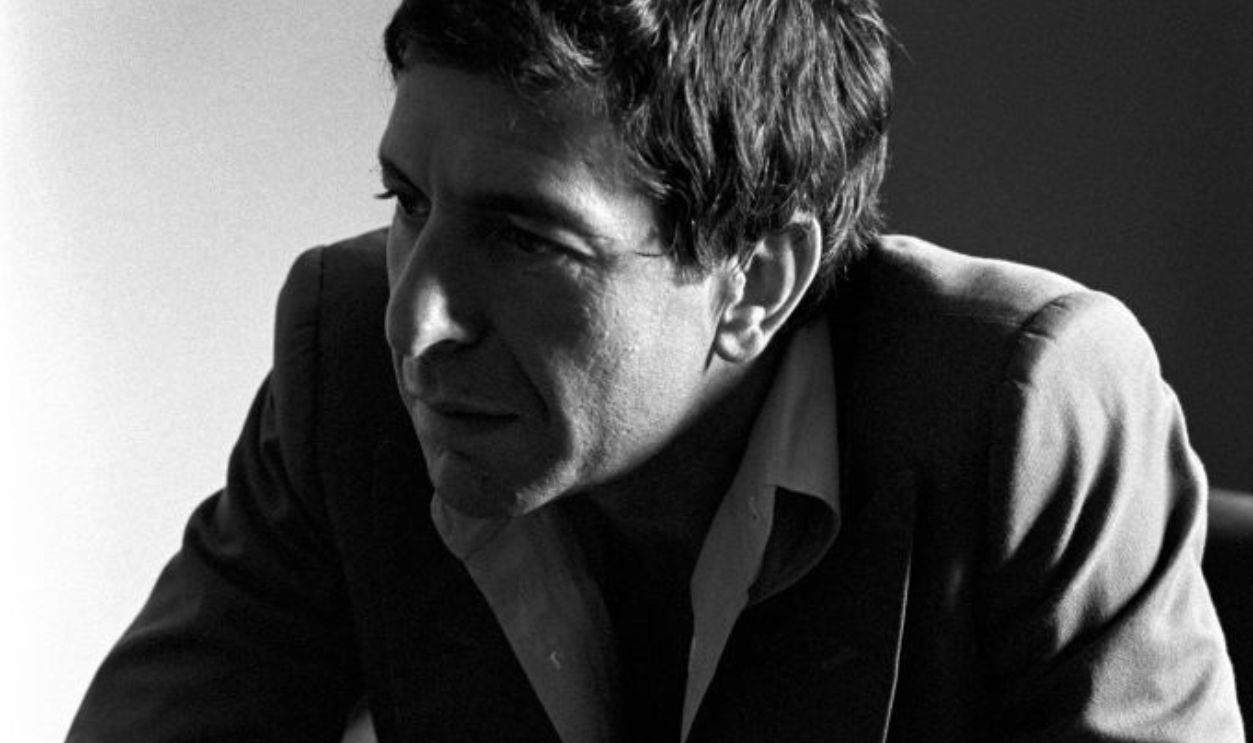
By 32, most men in the 1960s were settling down. But Leonard Cohen had just walked away from Marianne and her son—“the precious ones I overthrew / for an education in the world”. It was clear no one could domesticate him. Family wasn’t enough. Success on the Canadian literary scene wasn’t enough either. As quiet and self-effacing as he seemed, Cohen was also fiercely ambitious.
He decided to put on his big-boy pants and return to the city that had chewed him up and spit him out once before, but this time as a singer-songwriter.
23. He Checked In To Chaos
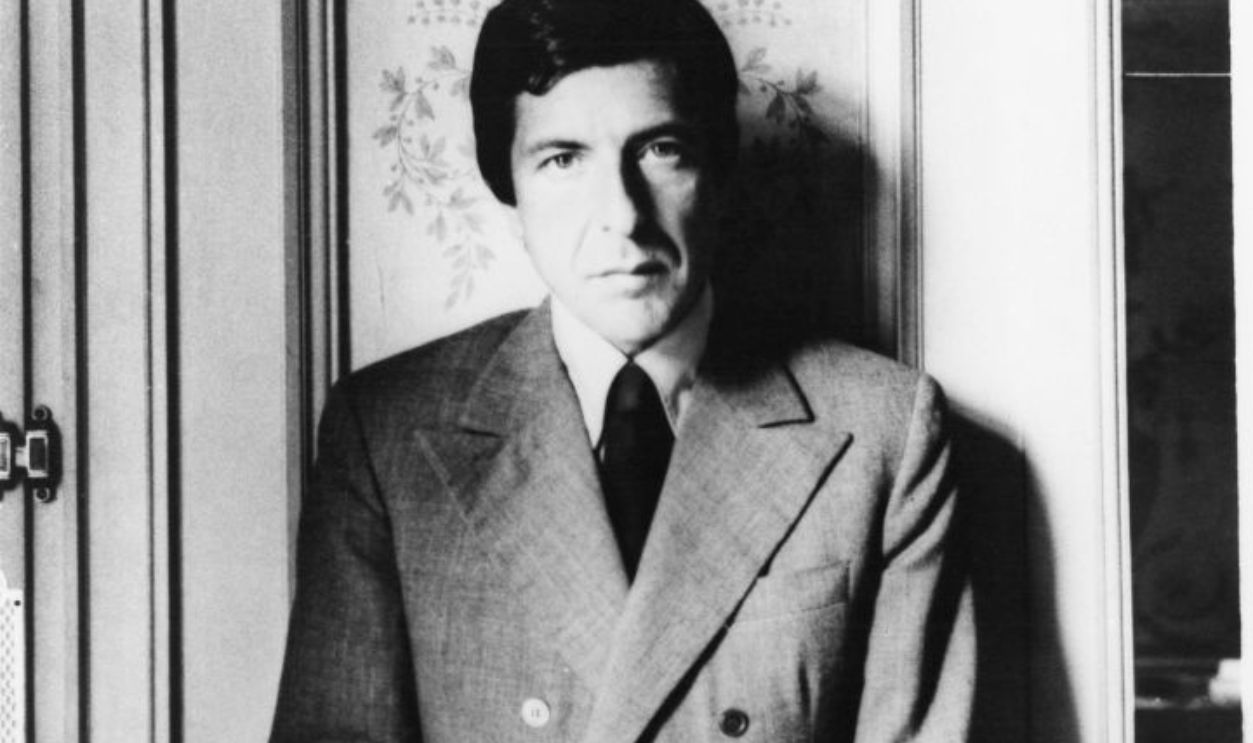
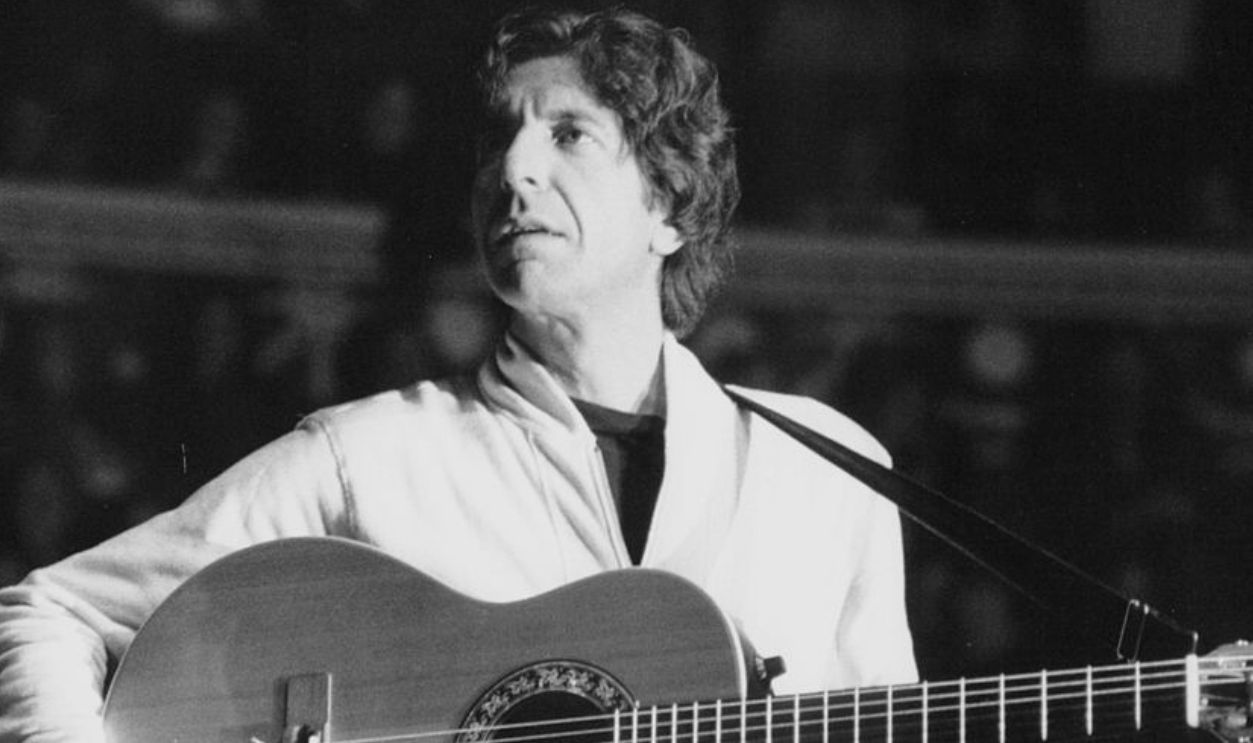
When Cohen arrived in New York, he moved into the legendary Chelsea Hotel. Part museum and part madhouse, it was full of artists, writers, and bohemians. Arthur Miller once praised it as a place with “no vacuum cleaners, no rules, no shame”. Cohen’s fourth-floor setup was spartan: a bare bulb, a hot plate, and a sink where it took ten seconds for the rust-brown water to run clear.
By the 1960s, the place was crawling with musicians like Jimi Hendrix, Bob Dylan, and Janis Joplin. Cohen was in heaven—and his big break was just around the corner.
 Ludmila Zellner Rotbauerová, Wikimedia Commons
24. He Wasn’t Ready
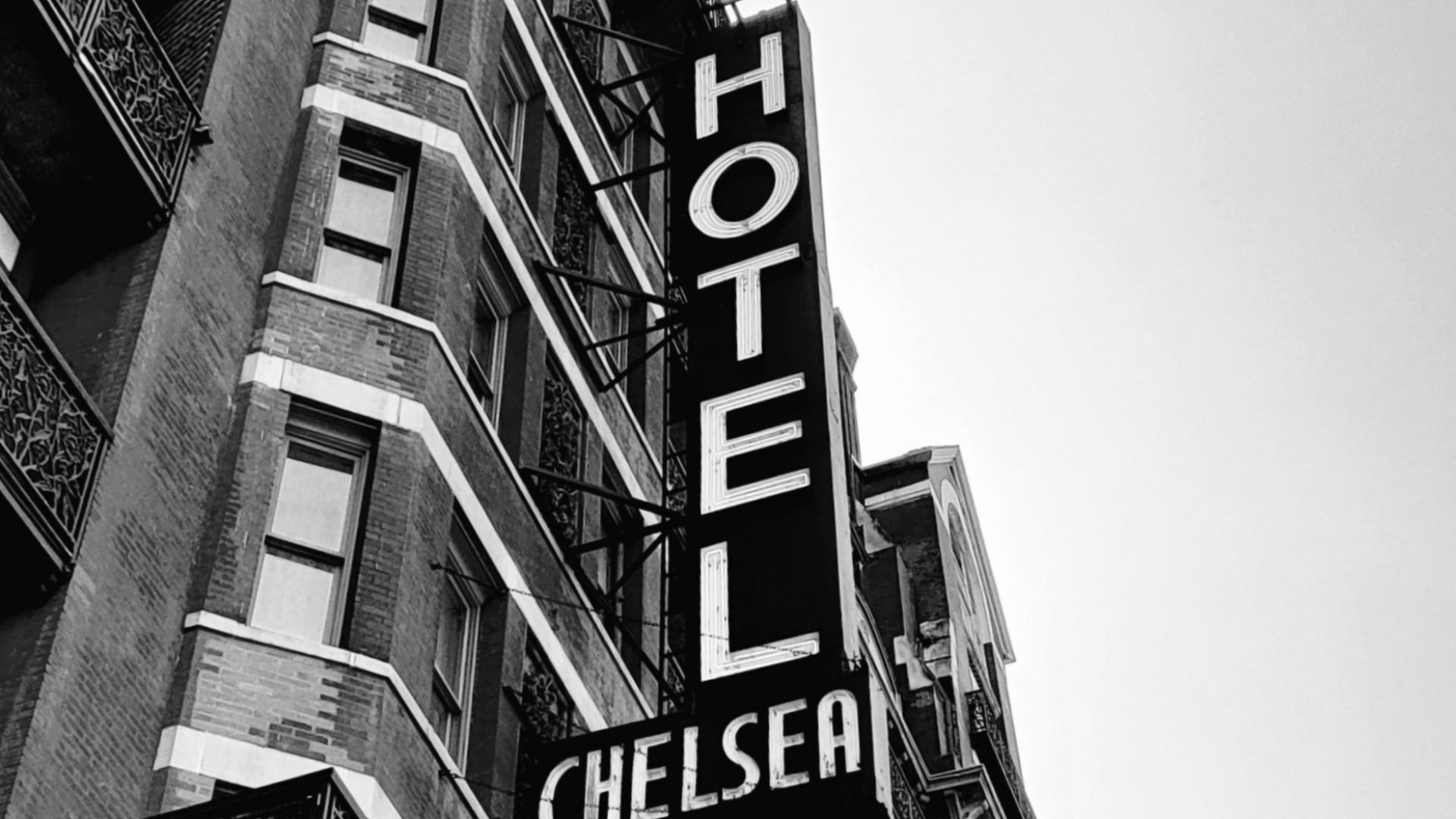
By day, Leonard Cohen would lock himself up in the boho frat house that was the Chelsea Hotel and write. By night, he’d hang out in small clubs, trying to break into the folk scene. Then folk singer Judy Collins heard him sing a haunting song called “Suzanne”. She was so impressed that she invited him to perform at a major fundraiser—on the same bill as Jimi Hendrix.
As soon as he was staring success right in the face, he tried to back away.
25. He Was His Own Worst Enemy
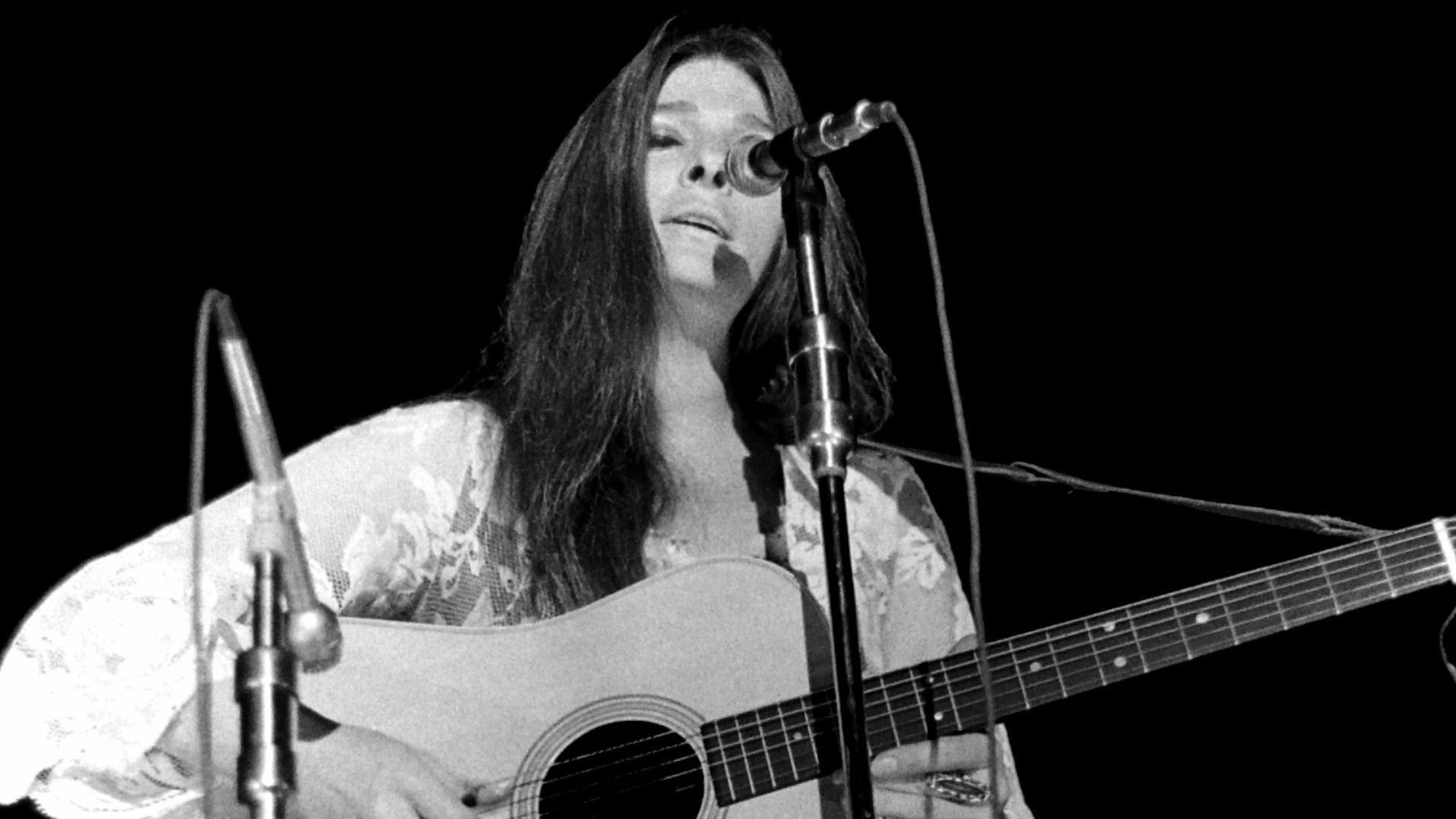
Cohen had a nasty habit of getting in his own way, and this was one of those occasions. Despite having his very own cheerleader in the form of folk star Judy Collins, he had a monumental lack of confidence. When he finally made his first official debut at her New York fundraiser, Collins watched nervously from the wings as his legs shook inside his pants.
He barely made it through the first verse of “Suzanne” before stopping, mumbling something, and running off the stage.
26. He Was Meltling Down
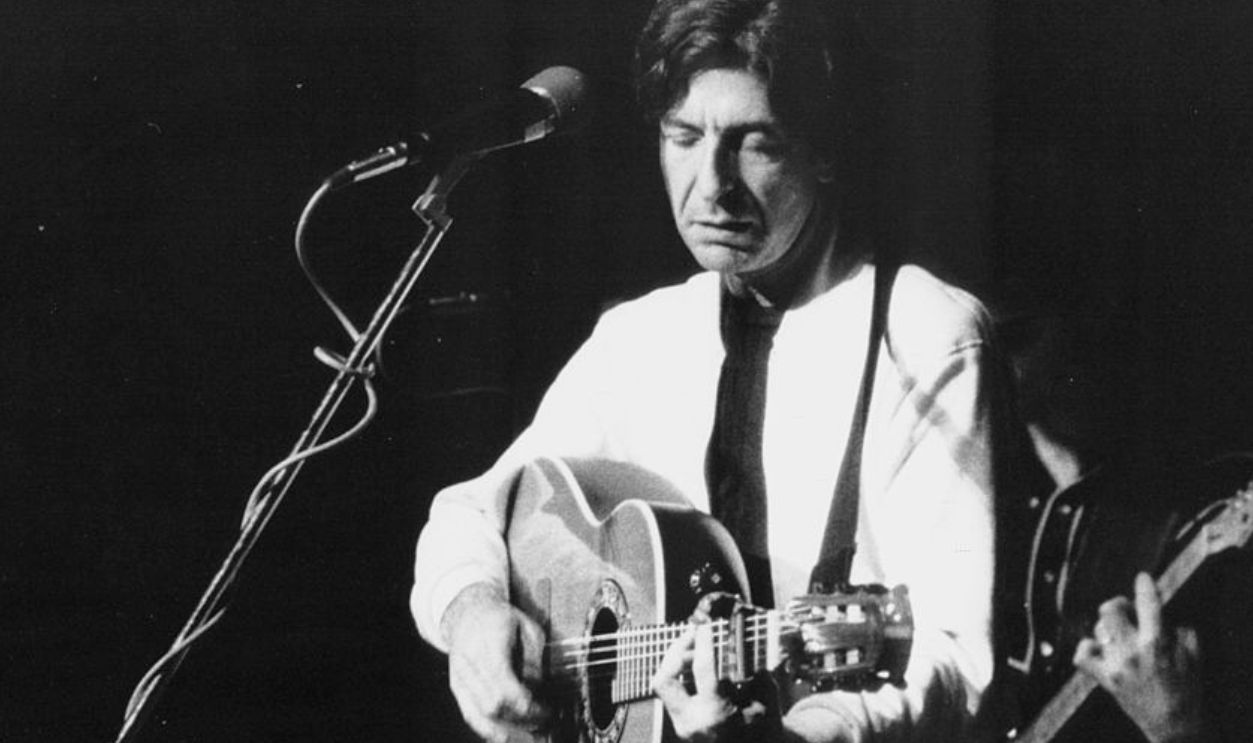
Leonard Cohen was no longer on Hydra, strumming his guitar for his friends at the café. This was New York, and the biggest break of his life. Unfortunately, he was on the verge of blowing it. Backstage, Cohen insisted he couldn’t go on, but Collins refused to let him quit. This time, with the crowd cheering, the trembling poet finished “Suzanne”.
Even though the performance wasn’t perfect, it was too powerful to ignore. And before long, an even bigger opportunity came knocking.
27. He Was Making Waves
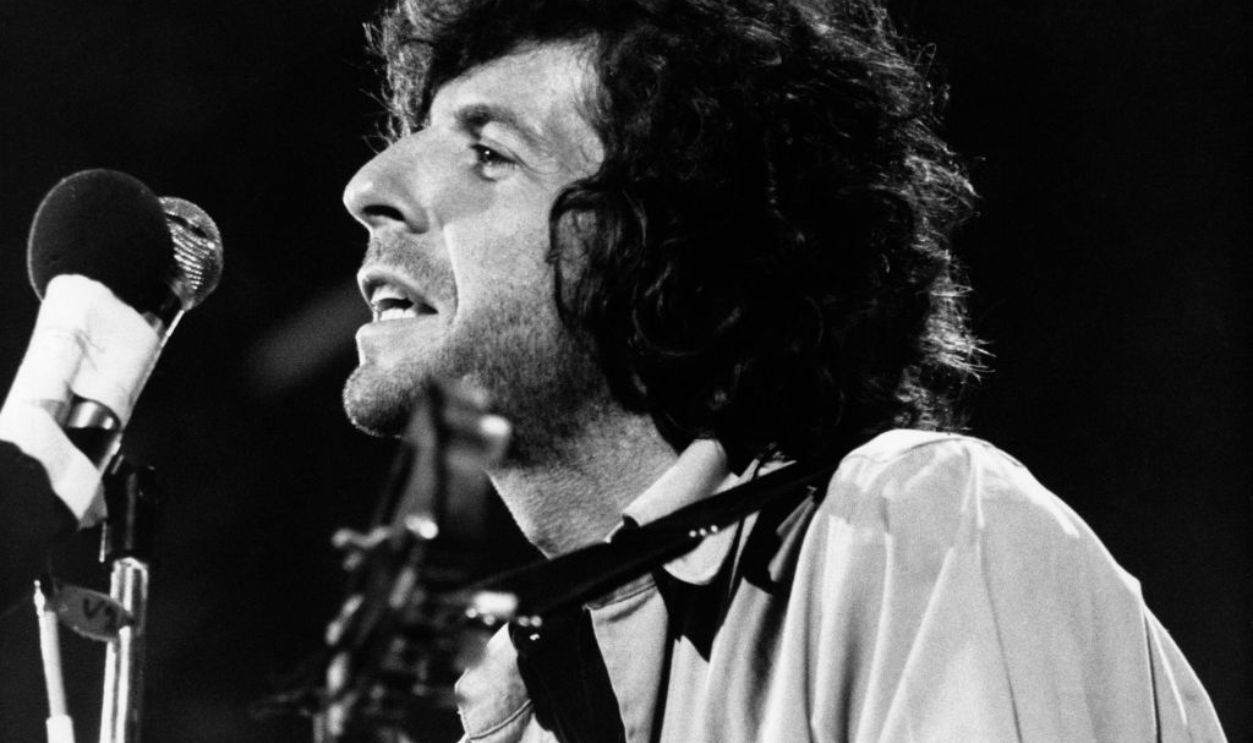
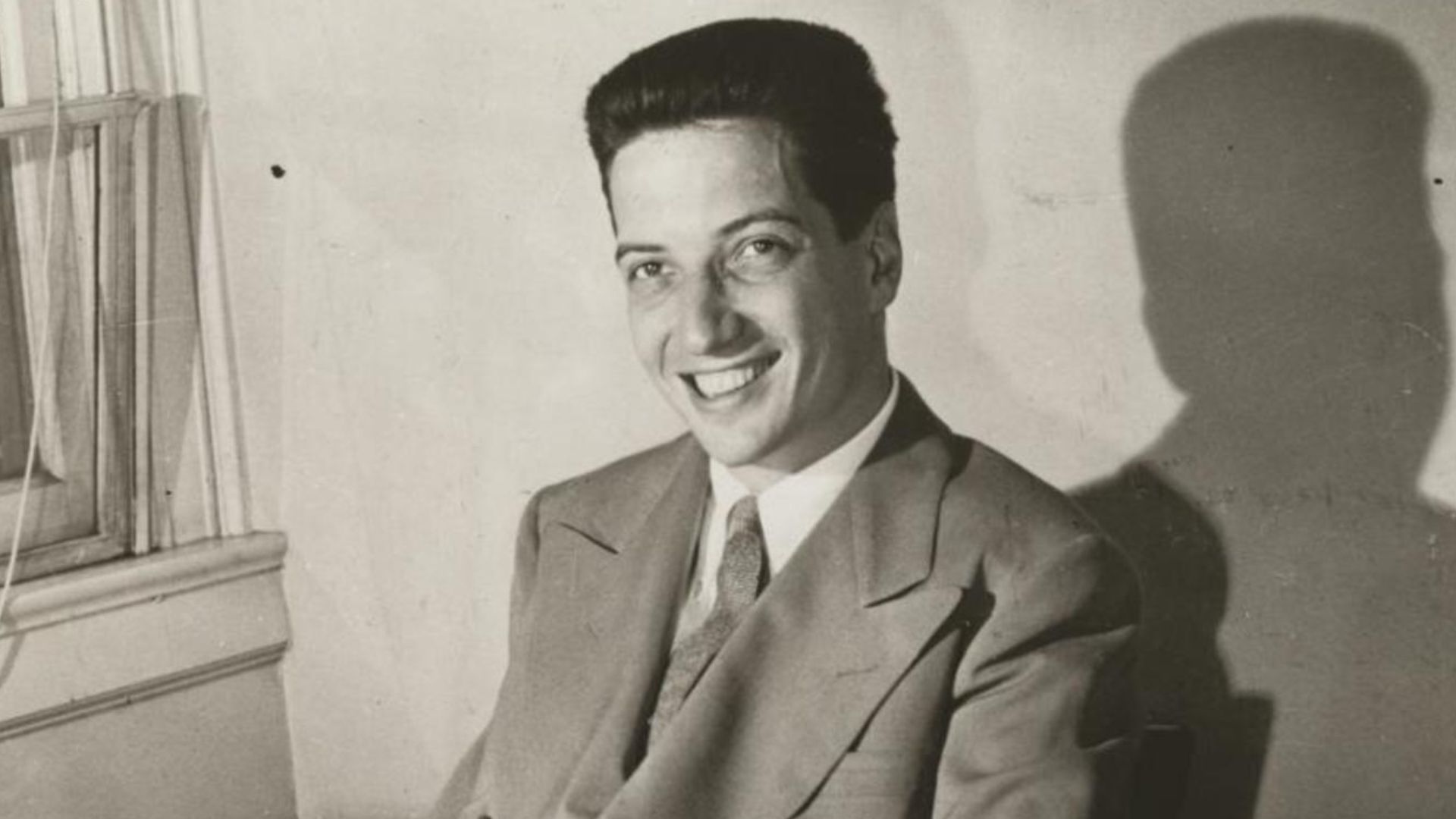
Leonard may have been a diamond in the rough, but fate soon placed him in the path of the perfect talent spotter. In the 1960s, John Hammond was one of the most powerful A&R reps in music. He’d already launched artists like Billie Holiday and Pete Seeger—and he famously discovered Bob Dylan before “Blowin’ in the Wind”.
So, when Hammond started hearing buzz about a poet-turned-songwriter named Cohen, he decided to hear the man for himself.
 AnonymousUnknown author, Wikimedia Commons
28. He Had The Audition Of A Lifetime
John Hammond invited Leonard Cohen to lunch, and afterward they walked back to Cohen’s room at the Chelsea, so he could play Hammond a few songs. Perched on the edge of his bed, under a single overhead bulb, Cohen played for nearly an hour while Hammond sat in the room’s only chair, eyes closed, listening in silence.
When Cohen finally finished, Hammond opened his eyes, smiled, and simply said: “You’ve got it”. Too bad not everything came to him so easily.
29. He Was Blocked
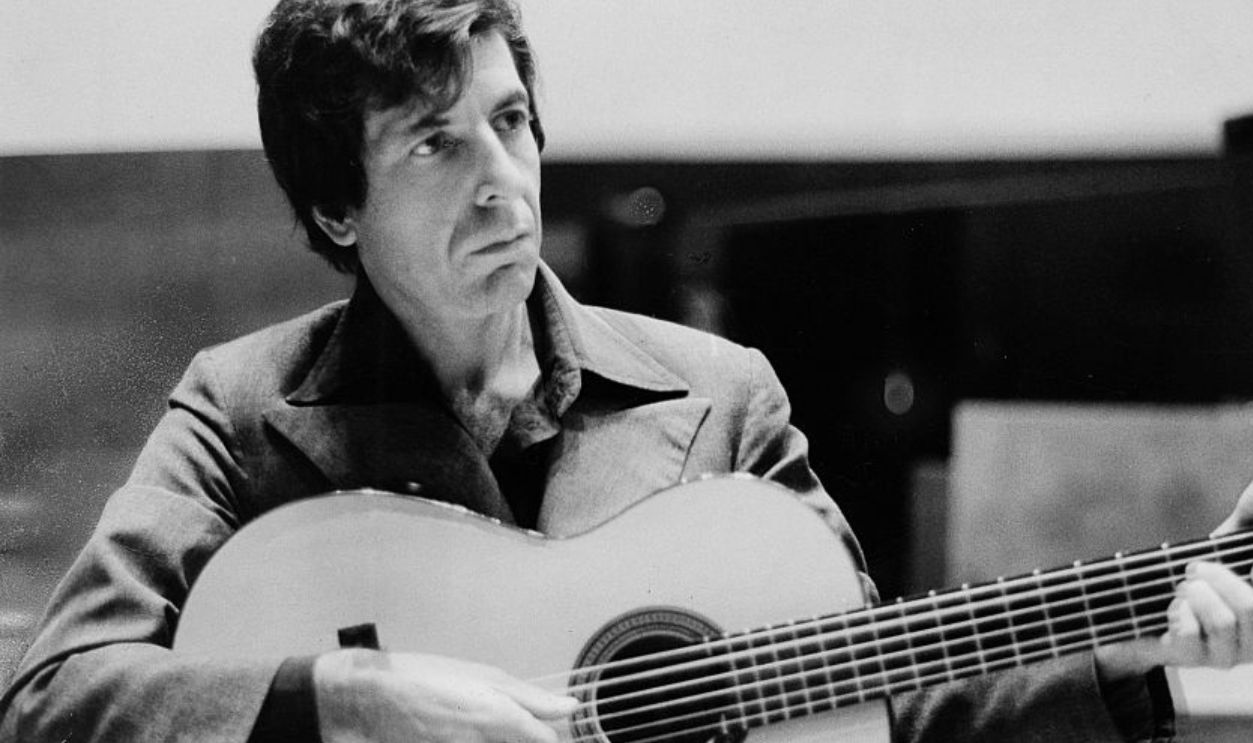
Signing with Columbia Records might have been easy, but recording the album? Not so much. Leonard Cohen would lock himself in his Chelsea Hotel room, puffing on substances and wondering if New York had finally beaten him. When he did emerge, the city—and the hotel’s wild characters—made sure nothing was ever calm.
 Gijsbert Hanekroot, Getty Images
30. He Walked On The Wild Side
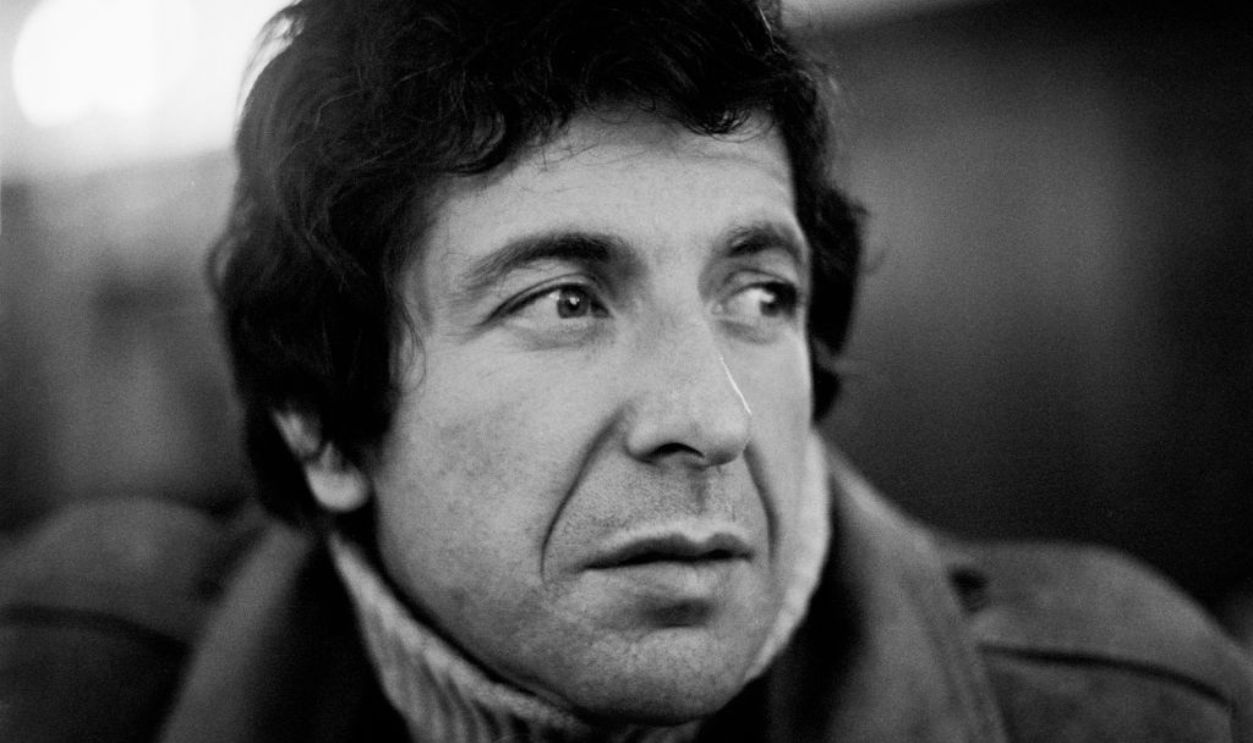
While the label waited for his album, Cohen hung out on the fringes of Andy Warhol’s Factory crowd. When he met Warhol muses Edie Sedgwick and Bridgid Polk, they were gluing sequins into coloring books—one at a time—by candlelight. Polk also had a sketchbook where she would ask people to draw their privates. Instead of joining Jane Fonda and Basquiat, Cohen wrote, “Let me be the shy one in your book”.
 Unknown authorUnknown author, Wikimedia Commons
31. He Would Try Anything
All through his life, women succumbed to Cohen’s pull—but the singer Nico, also part of Warhol’s crowd, kept him firmly in the friend zone. She repeatedly turned him down, once even hitting him so hard he took flight. Still, she inspired songs like “Take This Longing” (Yeah, that tracks). A frustrated Cohen resorted to a trip to the voodoo shop in hopes of casting a love spell.
He later admitted to marrying the wax of two candles and the smoke of two sandalwood cones, but it “resulted in nothing at all”.
32. He Was Restless
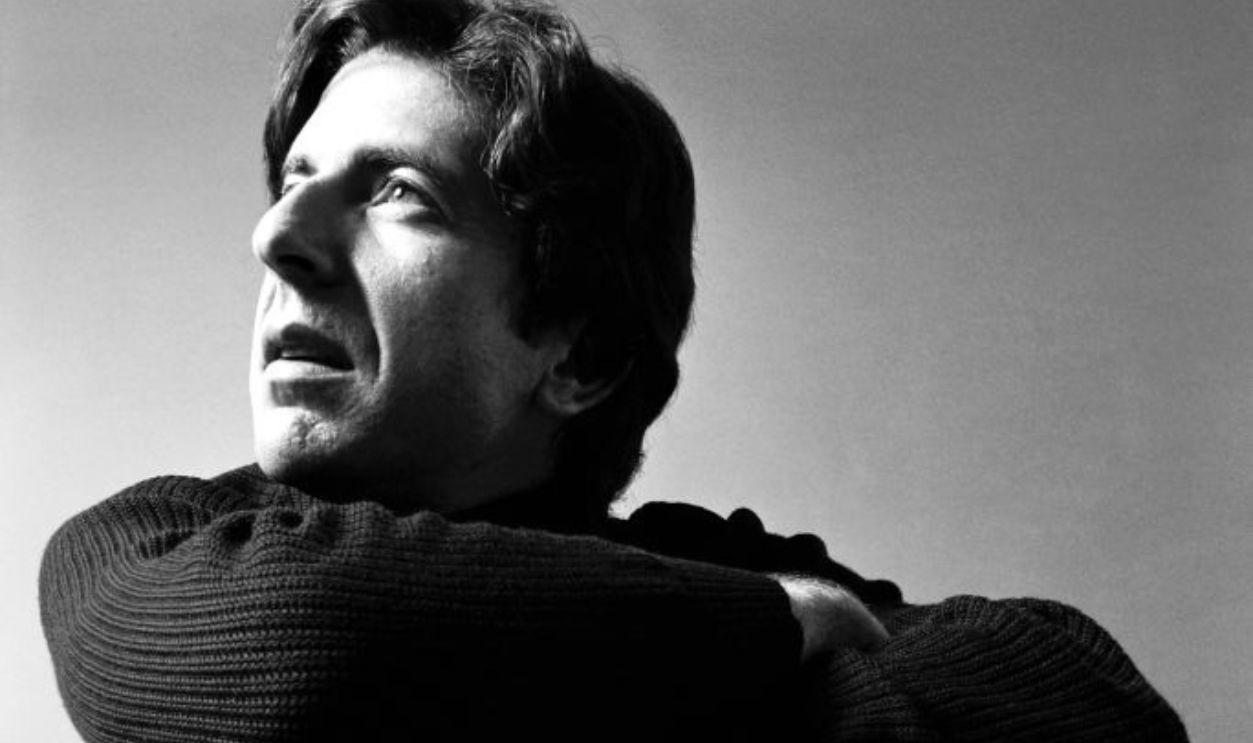
When Songs of Leonard Cohen finally dropped, critics weren’t quite sure what to make of it. The New York Times said he sounded “like a sad man cashing in on self-pity and adolescent loneliness”. Everyone else went wild. He didn’t just sell records, he created a cult. By the early 1970s, he was growing tired of the “sensitive poet” label, and his personal life was unravelling. It was a recipe for disaster.
33. His Worlds Collided
The 1970s were known for excess—and in Cohen’s life, there was excess drama. He had never fully let go of his OG muse, Marianne, and it was about to spark a showdown with his new partner, Suzanne Elrod. The tension finally snapped when one day Suzanne appeared at Leonard’s Hydra house, where Marianne was staying, and told her to get out.
The cruellest twist? Suzanne was holding Leonard’s baby. It all sent Leonard spiraling…right into the path of more than one madman.
34. He Pulled A Johnny Cash
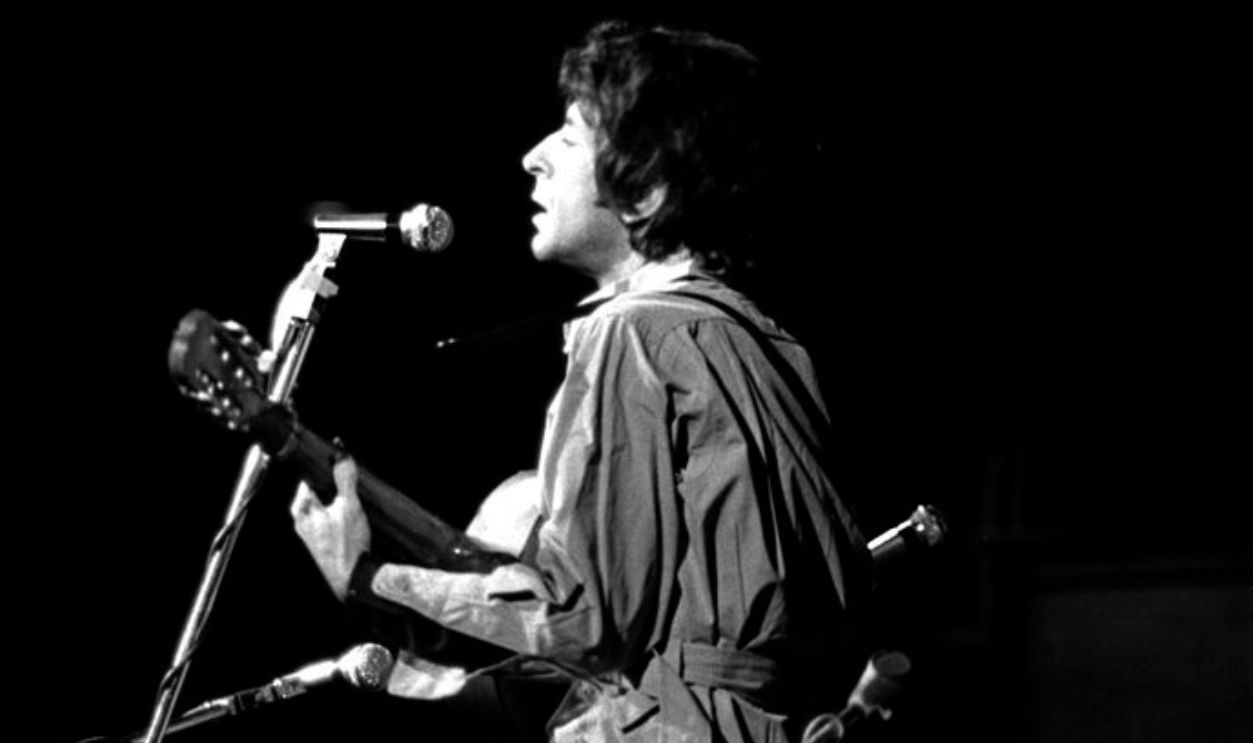
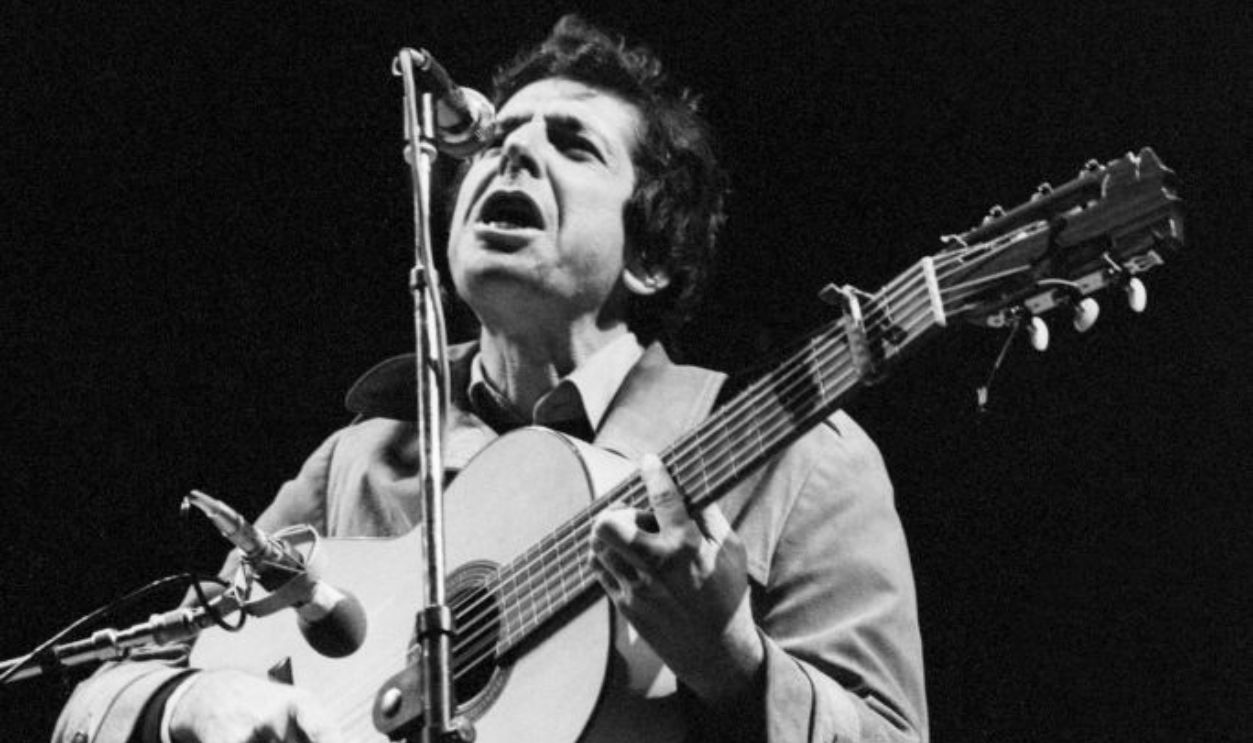
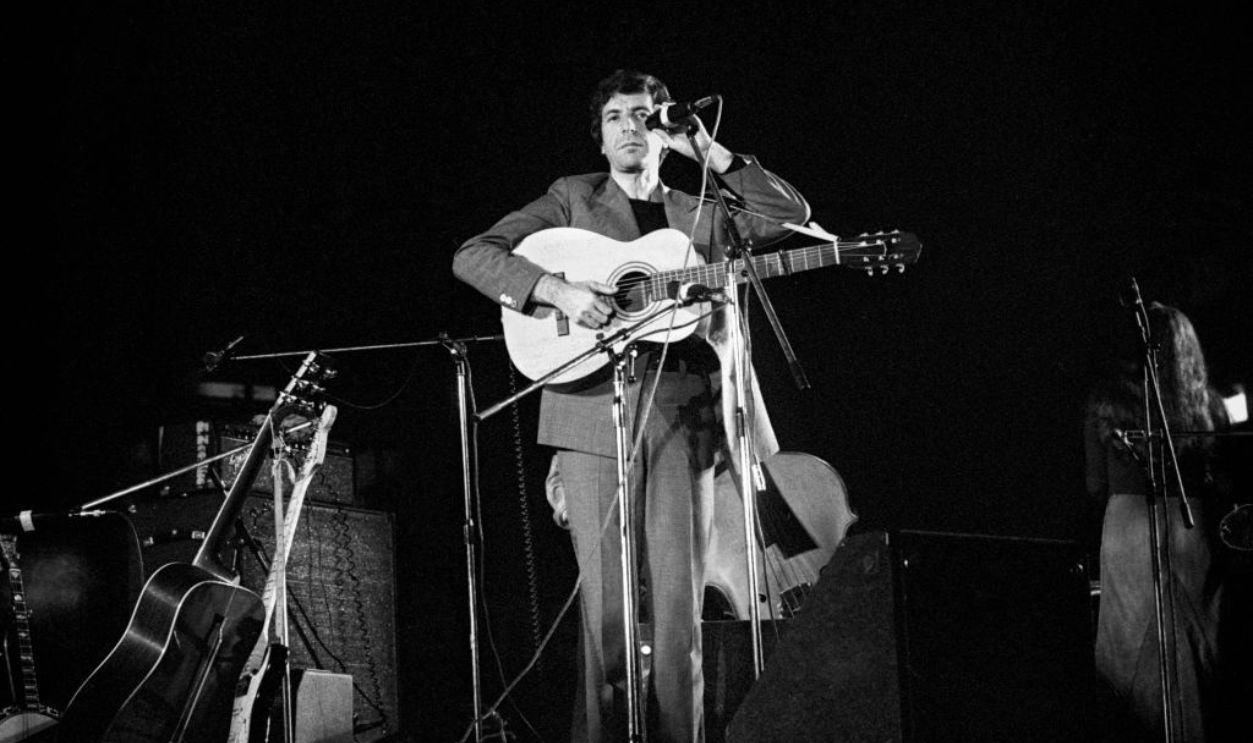
While other rock stars were chasing sold-out stadiums, Leonard Cohen embarked on a tour of mental hospitals. On his own dime and with little hubbub, he and his band performed free shows in high-security psychiatric wards. Cohen felt a deep kinship with the “people the world used to call mad,” and treated them with the same reverence as royalty.
However, at one California show, the chaos didn’t come from the patients—it came from his own entourage.
 Gijsbert Hanekroot, Getty Images
35. His Crowd Work Was On Point
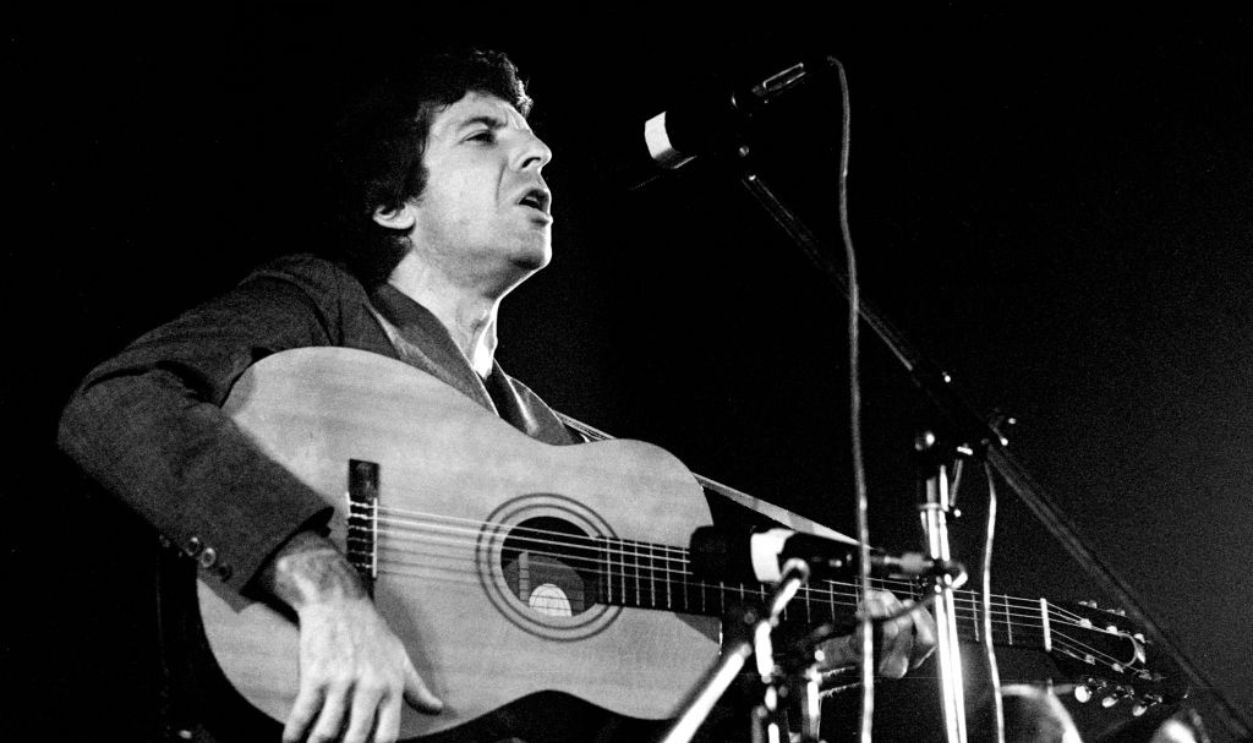
One stop on the mental hospital tour went completely off the rails. When Cohen arrived at a Gothic-style asylum in Napa, he brought along his pal Dennis Hopper—who had just dropped a hit of acid. Seeing some of the medicated patients moving across the lawn, a terrified Hopper locked himself inside the limo and refused to return.
Unfazed, Cohen leapt off the stage and led the residents in a surreal parade. Unfortunately, his next dose of madness would be far less gentle.
 Gijsbert Hanekroot, Getty Images
36. He Walked Into Chaos
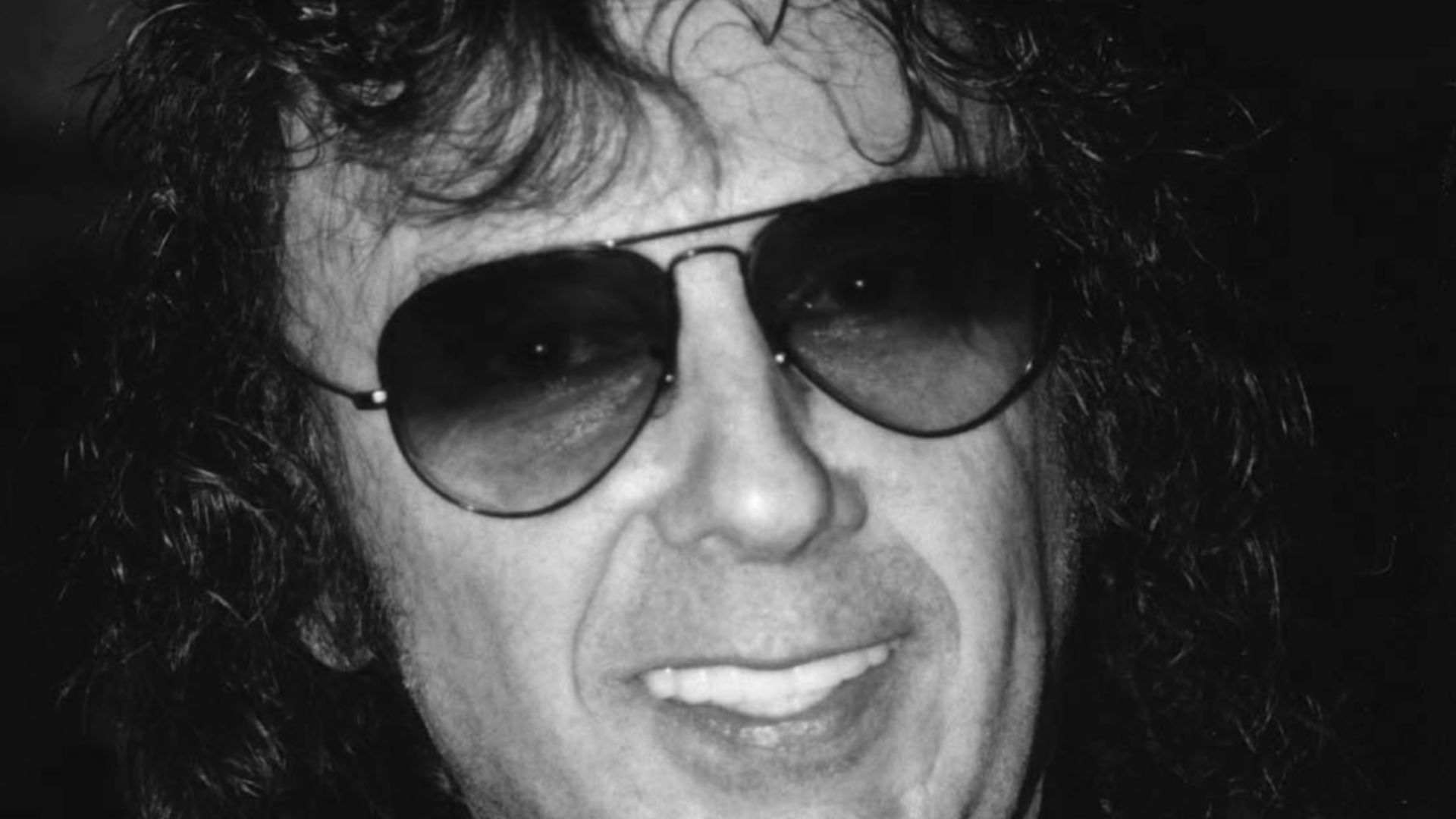
By 1977, a burnt-out and vulnerable Leonard Cohen made a fateful move: He teamed up with legendary and volatile producer Phil Spector. The studio quickly turned into a psychological battlefield where Spector insisted on blasting the air conditioning until it was a bone-chilling 40F (4°C). It was painful enough for Cohen to record albums under optimal conditions, let alone shivering in his overcoat.
If only that was the worst of it…
 Kingkongphoto & www.celebrity-photos.com from Laurel Maryland, USA, Wikimedia Commons
37. He Kept His Cool
The recording sessions with Phil Spector went from cold to chilling when Spector’s “Mr. Hyde” persona took over. One night, he came up to Cohen holding a bottle of Manischewitz in one hand and a loaded pistol in the other. He shoved the muzzle into Cohen’s neck and whispered, “Leonard, I love you”. Without missing a beat, Cohen replied, “I hope you really do, Phil”.
Cohen’s sense of humor saved the day, but the real trouble was still ahead.
38. His Masterpiece Didn’t Come Easy
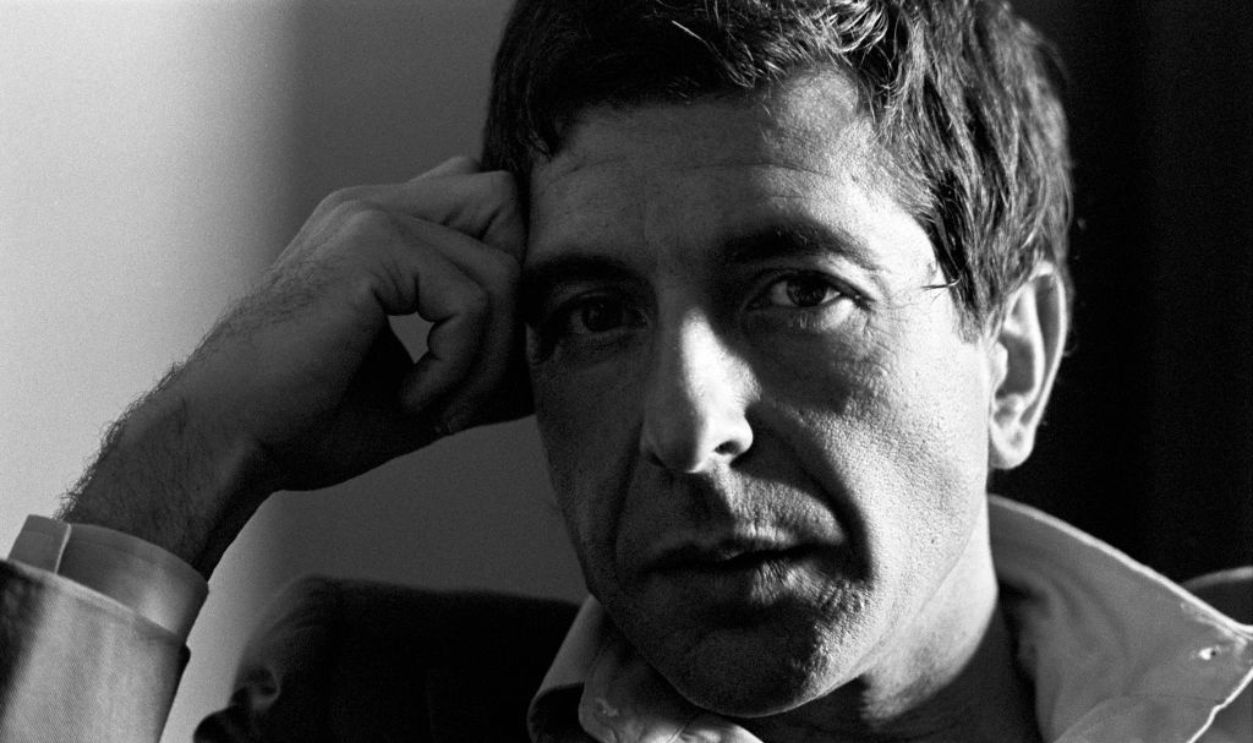
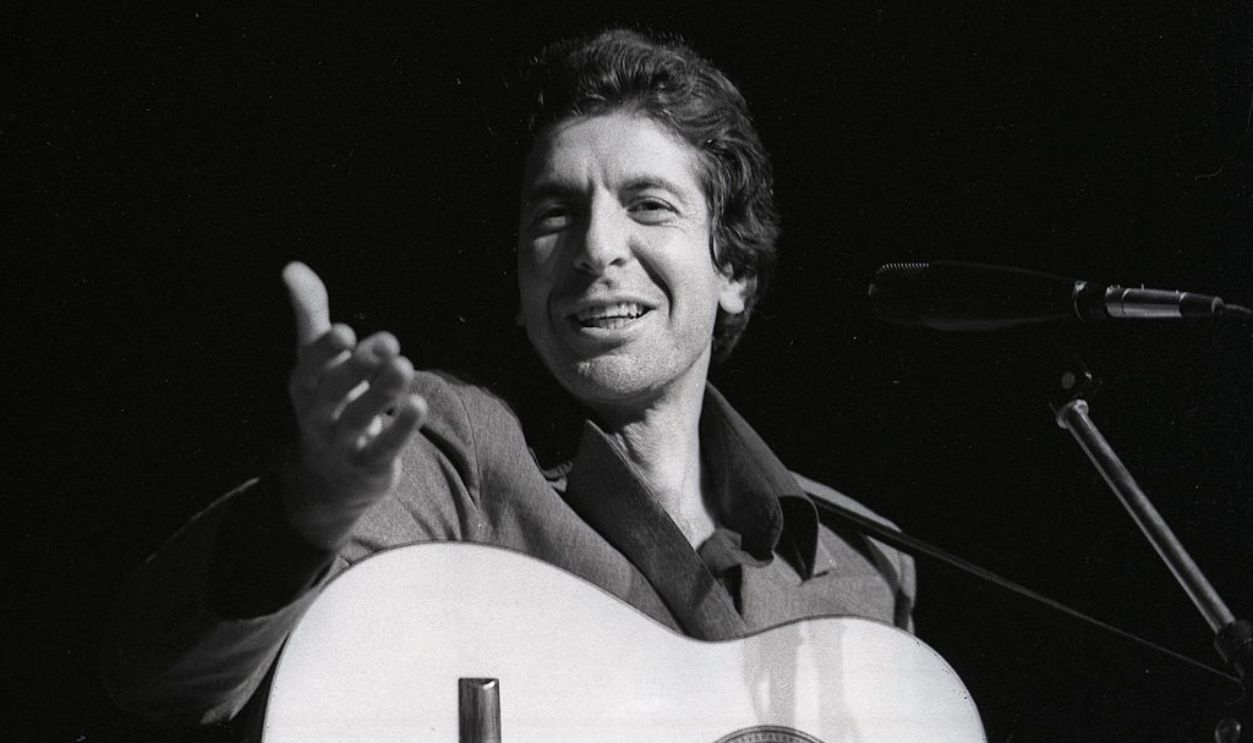
People may assume Cohen’s legendary “Hallelujah” arrived in a flash of divine inspiration. Narrator: It did not. Cohen spent nearly five years wrestling with the song, filling over 80 notebooks with as many as 150 verses. At one point, he was so frustrated that he ended up in his underwear, banging his head on the hotel room floor while trying to find the right words.
When he finally did finish it, the response was the last thing he expected.
 Ellen Poppinga - K & K, Getty Images
39. He Sang A Broken Hallelujah
Not many recording artists set out to question the deeper meaning of life, and the suits at Columbia Records didn’t get “Hallelujah” or the rest of the Various Positions album. The label shelved it in the US, forcing Leonard Cohen to release it on a tiny indie label. Ironically, the song went on to become one of the most covered songs in modern music—turning up everywhere from Shrek to American Idol.
One journalist said the song’s magic came from its balance of both biblical and intimate layers.
 Screenshot from Shrek, DreamWorks Animation (2001)
40. He Kissed And Told
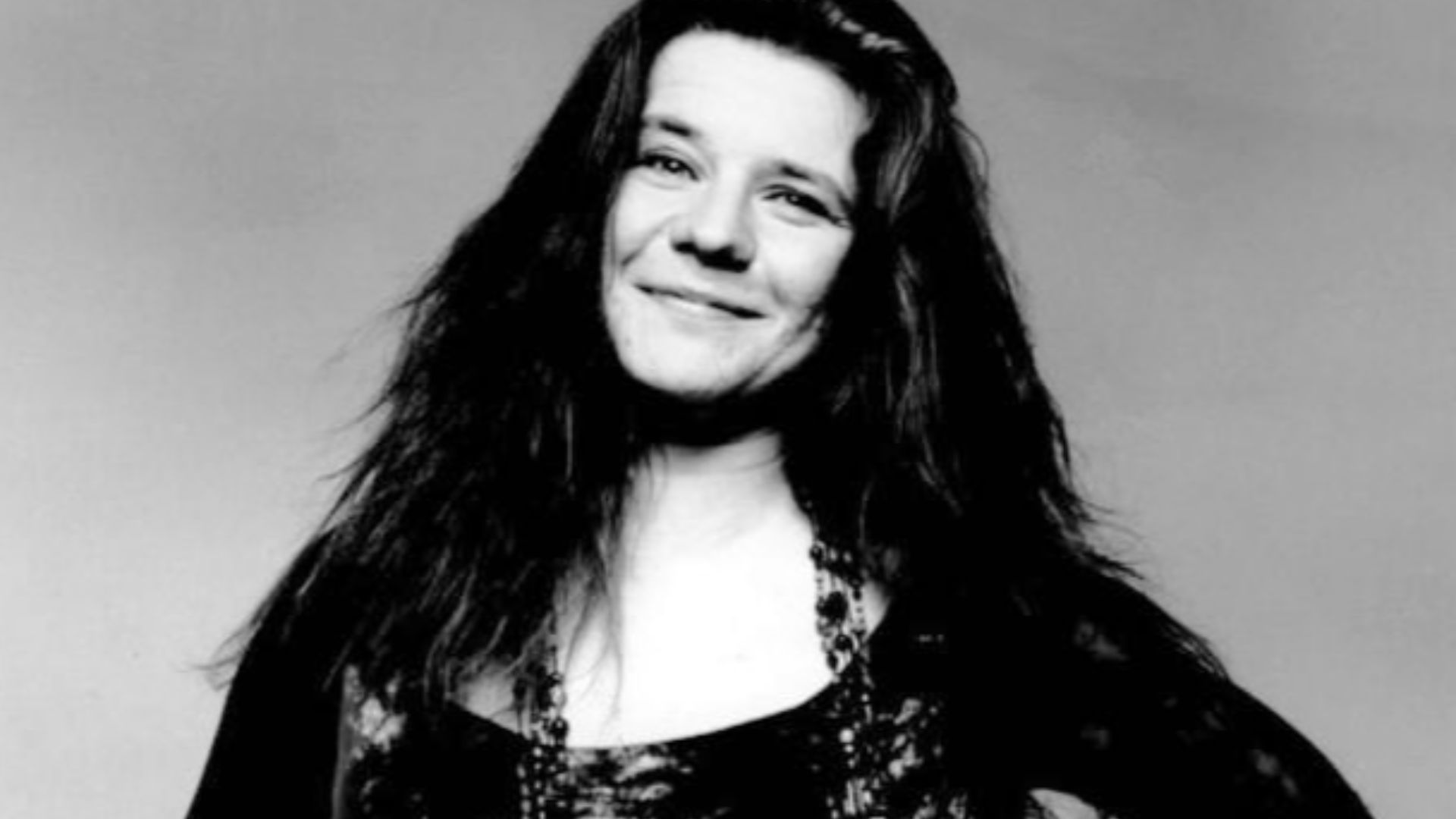
In some ways, Cohen couldn’t escape the Chelsea Hotel. Even in the 90s, he was haunted by a choice he’d made decades earlier. His 1974 song “Chelsea Hotel #2” immortalized a mysterious hookup. In 1994, he revealed the woman behind the song: Janis Joplin.
Cohen later admitted he deeply regretted not keeping their secret. Those regrets? They were about to start piling up.
 Grossman Glotzer Management Corporation, Wikimedia Commons
41. He Shocked The World
In the 1990s, Cohen was feeling very un-Leonard. For one thing, he had gone from friends-to-lovers with big-name Hollywood actress Rebecca De Mornay. Also very un-Leonard: He had given her a ring. The two were also a creative match—she contributed to his album The Future, and he stepped out of the shadows to hit the red carpet as her Oscar date.
After several years, the relationship ended quietly. Cohen admitted he couldn’t settle down.

42. He Dropped Everything
In the mid-1990s, Cohen suddenly found himself stuck in the middle of a nightmare. His 17-year-old son Adam, whom he shared with Suzanne, was in a horrific car crash. Adam suffered a broken neck and ribs, a collapsed lung, and multiple fractures. He remained in a coma for months. A terrified Cohen spent his days at the hospital bedside, reading the Bible to his unconscious son.
When Adam finally woke up, his first words were: “Dad, can you read something else?”
43. He Was Desperately Seeking Something
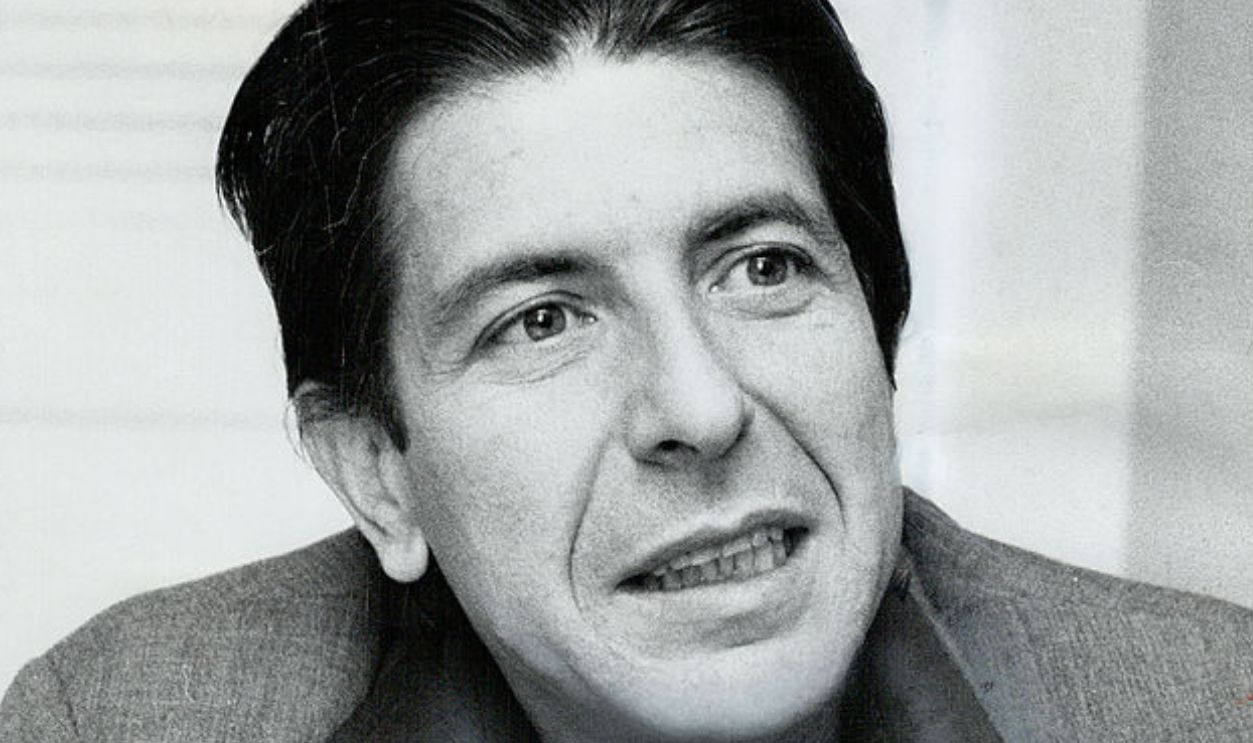
After flirting with everything from Scientology to Hinduism, Cohen finally committed to the extreme. Seeking to escape from fame and grief, he retreated to a Zen monastery on Mount Baldy in California. The superstar traded tailored suits for itchy robes and spent his days fixing toilets, meditating, and cooking for his 90-year-old teacher.
Little did he know that while he was finally finding the quiet he’d been chasing, a real-life betrayal was unfolding.
 inkknife_2000 (7.5 million views +), Wikimedia Commons
44. His Faith Was Misplaced
Say what you want about Cohen—he was a trusting soul. After years on Mount Baldy, he returned home to discover that his longtime manager and former romantic partner, Kelley Lynch, had robbed him blind. Not only was she using his cash to pay off her massive personal credit card debts, but she was also selling off Cohen’s publishing rights without his permission.
The supposedly retired legend went from multi-millionaire to having barely $150,000 in the bank.
45. He Didn’t Get Mad…
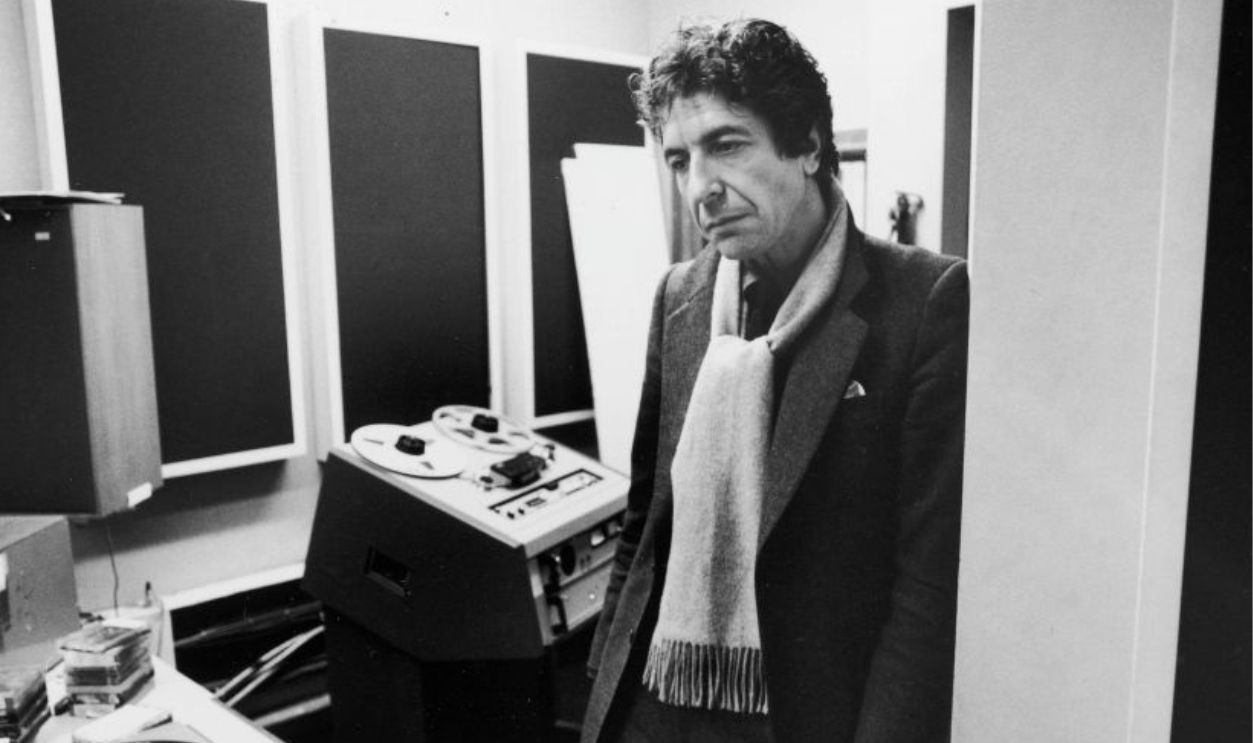
Cohen may have been a 70-year-old peace-loving monk, but he fought back. He sued his former manager, and a judge awarded him a staggering $9.5 million in damages. It didn’t help, though: The money was gone. Lynch ignored court orders and even started sending nasty emails to Cohen and everyone around him, including the IRS. Yikes.
He may have won the court battle, but he was still penniless. Like it or not, he had to hit the road.

46. He Made Miracles Happen
To rebuild his fortune, Cohen set out on his first world tour in 15 years. One unlikely stop? Coachella Valley Music and Arts Festival. Wait, what? Cohen was neither young nor loud, but under the desert moon, the 74-year-old delivered a hypnotic set that brought the crowd to tears. During “Hallelujah,” the entire desert fell silent.
By the end of the multi-leg tour, he hadn’t just recovered his money—he’d become the coolest artist on the planet.
47. He Couldn’t Quit Her
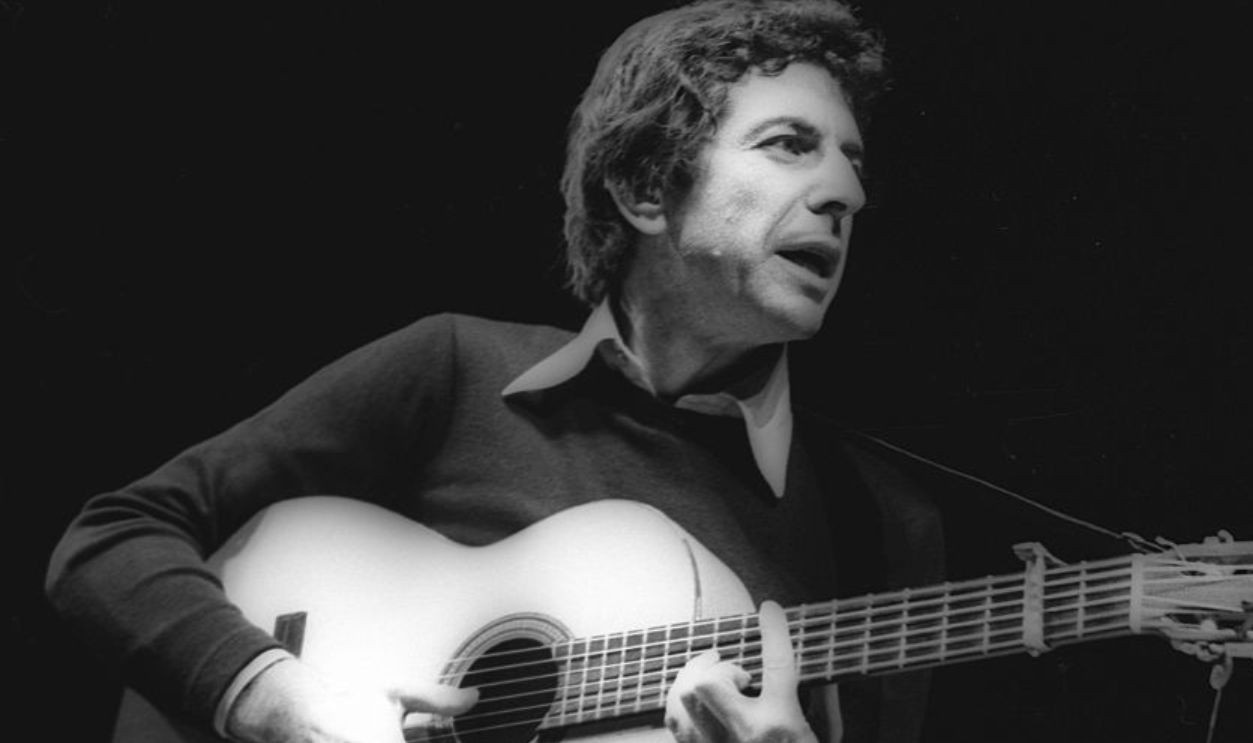
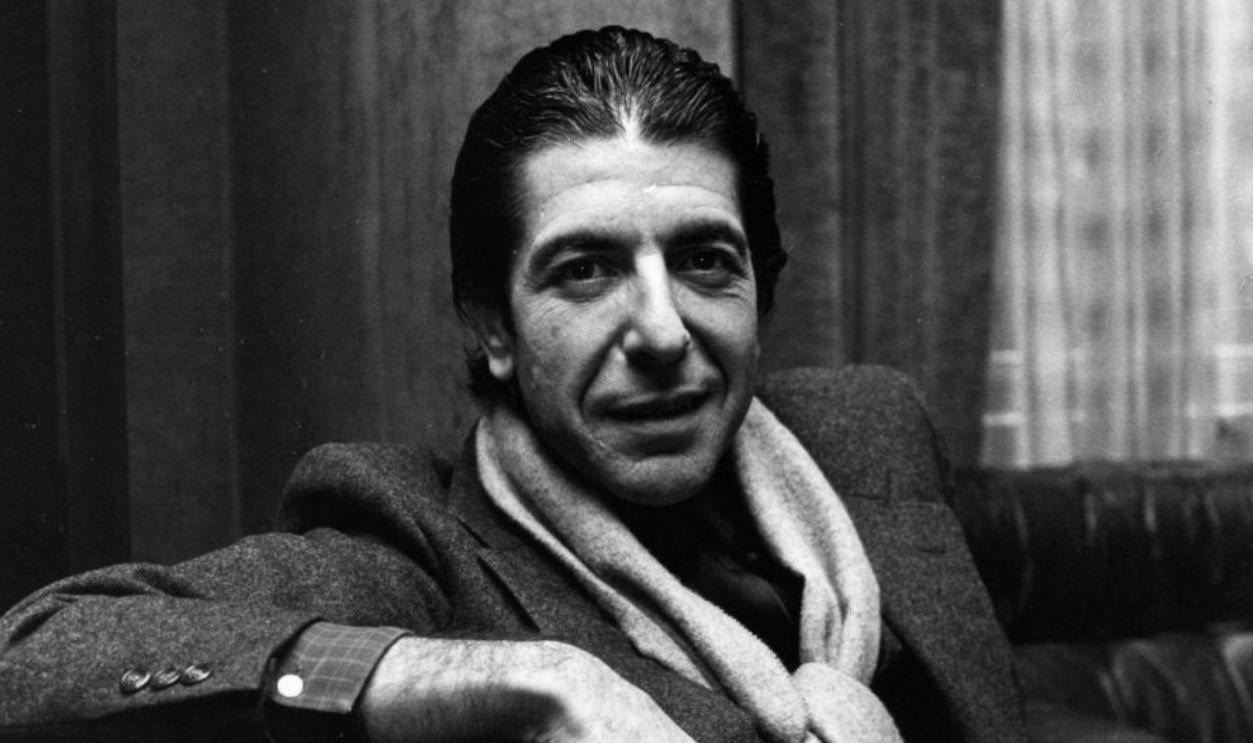
Women may have come and gone in Cohen’s life, but over the decades, he never truly said “So long” to his muse, Marianne Ihlen. When he received word that she was about to succumb to leukemia, he immediately sat down and penned a final note to the woman with whom he shared an unbreakable bond. This time, the famously slow writer didn’t have the luxury of time.
 Evening Standard, Getty Images
48. He Found The Words
Grab your tissues. Cohen’s letter to Marianne was heartbreakingly perfect—and it quickly spread around the world. He wrote: “I'm just a little behind you, close enough to take your hand. This old body has given up, just as yours has too”.
“I've never forgotten your love and your beauty,” the letter continued. “But you know that. I don't have to say any more. Safe travels old friend. See you down the road. Endless love and gratitude”.
He would follow her sooner than anyone imagined.
49. He Left One Final Message
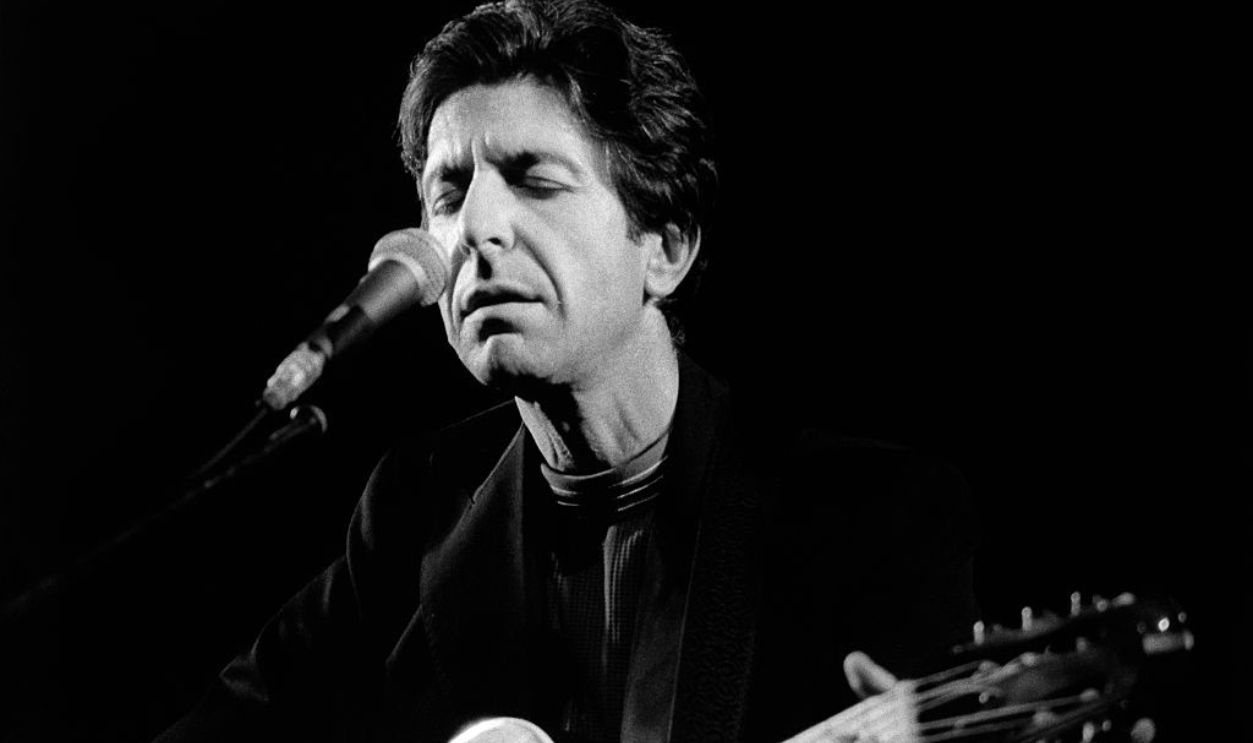
True to his word, just a little over three months later, Cohen’s “old body” had finally “given up”. He passed on in his sleep at 82 from leukemia and complications from a fall. But Cohen didn’t leave without one last message. He had recently completed his final album, You Want It Darker, and on its haunting title track, he delivered what felt like a farewell: “I’m ready, my Lord”.
50. He Found The Secret Chord
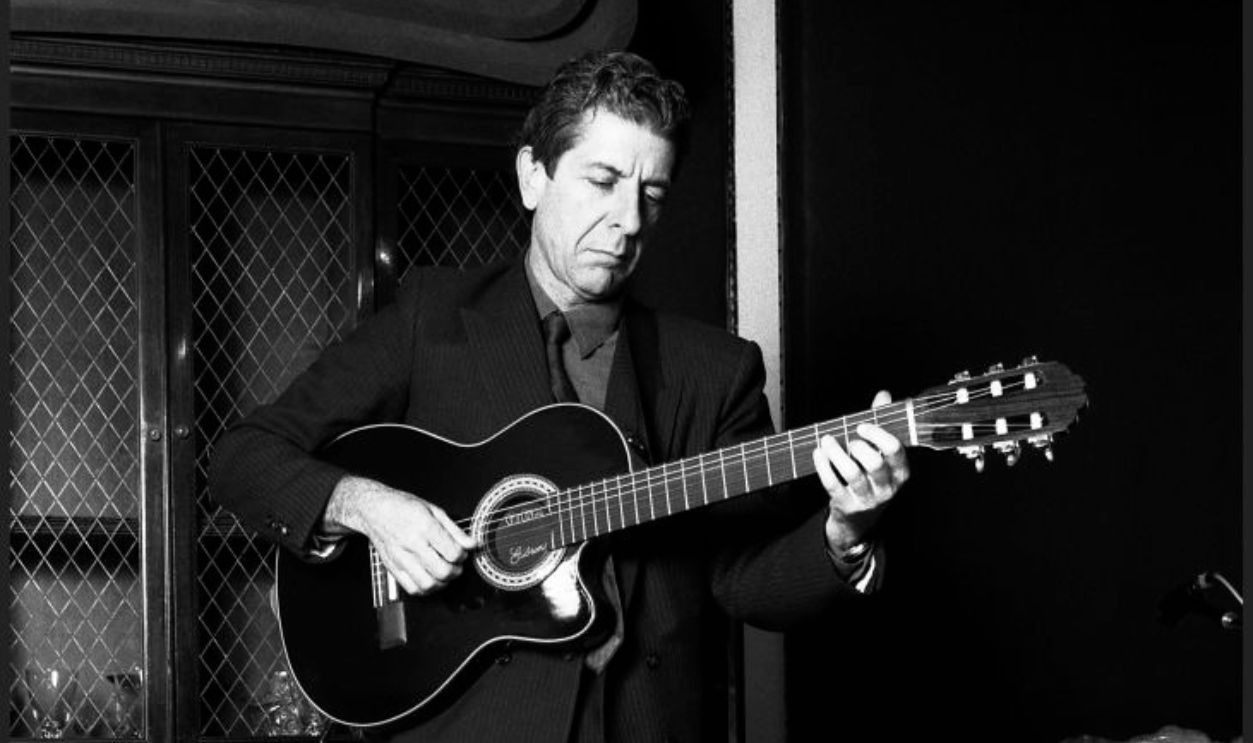
The haters may have called Cohen’s melancholy baritone “music to slit your wrists by,” but those who knew him saw a man with a wicked, self-depricating wit. Upon winning a Canadian Juno Award, he joked, “It’s only in a country like this that I could win a best vocalist award”.
Sinner, saint, or just a flawed genius seeking answers, Cohen chased them through women, substances, fame, and faith only to discover something he likely knew deep down. In his final days, he said, “...othing gets me high and offers relief from the suffering like blackening pages, writing”.
You May Also Like:
Arthur Miller’s Real Life Was More Dramatic Than His Celebrated Work
Steve Clark’s Rock And Roll Dream Destroyed Him