
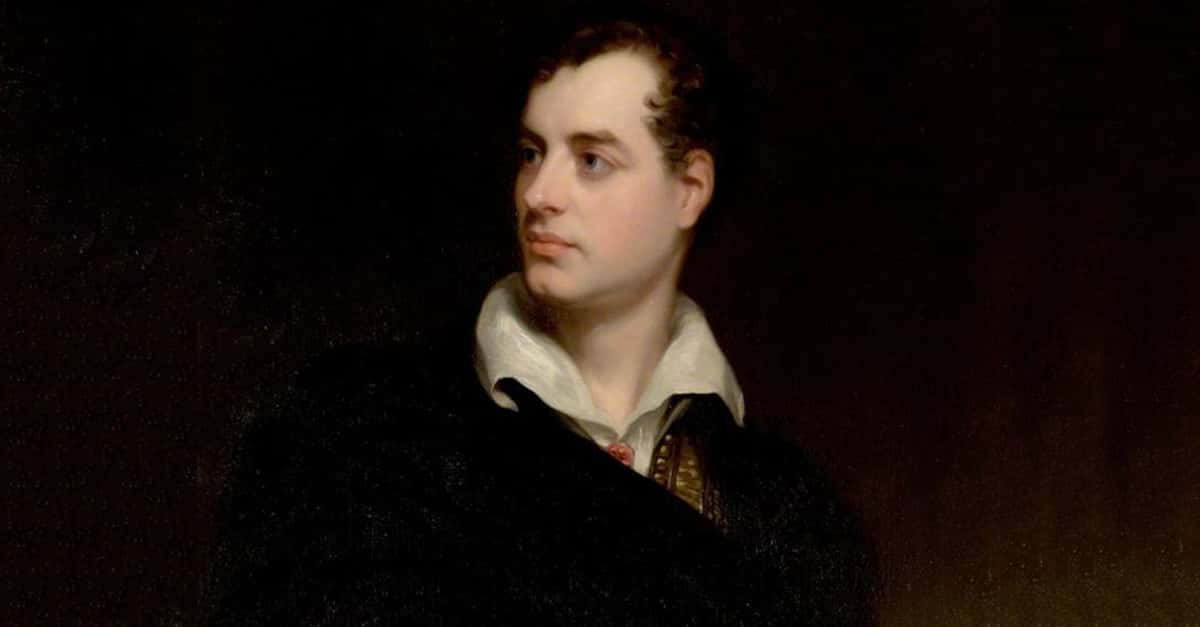
He Broke A Lot Of Hearts
While Lord Byron became known for his poetry, he also became known for something else: his horrible treatment of women. Byron selfishly played with the hearts of women, and it didn’t matter if they were single, married, carrying his child or, on one occasion, even a member of his own family. When a country in crisis asked for his help, Byron finally did something altruistic. Tragically, it was this selfless act that drove Byron to an early grave.
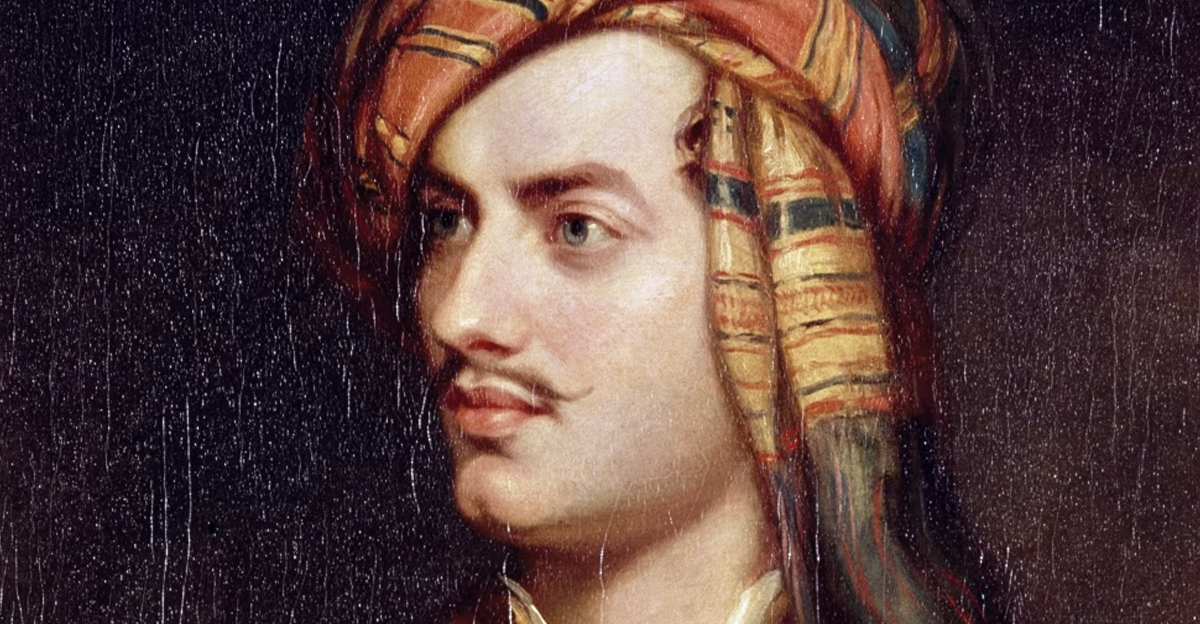
1. He Was Born Into Scandal
George Gordon Byron was born in London, England on January 22, 1788, but there was scandal long before his birth. His father, John “Jack” Byron, had taken his second wife in hopes of getting her money, which he did. Then he squandered most of it and left her almost penniless.
It wasn’t a great start to Byron’s life, but there was good fortune in his future.
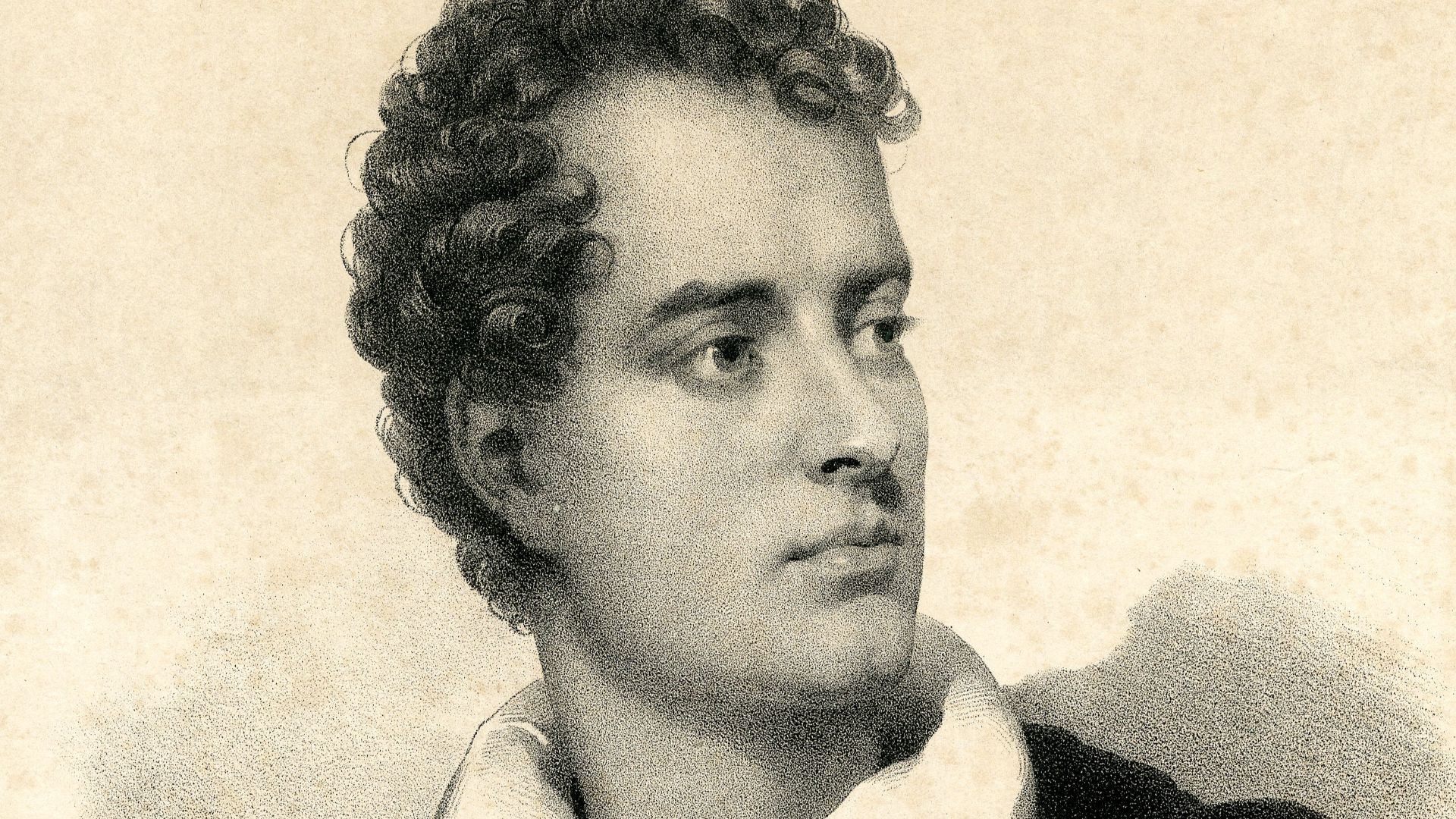
2. He Was A Baron
Byron’s father passed in 1791, which did nothing to help the family with their financial woes. But when his great-uncle passed, it was a boon for Byron. It meant he was now the sixth Baron Byron of Rochdale. This came with a free home in Newstead Abbey, Nottinghamshire.
As it turned out, this wasn’t as great as it sounds.
 Jean-Baptiste Mauzaisse, Wikimedia Commons
3. They Called Each Other Names
The house that Byron inherited was a bit of a wreck, so Mom rented it out, and she and Byron lived elsewhere. But their life together was more than a little odd. Mother and son argued and, because Byron had a deformed foot, she called him “a lame brat”. In his defense, Byron cruelly called his mother short and fat and complained about her drinking.
But Byron’s problems didn’t stop at home.
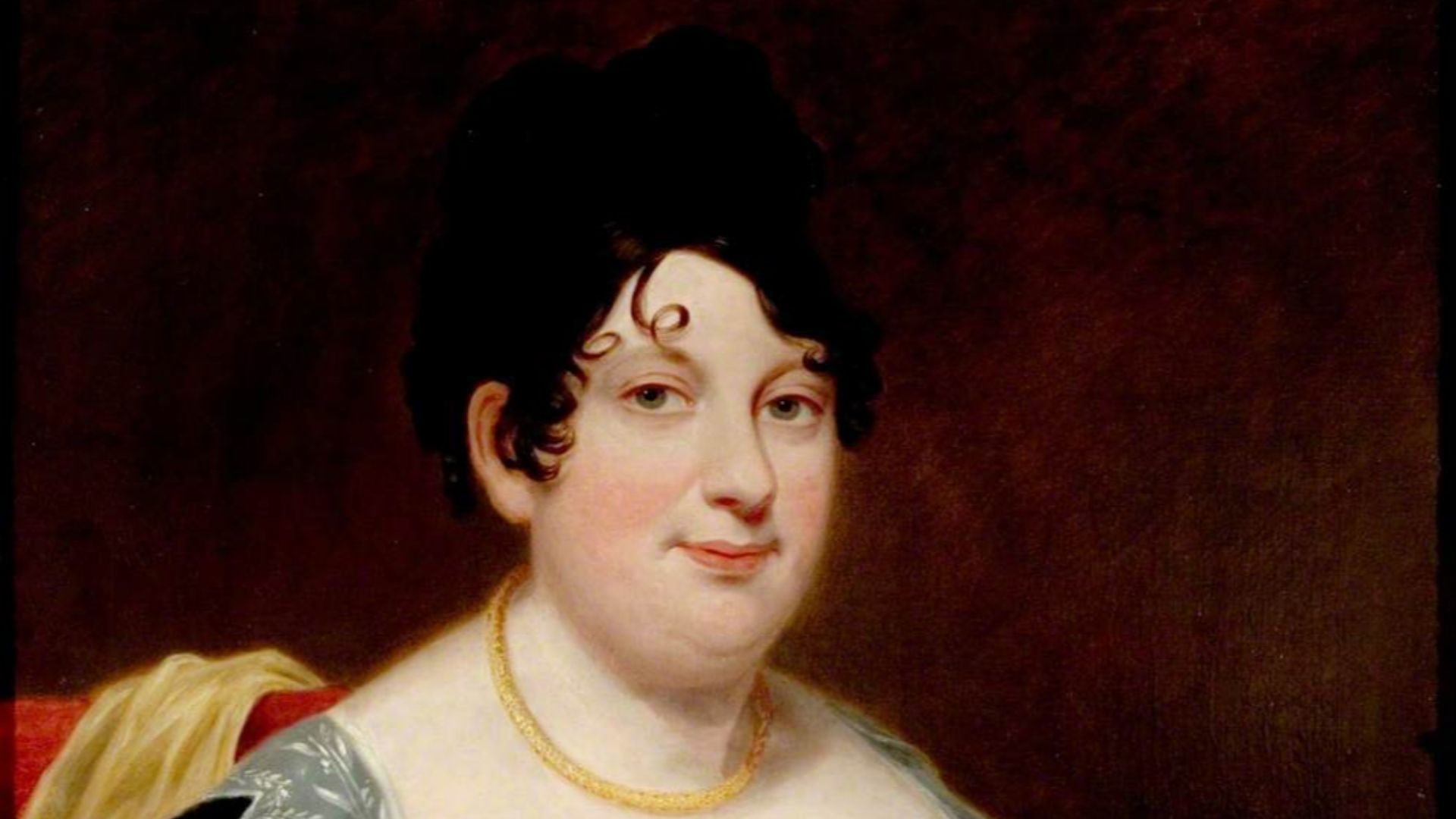 Thomas Stewardson, Wikimedia Commons
4. He Was A Troubled Child
Byron was not one to do things in moderation, and because his deformed foot made sports difficult, he tended to be more violent when it came to activities. Mom wasn’t helping much as she was regularly taking him out of school for one reason or another. This left Byron an impulsive boy with little to no self-discipline.
This was especially true when it came to romance.
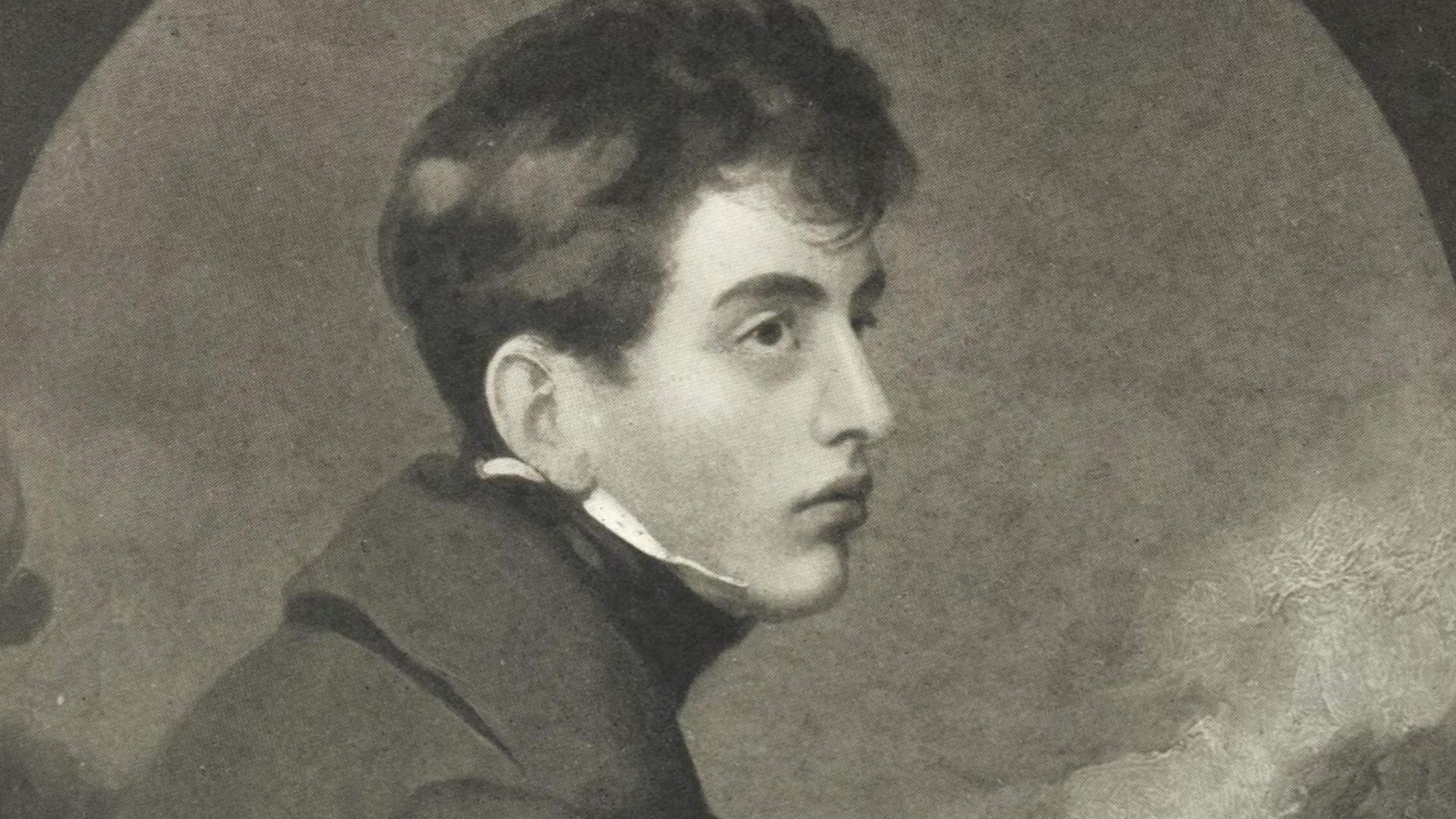
5. He Fell Desperately In Love
When Byron was 15, his mom discovered that her son had a crush on a girl at school. This was Mary Chaworth, and Mom called his feelings for her “desperate”. They were so strong, in fact, that Byron refused to return to school that year. He later said Chaworth was the first person he had carnal feelings about.
Actually, that wasn’t completely true.
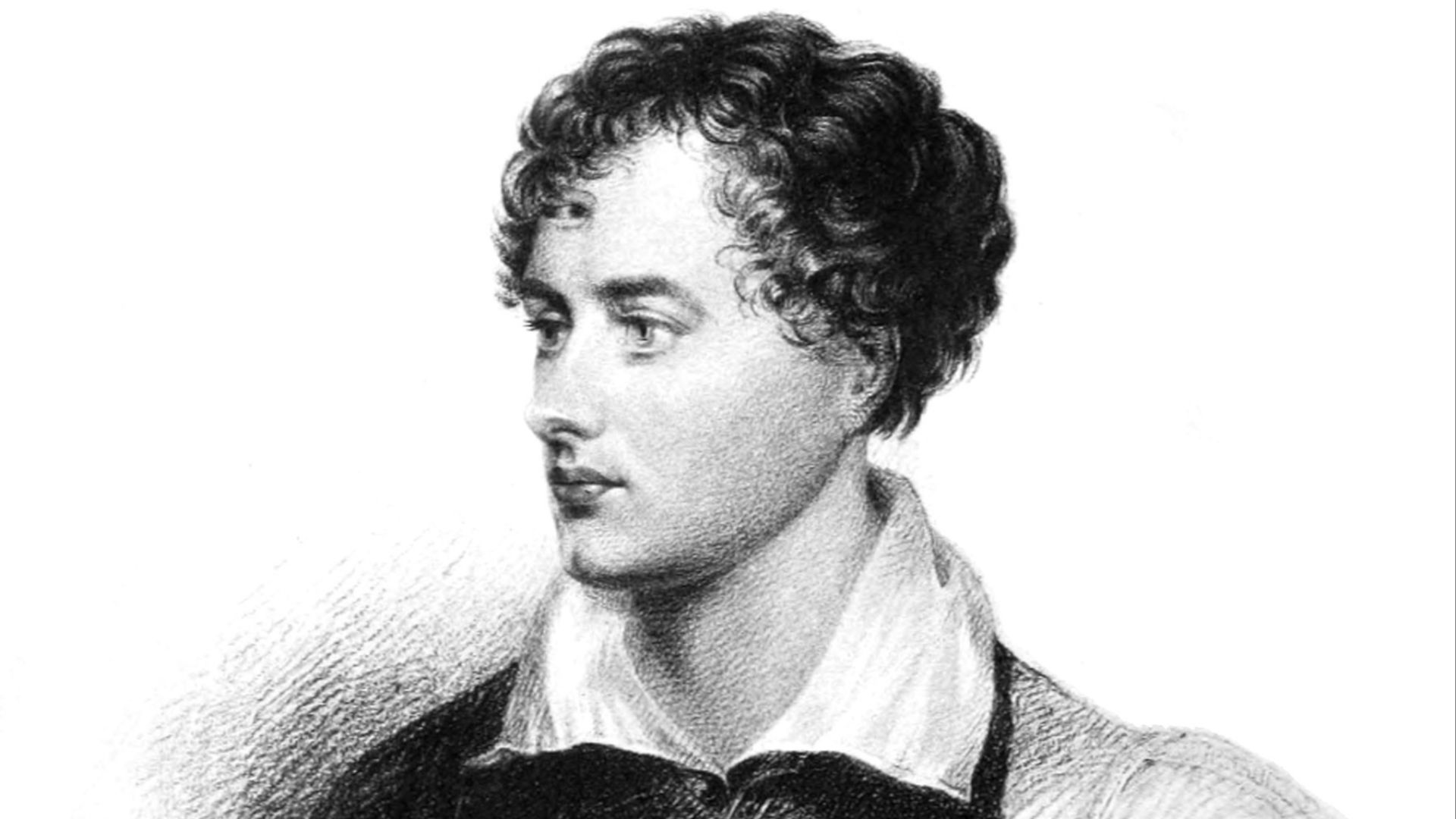 Author George Gordon Byron Editor Ernest Hartley Coleridge, Wikimedia Commons
6. It Started When He Was Just A Boy
At the early age of seven, Byron fell madly in love with his cousin Mary Duff. This may not sound so out of the ordinary, except for what happened later. When Byron heard that she had become someone’s wife, he had a violent fit that astonished his mother and anyone else within earshot.
But it wasn’t only the girls that caught Byron’s eye.
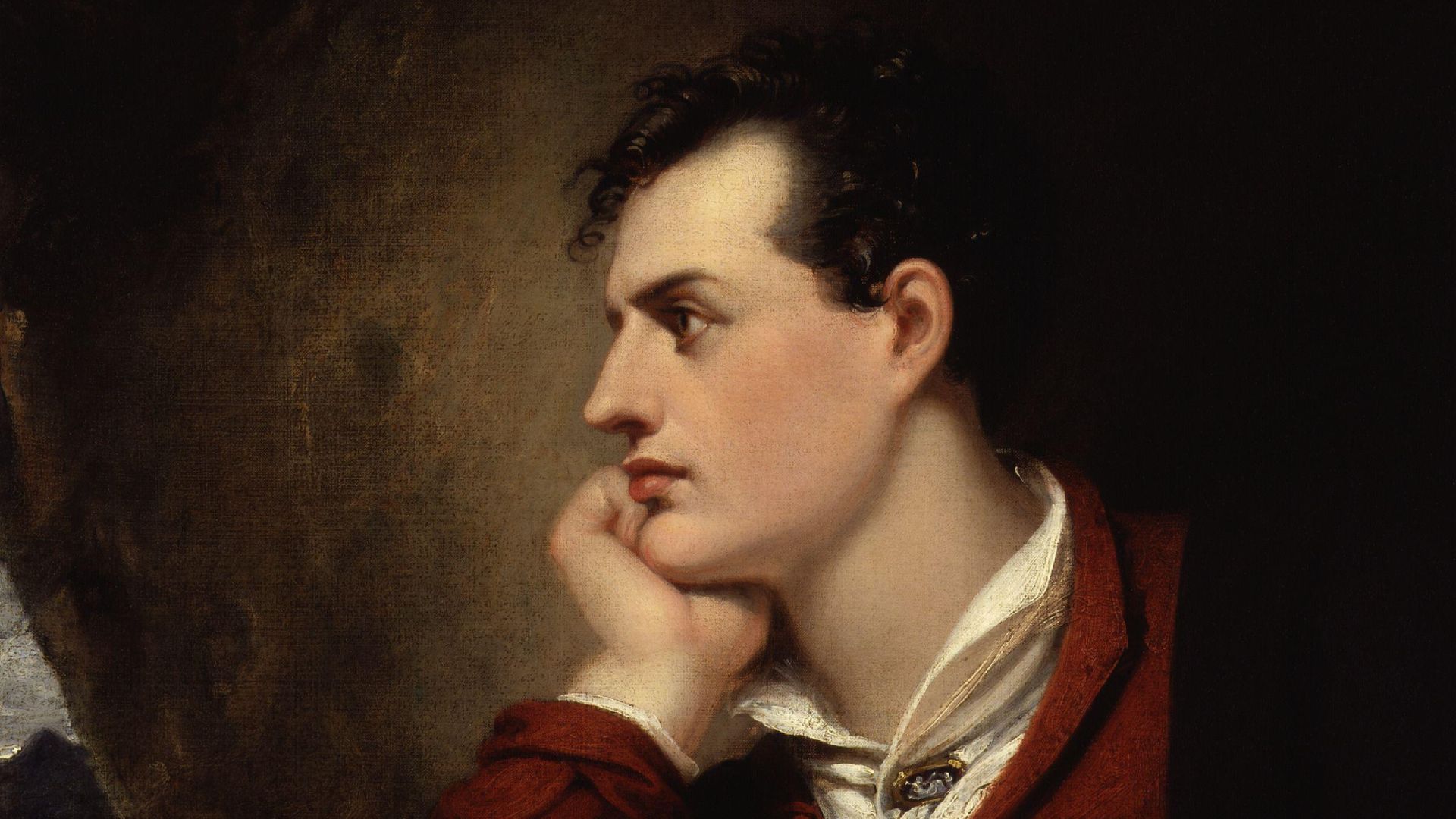 Richard Westall, Wikimedia Commons
7. He Had Passionate Friendships
When Byron did return to school, he started some passionate friendships with boys. Later, at Trinity College in Cambridge, Byron had another of his lusty friendships with a man. John Edleston was younger than Byron, and Byron was strongly attracted to his voice and manners.
Some people believe that this interest in other men had a dark beginning.
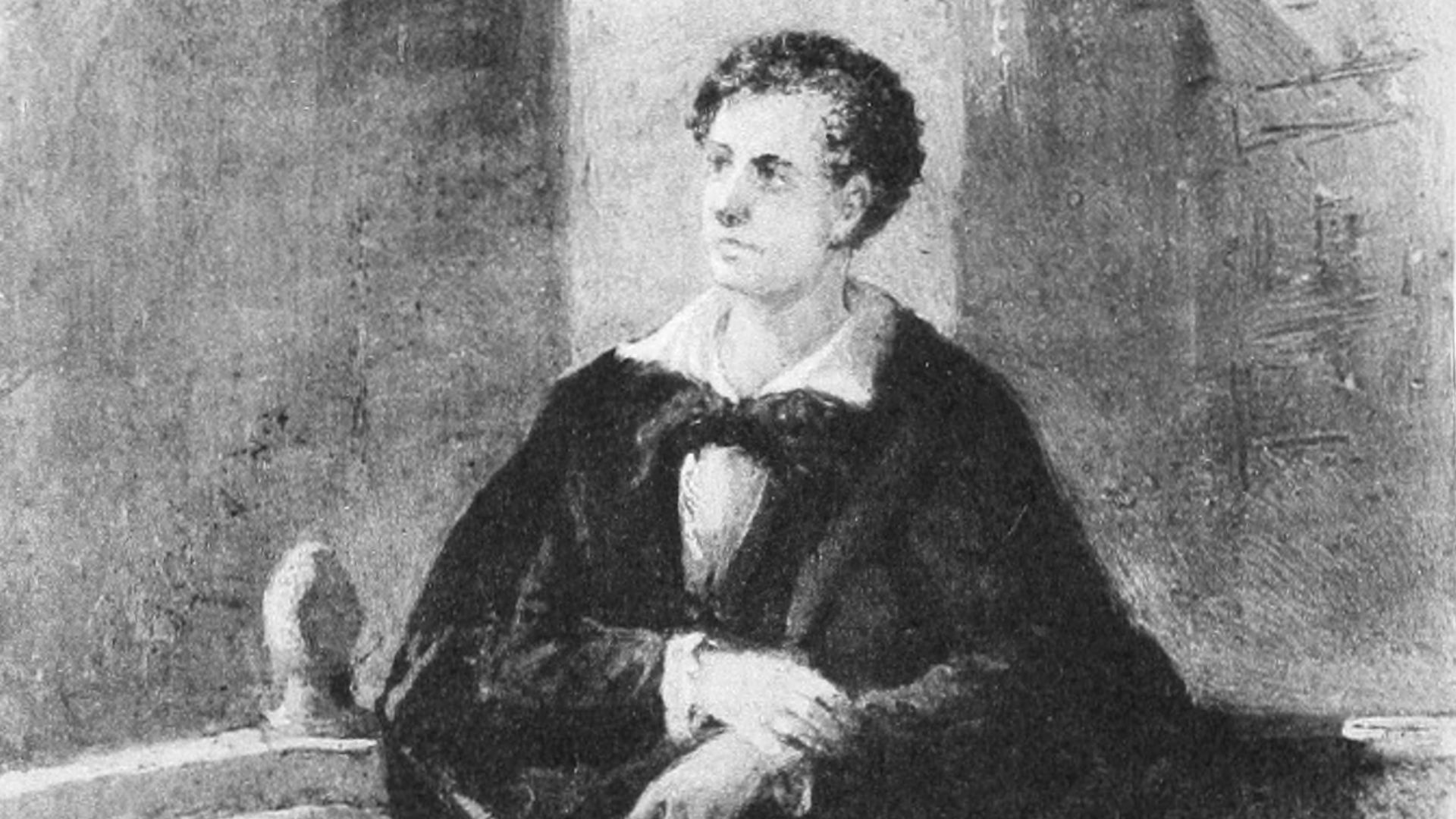 Lord Byron, ed. Coleridge, Prothero, Wikimedia Commons
8. He Had A Bad Experience
One of Byron’s mother’s boyfriends may have behaved inappropriately with young Byron. This was Lord Grey De Ruthyn. Most believe that Byron did not tell his mother of the incident, but he refused to speak to the man and found it disgusting when his mother flirted with him. Of course, this troubled childhood would give Byron something to write about.
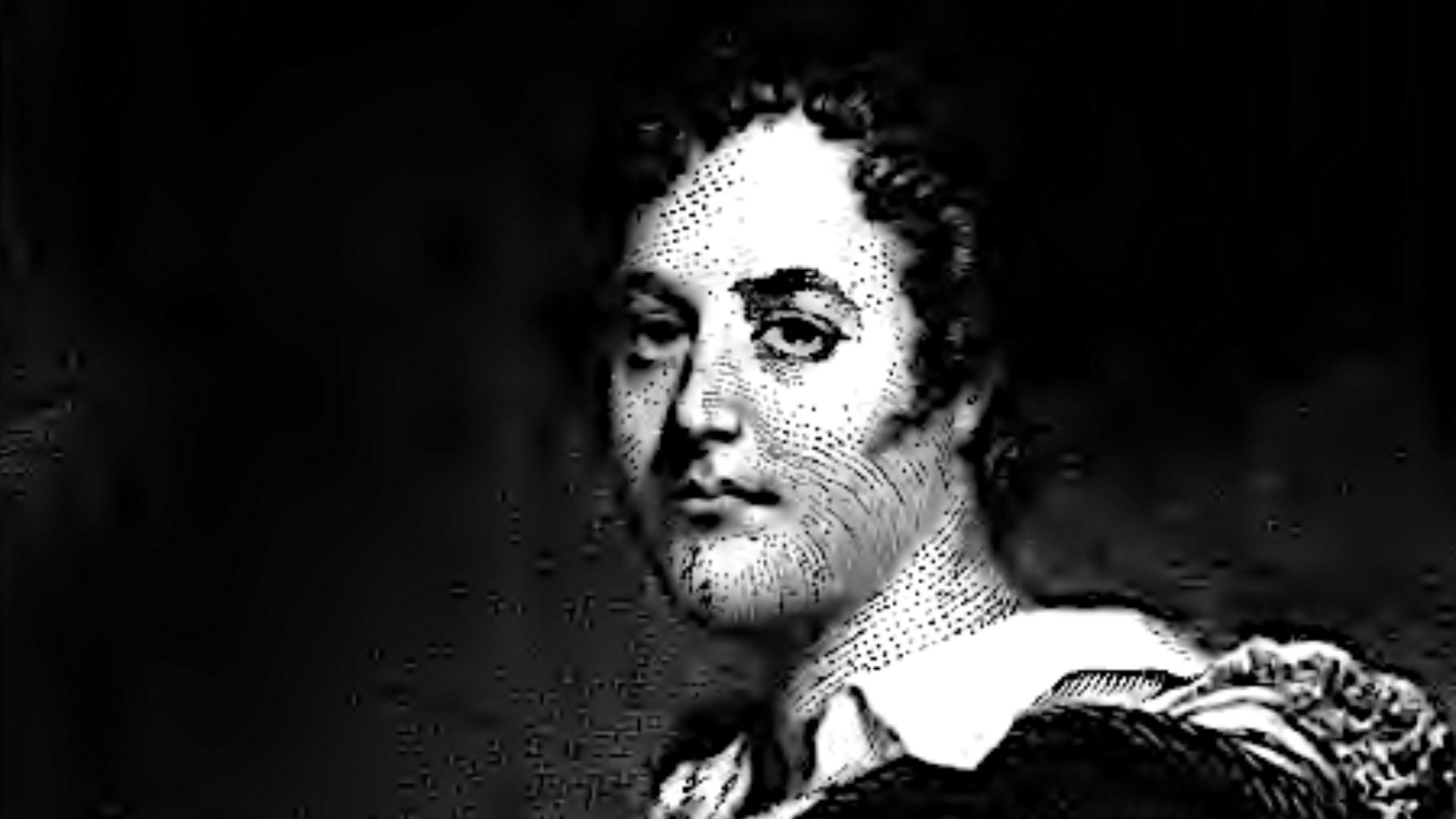 Francis Eagleheart, William Humphrys, John Wood and Henry Thompson, R.A, Wikimedia Commons

History's most fascinating stories and darkest secrets, delivered to your inbox daily.
9. He Got Published
One friend Byron had when he was at Trinity College was Elizabeth Bridget Pigot. She wrote good copies of Byron’s rough drafts of verses and emboldened him to write a volume of poetry. The result of this encouragement was Fugitive Pieces. When they published Byron’s book of poetry, there was a scandal.
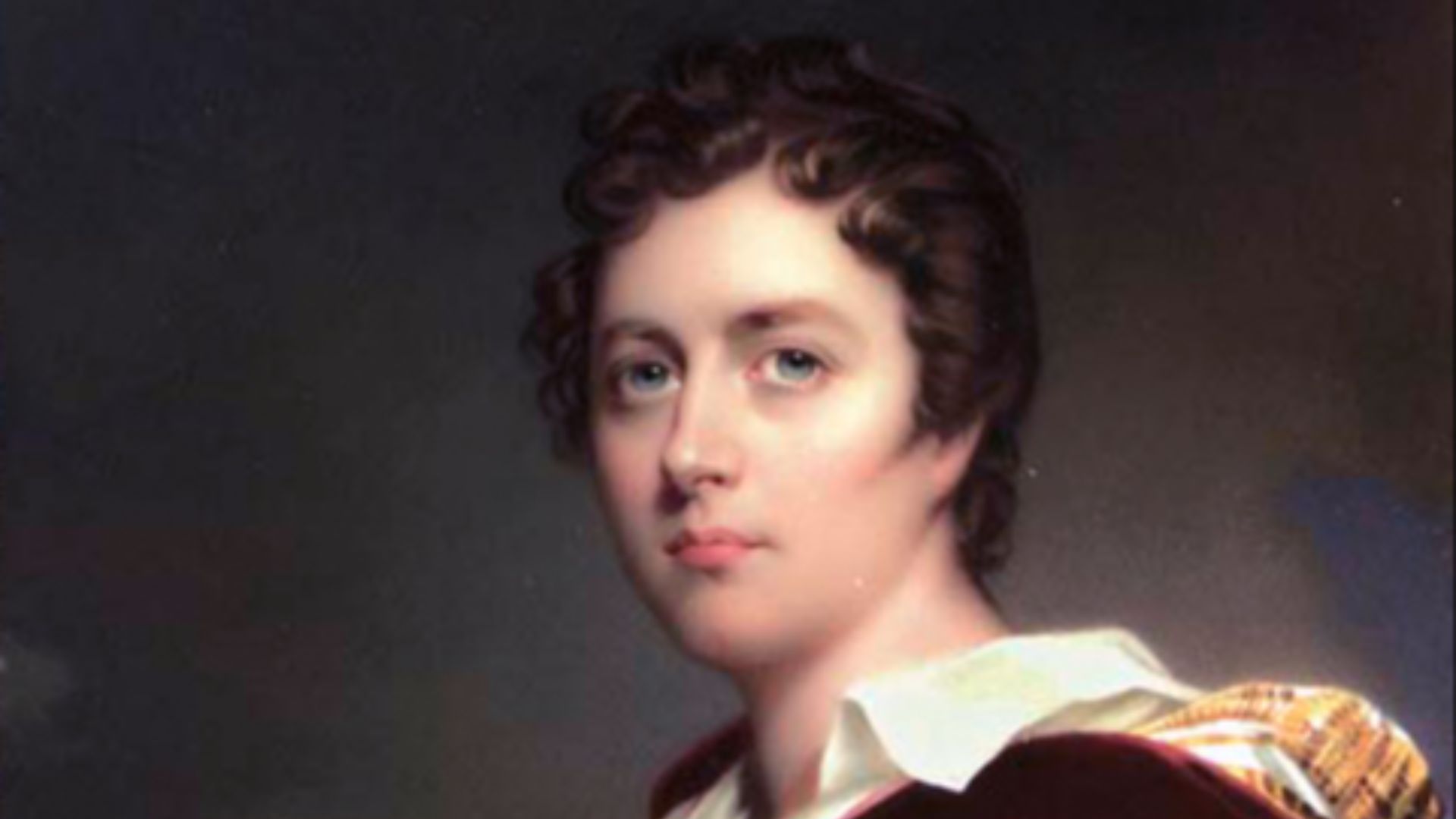 Henry Pierce Bone / After William Edward West, Wikimedia Commons
10. He Wrote Dirty Poems
When Byron’s friend, Reverend JT Becher, took a look at Byron’s volume of poetry, he had one piece of advice. He told him to burn it. Apparently, some of the poetry was a little too hot for the reverend, and he thought it would bring trouble to Byron. Byron took his friend’s advice, and the volume went up in flames.
Sadly, destroying one’s hard work can be hard on the wallet.
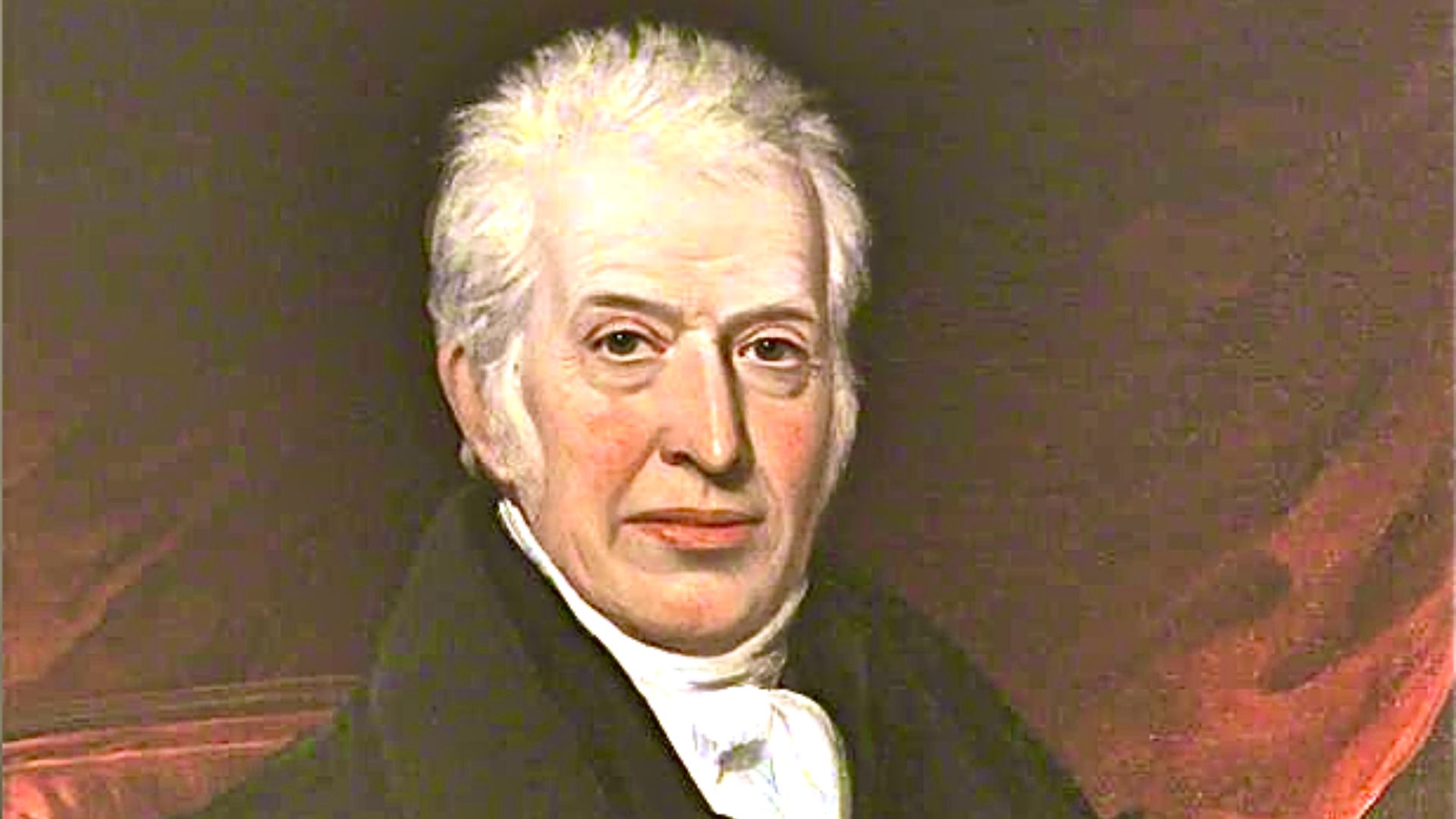 Thomas Barber, Wikimedia Commons
11. He Racked Up Debt
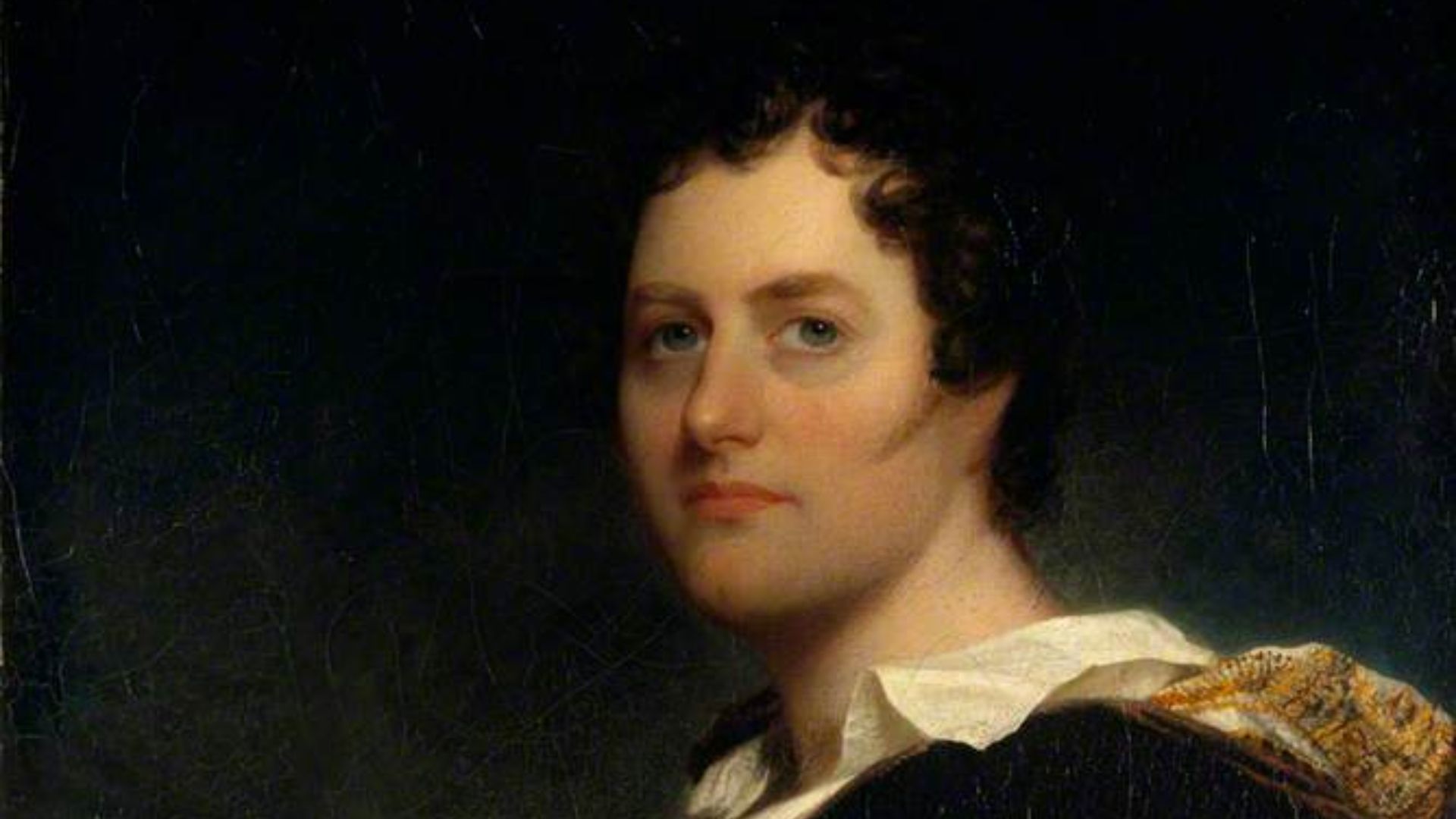
Byron hadn’t inherited any wealth from his father, but he had inherited his joy in spending other people’s money. Soon, creditors were coming after Byron, and his mom insisted that he do something about it. Like his father, Byron decided the best recourse was to get out of Dodge.
His first attempt was a disaster.
 William Edward West, Wikimedia Commons
12. He Was Ready For Adventure
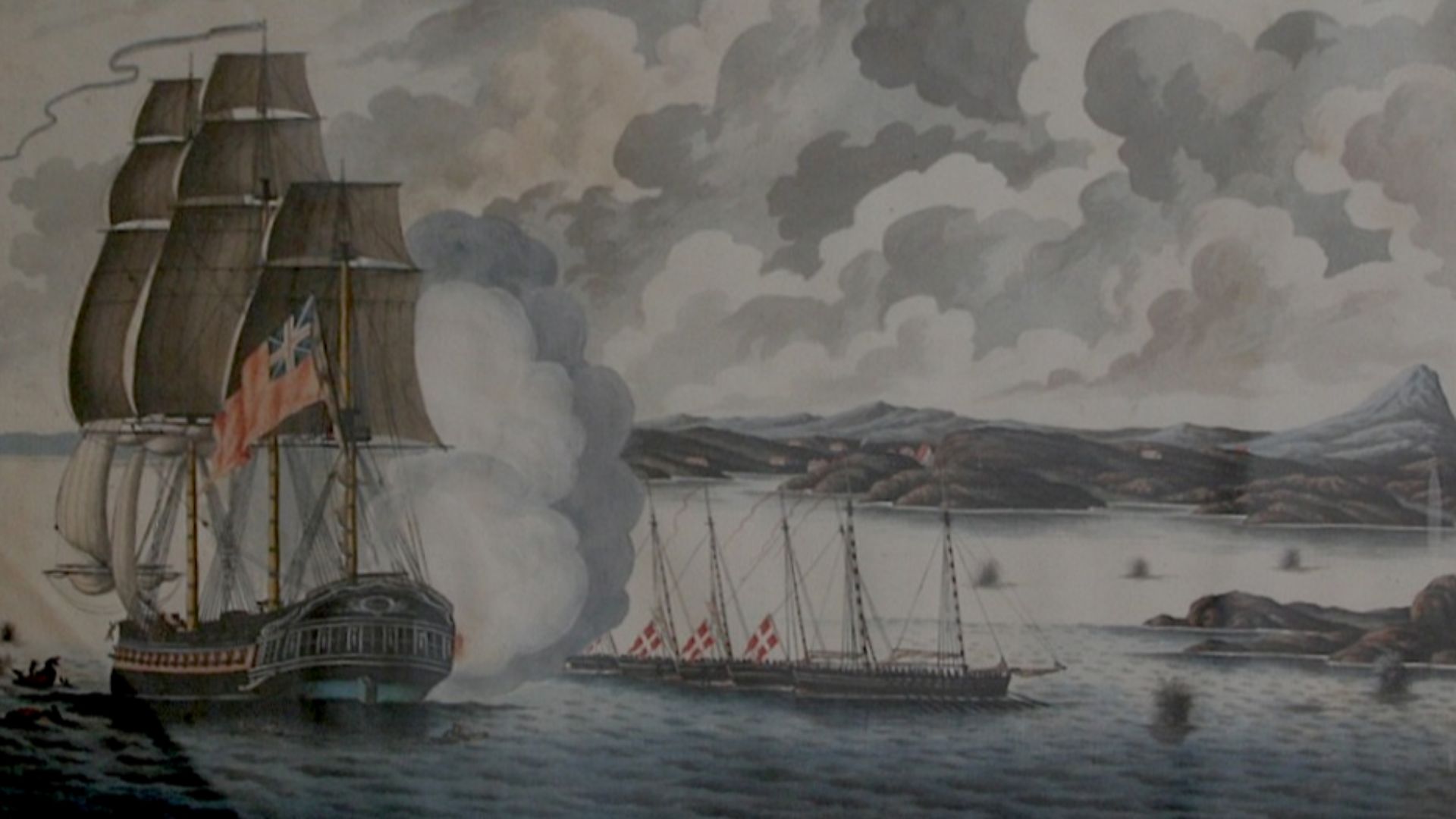
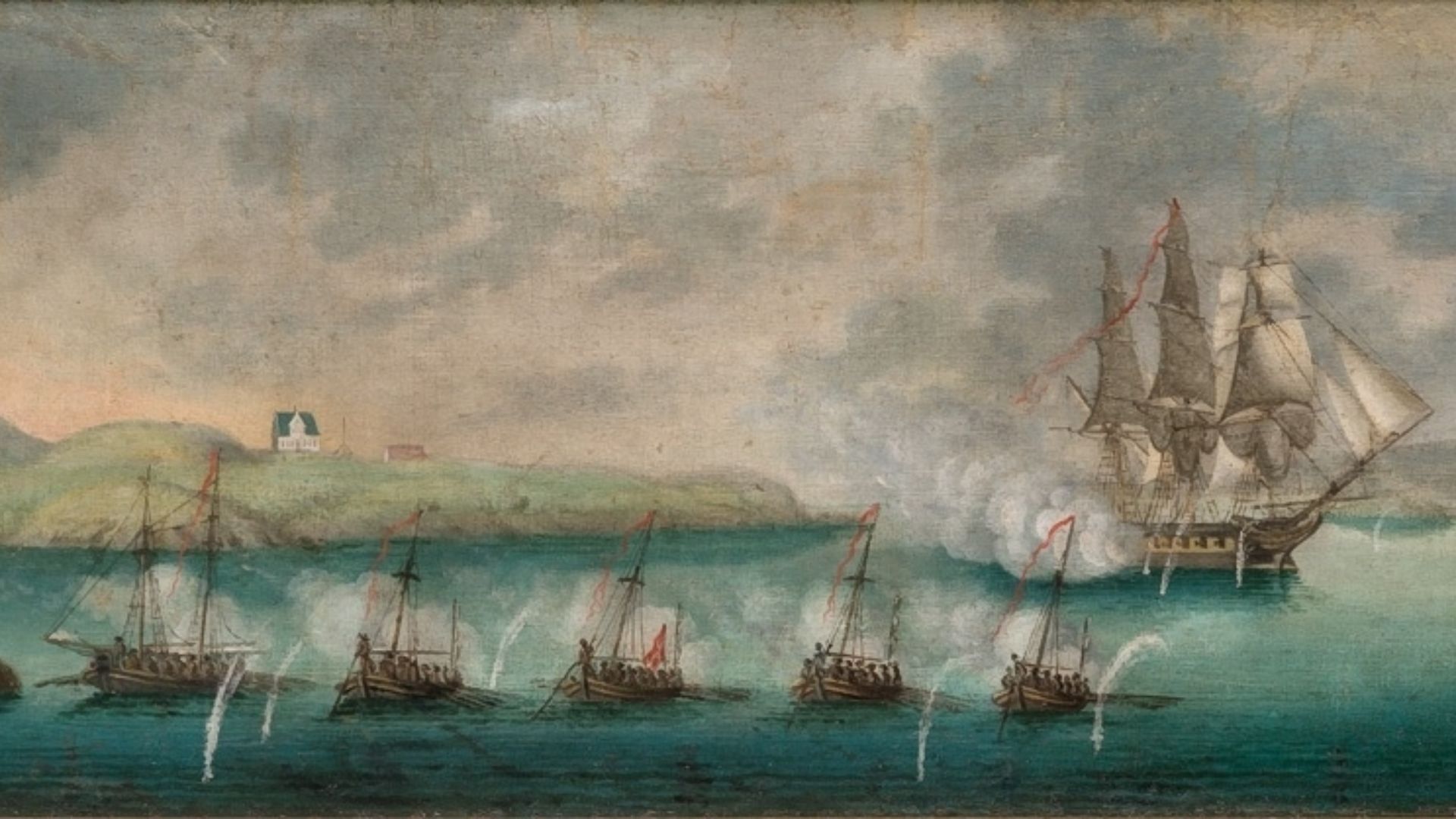
Byron’s cousin, George Bettesworth, was the captain of HMS Tartar, and in 1808, Byron’s plan was to avoid his creditors and spend some time at sea. Sadly, the Battle of Alvoen brought Bettesworth's life to an early end. Byron had lost a cousin and now desperately needed a plan B.
 Painter: unknown, Wikimedia Commons
13. He Did A Tour
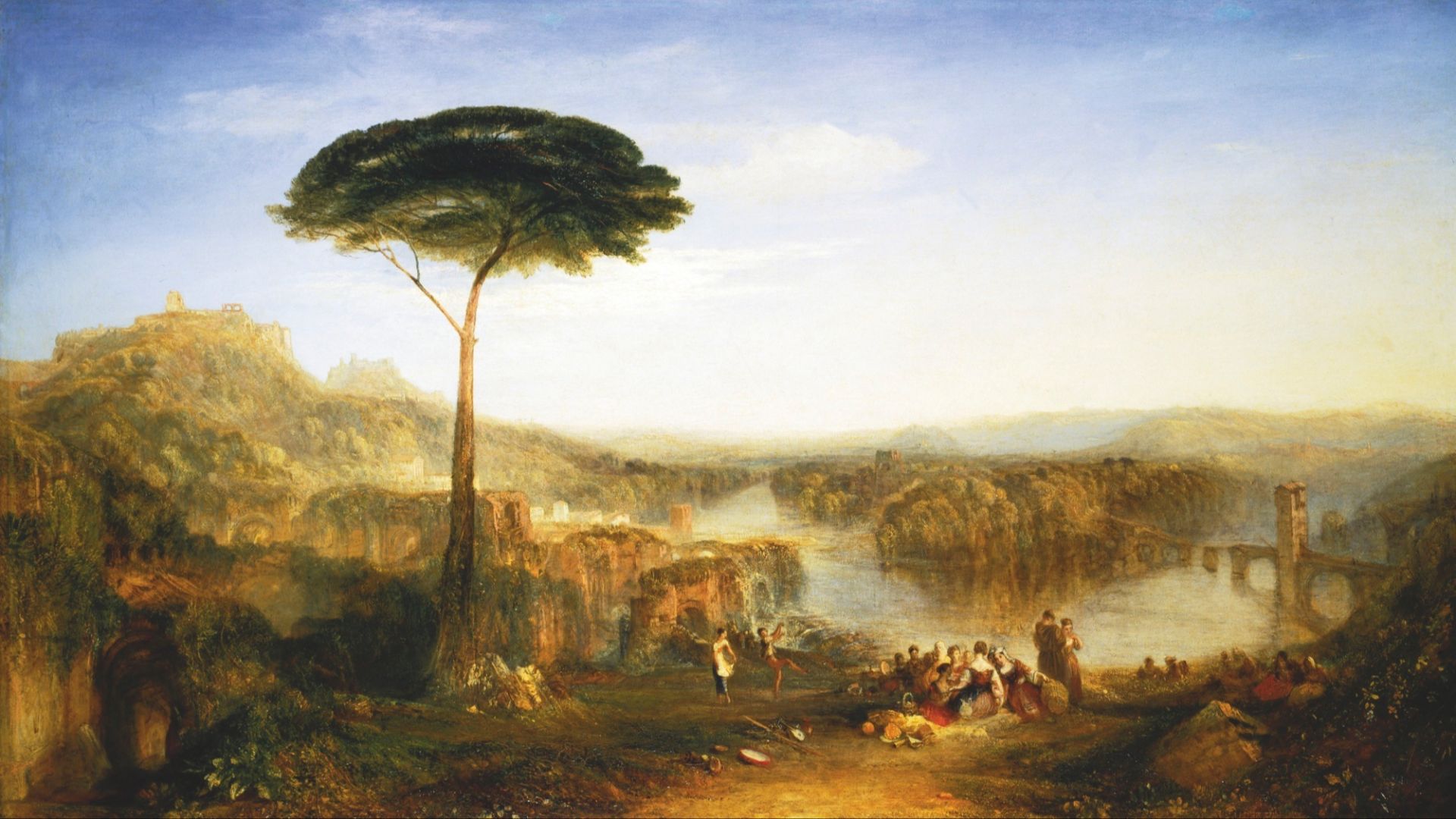
At some point in their lives, most young men of Byron’s class did a tour of Europe. The battle of Napoleon made Byron reroute his tour through the Mediterranean, and this made it possible for him to see what we now call Turkey and Iran. Byron was amassing incredible and worldly experiences, and these experiences would feed his poetry.
Now, it was time for him to get famous.
 Johan Christian Dahl, Wikimedia Commons
14. He Was The Toast Of The Town
When Byron returned from his Grand Tour of Europe, he published Childe Harold’s Pilgrimage. This narrative poem tells the story of a young traveller who finds himself disillusioned by a “life of pleasure”. The poem struck a chord with Londoners, and he suddenly found himself invited to the best parties and clubs.
And of course, his fame also led to affairs.
 J. M. W. Turner, Wikimedia Commons
15. They Kept It A Secret
Byron met Lady Caroline Lamb at a party, and the two soon became close companions. They had to keep the romance a secret, as Lamb already had a husband. It was Lamb who many believe coined Byron’s lengthy nickname. She called him “mad, bad, and dangerous to know”.
Well, Lamb was about to find out just how dangerous Byron could be.
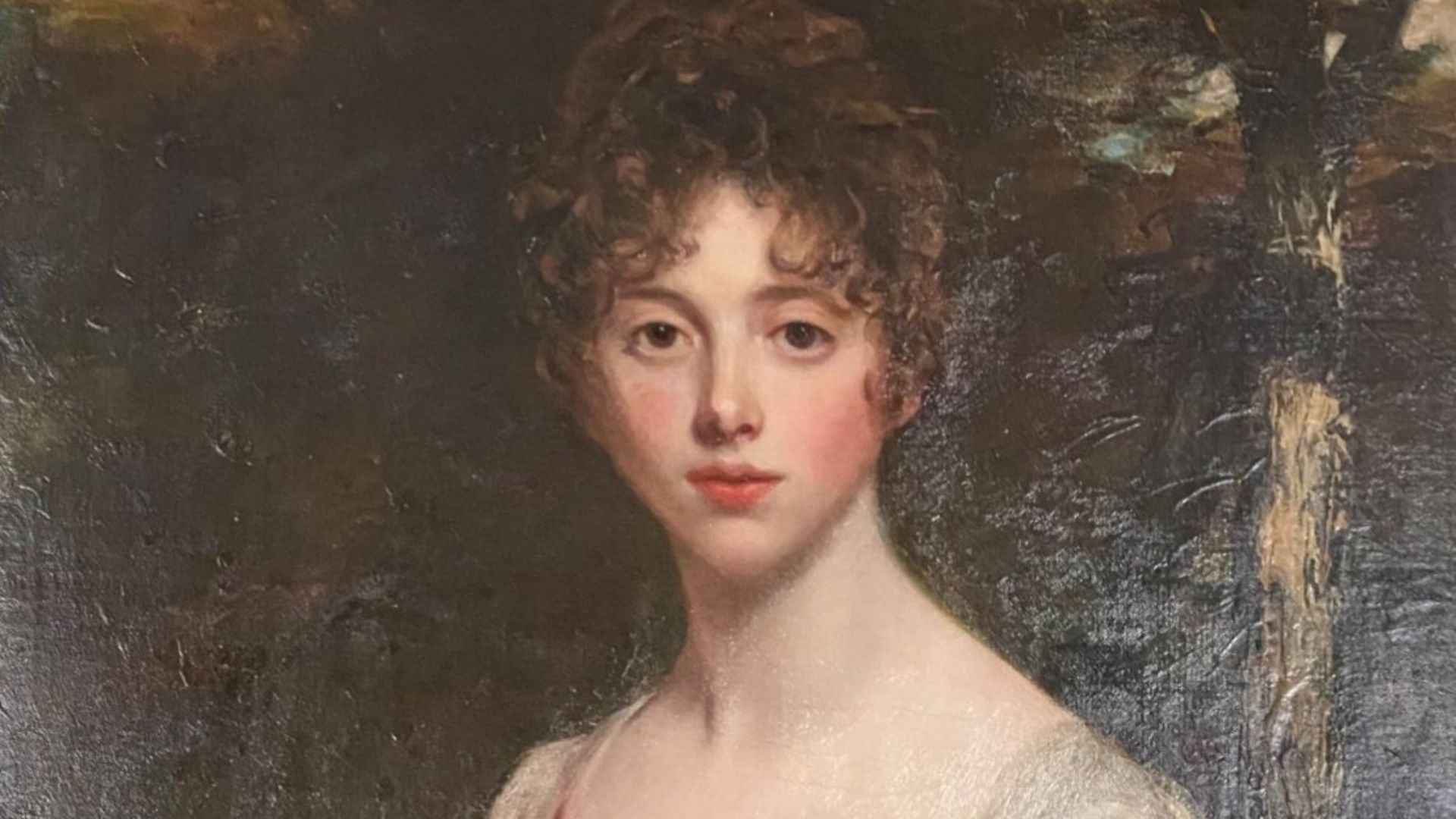 John Hoppner, Wikimedia Commons
16. He Was Cruel
Just as things between Byron and Lamb were heating up, Byron started to lose interest. Lamb, on the other hand, could barely contain her powerful feelings. Things got very intense when Byron cruelly insulted Lamb in public. However, Lamb had a trick up her sleeve that would leave Byron almost speechless.
Well, almost speechless.
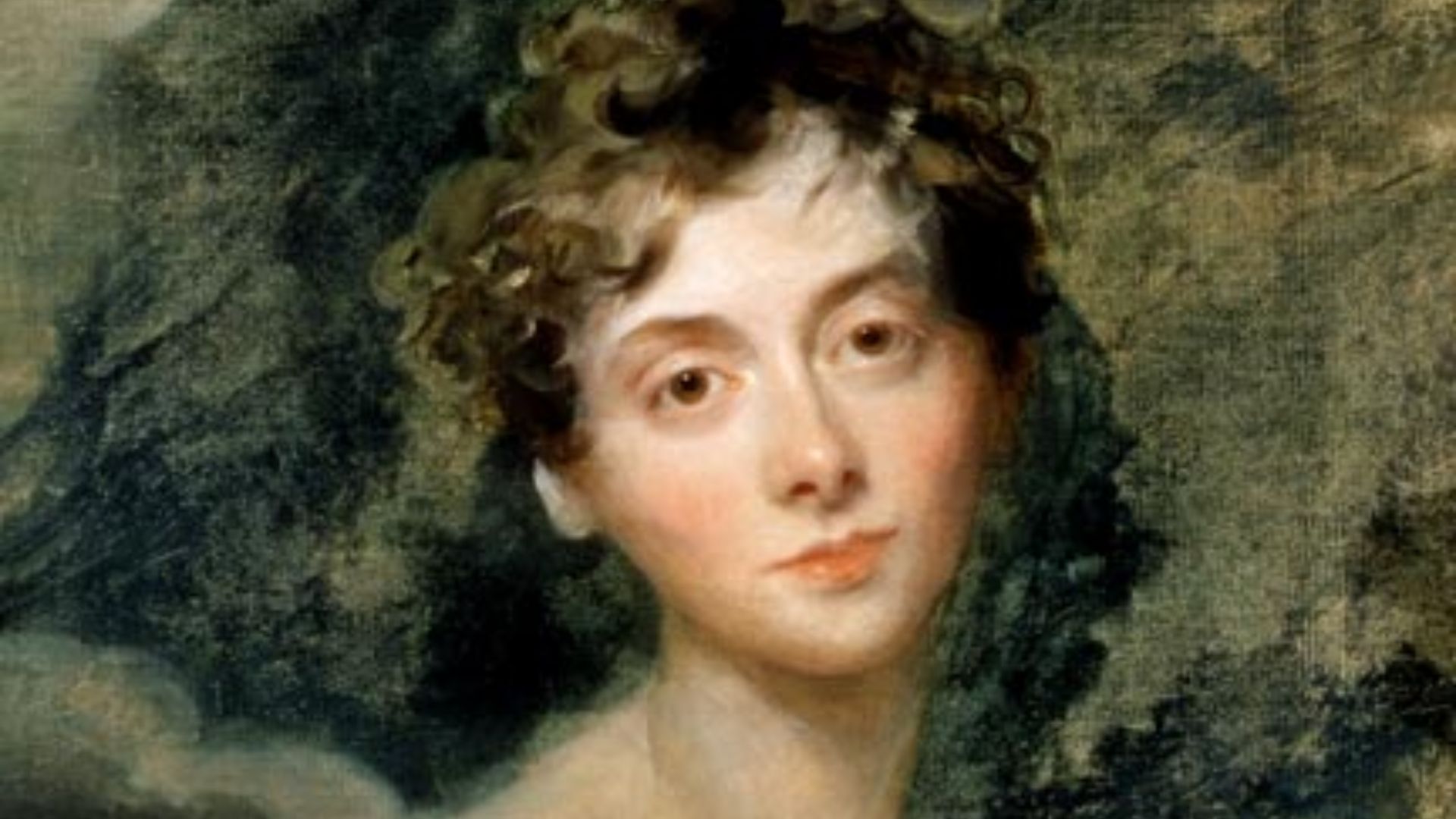 Thomas Lawrence, Wikimedia Commons
17. He Embarrassed Her With Shakespeare
Byron had just insulted Lamb, and she had to do something. She grabbed the closest thing—a wine glass—smashed it, and made an attempt at slashing her wrists. It apparently wasn’t a very convincing effort, and Byron used Shakespeare’s Macbeth to further embarrass Lamb. He said that "Lady Caroline performed the dagger scene".
Lamb never got over her obsession with Byron, but he moved on quite effortlessly to other things.
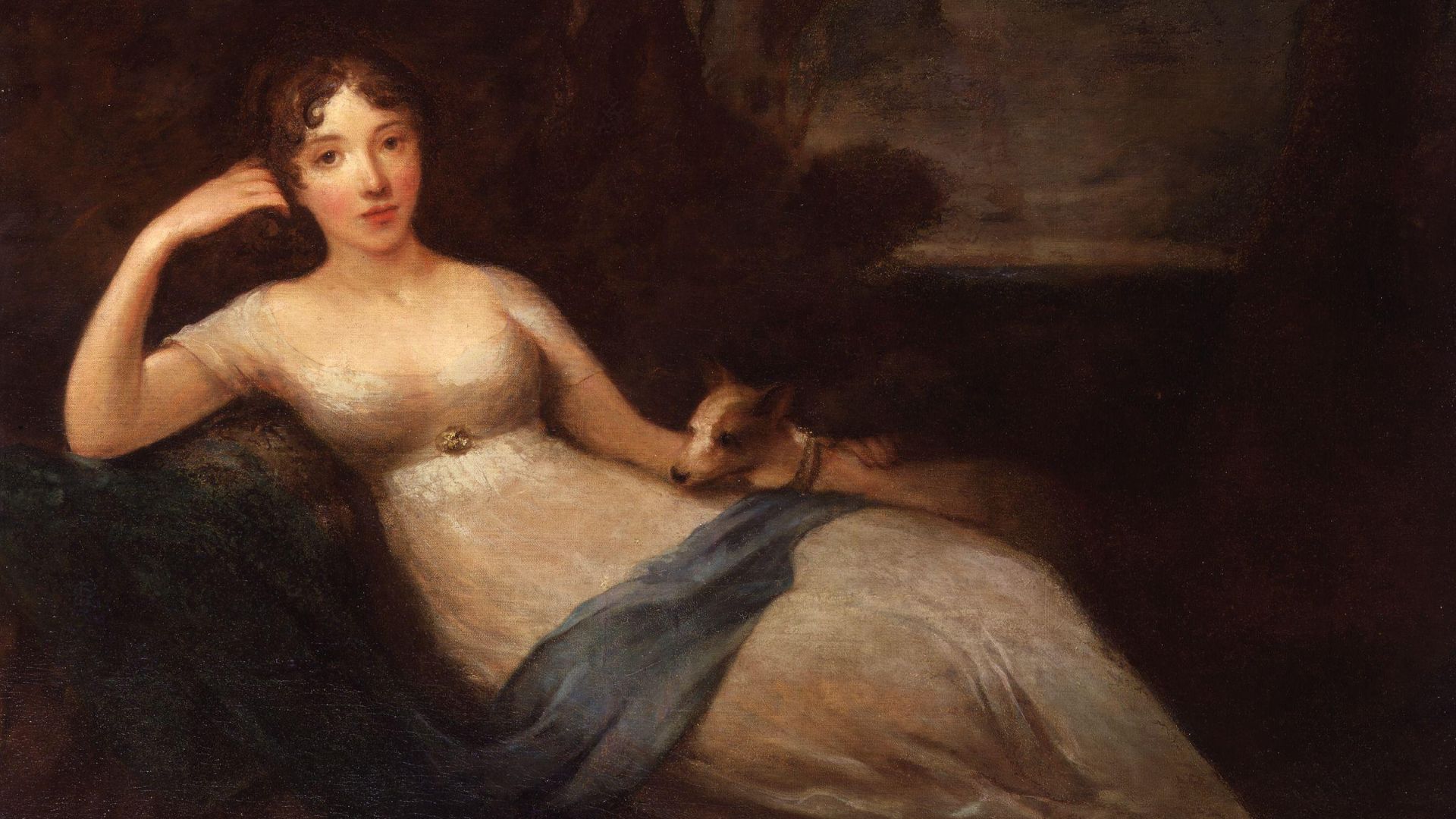 Eliza Trotter, Wikimedia Commons
18. He Needed A Wife
Byron was now, like his father before him, looking for a rich woman who he could marry and reap the financial benefits. He put Annabella Milbanke in his sights and decided she was the one who could get him out of his constant debt. He was ready to dive into marriage when something stopped him.
It was a woman who shouldn’t have been on his radar at all.
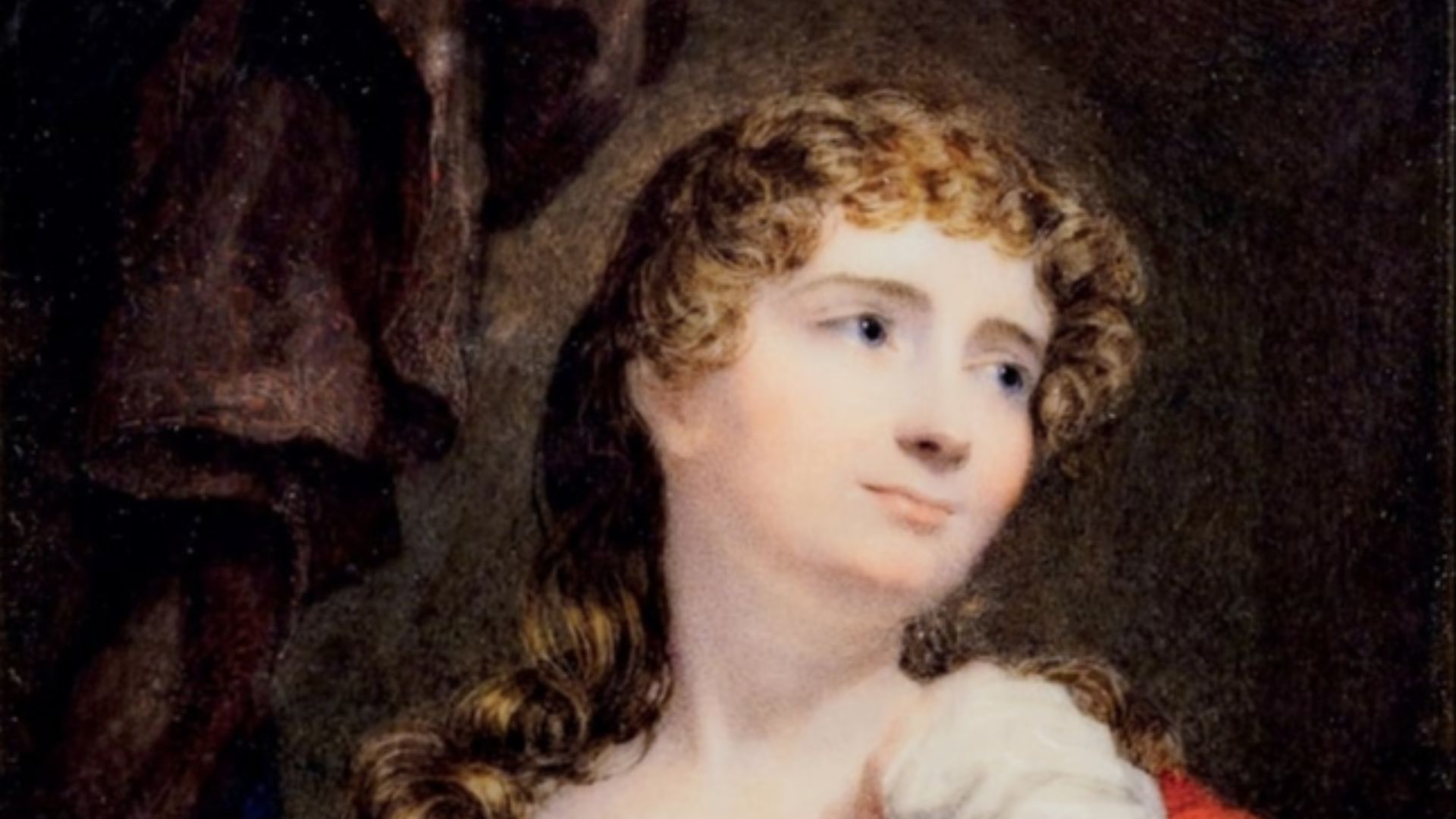 Charles Hayter, Wikimedia Commons
19. She Was Taboo
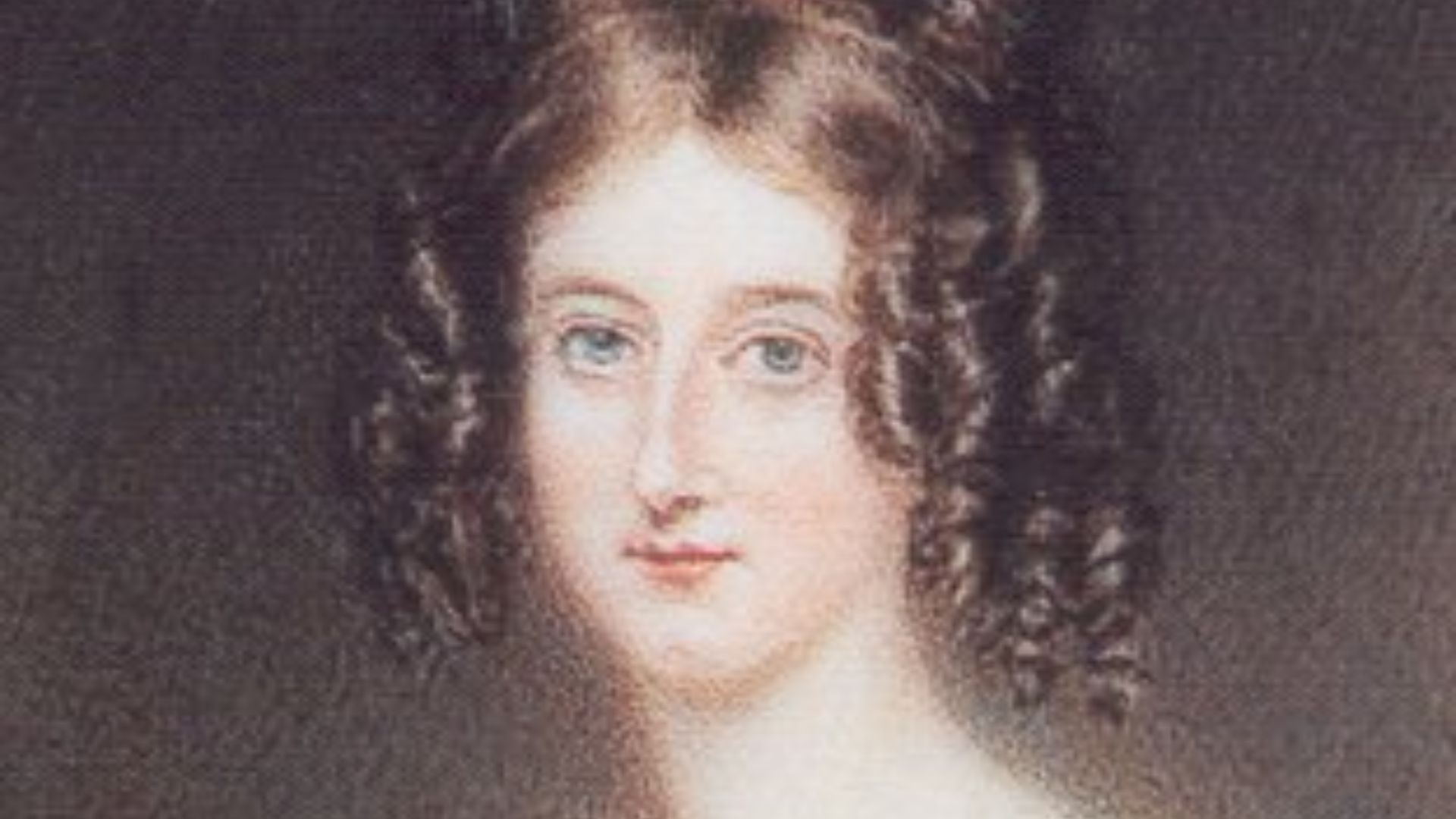
Byron had a half-sister who he hadn’t seen in four years. When Byron laid eyes on Augusta Leigh, he didn’t see the half of her that was his sister. He saw the half that was beautiful. He felt an intense attraction to her, and the feeling was mutual. While there’s no proof, many believe that the two had a physical relationship.
But this icky relationship was not helping Byron’s money problems. He still needed cash.
 James Holmes, Wikimedia Commons
20. He Couldn't Settle Down
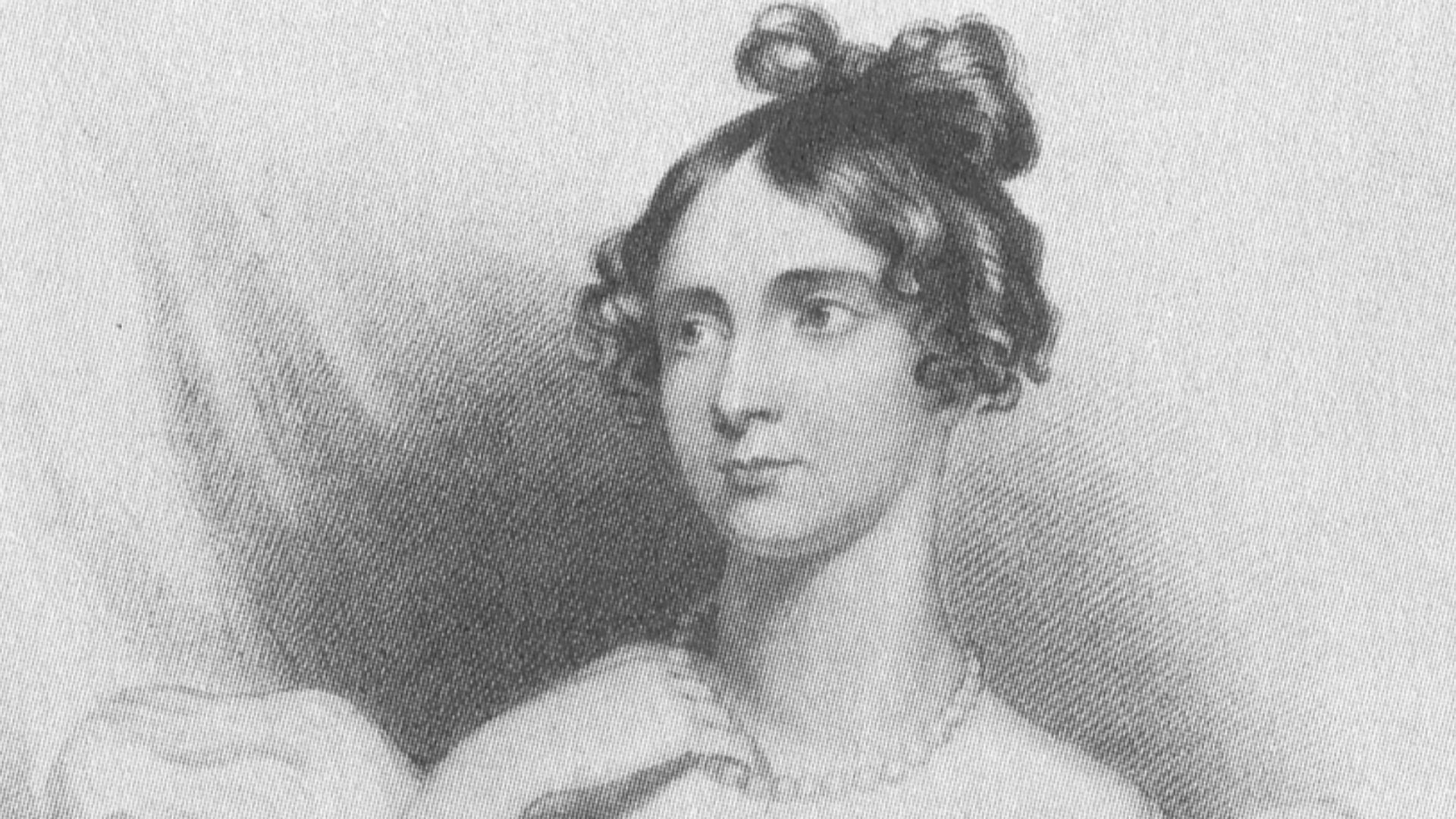
Byron’s relationship with his half-sister was more of a distraction than anything else. He still wanted to marry Milbanke. In 1815, he did just that. But this didn’t mean that Byron had now become an attentive husband. He continued affairs with his half-sister and others. In December of 1815, he and Milbanke had a daughter they named Ada.
But this wasn’t actually Byron’s first child.
 Unknown. Original uploader at de.wp was Annaboh at de.wikipedia, Wikimedia Commons
21. He Broke A Rule
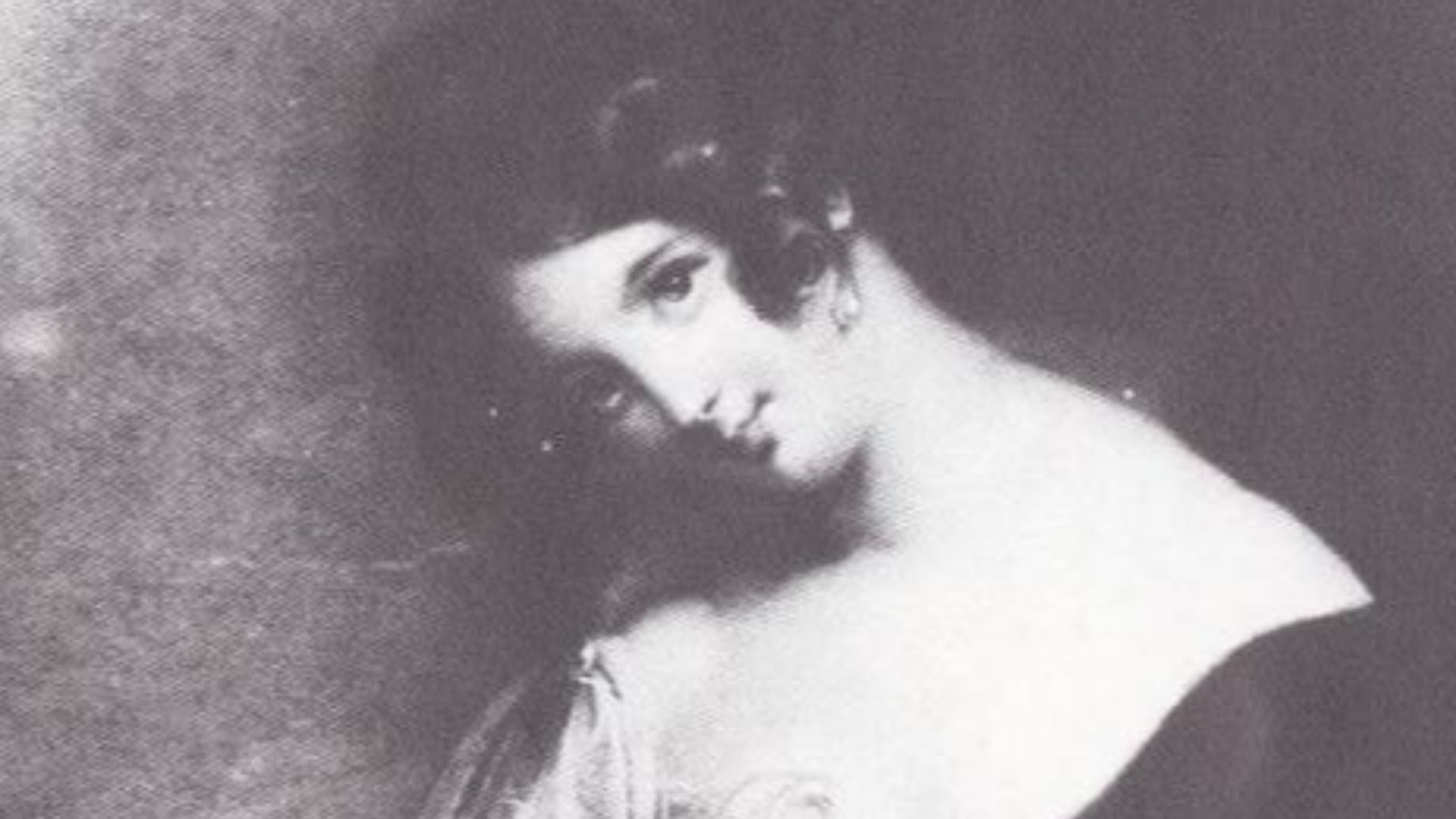
The story goes that while he was cavorting with his half-sister, she became pregnant. The child was Elizabeth Medora Leigh, and to the public, her father was Leigh’s husband, George. The reality was that her father was actually her uncle Byron. Naturally, the rumor mill was rife with stories of Byron and his half-sister.
These rumors caused the end of Byron’s marriage and his life in England.
 Unknown authorUnknown author, Wikimedia Commons
22. He Found Friends
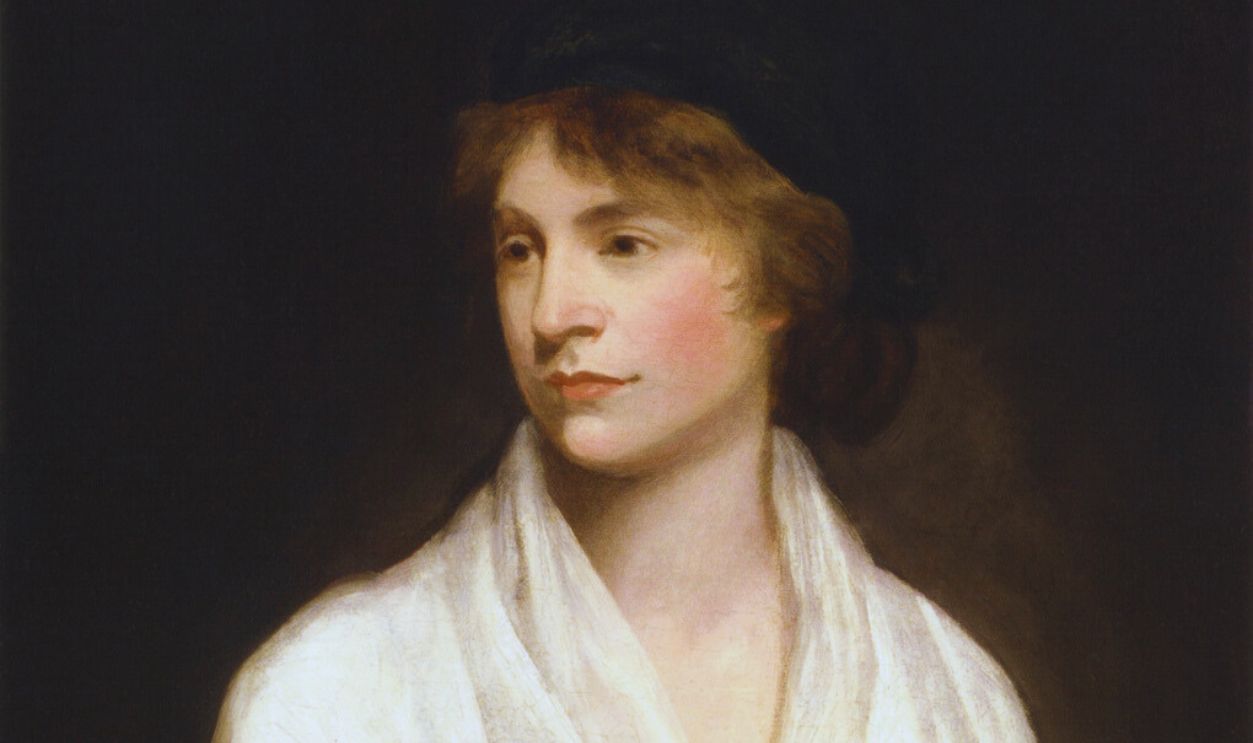
In 1816, Byron left England and said he would never return. He even made it clear that when he passed, he didn’t want his body buried there. He ventured into Europe and soon found himself in Lake Geneva, Switzerland. He soon made friends with like-minded artists Percy Shelley and his fiancee Mary Godwin.
But Byron already had a connection to these two—one he may not have been too proud of.
23. They Had History
While Byron was hanging out with Shelley and Godwin in Switzerland, Godwin announced that her step-sister was also there. Byron knew Claire Clairmont all too well. He’d met the starstruck teenager back in England when she began writing him love letters. While Byron had tried to reject her advances, something happened between the two. Clairmont was now very pregnant with Byron’s child.
Things in Switzerland were about to get awkward.
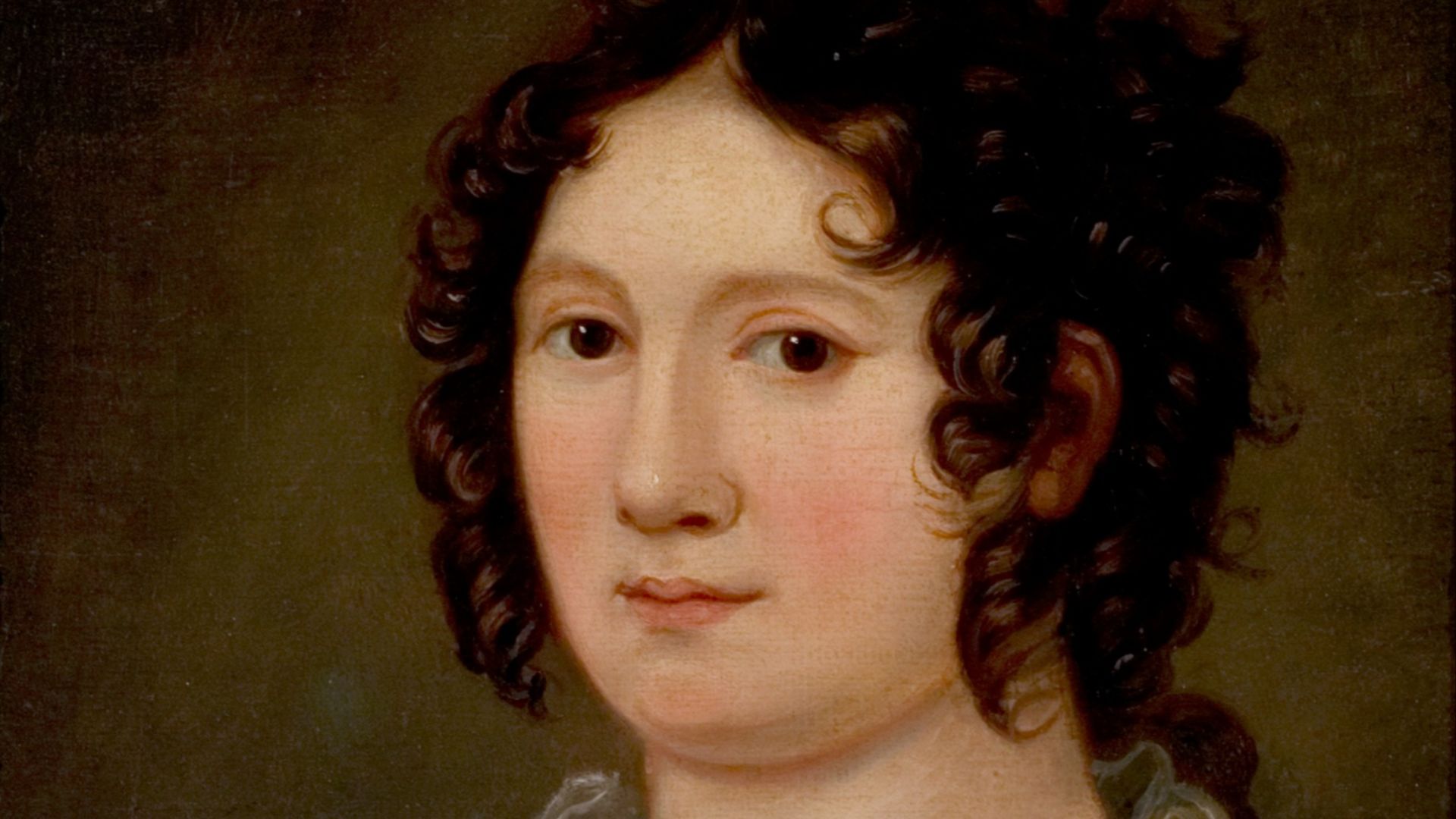 Amelia Curran, Wikimedia Commons
24. He Had To Deal With Her
As it turned out, Byron’s joining with Shelley and Godwin was not a chance meeting. Clairmont had become obsessed with Byron, and she convinced Godwin and Shelley to go with her to Switzerland in pursuit of him. Now, Byron was in a pickle. What would he do with this pregnant teenage girl?
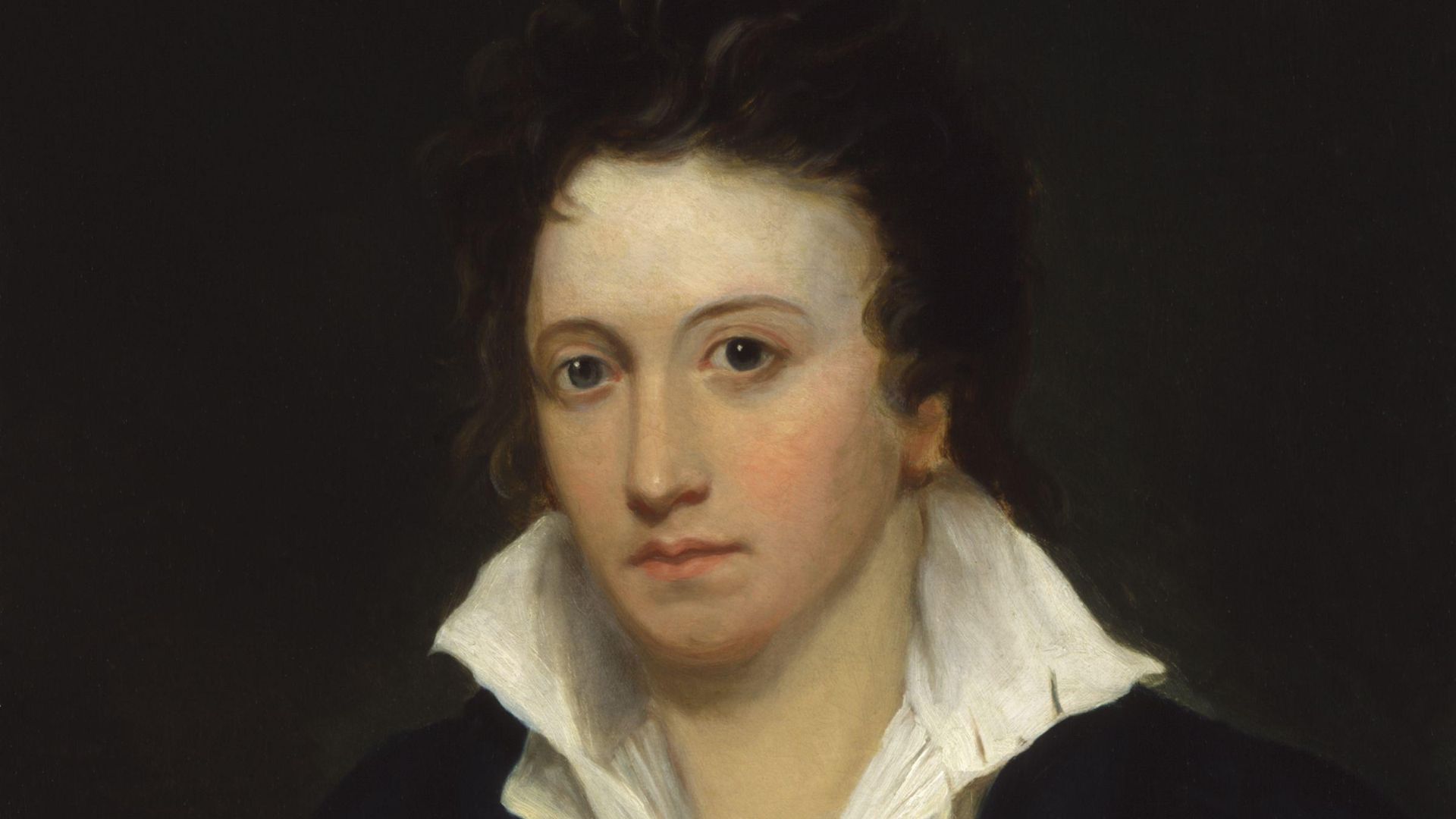 After Amelia Curran, Wikimedia Commons
25. He Did A 180
At first, Byron sensibly refused to be alone with Clairmont and required the others to always be with them. And then he turned around and changed everything. Soon, the two were on intimate terms once again. Byron explained his behavior in a letter to his friend that simply stated that “a man is a man”.
So, did this mean that Byron was ready to be a proper father to Clairmont’s child? Not a chance.
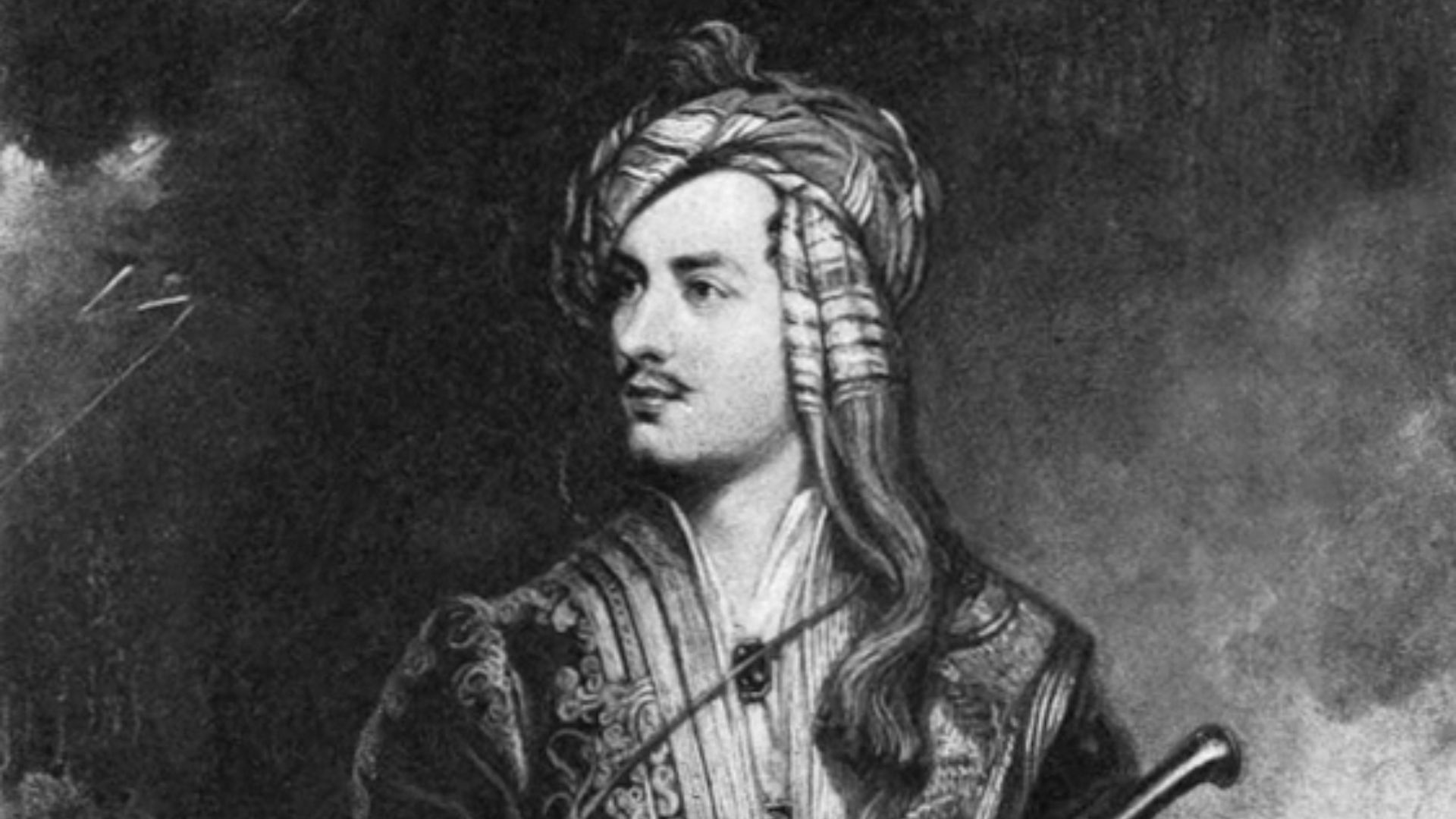 ed. Coleridge, Prothero, Wikimedia Commons
26. She Begged Him
After spending the summer with Byron, Clairmont, Godwin, and Shelley returned to England. While waiting to give birth, Clairmont sent letters to Byron asking him for help and to be a father to their unborn child. She also reminded him how much fun they’d had in the bedroom. The letters ended with a threat to end her own life. Sadly, Clairmont’s letters did nothing to change Byron’s behavior.
Soon, both Byron and Clairmont would be mourning their poor judgment.
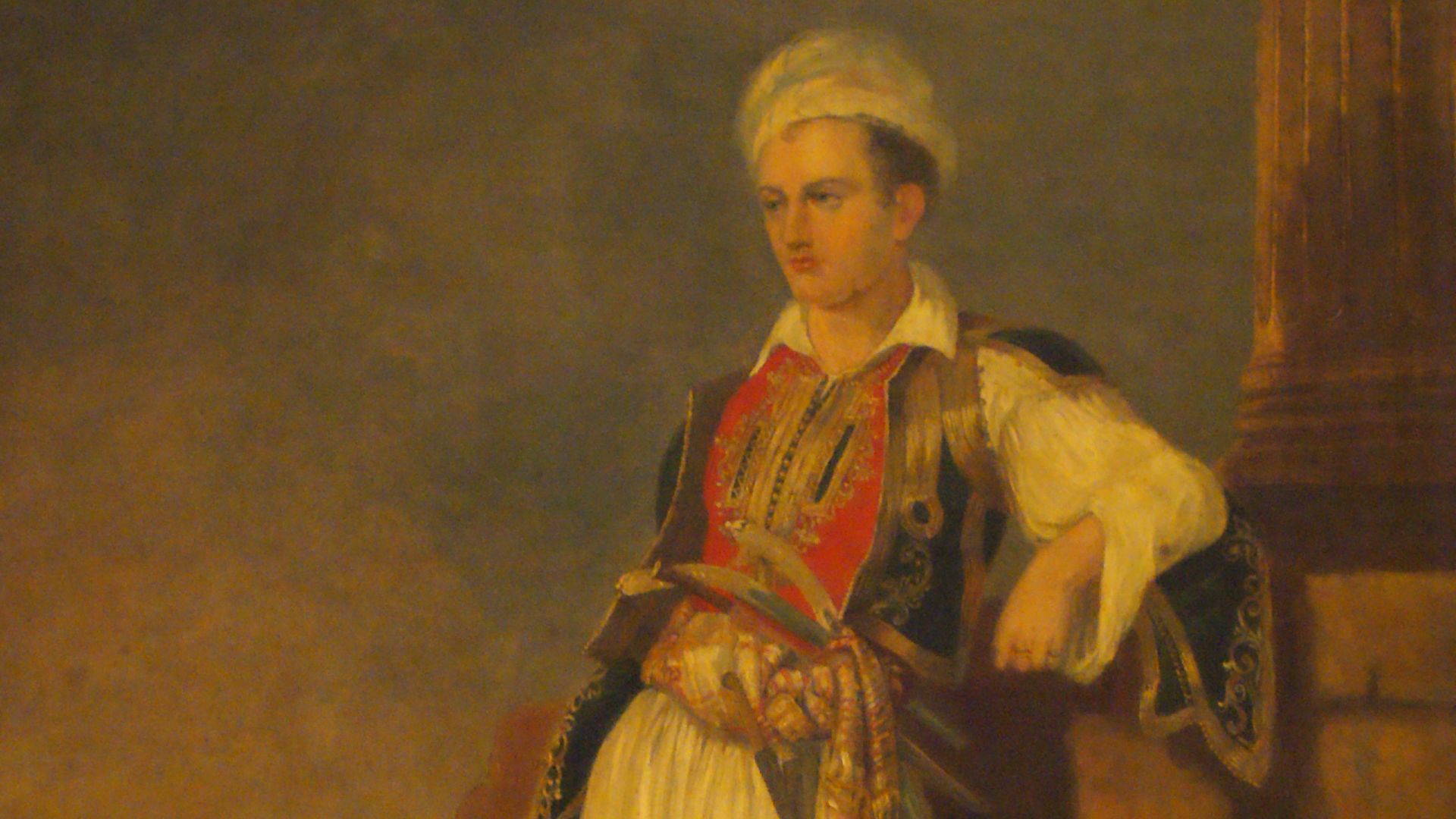 Unidentified painter, Wikimedia Commons
27. He Found Two More
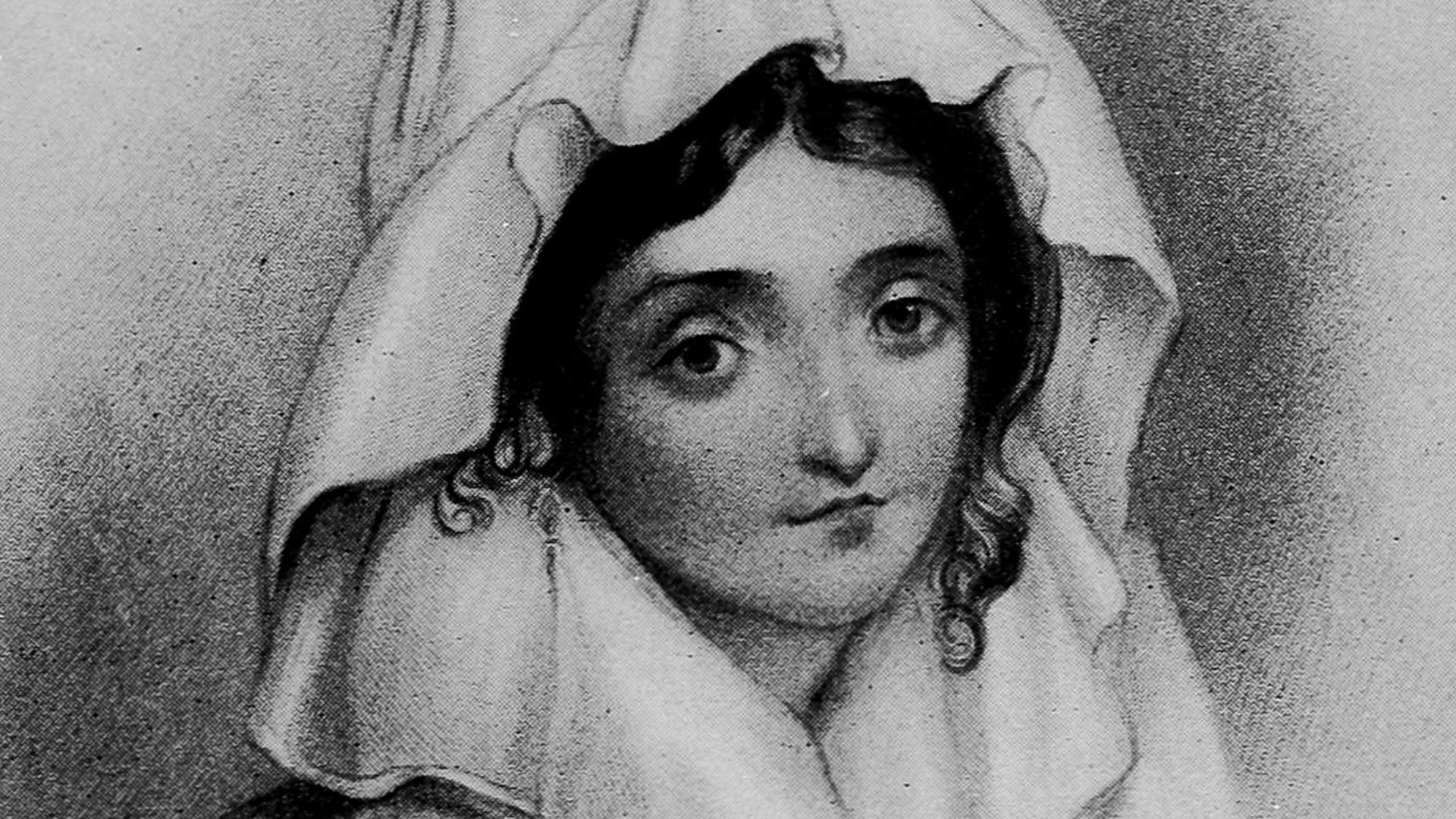
While Clairmont continued to pine for Byron, he left Switzerland and moved to Venice, Italy. He found a place to live in and soon fell in love with the homeowner. This was Marianna Segati. who was already married. When Byron grew tired of her, he moved on to another married woman named Margherita Cogni. Cagni, who could neither read nor write, was head over heels in love.
She had no idea how badly this would end.
 Matthew Woods, Wikimedia Commons
28. He Asked Her To Leave
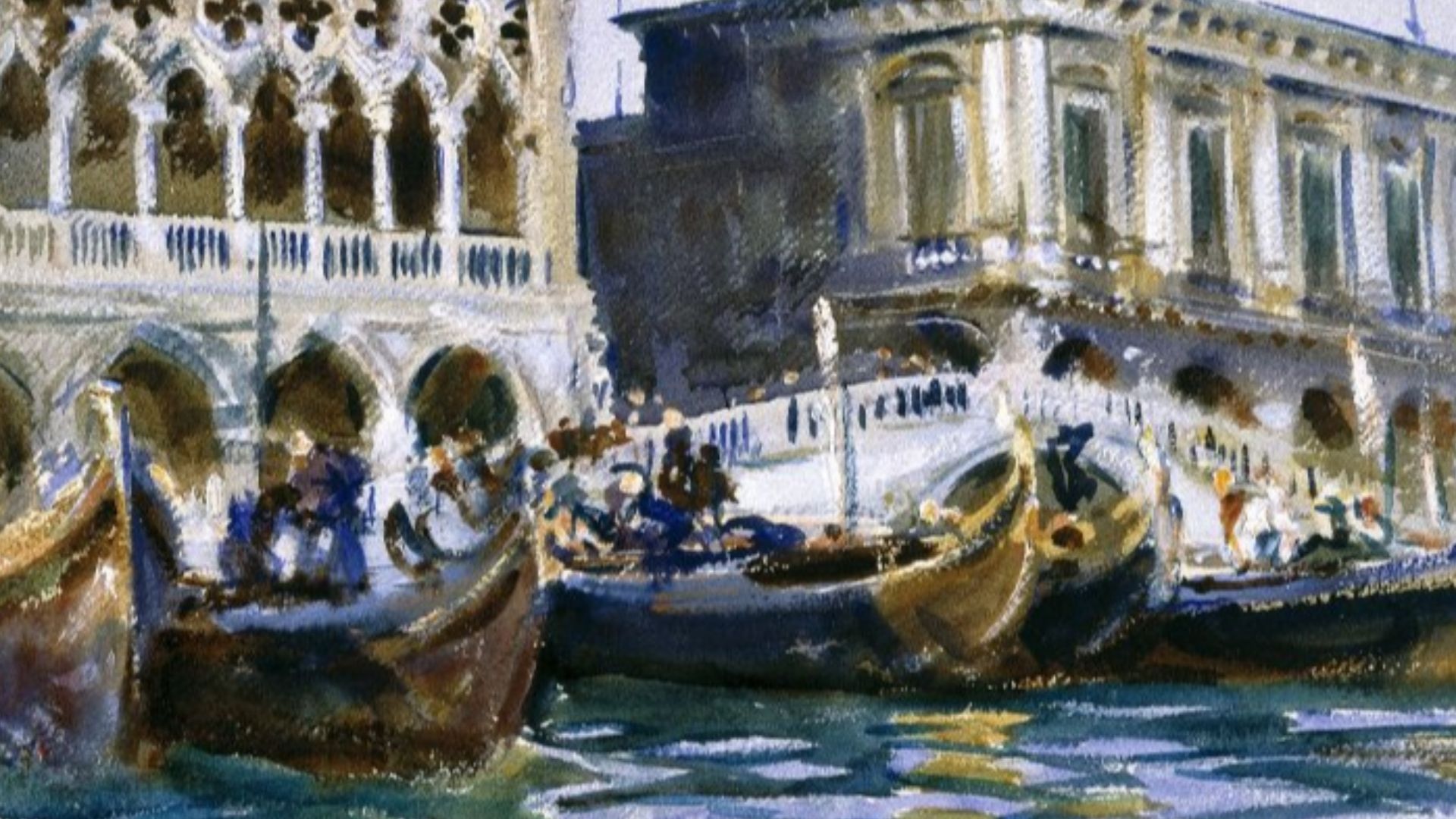
Cogni was so in love with Byron that she left her husband and moved in with him. Byron was still living with his ex, which led to some very loud arguments. To escape the madness, Byron often slept in his gondola. When he’d finally had enough, Byron asked Cogni to vacate his premises. She did what he asked and drowned herself in the nearby canal.
While this tragedy was unfolding, Byron was becoming a father.
 John Singer Sargent, Wikimedia Commons
29. She Wanted Him To Know His Daughter
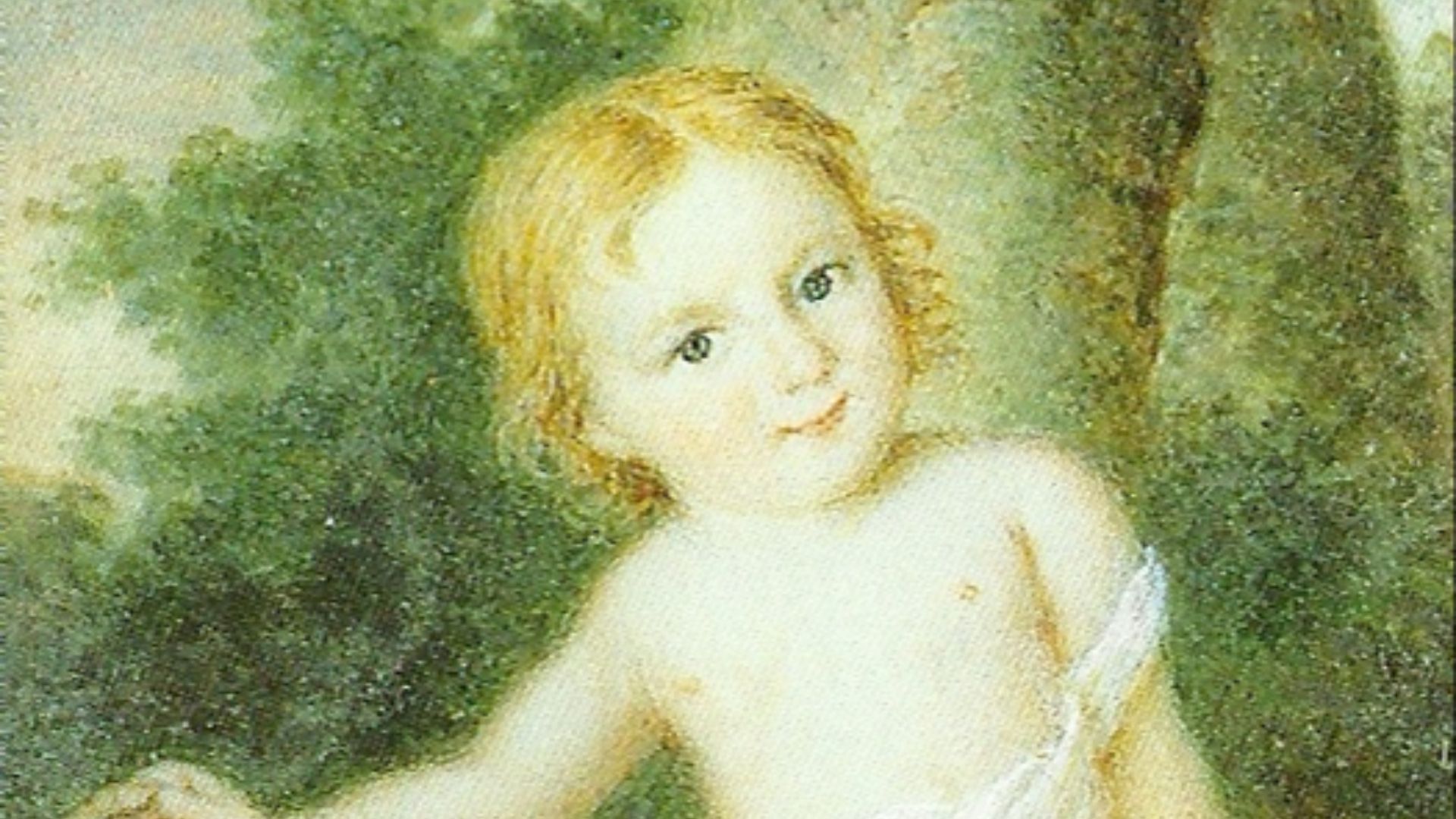
In January 1817, Clairmont gave birth to a daughter she named Allegra. Sadly, she couldn't forget the deadbeat father of her child. She found out that Byron was now in Italy, and she decided to go and find him. She somehow got Shelley and Godwin—who were now married—to join her on a road trip to unite father and baby girl.
She had to know this would not end well.
 Unknown authorUnknown author, Wikimedia Commons
30. He Refused To See Her
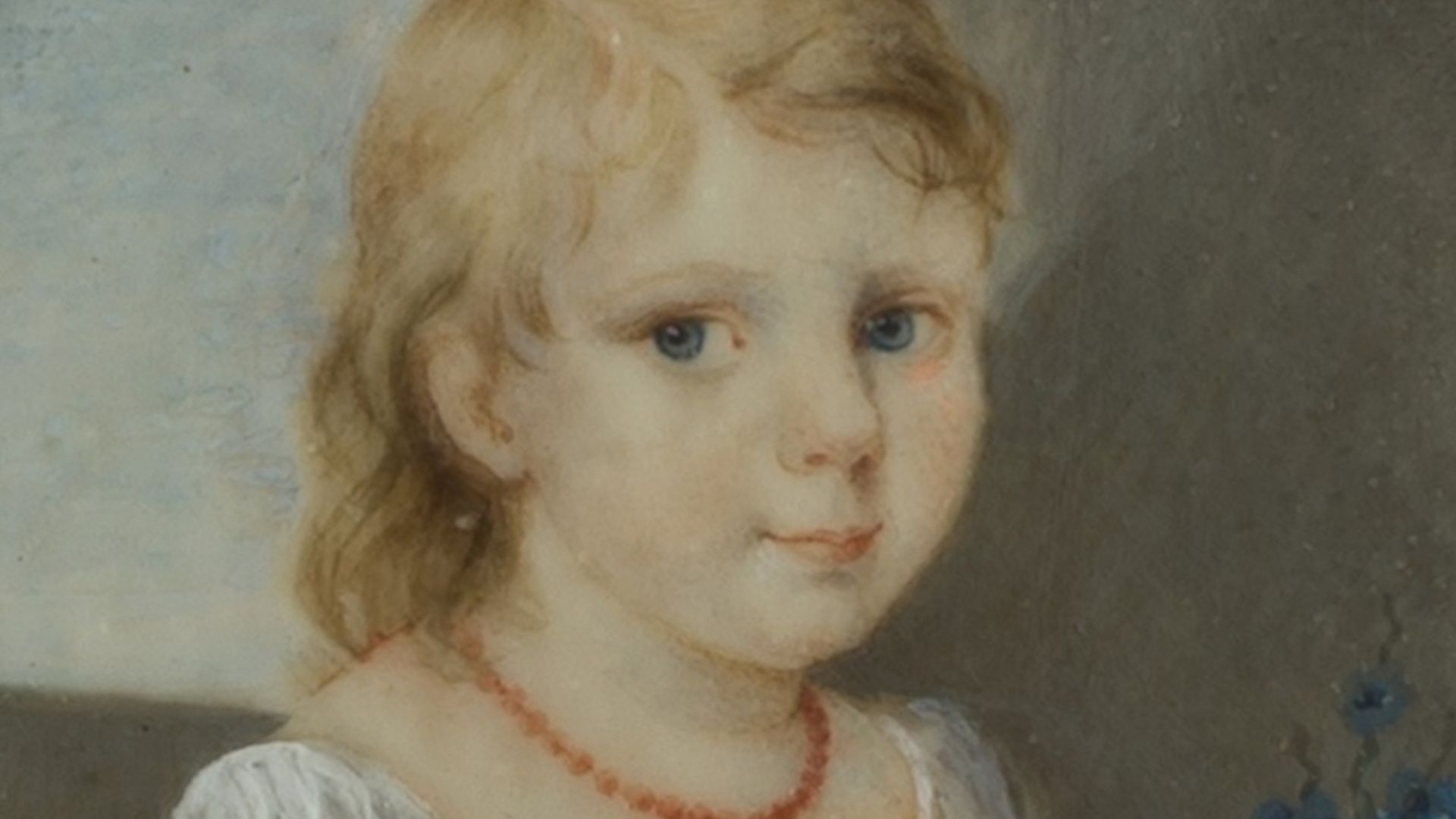
As it turned out, Clairmont had the idea to leave her baby with Byron. She believed that with his social ranking, the child would be better off than with her. When Clairmont arrived in Italy, Byron would not see her. He asked her to just leave the baby and go. Clairmont reluctantly agreed.
Leaving a vulnerable child with a man like Byron was bound to lead to heartache.
31. He Hated Britain
Byron still hated England, and he decided one thing: He would do everything in his power to keep his daughter from becoming British. An Englishwoman who had been taking care of the child offered to adopt her. Byron refused. The Shelleys offered to care for her but also received a hard “no”. Even when Byron made his will, he said his daughter would get nothing if she married an Englishman.
Byron had one more way to make sure his daughter did not become British, and it was heartless.
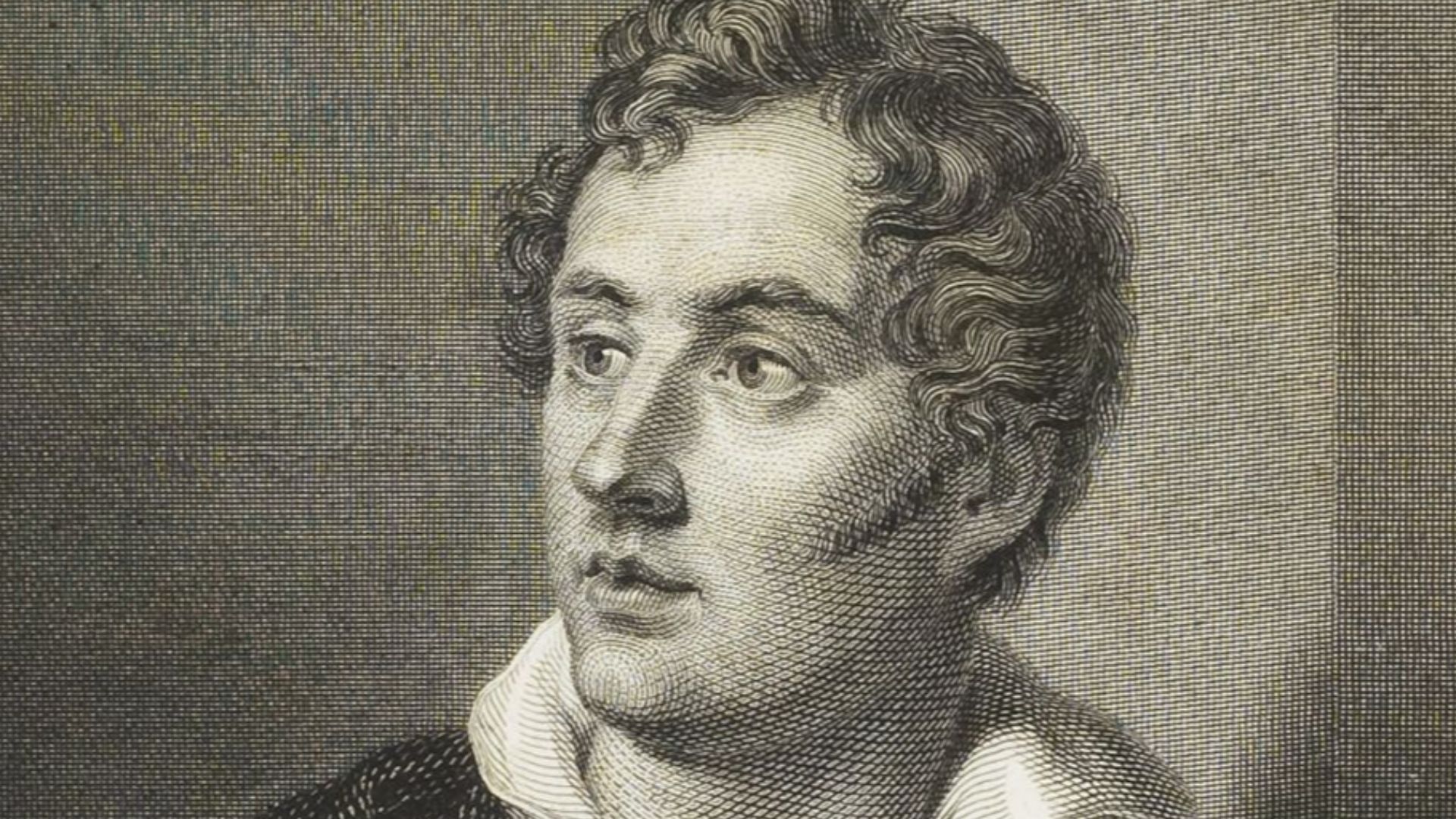
32. He Broke A Promise
When Clairmont left her child with Byron, she made him promise that the child would never be away from at least one of her parents. Byron apparently agreed to this promise but then did something despicable. He sent baby Allegra to a convent where she would indeed be away from both her parents and would not turn out very British at all.
But it was much worse than just a broken promise.
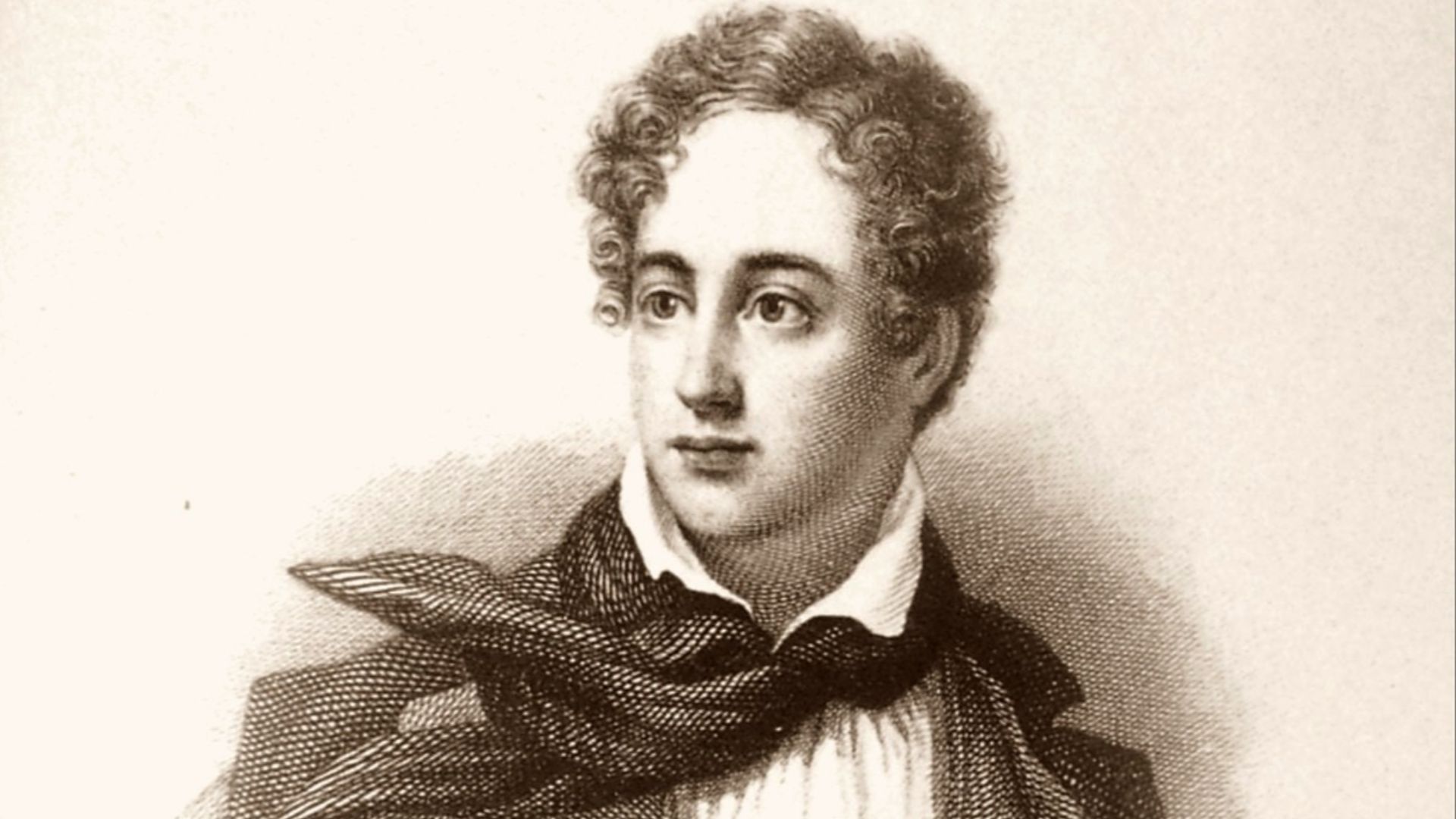 nach einem unbekannten Stahlstich., Wikimedia Commons
33. The Worst Happened
While Allegra was in the care of the nuns at the convent, she became ill. Some scholars believe she had typhus, while others think it was something like malaria. Whatever it was, it tragically ended the child’s life. Not surprisingly, Clairmont put all the blame on Byron’s shoulders and vowed to hate him for the rest of her life.
Byron washed his hands of Clairmont and went on to the next thing.
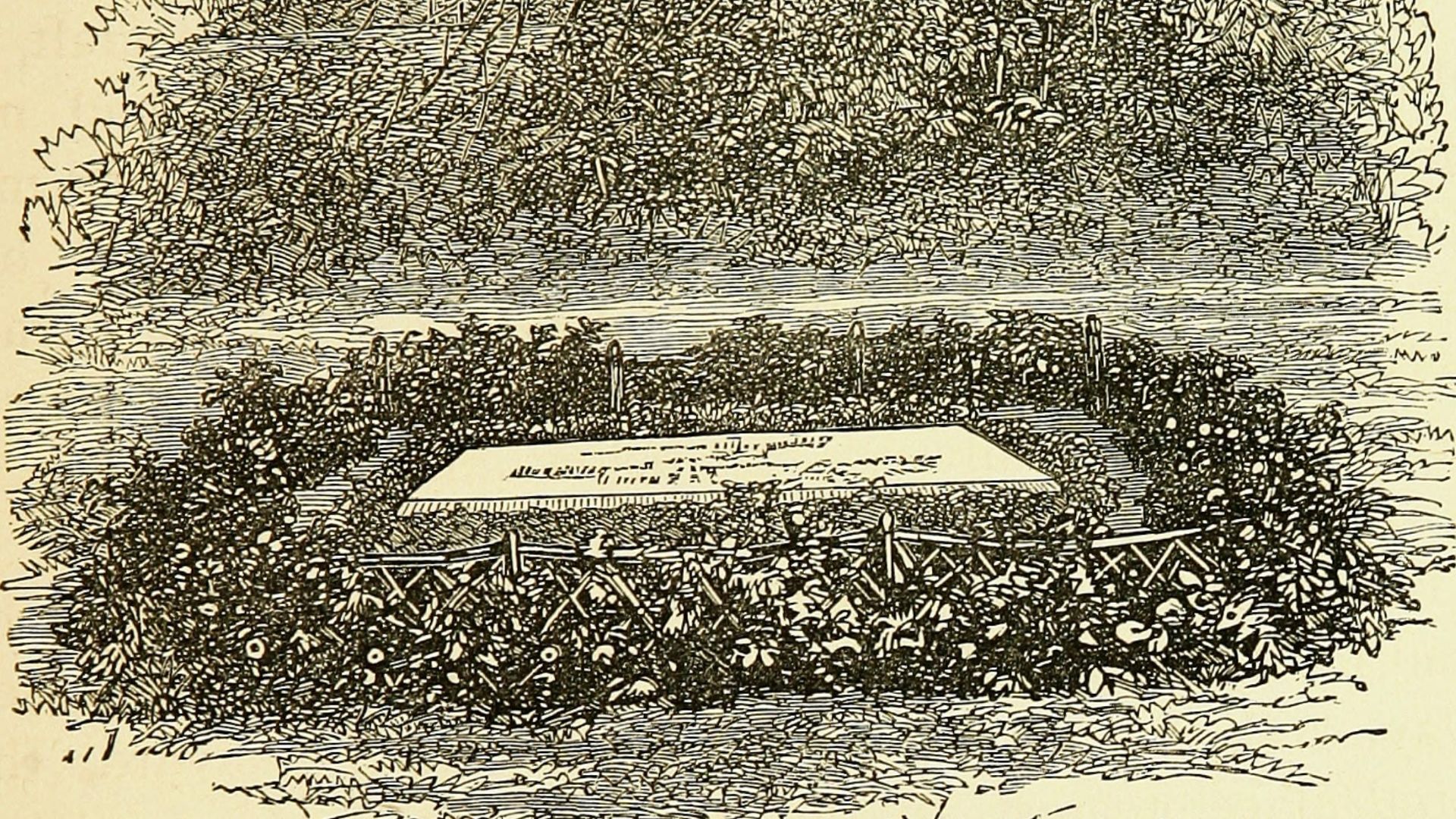 Internet Archive Book Images, Wikimedia Commons
34. He Met A Countess
In 1818, Byron was writing his poem about the legendary womanizer Don Juan and doing some womanizing of his own. He met 21-year-old, and newly married, Countess Guiccioli. Guiccioli had just walked down the aisle three days before when she fell hard for Byron. To stay near the Countess and far from her husband, Byron moved to Ravenna, where he lived an odd lifestyle.
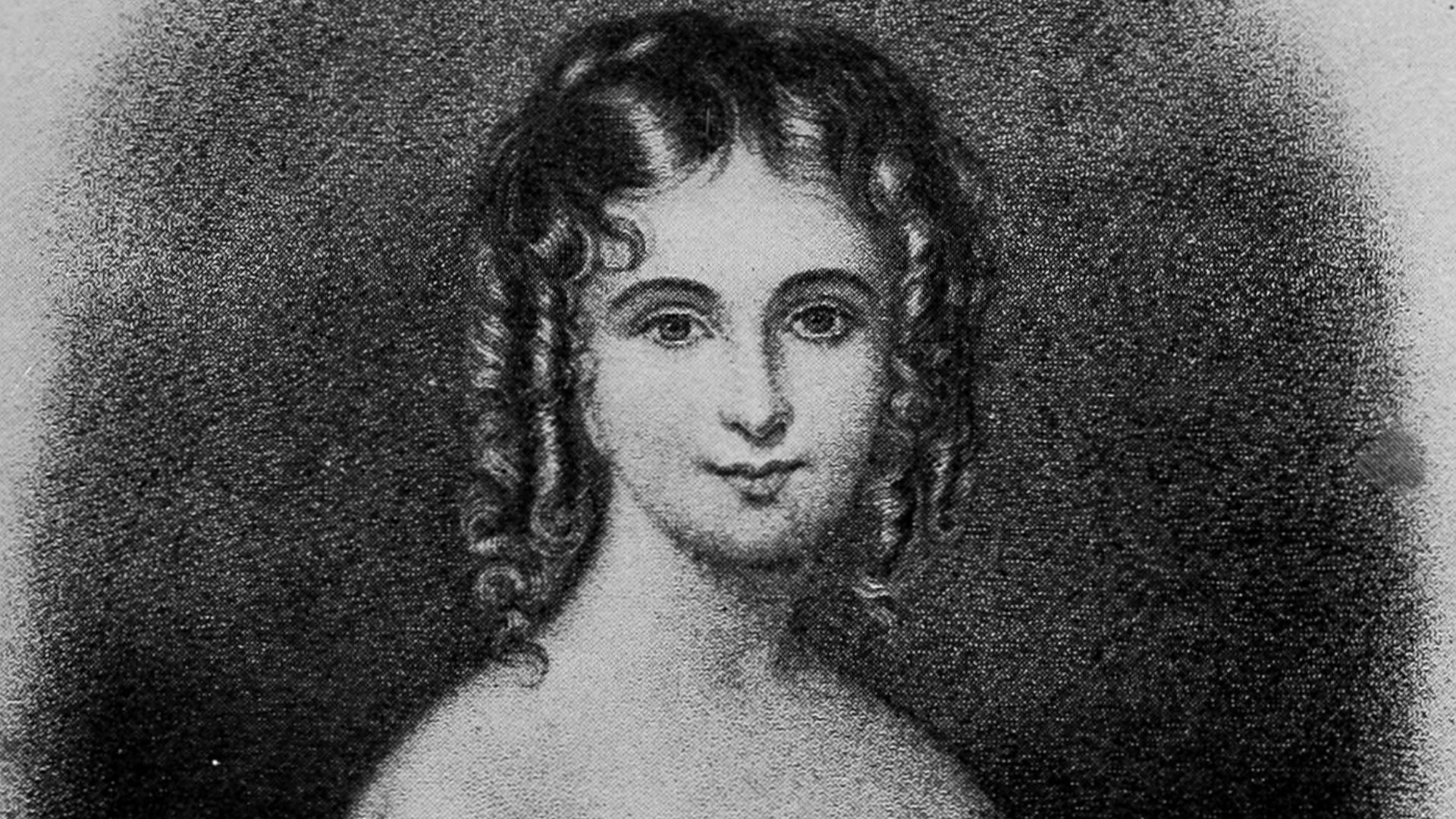 Matthew Woods, Wikimedia Commons
35. He His House Was A Zoo
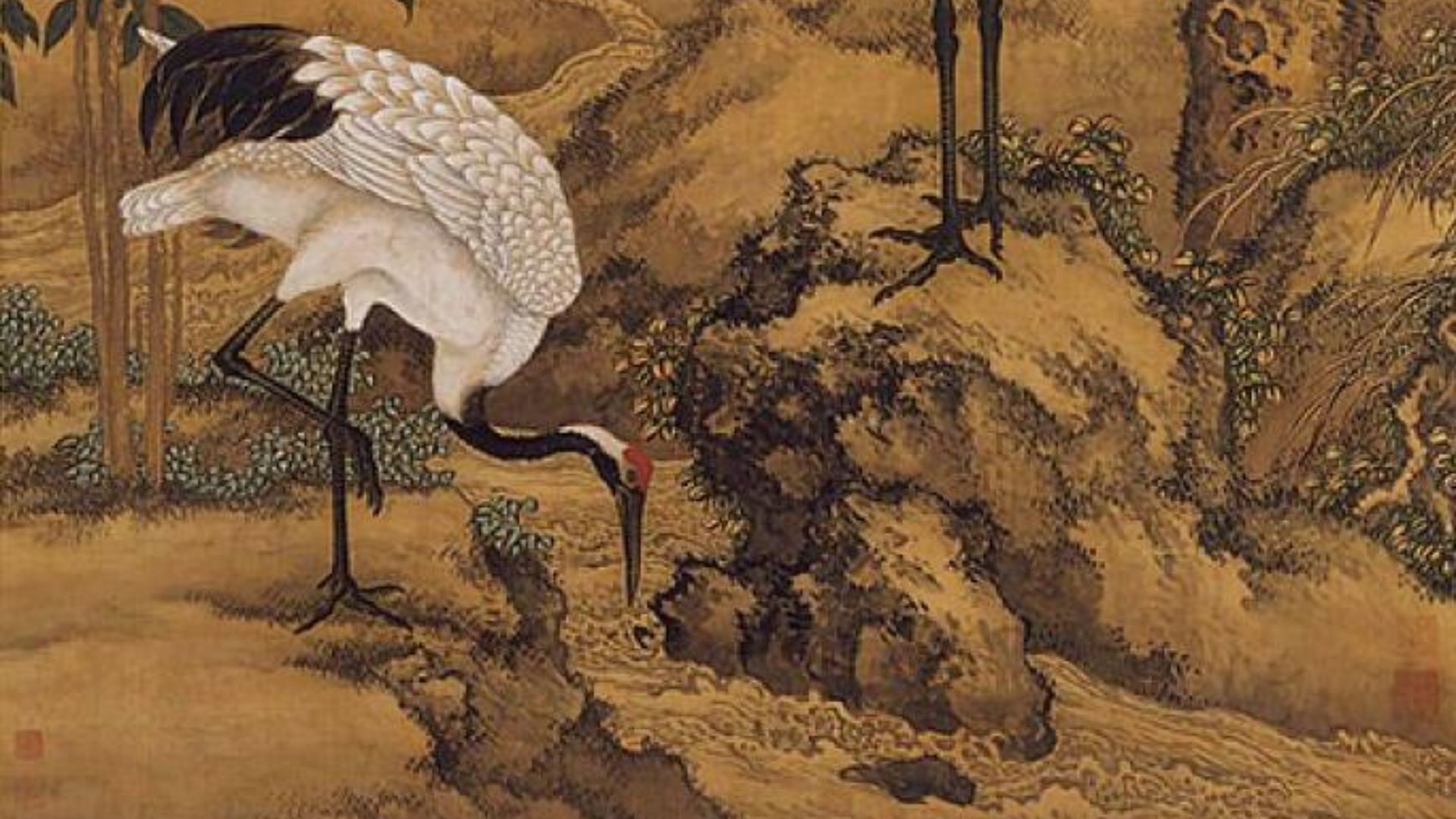
Byron’s friend, Percy Shelley came to visit the poet in Ravenna. Shelley said that Byron’s life was more than a little unusual . He had servants, of course, but he also had monkeys, a handful of cats, some peacocks, an Egyptian crane, and a few birds of prey. The strange thing was that these animals lived in the house with him and acted as if they owned the place.
Amidst all this wildlife, there was still room to party.
36. He Was The Perfect Host
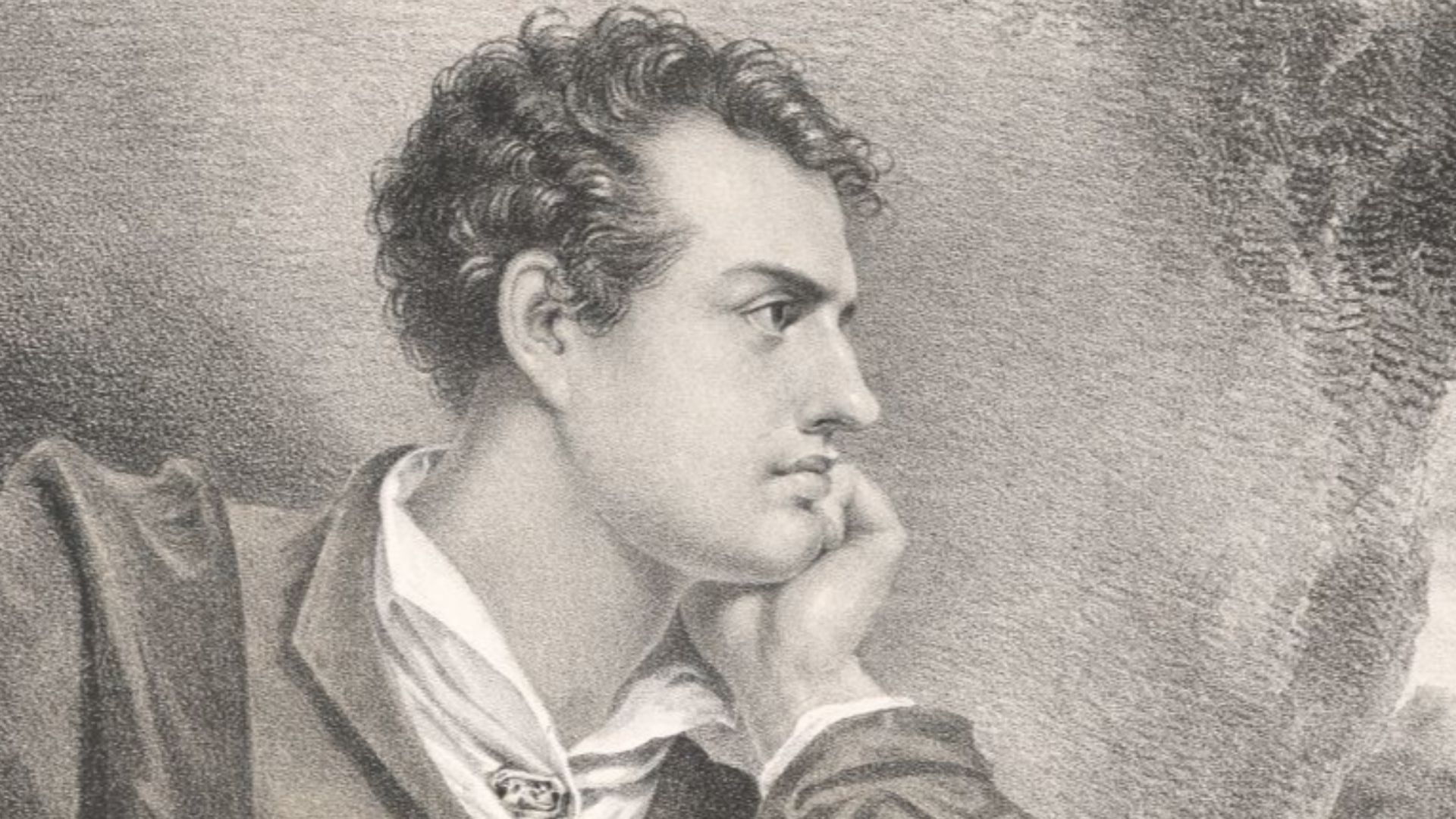
Believe it or not, Byron did eventually tire of his life in Ravenna and relocated to Pisa in Tuscany. It was certainly no coincidence that his married girlfriend—remember Guiccioli?—also moved to Pisa. There, Byron threw elegant dinner parties and was the perfect host. But parties would not keep him occupied.
Sadly, his new passion would prove to be fatal.
 Josef Eduard Teltscher (litography after Richard Westall), Wikimedia Commons
37. He Lost His Friend
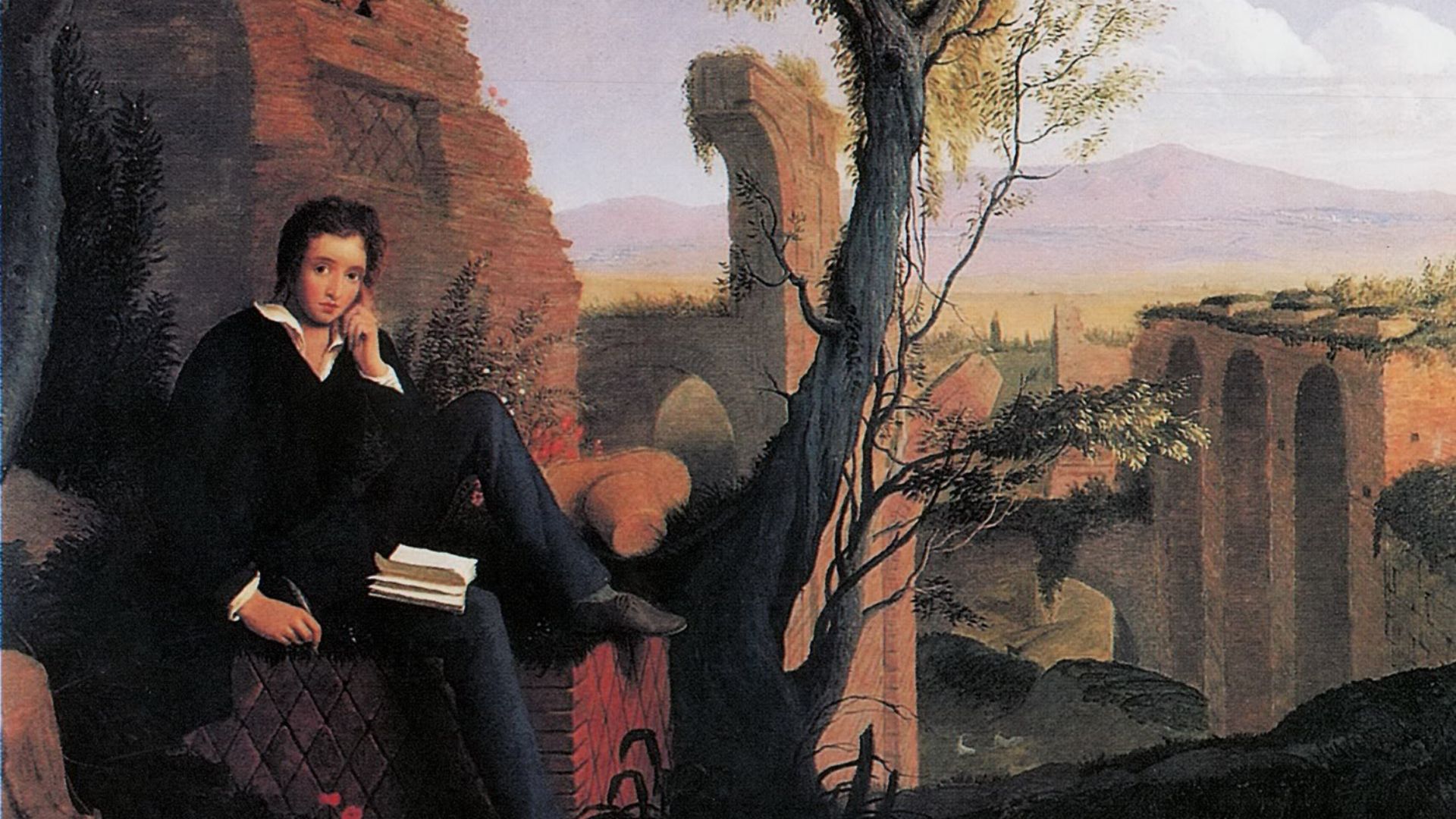
Because his friend Shelley now had a boat, Byron’s new passion became sailing. This hobby came to an abrupt halt when Shelley had a boating accident and drowned. So, sailing was now out. Byron needed something new to do, and an offer was just around the corner.
This offer would ultimately be the beginning of his end.
 Joseph Severn, Wikimedia Commons
38. He Got An Intriguing Offer
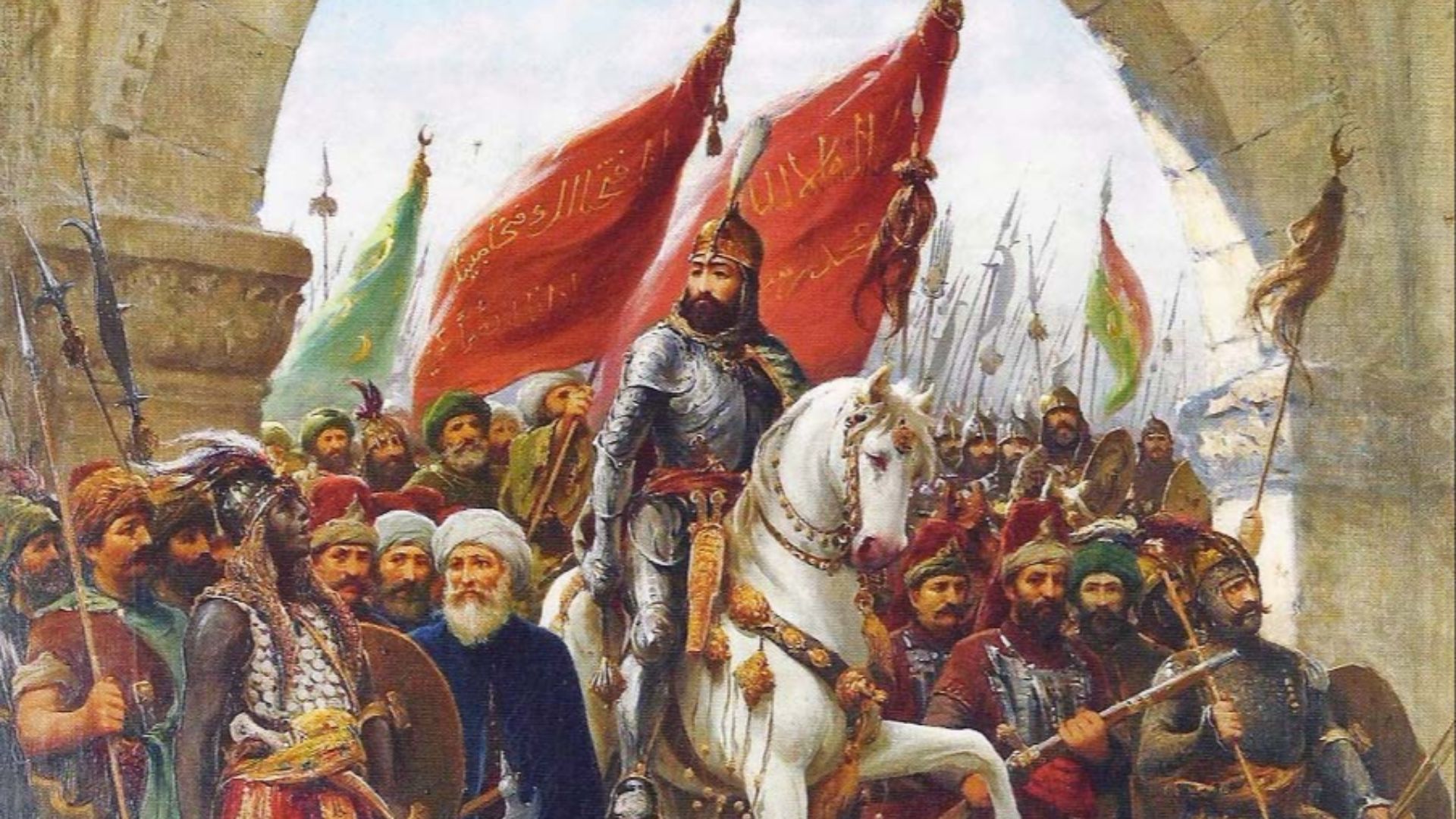
For some reason, leaders from the Greek independence movement thought Byron could help them break free from the Ottoman Empire. Byron wasn’t exactly sure how he could help, but the idea intrigued him. But there was one problem: He was now openly living with the married Guiccioli.
Byron had to choose between his girlfriend and a life of adventure.
 Fausto Zonaro, Wikimedia Commons
39. He Forked Over The Cash
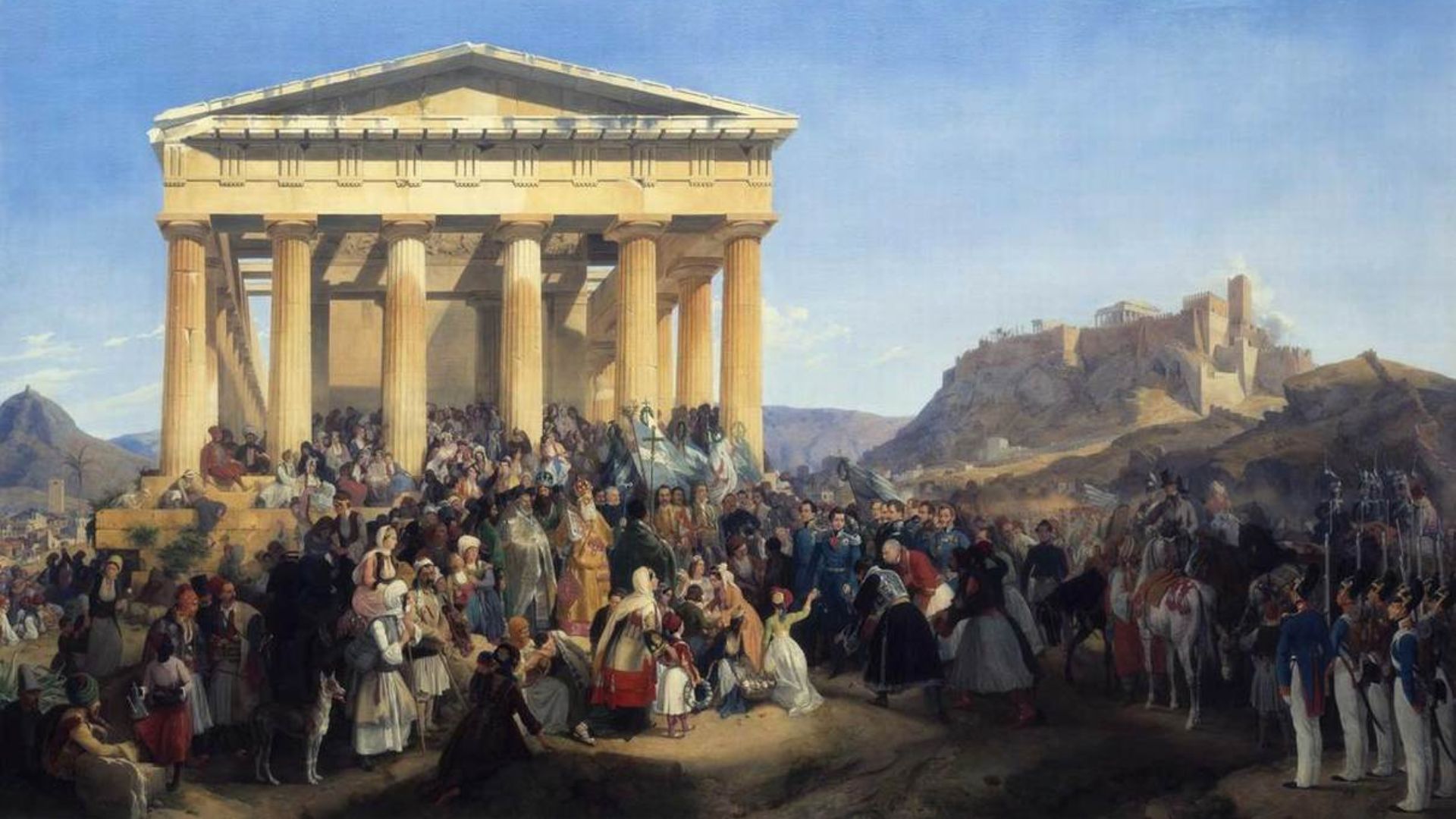
If you’ve been paying attention, you’d know that Byron wasn't exactly known for his faithfulness to women. So, on July 16, 1823, Byron set sail for Greece, leaving Guiccioli in tears. The first thing he noticed when he arrived in Greece was that they needed money to mount their battle for independence. Byron had access to cash, so he selflessly handed it over.
Now that he’d paid the bills, Byron was ready to fight.
 Peter von Hess, Wikimedia Commons
40. He Had To Pay To Play
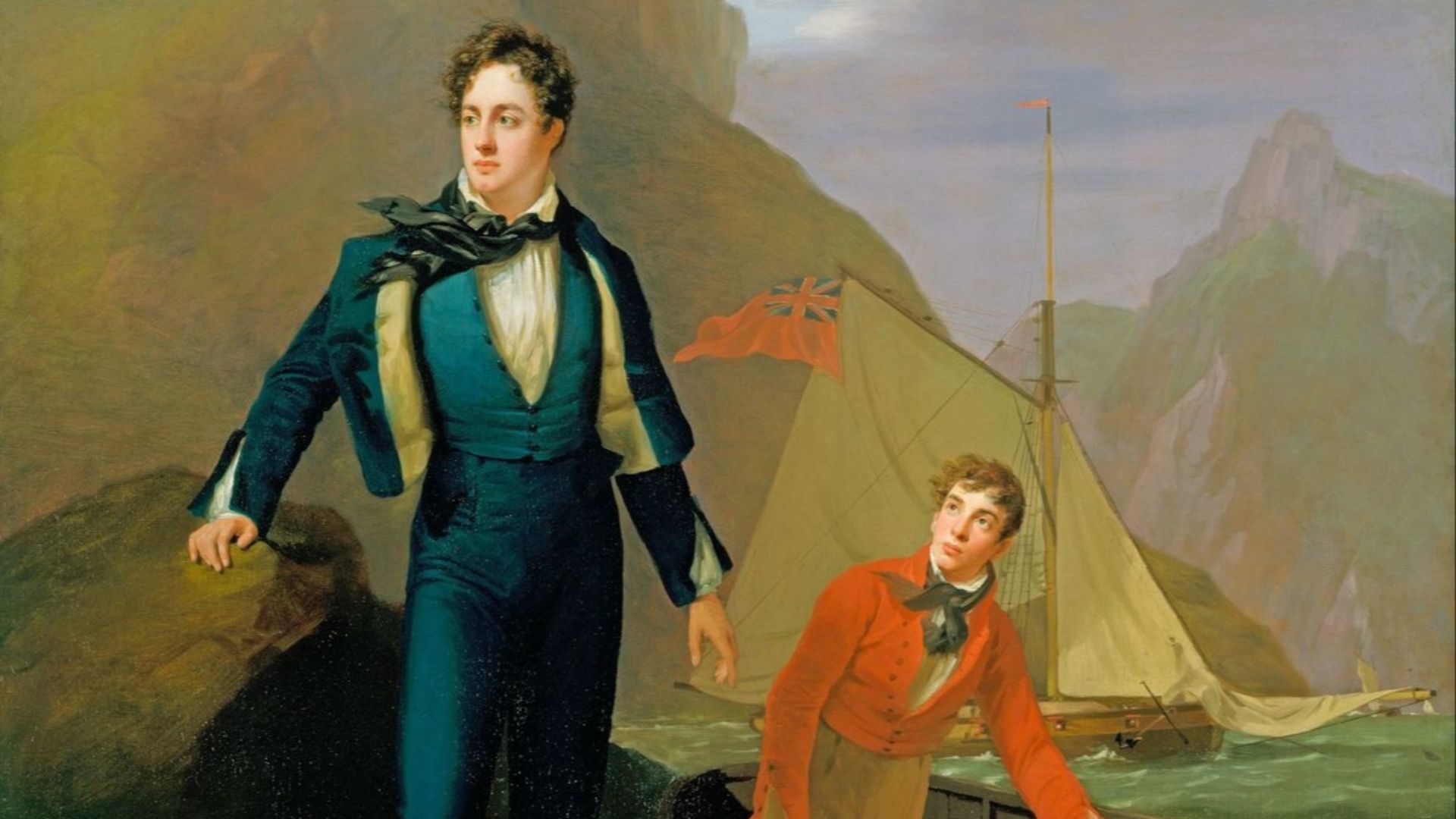
Instead of fighting, Byron met up with more people who wanted his money. Everyone seemed to expect cash from him, and Byron even sold his estate to try and keep up with paying the cost of independence. Word got out that a rich British man was helping the cause, and there were even more entreaties for money.
Byron needed a break from paying for things, and when he took one, he met a girl.
 George Sanders, Wikimedia Commons
41. He Wanted To Replace Her
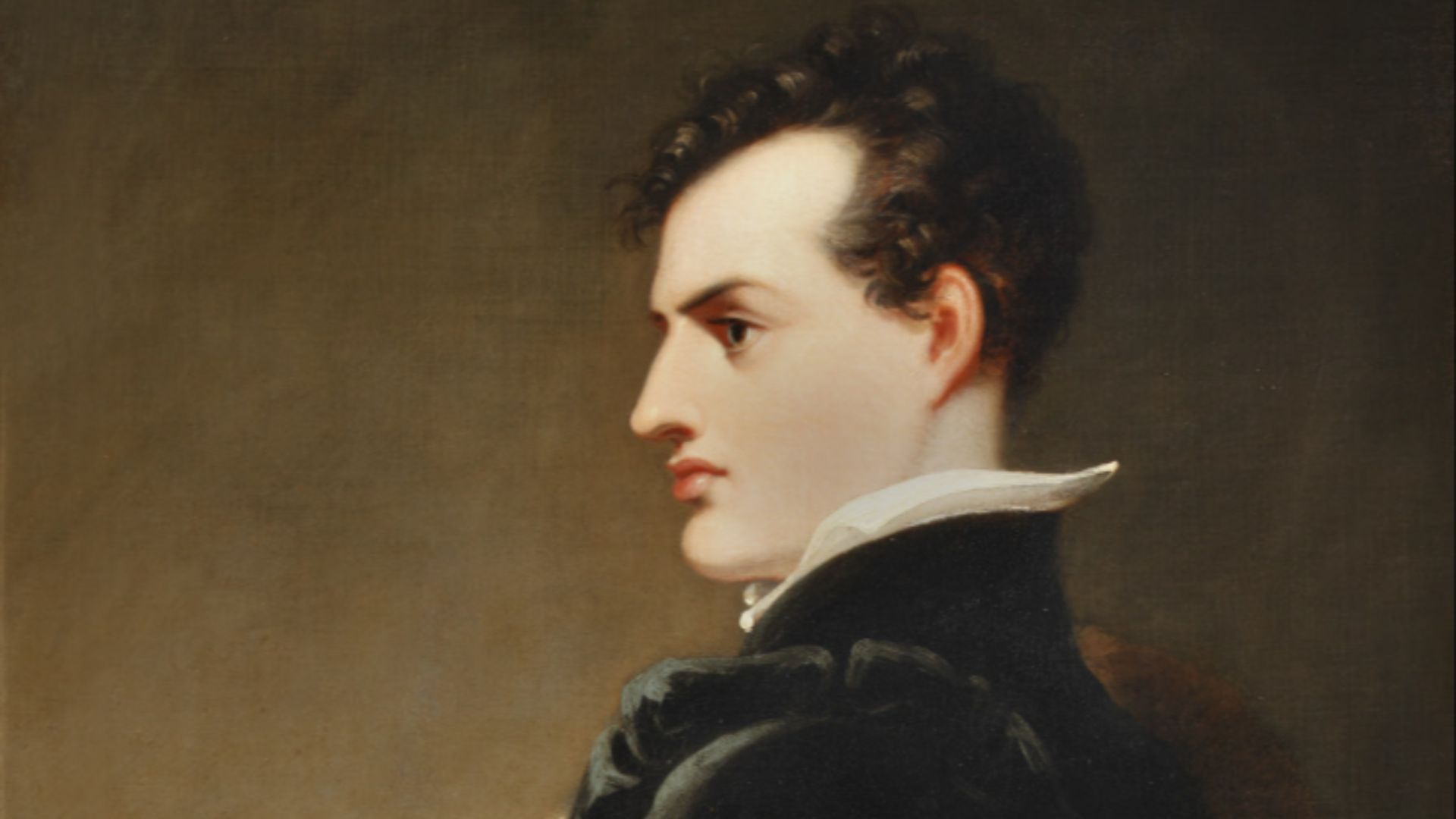
Don’t forget, Byron was still mourning the loss of his daughter, Allegra. While in Greece, he met a nine-year-old girl named Hato. Hato and her mother lived in the Greek city of Messolonghi, and it was in an absolute mess after Greek revolutionaries had taken it over. Byron took the opportunity to try and adopt Hato.
But he didn't want Hato for himself.
 Richard Westall, Wikimedia Commons
42. He Had A Plan
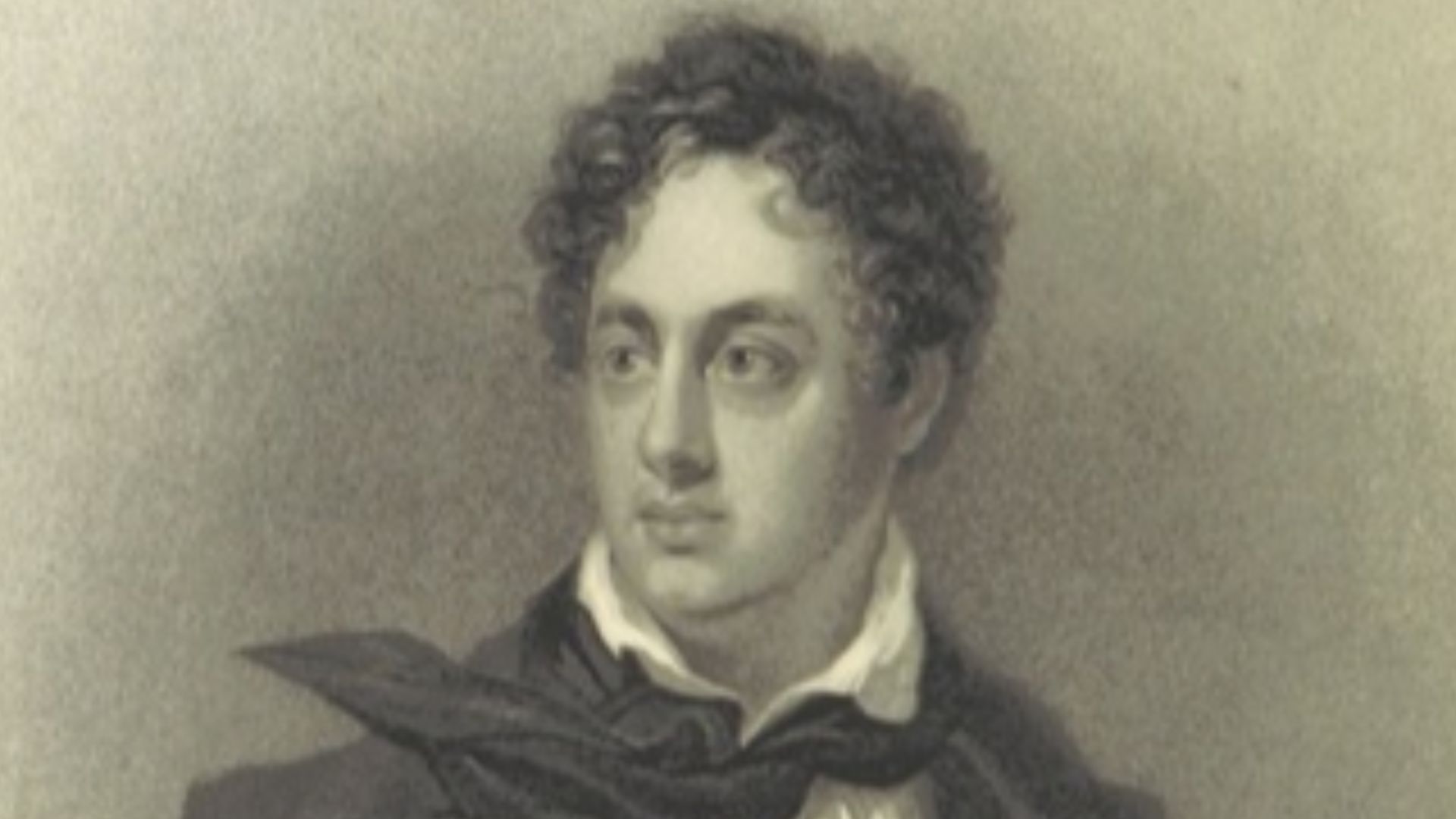
Byron thought that little Hato would be a good companion to his daughter Ada, who was still back in the UK. He spent some money on a fabulous wardrobe for the child and then considered his options. He could send her to Guiccioli in Italy, he could send her to his ex-wife, or he could send her to his half-sister/ex-girlfriend Augusta.
In the end, he did none of these.
 Εκδότης: John Murray, Wikimedia Commons
43. He Sent Her Away
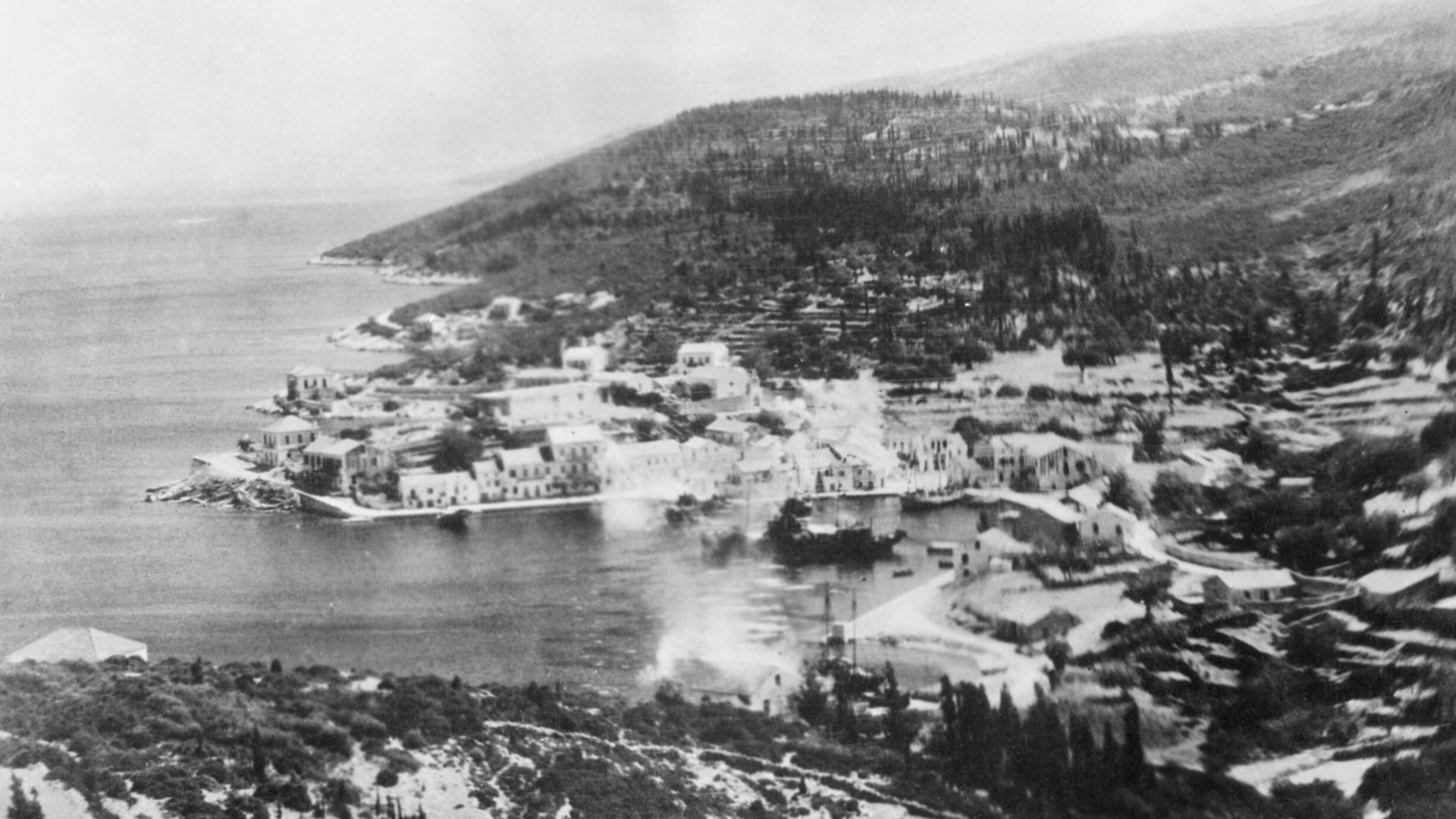
Byron packed little Hato up and sent her to Cephalonia, Greece, where his friend James Kennedy lived. The idea was to have Kennedy take care of the girl while Byron figured out what to do with her. With young Hato and her mother safely in the hands of his friend, Byron could return to the battle for Greek independence.
Poor Hato would have to find her own way home, as Byron would not live to ever see her again.
 Royal Air Force official photographer, Wikimedia Commons
44. He Was Ready To Rumble
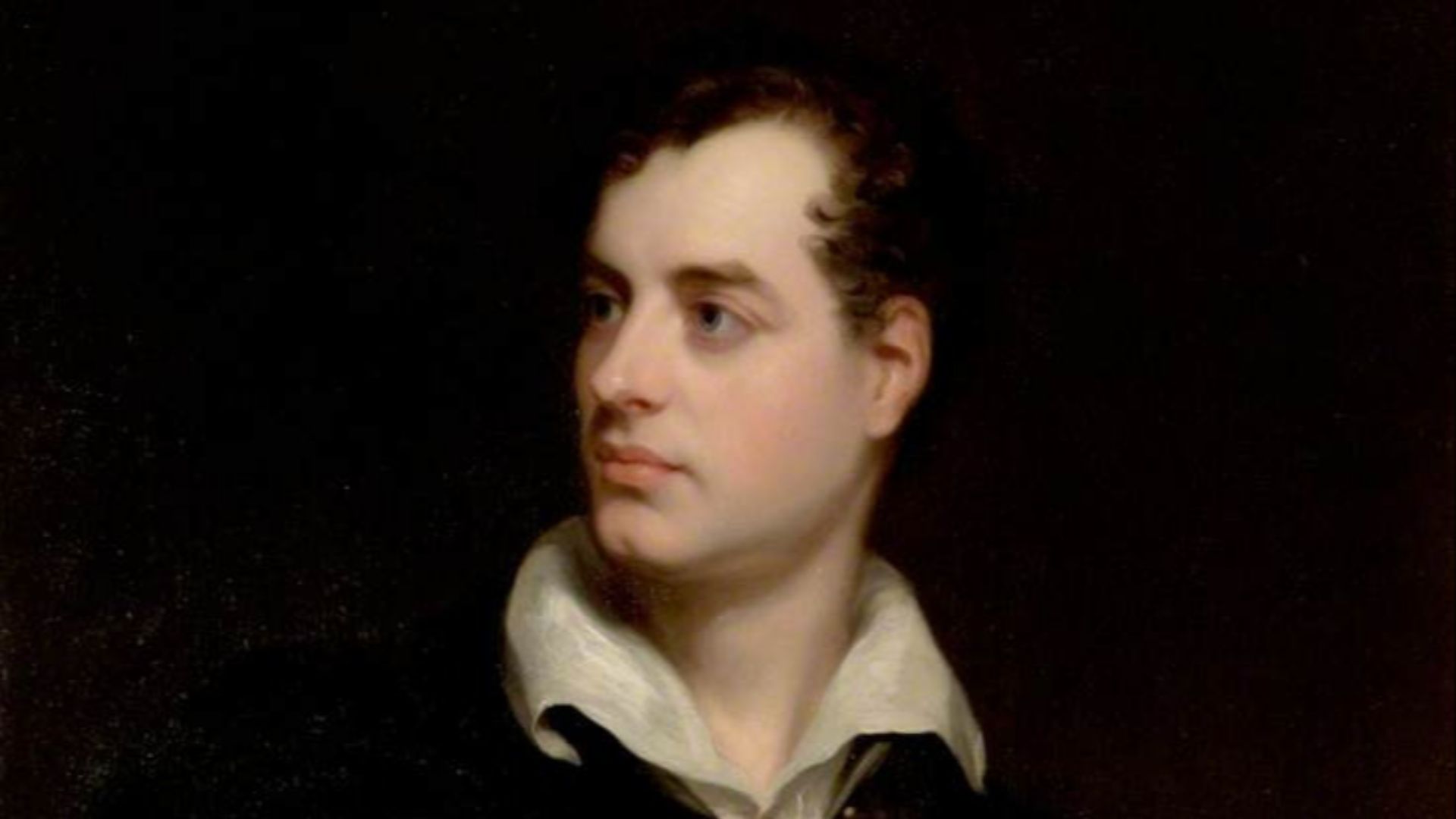
Finally, after paying so much money, Byron was ready to lead an attack. The plan was to take back a place called Lepanto, which the Turks had occupied. Byron, who had almost no experience, was commanding the rebel army. There was excitement in the air as they made the final arrangements for the attack.
And then something stopped them.
 Thomas Phillips, Wikimedia Commons
45. He Never Got To Battle
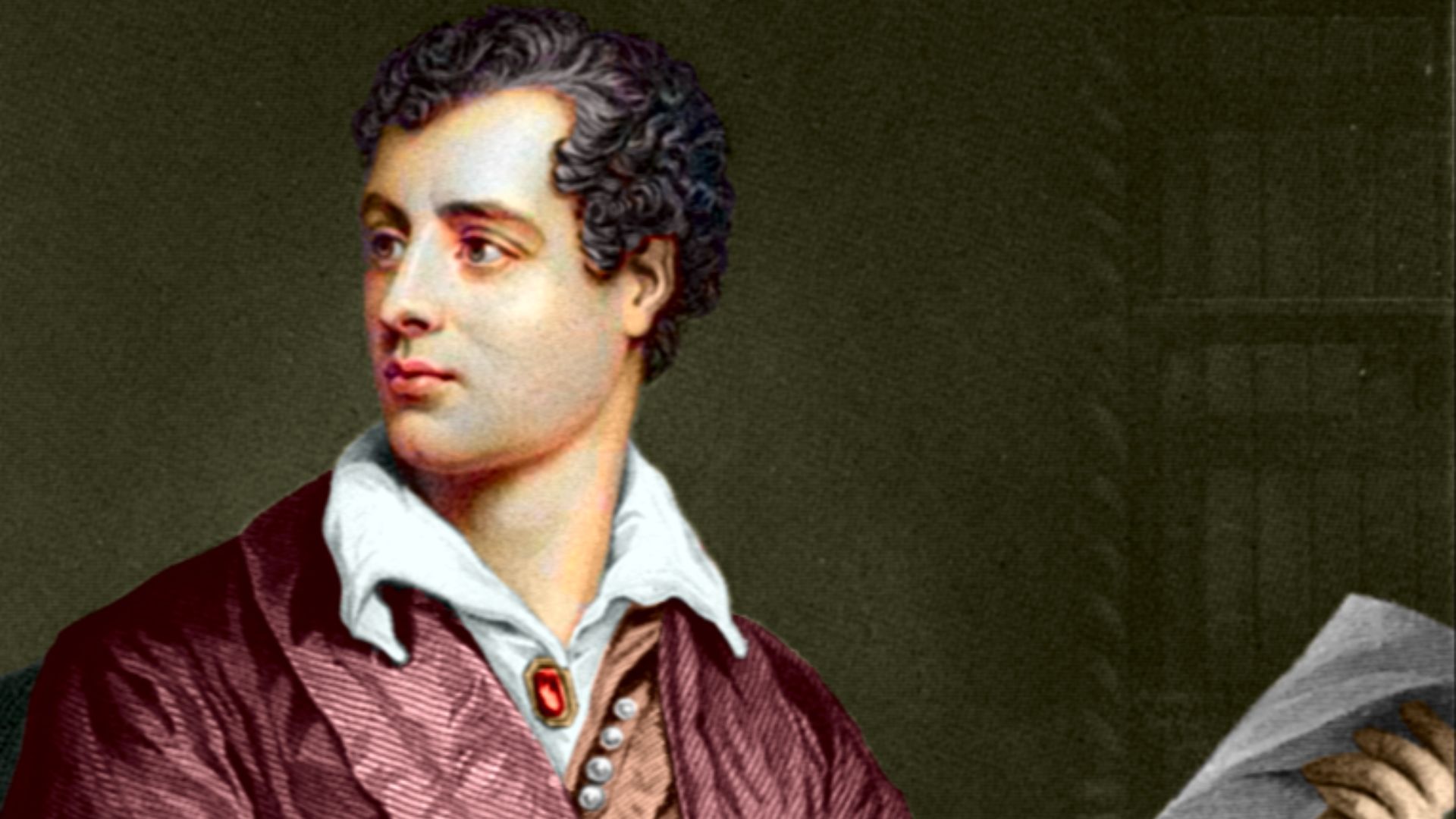
The plan was to leave on February 15, 1824, but they didn’t get the chance. Byron had gotten ill. The doctors tried bloodletting, but he became even weaker. He made a small recovery, and they continued with the therapeutic bleeding. In April, Byron caught a cold, which led to fever and ultimately his passing. He was only 36 years old. It was time for the world to mourn.
Of course, this was going to be complicated.
 Unknown authorUnknown author, coloured by uploader, Wikimedia Commons
46. They Honored Him
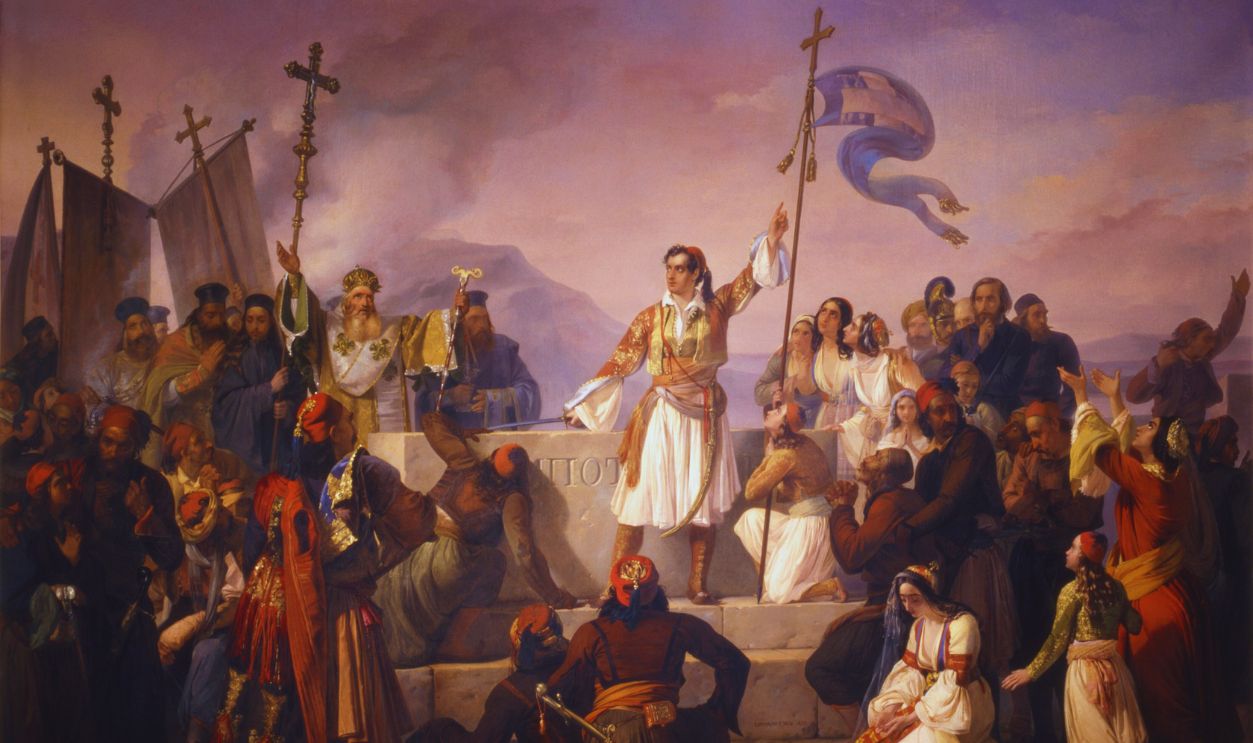
The loss of Byron hit the people of Greece hard, and he almost immediately became a hero. The national poet of Greece wrote a poem in his honor, and a suburb in Athens received the name Vyronas. Of course, Britons also got their chance to mourn the loss of Byron.
They just had some very mixed emotions about how they felt about the flawed poet.
 Mondadori Portfolio, Getty Images
47. They Took A Token
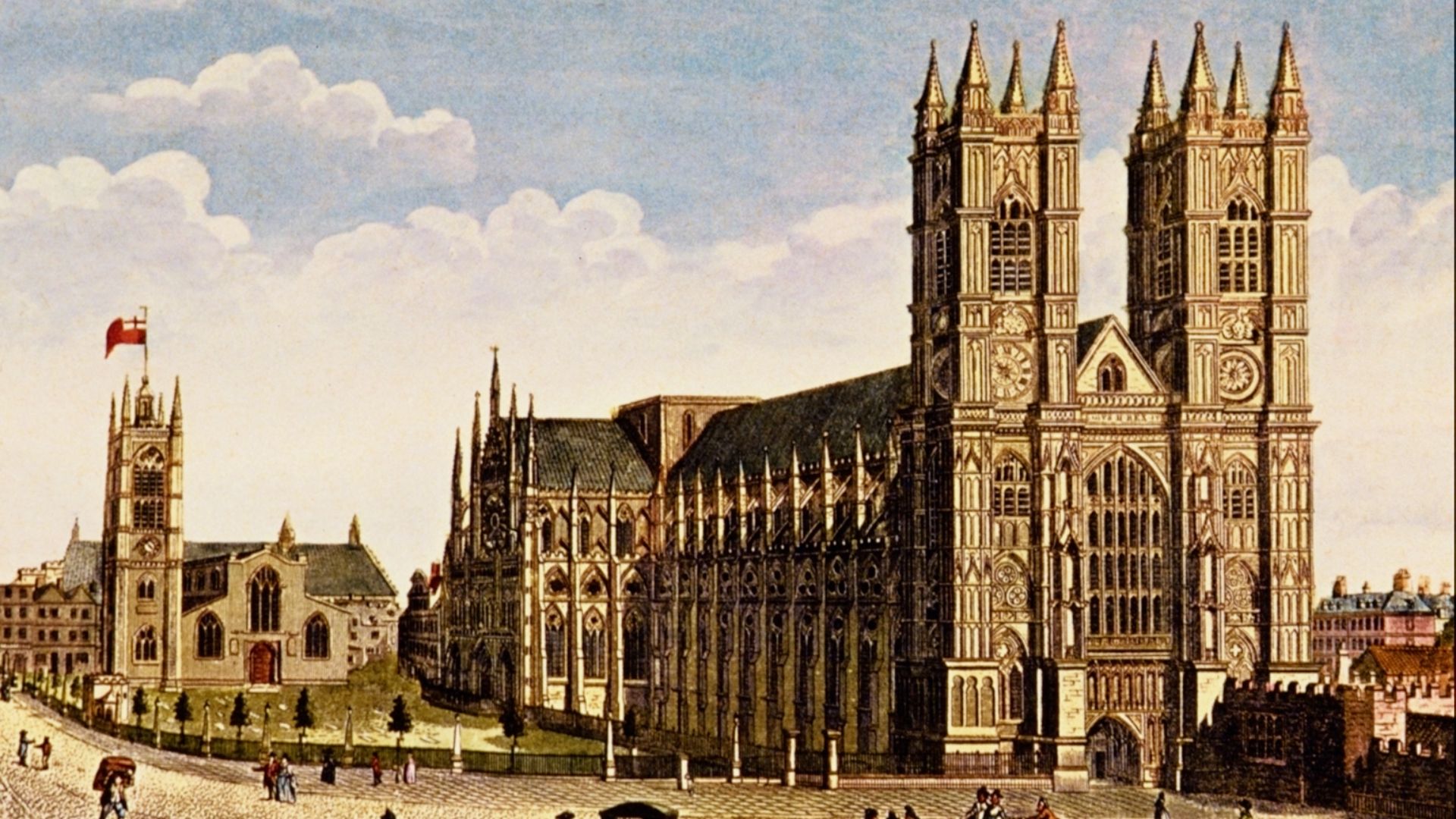
You could say Byron “left his heart” in Athens, but in this case, it was literal. Before returning his body to England, the Greeks took a rather macabre token of their hero. The rest of Byron’s body made its way to Westminster Abbey in London. When his remains arrived, his fans received a shock.
 Thomas Hosmer Shepherd, Wikimedia Commons
48. They Didn’t Want Him
Folks at Westminster Abbey were still remembering Byron’s immoral acts, and they refused to let his body into the Abbey. Byron had to settle for the Church of St Mary Magdalene in Hucknall, Nottinghamshire. To honor him, his friends paid for a statue of the famed poet. Sadly, no one wanted to display it. It seemed that Britons would soon forget Lord Byron.
A reminder came many years later and from a surprising source.
 Andrewrabbott, Wikimedia Commons
49. He Finally Got His Place
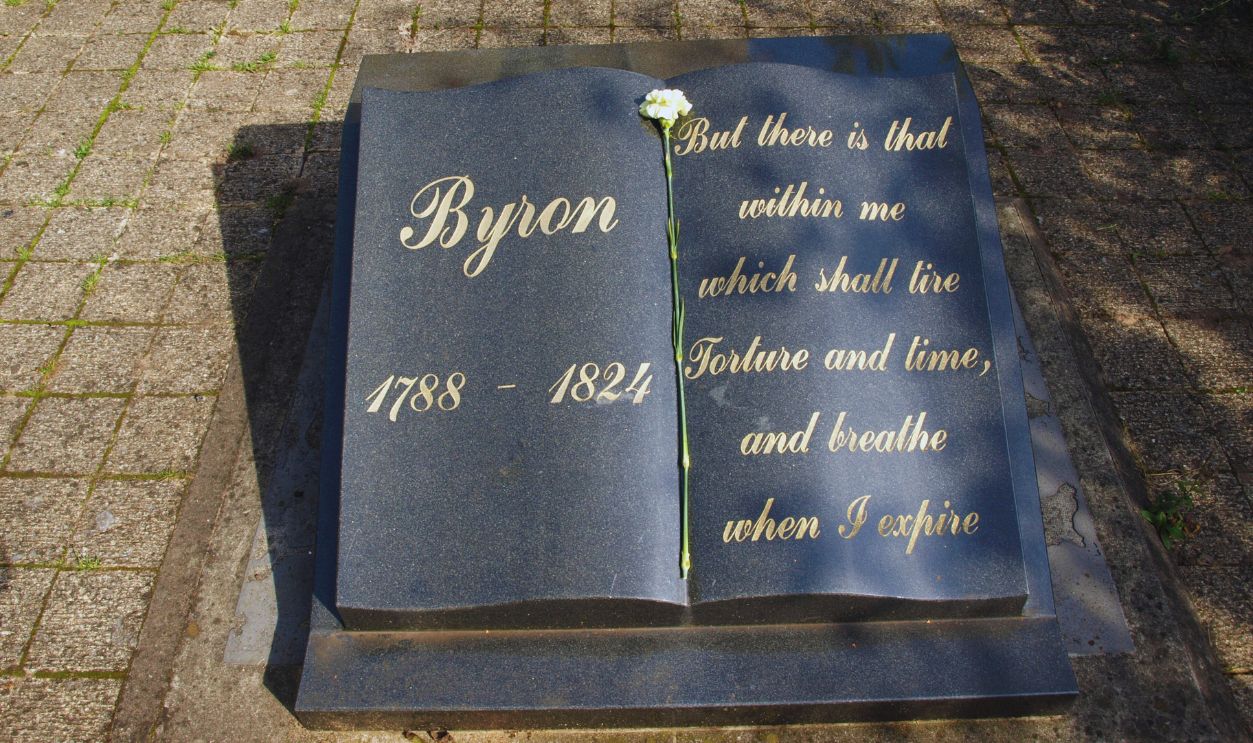
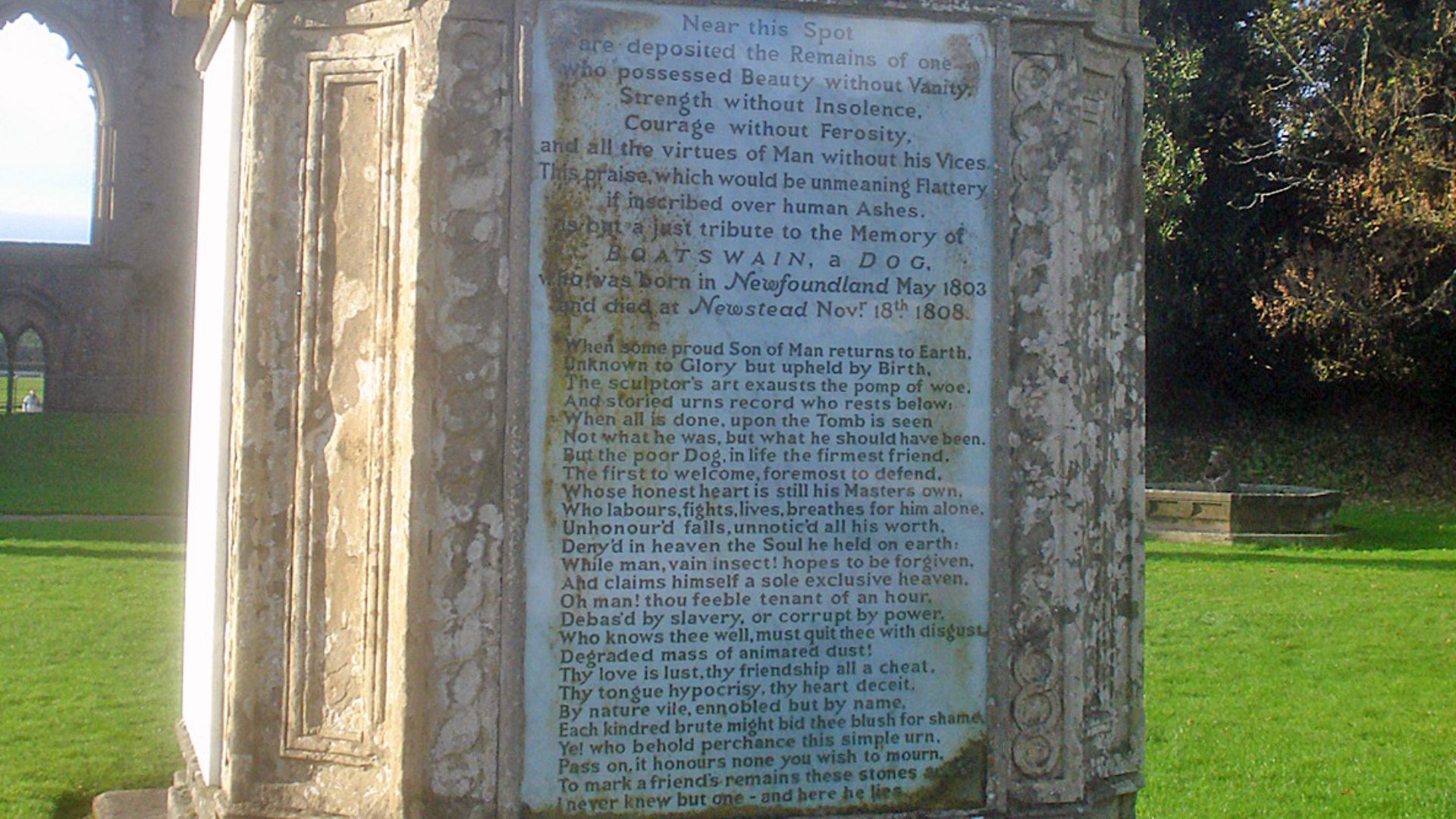
In 1907, an article in The New York Times suggested that England should feel ashamed for not honoring Byron more. Then, someone noticed that Byron’s dog, Boatswain, had a more magnificent tomb than its owner. In 1969, Westminster Abbey finally relented and placed a memorial in his name. Ironically, Byron had never wanted his body returned to England at all.
In the end, Byron’s most important legacy was not his poetry. Remarkably, it was in the world of computers.
 Trevor Rickard, Wikimedia Commons
50. He Left A Digital Legacy
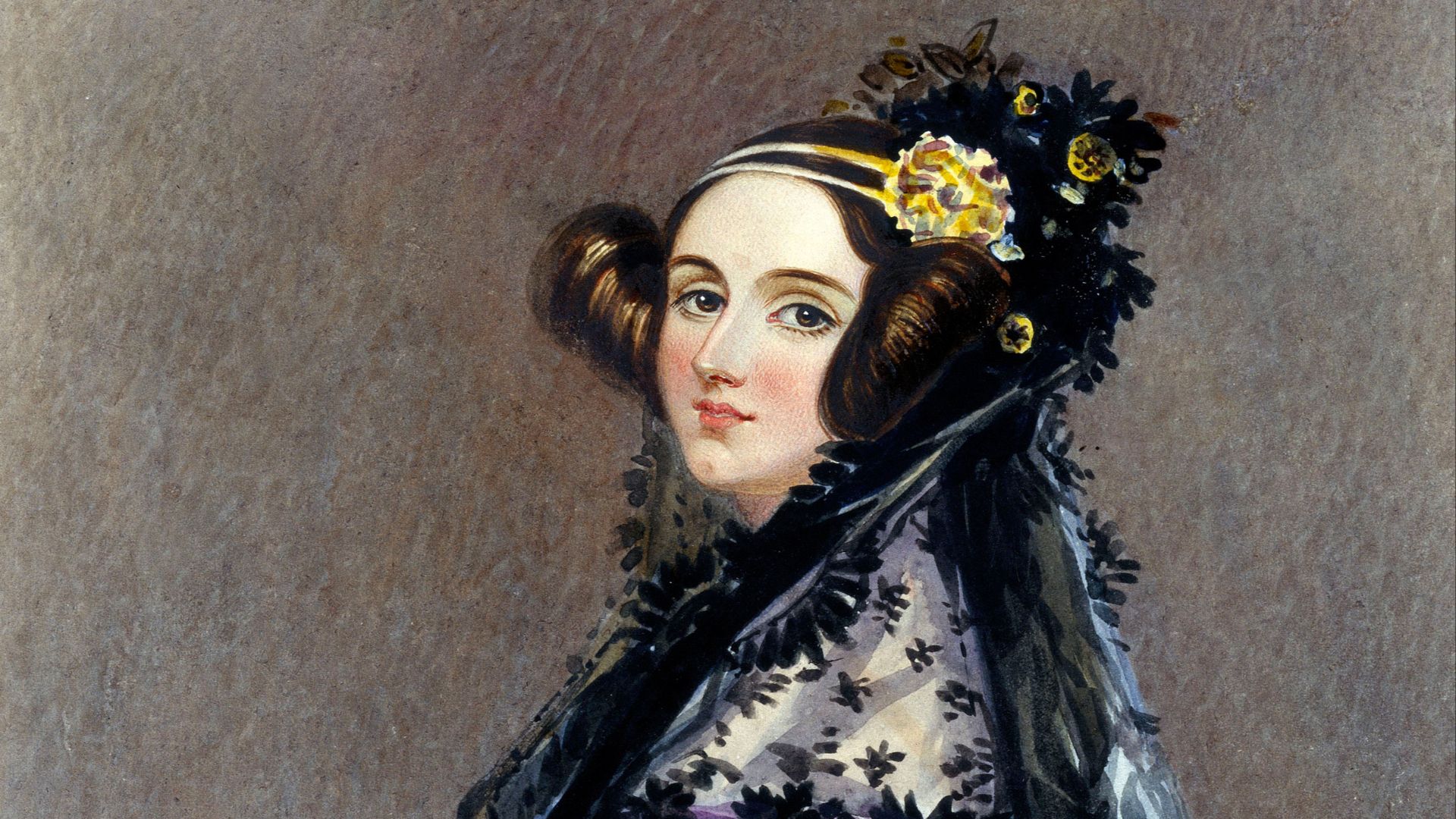
Byron’s one and only legitimate child was Ada Lovelace. Lovelace grew into a scientist who co-created the analytical engine. This machine was the forerunner of what we now call a computer. Because of this, many regard Byron’s daughter as the first computer programmer ever.
While Lovelace never really knew her father, she clearly felt a bond. In fact, she had herself buried right next to him.
 Alfred Edward Chalon, Wikimedia Commons
51. His Received A Shocking “Gift”
When Lord Byron broke things off with Caroline Lamb, she took her obsession with the poet to a disturbing new level. Lamb decided she wanted to give Byron a present to remember her by. But the “present” she sent was utterly disturbing. In an effort to declare her love for Lord Bryon, Lamb sent him a clipping of her hair. But this was no ordinary golden lock from her head. Bizarrely enough, she clipped her hair, er, down there, and packaged it up to him with a note professing her love. Perhaps the goriest detail? The clippings were bloody.
 Painting by British Artist, Thomas Phillips, Wikimedia Commons
You May Also Like:
Ada Lovelace Had An Ingenious Mind—But That Didn't Save Her
History's Most Infamous Ex-Girlfriend









.jpg)

.jpg%20)