The Actor With A Guilty Secret
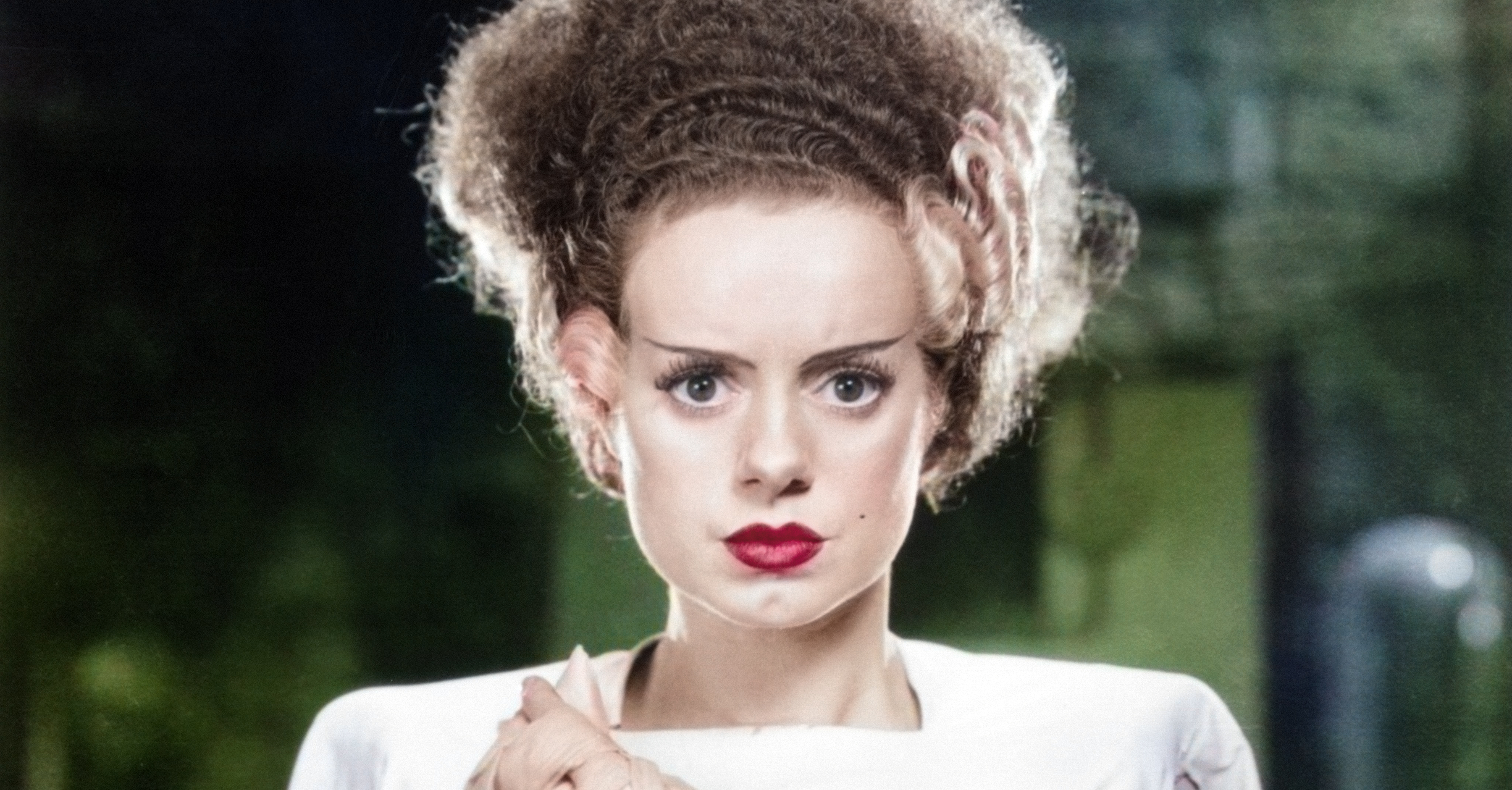
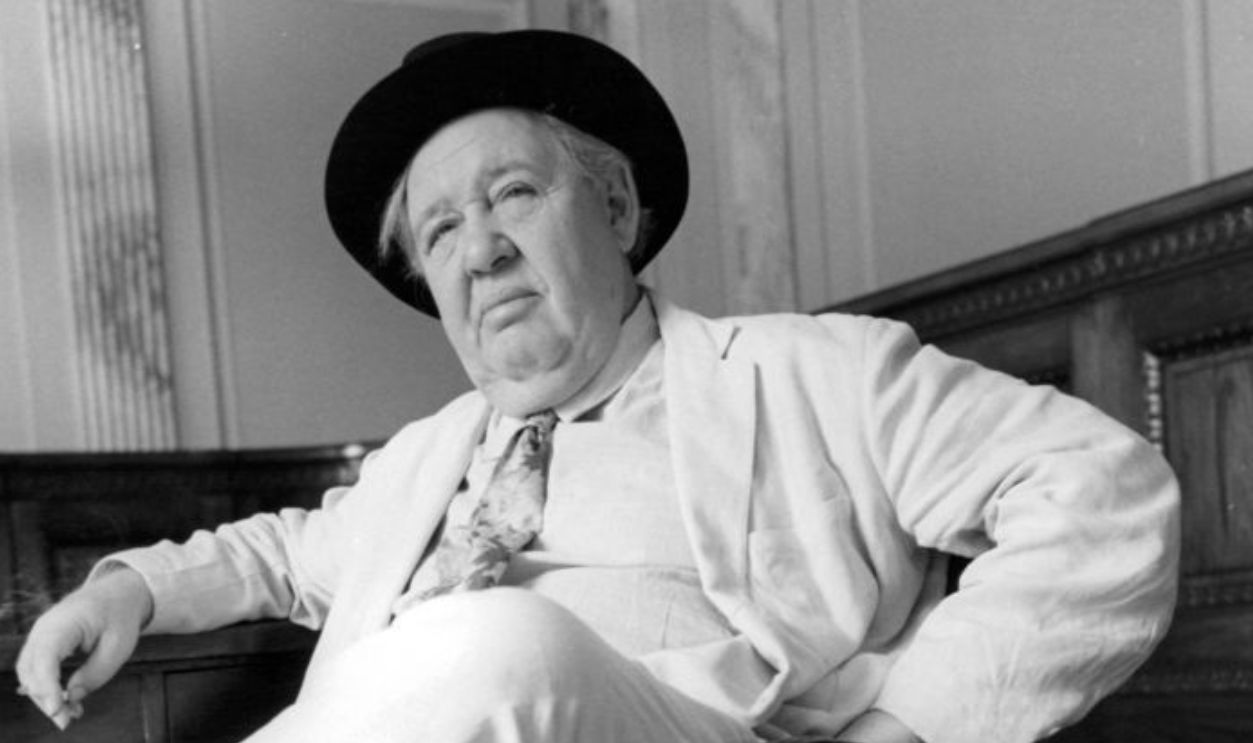
Charles Laughton's less-than-leading-man-looks led him into playing some of Hollywood’s most monstrous characters. Even in real life, his wife was famous for playing the Bride of Frankenstein. But Laughton could also be a monster to work with, and even once bit a co-star. Laughton definitely had his demons, and most felt there was one reason and one reason only. It was a secret he hoped to carry to his grave.
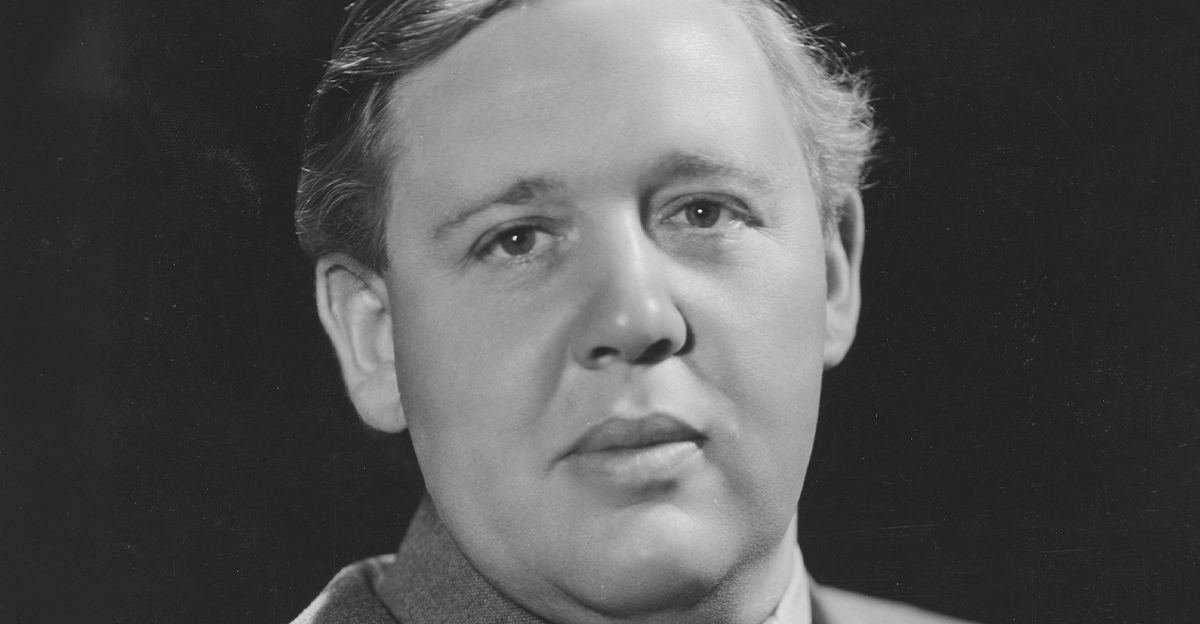 John Springer Collection/Getty Images
1. He Was Far From His Parents
Charles Laughton was born in Scarborough, North Riding of Yorkshire, on July 1, 1899. This is a town on the English seaside where his parents ran a hotel. Laughton later said that he and his two brothers barely knew their parents as the raising of the boys was left to the hotel staff. To make the gap even wider, Laughton’s mother sent him to a Jesuit school.
This affected Laughton profoundly.
2. He Felt Different
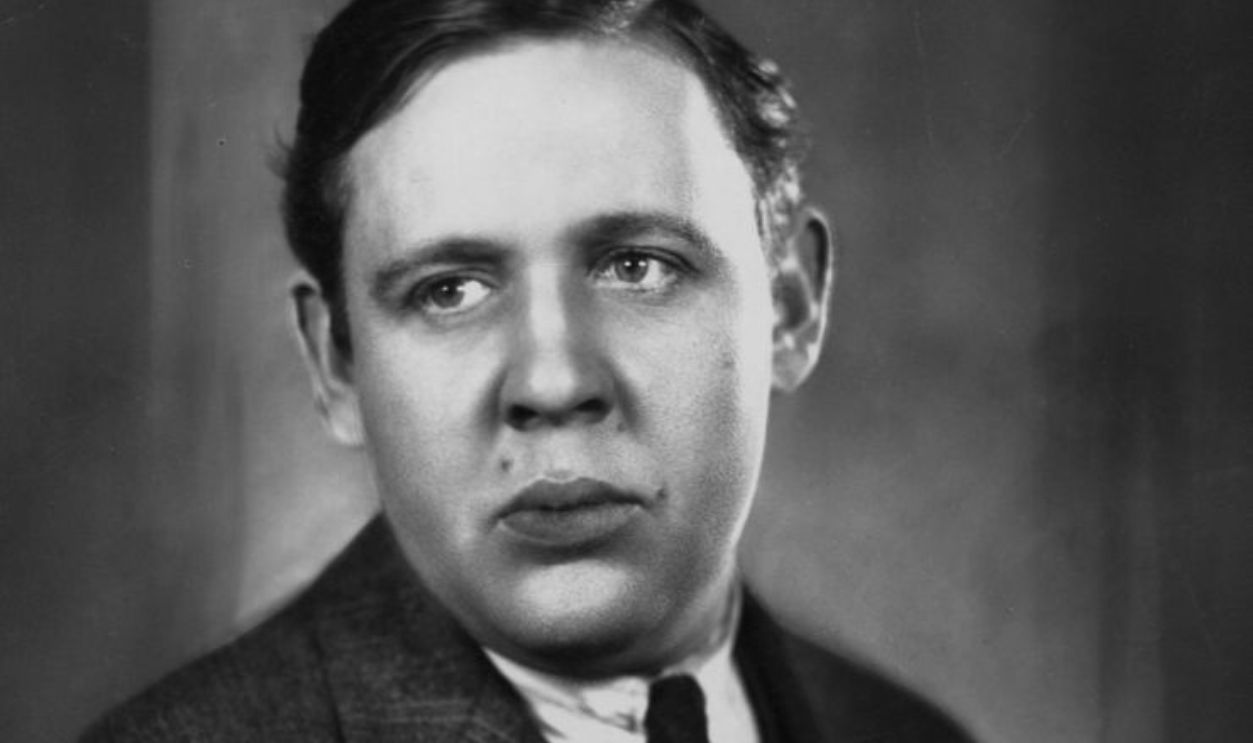
Laughton likely couldn't put a name to it, but he felt there was something wrong with him. Somehow, being at this strictly catholic school was bringing out a profound feeling of guilt in him, but it would be years before he realized exactly why he felt so unnerved. When WWI began, his country needed his service. While serving, the enemy gassed Laughton. He survived the rest of his time in the army and then returned to England.
He worked at his parents' hotel, but he wanted out.
3. He Wanted To Be A Pro
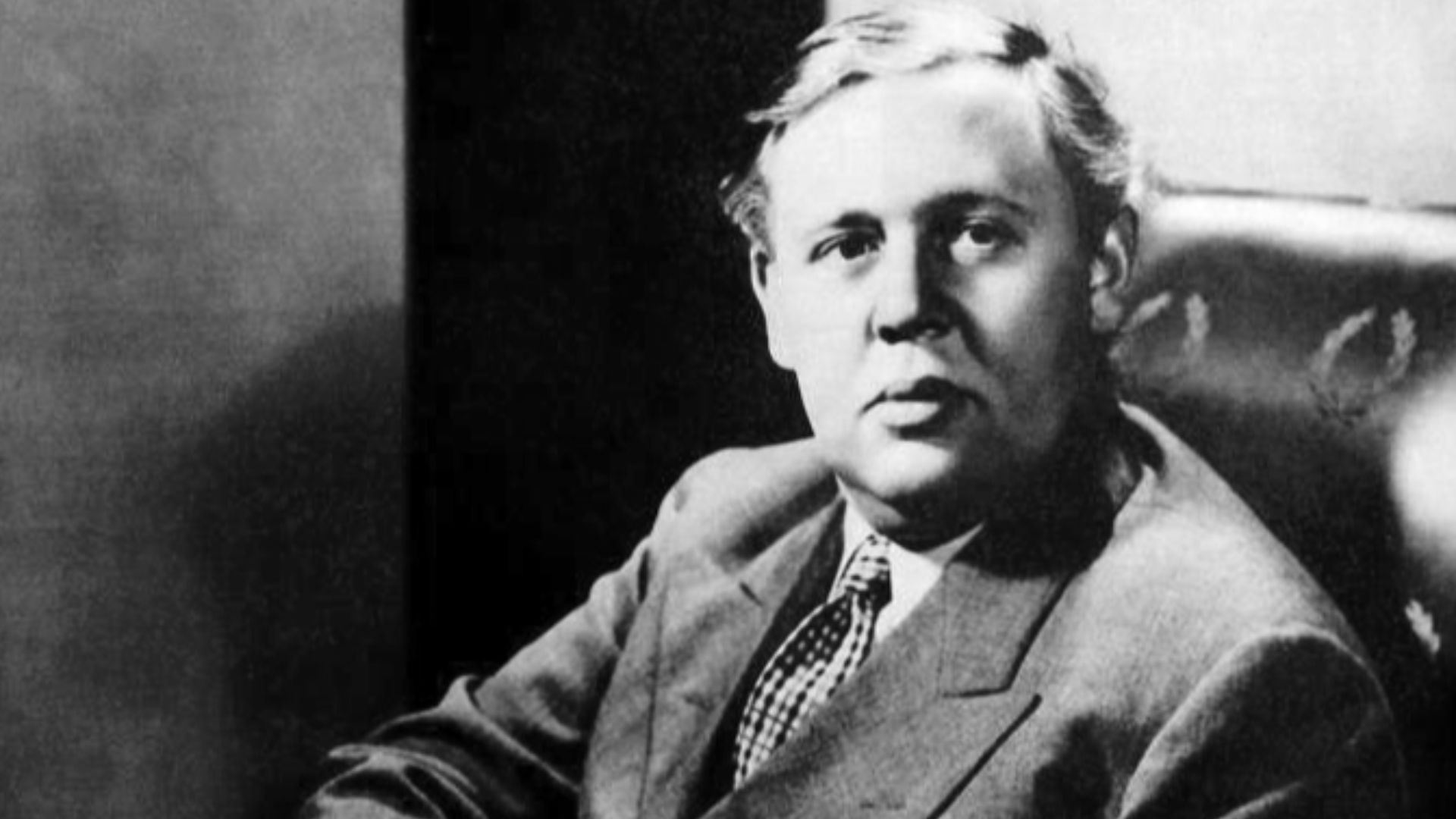
Likely, working at the family hotel was a little on the dull side. To bring some sparkle to his life, Laughton appeared in amateur theater in Scarborough. Soon, Laughton decided that he wanted to go professional, so he coaxed his parents into letting him attend the Royal Academy of Dramatic Art (RADA) in London.
This was his ticket out of Scarborough and away from the family hotel.

History's most fascinating stories and darkest secrets, delivered to your inbox daily.
4. He Was An Outsider
Laughton’s time at RADA could have resulted in a cast of lifetime friendships. But that didn't happen. Laughton’s feelings of Catholic guilt were still there, and now he was also tormented by the horrors of WWI. Laughton was spending a lot of time alone and not with his classmates.
But there was something else about Laughton.
5. He Didn't Look The Part
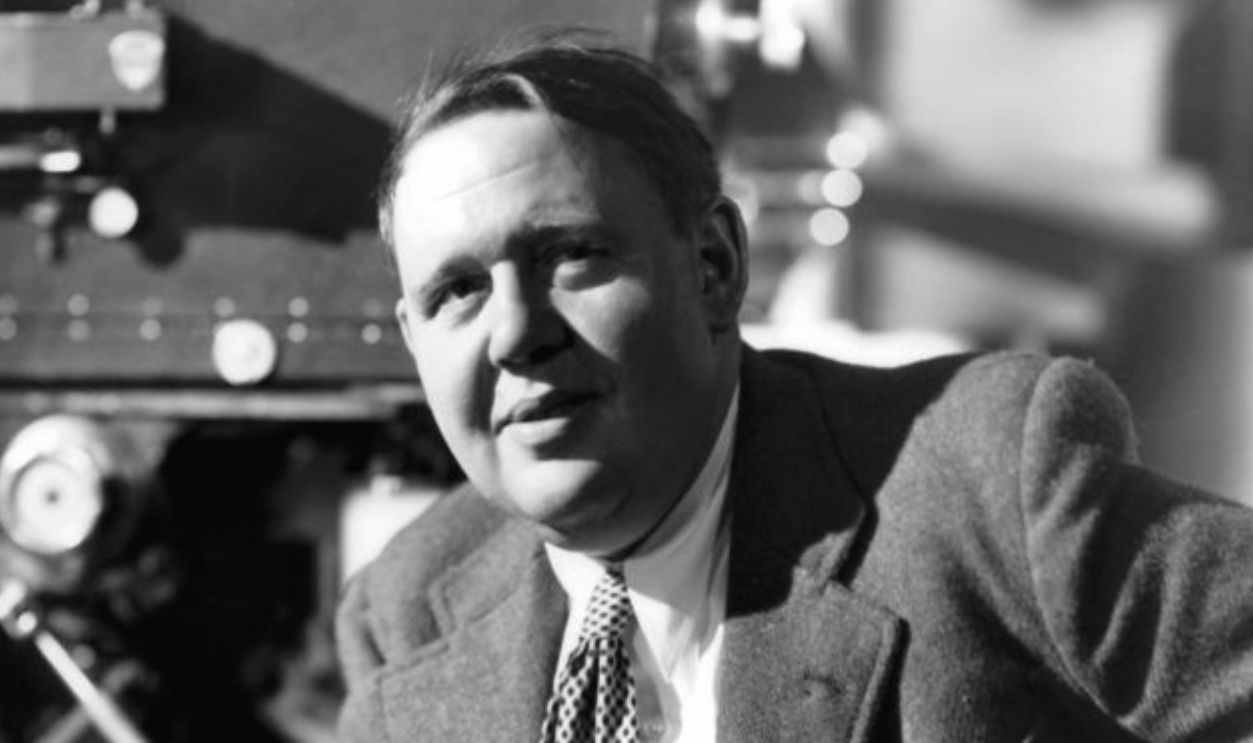
You could say that Laughton didn't exactly have the looks of an actor. He’d been chubby as a child, and he still was. As one observer put it, he had “the face of someone who simply shouldn’t be an actor at all”. The thing was, Laughton had talent and, despite lacking the looks, he was ready to use it.
6. He Met His Partner
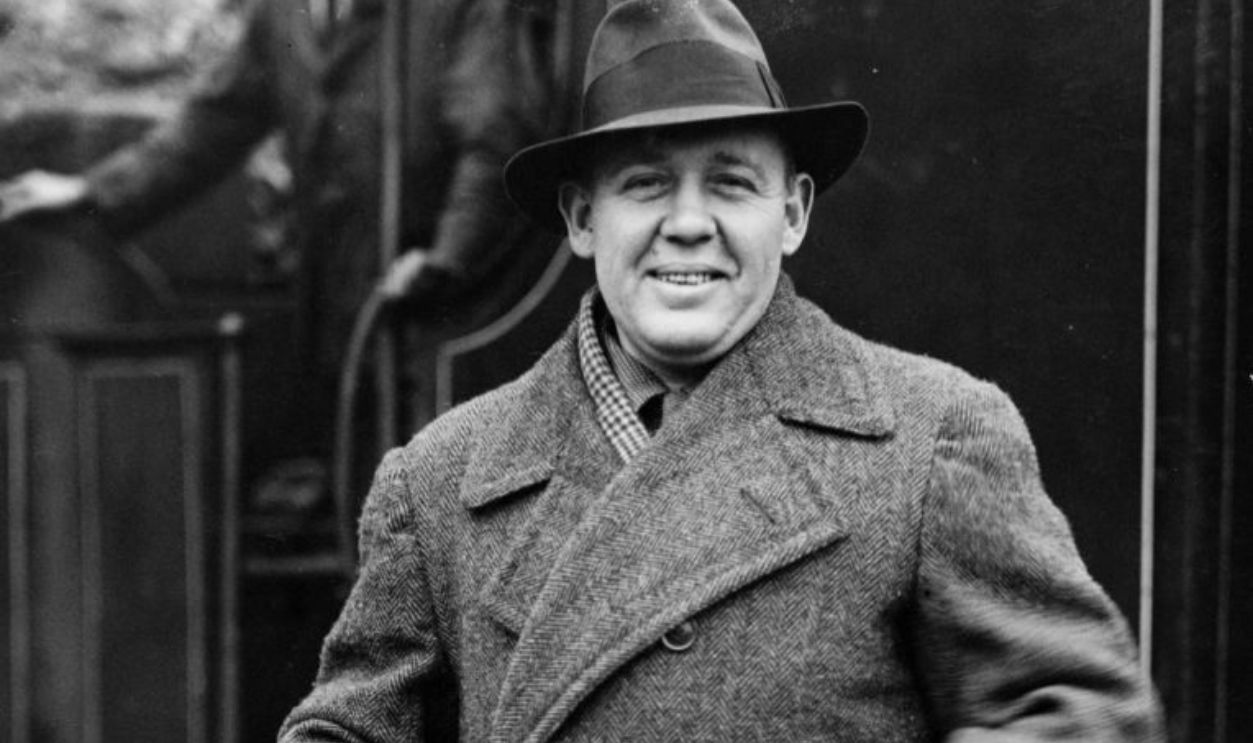
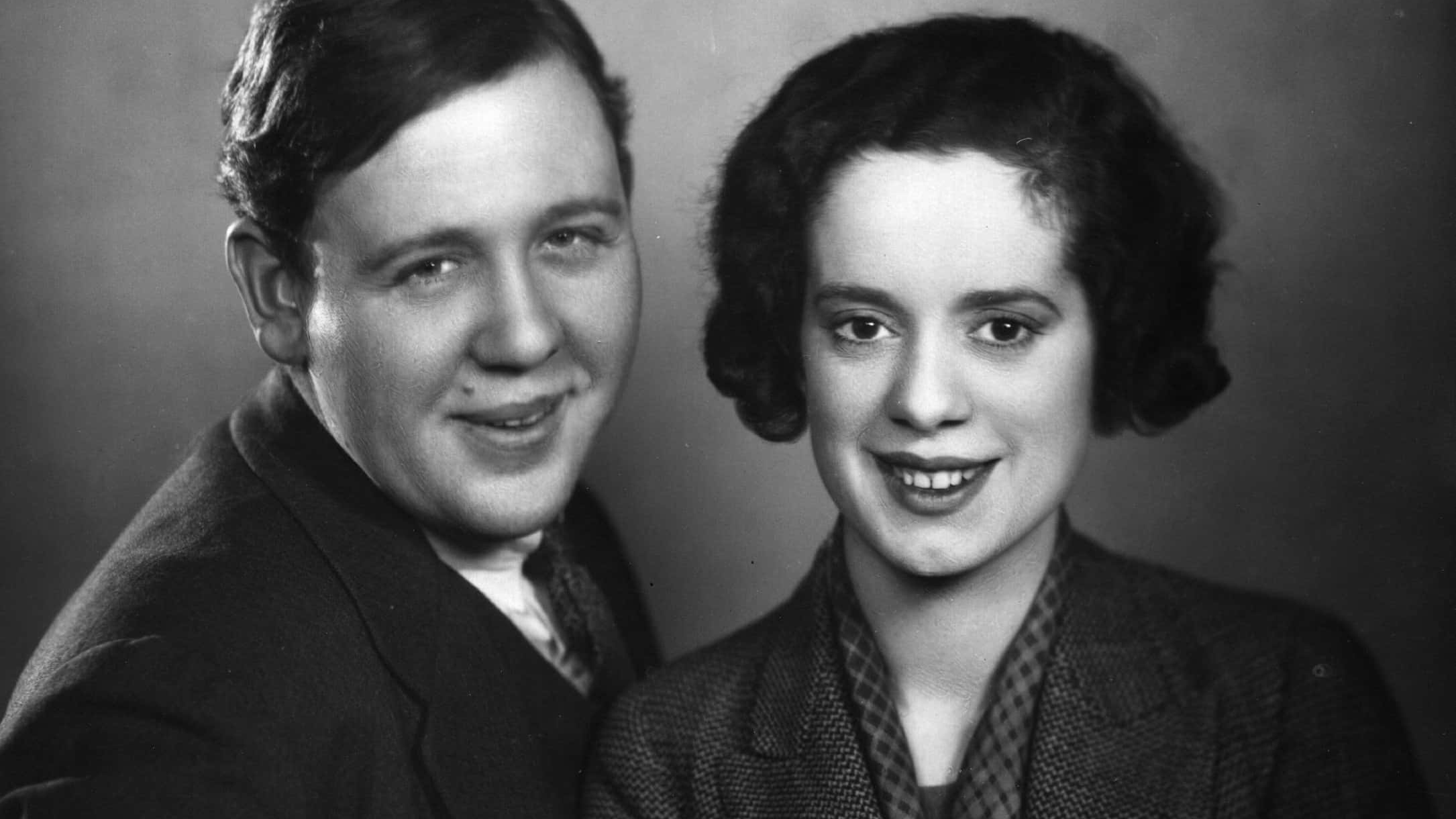
It didn’t take long for Charles Laughton to work his way up in the London theater community. By 1928, he was already getting lead roles. When he appeared in Mr Prohack, he came across another young actor: Elsa Lanchester, who also had her eccentricities. Something special happened between these two and, in 1929, they tied the knot.
We’ll soon find out that this was far from a traditional marriage.
7. He Learned A New Language
Over the next few years, Laughton’s acting was primarily in London, but he also appeared in New York on Broadway. Another stop was in Paris. He was the first English actor to perform at Comédie-Française, and he performed his role in French. This pleased the crowd immensely, and they rewarded him with a standing ovation.
After his debut on Broadway, film offers came pouring in.
8. He Got An Offer To Play The Doctor
After working on some short films with his wife for writer HG Wells, Laughton got an offer to appear in a full-length movie based on Wells’ The Island of Doctor Moreau. The film would be Island of Lost Souls, and it would be controversial. Laughton got the offer to play the doctor and he quickly packed his bags.
He was going to Hollywood.
9. He Arrived To Bad News
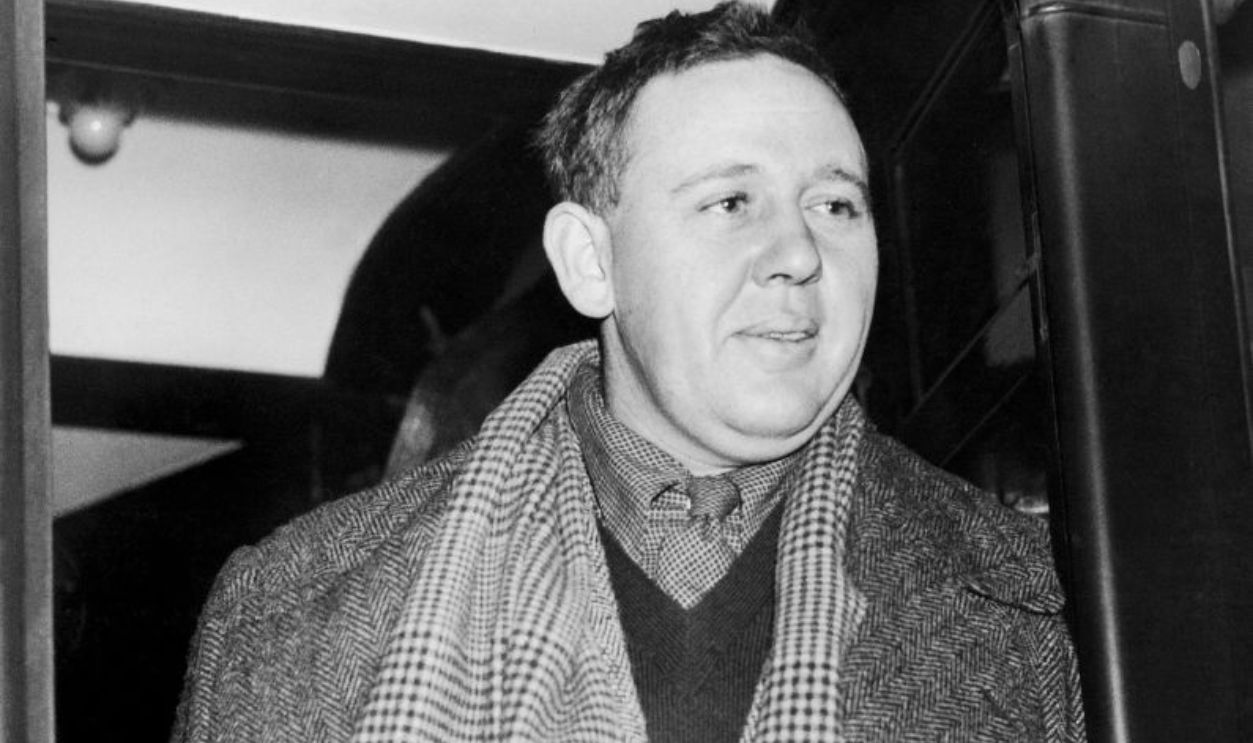
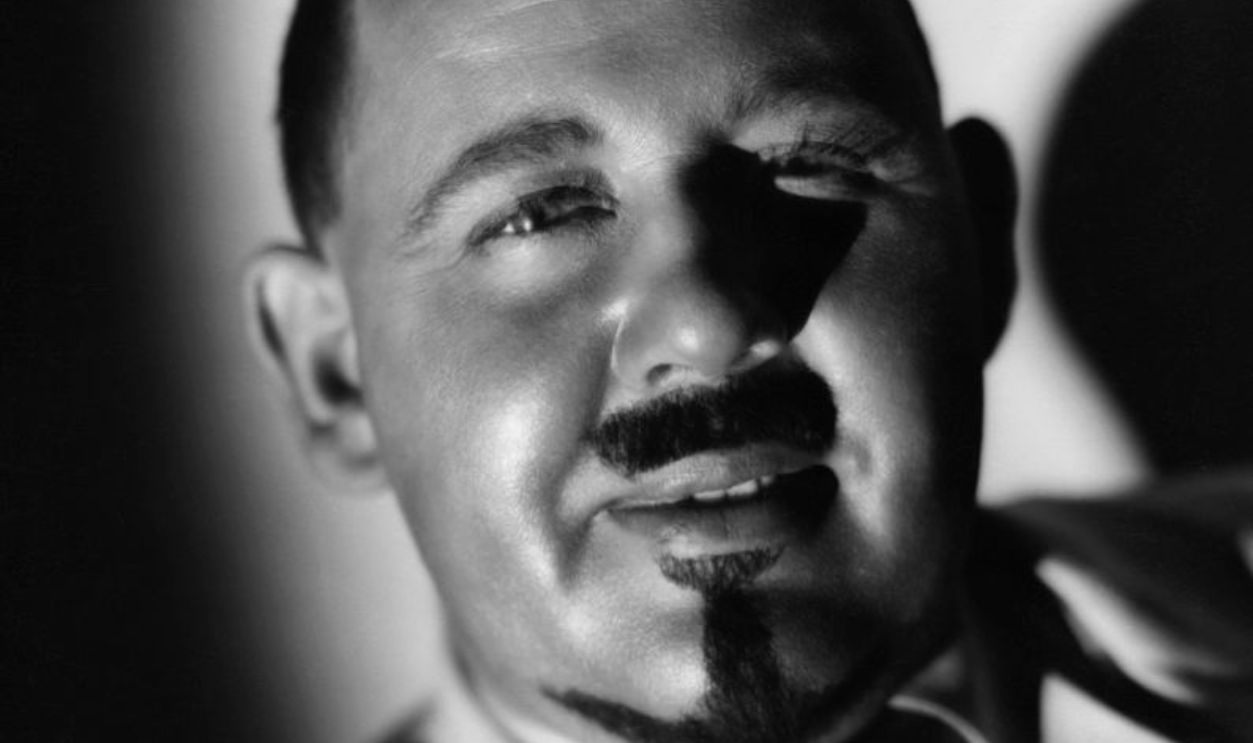
It was Paramount Pictures that had offered Laughton the role, so it was Paramount that had to give him the bad news. When Laughton arrived in Hollywood, the film was not ready. A disappointed Laughton prepared for his role as Doctor Moreau by growing a beard and learning to use a bullwhip. But waiting for this film was tedious, and he decided to find some work.
His first job was a horror.
 John Springer Collection, Getty Images
History's most fascinating stories and darkest secrets, delivered to your inbox daily.
10. He Flopped
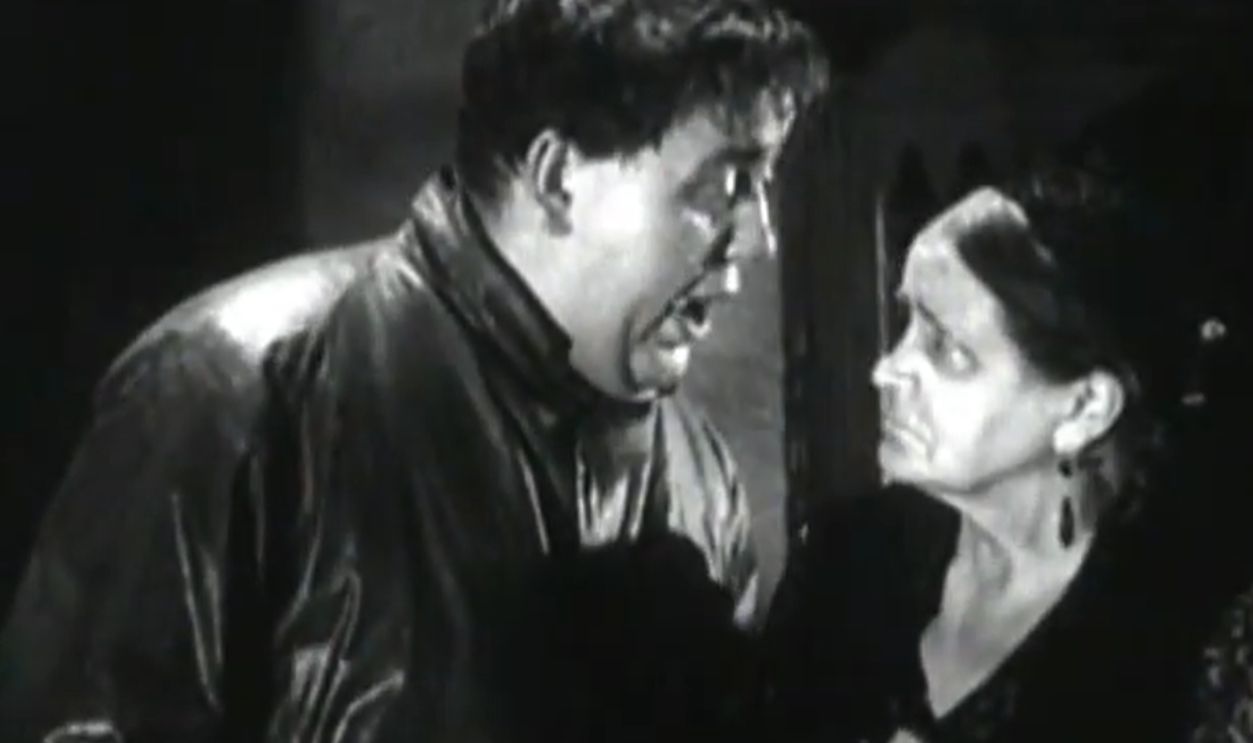
Charles Laughton made use of his accent in The Old Dark House, a horror film with Universal, where he plays a businessman from Yorkshire stuck with a group of others in a very mysterious house. Here he would meet up with horror icon Boris Karloff, who had just finished Frankenstein. The film received mixed reviews and only did 10 days of its proposed three-week run.
This was not a great start to Laughton’s Hollywood career. The next film had better score a hit.
 Screenshot from The Old Dark House, Universal Pictures (1932)
11. He Met Up With Legends
Paramount must have felt guilty, so they put Laughton in Devil and the Deep. Here, Charles Laughton found himself among Hollywood royalty. His co-stars were Tallulah Bankhead, Gary Cooper, and Cary Grant. In the film, Laughton plays an insanely jealous naval commander who suspects every man his wife talks to.
Acting with all these Hollywood stars, Laughton had to feel a little insecure.
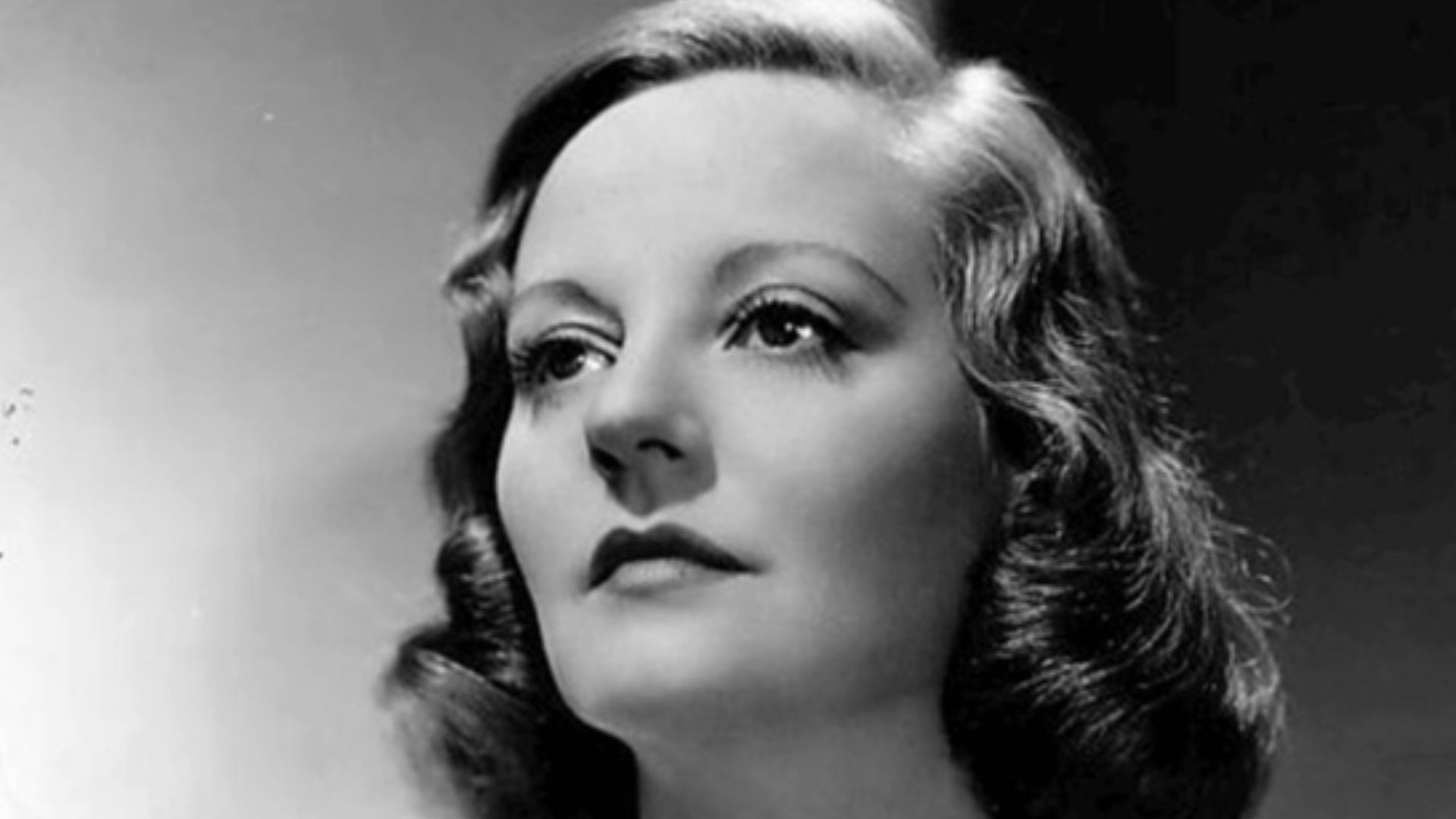 Photo by Vandamm, New York, Wikimedia Commons
12. He Dominated
As it turned out, Laughton had nothing to worry about. In fact, his co-stars did. Critics applauded Laughton for his ability to turn this potential melodrama into outstanding drama. One critic said that Laughton “overshadowed” Bankhead, and another commented that his acting dominated the film.
Now, this was a really great start to a career in Hollywood. His next picture had the potential to clinch his future success.
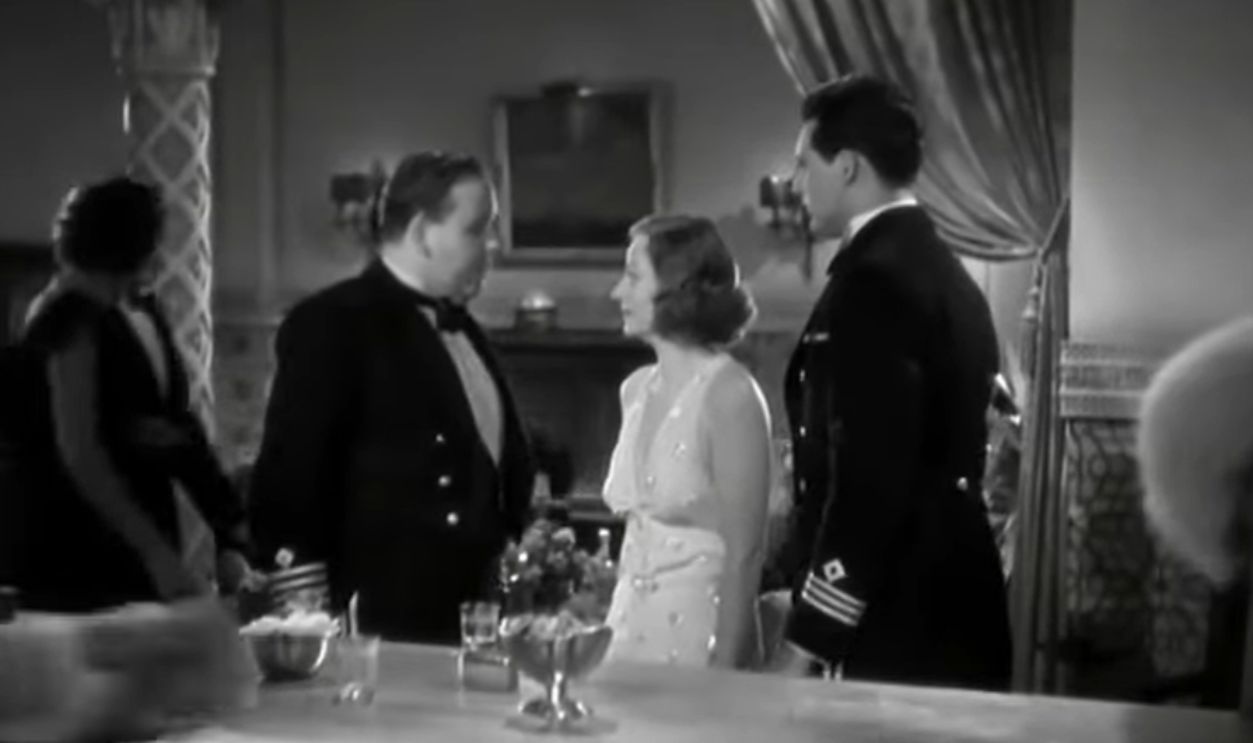 Screenshot from Devil and the Deep, Paramount Pictures (1932)
13. He Would Be Perfect
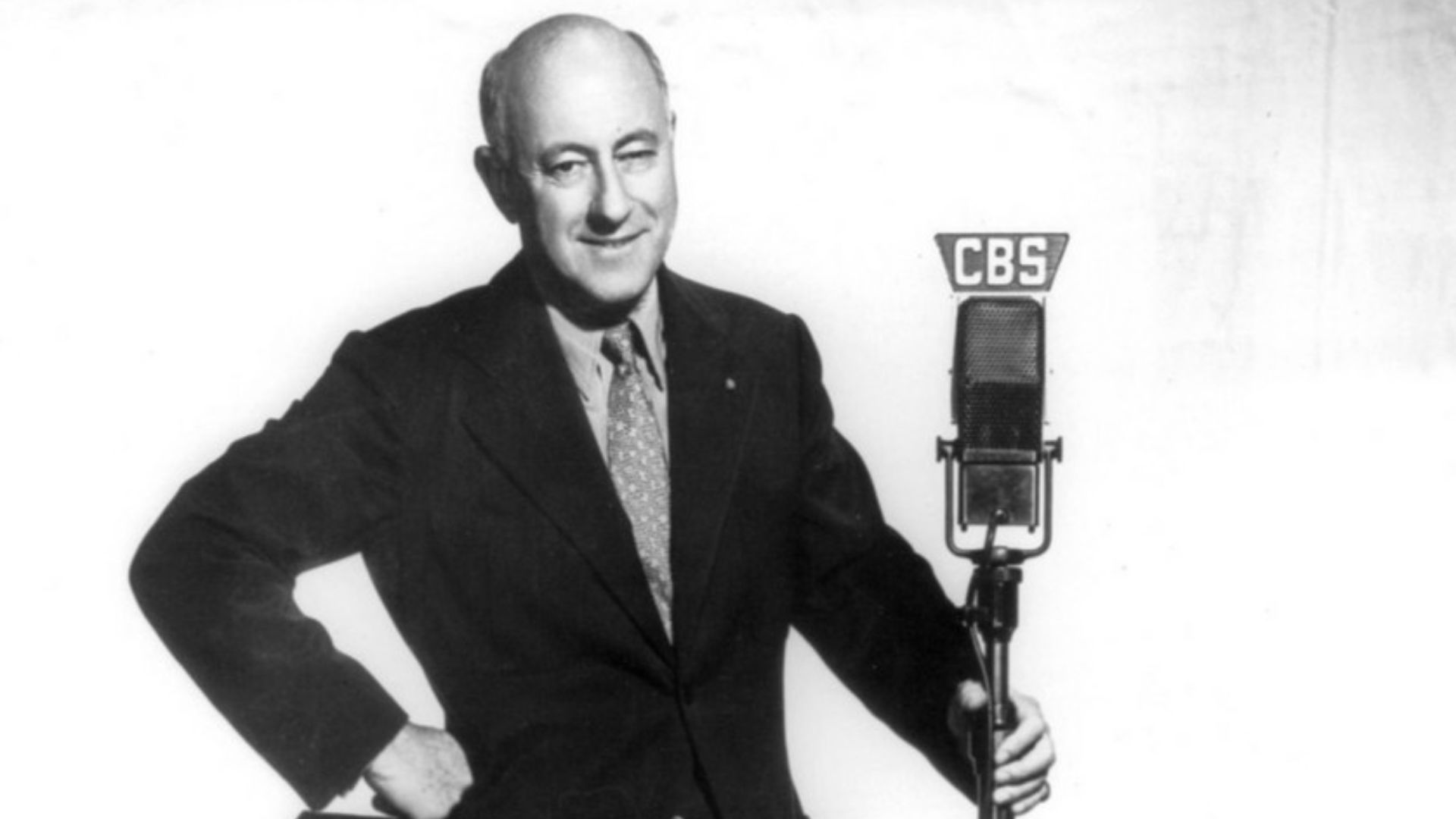
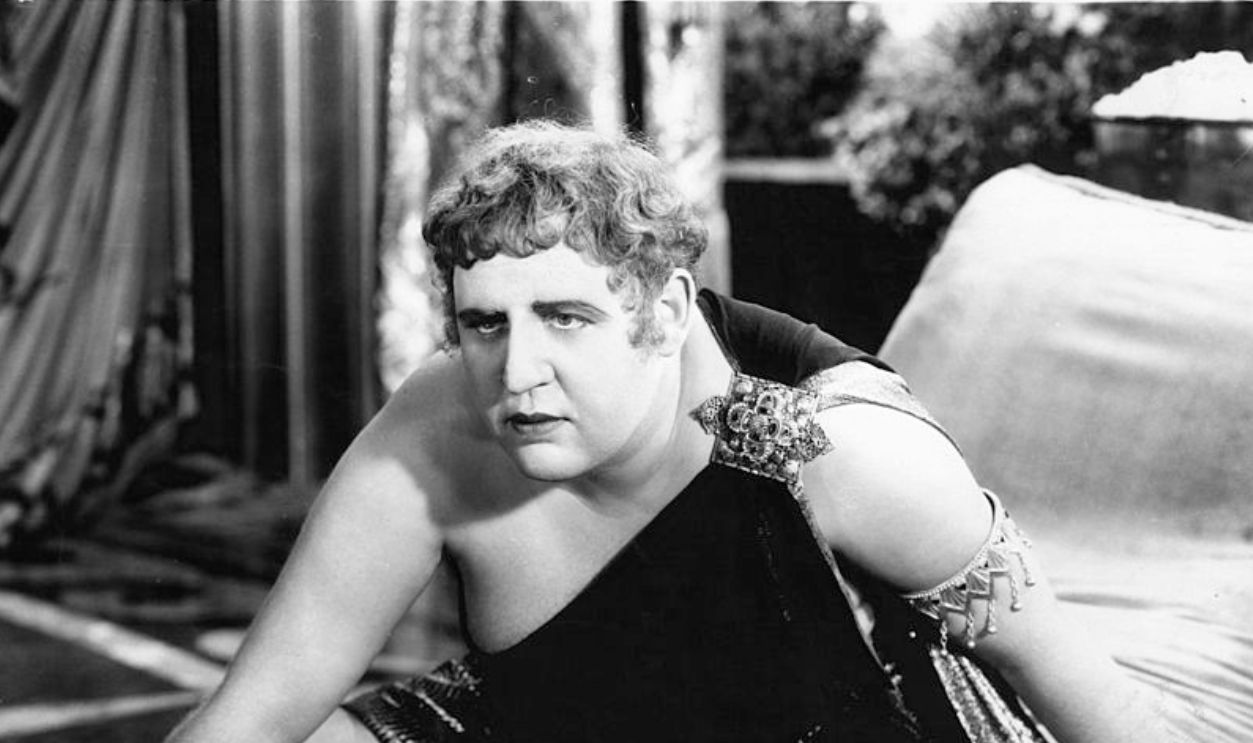
Before he had come to Hollywood, Laughton had been in a play called Payment Deferred. Superstar director Cecil B DeMille happened to be in the audience one night, and he got an idea. He knew that Laughton would play a great Emperor Nero, and he needed one for his upcoming epic, The Sign of the Cross.
When DeMille found out that Laughton was in Hollywood, it was a done deal.
 Columbia Broadcasting System-CBS, Wikimedia Commons
14. He Was Part Of History
DeMille had already made two Biblical epics, The Ten Commandments and The King of Kings, so audiences had high hopes for The Sign of the Cross. Laughton was going to be part of history. What he found, though, was that his character had a short scene in the prologue and then was off-screen until the one-hour mark.
This gave Laughton time for some mischief.
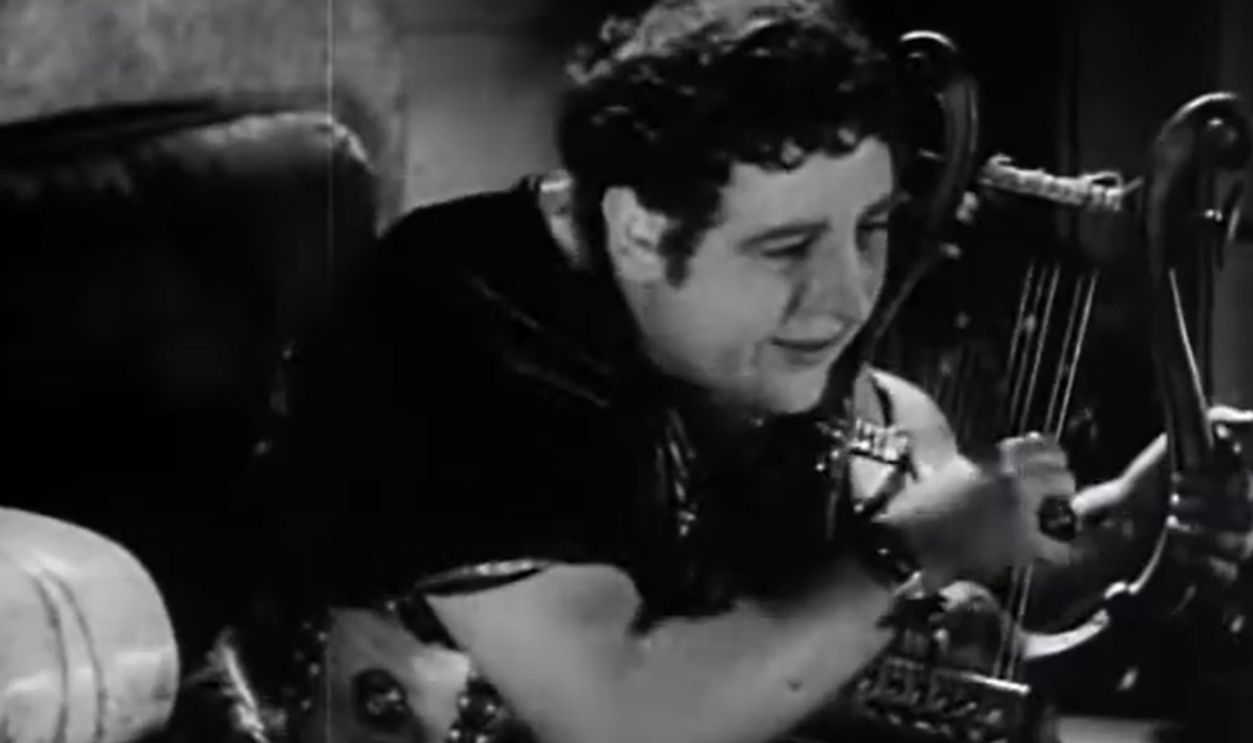 Screenshot from The Sign of the Cross, Paramount Pictures (1932)
15. He Played Around
One of Laughton’s co-stars on The Sign of the Cross was Academy Award-winning actor Fredric March. March said that he swears that Laughton kept looking up his toga. He later said that Laughton basically hit on him during the filming.
Wait a minute, wasn’t Laughton a happily married man?
History's most fascinating stories and darkest secrets, delivered to your inbox daily.
16. He Got A Reputation
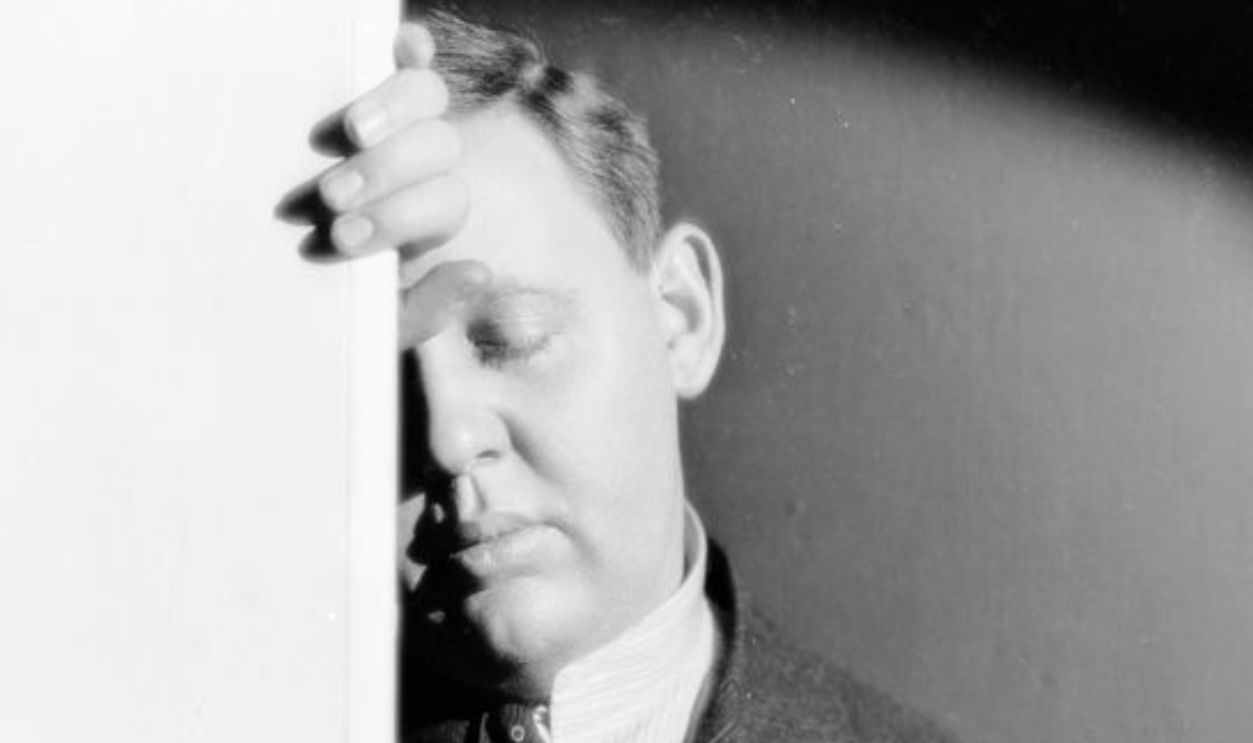
What was becoming clear to March, and likely other cast members, was that Charles Laughton wasn't exactly straight. Most in Hollywood just thought he was odd, and his slightly off-kilter wife didn’t really help. In fact, one critic compared them to Greta Garbo and Marlene Dietrich. While it wasn't clear who was who, one thing was clear: They weren’t comparing Laughton to a man.
Laughton tried to ignore the rumors and focus on making great movies.
 William Walling Jnr, Getty Images
17. It Was A Controversy
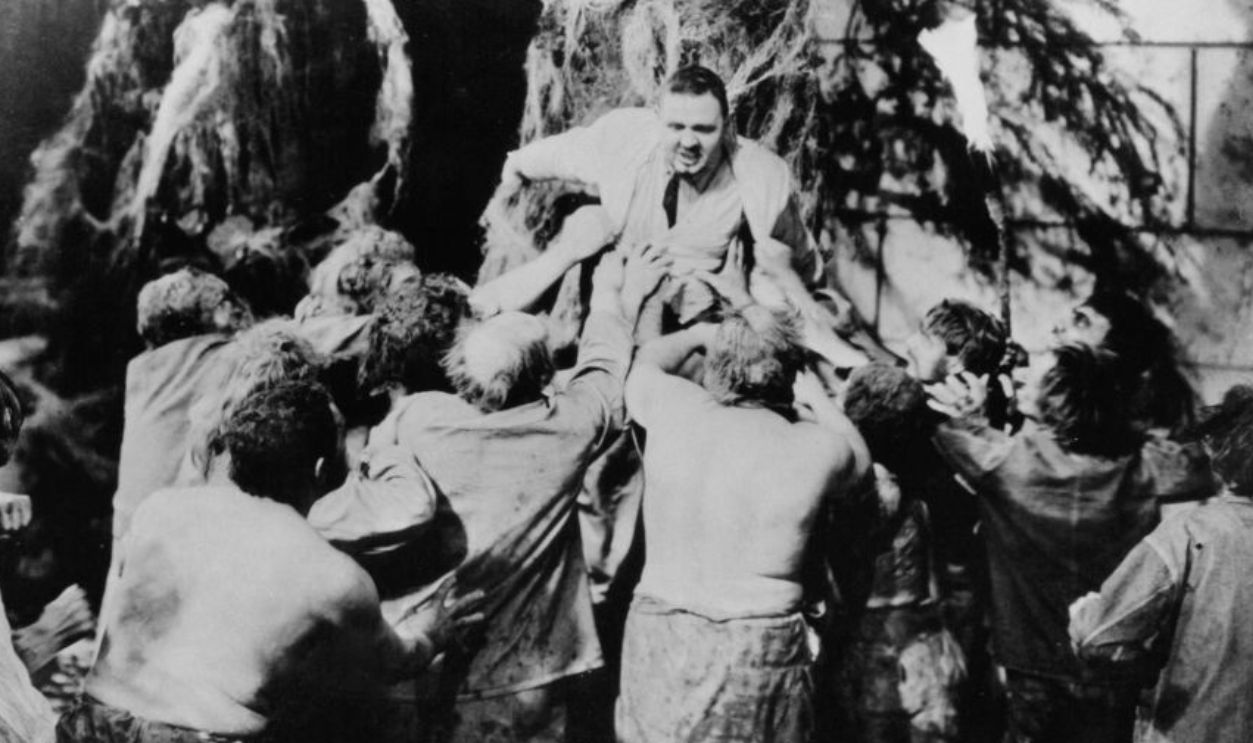
Eventually, it was time to make the movie that had brought Laughton to Hollywood: Island of Lost Souls. It soon became clear that the film they were making was going to be a huge controversy. You see—spoiler alert—Laughton’s character was doing experiments and trying to mate humans with animals.
This film had the potential to make people angry.
18. It Got Cut
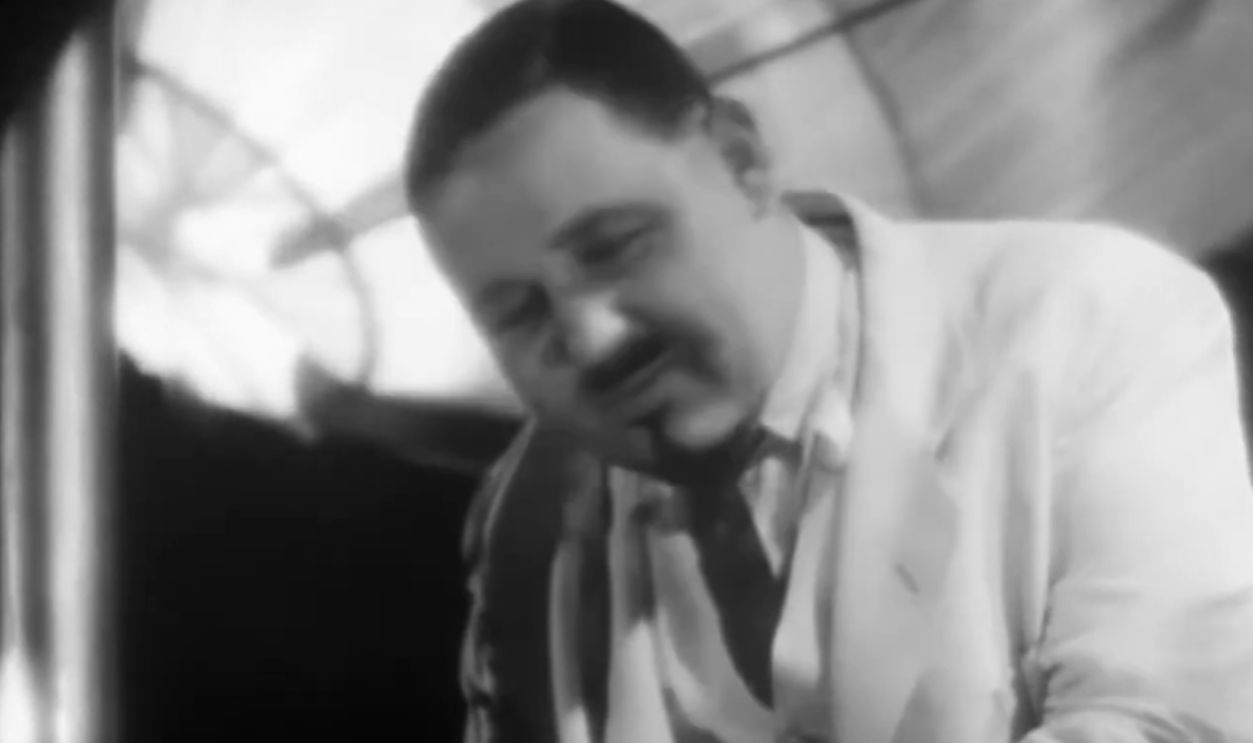
When Paramount released the controversial Island of Lost Souls, they weren’t sure what would happen. First, some states demanded that they cut out some of the more horrifying scenes. Then some countries just banned it completely. Because of this, the box office of the film remains a mystery. We only know that it was “below expectations”.
Despite all the controversy, Laughton’s performance still got rave reviews. He was ready to go from horror to high brow.
 Screenshot from Island of Lost Souls, Paramount Pictures (1932)
19. They Called Him Back
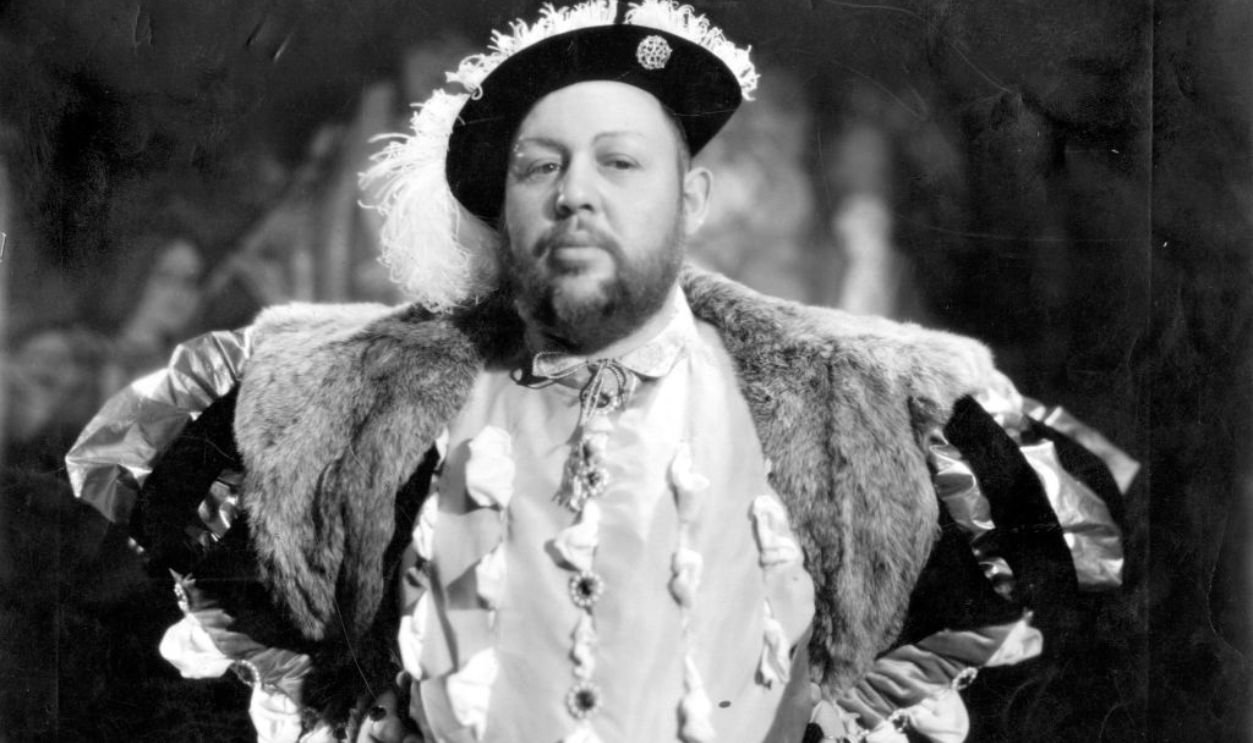
Seeing one of their own making it in Hollywood, England called up Laughton for a very important role. They wanted him to star in The Private Life of Henry VIII. They even sweetened the deal with a role for Lancaster as well. Laughton and Lanchester were heading back to England to show off their American success.
Laughton got off to an odd start.
20. She Made Him Mad
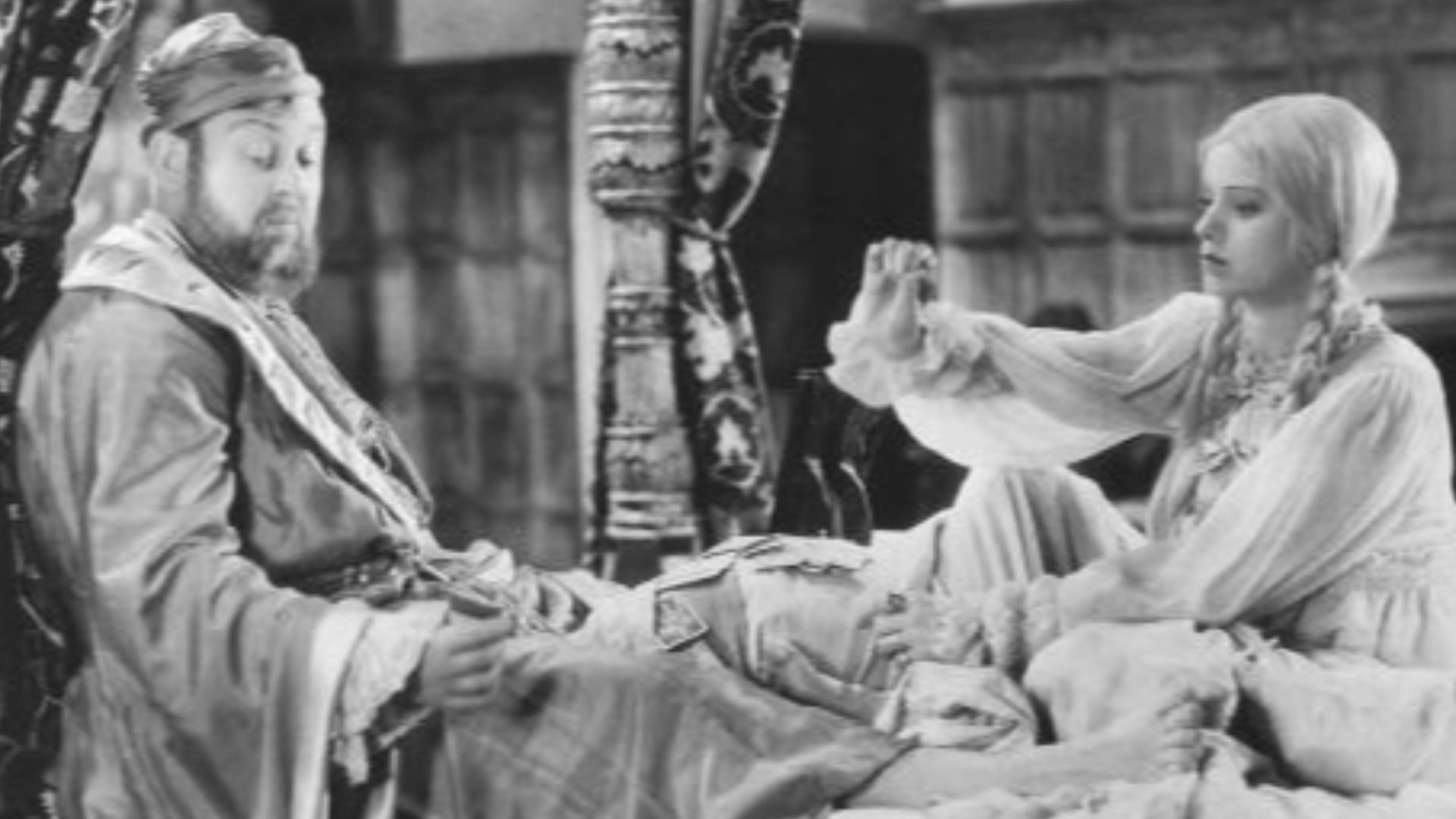
Maybe Hollywood had changed Laughton, because he seemed difficult to work with. In fact, in one scene while making The Private Life of Henry VIII, he got so angry at a giggling co-star that he bit her. Apparently, this was what the real Henry VIII did to his wives.
But this wasn’t an isolated incident. Laughton was becoming difficult.
 London Films and United Artists, Wikimedia Commons
21. He Didn’t Make Friends
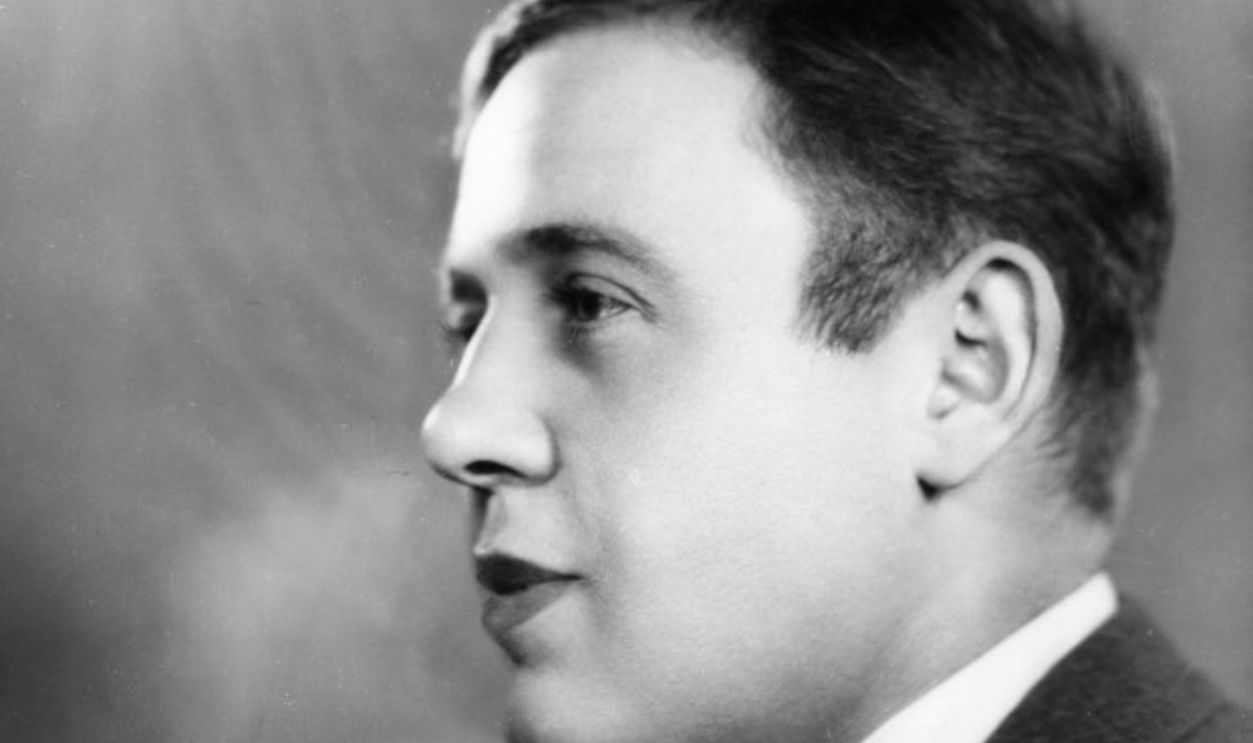
While Charles Laughton was popular in the movies, he wasn't so popular while making the movies. He was shy and uncomfortable with the usual small talk that was typical on film sets. His process as an actor, where he dug deep into his private and sometimes bizarre thoughts, was also not winning him many friends.
But all his quirks were adding up to a film career like no other.
History's most fascinating stories and darkest secrets, delivered to your inbox daily.
22. He Felt Inferior
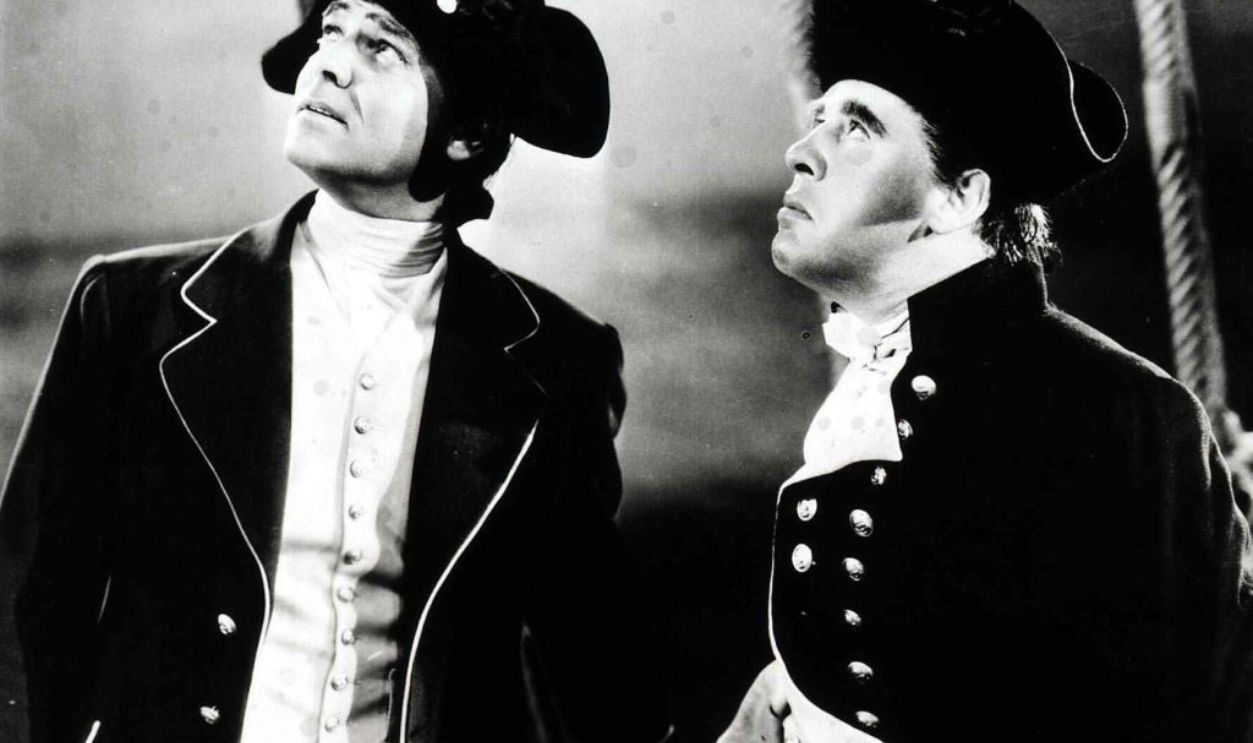
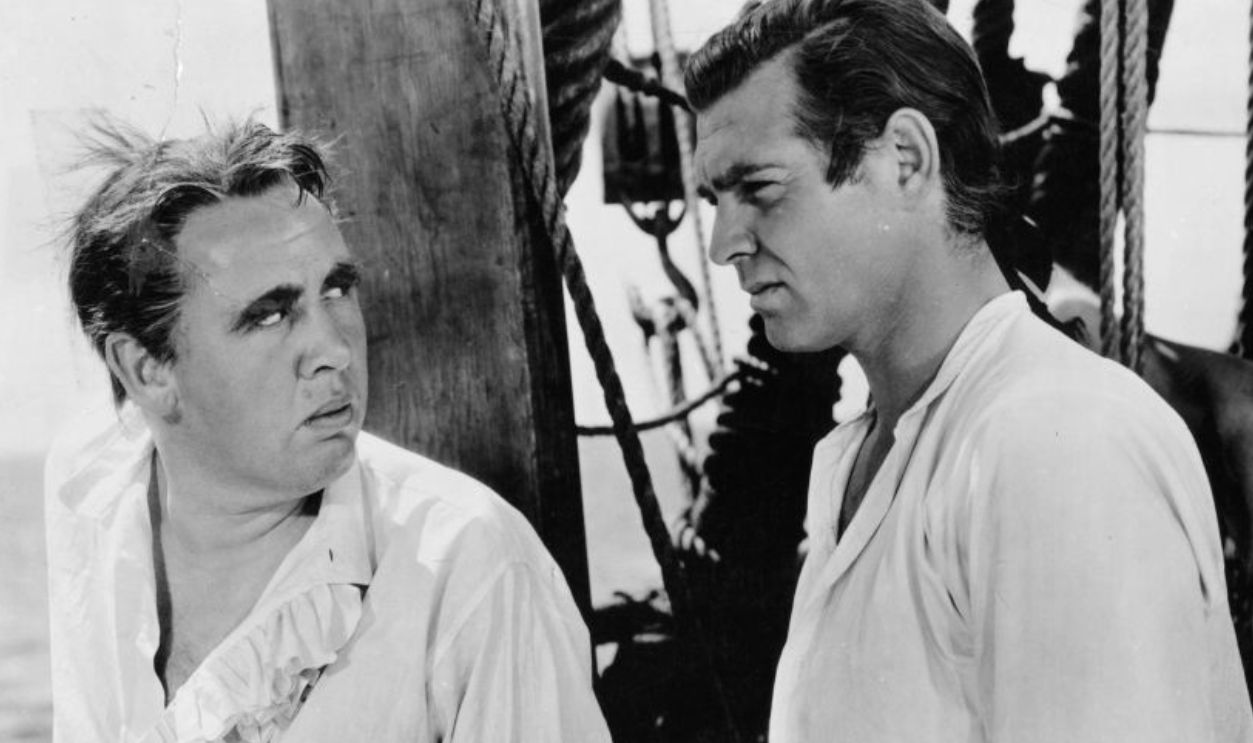
In 1935, Laughton met up with Clark Gable in Mutiny on the Bounty. With the incomparable handsomeness of Gable on the set, Laughton suffered from a poor self-image. Laughton had prepared for this by losing more than 50 pounds on a crash diet. Apparently, he got so self-conscious around Gable that he started monitoring his facial mannerisms and the way he walked, so as not to let his insecurities slip.
These two men ended up bonding in a surprising way.
23. He Had A Bonding Session
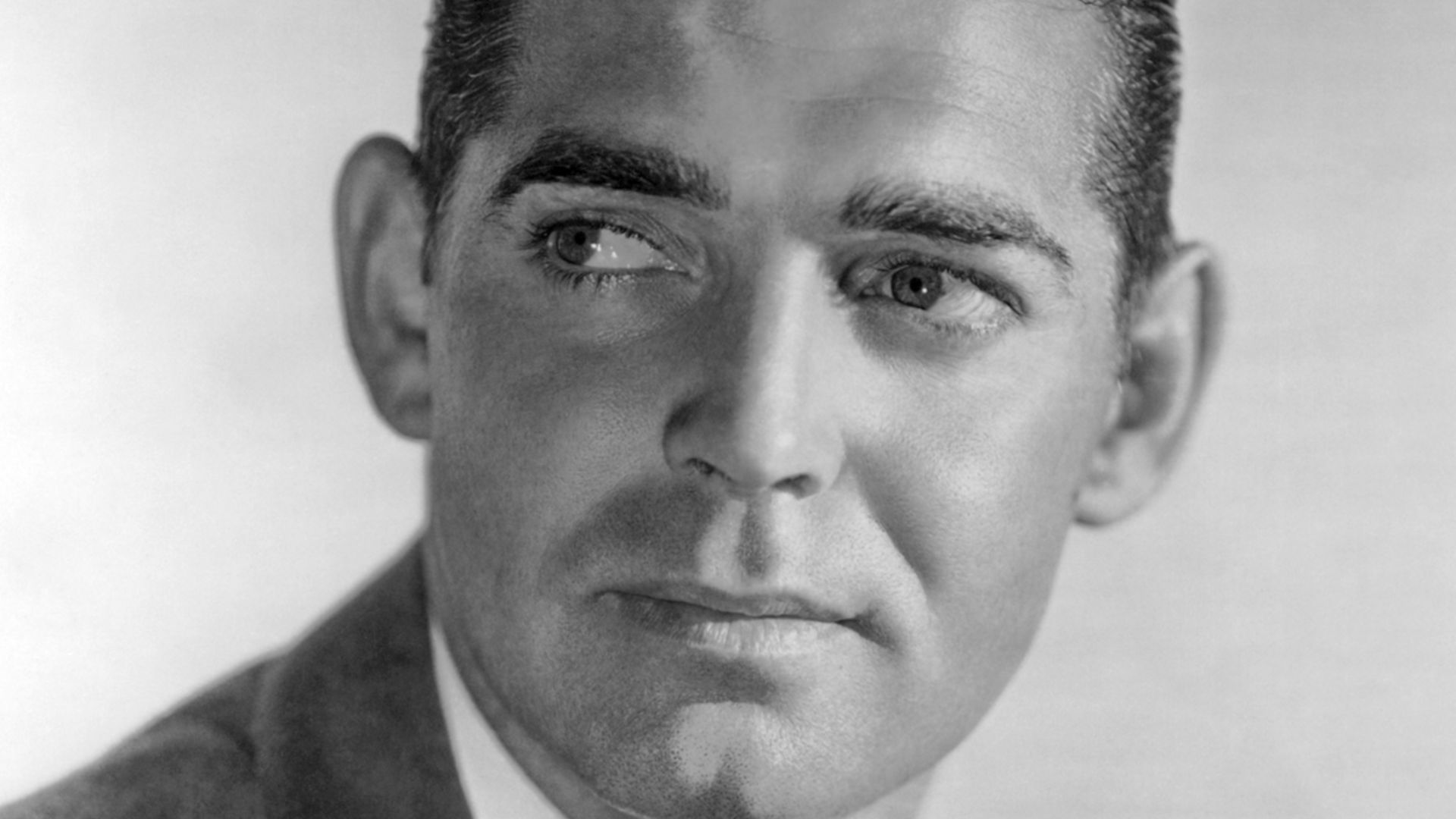
Gable thought that it was important to get on close and personal terms with his co-star. He obviously didn’t know much about Laughton because as the venue for their bonding session, Gable chose a bordello. Elsa Lanchester later said that this inappropriate gesture “flattered” Laughton.
But it would take more than a night in a bordello to make these two guys friends.
 Studio publicity still, Wikimedia Commons
24. He Made Him Mad
Gable had a problem working with Laughton on Mutiny on the Bounty. He said that Laughton had a habit of looking him directly in his eyes. This made Gable so unnerved that he would sometimes storm off the set. But when it came to the finished film, Laughton was the clear winner.
25. He Was A Masterpiece
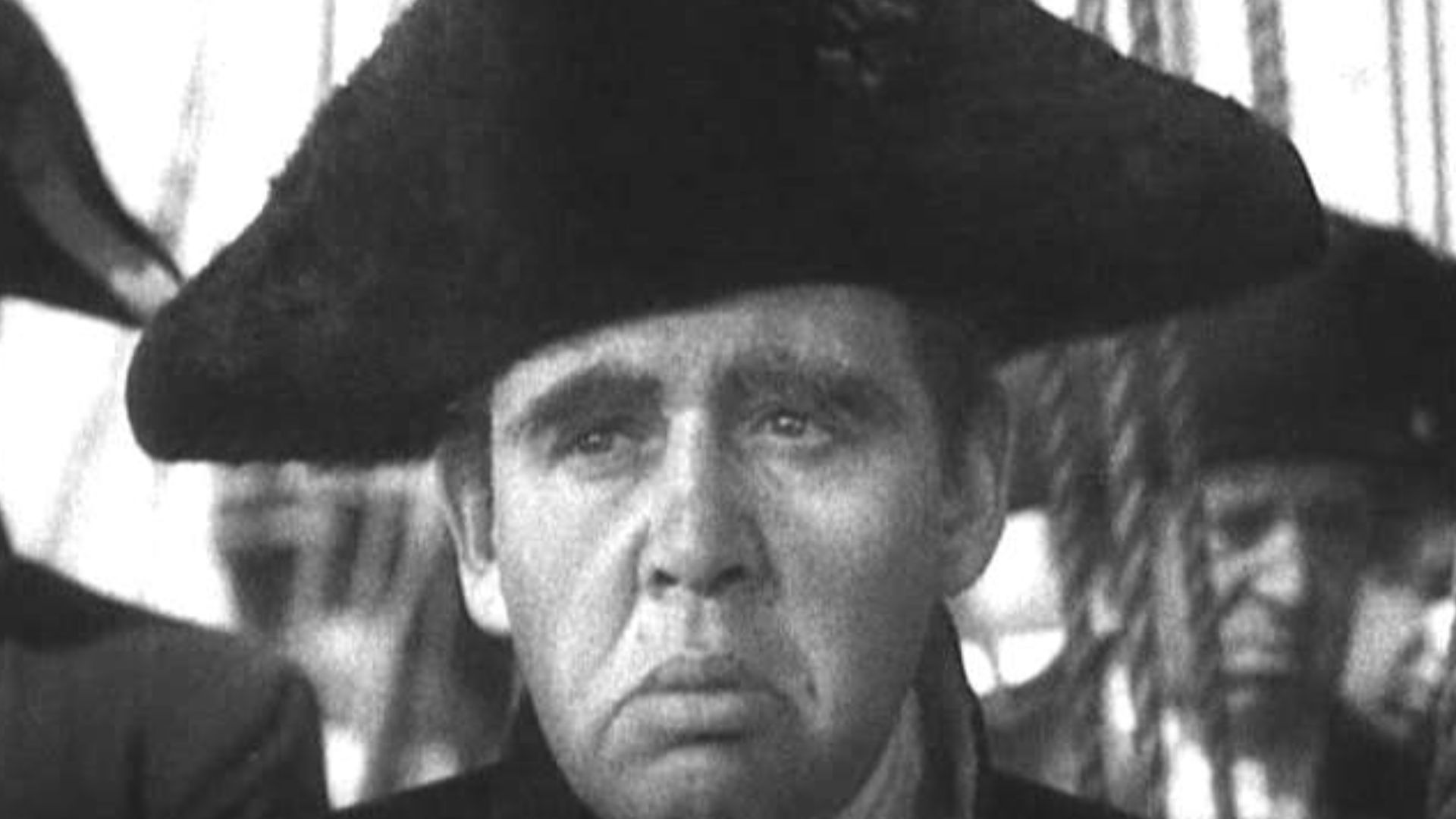
Laughton’s performance as Captain Bligh in Mutiny on the Bounty received high praise. One critic called it a “Laughton masterpiece”. But Gable was no slouch either. He and Laughton both received Academy Award nominations. Sadly, neither took home a trophy.
Laughton was ready for his next epic film.
 Trailer screenshot, Wikimedia Commons
26. He Had To Stretch His Skills
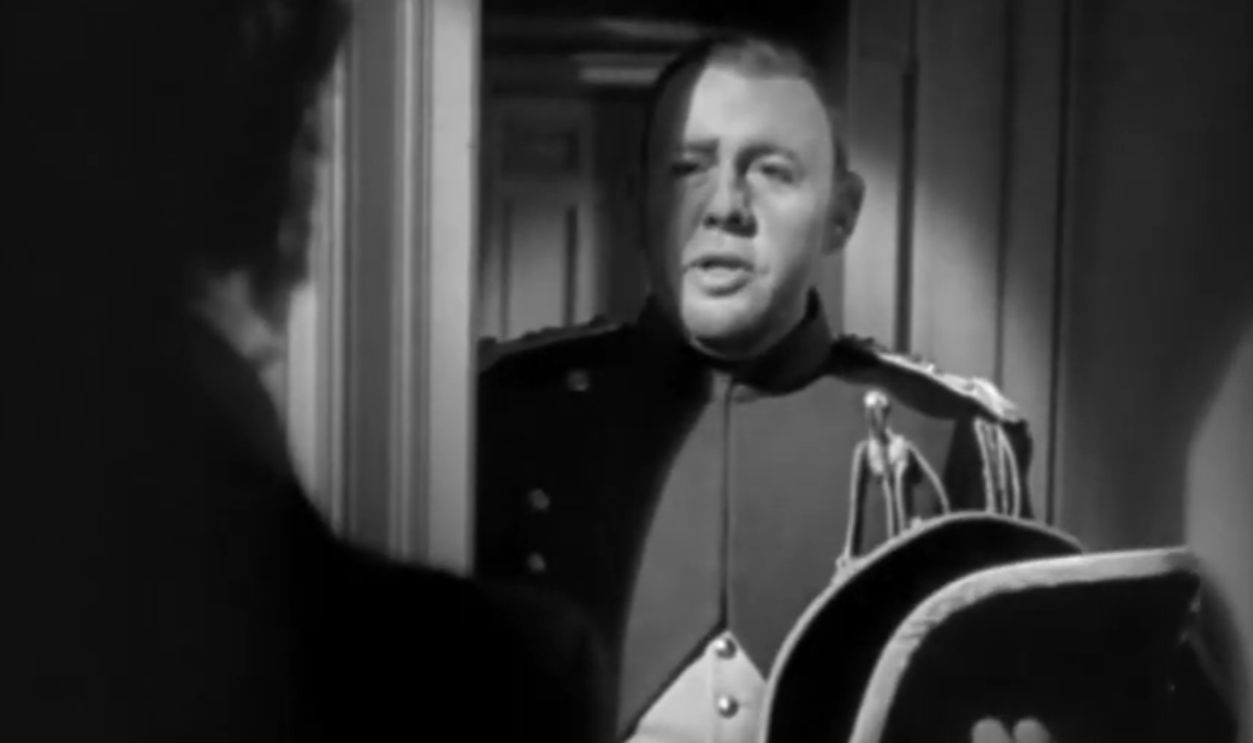
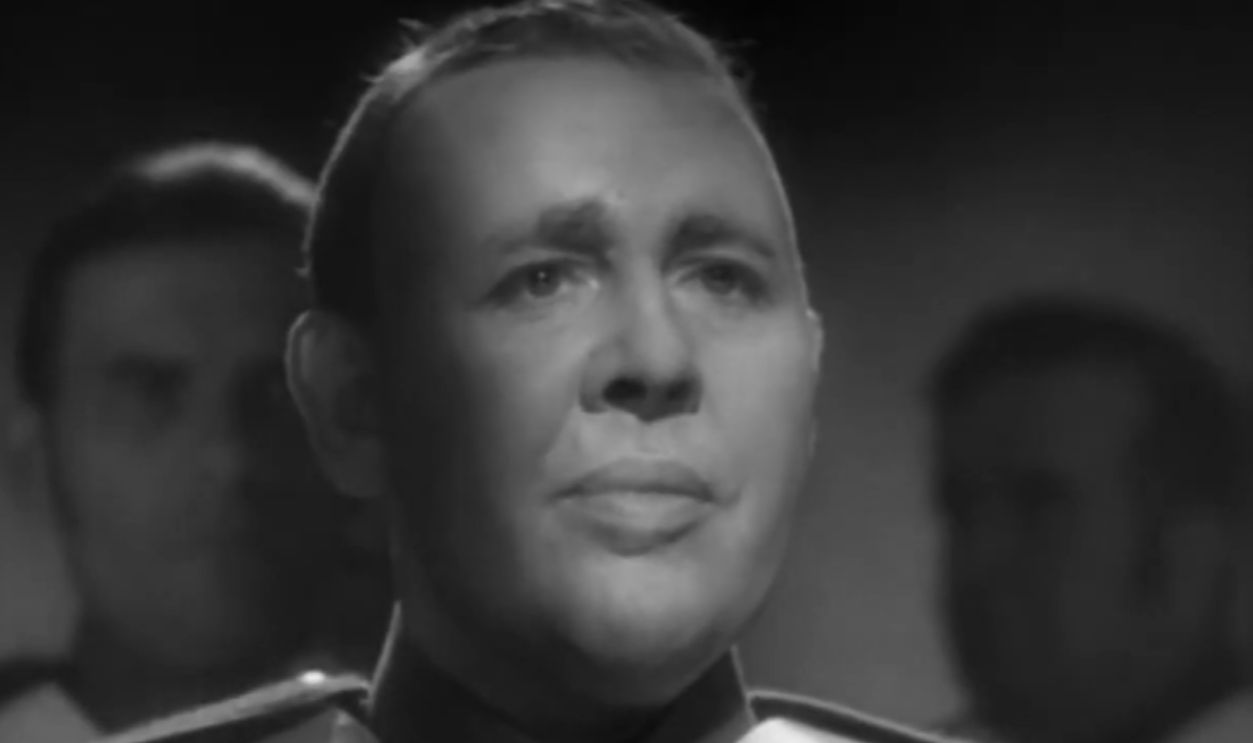
In the same year as Mutiny on the Bounty, Charles Laughton snagged a coveted role in Les Misérables. The novel called for his character to be tall, have a small head, and long hair. None of this added up to Laughton’s look. But Laughton was by now such a respected actor, maybe they expected him to be able to act tall.
It’s possible that Laughton had bitten off more than he could chew.
 Screenshot from Les Misérables, 20th Century Studios (1935)
27. He Had A Good Year
It may have been awkward when Laughton arrived to make Les Misérables. You see the man whose toga he kept looking up in The Sign of the Cross, Fredric March, was there playing the lead. But nothing was awkward about this film. It received a nomination for Best Picture, as did two other Laughton films that year: Mutiny on the Bounty and Ruggles of Red Gap.
The truth is, he could have been in four.
 Screenshot from Les Misérables, 20th Century Studios (1935)
History's most fascinating stories and darkest secrets, delivered to your inbox daily.
28. He Had To Walk Away
Still in 1935, Laughton was all set to play Micawber in David Copperfield, which also got the nod for Best Picture that year. After just a couple of days of filming, Laughton abruptly walked away from the film. He saw himself in the dailies and decided that it looked as though his character was “about to molest the child”. They replaced him with WC Fields.
But there was a bigger and “humpier” role just around the corner.
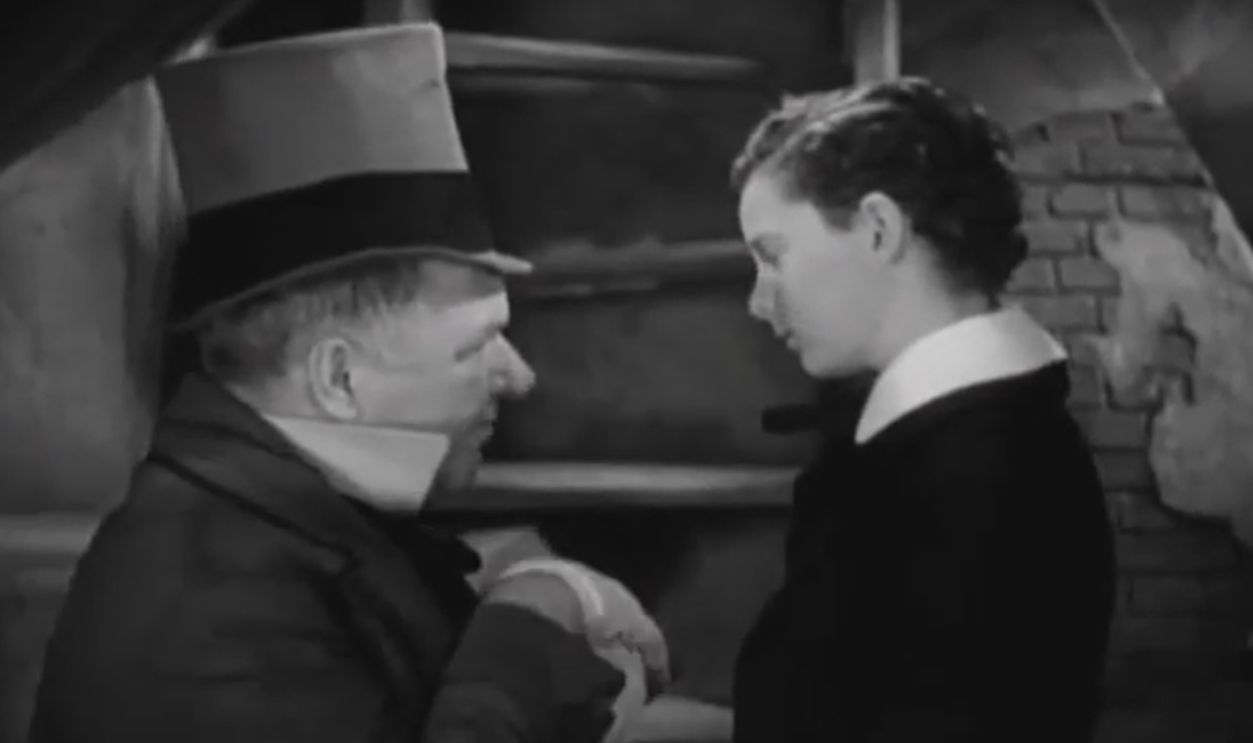 Screenshot from David Copperfield, Metro-Goldwyn-Mayer (1935)
29. They Needed A Monster
The rumor was out there that one of the major studios was going to do a remake of the 1923 film The Hunchback of Notre Dame. This brought out all the usual suspects of actors who play monsters. This list, in addition to Charles Laughton, included Lon Chaney Jr and Boris Karloff. It was a coveted role, and Charles Laughton wanted it.
But his behavior was still an issue.
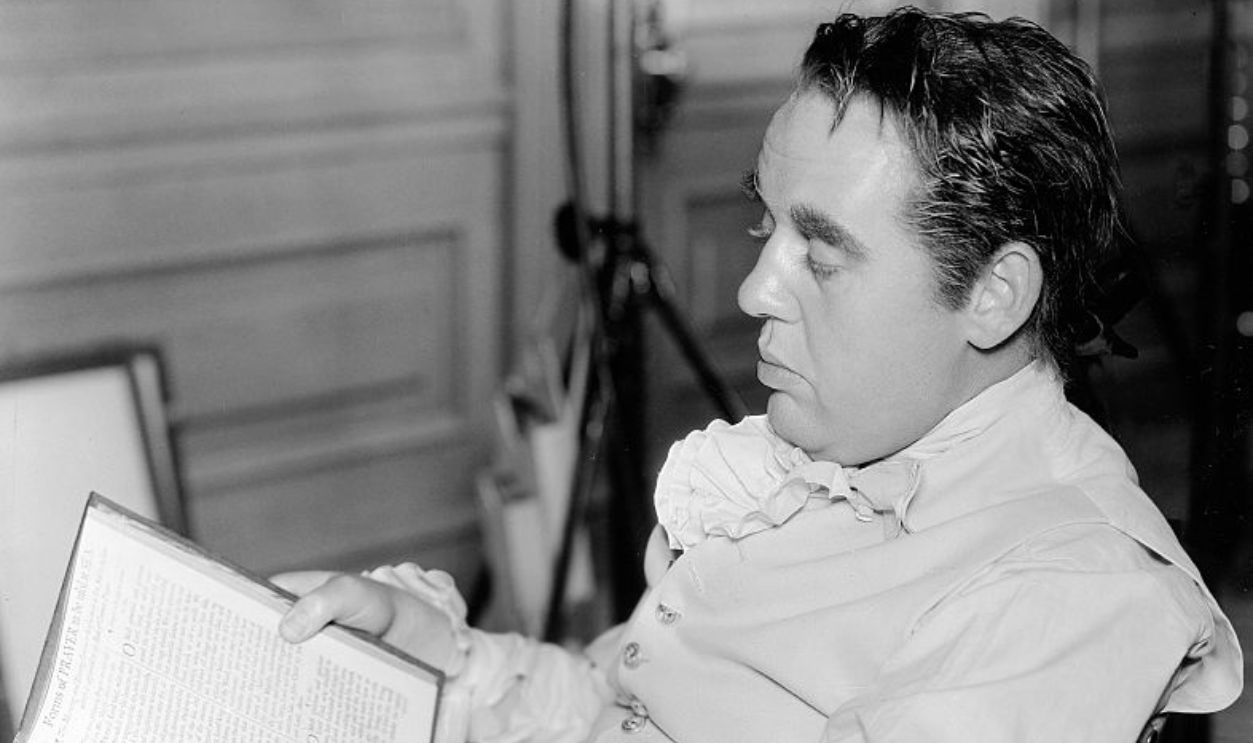 ullstein bild Dtl., Getty Images
30. He Was Condescending
RKO Pictures was the studio that got the financing together for The Hunchback of Notre Dame, and they wanted Laughton. They also wanted Claude Rains for a role. This was great because Rains had been Laughton’s acting teacher at RADA. But after Rains had a chance meeting with Laughton, he bowed out. Apparently, he didn’t like Laughton’s condescending attitude.
This was just the beginning of Laighton’s problems on this film set.
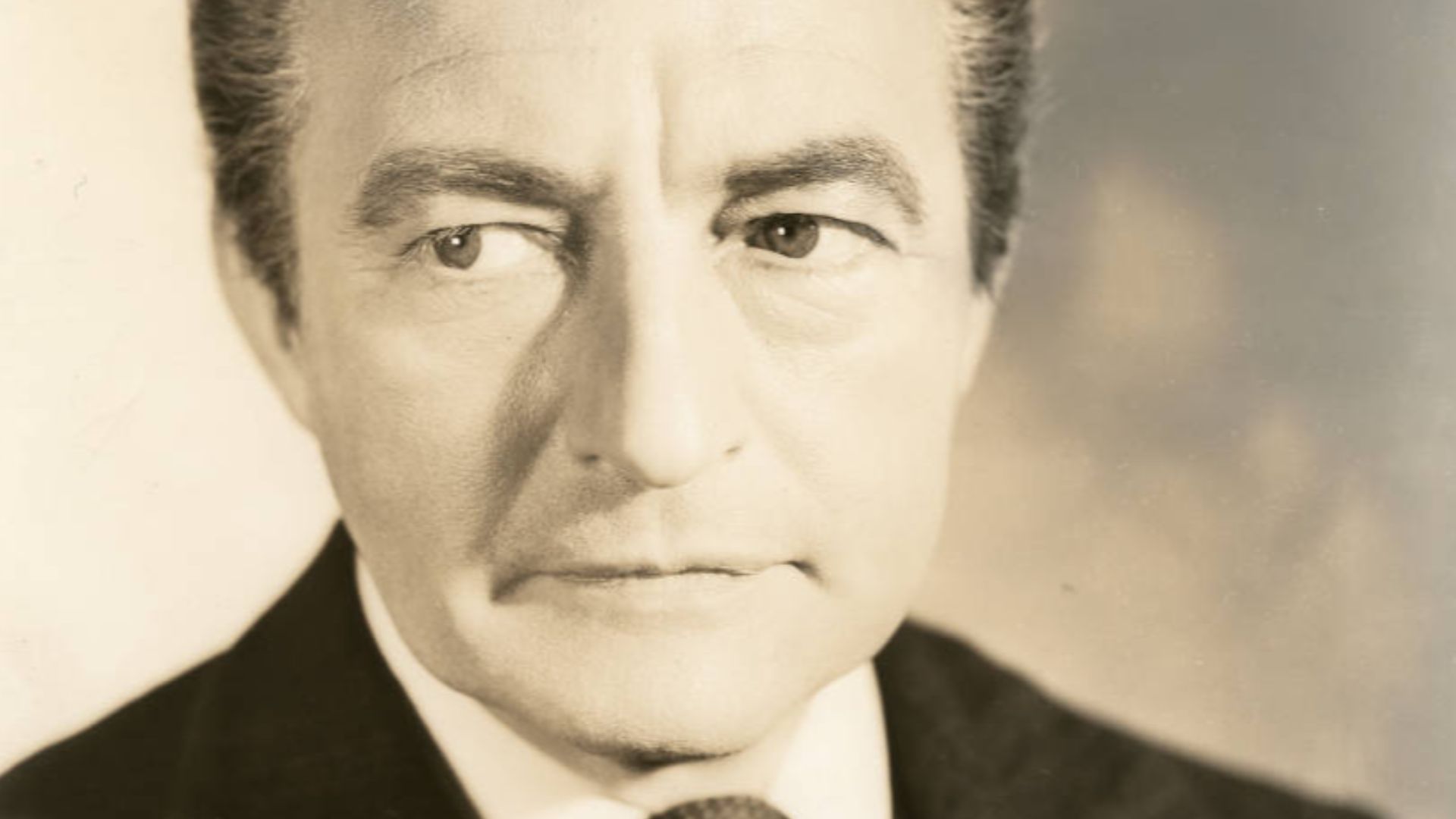 Unknown authorUnknown author, Wikimedia Commons
31. He Pushed His Weight Around
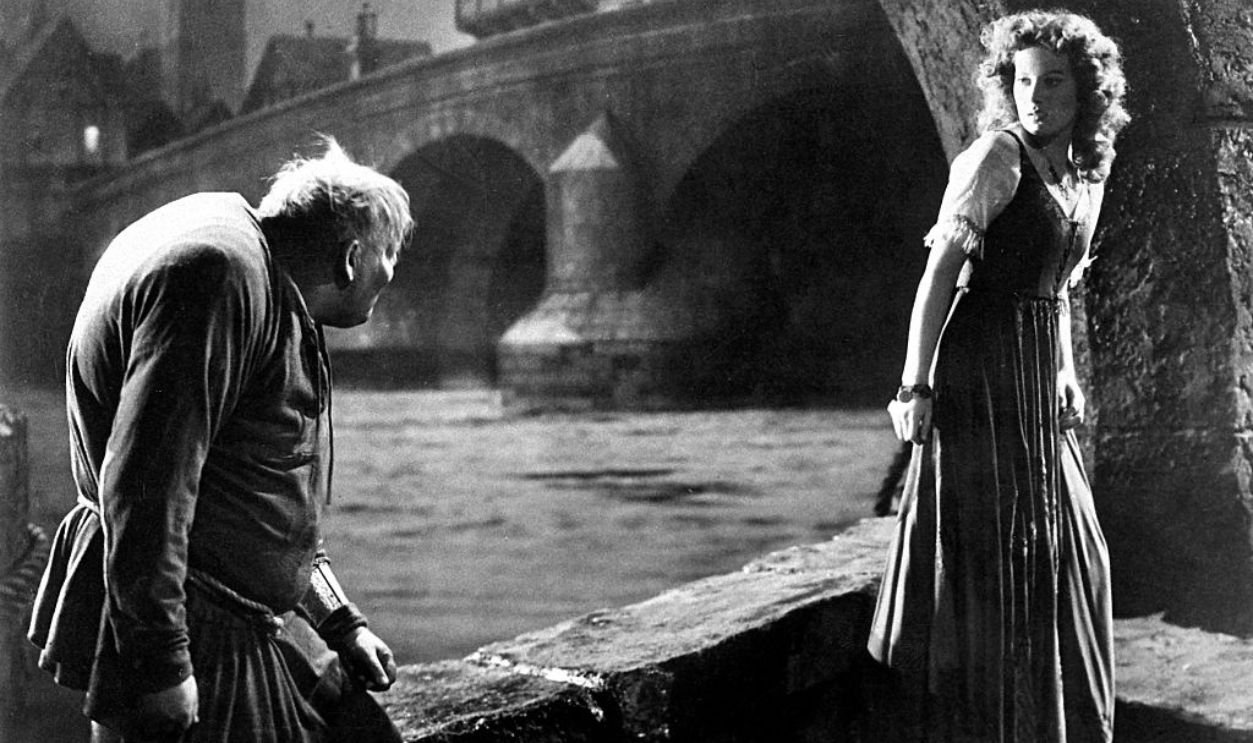
The role of Esmerelda in The Hunchback of Notre Dame went to Kathryn Adams, who was excited to have this pivotal role. However, Laughton had just worked with Maureen O’Hara and shocked everyone with an announcement: he was bringing her with him to play Esmerelda. Because of Laughton’s importance, Adams lost the part, and O’Hara went on to a huge career.
Once they started filming, Laughton made an enemy.
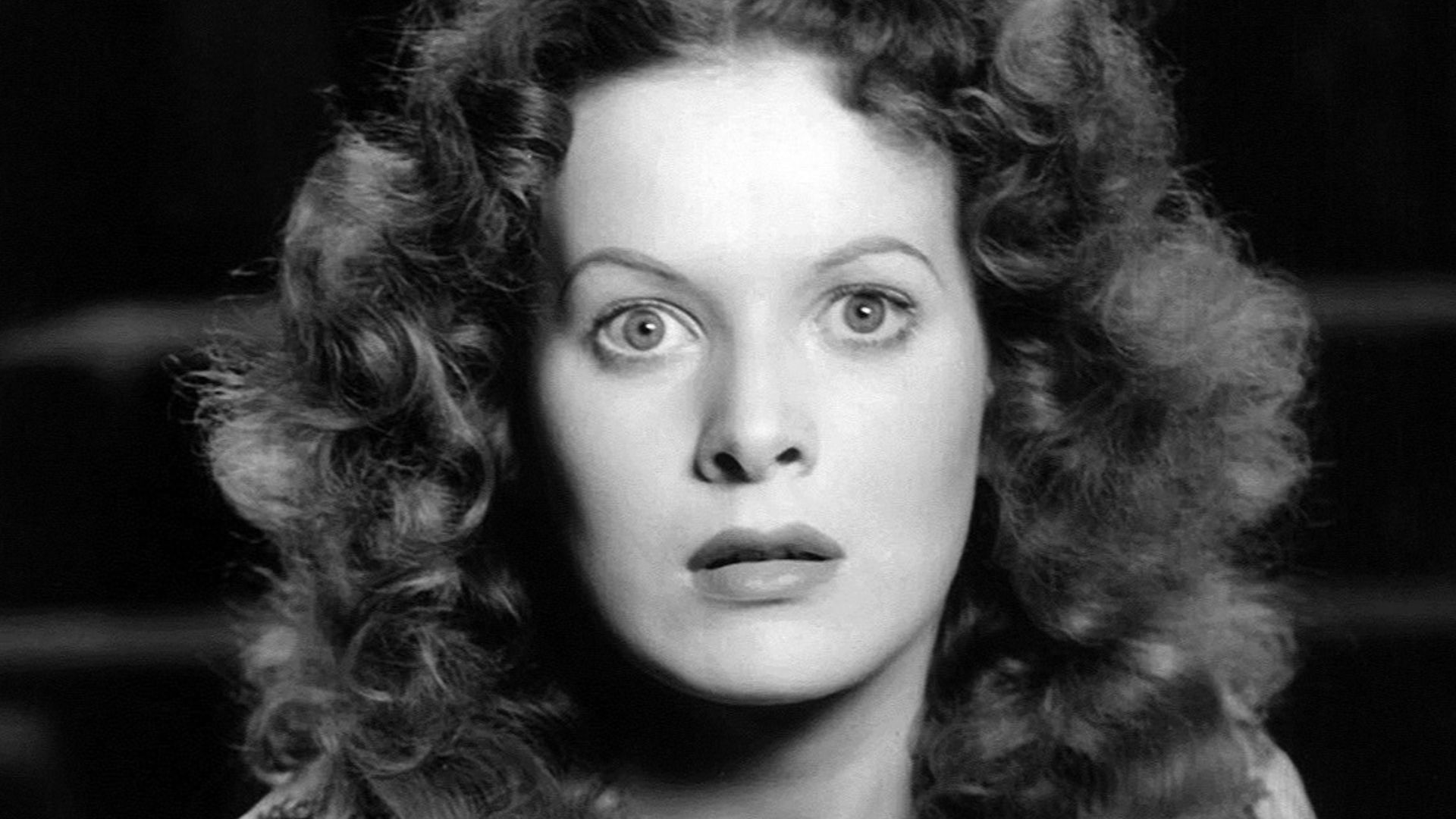
32. There Was A Problem With The Hump
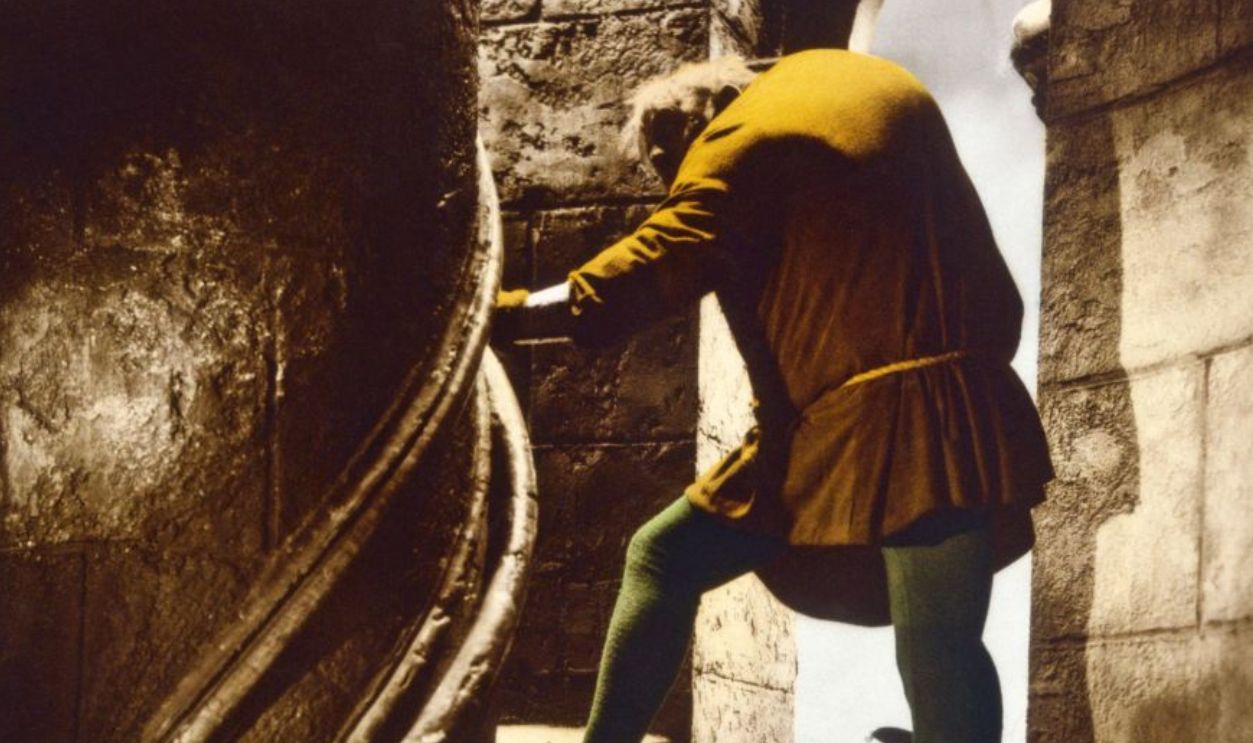
Of course, Charles Laughton needed a lot of makeup to look like the Hunchback. Makeup artist Perc Westmore wanted to make the hump as light as possible. Laughton wanted the hump to be heavy to make it more realistic. When Westmore suggested that Laughton could just act like it was heavy, the feud began.
And it would end badly.
33. He Got His Punishment
After a long, difficult shoot, where the battling Laughton and Westmore had to spend two and a half hours a day together, Westmore took his revenge. He sprayed Laughton with seltzer water, and kicked him in the backside. He also made sure that his brother was the only witness to the punishment.
Laughton lost that battle, but the film was a big win.
 ullstein bild Dtl., Getty Images
History's most fascinating stories and darkest secrets, delivered to your inbox daily.
34. It Was The Only One
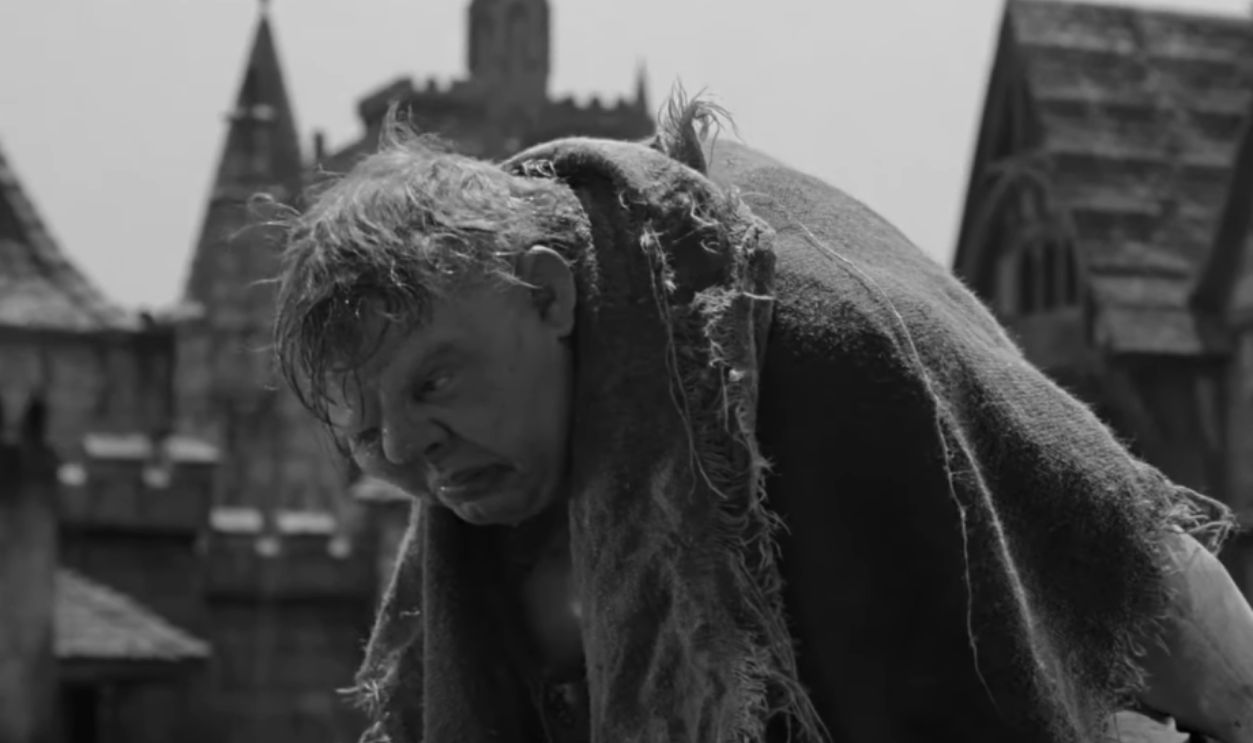
The Hunchback of Notre Dame was a huge success. While it only received nominations for two Oscars—both related to sound—one critic called Laughton’s performance “a tour de force”. This film launched that year’s Cannes festival. Actually, it was the first and last of the festival. You see, after the screening, Germany invaded Poland. WWII had started, and they canceled the rest of the festival.
Playing the Hunchback was a career high for Laughton. What followed was a slow and steady decline.
 Screenshot from The Hunchback of Notre Dame, RKO Radio Pictures (1939)
35. He Went Into Decline
After playing the Hunchback, Charles Laughton seemed to avoid making historical films. Forgettable films like They Knew What They Wanted, The Tuttles of Tahiti, and Stand By for Action either lost money for the studio or got bad reviews. Sometimes both. It seemed like Laughton’s career was tanking.
He had to turn this around.
36. He Tried Noir
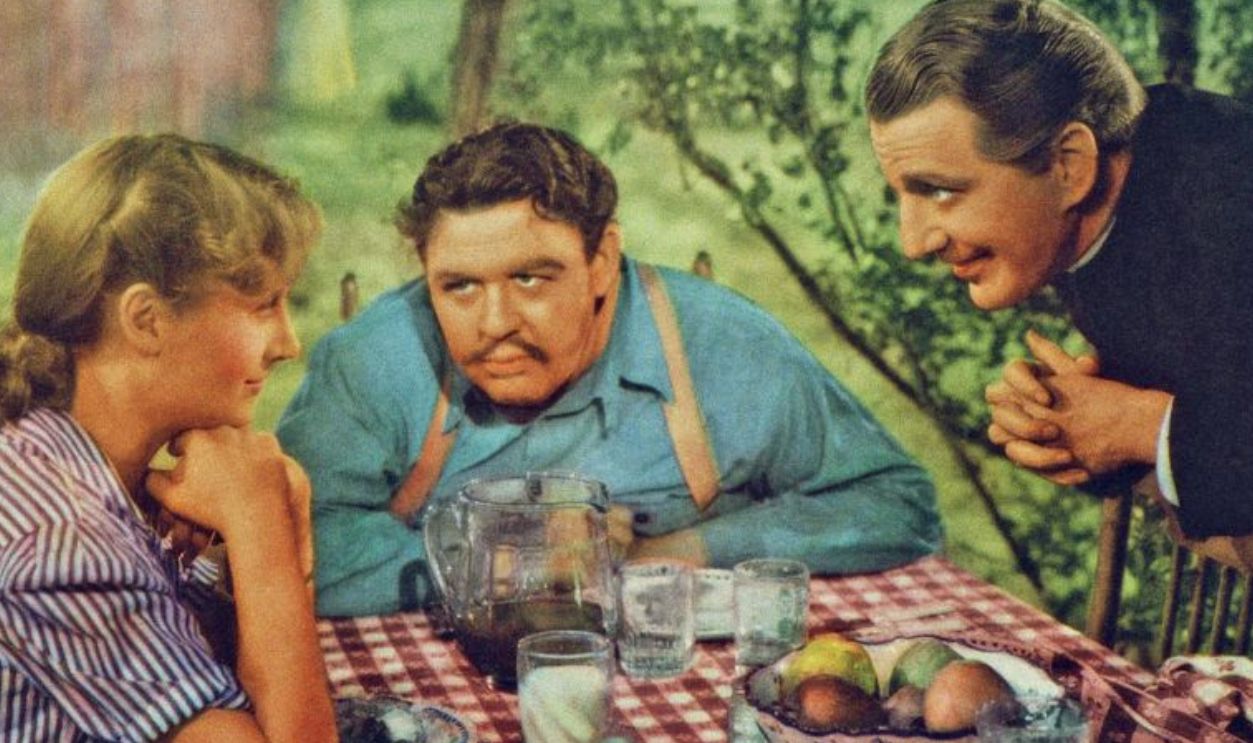
One of the films that seemed to resuscitate Charles Laughton’s career was the film noir The Big Clock. Elsa Lanchester joined him in this film about a jealous husband trying to frame an innocent man. Neither Laughton nor Lanchester received critical praise, but the film was a big hit and gave their careers a boost.
Next, he’d try directing.
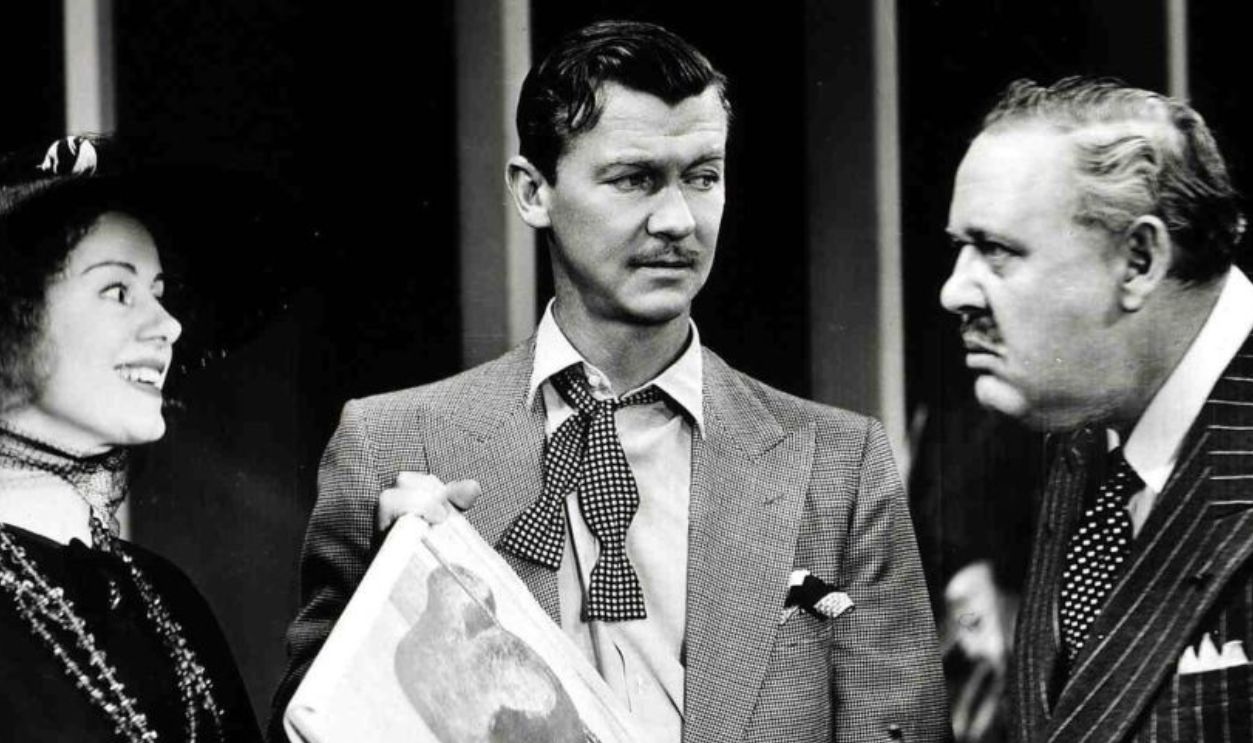
37. He Took The Chair
Laughton’s one and only film in the director’s chair is The Night of the Hunter. This brutal film about a preacher who’s also a serial killer stars Robert Mitchum and Shelley Winters. Laughton had no experience directing, but Mitchum later called him the best director he’d ever worked with.
One of the other actors on the film may have disagreed.
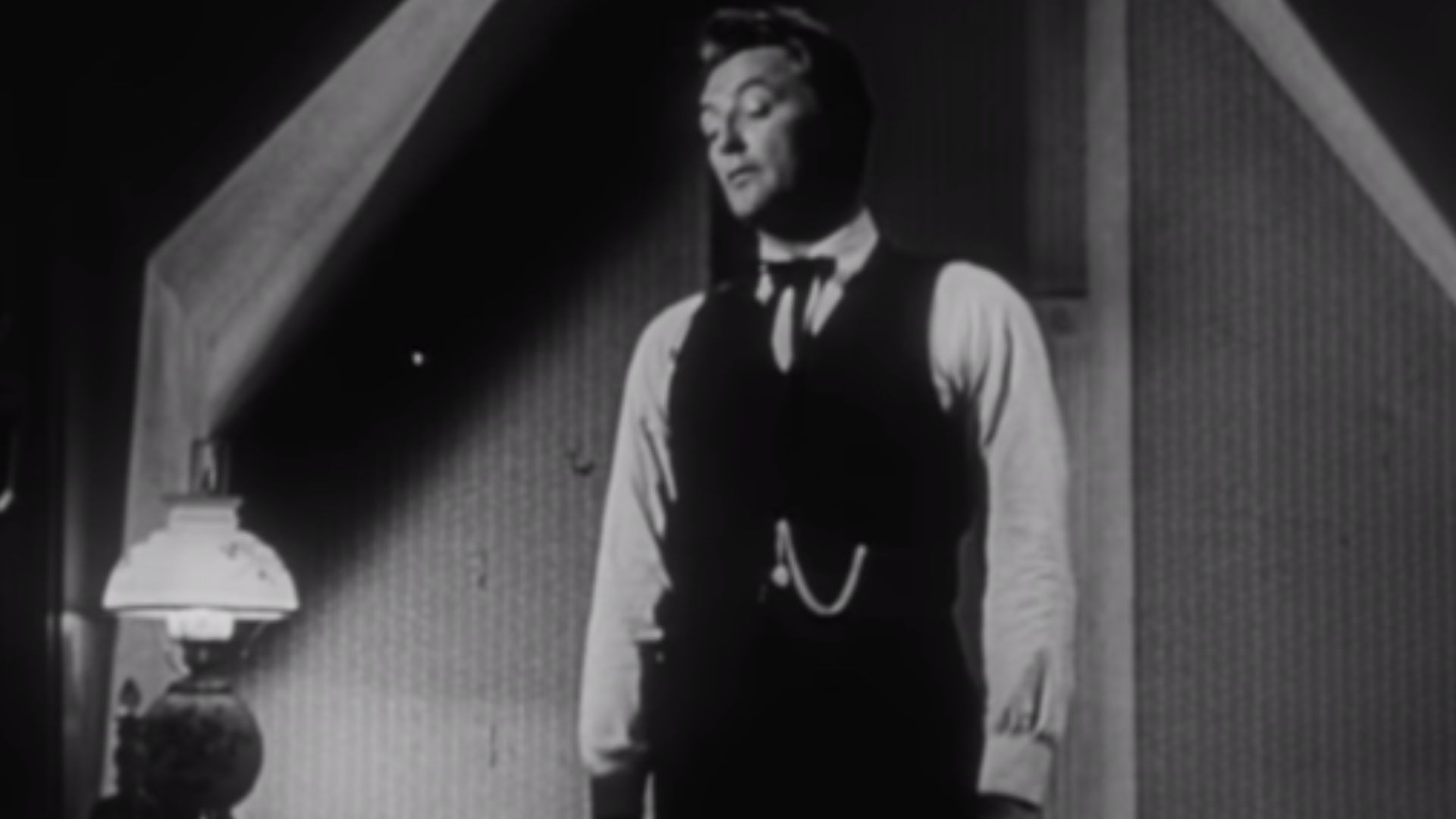 United Artists, Wikimedia Commons
38. He Was Frightening
The Night of the Hunter had two roles for young children, and Laughton did not get along with the young girl. Sometimes, Laughton would yell at her and on occasion the camera would still be rolling. Some of her reactions to Laughton were later used for her reactions to the terrifying Mitchum character.
Another terrifying thing to face were the critics.
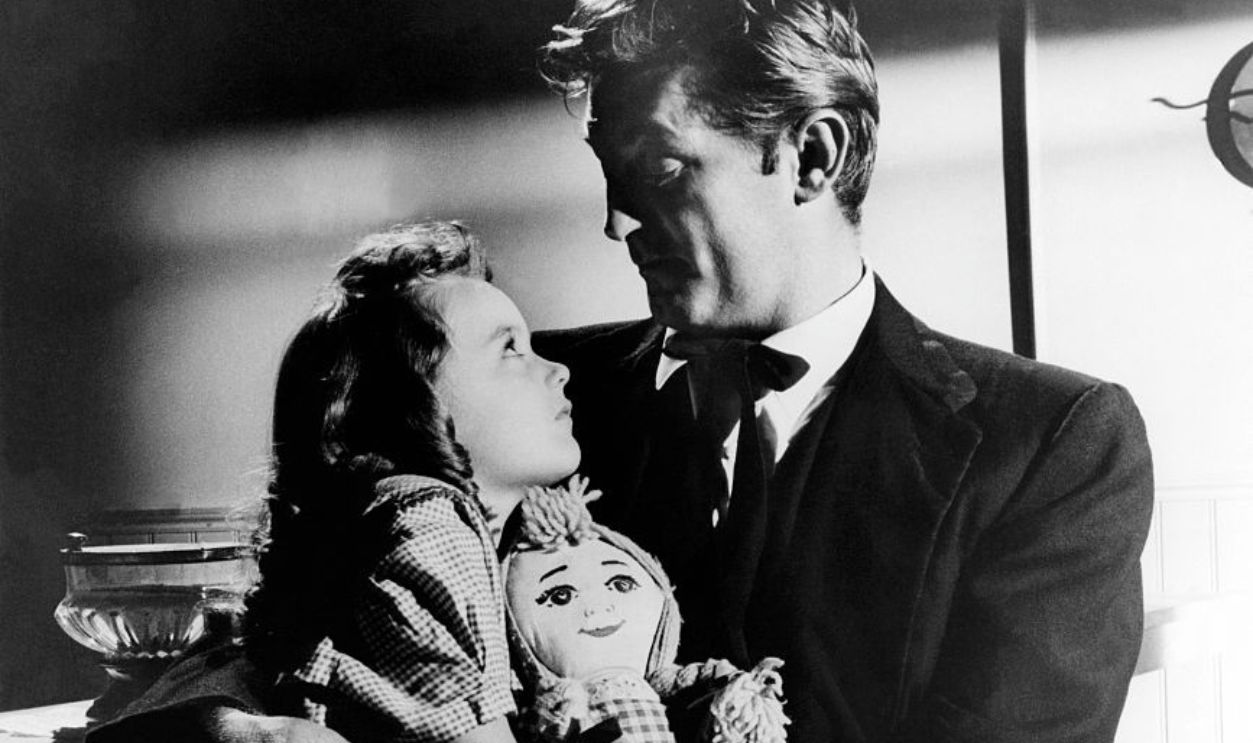 Sunset Boulevard, Getty Images
39. He Refused To Do It Again
The Night of the Hunter pleased neither audiences nor critics. Laughton felt crushed and refused to ever direct again. Sadly, it was only after Laughton’s passing that people started to see how good The Night of the Hunter was. One critic called it an “enduring masterpiece,” and then it made many lists of top films. Sadly, Laughton didn't get to enjoy any of it.
No worries, though. He was still reaping success as an actor.
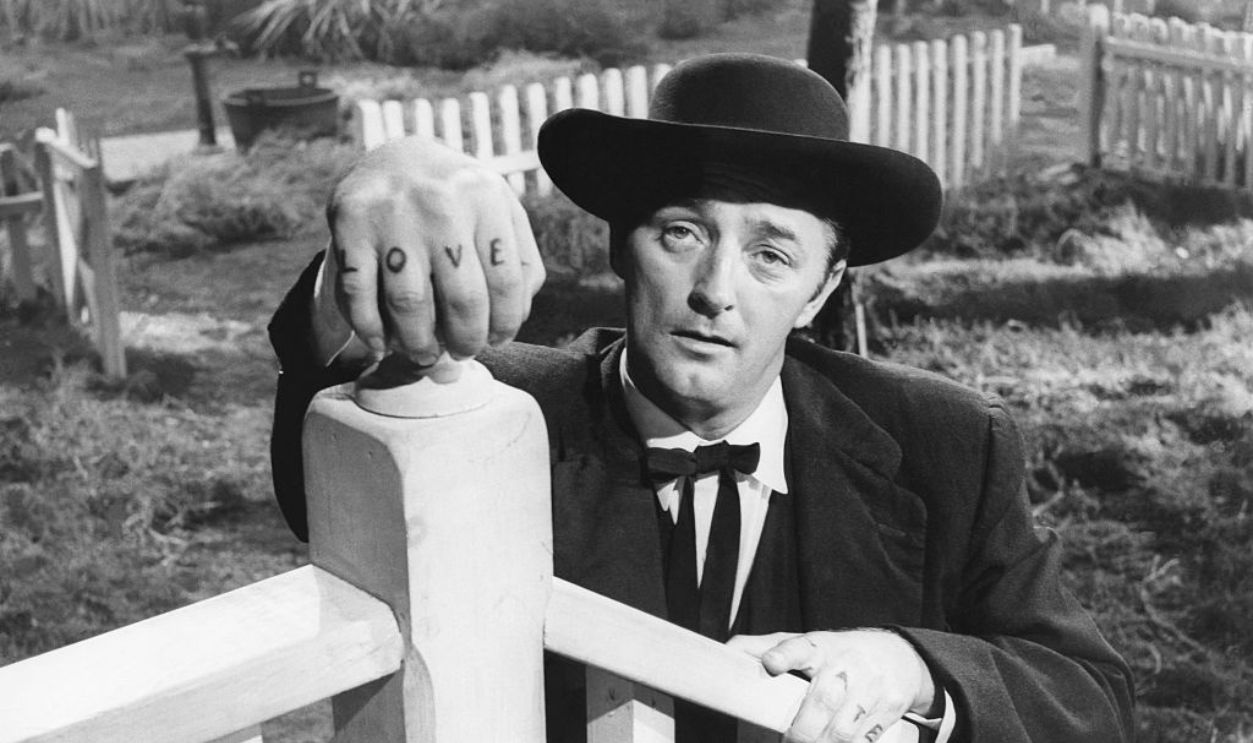 Sunset Boulevard, Getty Images
History's most fascinating stories and darkest secrets, delivered to your inbox daily.
40. He Terrified His Wife
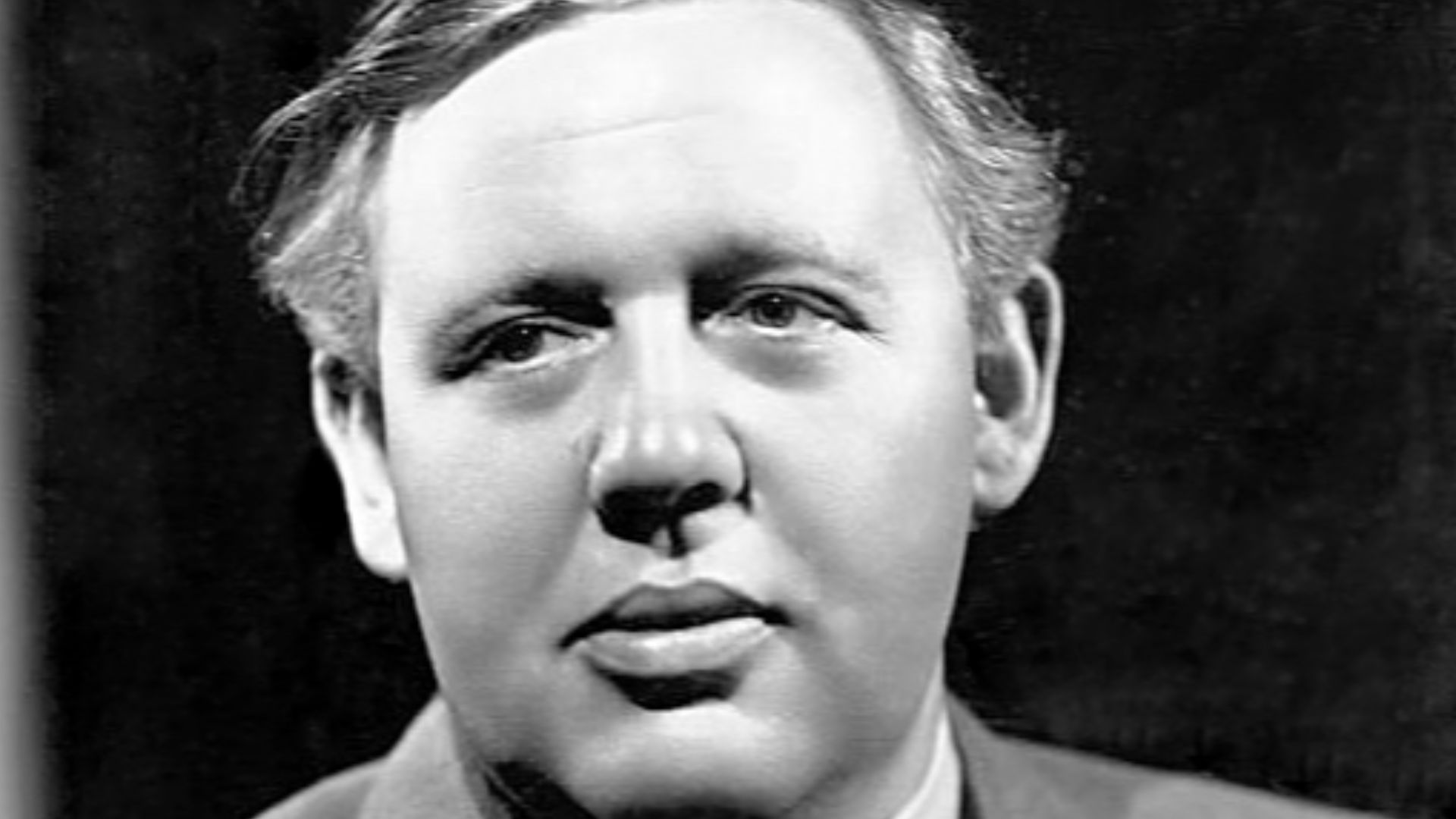
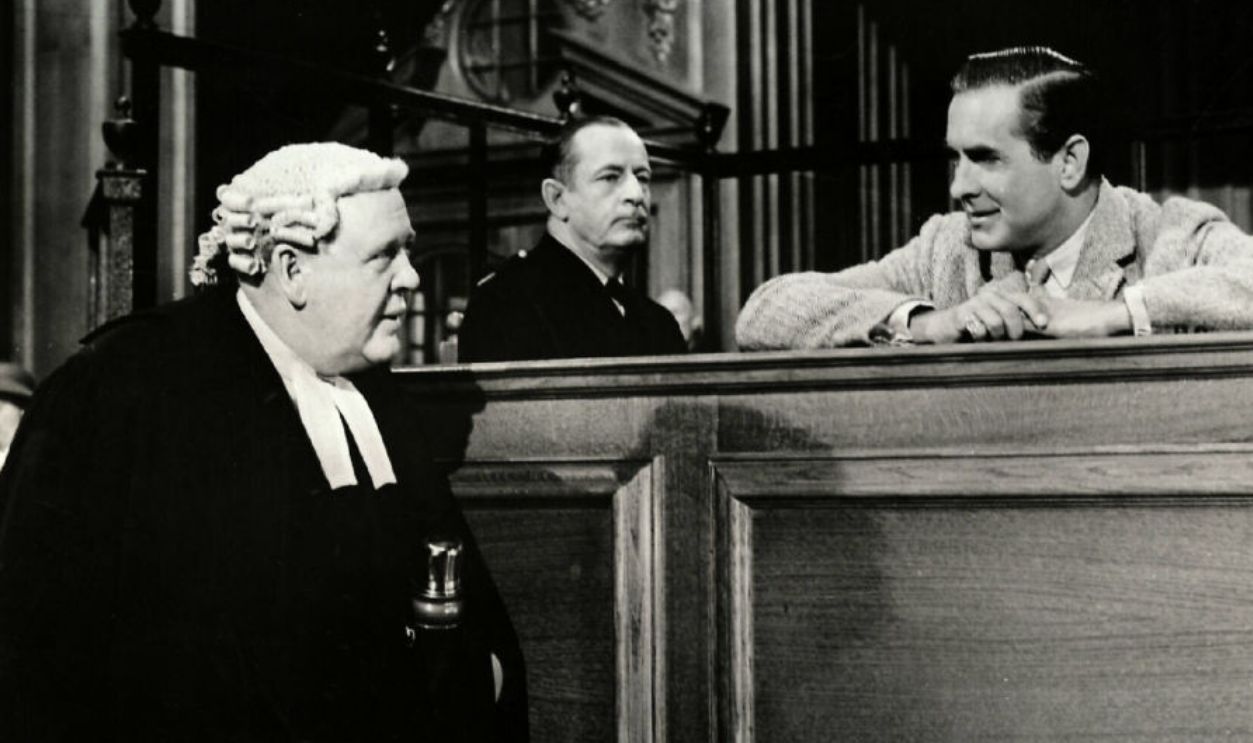
Another high point in this stage of Laughton's career is his role in Witness for the Prosecution. In this film, he plays a lawyer recovering from a heart attack. To see if he could be convincing, he pretended to have a heart attack in his pool. It gave his wife and house guest the shock of their lives.
Now, he had to see if he could convince audiences.
 Clarence Bull, Wikimedia Commons
41. It Was An Awards Darling
Witness for the Prosecution received six nominations for Academy Awards. This included Best Picture, Best Director, and acting nominations for both Charles Laughton and Elsa Lanchester. Sadly, on awards night, it took home exactly zero trophies. But Lancaster did end up with a Golden Globe win.
Sadly, Laughton’s career was quickly coming to a close.
42. It Was A New Era
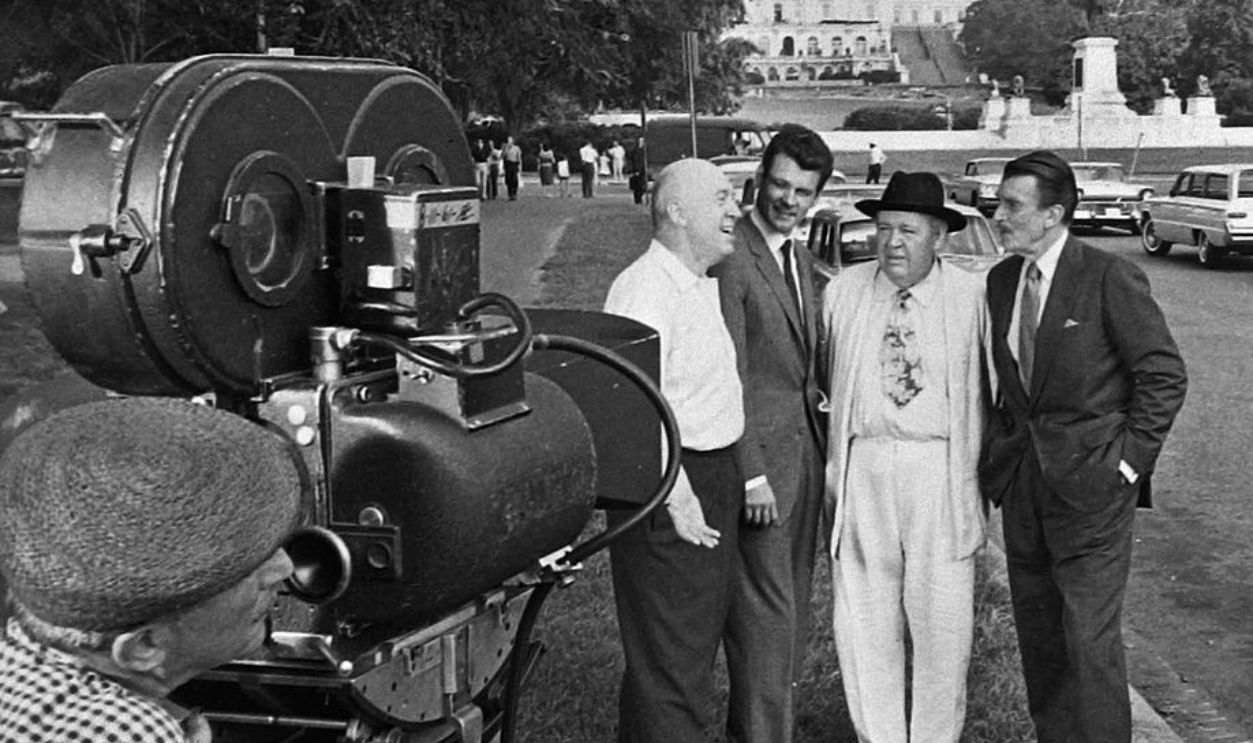
Laughton’s final film role was in Otto Preminger’s Advise & Consent. This political drama was a huge hit, and it also seemed to usher in a new era in film. One character admits to a gay relationship. Also, one scene takes place in a gay bar, and it was the first big-budget production to do this since WWII.
Sadly, Laughton wouldn’t have the opportunity to work in this new era of Hollywood.
43. He Checked Himself In
Advise & Consent was released on July 7, 1962. That same month, Laughton found himself in Cedars Lebanon Hospital with a ruptured disc. After surgery, toward the end of November, they sent him home. Sadly, once at home, Charles Laughton went into a coma. He passed on December 15, 1962. They listed the causes as kidney and bladder cancer.
After a long time of mourning, Elsa Lanchester had a big announcement.
44. He Shared Too Much
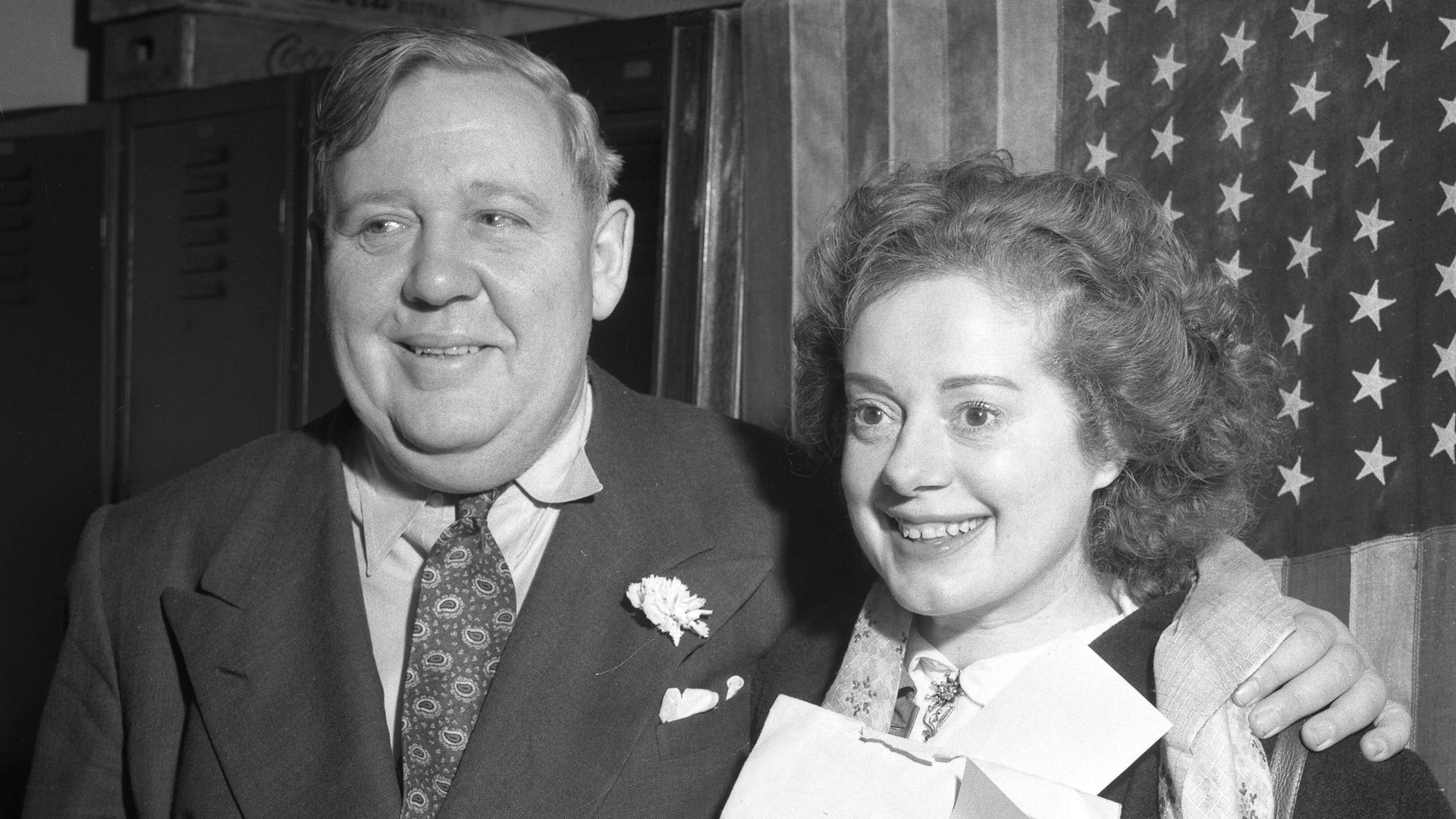
In Lanchester’s 1983 book, she shocked the world by coming out and calling Laughton gay. Sure, most Hollywood insiders already knew, but fans were more in the dark back then. She said that he had simply told her the truth. He’d even mentioned that he’d done it with a man right there on the couch they had in the living room. Apparently, Lanchester bought a new couch immediately.
Of course, everyone had a big—and obvious—question for Lanchester.
45. He Was A Great Actor
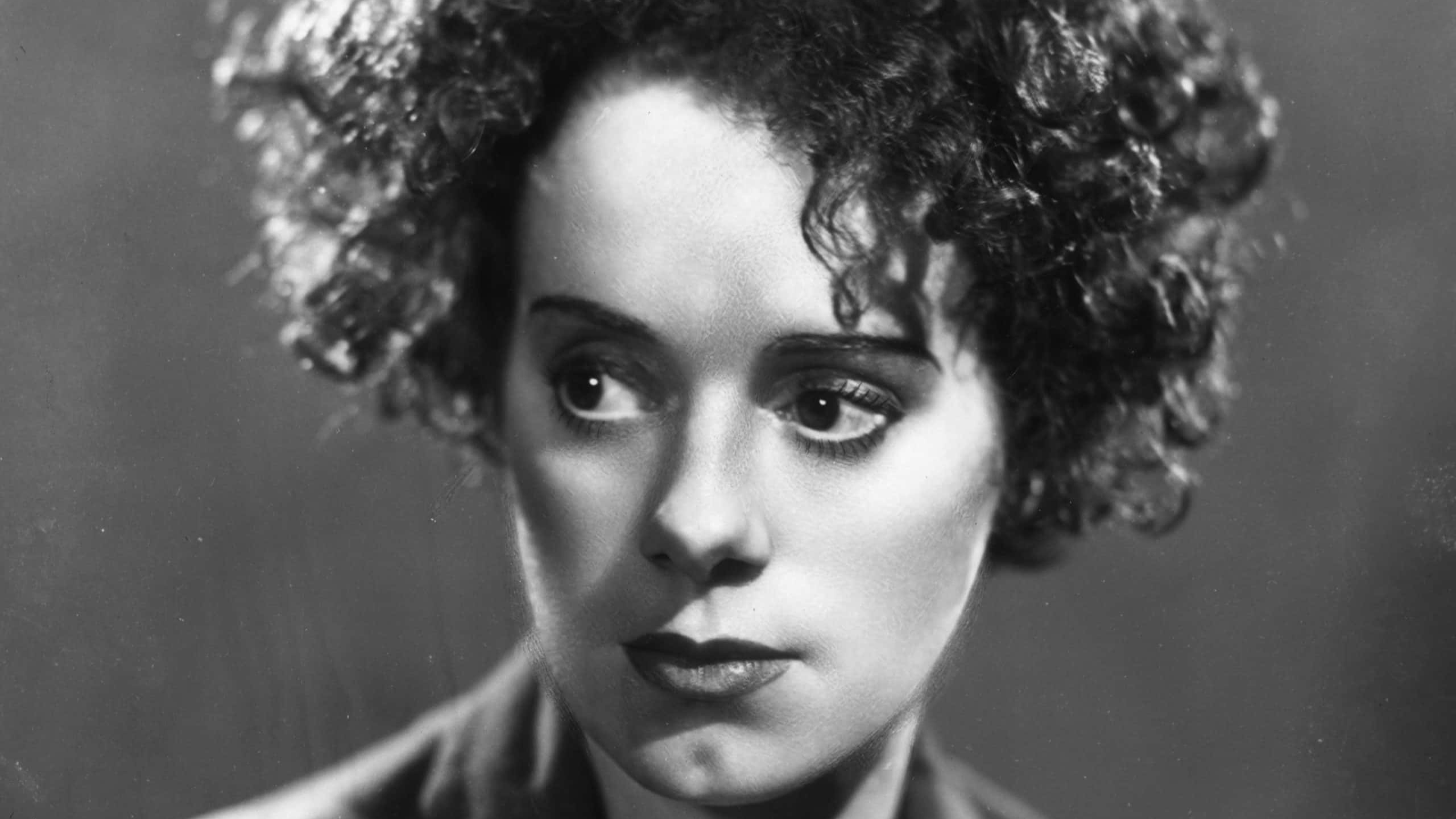
After her big announcement, many wanted to know if Elsa Lanchester knew that Charles Laughton was gay before she married him. She said that she hadn’t known. If anyone showed any surprise at this, she just reminded them that her husband was a “great actor” after all.
But once she did know, she accepted her husband completely.
 Los Angeles Times, Wikimedia Commons
History's most fascinating stories and darkest secrets, delivered to your inbox daily.
46. He Made A Friend
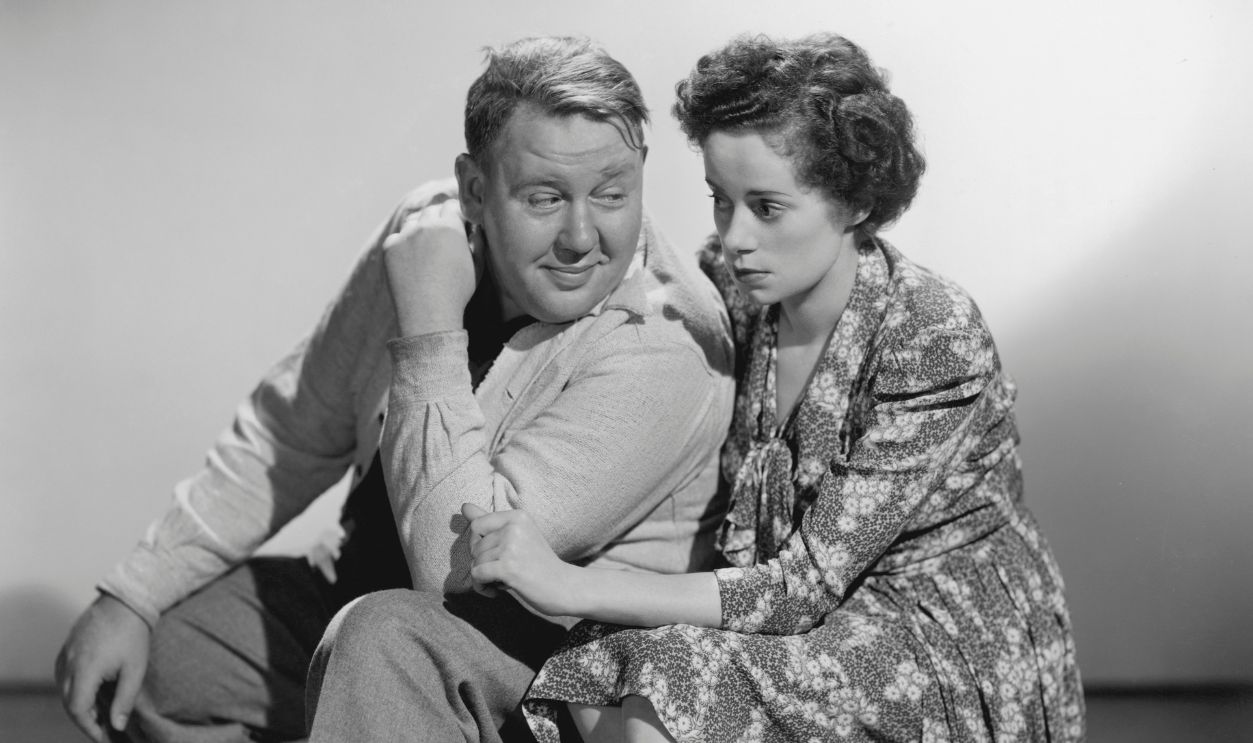
In her autobiography, Lanchester writes about Laughton’s relationship with a man she called “Clyde”. Some believe that Clyde was actually Hollywood hustler Scotty Bowers, who was famous for providing same-gender dates for Hollywood celebs. Apparently, Laughton and Clyde had a special relationship, where Laughton provided a personalized tutoring to the educationally bereft Clyde.
Clyde appreciated this, and made it up to Laughton in an important way.
 John Springer Collection, Getty Images
47. He Had His Back
Lanchester stated in her book that it was Clyde who let Laughton know that the producer of The Night of the Hunter, Paul Gregory, was double-crossing Laughton and taking money from him. Apparently, Gregory suggested that Clyde do the same. When Clyde refused, Lanchester said he became a friend of both Laughton and her.
As it turns out, Laughton’s gay life was not always kept hidden.
48. They Helped Him Relax
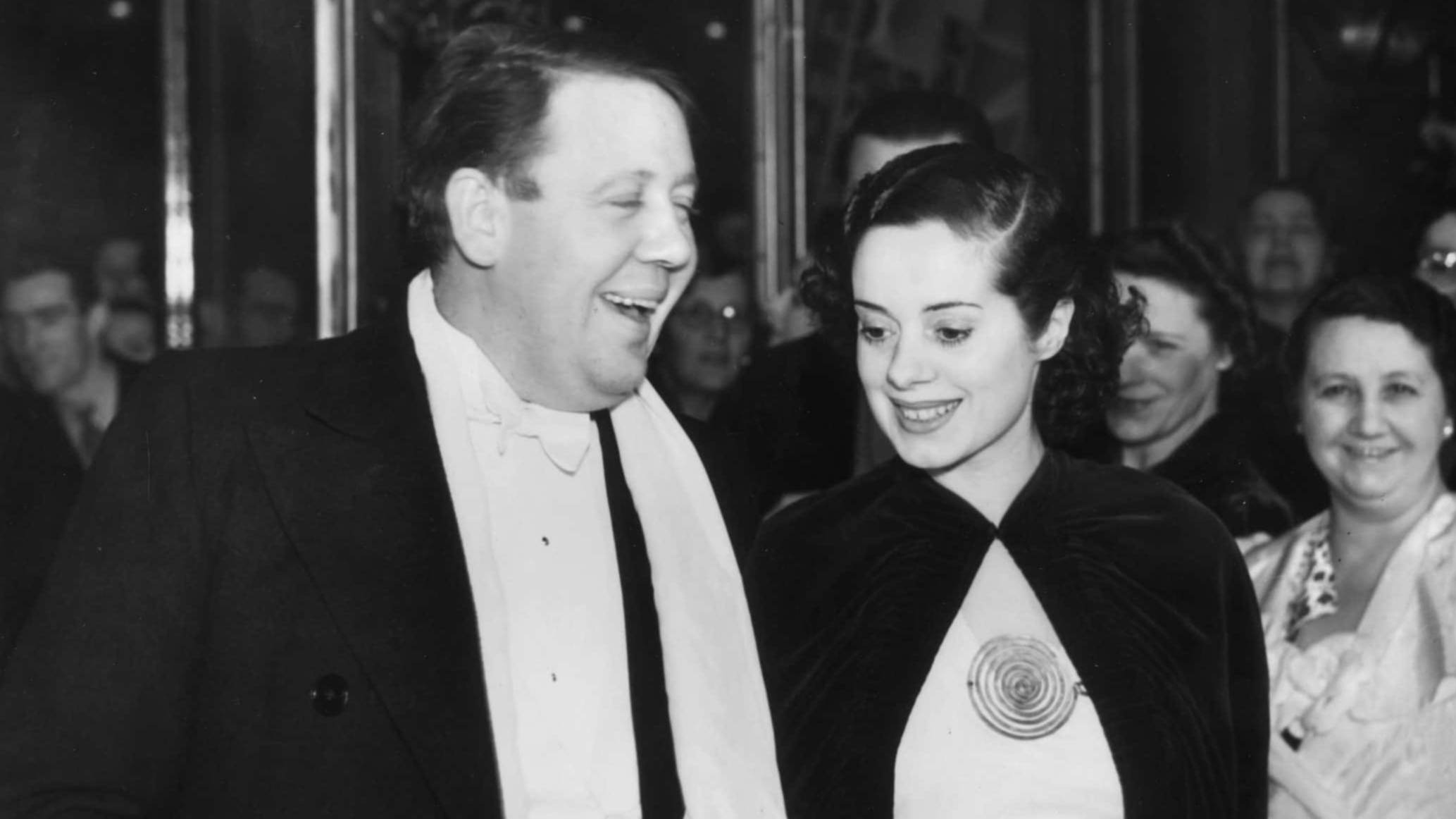
Sometimes, it seemed that Laughton didn’t care who knew about his male "friends". People who worked with him said that he often invited some of these young men to film sets. Apparently, they helped him relax. As he aged, he got more and more comfortable with being gay.
Some neighbors helped.
 ullstein bild Dtl., Getty Images
49. He Found Some Peace
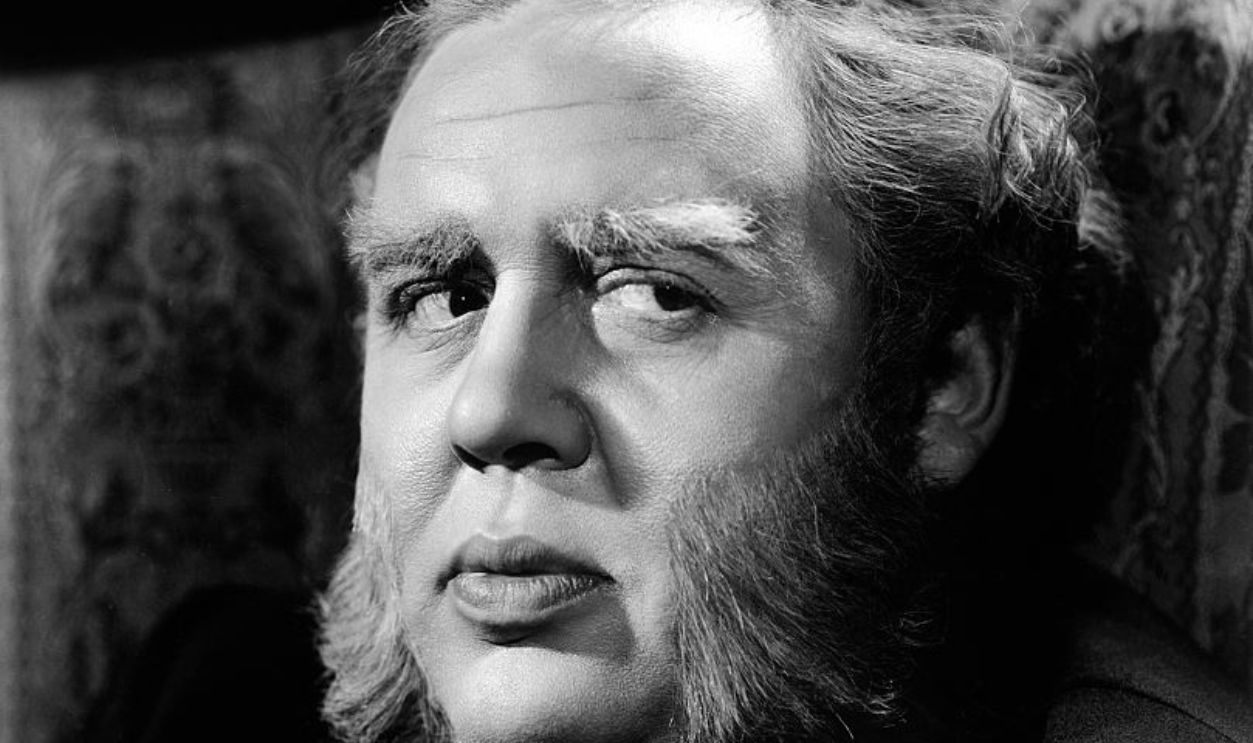
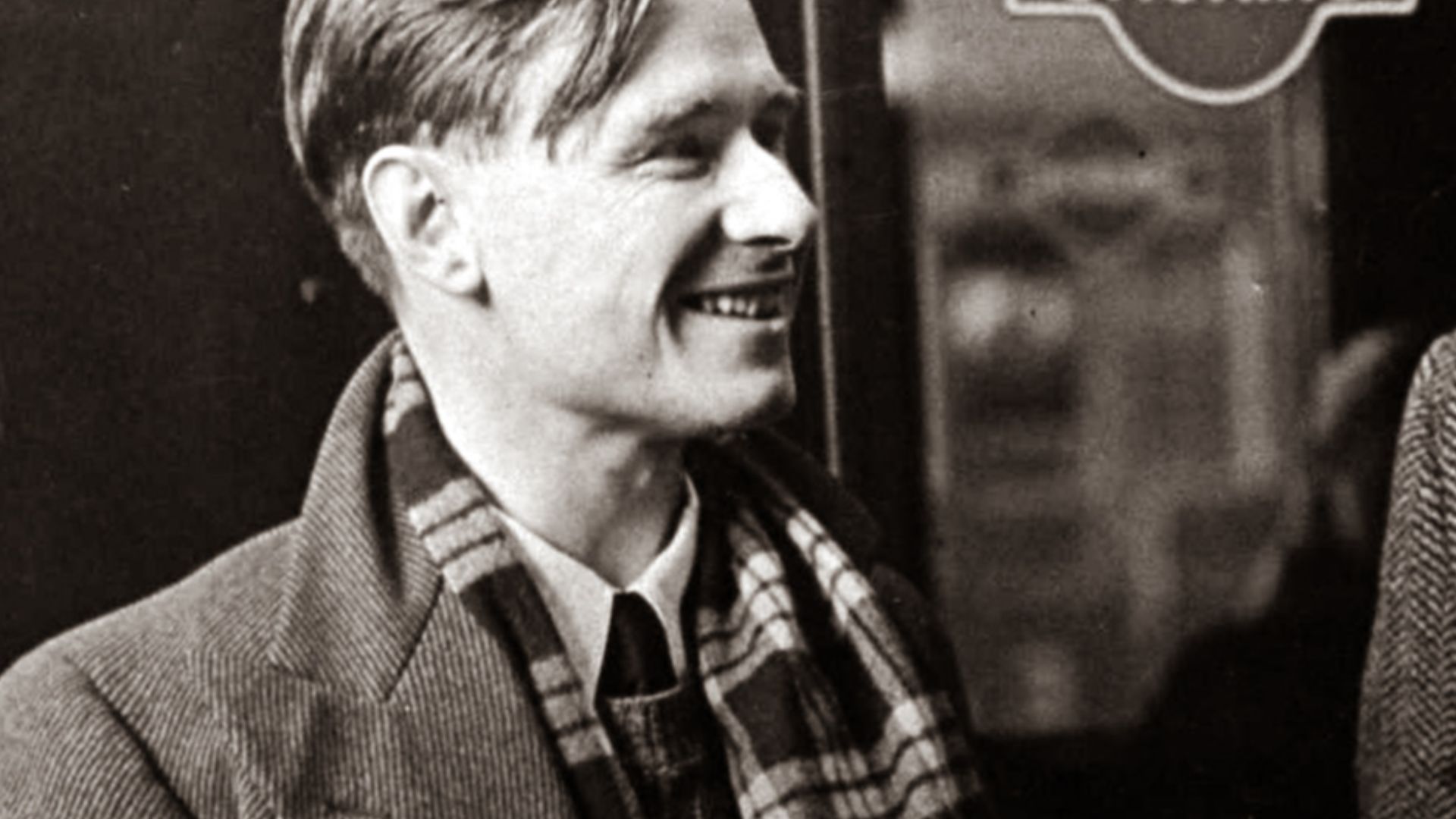
Many accounts about Laughton’s life mention his feelings of loathing about being gay. In the latter part of his life, he and Lanchester moved to a Santa Monica house that just so happened to be next door to the outspoken gay writer Christopher Isherwood and his partner. Apparently, the two couples became friends, and Laughton learned a few lessons about gay pride.
He also found another sense of pride.
 National Media Museum from UK, Wikimedia Commons
50. He Found Pride In His Country
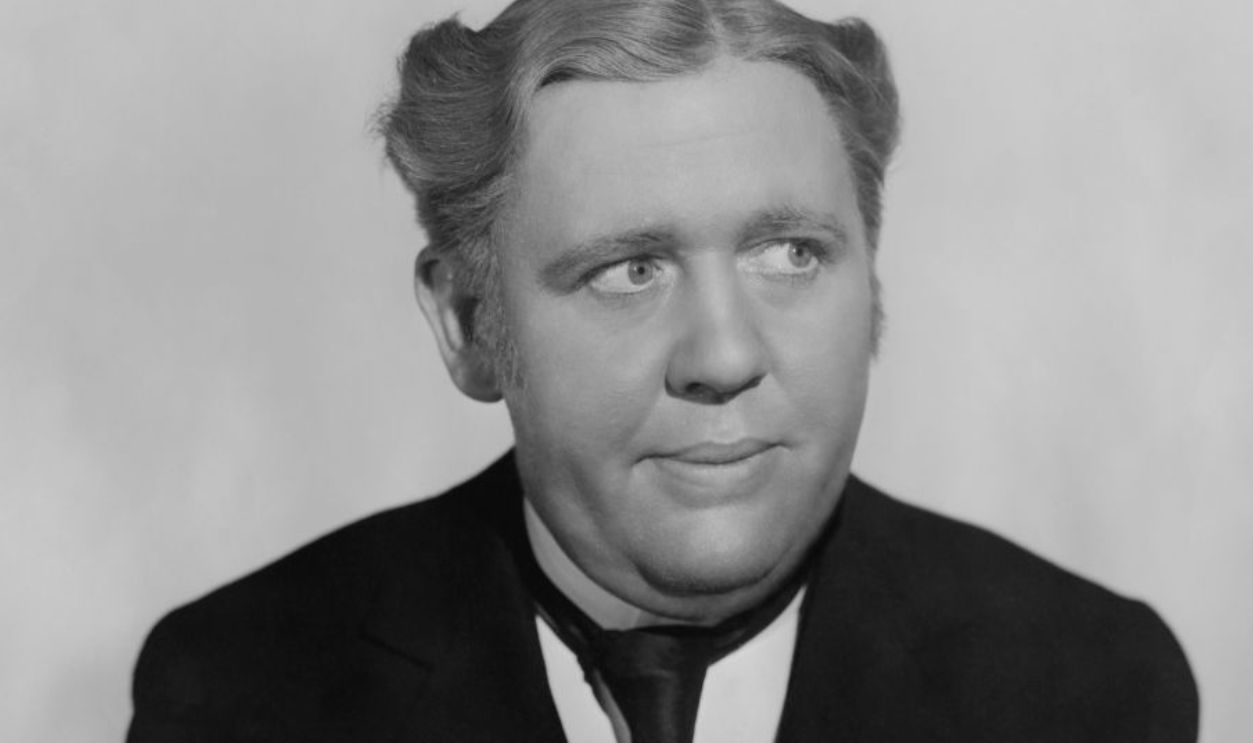
Many wondered how Charles Laughton felt about moving to America. Back in 1935, Laughton had to recite the Gettysburg Address in the film Ruggles of Red Gap. At the time, he was considering becoming an American, and the words of the address made him very emotional. In fact, he showed so much emotion that test audiences thought he was a tittering, embarrassing mess. The studio had to cut some of Laughton's close-ups from the final reel, turning it into the masterpiece we know today.
 Universal History Archive, Getty Images
You May Also Like:
Eerie Facts About Maila Nurmi, The Horror Muse
Psycho Facts About Anthony Perkins, Horror’s Leading Man
Shocking Facts About Vincent Price, More Than A Horror Actor
Sources: 1, 2, 3, 4, 5, 6, 7, 8, 9, 10, 11, 12, 13, 14, 15, 16, 17, 18, 19, 20, 21, 22, 23, 24, 25, 26, 27, 28, 29, 30, 31