She Kept His Secret
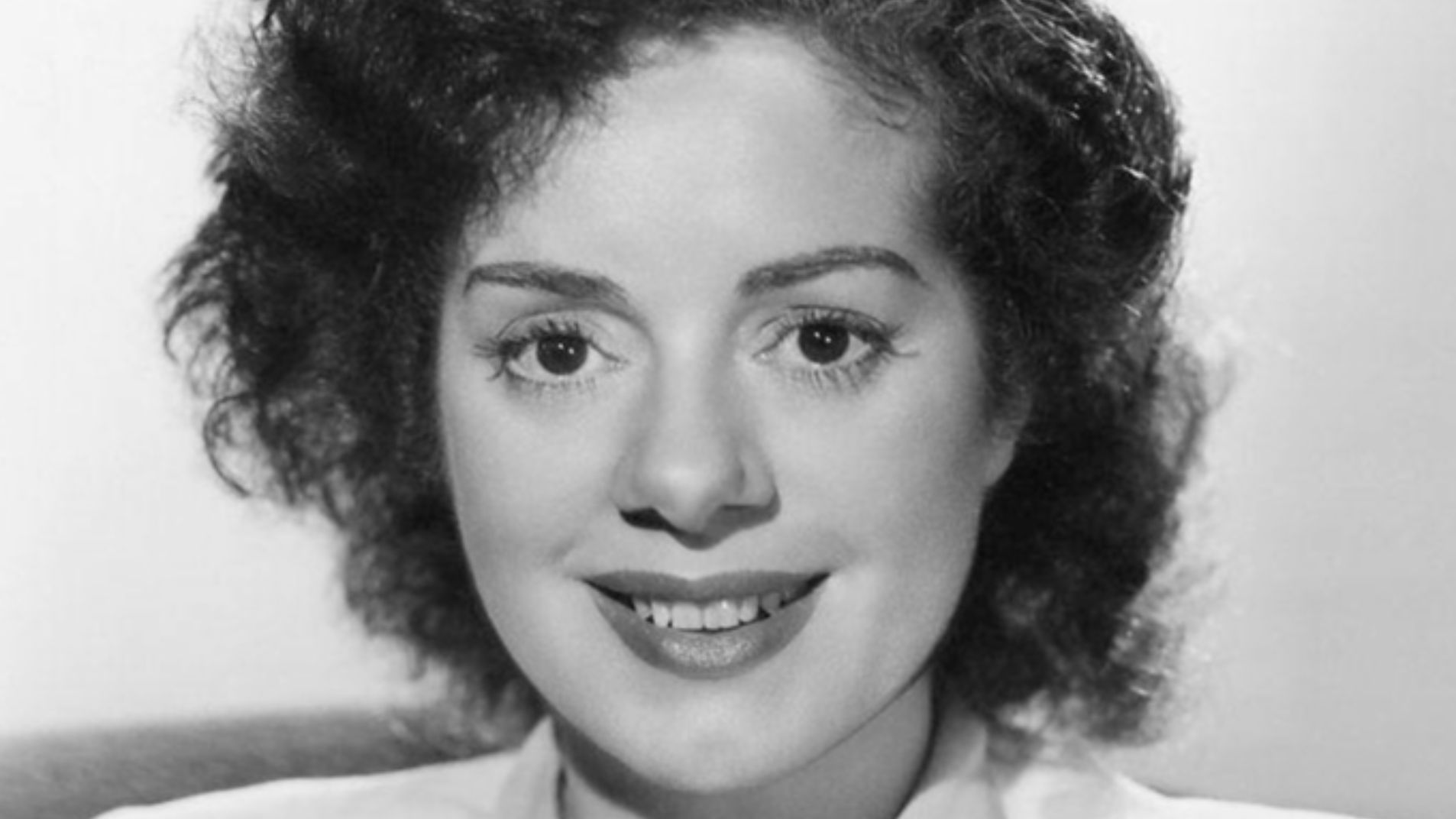
Most filmgoers recognize Elsa Lanchester as the frightening and iconic bride of Frankenstein. But few of us know about the rest of her career. One of the reasons was that she was overshadowed by her Academy Award-winning husband. She may have been the bride of Frankenstein, but her real-life marriage was equally bizarre.
You see, Lanchester had her hands full keeping her husband’s secret life tucked away from prying eyes. And then one day, she just didn’t care anymore—and told all.

1. Her Parents Were Eccentric
Elsa Lanchester was born on October 2, 1902, in Lewisham, London, England. Her parents, “Seamus” Sullivand and Edith “Biddy” Lanchester, lived in a bohemian and progressive kind of way. They were both socialist and against all kinds of religious views. They didn’t even believe in marriage. This led Lanchester’s mother down a dangerous path.
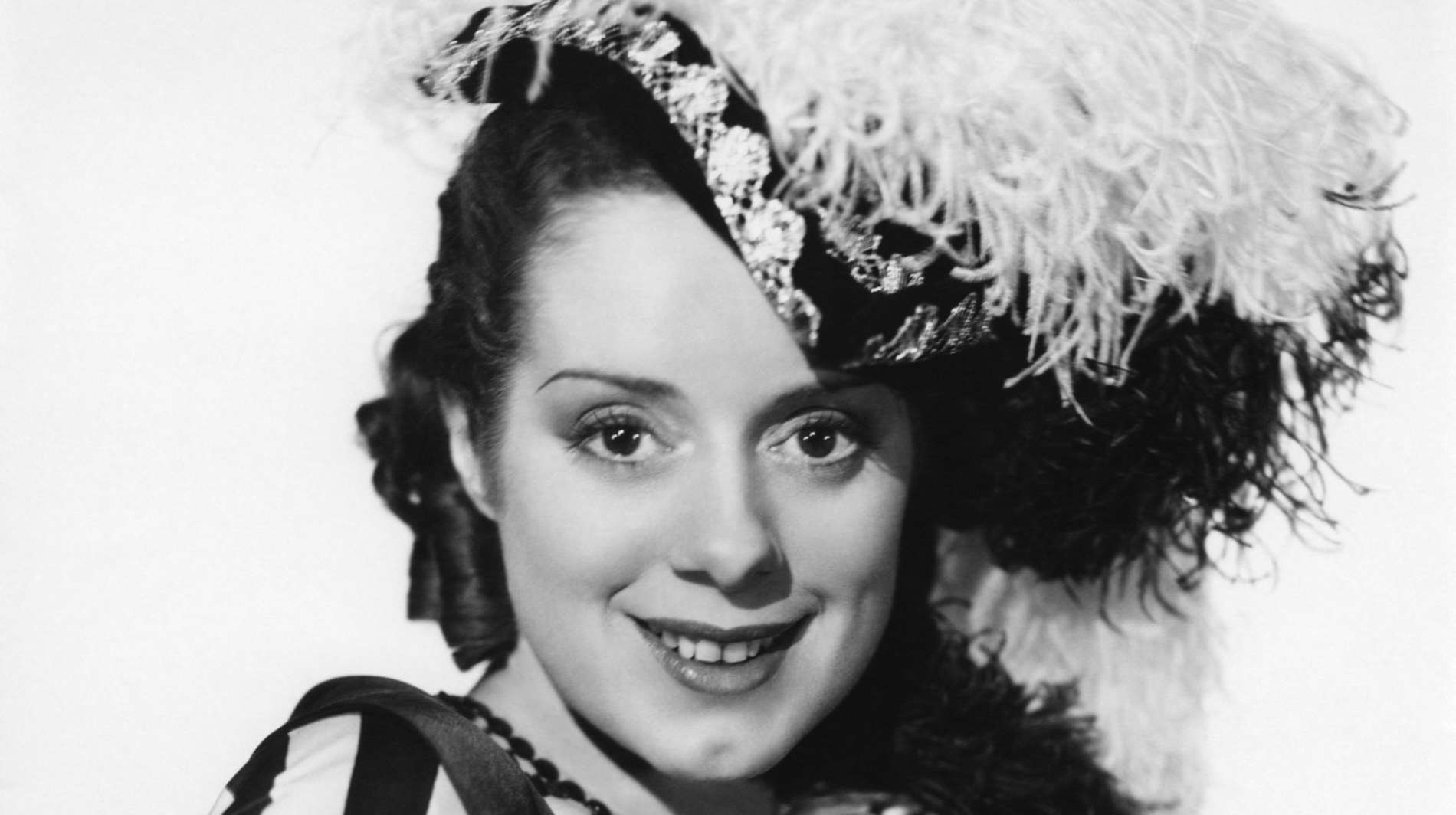 Unknown authorUnknown author, Wikimedia Commons
2. Her Mother Suffered For Her Beliefs
Before her mother had even had Elsa, she faced an awful tragedy. When Edith Lanchester announced that she was going to live unmarried with her working-class lover, her own father had her committed to a mental institution, where she spent four harrowing days. This house of horrors was a prequel to what Lanchester herself would go through in both film and real life.
3. She Had A Dream
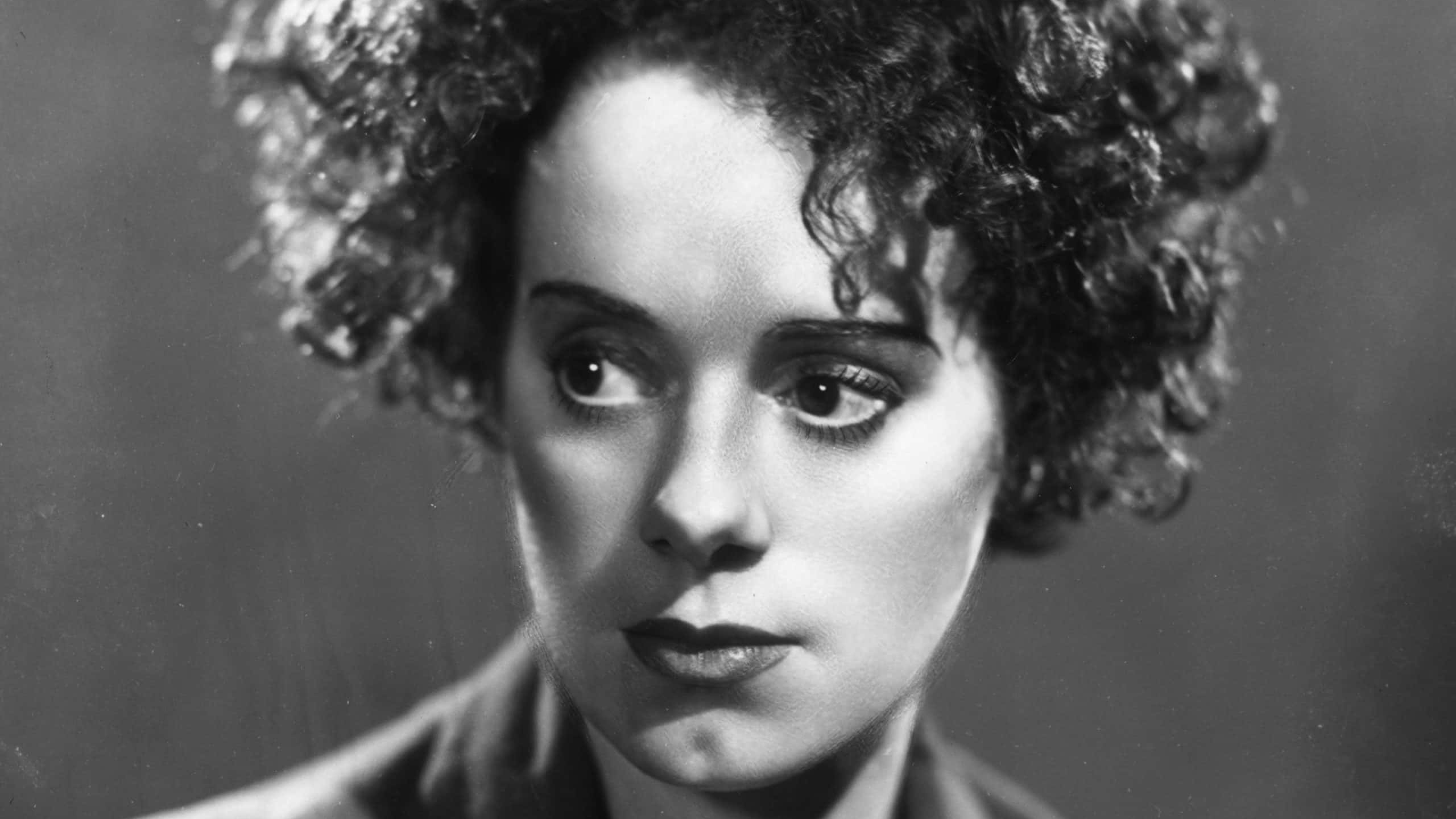
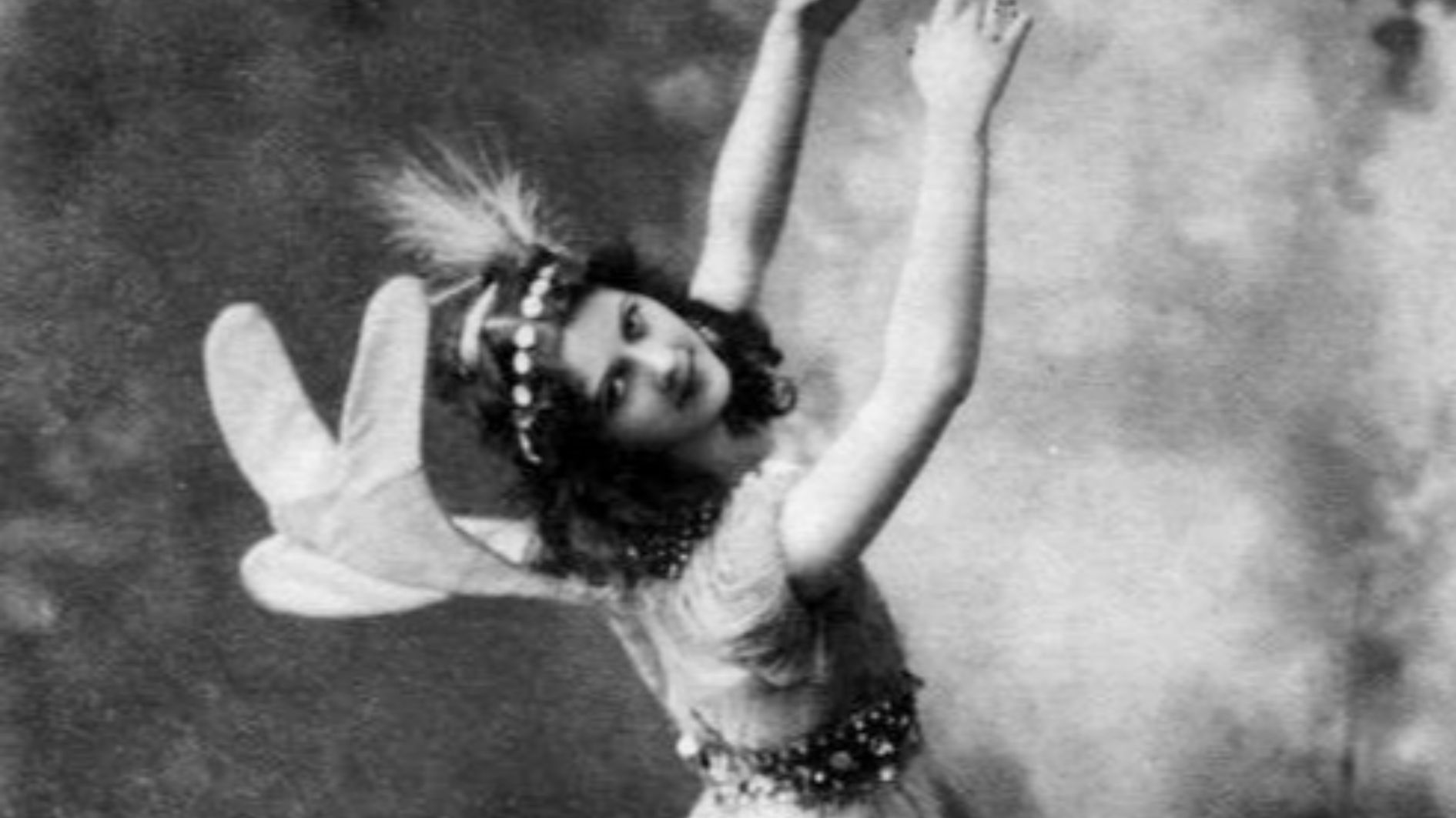
When her brother took up puppeteering, young Elsa Lanchester realized she needed her own dream—and it was dance. She later said that she wanted to do classical dance and amaze audiences “in a mist of gauze or chiffon”. Well, time was of the essence, and even though she was still a young girl, she set her sights high.
 Fred Hendrickson (1894-1946), Wikimedia Commons
4. She Found Her Passion
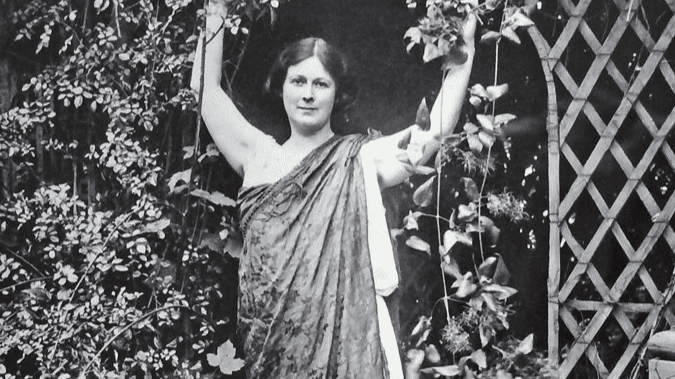
When she was still a teen, Lanchester moved to Paris to start her professional training. She had decided to pursue dancing and managed to get the famed dancer Isadora Duncan as her mentor. Sadly, the two did not get along well at all. It looked like Lanchester was going to be miserable in Paris for a long time...
And then everything suddenly changed.
5. She Had To Flee
While she was still studying with Duncan, WWI broke out. It soon became clear that Paris was not a safe place to be, and the dance school shut its doors. Lanchester promptly returned to the UK and the relative safety there. But now she had a problem. Her dancing career was on hold, and she had nothing to do.
 Baker's Art Gallery, Wikimedia Commons
6. She Was A Provider
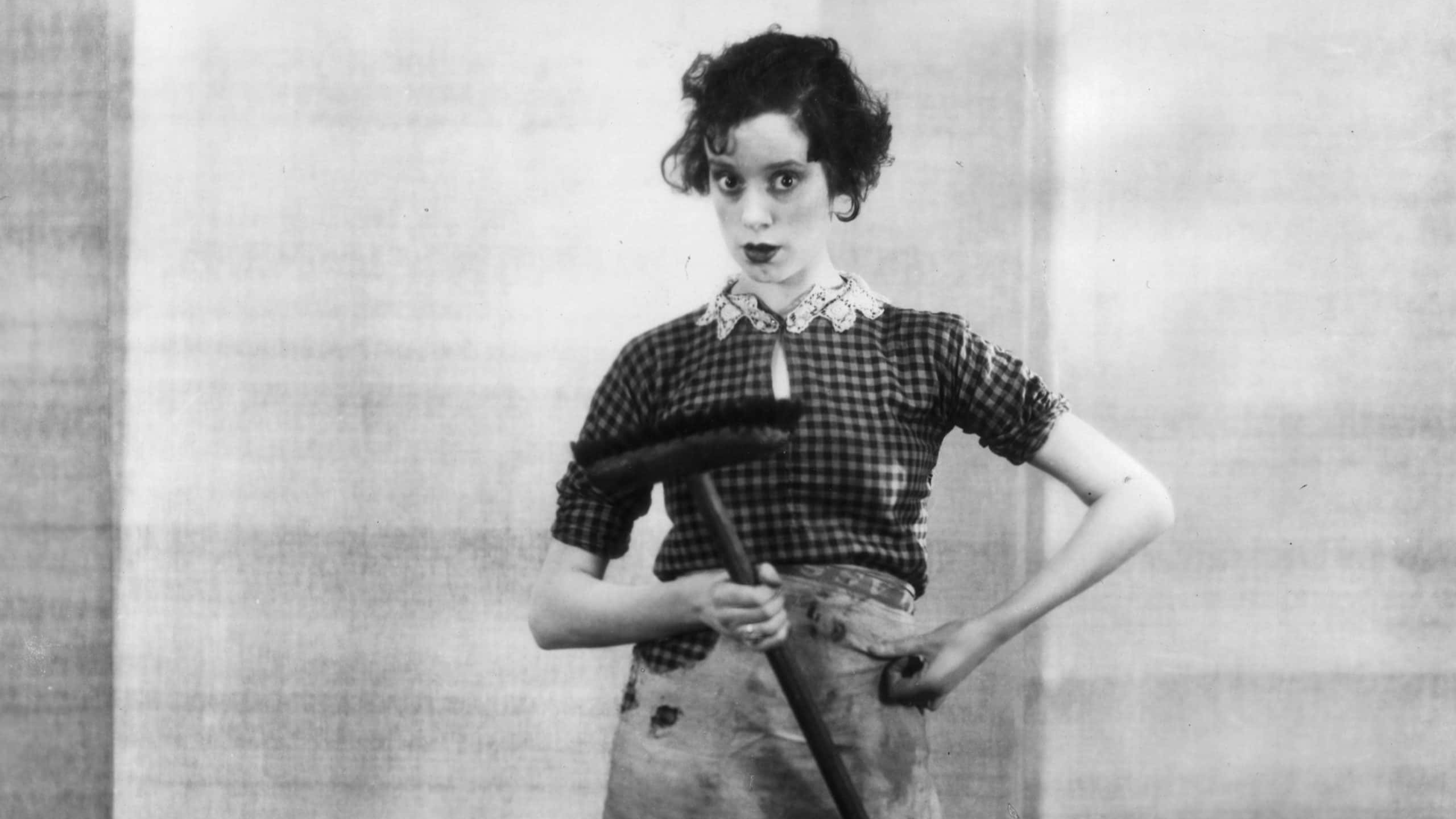
Elsa Lanchester was still barely a teenager, but she did have a skill. Back in Paris, she’d learned the Isadora Duncan teaching style. She used this knowledge to give dance classes to children and bring in a little extra money to her cash-strapped family. Although Lanchester probably could not see a bright future, there certainly was one in store for her.
7. She Was An Entrepreneur
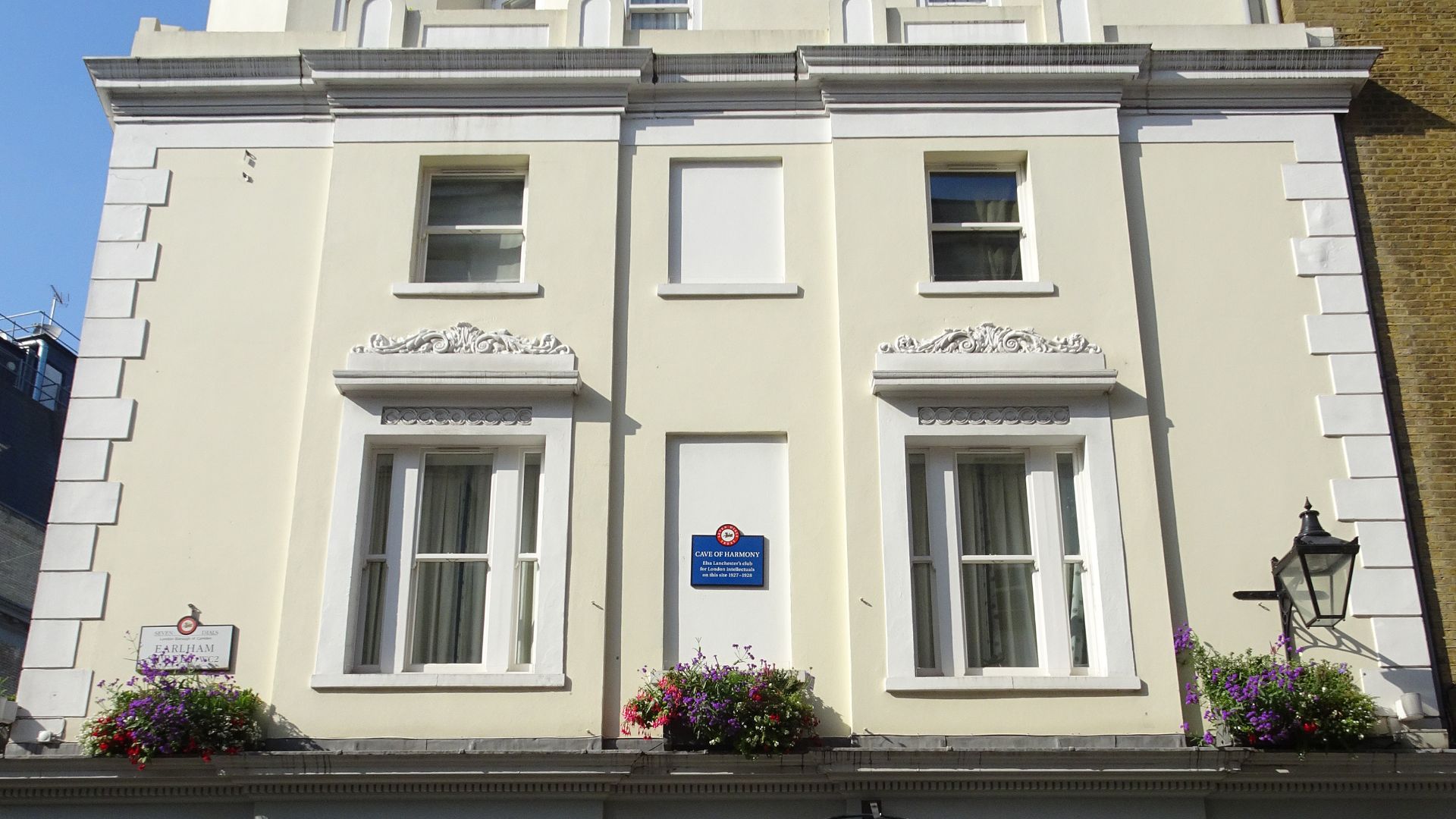
WWI did eventually end, and it didn’t take long for Lanchester to start to see that there were fresh opportunities around. Her first endeavor was the Children’s Theatre, followed by something definitely not for the kids. This was a venture with an eerie-sounding name. It was the Cave of Harmony, and it was for adults only.
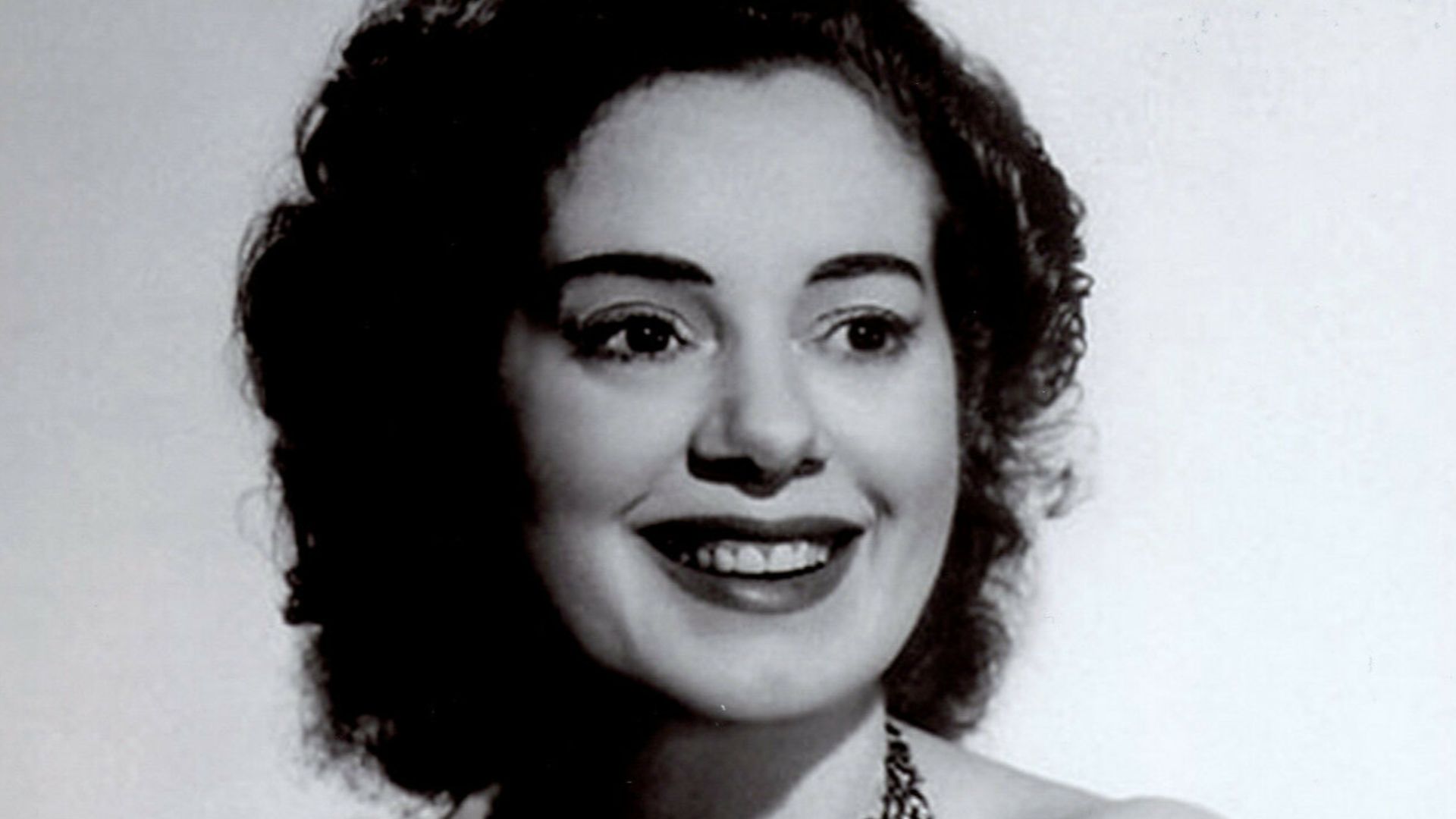 Studio Publicity, Wikimedia Commons
8. She Was Funny
While performing at the Cave of Harmony, a nightclub, Elsa Lanchester got a reputation for singing comedic songs. She used her hips while dancing a fandango and often had to cover her undulations with a shawl. It was usually a bawdy evening of big laughs and loud applause.
But it wasn’t just the audience that was enjoying the show.
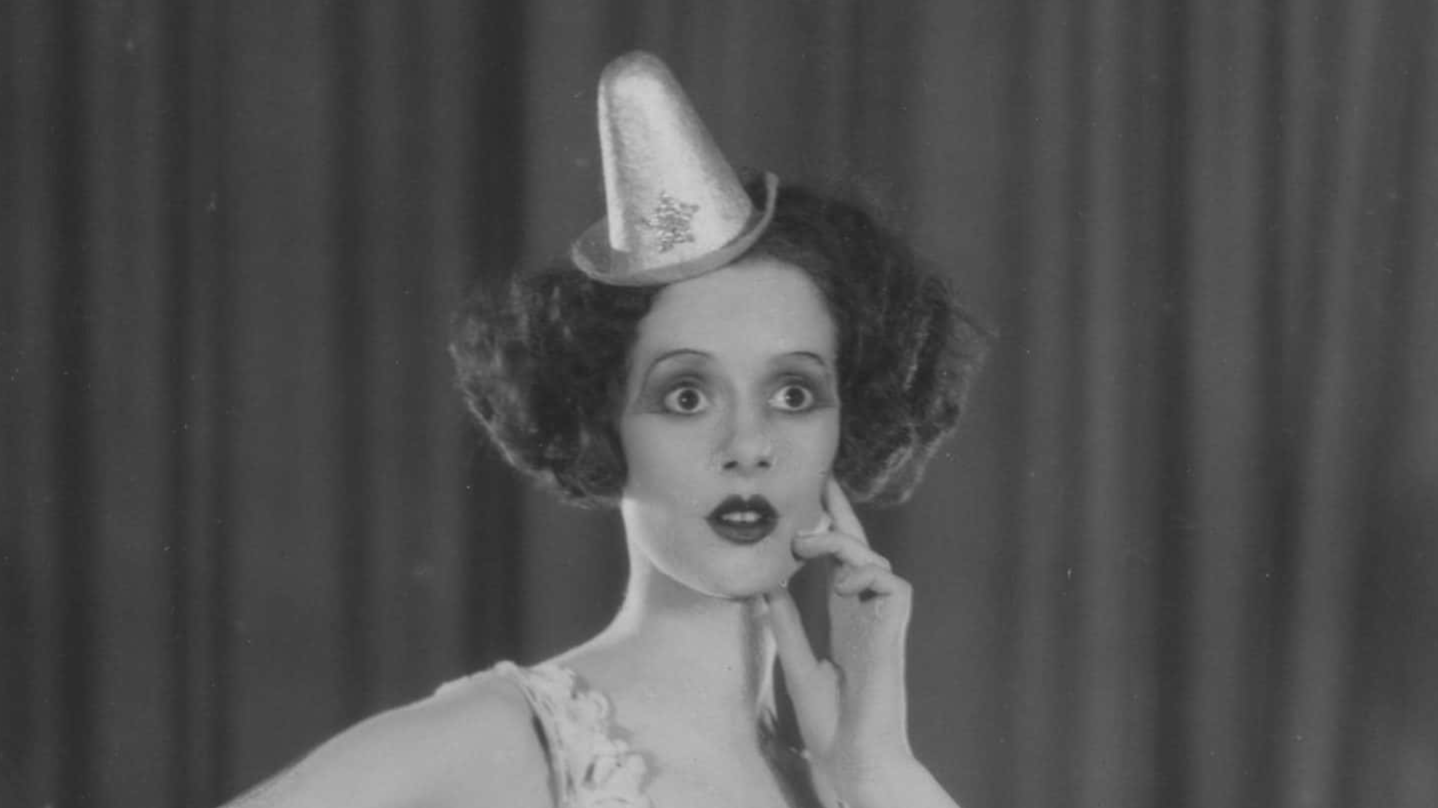
9. She Made Records
Columbia Records managed to hear about Lanchester, and they invited her to make recordings of some of her most famous songs. The songs had unusual titles like: "Please Sell No More Drink to My Father" and "Don't Tell My Mother I'm Living in Sin". But it wasn’t just what she sang at the nightclub; it was also what she wore.
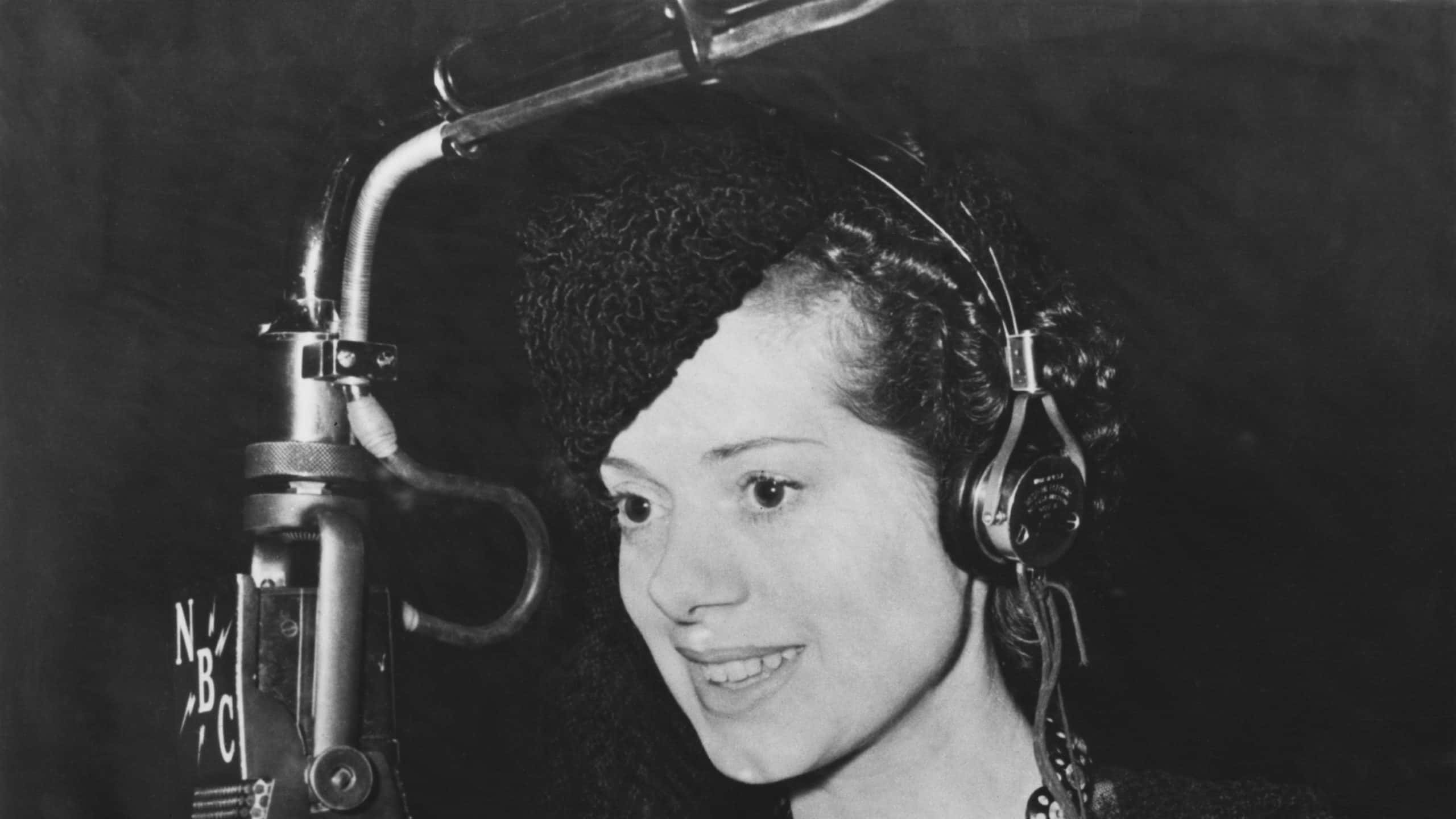
10. She Started A Trend
One of Lanchester's costumes for her performances at the Cave of Harmony was high heels, tights and a top hat. If this outfit sounds a little familiar, it's because it later became Marlene Dietrich’s trademark outfit. Lanchester was the talk of the town, and soon, people in high places began to take notice.
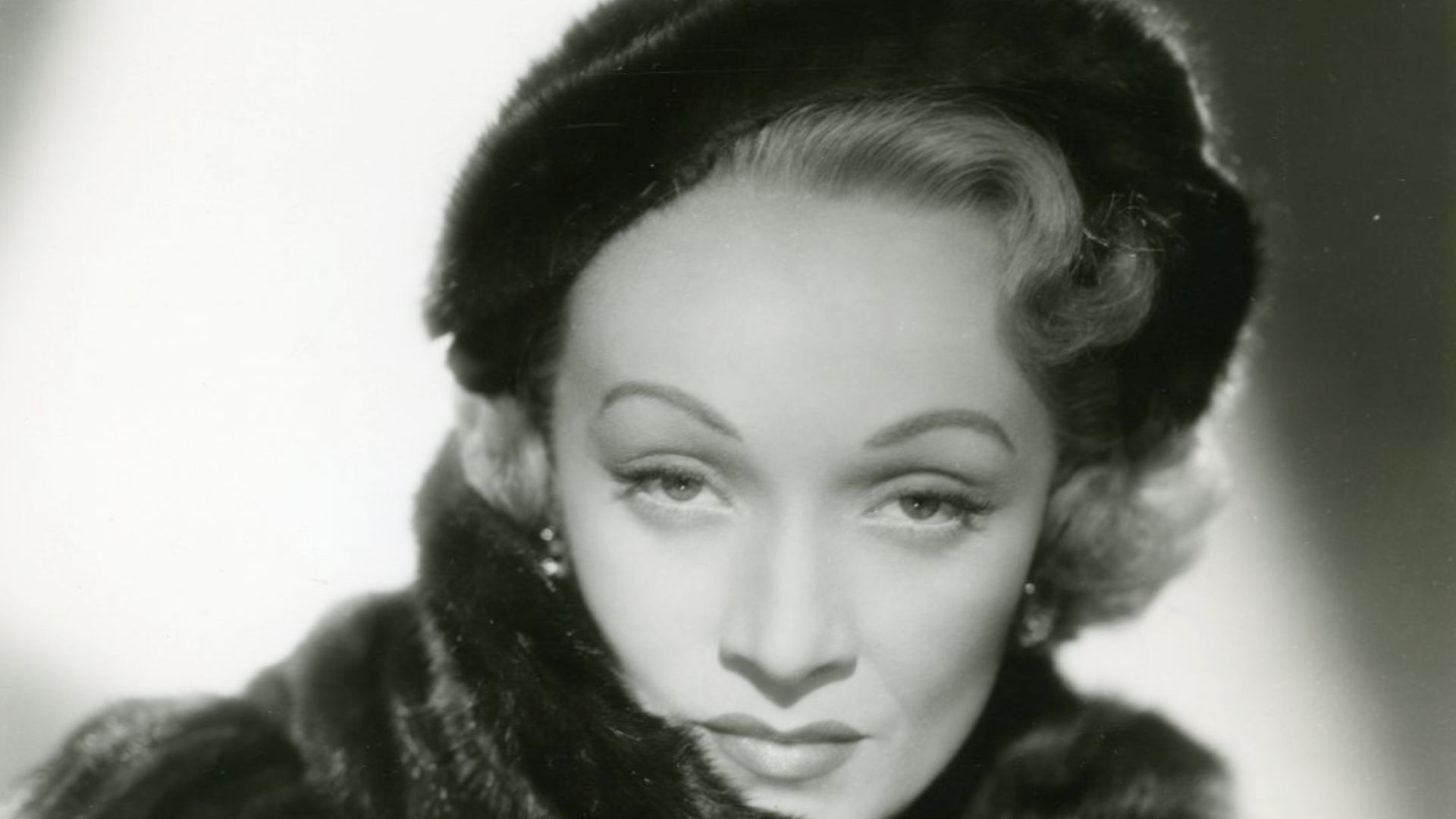 Twentieth Century Fox, Wikimedia Commons

History's most fascinating stories and darkest secrets, delivered to your inbox daily.
11. She Had Artistic Friends
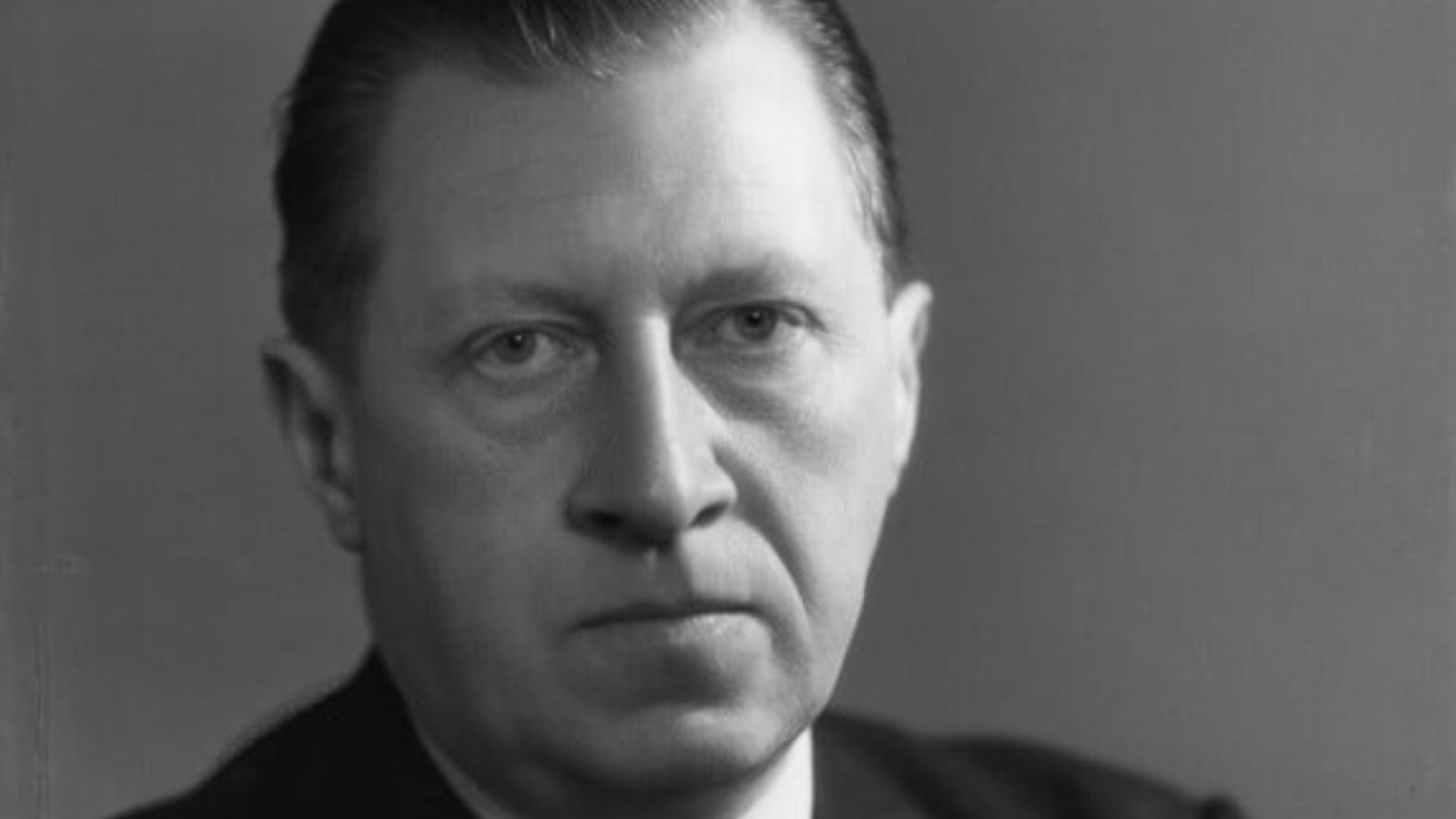
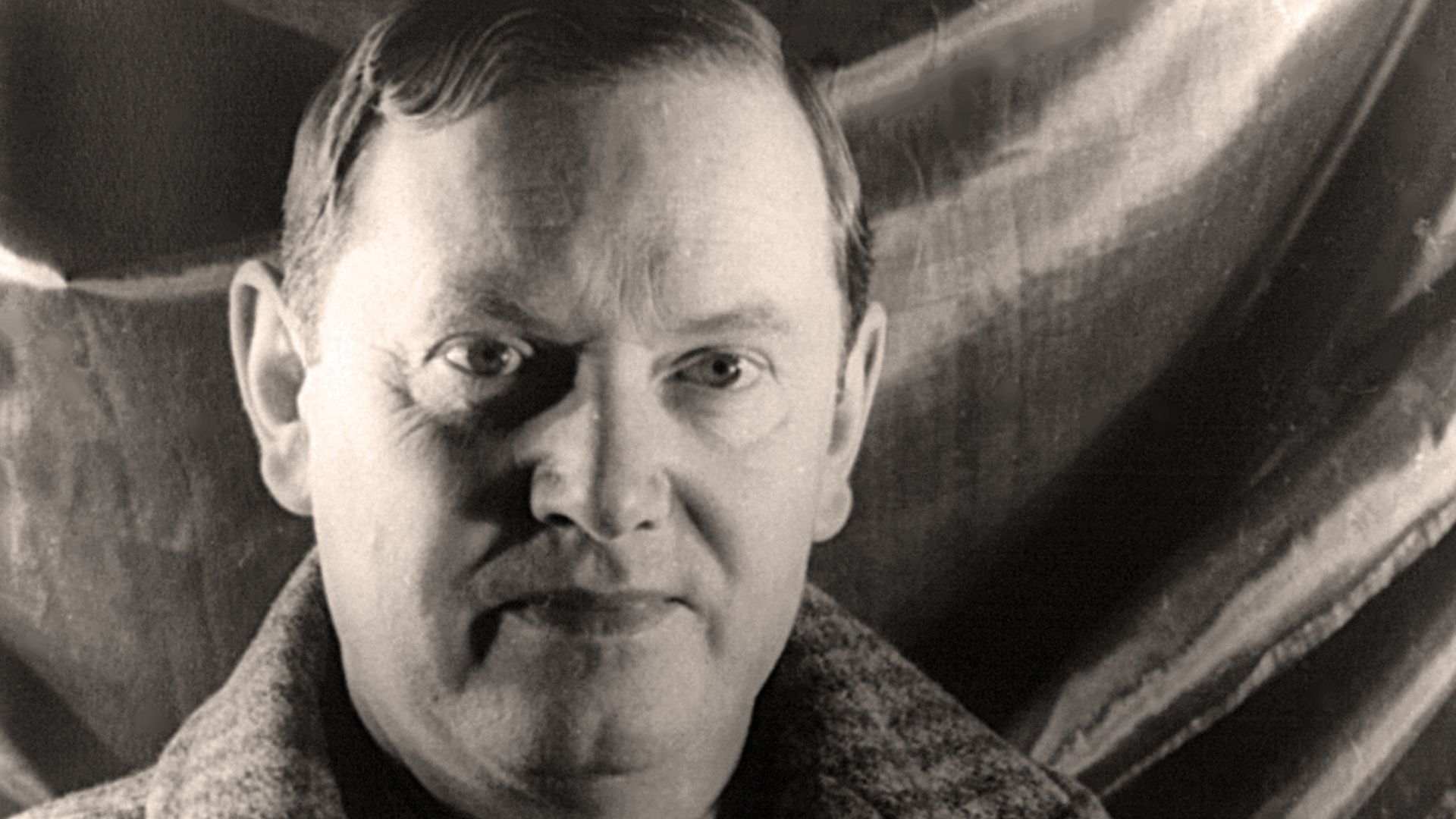
After making the record with Columbia, Elsa Lanchester continued on at the Cave of Harmony. Her many friends there included writers Christopher Isherwood and Osbert Sitwell. However, One writer she met would set her career in a different direction altogether. Novelist Evelyn Waugh was one friend that Lanchester met at the Cave of Harmony, and at the time, he was attending Oxford University.
Waugh had an idea for a very unusual film, and he had a role for Lanchester.
 Bassano Ltd, Wikimedia Commons
12. She Seduced
Waugh’s film was called The Scarlet Woman, and it was about a Pope who wanted to return England to Catholicism. Elsa Lanchester wasn’t the woman in the title, but she did play a seductress. It certainly wasn’t a huge production—some even called it a home movie—but it did eventually become a legend in Britain.
It also turned Lanchester toward acting.
 Carl Van Vechten (1880–1964), Wikimedia Commons
13. She Got A Big Break
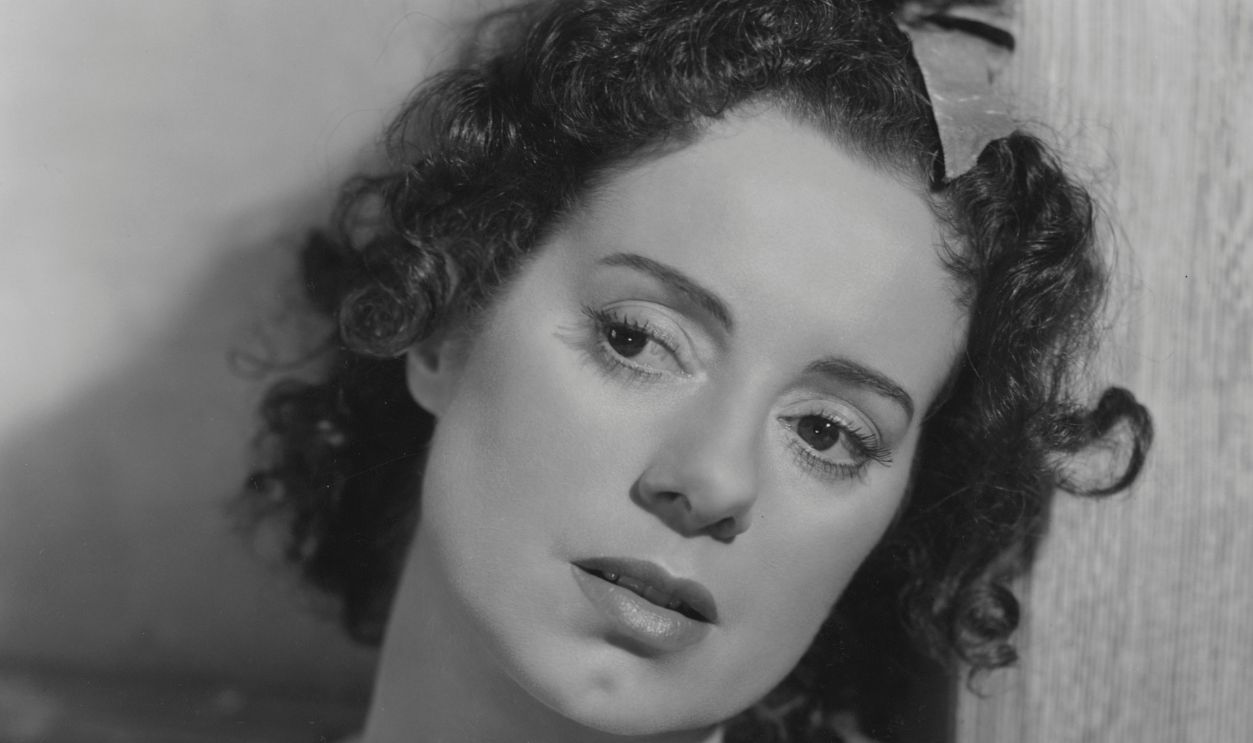
Lanchester thought she was getting her big break when she signed up to appear in the Midnight Follies at the Metropole in London. This was a big deal, as members of the royal family tended to show up for performances. Lanchester only got the chance to do one song, and she was ready to wow the crowd.
However, there was one important person who this performance didn’t wow.
 John Springer Collection, Getty Images
14. She Displeased A Royal
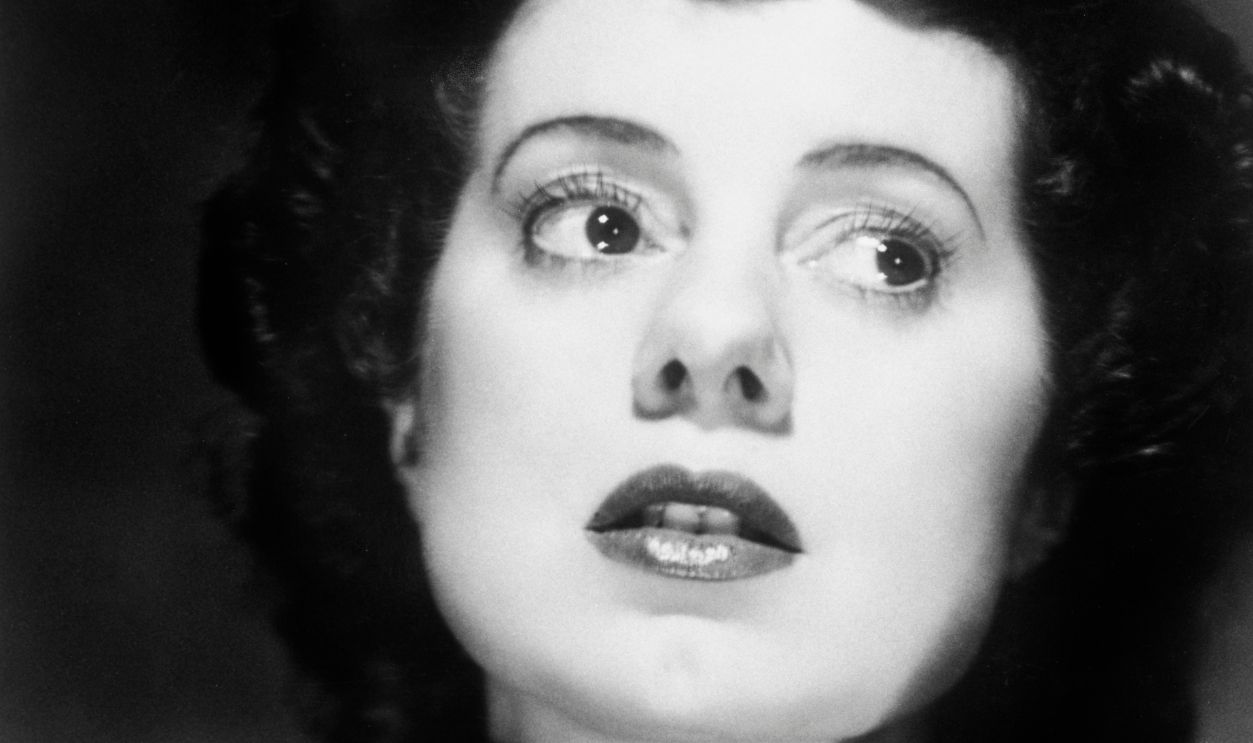
Lanchester knew that “Please Sell No More Drink to My Father” was a crowd pleaser, so she sang it at the Midnight Follies. Much to her horror, a member of the royal family decided that the best time to leave the theater was in the middle of Lanchester's number. The consequences were devastating. Not only was Lanchester humiliated, but they also fired her.
Things did not look good for Lanchester’s future.
 Daily Herald Archive, Getty Images
15. She Had A Strange Dressing Room
Surprisingly, getting fired didn't really hurt Lanchester’s career. In fact, she was more in demand than ever, and her schedule was so packed with performances that while travelling to the midnight show at the Cave of Harmony, she used to change costumes in a taxi. This was all fun and games, but at some point, Lanchester had to get serious about her career.
16. She Went Dramatic
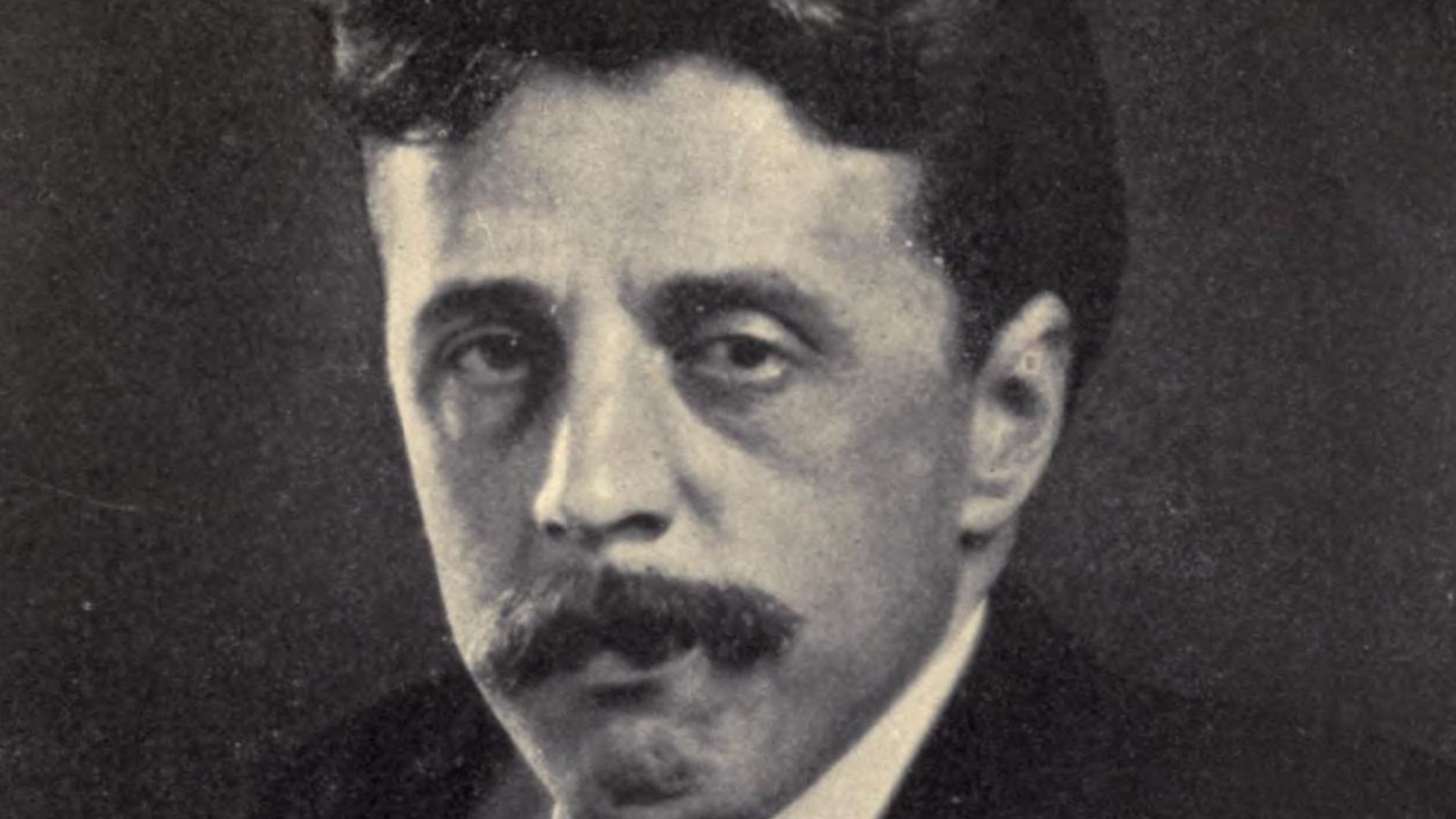
Lanchester’s performance in The Scarlet Woman helped her get more respectable work on stage. She got an opportunity to act in a play written by Arnold Bennett called Mr Prohack. While the play is mostly forgotten, something big did come from it. Something that would change Lanchester's life forever.
 Pirie MacDonald, Wikimedia Commons
17. She Looked Up To Him
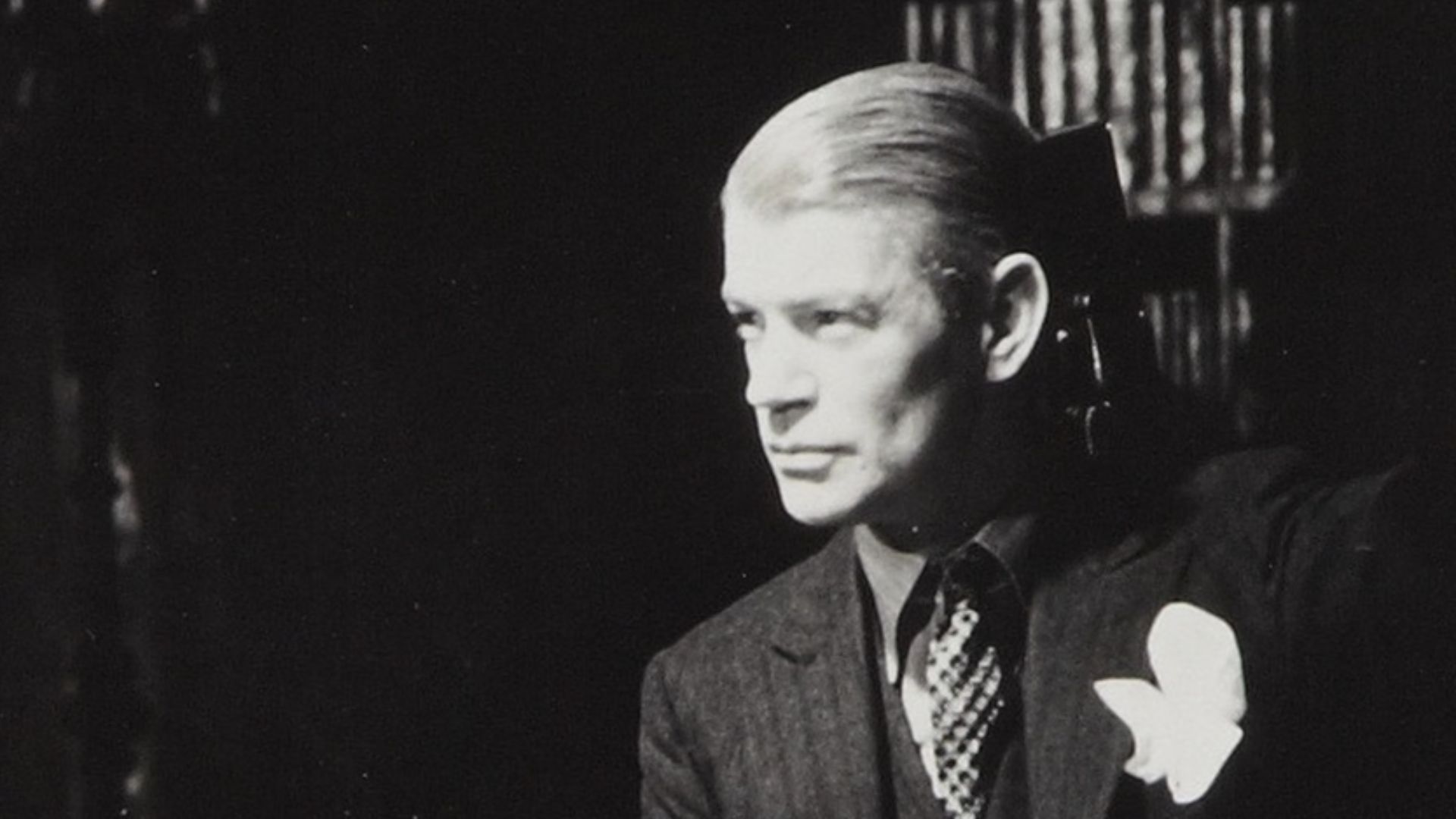
One of her fellow cast members on Mr Prohack was future film star Charles Laughton. At this time, Laughton had a few successful roles in the theater, so Lanchester likely looked up to him. But there was more than just the theater that these two had in common.
18. She Found Her Man
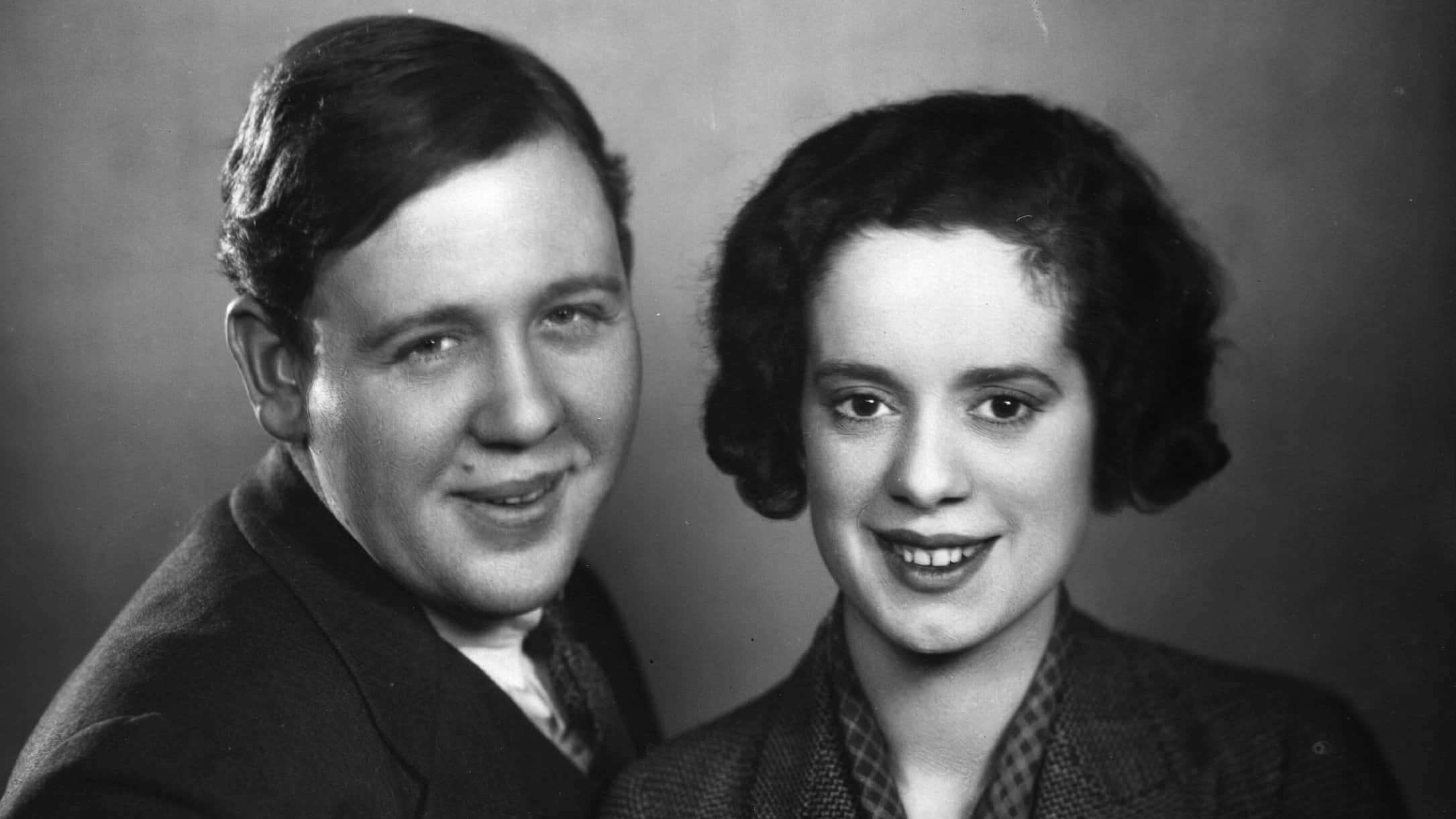
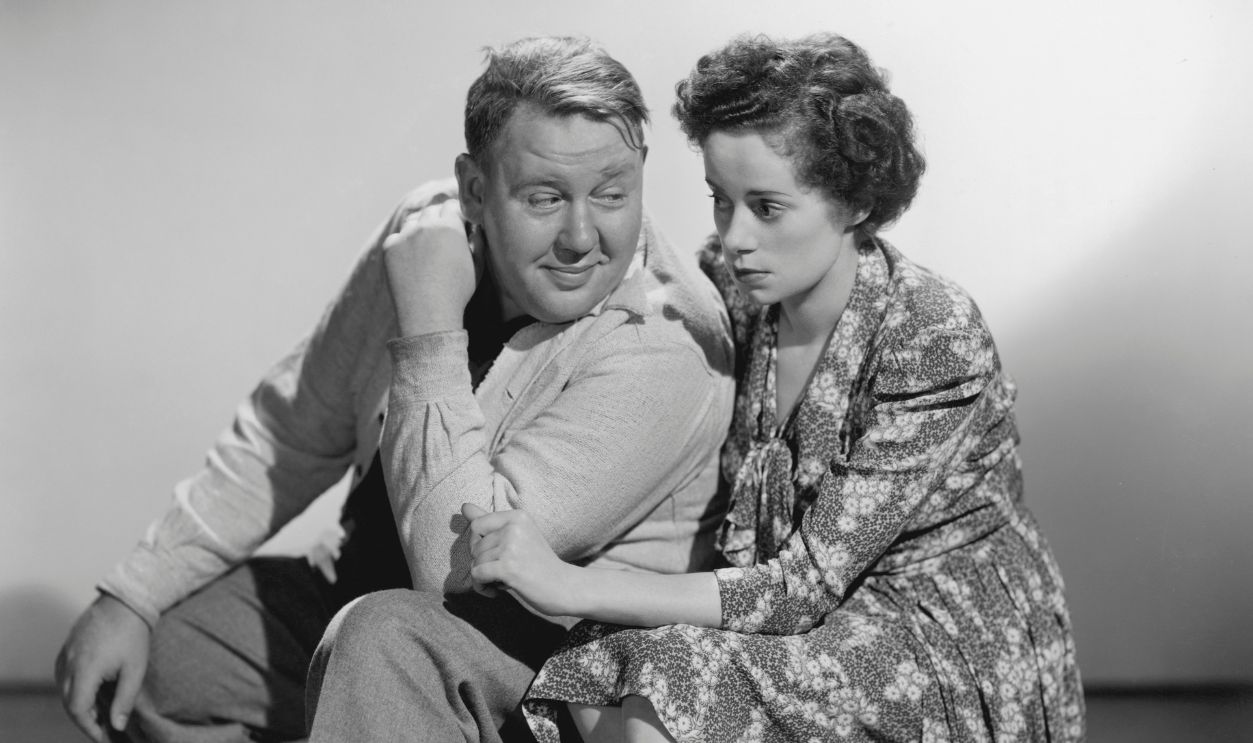
After meeting Laughton on the stage, the two developed feelings for each other. The chemistry between them was so strong they started dating and just two years later, tied the knot. Likely, neither of them suspected that this would be a lifelong partnership spanning decades.
And on top of all that, they were about to see art imitate life.
 John Springer Collection, Getty Images
19. He Got Her A Part
After appearing uncredited in the silent movie The Constant Nymph, Elsa Lanchester watched with envy as her husband got a role of a lifetime. It was to play the title role in The Private Life of Henry VIII. Well, since Henry VIII had his share of brides, there just happened to be a part for Lanchester as Anne of Cleves.
She was going to act next to her husband, and she had to do well.
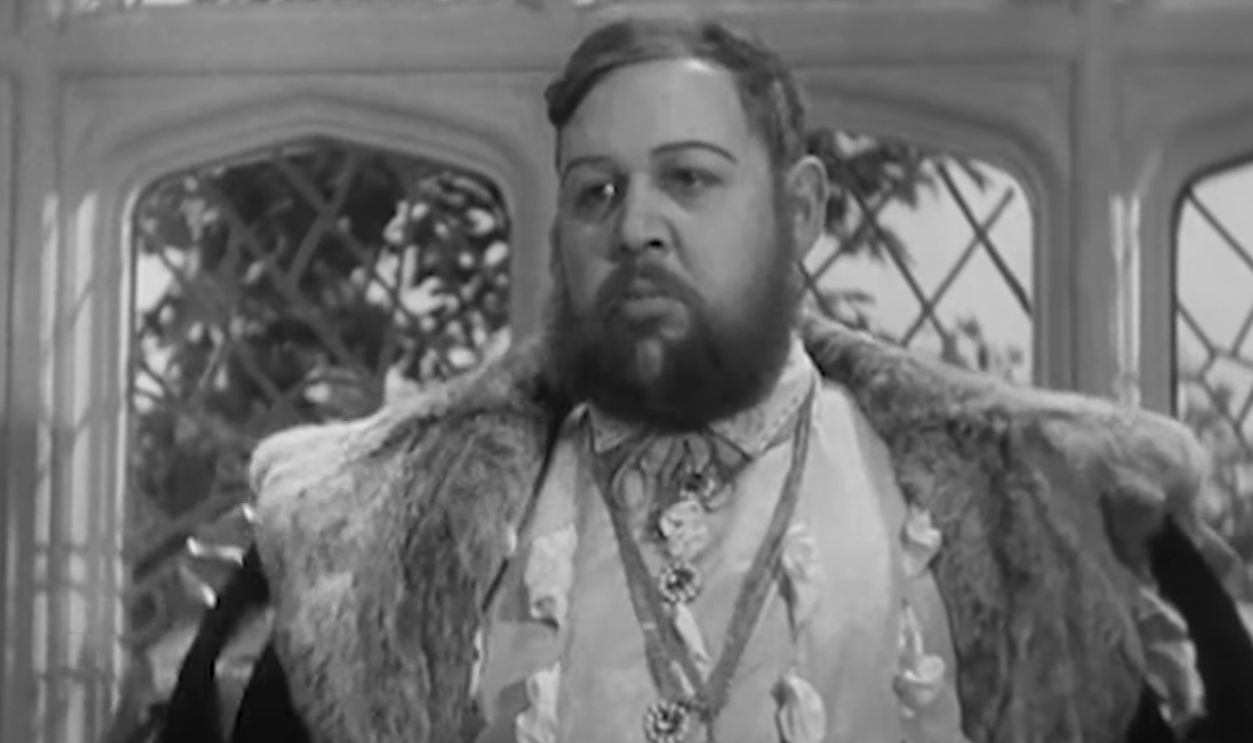 United Artists, The Private Life of Henry VIII (1933)
20. They Played Husband and Wife
In The Private Life of Henry VIII, Lanchester and Laughton had a bedroom scene together. This might have felt a little uncomfortable, as things at home were far from conventional. In the film, Laughton gets to say to his real-life wife: “You’re the nicest girl I ever met”. Considering how forgiving Lanchester was, this could not have been more accurate.
Now it was time to see if Lanchester and Laughton had been convincing as a married couple.
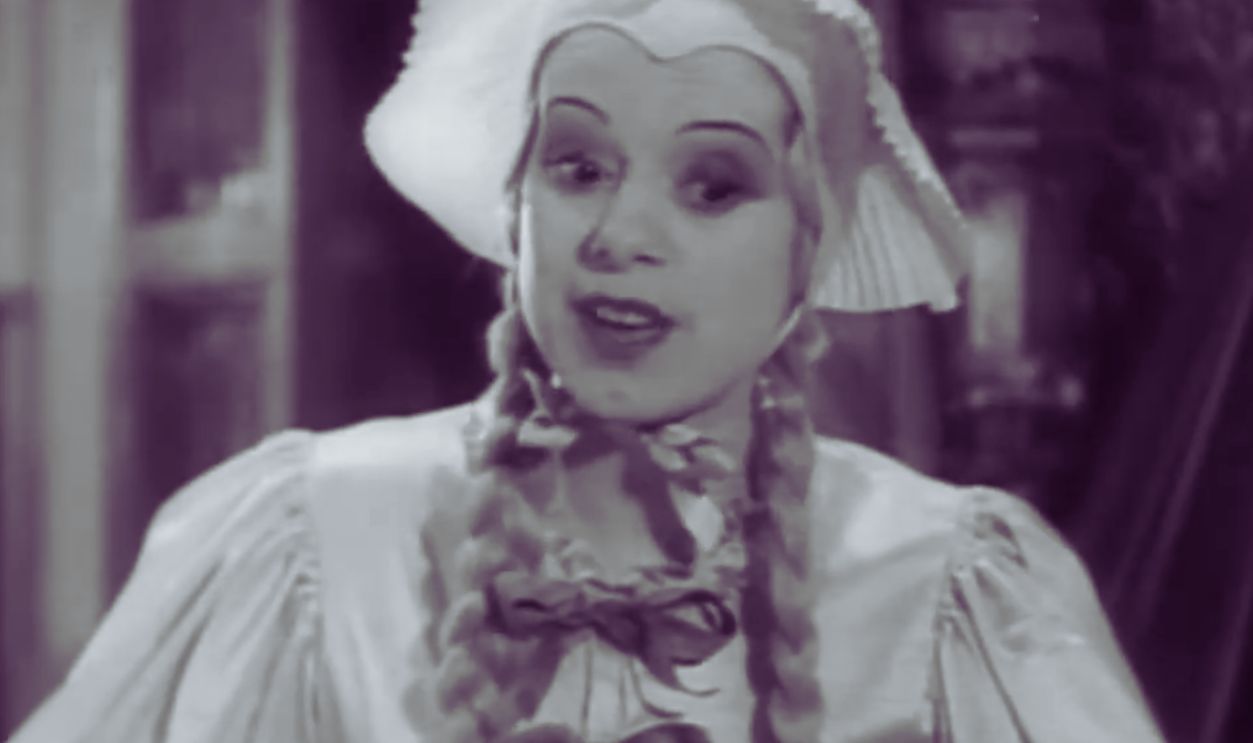 United Artists, The Private Life of Henry VIII (1933)
21. She Was The Best
Lanchester’s work as Anne of Cleves was a critical success, and many believed she deserved a Best Supporting Actress award. Sadly, the Academy wouldn’t introduce supporting role awards for another three years. Her husband, on the other hand, took home the top trophy for his portrayal of the King.
These two seemed ready to take Hollywood by storm.
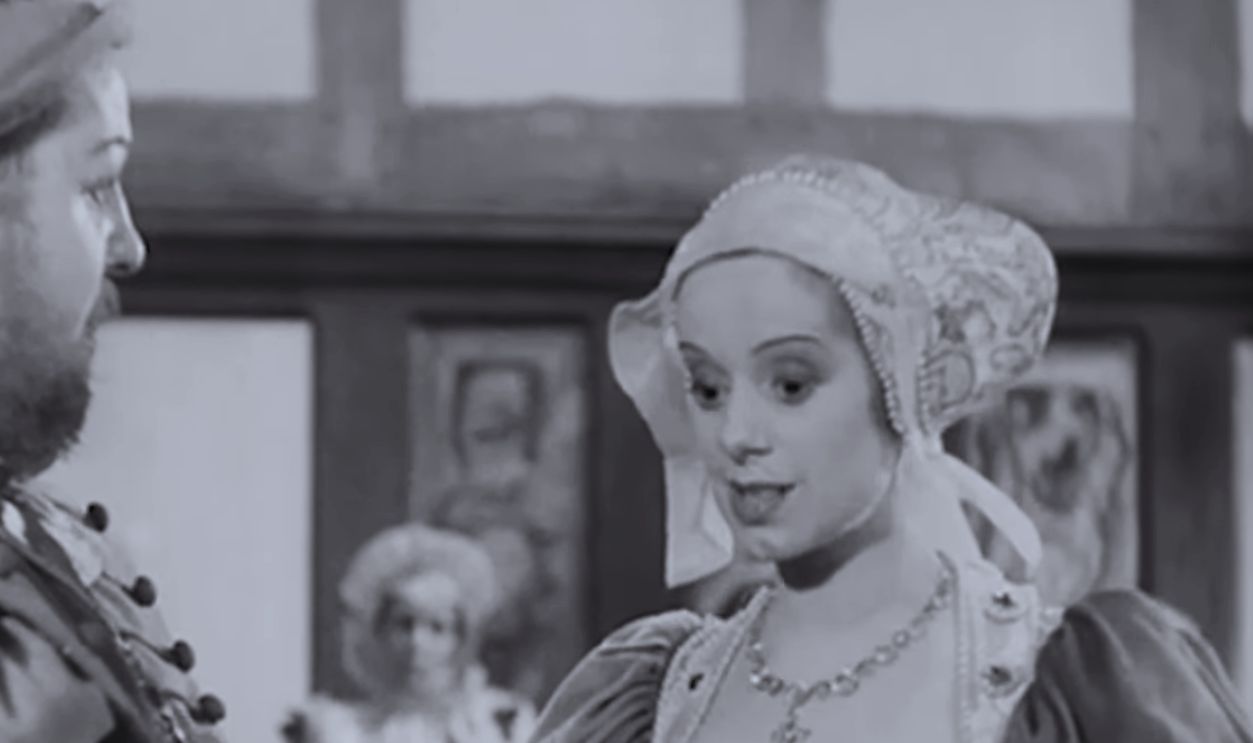 United Artists, The Private Life of Henry VIII (1933)
22. She Tried Hollywood
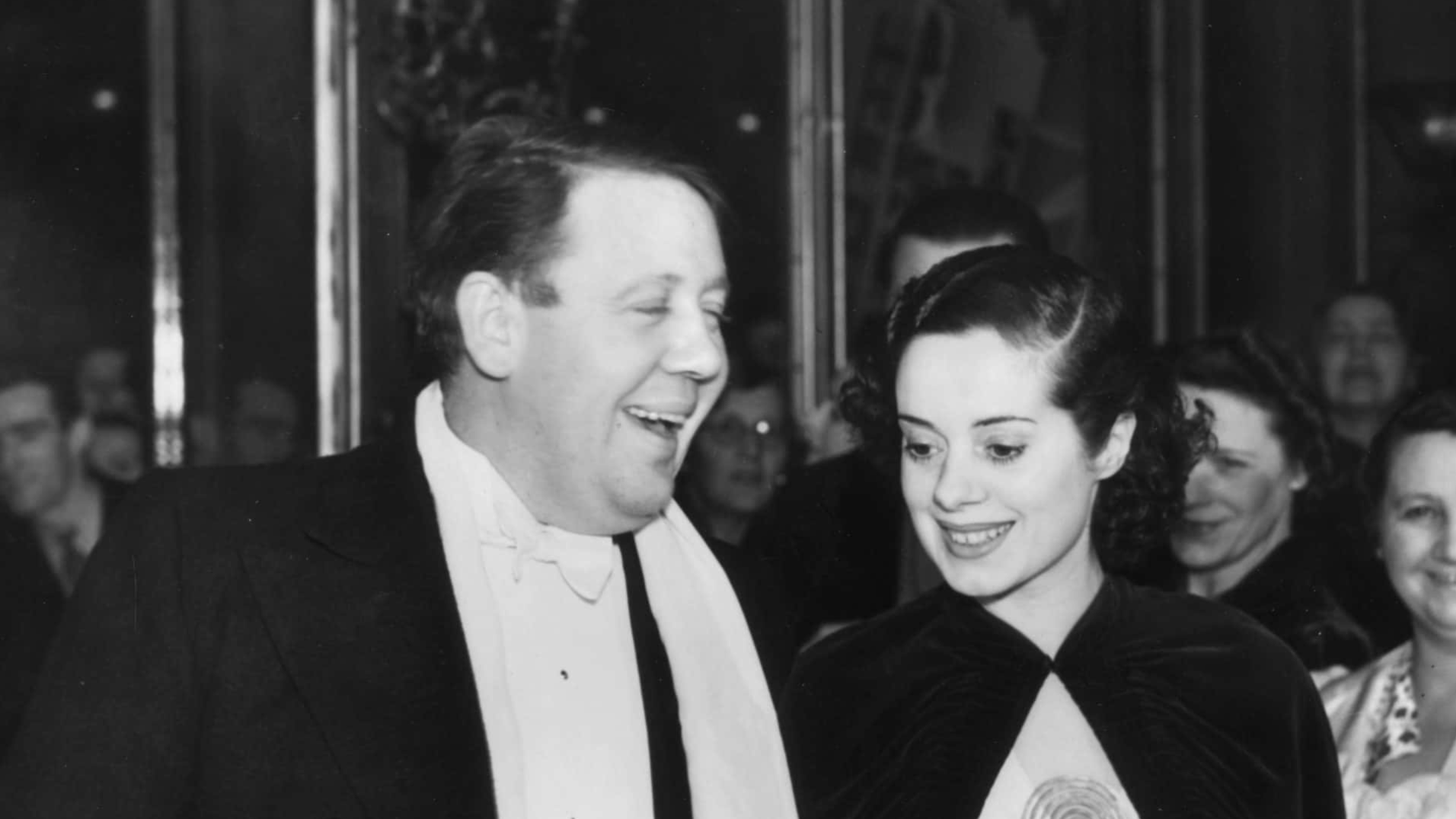
Even though Elsa Lanchester had won praise for her role in The Private Life of Henry VIII, there were not so many offers that followed. Her husband was basking in the glow of winning the Best Actor Oscar, but Hollywood didn’t quite seem to know what to do with Lanchester. When Laughton suggested a move to Hollywood, Lanchester reluctantly agreed.
She may have already been feeling a little bowled over by her husband’s success.
23. She Got Bit Parts
Sadly, Lanchester only received offers for small character roles in MGM films like David Copperfield and Naughty Marietta. While Laughton continued to get excellent roles, a despondent Lanchester decided to call it quits. She returned to London alone. And then one telephone call changed everything,
24. She Got A Huge Offer
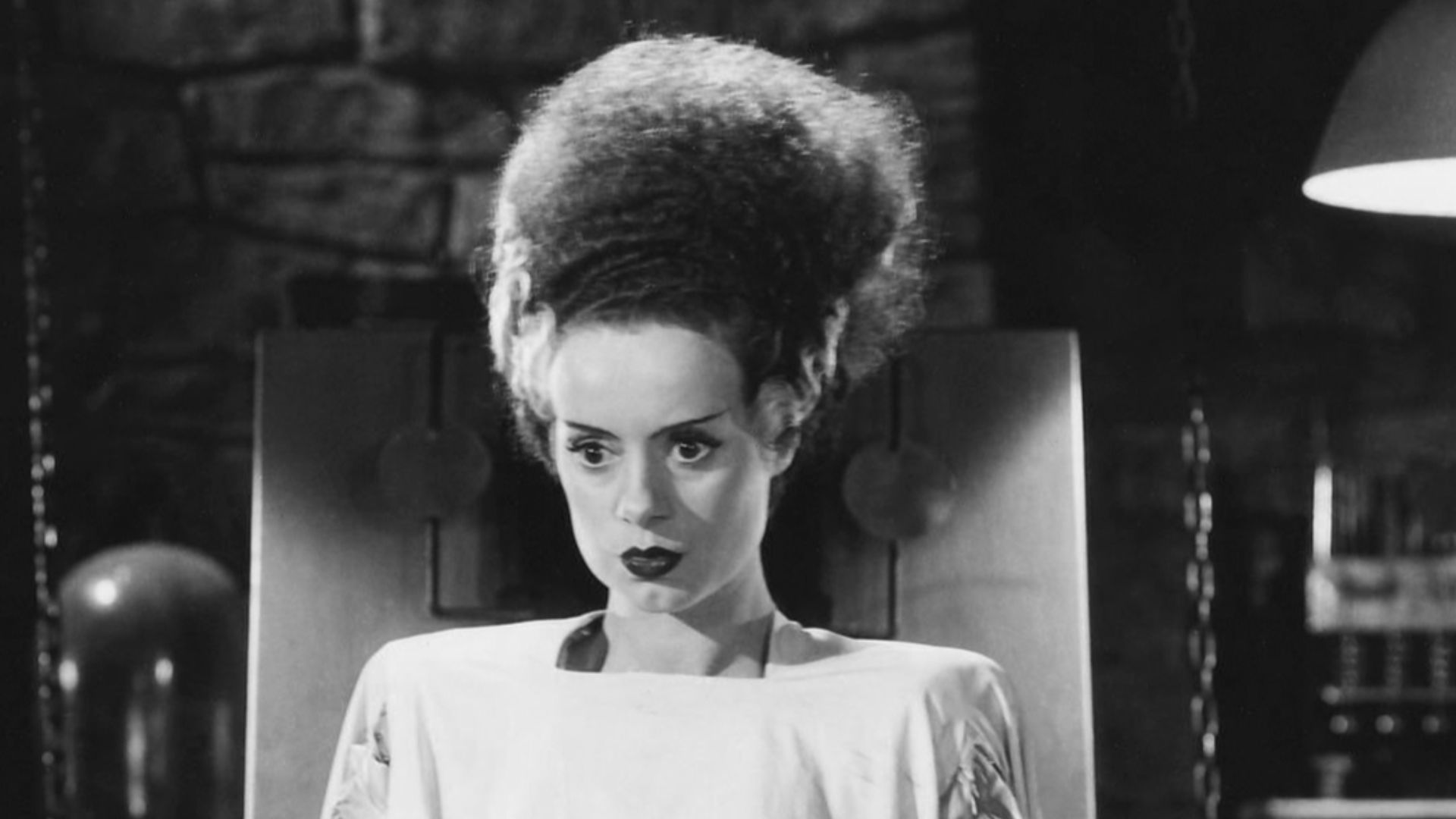
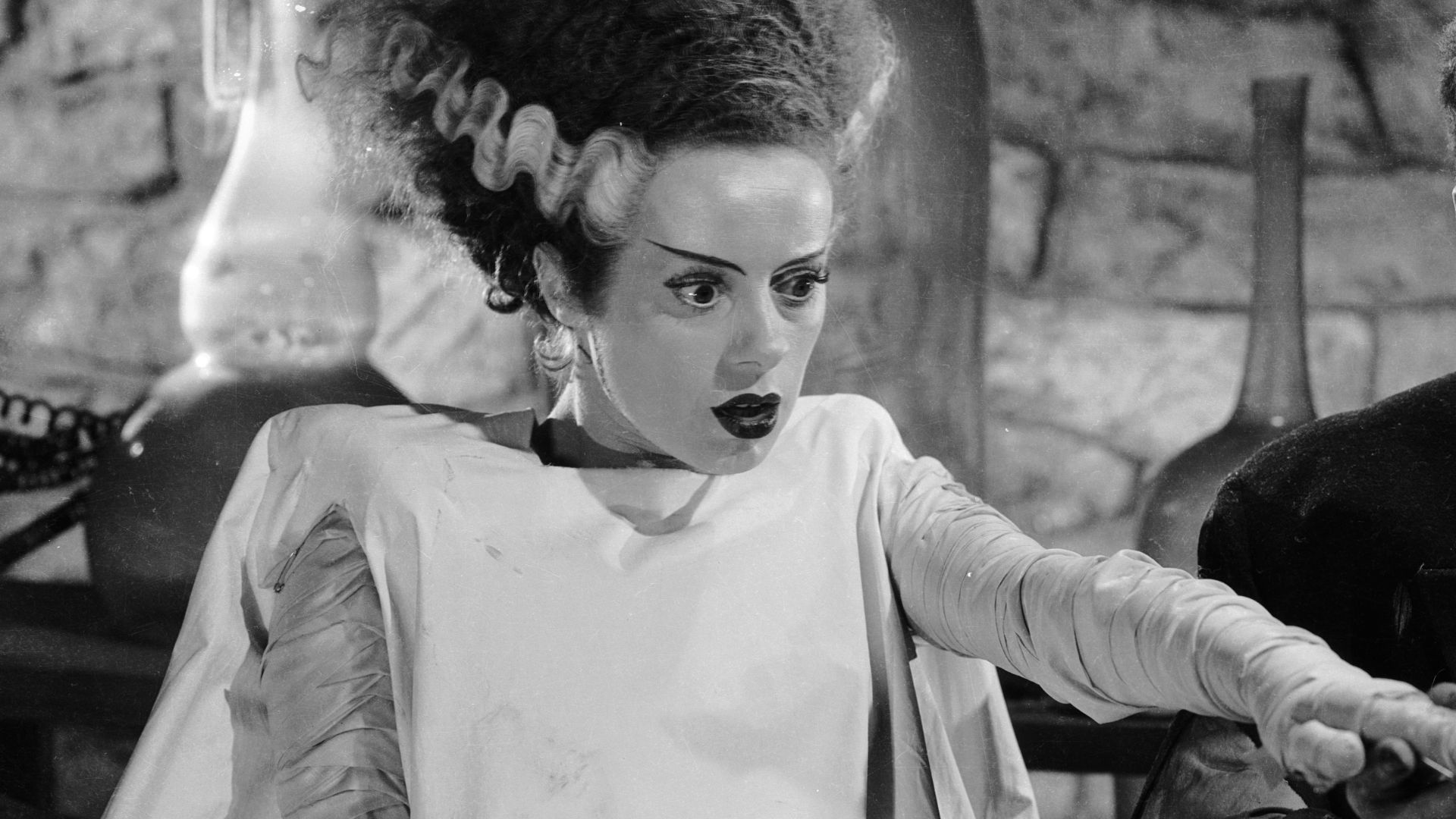
The call was from James Whale, who was making a horror film called The Bride of Frankenstein. Whale had two roles that he wanted Lanchester to play. She would portray the real-life character of Mary Shelley—the woman who wrote Frankenstein—and also play the title character.
This was enough to send Lanchester back to America and maybe match her husband’s success.
 Universal Studios, Wikimedia Commons
25. She Was Too Short
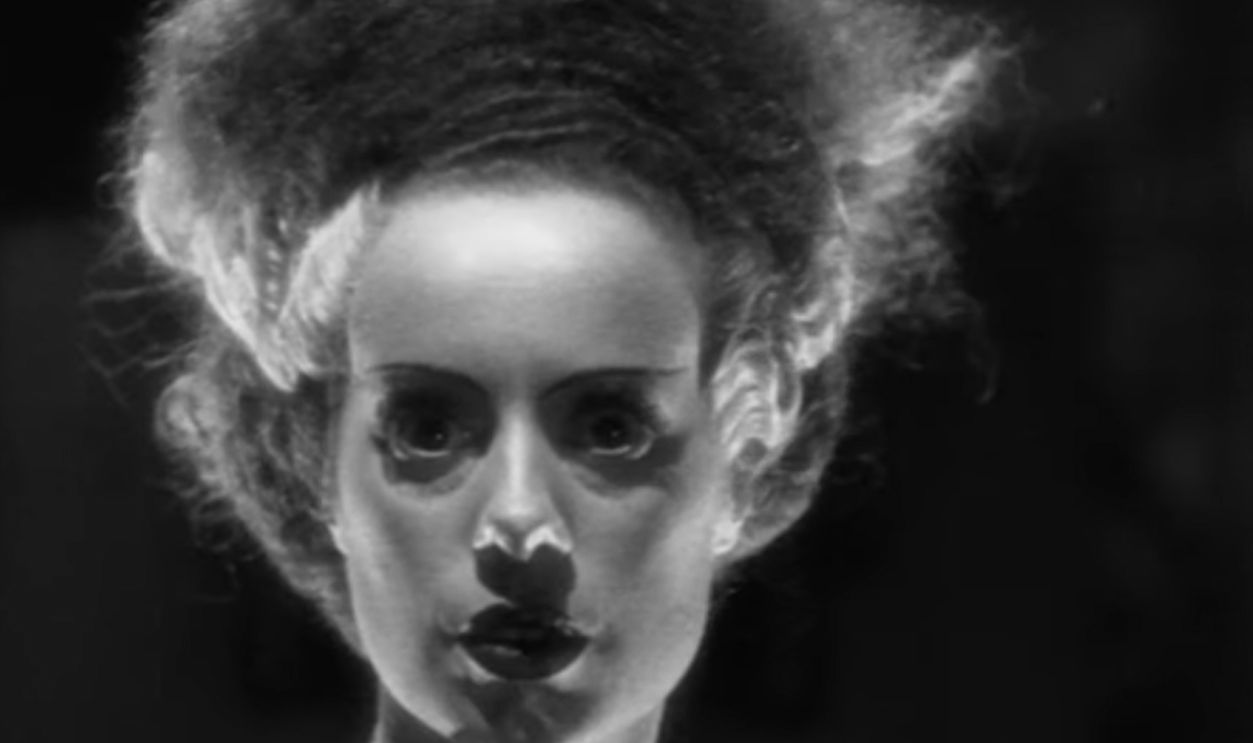
One of the challenges about playing the bride to the already popular Frankenstein was to make her scary. First was the issue of Lanchester's height. You see, she was only 5’4” tall, and so they put her on stilts to make her seem more of a threat. But that wasn’t the worst part of her costume.
26. She Went Through Pain For The Part
Elsa Lanchester’s time on the set of The Bride Of Frankenstein was more horrific than the film itself. Lanchester’s eyes were actually taped open for longer scenes—and that’s not even the worst part. The iconic Bride costume was so constrictive that one of her stand-ins had a full-blown panic attack while she was strapped into the claustrophobic outfit.
Next, she had to think about acting scary, and Lanchester solved this in a surprising way.
 Universal Pictures, Wikimedia Commons
27. She Needed To Be Scary
For inspiration for her Bride of Frankenstein character, Elsa Lanchester turned to an unlikely source. She copied the hissing and spitting from swans she’d seen in a park in London. Lanchester had always thought the swans were ”nasty creatures”, so this worked perfectly. You know who else can be nasty? The censors.
And they were about to have a heyday with The Bride of Frankenstein.
 Universal Pictures, The Bride of Frankenstein (1935)
28. She Got Cut
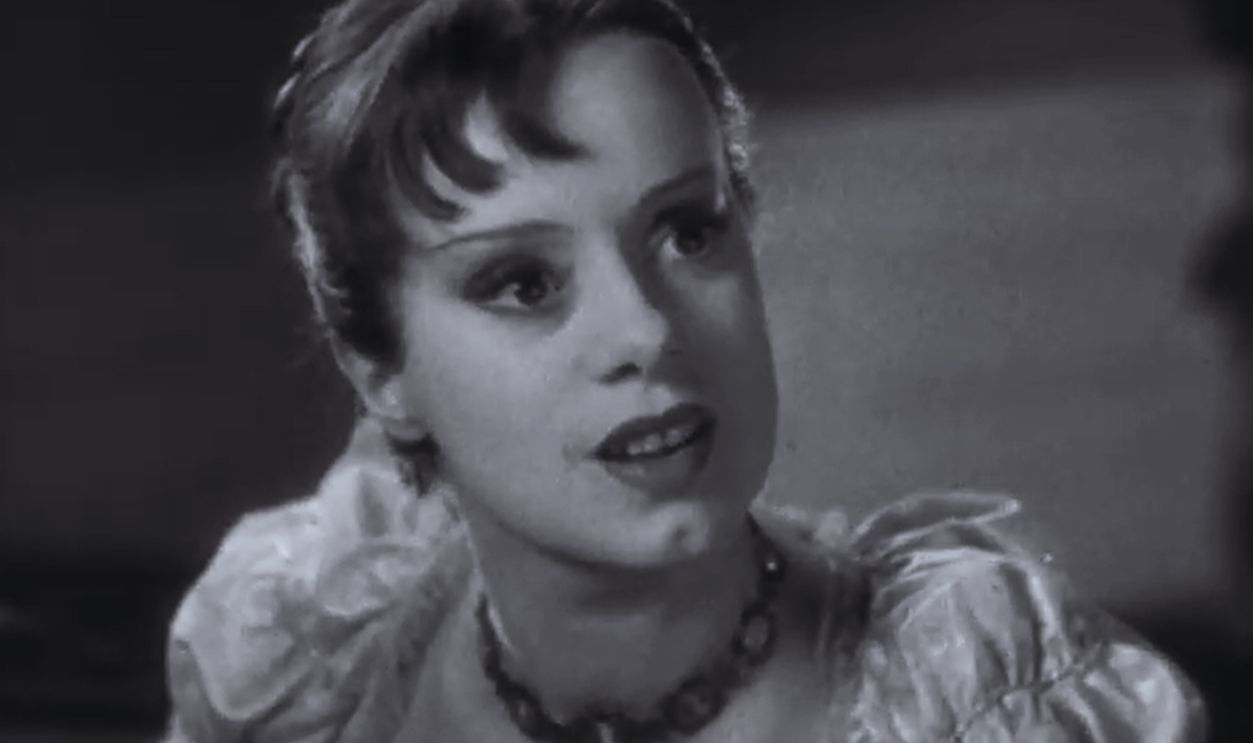
As Mary Shelley, Lanchester had dialogue referring to the libertine lifestyles of Shelley, her husband Percy Shelley, and Lord Byron. One line the critics objected to sounds like a description of Lanchester’s parents. It reads: "We are all three infidels, scoffers at all marriage ties, believing only in living freely and fully". The censors cut it, along with a scene where Lanchester showed too much of her chest.
All things considered, the censors weren't too bad, Now it was time to see what the critics thought.
 Universal Pictures, The Bride of Frankenstein (1935)
29. She Was Impressive
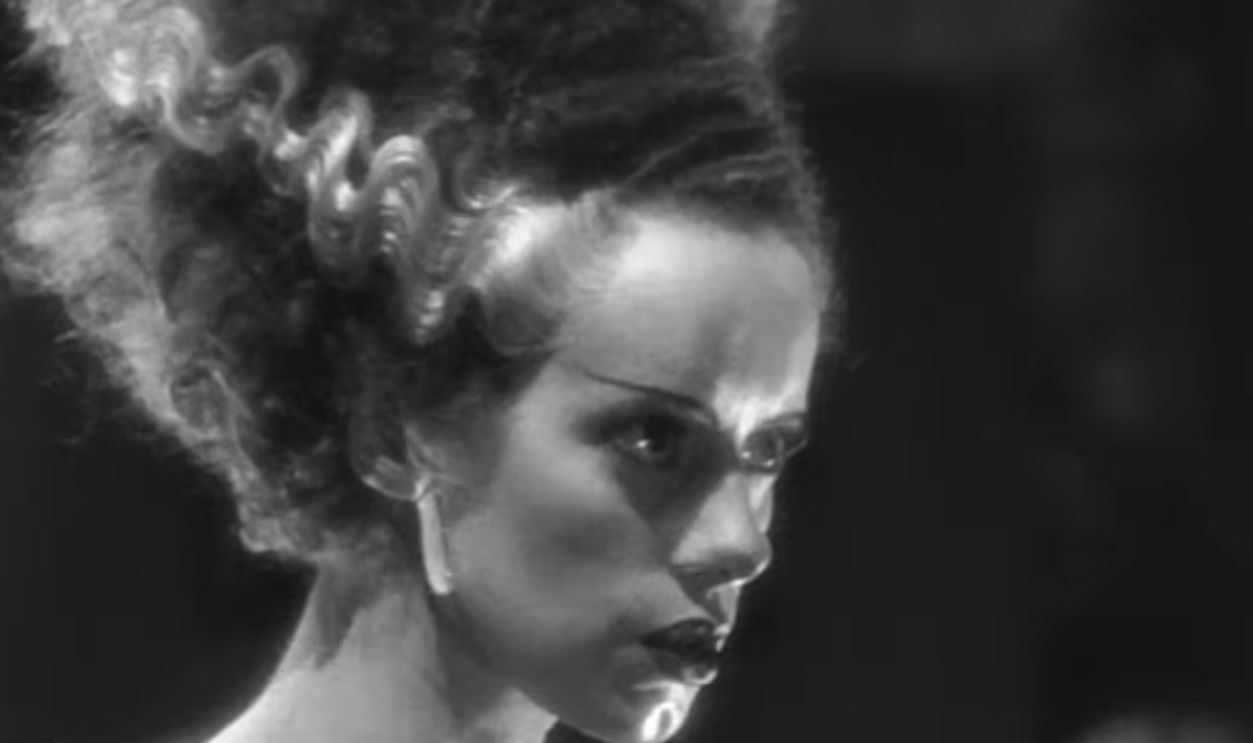
First off—and maybe most importantly—The Bride of Frankenstein made money for Universal. Now, how about the reviews? They were mostly positive and have actually gotten more glowing so over time. Variety made mention of Elsa Lanchester and said she “impressed quite highly” as the Bride. Of course, the implication was that this wasn’t the case in her role as Shelley.
It didn’t matter. Lanchester’s career was finally going to take off.
 Universal Pictures, The Bride of Frankenstein (1935)
30. They Worked Together
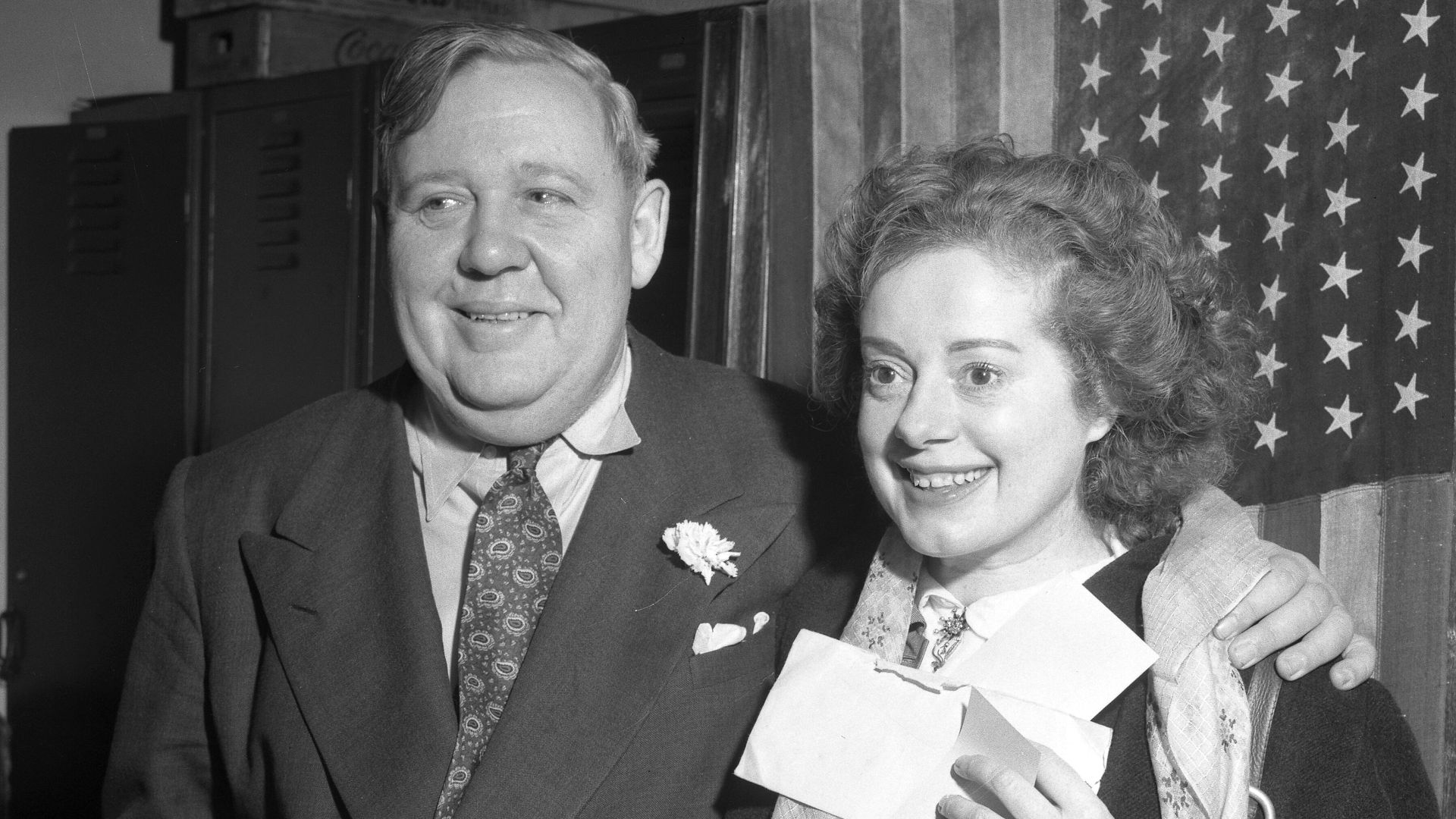
In the years that followed, Lanchester and Laughton kept themselves busy with numerous projects in both the US and the UK. They did worked together and separately. In Tales Of Manhattan, they played a husband and wife with the familiar-sounding names of Charles and Elsa. Unfortunately, it seemed that Lanchester was always supporting her husband or some other actor, and playing second fiddle.
And then that all changed.
 Los Angeles Times, Wikimedia Commons
31. She Got The Top Spot
In 1944, Elsa Lanchester got her first top billing in Passport to Destiny. This was a comedy that somehow morphed into high drama. The film centered around a house cleaner who decides she must personally go to Germany and take down the infamous leader of the Third Reich. Lanchester received praise for her performance, but this unusual film did not do well.
It was back to the supporting roles for Lanchester.
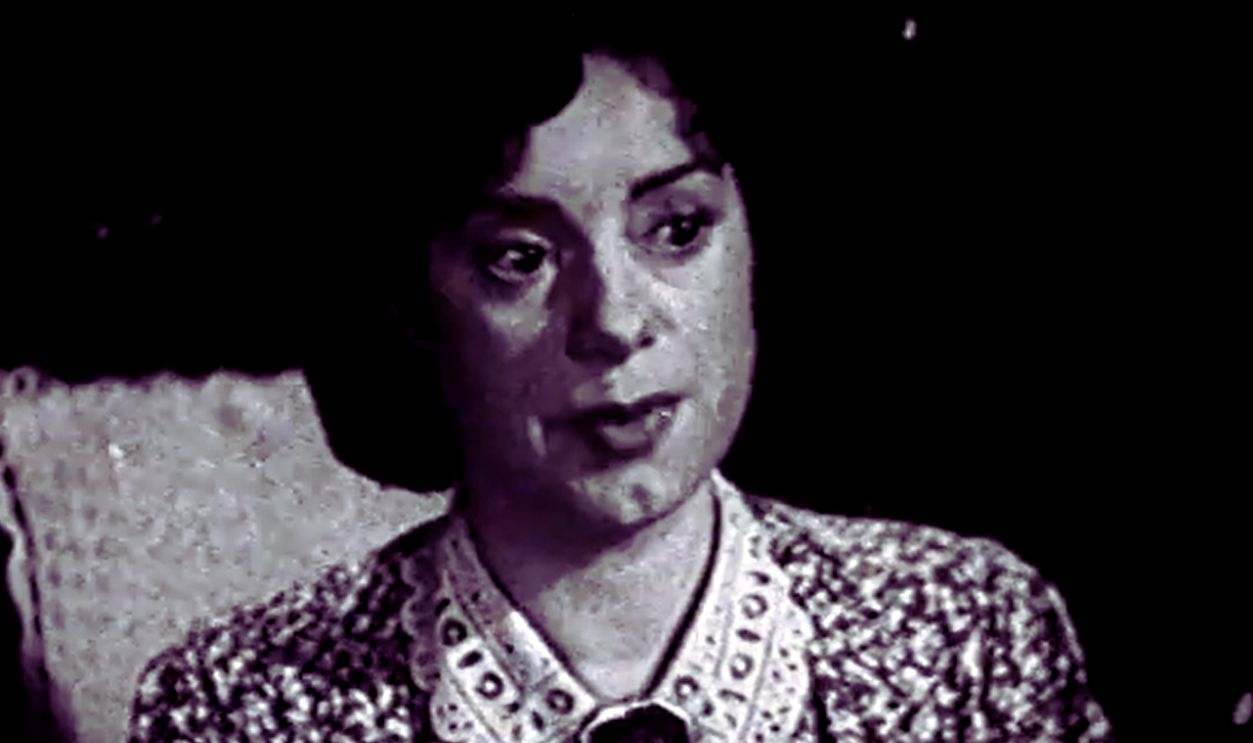 RKO Radio Pictures, Passport to Destiny (1944)
32. She Got The Nod
In 1949, Lanchester was back in a supporting role. In the film Come to the Stable, she played Amelia Potts, a woman who paints nativity scenes. The film was a huge success and received seven Academy Award nominations, including one for Best Supporting Actress for Lanchester. Sadly, the film took home exactly zero trophies on awards night.
Her next chance at an Oscar wouldn’t come for a long, long time.
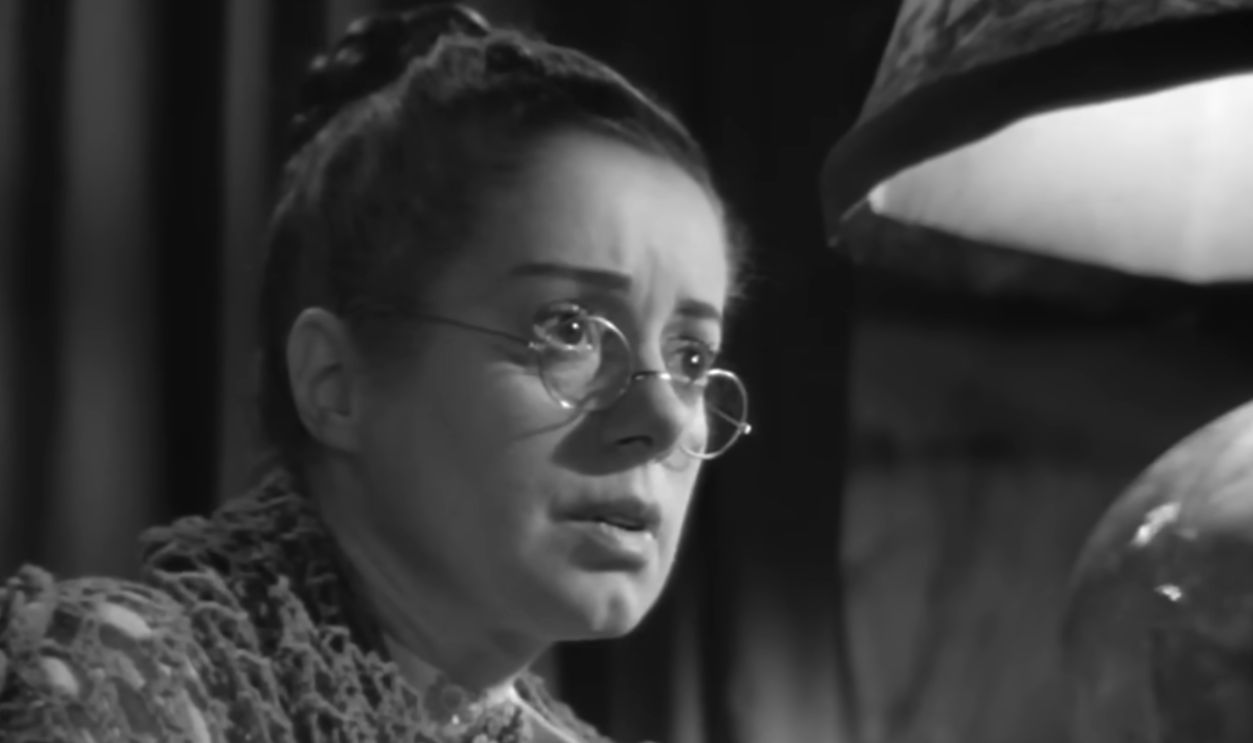 20th Century Fox, Come to the Stable (1949)
33. She Got A Big Chance
In 1957, Elsa Lanchester was again case in a film with her husband. This was the legal melodrama called Witness for the Prosecution. Based on an Agatha Christie novel, it was a huge chance—but then Lanchester returned home one night and made a disturbing discovery.
Her husband Laughton had collapsed in the pool. After Lanchester frantically called for a help and pulled Laughton out of the water, her husband revealed the awful truth.
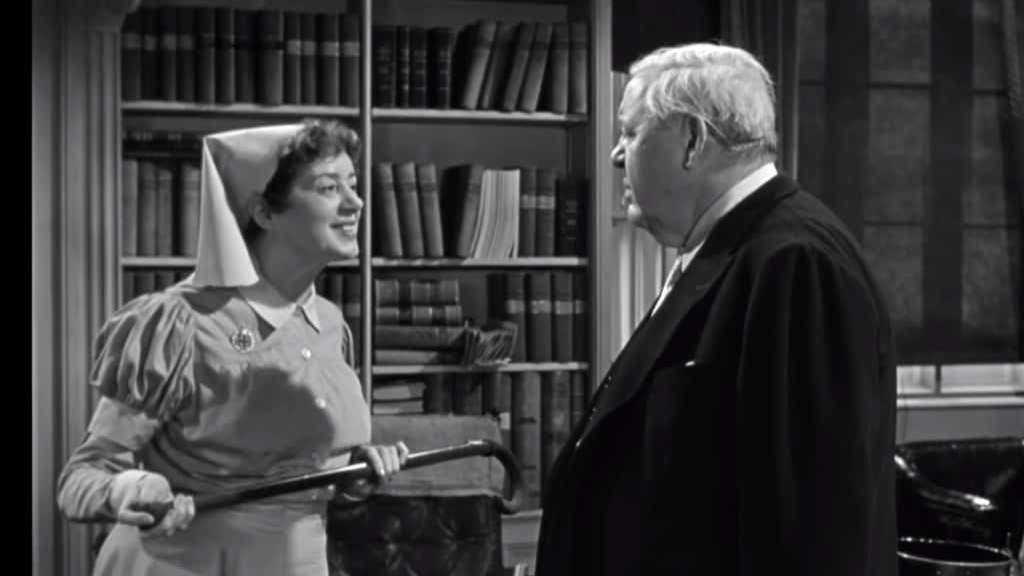 United Artists, Witness for the Prosecution (1957)
34. He Went Method
Laughton’s collapse was all fake. In Witness for the Prosecution, his character suffers from a heart condition, and Laughton was practicing how he'd portray a heart attack—so he decided to fake one in the swimming pool. His “prep” paid off. Both Lanchester and Laughton received nominations from the Academy, but it was the Golden Globes who finally awarded her with a much-needed win.
In just a few years, though, Lanchester would experience the shock of losing her husband all over again—this time for real.
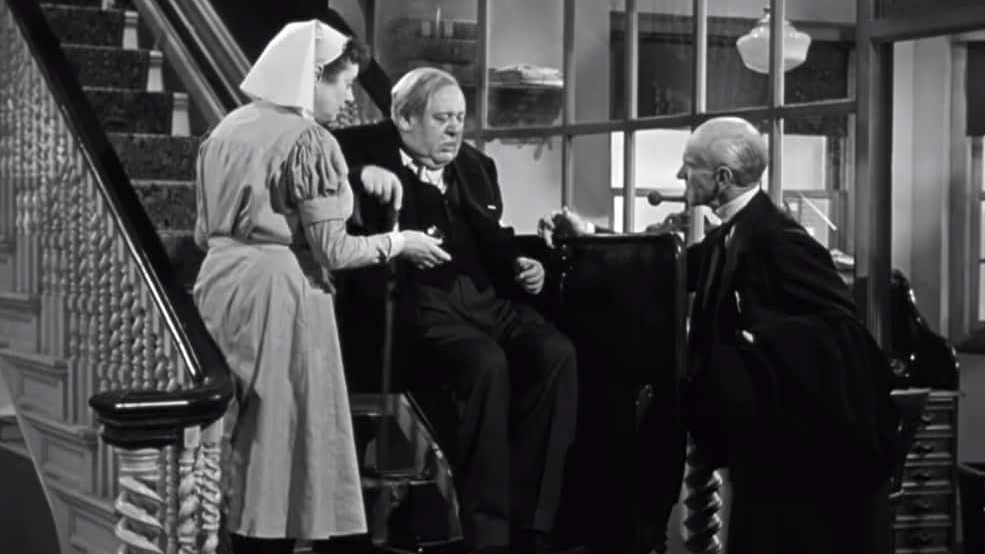 United Artists, Witness for the Prosecution (1957)
35. She Lost Him
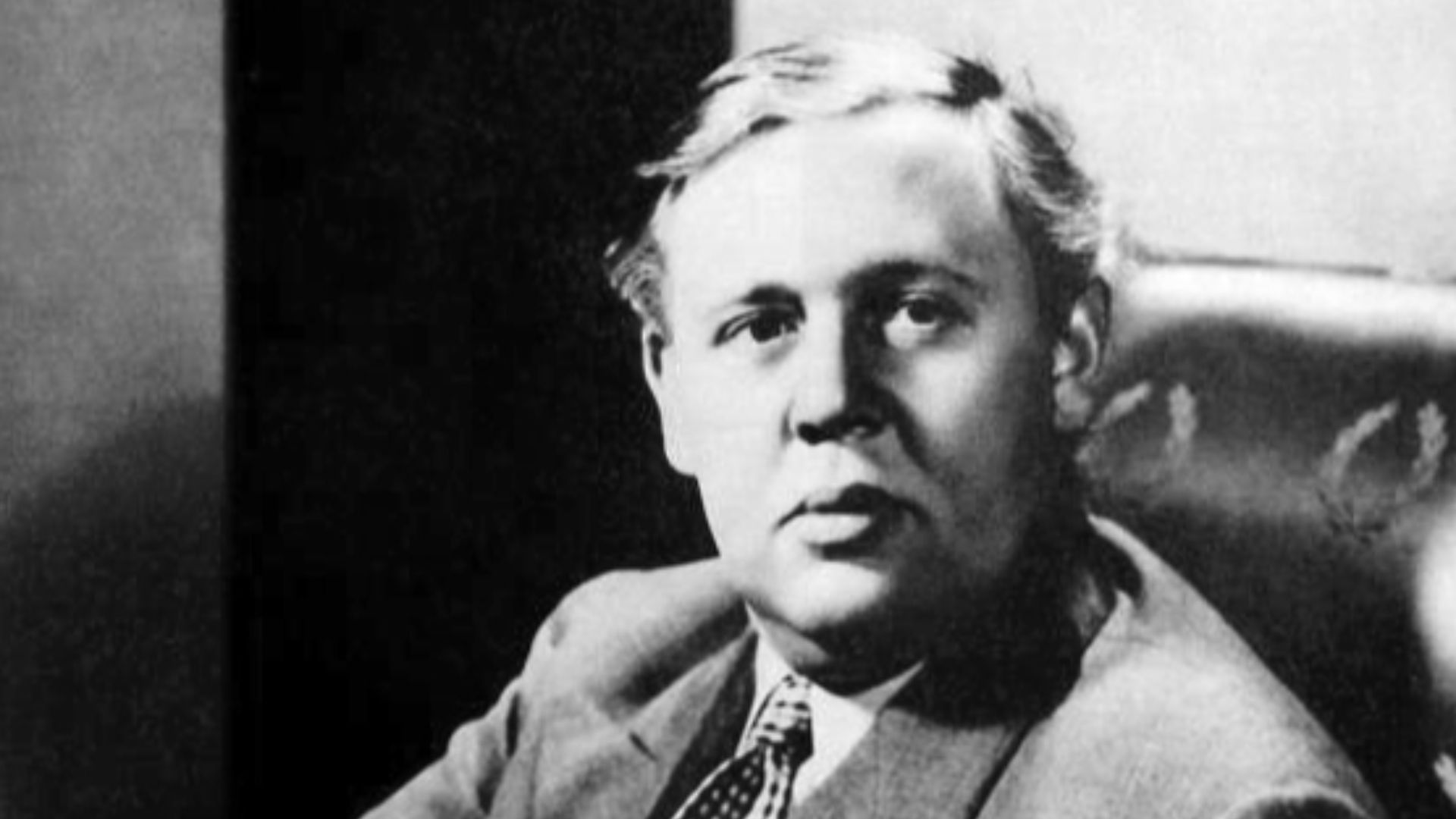
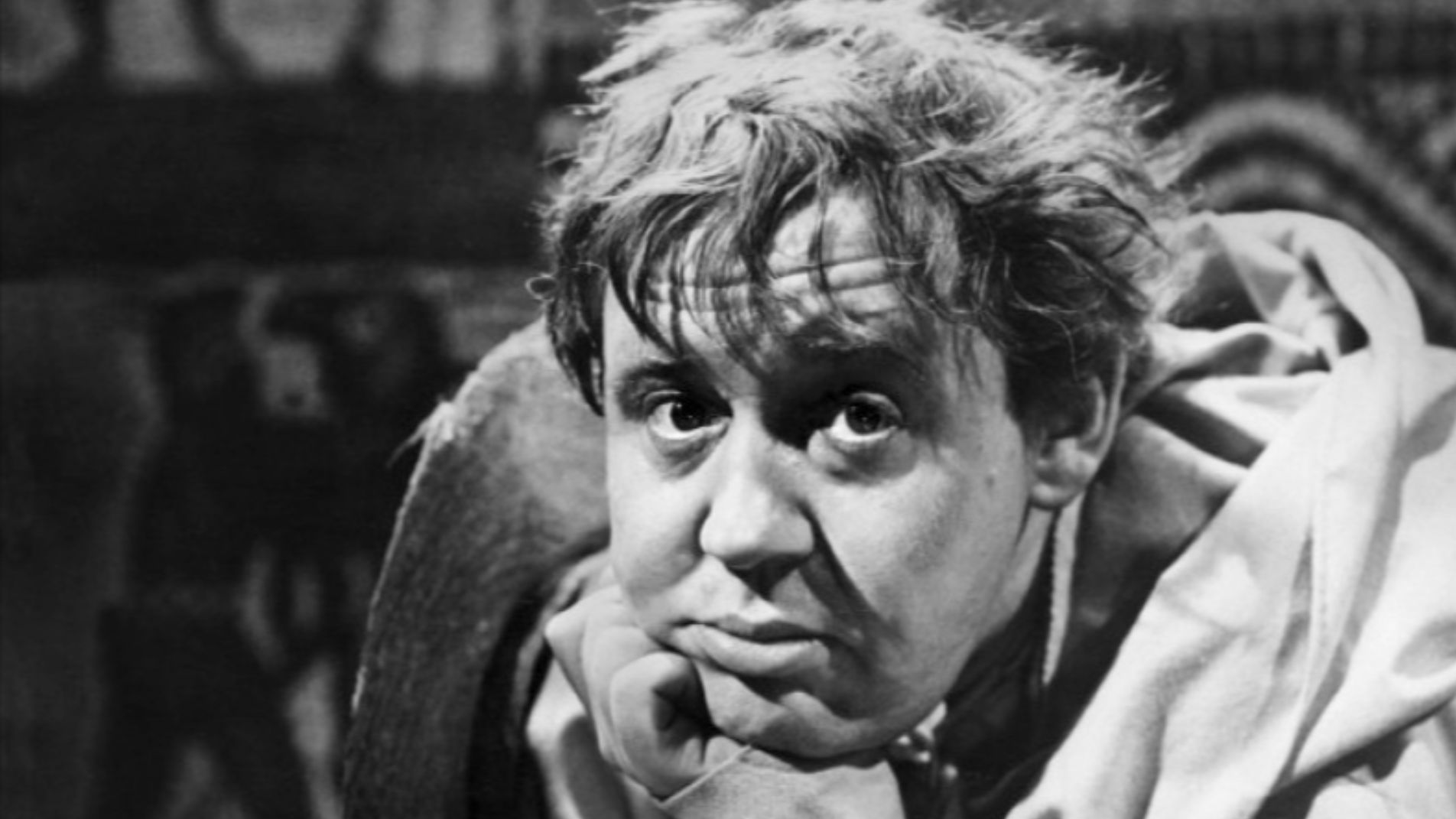
In 1962, Lanchester’s husband checked himself into the Cedars of Lebanon Hospital in Los Angeles with a ruptured disc. While doctors performed surgery, they discovered that Laughton had cancer of the spine. Laughton passed at home on December 15, 1962. For the first time in over three decades, Lanchester was all alone.
She was no longer under Laughton’s shadow. It was make or break time.
 London Films, Wikimedia Commons
36. She Took It Easy
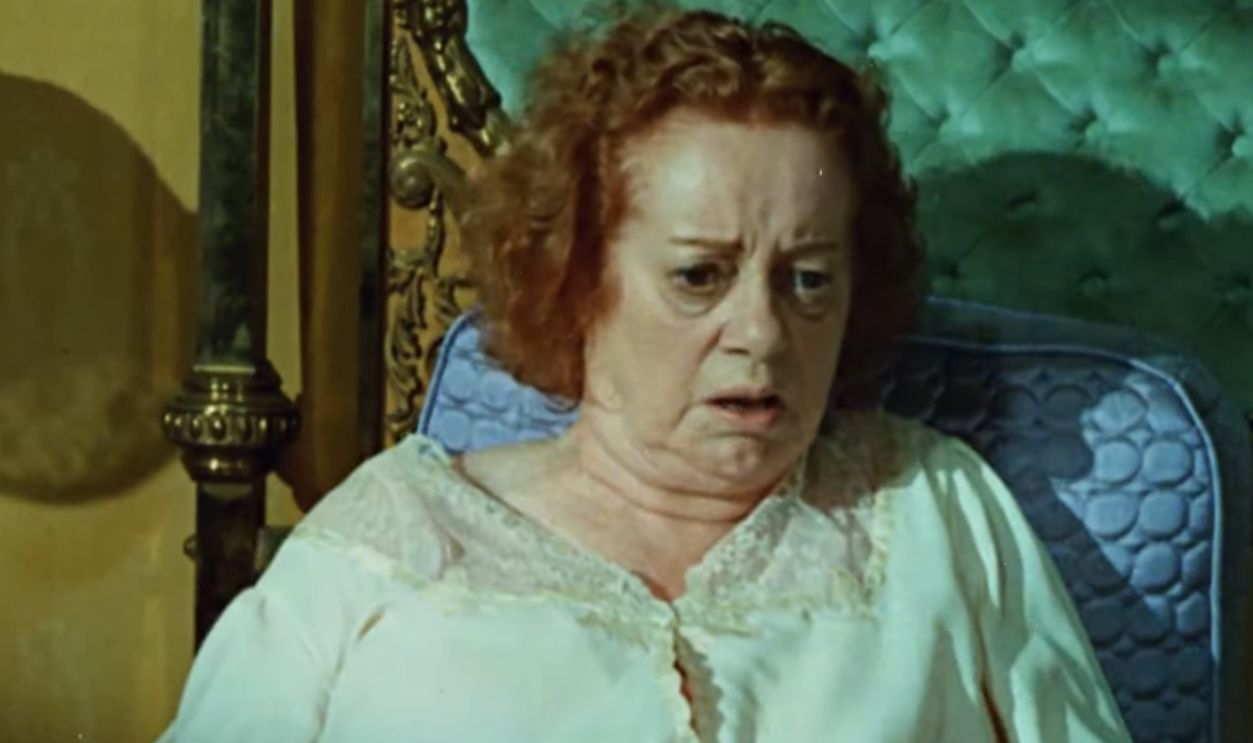
Lanchester’s career did an about-face after the passing of her husband. She focused more on fun and easy projects with studios like Disney, and worked on TV. She even tried horror again, playing the crazed mother to a rat-controlling social misfit in 1971’s Willard. Lanchester also decided to give writing a try—and the result was explosive.
 Cinerama Releasing Corporation, Willard (1971)
37. She Told Her Story
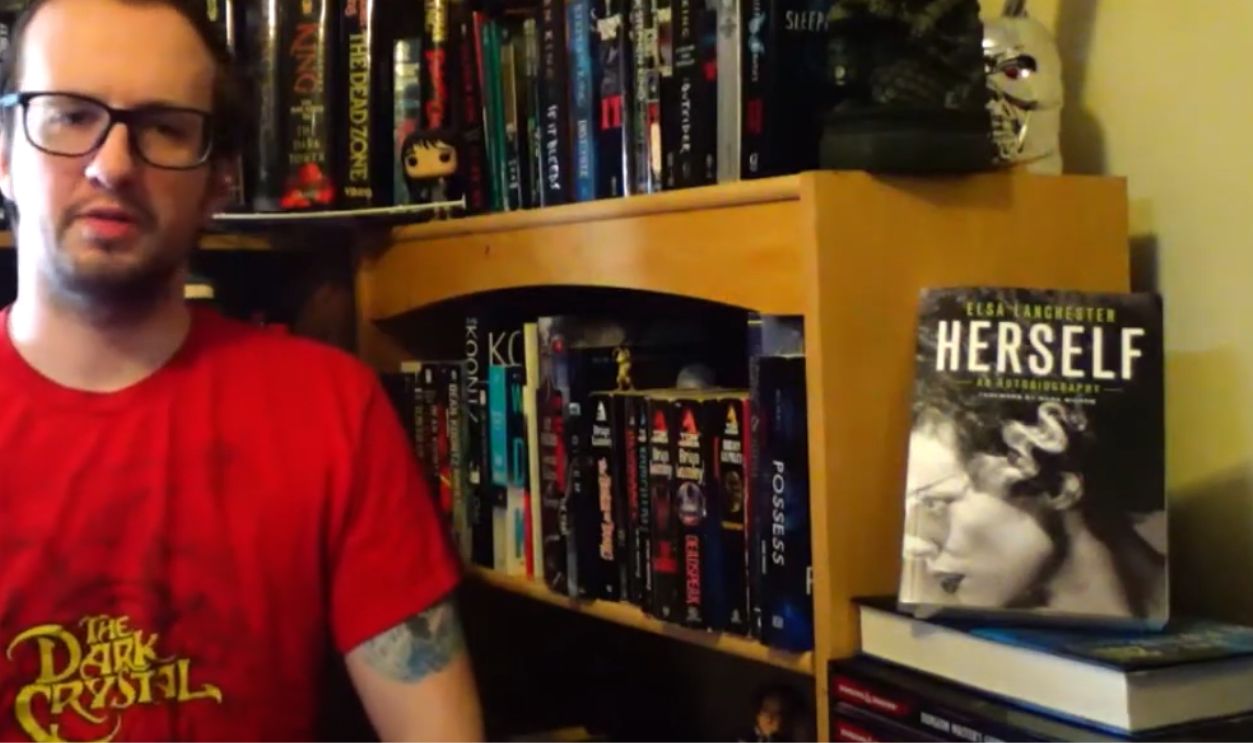
In March of 1983, Elsa Lanchester published her second and last book: an autobiography she titled Elsa Lanchester Herself, in which she made a shocking announcement. Apparently, many people had wondered why she and Laughton had never had any children. Well, Lanchester thought this book was as good as any place to satisfy the public’s curiosity.
What she announced was a shocker.
 Herself by Elsa Lanchester book vlog, Alex AKA A. Charles Ross
38. She Shocked The World
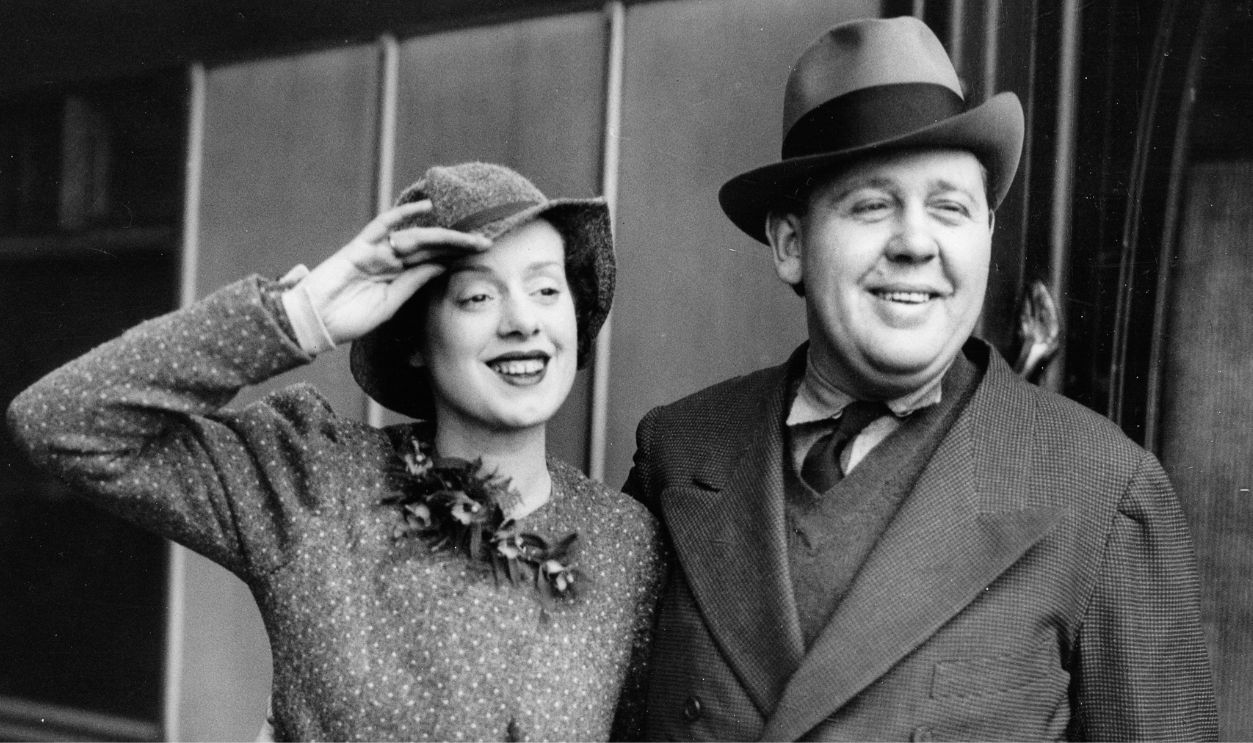
In her book, Elsa Lanchester said that the reason she and Charles Laughton remained childless was that her husband was gay. Remember, this was 1983, and coming out, even after passing, was still pretty extraordinary. But there was an even darker side to this tale.
 brandstaetter images, Getty Images
39. There Were Rumors About Him
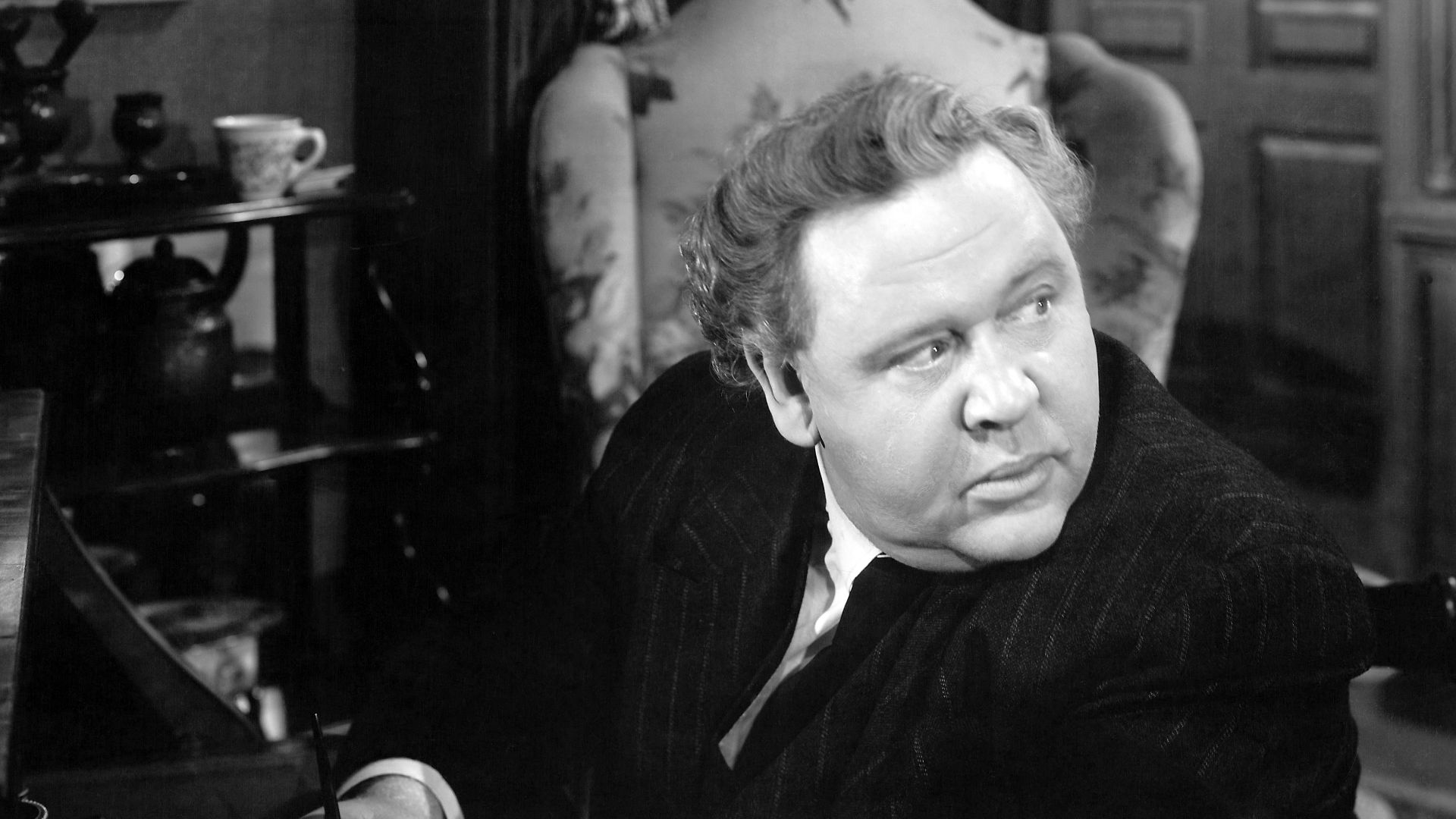
To some in the know, the Lanchester outing her husband was no surprise. For years, another story had floated around, detailing how Lanchester found out that her husband was gay, and it's somehow even worse than the earlier version. In this account, the London Police actually caught Laughton when he was with a young man.
Either way, what followed in the wake of Lanchester’s revelation was a stunned silence—and then one person rose up to dispute this claim.
 Universal Pictures, Wikimedia Commons
40. She Had Her Own Secret
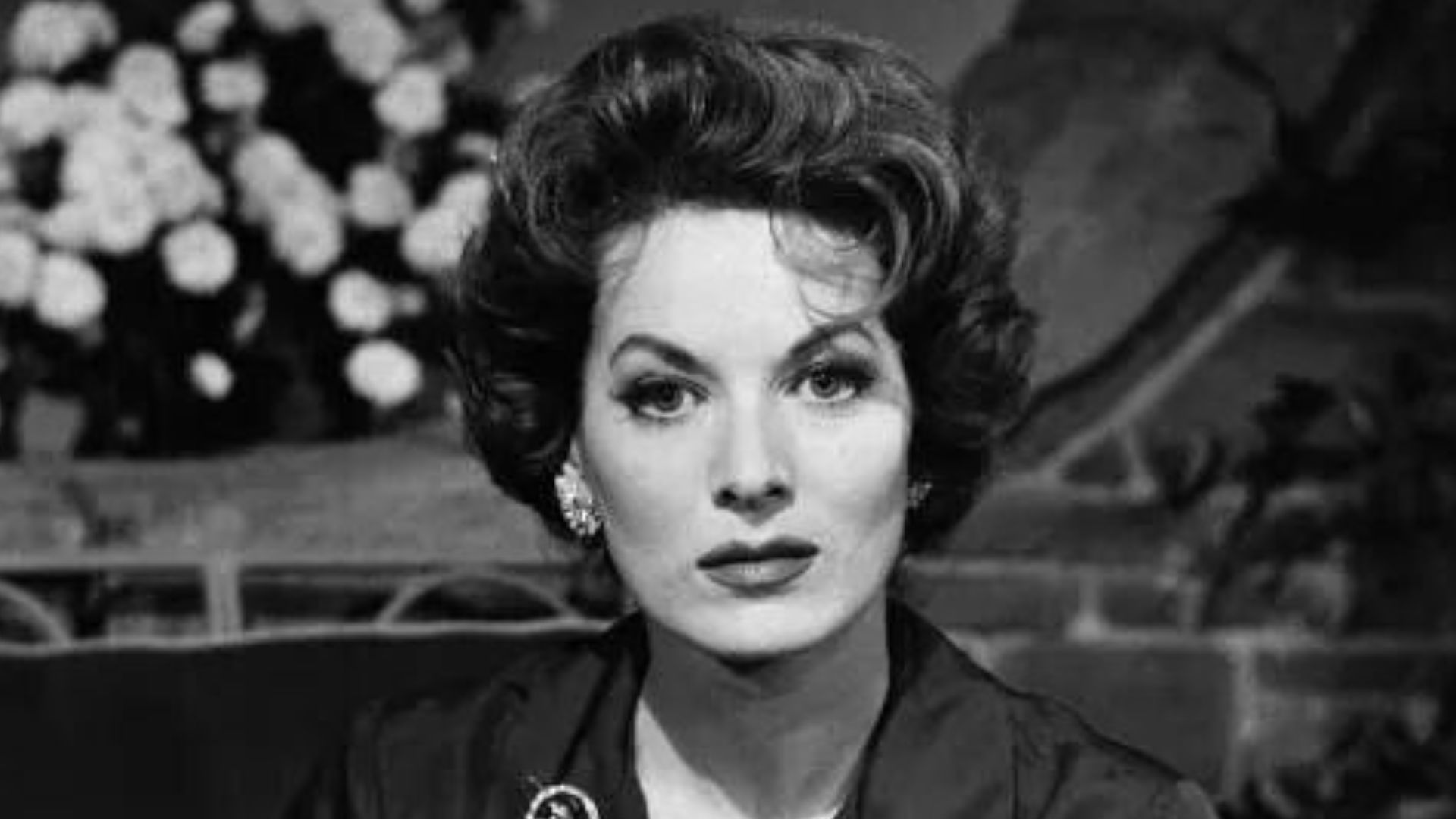
Laughton had helped with the career of Maureen O’Hara, and she had a different view about why Lanchester and Laughton never had children. She said that Lanchester couldn't have children because she had terminated a pregnancy a long time ago, and that procedure had gone wrong, leaving her unable to give birth.
This was quickly turning into a case of “she said, she said”. But the truth was still out there.
41. He Set The Record Straight
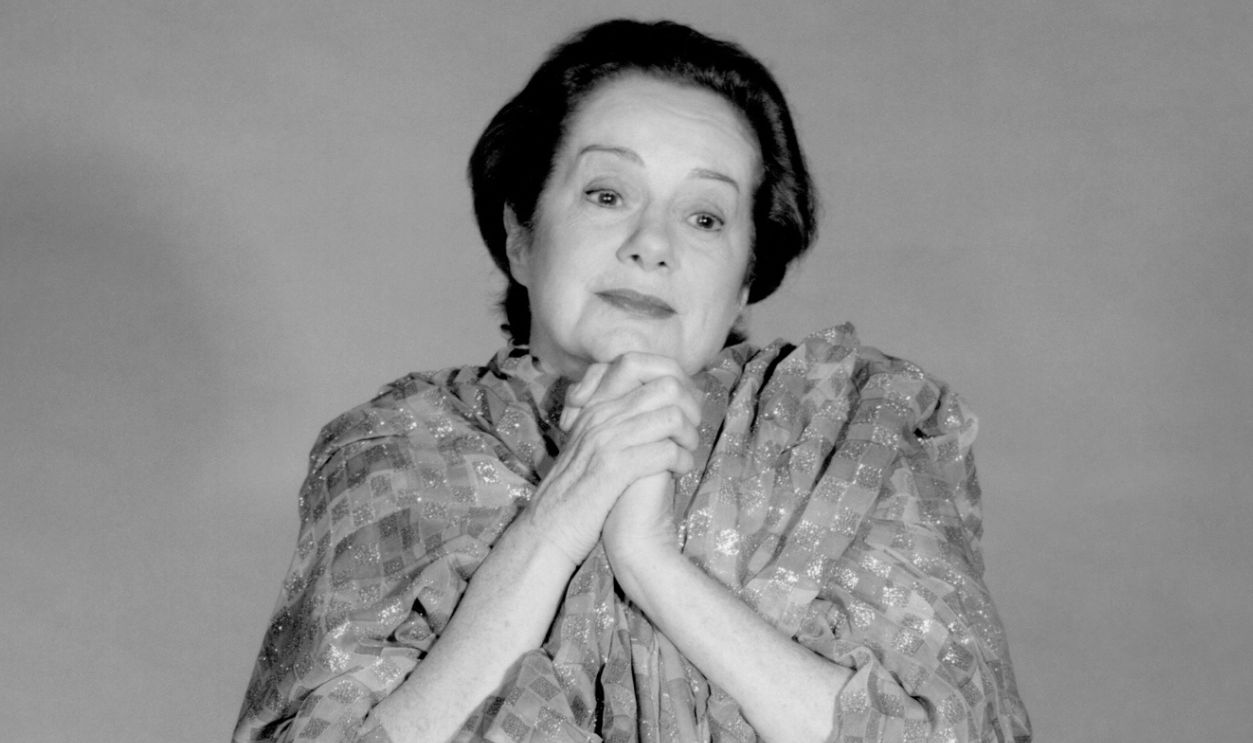
O’Hara’s announcement wasn't much of a shocker, as Lanchester had already admitted to terminating two pregnancies in her lifetime. Her biographer Charles Higham cleared up the dispute, suggesting that the real reason they had no kids was because Lanchester simply didn’t want any.
Of course, the original question still needed an answer. Had Lanchester been married to a gay man all those years?
 De Carvalho Collection, Getty Images
42. He Had A Secret Crush
In 2012, a book came out called Full Service. The author Scotty Bowers claimed to have all the inside dirt on Hollywood celebrities. Bowers suggested that Laughton was in love with Hollywood hunk Tyrone Power, and that he only had interest in men. If you can believe Bowers, this means that Lanchester did indeed have a gay husband for over 30 years.
There must have been something that drew Lanchester and Laughton together.

43. They Were A Team
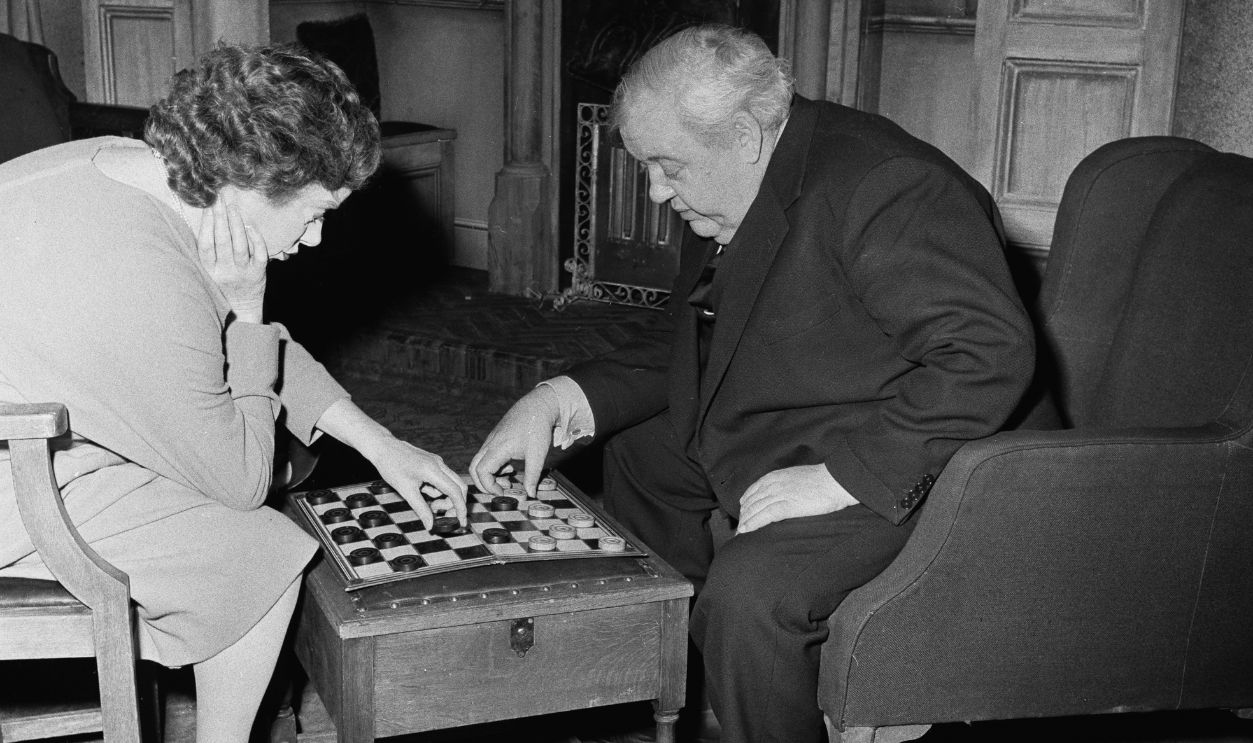
Lanchester and Laughton were certainly partners; it just may not have been in the bedroom. Of course, they had their love of acting in common. They also collected art, traveled and explored nature. This seemed to be enough to keep them together for 35 years. But if Laughton was busy entertaining other men, this leaves us wondering what Lanchester was doing on her own time.
 Evening Standard, Getty Images
44. She Didn’t Care For Romance
In her biography, Elsa Lanchester: Herself, Lanchester barely acknowledges any lust for men. She even goes as far as to say she “despised women who had to have a sex life”. Some suggest that Lanchester simply didn’t have an interest in a romantic life.
One reason to believe this is how easily she accepted her husband’s admission of being gay.
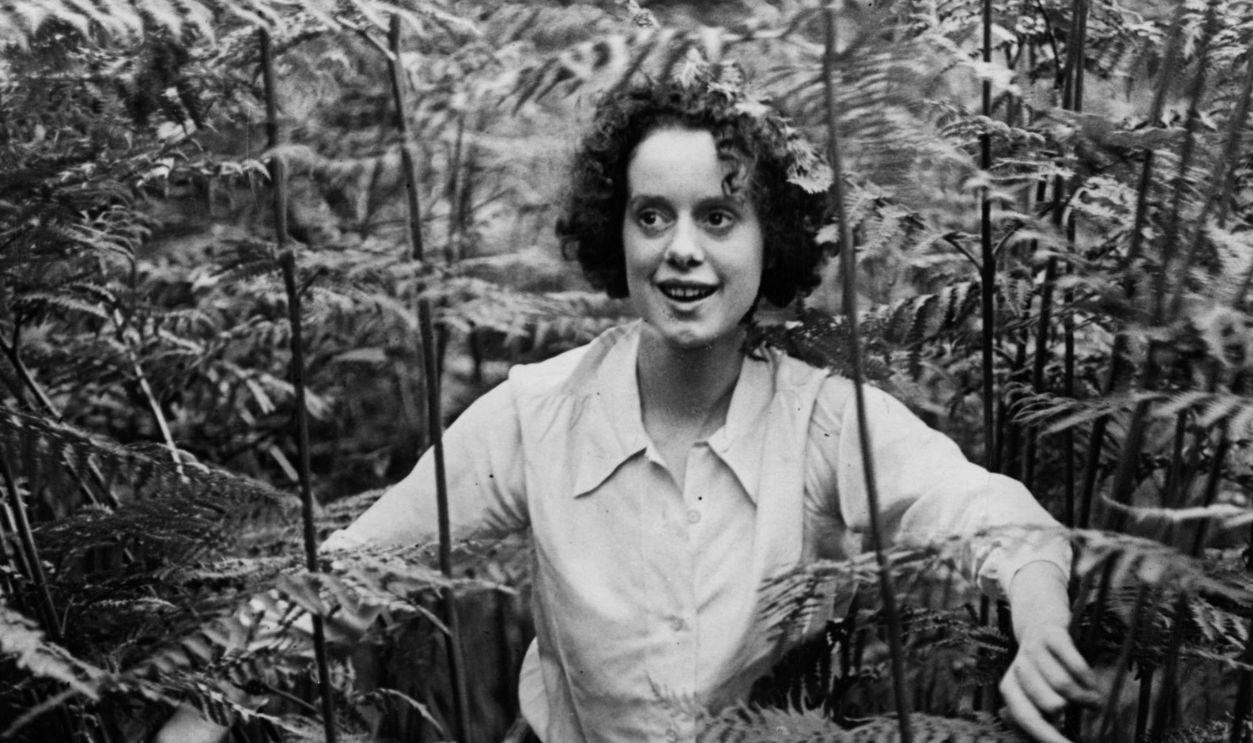
45. She Accepted Him For What He Was
When Laughton came out to her, Lanchester apparently accepted this fact without hesitation. The reasoning goes that only a woman not interested in romance would so easily accept her fate as the wife of a gay man. Years later, when author Charles Higham wrote about Laughton, many expressed surprise that Lanchester had no problem with the stories of her husband being gay.
When asked, Lanchester had a very sensible response.
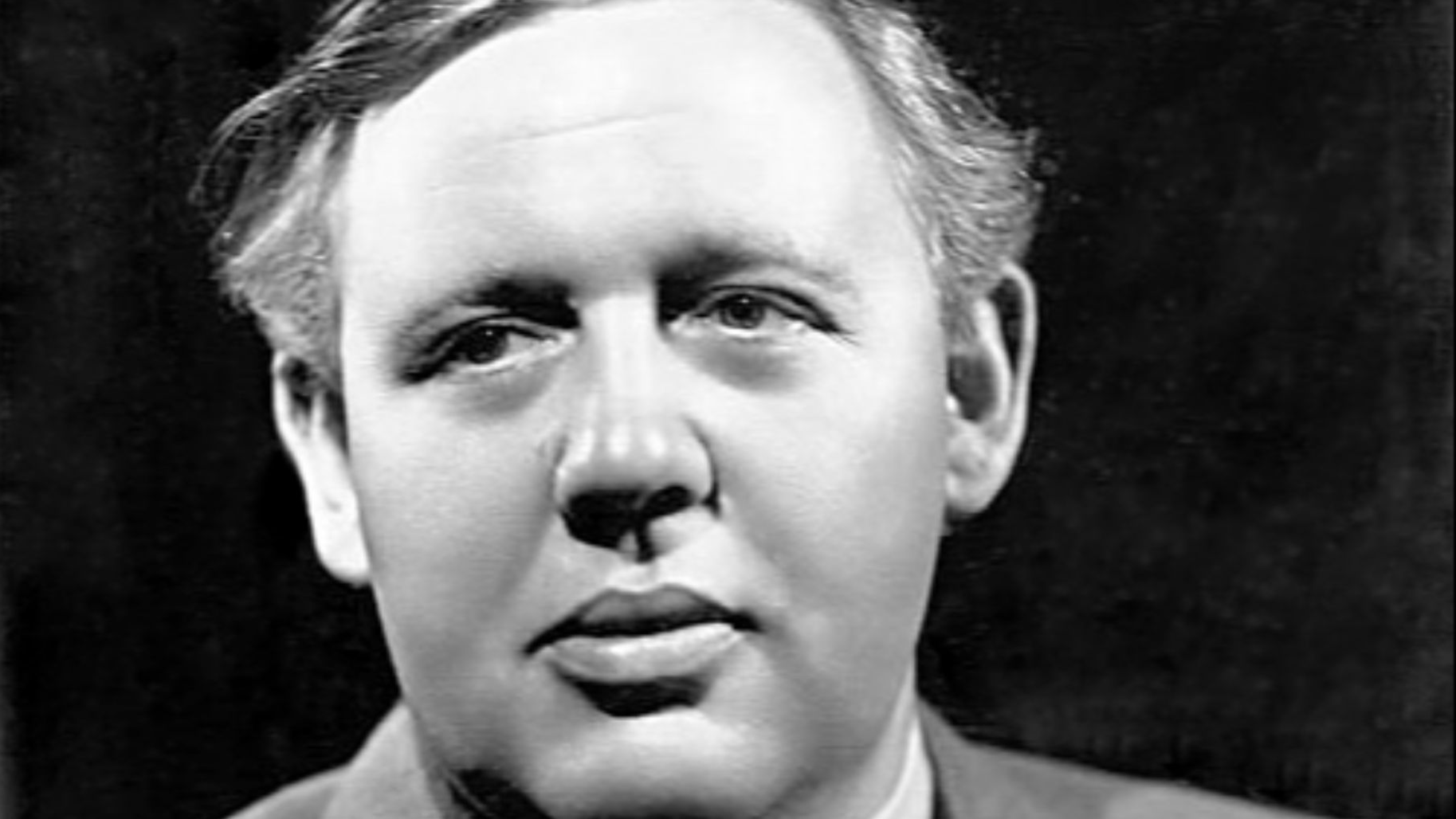 Clarence Bull, Wikimedia Commons
46. She Cared About People
Some people thought it was strange that Elsa Lanchester didn’t object when Higham wrote about her husband’s secret life as a gay man. She said she wanted readers to know about her husband because it might help them. Especially those who “deal with the terrible guilt that Charles felt most of his life”.
But there was one thing that really bothered Lanchester about her husband’s secret life.
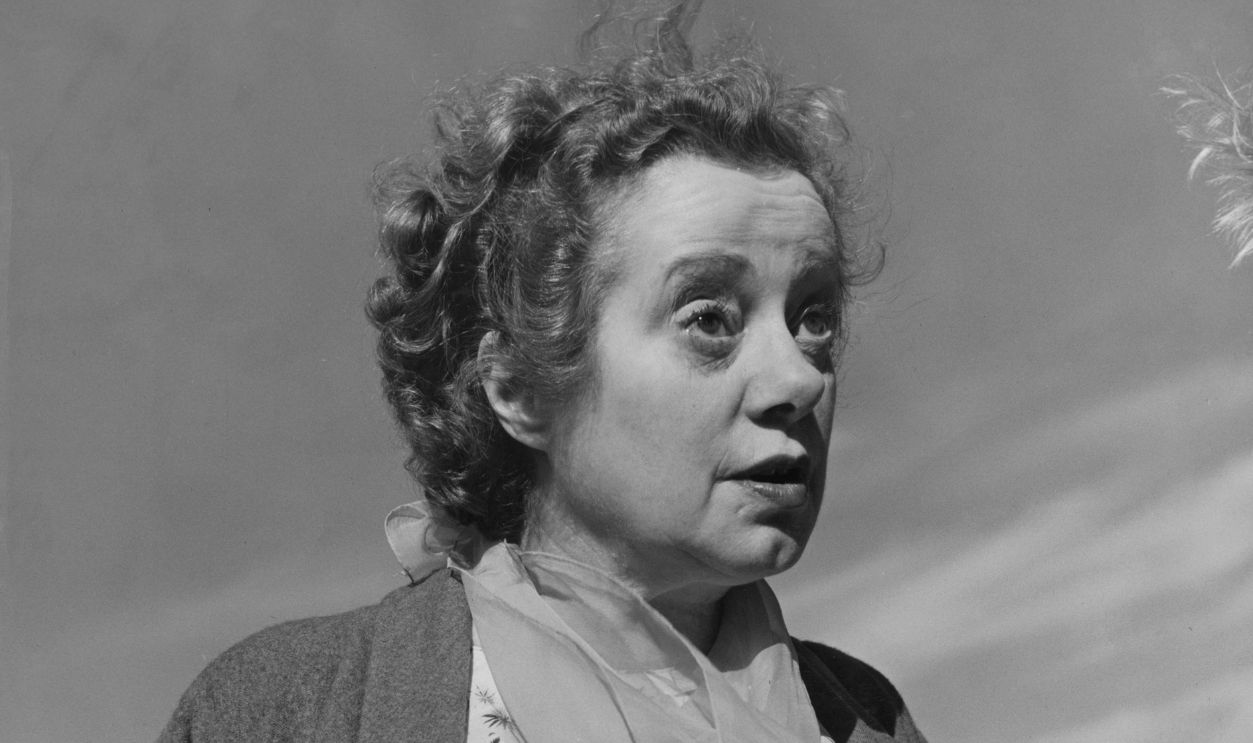
47. He Went To Far
The story goes that Laughton came clean to Lanchester about his predilection for men. He even admitted that he’d had a moment of passion right there on the couch that they shared together. This was the one thing that got her. Lanchester replaced the couch immediately.
Lanchester lived a long life after losing Laughton, but eventually it had to come to an end.
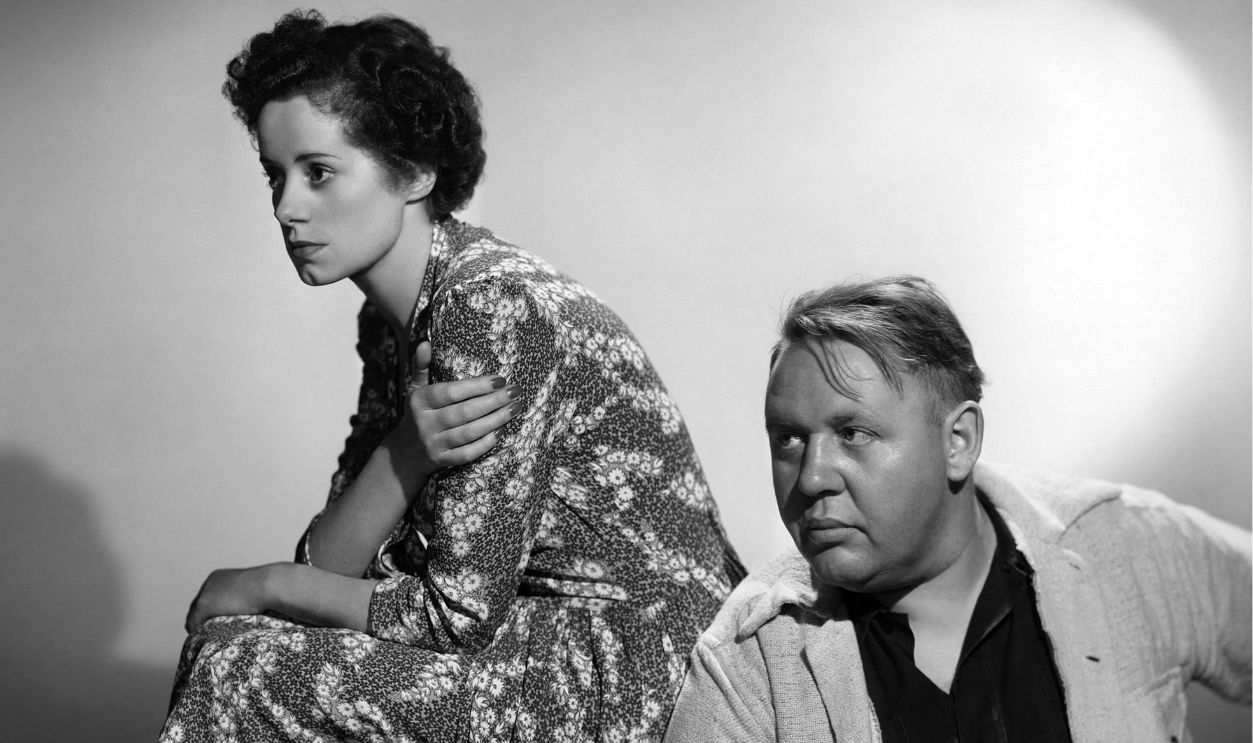 Donaldson Collection, Getty Images
48. She Got Really Sick
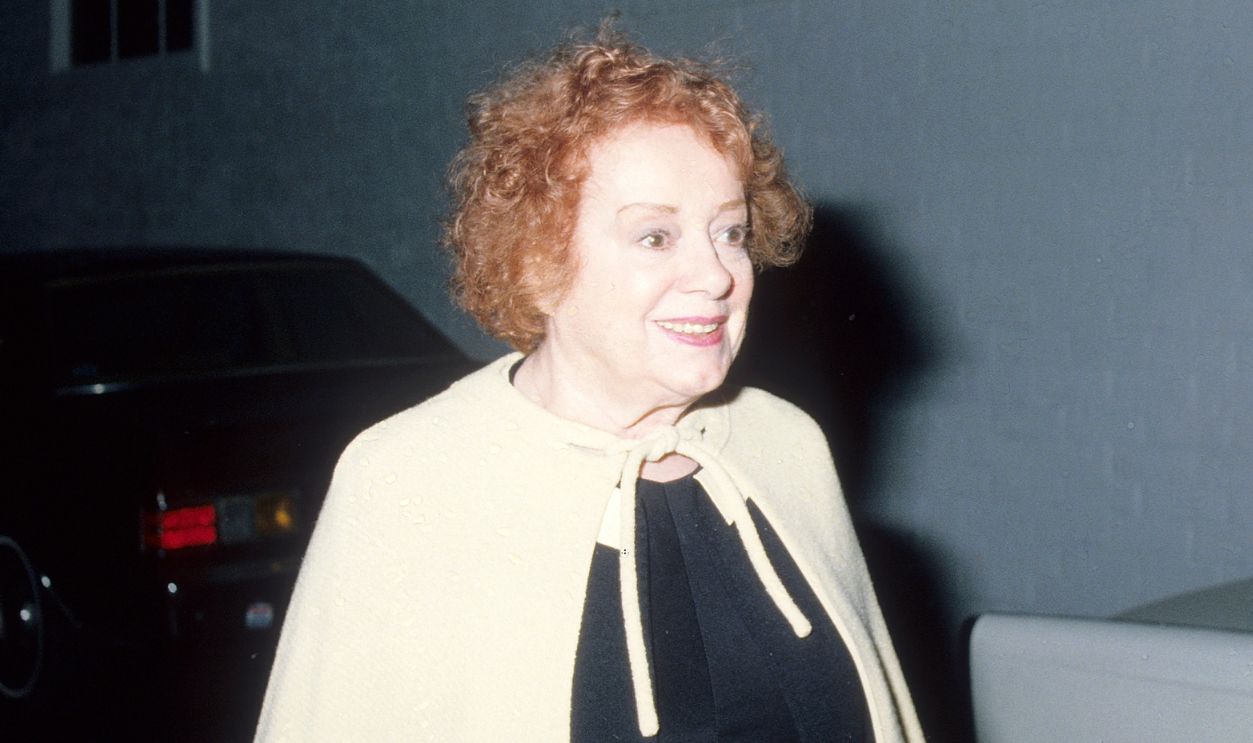
In 1984, Elsa Lanchester faced some serious health issues. She had two strokes within two years, and these strokes meant she was almost totally incapacitated. She had to stay in her bed and needed 24-hour care. With no children and no husband, she was very much on her own.
 Betty Burke Galella, Getty Images
49. She Got Help
By 1986, Lanchester was still hanging on. In March of that year, the Motion Picture and Television Fund swooped in to help. They became the conservator of Lanchester’s estate, which was a sizable $900,000. By December of that year, she passed from bronchial pneumonia at the age of 84. The Pacific Ocean became the final resting place of her ashes.
Before passing, she’d had a chance to look back at her life, and she did it with her usual humor.

50. She Didn’t Take Herself Too Seriously
Elsa Lanchester always remained very realistic about her career. When she looked back at her work in film, she kept her sense of humor about it. She famously summarized her film career as “large parts in lousy pictures and small parts in big pictures”. She also said her idea of heaven was “making a joke…and getting a big laugh”.
I’d bet she’s making a lot of people up there laugh.
You May Also Like:
Frightening FacAts About Boris Karloff, The Master of Horror
Horrifying Facts About Cassandra Peterson, The Real Elvira
Eyebrow-Raising Facts About Vincent Price, The King Of Horror