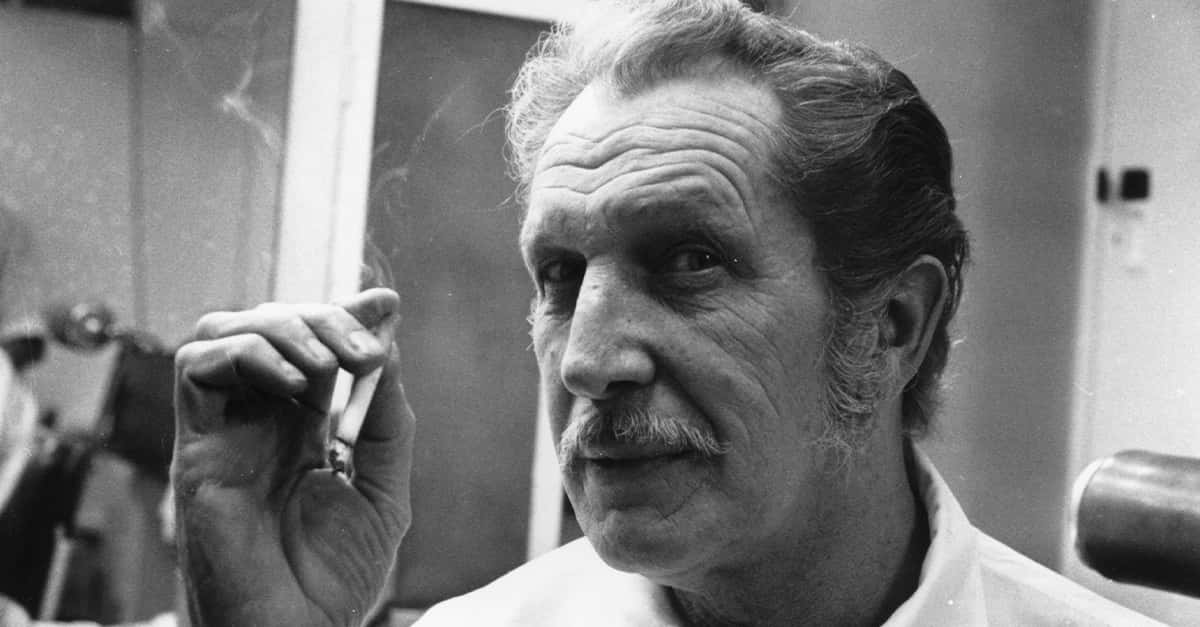
Your Worst Nightmare
The world knows Vincent Price for his terrifying appearances in TV series and films. But behind the curtain, he was more than the nightmare villain of the twentieth century. This Halloween, peek behind the mask and learn more about the man who shaped the horror genre.
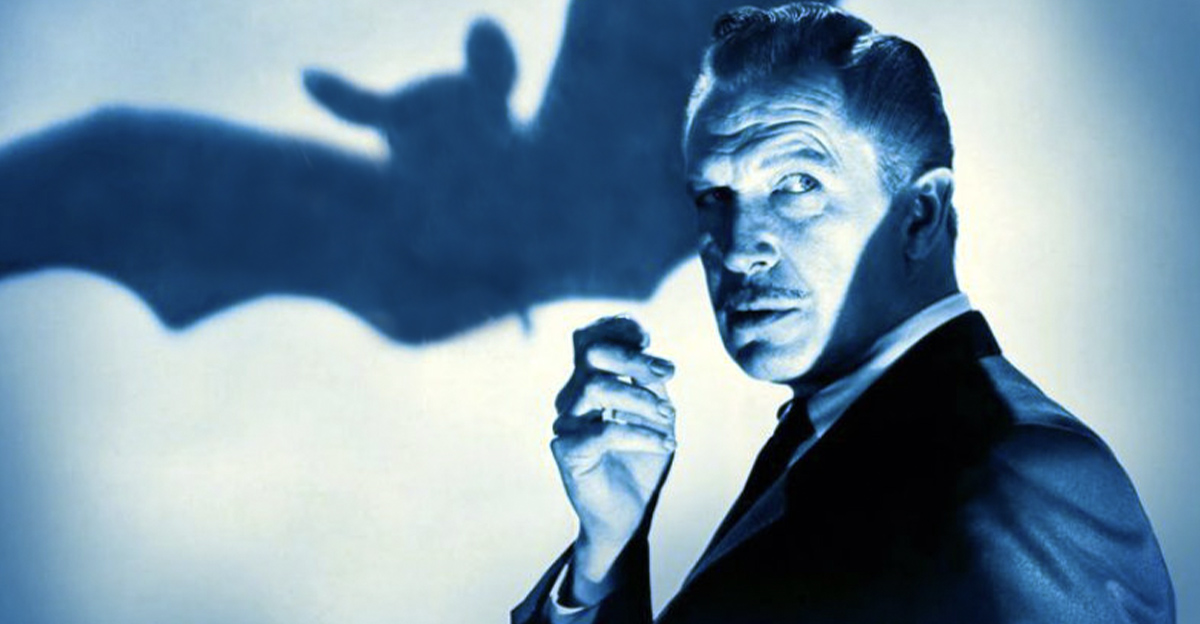
1. He Was The Youngest Of Five
Vincent Leonard Price Jr was born in St Louis, Missouri, on May 27, 1911. His parents, Vincent Sr and Marguerite, had four older children, and the family was of Welsh and English descent. His ancestor, Peregrine White, was born while aboard the Mayflower when the ship was docked in colonial Massachusetts.
Even in his early years, he had a built-in claim to fame.
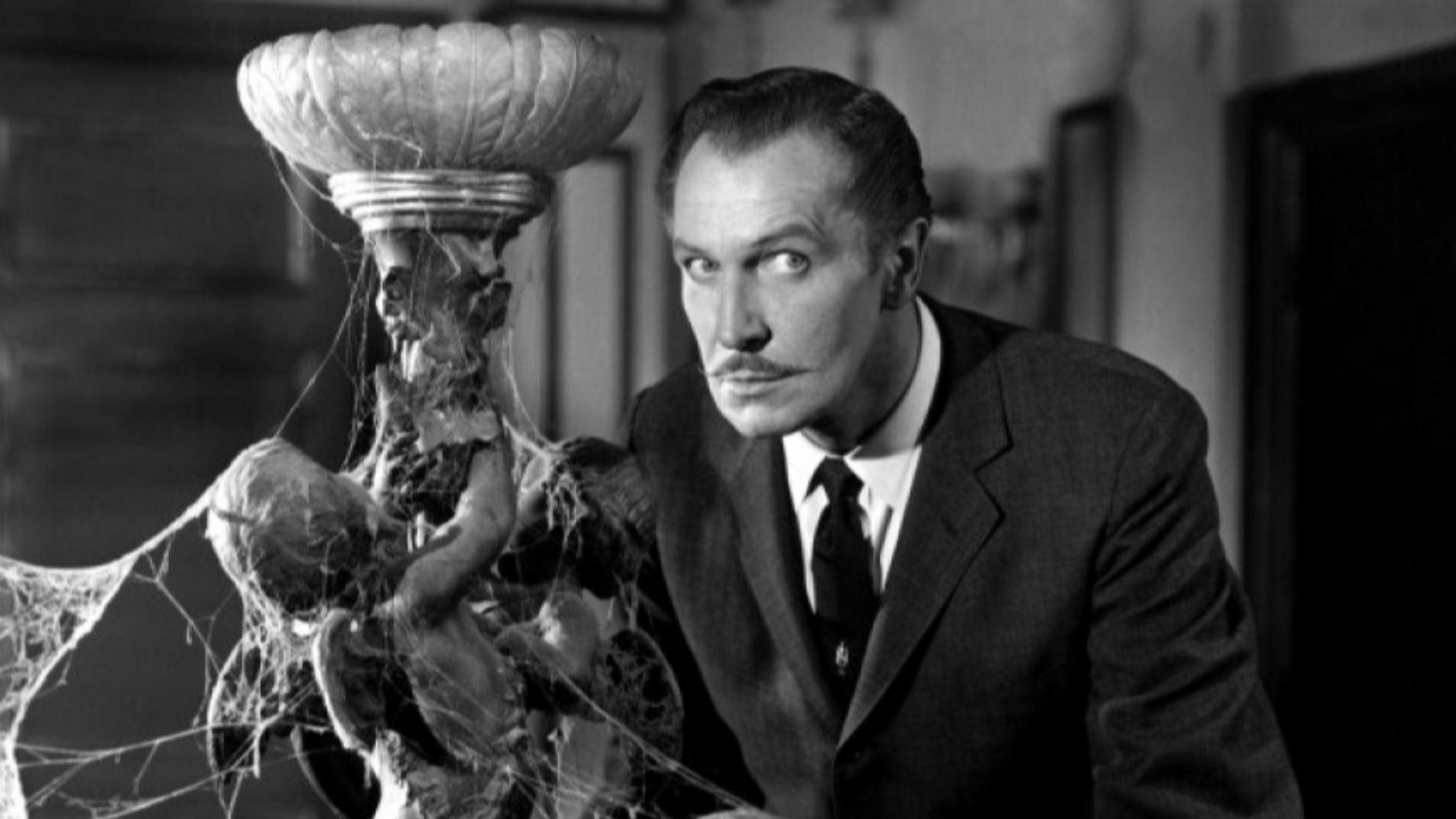 Allied Artists, Wikimedia Commons
2. He Was The Odd One Out
While his other siblings were musically inclined, Vincent Price was more drawn to acting. He appeared in his school plays and attentively watched motion pictures that came out at the time. In his youth, he also discovered an immense passion for visual arts thanks to his older sister, and it fueled a lifelong curation of his art collection.
His childhood eccentricities would set him up for an equally interesting adulthood.
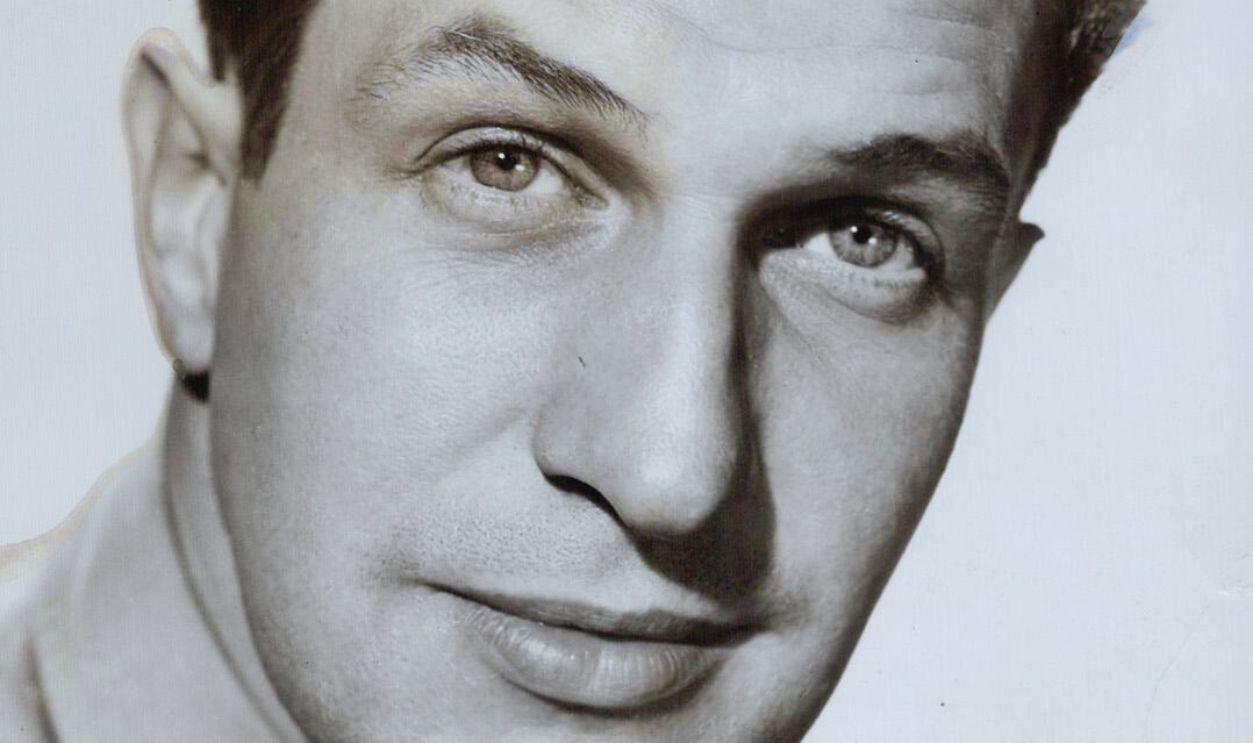 Toronto Star Photograph Archive, Wikimedia Commons
3. He Was Well-Educated
In his younger years, Price went to the St Louis Country Day School. He also attended summer courses at Milford Academy before getting into Yale University. Price worked on the campus humor journal, The Yale Record, and in 1933, he graduated with a degree in English with a minor in art history.
Then, he made a surprising career choice.
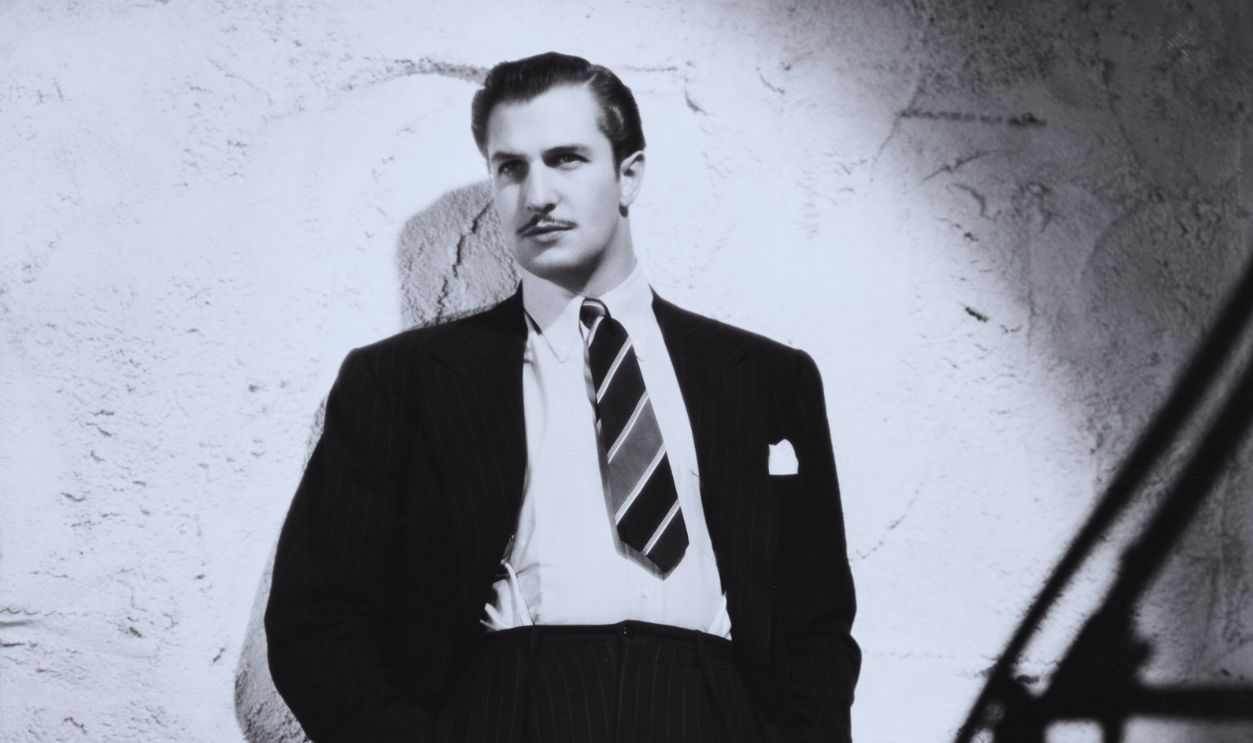 John Springer Collection, Getty Images
4. He Was Dedicated To Teaching Others
Shockingly, he didn’t immediately take to the stage. He became a teacher. But this only lasted for a year before he went to the Courtauld Institute of Art in London. There, he continued his fascination with the humanities, and he studied a master’s in fine arts.
It was while attending his classes that he found something that would not only shape his education, but also the rest of his life.
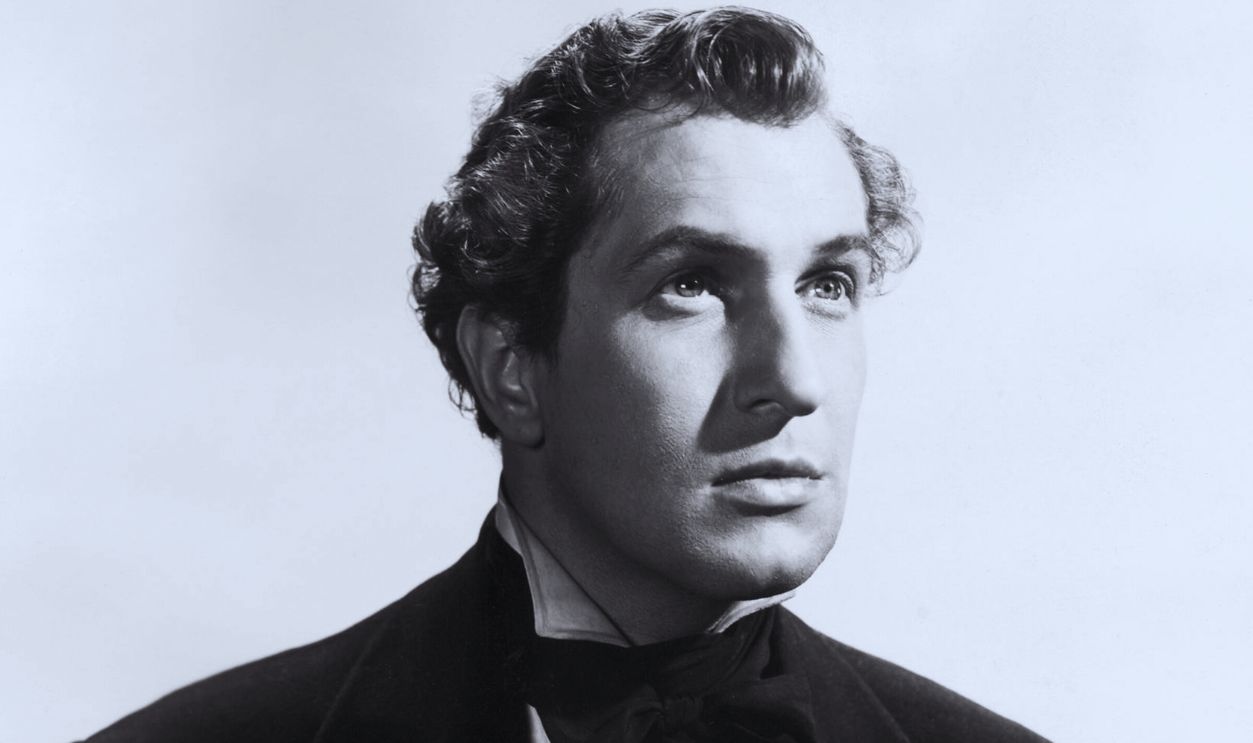 Silver Screen Collection, Getty Images
5. He Was An Instant Star
Vincent Price appeared on stage for the first time in 1935 in Chicago, put on at the Gate Theater in London. At the same theater, he introduced the character of Prince Albert in Victoria Regina by Laurence Housman. These roles went so well that he moved to New York City the next year to take up the role again on Broadway opposite Helen Hayes as Queen Victoria.
This was only the start of his career as an actor.
 John Springer Collection, Getty Images
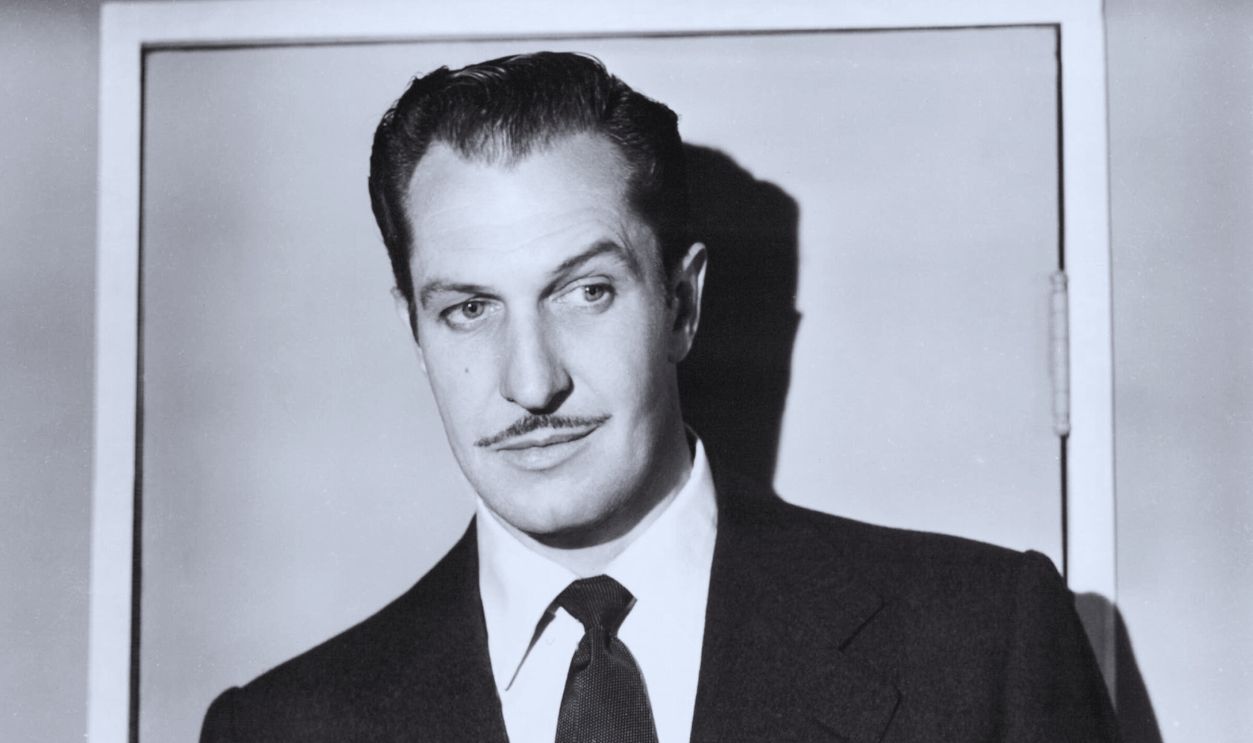
6. He Was An Early Third Reich Supporter—For Now
Reportedly, the people around Price swayed him and his beliefs. As a young man, he followed his parents’ and rich friends’ political leanings. Price voted Republican in his earlier adulthood, and his views didn’t stop there. He even briefly fell into the same beliefs that started WWII.
His support for the wrong side didn’t stop there.
 Silver Screen Collection, Getty Images
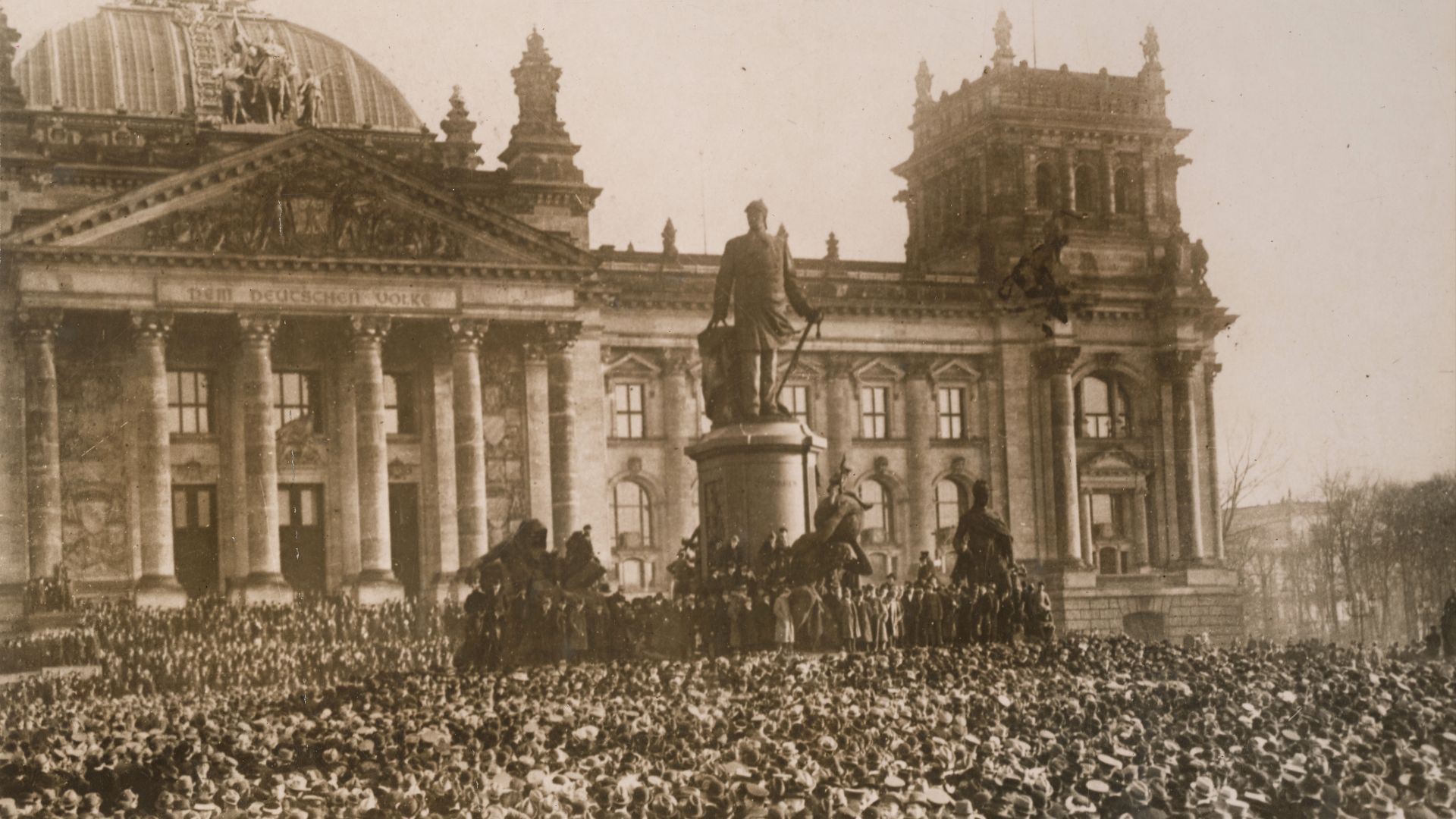
7. He Was Inducted Into These Beliefs As A Young Person
In his youth, Vincent Price traveled to Germany and Austria. With the influences of those around him, he fully believed in what the Weimar Republic was pushing. He was impressionable, and the pageantry of it all swept him up into the concept of German pride, despite not being German.
This could have spelled disaster for his future legacy, but…
 Unknown authorUnknown author or not provided, Wikimedia Commons
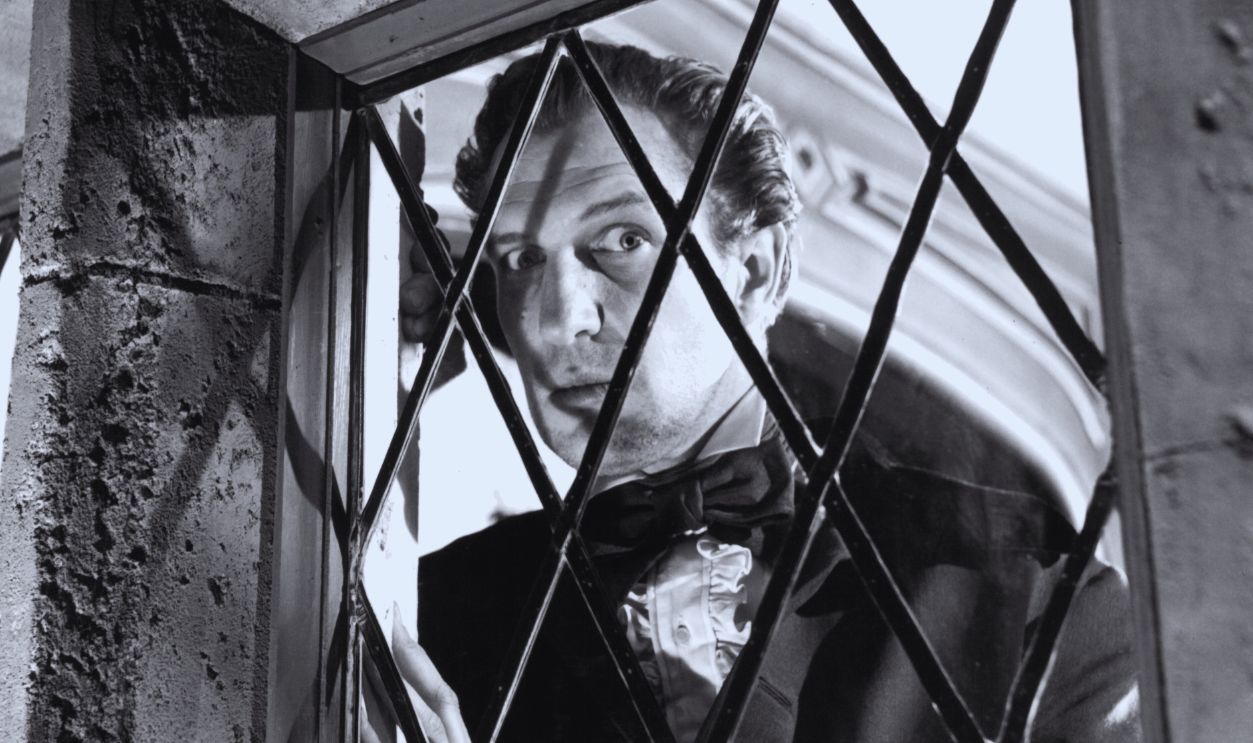
8. He Was Able To Learn The Error Of His Beliefs
Thankfully, Price’s mind could be changed. His conservative beliefs didn’t last long as he entered the artistic realms he would come to love. Many of the other artists he interacted with were Jewish, Socialists, antifascists, and Democrats, and it wasn’t long before he swung far into progressive views.
His stance on many political issues would hurt him eventually.

History's most fascinating stories and darkest secrets, delivered to your inbox daily.
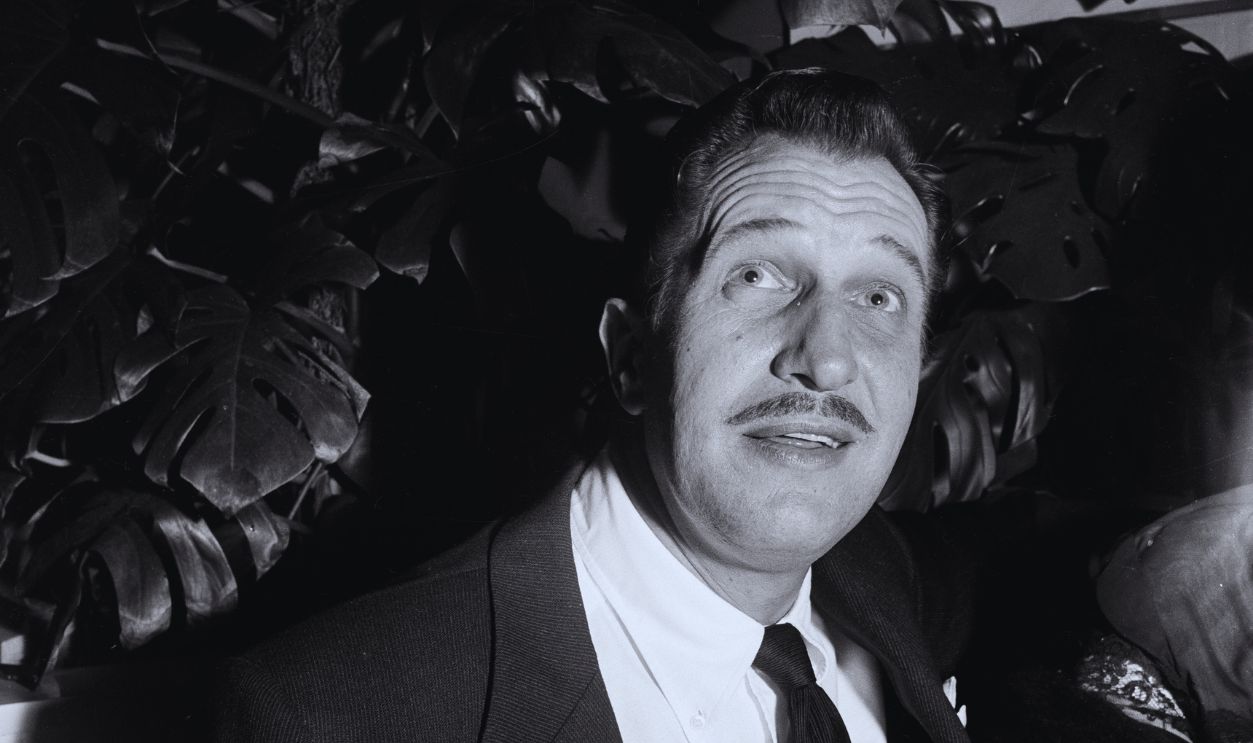
9. He Was A Stage Actor First
He starred in Victoria Regina for two more seasons, until June 1937. The following year, he featured in a couple of different productions with Mercury Theatre, a company founded by Orson Welles. He would take the stage for two more years.
But then, something changed.
 Michael Ochs Archives, Getty Images
10. He Was Cast In… A Comedy?
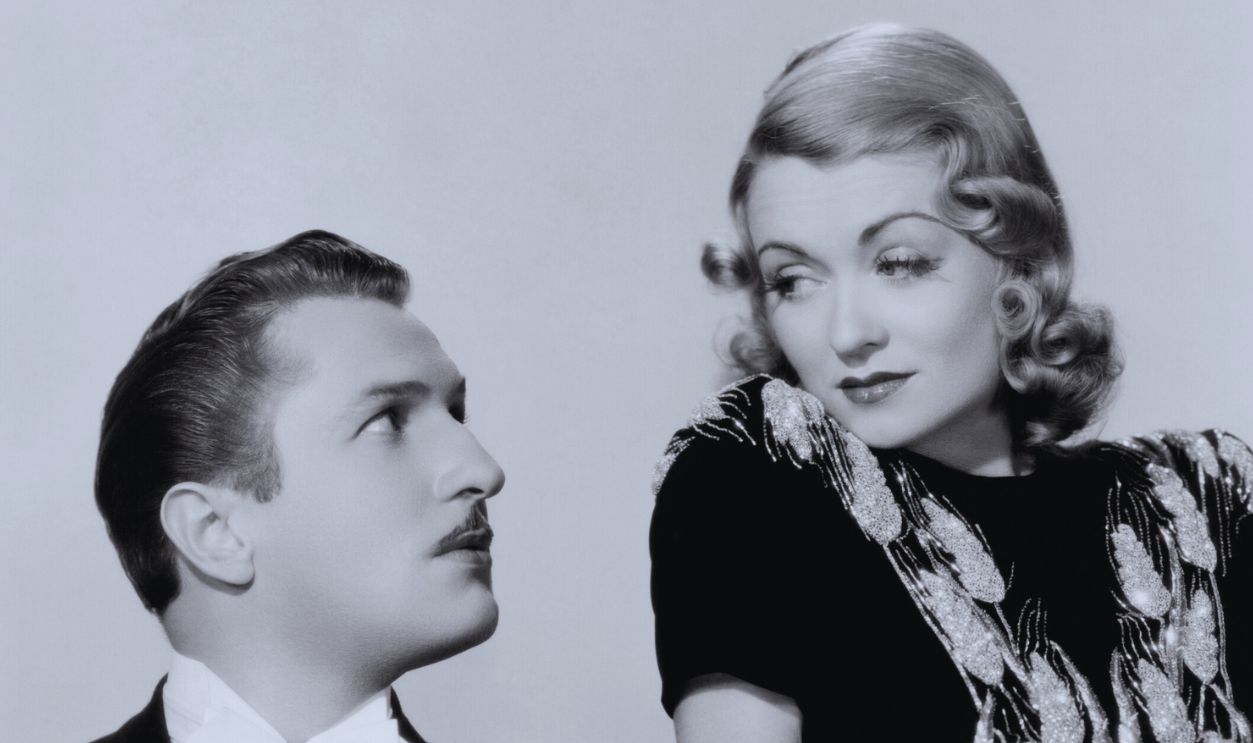
Vincent Price made his first appearance on screen in 1938 in Service De Luxe directed by Rowland V Lee. Despite his reputation as a horror actor, his first film role was the co-star of a comedy.
But he didn’t appear in a genre film until the following year.
 De Carvalho Collection, Getty Images
11. He Was Able To Find Love
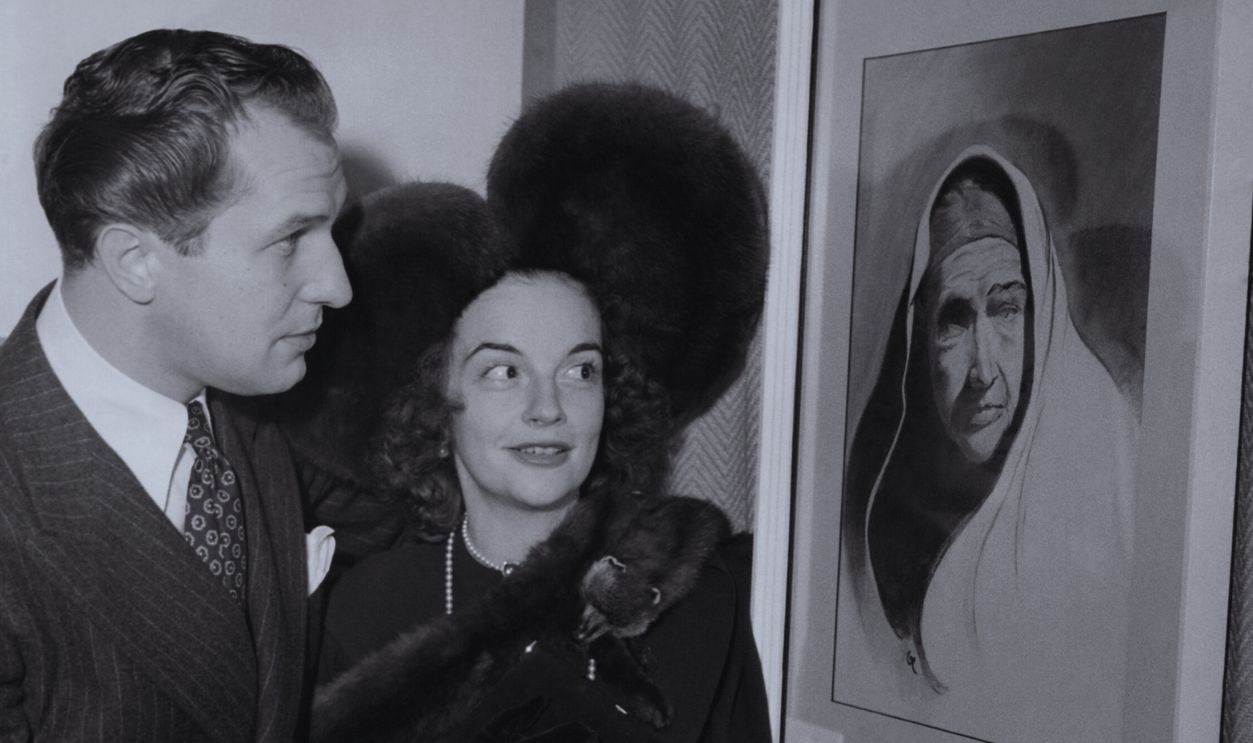
1938 also brought a surprising union for Price. He married Edith Barrett. The pair met a year earlier at the Mercury Theatre production of The Shoemaker’s Holiday. Immediately smitten, they didn’t wait long to get married.
They moved to Southern California together, and soon, another celebratory moment greeted the couple.
 De Carvalho Collection, Getty Images
12. He Was Cast In A Strange Film
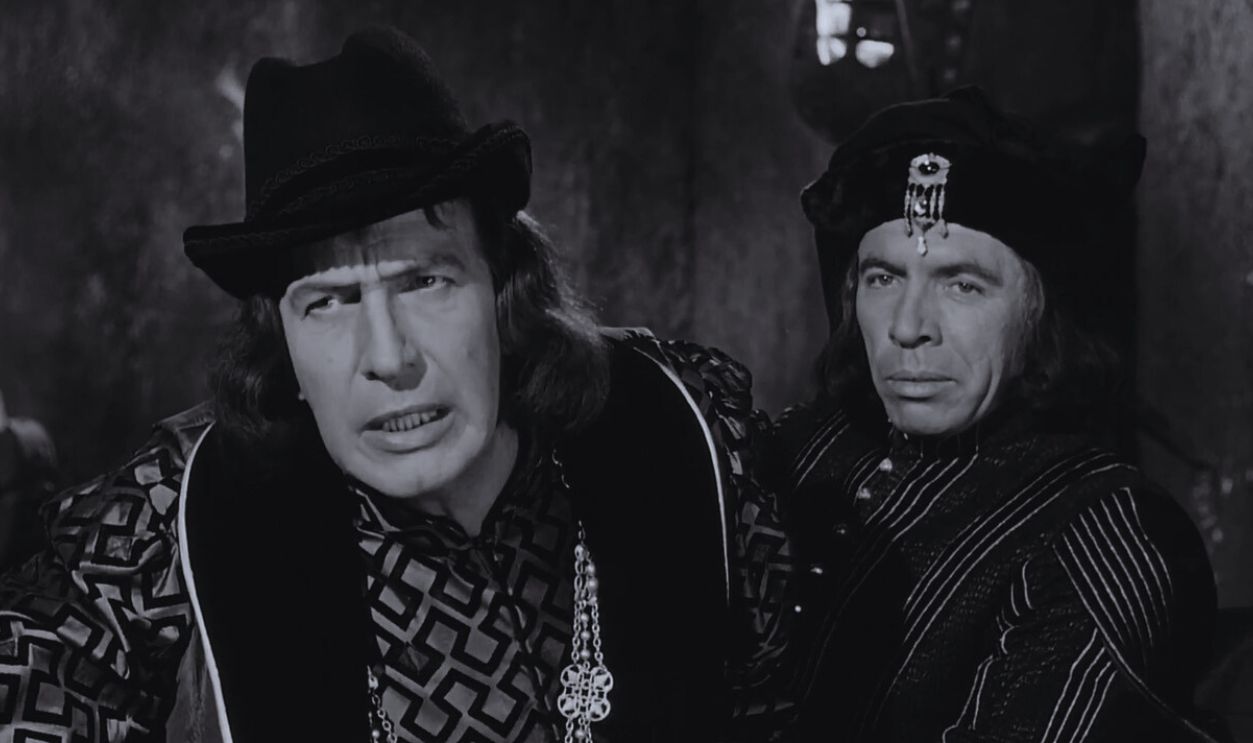
In 1939, Vincent Price starred in the black-and-white, historically inspired film titled Tower Of London, directed by the same Rowland V Lee who got him into film. Surprisingly, Price didn’t see the film until much later in his career and called it “ponderous but interesting”. This first foray into genre films didn’t go as planned, though, because the film didn’t take off as they had hoped.
One of his next few films would truly make his career deviate into stranger themes.
 United Artists, Tower of London (1962)
13. He Was A Father
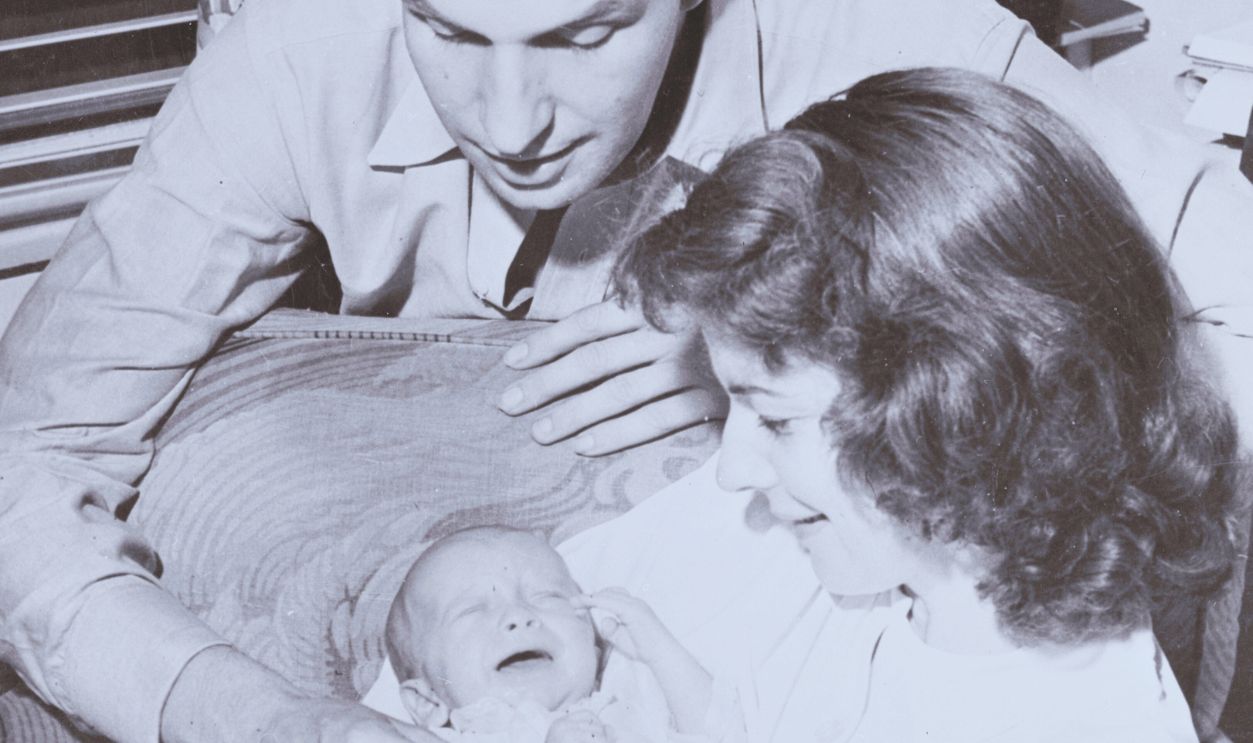
But first, he and Barrett had a new milestone to celebrate. They had a child in 1940, named Vincent Barrett Price. Sadly, their happiness only lasted so long. On the year of their tenth wedding anniversary, the pair separated. But this wasn’t his last relationship.
And it was just the beginning of the rumors about his life behind closed doors.
14. He Was An Actor Of Great Range
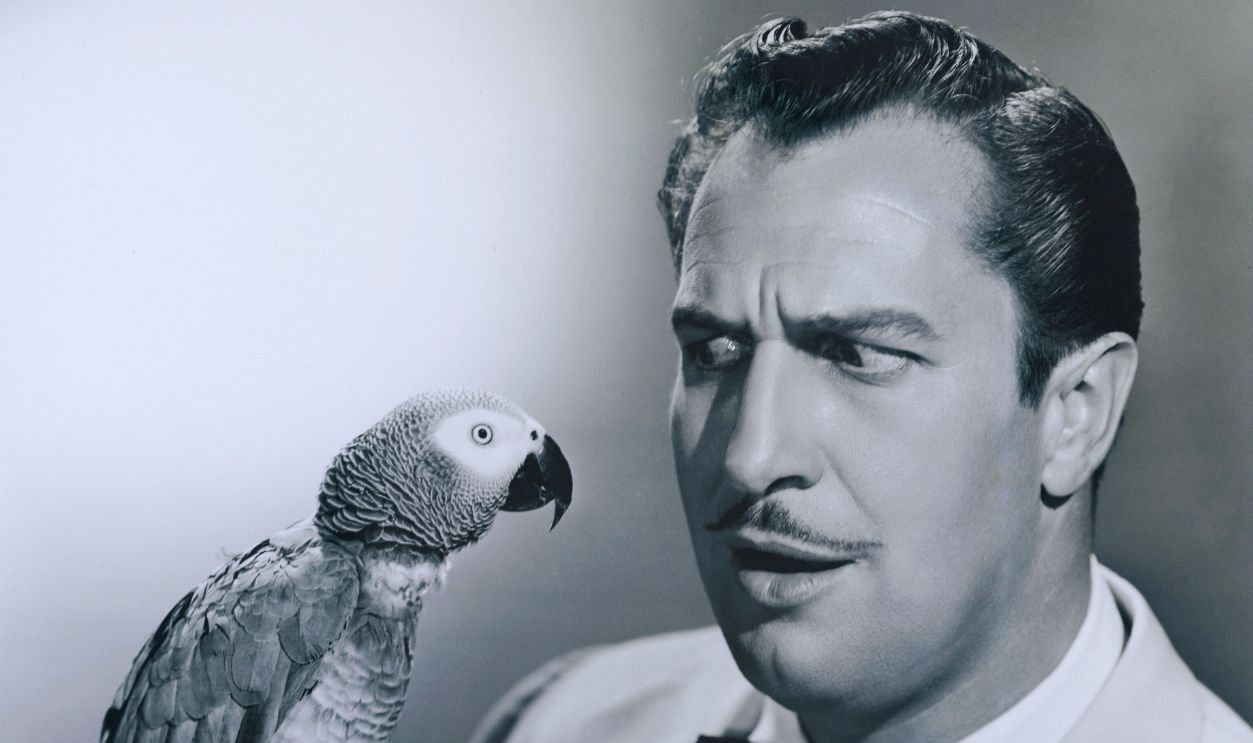
He played a variety of different roles over the next few years. From character to dramatic roles, he did as much as he could, and his presence was starting to catch the attention of broader audiences. Still, he hadn’t yet established his position as king of horror.
He didn’t get fully into the film scene for another few years.
 John Springer Collection, Getty Images
15. He Was Able To Use Things To His Advantage
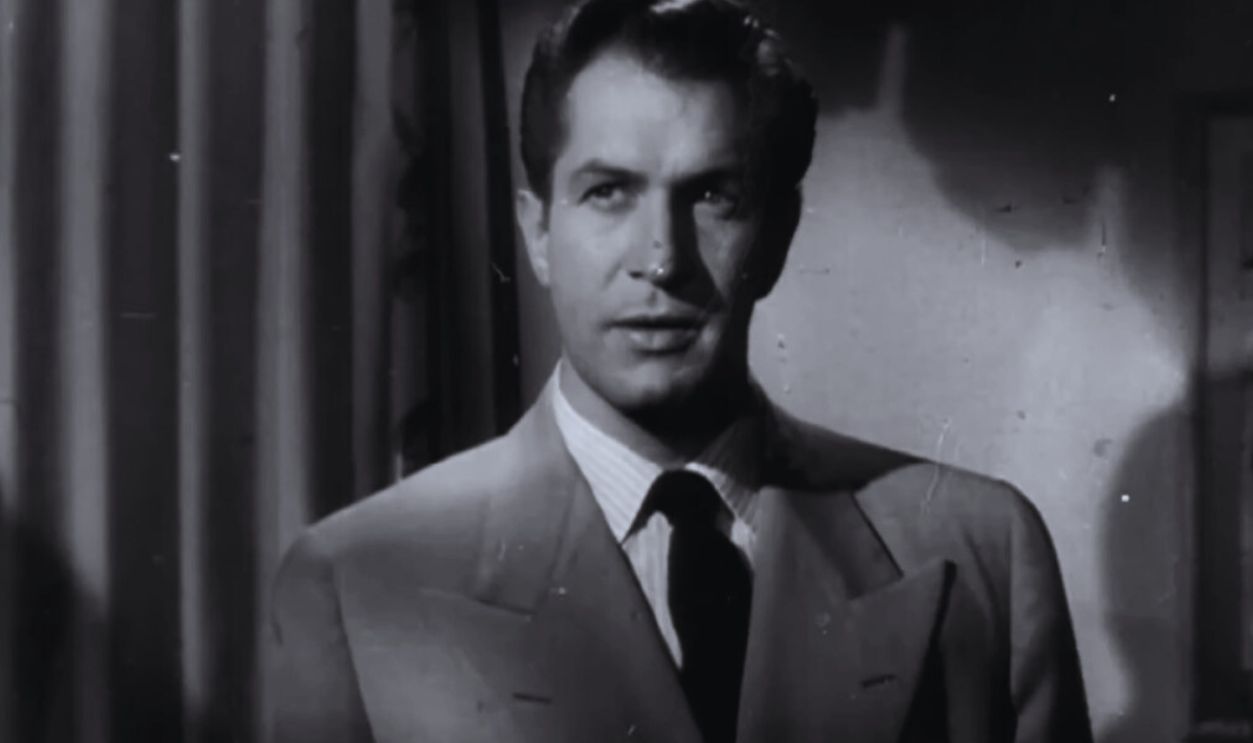
After 11 films, Vincent Price starred in a noir detective film called Laura (1944) as the primary suspect in the titular character’s investigation. This set him apart in the acting world and began building his reputation as the villain. The film was well received, thankfully, and Price was able to use it to jettison himself into other film roles.
But he couldn’t predict what his career would bring him.
 20th Century Fox, Laura (1944)
16. He Was Able To Keep Working
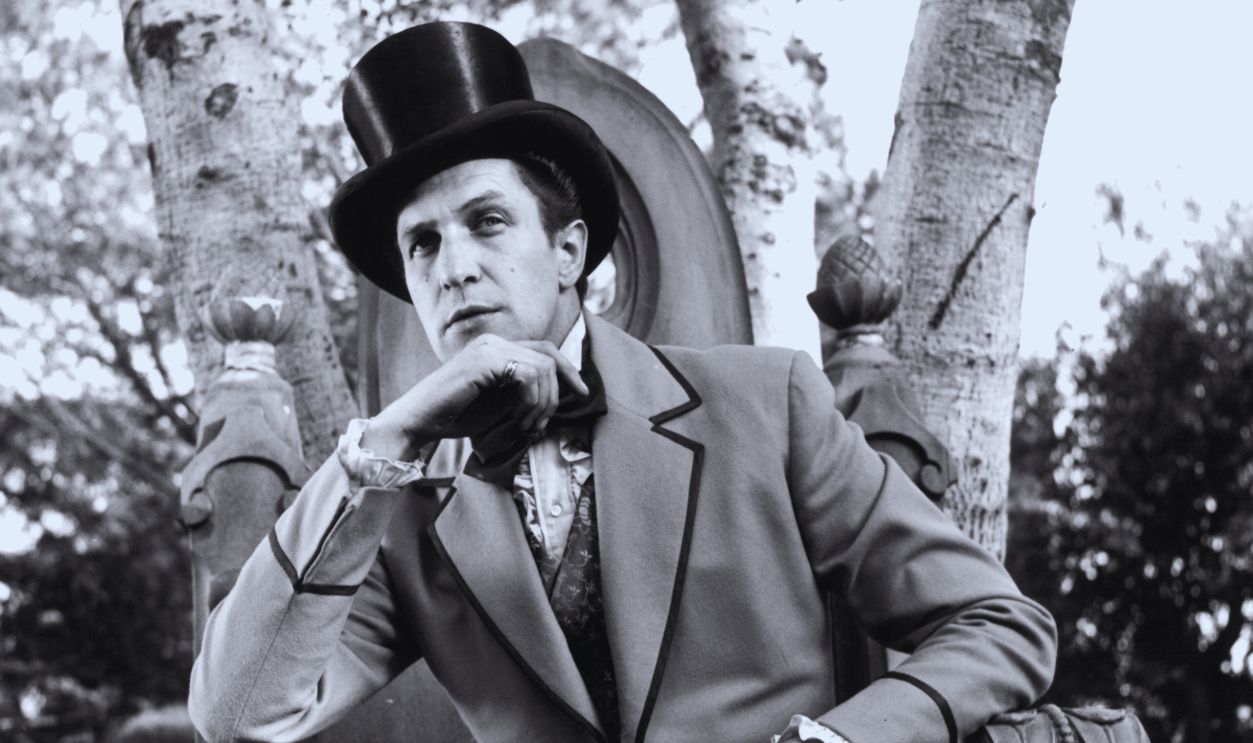
World conflicts didn’t seem to have a major impact on his work. During the years of conflict, he found something akin to success, all things considered. He appeared in a total of 15 films and two plays. Many of the roles were in dramas, noirs, and adaptations of plays and books.
One of the most important roles he played came a year later.
17. He Was A Radio Phenomenon
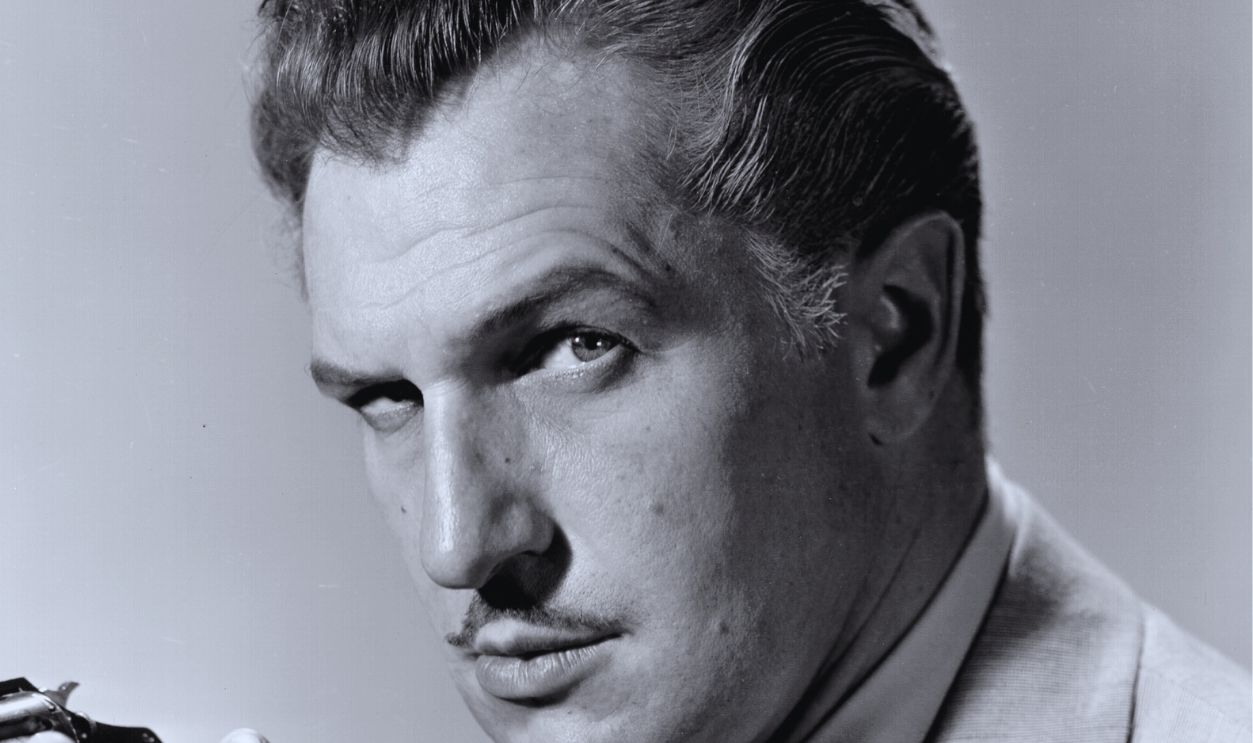
Price was a regular radio performer on stations like Lux Radio Theatre, CBS Playhouse, and the BBC from 1946 through 1947. There, he voiced radio plays, history, cuisine, and many more subjects for programs like “If These Walls Could Speak” and “Cooking Price-Wise”.
But his multimedia arts didn’t stop there.
 Michael Ochs Archives, Getty Images
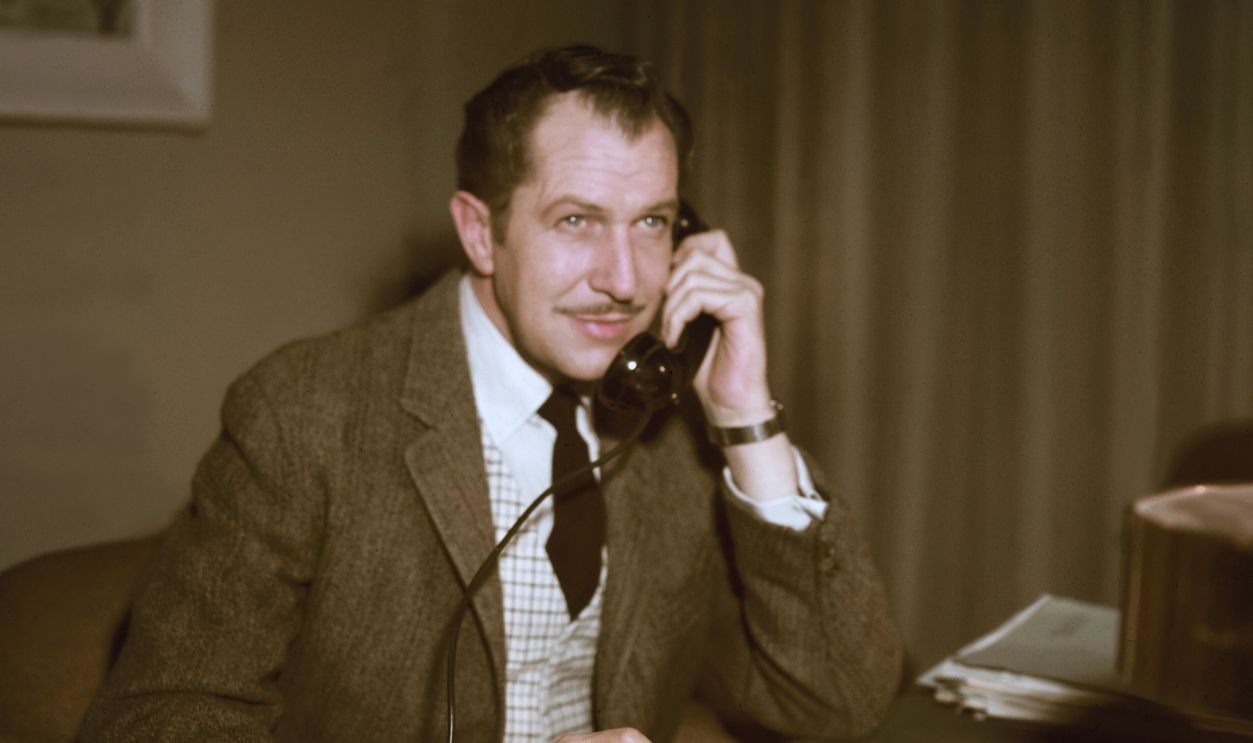
18. He Was Wrought With Marital Stress
In 1948, Price and Edith Barrett divorced. Barrett struggled with mental health issues, and she grew angry and withdrew from the world when her career didn’t have the same trajectory as Vincent’s. It put a lot of strain on Price, whose career had been flourishing for the past few years. Their divorce was bitter, and the courts forced him to pay alimony to Barrett until her heart attack in 1977.
But this wasn’t his only shot at love.
 Sunset Boulevard, Getty Images
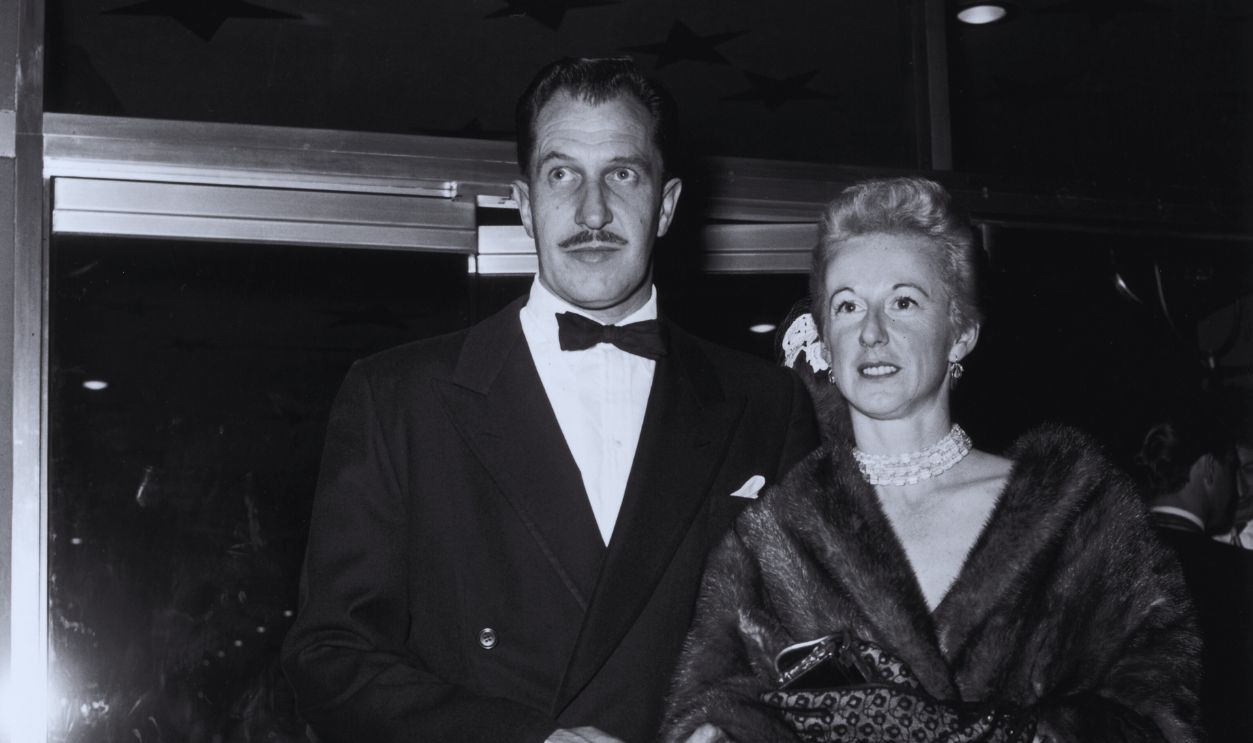
19. He Was Able To Kindle A New Flame
A year later, he found love again. He and Mary Grant worked together on Up In Central Park (1948), and with his marriage ending at the same time as their meeting, he knew he could take the next step. After discovering a shared interest in cooking and entertaining, they wed in 1949, and she became his son’s stepmother.
Their relationship would prove fruitful for both of them.
20. He Wasn’t Only An Actor
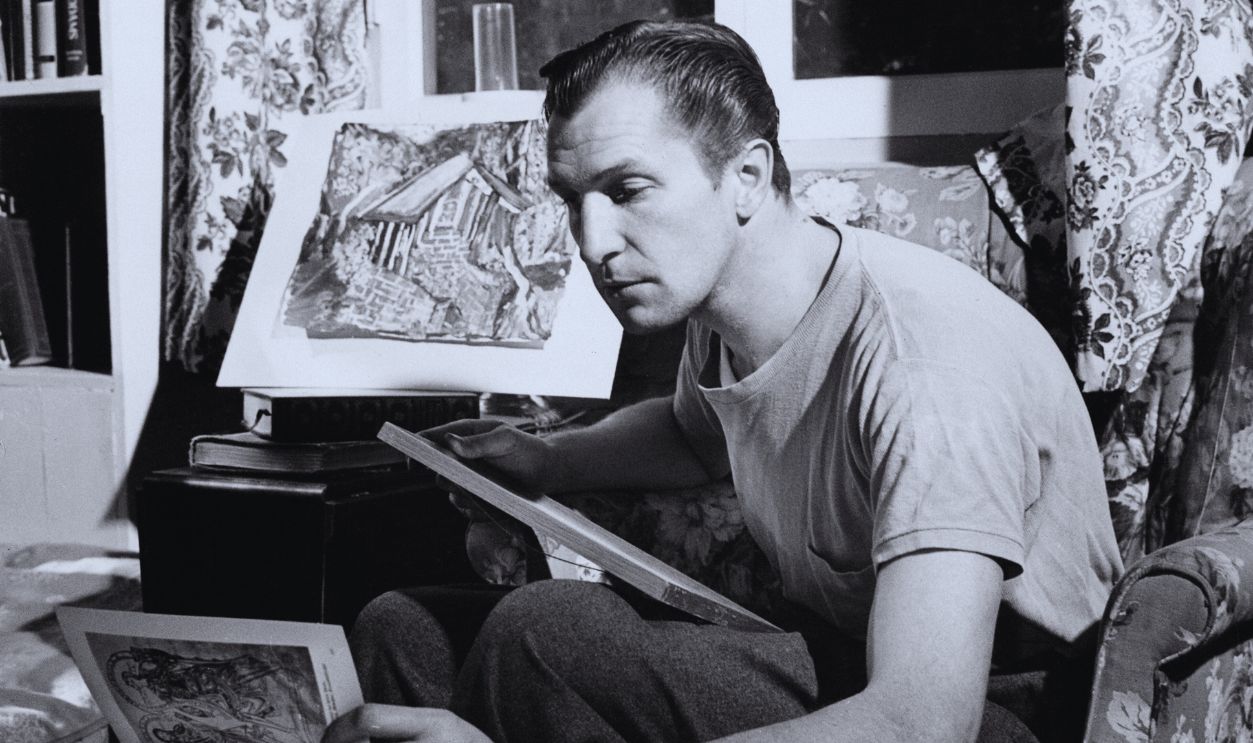
He was also a best-selling author, writing books ranging from art collecting to cooking and beyond. Not only that, but his role as a teacher continued for over 15 years, where he lectured on art, poetry, and, for a bit of irony, the history of villainy. None can understate his role in the broader arts community.
And indeed, his true impact hadn’t even started yet.
 Pictorial Parade, Getty Images
21. He Was Transformed By One Role
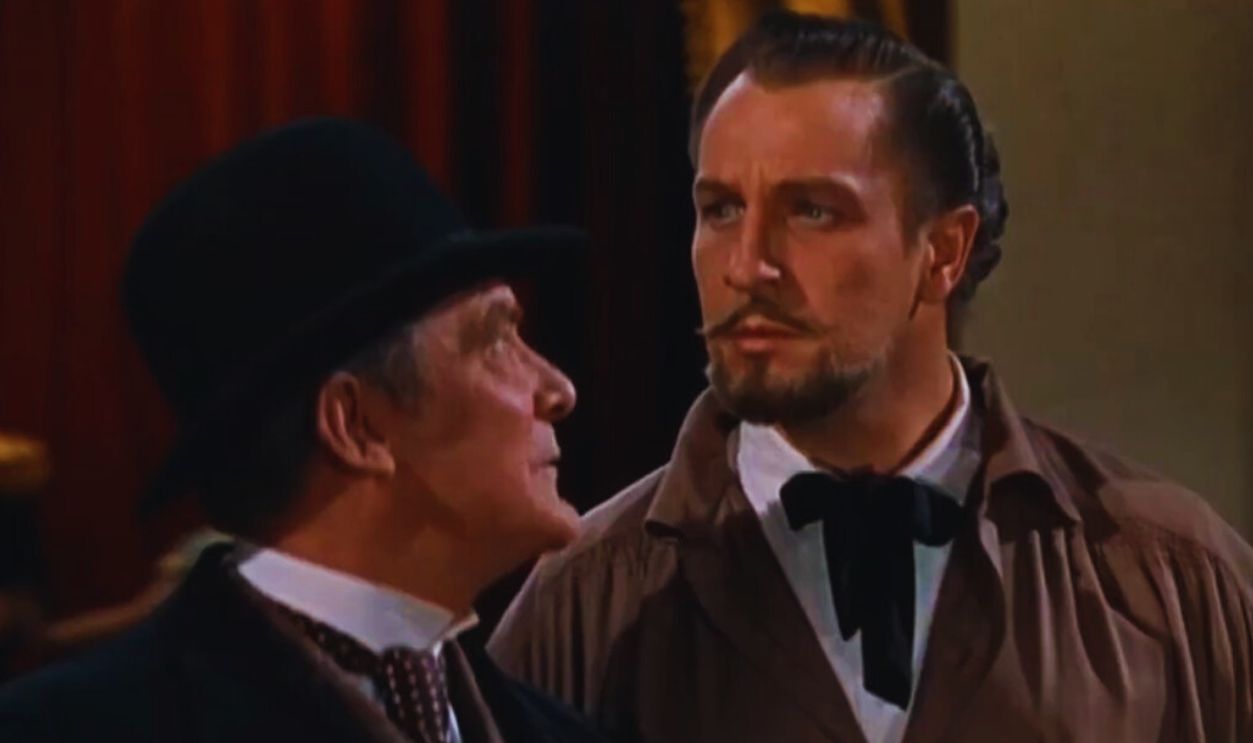
1953 brought about his evolution into “the sovereign of horror”. Price starred in The House Of Wax (1953), a remake of a 1933 film. In it, Price’s character, Professor Henry Jarrod, owns and manages a wax museum that displays famous people from history whose lives ended in horrific ways.
His performance changed everything.
 Warner Bros. Pictures, House of Wax (1953)
22. He Was Revitalized After The Release
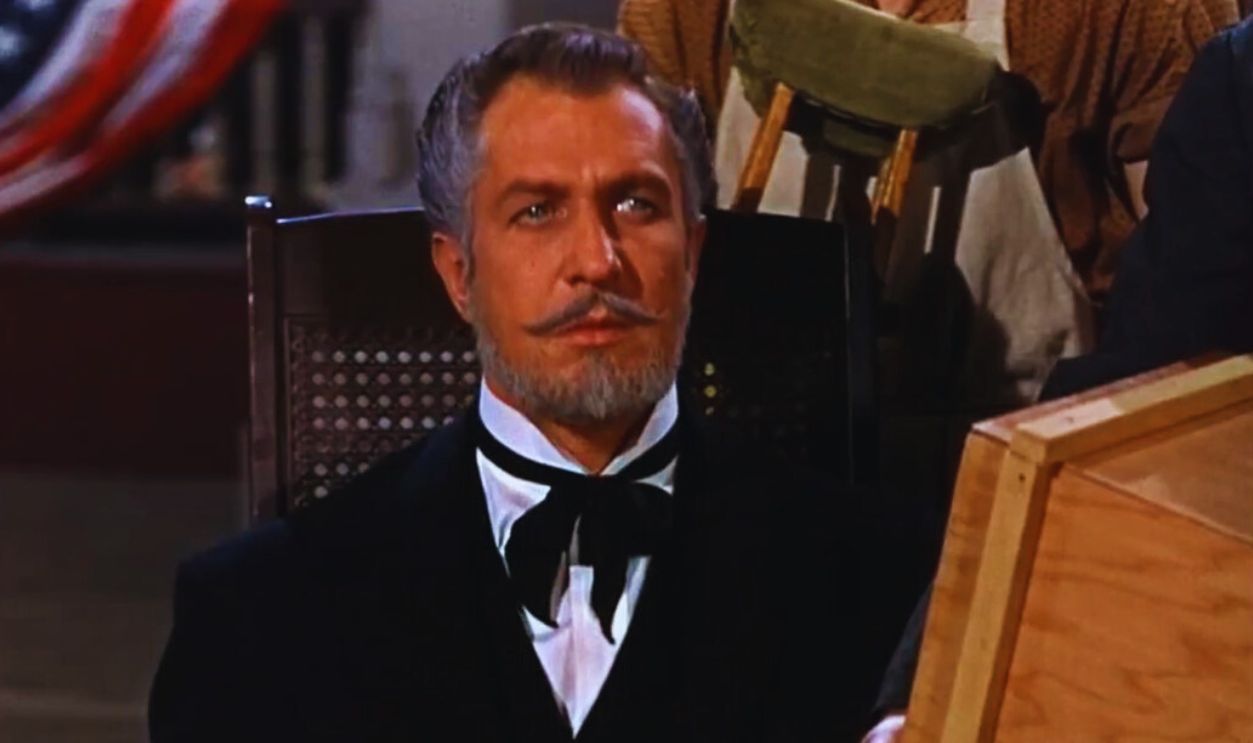
Price’s opportunities had been dwindling at the time. He was an amazing actor trapped in secondary roles and unimpressive leads since entering the film world. But House Of Wax showed the full range of his abilities, and he later called it “one of the great Hollywood stories”.
There were several bumps in the road for the film, though.
 Warner Bros. Pictures, House of Wax (1953)
23. He Was Dedicated To His Craft
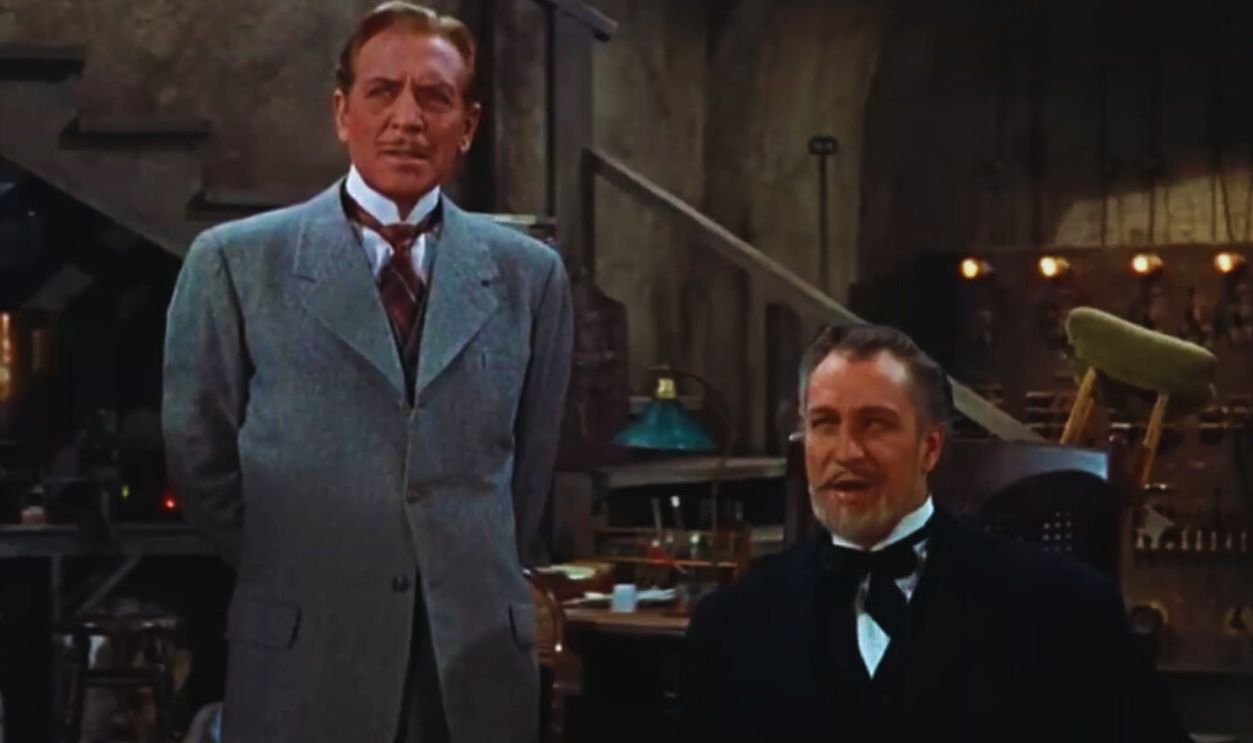
Filming for House Of Wax wasn’t easy. Price’s character endured severe burning and facial scarring, and applying the makeup and practical effects took three hours. Acting with all those on was no easy feat. Not only that, but he said it “took his face months to heal” from “peeling off wax each night”.
The arduousness of this film continued.
 Warner Bros. Pictures, House of Wax (1953)
24. He Was Still Faced With Mixed Reviews
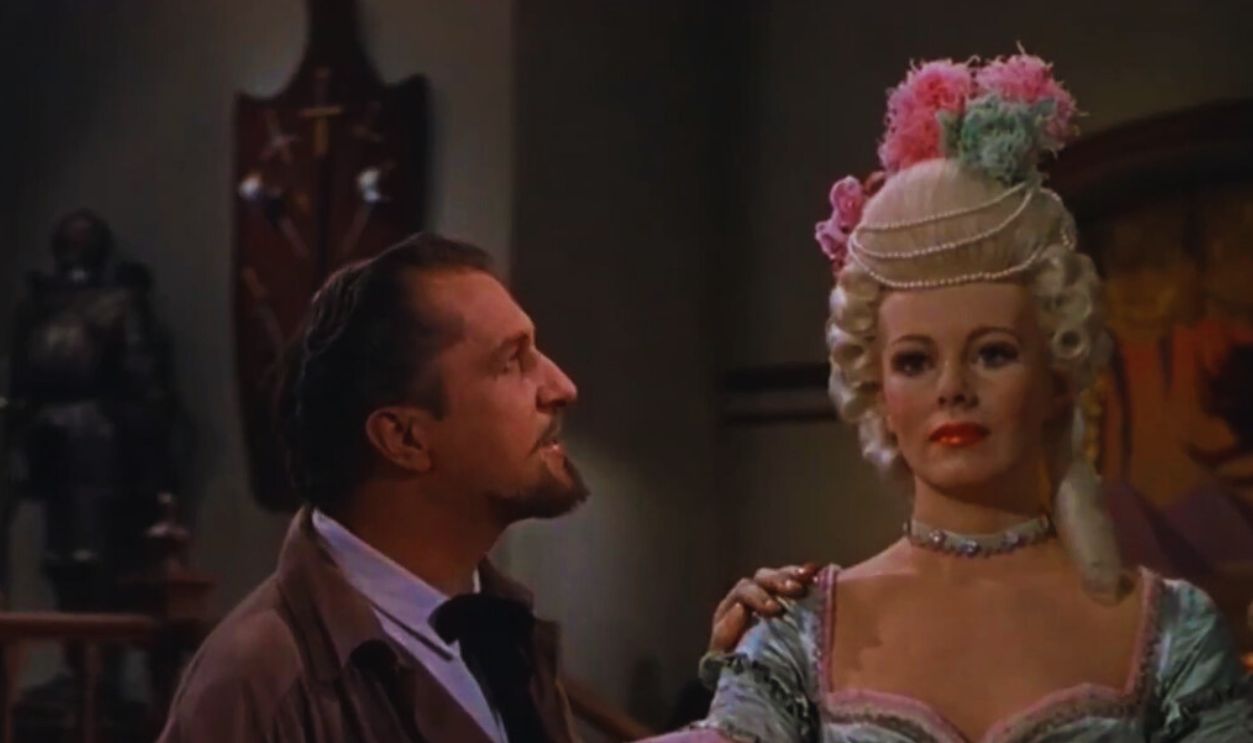
Not only was the film truly gruesome in several ways, but it also initially received neutral to terrible reviews. Thankfully, some big-name reviewers shed a positive light on the film’s impact, calling it “a first-class thriller of its kind” and “the best 3-D picture yet made”. It wasn’t until decades later that the film would receive any deeply positive accolades.
But it did manage to spring Price back onto center stage, landing him many more high-profile roles.
 Warner Bros. Pictures, House of Wax (1953)
25. He Was Committed To Accessible Art
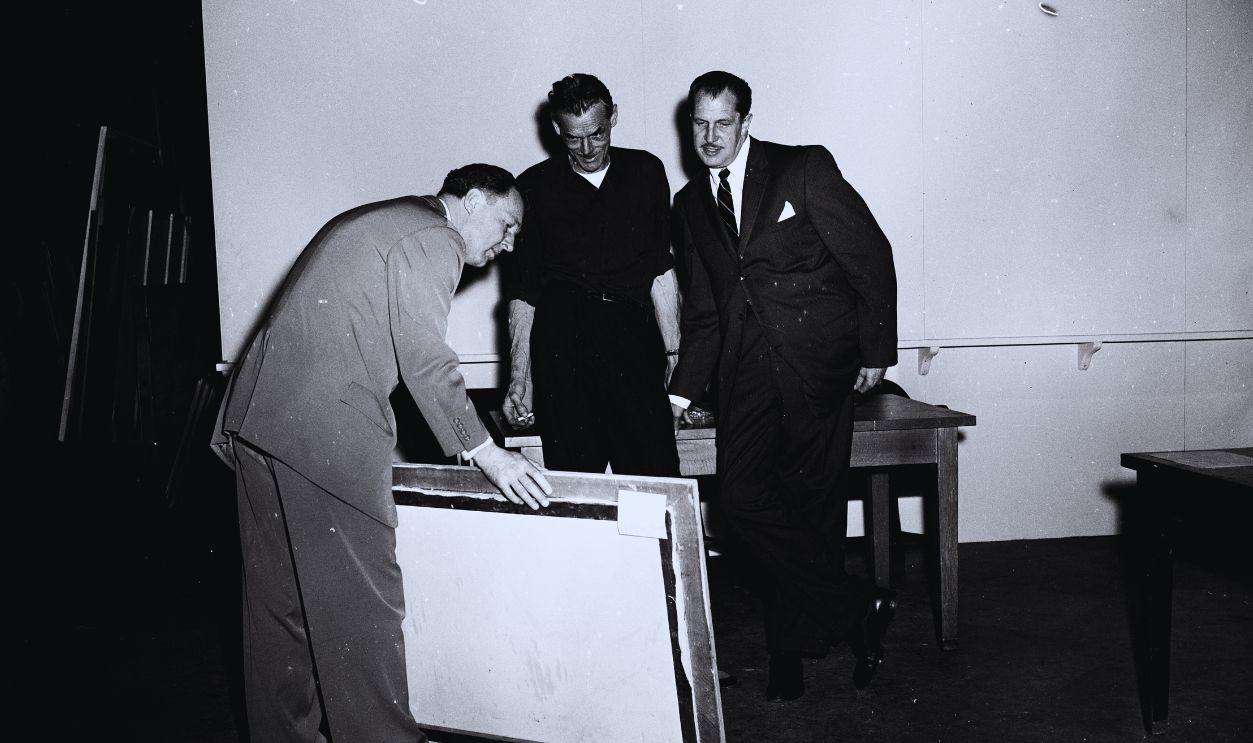
Price’s love of the arts was truly insatiable. In 1957, Price and Grant founded the Vincent Price Art Museum. Using a large chunk of their personal funds and 90 pieces of art from their personal and private collection, they created the first “teaching art collection” at East Los Angeles College.
That wasn’t his last surprising foray into the visual arts scene.
 University of Southern California, Getty Images
26. He Was Altruistic In The Arts Scene
Through much of their marriage, he and Mary Grant worked together to support the arts. He worked as a consultant at Sears, Roebuck and Co., and for almost a decade, Sears offered prints of works Price had collected, calling it the “Vincent Price Collection of Fine Art”. He was dedicated to bringing art by groundbreaking painters—like Salvador Dalí, Rembrandt, and Pablo Picasso—to the masses.
And he didn’t stop with the European masters.
![Gettyimages - 50678753, Vincent Price [Misc.] Rug dept. flanks temporary gallery for Vincent Price art collection on sale in Sears Roebuck.](https://www.factinate.com/storage/app/media/factinate/2025/10/24/23.jpg)
27. He Was A Constant Champion Of Art
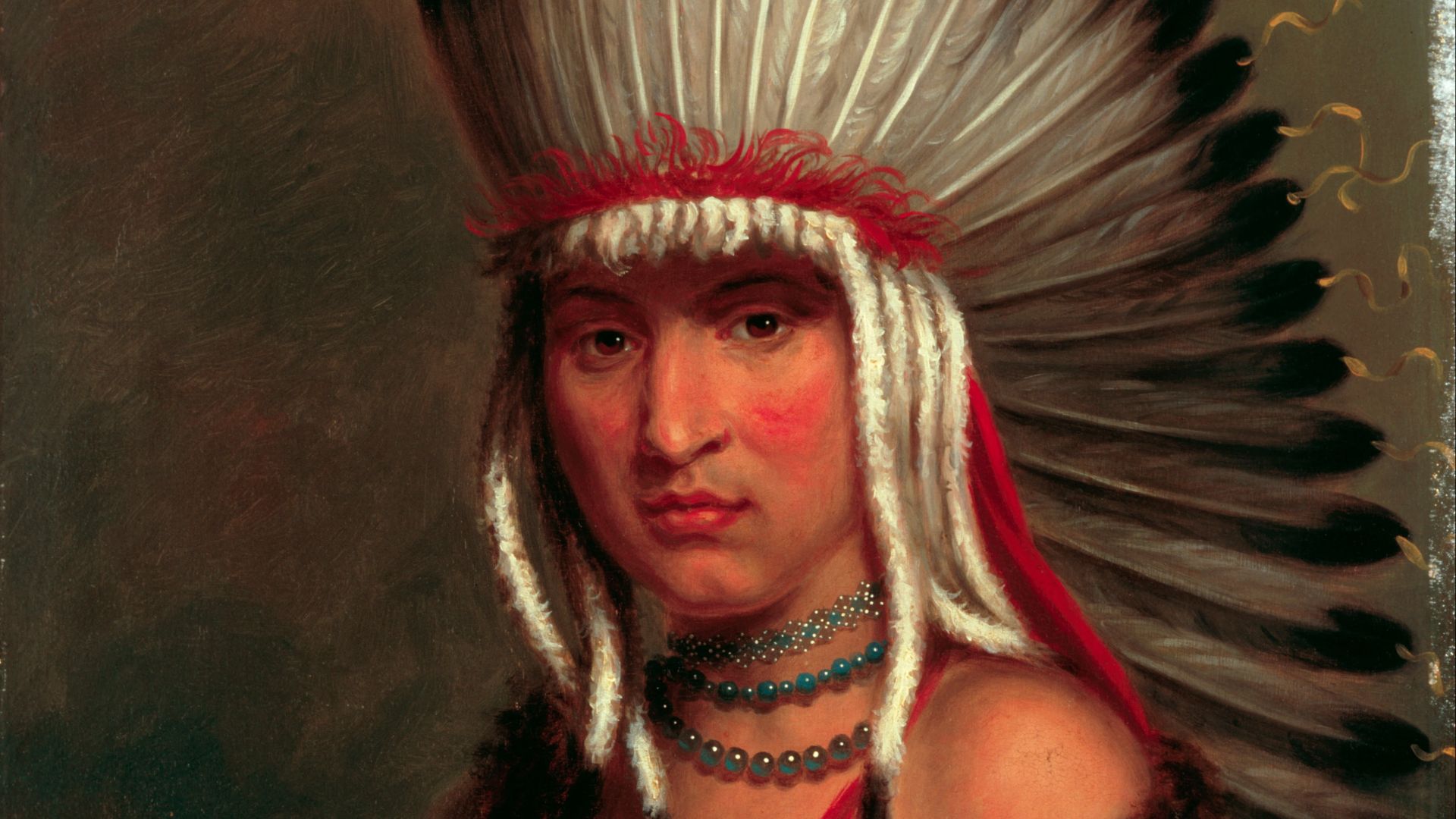
During the 1960 White House restoration led by Jacqueline Kennedy, he orchestrated the purchase and donation of some important portraits by Sears. Created by Charles Bird King, an American portrait artist, five paintings of Native American leaders and individuals were donated to the White House collection.
His altruistic beliefs came out in another surprising moment a couple of decades later.
 Charles Bird King, Wikimedia Commons
28. He Was Living A Multitudinous Life
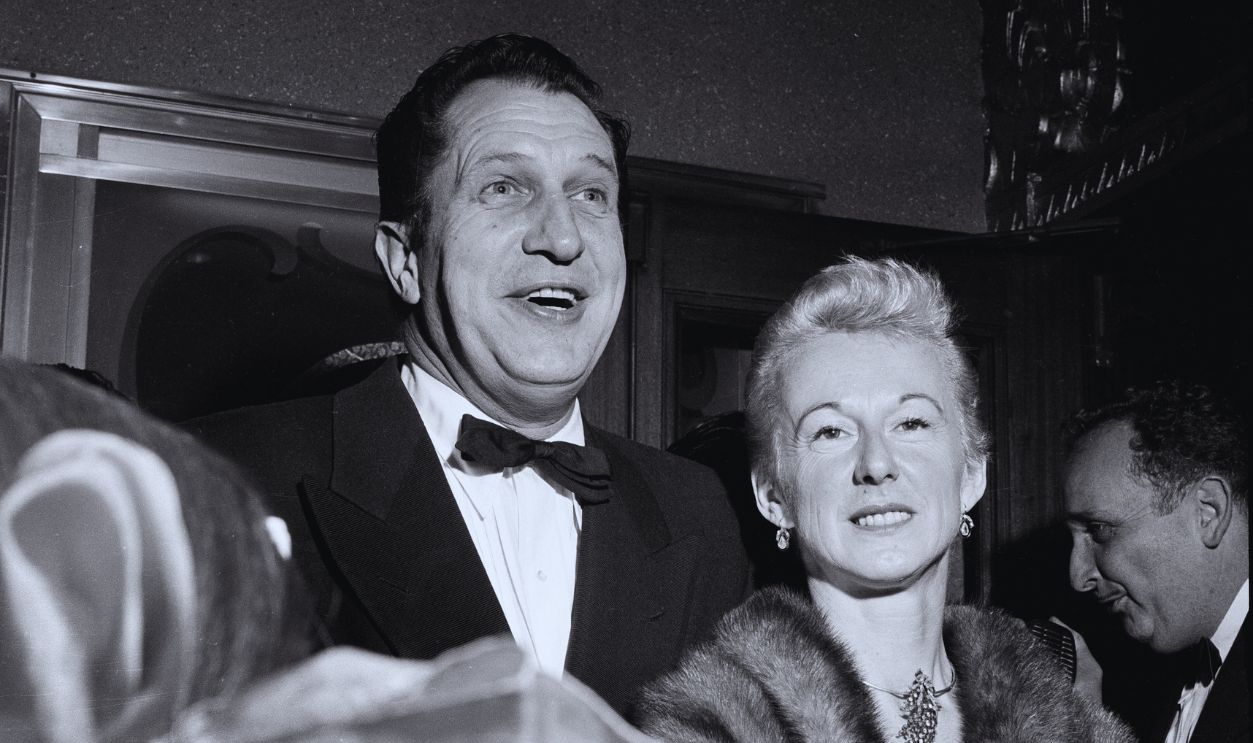
Price and Grant were together for over a decade. They endured the government investigations together, and they shared a child born in 1962, Victoria Price, named for Price’s major success in Victoria Regina. They co-authored three cookbooks together from 1965 to 1969. It seemed like they were going to go the distance. On the surface, it seemed like they would last an age.
But it wasn’t meant to be.
 Michael Ochs Archives, Getty Images
29. He Was A Renaissance Man
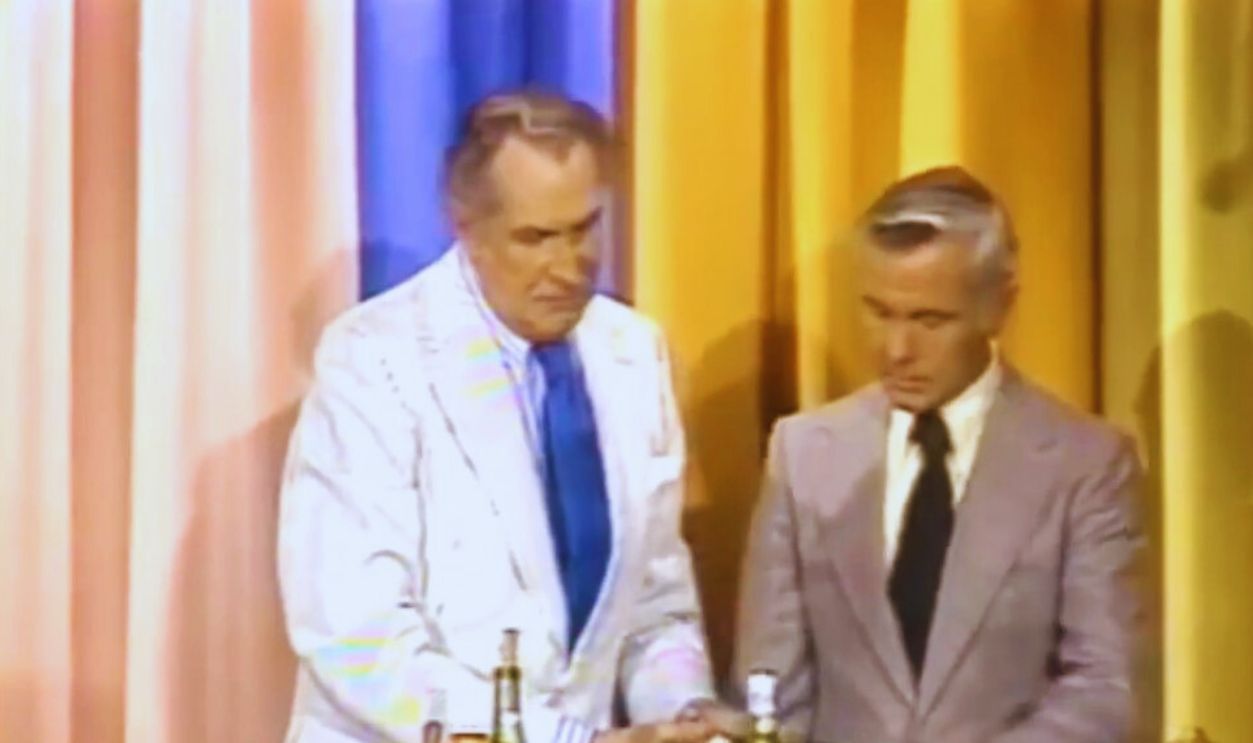
In 1971, the king of horror made a surprising appearance on television. A British TV program hired him to appear on a show called Cooking Price-Wise. There, he—obviously—taught cooking and promoted his latest cookbook, the fourth he’d published. He went on to show viewers how to poach fish using only a dishwasher on The Tonight Show Starring Johnny Carson.
Price’s variety of appearances wouldn’t stop there.
 NBC, The Tonight Show Starring Johnny Carson
30. He Was Briefly Alone Again
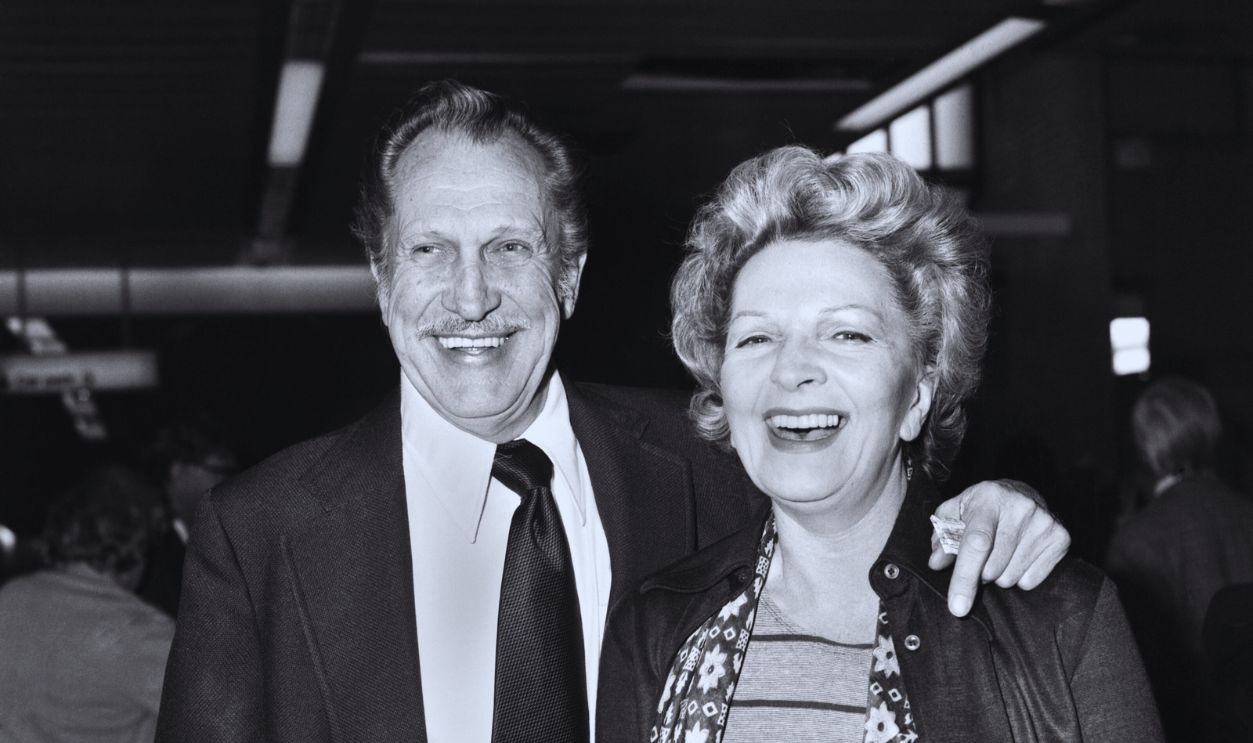
He and Grant divorced in 1973. They had spent so much time tying their personal relationship up in business that entangling their lives proved quite the endeavor. Thankfully, he was able to stay involved with his children, whom he loved intensely. The following year, Price married Coral Browne, an Australian actress, a year later after they had worked together on Theatre Of Blood (1973).
Little did he know, this would be his final love.
31. He Was Becoming A Horror Staple
In the early 1970s, Price continued building his horror-focused reputation by appearing in a variety of different media, including BBC Radio’s The Price Of Fear, the Canadian TV series The Hilarious House Of Frightenstein (1971), and many, many more. He was becoming a household name for horror buffs around the world.
But then, something unexpected happened.
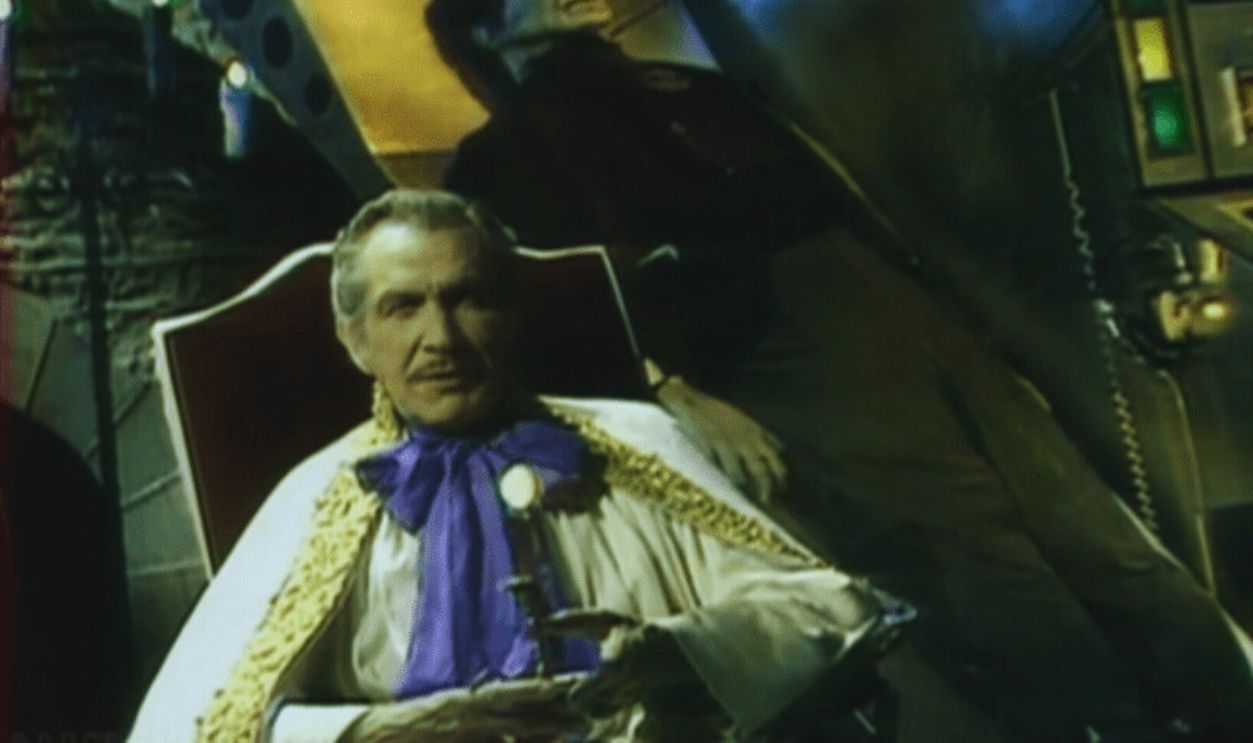 CHCH Television, The Hilarious House of Frightenstein (1971)
32. He Was Broadening His Horror Repertoire
The horror genre went through a mini-recession. The interest in terror shrunk in 1975, and Price had to act accordingly. Instead of appearing on screen in horror roles, he looked to narrative work and voice acting, lending his distinctive voice to preserving the poems of Edgar Allan Poe and popular recording musicians at the time.
Some of the musicians who hired him are shocking.
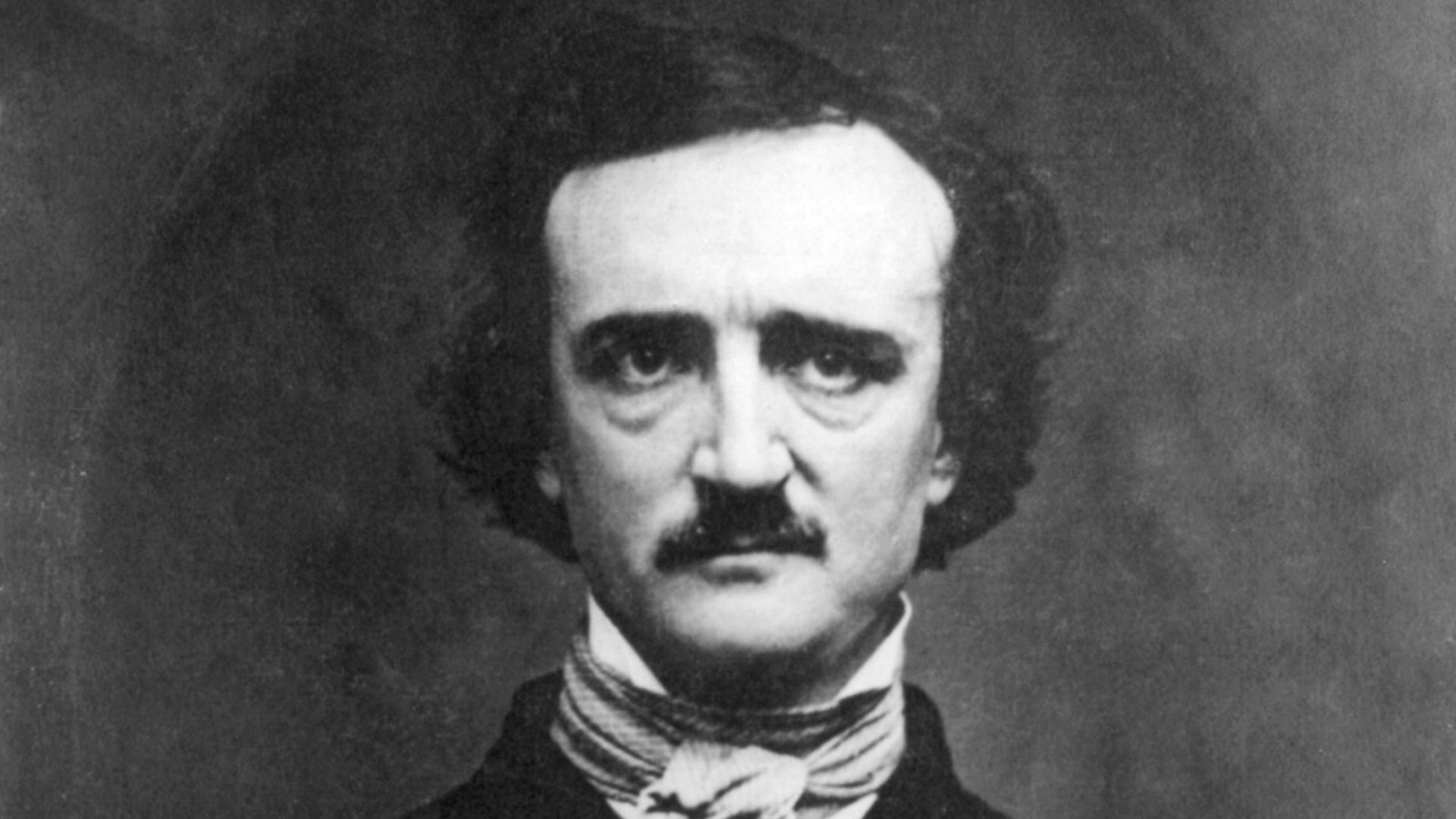 W.S. Hartshorn, Wikimedia Commons
33. He Was Aesthetically Appealing
One of the most aesthetically distinctive musicians of the 1970s was Alice Cooper. He brought Price on to record a monologue for his song “The Black Widow”, on his Welcome To My Nightmare album. He also appeared on the TV special for the album.
His iconic, eerie voice appeared on another surprising record.
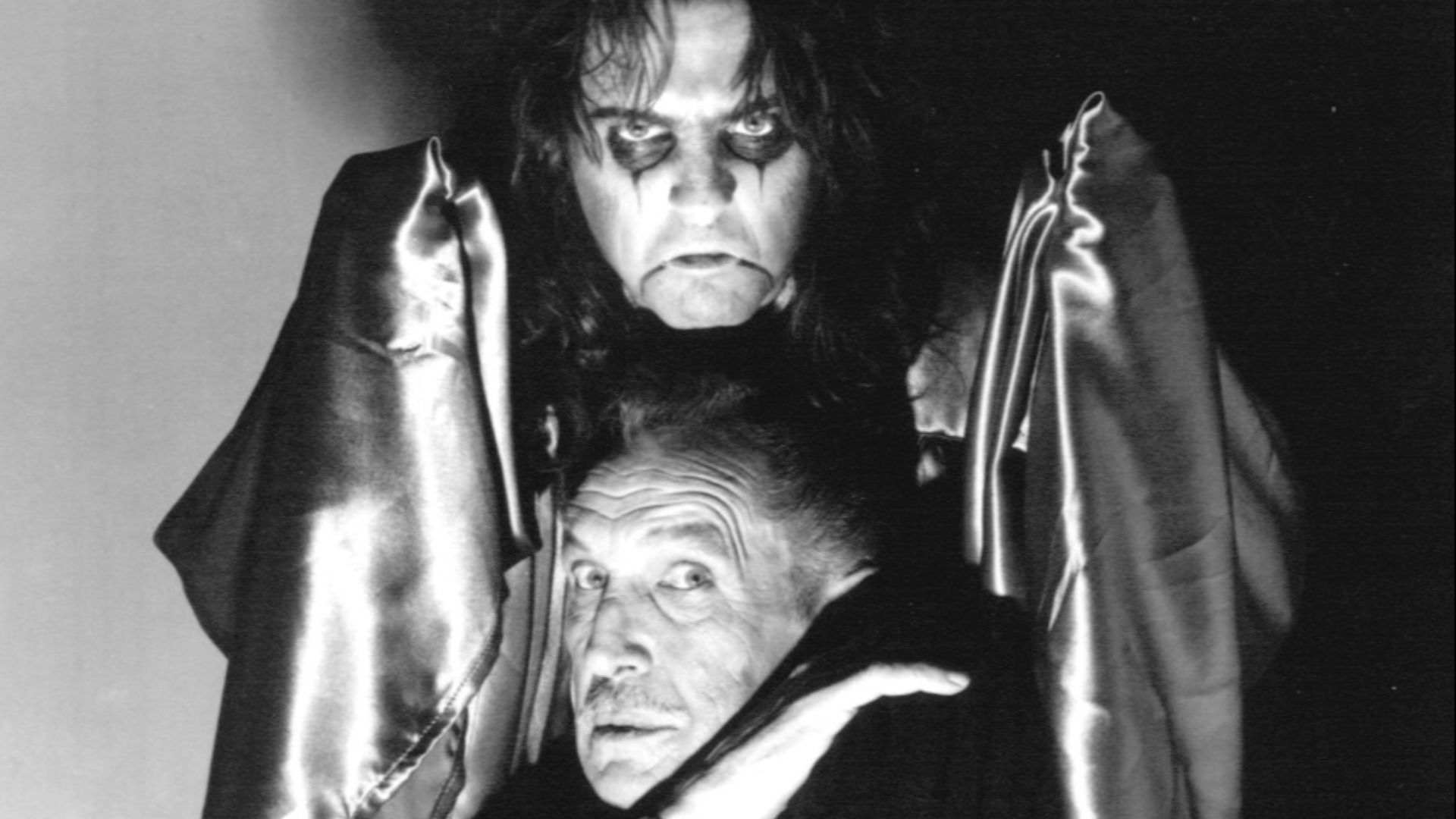 ABC Television, Wikimedia Commons
34. He Was The Face Of A Classic Author
Price leaned into his love of classic literature in the 1970s during his search for other work avenues. He returned to the stage in 1977 to perform the one-man stage play Diversions And Delights (written by John Gay, directed by Joe Hardy), where he starred as Oscar Wilde. This play not only toured around the country, but was also reprised two years later.
Family and friends saw this as one of his best performances.
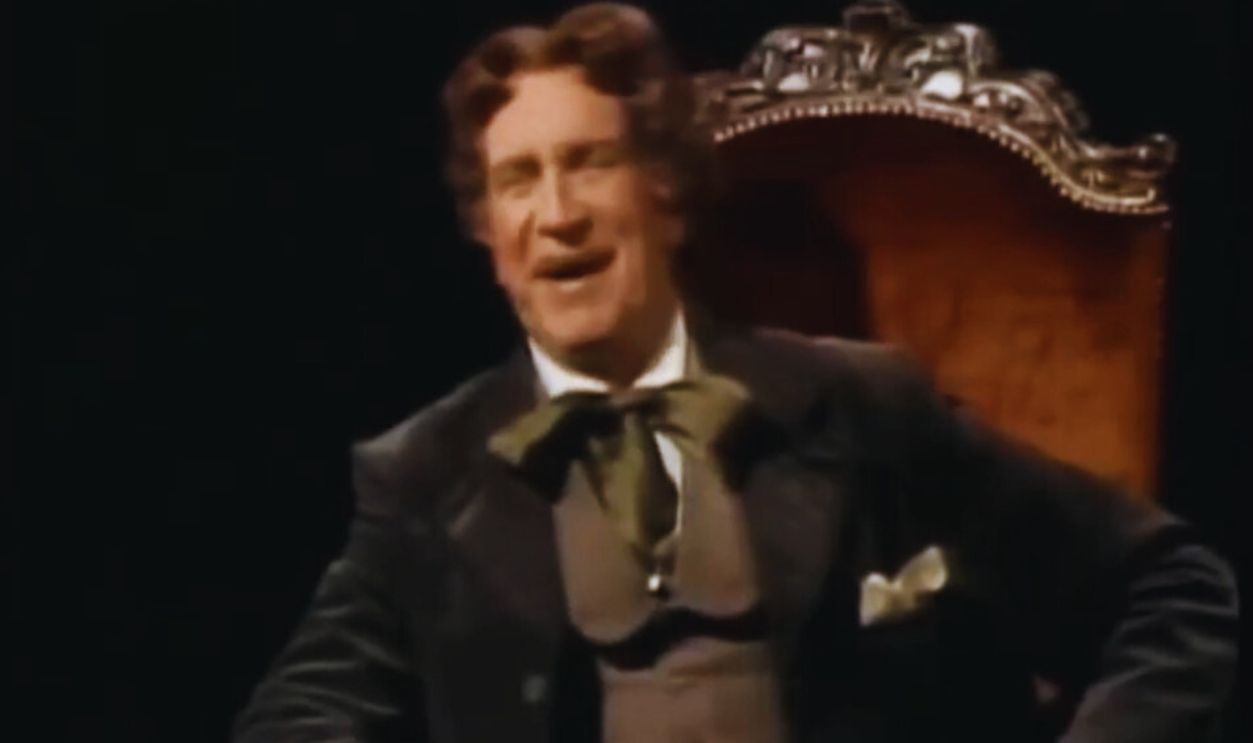 Stage Production, Diversions and Delights (1978)
35. He Was Bonded To A Protege
His later career brought about connections to new staples in the horror scene. Tim Burton brought him on to narrate a short film called Vincent (1982), in which a young boy enters a fantasy where he becomes Vincent Price. His working relationship with Burton would continue after this initial meeting.
But the most famous monologue he ever recorded came in 1983.
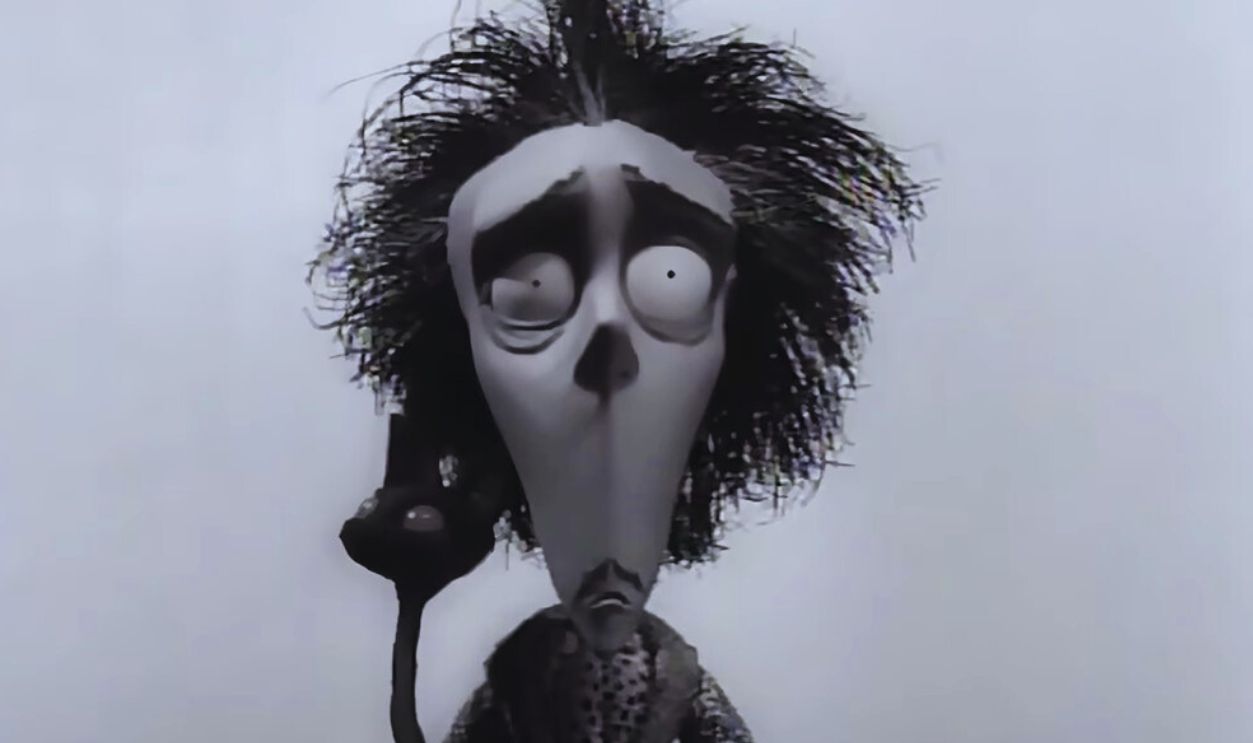 Walt Disney Productions, Vincent (1982)
36. He Was The Voice Of A Generation
Price was brought on to a project that he never expected would become as well-known as it did. His friend, Peggy Lipton, whose then-husband was working on Michael Jackson’s new album, asked if he would lend his distinctive horror voice to a new song. He agreed with delight.
It only took three takes for Price to become the well-known narrator of the spoken-word section of “Thriller”.
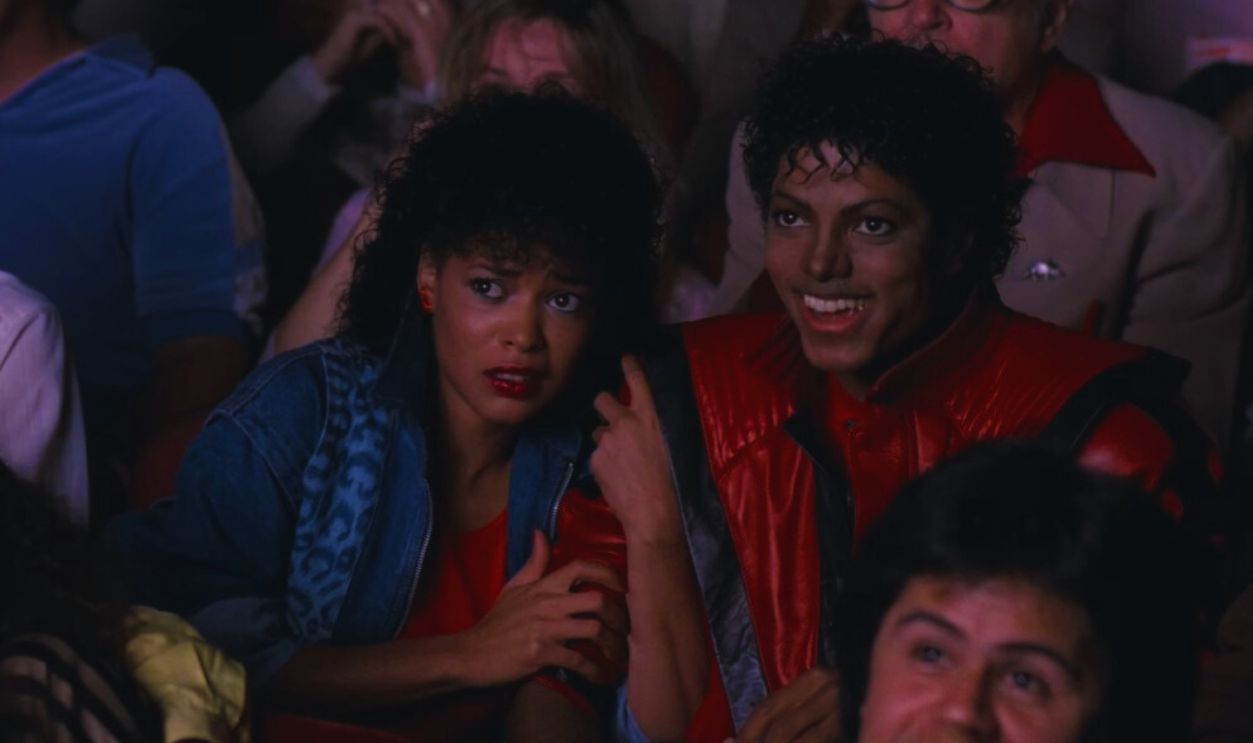 Michael Jackson - Thriller (Official 4K Video), Michael Jackson
37. He Was Able To Spread His Talent Far And Wide
The voice acting roles kept coming, and Price lent his dulcet and terrifying tones to a variety of different projects, including the Hanna-Barbera series The 13 Ghosts Of Scooby-Doo (1985), a thirty-minute documentary about the history of amusement parks and roller coasters (1987), and horror-themed Tilex bathroom cleaner commercials (1985-1989).
But he still wasn’t done yet.
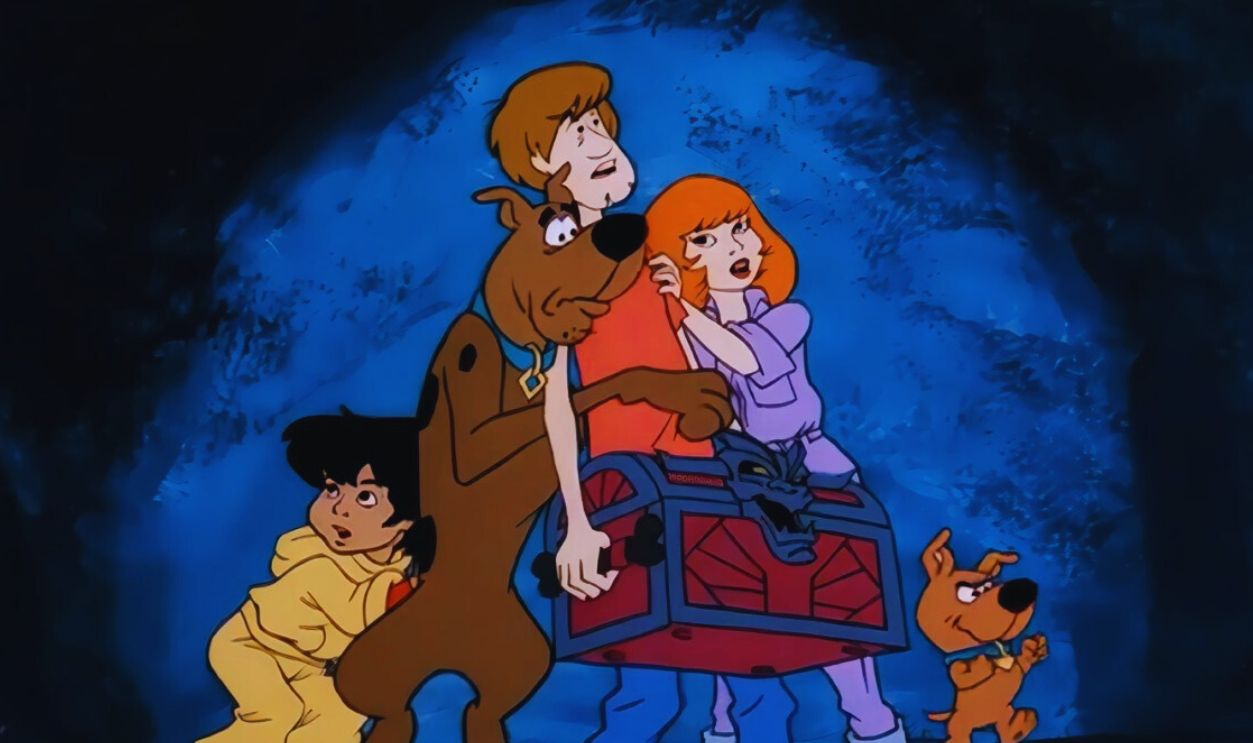 Hanna-Barbera Productions, The 13 Ghosts of Scooby-Doo (1985)
38. He Was Brought Onto A Major Project
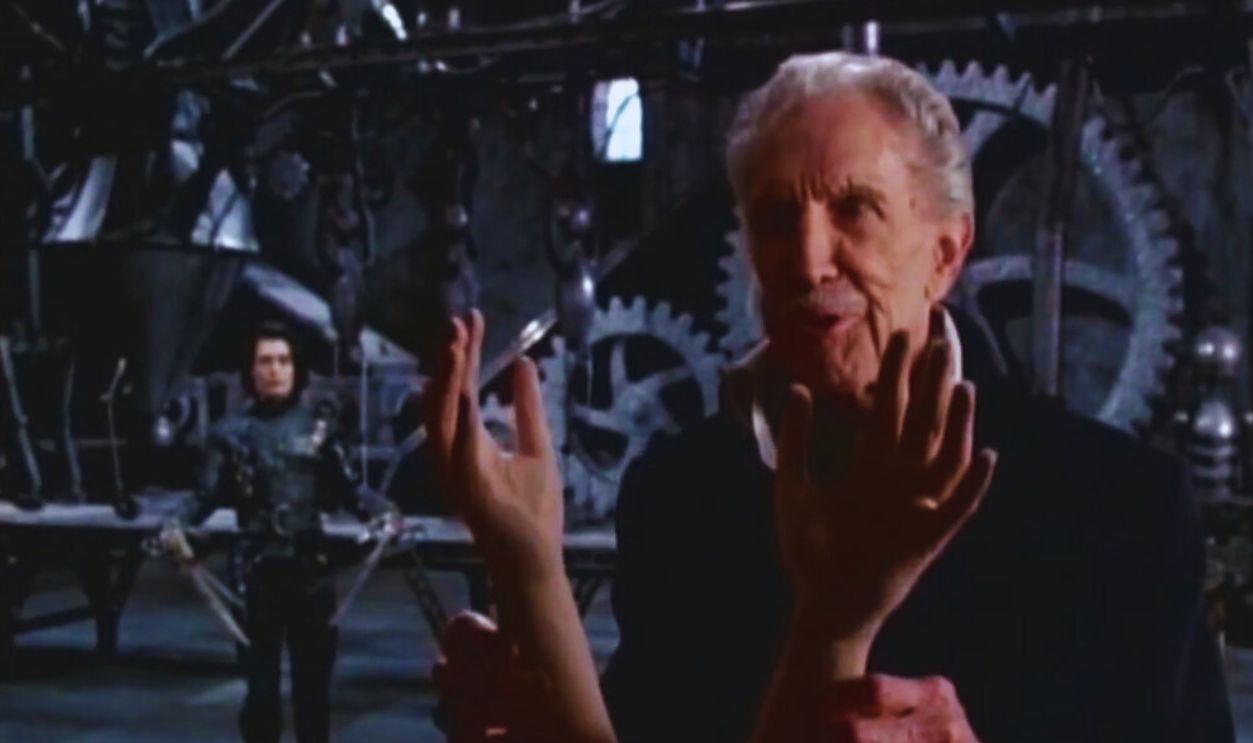
Price made a couple more screen appearances and lent his voice to more narration. But one of his final roles was one written for him by an old friend. In Edward Scissorhands (1990), Tim Burton wrote the character of the Inventor specifically for Price. Though the character didn’t play a prominent role on screen, he was vital to the plot and character of Edward.
This was a stunning way for him to say goodbye to his screen work.
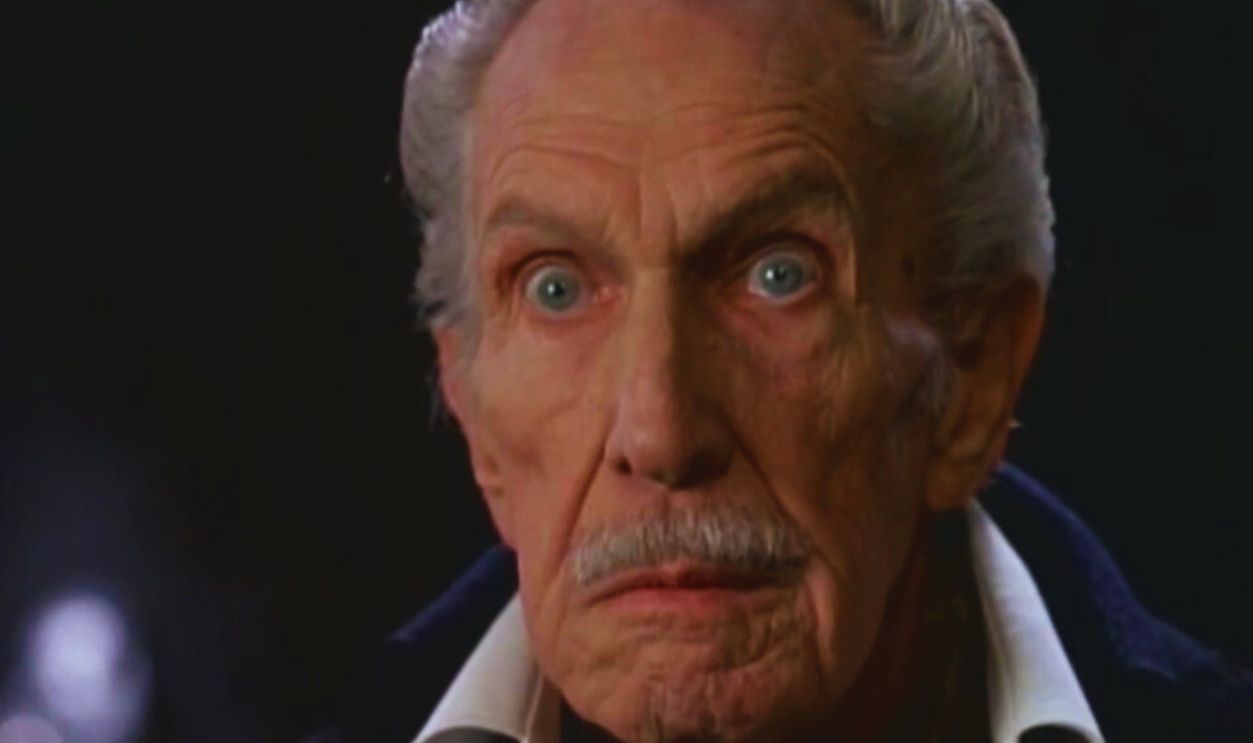 20th Century Fox, Edward Scissorhands (1990)
39. He Was Forced To Endure Discomfort
Price struggled during the filming of Edward Scissorhands. He struggled with Parkinson’s disease alongside chronic obstructive pulmonary disease. During the filming, he was so impacted by his symptoms that they had to shorten his filming schedule. These same illnesses were also part of why he retired from Mystery! In 1989.
This wasn’t the only upset he faced during the last few years of his life.
 20th Century Fox, Edward Scissorhands (1990)
40. He Was Faced With A Profound Loss
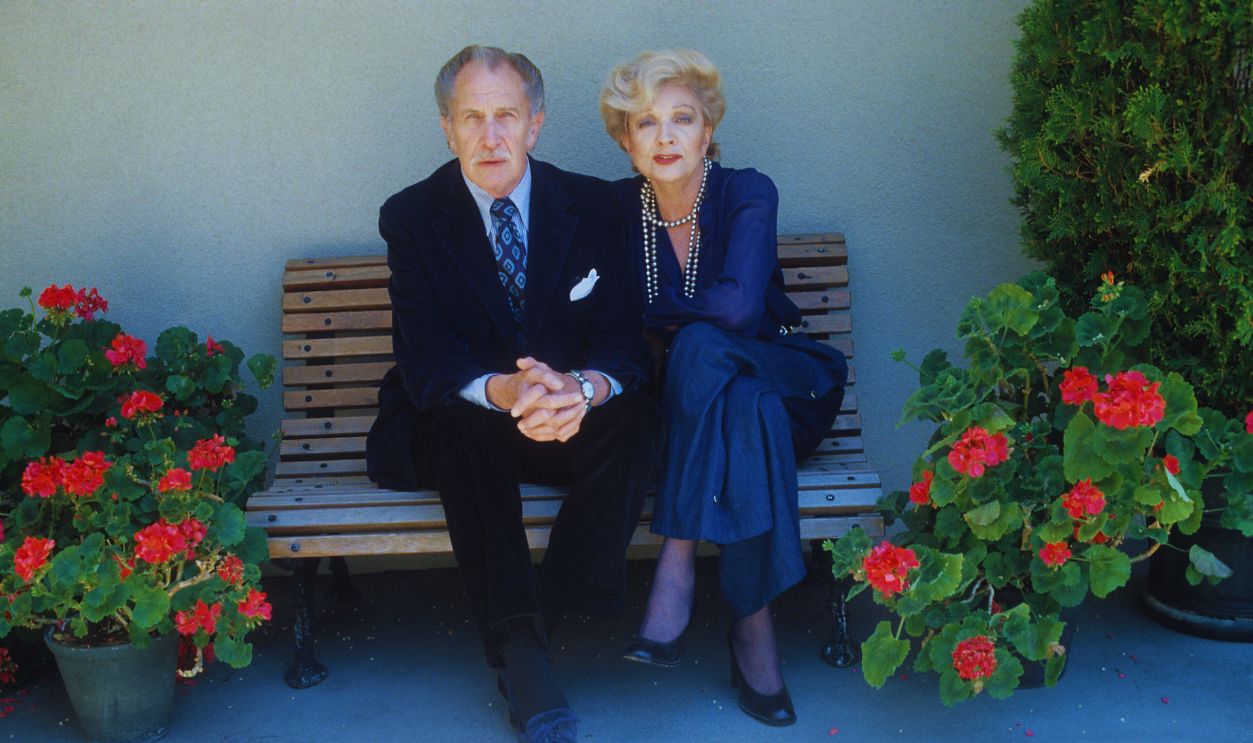
Tragedy struck in 1991. Price and Browne had shared a marriage full of respect and mutual interests in the arts. They were equals, marked by their successes as individuals who came together to share a life. However, Browne wasn’t able to fend off her breast cancer any longer, devastating Price.
He had no idea that he wouldn’t need to live too long without her.
 Donaldson Collection, Getty Images
41. He Was Able To Live A Fulfilling Life
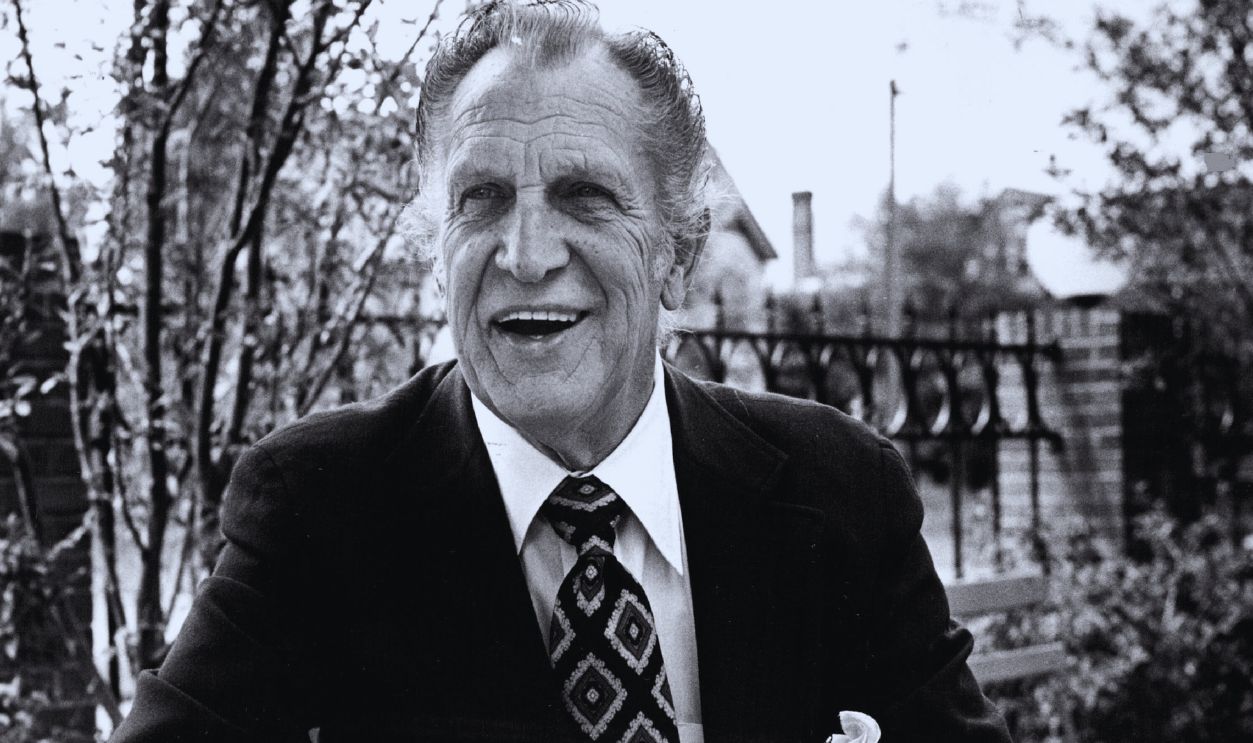
On October 25, 1993, Price lost his fight to lung cancer in his LA home. The loss devastated his family, but the legacy he left was a consolation to their pain. His career in the horror film industry lingered beyond what anyone expected, and several biographies were written and filmed to commemorate his achievements.
Price’s life and career fascinated one surprising person.
42. He Was Difficult To Memorialize
A couple of years before Price succumbed to his illness, Tim Burton tried to produce a documentary titled “Conversations with Vincent”. The project included interviews with Price at his eponymous museum. Unfortunately, they abandoned the footage when the project was never finished and later shelved.
But the extent of his reach didn’t stop there.
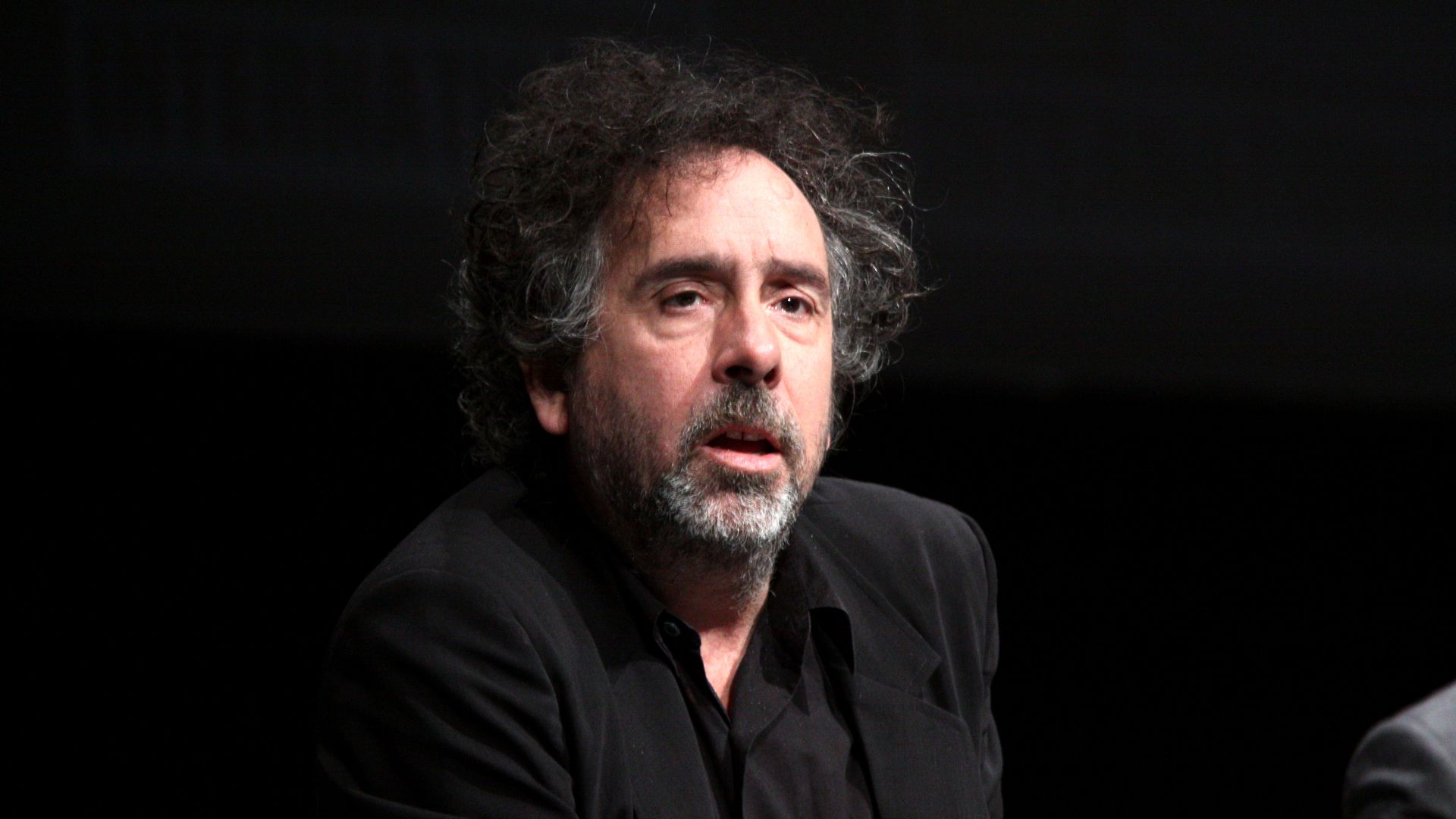 Gage Skidmore from Peoria, AZ, United States of America, Wikimedia Commons
43. He Had A Broad Influence
Price’s influence extended wide and it encompassed Deep Purple, the English rock band, and Roger Glover, on whose live recording of The Butterfly Ball and the Grasshopper’s Feast Price was narrator. Not only that, but even artists who hadn’t met Price wrote odes to his career in the horror genre.
He didn’t expect his legacy to span so far beyond his days.
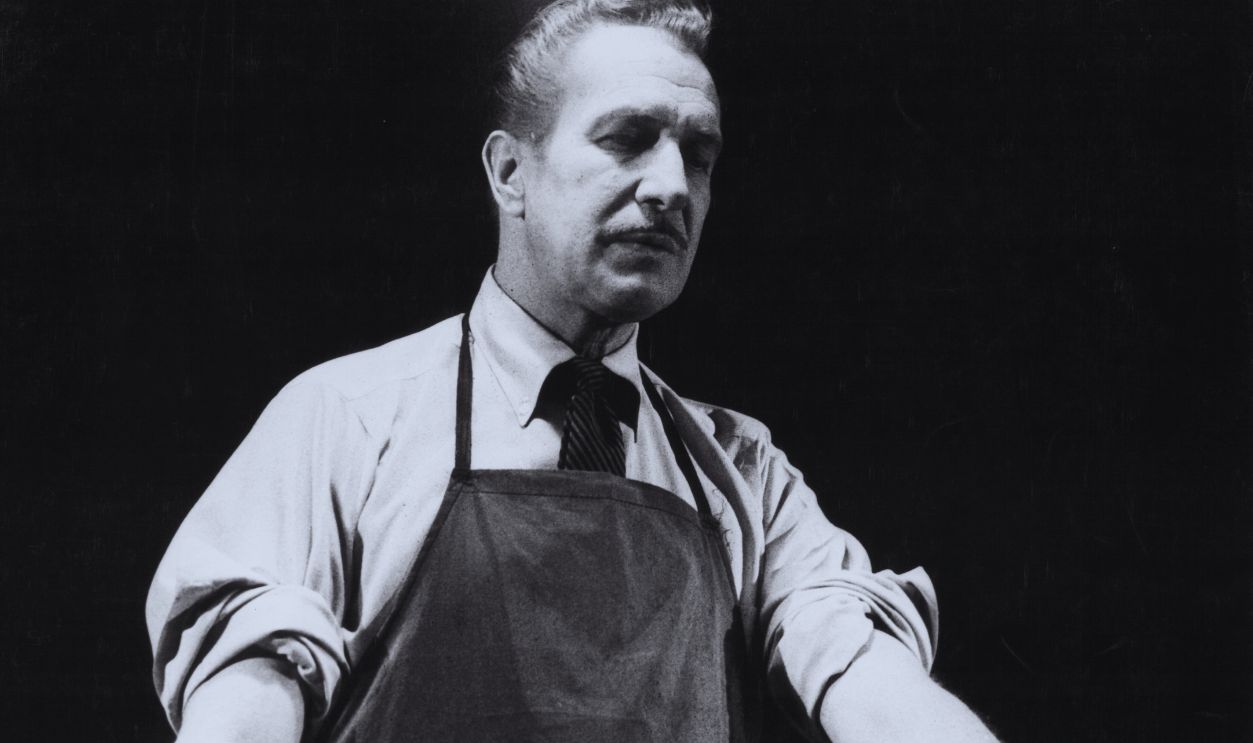
44. He Was More Than An Actor
While Price’s legacy in film is undeniably spooky, the waves he made off-screen were both heartwarming, and risky. After growing out of his early conservative beliefs, he stood up for the marginalized and took action to support those facing prejudice.
But before he could do that, he had to clear the air.
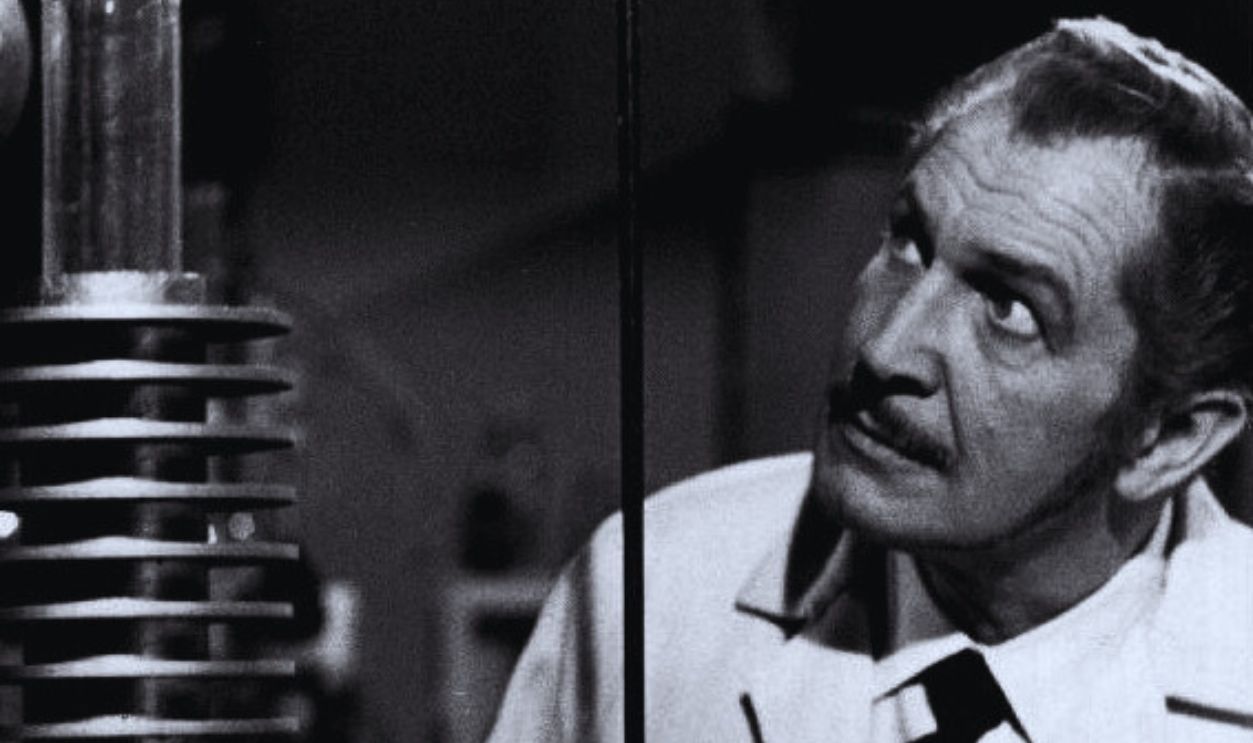 CBS Television, Wikimedia Commons
45. He Was Scrutinized By The FBI
Back in 1954, Price’s political activities brought him some unwanted attention. Unrest had swept through the country, and anyone whose beliefs had the potential to lean toward the extreme was being watched by government agencies. Price was one of the many actors and artists under scrutiny—and it threatened to ruin his career.
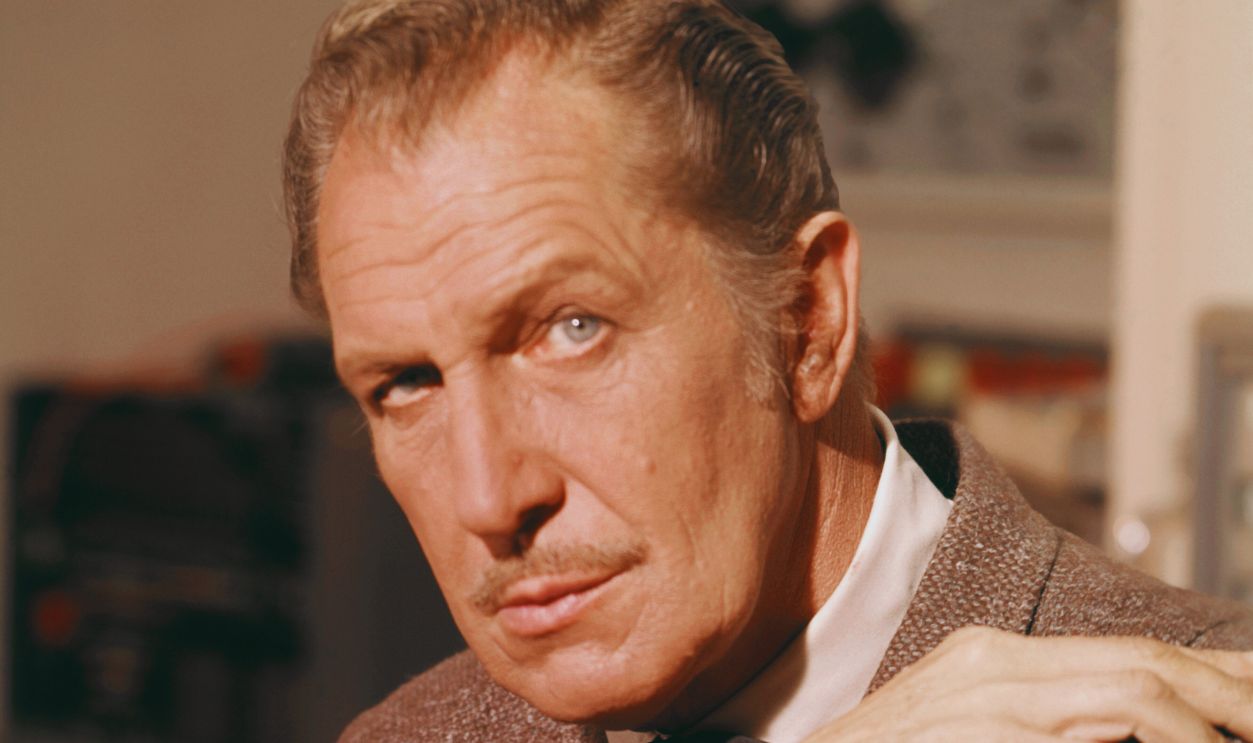
46. He Was Punished For His Beliefs
The TV series he was working on, Pantomime Quiz, dropped him and he was graylisted for his affiliations with organizations the US believed threatened Democracy. This meant his opportunities were running low, and there weren’t many shows and films that would cast him. He couldn’t find work for a year!
Eventually, Price resorted to desperate measures to prove his allegiance.
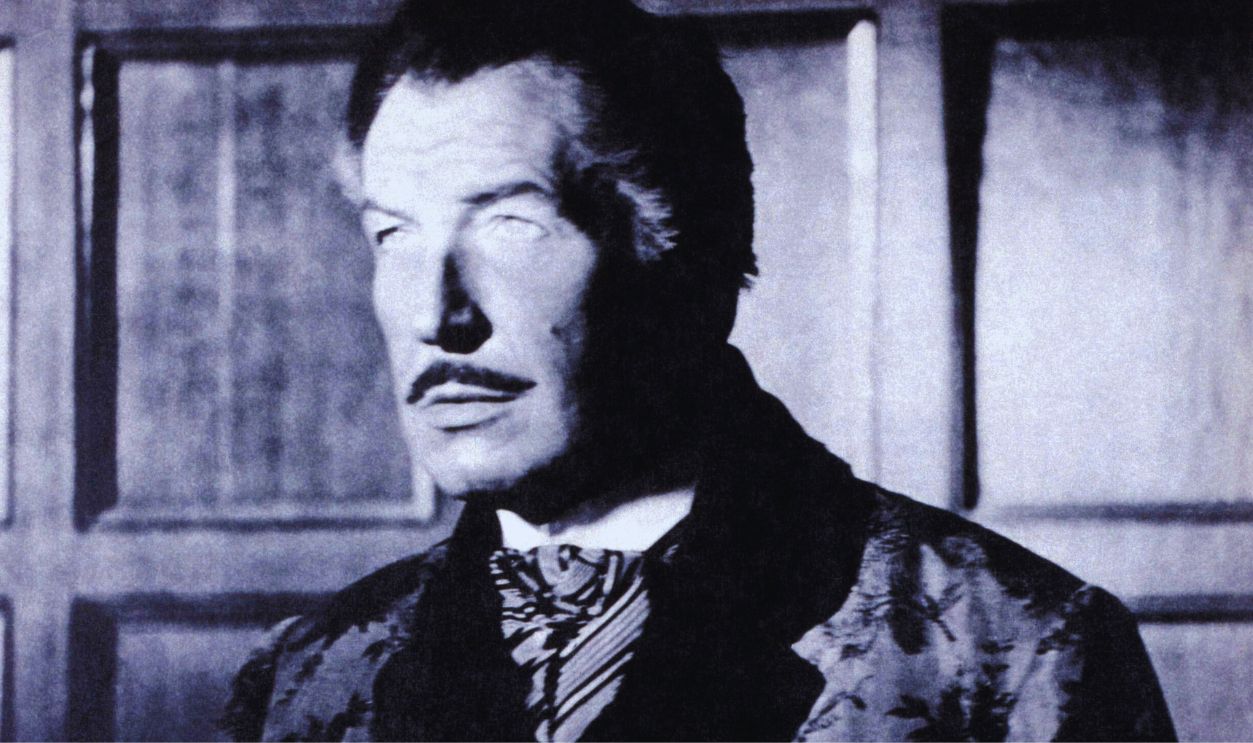
47. He Was Forced To Make A Secret Statement
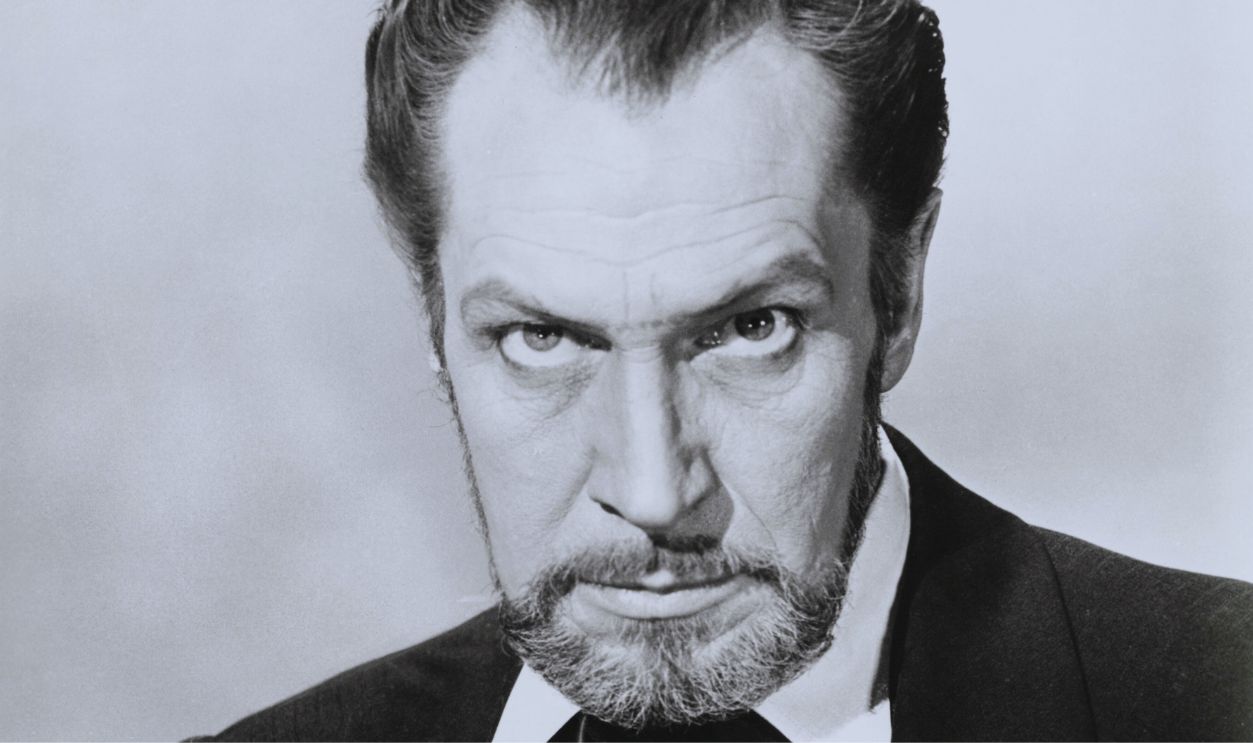
After a series of brutal interrogations, Price decided to draft a secret letter to the government organization, pleading for forgiveness. They’d collected a whole file on his supposed "un-American" activities, and he had to prove them wrong. But this meant disavowing some of his beliefs to save his career and protect his family. In the letter, he detailed everything from his political beliefs to his business associations, and rejected any notion that he was against American Democracy.
This desperate attempt for survival sent shockwaves through those closest to him.
 Universal History Archive, Getty Images
48. He Was Detrimentally Critical
Price's daughter Victoria stated in her book Vincent Price: A Daughter’s Biography (1999), that no one expected him to write the letter. Whenever Price spoke in public about the McCarthy era that brought about this scrutiny, he was scathing. He directed his ire toward both the government and whoever in his circles gave up their peers to the investigators.
His dedication to his family and continuing his ability to speak out against other aspects of injustice didn’t stop there.
49. He Was A Loving Father
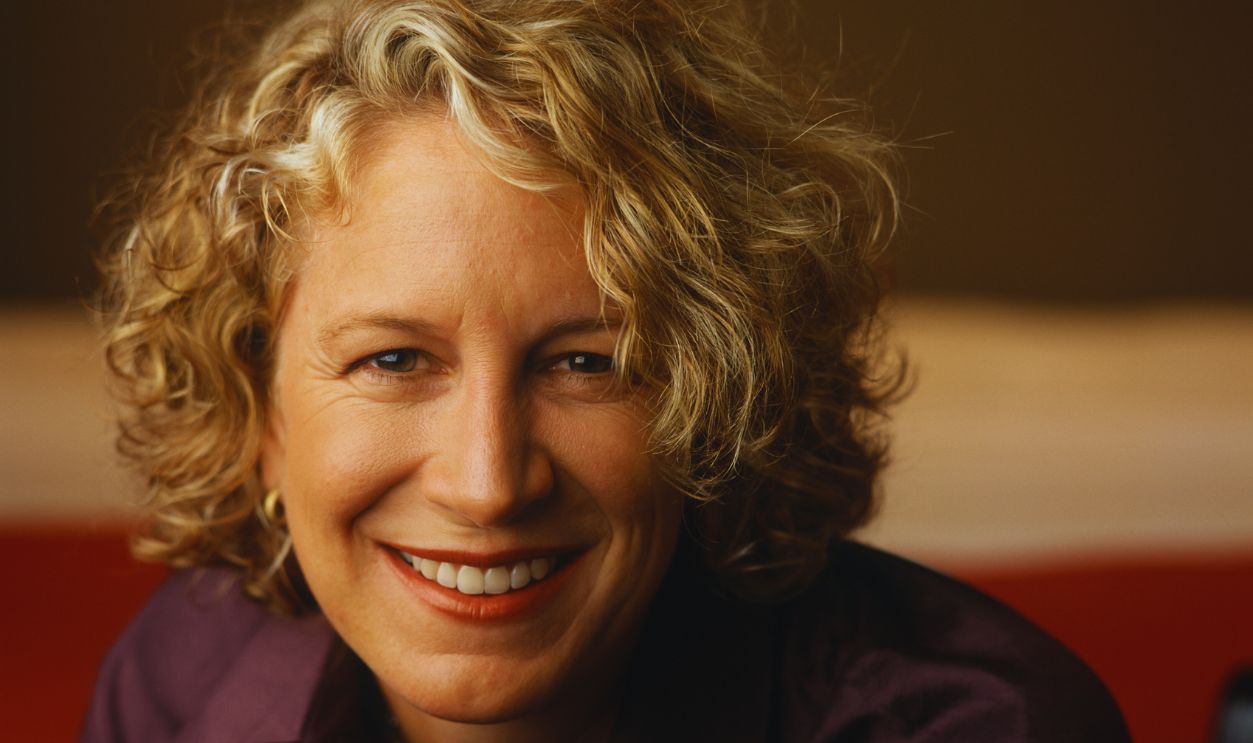
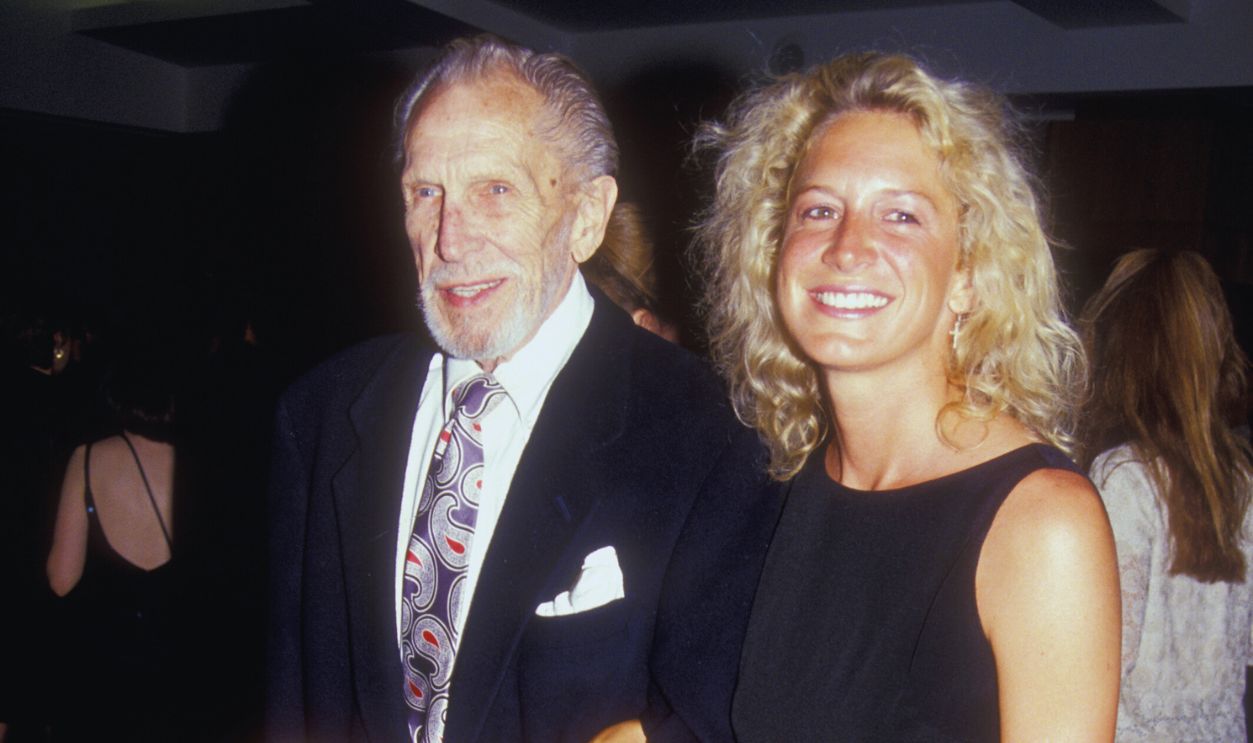
It was back in the 1970s that Price was confronted with something that threw many parents for a loop. His daughter, Victoria, came out to him as a lesbian. Unlike many at the time, he was immediately supportive of her, and even went so far as to join the PFLAG board as an honorary member.
His outspoken support of his daughter and other LGBTQ+ people didn’t end there.
 Ron Galella, Ltd., Getty Images
50. He Was A Firm Supporter Of LGBTQ+ People
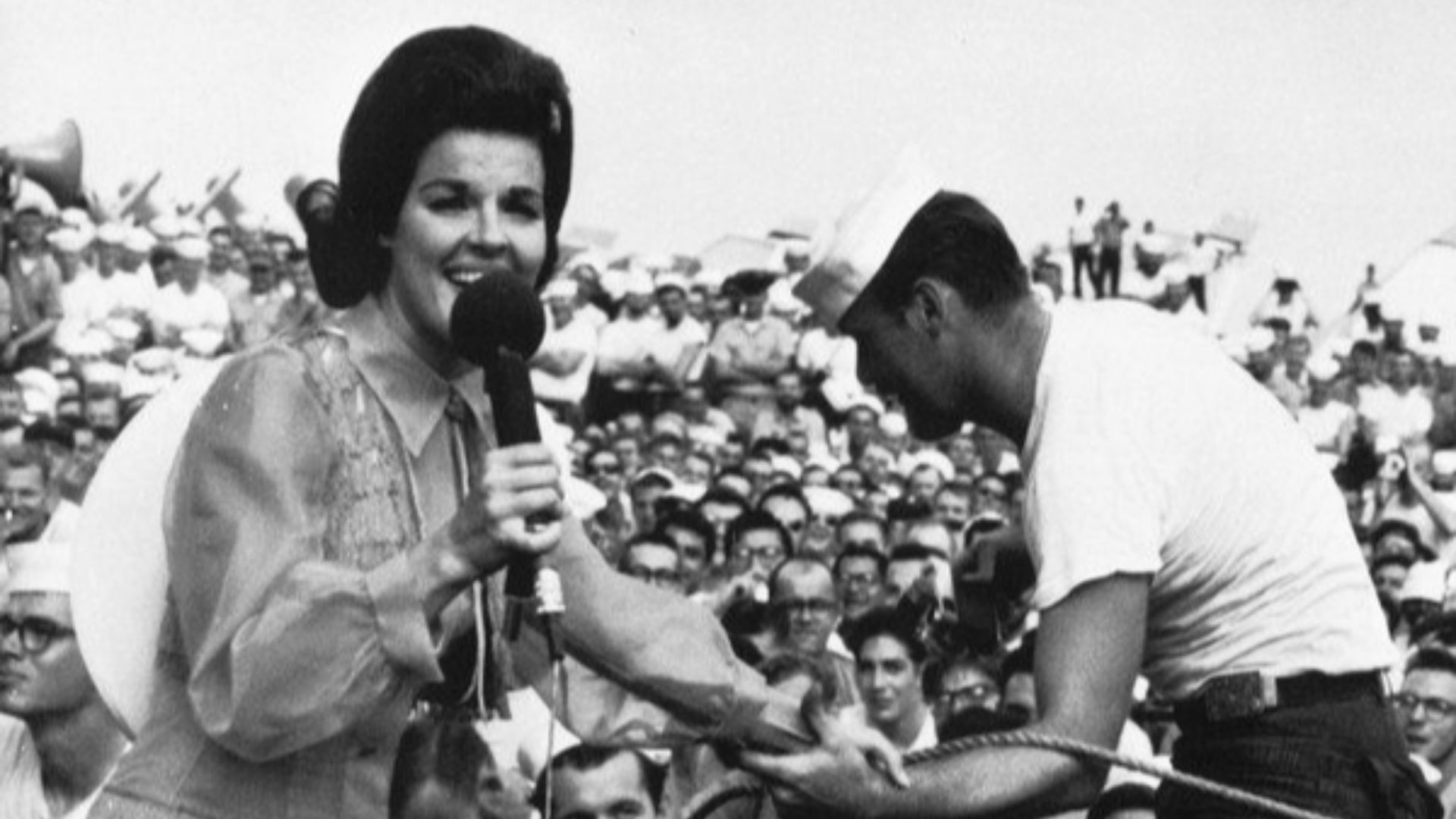
At the same time as his daughter came out, an aggressively anti-LGBTQ+ campaign was going on, led by Anita Bryant. Like every other time minority rights were threatened, Price didn’t mince his words. He was very critical of what she said, and he spoke out against the mistreatment of queer individuals.
But he had more to say about it, including divulging a dark secret of his own.
51. He Was Vocal About His Beliefs
Price spoke out against the discrimination that gay men experienced during the AIDS epidemic in North America. He was one of the first celebrities to do so, and he filmed a public service announcement in an effort to quell the public’s fears around the illness.
In fact, price even confided that he’d had his own intimate relationships with men—some of which may have been reasons for his first two failed marriages.
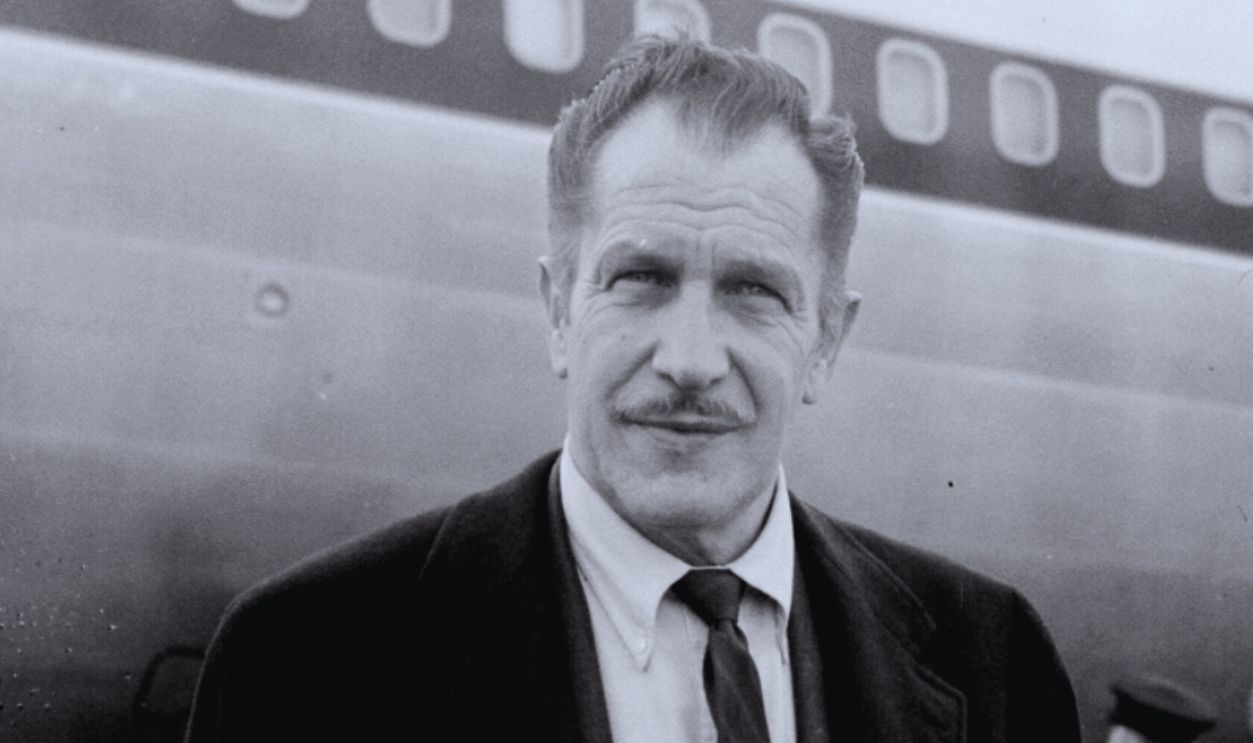
52. He Was Everyone’s Favorite Price
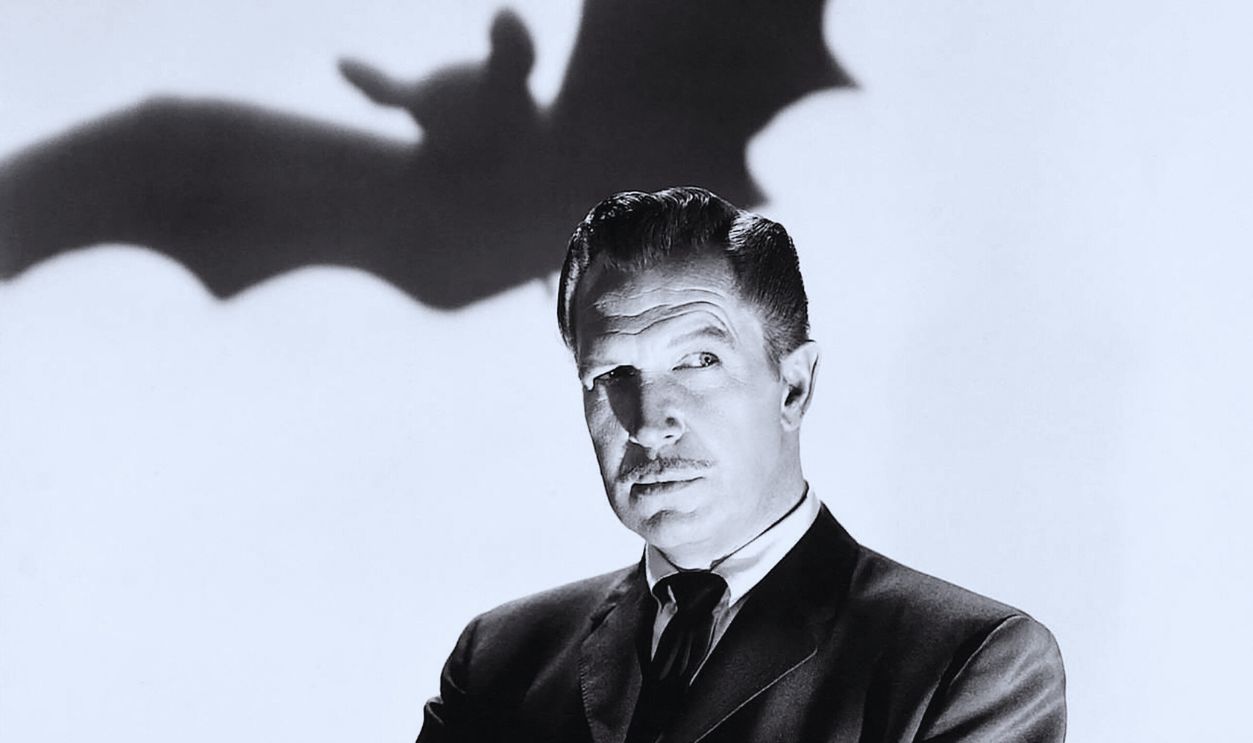
Price left an undeniable impact on the horror genre and the creators around him. People Magazine wrote in their obituary that he was “the Gable of Gothic”. His legacy will continue to live on in the minds of many and in the media he has left behind. Years prior, English critic Gilbert Adair said something that resonated with many who loved the actor, and while it isn’t spooky, the sentiment is heartfelt:
“Every man has his Price—and mine is Vincent”.
 Silver Screen Collection, Getty Images
You May Also Like:
It doesn't take much to send Stephen King's mind to dark places.
What really happened at the Amityville Horror house?
Boris Karloff, The Master of Horror
Sources: 1, 2, 3, 4, 5, 6, 7, 8, 9, 10, 11, 12, 13, 14, 15, 16, 17, 18, 19, 20